Now, you might think of accusing Uncle Ian of feeling a little delicate this morning after the previous evening’s “fun,” but I’m going to disappoint you. My head did not feel as if it had gone through 10 rounds with a certain Mr Tyson, though I will admit to feeling a little tired. Slightly less bright-eyed and bushy-tailed than I’ve known myself to be. Will that satisfy you? Good, then we shall move on. Today’s destination was Foshan, much further south, and our first stop in Guangdong Province.
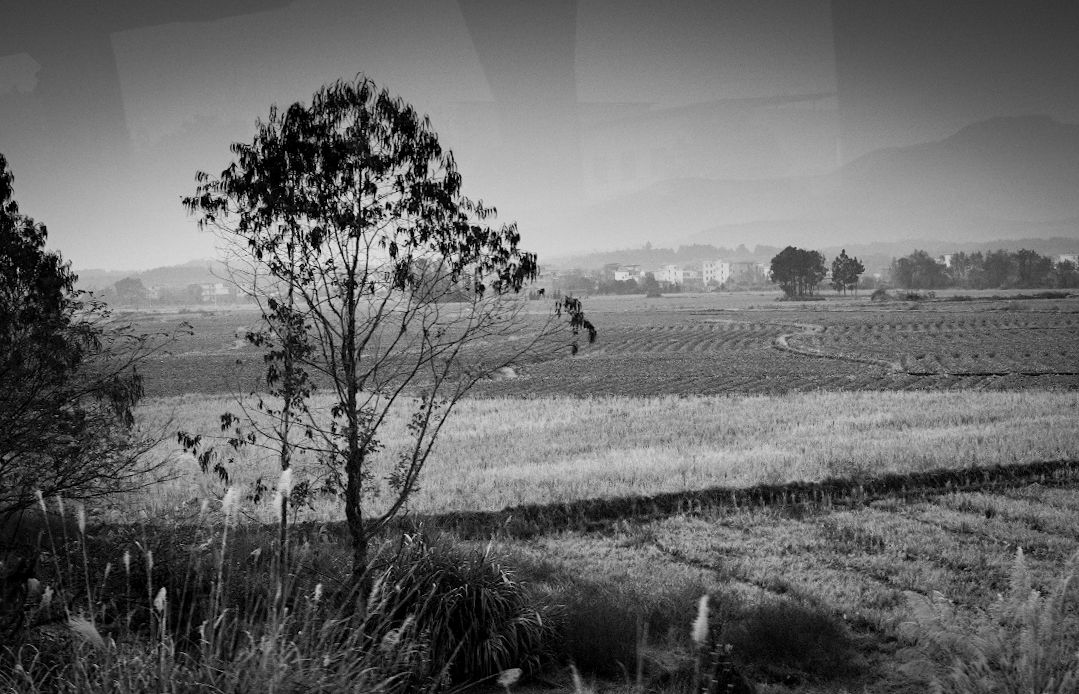
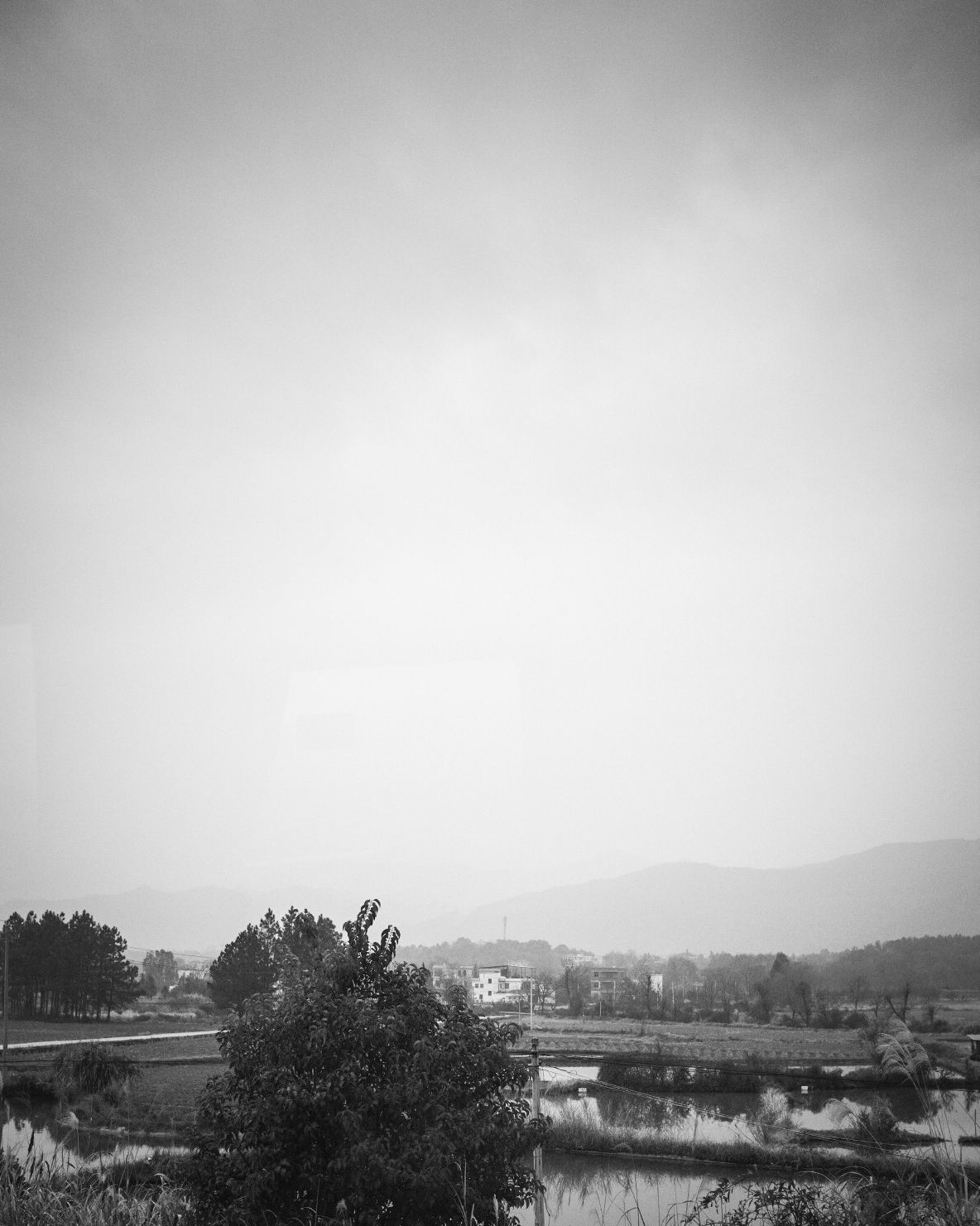
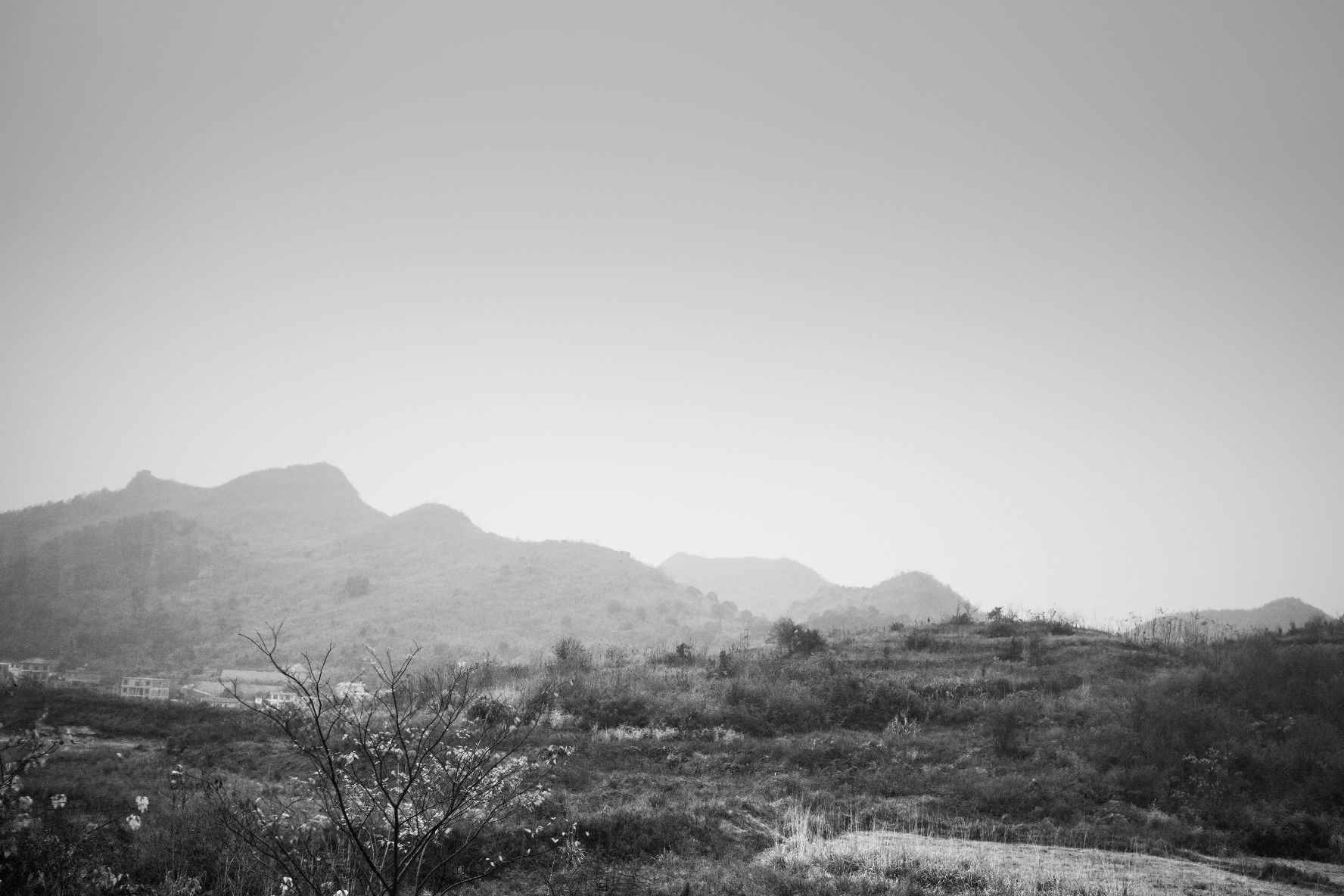
We were to have a mere 500km bus ride to Foshan. I decided to be anti-social and put my headphones on, just staring out of the window. A more relaxed way of passing the time and something that allowed me to simply take in the countryside. And what countryside it was. Now, the Vendée, where I live, isn’t exactly known for its mountainous terrain. Think more Jane Birkin than Marilyn Monroe—flat, laid-back, and subtle. At first, I didn’t realise what the trees were; some appeared bent over and broken. I just thought they were very young trees, before eventually cottoning on to the fact that I was looking at bamboo forests on the hillsides. They reached high up, gently moving with the wind. It was something I had never witnessed before.
We passed houses and farms along the way too. Again, a stark contrast to the cityscapes we had previously contemplated.
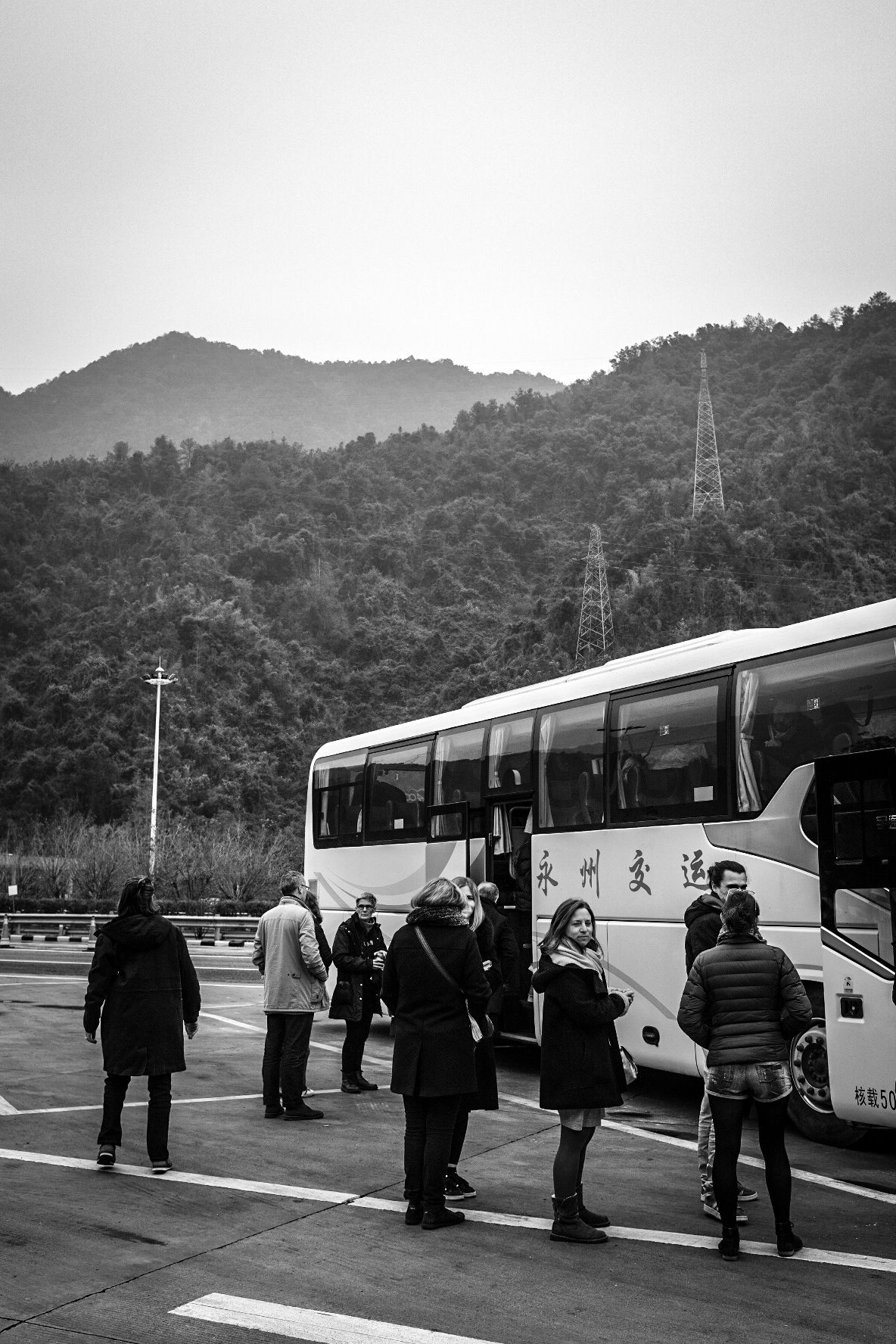
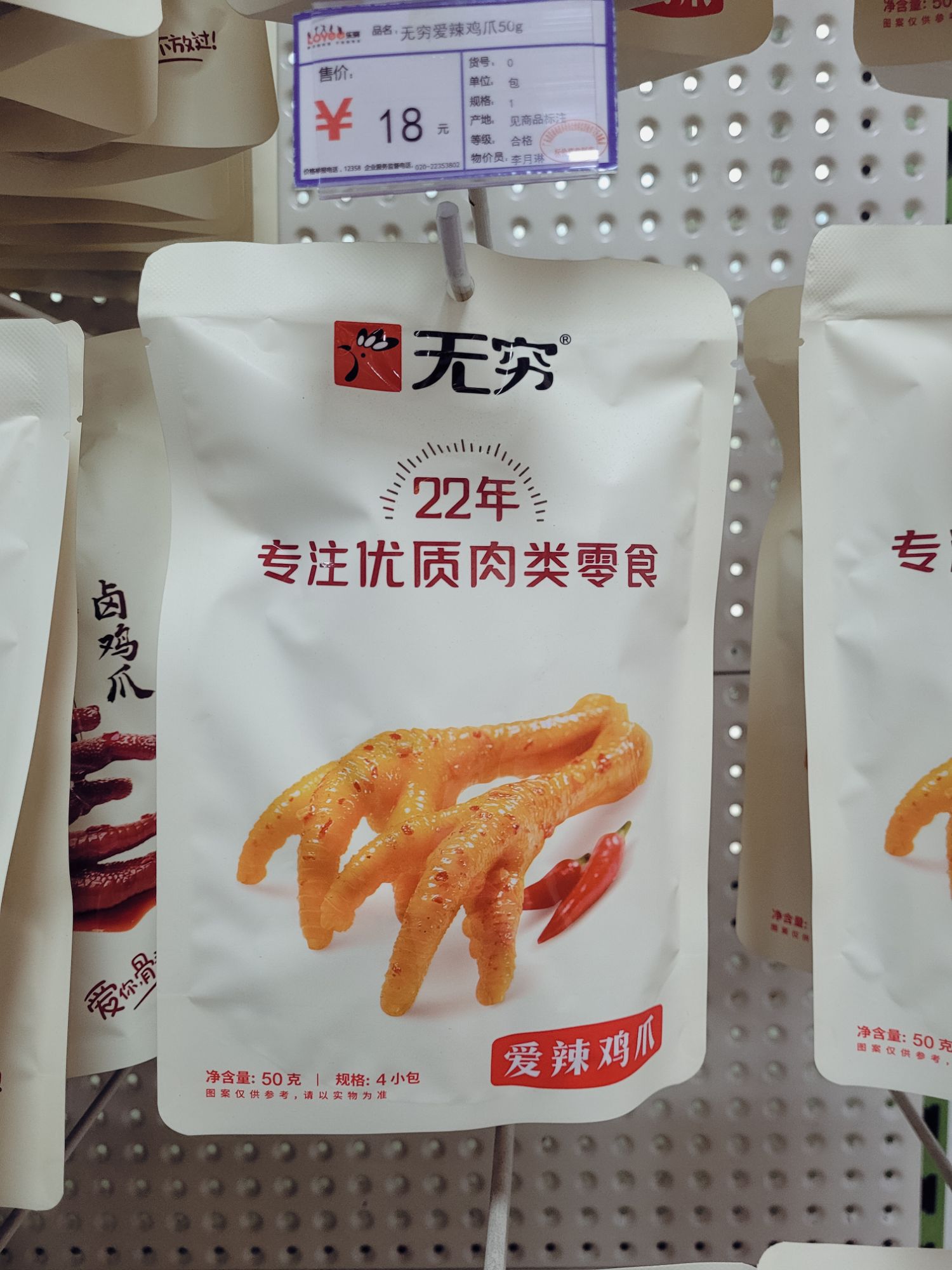
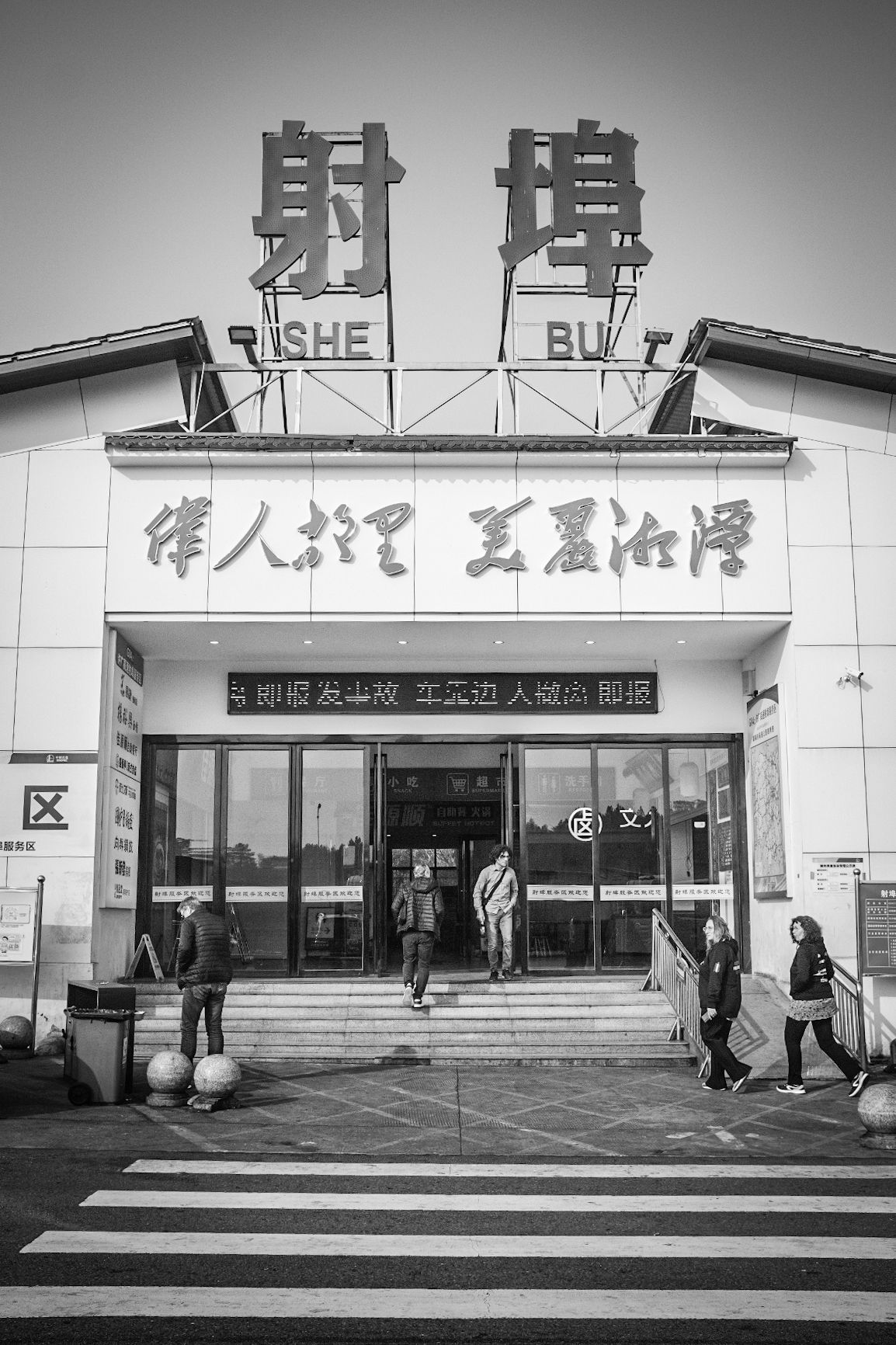
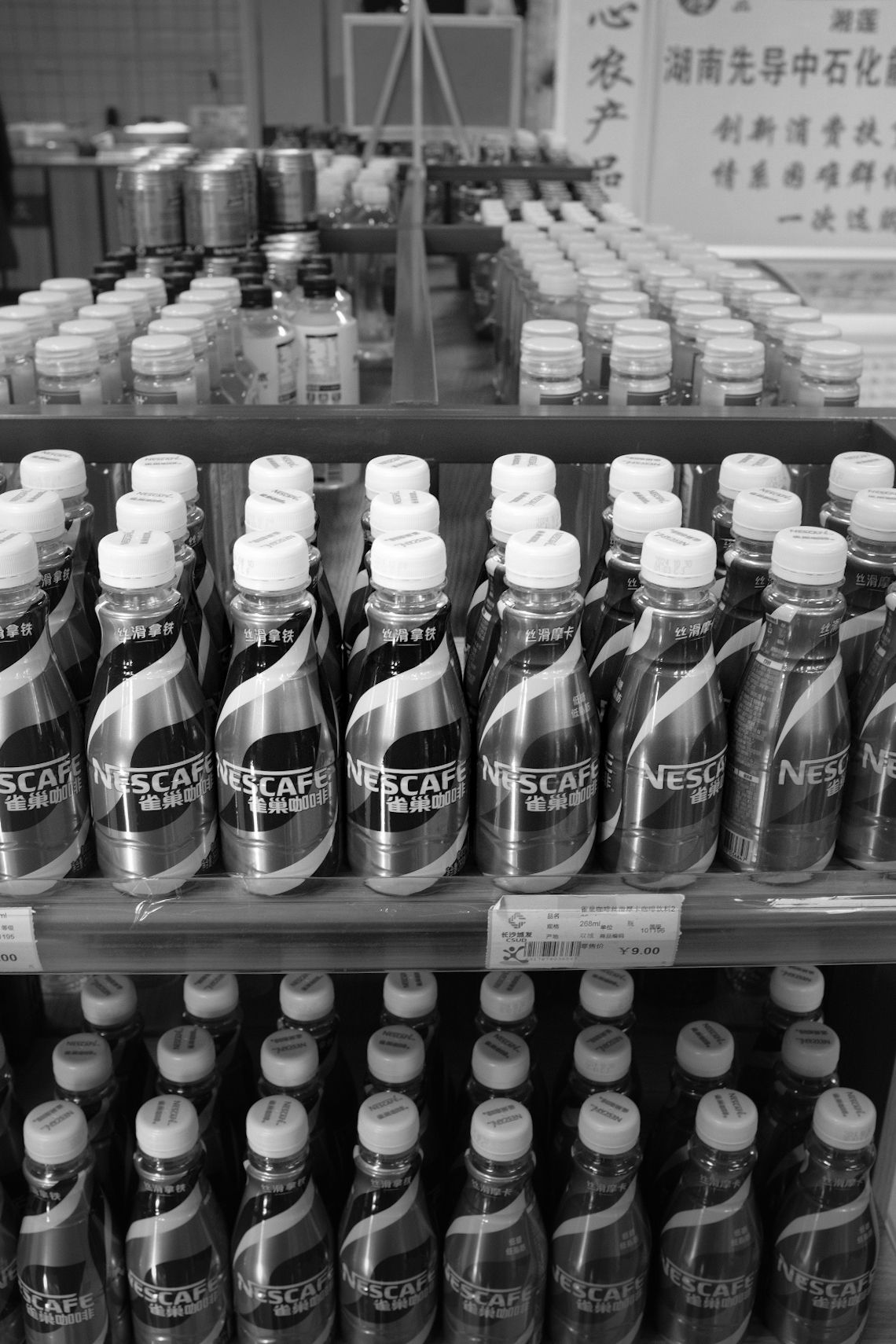
There was, of course, the inevitable “stop pipi,” and we all shuffled into the service station, which still wasn’t selling overpriced sandwiches. But the snacks available were certainly something to behold.
Now, you may be wondering if I partook in the tasting of these delicious-looking snacks. I did not. I was afraid they might be a little on the spicy side. Otherwise, absolutely no problem with eating poultry feet. Really, none whatsoever! I ended up getting something that vaguely resembled a chicken burger. Cheap, filling enough, and actually quite nice!
We arrived at the hotel. Before lunch—well, you know the drill: passports, room keys, and then we could finally eat. By now, I was really getting into Chinese food, and my chopstick funk was over. I was back in form! I managed to grab a couple of photos of the table we were eating at to show you, Dear Reader. The central turning platter took up most of the space and, by the end of the meal, was piled high with dishes that were certainly on the interesting side. In French, we say “tout est bon dans le cochon,” as a means of justifying eating the whole animal. In China, there is no mistaking what you’re eating. The whole beast goes into or onto the serving plate. Even the chicken’s head and feet. It was on this day that I ate tortoise for the first time. It was delicious! I think I had to get over any Western superiority complex I may have had and just eat what was in front of me. It would save trauma later on, and my belly would be full. Oh, sweet ignorant bliss!
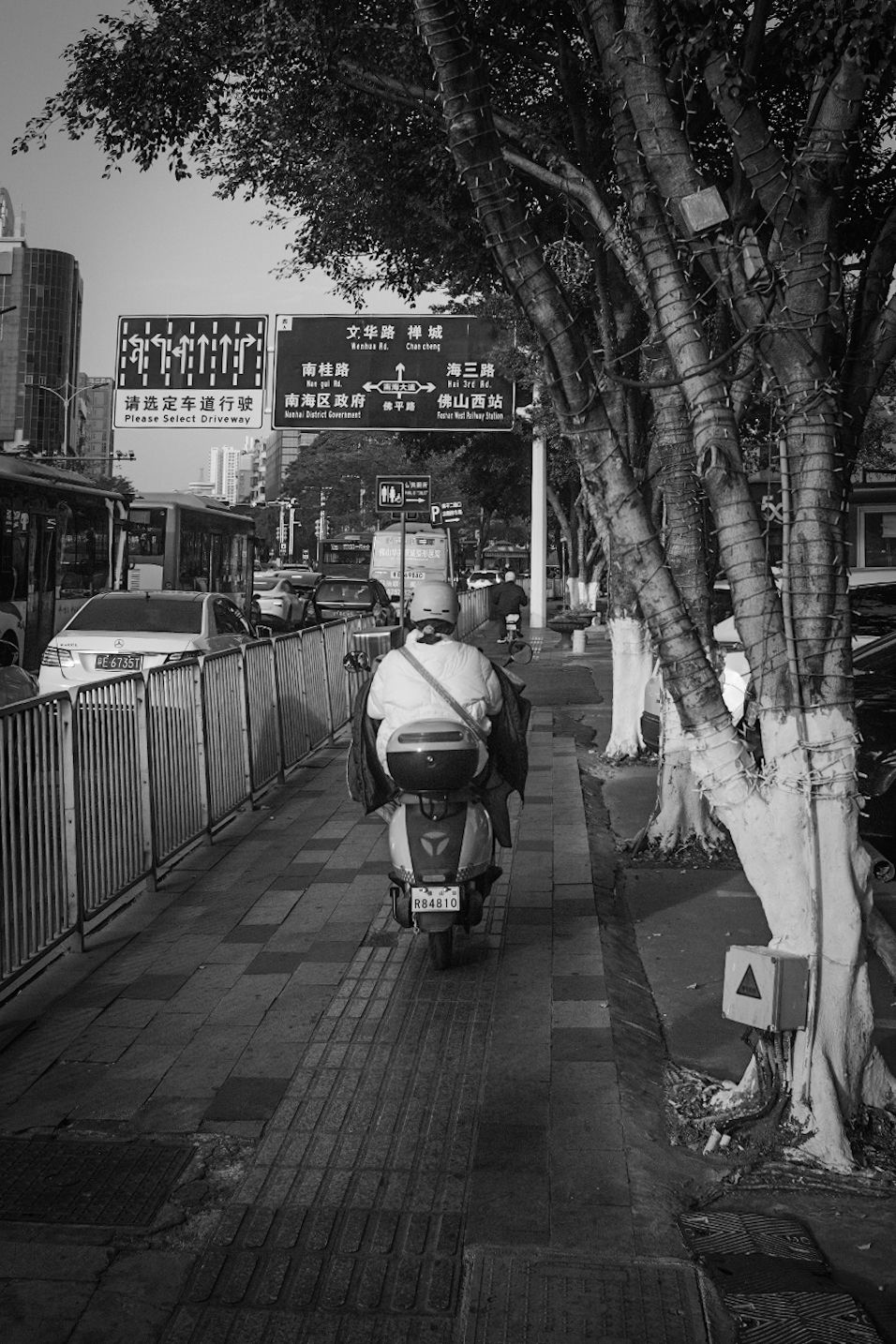
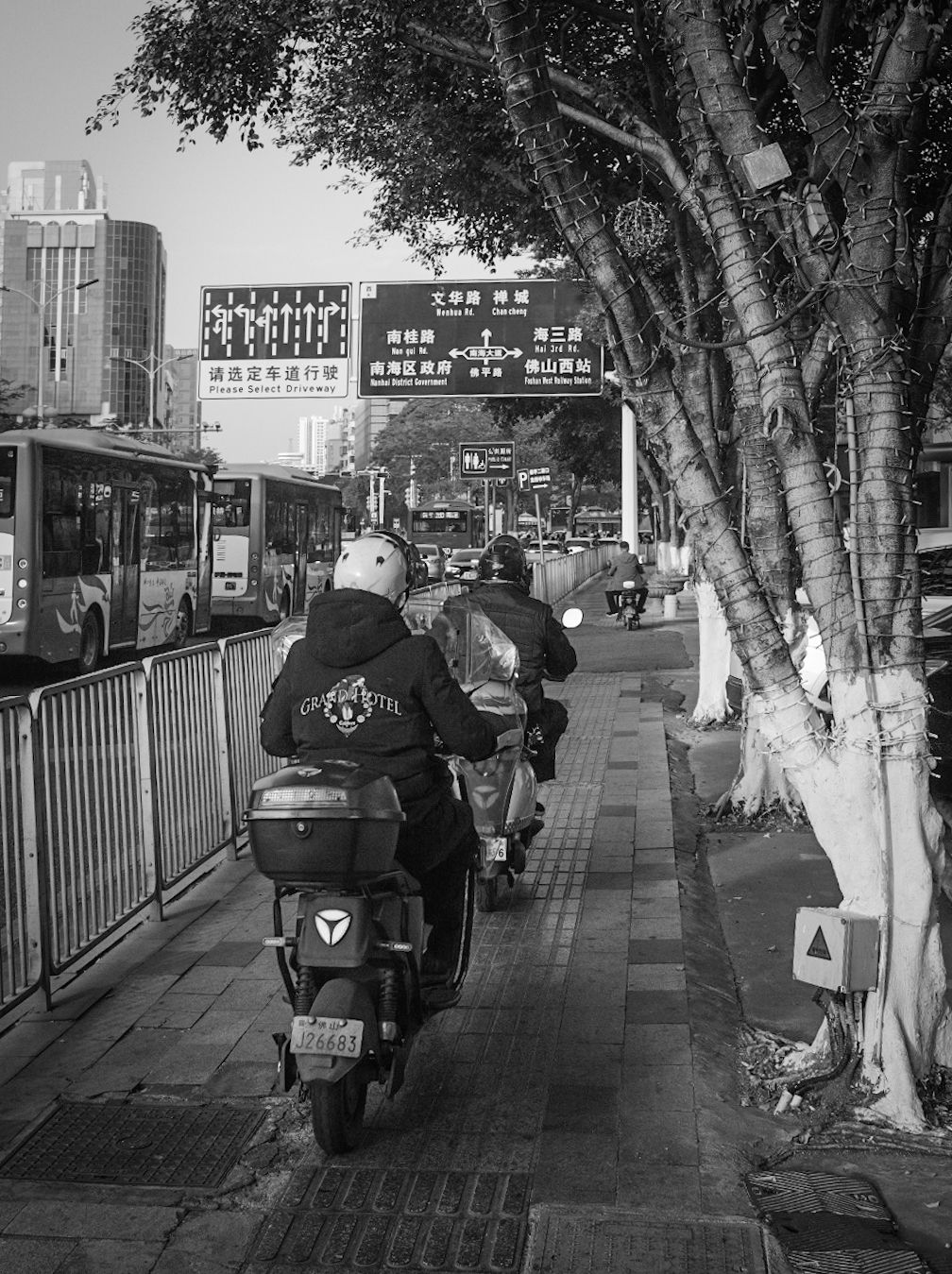
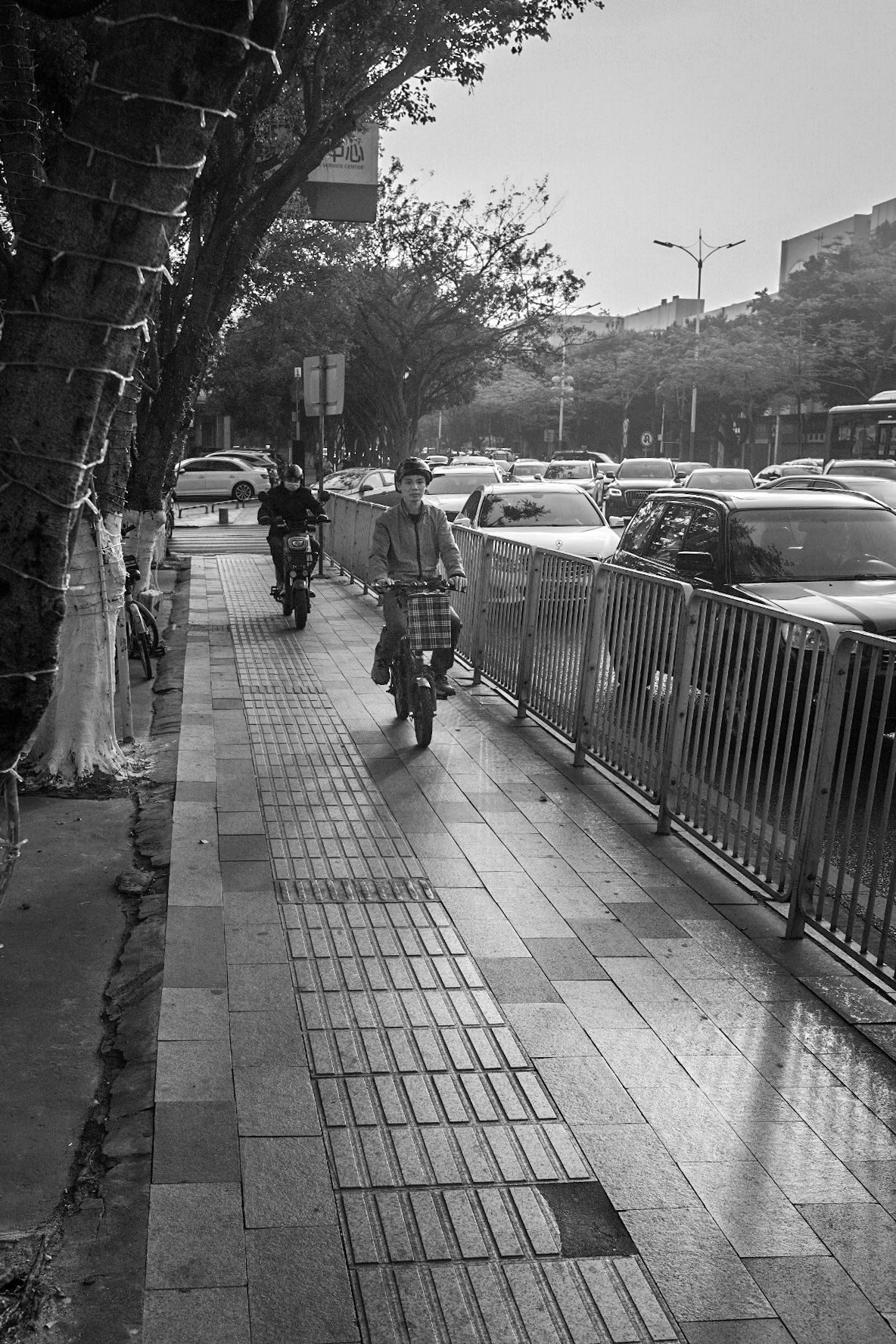
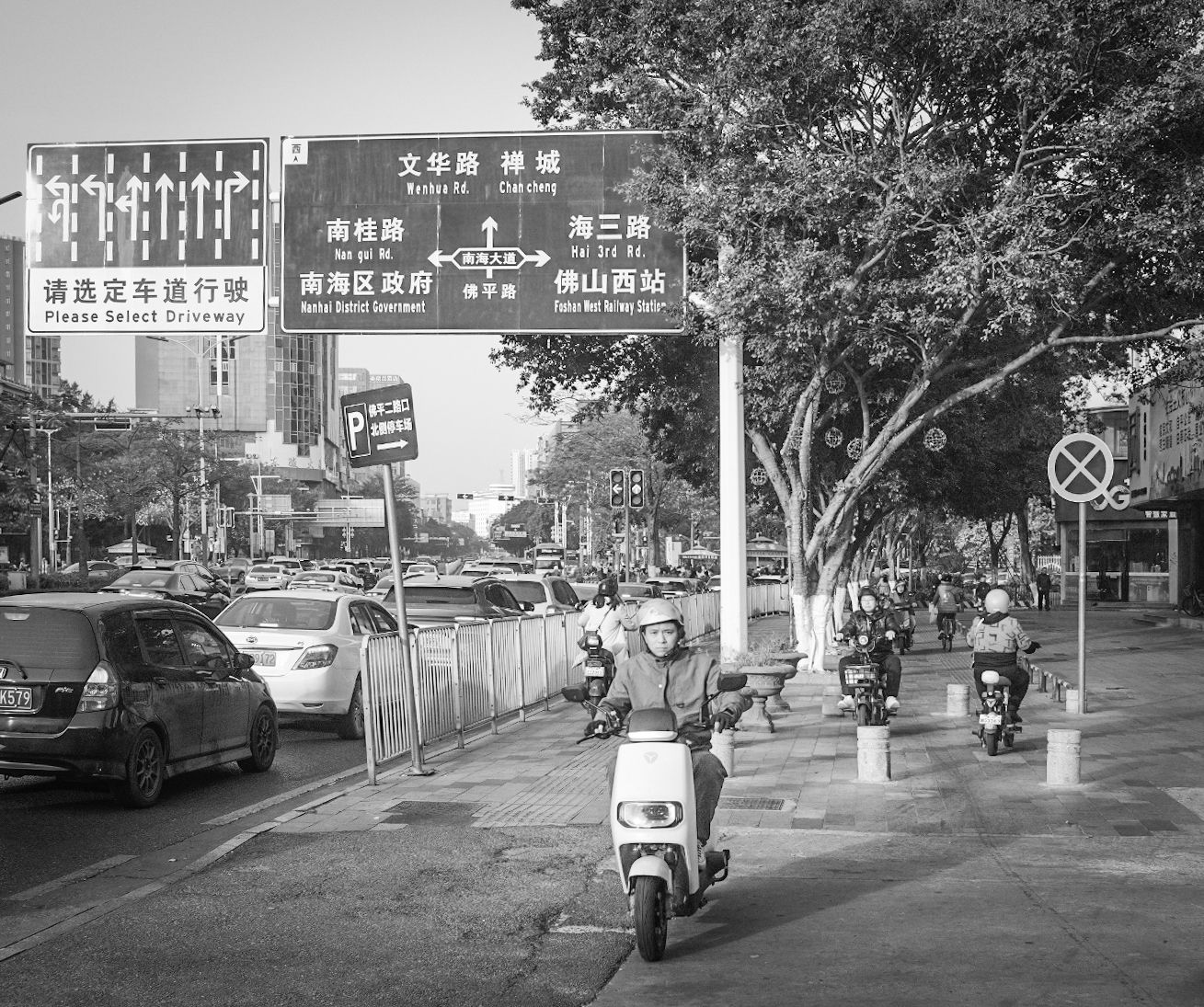
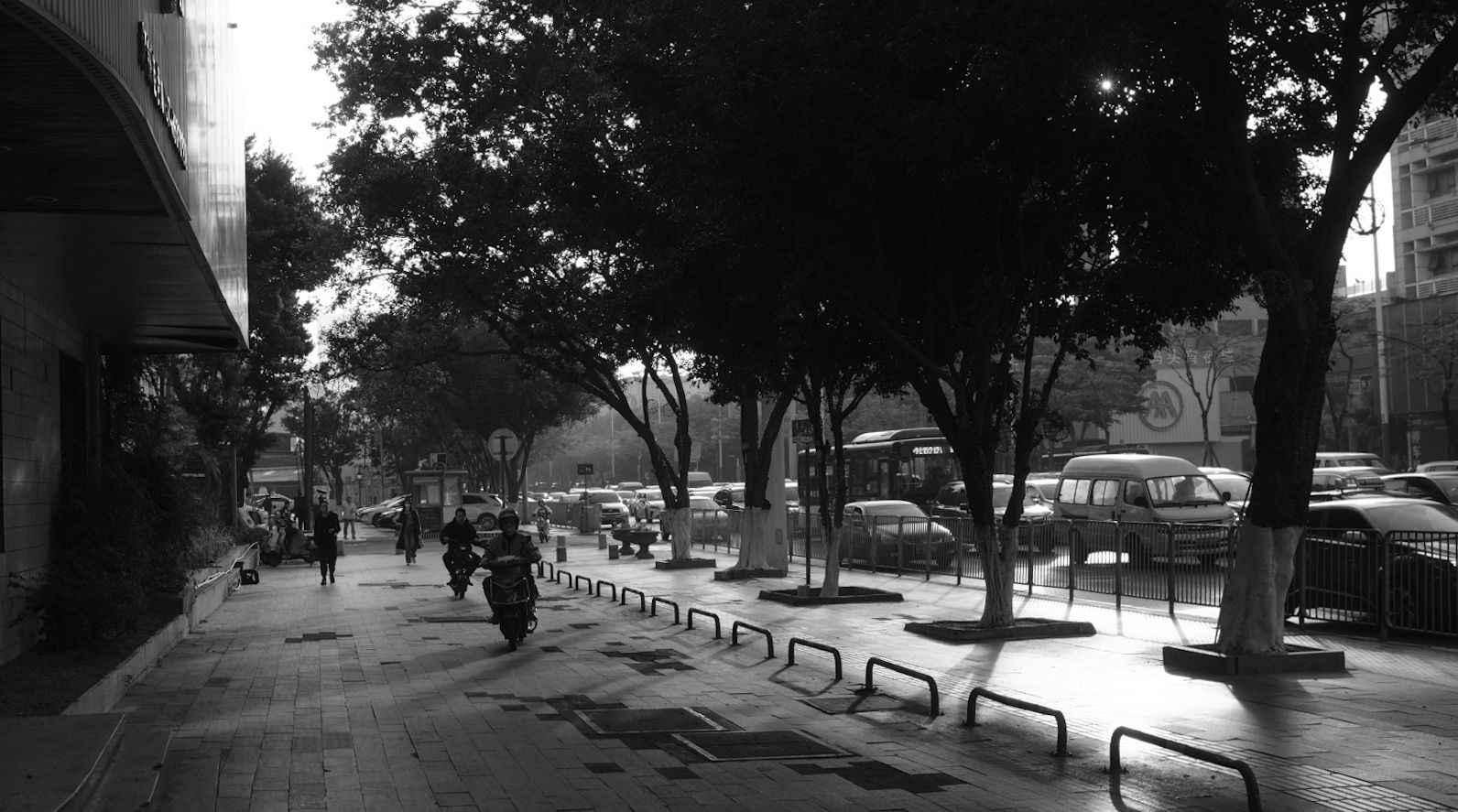
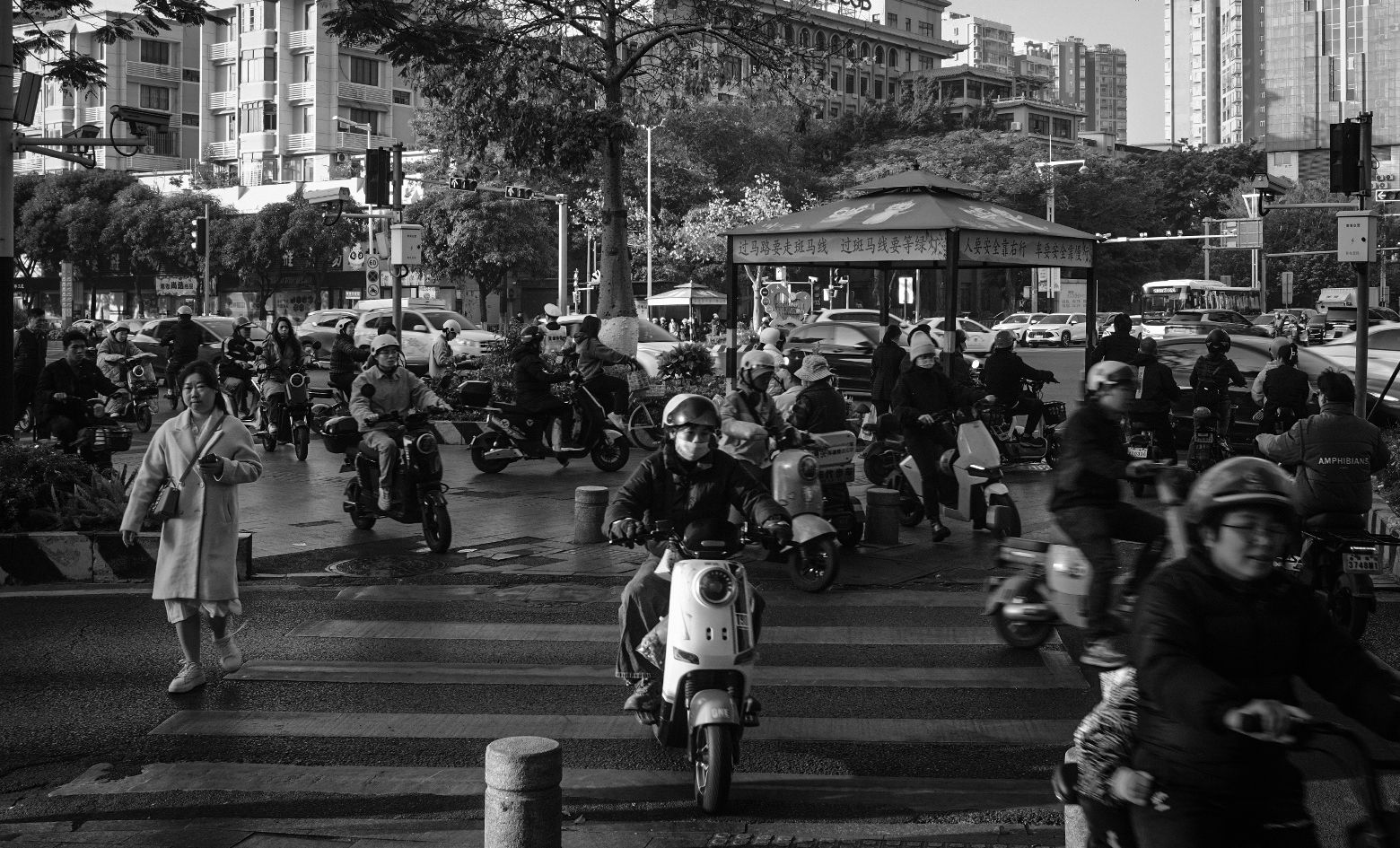
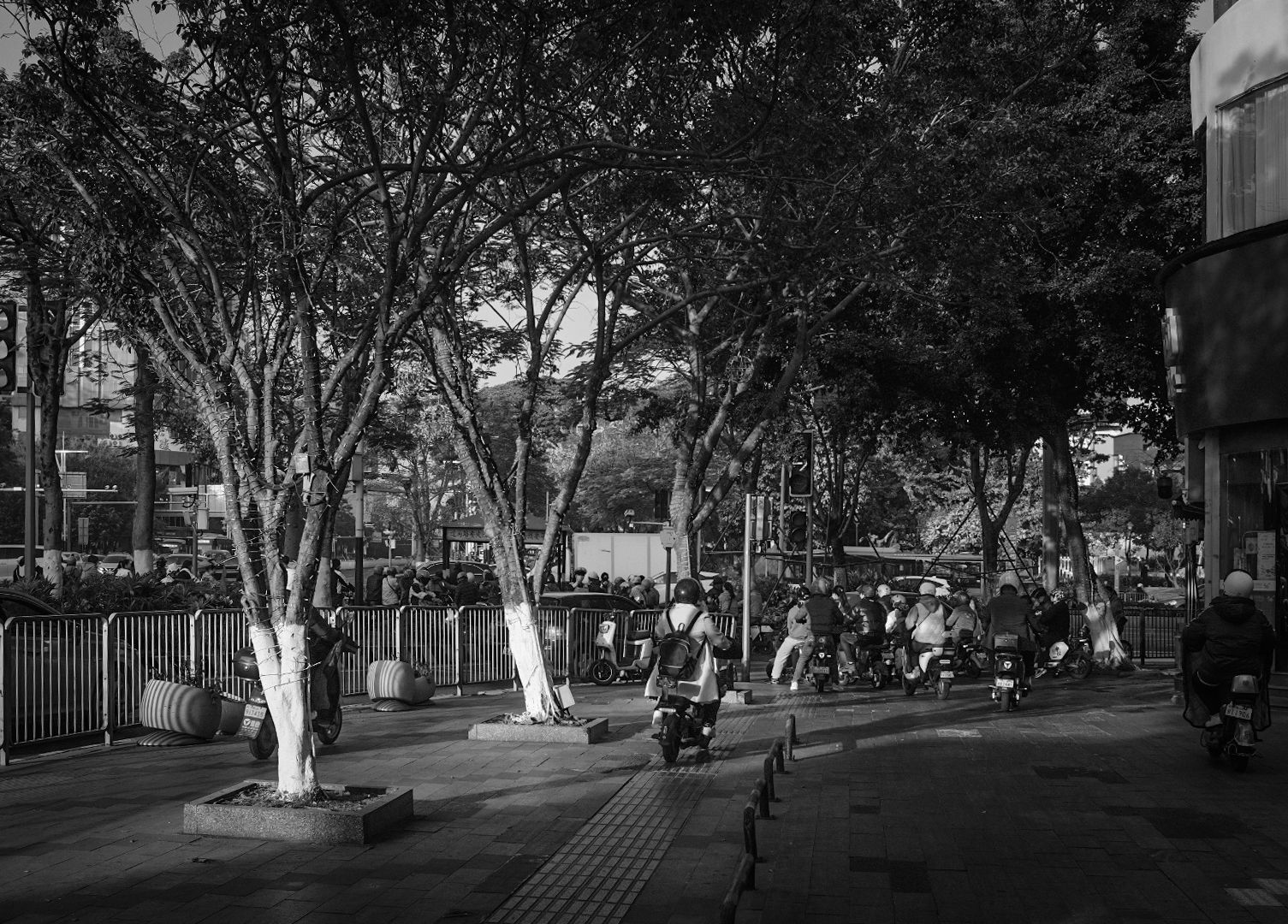
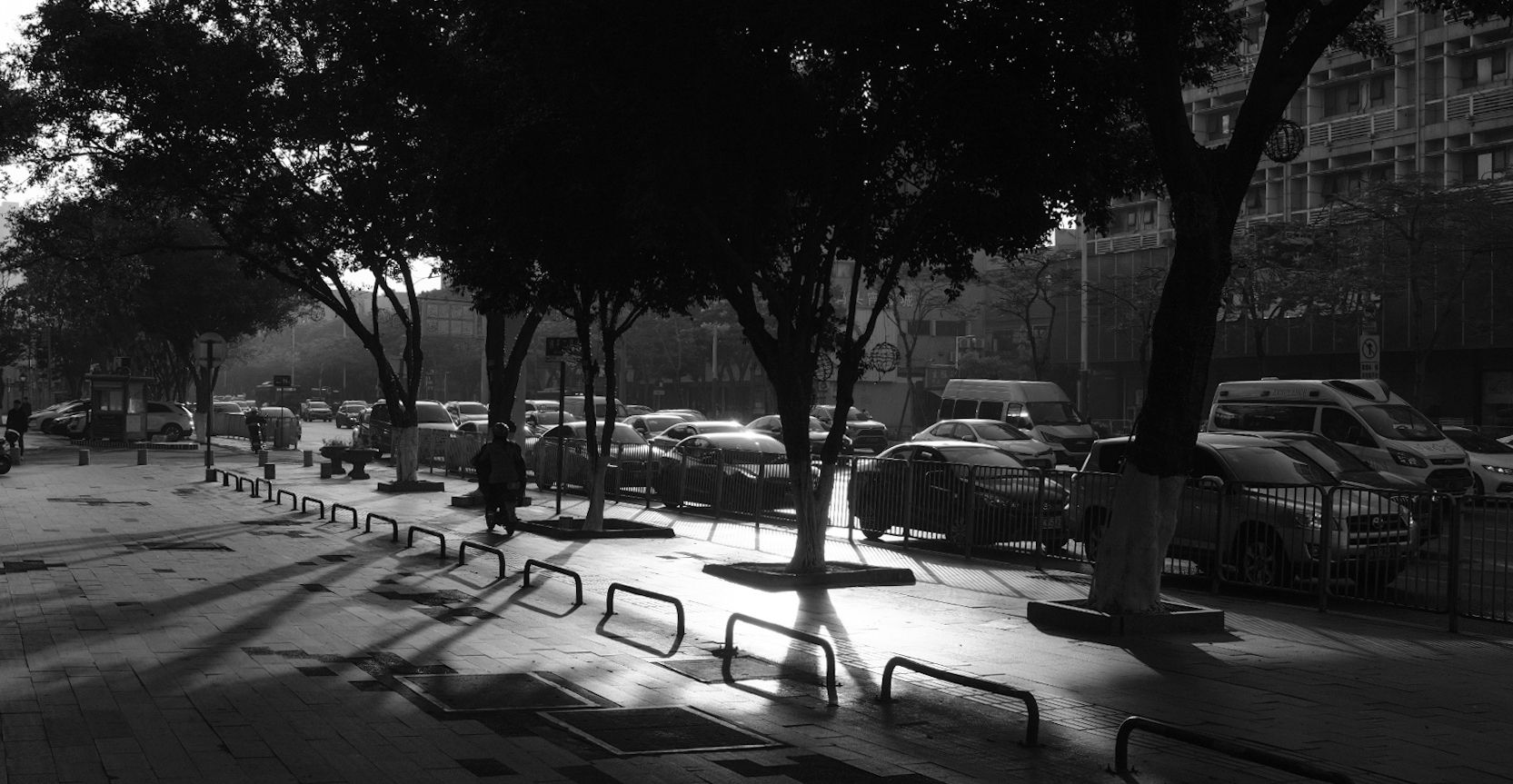
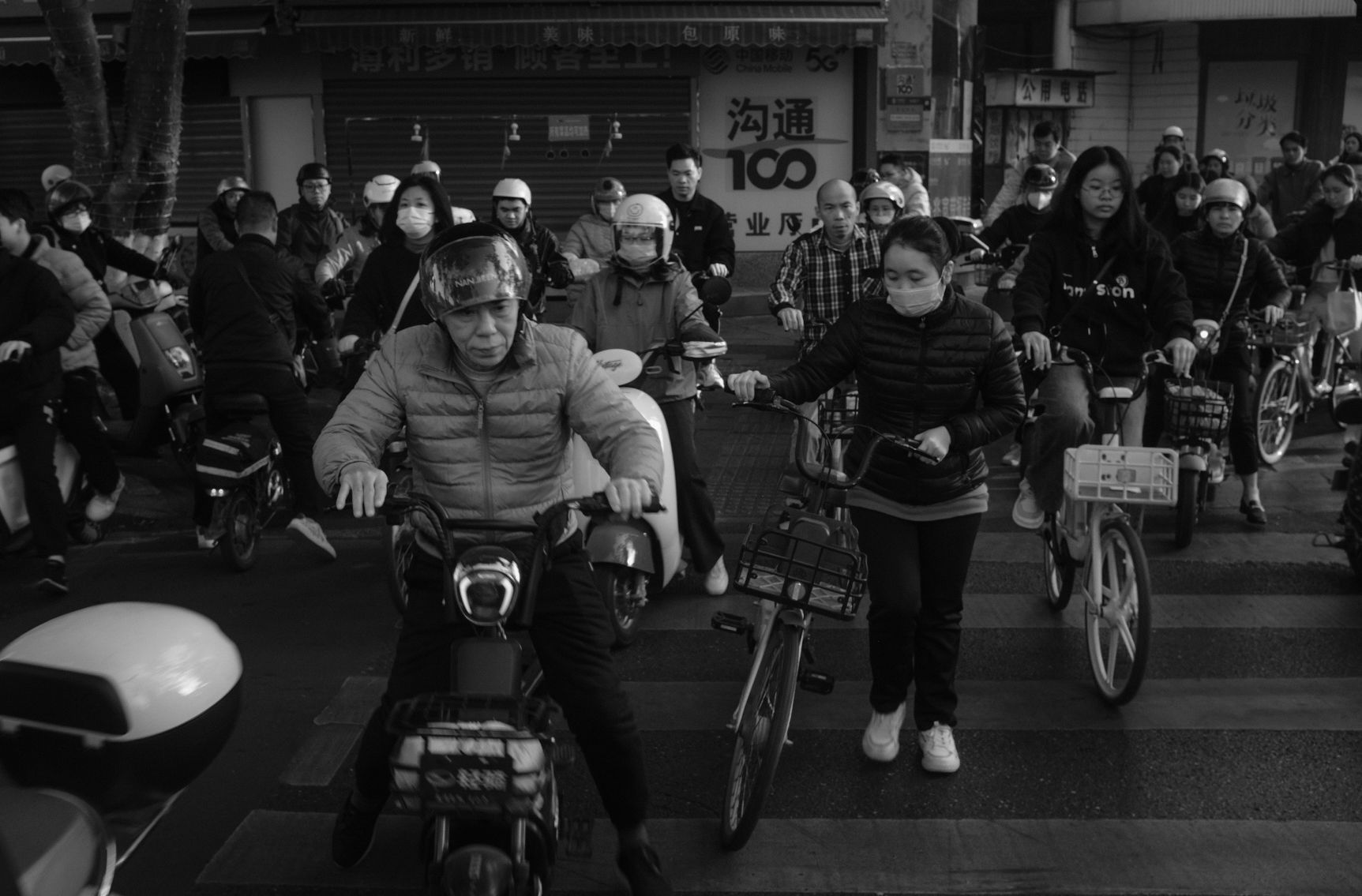
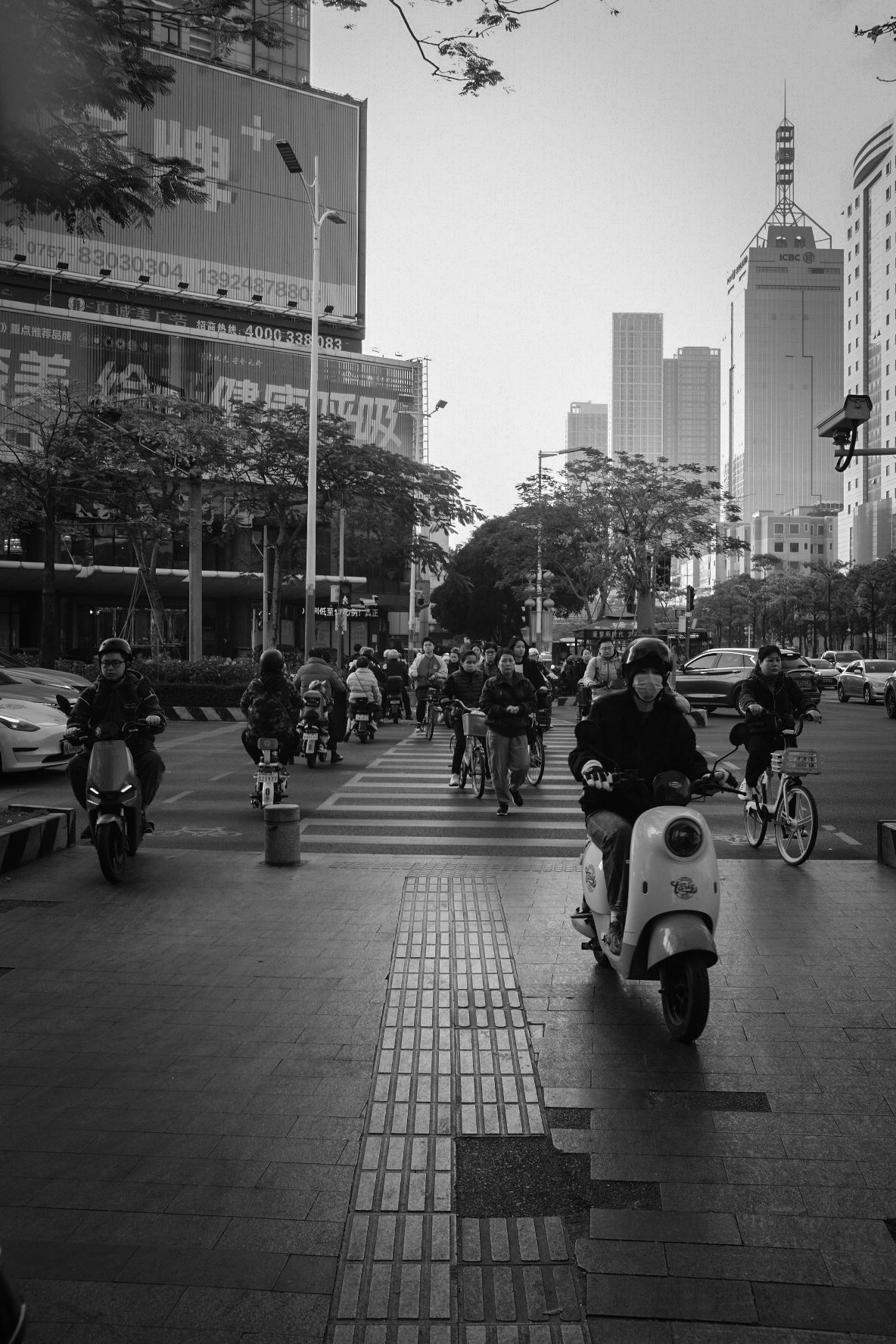
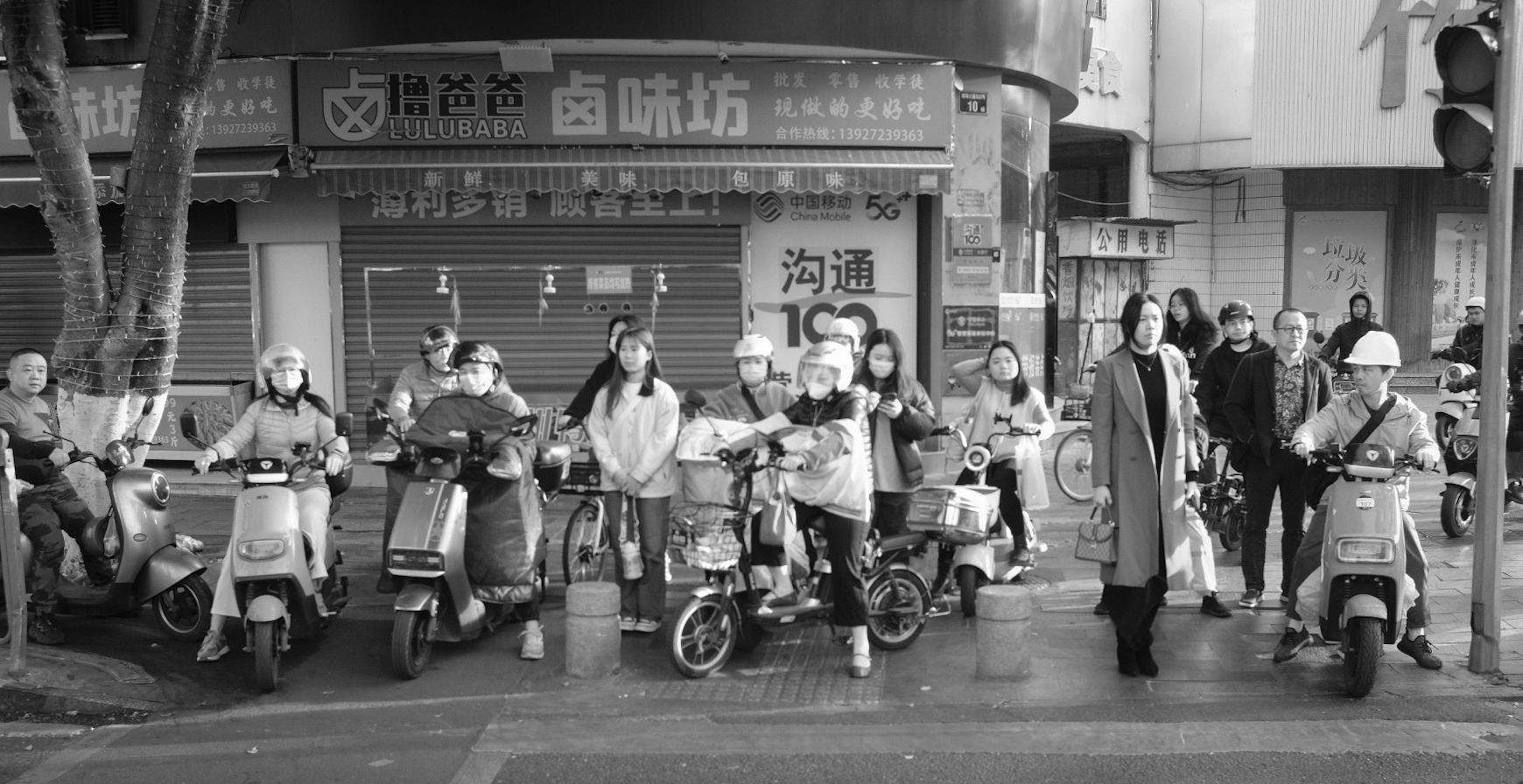
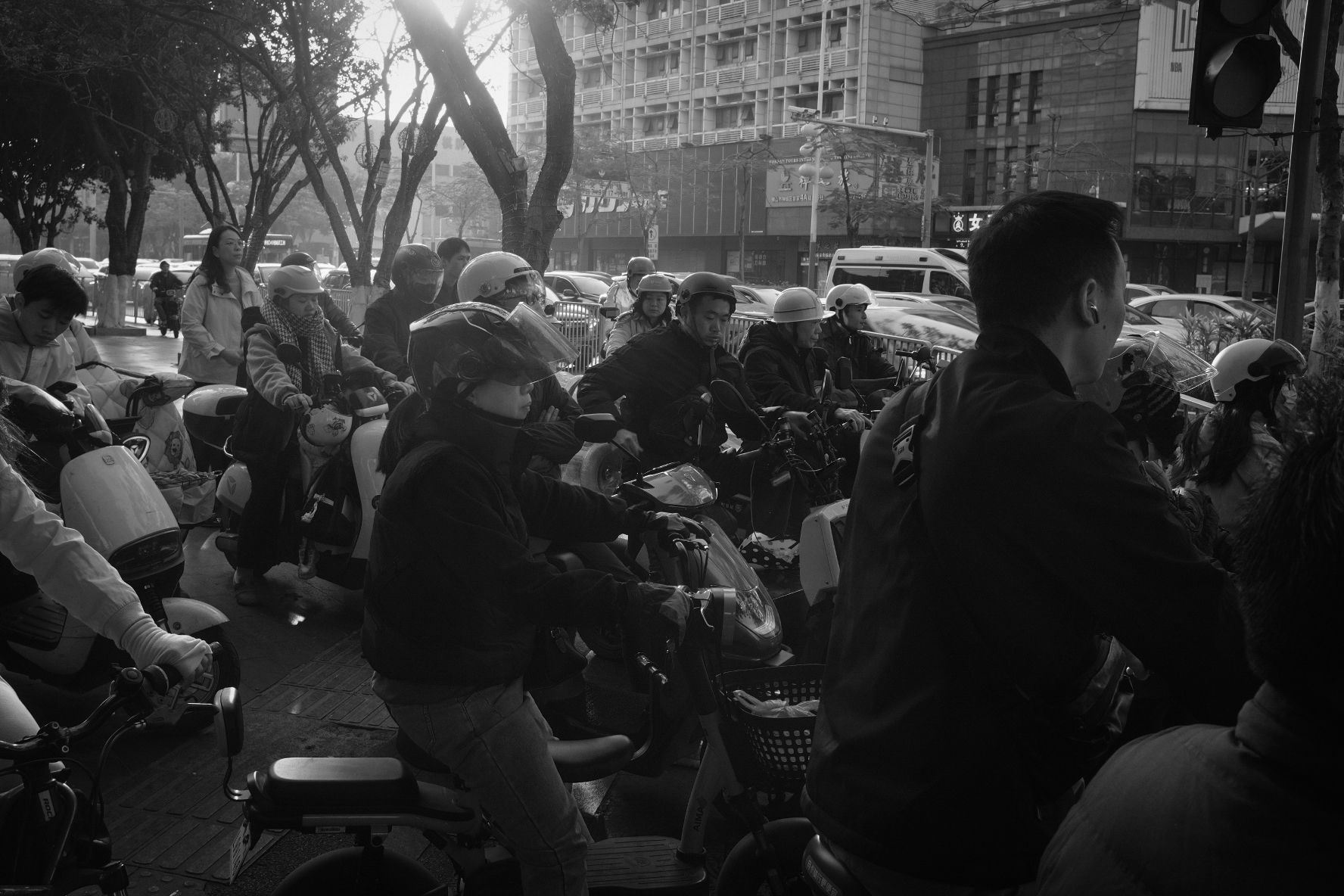
Inbetween lunch and getting ready to go to the theatre, I decided to relax by having a go at some street photography to get the “vibe” of the city. The main “vibe” was the amount of electric scooters everywhere, and the fact that they drive on pavements. The French might have called it “un joyeux bordel” but somehow, don’t ask me how, it all seemed to work flawlessly. You had couples on scooters, mother and small children on scooters, gentlemen on scooters. Everybody in that place was on an electric scooter, or so it seemed. The only downfall of such a system especially with me being hard of hearing, was that I could only hear them when they honked their horns at me. Usually I hate this, but they were all honking! The sun was out. I was out, and the whole process gave me a mental clense that was greatly appreciated!
If you know China at all you will know that they have a reputation for pollution. Oooooh. Pollution bad! Pollution very nasty. Not good. However, it does give a wonderful diffused light for photography, and one of the way theys fight pollution is not only by a huge amount of electric scooters and electric cars, but also by spraying water vapour in the streets hoping to capture some of those not very nice particles. You can see this in a couple of my street photos above It is said that all their electricity comes from coal powered power stations, but I saw plenty of solar panels as well as wind turbines. I think they’re really trying, and should be encouraged.
Back to the hotel, getting washed, and changed, and dressed to go to the theatre for the rehearsal and concert. But that will be for another day…
Good morning, Dear Reader. Now, I know from the photos below you will find it hard to believe that it was actually Christmas Day! I didn’t believe it either. But it was! We were about to get to know the routine of our tour. Let’s get down to the nitty-gritty: Get up, skip breakfast, get on the bus, stop off at a service station along the way, buy snacks and water, get to the next city, get to the hotel, drop off luggage, go to a restaurant for lunch, hand over our passports, get the keys to our room, inspect our rooms, get a quick shower, get into concert attire, get to the venue, rehearse, and get used to the acoustics of the venue. Then, get back to the hotel, eat, go to bed, and repeat. This was to be my life for the next two weeks. Oh, and get some photographs to show you, my Dear Reader.
We had been warned that the seats on the bus had been decided and there would definitely be no changes. Final. End of story. Out of the question! Don’t even think about it! So, of course, my roommate Corentin decided to raise a massive hoo-ha about the whole situation and at our December concerts, started dropping slightly unsubtle hints, which were to continue in the SBL China WhatsApp group.
Christmas Day came around, and on our bus was Corentin. The little bugger had succeeded and worn down Madame le Président. So not only was he to be my roommate for the tour, but also my bus mate. He was happy! As was I. He’s an amiable boy and also good company. He looked after Uncle Ian very well during the tour. His enthusiasm, albeit sometimes tiring, was infectious.
As the Boy Scout I once was many, many moons ago, I had learned the importance of “being prepared.” For our first service station stop, I knew they don’t use cards as we do. Apple Pay etc., are not used either. But it wasn’t a problem as I had Alipay. I knew there was something about scanning a code or being scanned, and that payments could be done this way. I was ready. I had done everything correctly. But, as in most military campaigns, no plan survives first contact. The bloody thing wasn’t working. I had had my daily happy pills, so I didn’t feel the need to panic, even though my heart was racing. I created another account, and it worked from there on in. I was still furious, though. Those snacks looked amazing. Although the chicken feet might have been a bit of a challenge—not your first idea of a tasty snack… Ah well. The youngsters at the back took pity on Uncle Ian and let him taste some of their snacks. Certainly different, slightly more spicy, and not like what you might find in a French service station, with their legendary overpriced sandwiches…
We eventually arrived at Yongzhou, and we were shepherded into our hotel. We dropped off our bags and crossed the road to the restaurant. On the way over, one of our bassoon players had a funny turn and ended up visiting a Chinese hospital ER. Not what we were hoping for, but we saw him later that day, and everything was a lot better, though he was still being watched over. We were all very worried about him, but all we could do was pray, hope, and not worry. He was in good hands.
The restaurant was in a shopping centre. Lunch? When I say lunch, I mean banquet. We were seated at enormous round tables, though I thought that taking on the role of Arthur might be overdoing it a tad. In the middle of this huge round table was a circular glass tray, where, as if by magic, dishes laden with Chinese food would appear. The drink served with the meal was jasmine tea, which was very nice too and felt so very refined. Then somebody said the magic word: Beer! Surprisingly, smiles appeared on our faces too! I’ll tell you a little more about that later on…
The food, of course, was amazing, and I started feeling that I could get used to this—and of course, I did… At the end of the meal, the Corentin love machine went into action, and he was covered with Chinese ladies of all ages vying to get a selfie with him. It was then that I dubbed him Sir Fanny Magnet! He was very happy with his new name and fame. So that’s what it’s like taking one for the team! Bless his cotton socks.
Then it was my turn. Walking to the restaurant, I had noticed a shop selling goat’s milk products, and the ladies inside seemed overjoyed to see us passing by. They were even more buoyed up when we passed by them again! They asked me if they could take a photo of me with a small bottle in hand. I, of course, acquiesced as one must, and I have the feeling that my Chinese modelling career was just about to take off. It was also most amusing, and certainly flattering. I felt amazing. The Corentin for the more mature and discerning Chinese lady… The others laughed as they passed by, taking photos and giggling. But why on earth not? You have to get into the swing of things!
The lady responsible for my bourgoning China top modelling career…
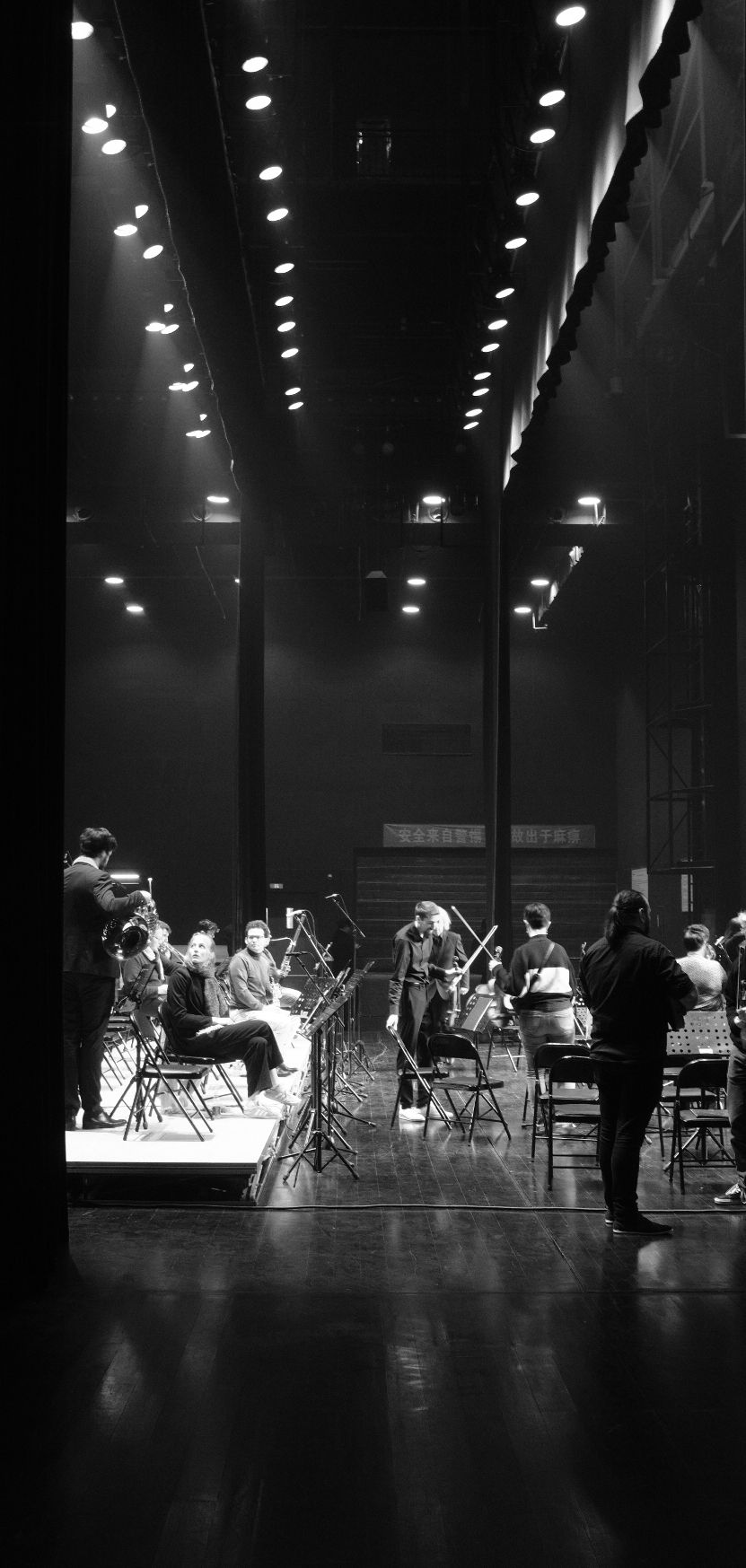
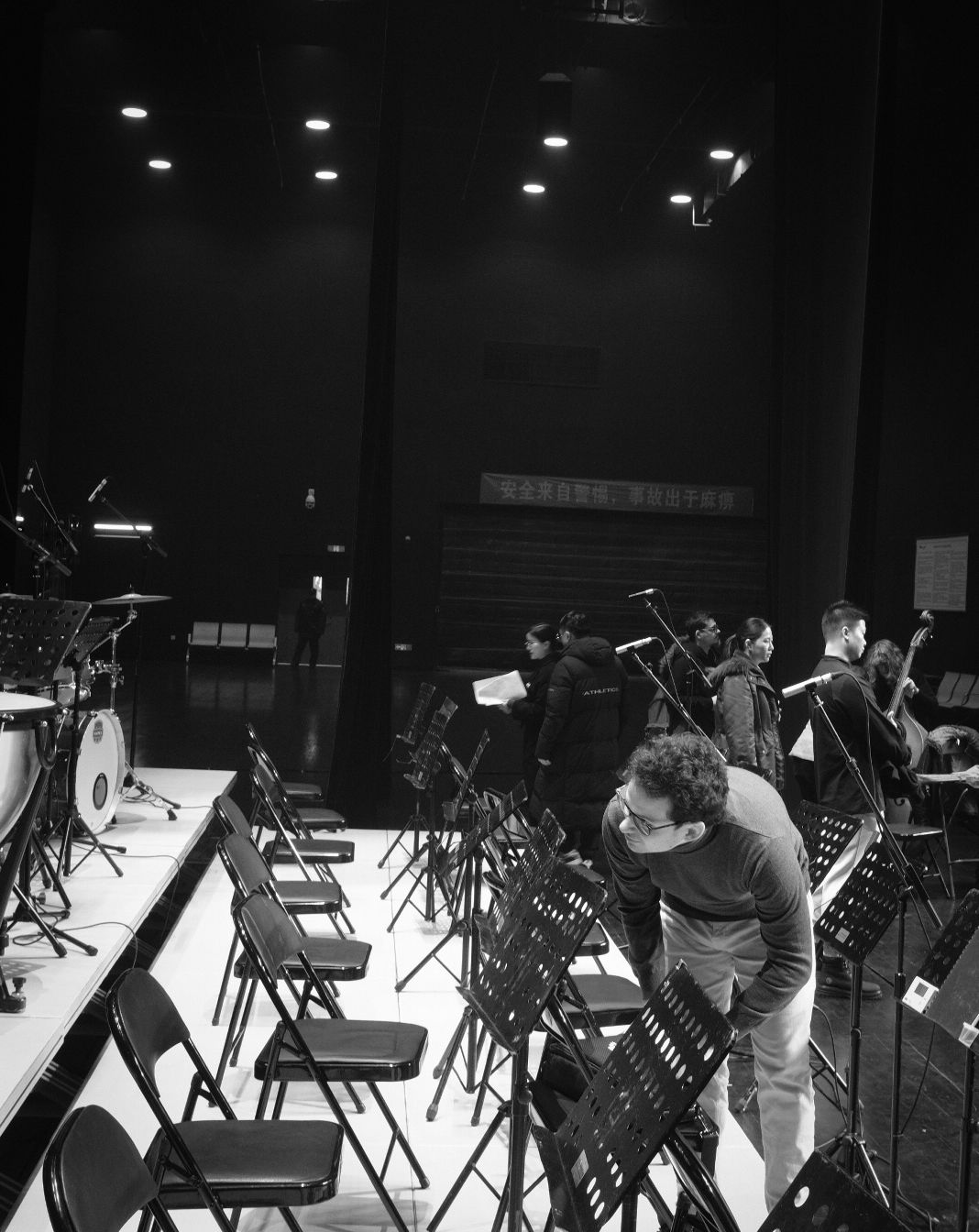
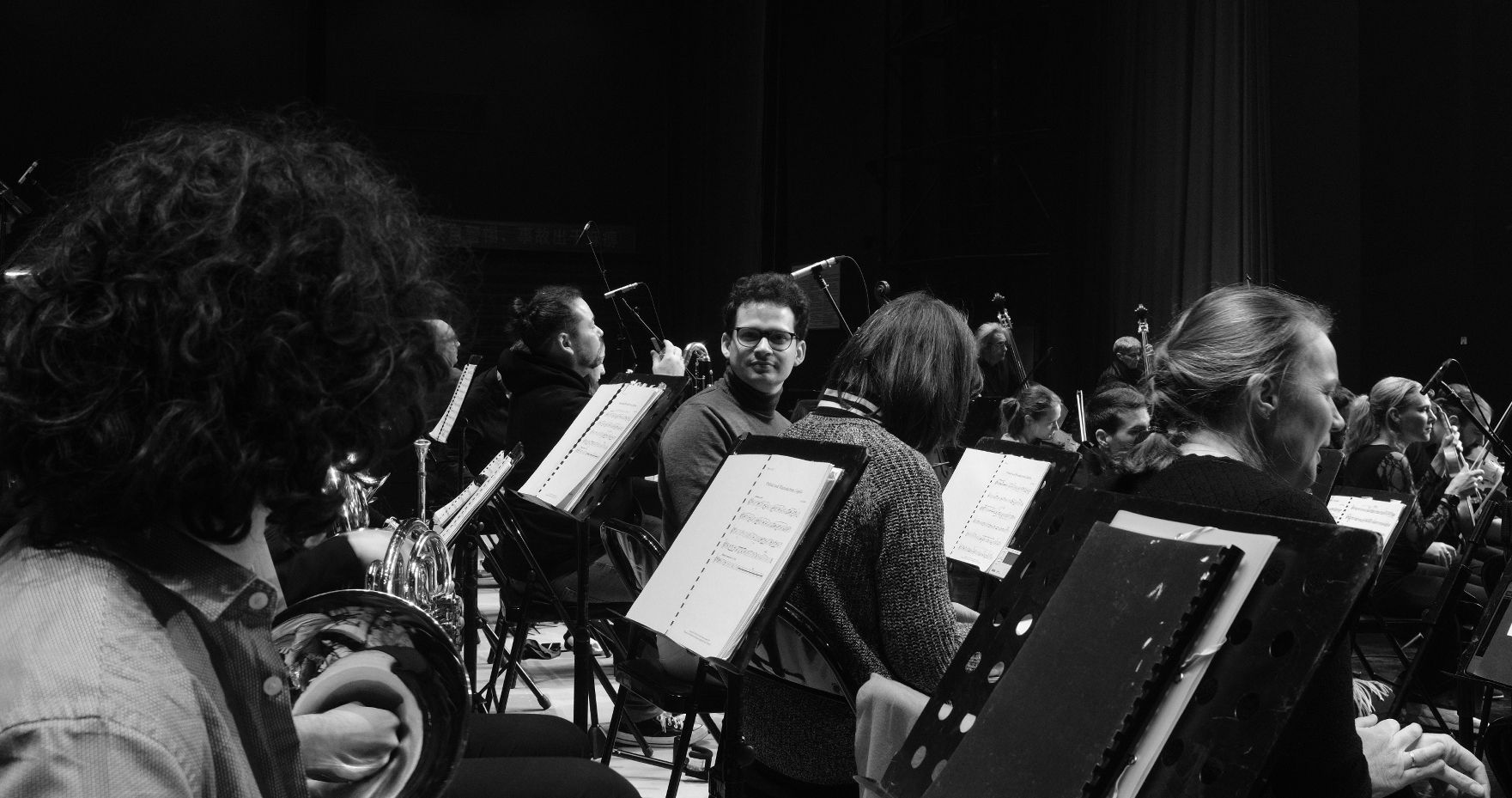
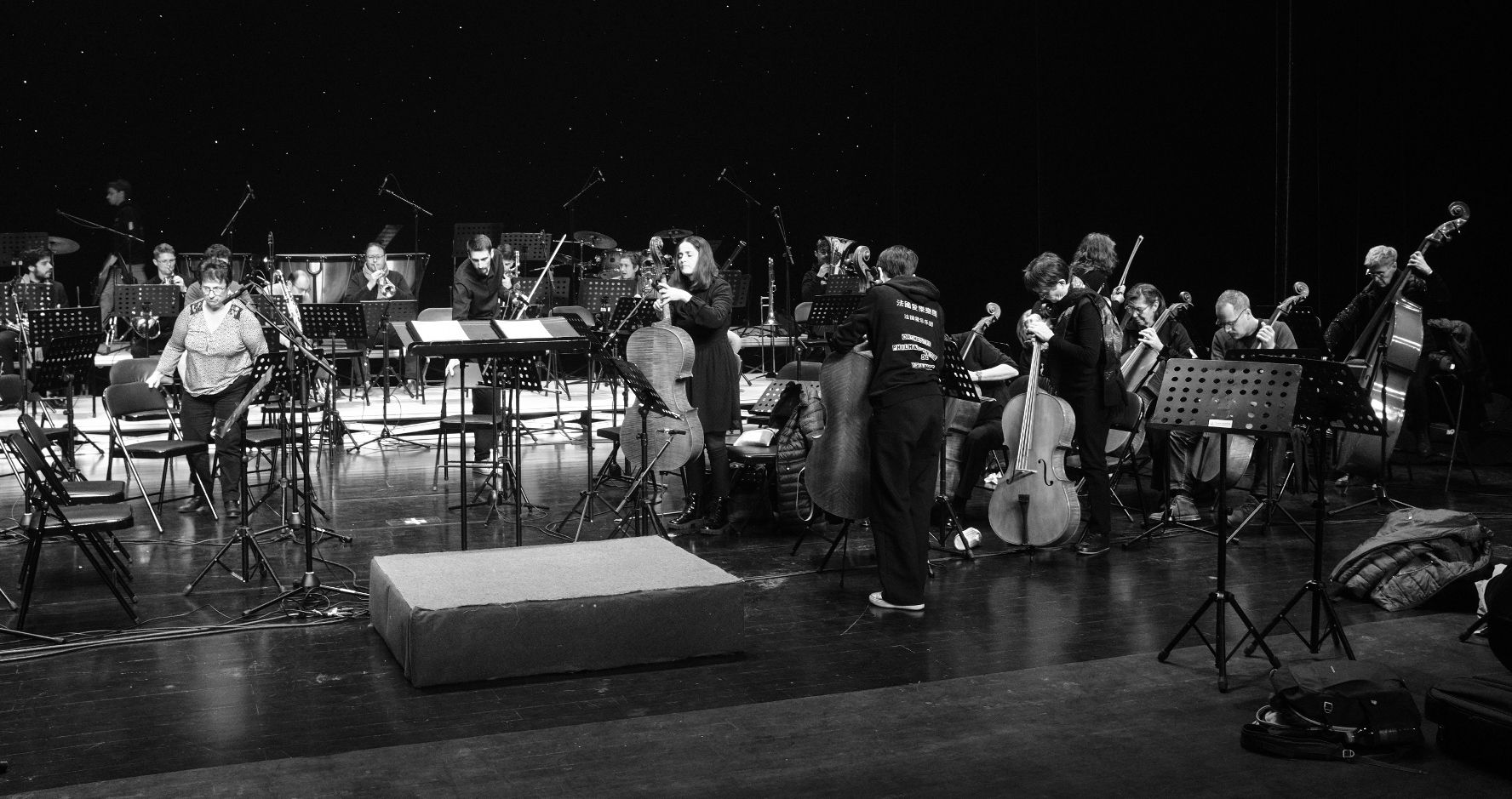
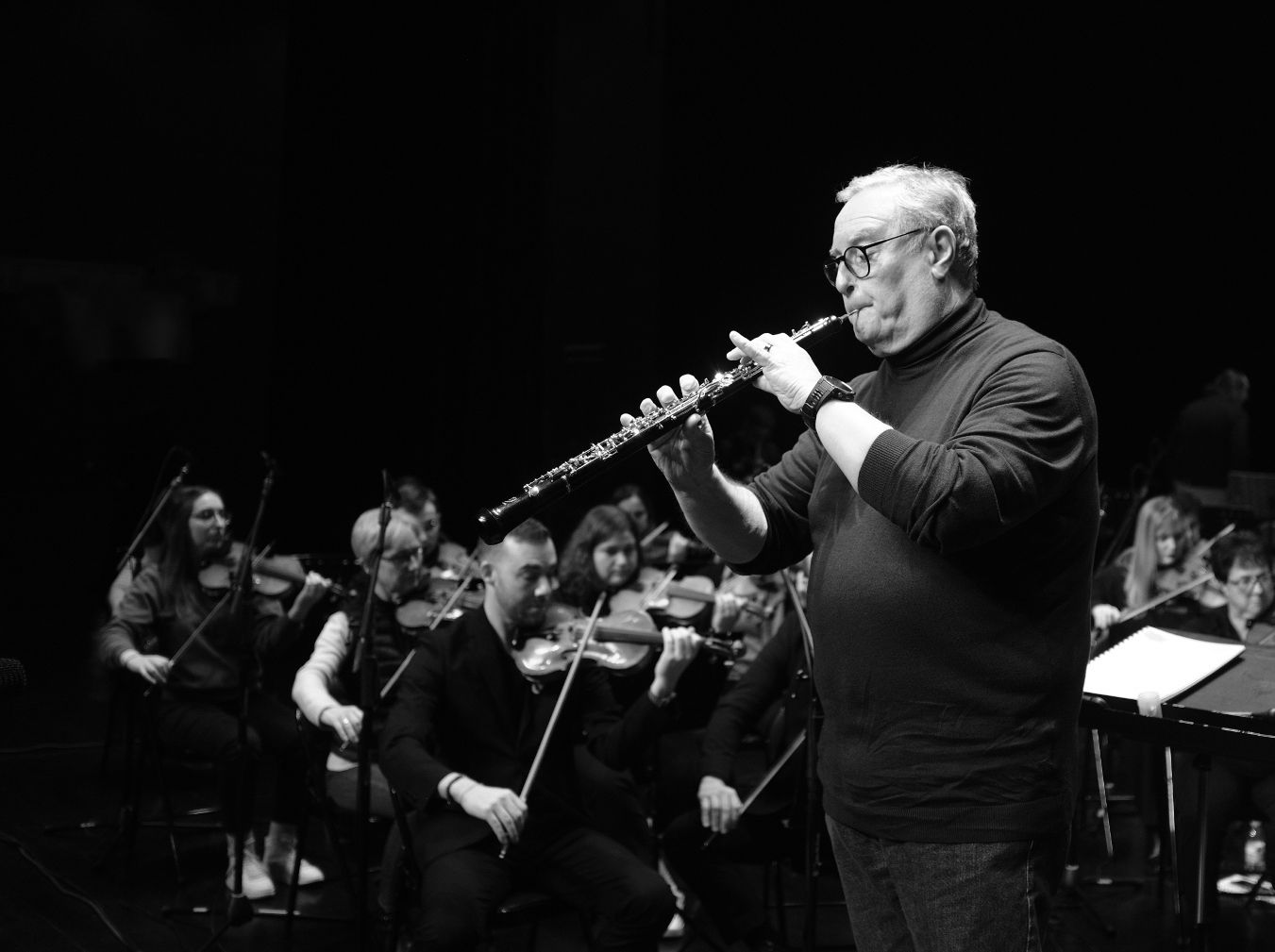
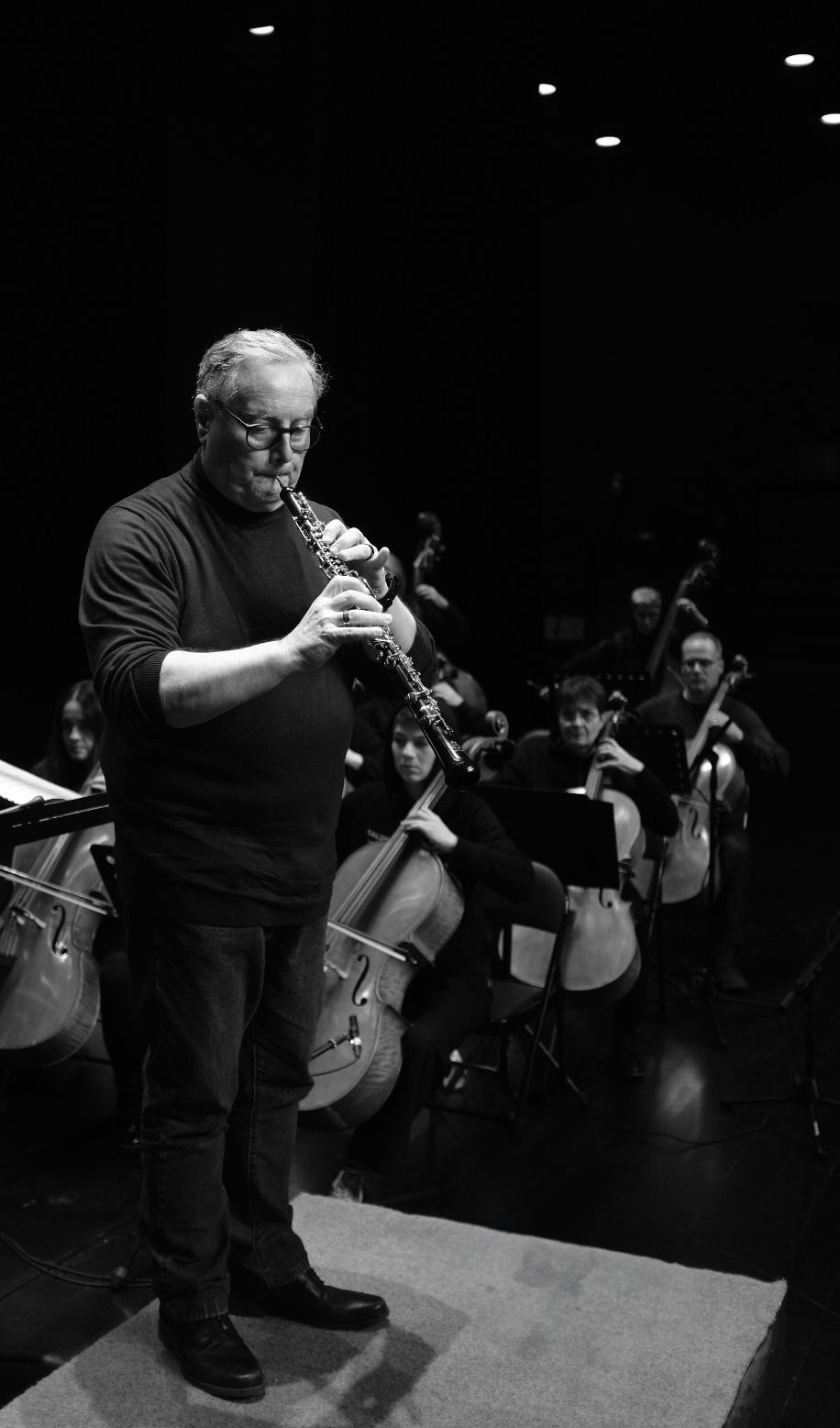
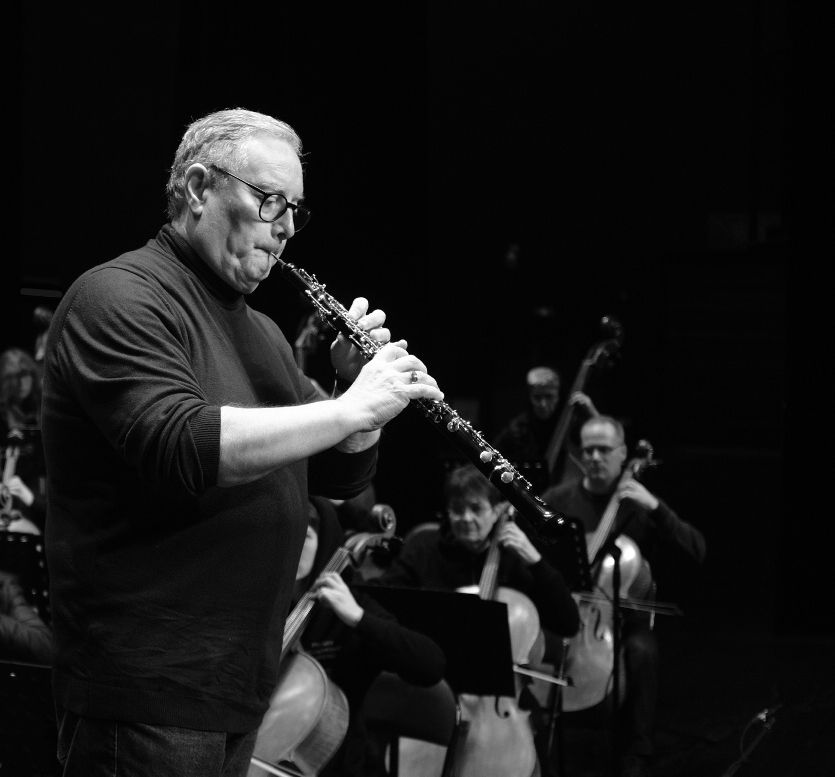
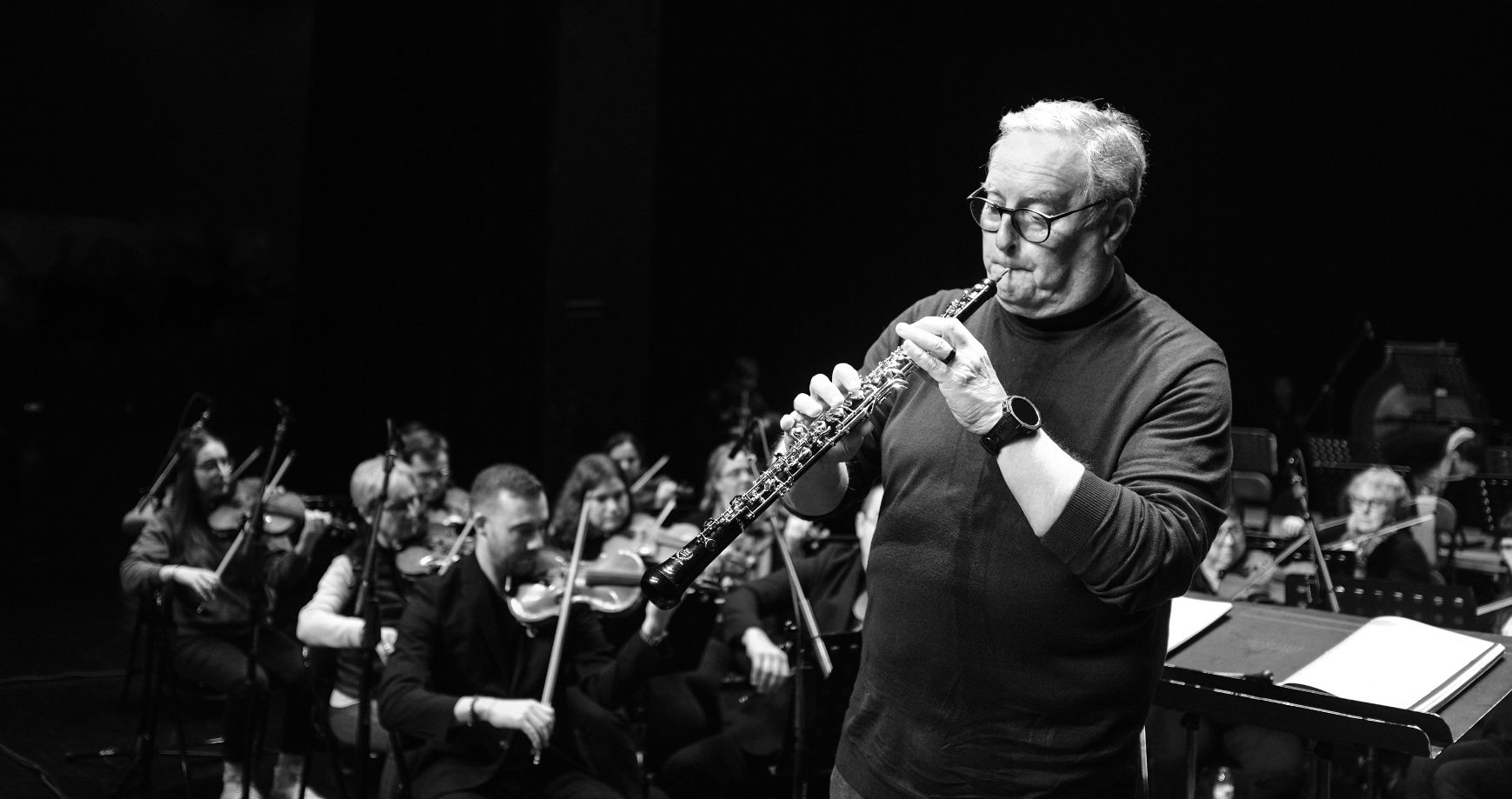
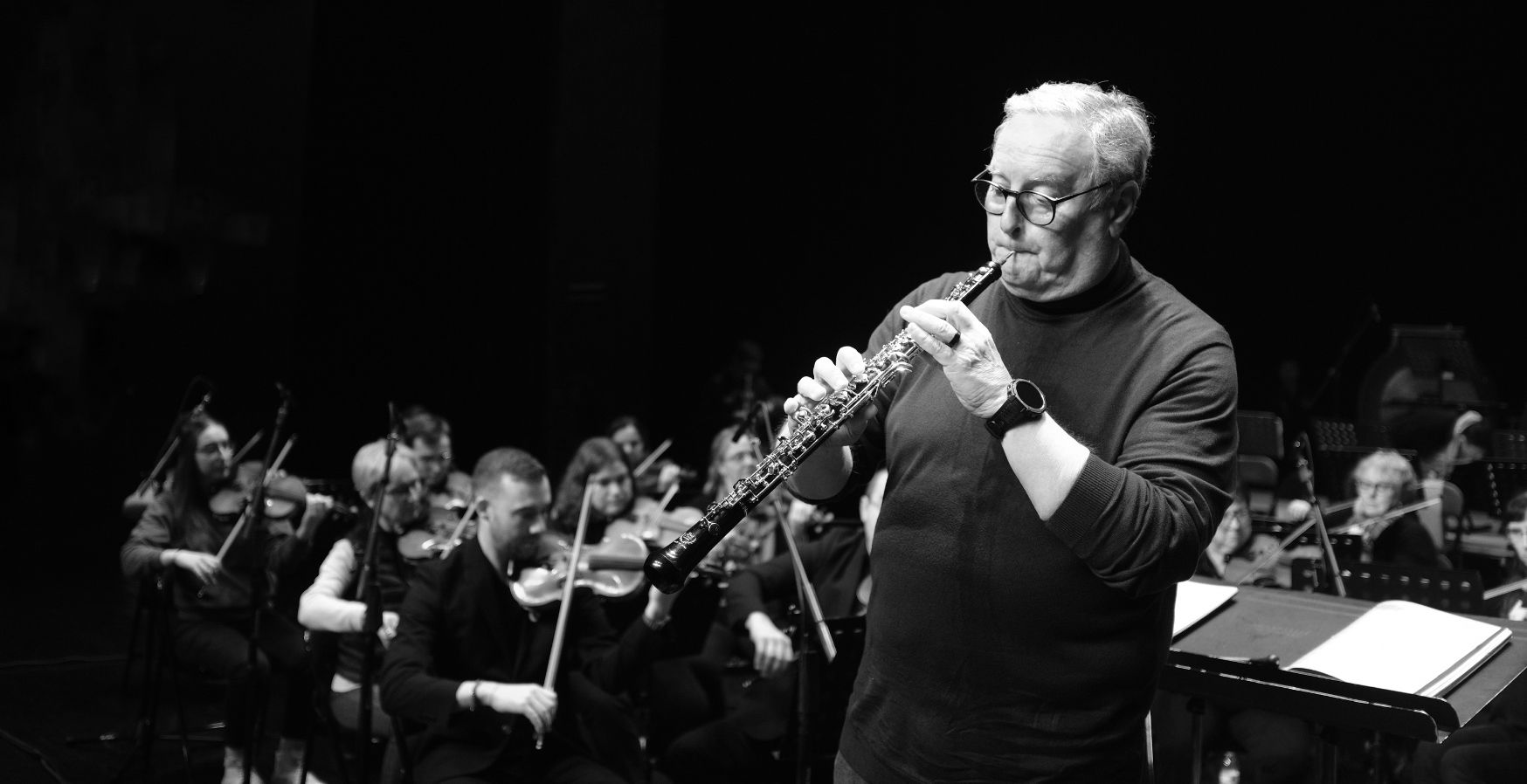
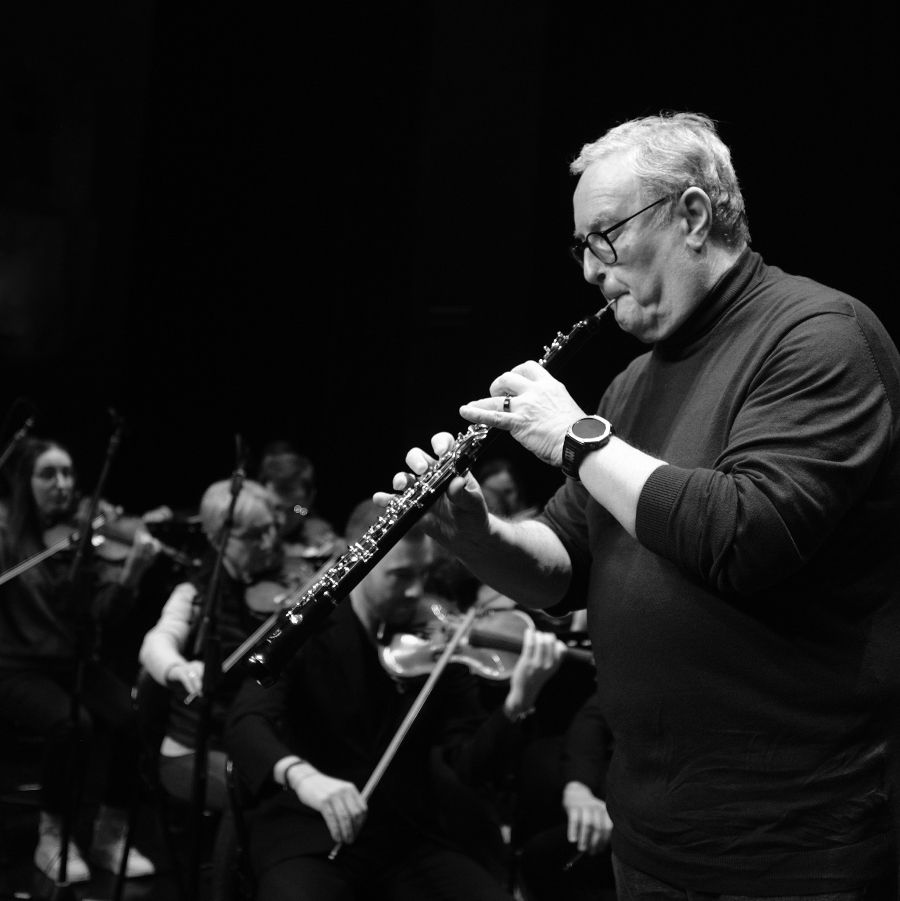
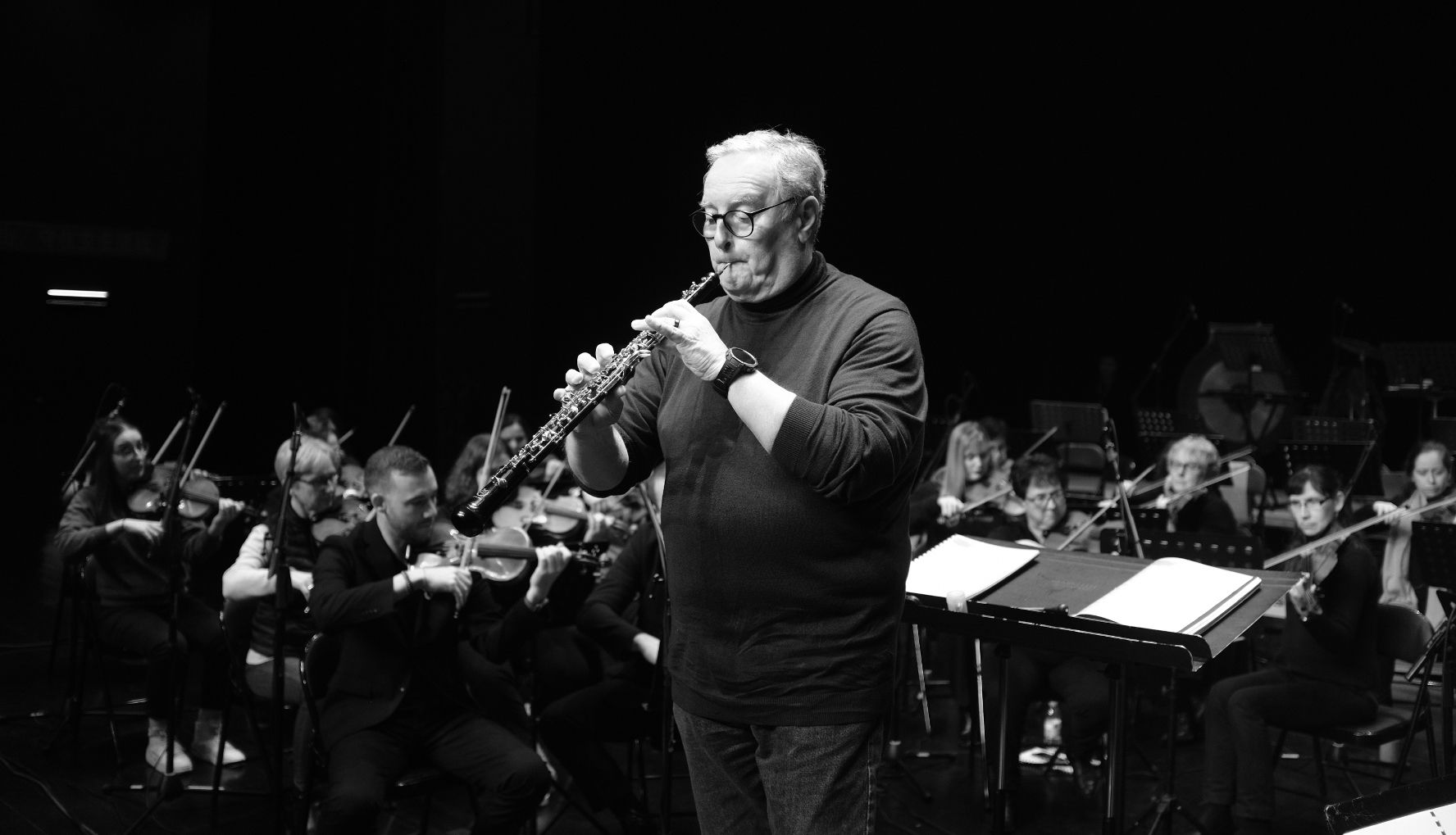
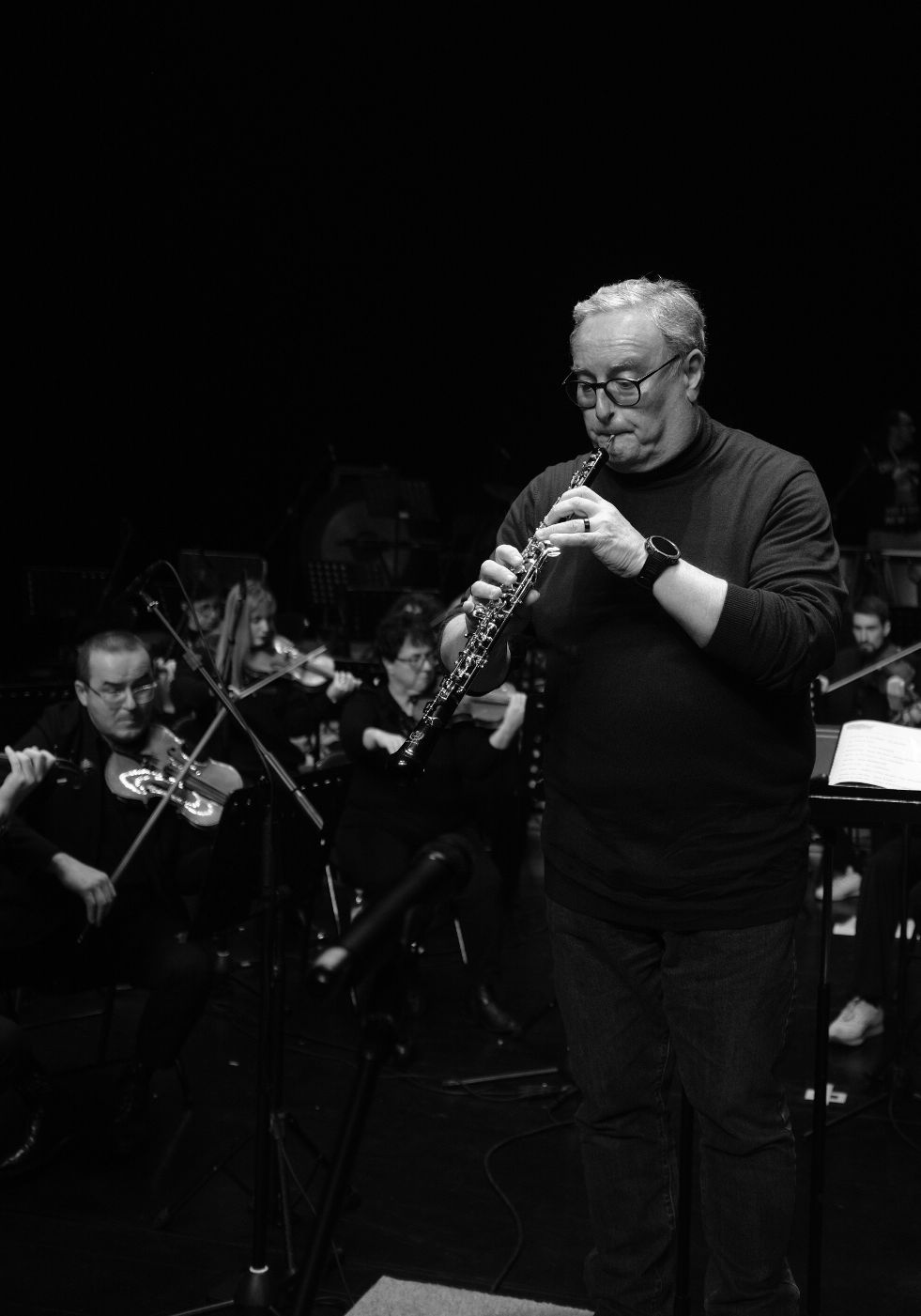
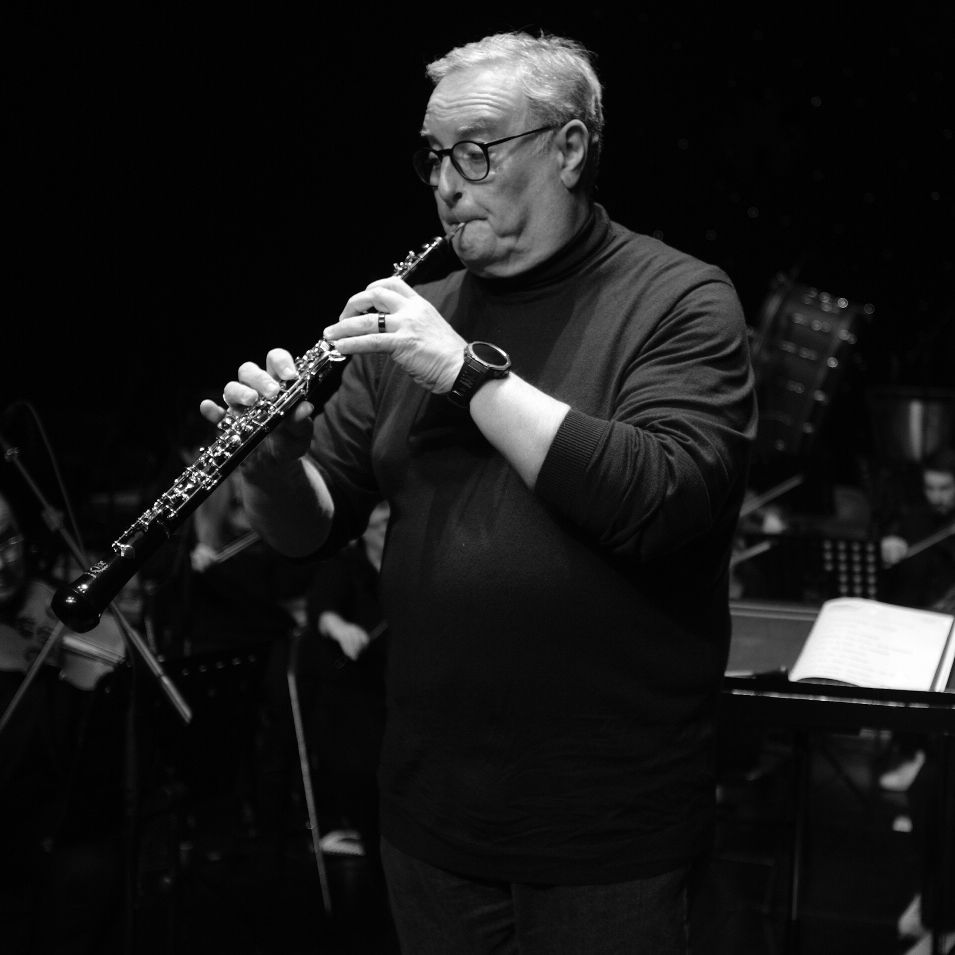
Back at the hotel, I got showered and changed into my concert suit and looked rather dashing, if I don’t say so myself. After the success of my photoshoot post-lunch, I was still on a high! Off we went to the concert venue for the evening’s performance. It was all very impressive, as was the welcome by the theatre staff. The actual stage was huge, and for the afternoon rehearsal, everything was ready for us. We just had to walk on stage and play. I could definitely get used to this. I even managed to get a few photos, including a short series of the boss playing Gabriel’s Oboe from the soundtrack of the film “Mission.” Not the impossible one, I hasten to add.
It was during this rehearsal that I got to know our soloist, Jennifer Councier, a little more. That girl’s voice is amazing and fills up the whole amphitheatre. She’s an absolutely wonderful singer.
The concert went very well, and the audience was on grand form. When Jennifer sang the Chinese song, we had only played the first two bars when the audience joined in. Can you get any better than spontaneous audience participation? Probably not. Apparently, the Chinese love a Viennese waltz by Strauss. They were also tickled pink when Corentin and Catherine, one of the first violins, and another couple of dancers went into the audience to waltz around. That poor boy got far too much attention. But he seemed to love every minute of it, judging by the grin on his face when he came back to join us on stage. The audience lapped up each piece of music, and their reception of our music was something I’m not going to forget for a long while. After our “Christmas” concert, we got back on the bus to go back to the hotel and eat. I know, more delicious food.
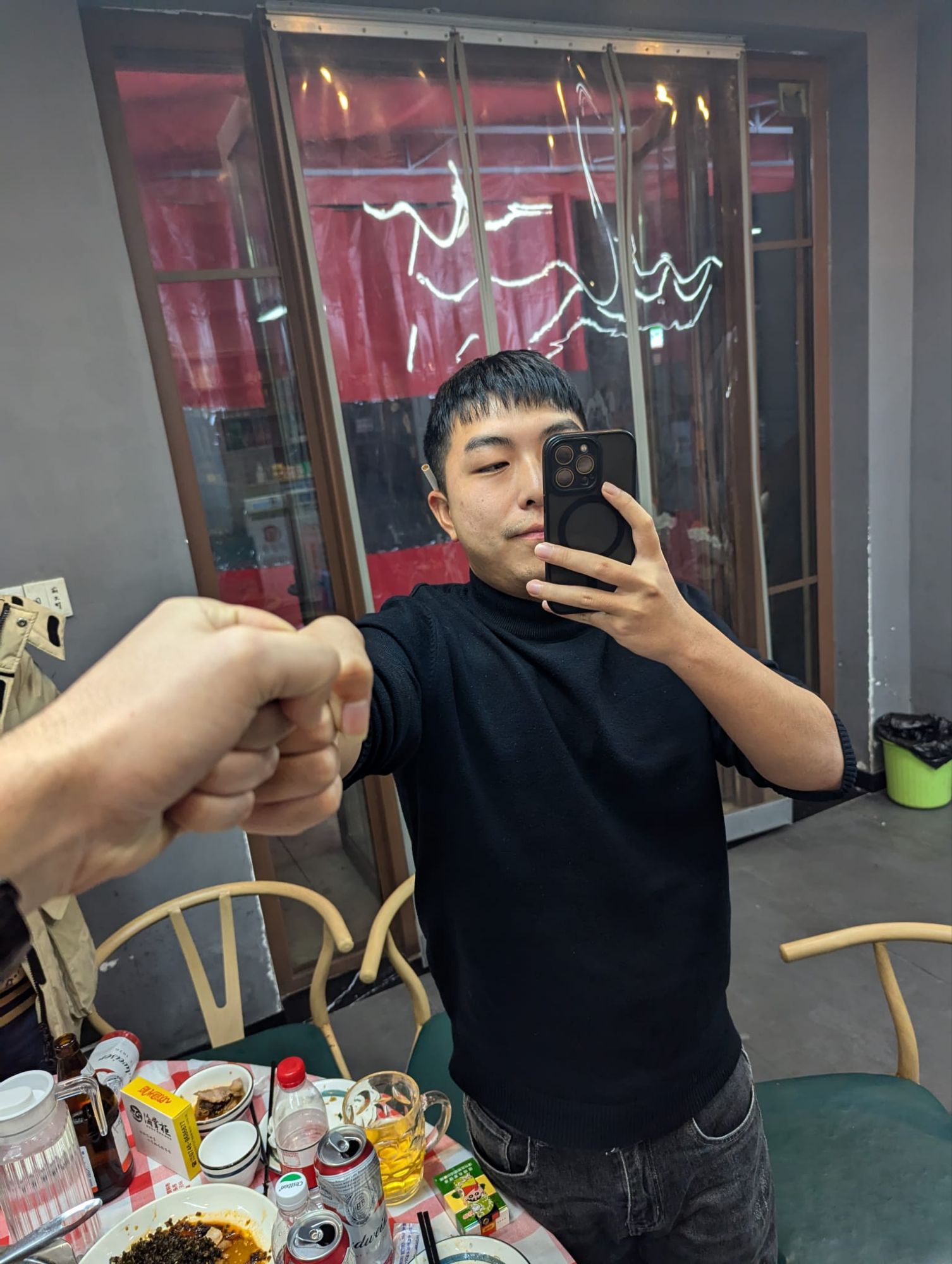
We were to eat at a different restaurant that evening. The food was amazing, and the place had a feeling of being a place for the locals too. Not just that, but they had beer too. Alipay had decided to work. Uncle Ian was about to have a “sesh.” Our colleagues drifted back to the hotel for a well-earned sleep. Uncle Ian was having a grand time of it. Uncle Ian was very happy about Alipay working, and the bonhomie was infectious, so much so that a table of Chinese lads offered me a beer and wished me a Happy Christmas. It certainly was turning out to be a very Happy Christmas. Now, these lads had a box of beer by their table and quite a few bottles on their table. They were having a great night. After our French colleagues left us, we invited them over to share some merriment. I wouldn’t describe myself as a drinker, but I will say that I have a knack for downing a beer at a rapid rate of knots. By the end of the night, our new friends for life, and of course, bosom buddies, were starting to feel a little wobbly on their legs. Corentin made me promise that I would just have one last beer. So one last beer it would be. He seemed a little terrified of the way the soirée was heading. He’s such a lovely boy for worrying about Uncle Ian… He managed to drag me away from our new friends and got me back to the hotel. Was he saving me from our new friends for life, or was he saving them from me. Only time will tell. I think the key phrase to the evening was “as happy as a pig in shit.”
Our new friends for life. Thank you Corentin for allowing me to use these images! The poor buggers didn’t know what hit them…
Beer, you see, has a special kind of magic to it. There’s something about it, something fundamental, that bridges gaps and makes two men from opposite corners of the world feel like old friends. Wine might carry elegance, and liquor can be quicker, but beer? Beer is no-nonsense. It’s a drink that demands little more than appreciation for its simplicity.
There’s a quiet dignity in a cold bottle, clinking against a glass, that says, “We’re here, we’re sharing this moment.” In a way, it carries a sense of noblesse, a kind of unwritten rule of hospitality: come, sit, have a drink, and let’s talk without pretense. There’s no rush, no grandiosity—just two people connecting. In the unlikeliest of places, beer brings people together, like a bridge that spans cultures and backgrounds.
I don’t mean to sound too lofty about it, but there’s something wonderfully egalitarian about beer. No matter where you’re from—be it France, or far-flung places like China—a beer is always the same. And, like some sort of unspoken contract, it helps dissolve differences.
Of course, there are jokes about beer that always float to the surface in these moments. Take, for instance, the old Irish joke about the “Irish queer”—and by this, I mean someone who prefers women to beer! It’s a bit cheeky, a bit irreverent, but in those rare moments when the last sip of beer is shared, it feels just right. Nothing can quite compare to the camaraderie that forms over a few cold ones, whether you’re bonding with a colleague or making a new friend halfway around the world. It’s this pure, unspoken connection that beer uniquely brings, and in that, it’s a drink that transcends.
And on these very wise words, I will leave you until the next installment…
This marks the beginning of a journey I’m eager to share—a series about my recent orchestral tour to China with the Symphonique des Bords de Loire (or SBL for those special people who know). Before leaving, China was a distant, almost abstract concept to me: a country whose language I couldn’t speak, whose script I couldn’t read, and whose cuisine I knew little about—aside from my clumsy attempts at wielding chopsticks.
Fast forward to today, and although I’ve only just returned—less than 48 hours ago—China feels much less foreign. I’ve wandered its streets, performed in its theatres, and shared meals with people who reminded me just how much we all have in common, no matter where we’re from.
Through this series, I’ll invite you into the world of an orchestra on tour, from long-haul flights and pre-concert rehearsals to quiet, reflective moments exploring unfamiliar cities. Expect stories of camaraderie, cultural discovery, and the universal language of music. And, of course, I’ll share the photographs—nearly 500—capturing the essence of the places we visited and the people we met.
Our first stop is the journey itself, from Nantes to Changsha, where it all began. Along the way, I’ll recount how we celebrated Christmas and New Year far from home, the magic of our performances, and the unexpected connections made along the way.
Are you sitting comfortably? Then we shall begin…
Like most people, I had a certain reticence about the unknown. I was basically terrified! But, as one must, I thought the best place to begin was the beginning. I knew it would be a long trip, but this was possibly the longest for me. We had our itinerary and knew where we were going. We had all installed the app Alipay on our phones to pay for things. There’s also a translator on the app, so we should be fine.
My wife and daughter dropped me, my suitcase, and my instrument off at the rendezvous point in Nantes at 1:30 am, giving us enough time for the 2:00 am departure by coach to get us all to CDG Roissy airport. We stopped off in Angers to pick up the last of the orchestra members and headed off to the airport.
We were split into two groups: us and them. We would be flying with Air China later that day, and the other group would fly almost immediately with Xiamen Airlines. There weren’t enough seats on the plane for us to travel together. As a result, we had the pleasure of spending all day in our terminal at CDG. This felt like the longest part of the whole trip.
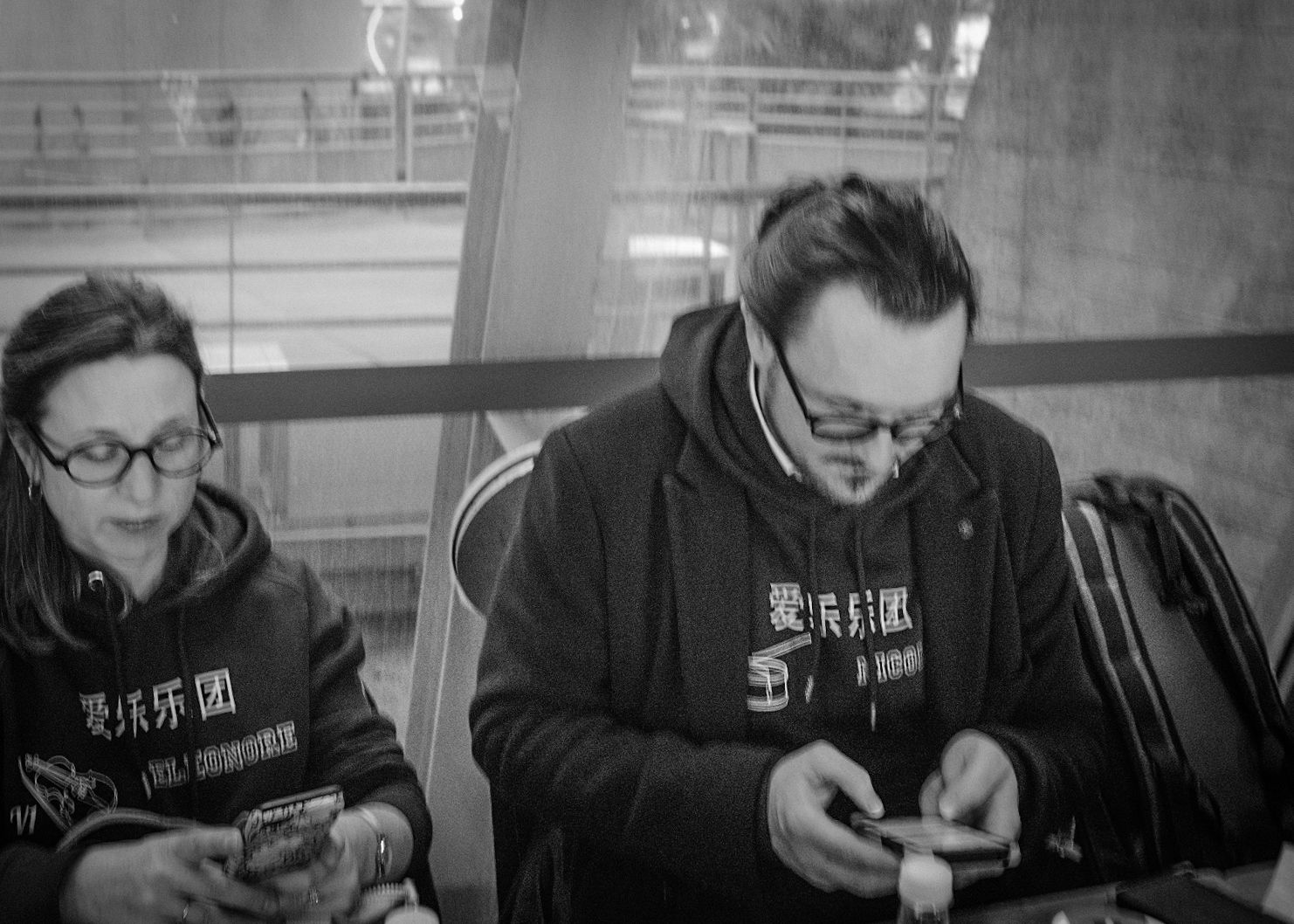
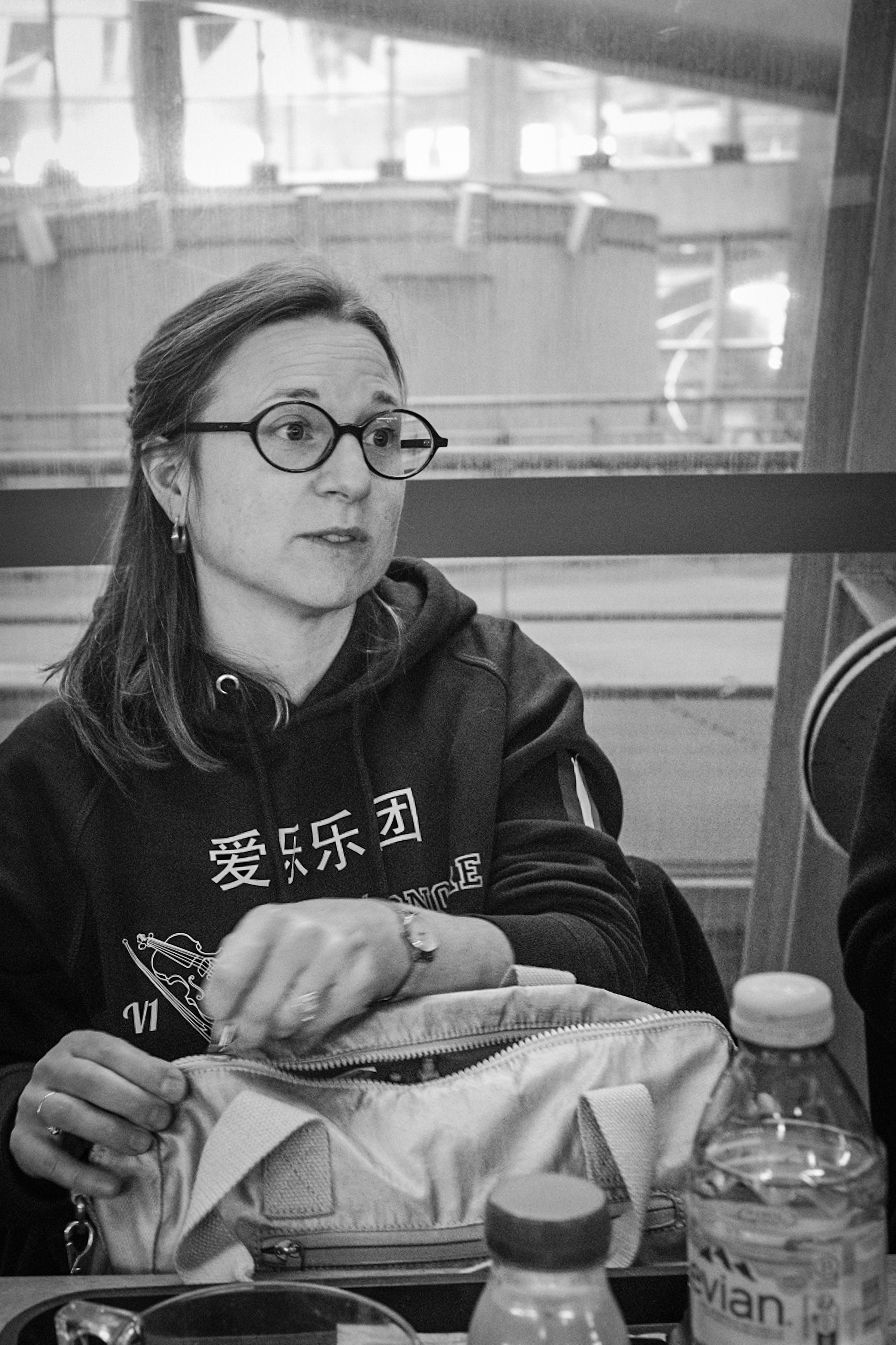
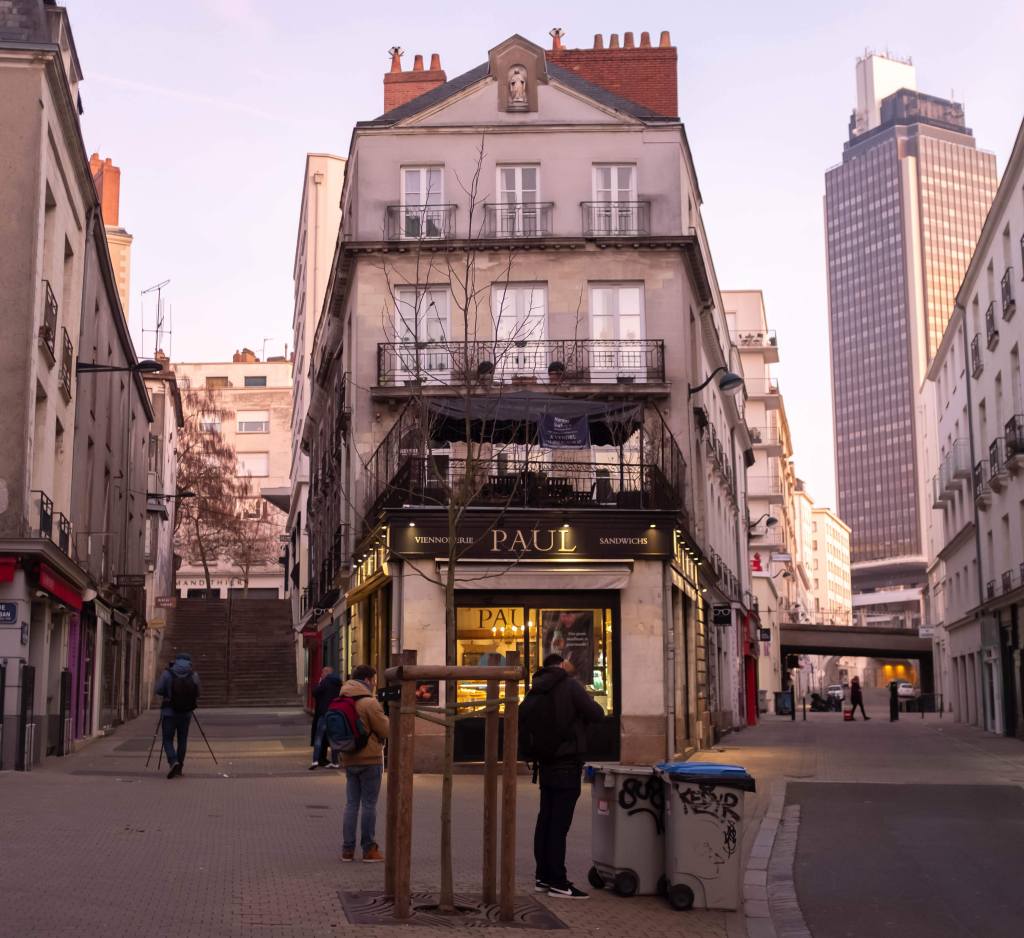
We split up again—one group to Starbucks, the other to the bakery Paul. We felt a little more exclusive in our little group, made up of a horn player (yours truly), two violinists, Eléonore and Marie, and Nicolas, a percussionist.
What does one do for eight hours while waiting for a flight? Well, you go to the loo, eat, chat, become bosom buddies with your fellow travellers. You talk about your jobs, share photos, realise the adapter you bought won’t work in China, so you buy another one, have lunch, share jokes, and then realise too late that the small children around you can actually understand those jokes, so you dial it down a bit. You wander around, one person looking after the luggage, making sure it doesn’t get blown up by security. Excitement, excitement, excitement!!
Tired of remaining exclusive, we joined the hoi polloi of the Starbucks group and headed to security together. Passport control, however, was a different matter altogether. You may have guessed that I am not French, so I had the privilege of going through a different line to be let out of the country. I was scanned, as was my passport, and then made my way through to the other side. We had to go through security again.
My hand luggage was my instrument, and I felt very pleased with myself and my choice of clothing. It’s amazing how much “stuff” you can stuff into the pockets of a sports jacket and still look relatively good. You take off the jacket and pop it into the bins along with the horn, camera, phone, wallet, etc. It all felt like being in a queue at Disneyland…
I had nothing else planned, so I took it all in my stride. Going through Duty-Free was an interesting experience. Gone are the days of cheap booze and perfume. Now it’s all about luxury brands, and definitely not cheap. I’d have to wait until I got home to restock my perfume.
The departure lounge had a public piano, and of course, the colleagues had to let rip. And let rip they did. A productive way to get through the tediousness of waiting. I was reminded of the British Army philosophy of “hurry up and wait.” Take it in your stride, lad, take it in your stride.
The first flight was Air China from CDG to Beijing. When they talk about long haul, they forget to tell you how long long haul really is. We weren’t in business or first class but in economy, where long haul takes on a completely different dimension. The flight, though long, was very pleasant, and between meals (served with forks), it went smoothly. As part of my research for this trip, TripAdvisor had become a reference, and my experience was obviously much better than that of certain reviewers. The food was great, although it was the first time I had rice and fish for breakfast in a long while. I sat next to Fran, one of the English members of the orchestra, and we chatted about everything and nothing. It helped pass the time and allowed us to get to know each other in ways you can’t when just playing concerts and rehearsing in France.
We arrived in Beijing, descended, and started looking for the loo—the first of many visits to the loo during this trip. I had heard about Chinese loos being a little different from those back home, but in the airport at least, everything was fine.
We went through the airport to the domestic transfers, filled in the form with the information we had provided on our Visa application form, and went through immigration. Now, we were all on a level playing field, much to my satisfaction! We made it to the other side and headed to our gate, where we would board flight number two to our final destination for the day: Changsha. Changsha is one of those places that will amaze you with the colour of its lights around the buildings—one of the many cities that do this. It was resolutely modern and vibrant. To be honest, I didn’t know what to expect before arriving, so I just decided to take it all in.
At the hotel, we were greeted by colleagues who had arrived earlier. My roommate was still out in town, but thanks to WhatsApp, he was told we had arrived and it would be nice of him to come back to the hotel and let me into our room with our shared key. He returned with a huge smile on his face—not only happy to see me but excited to tell me about the girl who had stopped him in the street to take a selfie with him. This would be the first of many such occasions for my friend Correntin to satisfy his ever-growing fan club. Poor lad! Not easy being girl-bait every day! He would get used to it.
The man in action. What more can I say!!! Tank you Corentin for letting me use your photo…
The room was posh, and I thought, “I could get used to living like this.” And indeed, I did. Those pillows were huge, soft, and when your head landed on them, you just seemed to float off into another world. Eventually, I had to leave my pillow and get ready for the evening Christmas meal and Secret Santa exchange.
Now, I had presents for Eléonore, Mathilde, and Titaua—whom I met while dabbling a little more in music in Cholet, and who convinced me to join this orchestra. I’m very glad they did because here I was, offering them their Christmas presents in China! Secret Santa is where you’re assigned someone in the orchestra to buy a small gift for. My person had messaged me to ask for an orange, but I couldn’t just give them an orange. I made the effort to find a Terry’s Chocolate Orange for him. My Secret Santa, Barbara, presented me with a mini-tote bag from the Paris Olympics. It’s just the right size for the car! The meal was somewhat less French than the Olympics, but it was the first of many discoveries in this new country. Well, one must show willing…
As we reach the end of A Photography Philosophy Series, I hope this journey has been as rewarding for you as it has been for me. Through these articles, we’ve explored the philosophy behind why we photograph—going beyond equipment and technique to dig into the heart of what makes photography so meaningful. Each theme in the series has shed light on a unique layer of photography, from capturing emotions to telling stories, reflecting identity, building connections, and even embracing impermanence.
We began with Why Do We Photograph?—a question that sits at the root of every image we capture. For some, photography is about preserving memories; for others, it’s about self-expression, documenting moments, or sharing perspectives. Over time, our reasons for photographing often shift and evolve, bringing more layers to our work as we grow. This first article set the tone for the series by reminding us that photography is a deeply personal journey, and our motivations shape each image we create.
Then we delved into The Emotions of Photography, exploring how images can carry feelings, from joy and nostalgia to solitude and contemplation. Photography allows us to express emotions that words often fail to capture, communicating through light, composition, and mood. Each photograph holds the potential to resonate with viewers in a way that feels both personal and universal, offering a window into the photographer’s emotional landscape.
The Art of Storytelling in Photography came next, where we looked at how images can create narratives—small windows into people, places, or moments that form part of a larger story. Photography has a remarkable way of capturing both detail and the bigger picture, allowing us to document stories that speak to shared experiences or unique perspectives. In a world full of words, photographs can often tell a story with a quiet eloquence.
In Identity and Self-Expression, we explored how photography offers a chance to express who we are and what we see. Our images inevitably reflect parts of ourselves—our backgrounds, our worldview, and our personal journey. For many, photography is as much a journey of self-discovery as it is a creative practice, helping us find our own voice and share it with others. Photography encourages us to see ourselves more clearly and to reveal something of that to the world.
Then came Connection Through Photography, a theme close to my heart. Photography, as we’ve seen, can forge connections—between photographer and subject, among fellow photographers, or with viewers who see something of themselves in the image. These connections remind us that we’re not alone in this world; they foster a sense of community, shared understanding, and empathy that goes beyond language. Photography has a unique power to unite us, even if only for a moment.
Lastly, we explored The Philosophy of Impermanence, where we reflected on the fleeting nature of each photograph. Every image captures a moment that can never be repeated, lending photography its unique poignancy. Impermanence reminds us to treasure the moment and see beauty in the transient. Photography, like life itself, is filled with unexpected moments, and it’s often the imperfections or mistakes that give images their authenticity and depth.
As we close, I invite you to reflect on your own photographic journey. What drives you to take photographs? Which themes resonate most with you—capturing emotions, telling stories, connecting with others, or perhaps embracing impermanence? These reflections aren’t just theoretical ideas; they form the personal philosophy that shapes how each of us approaches photography.
Ultimately, photography is about connecting with the world and each other through shared moments and meanings. If this series has encouraged you to think more deeply about your motivations, experiences, and the meaning behind your work, then I hope you’ll carry those reflections forward. Photography gives us a way to see, to understand, and to share in ways that words alone can’t.
Thank you for joining me on this exploration. I’d love to hear about your own experiences—what drives you, what connects you, and how photography shapes your view of the world. Let’s keep the conversation going and continue building a community of thoughtful photographers, one image at a time.
When we talk about a moment in time, that moment is no longer the present; it has become the past. We cannot repeat it, nor can we reclaim it. It has happened and will never come back. Photography is an art form that allows us to capture a specific moment and preserve it for all time. We know that it is impossible to capture exactly the same conditions in which the shot was taken. We can attempt a recreation, but it will never be identical. Time has moved on to the next moment.
As photographers, we are left with the task of capturing the present, knowing it is already slipping away. What does this mean for the way we approach our art? Will we constantly look back, regretting the passage of time, or will we, on the contrary, feel privileged to have documented it for the future?
This brings us back to the idea of preserving the decisive moment that Cartier-Bresson spoke of. Like comedy, it would appear that photography is all about timing.
When we capture that moment, we must decide how we want to portray it. Do we want to freeze the action with a very high shutter speed, or can we slow down and add a sense of movement to our image? How fleeting is the image we are trying to capture? What will this motion add to the image?
My approach
Over time, I’ve come to appreciate these fleeting moments in time and try to document them, whether in the big city or out in the countryside with my children—especially when they play together. I want the spontaneity of it all, to capture those precious moments of complicity. As any parent knows, our children grow up before our eyes, and before we can truly realise it, they are grown up. Even when they’re not together, and I look through these past moments in time, I get an overwhelming feeling of, “Where did it all go?” My son is 25, and my daughter is 15 already.
Embracing Mistakes: A Journey to the Image
I’ll admit, I’m not one to embrace mistakes easily. I’ve always strived for precision in my photography, seeking to control every variable and meticulously plan each shot. I don’t like leaving things to chance, and so, when things don’t go as expected, there’s often a twinge of frustration. A blurred shot, an overexposed image, or a missed moment—those mistakes are a part of the process I try my hardest to avoid.
But over time, I’ve started to realise something: these mistakes, as unsettling as they may feel in the moment, are often a necessary part of the journey toward the image I’m truly after. When I reflect on the photographs I’ve captured, it’s clear that the path to the perfect shot wasn’t a straight line. It was made up of trial and error, of learning how to see the scene in front of me not just through my lens, but also through the lens of my mistakes.
It’s the misfires, the accidents, that force me to reconsider my approach, to adjust my frame or my focus. They open my eyes to perspectives I might not have considered, angles I might not have thought of, and emotions I might not have expected to capture. Each mistake teaches me something new, something that nudges me closer to that elusive, perfect image. They’re not setbacks, but rather signposts that guide me, sometimes uncomfortably, to a place where I can see the photograph with fresh eyes.
I’ve come to understand that each imperfection is part of the journey. The photograph I end up with is rarely the first shot I took, or the second, or the third. It’s the culmination of countless adjustments, failures, and moments of doubt, all leading me to the image that feels right. In the end, I realise that without those mistakes, the image I’m truly after might never have come into focus.
So while I still seek control, I’ve learned that there is value in embracing the unexpected. It’s in the mistakes, the missed moments, and the misjudgments that I find the essence of my photography. They are just as much a part of the creative process as the moments of perfection, guiding me closer to the image that speaks to me—and perhaps even to the viewer—most clearly.
Conclusion: The Beauty of the Journey
Photography, at its core, is a celebration of the fleeting moments that pass us by in the blink of an eye. The act of capturing these moments is an acknowledgement that time is forever slipping away, and in that impermanence, there is both beauty and significance. As photographers, we are tasked with documenting not just what we see, but also what we feel—the raw, unrepeatable essence of time itself.
The pursuit of the perfect image is a delicate dance between intention and spontaneity, control and surrender. It’s a journey that, more often than not, veers off the well-trodden path and into uncharted territory. Along the way, mistakes become our teachers, guiding us toward discoveries we might never have made if we had stayed within the confines of our comfort zone. These missteps, rather than being failures, are integral to the creative process, pushing us to reimagine, reframe, and reinvent our approach.
In the end, photography is about embracing the imperfection of both the world around us and our own creative efforts. It’s in the mess, the mistakes, and the fleeting nature of the moment that we often find the most powerful images. And while the perfect shot may remain elusive, it is in the journey—the trial and error, the fleeting moments, and the lessons learned—that the true beauty of photography lies.
So, as we continue to document our world, let us not only cherish the decisive moments but also embrace the imperfections that make them meaningful. For it is through the transient, the imperfect, and the unexpected that we capture not just images but stories—stories that resonate with the heart and echo the passage of time.
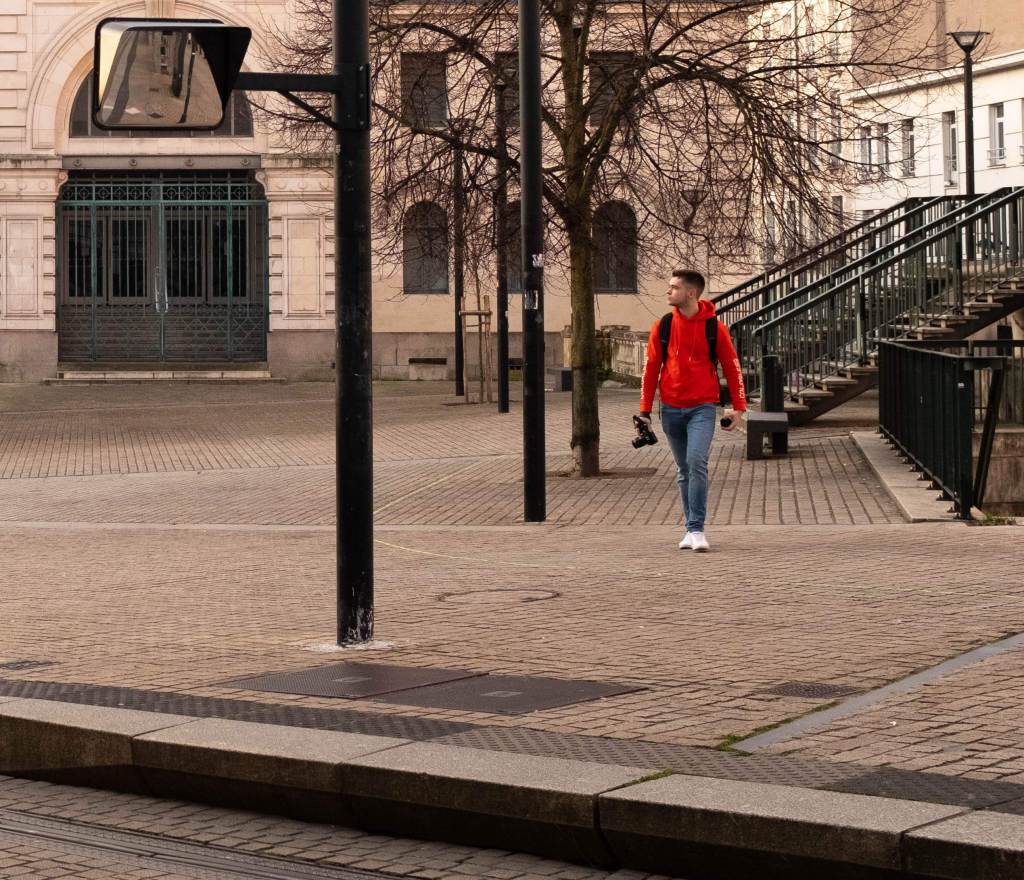
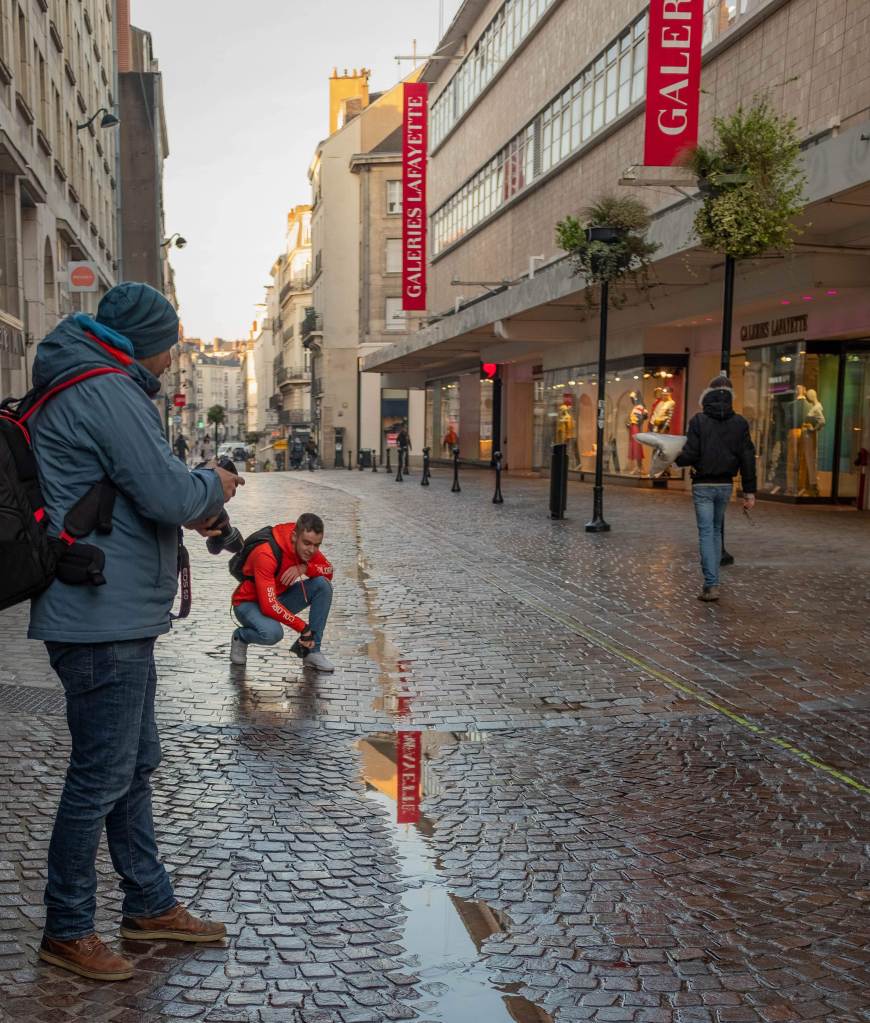
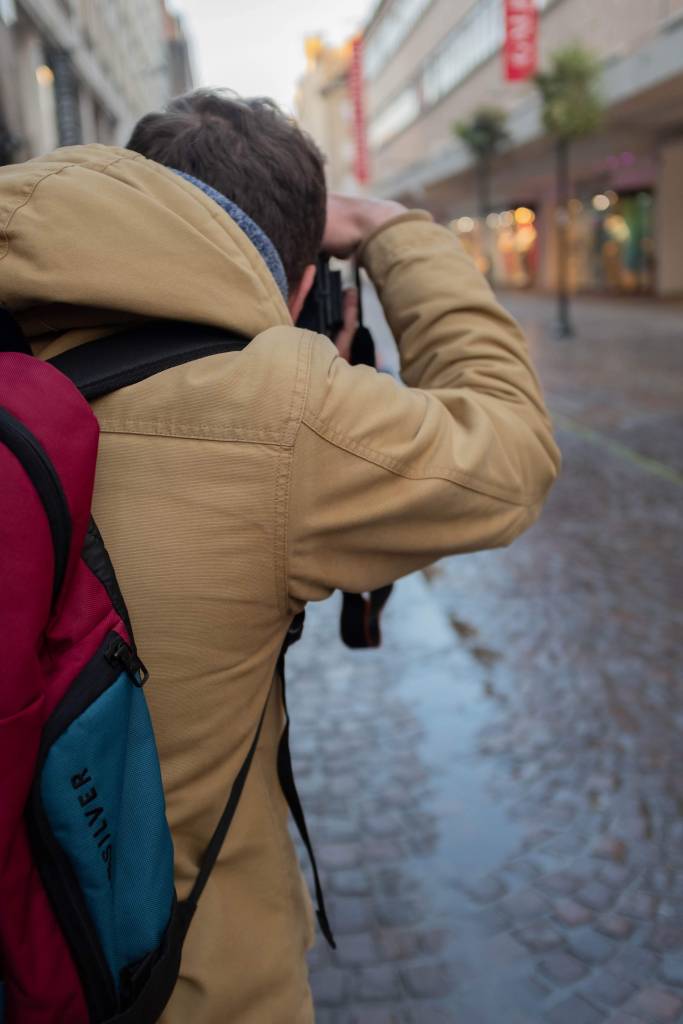
I once read that if two Germans meet, they will form a club. I am not German, but they perfectly illustrate this universal need to belong. They are generally not the most extroverted of people, but even introverts have this need to form a relationship with somebody. As photographers, we have this same urge, but perhaps in a more subtle way. When I’m out on the street, I will always notice someone with a camera, even when I’m without one myself. I find myself looking to check the brand, possibly the make of the camera, and the type of lens the person is using. Even when we simply nod at each other, it’s a recognition of our shared enthusiasm for the art form. Am I judging them? Sometimes, yes, but to err is human.
When I see a film camera around someone’s neck, I am immediately drawn to it. When I venture out with the behemoth Mamiya C220, the camera is almost as much a statement as the actual image I’ll eventually take with it. People will come and inquisitively ask, “What kind of camera is that? Can you still get film for it?” or say, “Yes, my grandfather had one like that.” The obvious charm of a medium format TLR in this modern world.
Photography is sometimes seen as quite a niche activity, and film photography even more so. A film camera gives out a more exclusive vibe, telling the world that, yes, we actually are serious about this, and know what we are doing, as the camera isn’t doing anything for us. We are artists and therefore superior to you, at least that’s what we tell ourselves for validation… One could argue that there is a need for even more knowledge with film photography, and that the need to develop our films just goes to show our dedication to the craft.
Well, not always. But it does give a starting point to a chat, which invariably leads to a discussion about this shared interest, and gives us a common starting point to our relationship, however brief that relationship might be.
I also want to explore the relationship between the subject and the person photographing that subject. For a long time, I was petrified of using a model. I’m an introvert by nature, so the idea of having to make small talk with and direct a model was awful. I wanted to learn more about photographing a model and to break out of this comfort zone. Strangely, buildings won’t talk back at you or tell you what they think of your shot. People, on the other hand, are completely different.
I had learnt basic lighting technique and then had to find models. Luckily, I could rely on my daughter and wife as my first subjects, then branch out to include my son and his then-girlfriend. I then moved onto unsuspecting friends, fellow musicians, and eventually felt my confidence slowly building enough for me to photograph complete strangers by establishing that rapport between us. I discovered that sometimes they were as terrified as I was. Again, something we had in common…
I followed some advice from Sean Tucker, who specialises in portraiture. I simply had a conversation with my model, which seemed to put us both at ease. This allowed the model to detach from the shoot and just chat away.
Community and Collaboration
But connection isn’t limited to brief exchanges with strangers on the street; it can also be found in deeper collaborations with other photographers. As I said earlier, I am more of an introvert, and the idea of making an effort to be sociable is something I find exhausting. At parties, I have been known to chill out on the outer realm of guests and chat to the dog. Hey, we have great conversations together!
However, I have been known to make that special effort and even meet up with other photographers. If you’ve ever talked to me about photography and the merits of various pieces of kit, and actual cameras, you’ll know that I can talk about it until the cows come home—to the point that most people switch off after 30 seconds. But when you have a captive audience who actually cares and knows what you’re talking about, it just brings me out of my shell.
Sometimes one might think it’s a very blokey thing to meet up with other men and talk about, and participate in, some rather niche activity. That might sound a little suspect, but I assure you it isn’t.
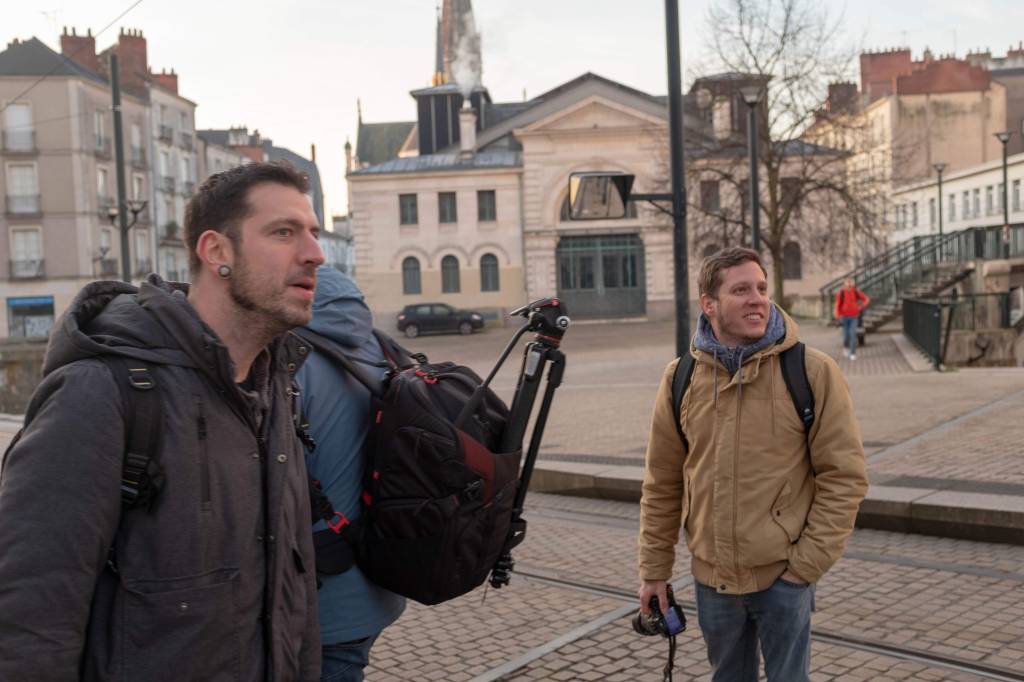
I once had a meet-up in Nantes (the very first article on this blog), and it was so rewarding. It was a typical male bonding activity, and everyone, except for me, brought along their biggest cameras and most expensive lenses. It almost felt like a competition to see who had the most impressive camera. I just brought my relatively tiny X100F, the thinking man’s camera. Much like my car, it’s not the most inspiring thing to look at, but I enjoy using it, and it certainly gets the job done in a very satisfactory way!
I have also collaborated with Nantes Grand Angle, a collective of photographers that have outings in and around Nantes. In exchange for a free tour or free visit, we take pictures during the outings and write about them in our blogs or publish the photos on Instagram. I have done a couple of outings with them, and it’s always interesting to see other photographers in action. They are there seeing the same things as me, but not in the same way. That sense of belonging has a huge feel-good factor too.
A Shared Lens
Photography may often feel like a solitary pursuit, but beneath it lies a powerful thread of connection, weaving us together through moments captured and stories told. Whether it’s the subtle camaraderie exchanged between strangers with a simple nod on the street, the thrill of collaborating with others who share our passion, or the quiet understanding forged with a subject in front of the lens, these encounters remind us that we are never truly alone in this journey.
Through photography, we find not just a way to see the world but a way to be part of it—a community of like-minded souls bound by a shared appreciation for light, shadow, and time itself. In the end, our photographs are a bridge, linking us to others and creating a lasting connection beyond the mere act of pressing the shutter. For as long as we hold a camera, we’re part of something bigger, capturing fragments of life that, no matter how fleeting, will always connect us back to one another.






































 IJM Photography