The Opening of the Film Archives – Clisson May 2016


Introduction

Welcome back to the film archives.  Today I’m going to share some photos of the first reel from my “new” Canon AE1.  Well, not new, but certainly new to me.  The Canon AE1s were produced between 1976 and 1984.  It is one of those iconic cameras and at the time I must have paid about 50€.  When I say iconic, I really mean iconic.  It is a shutter speed priority camera using Canon’s FD lenses. I used it an awful lot that summer.  I liked it so much that I even bought a second one that I ended up giving to a photographer friend. 

Colour

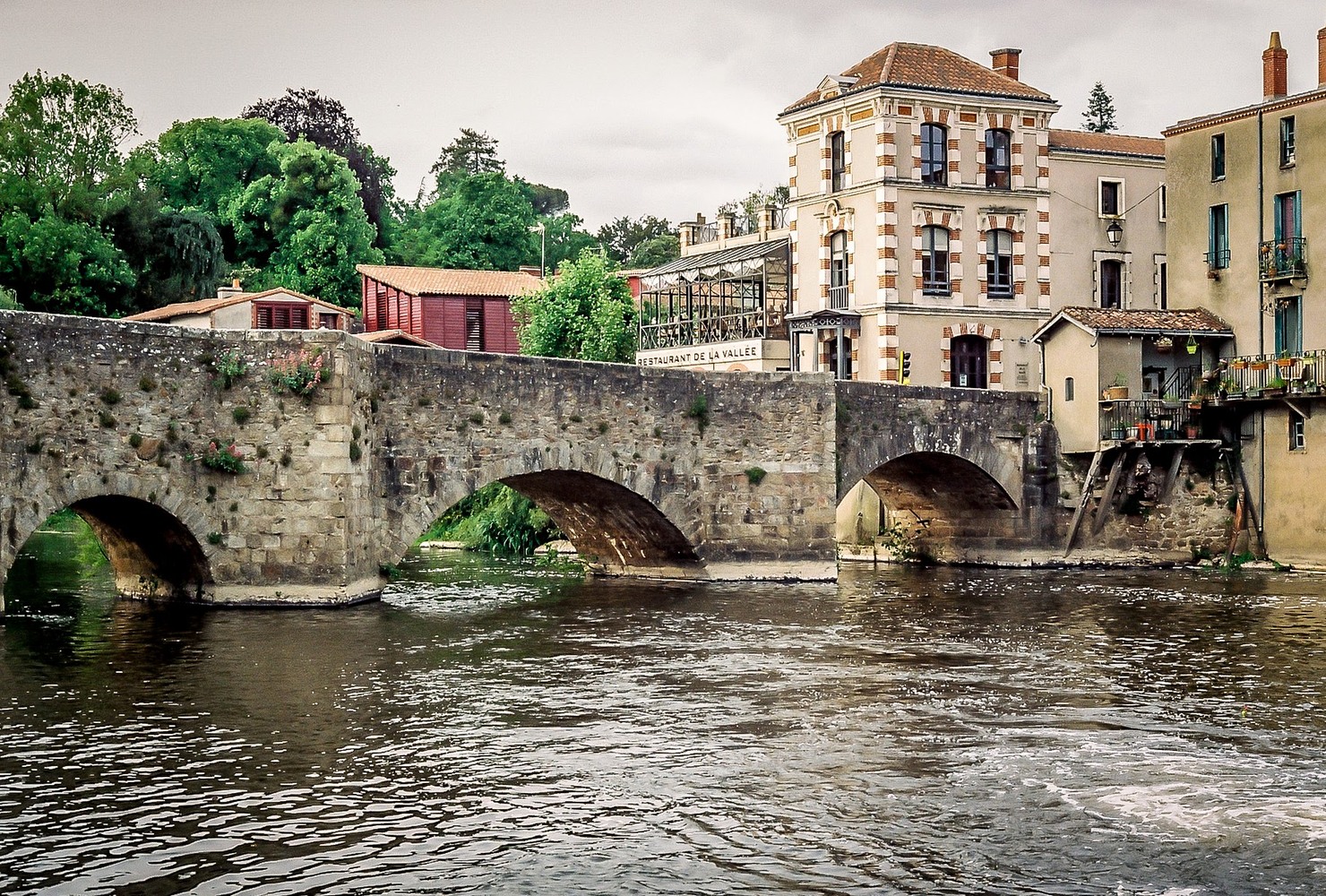
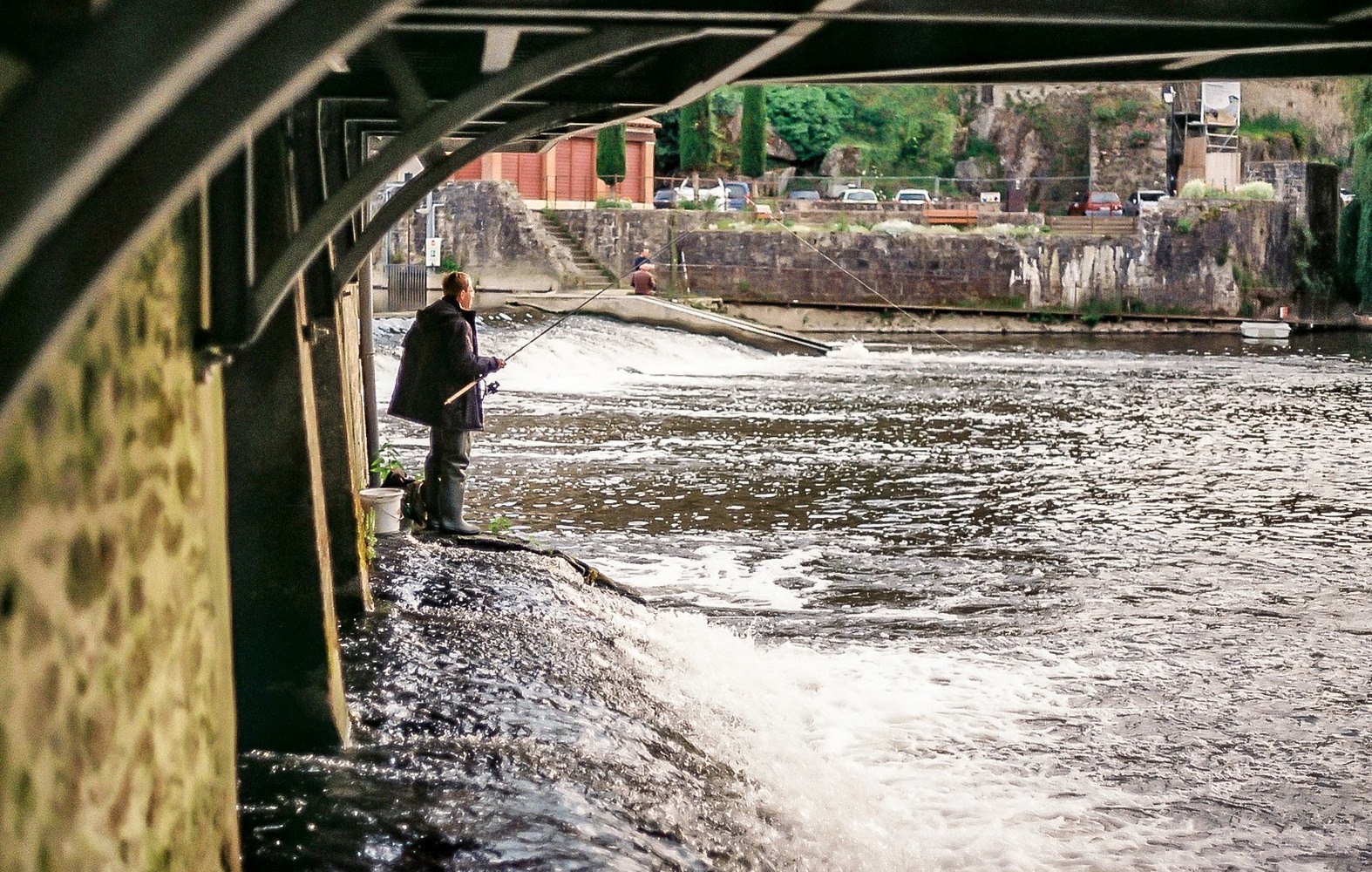
To some people of my generation they represent their first cameras, and were so popular.  Talking of popular, the photographs from this part of the archive are from the very popular and photogenic town, Clisson.  Also you will have noticed that the photos are in colour.  Which only goes to show that not all film photography is black and white photography.

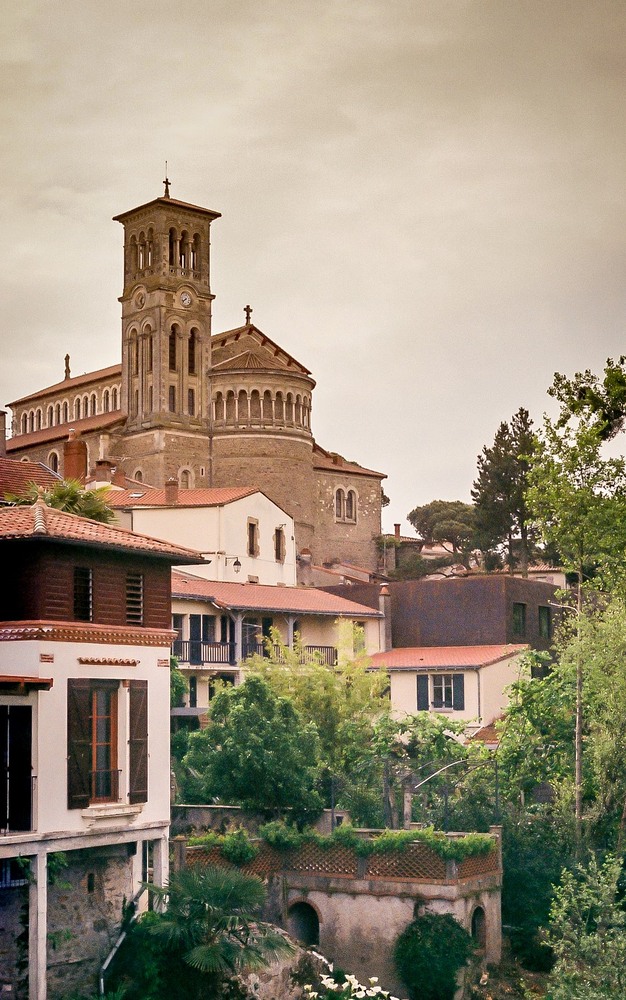
Clisson, as you can see in the photos, is one of those beautiful French villages that oozes Gallic charm.  It also exudes a certain Italian charm, and is known for its Italian style architecture.  

Canon AE1

I have both a Canon AE1 and AEI Program. The AE1 is the big brother of the AE1 Program, and doesn’t have a program mode, but as you can see from the photos it still works a treat.

FeatureCanon AE-1Canon AE-1 ProgramDifferences
Release Year19761981AE-1 Program released 5 years after AE-1
Exposure ModesShutter Priority AEShutter Priority AE, Program AEProgram AE added to AE-1 Program
MeteringCenter-weighted AverageCenter-weighted AverageNo difference
Shutter Speeds2s – 1/1000s2s – 1/1000sNo difference
Viewfinder DisplayLEDsLEDsNo difference
Film Speed SettingManualManualNo difference
Self-timerYesYesNo difference
Depth of Field PreviewYesYesNo difference
Motor Drive CompatibilityYesYesNo difference
Other NotesFirst Canon SLR with microprocessor; revolutionary for its timeSimplified controls for easier use; appealed to wider audienceAE-1 Program aimed at beginners and enthusiasts
As you can see there’s not a huge differece between the two. The major difference being the Program option, and the other allowing for easier changing of the ASA film sensitivity setting.

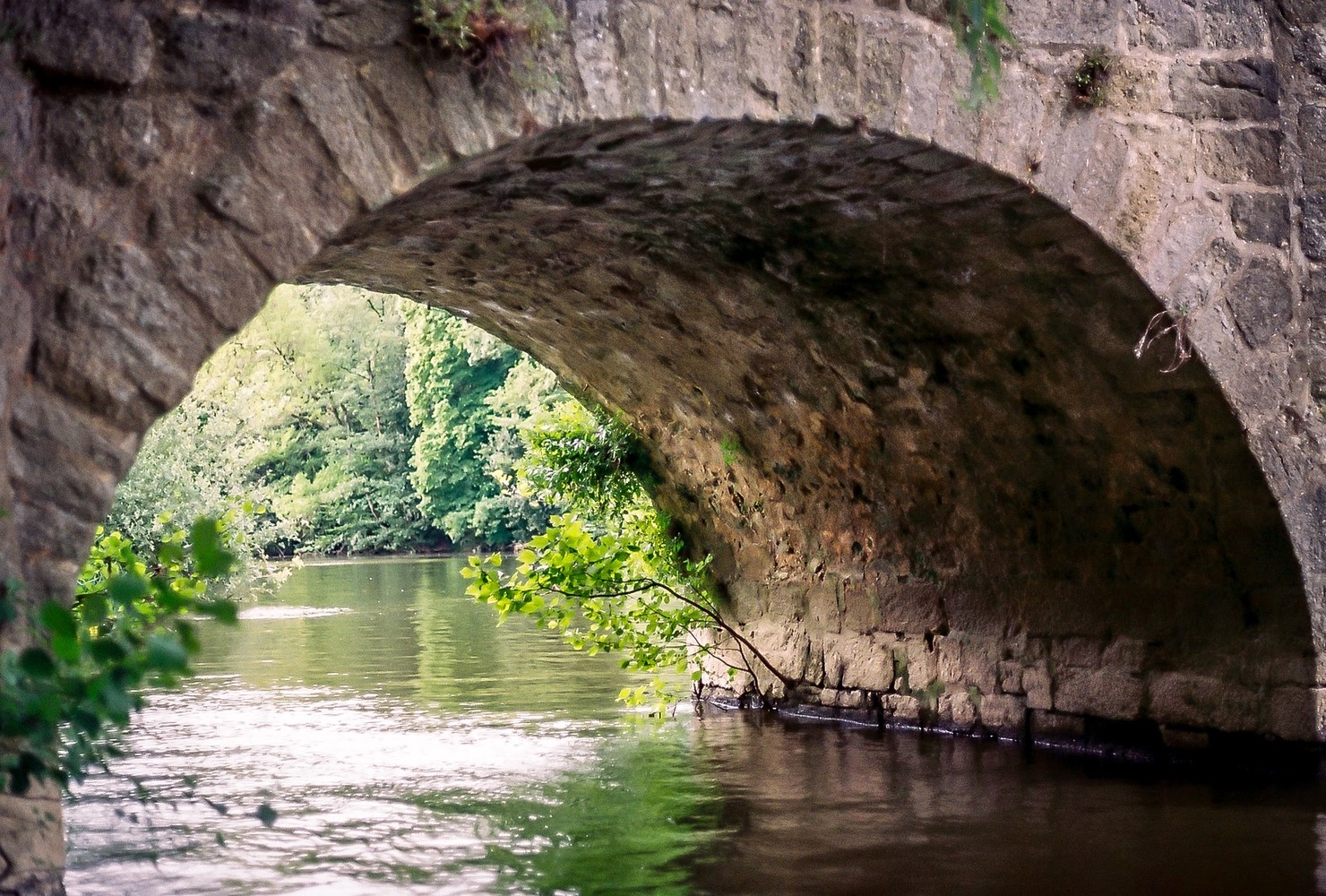
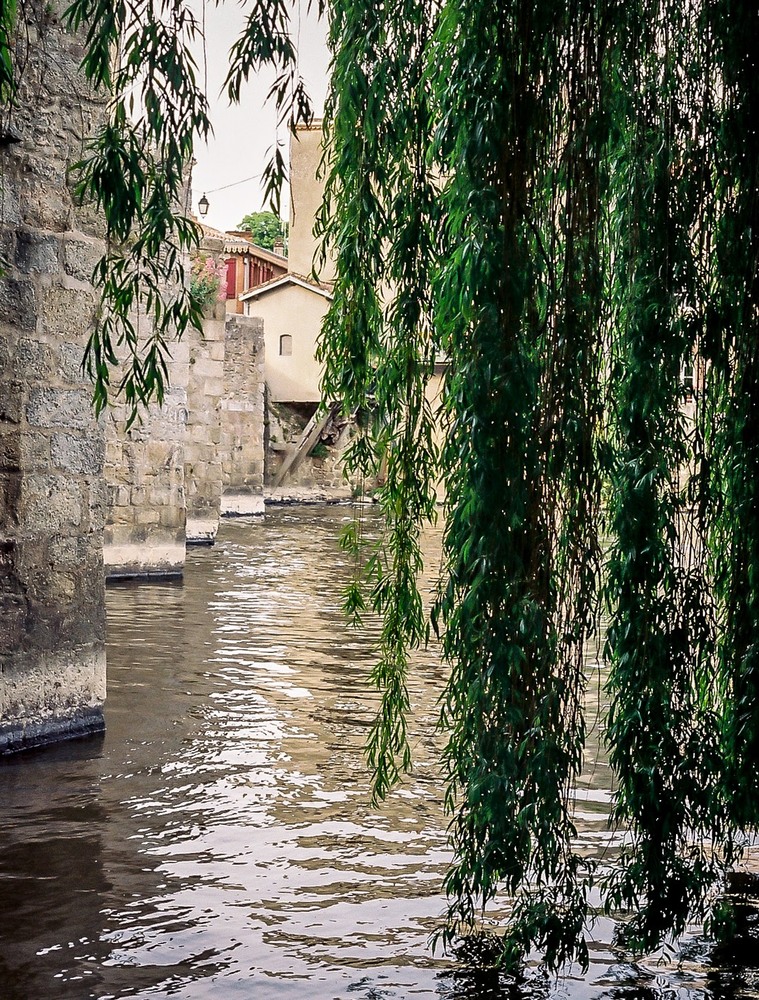
On the day in question I must have parked just next to the river and concentrated on this picturesque  area.  You can see the castle, the bridge, and the river, all making for a peaceful spring moment.

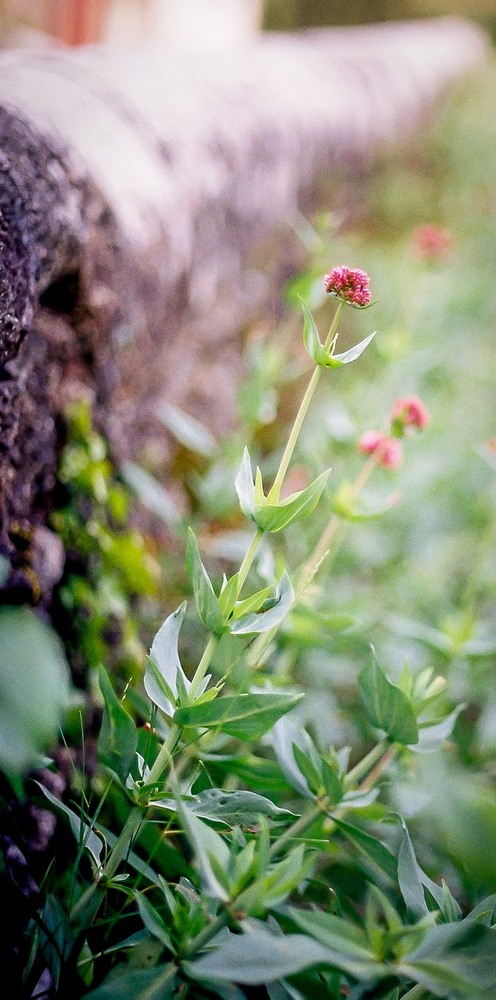
I think the film was Fuji Superia, and I just wanted to use colour.  Thetones are slightly muted and warm, and the flowers, trees and plants were just screaming out to be photographed.  I remember the excitement of loading the film into this “new” camera, and the novelty of simply using an iconic camera.

Here is what fuji tells us about the film:

FUJICOLOR SUPERIA X-TRA400

An all-round general purpose, high-performance, high speed color negative film delivering truly fine-grain. Superb for snapshots or action, in low light with flash, outdoors or indoors. Ideal for general use with compact zoom lens cameras.

  • Excellent skin tones
    For beautiful, clear people-shots.
  • Fine grain
    Great results even when enlarged.
  • High-speed
    Superb results, whatever the shooting conditions.
  • Sensitivity and Film Sizes
    ISO : 400
    Film Sizes : 135 : 36 exp.

 When using digital, it’s so difficult to get that particular film look, and using film and an older camera just changes your whole outlook.  The fact of not having your image straight away leaves you with that anticipation that we all used to feel when we sent off our films to the lab.

Give film a try.  There are still cheap film cameras out there, and your photography experience will be totally different.  I certainly appreciate it.

Photo Editing On The Go With Snapseed


INTRODUCTION

Twenty-two years ago, I was fired from the job that took me away from Paris to the French countryside where I now live. In hindsight, it was one of the best things that ever happened to me. Sometimes we need that shove beyond our control to nudge us in a different direction.

At the time, I was already into this new thing called the internet that was becoming more and more mainstream. I wanted to learn all I could before my children would teach me. So, I learnt. I even trained to be an “infographiste,” which is similar to a webmaster, now known as a web developer.

AN ENGLISHMAN IN VENDÉE

I learned how to use QuarkXpress, Indesign, Dreamweaver, Photoshop, and Illustrator. I also learned how not to be afraid of opening up a computer and getting in there with a screwdriver. I had this amazing idea of creating a website called “An Englishman in Vendée” to showcase outings with my young son around the area. I took photos with a “webcam” which was about the size of a GoPro but compared to what we have twenty years on, was anything but pro. At the time, I dreamt of having portable internet, portable editing software, and a means of sharing those pictures online.

I would have to wait a while. In 2024, I have a Samsung S20 FE and I now have all I need to do that, on the go! I can even transfer the photos from my high-end digital camera to my phone, edit the images on my phone, and publish them either on my website (no longer Geocities) or on social media.

WELCOME TO SNAPSEED

Now I use “Snapseed” for editing my photos, WordPress for writing my articles, and Chat GPT to give my articles structure and a writing plan. All this in a device that fits into my pocket.

So, what is Snapseed? It’s an app that I recommend to anyone who needs to edit pictures on the go. It is available for Android and Apple devices, so you’re all covered. But why Snapseed? Well, it’s free, simple to use, and has all the tools you need for editing. It’s intuitive and comprehensive. I particularly like the Tune Image section, where I find all the tools I use for basic edits in Lightroom on my PC. The Rotate tool helps me check horizons, and the Black and White tool gives me full control over the conversion process.

Snapseed is a non-destructive editing programme (app) that uses your original file, whether RAW or JPEG, and allows you to edit to your heart’s content. Can it do everything Lightroom can? No. Is it trying to? Still no. It adds some nice “style filters” in the tool section that allow you to have fun. The more serious photo editor will probably stick to the basic tools that still allow them to get the results they need “on the go.” I use it during shoots to give sitters an idea of what their shots will look like. These first “draft” images are perfect for sharing on social media.

KEEP IT SIMPLE WITH SNAPSEED

I’ve talked about KISS in the past, and I’m going to mention it today too. KISS – Keep it Simple Stupid! Snapseed is deceivingly simple when you look at the user interface, but it has a range of tools that help you achieve the look you want.

It starts by offering you three basic options: Styles (similar to presets), Tools (where you can fine-tune everything), and Export (where you go to export your edited photo).

STYLES

Styles are essentially presets in other software, and Snapseed offers a variety of styles:

In the next article, we’ll talk about the various tools Snapseed offers to help you edit on the go. I will walk you through my basic editing process, showing you which tools I use and how I use them. Remember the 80/20 rule: 80% of your editing can be done with 20% of the available tools. So be patient, and you will be rewarded for your patience. See you in the next one!

Discovering the Musée de Préhistoire of Carnac with Paris 1972 – Versailles 2003


As a compliment to the film archive article featuring the standing stones in Carnac, I’m just going to drop this article here. Paris 19972 – Versailles 2003 is a site run by a friend who has some very interesting articles and a prolific output of articles covering a wide selection of subjects, including Bretagne, Paris, Versailles, Spain.

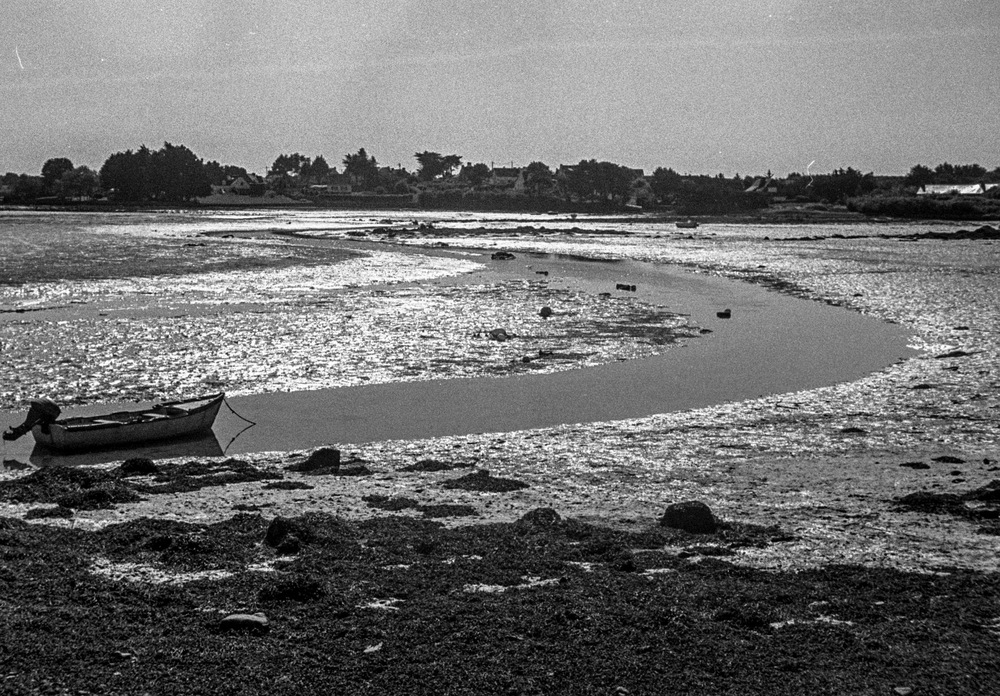
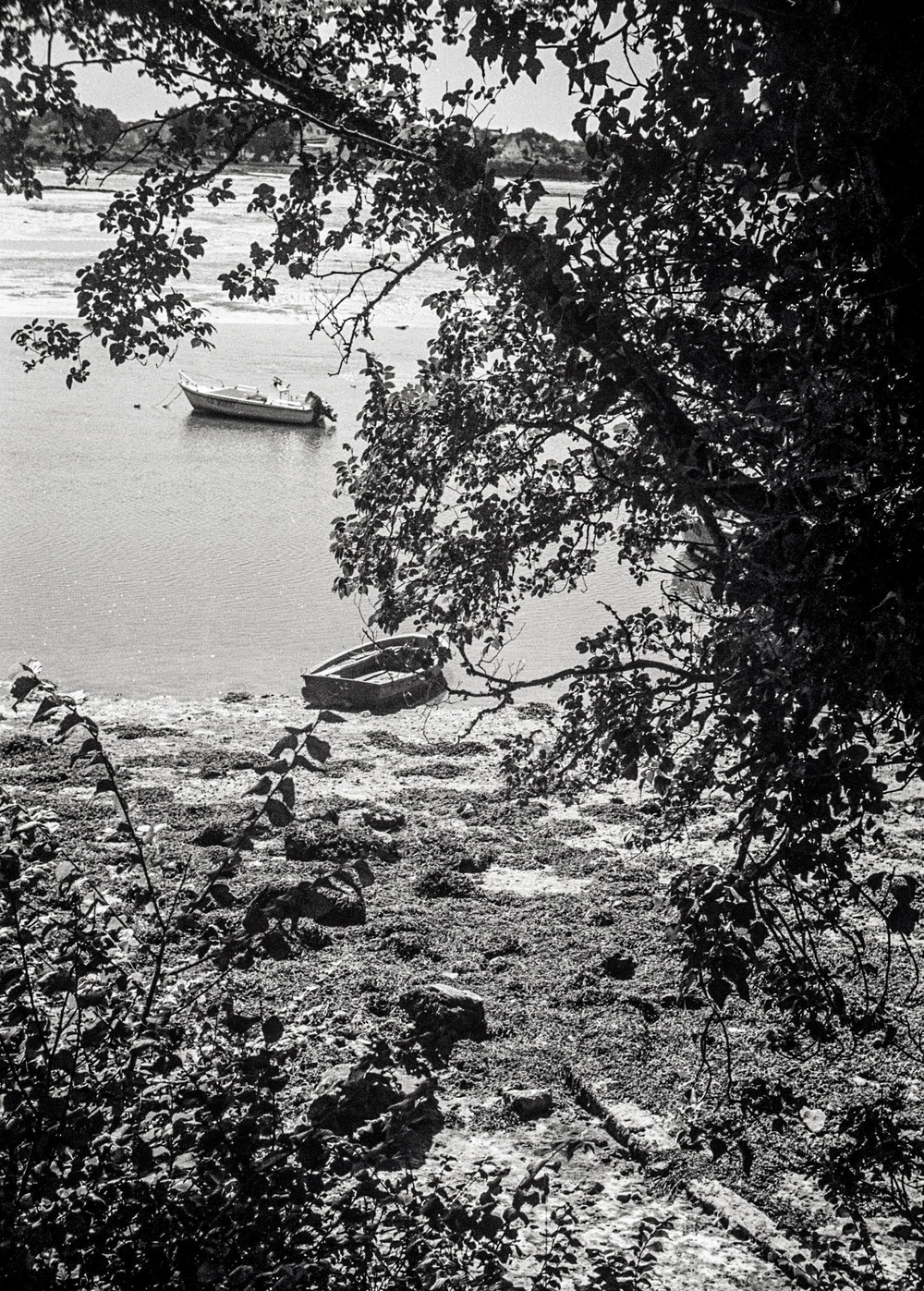
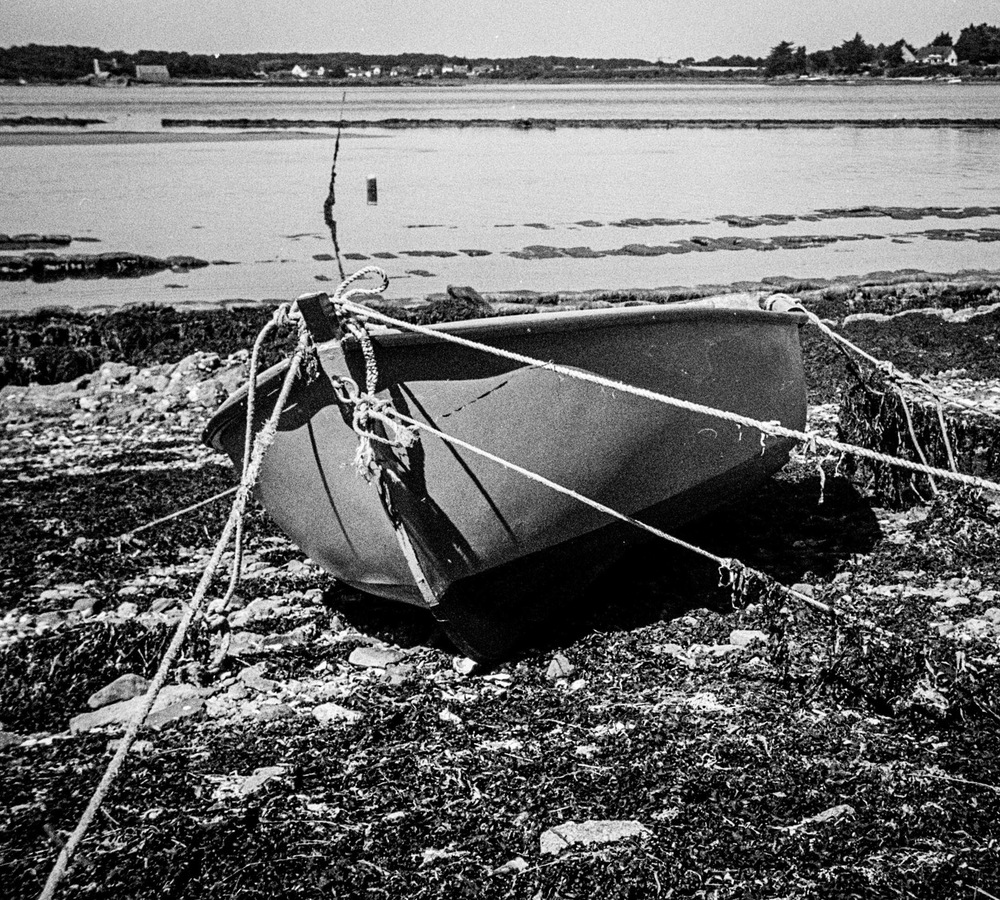
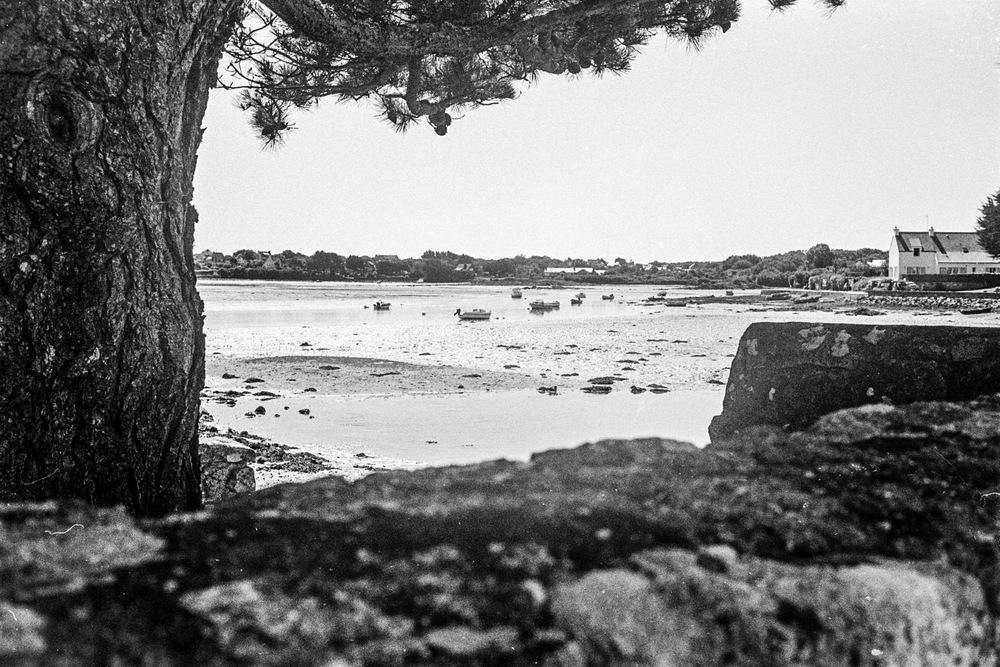
The Opening of the Film Archives – Saint Cado, Belz, Morbihan


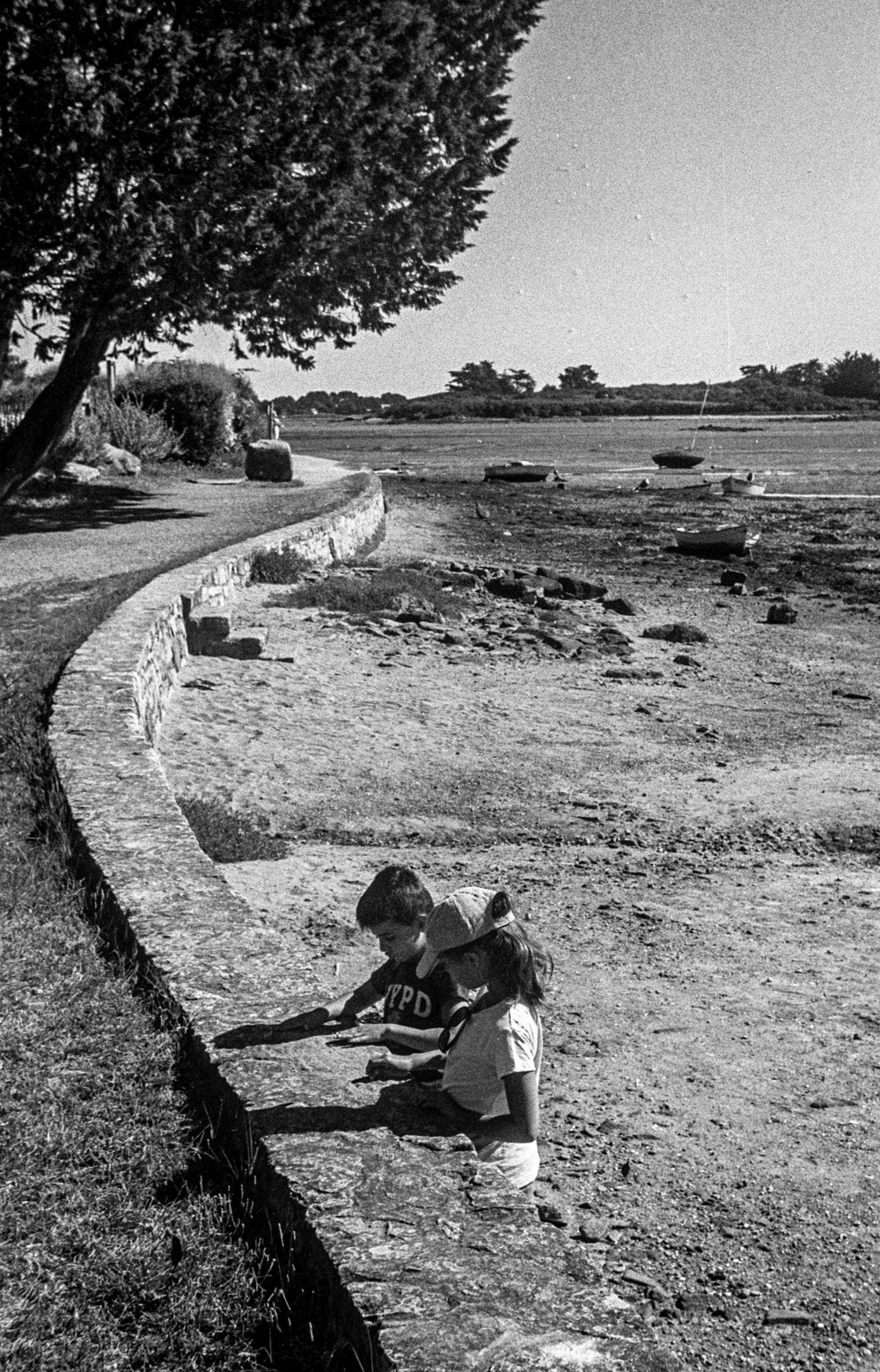
Welcome back to the film archives, and welcome back to Brittany, that gorgeous corner of France where my in-laws live. I think I might have let it be known that my French family love camping. Yes, they’re so in tents… I’ll just let that joke sink in for a couple of seconds. In 2016 I had begun “collecting” cameras. The photos from this Breton outing in Saint Cado were taken with the Kodak Retinette 1B, a little gem of a camera from the 1960s, and HP5 Plus film.

We’ll start with Saint Cado. It’s one of those picture-perfect postcard places. It’s not easy to take a bad photo of the place. It’s photogenic. It’s quaint. It has all the clichés of a small Brittany island in the Ria d’Etel, which is an inland sea connected to the Atlantic at the Barre d’Etel… I’m thinking lobster pots, oyster beds, black and white houses with slate roofs, a local Saint, a chapel to this local saint, who was actually from Wales of all places, and a miraculous fountain that fills up with every incoming tide. Yes, it’s one of those places… Did I mention that the bridge that links the island to the mainland is a Devil’s bridge? It is said that the devil demanded the soul of the first creature to cross it. The story relates that Saint-Cado, who was a shrewd fellow, put a cat on it! It is just gorgeous!

Let’s talk about the Kodak Retinette 1B. As I said in the introduction, it is a camera from the 1960s that uses zone focusing, and the 1B as opposed to the 1A has a selenium light meter that works a treat. Zone focusing is where you focus by zones. Mind-blowing, right? If I look at my lens, I will see a distance measurement that I will use as a guesstimate. I will move my aperture dial and let’s say I’m at F8, well everything from one F8 to the other F8 will be in focus. A lot of cameras from this period used this system, and it works. If you want to open right up to F2.8, then there are little rangefinders that you can put on the hot shoe mount and there you will be able to get an exact reading for the distance from your subject. Up to you…

Why use a camera that is over 60 years old?  First of all, why not?  It works.  It’s simple to use.  It doesn’t need a battery.  You load your film and Bob’s your Uncle!  Off you go to shoot your 36 exposures.  It also looks pretty damned sexy hanging around your neck too…  It actually looks so sexy that my son nicked mine, and I had to go and get another one.  At the time of purchase I must have paid no more than £15, and even now it will cost you less than £50.  

So there you have it – a charming little island, a vintage camera, and a roll of trusty HP5 Plus. This trip to Saint Cado was a reminder that sometimes, the best photos come from the simplest tools and the most unexpected places. And who knows, maybe those old film cameras aren’t just gathering dust in the attic – they might just be waiting to capture your next adventure. (But if you happen to see my son with a Kodak Retinette slung around his neck, please tell him to bring it back!)

Biking Monochromia


I’ve been featured again on Monochromia, this time with the Pentax ME Super and the obligatory bike shot. If you’re into Purley black and white photography then go amd give them a visit. It’s great for monochrome inspiration….

Sir Foxy Foxalot


I have been writing for this blog since 2019, and it seems I am still here, sharing my thoughts on photography and its role in my life. Photography, alongside music, appears to be one of the few things I do quite well. Another talent, it seems, is writing, as evidenced by the fact that just over 13,200 of you have viewed this site over 51,000 times since I started this project. I’m not saying this to show off, since for a British subject of His Majesty King Charles III, it is formally forbidden to blow one’s own trumpet—a social faux pas—and, were I to be completely honest, the behaviour of a cad!

However, when somebody else does it, those social cues are no longer applicable. Sir Foxy Foxalot — aka Fox Reviews Rock for those in the know — does the same kind of thing as I do. His expertise lies in Rock Music and Heavy Metal, genres I might not be very knowledgeable about. However, learning something new is always a voyage of discovery. We have been following each other for some months now, gradually learning about our different worlds and coming to appreciate each other’s forays into the blogosphere.
Recently, he sent out a message asking for volunteers to be interviewed by him and answer some questions on Rock and Heavy Metal. Being the decent chap and all-around good egg that I try to be, I said that despite my ignorance, I would be delighted to participate.

Despite my limited knowledge of the genre, I did spend three years working with the famous and infamous Christophe “Bobonne” Bonnin, who taught me all I know. He introduced me to a certain Tennessee Bourbon, a favourite of the late Lemmy, bass player and singer of Motorhead, and an all-round legend. Lemmy has a memorial at Hellfest in the quaint village of Clisson, which becomes the centre of all things Metal once a year. I even learned that he had a custom-made case for his bass, with compartments for said Bourbon, his bass, and a packet of cigarettes. Despite the much-vaunted medicinal properties of the aforementioned Bourbon, don’t overdo it, chaps!Let me tell you more about the man behind Fox Reviews Rock. Like me, he has dedicated himself to writing about his passion, and despite having been at it for a relatively short time, he has acquired quite the following. His output is impressive, and he maintains a very high standard. He has also had the great intelligence to surround himself with an excellent writing team. His articles, though about a subject I know little about, are always a good read. I also enjoy the structure of his blog. Check out his weekly schedule here. What more can I say, except get your pretty self to his site and check him out. It’s quite the blossoming project, run by those who are passionate about their subject. Tell him I said hi!

PS.  Here is the link to the article they wrote about me.  Go and visit it right now.  Off you go.   No messing around.  You’ll  like it!