Let’s Connect: Mentorship, Prints & Collaborations
A brief and practical note.
After six years of writing here, I’m formalising something that has been happening informally for a while — people getting in touch to ask about prints, about learning, about working together. Which is lovely, and I’d like to make it easier.
So here’s where things stand:
Mentorship — I’m happy to work with photographers who want to develop their practice, whether that’s film, digital, or somewhere in between. One-to-one, remote or in person if you’re near the Vendée. We work on what you actually need, not a fixed curriculum.
Prints — A selection of black-and-white work from the Nantes series and elsewhere is available as archival prints. If something on the blog has caught your eye, get in touch and we’ll talk.
Collaborations — Photo walks, workshops, joint projects — I’m open to conversations. No guarantees, but I’m listening.
Article suggestions — If there’s something you’d like me to write about, say so. Reader questions have produced some of my better pieces.
The best way to reach me is ian@ijmphotography.net. I aim to reply within a couple of days. French is fine too — n’hésitez pas.
That’s it really. No agenda beyond making good work and occasionally sharing it with people who care about the same things.
Continuing on from my last article about shooting in sub-par lighting, I’ll introduce my next roll of film—RPX 400 from Rollei. I usually like this film. This roll also marked the first time I really tried to use the Tone Curve tool in Lightroom. I’m still getting used to it. But I thought that with RPX 400, I might be able to make some ordinary prints somewhat less ordinary.
After forty years of doing this, you’d think I’d have it all figured out. You’d think I’d have a fixed workflow, a set of rules, a way of knowing exactly what the result will be. But this roll reminded me otherwise. There’s always something new to learn, or something old to look at differently. And I’ve started to wonder if there’s something honest in admitting that, rather than pretending the process is ever truly finished.
Pont Caffino on a February afternoon is exactly that kind of place. I’d never visited before, though I’d heard about it from other photographers. The sky was uniform. The light was flat. Nothing was going to jump out and grab me. So I loaded the Rollei, walked down to the river, and started looking.
The River
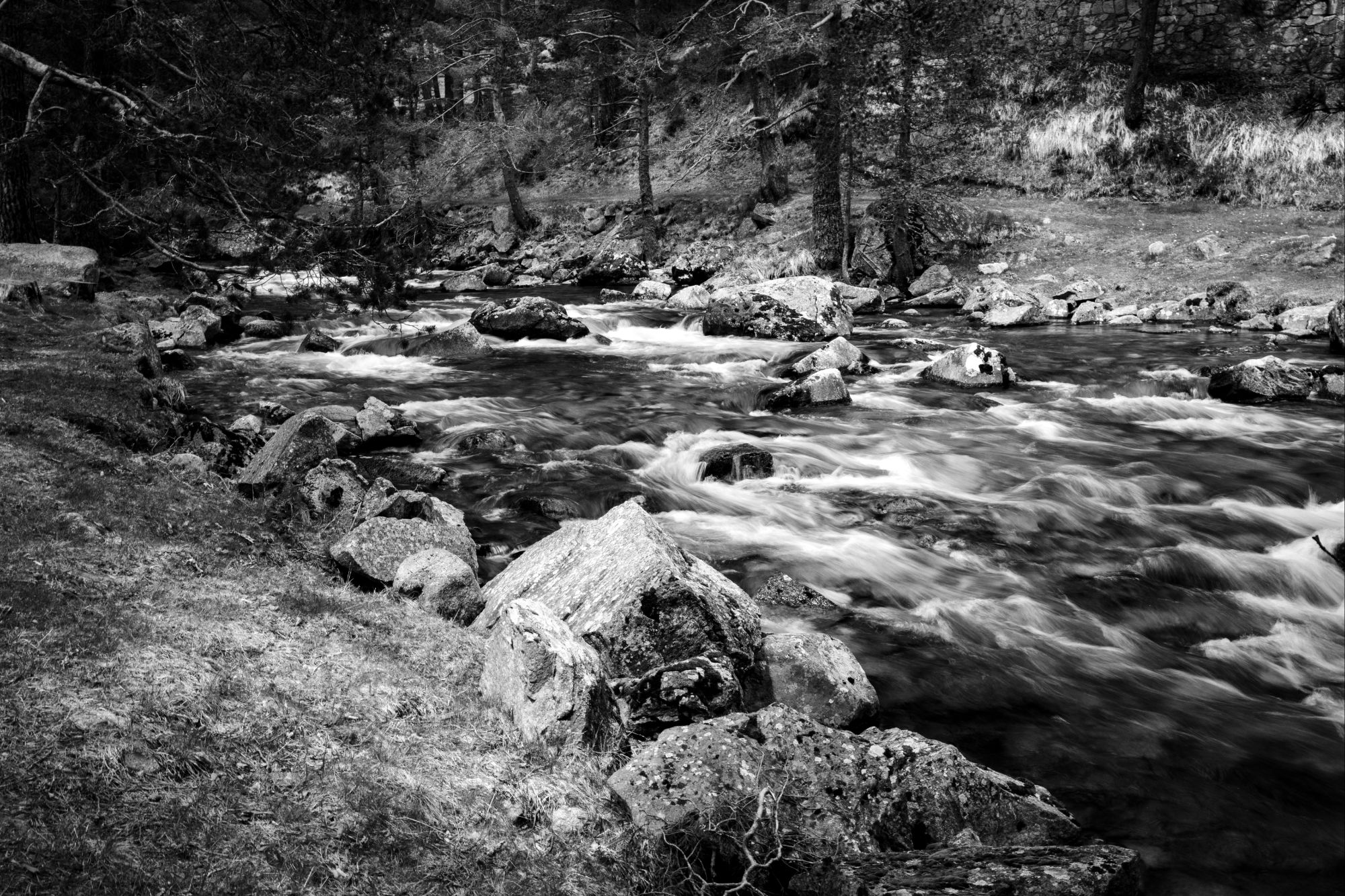
The water level was low—noticeably so. I knew this because not long before, I’d been at the Maine in St Hilaire de Loulay where the river had broken its banks completely. You couldn’t even see the weir there, just water spreading across the landscape. Here at Pont Caffino, the opposite was true. More of the granite banks showed through. More of the weir structure was exposed. The river looked different, and I found myself photographing it differently.
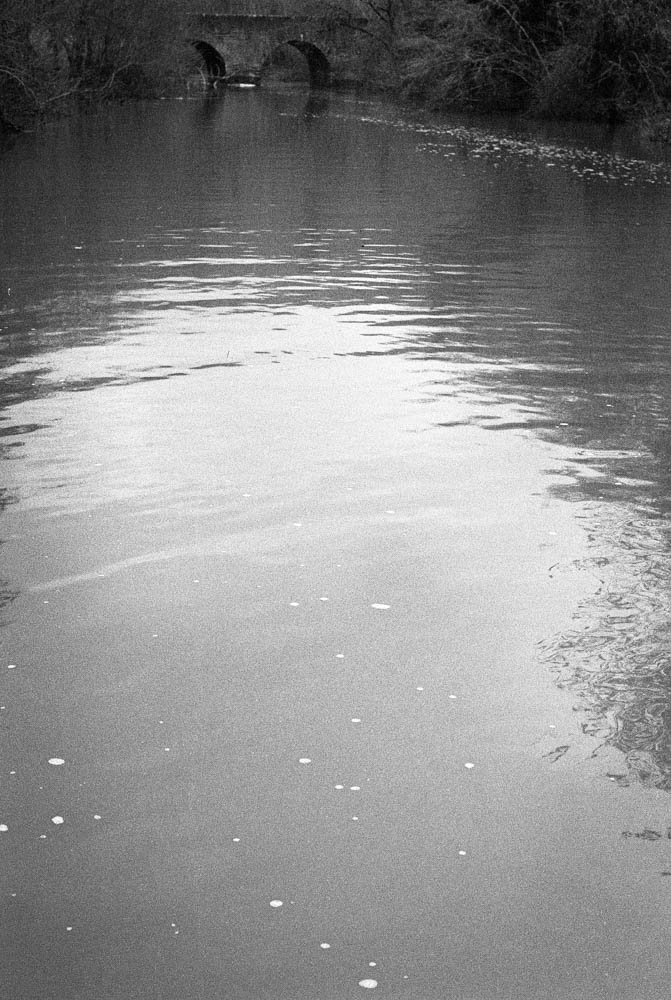
River surface with bridge in distance
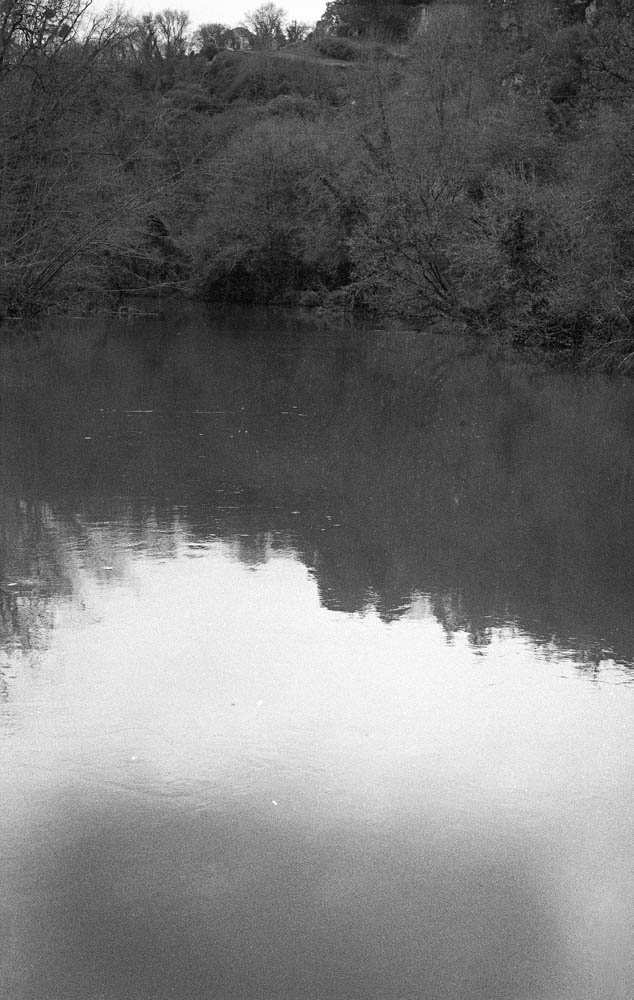
When the light is flat, water becomes less about reflection and more about texture. You notice the foam patterns, the subtle ripples, the way debris catches on submerged rocks. RPX 400 handled this beautifully—there’s a softness to the water that feels accurate to how it looked that day, not how I wished it looked.
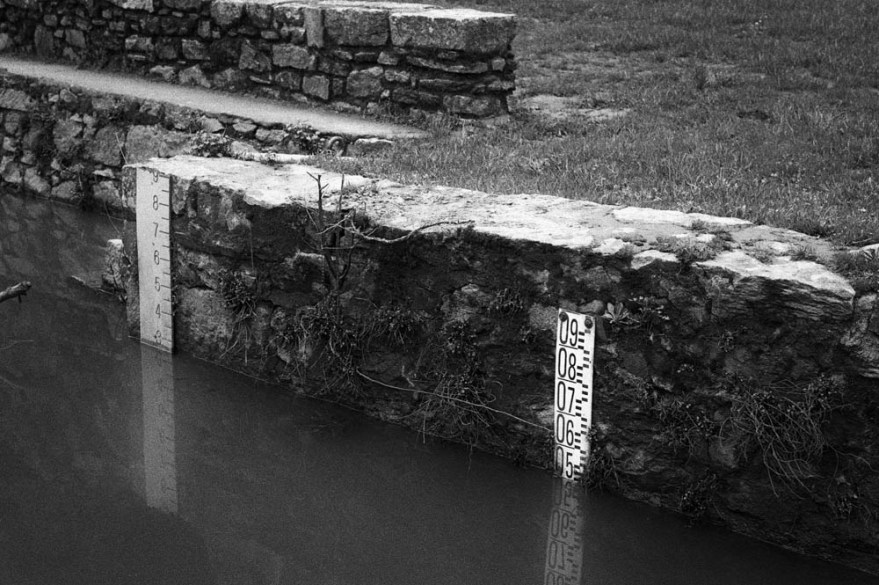
Water Level Gauges
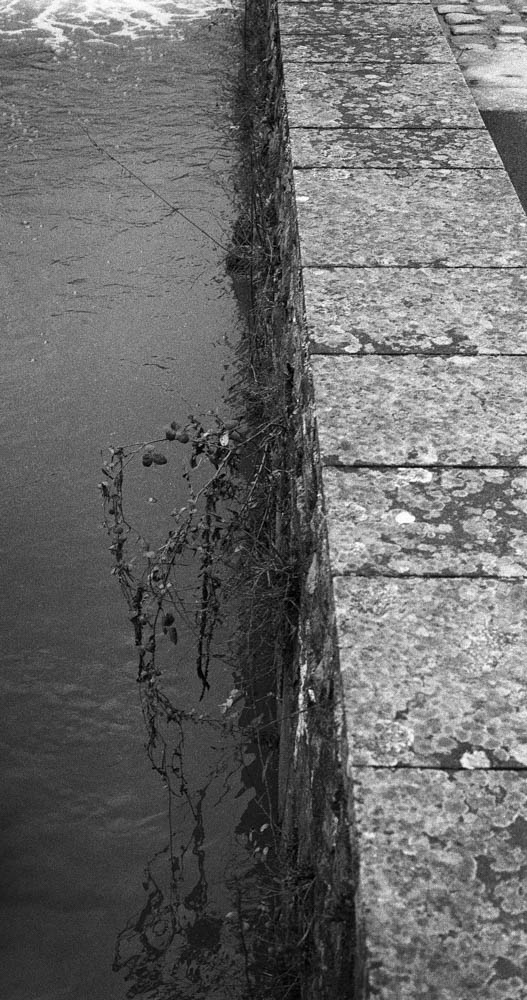
The gauges became an unexpected focal point. They’re functional objects, not particularly beautiful on their own, but they tell the story of this place better than any dramatic landscape could. The reflection of the numbers in the still water added a compositional echo I didn’t plan but gladly kept.
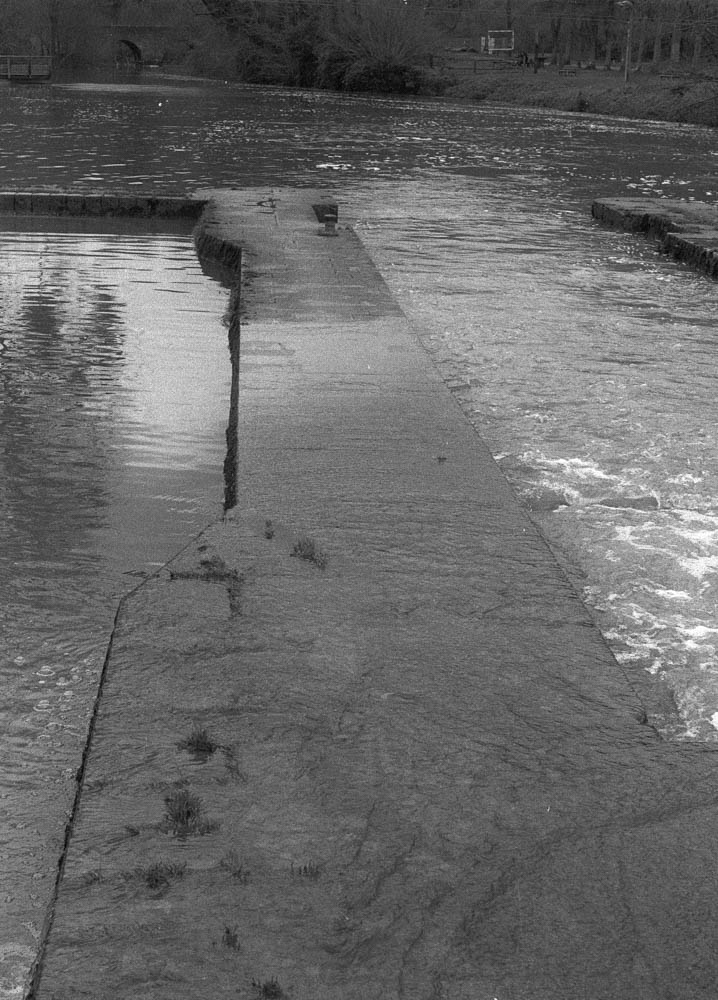
Weir Structure
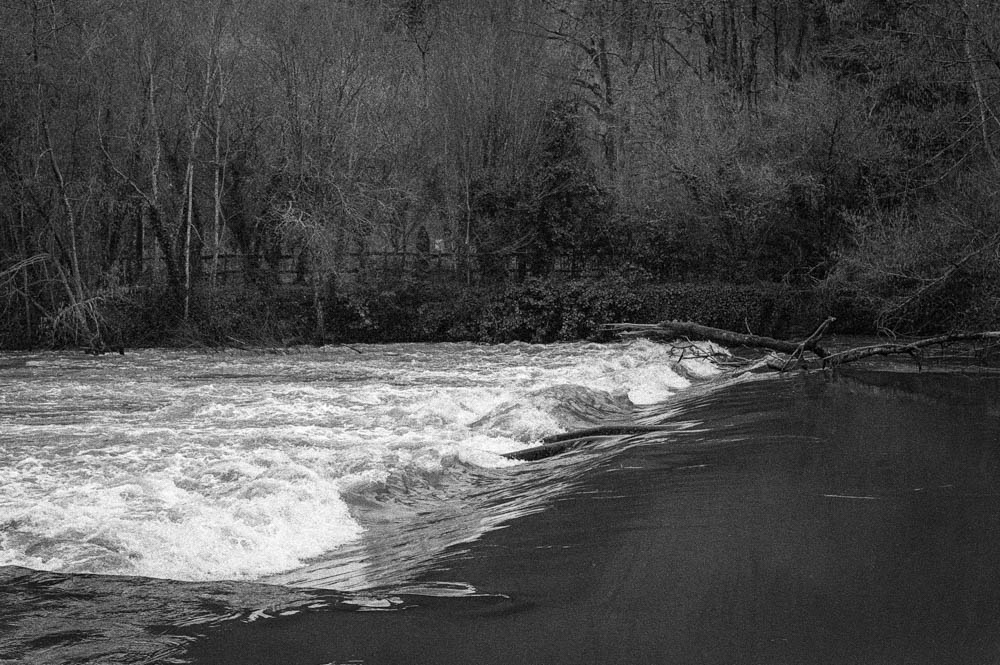
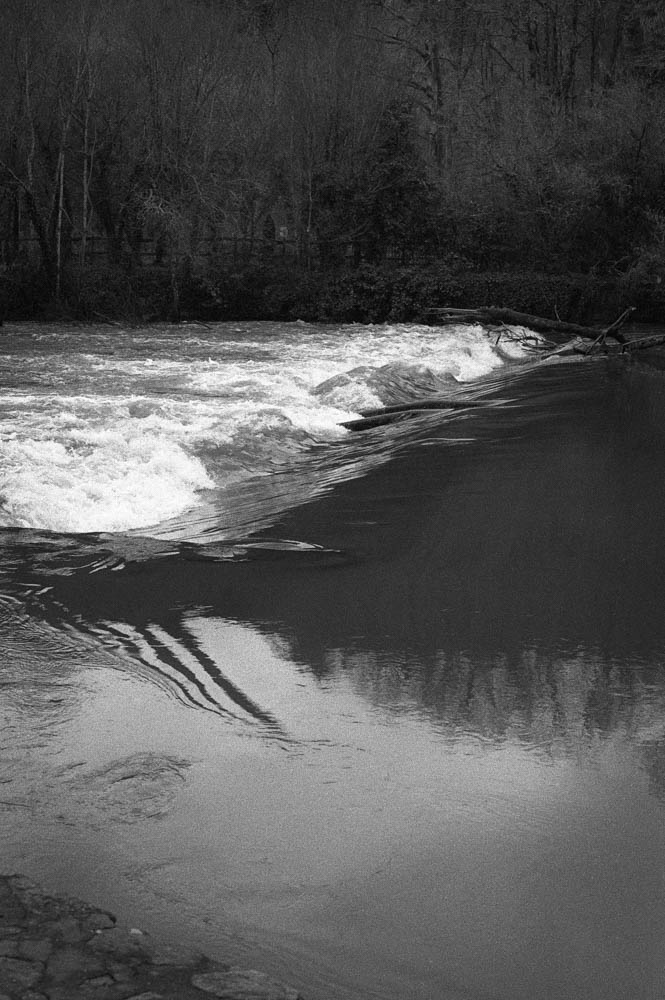
Where the water quickened over the weir, I had to be careful with exposure. Film handles highlights more forgivingly than digital, but I still metered conservatively. The fallen branch caught my eye—it’s the kind of detail you miss when you’re looking for the big shot, but it adds a diagonal line that pulls the frame together.
On editing the water: The challenge here was separation. When both sky and water are grey, they tend to merge into one another. I used subtle dodging to lift the highlights on the water’s surface, just enough to ensure the reflections didn’t disappear. Nothing dramatic. Just enough to guide the eye.
The Cliff Face
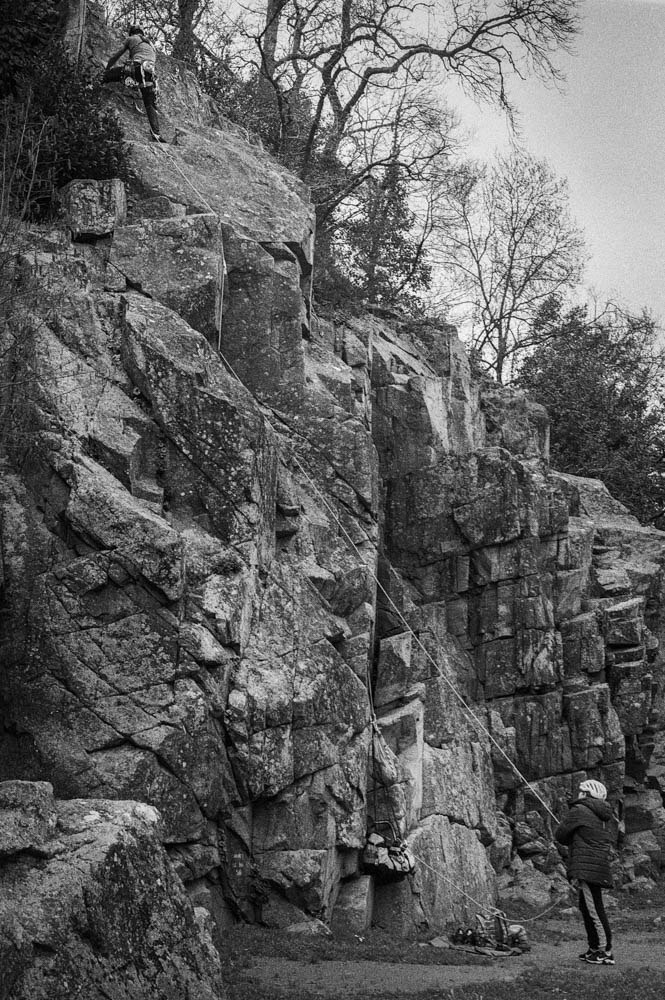
The granite cliffs that frame the Maine valley are dramatic even in bad light. They’re also popular with climbers, which adds a human element I hadn’t planned to capture but couldn’t ignore.
Climber on Granite Close-up
I haven’t shot rock faces like these on HP5+ before. The nearest I got to that was shooting in the Pyrenees mountains—different stone, different light, different everything. So I didn’t have a direct comparison to fall back on. What I noticed with RPX 400 is how it renders texture without aggression. Every crack and lichen patch comes through, but without the bite that HP5+ might have given. For this particular day, that suited the mood better.
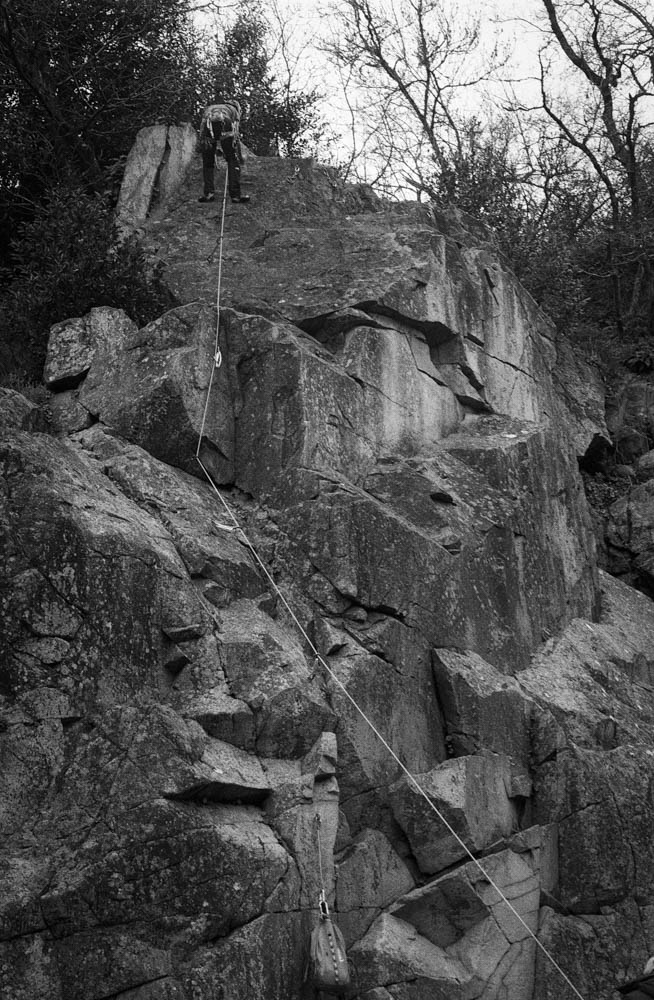
Climbing Scene Wider
Seeing the climber and belayer together reminded me that landscapes aren’t empty. They’re used. They’re lived in. The rope creates a diagonal line through the frame, and suddenly there’s narrative—someone is trusting someone else, and both are trusting the rock.
On editing the cliffs: This is where dodging and burning did the most work. Flat light makes rock faces look two-dimensional, like cardboard cutouts. I spent time burning in the crevices and dodging the raised surfaces, essentially repainting the light that wasn’t there when I pressed the shutter. It’s not about creating drama that didn’t exist. It’s about revealing the dimension that the light flattened.
Details
I’ve learned to slow down on days like this. When the big vistas aren’t cooperating, the small things start to speak.
Catkins/Branches
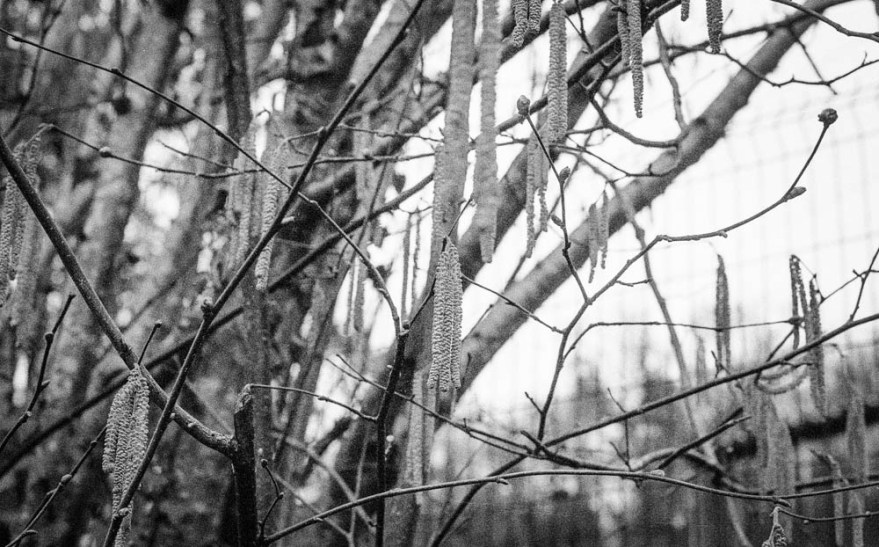
The catkins hanging from bare branches aren’t dramatic. They’re not even particularly interesting as a subject. But they caught the light in a way that felt worth capturing. The shallow depth of field creates a dreamy quality, and the grain—more noticeable here than in the landscapes—adds character rather than detracting from it.
Water Edge Vegetation
Mechanical Detail
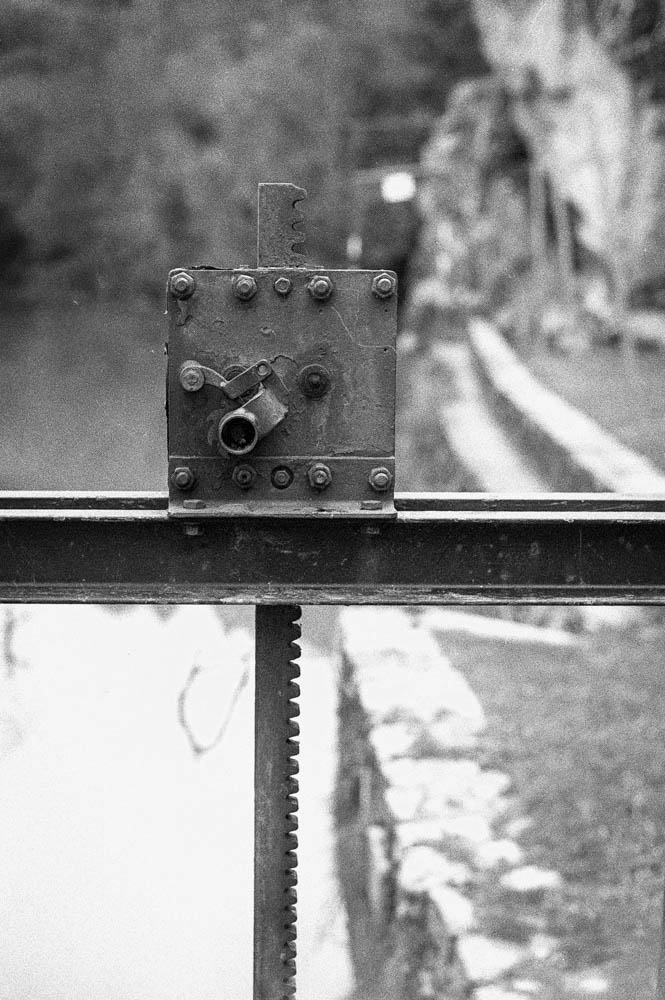
The mechanical detail—the lock gate mechanism, I think—was almost accidental. I was walking back from the viewpoint and noticed the bolts, the geared rack, the weathered metal. It’s the industrial counterpoint to all the natural elements. Sometimes you just stop and shoot because something looks like it has a story.
On editing the details: I was careful not to over-sharpen these. The natural grain of RPX 400 provided enough texture without needing digital enhancement. If anything, I pulled back on clarity rather than adding it. These images work because they’re soft, not in spite of it.
The Town & Viewing Platform
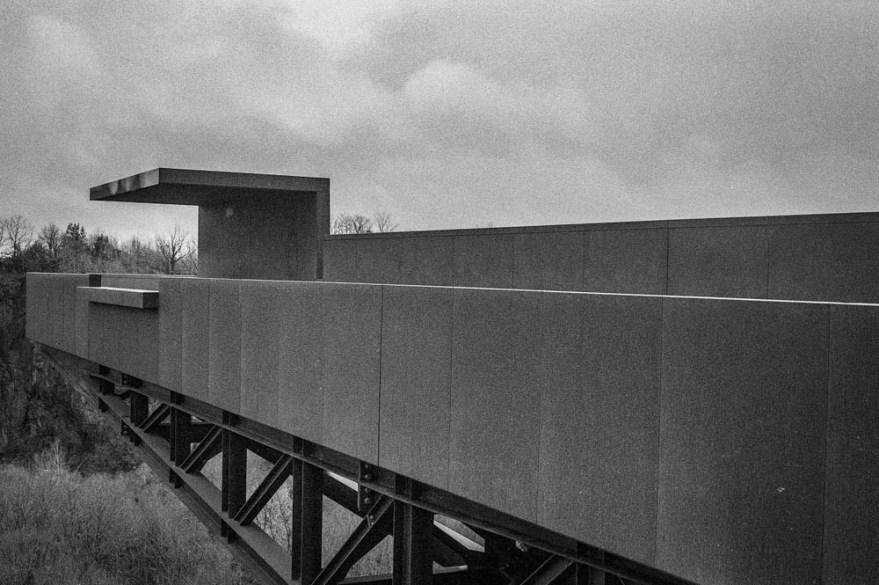
For the full perspective, I drove up to Château-Thébaud’s belvedere, “Le Porte-Vue.” It’s a striking piece of architecture—Corten steel extending 23 meters out at 45 meters above the river, designed by Emmanuel Ritz and inaugurated in 2020.
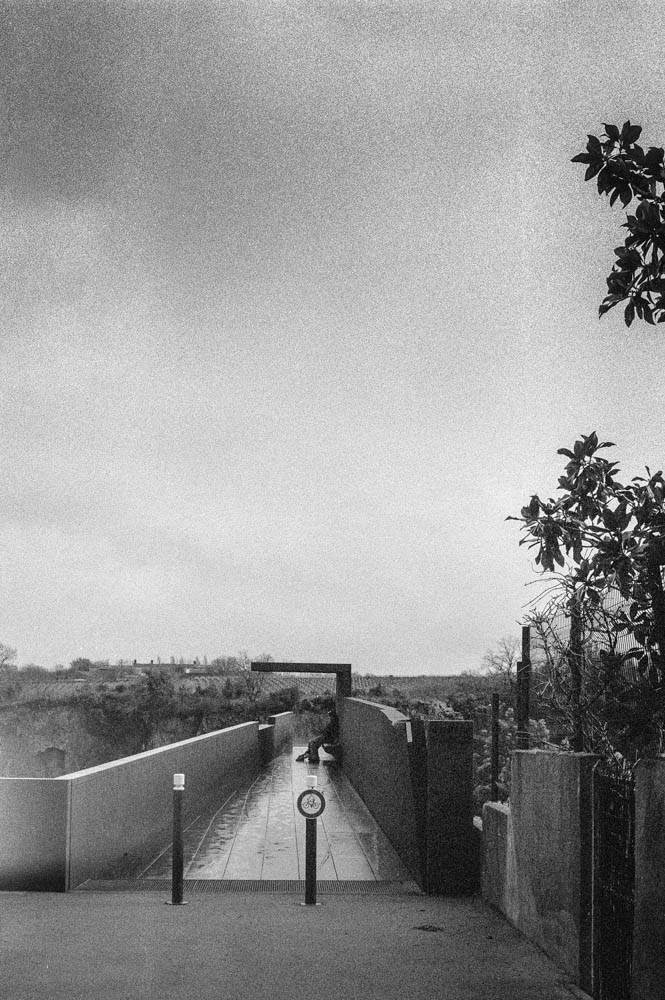
Walkway to Viewpoint
Walking out onto the platform, you feel the height. The steel underfoot, the railing at your side, the valley opening up below. There’s a figure in this shot—could be another photographer, could be anyone taking in the view. It adds scale and reminds you that you’re not alone in these places.
Le Porte-Vue Architecture
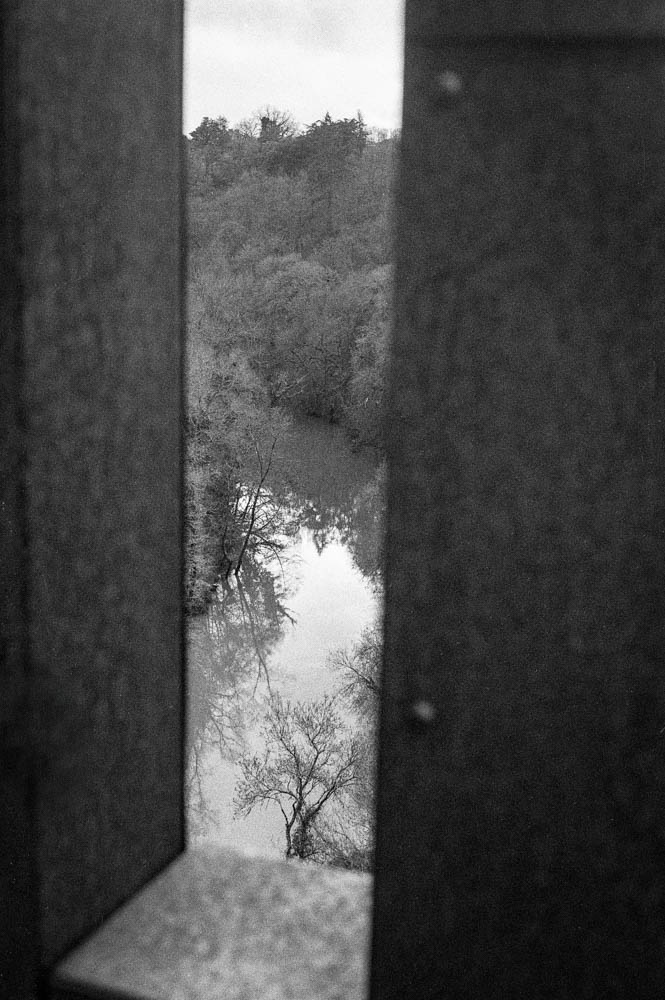
Framed View Through Steel
The Corten steel handled the flat light better than I expected. The weathered texture gave the film something to hold onto, and the geometric lines contrast nicely with the organic landscape beyond. The framed view through the steel structure became one of my favourite shots—it acknowledges that you’re looking from somewhere, not just capturing a scene.
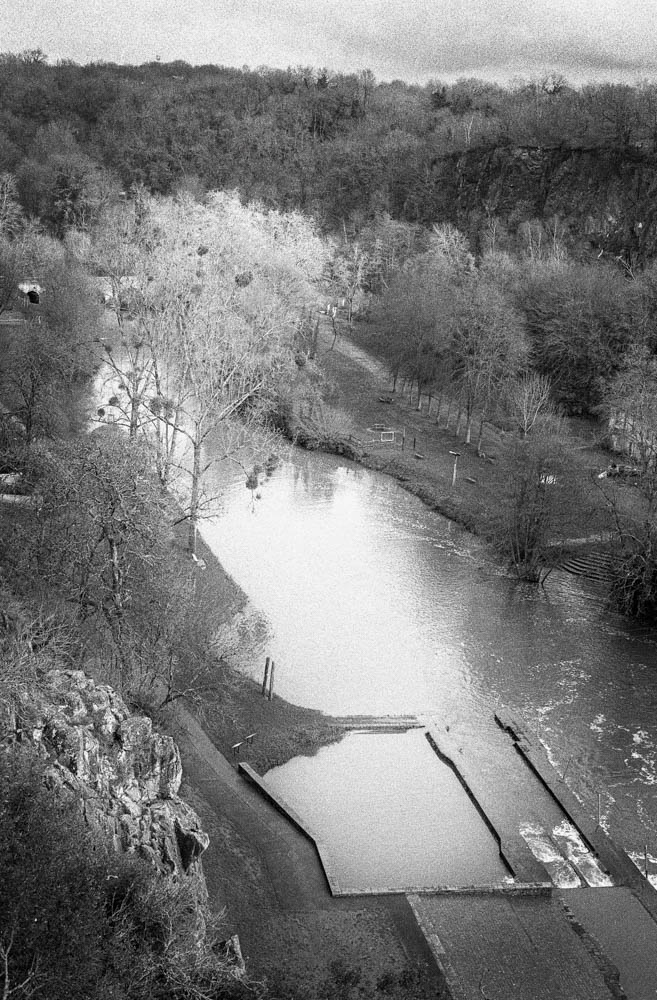
River Valley Overview
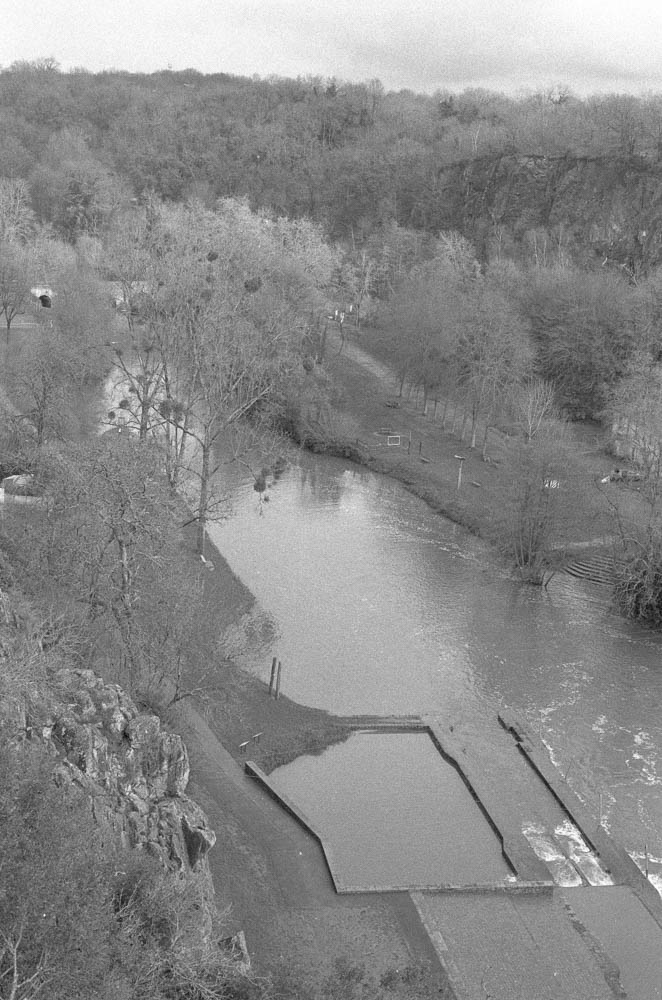
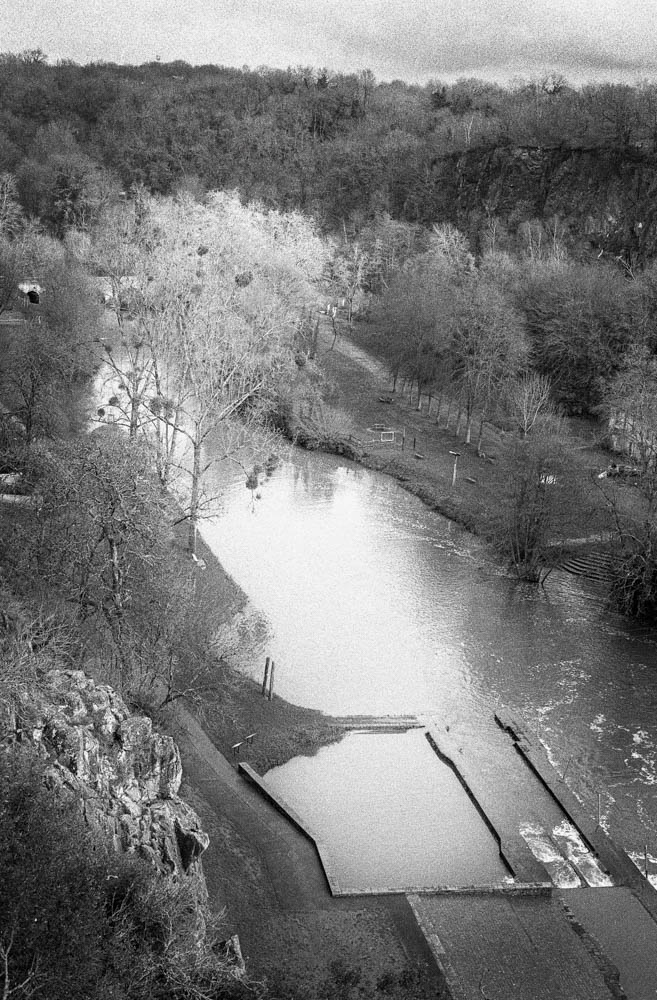
This is the establishing shot. The full Maine valley from above, all the elements visible at once. You can see the weir, the cliffs, the tree line. After seeing the Maine at St Hilaire de Loulay with water everywhere, this view felt almost spare. The lower levels exposed more of the structure than I’d imagined possible. It’s the image that ties everything together.
Church Steeple
Village Street
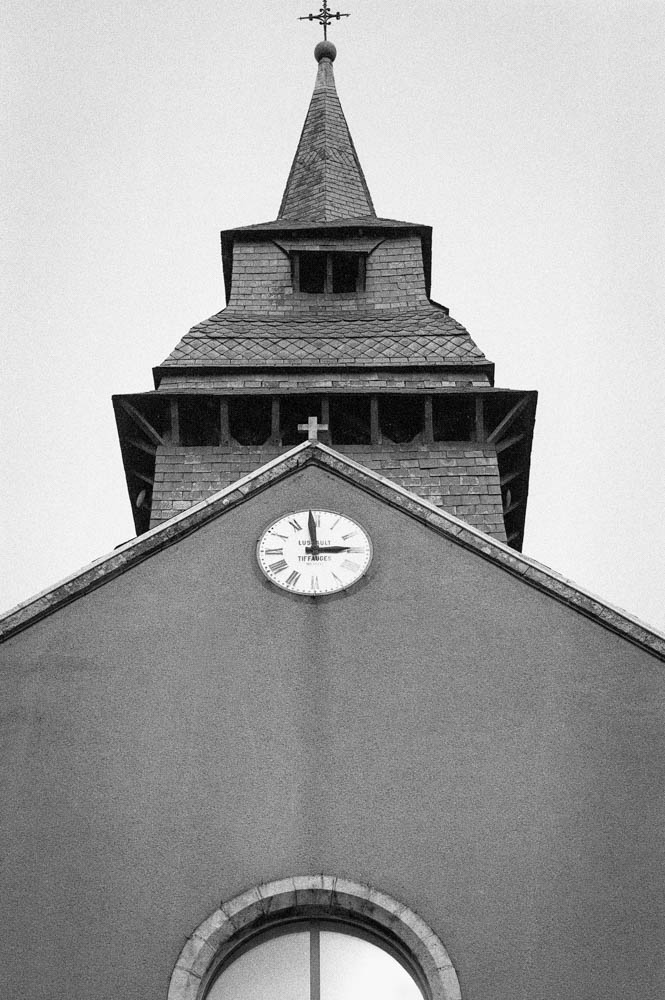
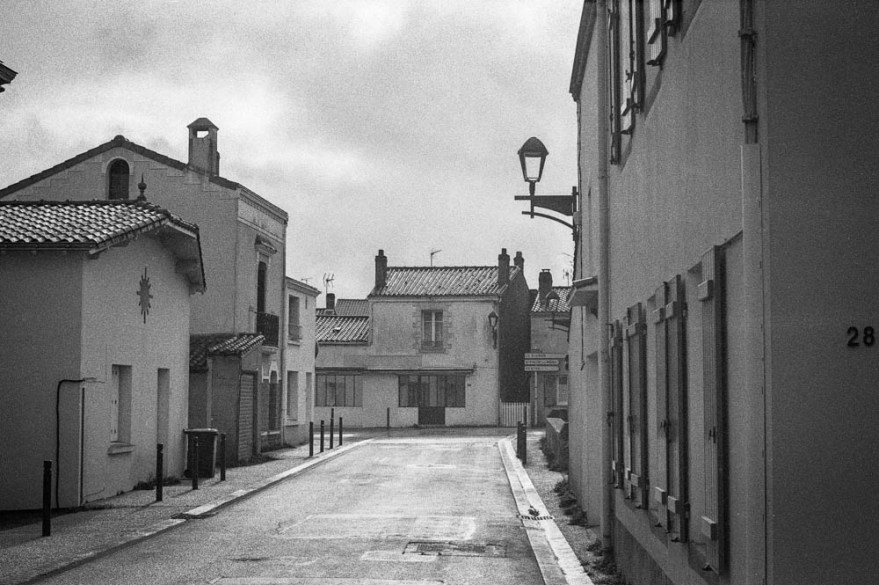
The village itself grounds the landscape. The church steeple adds a human landmark to the valley. The quiet street with its leading lines and the number “28” on the wall—these are accidental details that add authenticity. This isn’t a pristine wilderness. It’s a place where people live.
On editing the architecture: I focused on straightening lines and ensuring the steel texture didn’t look too smooth. The flat sky was retained intentionally. I could have blown it out or added artificial clouds, but that would have been dishonest. This is the light I had. This is the day I experienced.
On Making It Less Ordinary
Looking down at the river from Le Porte-Vue, I thought about what I was actually trying to do.
This was my first time at Pont Caffino, and I wasn’t sure what to expect. RPX 400 felt right for this quieter, more exposed version of the valley. But the film alone wasn’t enough. The scans came back flat—accurate, but lacking the dimension I remembered from being there. That’s where the work began.
In Lightroom, I used the Tone Curve to add a gentle S-shape, nothing aggressive. Just enough to add punch without crushing the blacks. I lifted the deepest shadows slightly to preserve the atmosphere. And then I spent time dodging and burning—manually painting light into the highlights of wet granite, holding back exposure in the shadows of riverbanks, guiding the viewer’s eye through texture and tone.
I’ve only started using the Tone Curve with this roll of film. I’m still getting used to it. But I’ve found it offers basic yet subtle controls, as does the dodging and burning. It’s easy to feel like this is cheating. Like you’re admitting the photograph wasn’t good enough straight from the scan. But I’ve started to think of it differently. Dodging and burning isn’t about fixing mistakes. It’s about translation. It’s about taking what you saw and felt and finding a way to communicate that to someone who wasn’t there.
There’s a danger in thinking you know everything. Usually, that’s when you stop seeing. When you assume the light will behave, or the film will respond the way it did last time, you miss what’s actually in front of you. I’d rather be the one still figuring out the Tone Curve after forty years than the one who thinks there’s nothing left to learn.
The result isn’t dramatic. It’s not the kind of image that stops you scrolling. But it felt honest—a quiet enhancement rather than a transformation. And on a grey February day at Pont Caffino, that’s exactly what I was after.
Technical Note
Film
Rollei RPX 400
ISO
Shot at 400
Camera
Nikon FE
Lens
50mm f/1.8 Nikkor
Development
Ilfosil 3 (1:9)
Scanning
Plustek OpticFilm 8100
Lightroom Adjustments:
Tone Curve: Gentle S-curve, highlights lifted slightly, shadows preserved (First serious use of this tool for me)
Local Adjustments: Radial filters for dodging/burning on rock textures and water surfaces
Grain: No reduction applied
Sharpening: Minimal, applied selectively on details
Thanks for reading. If you’ve shot RPX 400 in similar conditions, I’d love to hear how you approached it.
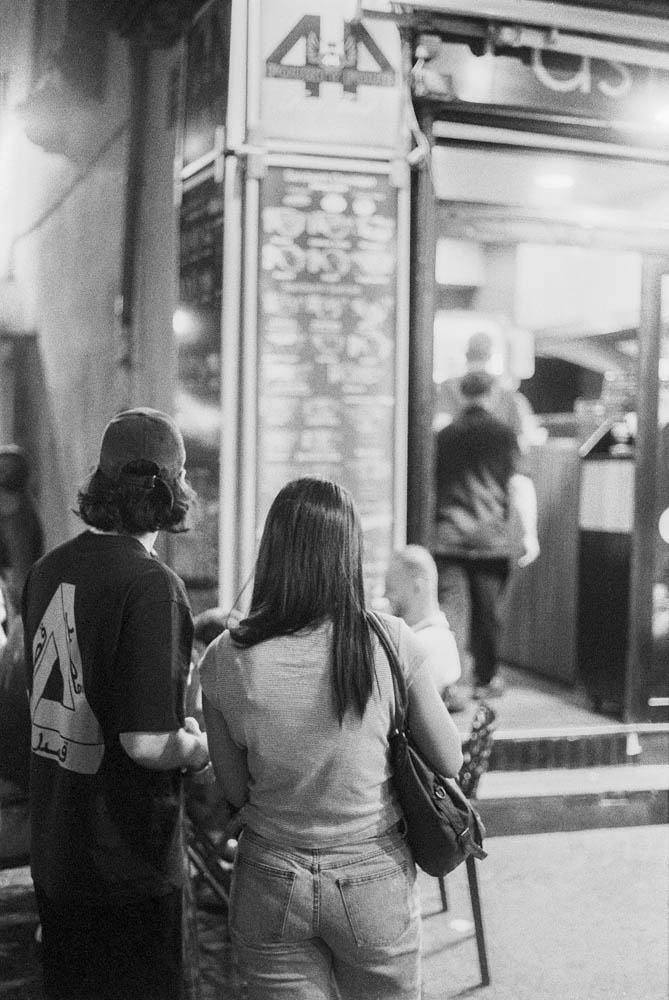
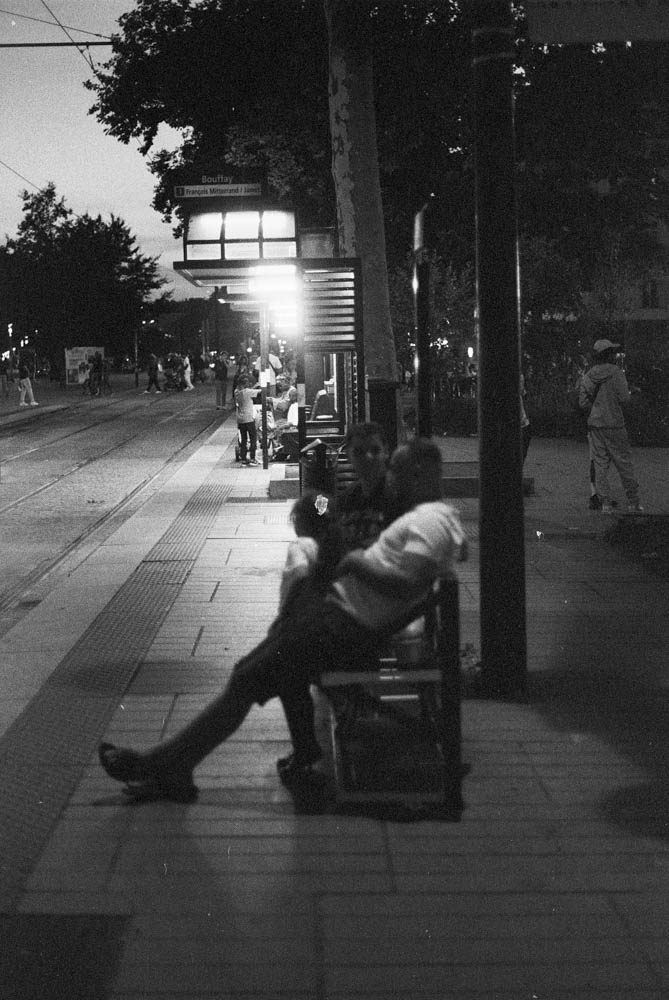
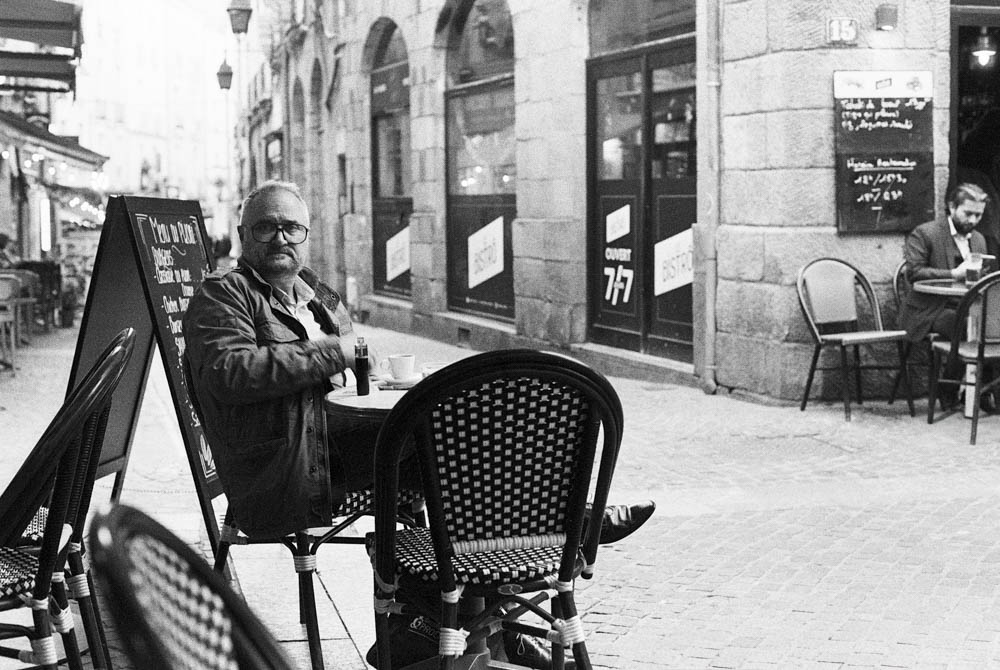
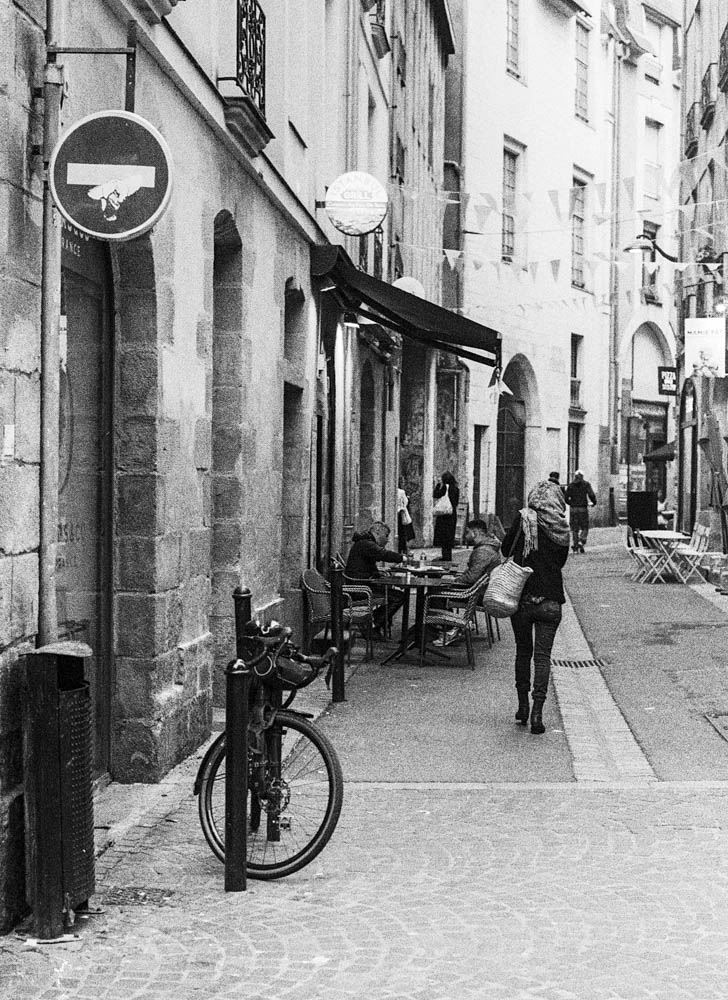
One September evening I walked between Place Bouffay and rue des Petits Écuries with the Nikon FE and a roll of HP5+. Box speed—400 ASA. No pushing. No stand development. Just me, tired eyes, and the hope the city would be kind.
It wasn’t always.
Some frames failed outright. Missed focus—my eyes couldn’t lock the split-image patch in the dim light. Others blurred from camera shake at 1/15th, handholding like a fool. I won’t pretend those shots have hidden merit. They’re gone. But the ones that landed? They held more than I expected.
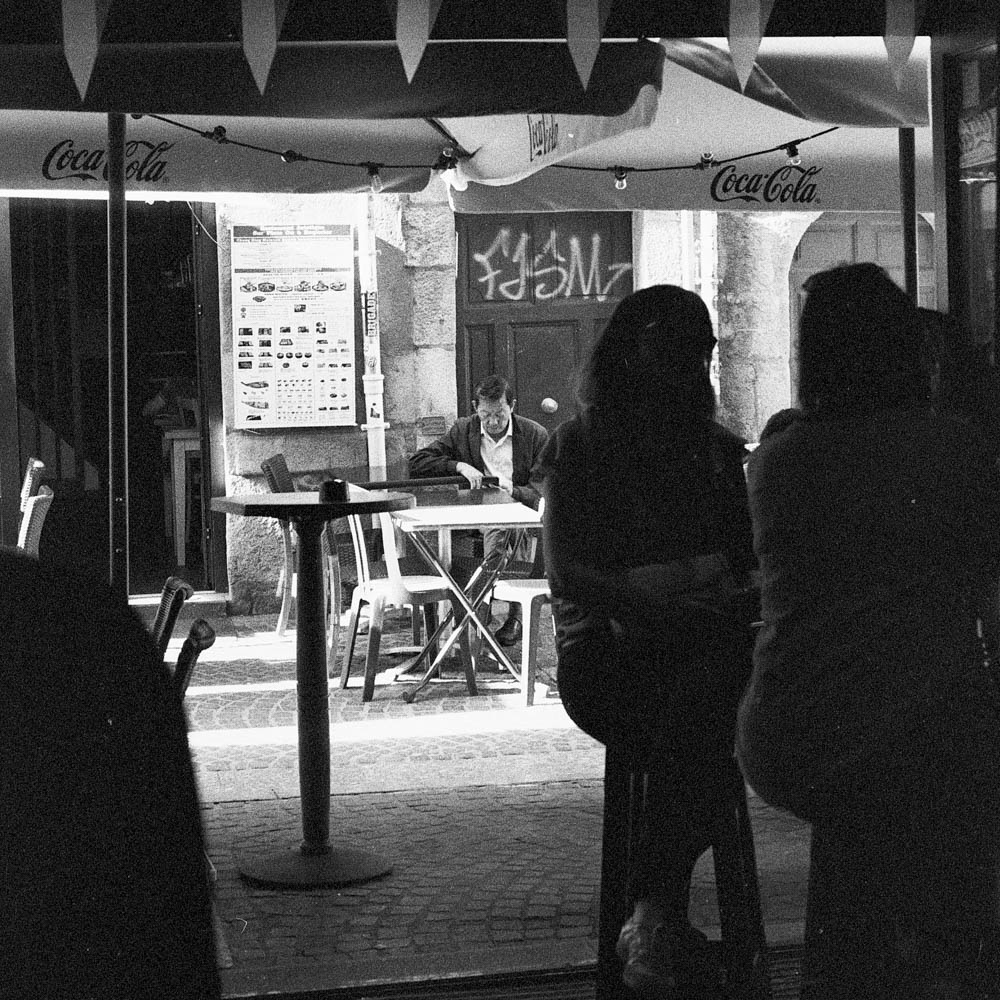
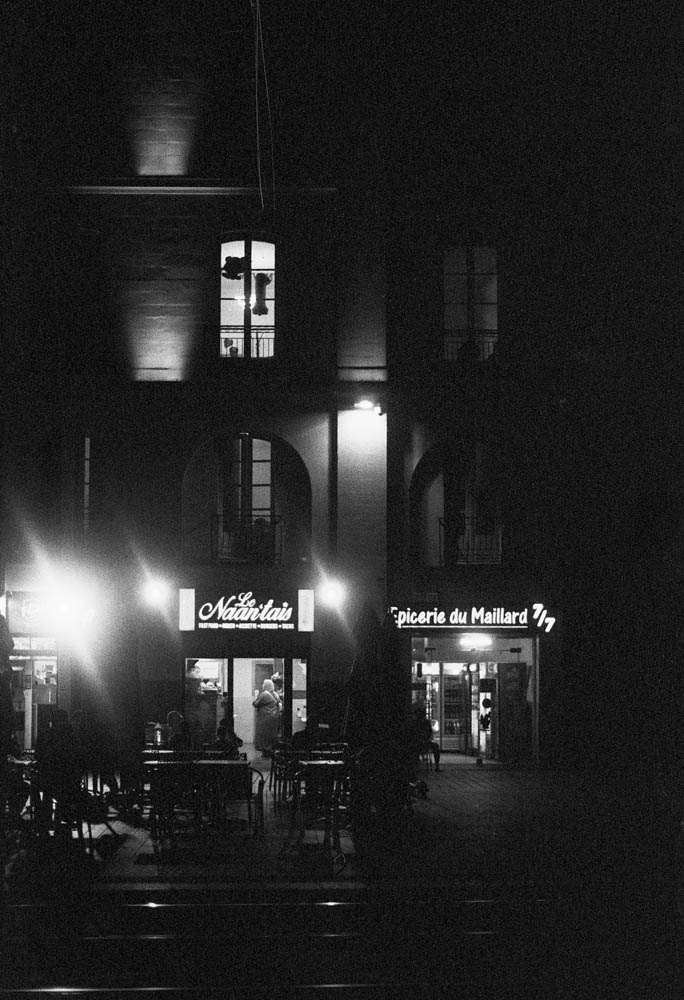
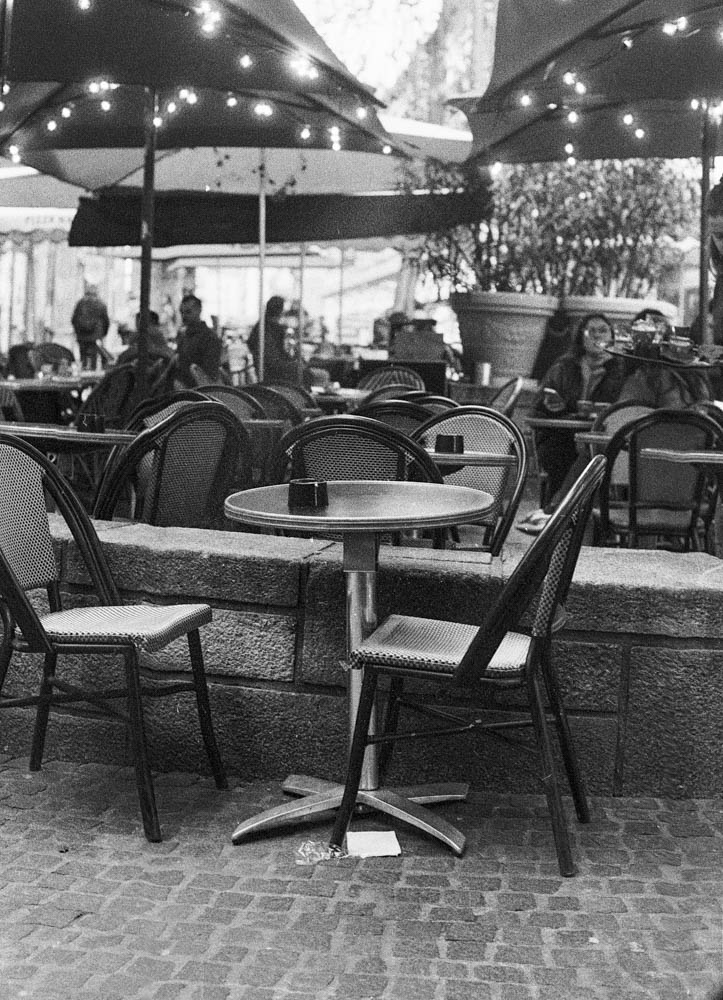
Because Nantes at night isn’t dark. Restaurants pour light onto wet cobbles. Shop signs, streetlamps, even those little menu stands outside cafés—they all feed the scene. I’d guess the focus, press the shutter, and move on. Later, scanning the roll, I found detail in shadows I thought were lost. Not because I’d exposed well—I hadn’t—but because HP5+ gathered what was there even when I fumbled.
That’s latitude in practice. Not a spec sheet promise, but the difference between a usable negative and a blank one when your hands shake and your eyes fail. I didn’t push to 1600. I didn’t need to. I just needed a film that wouldn’t punish me for being human.
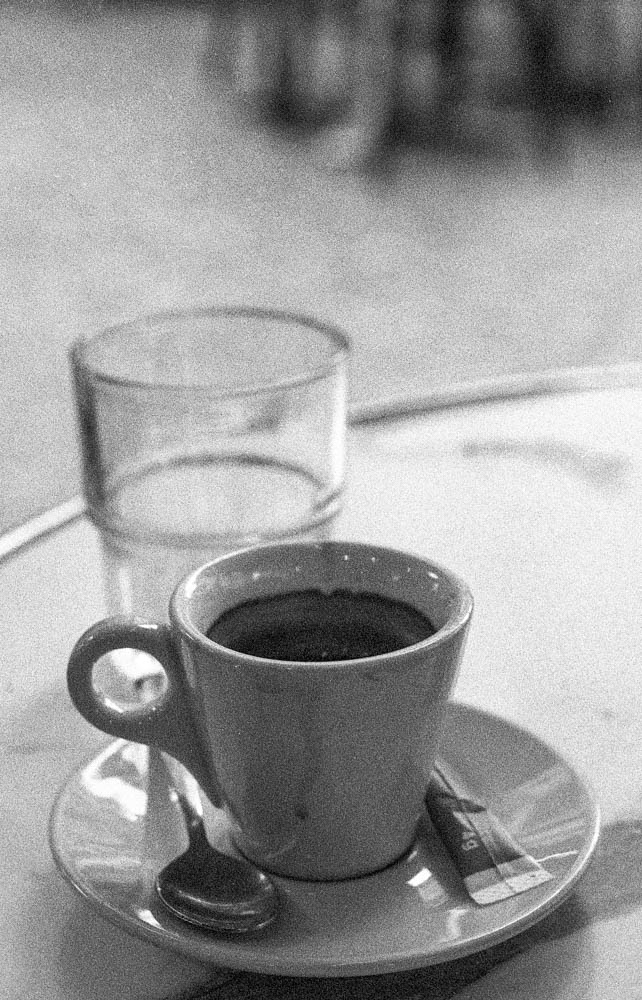
The December shots are more traditional street work—grey skies, low sun, the light you expect. Even the coffee cup photo owes something to Instagram. I won’t deny it. We absorb what we see online; it seeps into our framing without us noticing. No shame in that—it’s just how we learn now.
But the September shots that worked feel more like my own. Standing in Place Bouffay as evening deepened, watching light pool around tables and bounce off stone—I wasn’t chasing a look. I was just there, squinting, hoping. And HP5+ met that without fuss.
I’m not claiming mastery. I’m claiming a few good frames out of a roll that also held misses. That feels honest. Cities don’t go dark—they transform. And sometimes, even with bad eyesight and shaky hands, a simple roll of film gives you just enough to keep walking.
All photographs shot on Ilford HP5+ at 400 ASA, developed in standard chemistry. Nikon FE, Nantes—December 2025 and September 2025, Place Bouffay and rue des Petits Écuries.
If the Vendée is Jane Birkin — elegant, understated — then the Pyrenees are full-on Marilyn. Proper mountains. Vast. Unapologetic. Even in May, some peaks were still capped in snow.
I was in Lourdes hoping to strengthen my faith. I think Killian needed that too — but more than anything, he needed his mountains. Now, finally, I get it. Up there, I saw him more clearly: less the boy I once knew, more the man he’s becoming.
Like most of us, he has his issues — but he’s working through them. And sometimes, he even lets me help. Those are the moments I think I might just be getting somewhere as a father.
He’d decided we were heading to see his beloved mountains. The place? The Pont d’Espagne — yes, in France, despite the name. I may have mentioned that. Maybe.
We left the impressive foothills of Lourdes behind and climbed into the real mountains. Snowy peaks against blue sky and drifting clouds. Windows down, music low, we drove toward the famous pont. It had better be worth it.
Killian and I travel at a relaxed pace. If the view’s good, we’ll pull over. Get the camera out. Take a few shots. See what happens.
Sometimes it works. Sometimes it’s a fiasco. But more often than not, we come away with something.
Oh no! Catastrophe! A village where you can park, and go and get an ice cream. Ah well. We took one for the team, and the lady behind the counter told us that the previous week they had snow and were shut, yet this week everything looked just like a day in May should look like. Ice cream seems to have this way of just hitting “that” spot. It’s not the tidiest of foods to eat, but it’s one I’ve developed a great fondness for it over the years.
I was already learning how to approach the infamous concept of the hairpin bend. As you know, a full head of hair hasn’t been my issue for years — let alone hairpins. But the name fits. The main thing is to drive slowly, carefully, and not die… Given I’m writing this now, reports of my untimely demise were, as they say, greatly exaggerated.
We arrived at the Parc National des Pyrénées. You go through a barrier that didn’t seem to be working — one that had given up on life and was just standing to attention, waiting for whatever ‘it’ might be. So, being the thoroughly decent chaps and all-round good eggs that we are, we tried to find a ticket. We couldn’t, but since we had tried, we said something that rhymes with bucket, and started walking to see, at long last, the bloody bridge. It had better be worth it.
I had the X100F with me and Killian was carrying my DSLR and kit. What a good lad he is. He later said that if I wasn’t lugging it around, we might’ve gone just that little bit further. So back to the pont…
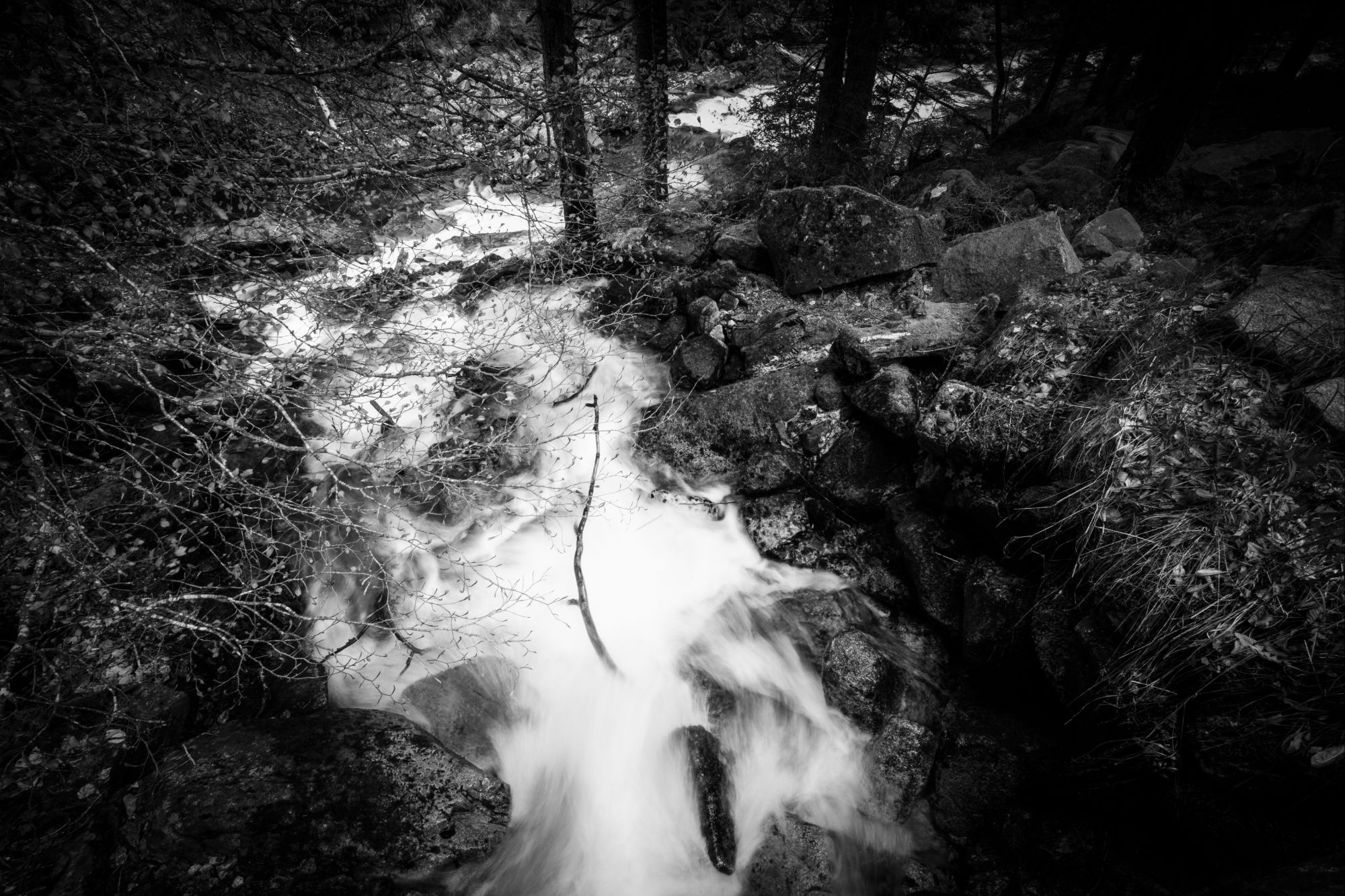
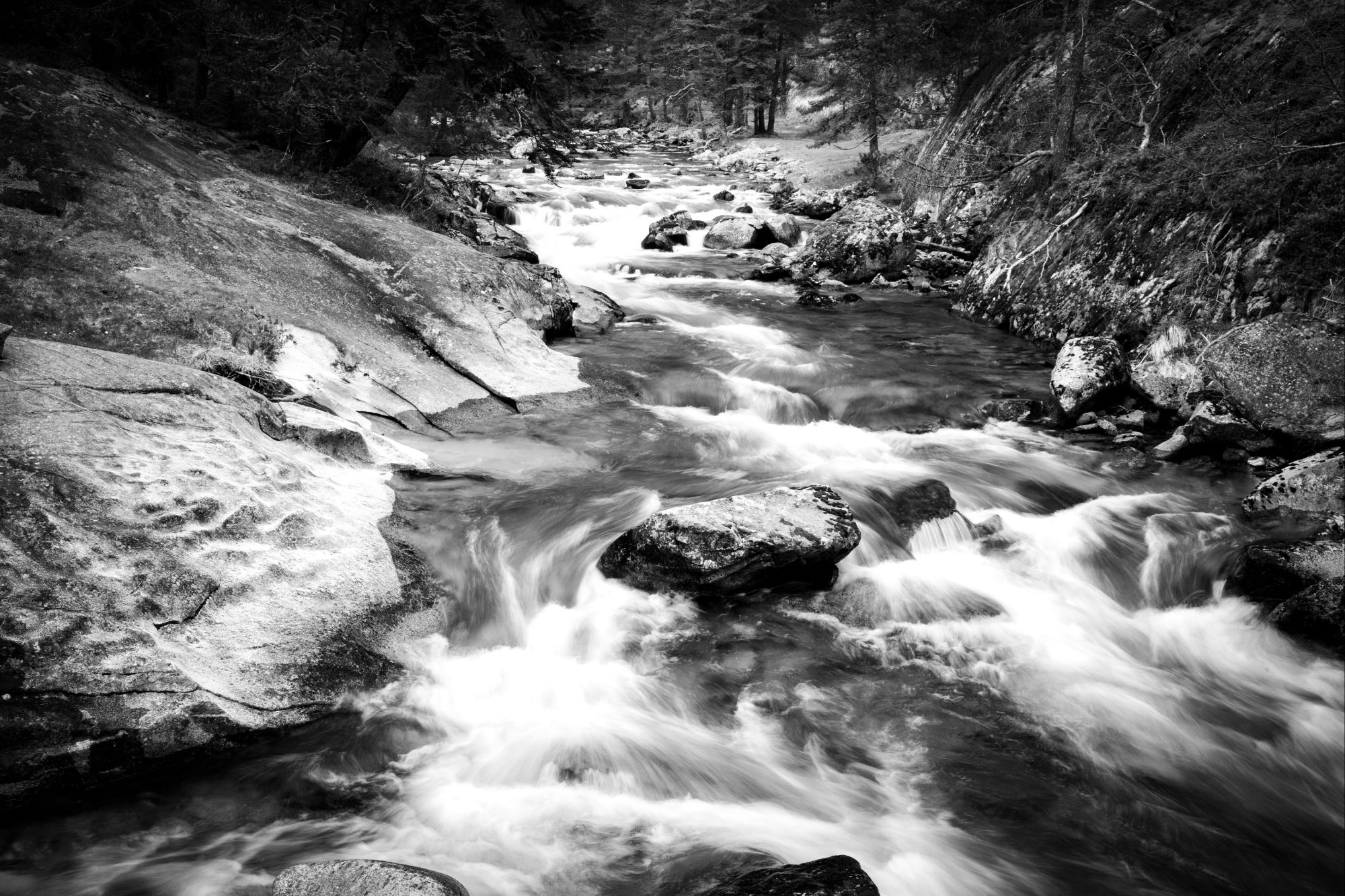
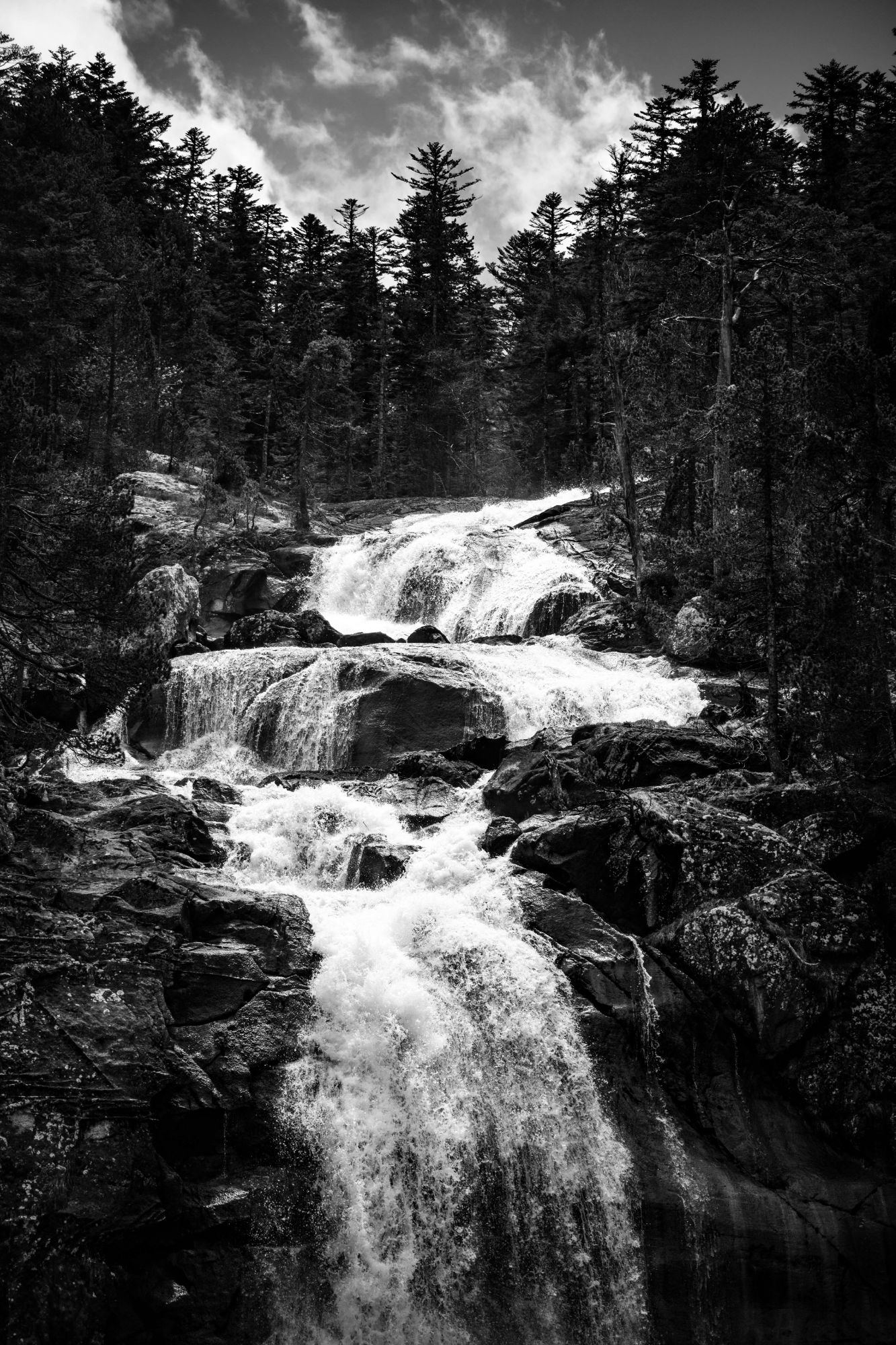
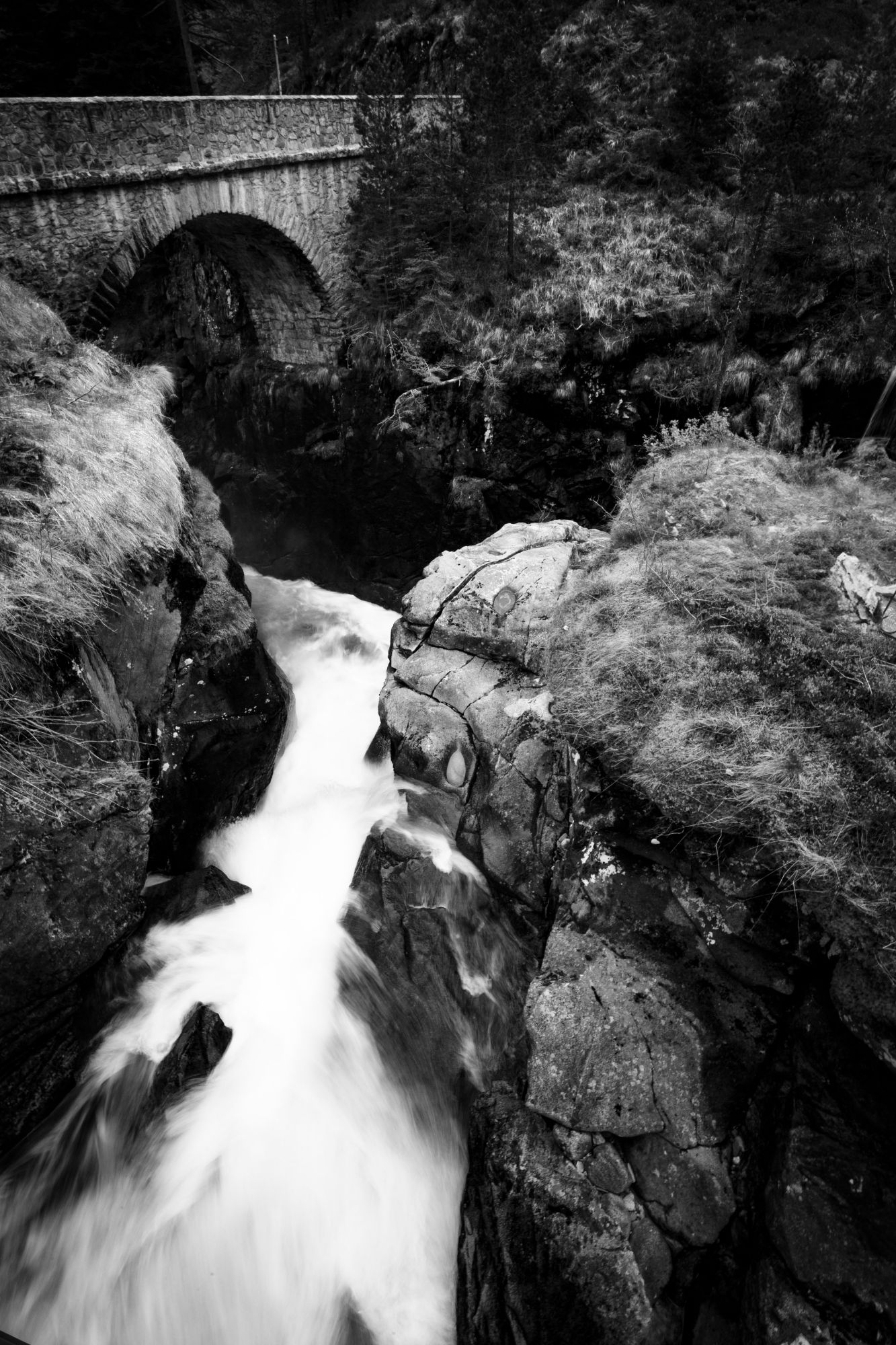
Before we even saw the bridge, we heard it: the sound of the water was tremendous. Water is a primeval force, and this was huge. I wanted the “money” shot, and decided to try with the X100F, giving it a sporting chance. The Canon 6D Mark II, with its stabilised lens, would come out on top. Handheld at 1/6th of a second? Not ideal — but fun to try. You get the feeling of movement in your shot, and with the magic of ND filters, you’re not overexposed.
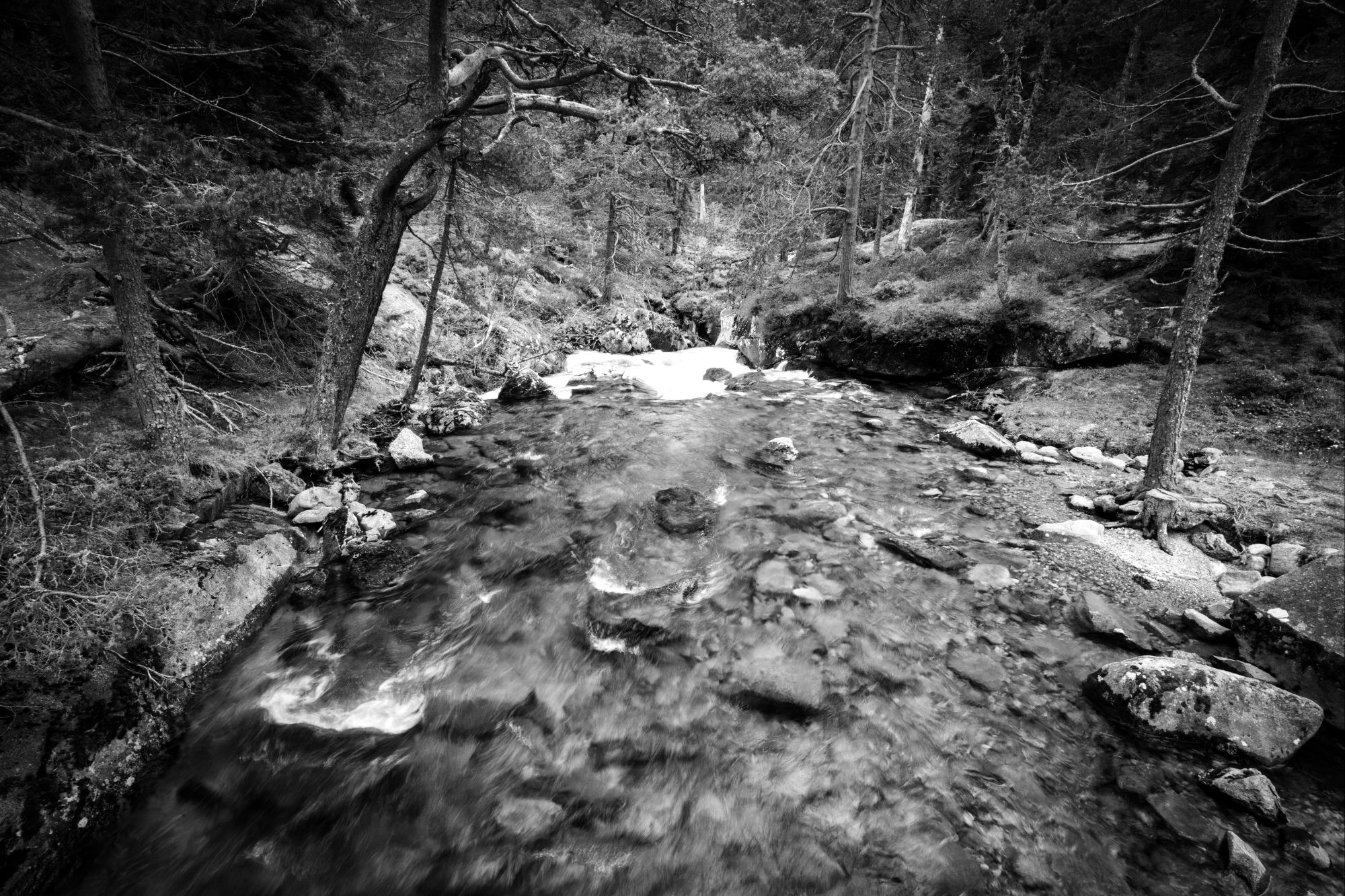
The site itself is just astounding — not just because of the view or the sound, but because of the raw power of the place. Killian led me grumbling up the hill and we sat down to have our picnic. We fed the ants a bit of our pâté en croûte and watched them discover it, then devour it completely. And devour it they did.
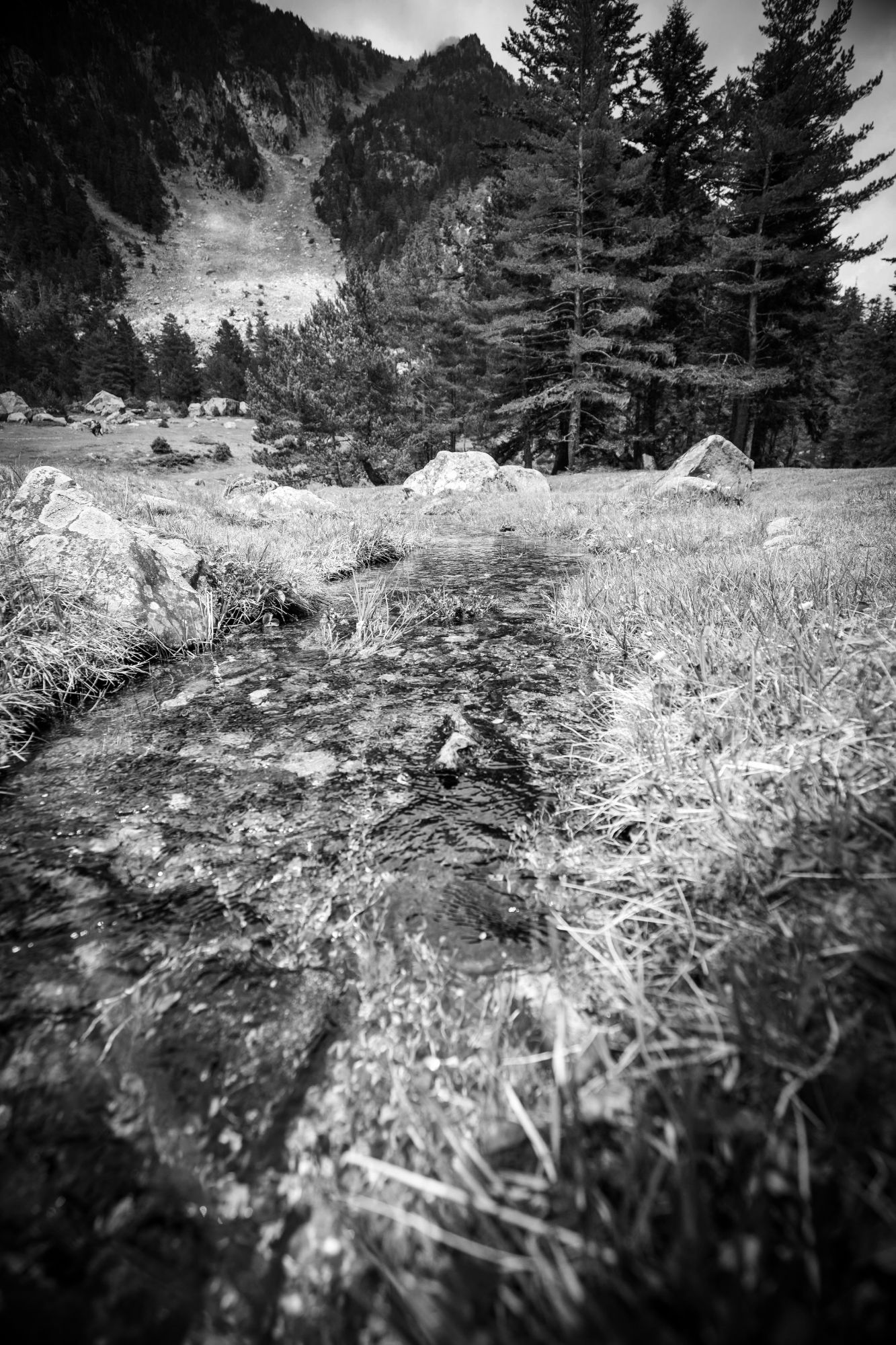
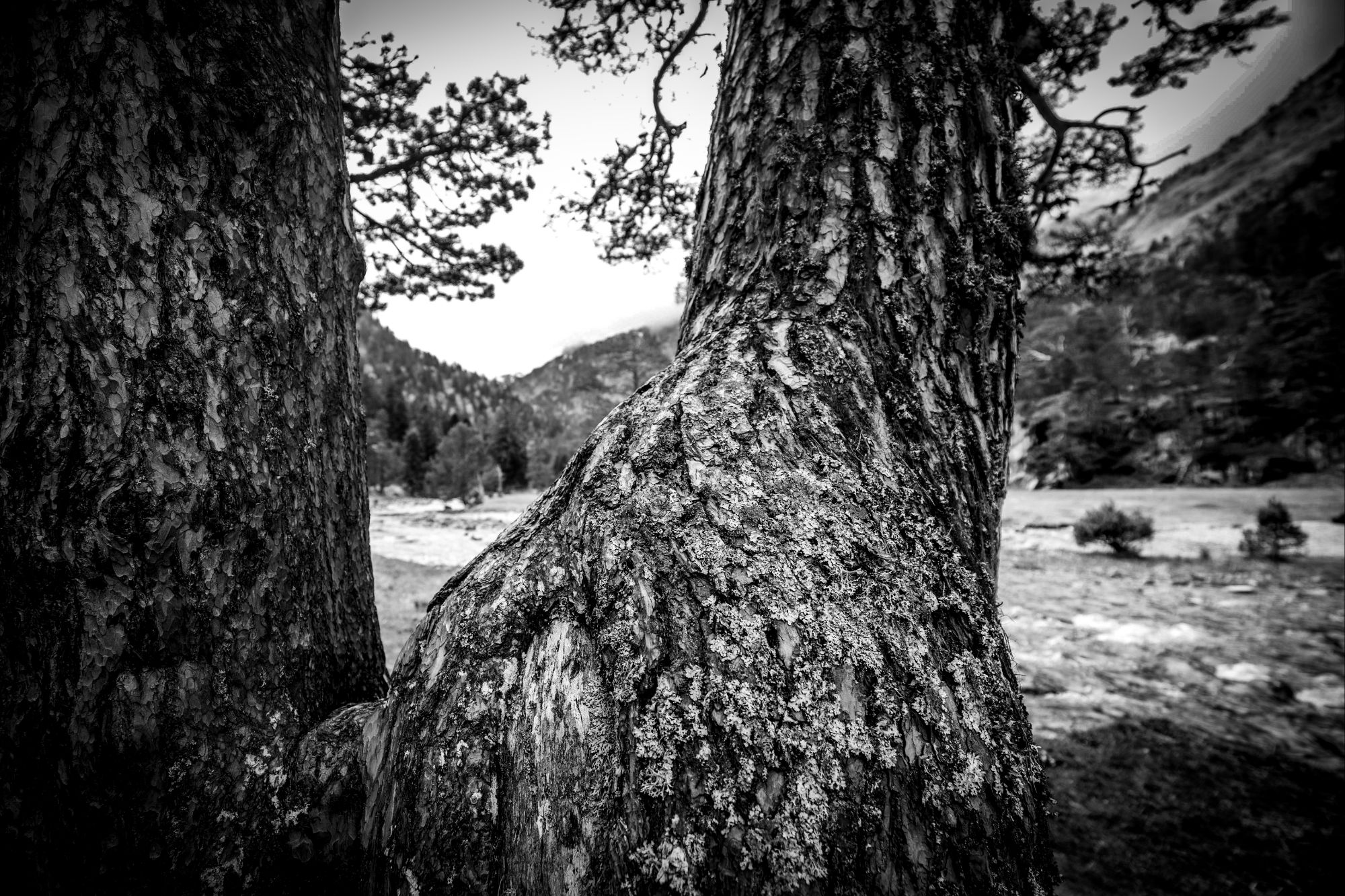
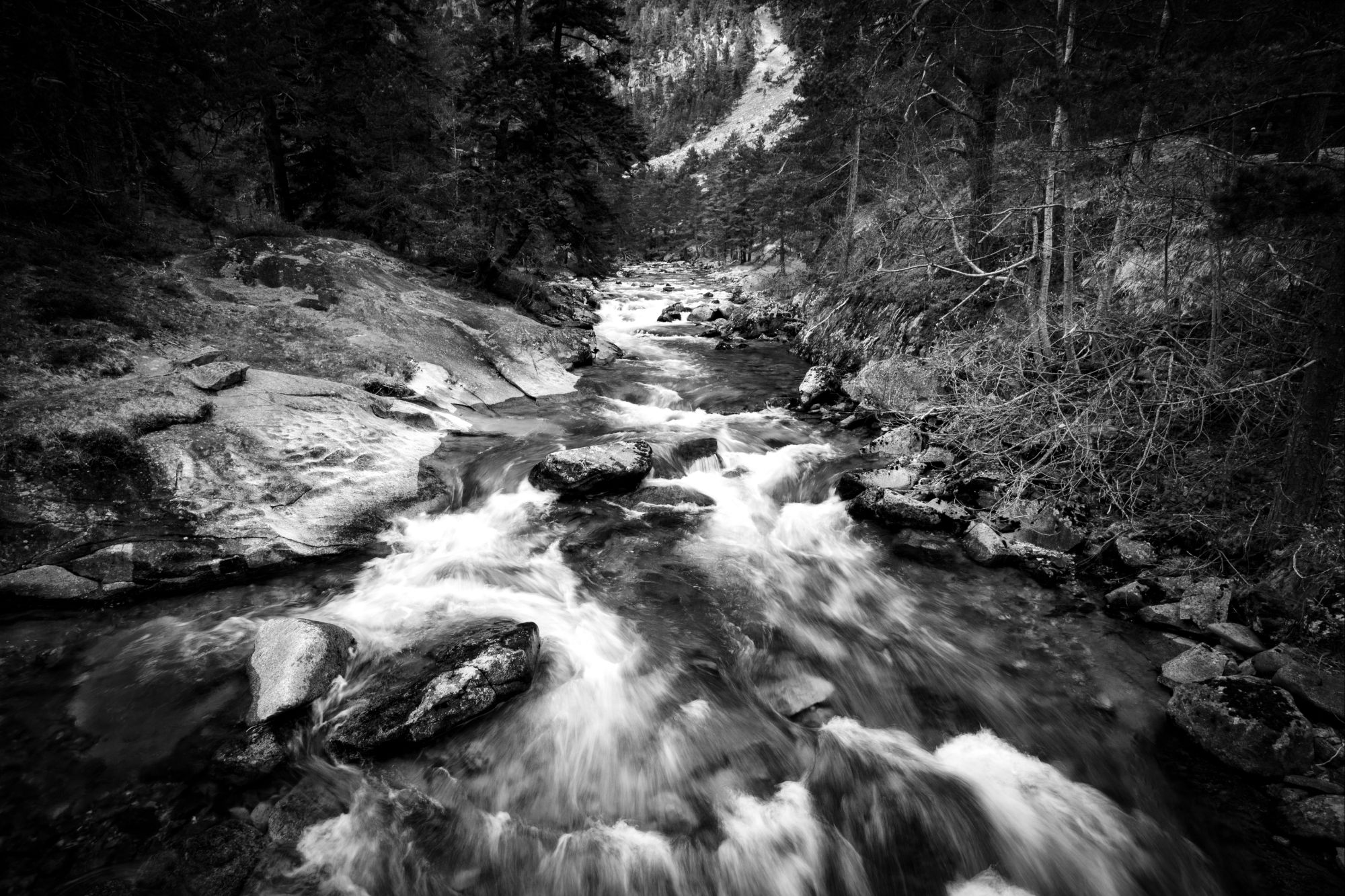
He led me past the téléphérique — closed, of course — and followed the river until we reached a wide, flat-bottomed valley with water snaking through it. We saw traces of horses and wild boars, which are a lot less boring than you might think. I noticed the clouds coming round the mountains as they go, but not singing. I don’t know a huge amount about mountains, but that’s usually a cue to get back to the car…
The walk back to the car was just about being father and son — taking the mickey out of each other as we went. It seemed to be the way we operated, and I wouldn’t change it for the world.
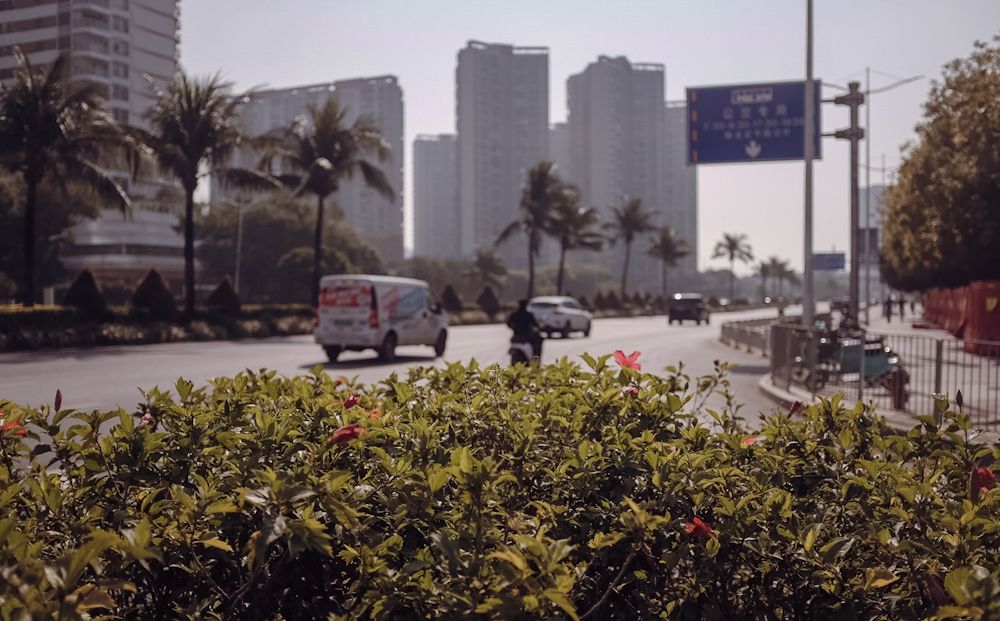
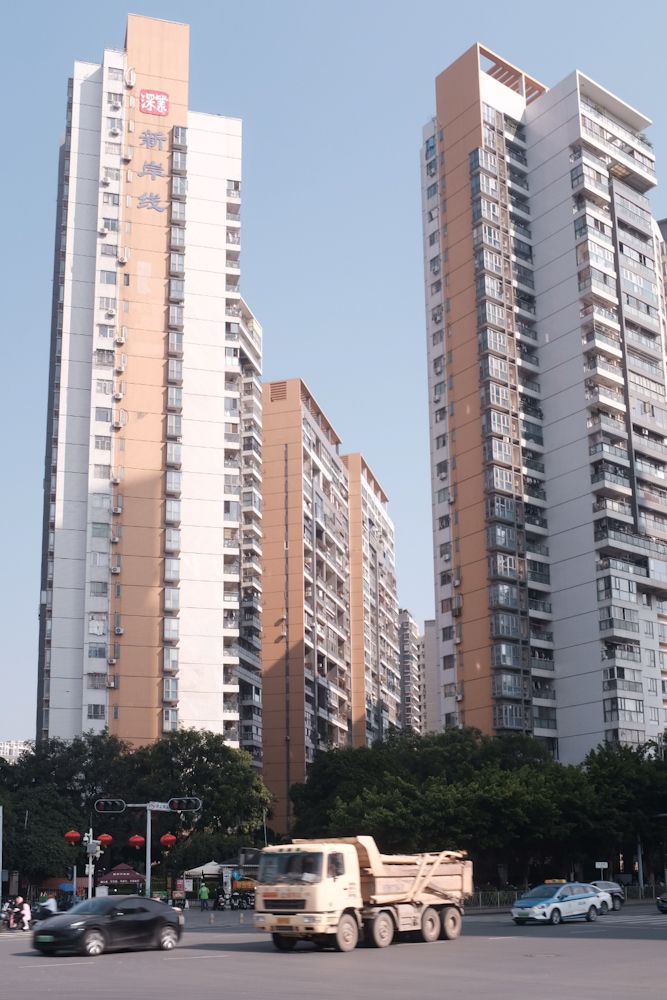
Welcome back to China, Dear Reader. First, let me tell you a little about Shenzhen to set the scene. It’s massive—really massive. Just across the bay is Hong Kong, which we handed back in 1997. Yes, we actually gave back a colony! It can happen. Shenzhen used to be Hong Kong’s poorer sibling, standing in its shadow. But China had bigger plans, determined to create a statement city to rival Hong Kong. Now, Shenzhen is home to 17 million people, boasting every modern convenience imaginable, even a higher GDP than Hong Kong.
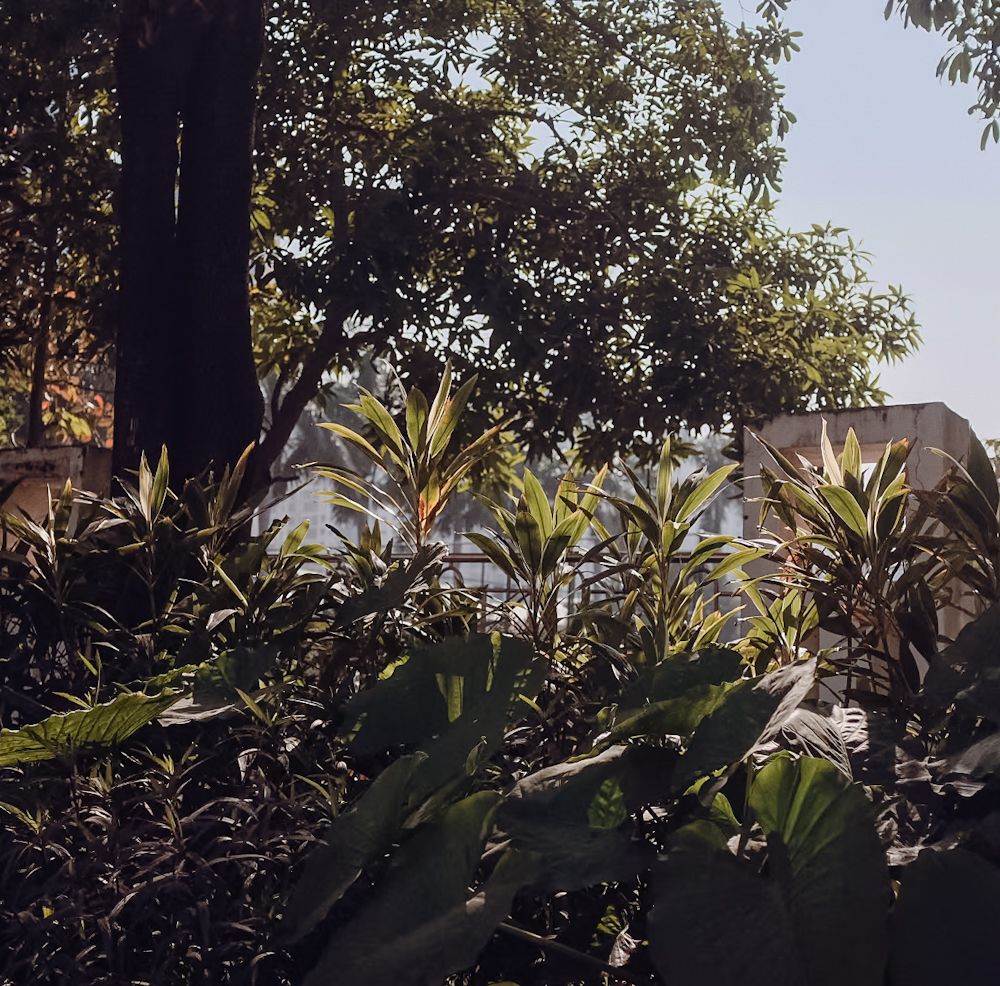
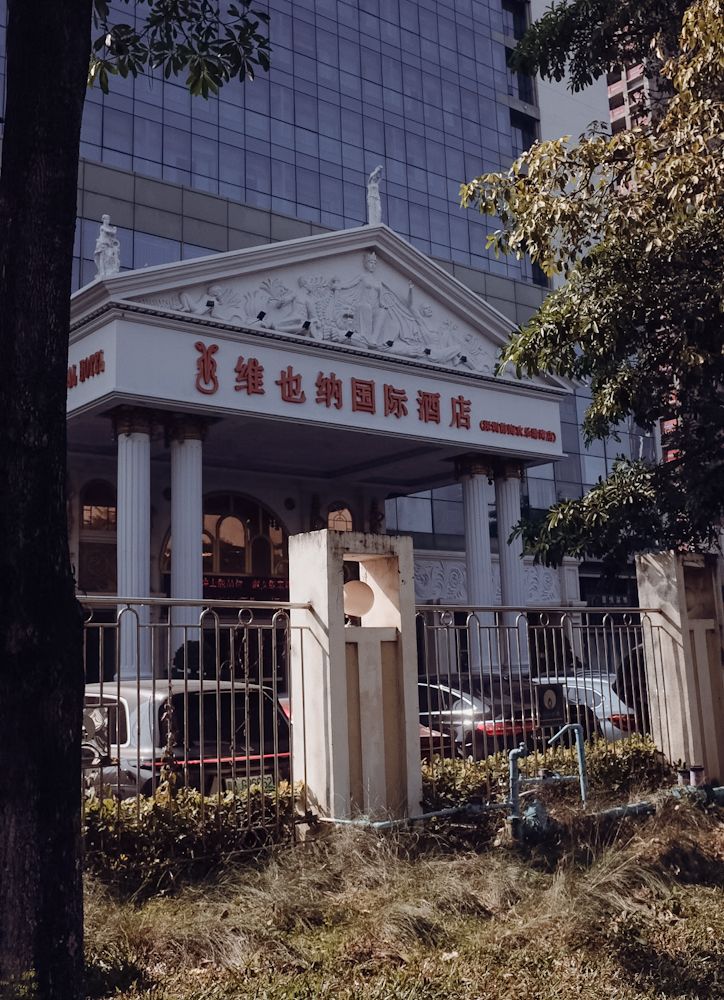
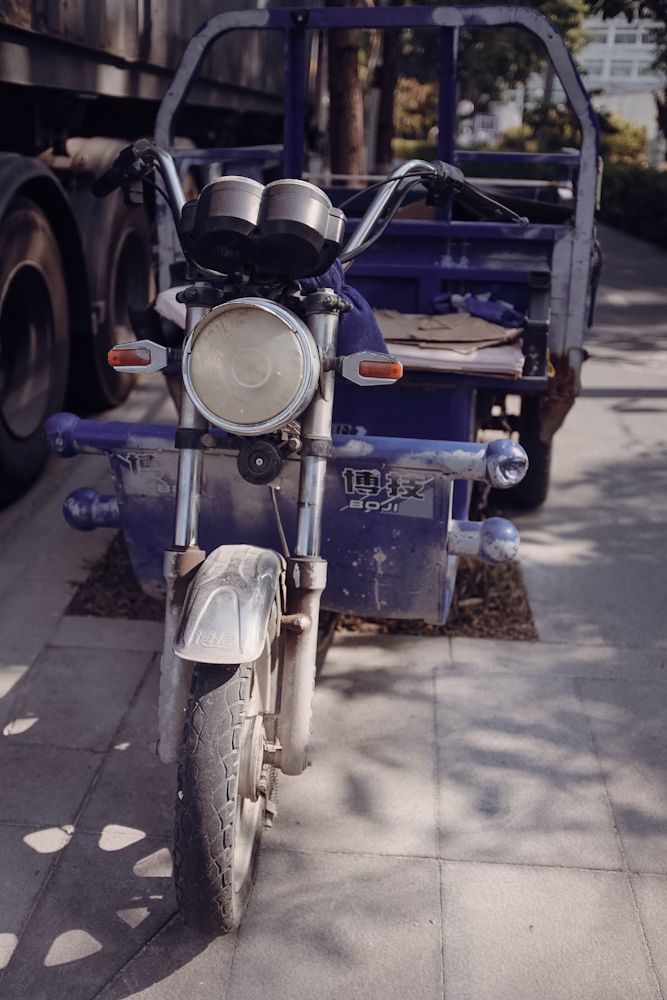
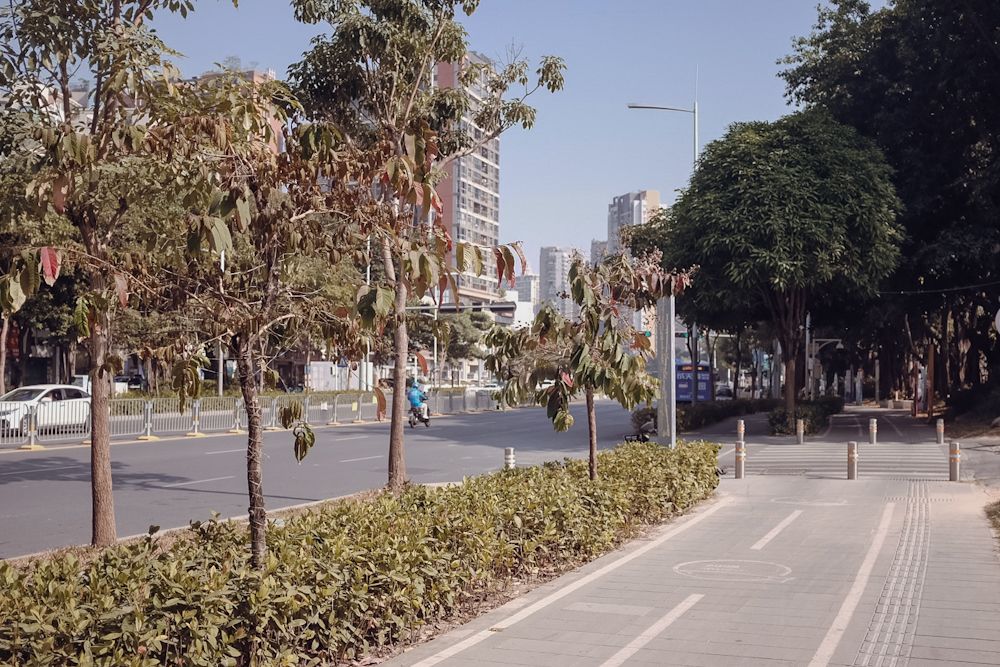
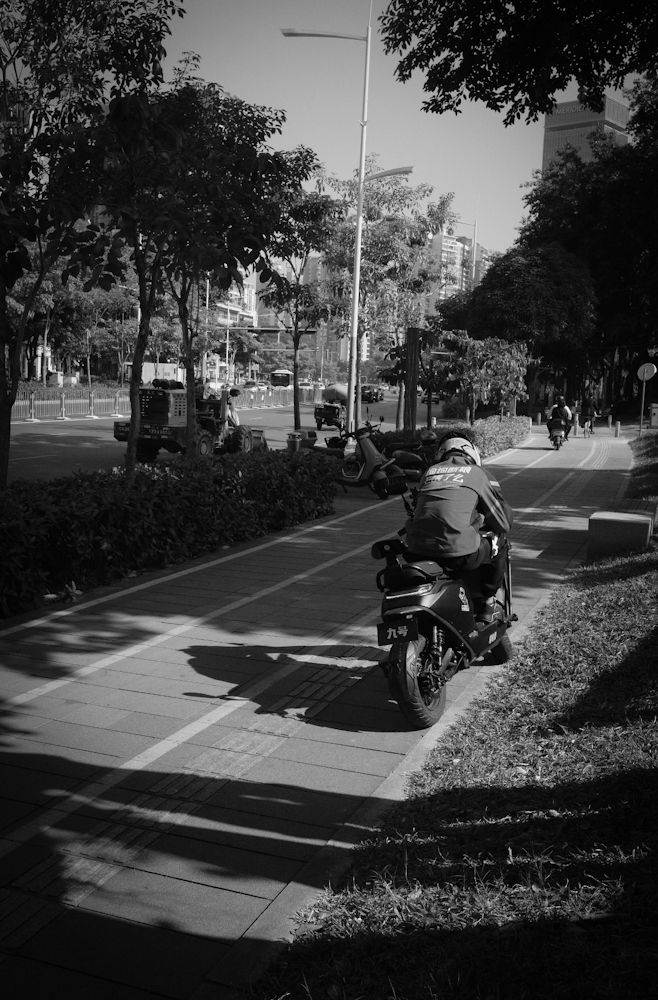
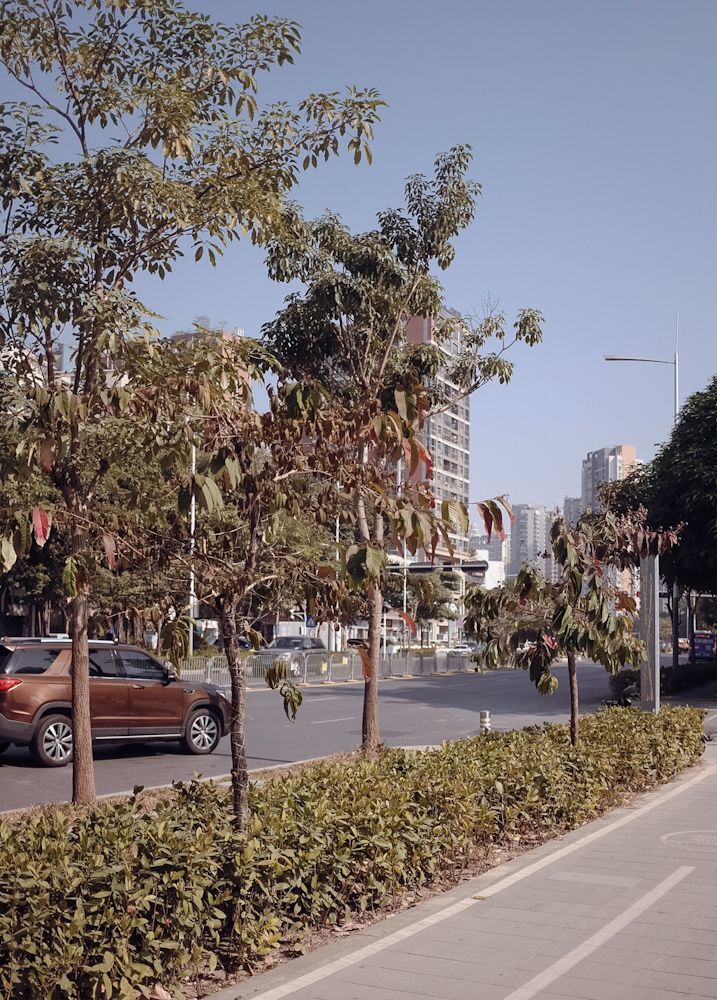
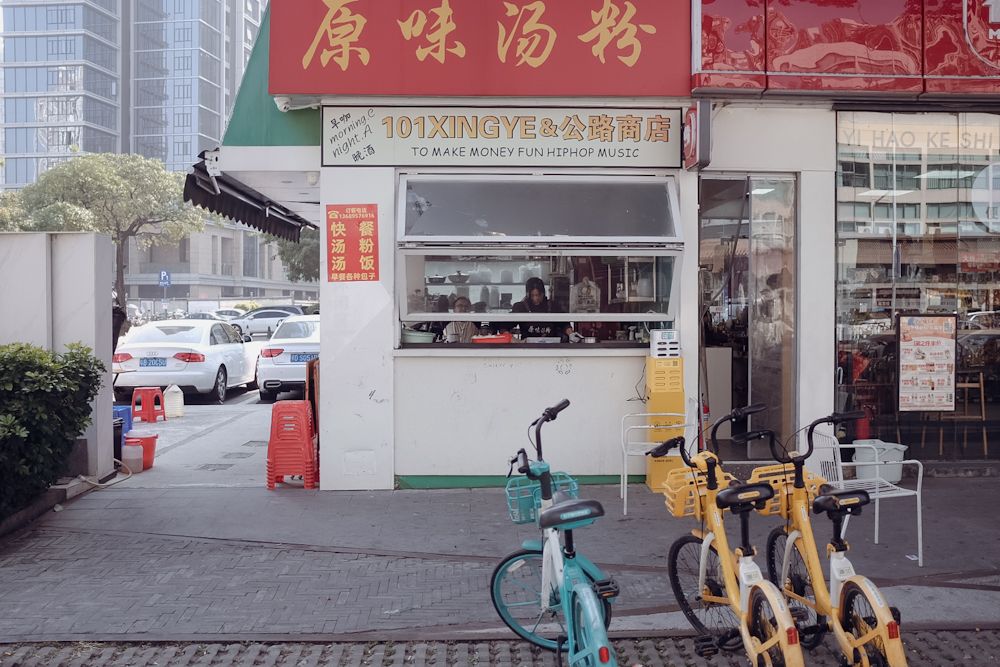
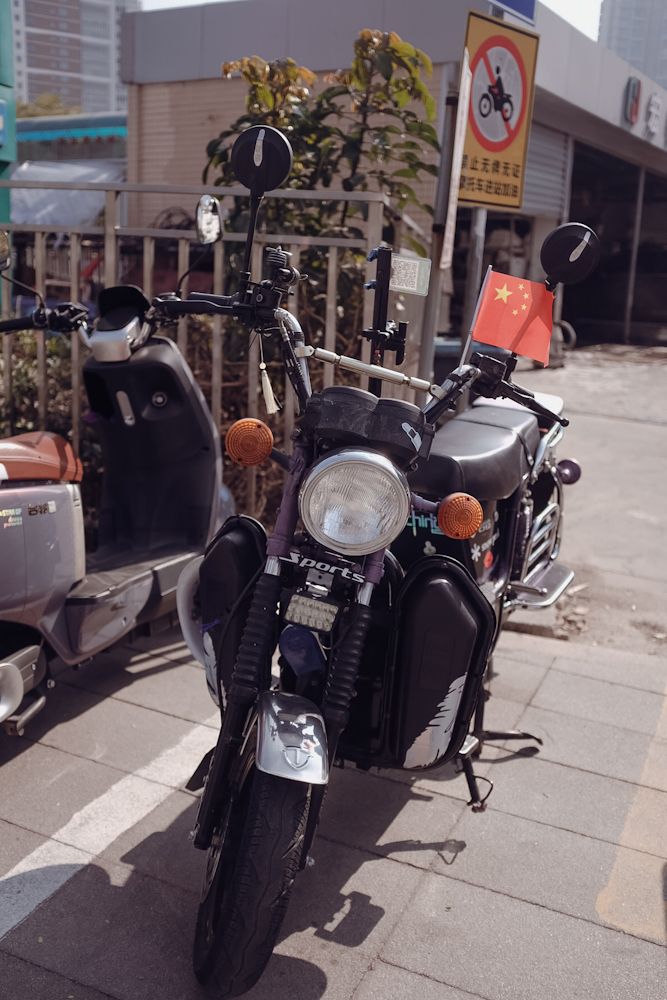
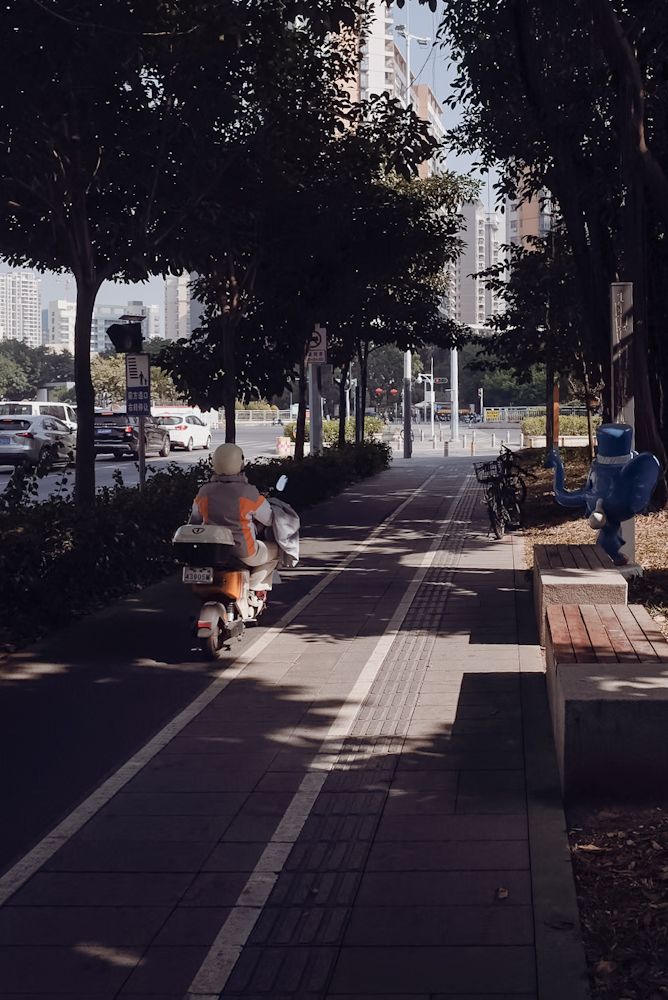
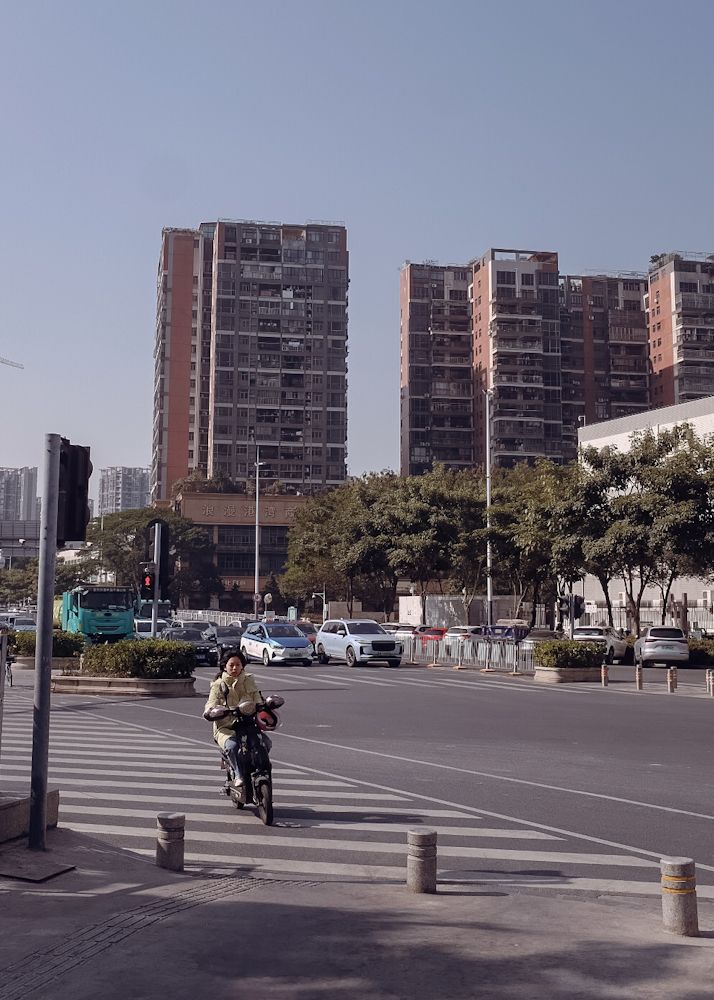
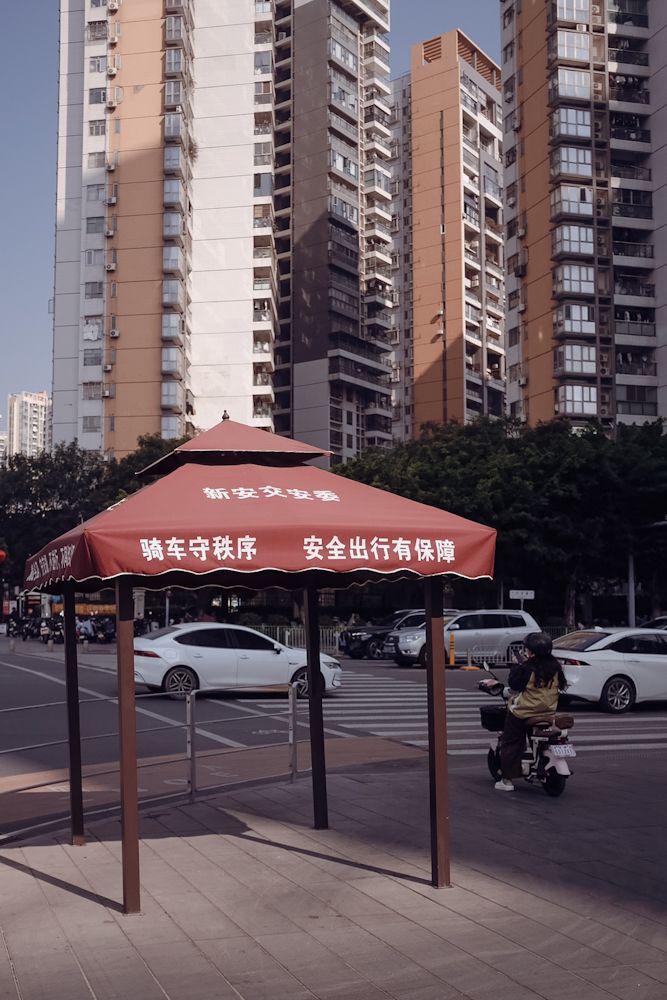
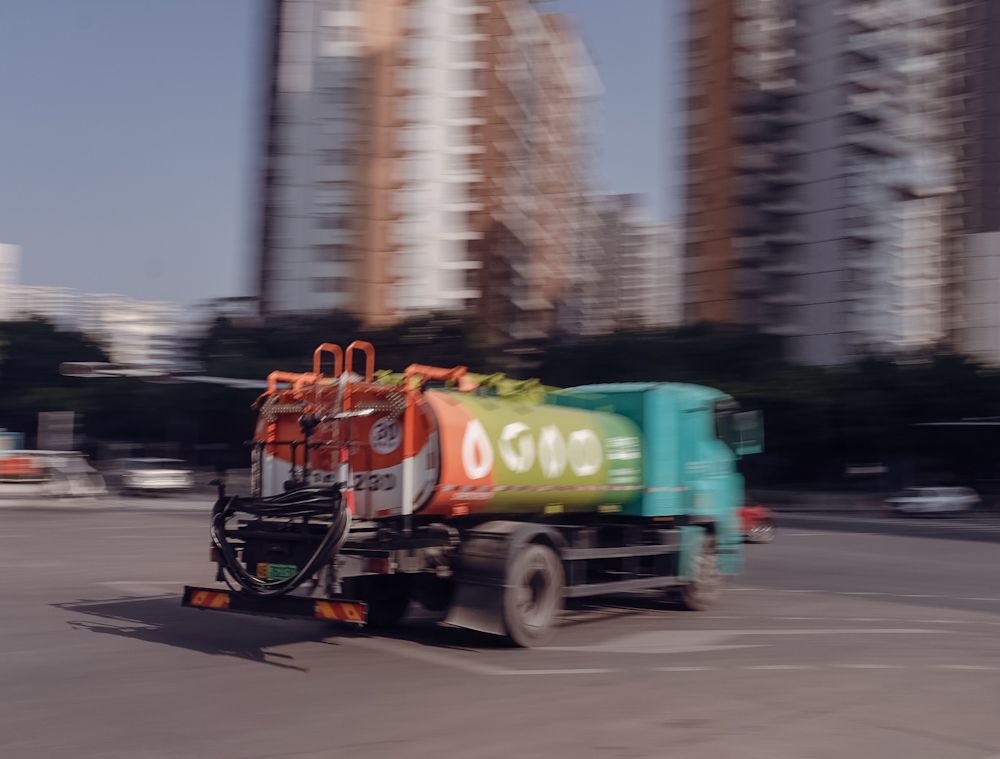
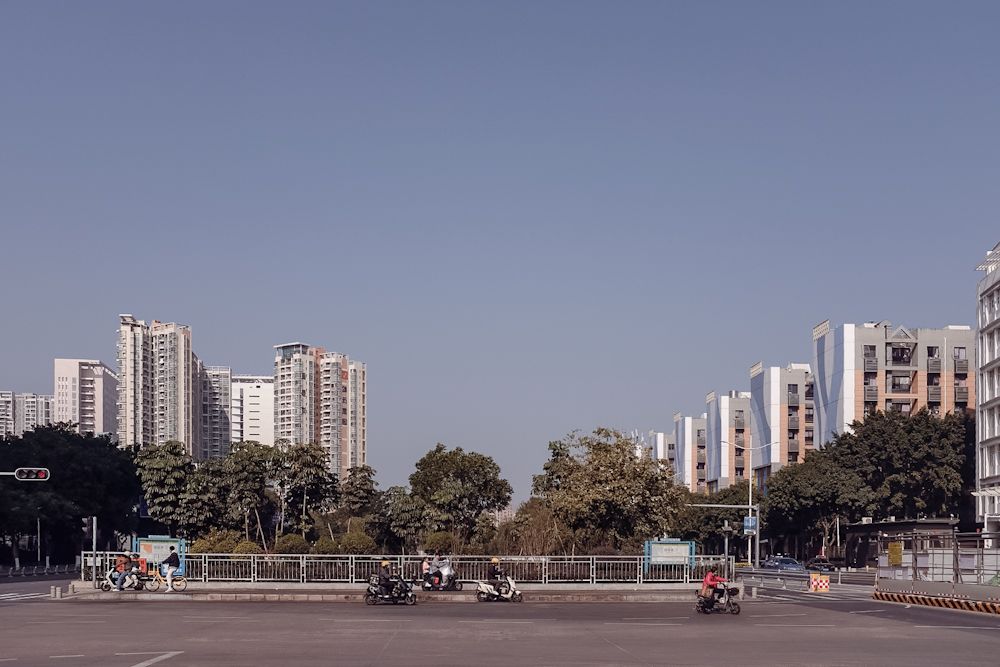
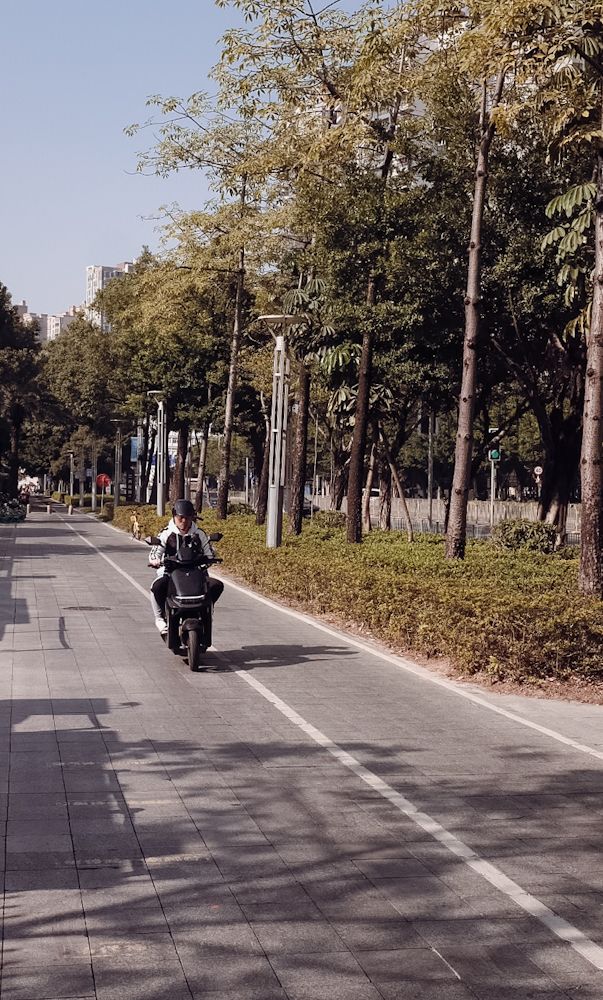
The first thing I noticed here was the relative tidiness of the electric mopeds compared to Foshan. They were everywhere but parked neatly in rows, a small yet striking difference. We were staying near the UK China International College, which felt a little like home and looked rather grand. Across the road was a McDonald’s—a far nicer one than the ones in Nantes. I couldn’t help but wonder if visiting a McDonald’s in Shenzhen feels as novel to locals as Chinese restaurants do to us back home. Watching children celebrate their birthdays there was a joy. I promised myself I’d stop by later to experience it properly—but that, Dear Reader, will be for another time.
On the road from Foshan to Shenzhen, our organiser, Yuan Yuan, asked if we wanted to join an excursion on our first full day here. It included visiting a village—a sort of condensed version of China—and a park with miniature monuments from across the country. All for 25 euros. As a slightly introverted person, the idea of being stuck on a bus with a group filled me with dread. Oh heavens, no! I decided to opt out and spend the day enjoying some alone time, exploring the city, and indulging in street photography—a much-needed mental reset.
I’m not much for breakfasts, so I sipped my tea quietly, savouring every drop, alone, in my room. Tea—a hug in a mug. Much like chicken soup for the Jews: it might not cure anything, but it never hurts. I quietly prepared for the day, ticking off my morning routine. Triple S, of course, minus the smoke—it’s been 26 years since I quit. Feeling reasonably presentable, I headed down to the lobby to absorb the city’s atmosphere.
The first thing that struck me was the mild, sunny climate. It felt like a Northumberland summer, but in the middle of winter. Invigorating! As I stepped outside, I spotted one of the double bass players in the hotel shop. Should I avoid him and enjoy some me time? I hesitated but ended up joining him on a bench. He offered me a cookie, which was gladly accepted with the good grace with which it was offered. We chatted about nothing in particular, enjoying the weather—two blokes, passing the time of day.
Later, Michel, my walking companion for the morning, decided it was time to move out. I warned him I’d stop often to take photos, and he was happy to wait. The night before, my wife had remarked that while my photos were great, she’d like to see some in colour. Oh really? Challenge accepted.
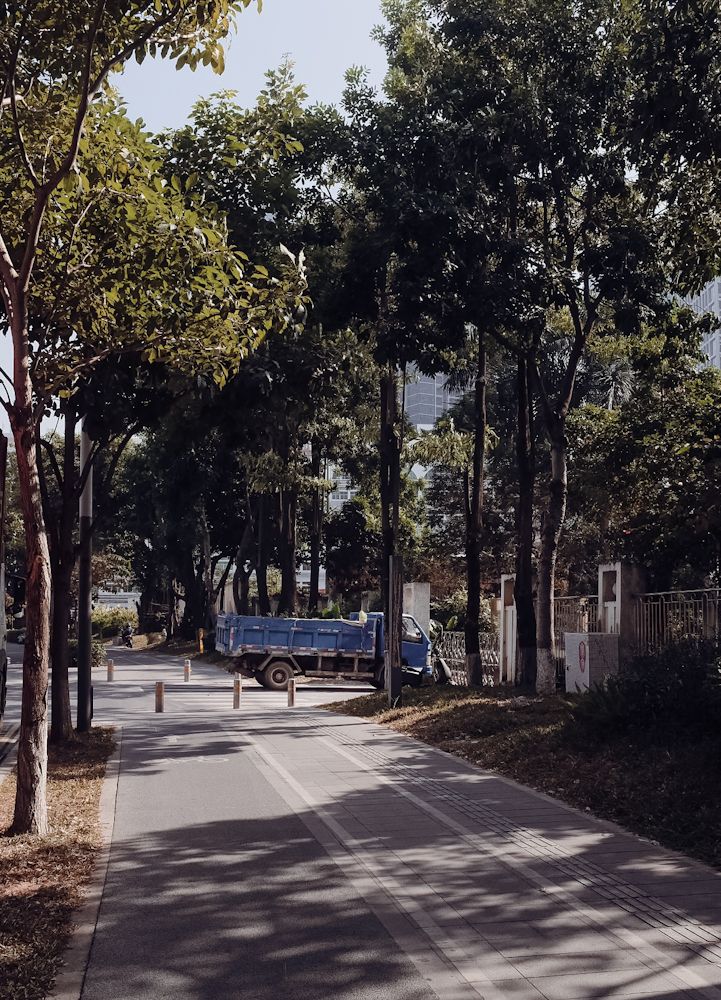
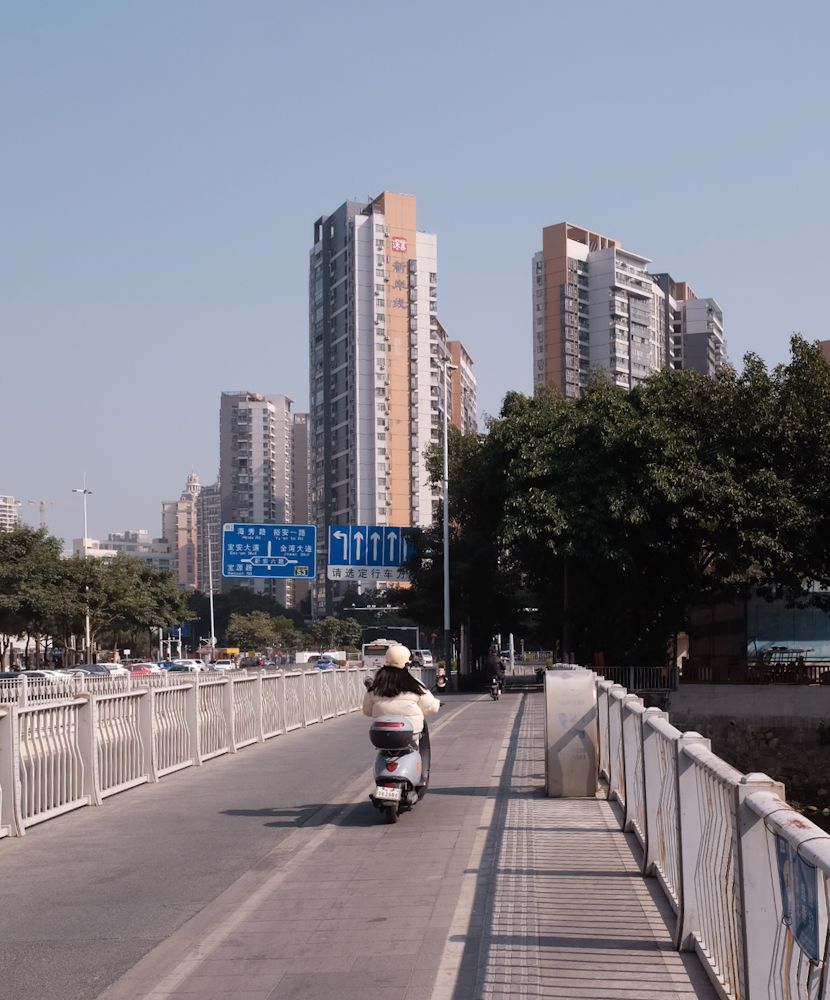
We strolled at a leisurely pace—perfect for soaking in the city’s atmosphere and capturing its essence through my lens. Michel patiently waited as I darted around, snapping shots like a dog owner indulging their pup’s curious sniffs. I was content to get my daily paces in while immersing myself in Shenzhen’s charm, the perfect start to a day of exploration.
We arrived back at the hotel, and I was starting to feel slightly peckish. What more could I need than a visit to McDonald’s to help me out? Two of the lads had been there the night before and shared their thoughts about everything—the similarities and differences. I just had to go and see for myself. I ordered a double Filet-O-Fish, a bamboo and chicken wrap, a large coke, crinkle-cut chips, and an Oreo McFlurry. It cost me a grand total of 75 yuan, which seemed very reasonable. The lads hadn’t enjoyed the wrap much, but I found it to be delicious, and it really hit the spot. At least a four out of five for me!
Stuffed full of McDonald’s and pleased with my morning’s wandering, I made my way back to the hotel, ready for a short rest before heading out again. Shenzhen by day had been a pleasant surprise—neatly parked mopeds, familiar-yet-different fast food, and a city that felt both vast and oddly welcoming.
But Shenzhen by night? That was something else entirely. The streets lit up with neon, the air thick with the scent of street food sizzling away on open grills. Couples strolling, friends gathered around hotpot tables, and electric mopeds whizzing past, their riders silent but swift. The city didn’t slow down—it just changed gear.
With my camera in hand and my curiosity still buzzing, a whole group of us stepped back outside. Time to see what Shenzhen had to offer after dark.
Operation Shenzhen Nights was about to be launched…
This marks the beginning of a journey I’m eager to share—a series about my recent orchestral tour to China with the Symphonique des Bords de Loire (or SBL for those special people who know). Before leaving, China was a distant, almost abstract concept to me: a country whose language I couldn’t speak, whose script I couldn’t read, and whose cuisine I knew little about—aside from my clumsy attempts at wielding chopsticks.
Fast forward to today, and although I’ve only just returned—less than 48 hours ago—China feels much less foreign. I’ve wandered its streets, performed in its theatres, and shared meals with people who reminded me just how much we all have in common, no matter where we’re from.
Through this series, I’ll invite you into the world of an orchestra on tour, from long-haul flights and pre-concert rehearsals to quiet, reflective moments exploring unfamiliar cities. Expect stories of camaraderie, cultural discovery, and the universal language of music. And, of course, I’ll share the photographs—nearly 500—capturing the essence of the places we visited and the people we met.
Our first stop is the journey itself, from Nantes to Changsha, where it all began. Along the way, I’ll recount how we celebrated Christmas and New Year far from home, the magic of our performances, and the unexpected connections made along the way.
Are you sitting comfortably? Then we shall begin…
Like most people, I had a certain reticence about the unknown. I was basically terrified! But, as one must, I thought the best place to begin was the beginning. I knew it would be a long trip, but this was possibly the longest for me. We had our itinerary and knew where we were going. We had all installed the app Alipay on our phones to pay for things. There’s also a translator on the app, so we should be fine.
My wife and daughter dropped me, my suitcase, and my instrument off at the rendezvous point in Nantes at 1:30 am, giving us enough time for the 2:00 am departure by coach to get us all to CDG Roissy airport. We stopped off in Angers to pick up the last of the orchestra members and headed off to the airport.
We were split into two groups: us and them. We would be flying with Air China later that day, and the other group would fly almost immediately with Xiamen Airlines. There weren’t enough seats on the plane for us to travel together. As a result, we had the pleasure of spending all day in our terminal at CDG. This felt like the longest part of the whole trip.
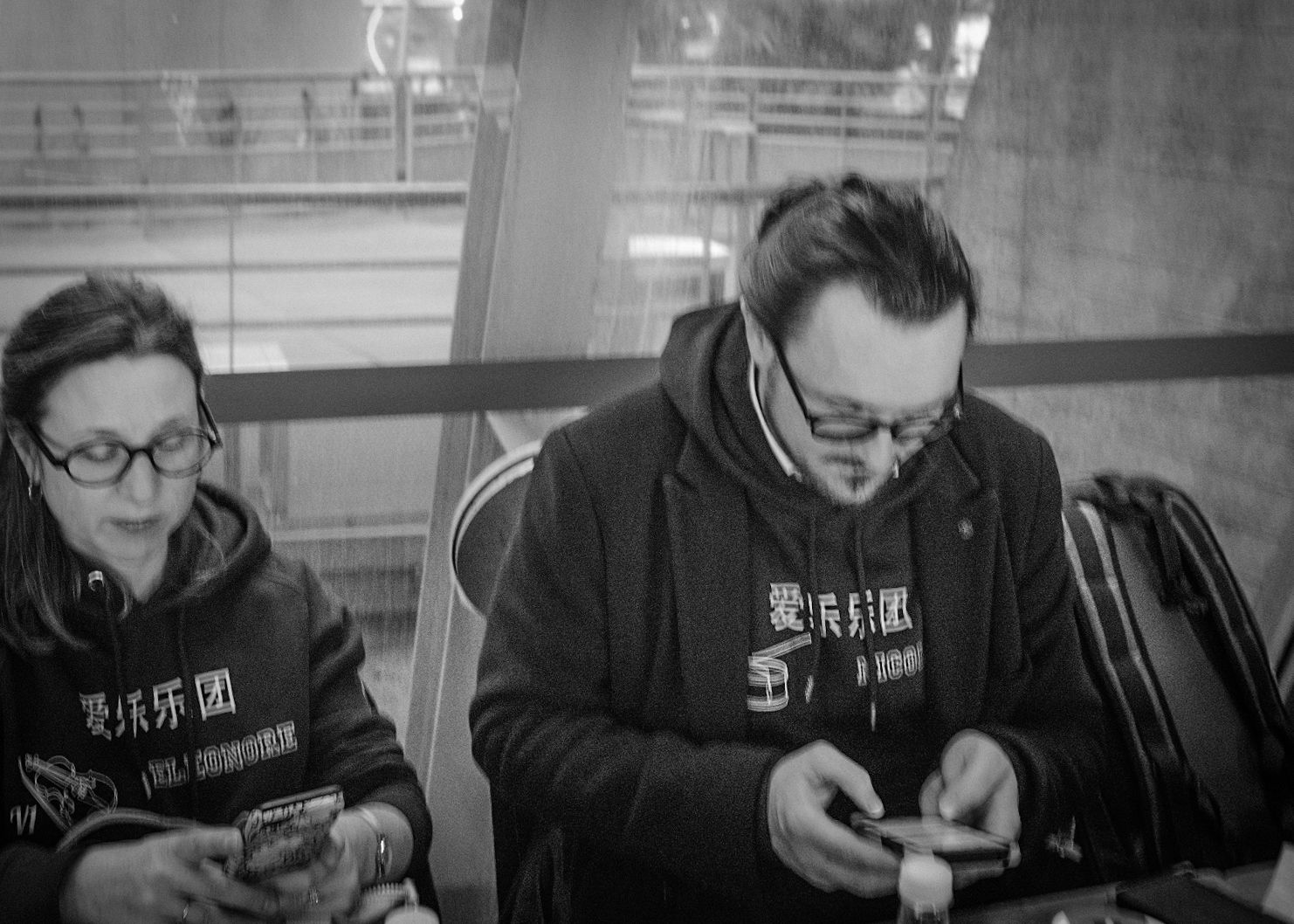
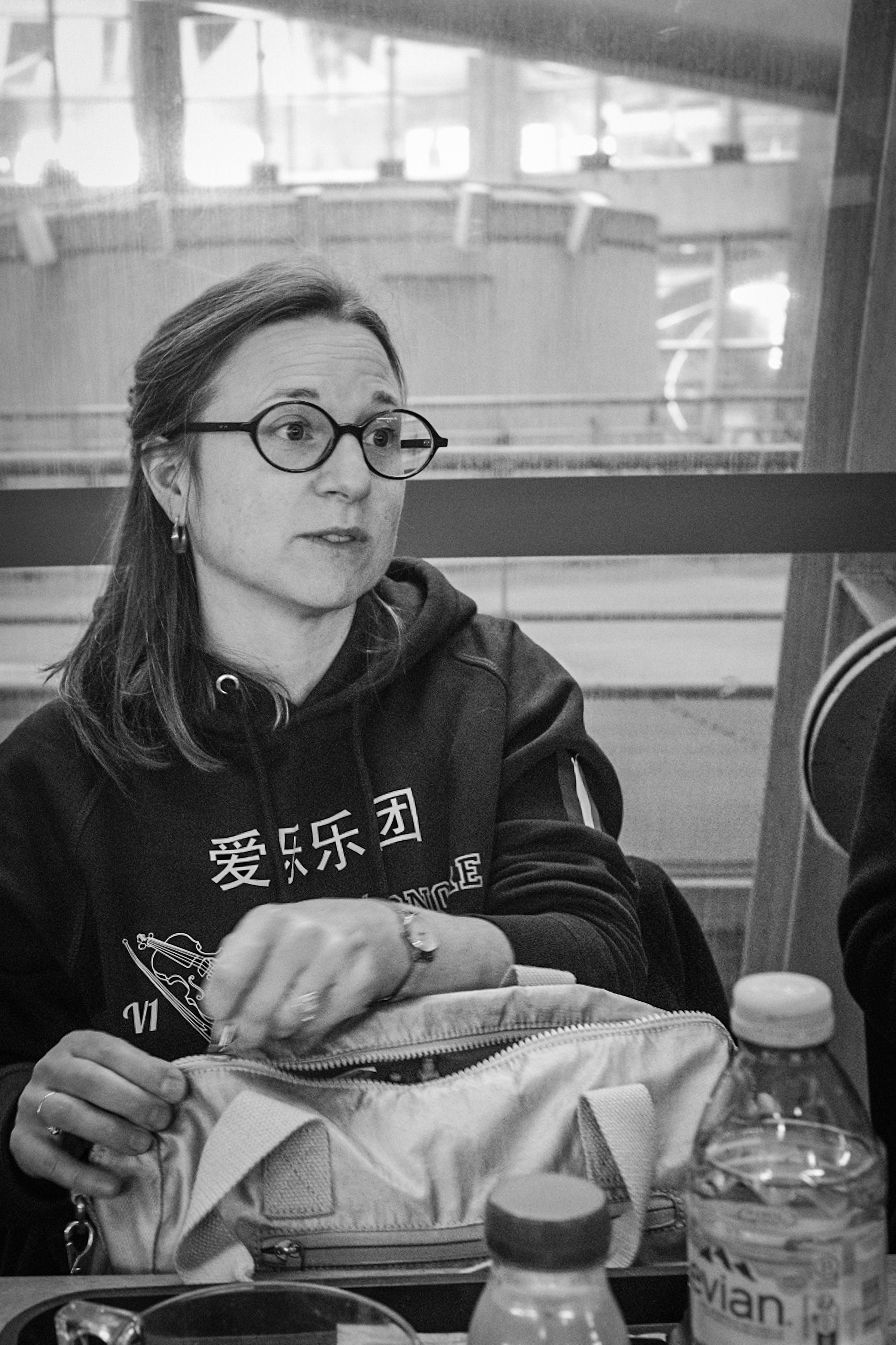
We split up again—one group to Starbucks, the other to the bakery Paul. We felt a little more exclusive in our little group, made up of a horn player (yours truly), two violinists, Eléonore and Marie, and Nicolas, a percussionist.
What does one do for eight hours while waiting for a flight? Well, you go to the loo, eat, chat, become bosom buddies with your fellow travellers. You talk about your jobs, share photos, realise the adapter you bought won’t work in China, so you buy another one, have lunch, share jokes, and then realise too late that the small children around you can actually understand those jokes, so you dial it down a bit. You wander around, one person looking after the luggage, making sure it doesn’t get blown up by security. Excitement, excitement, excitement!!
Tired of remaining exclusive, we joined the hoi polloi of the Starbucks group and headed to security together. Passport control, however, was a different matter altogether. You may have guessed that I am not French, so I had the privilege of going through a different line to be let out of the country. I was scanned, as was my passport, and then made my way through to the other side. We had to go through security again.
My hand luggage was my instrument, and I felt very pleased with myself and my choice of clothing. It’s amazing how much “stuff” you can stuff into the pockets of a sports jacket and still look relatively good. You take off the jacket and pop it into the bins along with the horn, camera, phone, wallet, etc. It all felt like being in a queue at Disneyland…
I had nothing else planned, so I took it all in my stride. Going through Duty-Free was an interesting experience. Gone are the days of cheap booze and perfume. Now it’s all about luxury brands, and definitely not cheap. I’d have to wait until I got home to restock my perfume.
The departure lounge had a public piano, and of course, the colleagues had to let rip. And let rip they did. A productive way to get through the tediousness of waiting. I was reminded of the British Army philosophy of “hurry up and wait.” Take it in your stride, lad, take it in your stride.
The first flight was Air China from CDG to Beijing. When they talk about long haul, they forget to tell you how long long haul really is. We weren’t in business or first class but in economy, where long haul takes on a completely different dimension. The flight, though long, was very pleasant, and between meals (served with forks), it went smoothly. As part of my research for this trip, TripAdvisor had become a reference, and my experience was obviously much better than that of certain reviewers. The food was great, although it was the first time I had rice and fish for breakfast in a long while. I sat next to Fran, one of the English members of the orchestra, and we chatted about everything and nothing. It helped pass the time and allowed us to get to know each other in ways you can’t when just playing concerts and rehearsing in France.
We arrived in Beijing, descended, and started looking for the loo—the first of many visits to the loo during this trip. I had heard about Chinese loos being a little different from those back home, but in the airport at least, everything was fine.
We went through the airport to the domestic transfers, filled in the form with the information we had provided on our Visa application form, and went through immigration. Now, we were all on a level playing field, much to my satisfaction! We made it to the other side and headed to our gate, where we would board flight number two to our final destination for the day: Changsha. Changsha is one of those places that will amaze you with the colour of its lights around the buildings—one of the many cities that do this. It was resolutely modern and vibrant. To be honest, I didn’t know what to expect before arriving, so I just decided to take it all in.
At the hotel, we were greeted by colleagues who had arrived earlier. My roommate was still out in town, but thanks to WhatsApp, he was told we had arrived and it would be nice of him to come back to the hotel and let me into our room with our shared key. He returned with a huge smile on his face—not only happy to see me but excited to tell me about the girl who had stopped him in the street to take a selfie with him. This would be the first of many such occasions for my friend Correntin to satisfy his ever-growing fan club. Poor lad! Not easy being girl-bait every day! He would get used to it.
The man in action. What more can I say!!! Tank you Corentin for letting me use your photo…
The room was posh, and I thought, “I could get used to living like this.” And indeed, I did. Those pillows were huge, soft, and when your head landed on them, you just seemed to float off into another world. Eventually, I had to leave my pillow and get ready for the evening Christmas meal and Secret Santa exchange.
Now, I had presents for Eléonore, Mathilde, and Titaua—whom I met while dabbling a little more in music in Cholet, and who convinced me to join this orchestra. I’m very glad they did because here I was, offering them their Christmas presents in China! Secret Santa is where you’re assigned someone in the orchestra to buy a small gift for. My person had messaged me to ask for an orange, but I couldn’t just give them an orange. I made the effort to find a Terry’s Chocolate Orange for him. My Secret Santa, Barbara, presented me with a mini-tote bag from the Paris Olympics. It’s just the right size for the car! The meal was somewhat less French than the Olympics, but it was the first of many discoveries in this new country. Well, one must show willing…




























 IJM Photography