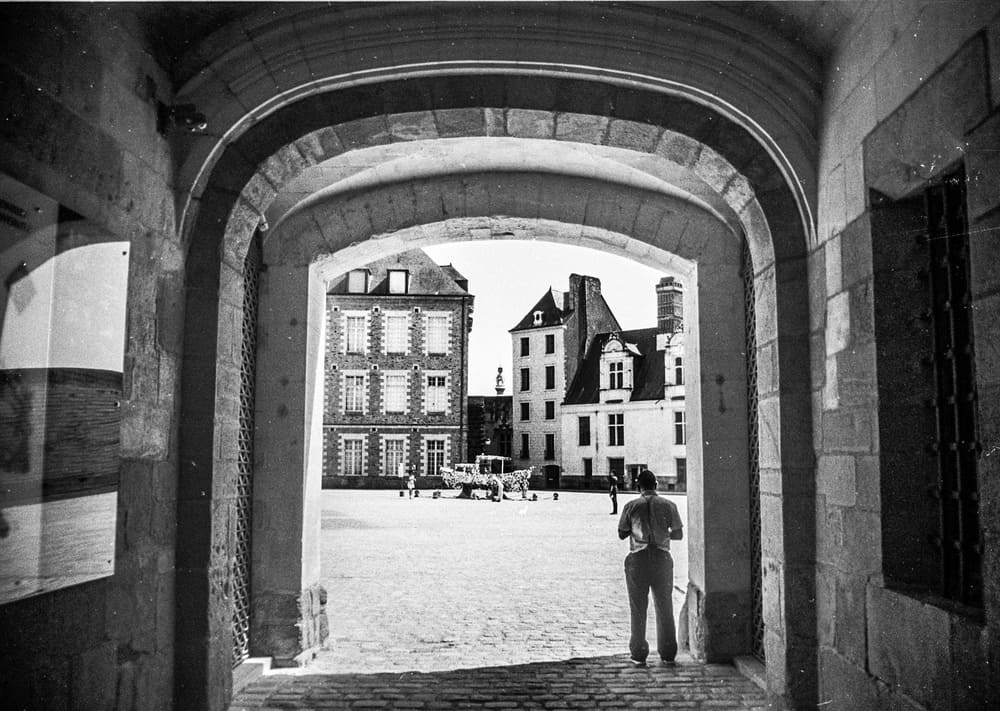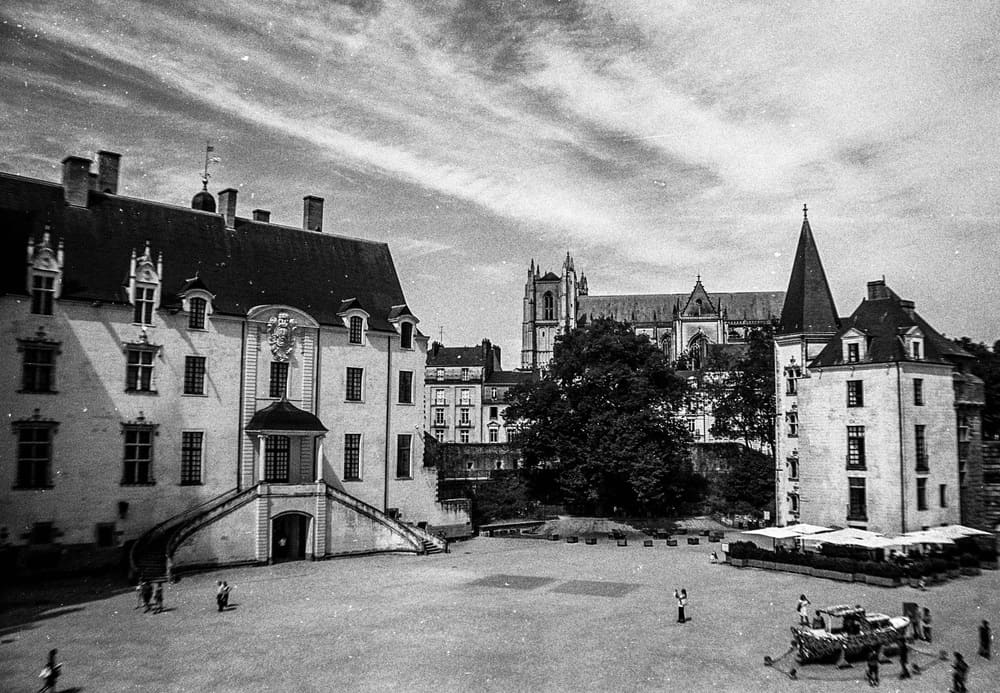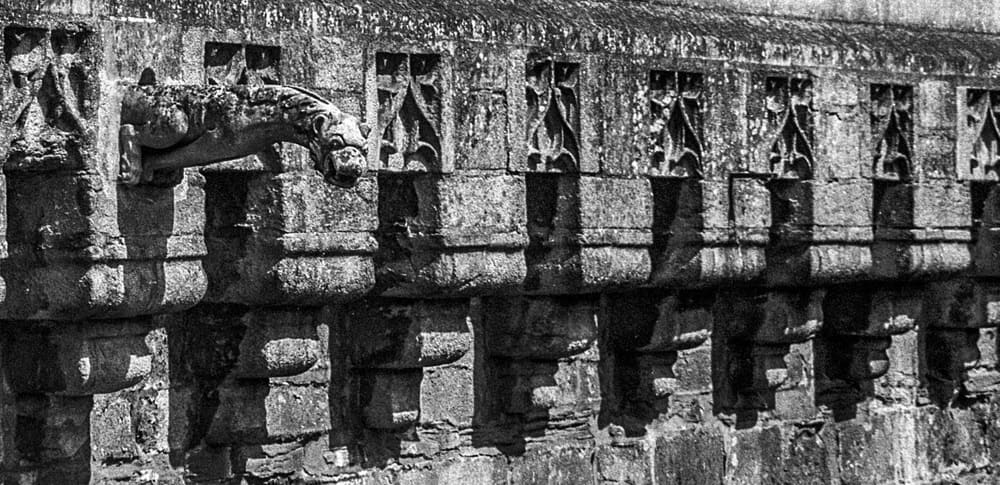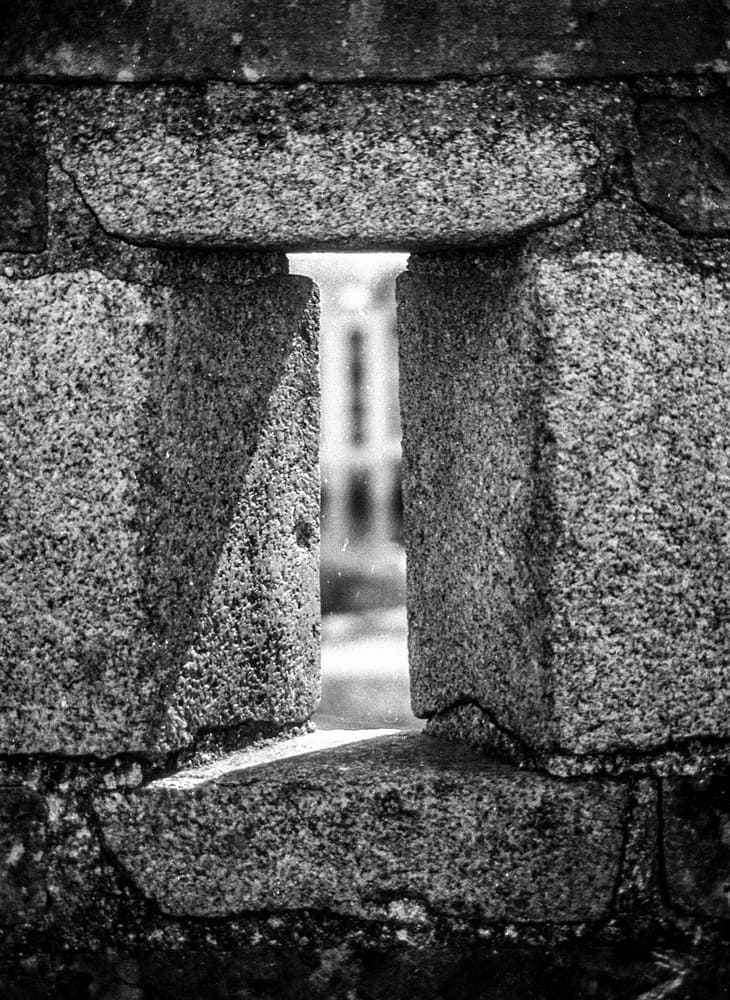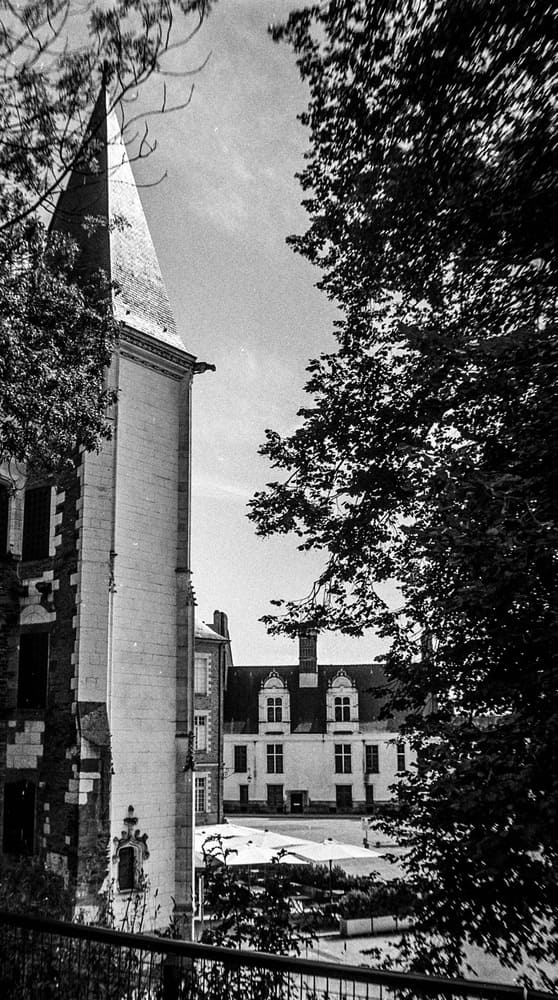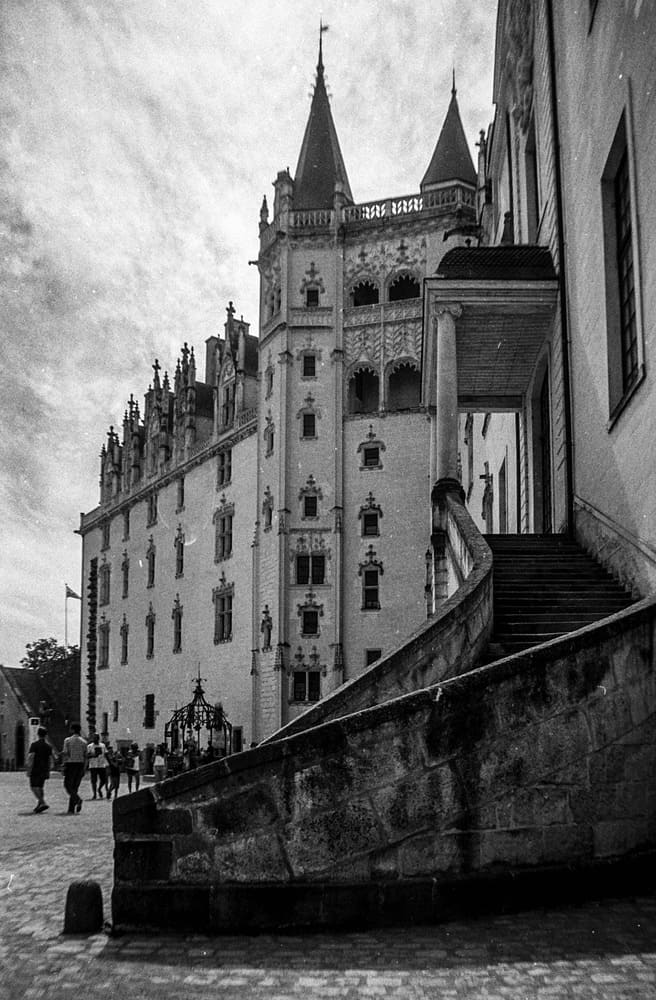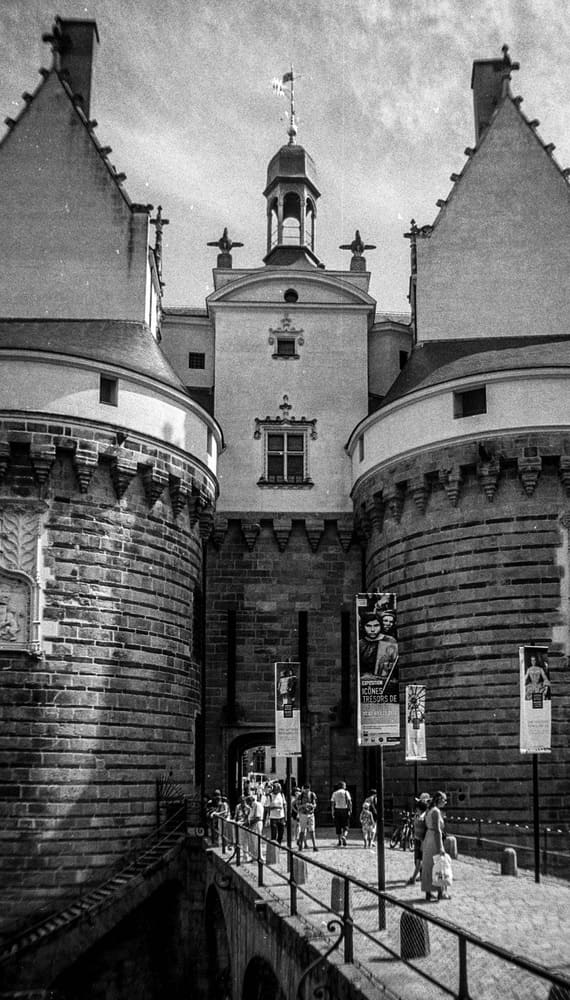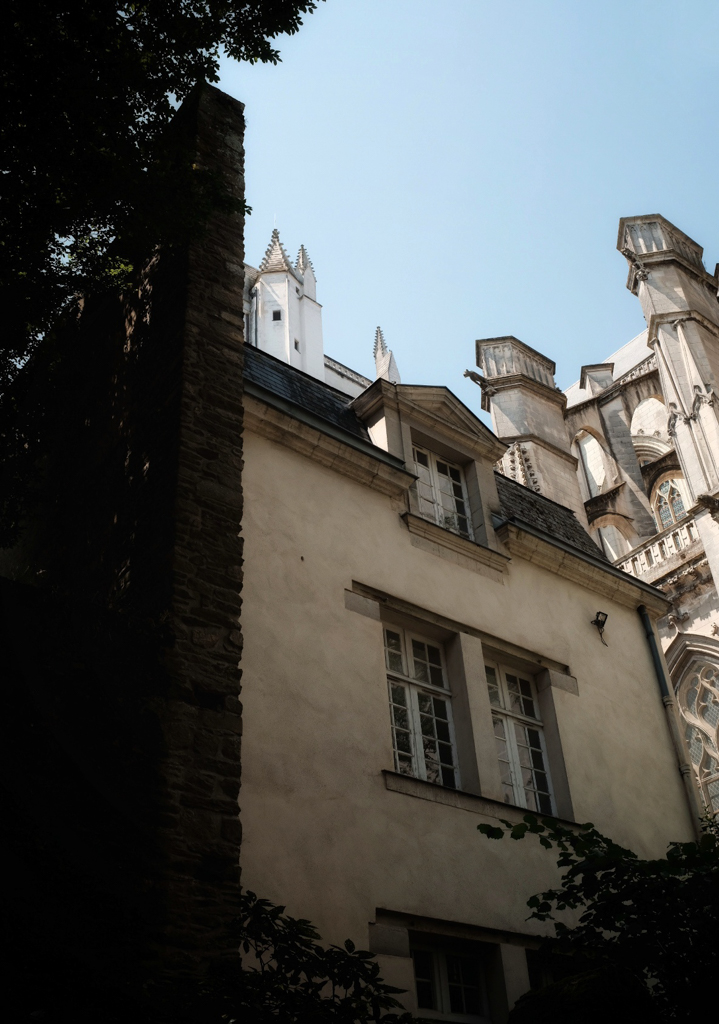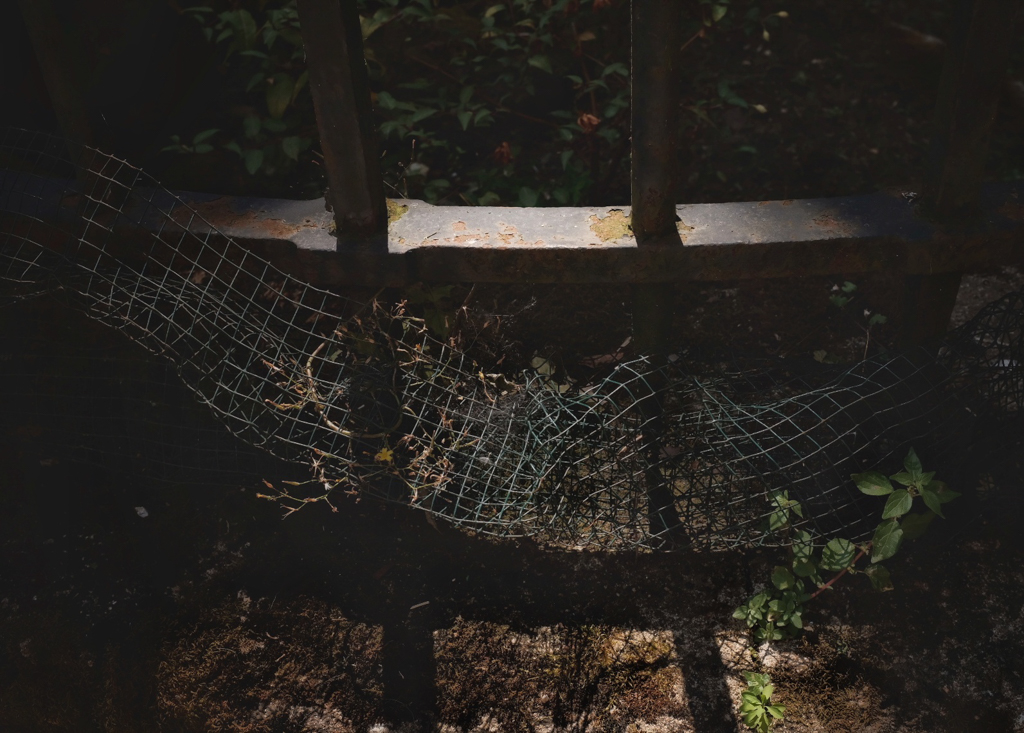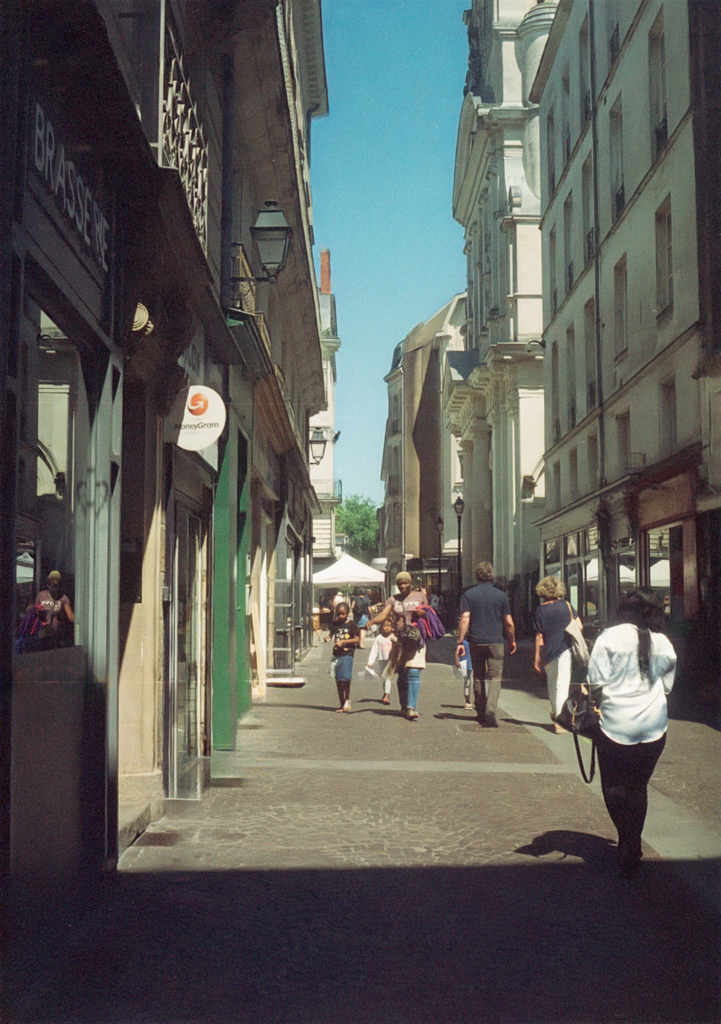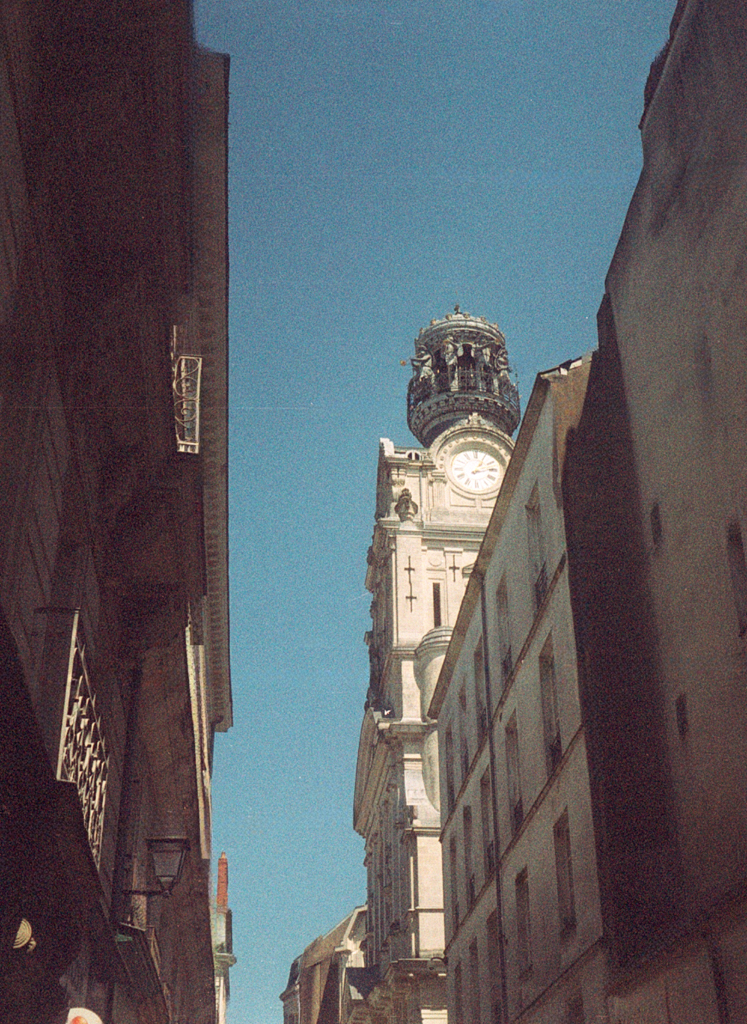
The Opening of the Film Archives—Le Château des Ducs de Bretagne, August 2016


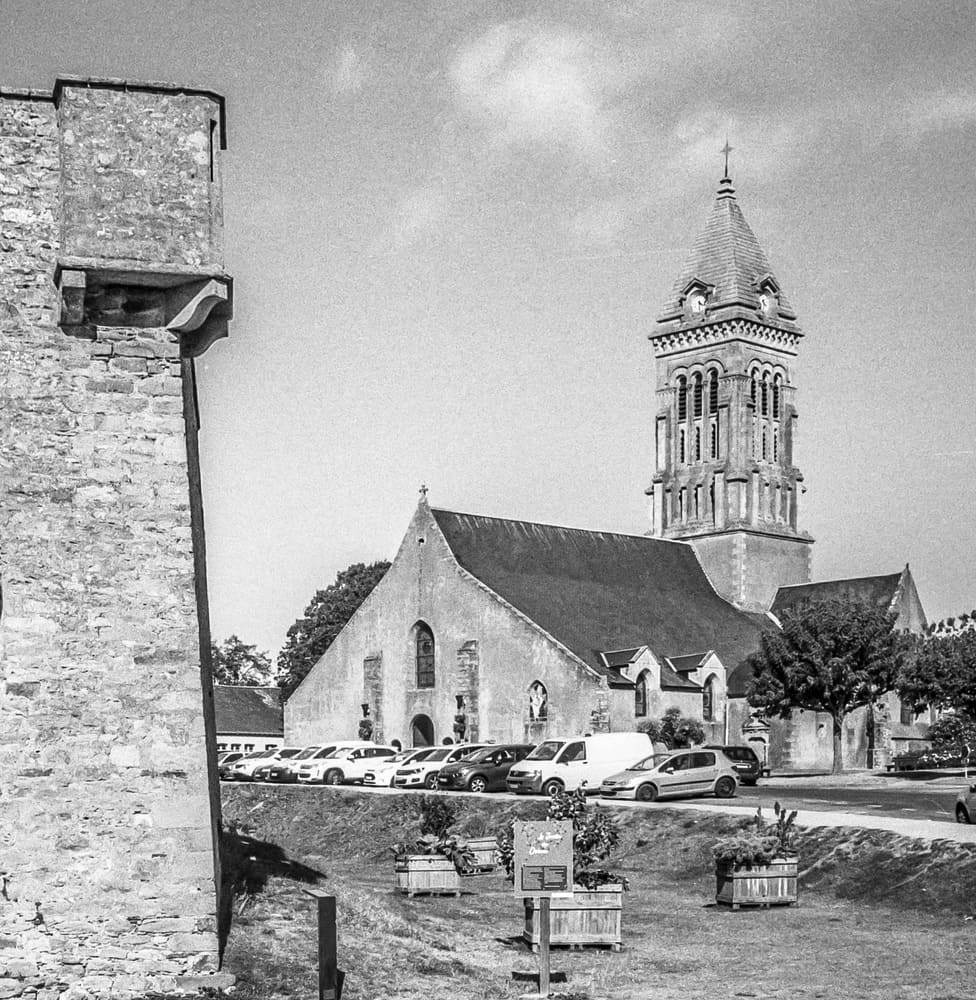
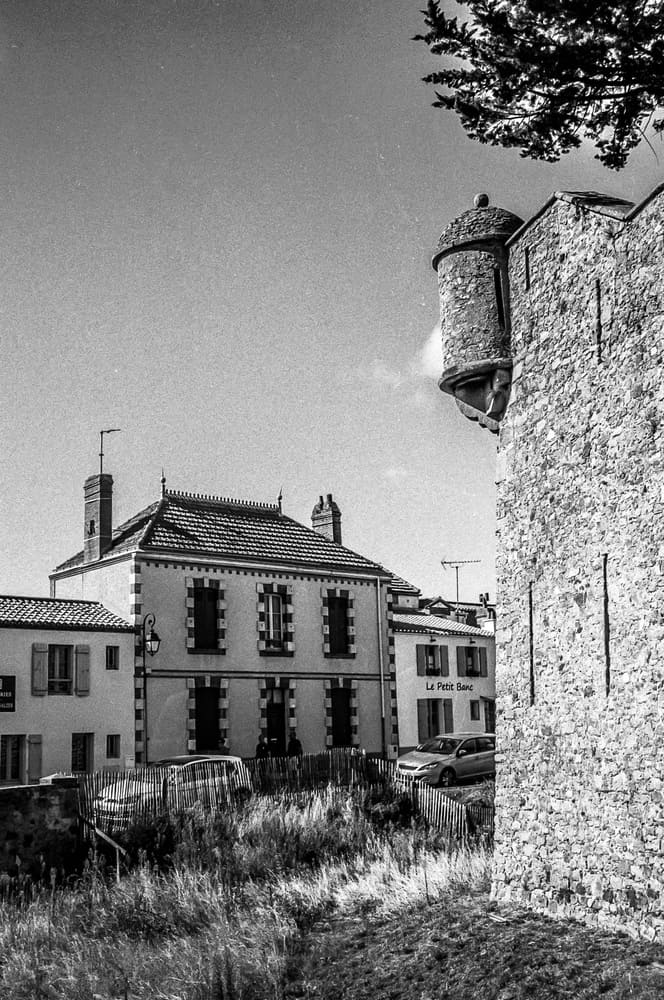
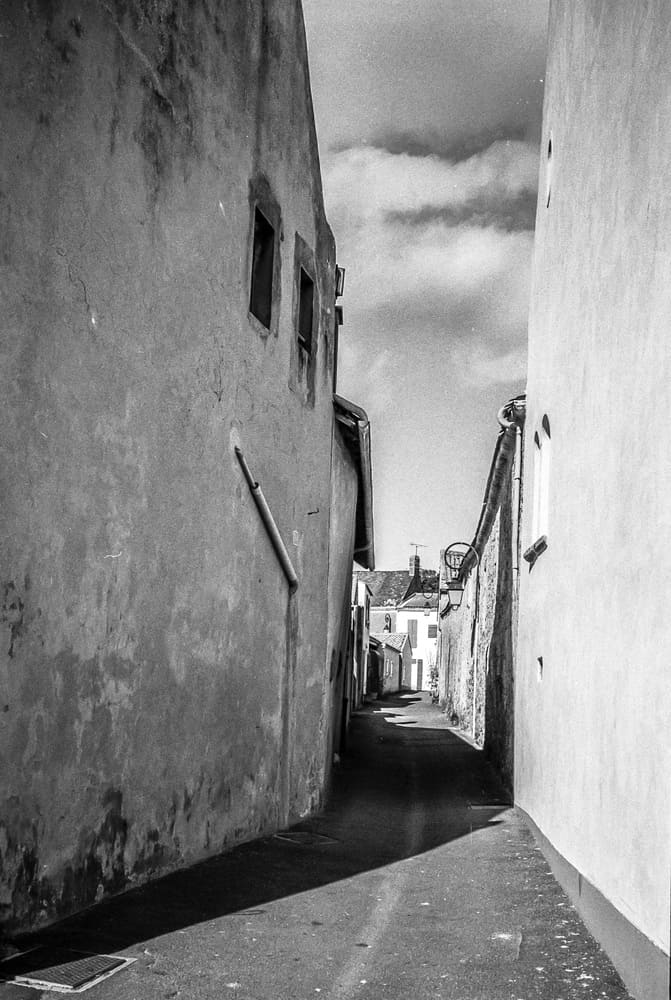
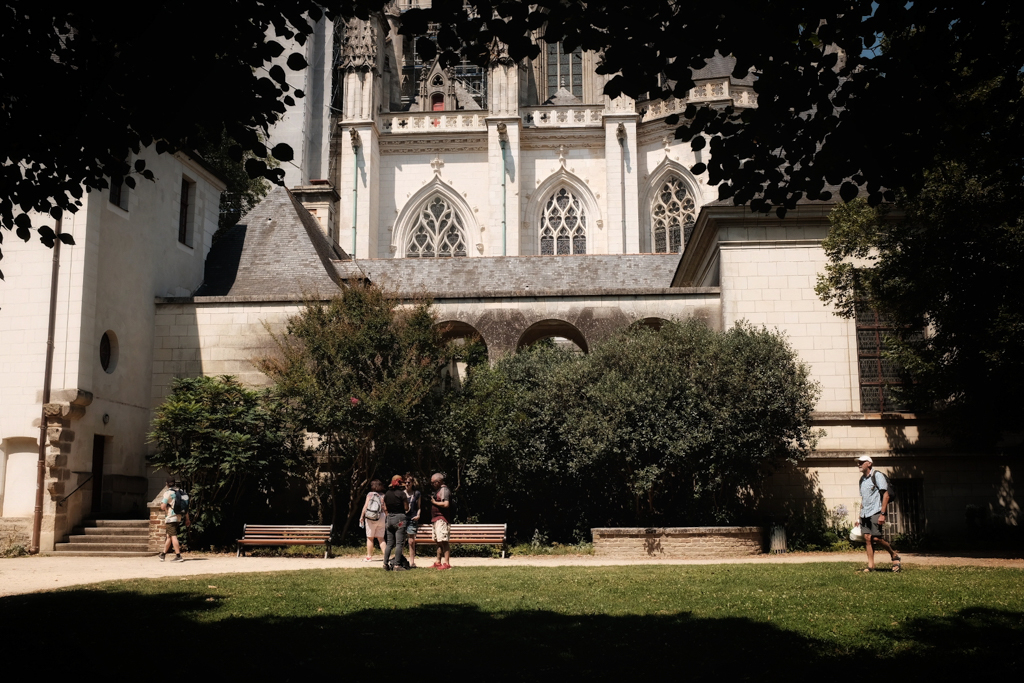
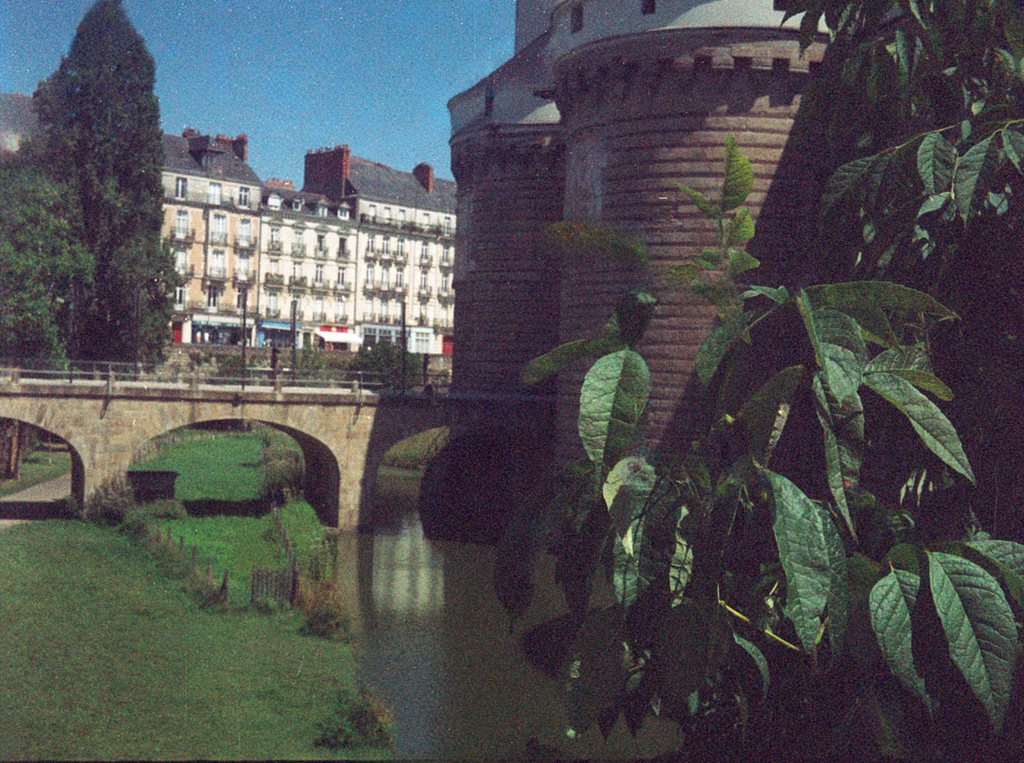
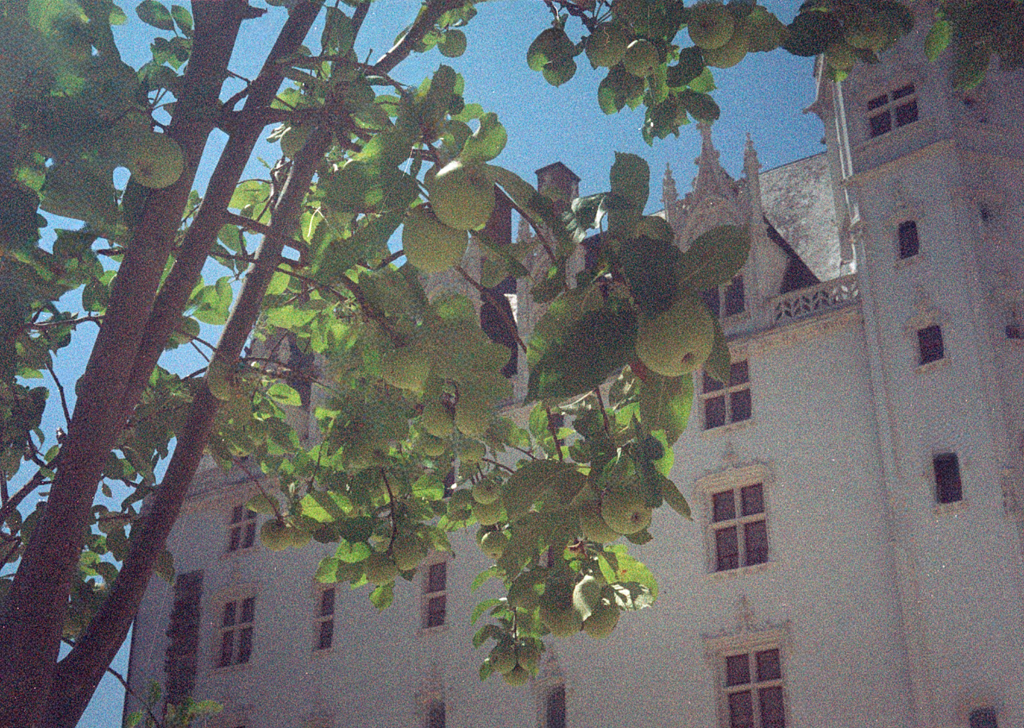
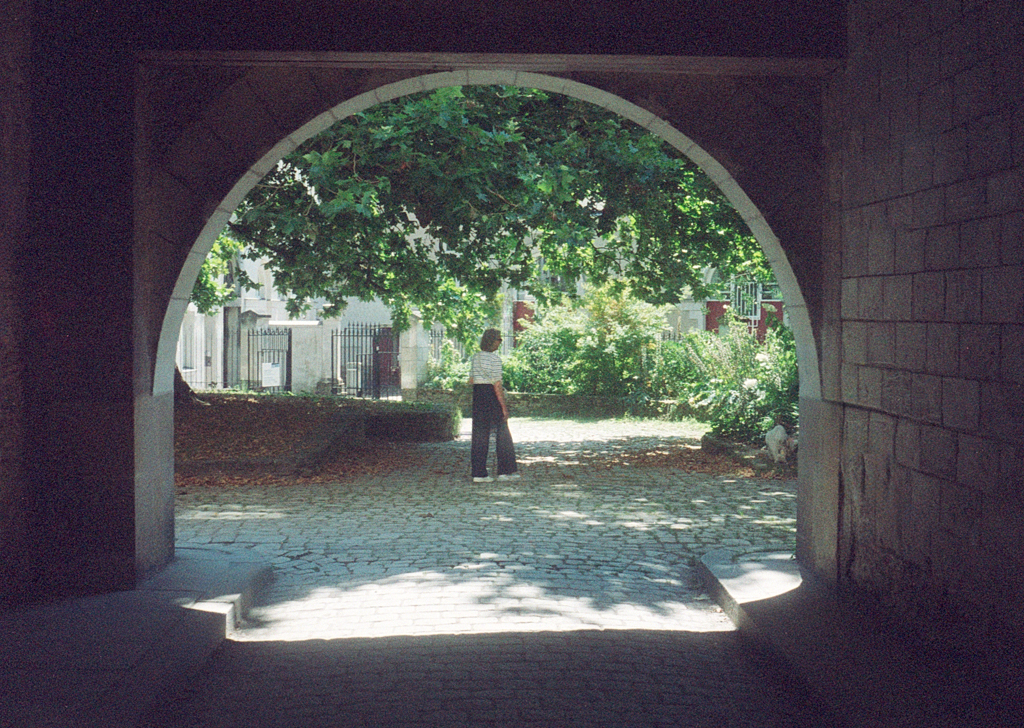
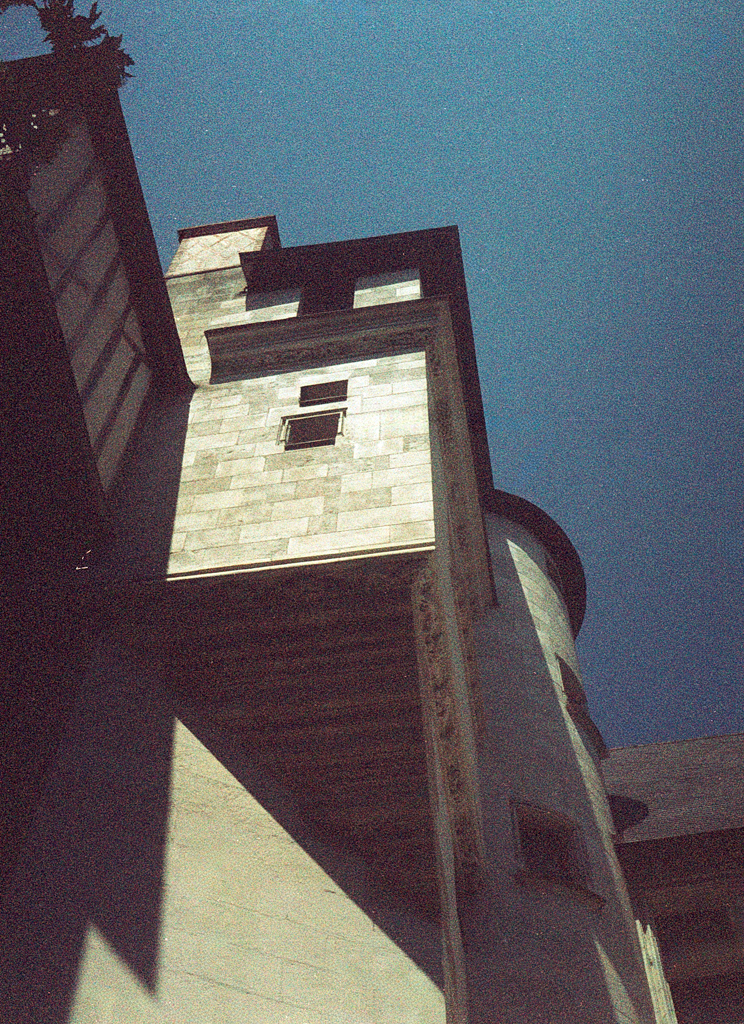
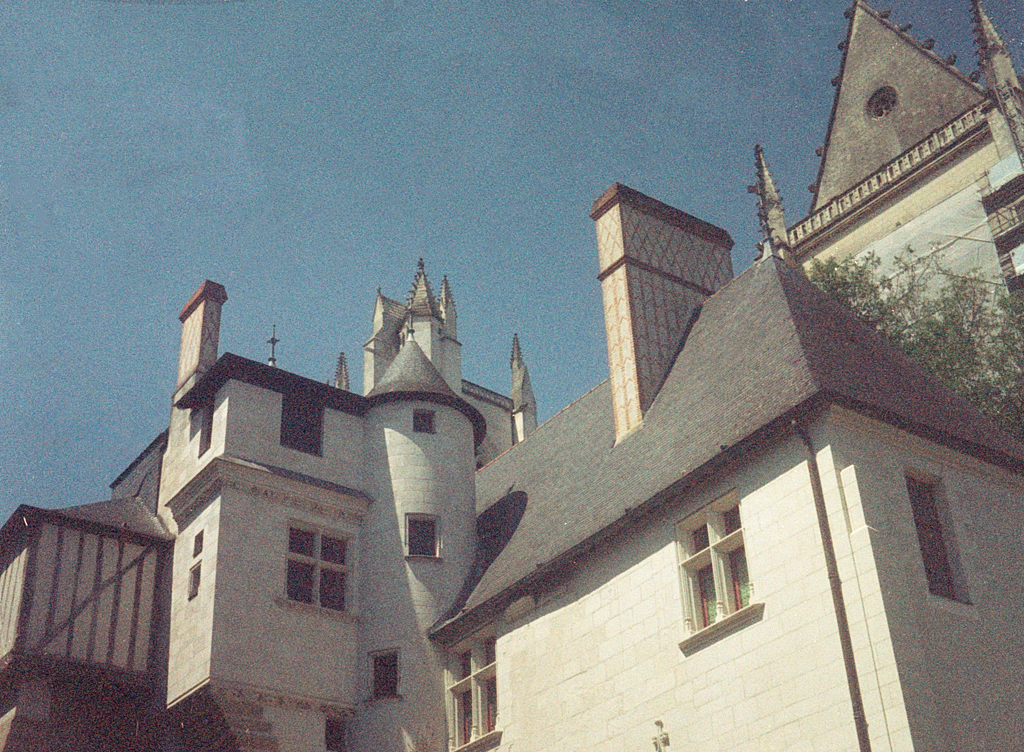
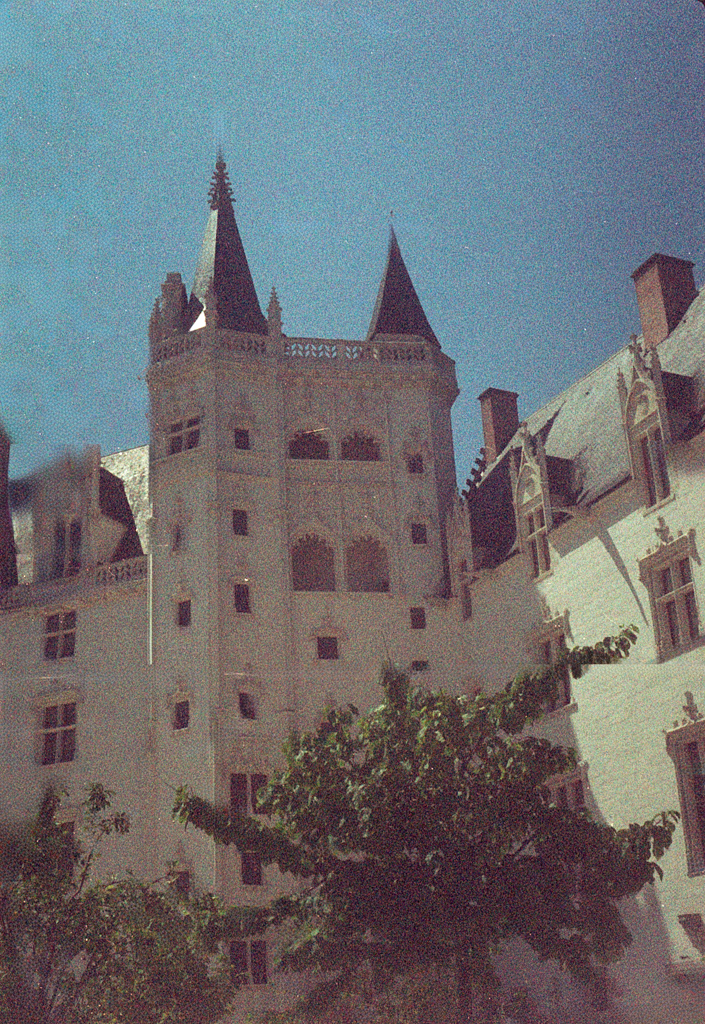
Welcome back to the Film Archive of IJM Photography! This time, we find ourselves in the beautiful city of Nantes, in the heart of the Cité des Ducs. Our adventure takes us through the majestic Château des Ducs de Bretagne, a site rich in history and culture.

As we explore the castle, I’m armed with another one of my favorite cameras from the golden days of film photography—the Canon AE1. This was before the surge of interest from the YouTube hipster crowd, who quickly snatched up every classic camera they could find, driving up prices and making these gems harder to come by.

The Canon AE1 is justifiably sought after, and for good reason. It’s a camera that offers both simplicity and elegance, paired with the beautiful FD 50mm F1.8 lens. This lens, in particular, has a way of capturing light that enhances every shot, allowing me, the photographer, to create images that feel alive. You can see the results in the photos here—every frame is a testament to the quality and craftsmanship of this camera.

It feels solid in the hand, and focusing with the split prism is a breeze. The camera is “shutter priority,” and it adapts the f-stop to the speed at which you’re shooting. As a street photographer, I don’t need to shoot at 1/1000th of a second for all my shots, so I have a wider range of options than someone taking pictures of sports. It still provides me with the necessary depth of field.

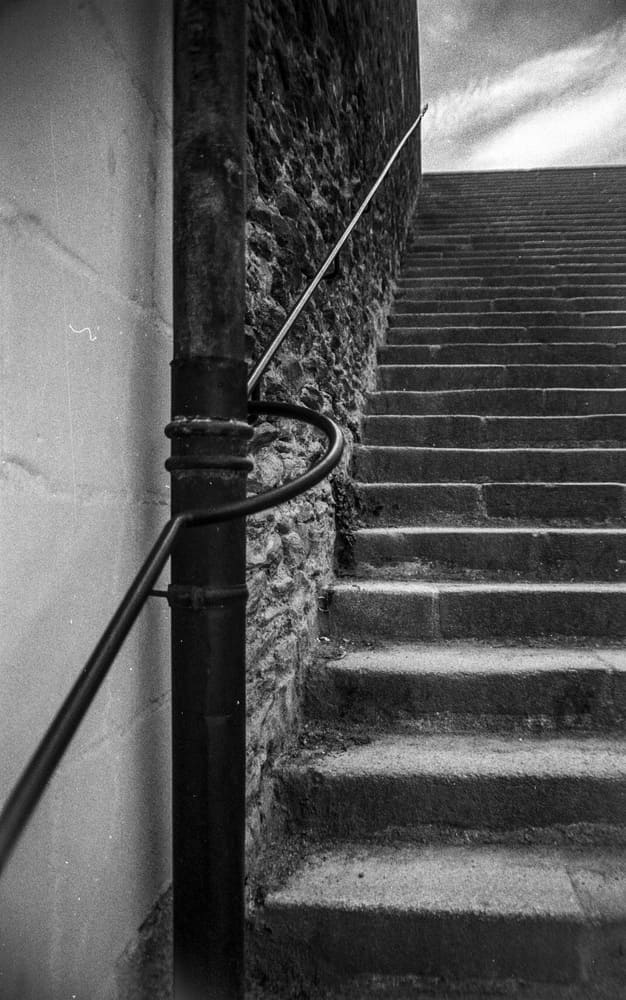
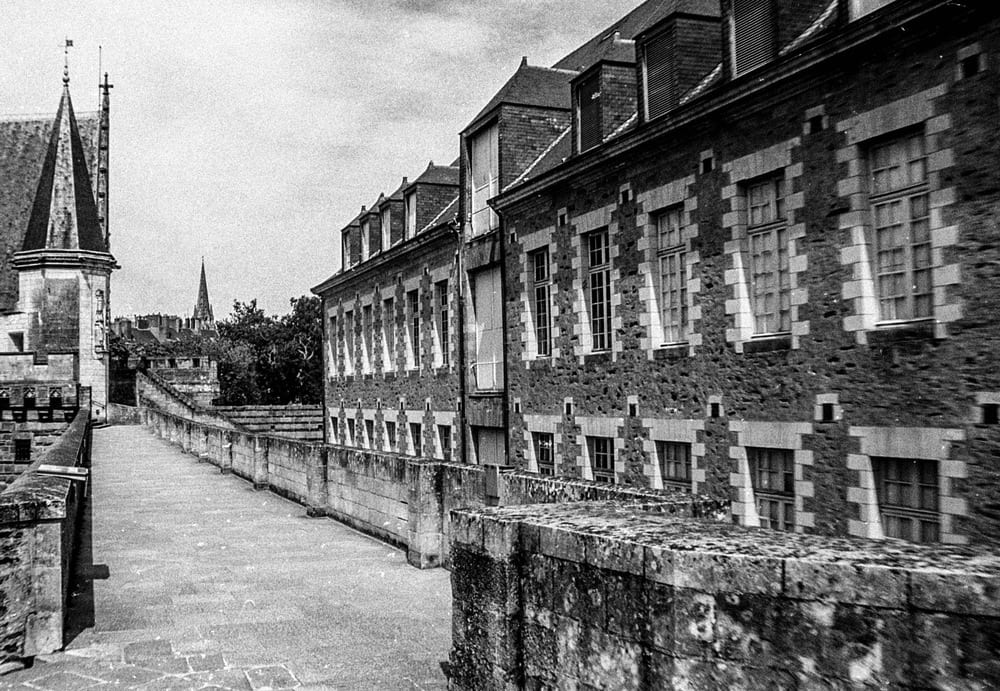
On this particular day, I was motivated and thought I could walk up the steps to the battlements to get some more interesting shots from a raised standpoint. I captured the urban landscape that spans from the 13th to the 21st century, and in one of the shots, you can see the ever-present figure of the Tour de Bretagne. It once represented the modernity of the 20th century and is now closed for asbestos removal. My feet, however, were firmly rooted much earlier in the castle.

Exploring the Château des Ducs de Bretagne with the Canon AE1 was a journey through both time and photography. The castle’s ancient walls and rich history provided a stunning backdrop for capturing moments that feel timeless. With every click of the shutter, I was reminded of the magic of film photography—the anticipation, the artistry, and the satisfaction of seeing the world through a vintage lens. As I descended from the battlements, I couldn’t help but feel grateful for the simple joy of capturing life on film, in a place where history and modernity blend seamlessly. Until next time, keep exploring and shooting. There’s always more to discover.

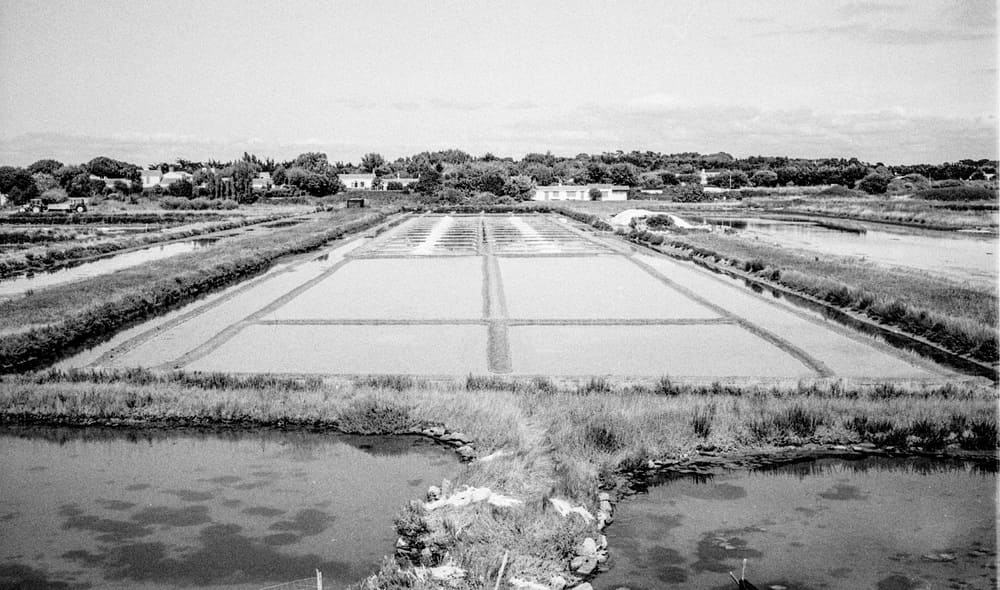
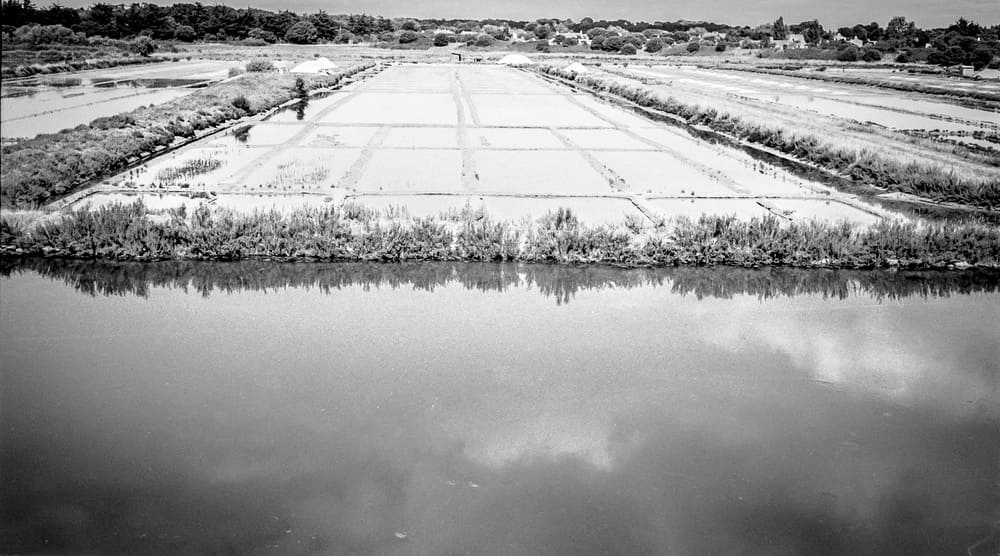
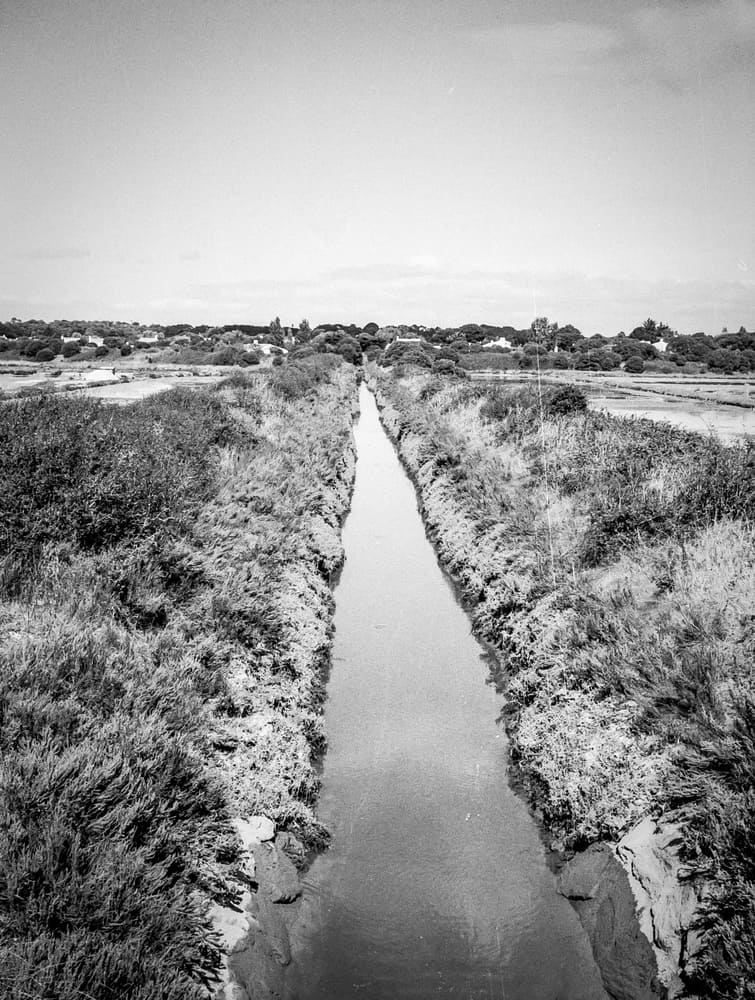
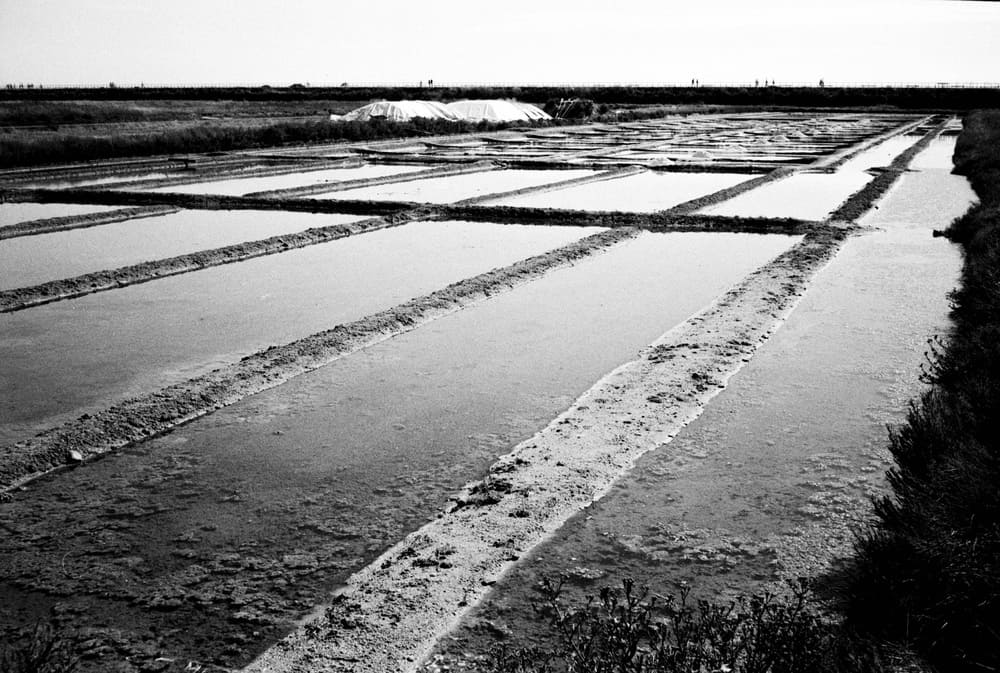
The Opening of the Film Archives – Noirmoutier September 2016


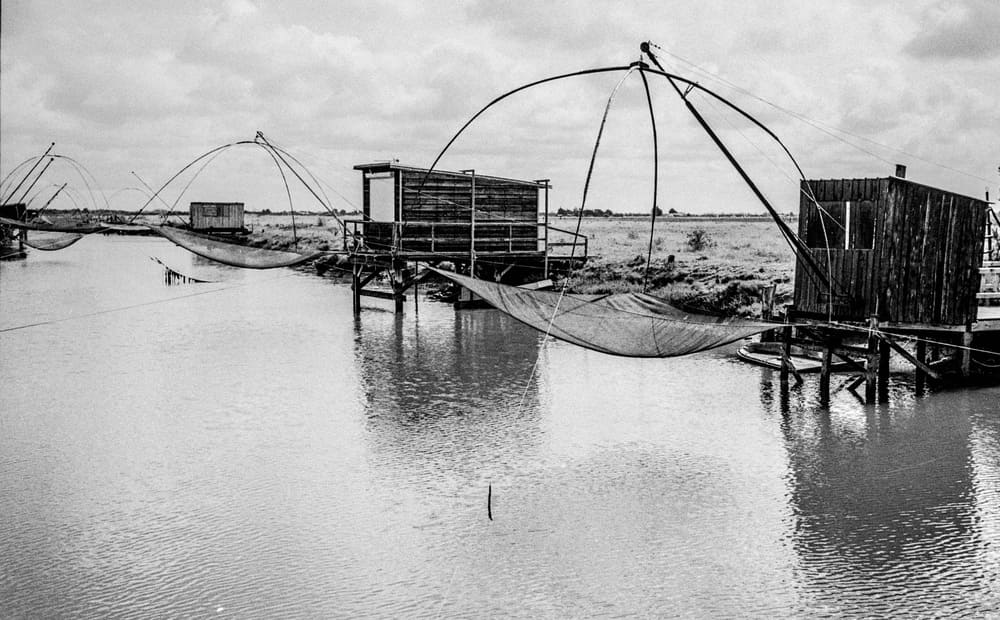
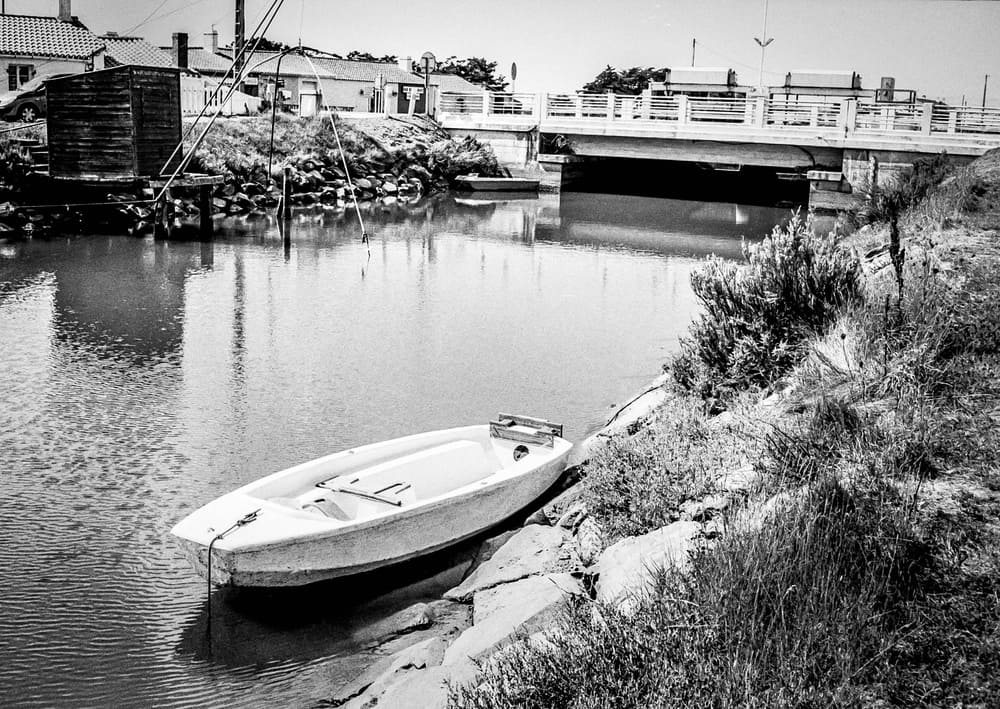
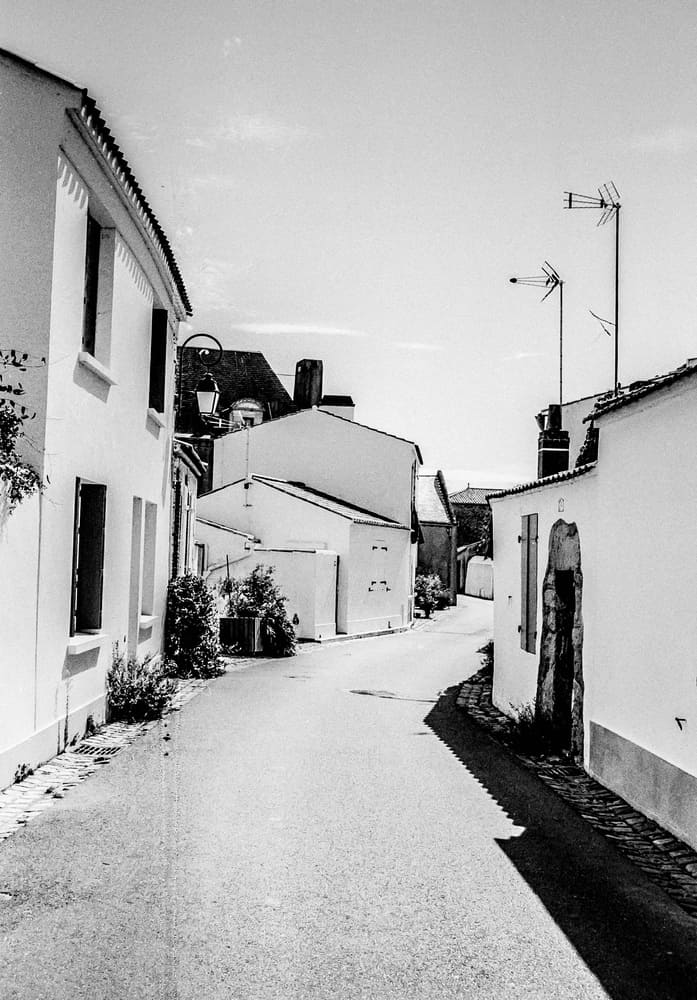
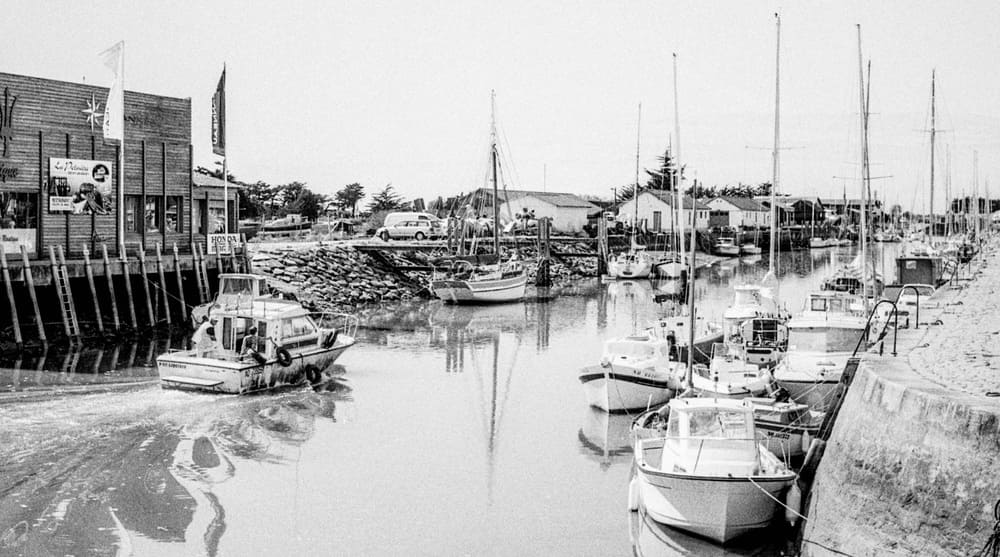
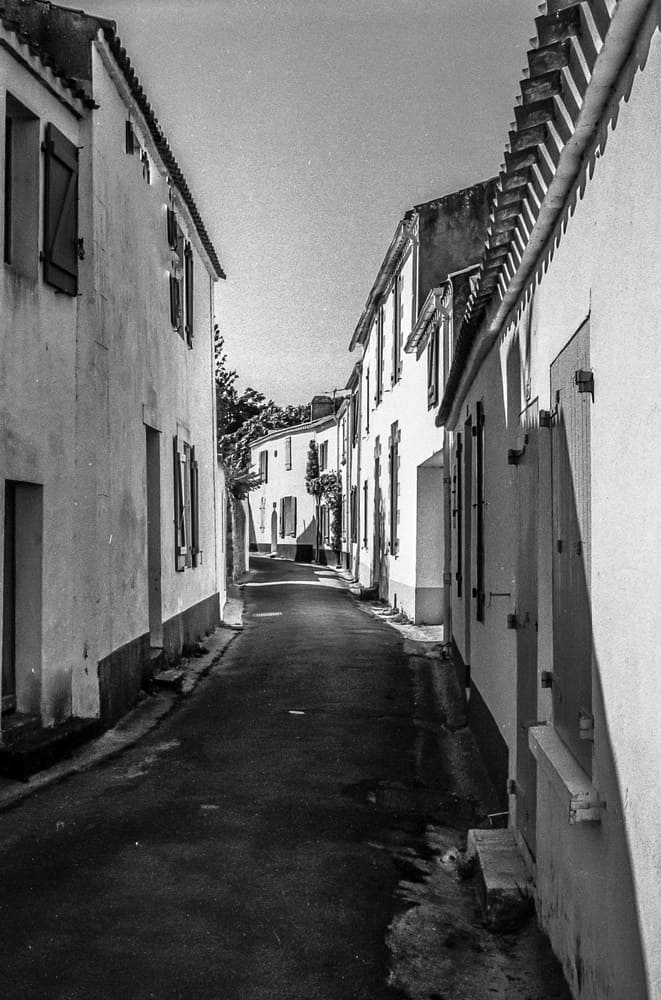
Welcome back, dear reader, to another delve into the Film Archive from before this wonderful blog that I know you enjoy reading so much. I appreciate being able to share these photos with you in the hope that they may not only please you but also offer insight into an older form of photography, one where concerns about overheating or battery life were minimal. I want to demonstrate how it is still possible to achieve great results with any camera and that the main quality in your photography comes from you, the photographer.
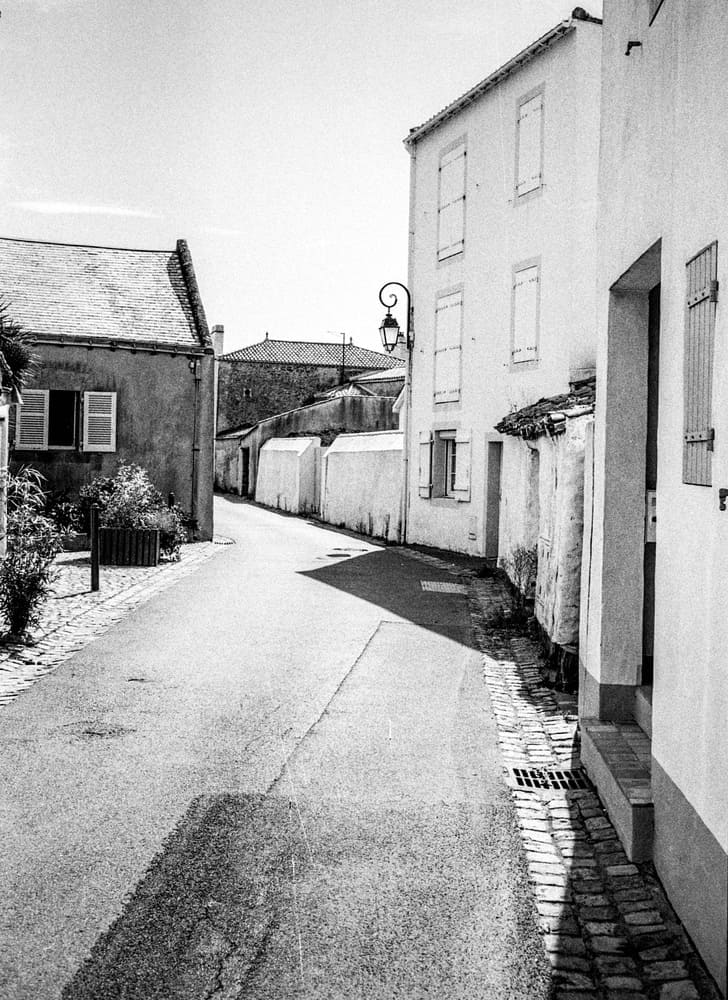
Earlier this year, I was there with my Canon 6D Mark II, but today, we’re revisiting my visit from September 2016. At that time, I didn’t have my Canon, but I did have the Olympus Trip 35 with HP5 Plus film from Ilford. I used that camera quite a lot that summer and continued to use it in September. I might just have to dig it out of my camera cupboard and use it again. Constraints and minimal kit often lead to more creative decisions—just think back to my UK trip, where I only had my X100F with me.

Let’s start with the camera. It’s a small but gorgeous camera designed for the mass market in the 1960s and was still being produced in the 1980s, which attests to its appeal among casual photographers. With relatively few controls, it’s pretty foolproof. I can adjust the film ASA setting, and the selenium cell housed with the lens takes care of the rest, whether it’s aperture or shutter speed. The famous red flag appears in the viewfinder when the camera senses insufficient light. All I need to do is set the focus zone.

I must have bought mine around 2015 or 2016, and it was quite affordable at the time—no more than 50€. It was an iconic camera then and still is today, but as the supply of these cameras dwindles, prices have increased. You can now expect to pay 100€ or more, with some models even reaching nearly 200€. It remains a great camera but might be a victim of its own success, along with sellers’ optimism and greed. Buyer beware—shop around, and you might still find more accessible prices.

As for film, prices have also risen, especially for Kodak film, but Ilford remains affordable, as do Kentmere, Fomapan, and Rollei.

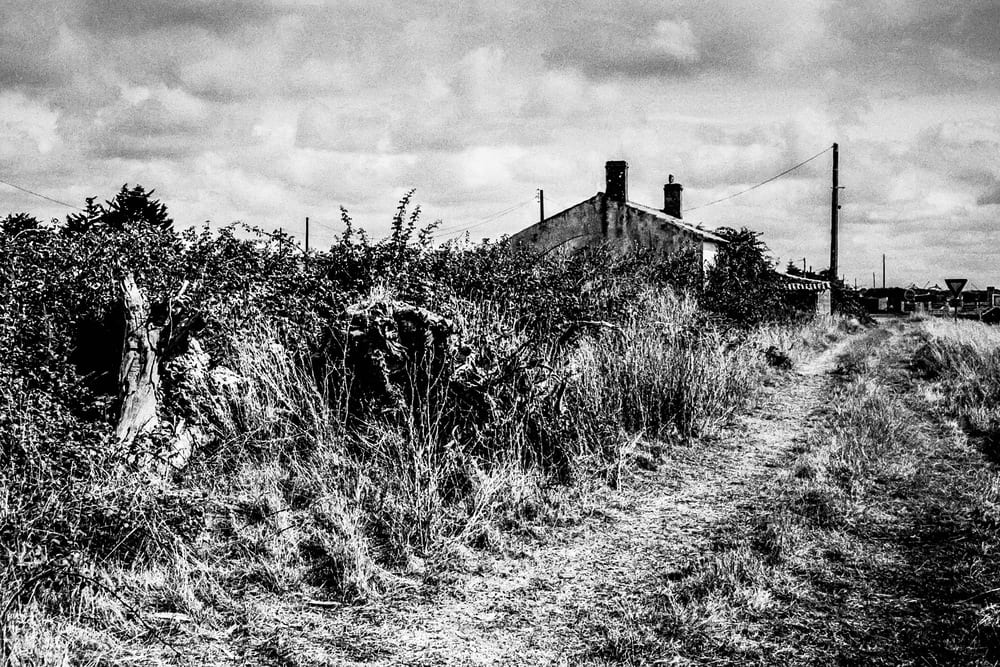
I’ve travelled the same road numerous times, and it always brings me a certain sense of peace. I tend to stop off at familiar spots along the way, and those of you with an eagle eye will recognise some of these locations from other photos in this blog.

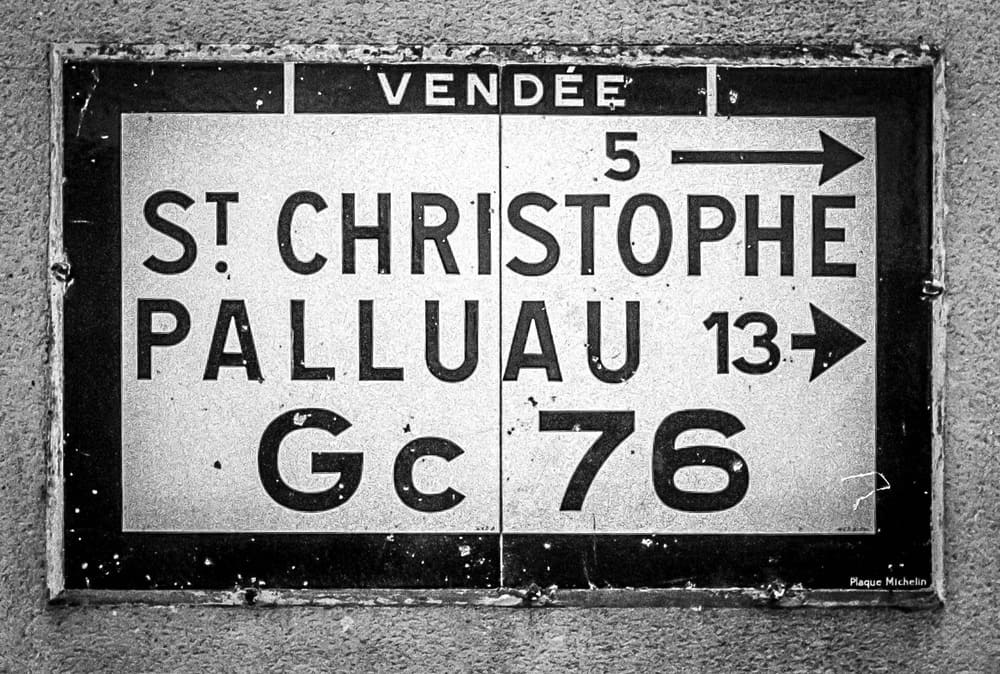
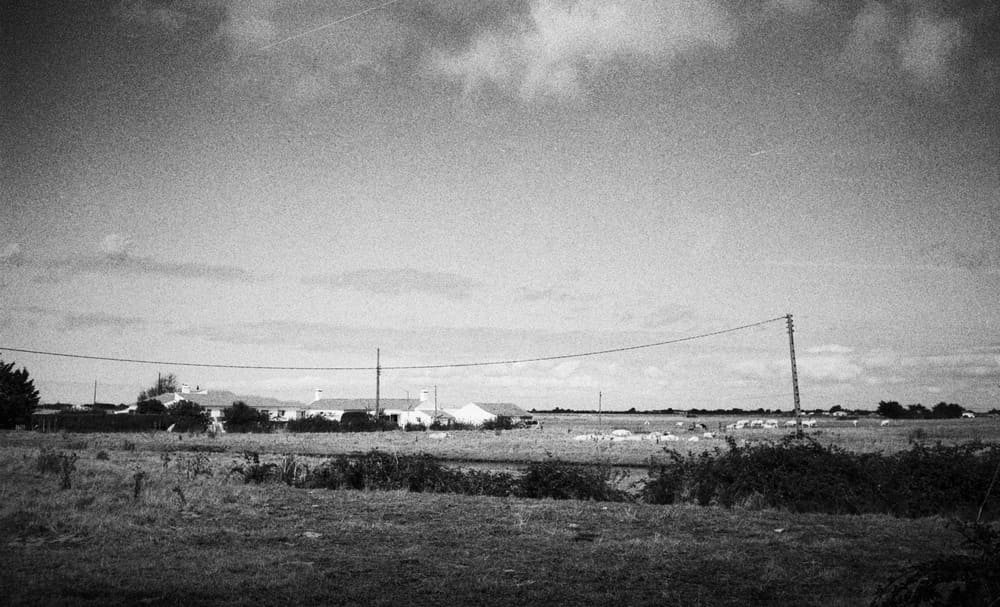
But why go to Noirmoutier? Firstly, why not? It’s just over an hour’s drive from my home and is a popular destination for many locals from the Vendée. The island now suffers from overtourism, which has certainly changed its character since 2016. Efforts have been made to manage the flow of tourists, with improvements such as parking, pedestrian zones, clearly marked hiking trails, and numerous bike lanes. It’s a beautiful part of the world, so typical of the Vendée Coast with its pinède and long beaches. However, not everything is about tourism. The island is also renowned for its salted butter made with salt from local salt marshes and the famous potatoes from Noirmoutier. Additionally, there’s a small fishing fleet, as well as the fleet from Le Port du Bec in the neighbouring Beauvoir-sur-Mer.
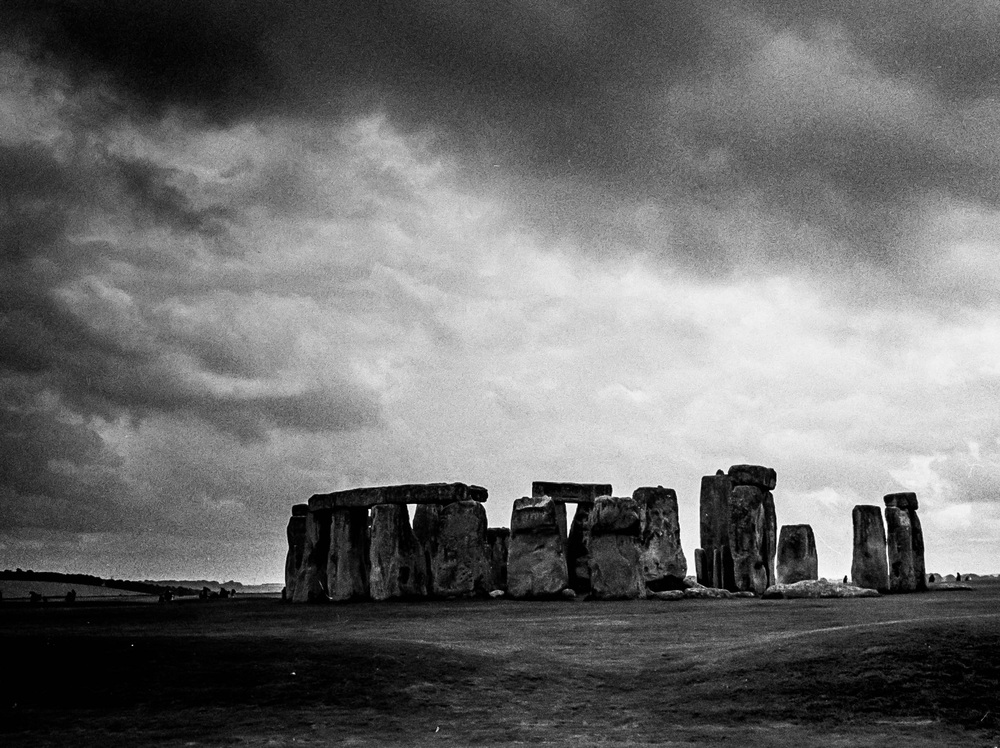
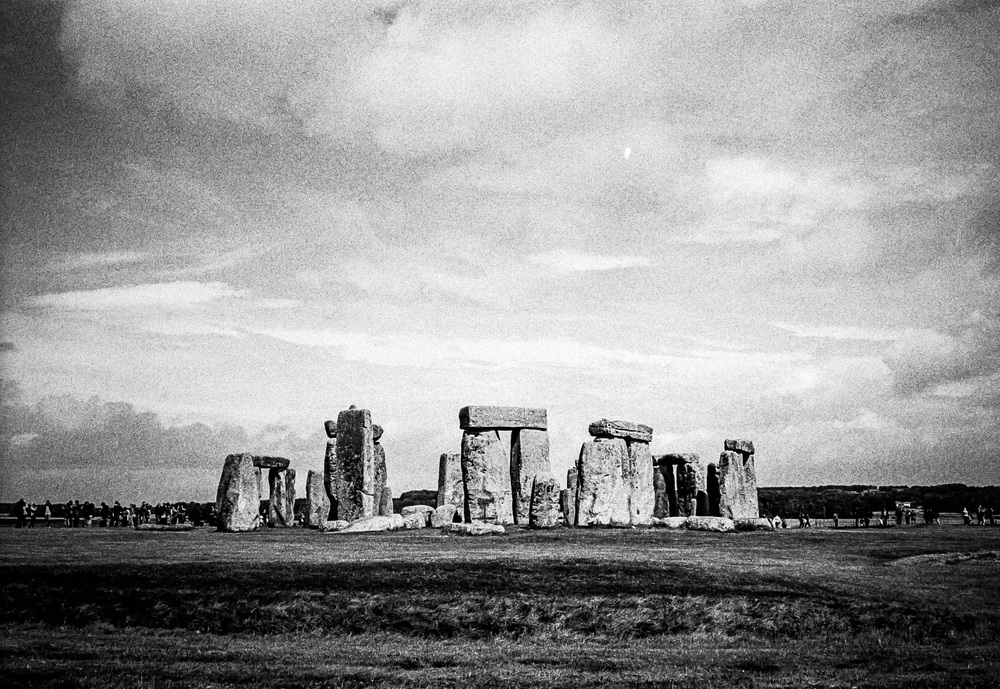
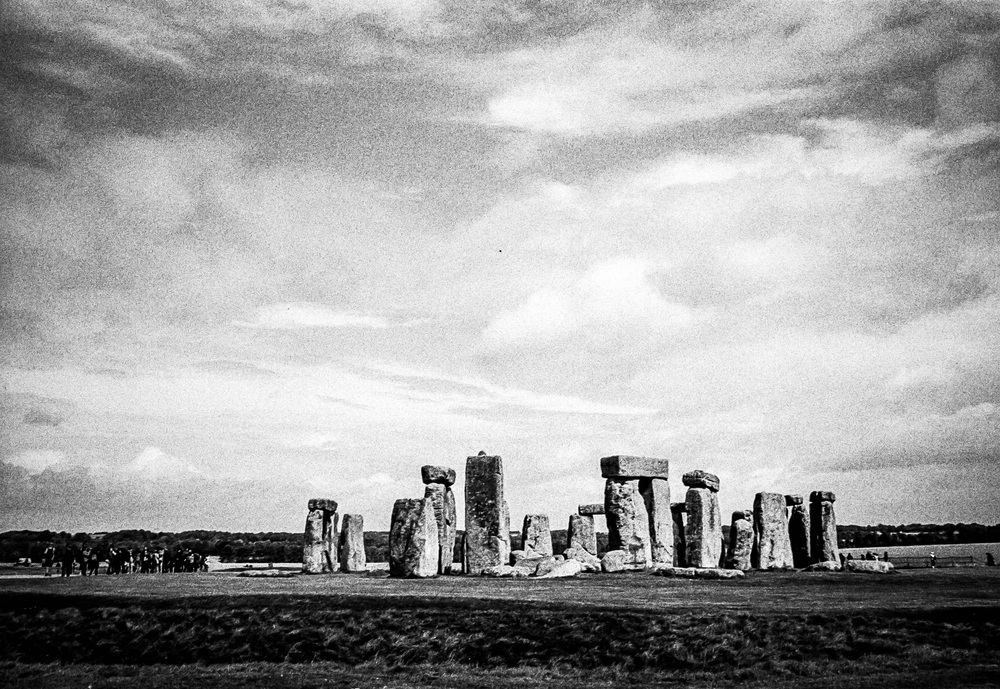
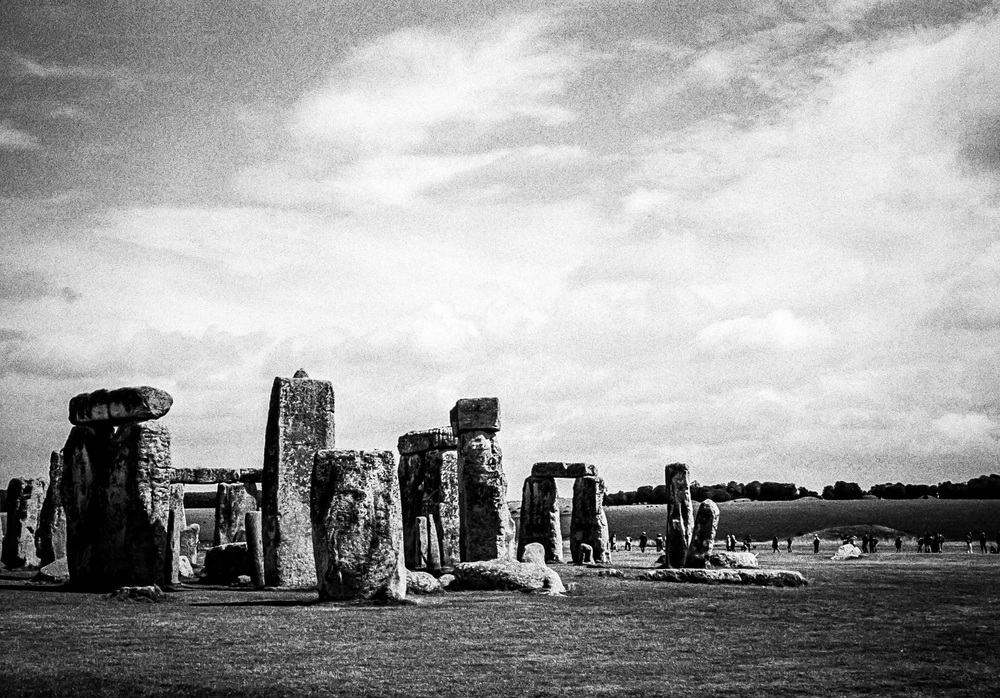
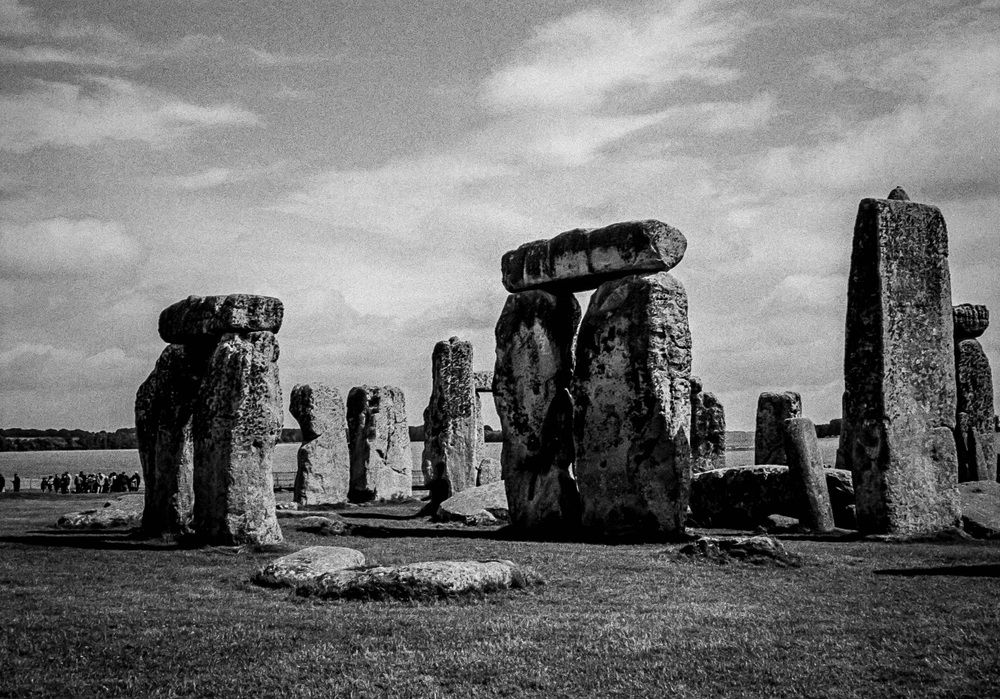
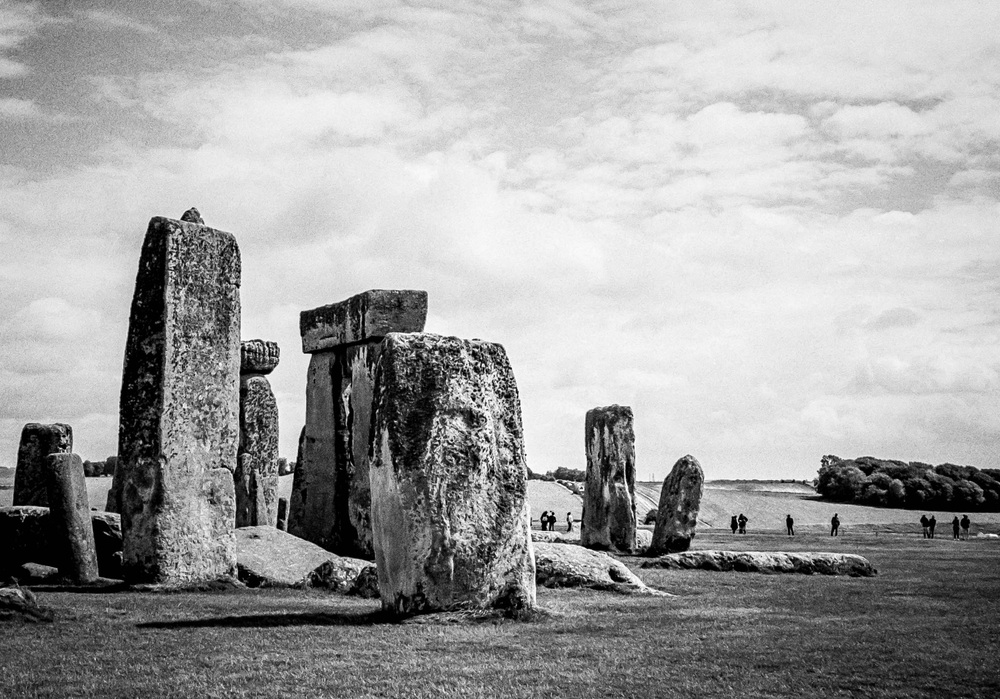
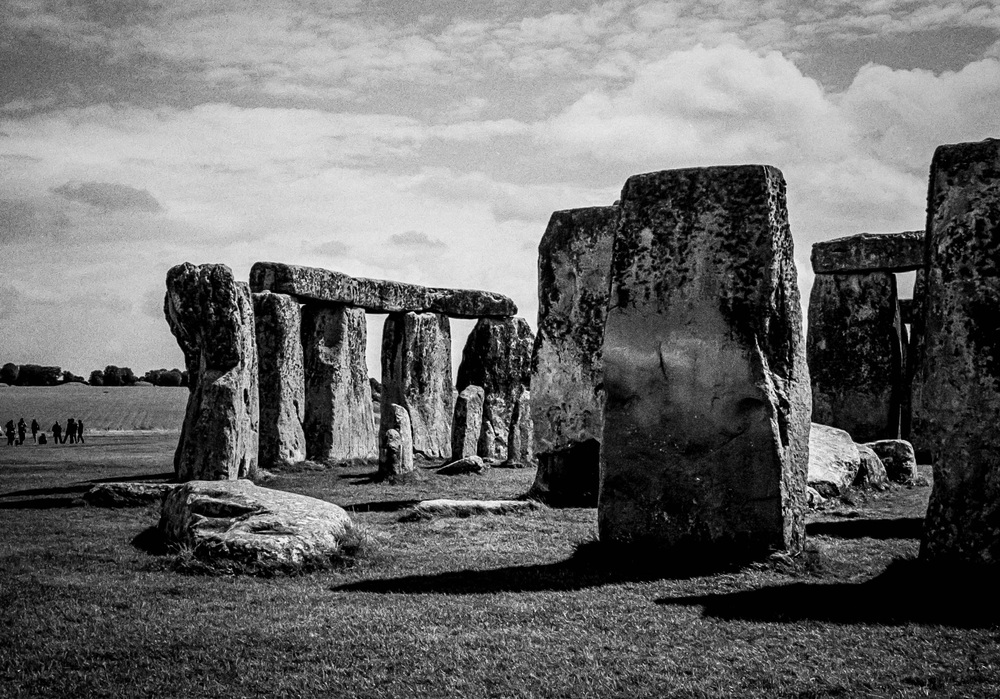
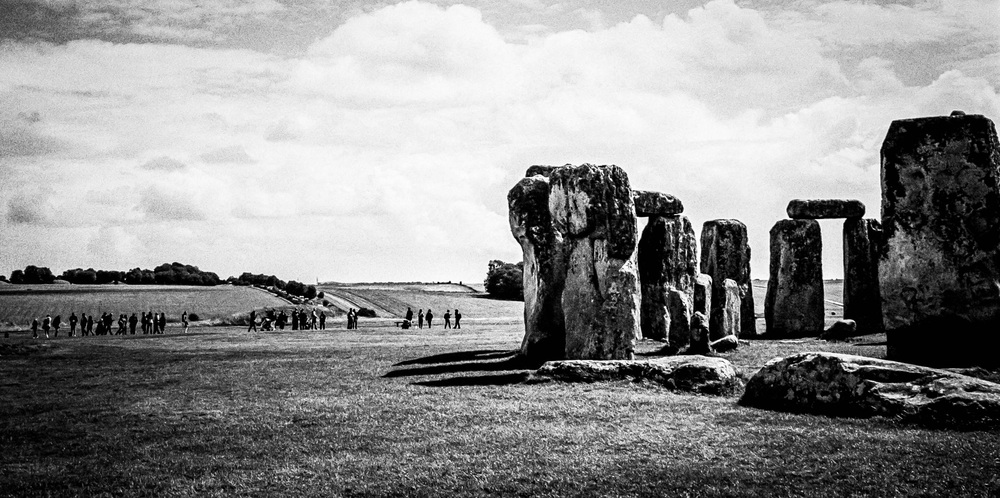
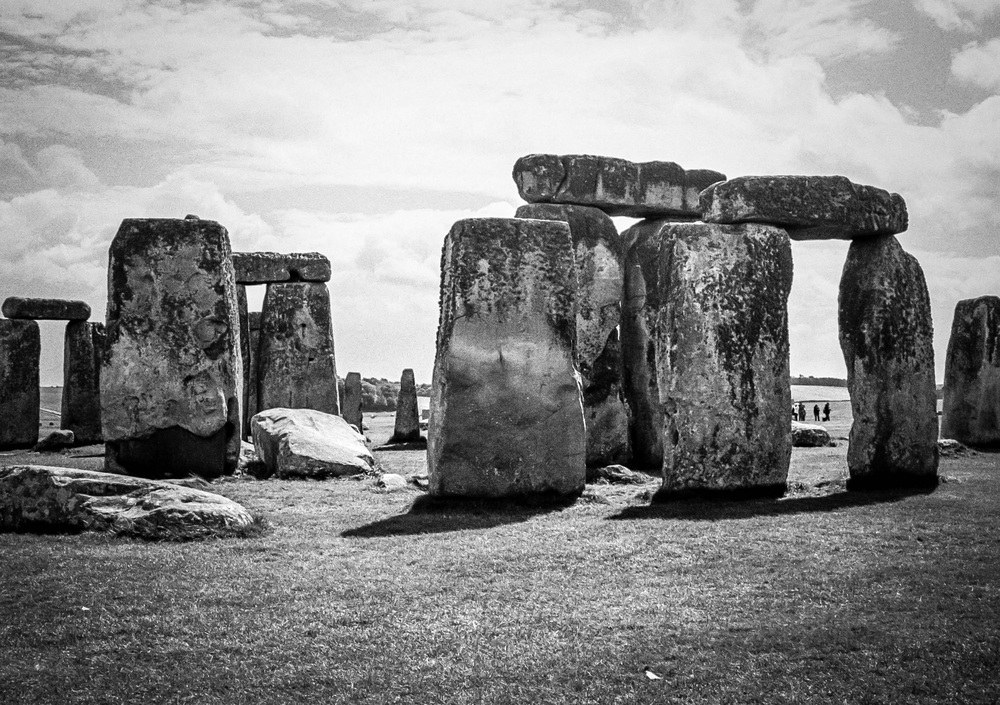
The Opening of the Film Archives – Stonehenge August 2016


Stonehenge is something different for most people.  For some it is a historical site in Wiltshire, and despite not being part of the 7 wonders of the ancient world, still remains pretty special.  For some more “alternative” folks, it’s an ancient spiritual centre, and just happens to be on converging energy lines.  For some it’s a day out with the children.

We had come back from a cruise that had taken us around the Canary islands, Lisbon, and Galicia in Spain.  Thank you Mummy, and thank you Daddy!  I think they felt guilty about us always coming up to see them in Northumberland, and wanted us to get a different holiday experience.  Well, different it was!  But that is a totally different story, and the photos can be found in the Olympus Trip 35 article.

So our ship docked at Southampton and we still were in the holiday mood.  I remember as a small boy visiting Stonehenge, and thought it was “the” opportunity to introduce my family to the site.  

It seemed slightly smaller than I remember it.  As do most things if I’m going to be honest with you, but the majesty of the stones remained.  As did the wonder at the fact that these stones had been dragged overland from Wales, and put into place, with the joints still being “rock solid” and down to the nearest millimetre.  I work in a factory that does industrial woodworking and I know what we can do with modern tools and technology and yet here, this massive construction was put together using basic tools.

The children were just taking in the whole experience, and rather bemused at the sight of Japanese tourists being shoved around the site and taking the obligatory selfie.  They also seem quite bemused by the amount of school groups being led around.  

I preferred, as often as I do, to just take my time and take it all in and get some photos of the place.  With the 40 mm zuiko lens I was getting some lovely environmental shots that you can see below.  

My wife, however, was in tears.  Crying her heart out.  She later confided in me telling me how she just felt overcome with emotion.  Maybe those lines of energy for those alternative folks might have something in them…

Why the Olympus Pen EE-S Is the Best Budget Film Camera for Beginners


Why the Olympus Pen EE-S Is the Best Budget Film Camera for Beginners (Even in 2025)

Pentax 17 fever is sweeping the film photography world, and I’ll admit, I was tempted. Half-frame cameras, with their promise of double the shots per roll, sound pretty amazing. But with a price tag of 500€, the Pentax 17 isn’t exactly within my budget. That’s when I rediscovered a little gem tucked away in my camera collection: the Olympus Pen EE S.

This Japanese-made half-frame beauty hails from the 1960s, the same era as the beloved Olympus Trip 35. Like its sibling, the Pen EE S features zone focusing and a selenium cell meter for fuss-free shooting. The lens is an F2.8 22.5mm Zuiko lens. The ISO settings go up to 200 ASA, unlike the Olympus Trip which goes up to 400 ASA. So, despite everything else, it needs light. The half-frame format means you get a whopping 48 exposures on a standard 24-exposure roll. That’s double the shots for your buck, folks!

Now, the idea of twice as many photos for the same developing cost is pretty appealing. But does the Olympus Pen EE S deliver the goods in practice? Stay tuned as I put this vintage camera through its paces and share my findings. Could this be the perfect half-frame hero for those of us who can’t quite swing a Pentax 17? Let’s find out!

Well, for starters, it felt very much like using the Olympus Trip 35. It’s very slightly smaller and weighs next to nothing. The shutter button is almost identical as well. Instead of having four zones for focusing, you have three, but it’s fine, and when you turn the dial, you feel a click as you enter a new zone. You point, and then press. Simple!

Let’s talk about this half-frame shooting experience. When talking about the Pentax 17, “they” talk about how the images are great for sharing on social media. A little like using your phone… This is the mindset that I had when putting in my Kodak Gold 200 to capture those famous Kodak moments in Nantes.

I found it a challenge to get used to the half-frame. “They” say that you have to take your photos as diptychs and remember that the two photos in your full frames are related, not just simple images. The idea is that when the two half frames are put together, you create a story and a suite of ideas, instead of two separate photos. I tried, and the results will show you if I succeeded. I felt that “they” were pulling my leg!

I’ll be honest with you. The idea behind the outing was to test the camera, see how I felt using it, and have a look at the results. It took me out of my comfort zone, which is something rare in photography for me. I was thinking about taking it to the UK with me to record the trip. It takes up next to no space in a camera bag and would allow me to shoot some film while back home. The idea of getting twice as many shots by using just half the frame is attractive. I’m just getting used to the reduced coverage that you get with just using half the frame.

For this outing, I decided to head out towards the Cathedral, and takes some shots of the Voyage à Nantes.

I found myself thinking differently about framing my shots and using my phone as a mental template. As for the resolution of my images, they will be half as much as using my full frame, but were I to print my photos, then I would definitely see a difference. But if they’re just for sharing on social media, then the resolution will be perfectly satisfactory.

The million-dollar question is, will I take it on my trip, and will I use it? Yes, I will. Will it be my main camera? Possibly not. Will it be more like using a new toy? Possibly, even if the toy in question is a vintage 1966 toy…

Here’s what I’ll do. I’ll put some images taken on the X100F, my more modern toy, and let you see how they compare. You’ll see the diptychs and see how the different shooting styles change the outlook and how they change the framing.

These are the X100F photos with editing in Snapseed…

And these are the half frame images from the Pen EE S… with the editing done in Photoshop using the neural filters to get rid of the scratches on the film.

So what do you think? Worth taking?

The Opening of the Film Archives – Carnac, 26/06/2016


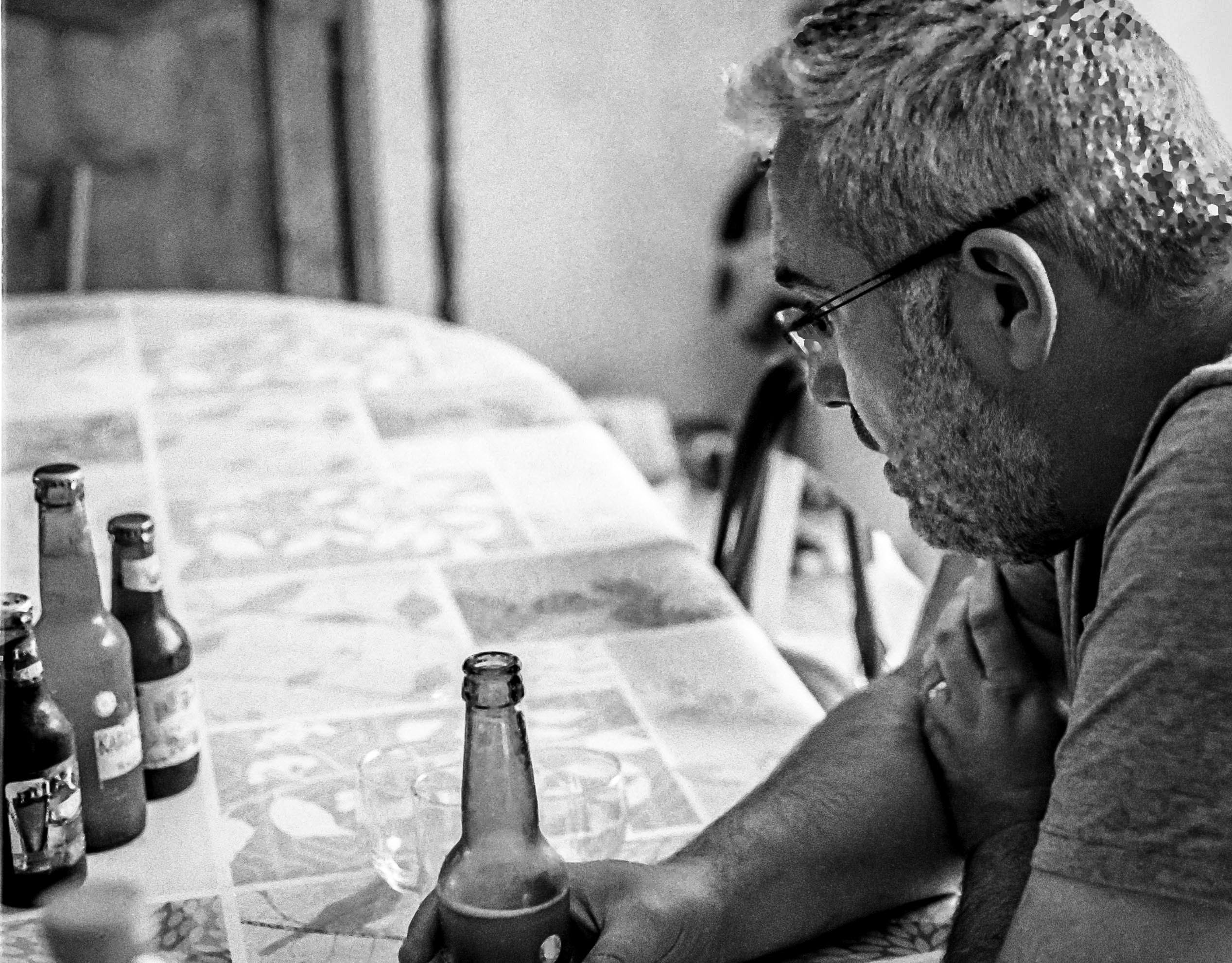
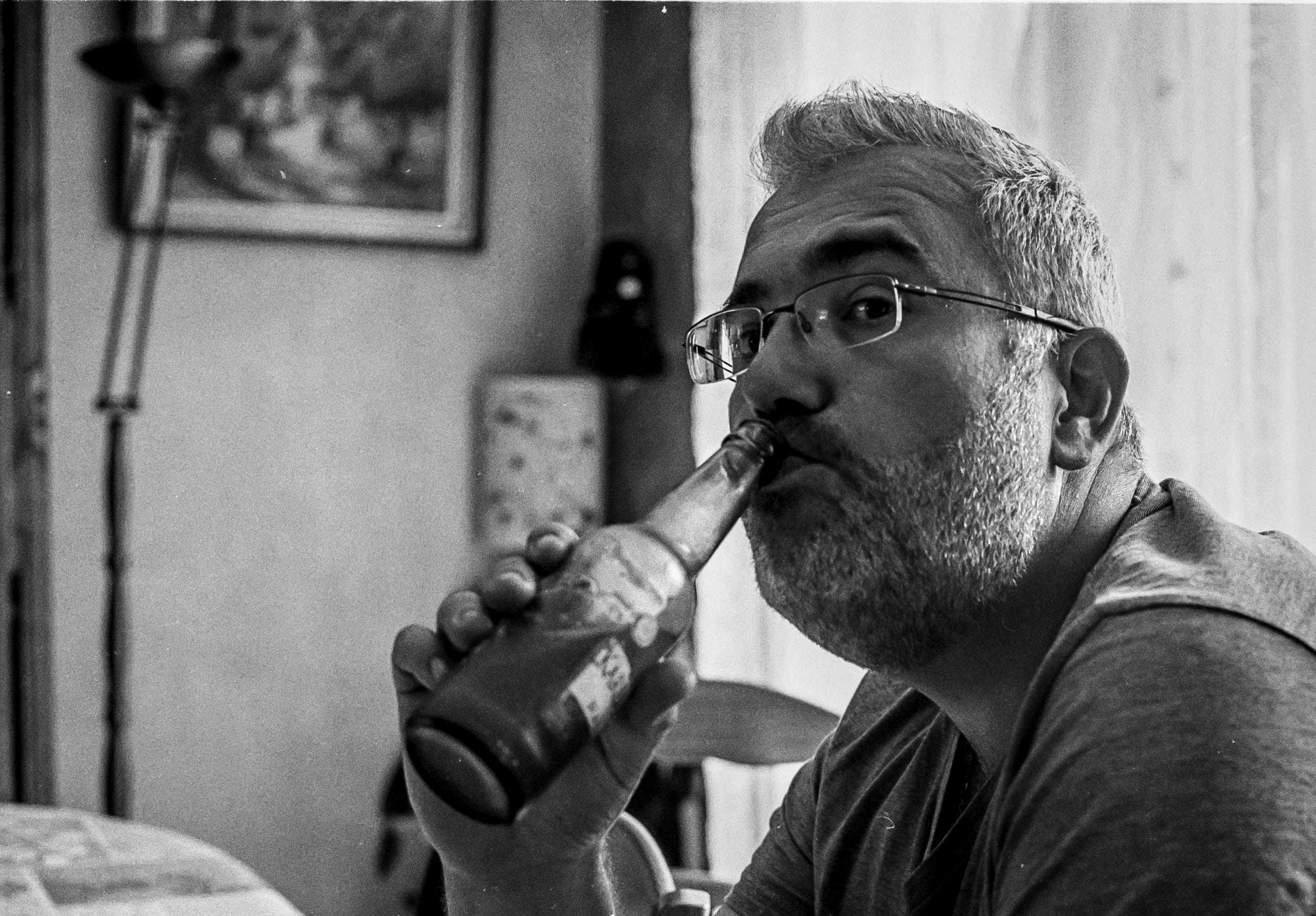
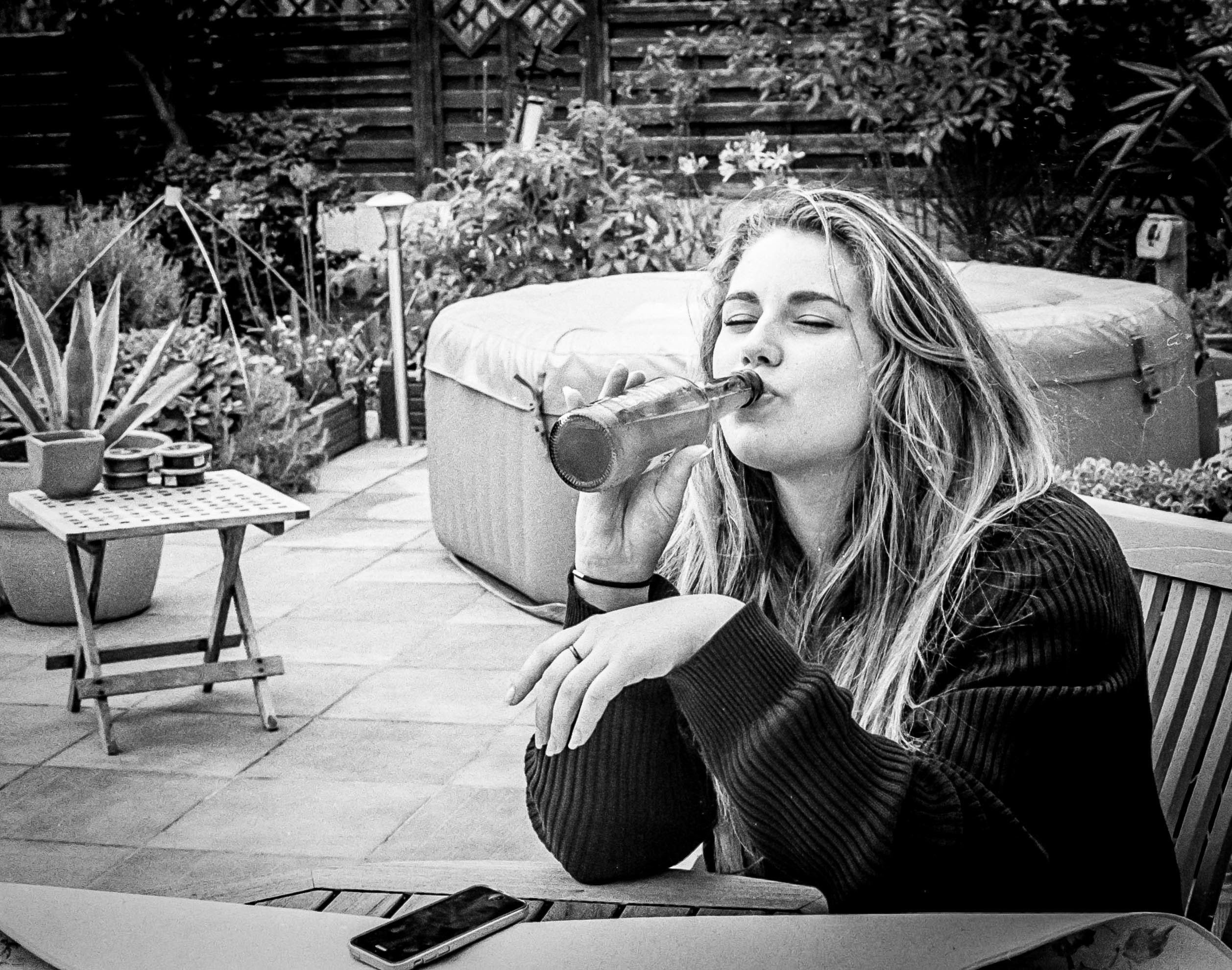
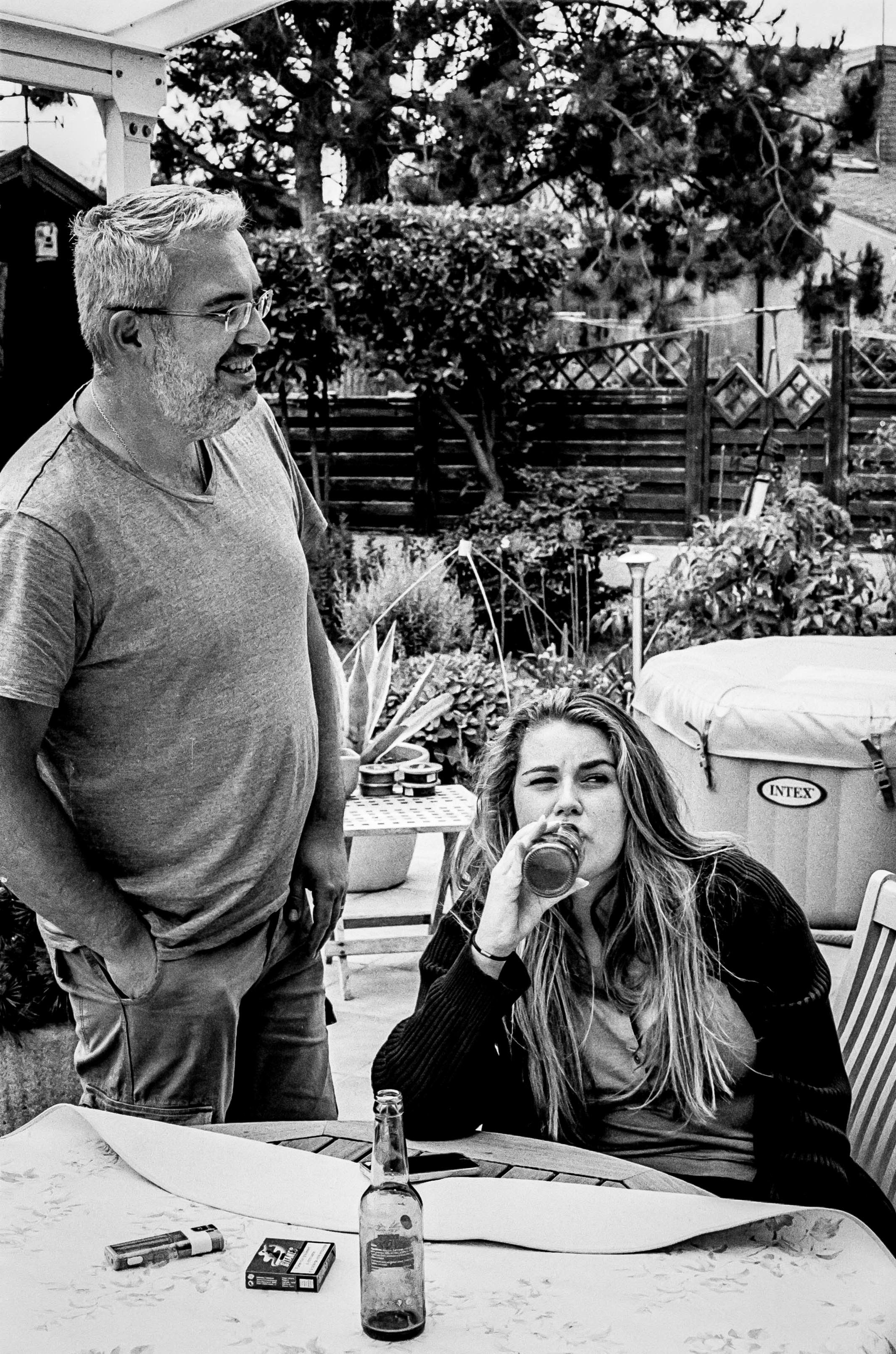
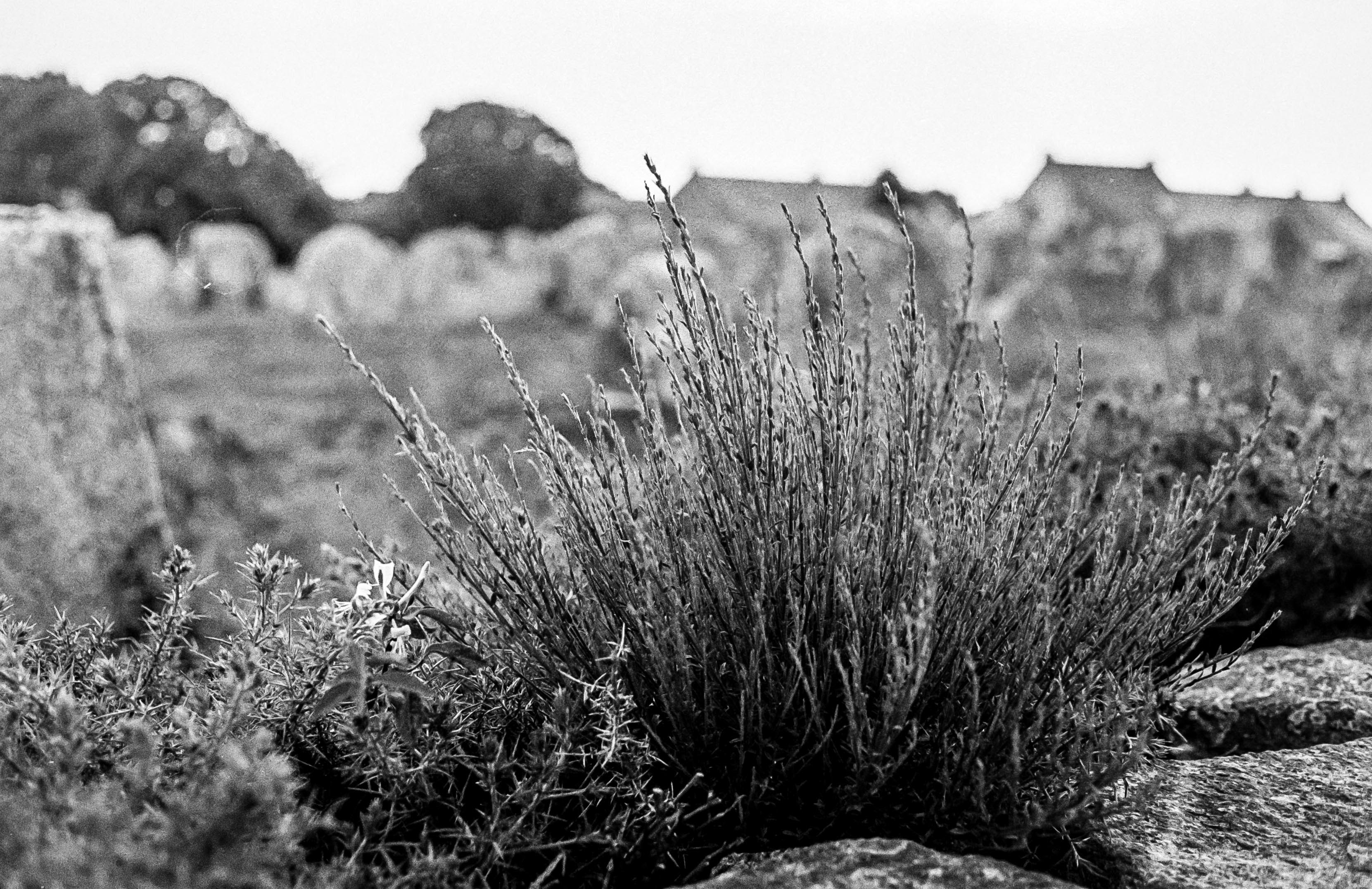
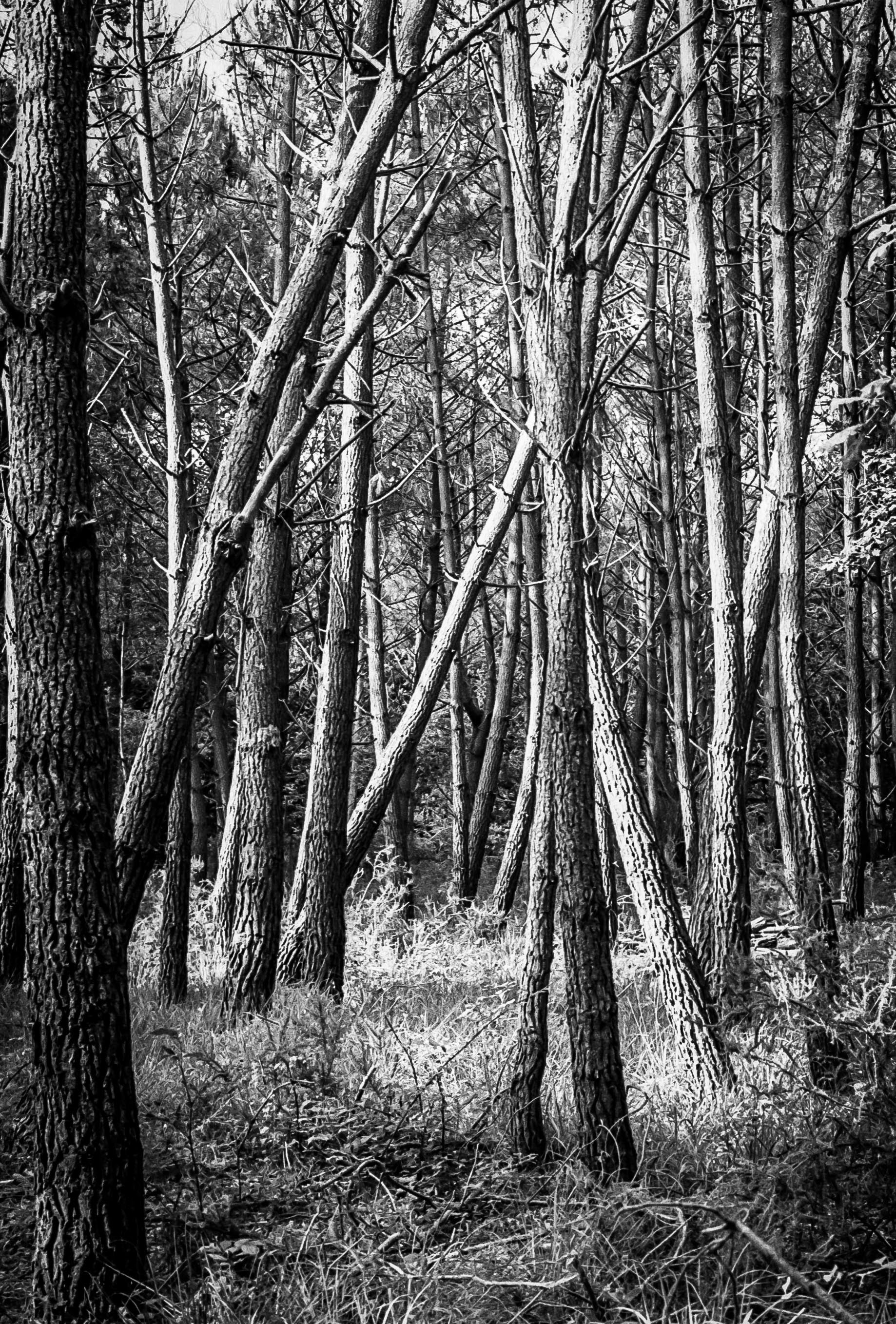
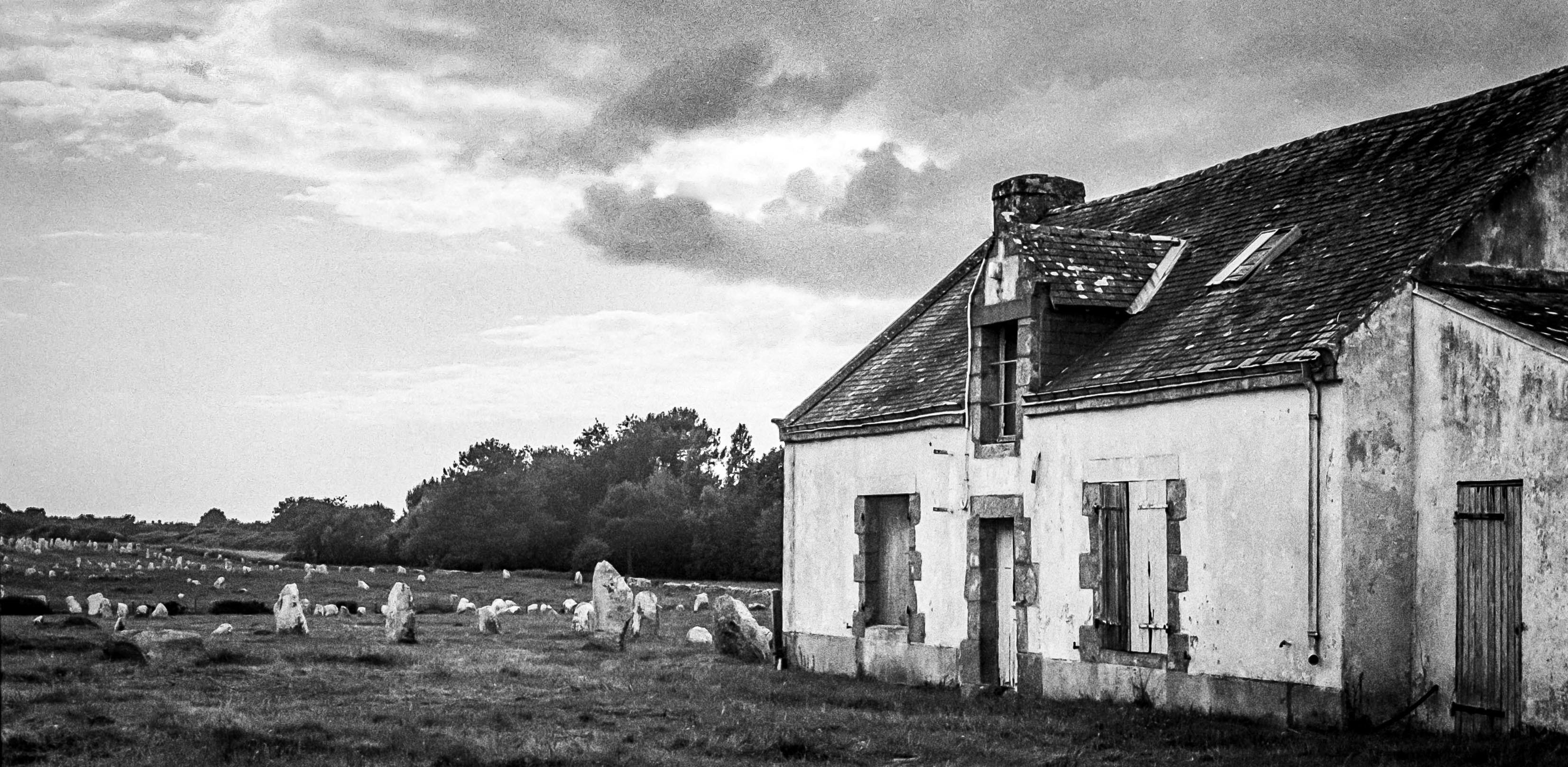
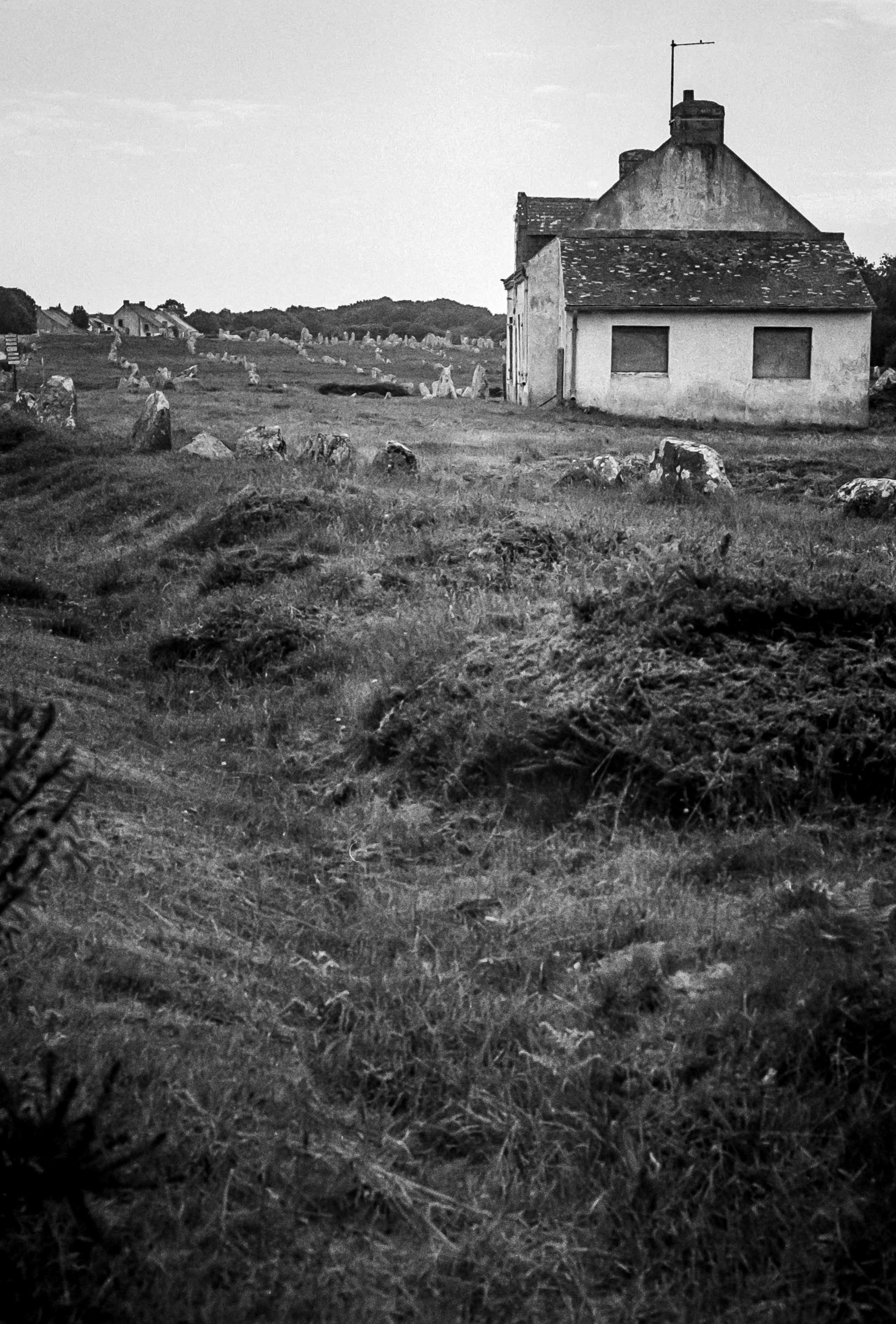
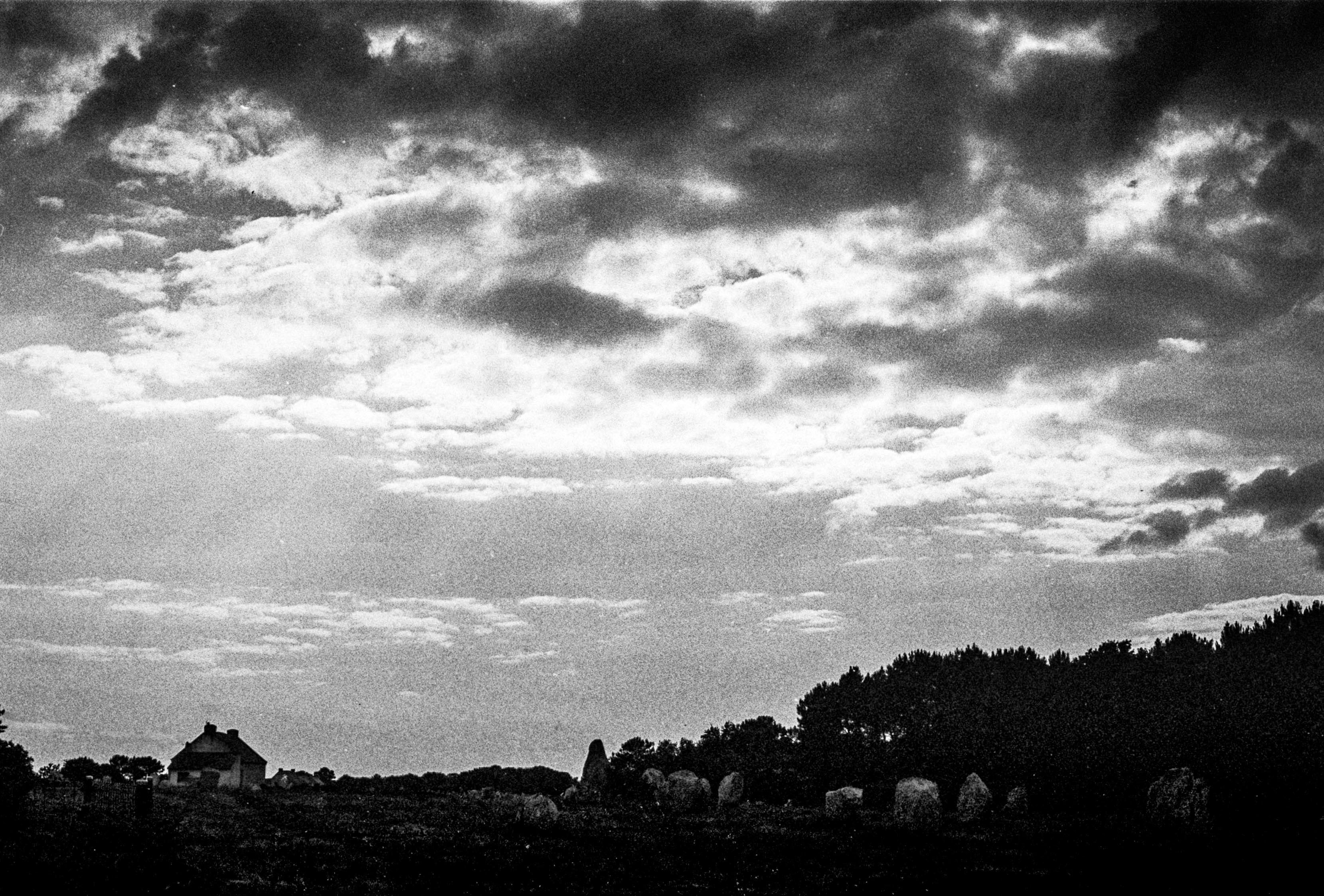
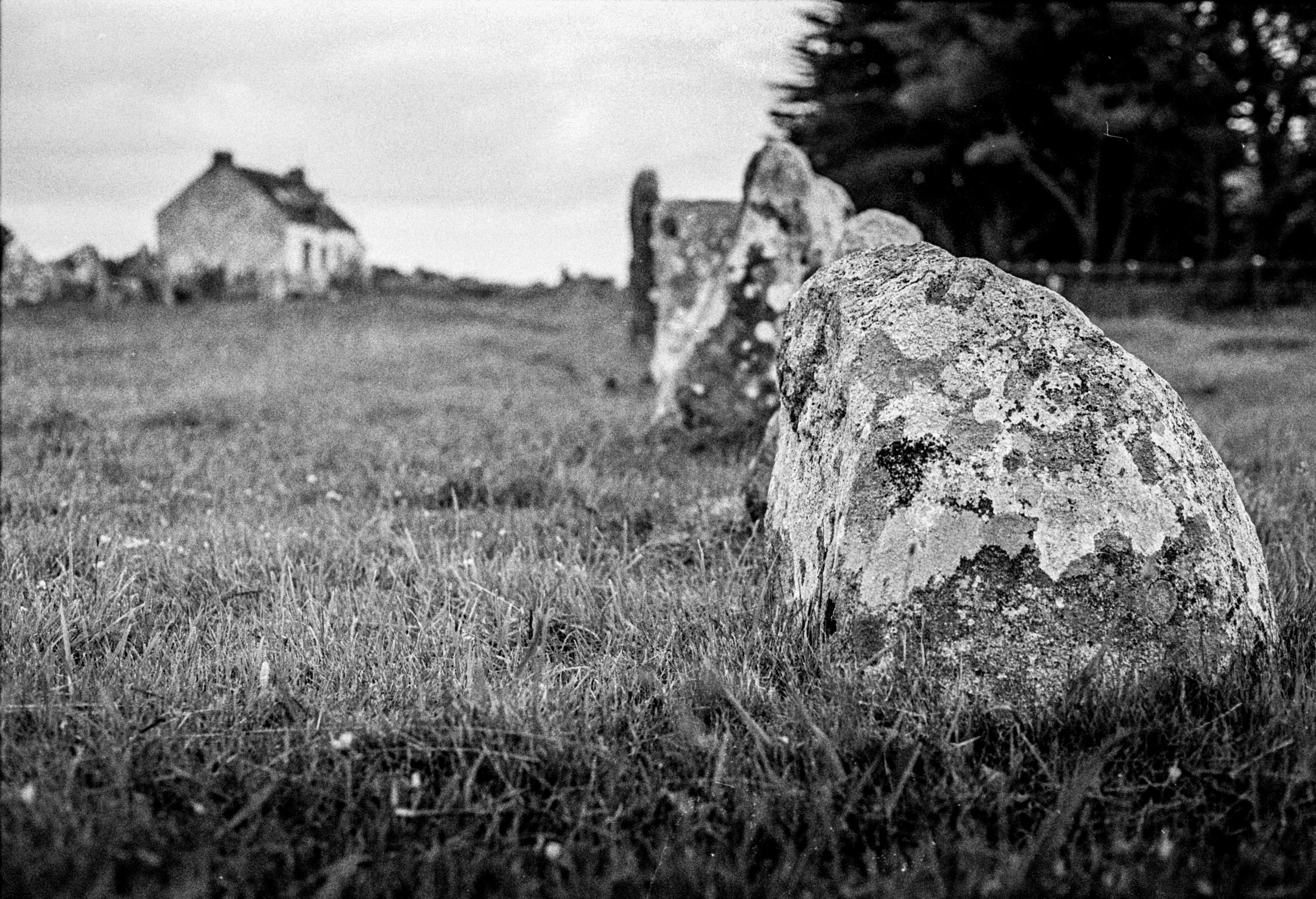
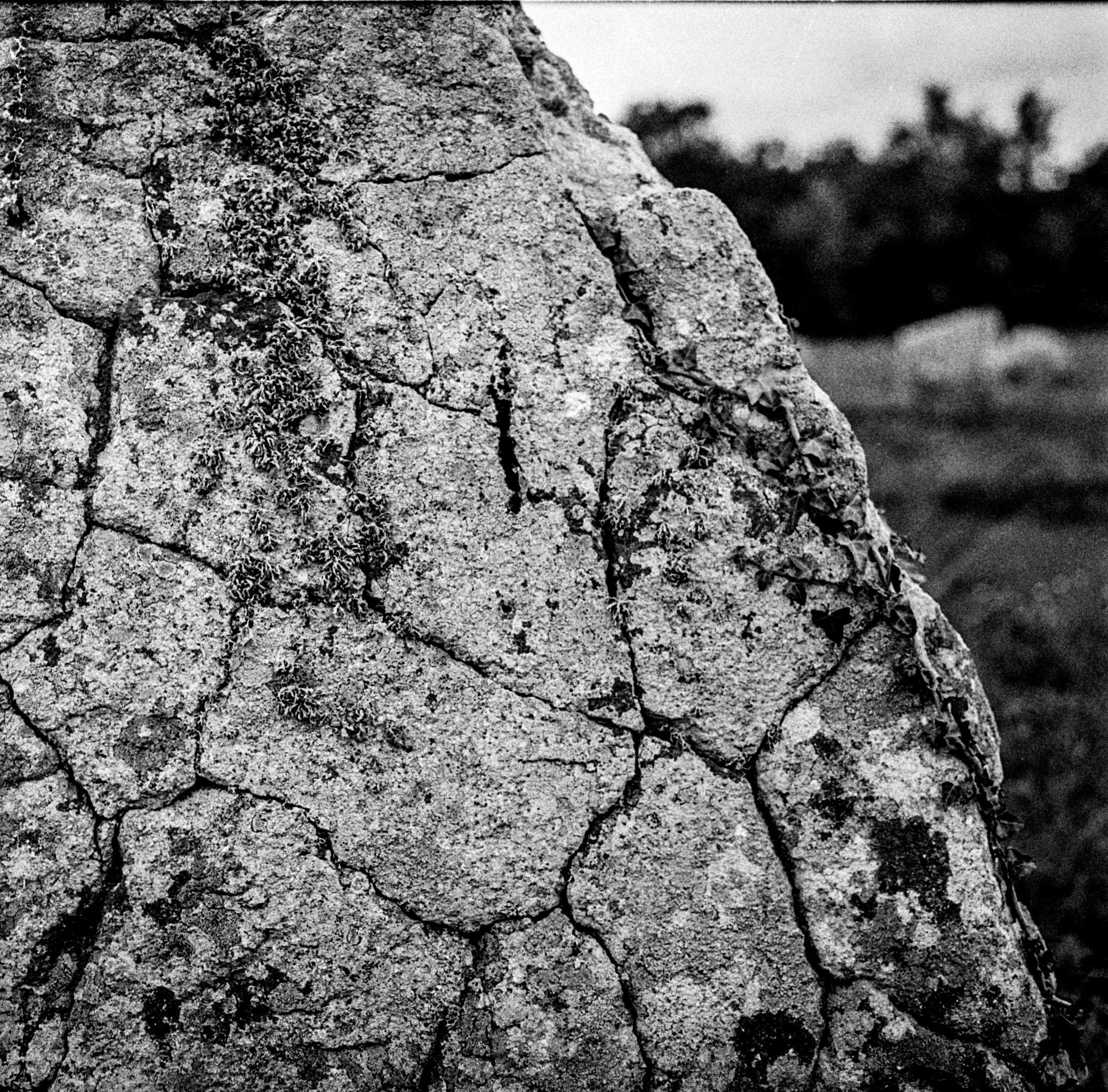
The photos in this article, from the famous film archive, were taken eight years ago almost to the day, during a weekend visiting my mother-in-law near Carnac, and near where my father-in-law lives. They’re divorced, and as usual, I stayed with her, not him. The photos feature my brother-in-law, who bears a striking resemblance to a beefy Dominic Farrugia, and my niece – not my favourite, but likeable enough (and those who claim not to have favourites are just liars!).

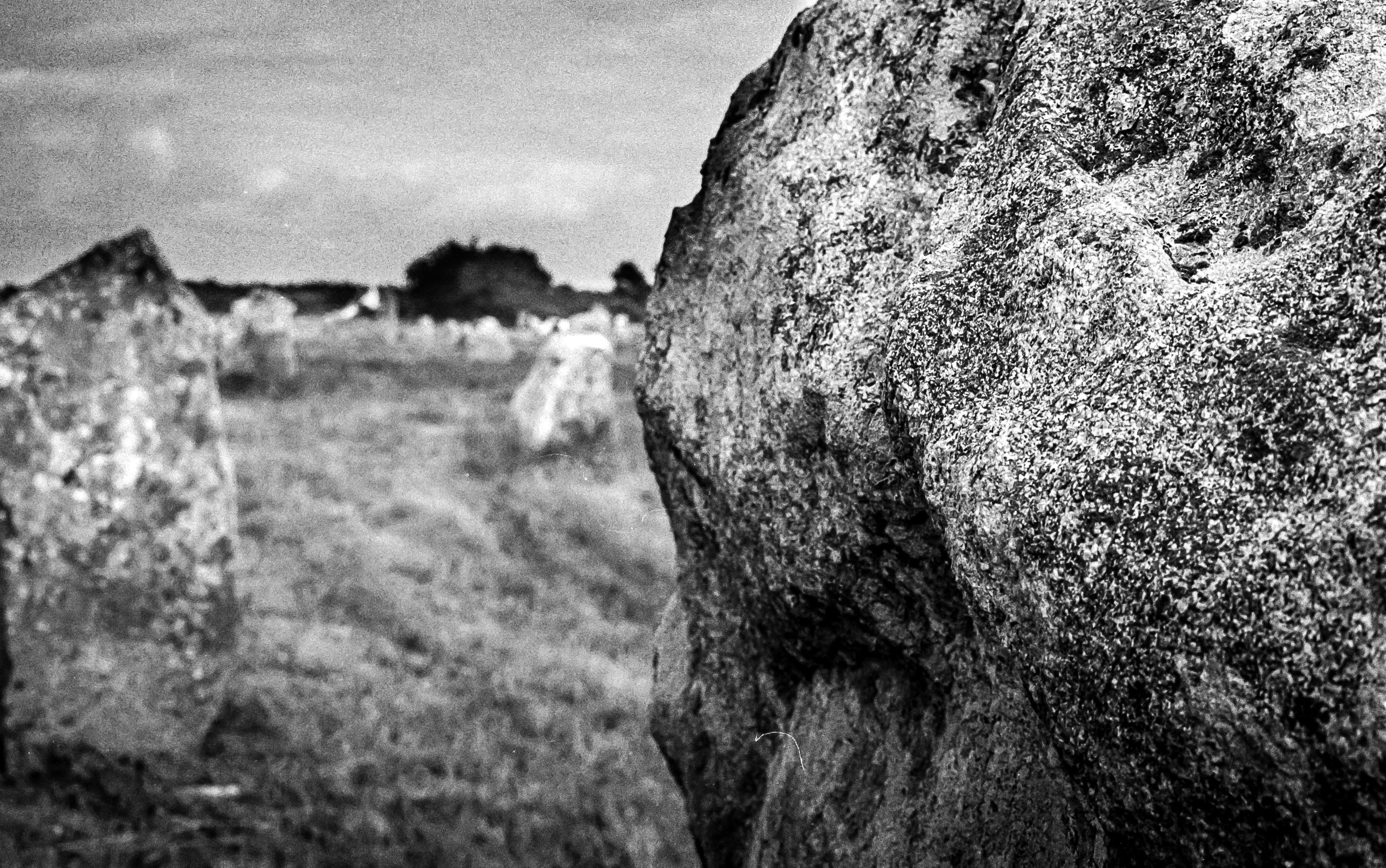
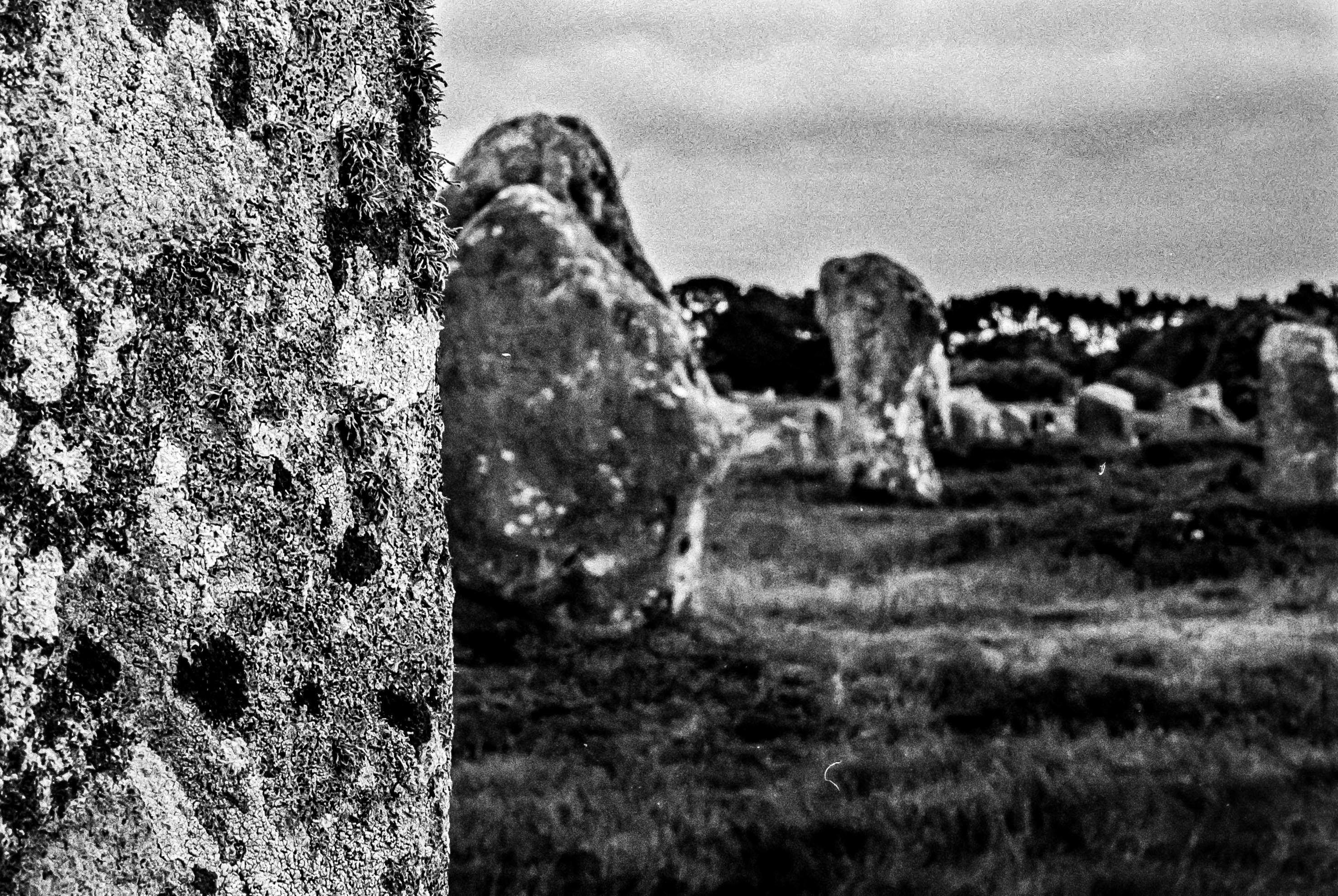
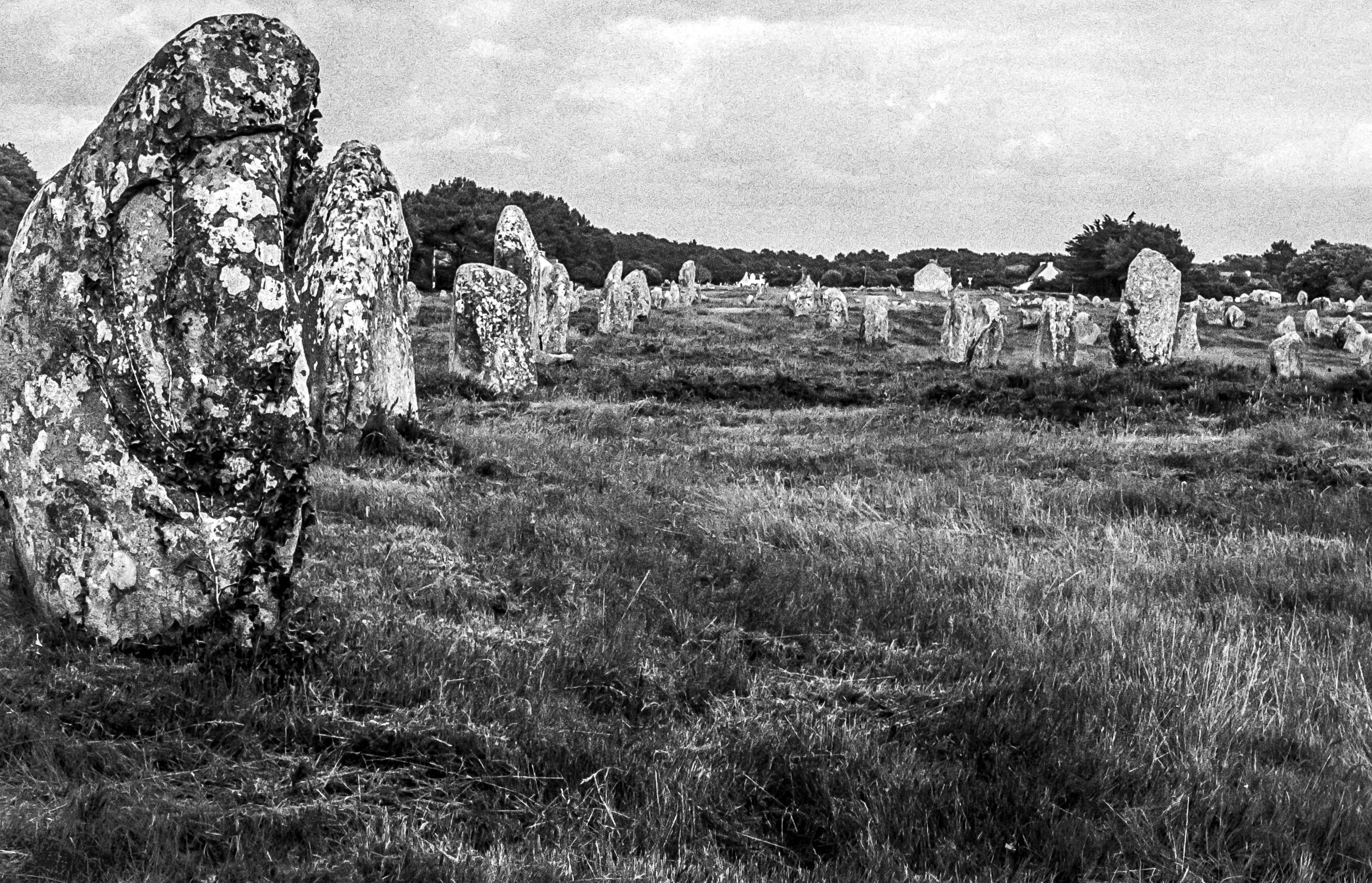
I shot these with my Canon AE1, a camera that saw a lot of action back then. Loaded with Ilford HP5 Plus and developed in Rodinal, they turned out a bit grainier than I expected, even for HP5 at box speed. I blame my overly enthusiastic agitation during development – I’ve always been a bit of a stirrer! Even back then, I had this habit of sneaking off to “do some photography,” a habit that hasn’t changed much, it seems.

Funny thing is, this wasn’t my first time in Carnac. As a kid, plagued by ear infections, flying was out of the question, so we had many a family holiday in France. One such trip was to Carnac, in the Morbihan region. Who would have thought that over 30 years later, I’d be back here so often?

Now, 30 years ago, you could wander freely around those mysterious Carnac stones. My mother, bless her imaginative soul, convinced me they were people caught dancing on the Sabbath and turned to stone as punishment. Ever since, I’ve had a healthy aversion to Sunday line dancing! Sadly, you can’t get close to the stones anymore – they’re cordoned off, perhaps a warning to those Breton folk dancers not to get too carried away.

Back then, HP5 was my go-to film. I wanted to know it inside out. Visiting the stones was a welcome escape from the lively, shall we say, family gatherings. Don’t get me wrong, I love my in-laws, but their intensity can be a bit much for this introvert. The stones, silently standing there, offered a tranquil contrast.

Years later, I watched a film, “The Fablemans,” about Steven Spielberg. The advice at the end, to keep horizons high or low in your images for more interest, struck a chord. Unbeknownst to me, I was already doing this! When I first started out, I meticulously documented every shot in a notebook – aperture, speed, film, camera, the lot. I kept this up for over a year before finally giving it up. These days, all that info is tucked away in your image file’s metadata, but not with film. There’s a certain freedom in that, wouldn’t you agree?

Reflecting on these old photos from Carnac, I am reminded of the enduring allure of photography and the quiet majesty of ancient stones. Each visit to Carnac, captured through the lens of my Canon AE1 and HP5 film, evokes memories of childhood holidays and solitary moments amidst family gatherings. The evolution from meticulous note-taking to embracing the simplicity of film photography has taught me to approach each shot with intention and mindfulness.

In the digital age, where metadata stores the technical details of our images, there remains a certain freedom in the analog process. It encourages a deeper connection with the art form, requiring us to engage fully in the moment of capture. The stones of Carnac stand as timeless witnesses to history, echoing the evolution of photography itself – ever-present, ever-evolving.

As I continue to explore new landscapes and subjects through my lens, I carry with me the lessons learned amidst the stones of Carnac: to capture not just images, but stories; not just moments, but emotions frozen in time. Photography, in its simplest form, remains a profound journey of discovery and expression, rooted in a rich tradition that continues to inspire.

Film photography, the opening of the archives


Good evening Dear Reader. You may have noticed, and then again, you may not have noticed, that I have created a couple of new pages. Instead of adding article categories to my site in the menus, I have created pages with a carousel showing collections of articles in one specific category. This started with Photography Tutorials, which is a collection of, surprise surprise, photography tutorials. Another one for Travel Photography, one for Camera information, and a final one for articles featuring Film Photography. The idea behind this rather brash move on my part, was to help you find what you wanted to read or discover more easily.

This Meisterwerk of a blog is a work in constant evolution, as I think you may have gathered, especially for those of you that have been with me since the beginning. But what does this have to do with Film photography I hear you ask. Well, when creating the film photography page I realised that there are fewer articles than I first thought. This struck me as a little odd, because at one stage I had a little bit of a reputation as a film photographer, and at one stage was purely a film photographer. This was, of course, before the start of this blog lark in 2019. Between 2009 and 2019 I did a huge amount of film photography that I realised I have not shared with you. Even more so since 2016, when I started developing and scanning my negatives at home.

The beginning of the blog also tied in with the X100F and the Canon 6D Mark II coming into my photography, and since lockdown, I have done only small amounts of film photography. Time to reveal more of myself to you. At least if that’s alright… But this isn’t just about me dusting off old memories. By sharing these photos, I hope to spark a conversation, ignite a passion for film, and maybe even inspire you to dig out your old camera and give it a whirl. Who knows what treasures you might find in your own archives?

Moped with a Jameson whiskey box  as a baggage holder.  Looks very cool
Taken on the Praktica MTL3 probably with the 50mm Pentacon F1.8 lens on HP5 Plus at box speed in the Quartier Bouffay in Nantes.

So bearing all this in mind, I have a proposal for you. Let’s open the vaults and let’s have a look at the “film archive”. This could be in the form of a series of articles complementing the weekly outpouring of anecdotes or advice, as an addition, or it could be the content for the upcoming weeks. I haven’t decided yet. Let me know in the comments which option you prefer, or if you have any other ideas for how you’d like to see the film archive content. There’ll be shots of Nantes, the UK, England, and Scotland and maybe even Spain, and Portugal. There will be colour and black and white photography too. I don’t know yet. I might not have yet taken into account the magnitude of the task ahead. Everything is open.

On the way to Otterburn in Northumberland with the Pentax ME Super using Portra 160. It was another good day out.

But whatever you decide, I hope you come along for the ride. It’ll be worth it!