The Opening of the Film Archives – March 2017 with Kate in the Vines


Hello you! It’s great to have you back for another dive into the archives. Over the past few posts, you might have noticed a recurring star of the series: my Canon AE1. While it’s true I’ve leaned on this camera heavily for many of these moments, I promise there’s more variety to come—even some colour film photography! For now, though, let’s continue exploring these Canon snapshots together. Thank you for sticking with me—it means a lot to me.

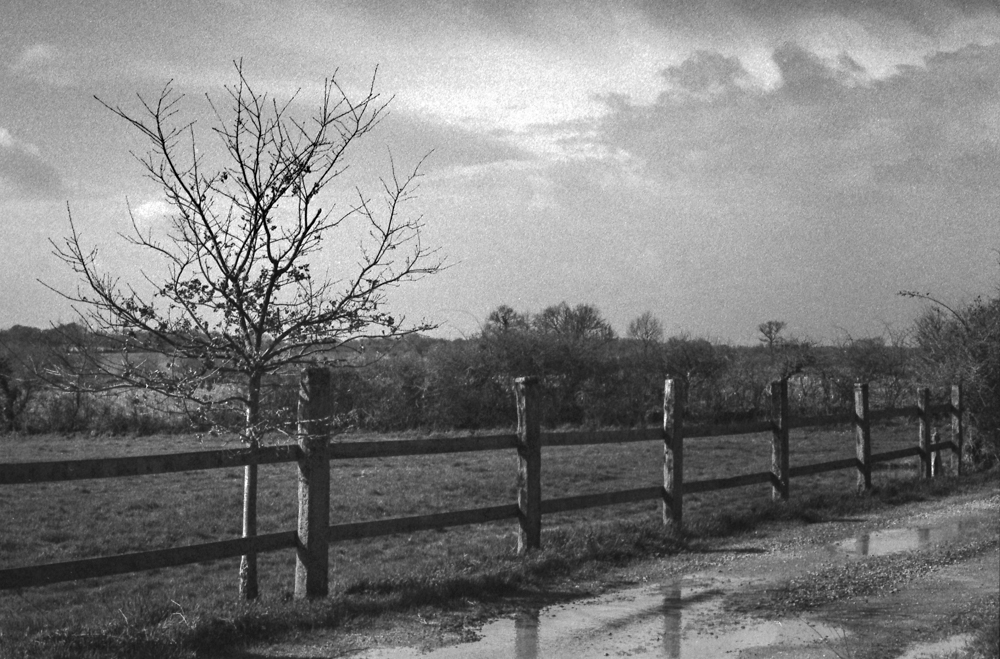
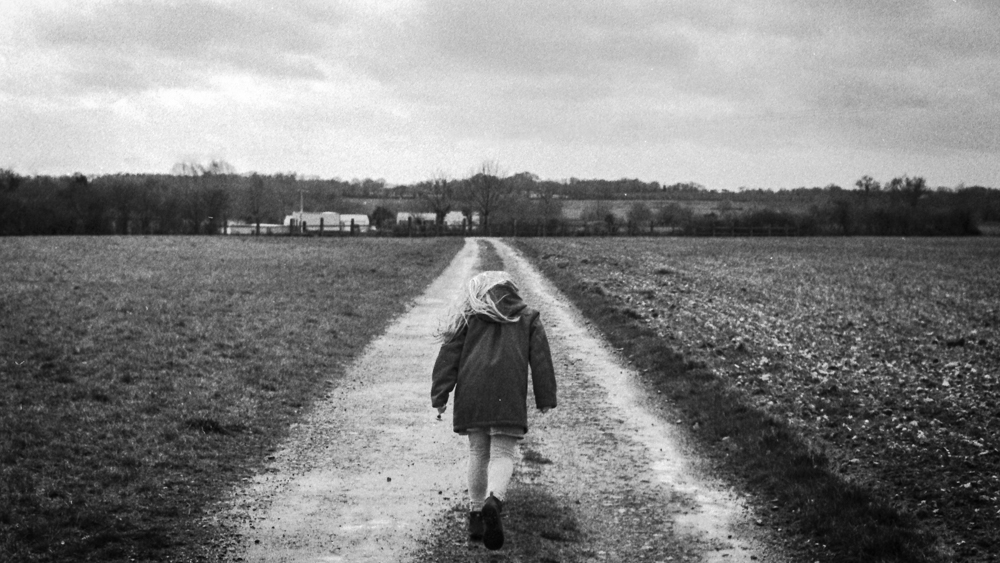
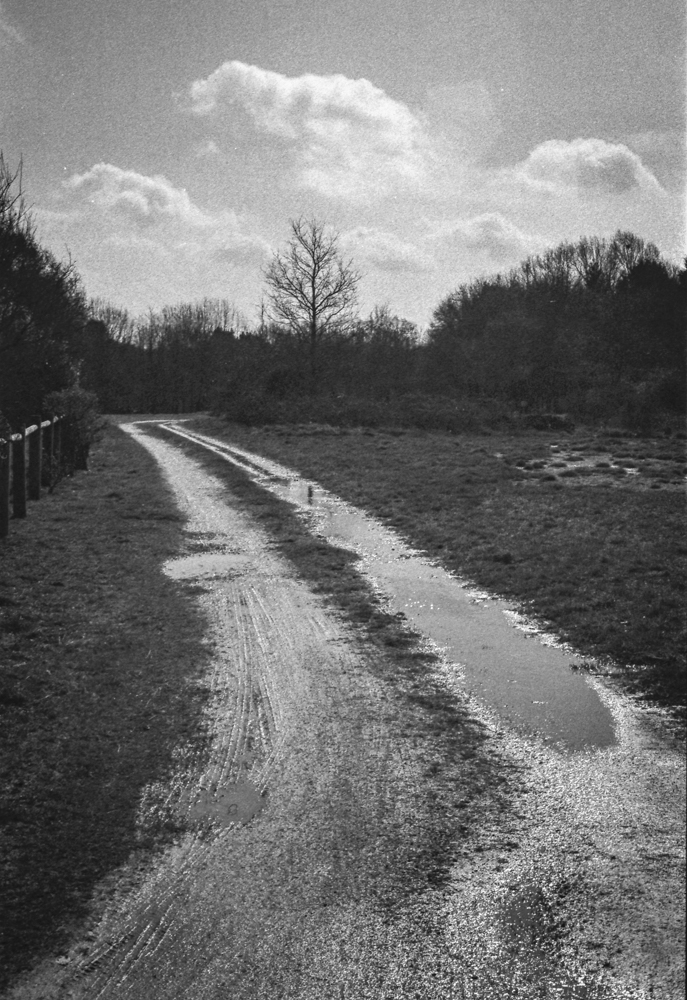
This time, I took my daughter Kate for a walk among the vines—a walk I used to do with Killian when he was about her age. Admittedly, it wasn’t the most creative choice for me, but for Kate, it was a brand-new adventure. That’s my excuse, and I’m sticking to it.

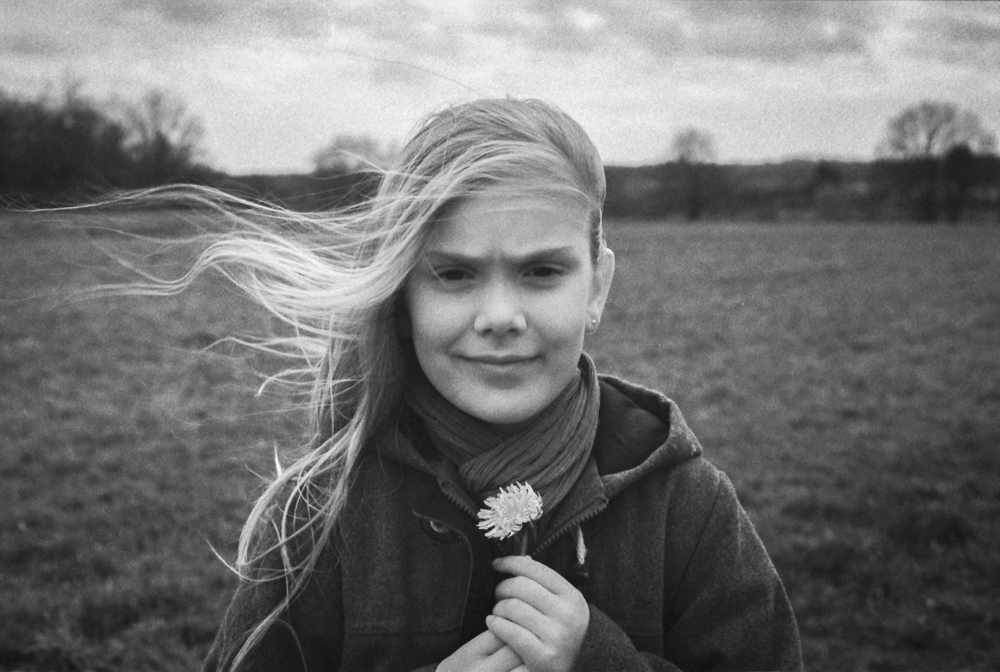
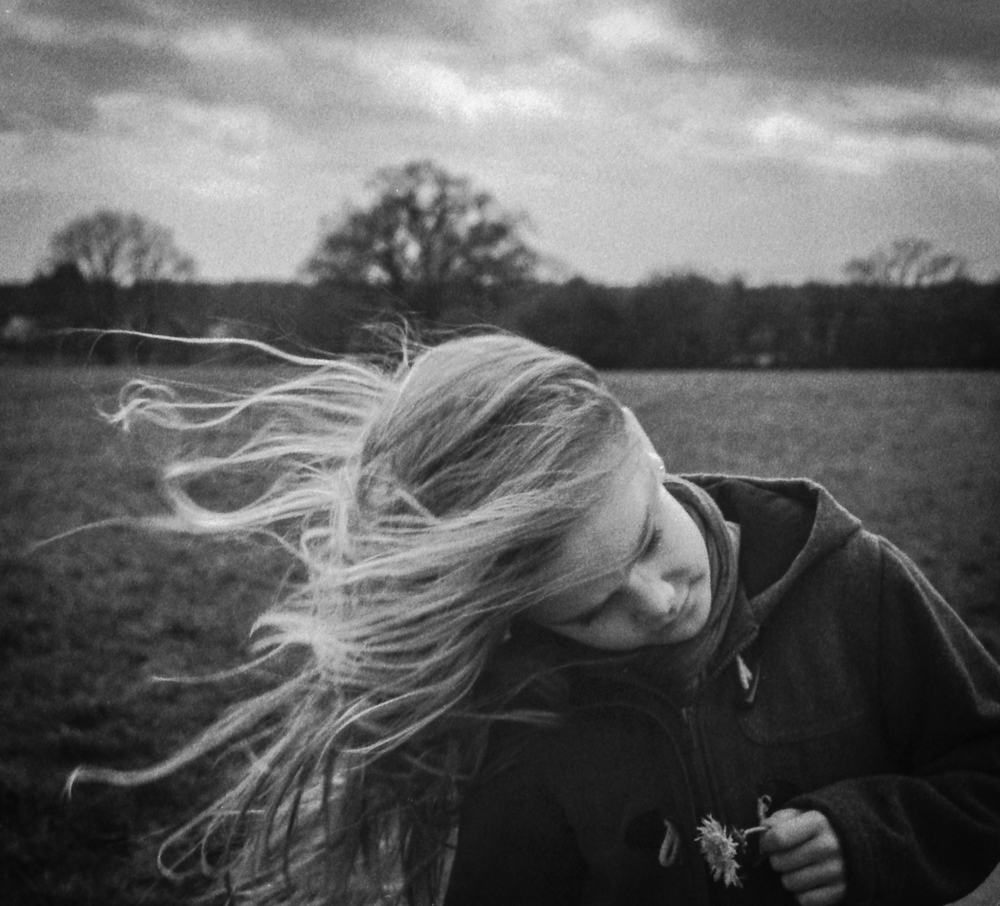
The day was all about Kate, the wind, and the way it danced through her hair. Unlike me, where the wind barely leaves a trace, it created a beautiful, dynamic subject in her. There’s something magical about how the movement of hair and clothing in the wind adds life to a photograph. I captured some truly memorable shots that I now treasure as priceless souvenirs of a fleeting moment.

Maybe they were some of those famous Kodak moments… Whatever the case, they bring back lovely memories of simpler times. Looking back, it reminds me how the simplest moments—like a walk through familiar vines—can hold so much meaning. Sometimes, what’s close to home can be just as captivating as far-off adventures.

It also reminds us that though we might be in familiar territory, that territory can look entirely different to someone seeing it for the first time. The soft, diffused light that day brought out rich textures in the vines, and Kate’s sense of wonder made even the most ordinary details come alive.

When you’re out with your camera, maybe, just maybe, that’s something to keep in mind. How might your everyday surroundings look through fresh eyes—or through the eyes of someone discovering them for the first time?
The Opening of the Film Archives – Kate July 2016


I am a father.  I am the father of a son, and have been for the last 25 years.  I am a father.  I am the father of a daughter, and have been for the last 14 years.  I am a father.  More traditional than modern, but definitely a doting and loving father of both children.  I am a photographer.  Both children have had multiple photos taken of them over the years.  However, the subject of bedtimes has always been contentious.  They say you have to be rigid and follow an established routine.  They say that for the good of the children you have to respect this routine to the letter.   They are obviously not parents.  They are obviously completely disconnected from reality.  They obviously have their heads buried so far up where the sun don’t shine.

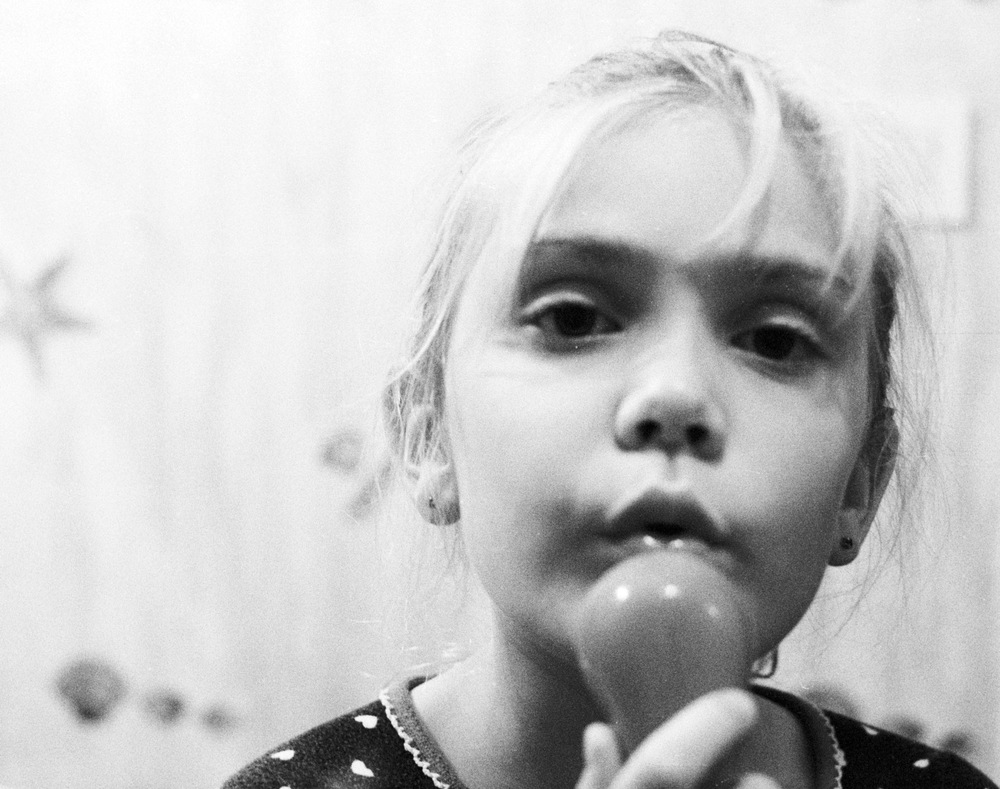
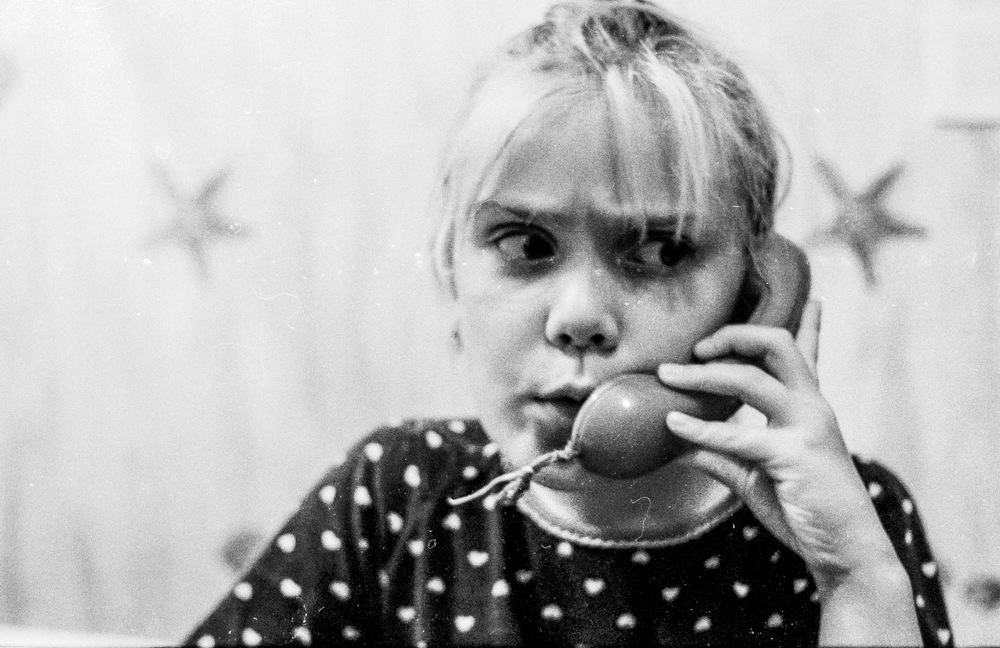
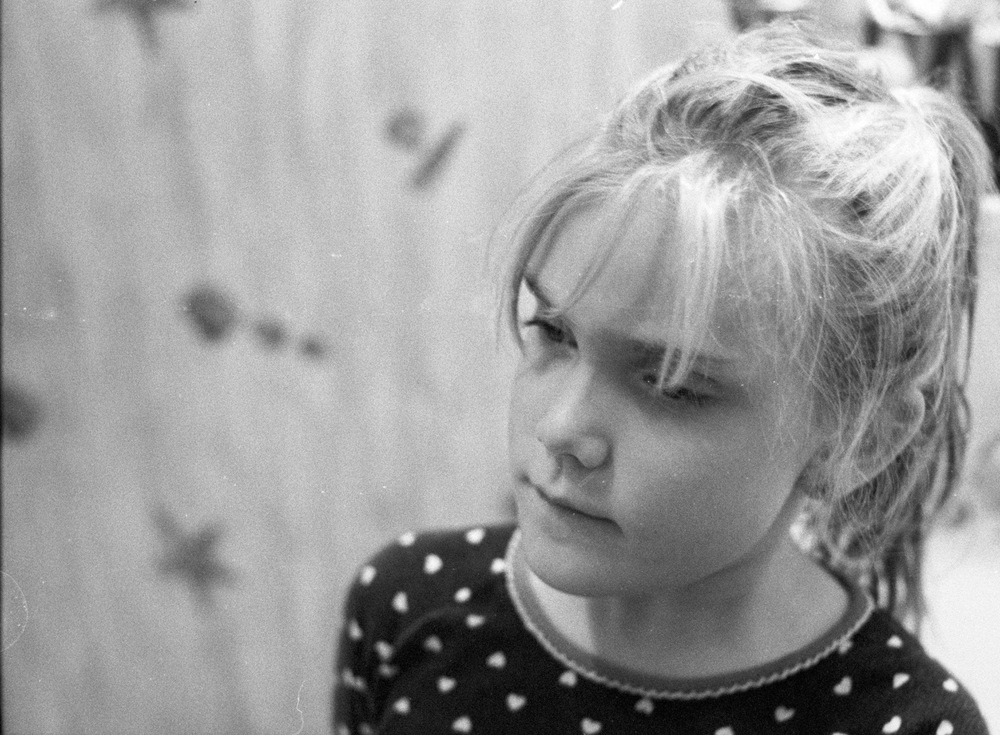
As a father, I’ve learned the importance of picking your battles, especially when it comes to bedtime routines. This particular night, with my 7-year-old daughter wide awake, a fight wasn’t the answer. So, I grabbed my Praktica MTL3, loaded some HP5 pushed to 1600, and turned a potential meltdown into an improvised photoshoot. We ended up in the bathroom – because teeth brushing was still non-negotiable – but the resulting photos captured a moment of pure magic.

Let’s talk about technical details: the Praktica MTL3 is the model that I learnt my craft on.  It’s solid.  It’s fully manual, and gets the job done admirably.  The lens is an F1.8 Pentacon 50mm, with a lovely depth of field.  I pushed the HP5 to 1600 to be able to take advantage of all the available light.  

Kate posed for me and thoroughly enjoyed herself.  Teeth brushing.  Calling somebody very important on the Fisher Price telephone.  And pulling a face to tell me off.  Some things just don’t change…

Photography is not the technique or the camera, or worse still, the settings used.  It’s about capturing that “Kodak moment” albeit with Ilford HP5.  It’s about the shared memories.  It’s about the nostalgia of looking back on family life that can never be recaptured.  It might seem mundane to you, but to me it’s priceless.  And looking back at these family photos, it just reminds me how much I love both my children, and am fortunate enough to have captured these fleeting instants.

Frame It Right: The Art of Composition in Photography Part IV


In my previous articles, we’ve embarked on a journey to understand the basics in photography. I have talked about exposure, set out some of the “rules” of composition, and even delved into the world of colour theory. Today, I’d like to introduce you to the rule of odds and the rules of space, two fundamental elements that will take your photography to the next level.

Before we talk about these new concepts, let me reiterate the importance of building a solid foundation. Just as we did with framing, negative space, and colour theory, it’s crucial to master each concept before moving on to the next. Take your time to learn and apply these principles in your photography journey. The other four articles will stay up, and you can read them at your leisure.

The Rule of Odds in Photography

The rule of odds is a composition guideline that suggests using an odd number of subjects or elements in your frame, typically three or five, rather than even numbers. Why? Because odd numbers tend to create a more balanced and visually pleasing composition.

When you use the rule of odds, you create a natural focal point within your photograph. Our eyes are drawn to the centre subject, and the uneven arrangement adds a sense of harmony and intrigue to the image. The result? A more captivating and dynamic photo that engages your viewers. It’s all about balance.


Rules of Space: Balance and Direction

Now, let’s look at the rules of space. This concept involves how you position elements and subjects within your frame to achieve balance and direct the viewer’s gaze. It leaves space for the subject and can be used in multiple ways as a storytelling tool. It can also be used in conjunction with the other composition techniques that I have talked about in my previous articles.

Tips

Think outside the frame. What is going on outside the frame becomes as important as what is oing on inside the frame. Let’ take the picture of the guitarist. Who is he looking at? What’s going on outside the frame? Is there an audience? Where is the audience? Using rules of space the viewer will more curious and be more engaged in the photo.

Conclusion

One can talk about composition and the effect it has on photography till the cow come home. People will always bring up “composition” and will always tell you how “they” would have done it differently. In these four articles you will now know what they are talking about and be able to decide for yourself. In absolute terms, “your” photographs are about what “you” saw, and only “you” can see that. But keep the rules that we have discussed in the back of your mind, and take your photograph with purpose and being conscious about what you are doing. Mindfulness is the key.

My next article will talk about the differences between 35mm film photography and medium format photography. For film enthusiasts or anyone else who is curious you will be entering into a new world. There are, of course, trade offs between each format, and we will discover them. Maybe you’ll be bitten by the Medium Format bug too… As always Dear Reader, I appreciate your enthusiasm, and I look forward to our next exploration together. Until then, happy shooting!