Notes in Monochrome: Music, Photography, and a Quiet Beach Walk


Those who know me know I’m alright at photography, reasonably OK at music, and not especially brilliant at much else. Over Christmas, I was off adventuring in China, but now I’m back in France, trying not to overcommit—and failing, as usual.

It turns out I’ve joined a new orchestra. Lanester, just next door to Lorient, who needed a horn player, and some of the musicians I toured with last year gave me the heads-up. “Only one full-day rehearsal a month,” they said. “Just come try it out,” they said. So I did. And here we are.  Oops a daisy

It’s early days, but I’m settling in, and I think they’re warming up to me too. I’m doing my best to approach things with what I like to call legendary finesse—and not my more traditional approach of putting my foot in it. So far, so good.

Getting to Lanester is a bit of a trek, but I’m lucky to liftshare—what the French call co-voiturage—with Anne, a colleague from the SBL and a percussionist in the orchestra. It’s good to have company on the road, especially someone who doesn’t feel the need to critique my driving. Not that anyone at home does that. Of course not. Never. Virginie, me darling wife…

Anne has serious percussion chops, which puts a bit of pressure on my playlist game. I found a drum tutorial version of Wipe Out by The Surfaris recently and played it for her—she was delighted. It’s nice to have shared moments like that on the drive. Adds a little rhythm to the road.

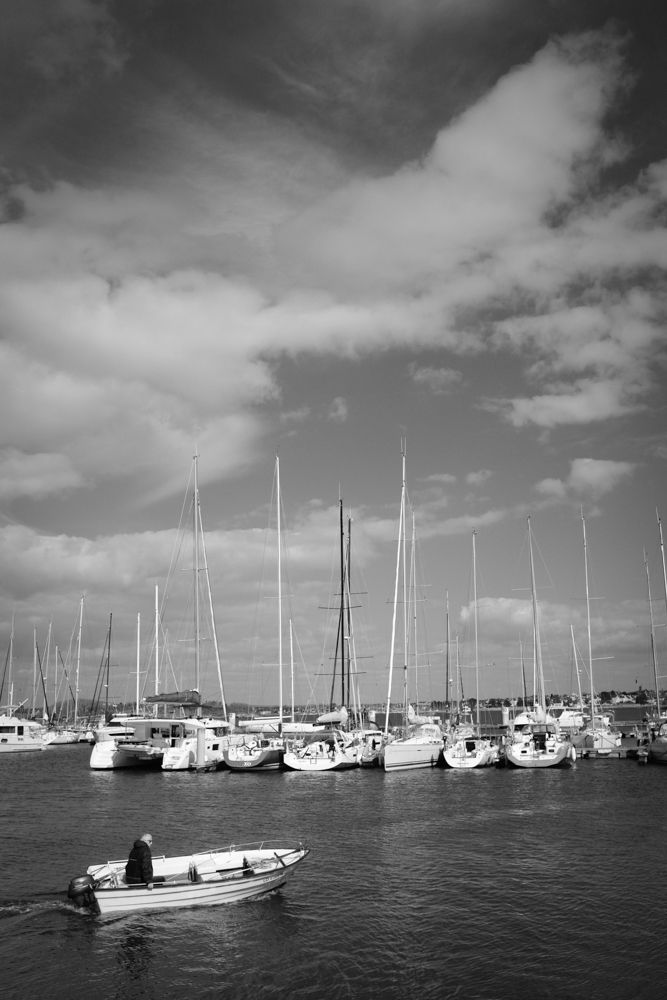
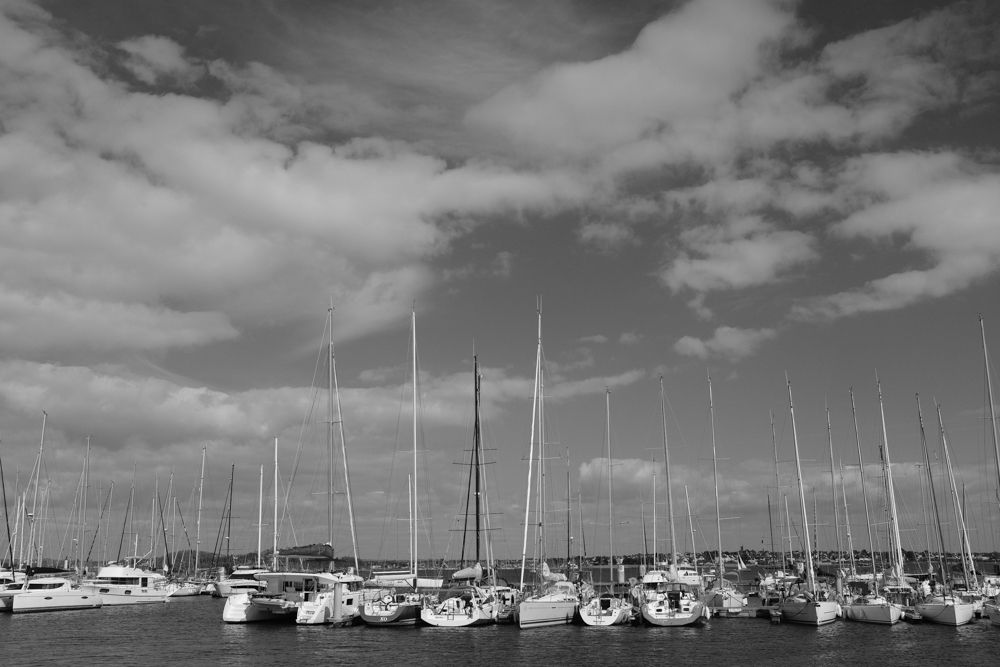
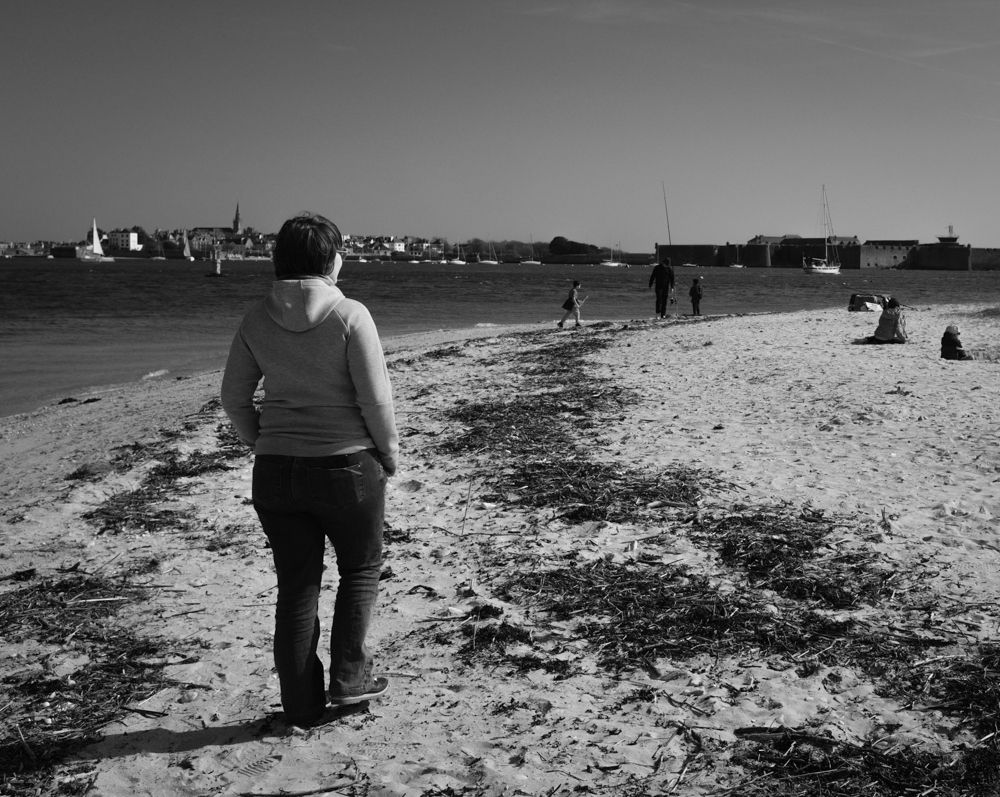
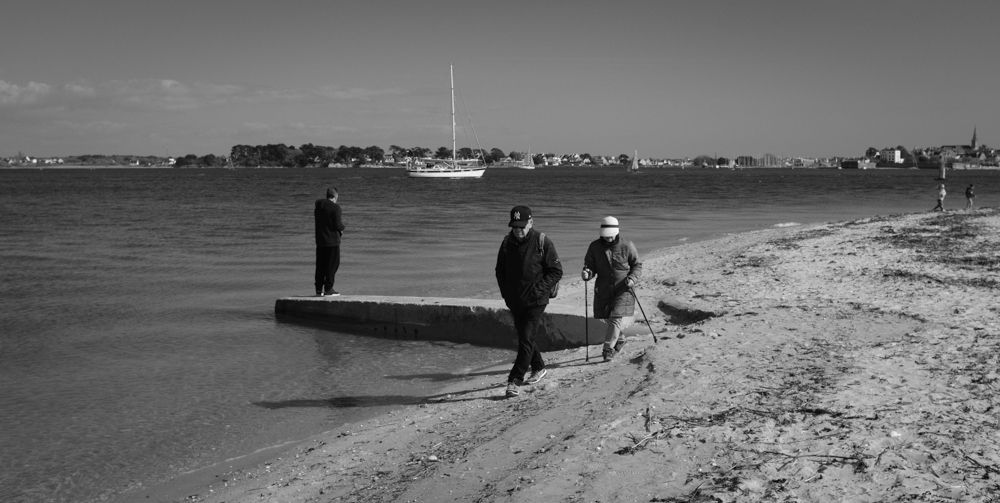
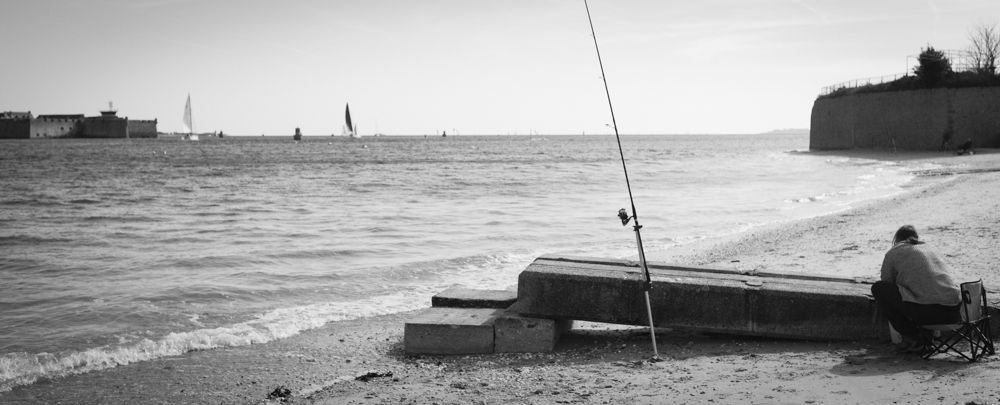
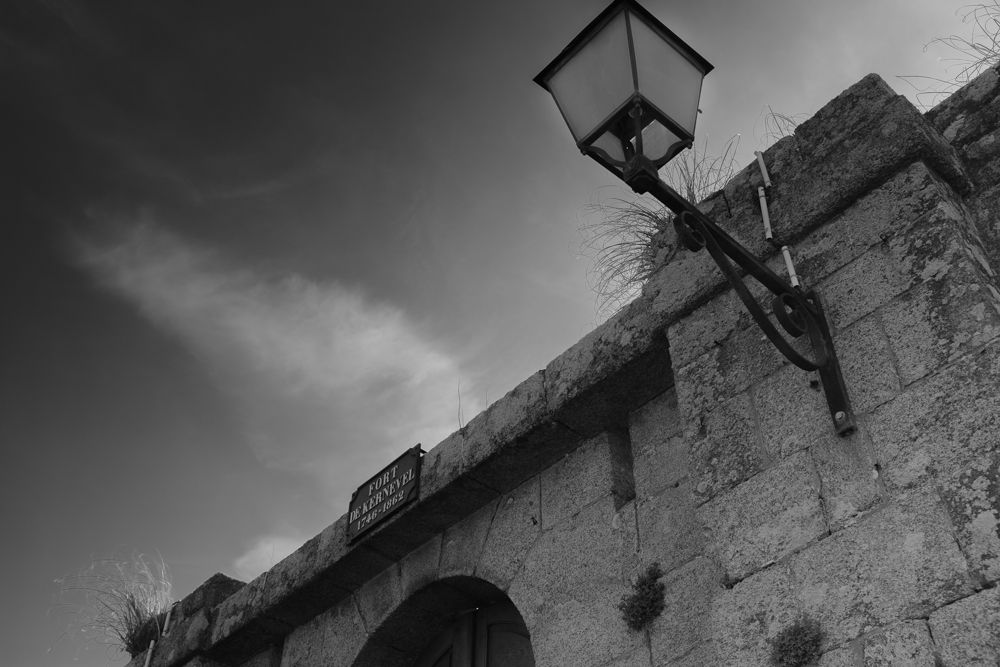
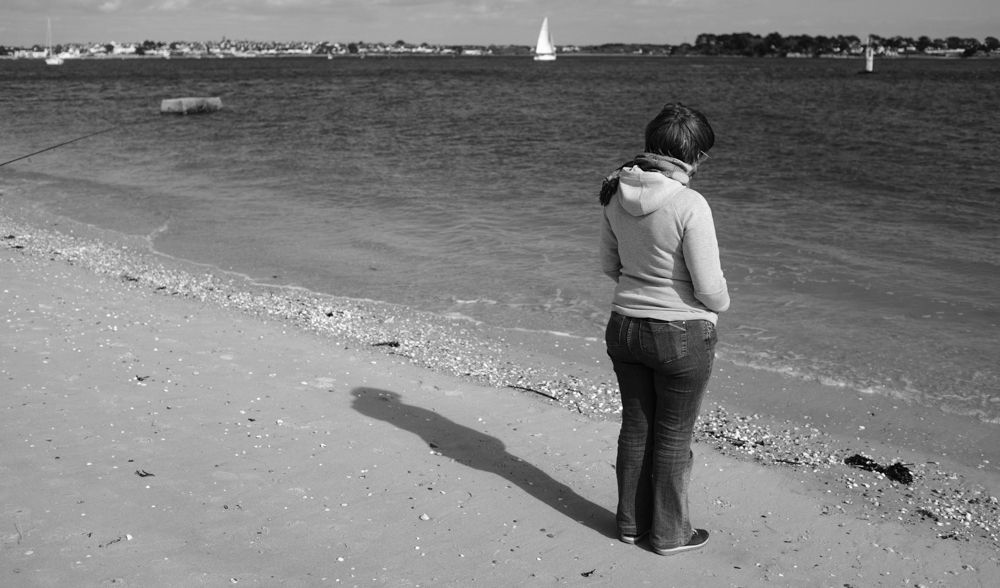
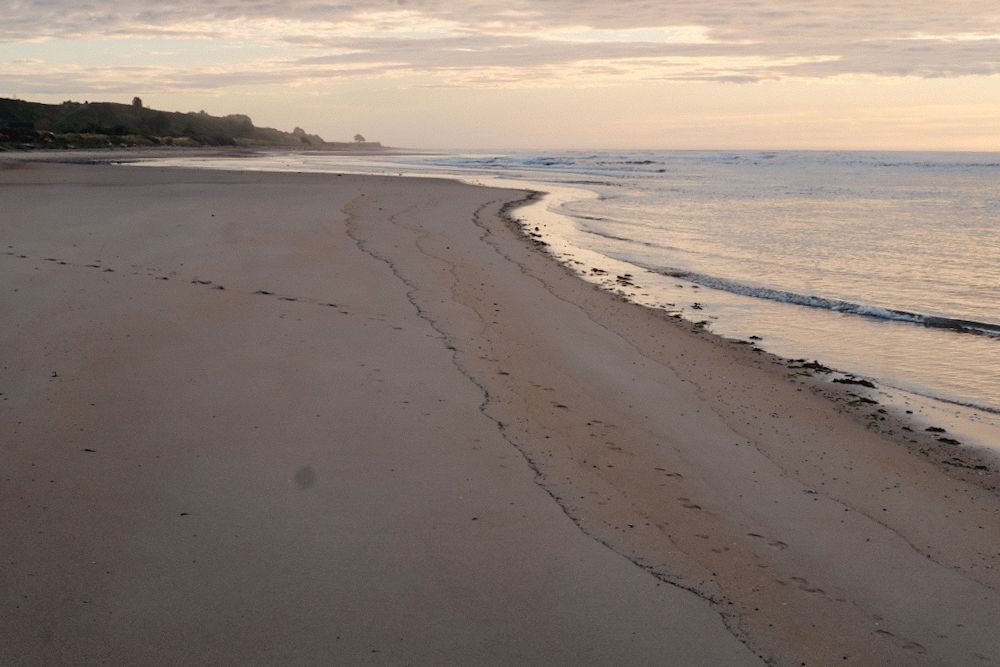
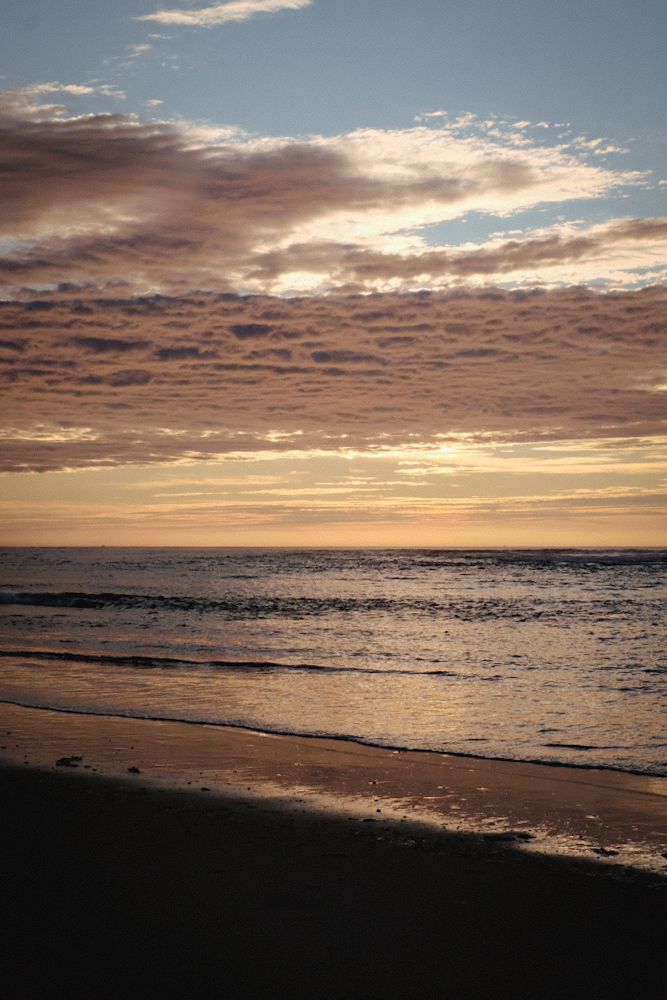
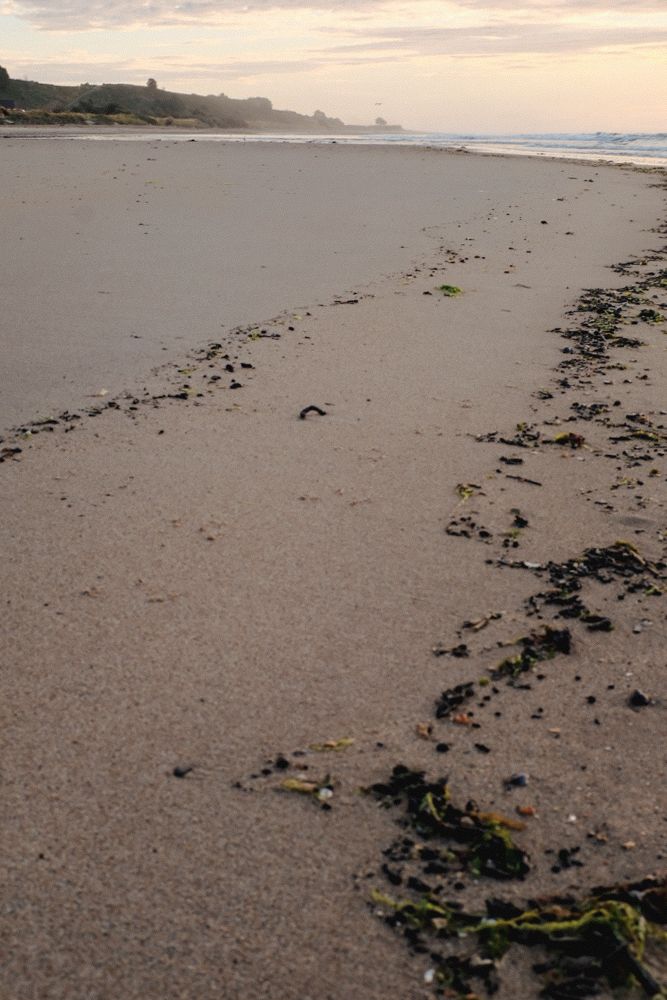
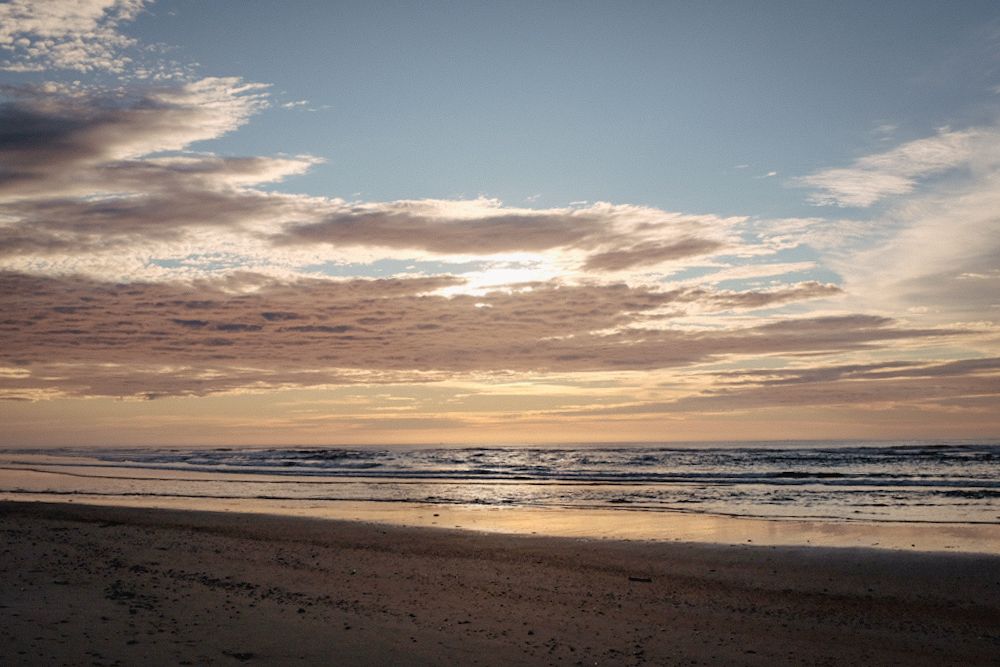
Anne also likes to arrive early to check over the percussion gear before concerts. On this particular day, we had some time to spare before the pre-concert rehearsal, so we headed down to the beach for a walk. Spring light, sea air, and the strange hush that comes with lowish tide—it felt like stepping sideways out of time.

Naturally, I had my camera with me. You didn’t think I’d go to the coast without it, did you?

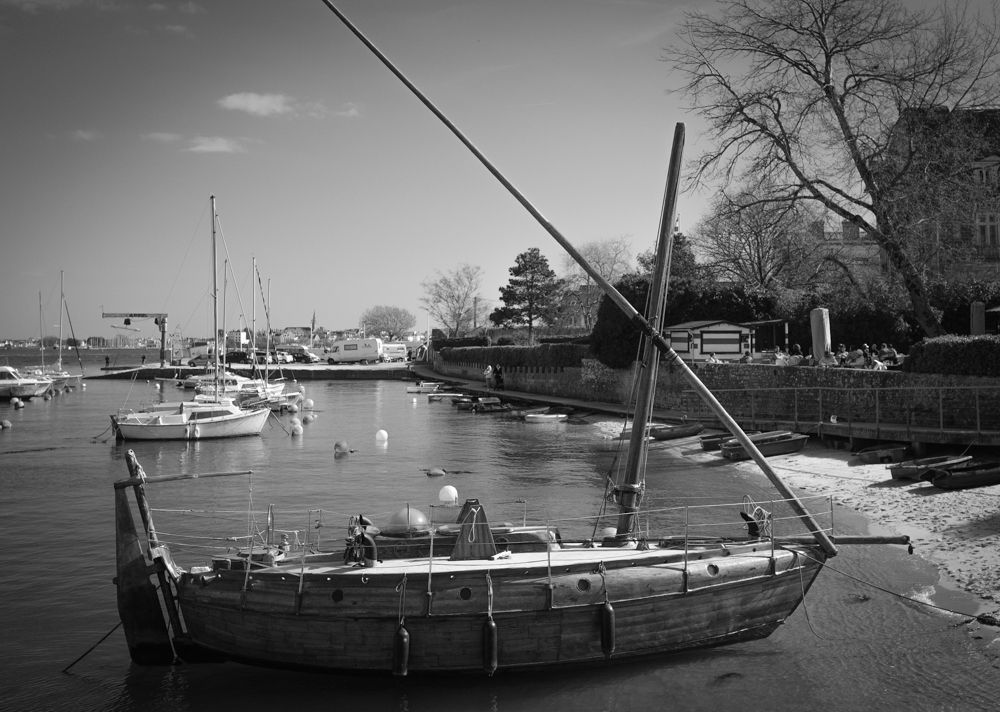
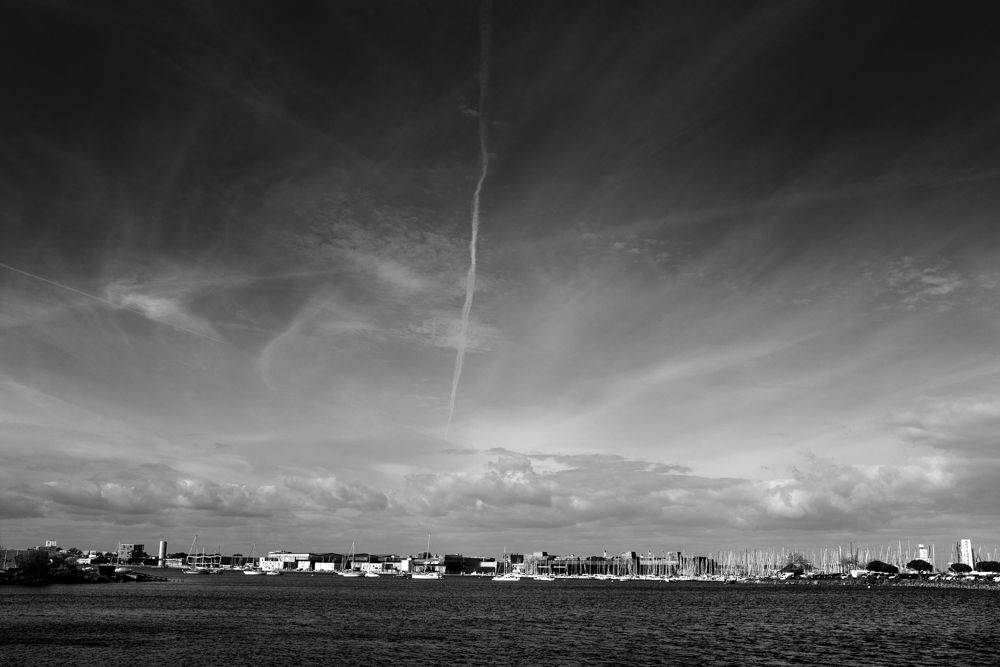
There’s something about black and white photography that suits these moments. The beach in spring  isn’t always the bright, holiday postcard version most people imagine—it’s quieter, starker, but no less beautiful. Stripped of colour, the textures stand out: the grain of driftwood, the ripple of sand under wind, the blurred silhouettes of gulls in motion.

I love how black and white invites the eye to slow down, to notice more. Just like music, really—it’s not always the loudest note that makes the biggest impression.

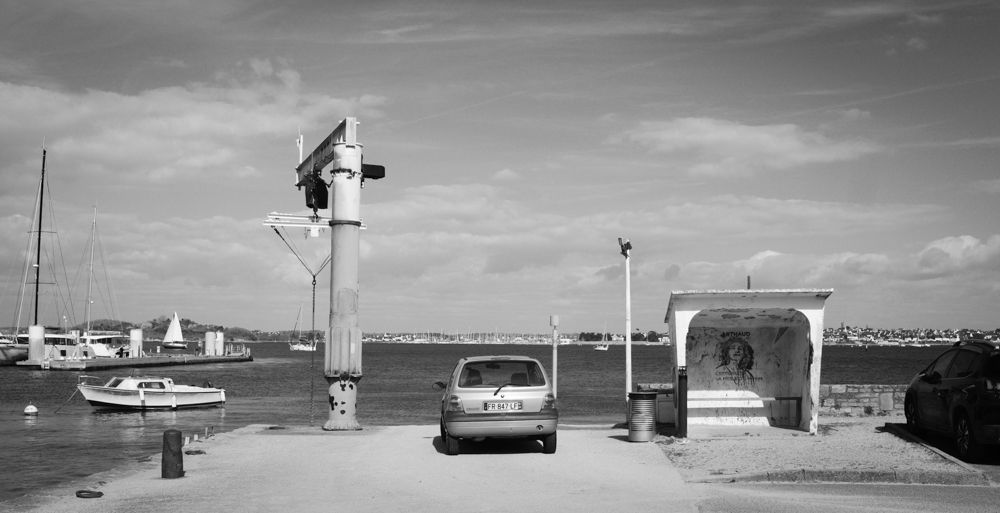
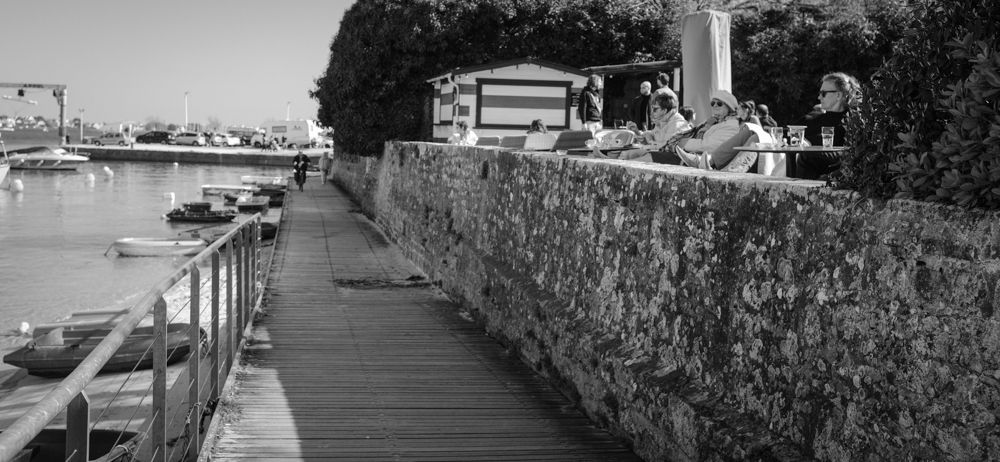
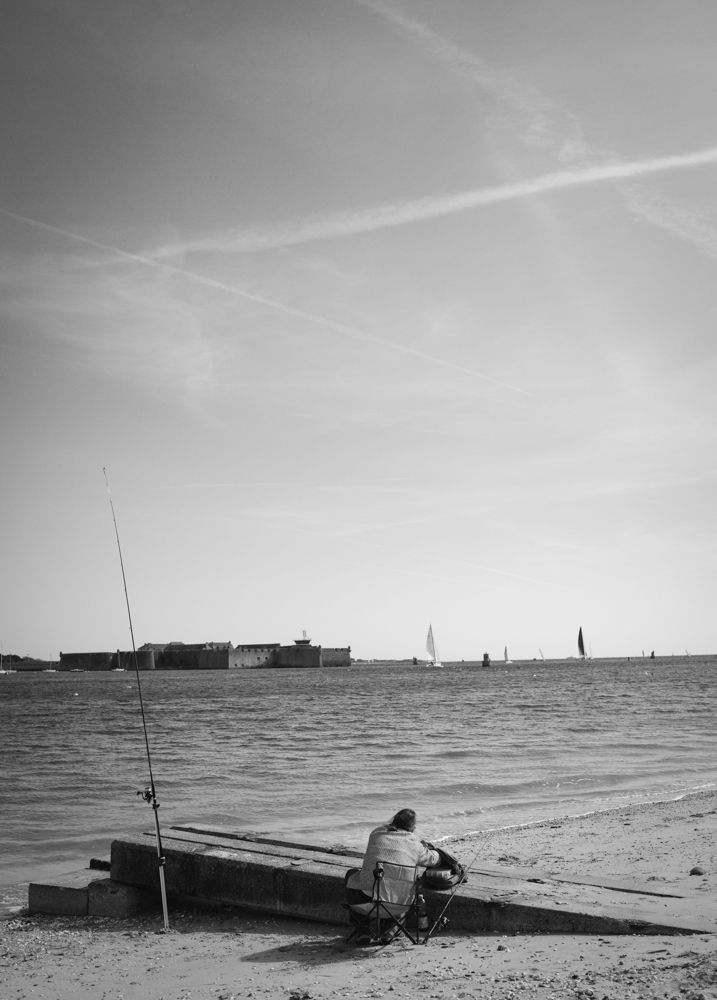
Below, you’ll find a few of the images I made during that walk. Nothing posed, nothing polished. Just a quiet moment between rehearsal and performance, caught in passing light.

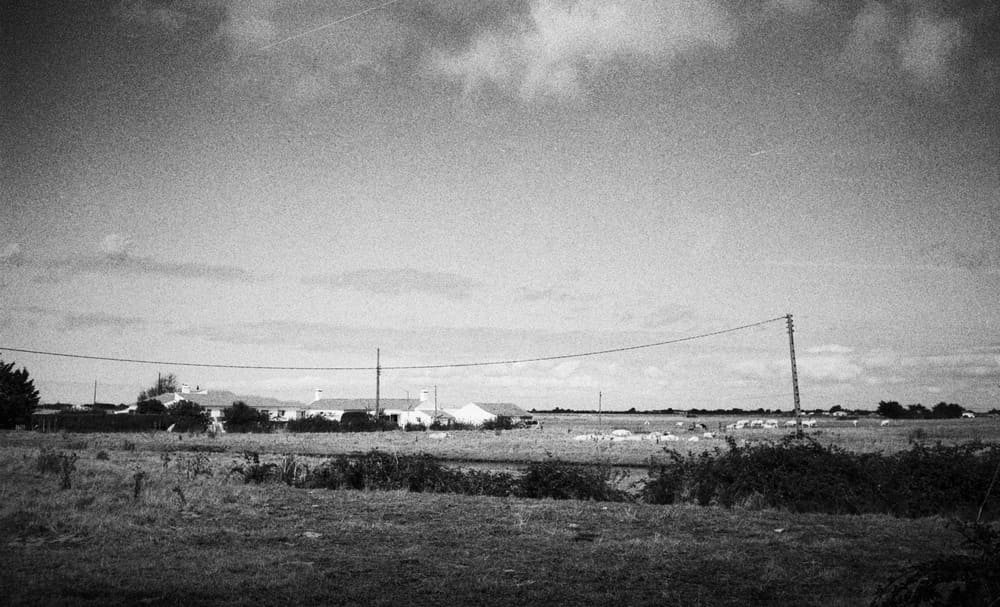
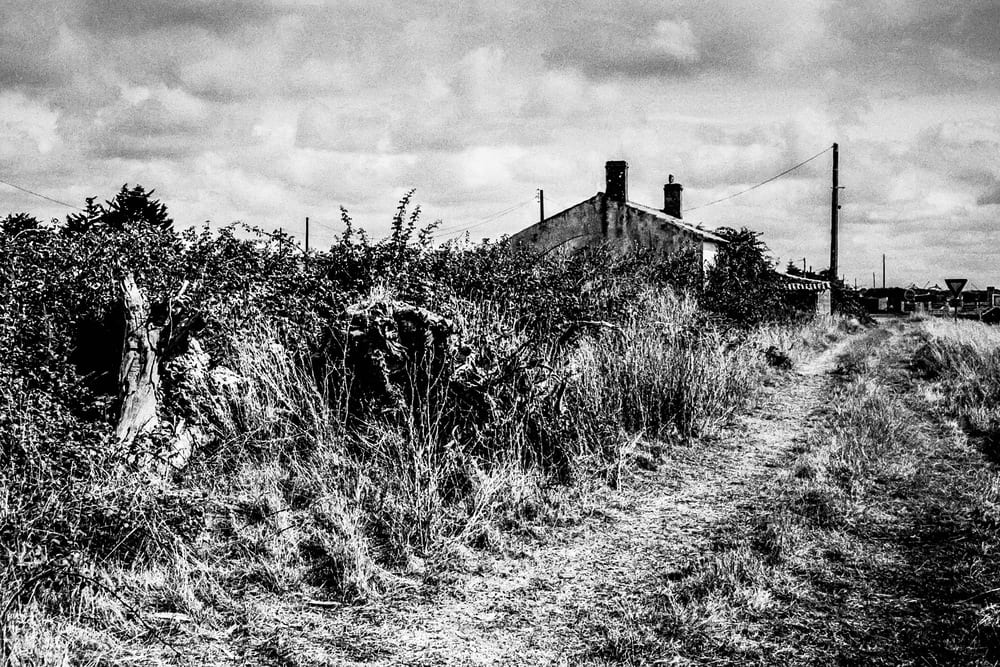
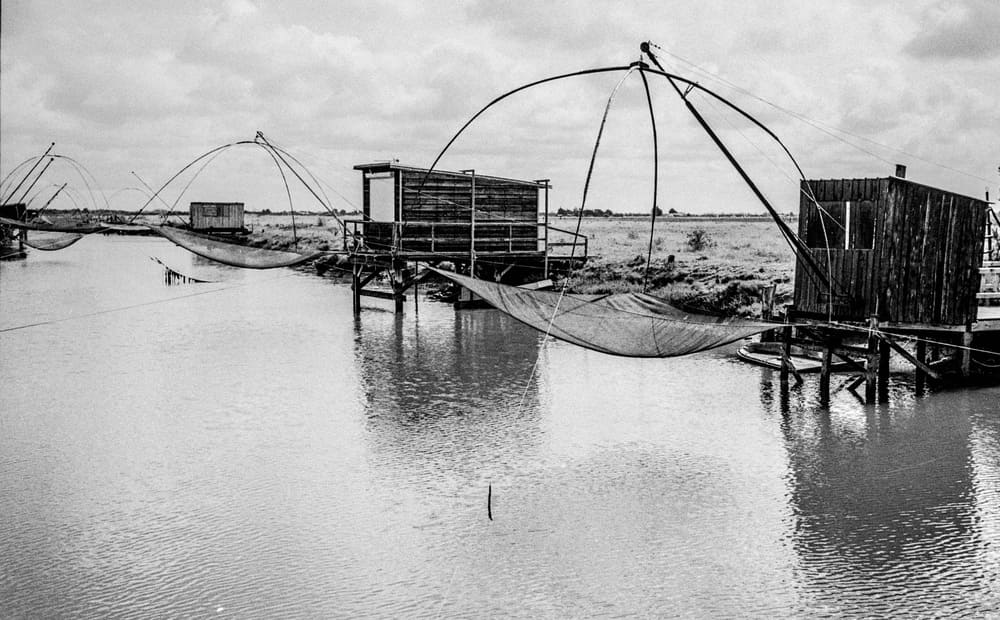
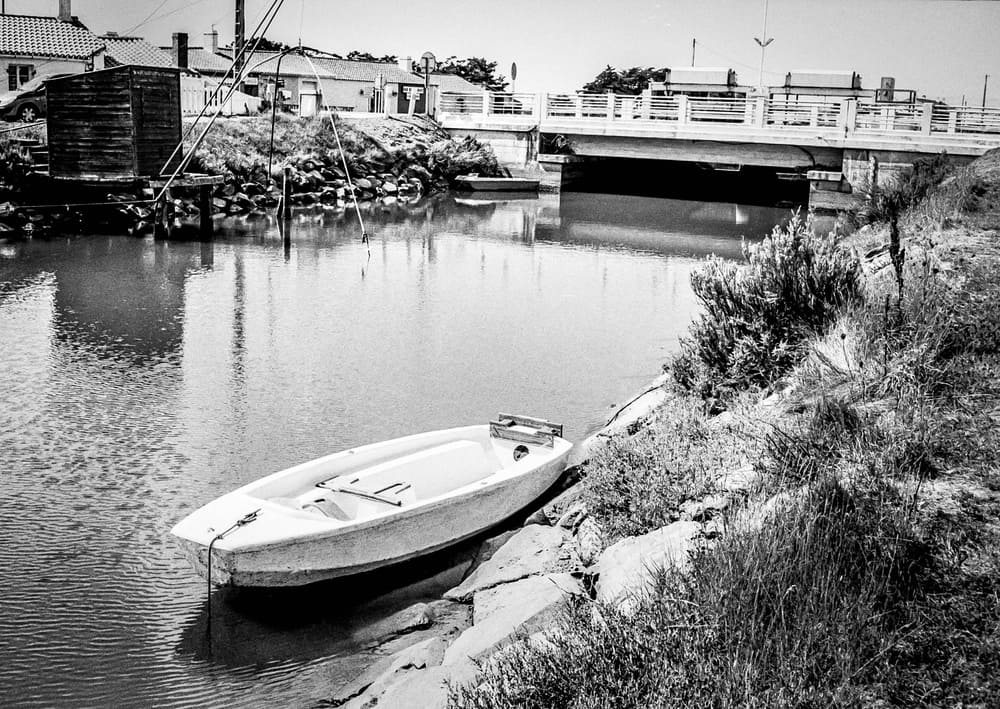
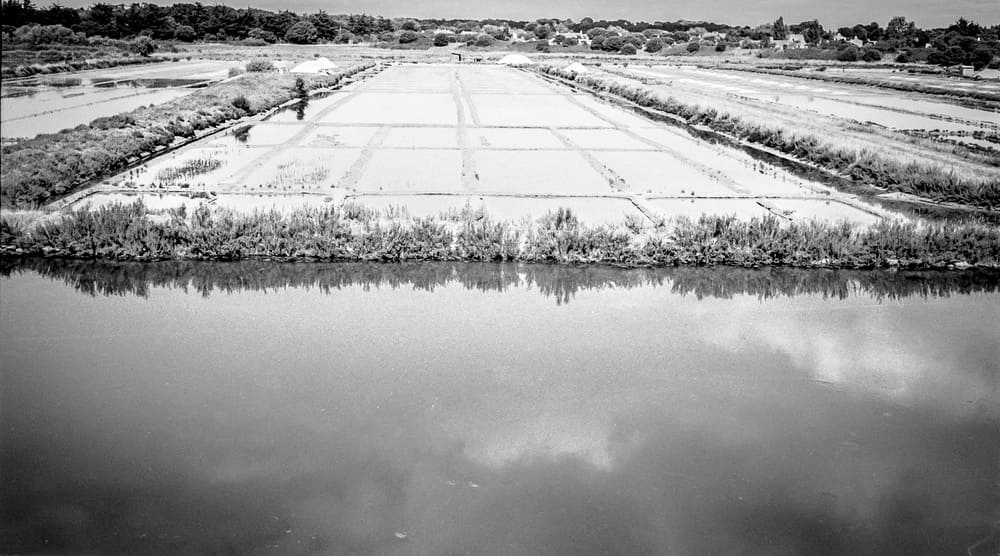
The Opening of the Film Archives – Noirmoutier September 2016


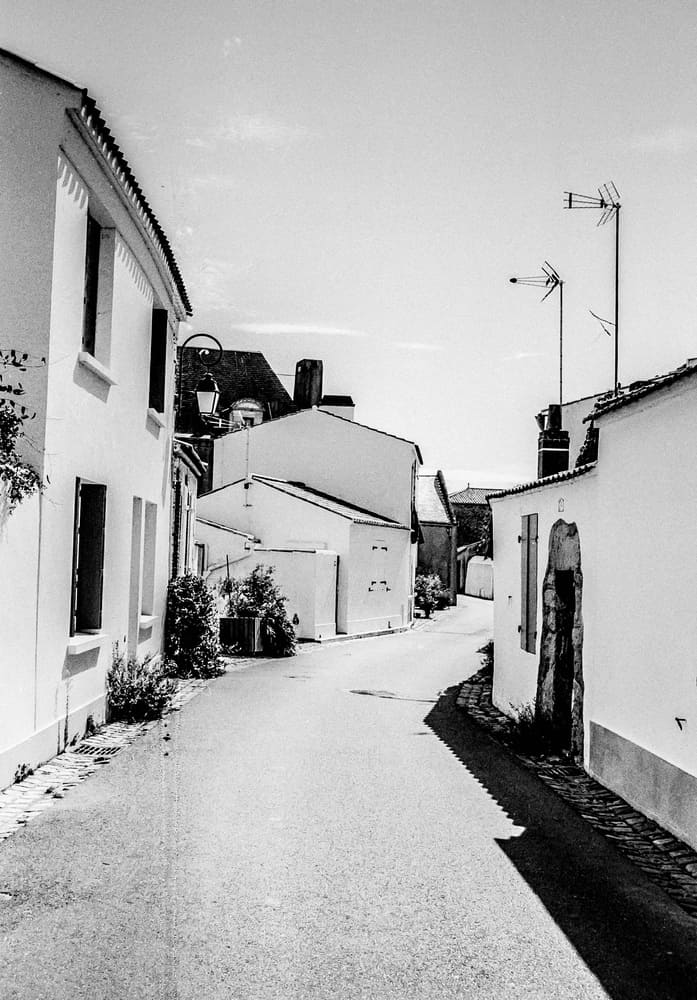
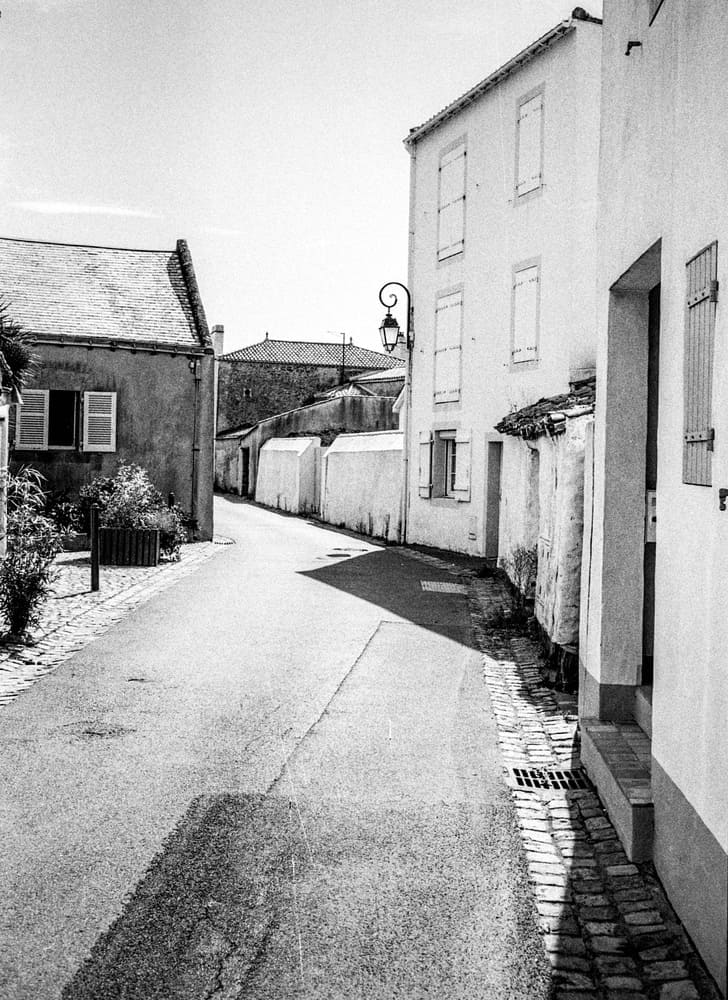
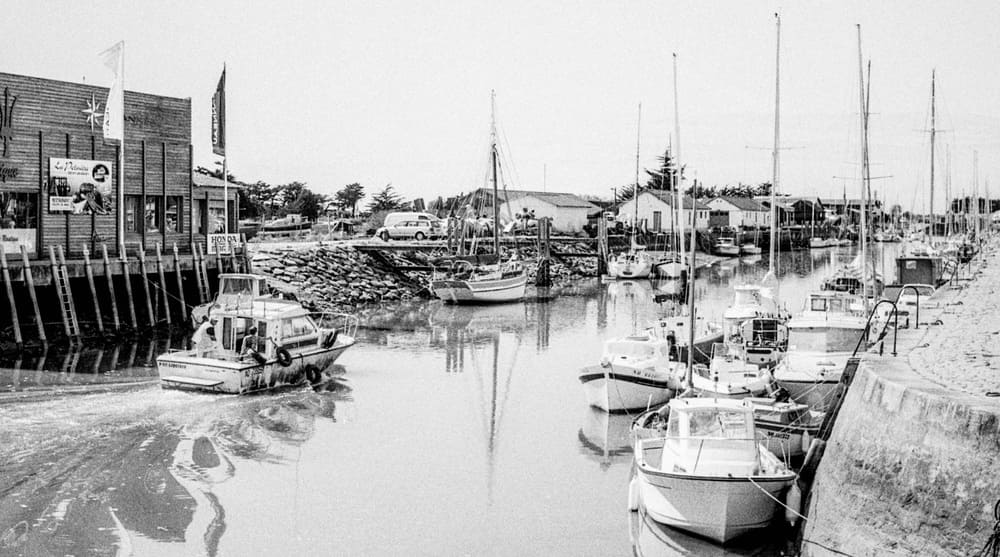
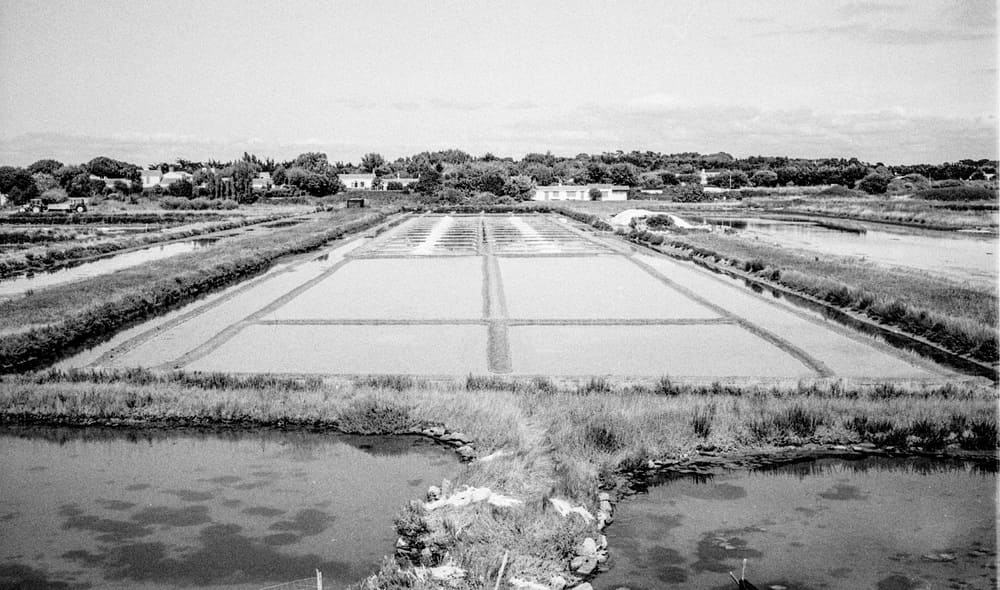
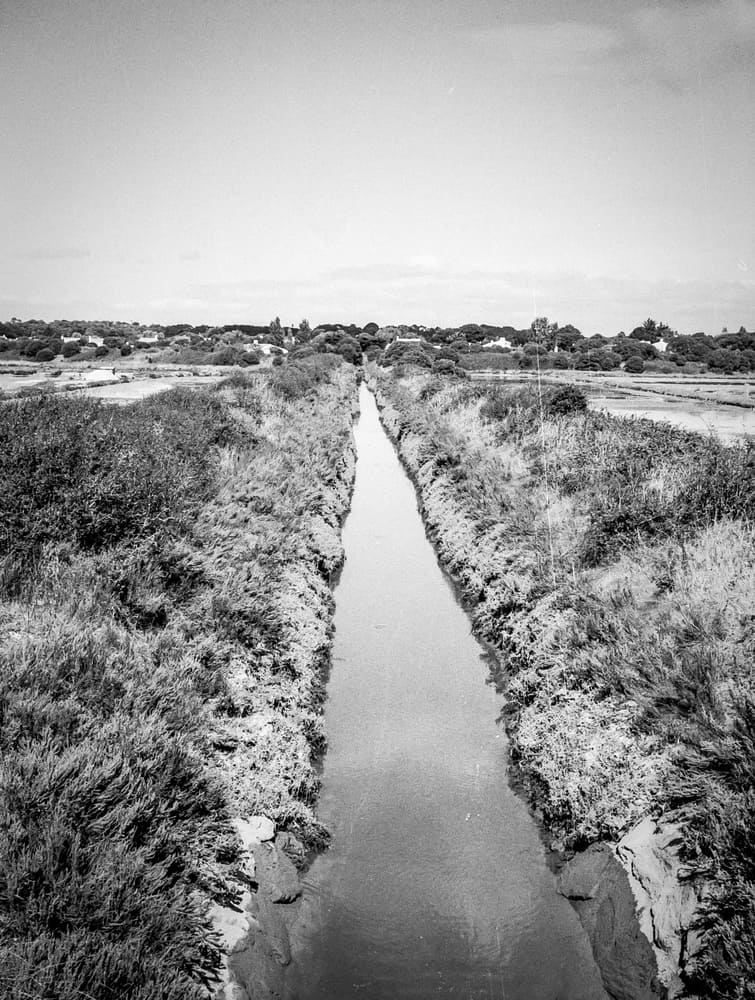
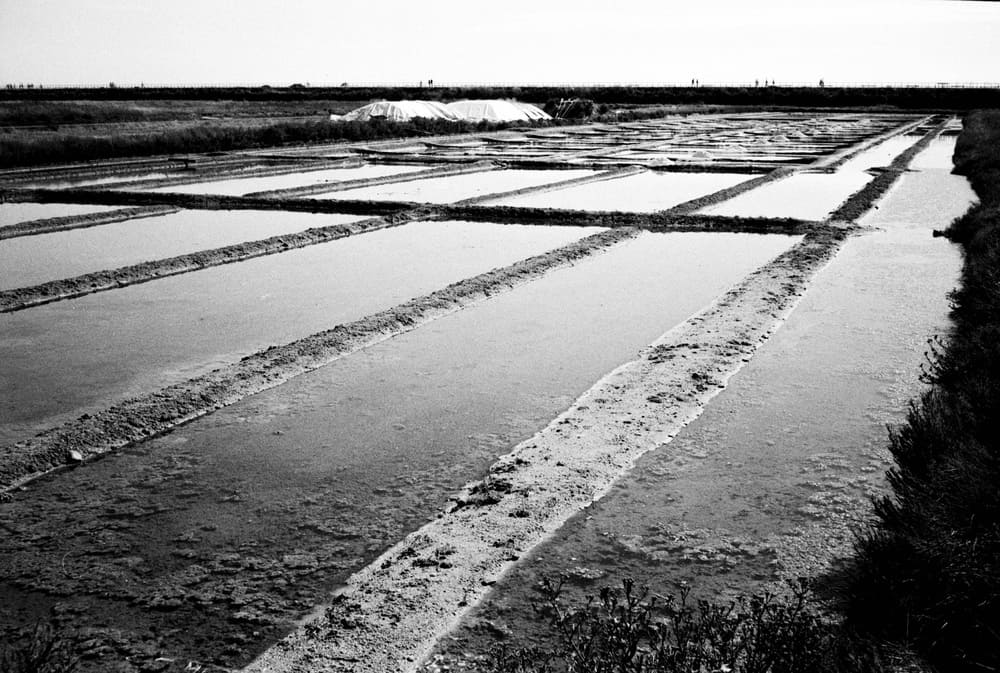
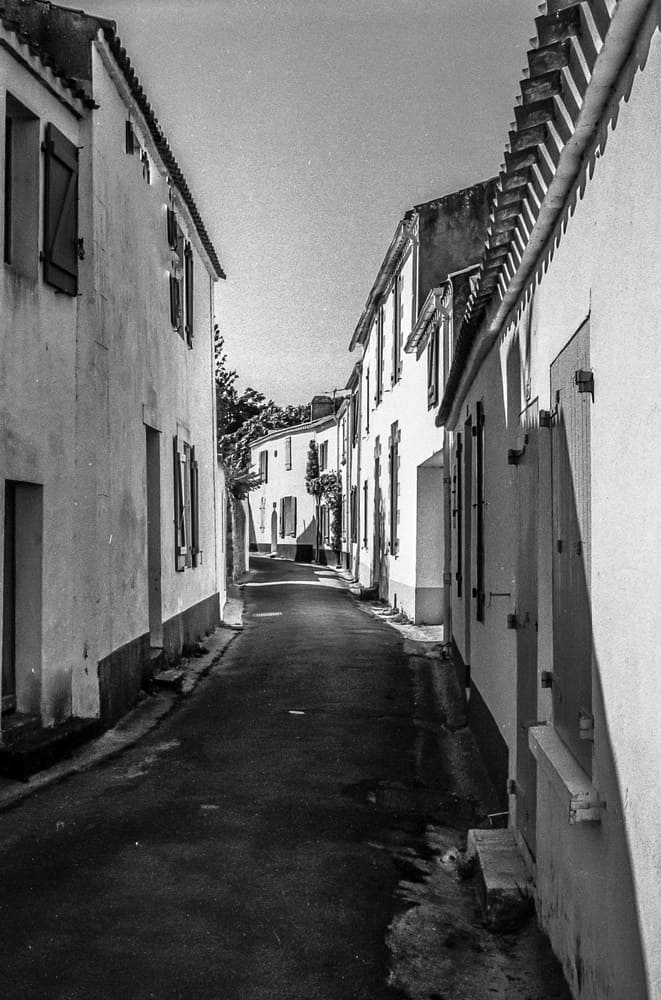
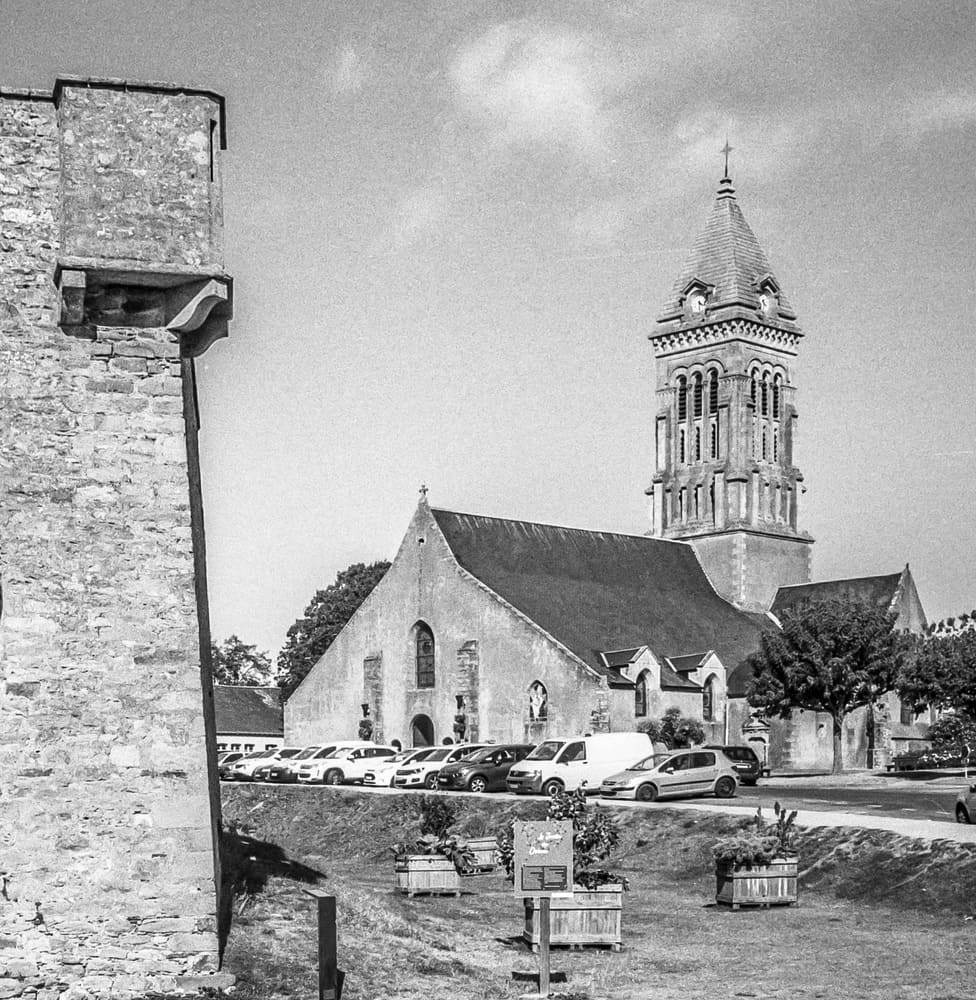
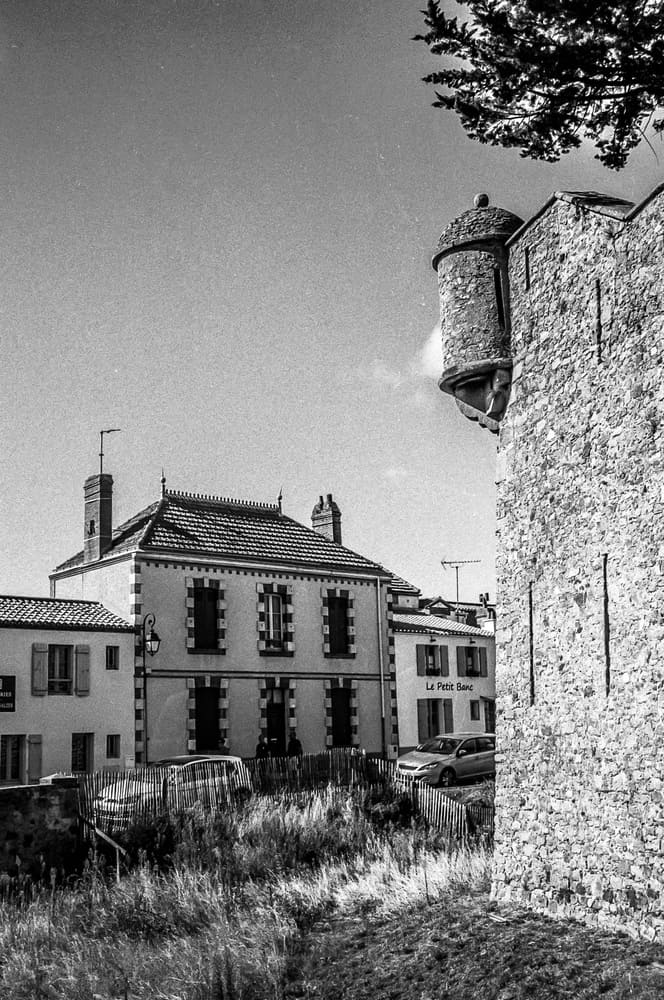
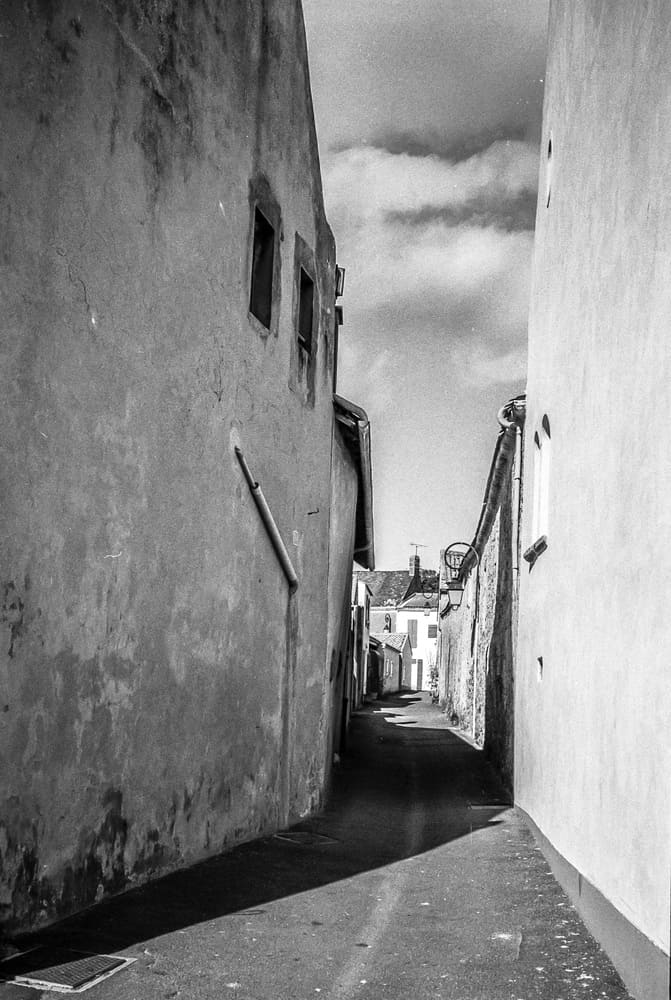
Welcome back, dear reader, to another delve into the Film Archive from before this wonderful blog that I know you enjoy reading so much. I appreciate being able to share these photos with you in the hope that they may not only please you but also offer insight into an older form of photography, one where concerns about overheating or battery life were minimal. I want to demonstrate how it is still possible to achieve great results with any camera and that the main quality in your photography comes from you, the photographer.

Earlier this year, I was there with my Canon 6D Mark II, but today, we’re revisiting my visit from September 2016. At that time, I didn’t have my Canon, but I did have the Olympus Trip 35 with HP5 Plus film from Ilford. I used that camera quite a lot that summer and continued to use it in September. I might just have to dig it out of my camera cupboard and use it again. Constraints and minimal kit often lead to more creative decisions—just think back to my UK trip, where I only had my X100F with me.

Let’s start with the camera. It’s a small but gorgeous camera designed for the mass market in the 1960s and was still being produced in the 1980s, which attests to its appeal among casual photographers. With relatively few controls, it’s pretty foolproof. I can adjust the film ASA setting, and the selenium cell housed with the lens takes care of the rest, whether it’s aperture or shutter speed. The famous red flag appears in the viewfinder when the camera senses insufficient light. All I need to do is set the focus zone.

I must have bought mine around 2015 or 2016, and it was quite affordable at the time—no more than 50€. It was an iconic camera then and still is today, but as the supply of these cameras dwindles, prices have increased. You can now expect to pay 100€ or more, with some models even reaching nearly 200€. It remains a great camera but might be a victim of its own success, along with sellers’ optimism and greed. Buyer beware—shop around, and you might still find more accessible prices.

As for film, prices have also risen, especially for Kodak film, but Ilford remains affordable, as do Kentmere, Fomapan, and Rollei.

I’ve travelled the same road numerous times, and it always brings me a certain sense of peace. I tend to stop off at familiar spots along the way, and those of you with an eagle eye will recognise some of these locations from other photos in this blog.

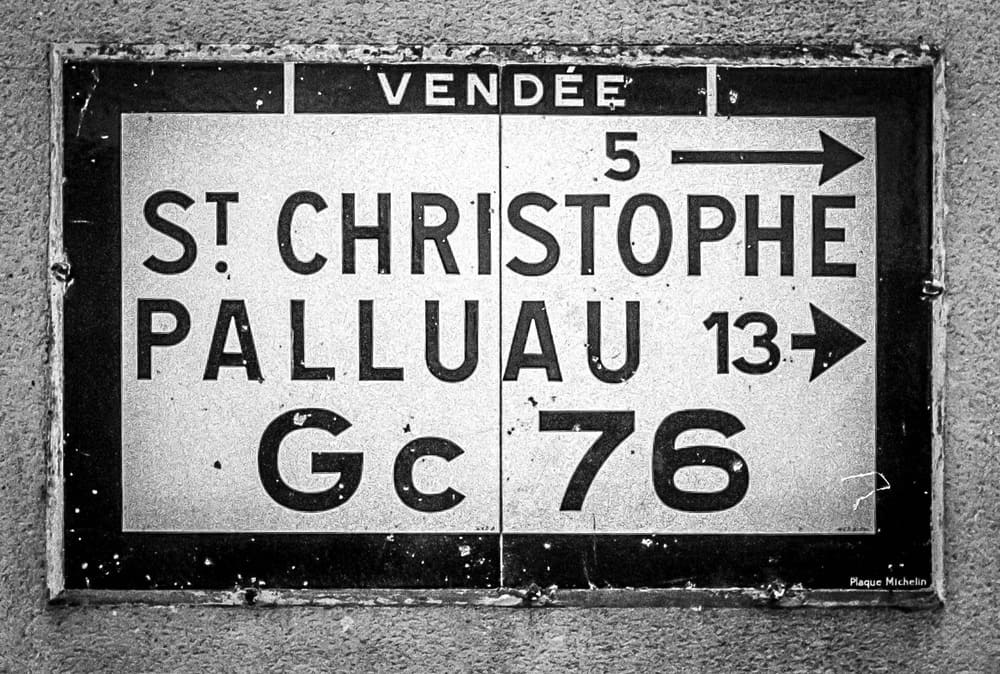
But why go to Noirmoutier? Firstly, why not? It’s just over an hour’s drive from my home and is a popular destination for many locals from the Vendée. The island now suffers from overtourism, which has certainly changed its character since 2016. Efforts have been made to manage the flow of tourists, with improvements such as parking, pedestrian zones, clearly marked hiking trails, and numerous bike lanes. It’s a beautiful part of the world, so typical of the Vendée Coast with its pinède and long beaches. However, not everything is about tourism. The island is also renowned for its salted butter made with salt from local salt marshes and the famous potatoes from Noirmoutier. Additionally, there’s a small fishing fleet, as well as the fleet from Le Port du Bec in the neighbouring Beauvoir-sur-Mer.

The UK Chronicles, Part II: Alnmouth


A Rare Visit to Alnmouth: Making the Most of It

Little did I know this would be my only visit to the beach and village of Alnmouth this year, so I decided to make the most of it. I had my X100F around my neck, as usual. I was up at the crack of dawn, chasing that perfect light once again.

The morning routine was pretty much the same as my first day in Lesbury: early rising, early breakfast, and an early cup of tea. The weather was gorgeous, and the light was amazing. What could go wrong?

Arriving in Alnmouth: The Beauty of Early Morning Light

I hopped in the car and headed to Alnmouth, just a short drive down the road. As I came around the roundabout in Hipsburn, Alnmouth and the River Aln came into view, bathed in golden light. The reflections on the water were breathtaking. It was early enough to find a parking space without any trouble. If you’d like to see more photos of Alnmouth, I can add a link for you.
Exploring Alnmouth: A Village with a Rich History

As the name suggests, Alnmouth is a village at the mouth of the River Aln. It was once a bustling port, playing a significant role in 17th-century Northumbrian trade. I’ll let you read up on that on Wikipedia, and I’ll be here when you’re done.

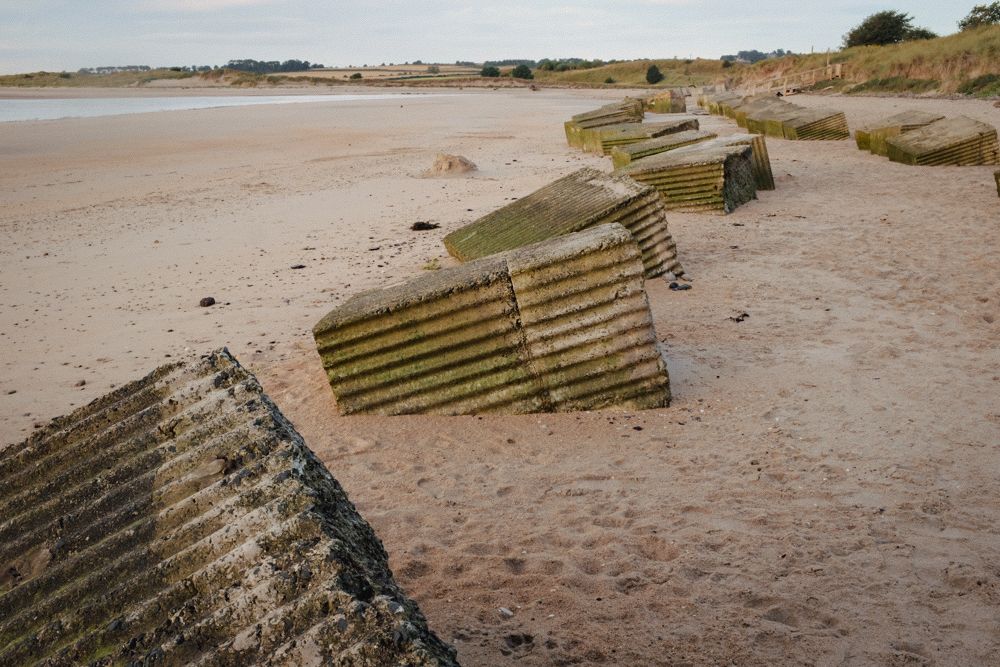
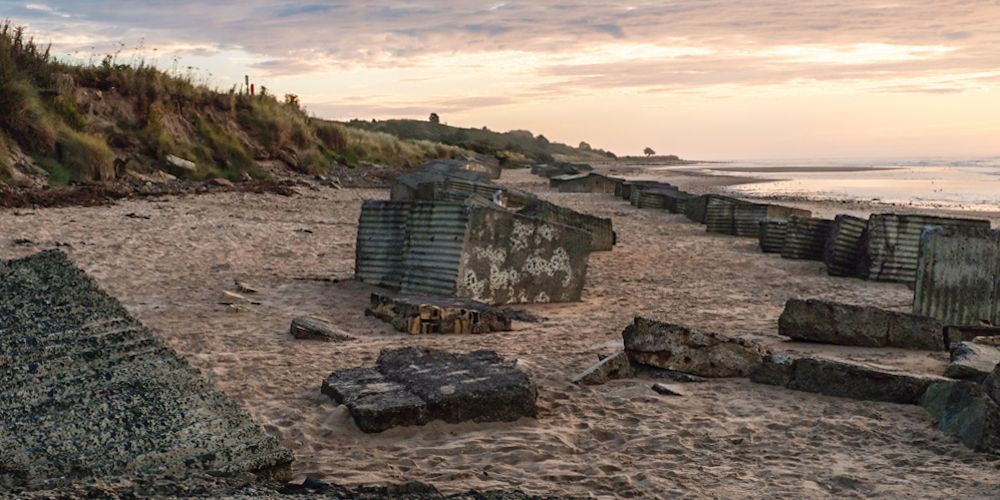
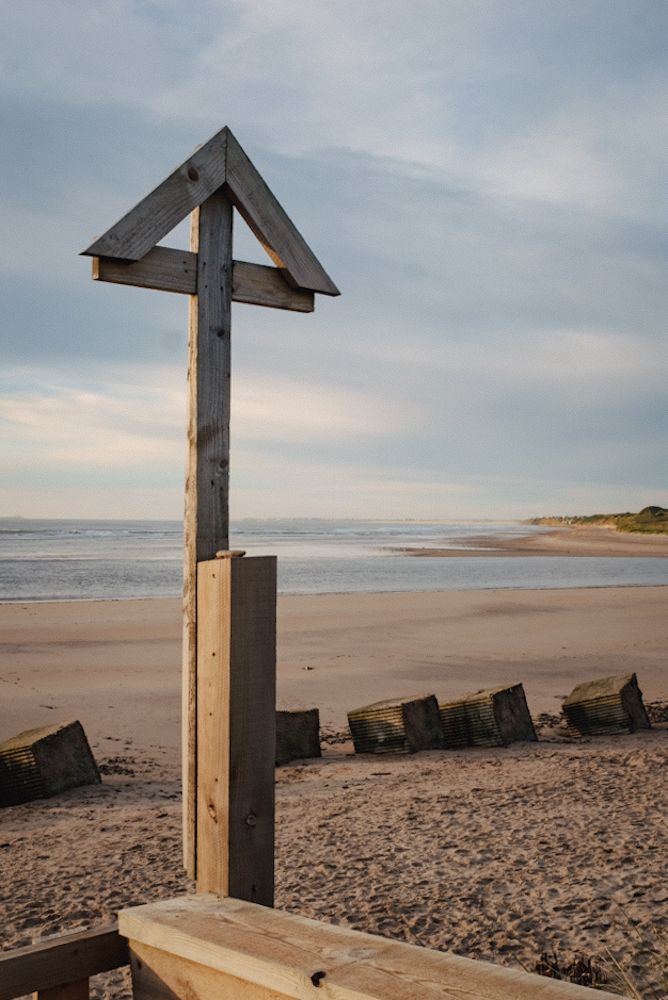
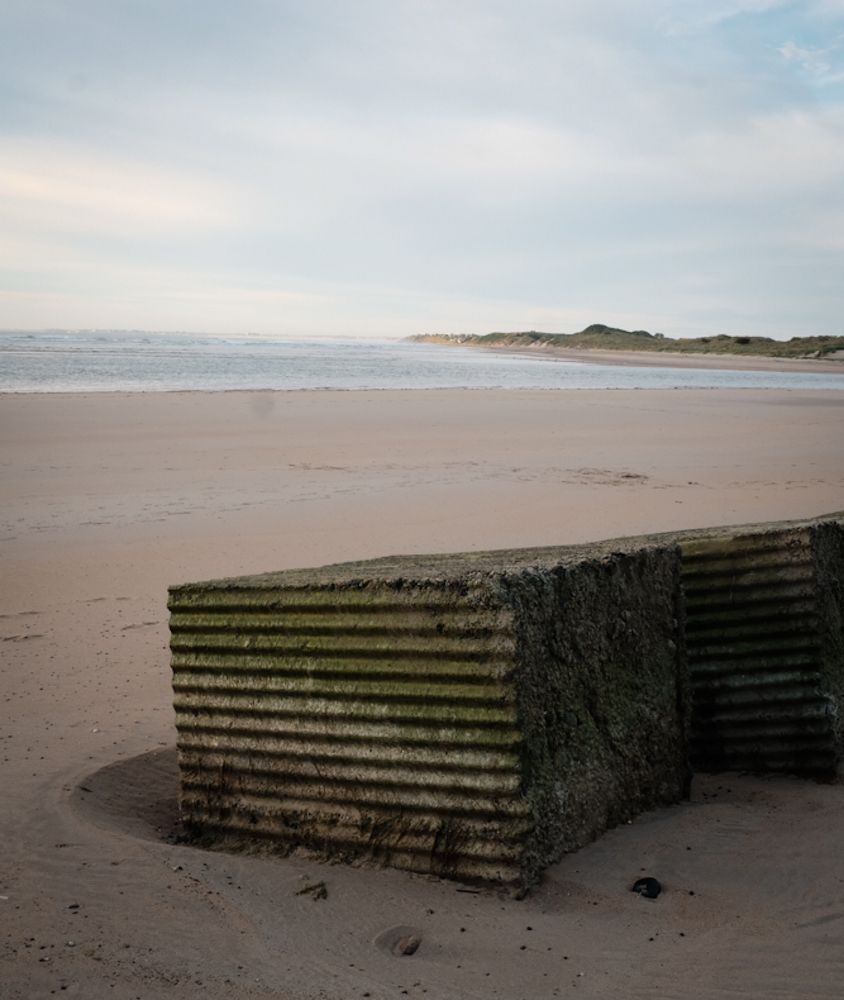
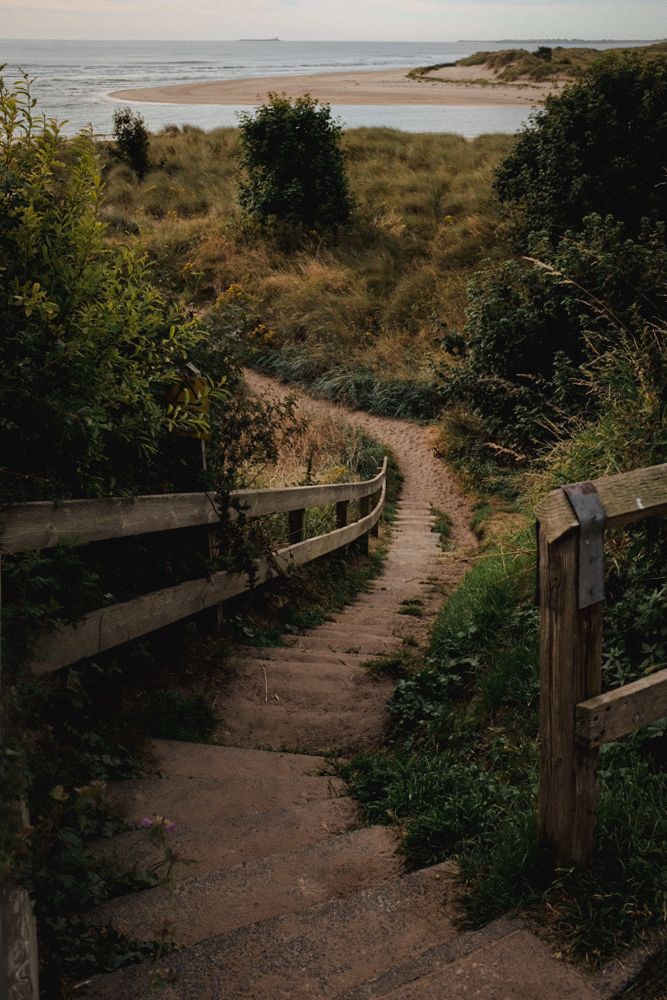
The village was still asleep as I made my way past the golf club and down to the beach. The only people around were a few dog walkers and me, enjoying the morning’s fresh air. The orange hues in the sky were perfectly reflected on the sand.

Discovering Color in Photography: A Shift in Perspective

For those interested in color theory, the use of complementary colors was striking—blue skies contrasted beautifully with the oranges in both the sky and the sand. I’m on a quest to explore my colorful side. While I still love black-and-white photography, this trip made me eager to embrace color.

My knee wasn’t even hurting; I felt fantastic. Maybe there’s something to be said about the sun’s healing powers. I made my way back to the car, carrying a lump of coal I’d found on the beach. It was too good a find to keep to myself. Surely, Killian would be up by now. Lesbury was only five minutes away. Oh, what the heck? I’ll go wake him up!

Father-Son Bonding: Revisiting Alnmouth Together

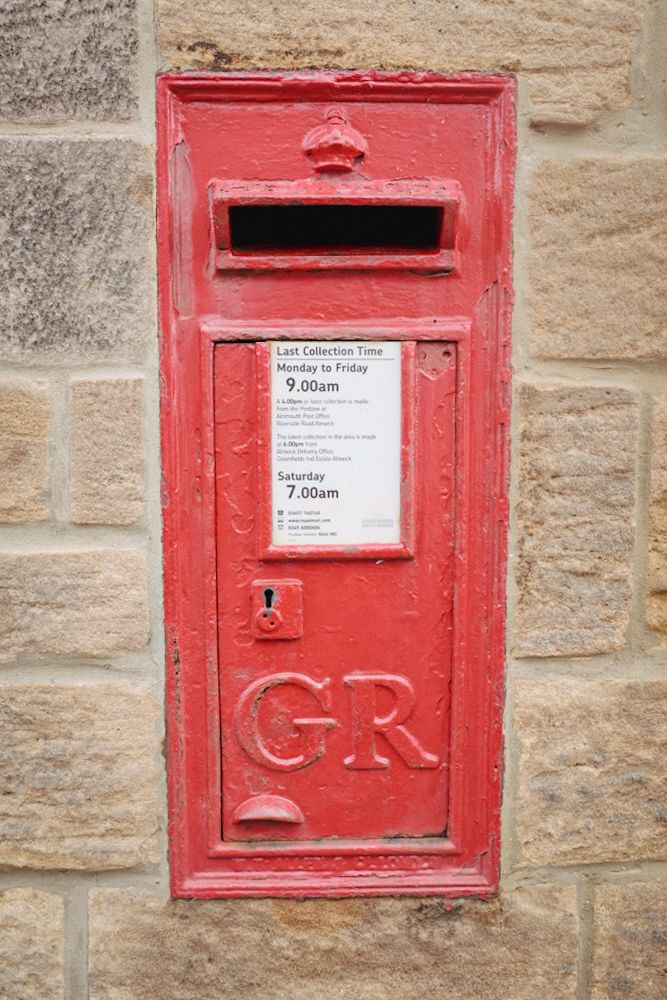
Killian was fine getting up and out with me. I only had to bribe him with a sandwich and some chocolate. We went back to Alnmouth together, and I took more pictures of the village. It was a very pleasant father-son bonding moment. He wanted to go to the post office or general store. They didn’t take cash, and for once, I was able to pay with my card for him.

Switching Editing Tools: From Snapseed to Mobile Lightroom

I recently talked about Snapseed and had been using it to edit my photos, but this time, I wasn’t happy with the results. The photos had so much potential, and I didn’t want to waste them. Some friends had recommended Lightroom Mobile, so I decided to give it a try. I already knew my way around Lightroom on the PC, and I felt right at home with the mobile version. It was very intuitive—almost as much as Snapseed. What a pleasant surprise!

So, I went back with Killian and took more pictures of the village. It turned into a wonderful father-son bonding moment. He wanted to visit the post office or the general store, but they didn’t accept cash. Luckily, I could pay with my card for him.

A Missed Opportunity: Scotts of Alnmouth

I was hoping to visit Scotts of Alnmouth, but they were closed. As we walked back to the car, I saw the owners heading to work and was invited to come back when they were open. Unfortunately, I never managed to return to taste their wonderful coffee and cakes. That was the only low point of the holiday. But as that Austrian strongman and actor famously said, “I’ll be back!” It’s good to be home.

The UK Chronicles – Preface


Off to the UK

Good Evening, Dear Reader. You might not be able to feel the same excitement and trepidation as me, but I can assure you it’s palpable. I’m not talking about the Olympics, or the opening ceremony, which was very, very French. I’m talking about my upcoming annual leave. I will be going home to the UK for 10 days. I will be going home. Home is where the heart is, and as my mate David Frank once reminded me, you can take the boy out of Hull, but not the Hull out of the boy. How right he is. Even after 30 years of living in a foreign country, and despite having become somewhat “continental,” the UK is, and always will be, home.

Heading Home: Embracing Nostalgia and Anticipation

The physical preparations are not underway yet, but the mental ones certainly are. We will be driving up to Calais from the Vendée. It is a drive that over the years has become vaguely familiar, and I have the images in my mind of the various stops along the way, and the signs that I will be looking out for. My wife is a professional driver, and I will be relegated to helping out when she becomes tired and needs a rest.

The Road to the North: Familiar Drives and Service Station Delights

I don’t know about you, but when I’m in my car, I’m in a familiar environment, and it feels a little like having a part of my home with me. The controls for driving are second nature, and I don’t have to think. As I have mentioned, I am a creature of habit, and despite not being alone whilst driving, and the possibility of a mad screaming harpie, I mean wife, sitting next to me, I’m still looking forward to the trip. For the first time in 4 ½ years, my son will be coming with us, so I’ll have some masculine back-up and will feel less dominated by my daughter and wife.

We will have a stopover in Dover, and take the now familiar road up to Northumberland to see my parents. I’m actually looking forward to the service stations in the UK, especially one near Peterborough, that has a kind of Food Court, which includes Marks and Spencer. I’m looking forward to biting down onto a prawn cocktail sandwich, and a Wensleydale and carrot chutney sandwich. I know it’s not the “gastronomie” that the French might talk about, but to me, it’s about the nostalgia of the thing. It’s part of coming home.

Home Away from Home: Comfort in the Driver’s Seat

But, I hear you say, Dear Reader, you haven’t talked about cameras or photography yet? And you would be right. Thank you for allowing my little trip to nostalgia land. So, let’s talk about cameras for this trip. There is, of course, the X100F, that is the travel photographer’s camera par excellence. It’s compact, it works, and gets the job done. It’s what I will probably be using nearly 80% of the time. The 35mm F2.0 lens has me covered for nearly all situations, and if I take the telephoto conversion lens, then I’ll be even more covered.

Capturing Northumberland’s Beauty: Gear and Location Plans

Do I already have plans for where to take photos? Mayyyybe…

I have already a largish selection of photos of the village of Alnmouth, that you should be able to find on this site, either by using the search bar, or looking at the tag list at the bottom of every article. But, believe it or not, Northumberland is not just about Alnmouth. I know. Mind blowing.

I would like to get some shots of Dunstanborough Castle (for which I might even have to take my Canon 6D Mark II and various lenses, but I’m not sure about that yet), Beadnell, Seahouses, the Farne Islands, Holy Island, Craster, Bambourgh Castle. There’ll be beaches, islands, birds, seals, boats, and harbours. I even thought of going down by Amble and maybe stopping off in Walkworth.

That might mean a Canon bag, with lenses and filters, and possibly even a tripod. Decisions, decisions. Do I need more room in the car, and will the family gang up on me if I take more photography kit with me? There is a difference in volume and weight, of course.

Weathering the Storm (Or Not): Temperature Contrasts and Photographic Possibilities

I suppose it all depends on the weather. One tends not to visit the UK for the great weather. Here in my little corner of France, it’s supposed to be getting up to 36°C today. Not in Northumberland, though. I’m expecting 20°C and maybe lows of 14°C. Much more comfortable, and almost human.

Conclusion

So “home is where the heart is” is still something that resonates with me.  Thirty years a foreigner, and yet as a lot of us immigrants, we’ll never be completely at home in our adopted country, we are condemned to never feel fully at home in our home country.  We will be “continental”.  Our very essence has changed. The nostalgia for a past that has moved on since we left is another of our penances.  Maybe that’s why I do so much black and white photography; a way of trying to capture this bygone time.

The Opening of the Film Archives – Saint Cado, Belz, Morbihan


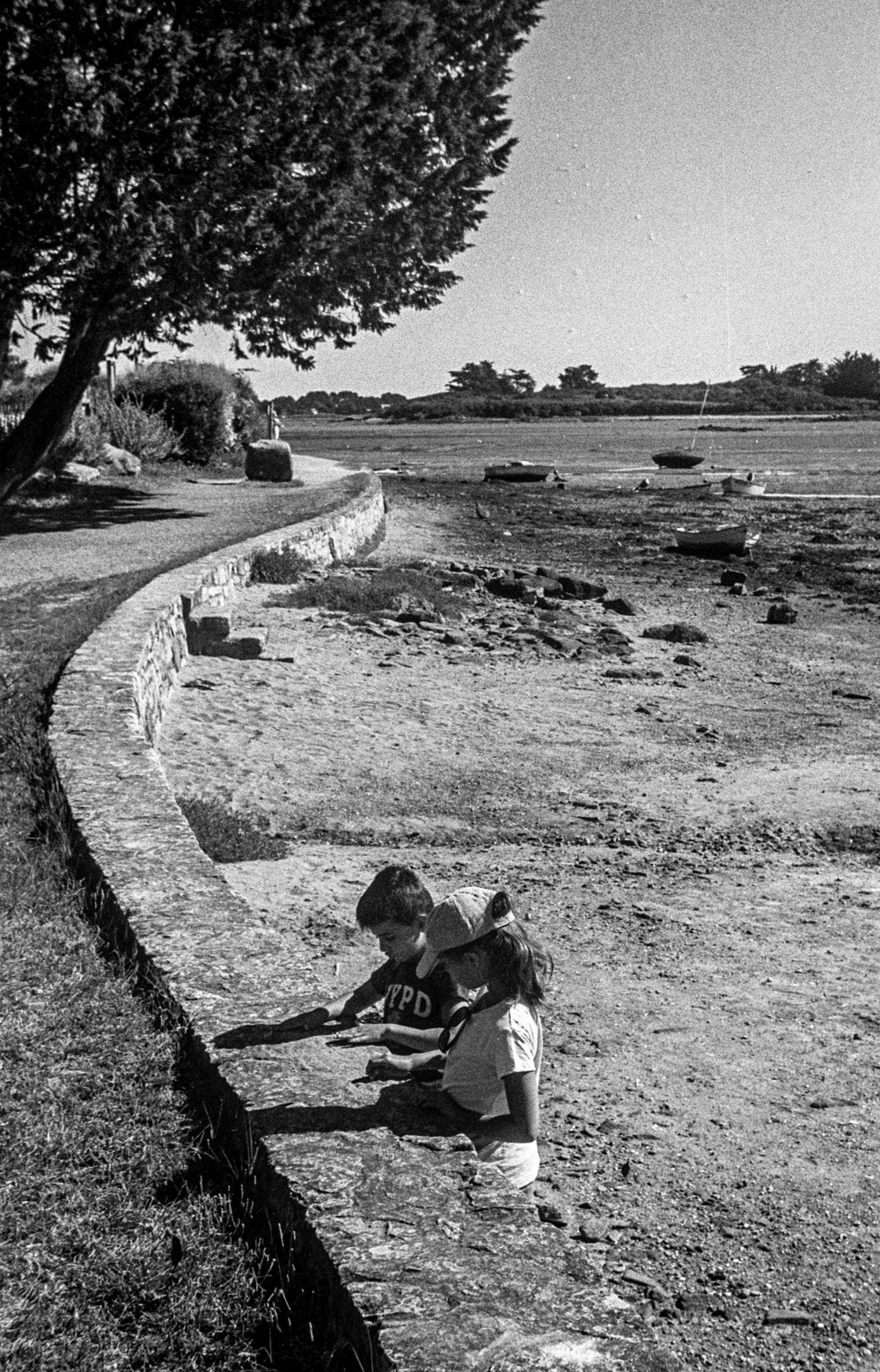
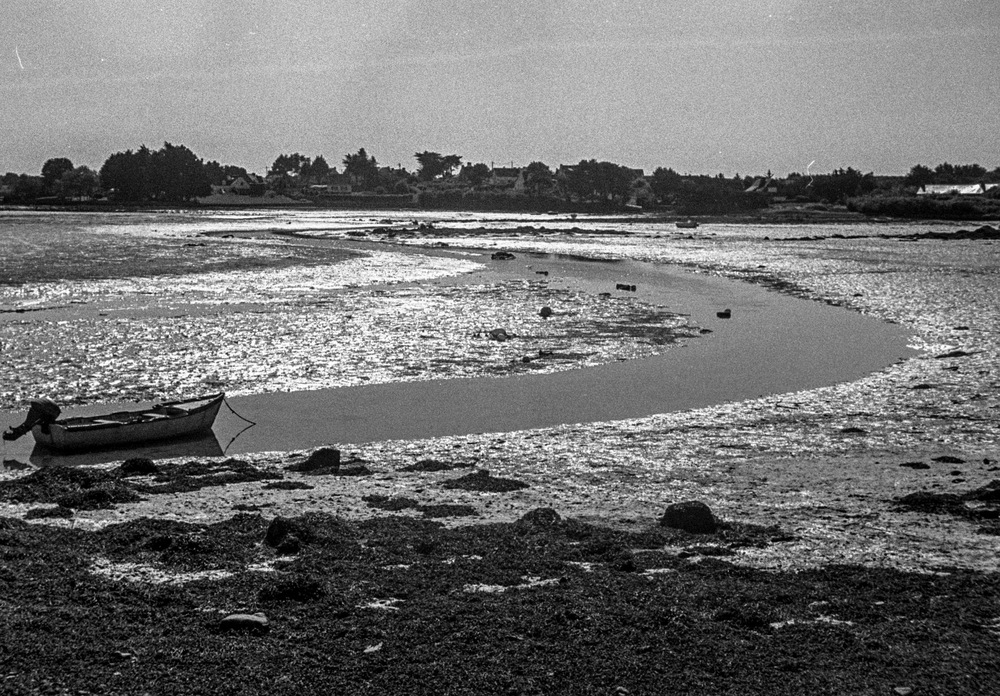
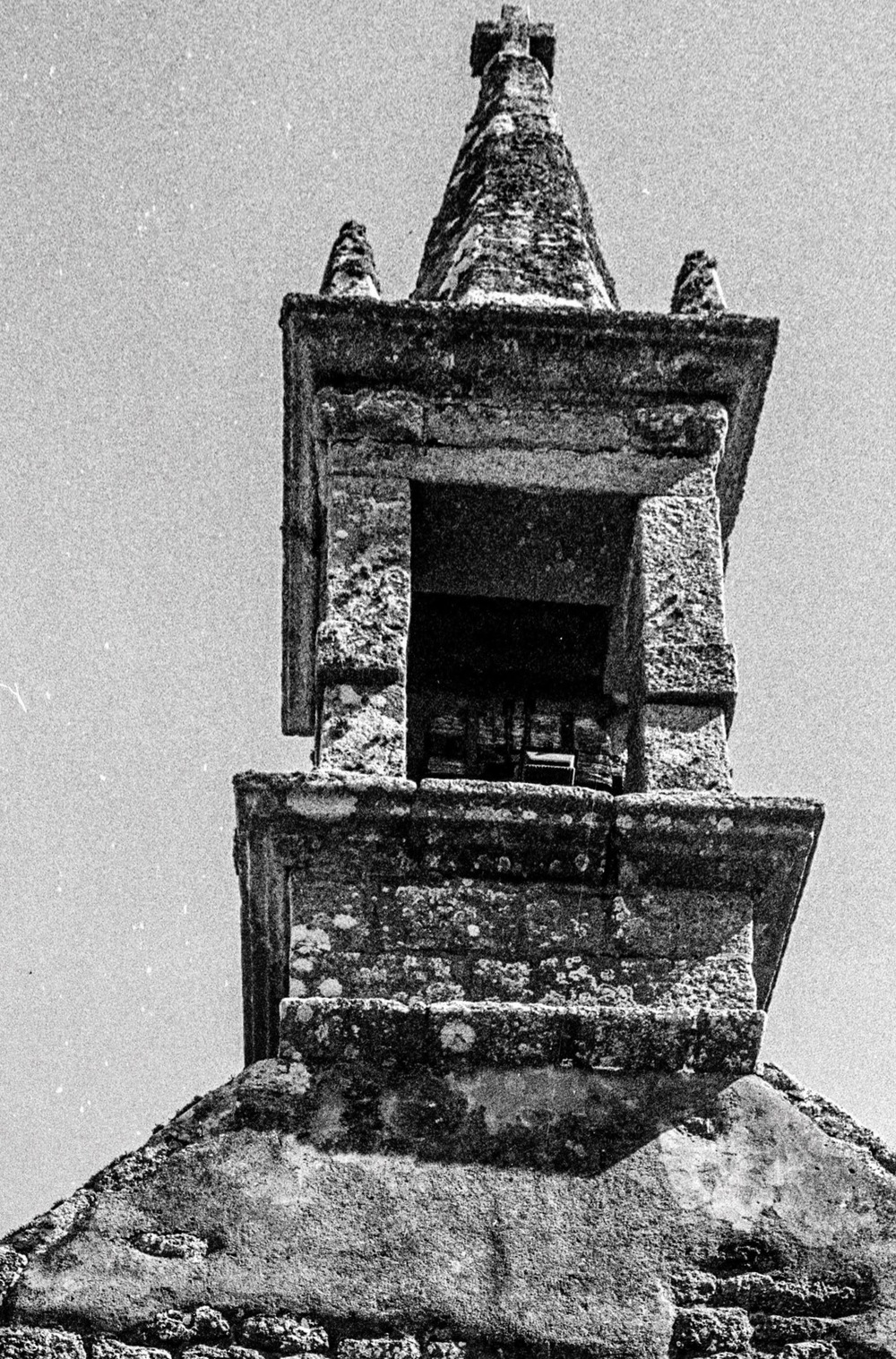
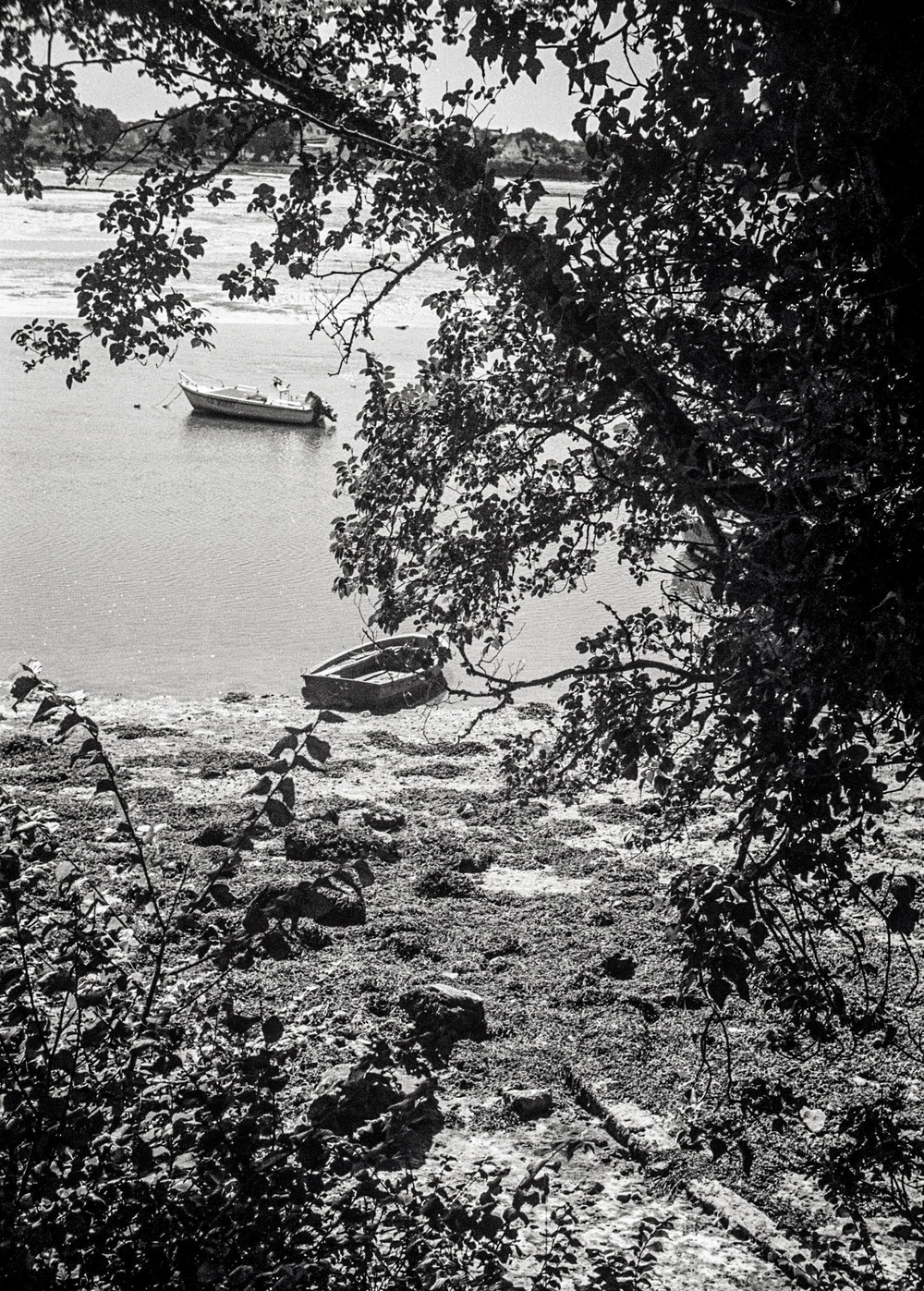
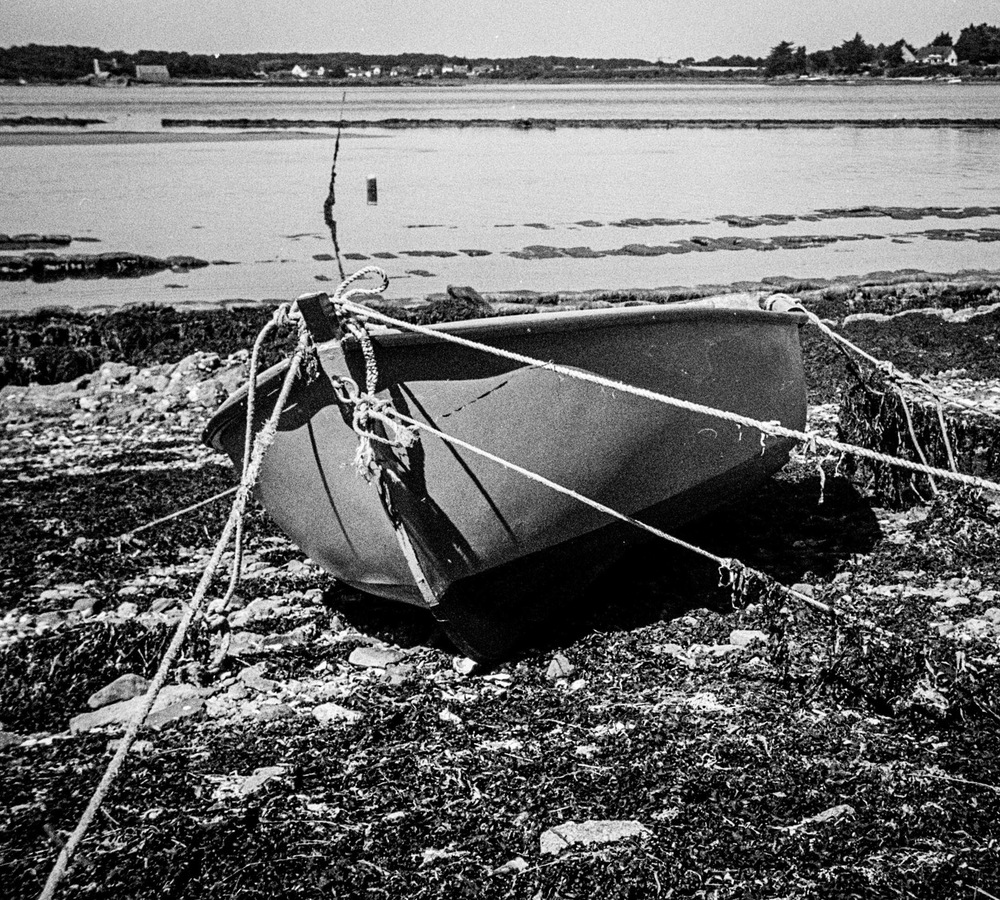
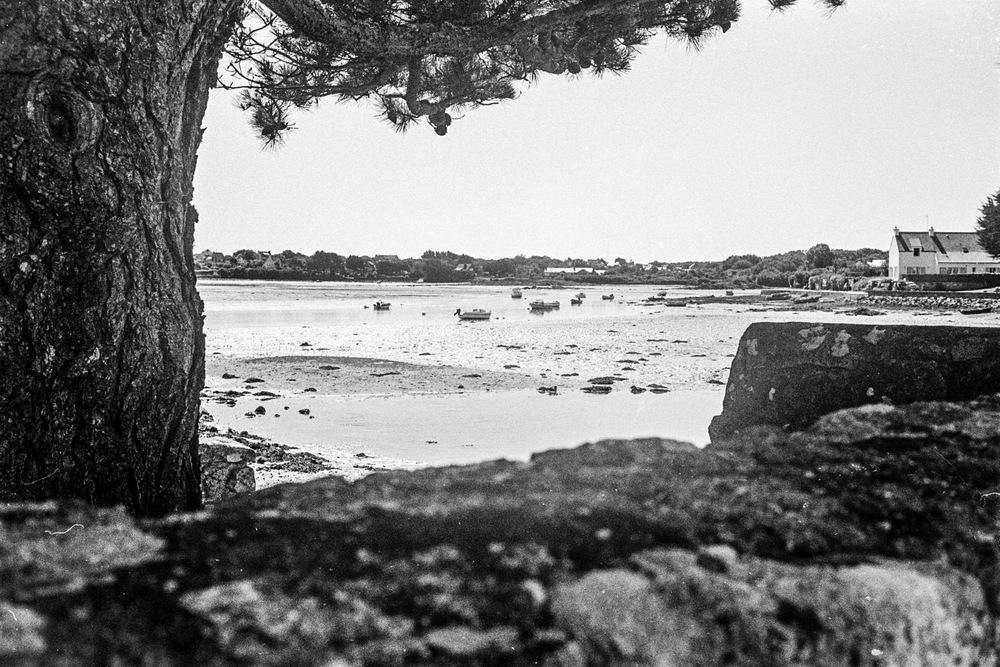
Welcome back to the film archives, and welcome back to Brittany, that gorgeous corner of France where my in-laws live. I think I might have let it be known that my French family love camping. Yes, they’re so in tents… I’ll just let that joke sink in for a couple of seconds. In 2016 I had begun “collecting” cameras. The photos from this Breton outing in Saint Cado were taken with the Kodak Retinette 1B, a little gem of a camera from the 1960s, and HP5 Plus film.

We’ll start with Saint Cado. It’s one of those picture-perfect postcard places. It’s not easy to take a bad photo of the place. It’s photogenic. It’s quaint. It has all the clichés of a small Brittany island in the Ria d’Etel, which is an inland sea connected to the Atlantic at the Barre d’Etel… I’m thinking lobster pots, oyster beds, black and white houses with slate roofs, a local Saint, a chapel to this local saint, who was actually from Wales of all places, and a miraculous fountain that fills up with every incoming tide. Yes, it’s one of those places… Did I mention that the bridge that links the island to the mainland is a Devil’s bridge? It is said that the devil demanded the soul of the first creature to cross it. The story relates that Saint-Cado, who was a shrewd fellow, put a cat on it! It is just gorgeous!
Let’s talk about the Kodak Retinette 1B. As I said in the introduction, it is a camera from the 1960s that uses zone focusing, and the 1B as opposed to the 1A has a selenium light meter that works a treat. Zone focusing is where you focus by zones. Mind-blowing, right? If I look at my lens, I will see a distance measurement that I will use as a guesstimate. I will move my aperture dial and let’s say I’m at F8, well everything from one F8 to the other F8 will be in focus. A lot of cameras from this period used this system, and it works. If you want to open right up to F2.8, then there are little rangefinders that you can put on the hot shoe mount and there you will be able to get an exact reading for the distance from your subject. Up to you…

Why use a camera that is over 60 years old?  First of all, why not?  It works.  It’s simple to use.  It doesn’t need a battery.  You load your film and Bob’s your Uncle!  Off you go to shoot your 36 exposures.  It also looks pretty damned sexy hanging around your neck too…  It actually looks so sexy that my son nicked mine, and I had to go and get another one.  At the time of purchase I must have paid no more than £15, and even now it will cost you less than £50.  

So there you have it – a charming little island, a vintage camera, and a roll of trusty HP5 Plus. This trip to Saint Cado was a reminder that sometimes, the best photos come from the simplest tools and the most unexpected places. And who knows, maybe those old film cameras aren’t just gathering dust in the attic – they might just be waiting to capture your next adventure. (But if you happen to see my son with a Kodak Retinette slung around his neck, please tell him to bring it back!)