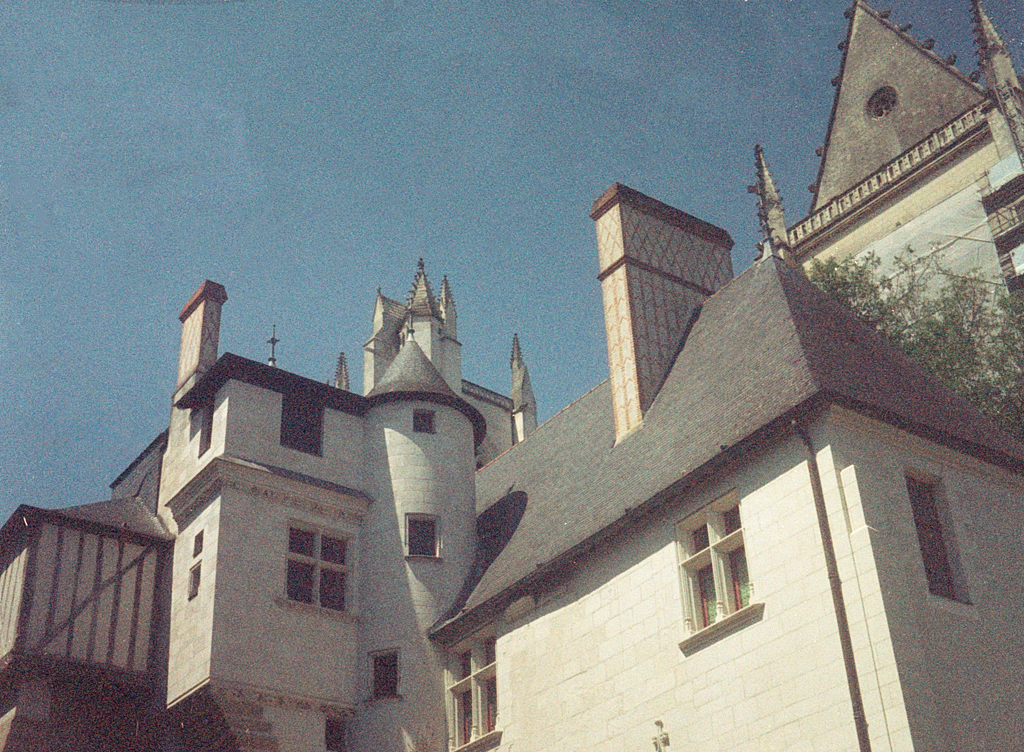
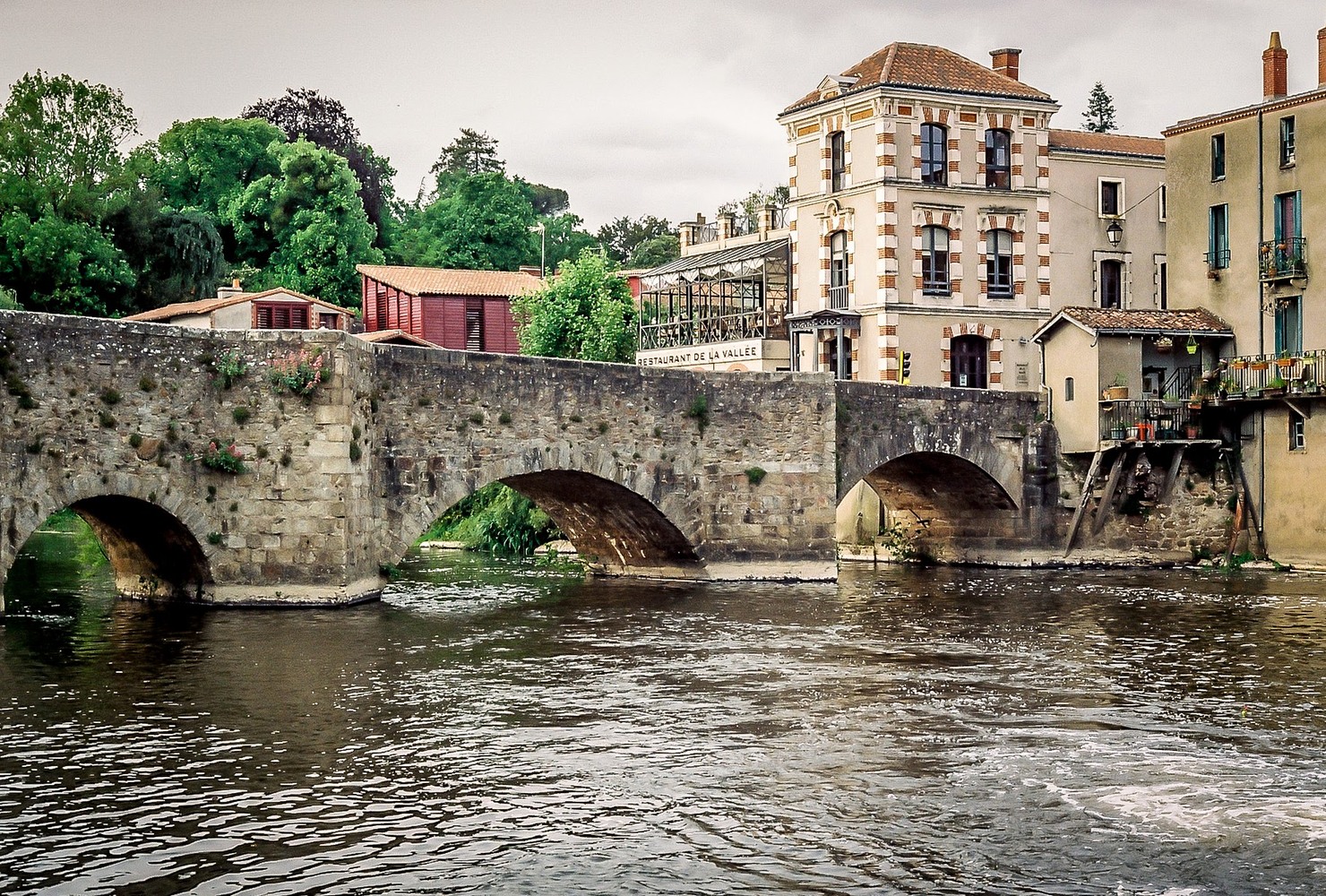
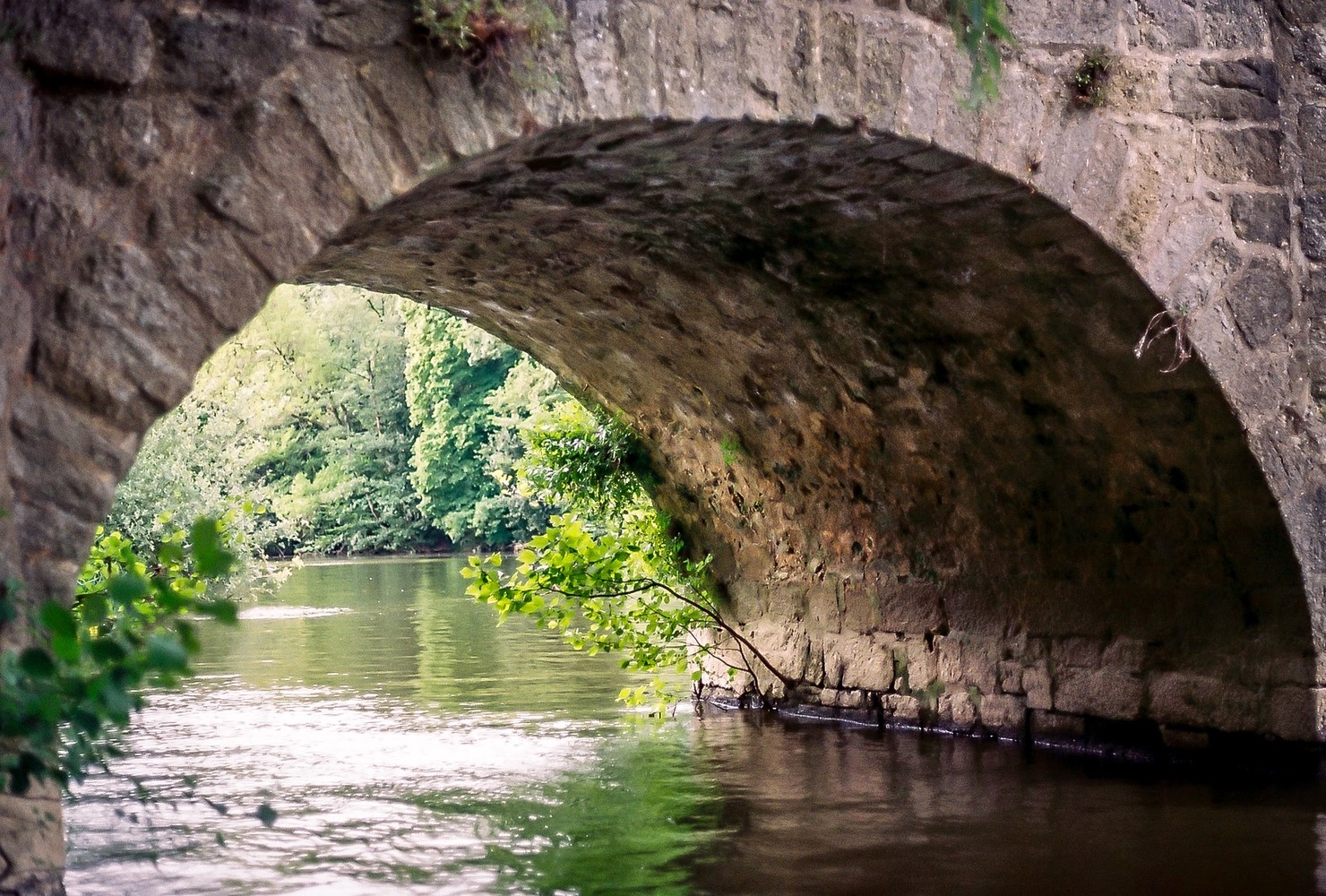
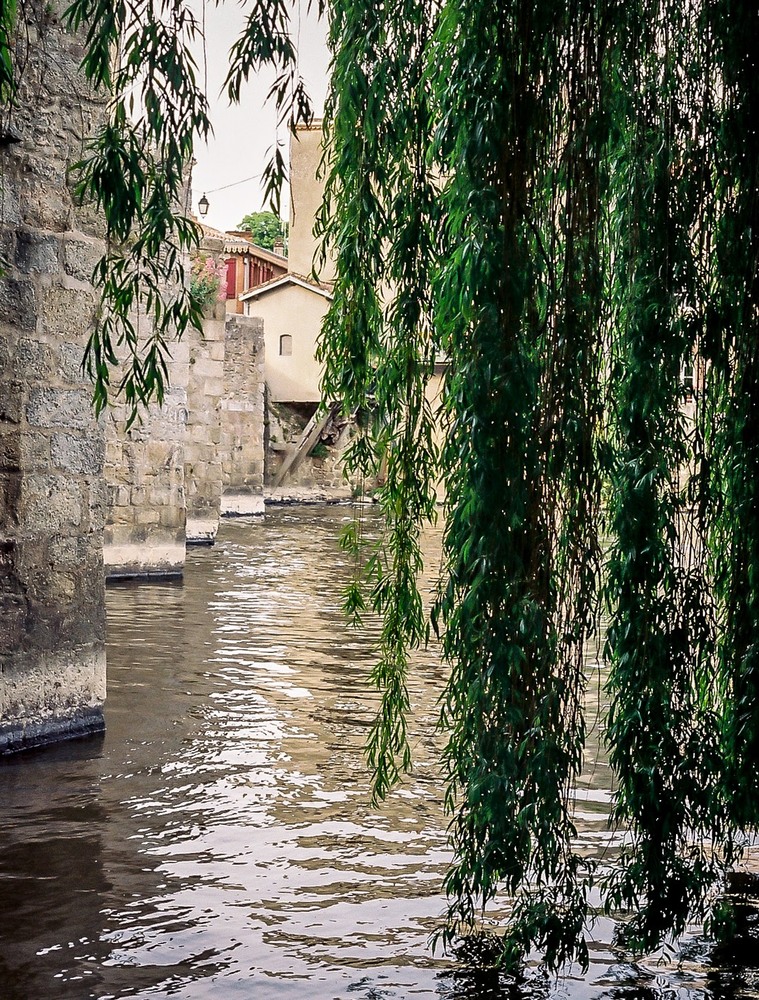
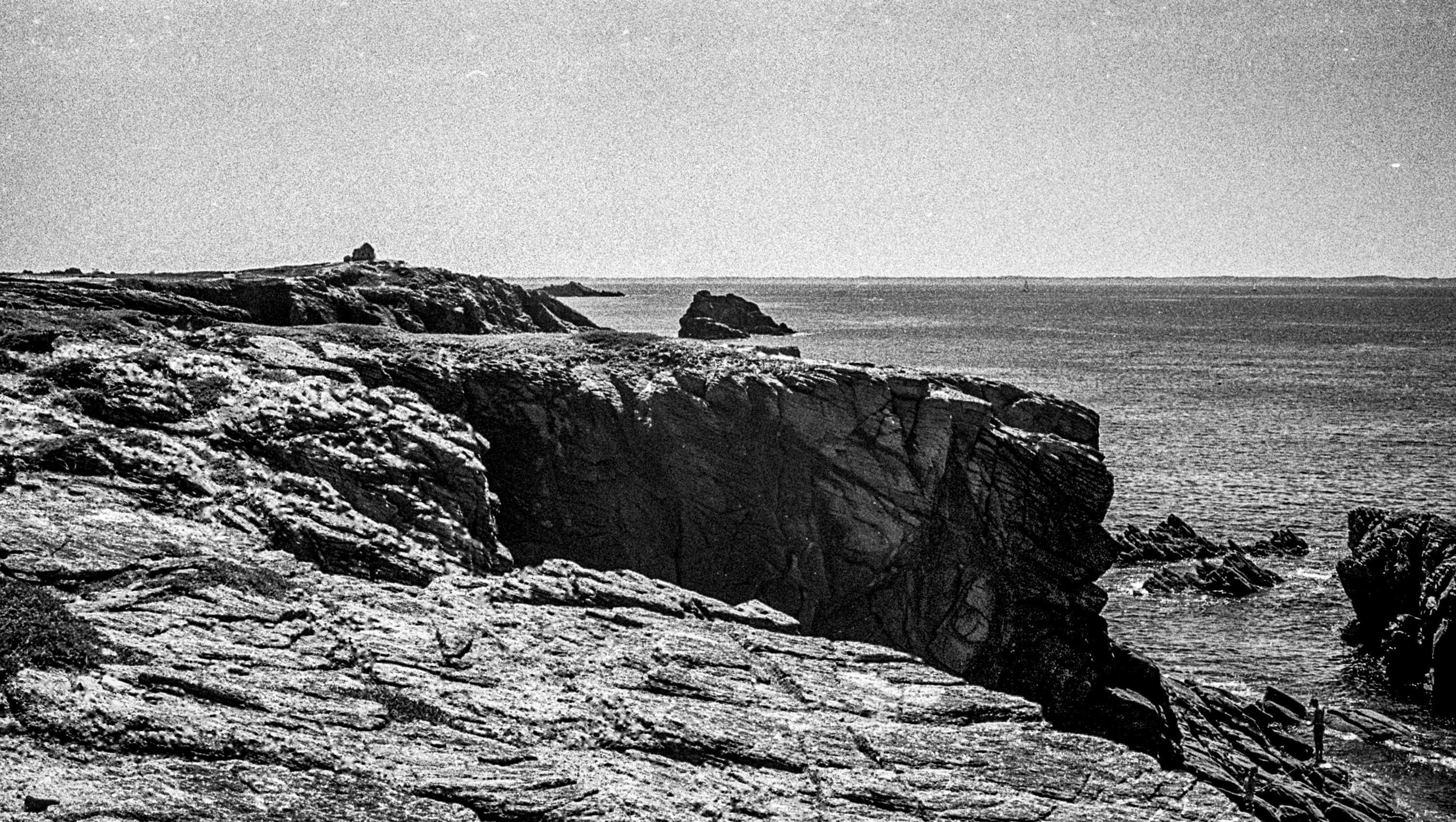
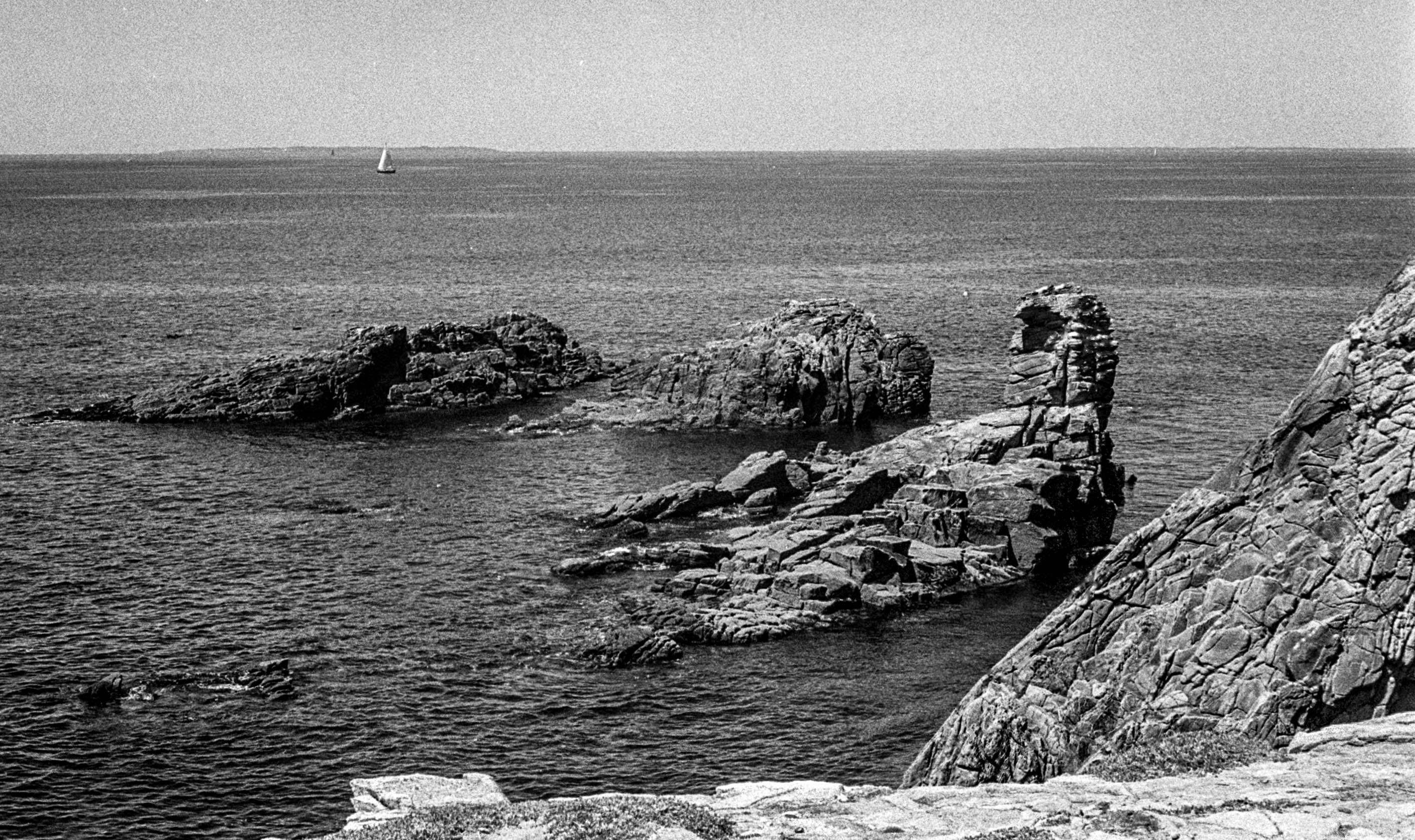
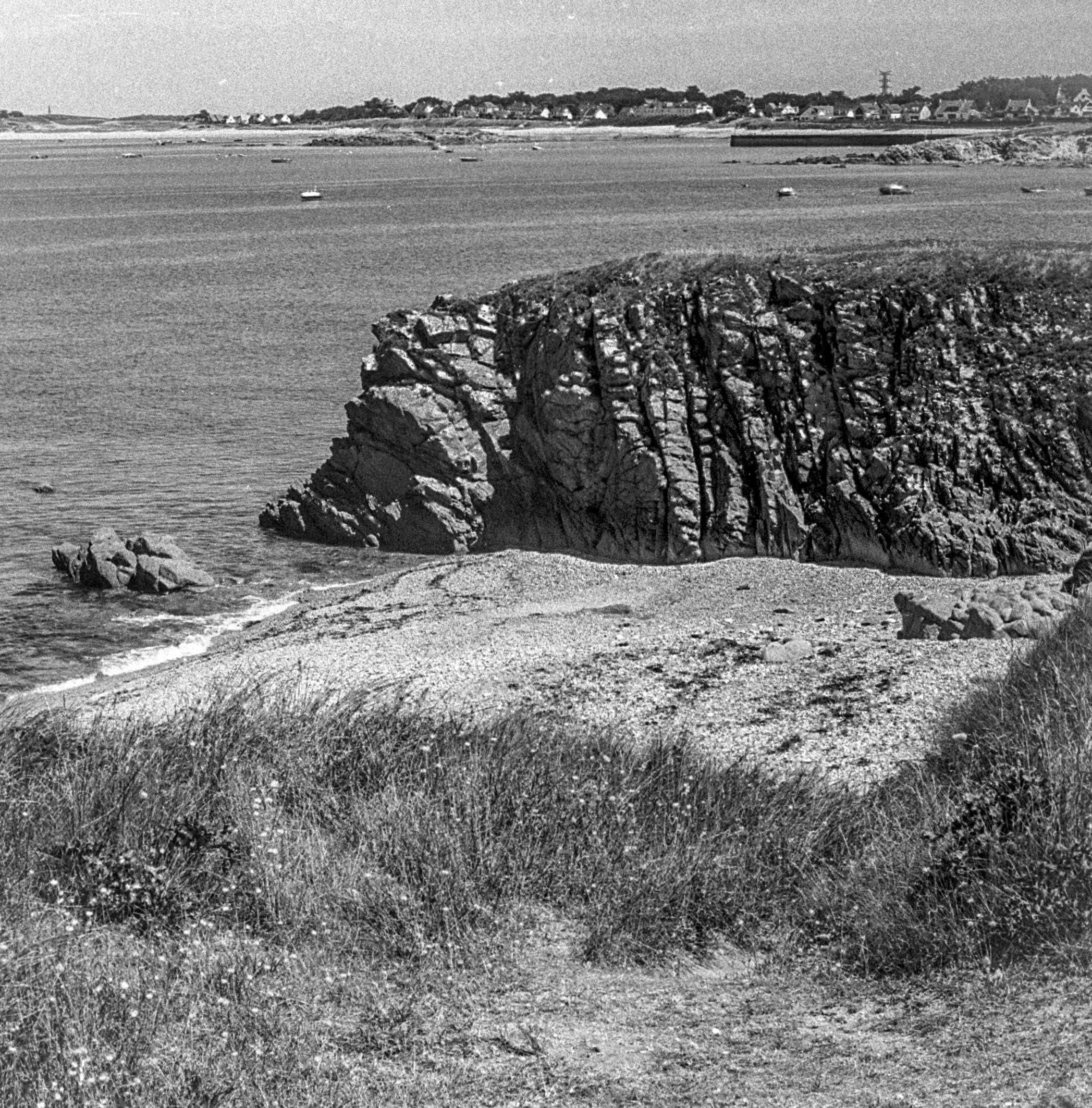
The Opening of the Film Archives – Saint Cado, Belz, Morbihan


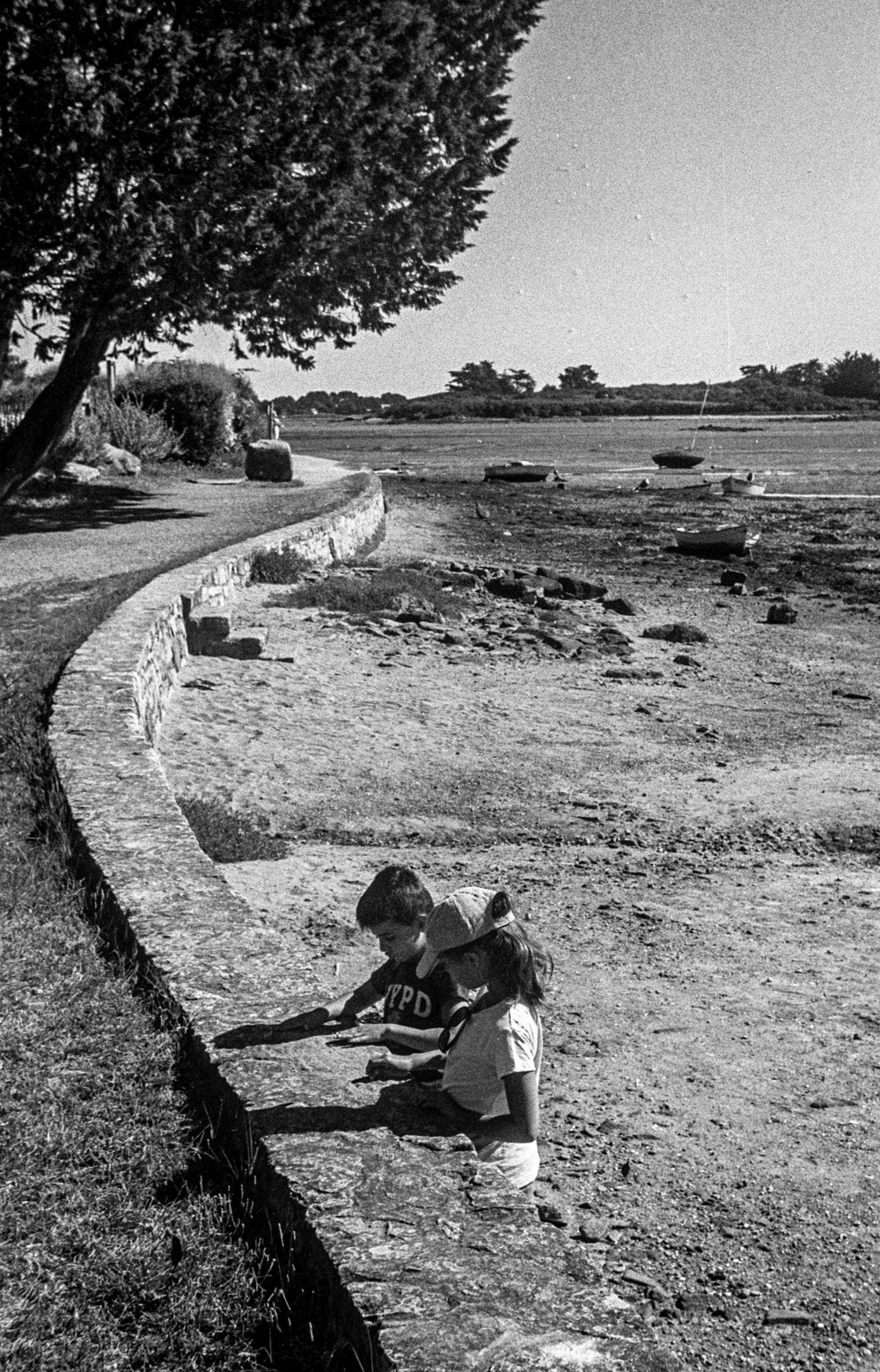
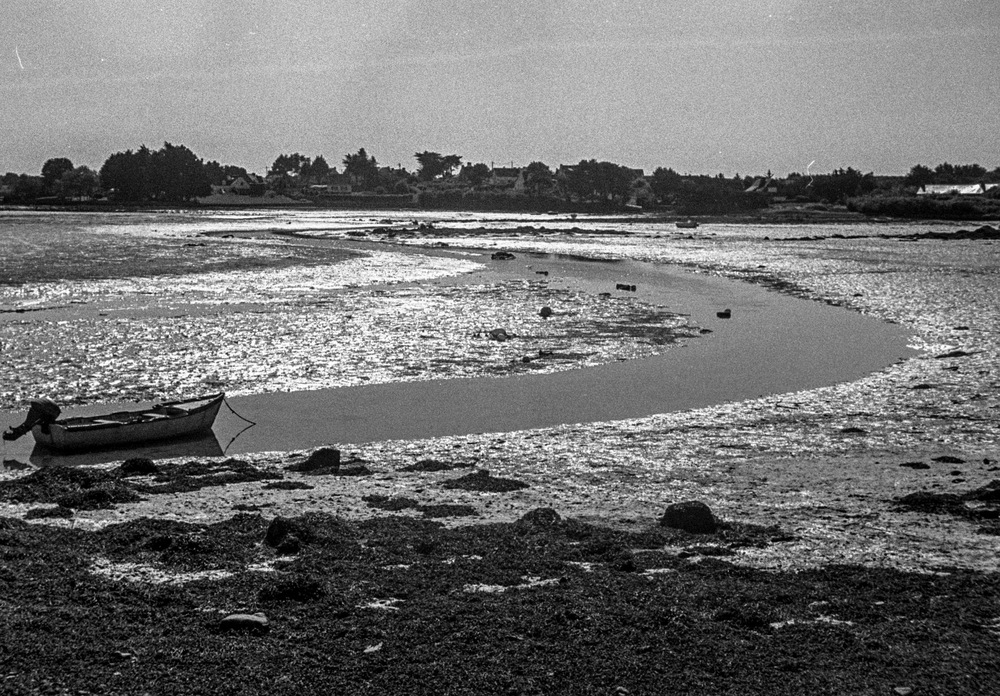
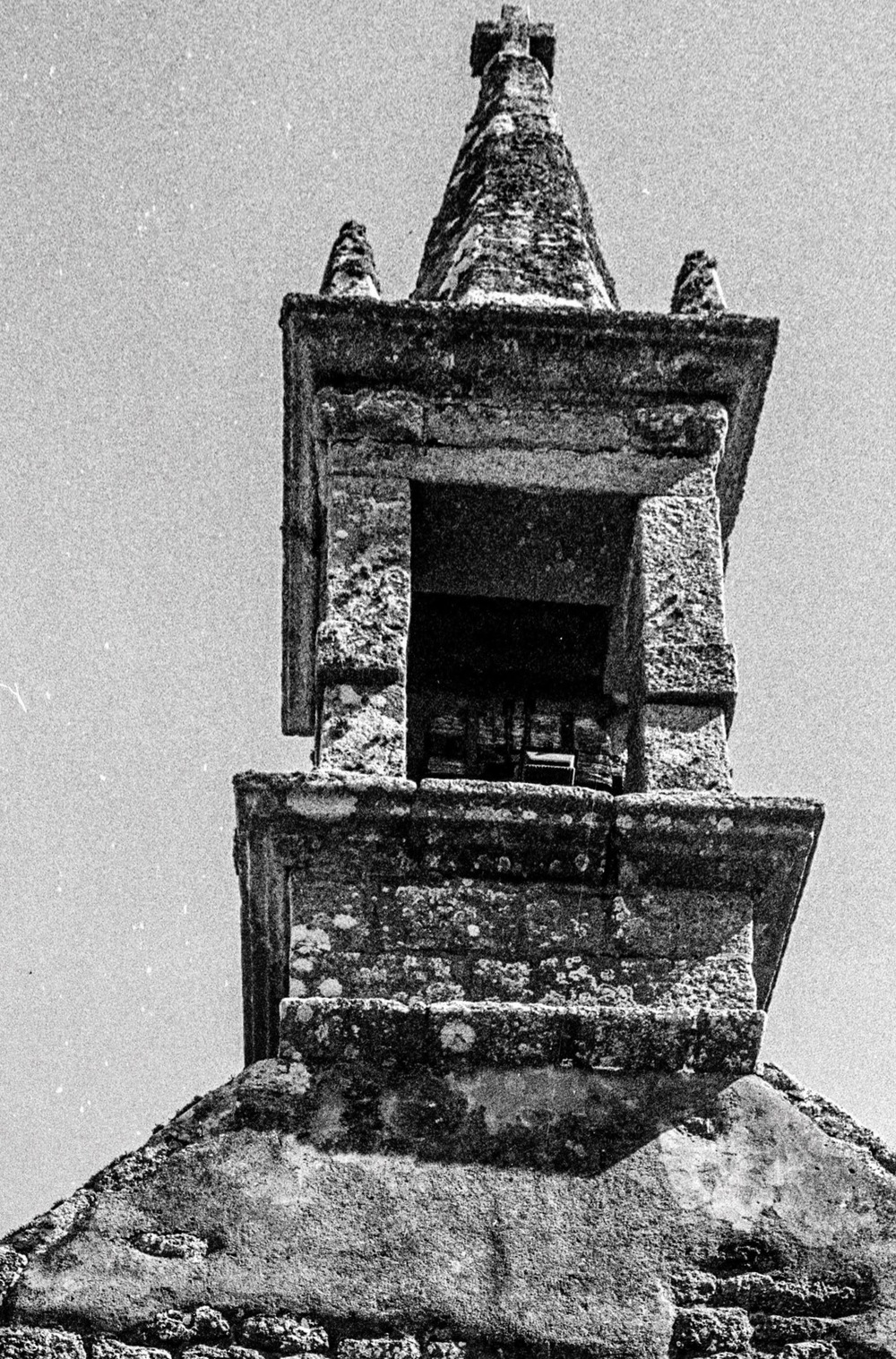
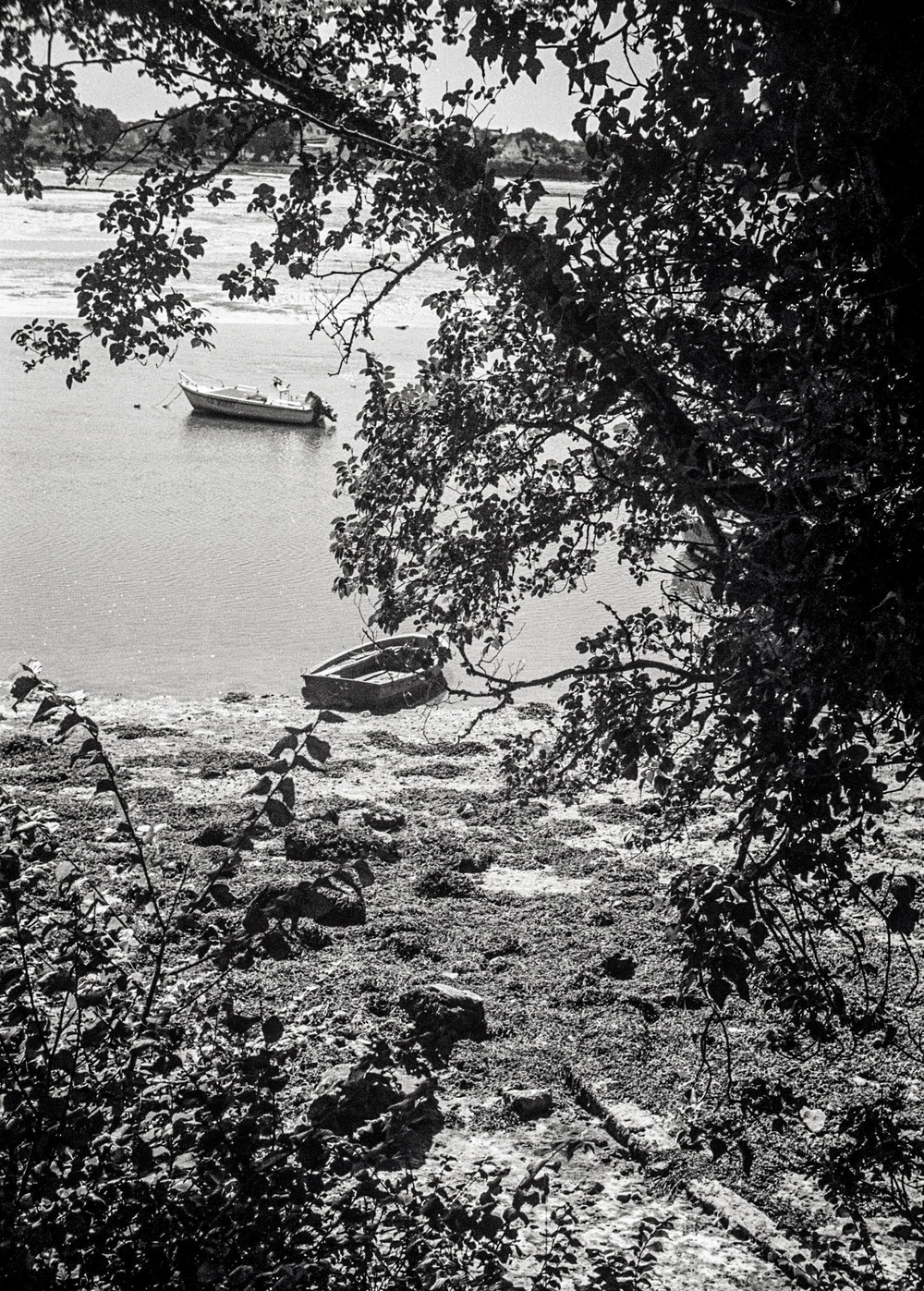
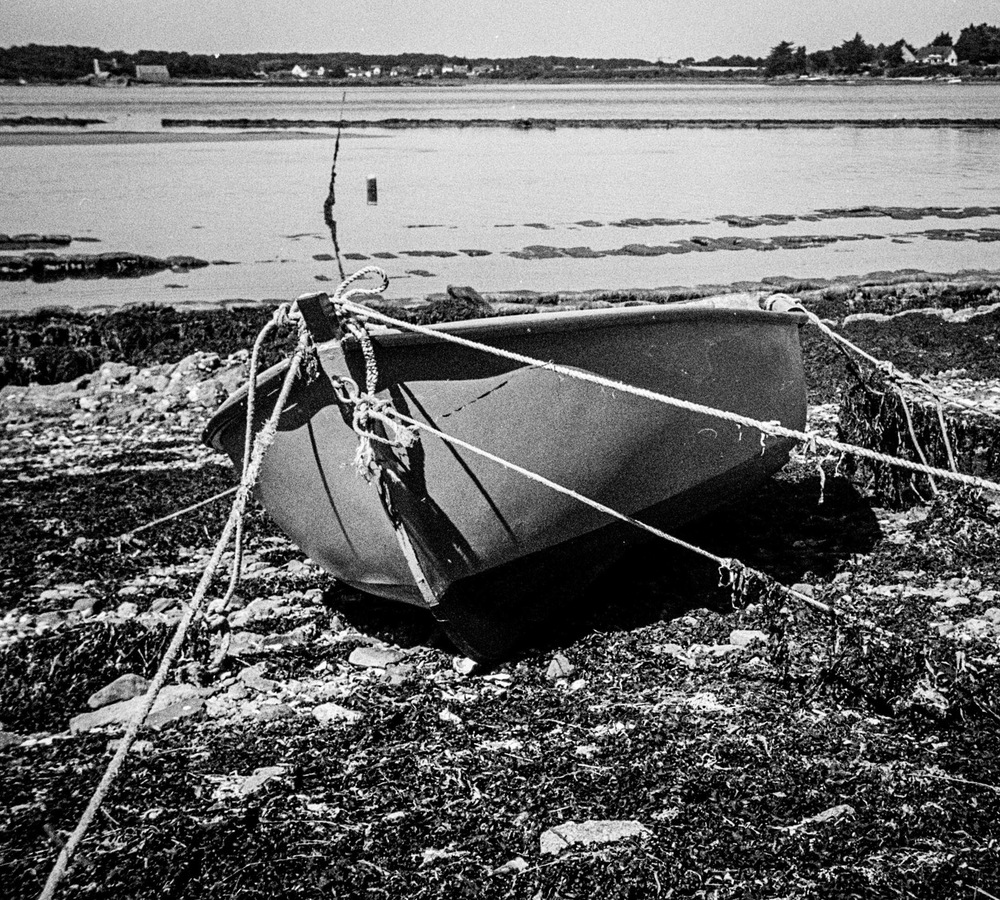
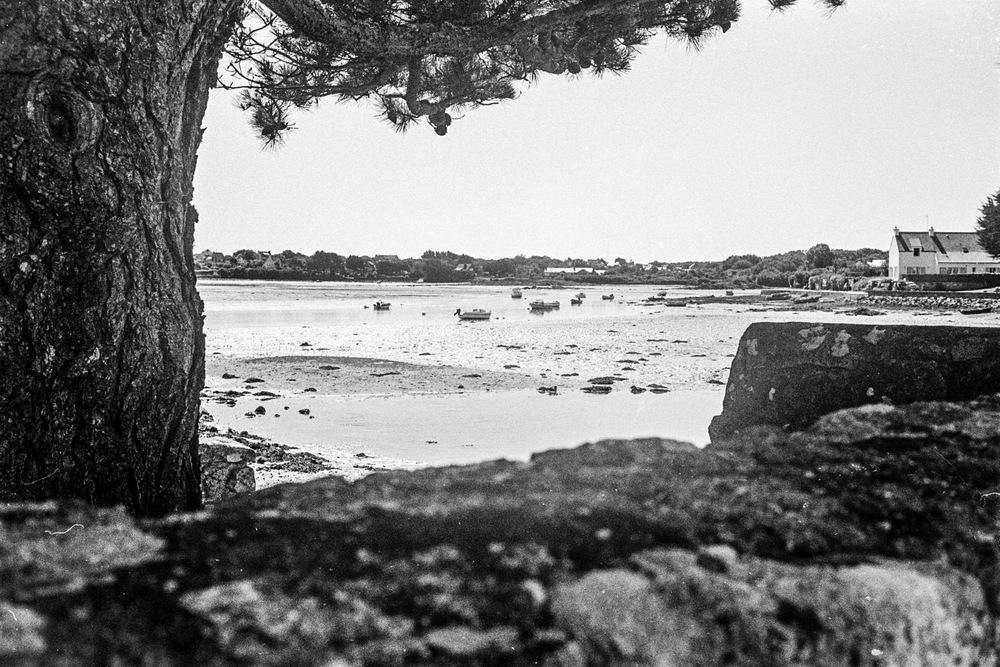
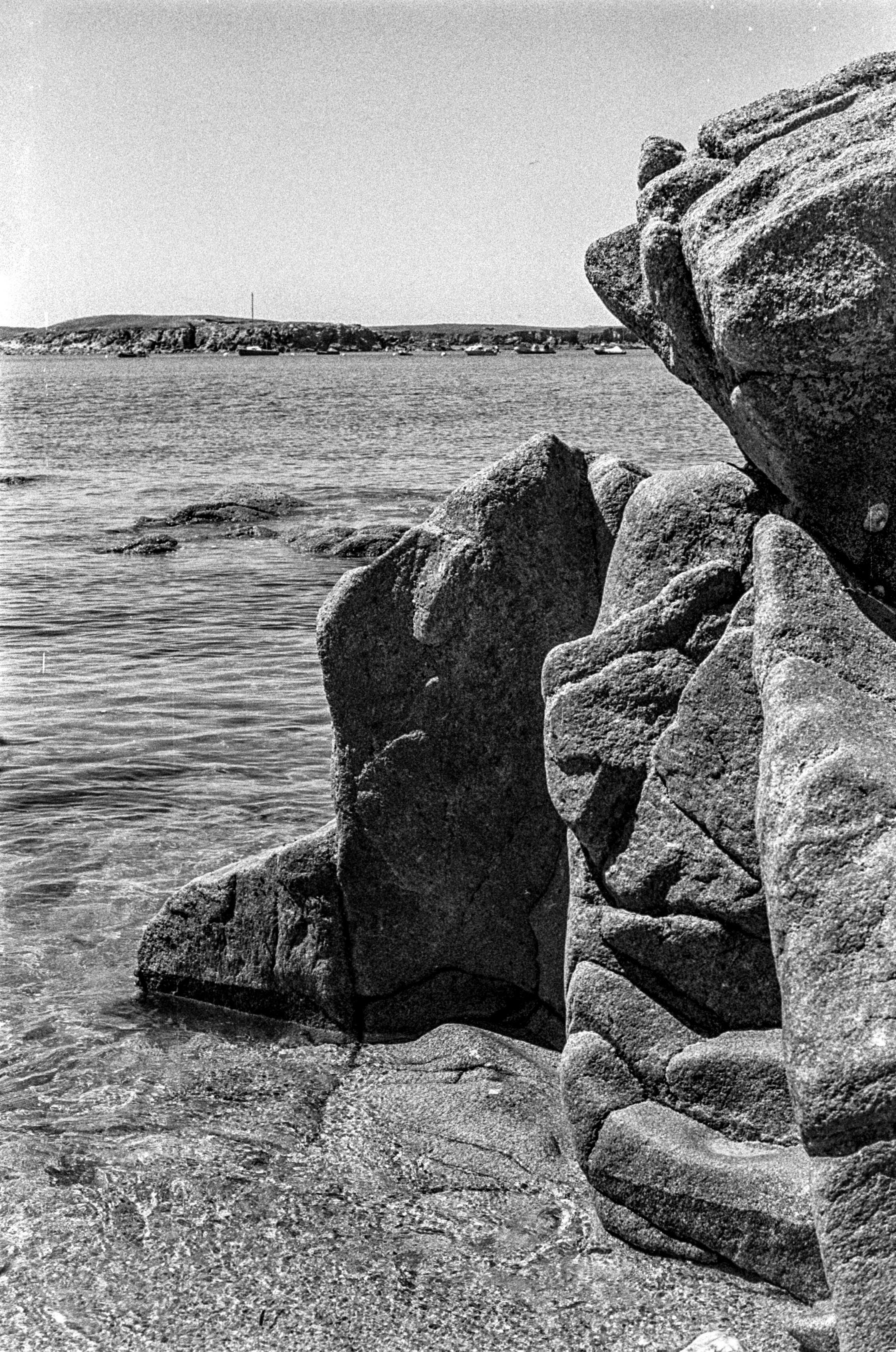
Welcome back to the film archives, and welcome back to Brittany, that gorgeous corner of France where my in-laws live. I think I might have let it be known that my French family love camping. Yes, they’re so in tents… I’ll just let that joke sink in for a couple of seconds. In 2016 I had begun “collecting” cameras. The photos from this Breton outing in Saint Cado were taken with the Kodak Retinette 1B, a little gem of a camera from the 1960s, and HP5 Plus film.

We’ll start with Saint Cado. It’s one of those picture-perfect postcard places. It’s not easy to take a bad photo of the place. It’s photogenic. It’s quaint. It has all the clichés of a small Brittany island in the Ria d’Etel, which is an inland sea connected to the Atlantic at the Barre d’Etel… I’m thinking lobster pots, oyster beds, black and white houses with slate roofs, a local Saint, a chapel to this local saint, who was actually from Wales of all places, and a miraculous fountain that fills up with every incoming tide. Yes, it’s one of those places… Did I mention that the bridge that links the island to the mainland is a Devil’s bridge? It is said that the devil demanded the soul of the first creature to cross it. The story relates that Saint-Cado, who was a shrewd fellow, put a cat on it! It is just gorgeous!
Let’s talk about the Kodak Retinette 1B. As I said in the introduction, it is a camera from the 1960s that uses zone focusing, and the 1B as opposed to the 1A has a selenium light meter that works a treat. Zone focusing is where you focus by zones. Mind-blowing, right? If I look at my lens, I will see a distance measurement that I will use as a guesstimate. I will move my aperture dial and let’s say I’m at F8, well everything from one F8 to the other F8 will be in focus. A lot of cameras from this period used this system, and it works. If you want to open right up to F2.8, then there are little rangefinders that you can put on the hot shoe mount and there you will be able to get an exact reading for the distance from your subject. Up to you…

Why use a camera that is over 60 years old?  First of all, why not?  It works.  It’s simple to use.  It doesn’t need a battery.  You load your film and Bob’s your Uncle!  Off you go to shoot your 36 exposures.  It also looks pretty damned sexy hanging around your neck too…  It actually looks so sexy that my son nicked mine, and I had to go and get another one.  At the time of purchase I must have paid no more than £15, and even now it will cost you less than £50.  

So there you have it – a charming little island, a vintage camera, and a roll of trusty HP5 Plus. This trip to Saint Cado was a reminder that sometimes, the best photos come from the simplest tools and the most unexpected places. And who knows, maybe those old film cameras aren’t just gathering dust in the attic – they might just be waiting to capture your next adventure. (But if you happen to see my son with a Kodak Retinette slung around his neck, please tell him to bring it back!)

The Opening of the Film Archives – Penthièvres July 2016


I don’t know about you, but I’m really getting into this Film Archive business. It’s great sharing these archives with you all, and it’s certainly bringing back lots of memories to me. Maybe less for you because I haven’t published them here yet. But I know you’ll like them as much as I do.

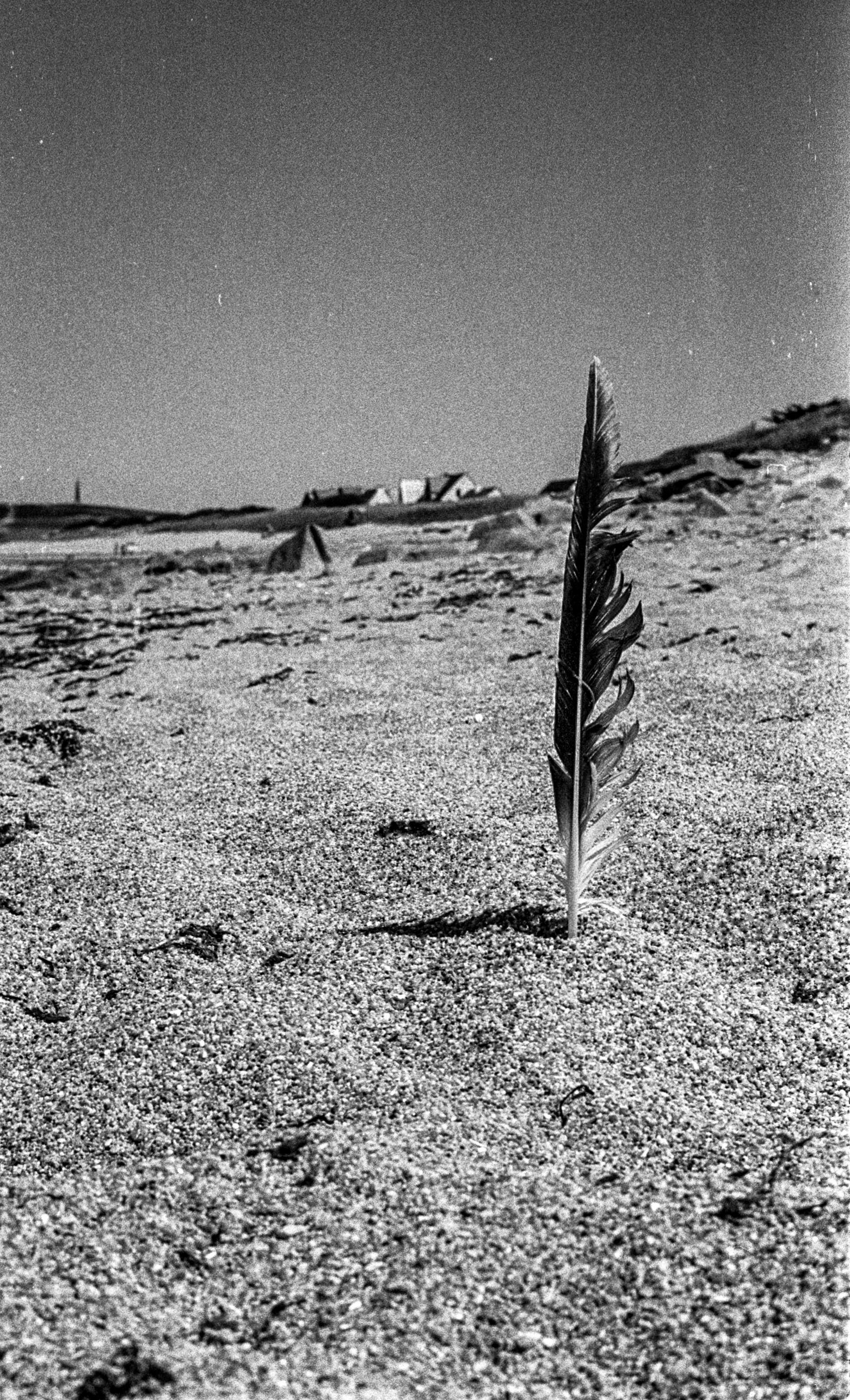
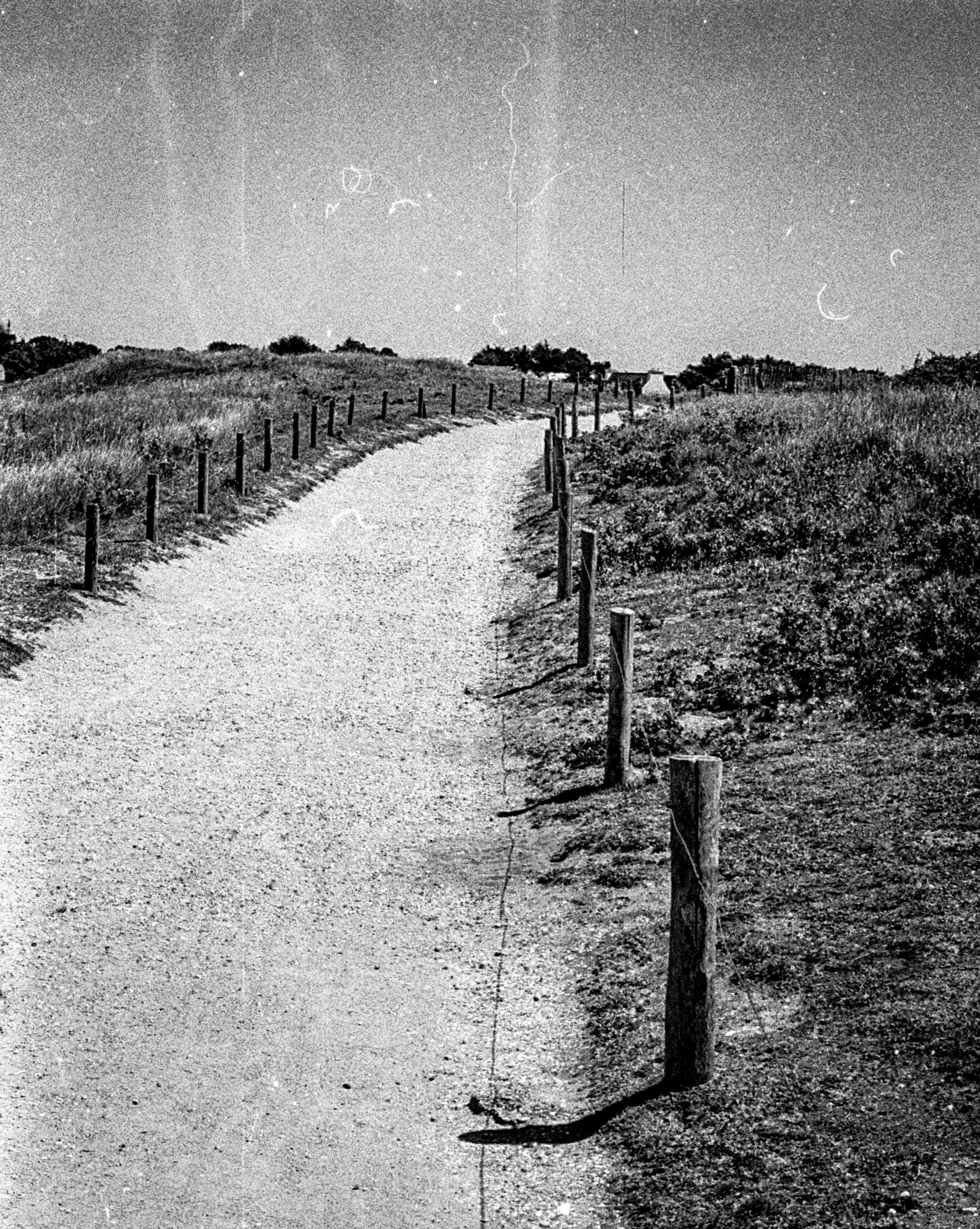
This particular set of photos was taken on Penthièvres beach, located on the Quiberon Peninsula in the Morbihan. It has a special place in my heart. Not just because I like the sea, but the smell of the sea, and the feel of the sea air on my face. It’s a place I often escape to for a bit of tranquillity especially with the chaotic nature of family visits.

In some respects it’s strange going to the beach to “relax” as it’s something I usually hate.  The idea of the outing to beach with the family and putting towels down, with rocks on each corner of the towel, and having to watch over children going to swim and bathe, making sure they don’t drown because you’ll get shouted at.  The shouting of the children, and worse other people’s children.   Getting sand in between your toes and then getting back to the car and having the impression you’ve brought back the whole beach…

But here it was different.  Boots stayed on.  No screaming children.  Just the wind, the heat of the sun, just being an observer and not having to chat with anyone.  Being able to capture the beach on film.  Pure, solitary bliss.

So, now that you know where we are, let’s look at the camera and film du jour. The film stock that day was the usual Ilford HP5 that I always used at the time, a classic choice for its versatility and ability to capture the subtle nuances of light and shadow. The camera was the Ukrainian made rangefinder, FED 5 manufactured during the Soviet era. Loading the film with this camera is done by unscrewing the base plate, similar to the way one does with a Leica. The focusing with the “ghost” image is spot on and it’s a joy to use. I still love the smell of the leather case too. As in much of my film photography it’s as much about the experience of shooting as the final images.

In the end, Penthièvres became more than just a backdrop for my photographs. It became a sanctuary, a place where I could reconnect with my love for photography and find solace in the beauty of the natural world. These images are a testament to that experience, a reminder of the power of film to capture not just the physical landscape, but the emotions and memories that are woven into every frame.

The Opening of the Film Archives – Nantes November 2016


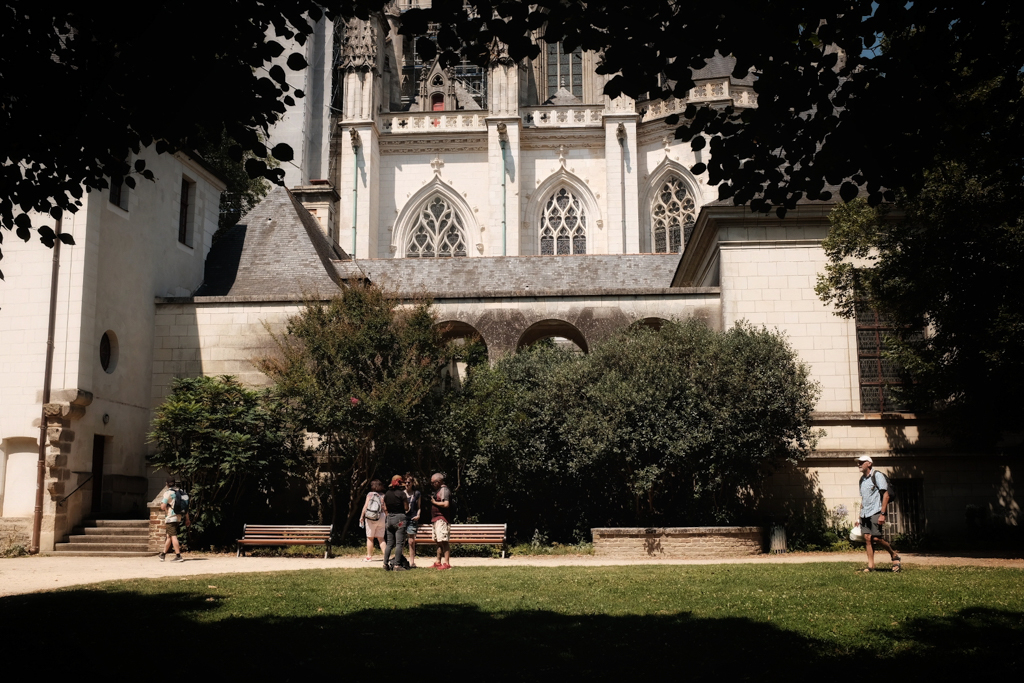
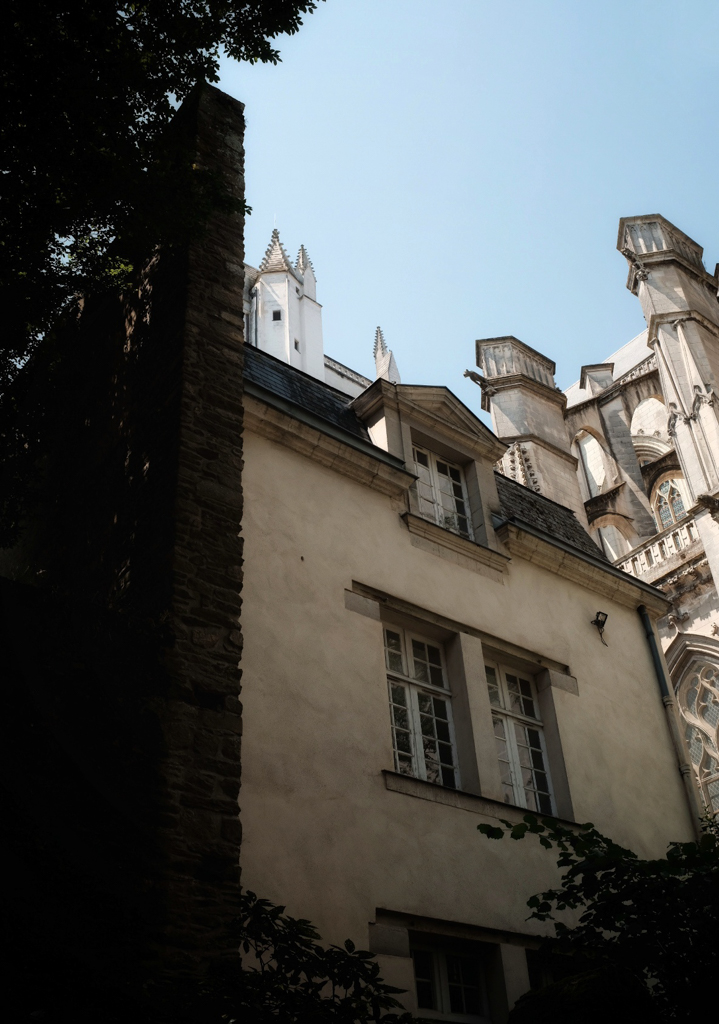
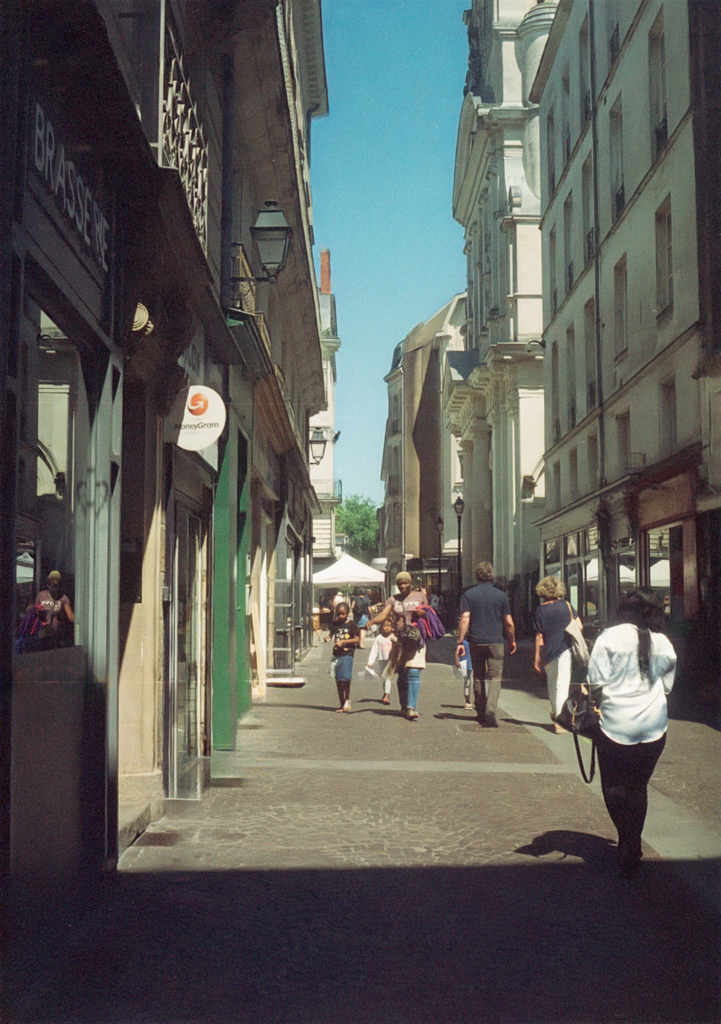
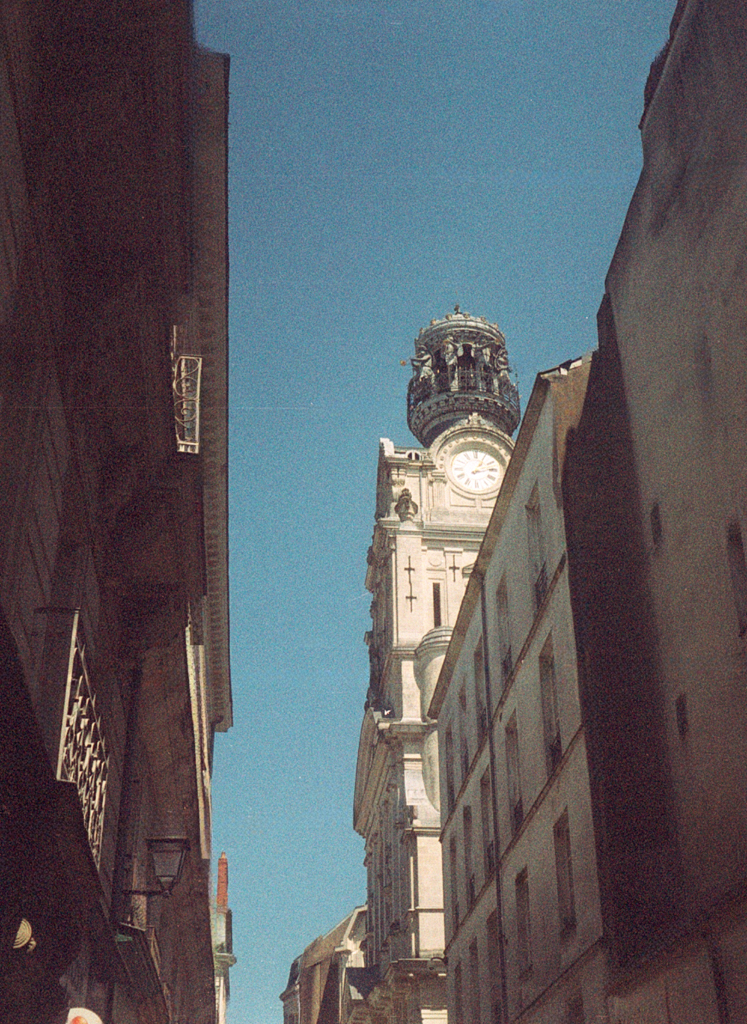
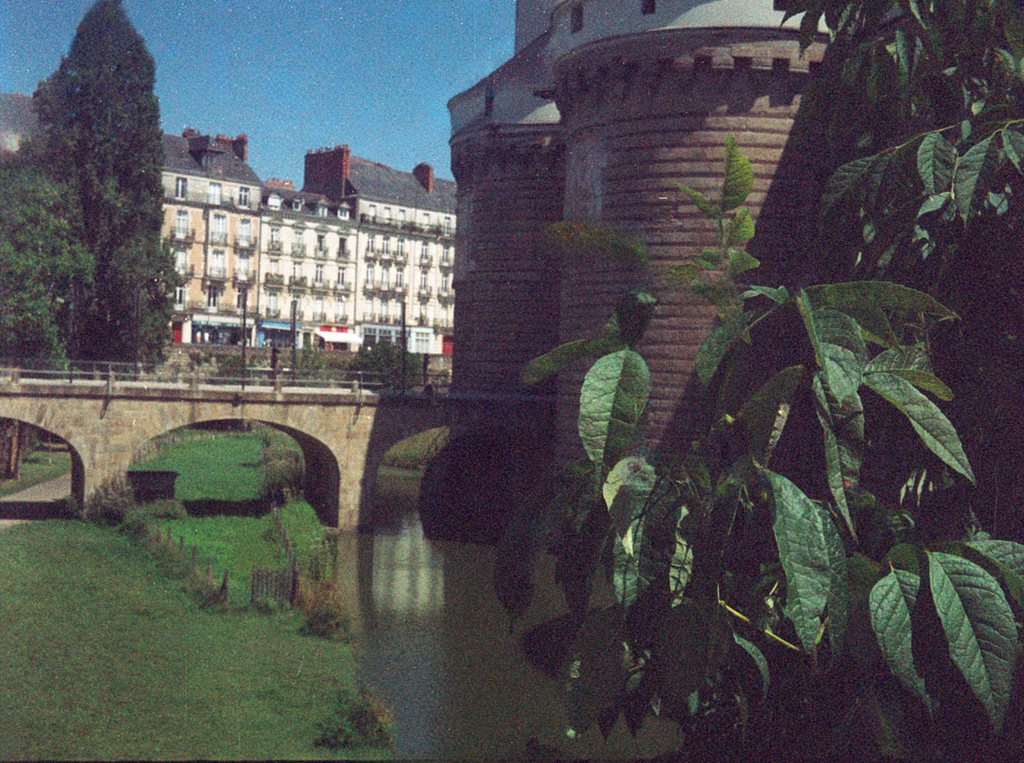
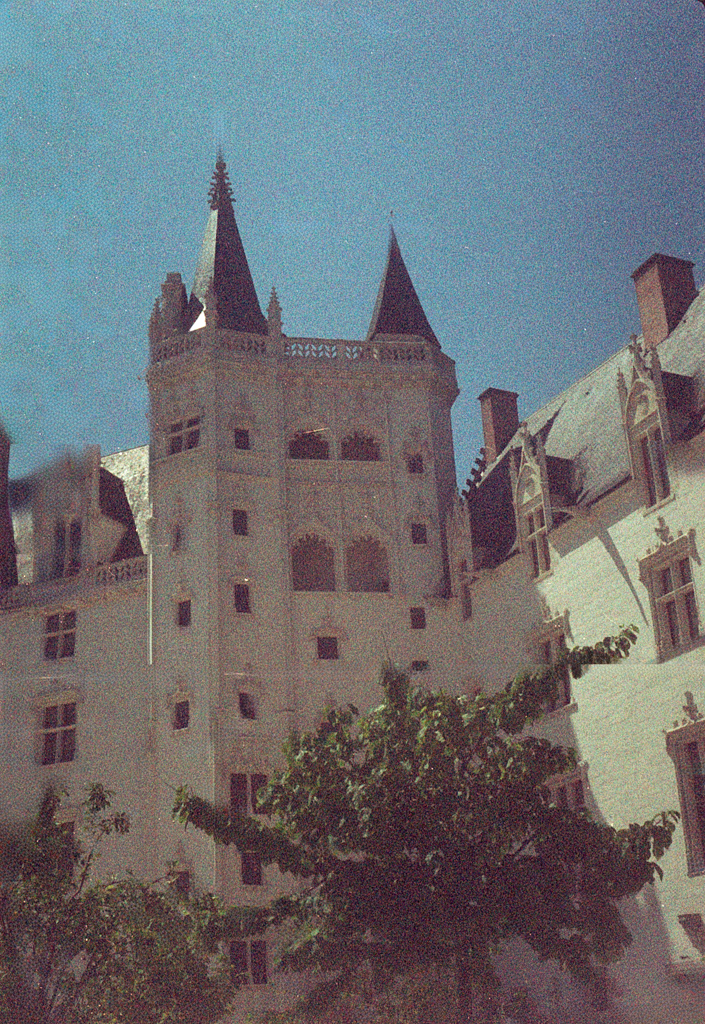
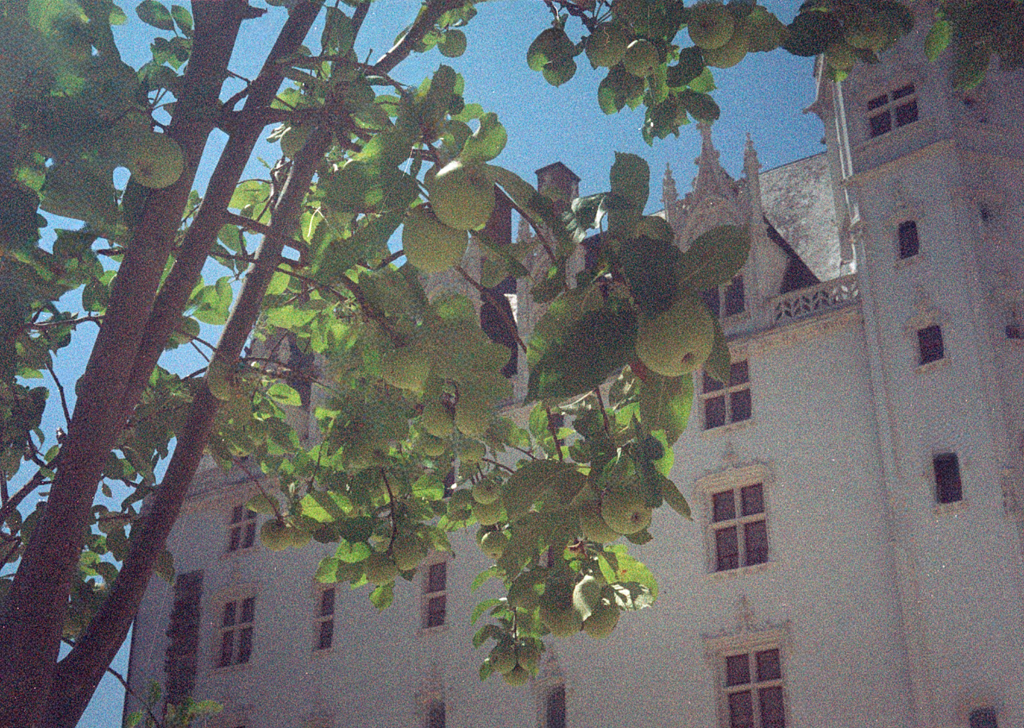
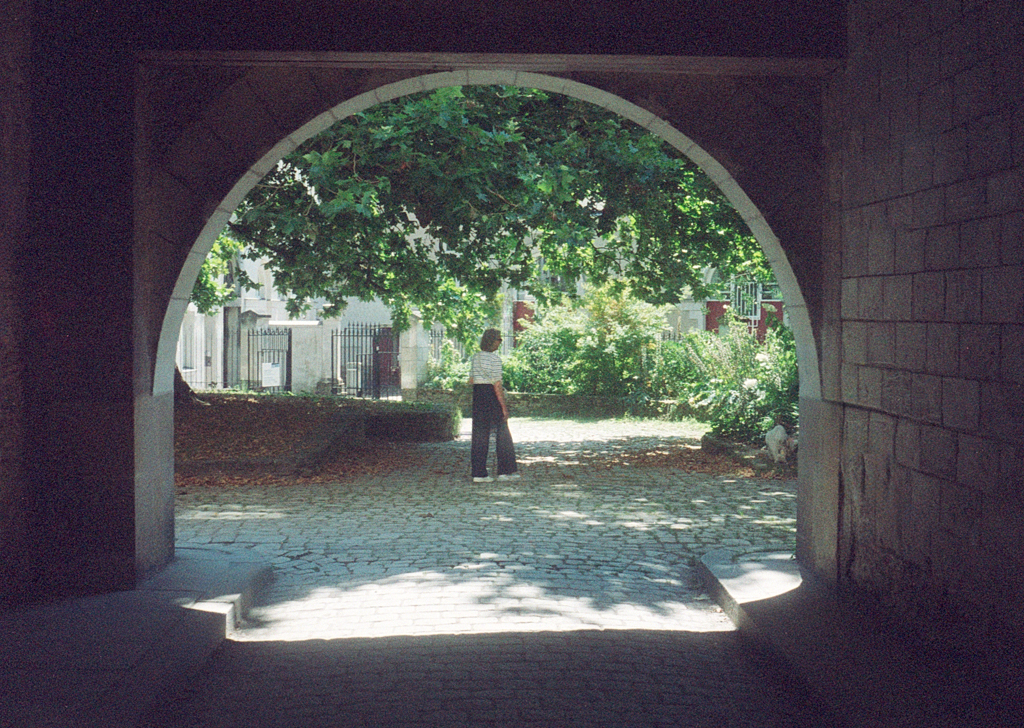
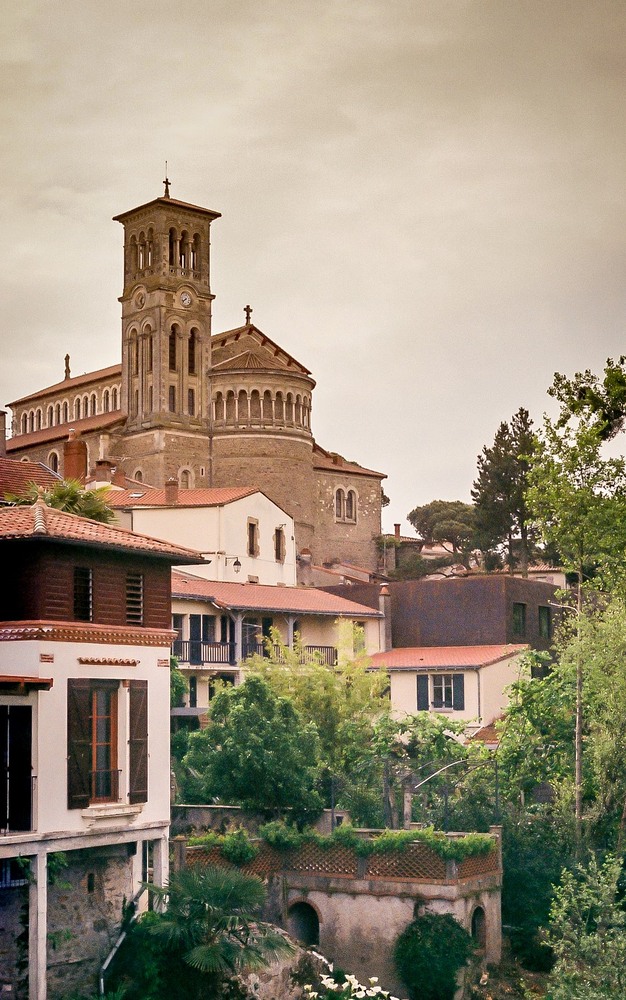
Following our last trip to Carnac, the film archive now has a look at Nantes in the autumn of 2016. These photos offer a glimpse into how I approached photographing a city back then, and if I’m being totally honest with you, still do. I treat the city much like a model on a photoshoot. The goal is to capture not just the physical landscape, but the essence and atmosphere of a place, allowing viewers to get a feel for the city simply by looking at the images. In this series of pictures, Nantes reveals herself and her architecture, resplendent in the autumnal sunshine.

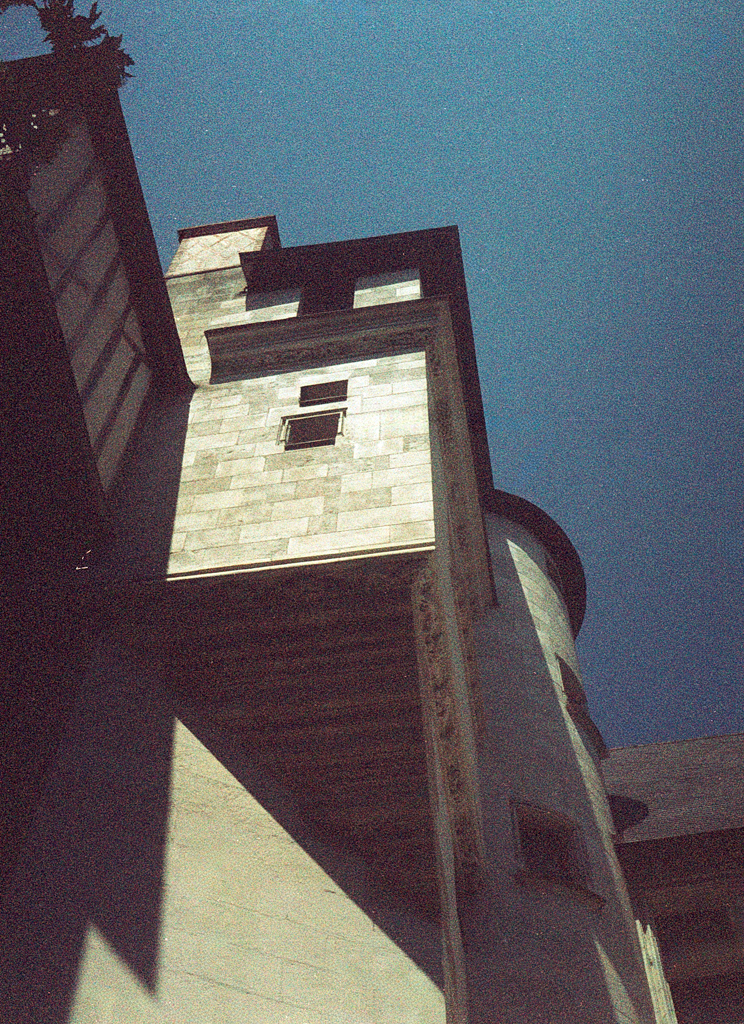
Over time, I have come to know the city and appreciate her architecture. Buildings are not only a reflection of the architect but also of the people who live in them. They add character to the city, allowing her personality to shine through.  I enjoy looking at the lines, and the shapes of them.  They inspire me.  They tell the story of the people who, either work, or live in them.  They are not just mere edifices.  

You will notice as we go through the archives, I might not respect the timeline slavishly. My aim is to give you an aperçu of my world at the time through film. I know you will be able to take this affront in your stride and not hate me!

We’ll go from the bains douches municipales, through to the Sainte Croix church, to the Stalinian 1950’s architecture of the Social Security building, passing by the odd shop, Hausmanian architecture, and even a shot looking towards the Cathedral.

Choosing the Right Film Format: 35mm vs. Medium Format Photography


Introduction In the world of film photography, the choice of film format can significantly impact the results you achieve. Whether you’re an aspiring street photographer or simply an enthusiast looking to explore the world of analog photography, the decision between 35mm and medium format can be crucial. This article explores the major differences between these two formats, helping you along on your photographic journey. As we dive into this discussion, it’s essential to understand how the choice of format can influence your work.

1. Understanding the Basics Let’s start by establishing a foundation. 35mm photography is the more common format, known for its accessibility, ease of use, and widespread availability. It is the standard format of film. However, medium format photography offers distinct advantages worth exploring.

2. The Key Differences

Image Quality and Resolution: The most noticeable difference between medium format and 35mm photography lies in image quality and resolution. Medium format film, with its significantly larger negative size, captures an significant level of detail and clarity. The larger negatives provide ample room for precise rendering of textures, fine lines, and intricate patterns. This translates to stunningly sharp and highly detailed images, ideal for both professional work and fine art photography. If you’re aiming for prints that capture every nuance, medium format is the way to go.

Aspect Ratio: Another significant difference is the aspect ratio. 35mm film typically yields images with a 3:2 aspect ratio, while medium format cameras typically offer a square 1:1 aspect ratio. The square format can be a creative boon, pushing photographers to rethink composition. It forces a balance between the vertical and horizontal aspects of your subject, a characteristic reminiscent of the iconic street photographer Vivian Maier, who frequently used a TLR camera. The square format encourages unique framing and adds an artistic challenge to your photography.

Depth of Field: Medium format allows for a shallower depth of field compared to 35mm. This means that it’s easier to achieve that sought-after background blur or bokeh, perfect for portrait and street photography. With a well-executed composition, your subject can pop against a beautifully blurred backdrop, making them the focal point of the image.

Size and Weight of Equipment: In terms of portability, 35mm cameras have the upper hand. They are compact, lightweight, and ideal for street photography where you need to be quick on your feet. Medium format cameras, on the other hand, tend to be bulkier and heavier due to the larger film format and the associated optics. This makes them better suited for planned shoots where image quality takes precedence over convenience.

Cost of Film and Development: While 35mm film and development are more budget-friendly, medium format film comes at a higher cost. When using the 6×6 format you will only have 12 images per roll of film. This of course makes every shot count. If you are stressed out about messing up a shot on 35mm film then your anxiety will shoot up to lunar levels with only 12 shots. But remember what I have said earlier, no shot is wasted and every shot is a learning experience. The enhanced image quality, detail, and artistic potential make medium format film worth the investment for those who prioritize the final result over the upfront cost. If you’re planning to produce gallery-worthy prints or pursue a professional career, the expense can be justified.

Flexibility and Convenience: 35mm cameras are known for their flexibility and convenience, making them well-suited for capturing quick shots or candid moments. They’re also readily available, and film processing is more accessible. In contrast, medium format cameras require a more methodical approach, ideal for planned and deliberate photography. The process is slower, encouraging you to carefully consider each shot and compose it meticulously. This added effort can lead to more thoughtful and deliberate photographs.

3. Street Photography with the Pentax ME Super and TLR Influence Vivian Maier, a renowned street photographer, serves as an inspiring example of how camera choice can shape your photographic style. Maier favored the TLR camera, a medium format model known for its distinctive qualities. Her use of the square format and unique perspective have left an indelible mark on street photography.

I want you to think about the fact that a TLR is hanging around your neck at tummy level or even waist level, so the way of looking at your subject will automatically affected too.

If you’re looking to explore street photography with a Pentax ME Super, remember that the compact 35mm format offers its advantages for candid, on-the-go shots. However, Maier’s work reminds us that the choice of equipment is a personal one, and there’s no one-size-fits-all answer.

4. The Mamiya C220 Review: A Medium Format Marvel As we venture further into the world of medium format, the Mamiya C220 beckons. Just as Vivian Maier chose a TLR for her street photography, other photographers have found success with medium format cameras like the Mamiya C220. In my upcoming review, I’ll explore the features, benefits, and considerations of this remarkable medium format camera, guiding you towards your next photography adventure.

The Induction to a Higher Level of Photography When you make the transition from 35mm to medium format, you’re stepping into a higher echelon of photography. If you think that 35mm film is great, you’ll be enthralled when you see your images taken by a medium format camera. The level of detail and depth of field that medium format offers is simply unmatched. It’s like upgrading from a standard screen to 4K resolution for your photography. Every detail comes to life, and the depth of field adds a whole new dimension to your work. It’s a revelation that will leave you wondering why you didn’t make the leap sooner.

The 35mm format photo captured on the Pentax MS Super. The “standard” format of film photography. The one we all know.

The square format common to much medium format photography with a 6×6 format. I’ll let you look at the differences for yourself.

The lenses for each shot was a 50mm lens for the 35mm format film photo, and the 80mm mm lens for the medium format photo. However, both lenses are equivalents.

Conclusion In closing, remember that there’s no definitive answer to the question of 35mm vs. medium format. It’s a matter of personal preference and artistic vision. Both formats have their merits, and your choice should align with your goals and the style of photography you wish to pursue.

Stay tuned for the Mamiya C220 review, where I’ll delve deeper into the world of medium format photography, and consider the impact of the TLR on your creative journey.

The journey of film photography is full of exciting choices, from your film format to your camera model. Vivian Maier’s legacy reminds us that every camera has its unique personality and that your creative vision should be the driving force behind your choices. Whether you decide on 35mm or medium format, your camera is your artistic tool, and the world of film photography is yours to explore.

Canon AE-1 Program – A Classic Film Camera for Timeless Photography


The Canon AE-1 Program is a timeless gem that continues to captivate photographers and film enthusiasts alike. As a classic film camera first introduced in 1981, it effortlessly combines automatic and manual features, making it an excellent choice for both beginners and experienced photographers.

Automatic and Manual Controls

One of the standout features of the Canon AE-1 Program is its versatility in handling exposure. For those new to film photography, the program mode automatically sets both the shutter speed and aperture, allowing them to focus solely on composition and creativity. It takes the technical complexities out of the equation, delivering stunning results with ease.

However, for those who crave creative control, the AE-1 Program offers manual settings as well. With the freedom to adjust shutter speed and aperture manually, photographers can explore their artistic vision and experiment with different effects. The inclusion of shutter priority mode and bulb mode for long exposure photography adds even more possibilities for artistic expression.

Build and Design

The camera’s solid metal body exudes durability and reliability, ensuring that it can withstand the test of time. Its sturdiness makes it a trustworthy companion on any photographic journey. Handling the AE-1 Program instills a sense of nostalgia and craftsmanship that modern digital cameras often struggle to replicate.

The bright and clear viewfinder with a split-image prism aids accurate focusing, enhancing the overall shooting experience. Moreover, the hot shoe for attaching external flashes and the self-timer feature further contribute to the camera’s versatility.

Technical Details

  • 35mm SLR film camera
  • Program mode, shutter priority mode, manual mode
  • Metal body for durability
  • Bright and clear viewfinder with split-image prism
  • Hot shoe for flash attachment
  • Self-timer for group shots and self-portraits
  • ISO range: 12-1600
  • Shutter speeds: 1/1000 to 30 seconds
  • Aperture range: f/1.2 to f/16 (depending on lens)

Pros

  1. User-Friendly Interface: Ideal for beginners and those new to film photography, the AE-1 Program’s program mode takes care of exposure details, allowing photographers to focus on creativity.
  2. Creative Freedom: With manual controls and additional shooting modes, experienced photographers can fully unleash their creativity and experiment with different photographic techniques.
  3. Timeless Design: The camera’s robust metal body exudes a sense of craftsmanship and nostalgia, making it a pleasure to handle and use.
  4. Bright Viewfinder: The clear and bright viewfinder with a split-image prism aids accurate focusing, ensuring sharp and well-composed shots.

Cons

  1. Iconic Status: As one of the most sought-after film cameras, the Canon AE-1 Program may come with a higher price tag due to its iconic status.

The Verdict

The Canon AE-1 Program stands as a testament to timeless design and reliable performance. Whether you’re new to film photography or a seasoned enthusiast, this classic camera offers a perfect balance between automatic convenience and manual creativity. Its sturdy build and user-friendly interface make it a delightful companion for any photography journey.

So, if you’re yearning to experience the charm of film photography or simply want to relive the golden era of analog cameras, the Canon AE-1 Program will undoubtedly leave you inspired and amazed by the magic of capturing moments on film.

Happy shooting!

My Personal Thoughts

Without any hesitation, I wholeheartedly recommend the AE-1 Program to all photography enthusiasts out there. Whether you’re new to the charm of film photography or an experienced shutterbug seeking a trustworthy and adaptable companion, this camera will surely delight you. “Just do it” as a certain shoemaker once said.

I’ve had the pleasure of using the AE-1 Program for quite some time now, and I must say it’s been an absolute joy. Not only does it beautifully capture those precious everyday moments, but it also allows for endless creative possibilities. One feature that I particularly appreciate is its seamless transition between automatic and manual controls, empowering me to effortlessly tailor my shooting experience.

The idea here is to give you a raw image from the film scans and show you what you can get with a minimum of fuss in Lightroom with some very basic edits. What do you think?

And here we go with a small selection of pictures from the last roll I developed, which are from 2022 and taken in the streets of Nantes. There will be more to come as I head back into the magical world of film photography!

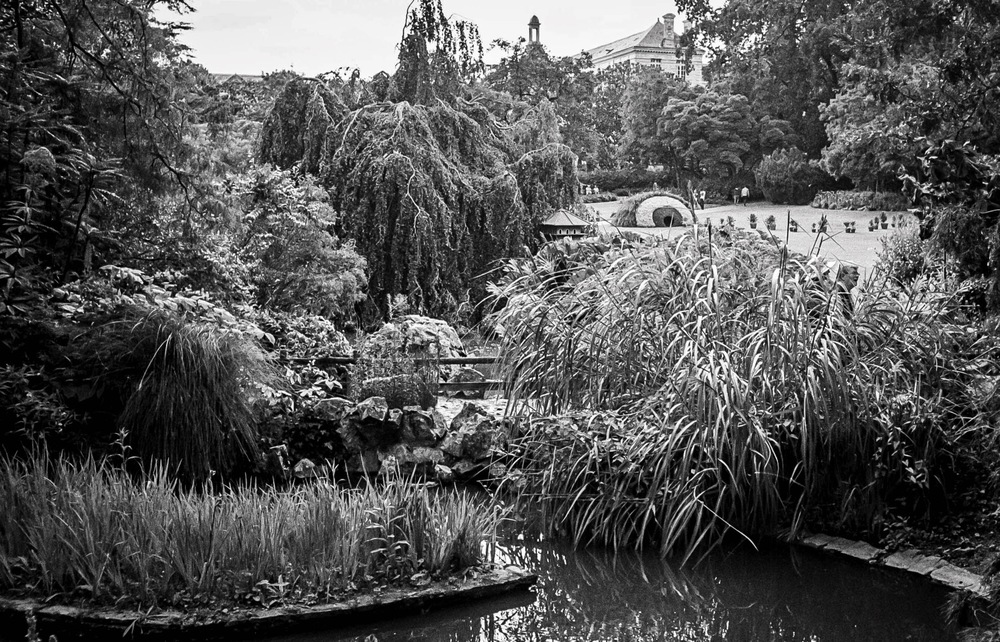
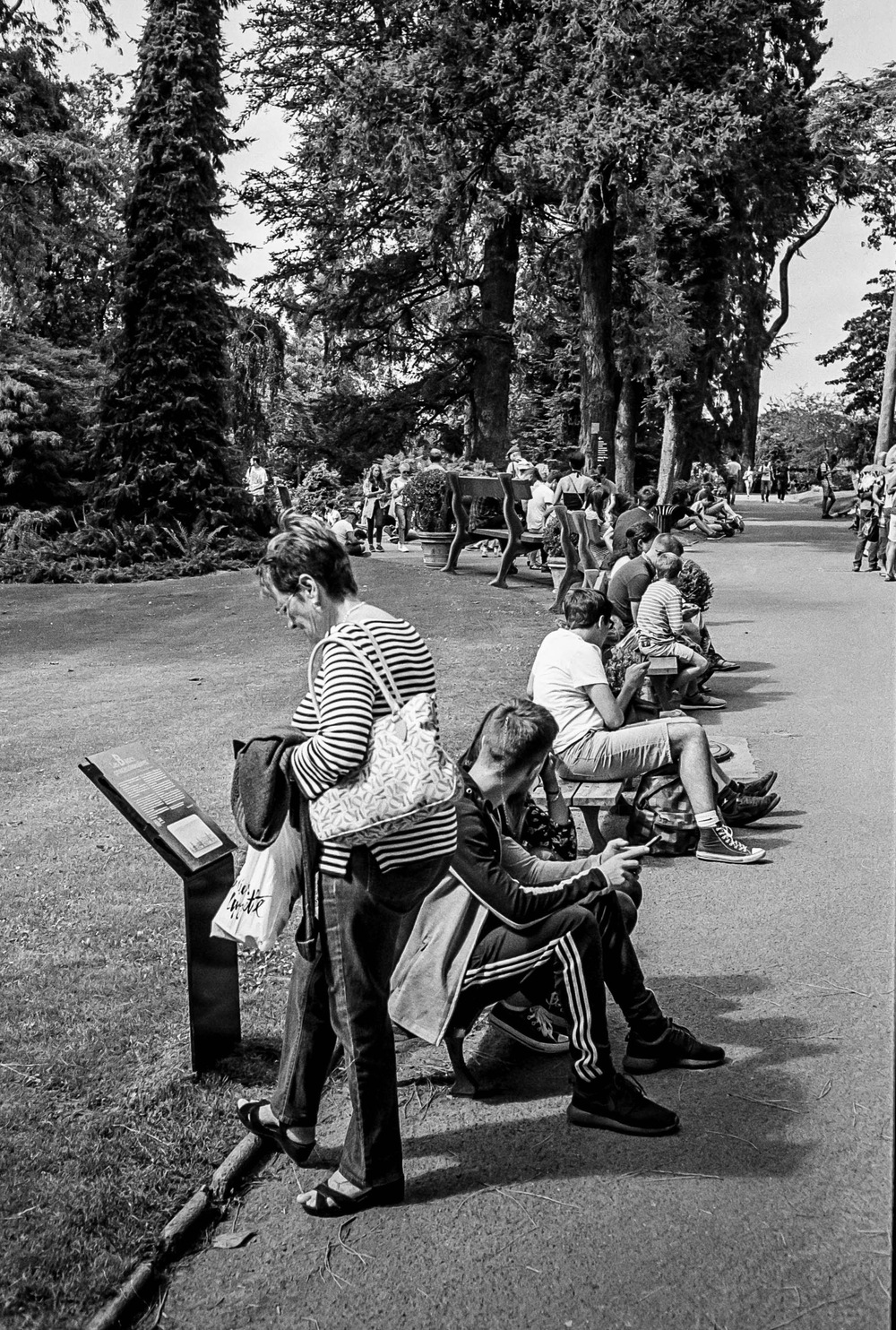
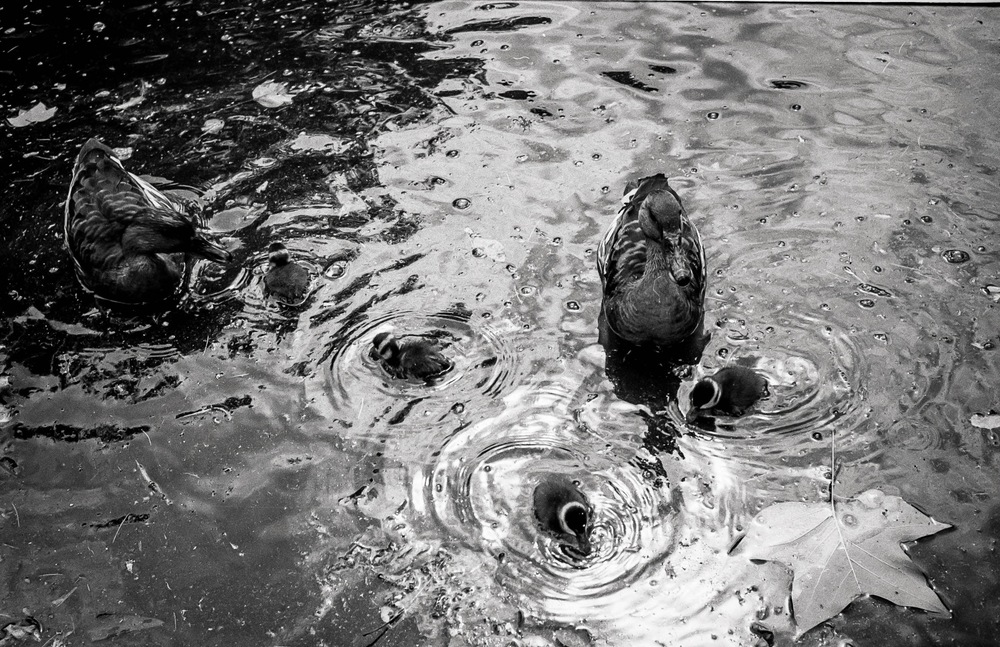
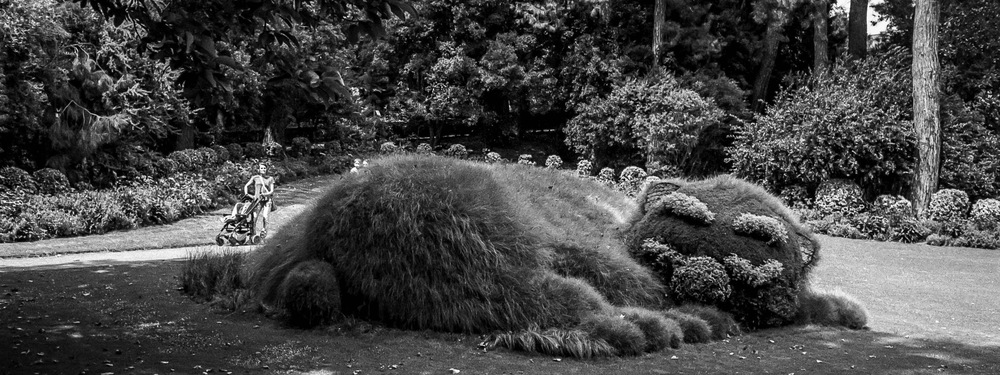
A Peaceful Stroll Through Jardin de Plantes


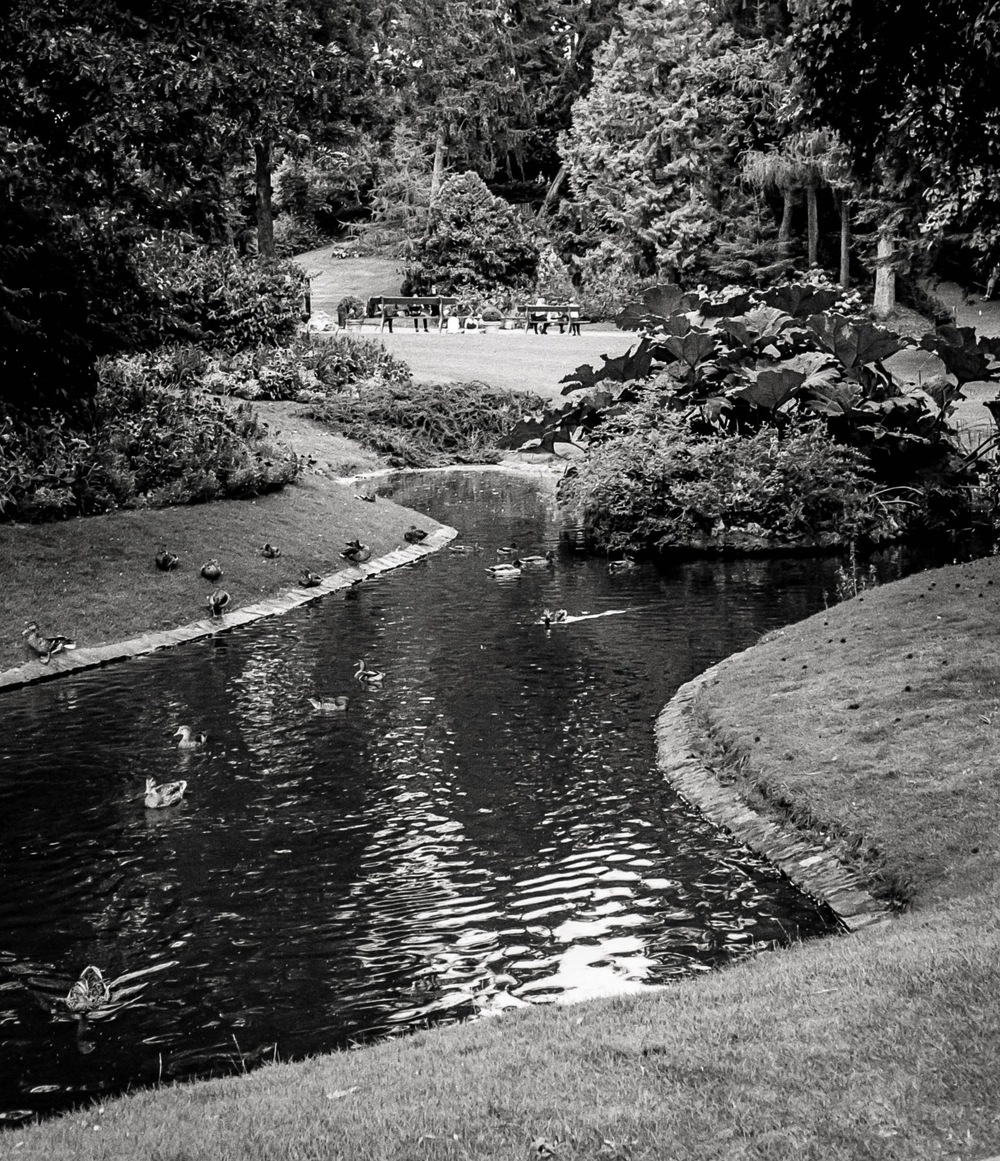
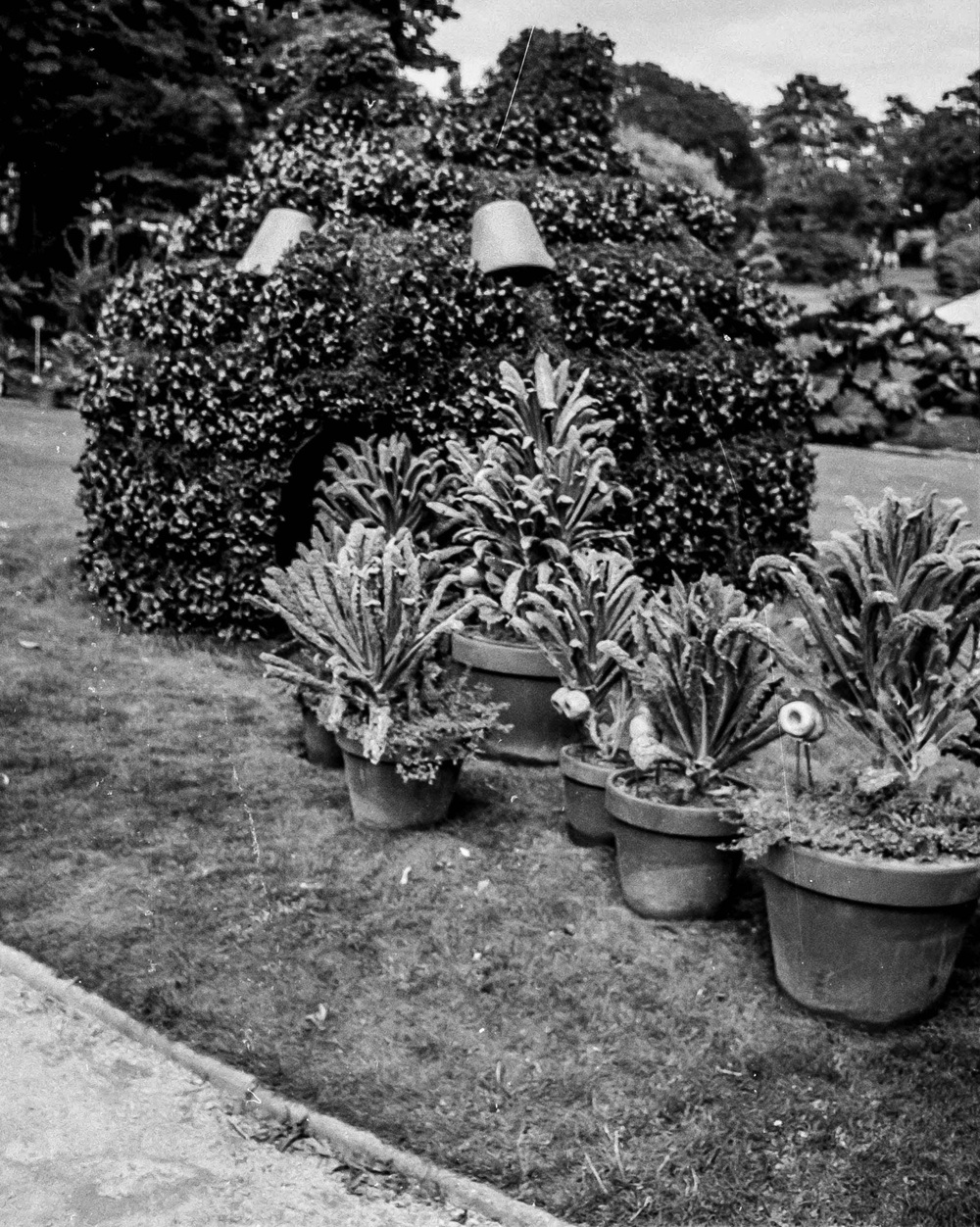
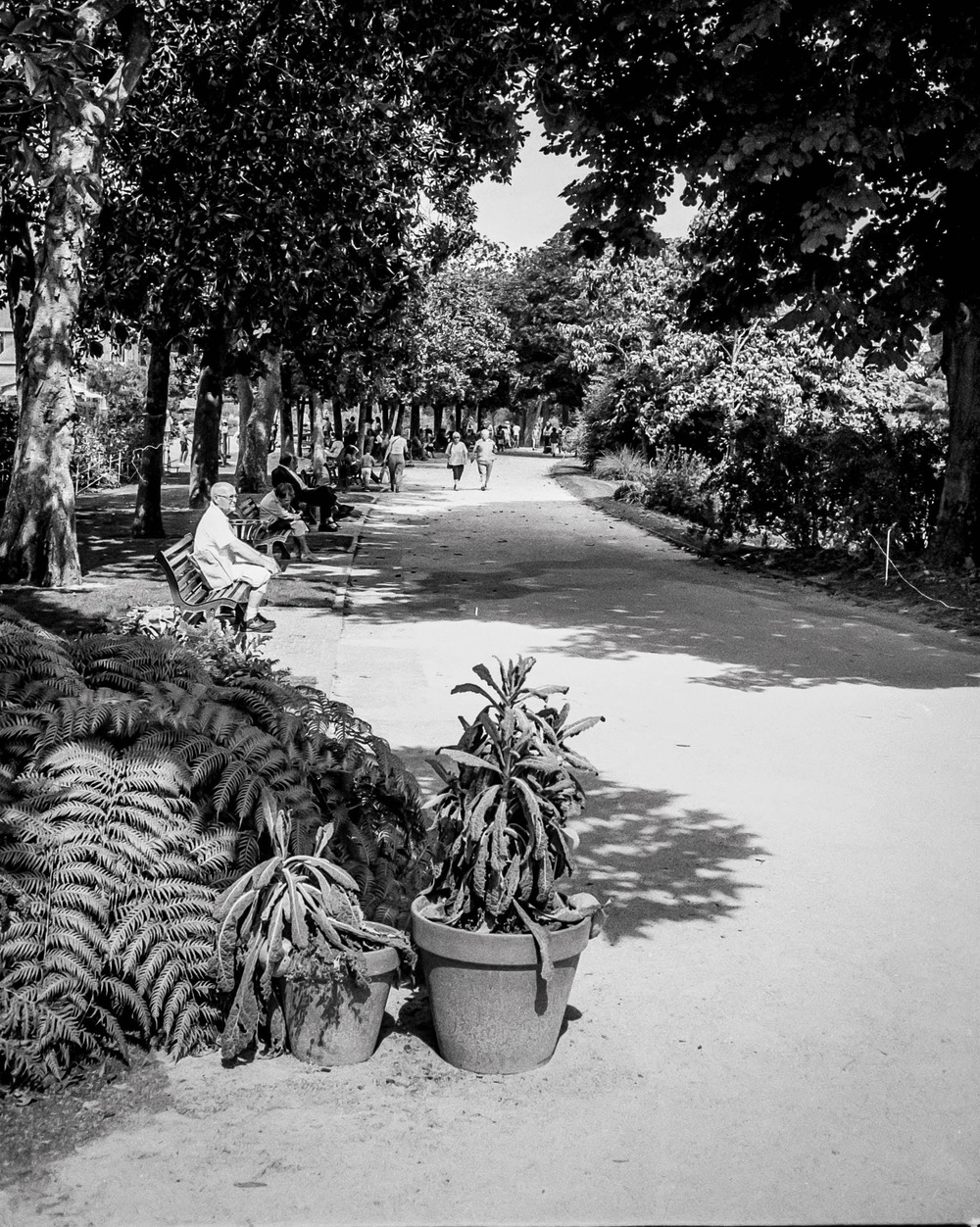
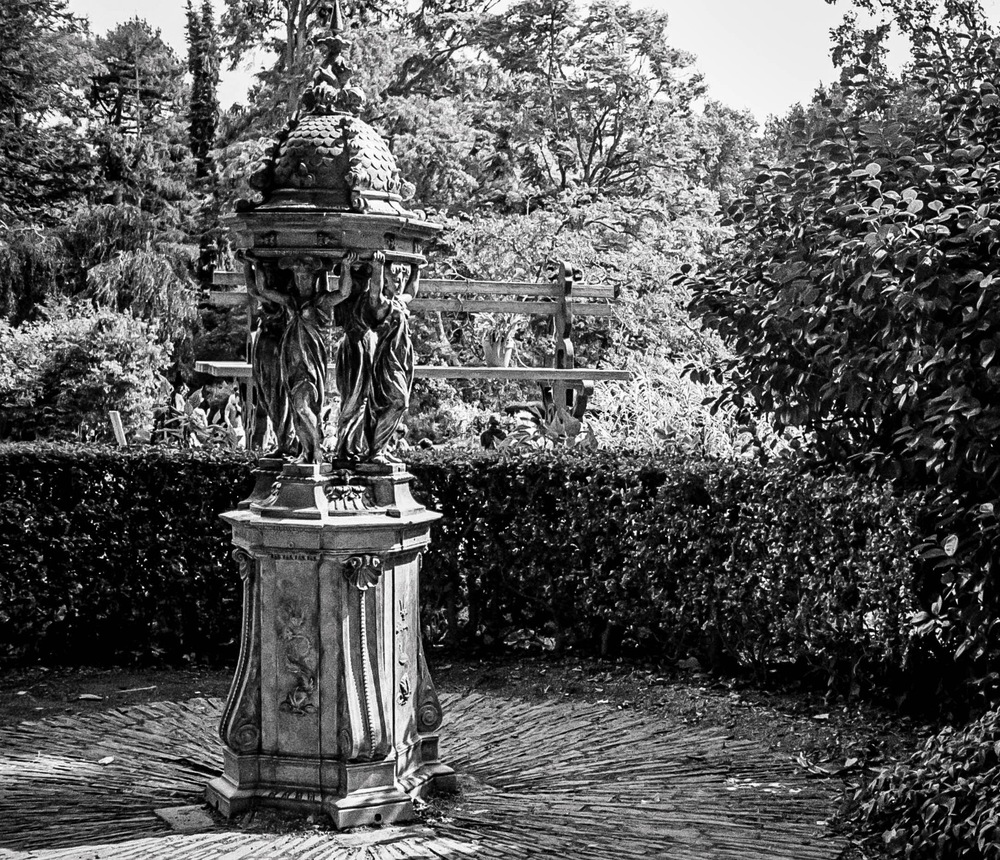
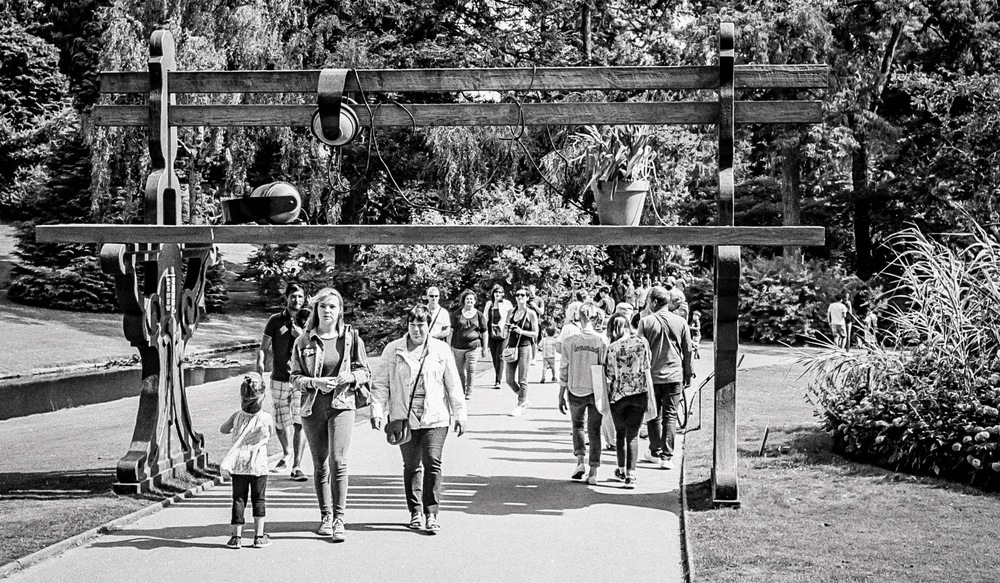
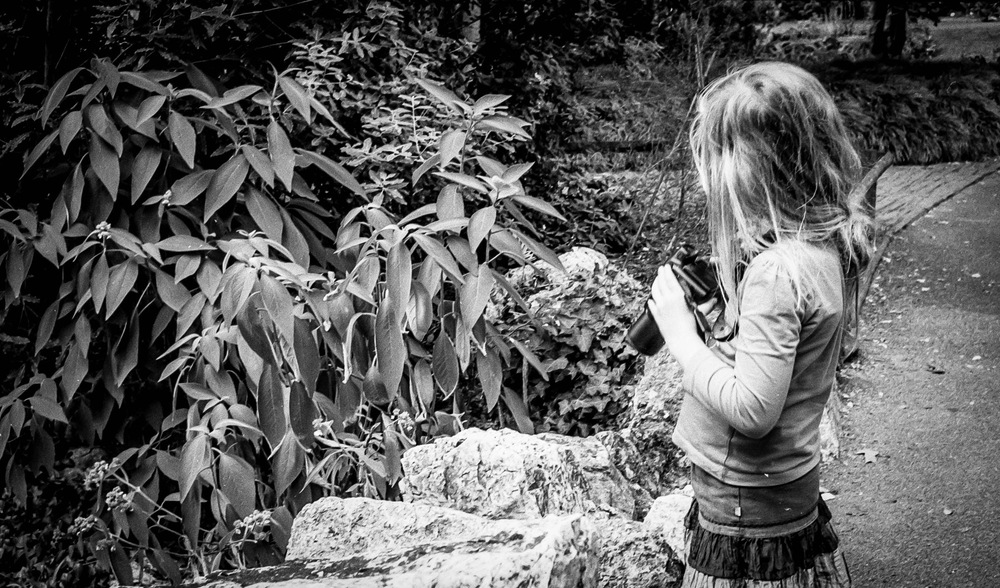
In the heart of Nantes, a city bustling with life and movement, lies a haven of tranquilly—the Jardin de Plantes. With my trusty Pentax ME Super in hand and a roll of Kentmere 100 film, I embarked on a photo walk with my niece, weaving together the threads of modernity and nostalgia.

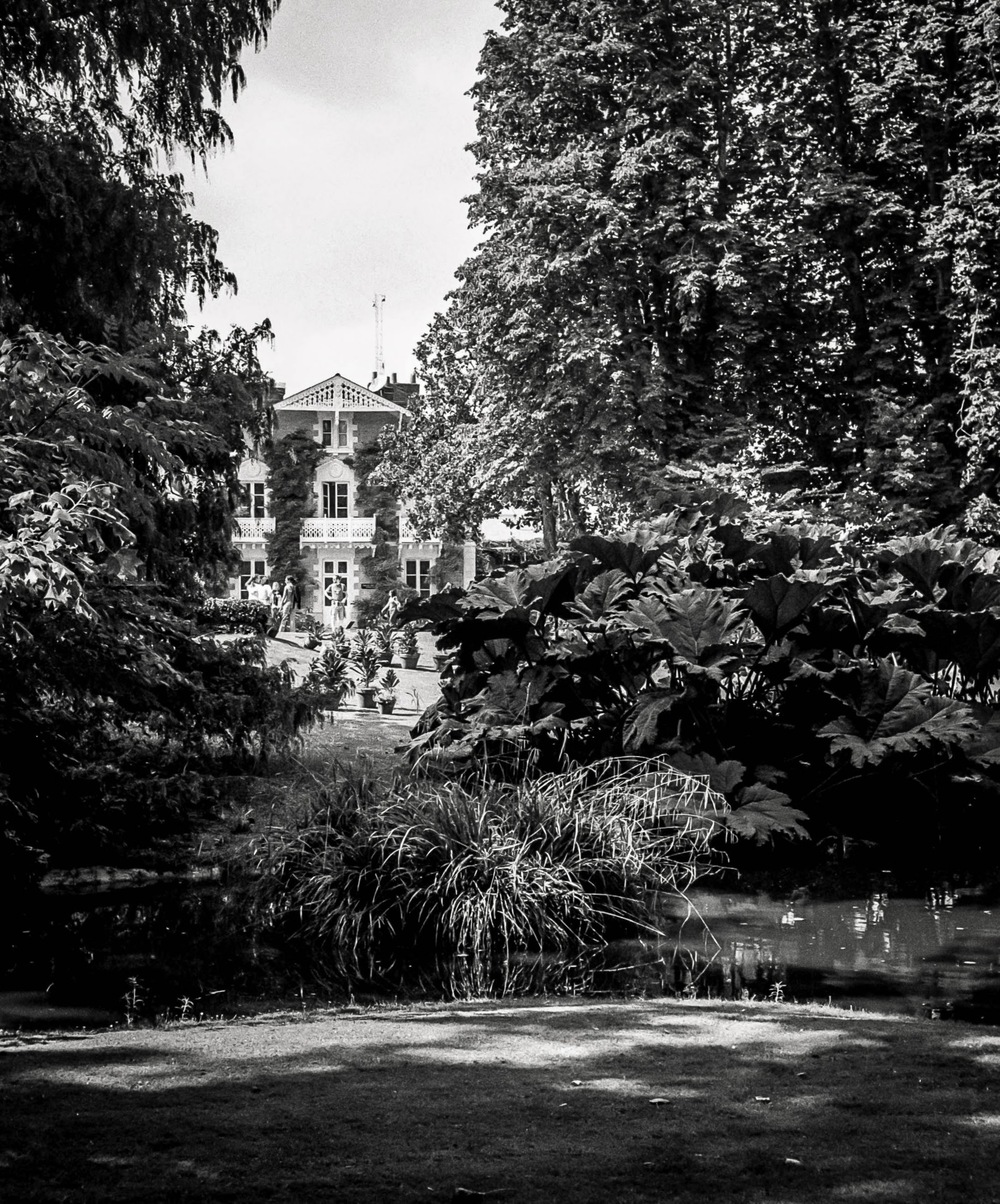
As the sun cast its gentle rays on the vibrant petals and verdant foliage, my niece and I strolled through the garden, our spirits lifted by the scent of blooming flowers and the melody of chirping birds. The Pentax ME Super, a relic of a bygone era, clicked and whirred, capturing the essence of the ambiance around us.

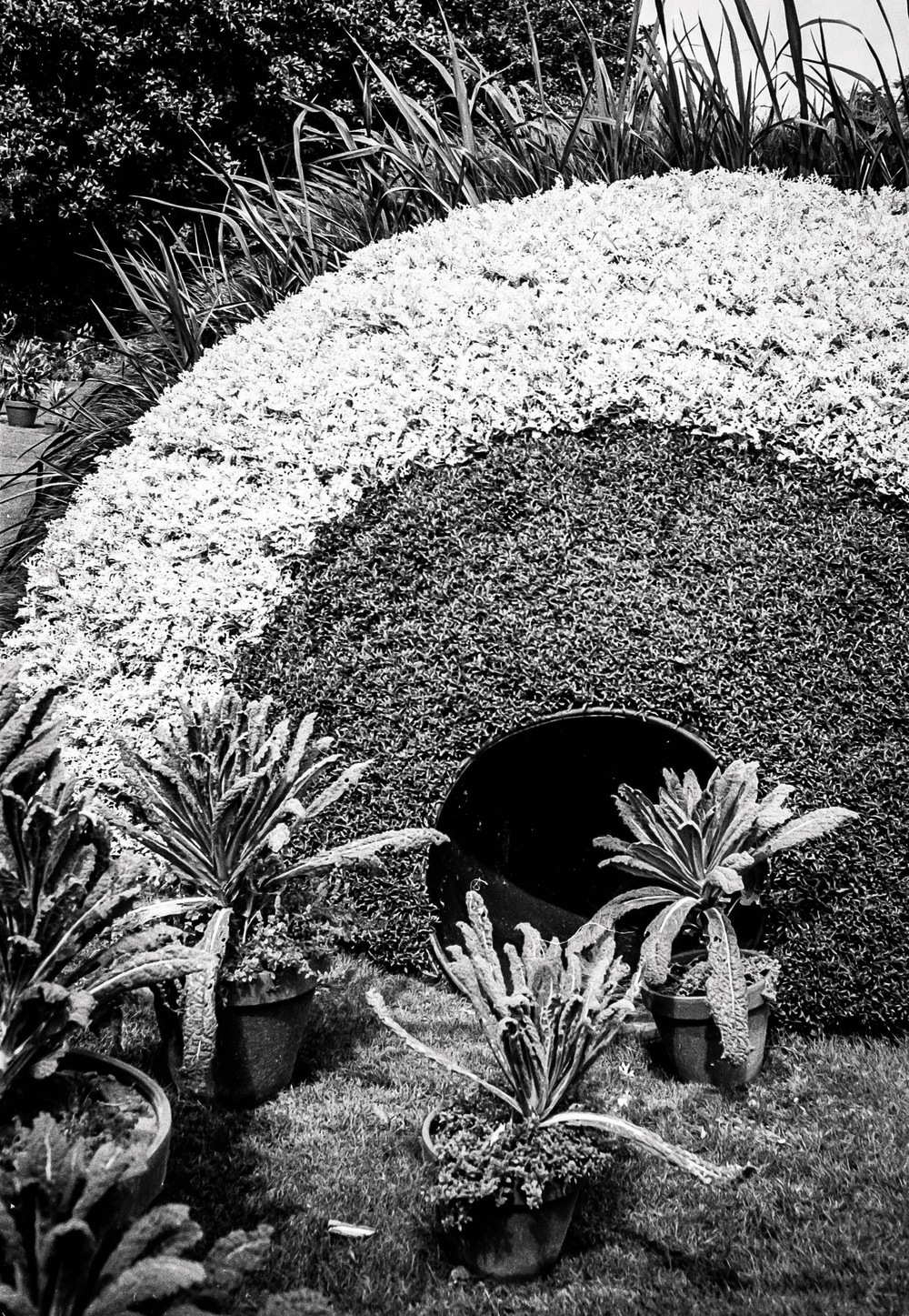
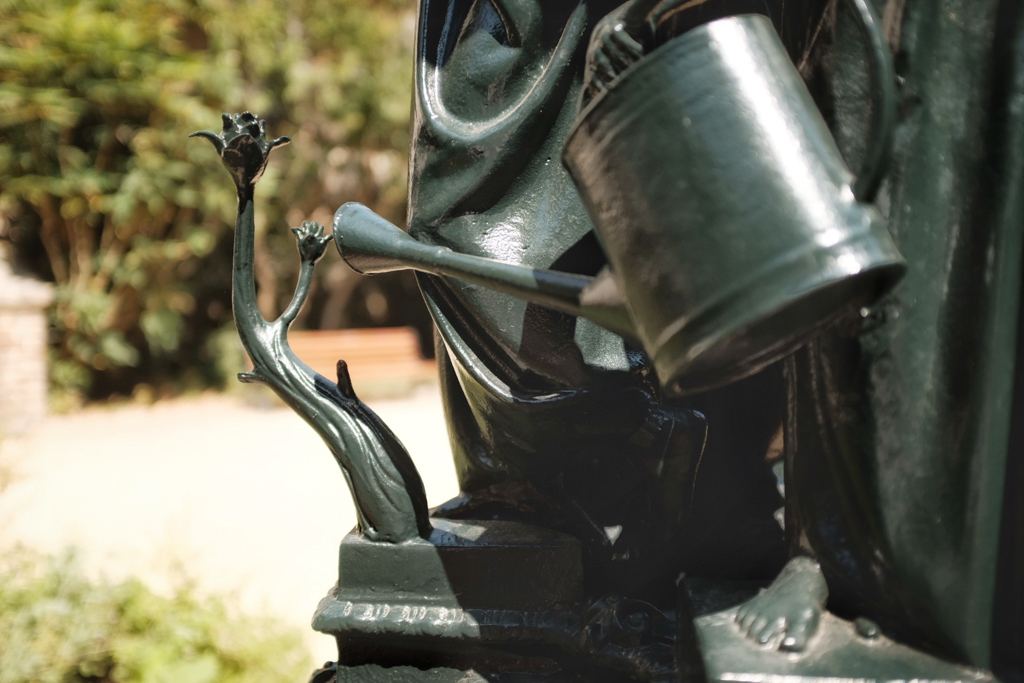
In the heart of this botanical wonderland, a delightful surprise awaited us – artworks from the Voyage à Nantes, seamlessly integrated into the landscape. Sculptures and installations whispered tales of creativity, adding an artistic flair to the already enchanting scenery. With each click of the shutter, the Kentmere 100 film immortalised these moments, creating a bridge between the past and the present.

Amidst the garden’s serenity, the city’s rhythm seemed to fade into the background. The laughter of children echoed, the fragrance of earth danced in the air, and a sense of peace enveloped us. The bustling streets felt miles away, replaced by the gentle rustle of leaves and the soothing trickle of fountains. It was a moment to pause, to breathe, and to find solace in the embrace of nature.

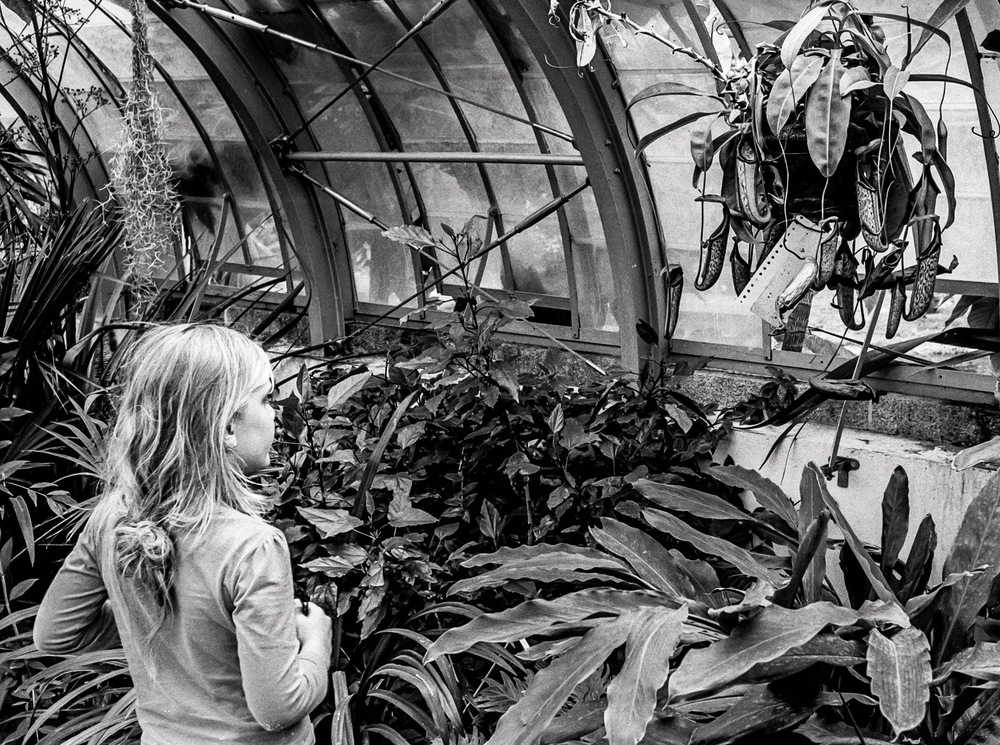
As my niece marvelled at the artistic wonders and explored every nook and cranny, I couldn’t help but recall a time when the world seemed simpler, captured through the lens of vintage cameras. The Pentax ME Super, a faithful companion, clicked away, a reminder that while times change, the emotions and memories we capture remain timeless.

In the heart of the garden, as my niece’s wonder met my own nostalgia, I realised that these fleeting moments, captured on film, became whispers of timelessness. The Kentmere 100 film transformed scenes into memories, the Pentax ME Super gave them life, and the Jardin de Plantes offered its serene backdrop.

Our visit came to an end, and the laughter and footsteps of visitors began to fade, leaving behind a quietude that felt like a hidden treasure. With a final click, I knew that I had captured not just images, but fragments of serenity and beauty, framed by the lens of a camera that has witnessed decades.

The Jardin de Plantes, a breath of fresh air in the heart of a bustling city, became a canvas on which moments of joy, peace, and art intertwined. The Kentmere 100 film told their story, the Pentax ME Super etched them onto film, and I, a mere observer, was fortunate to be a part of this beautiful narrative.

In the end, it’s the ability to capture the ephemeral that gives photography its magic. It’s not just about freezing time but about encapsulating emotions that stand the test of time. As I looked at the photographs that adorned my album, I knew that every click was a brushstroke on the canvas of memory— a reminder of the day my niece and I discovered the beauty of the Jardin de Plantes and the timeless charm of classic photography.