Why the Olympus Pen EE-S Is the Best Budget Film Camera for Beginners


Why the Olympus Pen EE-S Is the Best Budget Film Camera for Beginners (Even in 2025)

Pentax 17 fever is sweeping the film photography world, and I’ll admit, I was tempted. Half-frame cameras, with their promise of double the shots per roll, sound pretty amazing. But with a price tag of 500€, the Pentax 17 isn’t exactly within my budget. That’s when I rediscovered a little gem tucked away in my camera collection: the Olympus Pen EE S.

This Japanese-made half-frame beauty hails from the 1960s, the same era as the beloved Olympus Trip 35. Like its sibling, the Pen EE S features zone focusing and a selenium cell meter for fuss-free shooting. The lens is an F2.8 22.5mm Zuiko lens. The ISO settings go up to 200 ASA, unlike the Olympus Trip which goes up to 400 ASA. So, despite everything else, it needs light. The half-frame format means you get a whopping 48 exposures on a standard 24-exposure roll. That’s double the shots for your buck, folks!

Now, the idea of twice as many photos for the same developing cost is pretty appealing. But does the Olympus Pen EE S deliver the goods in practice? Stay tuned as I put this vintage camera through its paces and share my findings. Could this be the perfect half-frame hero for those of us who can’t quite swing a Pentax 17? Let’s find out!

Well, for starters, it felt very much like using the Olympus Trip 35. It’s very slightly smaller and weighs next to nothing. The shutter button is almost identical as well. Instead of having four zones for focusing, you have three, but it’s fine, and when you turn the dial, you feel a click as you enter a new zone. You point, and then press. Simple!

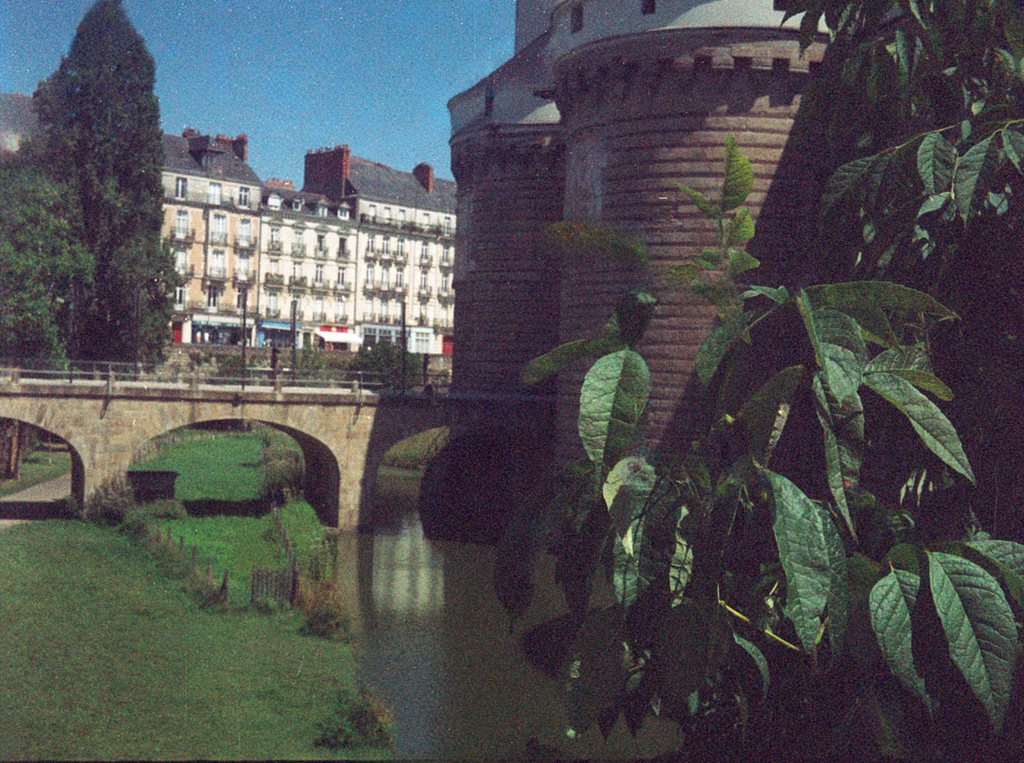
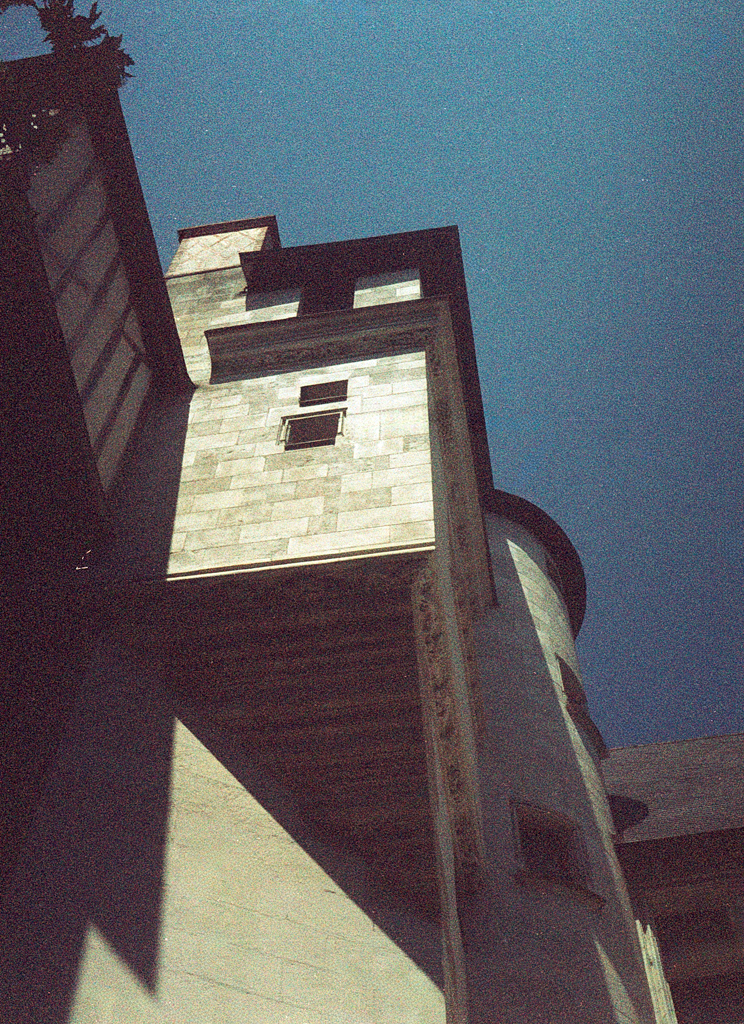
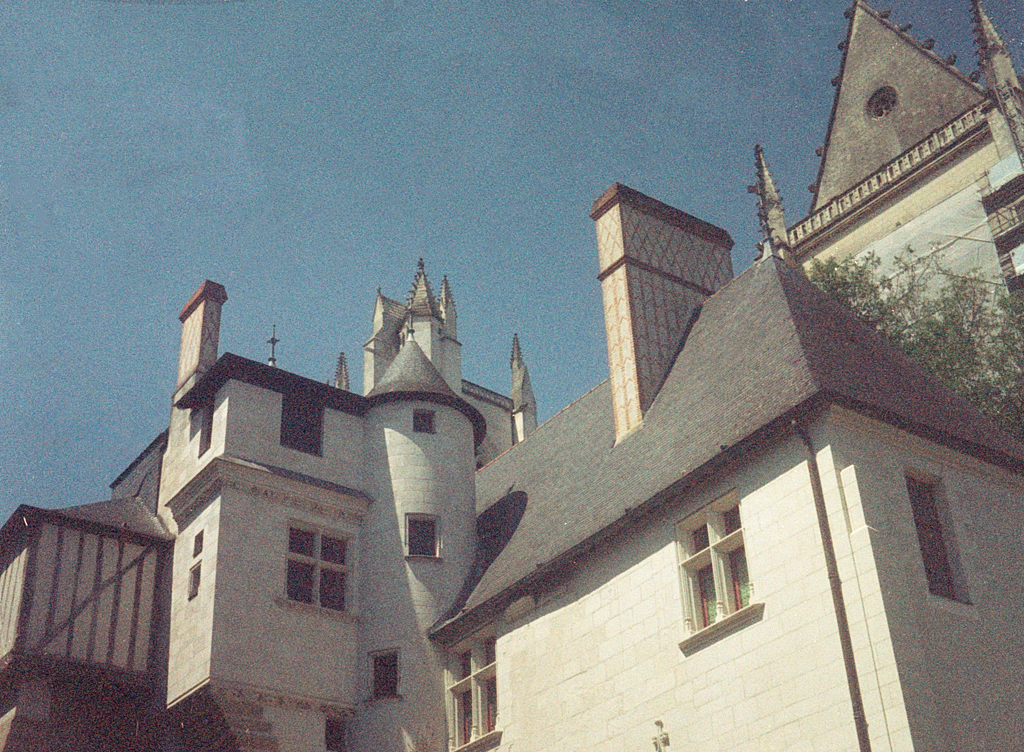
Let’s talk about this half-frame shooting experience. When talking about the Pentax 17, “they” talk about how the images are great for sharing on social media. A little like using your phone… This is the mindset that I had when putting in my Kodak Gold 200 to capture those famous Kodak moments in Nantes.

I found it a challenge to get used to the half-frame. “They” say that you have to take your photos as diptychs and remember that the two photos in your full frames are related, not just simple images. The idea is that when the two half frames are put together, you create a story and a suite of ideas, instead of two separate photos. I tried, and the results will show you if I succeeded. I felt that “they” were pulling my leg!

I’ll be honest with you. The idea behind the outing was to test the camera, see how I felt using it, and have a look at the results. It took me out of my comfort zone, which is something rare in photography for me. I was thinking about taking it to the UK with me to record the trip. It takes up next to no space in a camera bag and would allow me to shoot some film while back home. The idea of getting twice as many shots by using just half the frame is attractive. I’m just getting used to the reduced coverage that you get with just using half the frame.

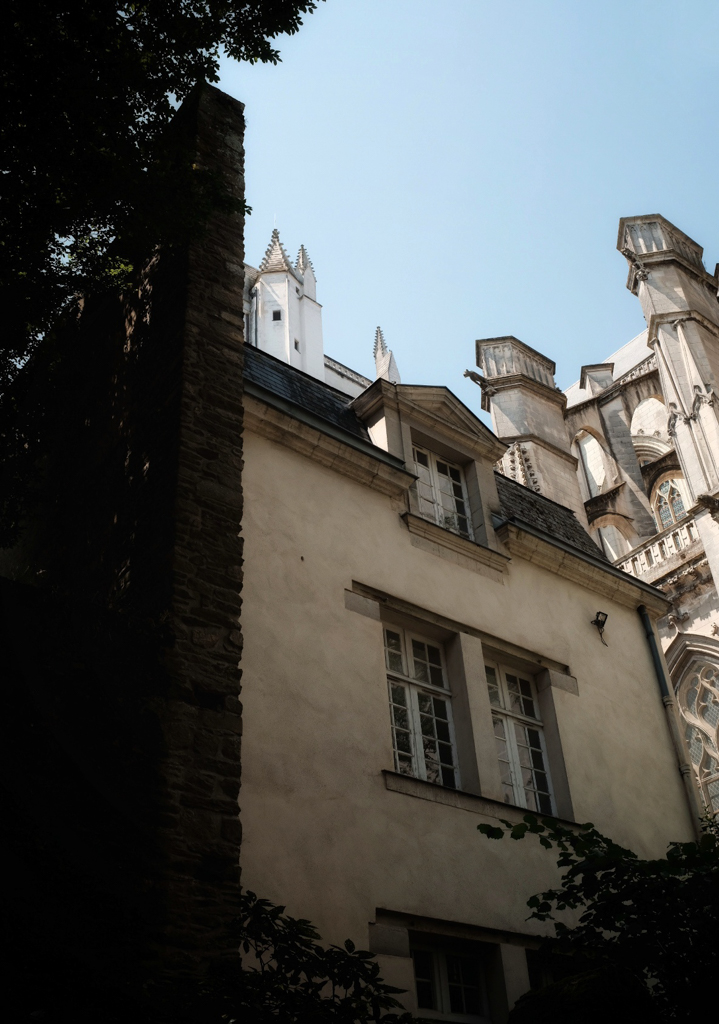
For this outing, I decided to head out towards the Cathedral, and takes some shots of the Voyage à Nantes.

I found myself thinking differently about framing my shots and using my phone as a mental template. As for the resolution of my images, they will be half as much as using my full frame, but were I to print my photos, then I would definitely see a difference. But if they’re just for sharing on social media, then the resolution will be perfectly satisfactory.

The million-dollar question is, will I take it on my trip, and will I use it? Yes, I will. Will it be my main camera? Possibly not. Will it be more like using a new toy? Possibly, even if the toy in question is a vintage 1966 toy…

Here’s what I’ll do. I’ll put some images taken on the X100F, my more modern toy, and let you see how they compare. You’ll see the diptychs and see how the different shooting styles change the outlook and how they change the framing.

These are the X100F photos with editing in Snapseed…
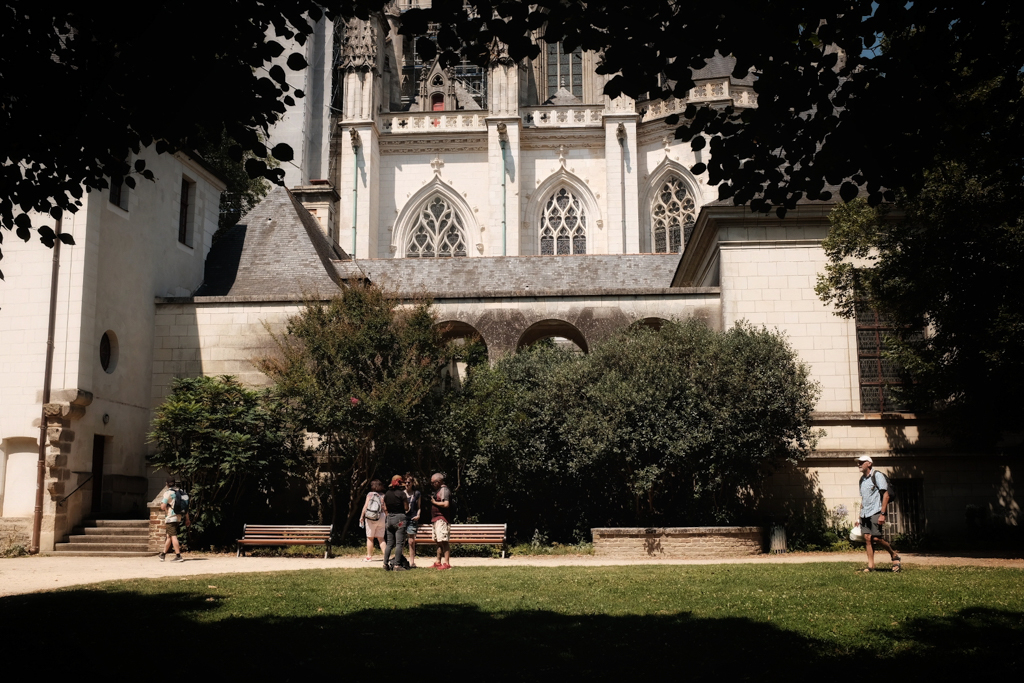
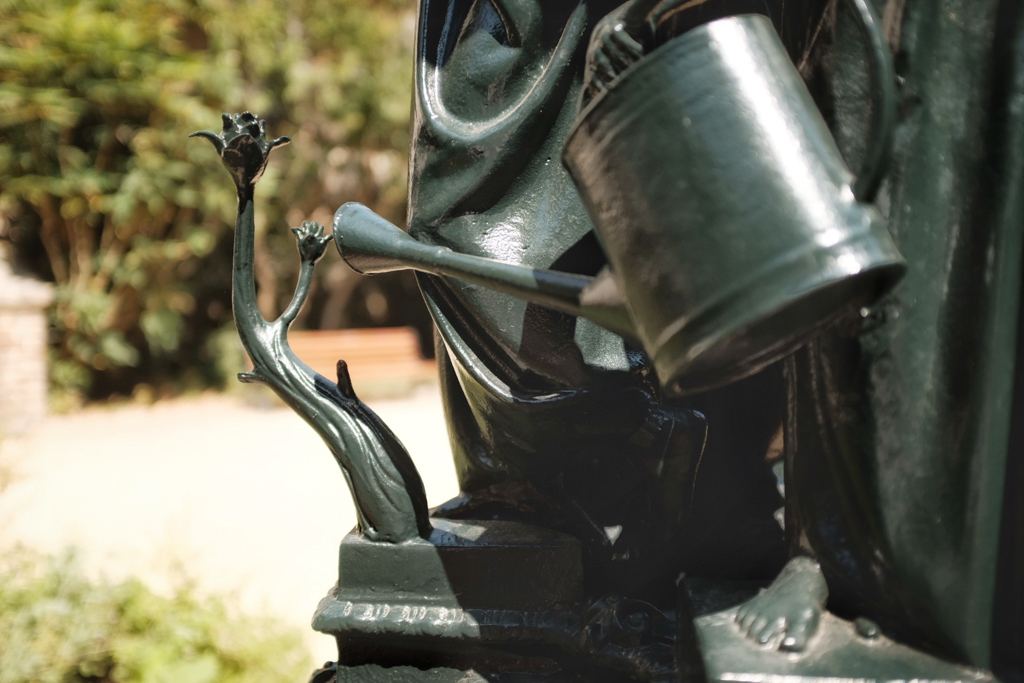
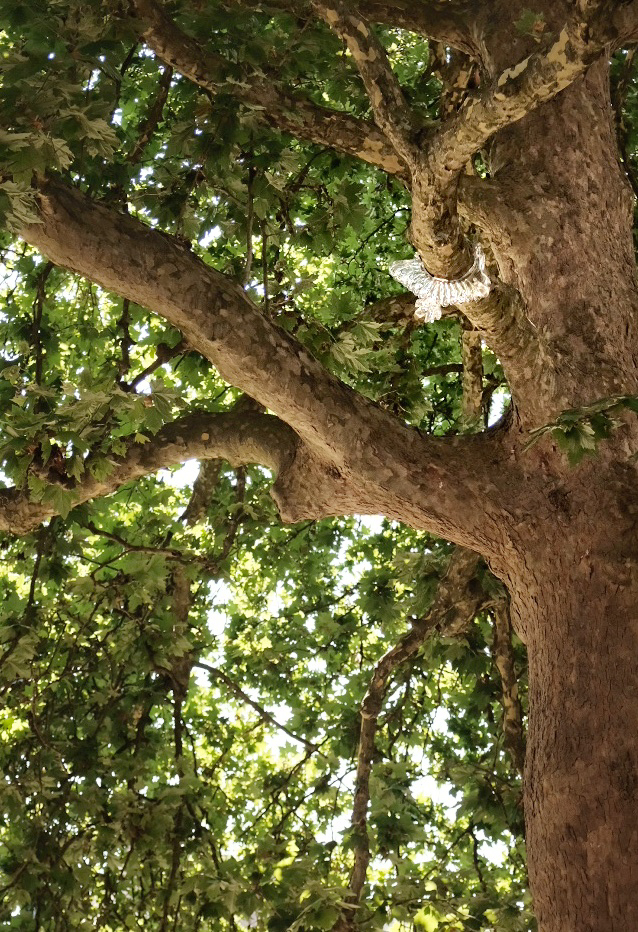
And these are the half frame images from the Pen EE S… with the editing done in Photoshop using the neural filters to get rid of the scratches on the film.
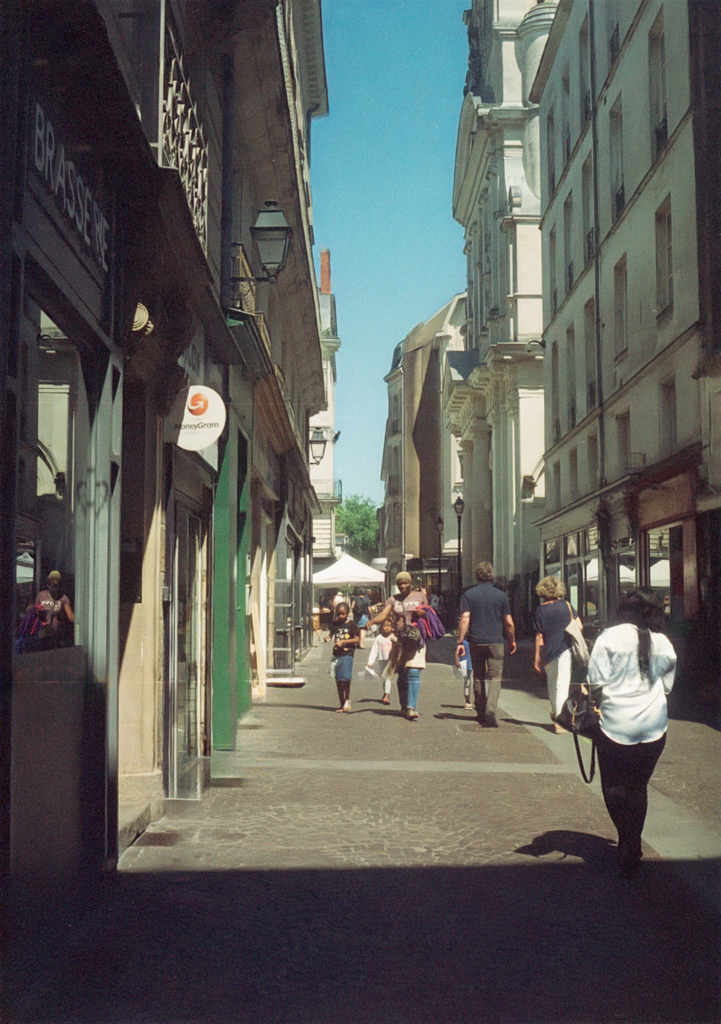
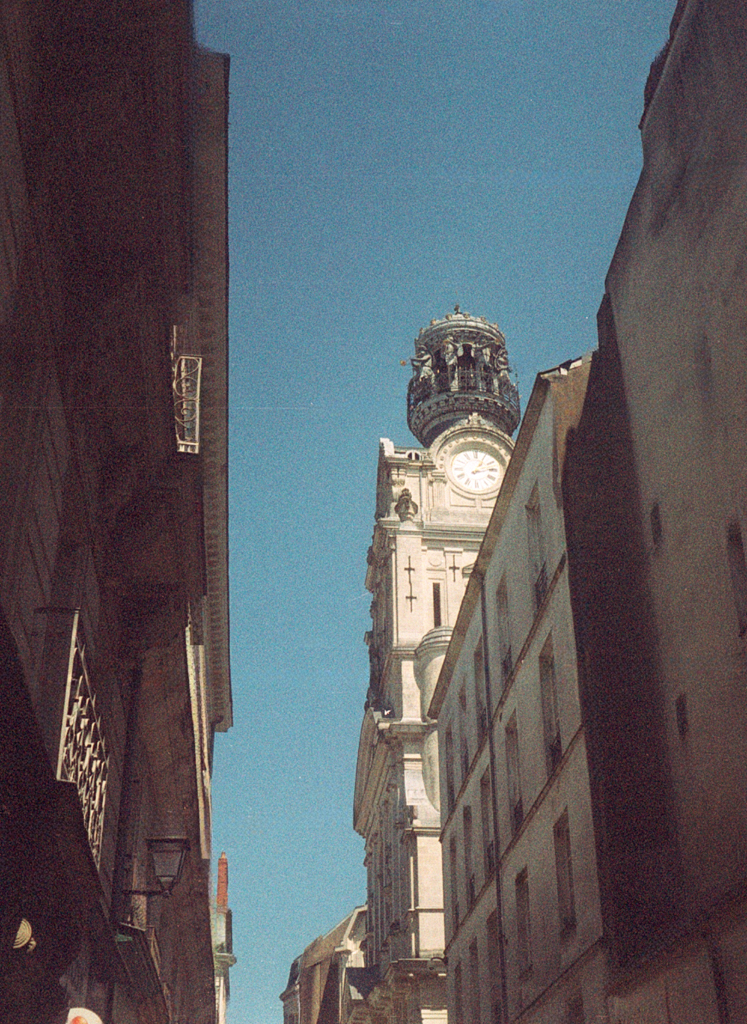
So what do you think? Worth taking?

The Opening of the Film Archives – Le Hangar à Bananes July 2016


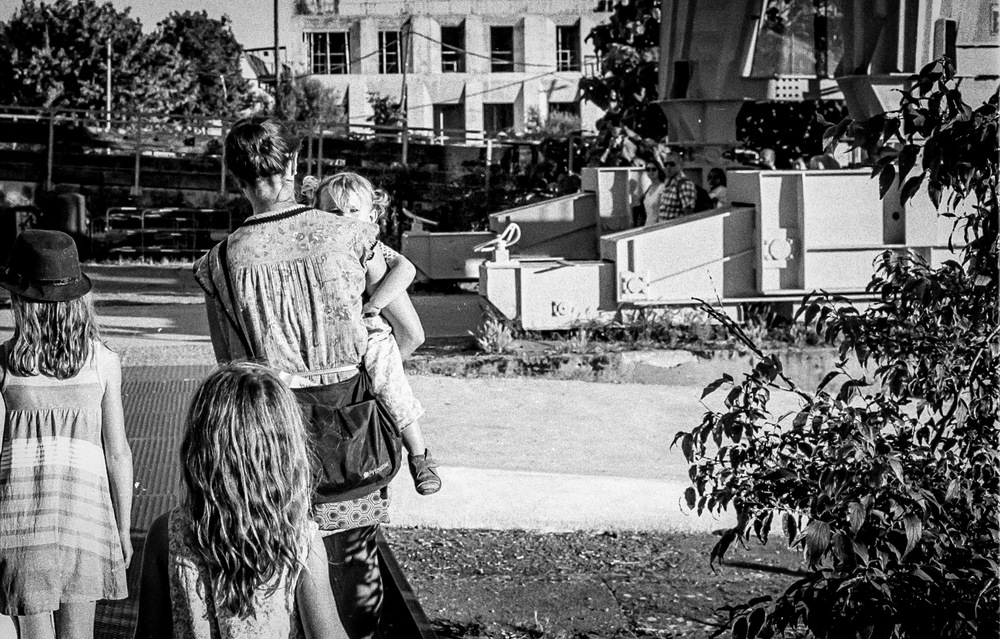
Continuing our journey through the film archives, we find ourselves on the Île de Nantes, home to the iconic Hangar à Bananes. Let’s rewind to July 2016, when I captured this vibrant scene with my then favourite Canon AE1. Once a shipbuilding powerhouse, Nantes had cleverly repurposed its abandoned infrastructure into a bustling hub. The area is now home to the fantastical Machines de l’Île, the historic Chantiers Navals, the towering Grue Jaune, and of course, the Hangar à Bananes itself. Back then, the Hangar was a hive of activity, buzzing with picnics, impromptu barbecues, and lazy afternoons under the summer sun.

My goal was to capture that unmistakable “Summer Vibe.” As always, I started with the architecture, drawn to its striking modern lines, a refreshing departure from the stark brutalism of the 1970s. The clever use of texture and the innovative design of the apartment buildings particularly caught my eye.

That summer, the Voyage à Nantes festival had a brilliant idea: communal barbecues for everyone. Genius, right? You simply brought your food, and they provided the grills, charcoal, tables, and chairs. It might not be Texas, but the French know their way around a barbecue, and being the food lovers they are, they go beyond the usual sausages and burgers. It was a true testament to what a public space should be – a place for everyone to gather, share, and simply enjoy themselves.

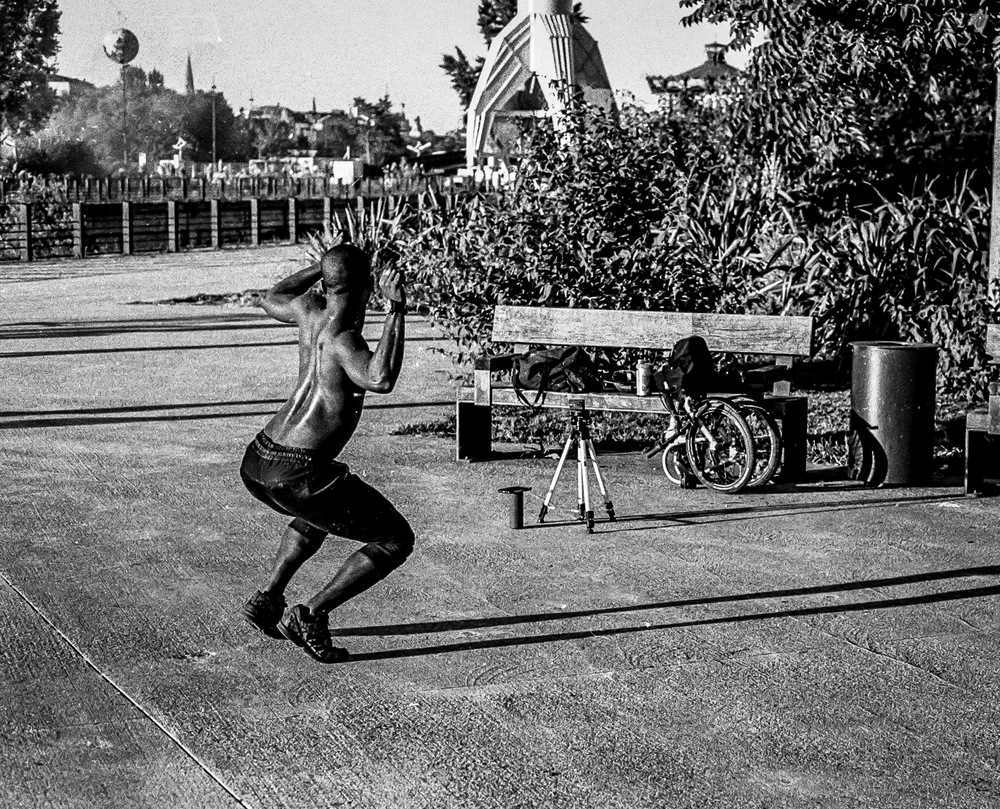
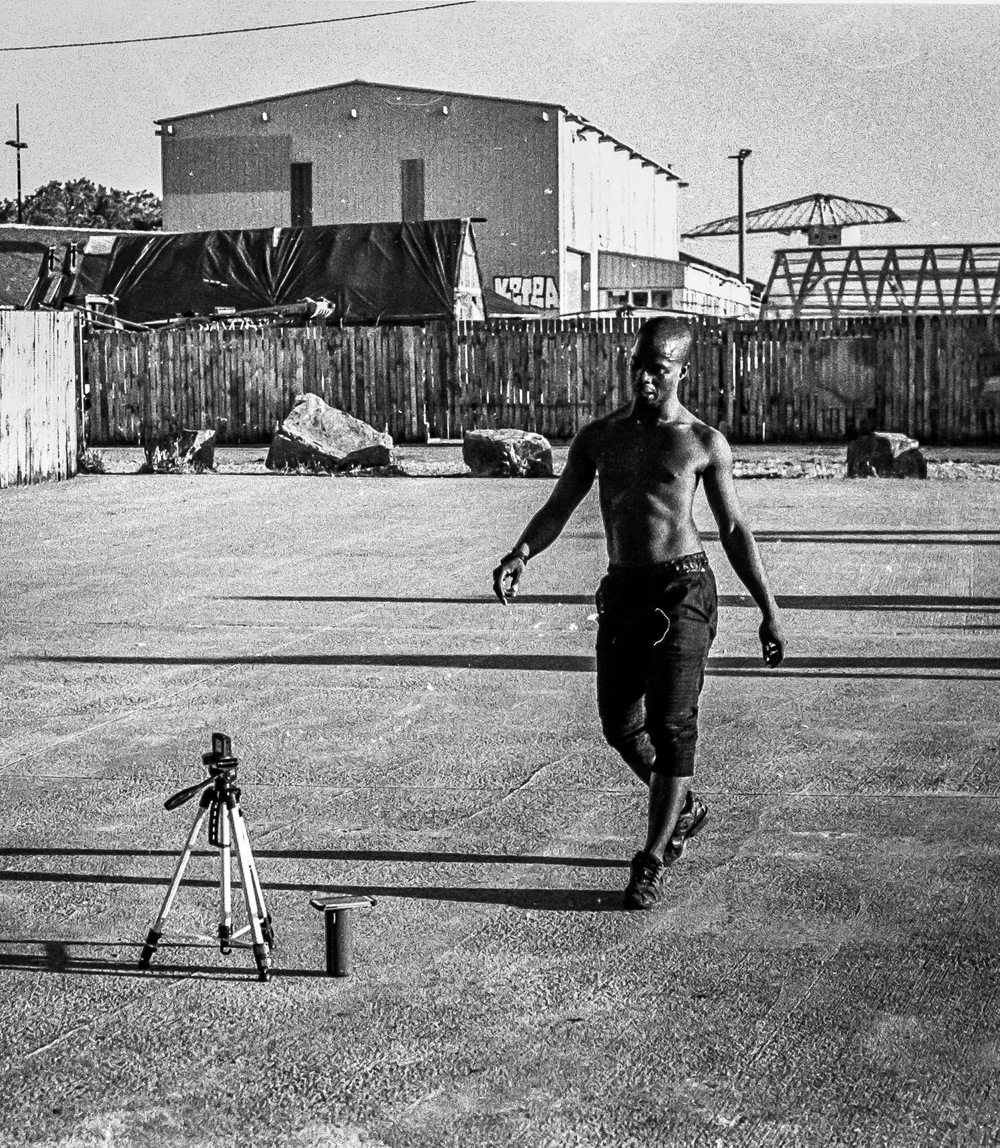
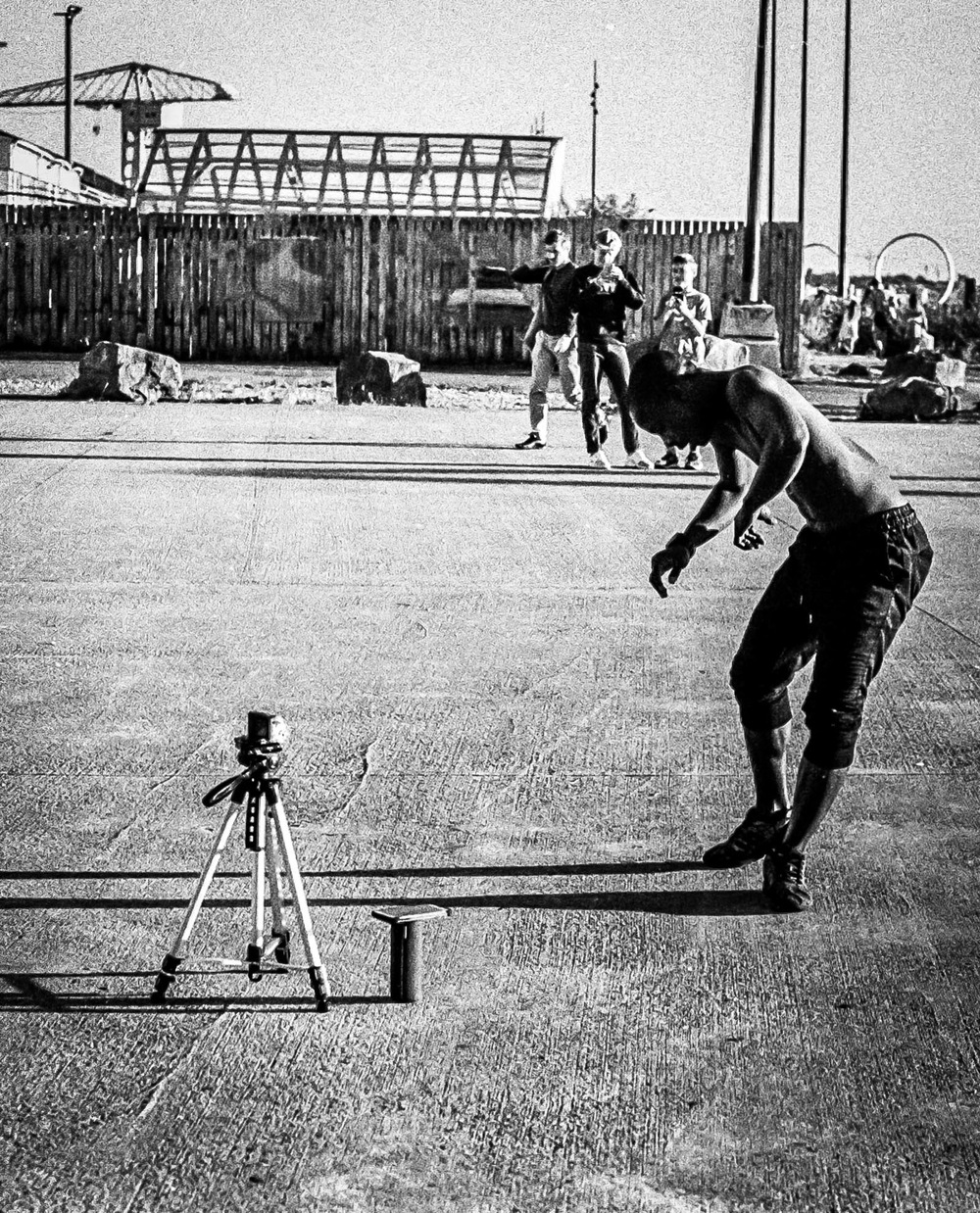
Then there was the dancer. He was just filming himself with a GoPro, but the way the sunlight caught his movements and the glistening sweat on his skin was mesmerising. It was a fleeting moment, the first and only time I’ve ever photographed a dancer, but it left a lasting impression. There’s something undeniably captivating about the human body in motion.

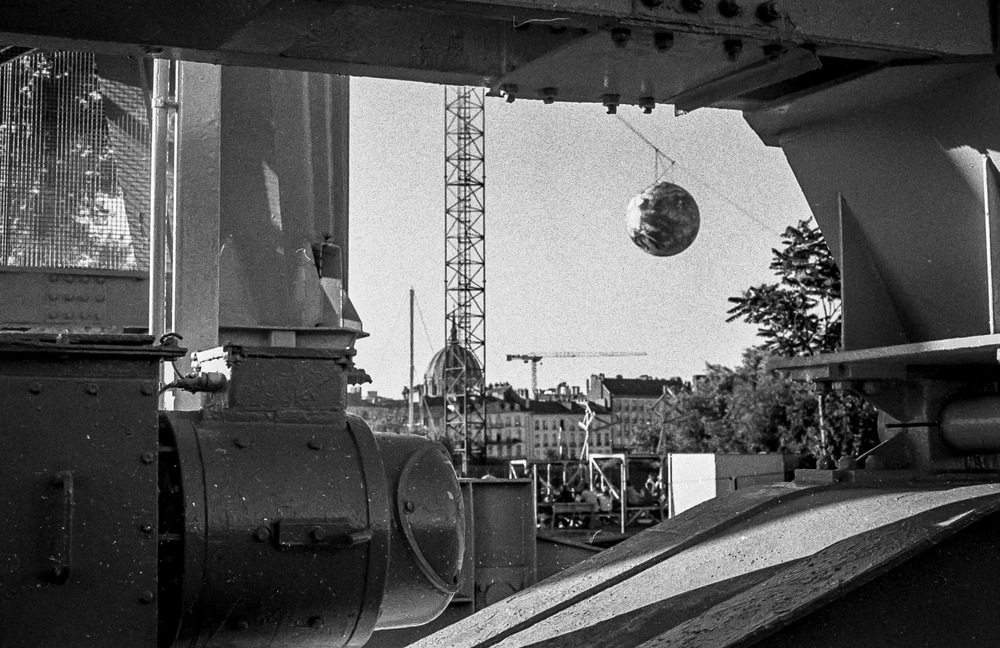
My wanderings continued to the edge of the island, where the mighty Grue Jaune – now a “monument historique” and a symbol of Nantes – stands tall. Walking past and through this enormous yellow crane was an awe-inspiring experience.

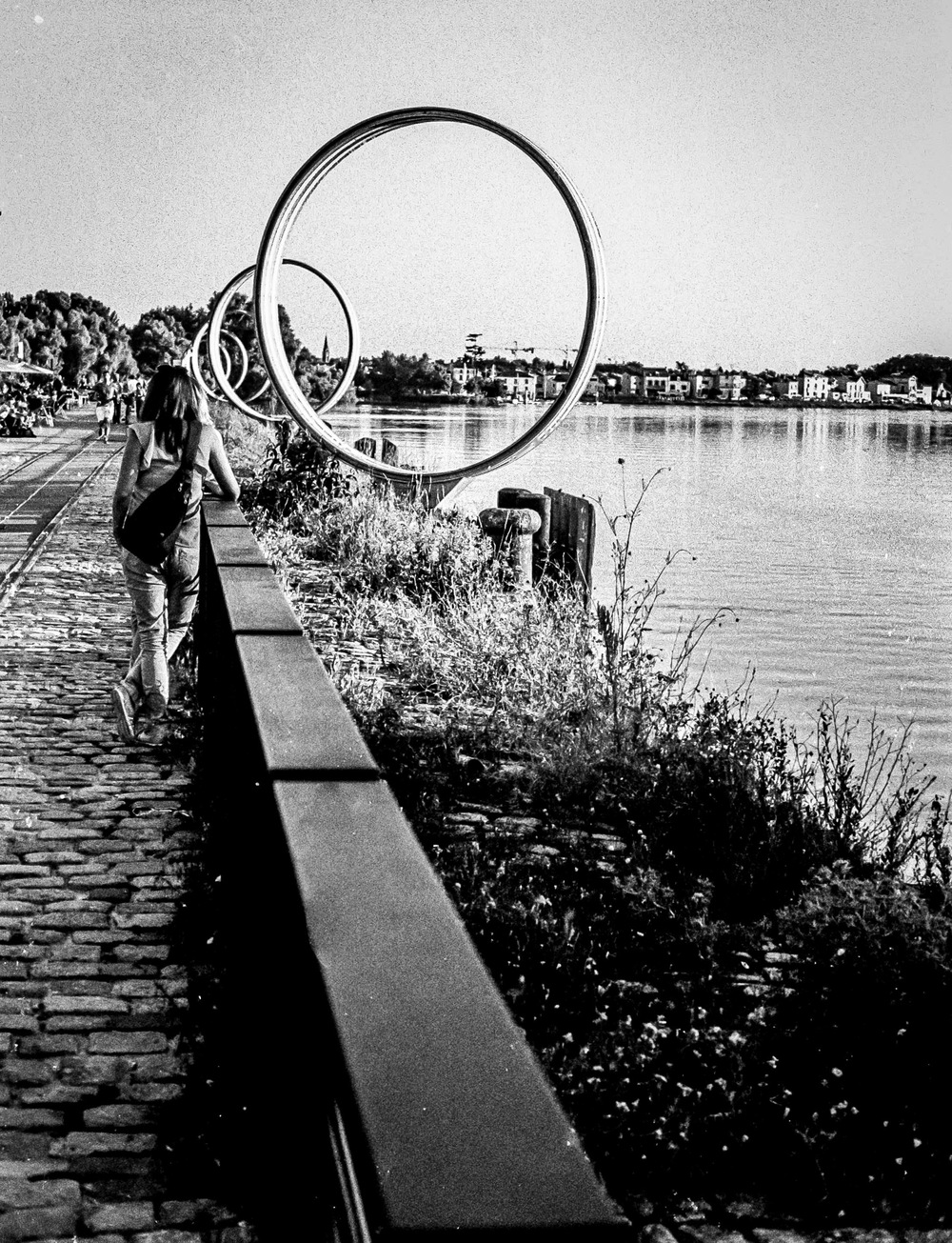
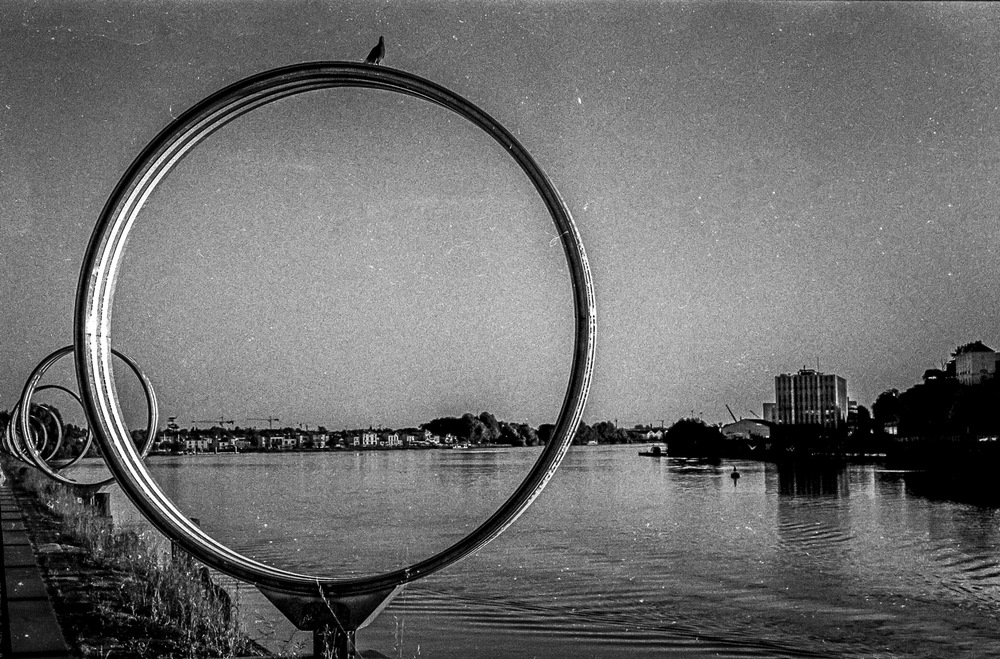
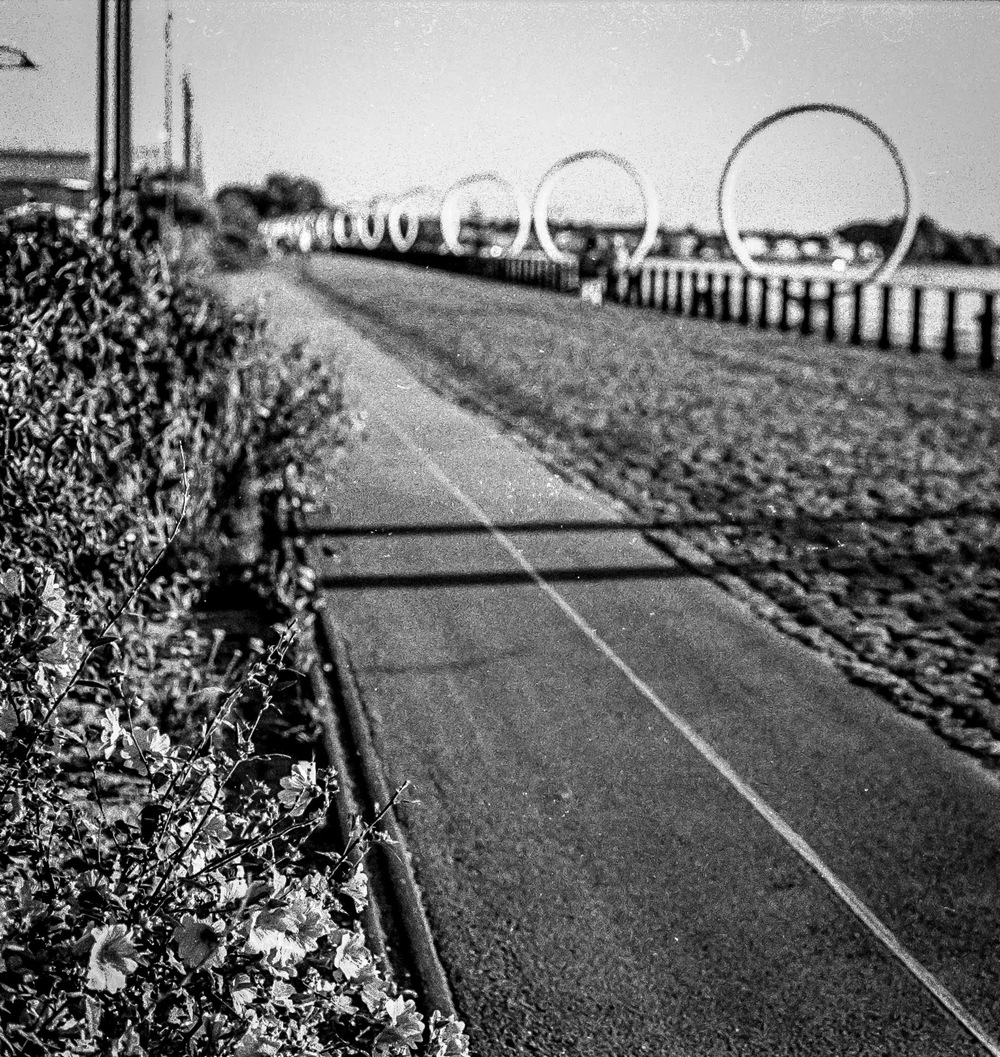
Along the riverfront, the Anneaux de Buren, a series of massive rings, stretched out in a mesmerizing pattern. At night, they transform into a dazzling display of vibrant reds, blues, and greens – a photographer’s dream, offering endless possibilities for capturing leading lines, geometric shapes, and unique framings of the cityscape.

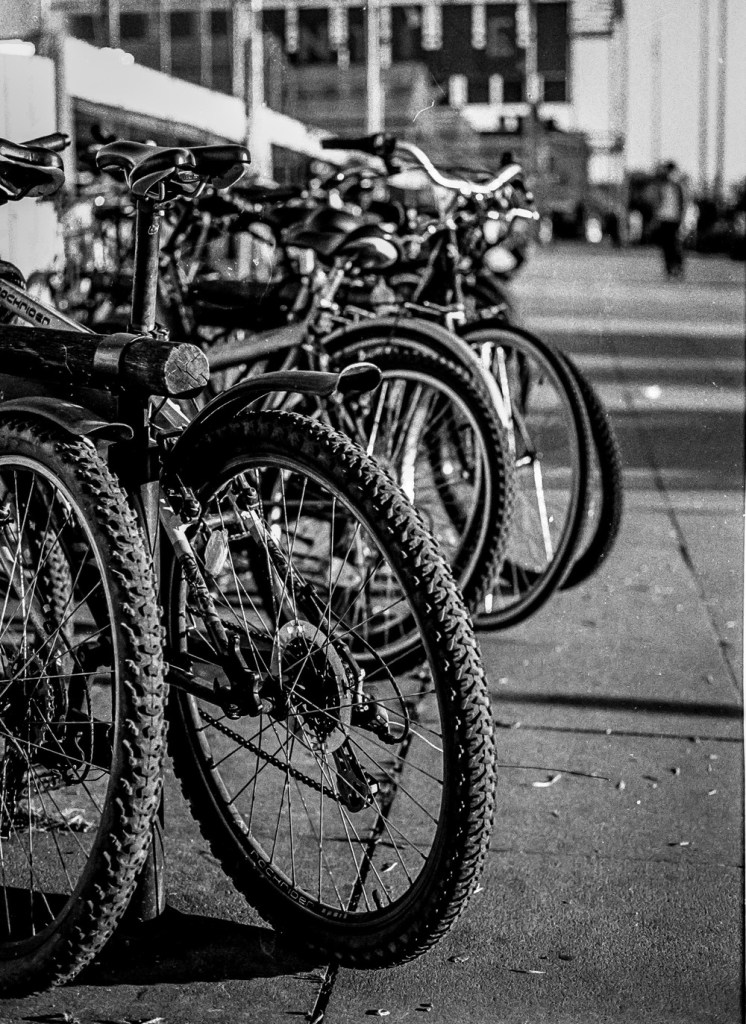
And of course, no photo series of mine would be complete without the obligatory bike shot. It’s a bit of a tradition for me.

Even now, in 2024, the Hangar à Bananes still exudes that same “Summer Vibe.” It remains a popular spot for after-work drinks with friends and colleagues, boasting a variety of restaurants, bars, the HAB Gallery, and the infamous “Warehouse.” While the area can get a bit dicey later at night, it’s perfectly safe and enjoyable for a daytime visit or an early evening soirée.

Seeing the World Through 35mm: Street Photography with the Fujifilm X100F


Introduction

I have been writing for this blog for a while now and everytime I get a comment it feels wonderful. Especially when I get a thought provoking comment.  LIke this one from my friend Joe:

Excellent post Ian I admire your willingness to stay neutral on the merits of which focal length lens is better for street photography. I personally find the 23mm 2.0 Fuji lens fairly close to what my eyes are seeing before I take the image. Of course we are talking about lenses designed for the APS-C sized Fuji sensor so 35mm would be the equivalent field of view for my 23mm lens (23mm x 1.5 = 34.5mm). Undoubtedly some people will say the nifty fifty is a closer field of view to what the human eye sees but in my opinion I will leave that up to other people that may care to argue that point….
Sorry for my long winded response but I enjoy your articles so much I cannot resist replying even though once I get started you can’t shut me up

I am grateful for Joe’s thoughtful comment and I am still going to stay neutral, and just explain why I use the 35mm (equivalent) on my X100F, for street photography, and environmental portraits, despite having the teleconverter to convert that lens into a 50mm (equivalent) lens.  As a special bonus I will present my latest street photography from Nantes, which just goes to show the sun can shine on us…

The Appeal of the 35mm Lens

The 35mm offers a world view which is very similar to that of the human eye albeit with a very slight distortion that disappears at 50mm.  So, when on the street, we know that our image will have much the same view as what “we” see.  When I get really close for a close up of a subject, the possible distortion remains manageable and doesn’t distract from the subject.   

My Journey with the Fujifilm X100F

I have fanboyed and waxed lyrical about this camera in previous articles and will not do that here. However, I have had mine since 2018 and still use it on a very regular basis, which tells you an awful lot. I use it during travel and when doing street photography because it is light, takes up next to no space, and is subtle, unlike the huge DSLRs and their massive lenses. Moreover, I have enough self-confidence to not need to compensate for anything. It’s also a very sexy little camera, and over the years that we have been together, I have learned how to use it to its full capacity. I can use it intuitively without having to think, which is always a relief. According to camera manufacturers, six years is a long time to be with just one camera, but the costs of replacing it with the latest version are prohibitive, and not enough of them are being produced. The old argument about one in the hand still holds true.

The Versatility of the 35mm Lens on the X100F 

The versatility of the lens, as with any lens, depends on the person “behind” the camera. I use it for documenting a scene. It’s just wide enough to get a good view, but not to distort or have too “busy” a scene, as can happen with the 28mm. It’s great for portraits. Dear Reader, I know I have previously talked about the distortion when close up, but what it is great for is a portrait of a person in his environment. It gives us more context about the person and tells more about him, as we can see his surroundings. Because of the silent shutter, I can also get nearer to my subject without making a flapping mirror sound when I press the shutter button. At F2.0, I can either get massive depth of field or shoot in relatively low light. My basic setup is ISO 3200 and F2.0. But on a day like today, I will put it into ISO 400, and if things get really bright, then I can use the inbuilt ND filter.

Comparisons with Other Focal Lengths

I have already touched upon the differences between the 28mm, the 35mm, and the 50mm focal lengths, but let’s get real for a second.  The 28mm is great, but too much distortion and makes the image very busy because of the wider field of view.  This is fine when used with intent, but you have to be so much more careful with your composition.  The 50mm is the lens that I grew up, but after having used the slightly wider 35mm, I find myself backing up to get the same field of view, which leads to banging into things and apologising profusely to the bin that I have just reversed into.  It has happened!

Practical Tips for Street Photography with the 35mm

Just use it, go back and use it again, and if you have any doubts then just go out and use it once more to be sure.  Don’t overthink it.  Don’t worry about the distortion I have mentioned.  It only really happens when you get right up to your subject.  If you have only used the nifty fifty then you shouldn’t notice a huge difference, but physically you will.  You’ll be moving closer to things, but it’s just “one step up.”  It will seamlessly “grow” on you.  

Be the man in grey, or whatever colour you fancy, but know the environment in which you’ll be shooting.  You might want to avoid fuchsia if you’re going to be in the woods shooting, or in that beautifully tailored three piece suit if you’re going to be in the stands at a football match.  Think sore thumb and being out standing in a field.

Conclusion

If you so wish, you now have the arguments for and against the 35mm lens.  I don’t think that arguing about ti will get you anywhere though…  The lens, as the camera, is a tool at your disposal to create an image.  Just getting a new lens won’t change your life despite what the guy in the shop might tell you.  You “can” use a 50mm for street photography, and some even use the 85mm to go for more details, and more candid shots.  Use what you have already.  I have just talked about my experience since using the 35mm (equivalent) on the X100F.  The information is purely subjective.  If you want an X100, then by all means go out and buy one.  Maybe go for an older model like the X100F or even the X100T for the price difference.  Or if you can get your hands on one, the X100VI is wonderful.  At the moment however, I cannot justify buying a more expensive camera to my wife!

I’ll leave you the comments section to debate the various merits of each piece of kit.  And you can use the hashtag “#ijmphotography” to share your images with me on the gram.  Look forward to hearing from you.  Until next time…

My First Hen-Do Photography Experience


May 2024

This month, amidst publishing various tutorials for your delectation, I ventured into uncharted territory with my camera. A musician friend asked if I could photograph her sister’s hen-do.  How about that for a challenge.  Slightly scary…  Slightly?  No, terrifying for the introvert that I am.  Flattery and food convinced me.

Having previously photographed a wedding, I was somewhat prepared. For that event, I bought a second-hand 24-70mm f/4.0 lens and a Canon flash. I was advised to use the Canon 6D Mark II in program mode with the flash set for TTL (through the lens metering). Today’s first activity called for the same setup.

Tahitian Dancing

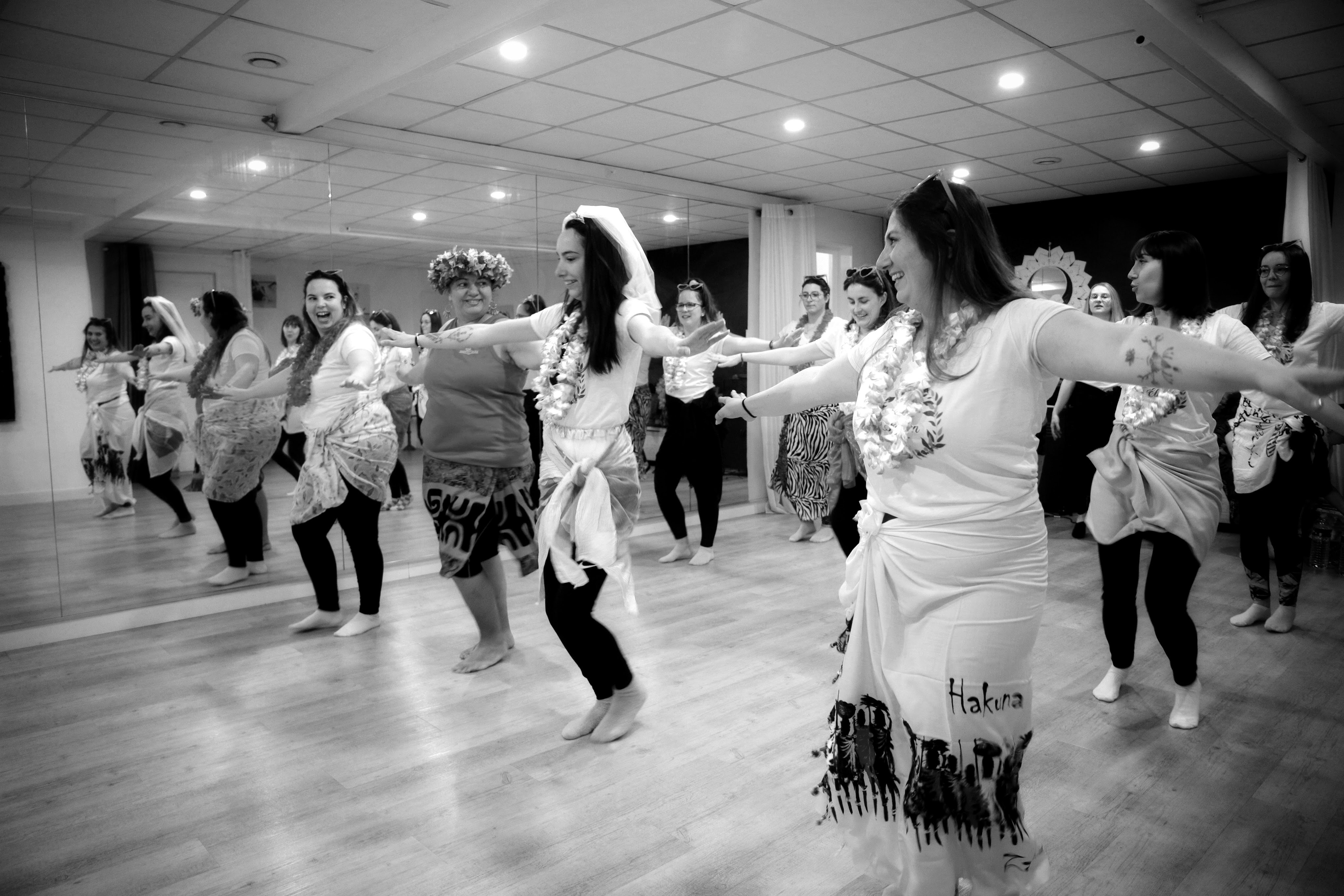
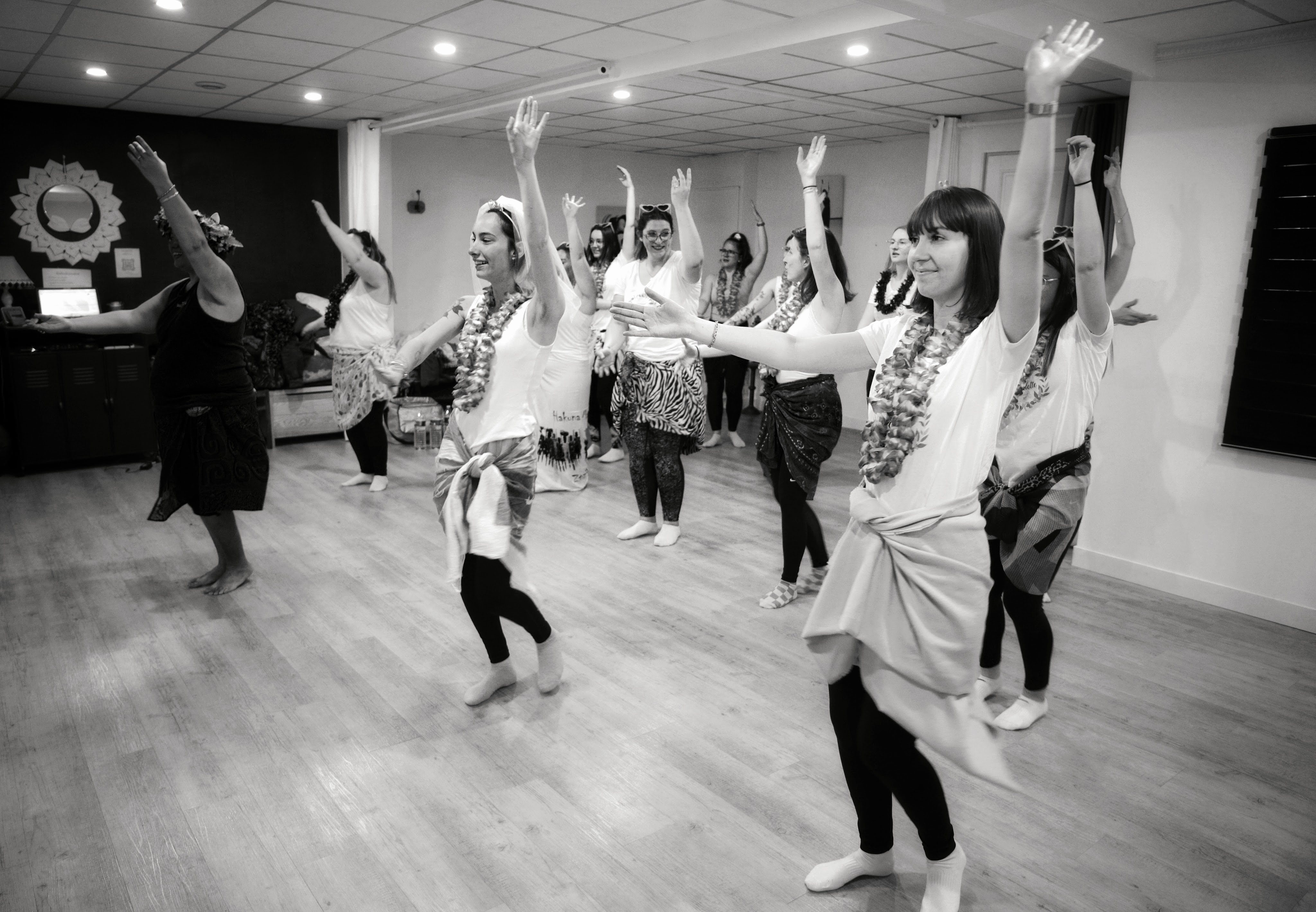
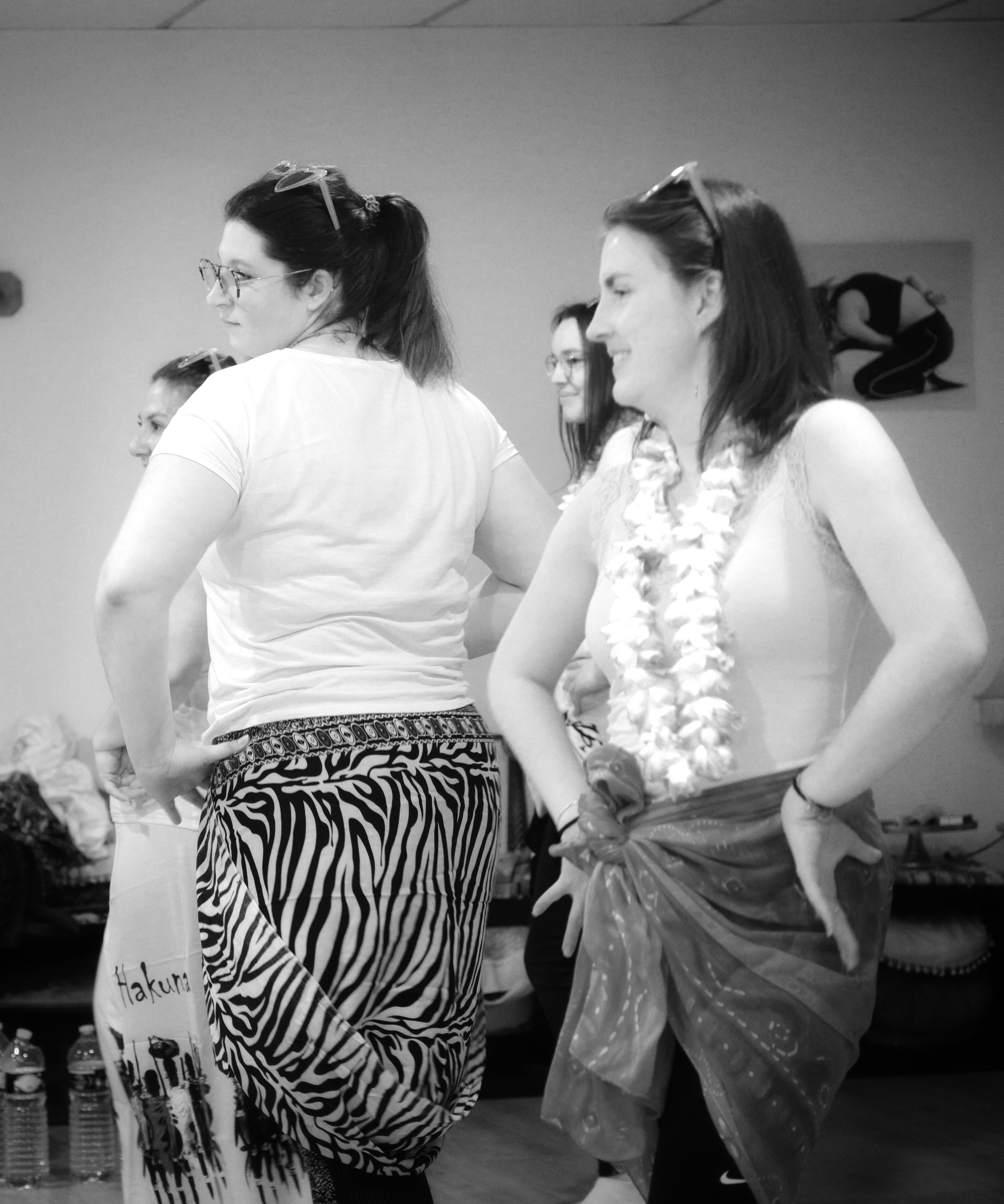
I arrived at the venue for the first activity: Tahitian dancing. The bride-to-be was proposed to in the Pacific Ocean, hence the theme. The girls were already there, and I tried to stay out of the way as best I could. I may be creating memories for everyone, but those memories aren’t mine.  The lens worked perfectly, and I didn’t even need my flash batteries. They’re ready for next time and one less item to tick off.

The dance session seemed to go on forever, and I resisted the urge to sit down. I felt completely out of place, more a prize pillock, but kept telling myself to fake it till I made it. It worked—my wife approved of the photos, and more importantly, so did the bride-to-be. Creating rapport was nigh on impossible so I just watched the spectacle and pressed the shutter.  Do what you can and leave the rest for later…  So I did just that!

My favourite bit of the day

I switched from my clunky DSLR to my sexier Fuji X100F.  It’s always better to be inconspicuous and yet still be able to take decent photos.  I’m big enough already as it is, but having a smaller camera helps people forget that I’m there…

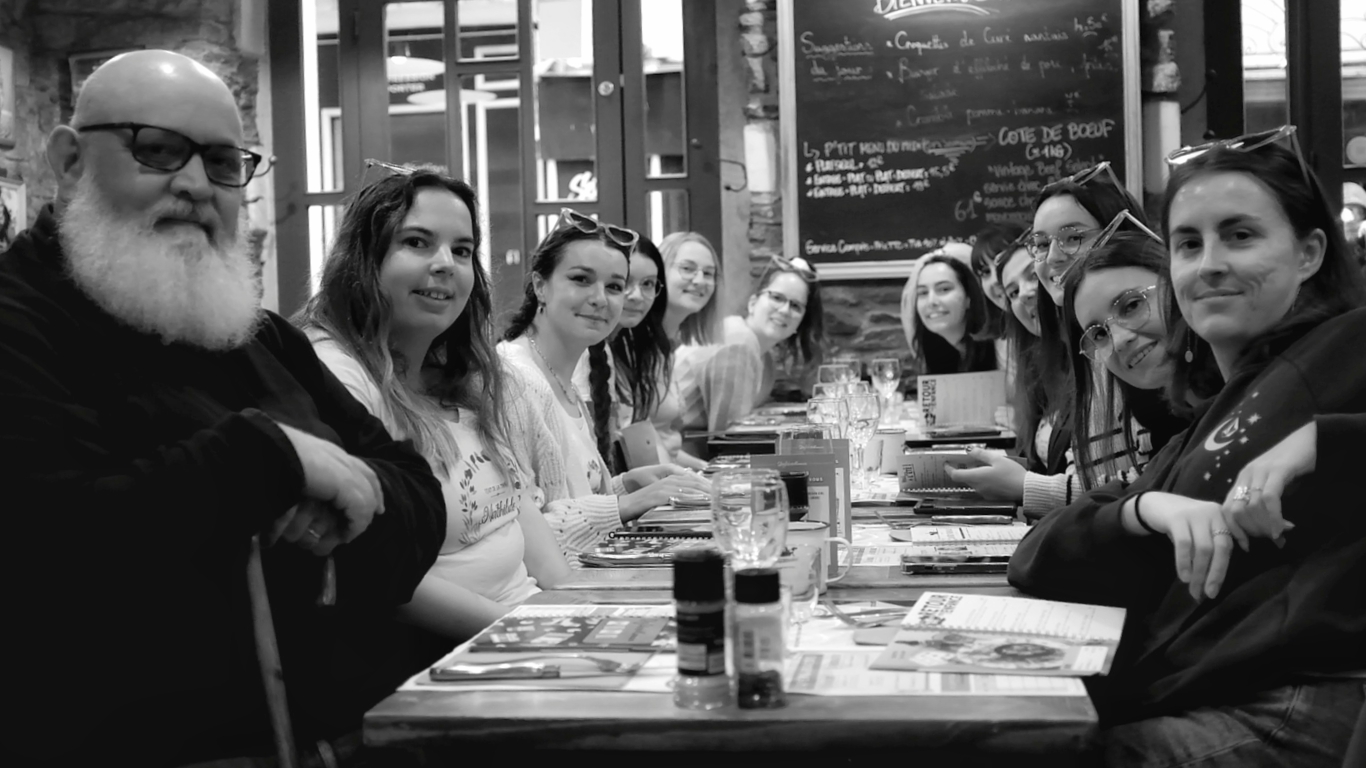
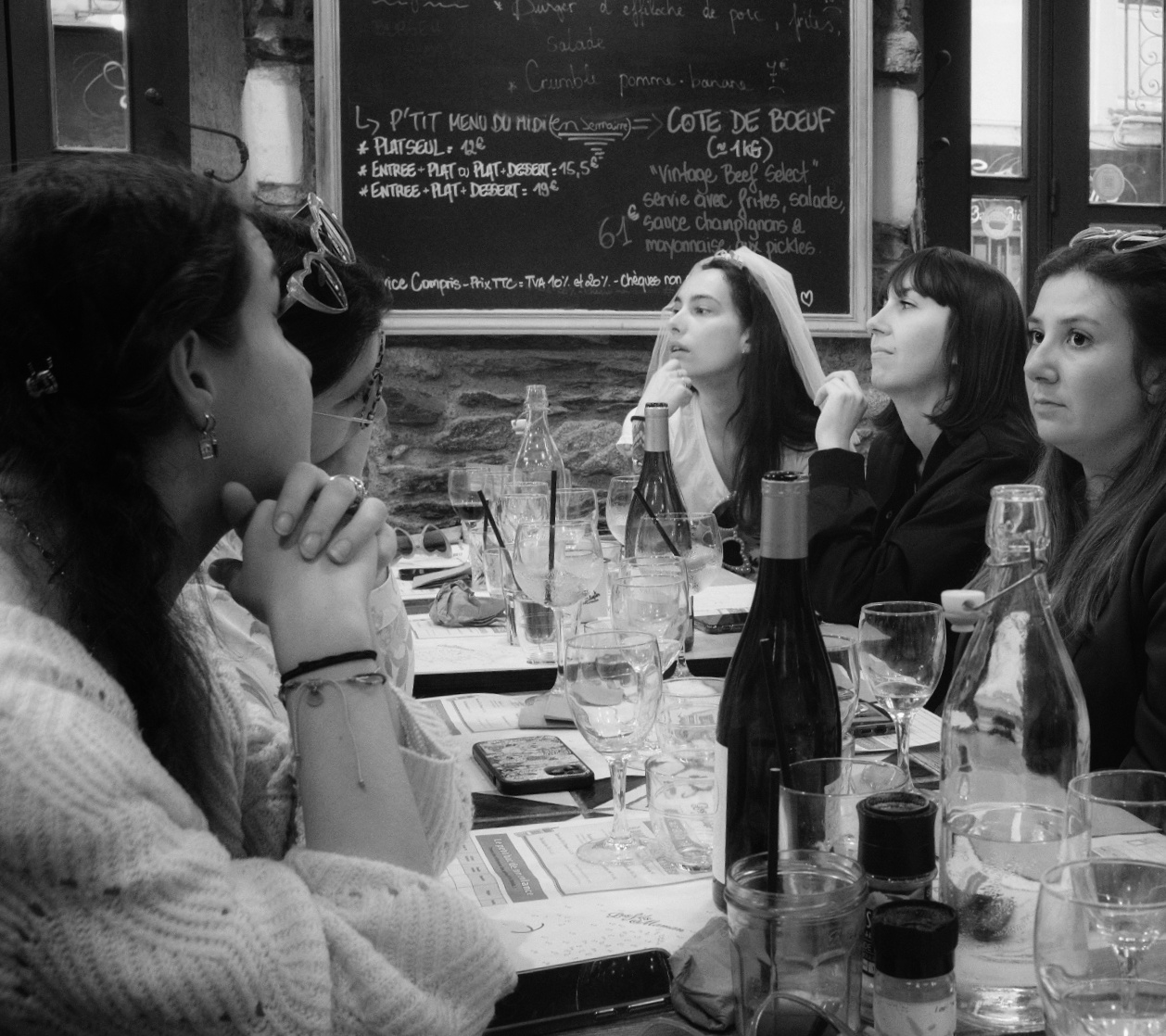
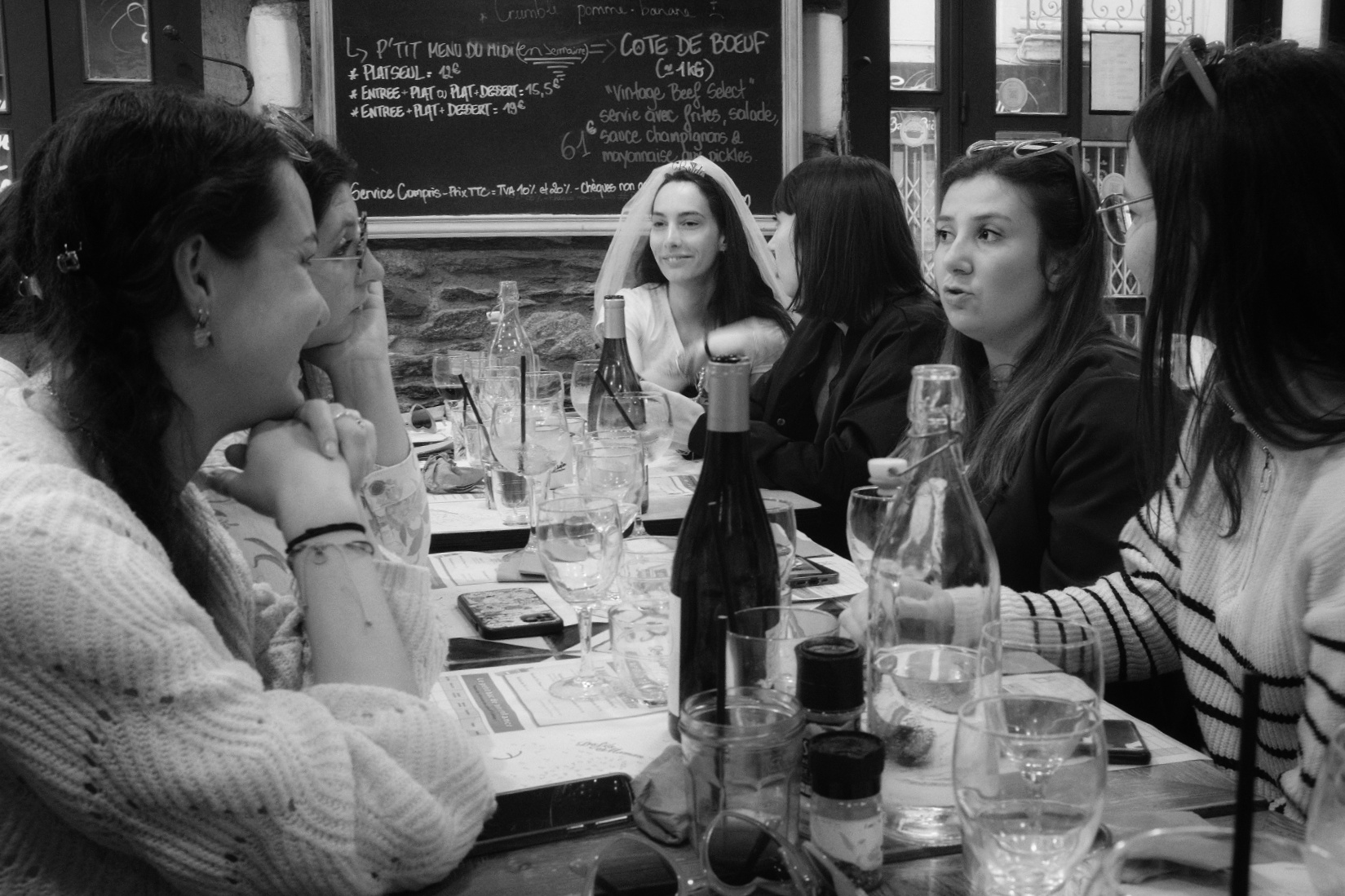
This next activity was probably my favourite. The restaurant was one that I had walked past on many occasions, but had never gone in. It was one of those themed places for Millennials in need of some nostalgia. The owners and chef had created a menu with grown up “children’s food” from the 90s and 80’s. There were activities and crayons for the place mats. The decor was 80’s and everything was vintage. At least for them, which is the main thing. Ok, it was a bit for me too, reminding me of my arrival in France all those years ago. I was offered a seat near the bride, but was whisked off by my friend to sit next to her. She’s so protective of me… We all ordered and chatted, and I started to relax. The girls were interested in my photography, and they showed me photos of their very young children. I did the same, and showed them then and now photos to show how those small children grow up so quickly. I felt like the Patriarch at the end of the table. 

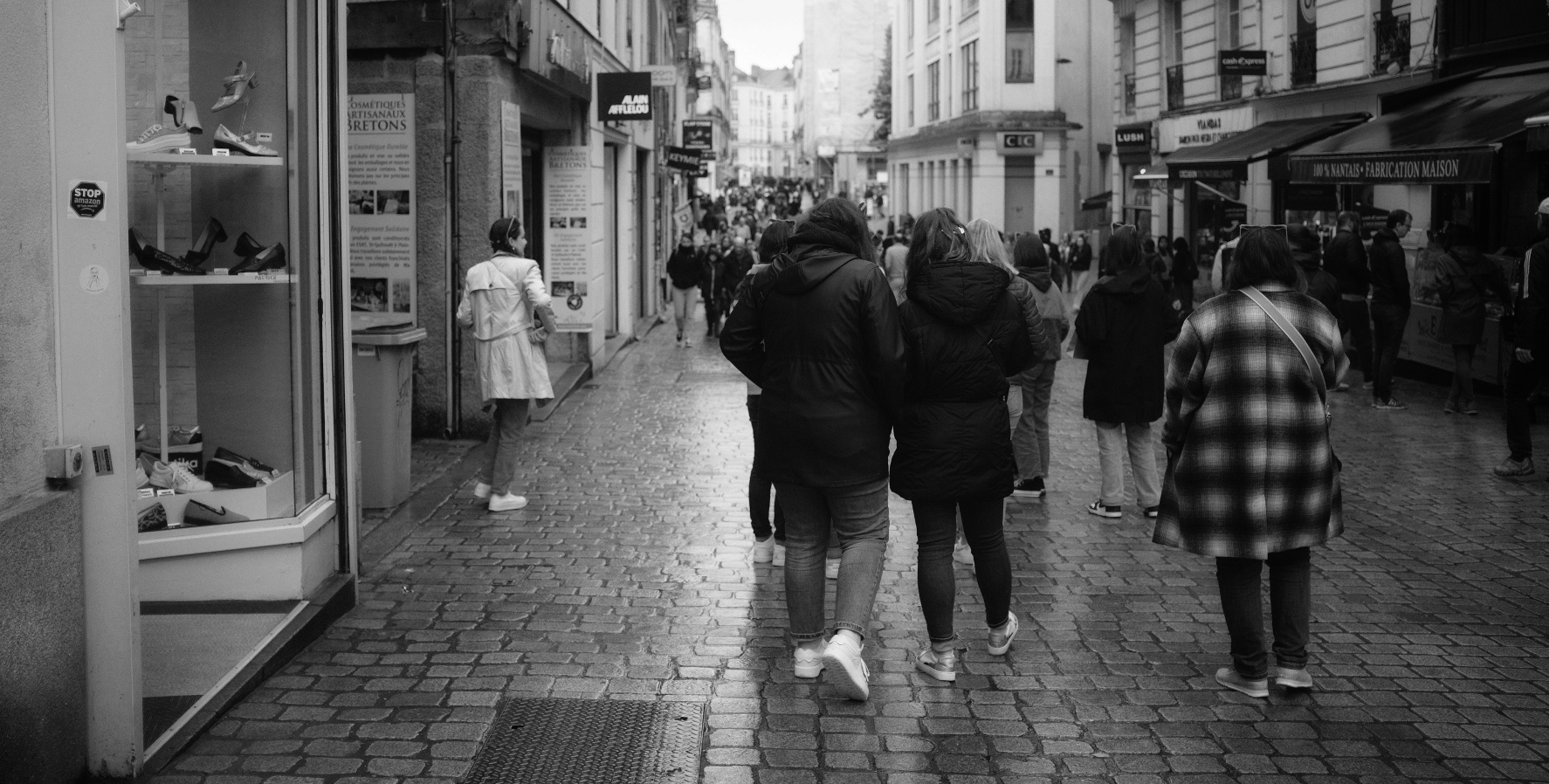
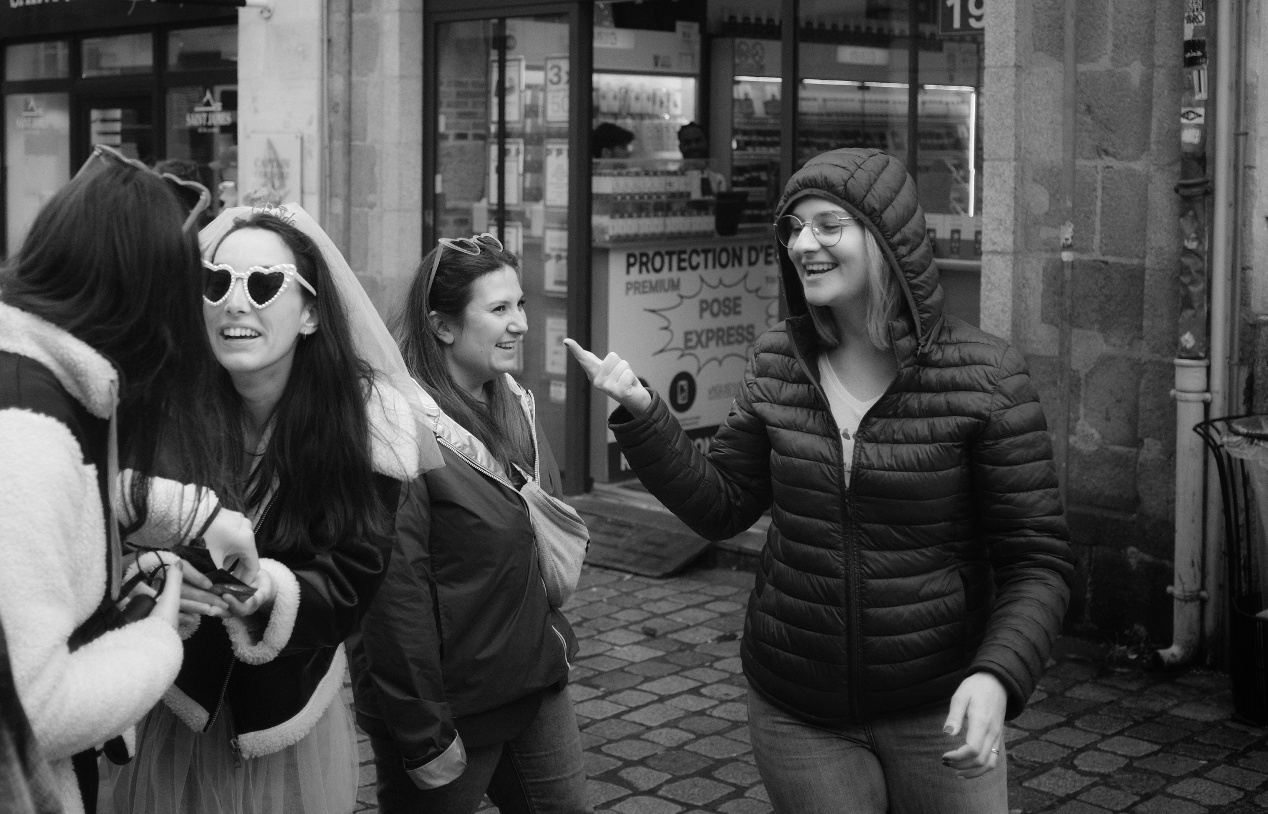
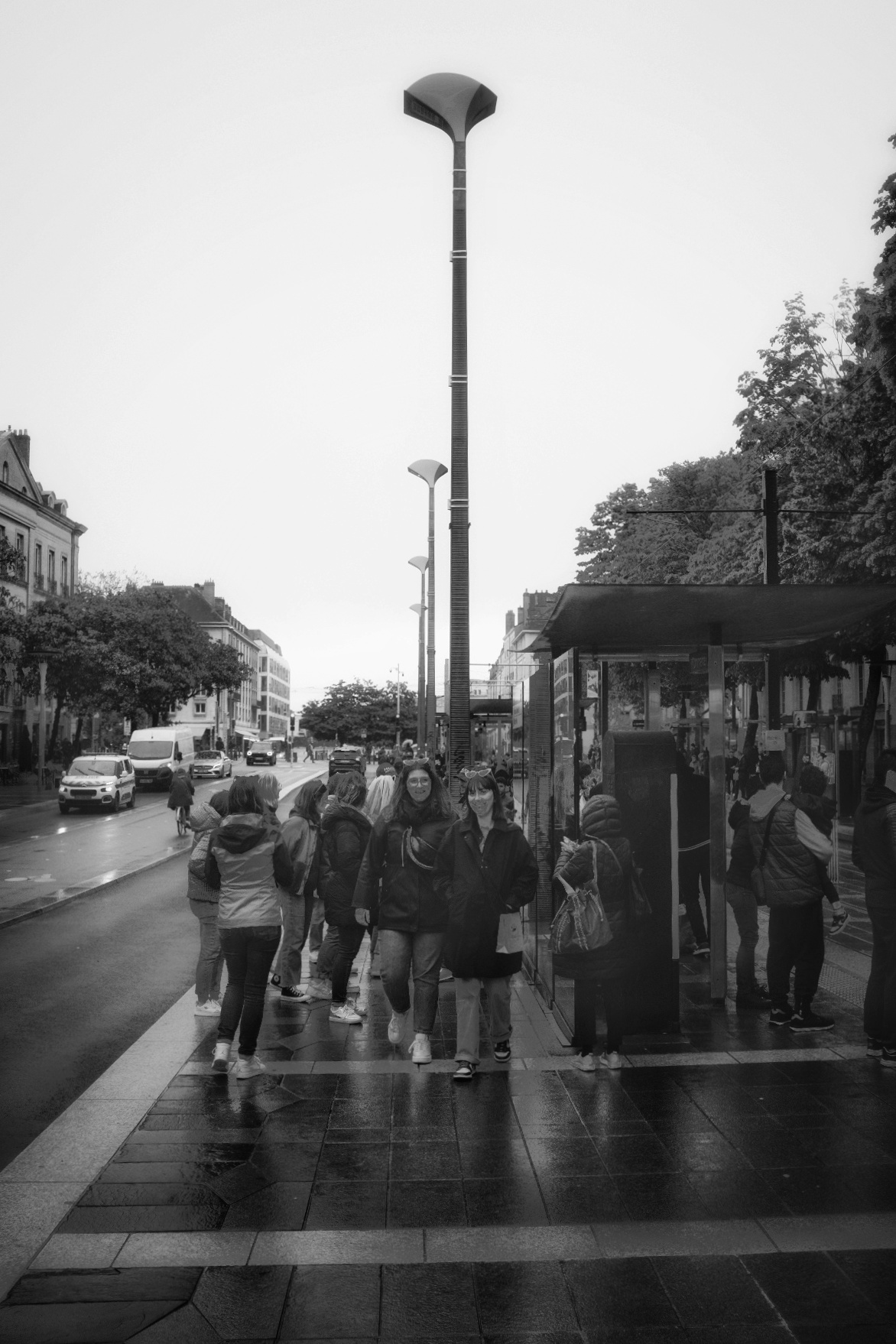
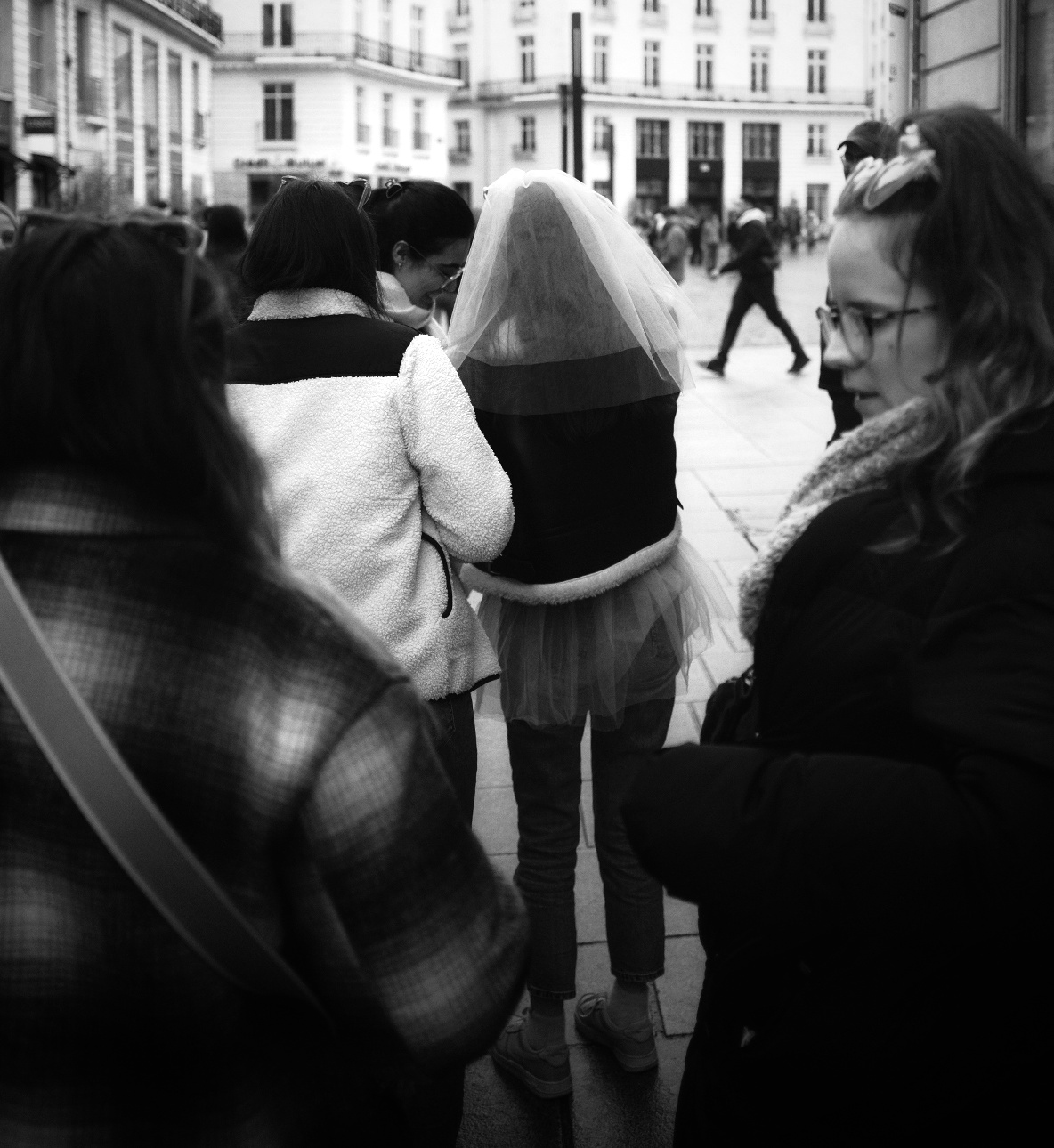
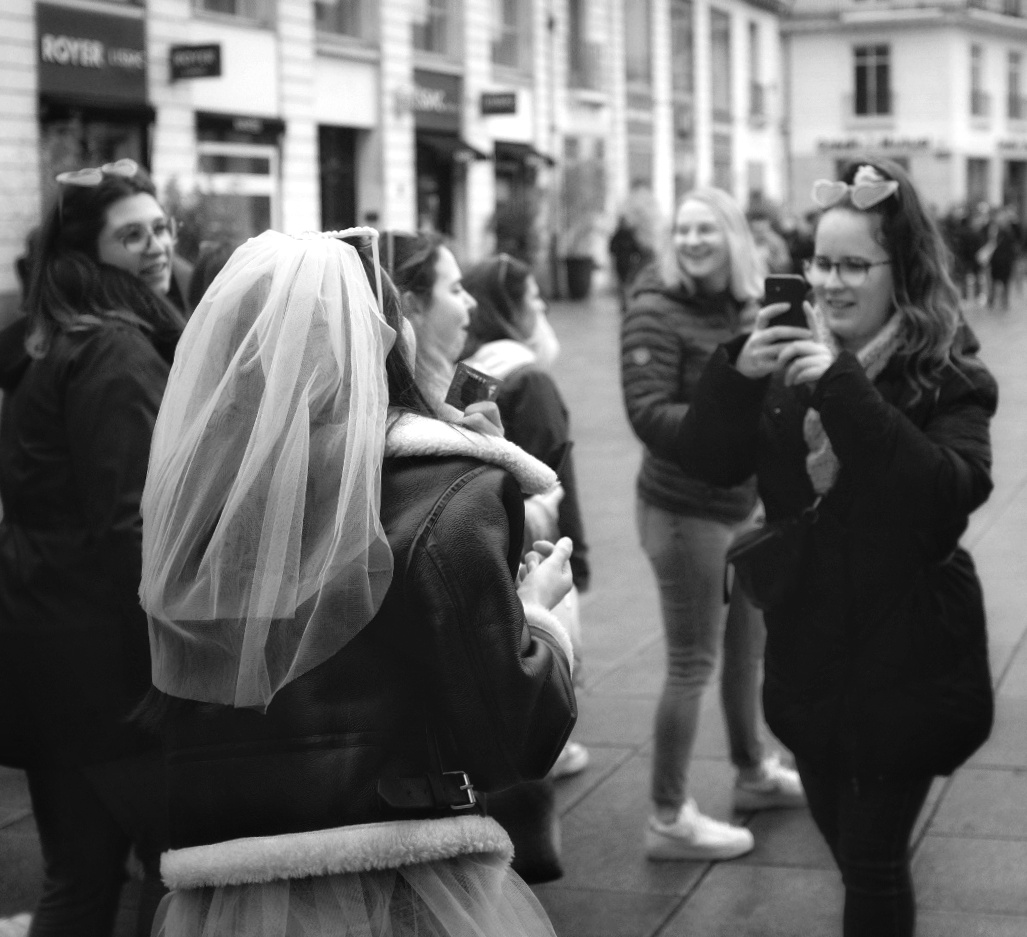
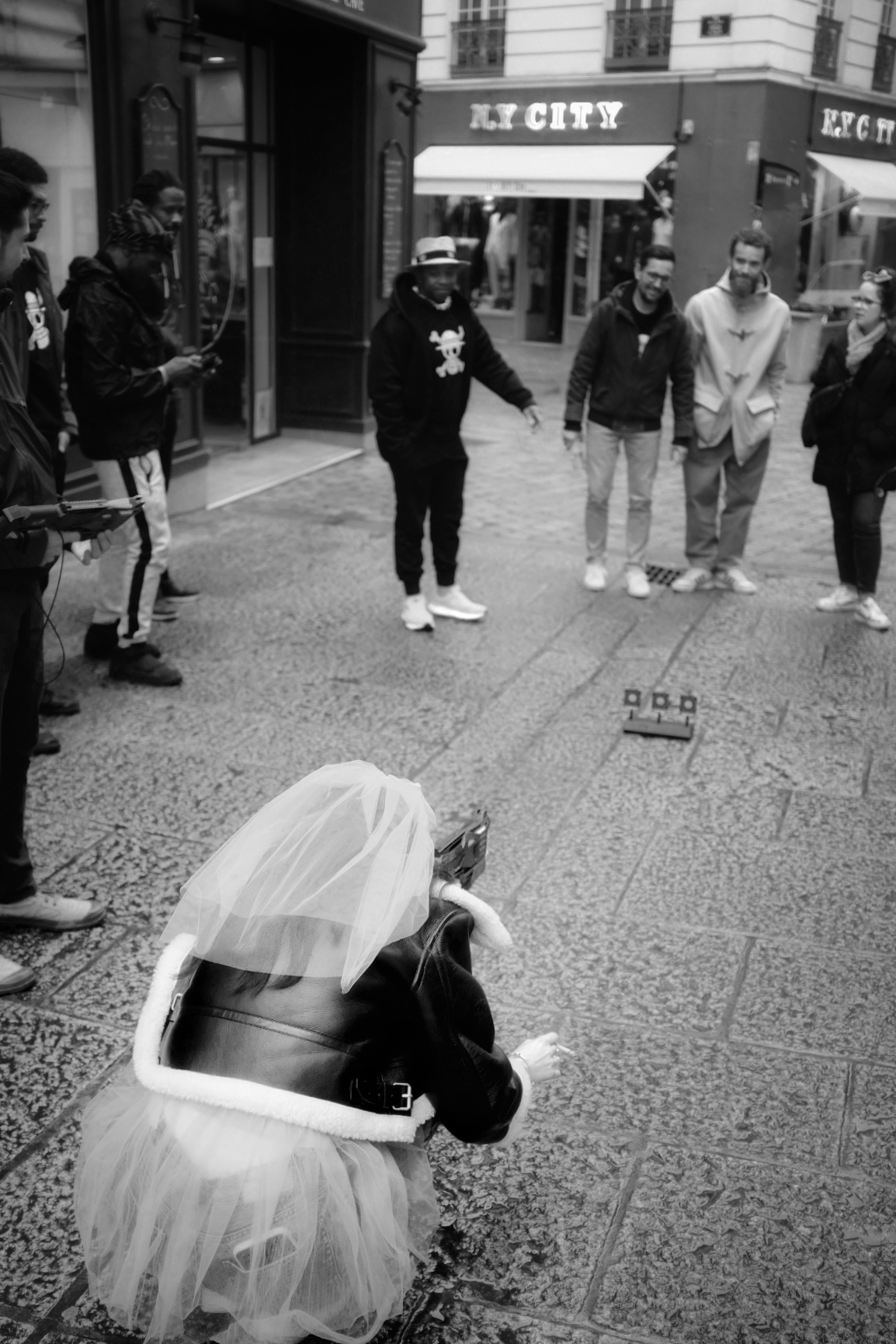
The food was good, and I could see they were all having a good time, and then came out the shots… I was being very teetotal in order to have my mind clear to get my photos for the bride to be. I had switched from the DSLR to the Fuji X100F to follow them around Nantes, and do street photography to which I am more accustomed. The poor “hen” was given a mission by her friends who had purchased a whole load of condoms and she was tasked to sell them to passers by. She fulfilled her mission with gusto, and we ended up in the Rue de la Paix, shooting nerf guns at targets provided by a stag do outing. 

Conclusion

I wasn’t needed for the next activity and drove back to the pub to chill, and get my head together. The photos from the X100F were edited on the go, and shared immediately.  The DSLR photos went through the computer and were shared by the end of the weekend.  

All in all a good day, and interesting experience, and I’ll let the photos do the talking for me…

Exploring Nantes: A Photographer’s Perspective


In the hushed confines of my study, where the scent of bookst mingles with the comforting aroma of steeping tea, I find myself transported to distant realms of discovery. With my faithful canine companion at my feet and a mischievous feline observer perched high atop a pile of unironed laundry (I must get that sorted out), I embark on a journey not only through the winding lanes of Nantes but through the corridors of time itself.

Nantes, with its labyrinthine streets steeped in centuries of history, beckons with the allure of bygone eras and whispers tales of yore to those who listen with open hearts and discerning eyes. As a photographer of a somewhat vintage disposition, I am drawn not only to the grandeur of its architectural marvels but to the quiet corners and hidden alcoves where the soul of the city reveals itself in subtle nuances and fleeting moments.

My approach to photography, much like my approach to life, is one steeped in reverence for the past and a keen appreciation for the present. Armed with my camera and a discerning eye for detail, I set out to capture the essence of Nantes not merely as a series of picturesque scenes but as a living, breathing tapestry of human experience.

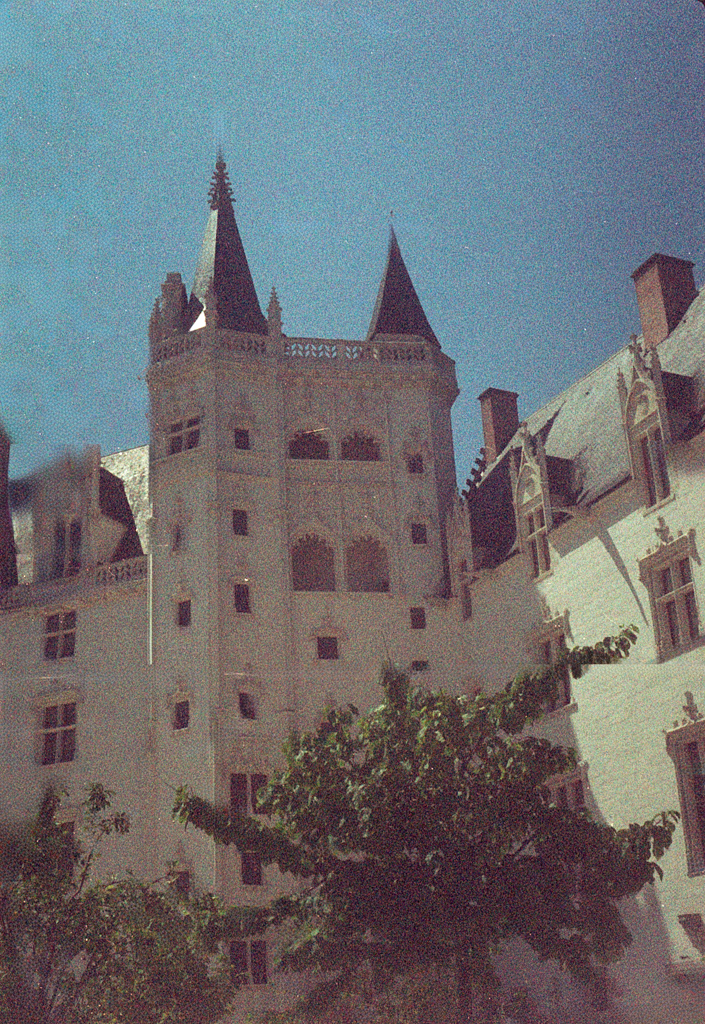
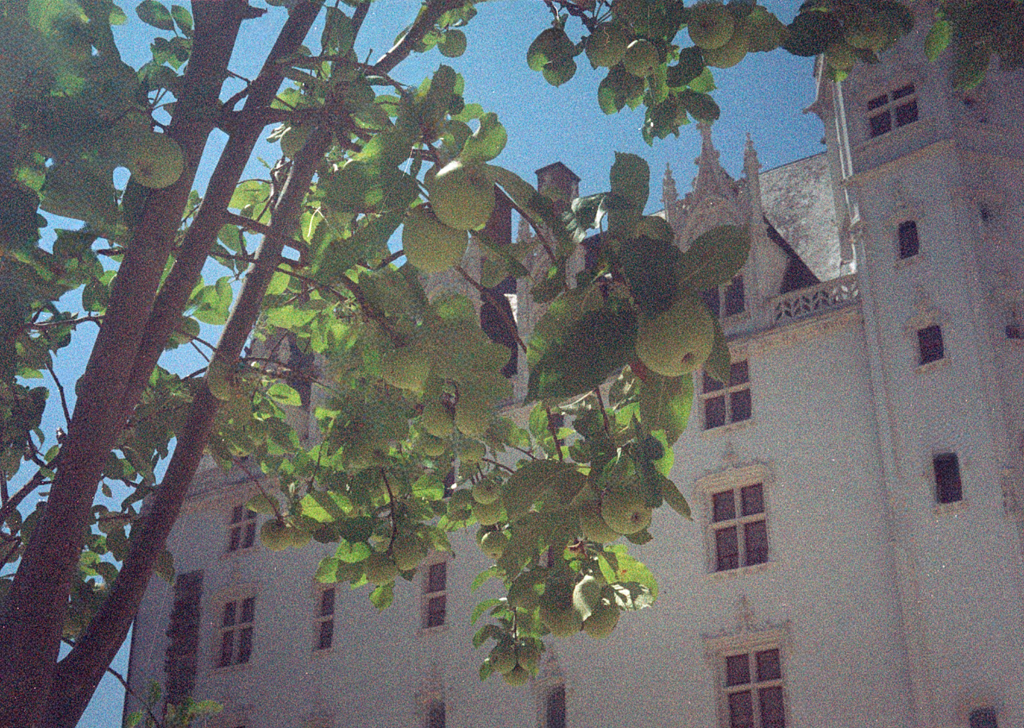
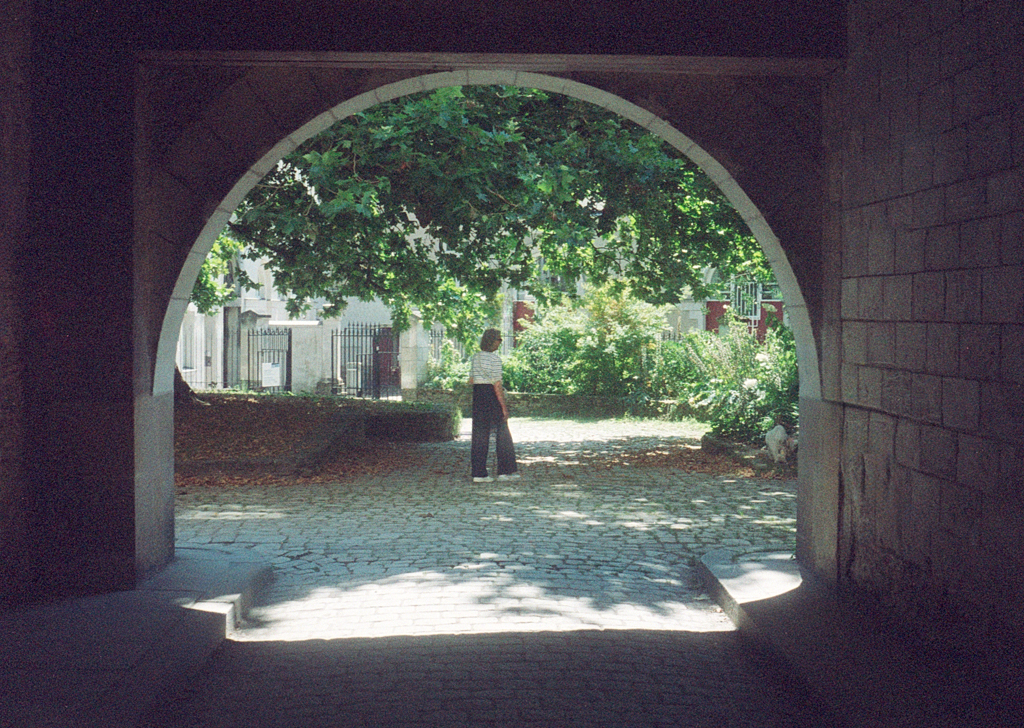
In my wanderings through the cobbled streets of the old town, I am enraptured by the timeless beauty of the Château des Ducs de Bretagne, its imposing walls bearing witness to centuries of tumultuous history. Yet it is in the quiet courtyards and shadowed alcoves of this ancient fortress that the true spirit of Nantes reveals itself, echoing with the whispers of generations long past.

  • Chateau de Ducs de Bretagne, or Nantes Castle

As I meander through the bustling markets and labyrinthine alleyways, I am captivated by the vibrant tapestry of colors and textures that adorn the cityscape, each tableau a testament to the creativity and resilience of its inhabitants. From the fragrant stalls of the Marché de Talensac to the bohemian charm of the Île de Nantes, every corner of the city offers a glimpse into the rich tapestry of Nantais life.

But it is perhaps in the quiet moments of reflection, amidst the tranquil banks of the Loire River or beneath the leafy boughs of the Jardin des Plantes, that the true magic of Nantes reveals itself. Here, far from the hustle and bustle of the city streets, I find solace in the simple beauty of nature and the timeless rhythm of the river, a reminder that amidst the chaos of modern life, there are still moments of peace and serenity to be found.

In my pursuit of the perfect photograph, I am guided not only by technical skill and artistic vision but by a profound sense of reverence for the world around me. Each click of the shutter is not merely an attempt to capture a fleeting moment in time but a homage to the beauty and wonder of the world we inhabit.

As the sun sets over the horizon and the last rays of light dance upon the waters of the Loire, I find myself filled with a sense of gratitude for the privilege of bearing witness to the timeless beauty of Nantes. In its winding streets and hidden corners, I have discovered not only the essence of a city but the essence of life itself—a tapestry of moments, both fleeting and eternal, woven together in the fabric of time.

As the golden hues of sunset paint the Loire River, my camera lens captures one last fleeting moment of this captivating city. Nantes has unveiled its charm, whispering stories through its cobblestones and revealing its soul in hidden corners. While my journey ends here, yours can begin. Pick up your camera, wander the winding streets, and discover the magic of Nantes waiting to be captured, frame by frame. You might just find yourself transported, too.

The X100F, again!


It seems that I’m not the only one who raves about this powerhouse of a camera. This just proves that size truly doesn’t matter. I’ve mentioned it on numerous occasions and I stand completely justified in doing so!

Here’s a selection of articles that I have written showcasing phtoography from this amazing little camera in no particular order:

The idea behind using a camera is not just about capturing moments, it’s also about the experience it grants you. This camera has the ability to inspire and motivate its users to explore and create, which is a testament to its design and functionality. The joy and enthusiasm that comes with using this camera is contagious, and it’s evident in the way it empowers photographers to unleash their creativity. It’s not just a tool, but a companion that fuels the passion for photography, encouraging individuals to embrace the world around them through its lens.