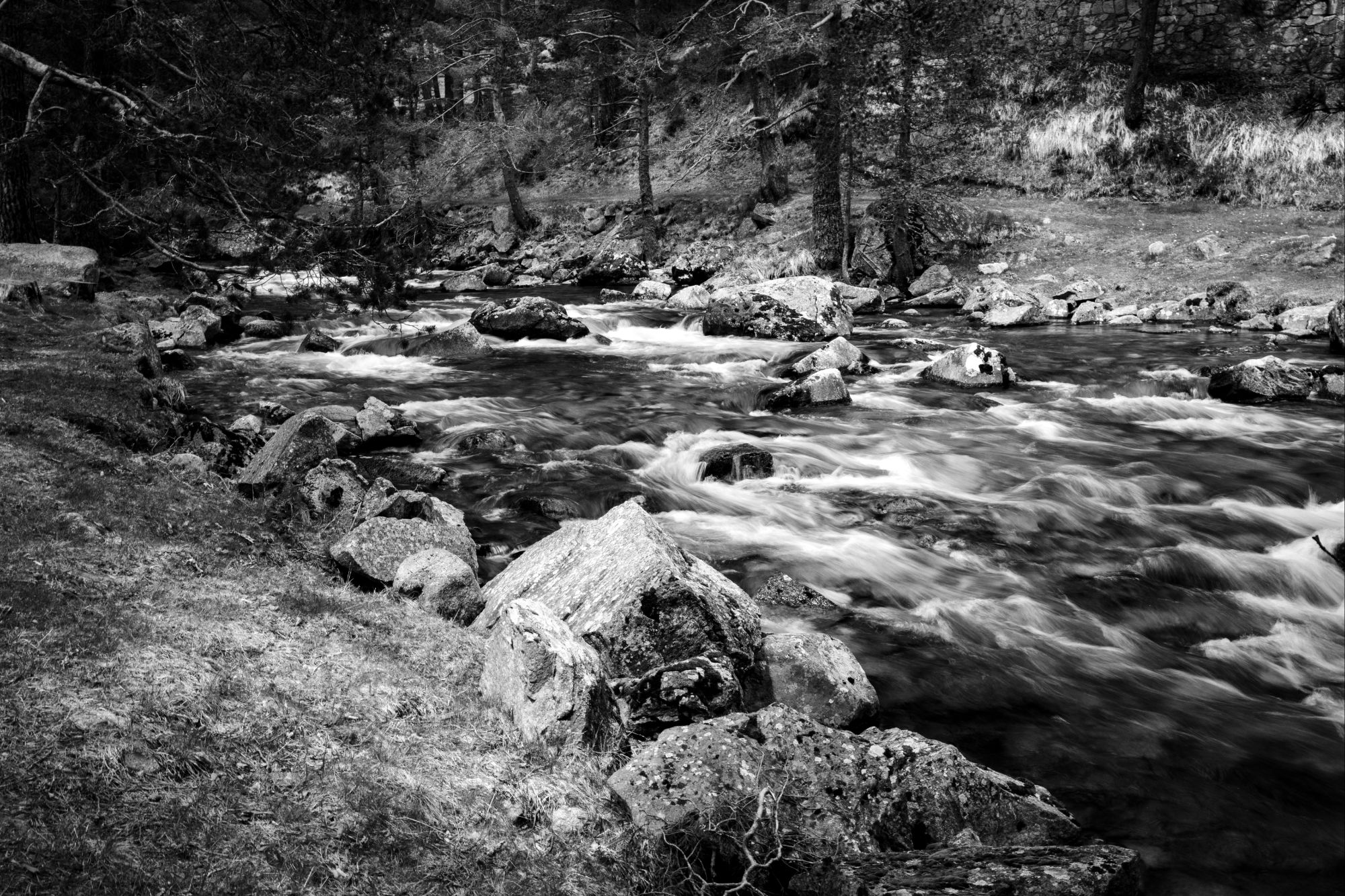
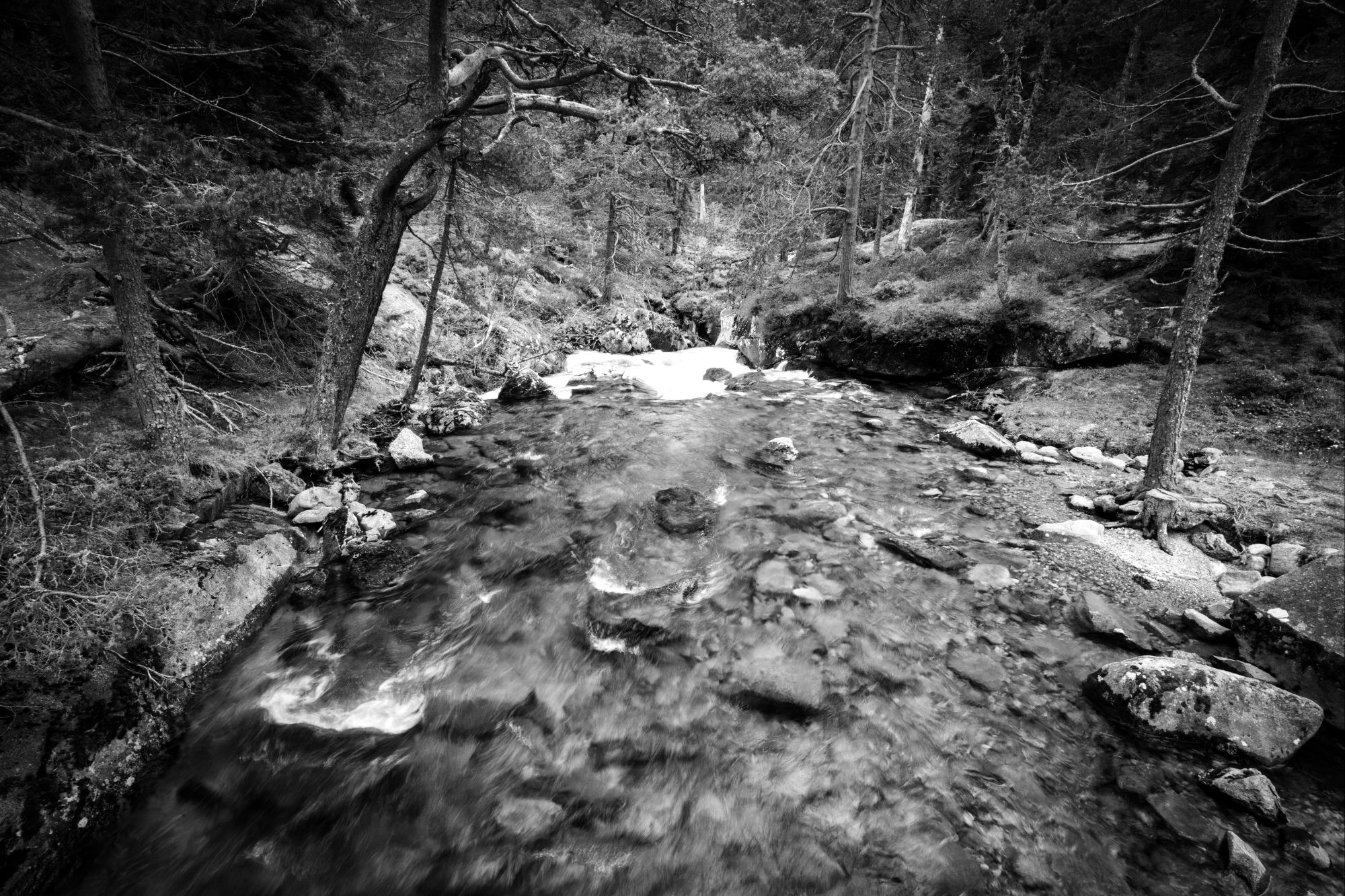
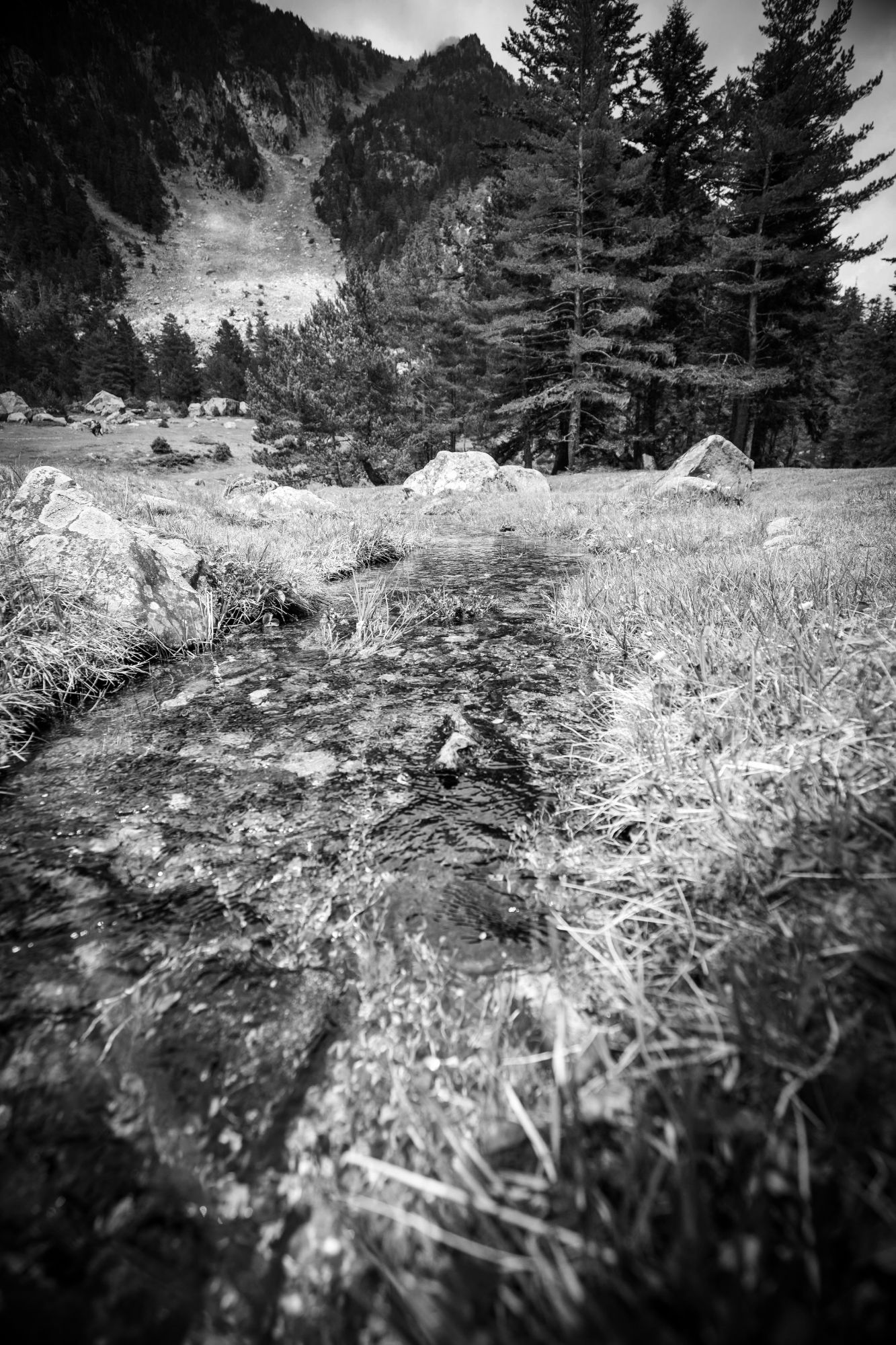
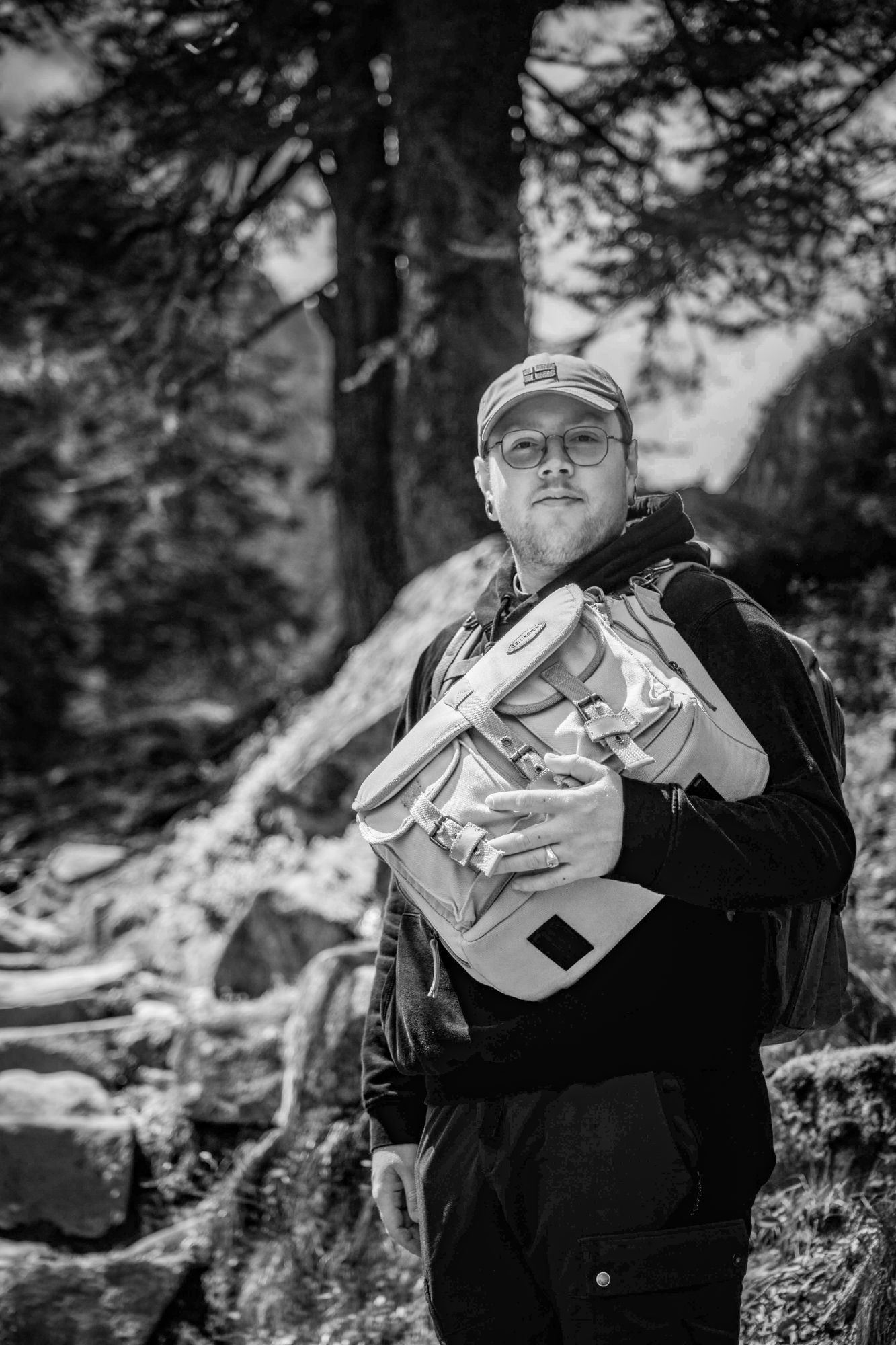
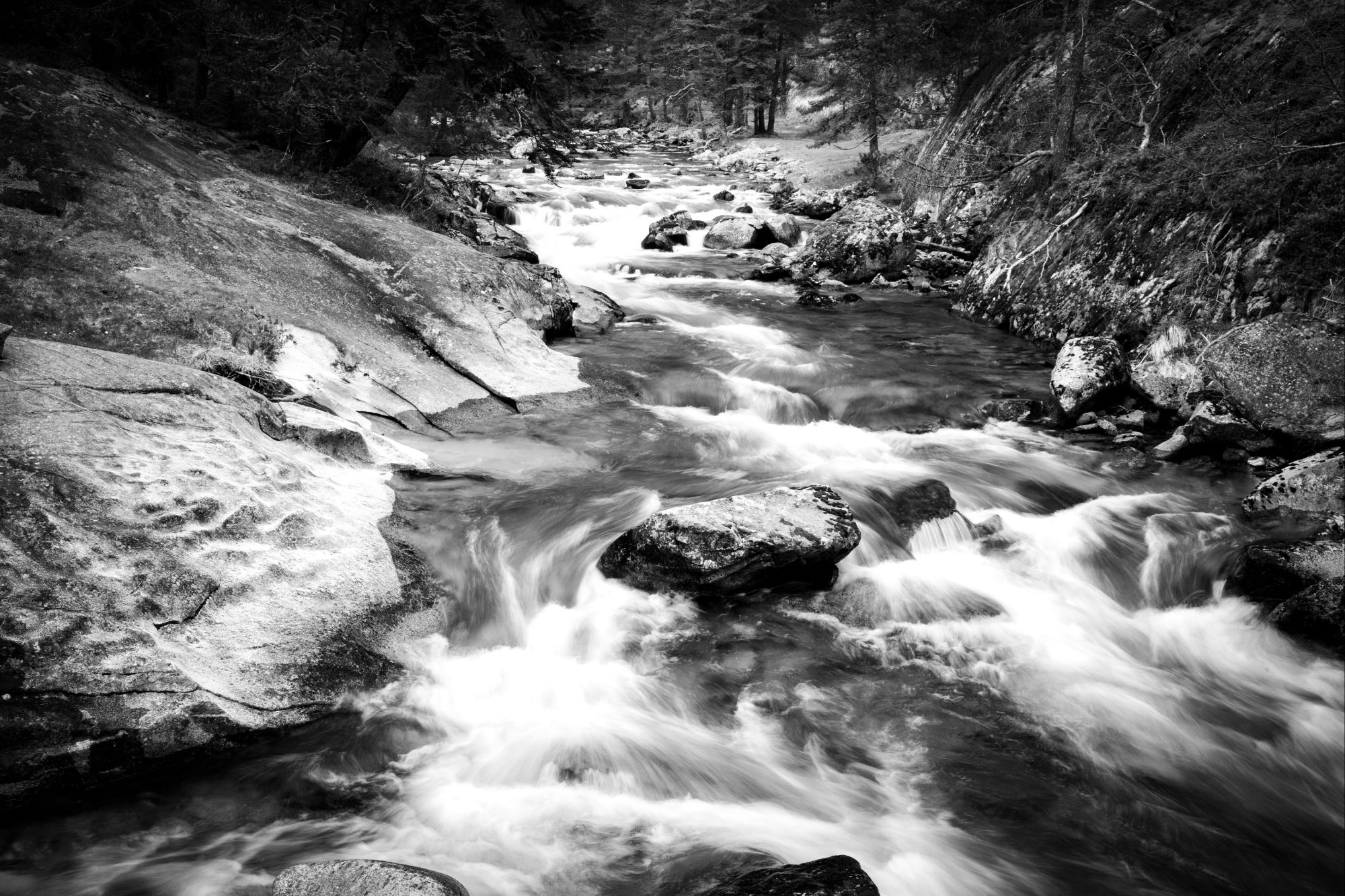
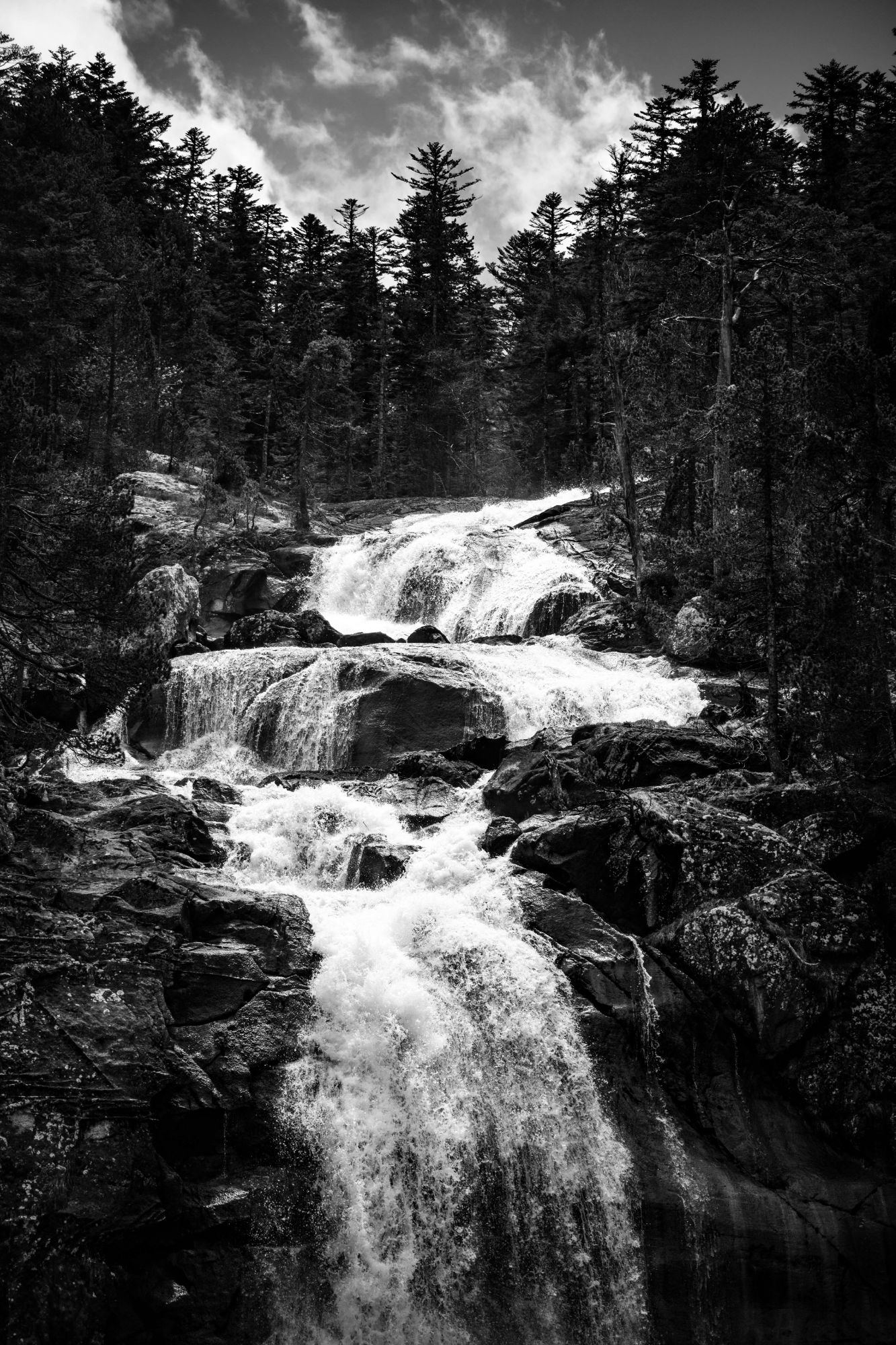
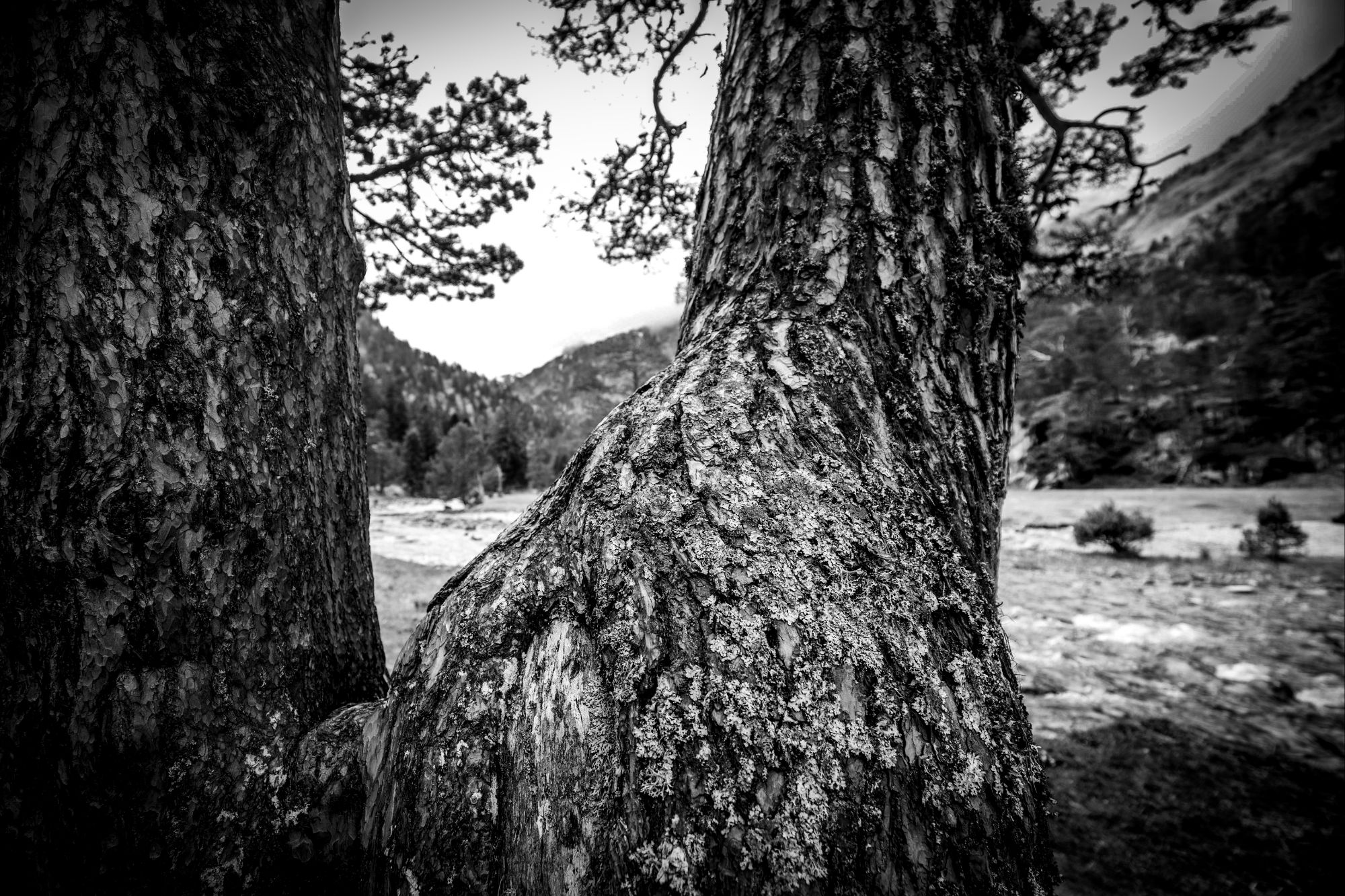
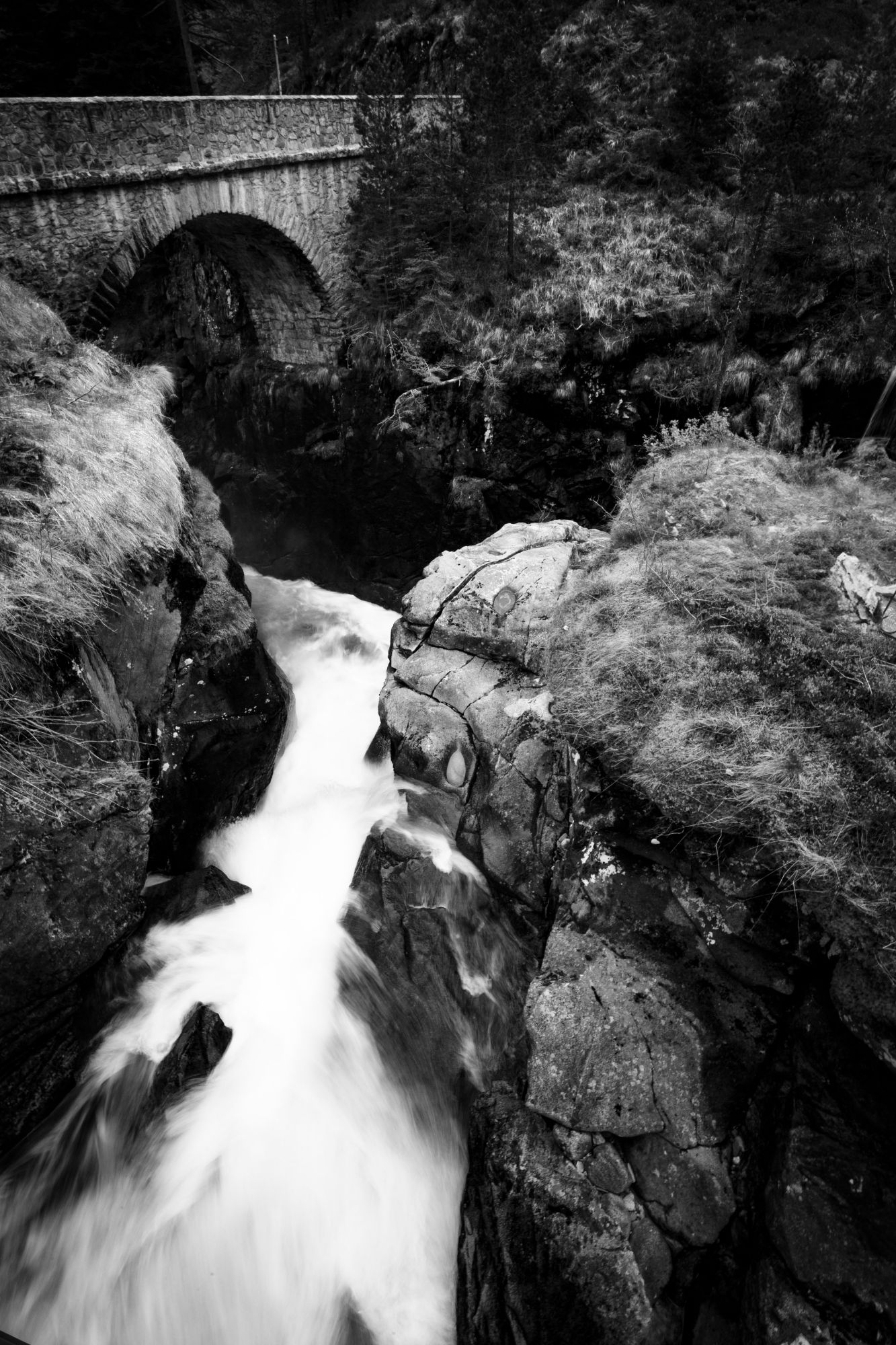
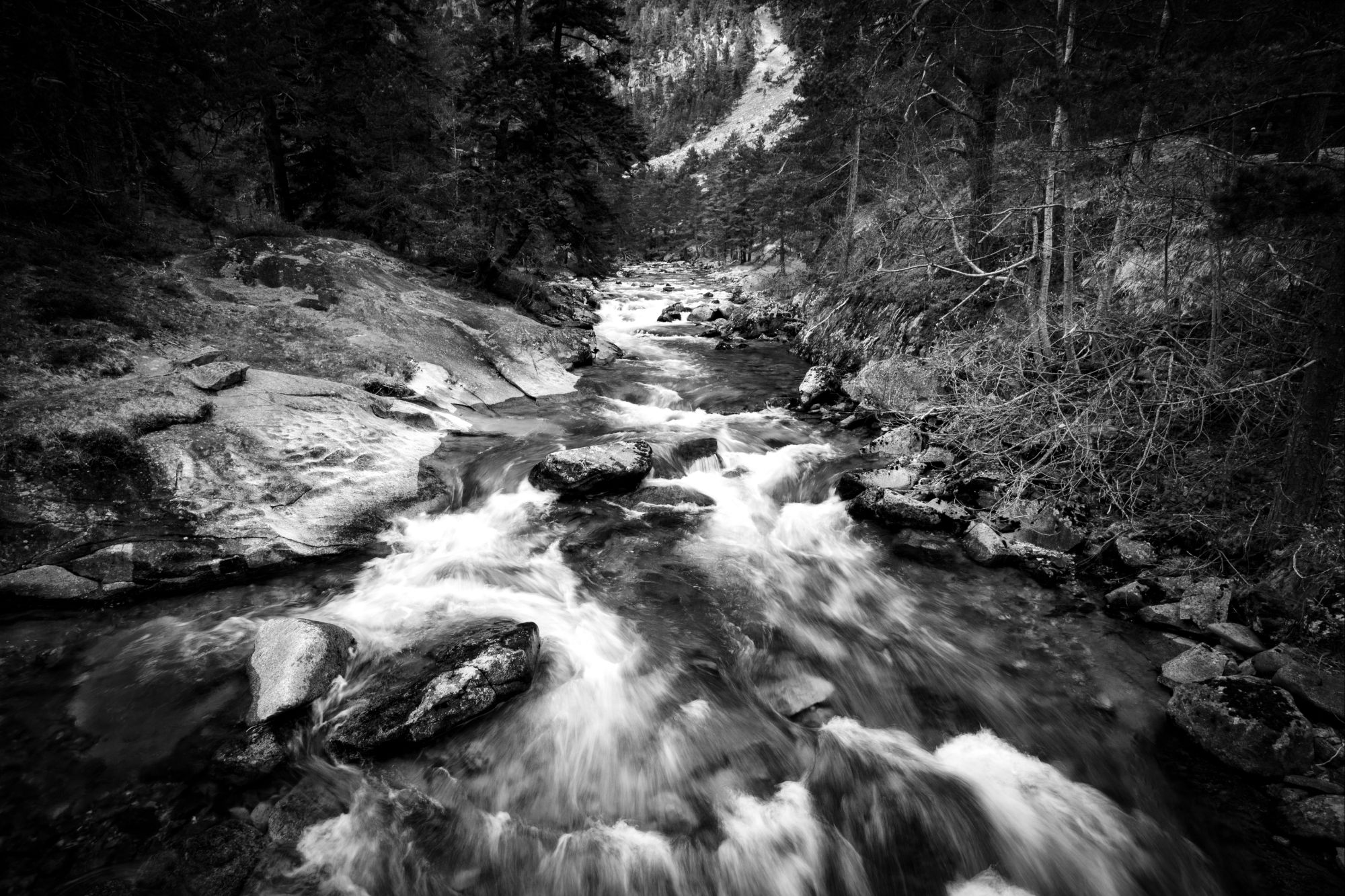
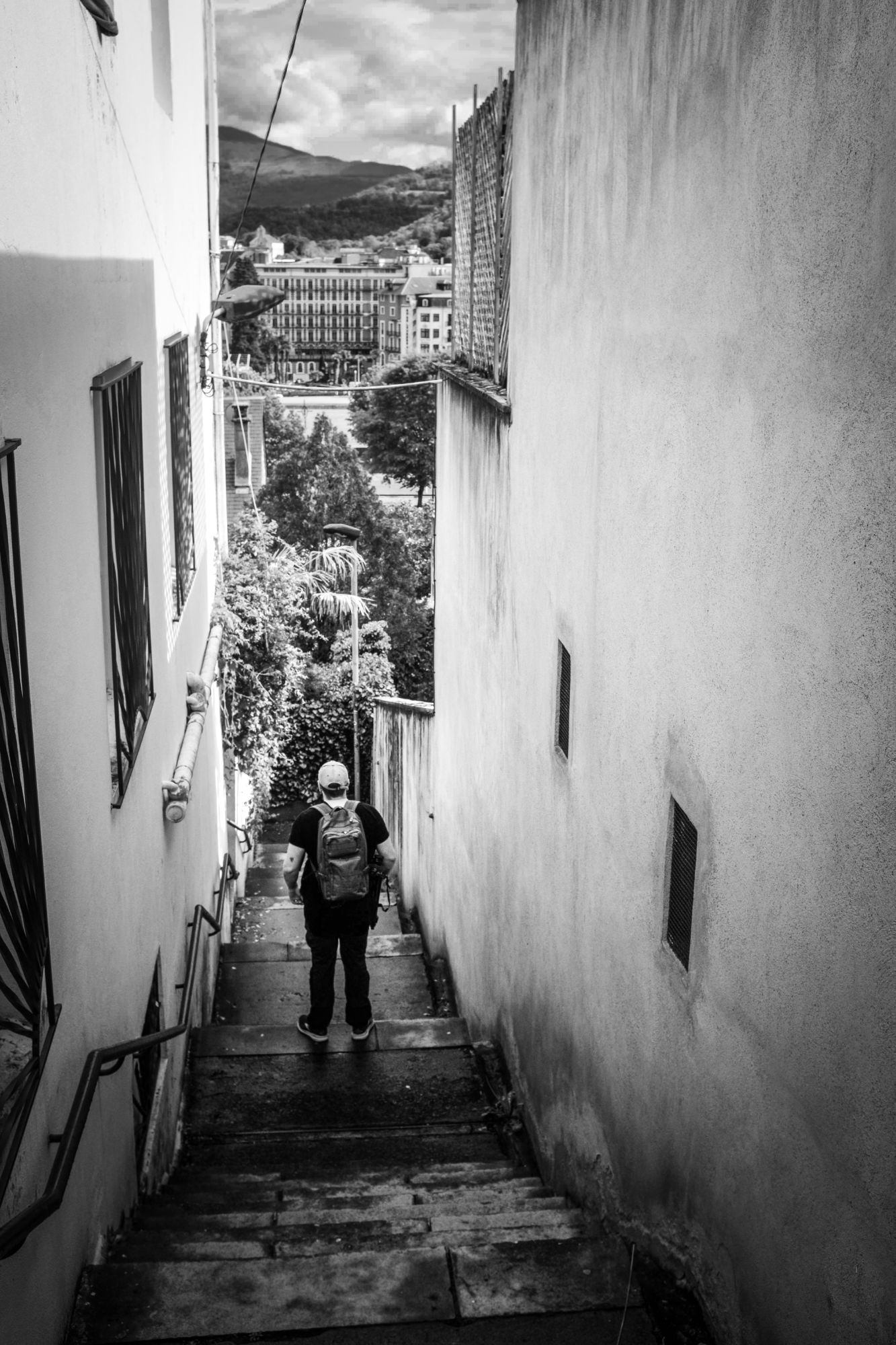
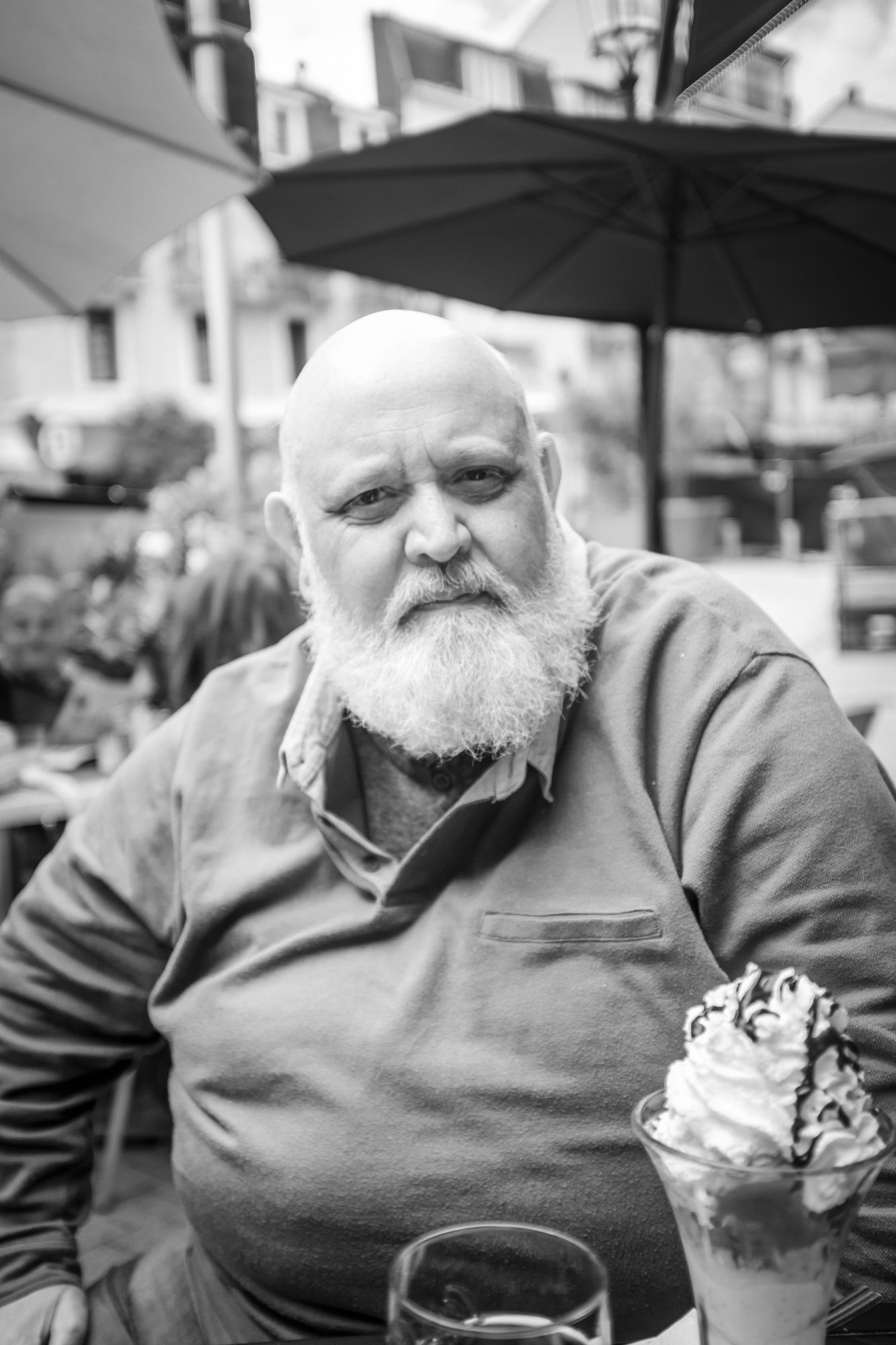
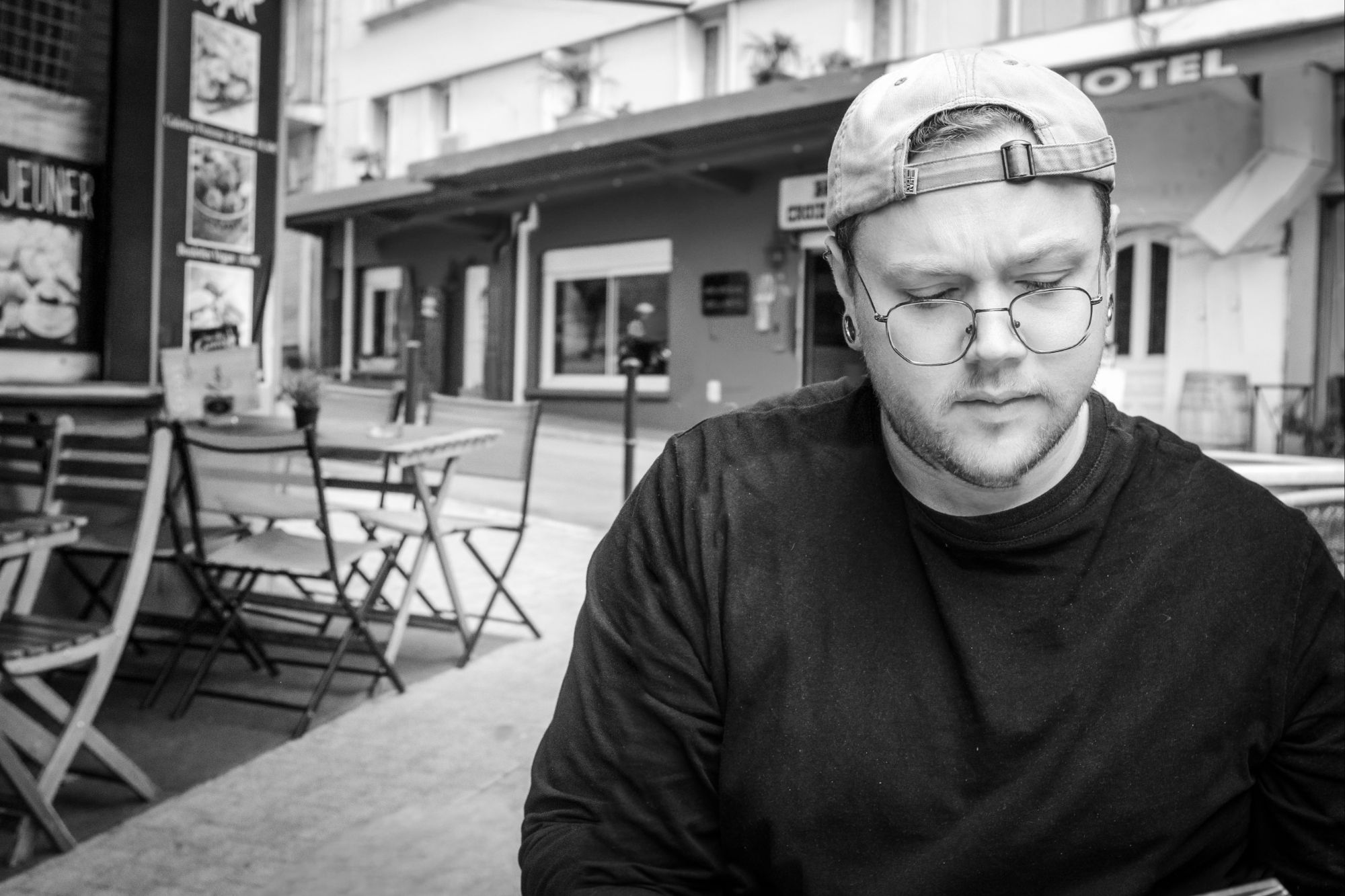
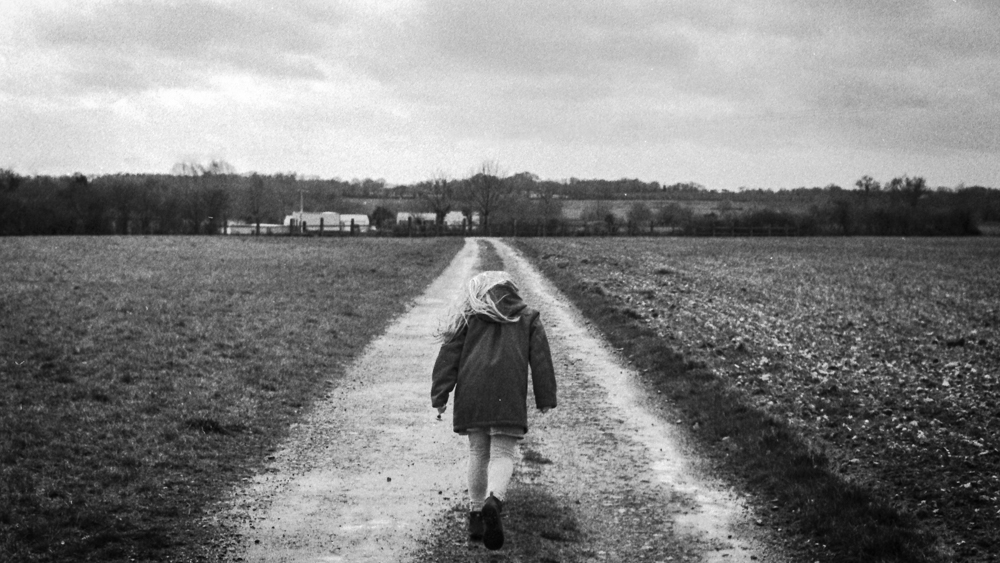
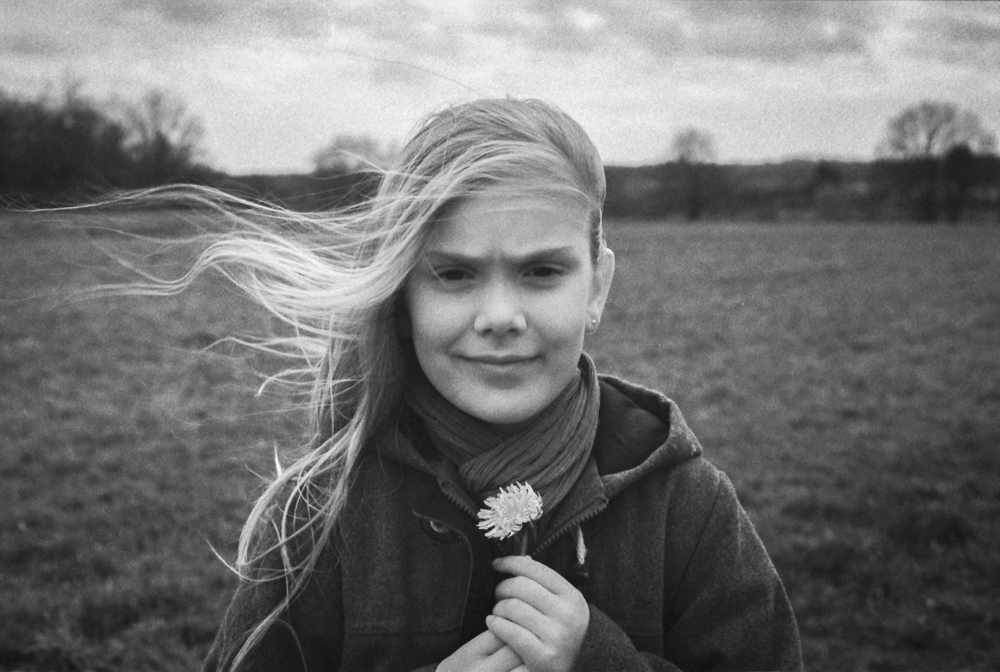
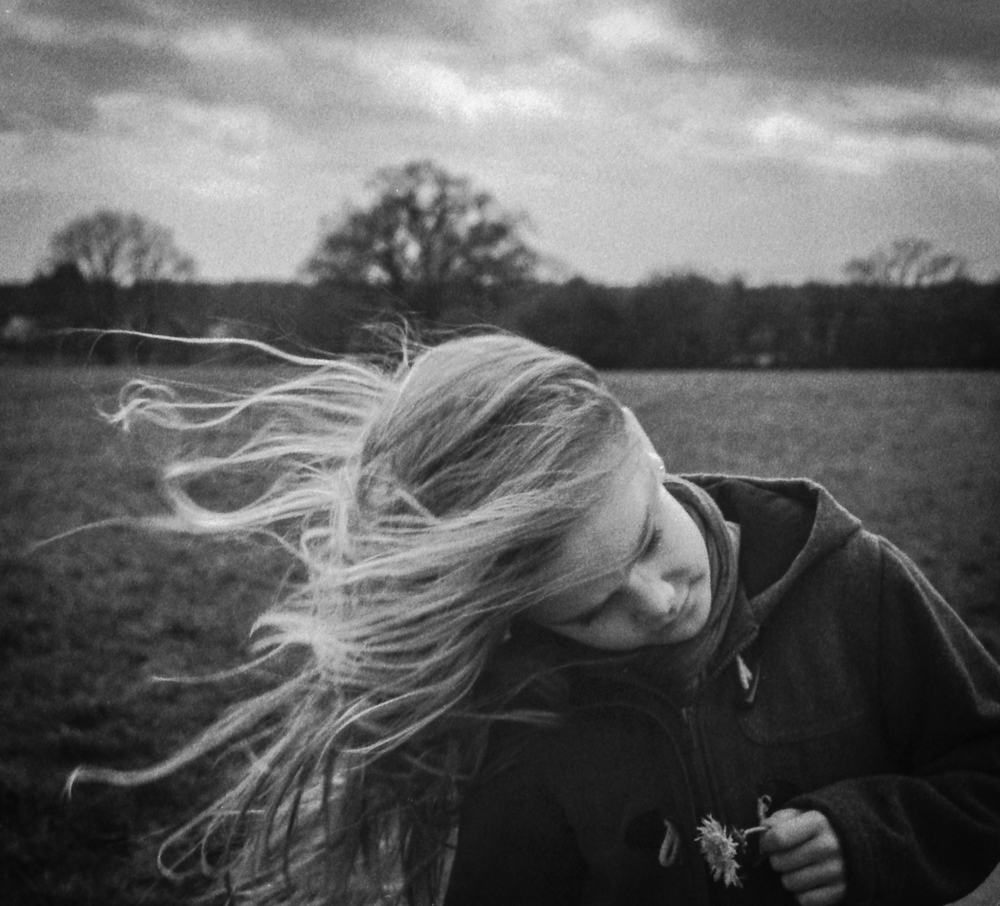
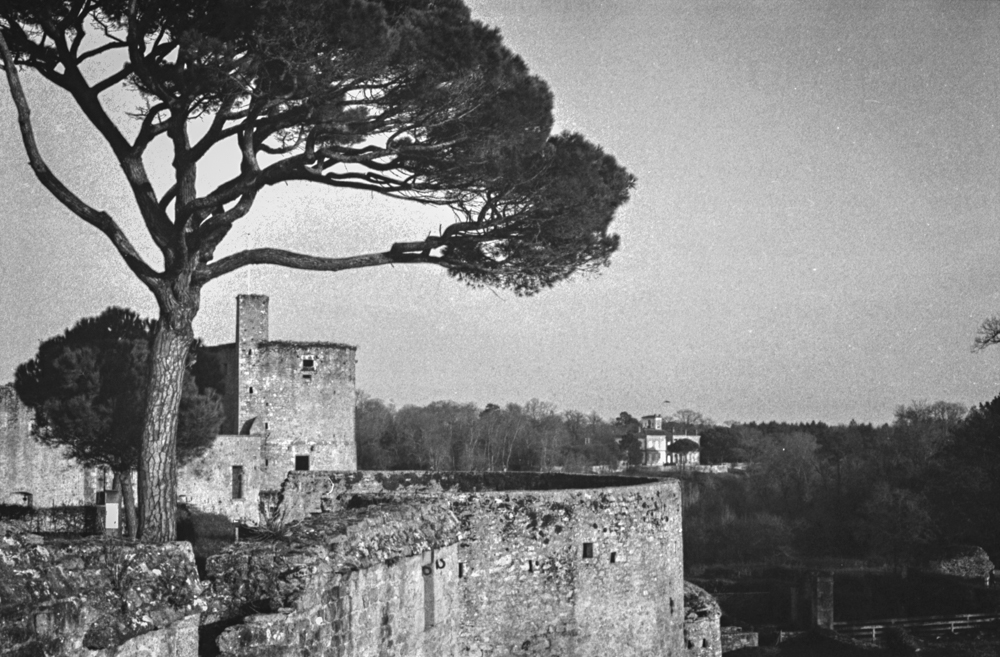
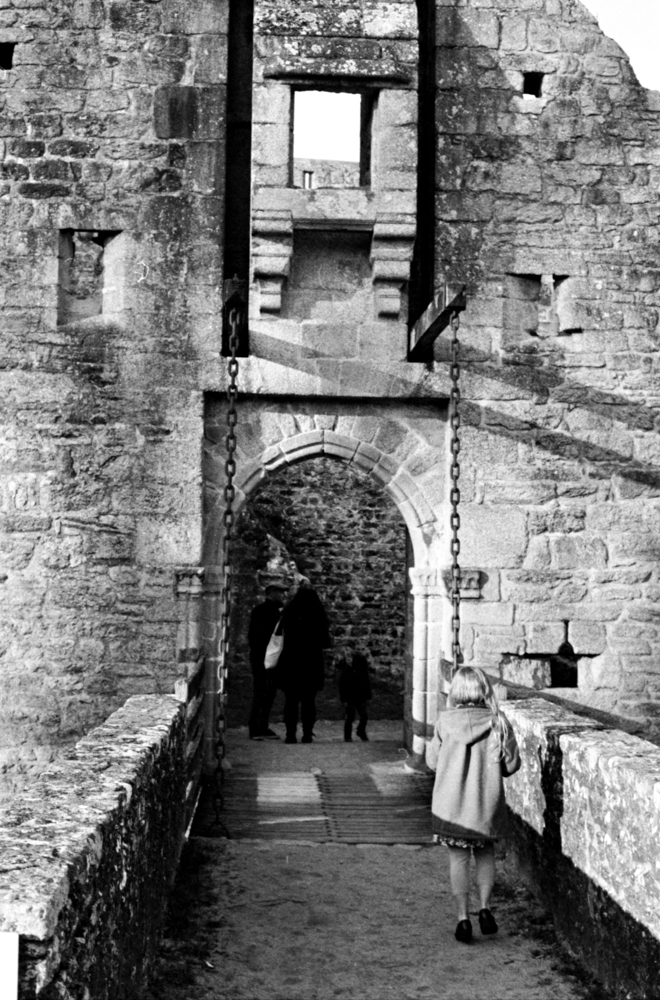
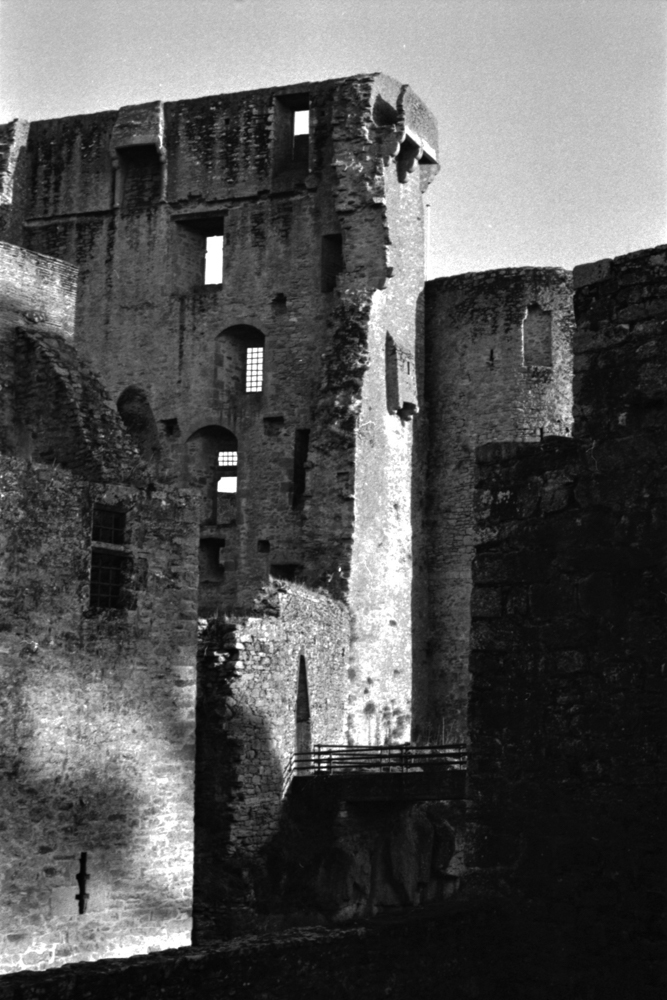
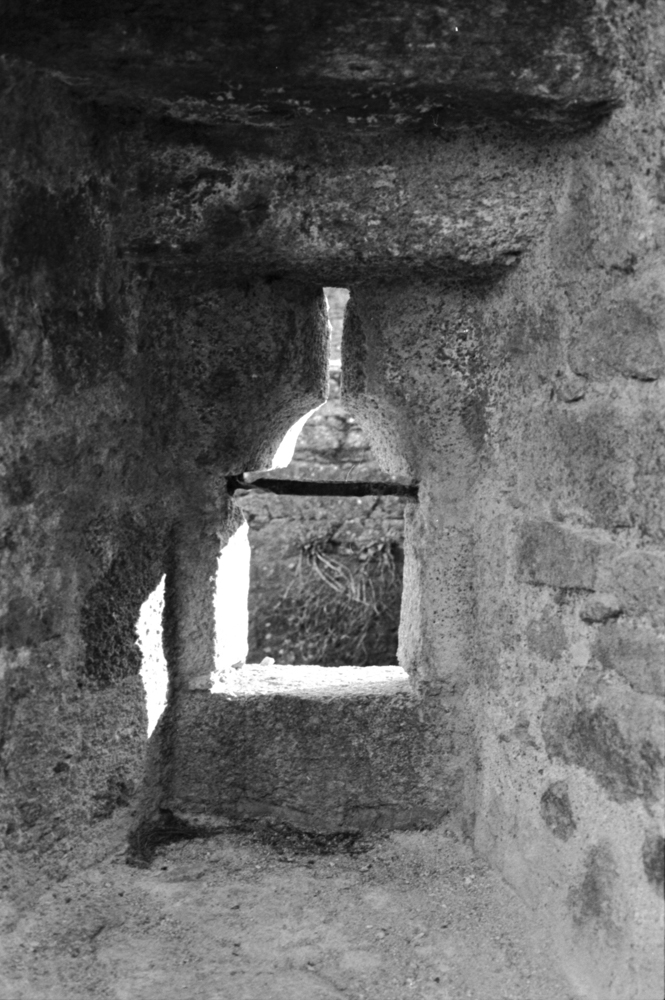
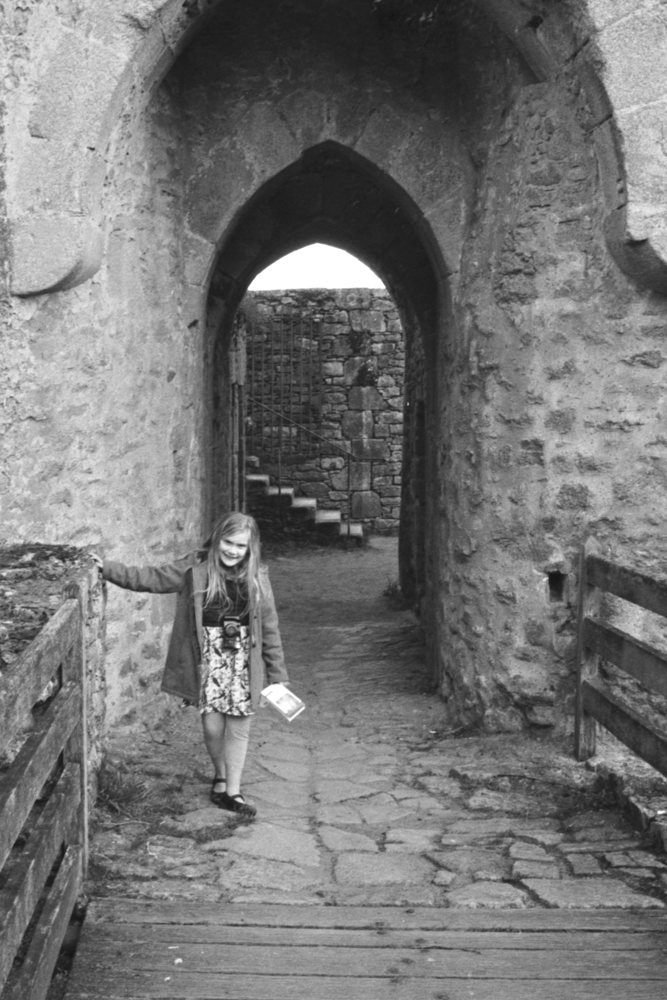
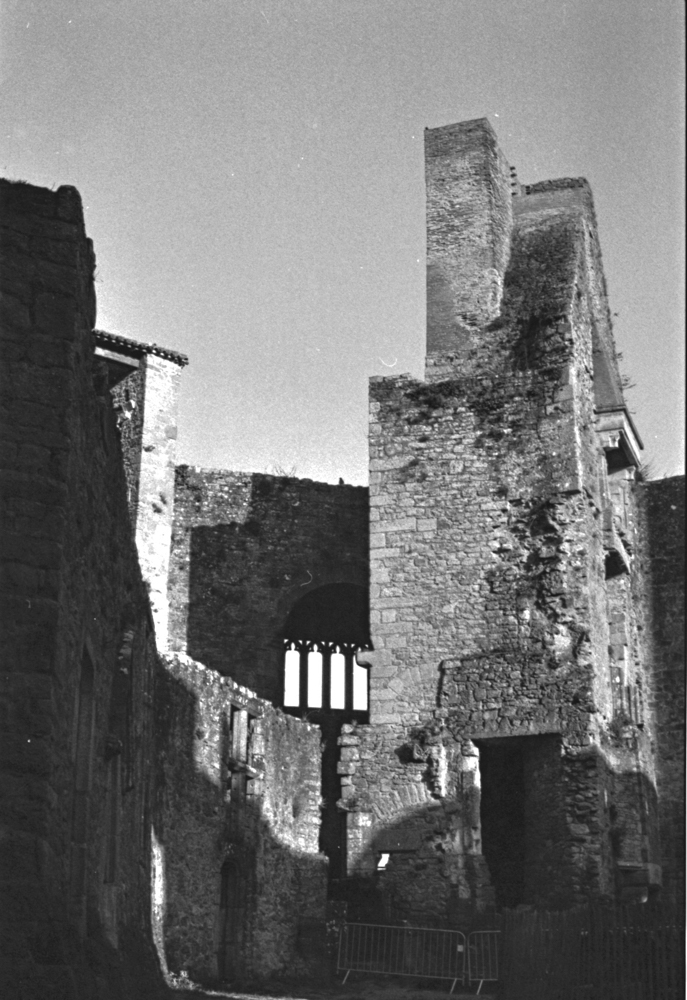
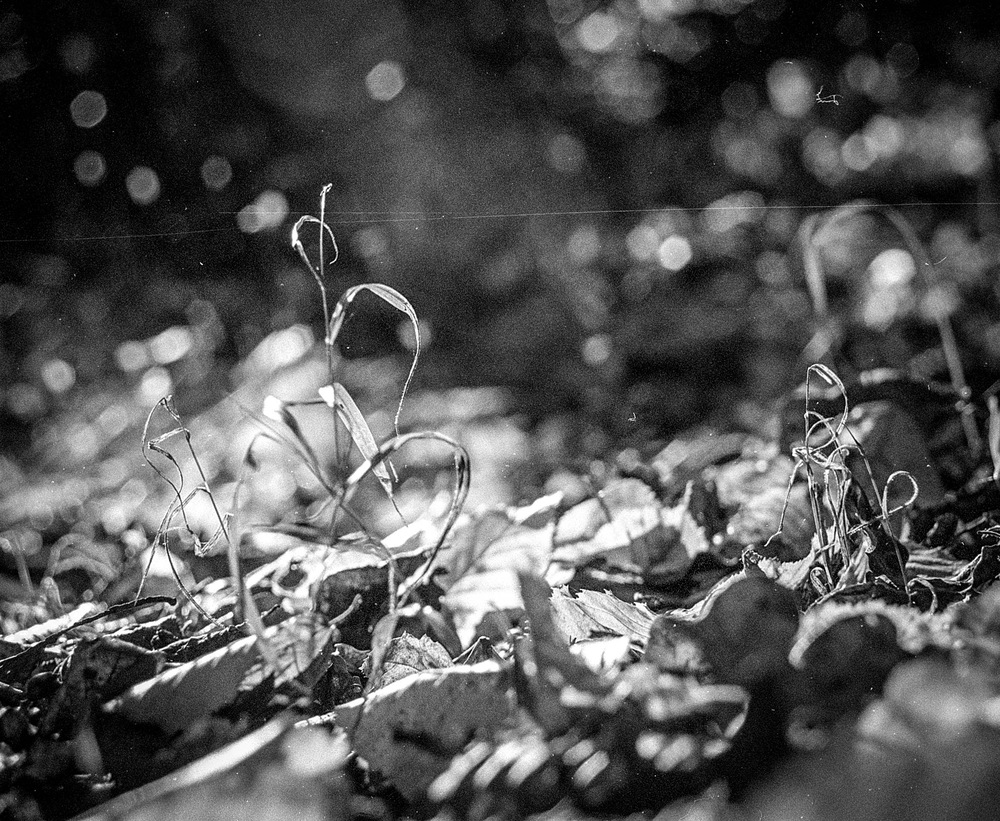
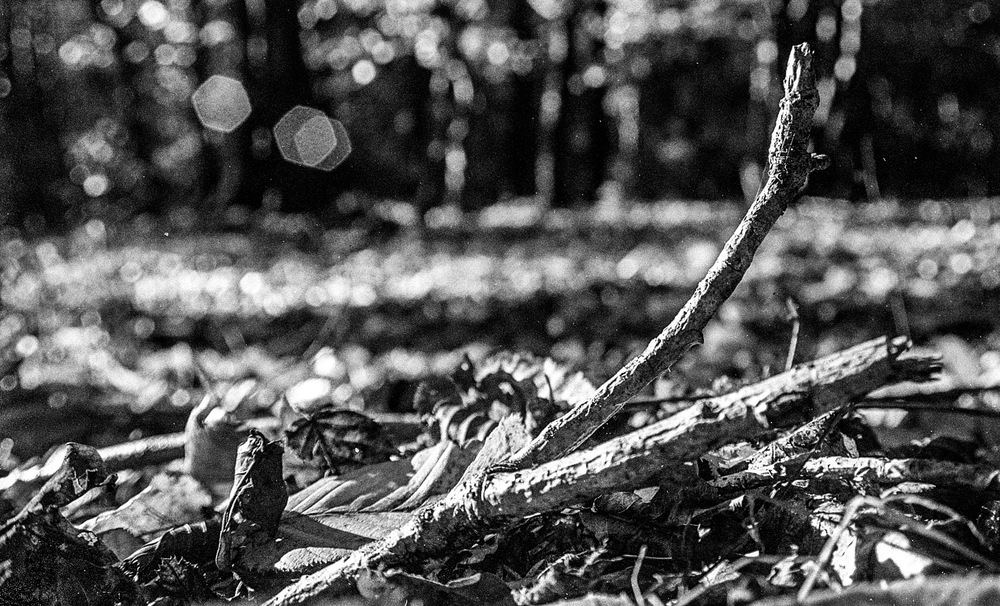
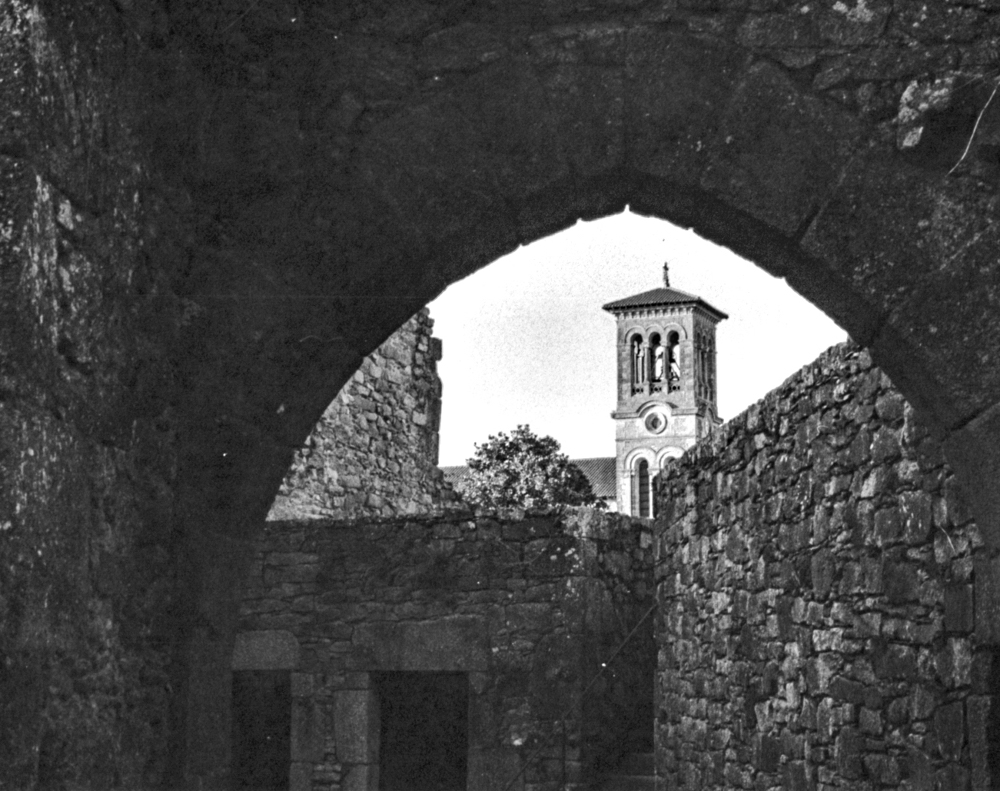
Opening of the Film Archives, Château de Clisson, February 2017


I had obviously taken a break with the Canon AE1 and spent the whole of December and January in hibernation, as most grumpy bears of my age do. Get Christmas over with, then go back to bed… I like my bed. No, I love my bed!!

Spring was just around the corner, and Kate had managed to awaken the beast and proceeded to tell me what she had planned for the day. It included me, a camera, and the Chateau de Clisson. I had just been “told” by my daughter, and off we headed to Clisson.

Now, the Chateau de Clisson is no small affair by any means. It dominates the centre of the town, sitting atop a hill as an imposing structure. I remember Kate having begged me on numerous occasions to actually go inside, and this time I acquiesced.

It was the perfect opportunity to not only document the inside of this historic site but also to let my playful daughter do what children do best: be cute, or as they say in French, espiègle. At that age, she was still content to pose for the camera, unlike the moody teenager she has become. Yet, sometimes, that same playful nature still manages to shine through.

If you’re curious to learn more about the history of the Chateau de Clisson, I’ve included a link for further reading.

After our outing in Clisson, I retreated to the quiet of my darkroom, where the real magic happens—transforming the captured moments into tangible memories. The familiar routine of developing the film, loading it into the tank, and watching the images slowly emerge never fails to captivate me. Once the negatives are ready and the scans are complete, I file them away in both my digital and analogue archives.

Then, a few years later, I get to share these memories with you. It’s a special kind of nostalgia—the kind that comes with taking time to slow down, reflect, and preserve what matters most. Thank you for joining me on this journey and for allowing me to share these pieces of the past with you.

The Opening of the Film Archives – Chaussée des Moines, Autumn 2016


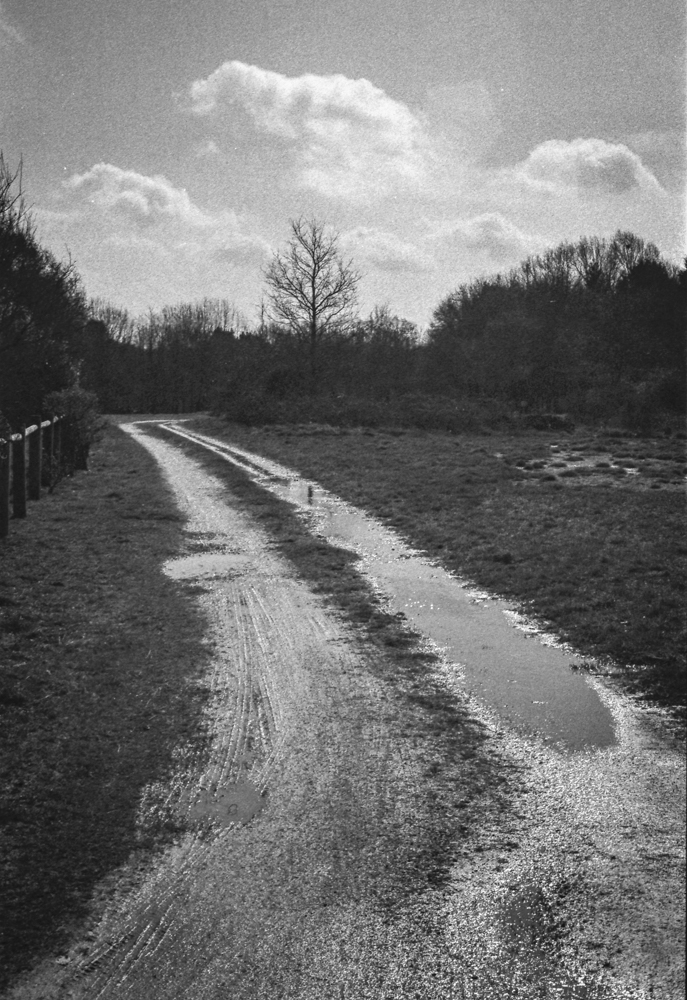
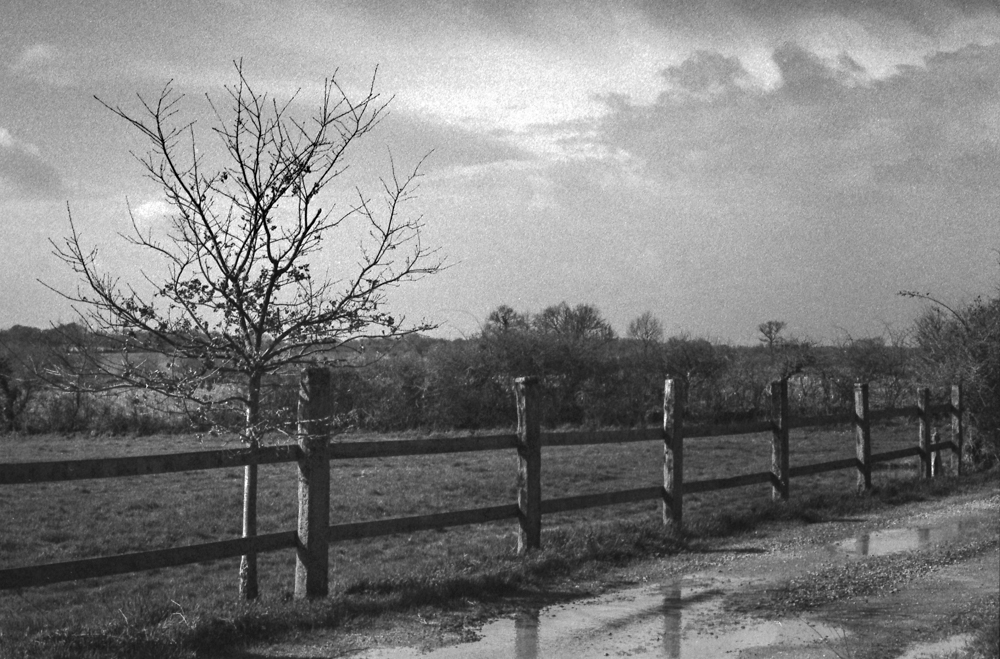
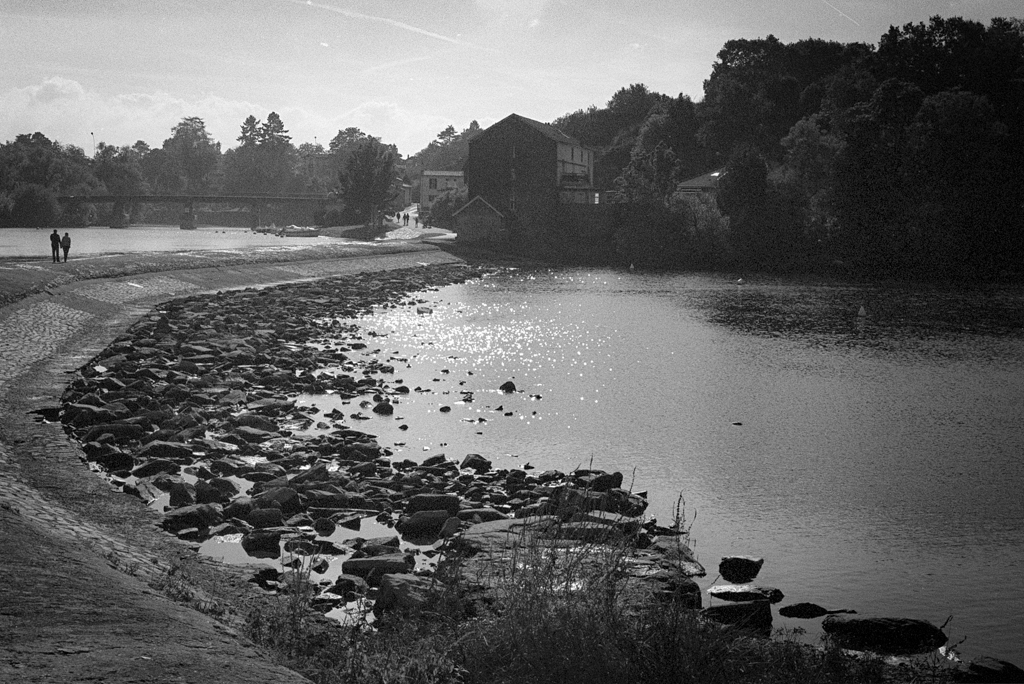
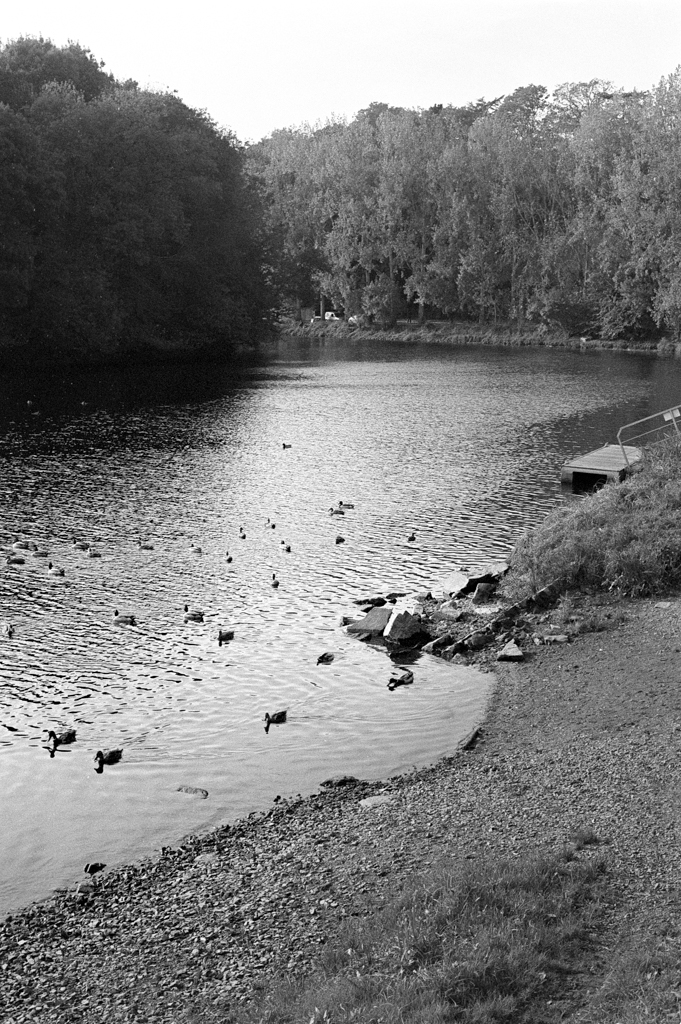
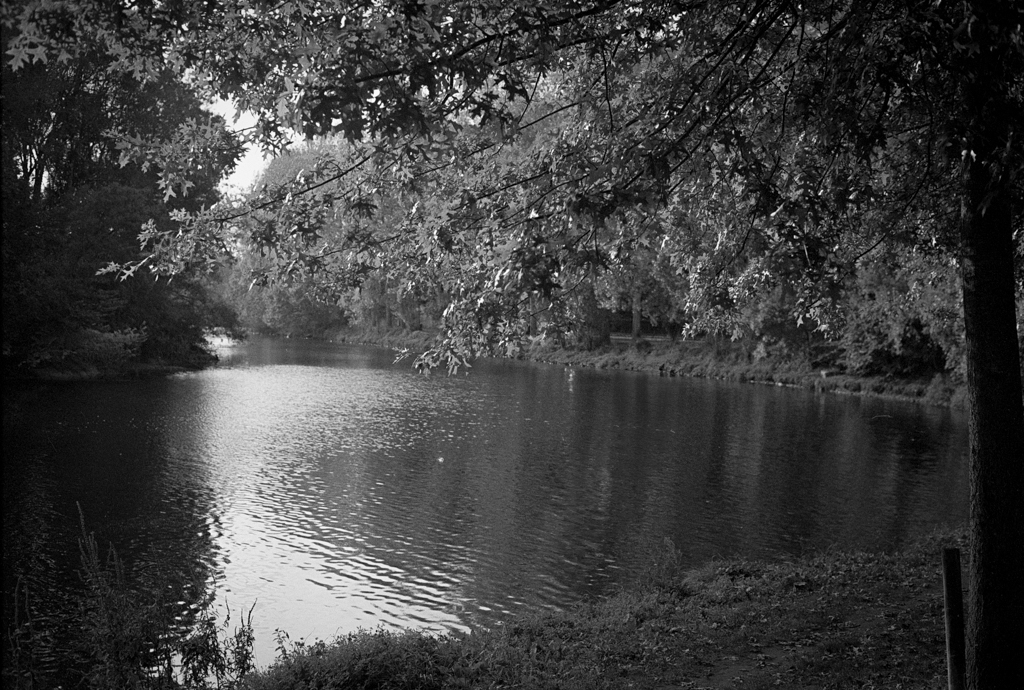
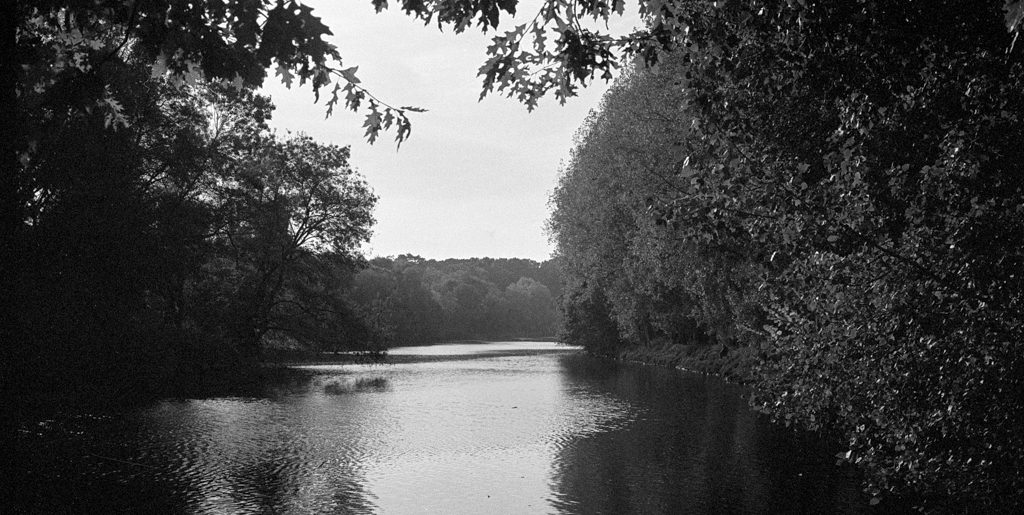
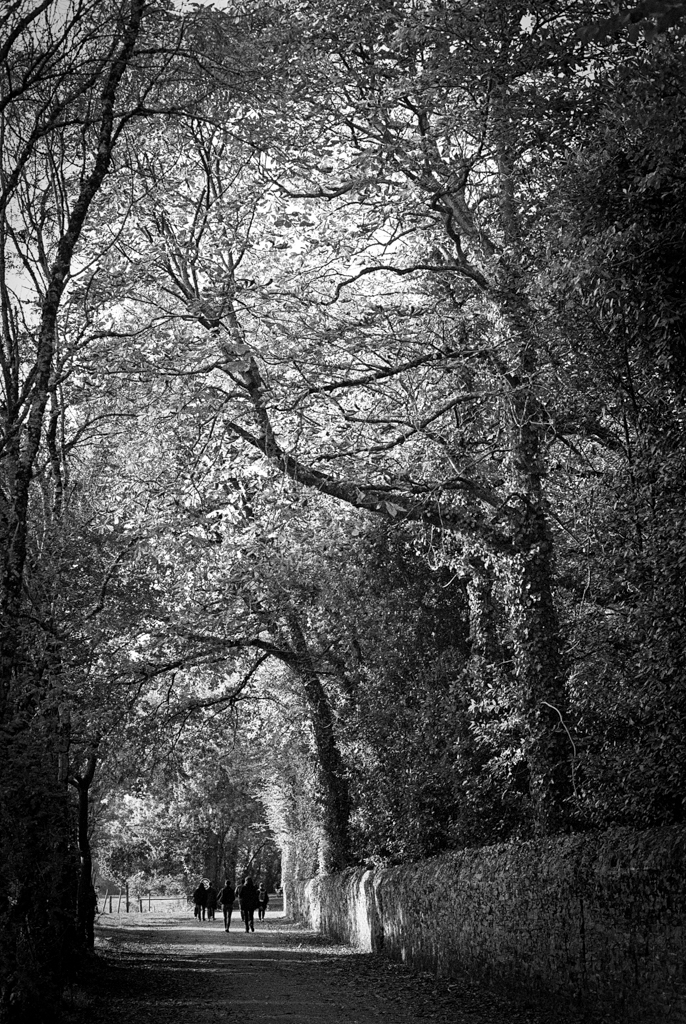
It was one of those sunny late autumn days we sometimes get here—warm, golden, and untouched by the inevitable rain, wind, and cold that would soon claim the season. This time, I wasn’t in Nantes, or exploring the Forest of Grasla like last week’s outing. Instead, I decided to take my Canon AE-1 for a walk down by the river—more precisely, along the Sèvre Nantaise—to explore the Chaussée des Moines.

Chaussée des Moines translates to “the monk’s pathway,” and no, it’s not a detour through Iowa. I always get the name wrong, thanks to the cheese Chaussée aux Moines. Freud would probably call it a slip—though even he might have struggled to find better footing on this trail.

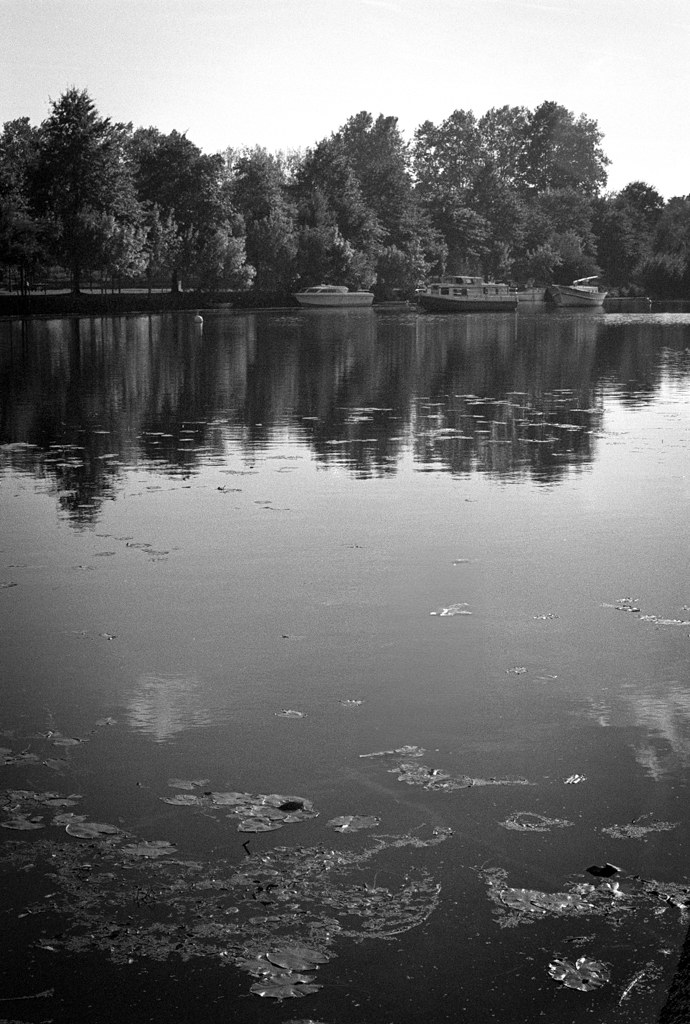
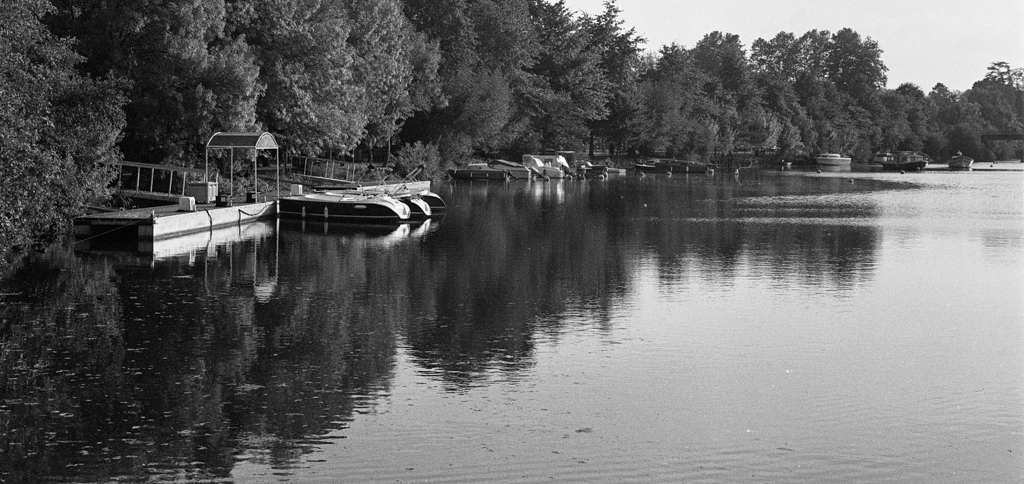
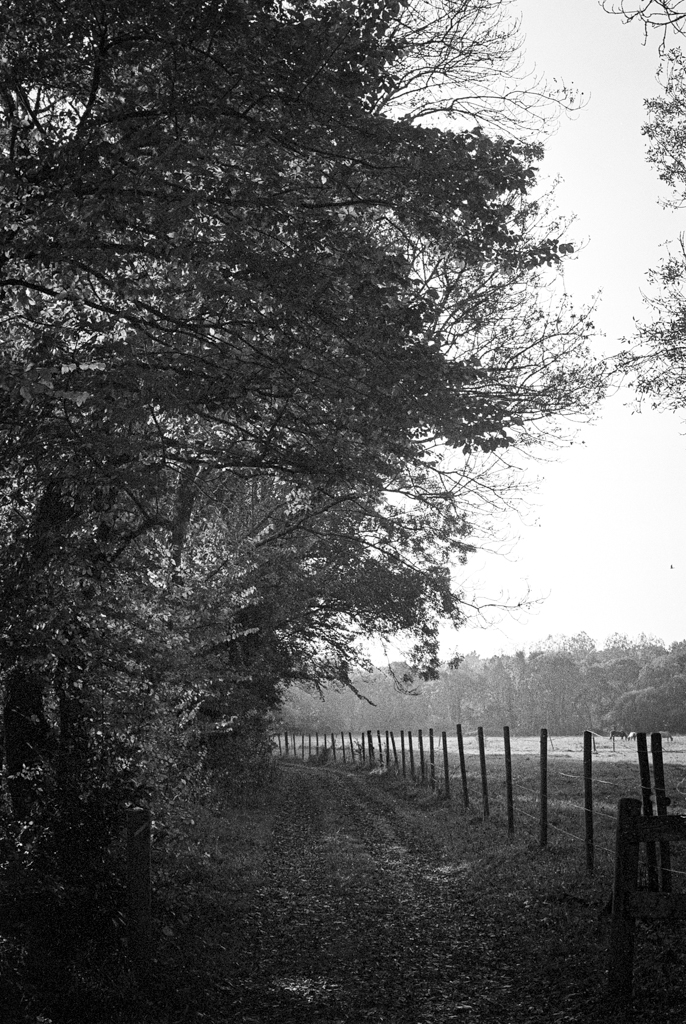
The pathway, bathed in the low autumn sun, was serene. Its golden light skimmed the water, creating shimmering reflections on the surface, while the riverbanks glowed with the last stubborn hues of the season. For those of you looking at the photos in black and white, you’ll just have to imagine the colours. The Canon AE-1 was a faithful companion that day, helping me focus on the interplay of light and shadow, the quiet stillness of the river, and the textured beauty of autumn’s final stand.

The Sèvre Nantaise is a river that flows into Nantes at the Bras de Pirmil. The Chaussée itself is a weir—a place where, weather permitting, you can walk across the river, loop over a nearby bridge, and return along the opposite bank. It’s a lovely little circuit, especially on a crisp autumn day.

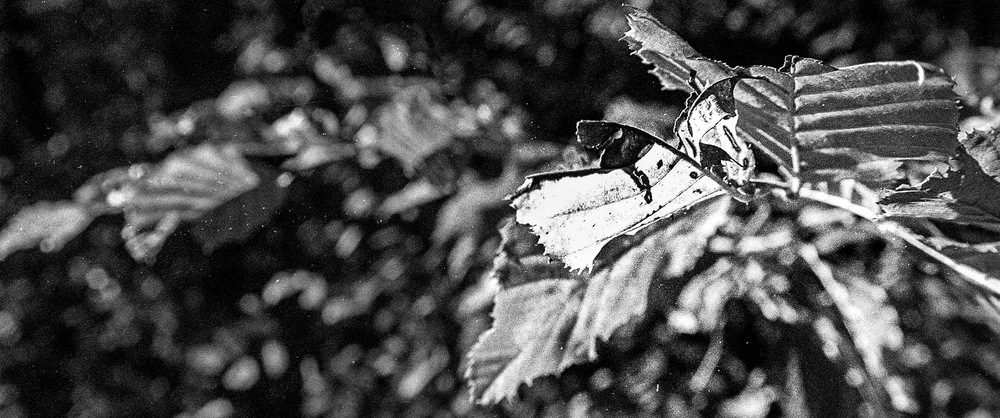
The photographs from this outing were taken with the Canon AE-1 using Ilford HP5+ film, shot at 400ASA. I later edited the images in Lightroom to bridge that gap between film and digital. Some might call me a charlatan, but even in the darkroom, we worked our magic with tools akin to what Lightroom offers today—just a bit more hands-on and aromatic.

When I was learning how to draw, I was often reminded of the importance of contrast: darker, more defined elements in the foreground and softer, lighter tones in the background. Looking back at these photos, especially the ones of trees and fields, I’m struck by how naturally this principle seems to have played out.

All in all, it was lovely being out in the autumn sun, soaking up the scenery, and enjoying every minute of it. The boat moored along the bank, the cascading weir, the solitary man fishing—it all added to the charm of a wonderful afternoon. And if you’re wondering, the slice of cake and cup of something nice at the café overlooking the river had absolutely nothing to do with how fondly I remember the day… or so I tell myself.

The Opening of the Film Archives – Le Forêt de Grasla, October 2016


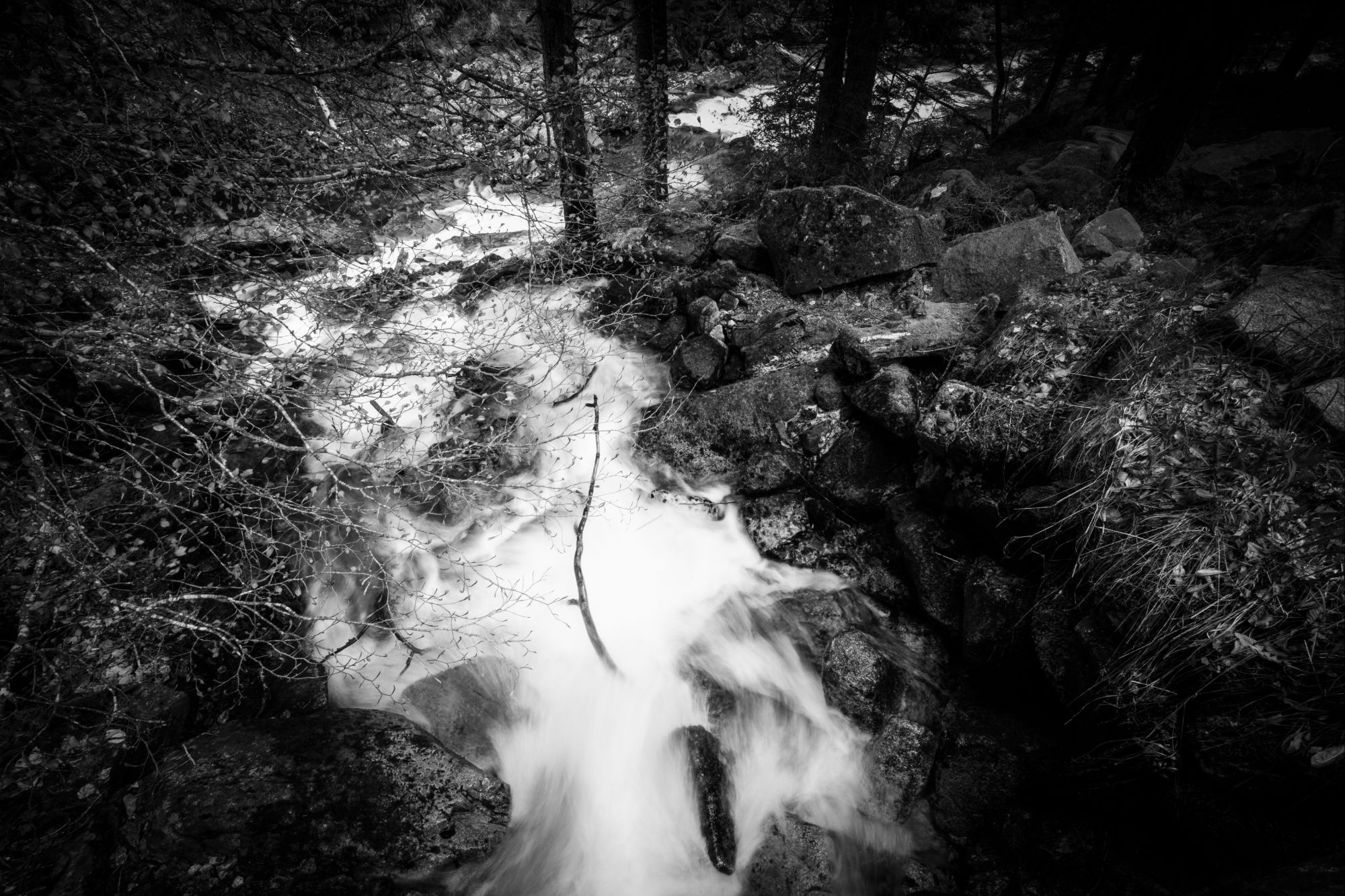
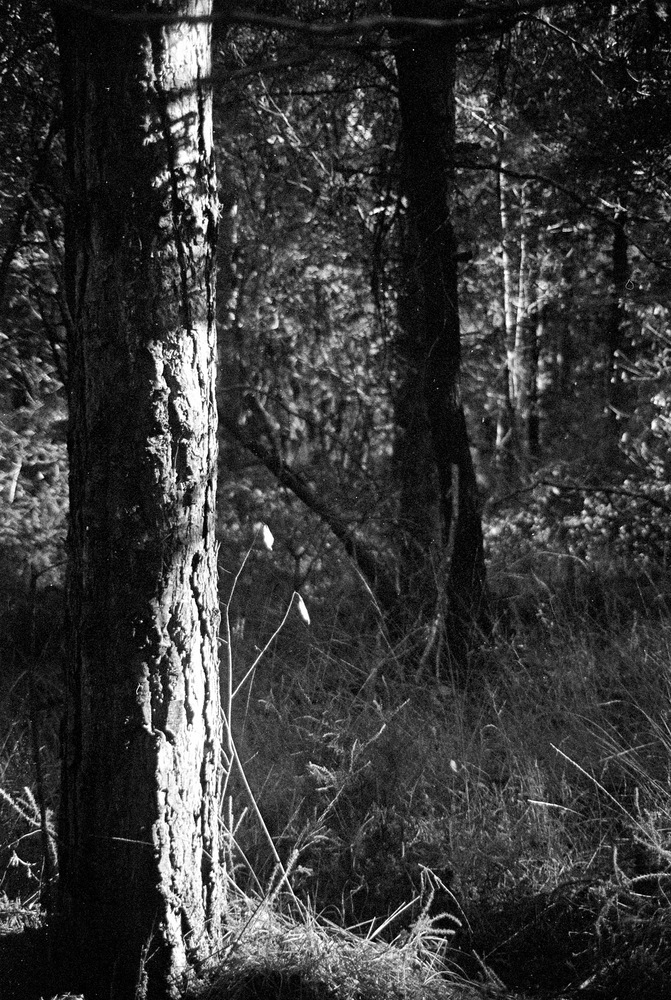
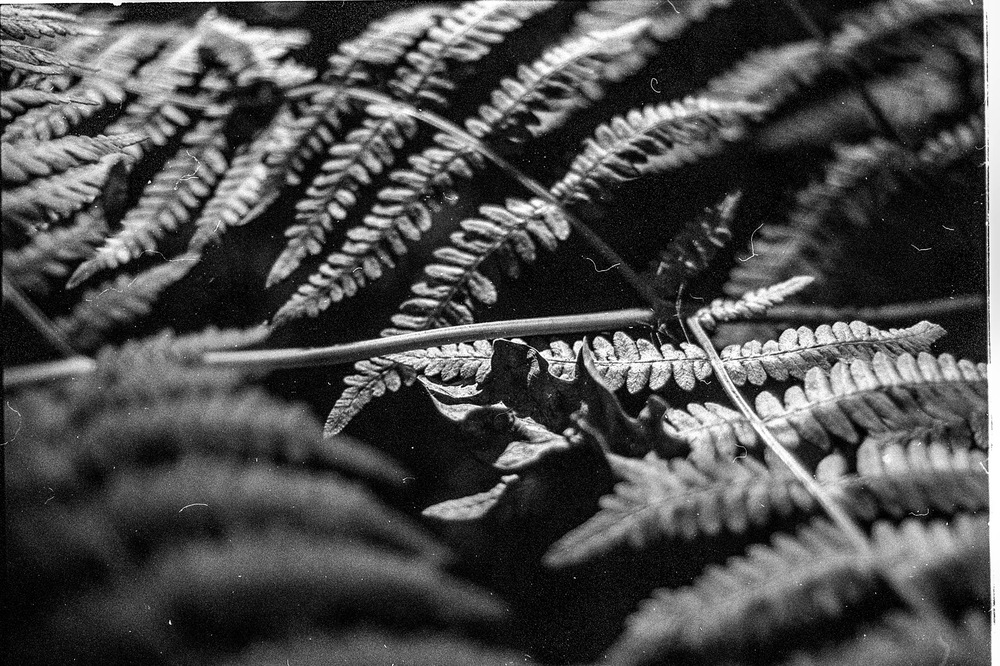
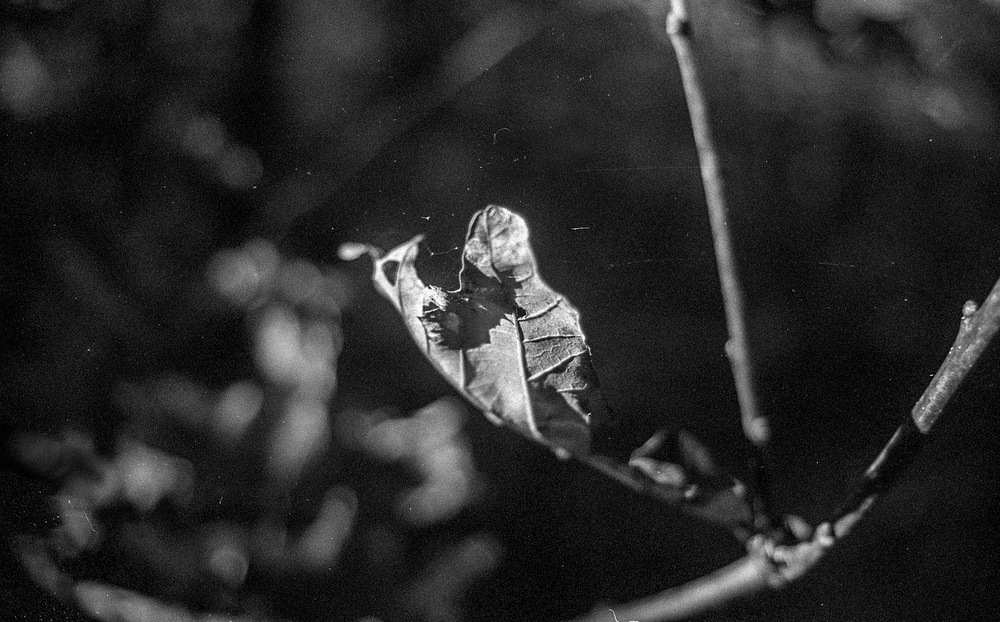
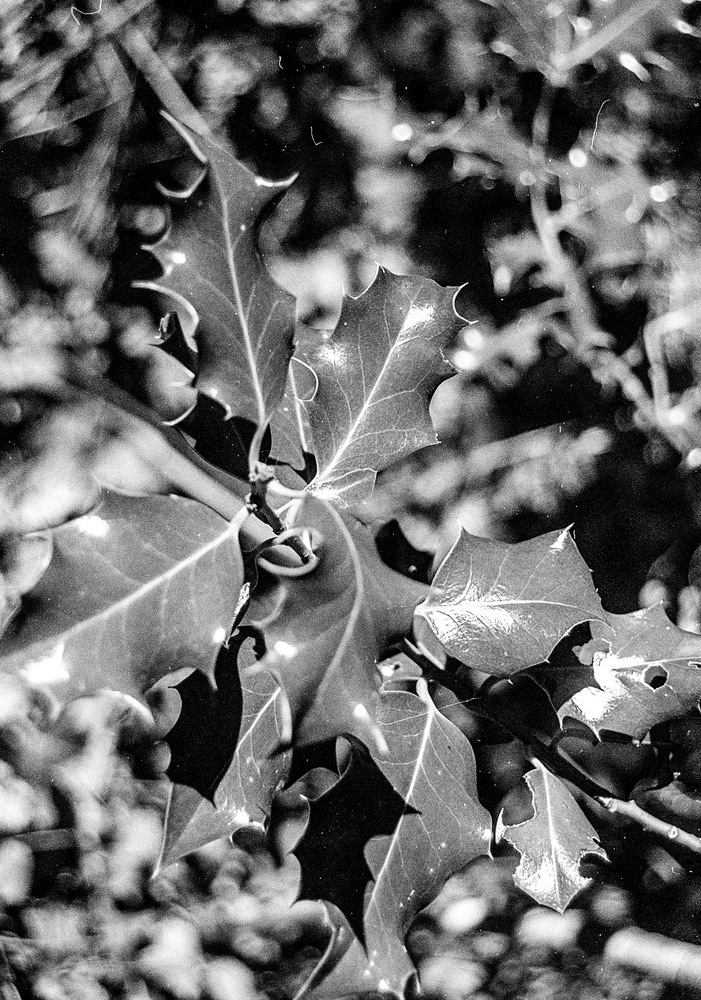
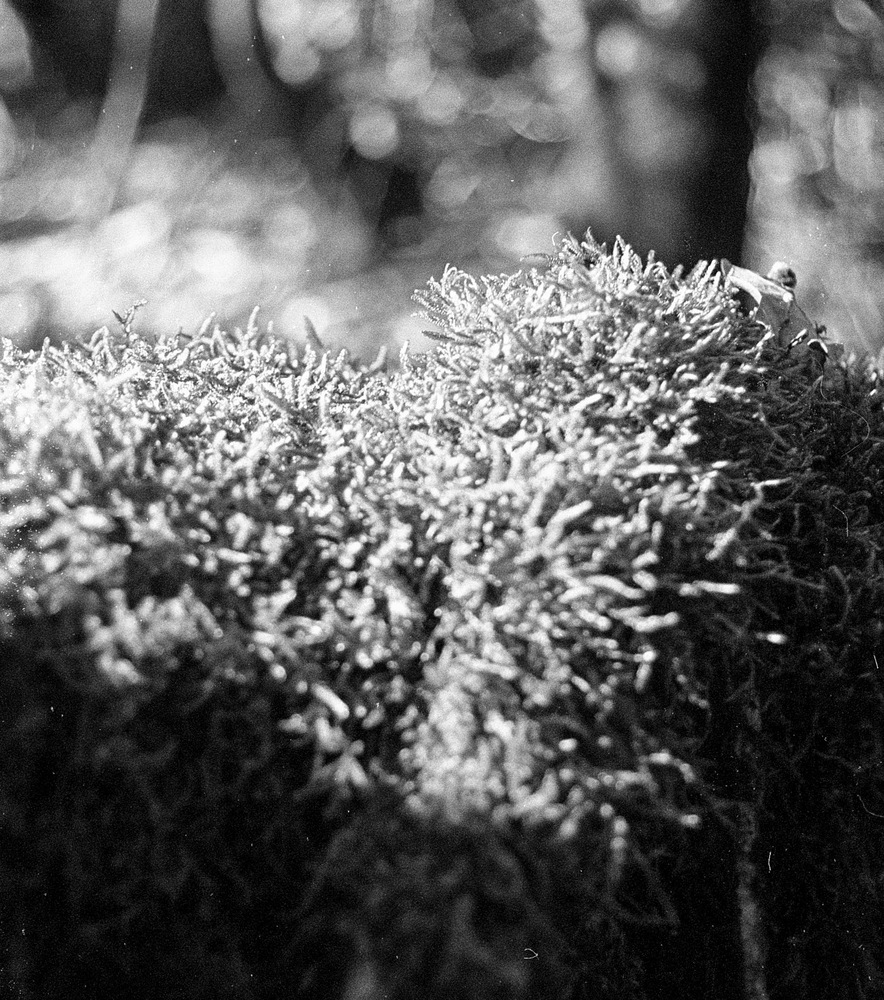
It would appear that I was quite the busy bee, snapping anything and everything with the Canon AE1 back in 2016. It seems to have become my “everyday carry” and the camera I always had with me.In 2016, I was all about exploring the world using just Ilford’s HP5 Plus black-and-white negative film. On this particular day, I had gone back to the Forêt de Grasla. I remember it being a fairly warm day for October, and it was wonderful to be in the outdoors.

The forest was one of my favourite hunting grounds for wild mushrooms, and Killian would be there with me, helping to find some “fungis to be with.” An old joke, but I am a dad, after all…

As you walk through the various parcelles of the forest, you can smell the mushrooms in the air, the decaying wood, and hear the rustle of wind rushing through the trees. The ground is slightly damp underfoot—hence the walking boots.

Now for a bit of history. I suppose you have heard of the French Revolution and its wide-reaching effects on my adoptive country. Well, not everyone at the time was very happy about the whole shebang. The “Chouans” from Brittany and the Vendée decided that they quite liked the idea of having a king, and perhaps this Republic idea might not be for them.

This led, of course, to the Guerres de Vendée, with Republican troops sent to massacre the counter-revolutionary Vendéens. Most places in France are wary of Parisians, but there’s an extra edge to this in the Vendée, and with good reason. Even now, the Vendée has a very independent mentality and has never forgotten what the Republic did.

The Forêt de Grasla was a lot larger than it is now, and the rebels would hide there, hoping to escape the Republican troops. There is now a museum, the Refuge de Grasla, showing how they lived hidden in the forest.

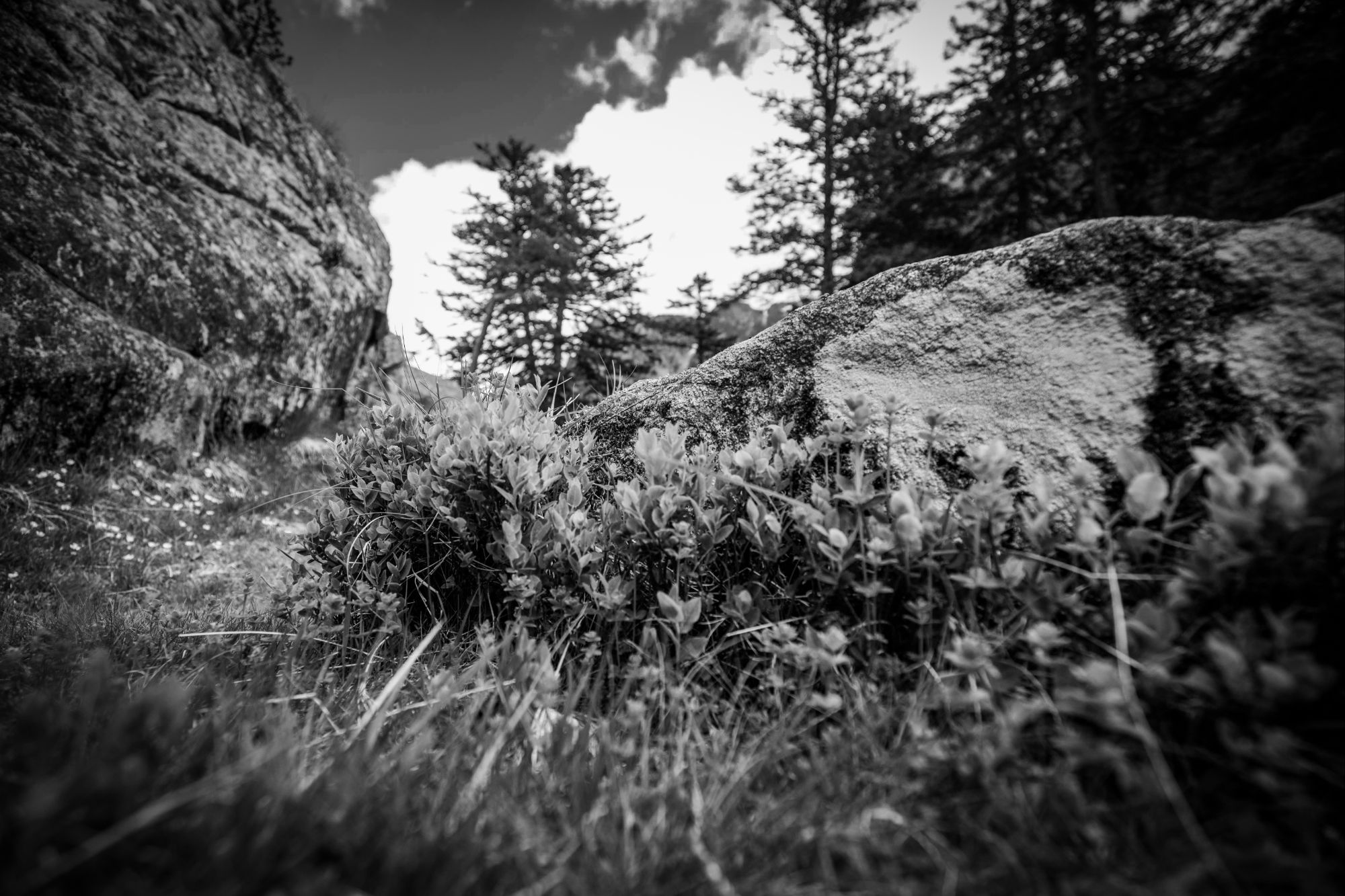
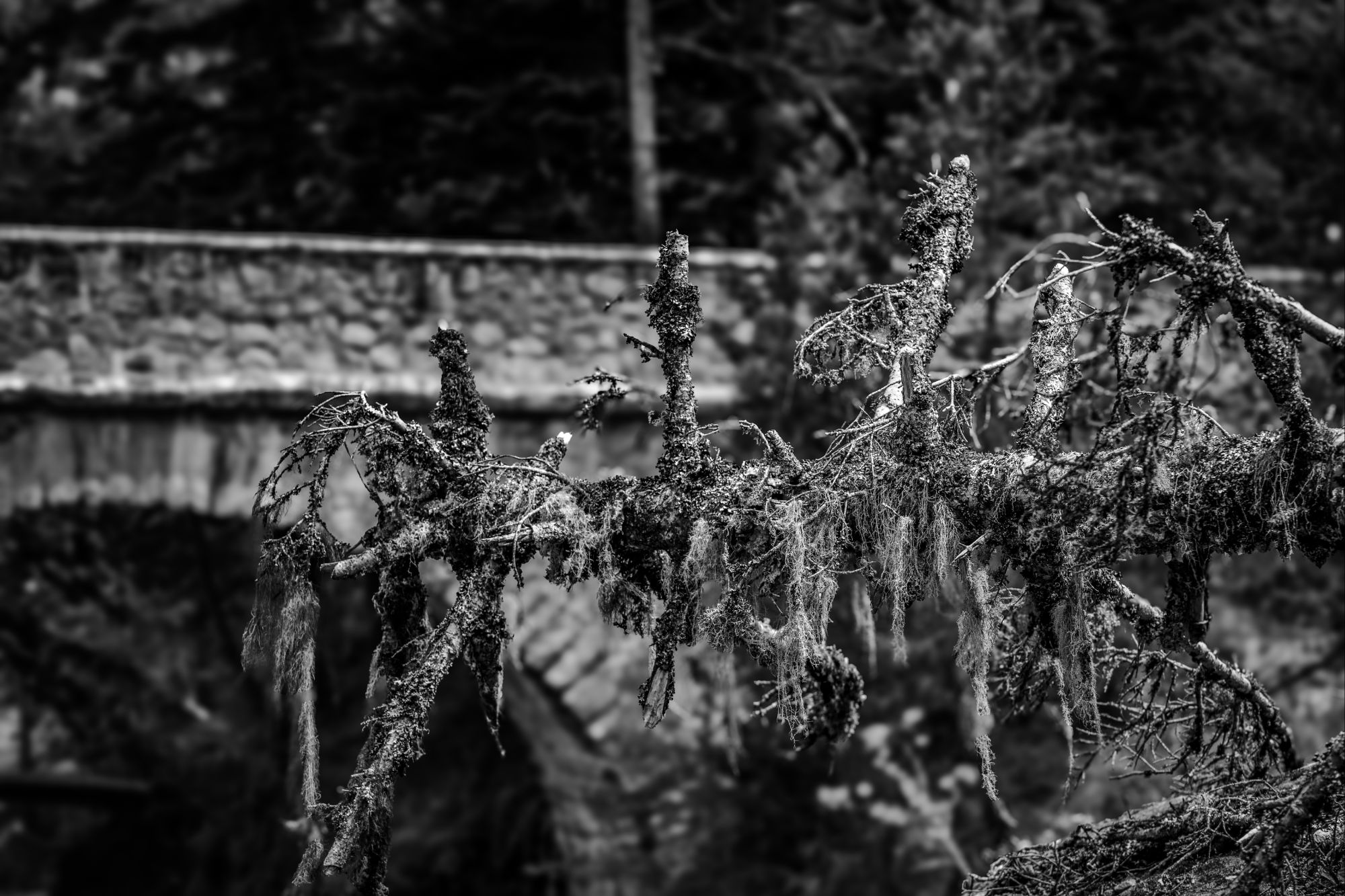
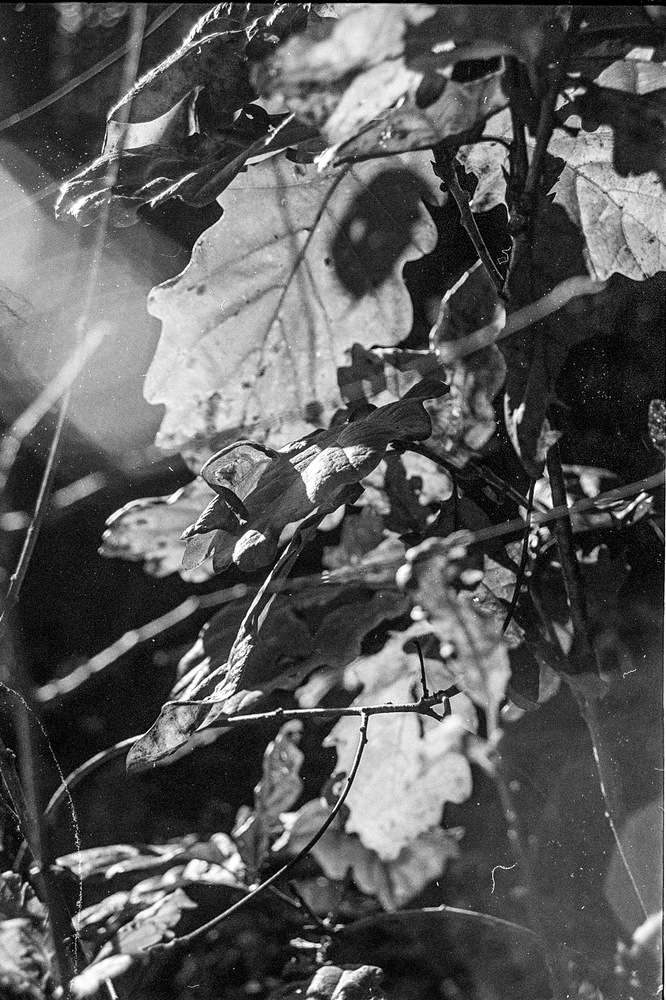
The idea of the outing, however, wasn’t history or mycology, but woodland photography on film. I think I managed to get some half-decent shots!

The Opening of the Film Archives—Abbaye de la Grainetière, October 2016


“They” say that if you leave your child to the Jesuits for seven years, then that child will belong to the Jesuits for life. I am not a Jesuit, but I was heavily influenced by the Benedictines when I went away to prep school in 1980. Mummy, Daddy, let me reassure you, this isn’t about Gilling—some things are better left in the past. This article will instead focus on a different Benedictine site, one that I visited much later in life: l’Abbaye de la Grainetière, a peaceful monastery here in the Vendée.

The Abbey of Notre-Dame de La Grainetière, on the outskirts of the town of Les Herbiers in Vendée (France), encompasses nearly nine centuries of tumultuous history. For over 50 years, numerous restoration works have been undertaken. These efforts allowed for the re-establishment of a community of monks at the end of 1978, nearly 200 years after the abbey was abandoned by the monks, shortly after the Revolution of 1789. Classified as a historical monument since 1946, many volunteers are working to continue the legacy of La Grainetière.

To those of you unfamiliar with the ins and outs of the Catholic Church, the role of monks is to live in community, and their main duty is to pray for us in the wider community. The monks elect a Father Abbot, who is responsible for running the monastery. In centuries gone by, the Abbot would wield a huge amount of influence, but this power has been reined in over time and is less evident outside the monastic community.

When I visited l’Abbaye de la Grainetière, I couldn’t help but reflect on how different this Benedictine monastery felt from my school days. The quiet prayer, the stillness—it offered a kind of peace that I hadn’t experienced for a long time, and a life that was once very appealing to me.

The monks follow the Rule of Saint Benedict, a foundational guide for monastic life that addresses not only prayer, but also how to live both within and beyond the monastery walls. Though written for monks, many of its teachings have been adopted by the laity seeking a structured, spiritually focused life.

I could almost say I envy them the simplicity of monastic life compared to the complexities of modern society and family life—juggling careers, responsibilities, and the endless distractions of today’s world. While I don’t regret the joys and vibrancy that come with having a family—something perhaps lacking in monastic life—it’s hard not to admire the stillness and purpose that a simpler existence can offer. We all have different vocations in life. Mine was to be a father.

As I packed away my camera and left the grounds of l’Abbaye de la Grainetière, I found myself still pondering the contrast between the quiet, ordered life of the monks and the complexity of my own. In some ways, visiting the abbey felt like opening a door to a simpler time, a place where life seemed more focused and more deliberate. Yet, as much as I admire the peace found within those ancient walls, my own path has led me elsewhere—to the joys, challenges, and unpredictability of family life.

In the end, it’s not a question of envy or regret, but rather a reminder that we all find our peace in different ways. For the monks of l’Abbaye de la Grainetière, it lies in prayer and solitude. For me, it’s found in the laughter of my children, the shared moments with loved ones, and yes, even in the rush and noise of everyday life. Each vocation, after all, carries its own kind of grace.

Perhaps that’s what lingers with me most from my visit to the abbey—not just the tranquillity of the place, but the realisation that we each have our own rhythm, our own way of navigating the world, and there is beauty in all of it.

Post Scriptum:

The photos were taken with a Canon AE1, and its FD mount 50mm F1.8 lens, using Ilford HP5 + black and white film.

The Opening of the Film Archives – Trentemoult October 2016


This was another Ian and Kate day.  Similar in concept to the Ian and Killian day, but a day where I can dedicate myself solely to Kate.  She’s fifteen now of course, but I should spend more time with her.  If she’ll let me of course.  At the time she was only seven—simpler times where I could make her happy with just a nice tea, a boat trip across the river, and just wandering around exploring the intricate streets of an old fishing village on the “bords de Loire.”  There are no cars in the narrow streets, and the children can run wild.  

This day was one spent in Trentemoult, that rather colourful village that you can see here. The colours are intense and provide a great backdrop for portrait photography. So of course I went in with a film camera and black and white film.  Which only goes to show that when you photograph a location, however colourful, and take away the distraction of that colour, you have to really concentrate on composition, texture, and forms.  I couldn’t rely on colour for my photos today.  But I was sure that I could reveal some good photos despite that.

So what do you do?  You just try and capture some moments of your daughter messing around and being a perfectly normal seven year old.  I tried to capture her exploring the streets and being absorbed by the whole ambiance of the place.  She became part of the scenery, and blended in perfectly.
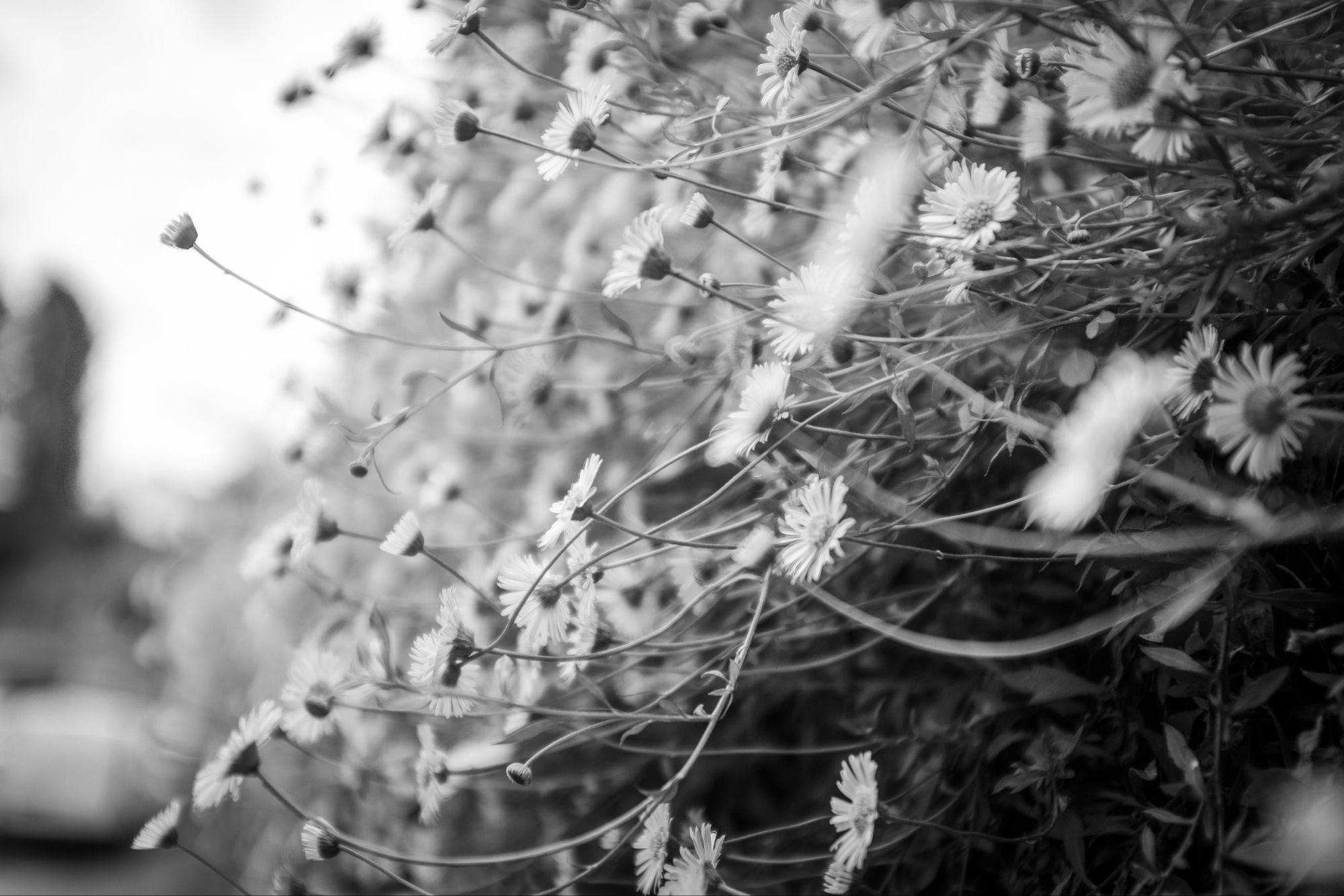
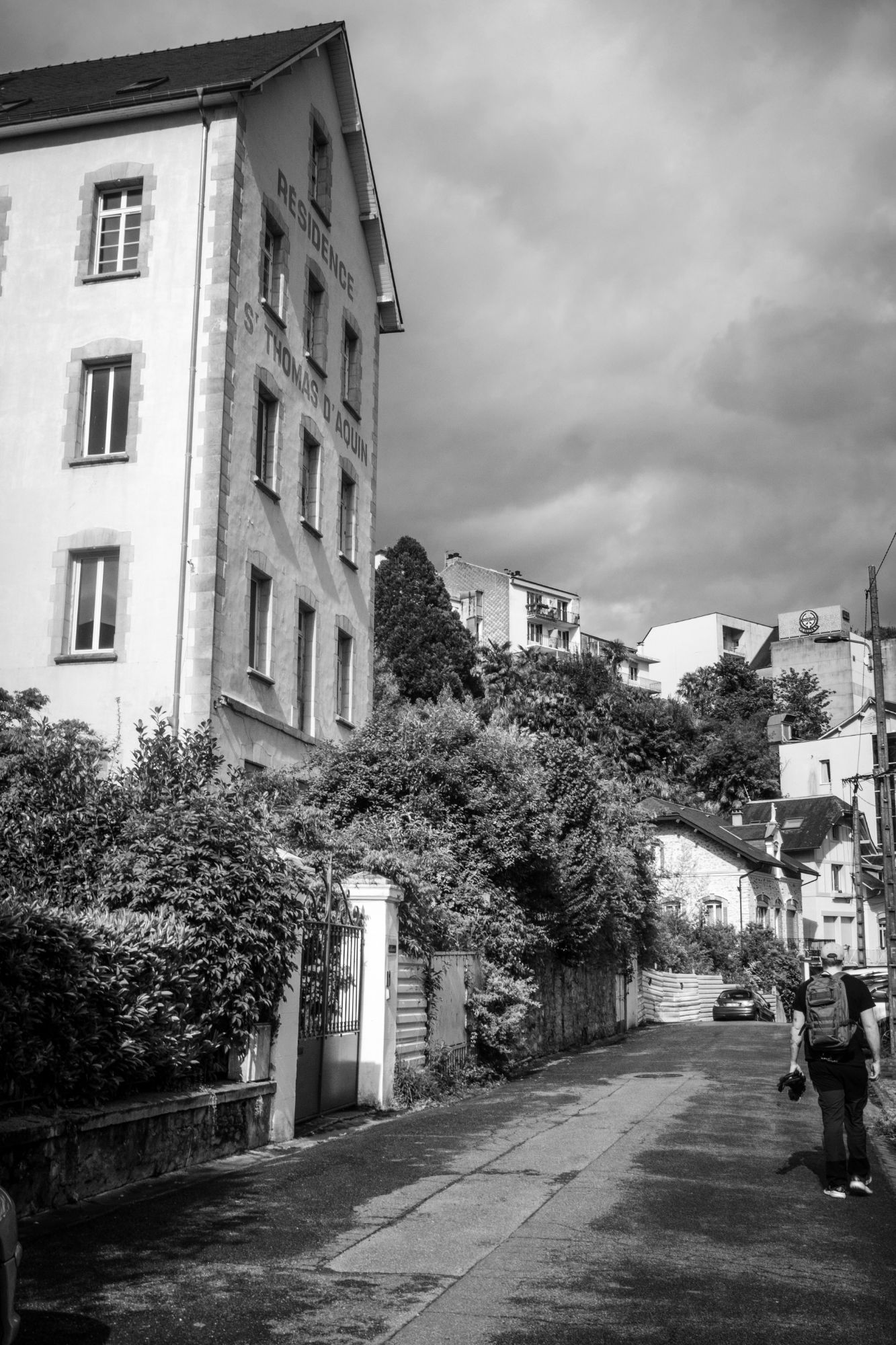
I was just there purely to observe and record the day on film, with one eye in my camera and the other on Kate.  It was a good day.  

Looking back at those moments reminds me of how quickly time seems to slip by without me realising that I am getting older.  She of course is slightly older, and possibly slightly less “insouciante” or carefree, but my love for that girl is still as strong as ever.

The Fujifilm X-T2: A 2024 Perspective – Is It Still Worth It?


My Love Affair with the X100F (and a Cuppa Tea)

It’s no secret to the regular readers of IJM Photography that I have a great fondness, deep affection, nearing on obsession with my Fujifilm X100F. It’s a great little camera that gets me excited whenever I take it out of my camera bag. But, Dear Reader, what does this have to do with the Fujifilm X-T2? Well, they’re both manufactured by Fuji, they both have an “X” in their name, and I have a deep affection for a nice cup of tea. Not the same T? Ah well…

Similarities and Differences: A Tale of Two X’s

I’ll talk about the differences and similarities between the two cameras and why I thought the X-T2 was a useful and complementary acquisition. We’ll look at not just the specs but also the rather similar way both cameras handle.

  • Sensor and Image Quality: Both use the same 24-megapixel sensor with an anti-aliasing filter, and offer an ISO range from 200 to 128000.
  • Screen and Viewfinder: The X100F has a fixed screen, while the X-T2 boasts a tilting one. Both share the same excellent viewfinder.
  • Performance: The X100F shoots at 8 fps while the X-T2 goes up to 14 fps. For video, the X100F is limited to Full HD, while the X-T2 offers 4K and can shoot at 120 fps.
  • Connectivity: Both cameras have built-in wireless capabilities.
  • Weight: The X100F is lighter at 469g, while the X-T2 is slightly heavier at 507g.
The Lens Factor (and Weather Sealing, Too!)

The main difference? The lens. The X100F has a fixed 23mm (35mm equivalent) f/2.0 lens, while the X-T2 can take the entire range of X-mount lenses. Quite a big difference, indeed. The X-T2 also has the added bonus of weather sealing!

Why Buy a 4-Year-Old Camera in 2020?

Because at the time, I could. It was the logical acquisition and complement to my X100F. Did I mention it also uses the same batteries? I still have the same, beloved-by-many film simulations, and while not as numerous as later models, they are more than enough for me!

My first lens purchase was the 16mm (24mm equivalent) f/2.8 Fuji lens, the perfect complement to the 35mm equivalent on the X100F. I later discovered TTArtisan and 7 Artisans, Chinese firms that make affordable manual focus lenses for the X-mount. I now have the 35mm (50mm equivalent) f/1.2 and 58mm (85mm equivalent) f/1.4, and the fish eye 7mm F2.8 lenses from both companies, both costing a fraction of the autofocus Fuji lenses. The only concession I made to Fuji was later purchasing the 18-55mm (24-70mm equivalent) f/2.8 autofocus kit lens.

Value for Money: The X-T2’s Sweet Spot in 2024

The fact that I bought it second-hand was also a contributing factor. Does it have as many megapixels as the more modern X-T5? No. But does it have enough? Yes! Does it have the same specs as the X-T5? No. But does it have enough? Yes. Can you see a pattern developing here?

For the amount of money spent, I think I have enough cameras for my buck. And that is the crux of the argument for acquiring a now 8-year-old camera in 2024. Is it the very best money can buy? No. But if you’re an amateur like myself, you generally don’t need the specs that manufacturers and those nice men in camera shops will try to tell you you need. 24 megapixels is more than enough for printing even 20″ by 30″ (500mm x 760mm) sized images.
I have just looked at mpb.com for you and have found XT2 bodies from 487€ to 729€ depending on the condition. An X-mount lens will cost you anything from 104€ for a 35mm (50mm equivalent) F1.2 from 7 artisans to 279€ to 340€ for the 16mm (24mm equivalent) F2.8 fuji lens. So as you can see, it’s certainly cheaper than buying the latest models…

Conclusion: A Timeless Tool for the Passionate Photographer

In 2024, the Fujifilm X-T2 remains a compelling option for photographers seeking excellent image quality, classic handling, and a wealth of creative possibilities. Its compact size, weather sealing, and extensive lens selection make it a versatile companion for various genres, from street photography to landscapes.

While newer models may boast more advanced features, the X-T2’s enduring appeal lies in its combination of performance, affordability, and the unique charm of Fujifilm’s X-Trans sensor and film simulations. For photographers who prioritise the essentials of image-making and value for money, the X-T2 continues to be a worthy contender in the ever-evolving world of digital cameras.

If you’re looking for a camera that delivers exceptional results without breaking the bank, the used market might just hold the perfect X-T2 for you. And who knows, you might even discover a newfound appreciation for a slightly older camera that still has plenty to offer in 2024 and beyond.

Post Scriptum

This camera is also capable of 4K video. And I’m using it at work for making videos for training new staff. It is certainly lighter than my Canon 6D Mark II, and I seem to be able to obtain a picture style that I like. It doesn’t have in-built image stabilisation. However, I use it on a tripod so that’s not an issue. And if ever I do decide to use the 18-55mm kit lens, I have image stabilisation in the lens.

I’ll see if I can’t find you an excerpt of the latest video…

And here it is…