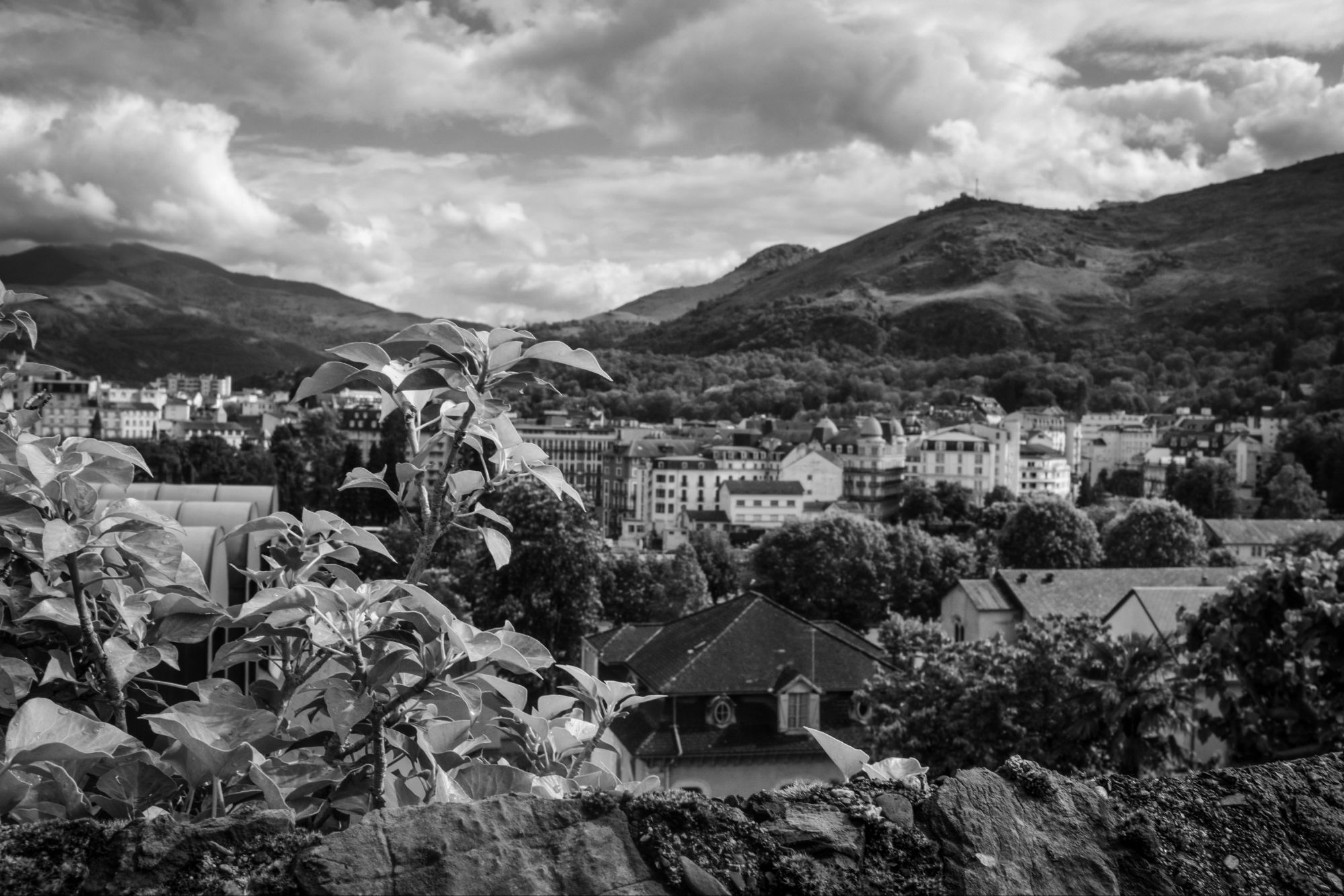
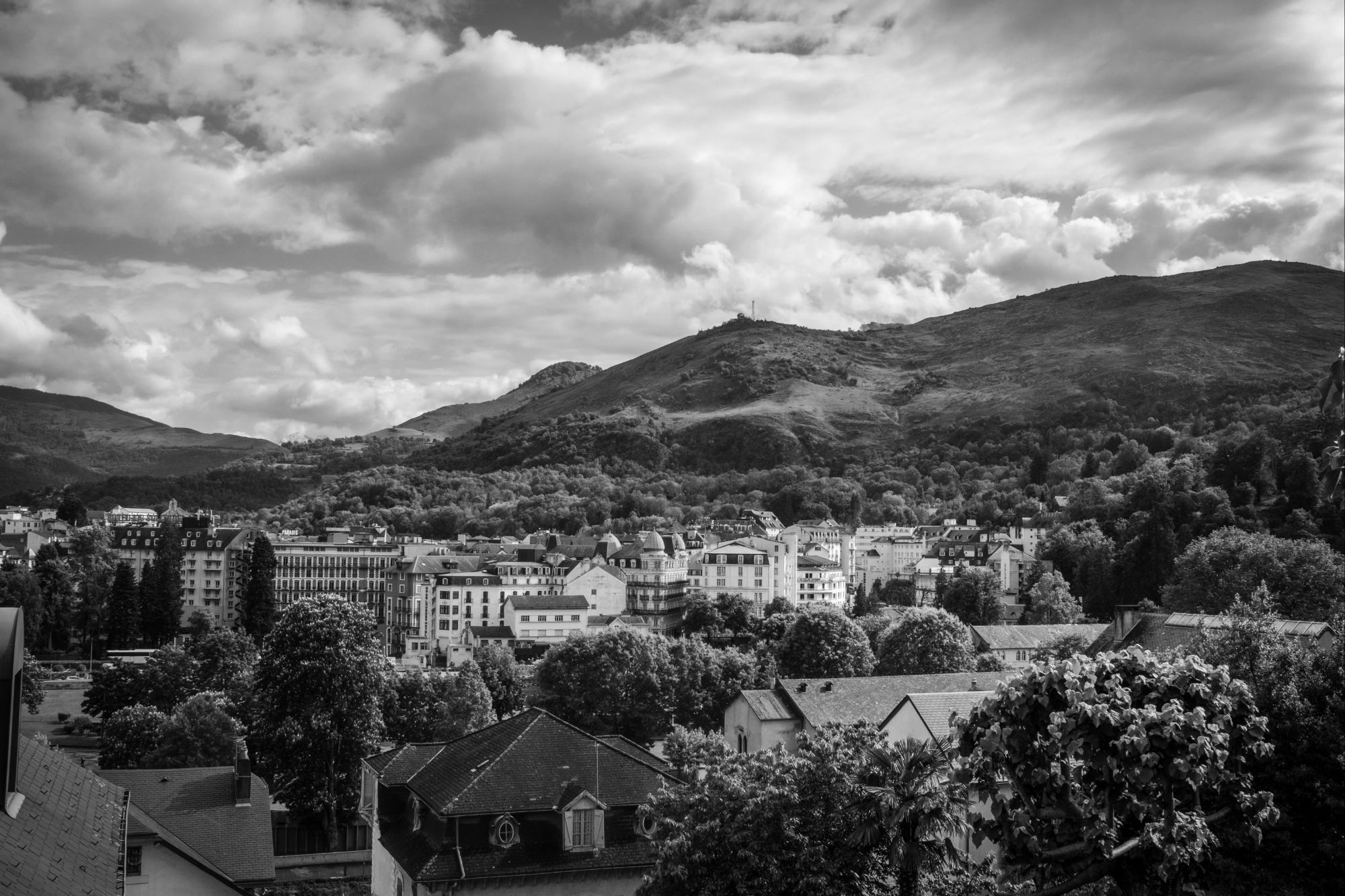
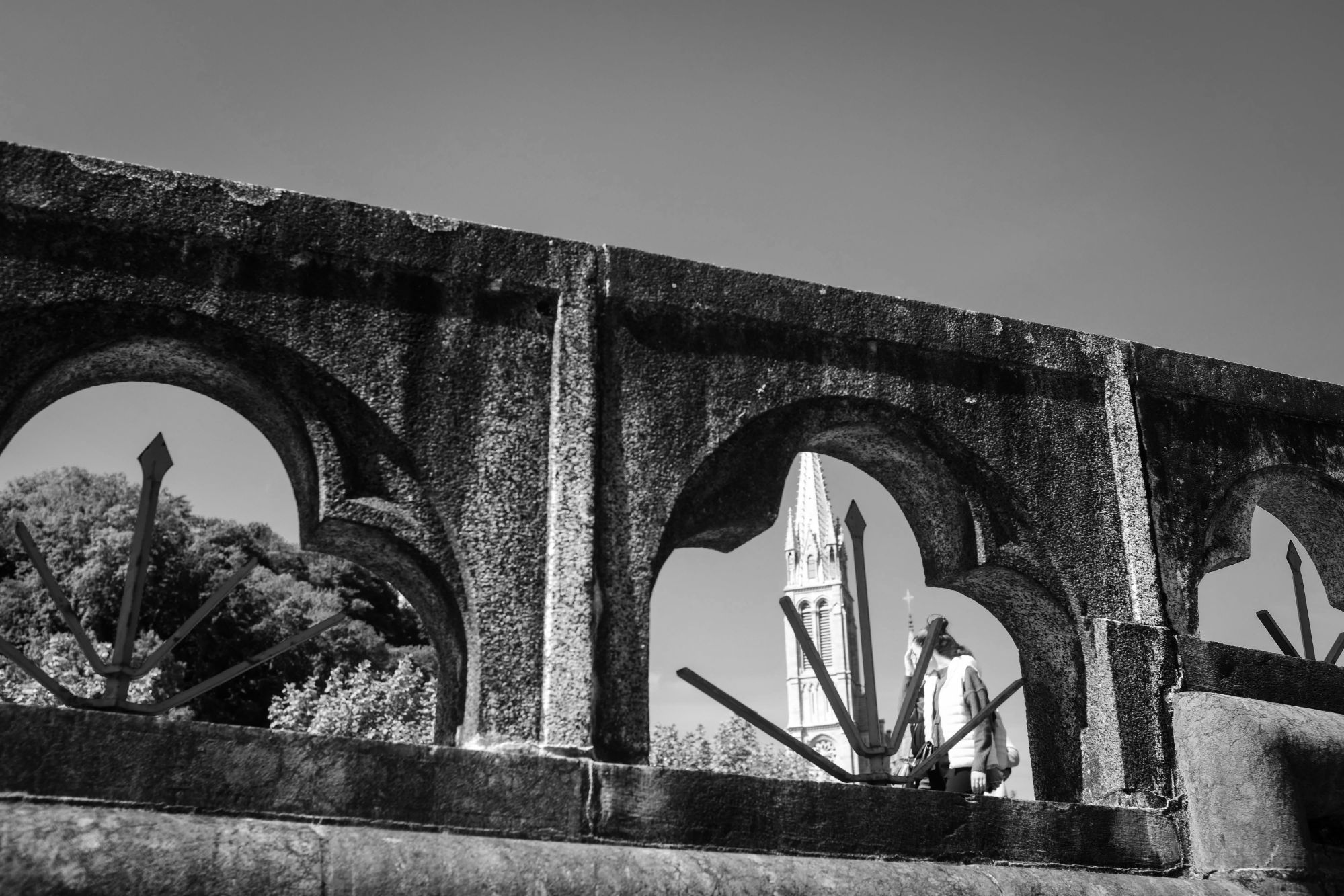
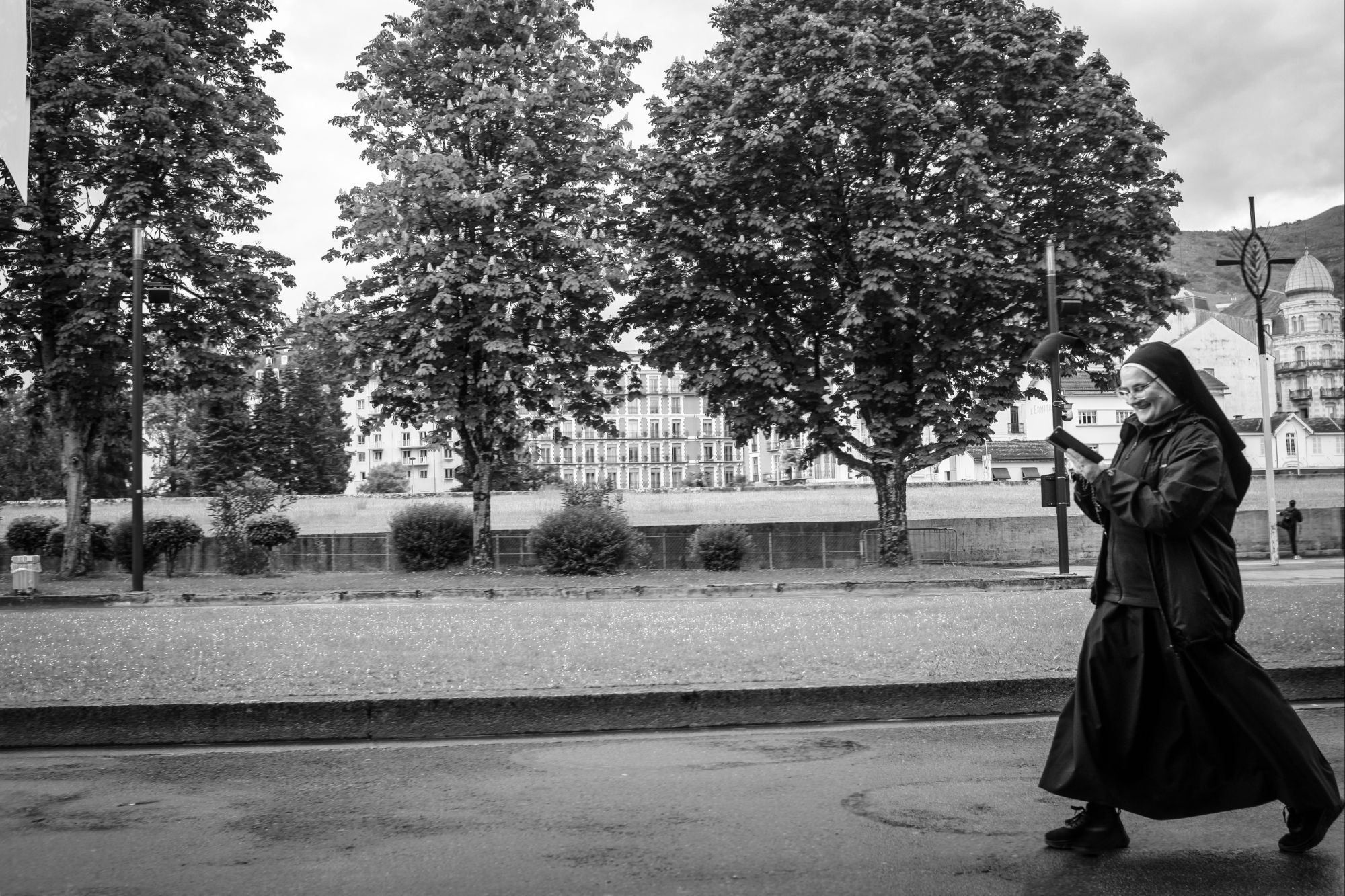
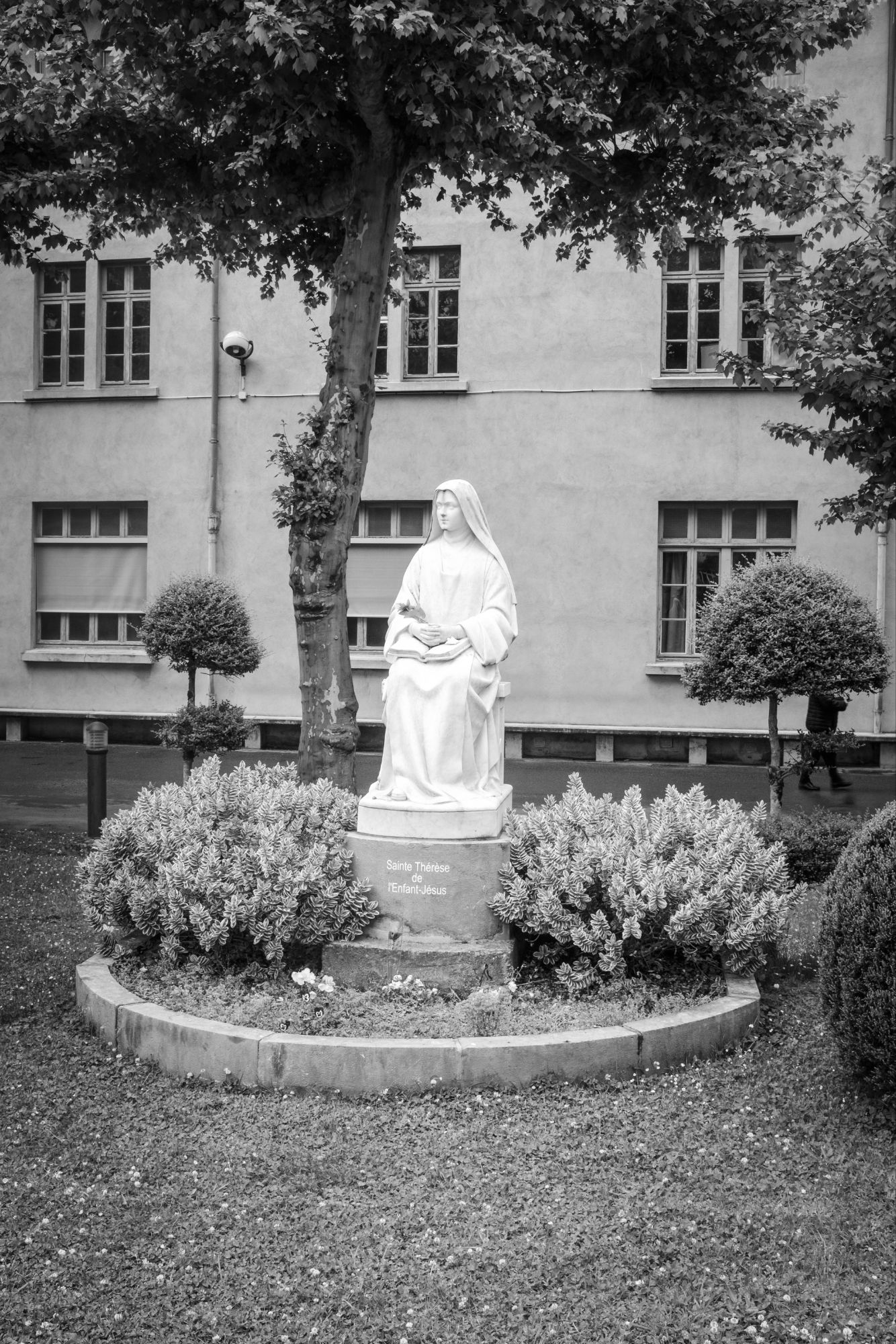
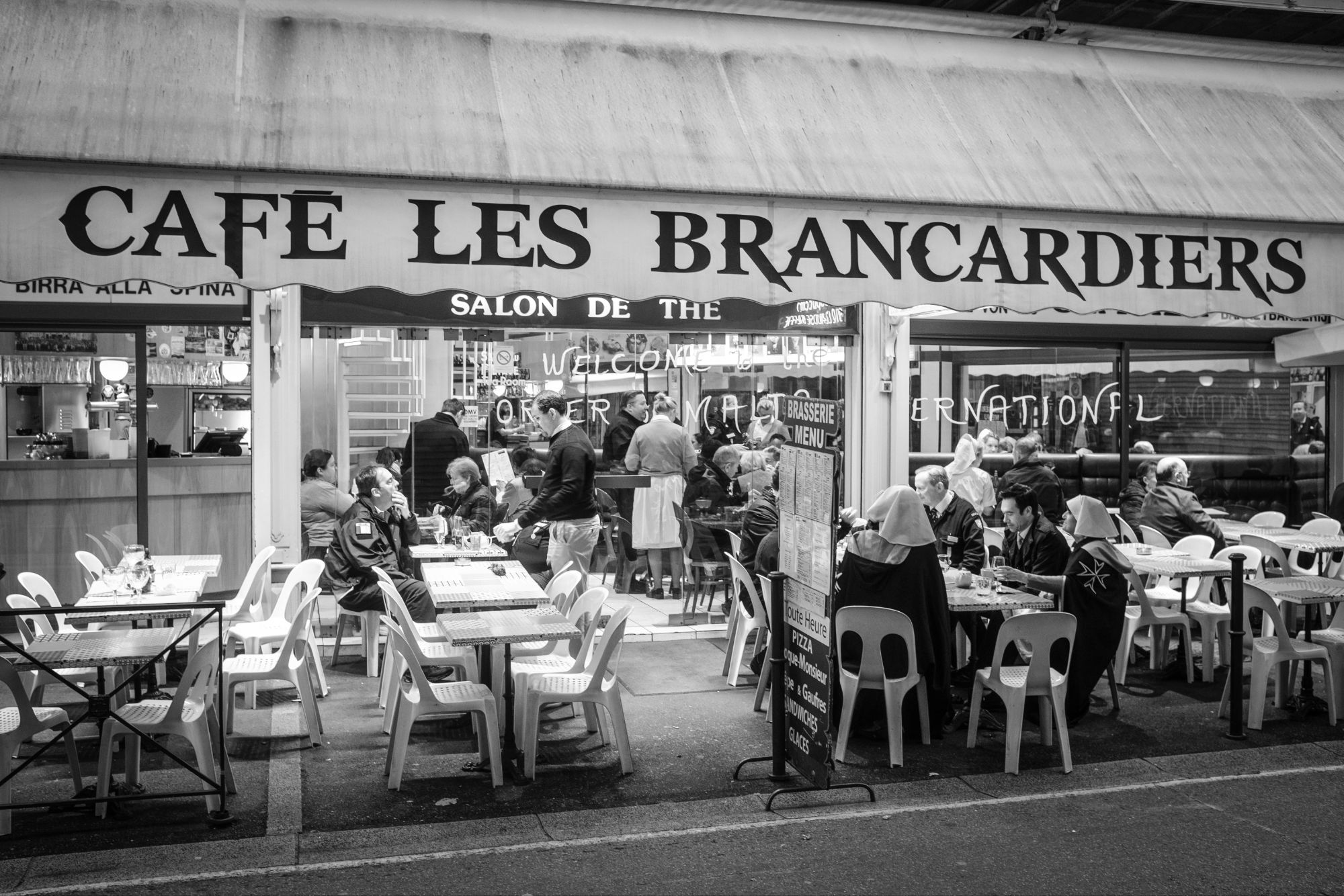
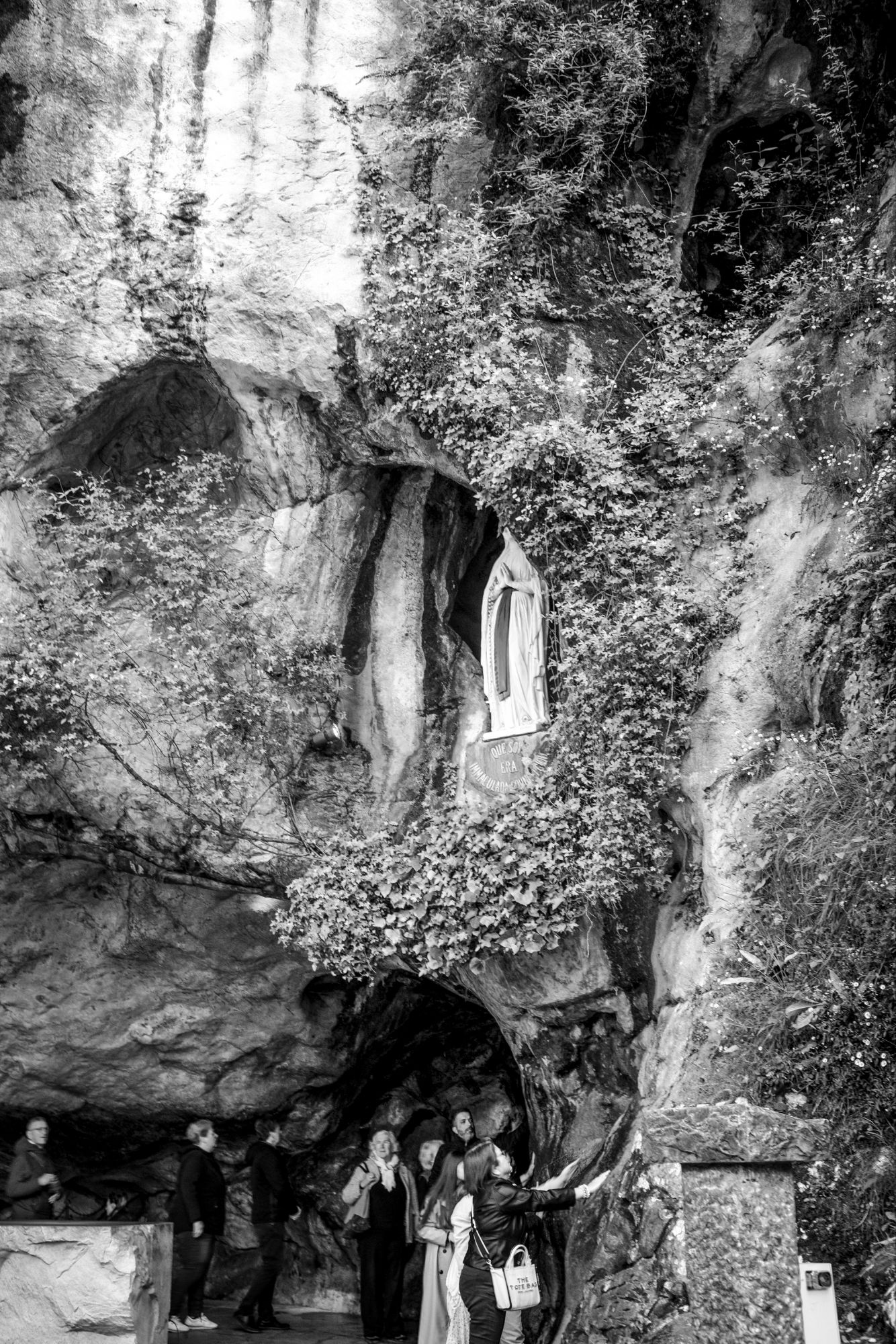
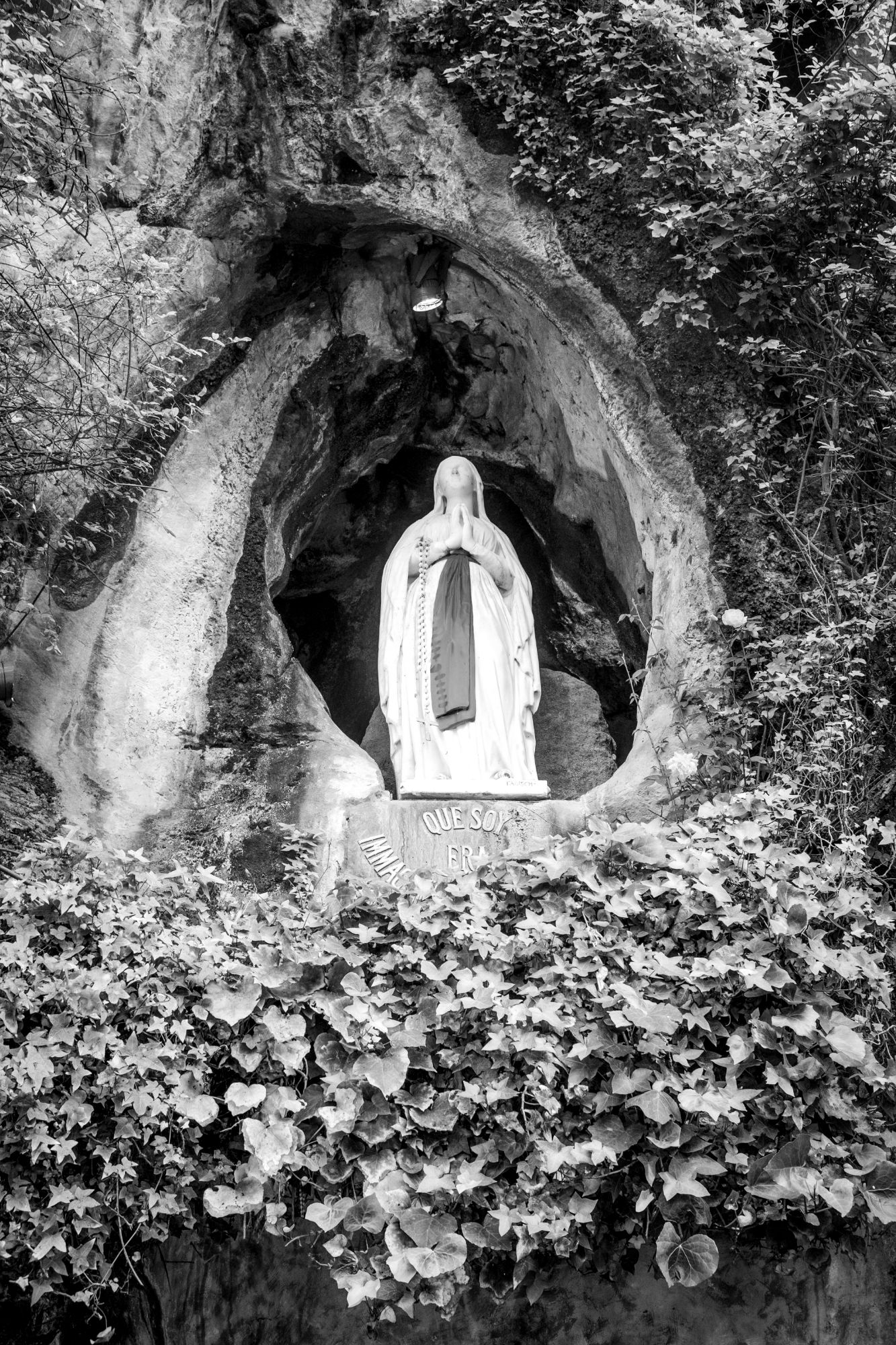
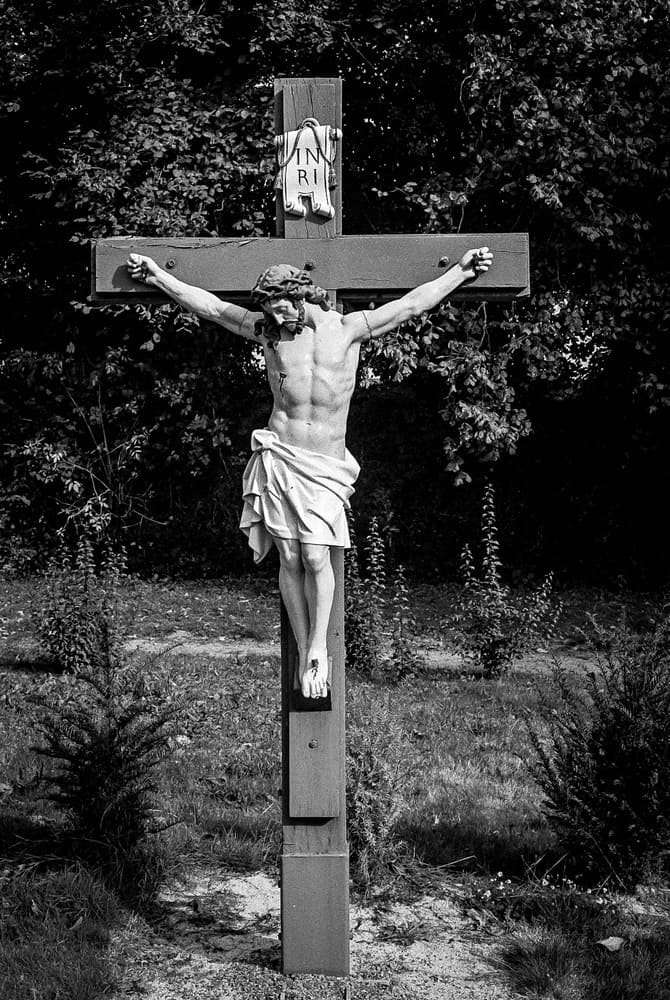
Lourdes 2025: A Father–Son Farewell Tour


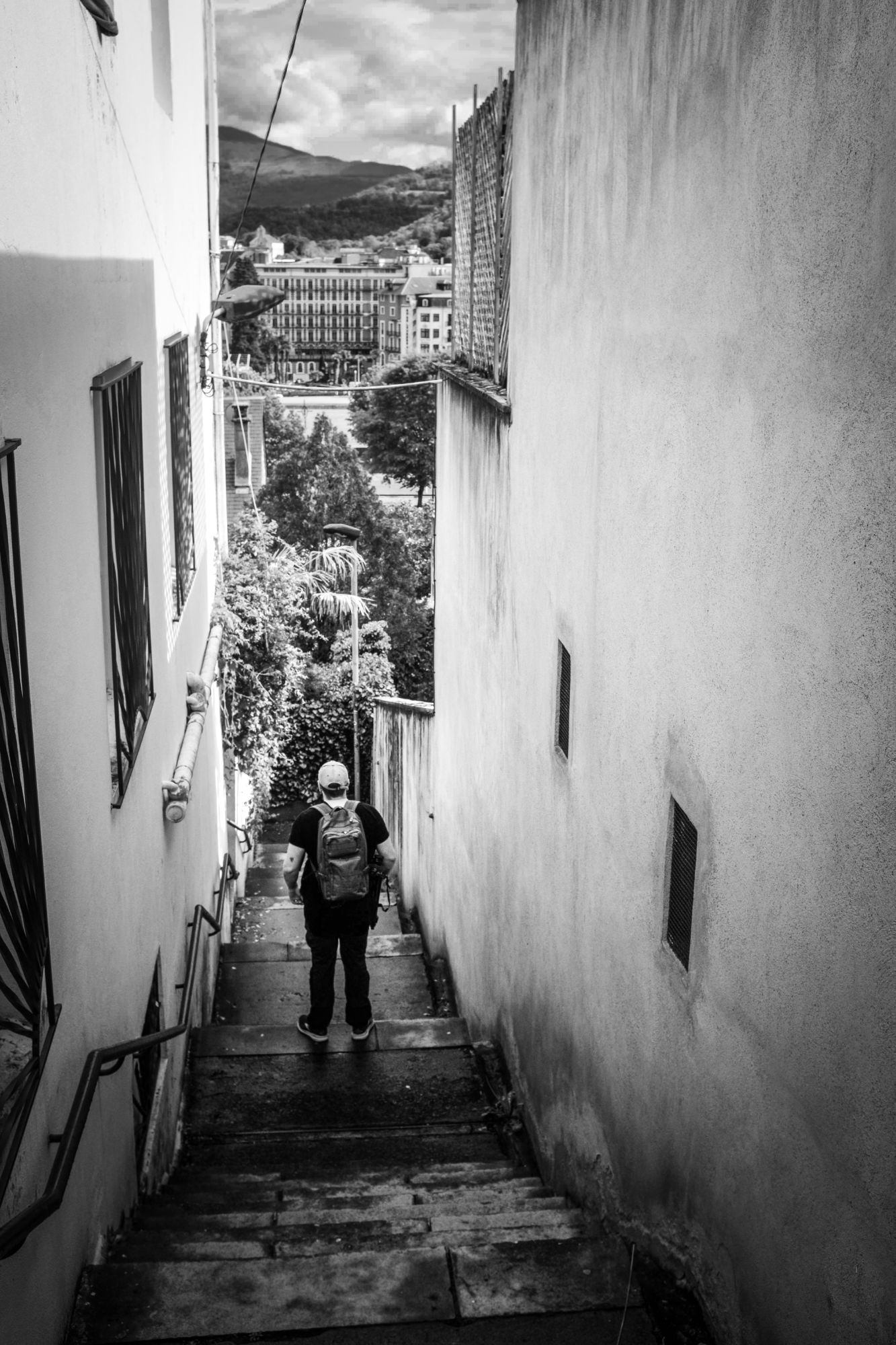
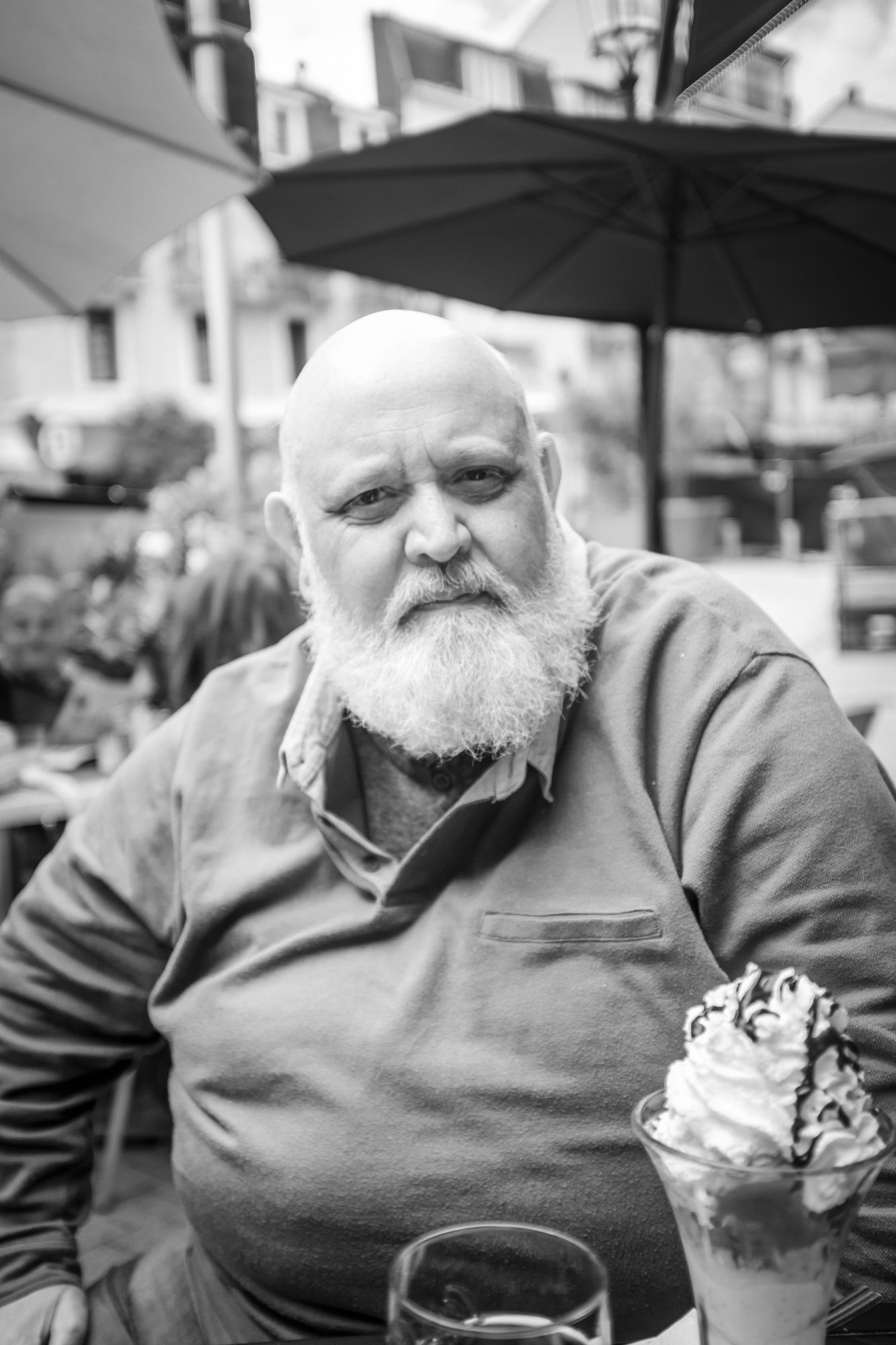
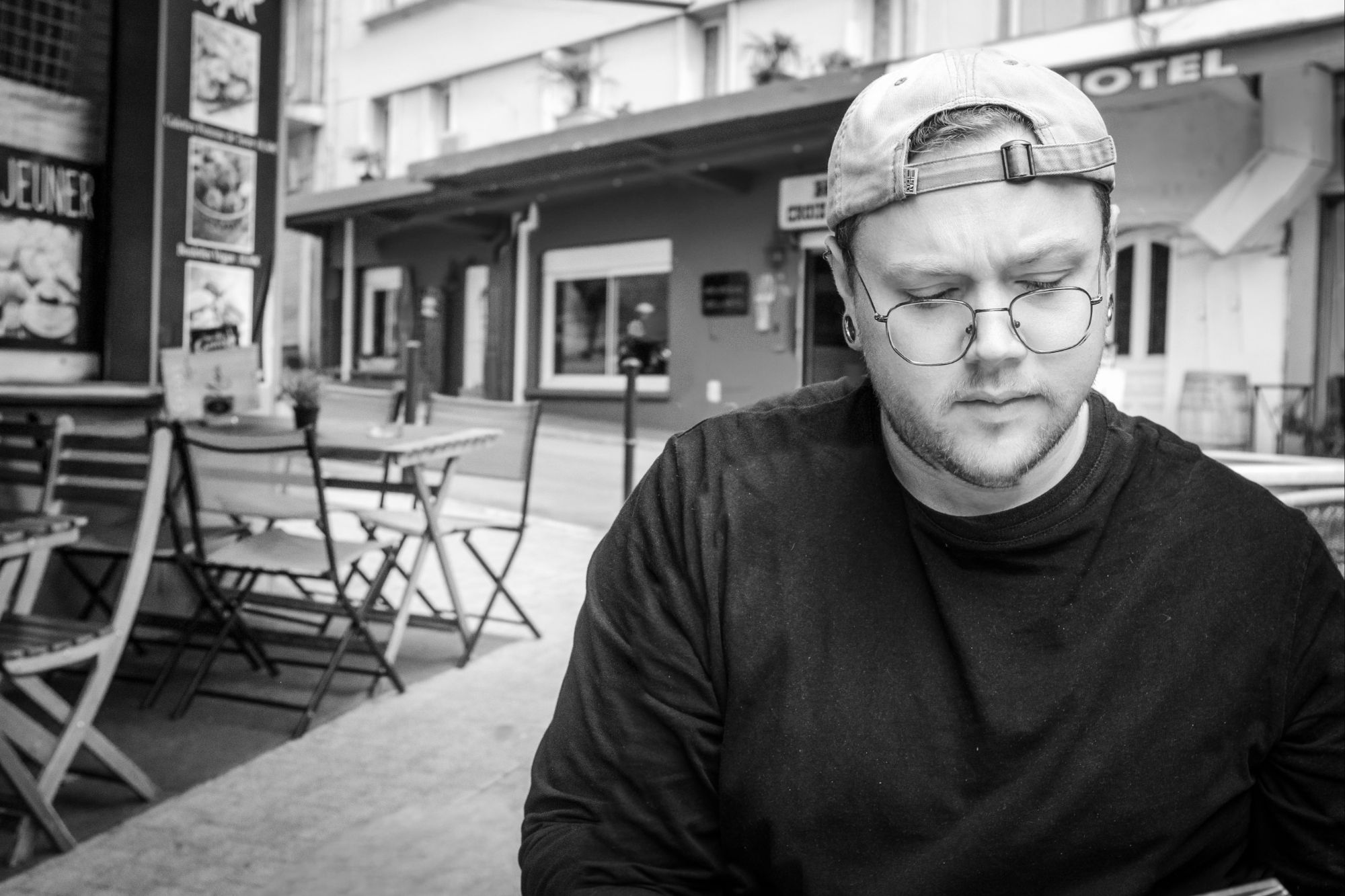
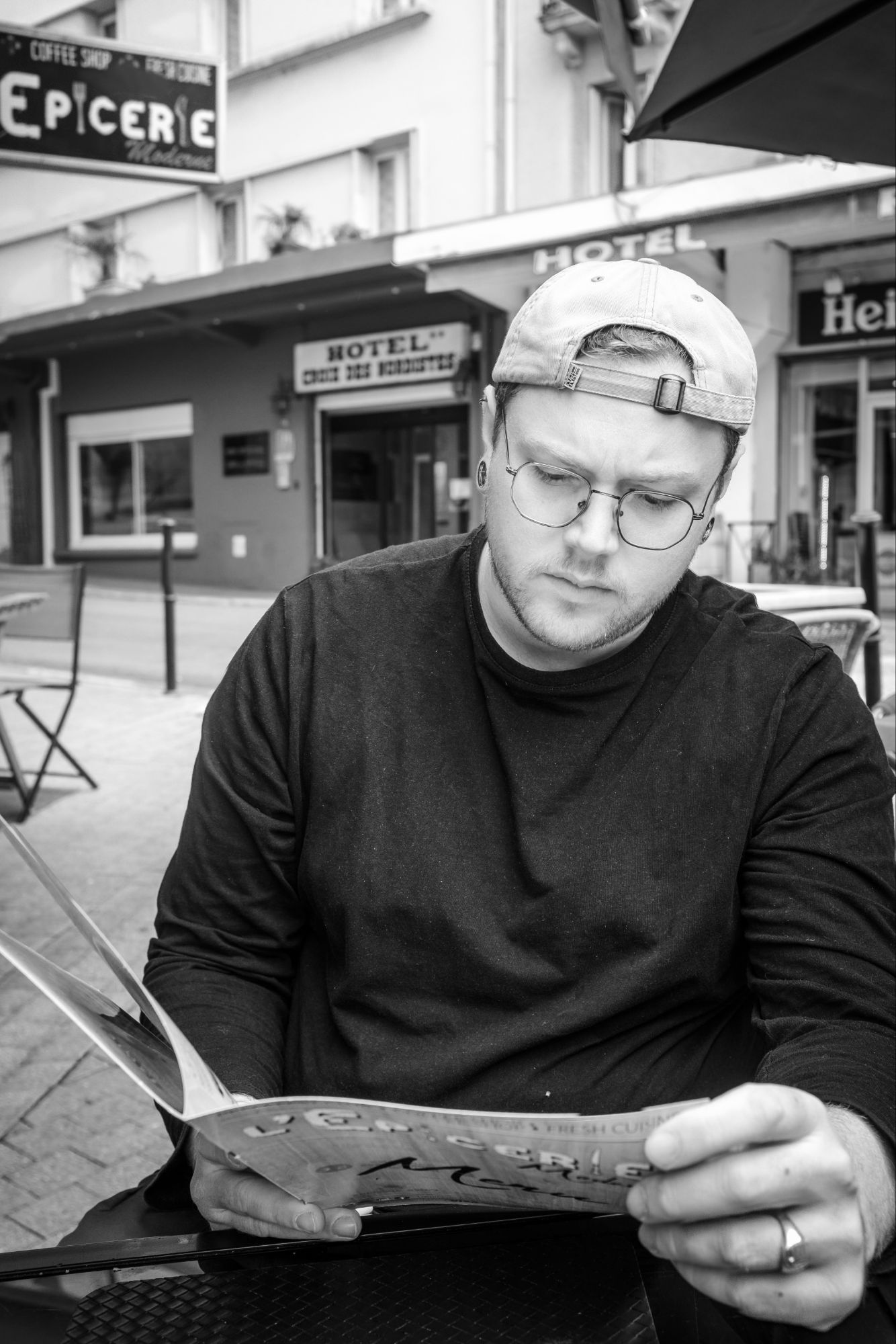
When your son tells you 2025 is going to be his year, you smile, nod, and try not to think about how quiet the house will be once he’s gone. But before Killian set off into his new chapter, he offered me something unexpected: one last road trip—just the two of us.

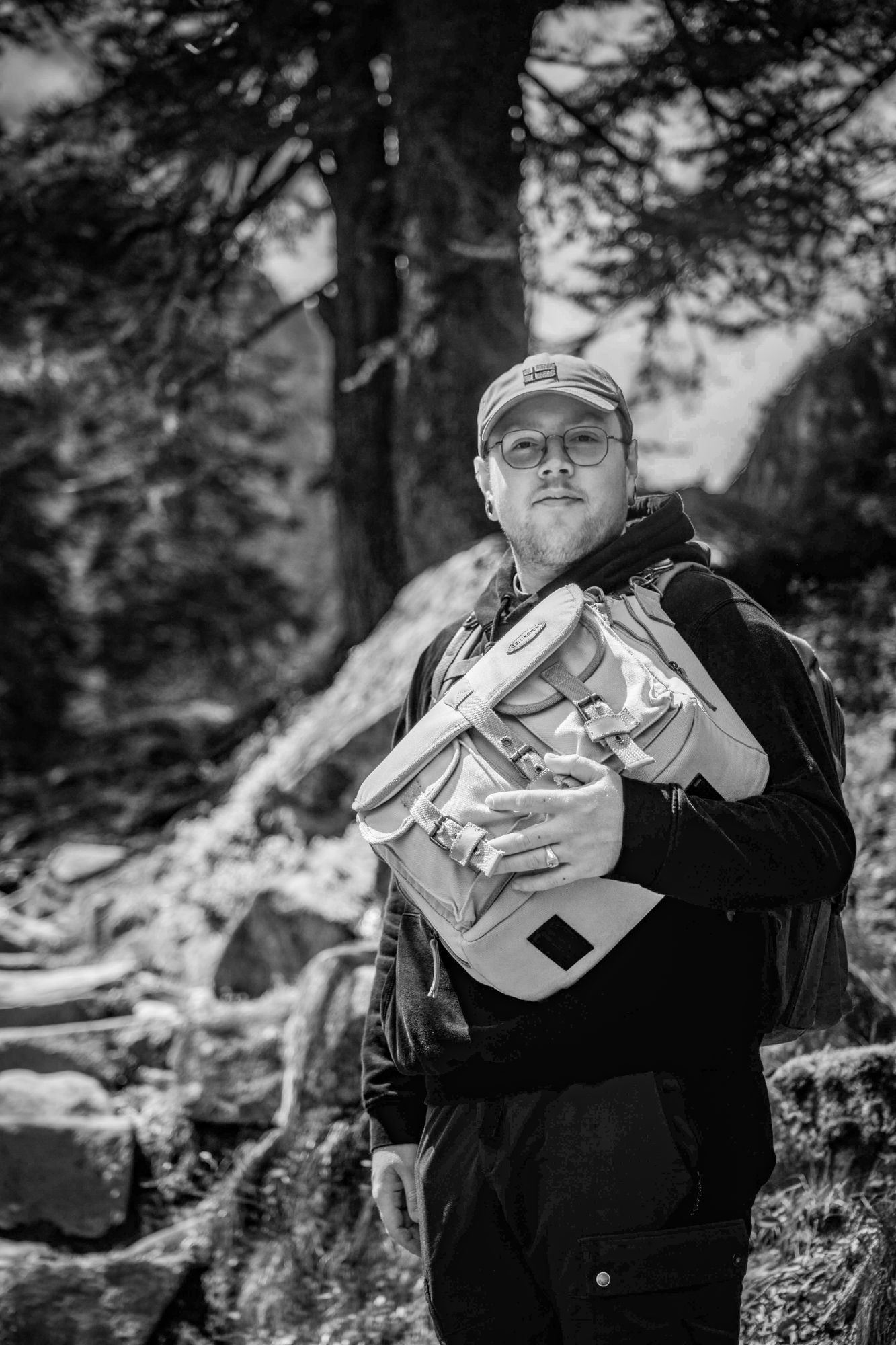
You might well be aware that I have a son. His name is Killian, he’s 26, and he’d been living at home since a rather painful break-up. My wife had been dropping “subtle” hints for months, wondering aloud when her boy might consider leaving again. Last year, he brashly declared that 2025 would be his year.

The little bugger was true to his word. I now live with my wife and daughter, firmly in the minority. Molly, the dog, and Zombie, the cat, are both girls. The only other male left in the house is Mamaduke, the other cat—and he was neutered as a kitten.

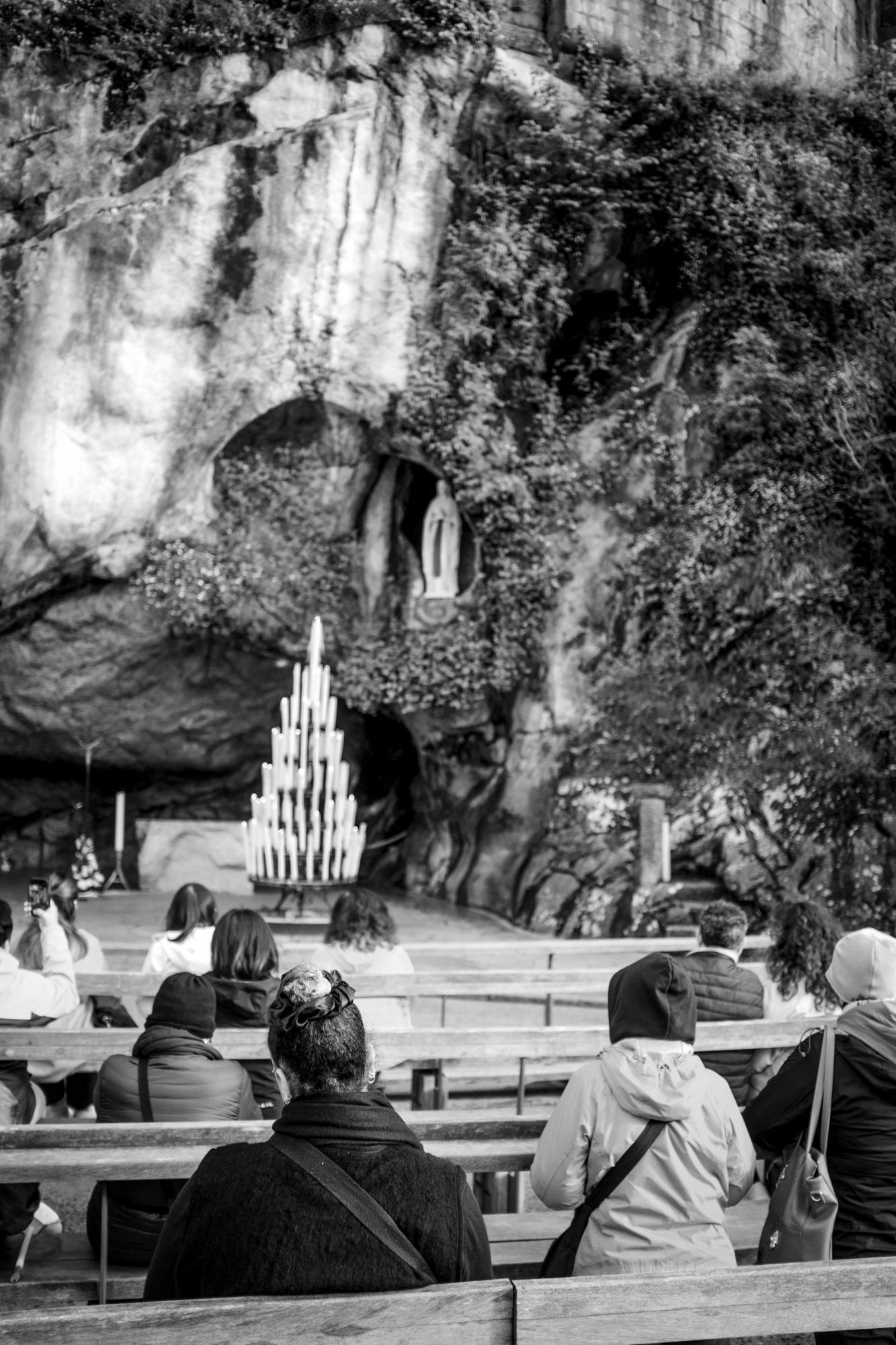
Feeling somewhat emasculated, Killian offered to accompany me on one final road trip before leaving me alone with all this oestrogen. He suggested we return to Lourdes, as we had done back in 2019. He was a different man back then—brighter around the eyes, more reckless, maybe—but he has since matured through his heartache, and the healing that followed.

The Airbnb was booked and paid for. The car was ready. We were ready. My wife was looking forward to some peace and quiet. We’d be fine, and yes, we promised to send messages on the way to let her know where we were. We had the whole week off work, and this four-day visit would give us a bit of time together before he started this new chapter of his life. One last Ian-and-Killian trip.

On the way down, I quickly learnt that I’d have to hand over control of the music. That was going to be interesting.

He still hates selfies, and is terribly self-conscious about being on camera. So when he spotted my phone recording the both of us, he just muttered, “Mais quel enfer…” The road was very quiet for most of the journey, and things only got rough around Bordeaux. We passed a lorry on its side, cargo strewn everywhere. We said a quiet prayer for the driver. It was a sobering reminder of how fragile life on the road can be.

Killian kept a close eye on me as we tackled the ring road around Bordeaux, directing me with impressive calm. Once we got past the city, things settled down—so did we. Frequent stops for coffee, and fresh air at service stations helped. I wasn’t about to push through and risk ending up like that poor lorry driver. My wife would kill me if I died…

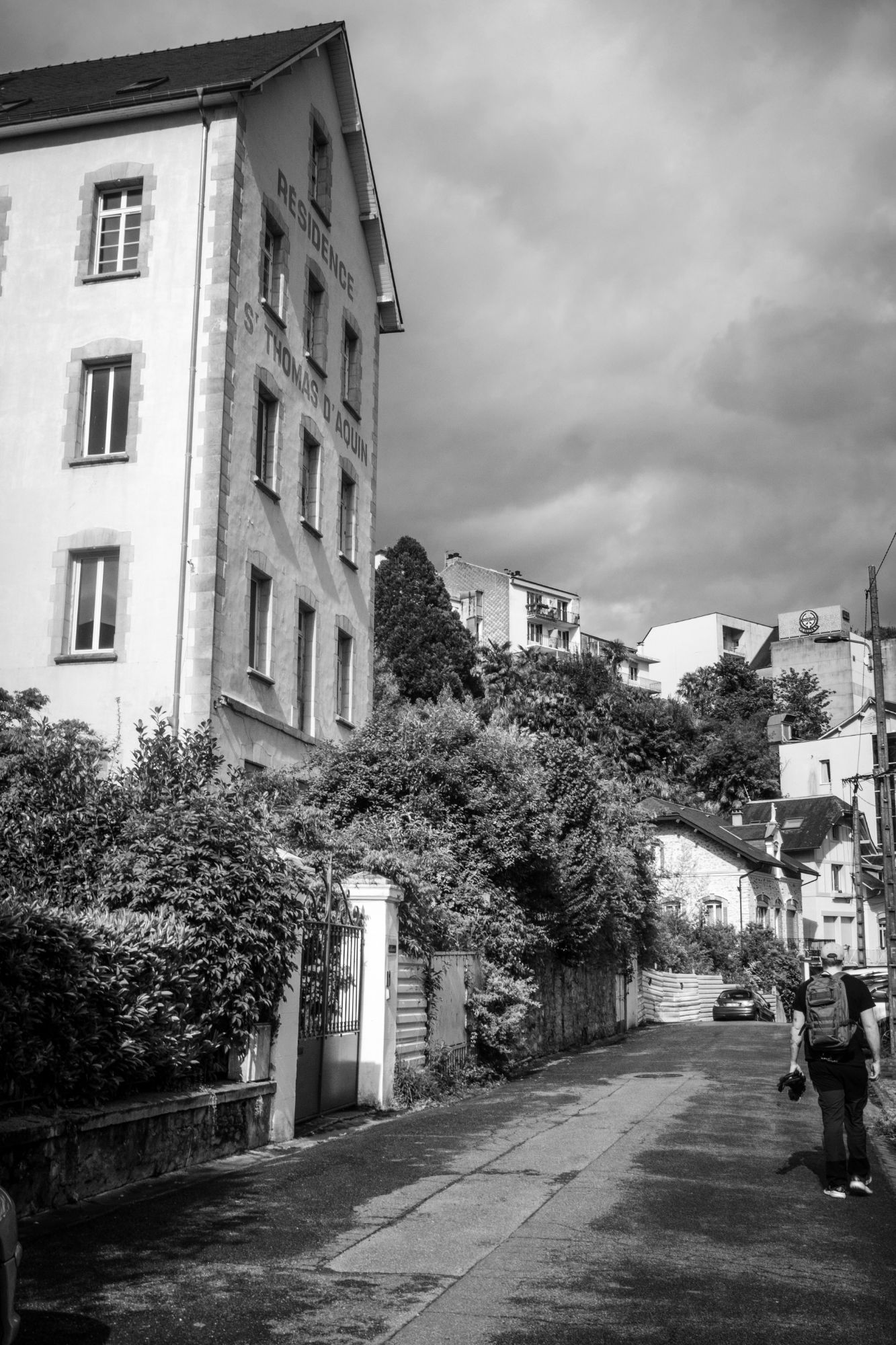
We managed to find our digs for the stay, and although small, it was perfect for the two of us. Killian made us dinner, and we got to bed feeling happy to be alive, and happy to be once again in Lourdes.

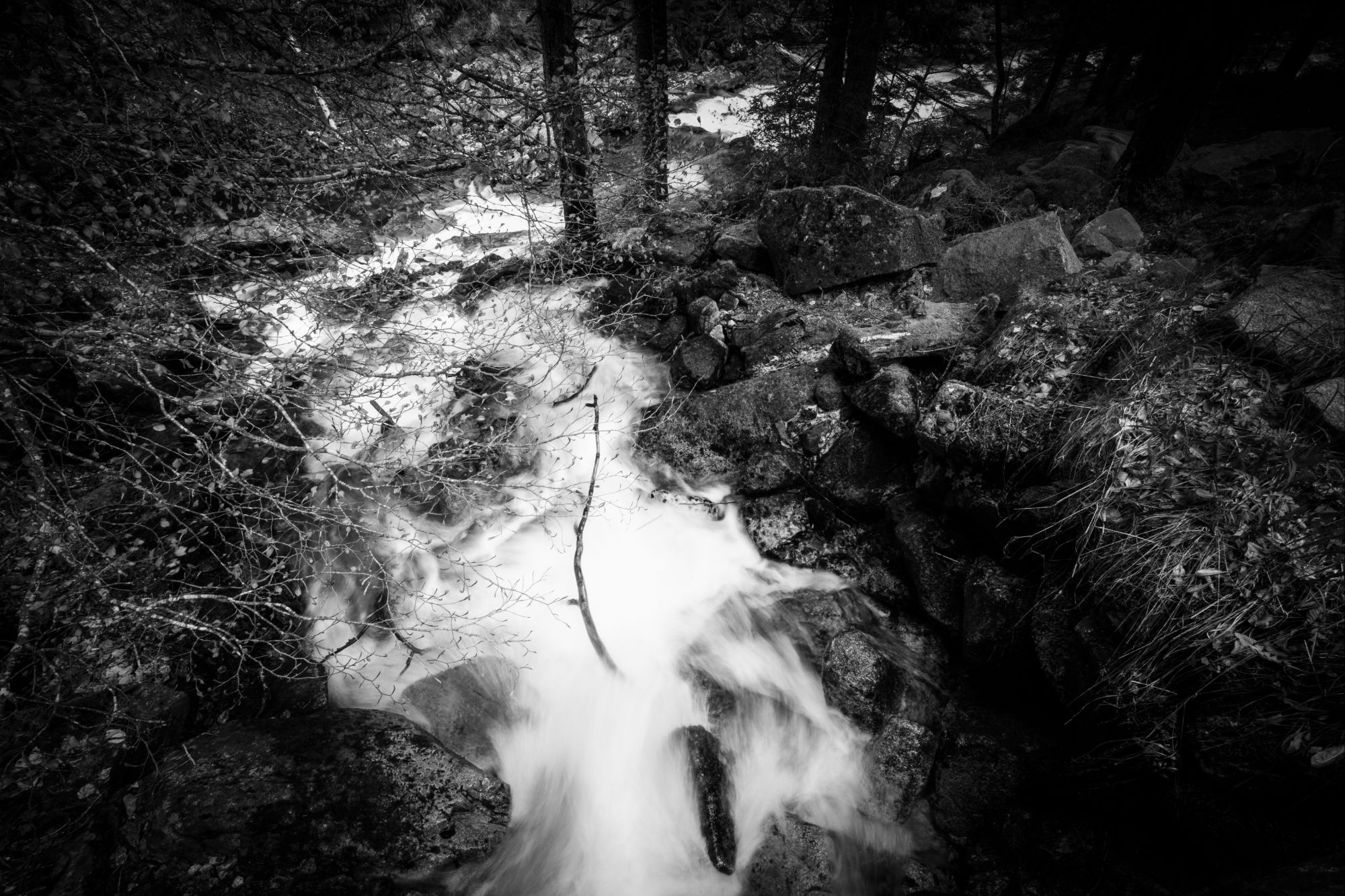
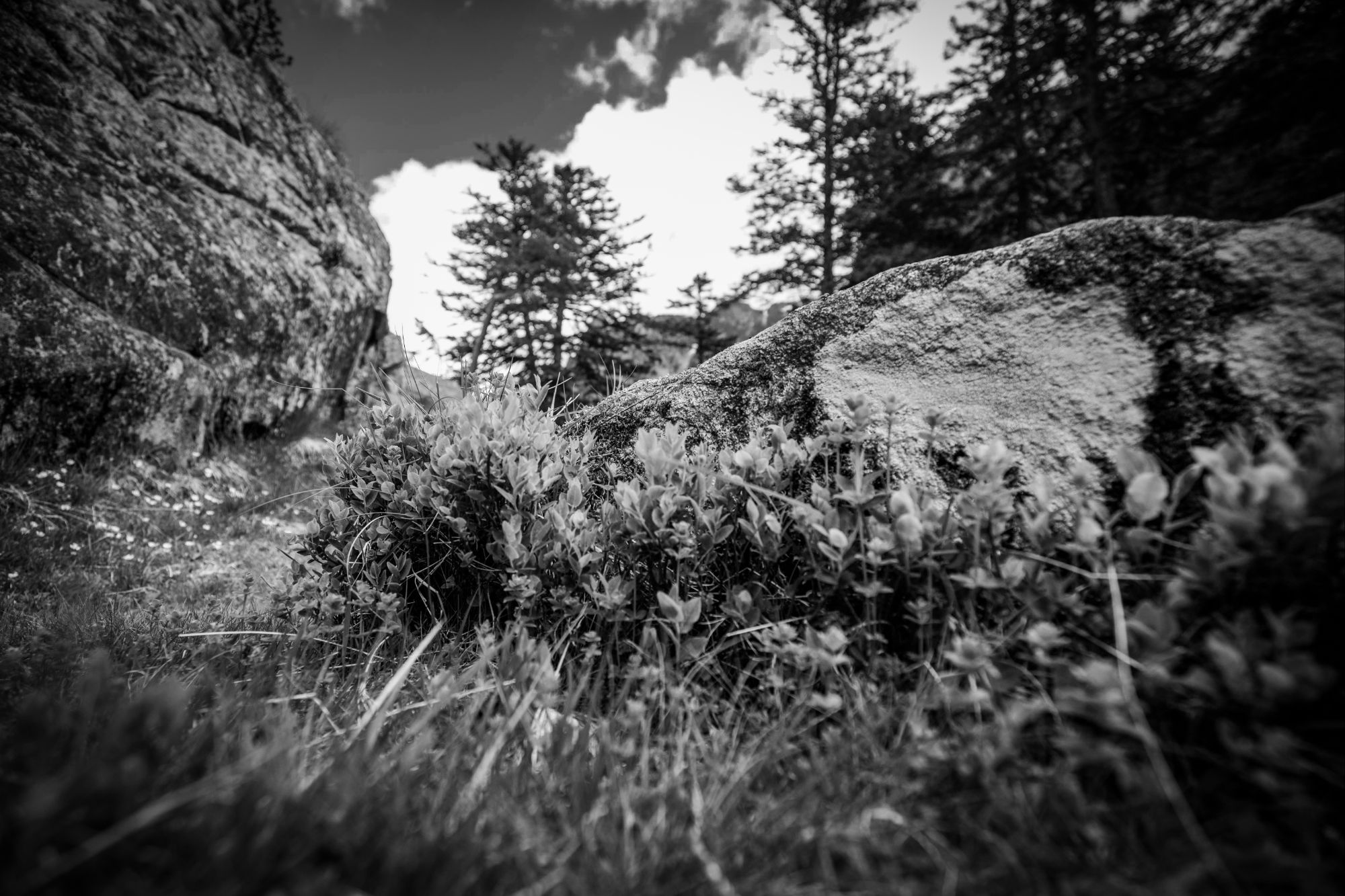
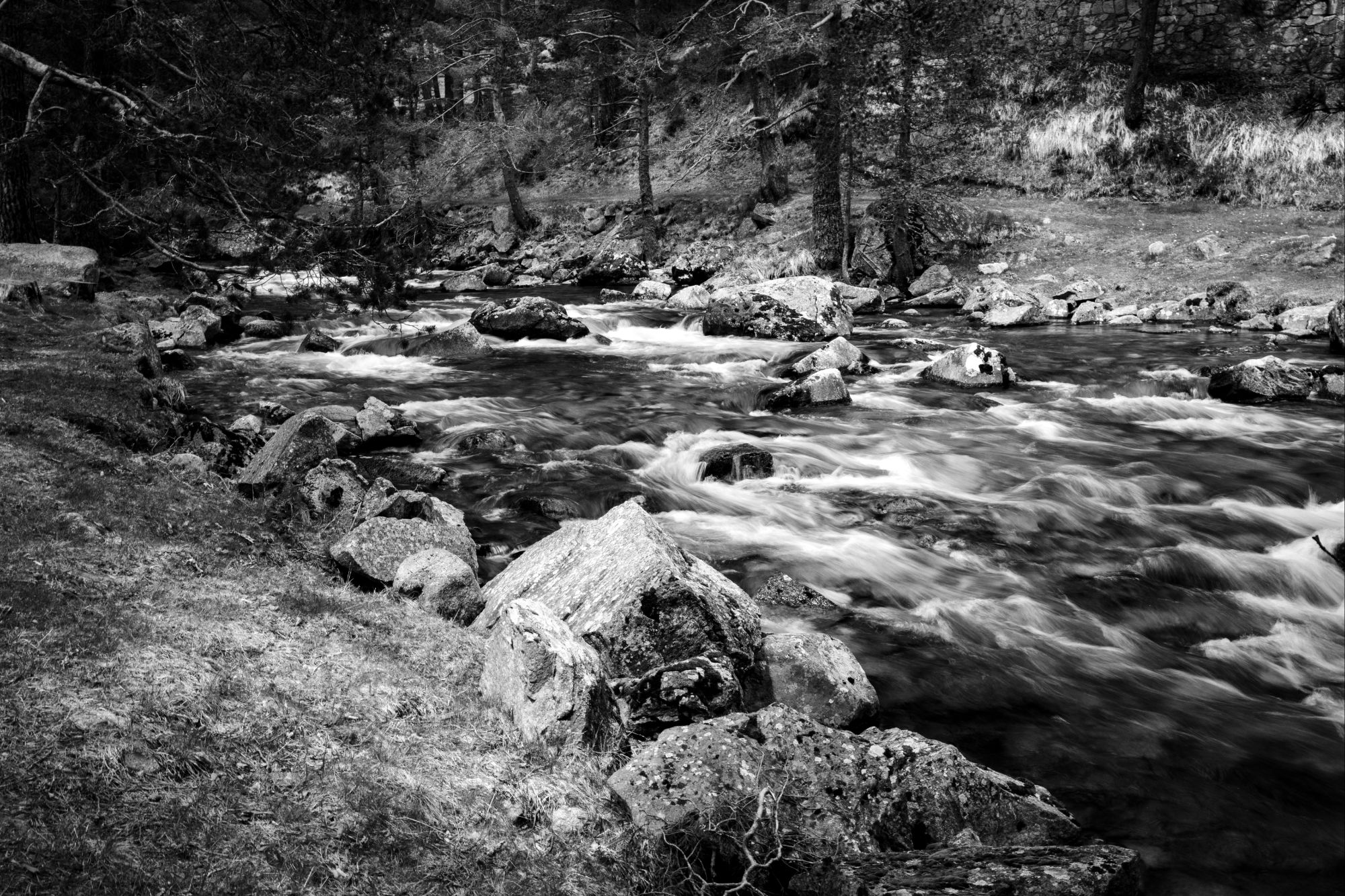
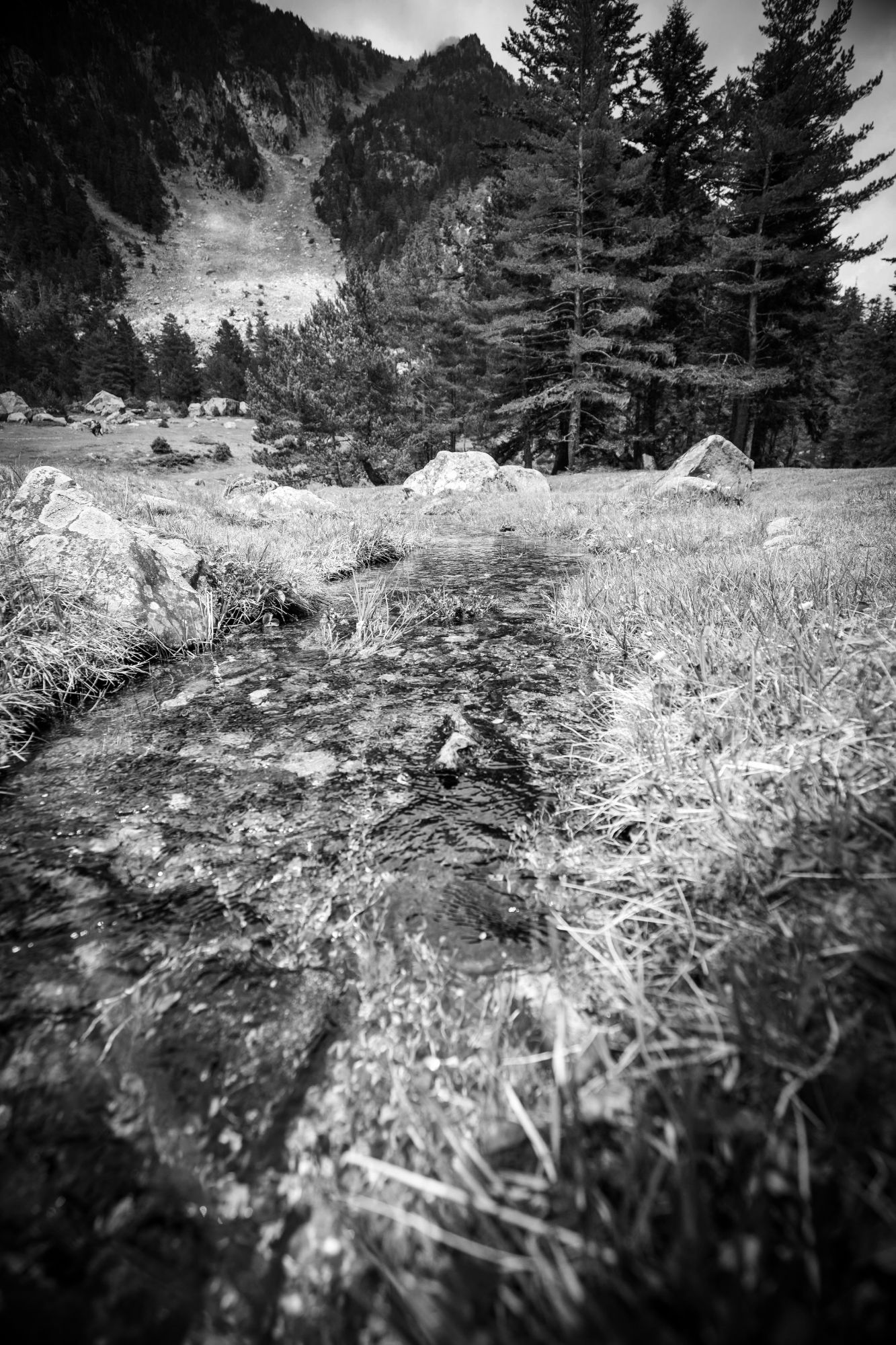
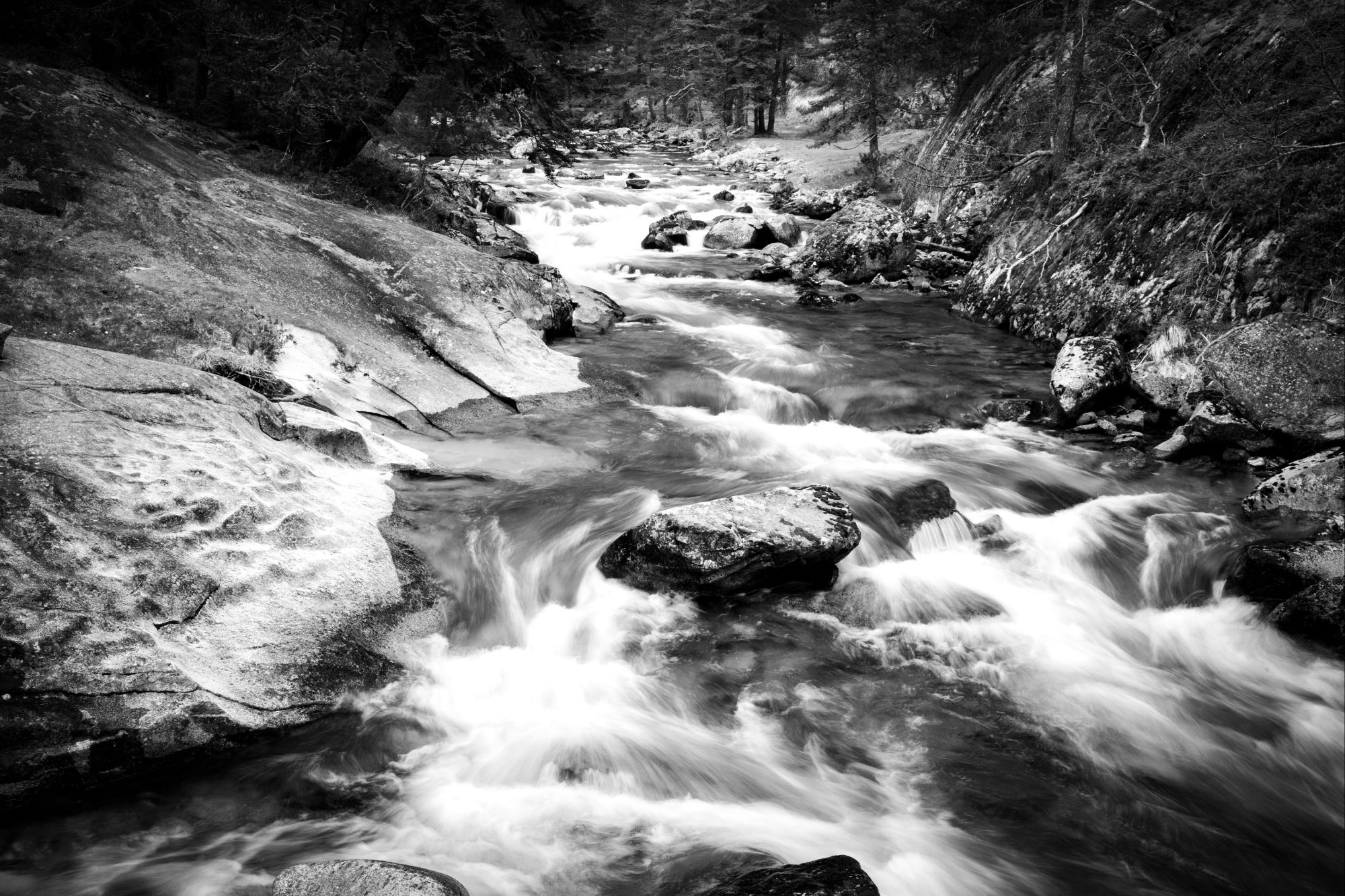
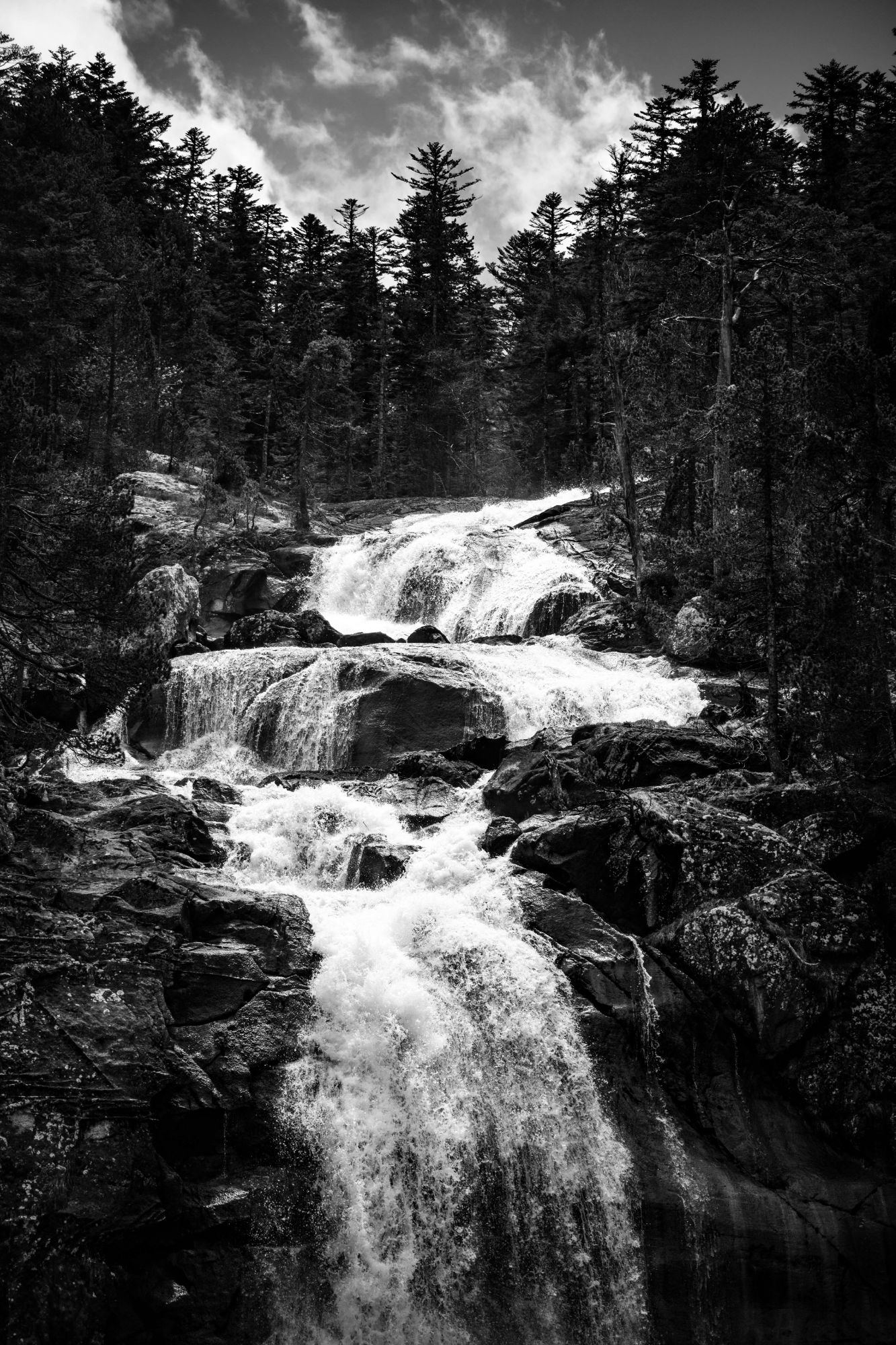
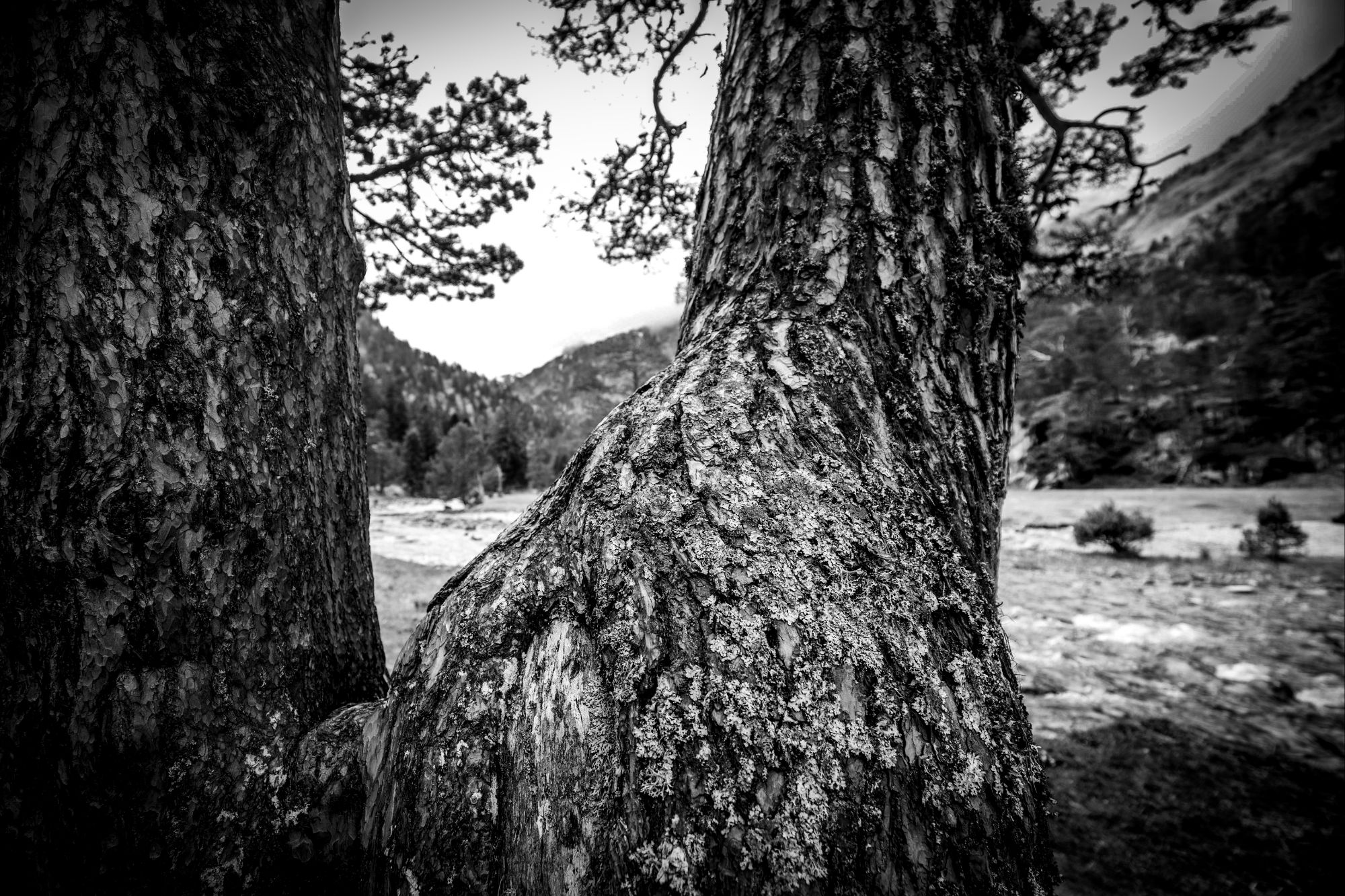
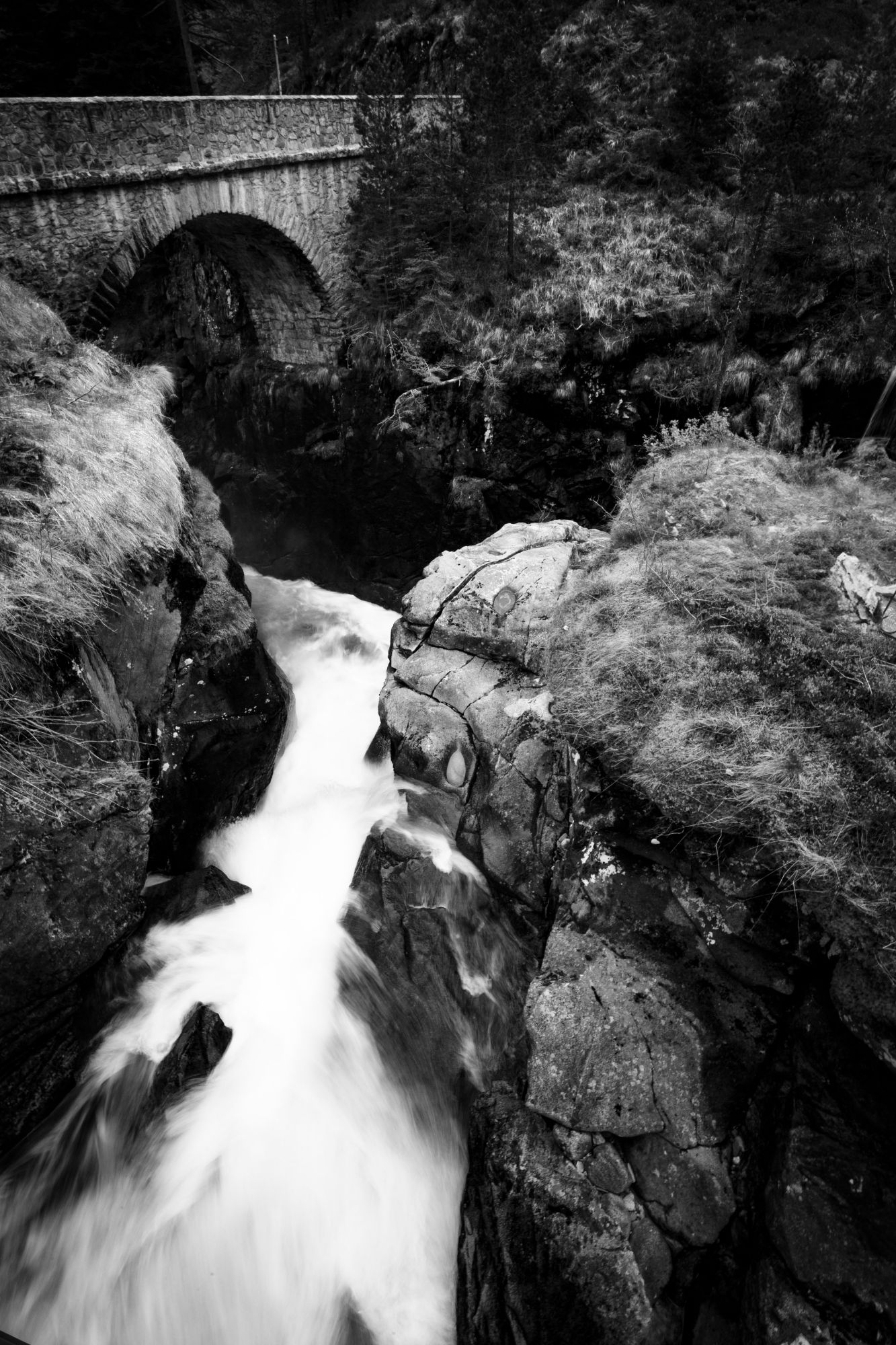
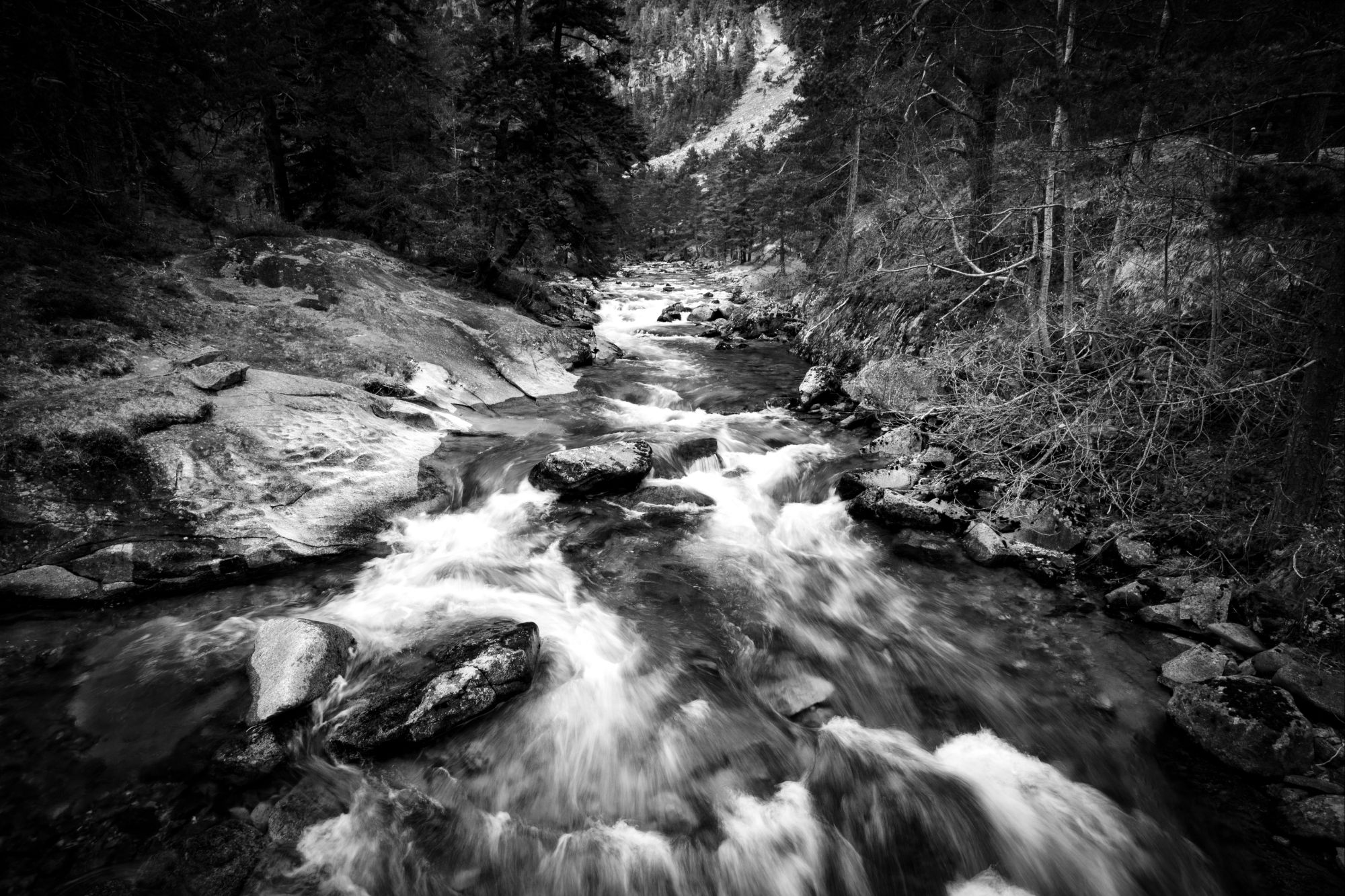
We would go down to the Sanctuary the next morning, say hello to Our Lady, maybe go to confession, and visit the baths. Killian wanted to go to Spain, but since I didn’t have our passports, that wasn’t going to happen. I had decided not to overdo anything, and just see where the trip would lead us. No stress, and no rigorous schedule. All I wanted to do was to get to confession, to Mass, and get some water, take some photos, and film to make a video. Killian wanted to go to the Pont d’Espagne, which—despite the name—is in France. But more about that later…

Through the Lens of Love: Reframing Shakespeare’s Sonnet 18


I can hear you already, Dear Reader:
“Hang on—I thought this blog was about travel photography and orchestra tours in China?”

As John Cleese once said:

“And now for something completely different…”

Cue the Monty Python music—though this isn’t a cue for absurdity. No fish-slapping dances today.
This is about something more dangerous.
Love.
And Shakespeare.

Because—let’s face it—love, actually, is all around us (thank you, Hugh Grant).
We’ve sung it:

All you need is love.
Love lifts us up where we belong.
L is for the way you look at me…

We’ve worshipped it, doubted it, messed it up, and come crawling back to it. Love is a million things at once: cringeworthy, glorious, selfish, sacred.
But the question still nags:
Can love ever truly last?
Or does it begin to fade the moment it’s held too tightly—like a flower picked for its beauty, already wilting in your hand?

Framing Love Through a Different Lens

Lately, I’ve been experimenting with video—combining image, voice, rhythm, and mood. So I made a simple film of me reading Sonnet 18. Just that. No music. No flair. Just words and breath.

“Shall I compare thee to a summer’s day?”

It’s one of Shakespeare’s most enduring sonnets—often quoted, rarely thought about beyond the first two lines. But I kept coming back to it. The idea that beauty, once seen, must fade. That time steals everything. And yet, art—poetry, photography—dares to say, maybe not.

A Thousand Words (and Then Some)

Somebody once said a picture is worth a thousand words. Even—dare I say it—words from the Bard himself.
And I think photography, at its best, tries to do what Shakespeare was doing: hold something fragile in the light. Give it form, give it space to breathe. Defy time.

“So long as men can breathe or eyes can see,
So long lives this, and this gives life to thee.”

Photography, like poetry, tries to preserve what’s already slipping through our fingers. The moment. The light. The love.

The Beauty of Fleeting Things

Now, I’m no literary scholar, but I’ve read enough sonnets to know that Sonnet 18 isn’t just flattery. It’s an argument against impermanence.
Yes, the beloved is “more lovely and more temperate.” Yes, “summer’s lease hath all too short a date.” But what makes the poem sing is Shakespeare’s refusal to let beauty fade quietly.

He doesn’t just admire. He memorialises.
And in doing so, he teaches us something profound:
It’s not the flower that lasts—it’s the memory of the flower.

In the North of England where I’m from, summer is short and unpredictable. Think Whitley Bay in May, where shirtless Geordies drink lager for temperature control, and the ice cream vans do brisk trade under grey skies.
We know the value of warmth because we only get so much of it.

Now, here in France, the summers are longer—but just as fleeting in their own way. The light is different. Softer. Still just as hard to hold on to.

Love Over Time

This brings me to the other lens I’m always looking through: my marriage. My wife and I met over three decades ago. We’re not the same people we were in our twenties—and thank God for that. Love has changed. Grown. Softened. Been tested. And held.

What I felt for her then wasn’t what I feel now—and yet it was the seed of it.
Love doesn’t stay still. That’s its curse—and its beauty.
The woman I love today isn’t the girl I fell for. She’s a mother, a partner, a woman of strength and kindness. My love for her has lines and weight now. It’s been through storms.

The Voyage and the Wind

There’s a line in the sonnet:

“By chance or nature’s changing course untrimm’d…”

Untrimmed sails. It’s a nautical image. Love as a voyage. And not always one with calm waters.

As a Catholic, I believe in the indissolubility of marriage. That it’s not just about romance, but about helping each other get to heaven. My in-laws divorced; my own parents didn’t. I’ve seen love crack. I’ve seen it heal.

Marriage isn’t a fairy tale—it’s work. But it’s also a grace. When it’s hard, I try to fix things rather than walk away. Not always perfectly, but with intention. And, frankly, with faith.

Love Through Generations

My son has just left home—for the second time—after his first real heartbreak. It was messy, as first loves often are. But he’s learning, like we all do. Hopefully he’ll come through it wiser, maybe even gentler.

My daughter’s still a child—full of confidence and conviction. She thinks she knows what love is. I just hope I can guide her without crushing her wonder.

Love, like light, bends. It shifts over time. And sometimes, we only recognise its shape in hindsight.

Art, Memory, and the Illusion of Permanence

A photograph feels eternal. But look again a few years later, and the people in it start to look like ghosts. Hair a bit darker, clothes out of style, expressions younger than we remember.

Art doesn’t stop time—it echoes it.
We take photos because we want to remember. Because we want someone—someday—to know we were here.

That’s the power of Shakespeare’s sonnet.
He didn’t name the beloved. We don’t know who it was written for. But we feel the love.
That’s the part that endures.

Conclusion: Remember Me

I think, deep down, we all want more than to be loved.
We want to be remembered.

That’s what a sonnet does. That’s what a photograph can do. They capture light—just for a moment—and give it a place to live.

Sure, the image will fade. The print will yellow. But the feeling? That can echo for generations.
It might not be eternal in years—but it can be eternal in resonance.

So long as men can breathe, or eyes can see…

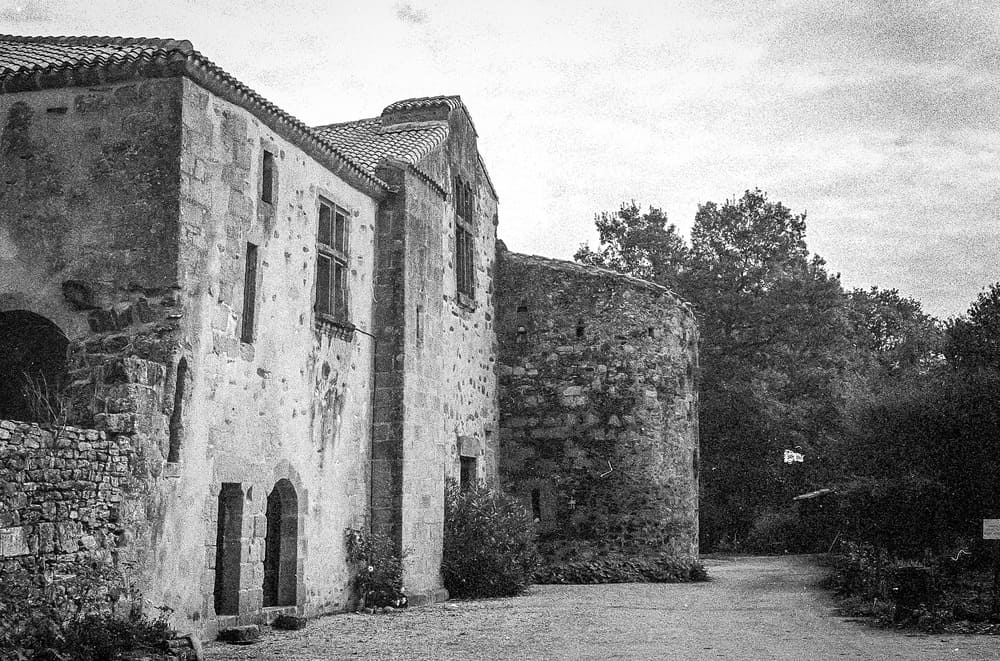
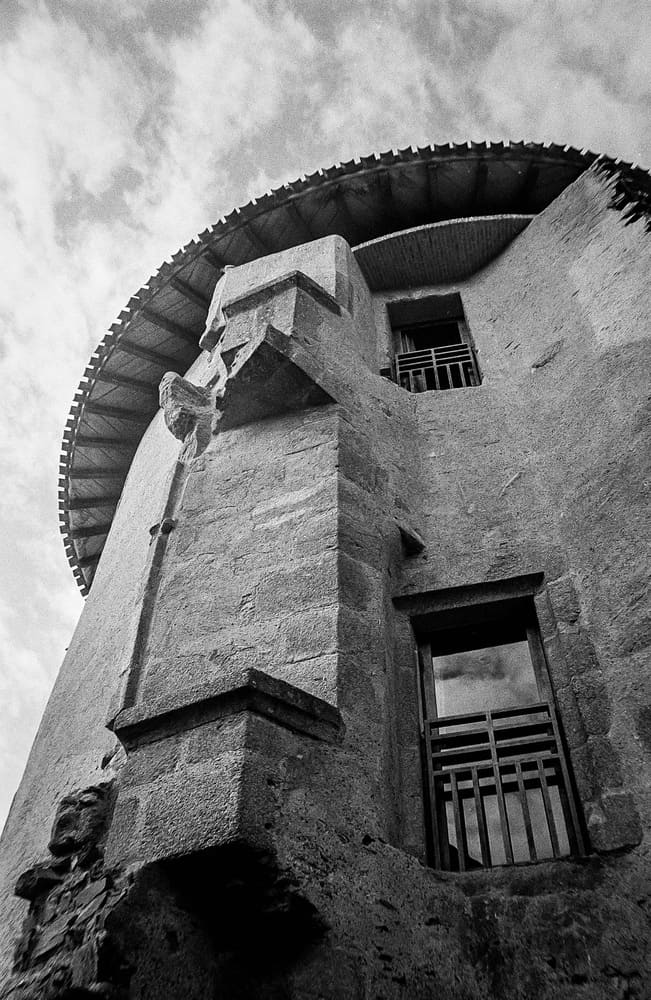
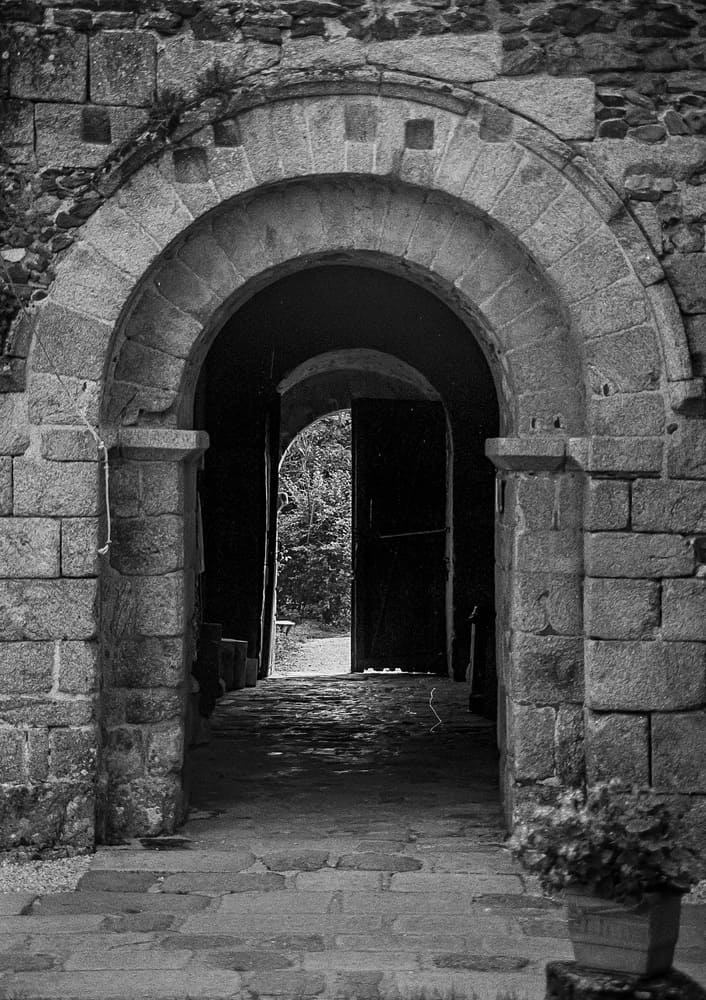
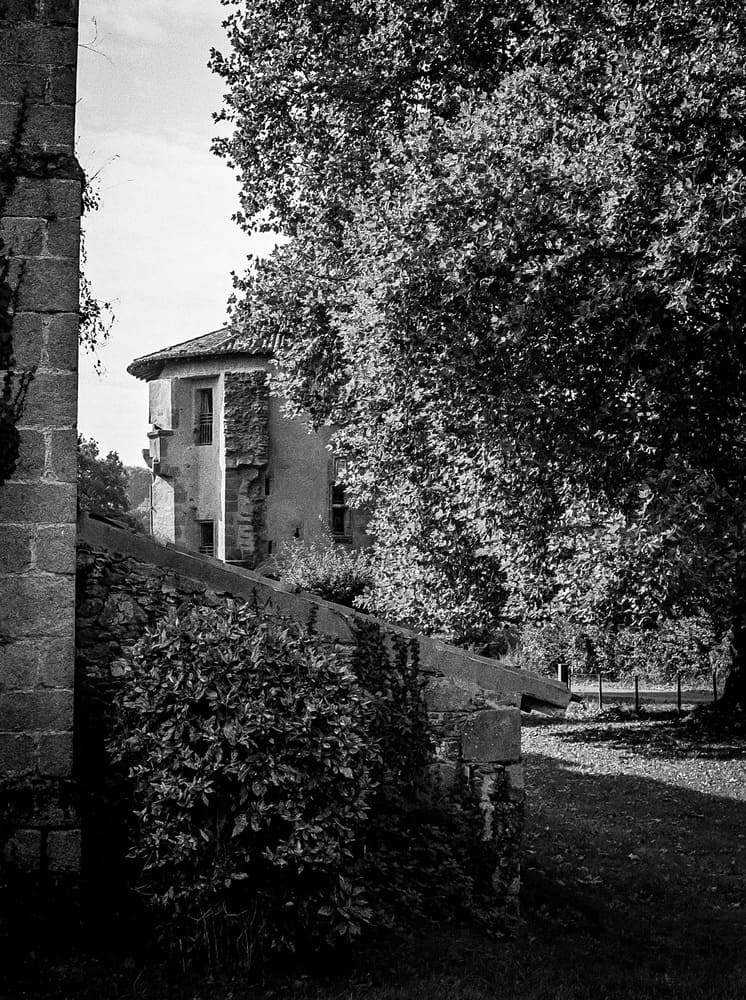
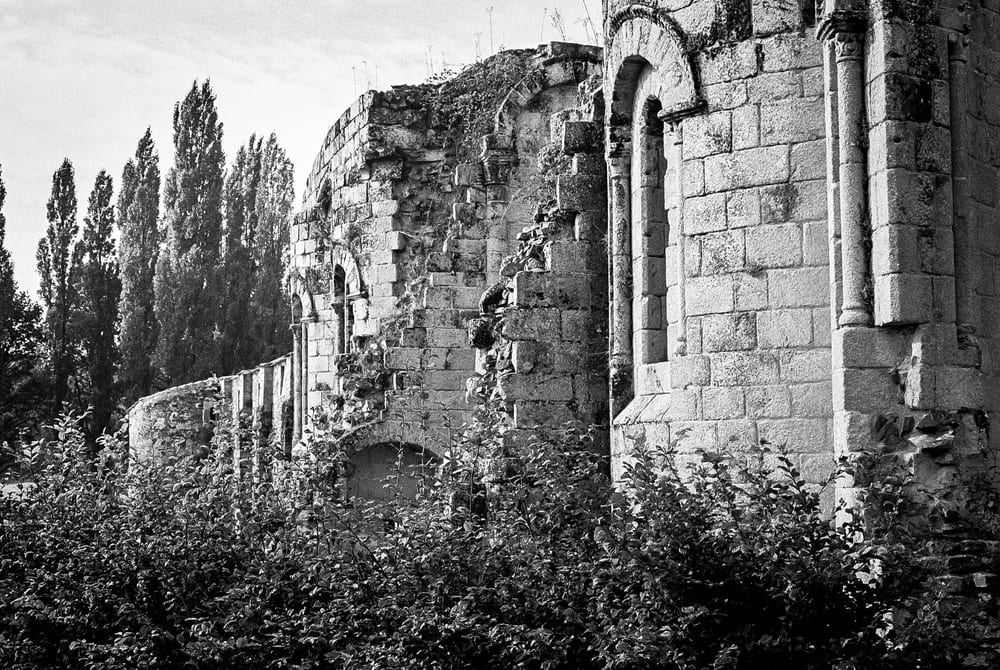
The Opening of the Film Archives—Abbaye de la Grainetière, October 2016


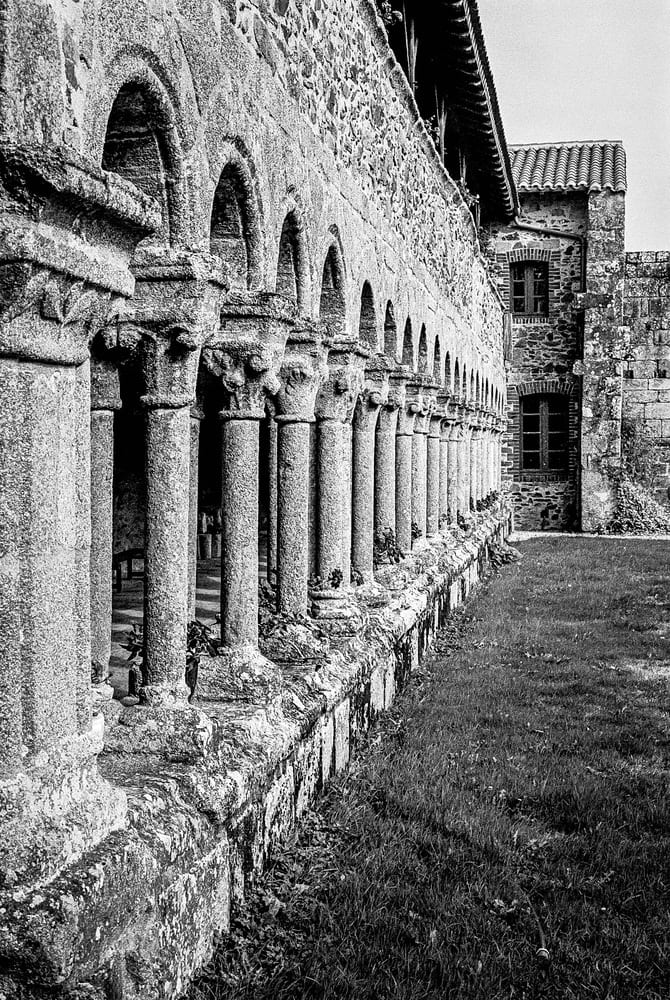
“They” say that if you leave your child to the Jesuits for seven years, then that child will belong to the Jesuits for life. I am not a Jesuit, but I was heavily influenced by the Benedictines when I went away to prep school in 1980. Mummy, Daddy, let me reassure you, this isn’t about Gilling—some things are better left in the past. This article will instead focus on a different Benedictine site, one that I visited much later in life: l’Abbaye de la Grainetière, a peaceful monastery here in the Vendée.

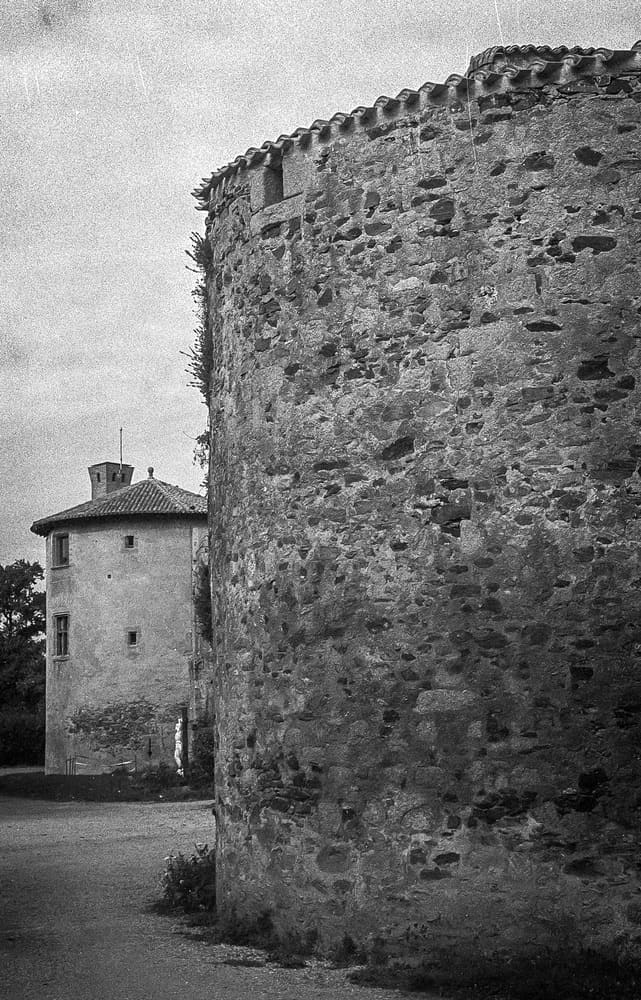
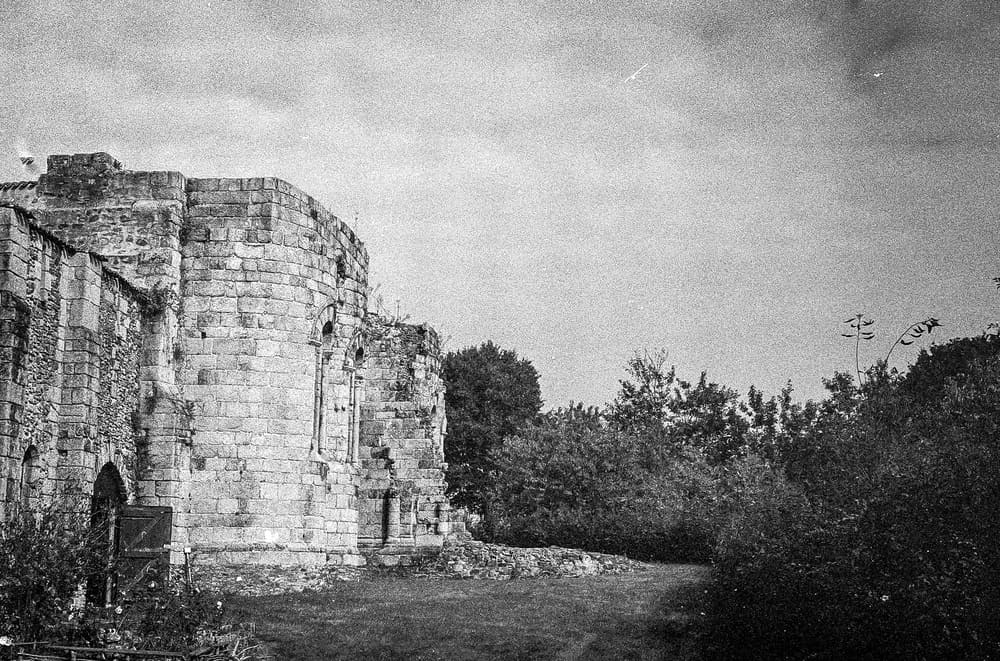
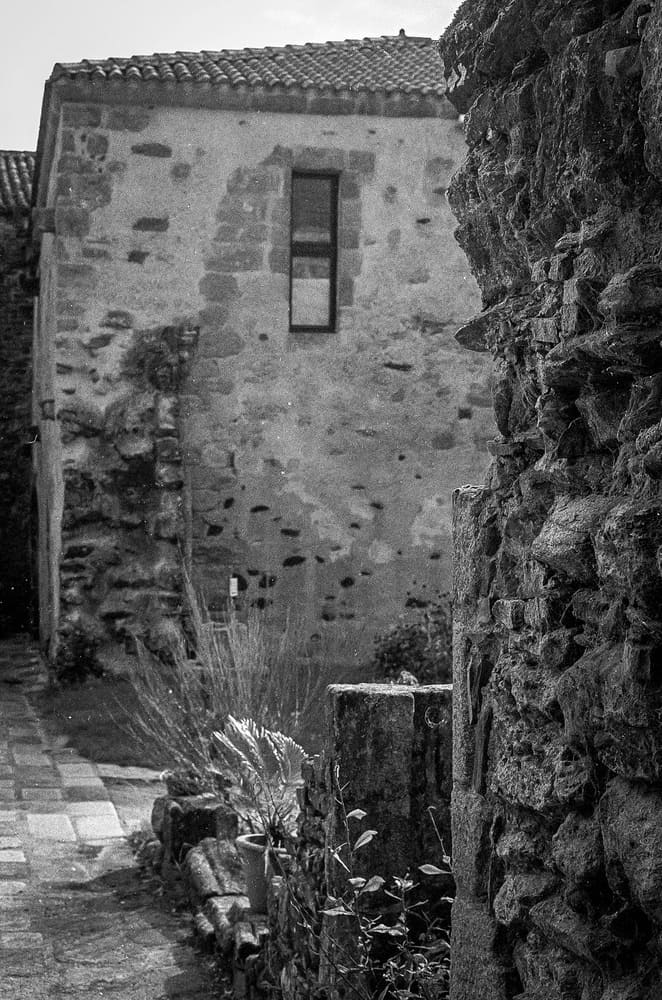
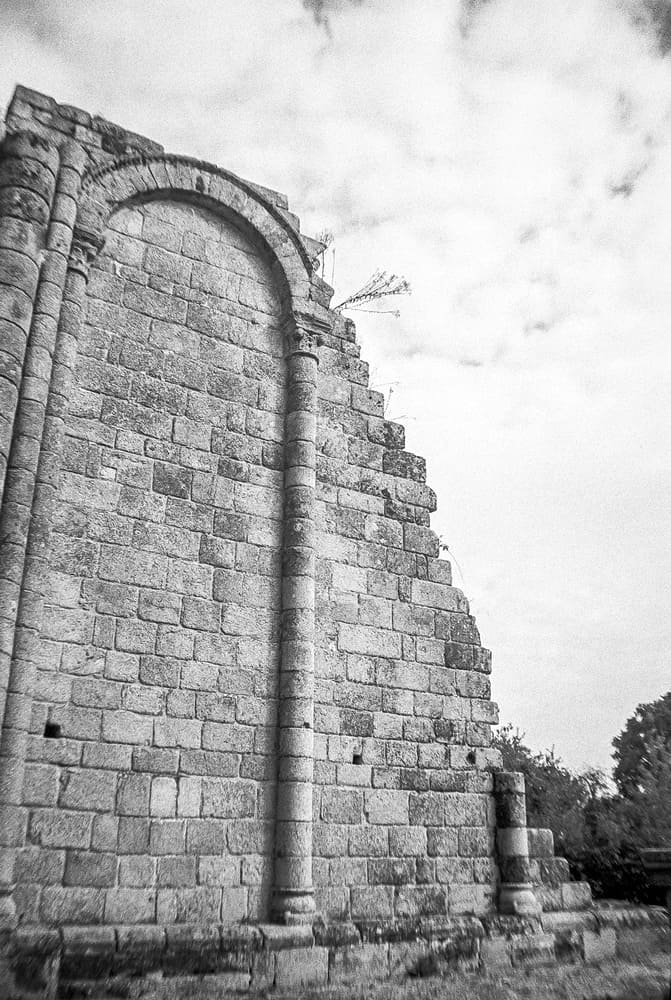
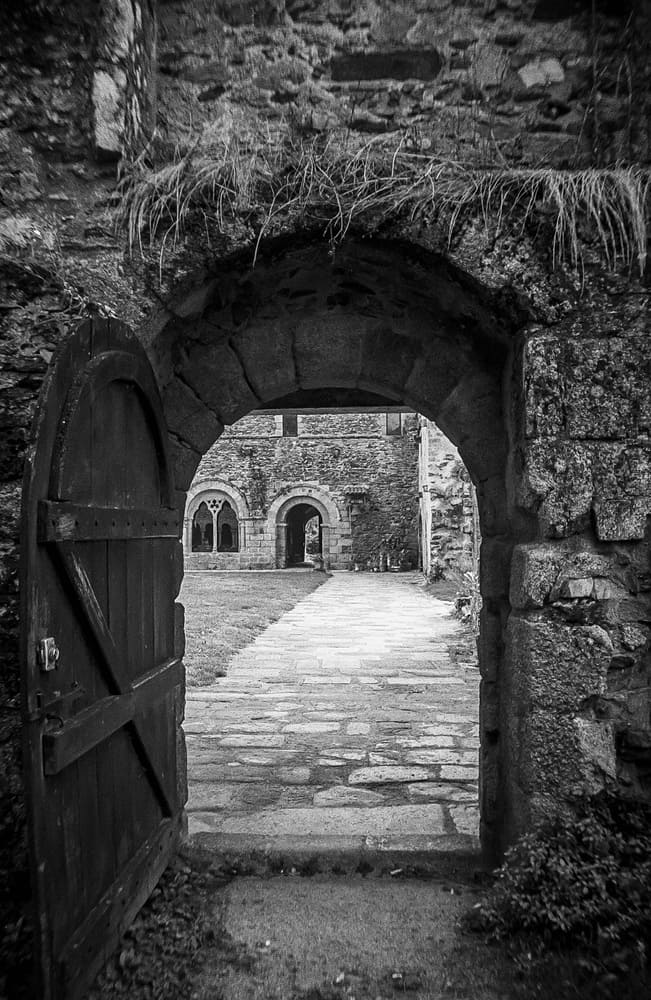
The Abbey of Notre-Dame de La Grainetière, on the outskirts of the town of Les Herbiers in Vendée (France), encompasses nearly nine centuries of tumultuous history. For over 50 years, numerous restoration works have been undertaken. These efforts allowed for the re-establishment of a community of monks at the end of 1978, nearly 200 years after the abbey was abandoned by the monks, shortly after the Revolution of 1789. Classified as a historical monument since 1946, many volunteers are working to continue the legacy of La Grainetière.

To those of you unfamiliar with the ins and outs of the Catholic Church, the role of monks is to live in community, and their main duty is to pray for us in the wider community. The monks elect a Father Abbot, who is responsible for running the monastery. In centuries gone by, the Abbot would wield a huge amount of influence, but this power has been reined in over time and is less evident outside the monastic community.

When I visited l’Abbaye de la Grainetière, I couldn’t help but reflect on how different this Benedictine monastery felt from my school days. The quiet prayer, the stillness—it offered a kind of peace that I hadn’t experienced for a long time, and a life that was once very appealing to me.

The monks follow the Rule of Saint Benedict, a foundational guide for monastic life that addresses not only prayer, but also how to live both within and beyond the monastery walls. Though written for monks, many of its teachings have been adopted by the laity seeking a structured, spiritually focused life.

I could almost say I envy them the simplicity of monastic life compared to the complexities of modern society and family life—juggling careers, responsibilities, and the endless distractions of today’s world. While I don’t regret the joys and vibrancy that come with having a family—something perhaps lacking in monastic life—it’s hard not to admire the stillness and purpose that a simpler existence can offer. We all have different vocations in life. Mine was to be a father.

As I packed away my camera and left the grounds of l’Abbaye de la Grainetière, I found myself still pondering the contrast between the quiet, ordered life of the monks and the complexity of my own. In some ways, visiting the abbey felt like opening a door to a simpler time, a place where life seemed more focused and more deliberate. Yet, as much as I admire the peace found within those ancient walls, my own path has led me elsewhere—to the joys, challenges, and unpredictability of family life.

In the end, it’s not a question of envy or regret, but rather a reminder that we all find our peace in different ways. For the monks of l’Abbaye de la Grainetière, it lies in prayer and solitude. For me, it’s found in the laughter of my children, the shared moments with loved ones, and yes, even in the rush and noise of everyday life. Each vocation, after all, carries its own kind of grace.

Perhaps that’s what lingers with me most from my visit to the abbey—not just the tranquillity of the place, but the realisation that we each have our own rhythm, our own way of navigating the world, and there is beauty in all of it.

Post Scriptum:

The photos were taken with a Canon AE1, and its FD mount 50mm F1.8 lens, using Ilford HP5 + black and white film.

Navigating the Digital Abyss: Unmasking the Devil’s Tactics in Online Discourse


In the vast expanse of the digital landscape, where opinions clash and egos collide, a subtle malevolence seems to linger—the devil finds a home in the chaos of internet comment sections. This virtual realm, often hailed as a marketplace of ideas, reveals a darker side where the battle for truth is marred by the cacophony of raw emotion and the absence of reasoned discourse.

The Temptation of Raw Emotion

Engaging in these comment sections is akin to stepping onto a battlefield without body armor, where every keystroke can be a weapon, and reason is the first casualty. As I ventured into a discussion on the joys and challenges of parenthood, the vitriol that followed made me question not just generational differences but the very nature of dialogue in our digital age.

I expressed my own personal experience of fatherhood and the joy that it has brought me. However, when I dared to offer my opposing perspective, emphasizing the personal and societal benefits of fatherhood, I was met with a barrage of hostility, misrepresentation, and accusations of being “evil.” These individuals, shielded by the anonymity of the internet, felt emboldened to lash out with vitriolic remarks, dismissing my views as irrelevant and even harmful.

For example, I was called a “dinosaur” and a “boomer” for expressing my support for traditional values. I was also accused of being “out of touch” and “selfish” for wanting to have children. I was told to “shut the fcuk up,” and “did you take your meds today?” I was told that I was senile and suffering from Alzheimer’s disease.

These personal attacks were hurtful, but more importantly they also served to try to silence my voice and prevent me from engaging in a meaningful dialogue. The devil, it seemed, had found a way to weaponize the internet , using it to sow discord and discourage open-mindedness.

The Echoes of Selfishness and Malhonnête Intellectuelle

In the realm of pixels and screens, one encounters not only differing perspectives but also a stubborn refusal to entertain dissenting opinions. It is a breeding ground for selfishness, where personal preferences override empathy and thoughtful consideration. The accusation of wanting to control others, merely for expressing a different viewpoint, echoes the selfishness that permeates our society.

The devil’s influence is further amplified by the prevalence of “malhonnêteté intellectuelle,” a French term that roughly translates to “intellectual dishonesty.” In the world of internet comment sections, this takes the form of misrepresenting or distorting opposing viewpoints, cherry-picking evidence to support one’s own argument, and engaging in ad hominem attacks. These tactics create an atmosphere of distrust and suspicion, making it even more difficult to have productive conversations.

For instance, when I highlighted the positive impact of fatherhood on society, I was met with claims that overpopulation was a more pressing issue and that personal freedom should trump the call to embrace the responsibilities of family life. These arguments were not only based on flawed logic but also served to dismiss the value of fatherhood and the importance of raising children in a stable and loving home.

The devil takes advantage of this self-absorbed mindset by encouraging people to dismiss opposing viewpoints as irrelevant or insignificant. This creates an echo chamber effect, where individuals are only exposed to information that confirms their existing beliefs, further entrenching them in their worldview and making it harder for them to engage in meaningful dialogue.

The Age of Navel Gazing

The reluctance to welcome diverse perspectives reflects a society increasingly prone to navel gazing—fixated on individual desires and comfort, dismissing the collective wisdom that arises from shared experiences. As I extolled the virtues of fatherhood, it was met with such dismissive responses as, “Who cares what you think?” and “Mind your own business.”

The devil takes advantage of this self-absorbed mindset by encouraging people to dismiss opposing viewpoints as irrelevant or insignificant. This creates an echo chamber effect, where individuals are only exposed to information that confirms their existing beliefs, further entrenching them in their worldview and making it harder for them to engage in meaningful dialogue.

The Church’s Wisdom: A Beacon in the Digital Abyss

In the teachings of the Catholic Church, one finds a call to discernment, humility, and the pursuit of truth. In the face of emotional onslaughts, the Church encourages us to be steadfast in reason, guided by love, and unyielding in our commitment to fostering a culture of life. As Pope Francis aptly noted, “We were created to love, and love demands an open heart, open to God.”

The Church’s teachings provide a valuable framework for navigating the digital abyss. They remind us that we are not merely individuals, but members of a larger community with a shared responsibility for creating a more just and compassionate society. They also encourage us to engage in dialogue with others, even when we disagree, with respect and open-mindedness.

Conclusion: The Path to Renewal

In our journey through the virtual abyss, we must don the armor of reason and the cloak of empathy. The devil, it seems, thrives on the breakdown of dialogue and the rejection of diverse viewpoints. Let us resist the temptation to succumb to raw emotion, and instead, strive for a digital discourse that reflects the grace and wisdom found in genuine human connection.

As we confront the devil in the comment sections, let our responses be guided not by the fleeting winds of emotion but by the enduring light of reason, compassion, and the timeless teachings that remind us of our shared humanity. Together, we can create a digital space that is more inclusive, respectful, and conducive to meaningful dialogue.

We must remember that the internet is not just a place for expressing our opinions; it is also a place for learning, understanding, and building relationships. By engaging in dialogue, we can transform the digital landscape into a space that fosters not only individual growth but also a more just and compassionate society. Let us reclaim the internet as a tool for good and use it to build bridges, not burn them.

Happy New Year


It would appear to be that time of year when everyone greets each other with the quasi obligatory Bonne Année. Usually followed by some generic wish such as Santé, Bonheur, and even Prospérité. Some have even dared to reduce it too Bonne et Heureuse… But let’s not talk about them.

A Message of Hope and Peace

I wish you a very Happy New Year. I wish you what you need to get through 2024, and what you need to affront the difficulties that you may face. But most of all, I wish you Peace. I wish you the peace that is said when Jesus said Peace be with you, or Shalom, or As-salamu alaykum. That inner Peace that we receive from our creator. This peace will bring you much more joy than mere health, happiness, and success. I think it goes much further than this “worldly” greeting.

Finding Peace in Solitude and Family

Over the Christmas period I have been on holiday, and have managed to find some of this more deeper notion of peace. I greatly appreciate my colleagues, but it was lovely just being with my family. And like with the Covid lockdowns, it gave me space, and rest, but most importantly, it gave me time. Time to be with my wife and children. Time to just be in their presence and feel the joy that they give out.

The Joy of Ironing and Shoe Shining

It also gave me time to complete my ironing and get that pile “done”. There were things that had been waiting so patiently. Even my cotton handkerchiefs which are a joy to iron. Humanity seems to fall into two groups, no, not male and female, but those who iron and those who don’t. I am in the former and my wife is in the latter.
I met my wife back in 1992 and I used to wear green for a living. That poor girl once tried ironing my uniform, and I was stupid, foolish, a bit rash, a complete eejit, and declared don’t touch things that you know nothing about.
I had been taught to iron firstly by my mother and became adept at ironing cotton hankies. We all have to start somewhere. My training continued with those gentlemen who wear green for a living and therefore have to be immaculately dressed at every hour of the day or night. They would explain how to iron everything from A to Z and then we would do the same. We were then expected to execute the same task to the same high standard. I still have nightmares about tramlines. If you know, you know. And if you don’t know, then that’s one less traumatic event to have to share with your therapist.
Needless to say, my Dear wife has not ironed since 1992, and that task has fallen to me. I learnt my lesson and now keep my mouth shut.
I also learnt how to shine shoes, taught by those same men in green. So I took the time to go through every single pair in the house, shining them and making them like new and being complimented by my wife who had the impression of having new shoes. Some could be repaired but the repair costs would have been more than the shoes were worth. Those loved shoes are now in a better place.

A Rejuvenating Holiday with Loved Ones

Time, time, and more time. You wondrous thing. The kitchen needed attention, and is now looking loved as well as lived in. My children cooked the Christmas Eve meal for us and they did themselves proud. I said that I was available if needed and they only asked me to do a tartare sauce. So I did.
Grateful for Family and Faith

Time, time again. On Christmas Day I always put my foot down and insist they come to church with me. So, they were spared Midnight mass, Dawn Mass, and even morning mass, but they were with me for the evening mass. I’ve talked about this before, but again, this is so important to me and it always feels wonderful.
Happy New Year Dear Reader, I wish you Peace for 2024, and may your God bless you.

A Pilgrimage to Mont Saint Michel: A Journey of Faith and Endurance


The hot summer sun beat down as I embarked on a journey that had been brewing in my mind. Mont St. Michel was not only a quest to escape the sweltering Vendée heat but also a spiritual endeavour to connect with the divine in a magnificent setting.

A Return to Childhood Memories

The journey began at my home in the picturesque Vendée region, where I set out on a 220-kilometer trip to Mont Saint Michel. It was a return to a place I had visited as a wide-eyed boy, eager to explore its mysteries. However, this time, my mission was twofold: to capture the awe-inspiring beauty of this monument through my camera lens and, most importantly, to offer my prayers to the Almighty.

The Road Less Travelled

The road to Mont St. Michel took me through Nantes and Rennes, where I made stops at local bakeries to purchase food for the journey. As I stocked up on provisions, I couldn’t help but reminisce about my first visit to this iconic place some forty years ago. Speaking with my parents, who recalled our family visit, added a nostalgic layer to this pilgrimage.

Physical Challenges and the Power of Will

One of the significant challenges I faced during this pilgrimage was my battle with arthritis, a persistent companion that had become an unwelcome part of my life. Walking with the aid of a cane, I knew that this journey would not be without its pains. However, I had learned a valuable lesson during my time in the Army: the mind can command the body to persevere beyond its perceived limits. Armed with this knowledge, I pressed on, determined to conquer the physical difficulties that lay ahead.

Prayers in Motion

My journey was more than a physical voyage; it was a spiritual quest. Along the way, I offered up my sufferings to God, a testament to my unwavering faith. The act of praying while traversing the miles was a reminder of the power of faith, even in the face of adversity.

A Divine Encounter at Mont St. Michel

Finally, I reached the awe-inspiring Mont St. Michel. Its grandeur and the spiritual aura surrounding it took my breath away. I knew I was in the presence of something sacred. It was here that my pilgrimage took on its most profound meaning.

A Moment of Grace

Before the Blessed Sacrament, I knelt in prayer. As I poured out my heart to the Lord, I couldn’t help but notice the passers-by who seemed oblivious to the divine presence. In that moment, I offered a prayer that God might reveal Himself to them in some way. And then, as if in answer to my prayer, two individuals genuflected before the Blessed Sacrament. It was a poignant reminder that God’s presence is not always apparent, but it is real and powerful. The simple act of acknowledgment by those two individuals filled me with hope and gratitude.

A Pilgrimage Worth Every Step

As the day wore on and I made my way back home, I couldn’t help but feel tired. The physical exertions of navigating the ups and downs of Mont Saint Michel had taken their toll. However, it was a good tired, a sense of accomplishment and fulfilment that can only be gained through a meaningful journey.

Looking Ahead

Reflecting on my pilgrimage, I realize that while the physical challenges were significant, they were far outweighed by the spiritual rewards. My journey was a testament to the power of faith and the determination of the human spirit. If I were to undertake this pilgrimage again, I would not go alone. Having someone to share the driving and the walks would undoubtedly make the journey more manageable. In the end, my pilgrimage to Mont Saint Michel left a lasting mark on me. It was a journey of faith, endurance, and prayer, a testament to the power of the human spirit and the divine presence that guides our paths.