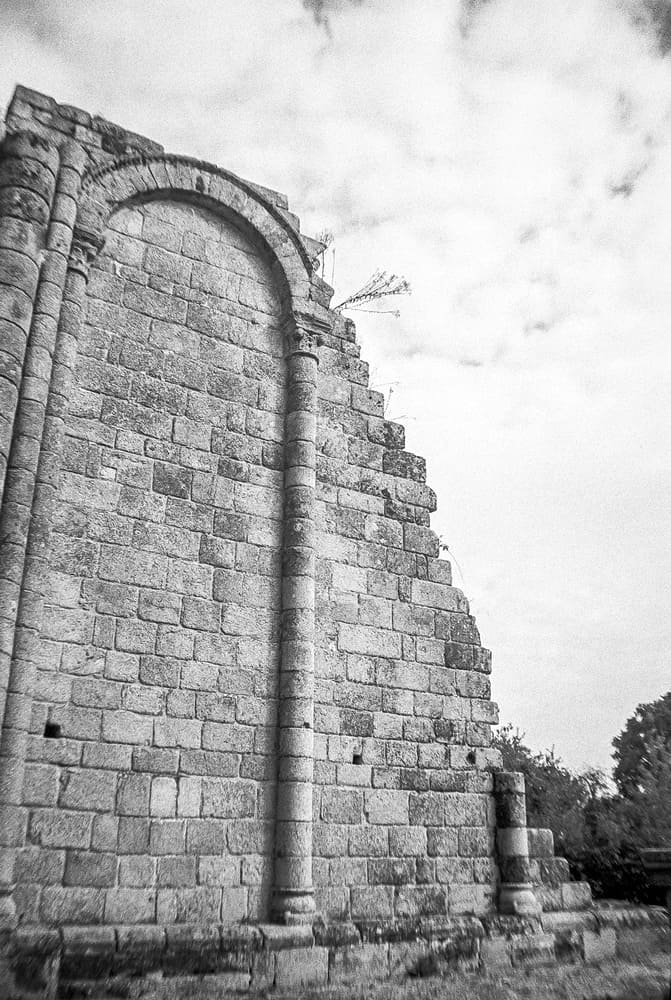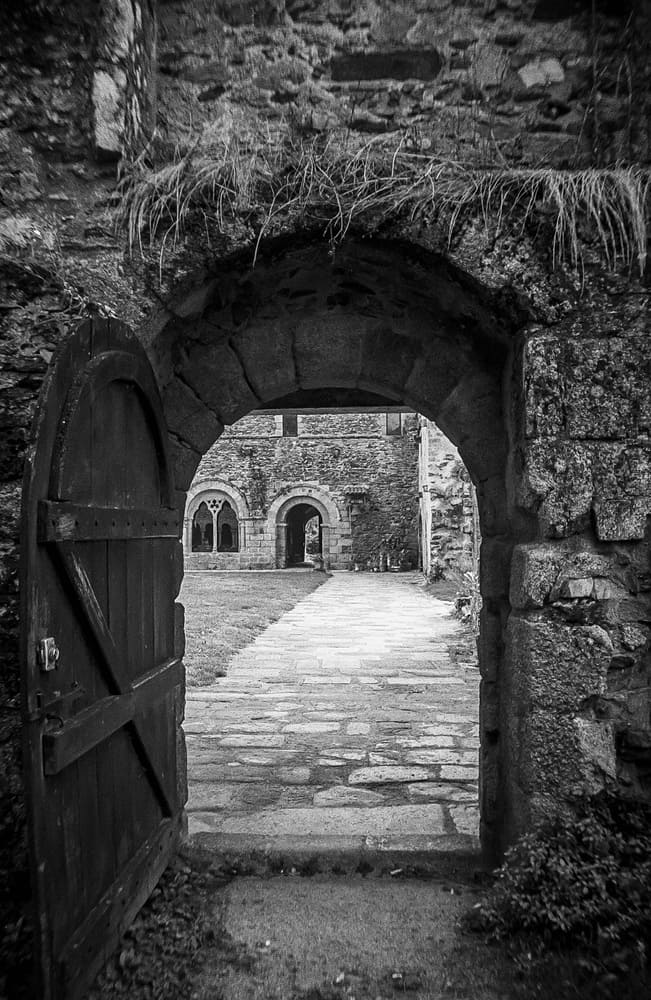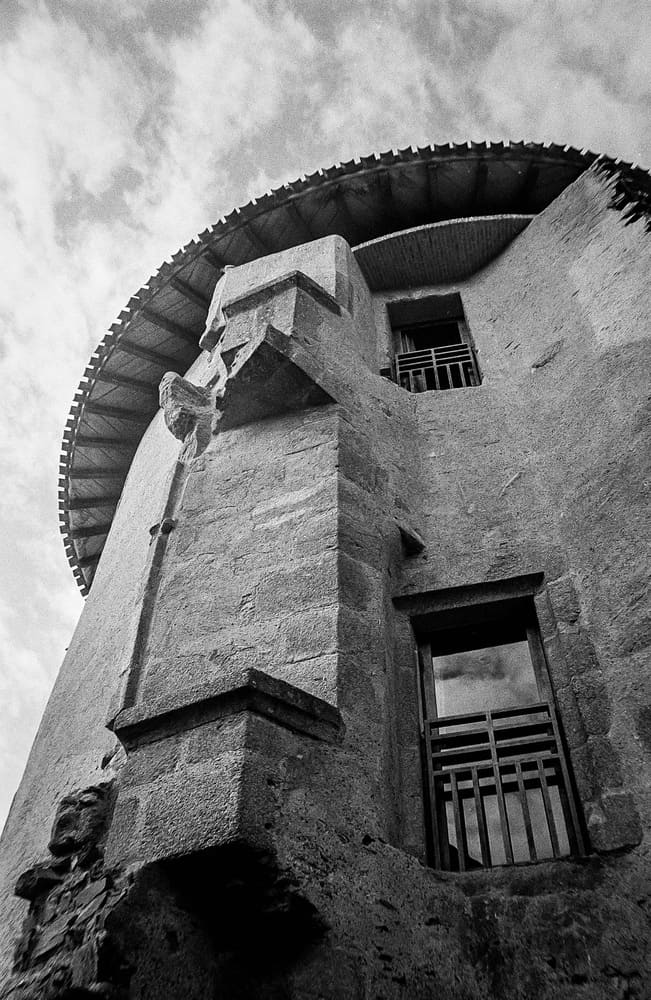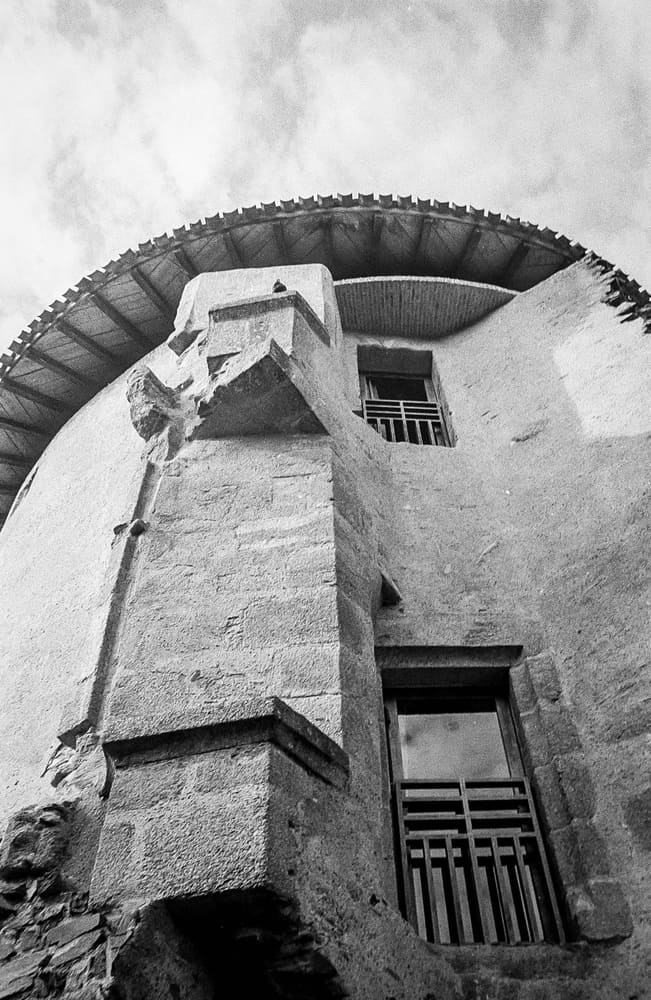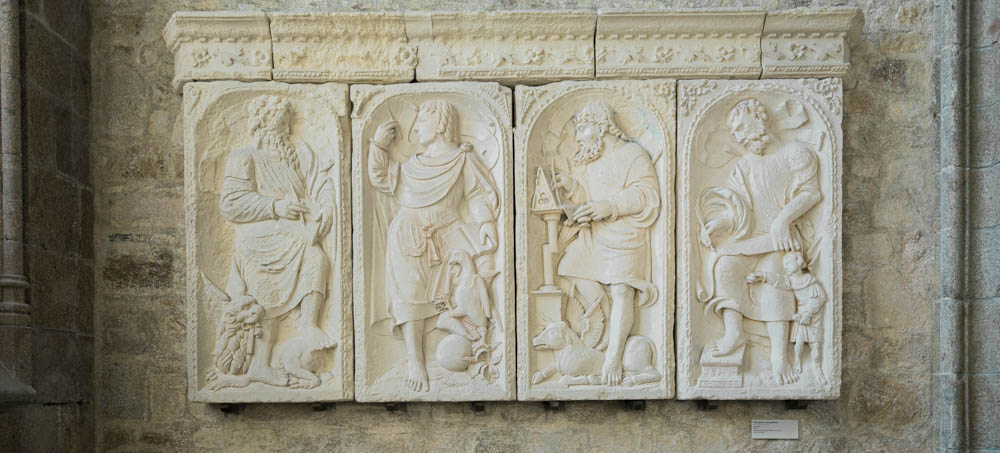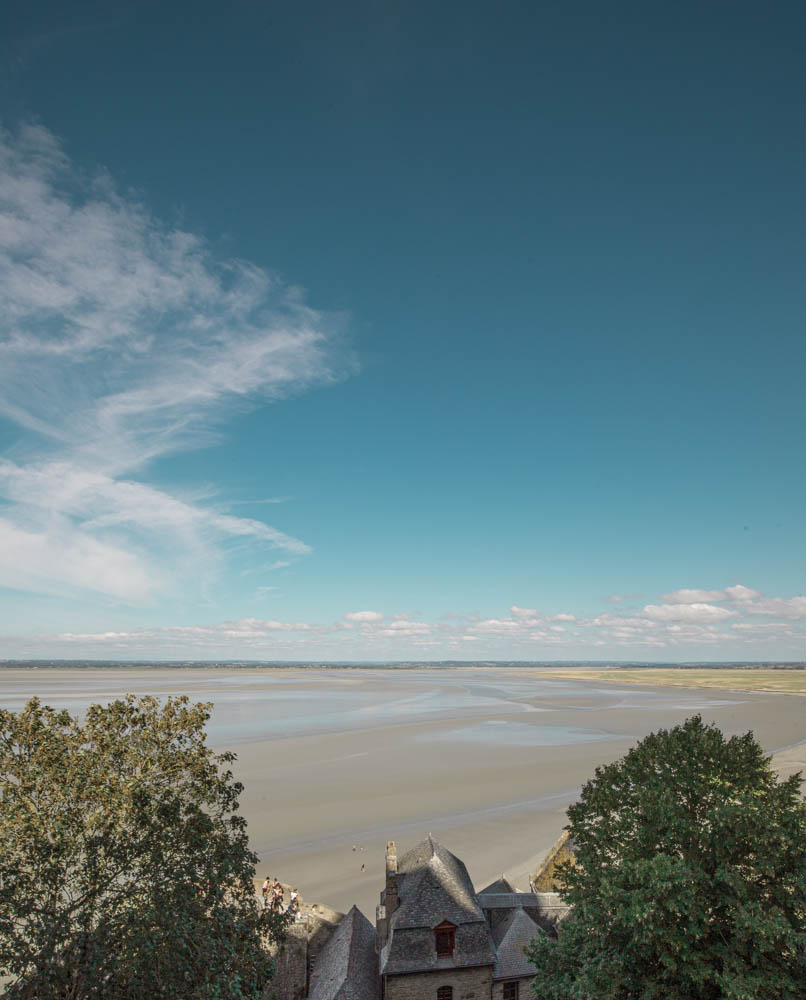
The Opening of the Film Archives—Abbaye de la Grainetière, October 2016


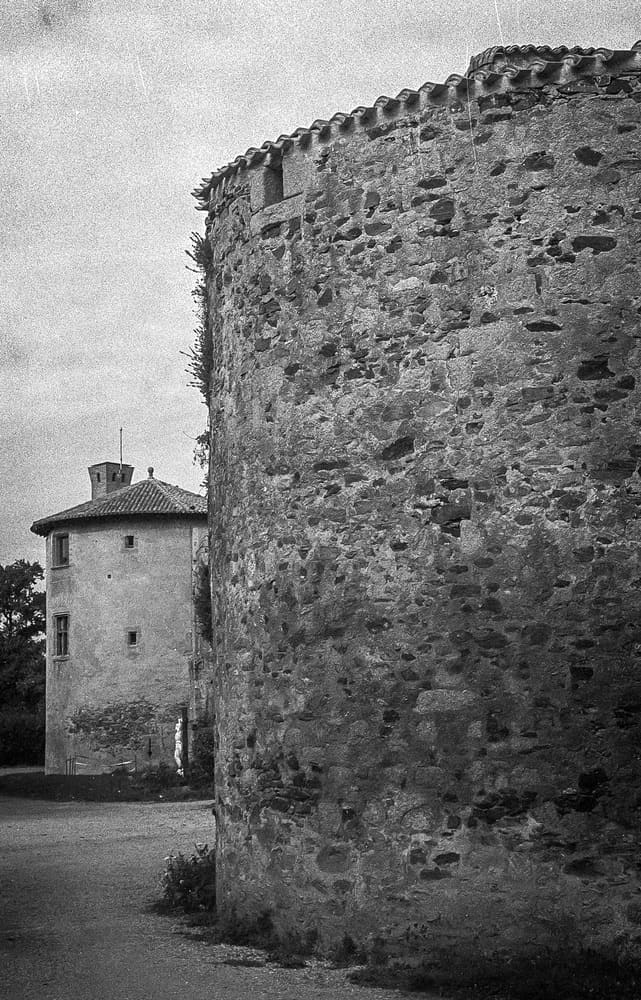
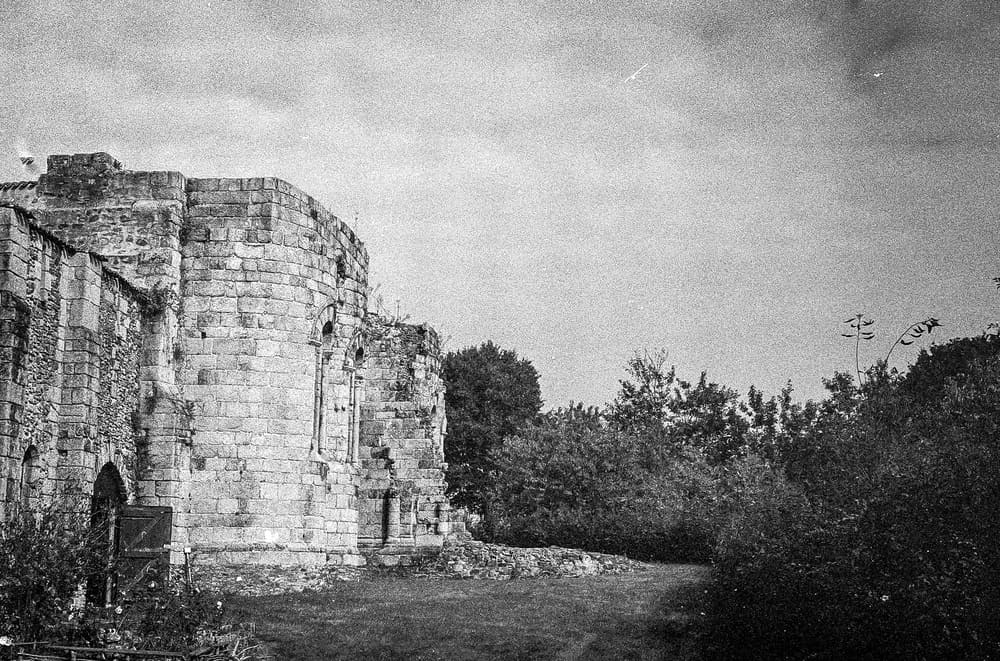
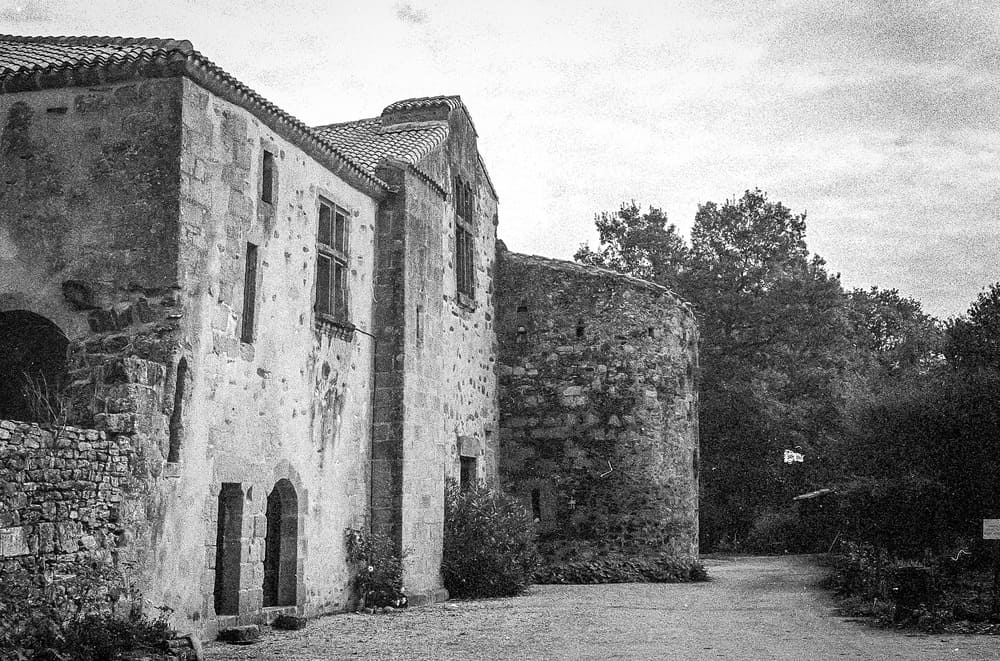
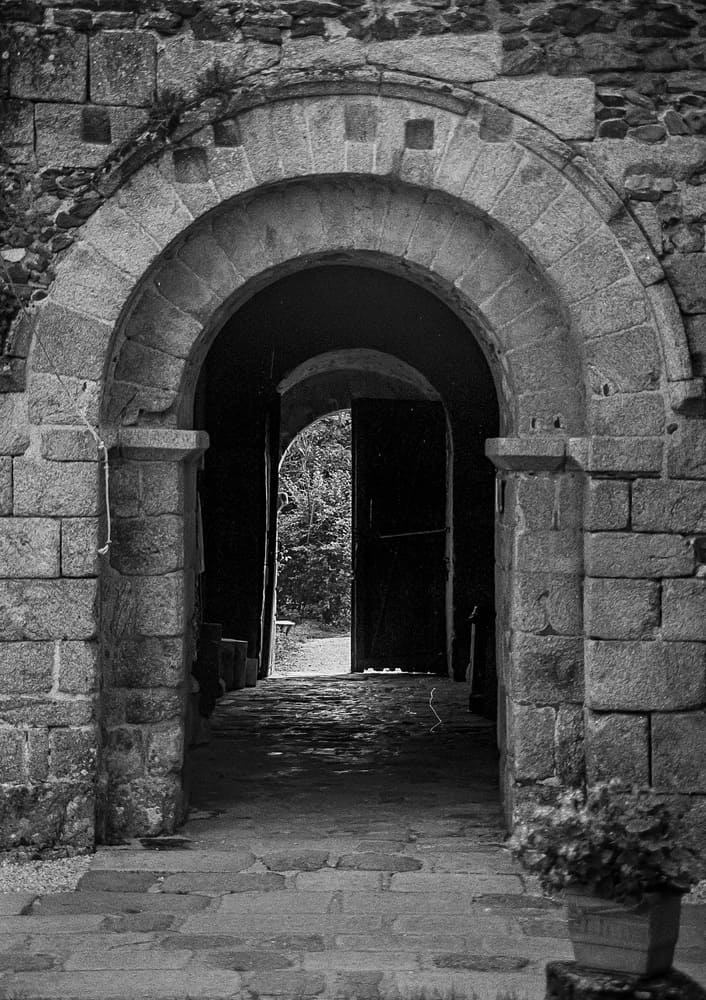
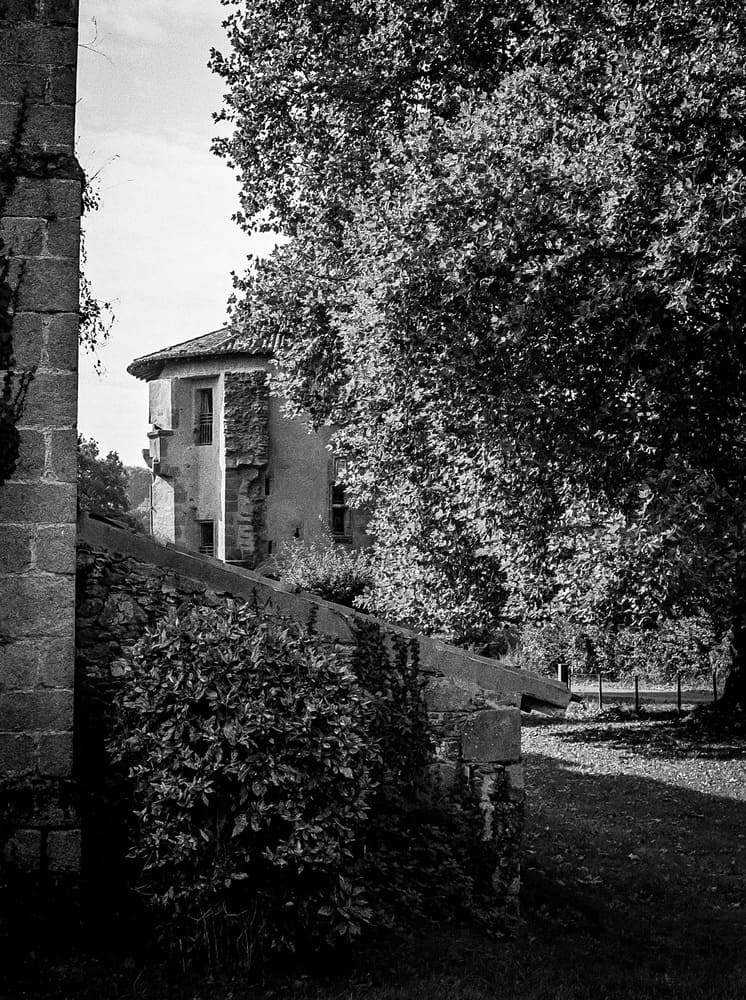
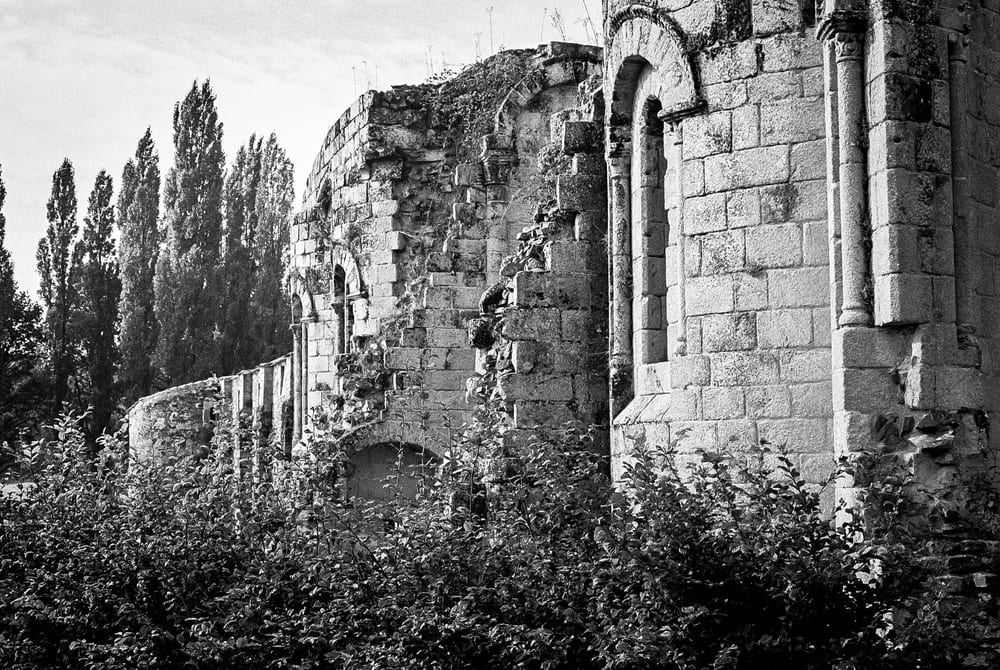
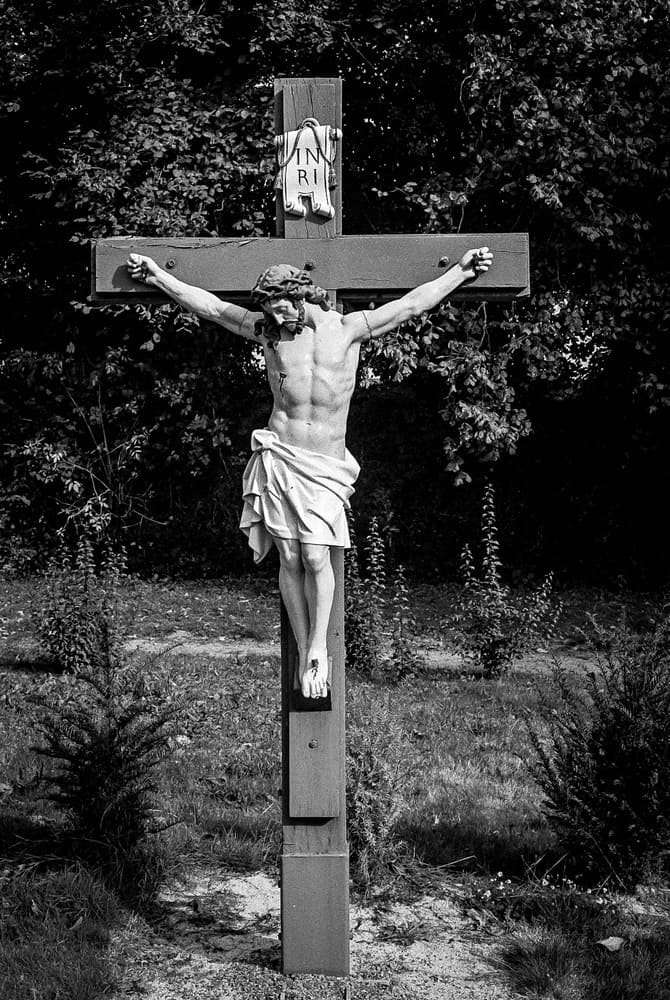
“They” say that if you leave your child to the Jesuits for seven years, then that child will belong to the Jesuits for life. I am not a Jesuit, but I was heavily influenced by the Benedictines when I went away to prep school in 1980. Mummy, Daddy, let me reassure you, this isn’t about Gilling—some things are better left in the past. This article will instead focus on a different Benedictine site, one that I visited much later in life: l’Abbaye de la Grainetière, a peaceful monastery here in the Vendée.

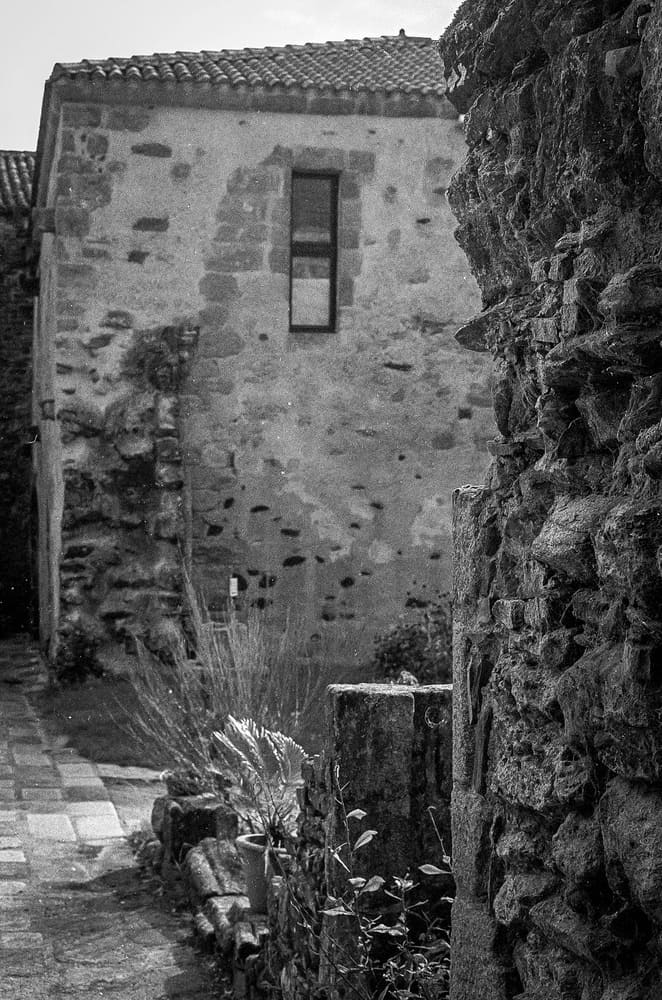
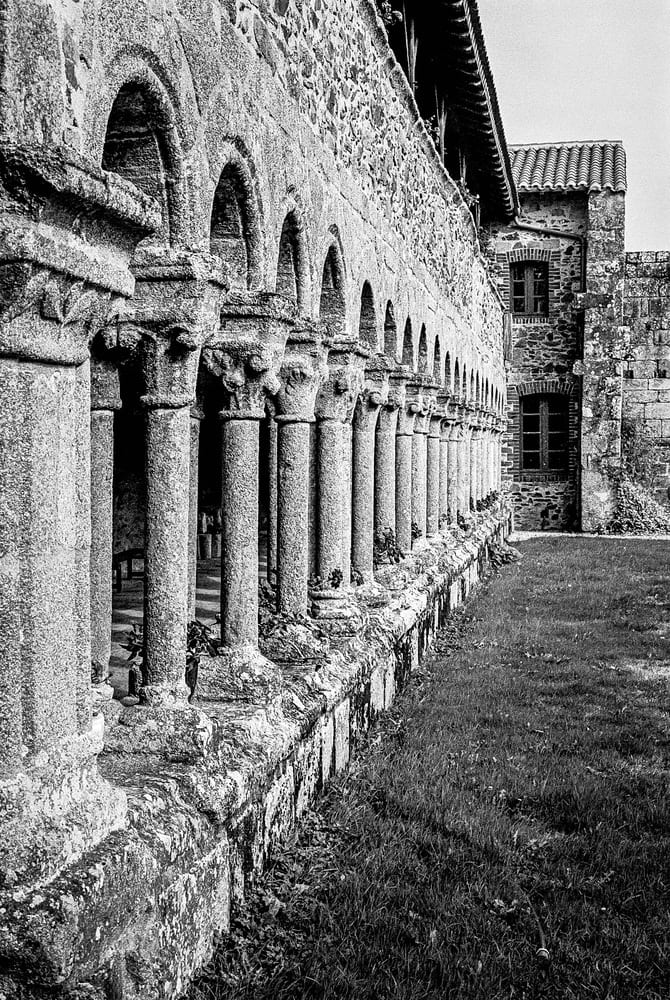
The Abbey of Notre-Dame de La Grainetière, on the outskirts of the town of Les Herbiers in Vendée (France), encompasses nearly nine centuries of tumultuous history. For over 50 years, numerous restoration works have been undertaken. These efforts allowed for the re-establishment of a community of monks at the end of 1978, nearly 200 years after the abbey was abandoned by the monks, shortly after the Revolution of 1789. Classified as a historical monument since 1946, many volunteers are working to continue the legacy of La Grainetière.

To those of you unfamiliar with the ins and outs of the Catholic Church, the role of monks is to live in community, and their main duty is to pray for us in the wider community. The monks elect a Father Abbot, who is responsible for running the monastery. In centuries gone by, the Abbot would wield a huge amount of influence, but this power has been reined in over time and is less evident outside the monastic community.

When I visited l’Abbaye de la Grainetière, I couldn’t help but reflect on how different this Benedictine monastery felt from my school days. The quiet prayer, the stillness—it offered a kind of peace that I hadn’t experienced for a long time, and a life that was once very appealing to me.

The monks follow the Rule of Saint Benedict, a foundational guide for monastic life that addresses not only prayer, but also how to live both within and beyond the monastery walls. Though written for monks, many of its teachings have been adopted by the laity seeking a structured, spiritually focused life.

I could almost say I envy them the simplicity of monastic life compared to the complexities of modern society and family life—juggling careers, responsibilities, and the endless distractions of today’s world. While I don’t regret the joys and vibrancy that come with having a family—something perhaps lacking in monastic life—it’s hard not to admire the stillness and purpose that a simpler existence can offer. We all have different vocations in life. Mine was to be a father.

As I packed away my camera and left the grounds of l’Abbaye de la Grainetière, I found myself still pondering the contrast between the quiet, ordered life of the monks and the complexity of my own. In some ways, visiting the abbey felt like opening a door to a simpler time, a place where life seemed more focused and more deliberate. Yet, as much as I admire the peace found within those ancient walls, my own path has led me elsewhere—to the joys, challenges, and unpredictability of family life.

In the end, it’s not a question of envy or regret, but rather a reminder that we all find our peace in different ways. For the monks of l’Abbaye de la Grainetière, it lies in prayer and solitude. For me, it’s found in the laughter of my children, the shared moments with loved ones, and yes, even in the rush and noise of everyday life. Each vocation, after all, carries its own kind of grace.

Perhaps that’s what lingers with me most from my visit to the abbey—not just the tranquillity of the place, but the realisation that we each have our own rhythm, our own way of navigating the world, and there is beauty in all of it.
Post Scriptum:

The photos were taken with a Canon AE1, and its FD mount 50mm F1.8 lens, using Ilford HP5 + black and white film.

The UK Chronicles Part VII: Chesters Roman Fort


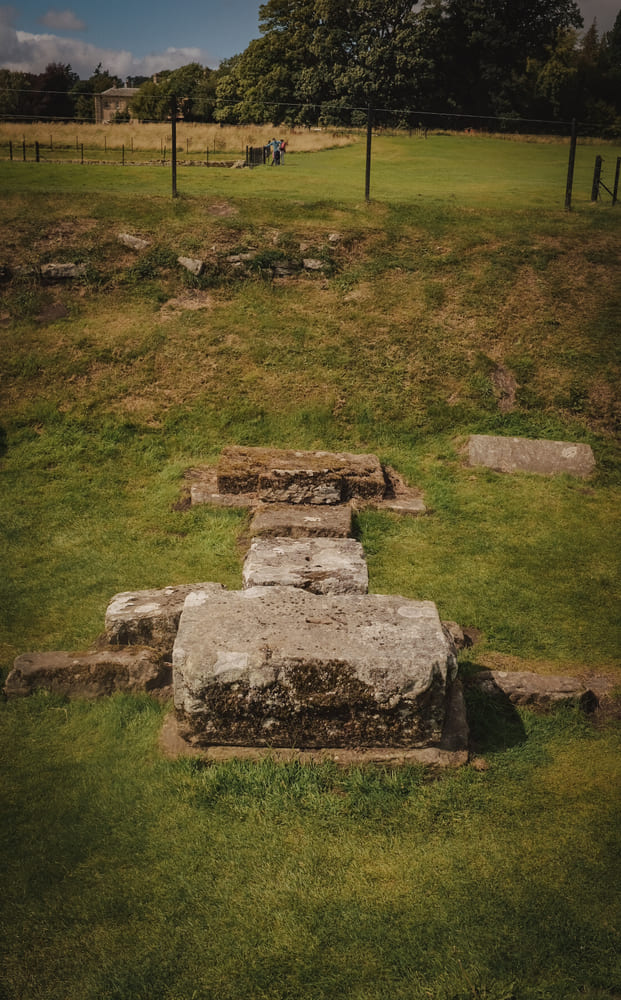
Welcome, Dear Reader, to the very edge of the Roman Empire, and by implication, civilisation. You might be wondering why there’s a carving of a phallus as the cover photo for this article. Well, don’t forget that soldiers will be soldiers, even when they’re part of a Spanish Cavalry regiment stationed here. Some things never change—except these soldiers were caught by archaeologists centuries later!

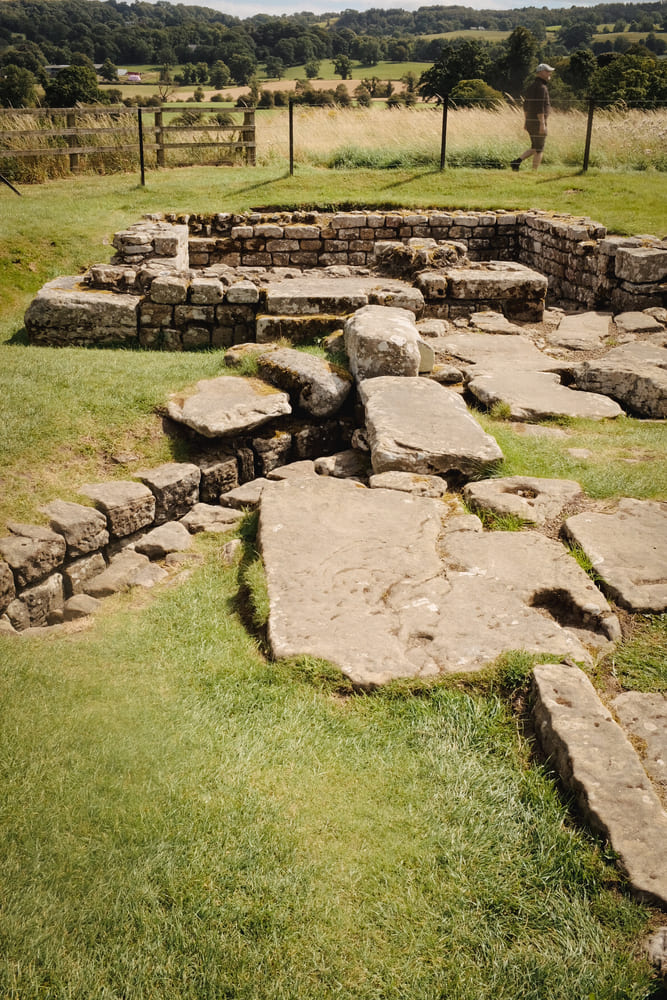
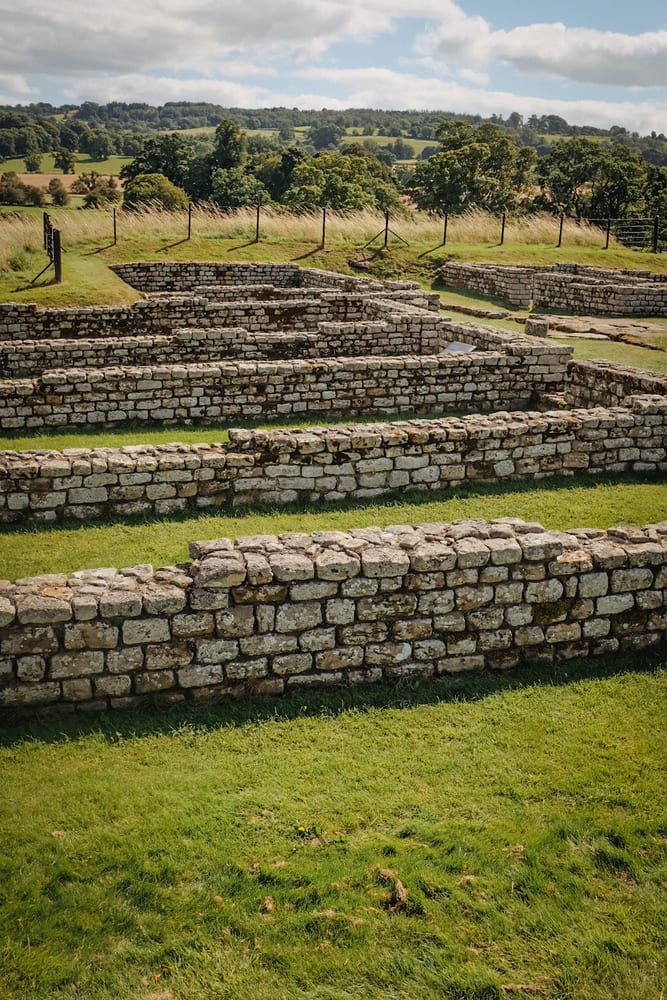
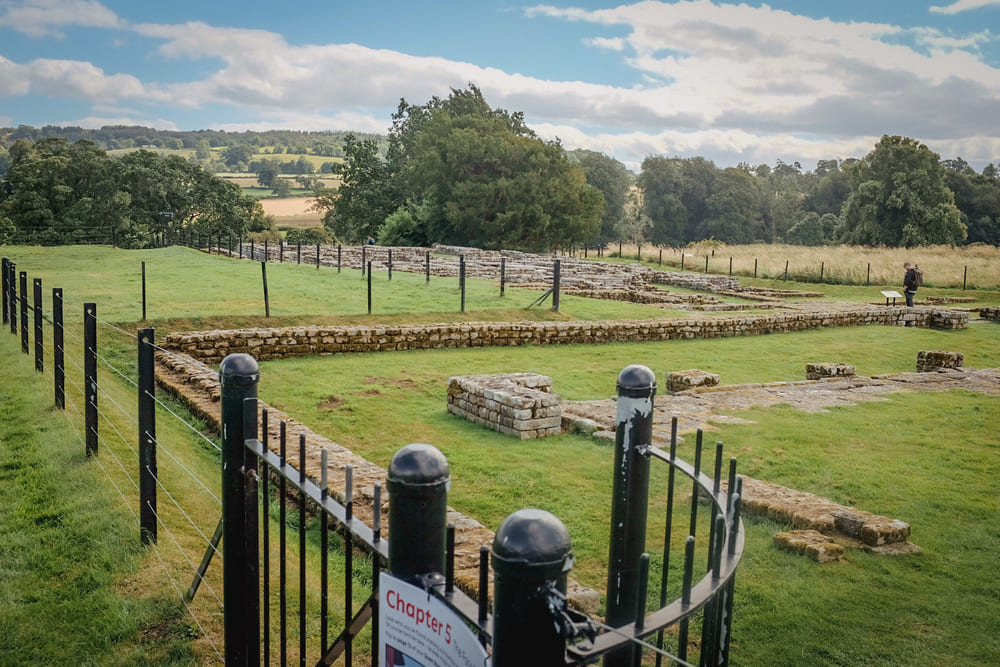
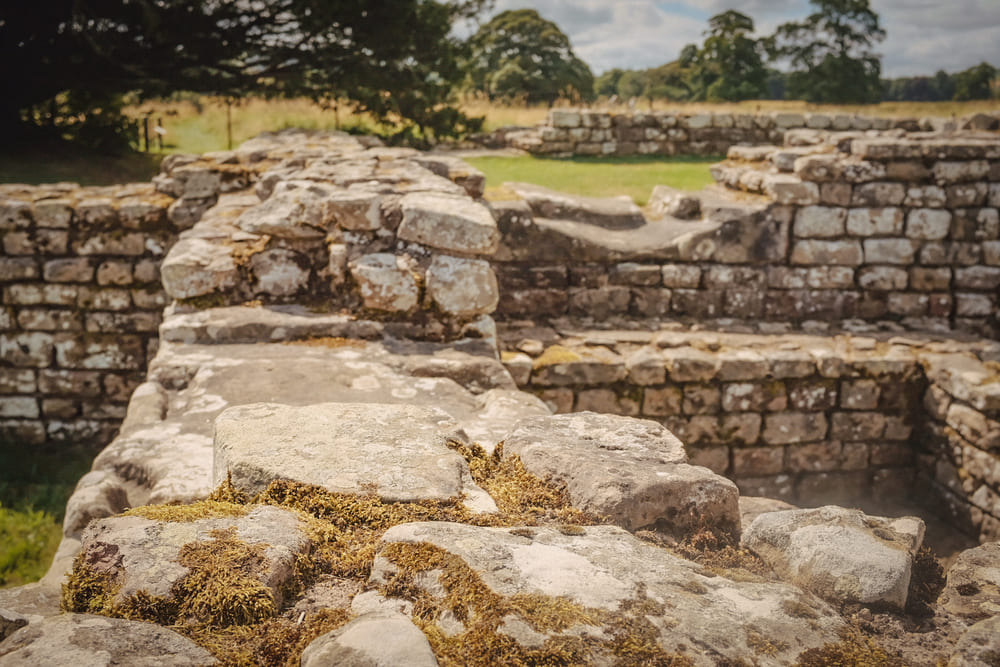
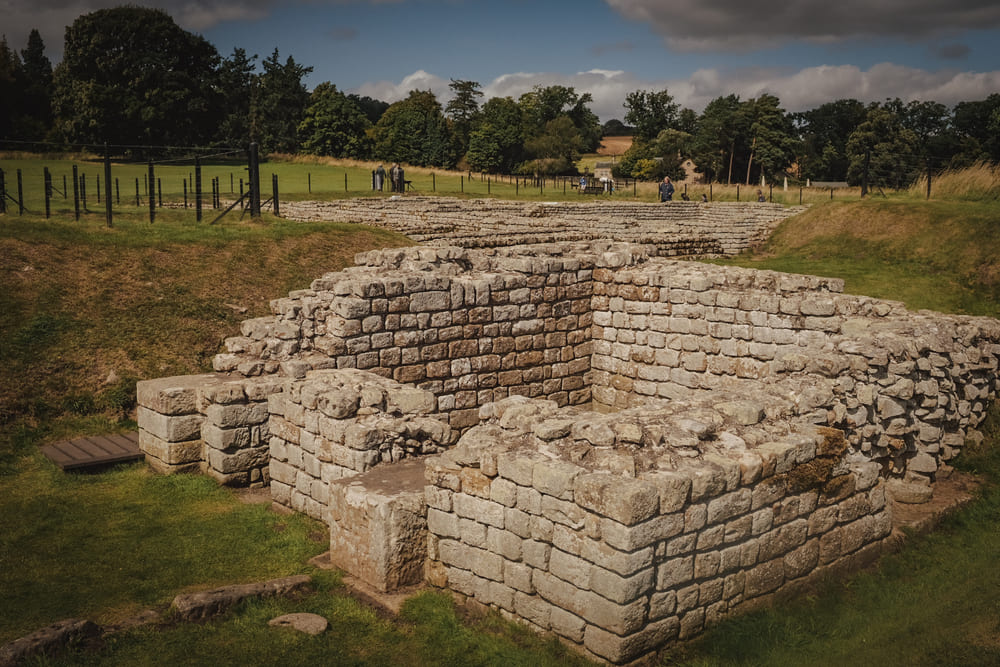
Chesters Roman Fort was constructed along Hadrian’s Wall to keep out the “uncivilised” Picts and Scots. This impressive wall stretches across the country from East to West, ending at Wallsend in Tyneside. It was a massive undertaking, and I’m still amazed by this feat of engineering.

Killian, my dear son and heir, whom you might recall from the previous article about his misadventures at Otterburn, was slightly less impressed. “Ce n’est pas le Mur d’Hadrian, mais le muret d’Hadiran,” he quipped—translating to, “Not Hadrian’s wall, but Hadrian’s little tiny miniature wall.” Some people are just impossible to please!

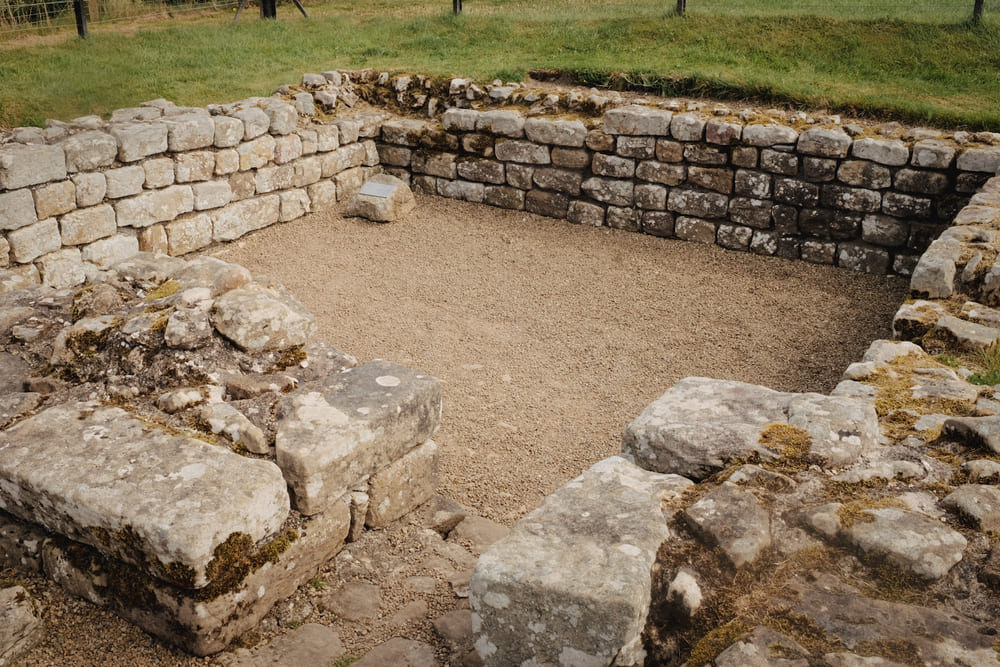
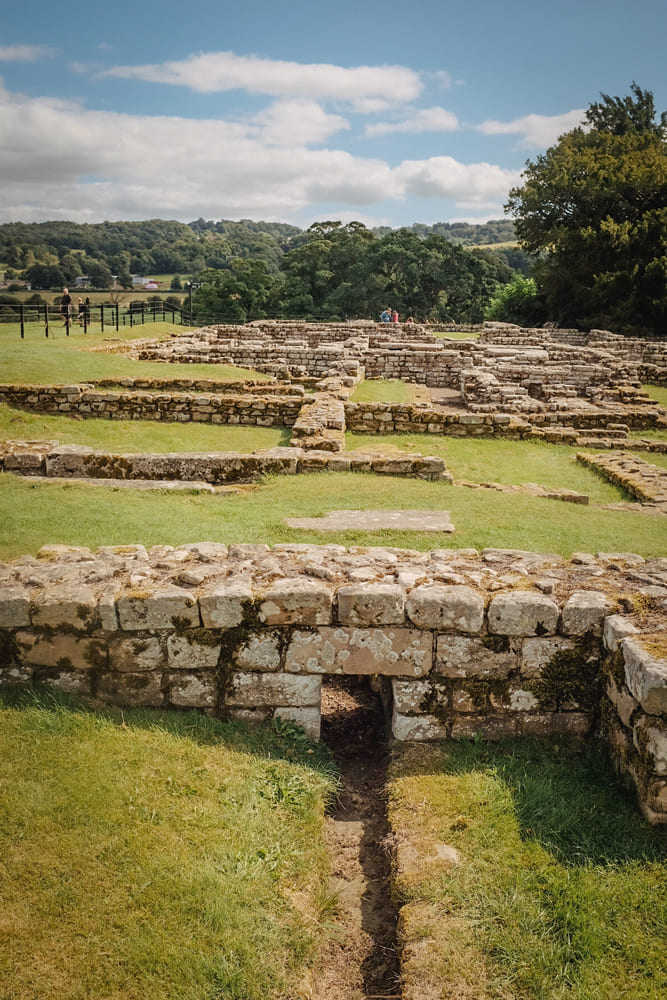
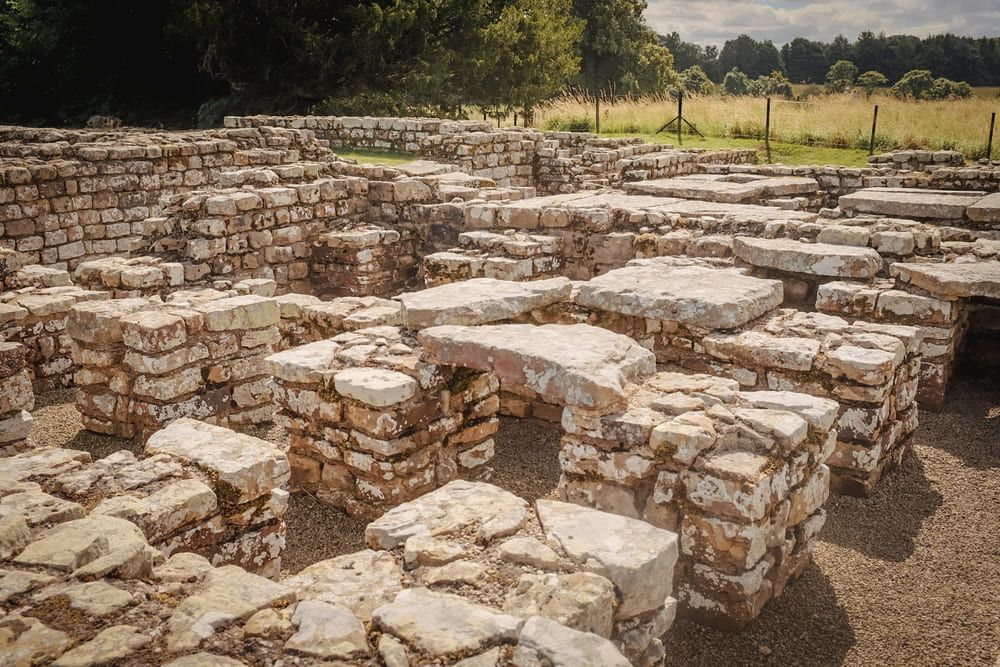
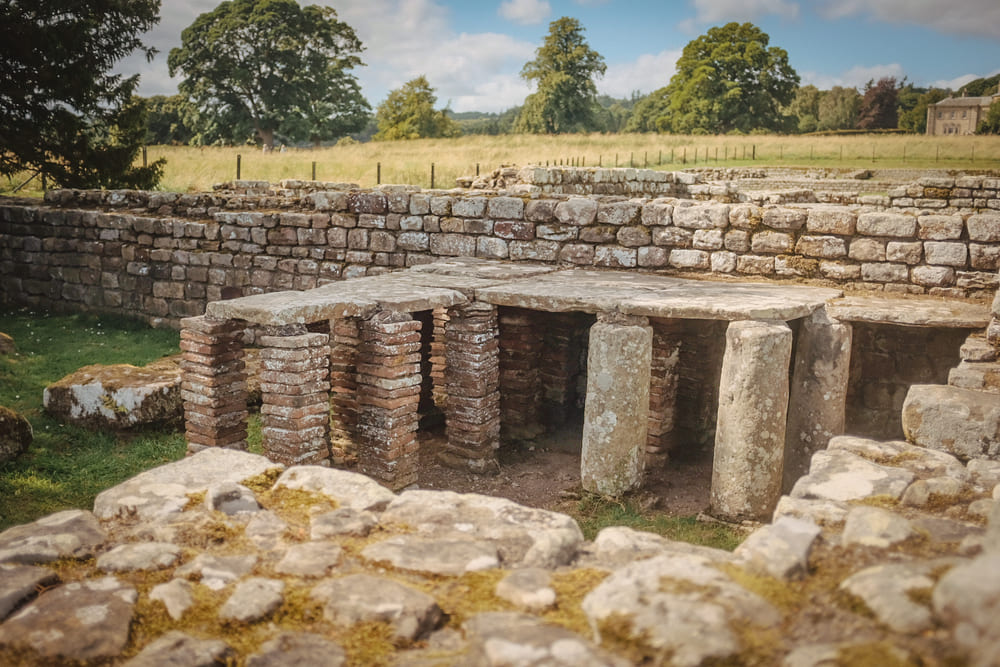
Despite his initial skepticism, Killian was genuinely impressed by the quality of the stonemasonry, even after nearly 2,000 years. With his background in plumbing, he quickly noticed the Roman plumbing and underfloor heating, which makes you realise how little we’ve actually invented since then.

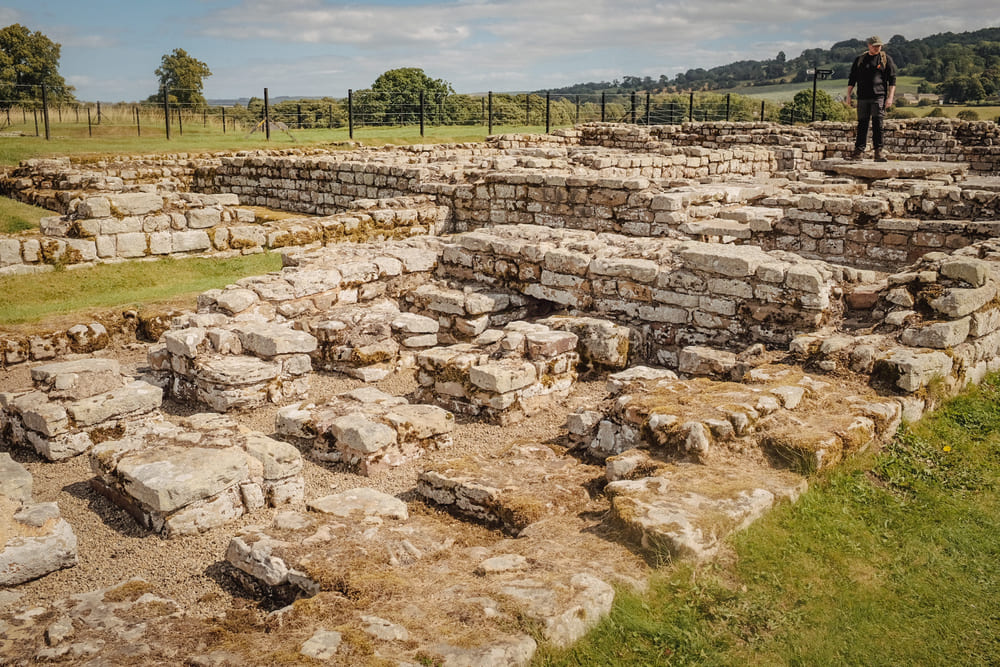
When we visited the cavalry lines and saw where the horses were kept, he was astonished to learn that three men and three horses lived in the same building, with the horses at one end and the soldiers at the other.

Even though he was flippant at the start of the visit, he took a keen interest in everything and enjoyed explaining each building to me. Maybe he’s a closet intellectual after all…

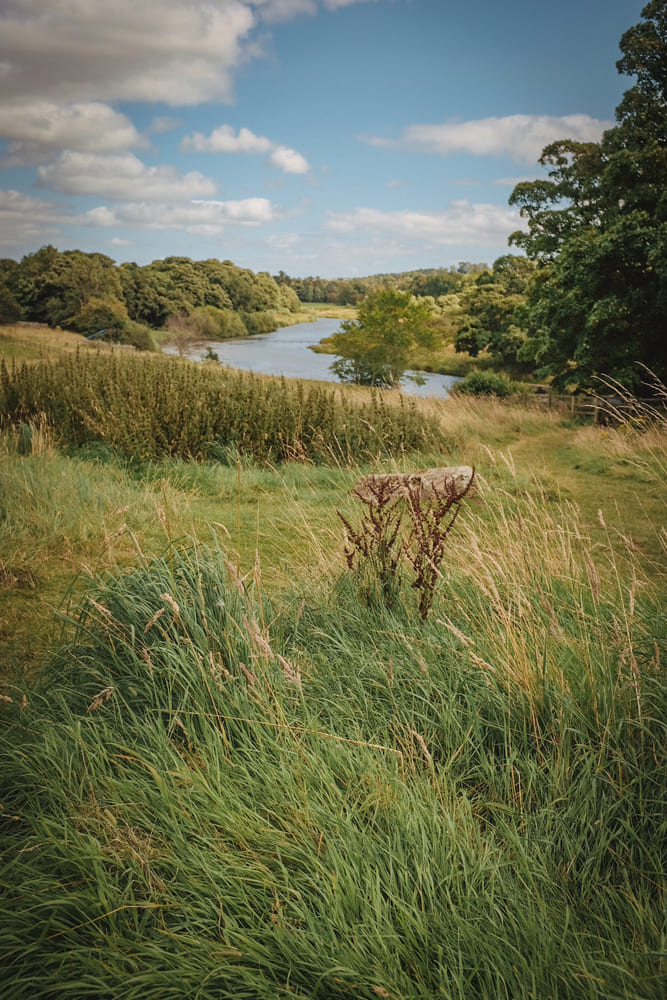
As we continued our tour, my knee was giving me trouble, and Killian showed his concern, asking if I really wanted to go down to the river to see where the bridge once stood. I insisted we go, so we made our way slowly towards the river and the soldiers’ baths. And by baths, I mean a fully-fledged hammam complete with sauna and dry heat—the very latest technology to provide the frontier soldiers with some home comforts. If those baths were still operational, they might have been perfect for soothing my arthritic knee!

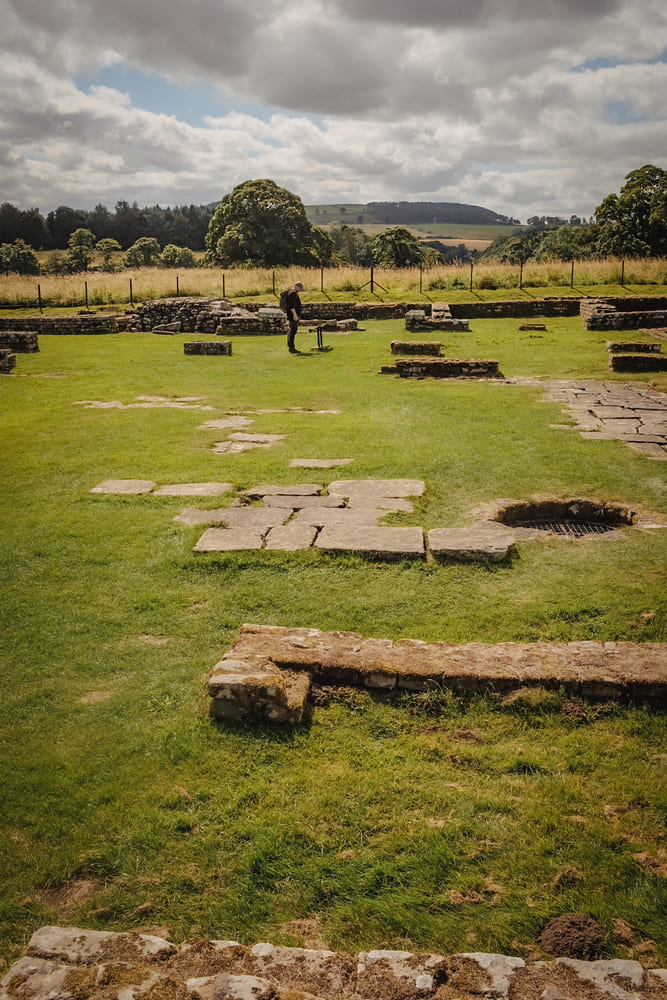
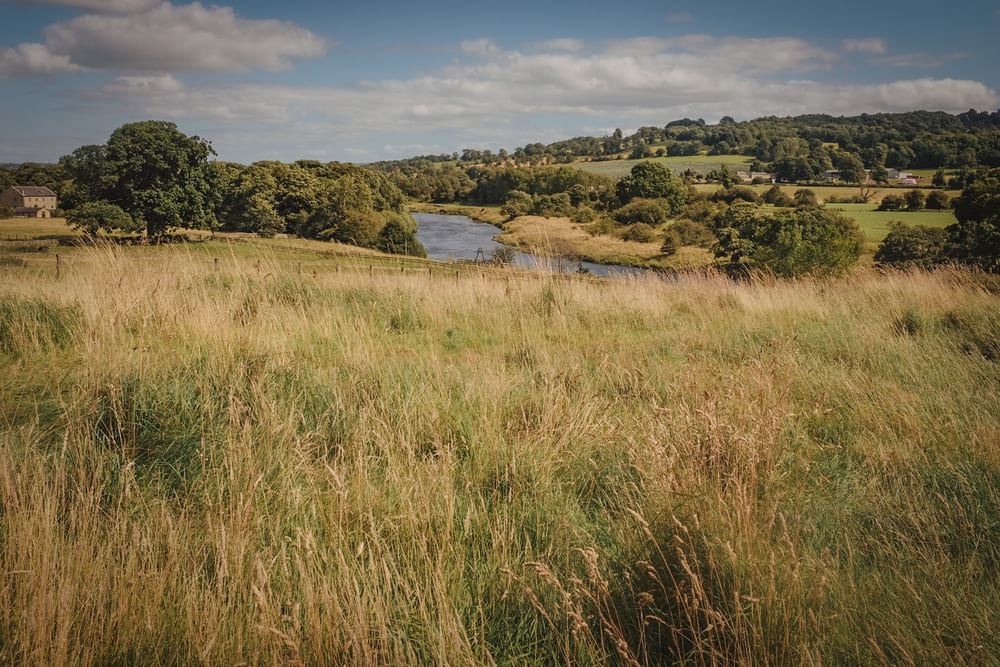
We walked slowly towards the west gate and could only imagine the civilian buildings buried beneath the fields in front of us. This site wasn’t just a series of building outlines but a thriving Roman community on the very edge of civilisation.

Speaking of civilisation, I felt it might just be time for a cup of tea. As we strolled through the site towards the car, we spotted a tea shop. A cup of tea and a slice of cake were just what I needed—I was in heaven! Good old National Trust! No wonder they’re an institution. Our conversation shifted to the gift shop, where I was trying to convince Killian that, despite how cool owning a replica Roman helmet and armour might be, it could be a tad impractical and he might not have many occasions to wear such Roman regalia. Mind you he would be very dashing!

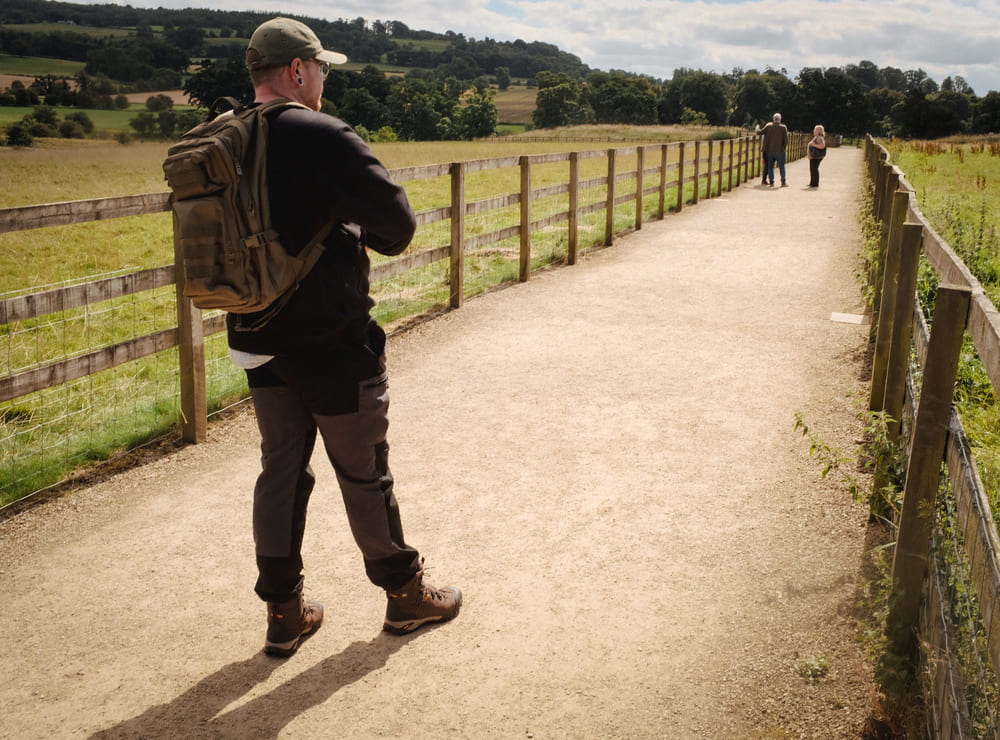
If you want to, you can even play a game of “Where’s Waldo” or “Where’s Wally,” for the British readers. Note I didn’t say “Where’s the Wally…” Keep an eye out for the photos of Killian…

The UK Chronicles, Part V: Rothbury to Hepple


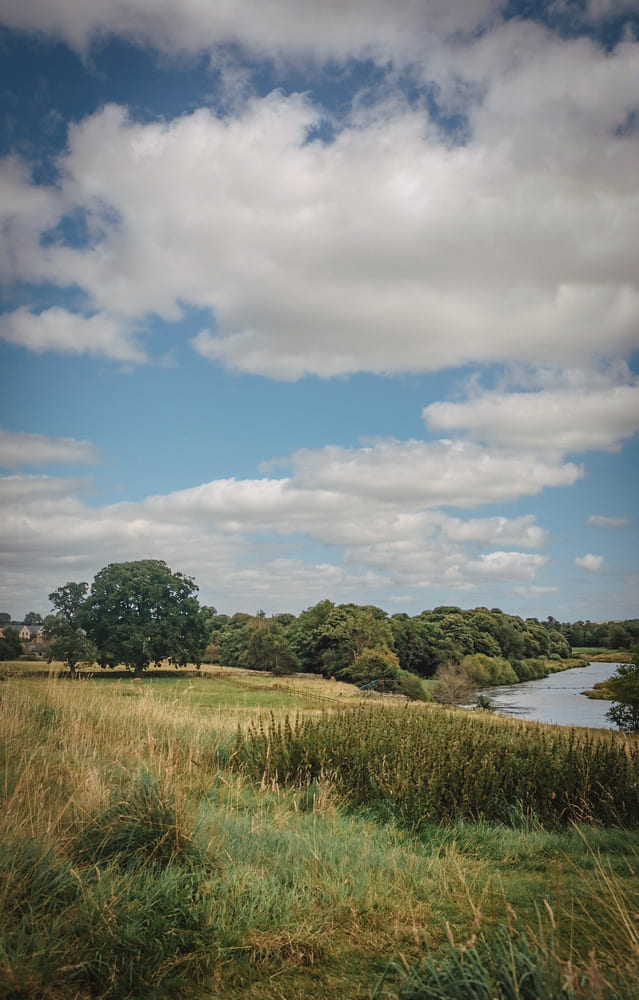
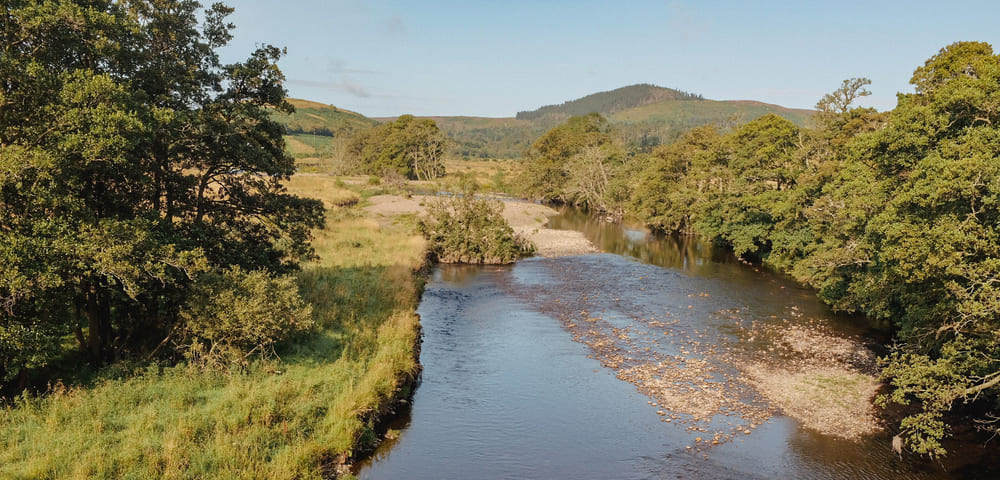
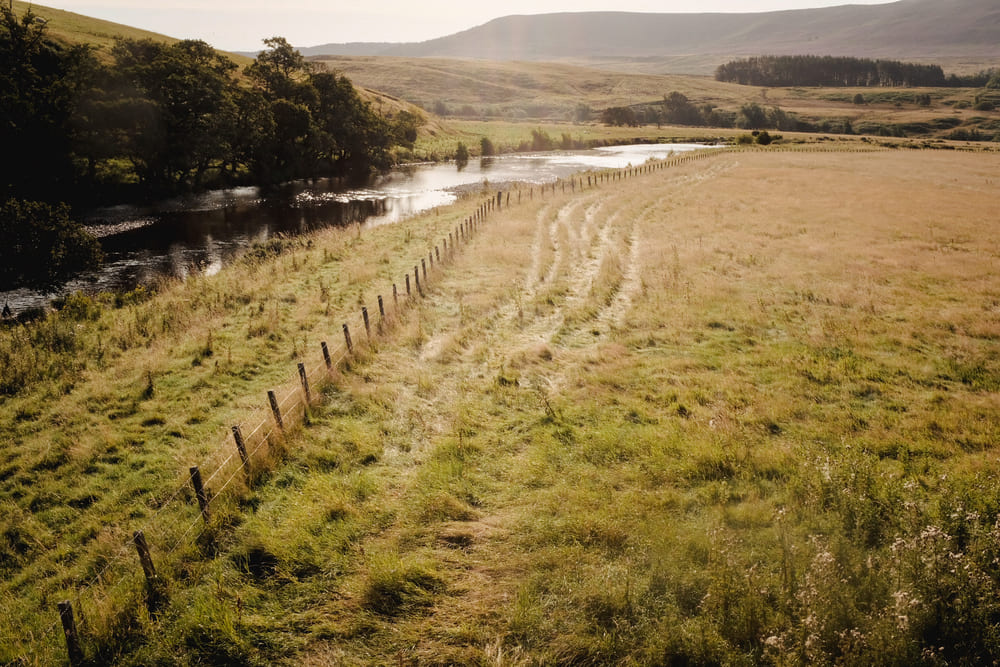
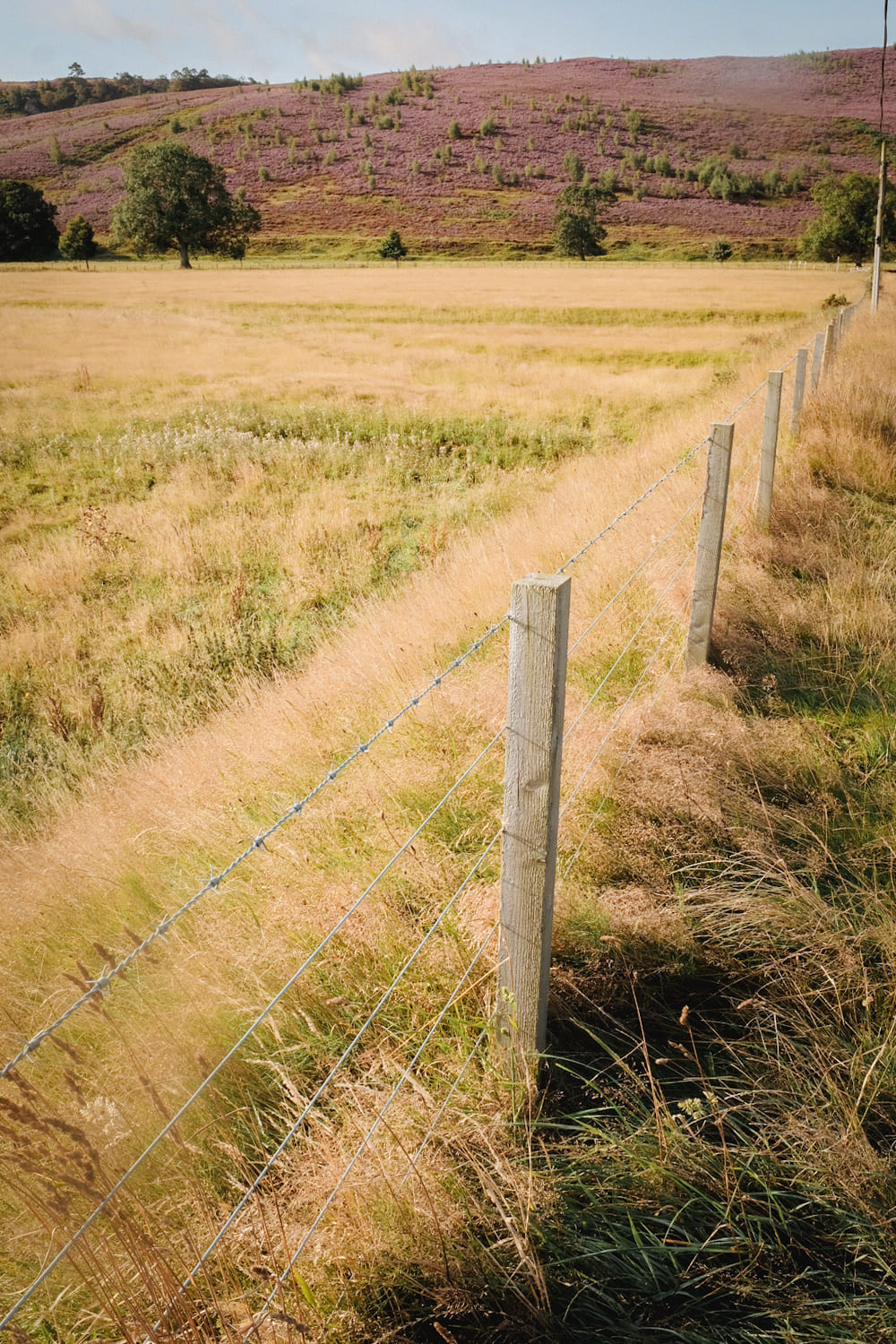
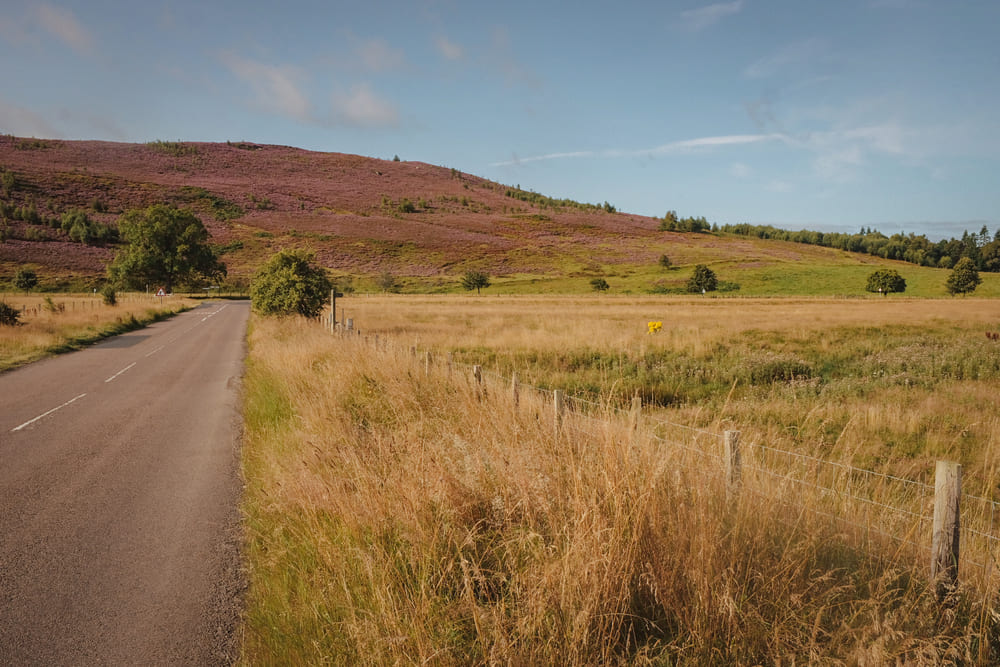
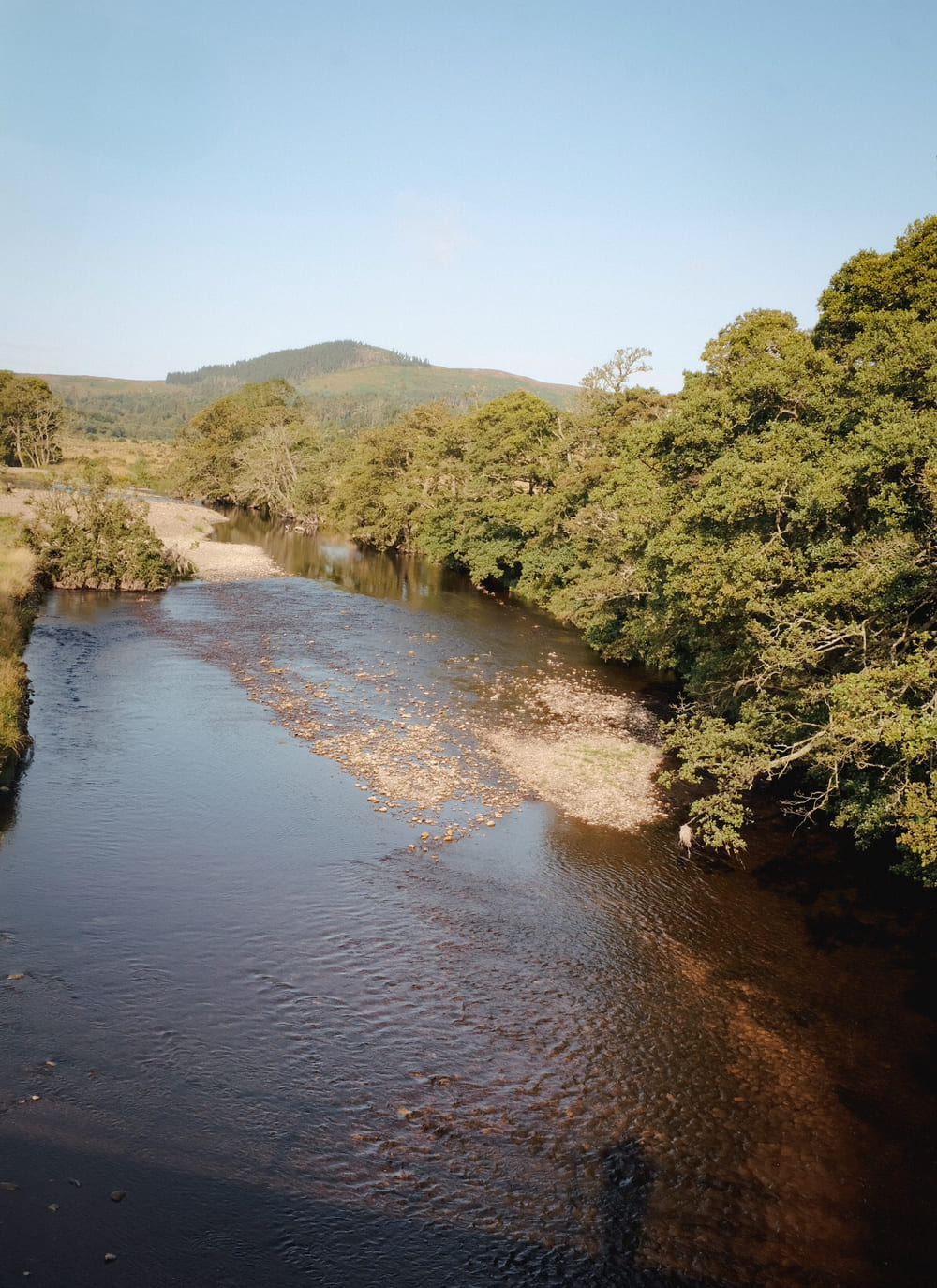
Do you have a place, be it real or imaginary, that just haunts your mind?  You think of it, and you are transported there instantly.  The smells of the grass, the sounds of the river, and the odd car driving past you wondering what the heck you are doing?  Hepple is my special place.  It is a place where I feel at peace and that all is right with the world.

I’m thinking back to an article I wrote a couple of years ago called Hepple for Photos, Not Gin. I was with my father and had my Canon 6D Mark II with the 16-35mm F4.0 lens and the 70-300mm zoom lens. This year, however, I had my X100F with just the 35mm f2.0 equivalent lens, and I was with Killian, who, surprisingly, was a little tired and decided to curl up on the back seat for a snooze. His loss…

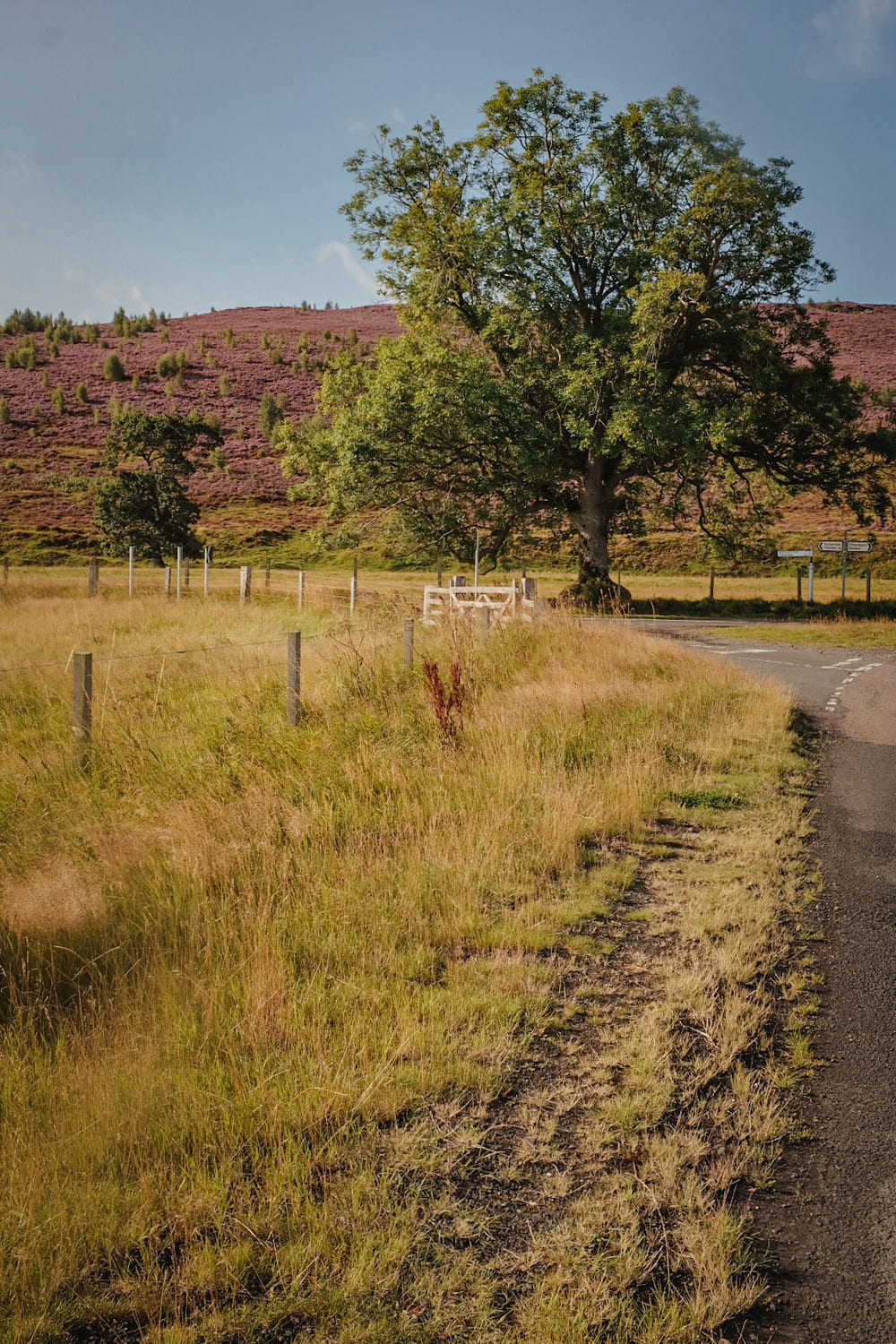
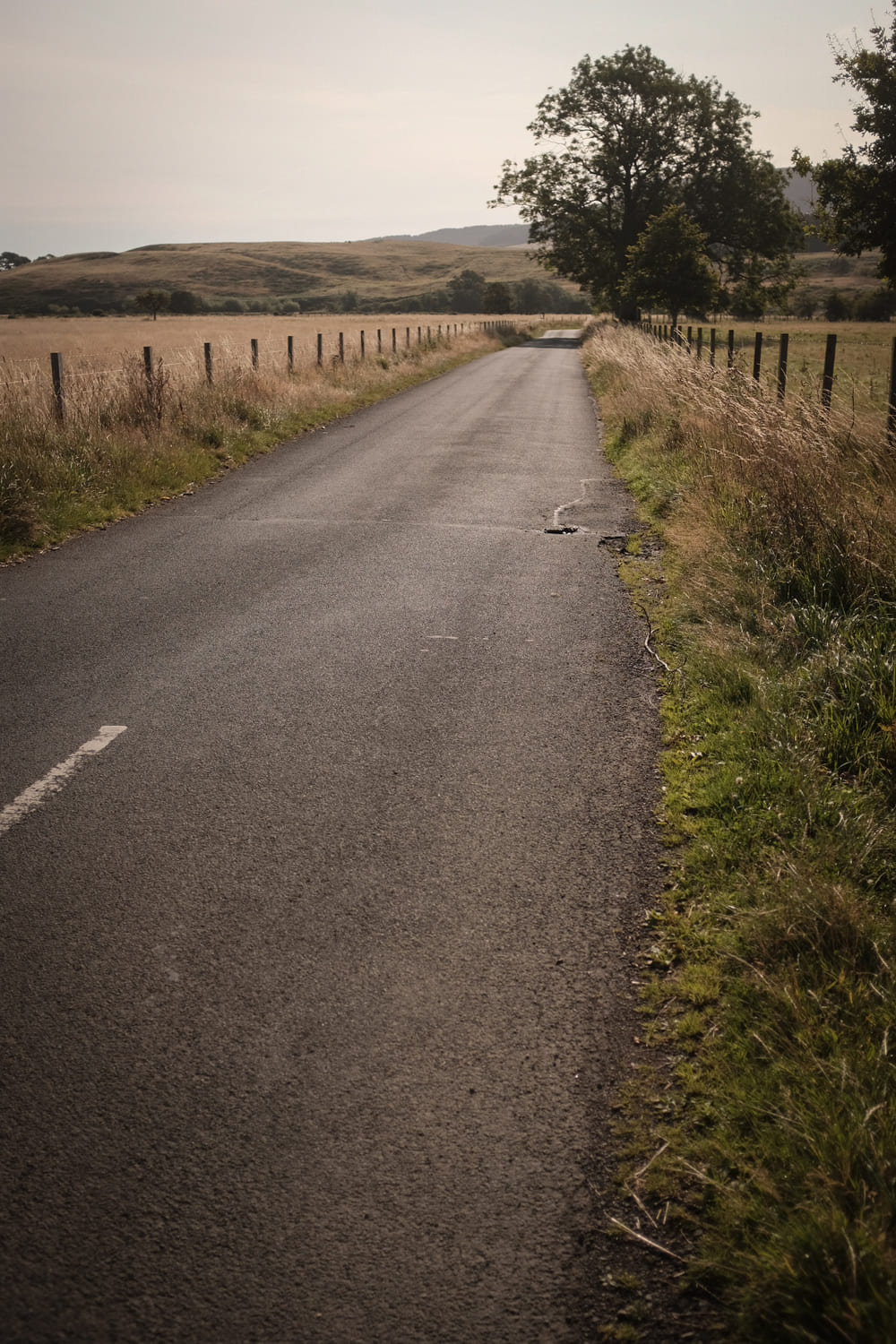
This is the place, this stretch of road, that I have been looking forward to for 2 years. The weather was clement, and I can assure you that the place is still as beautiful as ever. I wasn’t going to have the choice of lenses this time; I would have to see the scene in 35mm and make do with it. No zooming, no switching lenses—just a little constraint. And you know what? I was fine with that!

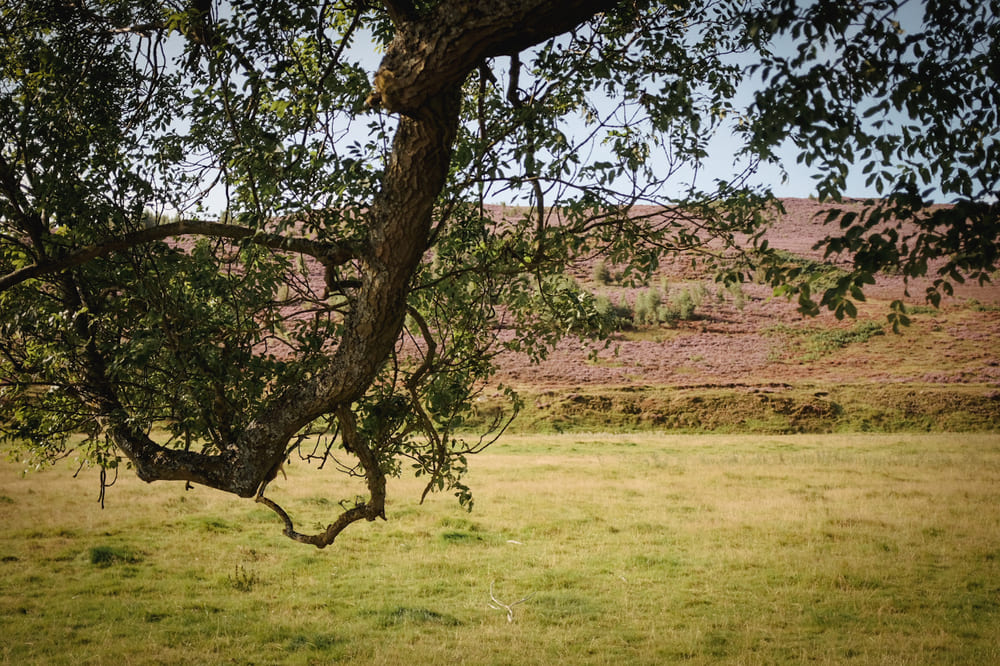
The lack of zooming and my sleeping son allowed me to walk around the area a little more, exploring under the tree at the end of the road and at the bottom of the hill.  These were views that I had not seen before.  It only goes to show that we might think we know a place, even in our memories, but it still has so much more to offer us.

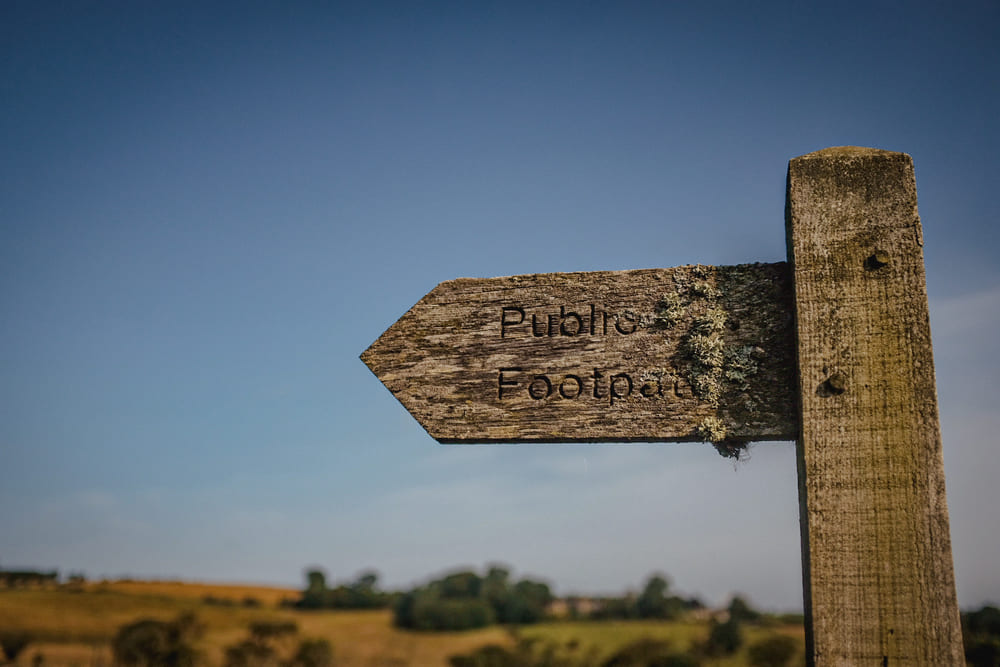
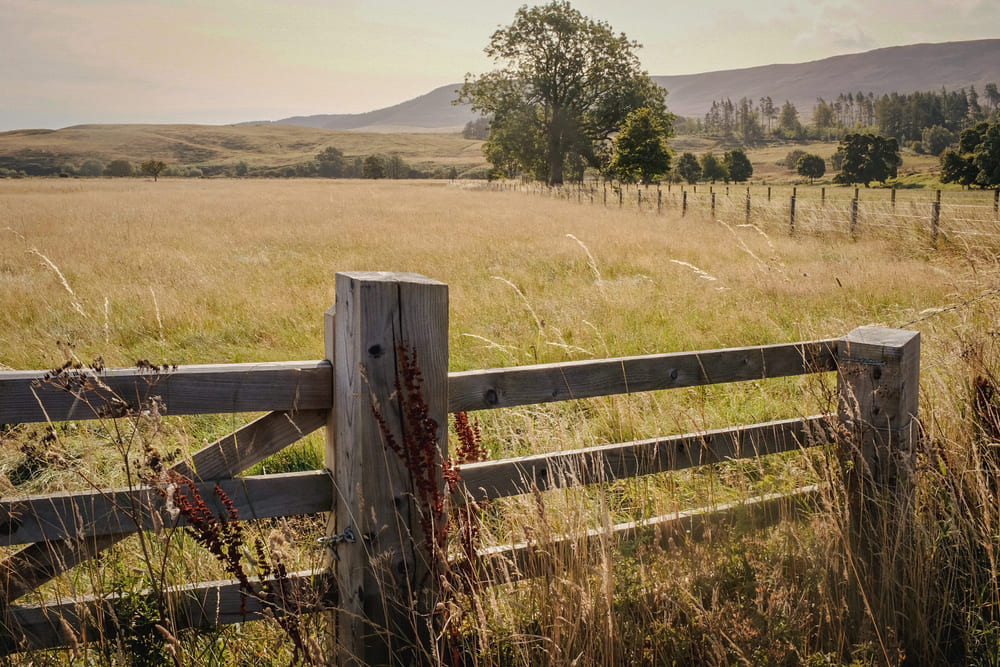
I parked just before the bridge, as I usually do. Everything was still in place: the stiles, the trees, the river—just as I had pictured it in my mind. It’s when looking at the countryside like this that I am convinced there is a creator behind all this creation. The beauty of it didn’t just happen by chance.

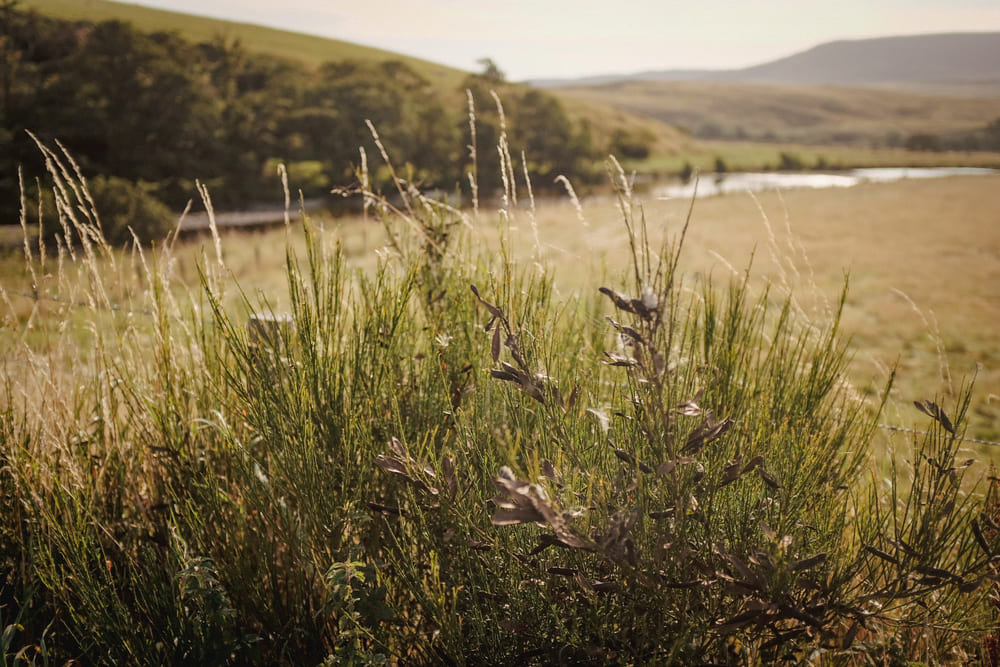
The noises were made by the flowing of the river and the breeze in the trees.  I had this feeling of calm.  I could take photos of that place every day and not get tired of it all.  I might even go so far as to say I could have died here and died a happy death.  I had found my peace.
Killian had found his peace too and was still asleep in the car.  A micro sieste, he said.  He might be 25, but he reminded me of the small boy who was once my son. 

I can’t be the only person on this earth to feel this?

A Pilgrimage to Mont Saint Michel: A Journey of Faith and Endurance


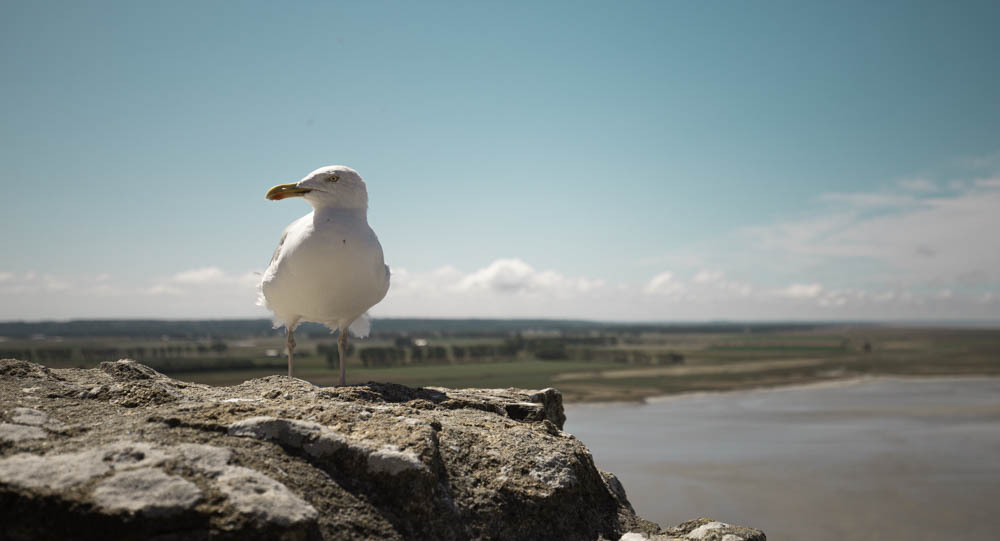
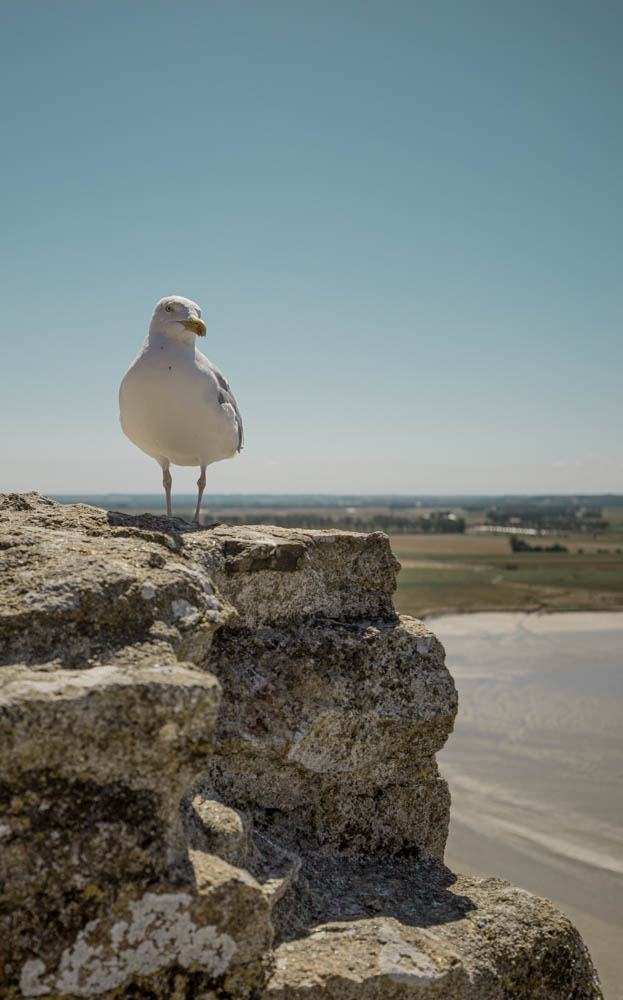
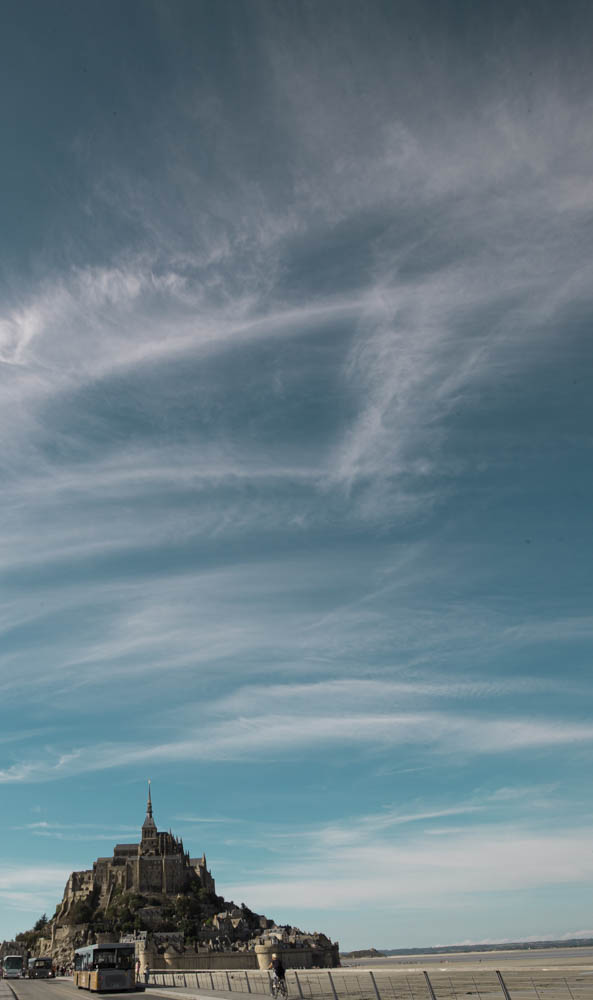
The hot summer sun beat down as I embarked on a journey that had been brewing in my mind. Mont St. Michel was not only a quest to escape the sweltering Vendée heat but also a spiritual endeavour to connect with the divine in a magnificent setting.

A Return to Childhood Memories

The journey began at my home in the picturesque Vendée region, where I set out on a 220-kilometer trip to Mont Saint Michel. It was a return to a place I had visited as a wide-eyed boy, eager to explore its mysteries. However, this time, my mission was twofold: to capture the awe-inspiring beauty of this monument through my camera lens and, most importantly, to offer my prayers to the Almighty.

The Road Less Travelled

The road to Mont St. Michel took me through Nantes and Rennes, where I made stops at local bakeries to purchase food for the journey. As I stocked up on provisions, I couldn’t help but reminisce about my first visit to this iconic place some forty years ago. Speaking with my parents, who recalled our family visit, added a nostalgic layer to this pilgrimage.

Physical Challenges and the Power of Will

One of the significant challenges I faced during this pilgrimage was my battle with arthritis, a persistent companion that had become an unwelcome part of my life. Walking with the aid of a cane, I knew that this journey would not be without its pains. However, I had learned a valuable lesson during my time in the Army: the mind can command the body to persevere beyond its perceived limits. Armed with this knowledge, I pressed on, determined to conquer the physical difficulties that lay ahead.

Prayers in Motion

My journey was more than a physical voyage; it was a spiritual quest. Along the way, I offered up my sufferings to God, a testament to my unwavering faith. The act of praying while traversing the miles was a reminder of the power of faith, even in the face of adversity.

A Divine Encounter at Mont St. Michel

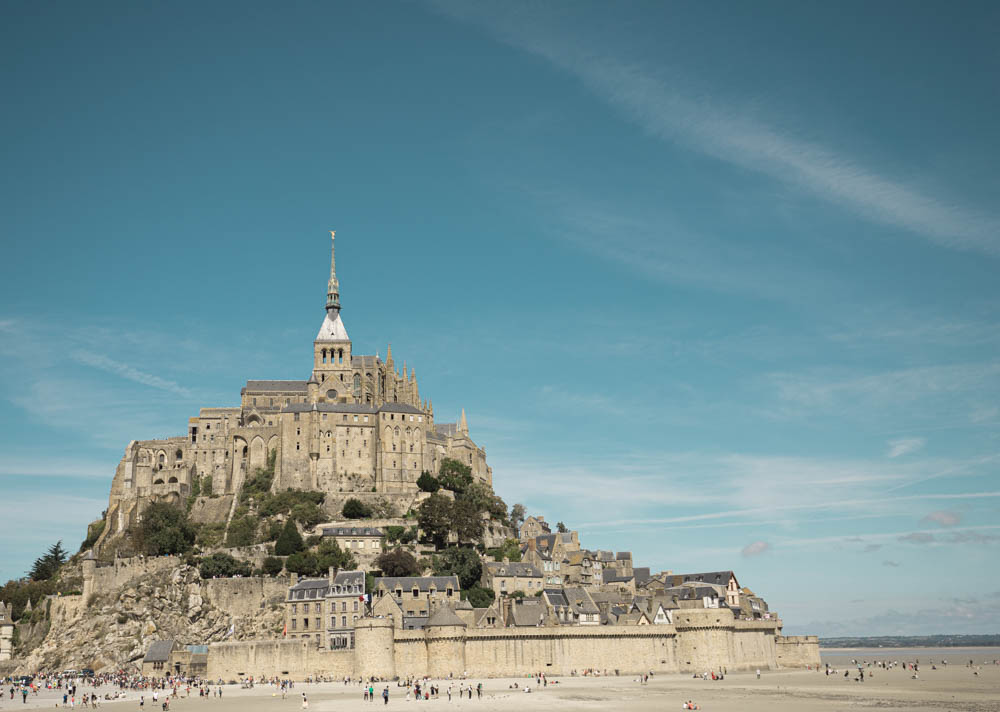
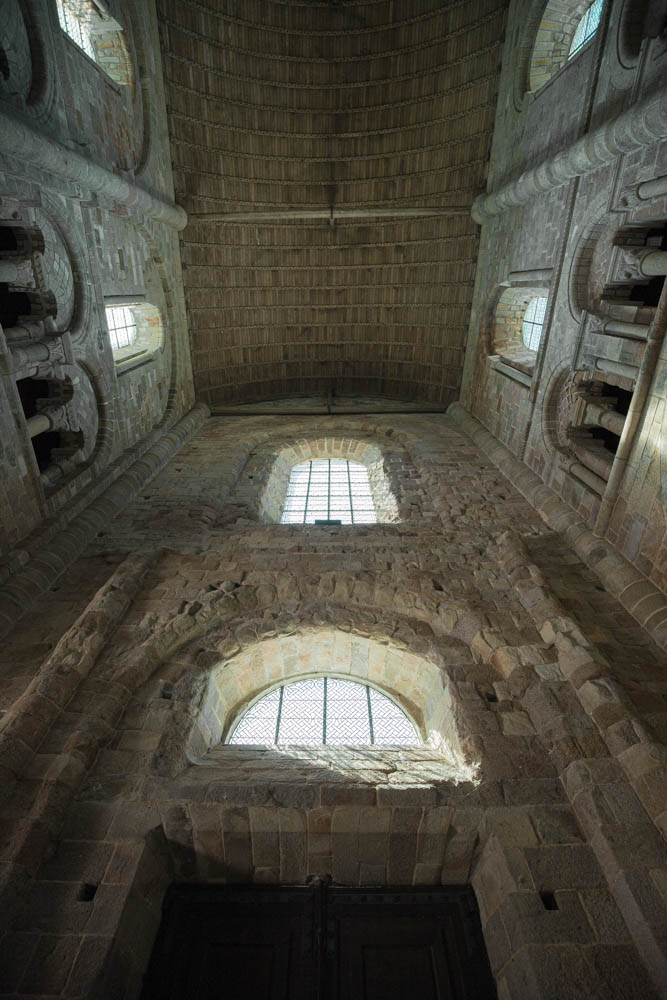
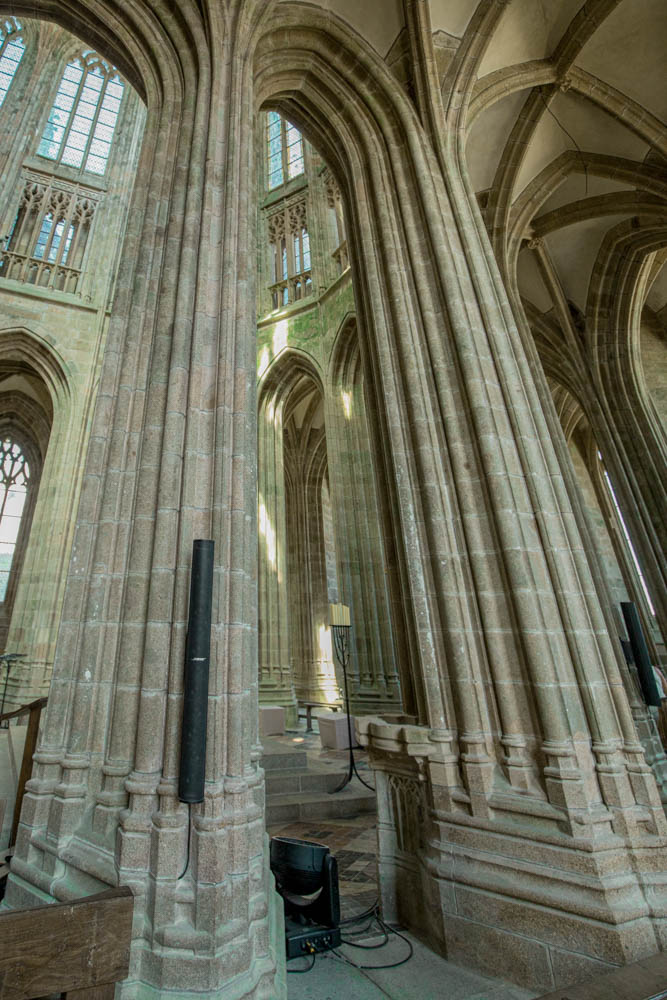
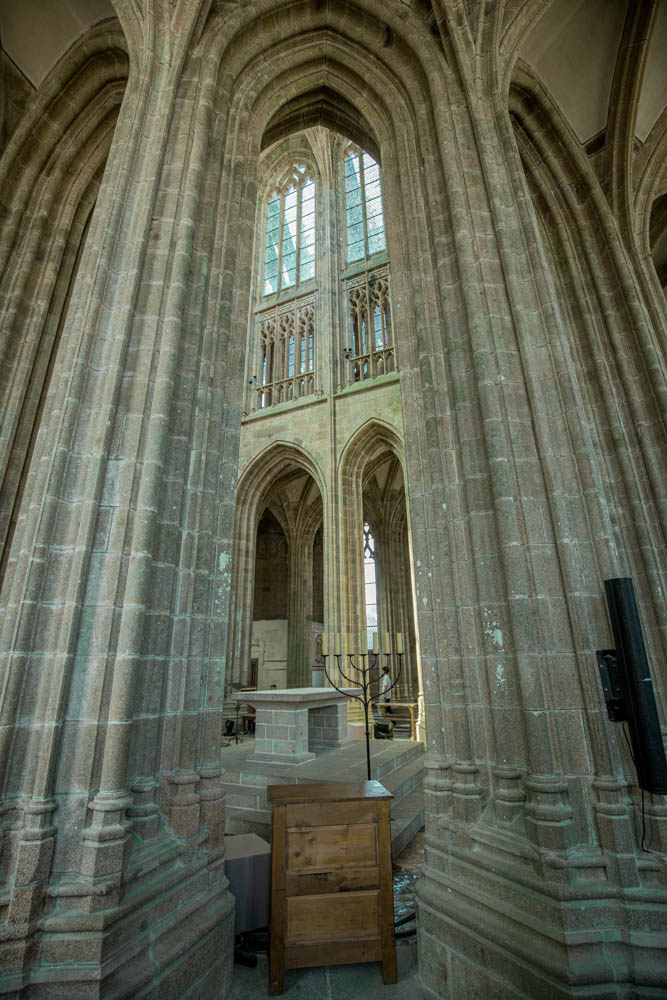
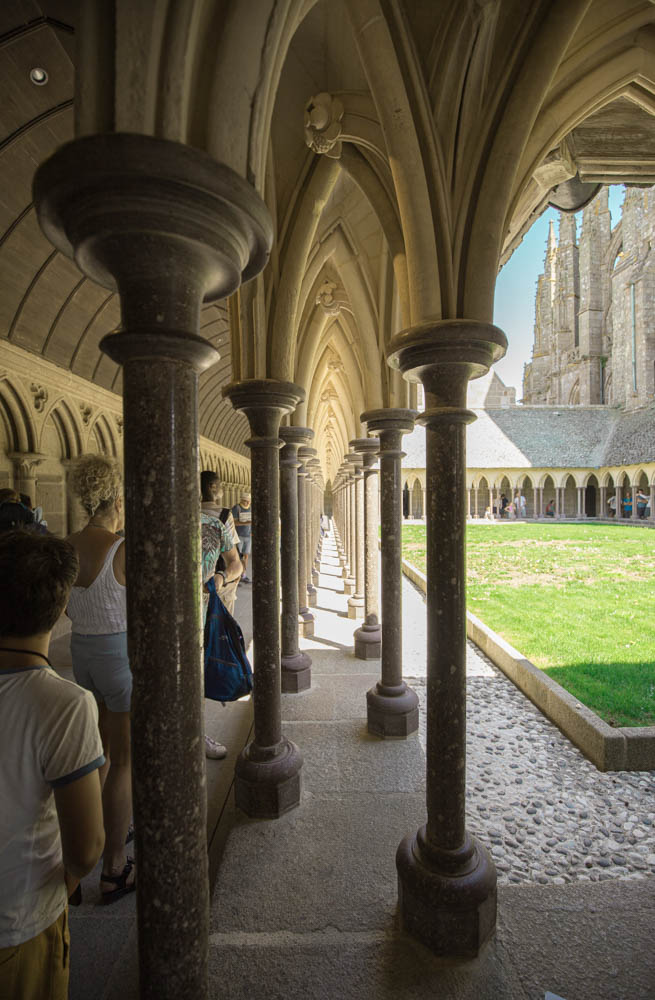
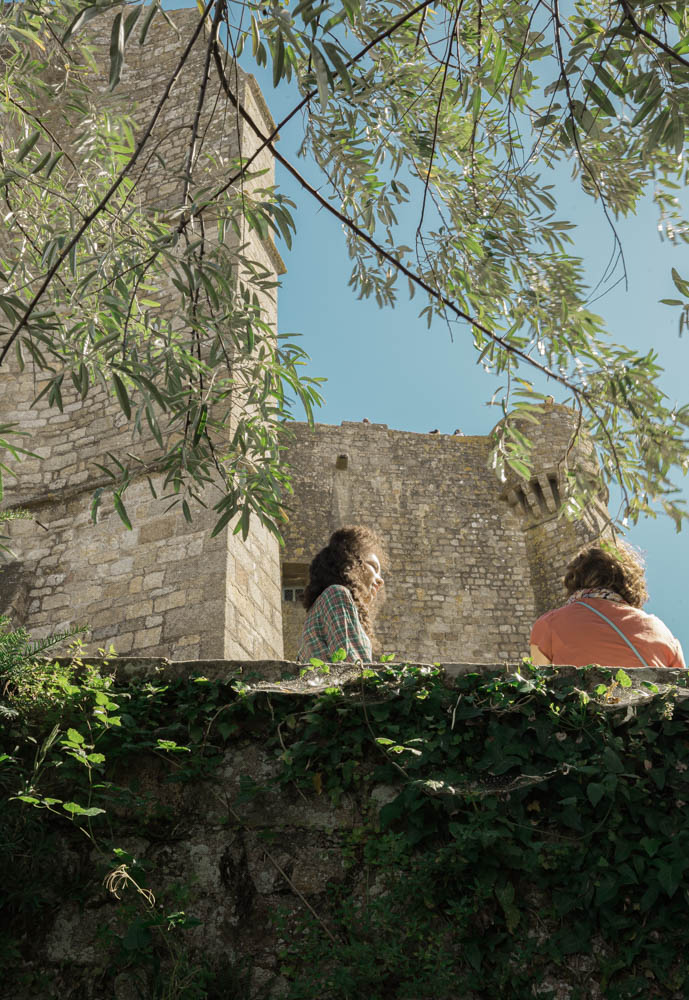
Finally, I reached the awe-inspiring Mont St. Michel. Its grandeur and the spiritual aura surrounding it took my breath away. I knew I was in the presence of something sacred. It was here that my pilgrimage took on its most profound meaning.

A Moment of Grace

Before the Blessed Sacrament, I knelt in prayer. As I poured out my heart to the Lord, I couldn’t help but notice the passers-by who seemed oblivious to the divine presence. In that moment, I offered a prayer that God might reveal Himself to them in some way. And then, as if in answer to my prayer, two individuals genuflected before the Blessed Sacrament. It was a poignant reminder that God’s presence is not always apparent, but it is real and powerful. The simple act of acknowledgment by those two individuals filled me with hope and gratitude.

A Pilgrimage Worth Every Step

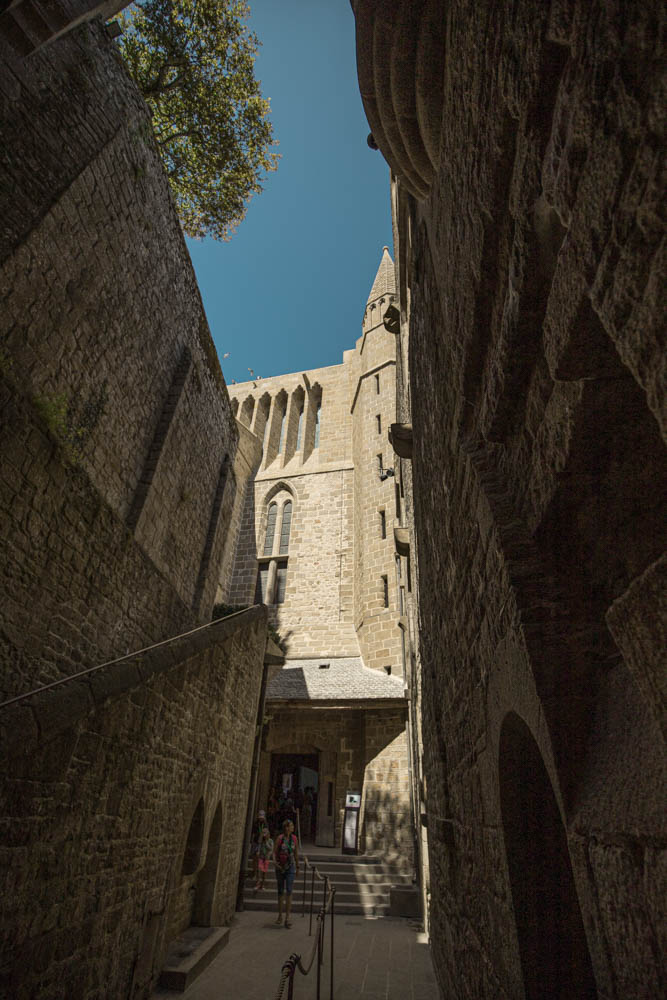
As the day wore on and I made my way back home, I couldn’t help but feel tired. The physical exertions of navigating the ups and downs of Mont Saint Michel had taken their toll. However, it was a good tired, a sense of accomplishment and fulfilment that can only be gained through a meaningful journey.

Looking Ahead

Reflecting on my pilgrimage, I realize that while the physical challenges were significant, they were far outweighed by the spiritual rewards. My journey was a testament to the power of faith and the determination of the human spirit. If I were to undertake this pilgrimage again, I would not go alone. Having someone to share the driving and the walks would undoubtedly make the journey more manageable. In the end, my pilgrimage to Mont Saint Michel left a lasting mark on me. It was a journey of faith, endurance, and prayer, a testament to the power of the human spirit and the divine presence that guides our paths.