China – Shao Xing


New Year’s Day

Welcome back to China, Dear Reader. When I last left you, we were on the bus somewhere between Hangzhou and Shao Xing. I’m pleased to report that we made it safe and sound, and that Corentin and I now had two keys to our room. It was still sunny—a joy to be alive. Thank you, happy pills. Our room had all the mod cons, though there was a quirk: if one of us was on the loo, we’d slide the door across for privacy. Unfortunately, that meant the person taking a shower lost their privacy. Still, I couldn’t see anything from the loo, so my roomie’s modesty was safe.

Speaking of toilets, we encountered quite a range during our travels. In the service stations, they were the French “chiottes à la Turque,” which are nothing like the Mozart Rondo, but certainly more pungent. Then there were the “ordinary” toilets, followed by the ones whose lids lifted automatically as you passed, and finally the pièce de résistance: the Japanese-style toilet, which remained resolutely Chinese.

This marvel had a heated seat—luxury in itself. You had to lift the lid manually (slumming it in the Stone Age again), but once seated, nature took its course in unparalleled comfort. The real magic began when you pressed a button: a mechanism extended to spray water precisely where needed. There was even a function for ladies. And after the water came the air, drying everything off! I double-checked with toilet paper, of course, but it had done an impeccable job. Truly, a game-changer. As Forrest Gump said, “That’s all I have to say about that!”

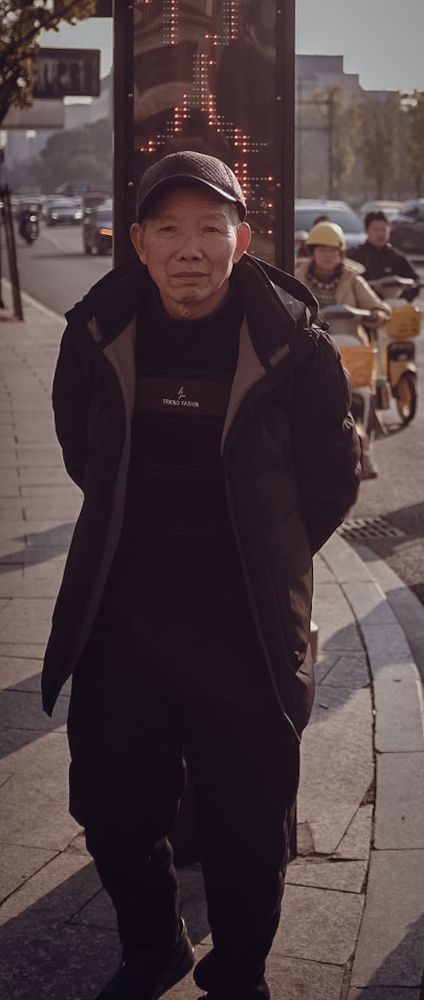
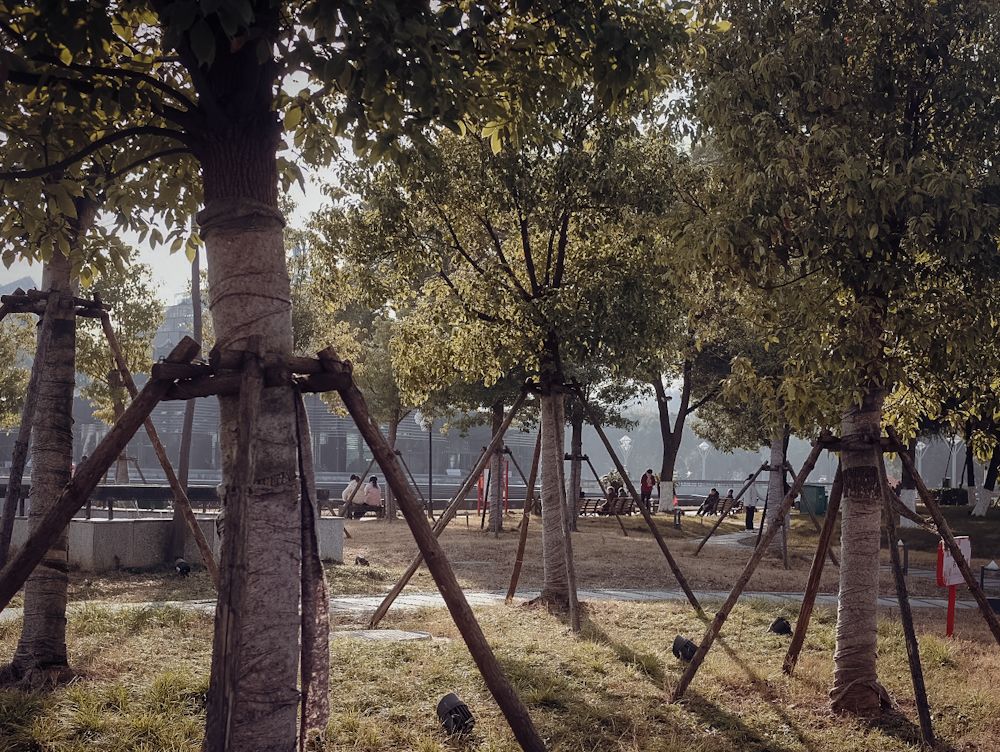
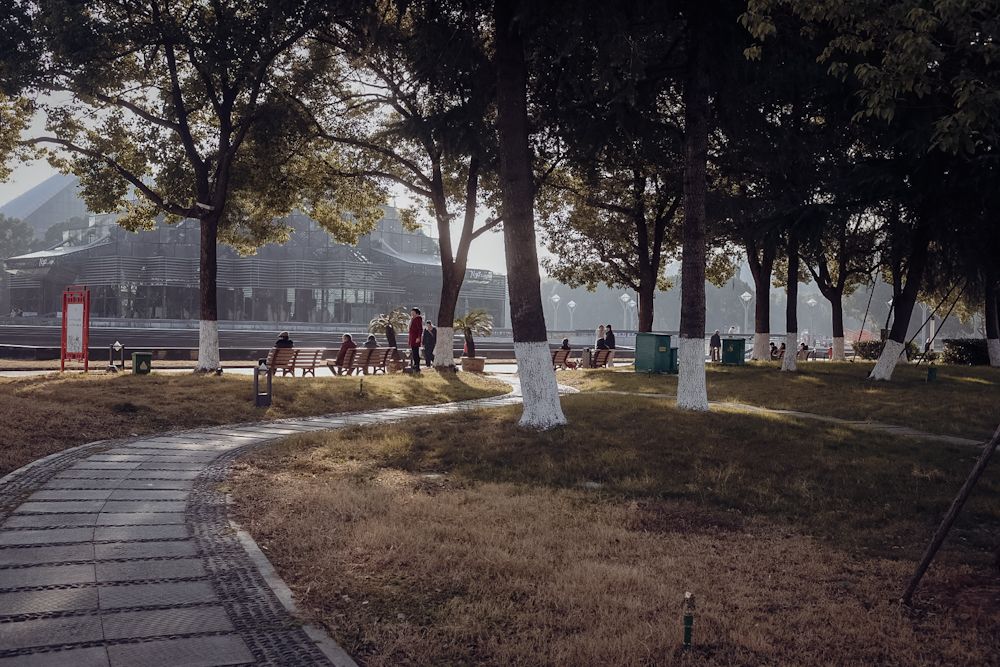
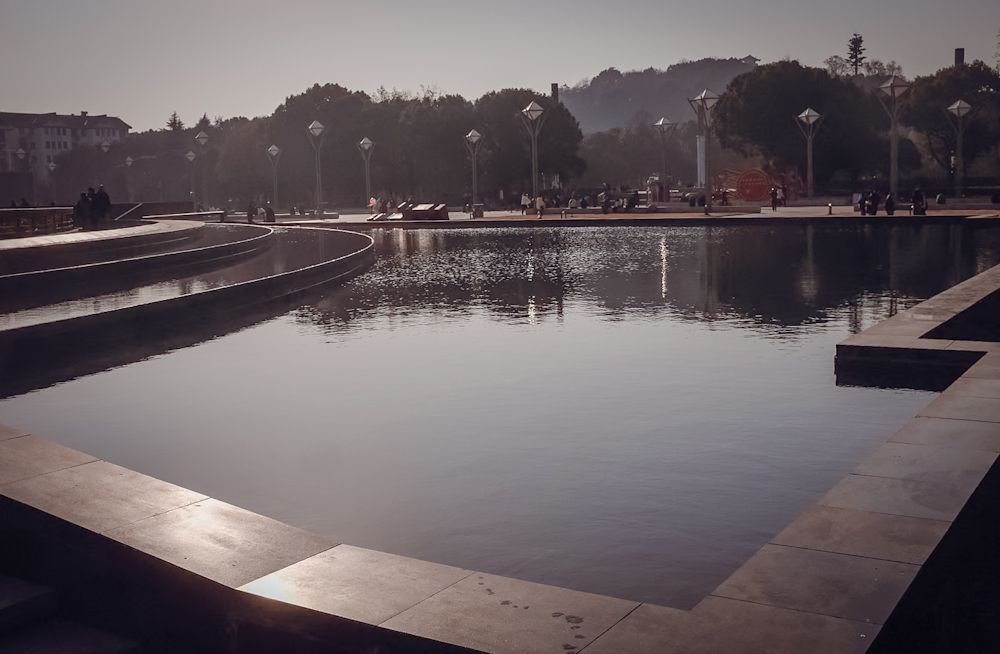
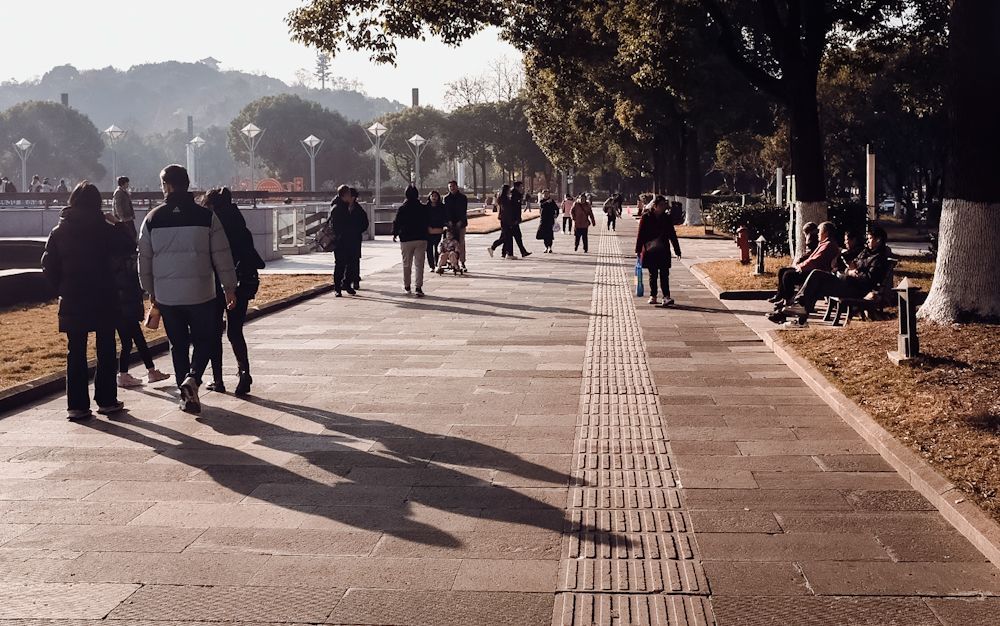
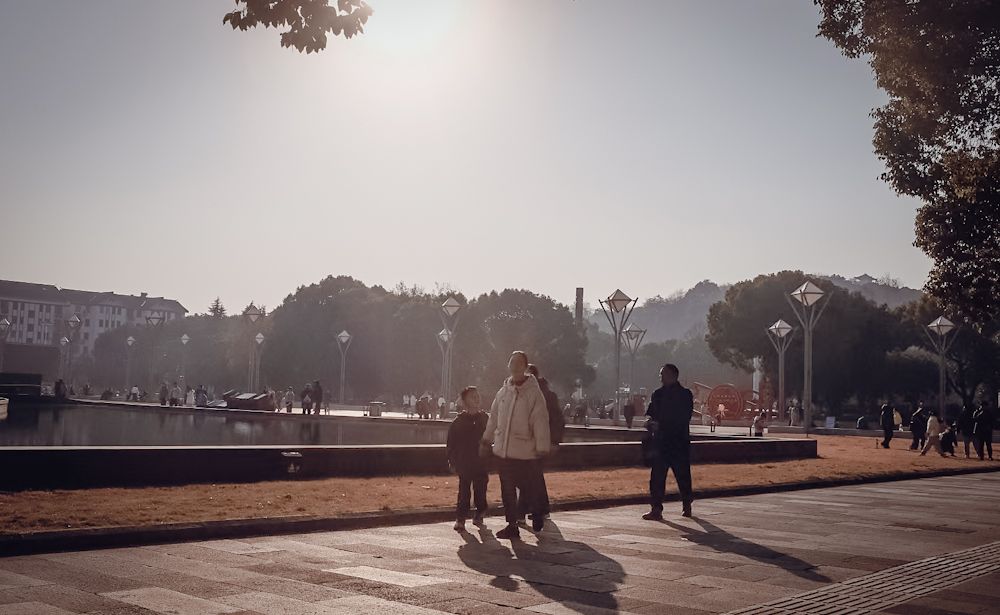
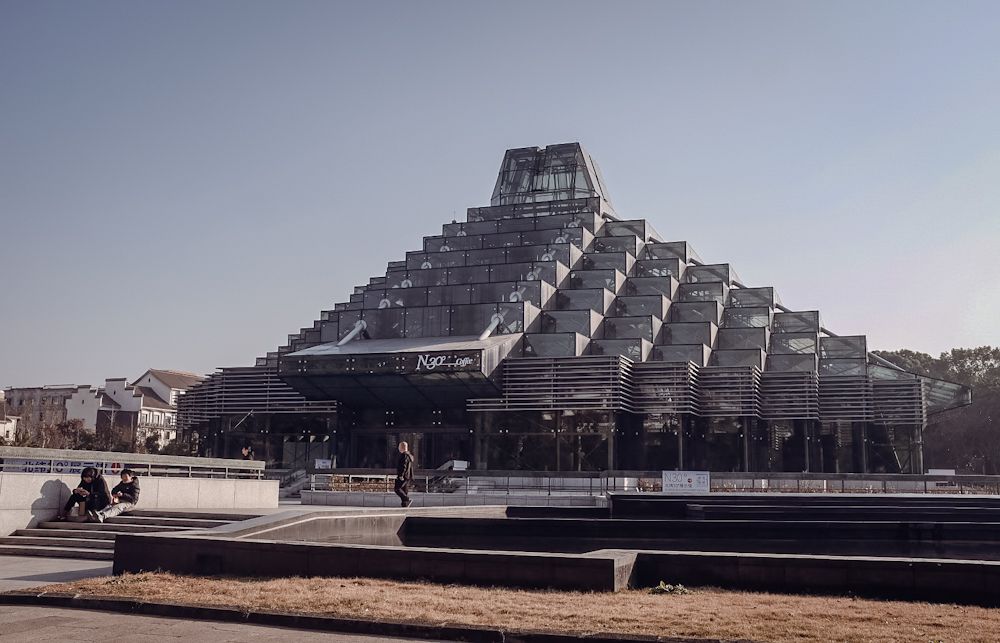
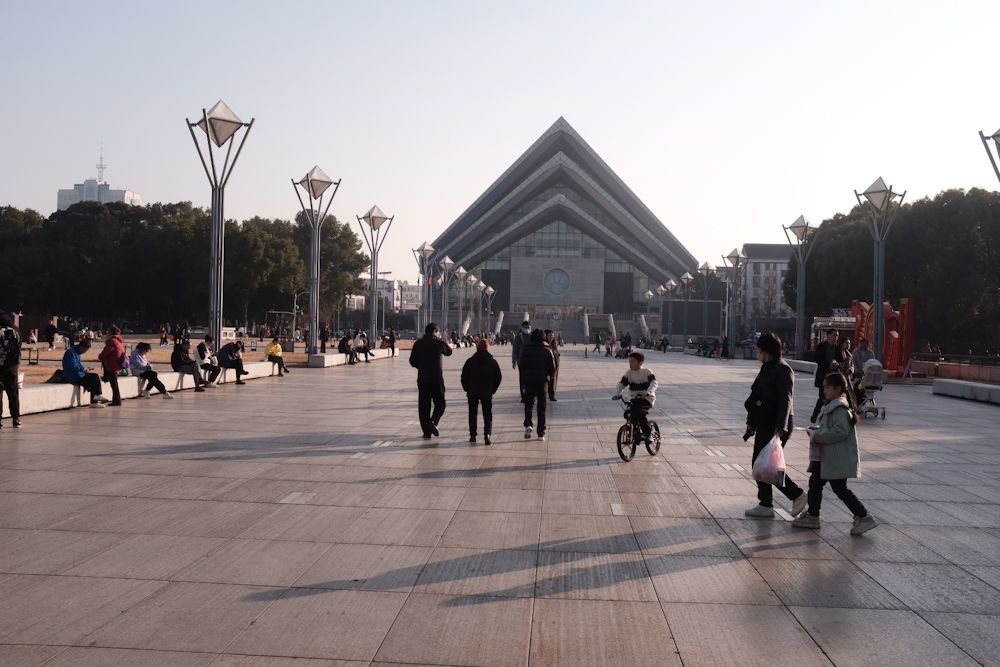
Now, let’s move quickly on from toilet humour (as universal as it may be) to the park next to our hotel. We were on the 22nd floor and had a marvellous view of the city centre. I could even see that night’s venue from our room and decided to explore the area, camera in hand. The winter sunlight was soft—bright but not blinding—perfect for photography. I wanted to capture the impression of Shao Xing, not just through candid portraits of people but through its landscapes and atmosphere. My aim was to convey the city’s essence, much like an impressionist painting, but with a camera instead of a brush.

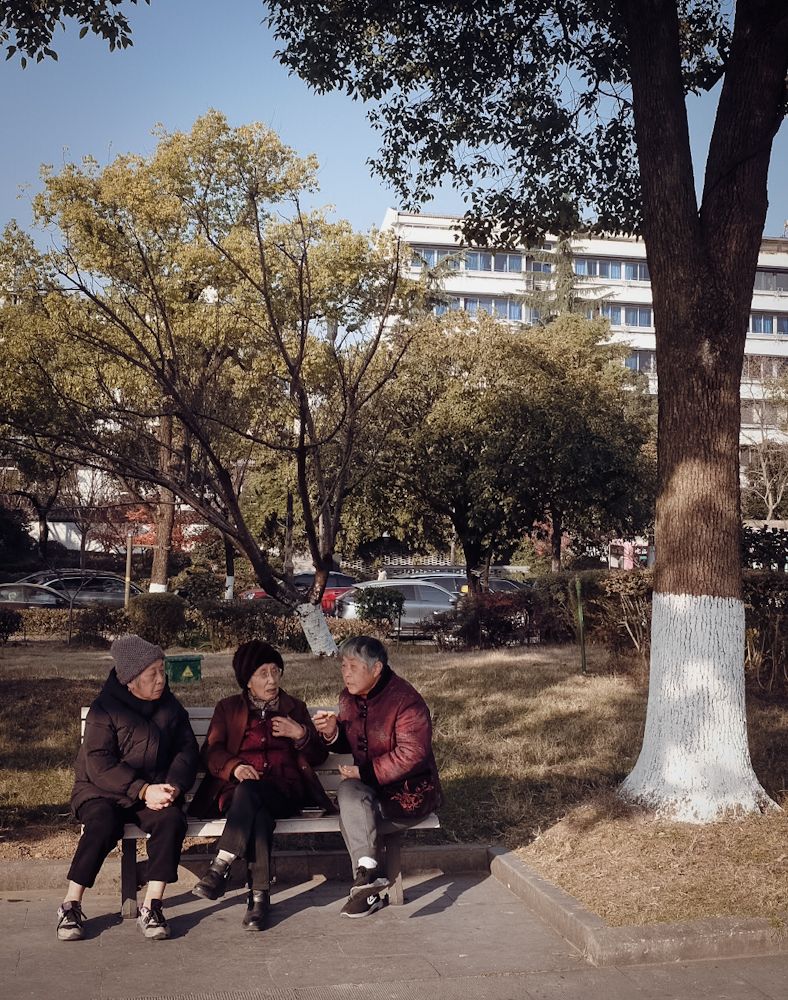
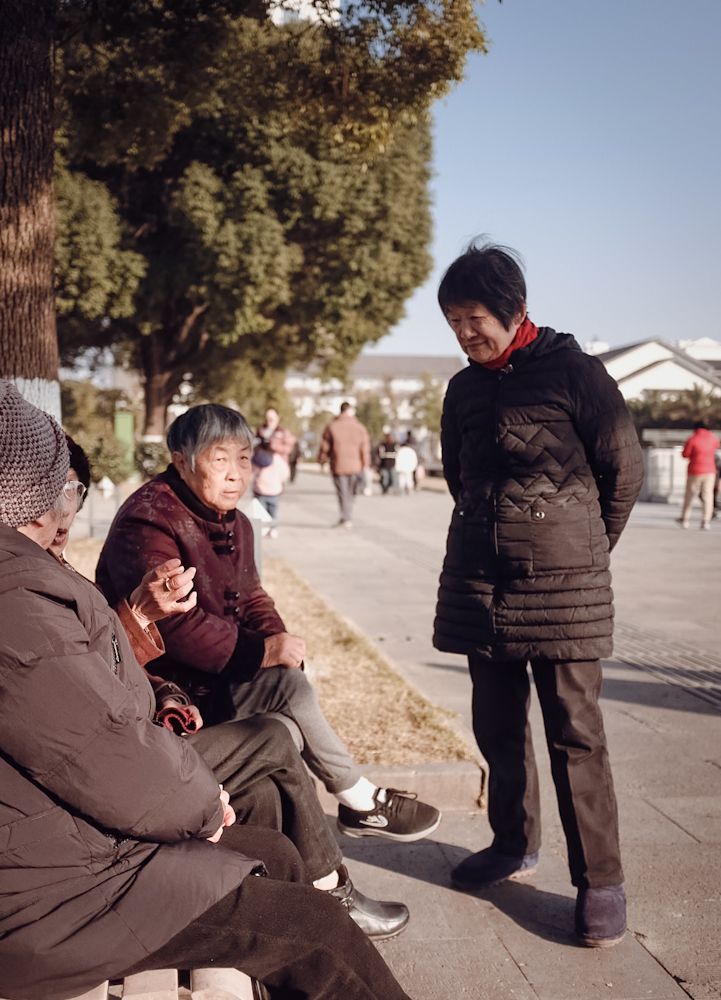
The park was alive with activity. Aunties and uncles sat on benches, chatting animatedly and observing the world go by. One Aunty beckoned me to join her, and I obliged. She greeted me with a thumbs-up—a universally positive gesture, except when hitchhiking in Greece, where it’s a faux pas. Using the translator in Alipay, I explained that I was a horn player with the visiting orchestra and would be performing that night in the concert hall across the park. This app is a godsend in China, though I briefly considered going back to study the language. My wife might not be thrilled with me disappearing for six months, though.
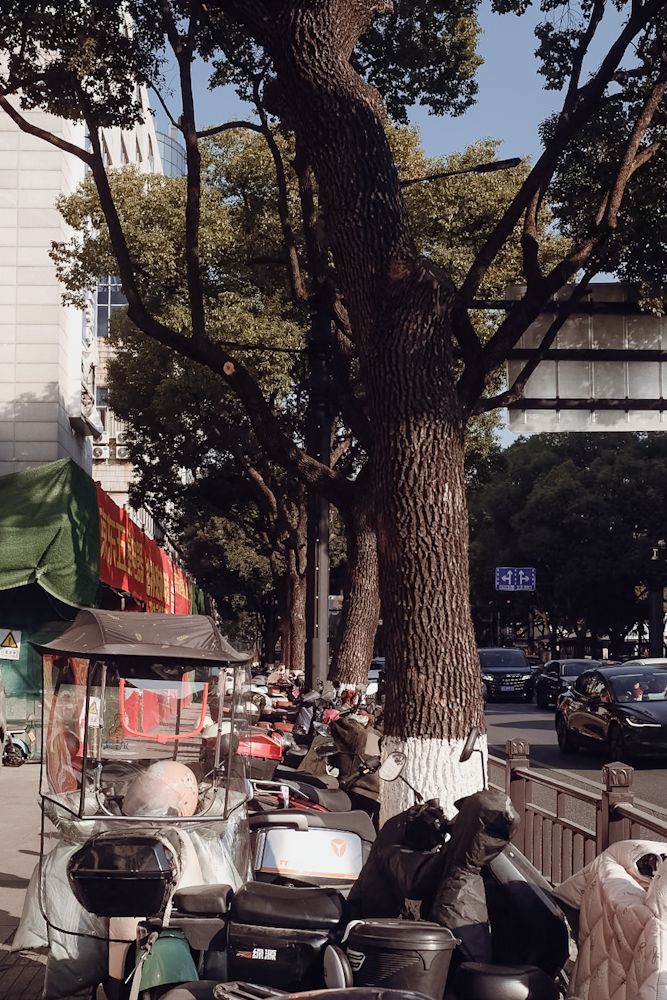
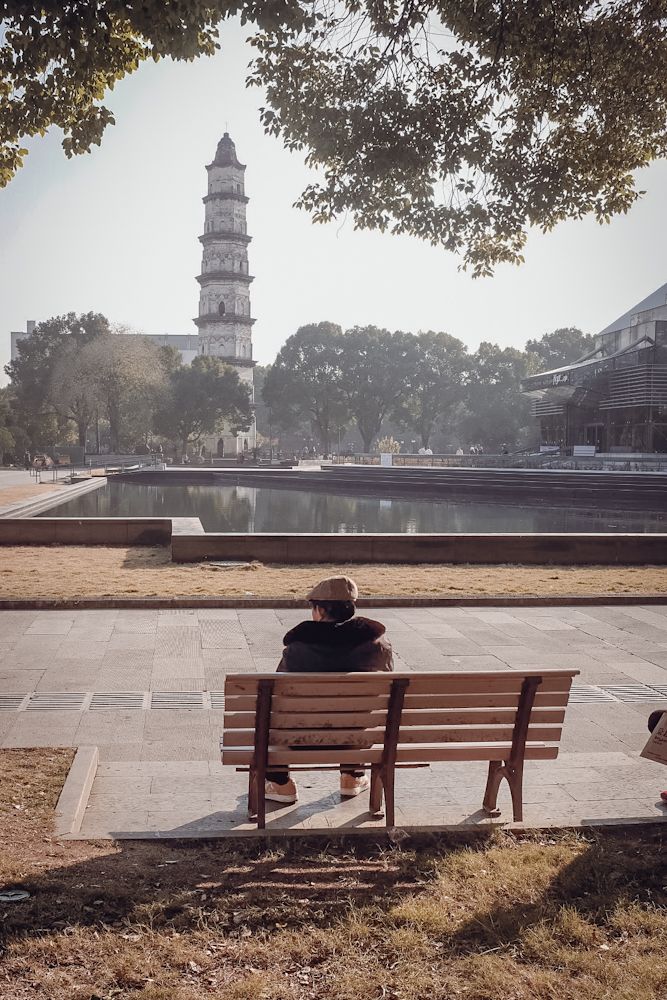
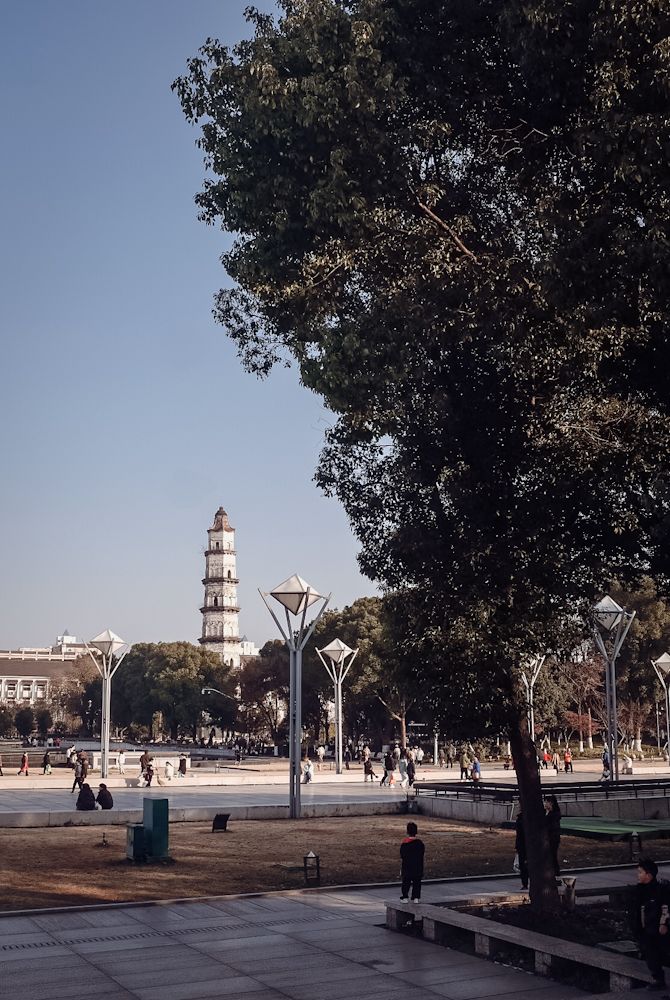
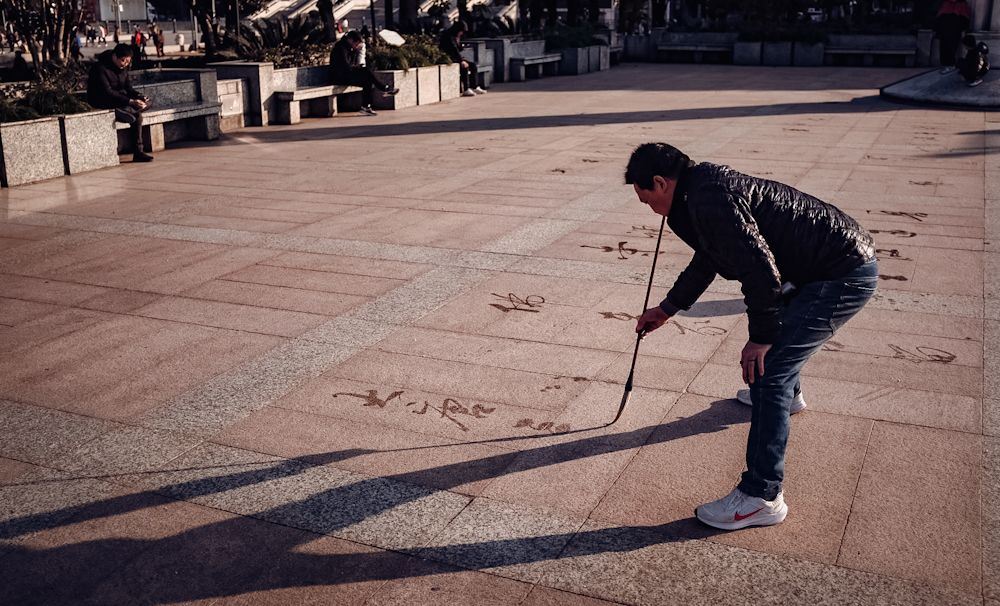
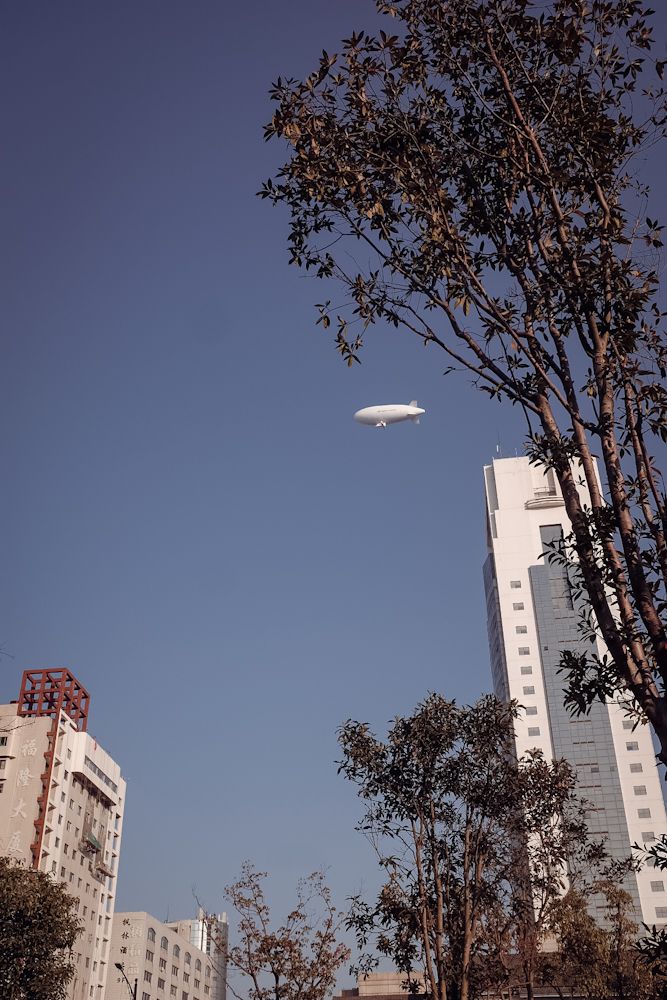
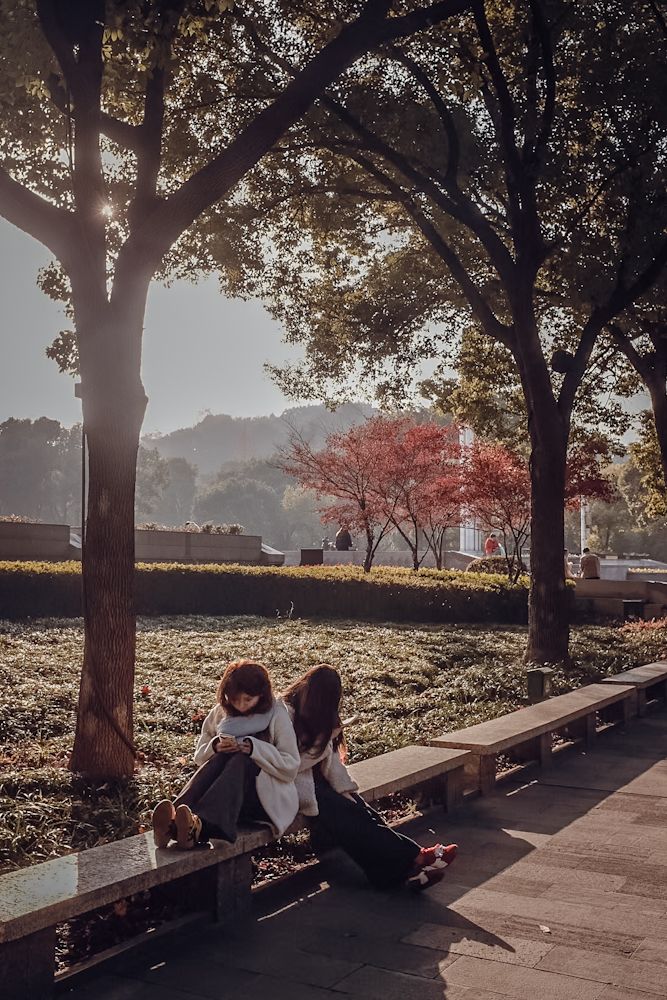
As we sat, the Aunty hummed a Chinese song. I was transported elsewhere, nearly dozing off in the sunlight—a habit I seemed to be developing. Thanking her for her company, I wandered further into the park. The sunlight filtered through the trees, highlighting the park’s serene beauty. I came across a single artist practicing calligraphy on the ground, using water instead of ink. His strokes were delicate and ephemeral—a fleeting masterpiece destined to evaporate. Children played with marbles nearby, using the sculpted floor as their playground. The juxtaposition of timeless tradition and youthful play captured the spirit of China for me. Above it all, a pagoda stood proudly, with an airship hovering in the background—a striking blend of the classic and the modern.

Reluctantly, I left the park to prepare for our penultimate concert. The thought of returning to the mundanity of home life began to weigh on me. This tour had been a gift, filled with unforgettable experiences and people. I wasn’t ready for it to end.

The concert hall was just across the park, and I strolled over leisurely—no need to rush; a gentleman never runs. The theatre director and his team greeted us warmly, their hospitality as magical as ever. Some brass players had prepared a fanfare to welcome the audience, and the atmosphere buzzed with excitement. Selfies were taken in abundance, and someone was even live-streaming for TikTok.

The concert itself went beautifully, with the usual audience participation adding to the magic. Afterward, the theatre manager addressed us, reminding us of the event’s purpose: celebrating Franco-Sino relations and their 60th anniversary. His French was excellent, and his enthusiasm infectious. They had prepared a spread for us—a delightful picnic with beer aplenty. As the night progressed, the manager led by example, dancing and motivating his team to let loose. Seeing their boss in this light seemed to surprise them.

I left the party early, taking a quiet stroll back to the hotel. The park, now illuminated, looked entirely different. The pagoda glowed softly and had changed character, and became the central element to the park.  Meanwhile, Corentin extended the festivities at a local bar, where the owner was treated to an impromptu rendition of Michel Sardou’s “Les Lacs du Connemara.” A night to remember, indeed.

Conclusion: Reflecting on the Philosophy of Photography


As we reach the end of A Photography Philosophy Series, I hope this journey has been as rewarding for you as it has been for me. Through these articles, we’ve explored the philosophy behind why we photograph—going beyond equipment and technique to dig into the heart of what makes photography so meaningful. Each theme in the series has shed light on a unique layer of photography, from capturing emotions to telling stories, reflecting identity, building connections, and even embracing impermanence.

We began with Why Do We Photograph?—a question that sits at the root of every image we capture. For some, photography is about preserving memories; for others, it’s about self-expression, documenting moments, or sharing perspectives. Over time, our reasons for photographing often shift and evolve, bringing more layers to our work as we grow. This first article set the tone for the series by reminding us that photography is a deeply personal journey, and our motivations shape each image we create.

Then we delved into The Emotions of Photography, exploring how images can carry feelings, from joy and nostalgia to solitude and contemplation. Photography allows us to express emotions that words often fail to capture, communicating through light, composition, and mood. Each photograph holds the potential to resonate with viewers in a way that feels both personal and universal, offering a window into the photographer’s emotional landscape.

The Art of Storytelling in Photography came next, where we looked at how images can create narratives—small windows into people, places, or moments that form part of a larger story. Photography has a remarkable way of capturing both detail and the bigger picture, allowing us to document stories that speak to shared experiences or unique perspectives. In a world full of words, photographs can often tell a story with a quiet eloquence.

In Identity and Self-Expression, we explored how photography offers a chance to express who we are and what we see. Our images inevitably reflect parts of ourselves—our backgrounds, our worldview, and our personal journey. For many, photography is as much a journey of self-discovery as it is a creative practice, helping us find our own voice and share it with others. Photography encourages us to see ourselves more clearly and to reveal something of that to the world.

Then came Connection Through Photography, a theme close to my heart. Photography, as we’ve seen, can forge connections—between photographer and subject, among fellow photographers, or with viewers who see something of themselves in the image. These connections remind us that we’re not alone in this world; they foster a sense of community, shared understanding, and empathy that goes beyond language. Photography has a unique power to unite us, even if only for a moment.

Lastly, we explored The Philosophy of Impermanence, where we reflected on the fleeting nature of each photograph. Every image captures a moment that can never be repeated, lending photography its unique poignancy. Impermanence reminds us to treasure the moment and see beauty in the transient. Photography, like life itself, is filled with unexpected moments, and it’s often the imperfections or mistakes that give images their authenticity and depth.

As we close, I invite you to reflect on your own photographic journey. What drives you to take photographs? Which themes resonate most with you—capturing emotions, telling stories, connecting with others, or perhaps embracing impermanence? These reflections aren’t just theoretical ideas; they form the personal philosophy that shapes how each of us approaches photography.

Ultimately, photography is about connecting with the world and each other through shared moments and meanings. If this series has encouraged you to think more deeply about your motivations, experiences, and the meaning behind your work, then I hope you’ll carry those reflections forward. Photography gives us a way to see, to understand, and to share in ways that words alone can’t.

Thank you for joining me on this exploration. I’d love to hear about your own experiences—what drives you, what connects you, and how photography shapes your view of the world. Let’s keep the conversation going and continue building a community of thoughtful photographers, one image at a time.

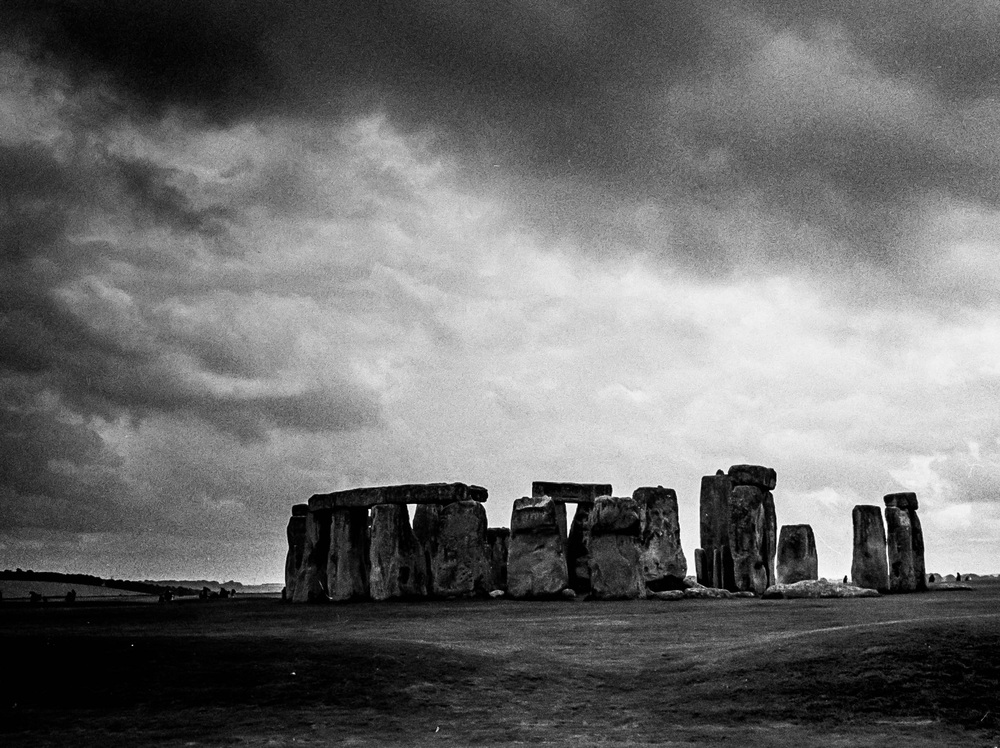
The Opening of the Film Archives – Stonehenge August 2016


Stonehenge is something different for most people.  For some it is a historical site in Wiltshire, and despite not being part of the 7 wonders of the ancient world, still remains pretty special.  For some more “alternative” folks, it’s an ancient spiritual centre, and just happens to be on converging energy lines.  For some it’s a day out with the children.

We had come back from a cruise that had taken us around the Canary islands, Lisbon, and Galicia in Spain.  Thank you Mummy, and thank you Daddy!  I think they felt guilty about us always coming up to see them in Northumberland, and wanted us to get a different holiday experience.  Well, different it was!  But that is a totally different story, and the photos can be found in the Olympus Trip 35 article.

So our ship docked at Southampton and we still were in the holiday mood.  I remember as a small boy visiting Stonehenge, and thought it was “the” opportunity to introduce my family to the site.  

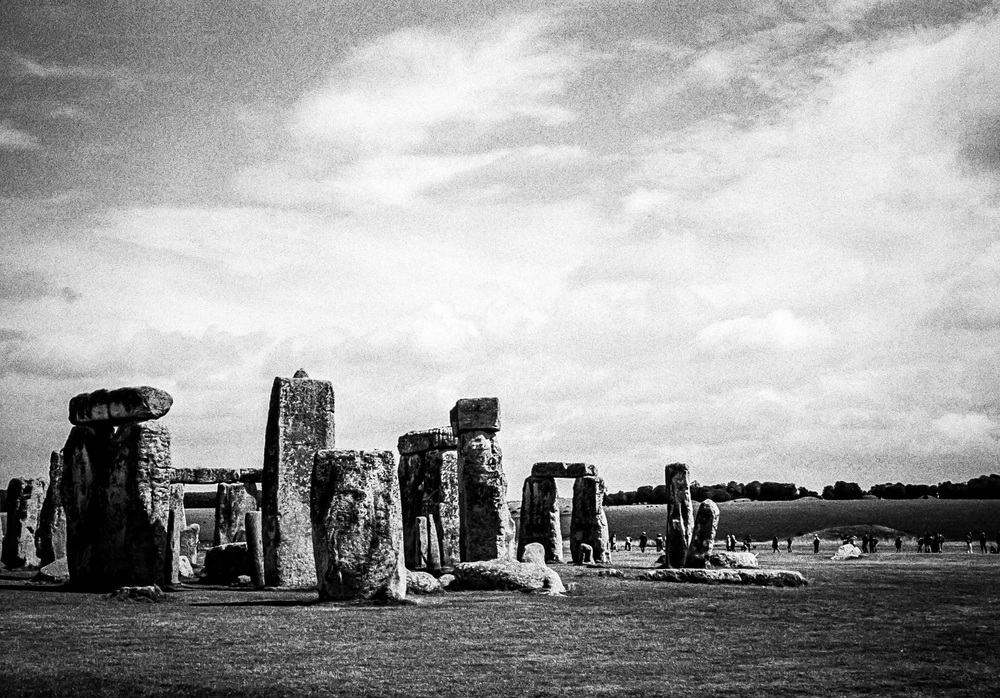
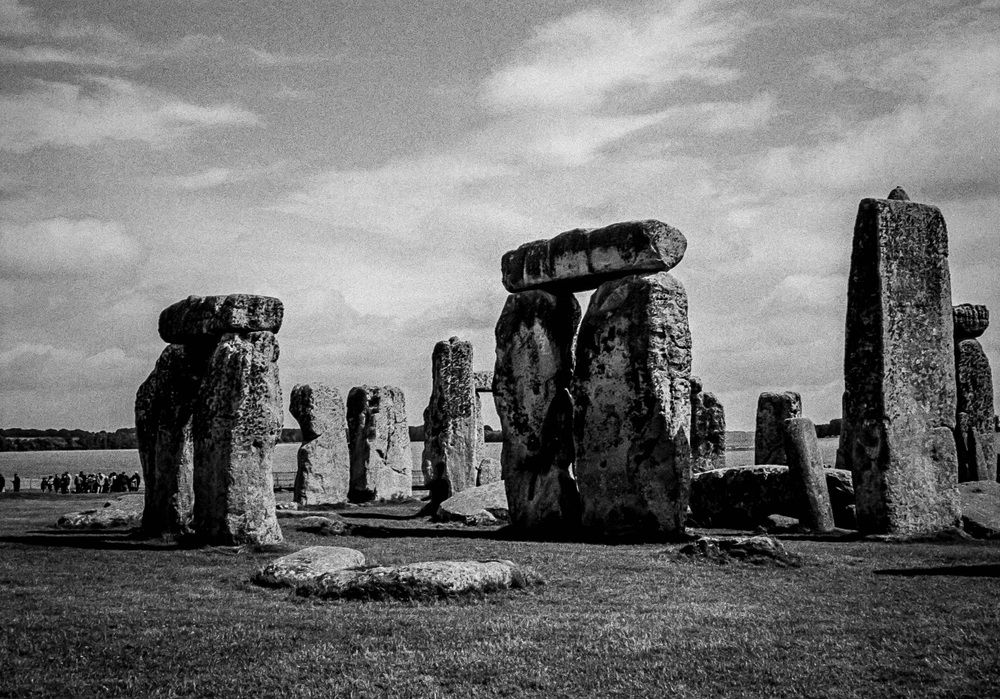
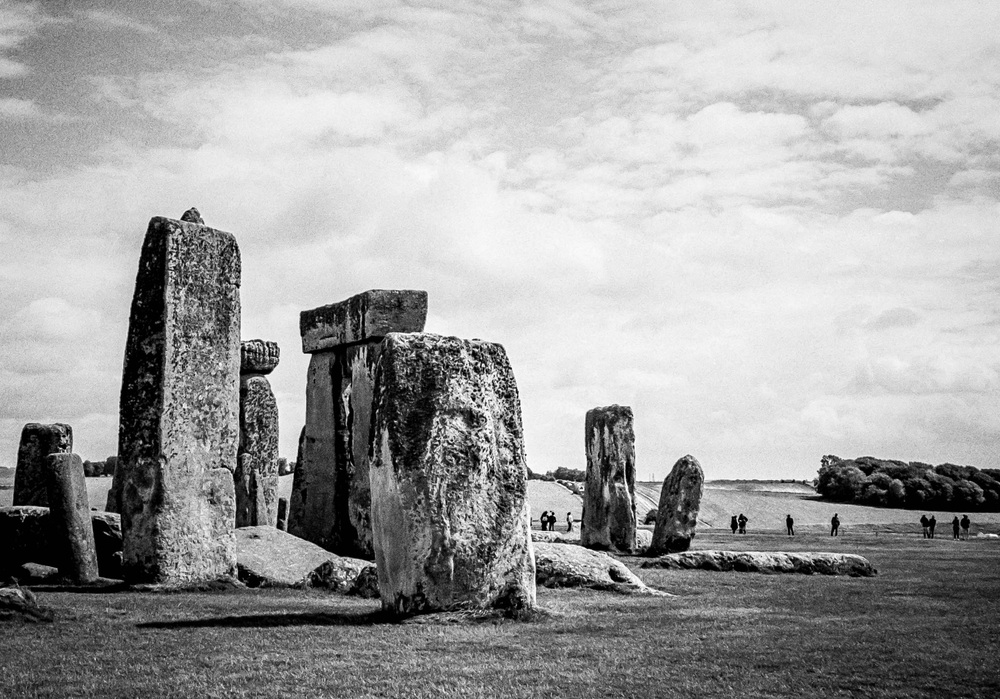
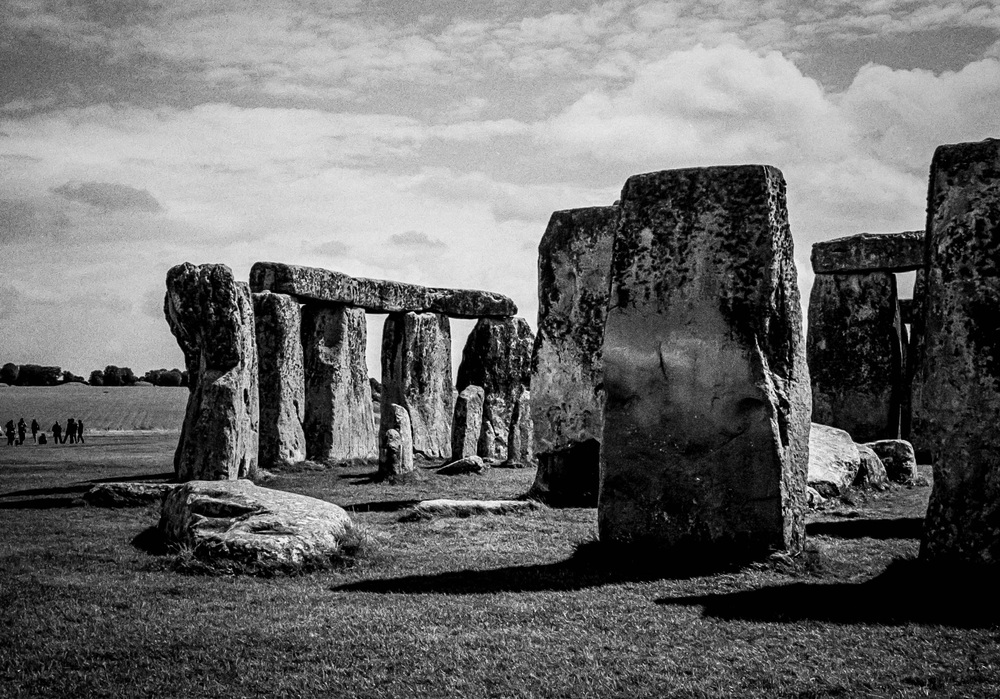
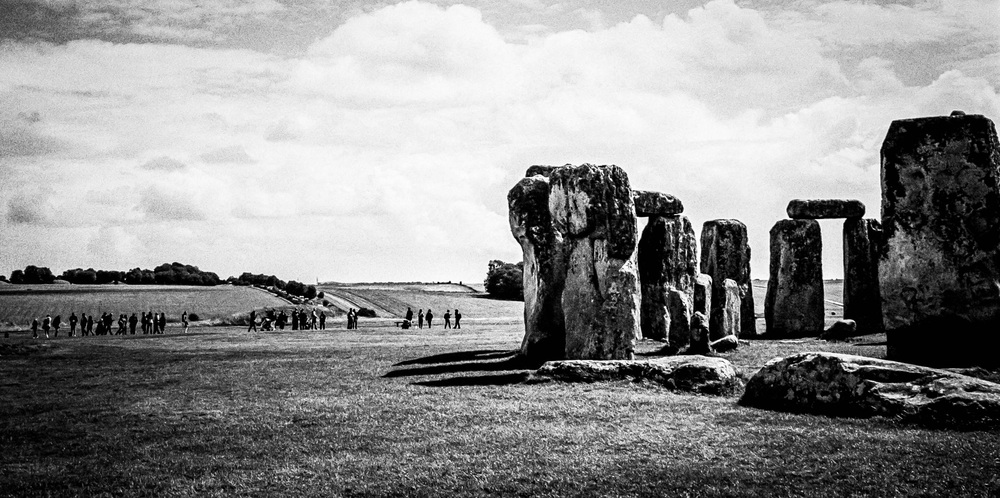
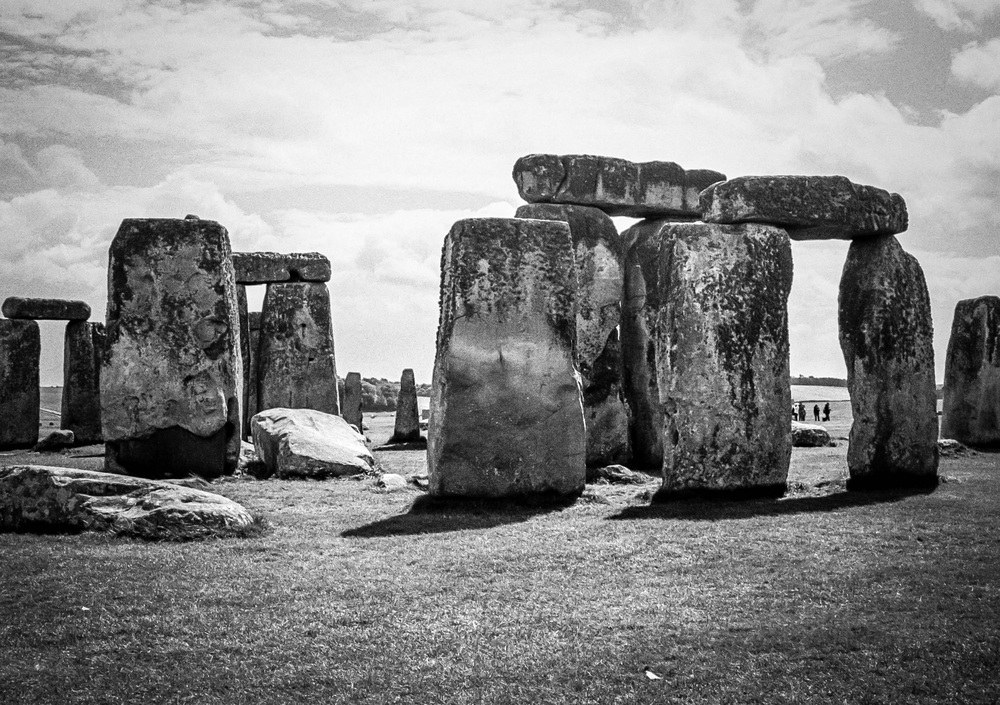
It seemed slightly smaller than I remember it.  As do most things if I’m going to be honest with you, but the majesty of the stones remained.  As did the wonder at the fact that these stones had been dragged overland from Wales, and put into place, with the joints still being “rock solid” and down to the nearest millimetre.  I work in a factory that does industrial woodworking and I know what we can do with modern tools and technology and yet here, this massive construction was put together using basic tools.

The children were just taking in the whole experience, and rather bemused at the sight of Japanese tourists being shoved around the site and taking the obligatory selfie.  They also seem quite bemused by the amount of school groups being led around.  

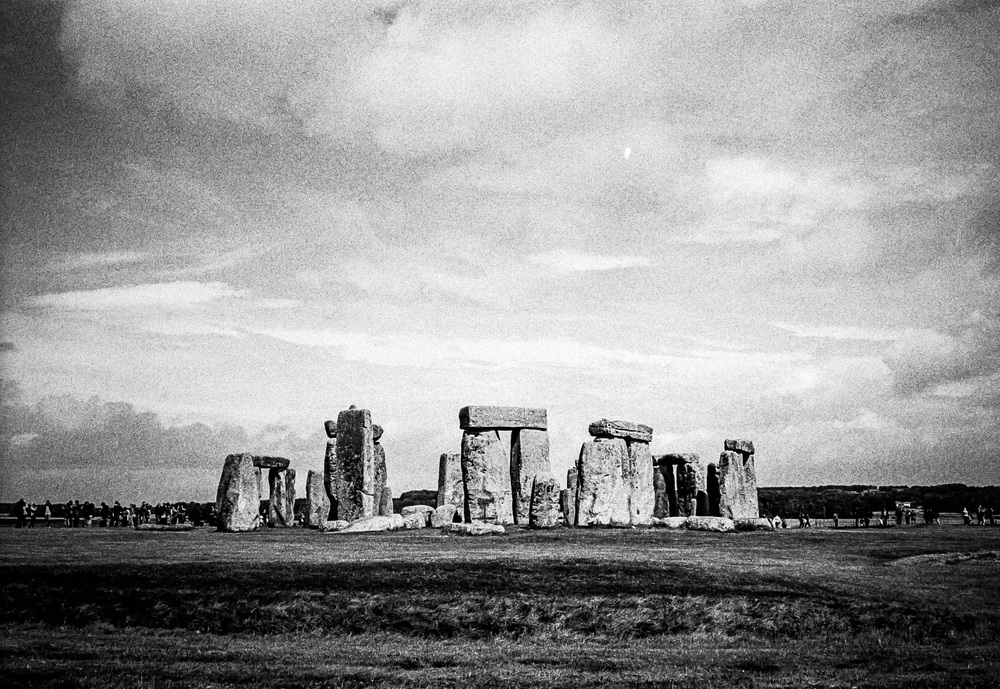
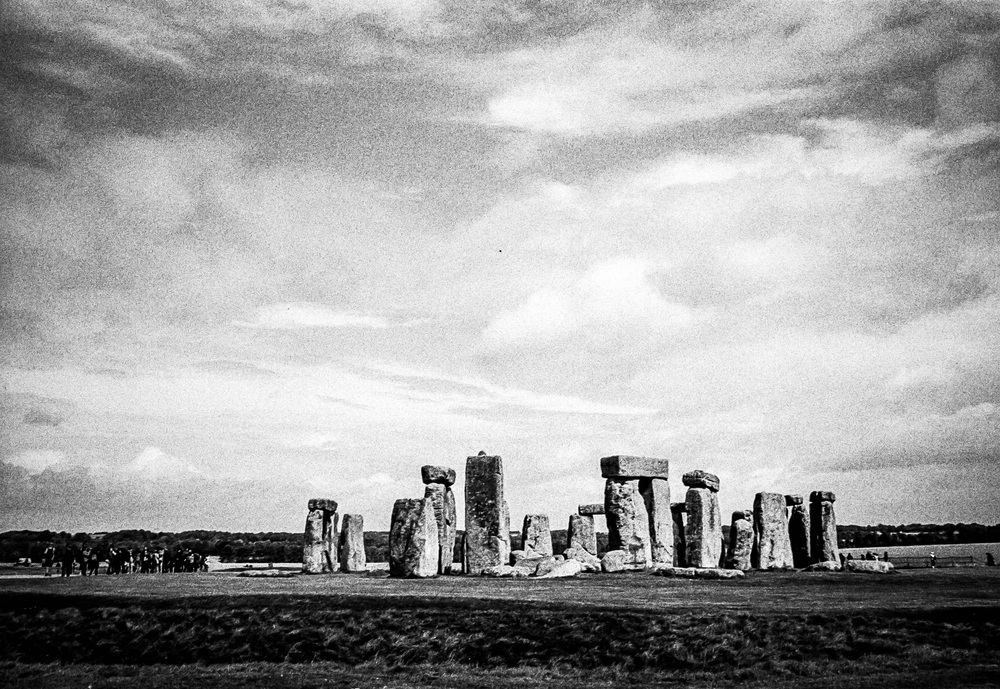
I preferred, as often as I do, to just take my time and take it all in and get some photos of the place.  With the 40 mm zuiko lens I was getting some lovely environmental shots that you can see below.  

My wife, however, was in tears.  Crying her heart out.  She later confided in me telling me how she just felt overcome with emotion.  Maybe those lines of energy for those alternative folks might have something in them…