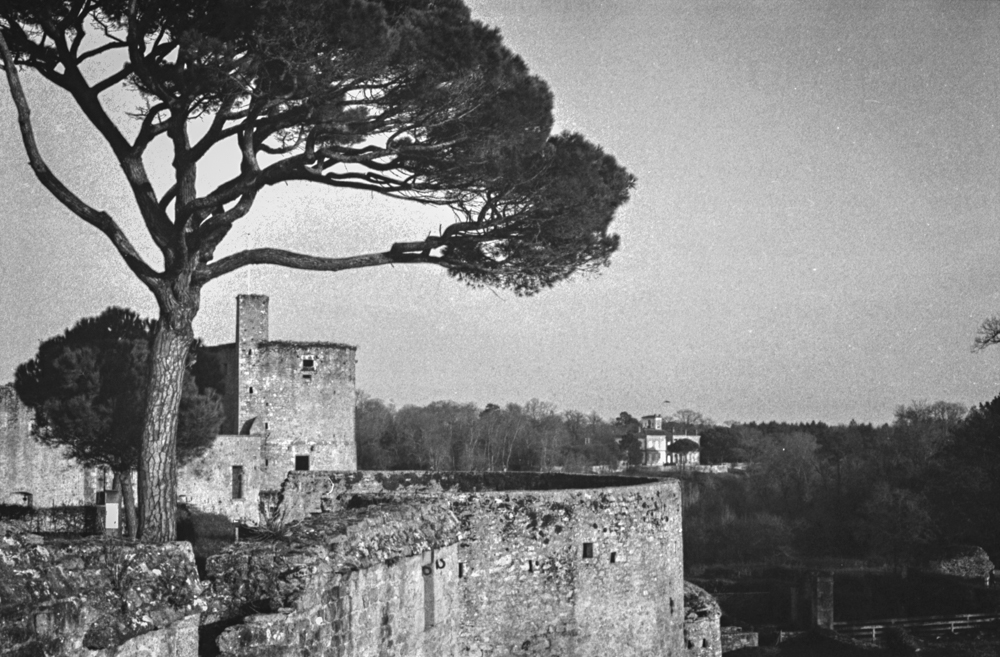
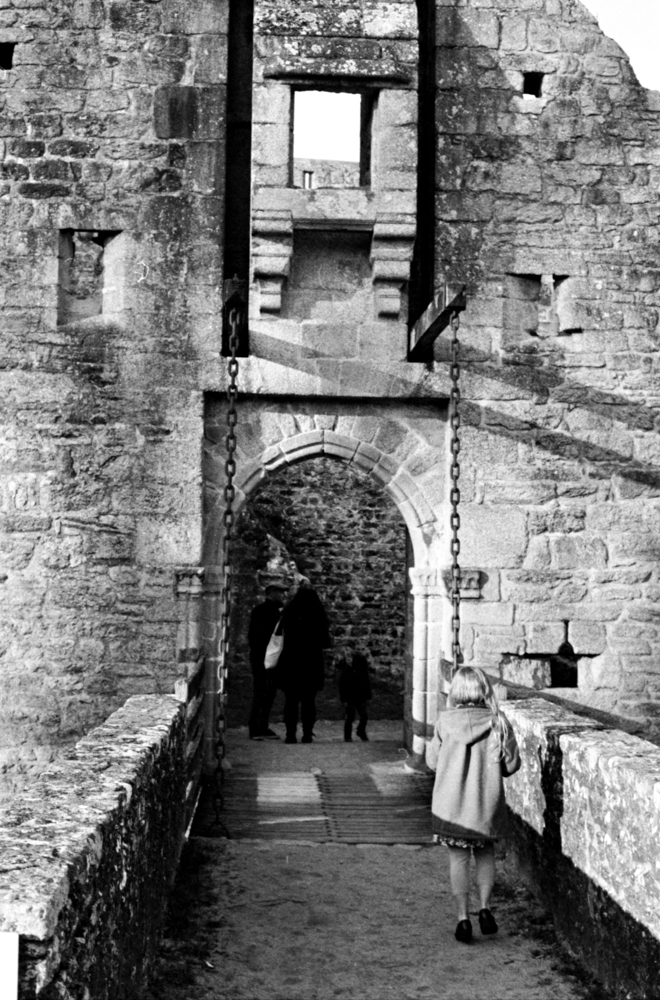
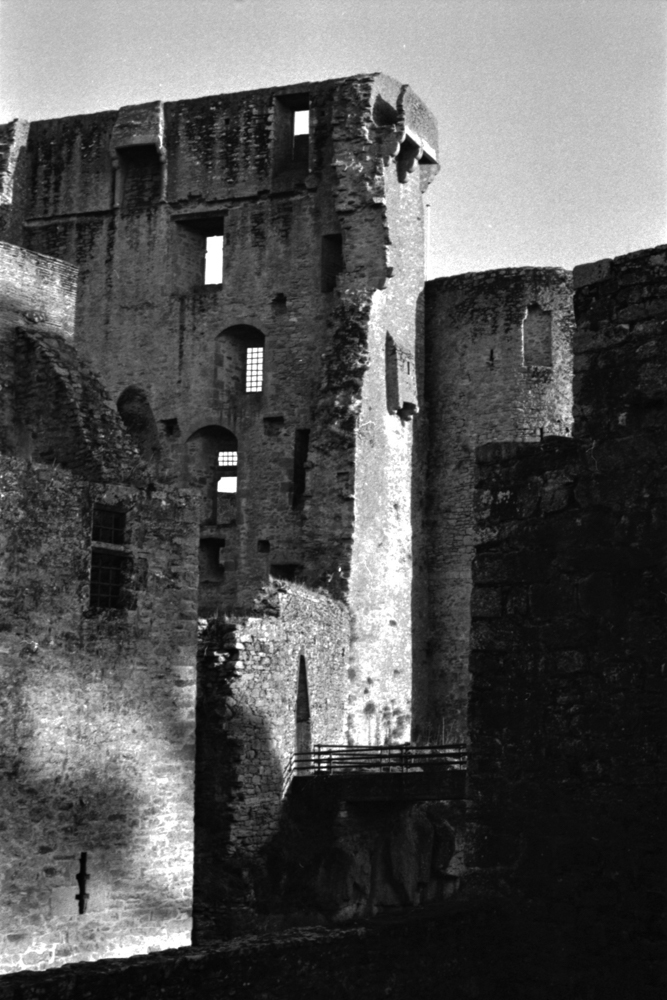
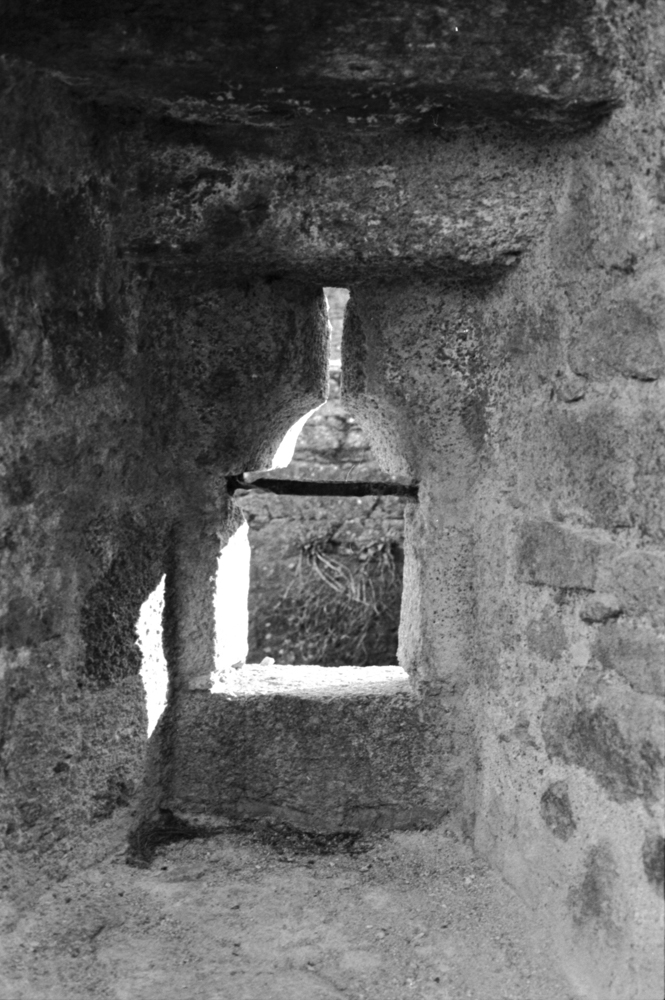
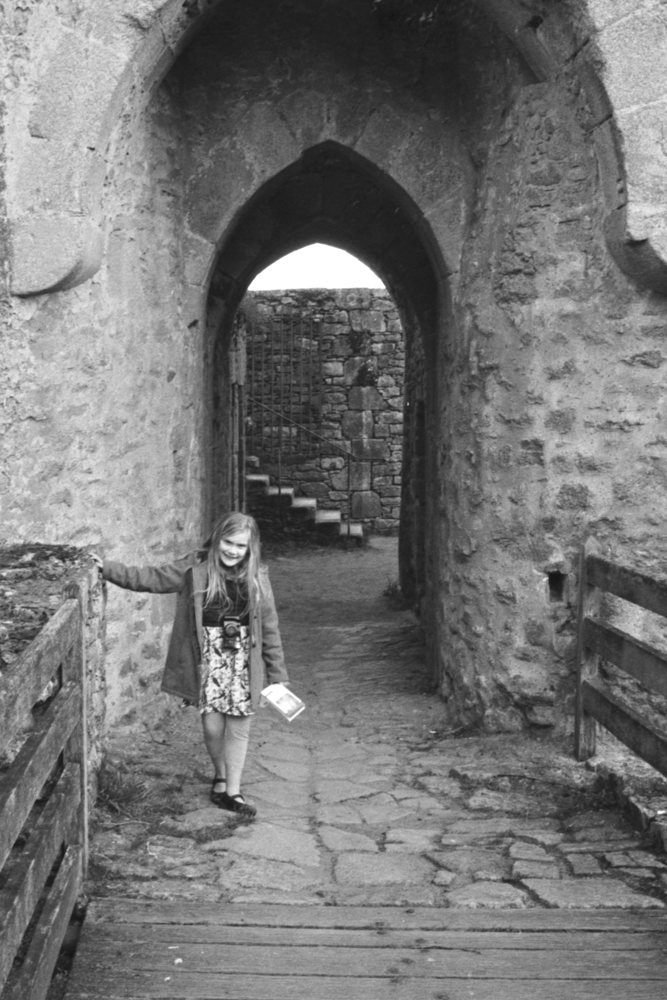
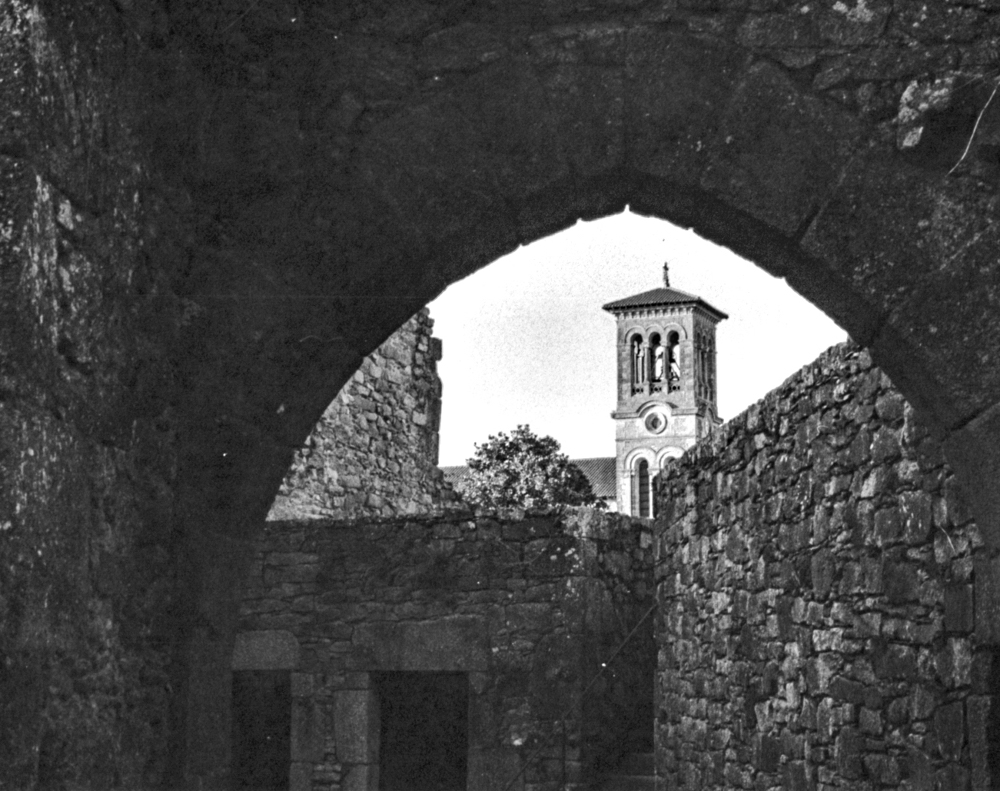
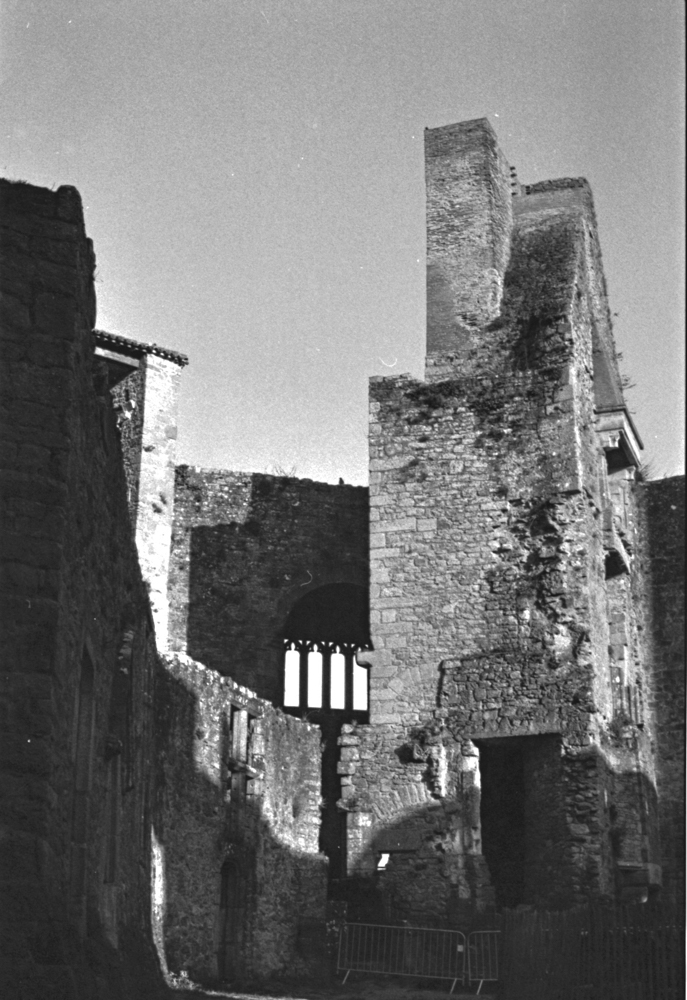
Opening of the Film Archives, Château de Clisson, February 2017


I had obviously taken a break with the Canon AE1 and spent the whole of December and January in hibernation, as most grumpy bears of my age do. Get Christmas over with, then go back to bed… I like my bed. No, I love my bed!!

Spring was just around the corner, and Kate had managed to awaken the beast and proceeded to tell me what she had planned for the day. It included me, a camera, and the Chateau de Clisson. I had just been “told” by my daughter, and off we headed to Clisson.

Now, the Chateau de Clisson is no small affair by any means. It dominates the centre of the town, sitting atop a hill as an imposing structure. I remember Kate having begged me on numerous occasions to actually go inside, and this time I acquiesced.

It was the perfect opportunity to not only document the inside of this historic site but also to let my playful daughter do what children do best: be cute, or as they say in French, espiègle. At that age, she was still content to pose for the camera, unlike the moody teenager she has become. Yet, sometimes, that same playful nature still manages to shine through.

If you’re curious to learn more about the history of the Chateau de Clisson, I’ve included a link for further reading.

After our outing in Clisson, I retreated to the quiet of my darkroom, where the real magic happens—transforming the captured moments into tangible memories. The familiar routine of developing the film, loading it into the tank, and watching the images slowly emerge never fails to captivate me. Once the negatives are ready and the scans are complete, I file them away in both my digital and analogue archives.

Then, a few years later, I get to share these memories with you. It’s a special kind of nostalgia—the kind that comes with taking time to slow down, reflect, and preserve what matters most. Thank you for joining me on this journey and for allowing me to share these pieces of the past with you.

A Photography Philosophy Series – Part I – An Introduction


With the aim of delving deeper into the meaning behind photography, I’ve decided to launch a new series of articles. Here, I want to explore questions like why rather than just how or with what. In my Photography 101 series, we looked at the basics—technique, lenses, and so on. I’ve written extensively about gear in my camera reviews. But now, I’m searching for something beyond that.

The wheels in my mind are already beginning to turn. Not frenetically yet, but there’s a steady intellectual process underway. Answering “why” feels more challenging than “how” or “with what.” It demands more from me than simply focusing on technique or gear.

Here goes anyway!

To set the stage for this exploration, I’ll begin by sharing my own journey in photography. Understanding where I come from may help illuminate my perspective on the medium.

I was born in an age before the all-powerful image took over. Yes, we had photos, and I enjoyed looking through them in our albums. Each image was a physical object, and the idea of viewing images on a screen was foreign to us all. When we spoke of phones, we meant the ones hanging on the wall at home or in the phone boxes on the street. They certainly weren’t for taking photographs.

Back then, cameras fell into two categories: point-and-shoot cameras for the masses and “proper” cameras for photographers. Point-and-shoots were basic, easy to use, and, for me as a small child, they were an introduction to photography. Proper cameras, on the other hand, were for those who had learned the craft of photography, and using one made you feel part of a certain fraternity.

My first Form Master at prep school, Father Gerald, had a proper camera and recorded school life with it. Occasionally, a board with a selection of 6-by-4-inch photos would appear, always in black and white. Father Gerald must have had his own darkroom for developing and printing. I have no idea what kind of camera he used, but it was undoubtedly a proper one.

In 1984, a German orchestra visited Hull, and Stefan Haller from Neustadt an der Aisch stayed with us. Stefan had a proper camera, and I was fascinated by it. When I asked my father if I could have one too, he agreed—but I would have to learn how to use it first. The local YPI organized a summer school offering various activities, including proper photography. And that, Dear Reader, is how I first encountered this “proper photography” lark!

So now you know the why and how behind my beginnings in photography. Let’s look at how this journey evolved. My first proper camera was a Praktica MTL 3. It was fully manual and had a built-in light meter, which helped me get my exposure right each time—or nearly each time. With that camera, I trained my eye and explored the world around me.

Photography at the time was film photography. Although Kodak invented the digital camera in 1979, digital photography didn’t become accessible until the early 21st century. Growing up, color photography was for capturing moments with friends and having a laugh; black and white was considered more “arty” and suited for serious photography. I was deeply affected by the black-and-white images in newspapers, while color images seemed relegated to magazines.

I remember having breakfast with my father every morning as he read The Independent, a paper known for its high standard of photographic journalism. This was my daily visual inspiration. I had a subscription to National Geographic, where I encountered even more incredible photography in its pages. This was top-class photojournalism, and these images now serve as a historical reference for us all.

This is the time and place I come from. For young Gen Z readers, it might sound like ancient history, but to me, it’s deeply real and continues to influence my approach to photography in the digital age.

Now that you’ve had a glimpse into my why, let’s dive deeper. In the next article, we’ll look at why others feel compelled to pick up a camera. Throughout the series, we’ll explore the connections between images and emotions, how we tell stories through our photos, and how photography can be a form of self-expression leading to personal growth. We’ll examine how photography connects us to others, reflect on the philosophy of impermanence, and, at the end of the series, I’ll invite you, Dear Reader, to reflect on your own photographic journey…

The Opening of the Film Archives: On va Marcher sur la Lune, Kate


Last week’s journey through the film archives took us to Nantes, specifically the Île de Nantes. While you’ve seen my photos from that day, I’m excited to share my daughter Kate’s photos with you.

Are these images works of art deserving of a gallery? Perhaps not, but they represent a delightful exercise in spontaneity. Captured by a seven-year-old “playing” with a camera, they offer a unique glimpse into how my young daughter sees the world. There are no rigid rules of photography or composition here—just an extension of her eyes. These photos are raw yet delicate, showcasing the world as she perceived it at that moment.

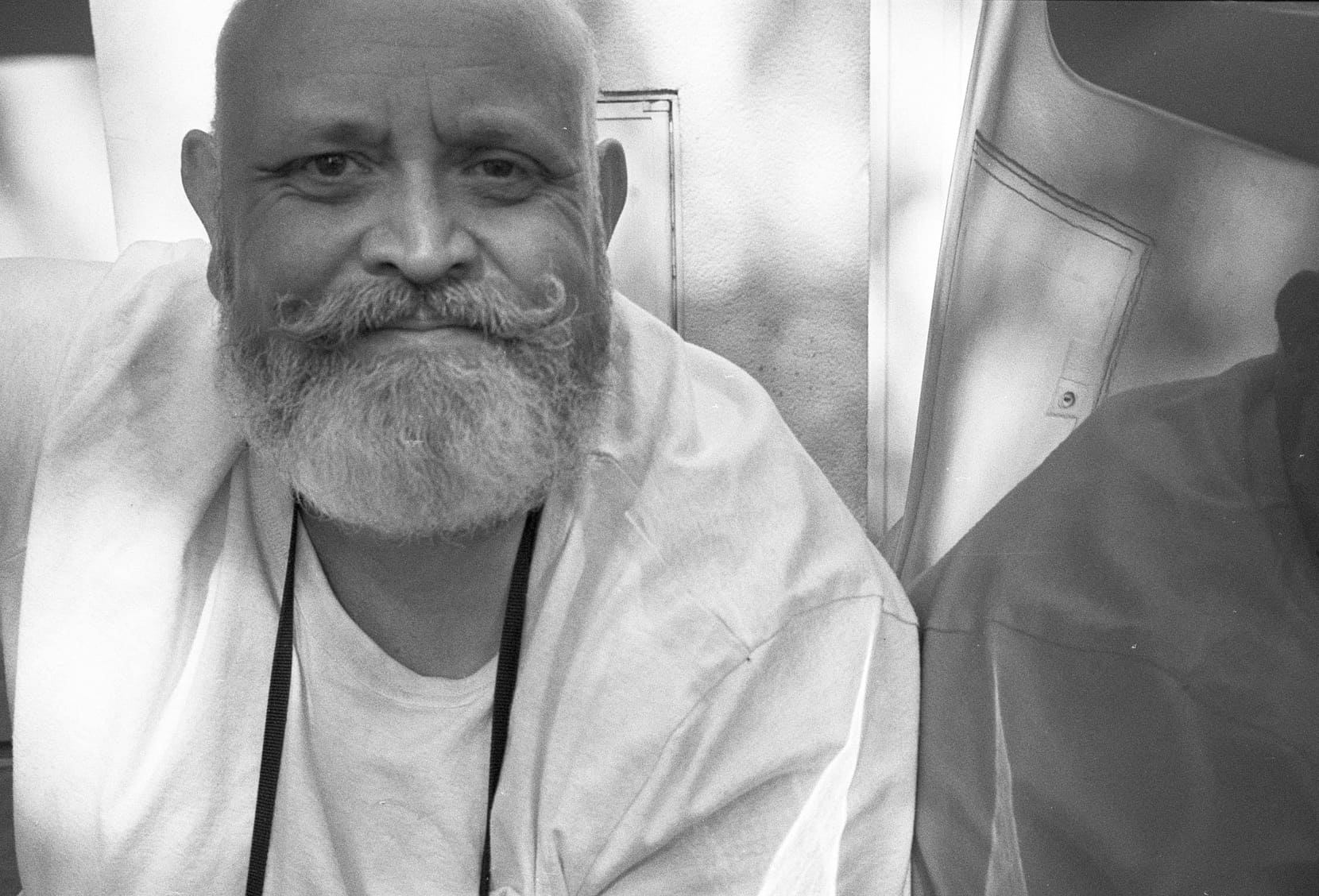
These photos mean a great deal to me, particularly the one she took of me with that glorious moustache! I’ve often discussed how the journey and process of photography can sometimes be even more meaningful than the final destination. That day was a significant part of that journey, and reflecting on my own first photos from that age fills me with nostalgia.

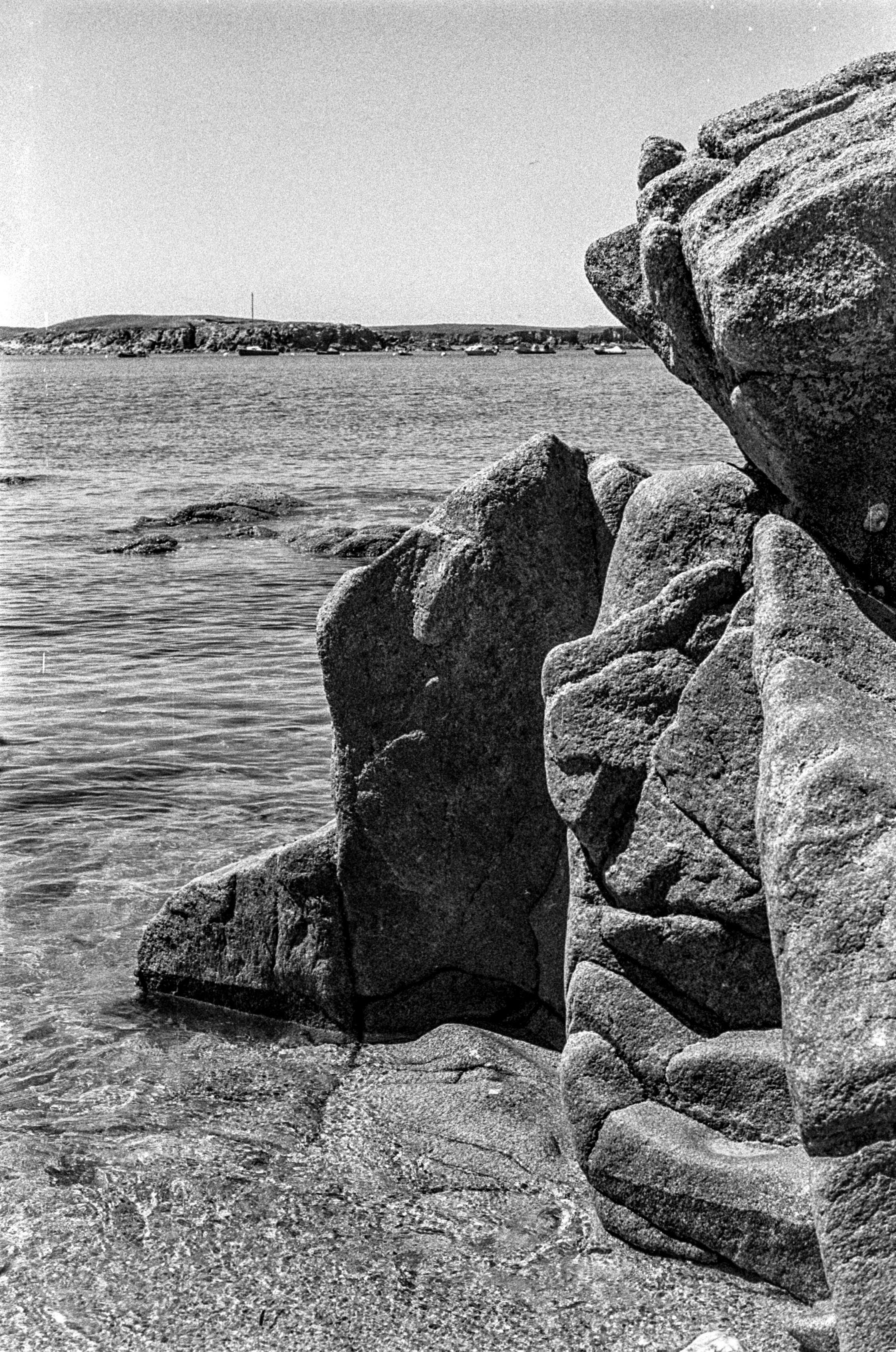
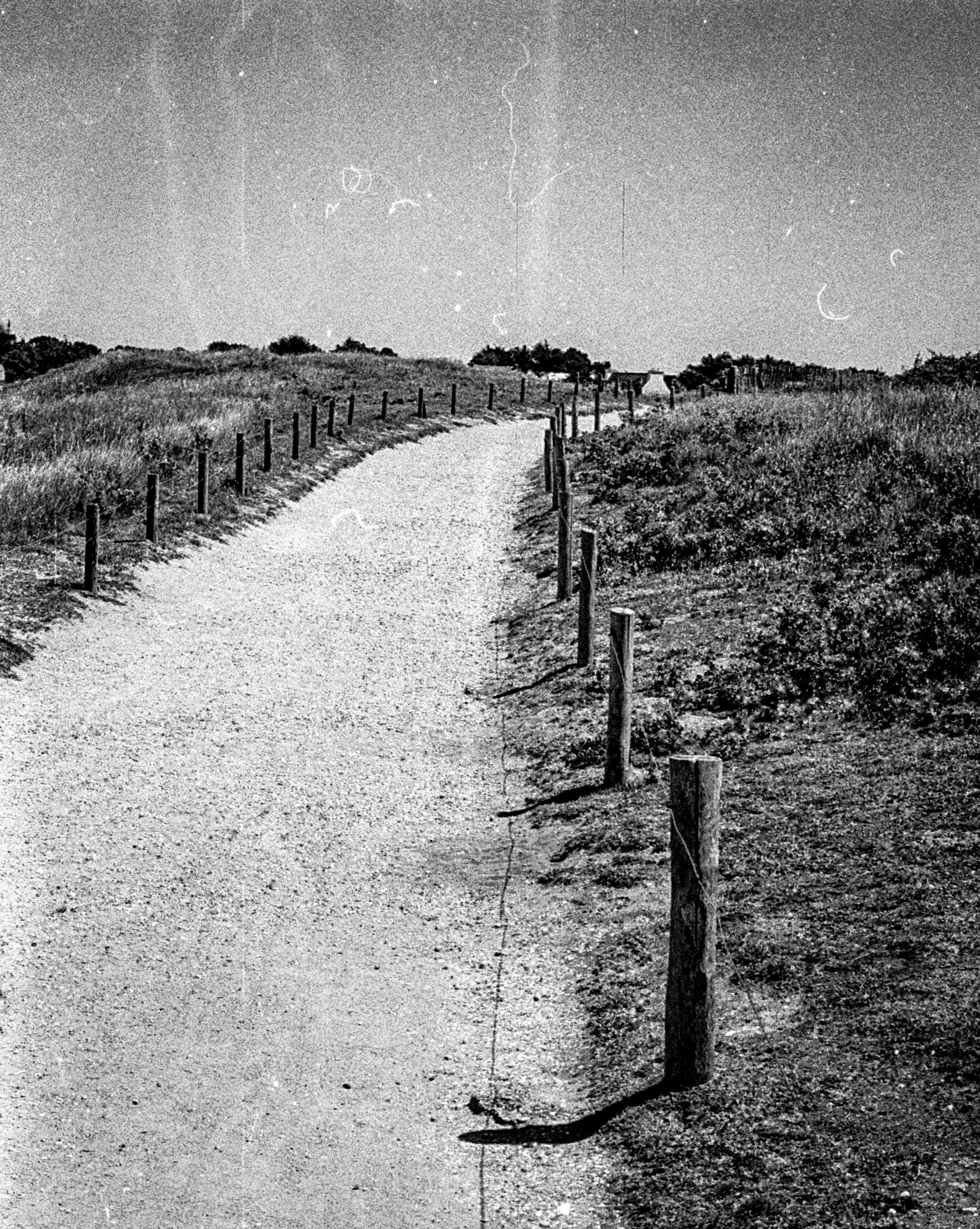
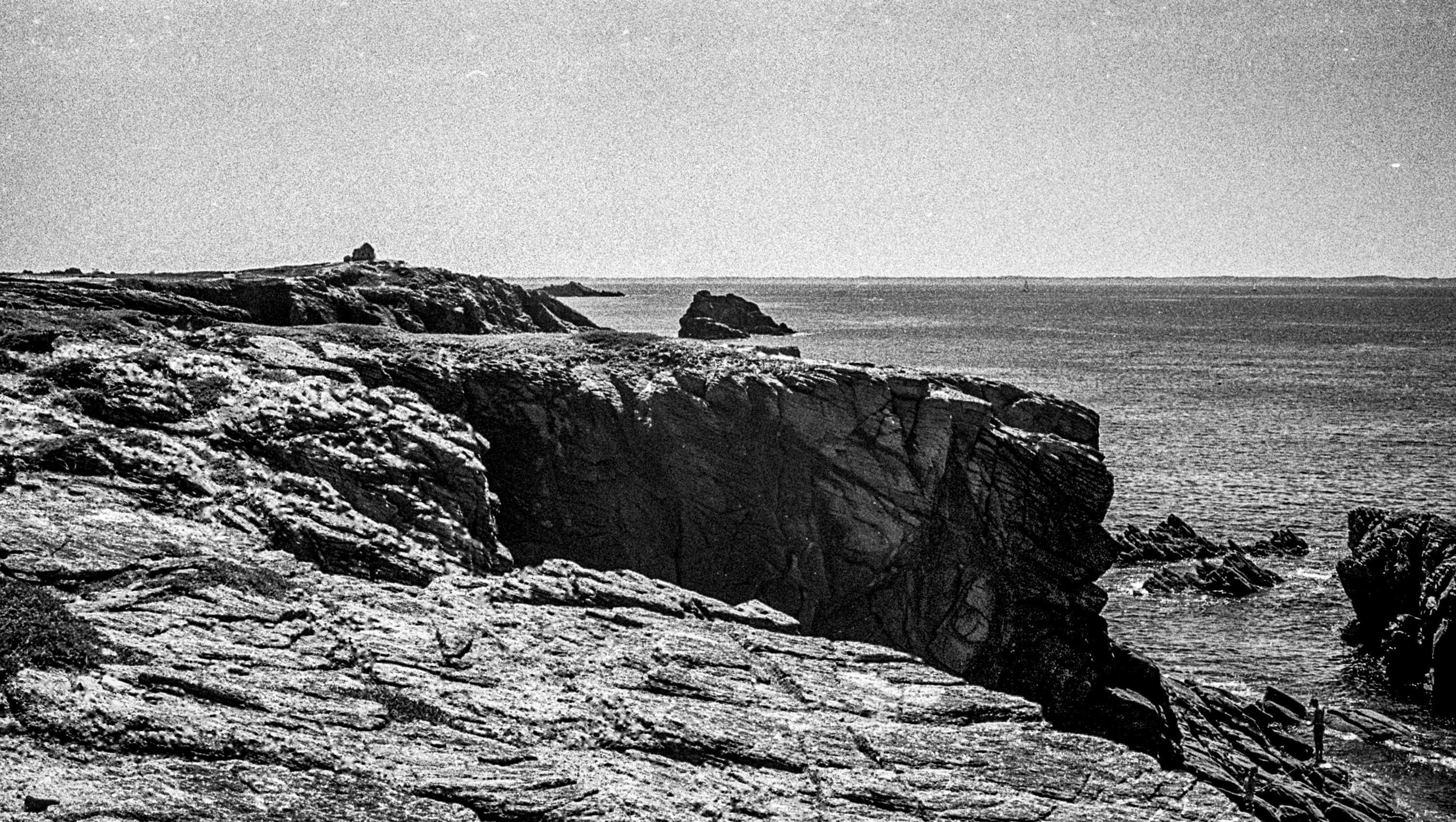
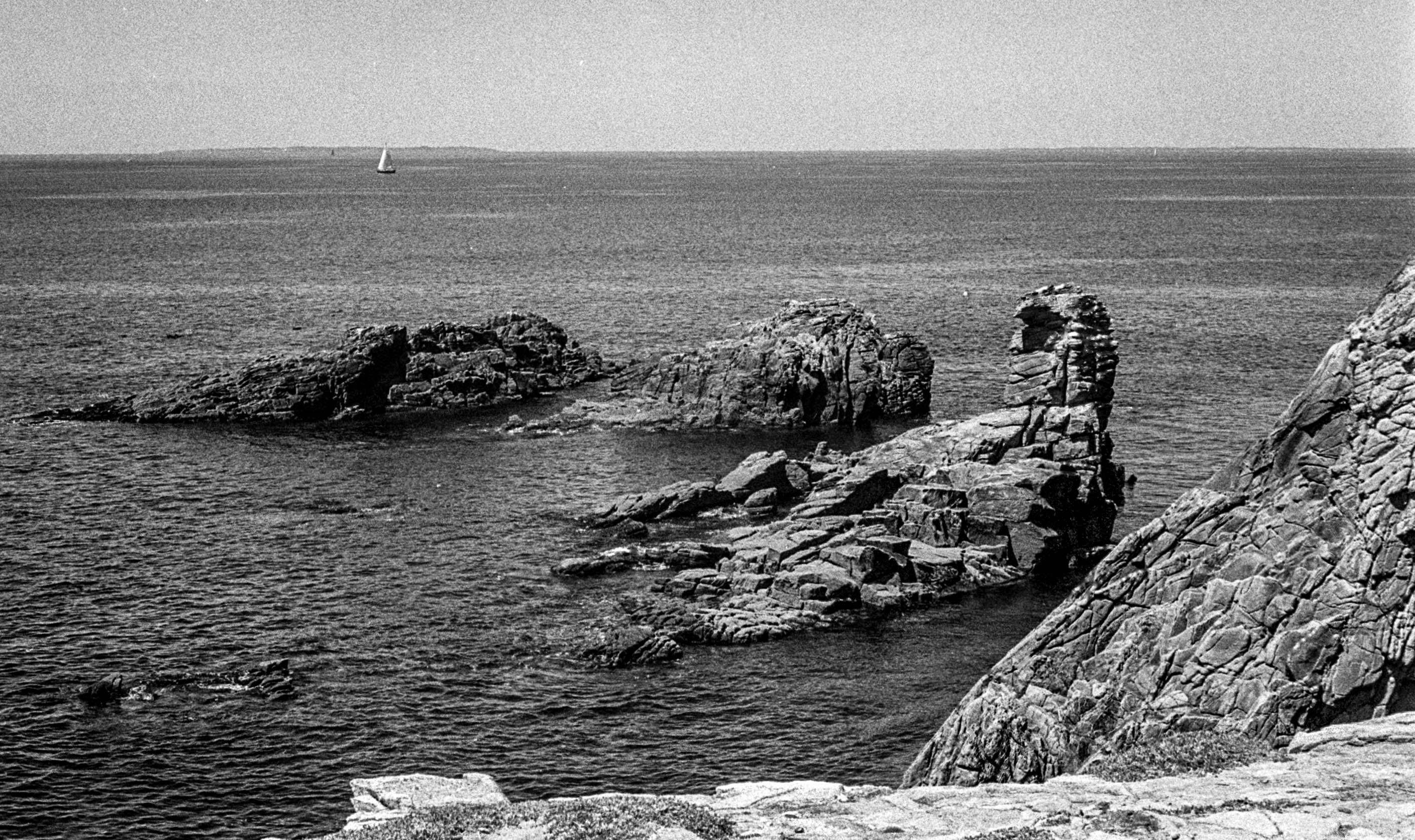
The Opening of the Film Archives – Penthièvres July 2016


I don’t know about you, but I’m really getting into this Film Archive business. It’s great sharing these archives with you all, and it’s certainly bringing back lots of memories to me. Maybe less for you because I haven’t published them here yet. But I know you’ll like them as much as I do.

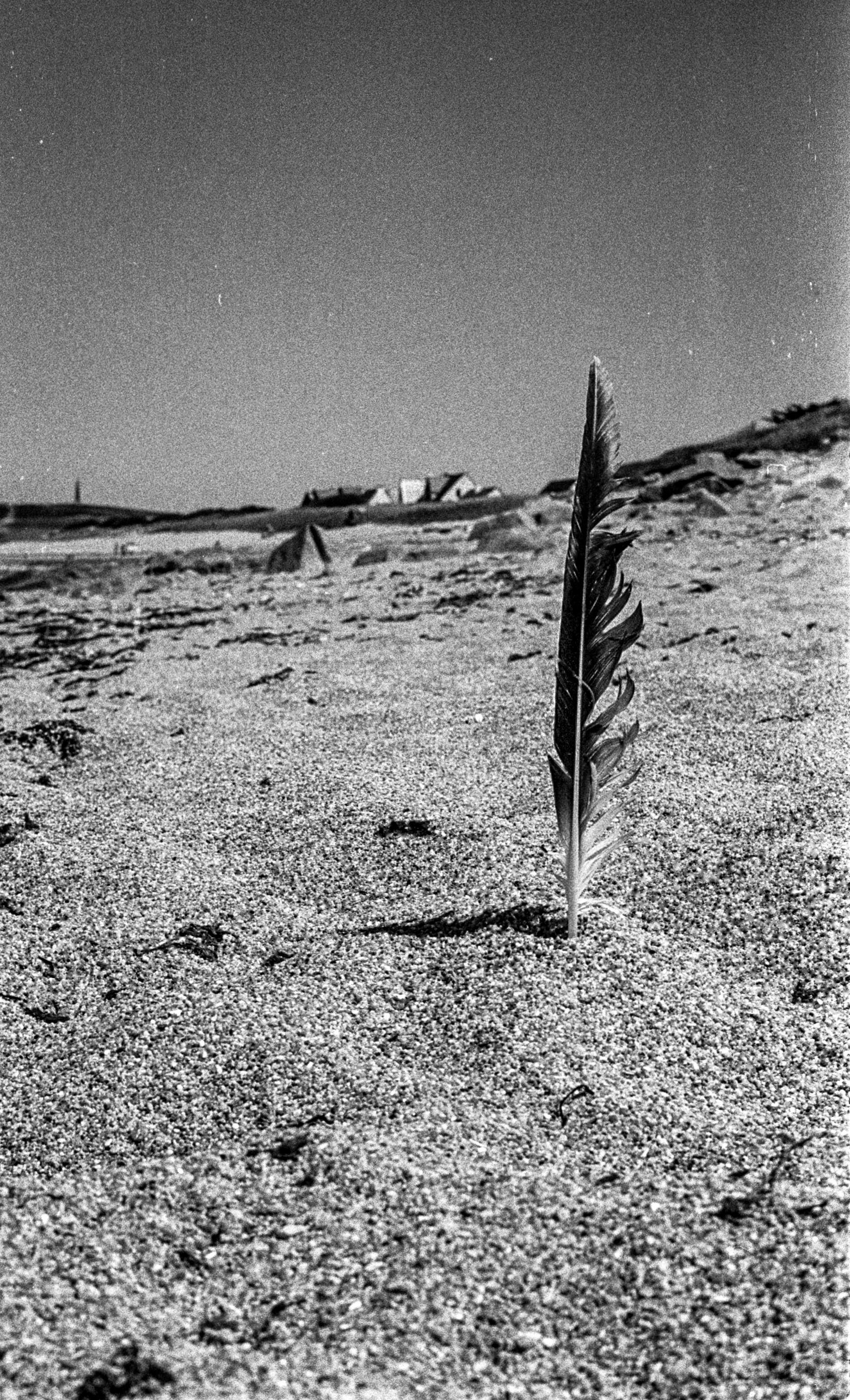
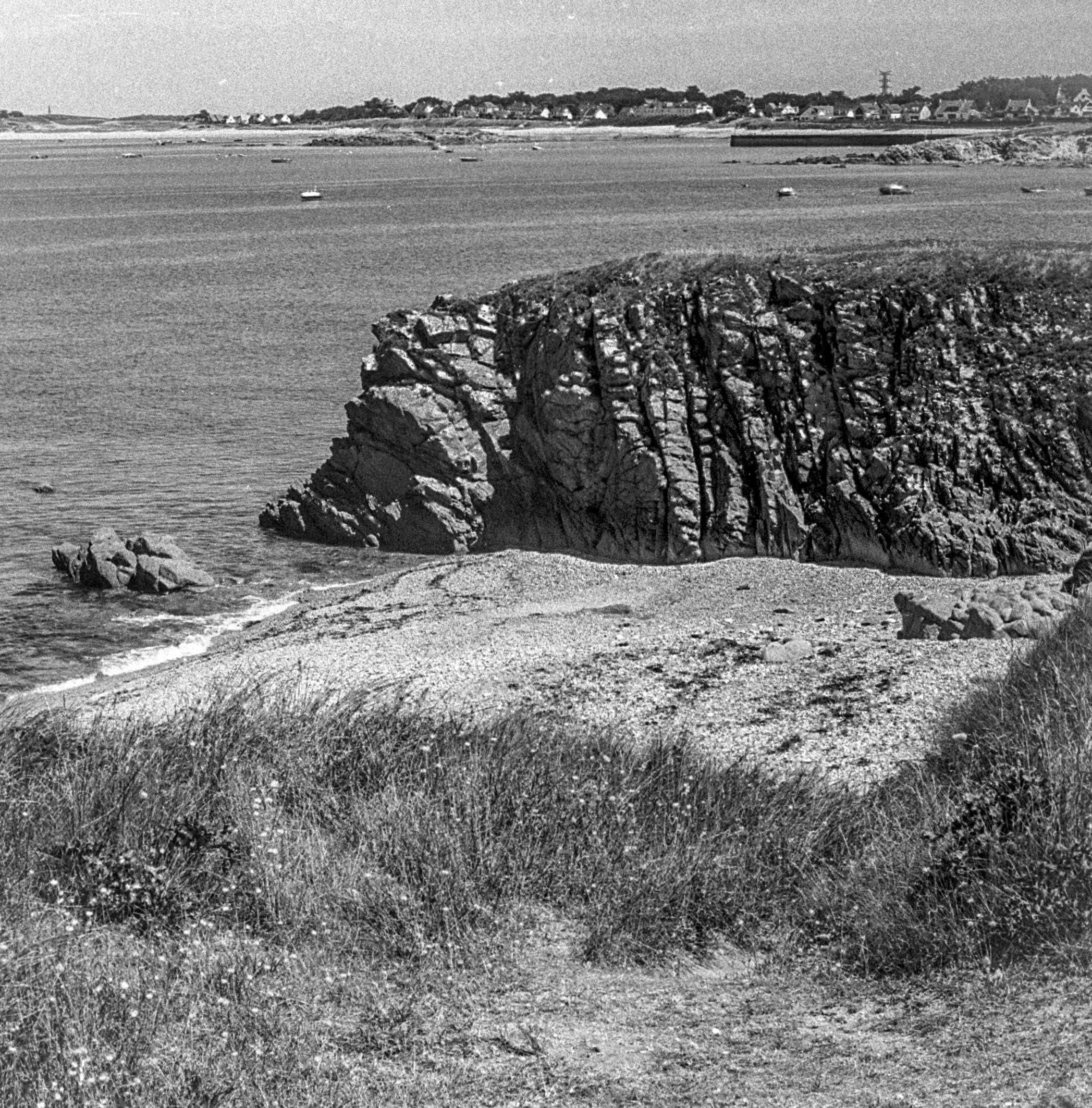
This particular set of photos was taken on Penthièvres beach, located on the Quiberon Peninsula in the Morbihan. It has a special place in my heart. Not just because I like the sea, but the smell of the sea, and the feel of the sea air on my face. It’s a place I often escape to for a bit of tranquillity especially with the chaotic nature of family visits.

In some respects it’s strange going to the beach to “relax” as it’s something I usually hate.  The idea of the outing to beach with the family and putting towels down, with rocks on each corner of the towel, and having to watch over children going to swim and bathe, making sure they don’t drown because you’ll get shouted at.  The shouting of the children, and worse other people’s children.   Getting sand in between your toes and then getting back to the car and having the impression you’ve brought back the whole beach…

But here it was different.  Boots stayed on.  No screaming children.  Just the wind, the heat of the sun, just being an observer and not having to chat with anyone.  Being able to capture the beach on film.  Pure, solitary bliss.

So, now that you know where we are, let’s look at the camera and film du jour. The film stock that day was the usual Ilford HP5 that I always used at the time, a classic choice for its versatility and ability to capture the subtle nuances of light and shadow. The camera was the Ukrainian made rangefinder, FED 5 manufactured during the Soviet era. Loading the film with this camera is done by unscrewing the base plate, similar to the way one does with a Leica. The focusing with the “ghost” image is spot on and it’s a joy to use. I still love the smell of the leather case too. As in much of my film photography it’s as much about the experience of shooting as the final images.

In the end, Penthièvres became more than just a backdrop for my photographs. It became a sanctuary, a place where I could reconnect with my love for photography and find solace in the beauty of the natural world. These images are a testament to that experience, a reminder of the power of film to capture not just the physical landscape, but the emotions and memories that are woven into every frame.

Why the Pentax ME Super Is the Perfect First Film Camera (Even in 2025)


Dear Reader, if you’ve read my last post, you will understand my current state of photographic helplessness after my X100F was taken out of service. Before we proceed, I want to take a moment to reassure my dear mother that I’m doing fine, being a big brave boy during this challenging time, and not losing my mind. I’m still getting my photographic fix, and I thank you, Dear Reader, for your understanding.

Now, let’s dive into today’s topic. The Pentax ME Super, a camera gifted to me by a fellow musician and dear friend, Robert McMillan, holds a special place in my heart. Using it brings back fond memories, and I’m forever grateful for the thoughtful present.

Introduced in 1979, the Pentax ME Super is a 35mm SLR camera that offers reliability and ease of use, making it perfect for those seeking excellent image quality. However, it requires proper focus and composition to make the most of its capabilities. When I use it, I approach photography in a similar manner to how I would with my beloved X100F, albeit with a slight adjustment due to the 50mm lens, which changes from the 35mm lens on the Fuji.

Technical Specs:

  • Shutter speed range: 4 seconds to 1/2000 second, plus Bulb – allowing wide apertures and excellent depth of field.
  • ISO speed range: 12 to 1600
  • Exposure control: Aperture priority
  • Viewfinder: 0.9x magnification, 95% coverage
  • Other features: include a self-timer, a cable release socket, and exposure compensation.

Handling and Ergonomics:

The ME Super is a well-made and compact camera, making it easy to carry around; it is almost the same size and weight as the X100F. The controls are user-friendly and well-positioned. The large, bright viewfinder helps, especially for those of us with less-than-perfect vision.

While it may not surpass the joy I find in using the X100F, the ME Super is steadily gaining ground, and its satisfying shutter noise is a small comfort during this time of longing. Loading and unloading film is a breeze, and the shutter release is smooth and responsive. Additionally, the camera’s reliability is reassuring, offering solace in the absence of the X100F.

Image Quality:

The Pentax ME Super consistently delivers excellent image quality. Composing shots is a breeze with the sharp and bright viewfinder, and the aperture priority exposure control ensures proper exposure. For someone like me who cherishes depth of field, the 1/2000 of a second shutter speed is a delightful feature.

Moreover, the ME Super is compatible with a wide range of Pentax K-mount lenses, providing versatile options for image-making. With my collection of 24mm wide-angle, 50mm F1.7, and 24-80mm zoom lenses, I’m well-equipped for various shooting scenarios, and there is even a 15mm wide angle lens, but I nearly peed myself when I saw the price!

The Verdict:

In conclusion, the Pentax ME Super is an exceptional 35mm SLR camera. Its well-made design, ease of use, and ability to produce outstanding image quality make it an appealing choice. If you’re searching for a reliable and versatile camera that brings years of photographic enjoyment, the Pentax ME Super won’t disappoint.

Pros:

  • Excellent build quality
  • Sharp and bright viewfinder
  • Simple and straightforward operation
  • Wide range of compatible lenses
  • Capable of producing excellent image quality
  • Built-in exposure compensation
  • Self-timer
  • Cable release socket

Cons:

  • Flash sync limitations at faster shutter speeds (i.e., more than 1/125)
  • Not an X100F

Overall:

The Pentax ME Super is an excellent 35mm SLR camera, offering great build quality, ease of use, and superb image quality. It’s a dependable choice for any photography enthusiast seeking a delightful film shooting experience.

Additional Information:

The ME Super remains popular among collectors for its exceptional build and image quality. If you’re interested in acquiring one, you can explore used cameras online or at camera shops. Additionally, you’ll find manuals and other valuable information about the camera on the internet.

I hope this review proves helpful. If you have any questions, please feel free to ask in the comment section.

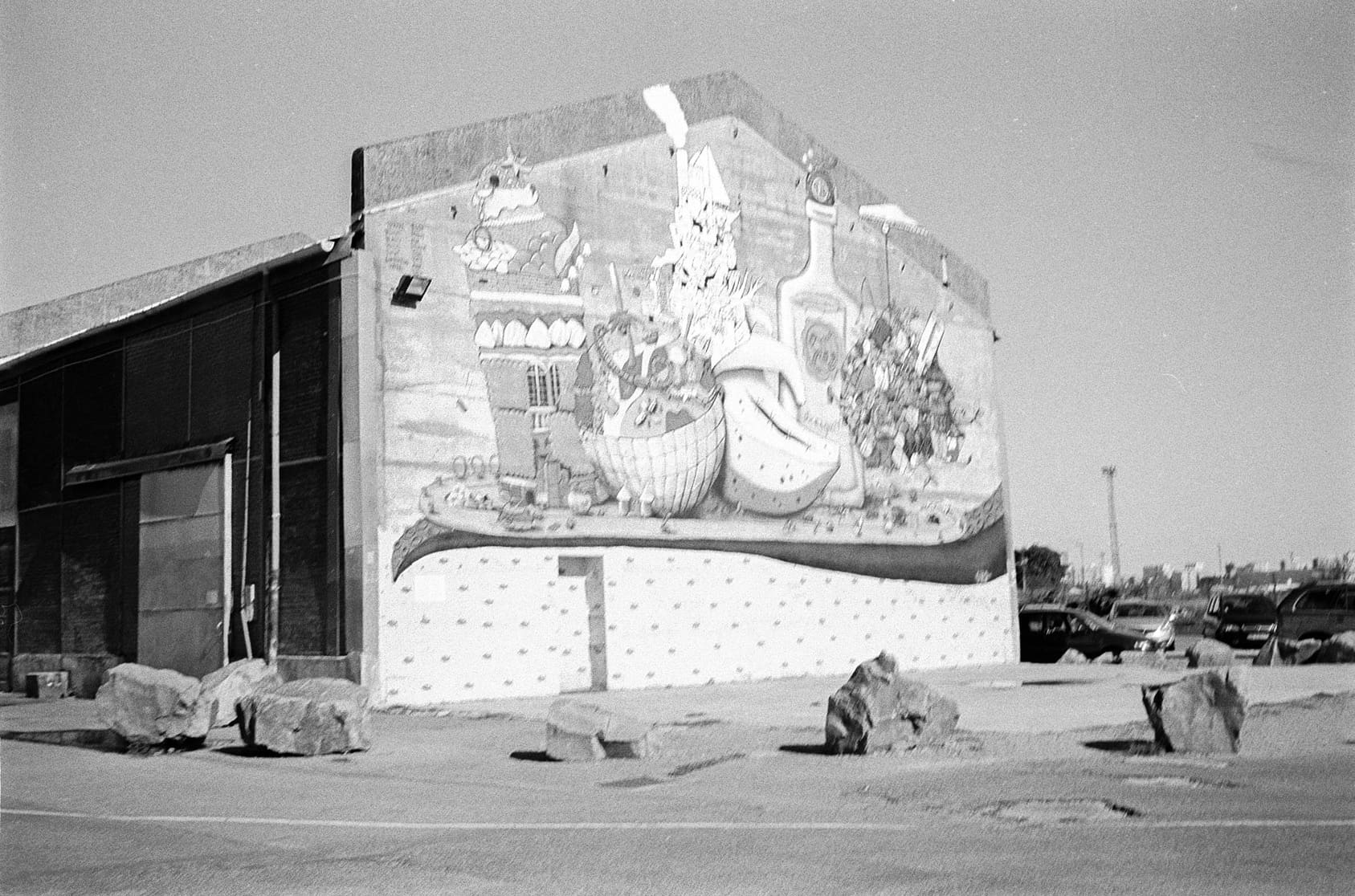
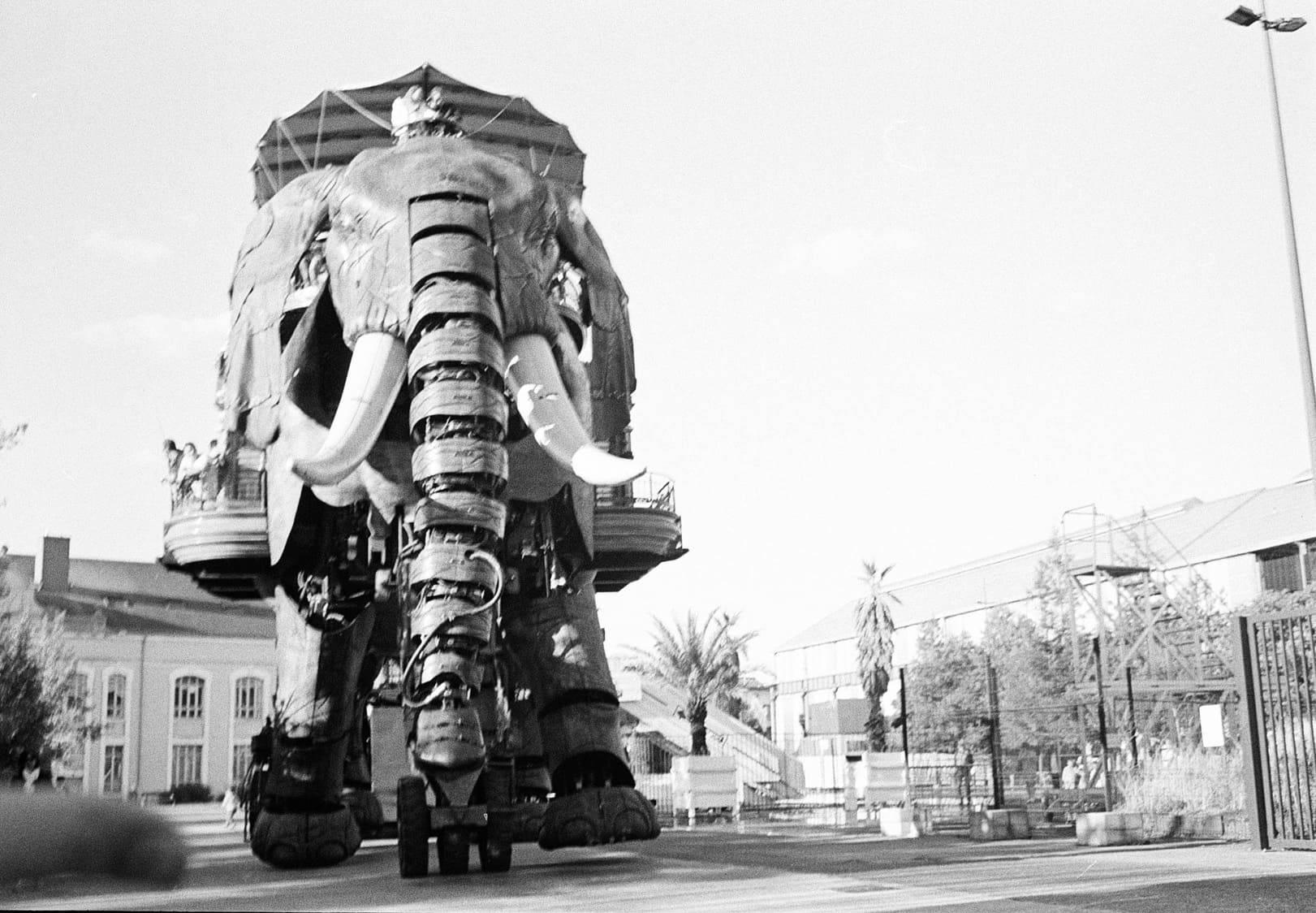
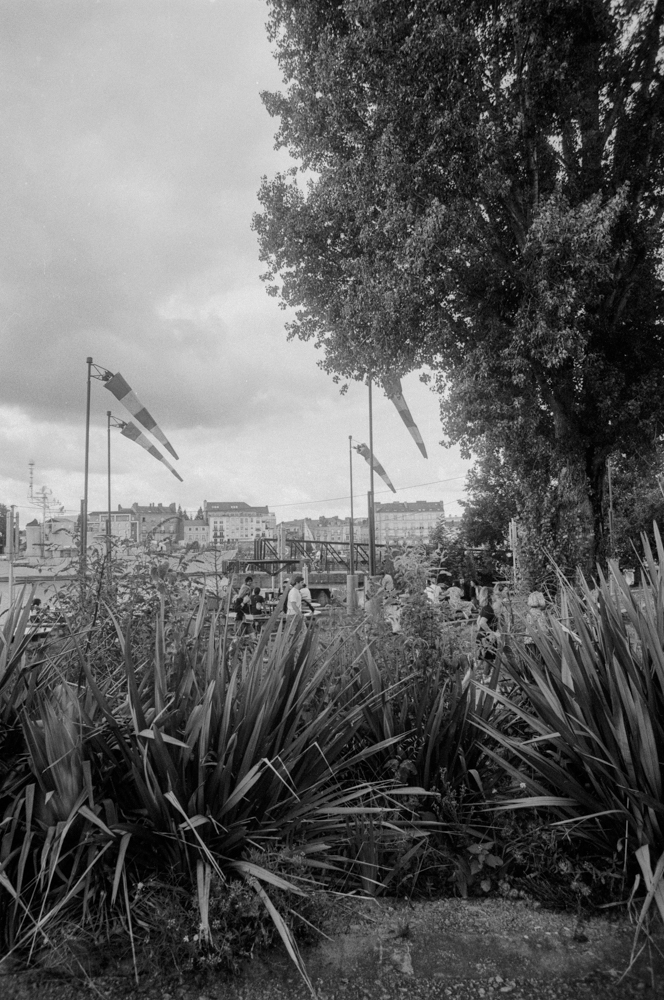
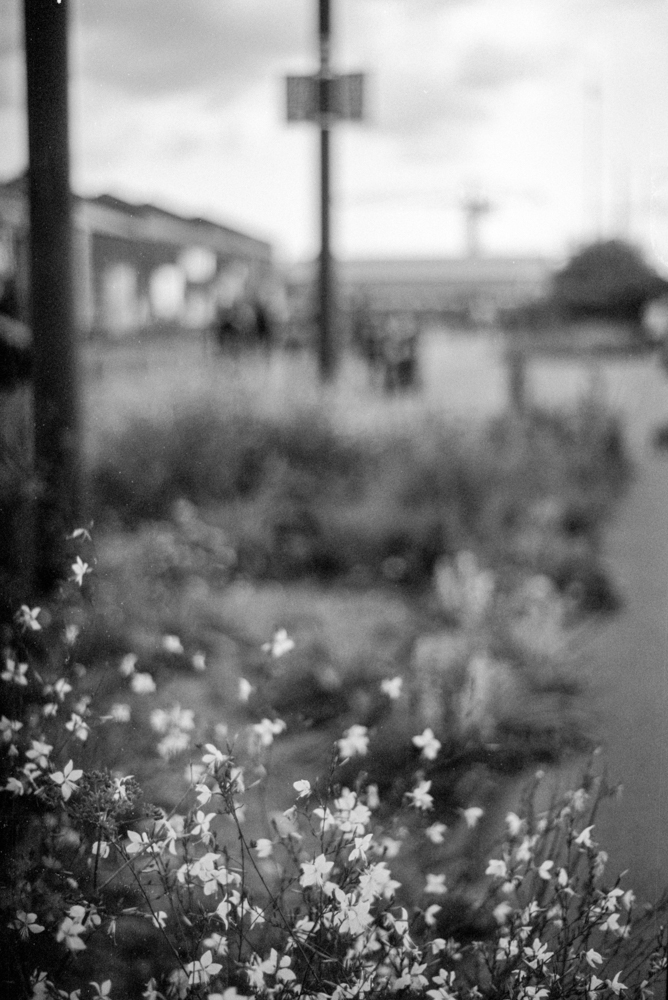
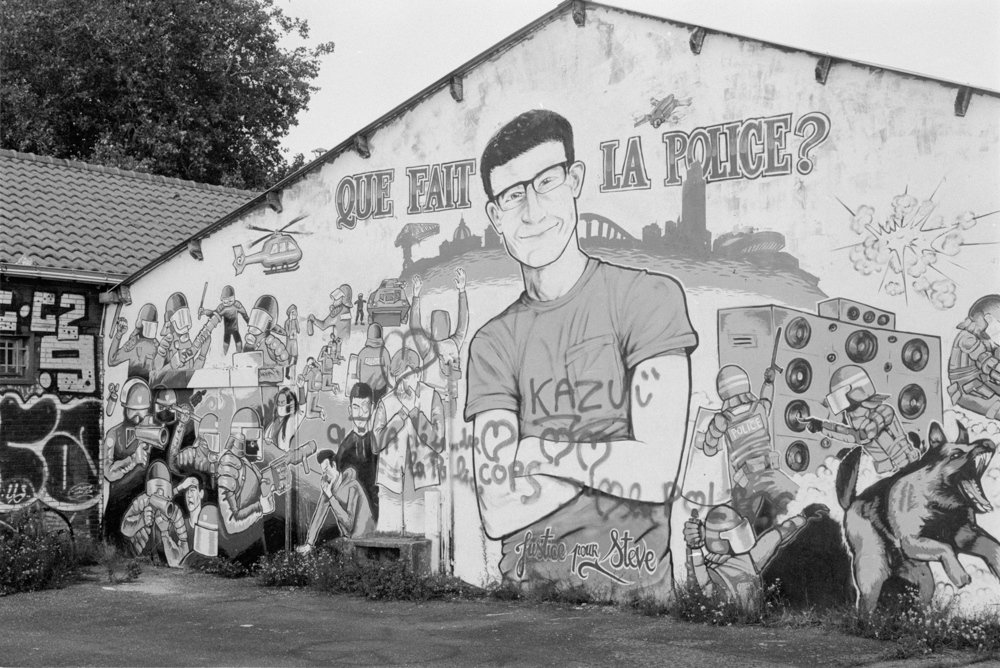
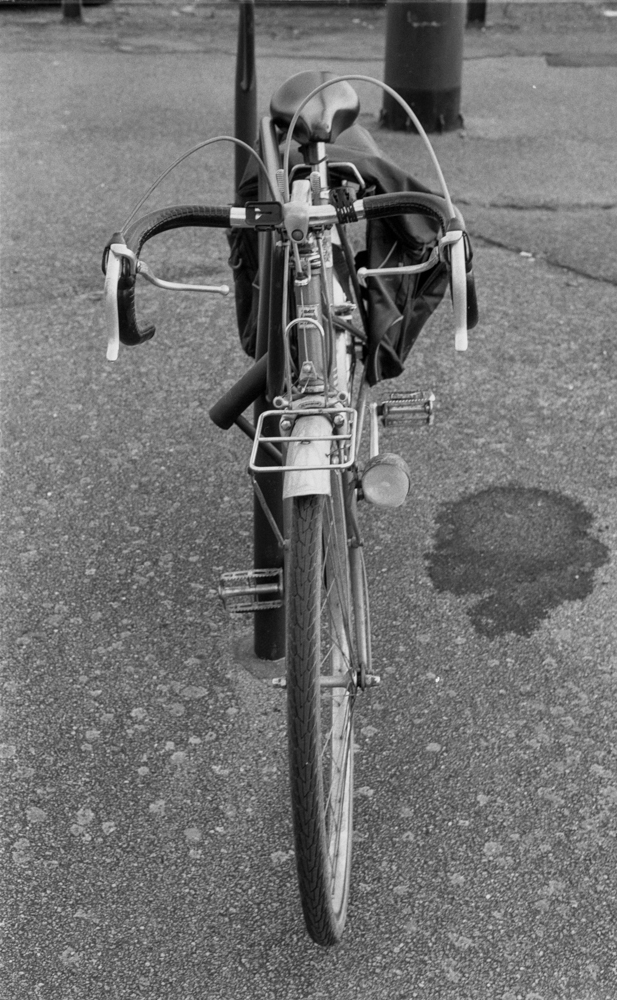
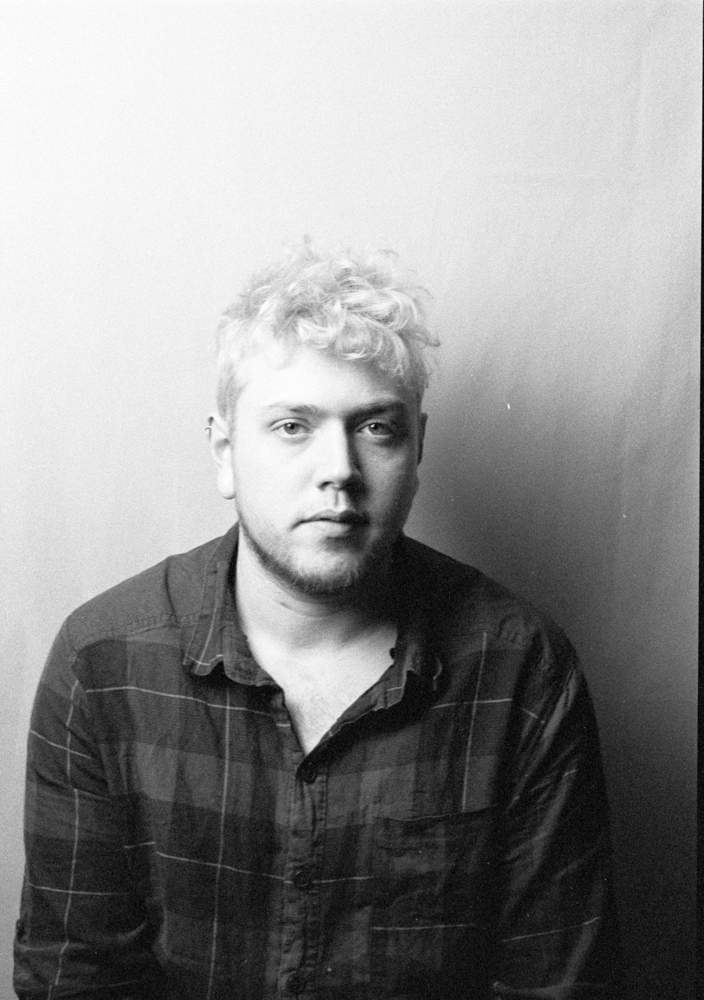
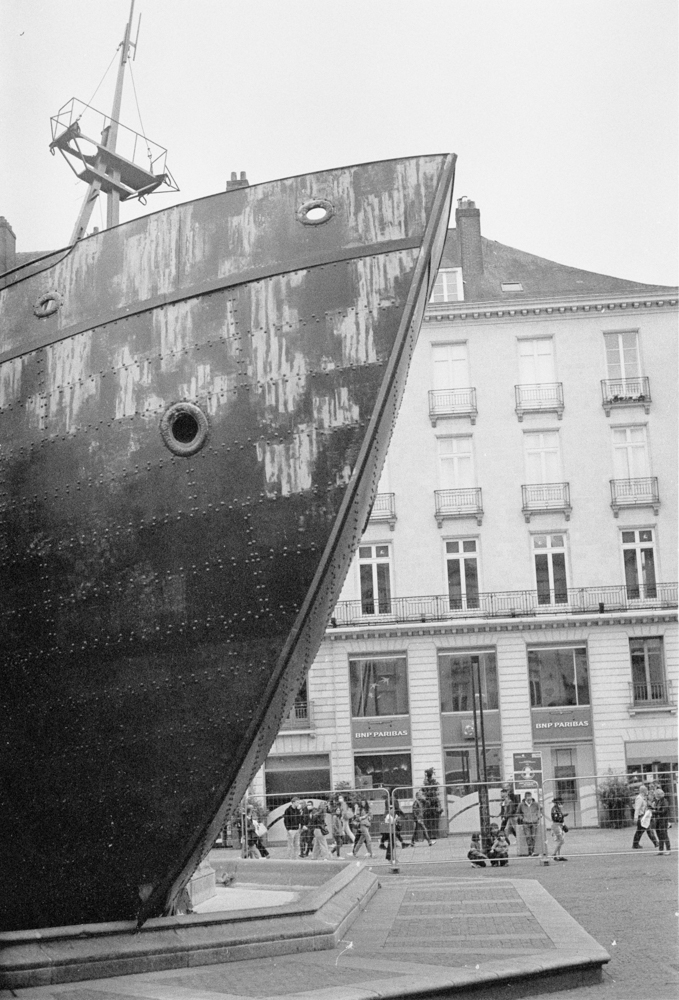
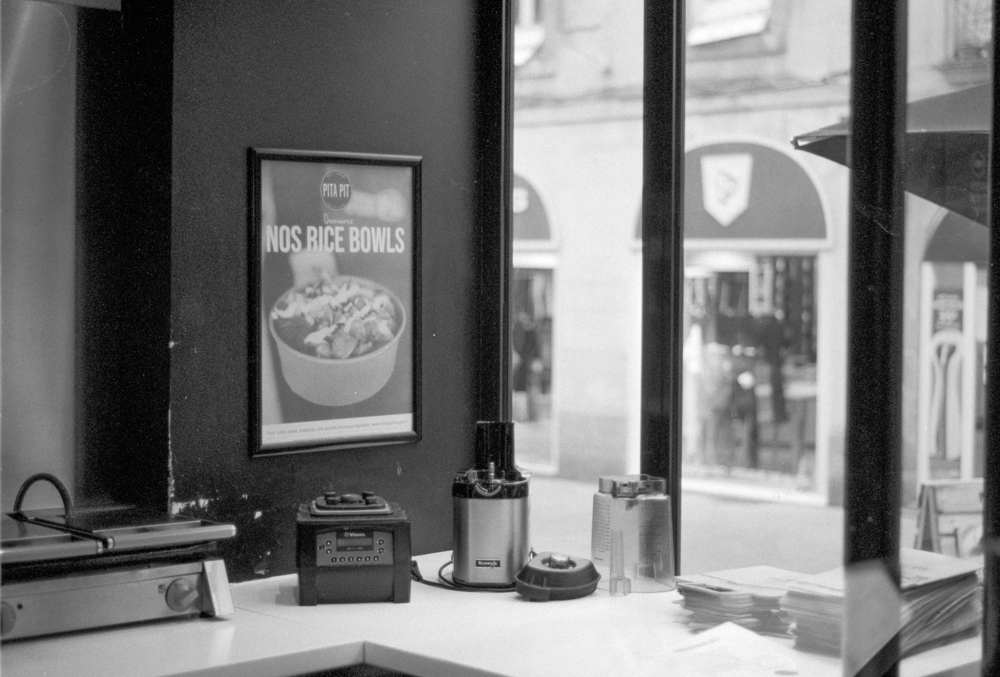
But, most importantly, let me stop talking and allow you to enjoy some photos taken with the Pentax ME Super, capturing moments in Clisson and Nantes.

Post Scriptum

If the Pentax ME Super has caught your attention, I’d recommend checking out my other posts on classic film cameras like the Olympus Pen EE S (Aug 9, 2023) or my reflections on the lasting appeal of film photography in In Defense of Film (Aug 23, 2023). For a more in-depth look at the Pentax in action, mark your calendars for Capturing the Essence of Nantes: A Street Photography Journey with the Pentax ME Super and Kentmere 100 Film (coming Nov 17, 2023). And for those curious about the Fujifilm X100F, you can preview how it compares in Seeing the World Through 35mm: Street Photography with the Fujifilm X100F (Jun 21, 2023). A more detailed comparison between these two cameras is also coming this November!