A Pilgrimage to Mont Saint Michel: A Journey of Faith and Endurance


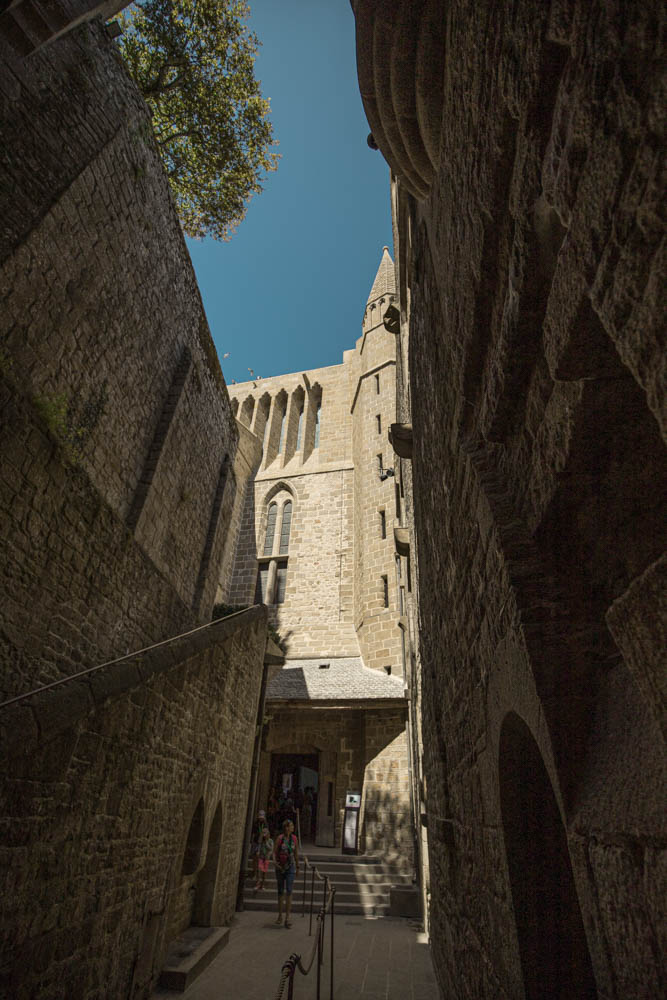
The hot summer sun beat down as I embarked on a journey that had been brewing in my mind. Mont St. Michel was not only a quest to escape the sweltering Vendée heat but also a spiritual endeavour to connect with the divine in a magnificent setting.

A Return to Childhood Memories

The journey began at my home in the picturesque Vendée region, where I set out on a 220-kilometer trip to Mont Saint Michel. It was a return to a place I had visited as a wide-eyed boy, eager to explore its mysteries. However, this time, my mission was twofold: to capture the awe-inspiring beauty of this monument through my camera lens and, most importantly, to offer my prayers to the Almighty.

The Road Less Travelled

The road to Mont St. Michel took me through Nantes and Rennes, where I made stops at local bakeries to purchase food for the journey. As I stocked up on provisions, I couldn’t help but reminisce about my first visit to this iconic place some forty years ago. Speaking with my parents, who recalled our family visit, added a nostalgic layer to this pilgrimage.

Physical Challenges and the Power of Will

One of the significant challenges I faced during this pilgrimage was my battle with arthritis, a persistent companion that had become an unwelcome part of my life. Walking with the aid of a cane, I knew that this journey would not be without its pains. However, I had learned a valuable lesson during my time in the Army: the mind can command the body to persevere beyond its perceived limits. Armed with this knowledge, I pressed on, determined to conquer the physical difficulties that lay ahead.

Prayers in Motion

My journey was more than a physical voyage; it was a spiritual quest. Along the way, I offered up my sufferings to God, a testament to my unwavering faith. The act of praying while traversing the miles was a reminder of the power of faith, even in the face of adversity.

A Divine Encounter at Mont St. Michel

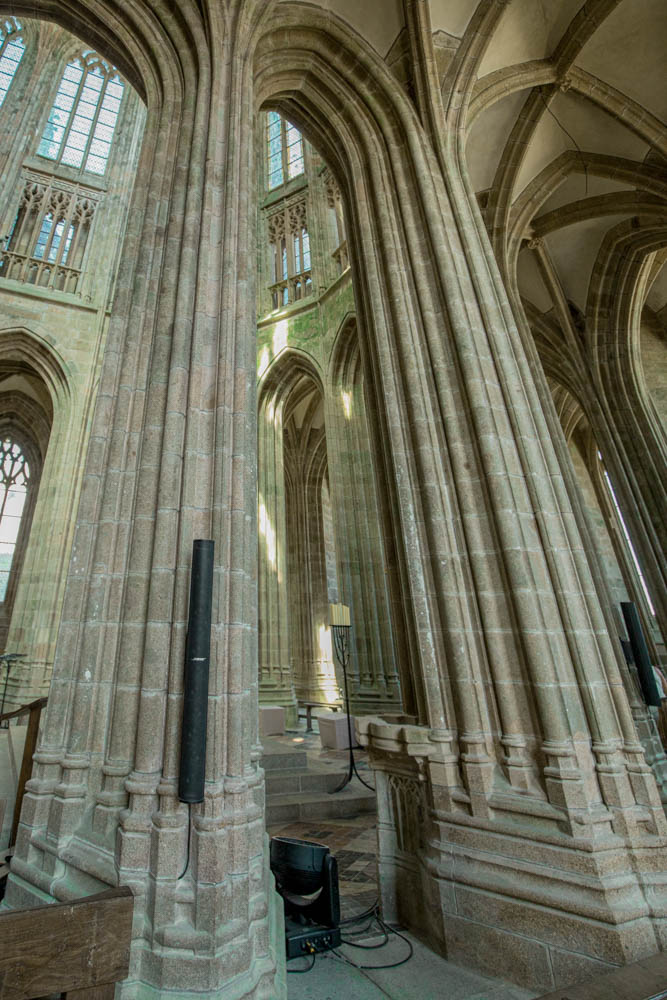
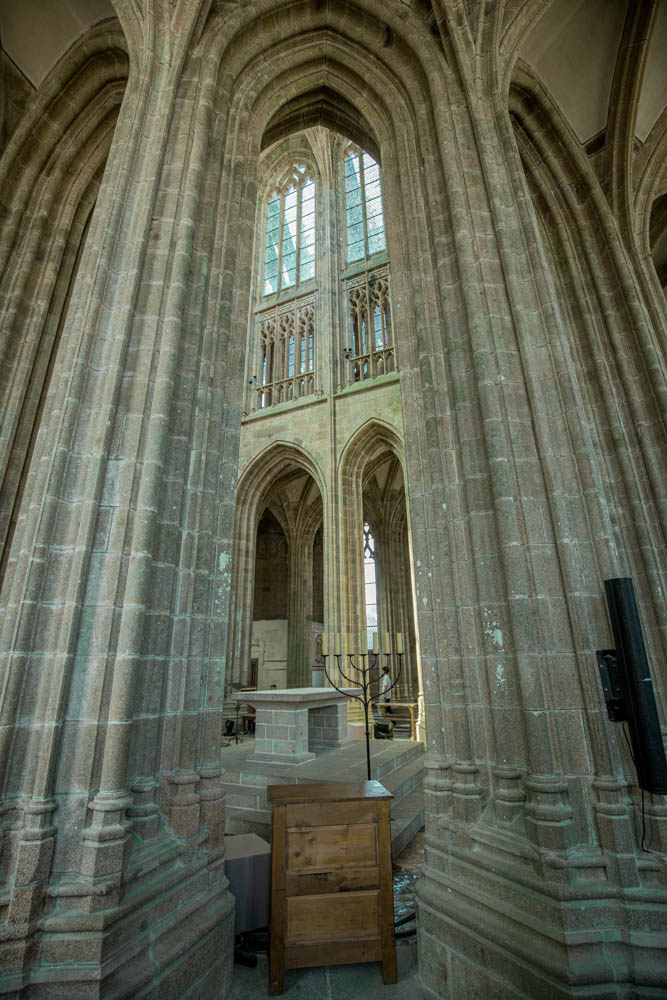
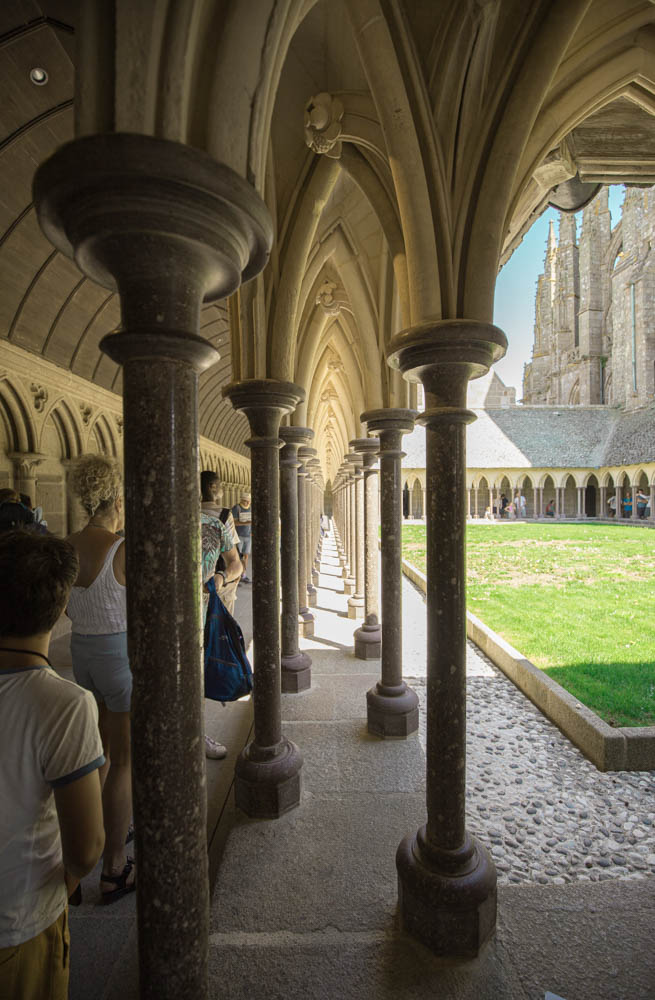
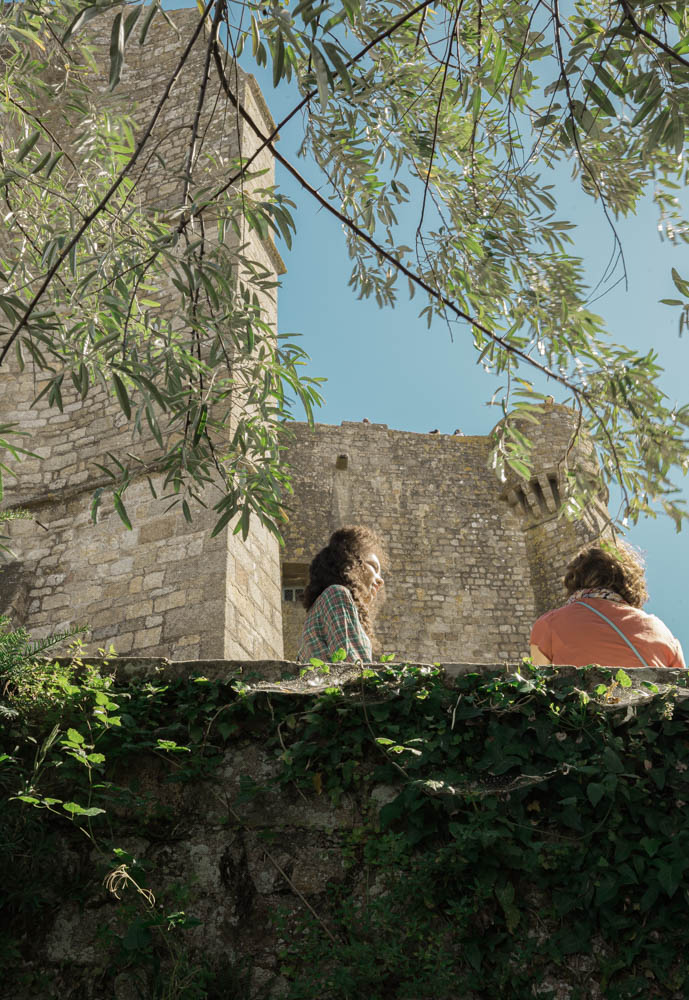
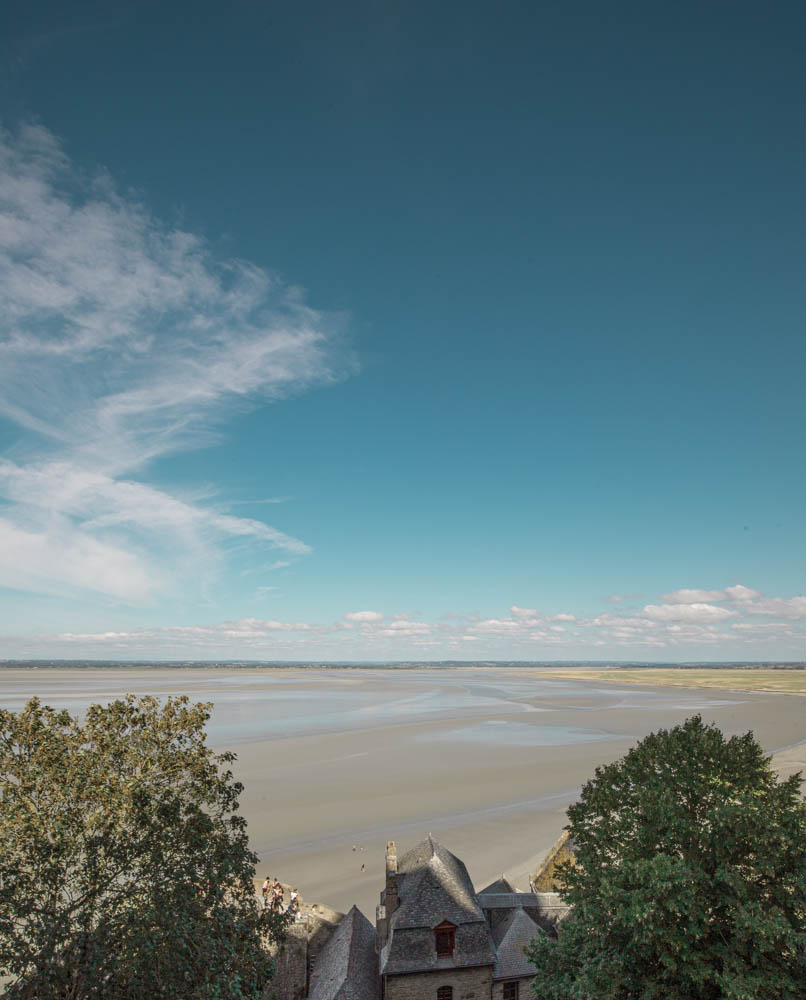
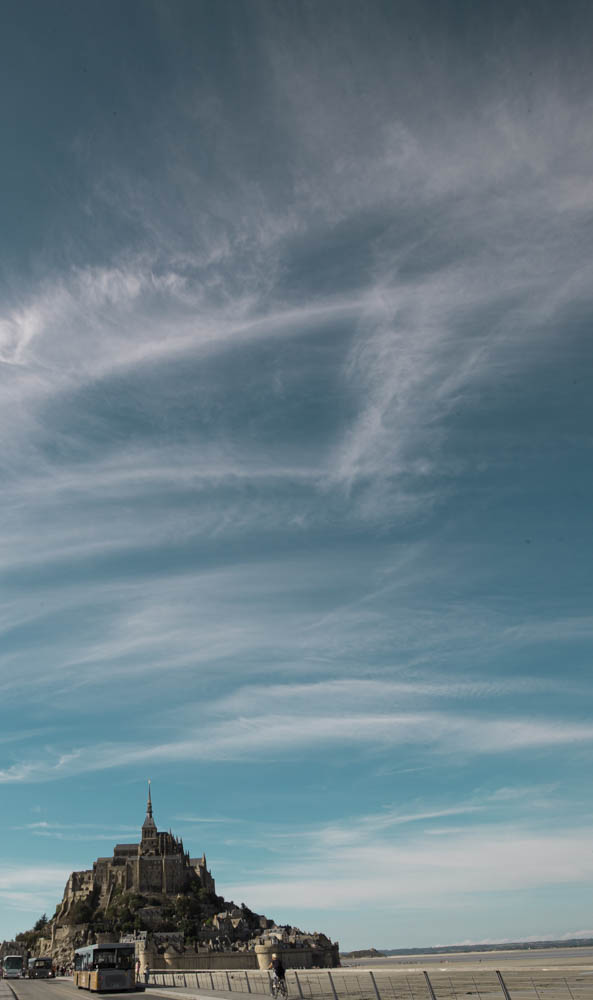
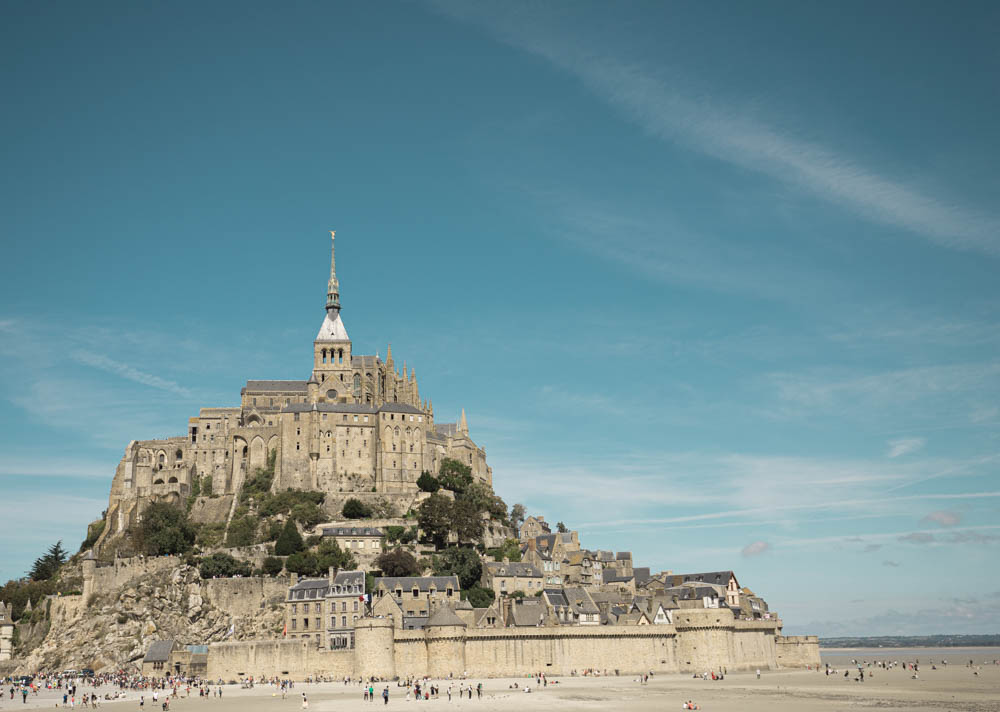
Finally, I reached the awe-inspiring Mont St. Michel. Its grandeur and the spiritual aura surrounding it took my breath away. I knew I was in the presence of something sacred. It was here that my pilgrimage took on its most profound meaning.

A Moment of Grace

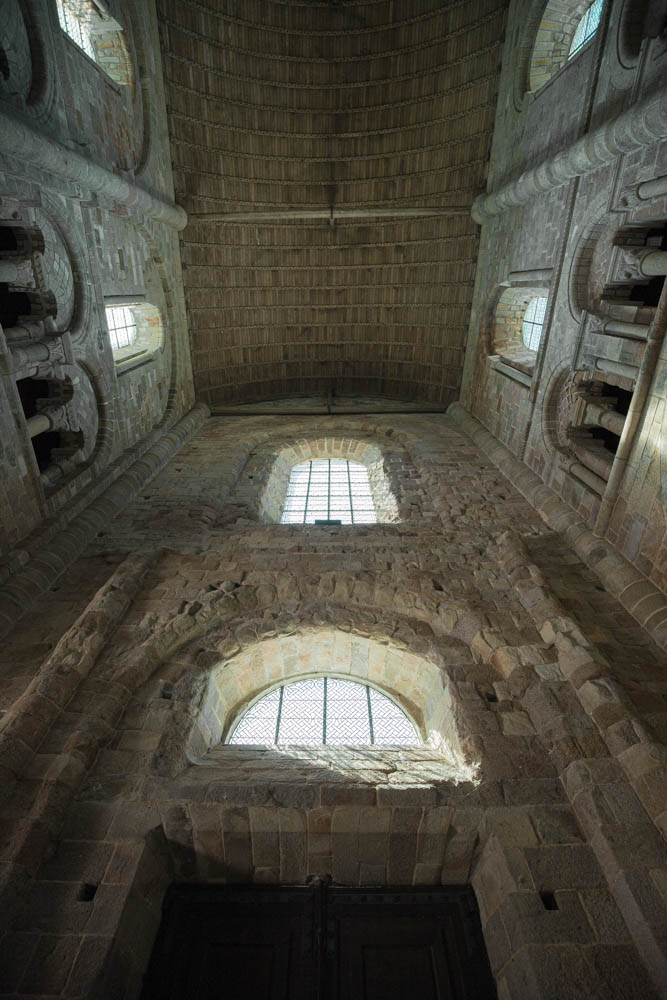
Before the Blessed Sacrament, I knelt in prayer. As I poured out my heart to the Lord, I couldn’t help but notice the passers-by who seemed oblivious to the divine presence. In that moment, I offered a prayer that God might reveal Himself to them in some way. And then, as if in answer to my prayer, two individuals genuflected before the Blessed Sacrament. It was a poignant reminder that God’s presence is not always apparent, but it is real and powerful. The simple act of acknowledgment by those two individuals filled me with hope and gratitude.

A Pilgrimage Worth Every Step

As the day wore on and I made my way back home, I couldn’t help but feel tired. The physical exertions of navigating the ups and downs of Mont Saint Michel had taken their toll. However, it was a good tired, a sense of accomplishment and fulfilment that can only be gained through a meaningful journey.

Looking Ahead

Reflecting on my pilgrimage, I realize that while the physical challenges were significant, they were far outweighed by the spiritual rewards. My journey was a testament to the power of faith and the determination of the human spirit. If I were to undertake this pilgrimage again, I would not go alone. Having someone to share the driving and the walks would undoubtedly make the journey more manageable. In the end, my pilgrimage to Mont Saint Michel left a lasting mark on me. It was a journey of faith, endurance, and prayer, a testament to the power of the human spirit and the divine presence that guides our paths.
Honfleur, Daytime


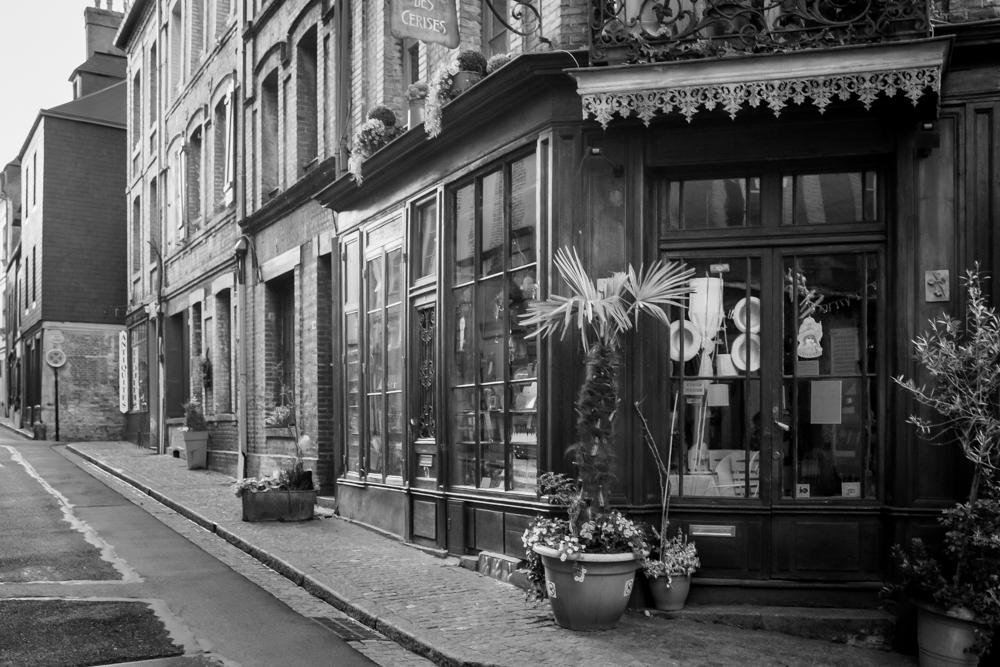
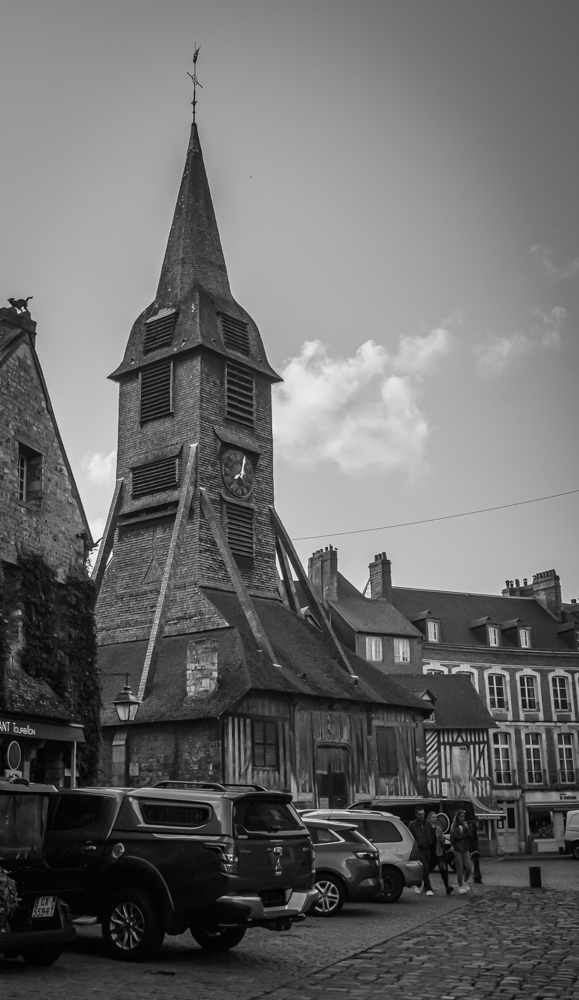
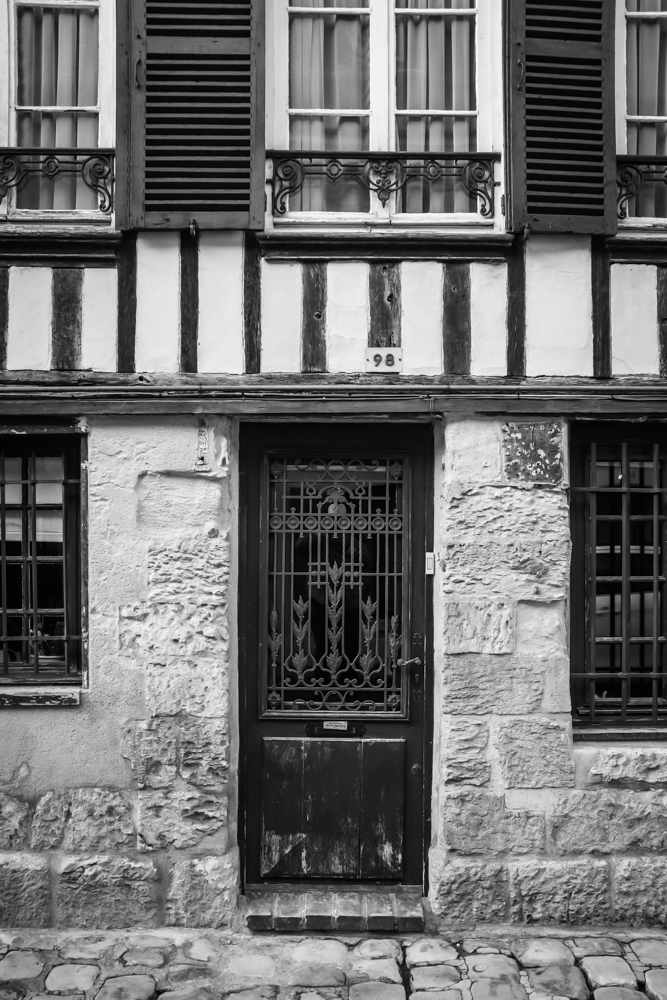
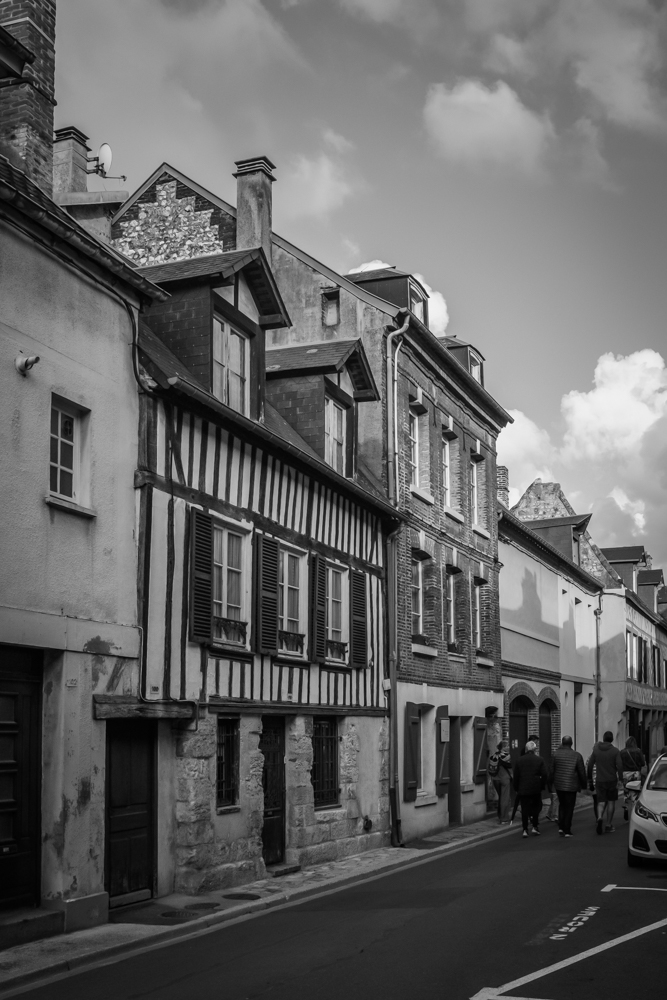
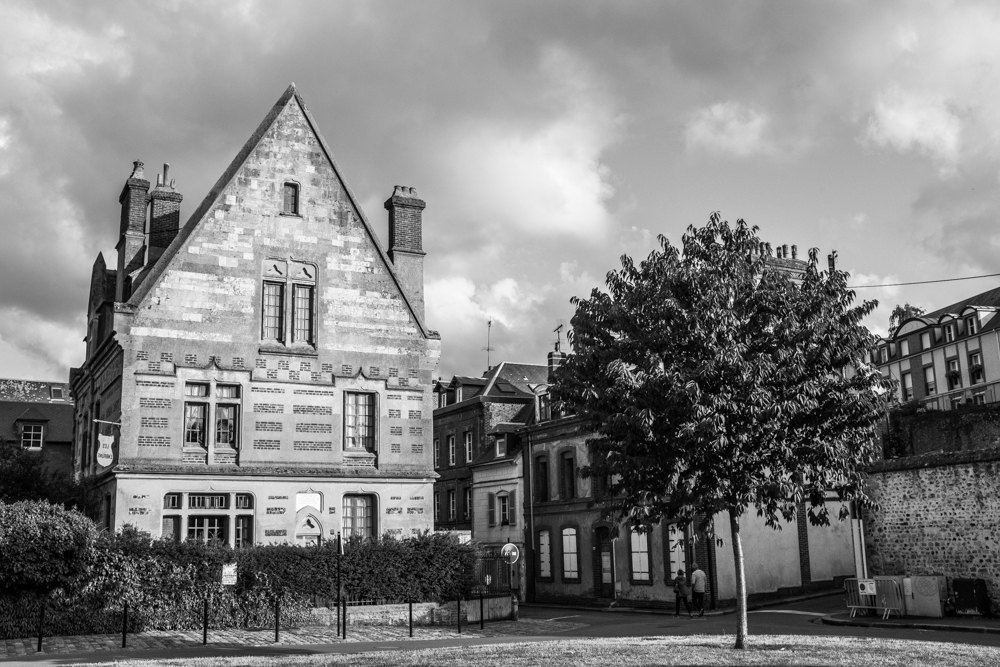
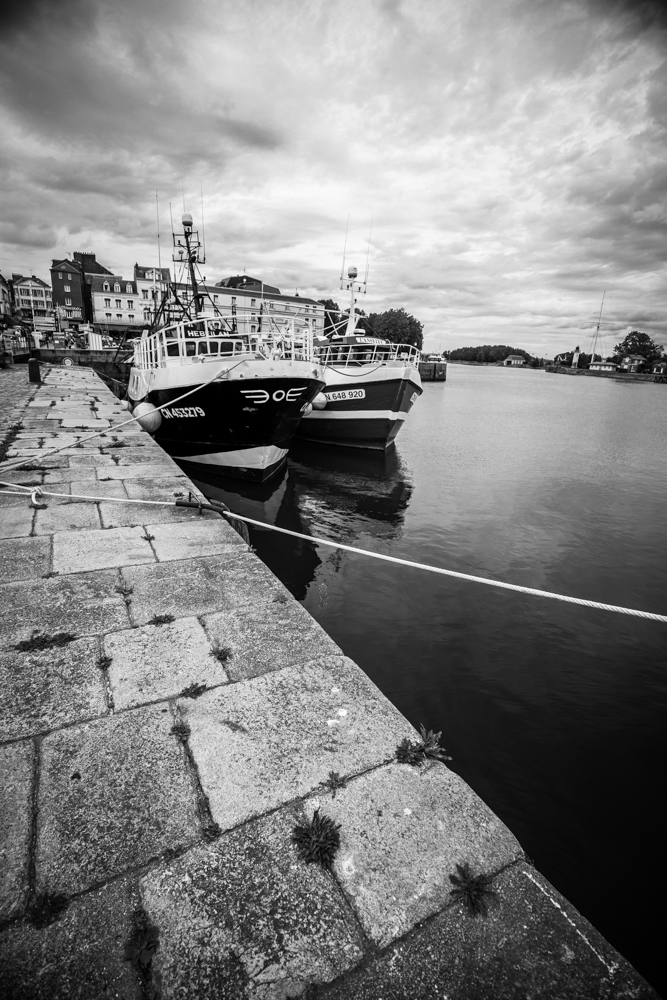
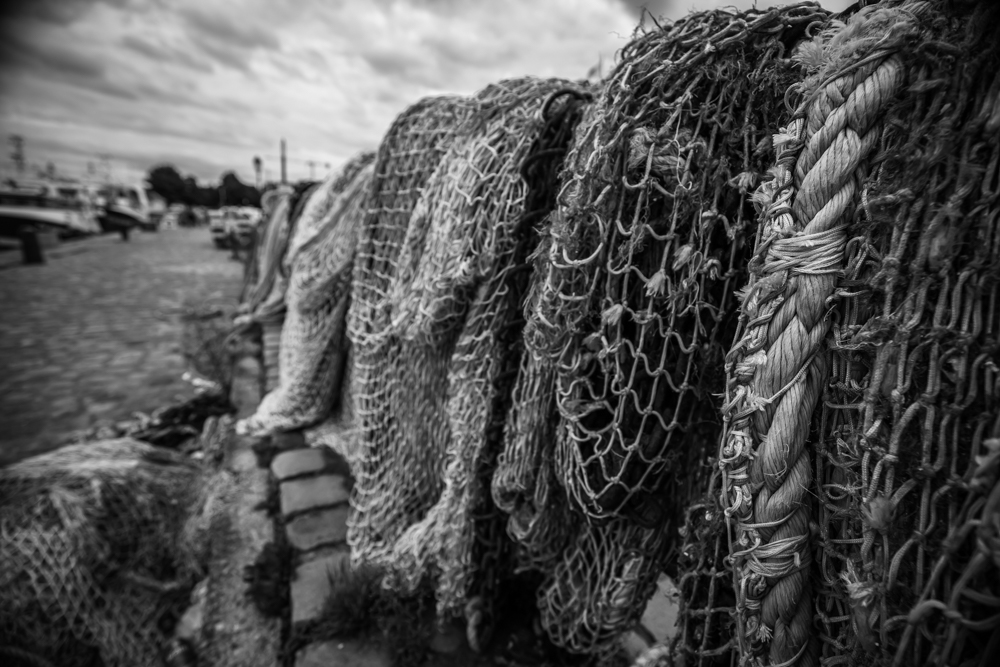
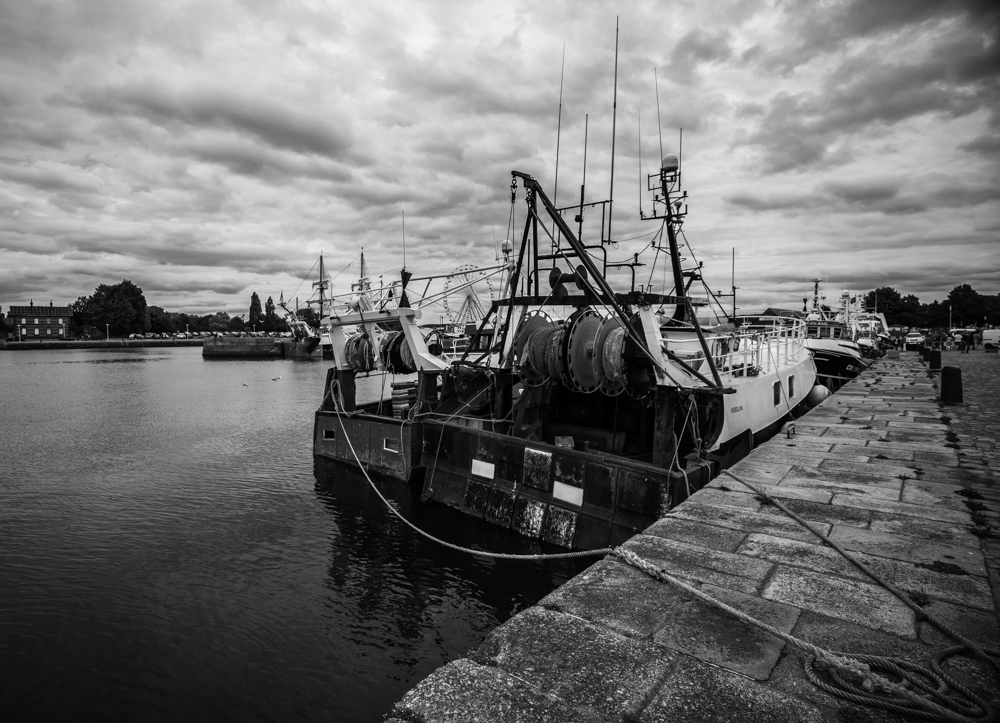
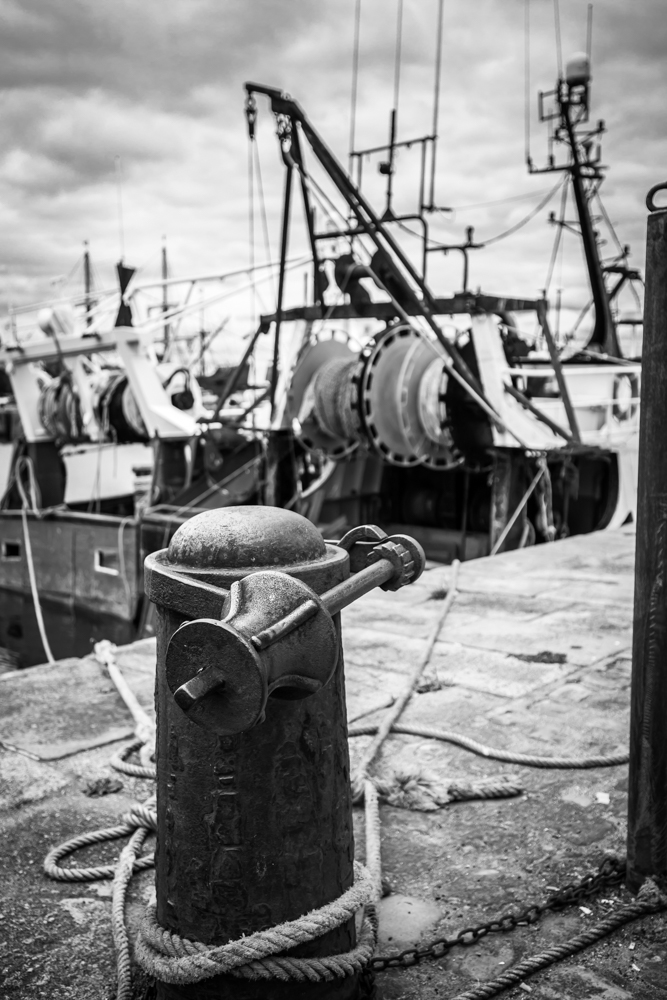
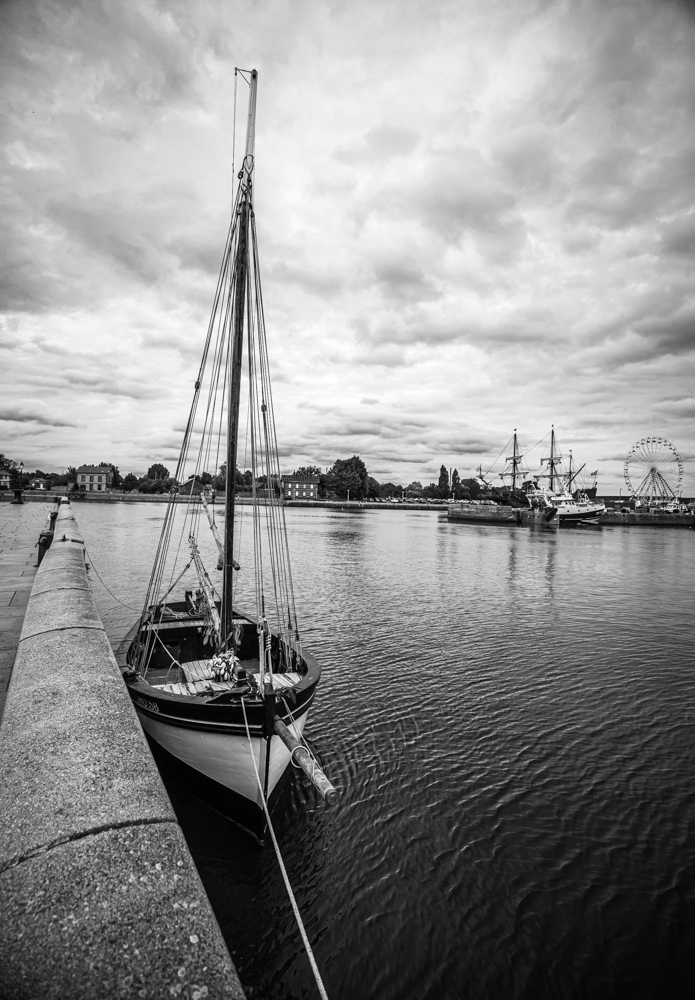
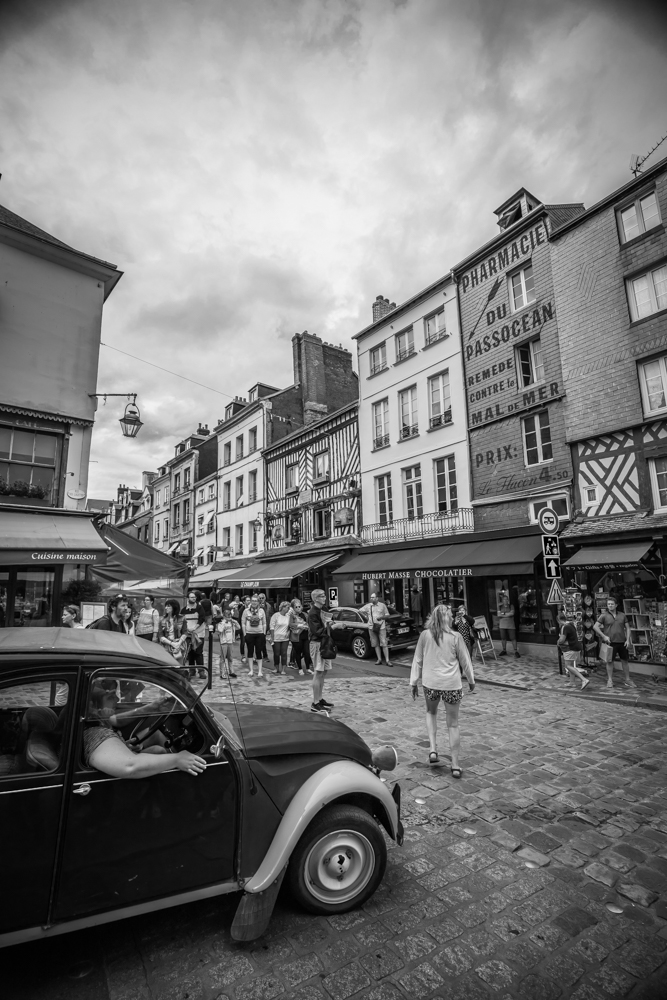
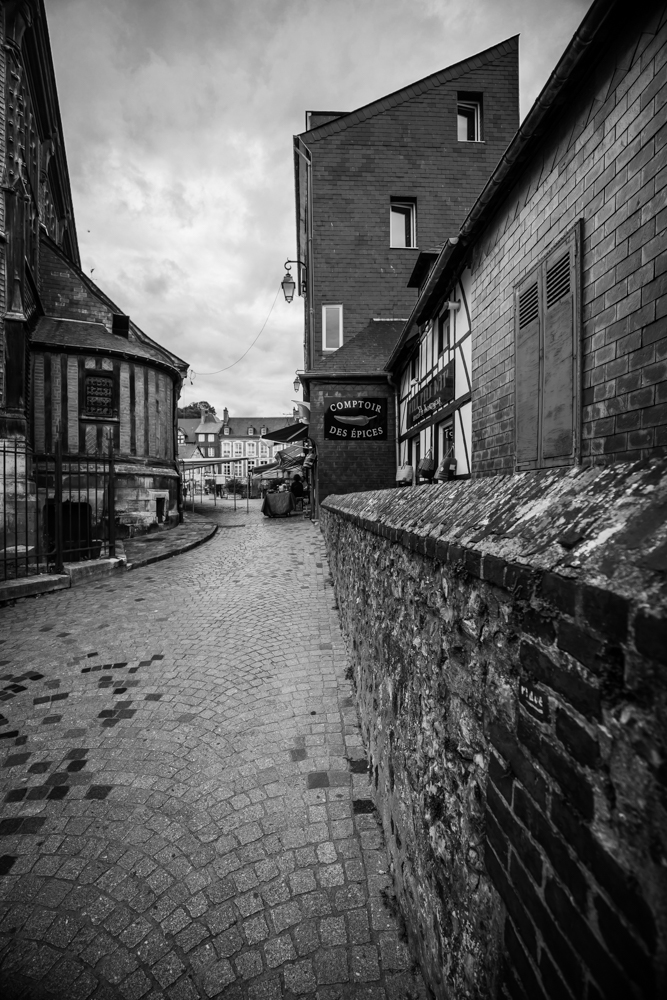
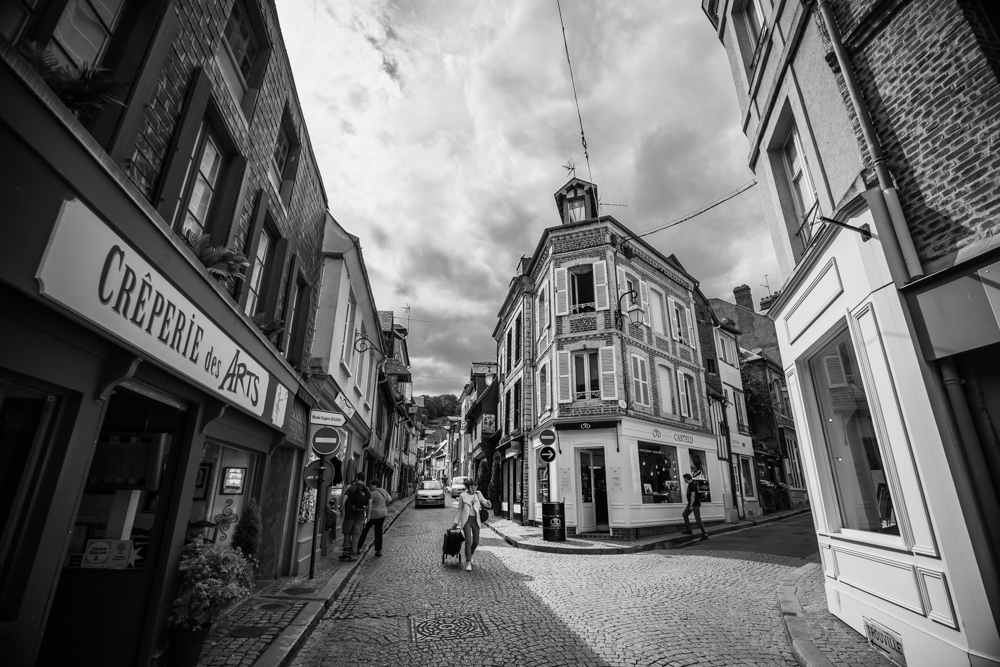
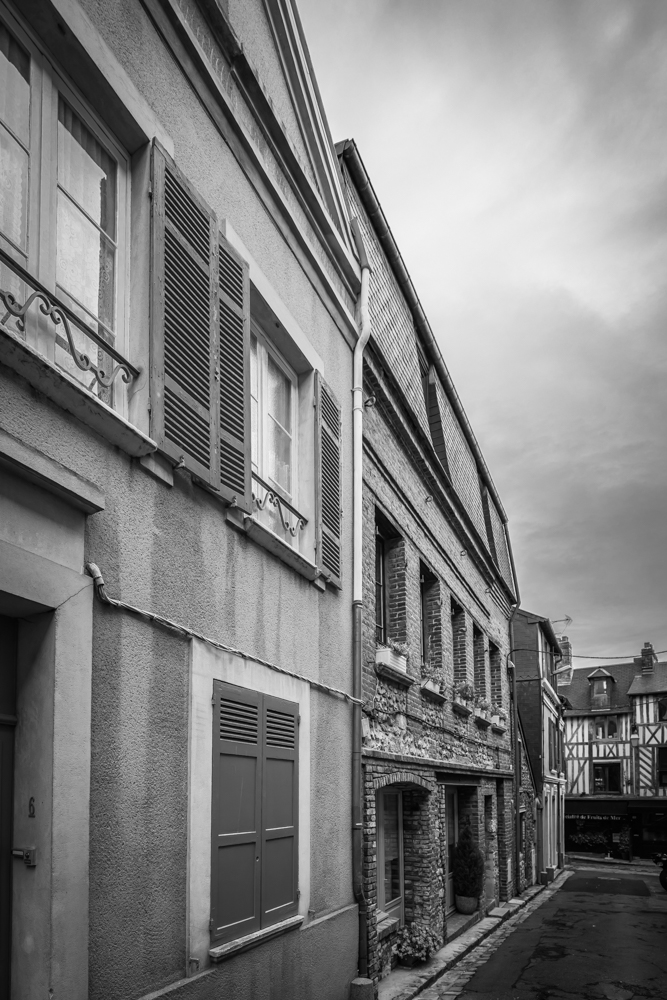
I’ve been trying to “find myself” lately as far as photography goes. Different editing techniques instead of always doing black and white. Maybe it’s time to get back to basics for at least one article. You’ve seen Honfleur in colour and at night in my last article. However, I did take my camera out during the day! Yes, that can happen sometimes.
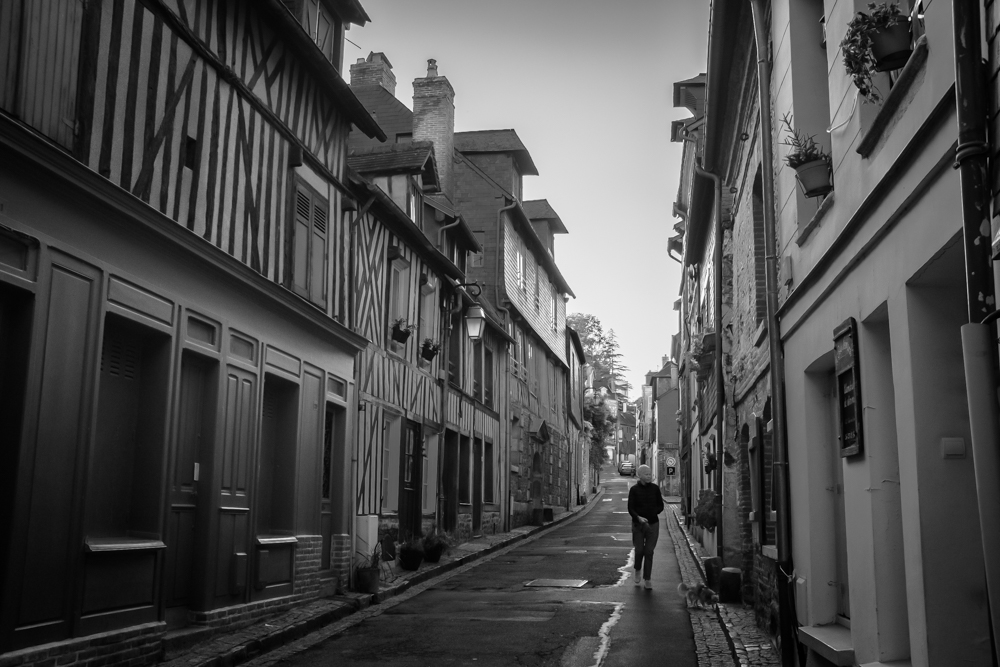
You’ve already had the witticisms about Normandy and the like, so this article is somewhat shorter. It’s about exhibiting some black and white photography of a very pretty little town in Normandy without the distraction of colour. They were taken whilst walking from where I had parked the car, to the house that we had rented for the week. They were taken whilst meandering through the streets, getting lost, trying to see what the place looked like in daylight. They were taken whilst I just let my mind wander off and just take in the beauty of the place. Quite typical for me really, and probably the best way to photograph a town.

The photographs were taken over a period of three days using both the Canon 6D Mark II, with the 16-35mm lens, and the Fujifilm X100F.

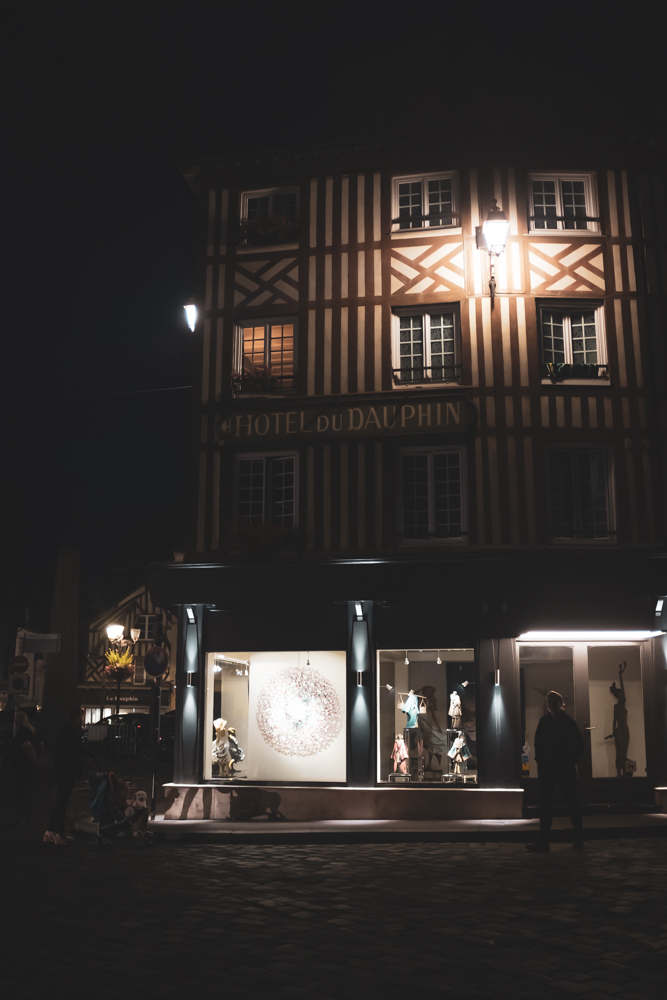
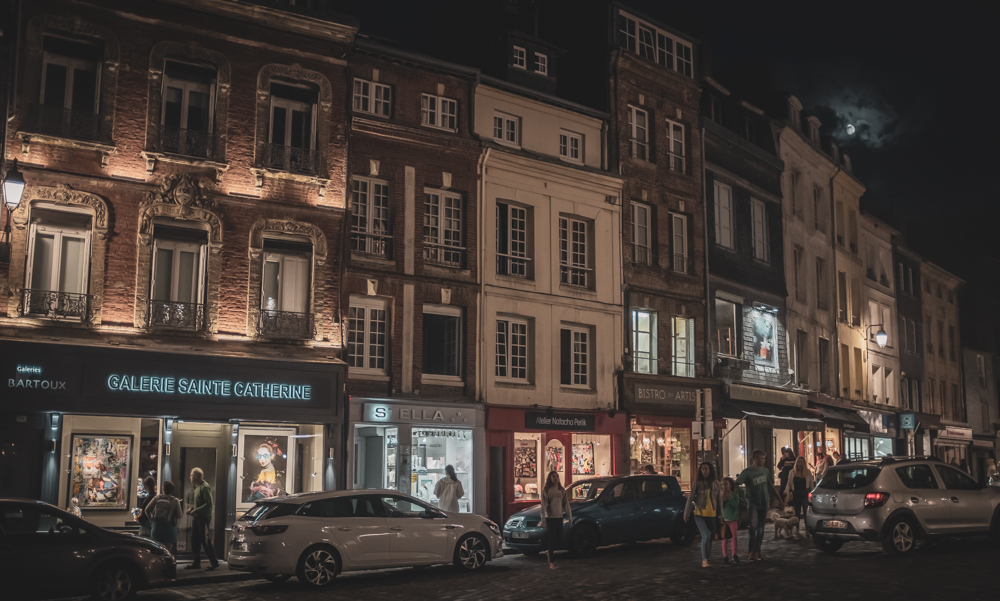
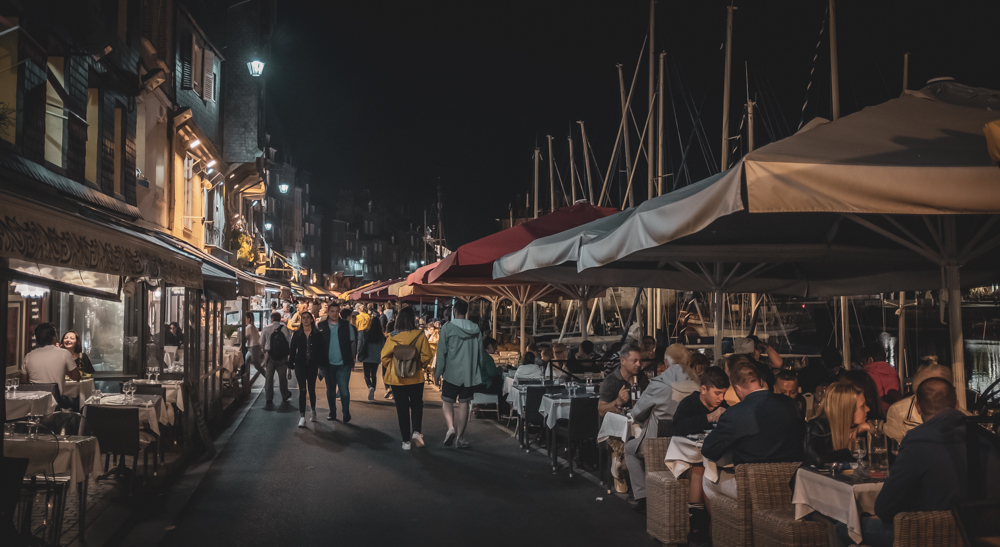
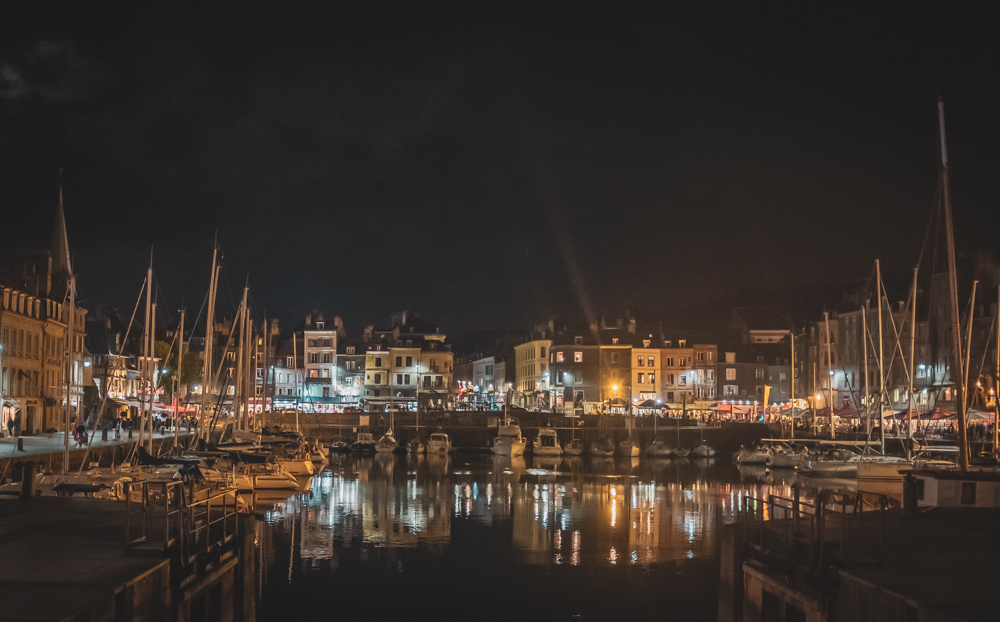
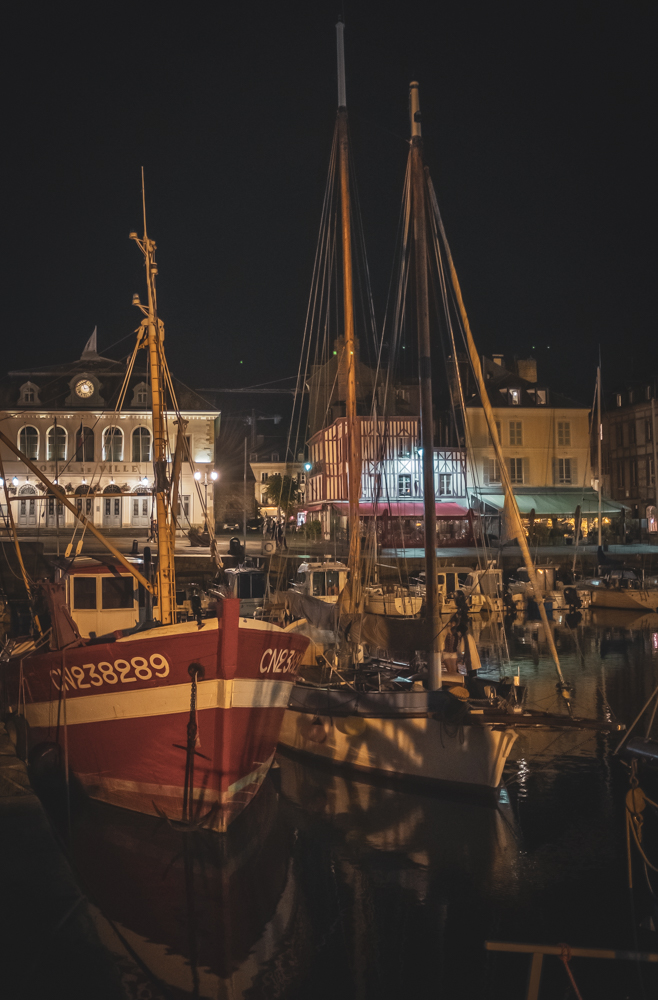
Honfleur at night


Honfleur is one of those pretty places that you see on postcards from Normandy. It is the birthplace of Erik Satie, the musician, composer, and a slighty, ever so slightly, eccentric, which is how my mother describes me. I think it’s a nice way of calling me a wierdo!

So Honfleur… Full of Parisians and people from just outside Paris that don’t have enough money to be able to afford Deauville. But also full of art lovers thanks to the many painters that have their galleries, and those channelling Eugène Boudin (joke available in French, contact me for details) and those wanting some Monet, Monet, Monet! (the Dad joke strikes again!) And let’s not forget those messing up their cholesterol levels with Camembert and Crême Fraîche d’Isingy, and those ruining their livers on Calva, and Pommeau. Cider is available for the lightweights like me.

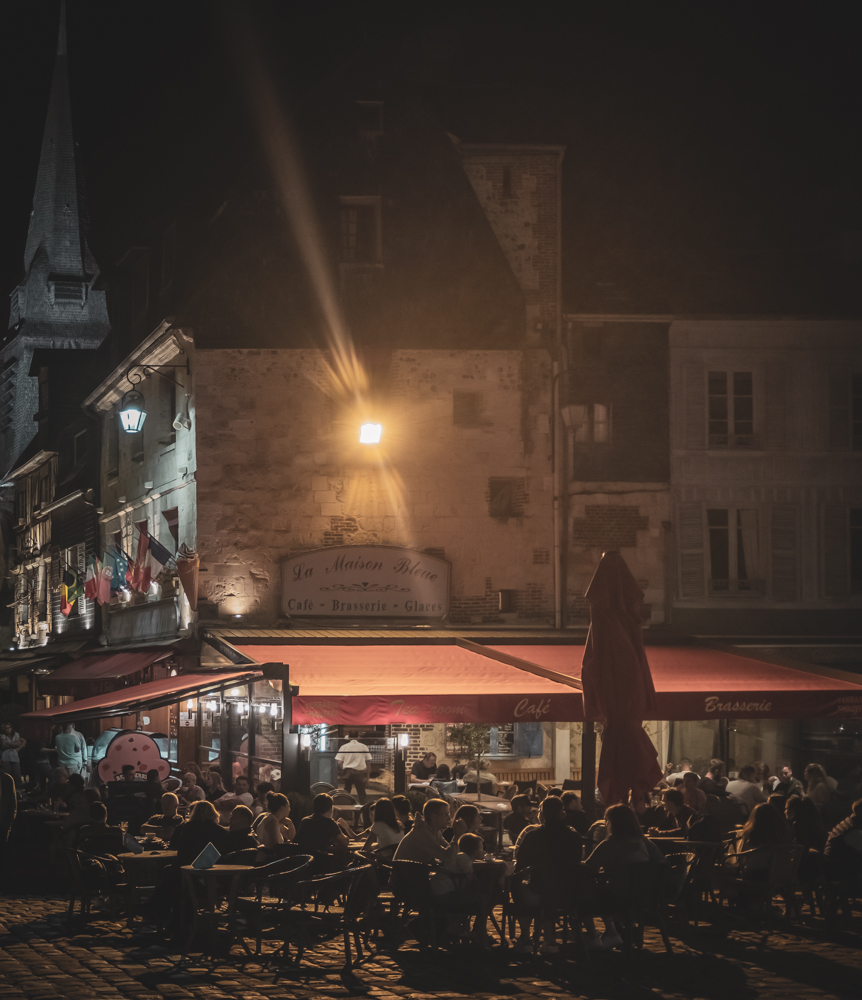
On our first night, Killian, my ever dutiful son, needed to get out of the house and stretch his legs, so I tagged along with him. We went out with the two cameras (X100F for me, and Canon 6D for him) to do some night time photography, and headed off to the old harbour. We vowed to keep away from all the bars and ice cream places and actually managed it! Such restraint!

Here are my photos from that trip out:

Omaha Beach, Normandy


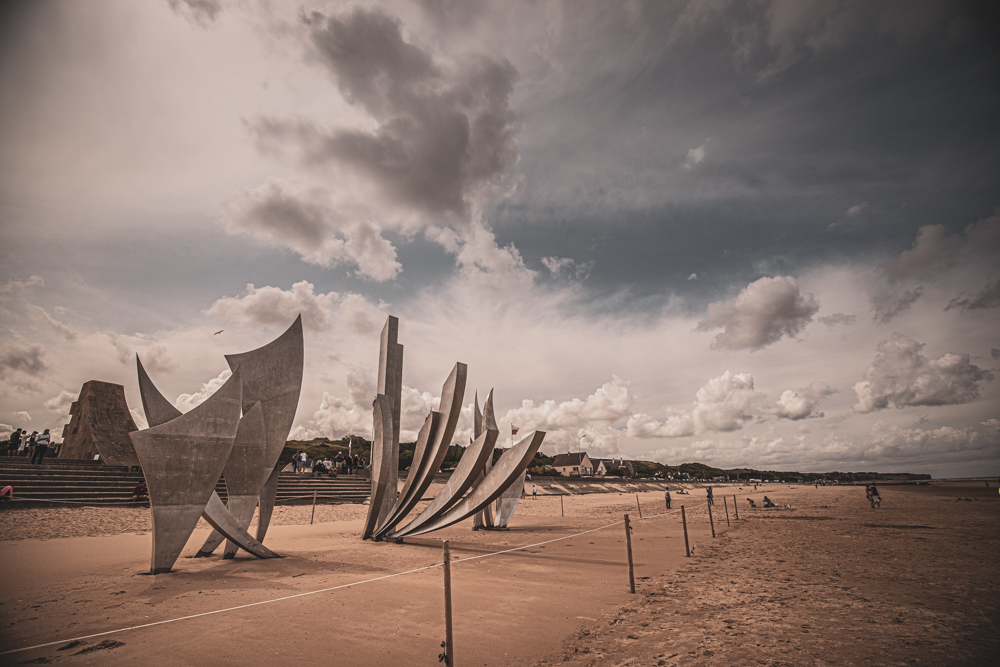
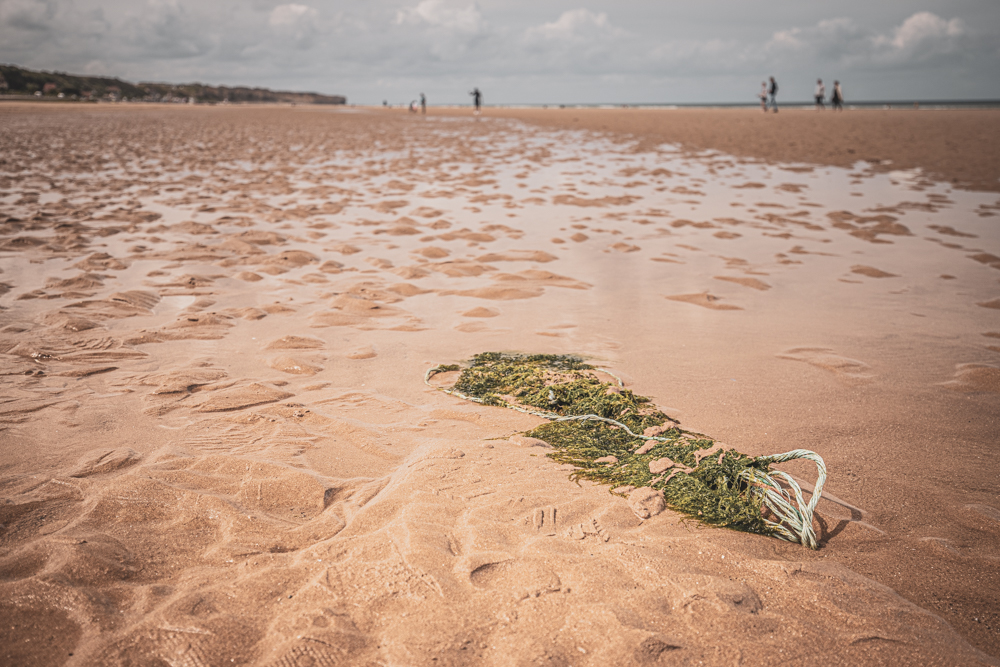
Omaha Beach was one of the five beaches that had to be taken on D Day, 6th July 1944. That task was given to the 1st and 29th Infantry Division of the US Army. To say they took a hammering is an understatement, and General Bradley saw the very grave situation, and one stage nearly abandoned the operation. The grit and determination of his men paid off and they took the beach, but the amount of casualties and dead was tremendous, around 2000 men. A great sacrifice was made that day.

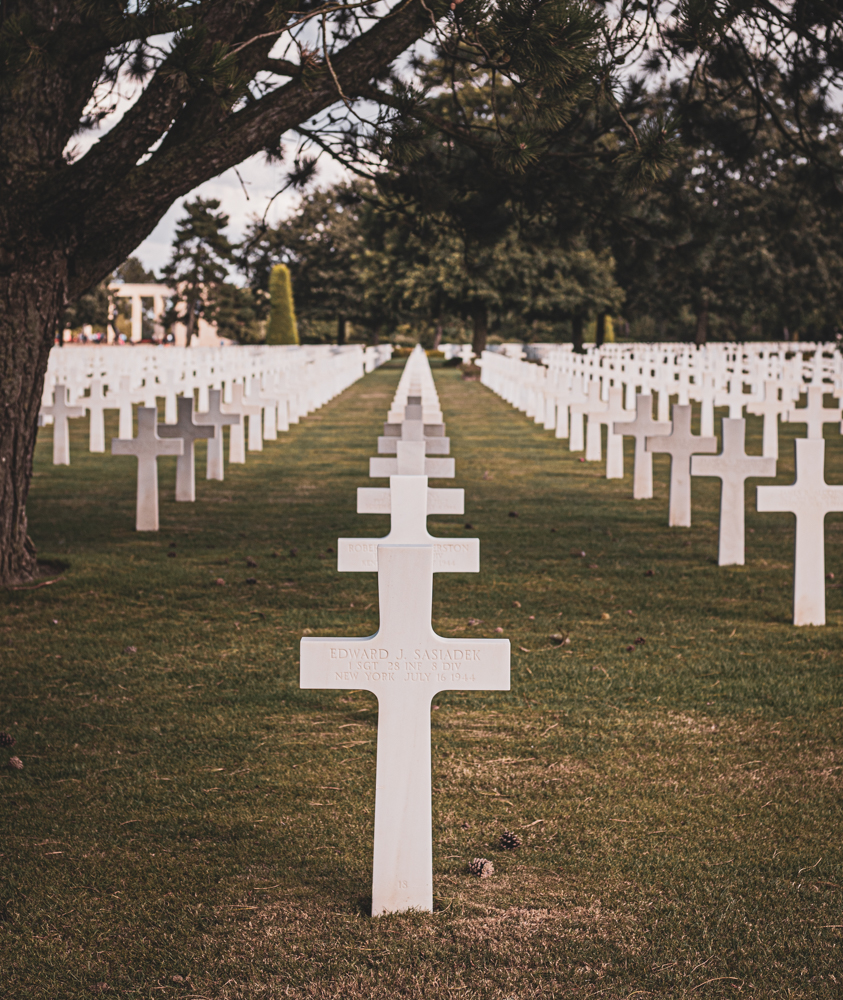
Whilst on that beach, I saw American families turn up, and the emotion was visible on their faces. It is almost a spiritual experience for them, and a form of pilgrimage. The dead are remembered, not only by the few that survived, but by the local population , and the French in general. Just next to the beach, there is the American War Cemetery at Coleville sur Mer. The prisitne graves serve as a reminder to those of us that didn’t experience what they did: the horrors of war!

I remember seeing footage of an old veteran who landed on Omaha, saying that the greatest reward they had, was to see children playing on that beach now, enjoying the peace that was earned by those men who lay down their lives on that same beach all those years ago.

I’ve decided to share photos of both the beach and the cemetery with you. The camera used that day was the Canon 6D Mark II with the 16-35mm Canon lens.

Commonwealth War Cemetery, Ranville


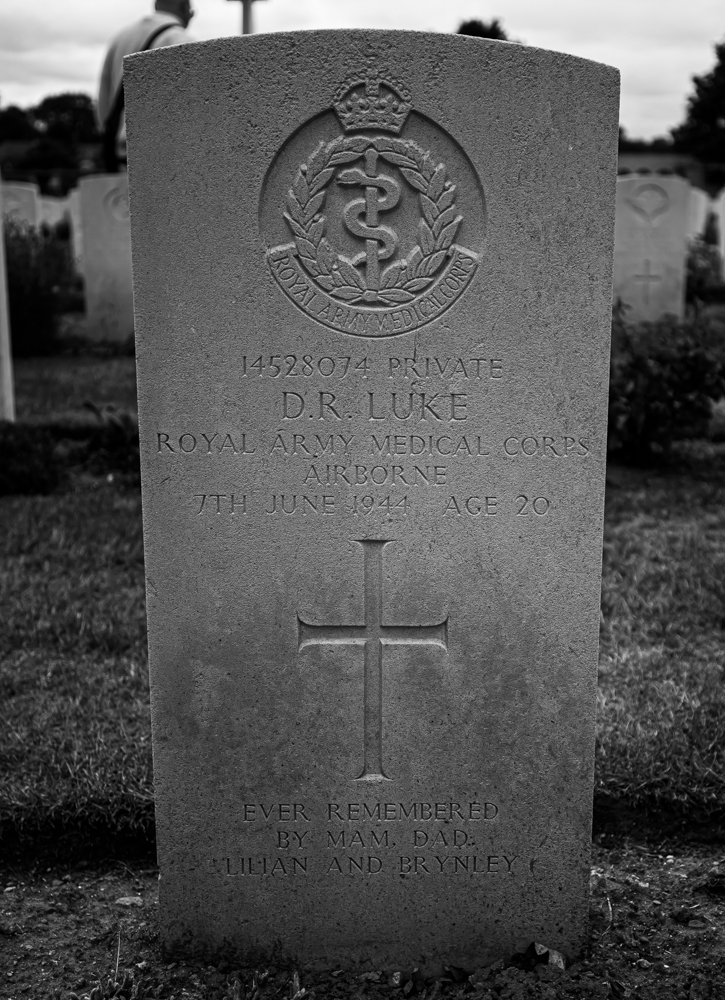
In my last article I talked about Normandy and the battle to take Pegasus Bridge, and in this article I want to talk about the soldiers that didn’t come back. Ranville is a town, not too far from Pegasus Bridge and the men that fell in that engagement are buried in the Parish Churchyard. Just next to the chuchyard is a Commonwealth War Cemetery.

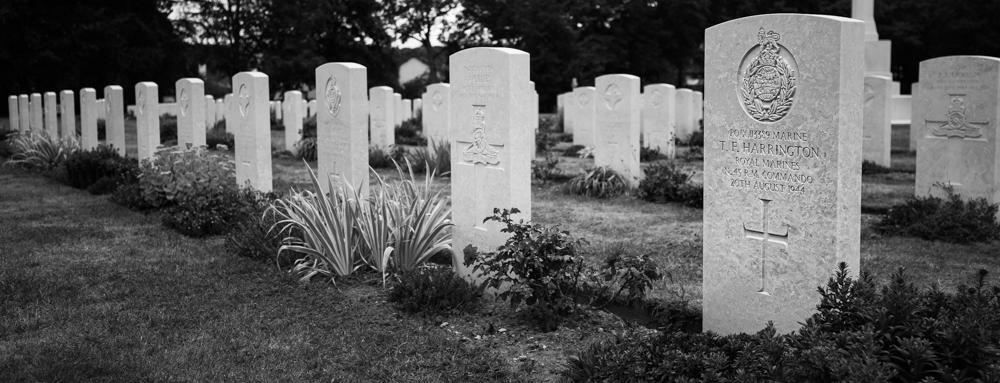
The cemetery contains predominantly British soldiers killed during the early stages of the Battle of Normandy. A large proportion of those interred were members of the British 6th Airborne Division. These places are always very moving, even more so when one looks at the ages of some of those that died in June 1944. My son is 20 and the same age as so many of those soldiers.

Even when dead they are still on parade in ranks with perfect dressing. They died as soldiers and even in death they remain soldiers. When you look through the photos you will notice certain anomalies. One was a tank crew that was buried together, as a crew. One is a grave of a German Jew who escaped to join the British army, and was given a pseudonym so if he was captured his name wouldn’t betray him, One grave is of a parachutist and his dog who were buried together.

They shall grow not old, as we that are left grow old:
Age shall not weary them, nor the years condemn.
At the going down of the sun and in the morning
We will remember them.

Extract For the Fallen, Laurence Binyon