The Quiet Orchestra of Cups and Crumbs: Indulging in Tea and Cake at Home


There’s a hush within the walls of home, broken only by the gentle clink of china and the soft rustle of pages turning. Sunlight paints warm squares on the table, and a familiar aroma fills the air – the alluring scent of freshly brewed tea, mingling with the promise of sweet delight. Forget the clamour of cafes and the pressure of trendy patisseries; here, amidst the comfort of your own haven, awaits an indulgence both simple and sublime: the pairing of tea and cake.

This is not just a snack, mind you, but a ritual, a rebellion against the hurried pace of life. Here, you are the maestro, wielding the teapot and cake fork with practiced ease. No deadlines loom, no expectations burden you. Just the quiet orchestra of clinking cups, the warmth of tea on your tongue, and the crumbly symphony of cake yielding to your fork.

But before we lose ourselves in the indulgence, let’s ensure the foundation is perfect. Forget the sacrilege of microwaved water! A proper cup of tea deserves a touch of ceremony. Here’s the secret:

The Art of Brewing:

  1. Choose your weapon: Select your tea wisely. A robust Assam for an invigorating morning, a delicate Darjeeling for a contemplative afternoon, or a fragrant jasmine for a touch of serenity. Loose leaf offers the fullest experience, but quality tea bags work too – I’m thinking Yorkshire tea, Yorshire Gold, or even Barry’s Gold from Ireland.
  2. Heat the water: Water is the soul of tea. Use water heated to the appropriate temperature – boiling for black tea, around 80°C for green tea (except green tea is for hippies or stresed out millenials). Using a kettle helps achieve precise temperature control.
  3. Warm your vessel: Preheat your mug or teapot with hot water to prevent a temperature drop when the tea arrives.
  4. The infusion dance: Measure your tea – a teaspoon per cup. Add the tea leaves to the warmed pot, then pour the hot water gently over them. When using a tea pot, the rule is one spoon of tea for the pot and one spoon of tea per person.
  5. Let it steep: Respect the steeping time! Each tea has its preference – 3-5 minutes for black tea, 2-3 minutes for green tea (for hippies and stressed out millenials). Be patient, this is where the flavour magic happens.
  6. Strain and savour: Once steeped, strain the tea and discard the leaves (unless using a teabag). Now, breathe in the aroma, hold the warm cup in your hands, and take that first sip. Let the flavours bloom on your tongue. I always add milk, which takes off the tanin edge of strong tea.

The Perfect Pairing:

Now, to the cake! Choose a companion that complements your tea’s character. A rich chocolate brownie pairs well with robust teas, while a light, citrusy slice enhances the delicate notes of Darjeeling. Remember, this is your symphony, so experiment and find the perfect harmony.

With each sip and bite, the tension of the day melts away. The world outside can wait, for within these four walls, you’ve created a sanctuary of indulgence. No judgement, no pressure, just the quiet joy of the moment.

So, the next time you crave a moment of solace, skip the cafes and turn inwards. Brew a pot of tea, slice a delightful cake, and settle into the haven of your home. Let the quiet orchestra of cups and crumbles fill your senses, and rediscover the simple yet profound pleasure of indulging in your own company.

And remember, Nantes may boast charming cafes, but the truest indulgence often lies in the quiet corners of your own home, waiting to be savoured with every mindful sip and bite. Take a moment, dear reader, and indulge in the simple symphony of tea and cake at home. You deserve it.

A nice cup of tea made with love ? It’s a hug in a mug!

Exploring Nantes: A Photographer’s Perspective


In the hushed confines of my study, where the scent of bookst mingles with the comforting aroma of steeping tea, I find myself transported to distant realms of discovery. With my faithful canine companion at my feet and a mischievous feline observer perched high atop a pile of unironed laundry (I must get that sorted out), I embark on a journey not only through the winding lanes of Nantes but through the corridors of time itself.

Nantes, with its labyrinthine streets steeped in centuries of history, beckons with the allure of bygone eras and whispers tales of yore to those who listen with open hearts and discerning eyes. As a photographer of a somewhat vintage disposition, I am drawn not only to the grandeur of its architectural marvels but to the quiet corners and hidden alcoves where the soul of the city reveals itself in subtle nuances and fleeting moments.

My approach to photography, much like my approach to life, is one steeped in reverence for the past and a keen appreciation for the present. Armed with my camera and a discerning eye for detail, I set out to capture the essence of Nantes not merely as a series of picturesque scenes but as a living, breathing tapestry of human experience.

In my wanderings through the cobbled streets of the old town, I am enraptured by the timeless beauty of the Château des Ducs de Bretagne, its imposing walls bearing witness to centuries of tumultuous history. Yet it is in the quiet courtyards and shadowed alcoves of this ancient fortress that the true spirit of Nantes reveals itself, echoing with the whispers of generations long past.

  • Chateau de Ducs de Bretagne, or Nantes Castle

As I meander through the bustling markets and labyrinthine alleyways, I am captivated by the vibrant tapestry of colors and textures that adorn the cityscape, each tableau a testament to the creativity and resilience of its inhabitants. From the fragrant stalls of the Marché de Talensac to the bohemian charm of the Île de Nantes, every corner of the city offers a glimpse into the rich tapestry of Nantais life.

But it is perhaps in the quiet moments of reflection, amidst the tranquil banks of the Loire River or beneath the leafy boughs of the Jardin des Plantes, that the true magic of Nantes reveals itself. Here, far from the hustle and bustle of the city streets, I find solace in the simple beauty of nature and the timeless rhythm of the river, a reminder that amidst the chaos of modern life, there are still moments of peace and serenity to be found.

In my pursuit of the perfect photograph, I am guided not only by technical skill and artistic vision but by a profound sense of reverence for the world around me. Each click of the shutter is not merely an attempt to capture a fleeting moment in time but a homage to the beauty and wonder of the world we inhabit.

As the sun sets over the horizon and the last rays of light dance upon the waters of the Loire, I find myself filled with a sense of gratitude for the privilege of bearing witness to the timeless beauty of Nantes. In its winding streets and hidden corners, I have discovered not only the essence of a city but the essence of life itself—a tapestry of moments, both fleeting and eternal, woven together in the fabric of time.

As the golden hues of sunset paint the Loire River, my camera lens captures one last fleeting moment of this captivating city. Nantes has unveiled its charm, whispering stories through its cobblestones and revealing its soul in hidden corners. While my journey ends here, yours can begin. Pick up your camera, wander the winding streets, and discover the magic of Nantes waiting to be captured, frame by frame. You might just find yourself transported, too.

Has Spring sprung, or is it just springing?


In my little corner of France, the weather has been a little on the rainy side.  We had a good week at the end of January, but since February, somebody, somewhere, without knowing the ramifications of his words, must have said, “et bah, on a besoin d’eau hein….”  God obviously granted this person their prayers and we have been rained on for the last few weeks!

It all began with a brief respite at the end of January, a fleeting interlude of sunshine before February just started urinating on us from above. It’s as if someone, somewhere, uttered the magic words, invoking the heavens to shower us with their blessings. And shower us they did, with rain pouring down like a pissing cow (as the French so poetically put it) that had been on the lash all night , couldn’t find the loo, and could no longer keep it in.

Yesterday, we were visited by none other than Louis, the storm, and not the child of the Prince of Wales. His presence was felt with each gust of wind and every raindrop that tapped against the window.  This was proper rain.  The kind of rain that makes your Yorkshire more elderly aunts would tell you that you might want to put a coat on, but told off by your Northumbrian grandmother if you dared use an umbrella.  It was a different time…  I would dash out to do my quality control for the timber deliveries at work whilst trying to dodge the heavy showers and not get blown over by the 50 mph gusts of wind.

But amidst the downpour, signs of Spring’s imminent arrival emerge like treasures hidden in plain sight. No longer do I awaken to the frosty chore of scraping ice off my windscreen; instead, there’s a gentle warmth in the air, a whisper of hope that dances through the rain-soaked streets.

As I make my way through the soggy pathways, I can’t help but notice the subtle changes taking place. The blackthorn bushes in the hedgerows begin to bloom, their delicate blossoms a testament to nature’s resilience. Daffodils peek out from gardens and roadside nooks, adding splashes of colour to the grey canvas of the day.

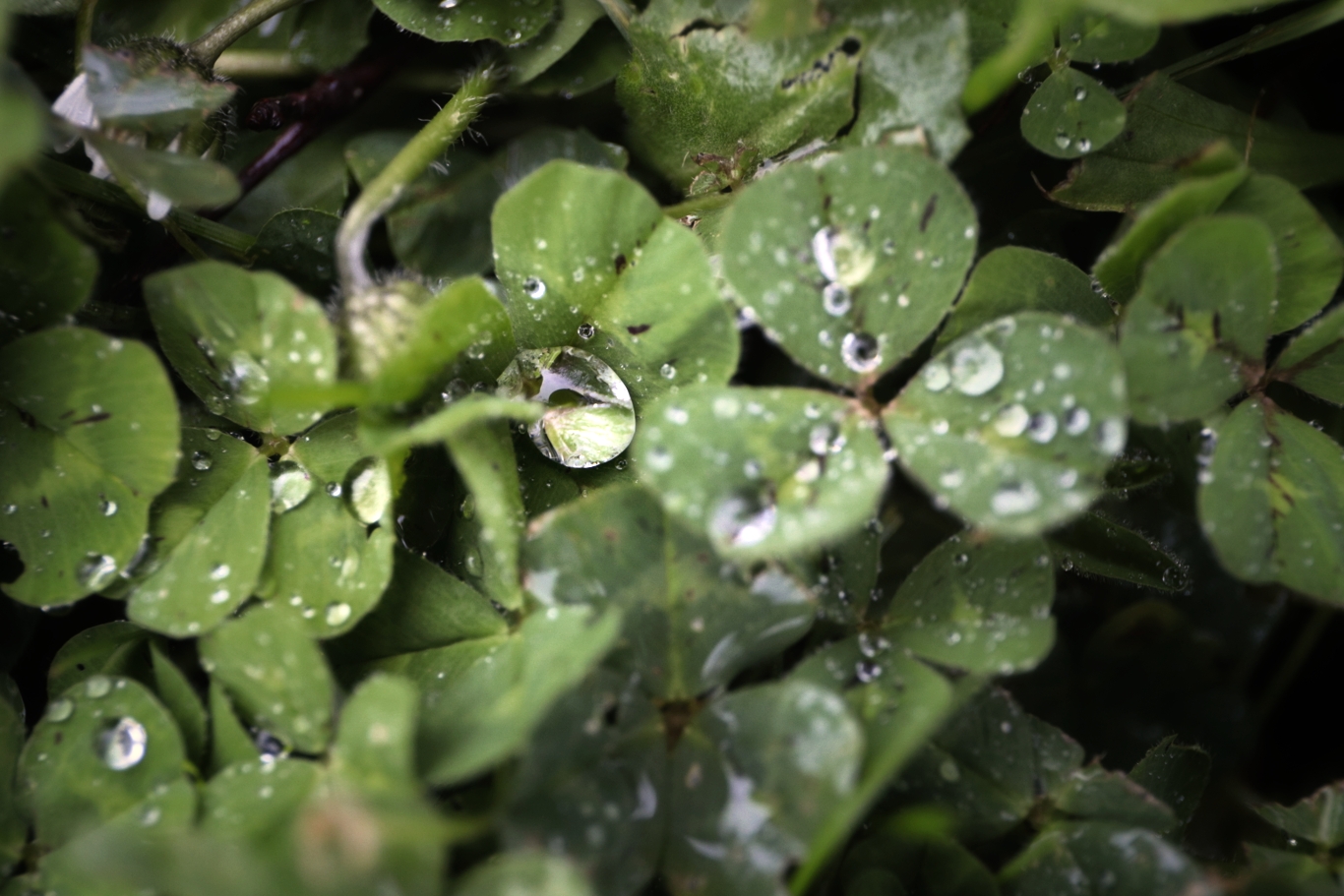
And despite the forecast calling for more rain, there’s a sense of optimism in the air, a feeling that Winter’s grip is loosening and Spring’s embrace is just around the corner. It’s a feeling that stirs something deep within, a sense of anticipation for what lies ahead. As you can see in the photo, it doesn’t rain “all the time.”

We still aren’t in 100 ASA film weather, except if you only want to shoot at F1.8, and when in 400 ASA we can start to go over F8, at least during the day.  You thought I wouldn’t talk about photography?  Really? At least I can go out and catch the rain on film.  Sunnier days are brighter, but the melancholy of rain is just as special and poetic.

So, dear readers, as we navigate the unpredictable dance of Spring’s arrival, let us do so with all the warmth and humour of old friends reunited. For whether it be the son of the Prince of Wales or the ghost of various Kings of France, when Louis comes knocking, it’s bound to be a royal affair.

The X100F, again!


It seems that I’m not the only one who raves about this powerhouse of a camera. This just proves that size truly doesn’t matter. I’ve mentioned it on numerous occasions and I stand completely justified in doing so!

Here’s a selection of articles that I have written showcasing phtoography from this amazing little camera in no particular order:

The idea behind using a camera is not just about capturing moments, it’s also about the experience it grants you. This camera has the ability to inspire and motivate its users to explore and create, which is a testament to its design and functionality. The joy and enthusiasm that comes with using this camera is contagious, and it’s evident in the way it empowers photographers to unleash their creativity. It’s not just a tool, but a companion that fuels the passion for photography, encouraging individuals to embrace the world around them through its lens.

Choosing the Right Film Format: 35mm vs. Medium Format Photography


Introduction In the world of film photography, the choice of film format can significantly impact the results you achieve. Whether you’re an aspiring street photographer or simply an enthusiast looking to explore the world of analog photography, the decision between 35mm and medium format can be crucial. This article explores the major differences between these two formats, helping you along on your photographic journey. As we dive into this discussion, it’s essential to understand how the choice of format can influence your work.

1. Understanding the Basics Let’s start by establishing a foundation. 35mm photography is the more common format, known for its accessibility, ease of use, and widespread availability. It is the standard format of film. However, medium format photography offers distinct advantages worth exploring.

2. The Key Differences

Image Quality and Resolution: The most noticeable difference between medium format and 35mm photography lies in image quality and resolution. Medium format film, with its significantly larger negative size, captures an significant level of detail and clarity. The larger negatives provide ample room for precise rendering of textures, fine lines, and intricate patterns. This translates to stunningly sharp and highly detailed images, ideal for both professional work and fine art photography. If you’re aiming for prints that capture every nuance, medium format is the way to go.

Aspect Ratio: Another significant difference is the aspect ratio. 35mm film typically yields images with a 3:2 aspect ratio, while medium format cameras typically offer a square 1:1 aspect ratio. The square format can be a creative boon, pushing photographers to rethink composition. It forces a balance between the vertical and horizontal aspects of your subject, a characteristic reminiscent of the iconic street photographer Vivian Maier, who frequently used a TLR camera. The square format encourages unique framing and adds an artistic challenge to your photography.

Depth of Field: Medium format allows for a shallower depth of field compared to 35mm. This means that it’s easier to achieve that sought-after background blur or bokeh, perfect for portrait and street photography. With a well-executed composition, your subject can pop against a beautifully blurred backdrop, making them the focal point of the image.

Size and Weight of Equipment: In terms of portability, 35mm cameras have the upper hand. They are compact, lightweight, and ideal for street photography where you need to be quick on your feet. Medium format cameras, on the other hand, tend to be bulkier and heavier due to the larger film format and the associated optics. This makes them better suited for planned shoots where image quality takes precedence over convenience.

Cost of Film and Development: While 35mm film and development are more budget-friendly, medium format film comes at a higher cost. When using the 6×6 format you will only have 12 images per roll of film. This of course makes every shot count. If you are stressed out about messing up a shot on 35mm film then your anxiety will shoot up to lunar levels with only 12 shots. But remember what I have said earlier, no shot is wasted and every shot is a learning experience. The enhanced image quality, detail, and artistic potential make medium format film worth the investment for those who prioritize the final result over the upfront cost. If you’re planning to produce gallery-worthy prints or pursue a professional career, the expense can be justified.

Flexibility and Convenience: 35mm cameras are known for their flexibility and convenience, making them well-suited for capturing quick shots or candid moments. They’re also readily available, and film processing is more accessible. In contrast, medium format cameras require a more methodical approach, ideal for planned and deliberate photography. The process is slower, encouraging you to carefully consider each shot and compose it meticulously. This added effort can lead to more thoughtful and deliberate photographs.

3. Street Photography with the Pentax ME Super and TLR Influence Vivian Maier, a renowned street photographer, serves as an inspiring example of how camera choice can shape your photographic style. Maier favored the TLR camera, a medium format model known for its distinctive qualities. Her use of the square format and unique perspective have left an indelible mark on street photography.

I want you to think about the fact that a TLR is hanging around your neck at tummy level or even waist level, so the way of looking at your subject will automatically affected too.

If you’re looking to explore street photography with a Pentax ME Super, remember that the compact 35mm format offers its advantages for candid, on-the-go shots. However, Maier’s work reminds us that the choice of equipment is a personal one, and there’s no one-size-fits-all answer.

4. The Mamiya C220 Review: A Medium Format Marvel As we venture further into the world of medium format, the Mamiya C220 beckons. Just as Vivian Maier chose a TLR for her street photography, other photographers have found success with medium format cameras like the Mamiya C220. In my upcoming review, I’ll explore the features, benefits, and considerations of this remarkable medium format camera, guiding you towards your next photography adventure.

The Induction to a Higher Level of Photography When you make the transition from 35mm to medium format, you’re stepping into a higher echelon of photography. If you think that 35mm film is great, you’ll be enthralled when you see your images taken by a medium format camera. The level of detail and depth of field that medium format offers is simply unmatched. It’s like upgrading from a standard screen to 4K resolution for your photography. Every detail comes to life, and the depth of field adds a whole new dimension to your work. It’s a revelation that will leave you wondering why you didn’t make the leap sooner.

The 35mm format photo captured on the Pentax MS Super. The “standard” format of film photography. The one we all know.

The square format common to much medium format photography with a 6×6 format. I’ll let you look at the differences for yourself.

The lenses for each shot was a 50mm lens for the 35mm format film photo, and the 80mm mm lens for the medium format photo. However, both lenses are equivalents.

Conclusion In closing, remember that there’s no definitive answer to the question of 35mm vs. medium format. It’s a matter of personal preference and artistic vision. Both formats have their merits, and your choice should align with your goals and the style of photography you wish to pursue.

Stay tuned for the Mamiya C220 review, where I’ll delve deeper into the world of medium format photography, and consider the impact of the TLR on your creative journey.

The journey of film photography is full of exciting choices, from your film format to your camera model. Vivian Maier’s legacy reminds us that every camera has its unique personality and that your creative vision should be the driving force behind your choices. Whether you decide on 35mm or medium format, your camera is your artistic tool, and the world of film photography is yours to explore.

Navigating the Digital Abyss: Unmasking the Devil’s Tactics in Online Discourse


In the vast expanse of the digital landscape, where opinions clash and egos collide, a subtle malevolence seems to linger—the devil finds a home in the chaos of internet comment sections. This virtual realm, often hailed as a marketplace of ideas, reveals a darker side where the battle for truth is marred by the cacophony of raw emotion and the absence of reasoned discourse.

The Temptation of Raw Emotion

Engaging in these comment sections is akin to stepping onto a battlefield without body armor, where every keystroke can be a weapon, and reason is the first casualty. As I ventured into a discussion on the joys and challenges of parenthood, the vitriol that followed made me question not just generational differences but the very nature of dialogue in our digital age.

I expressed my own personal experience of fatherhood and the joy that it has brought me. However, when I dared to offer my opposing perspective, emphasizing the personal and societal benefits of fatherhood, I was met with a barrage of hostility, misrepresentation, and accusations of being “evil.” These individuals, shielded by the anonymity of the internet, felt emboldened to lash out with vitriolic remarks, dismissing my views as irrelevant and even harmful.

For example, I was called a “dinosaur” and a “boomer” for expressing my support for traditional values. I was also accused of being “out of touch” and “selfish” for wanting to have children. I was told to “shut the fcuk up,” and “did you take your meds today?” I was told that I was senile and suffering from Alzheimer’s disease.

These personal attacks were hurtful, but more importantly they also served to try to silence my voice and prevent me from engaging in a meaningful dialogue. The devil, it seemed, had found a way to weaponize the internet , using it to sow discord and discourage open-mindedness.

The Echoes of Selfishness and Malhonnête Intellectuelle

In the realm of pixels and screens, one encounters not only differing perspectives but also a stubborn refusal to entertain dissenting opinions. It is a breeding ground for selfishness, where personal preferences override empathy and thoughtful consideration. The accusation of wanting to control others, merely for expressing a different viewpoint, echoes the selfishness that permeates our society.

The devil’s influence is further amplified by the prevalence of “malhonnêteté intellectuelle,” a French term that roughly translates to “intellectual dishonesty.” In the world of internet comment sections, this takes the form of misrepresenting or distorting opposing viewpoints, cherry-picking evidence to support one’s own argument, and engaging in ad hominem attacks. These tactics create an atmosphere of distrust and suspicion, making it even more difficult to have productive conversations.

For instance, when I highlighted the positive impact of fatherhood on society, I was met with claims that overpopulation was a more pressing issue and that personal freedom should trump the call to embrace the responsibilities of family life. These arguments were not only based on flawed logic but also served to dismiss the value of fatherhood and the importance of raising children in a stable and loving home.

The devil takes advantage of this self-absorbed mindset by encouraging people to dismiss opposing viewpoints as irrelevant or insignificant. This creates an echo chamber effect, where individuals are only exposed to information that confirms their existing beliefs, further entrenching them in their worldview and making it harder for them to engage in meaningful dialogue.

The Age of Navel Gazing

The reluctance to welcome diverse perspectives reflects a society increasingly prone to navel gazing—fixated on individual desires and comfort, dismissing the collective wisdom that arises from shared experiences. As I extolled the virtues of fatherhood, it was met with such dismissive responses as, “Who cares what you think?” and “Mind your own business.”

The devil takes advantage of this self-absorbed mindset by encouraging people to dismiss opposing viewpoints as irrelevant or insignificant. This creates an echo chamber effect, where individuals are only exposed to information that confirms their existing beliefs, further entrenching them in their worldview and making it harder for them to engage in meaningful dialogue.

The Church’s Wisdom: A Beacon in the Digital Abyss

In the teachings of the Catholic Church, one finds a call to discernment, humility, and the pursuit of truth. In the face of emotional onslaughts, the Church encourages us to be steadfast in reason, guided by love, and unyielding in our commitment to fostering a culture of life. As Pope Francis aptly noted, “We were created to love, and love demands an open heart, open to God.”

The Church’s teachings provide a valuable framework for navigating the digital abyss. They remind us that we are not merely individuals, but members of a larger community with a shared responsibility for creating a more just and compassionate society. They also encourage us to engage in dialogue with others, even when we disagree, with respect and open-mindedness.

Conclusion: The Path to Renewal

In our journey through the virtual abyss, we must don the armor of reason and the cloak of empathy. The devil, it seems, thrives on the breakdown of dialogue and the rejection of diverse viewpoints. Let us resist the temptation to succumb to raw emotion, and instead, strive for a digital discourse that reflects the grace and wisdom found in genuine human connection.

As we confront the devil in the comment sections, let our responses be guided not by the fleeting winds of emotion but by the enduring light of reason, compassion, and the timeless teachings that remind us of our shared humanity. Together, we can create a digital space that is more inclusive, respectful, and conducive to meaningful dialogue.

We must remember that the internet is not just a place for expressing our opinions; it is also a place for learning, understanding, and building relationships. By engaging in dialogue, we can transform the digital landscape into a space that fosters not only individual growth but also a more just and compassionate society. Let us reclaim the internet as a tool for good and use it to build bridges, not burn them.