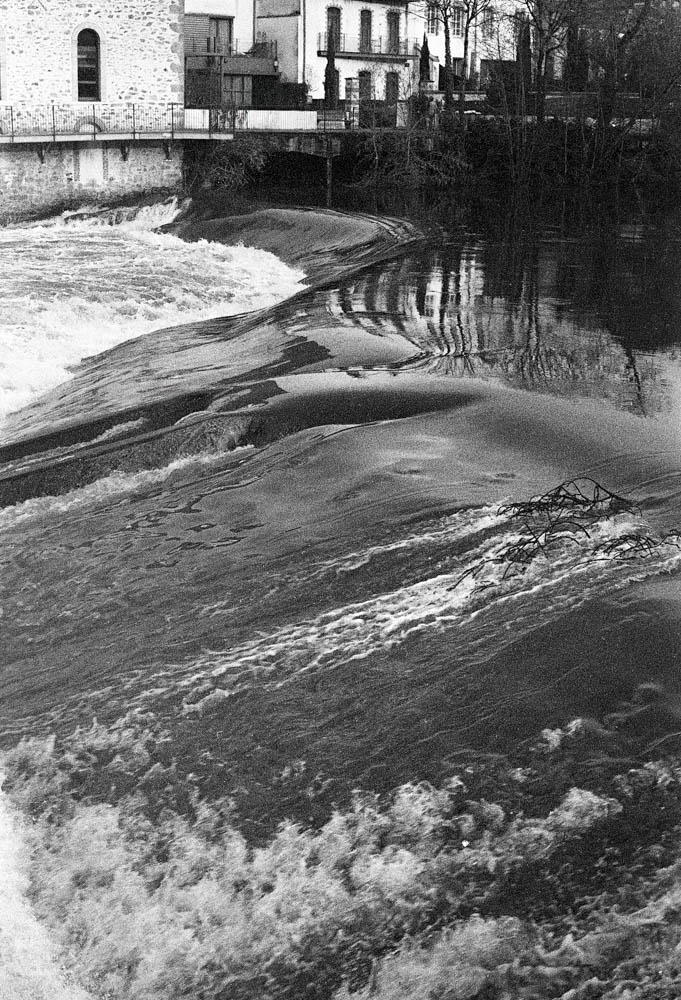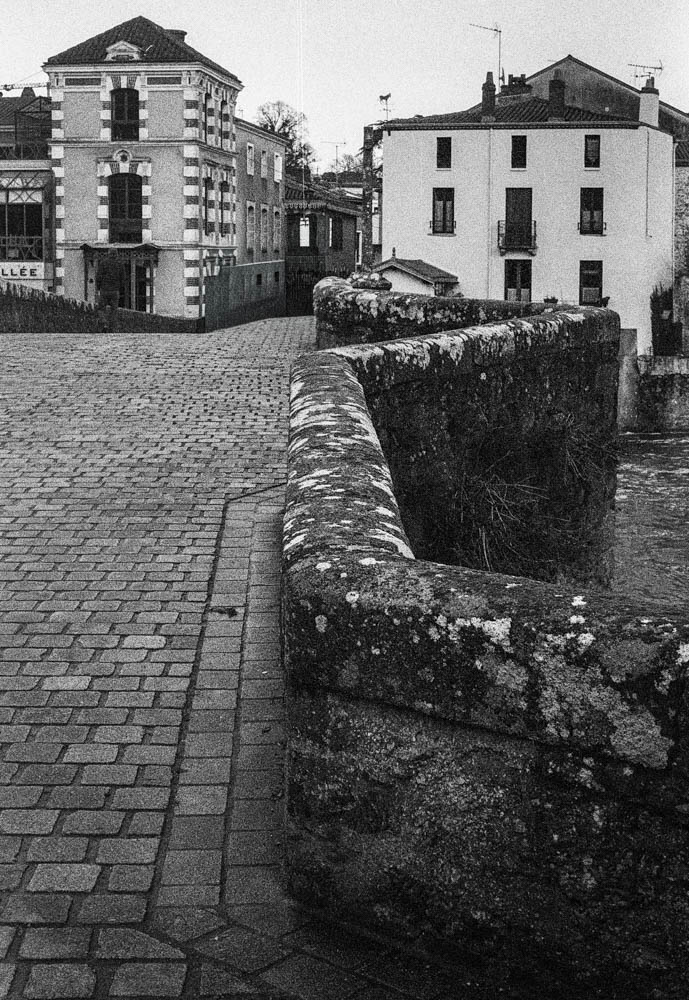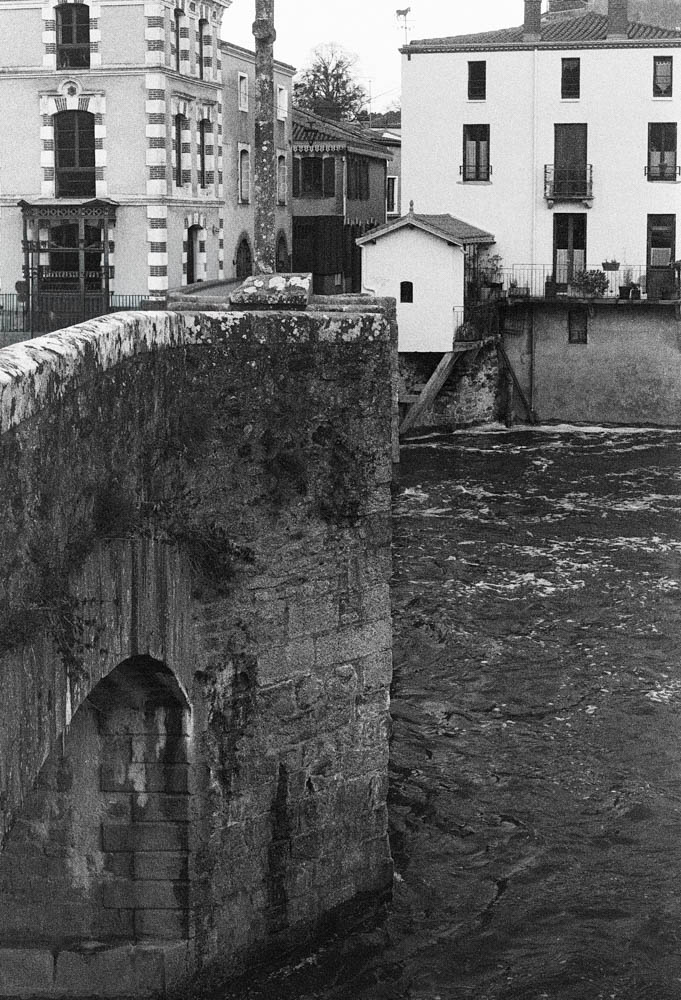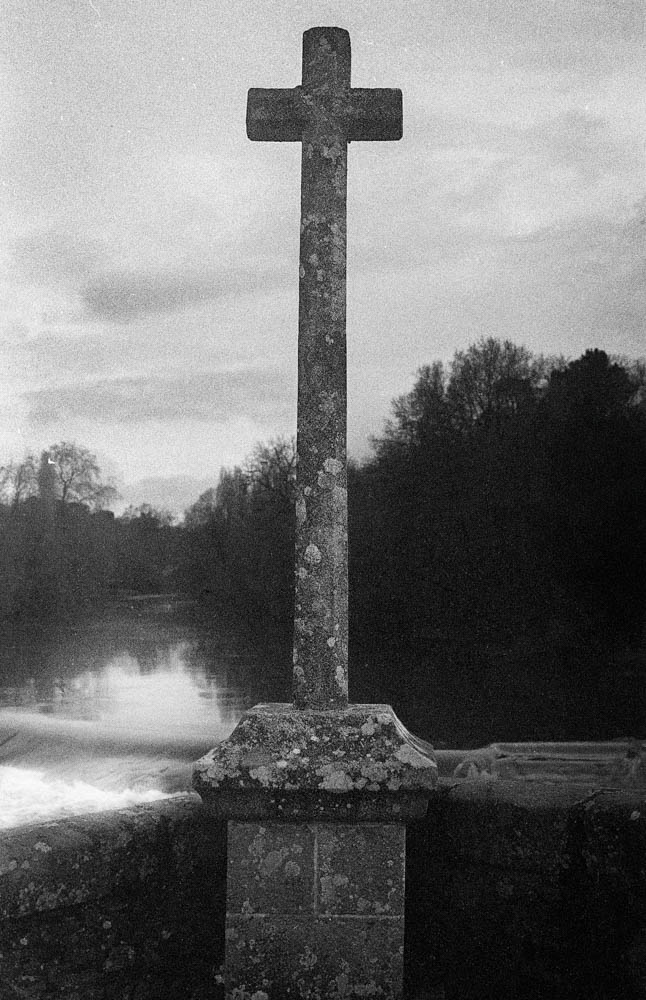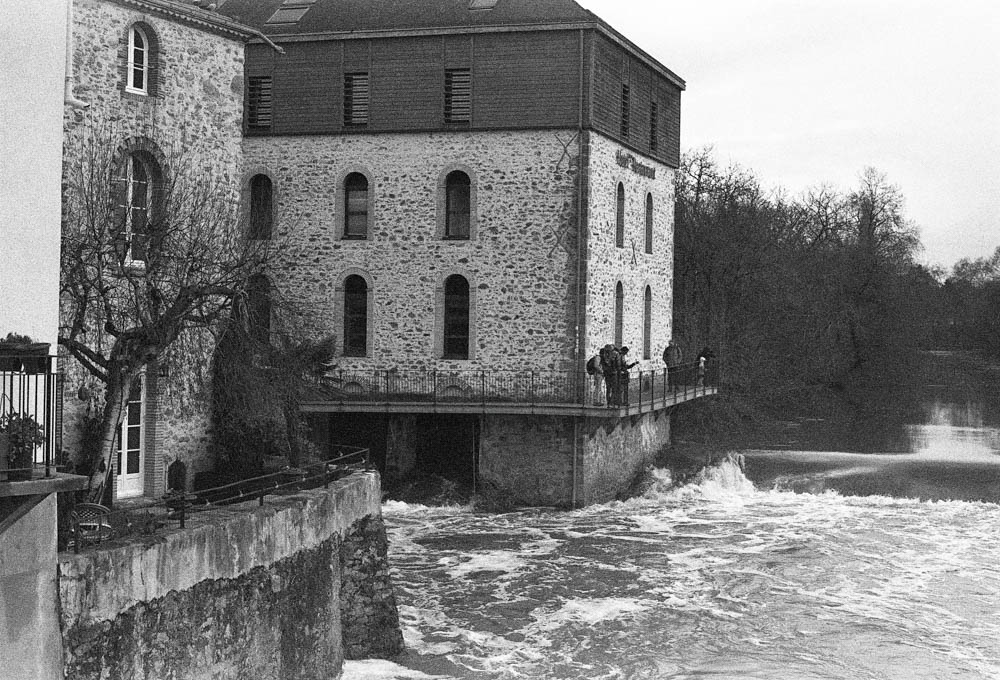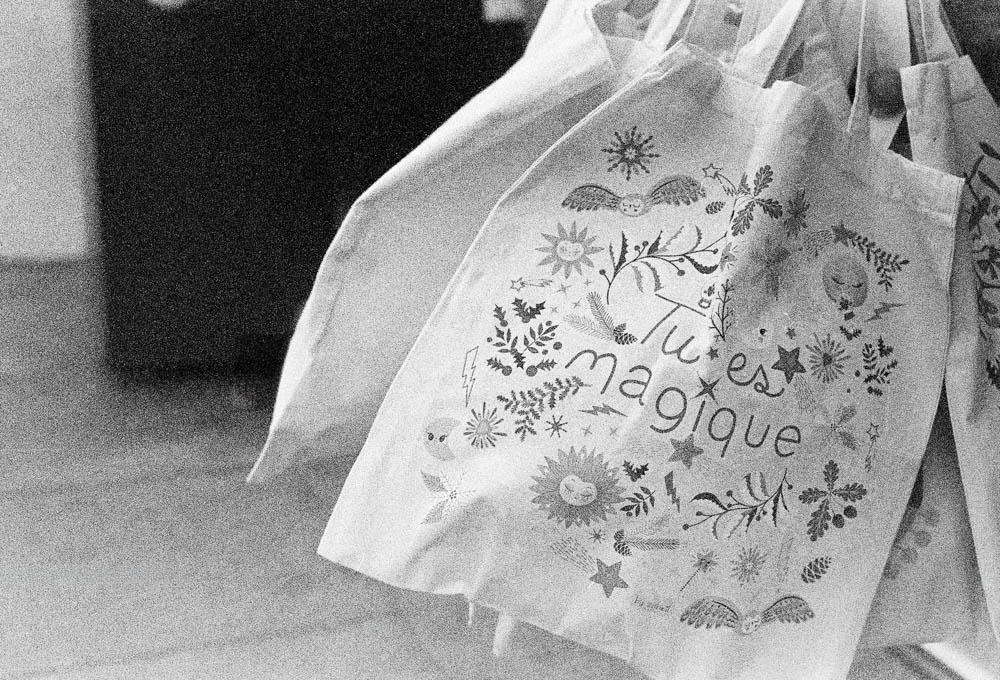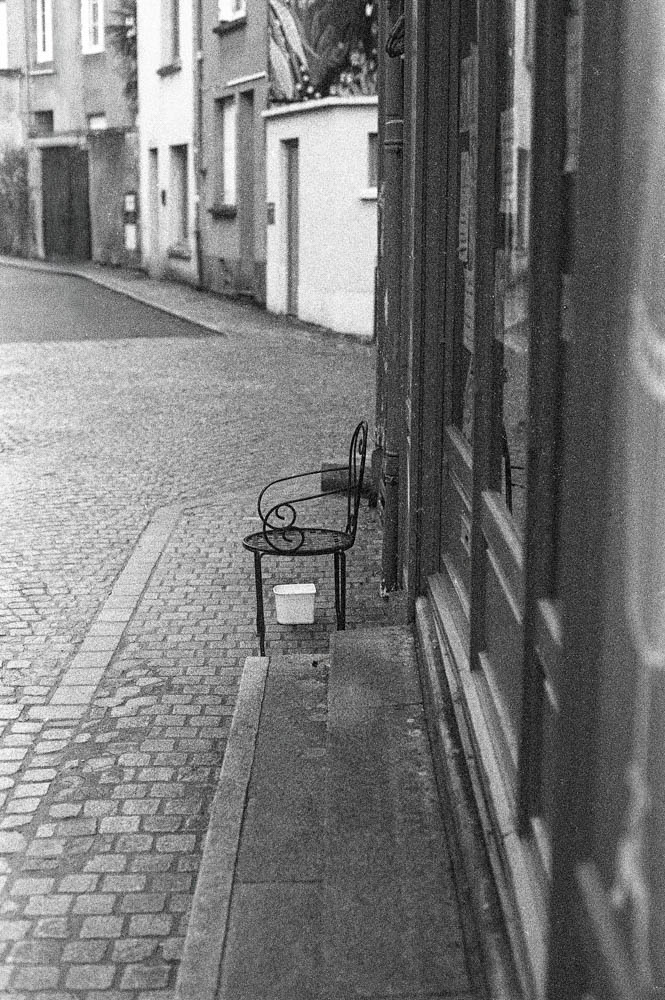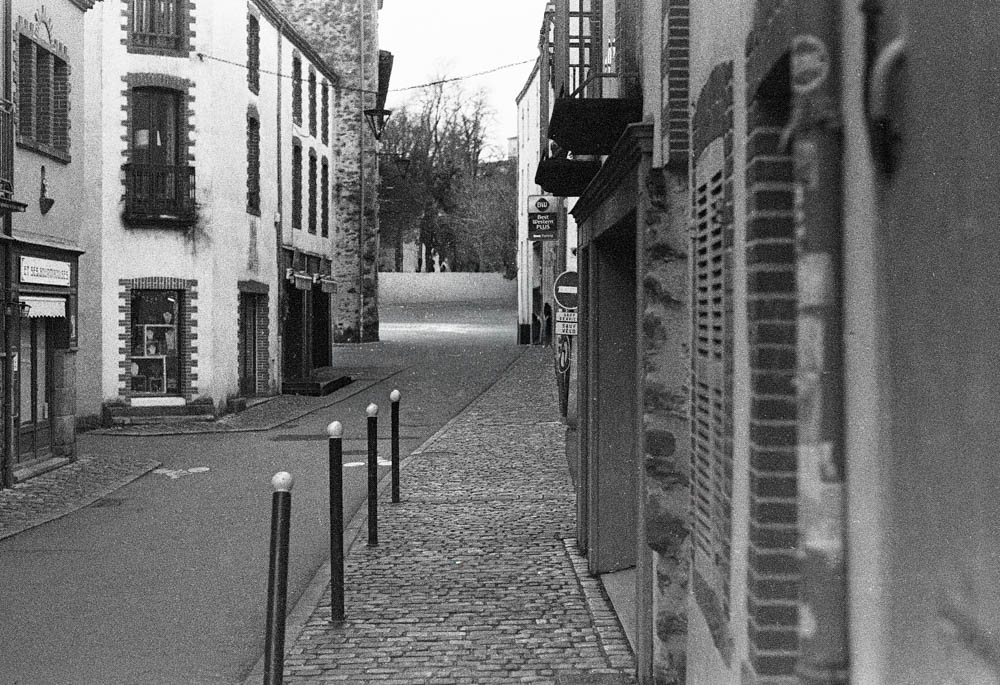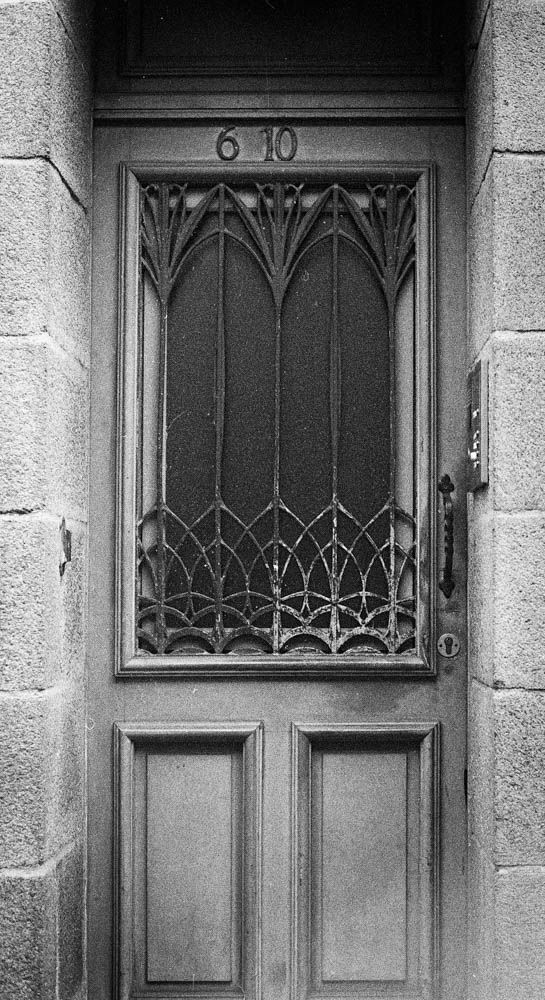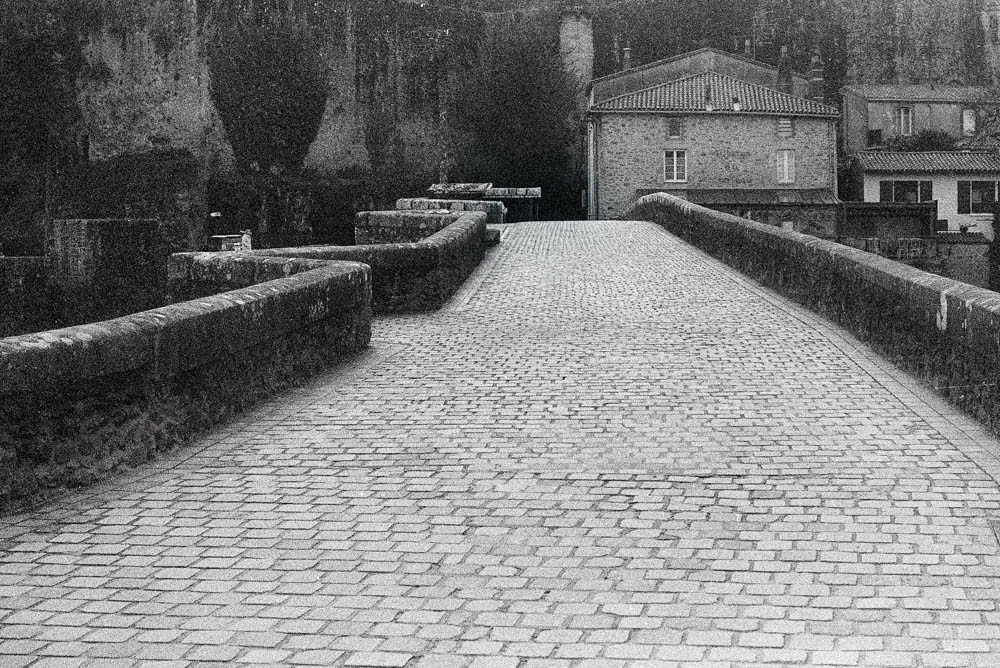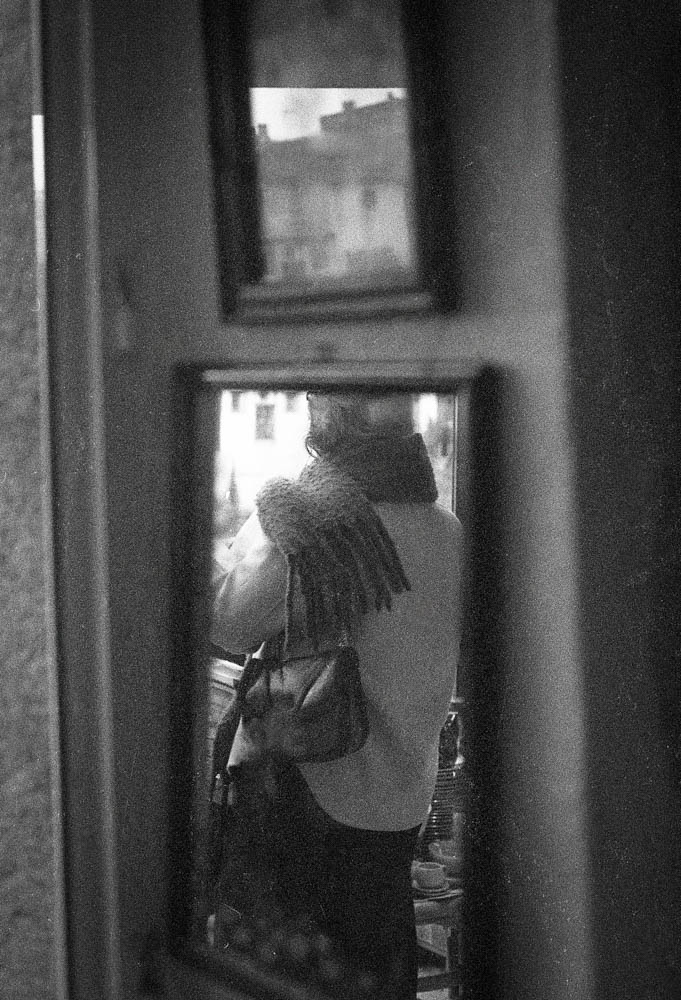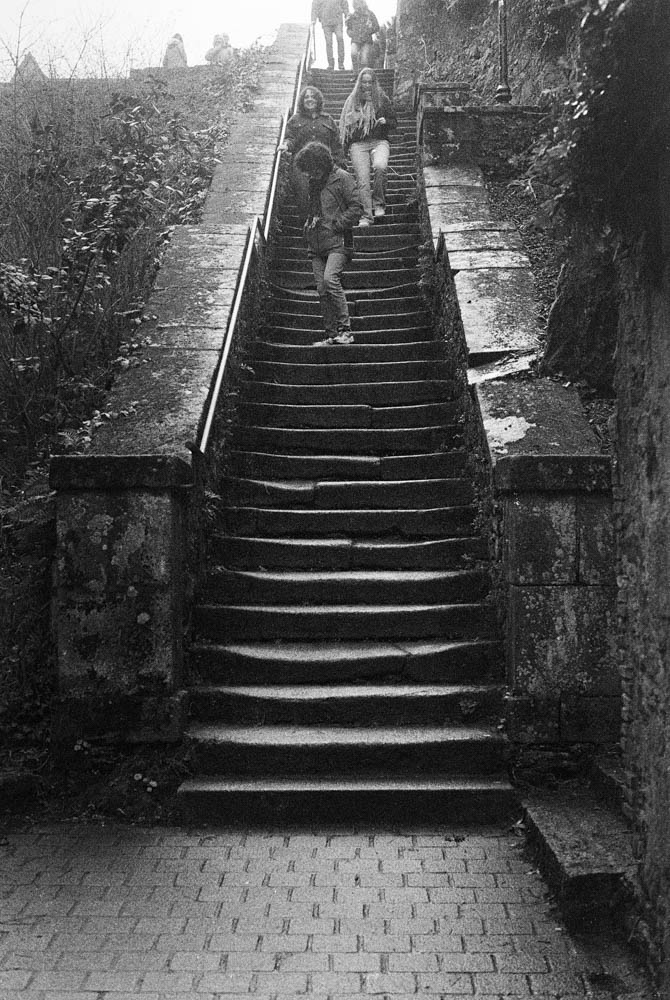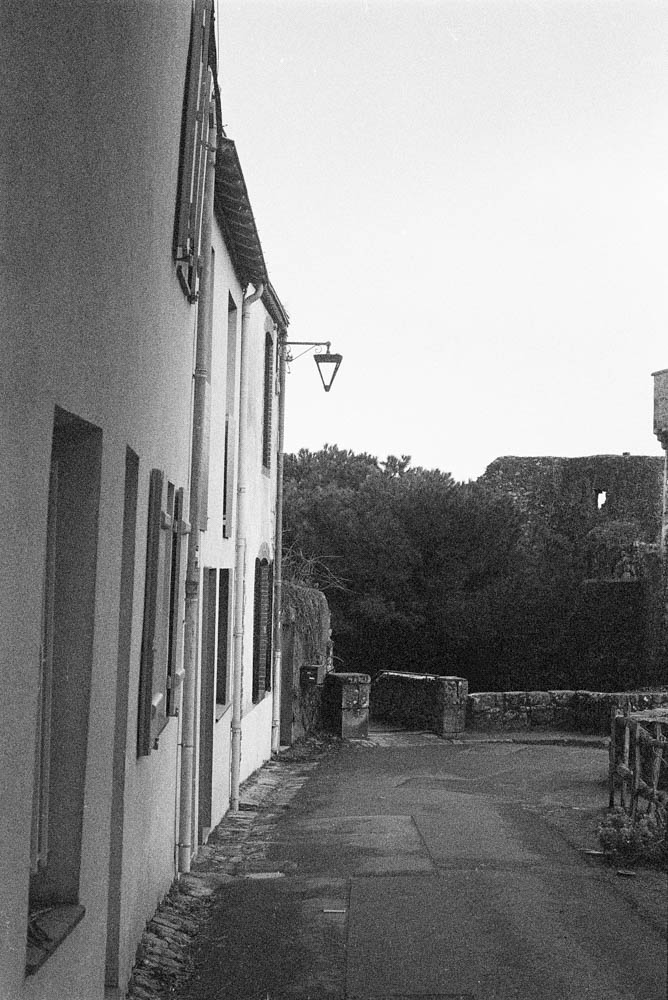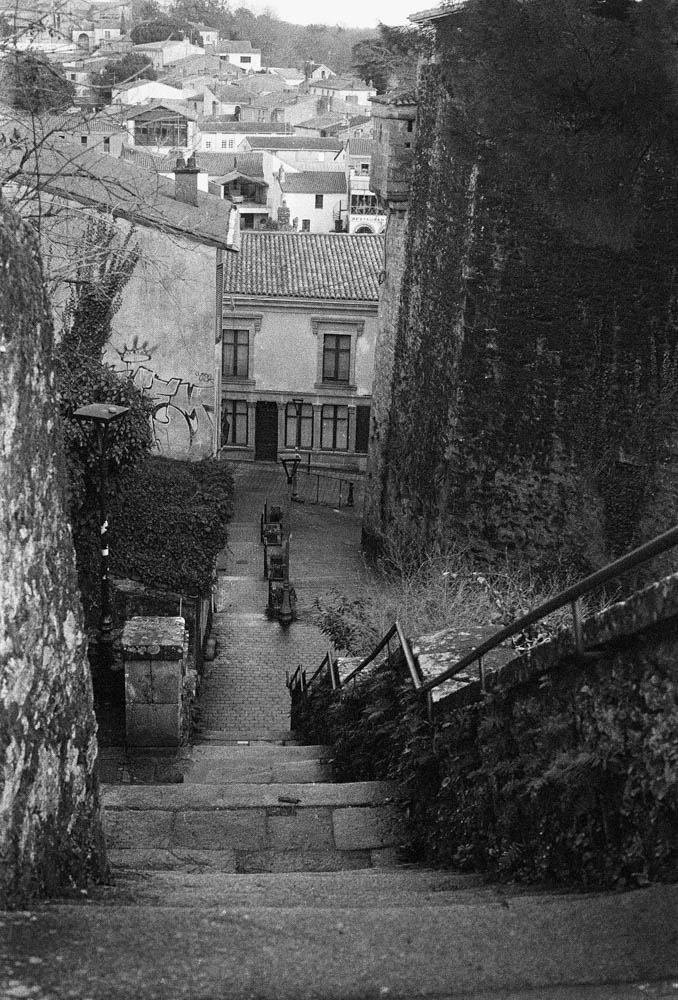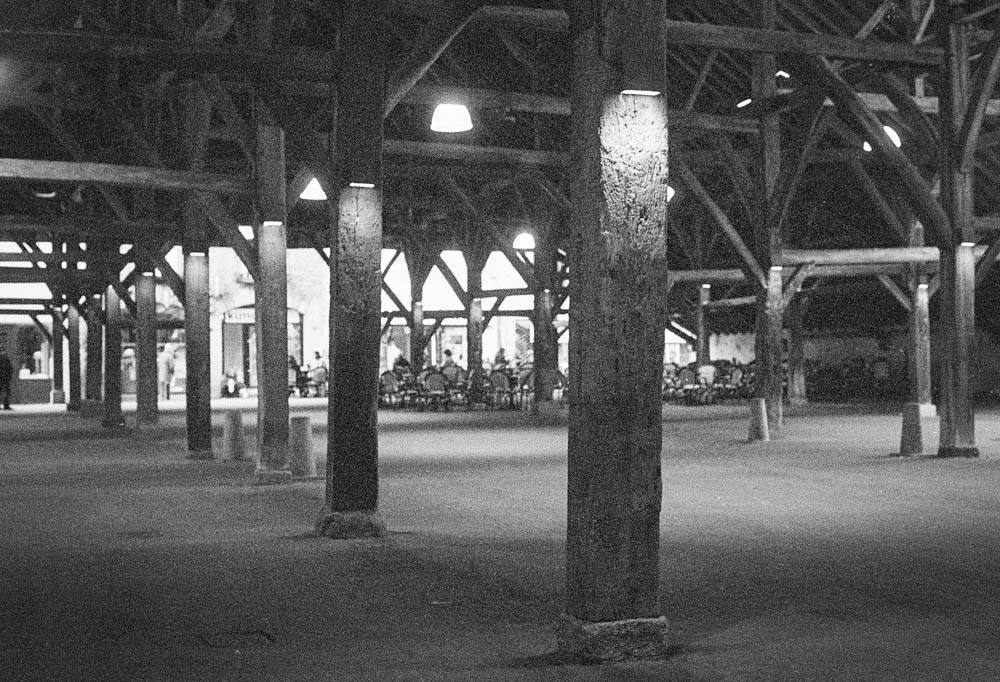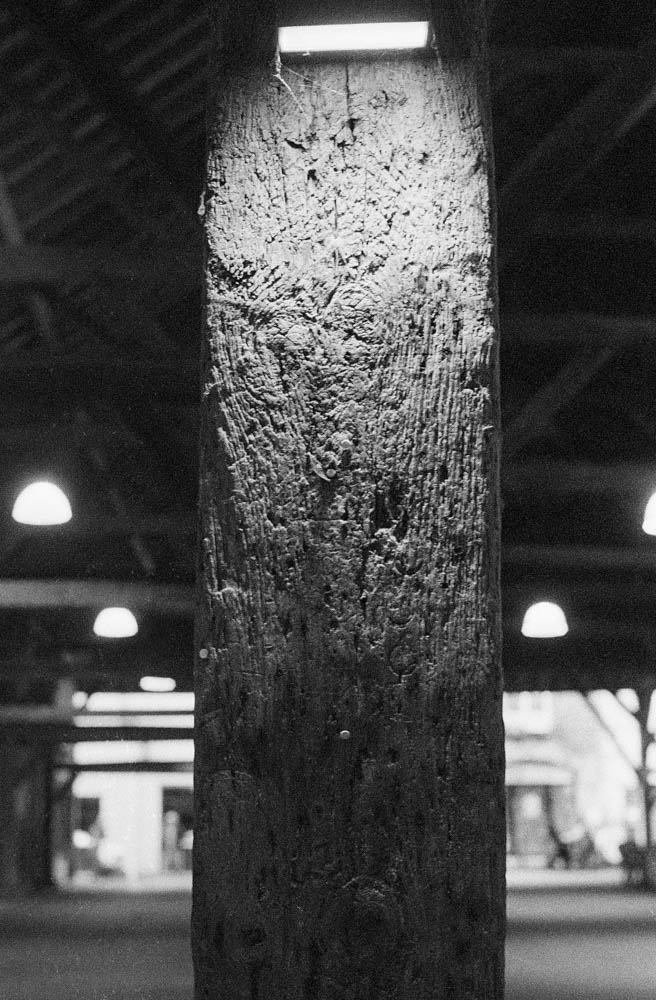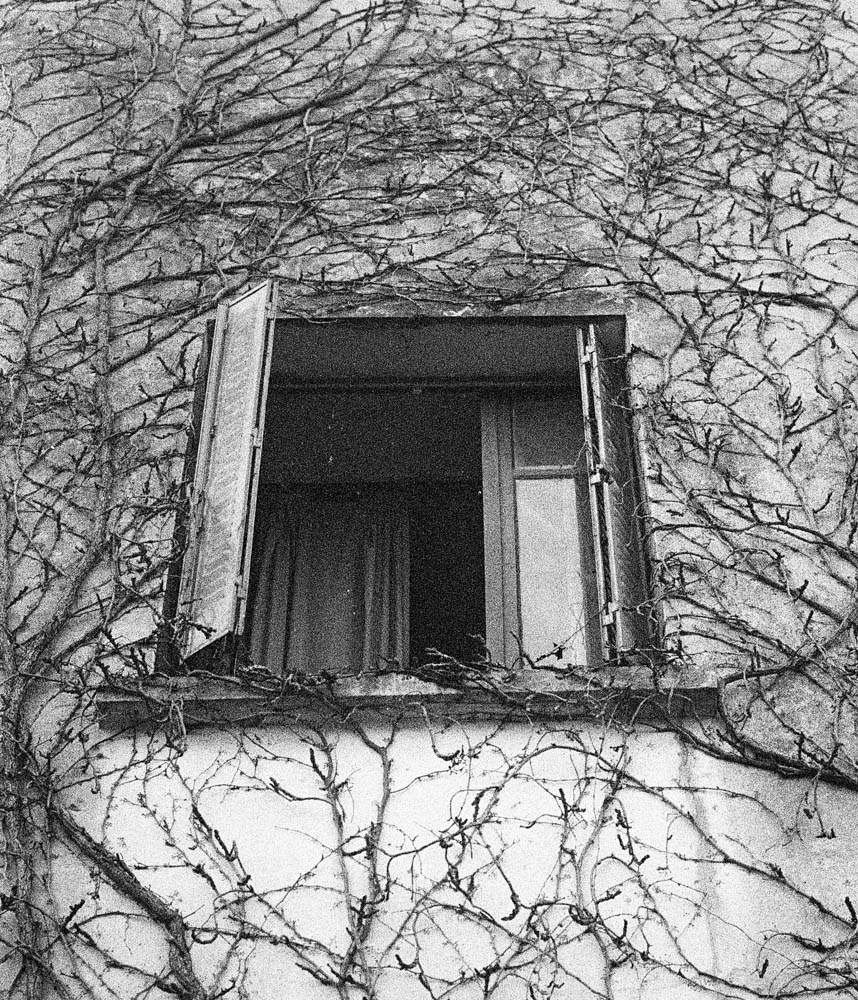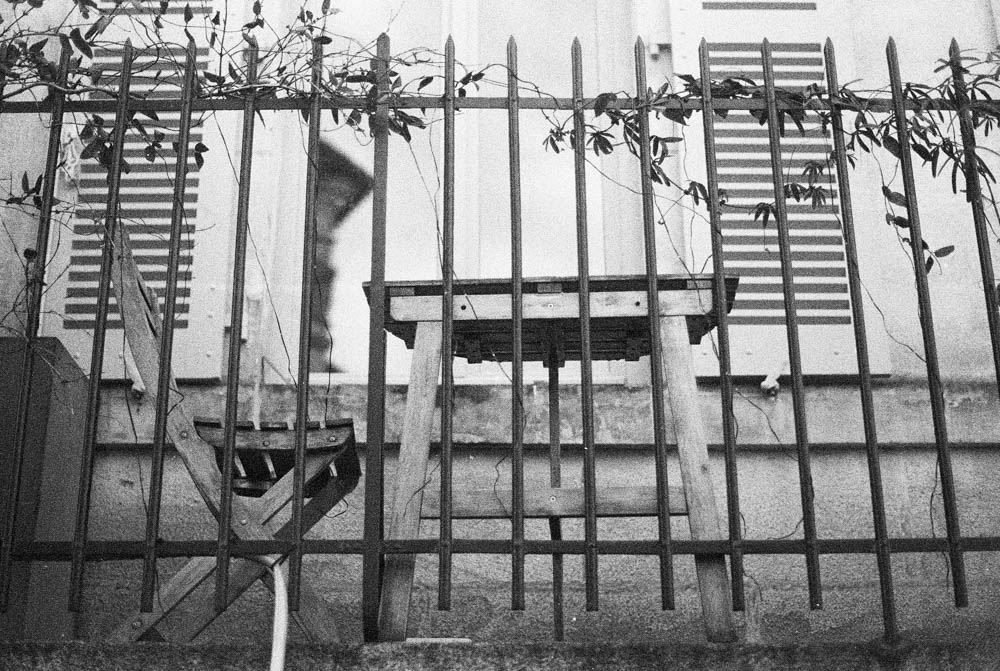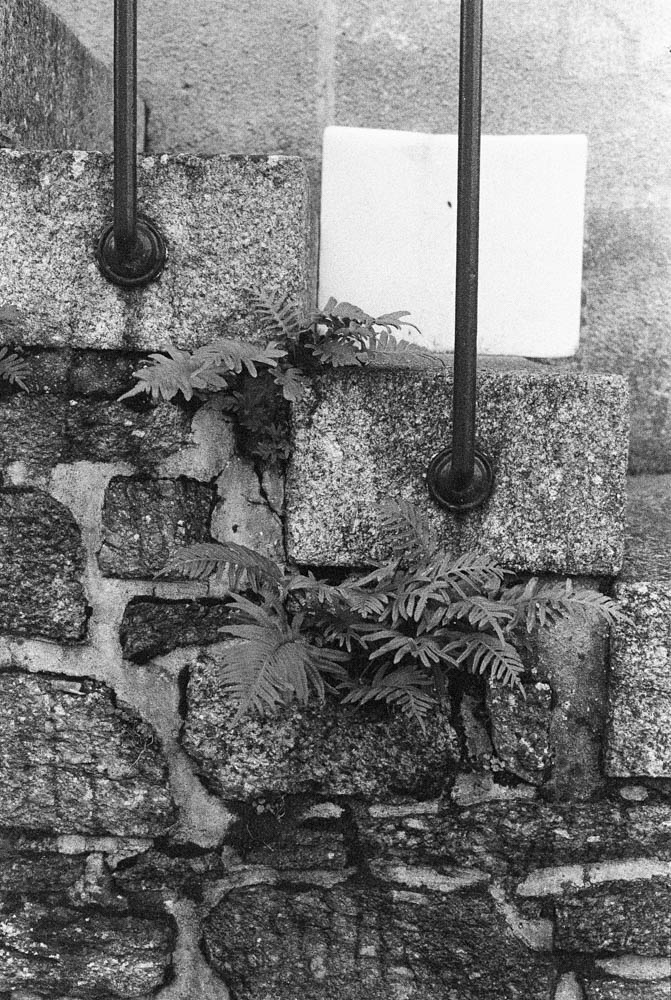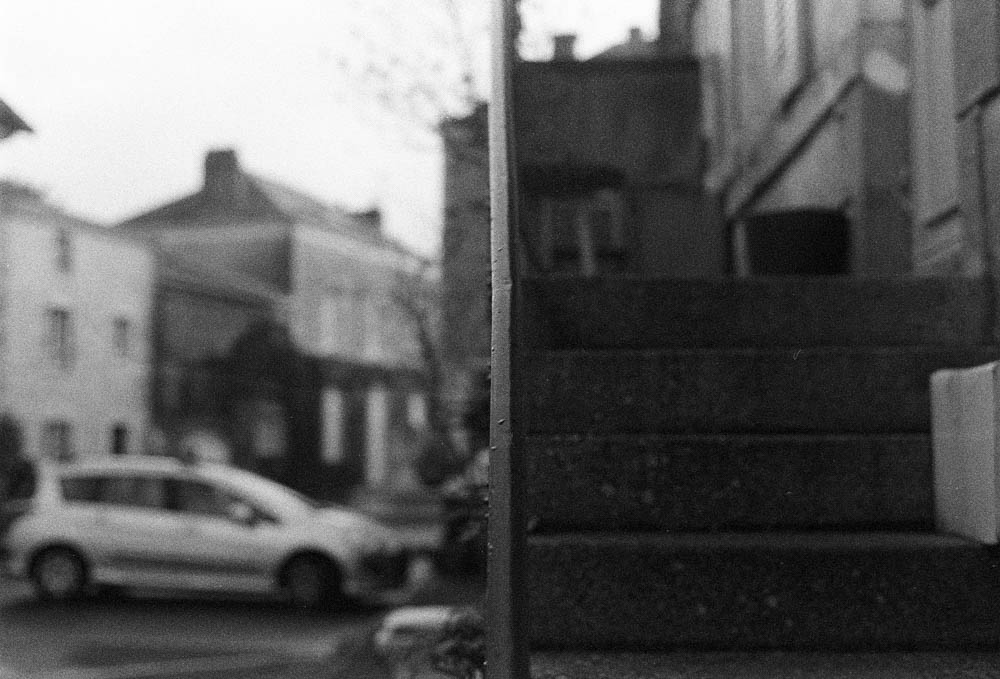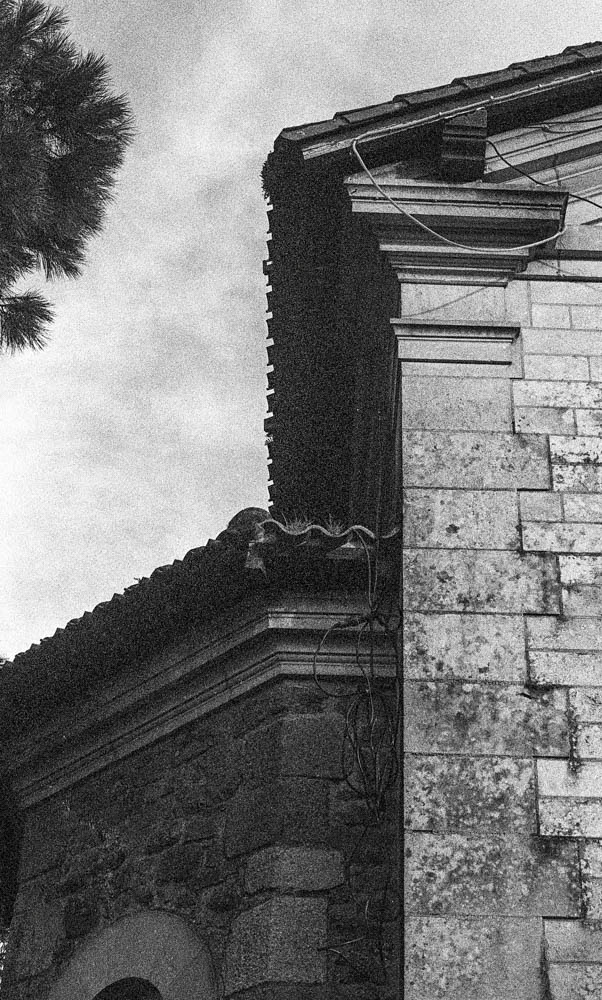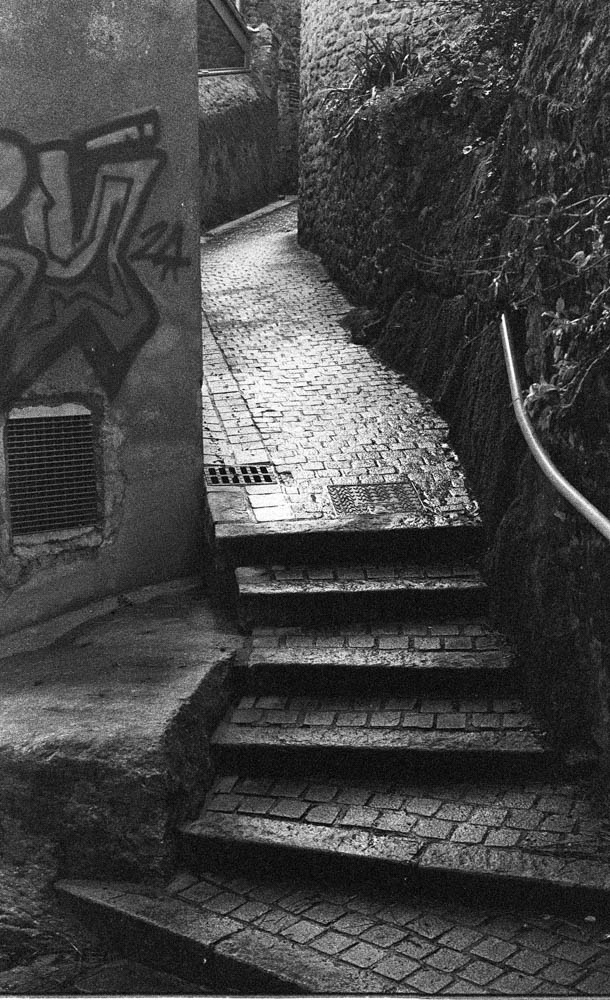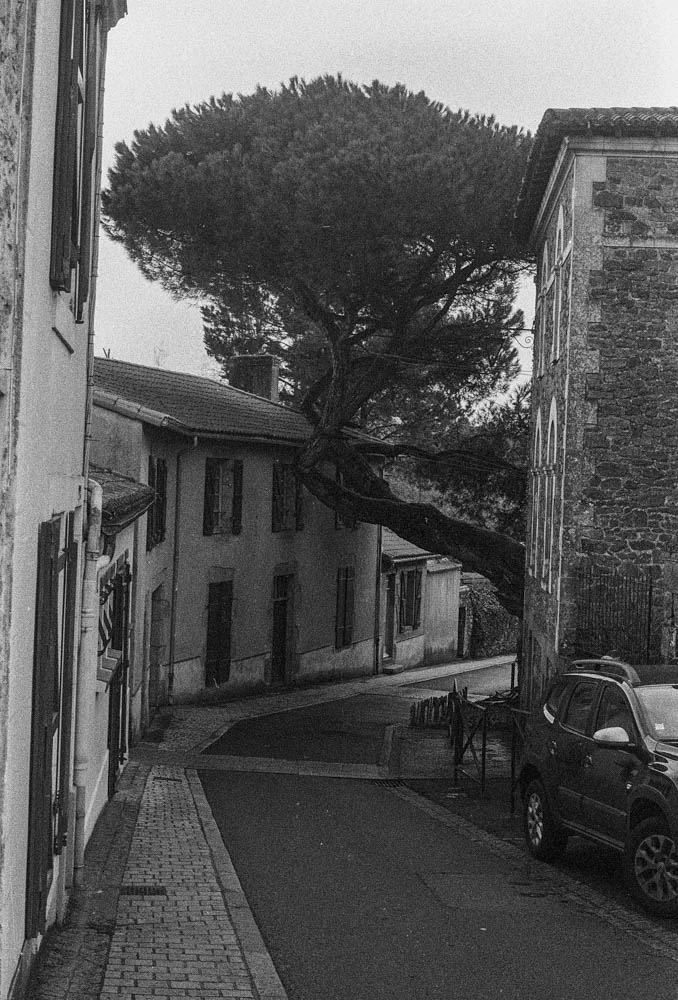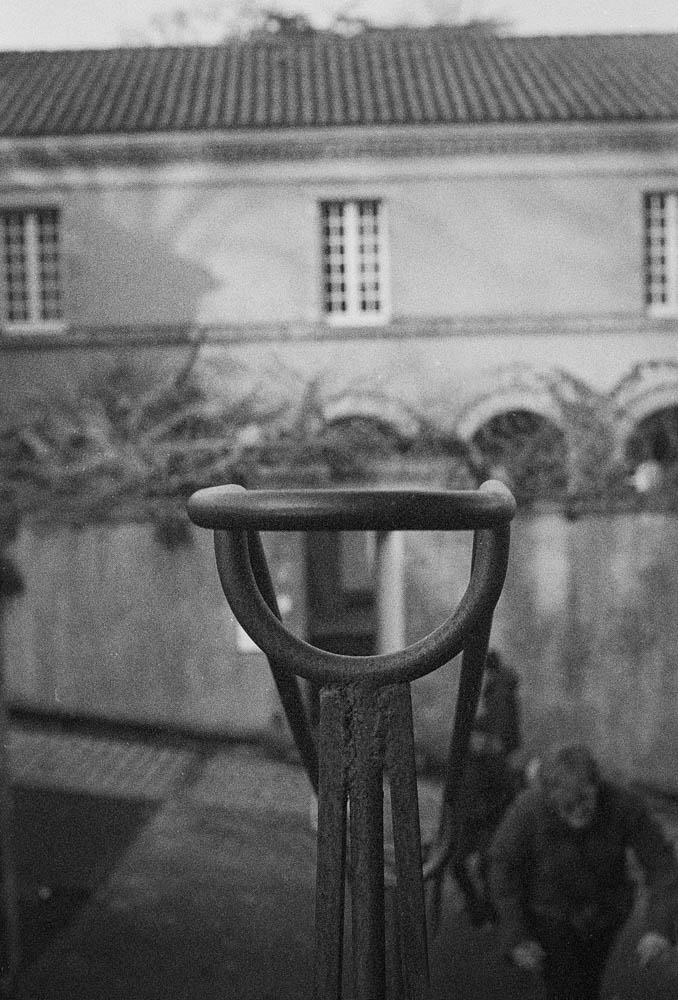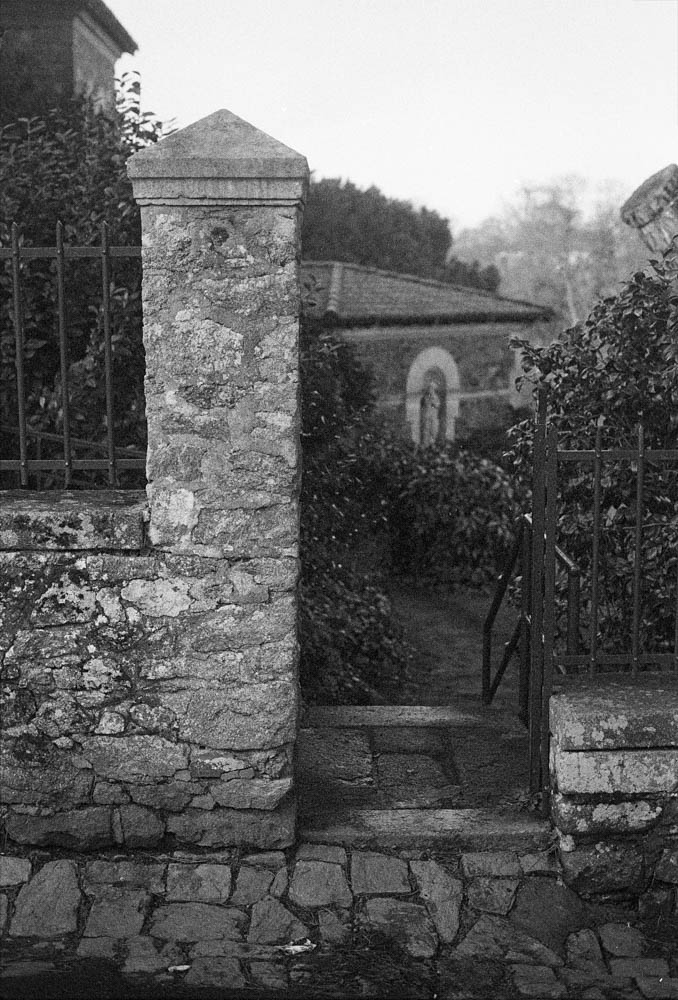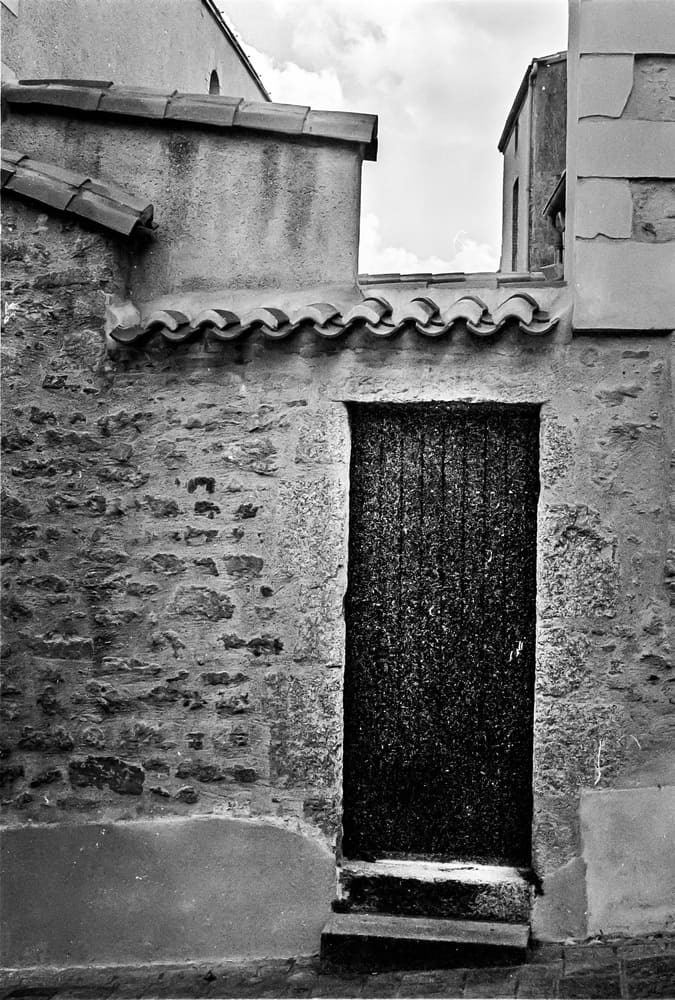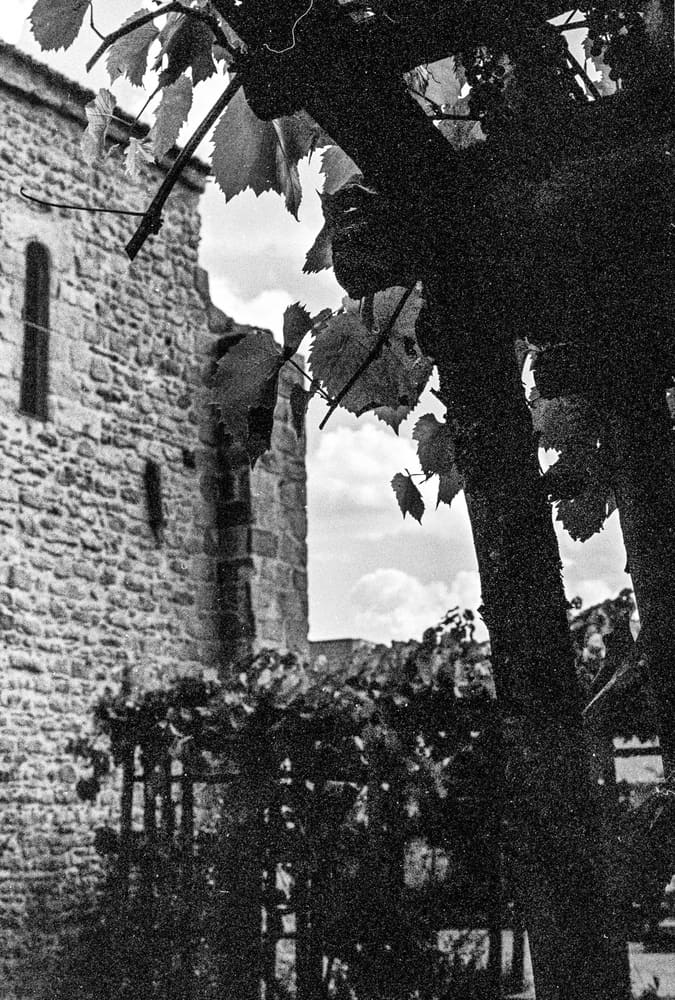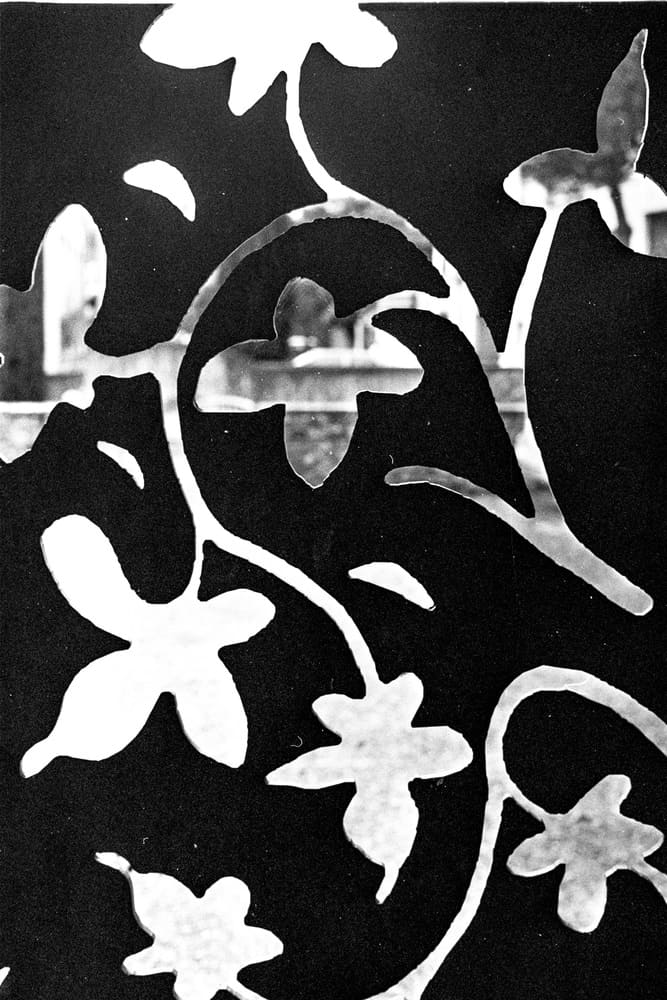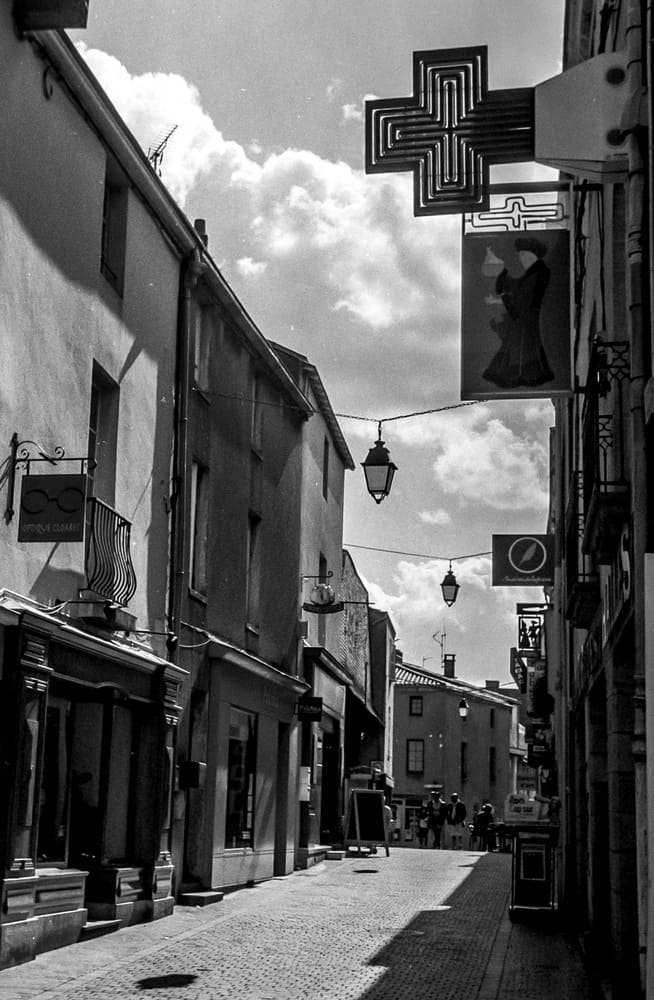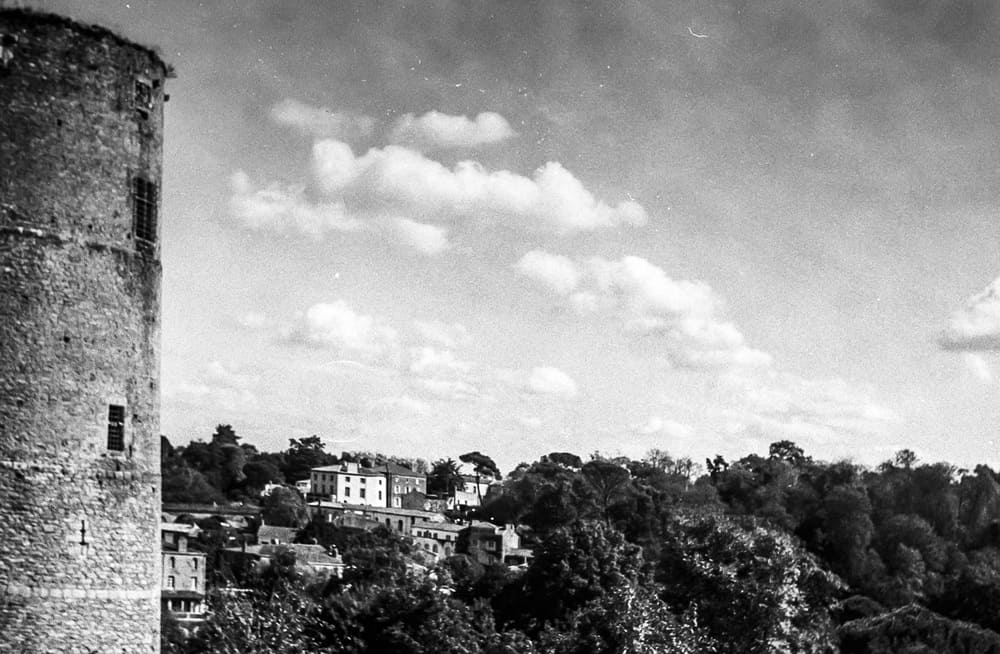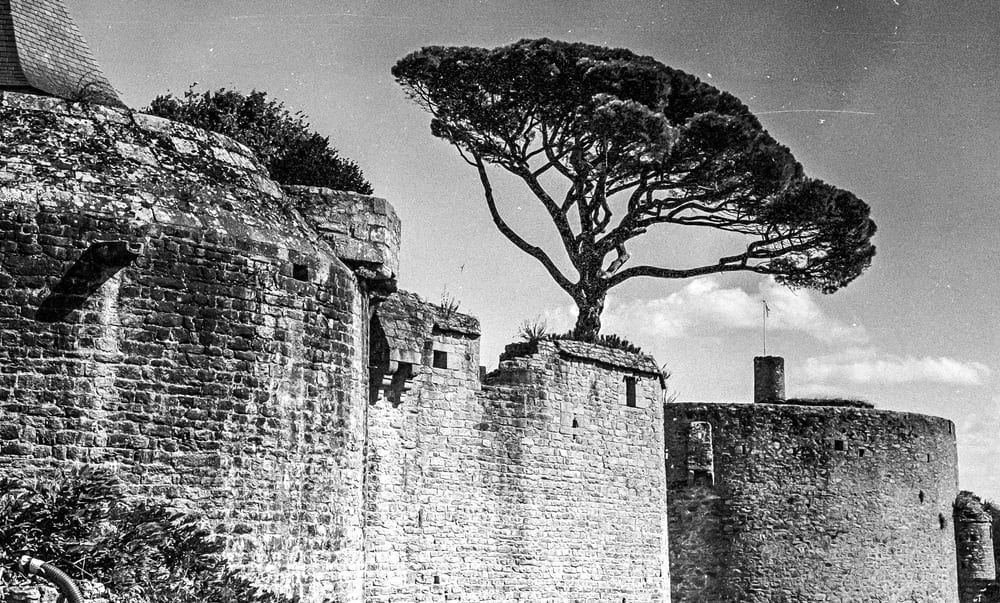
February 2026 — Clisson with the Nikon FE


Maybe I’m a little stubborn, just maybe, but I’m insisting on using my Nikon FE and for my health I have to get out. I had some Tri-X that needed using, and some HP5+ left over, so time to use it. And it does my mental health good too—getting out of the house despite the horrible light and rain.

“They” always say to go out in good light and use golden hour. We haven’t been blessed with good weather lately (understatement of the year contender 2026), and I always say just go out anyway and do it.

I shot two rolls that afternoon—72 frames total. Tri-X and HP5+, both at box speed. No pushing. I developed them in Fomadon LQN because it handles flat light cleanly: shadows stay defined, grain doesn’t get muddy even when the sky gives you nothing. When I scanned them, about half were ok enough to keep—36 frames that worked. Of those, maybe half a dozen were real keepers. That’s how it goes. Not every frame needs to be a masterpiece. Some just need to exist.

In Lightroom I only used the curves tool to pull a bit of separation between the wet stone and the grey sky. I wasn’t trying to manufacture contrast that wasn’t there. The rain had already done part of the work: cobblestones held texture because the light was even, puddles on the stairs created accidental reflections, and the streets were empty enough that I didn’t have to wait for tourists to clear the frame.

I won’t pretend I enjoyed standing in the damp. My shoes got wet. My hands were cold. But I needed to leave the house, and the camera gave me a reason to do it. The film was a deadline. The weather was irrelevant.

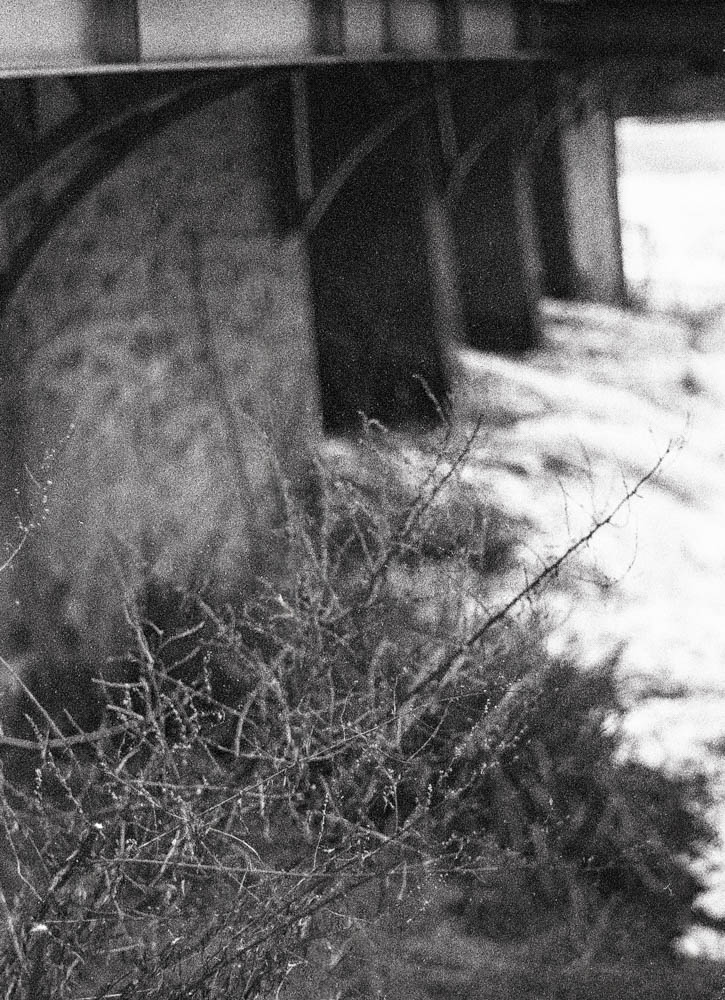
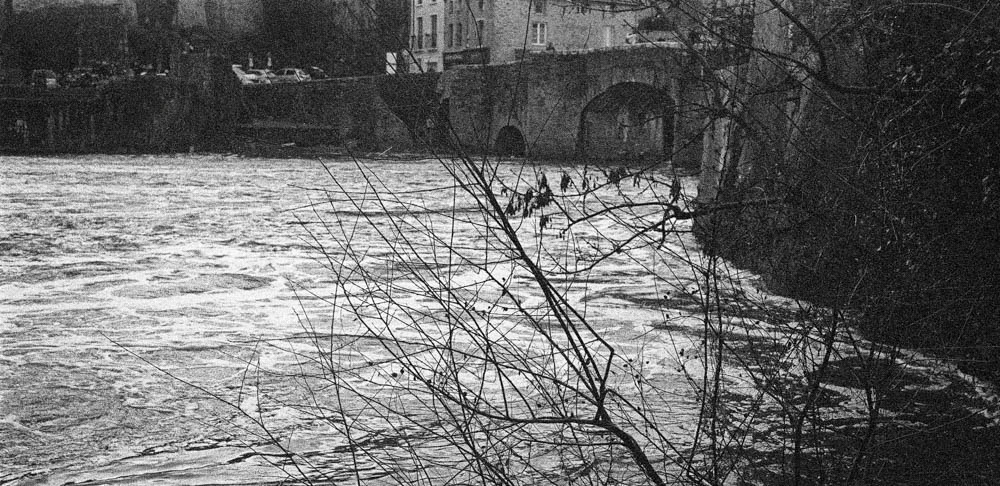
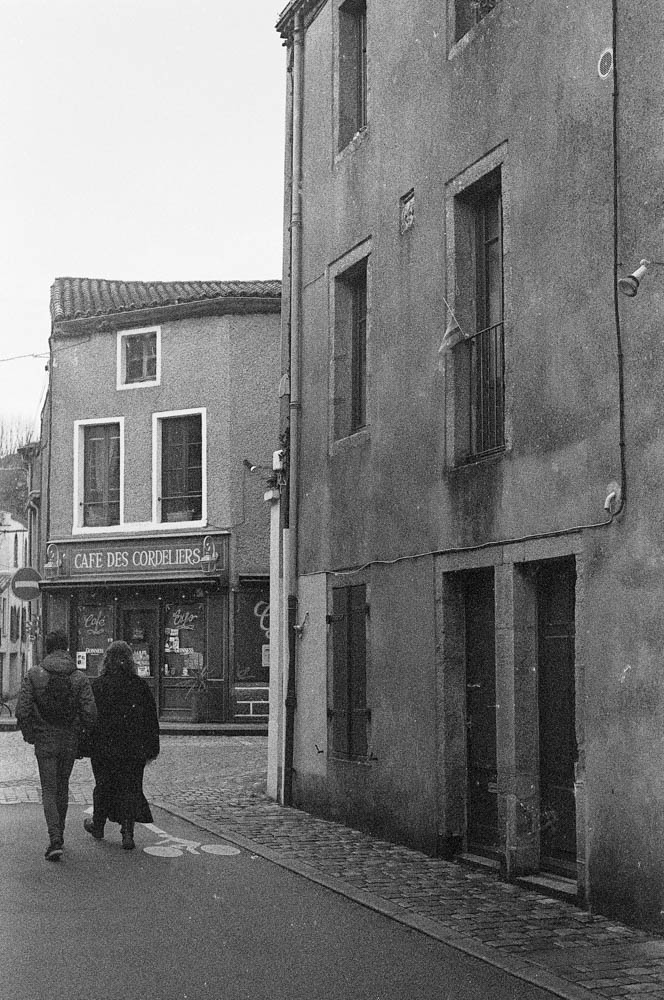
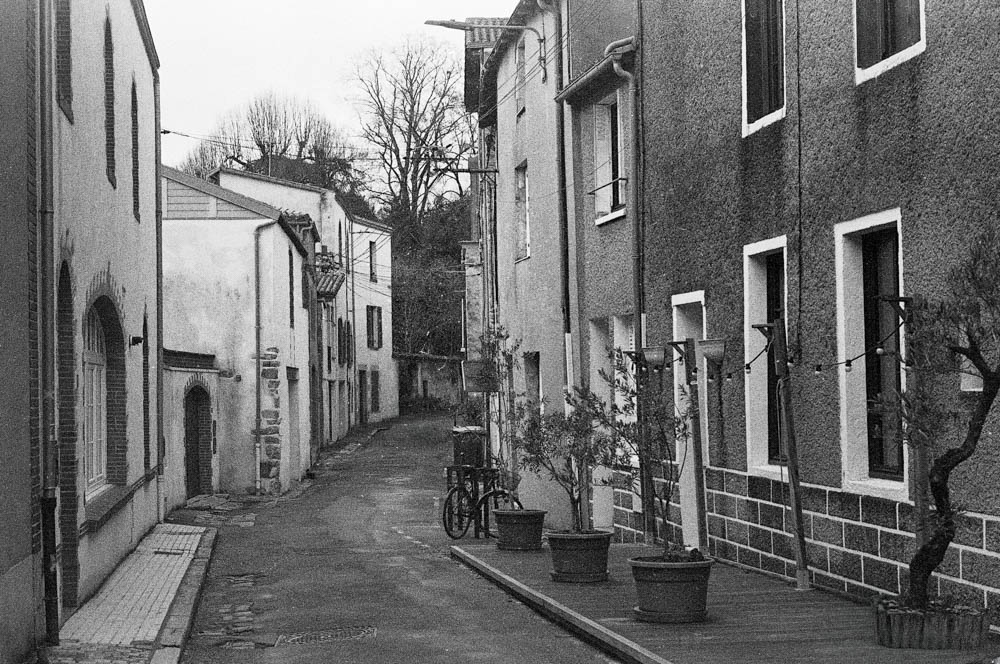
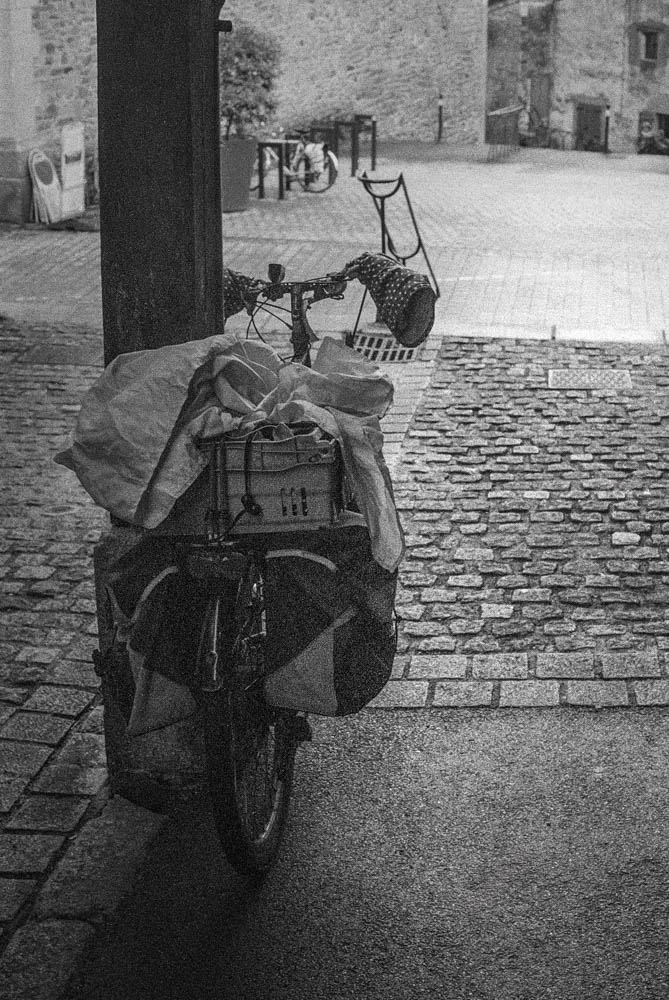
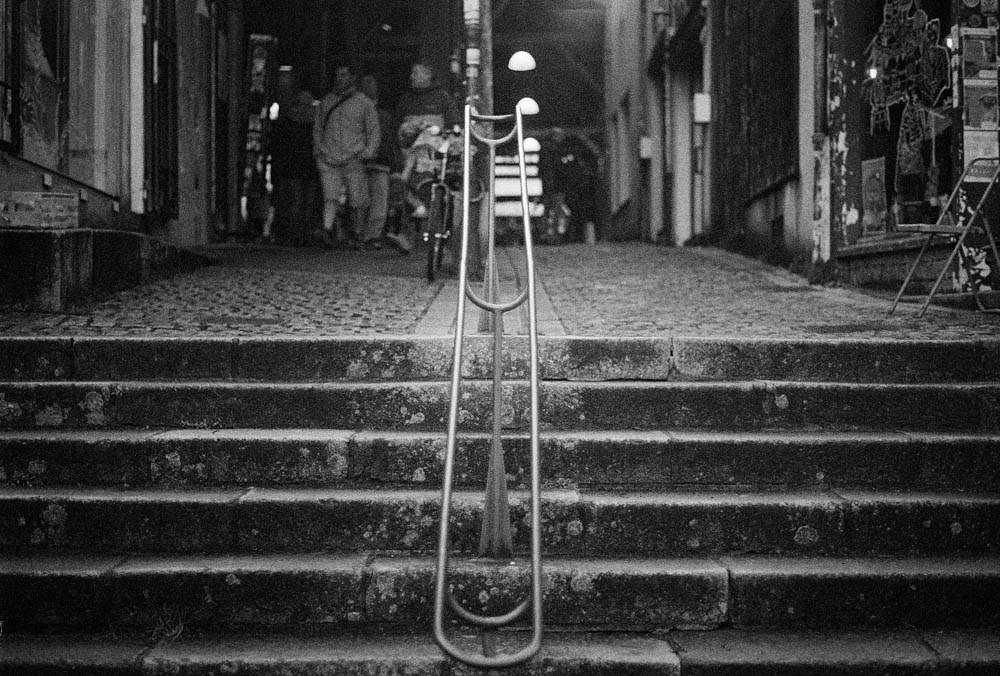
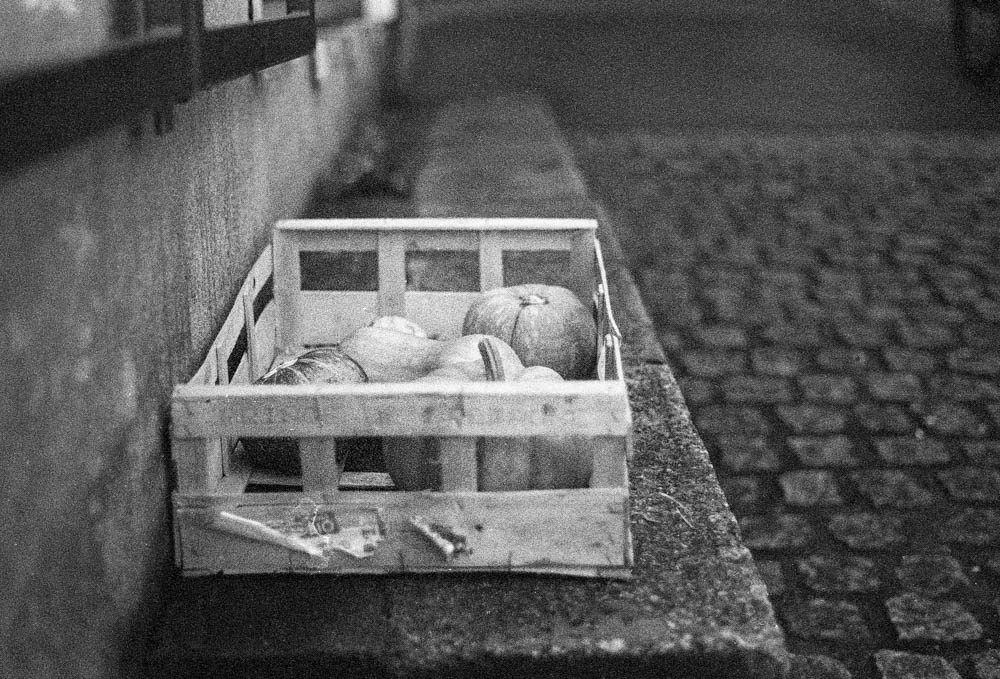
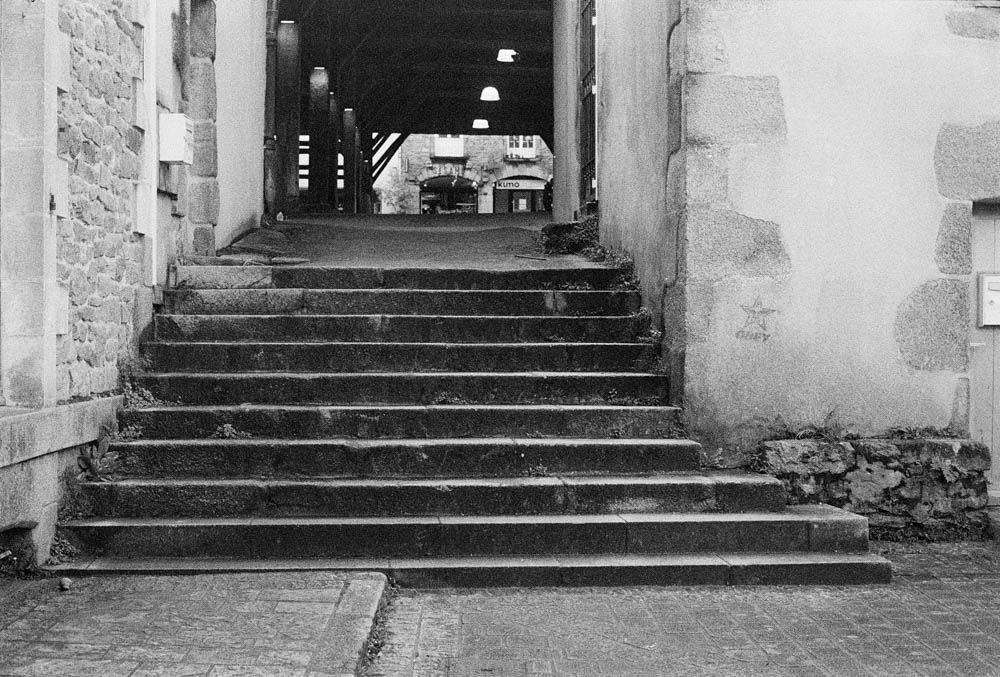
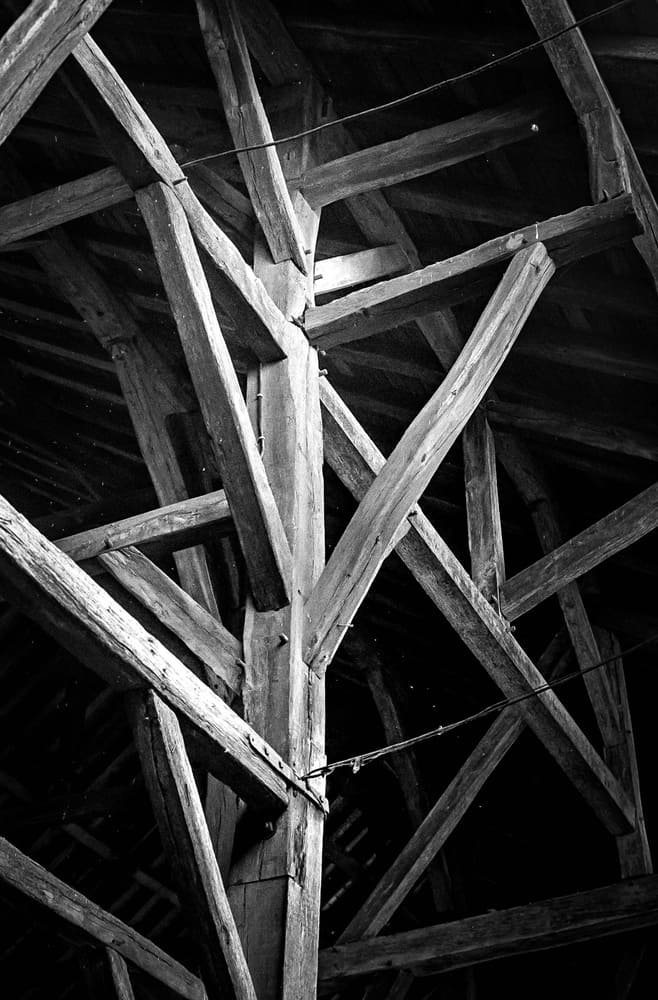
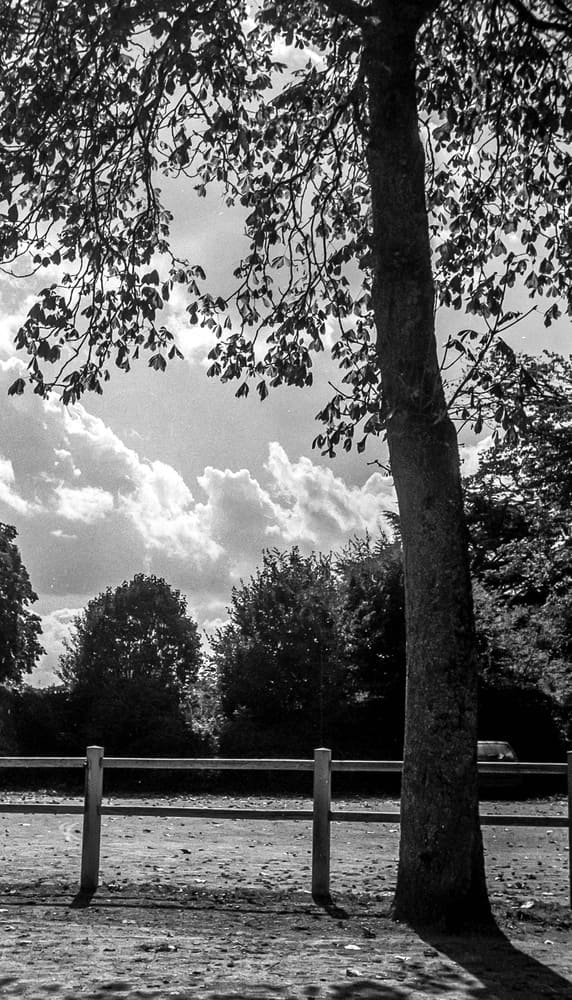
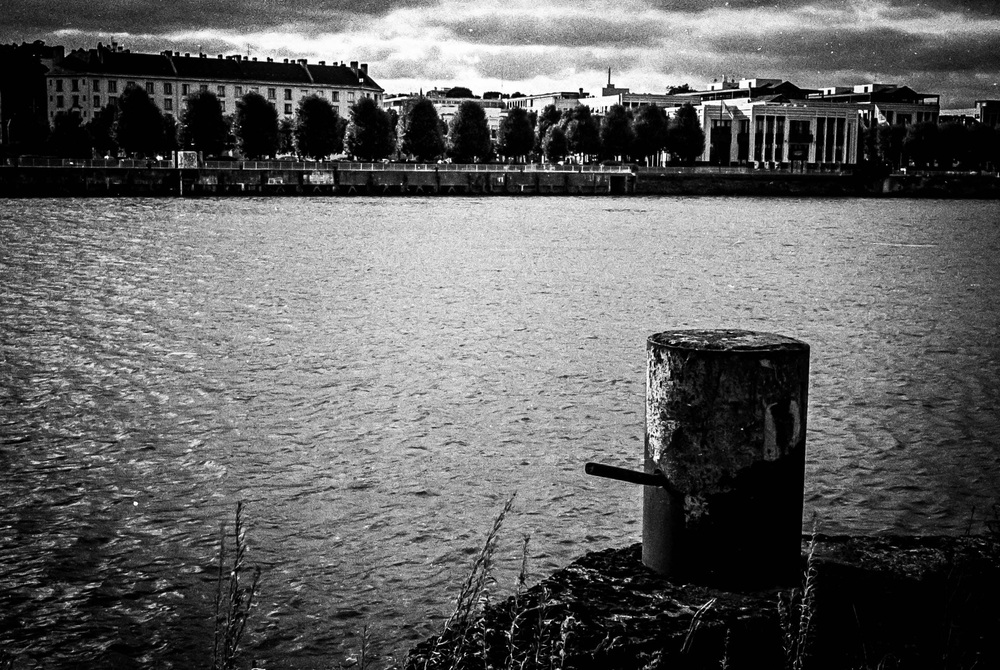
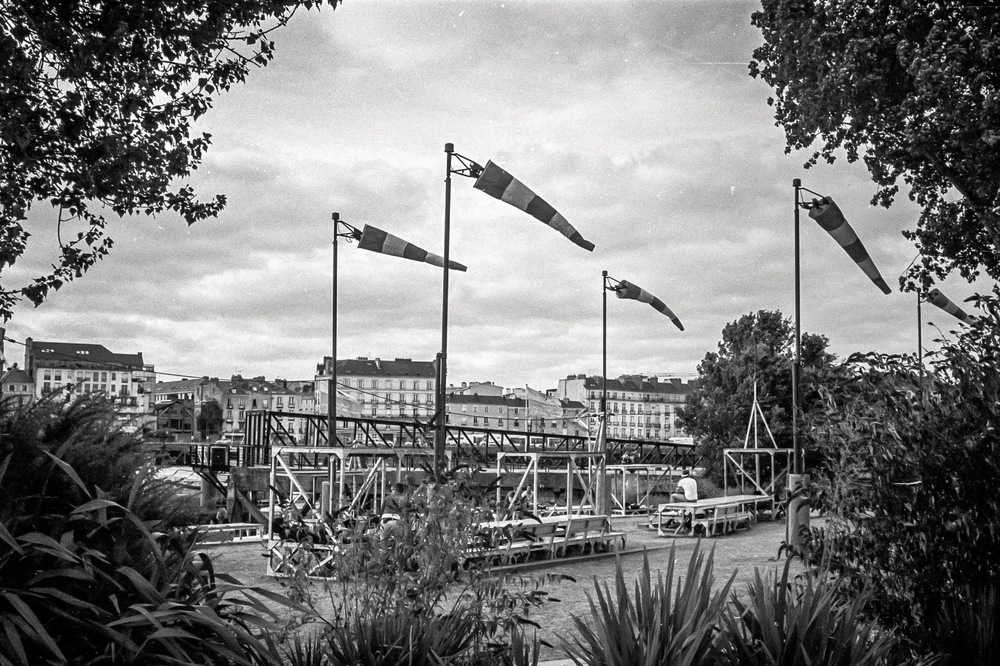
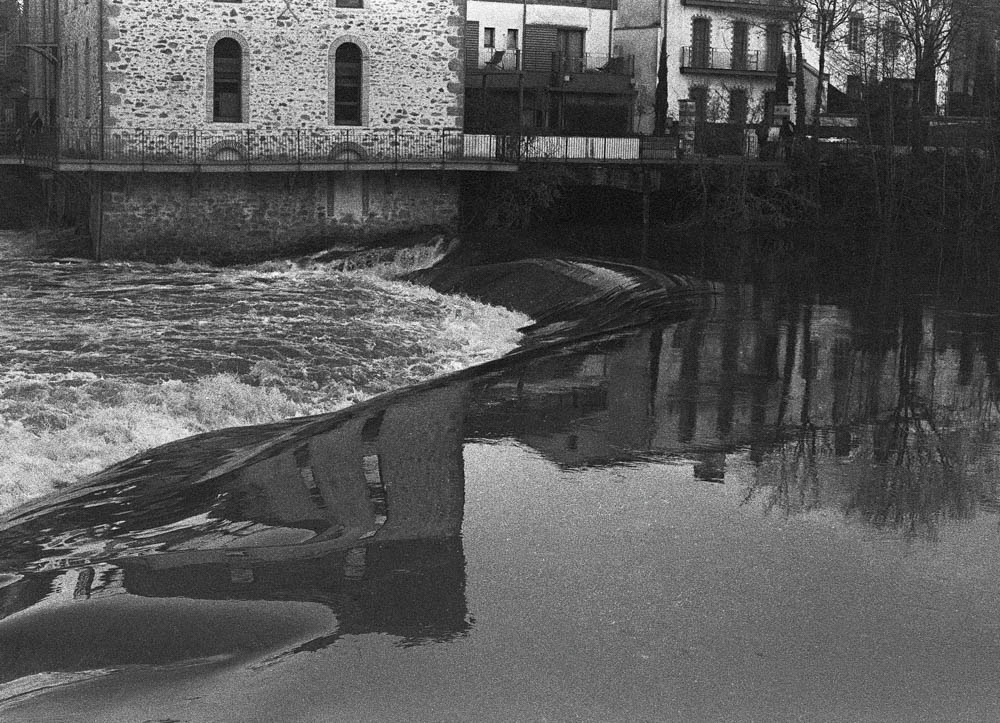
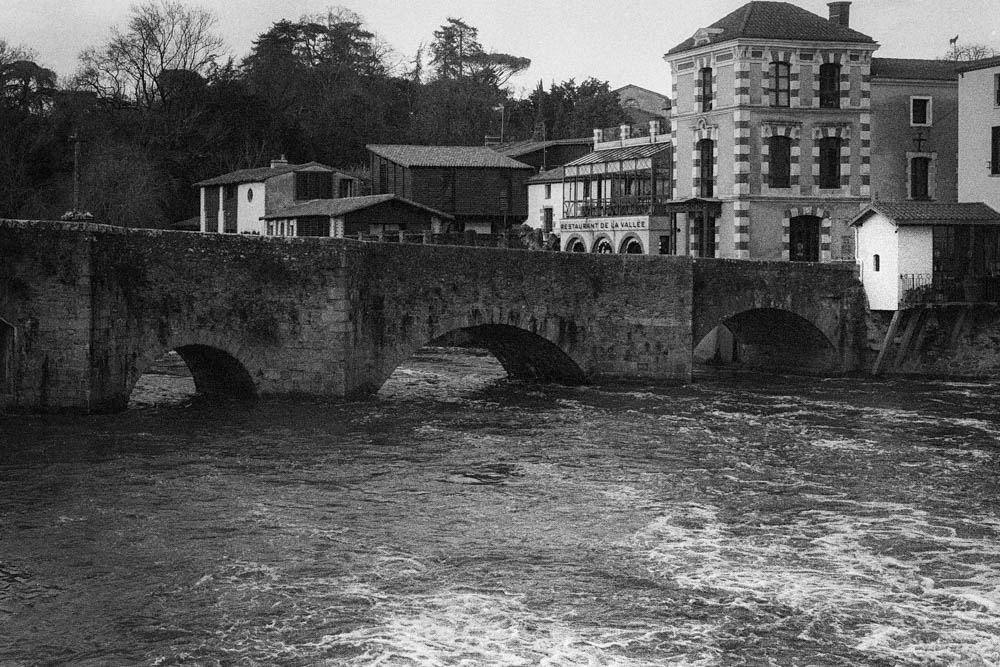
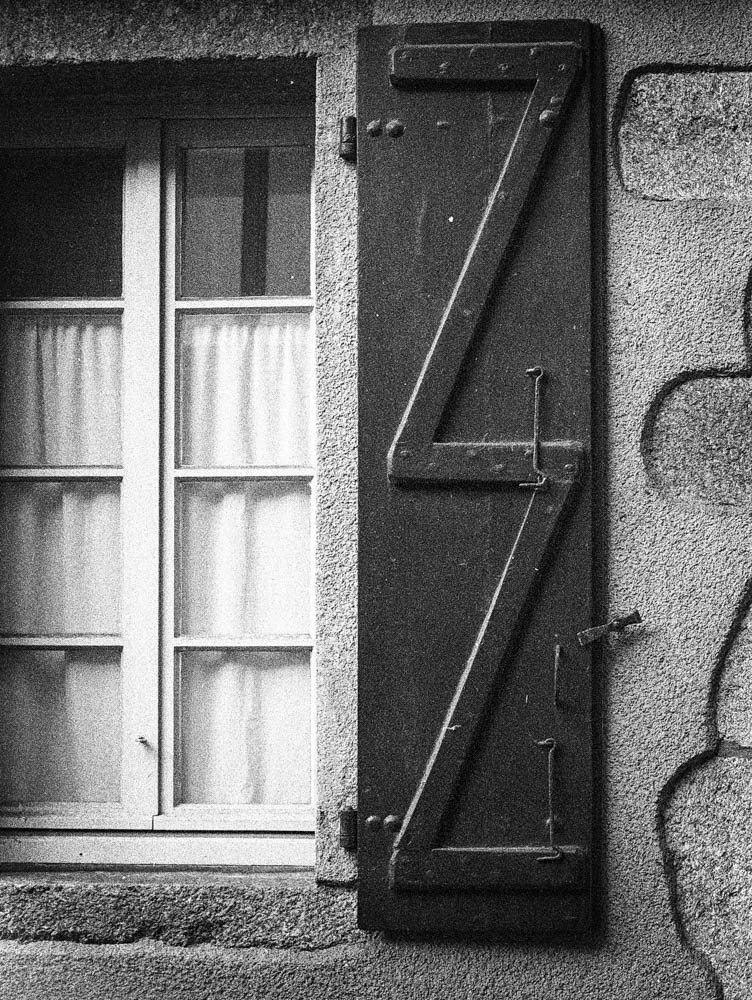
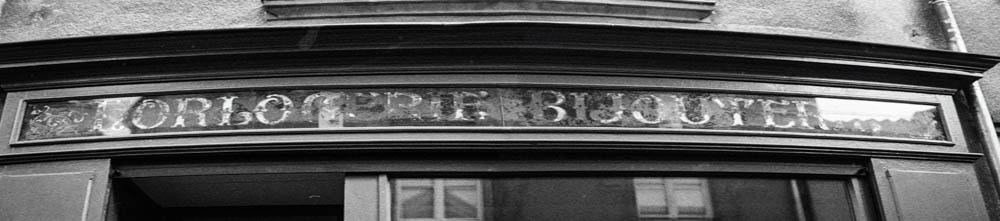
As you can see in the following photos, the light wasn’t fabulous, so we adapt. There are still interesting things to be seen.

Shot on Nikon FE with 50mm f/1.8. Kodak Tri-X 400 and Ilford HP5+ rated at box speed, developed in Fomadon LQN. Edited in Lightroom: curves adjusted for shadow separation only.
Waiting for the Light: Reclaiming the Cathedral with Ilford HP5+


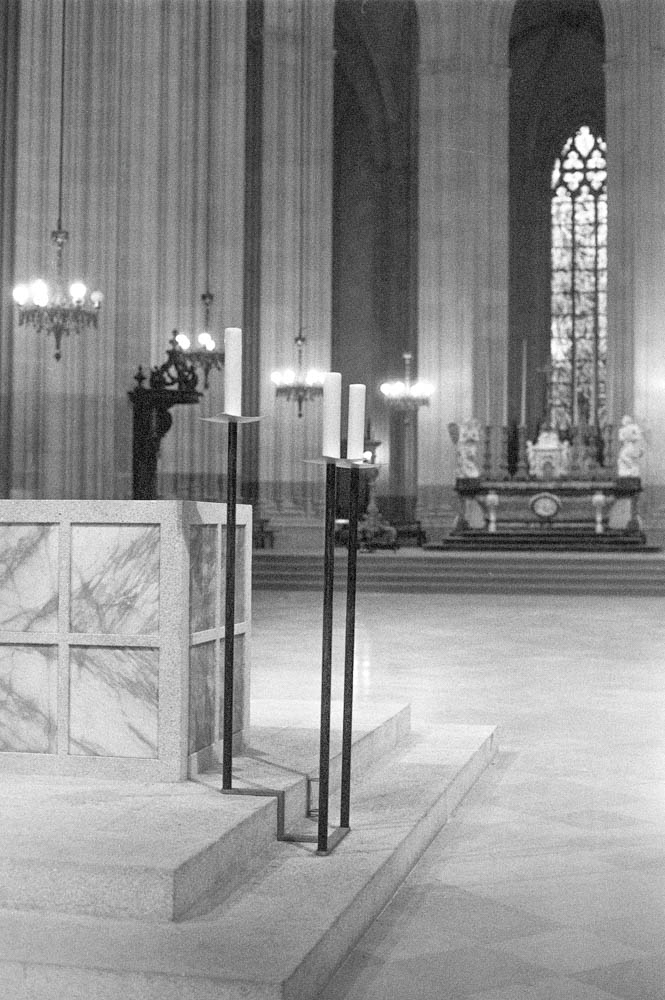
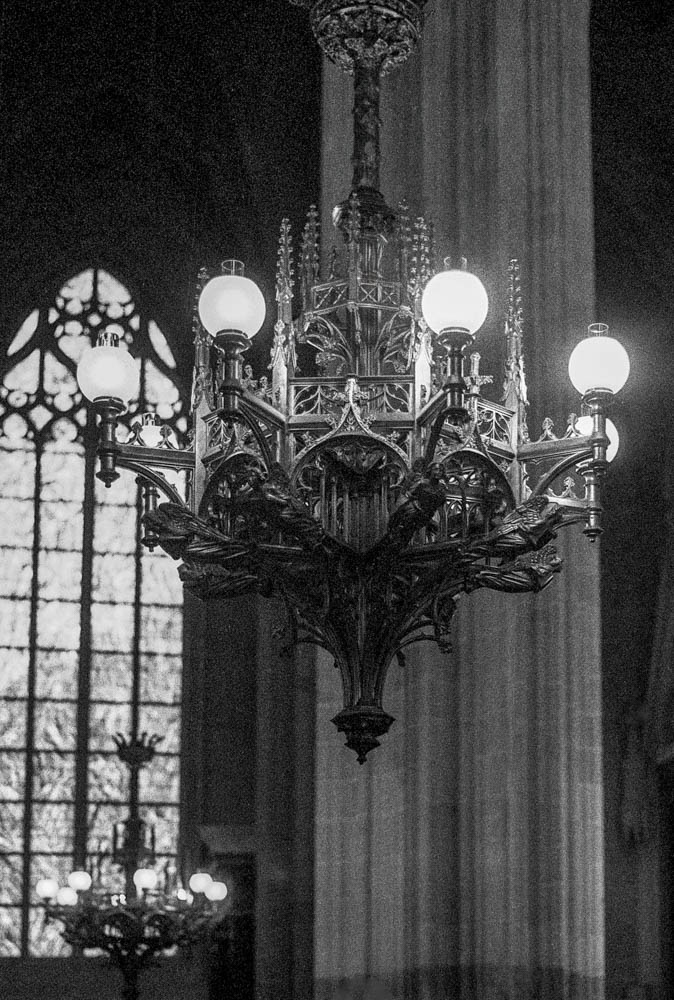
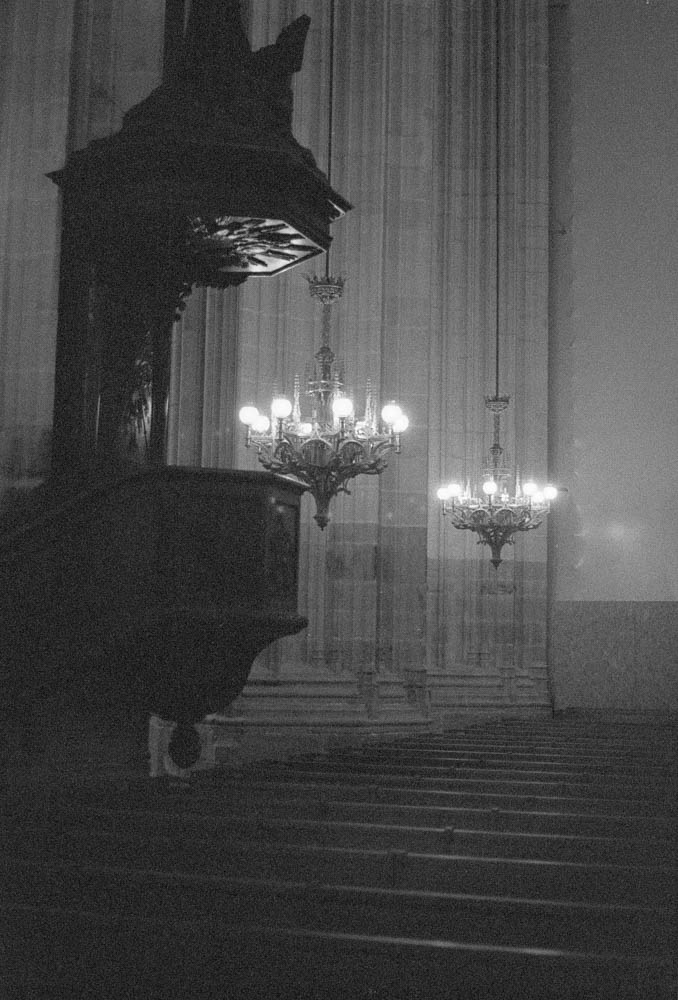
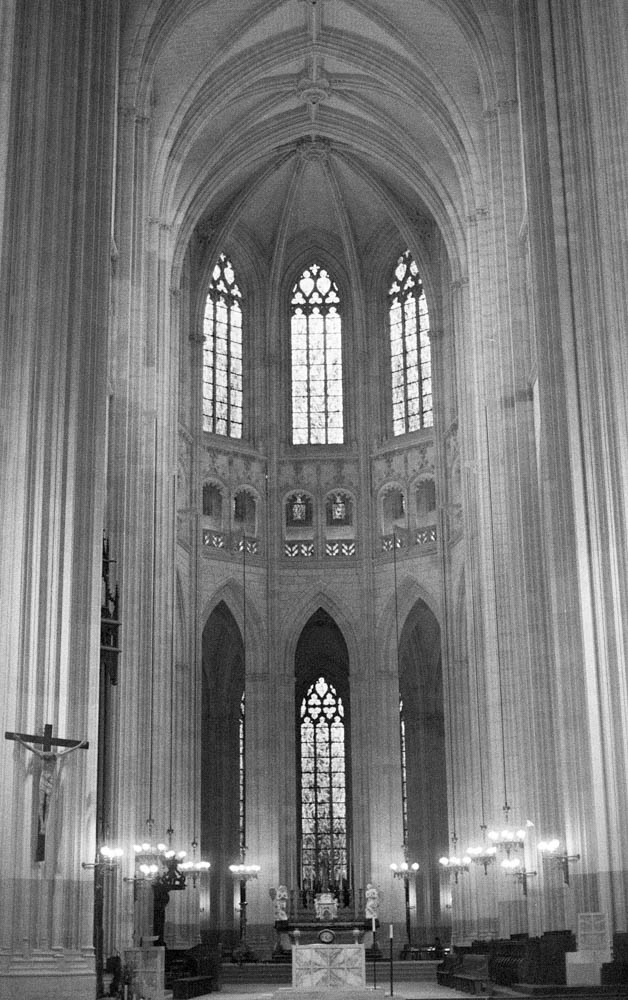
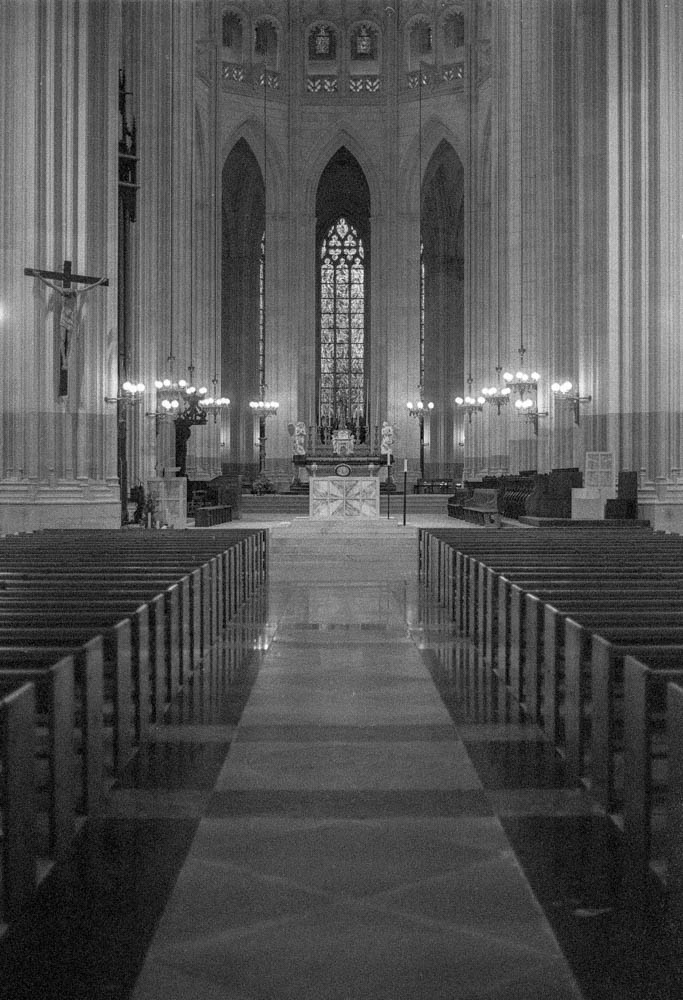
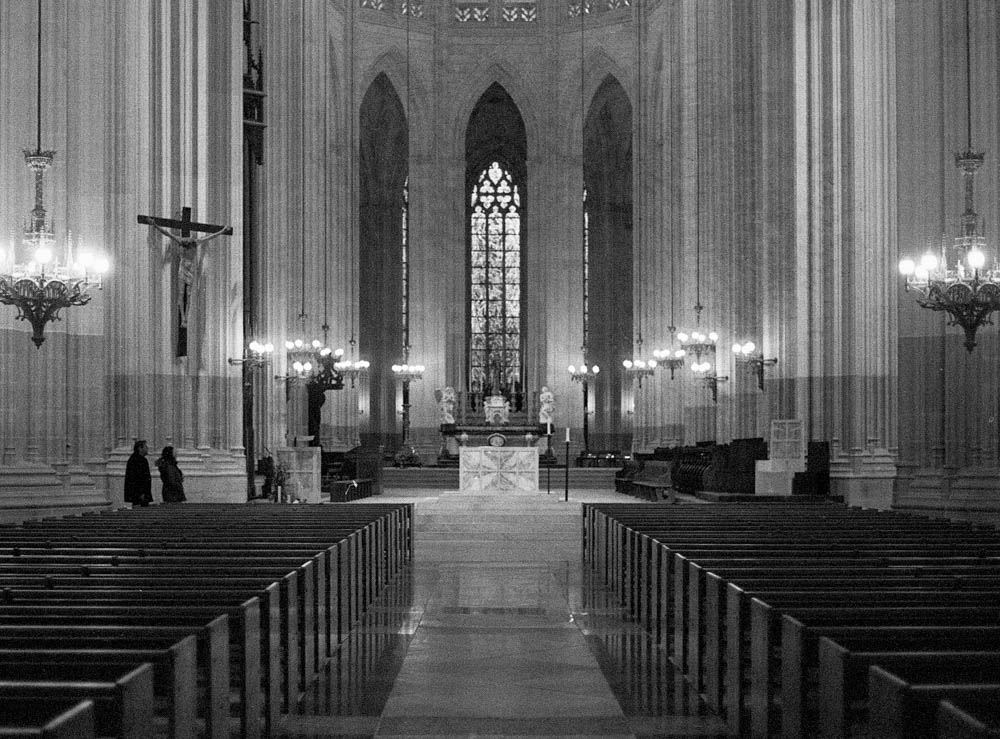
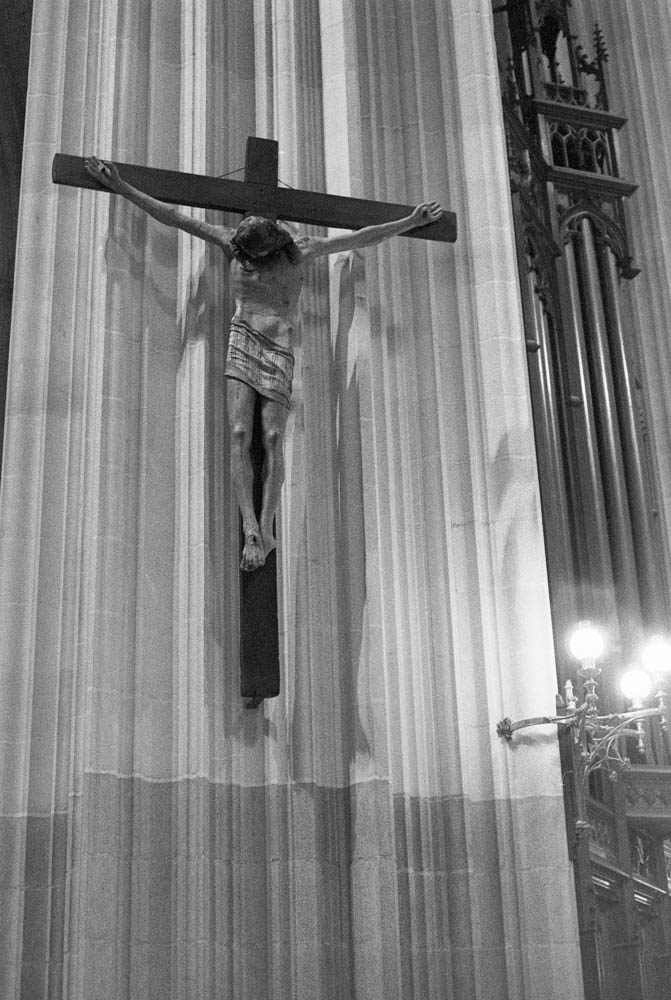
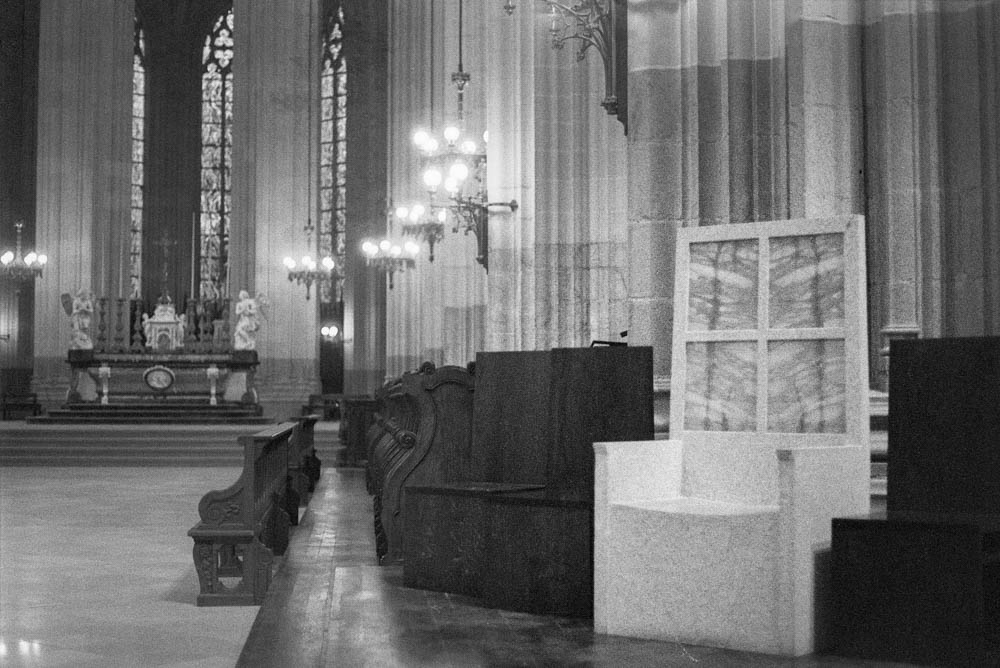
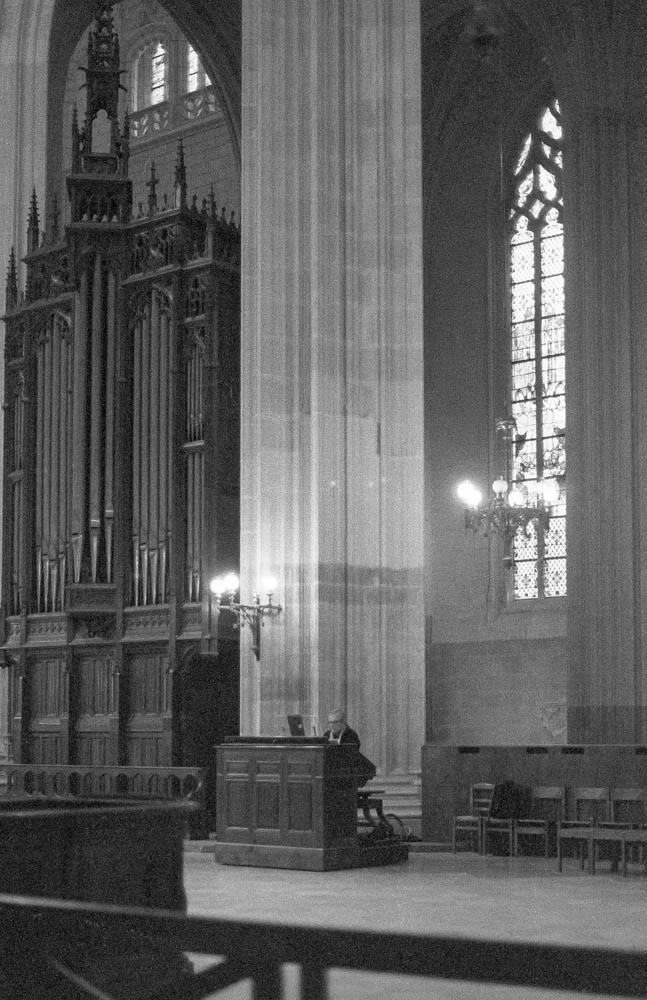
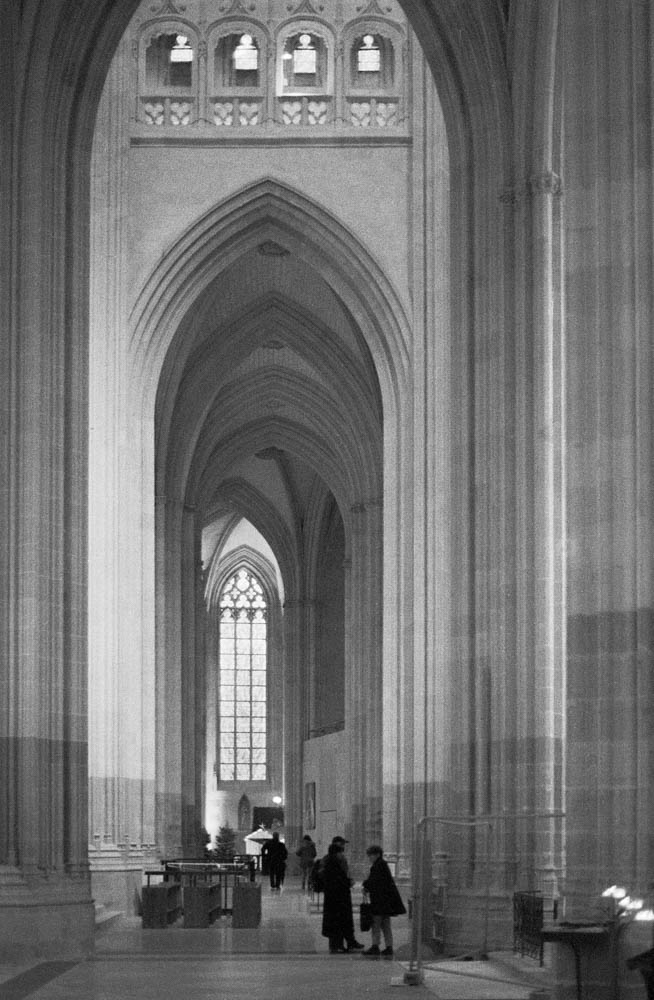
I didn’t set foot in the cathedral while Voyage en hiver draped its silence in municipal spectacle. Not out of protest—I simply couldn’t bear to see sacred space turned into a backdrop. So I waited. And when the banners finally came down in December, I loaded a roll of Ilford HP5 into my Nikon FE and walked back in—not as a tourist, not as a patient, but as someone hoping to find the light exactly where I’d left it.

I’ve always abhorred political recuperation. The Voyage en Hiver had no place in the cathedral’s reopening. This was about worship. About returning to God in a space that had been quiet for too long—not about municipal branding or winter tourism. “Give unto Caesar what belongs to Caesar, and unto God what belongs to God.”  (Matthew 22:21)

That day, I chose God’s silence over their spectacle.

My hands were cold when I raised the camera. December light in a stone cathedral is a quiet thing—more absence than presence. I wondered, honestly, if 400 ASA would be enough. But I wanted authenticity: more grain than digital noise, more truth than polish. So I trusted the FE’s metering, opened up my aperture, and let the film do what it does best. No second-guessing. No LCD screen.  Just the click of the shutter and the hope that the light would hold.

And it did.

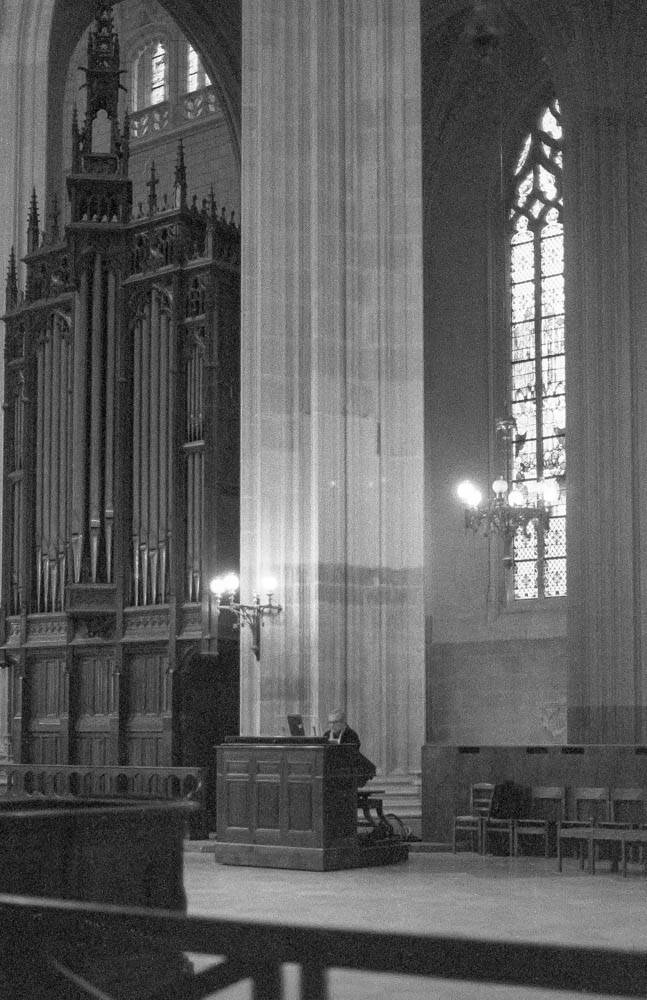
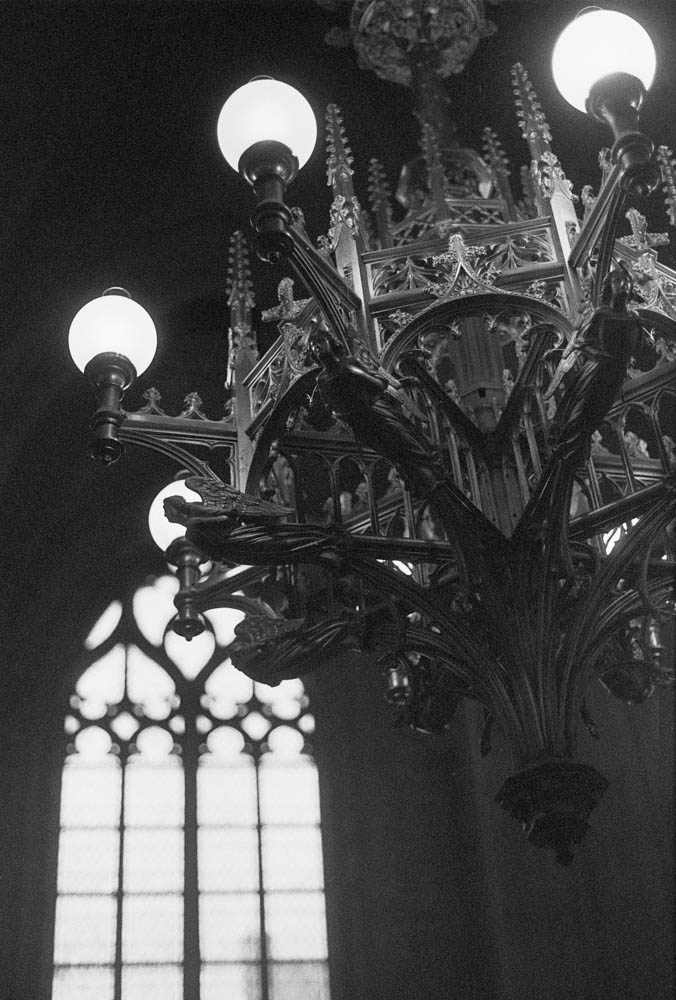
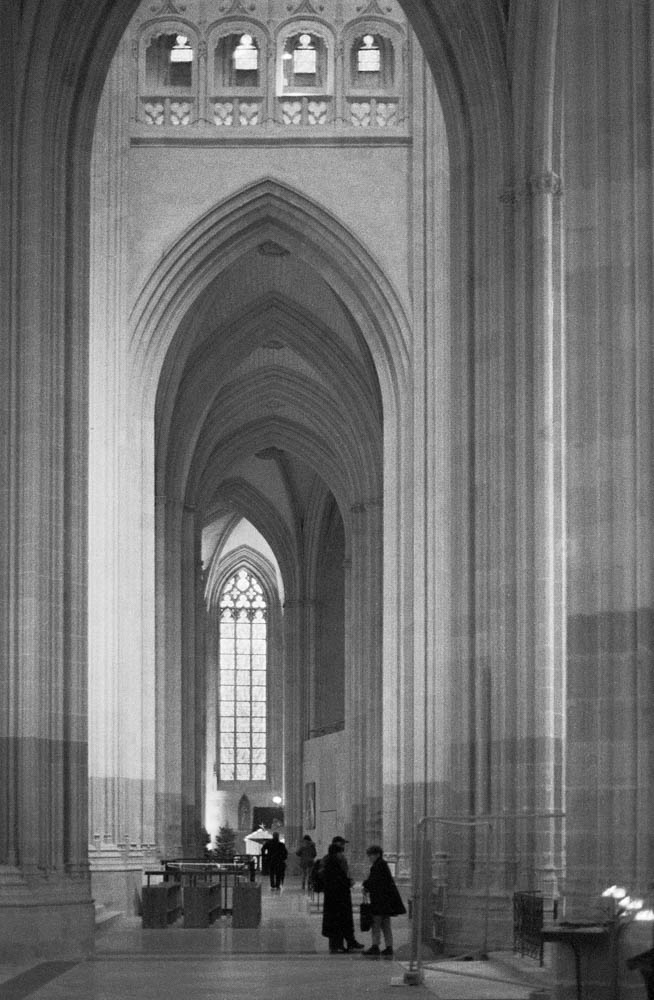
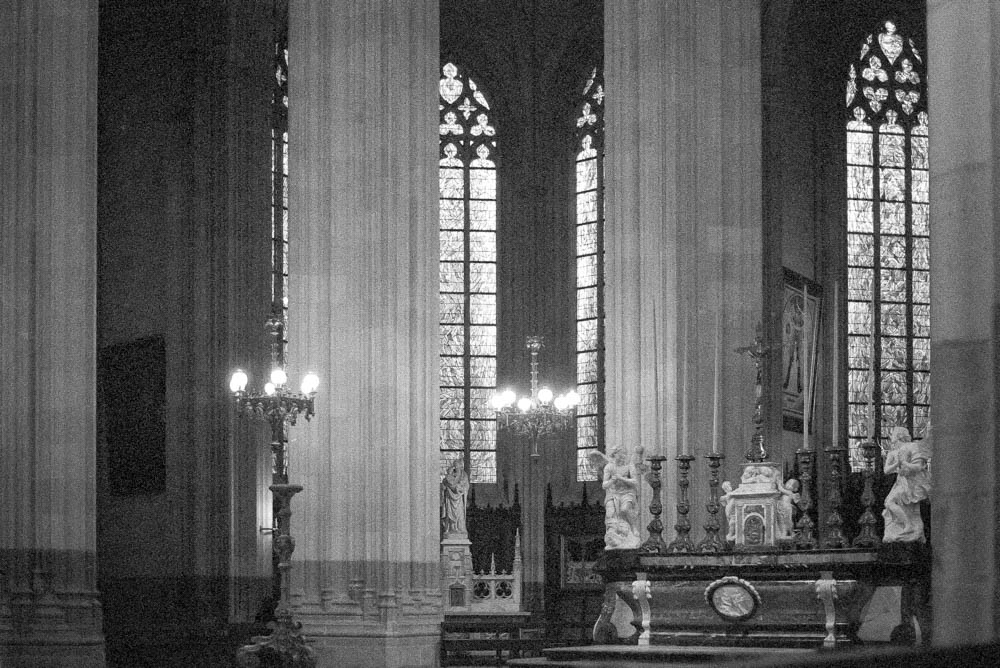
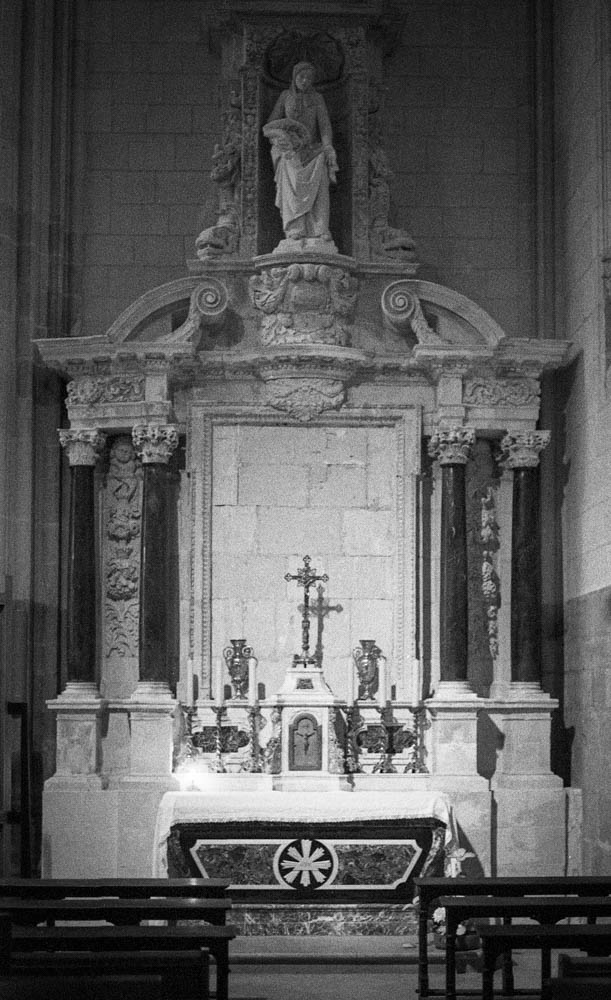
The frames that emerged are darker than summer would allow—but this was December, after all. And in that darkness, something gentle remains: the grain cradling the texture of worn wooden pews, shadows tracing the ribs of vaulted stone, candlelight bleeding softly into halos where no banner now hangs. Black and white stripped away every distraction—the logos, the seasonal clutter, the noise—until only what mattered remained: light on stone, silence between pillars, the architecture of reverence.

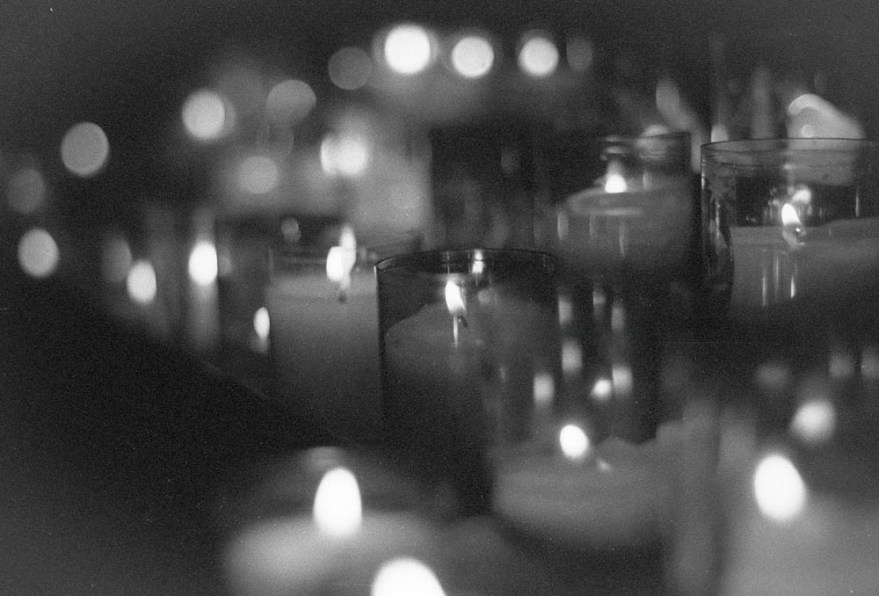
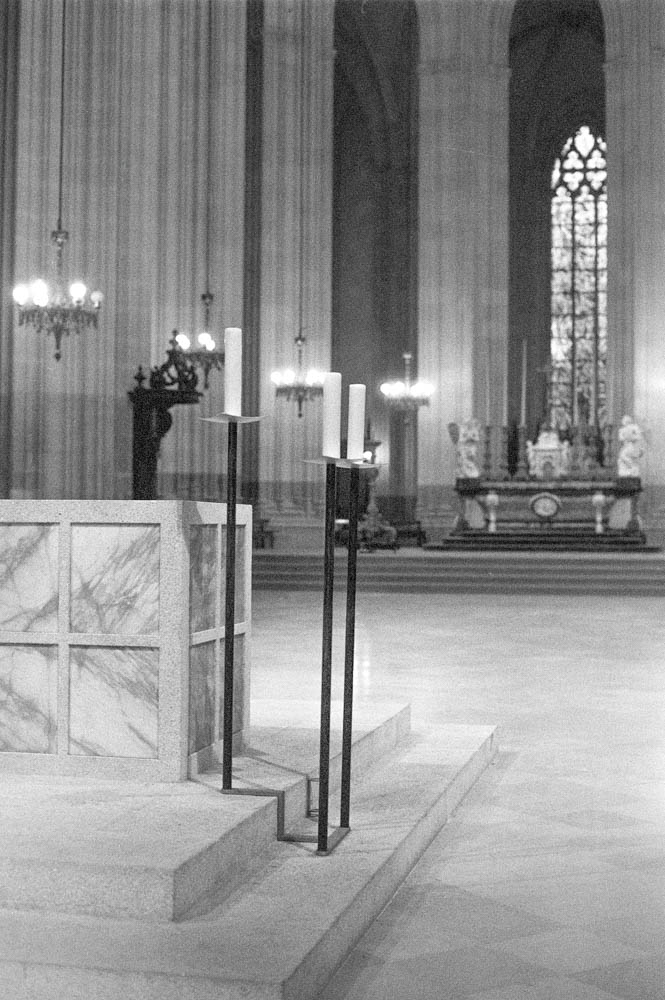
One frame in particular stays with me: the candles. Shot at 1/30s, my hands unsteady not from illness but from the simple weight of the moment. The focus slipped slightly. The flames blurred into one another. And instead of frustration, I felt a quiet relief—the film hadn’t captured perfection. It had captured presence. Grain became breath. Blur became prayer.
I didn’t go to “get out of the house.” I went because the space was clean again—just stone, silence, and the stubborn glow of candlelight. And for a few minutes, with the FE cold against my palm and the smell of incense in the air, I remembered why I love film photography: it doesn’t lie. It holds what’s there—shadows and all—and asks only that you trust the process.

They sold a spectacle. I took back the light. And the grain—warm, imperfect, alive—proved which one will last.  My small act of reparation…

The Opening of the Film Archives—Clisson, September 2016


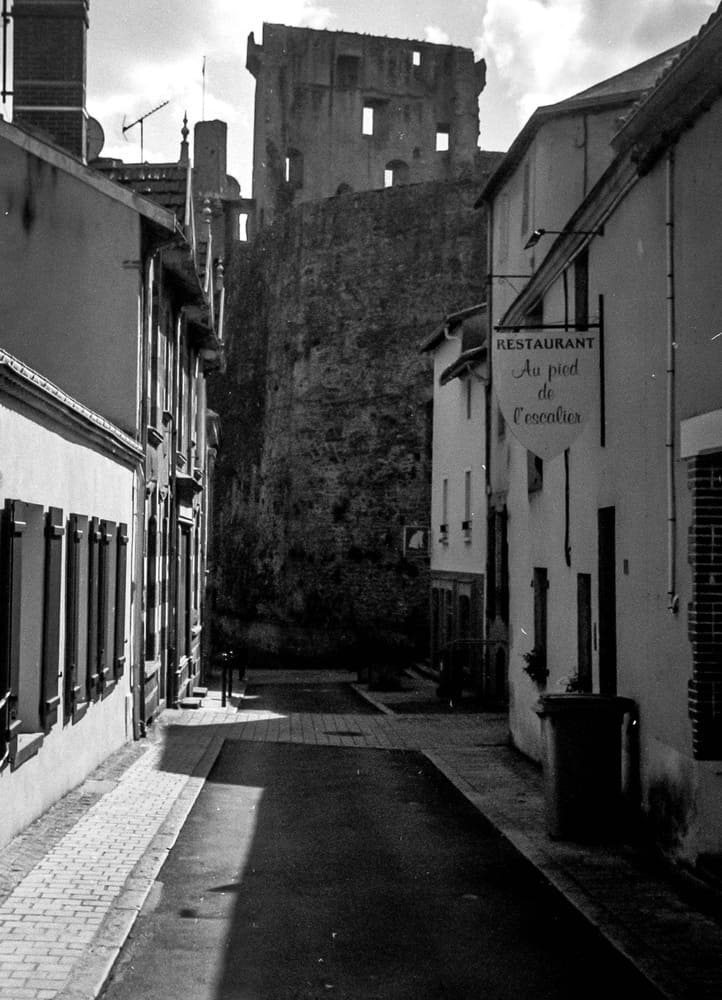
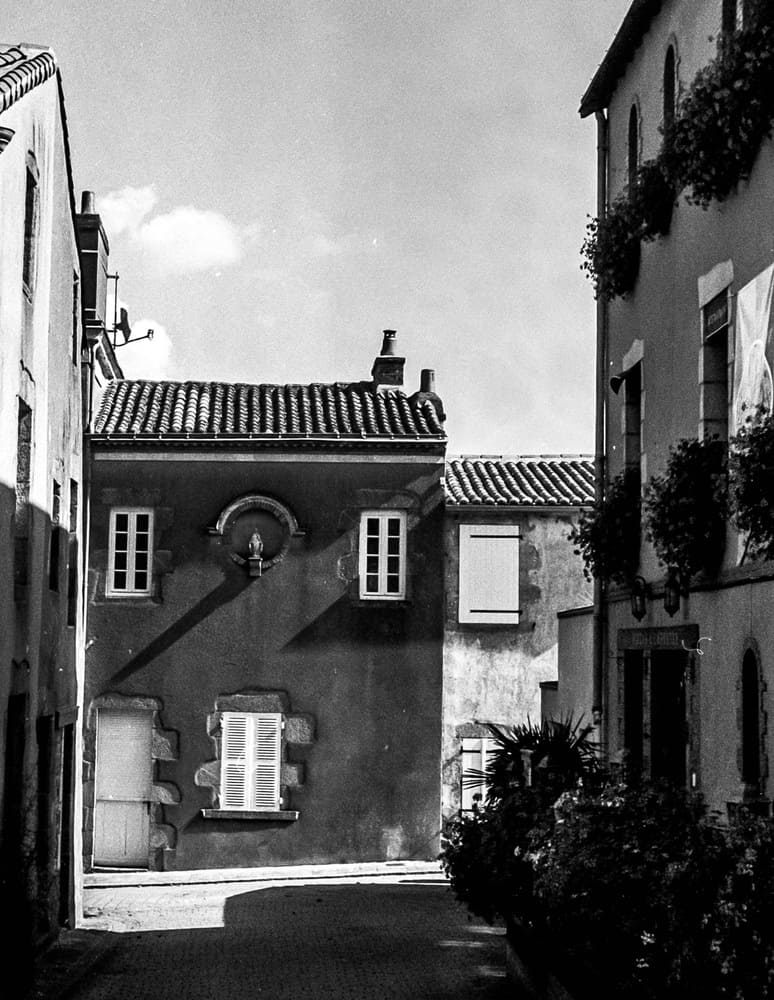
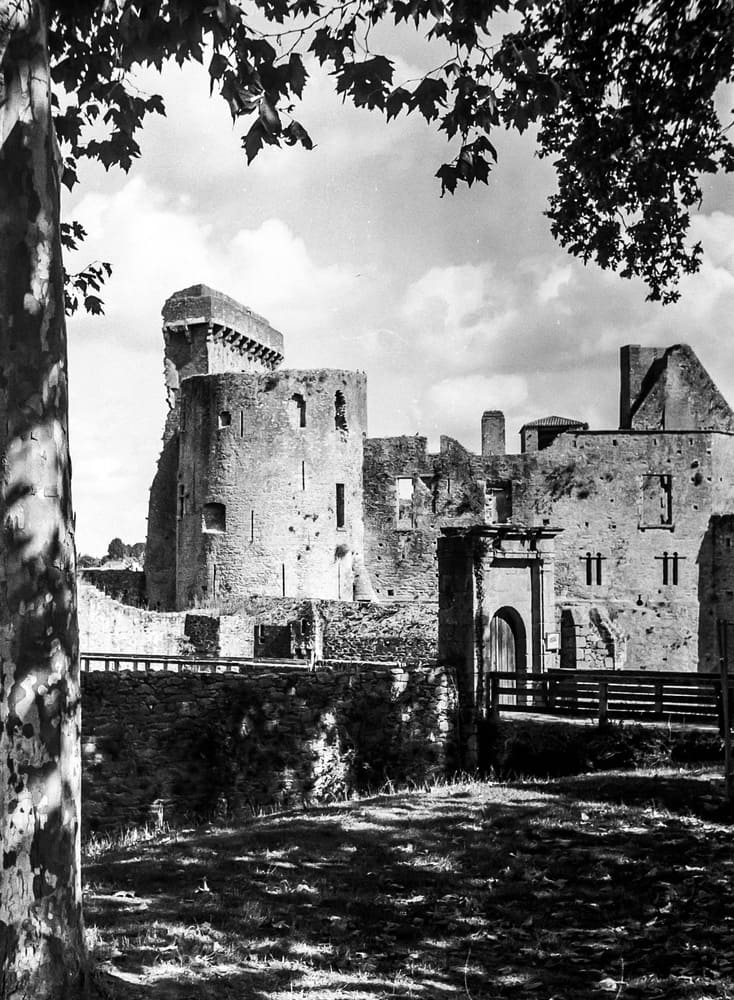
Welcome back, Dear Reader, to the film archives, still with the Canon AE1 and HP5 Plus from Ilford, but in Clisson this time.  You will remember Clisson from previous articles and will have seen the pictures, so it shouldn’t be a stranger to you.  Who knows, it could even feel like revisiting an old friend.  It certainly is for me. 

But why Clisson I hear you say.  Well, it’s not very far away from where I live.  It’s also one of those market towns that is renowned for the beauty of its architecture with an Italian slant.  It has the massive castle that towers above the river.  It has me taking photographs of it.  
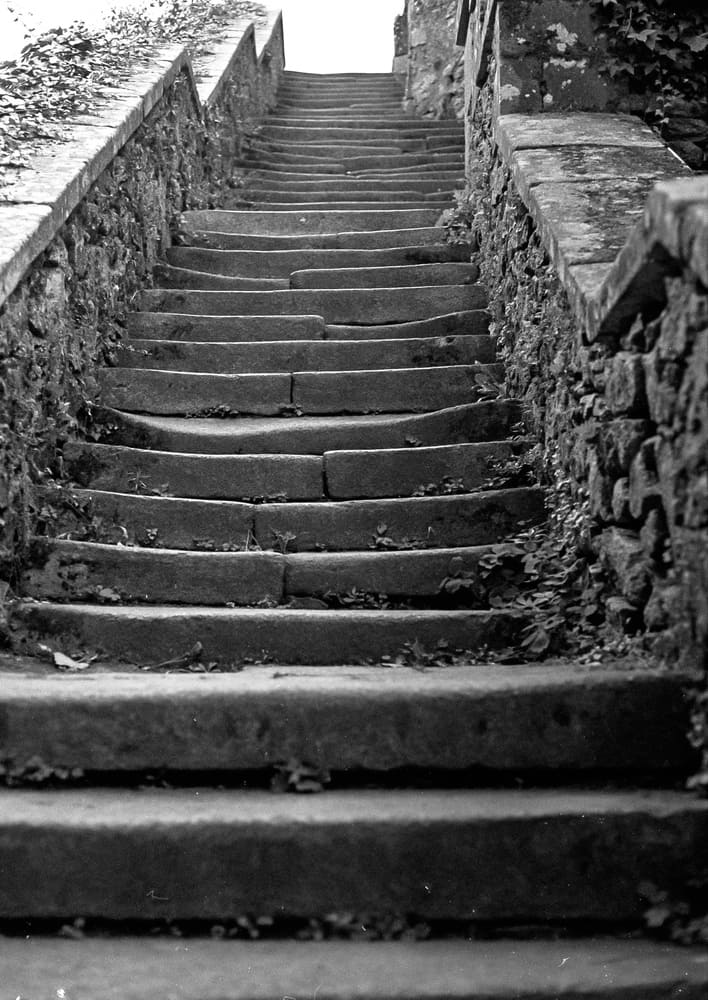
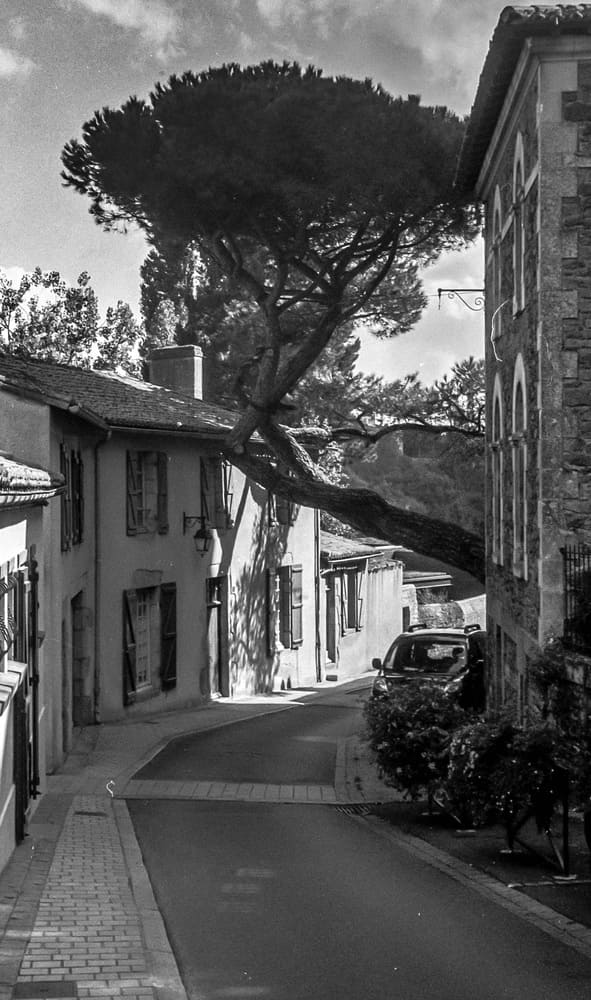
Clisson, like most things, has options.  On a Friday the main option is the huge market, and wandering around the 14th-century Halles, which can keep you out of the sun, the rain, the heat or the cold, depending on the time of year.  I either go down to the river and wander along the river banks in the Garenne and Lemot park, or park at the top of town and stroll around the Halles and surrounding streets.  In the series of photos at the end, you will see some stone steps that join the two options, but I have dodgy knees, and those steps are like leg day at the gym.  You can avoid those steps by just following the road that wraps itself around the church, and going under the tree that just got tired and decided to rest on the house opposite.  

But this time I decided to break out of my habits and visit the Quartier St Jacques with its decommissioned chapel, and garden.  It’s yet another pretty place in a pretty town, and when I was sitting there in the sun, I felt that I didn’t have a care in the world.  Serenity flooded my mind and all was well with the world…

The Opening of the Film Archives—the Hangar à Bananes August 2016


In my last venture into the film archives, I talked about how there was a time that my daughter hadn’t yet seen me the way I see myself and how she actually still liked me, before turning into a teenager.  This is the second part of that special day.
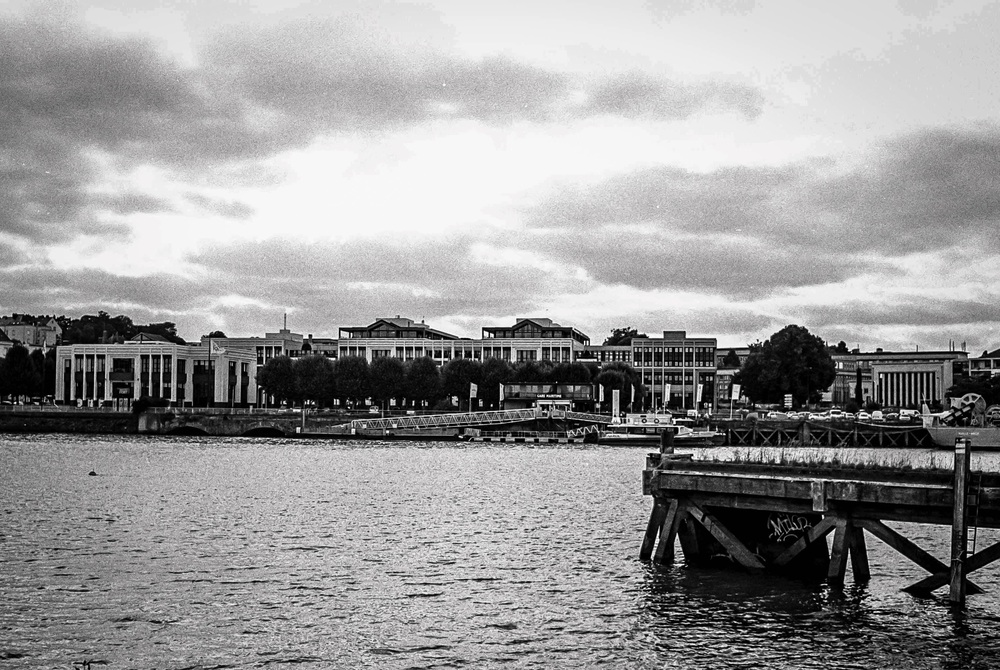
We had explored the Jardin des Plantes and discovered what they had to offer.  This of course builds up an appetite in a young lady, and convinces her that she really needs to drink something Daddy.  And why couldn’t we go to the Altercafé (now the D3) at the Hangar à Bananes.

So what else was I to do but drive us to the Hangar à Bananes.  You will have seen the Hangar in this article, and you will now be completely up to date and know nearly everything there is to know.

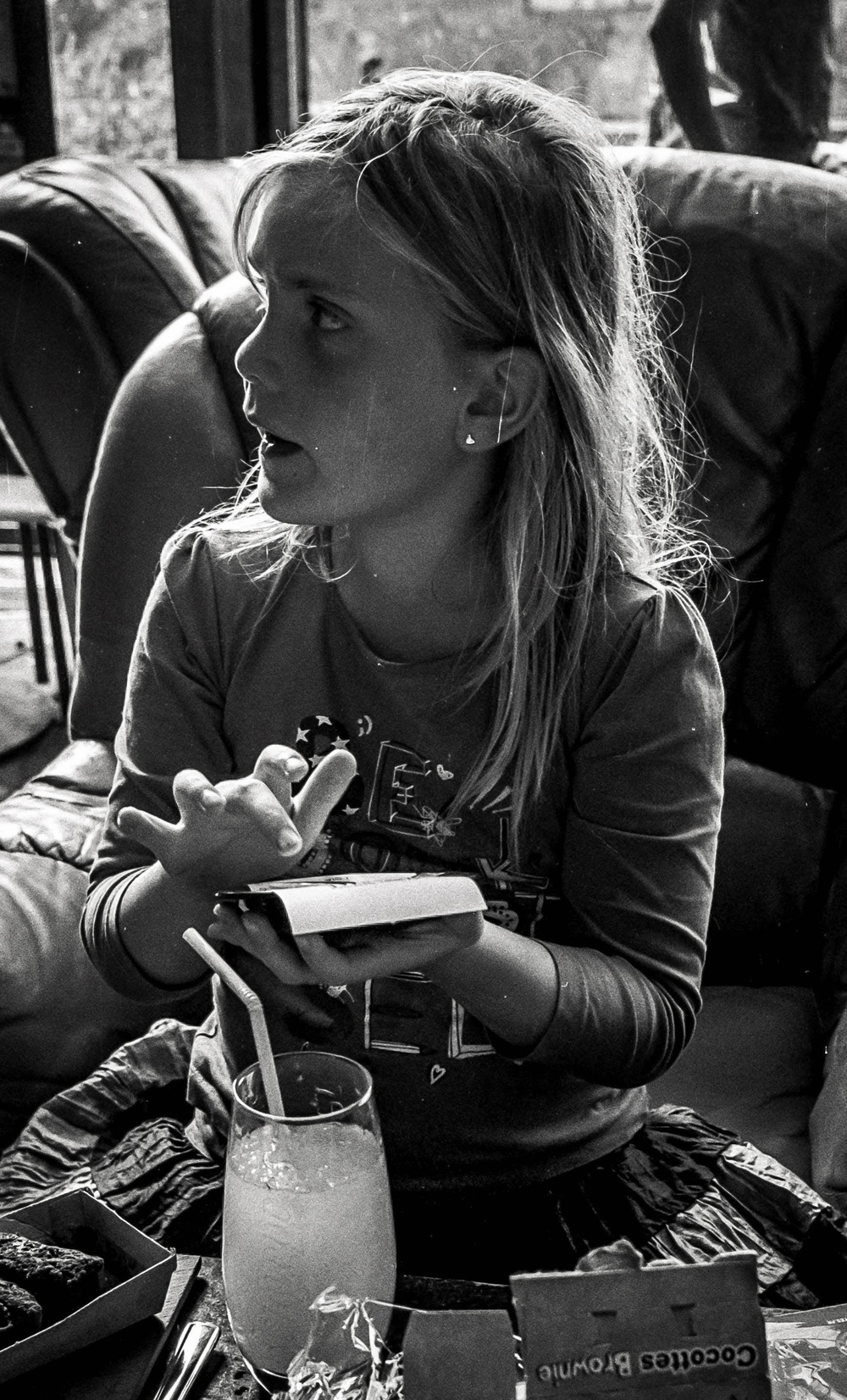
Don’t forget that this is a girl who gets an idea into her head and then just goes through with it.  That idea is so rooted that it is nigh on impossible to change that idea.  I knew what was coming.  I would order a chocolate brownie, and Kate would have an Orangina.  I could have a beer.  How gracious of her.

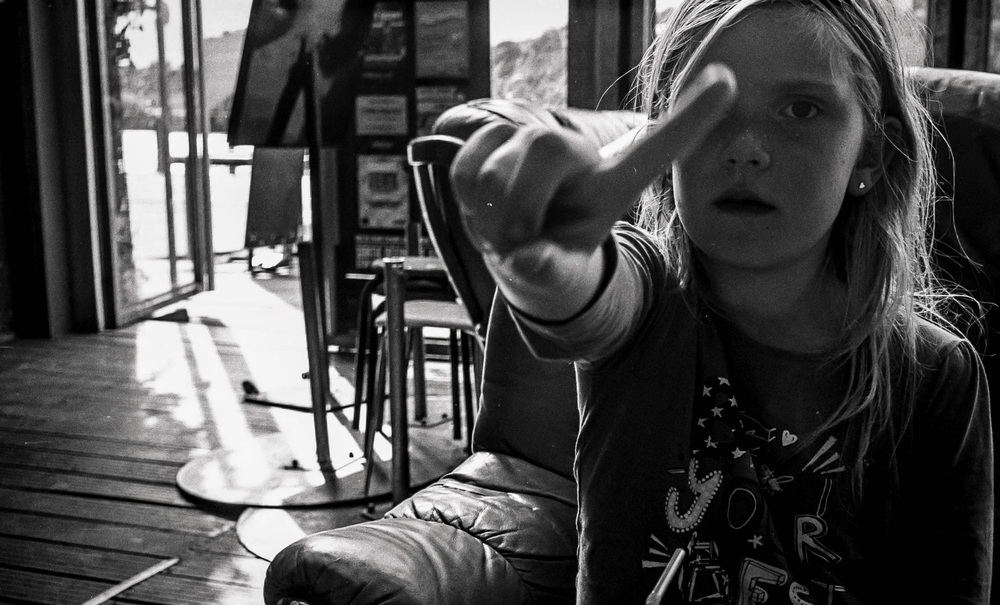
She had been my model for most of the day and even a top model needs a rest, and just has nothing left to give a photographer.  You just know when enough is enough…

The Opening of the Film Archives—Jardin des Plantes August 2016


There was a time when my daughter wasn’t a teenager.  There was a time when she quite liked her Dad, and she would accompany me everywhere.  It was good being that child’s hero.  It was a more innocent time.  It was a time when she actively tried to spend time with me.  It was a time when she didn’t see me the way I see myself…

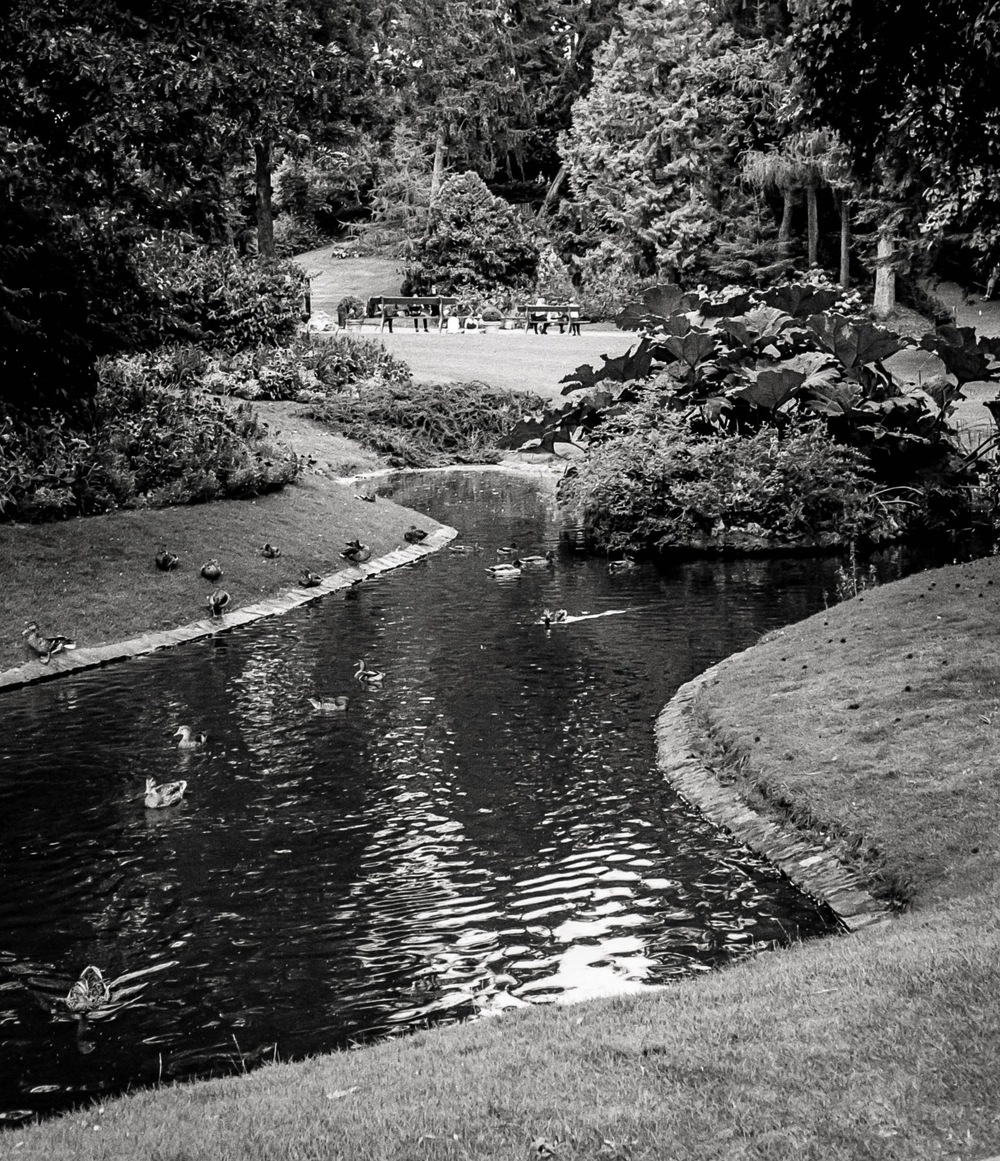
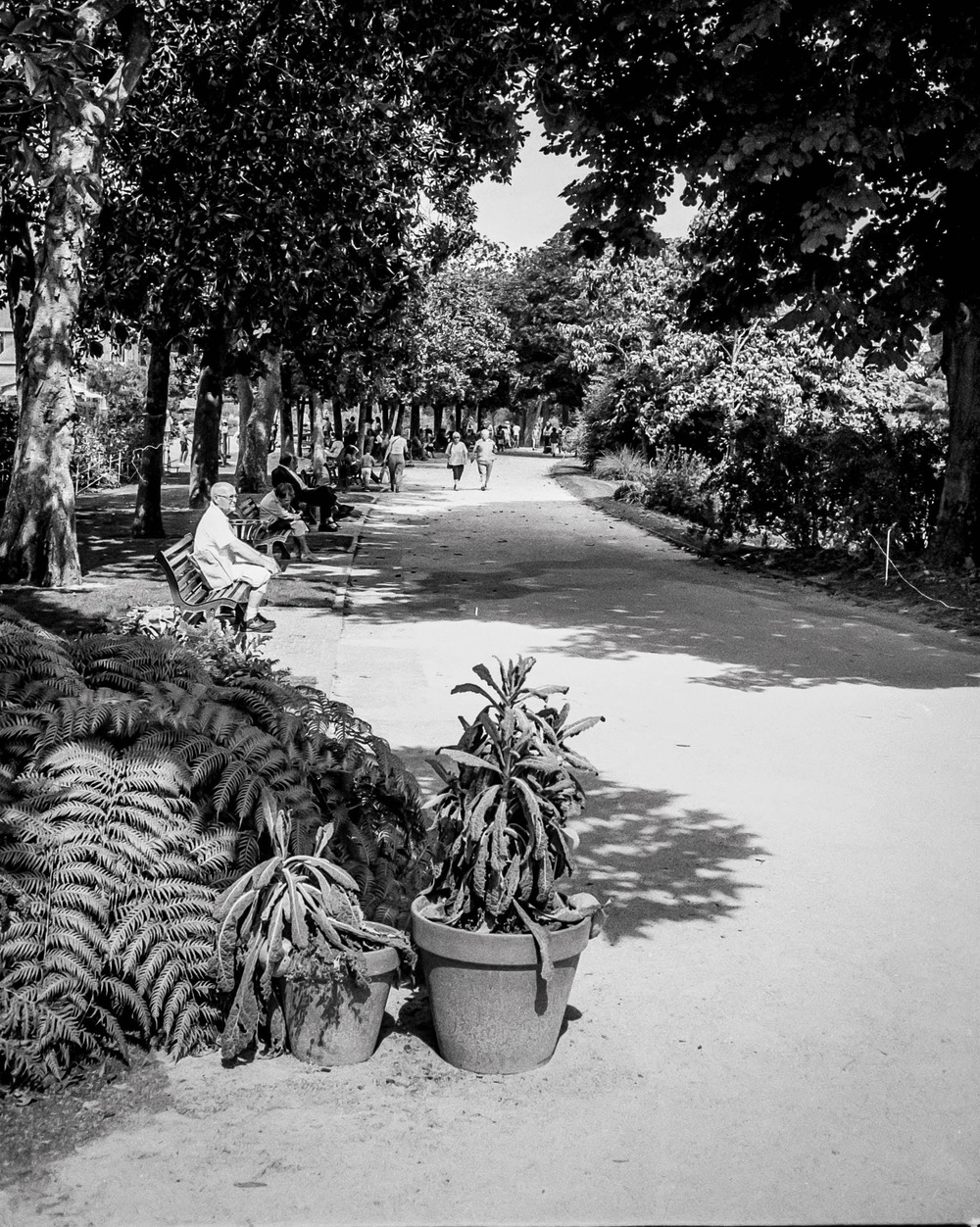
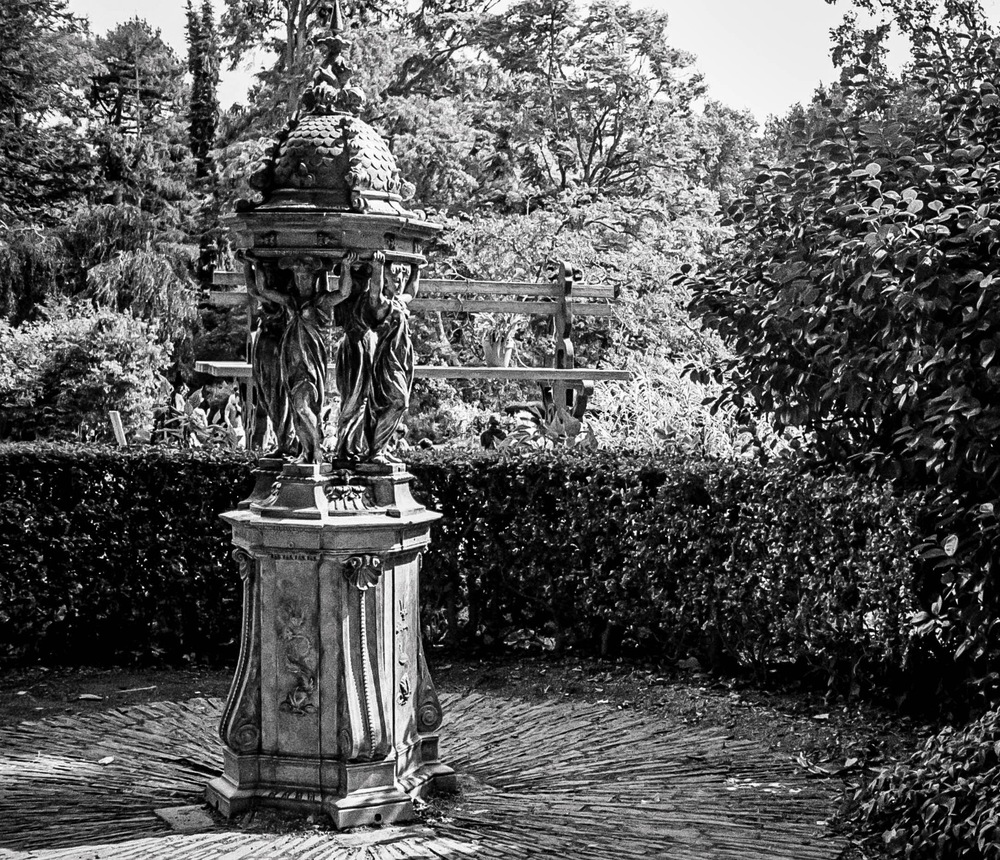
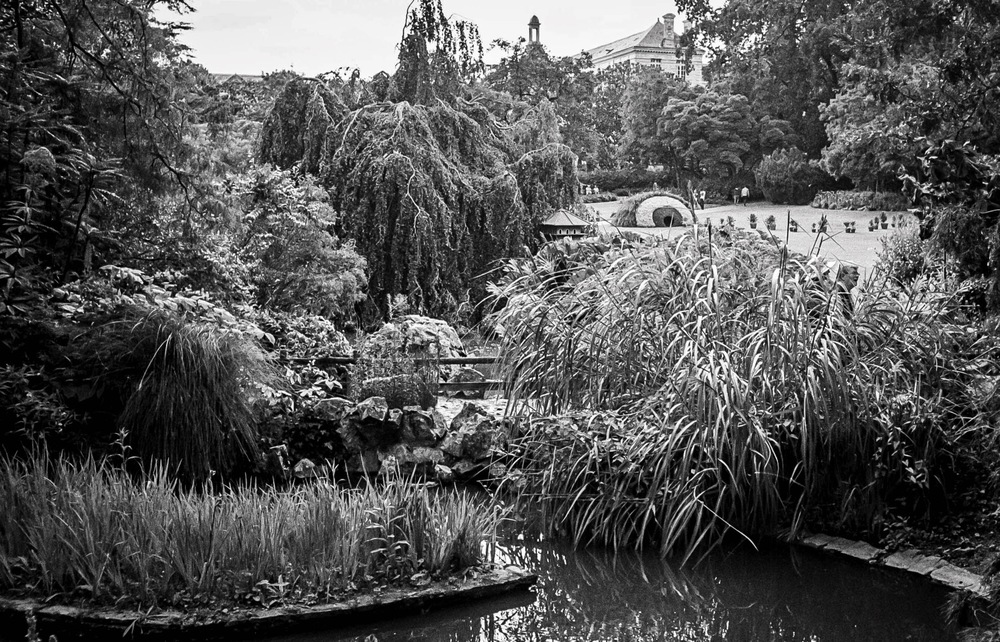
One of her favourite places in Nantes was the Jardin des Plantes, a huge botanical garden in the middle of Nantes just across the road from the station.  I could talk about the fact of it being a haven of peace in the bustling city.  I could talk about it being an oasis of green in a sea of concrete.  I could talk using clichés ‘til the cows come home…

These photographs are not clichés, but real attempts of capturing a specific moment in time allowing me to travel back through time.  And looking at these images, I’m definitely back in time.

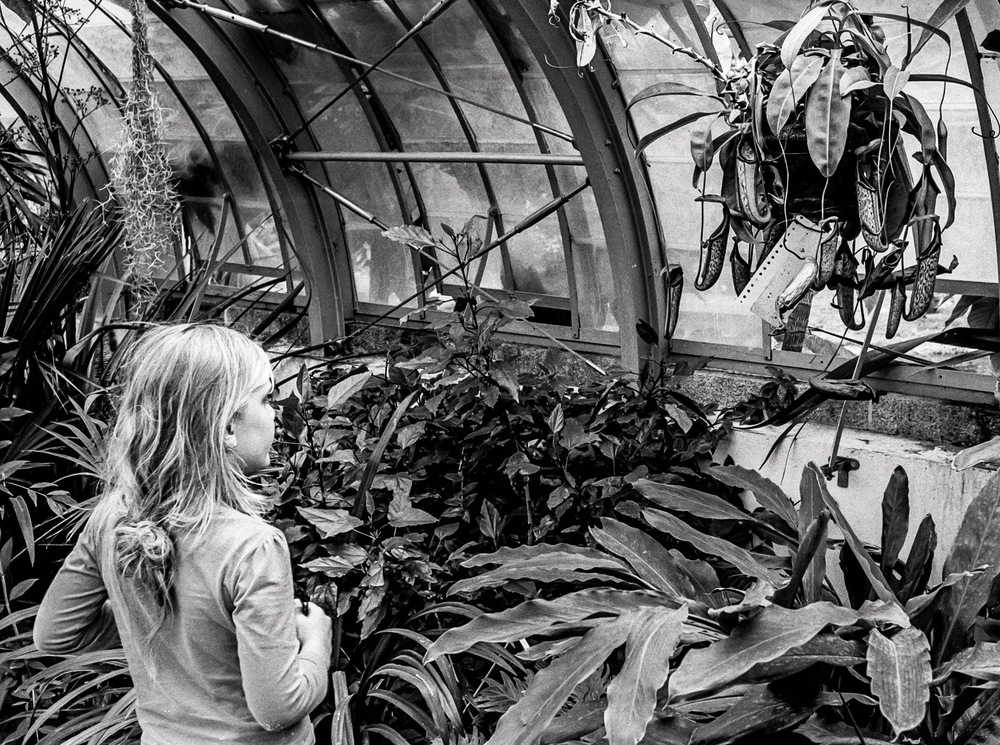
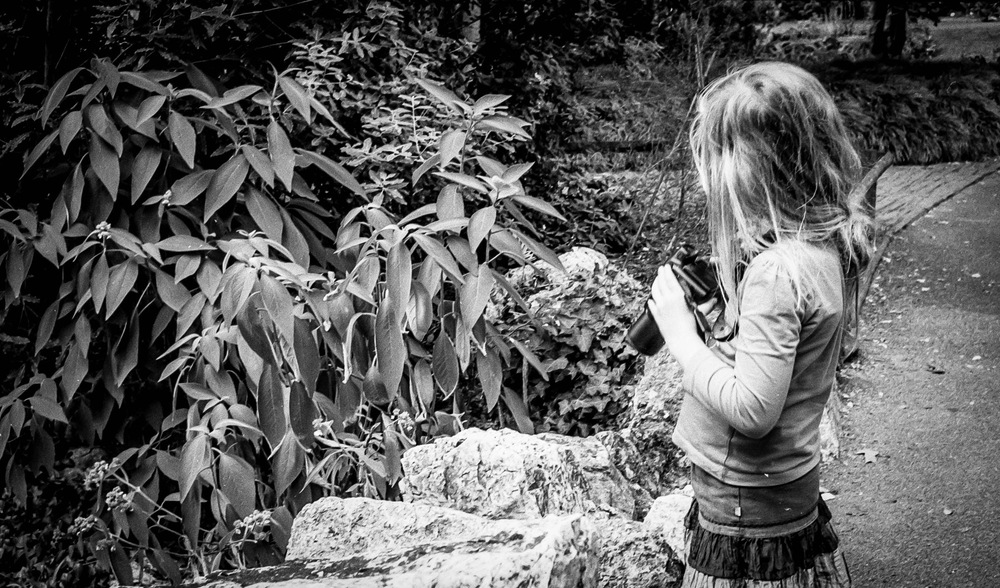
Let me introduce you to my daughter from 2016.  She was a 7 year old that already knew what she wanted but was slightly more subtle about it.  She would suggest that we go into town.  That I could take my camera.  That we could go to such and such a place.  That we could do such and such a thing.  And all this as if it were completely natural.  And I was a very willing victim.   

This time she suggested going to the Jardin des Plantes.  She would take her camera (my old Sony bridge) and I would take my Olympus Trip 35.  I used the Olympus Trip quite a lot at that time and its ease of use, the zone focussing, and general lack of buttons to press, made it quite the fool proof piece of kit.    

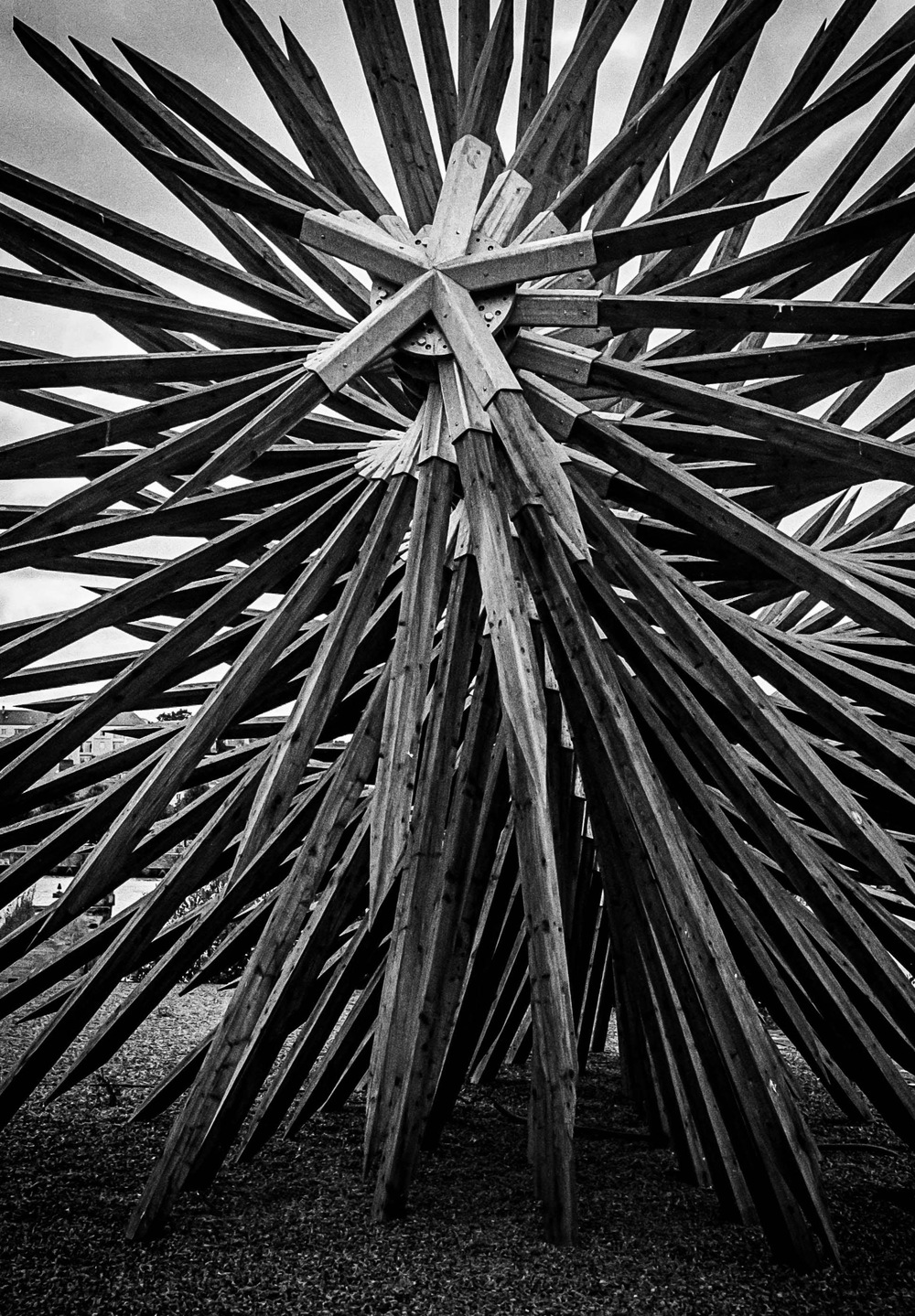
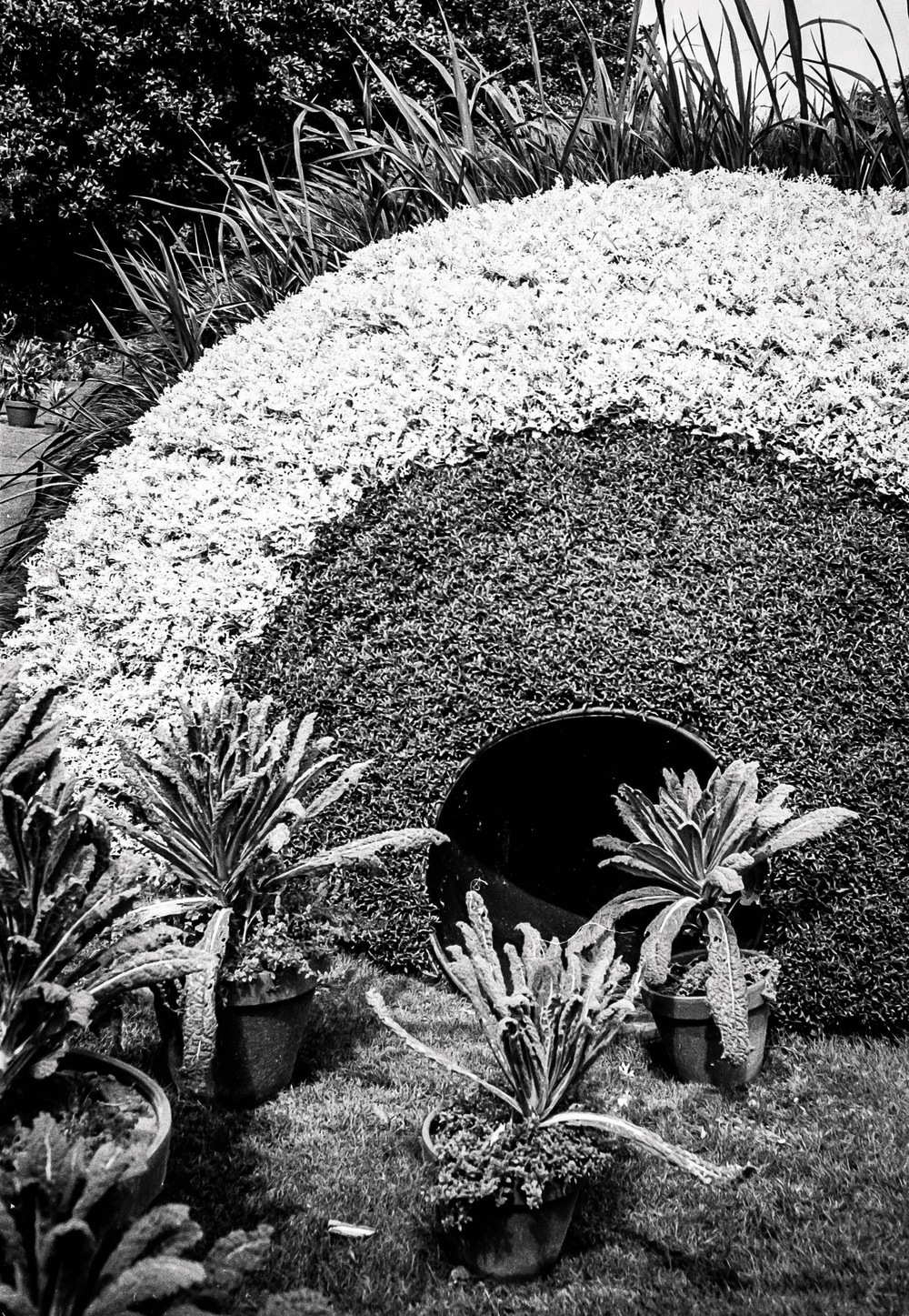
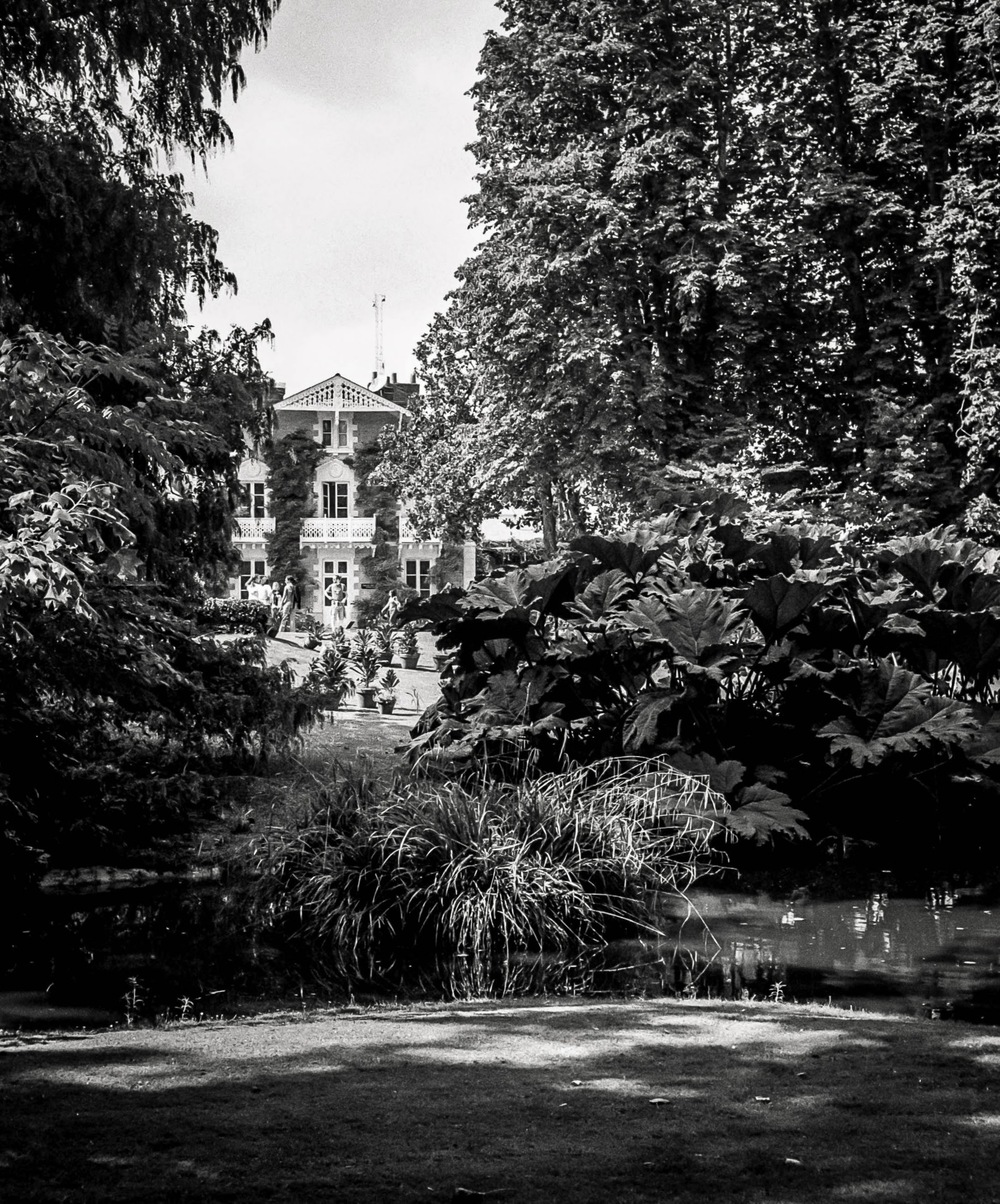
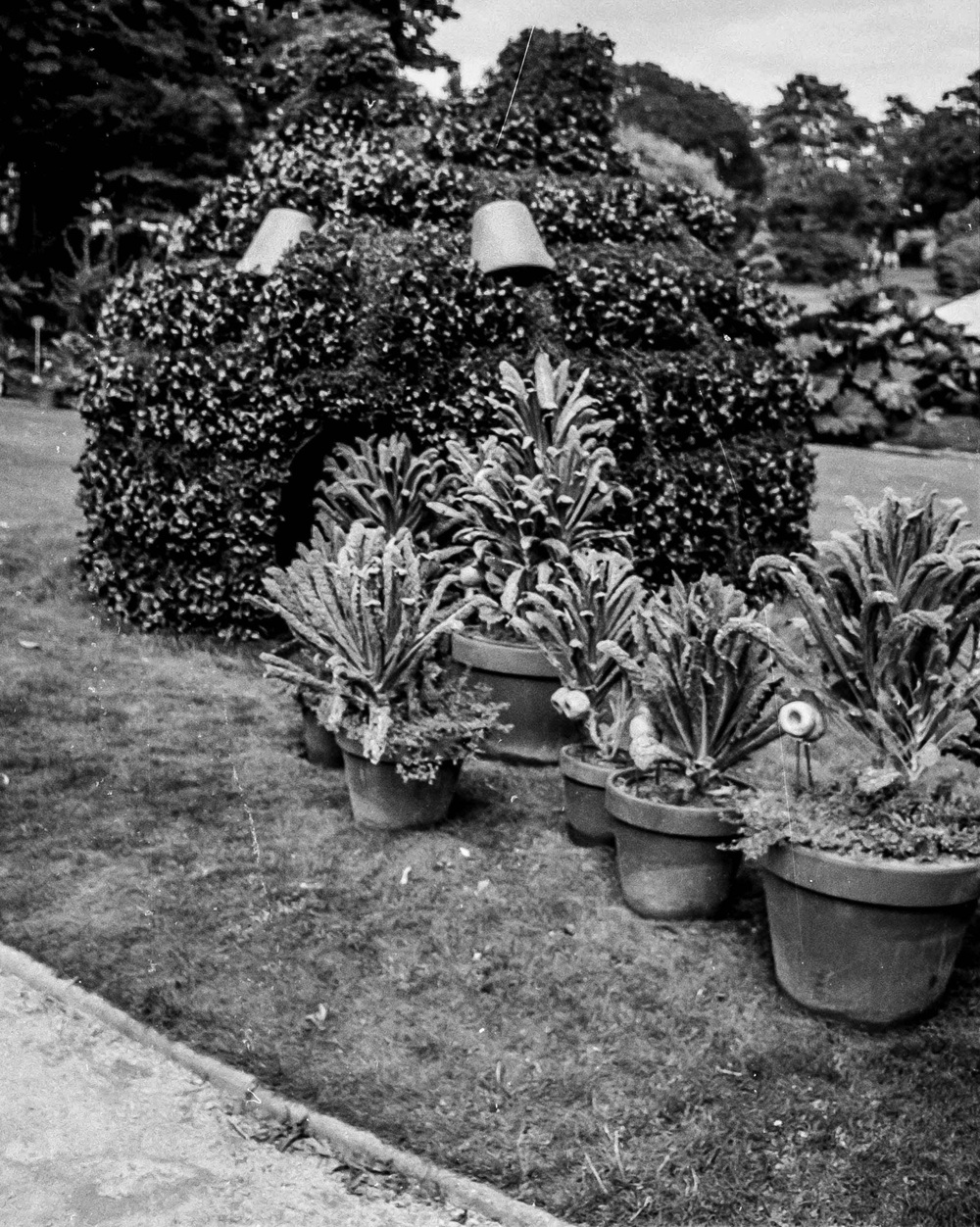
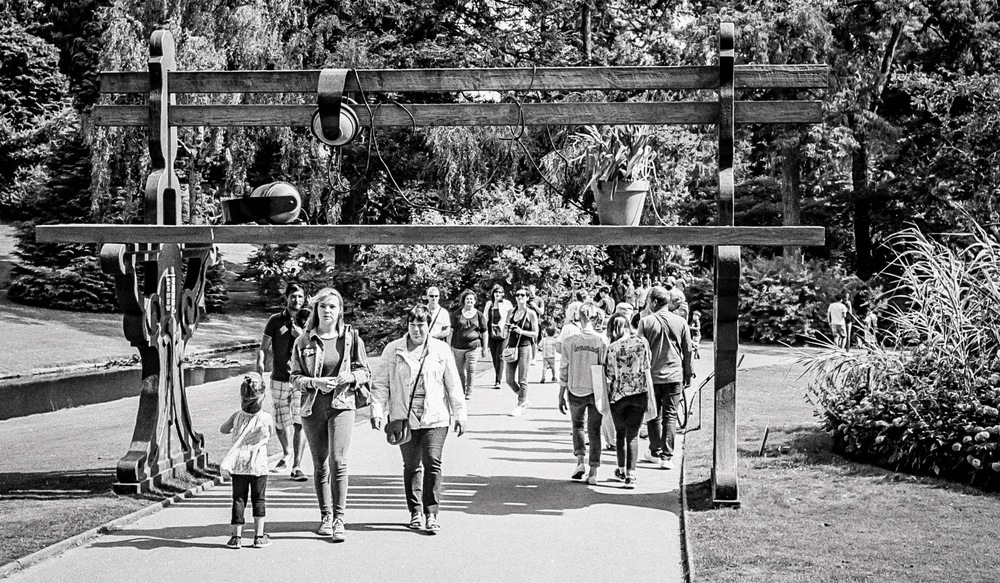
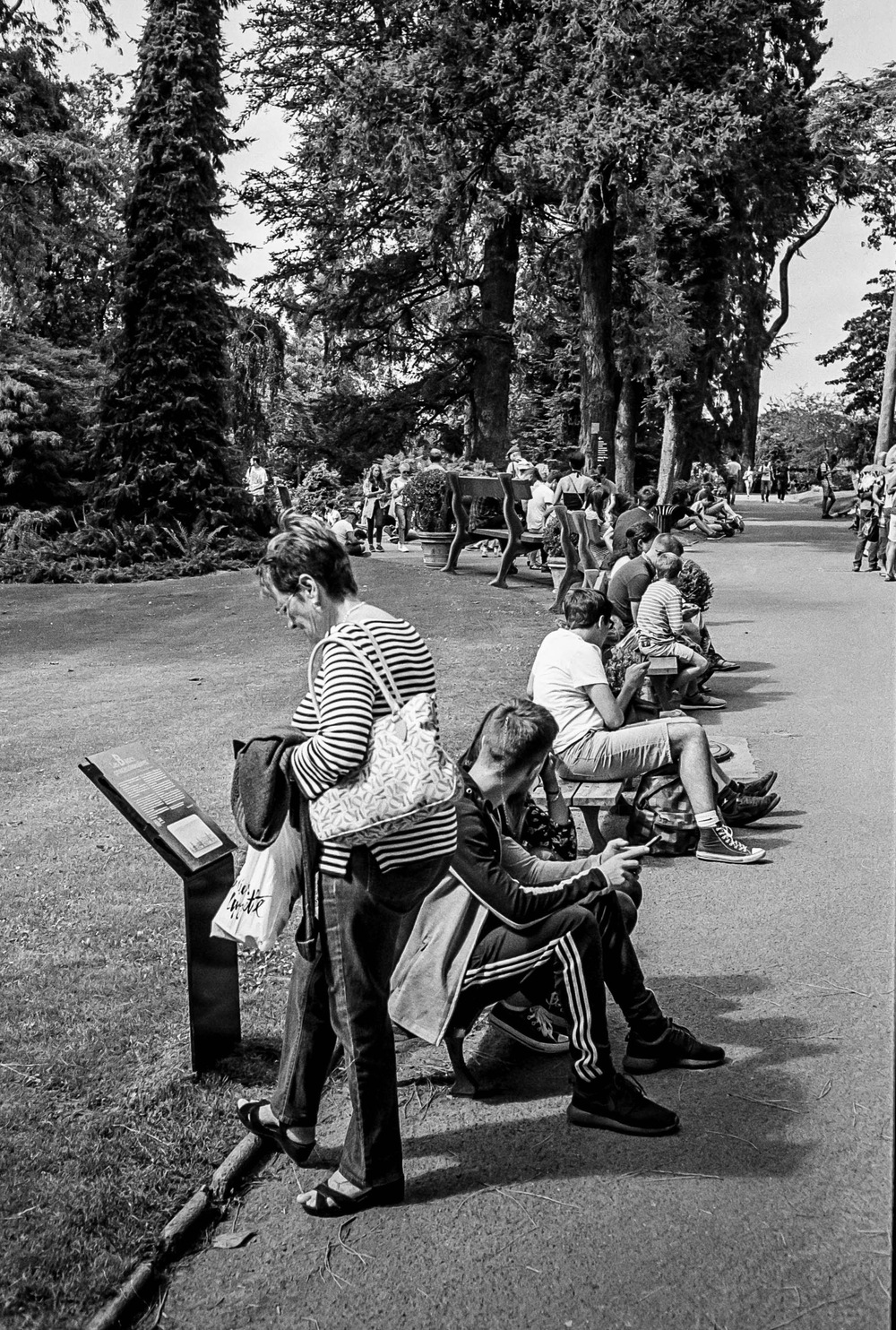
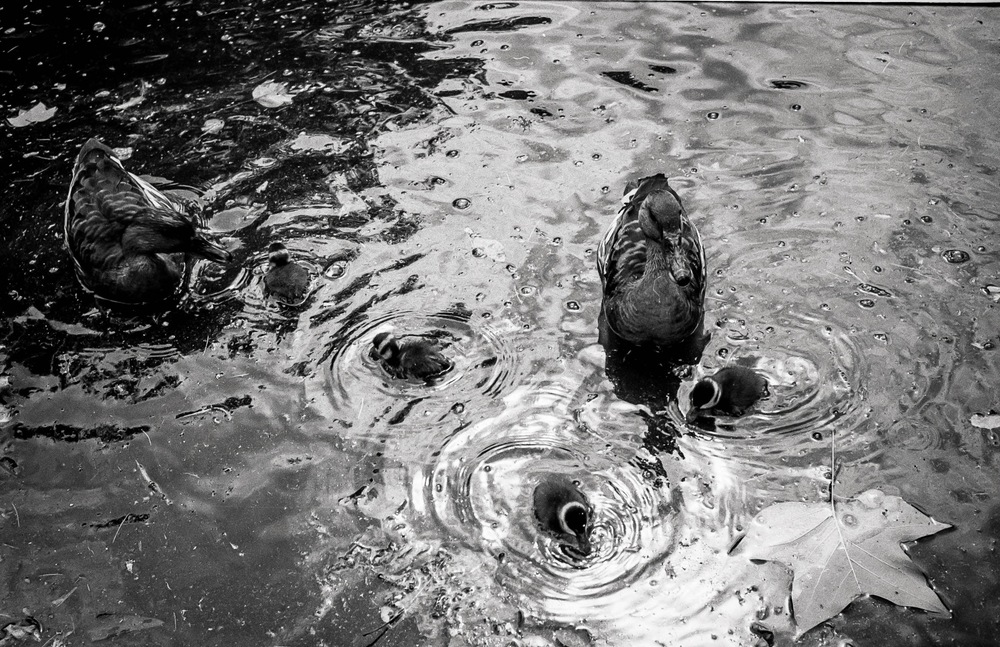
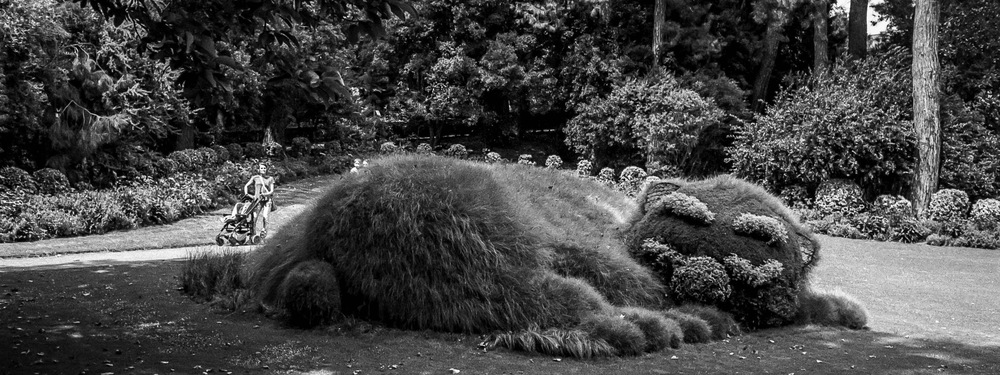
As usual, I let her lead the way.  This was here outing after all, and kept a respectful distance, so I could photograph her and record her for posterity.  The Jardin des Plantes has not only plants, the clue is in the title, but also is the backdrop to the Voyage à Nantes, and certainly was that year.  

I think the images speak for themselves and I’ll let you peruse them at your leisure.  They were taken on Ilford HP5 Plus film shot at box speed.