The Opening of the Film Archives: On va Marcher sur la Lune, Kate


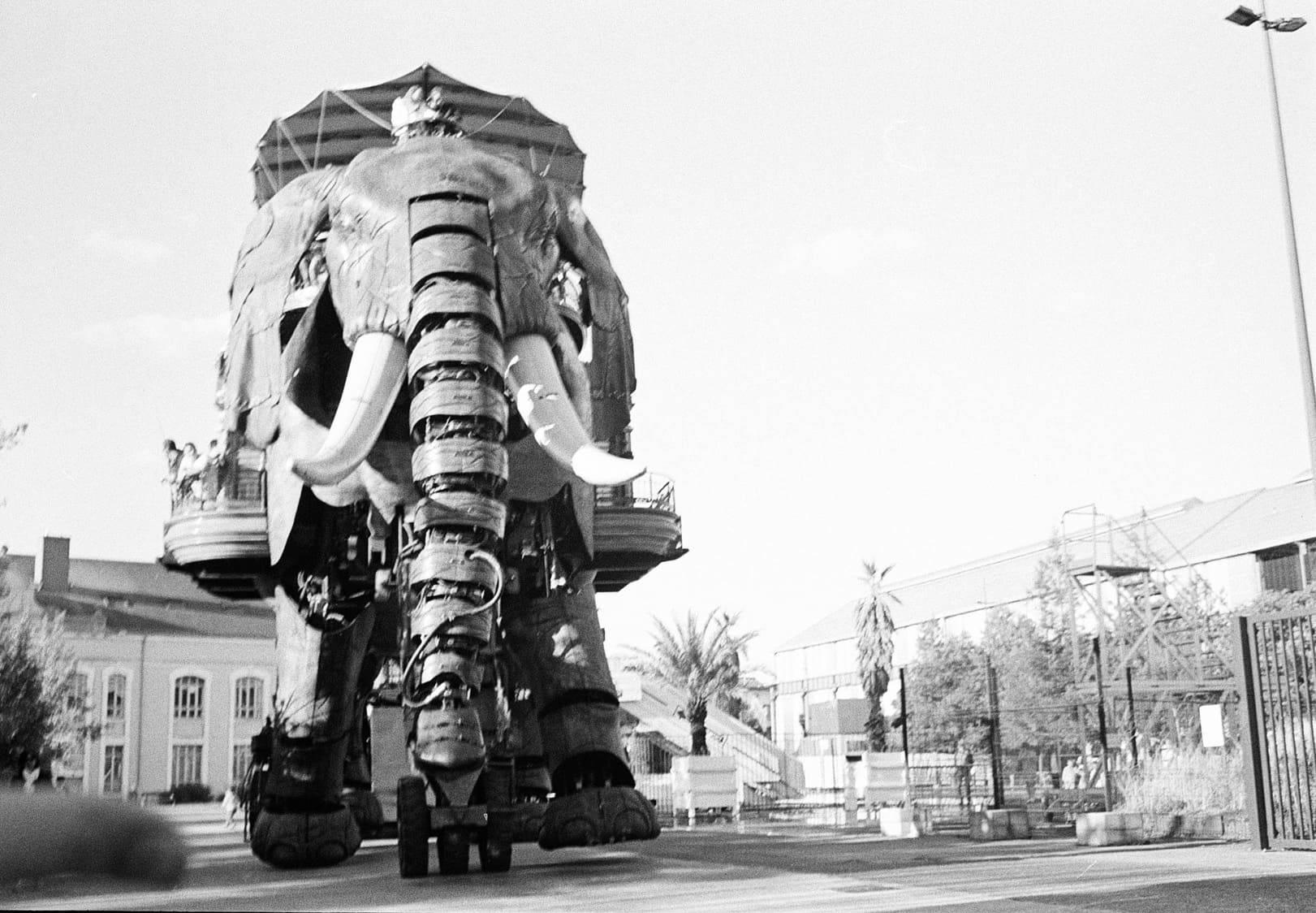
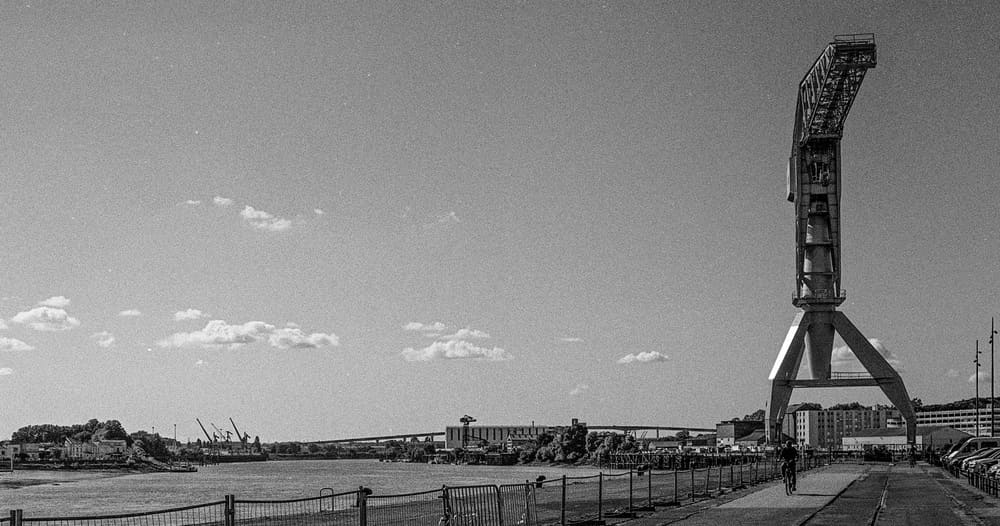
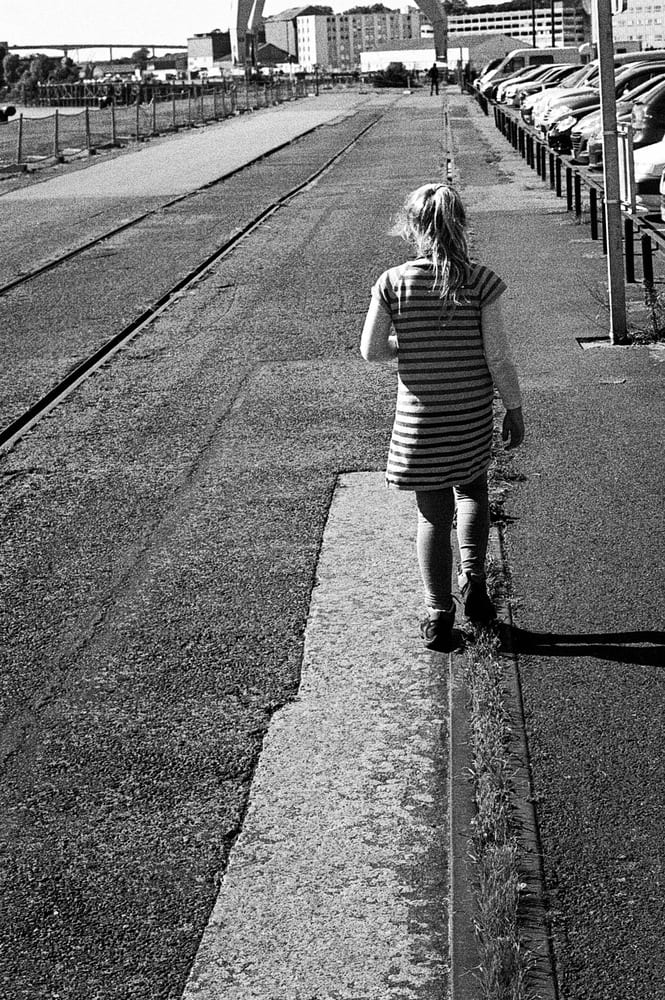
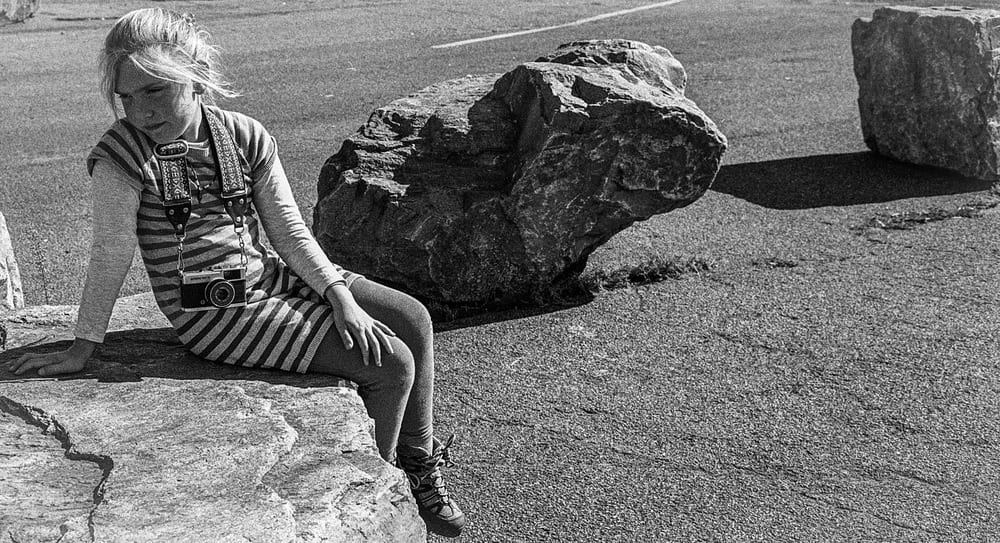
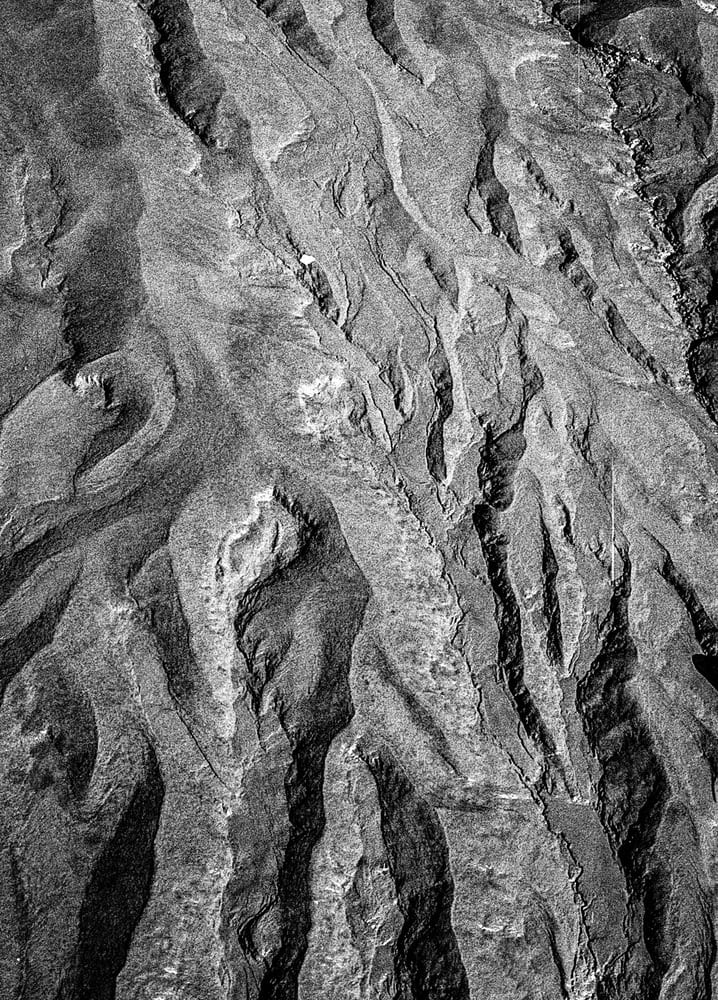
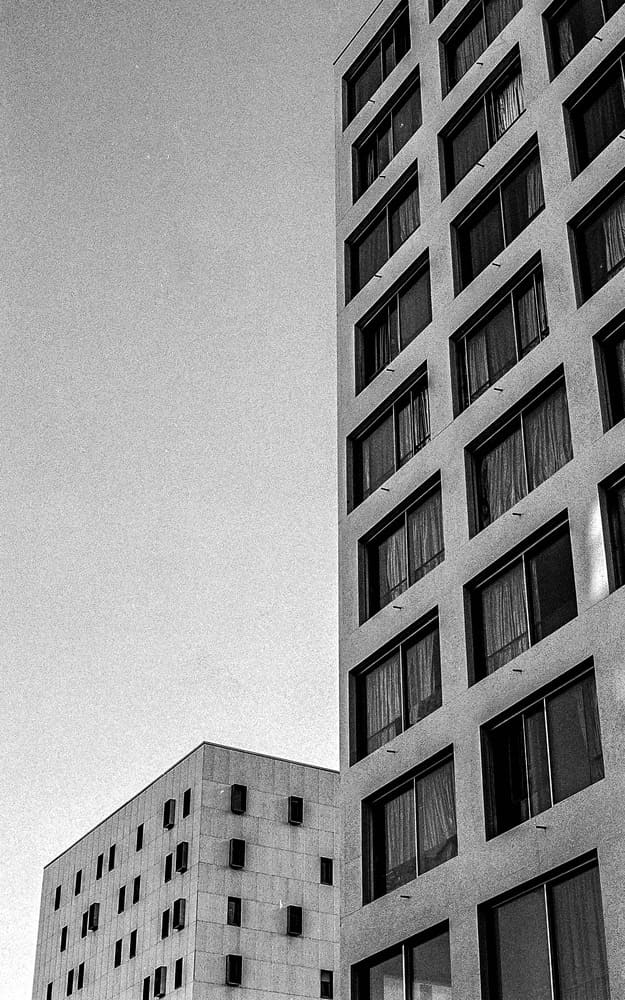
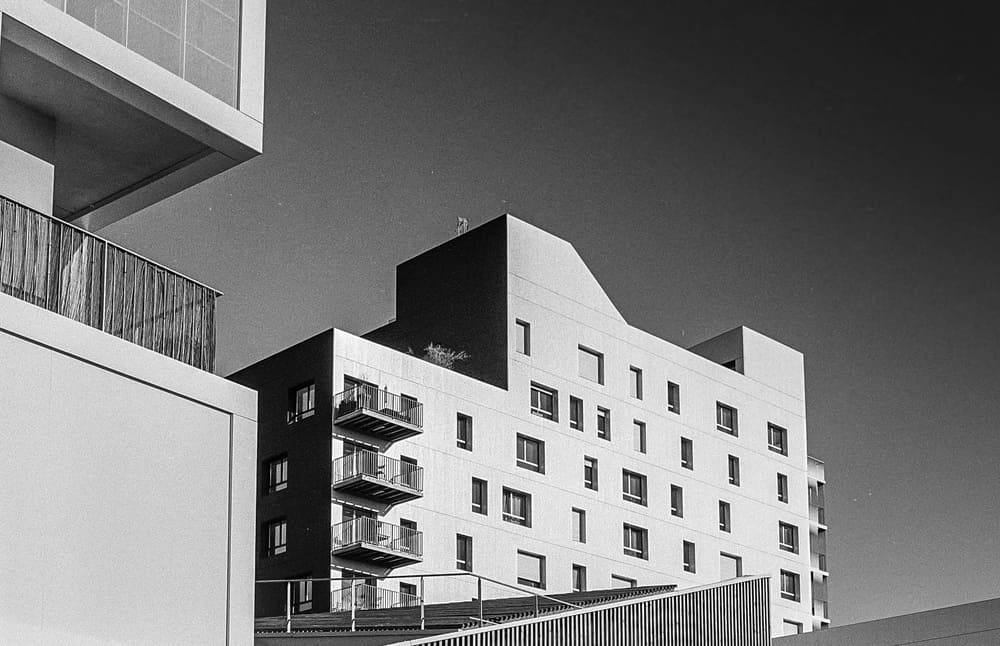
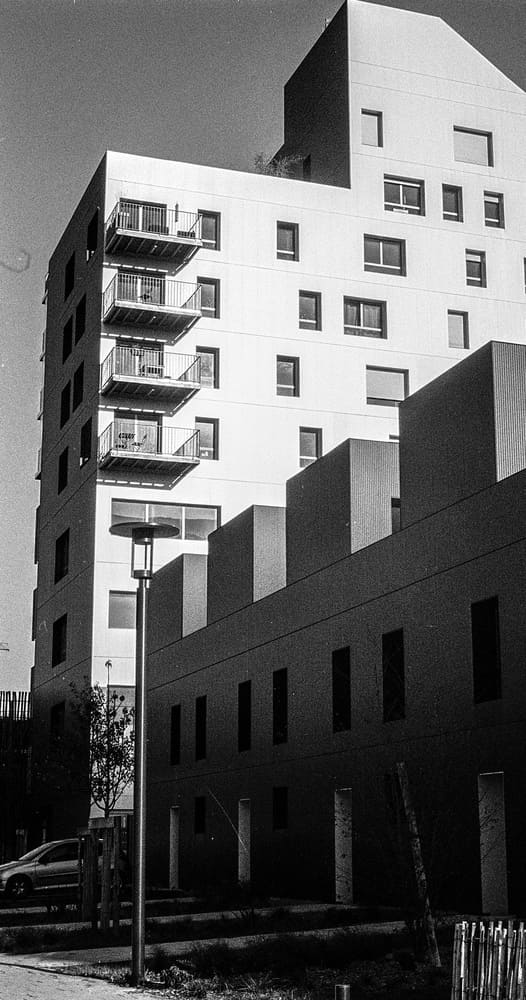
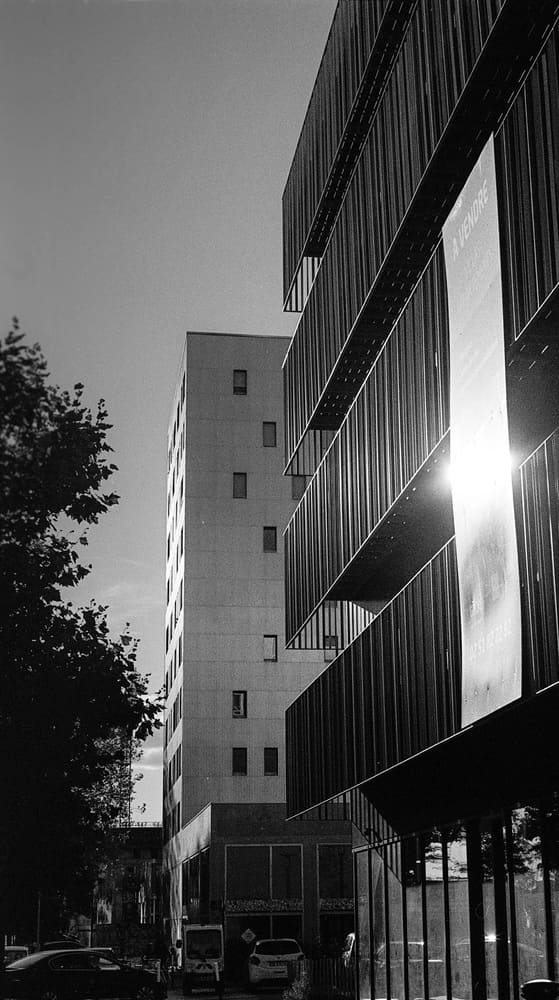
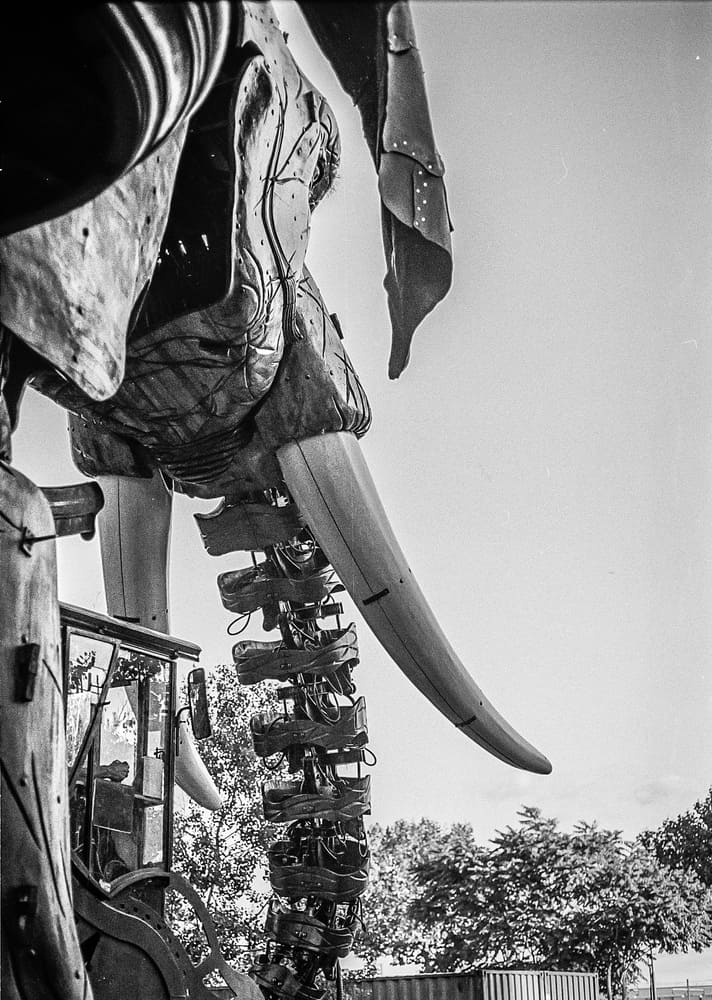
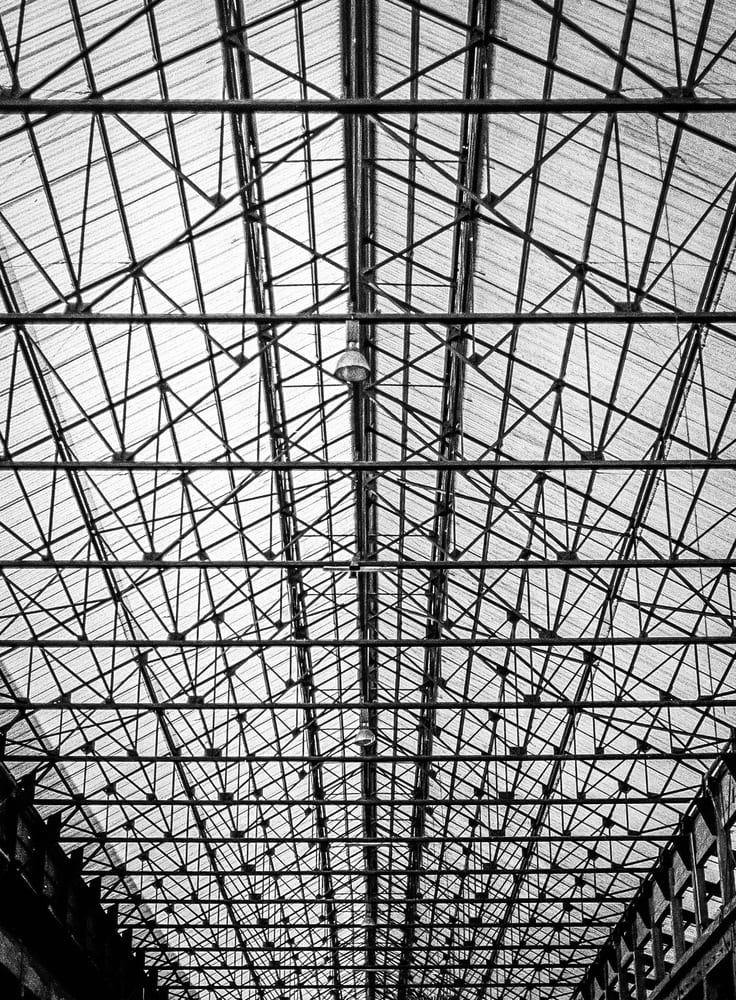
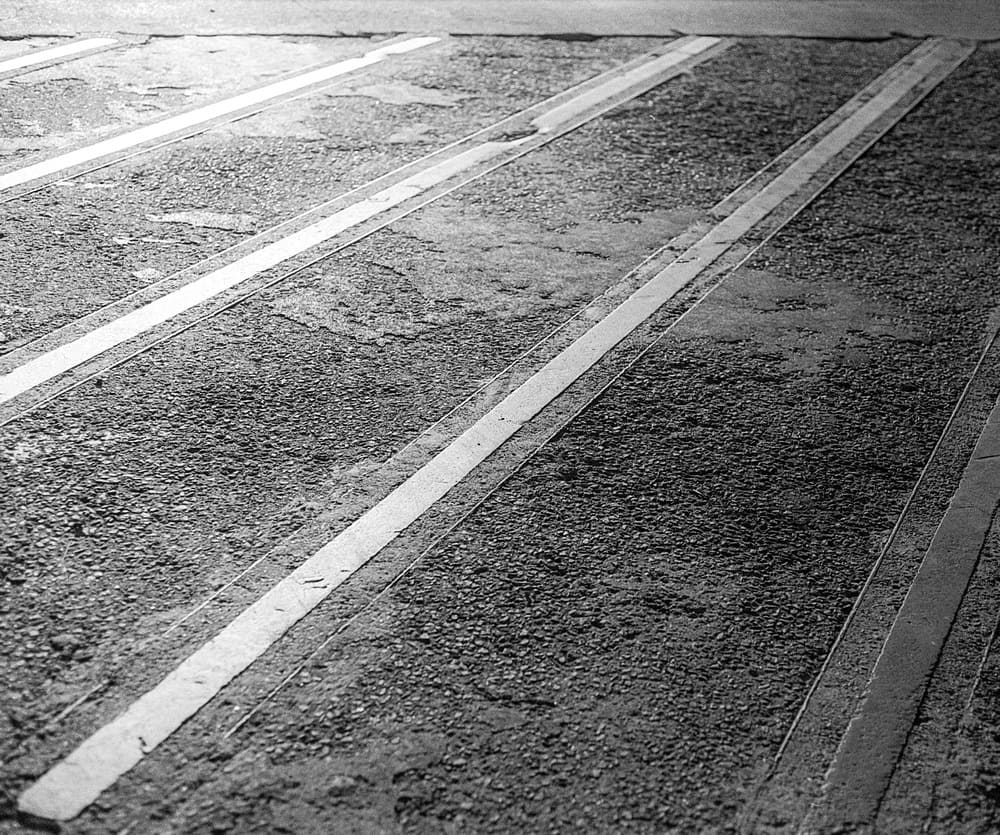
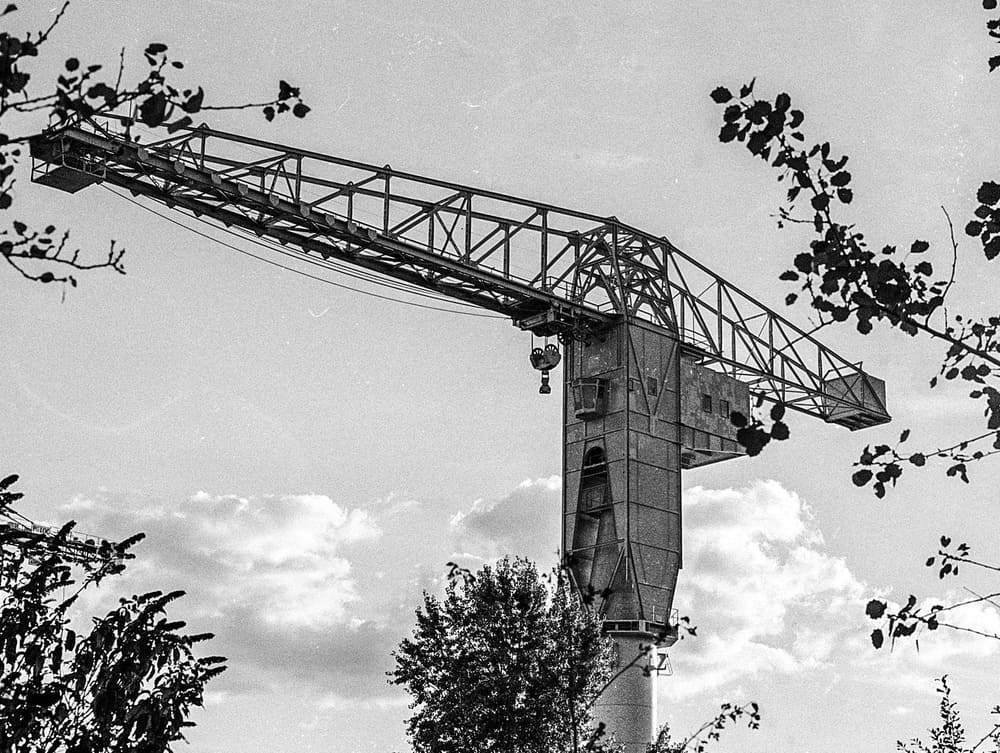
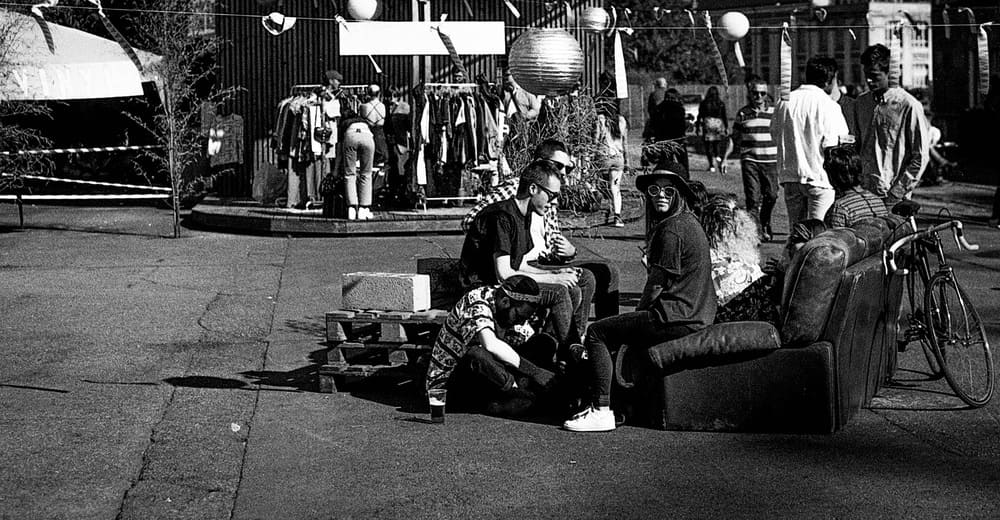
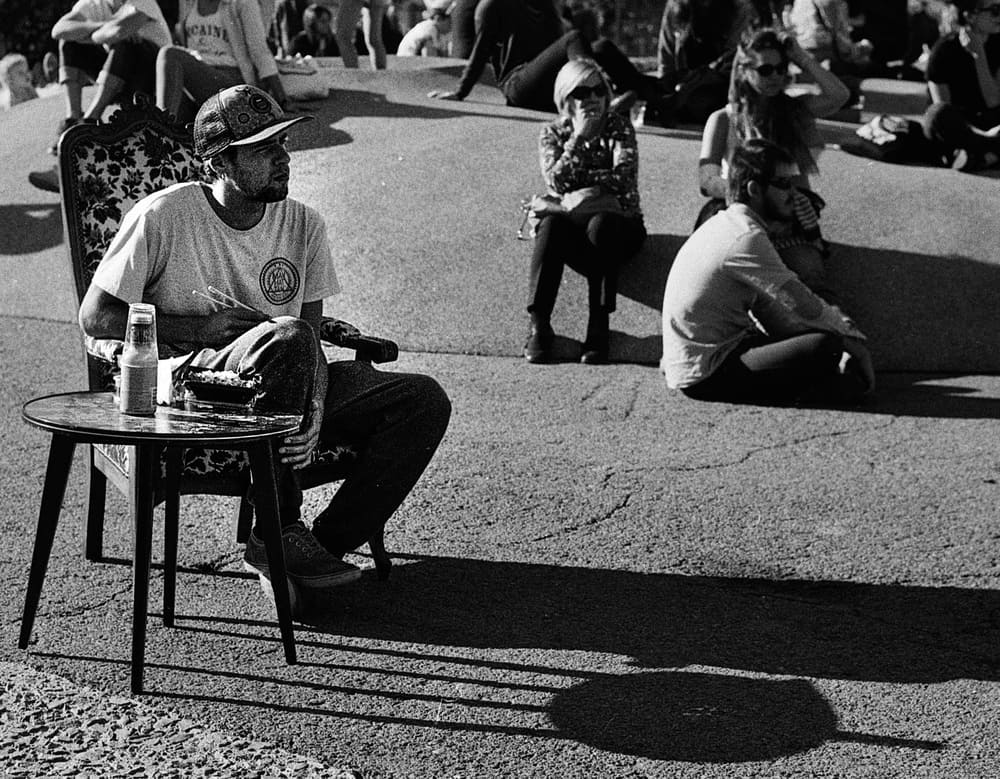
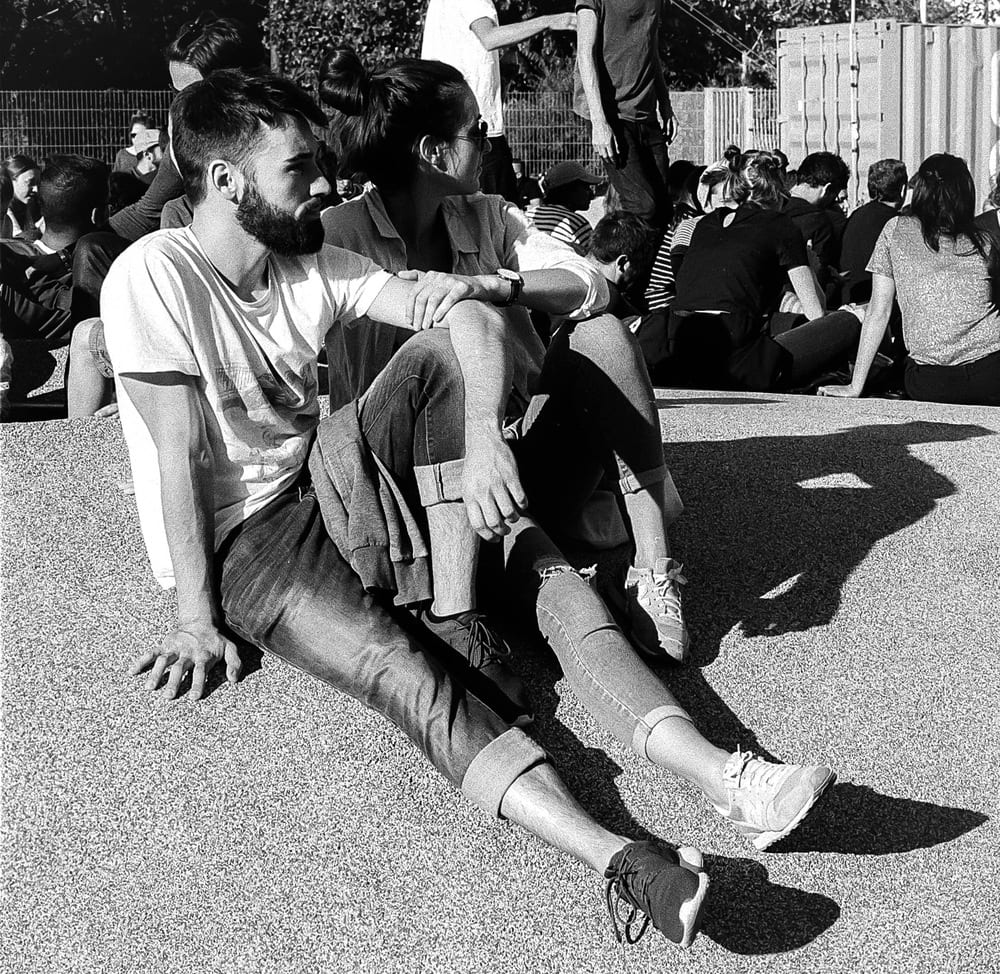
Last week’s journey through the film archives took us to Nantes, specifically the Île de Nantes. While you’ve seen my photos from that day, I’m excited to share my daughter Kate’s photos with you.

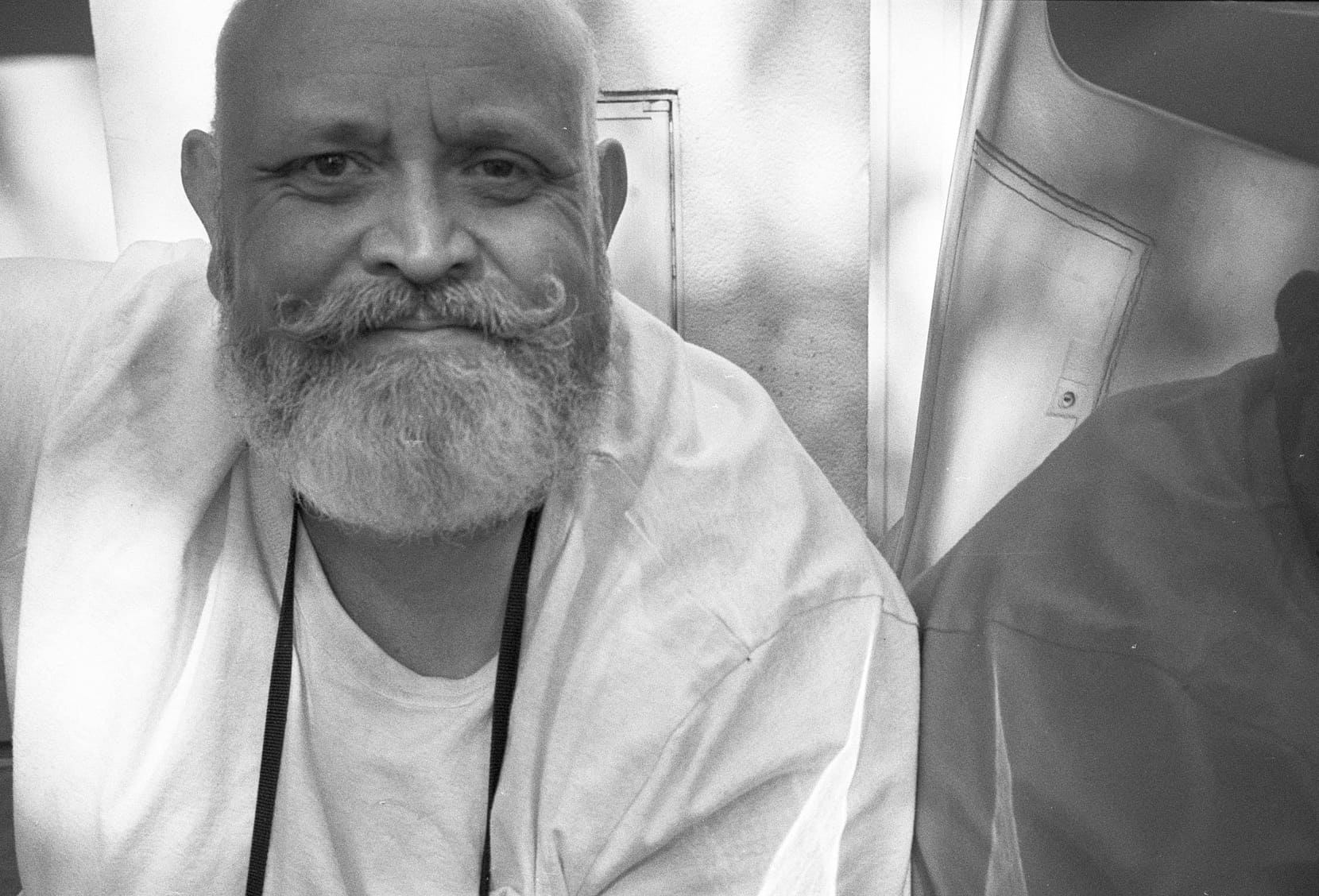
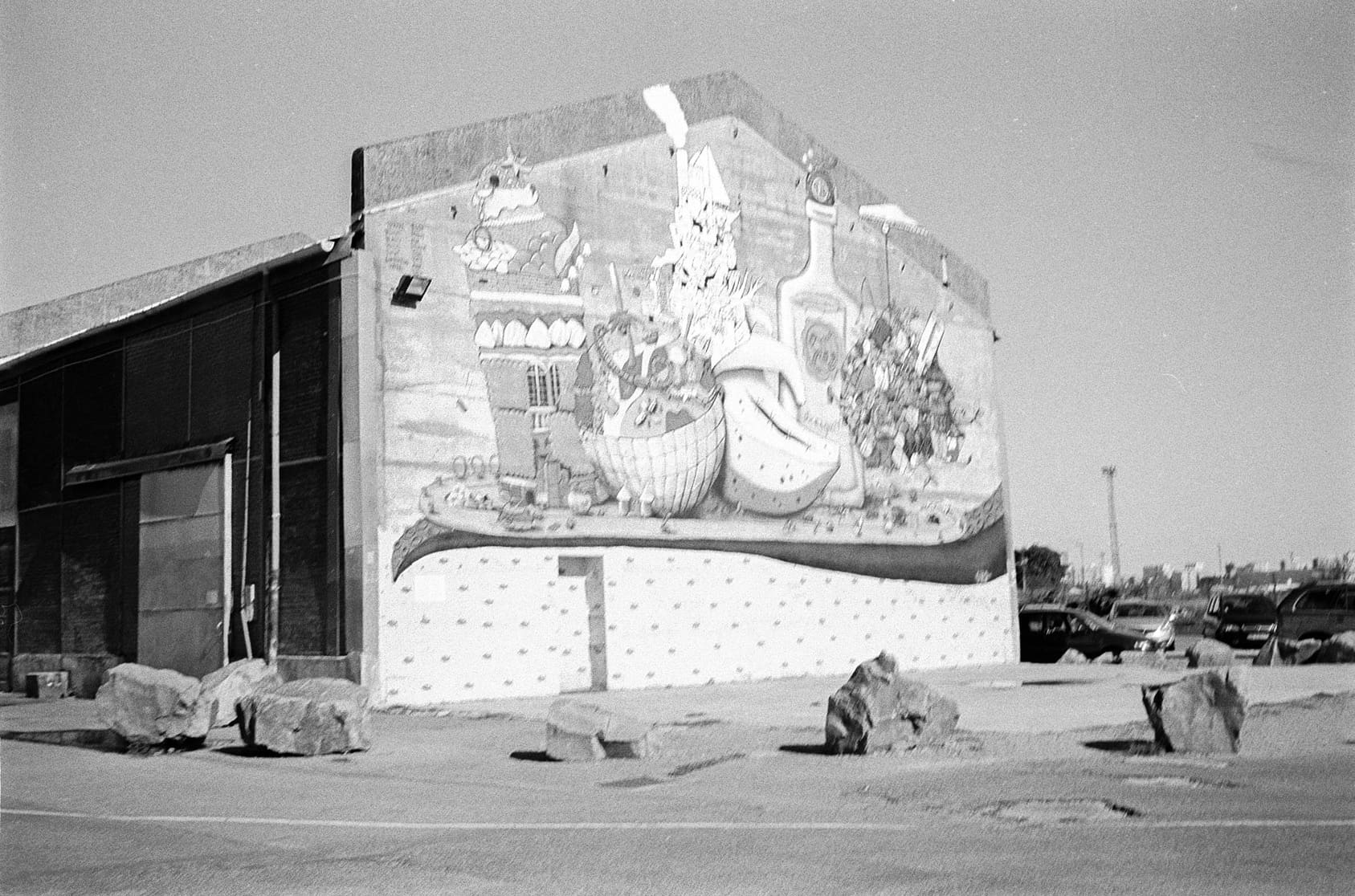
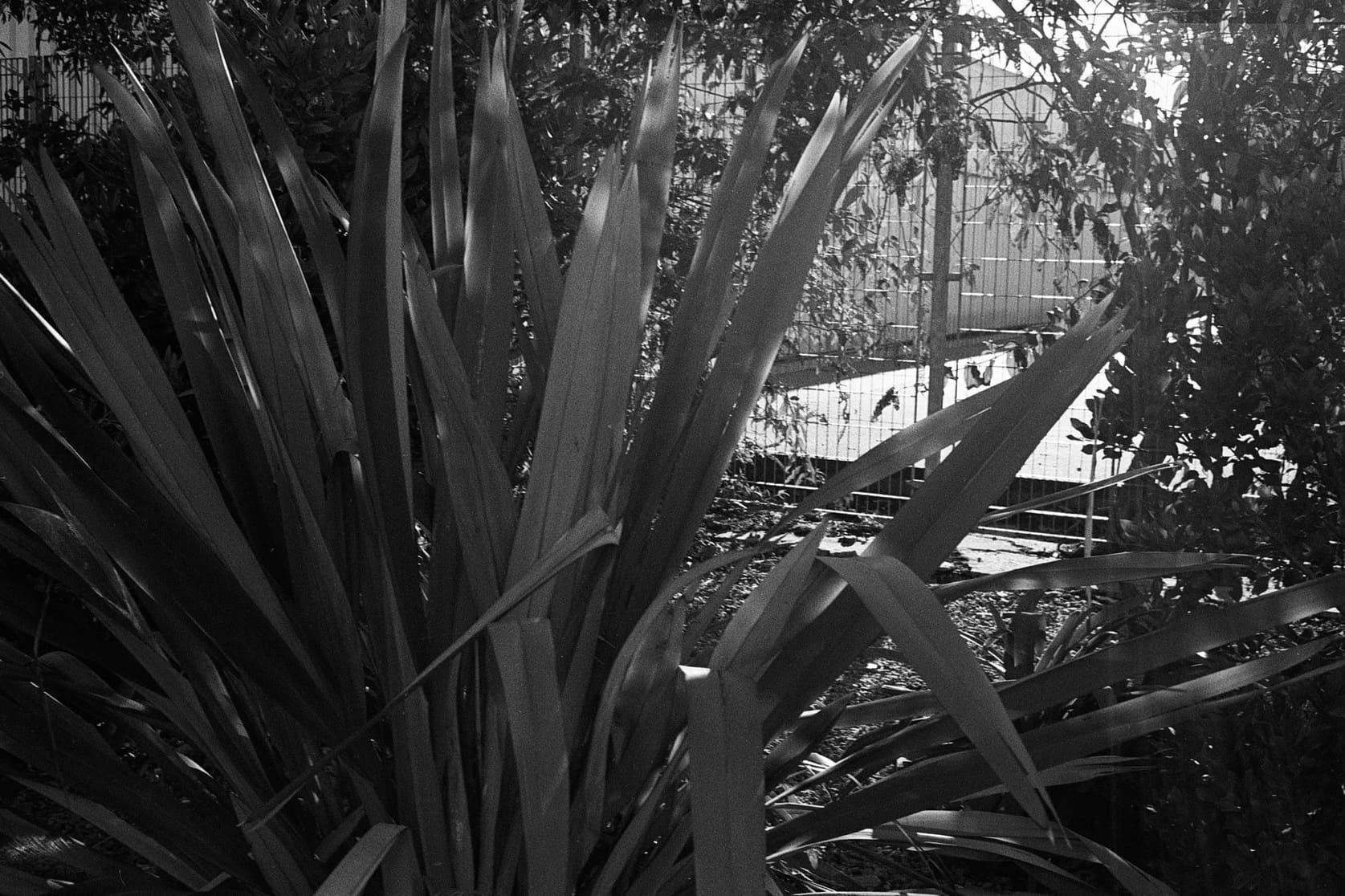
Are these images works of art deserving of a gallery? Perhaps not, but they represent a delightful exercise in spontaneity. Captured by a seven-year-old “playing” with a camera, they offer a unique glimpse into how my young daughter sees the world. There are no rigid rules of photography or composition here—just an extension of her eyes. These photos are raw yet delicate, showcasing the world as she perceived it at that moment.

These photos mean a great deal to me, particularly the one she took of me with that glorious moustache! I’ve often discussed how the journey and process of photography can sometimes be even more meaningful than the final destination. That day was a significant part of that journey, and reflecting on my own first photos from that age fills me with nostalgia.

The Opening of the Film Archives: On va Marcher sur la Lune


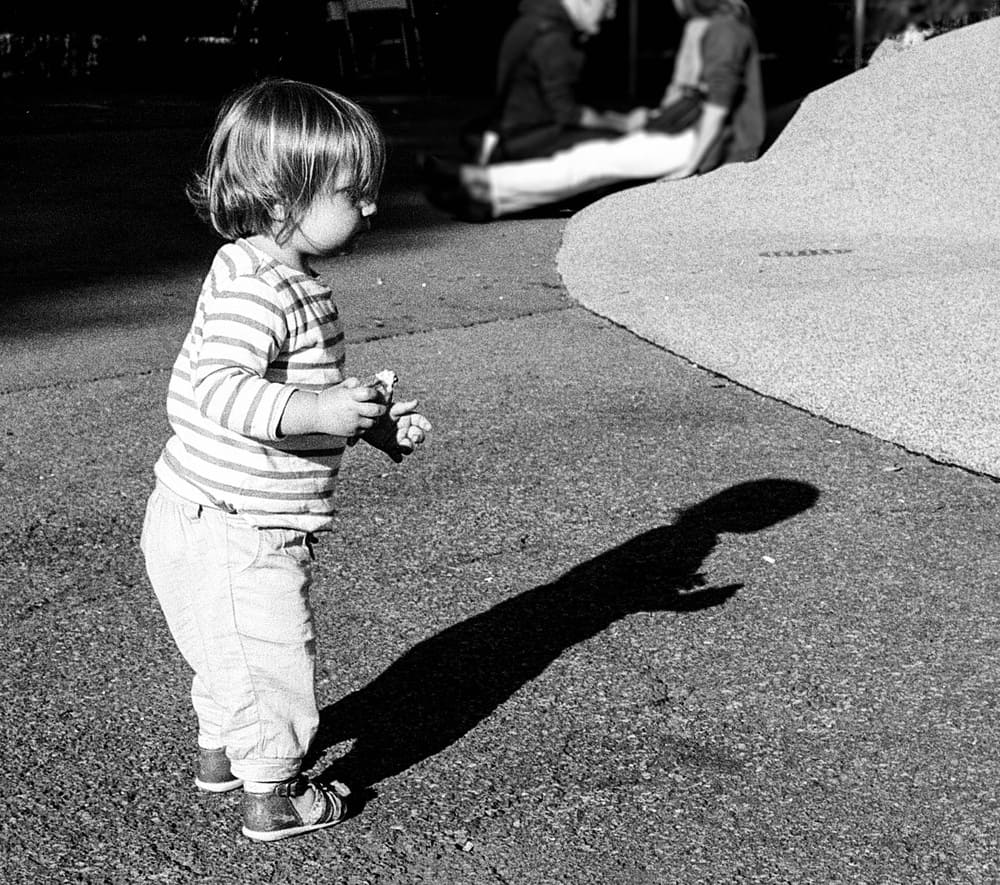
New from the film archives – On va Marcher sur la Lune, captured on a warm October day in 2016. Could this be a nod to Jules Verne, one of Nantes’ famous sons? Possibly. As I look through these photos now, I’m transported back 8 years—to a time when my daughter still saw me as her hero, and we spent afternoons exploring with our cameras.

That day, she had her Olympus Trip 35, and I was carrying the equally iconic Canon AE-1 with some 400ASA Kentmere black and white film. Both cameras, steeped in history, were very much a part of our lives at the time. And when I say the Olympus is so simple a seven-year-old could use it, I’m not exaggerating—she handled it with ease, maybe even with a bit more flair than I did.

We parked near the Grue Titan and wandered towards the Elephant, a landmark almost as famous as Jules Verne himself. It was one of those days that would just lead its own way along the Loire, and I was completely fine with that. My only concern was Kate remembering to change the dial on the Olympus to the right focus zone. In hindsight, I should’ve let her take the lead and placed more confidence in her. Hindsight—that luxury of later life. Her photos? They turned out better than just fine.

Later, we explored the “On va Marcher sur la Lune” exhibit, which featured a lunar landscape with trampolines in each crater—a hit with children of all ages. The area was bustling with people enjoying the Indian Summer, including a mix of families and those embracing the trendy atmosphere. As we walked towards the Elephant, we noticed how it had revitalized this once rundown shipbuilding area. The remnants of the old shipyards still linger, but the new architecture is resolutely modern.

The UK Chronicles Part VI: Hepple to Otterburn


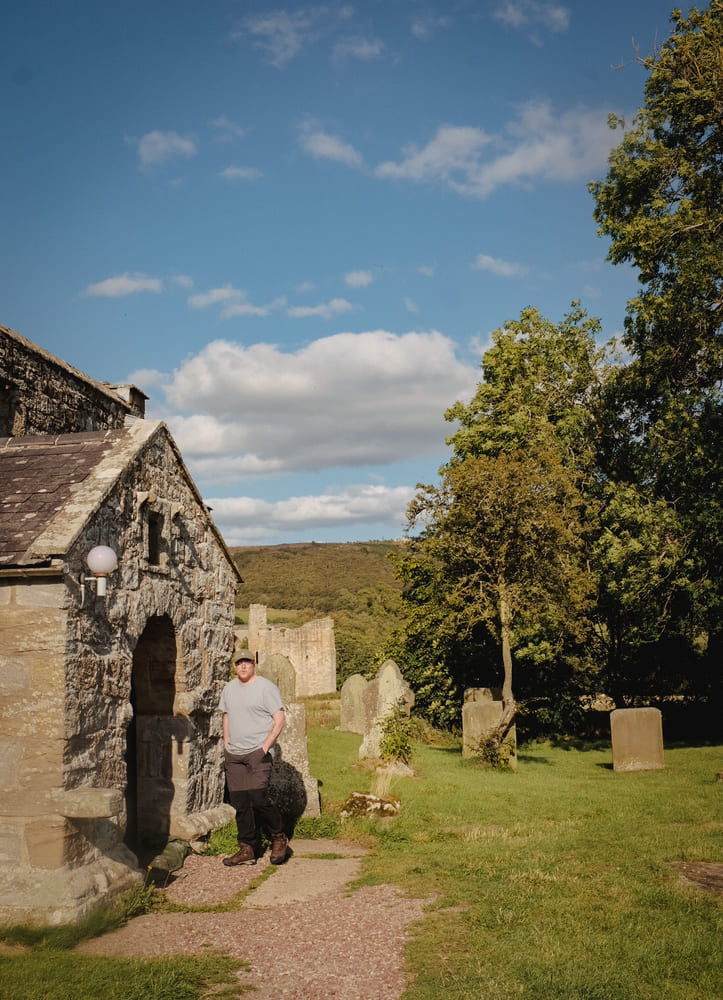
Otterburn was the original destination of this little outing into the Northumbrian countryside. As a younger boy, I had been with Killian to the Mill in Otterburn that used to make beautiful rugs from the wool of the local sheep. That mill stopped producing them a few years ago, but Killian had this memory in his mind.

But we weren’t there yet… The drive from Hepple to Otterburn takes us through yet more landscape. We passed by Cragside, the first house in England to have electricity, powered by a waterfall. Green before green was no longer just a colour. We had visited the huge house when Killian was about 13 and hadn’t been back since. But this story isn’t about Cragside. Not this time. It wasn’t open as we drove by, so that was that.

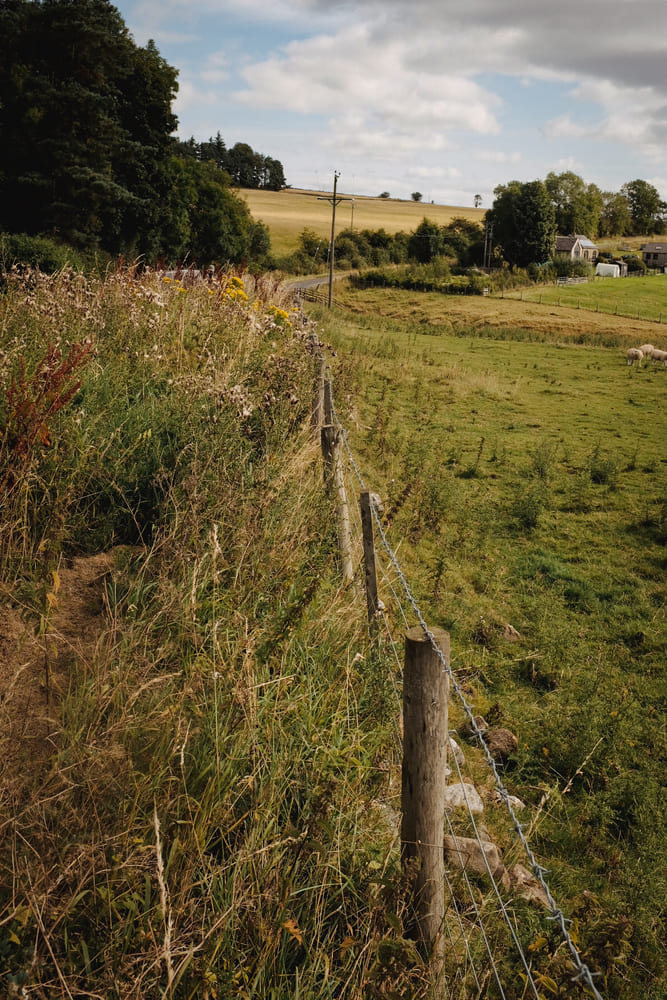
As in the previous sections of our father-son drive, there were plenty of places to park along the side of the road to take in the scenery. And that we did. I remembered that time two years ago when I was there connecting with my father. And here I was, connecting with my son.

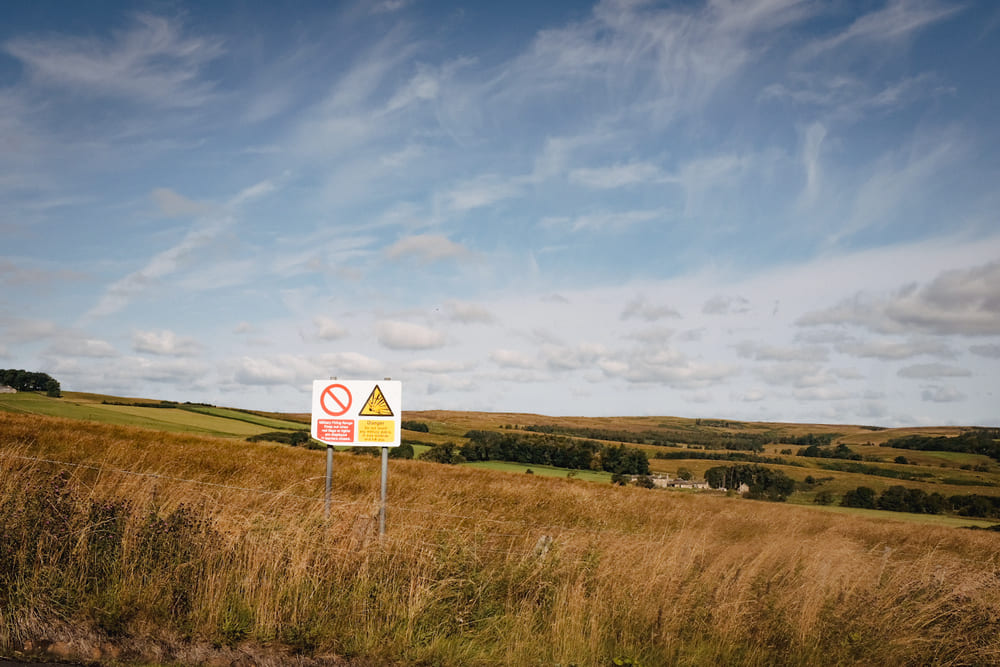
Otterburn means different things to different people. It is not just an area of outstanding natural beauty, but also a training area and live firing range for the Infantry of the British Army. I remember playing for an Officer’s mess night once when I used to wear green for a living. Although you can still wander around when the Infantry isn’t training, you’re constantly reminded not to touch any military debris—it might explode and help you become an integral part of the landscape.

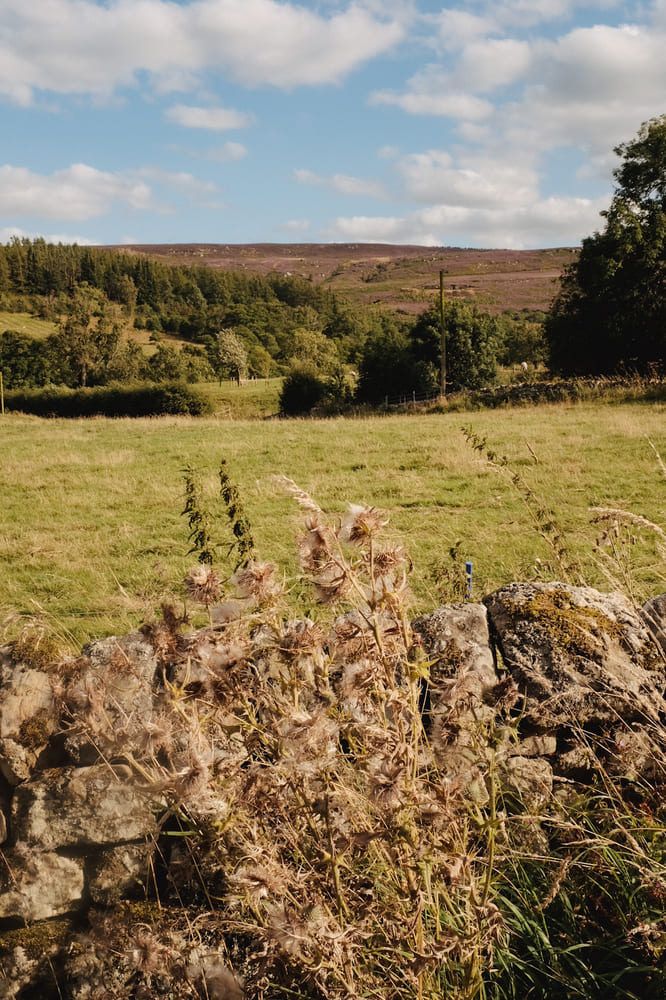
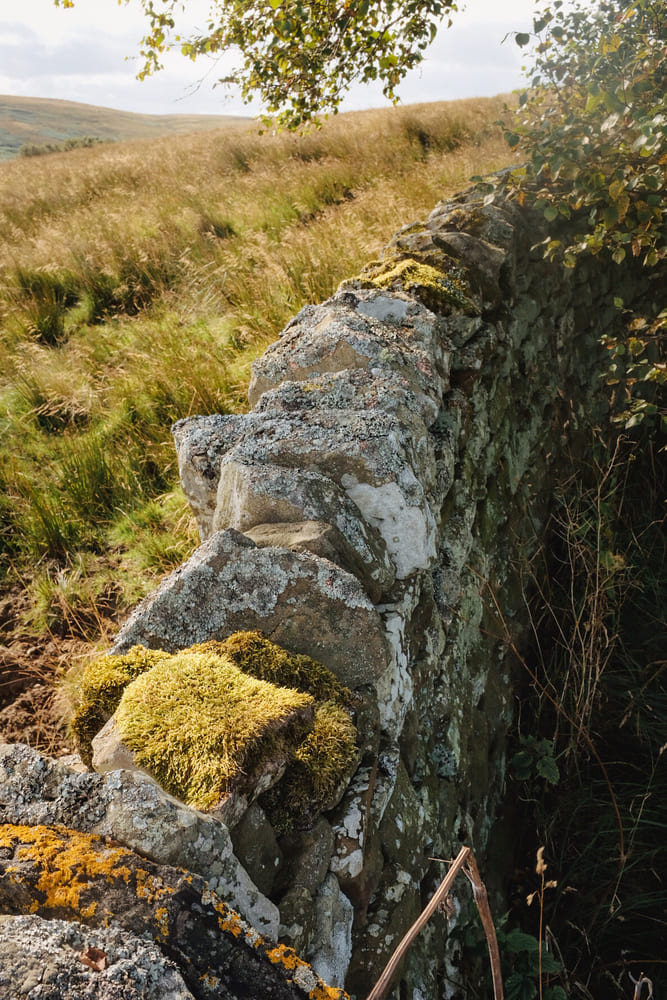
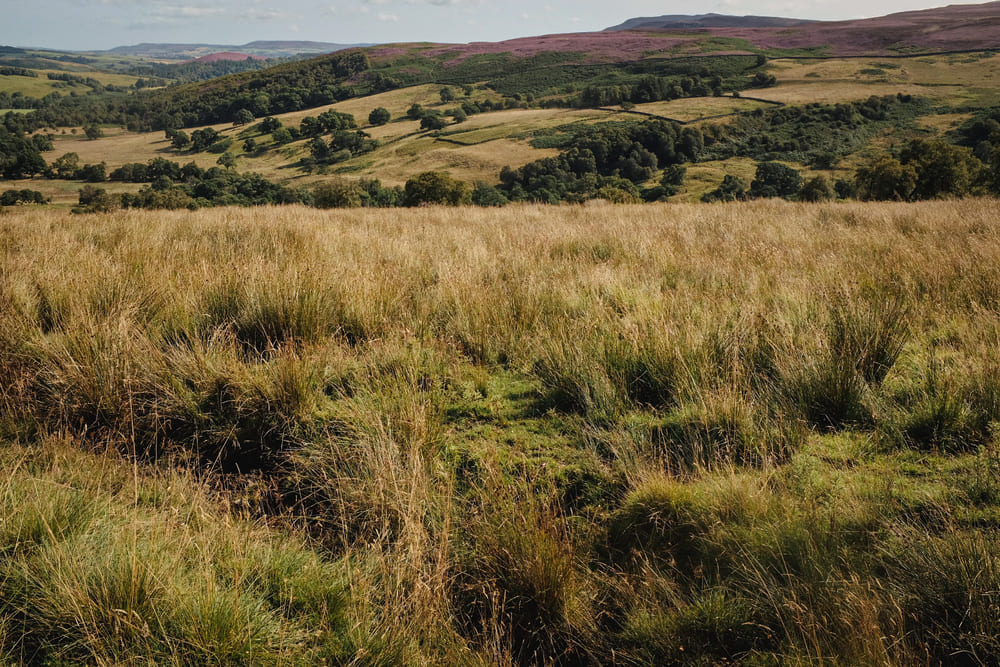
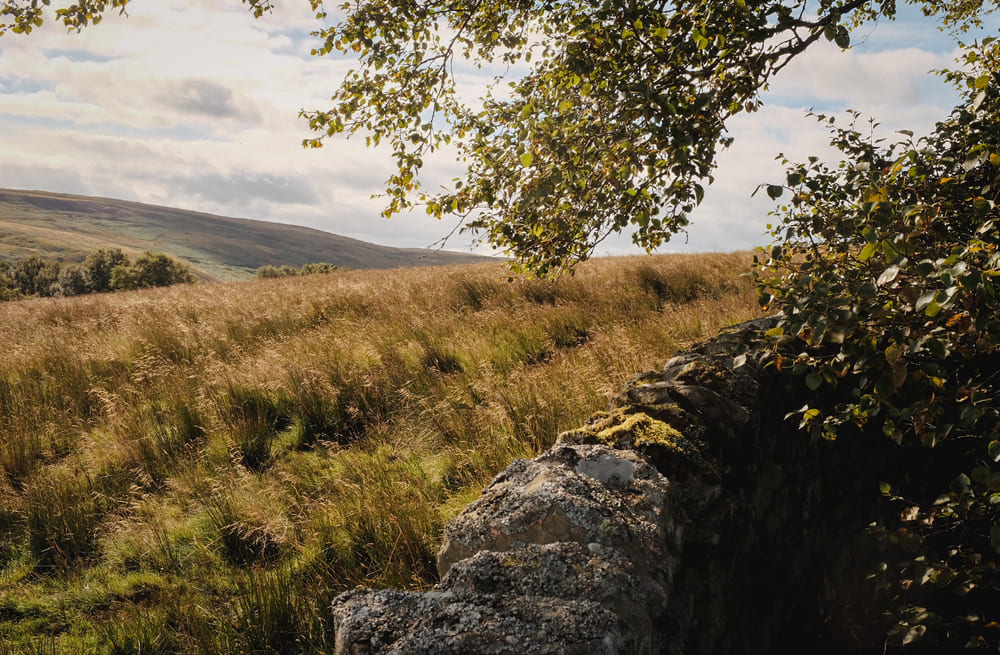
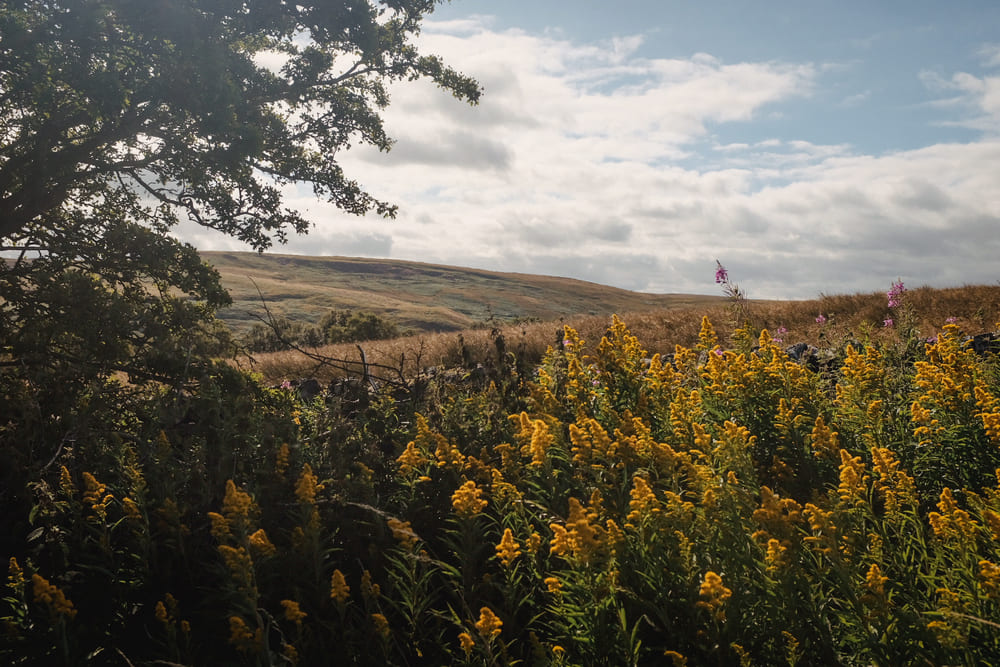
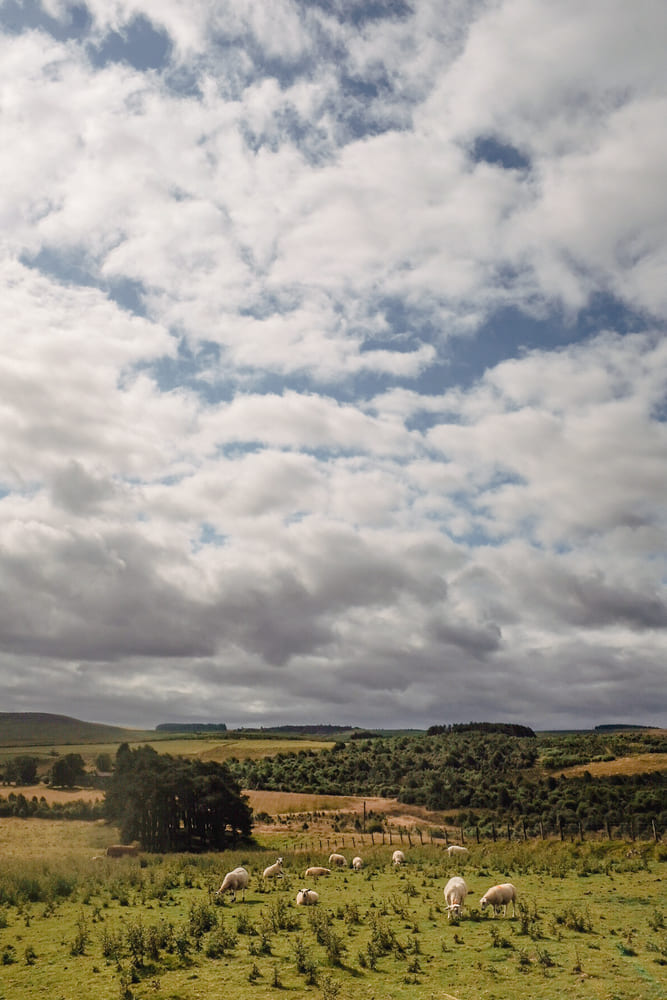
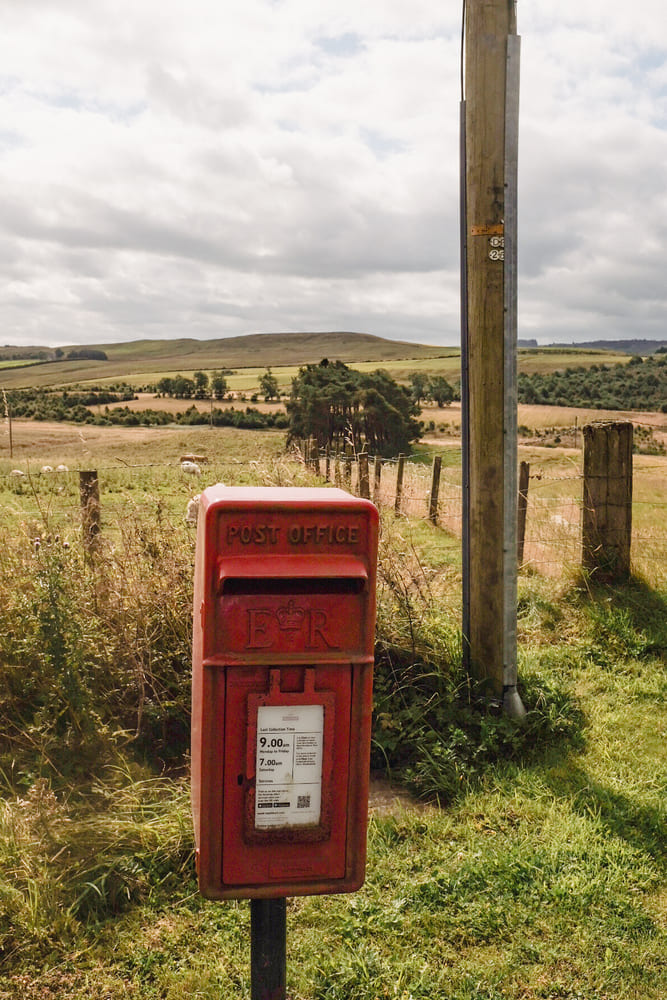
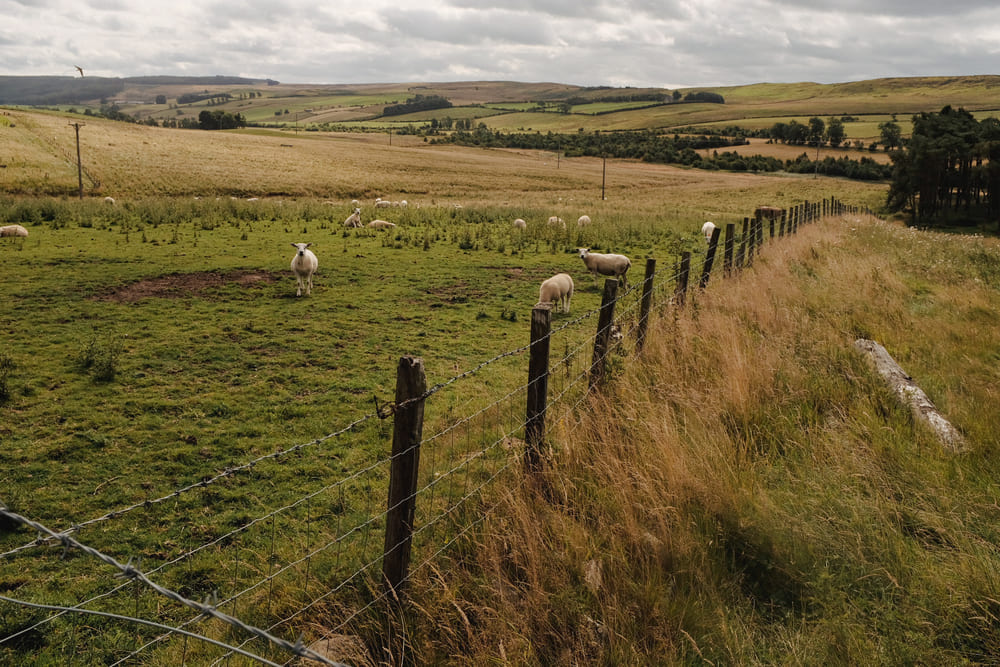
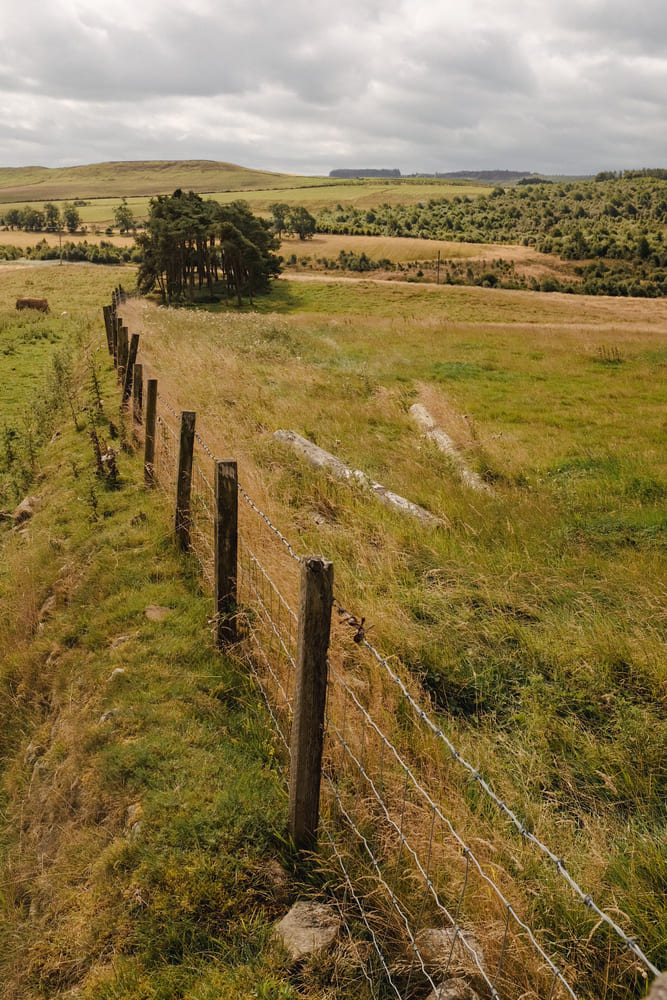
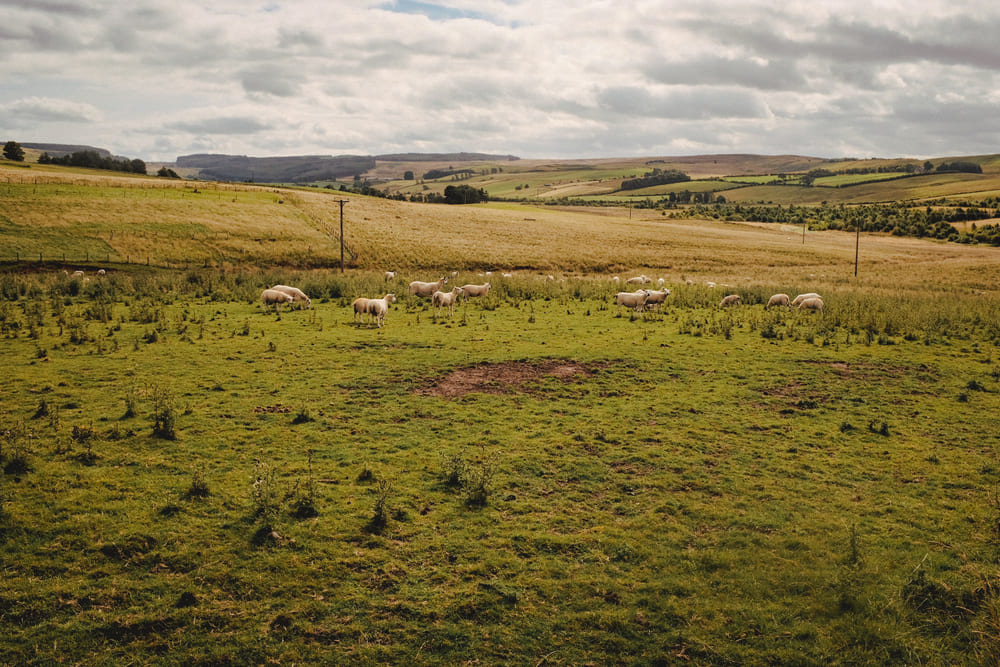
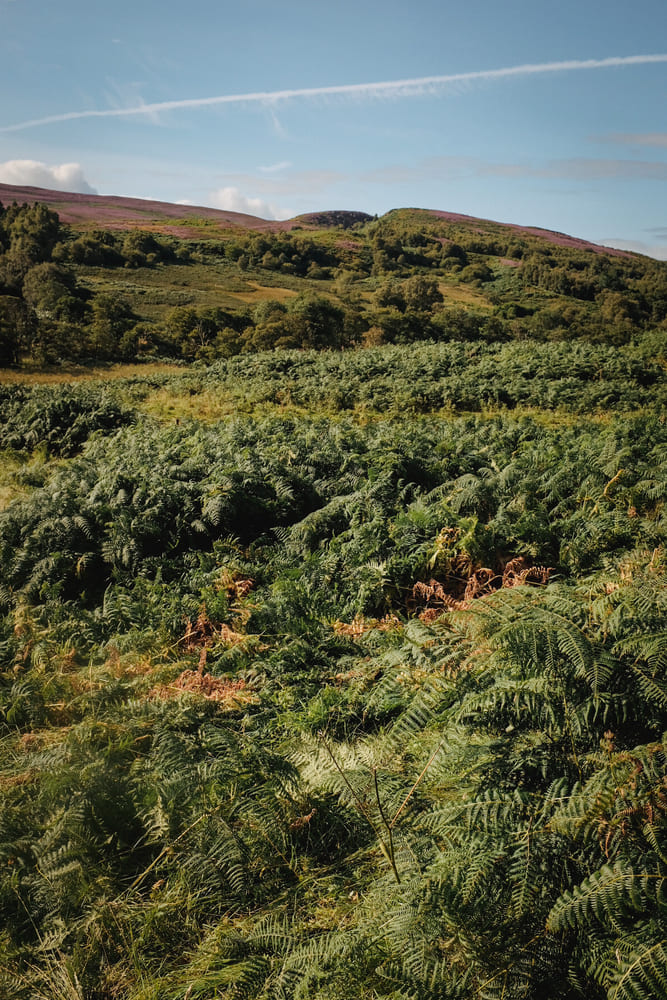
The landscape shifted from the wild moorlands of Hepple to more farming country. Think sheep, hemmed in by century-old dry stone walls. Signs warned you to keep dogs on leads and informed you that any dog found attacking—or even just worrying—sheep would be shot on sight. A sobering thought. I jokingly warned Killian not to do the same, just in case.

At the top of the hill, I parked up and surveyed the patchwork landscape, scissored by those dry stone walls. Killian pushed on one and you could feel it giving way. I told the feckin’ eejit to stop right now. These walls were old and not to be messed with. His French side came out—he wasn’t impressed by this stalwart of the British countryside. I told him these walls had stood for years and it wasn’t going to be a bloody Frenchman that was going to change that.

But this story is about Otterburn. I’d warned Killian that Otterburn wasn’t as he remembered. He had this dream of buying a rug, but I wasn’t even sure they still sold them. My latest recollection of the place was that it had become more of a “country style retail outlet.” The signs still said the rugs were made in the UK, but the magic was gone.

It was the low point of the day. Killian stood there, staring at the overpriced rugs, his expression shifting from excitement to quiet disappointment. “This wasn’t how I remembered it,” he muttered. I could see the years of imagined nostalgia fading in real-time. We looked at what was on offer, checked the prices, and it just wasn’t worth it. The small café had a sort of mini-museum feel, but all we bought was a double espresso, a sausage roll, and a small cake. Killian ate; I didn’t touch it.

As we sat there, the conversation drifted to how Killian could see himself living in the area. I had to let him down gently. “We’re on holiday, son. Living here isn’t the same.” I knew what I was talking about, especially after living in France for over thirty years. The economic decline in the area was as stark as the difference between summer and winter in Northumberland. Both beautiful in their own way, but I know I have a penchant for summers. Winters are dark, rainy, snowy, cold, and thoroughly depressing. Beautiful—but still depressing.

It was all such an anti-climax. This had been one of the places Killian had been dreaming about for years.

I was at a loss for what to do. Then, out of nowhere, I had one of those genius ideas we only dream about. I wanted the day to end on a high note. “You know, son, we’re not too far from Hadrian’s Wall. Do you fancy it?”

His eyes lit up. He did fancy it, so off we went, a certain spring in our step.

The Opening of the Film Archives—Clisson, September 2016


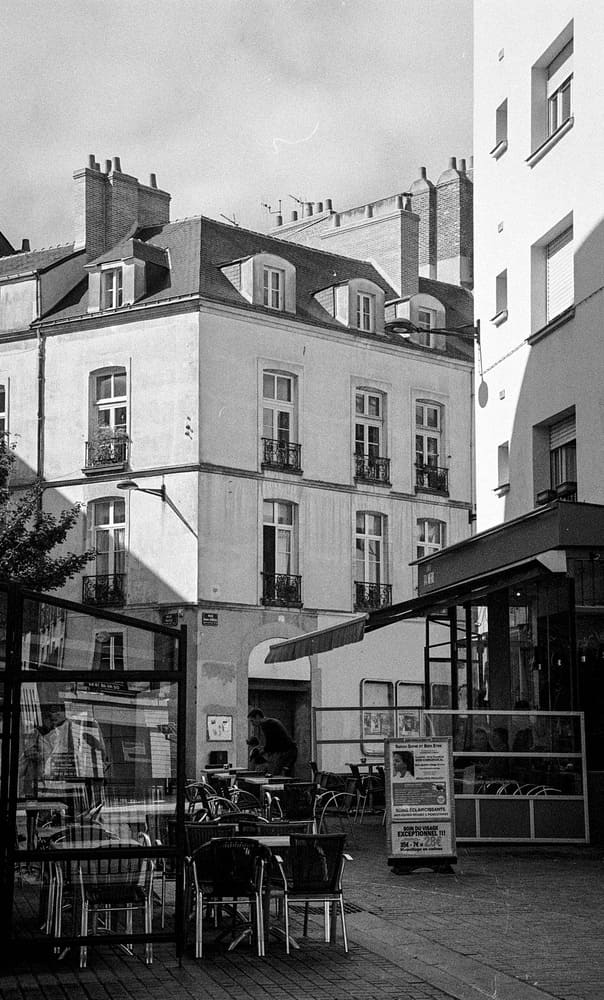
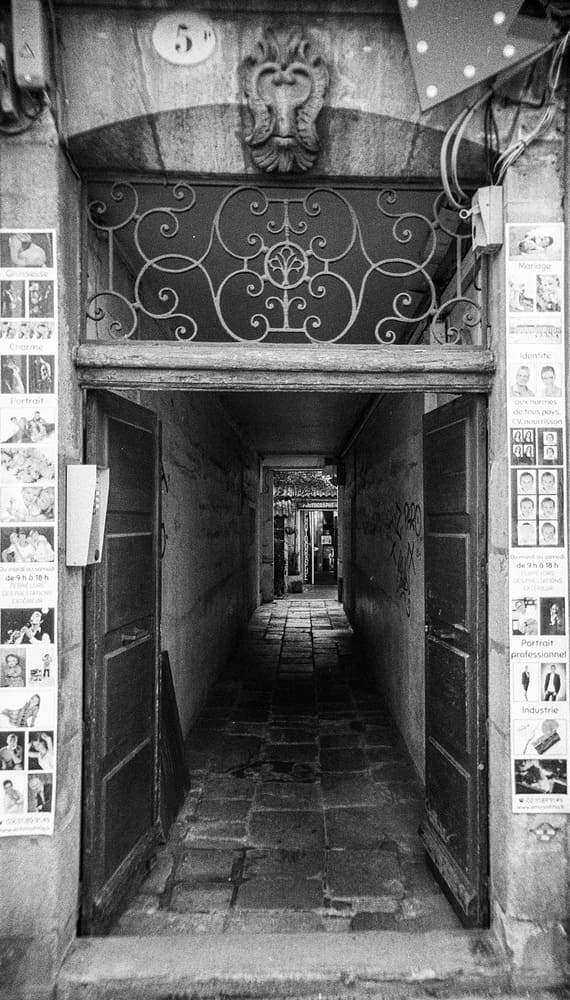
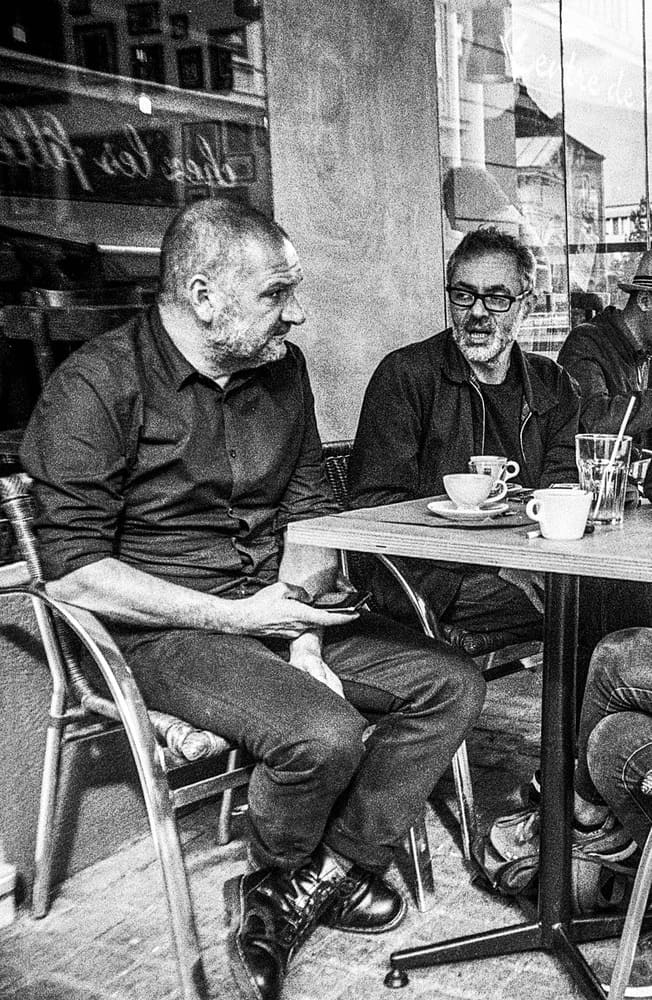
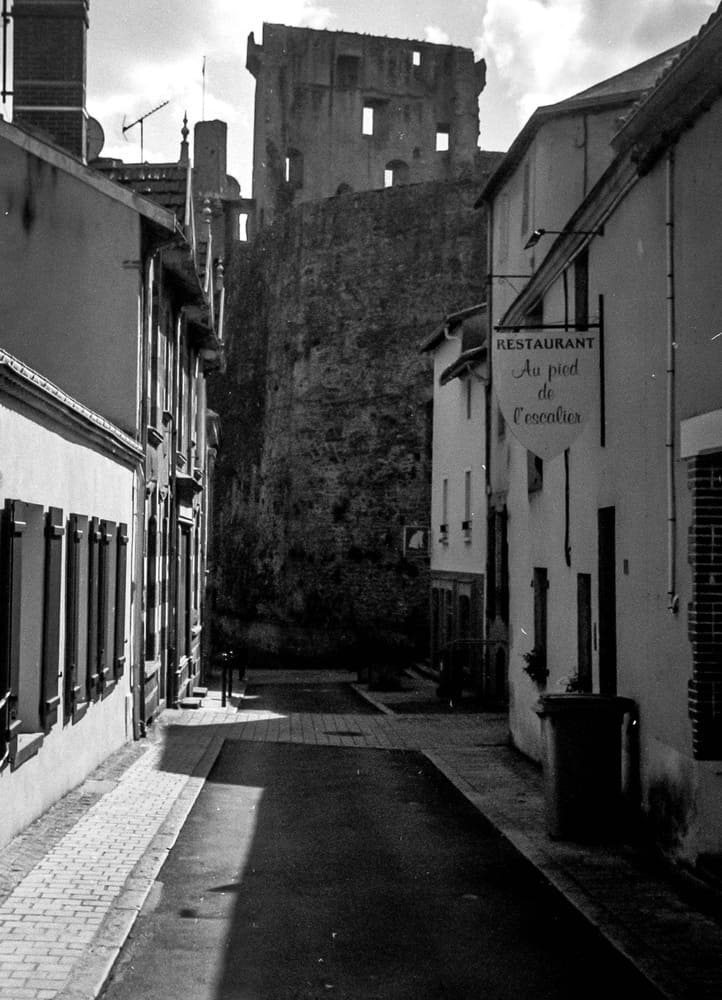
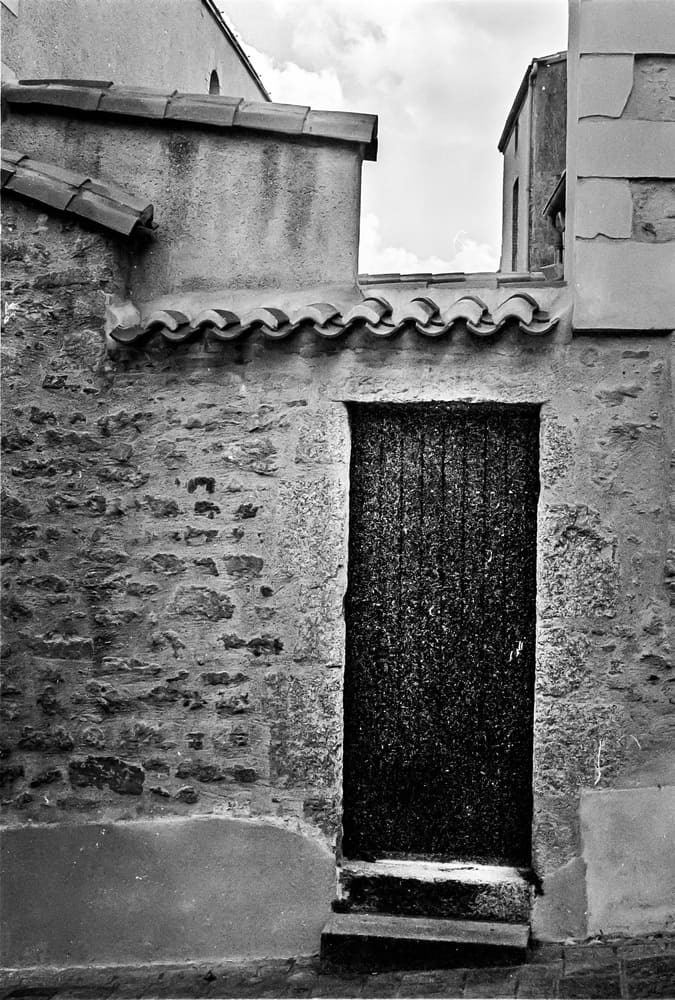
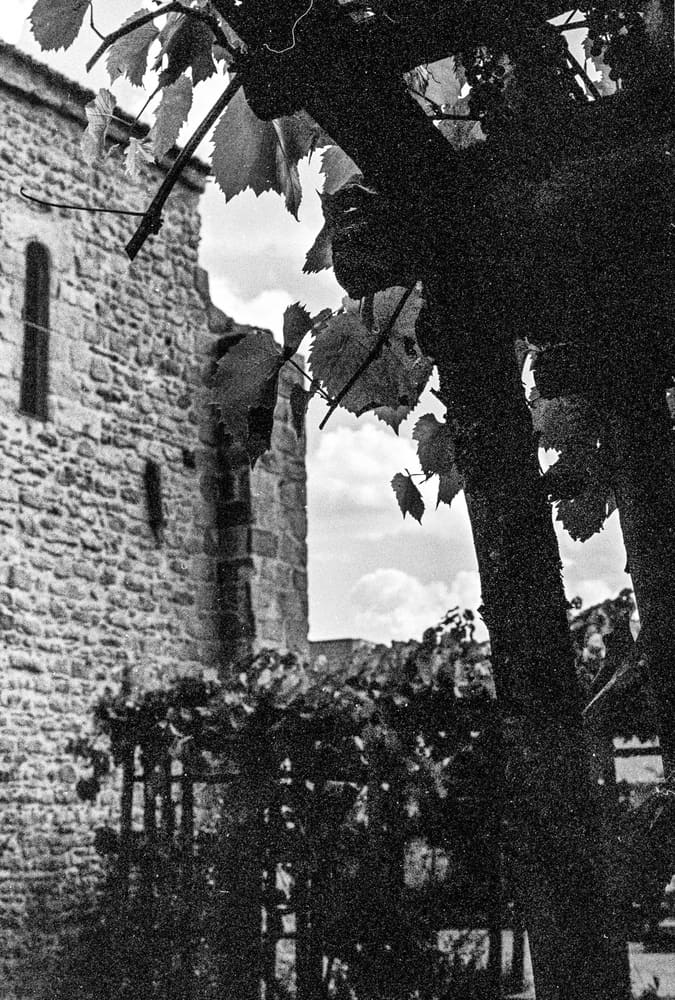
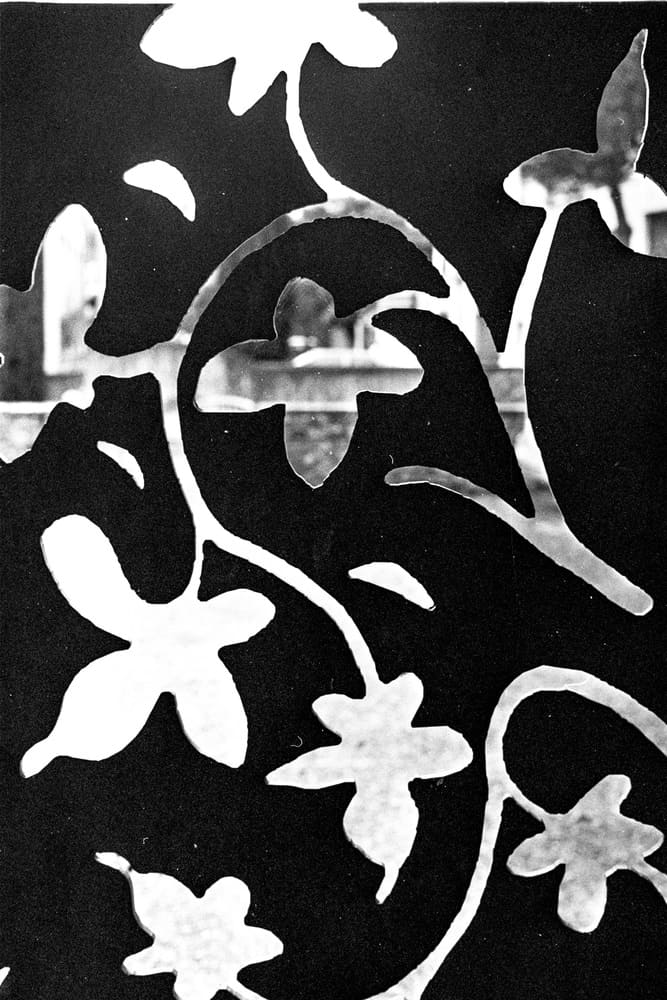
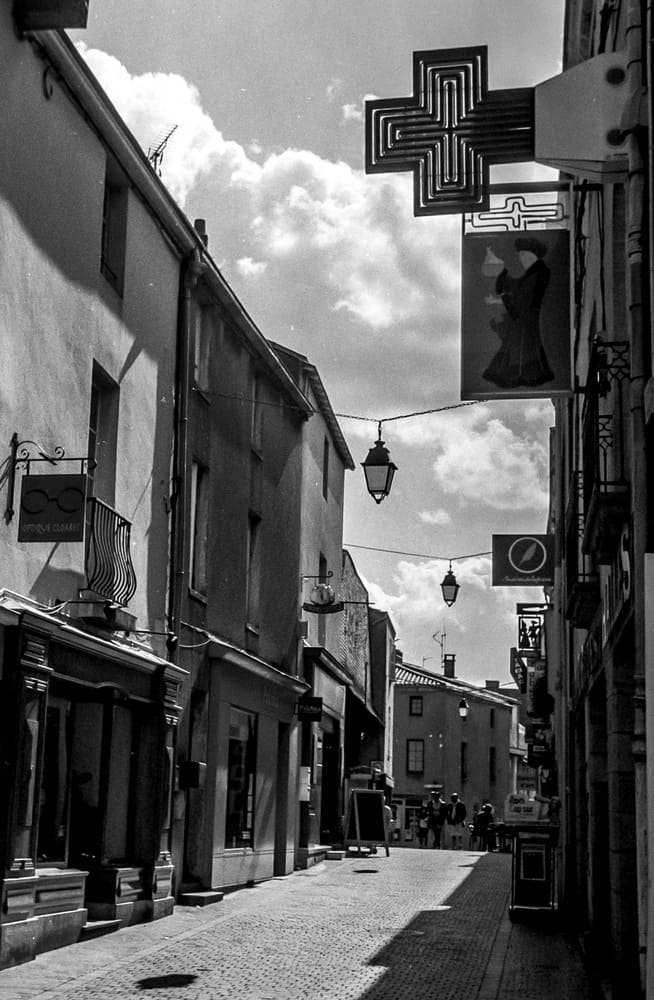
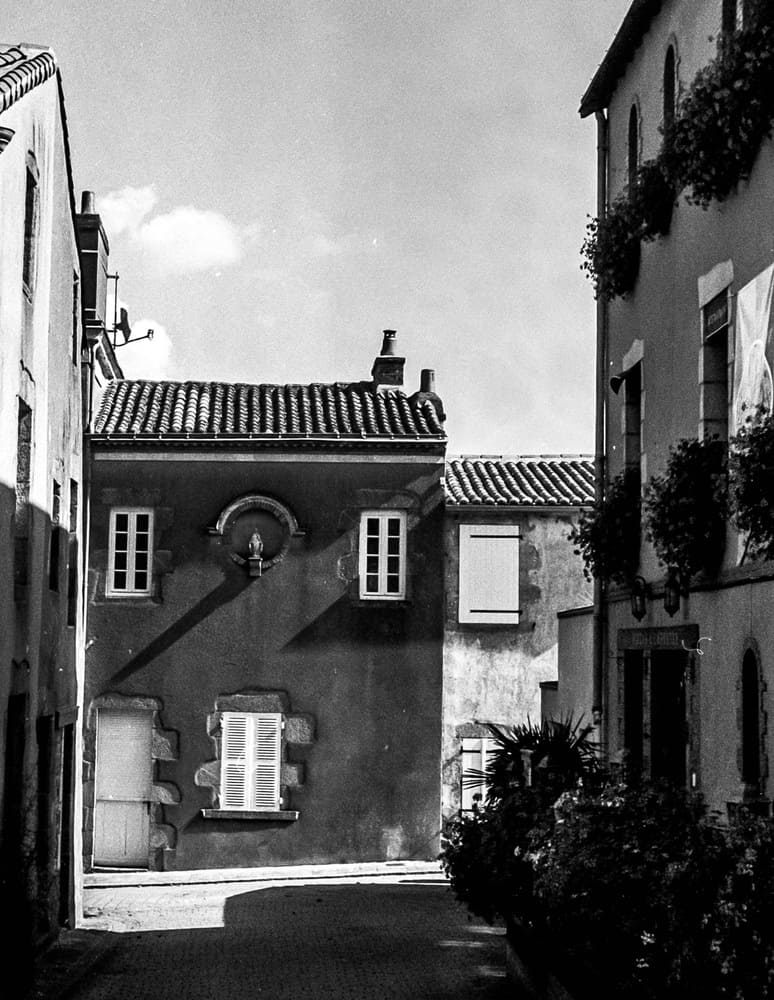
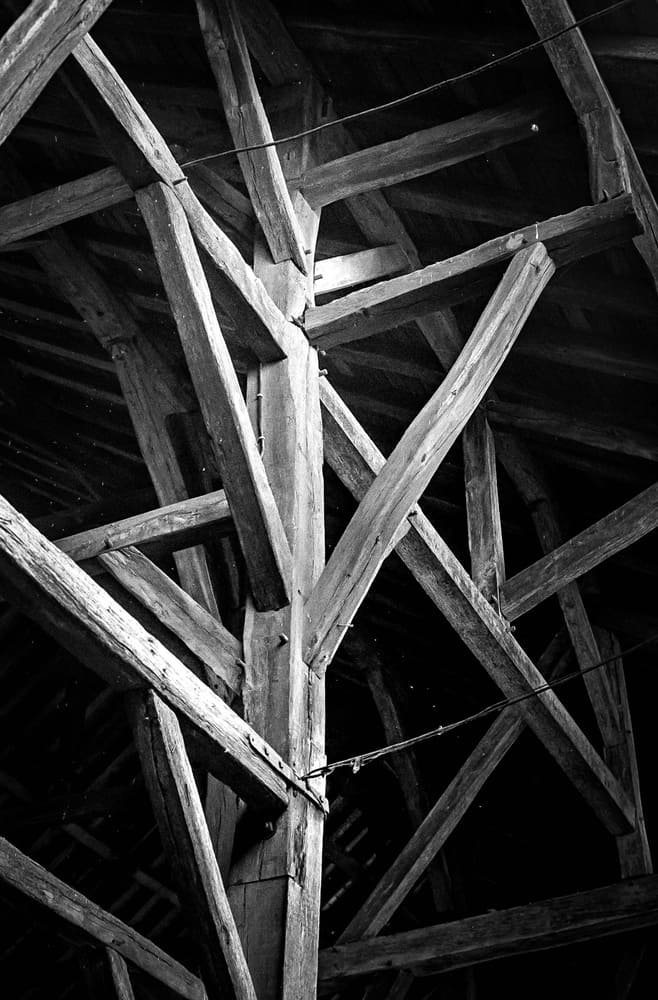
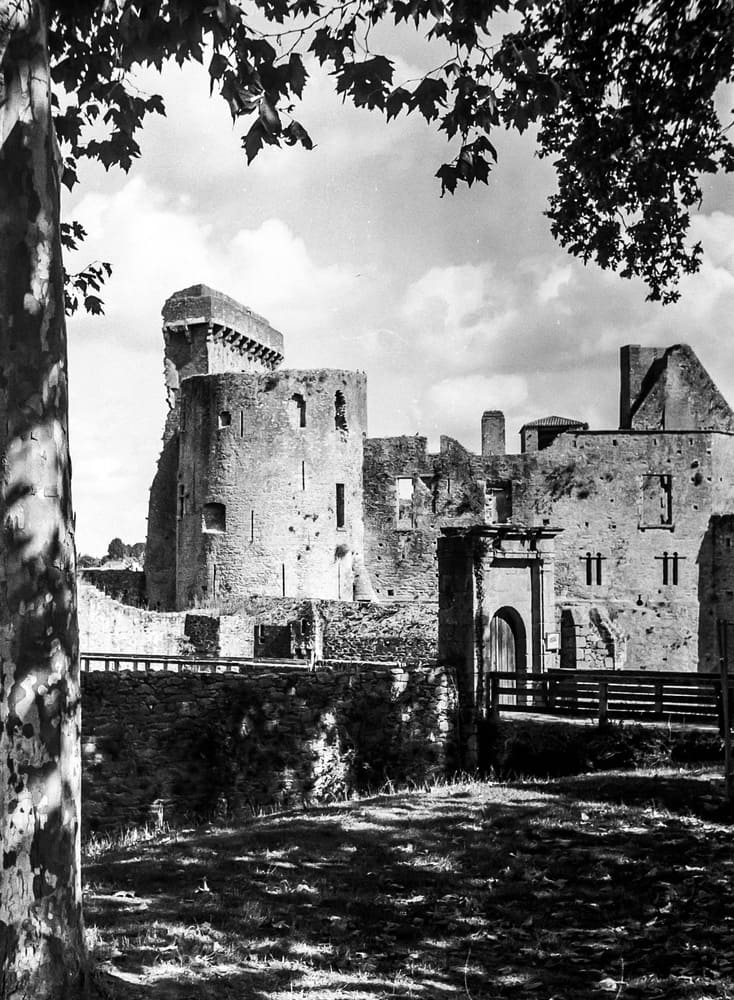
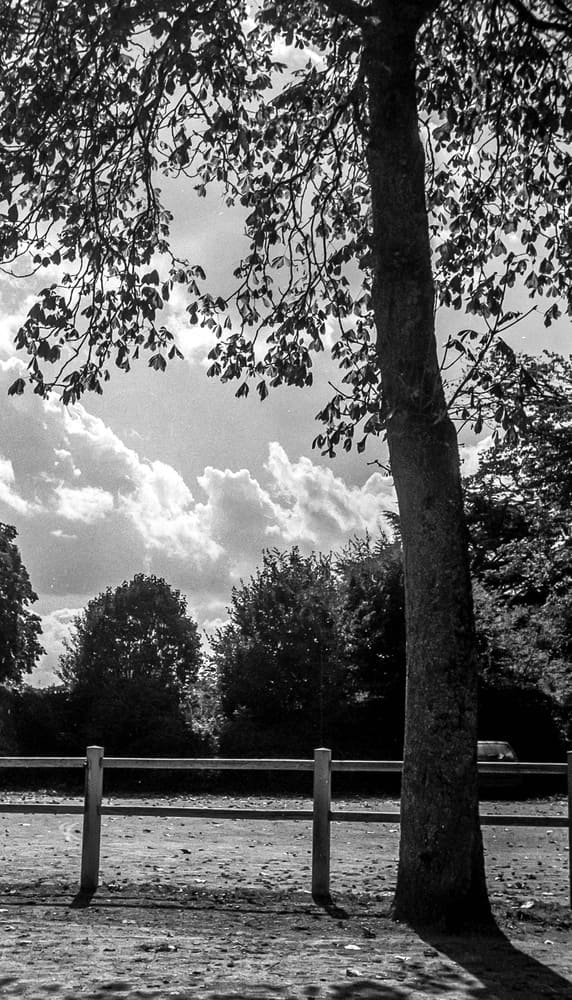
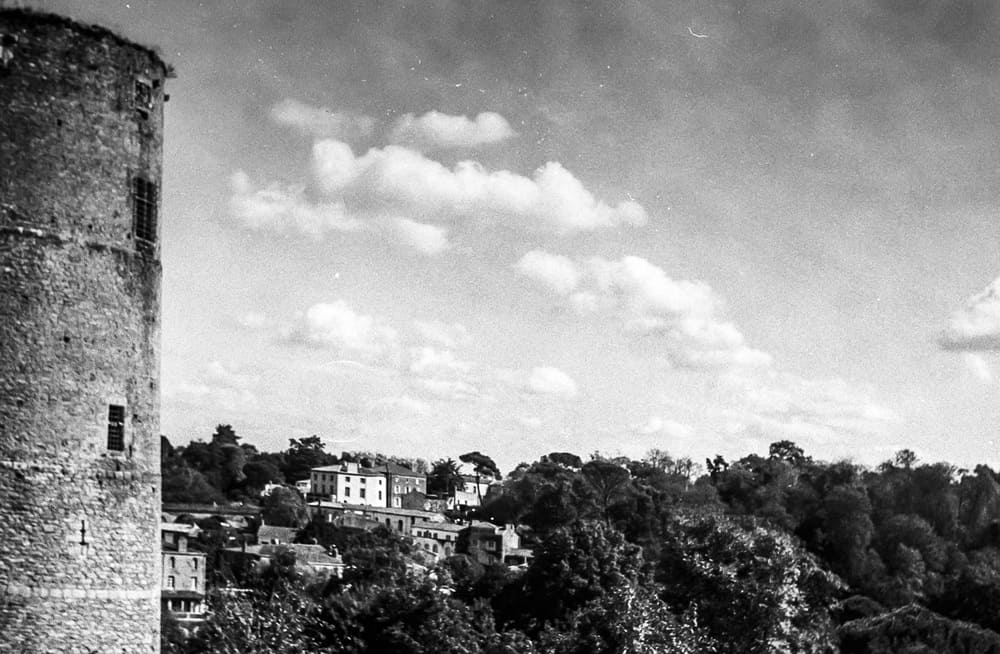
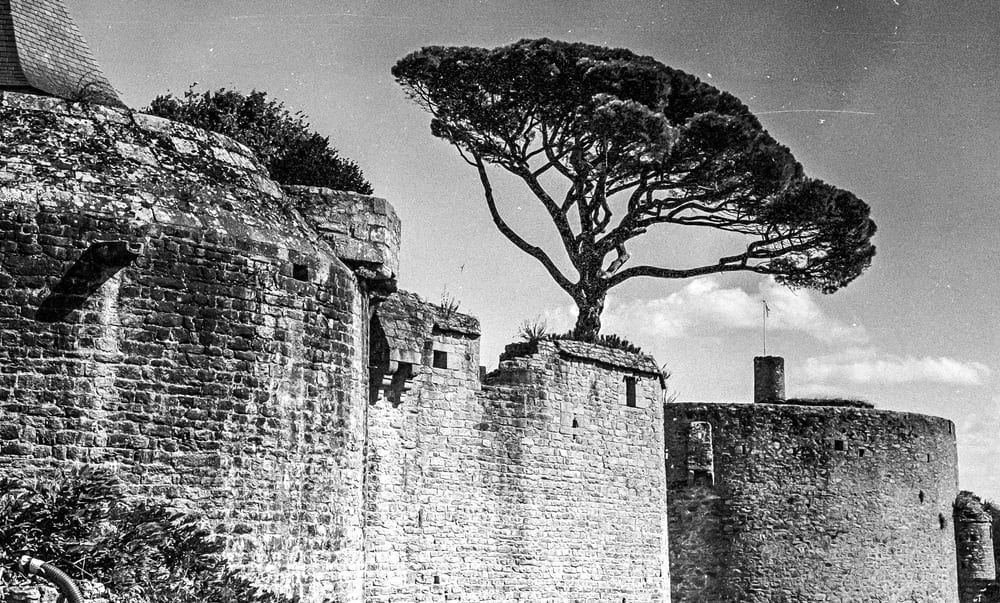
Welcome back, Dear Reader, to the film archives, still with the Canon AE1 and HP5 Plus from Ilford, but in Clisson this time.  You will remember Clisson from previous articles and will have seen the pictures, so it shouldn’t be a stranger to you.  Who knows, it could even feel like revisiting an old friend.  It certainly is for me. 

But why Clisson I hear you say.  Well, it’s not very far away from where I live.  It’s also one of those market towns that is renowned for the beauty of its architecture with an Italian slant.  It has the massive castle that towers above the river.  It has me taking photographs of it.  

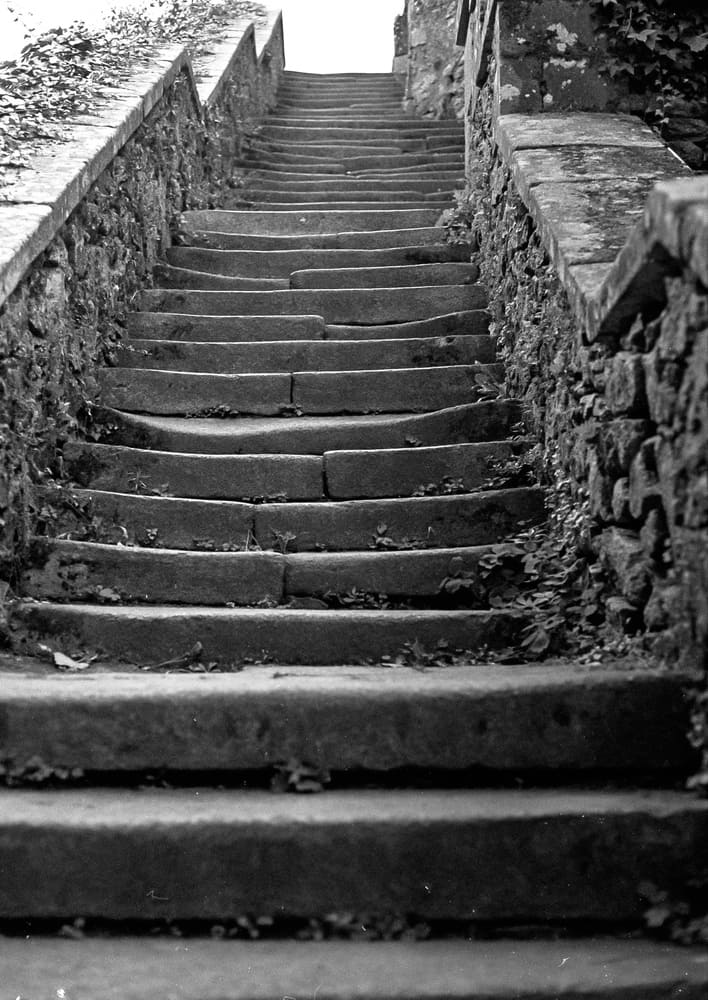
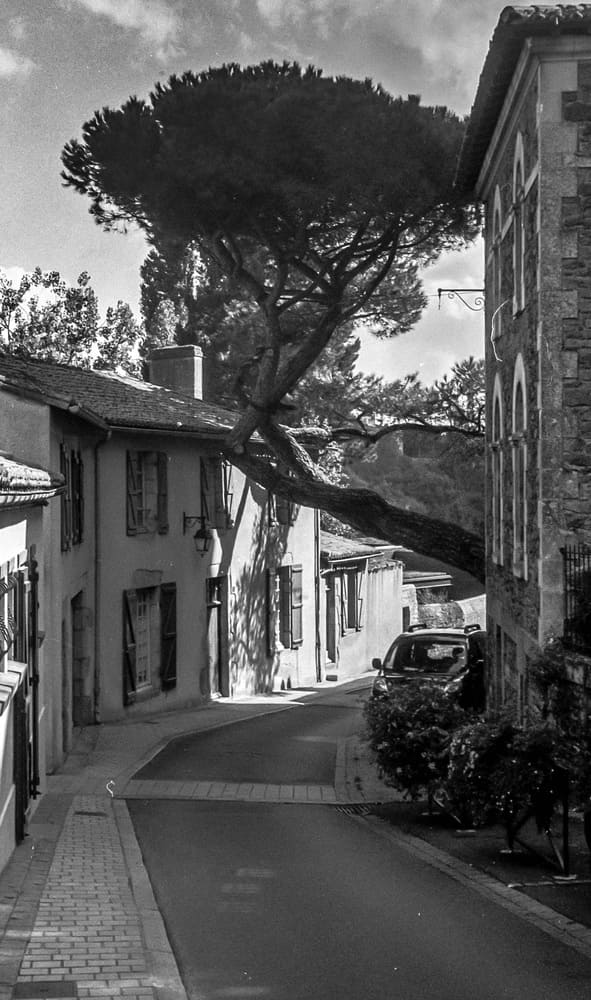
Clisson, like most things, has options.  On a Friday the main option is the huge market, and wandering around the 14th-century Halles, which can keep you out of the sun, the rain, the heat or the cold, depending on the time of year.  I either go down to the river and wander along the river banks in the Garenne and Lemot park, or park at the top of town and stroll around the Halles and surrounding streets.  In the series of photos at the end, you will see some stone steps that join the two options, but I have dodgy knees, and those steps are like leg day at the gym.  You can avoid those steps by just following the road that wraps itself around the church, and going under the tree that just got tired and decided to rest on the house opposite.  

But this time I decided to break out of my habits and visit the Quartier St Jacques with its decommissioned chapel, and garden.  It’s yet another pretty place in a pretty town, and when I was sitting there in the sun, I felt that I didn’t have a care in the world.  Serenity flooded my mind and all was well with the world…

The UK Chronicles, Part V: Rothbury to Hepple


Do you have a place, be it real or imaginary, that just haunts your mind?  You think of it, and you are transported there instantly.  The smells of the grass, the sounds of the river, and the odd car driving past you wondering what the heck you are doing?  Hepple is my special place.  It is a place where I feel at peace and that all is right with the world.

I’m thinking back to an article I wrote a couple of years ago called Hepple for Photos, Not Gin. I was with my father and had my Canon 6D Mark II with the 16-35mm F4.0 lens and the 70-300mm zoom lens. This year, however, I had my X100F with just the 35mm f2.0 equivalent lens, and I was with Killian, who, surprisingly, was a little tired and decided to curl up on the back seat for a snooze. His loss…

This is the place, this stretch of road, that I have been looking forward to for 2 years. The weather was clement, and I can assure you that the place is still as beautiful as ever. I wasn’t going to have the choice of lenses this time; I would have to see the scene in 35mm and make do with it. No zooming, no switching lenses—just a little constraint. And you know what? I was fine with that!

The lack of zooming and my sleeping son allowed me to walk around the area a little more, exploring under the tree at the end of the road and at the bottom of the hill.  These were views that I had not seen before.  It only goes to show that we might think we know a place, even in our memories, but it still has so much more to offer us.

I parked just before the bridge, as I usually do. Everything was still in place: the stiles, the trees, the river—just as I had pictured it in my mind. It’s when looking at the countryside like this that I am convinced there is a creator behind all this creation. The beauty of it didn’t just happen by chance.

The noises were made by the flowing of the river and the breeze in the trees.  I had this feeling of calm.  I could take photos of that place every day and not get tired of it all.  I might even go so far as to say I could have died here and died a happy death.  I had found my peace.

Killian had found his peace too and was still asleep in the car.  A micro sieste, he said.  He might be 25, but he reminded me of the small boy who was once my son. 

I can’t be the only person on this earth to feel this?

The Opening of the Film Archives—Le Château des Ducs de Bretagne, August 2016


Welcome back to the Film Archive of IJM Photography! This time, we find ourselves in the beautiful city of Nantes, in the heart of the Cité des Ducs. Our adventure takes us through the majestic Château des Ducs de Bretagne, a site rich in history and culture.

As we explore the castle, I’m armed with another one of my favorite cameras from the golden days of film photography—the Canon AE1. This was before the surge of interest from the YouTube hipster crowd, who quickly snatched up every classic camera they could find, driving up prices and making these gems harder to come by.

The Canon AE1 is justifiably sought after, and for good reason. It’s a camera that offers both simplicity and elegance, paired with the beautiful FD 50mm F1.8 lens. This lens, in particular, has a way of capturing light that enhances every shot, allowing me, the photographer, to create images that feel alive. You can see the results in the photos here—every frame is a testament to the quality and craftsmanship of this camera.

It feels solid in the hand, and focusing with the split prism is a breeze. The camera is “shutter priority,” and it adapts the f-stop to the speed at which you’re shooting. As a street photographer, I don’t need to shoot at 1/1000th of a second for all my shots, so I have a wider range of options than someone taking pictures of sports. It still provides me with the necessary depth of field.

On this particular day, I was motivated and thought I could walk up the steps to the battlements to get some more interesting shots from a raised standpoint. I captured the urban landscape that spans from the 13th to the 21st century, and in one of the shots, you can see the ever-present figure of the Tour de Bretagne. It once represented the modernity of the 20th century and is now closed for asbestos removal. My feet, however, were firmly rooted much earlier in the castle.

Exploring the Château des Ducs de Bretagne with the Canon AE1 was a journey through both time and photography. The castle’s ancient walls and rich history provided a stunning backdrop for capturing moments that feel timeless. With every click of the shutter, I was reminded of the magic of film photography—the anticipation, the artistry, and the satisfaction of seeing the world through a vintage lens. As I descended from the battlements, I couldn’t help but feel grateful for the simple joy of capturing life on film, in a place where history and modernity blend seamlessly. Until next time, keep exploring and shooting. There’s always more to discover.