Photography Philosophy – Part VII – The Philosophy of Impermanence


Capturing Fleeting Moments

When we talk about a moment in time, that moment is no longer the present; it has become the past. We cannot repeat it, nor can we reclaim it. It has happened and will never come back. Photography is an art form that allows us to capture a specific moment and preserve it for all time. We know that it is impossible to capture exactly the same conditions in which the shot was taken. We can attempt a recreation, but it will never be identical. Time has moved on to the next moment.

As photographers, we are left with the task of capturing the present, knowing it is already slipping away. What does this mean for the way we approach our art? Will we constantly look back, regretting the passage of time, or will we, on the contrary, feel privileged to have documented it for the future?

This brings us back to the idea of preserving the decisive moment that Cartier-Bresson spoke of. Like comedy, it would appear that photography is all about timing.

When we capture that moment, we must decide how we want to portray it. Do we want to freeze the action with a very high shutter speed, or can we slow down and add a sense of movement to our image? How fleeting is the image we are trying to capture?  What will this motion add to the image?

My approach

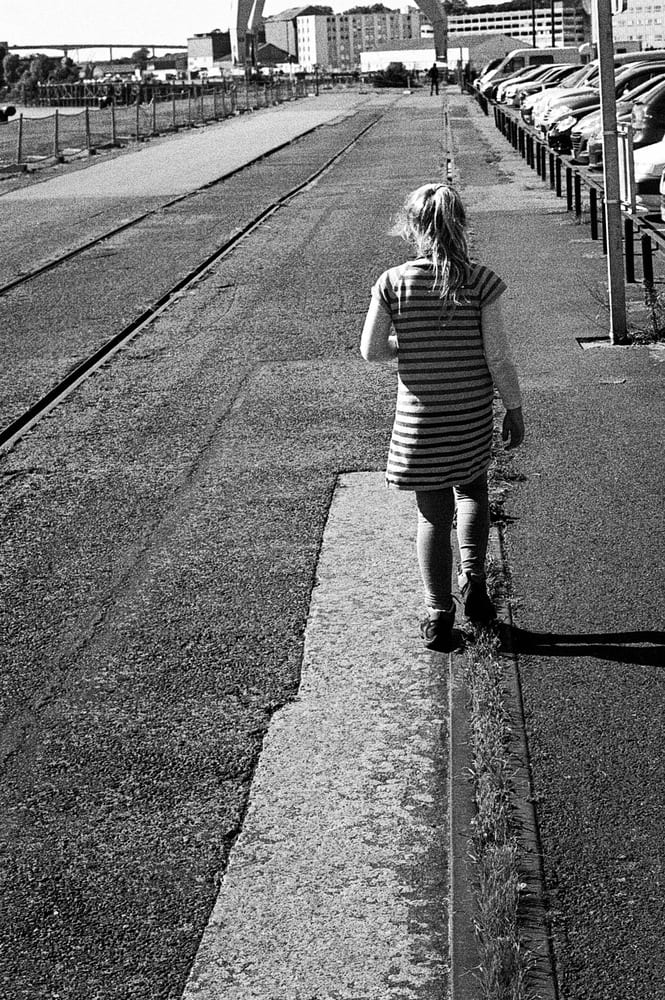
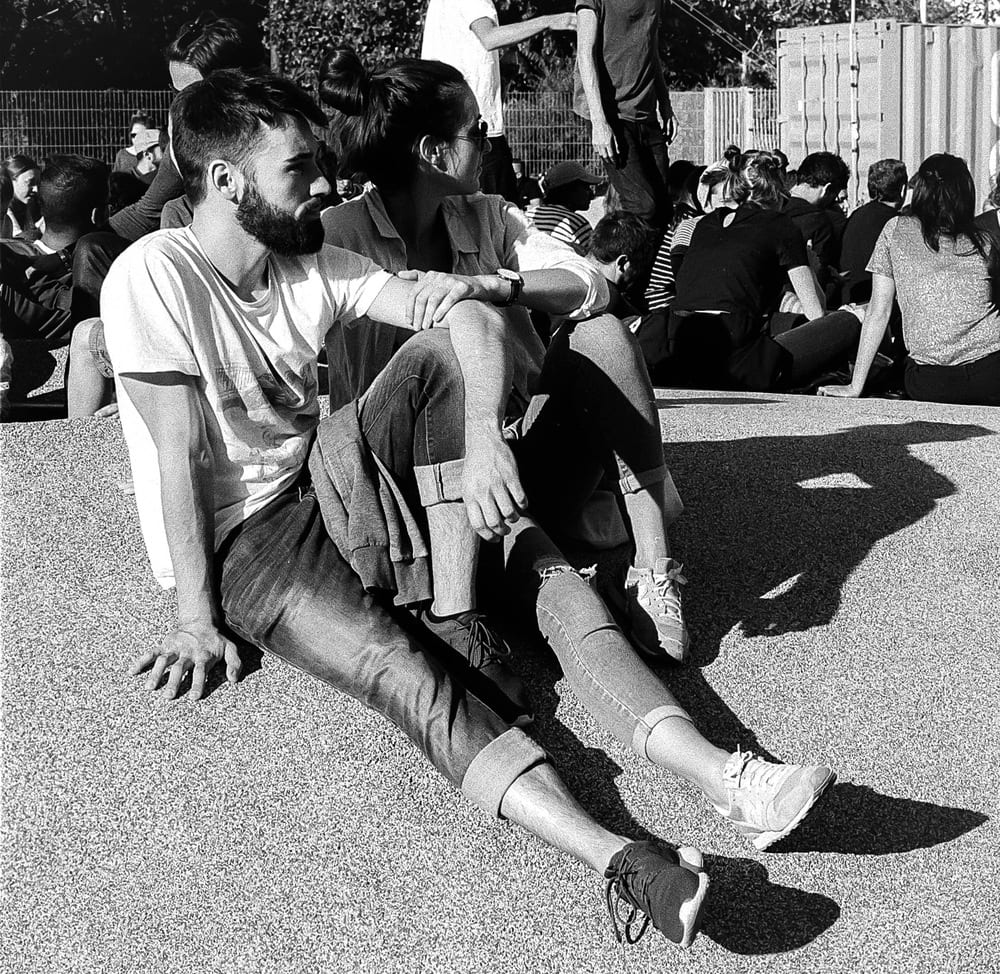
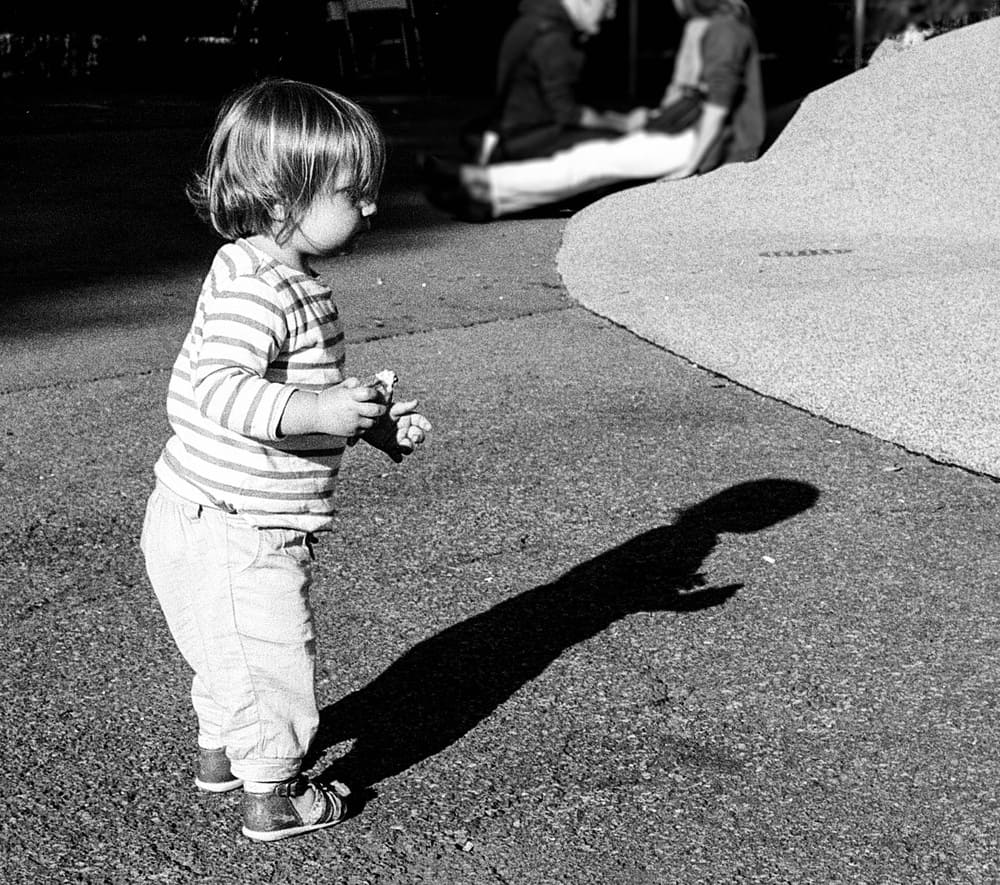
Over time, I’ve come to appreciate these fleeting moments in time and try to document them, whether in the big city or out in the countryside with my children—especially when they play together. I want the spontaneity of it all, to capture those precious moments of complicity. As any parent knows, our children grow up before our eyes, and before we can truly realise it, they are grown up. Even when they’re not together, and I look through these past moments in time, I get an overwhelming feeling of, “Where did it all go?” My son is 25, and my daughter is 15 already.

Embracing Mistakes: A Journey to the Image

I’ll admit, I’m not one to embrace mistakes easily. I’ve always strived for precision in my photography, seeking to control every variable and meticulously plan each shot. I don’t like leaving things to chance, and so, when things don’t go as expected, there’s often a twinge of frustration. A blurred shot, an overexposed image, or a missed moment—those mistakes are a part of the process I try my hardest to avoid.

But over time, I’ve started to realise something: these mistakes, as unsettling as they may feel in the moment, are often a necessary part of the journey toward the image I’m truly after. When I reflect on the photographs I’ve captured, it’s clear that the path to the perfect shot wasn’t a straight line. It was made up of trial and error, of learning how to see the scene in front of me not just through my lens, but also through the lens of my mistakes.

It’s the misfires, the accidents, that force me to reconsider my approach, to adjust my frame or my focus. They open my eyes to perspectives I might not have considered, angles I might not have thought of, and emotions I might not have expected to capture. Each mistake teaches me something new, something that nudges me closer to that elusive, perfect image. They’re not setbacks, but rather signposts that guide me, sometimes uncomfortably, to a place where I can see the photograph with fresh eyes.

I’ve come to understand that each imperfection is part of the journey. The photograph I end up with is rarely the first shot I took, or the second, or the third. It’s the culmination of countless adjustments, failures, and moments of doubt, all leading me to the image that feels right. In the end, I realise that without those mistakes, the image I’m truly after might never have come into focus.

So while I still seek control, I’ve learned that there is value in embracing the unexpected. It’s in the mistakes, the missed moments, and the misjudgments that I find the essence of my photography. They are just as much a part of the creative process as the moments of perfection, guiding me closer to the image that speaks to me—and perhaps even to the viewer—most clearly.

Conclusion: The Beauty of the Journey

Photography, at its core, is a celebration of the fleeting moments that pass us by in the blink of an eye. The act of capturing these moments is an acknowledgement that time is forever slipping away, and in that impermanence, there is both beauty and significance. As photographers, we are tasked with documenting not just what we see, but also what we feel—the raw, unrepeatable essence of time itself.

The pursuit of the perfect image is a delicate dance between intention and spontaneity, control and surrender. It’s a journey that, more often than not, veers off the well-trodden path and into uncharted territory. Along the way, mistakes become our teachers, guiding us toward discoveries we might never have made if we had stayed within the confines of our comfort zone. These missteps, rather than being failures, are integral to the creative process, pushing us to reimagine, reframe, and reinvent our approach.

In the end, photography is about embracing the imperfection of both the world around us and our own creative efforts. It’s in the mess, the mistakes, and the fleeting nature of the moment that we often find the most powerful images. And while the perfect shot may remain elusive, it is in the journey—the trial and error, the fleeting moments, and the lessons learned—that the true beauty of photography lies.

So, as we continue to document our world, let us not only cherish the decisive moments but also embrace the imperfections that make them meaningful. For it is through the transient, the imperfect, and the unexpected that we capture not just images but stories—stories that resonate with the heart and echo the passage of time.
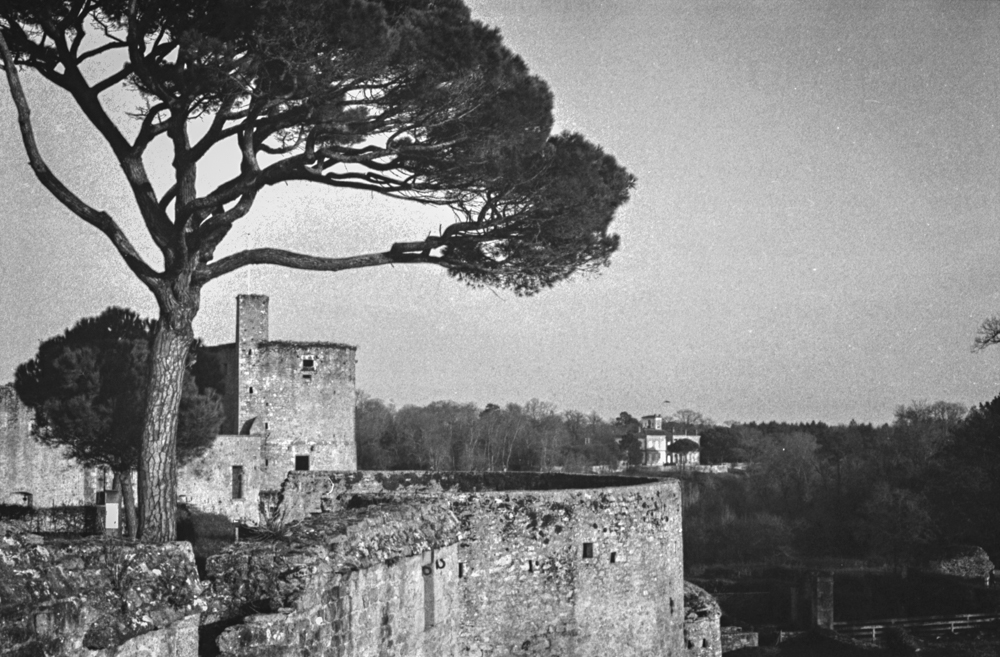
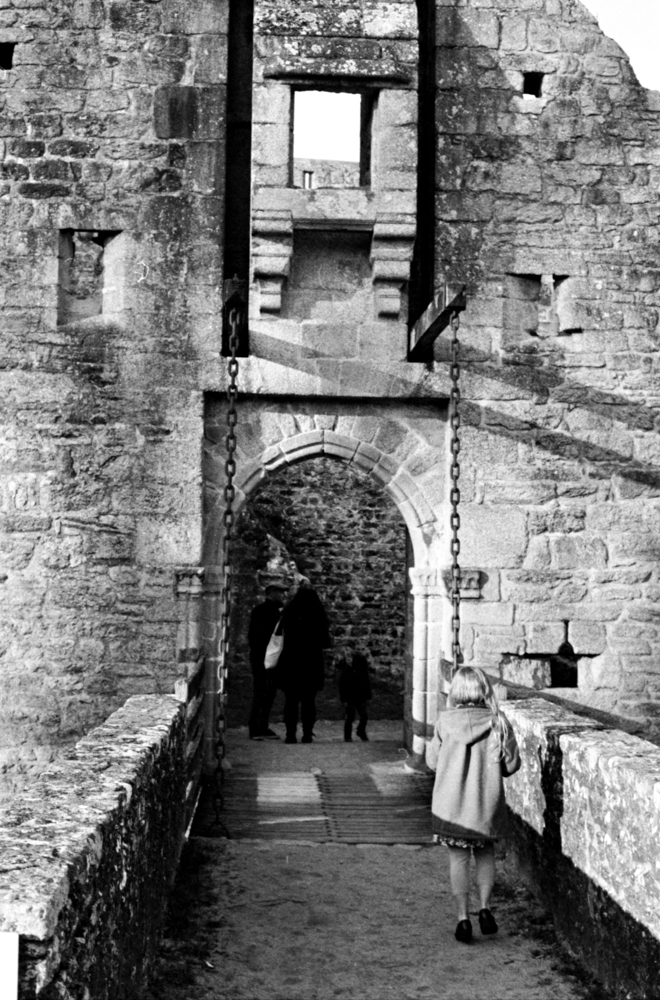
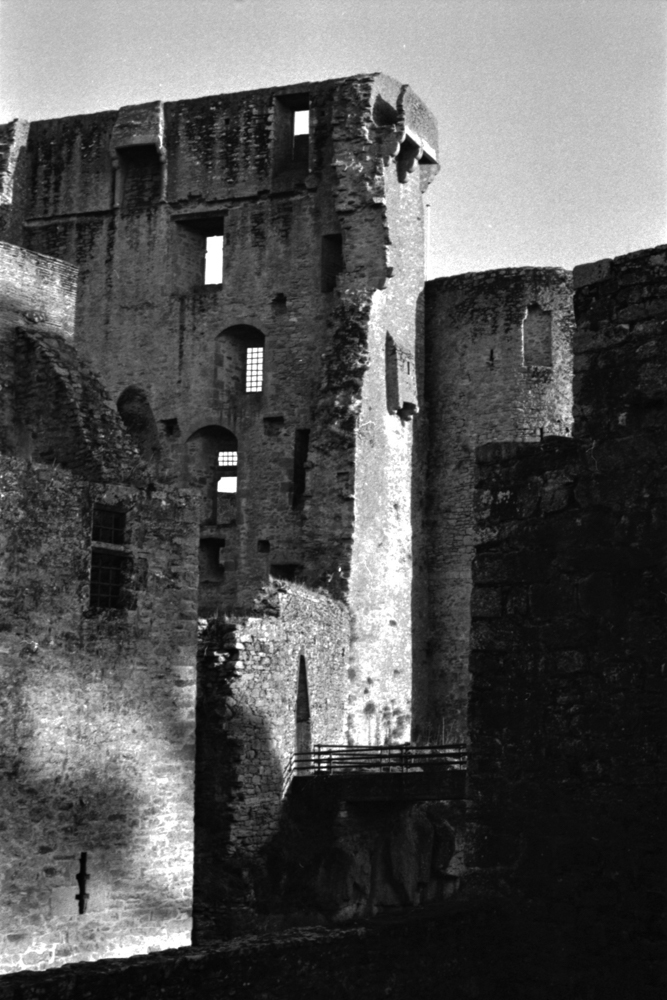
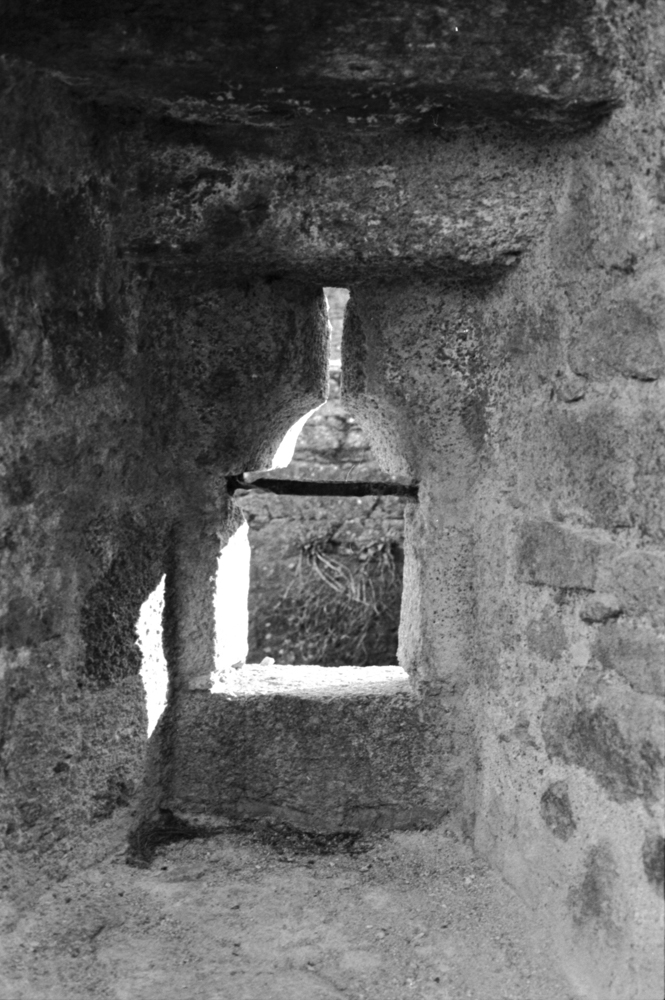
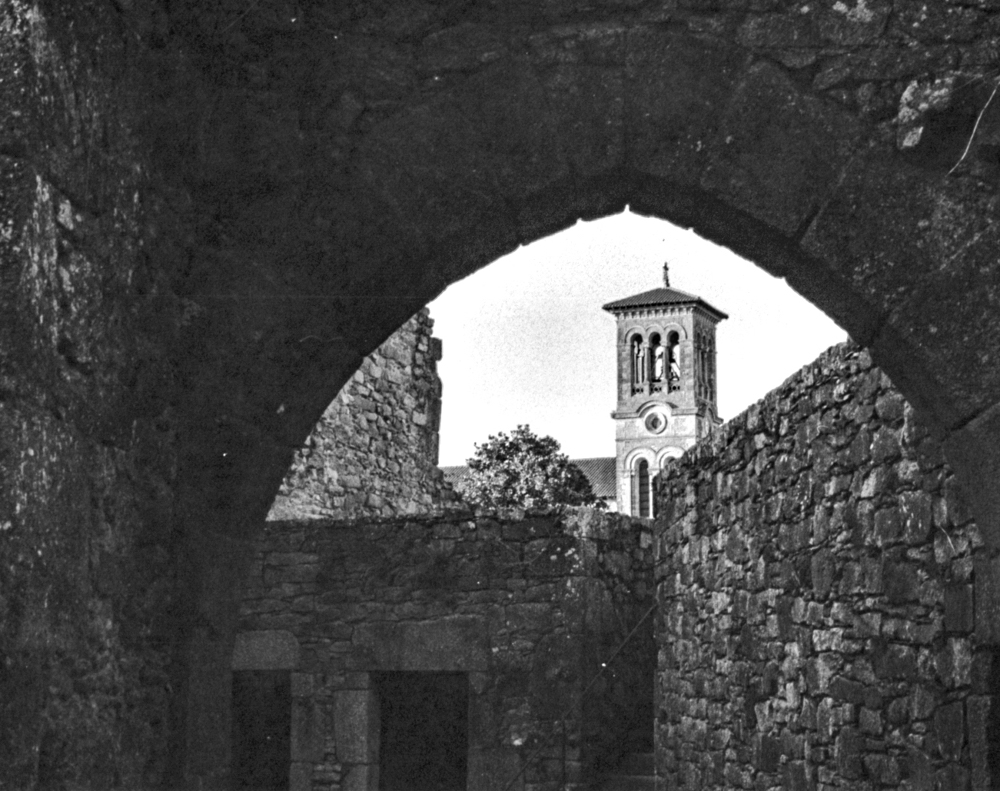
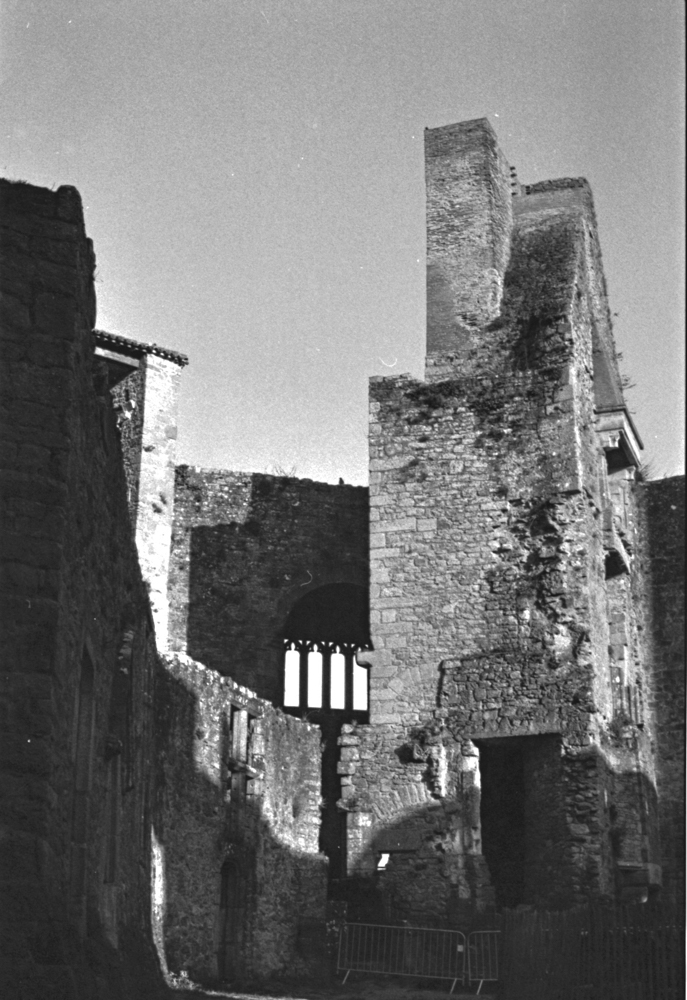
Opening of the Film Archives, Château de Clisson, February 2017


I had obviously taken a break with the Canon AE1 and spent the whole of December and January in hibernation, as most grumpy bears of my age do. Get Christmas over with, then go back to bed… I like my bed. No, I love my bed!!

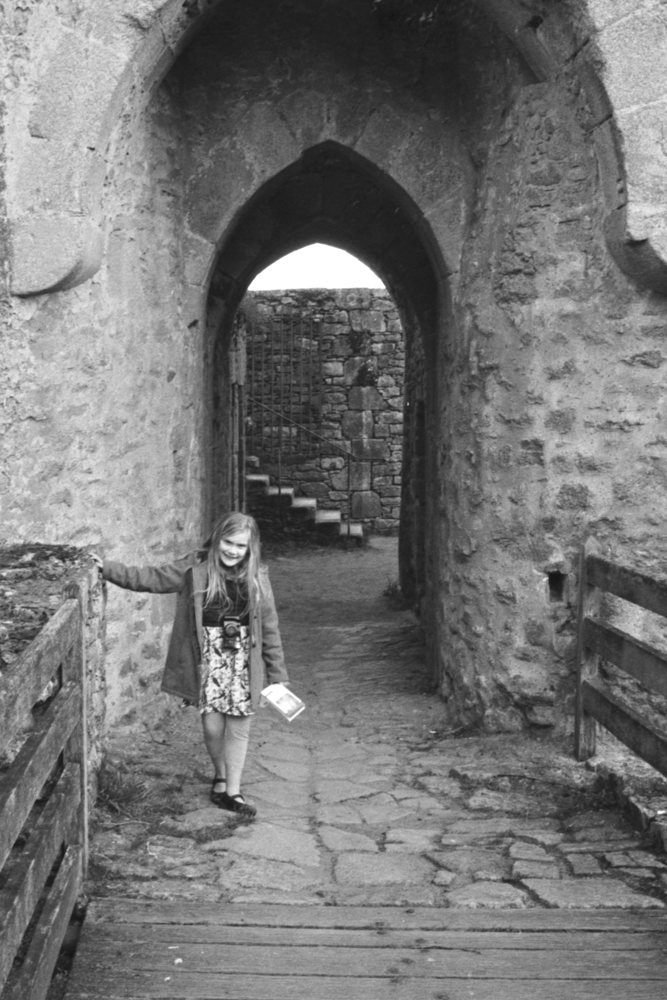
Spring was just around the corner, and Kate had managed to awaken the beast and proceeded to tell me what she had planned for the day. It included me, a camera, and the Chateau de Clisson. I had just been “told” by my daughter, and off we headed to Clisson.

Now, the Chateau de Clisson is no small affair by any means. It dominates the centre of the town, sitting atop a hill as an imposing structure. I remember Kate having begged me on numerous occasions to actually go inside, and this time I acquiesced.

It was the perfect opportunity to not only document the inside of this historic site but also to let my playful daughter do what children do best: be cute, or as they say in French, espiègle. At that age, she was still content to pose for the camera, unlike the moody teenager she has become. Yet, sometimes, that same playful nature still manages to shine through.

If you’re curious to learn more about the history of the Chateau de Clisson, I’ve included a link for further reading.

After our outing in Clisson, I retreated to the quiet of my darkroom, where the real magic happens—transforming the captured moments into tangible memories. The familiar routine of developing the film, loading it into the tank, and watching the images slowly emerge never fails to captivate me. Once the negatives are ready and the scans are complete, I file them away in both my digital and analogue archives.

Then, a few years later, I get to share these memories with you. It’s a special kind of nostalgia—the kind that comes with taking time to slow down, reflect, and preserve what matters most. Thank you for joining me on this journey and for allowing me to share these pieces of the past with you.

The Opening of the Film Archives – Trentemoult October 2016


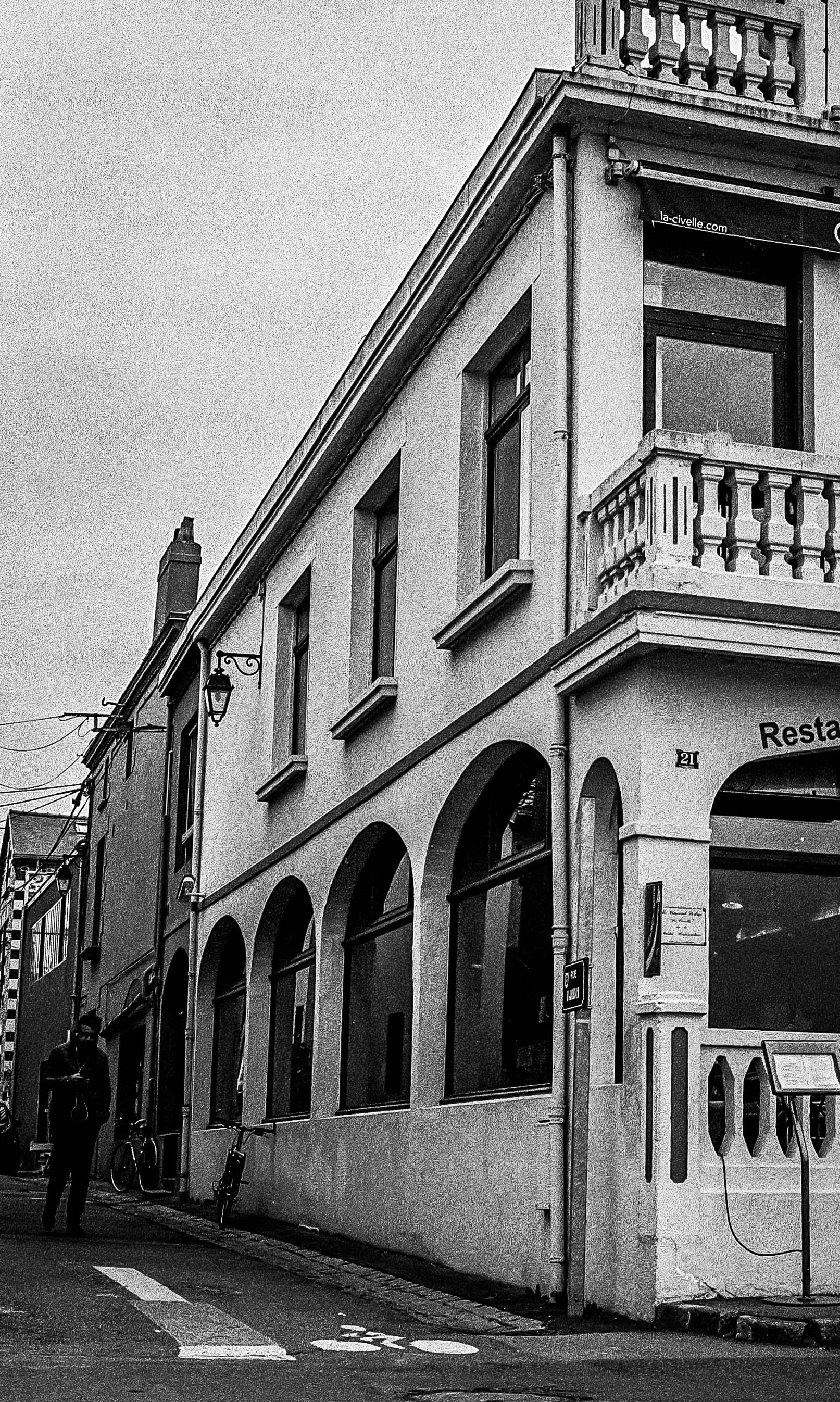
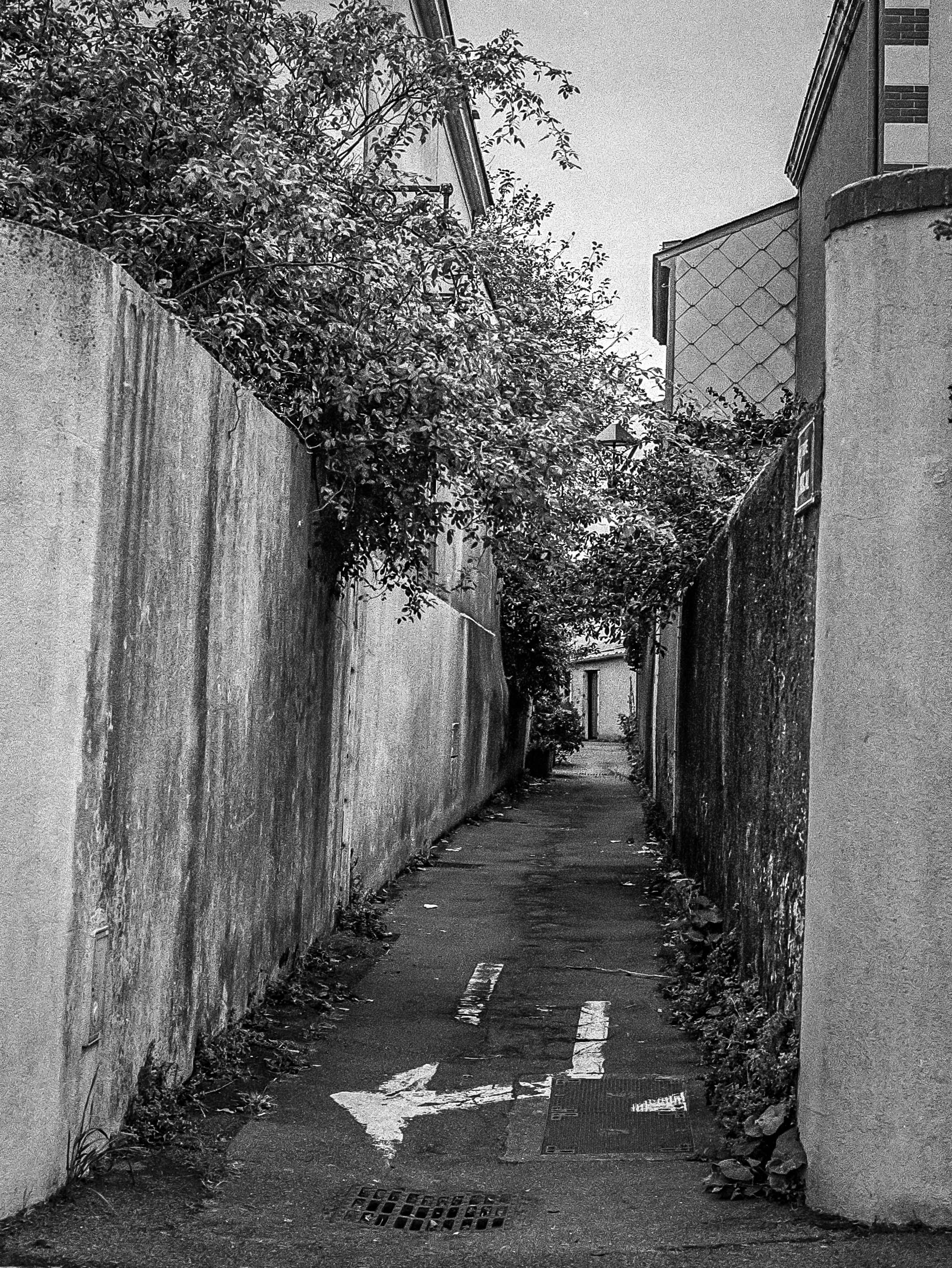
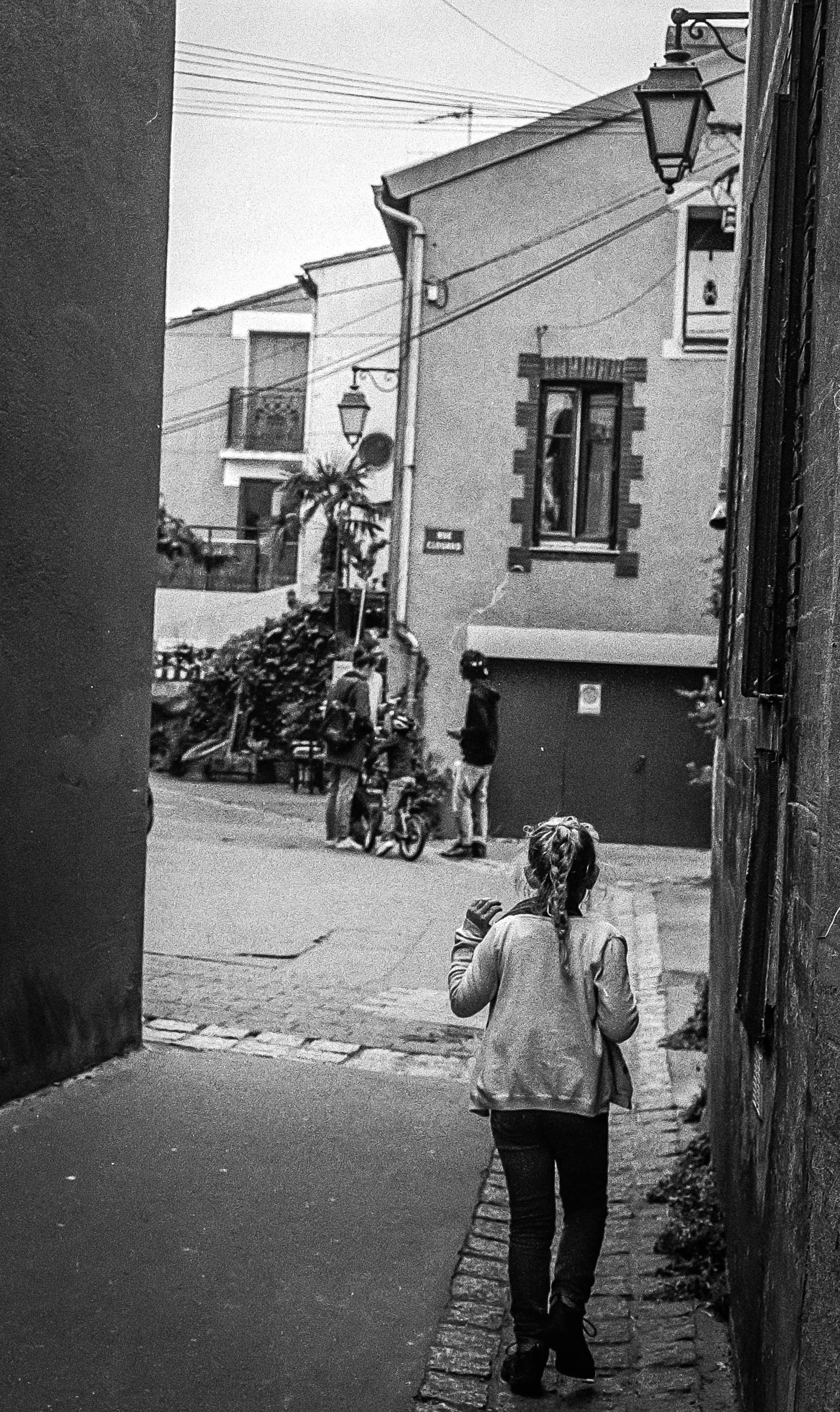
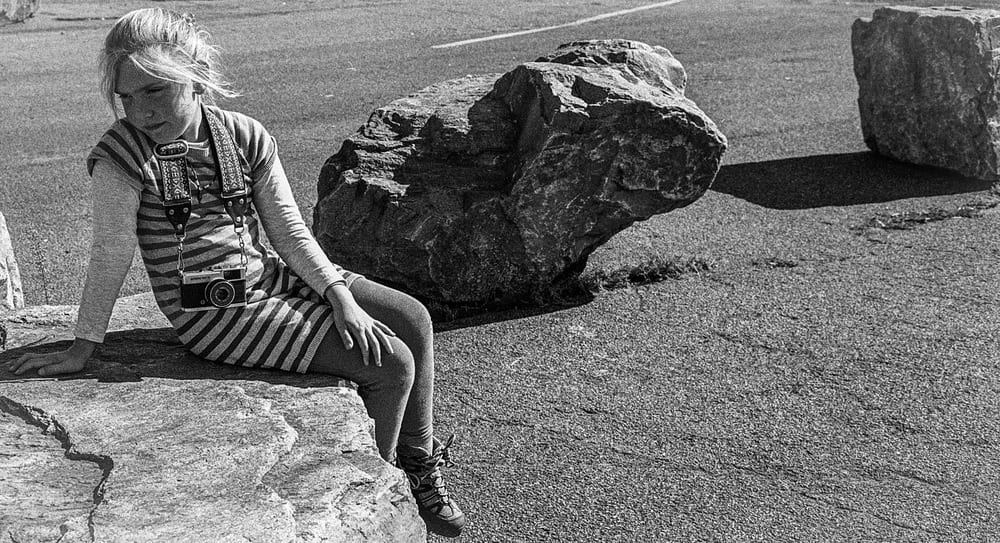
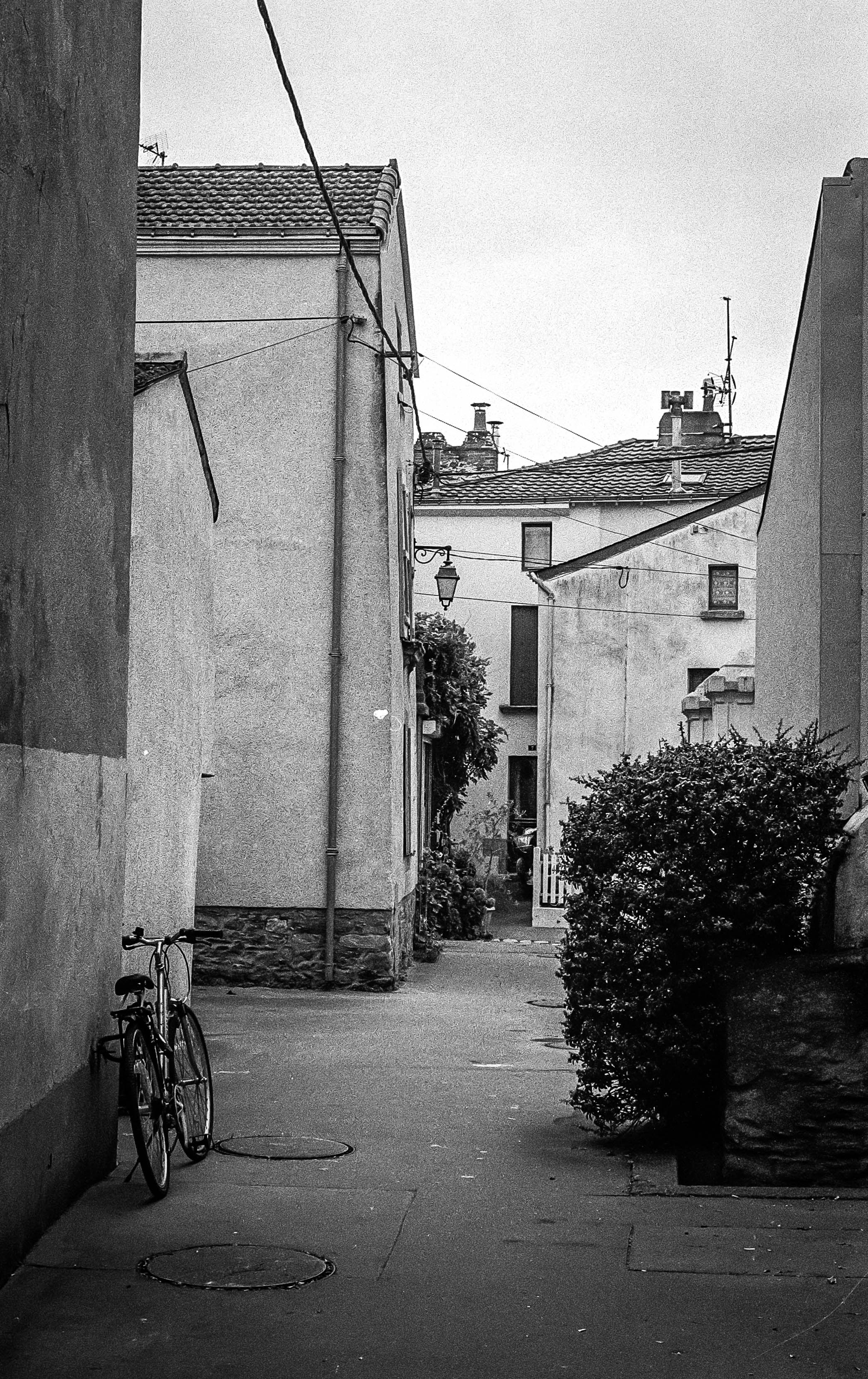
This was another Ian and Kate day.  Similar in concept to the Ian and Killian day, but a day where I can dedicate myself solely to Kate.  She’s fifteen now of course, but I should spend more time with her.  If she’ll let me of course.  At the time she was only seven—simpler times where I could make her happy with just a nice tea, a boat trip across the river, and just wandering around exploring the intricate streets of an old fishing village on the “bords de Loire.”  There are no cars in the narrow streets, and the children can run wild.  

This day was one spent in Trentemoult, that rather colourful village that you can see here. The colours are intense and provide a great backdrop for portrait photography. So of course I went in with a film camera and black and white film.  Which only goes to show that when you photograph a location, however colourful, and take away the distraction of that colour, you have to really concentrate on composition, texture, and forms.  I couldn’t rely on colour for my photos today.  But I was sure that I could reveal some good photos despite that.

So what do you do?  You just try and capture some moments of your daughter messing around and being a perfectly normal seven year old.  I tried to capture her exploring the streets and being absorbed by the whole ambiance of the place.  She became part of the scenery, and blended in perfectly.

I was just there purely to observe and record the day on film, with one eye in my camera and the other on Kate.  It was a good day.  

Looking back at those moments reminds me of how quickly time seems to slip by without me realising that I am getting older.  She of course is slightly older, and possibly slightly less “insouciante” or carefree, but my love for that girl is still as strong as ever.

The Opening of the Film Archives: On va Marcher sur la Lune, Kate


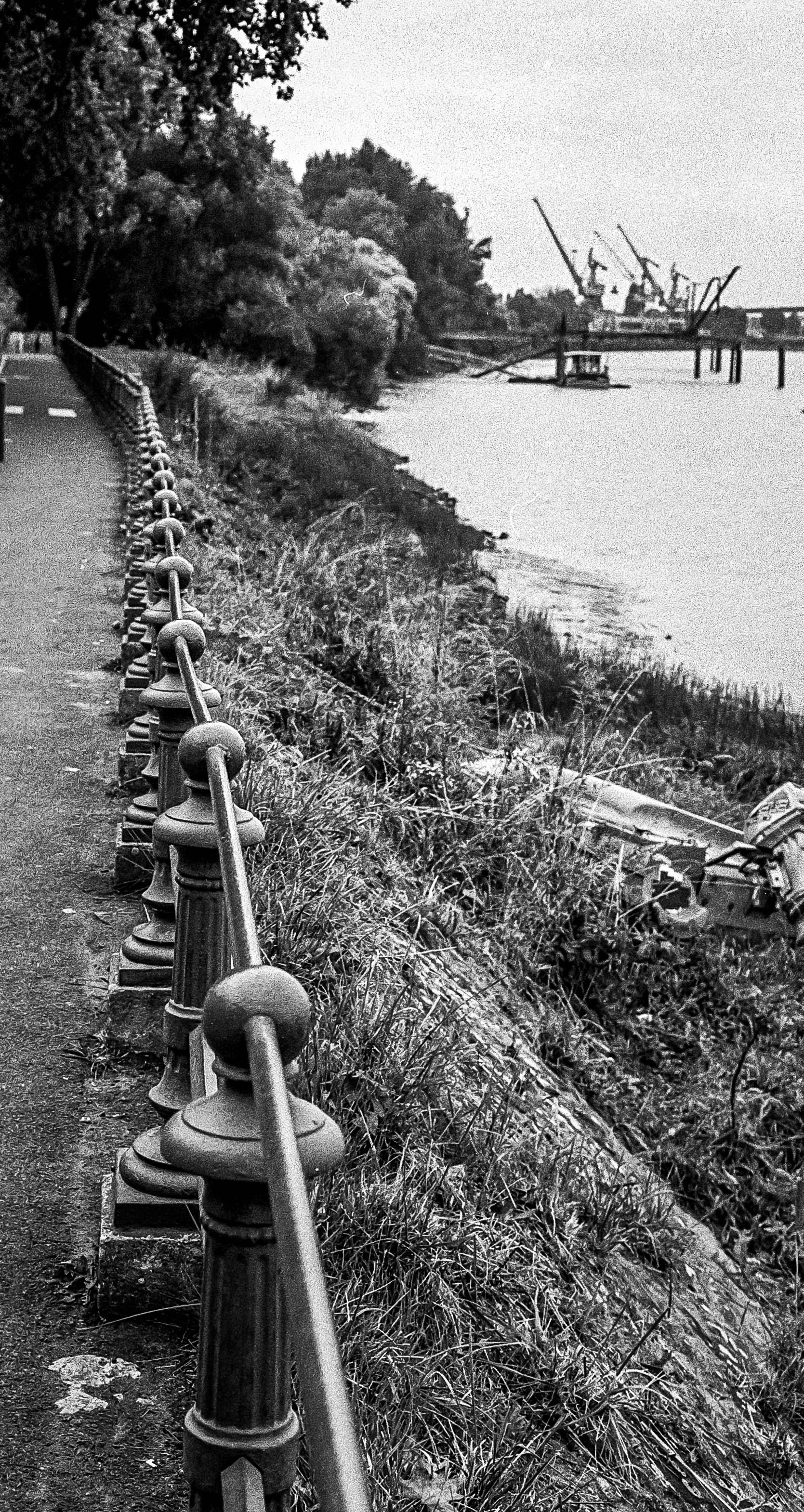
Last week’s journey through the film archives took us to Nantes, specifically the Île de Nantes. While you’ve seen my photos from that day, I’m excited to share my daughter Kate’s photos with you.

Are these images works of art deserving of a gallery? Perhaps not, but they represent a delightful exercise in spontaneity. Captured by a seven-year-old “playing” with a camera, they offer a unique glimpse into how my young daughter sees the world. There are no rigid rules of photography or composition here—just an extension of her eyes. These photos are raw yet delicate, showcasing the world as she perceived it at that moment.

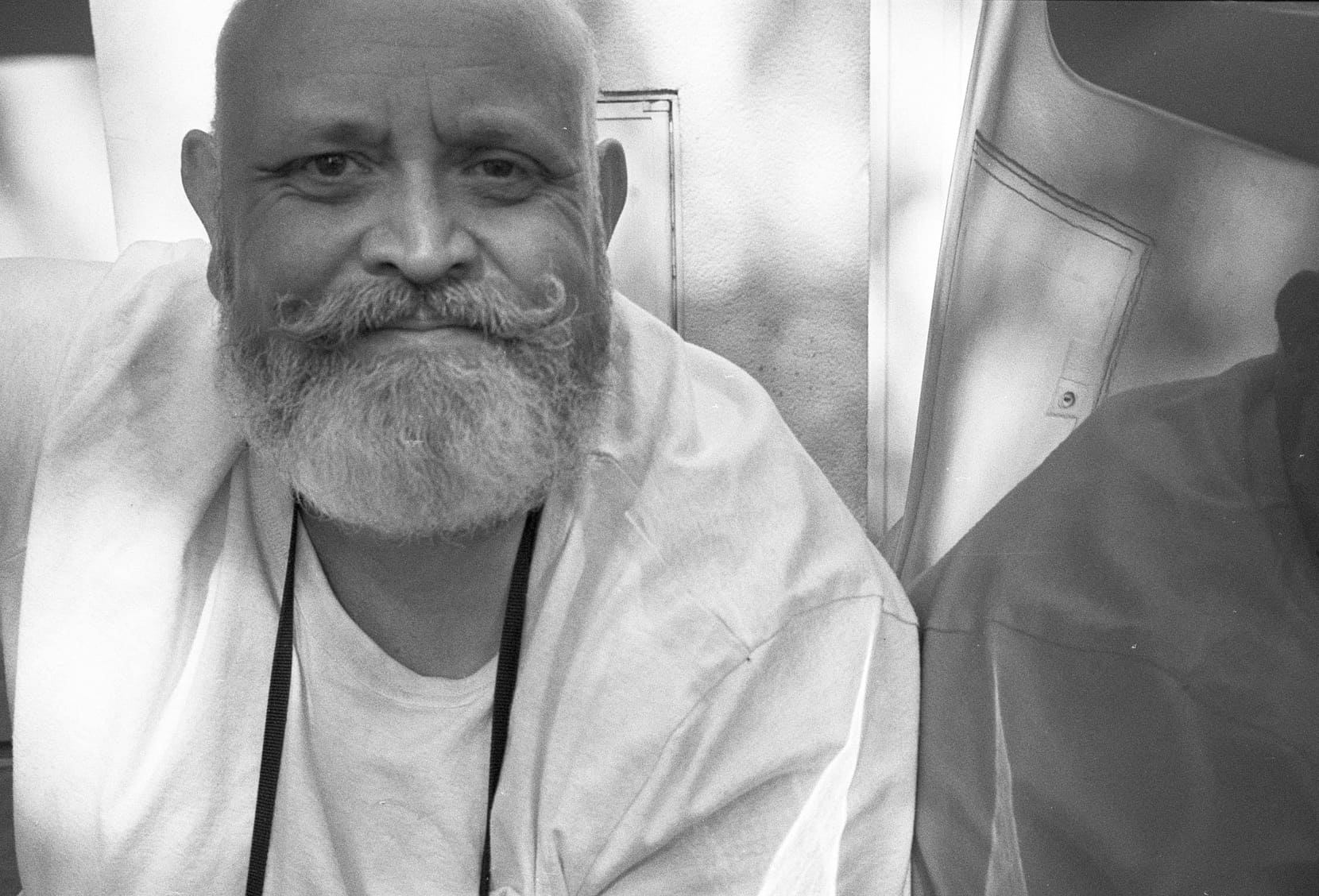
These photos mean a great deal to me, particularly the one she took of me with that glorious moustache! I’ve often discussed how the journey and process of photography can sometimes be even more meaningful than the final destination. That day was a significant part of that journey, and reflecting on my own first photos from that age fills me with nostalgia.

The Opening of the Film Archives: On va Marcher sur la Lune


New from the film archives – On va Marcher sur la Lune, captured on a warm October day in 2016. Could this be a nod to Jules Verne, one of Nantes’ famous sons? Possibly. As I look through these photos now, I’m transported back 8 years—to a time when my daughter still saw me as her hero, and we spent afternoons exploring with our cameras.

That day, she had her Olympus Trip 35, and I was carrying the equally iconic Canon AE-1 with some 400ASA Kentmere black and white film. Both cameras, steeped in history, were very much a part of our lives at the time. And when I say the Olympus is so simple a seven-year-old could use it, I’m not exaggerating—she handled it with ease, maybe even with a bit more flair than I did.
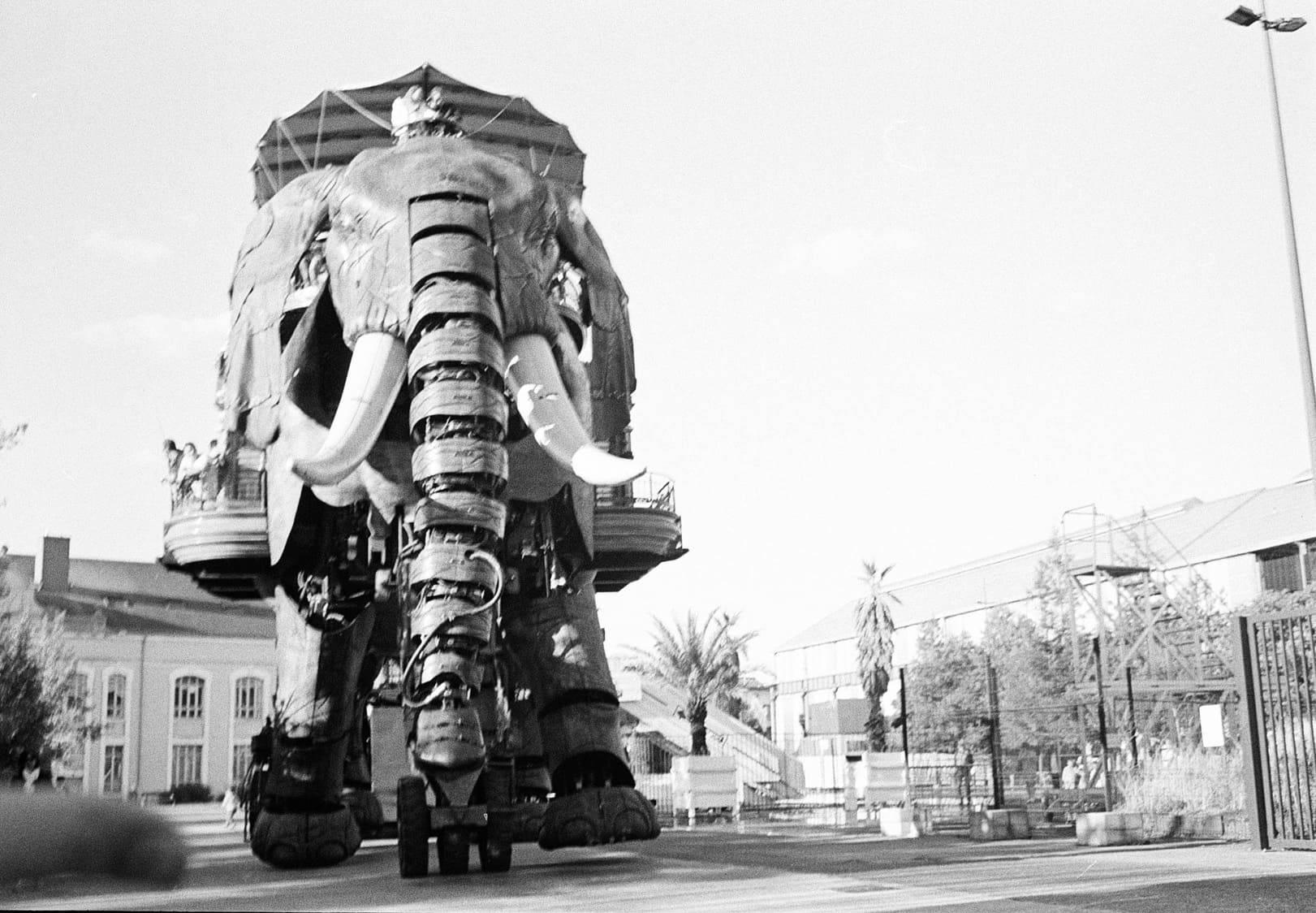
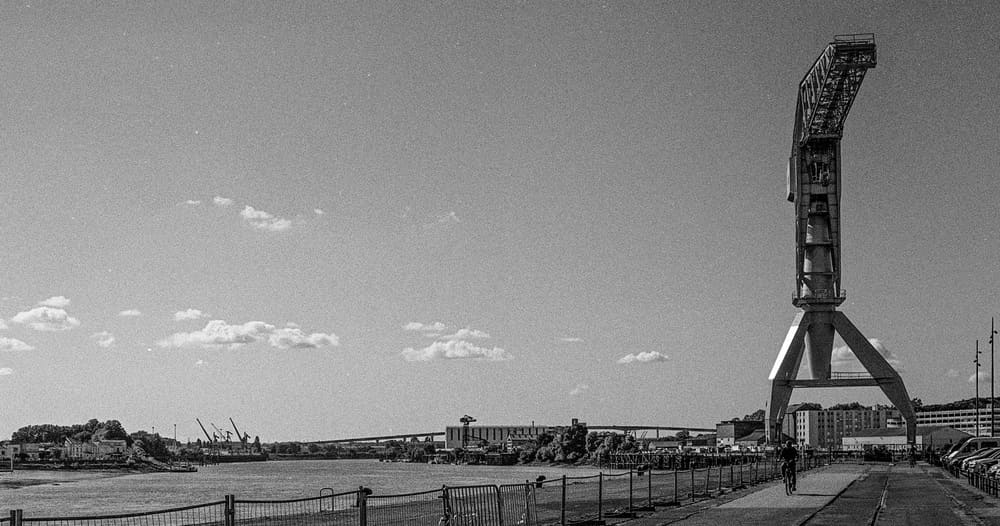
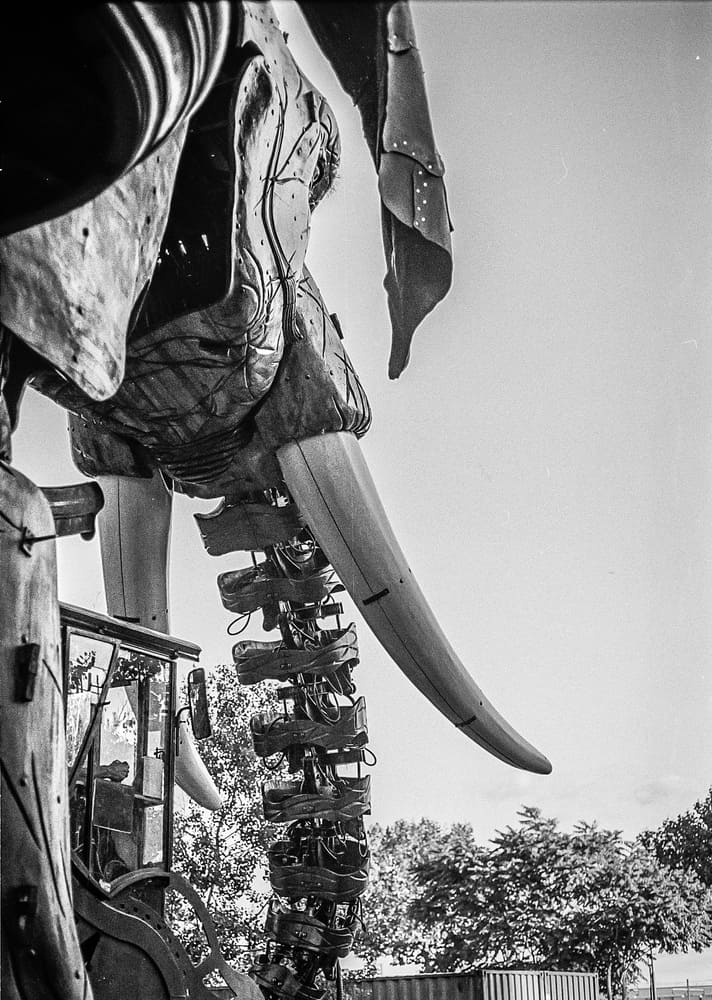
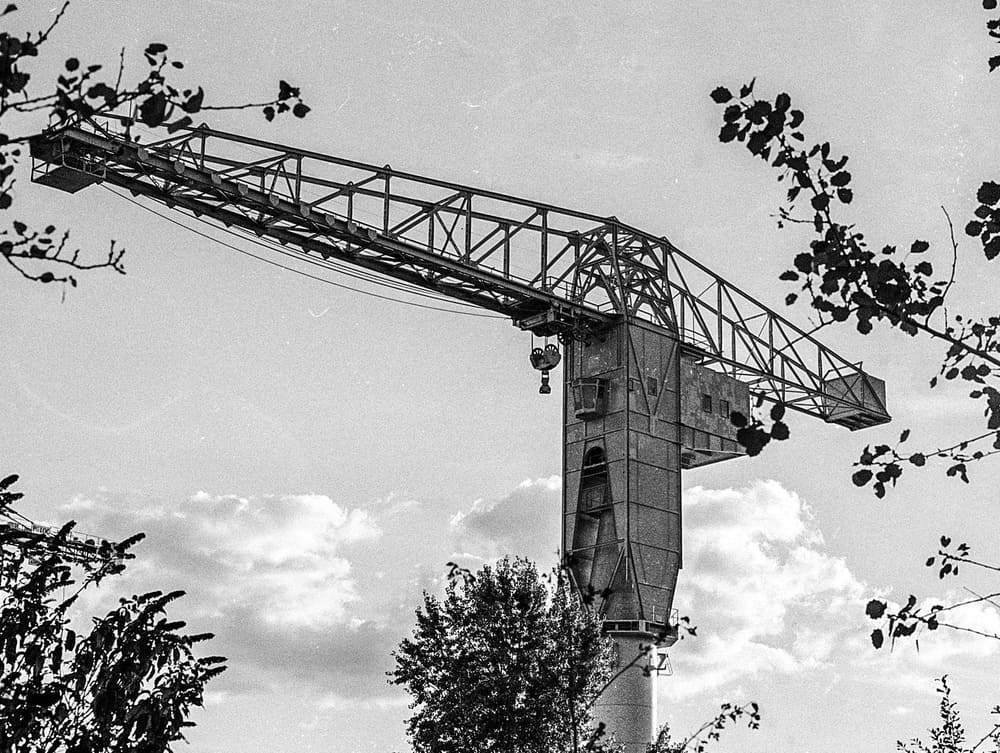
We parked near the Grue Titan and wandered towards the Elephant, a landmark almost as famous as Jules Verne himself. It was one of those days that would just lead its own way along the Loire, and I was completely fine with that. My only concern was Kate remembering to change the dial on the Olympus to the right focus zone. In hindsight, I should’ve let her take the lead and placed more confidence in her. Hindsight—that luxury of later life. Her photos? They turned out better than just fine.
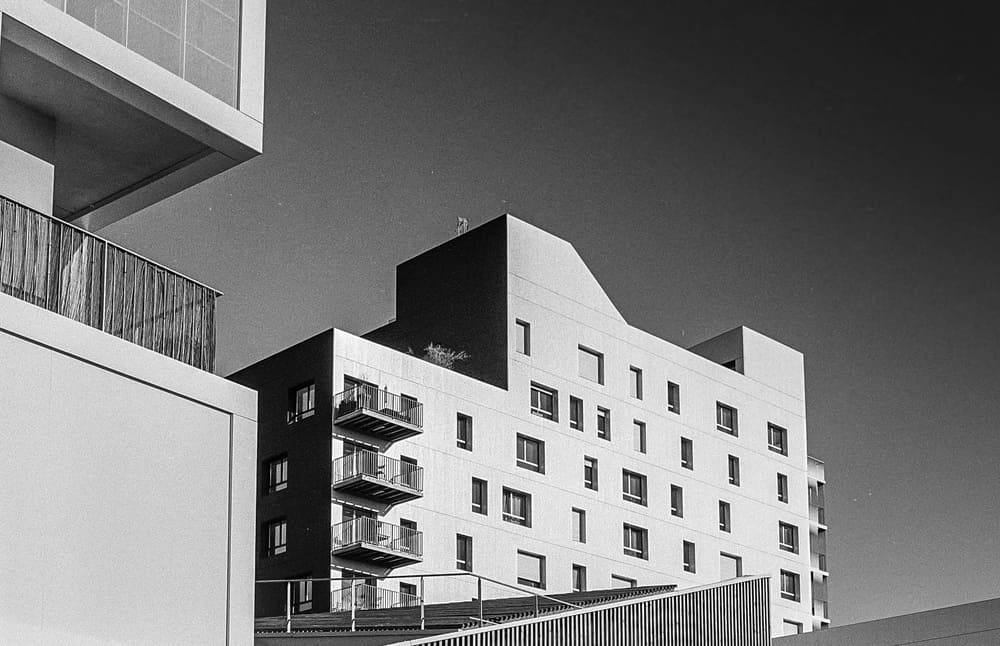
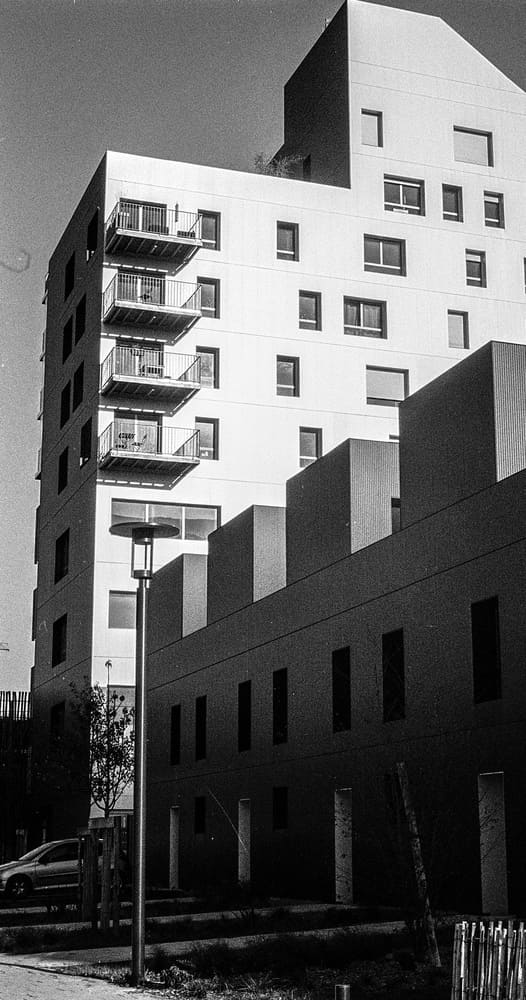
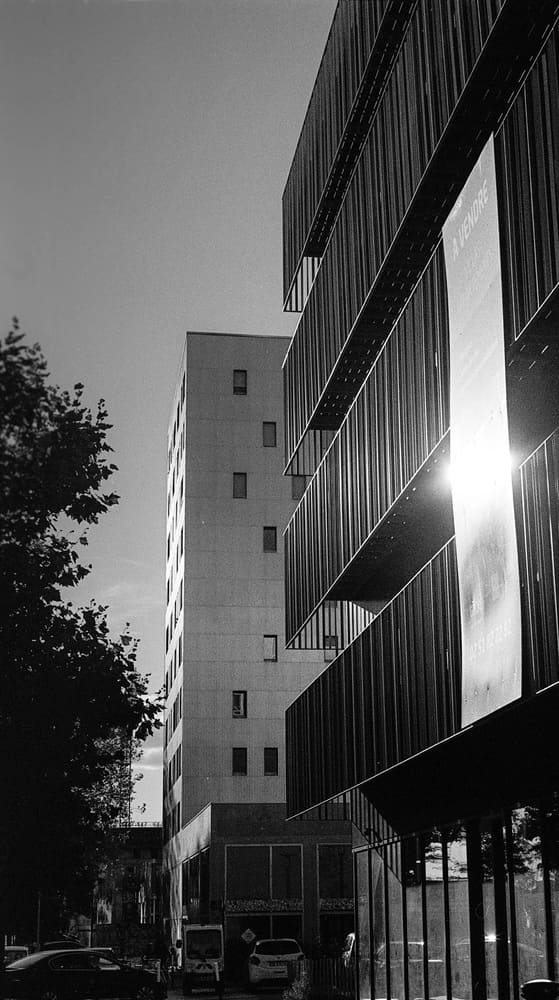
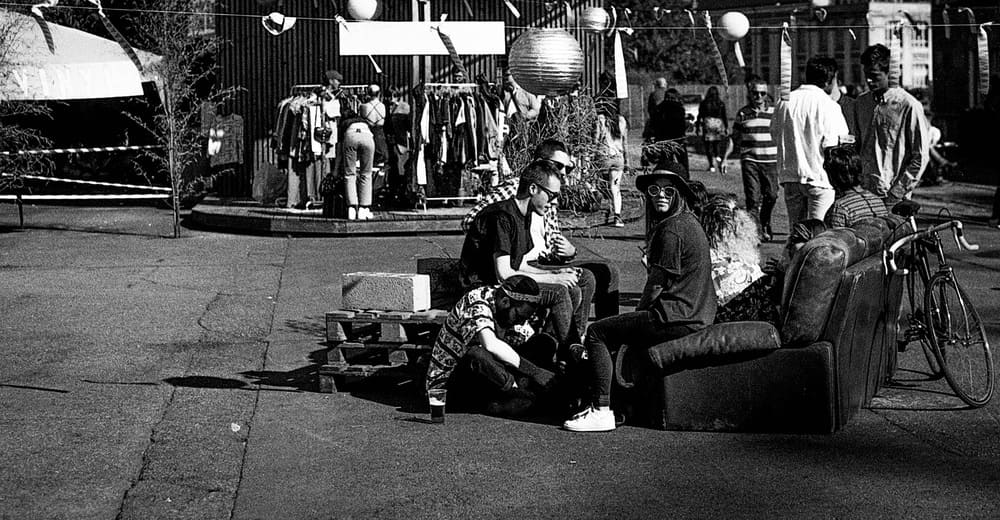
Later, we explored the “On va Marcher sur la Lune” exhibit, which featured a lunar landscape with trampolines in each crater—a hit with children of all ages. The area was bustling with people enjoying the Indian Summer, including a mix of families and those embracing the trendy atmosphere. As we walked towards the Elephant, we noticed how it had revitalized this once rundown shipbuilding area. The remnants of the old shipyards still linger, but the new architecture is resolutely modern.

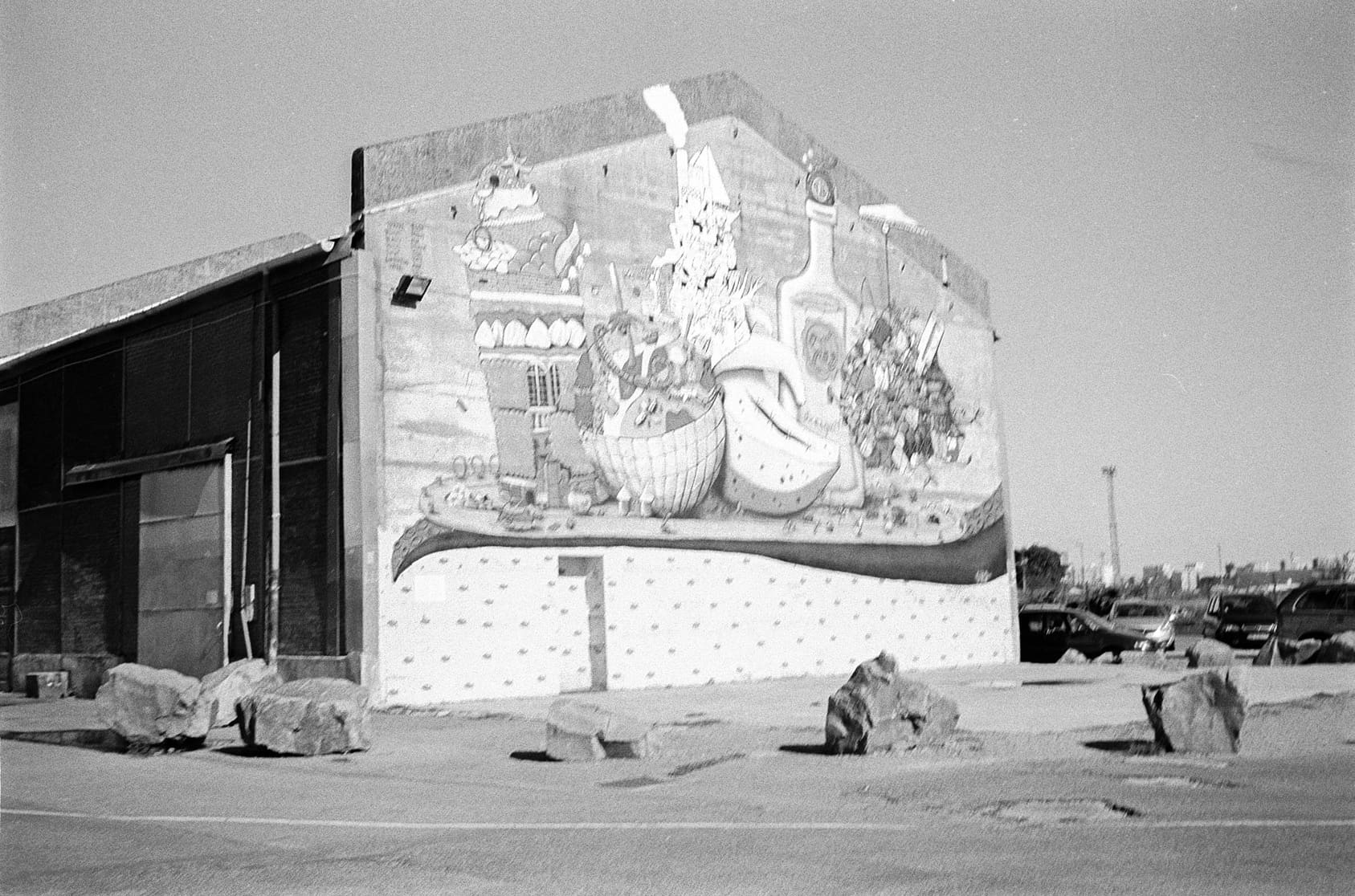
The Opening of the Film Archives—the Hangar à Bananes August 2016


In my last venture into the film archives, I talked about how there was a time that my daughter hadn’t yet seen me the way I see myself and how she actually still liked me, before turning into a teenager.  This is the second part of that special day.

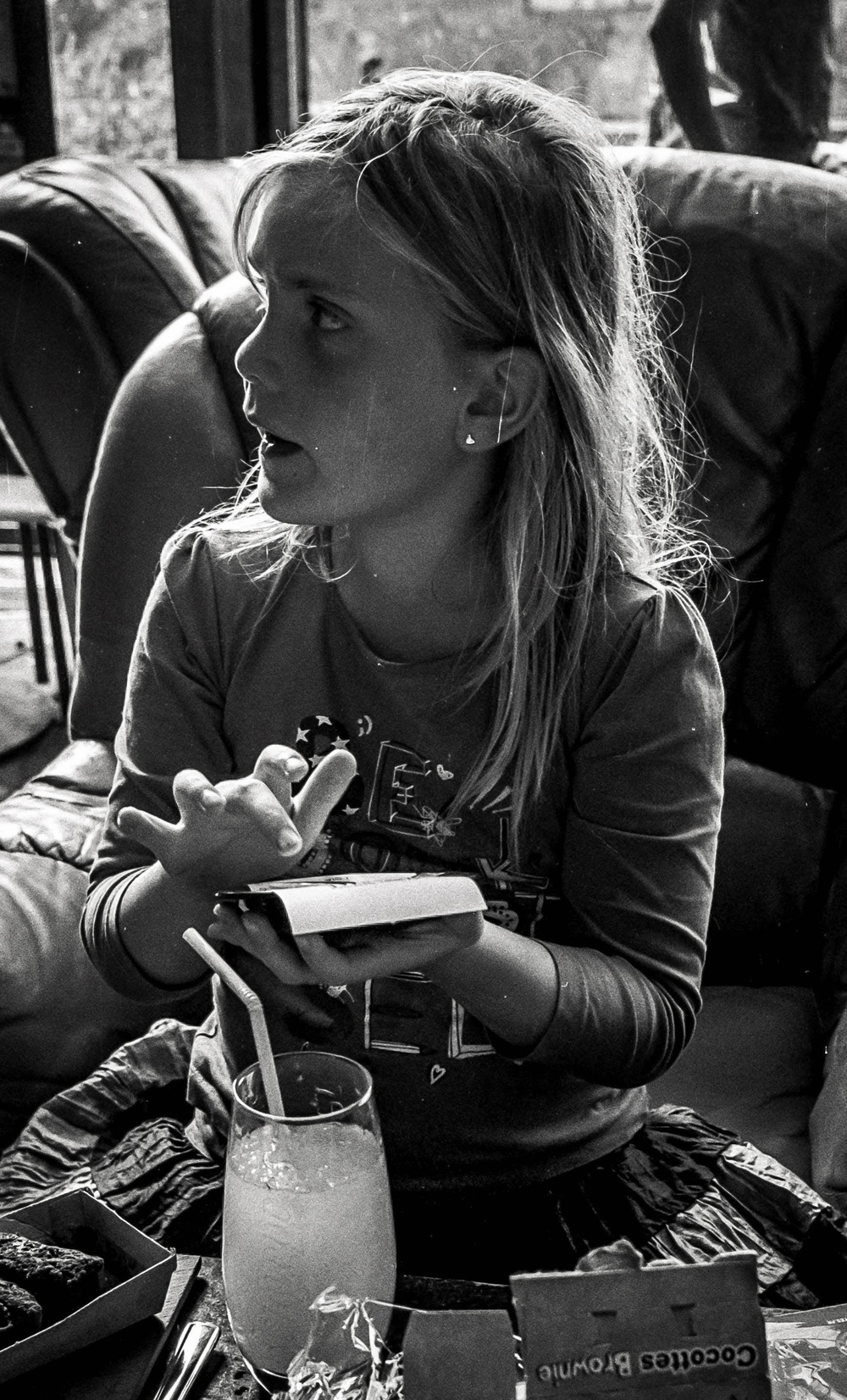
We had explored the Jardin des Plantes and discovered what they had to offer.  This of course builds up an appetite in a young lady, and convinces her that she really needs to drink something Daddy.  And why couldn’t we go to the Altercafé (now the D3) at the Hangar à Bananes.

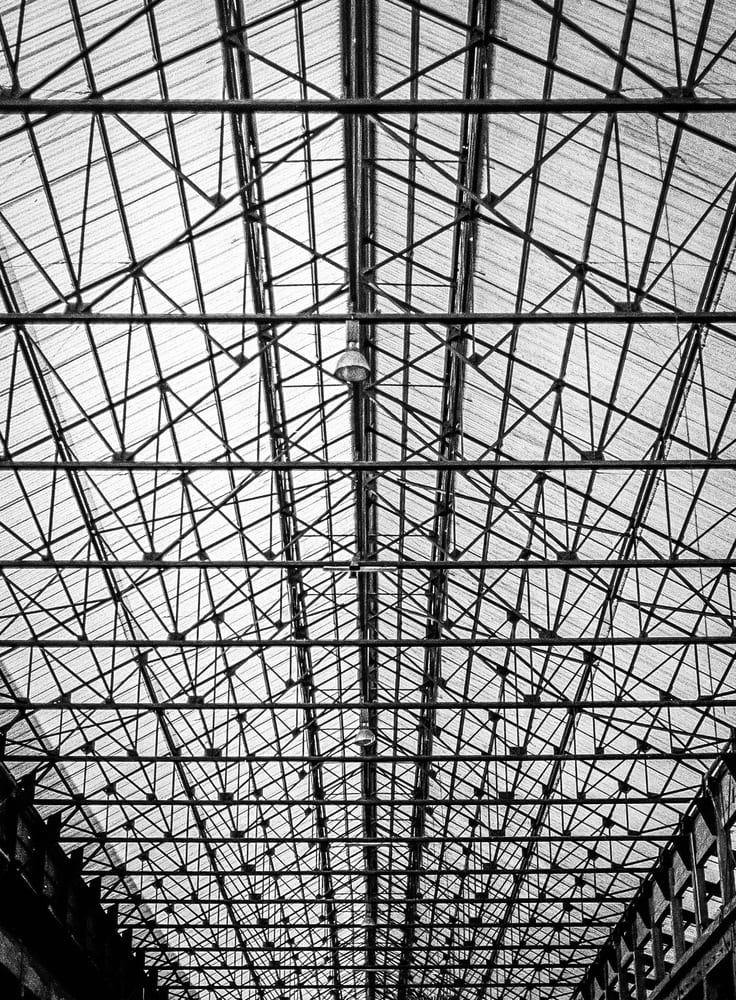
So what else was I to do but drive us to the Hangar à Bananes.  You will have seen the Hangar in this article, and you will now be completely up to date and know nearly everything there is to know.

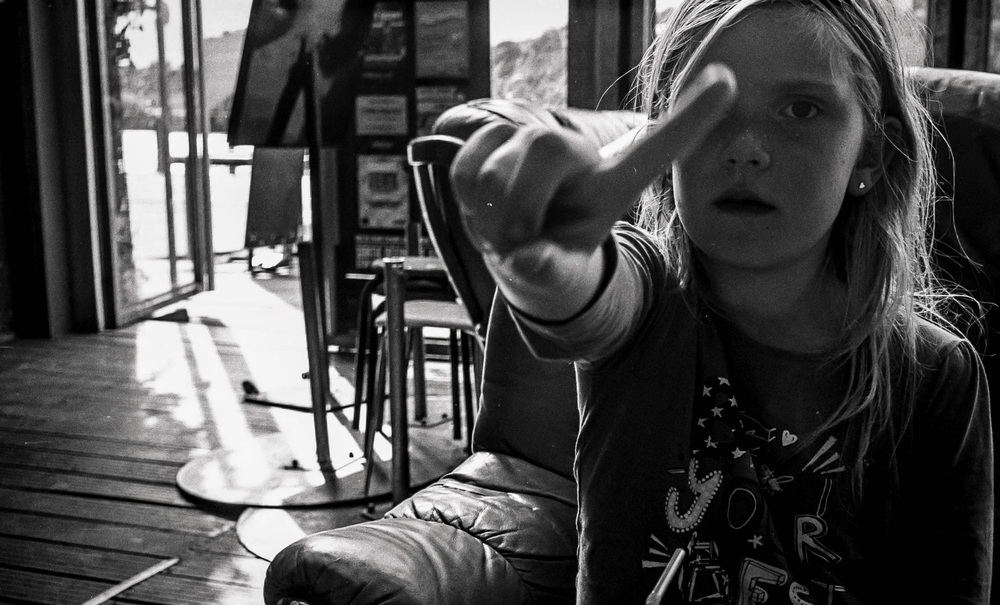
Don’t forget that this is a girl who gets an idea into her head and then just goes through with it.  That idea is so rooted that it is nigh on impossible to change that idea.  I knew what was coming.  I would order a chocolate brownie, and Kate would have an Orangina.  I could have a beer.  How gracious of her.

She had been my model for most of the day and even a top model needs a rest, and just has nothing left to give a photographer.  You just know when enough is enough…