Nantes in September


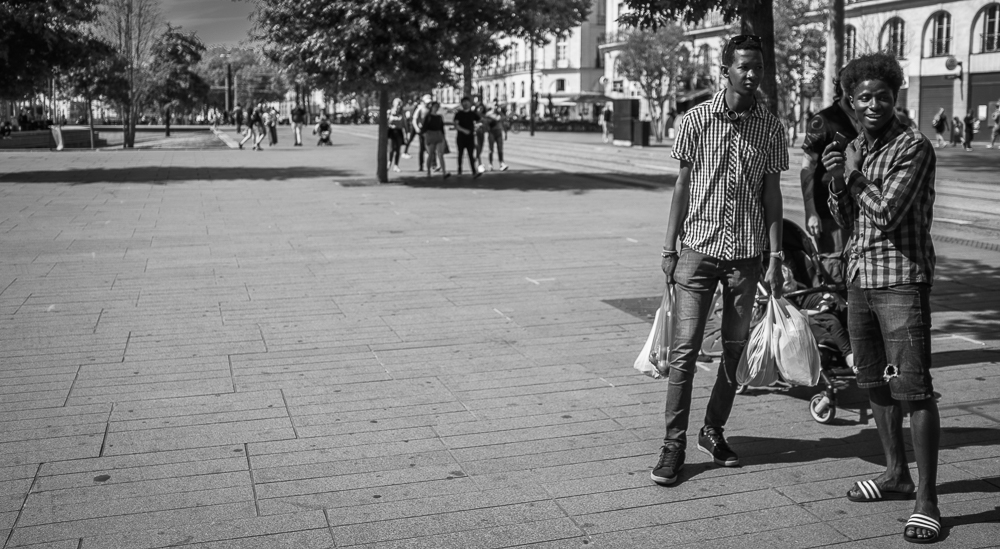
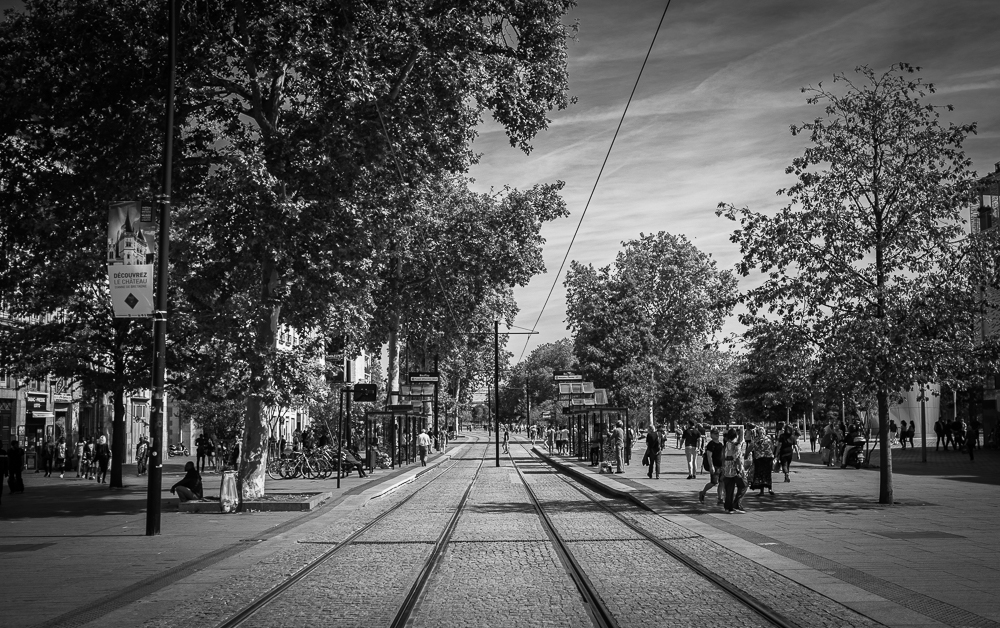
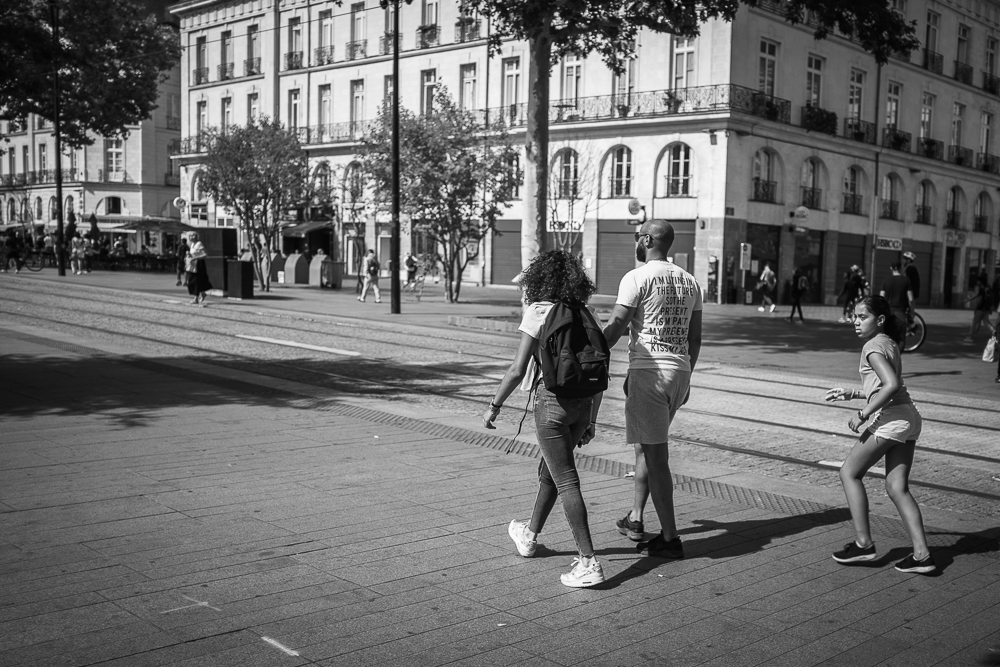
I’d been wanting to get back into Nantes with the X100F to try and do some old fashioned street photography. I’ve been experimenting with colour and have had some interesting feedback. Maybe it was a case of getting it out of my system.

With the Canon I have a few interesting lenses and although it’s great having the options, it’s equally challenging to go without.
Now I have to explain something to the non-French readers. Basically the whole of France is on holiday from mid July to the end of August. My firm litterally shuts down for the month of August and we get four weeks off work! Between you and me, it’s also the best time to visit Paris, because all the Parisians have buggered off on holiday elsewhere!

The obvious consequence to this mass migration is of course the return to every day life in September. This return to work is called the Rentrée and sucks big time for everyone, even more than a small child sucking juice though a non plastic reusable straw, because single-use straws are the spawn of Satan and mess up the environment.

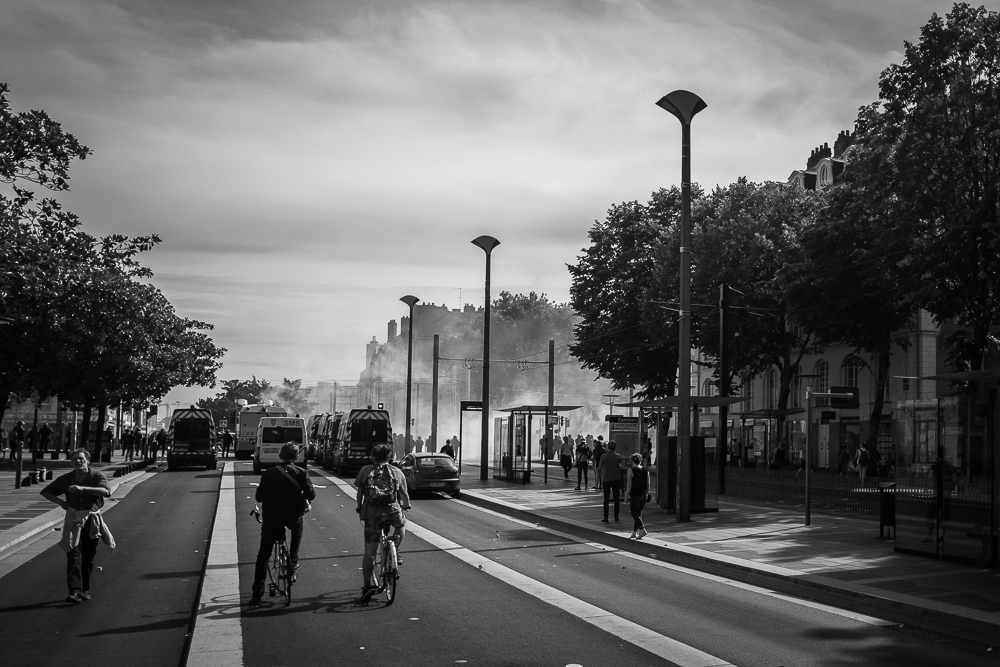
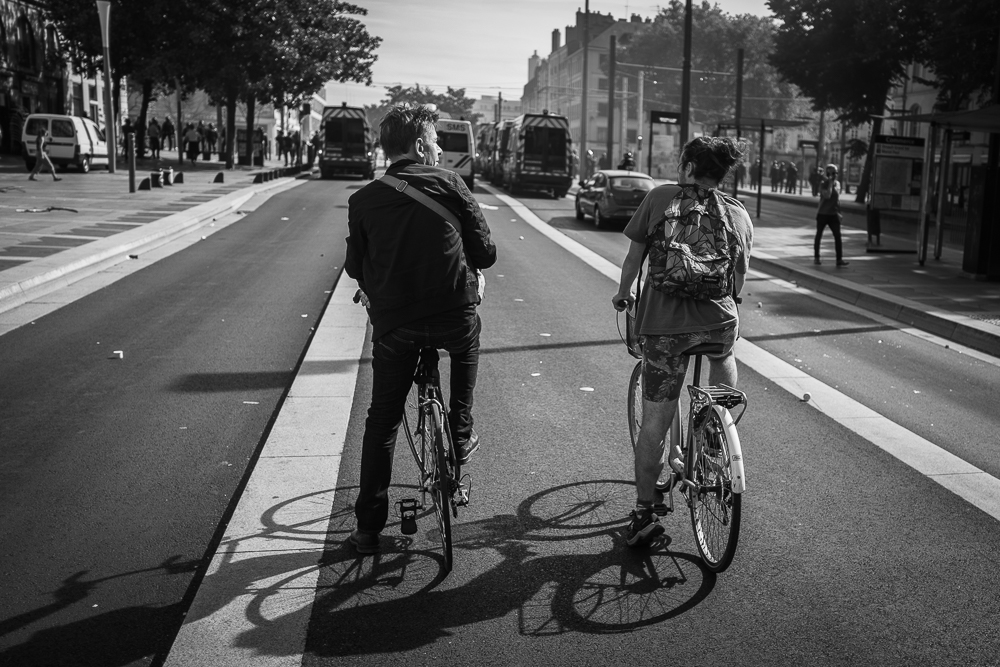
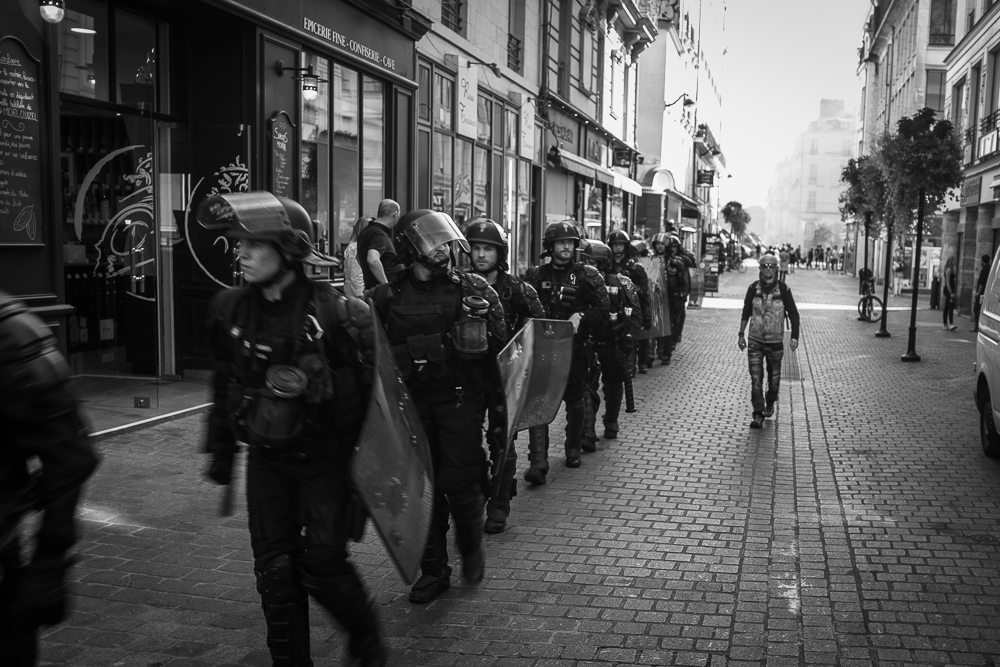
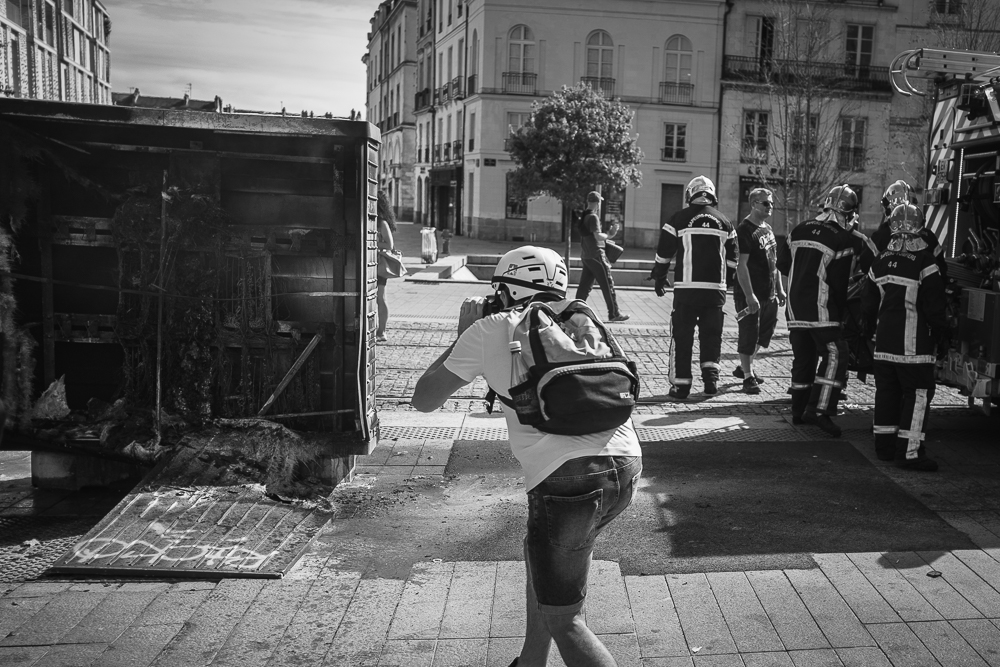
We have the children that go back to school, the TV shows that start again, the MPs that go back to Parliament, etc. You get the picture. Can you remember the Gilet Jaune demonstrators? We’ll they’re no longer in holiday, and are back to demonstrating. Their Rentrée was the 14th of Spetmber, and they all decided that it would be a really good idea to come to Nantes and cause a bit of havoc and make sure that the police knew that it was the Rentrée too!

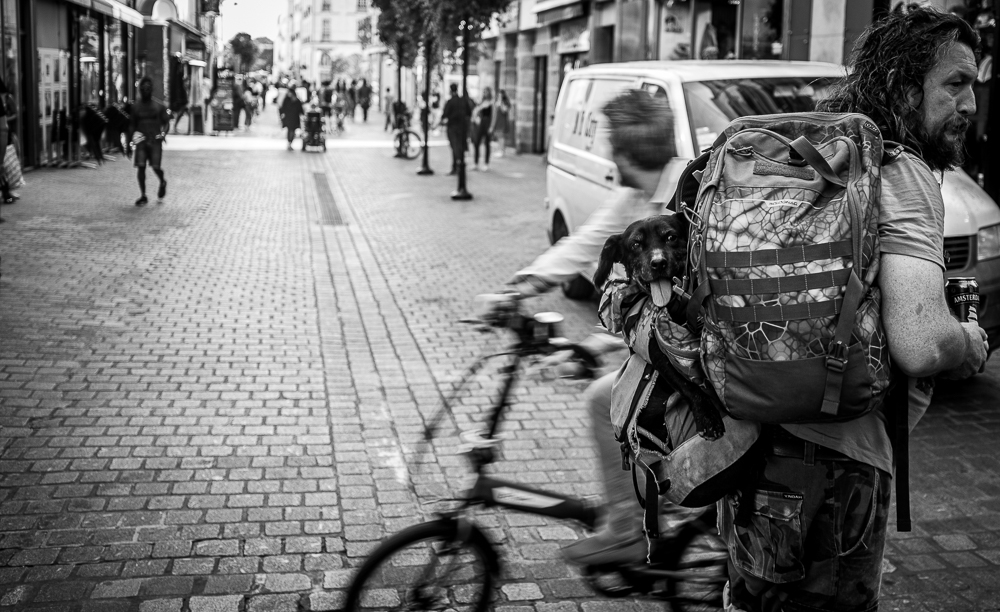
And, (there I go using And as a beginning of a a sentence) this pillock thought it would be a good idea to go along into town, and thought it would be fine. And to be honest I have seen worse, but it allowed me to get some interesting photos.

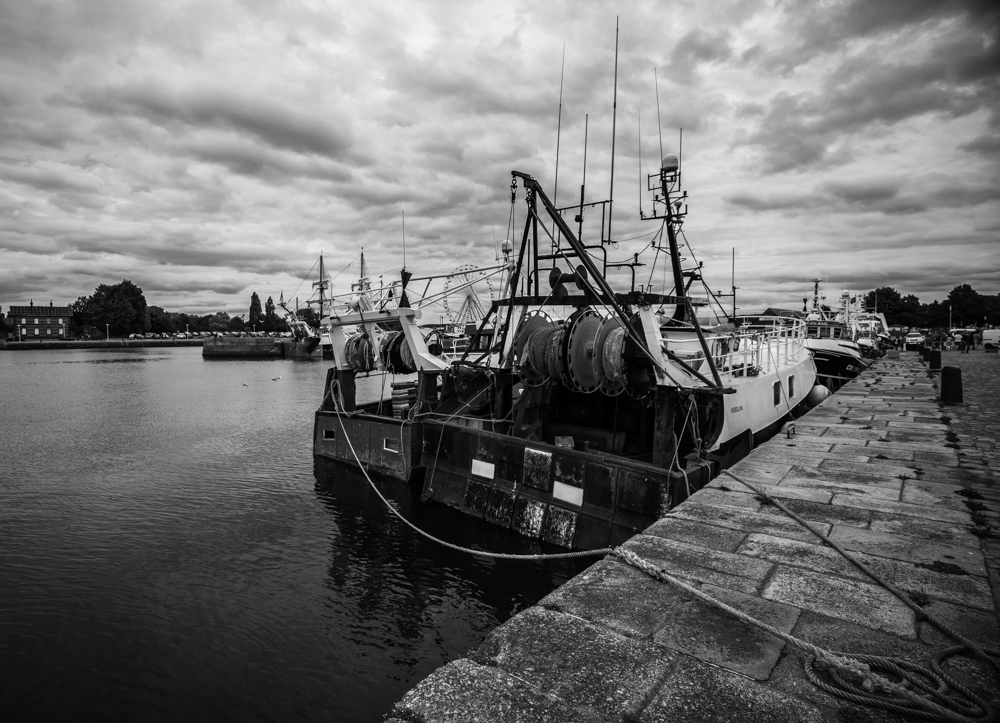
Honfleur, Daytime


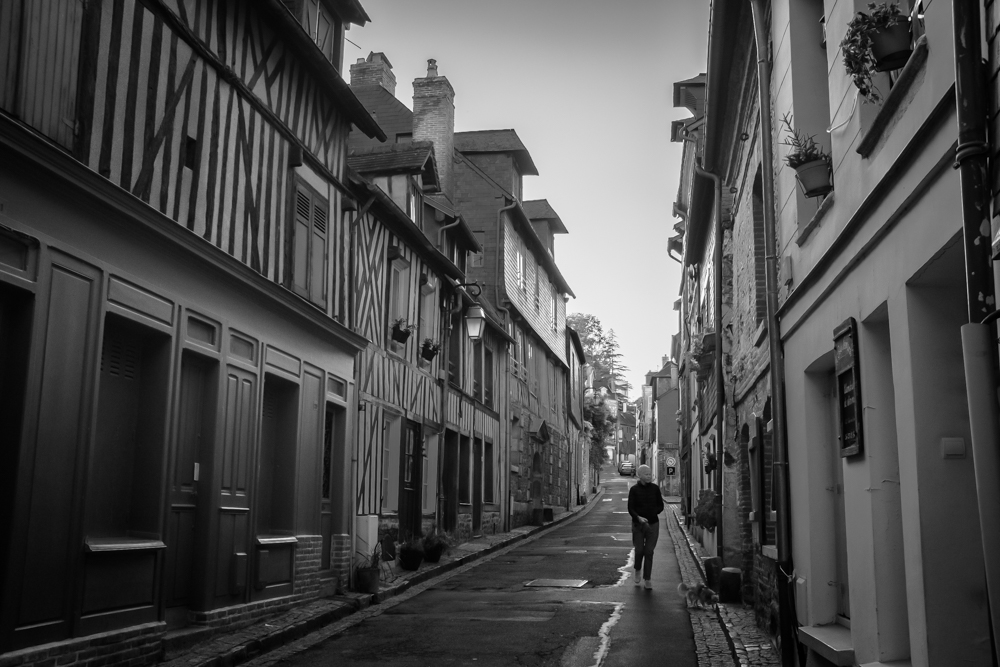
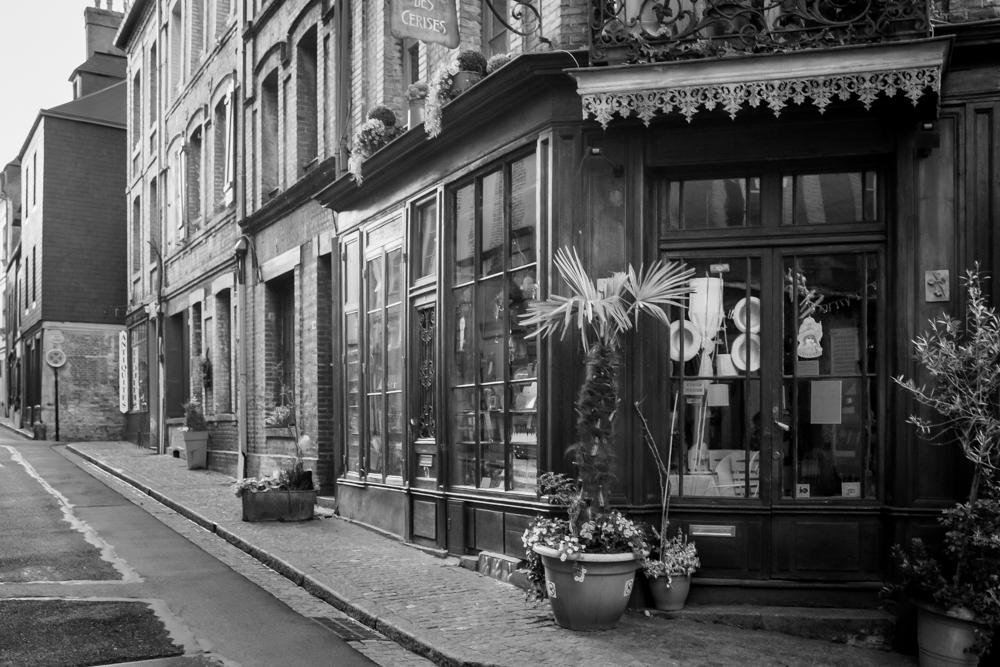
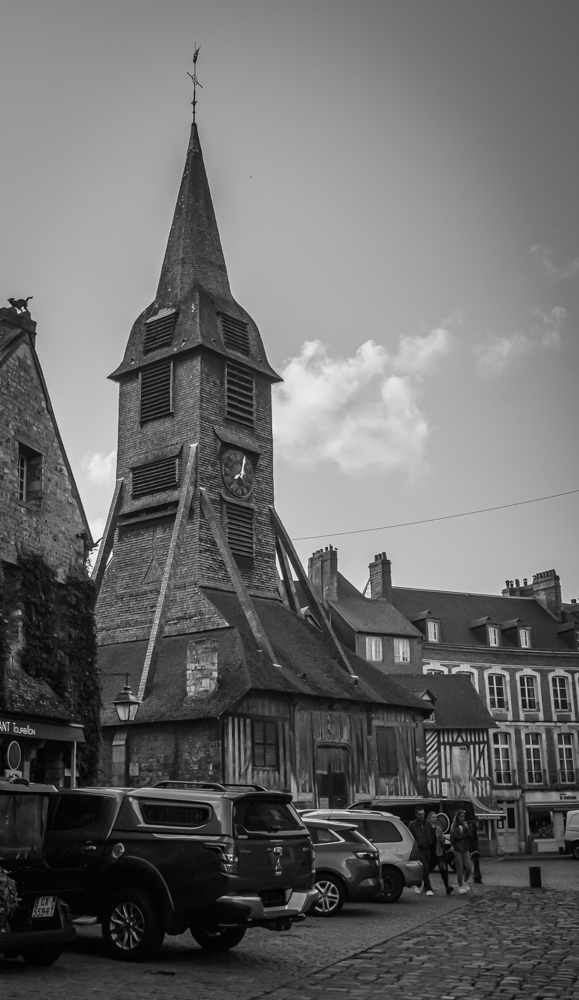
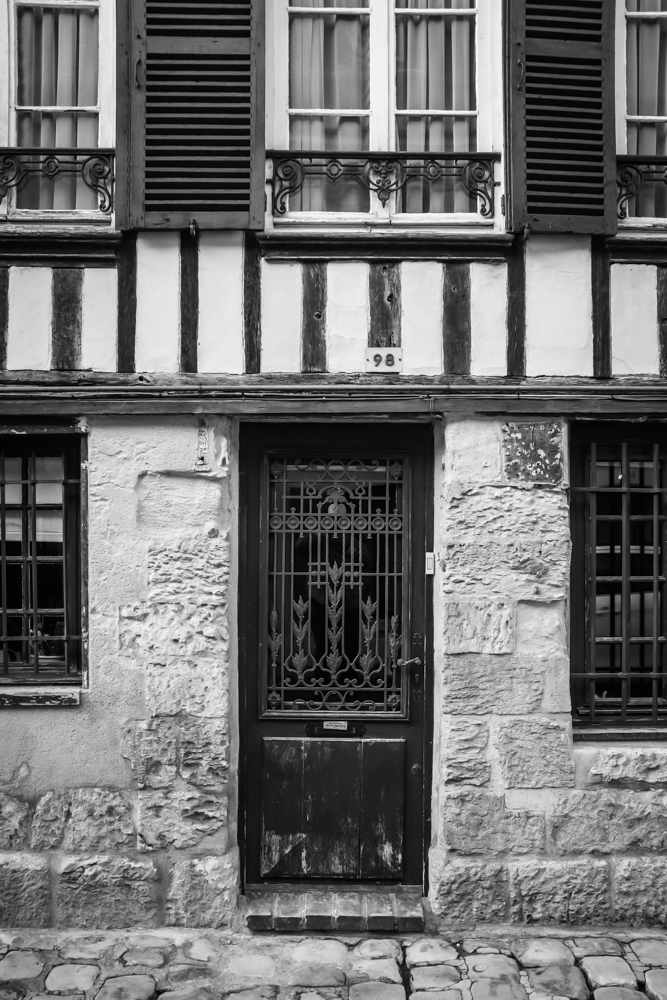
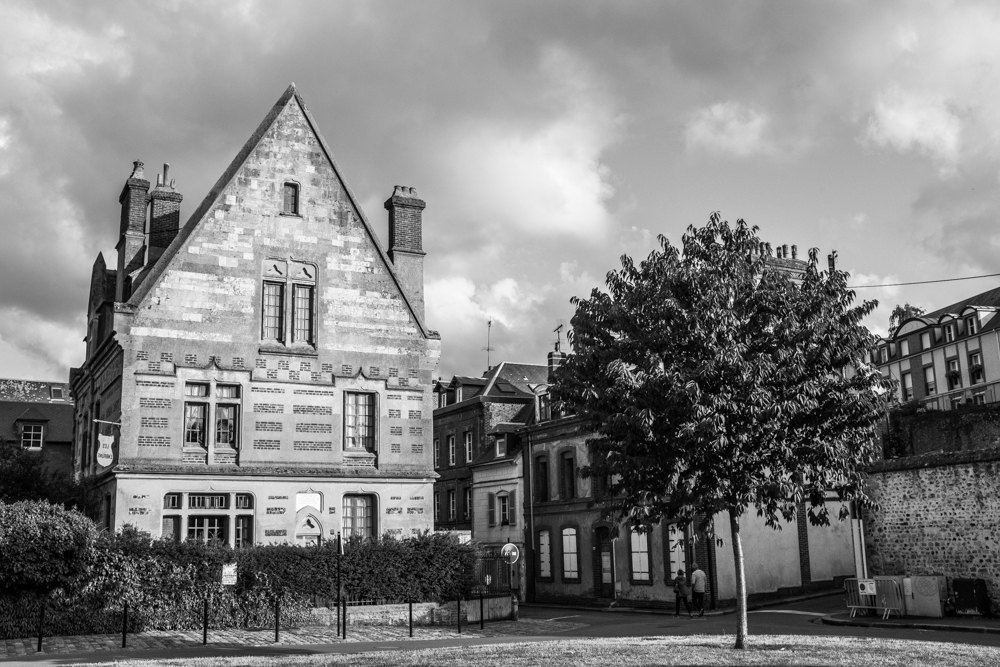
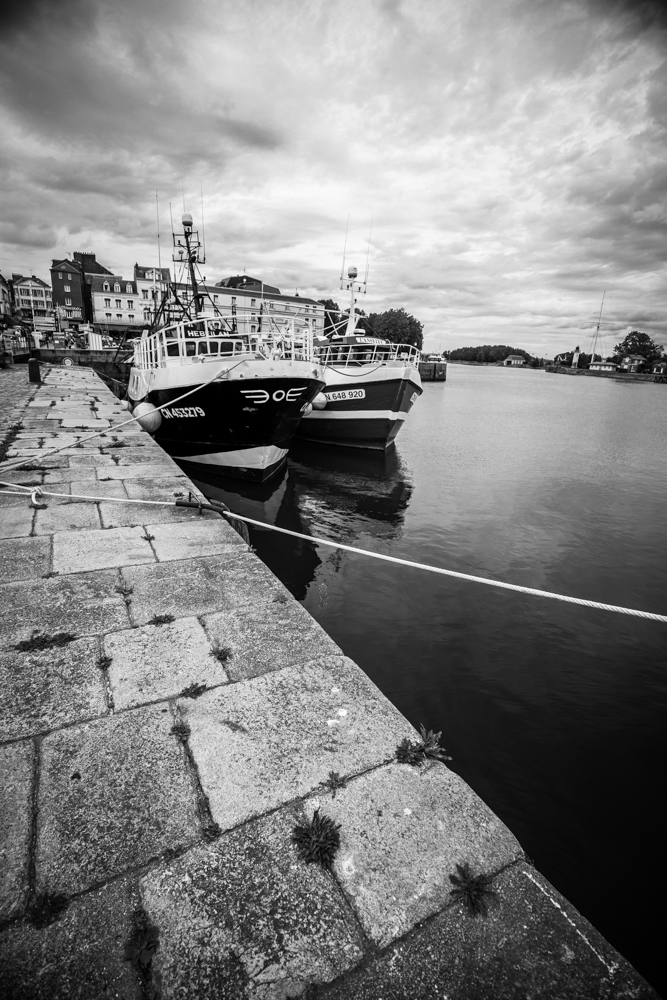
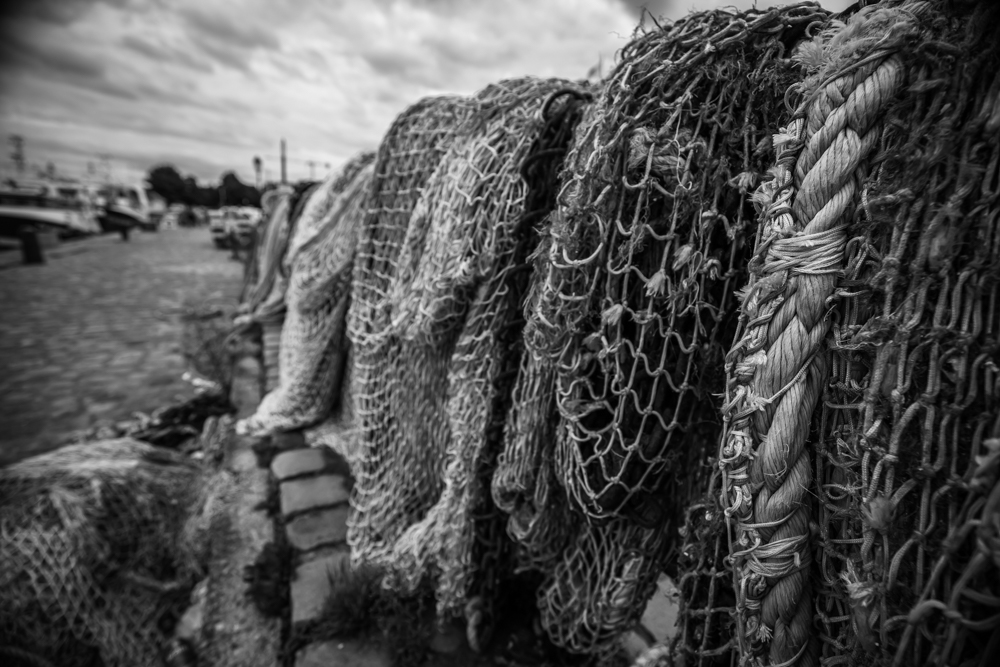
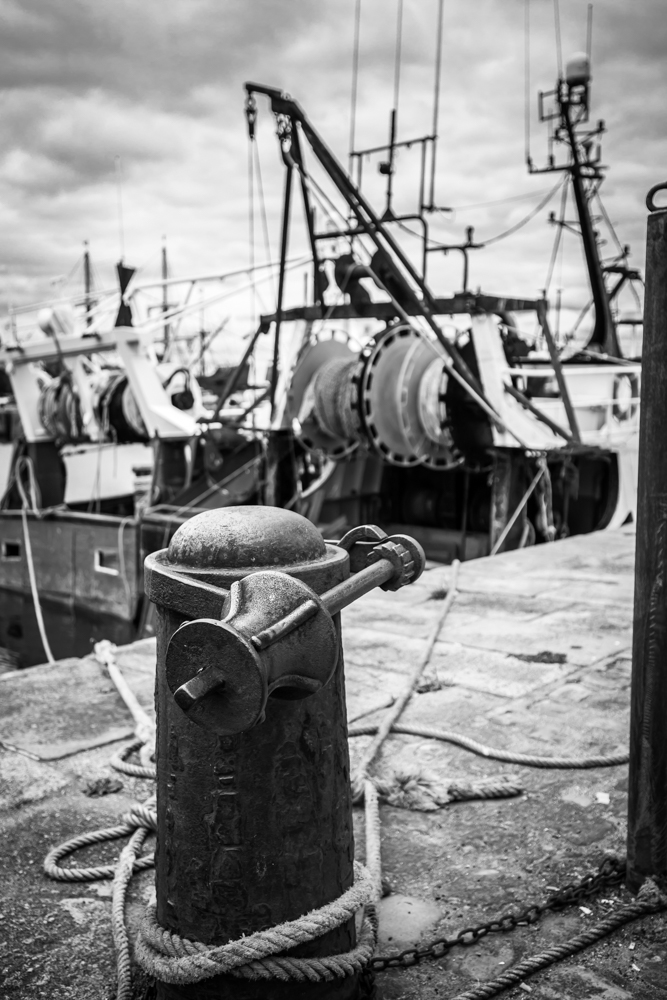
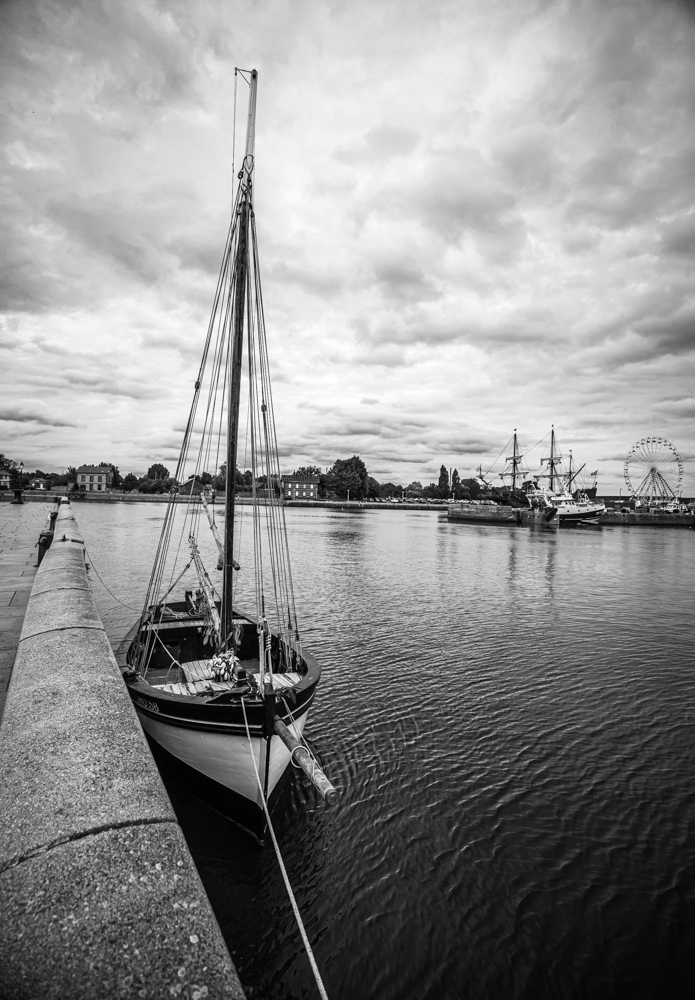
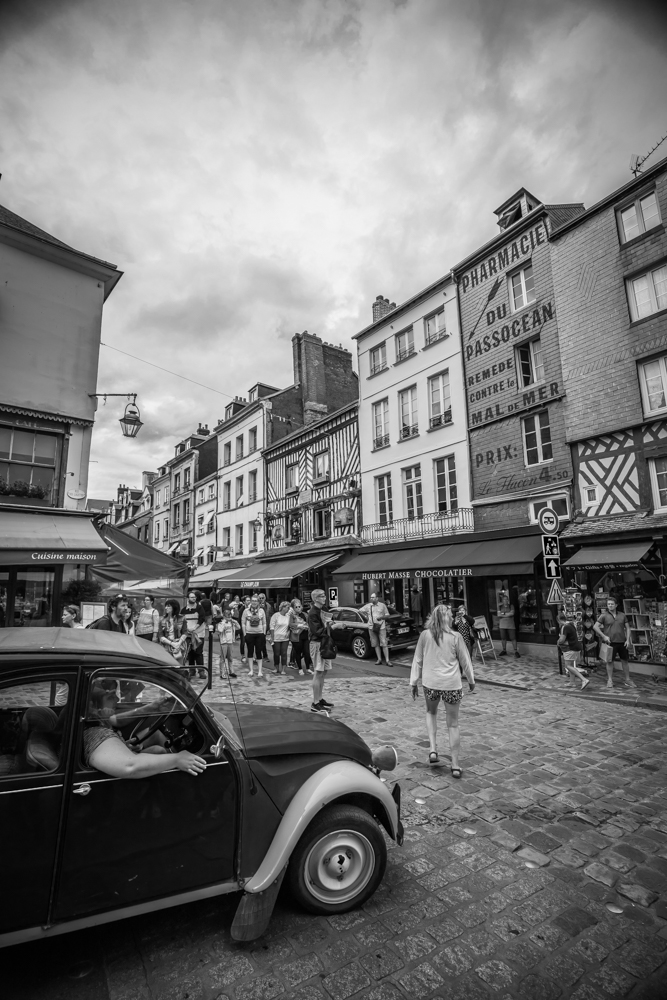
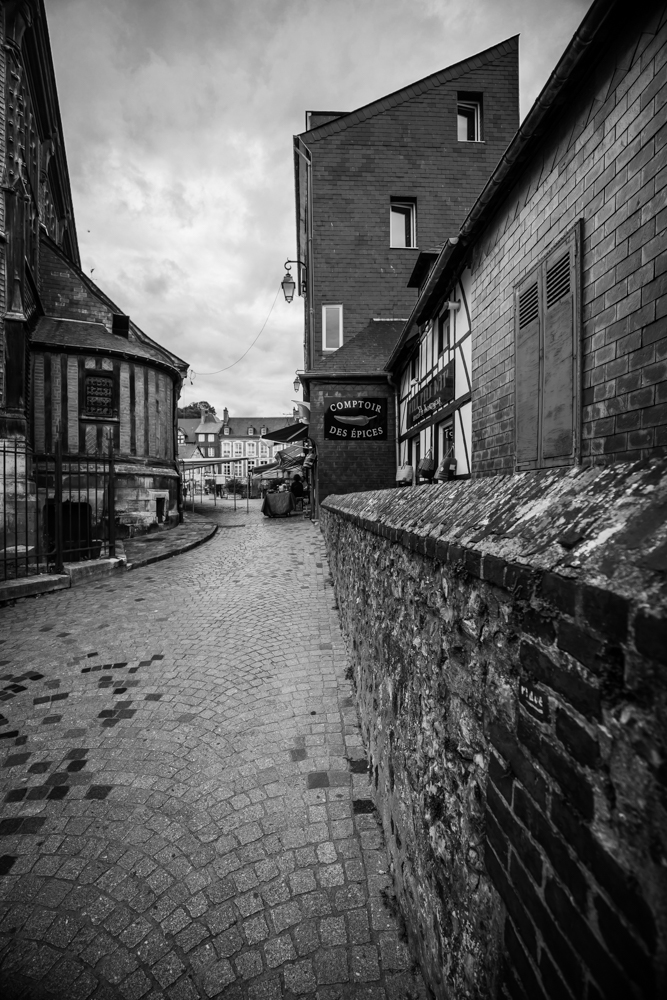
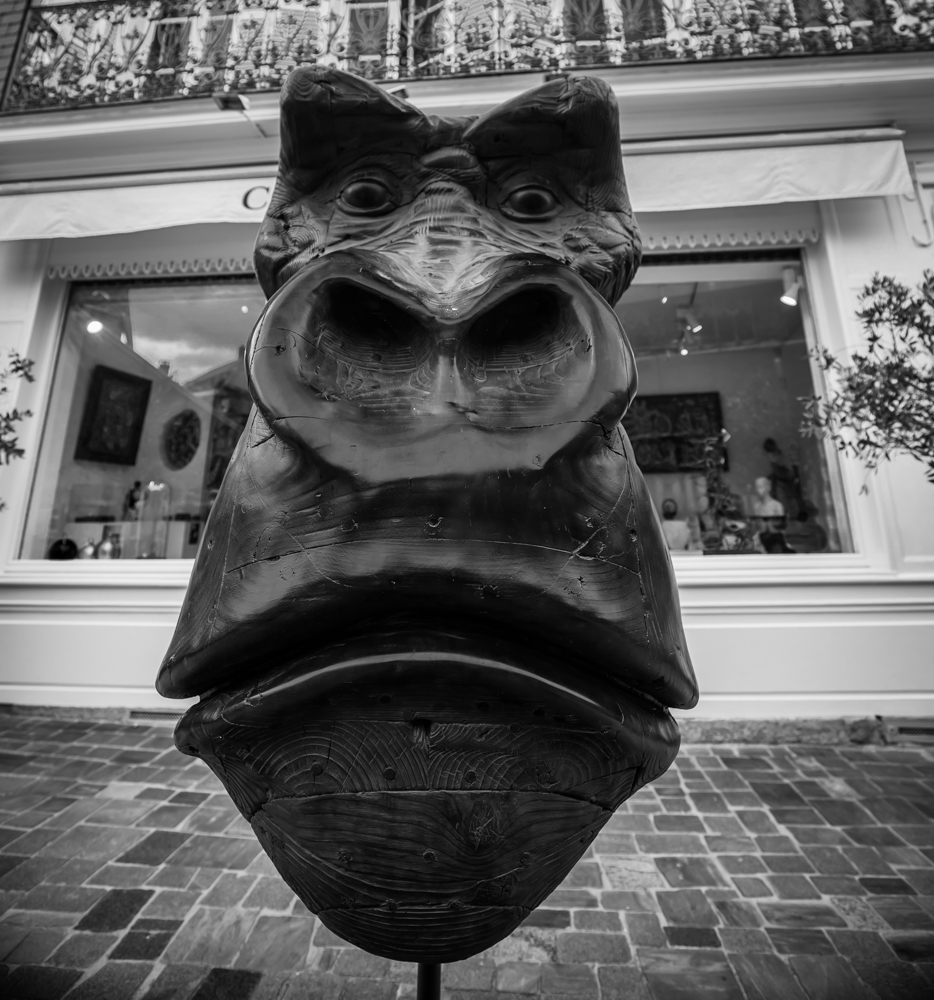
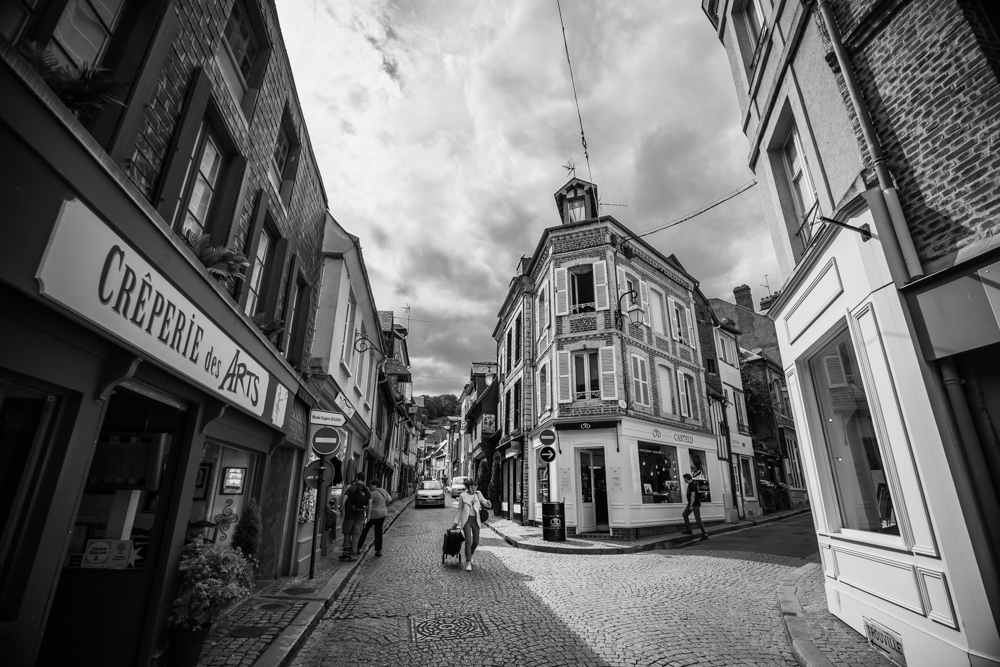
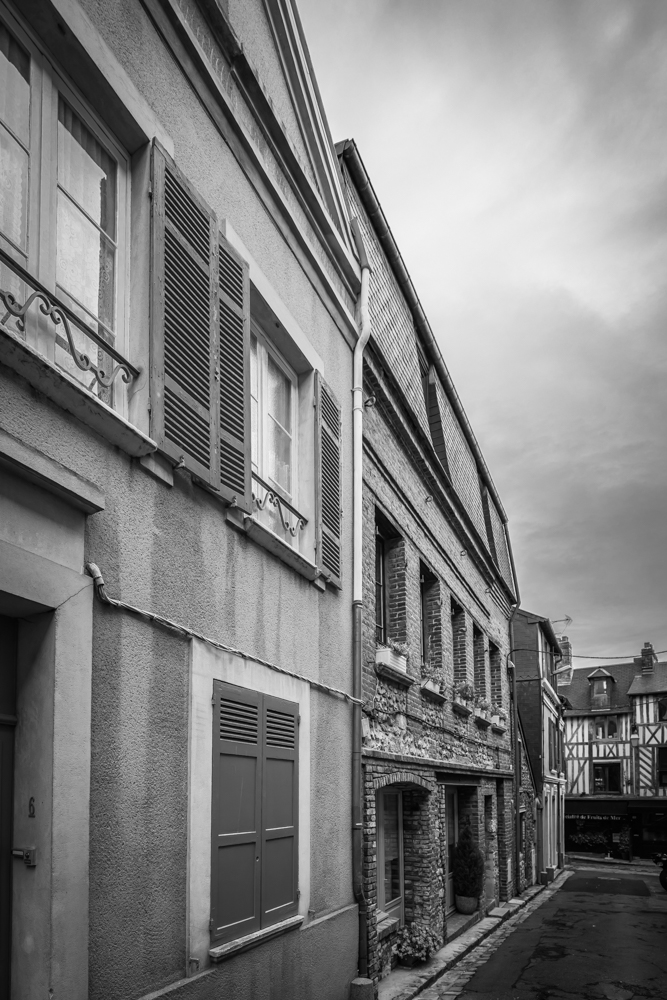
I’ve been trying to “find myself” lately as far as photography goes. Different editing techniques instead of always doing black and white. Maybe it’s time to get back to basics for at least one article. You’ve seen Honfleur in colour and at night in my last article. However, I did take my camera out during the day! Yes, that can happen sometimes.

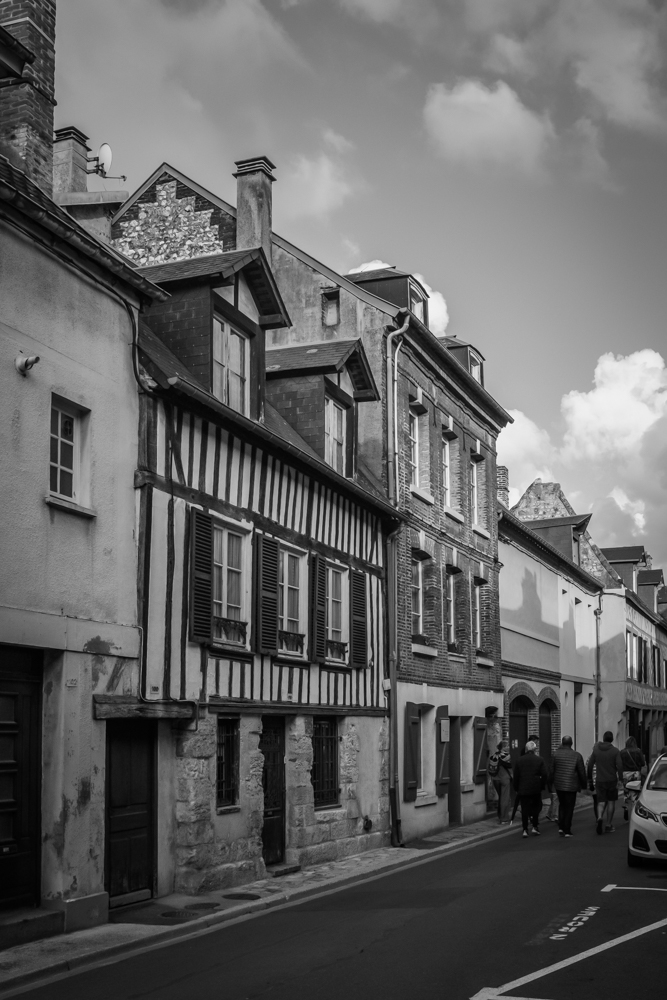
You’ve already had the witticisms about Normandy and the like, so this article is somewhat shorter. It’s about exhibiting some black and white photography of a very pretty little town in Normandy without the distraction of colour. They were taken whilst walking from where I had parked the car, to the house that we had rented for the week. They were taken whilst meandering through the streets, getting lost, trying to see what the place looked like in daylight. They were taken whilst I just let my mind wander off and just take in the beauty of the place. Quite typical for me really, and probably the best way to photograph a town.

The photographs were taken over a period of three days using both the Canon 6D Mark II, with the 16-35mm lens, and the Fujifilm X100F.

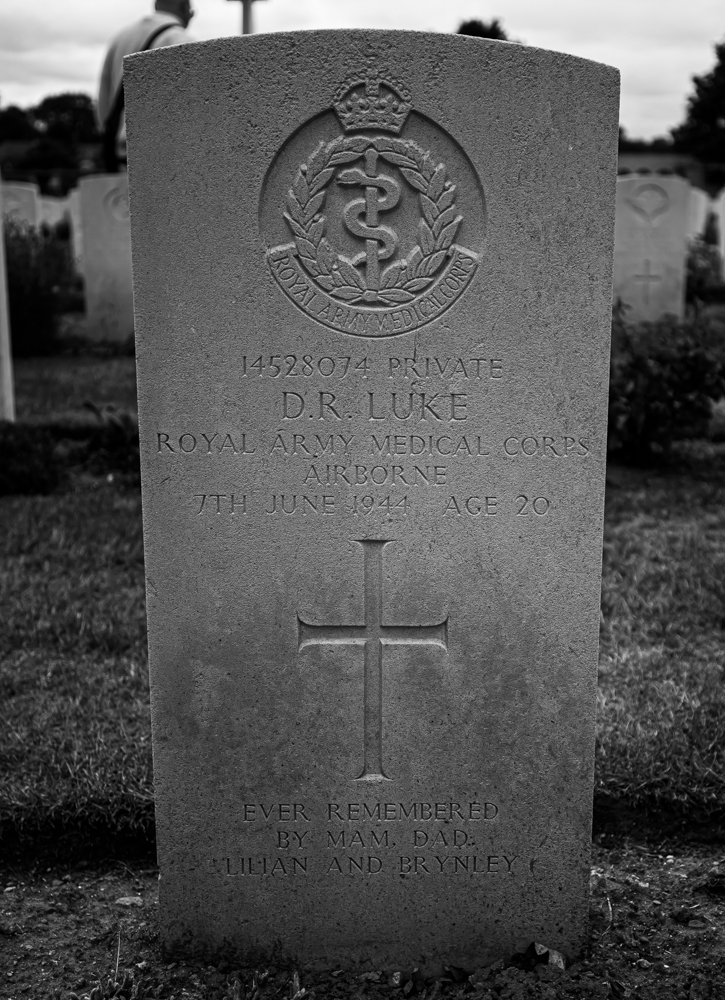
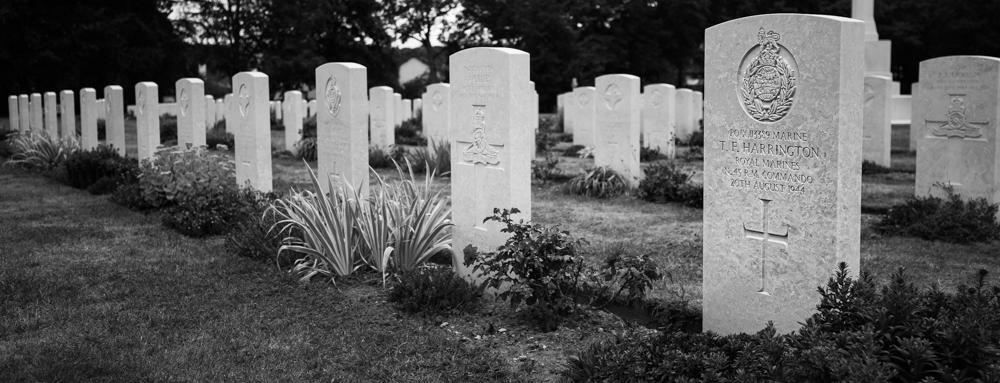
Commonwealth War Cemetery, Ranville


In my last article I talked about Normandy and the battle to take Pegasus Bridge, and in this article I want to talk about the soldiers that didn’t come back. Ranville is a town, not too far from Pegasus Bridge and the men that fell in that engagement are buried in the Parish Churchyard. Just next to the chuchyard is a Commonwealth War Cemetery.

The cemetery contains predominantly British soldiers killed during the early stages of the Battle of Normandy. A large proportion of those interred were members of the British 6th Airborne Division. These places are always very moving, even more so when one looks at the ages of some of those that died in June 1944. My son is 20 and the same age as so many of those soldiers.

Even when dead they are still on parade in ranks with perfect dressing. They died as soldiers and even in death they remain soldiers. When you look through the photos you will notice certain anomalies. One was a tank crew that was buried together, as a crew. One is a grave of a German Jew who escaped to join the British army, and was given a pseudonym so if he was captured his name wouldn’t betray him, One grave is of a parachutist and his dog who were buried together.

They shall grow not old, as we that are left grow old:
Age shall not weary them, nor the years condemn.
At the going down of the sun and in the morning
We will remember them.

Extract For the Fallen, Laurence Binyon

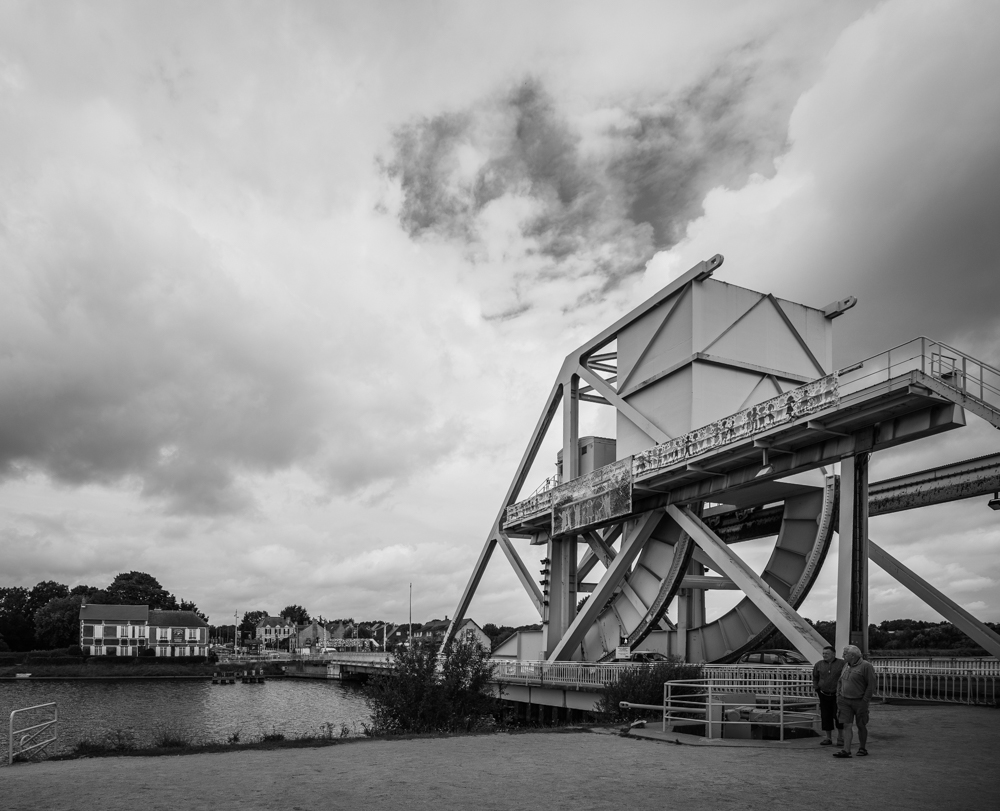
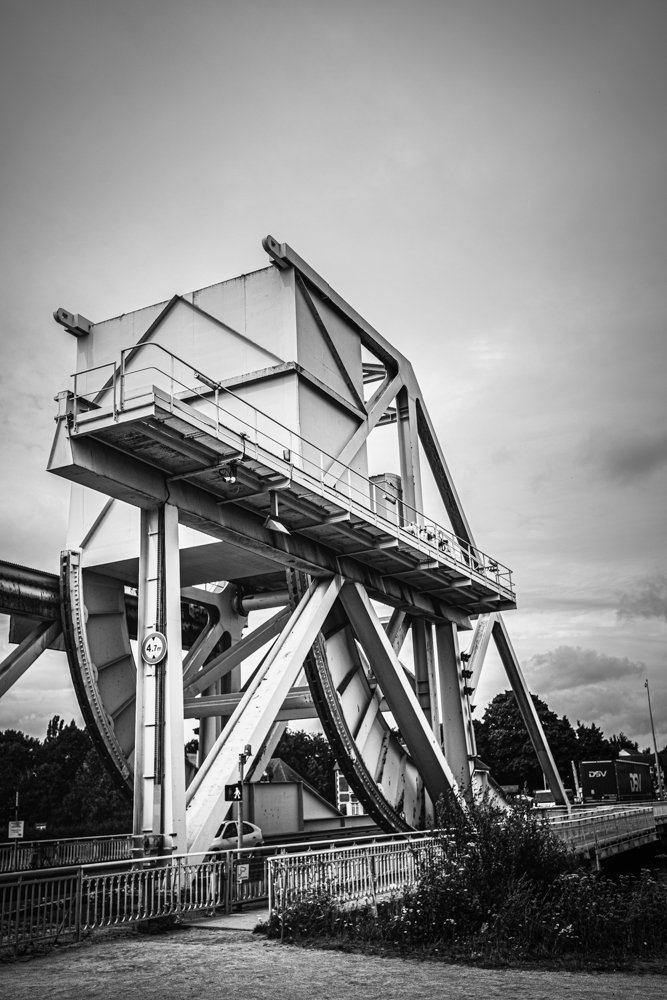
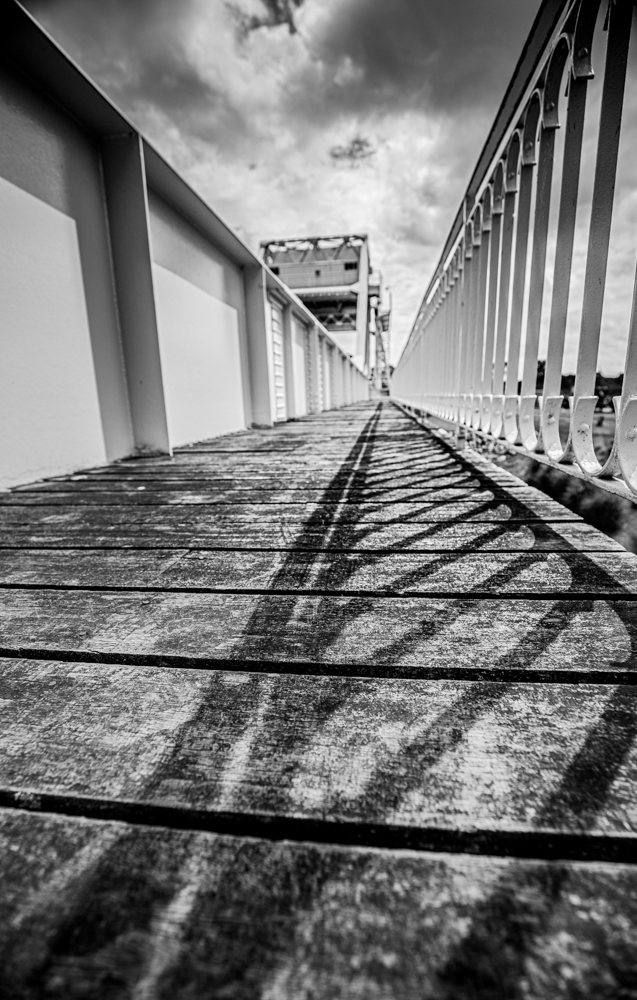
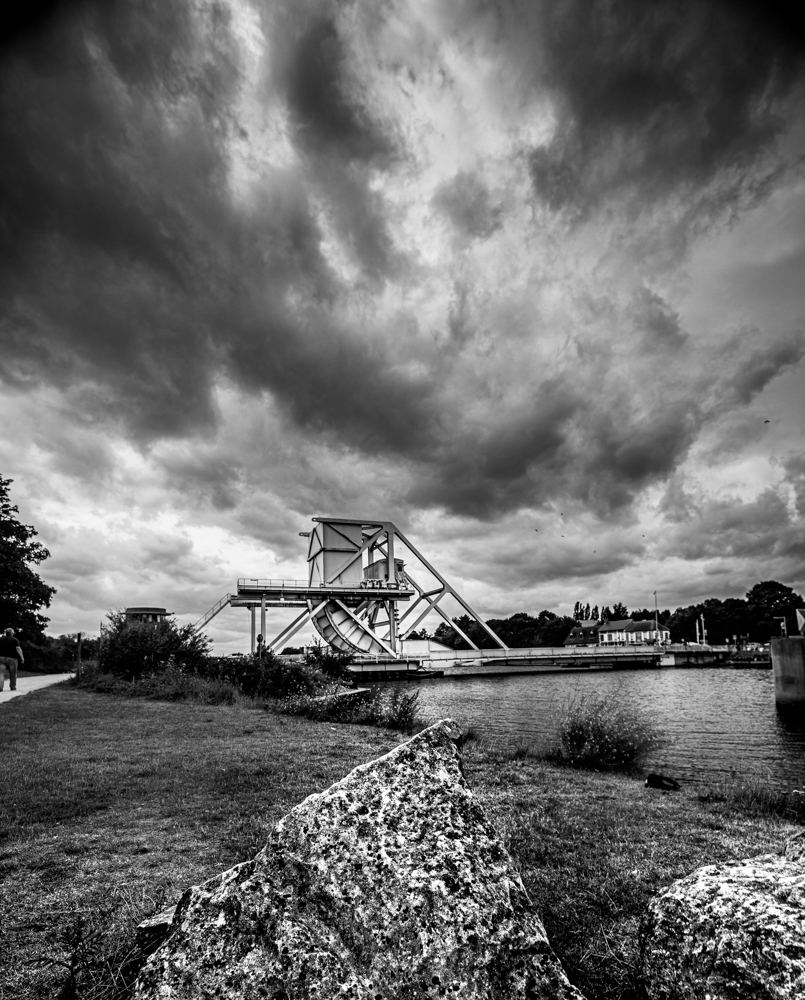
Pegasus Bridge


This is the first in a series of posts about Normandy, and now you know where I went on holiday this year! Having lived in France for so long Normandy conjures up images of apples, cider, Calva, and Normans amazed by the fact that you can actually eat apples and not just use them to make alcoholic drinks.
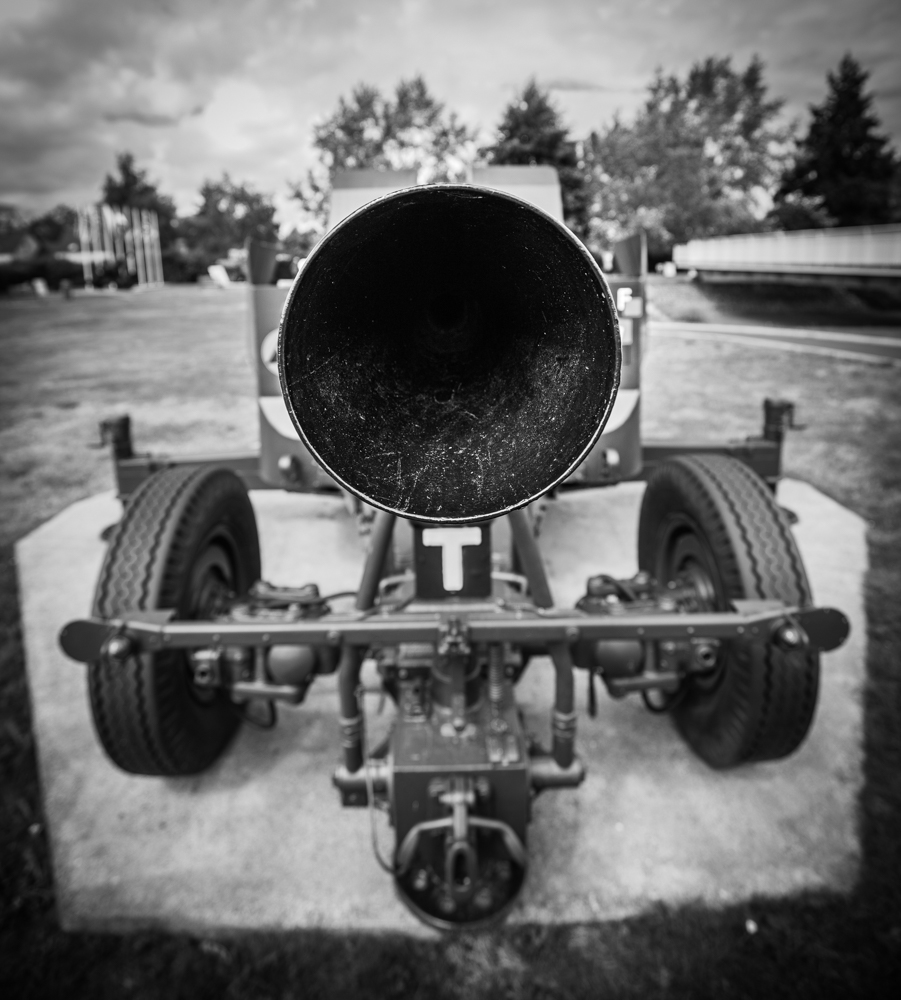
It conjures up images of rain for the French, and I jokingly remind them that the British go there for the “good weather!” It conjures up history by the bucket load, William the Bastard, who became William the Conqueror, and the Bayeux Tapestry which is 1000 year old propaganda, and sparked off a rivalry between the two countries, which lasted for centuries, and still does especially when we beat the French at rugby. It conjures up images of landings made by Allied troops on the 6th of June 1944, to free France and Europe from Nazi occupation and tyranny.

This article is about one of the places where one of those battles took place. Please take the time to click on the various links to Wikipedia to learn more about the operations and people involved. Thank you.

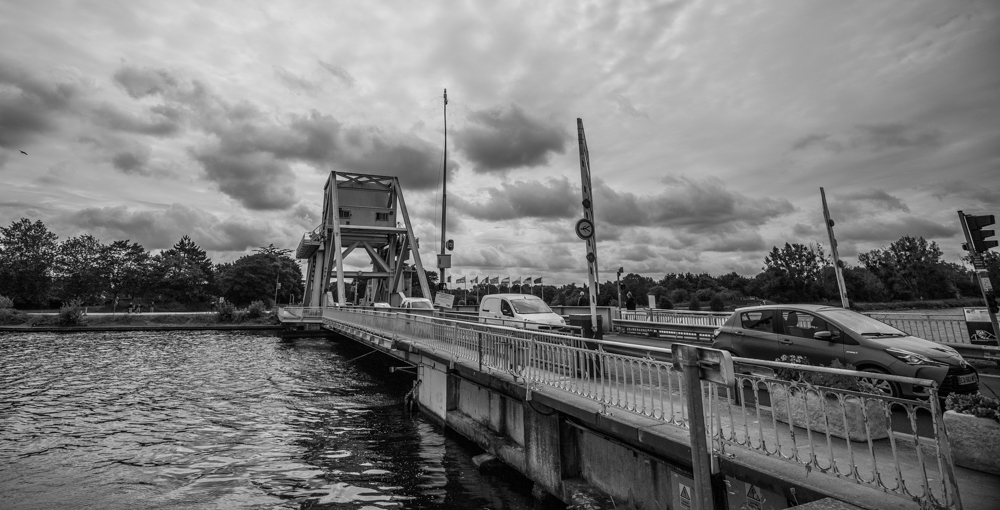
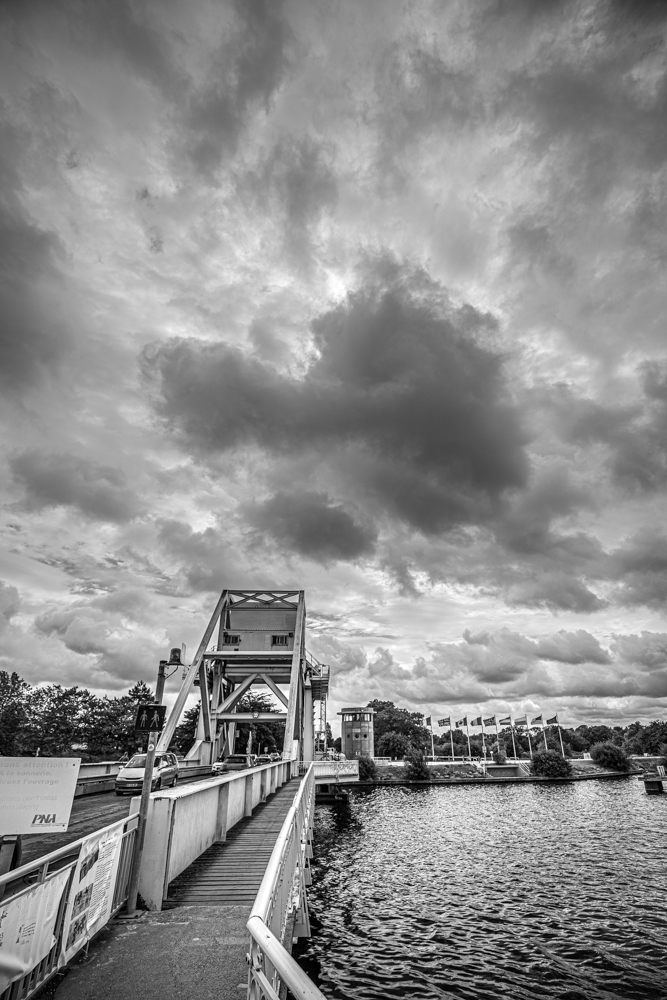
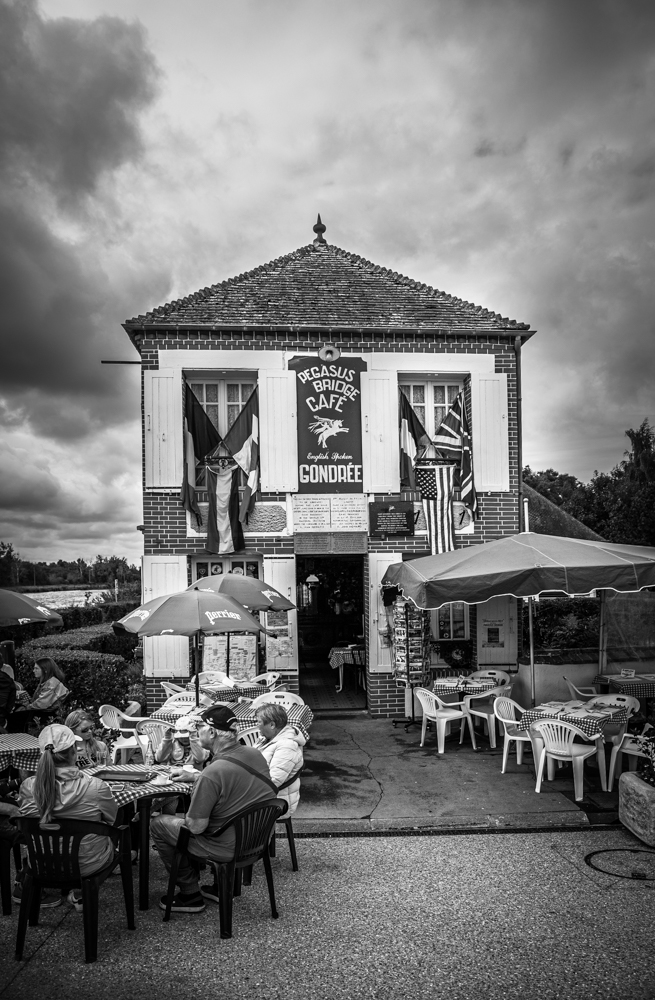
To some Pegasus Bridge might mean nothing but to others it means the end of Nazi occupation in Normandy, France. Madame Arlette Grondée is the same age as my mother and witnessed the Second World War first hand. On the night of the 5th of June, just before midnight, three gliders containing airborne troops landed just across the canal from where her parents ran a café. That café is still there and so is Madame Grondée. I know, because I asked her for a photo and she very kindly agreed. It’s not every day that one meets a legend, and part of history.

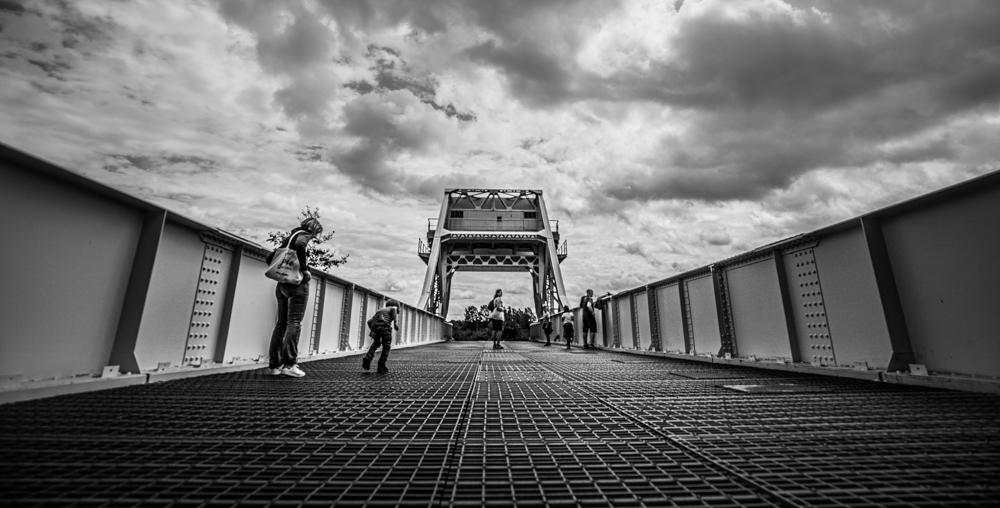
I visited this area as a boy and I lust have been the same age as my daughter is now when I was last there. But as an adult, the whole thing has an other dimension to it. The bust of Major Howard (Company Commander of “D” Company, Oxfordshire and Buckinghamshire Light Infantry, and part of the 6th Airborne Division) is on the exact site where the three gliders landed. It’s literally on top of the bridge!

Operation Deadstick was a success and a vital victory in the D-Day Operations. The dead were buried in the Parish Cemetery in Rainville, and amongst them is HD Brotheridge, the first British causality of the actions in Normandy. To the left of his grave is a plaque put up by the Grondée family in recognition of his sacrifice.

The tools of the trade that day were the Canon 6D Mark II, and the Canon 16-35mm lens.

Certain images from this gallery can be purchased for a limited time here

In the streets of Nantes on Ascension Thursday 2019


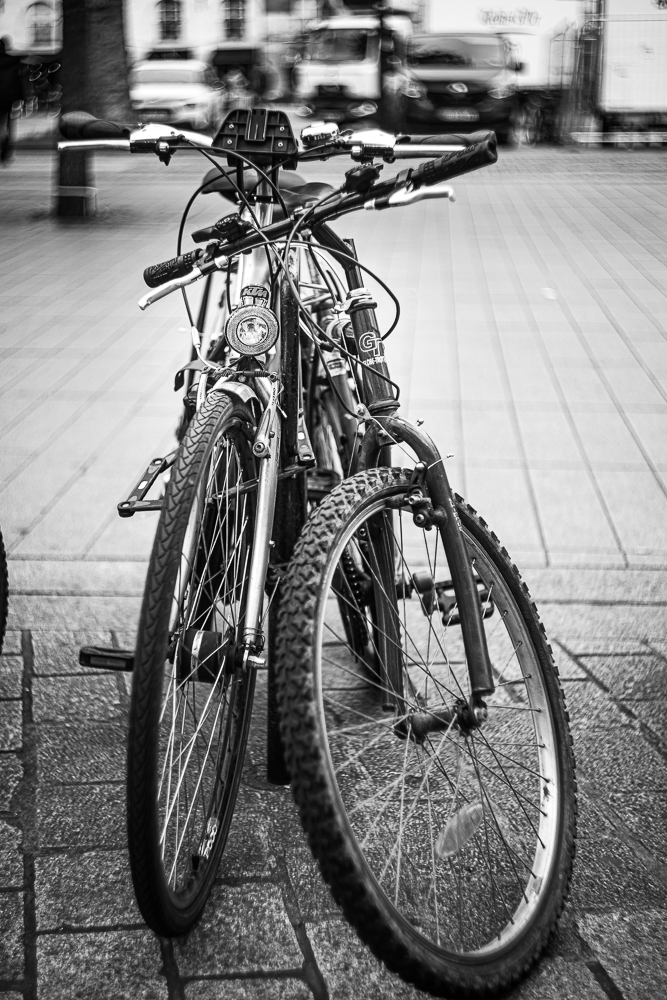
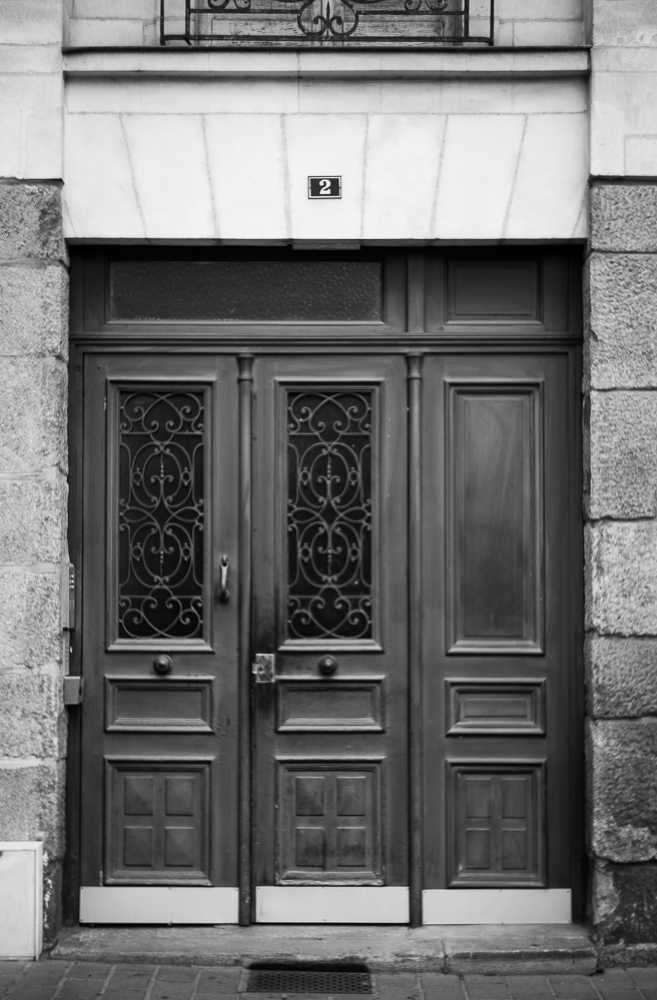
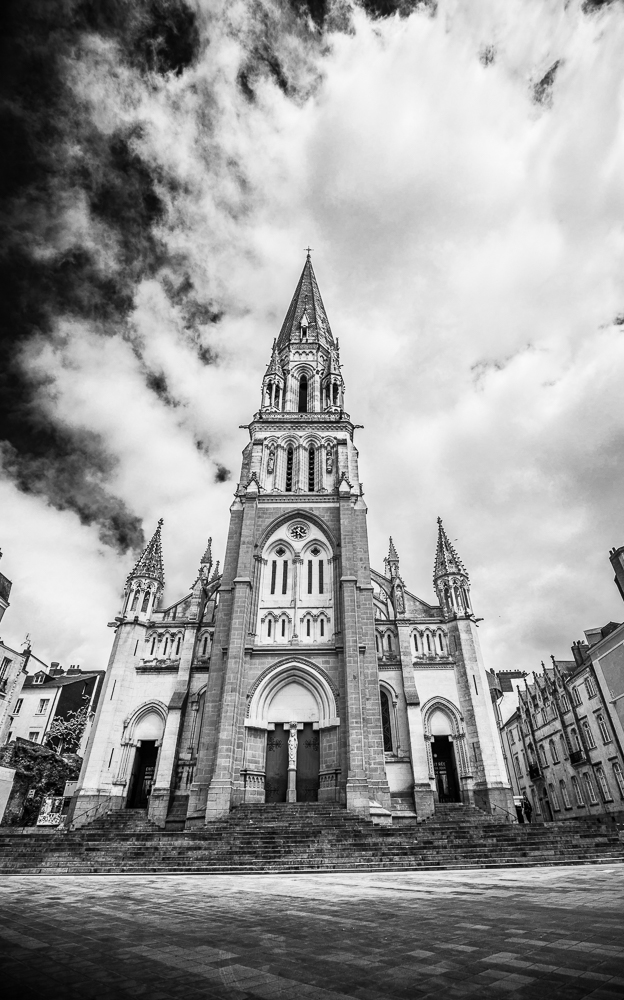
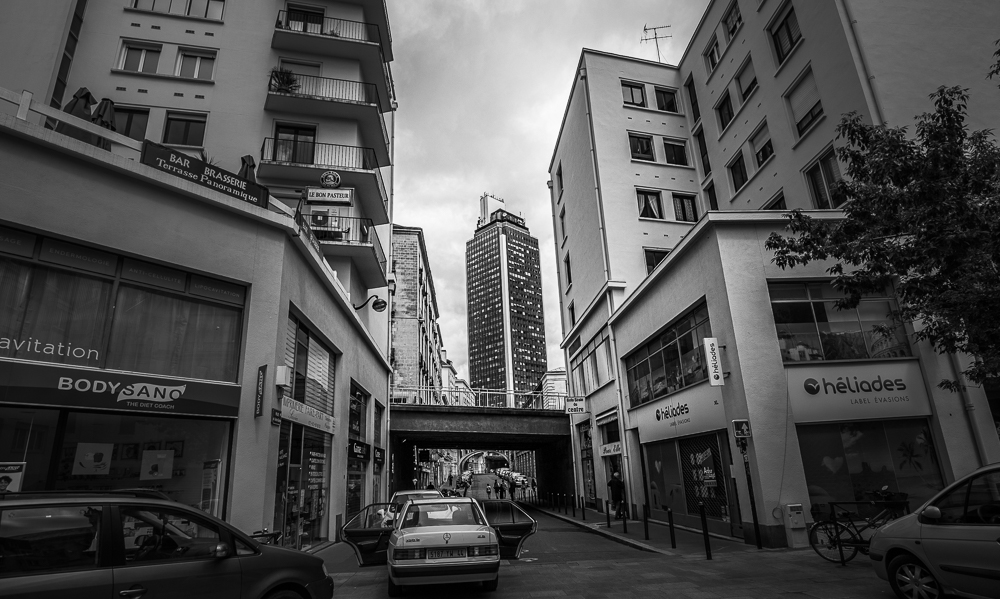
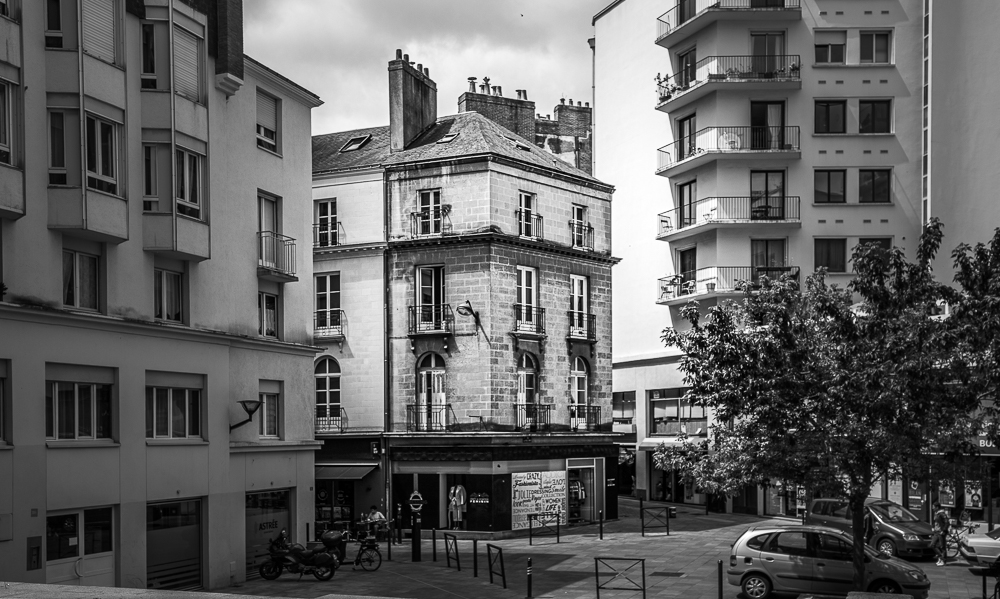
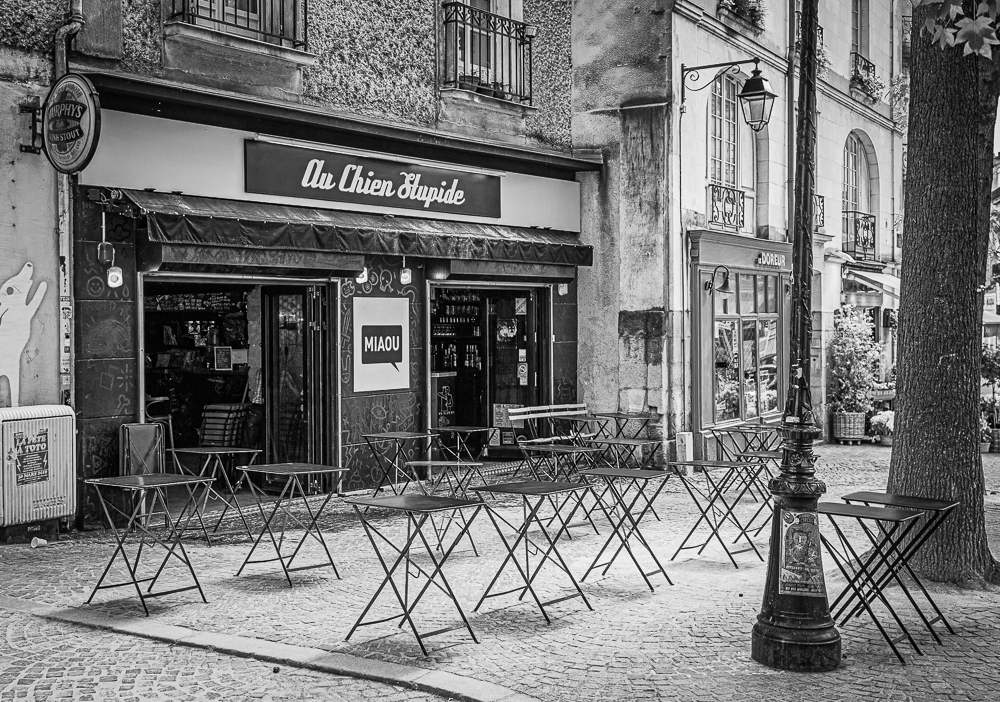
Same day as the last article, but this series is about the streets on Nantes, with some obligatory bike shots, some lovely knockers, shops, churches, and other buildings. This seems to represent part of my universe when I’m in Nantes. Or more the way I see this little area of Nantes.

I usually park in the Feydeau car park, and head through Bouffay, towards Place Royale where I’ll eat in either the Sugar Blue Café (really nice and one of my favourites) and when it’s not open I have to cross the road and eat at the Suppli Factory which is like Italian street food, but not on the street, but still really good food!

After the food, which was delicious we headed off towards the St Nicolas Basilica (photos of which will be the subject of another article) and up past the Cathedral towards the river Erdre (yet another article). Spoiler alert!!!

Photography in the streets of Nantes, May 2019


Now that you’ve had a bit of time to get used to me, I’m going to show you some of the usual photography I do, to keep my eye in. No fancy lenses. Just the Fujifilm X100F with it’s 35mm equivalent lens.

So basically I go into town with my small inconspicuous little camera that does the business, and, believe it or not, take some photos. I then find a café to sit in, take a few more photos just in case, and start editing.

That entails sending the photos from the camera onto my phone via Wi-Fi, and getting annoyed when I have to start again a few times… Then comes the editing on my phone with Snapseed, and there you are. Photos ready to publish on Instagram or Facebook etc.

Win I do this I have my own preset as a starting point and that allows me to finely tune the end result. I nearly always go black and white for this kind of photography. The idea being that o manage to get photos of the ordinary things and try and give the justice. You’ll be able to decide when you look through.

On this particular trip, those of you who know Nantes will be able to see exactly where I went…