The UK Chronicles, Part IV: Alnwick to Rothbury


The Scenic Drive: A Journey Through the Northumberland Moors

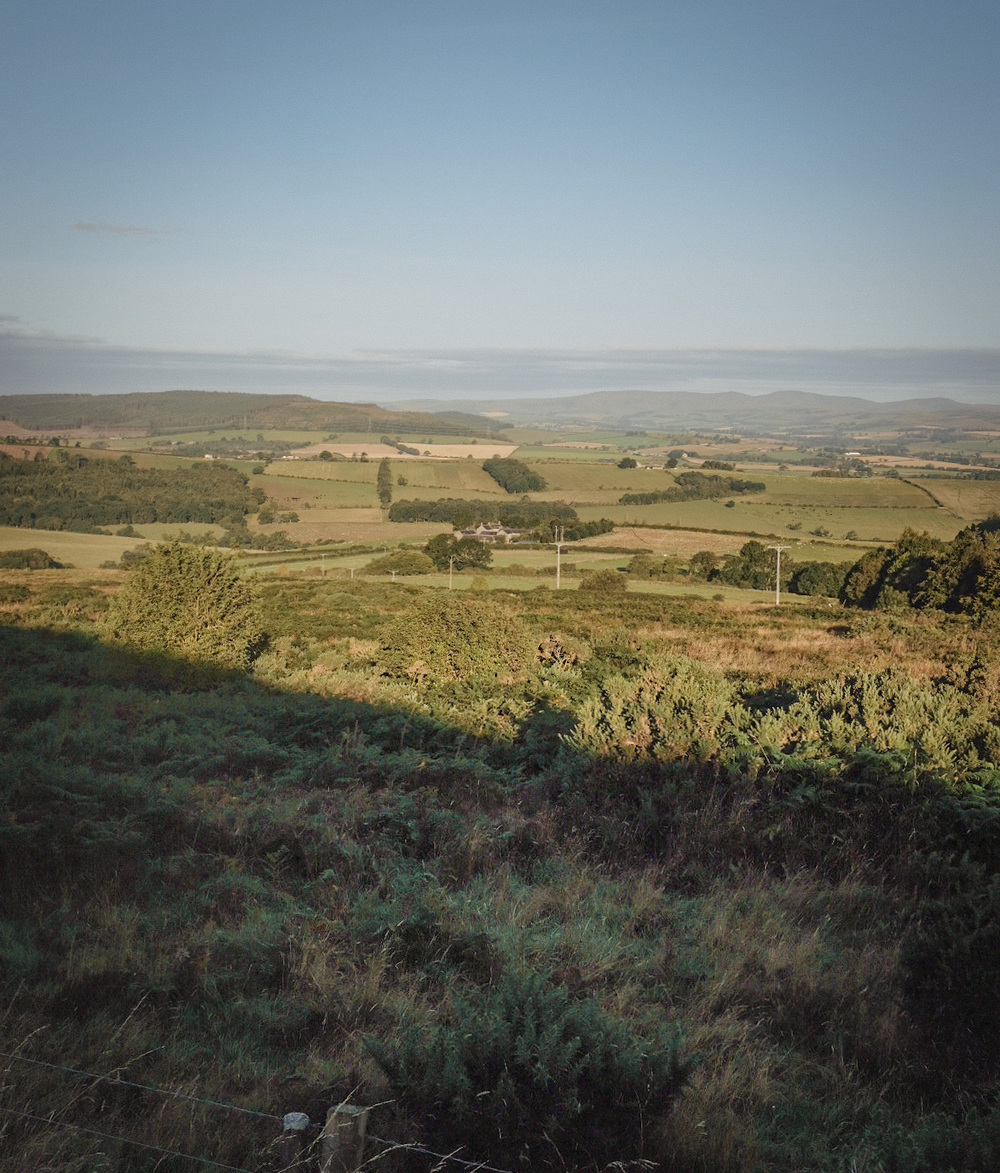
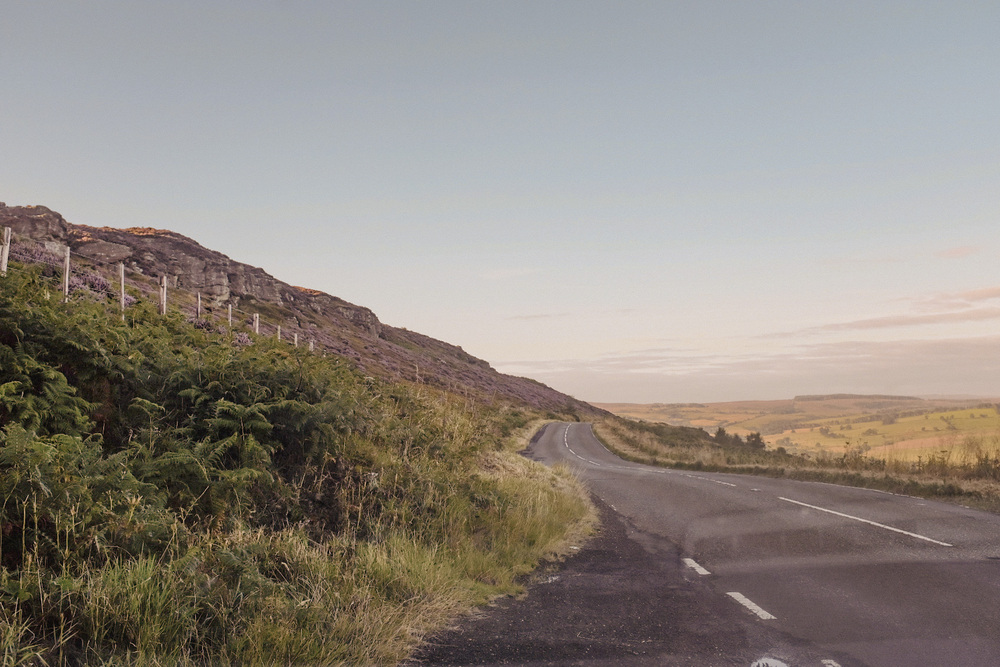
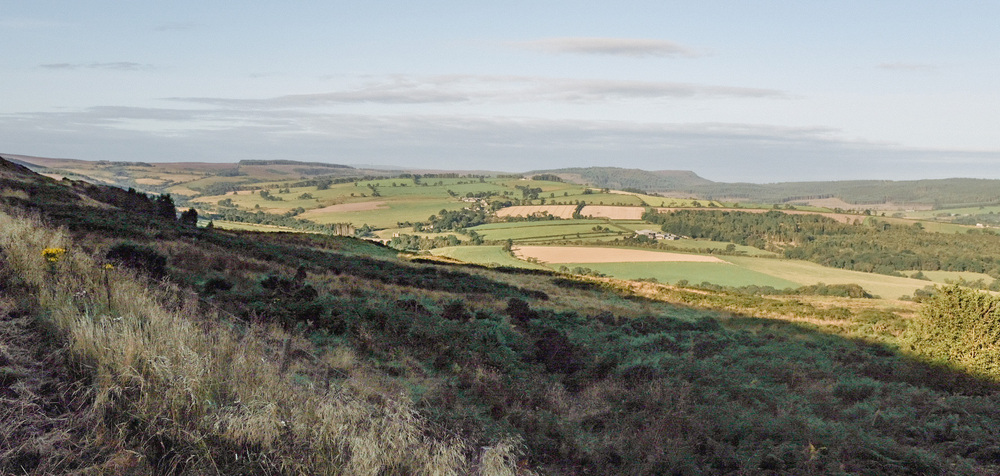
The road from Alnwick to Rothbury takes you over the Northumberland moors and through steep valleys, giving you real taste of the British countryside.  It is not only magnificent in the early morning light, but it has this way of taking your breath away at each bend in the road.

You might just have gathered by now that I was in the UK this summer, visiting my Parents in Northumberland.  You may also have gathered that I wasn’t having the best of sleeps and was thus up a little earlier than most.  You may also have gathered that I decided to go light on photography equipment this trip compared to last year, only taking my X100F with me to take photos.  You may also have gathered that this trip was not just about photography but spending some quality time with the children, especially my son, who hadn’t been to the UK for a while.  You may also have gathered that my son joined me on a couple of these photography jaunts. Right!  I think we may have set the scene.

Photography on the Go: Minimalist Gear and Techniques

We were both in the car by 6am, having breakfasted and taken our collagen in yorkshire tea to make it at least a little palatable.  This is an epic drive that I try to do at least once when I’m over.  When you see the photographs, you’ll understand why.  Like Bamburgh, I had to meter for the highlights knowing that I would be able to get back details in the shadows back home in Lightroom.  The 35mm F2.0 equivalent lens of the X100F was fine to capture enough of the scene, and if I wanted to zoom, then it would mean zooming with my feet. 

Capturing the Landscape: Heather in Bloom and Morning Light

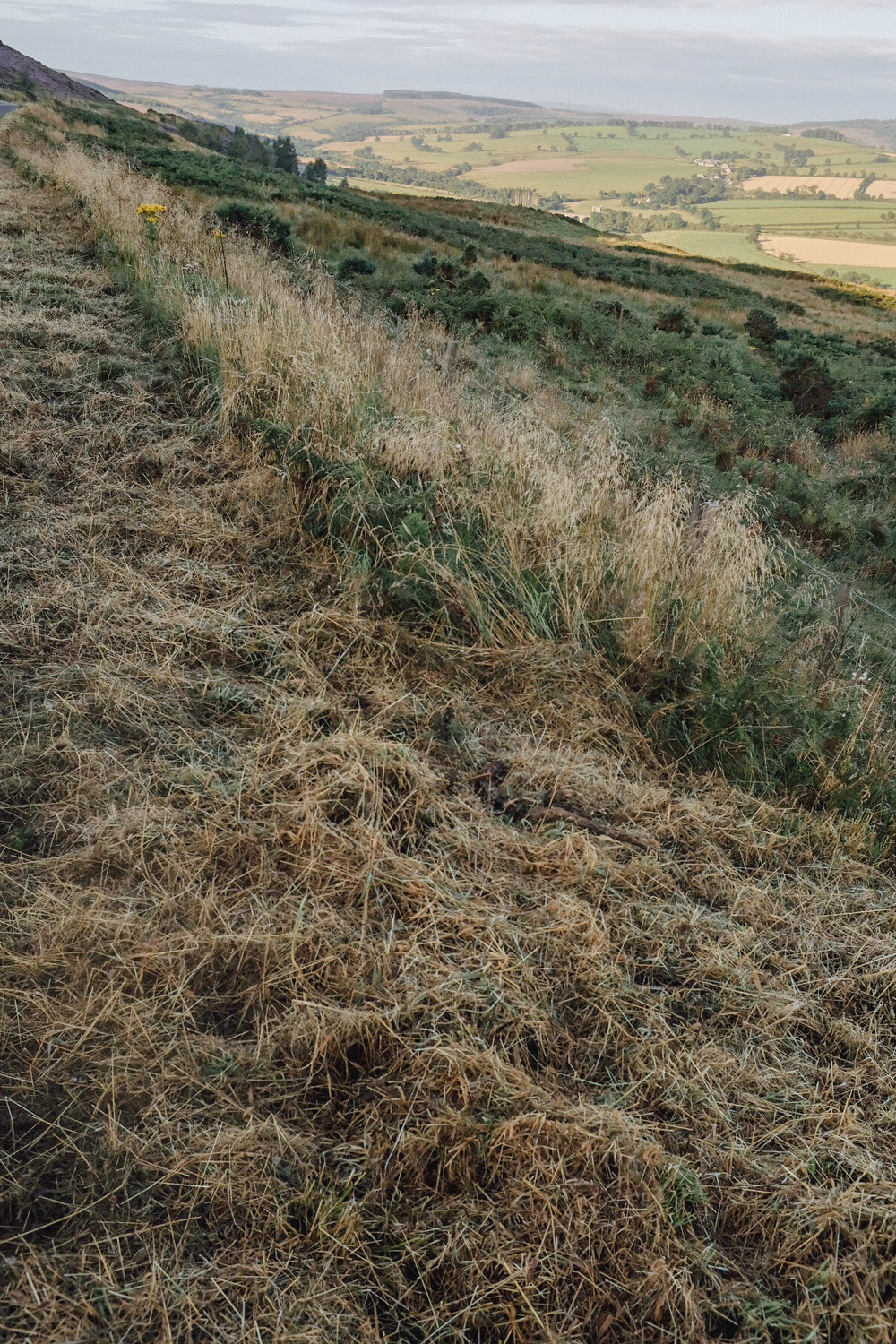
Fortunately, there are plenty of places to stop by the side of the road on this route, which is a good job because at each turn everything changes.  The sun was coming up on our left and filling the valley with light, and the top of the hill cast a shadow that I would have to compensate for later.

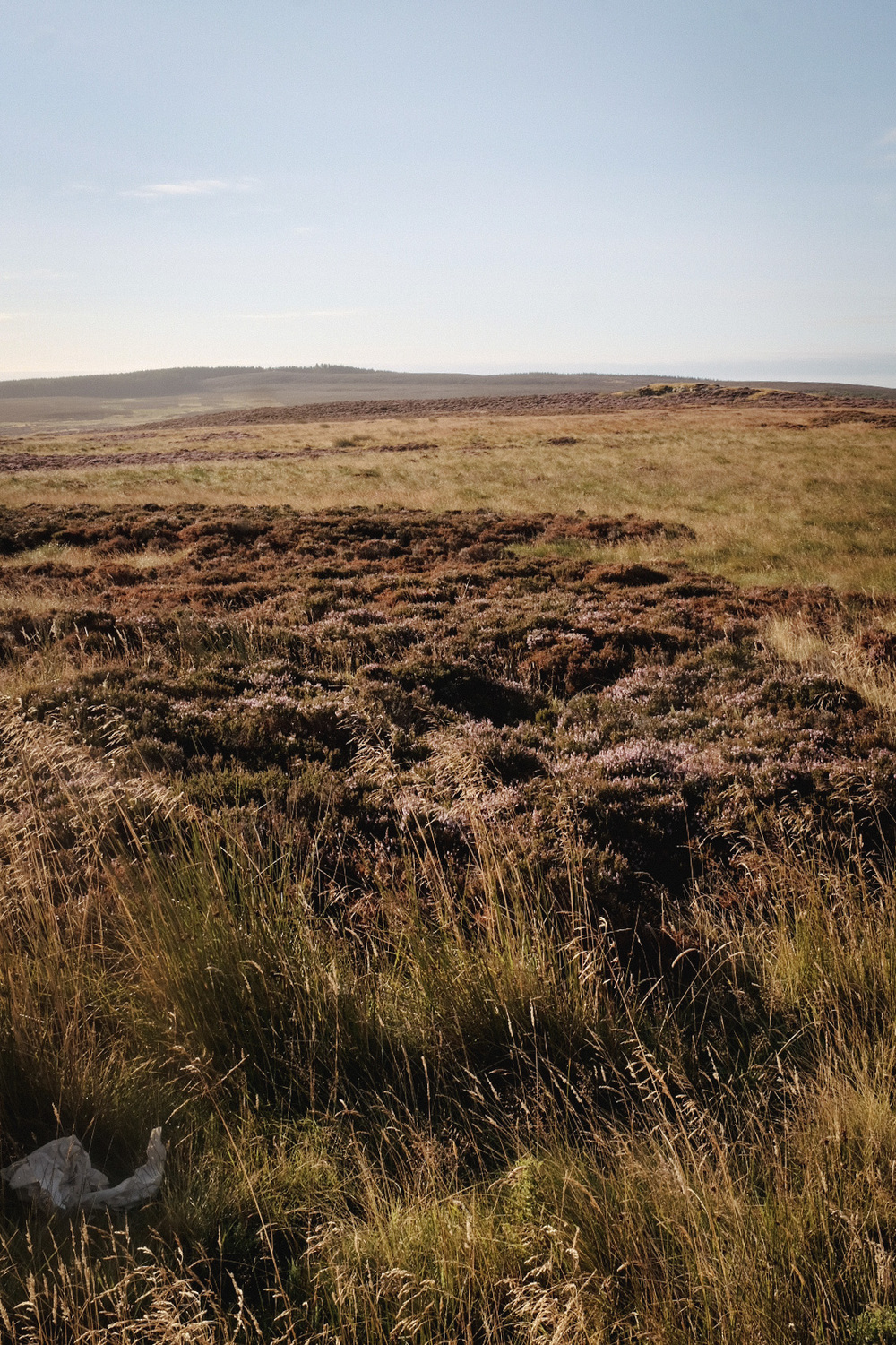
The road continues with views of the heather, which was in bloom and the pink added a wonderful contrast to the warm colours of the morning reflected on the landscape.  It certainly felt a real privilege to be there and take it all in.  We passed Cragside but decided to continue on to Rothbury.

A Taste of Rothbury: Discovering the Local Flavours

We managed to find a space to park in Rothbury, and out of the corner of our eye, we saw a bakery.  An English bakery, but a proper bakery.  No pain au chocolat or croissants, but sausage rolls, meat pies, even a haggis pie.  We settled on sandwiches in proper bread cakes and millionaire’s shortbread as a sweet treat.  Next, we just had to find a bench to sit on and eat our picnic.  There’s just something about eating a sandwich in an English village in the sun.   I daren’t imagine what the winters are like!  Possibly a bit nippy…

Looking Ahead: Plans for Otterburn and Beyond

But there we sat, the two of us, munching away, deciding to go to Otterburn for more photos and possibly a rug, but that, Dear Reader, is a story for another day…

24-70mm Lens: Unveiling the Beauty of Vendée Coastal Landscapes


Work. That familiar feeling of being a hamster on a never-ending wheel. Emails, passive agressive colleagues, and meetings blurring into one another like the monotonous hum of voices in the office. Sound familiar? Yeah, that was me a few weeks ago. So, what’s a weary soul to do? Employ some sartorial elegance with navy blue chinos, a white button down shirt, my new sungalsses, and my favourite Panama hat, and embark on a spontaneous coastal escape to Vendée!

Now, full disclosure, Vendée isn’t exactly the Caribbean. But for a quick mental recharge, it certainly does the trick. Plus, it was the perfect opportunity to put my Canon 6D Mark II through its paces, specifically the oft-maligned 24-70mm f/4L lens. This trusty workhorse gets a bad rap sometimes, but let me tell you, by the end of this trip, I was a convert.

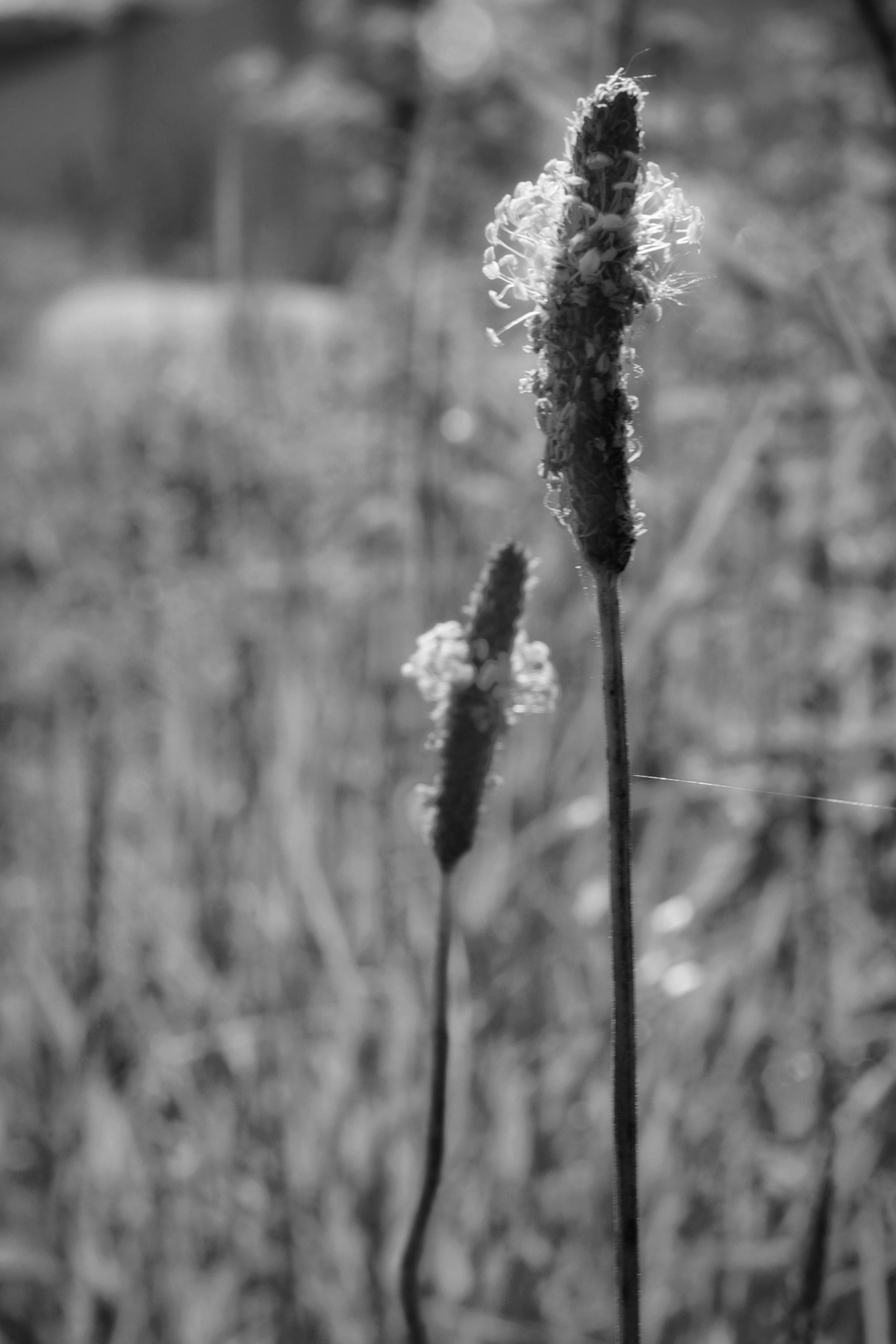
The Vendée coast is a tapestry of stunning landscapes, each begging to be captured. My first stop was Viellevigne (not strictly the Vendée and just on the other side of the Loire Atlantique border), a charming little town I usually just whiz through on my daily commute. But this time, with a camera in hand and a head full of vacation vibes, I saw it with fresh eyes. I framed the quaint church nestled between two ancient trees, a scene I’d driven past a thousand times without a second glance. The hedgerows, usually just a blur of green, revealed a hidden world of wildflowers and buzzing insects when I switched to the lens’s macro function. Suddenly, the familiar became fascinating.

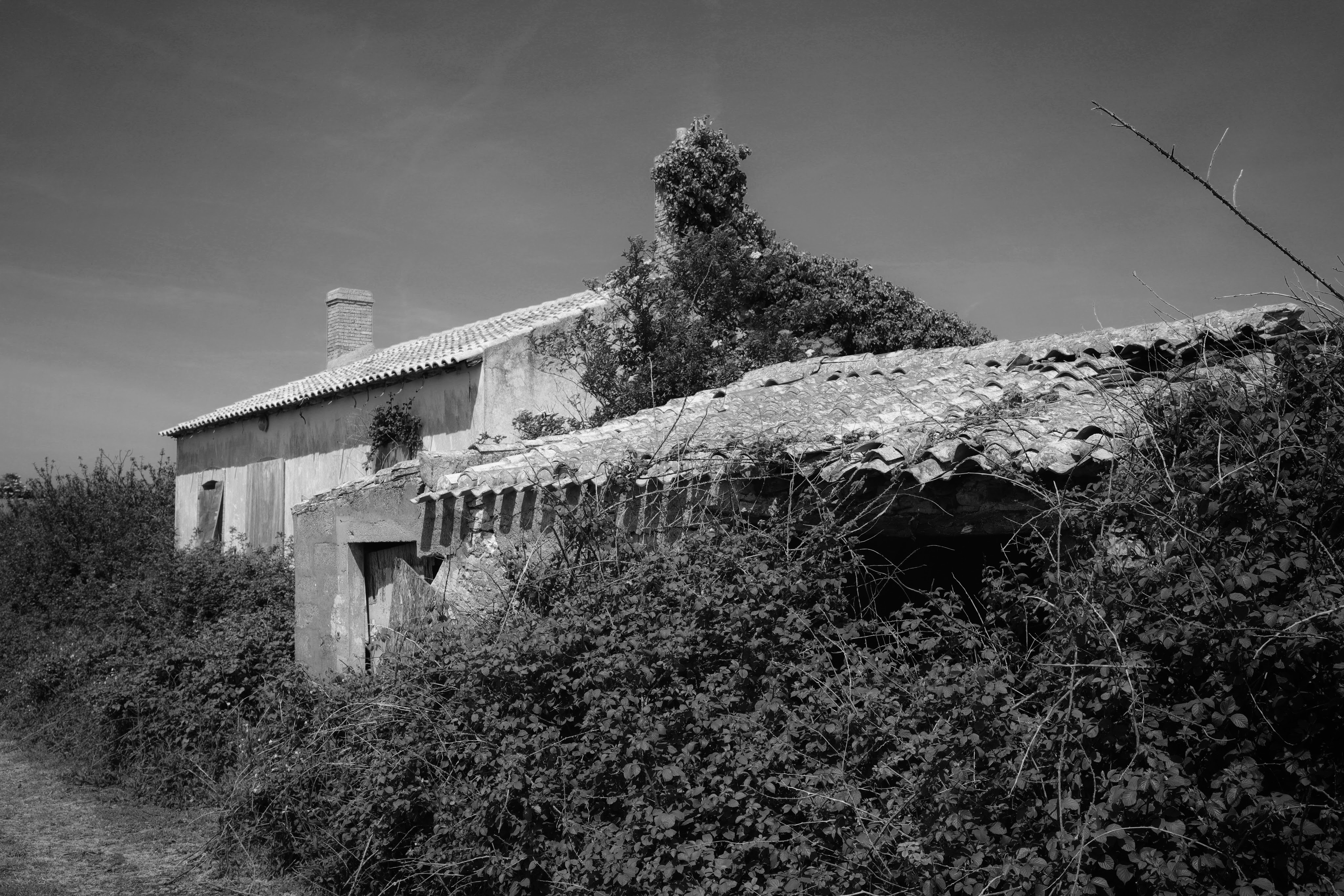
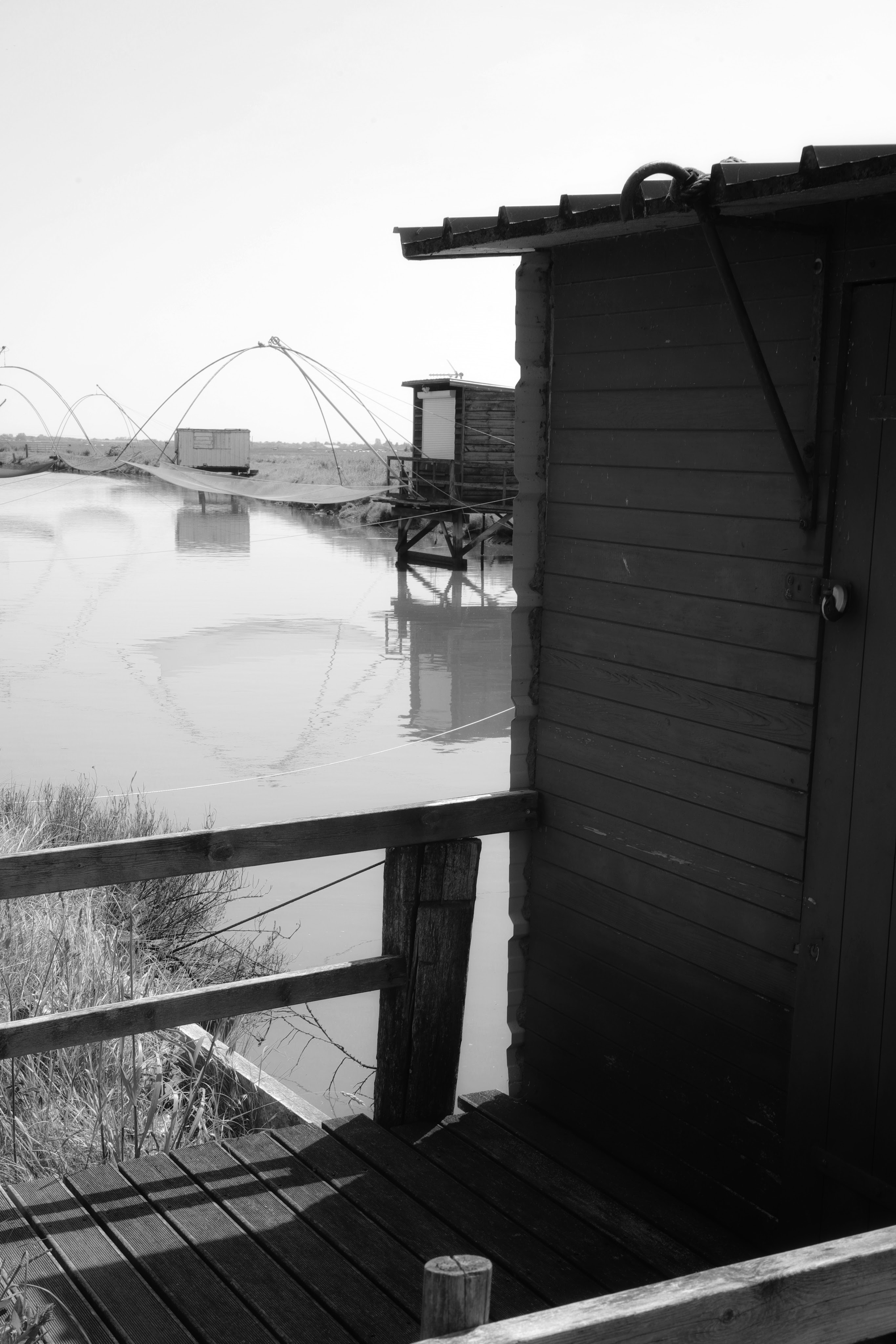
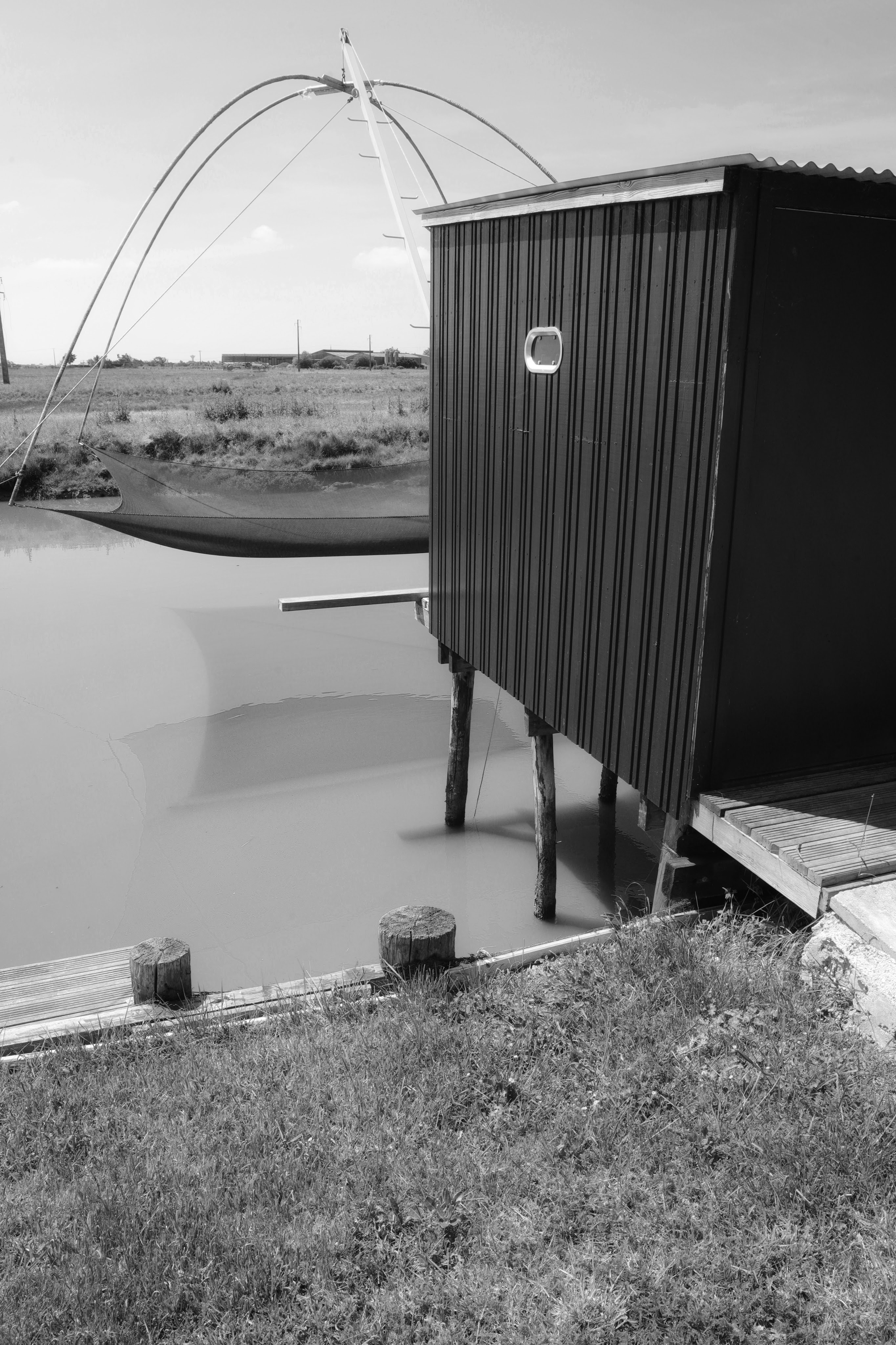
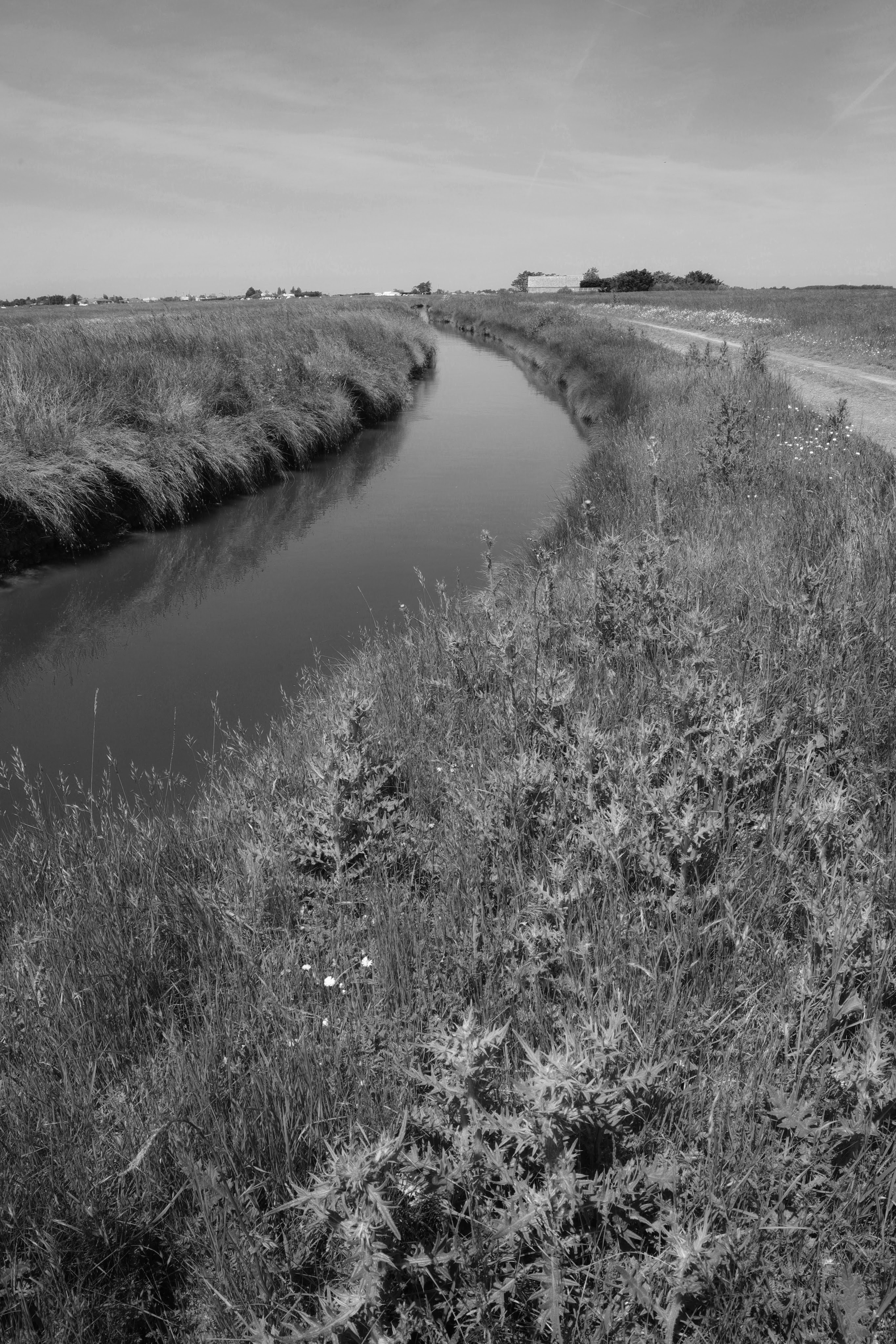
Next, I cruised down to the grand canal near Fromentine. Now I don’t know if grand means big or grand in this instance. I mean it’s not huge, and the grand canal in Venice is somewhat ore deserving of the title. The sun, a generous giver of both light and good mood, cast a warm glow on the weathered ruins of old houses lining the water. Across the road bridge stood a line of fishing huts, its battered paint a testament to years of battling the elements. The 24-70mm here proved its versatility, letting me capture both the vastness of the canal and the intricate details of the local flora.

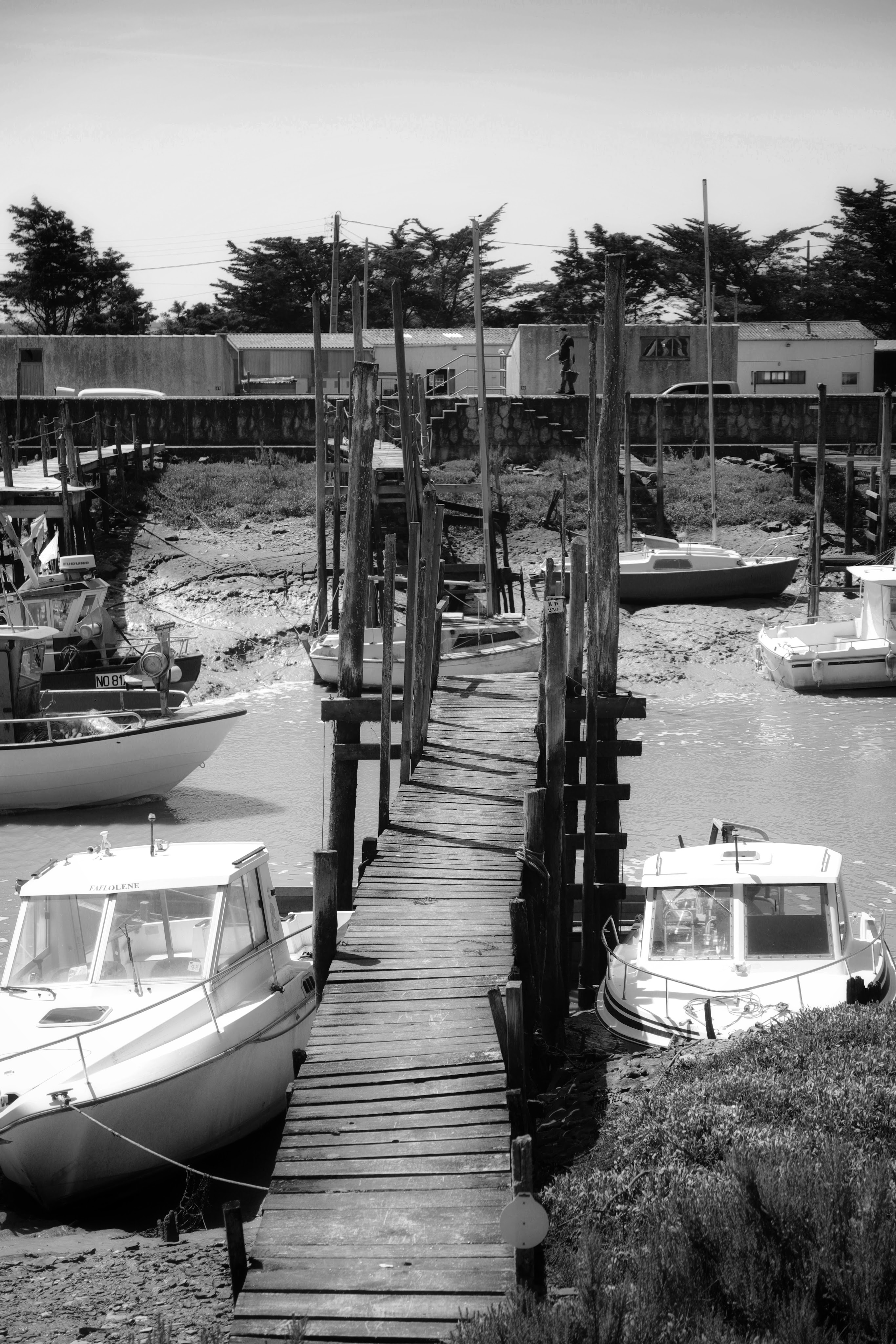
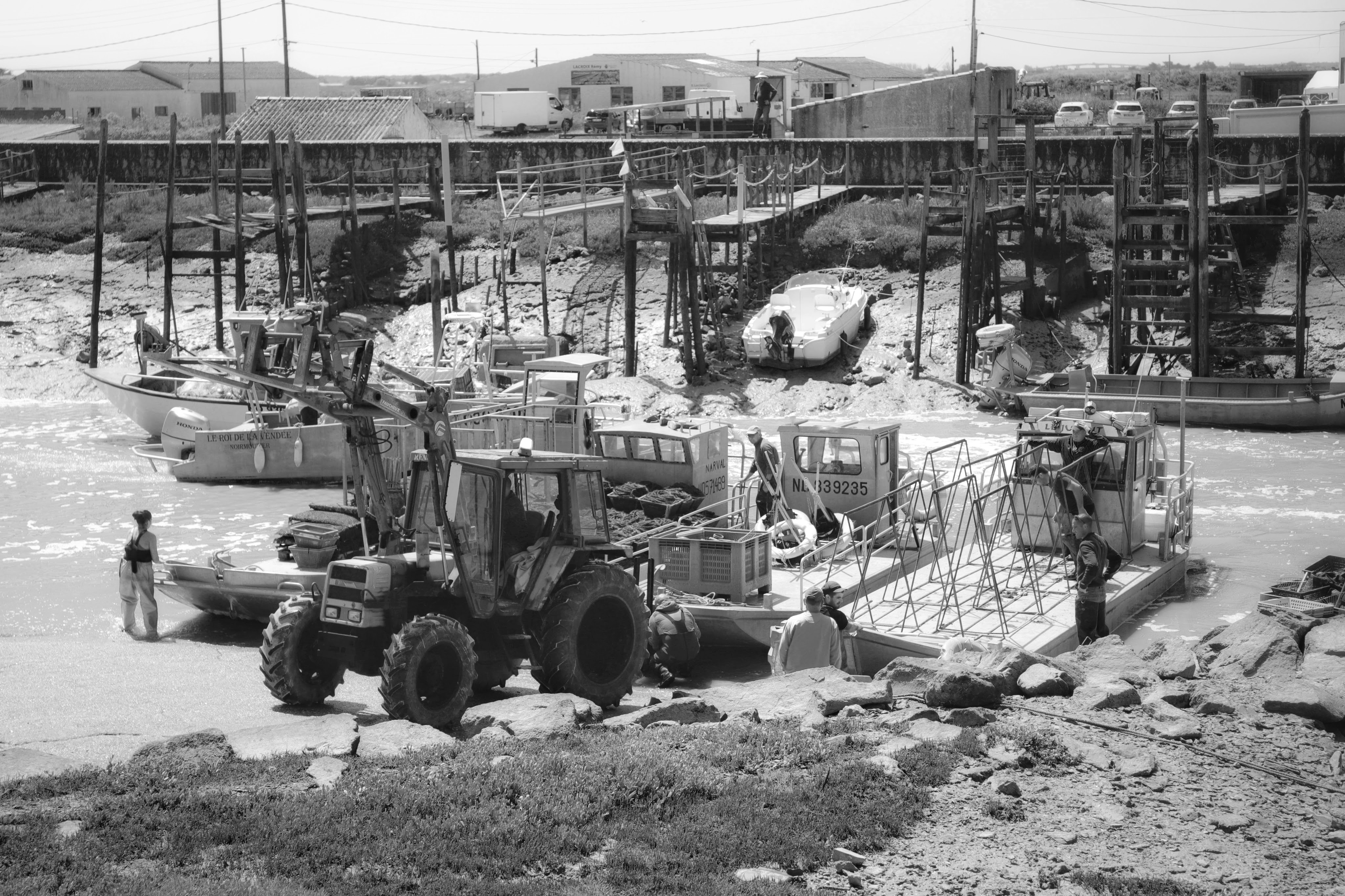
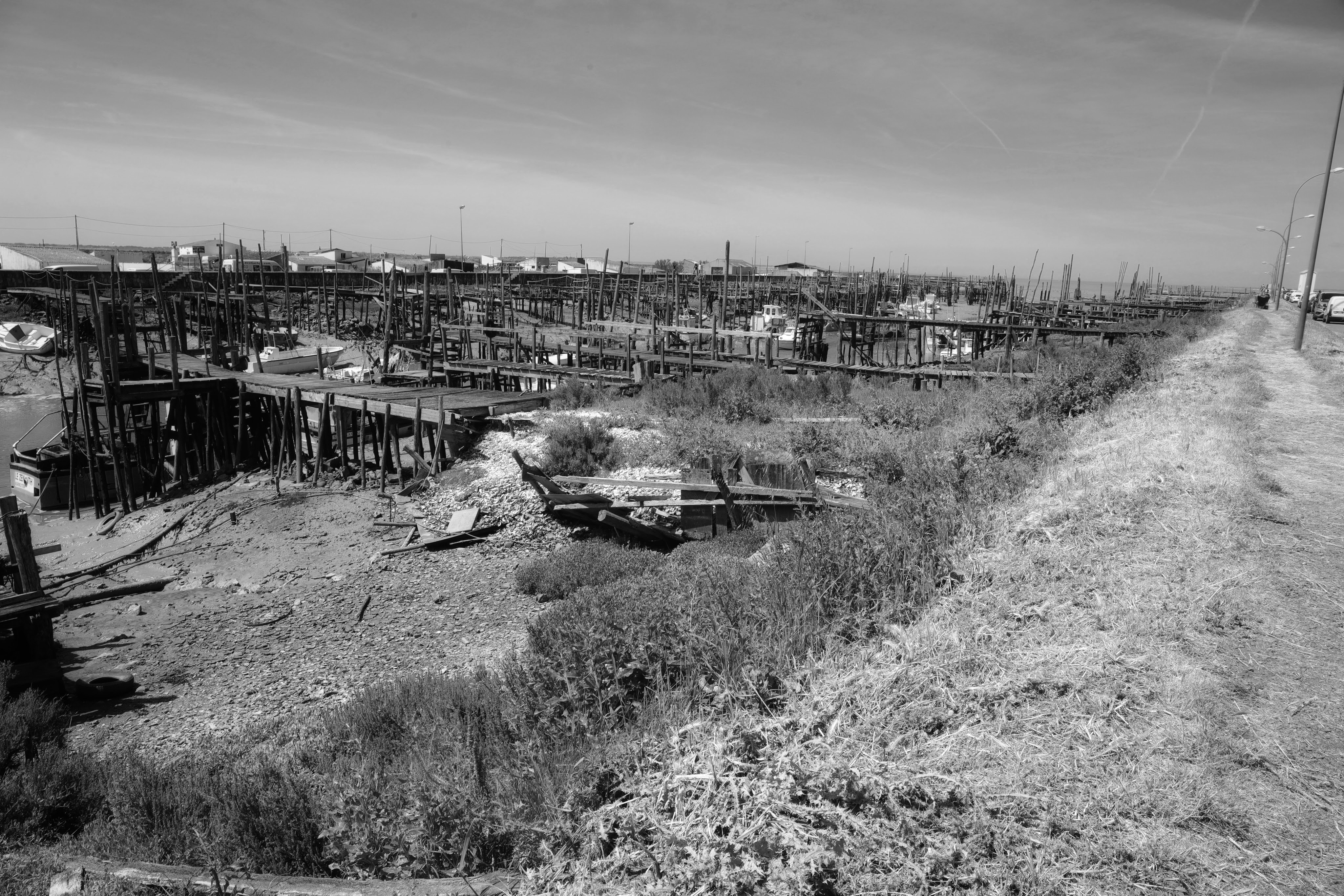
As the day wore on, I found myself at Port de Bec, a haven for oyster farmers. Here, the scene was abuzz with activity. Tractors lumbered out of the water, hauling heavy loads of oyster boats ashore. The rickety moorings, weathered and worn, added even more charm. The lens’s sharp autofocus kept pace with the bustling scene, ensuring I didn’t miss a single detail.

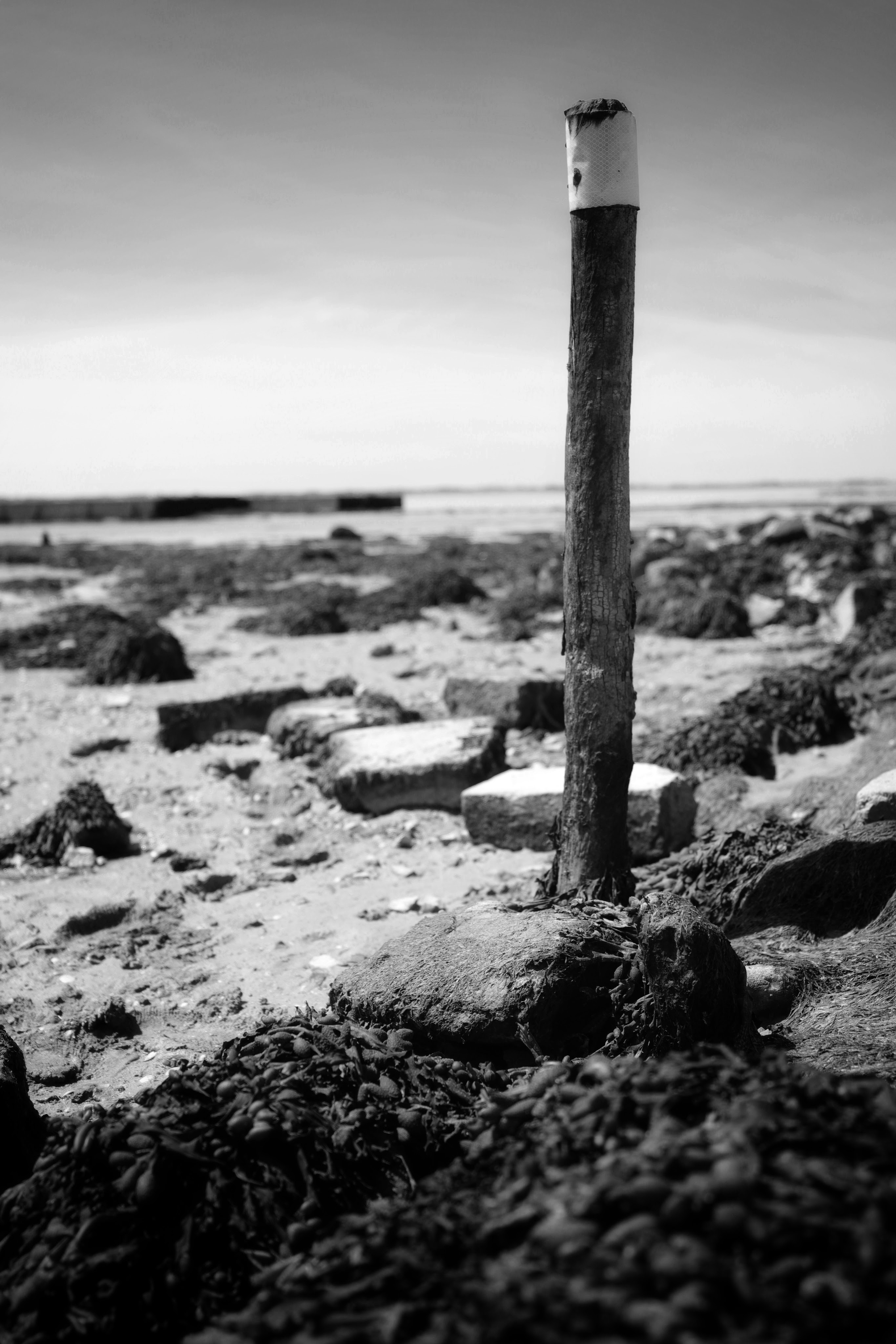
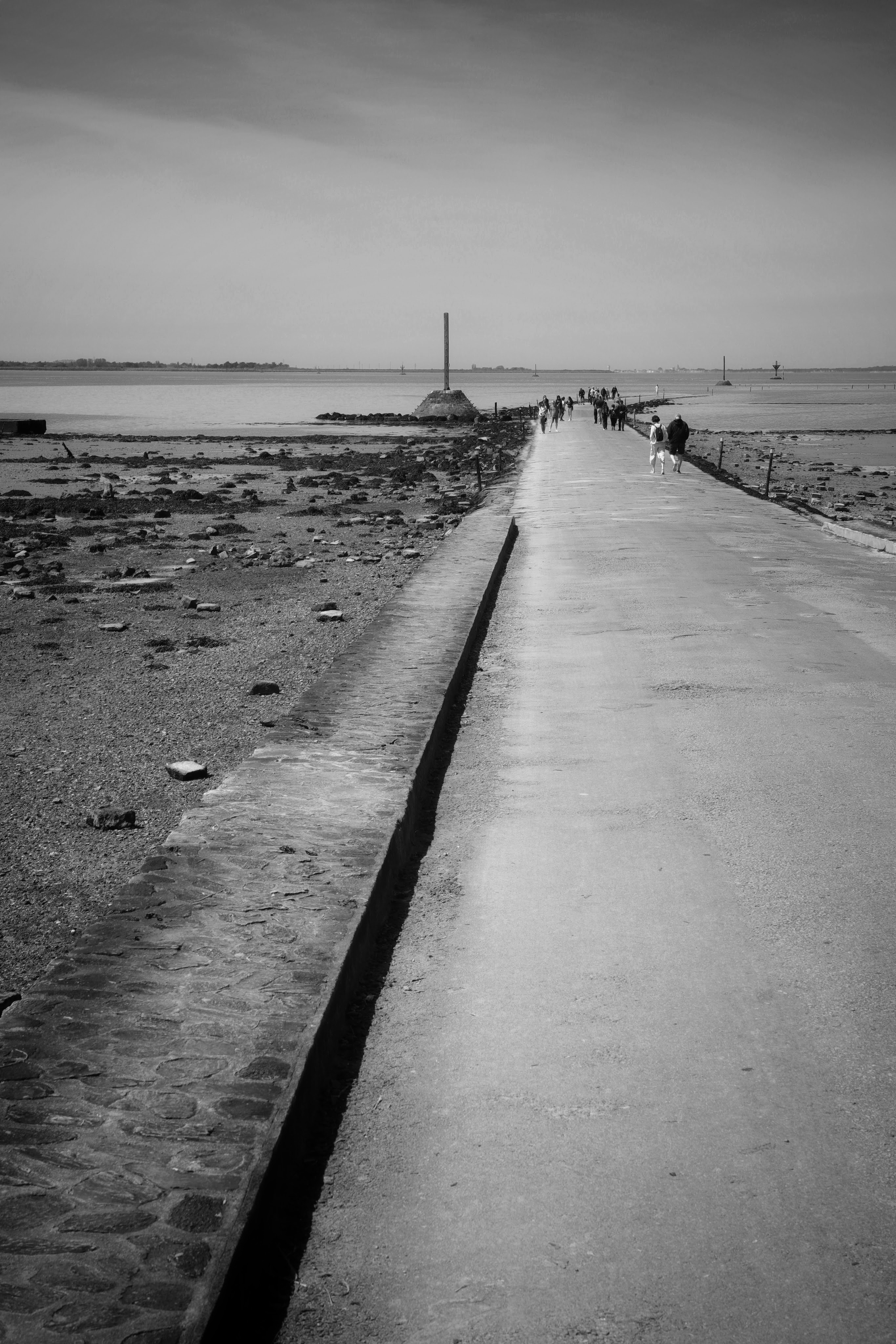
Finally, the crown jewel of the trip: the Passage de Gois. This legendary causeway, submerged twice a day by the tide, is a photographer’s playground (just make sure you keep an eye on the water, unlike yours truly who nearly got his sandals swept away!). The tide was rolling in fast, creating a dramatic contrast between the exposed road and the encroaching water. The 24-70mm handled the dynamic light and vastness of the scene beautifully.

But this trip wasn’t just about capturing stunning photos (although, let’s be honest, those were pretty damned cool!). It was a much-needed reminder of the power of stepping off the hamster wheel, even if it’s just for a short while. The fresh air, the sun on my face, the beauty of the Vendée coast – it all conspired to wash away the workaday stress. I came back feeling refreshed, inspired, and with a newfound appreciation for the magic that can be found right on your doorstep, if you just know where to look.

And the 24-70mm? Yeah, it more than held its own. It proved to be a versatile and capable travel companion, capturing everything from sweeping landscapes to macro details. So, next time someone throws shade at this trusty lens, I’ll just point them to my Vendée photo album and let the pictures do the talking.

Until our next adventure my Dear Reader!

The Photographer Behind the Lens


Embarking on a photography outing is filled with anticipation, decision-making, and a blend of personal passion and professional discipline. Anything can go wrong, but maybe that’s not the right way to put it. Perhaps I should rather say, expect the unexpected and be ready to adapt. As I prepare for each little jaunt, I face a range of choices that shape the outcome of my photographic endeavours.

Selecting the Right Gear:

The first step in my preparation involves choosing the right camera for the occasion. Factors such as, “Does it still work?” for my film cameras, or “have I charged enough batteries?” for my digital cameras, enter into consideration. My energy levels and the allure of film versus digital play a crucial role in this decision-making process. For example, “Do I have the energy to develop and scan my negatives, or can I face hours of photo editing?” For me at least, it’s not just about the gear, but about the experience it brings. Those of you who have used film will know exactly what I mean. It is a totally different experience to using digital cameras. The words “faffing” and “about” spring to mind. What is my goal in going out today? Is it just to see what happens, or do I “have” to get results?

Navigating Weather and Mental Health:

Weather forecasts and mental well-being become significant considerations as I plan my outing. I, like most people, have an aversion to being rained upon. Even though I might not melt, I don’t want rain getting into the electronics in modern cameras. The allure of capturing the perfect shot often outweighs the discomfort. Yet, there are moments when self-care takes precedence, telling me to just stay in. Sometimes, staying in and getting my ironing done provides as much satisfaction as going out, allowing me to look so dapper on my next outing. The joy of unlimited cups of tea might just make staying in on a rainy day all the more appealing.

Packing the Essentials:

A well-equipped photography bag is essential for any outing. From spare batteries to a flask of tea for comfort, each item serves a purpose in ensuring a successful day of shooting. The contents of my bag reflect not only my photographic needs but also my personal preferences and creature comforts. However, the weight of the equipment is a crucial consideration, especially for street photography where mobility is key. As a more rotund gentleman of 52 years, this has become more and more important. Basically, you can take it with you, but you have to carry it. The X100F and a couple of spare batteries weigh next to nothing, but a Mamiya, or DSLR with a couple of nice zoom lenses suddenly makes you feel less young and daring. Don’t get me started on tripods. Yes, you might need one (in fact, you do) if you want to be doing long exposure photography, but imagine lugging one up a mountain. Okay, don’t. It’s not worth it. So ask yourself what do you really need, and will one of your children carry it for you? And how much will it cost you to make it worth their while?

The Lens Palette:

Crafting Perspectives: Different lenses allow me to achieve different results. If I use my 16-35 lens, I will get wide vistas in town and have a certain level of “artistic distortion.” If I use the 24-70, I have quite a good range of focal lengths, and also a macro feature on the lens. If I use my fisheye lens, I can get all “arty farty.” With a 35mm lens, I am perfect for street photography, and it’s the lens I use the most. The nifty fifty allows me to have a more human-eye view of the world.

The Digital Dilemma:

When it comes to the choice between film and digital photography, authenticity often clashes with practicality. While the allure of film photography appeals to my desire for authenticity, and it does look exceptionally cool, and you can enter “smug mode” knowing that you are arguably better than those who only know about digital photography (yes, snob value does exist!), the energy and time required for development and scanning can be daunting. On the other hand, digital photography offers convenience, allowing for instant image transfer and easy post-processing in software like Lightroom. The decision ultimately hinges on the balance between artistic vision and practical considerations, and can I really be bothered? I know, you have just lost respect for me as an artist, but the struggle is real.

Professionalism Meets Passion:

For professional assignments, meticulous preparation is paramount. From checking equipment to selecting the perfect lenses for the job, every detail contributes to achieving the desired outcome. I noticed this during my musical studies when the goal is to get a paying gig and deserving the pay. You have to get results and your reputation depends on those results. But, even in the midst of professional obligations, the passion for photography remains at the heart of every endeavor. Top tip of the the day. Always have a back-up plan. No planning survives initial contact with the enemy. You’re on your own and have to improvise. What can go wrong, will go wrong, so prepare for this.

Mapping Out the Journey:

Finally, planning the route to my destination adds an element of anticipation to the journey. Do I have to drive for miles, and will there be a loo somewhere on the way? How will I be able to acquire snacks? Are there any small producers that might need a client? I mean I don’t always think about food, but when you live in a country known for the quality of its produce, and where it is almost a duty to consume on the good stuff, it kind of is… Anyway, make sure you look at where you’re going on a map. And if you’re visiting a historic site or attraction then check the opening times. It has happened before. You turn up to a place and it’s closed, so I went a saw my plan B… The path ahead is filled with possibilities and opportunities for creative exploration.

In conclusion

The art of preparation is an integral part of the photographer’s journey. Balancing personal passion with professional commitment, each outing offers a chance to immerse yourself in the beauty of the world through the lens of a camera, whether it’s under the open sky or amidst the comforting hum of domesticity.