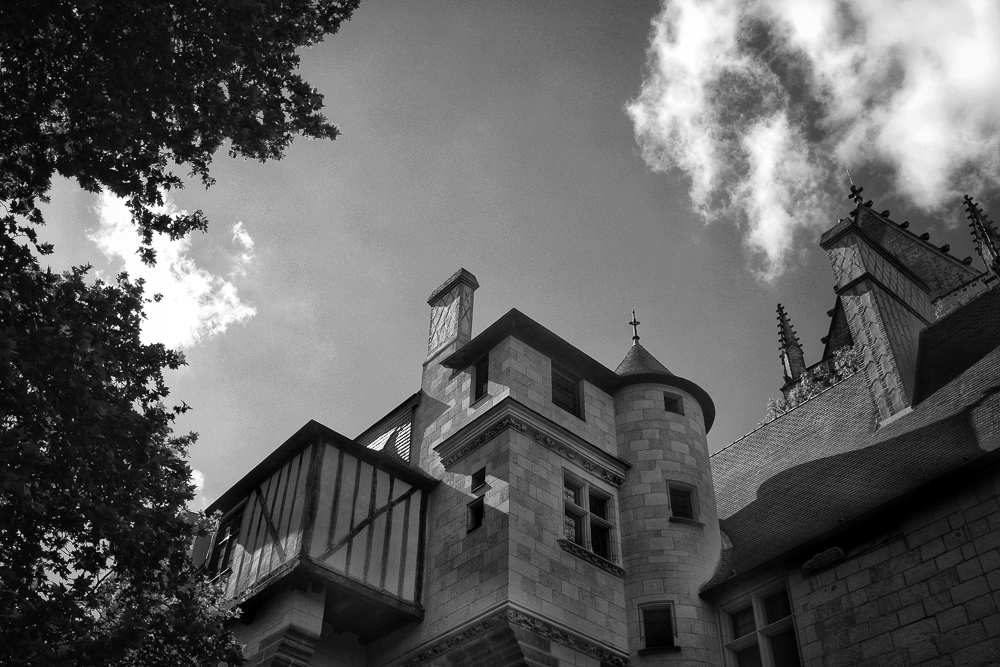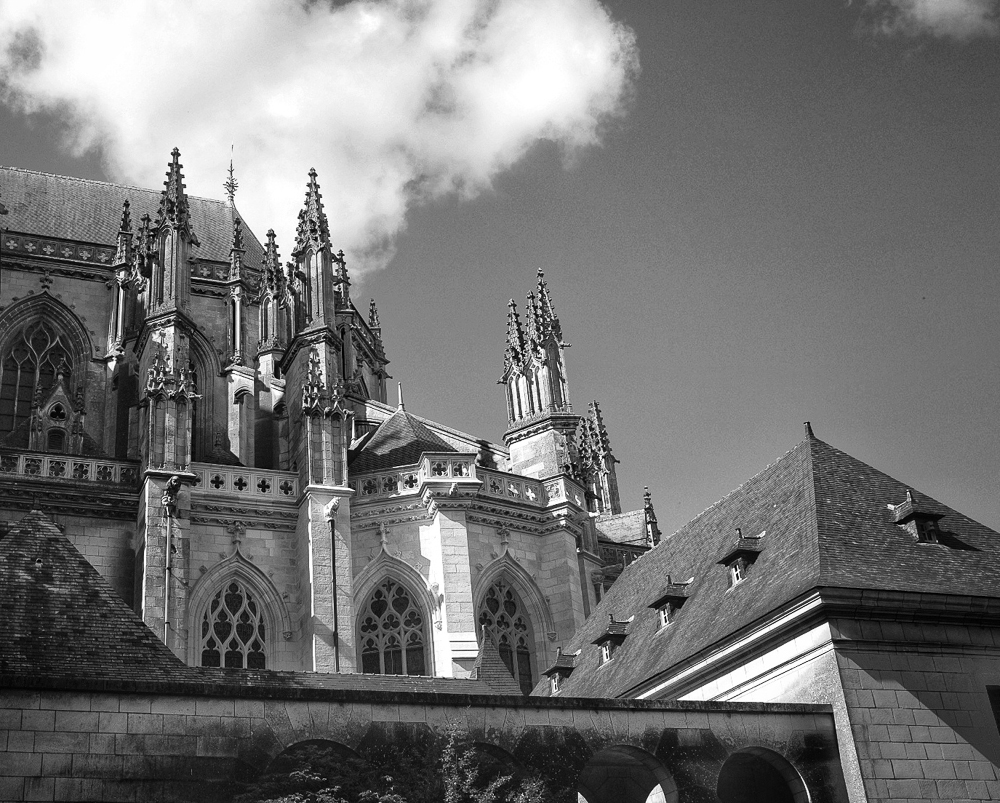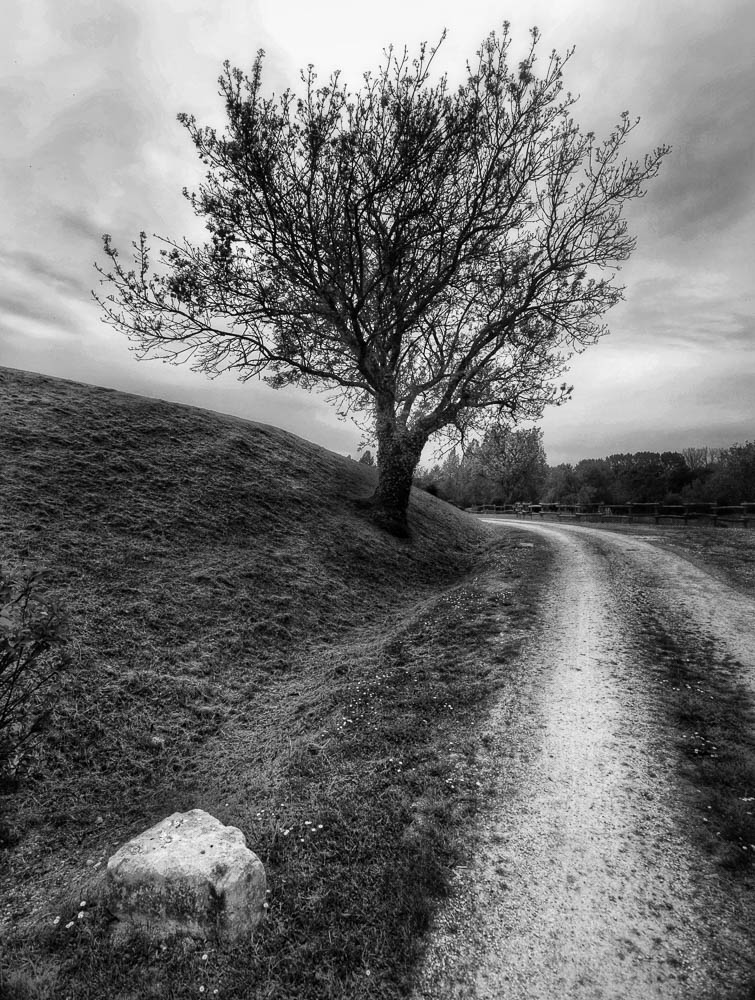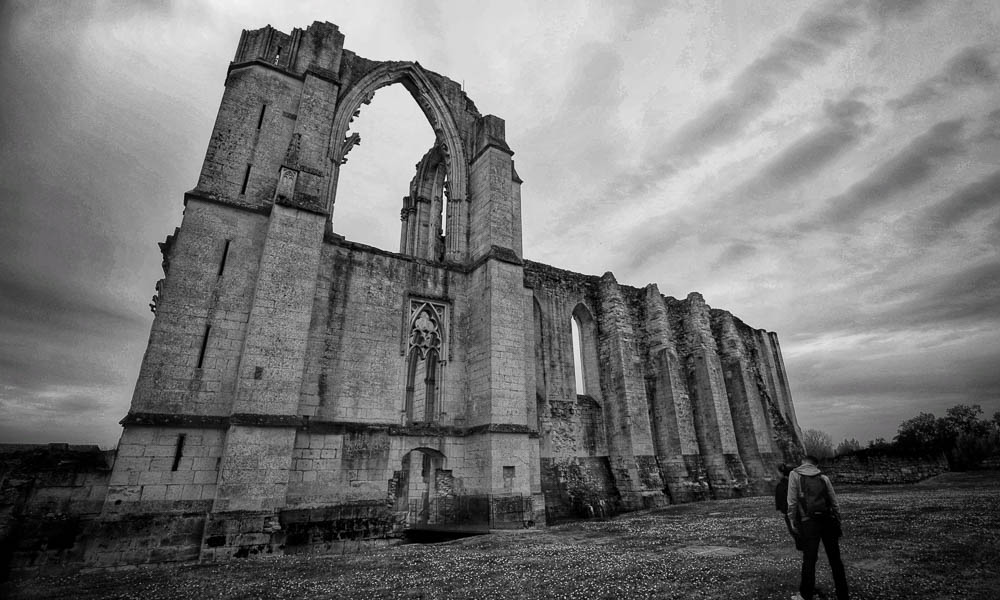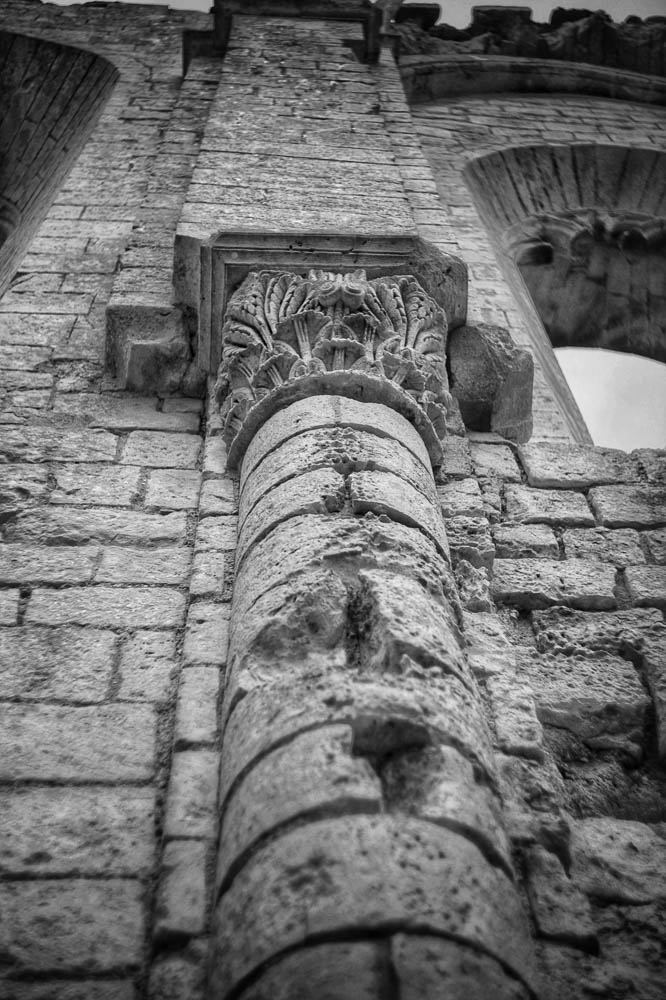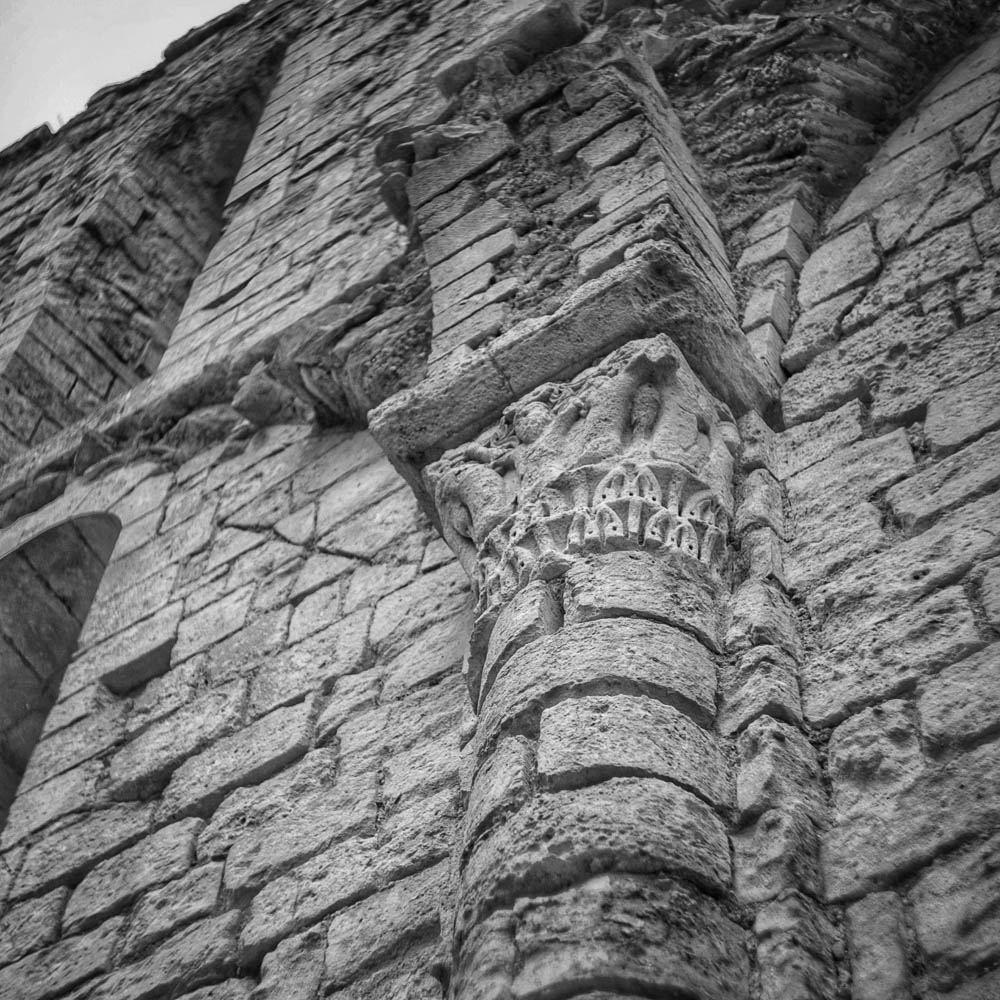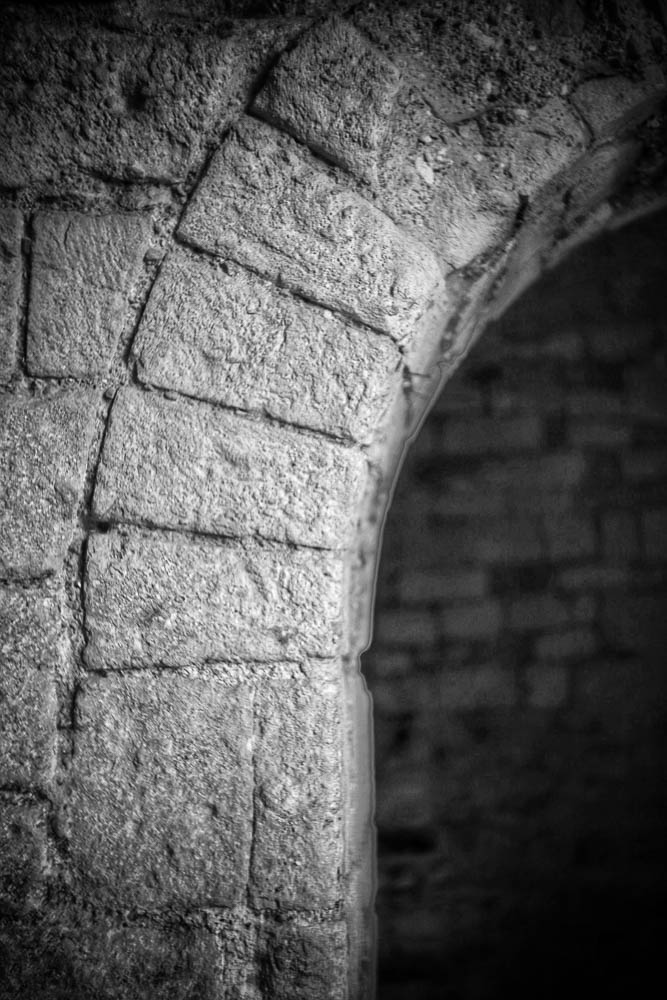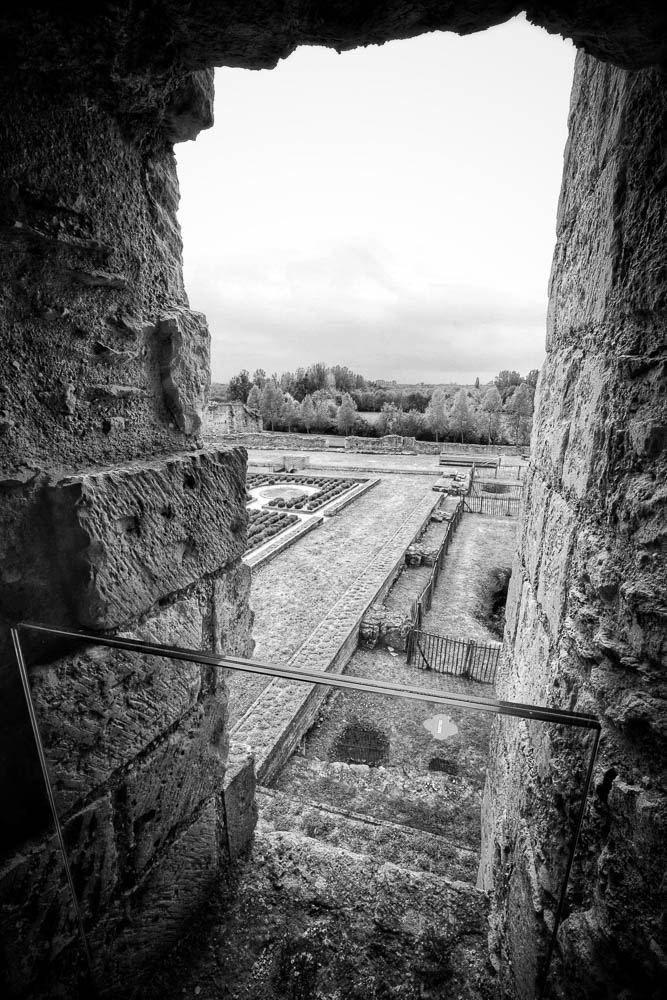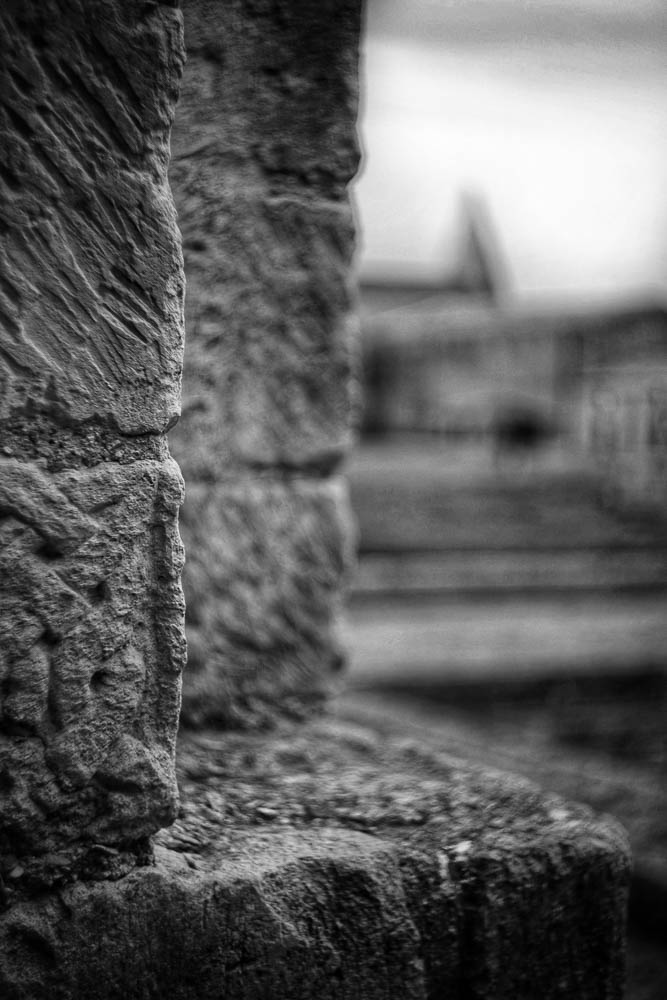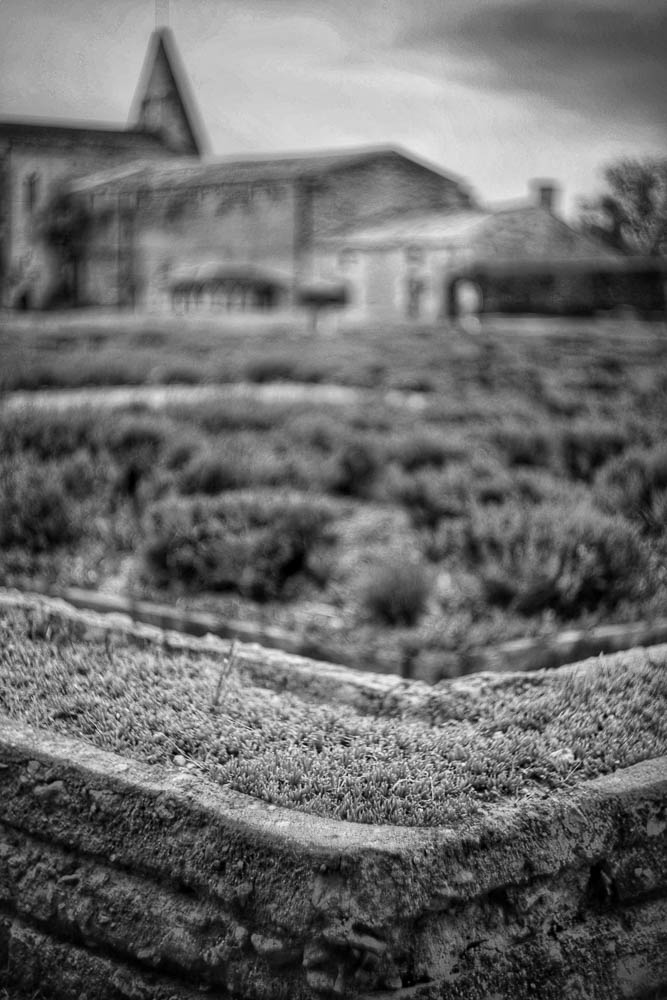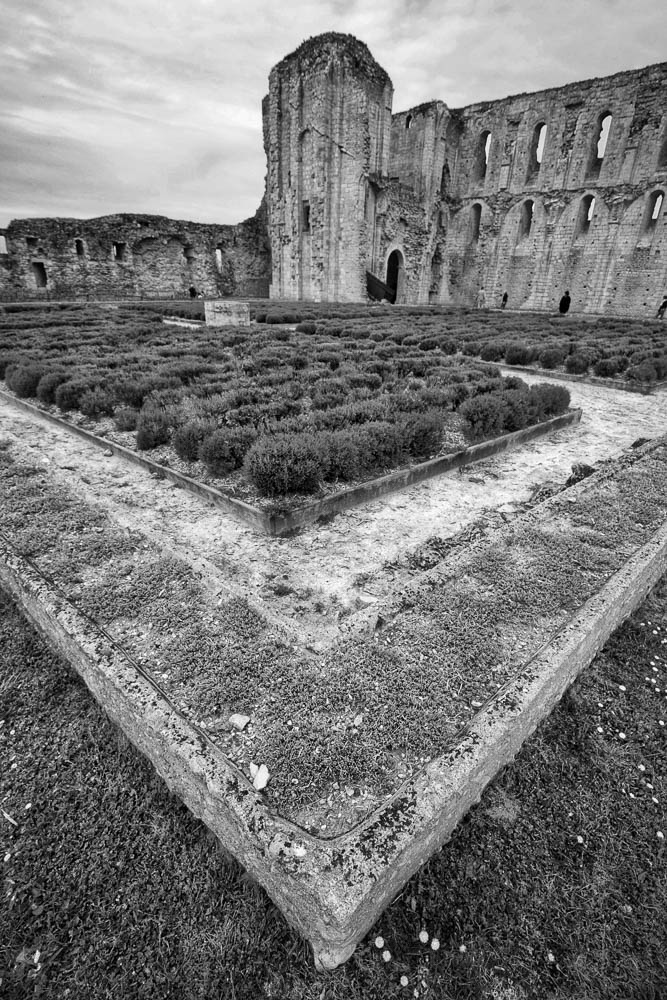
Abbaye de Maillezais Vendée


Originally from Yorkshire, we were brought up on the merits of Rievaulx and Fountains Abbeys. They were of course the most famous and beautiful of the abbeys destroyed by Henry VIII when the pope said no he couldn’t have a divorce to be able to marry Anne Boleyn. Bit of an over-reaction in my opinion especially when you think how it turned out in the end…

Anyway. This article isn’t about them. No. It’s about Maillezais Abbey in Vendée. It’s a little bit of a hike, but you basically just get on the motorway and don’t forget your exit the way I did, and ended up taking a very scenic route, which was very scenic. Luckily my daughter didn’t realise this. My wife would have been telling me how bloody useless I am. Ahhh, the joys of youth!

I’m going to start with the photos I took on the Easter Monday 2019, and then I’ll do an other article about my previous visit when I was with a film camera…

In this series I was using the Canon 6D Mark II with the Canon 16-35mm lens, and the Helios M44-2 58mm lens, which seems to be becoming my “go to” kit…

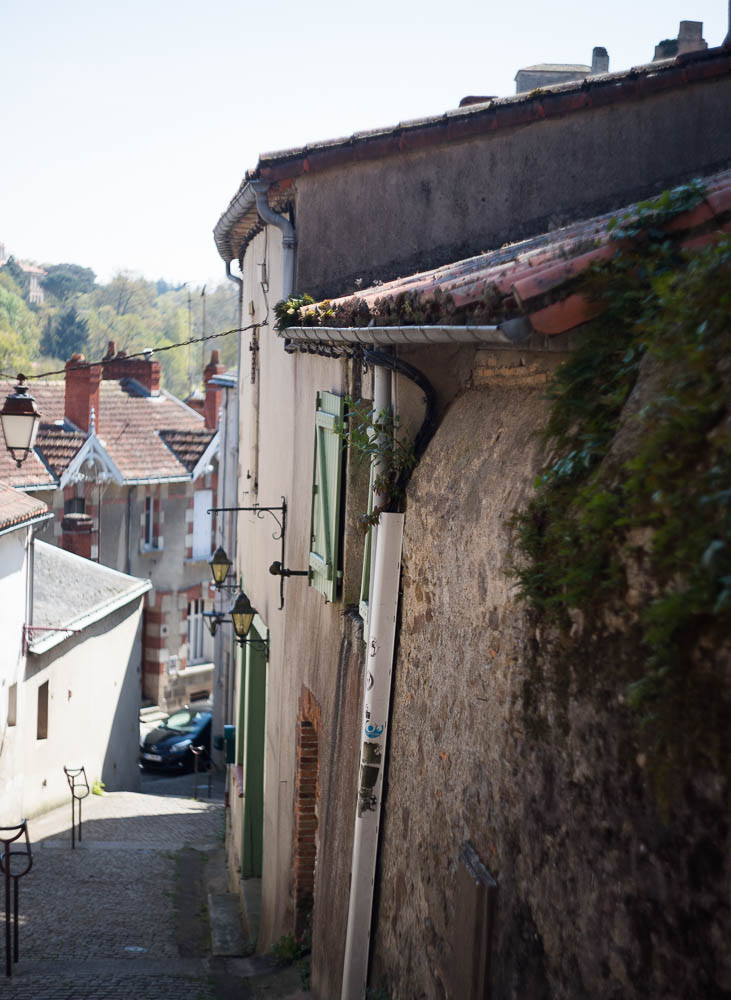
Clisson in colour, and close up…
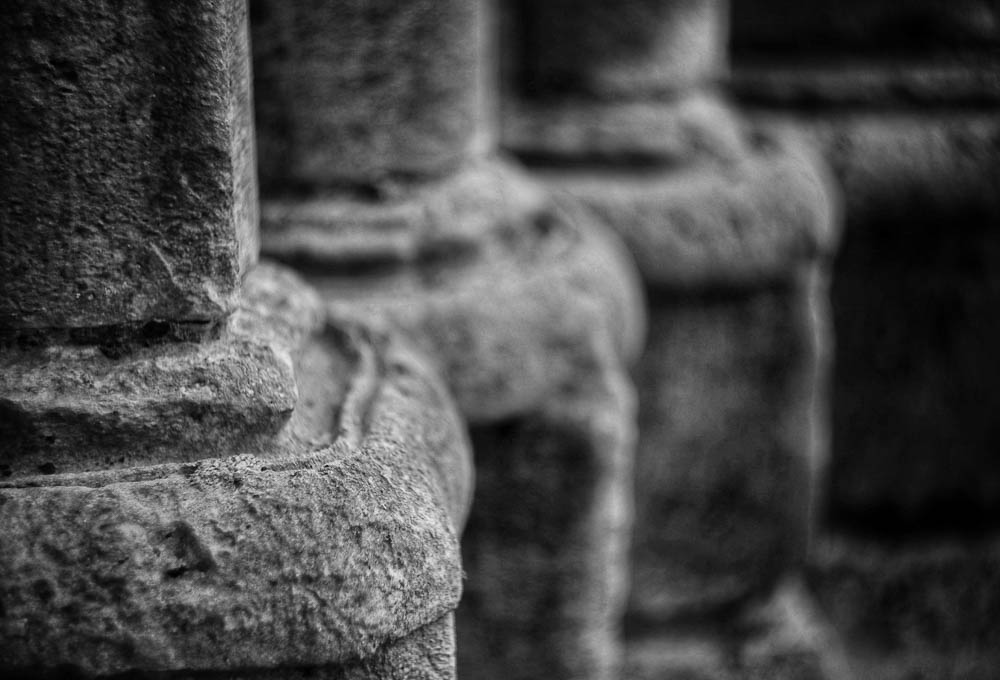

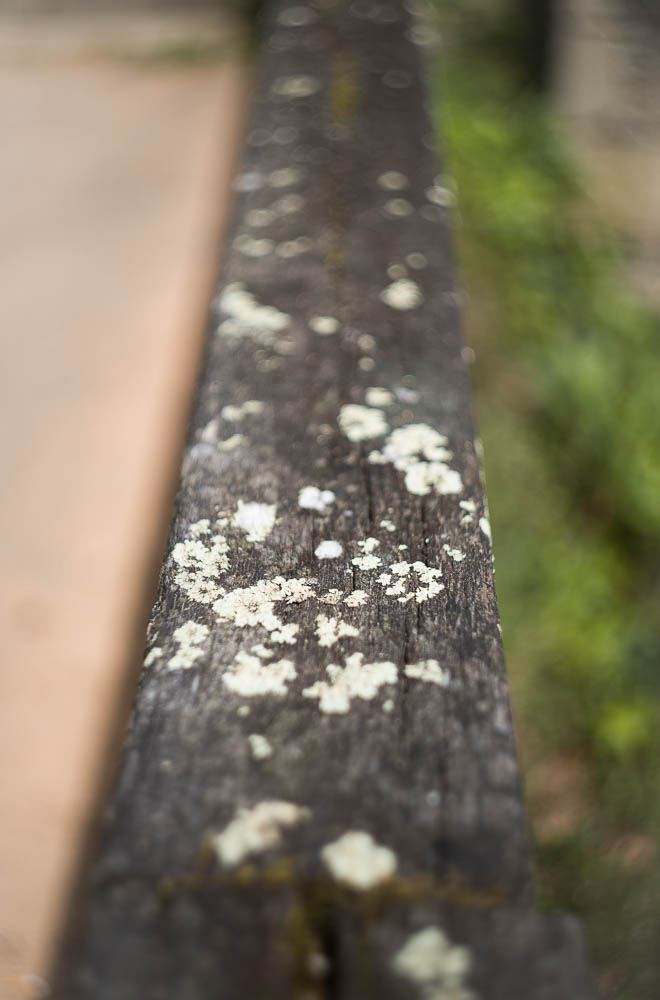
As you might know from reading the rest of this blog, I love using my Canon 6D Mark II with vintage glass. This Helios M44-2 is a bokeh beast for my inner bokeh whore… I love depth of field and this lens allows me to really express myself. Not only do I get the bokeh but due to a design falut in this lens, you get a “swiry bokeh.”
When I saw photos with this swirly bokeh for the first time I was blown away. I wanted that so boadly and when I first got this lens onto my camera I loved it. I’ve been getting acquainted with this lens and am beginning to get find what I can do with it.

Of course it has limits, the major one being that I can’t focus to infinity but i’m ok with that. I can get around it by using zone focusing. I can be around 6 to 10 metres away from my subject and have a small aperture. Above that the mirror with smack into the lens and my camera with start throwing a wobbler! And we don’t want that , do we!

So this bokeh, what is it then?


In photography, bokeh is the aesthetic quality of the blur produced in the out-of-focus parts of an image produced by a lens. Bokeh has been defined as “the way the lens renders out-of-focus points of light”.

Wikipedia

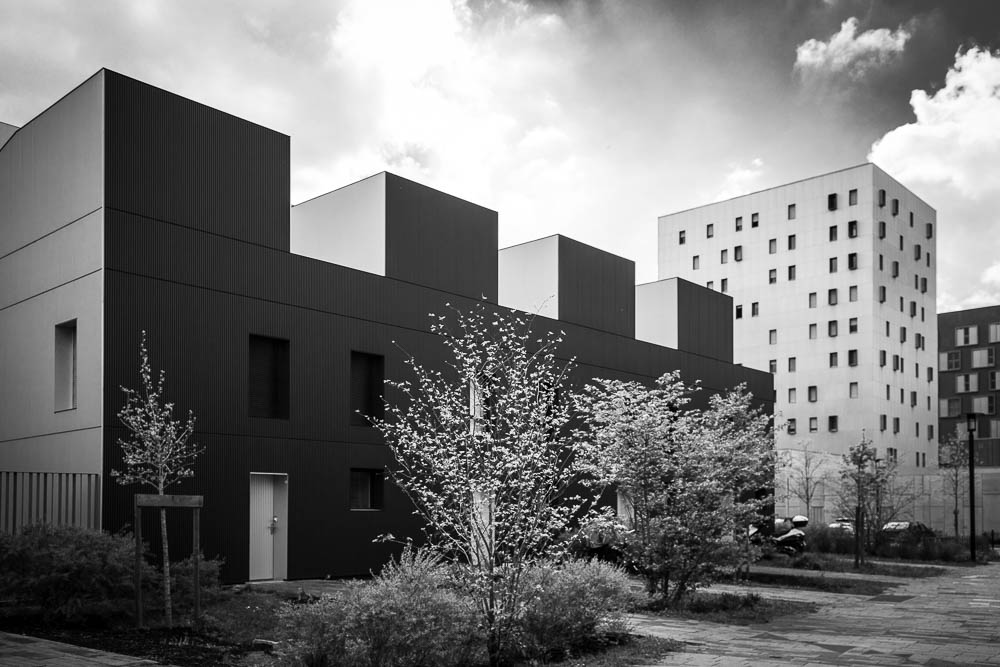
Modern architecture on the Île de Nantes


I remember when the words, “modern,” and “architecture,” when used together in the same sentence would conjure up images of post-war concrete brutalism. Think carparks from thw 1960’s etc.

Thankfully, this is no longer the case! Or at least I hope not. So nearly 60 years later, yes, that does give you a bit of a choc, modern architecture is no longer a dirty word, used, to put architects down.

In this series of photos you will see geometric forms, textures, walkways, and a place I would consider living if it wasn’t so pricy… Maybe in the 60’s they said similar things, but this time around, I believe them!

Today’s weapon of choice was the Canon 6d Mark II and the 16-35mm lens.

Down by the waterfront Part 2


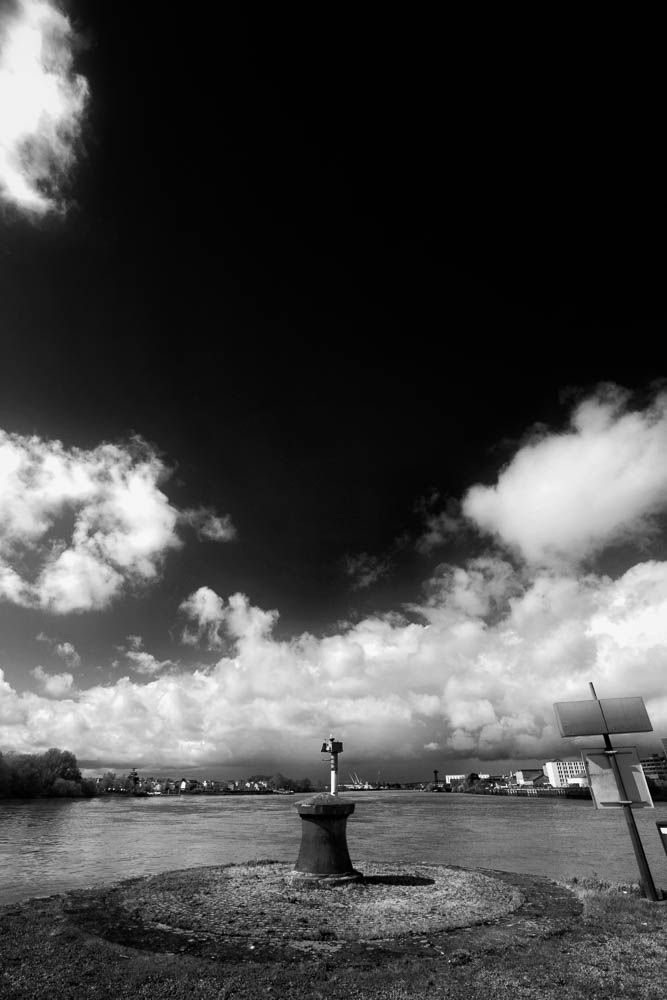
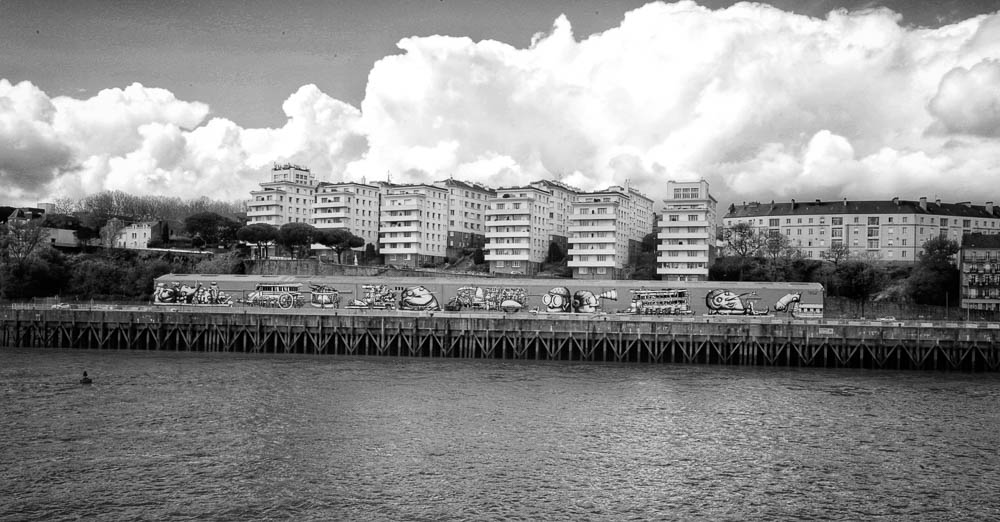
Right, where was I? Ah yes, down by the waterfront, the front being the Hangar à Bananes and the water being the Loire. So we’ve done the Grue Titan, had a quick look at the rings, and even looked at the Cantine where Kate and I had lunch.

Whilst having lunch I noticed a gentleman and his wife and their two boys. There’s a kind of hilly thing that the children can play on and I think I have a picture of it somewhere… It’s called the “Coline” which means hill. I get you a photo next time… Anyway. I noticed the guy had a rather nice camera and we got talking, and comparing photos and Instagrams etc. Which was nice because anyone that knows me, knows how I can go on and on about photography, and my wife gets bored of it all very quickly, but this guy didn’t. So thank you very much Patrick.

The conversation kept going and it turned out that he, and his wife had moved to Nantes from Paris in much the same way as I had moved to Vendée from Paris in 2001. So we got talking about the differences and how we both had no regrets coming out here. The conversation turned into an impromptu photo walk and it was lovely!

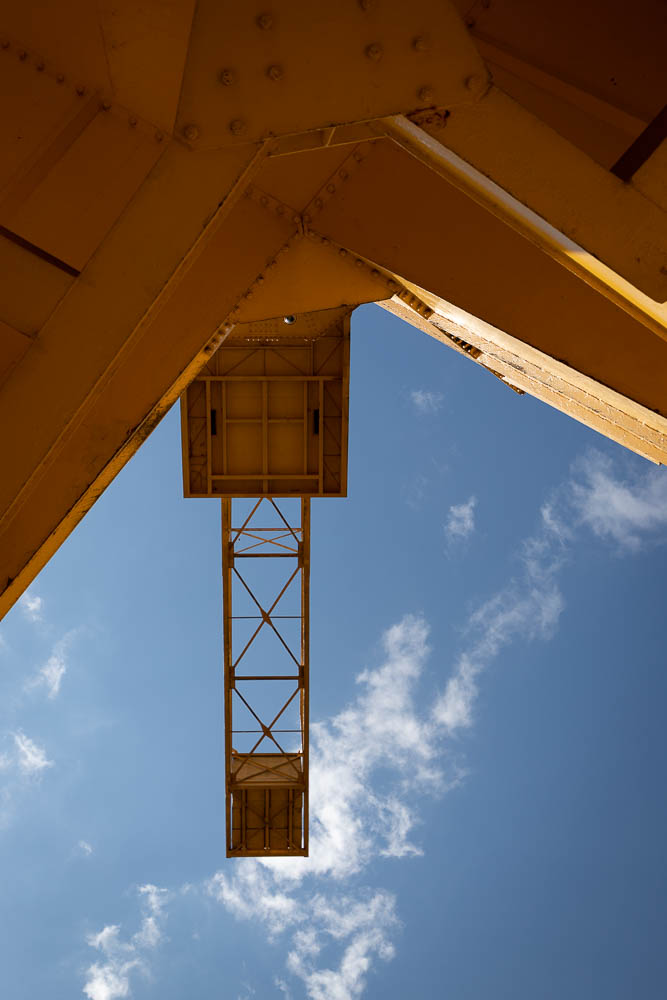
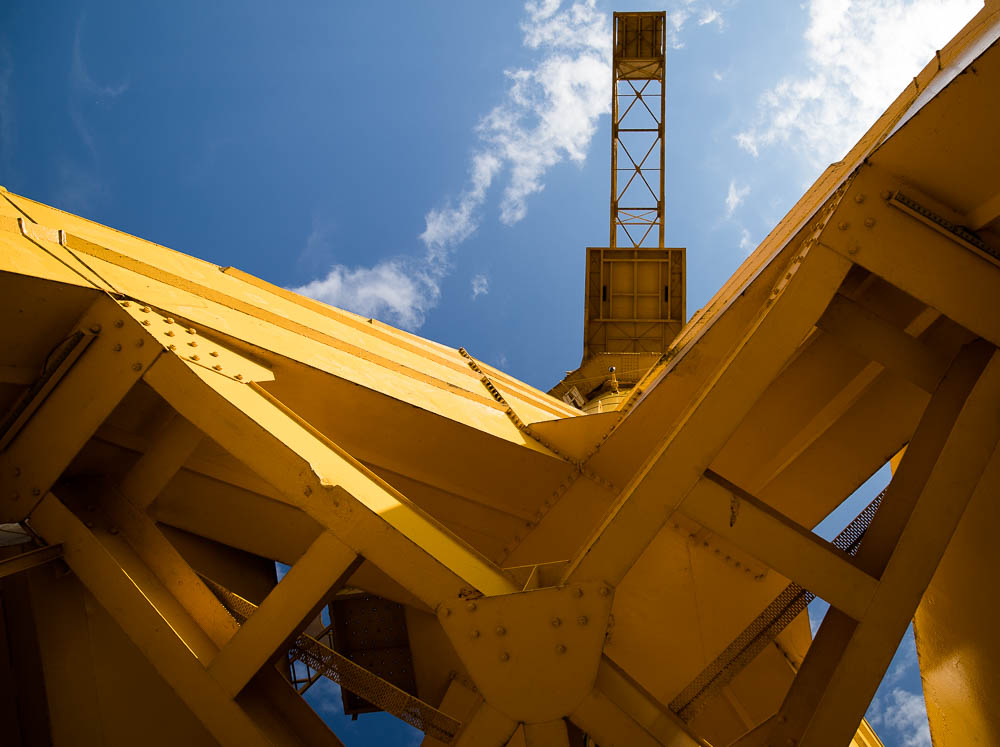
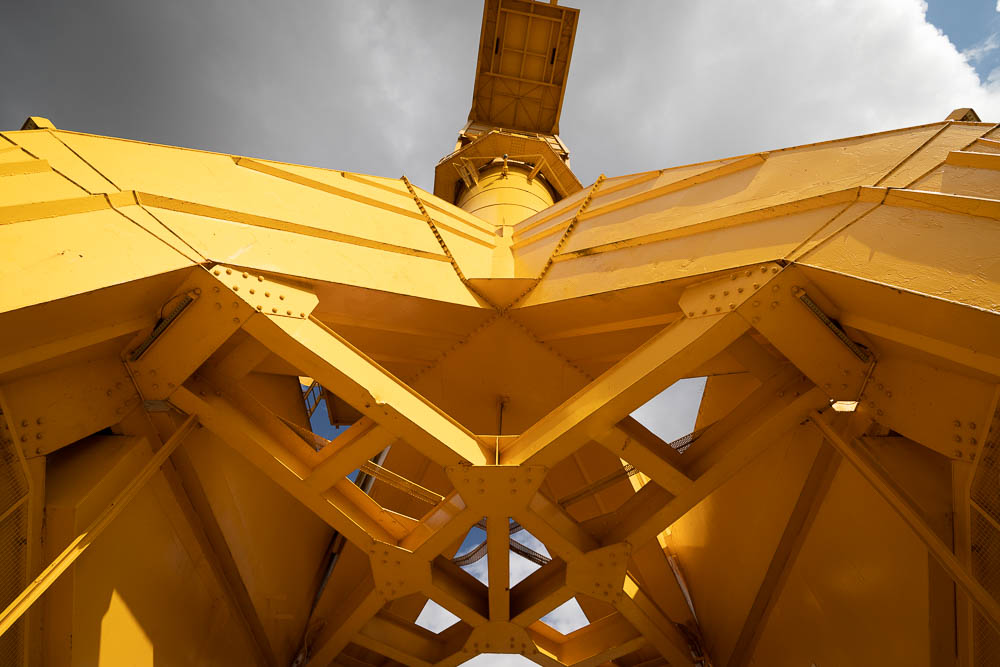
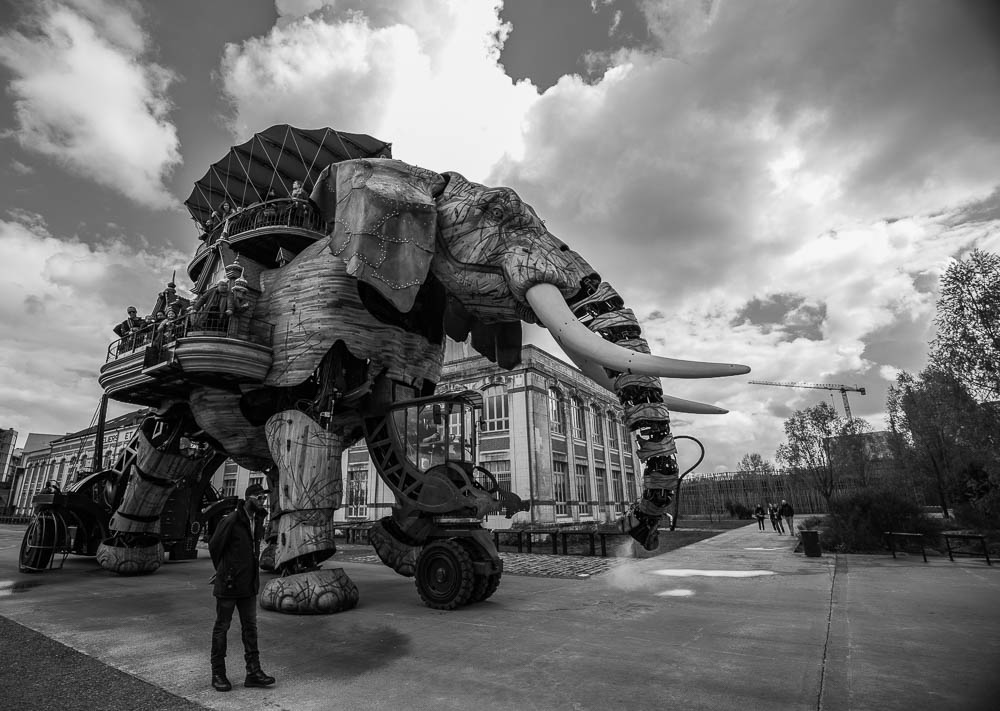
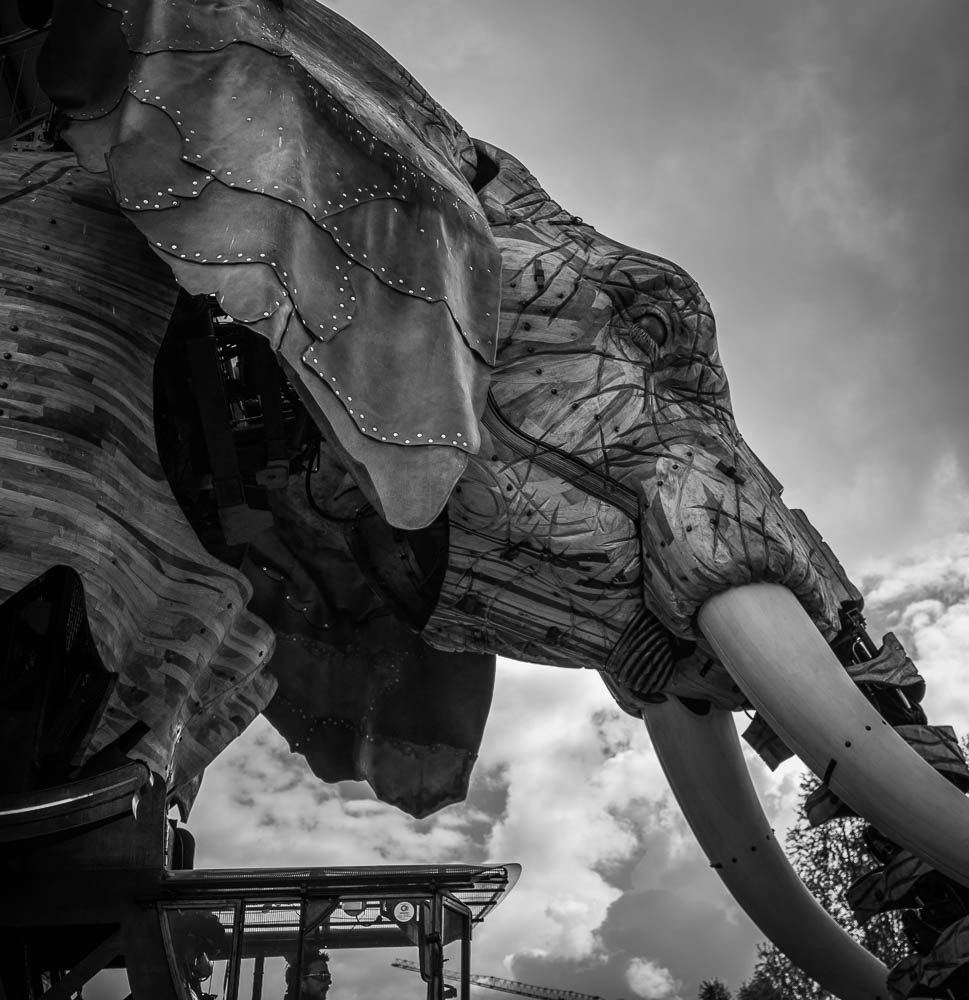
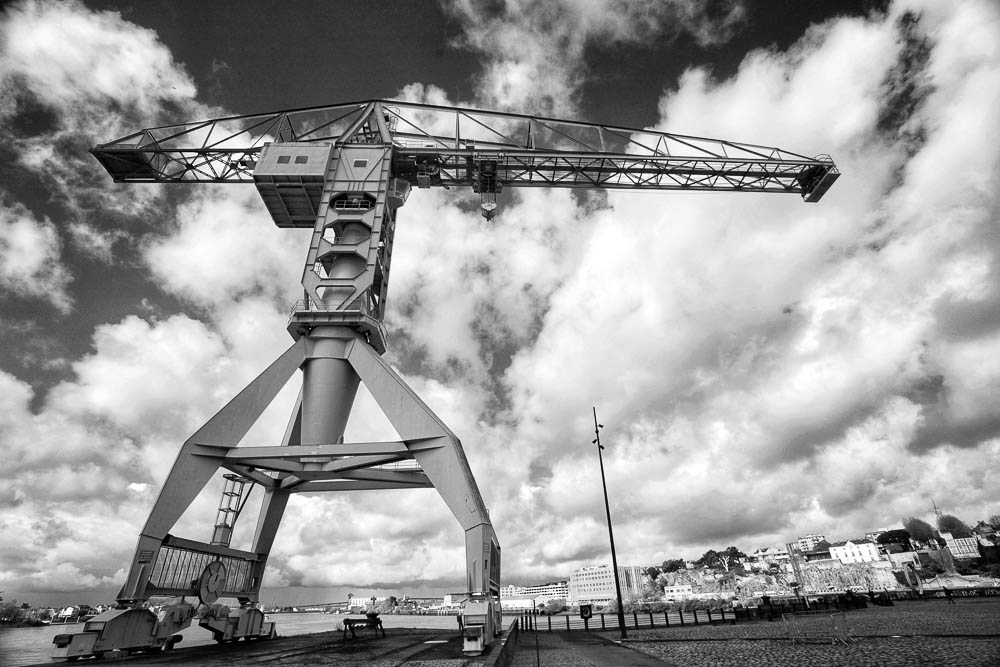
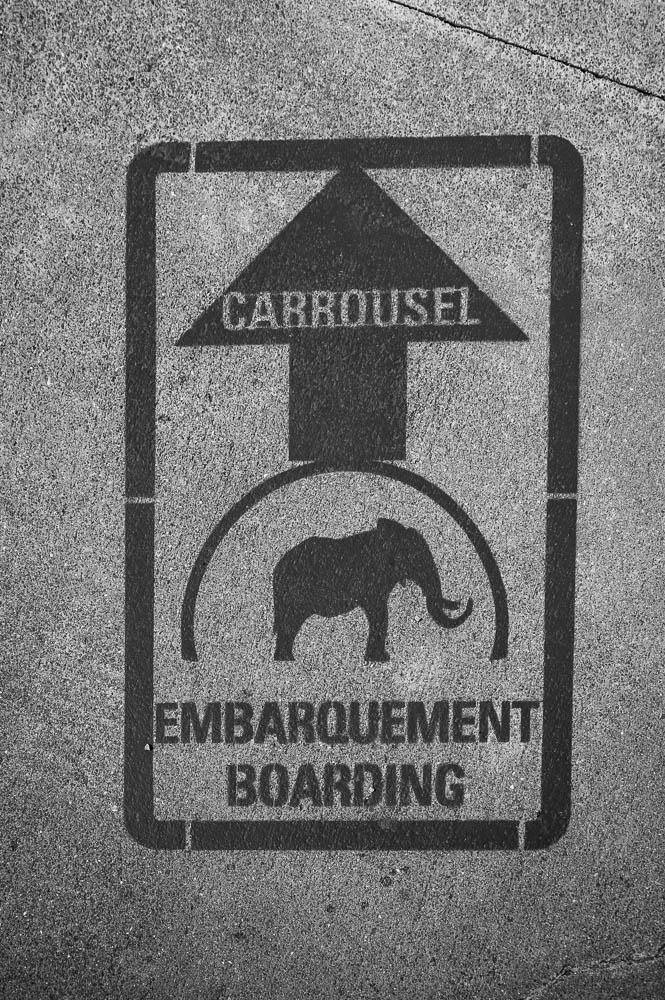
This is where you get to see the big Yellow Titan crane, which has become a symbol of Nantes, as well as the elephant, which is massive and definitely something that every child wants to see and go on!

Down on the waterfront Part 1


After having met Nikos Aliagas on the Saturday I was still starstruck and it seemed to bring me out of my photographic funk… I’m not saying that all my photos were crap, but I was definitely getting into a rut.

I was originally going to go out on my own to Clisson, but Kate asked me to wait and take her to Nantes.  So I waited.  Thinking that she would use the x100 and I would use the Canon 6d Mark II with the 16-35mm lens, we set off to the Hangar à Bananes and got into action.

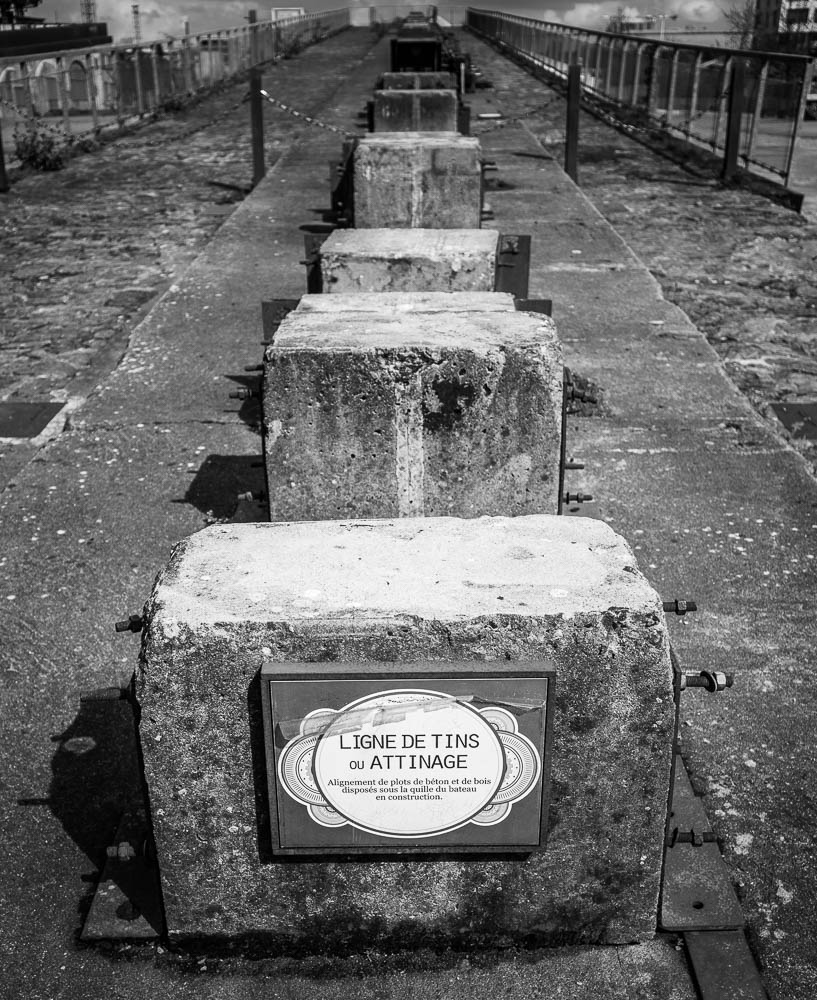
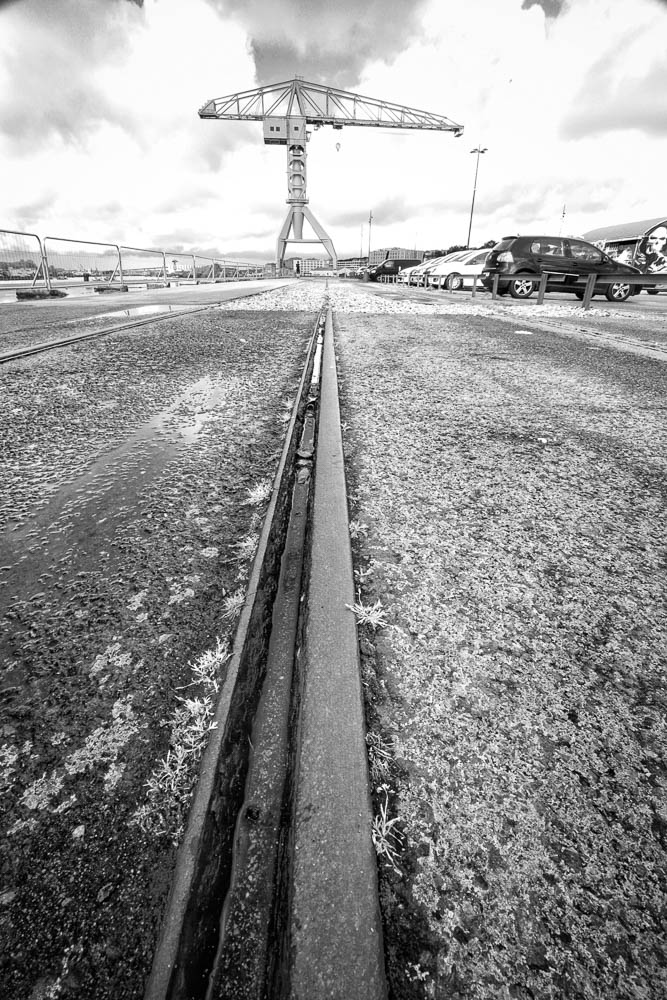
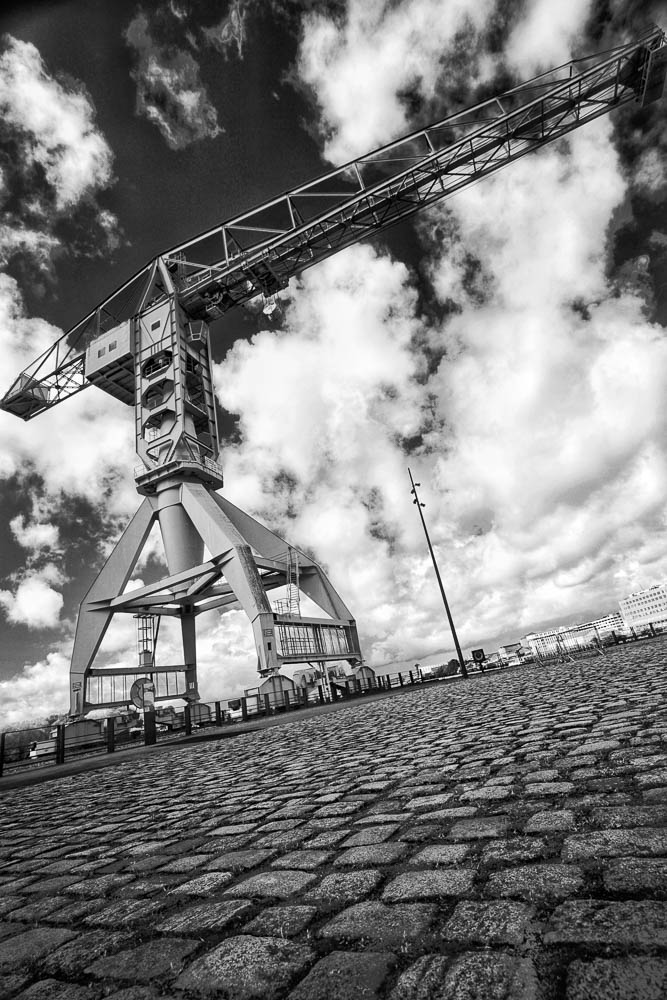
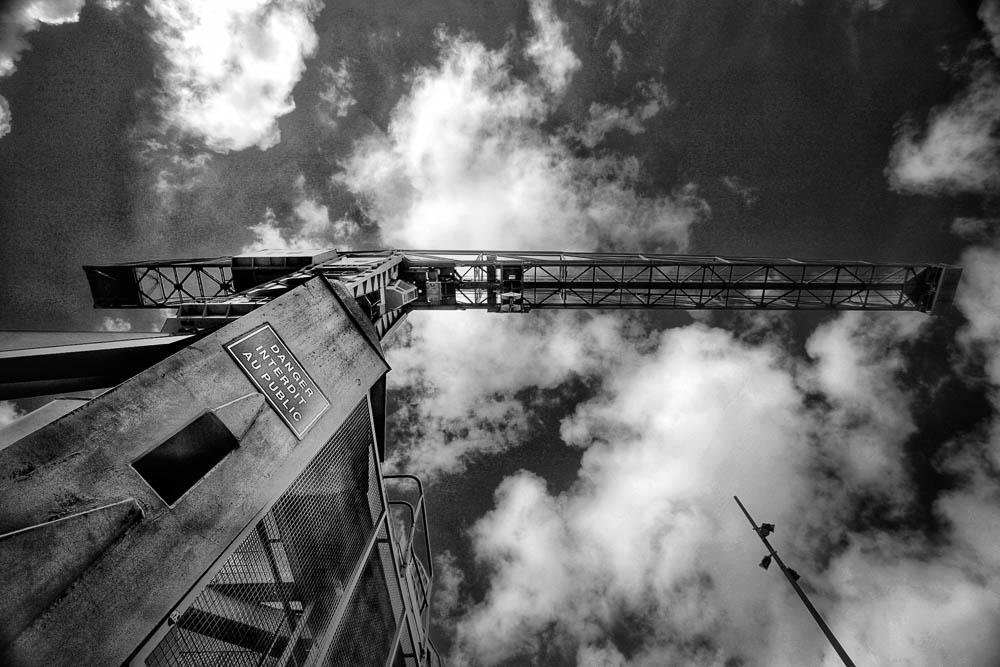
I love this bit of Nantes’ industrial heritage and happy that they conserved it.  This huge grey crane looms up before you and is on the very end of the Île de Nantes. I’ve photograped this crane many times and I might publish some other photos from the archives later on.

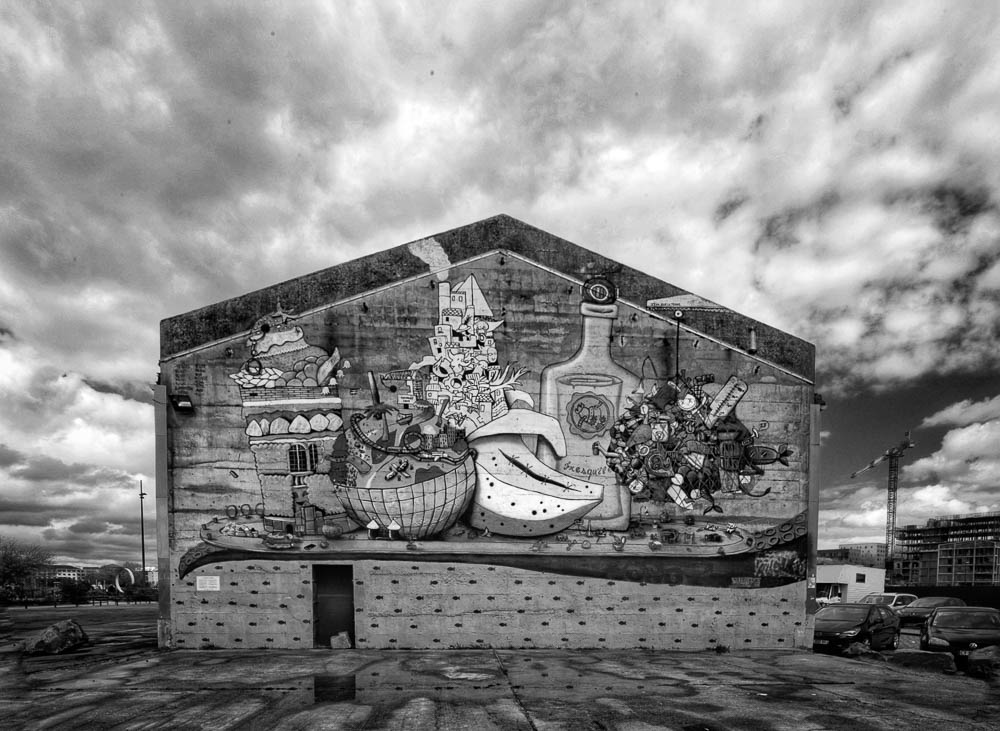
When one says Hangar à Bananes, people from Nantes get images of the huge grey Titan crane, les Anneaux de Buren, la Cantine (where we had a lovely little lunch), various pieces of modern art, the HAB Galerie (place the Kate loves having a look around), the Carrousel des Mondes Marins, and a big huge Elephant, modern architecture and so much more. This is Nantes, so expect the unexpected!

In this gallery you can see the first part of my photographs. The rest will follow in future articles…

February in Nantes


The month of February was amazing. We had a veritable heatwave! Alright, it wasn’t 30°C in the shade, but about 15°C – 18°C. It’s February after all. I felt alive whilst getting all that free Vitamin D.

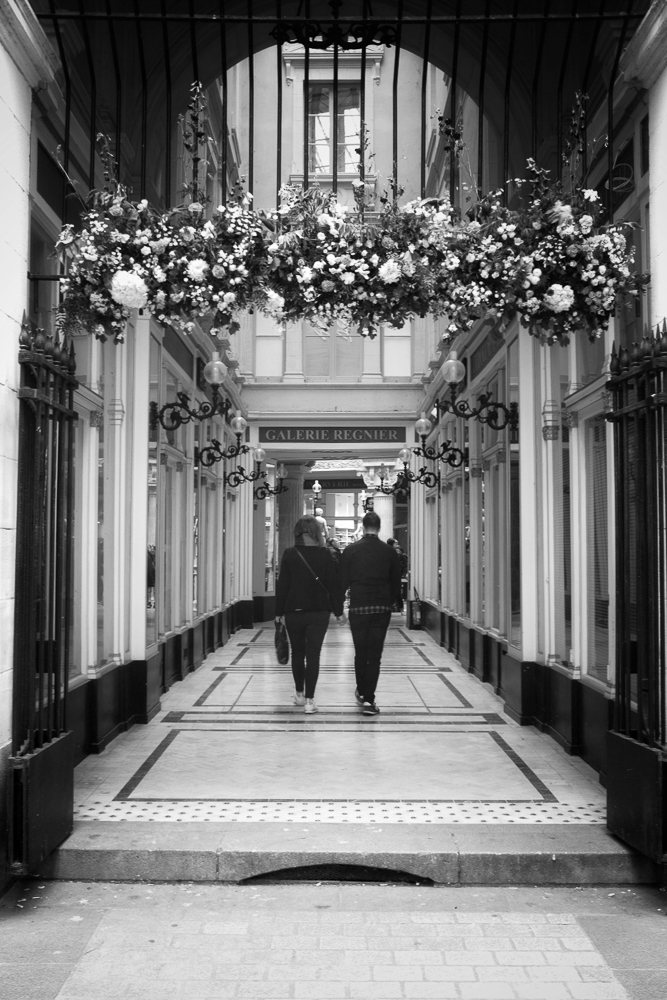
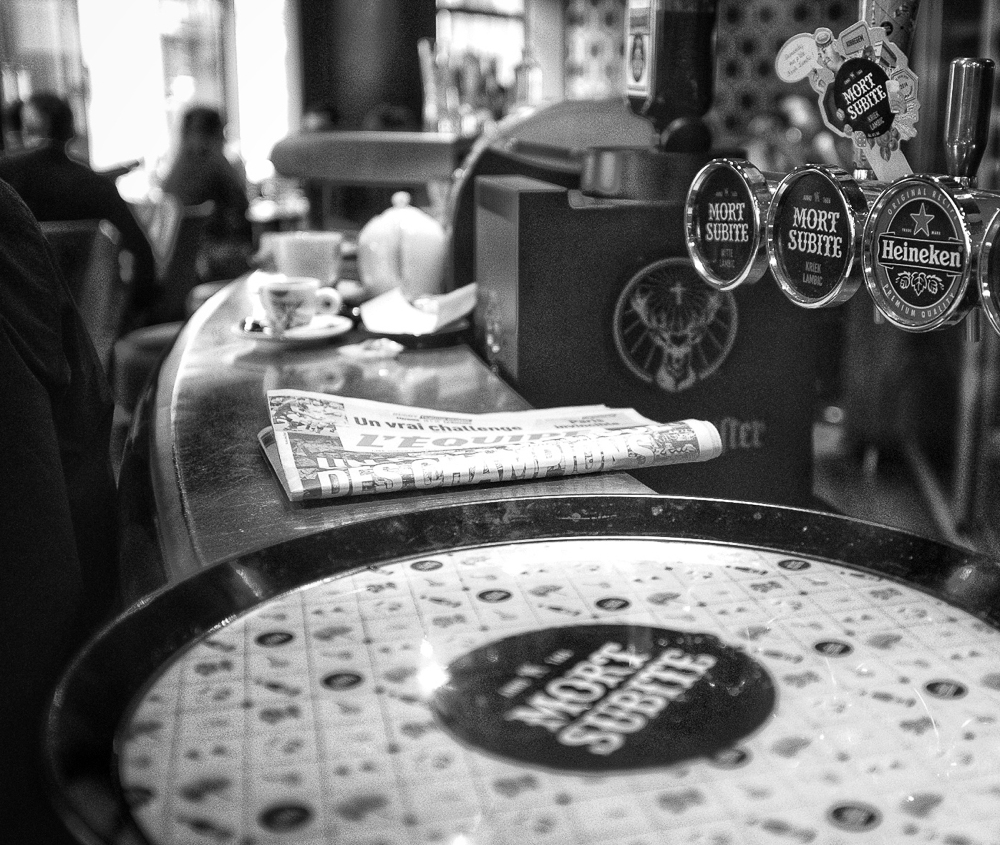
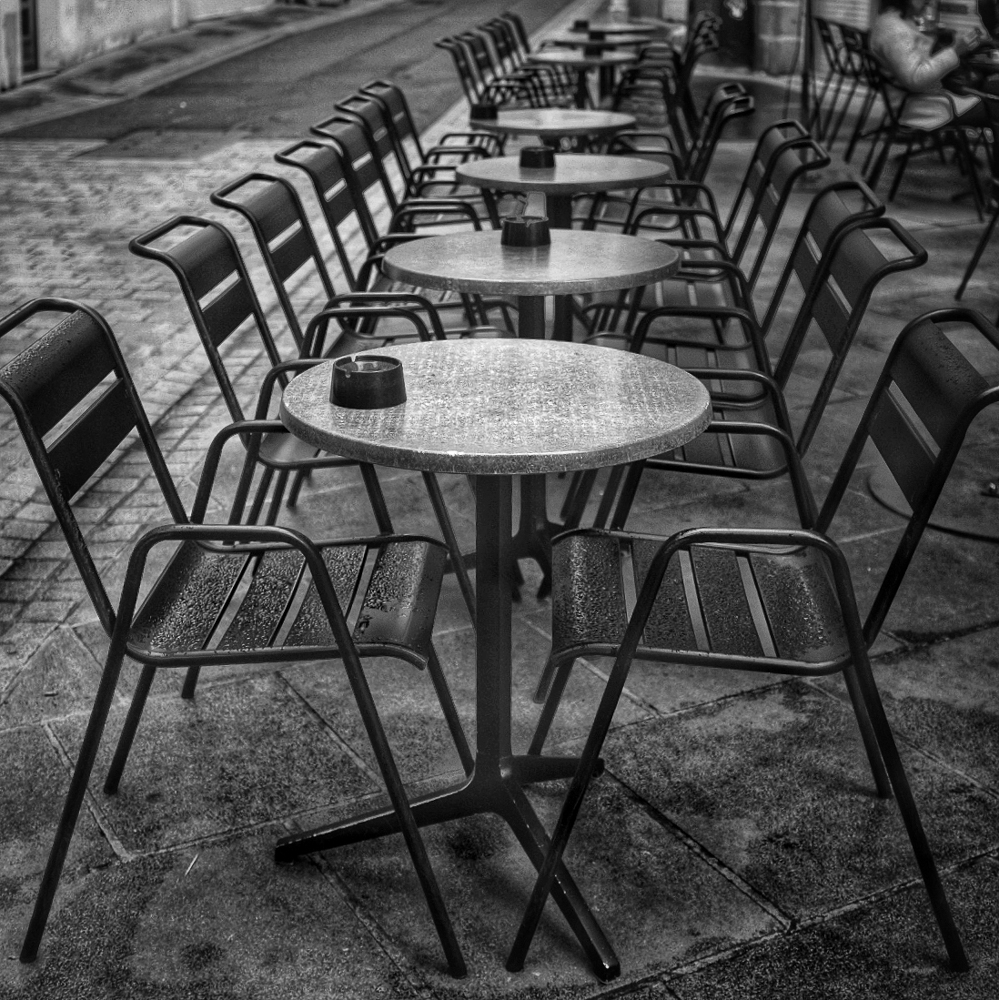
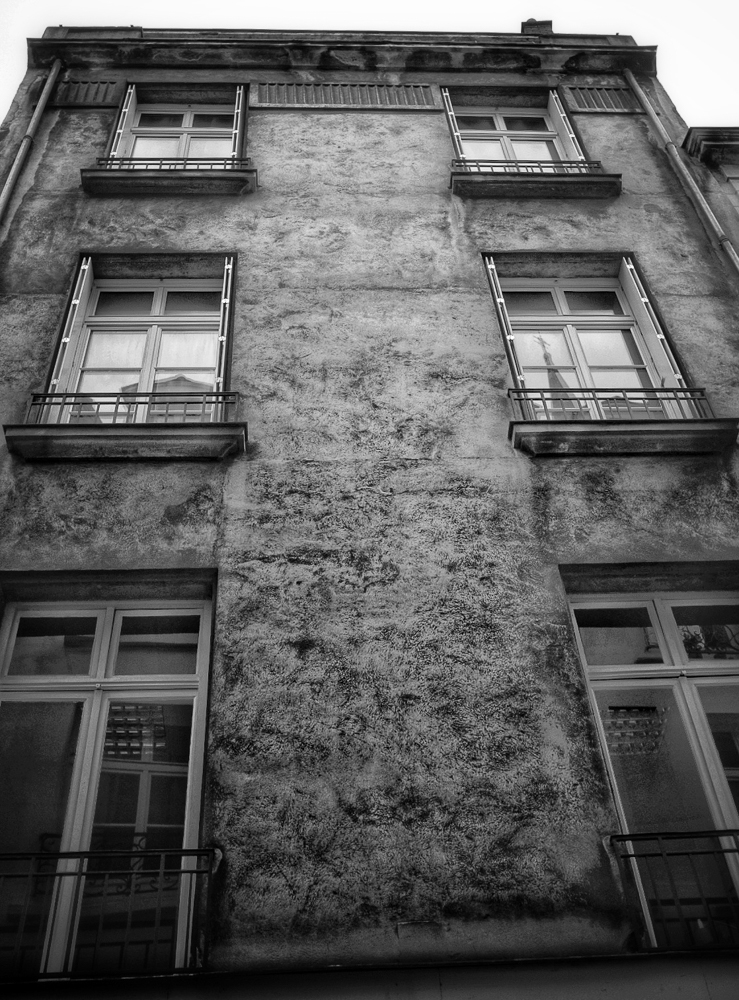
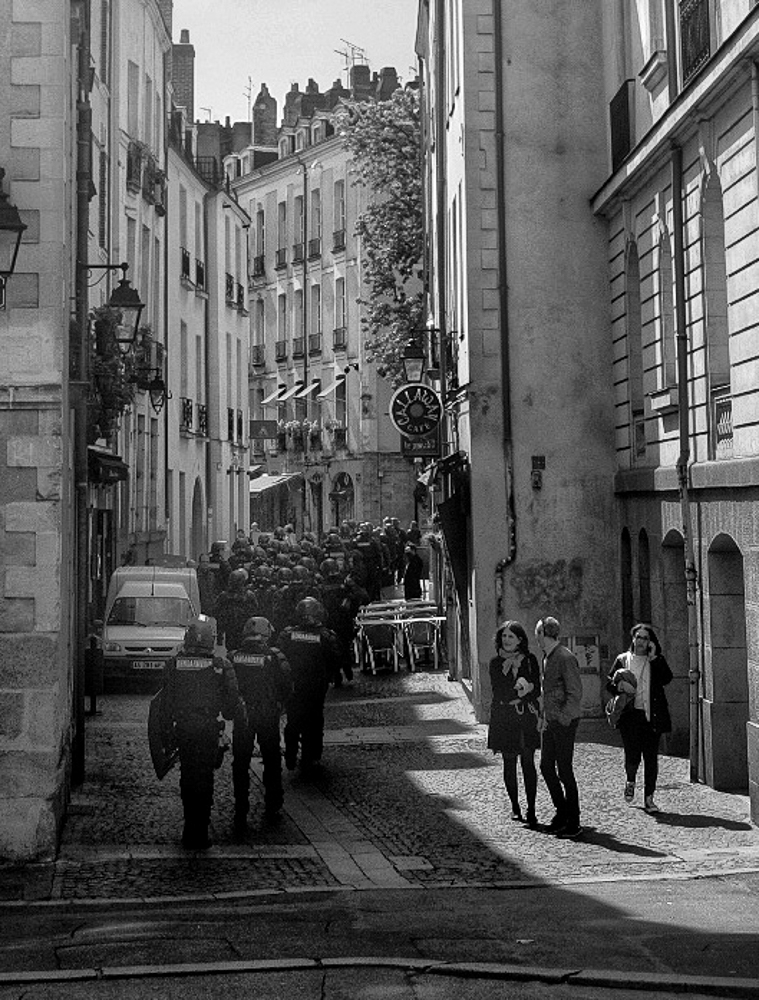
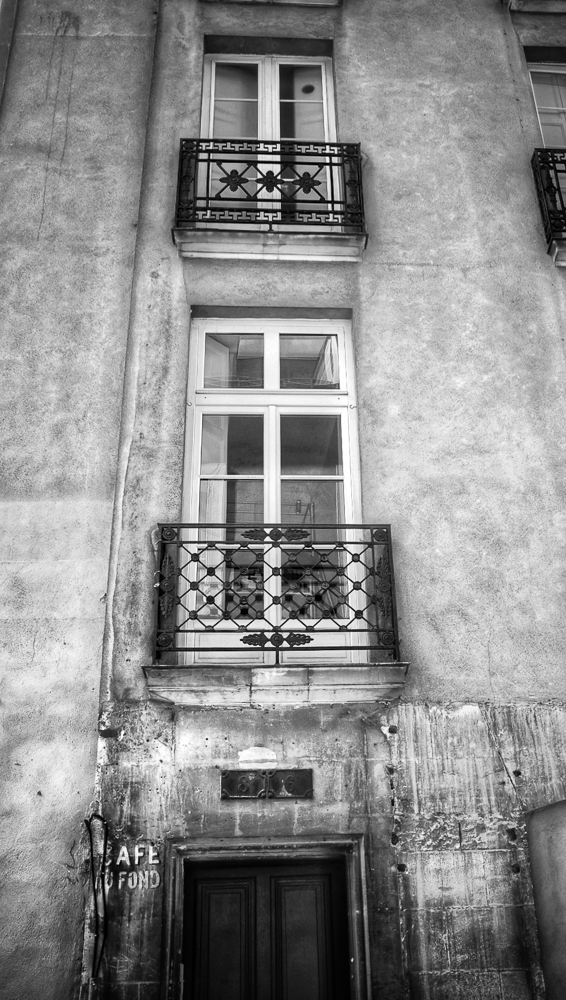
This is more typical of the photography that I do when I’m out in town. Generally black and white, urban, and trying to find a timeless quality…

When I do black and white photography I feel able to strip away the “distractions” of colour, and concentrate on the essentials; composition and subject. I try and capture the mundane and the ordinary, documenting everyday scenes in Nantes.

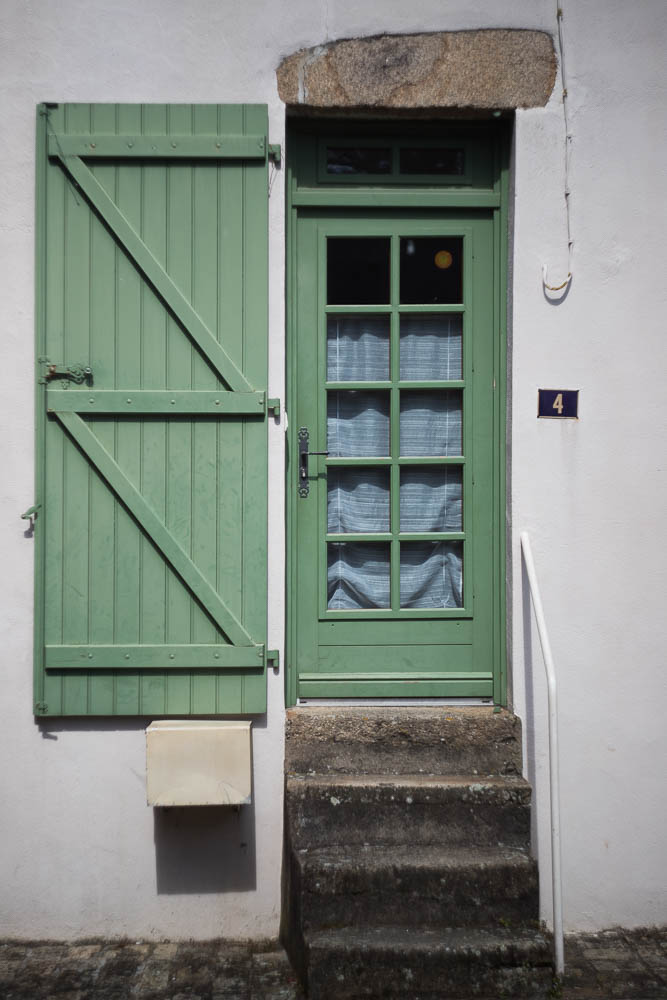
It would appear that I have a fixation about doors and door knobs. But that is a story for an other day…