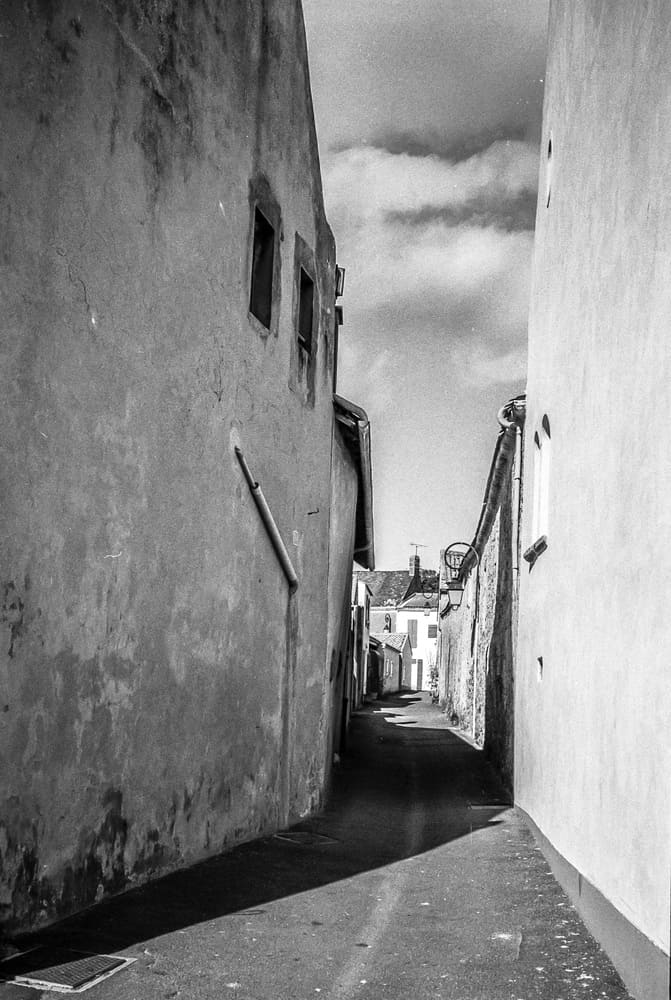
China: The Final Frame – Reflections on a Journey


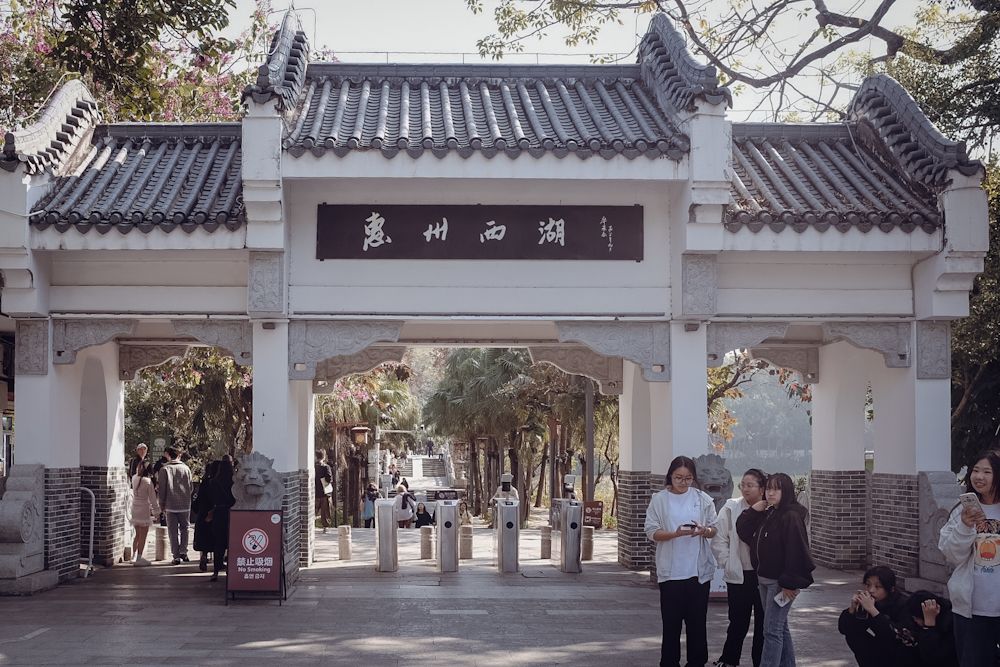
The tour is over. The bags are unpacked, and things are settling back into their usual rhythm at home. But even though I’m back, part of me is still in China—still thinking about the streets of Shao Xing, the energy of Shenzhen, or the moments shared with the orchestra. The journey may have ended, but it hasn’t really left me.

Reflecting on the Journey

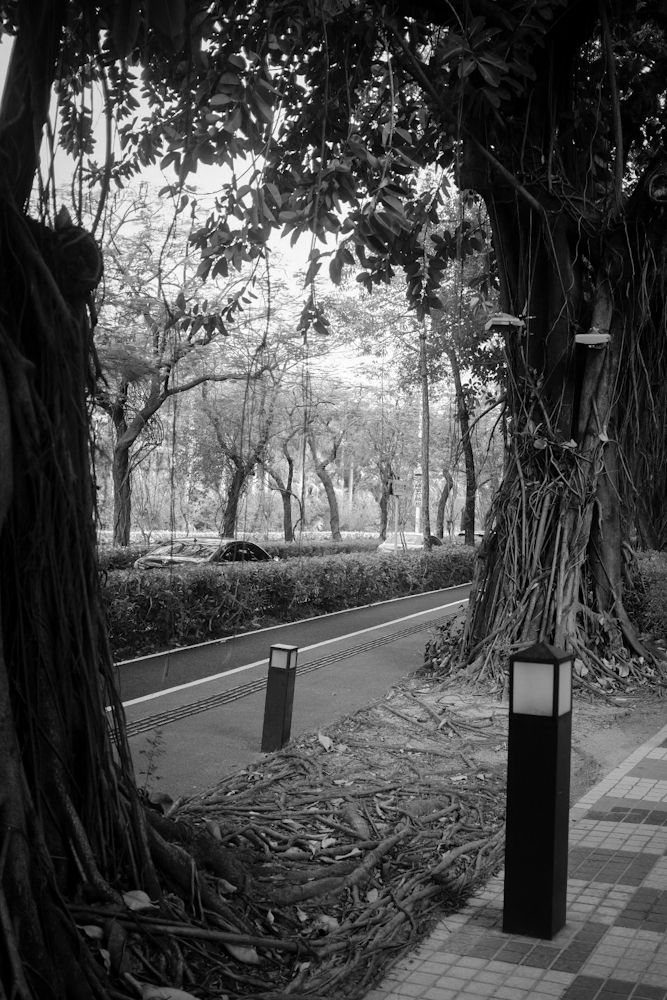
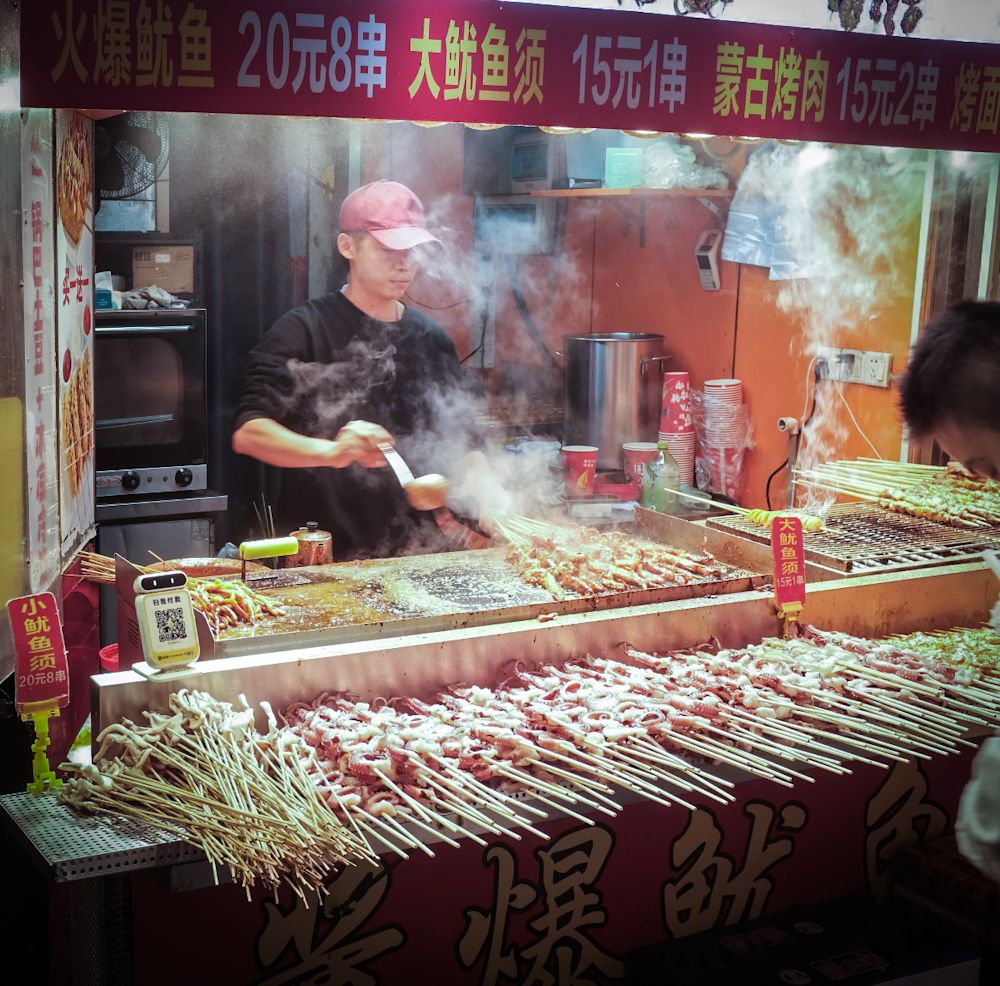
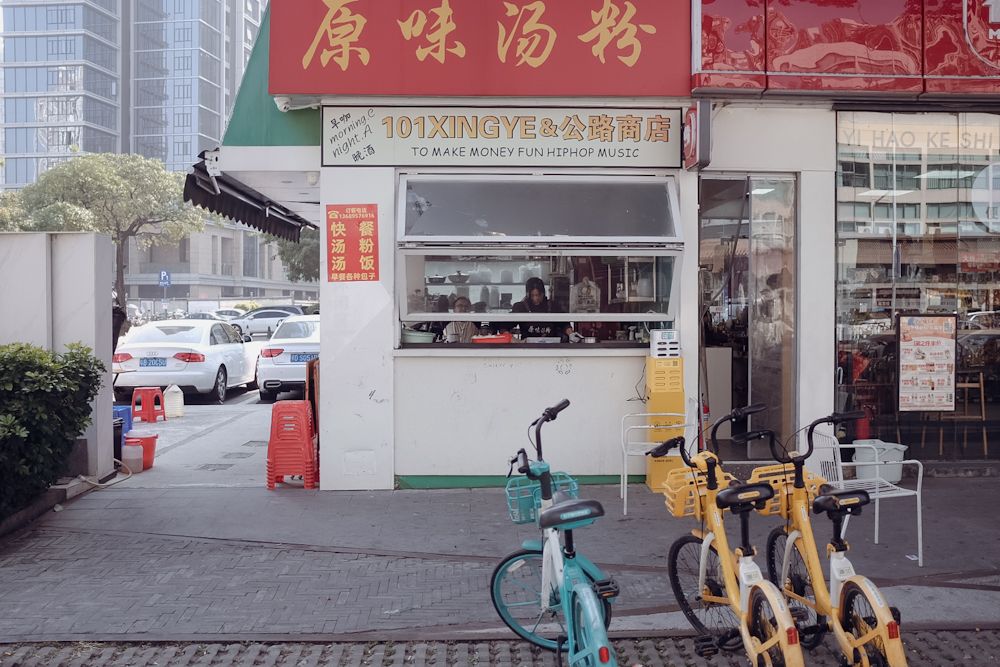
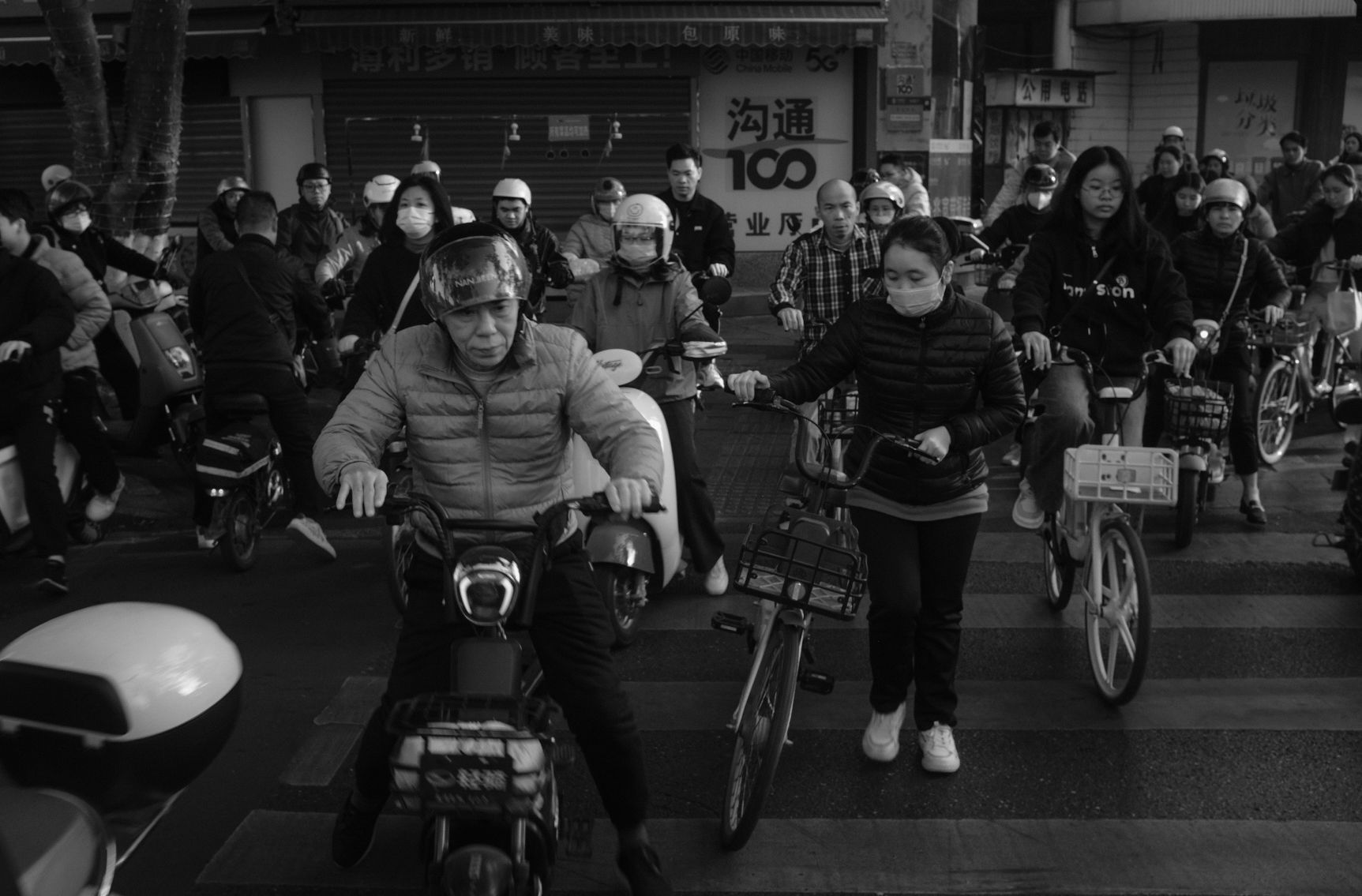
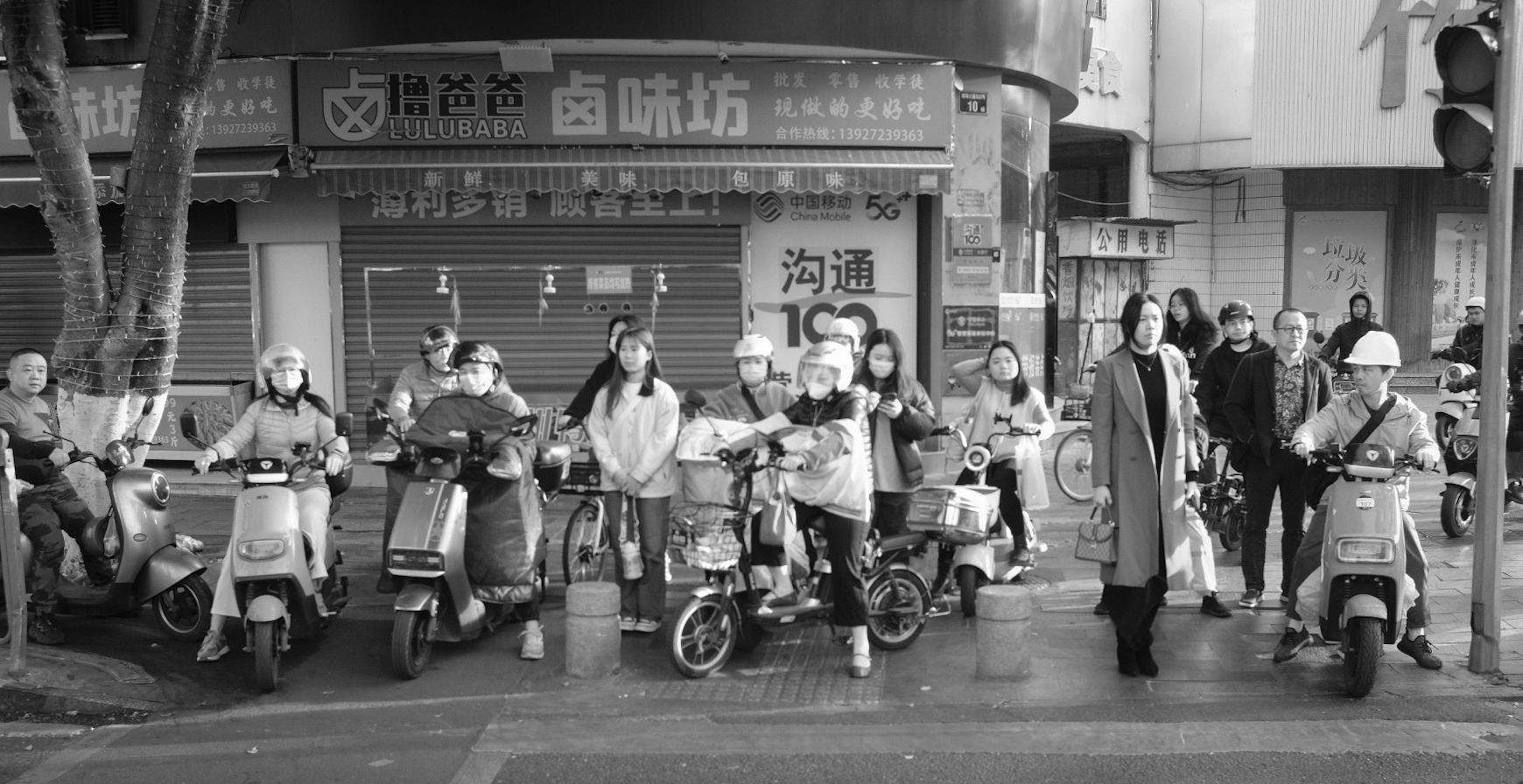
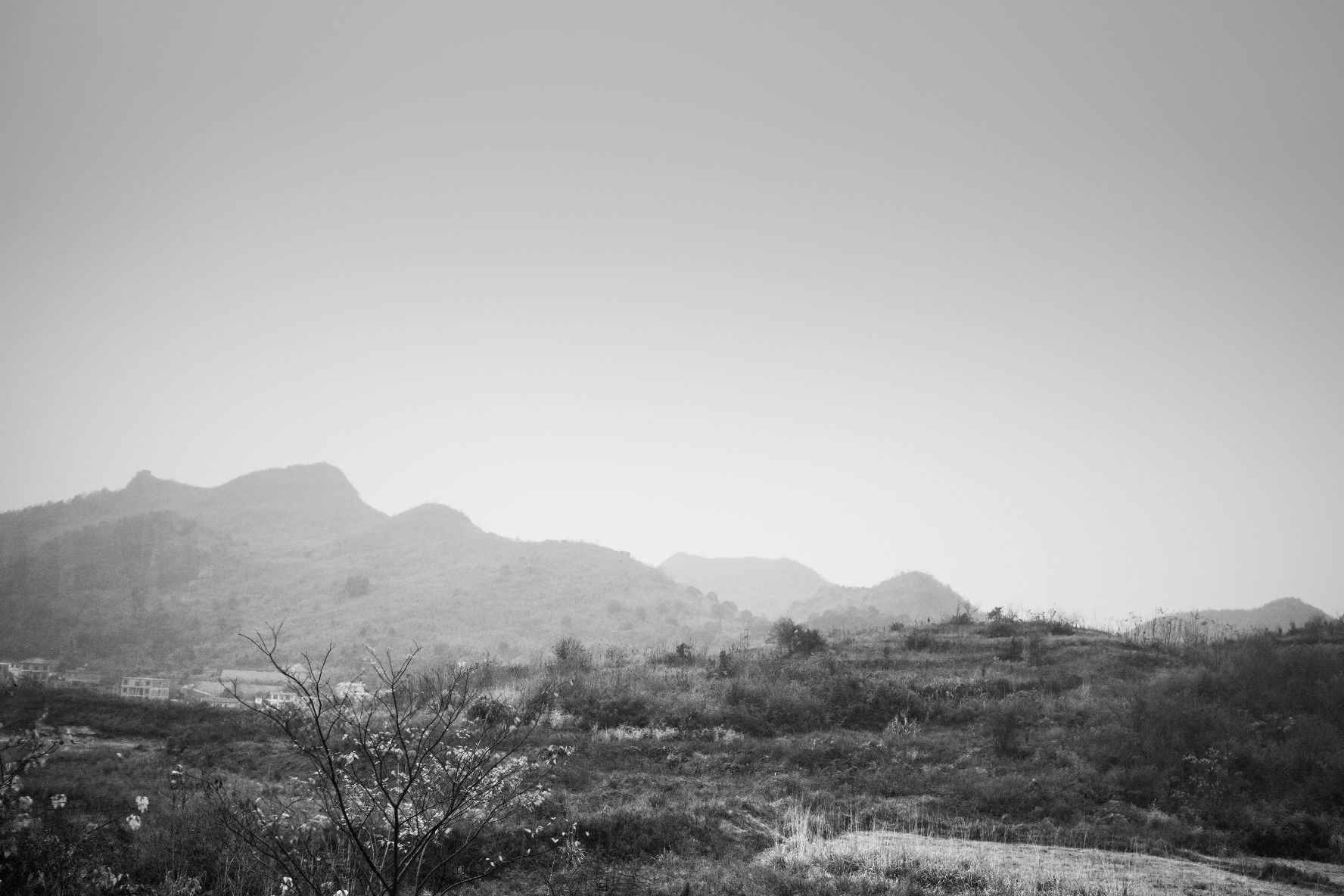
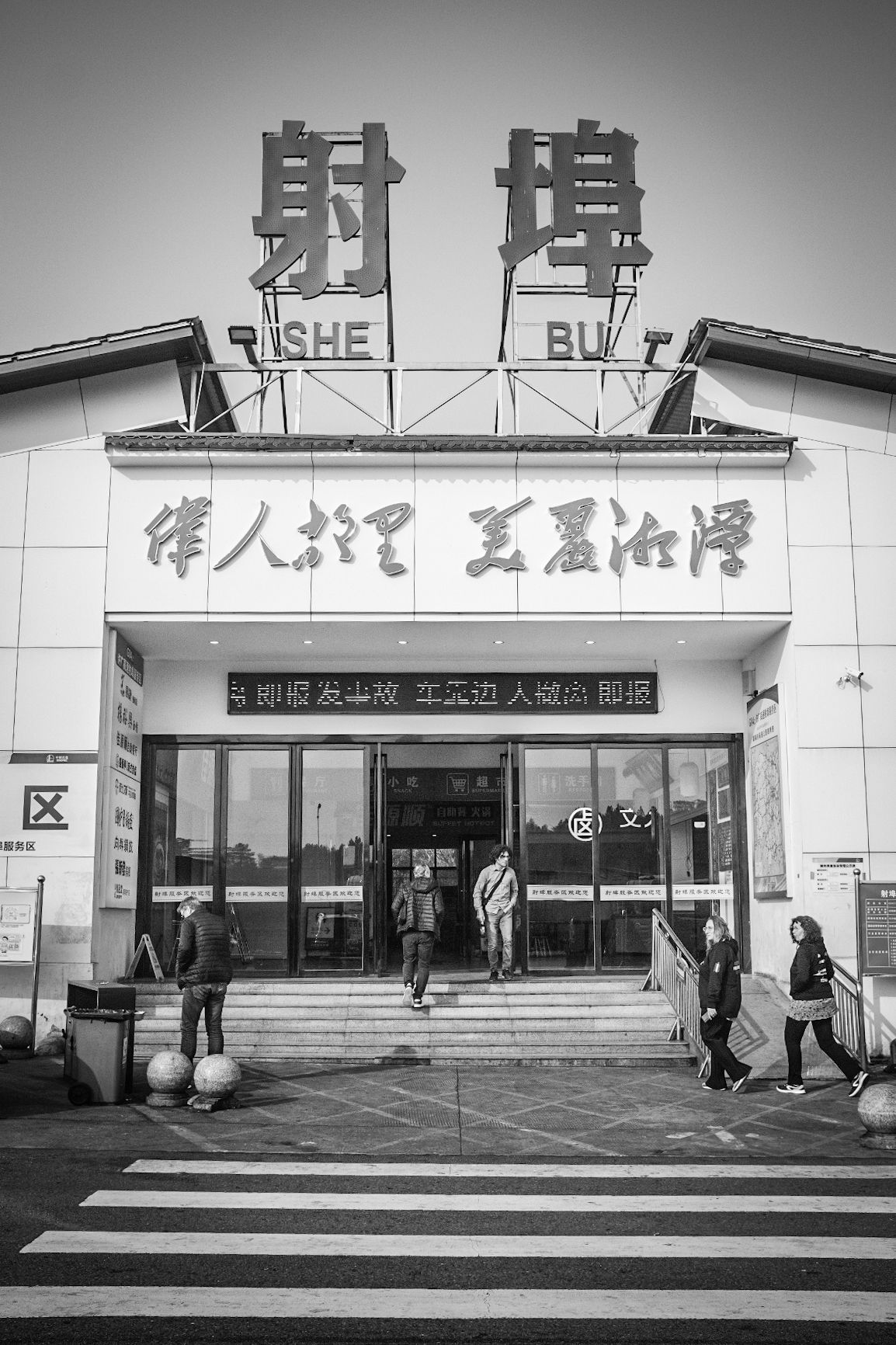
From the moment I landed in Changsha to the final farewell in Shanghai, this trip was a series of moments—some I expected, and some I didn’t. The hustle and bustle in Shenzhen, the streets of Shao Xing, the quiet hills of Xian Ju, and the meals shared with colleagues between concerts. It wasn’t just about the places. It was about the little things—a gesture of hospitality, that mutual respect between musicians, or just watching the world go by.

This trip wasn’t just about playing concerts, it was about learning and adjusting. It was about connecting with people, understanding their way of life, and how we relate to one another in those brief encounters.

The Photographer Without Film

For the first time in a long while, I didn’t travel with my usual film cameras. The Fujifilm X100F was the only camera I had with me, and while I had mixed feelings about it at first, it became a good fit. There was no hesitating over which shot was worth the price of a roll of film. It was just me, the camera, and the present moment.
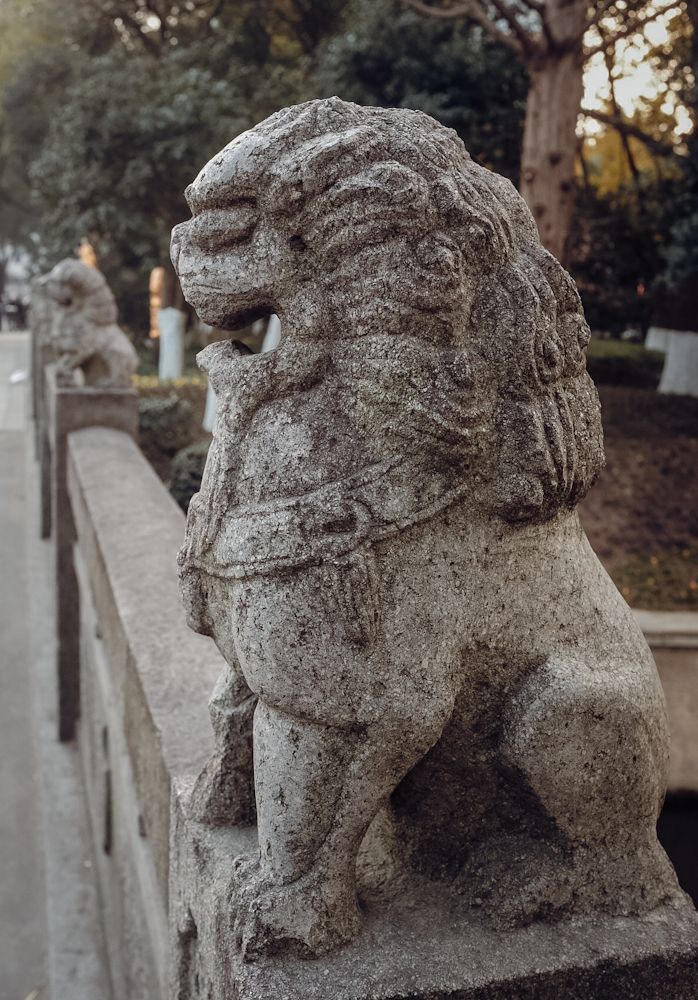
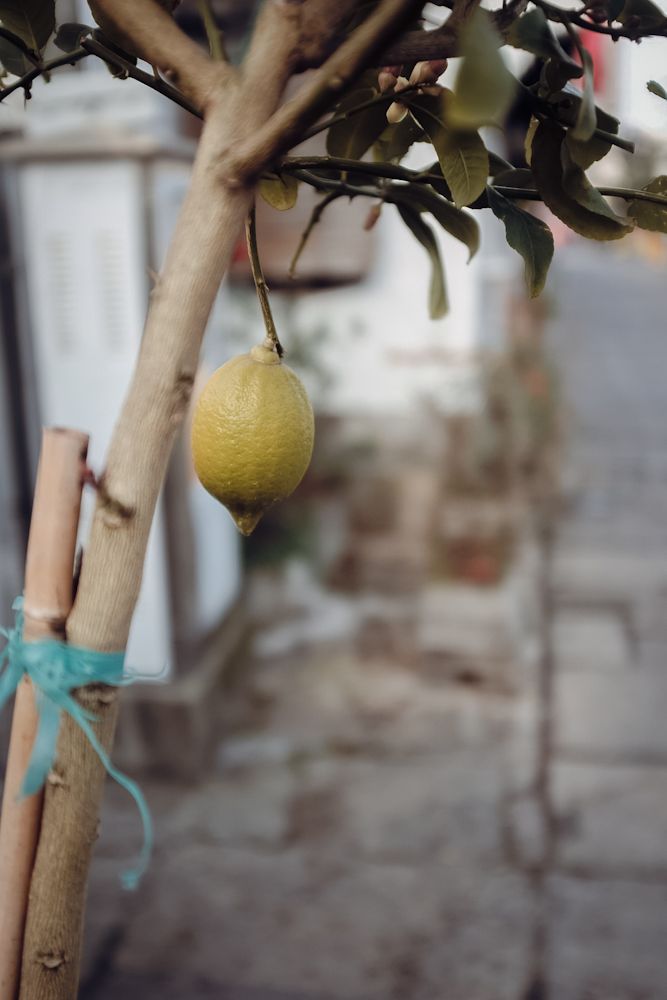
Not every moment needed to be captured. I found myself slowing down and soaking things in—sometimes shooting quickly, sometimes just letting the moment pass. It wasn’t about having everything on film; it was about experiencing it fully, even without the lens in front of me.

Respect and Connection

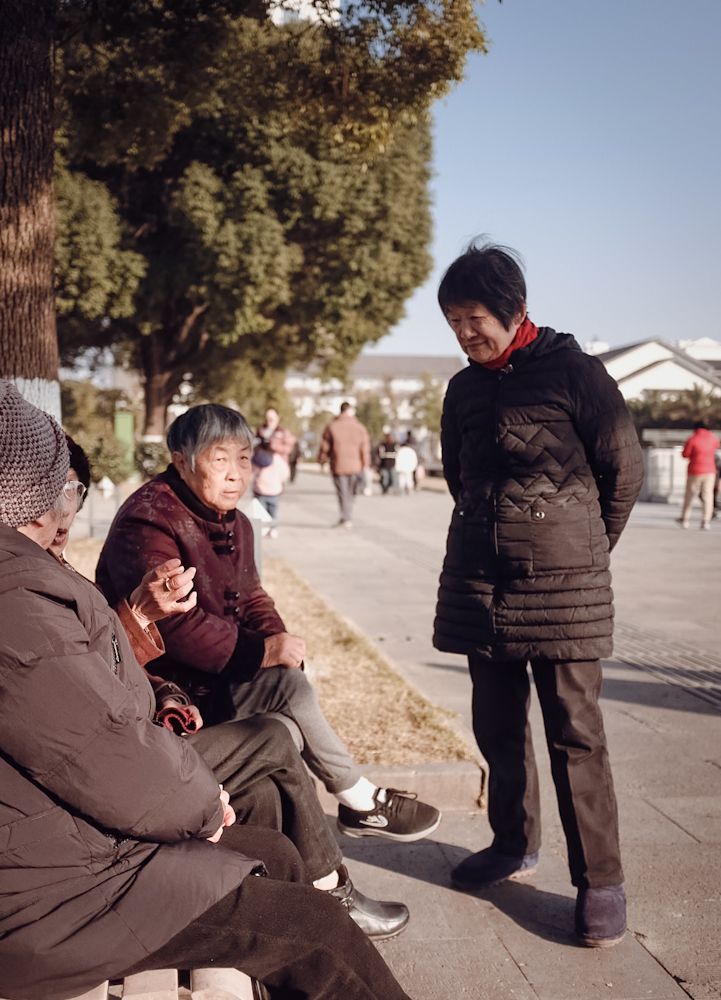
One of the most memorable things about this trip wasn’t the landscapes or the buildings—it was the people. Everywhere I went, I felt a deep respect and sense of community. It wasn’t about being given titles like “Uncle” or anything else. It was just how people engaged, how they saw me as part of something.

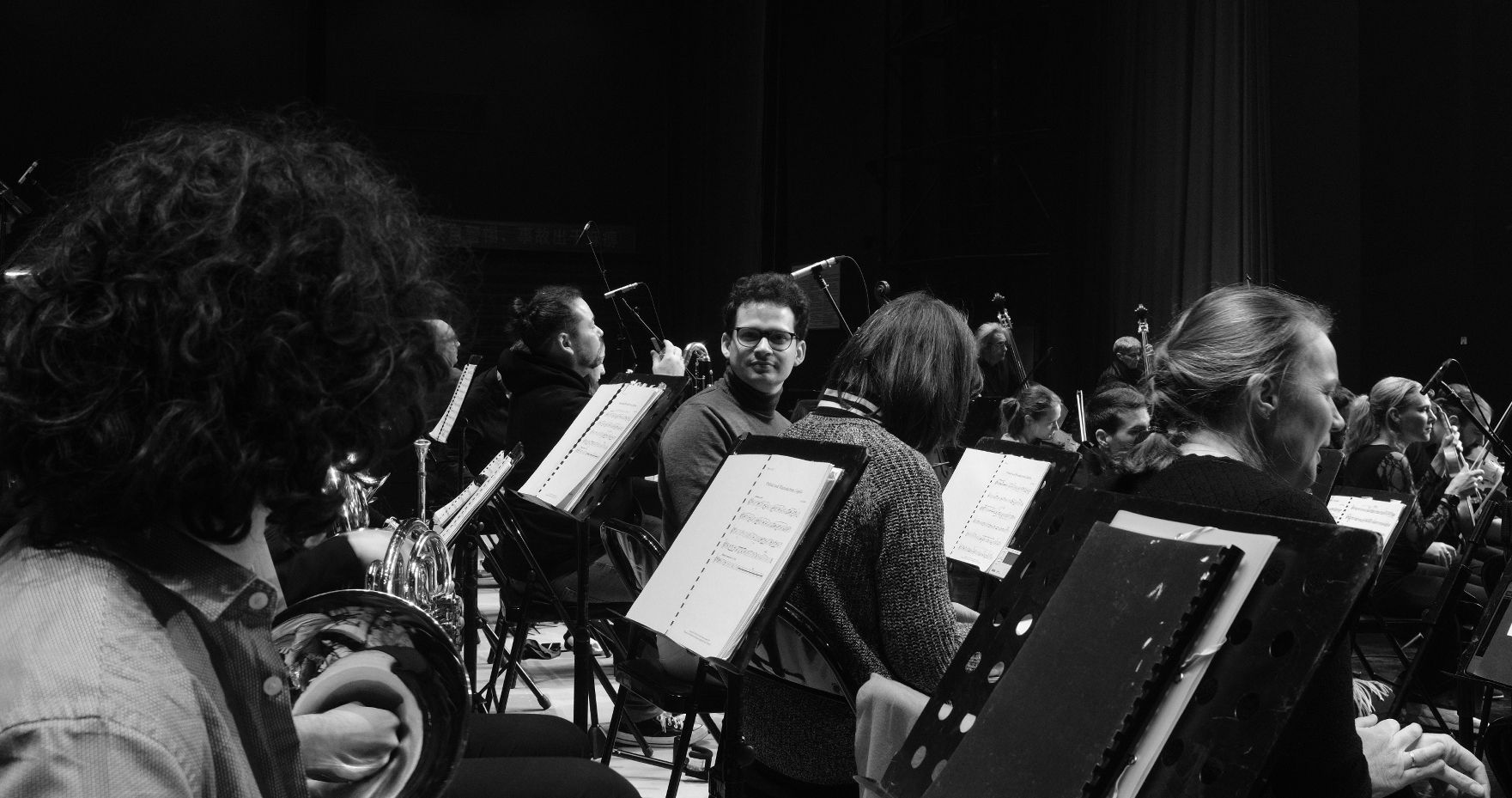
The concerts themselves were a reminder of this—the public wasn’t there for rehearsals, but they were there for the concerts, offering energy and appreciation. Music, like photography, is about presence. It’s about sharing a moment with others, and that’s something I’ll never forget.

Coming Home

Returning home after a trip like this always feels a little strange. The familiar feels slightly unfamiliar at first—the quieter streets, the slower pace. But there’s comfort in returning, and yet, it’s hard not to feel that shift in perspective. Things seem different now.

The Final Frame

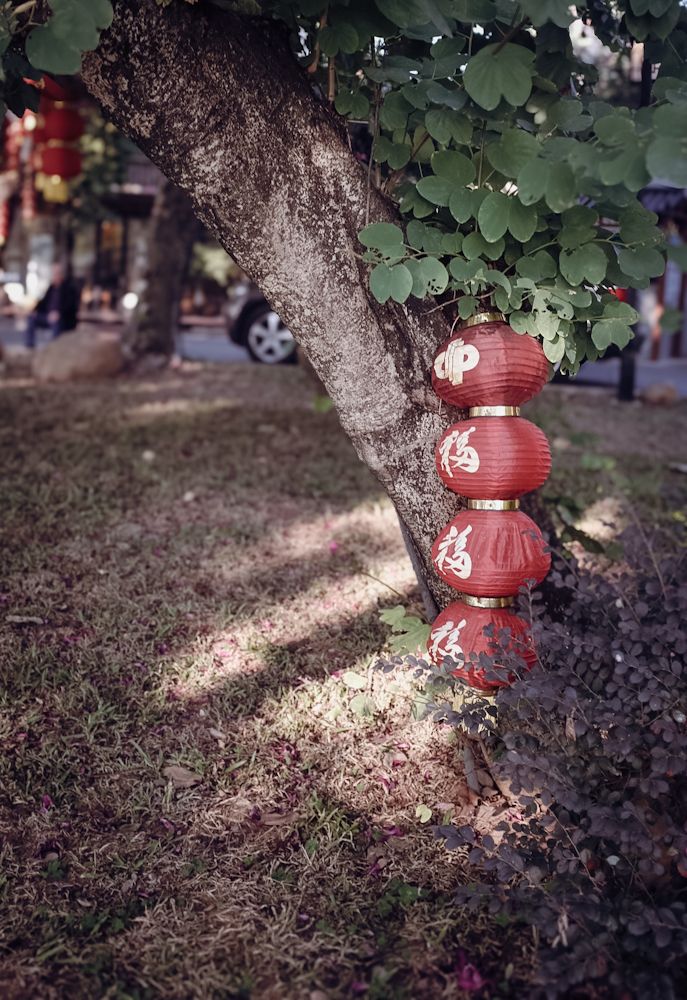
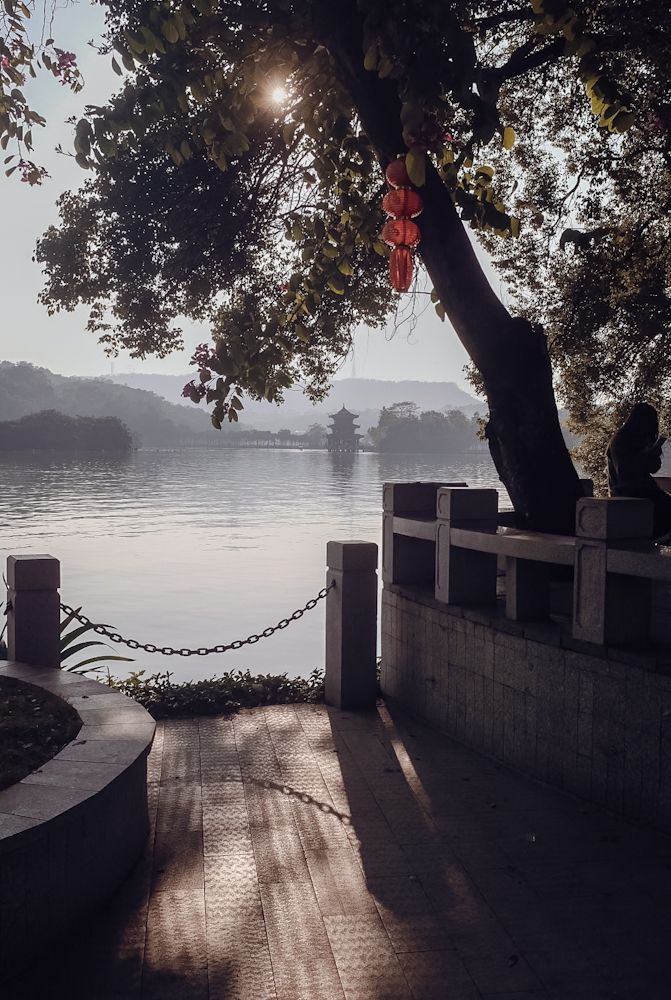
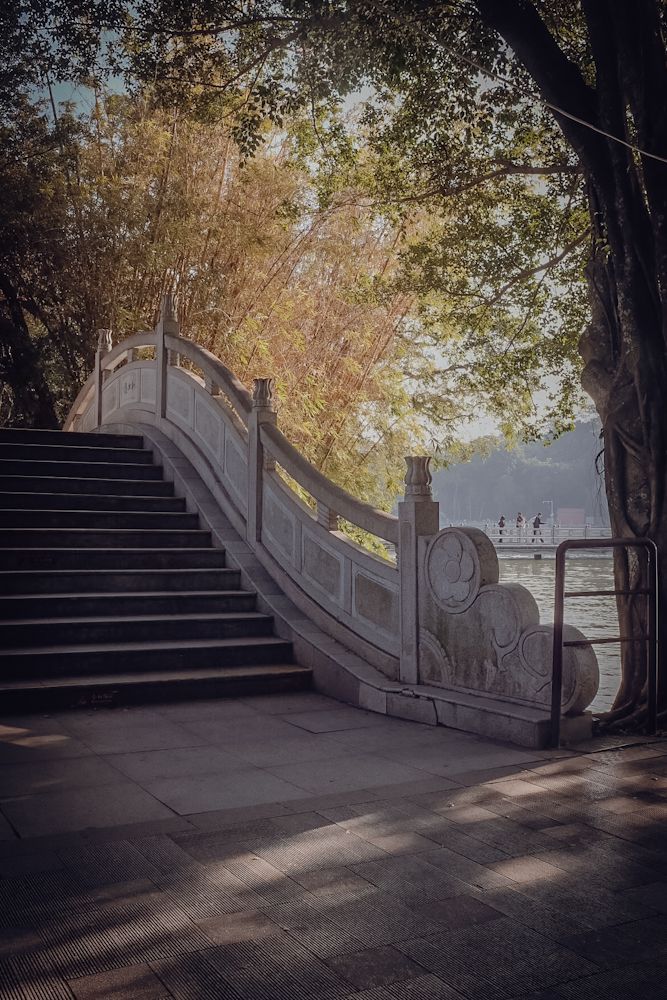
So, what remains from all of this? The photographs, of course. They’ll hold the moments, the details, the things I might forget over time. But beyond that, it’s not just about the photos. It’s the way travel shifts your perspective and makes you notice the small moments—the ones that don’t always get captured in a frame.

This series was meant to document a tour, but it ended up being more than that. It’s a reflection on the journey itself, on photography, on what it means to truly be somewhere, to connect with others. The tour might be over, but this story isn’t done yet. And whenever the next journey comes, I’ll be ready to pack my bags again.

I have been posting these articles in the WhatsApp group made for the people on the tour, and people’s feedback has been amazing. What came out the most was the feeling of revisiting the tour through the photographs and how that made people feel. And if you make somebody feel something with an image, then you’re off to a good start. The other comment was, “Oh, I didn’t see that!” And that is part of our role as photographers, to record what people don’t see… My reputation as a photographer seems to have surpassed my reputation as a beer drinker, which is good, because I hardly drink a drop anymore. My reputation as a writer seems to be well established too.

So not only am I seen as a hornplayer but also as a photographer, a writer, and a sensitive soul instead of the gruff bear that sits at the back of the orchestra and makes farting sounds with his instrument. Quite the step up really!

The Opening of the Film Archives—Clisson, September 2016


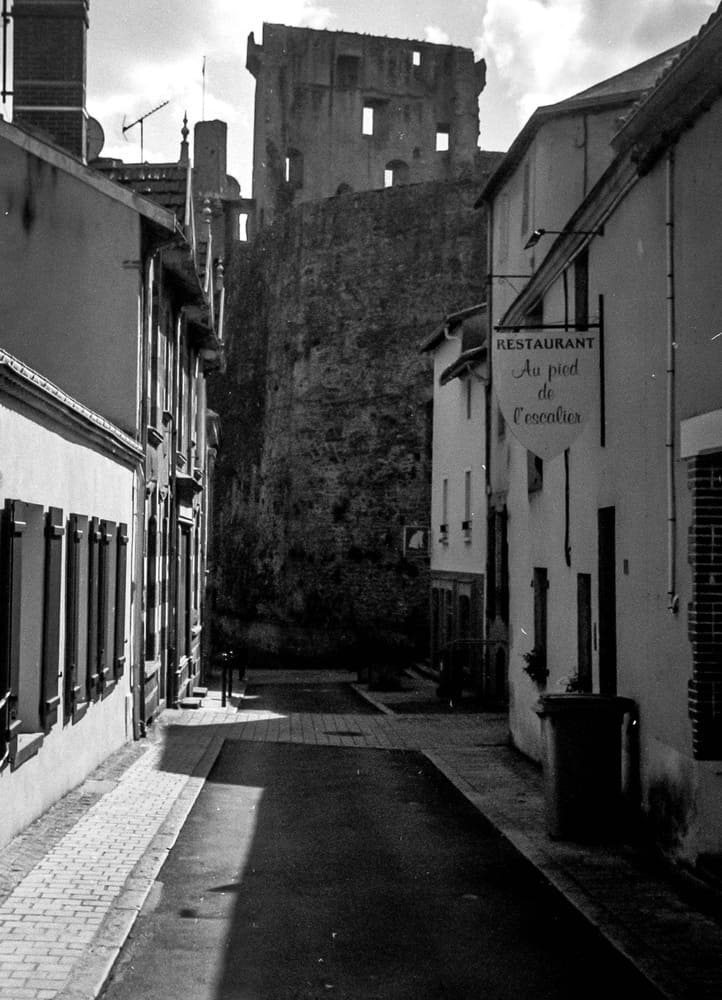
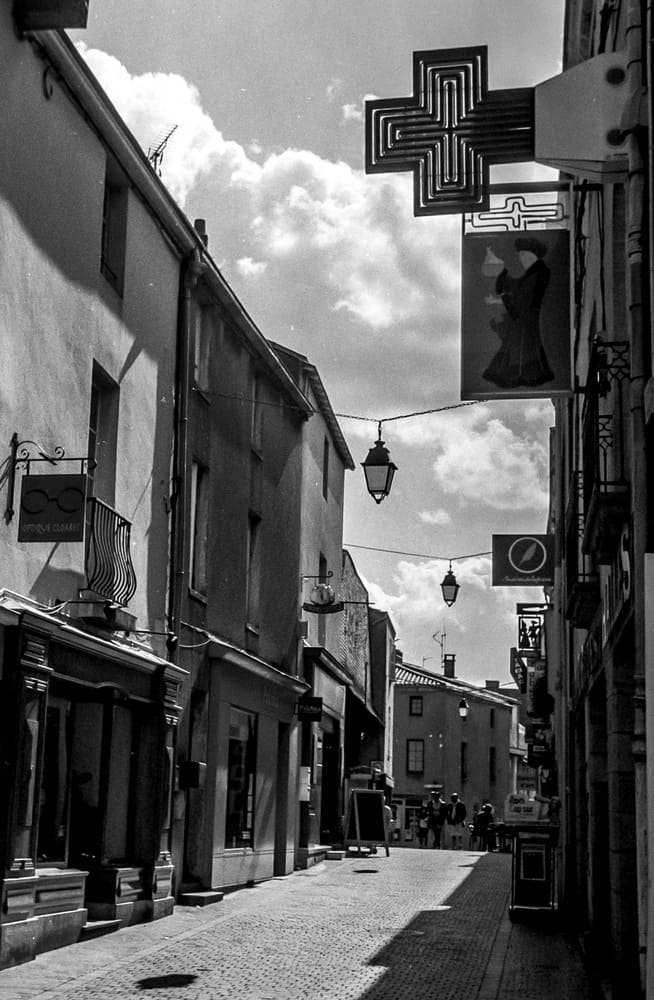
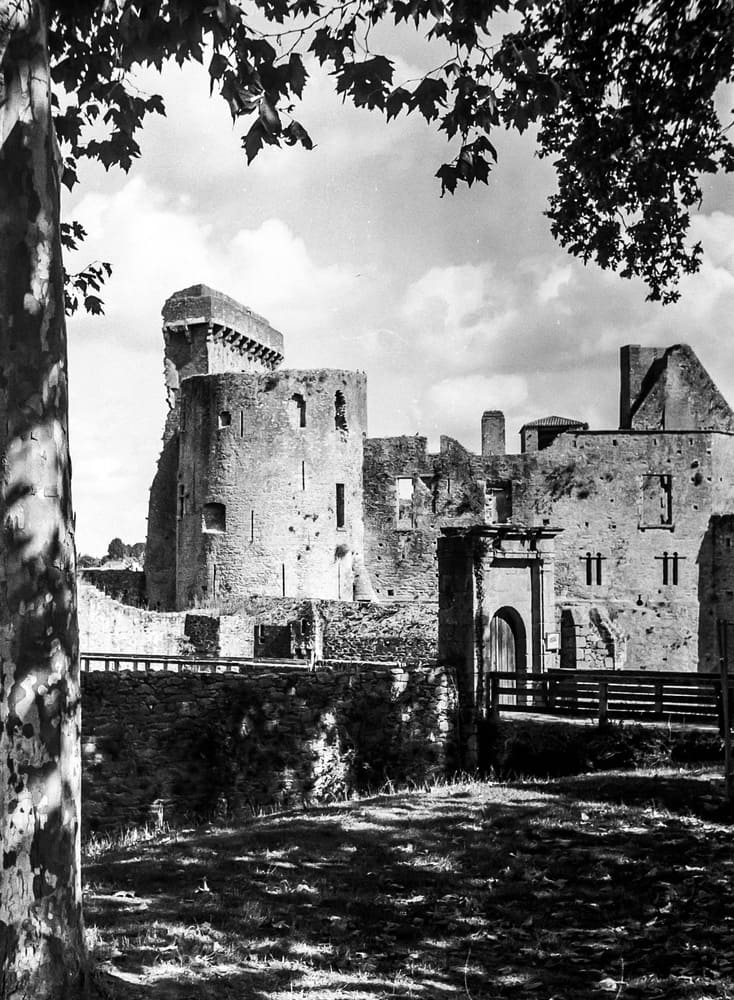
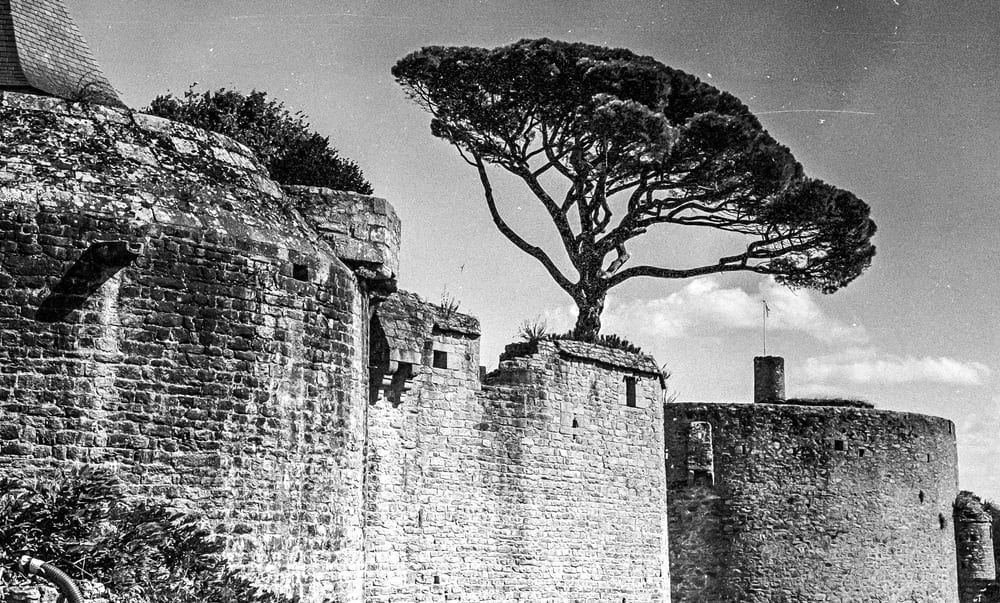
Welcome back, Dear Reader, to the film archives, still with the Canon AE1 and HP5 Plus from Ilford, but in Clisson this time.  You will remember Clisson from previous articles and will have seen the pictures, so it shouldn’t be a stranger to you.  Who knows, it could even feel like revisiting an old friend.  It certainly is for me. 

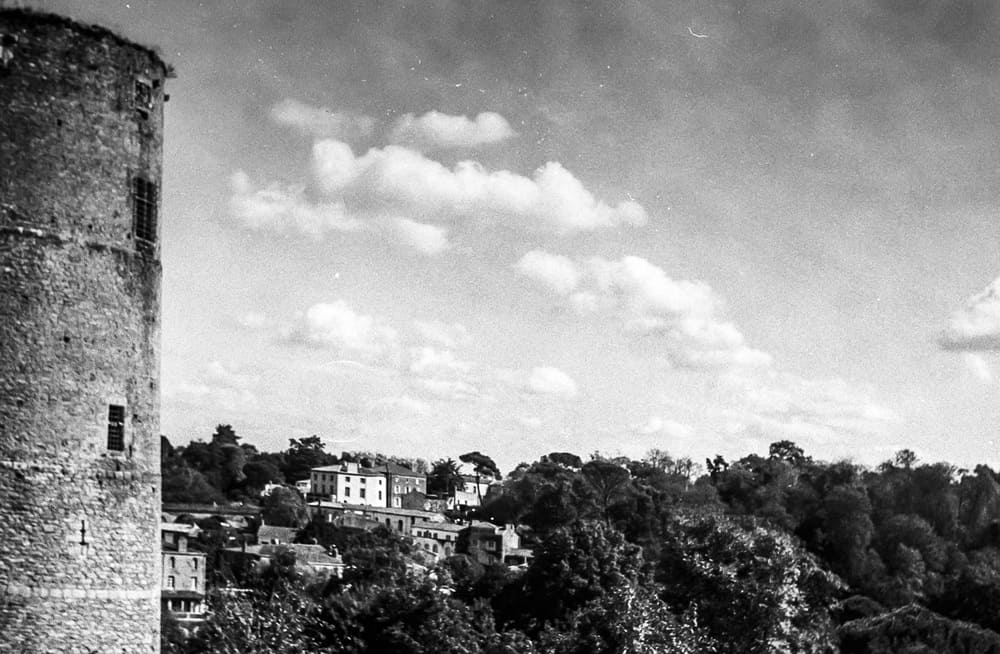
But why Clisson I hear you say.  Well, it’s not very far away from where I live.  It’s also one of those market towns that is renowned for the beauty of its architecture with an Italian slant.  It has the massive castle that towers above the river.  It has me taking photographs of it.  

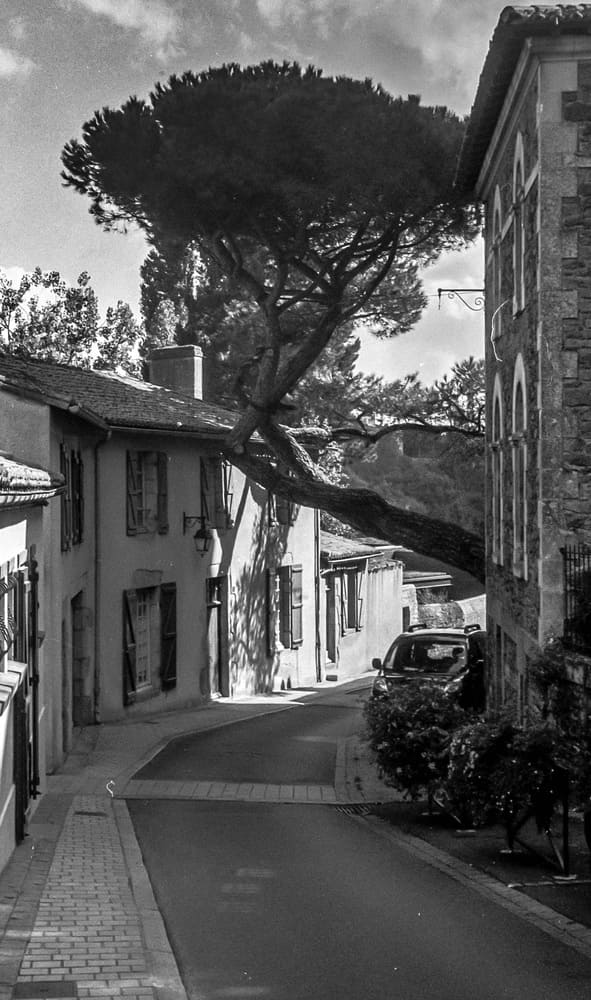
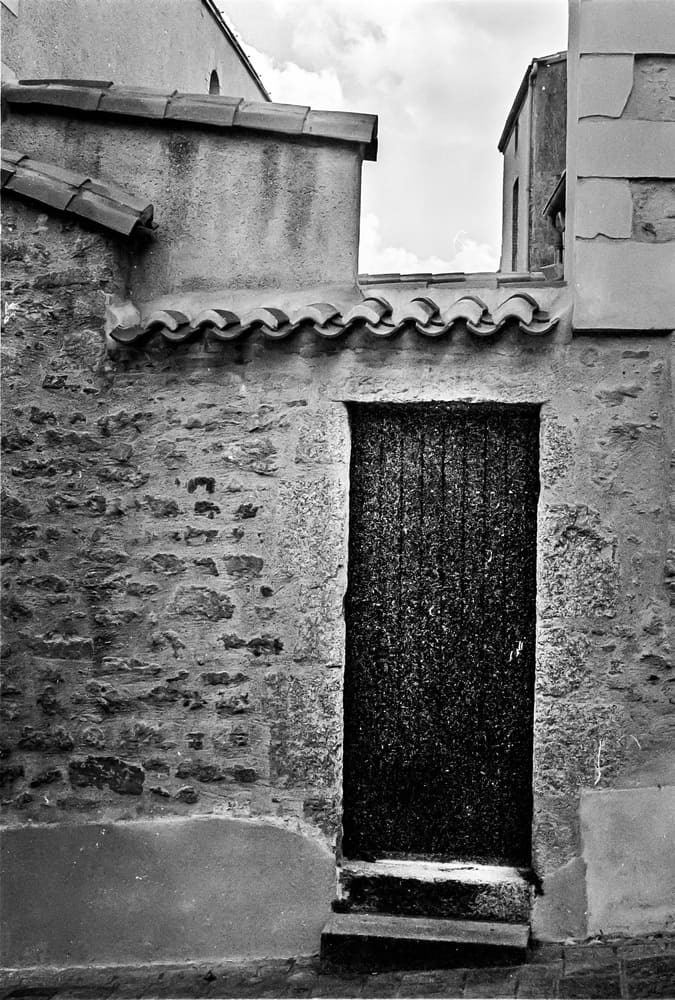
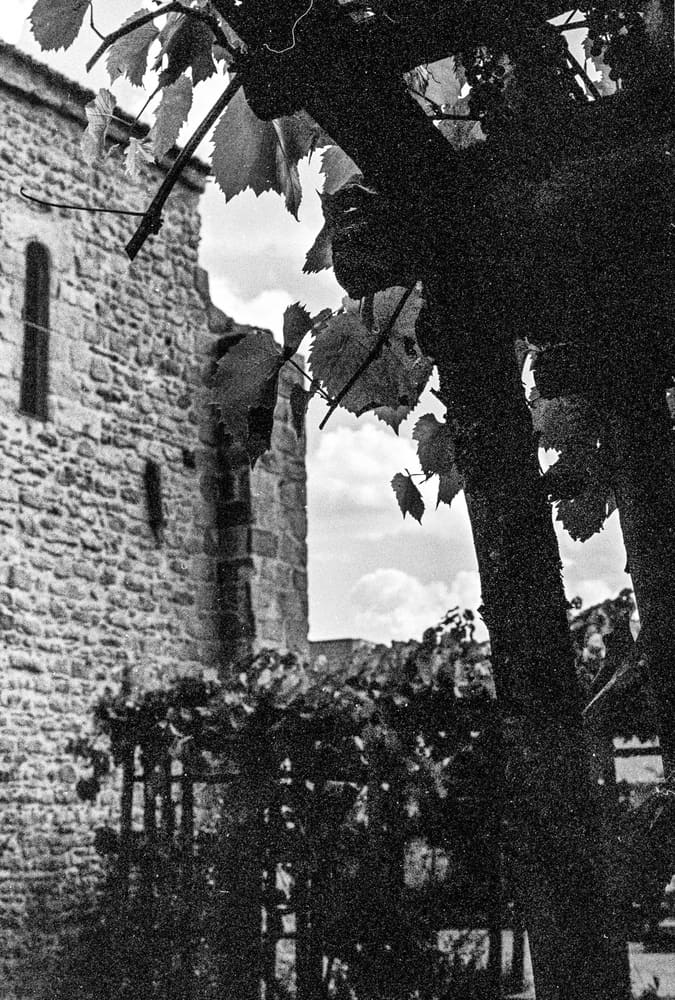
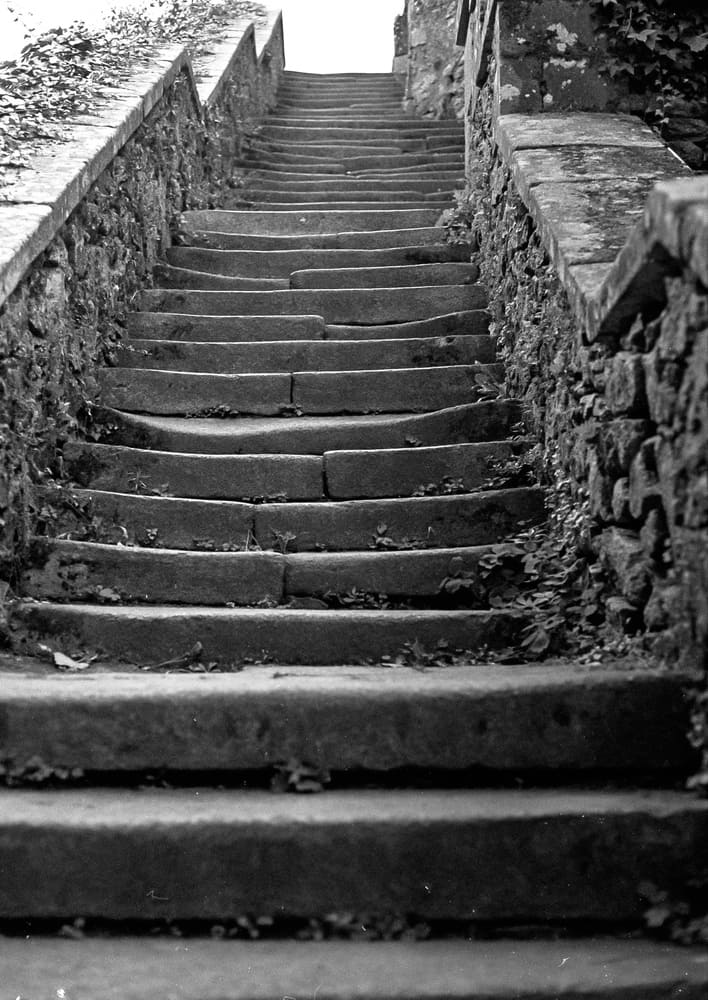
Clisson, like most things, has options.  On a Friday the main option is the huge market, and wandering around the 14th-century Halles, which can keep you out of the sun, the rain, the heat or the cold, depending on the time of year.  I either go down to the river and wander along the river banks in the Garenne and Lemot park, or park at the top of town and stroll around the Halles and surrounding streets.  In the series of photos at the end, you will see some stone steps that join the two options, but I have dodgy knees, and those steps are like leg day at the gym.  You can avoid those steps by just following the road that wraps itself around the church, and going under the tree that just got tired and decided to rest on the house opposite.  

But this time I decided to break out of my habits and visit the Quartier St Jacques with its decommissioned chapel, and garden.  It’s yet another pretty place in a pretty town, and when I was sitting there in the sun, I felt that I didn’t have a care in the world.  Serenity flooded my mind and all was well with the world…

The Opening of the Film Archives – Noirmoutier September 2016


Welcome back, dear reader, to another delve into the Film Archive from before this wonderful blog that I know you enjoy reading so much. I appreciate being able to share these photos with you in the hope that they may not only please you but also offer insight into an older form of photography, one where concerns about overheating or battery life were minimal. I want to demonstrate how it is still possible to achieve great results with any camera and that the main quality in your photography comes from you, the photographer.

Earlier this year, I was there with my Canon 6D Mark II, but today, we’re revisiting my visit from September 2016. At that time, I didn’t have my Canon, but I did have the Olympus Trip 35 with HP5 Plus film from Ilford. I used that camera quite a lot that summer and continued to use it in September. I might just have to dig it out of my camera cupboard and use it again. Constraints and minimal kit often lead to more creative decisions—just think back to my UK trip, where I only had my X100F with me.

Let’s start with the camera. It’s a small but gorgeous camera designed for the mass market in the 1960s and was still being produced in the 1980s, which attests to its appeal among casual photographers. With relatively few controls, it’s pretty foolproof. I can adjust the film ASA setting, and the selenium cell housed with the lens takes care of the rest, whether it’s aperture or shutter speed. The famous red flag appears in the viewfinder when the camera senses insufficient light. All I need to do is set the focus zone.

I must have bought mine around 2015 or 2016, and it was quite affordable at the time—no more than 50€. It was an iconic camera then and still is today, but as the supply of these cameras dwindles, prices have increased. You can now expect to pay 100€ or more, with some models even reaching nearly 200€. It remains a great camera but might be a victim of its own success, along with sellers’ optimism and greed. Buyer beware—shop around, and you might still find more accessible prices.

As for film, prices have also risen, especially for Kodak film, but Ilford remains affordable, as do Kentmere, Fomapan, and Rollei.

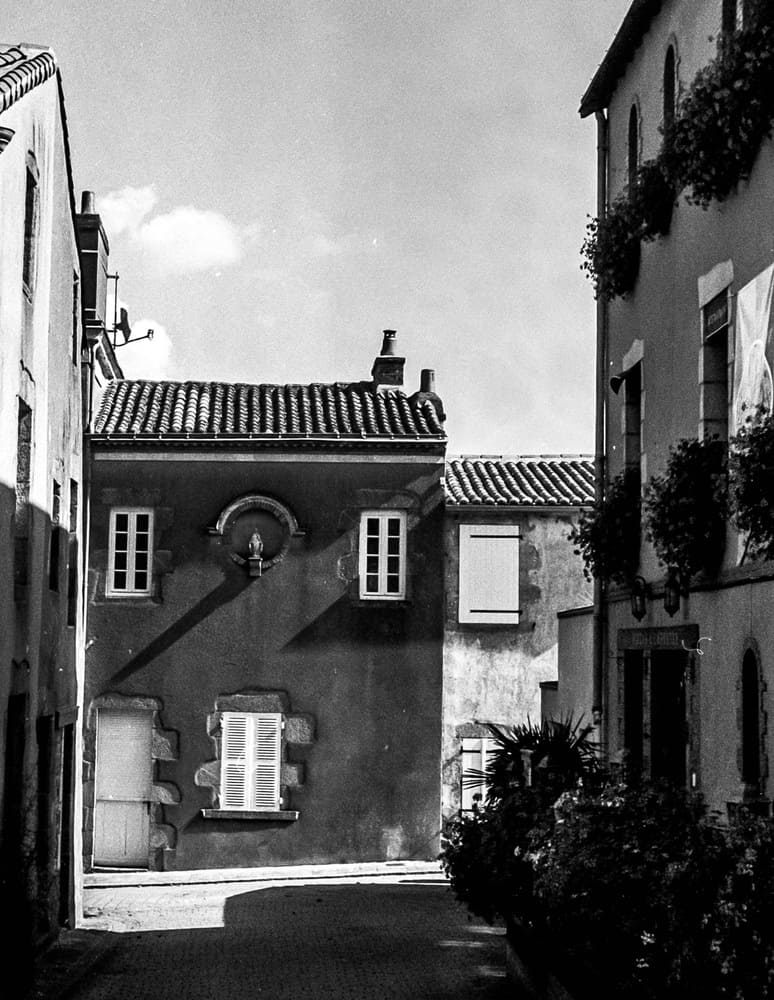
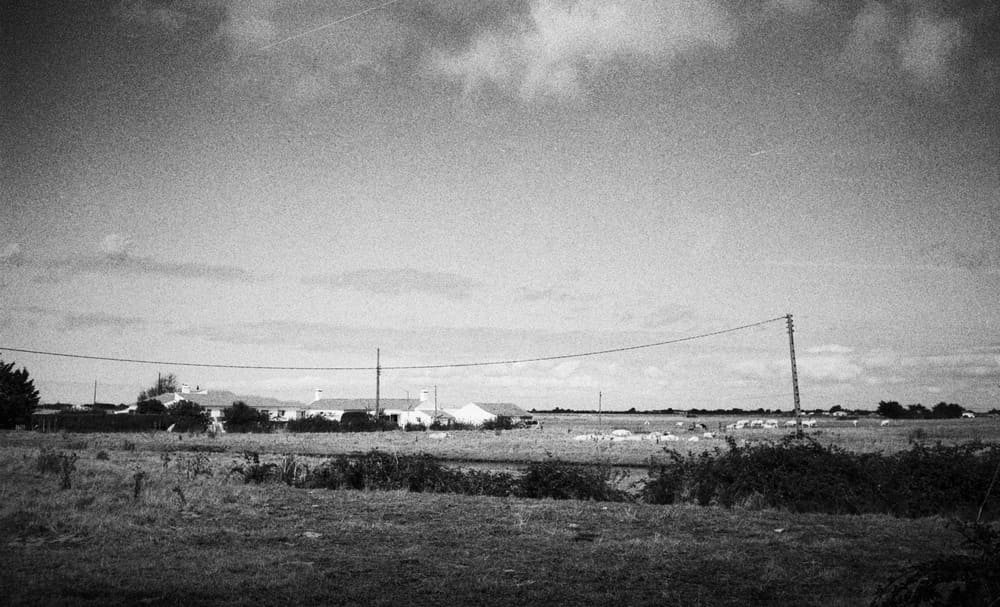
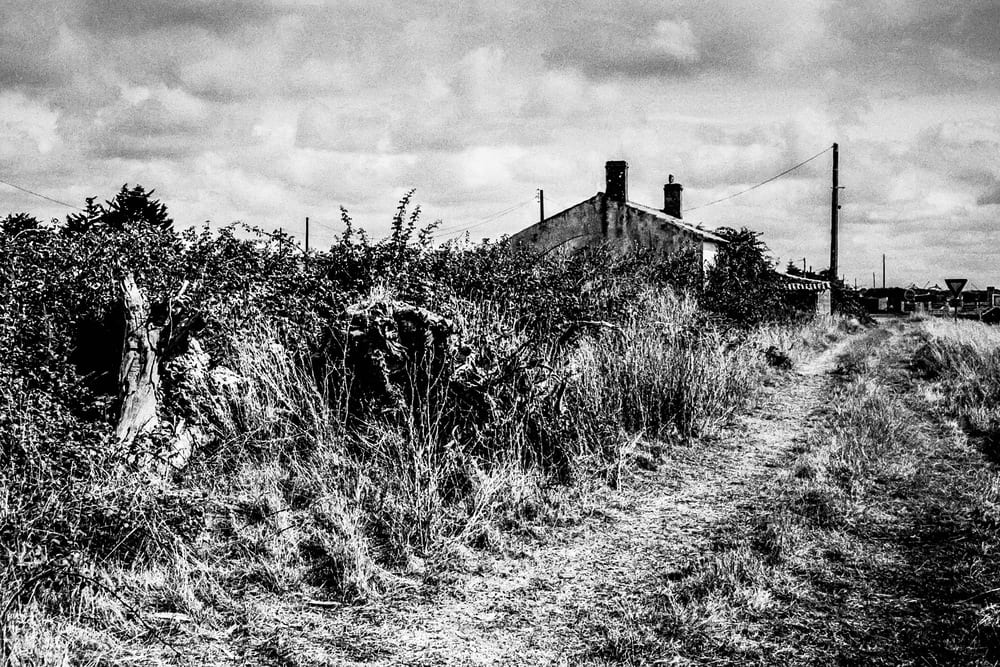
I’ve travelled the same road numerous times, and it always brings me a certain sense of peace. I tend to stop off at familiar spots along the way, and those of you with an eagle eye will recognise some of these locations from other photos in this blog.

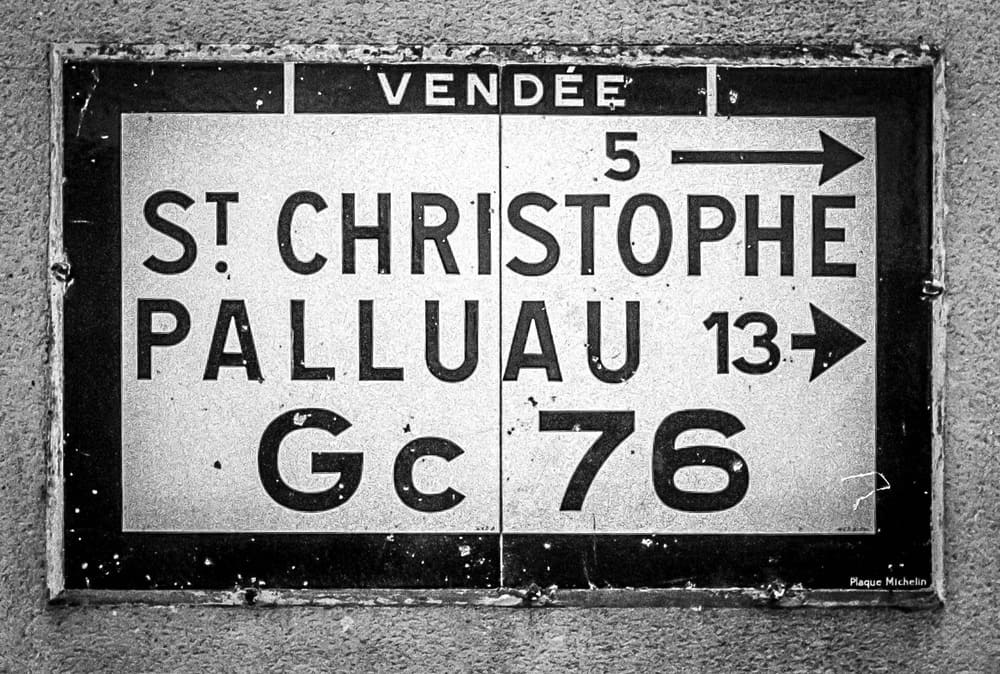
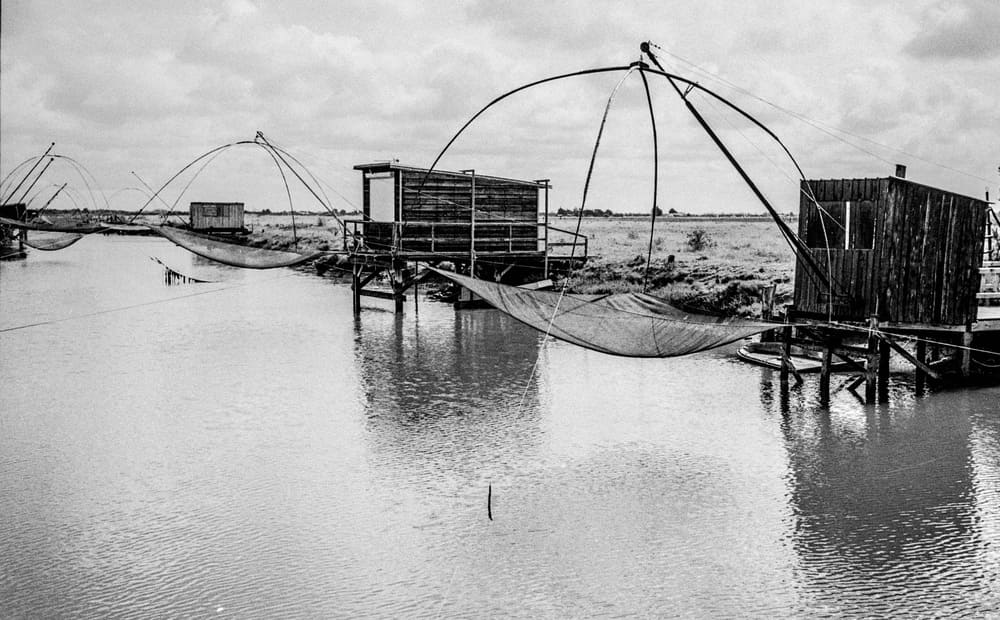
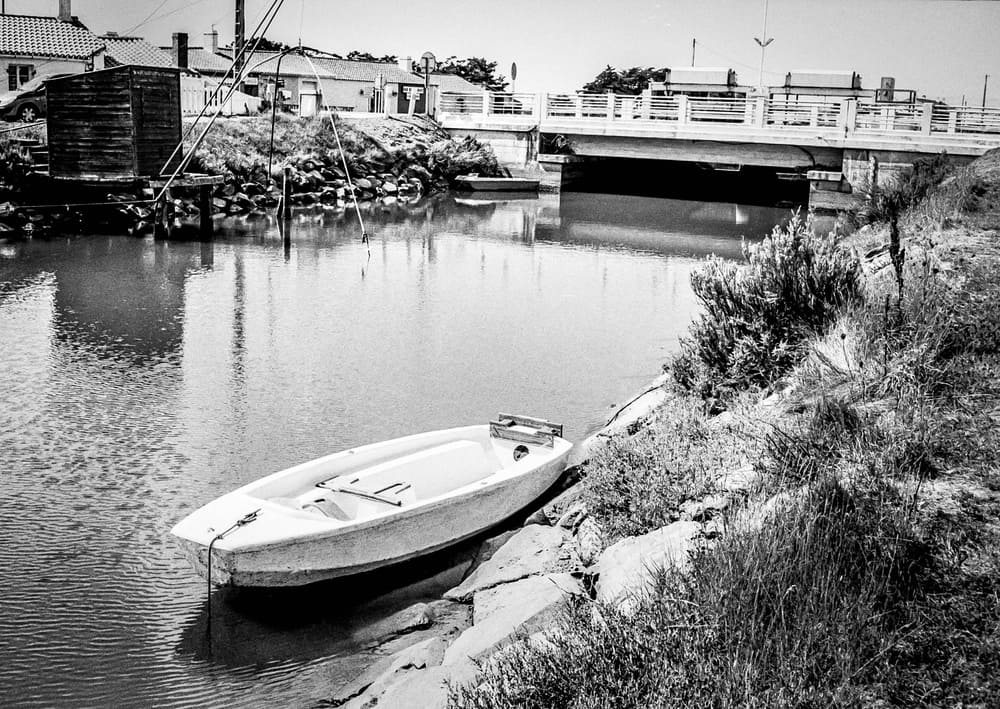
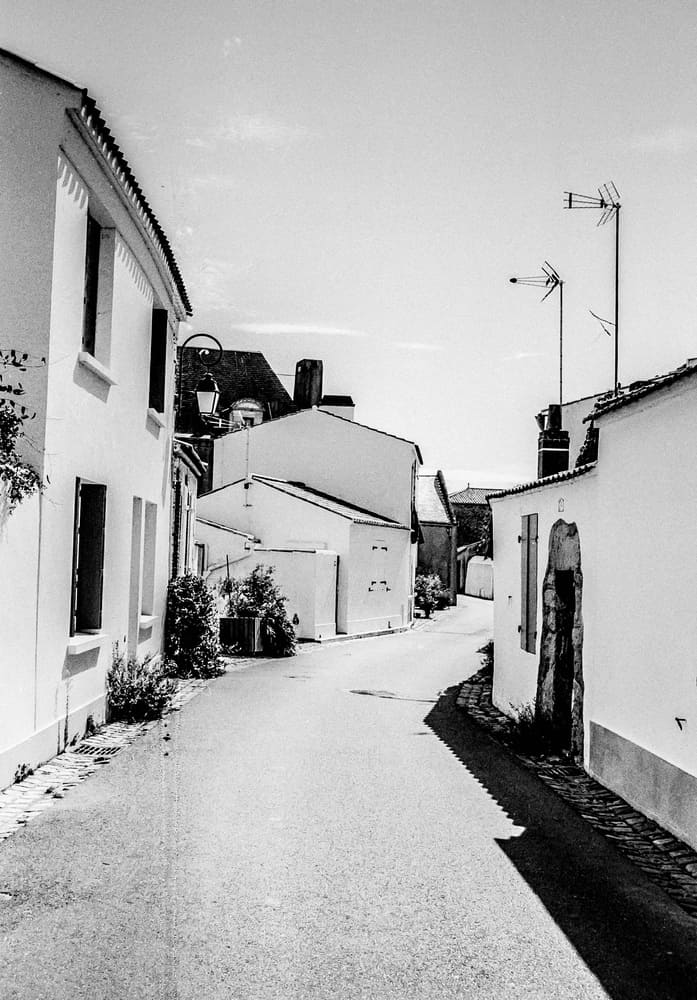
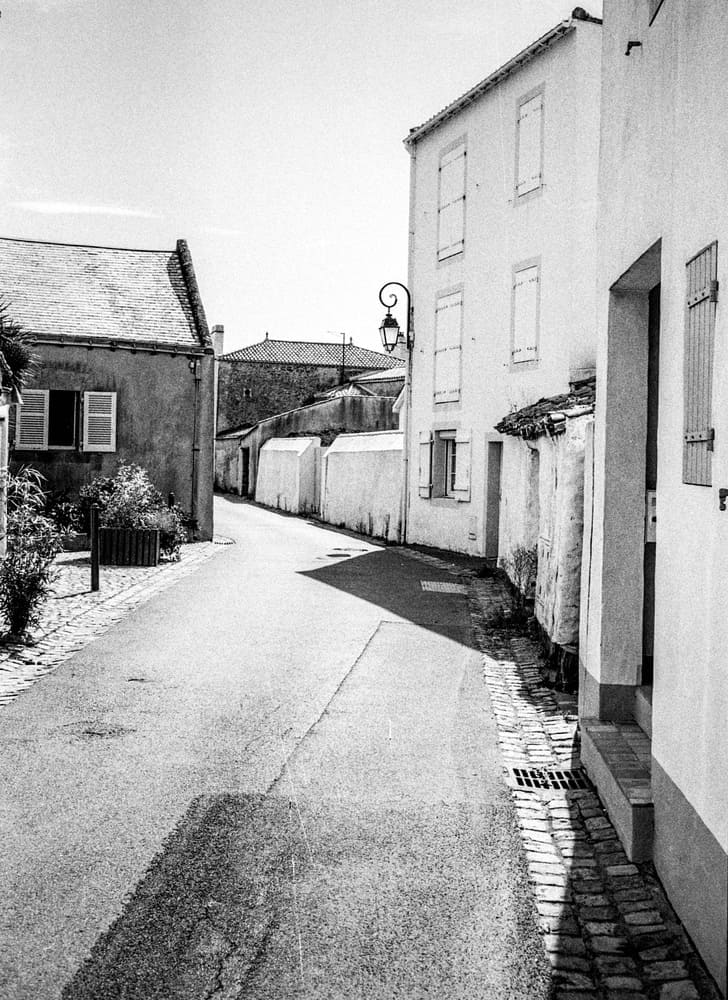
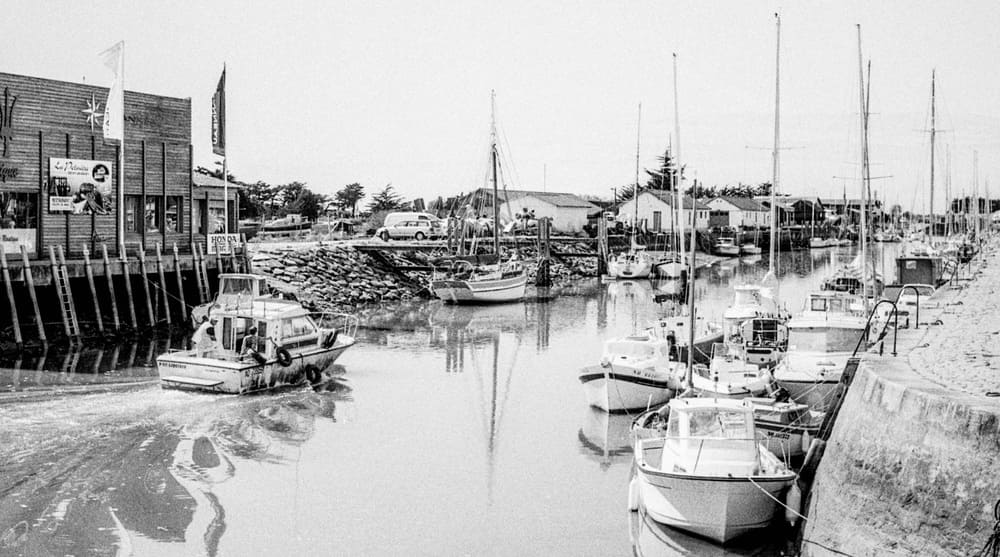
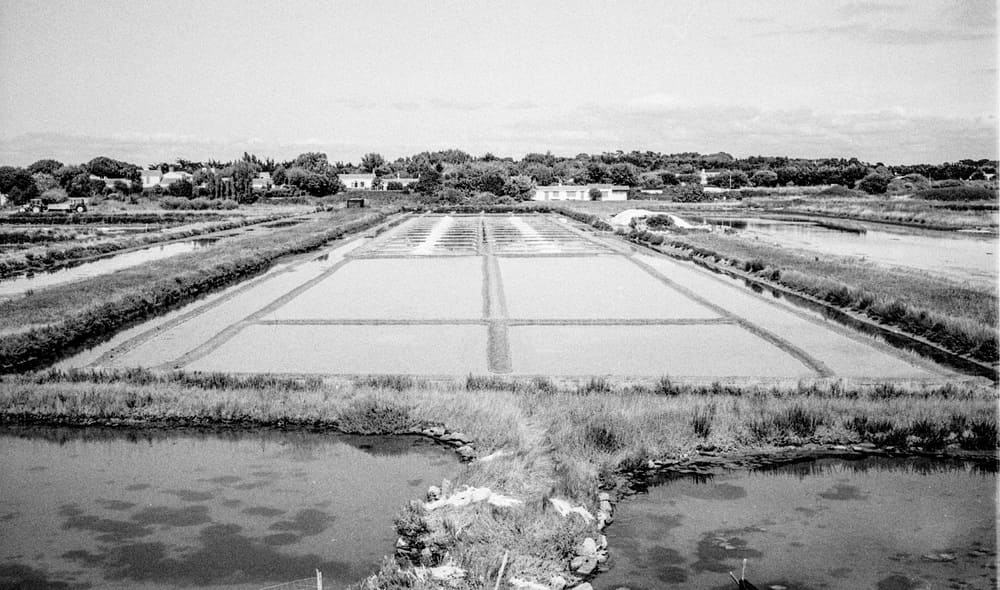
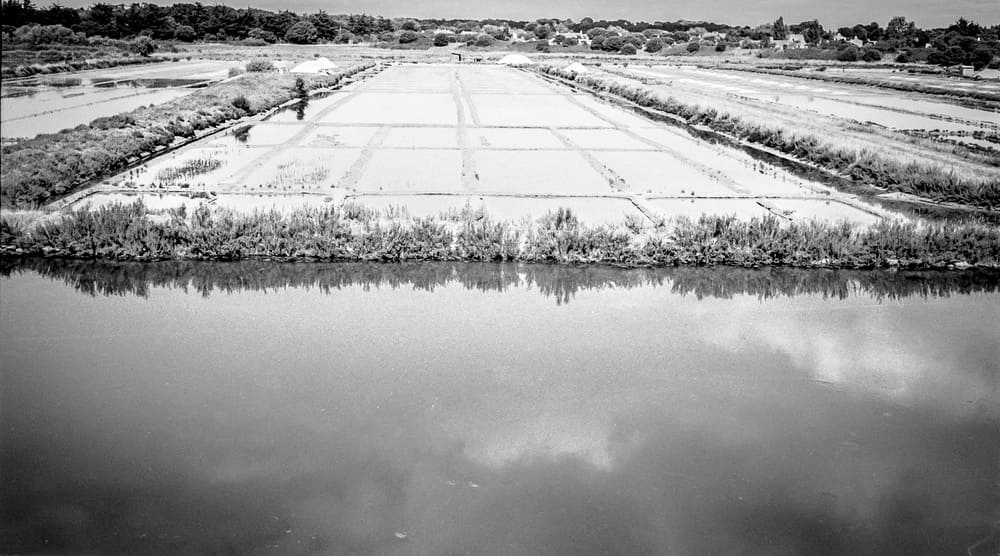
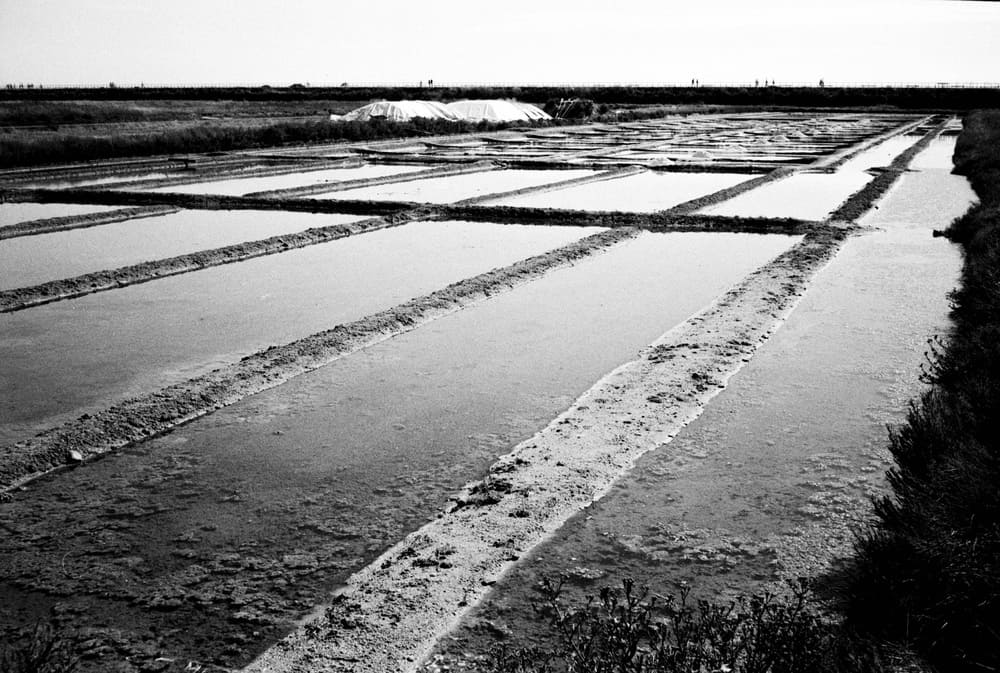
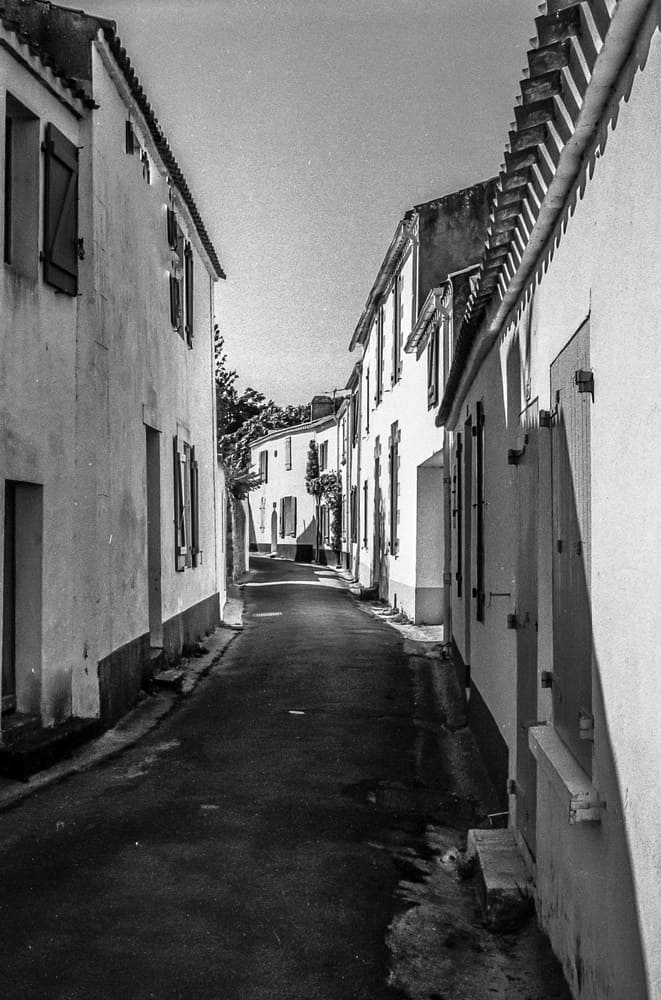
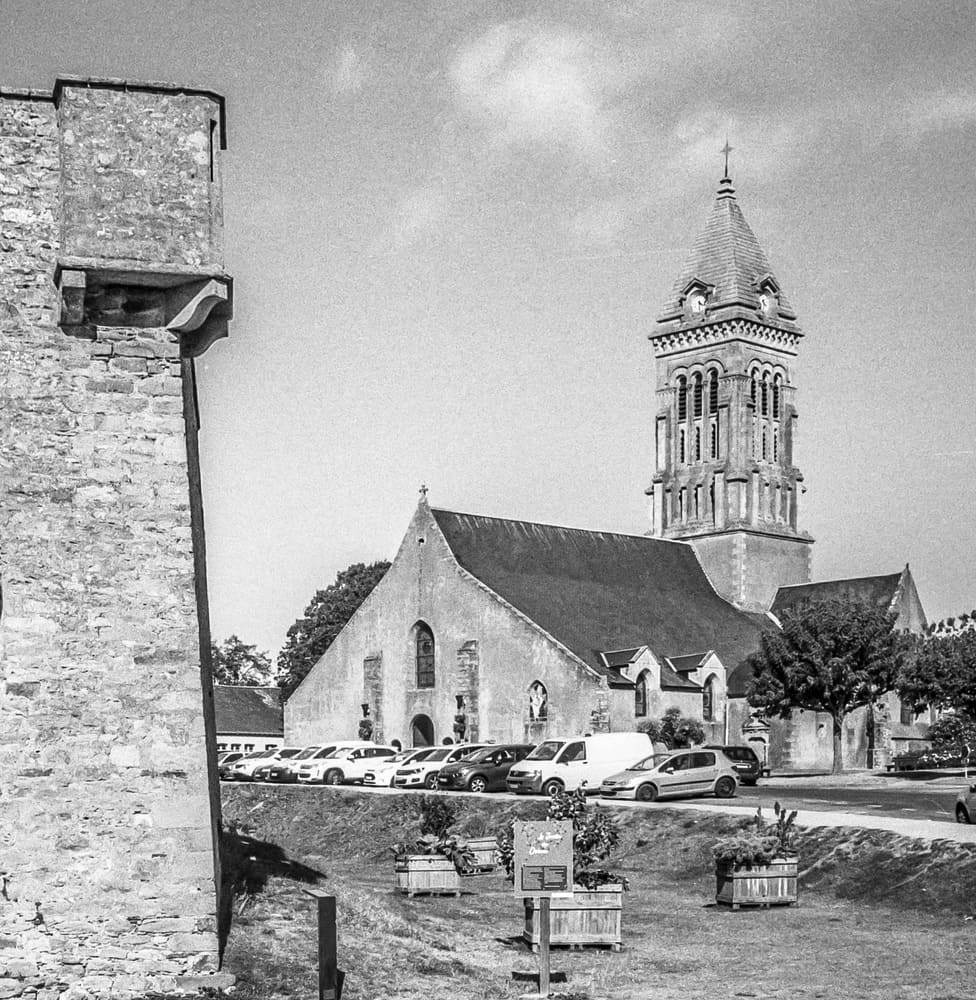
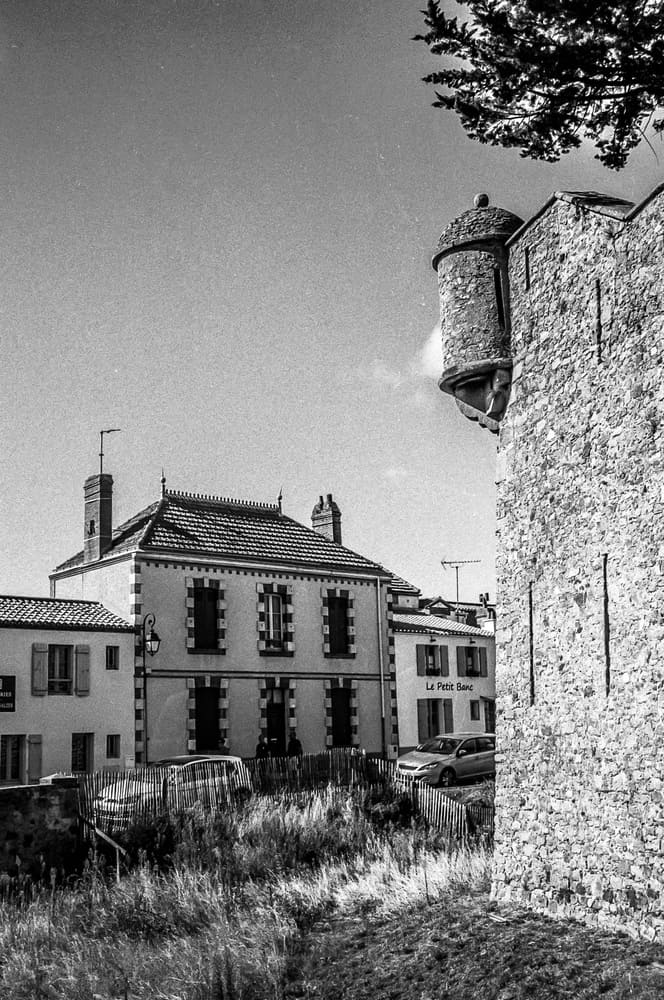
But why go to Noirmoutier? Firstly, why not? It’s just over an hour’s drive from my home and is a popular destination for many locals from the Vendée. The island now suffers from overtourism, which has certainly changed its character since 2016. Efforts have been made to manage the flow of tourists, with improvements such as parking, pedestrian zones, clearly marked hiking trails, and numerous bike lanes. It’s a beautiful part of the world, so typical of the Vendée Coast with its pinède and long beaches. However, not everything is about tourism. The island is also renowned for its salted butter made with salt from local salt marshes and the famous potatoes from Noirmoutier. Additionally, there’s a small fishing fleet, as well as the fleet from Le Port du Bec in the neighbouring Beauvoir-sur-Mer.