The UK Chronicles Part III: Bamburgh


Memories of Bamburgh: A Personal Connection

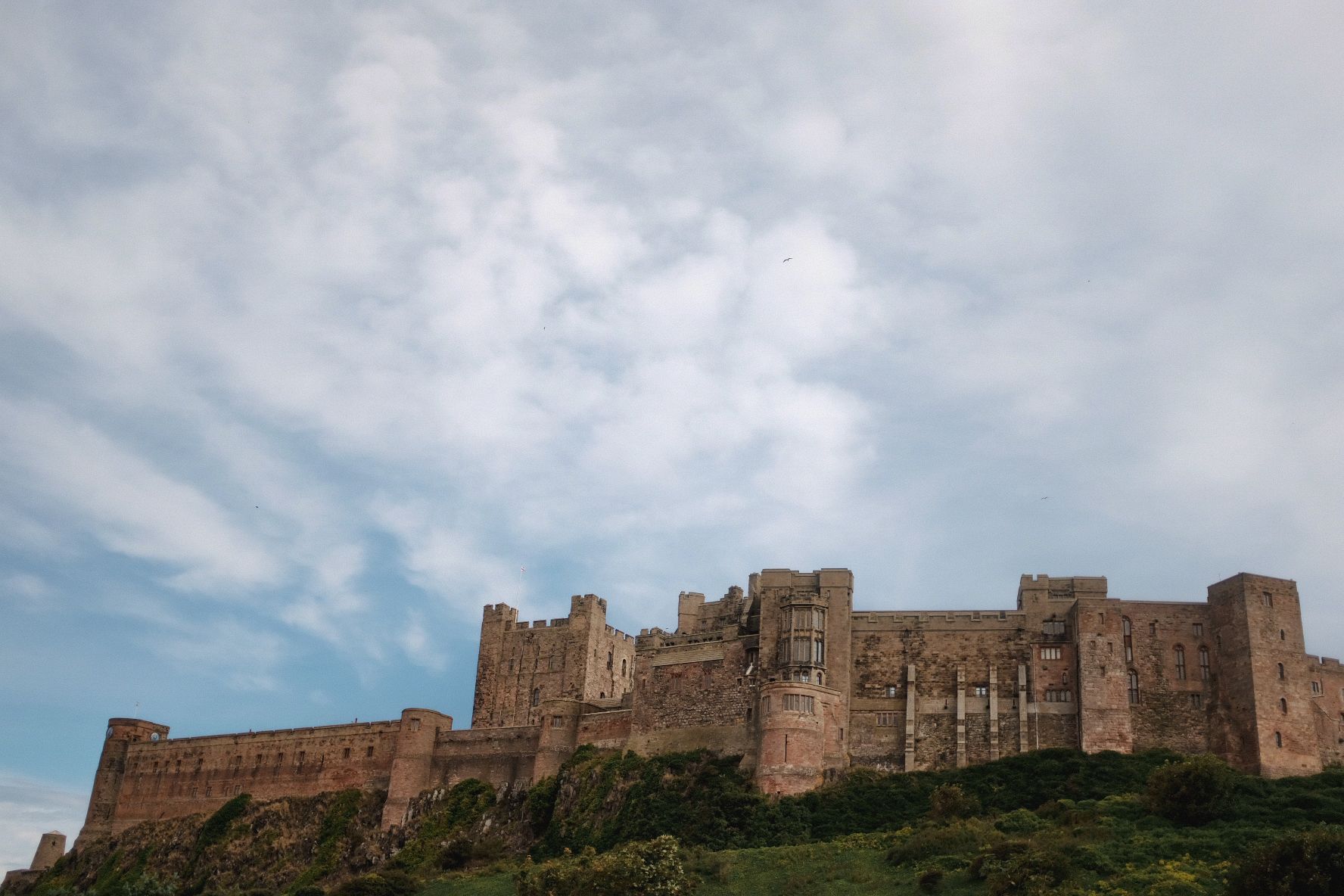
I’ve been going to Bamborourgh since I was a little boy. Fifty years later, it still affects me in a way that not many places do. Growing up, there was a painting of the castle in my mother’s bathroom, and ever since I learned photography, I’ve wanted to capture my own photo of the place. Patience, my dear boy, patience…

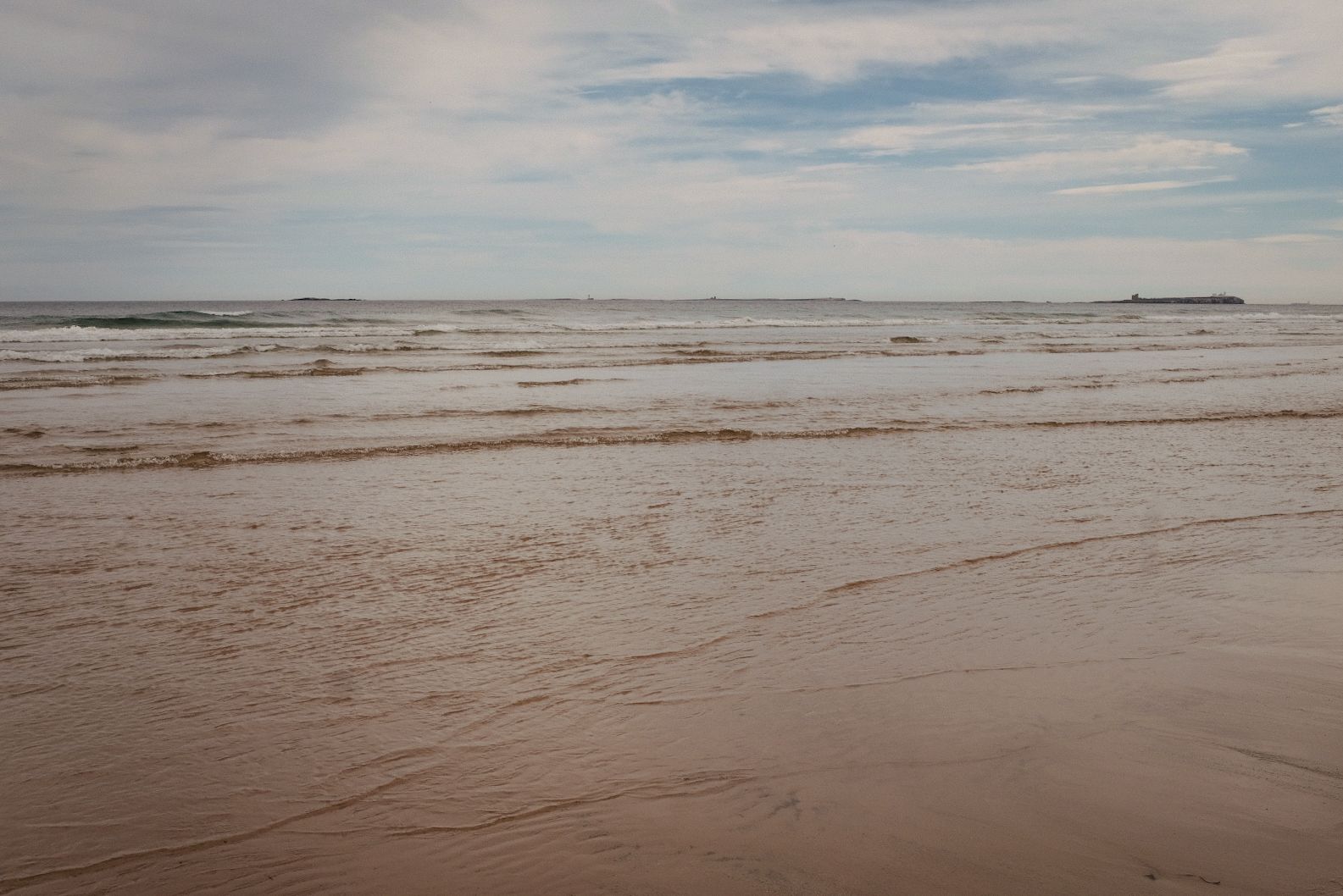
The last time I was there, I was with my wife and daughter. We explored the castle—a gurt big affair that overlooks the coast and the Farne Islands. This time, I was with my son. It’s all about passing on the experiences we’ve had to future generations. To be honest, this whole trip was about creating memories for the children and spending quality time with them. Ever wary of spending too much, we decided to visit just the village and the beach.

Exploring the Beach: A Walk through the Dunes

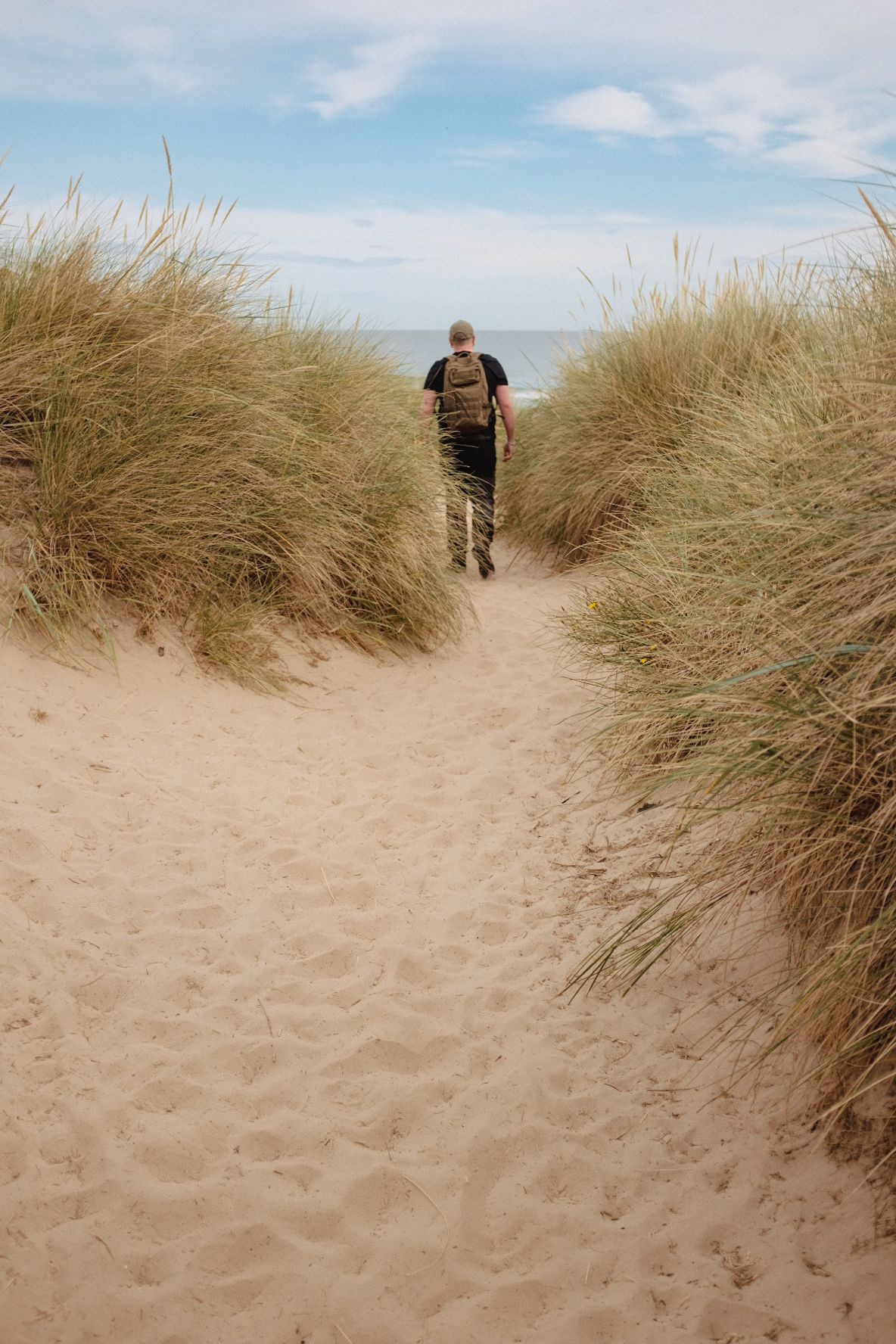
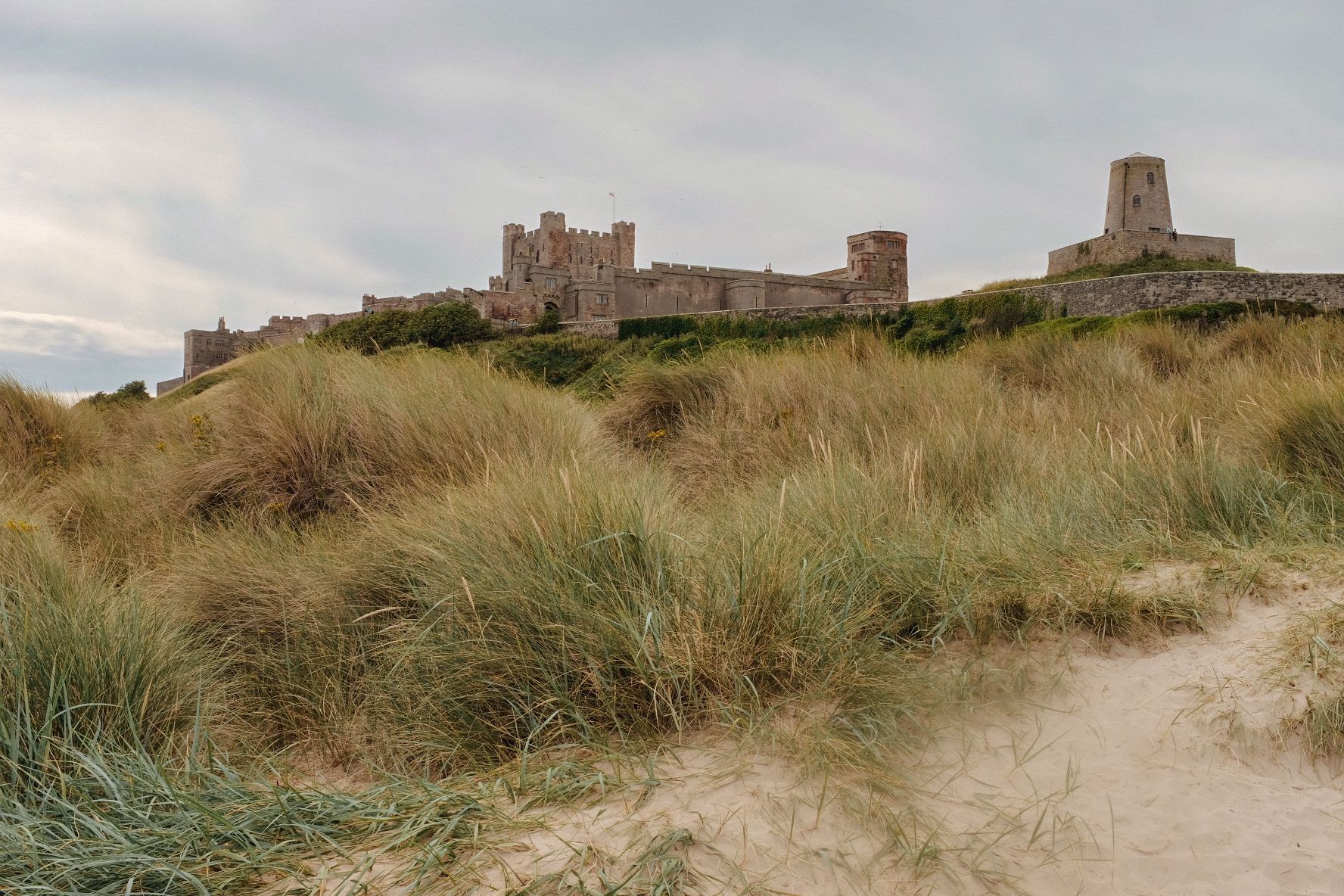
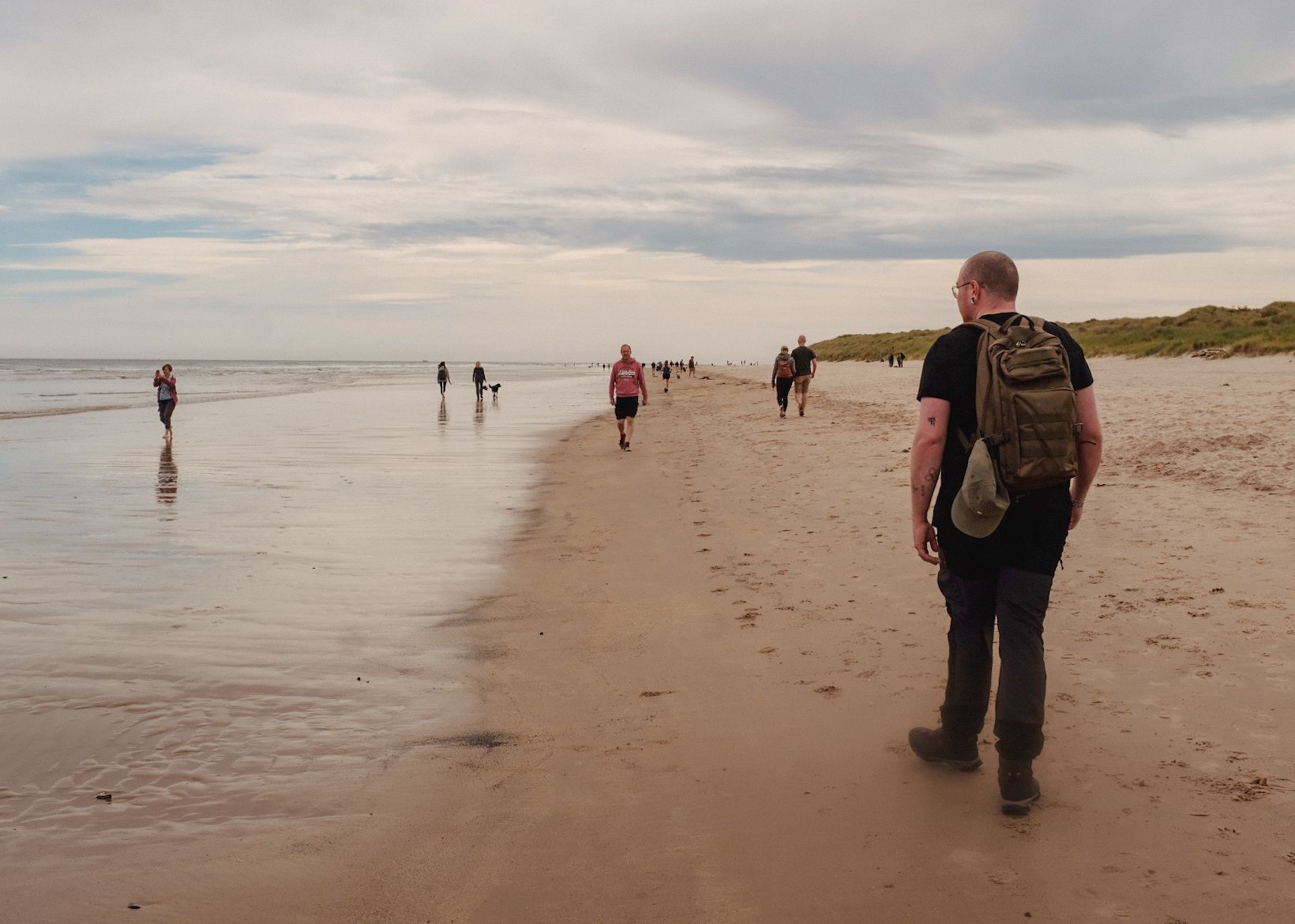
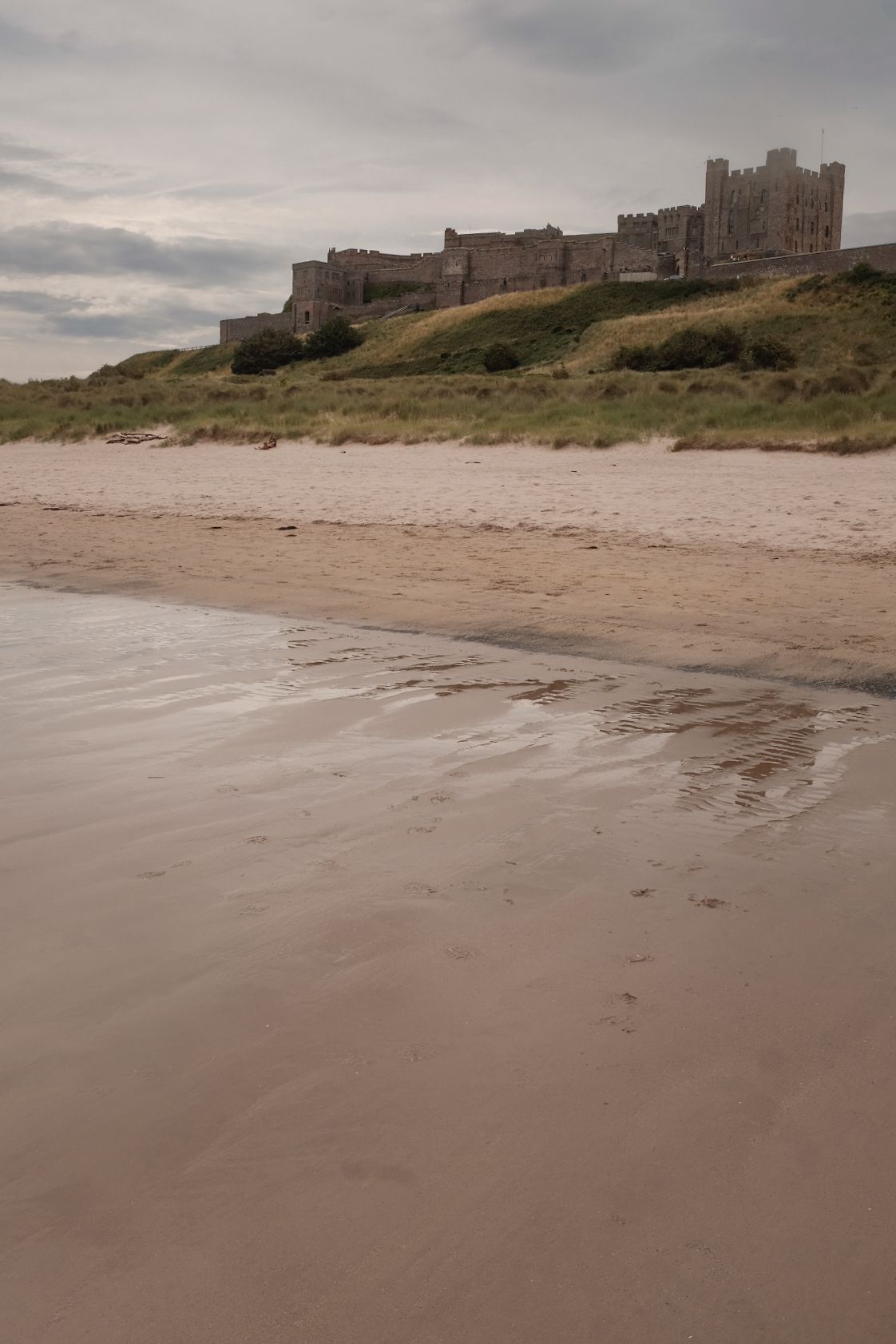
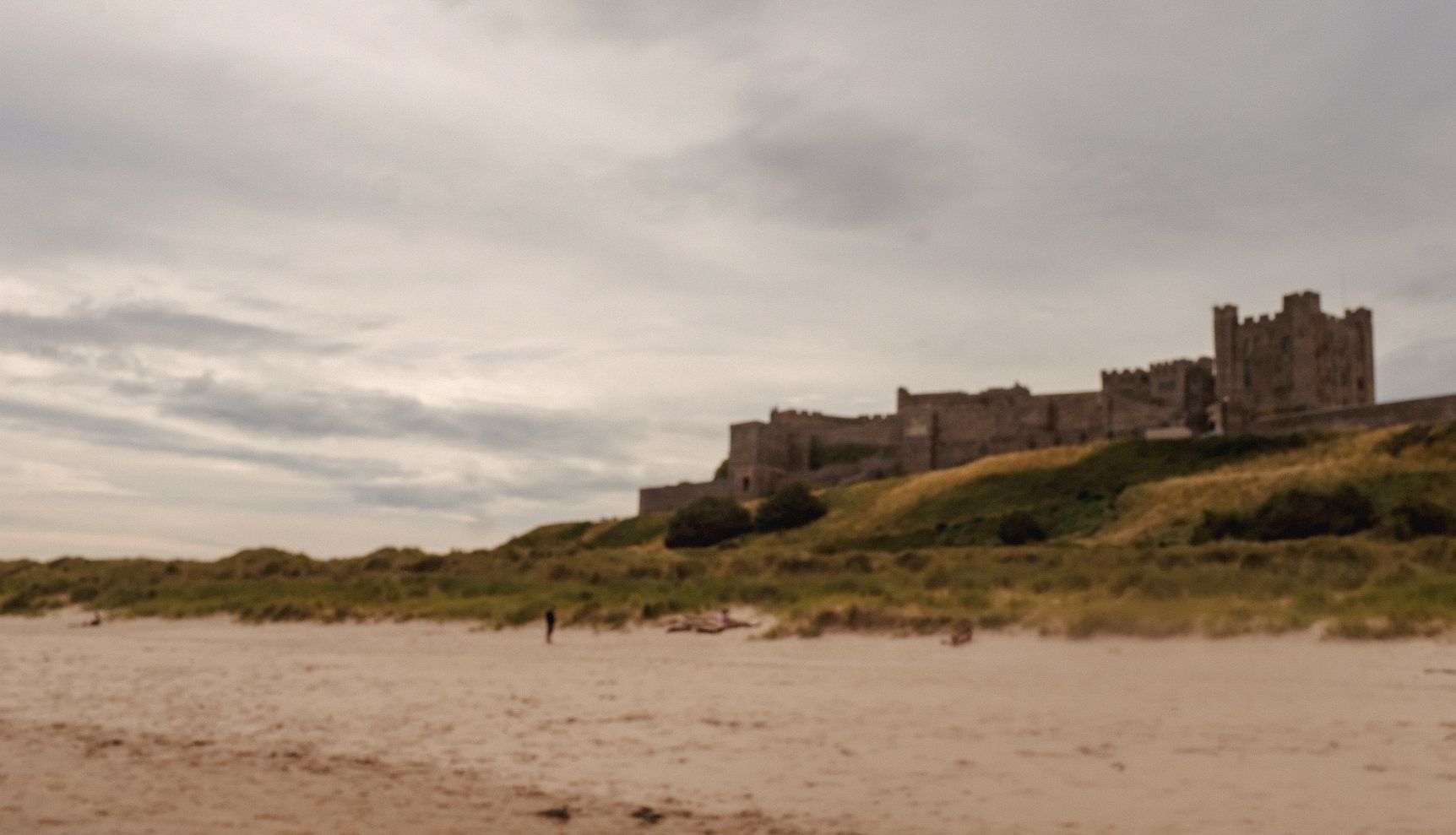
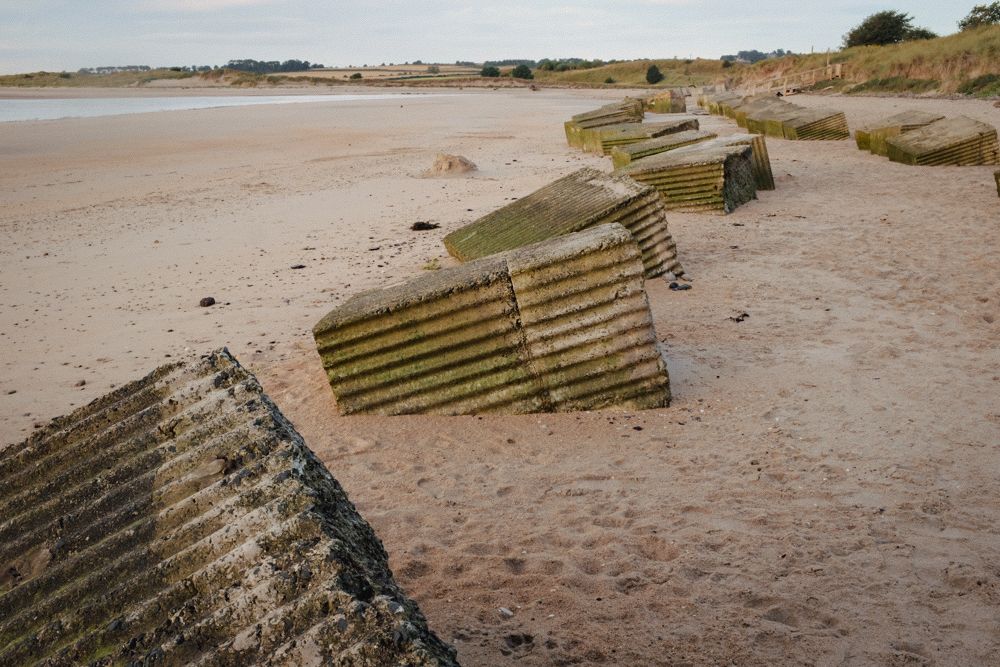
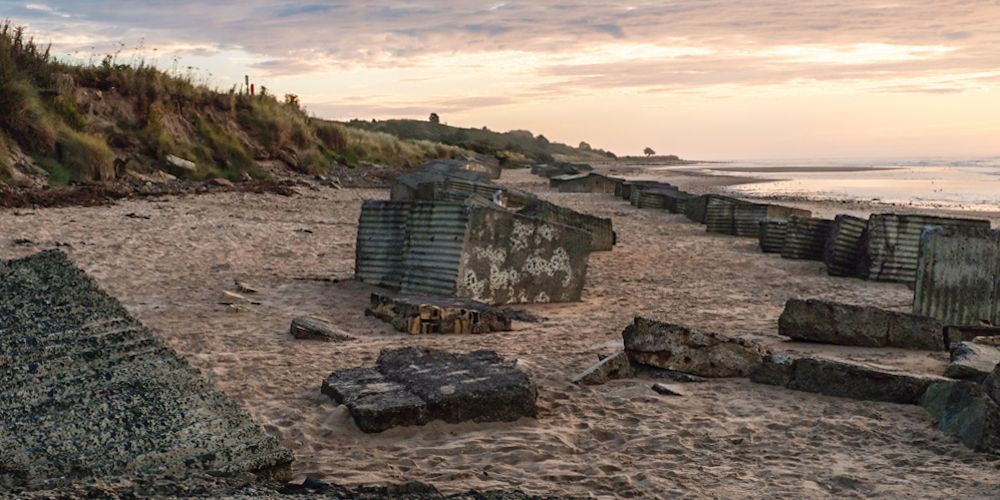
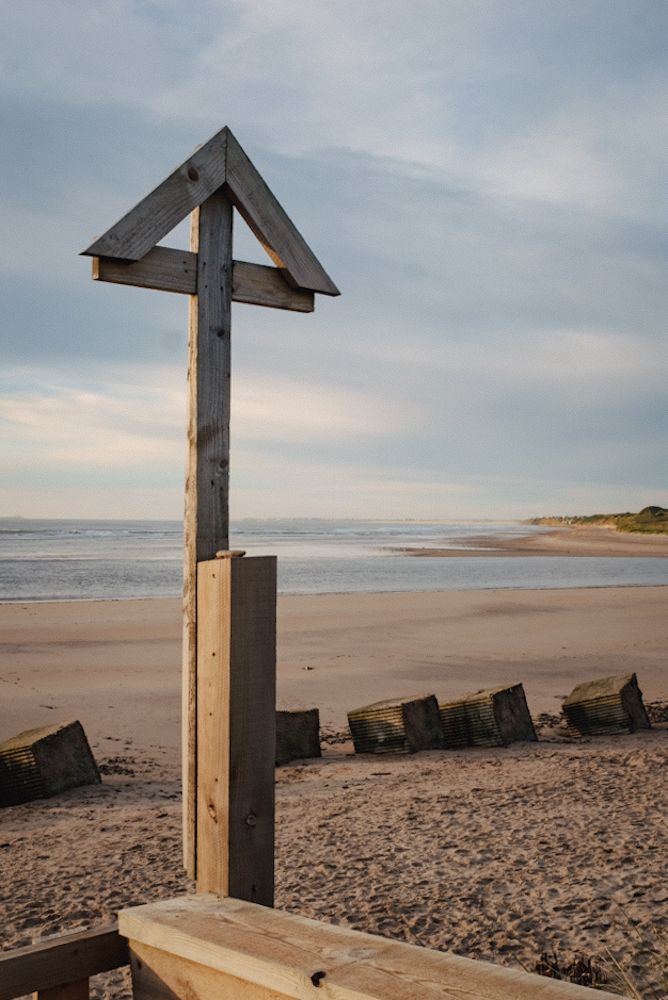
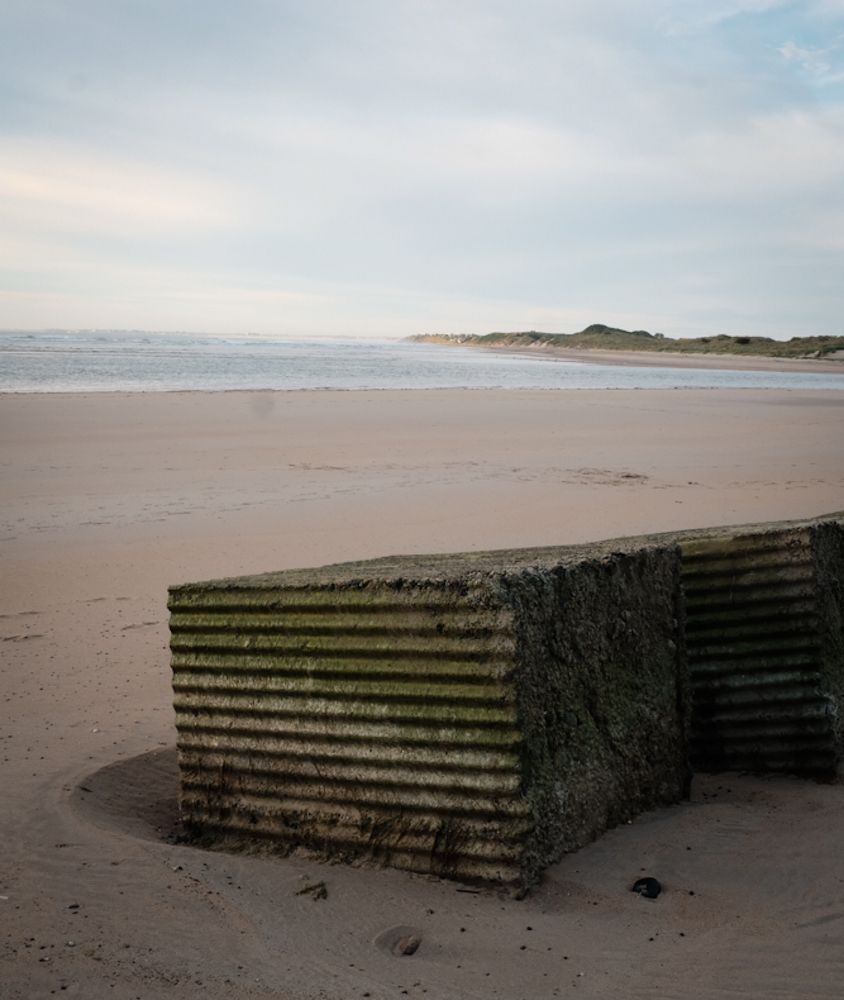
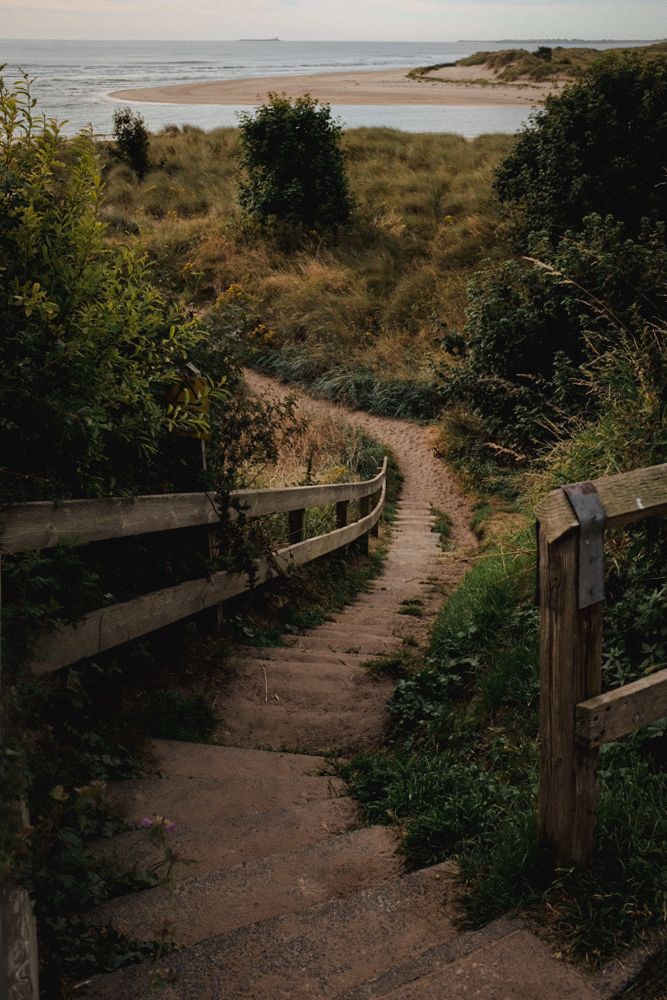
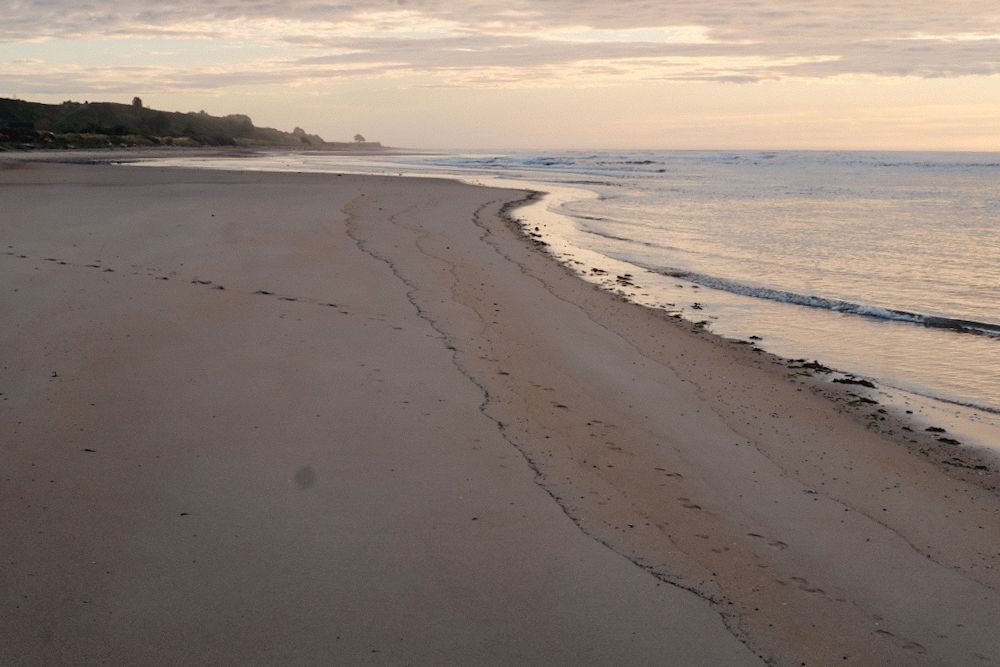
To get to the beach, you have to go through the dunes, following the paths, because wandering around the dunes willy-nilly is not the done thing—conservation of the local flora and fauna and all that. The castle towers above the beach, giving a sense of protection. By the time we got there, the beach was fairly full of people, dog walkers, and their dogs, all just enjoying the summer. A British, Northumbrian summer, but summer nonetheless.

I don’t know if you know, but I have a gammy knee and arthritis. I’ve also been taking collagen every day, and although it seems to be doing me good, it’s a bit early to see real effects. Killian was very kind, looking after me and making sure I was keeping up. He’s a good man, and it’s nice spending time with him. After walking on the beach for a while and letting me take my pictures, we found a log to sit on before heading back into the village.

A Stroll Back to the Village: Nostalgia and New Discoveries

As we headed back to the car, we came up the side of the castle and walked along the cricket ground. Dogs and their walkers were still out in force, with the owners throwing balls for the aforementioned dogs. All of a sudden, I missed Molly, our dog, and thought how much she would have loved coming with us, but she’s an old girl, and it wouldn’t have been feasible.

I thought about going up to the church to pay my respects to the local heroine, Grace Darling, who was the Lighthouse Keeper’s daughter in the 19th century. During an epic storm in 1838, a ship was wrecked on the Farne Islands, and Grace and her father went out in a rowing boat to pick up the survivors, as it was considered too rough a sea for the Seahouses lifeboat. They saved 9 out of the 62 passengers and had to shelter in the lighthouse for a further 3 days until the storm calmed down.

A Pub Lunch at The Lord Crewe: A Culinary Interlude

I didn’t manage to get that far. Killian, much like myself, has a weakness for pub lunches. And look, a pub! The Lord Crewe! One of those posh pubs that tries to hit above its station… We went straight to the bar and tried to order two pints of Guinness, while letting them know that we wanted to eat too. “Oh, in that case, just go up to the restaurant, and they’ll deal with you…” I was ready to leave the place and go somewhere else, but Killian was hungry, so we didn’t. However, we did enjoy being rude about the two barmen in French.

Killian decided on fish and chips, or “cod fillet with a beer batter”, and I went for the prawn cocktail. As you can see in the picture, even as Frenchmen, we couldn’t fault the presentation of the dishes. The taste was pretty good too! Eating a meal like that just takes you back to a place of joy and nostalgia. It takes you back to a place of calm and reflection. It takes you back to a place where everything is just the way it should be. It almost helped us forget the two barmen. Almost…

A rather delicious and impeccably presented prawn cocktail..

Continuing the Adventure: More Pints and Ice Cream

We paid and left, still joking at the barmen’s expense. We continued up the road and found the other pub. Ah well, another pint of Guinness. We never got to the church, but that was fine, as I already had the photos I wanted. The beach, the castle, and the dog walkers. We headed back towards the car and had that ice cream that we had noticed while walking up to pub number two. What a sound decision. It was very good ice cream and helped us forget the two rude barmen from the other place… Almost…

Capturing Bamburgh: A Photographer’s Reflections

Anyway, back to the car, and back to Lesbury to go and see the girls. I had the photograph I wanted. I wanted the castle, on top of its hill overlooking the beach and the dunes. The other photos were just a bonus. Yes, I went to a place for just one photo, but it was a photo I had been eager to get for some time. The next time I might just have to go at sunset to get the good light…

Photography Insights: Challenges and Techniques

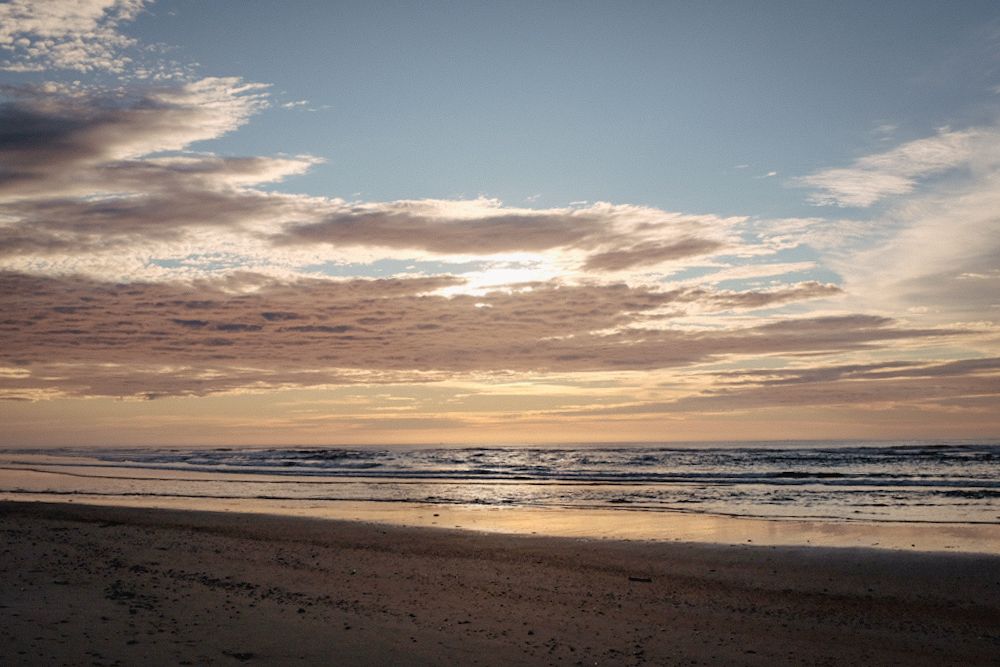
Let’s conclude by talking about the photography from the day. The main technical difficulty was my camera’s metering of the scenes. I had to really expose for my highlights to compensate for the bright sky and the reflection of this light on the sand. I was actually worried about not being able to retrieve the information in the shadows. Luckily, Lightroom was a champion with photo editing and showed itself to be a top-notch app. For me, Bamburgh is all about the castle. It’s about the castle and the sea. It’s about the castle, the sea, the sand, and the dunes. If you can capture all that, then you’re well on your way to getting some pretty good photos.

The Opening of the Film Archives, Lisbon, August 2016


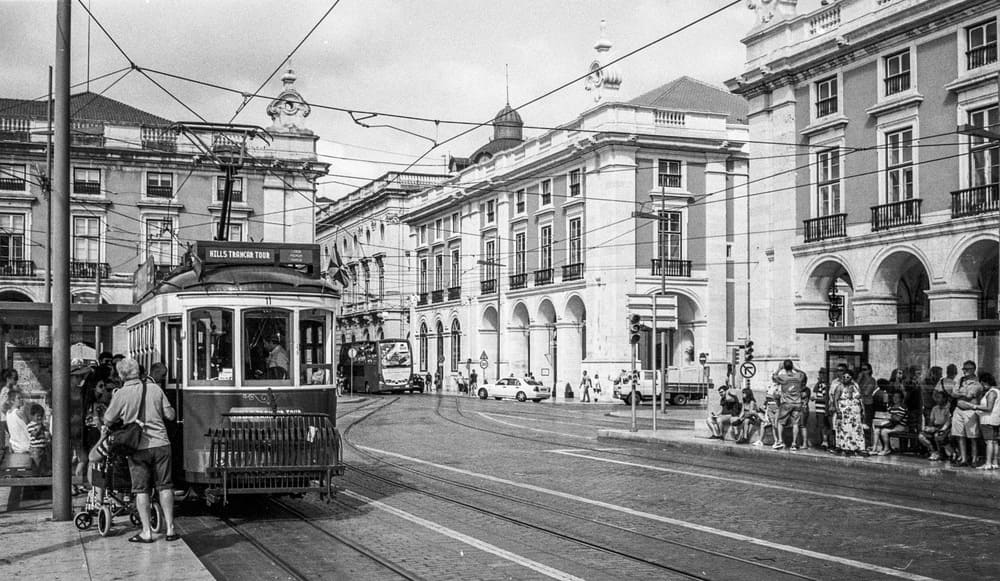
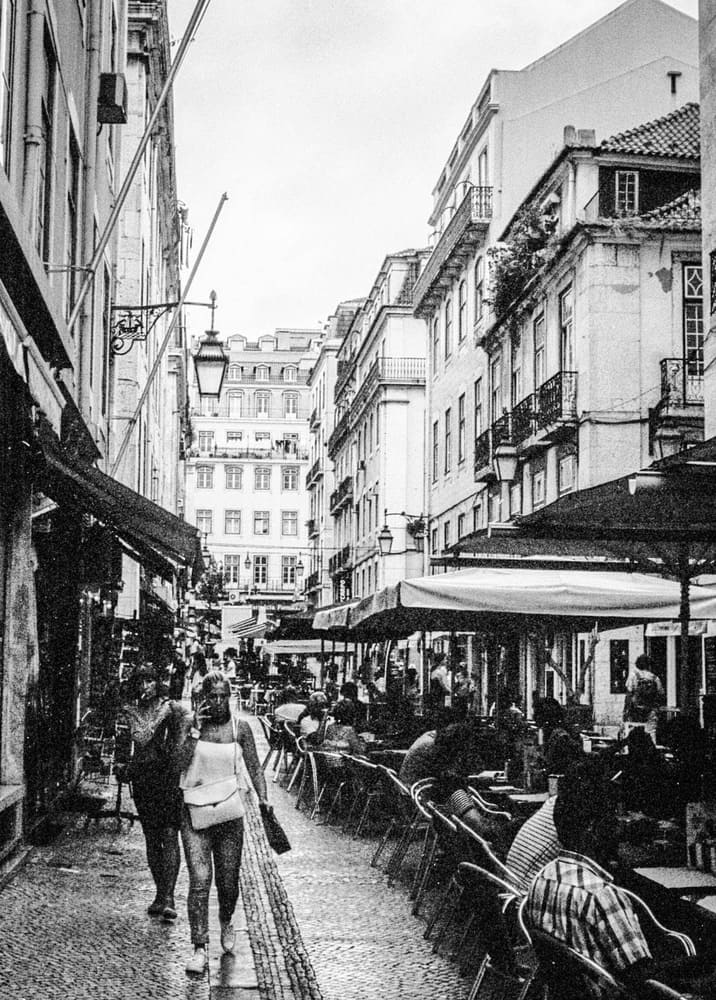
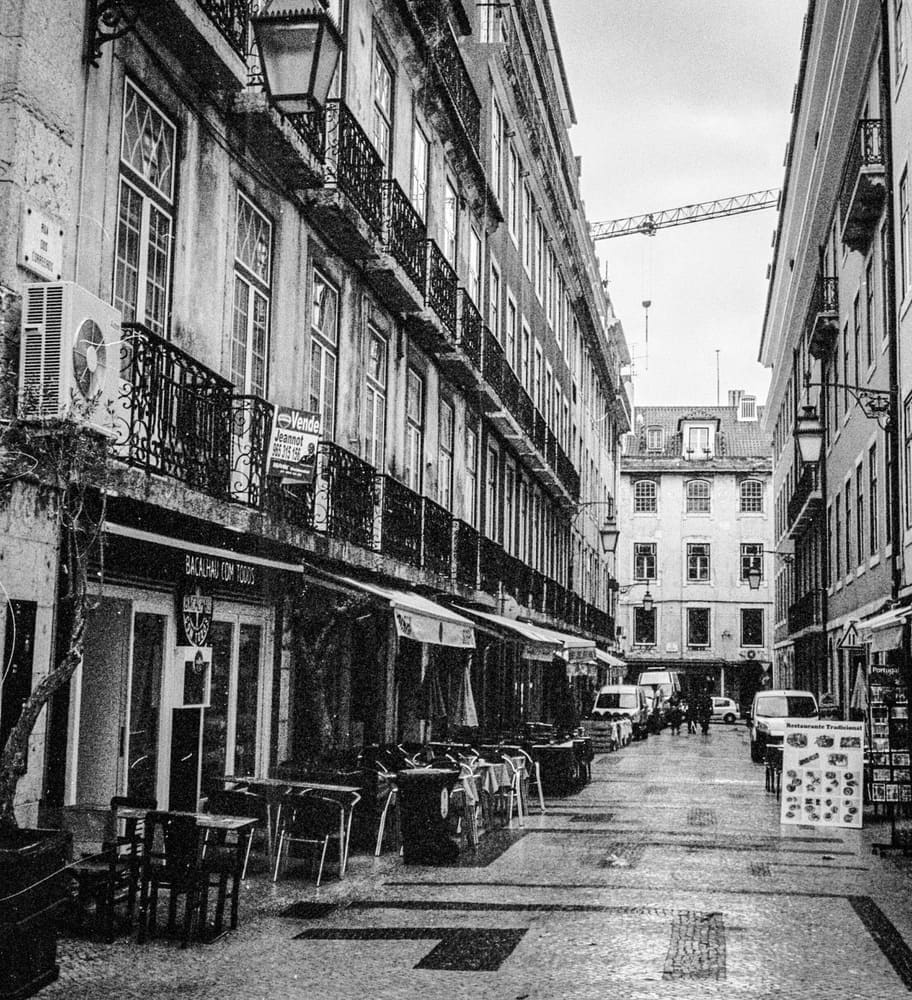
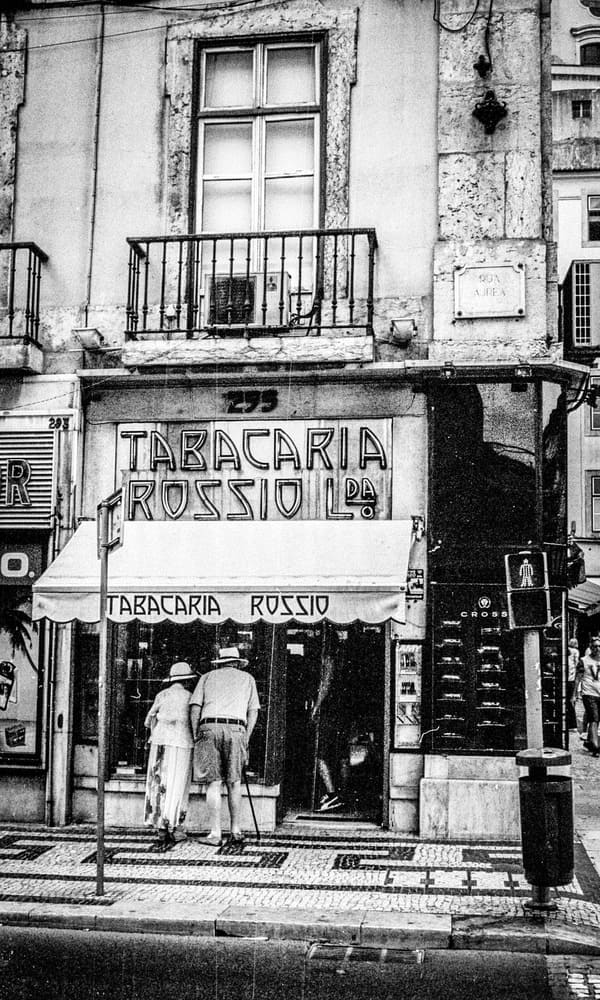
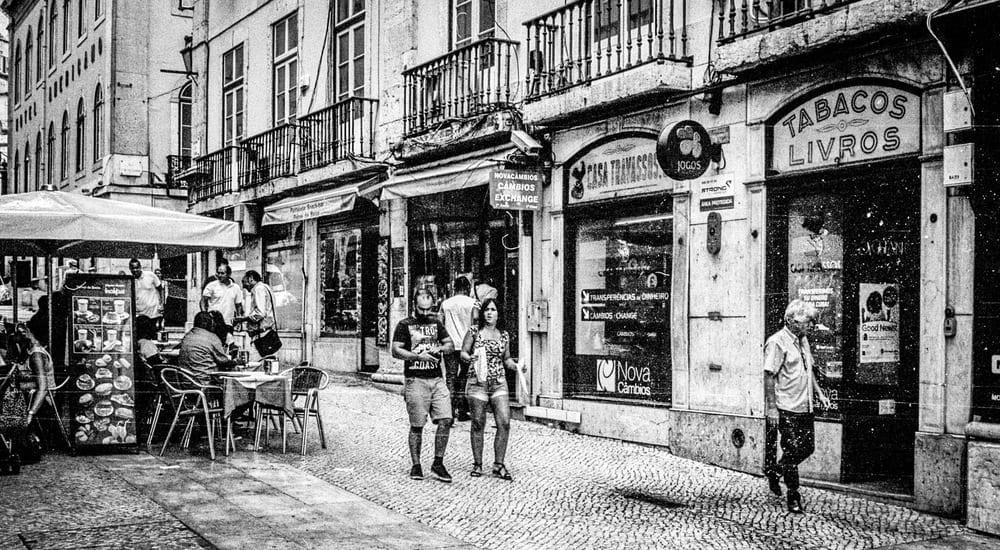
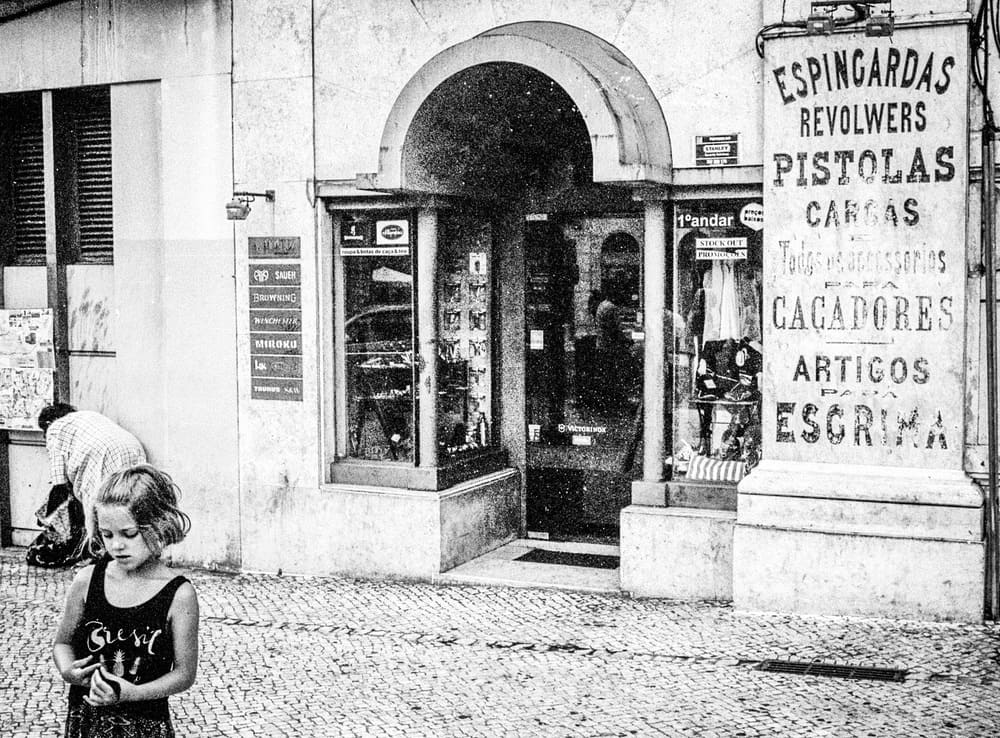
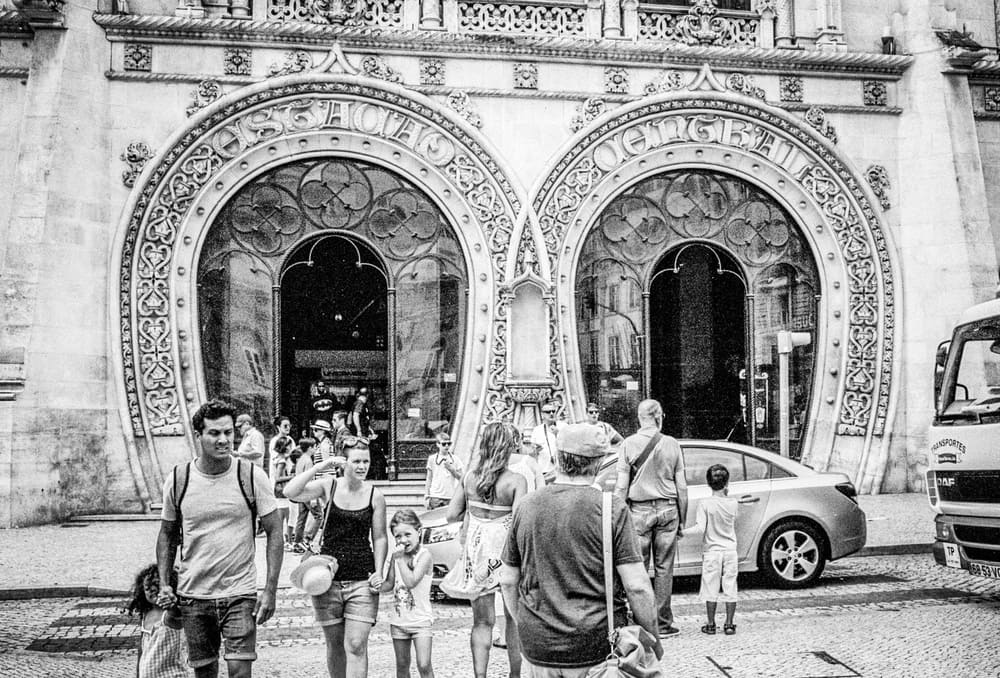
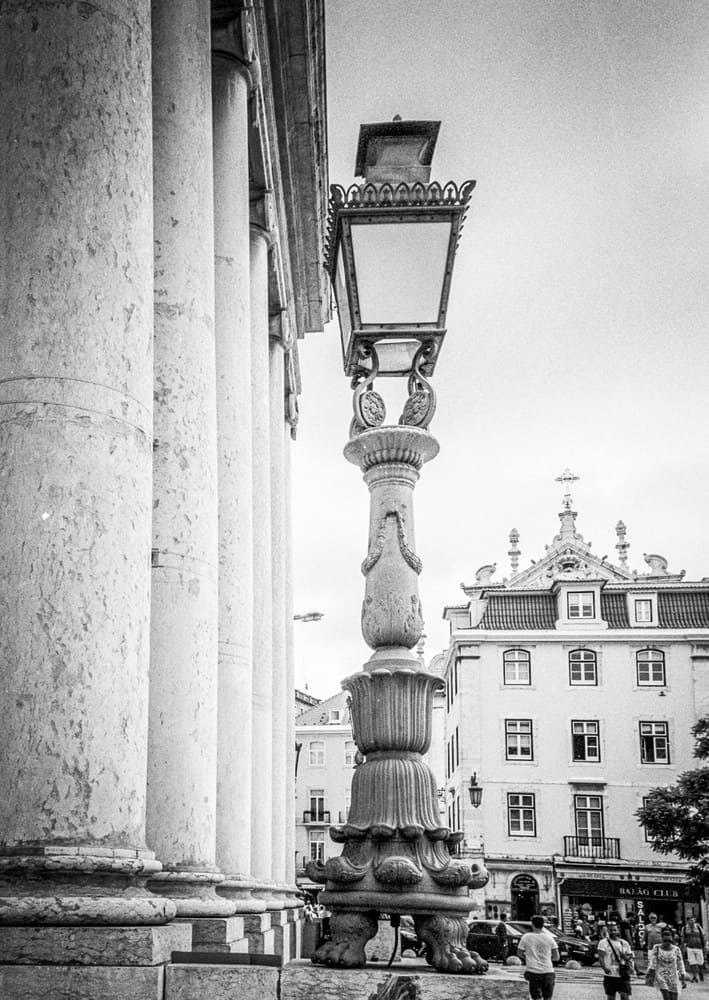
Welcome back to the Film Archives, where I showcase my analogue photography from the period BB (before the blog). In this edition, we’re diving into a street photography session in Lisbon, captured using the Olympus Trip 35 paired with Ilford HP5 Plus film. This camera and film combination was my go-to at the time, and with the fantastic lighting conditions in Lisbon, I was confident in its ability to deliver excellent results.

Setting the Scene

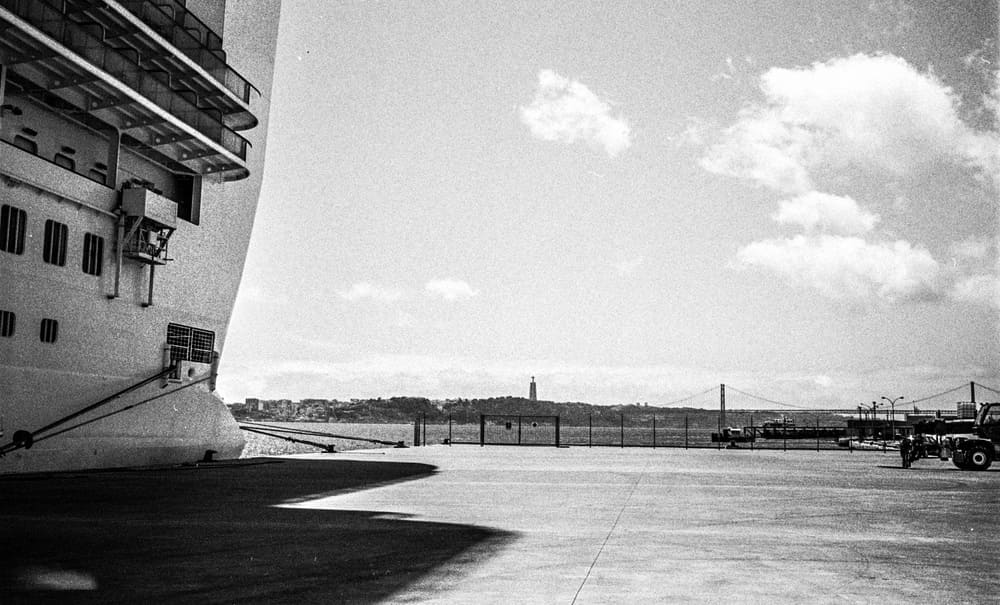
Our cruise around the Canary Islands had one final stop in Lisbon before heading back to Southampton. After disembarking, we faced the usual checks—showing ID and ensuring we had no contraband. The docks were conveniently close to the city center, and I followed the crowd to the left as we exited. My family, however, decided to explore in a different direction and turned right.

Capturing Lisbon’s Essence

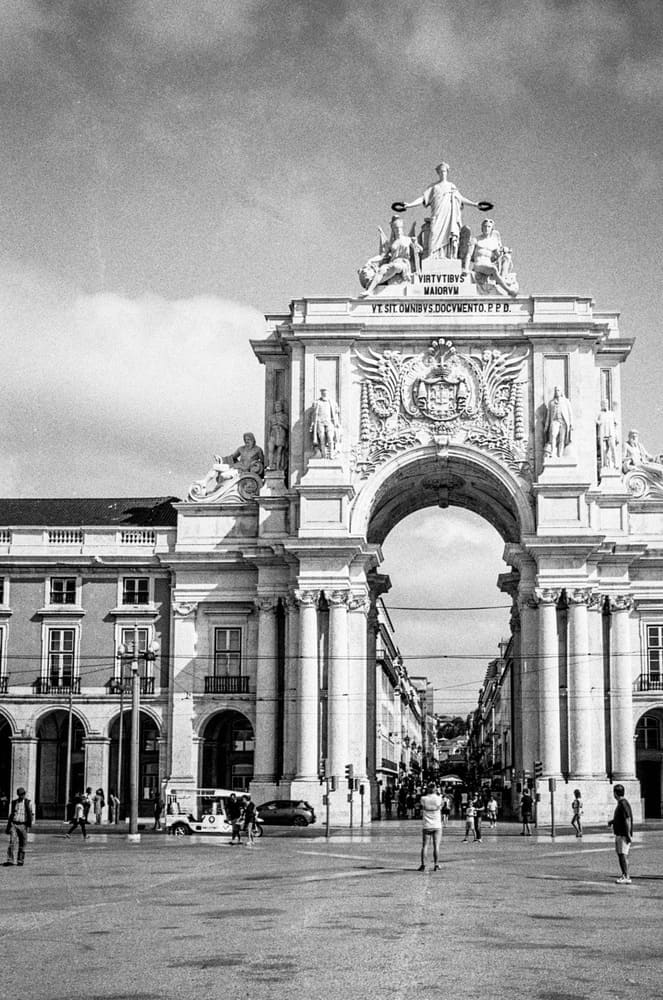
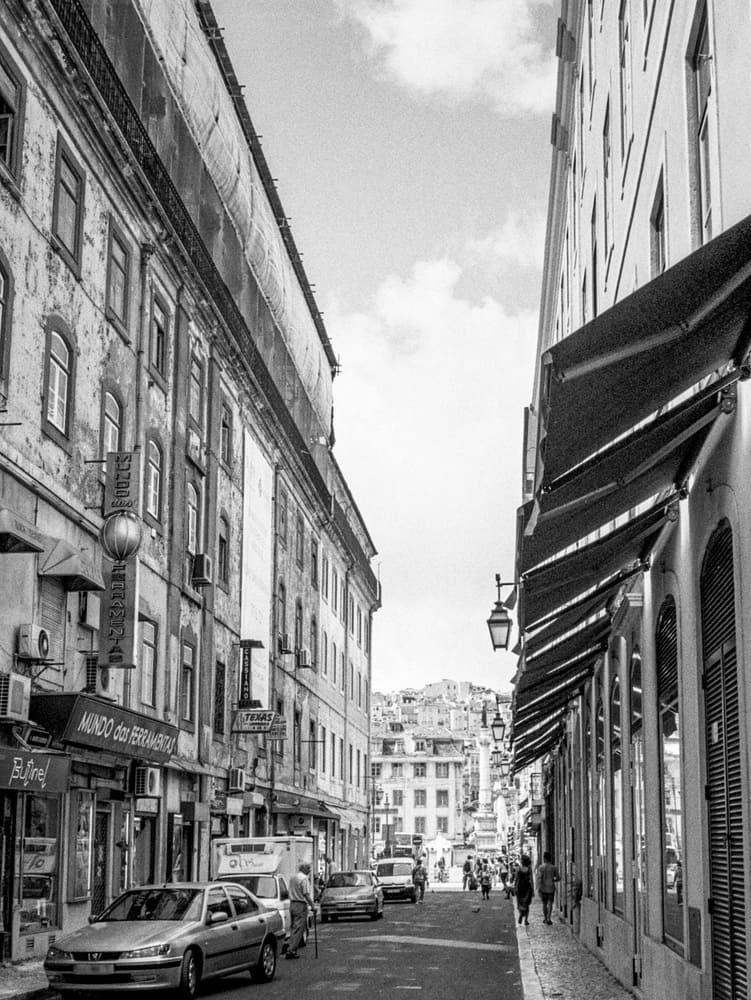
Lisbon is renowned for its distinctive tiles, and I was immediately drawn to their intricate patterns. My first shot aimed to capture these tiles, which were a striking shade of blue. Of course, the beauty of these tiles is somewhat lost in black-and-white photos, but the pattern’s appeal was undeniable. Perhaps a color photograph would have better showcased their vibrancy, but the monochrome shots still convey the city’s essence.

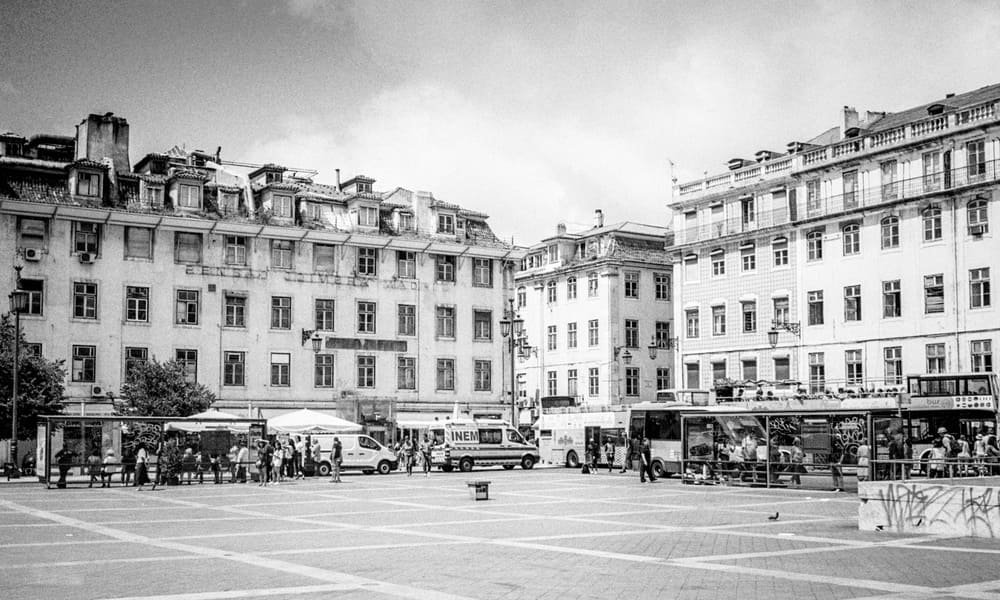
Having visited Lisbon before, I was eager to find the massive statue of a man on a horse located in the square. Finding it again brought back memories of my previous visit. The weather was quite warm—typical of that summer—but I sought refuge under the cool arches, which made for excellent photographic compositions. The leading lines and repetitive patterns of the arches created compelling visual elements in my photos.

One aspect I had forgotten about was the trolley buses. Their bright yellow color adds a unique touch to the city’s character. Although these buses are less striking in black and white, their presence adds to the city’s charm and energy.
Technical Insights

The Olympus Trip 35 is a straightforward, fully mechanical camera with a fixed lens and automatic exposure. It’s perfect for street photography due to its simplicity and reliability. The HP5 Plus film is known for its versatility and fine grain, which works well in various lighting conditions. On this bright day in Lisbon, the film’s wide exposure latitude allowed me to capture the city’s details with great clarity and depth.

Experiencing Lisbon

As I walked through Lisbon, it felt as if I had stepped back in time. The city’s mosaic pavements and vintage shop signs created a nostalgic atmosphere reminiscent of the 1960s. While I’m sure some areas are more modern, my exploration was limited to the historic parts I could reach on foot. In these moments, I felt detached from the “real” world, fully immersed in observing and photographing the city. This sense of liberation of being a stranger in a new place is incredibly freeing.

During my shoot, a German lady, who was a resident of Lisbon, approached me on Instagram and was surprised when I told her these photos were taken just 15 days ago. It’s fascinating how a fresh perspective can capture the timeless quality of a place.

Conclusion

In summary, Lisbon, at least in the areas I explored, possesses a timeless charm akin to that of a gentleman in a linen suit with a Panama hat. The city’s classical style and foreign allure were captivating. Although I don’t speak Portuguese, I chose to keep to myself, relying on the universal language of photography to connect with the city.

The Olympus Trip 35 was ideal for this day of exploration. Its simplicity, coupled with the bright light of Lisbon, allowed me to focus on capturing the city’s spirit without being bogged down by complex settings. The vintage camera, combined with the city’s classic charm, perhaps contributed to the nostalgic vibe of the photos, adding to the allure that intrigued even my German friend.

The UK Chronicles, Part II: Alnmouth


A Rare Visit to Alnmouth: Making the Most of It

Little did I know this would be my only visit to the beach and village of Alnmouth this year, so I decided to make the most of it. I had my X100F around my neck, as usual. I was up at the crack of dawn, chasing that perfect light once again.

The morning routine was pretty much the same as my first day in Lesbury: early rising, early breakfast, and an early cup of tea. The weather was gorgeous, and the light was amazing. What could go wrong?

Arriving in Alnmouth: The Beauty of Early Morning Light

I hopped in the car and headed to Alnmouth, just a short drive down the road. As I came around the roundabout in Hipsburn, Alnmouth and the River Aln came into view, bathed in golden light. The reflections on the water were breathtaking. It was early enough to find a parking space without any trouble. If you’d like to see more photos of Alnmouth, I can add a link for you.

Exploring Alnmouth: A Village with a Rich History

As the name suggests, Alnmouth is a village at the mouth of the River Aln. It was once a bustling port, playing a significant role in 17th-century Northumbrian trade. I’ll let you read up on that on Wikipedia, and I’ll be here when you’re done.

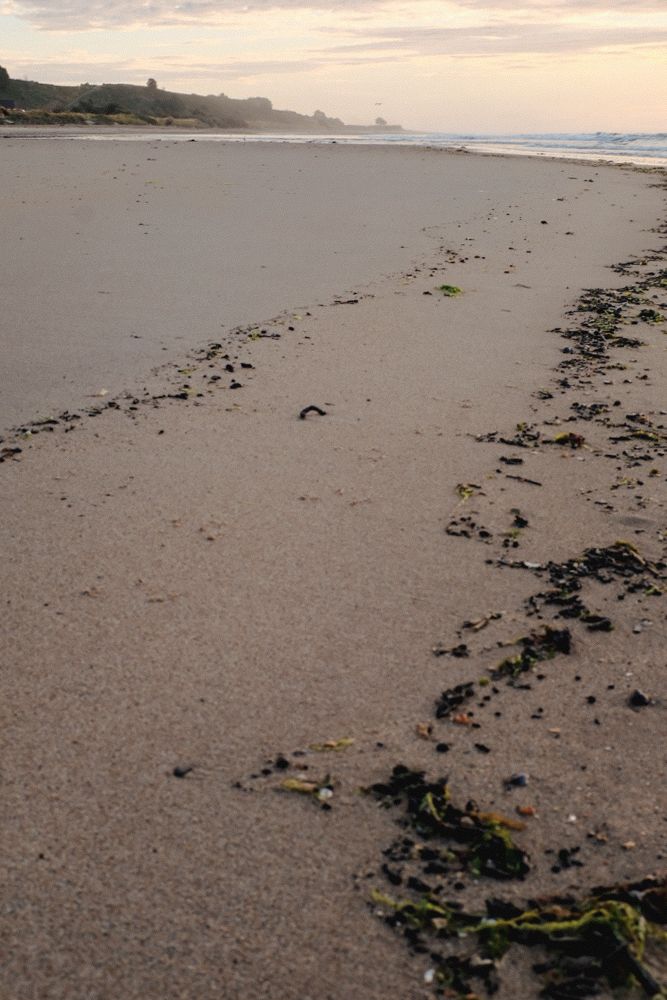
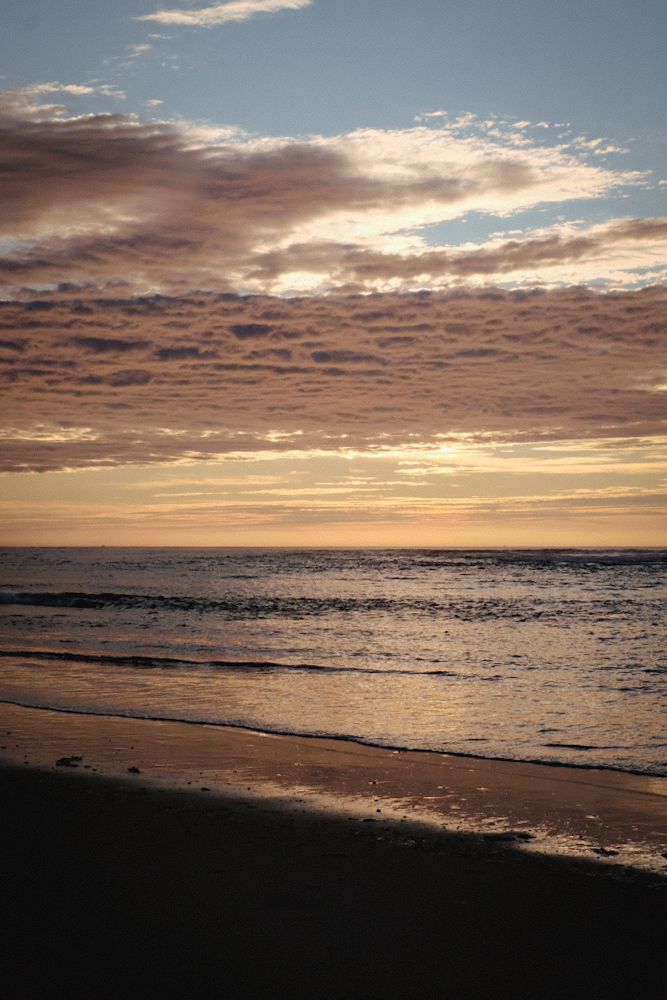
The village was still asleep as I made my way past the golf club and down to the beach. The only people around were a few dog walkers and me, enjoying the morning’s fresh air. The orange hues in the sky were perfectly reflected on the sand.
Discovering Color in Photography: A Shift in Perspective

For those interested in color theory, the use of complementary colors was striking—blue skies contrasted beautifully with the oranges in both the sky and the sand. I’m on a quest to explore my colorful side. While I still love black-and-white photography, this trip made me eager to embrace color.

My knee wasn’t even hurting; I felt fantastic. Maybe there’s something to be said about the sun’s healing powers. I made my way back to the car, carrying a lump of coal I’d found on the beach. It was too good a find to keep to myself. Surely, Killian would be up by now. Lesbury was only five minutes away. Oh, what the heck? I’ll go wake him up!

Father-Son Bonding: Revisiting Alnmouth Together

Killian was fine getting up and out with me. I only had to bribe him with a sandwich and some chocolate. We went back to Alnmouth together, and I took more pictures of the village. It was a very pleasant father-son bonding moment. He wanted to go to the post office or general store. They didn’t take cash, and for once, I was able to pay with my card for him.

Switching Editing Tools: From Snapseed to Mobile Lightroom

I recently talked about Snapseed and had been using it to edit my photos, but this time, I wasn’t happy with the results. The photos had so much potential, and I didn’t want to waste them. Some friends had recommended Lightroom Mobile, so I decided to give it a try. I already knew my way around Lightroom on the PC, and I felt right at home with the mobile version. It was very intuitive—almost as much as Snapseed. What a pleasant surprise!

So, I went back with Killian and took more pictures of the village. It turned into a wonderful father-son bonding moment. He wanted to visit the post office or the general store, but they didn’t accept cash. Luckily, I could pay with my card for him.

A Missed Opportunity: Scotts of Alnmouth

I was hoping to visit Scotts of Alnmouth, but they were closed. As we walked back to the car, I saw the owners heading to work and was invited to come back when they were open. Unfortunately, I never managed to return to taste their wonderful coffee and cakes. That was the only low point of the holiday. But as that Austrian strongman and actor famously said, “I’ll be back!” It’s good to be home.

The Opening of the Film Archives – Stonehenge August 2016


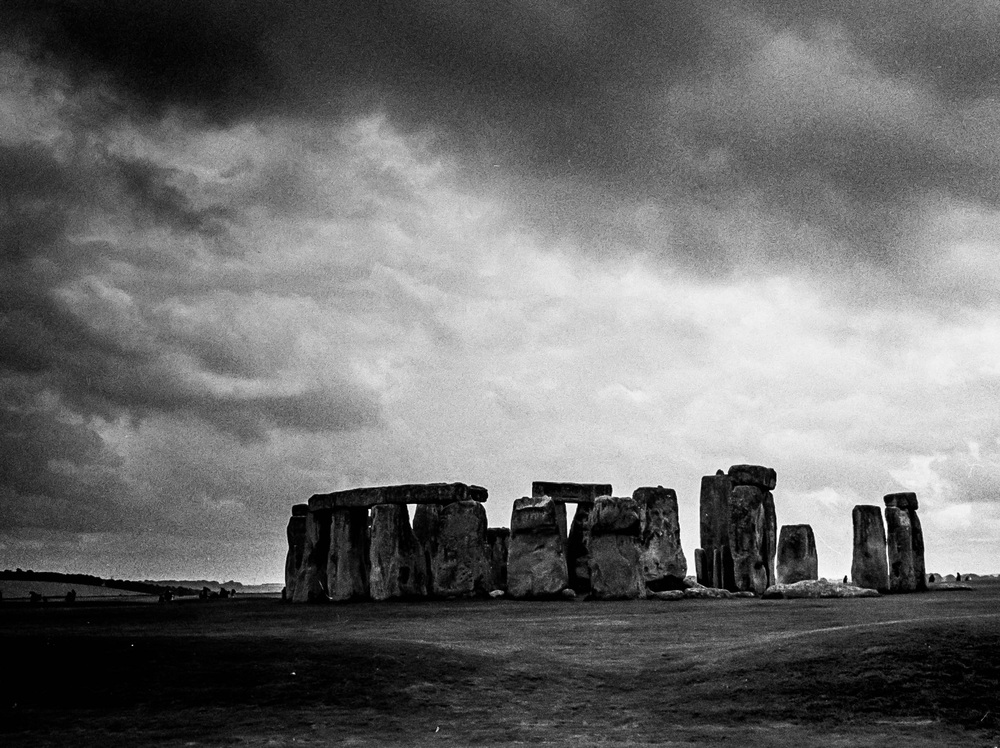
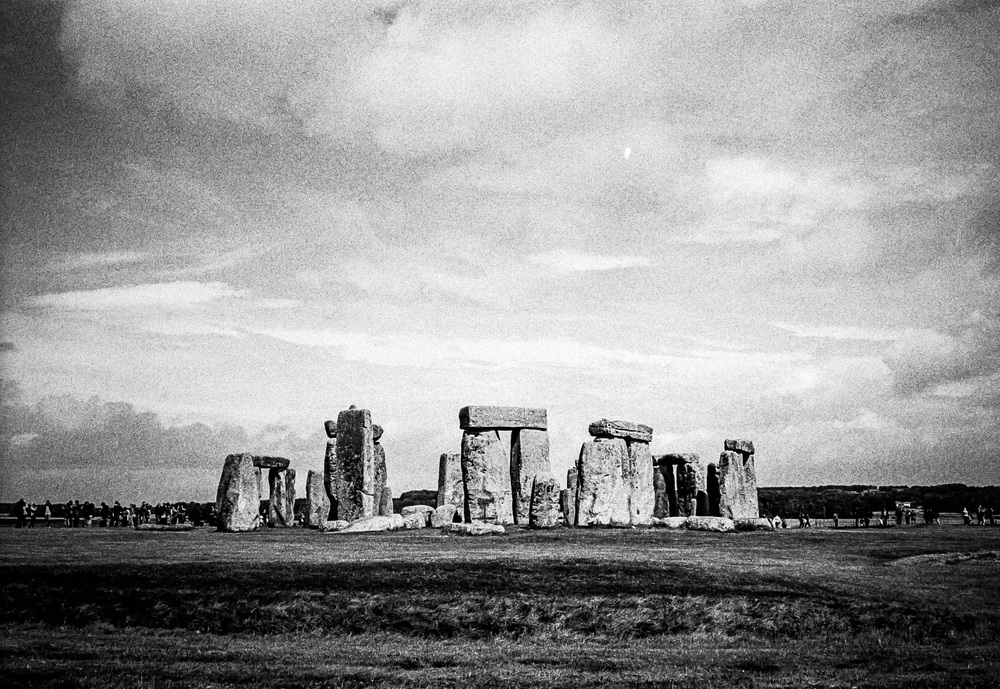
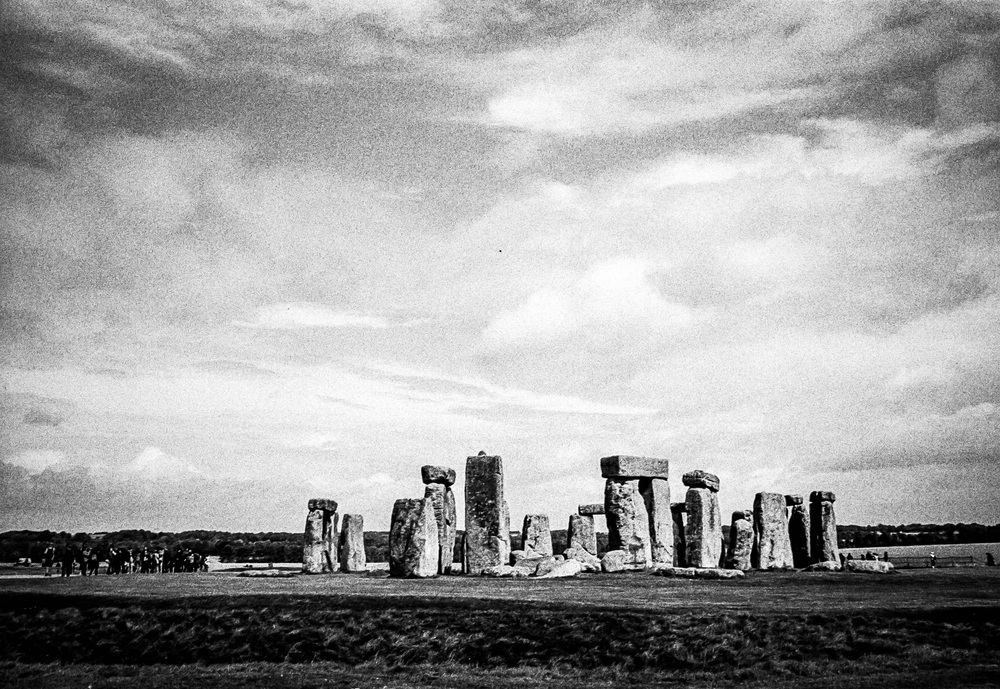
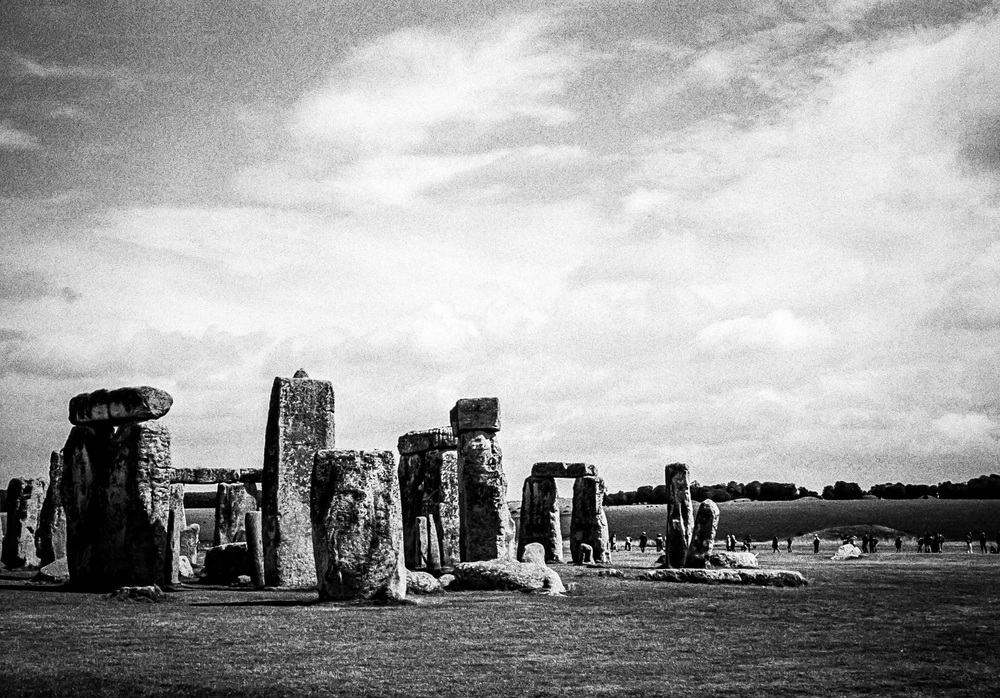
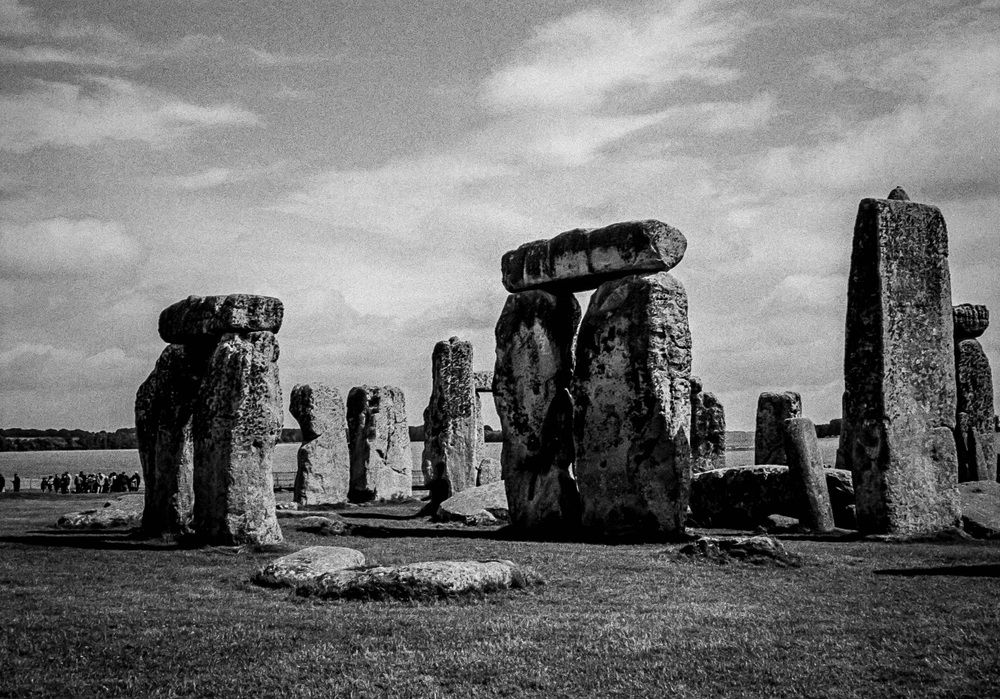
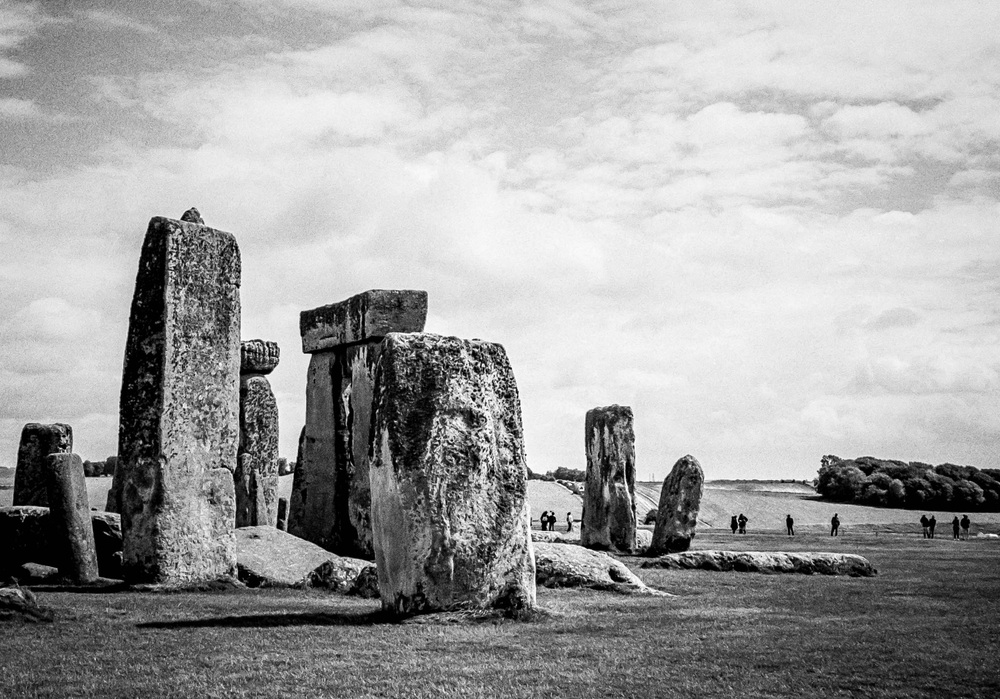
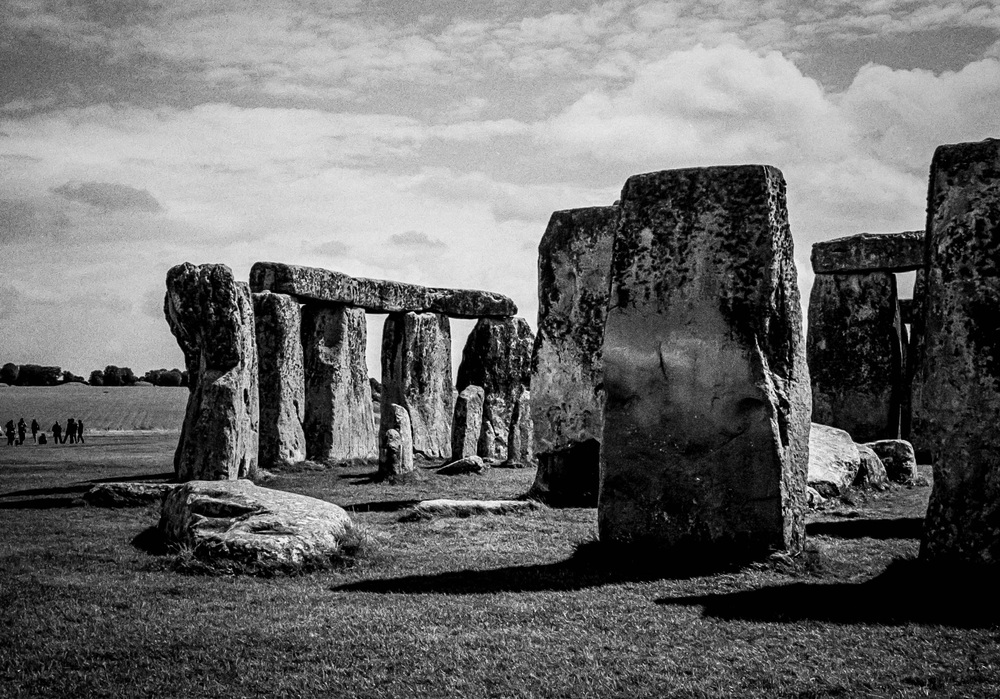
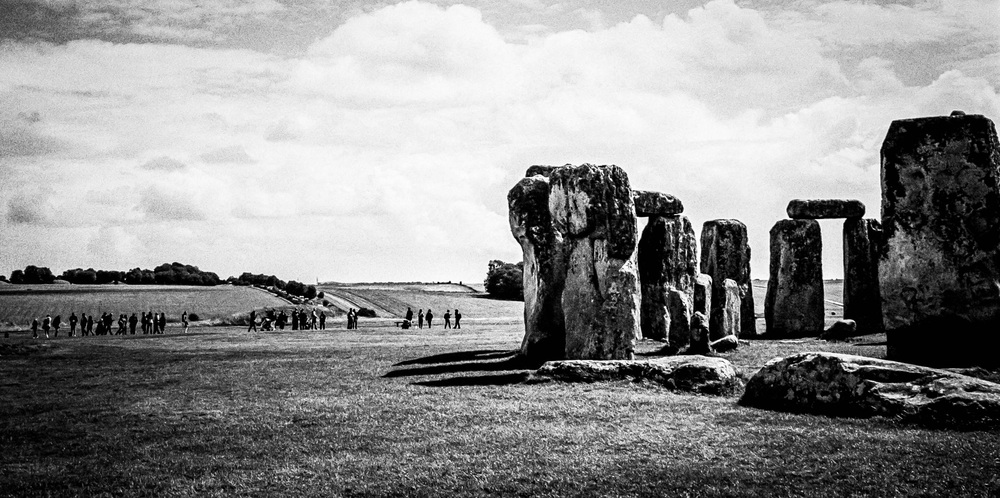
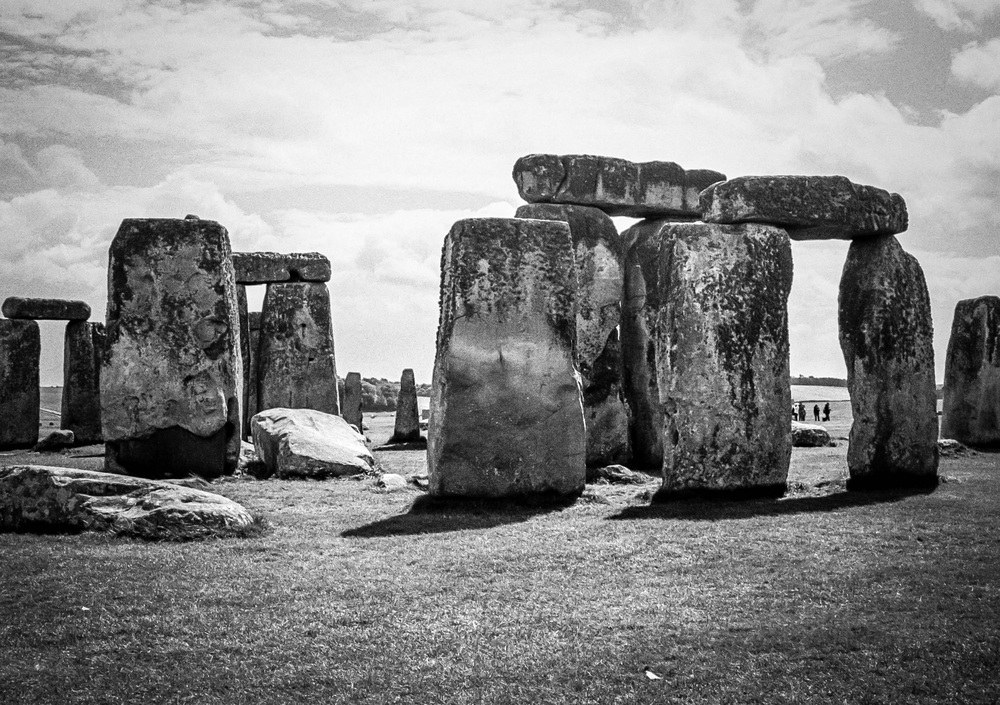
Stonehenge is something different for most people.  For some it is a historical site in Wiltshire, and despite not being part of the 7 wonders of the ancient world, still remains pretty special.  For some more “alternative” folks, it’s an ancient spiritual centre, and just happens to be on converging energy lines.  For some it’s a day out with the children.

We had come back from a cruise that had taken us around the Canary islands, Lisbon, and Galicia in Spain.  Thank you Mummy, and thank you Daddy!  I think they felt guilty about us always coming up to see them in Northumberland, and wanted us to get a different holiday experience.  Well, different it was!  But that is a totally different story, and the photos can be found in the Olympus Trip 35 article.

So our ship docked at Southampton and we still were in the holiday mood.  I remember as a small boy visiting Stonehenge, and thought it was “the” opportunity to introduce my family to the site.  

It seemed slightly smaller than I remember it.  As do most things if I’m going to be honest with you, but the majesty of the stones remained.  As did the wonder at the fact that these stones had been dragged overland from Wales, and put into place, with the joints still being “rock solid” and down to the nearest millimetre.  I work in a factory that does industrial woodworking and I know what we can do with modern tools and technology and yet here, this massive construction was put together using basic tools.

The children were just taking in the whole experience, and rather bemused at the sight of Japanese tourists being shoved around the site and taking the obligatory selfie.  They also seem quite bemused by the amount of school groups being led around.  

I preferred, as often as I do, to just take my time and take it all in and get some photos of the place.  With the 40 mm zuiko lens I was getting some lovely environmental shots that you can see below.  

My wife, however, was in tears.  Crying her heart out.  She later confided in me telling me how she just felt overcome with emotion.  Maybe those lines of energy for those alternative folks might have something in them…

The Opening of the Film Archives—the Hangar à Bananes August 2016


In my last venture into the film archives, I talked about how there was a time that my daughter hadn’t yet seen me the way I see myself and how she actually still liked me, before turning into a teenager.  This is the second part of that special day.

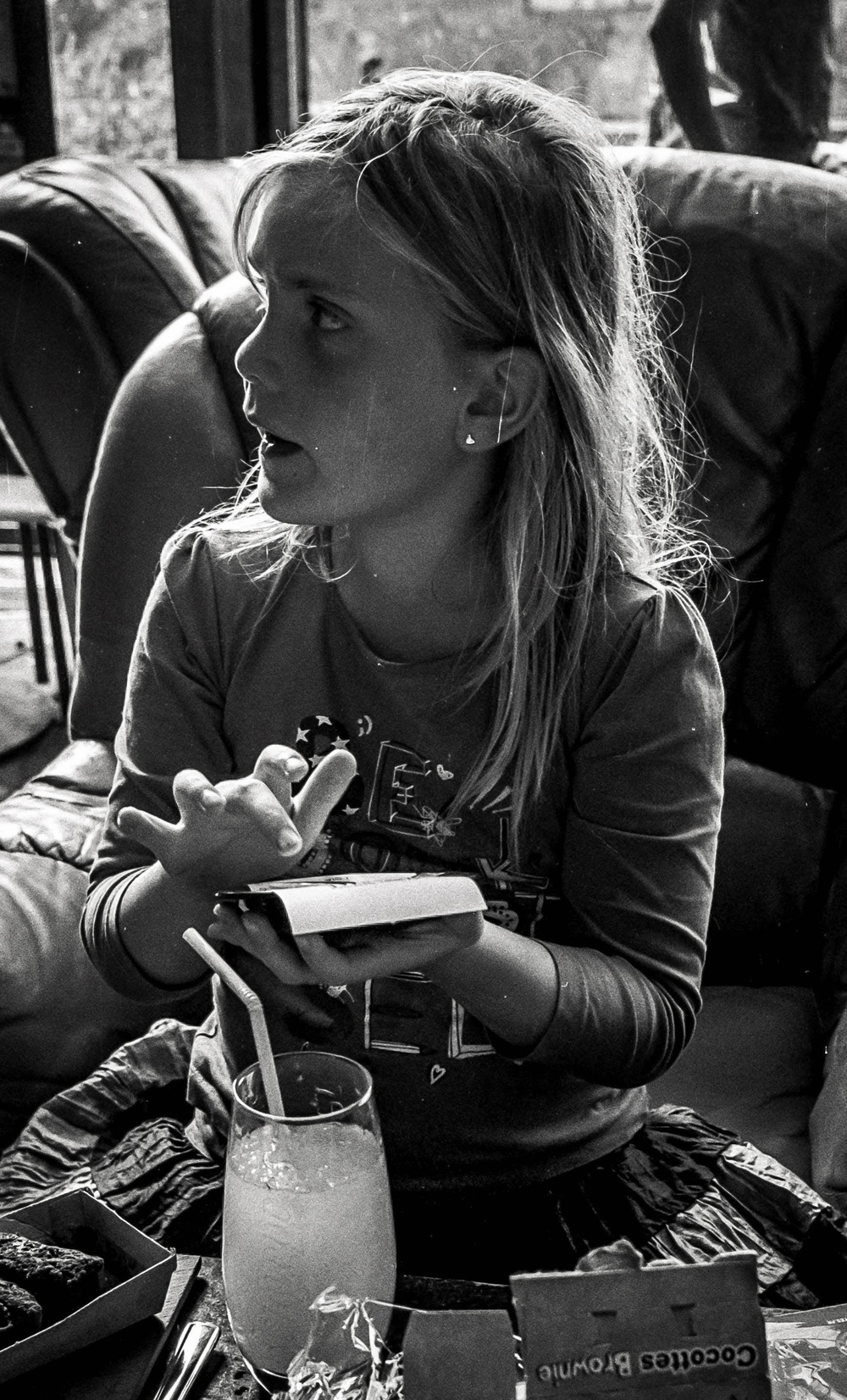
We had explored the Jardin des Plantes and discovered what they had to offer.  This of course builds up an appetite in a young lady, and convinces her that she really needs to drink something Daddy.  And why couldn’t we go to the Altercafé (now the D3) at the Hangar à Bananes.

So what else was I to do but drive us to the Hangar à Bananes.  You will have seen the Hangar in this article, and you will now be completely up to date and know nearly everything there is to know.

Don’t forget that this is a girl who gets an idea into her head and then just goes through with it.  That idea is so rooted that it is nigh on impossible to change that idea.  I knew what was coming.  I would order a chocolate brownie, and Kate would have an Orangina.  I could have a beer.  How gracious of her.

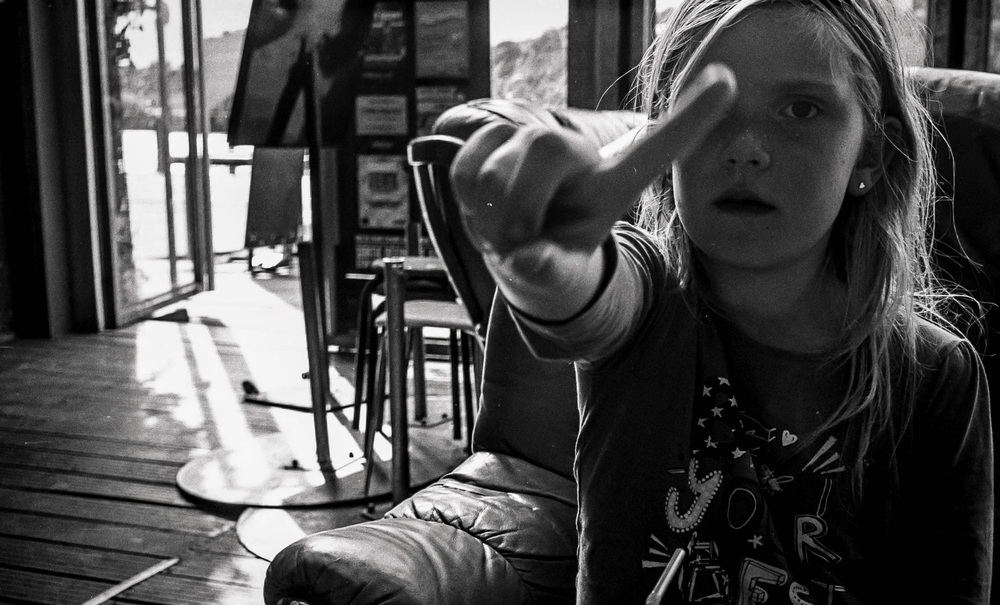
She had been my model for most of the day and even a top model needs a rest, and just has nothing left to give a photographer.  You just know when enough is enough…

In Defense of Film


Is film photography too expensive? Think again! Many assume that shooting film is a hobby reserved for the wealthy, but it doesn’t have to be. With the right approach, you can enjoy the unique aesthetic and creative process of film photography without breaking the bank. In this article, I’ll share my personal experiences and tips for saving money on film, developing, and gear, proving that the joy of film is accessible to everyone.

Often, even the tiniest things can spark a desire to write. In the infamous world of internet comment sections, people can have different opinions—a good thing, as it makes us reflect on our own positions. It challenges our perceived wisdom and questions us in ways that can be disarming. What’s obvious to me might not be to someone else.

I was talking to an Australian lady, likely of my generation since our photography journeys started the same way—with film. Except this lady has gone fully digital, keeping her film cameras as a reminder of her film days being over. Less hassle, less expense, less stress, and less “faffing about,” she said.

At first, I was taken aback. I love the film aesthetic in my photography. I like the predictability of film grain, as opposed to digital noise. But most of all, I’m in love with the process. I love the slower pace of film photography—none of this “spray and pray” nonsense. I appreciate how I become more mindful when shooting film, as each shot counts. I like the way an old film camera looks around my neck. And as the internet meme says, “I know about photography. I’ve been initiated into the exclusive circle of purists.”

The lady talked about the prohibitive prices of film and labs, which, let’s be honest, is a valid point.

Costs of Digital vs. Film Photography

I’ll talk about my kit and initial outlays compared to my film expenses. I bought my latest two digital cameras in late 2017 and 2018. My X100F cost around €1400, and my Canon 6D Mark II around €1200. I spent about €300 on a teleconverter for the X100F, and I probably have about €2500 worth of kit for the Canon, including speedlites, lenses, and filters. Then there’s the Fujifilm XT2, bought second hand for €400, with a couple of lenses totaling around €500.

This kit, though older, works well and is largely sufficient for my needs. As mentioned in my article “I Want It, But Do I Need It?”, I’d like a Leica, but do I need one? Would I refuse one if someone gave me one? Heck no! You can see the results throughout this site, and the images are great.

Let’s move on to film. Yes, if you love that Kodak Portra look, you’ll be spending a pretty penny. I have a certain nostalgia for the days when the prices hadn’t doubled. But—and this is important—not all film photography has to be done using Kodak Portra. There are more accessible films, especially black and white, that cost less. A roll of Fomapan 100 costs me around €5.50. So for less than the price of a pint of Guinness, I can get 36 shots. For a little more, I can go with Kentmere or even Ilford black and white film. I still have one roll of Portra left and a pack of five Tri-X medium format rolls.

Developing at Home

Ah, but then you have to send them to a lab to be developed. Again, a valid point. The cost for developing colour film where I go is less than €7 per film. I’ll share a little secret: I invested in a kit to develop my films at home. It cost about €140 initially, but now all I worry about is buying the chemistry. Yes, €30 for a developer seems steep, but I can develop 16 to 24 films with a bottle, depending on the dilution. I also invested €250 in a film scanner to produce digital files for editing.

Collecting Film Cameras

You might have noticed that I’ve talked about film but not film cameras. I started collecting a while back before hipsters raised the prices in the secondhand market. The most I paid for a film camera was just over €100, and the cheapest was €15. These film cameras are generally solid, and the lenses are great. The technology, though a little less modern (understatement of the year!), still works, and older cameras don’t even need batteries. And even those that do, the batteries last for ages. None of this “Do I have spare batteries for the X100F?” nonsense.

Each shot is taken on a brand new “sensor,” compared to shots on a digital sensor. And less dirt gets onto this sensor.

The Joy of Film

Don’t get me wrong, I love digital photography for its convenience and spontaneity. I can see my images right away and get instant feedback and gratification. With film, that gratification isn’t instant. You have to be patient and wait, but for people of my generation, that might be infuriating, it’s something we grew up with and accepted. I continue to accept it.

I enjoy using a machine sometimes older than me, knowing the image quality will be there. I know that with a certain film, I’ll get a certain result. I like the slower pace. If you visit the Film Photography page or the Film Archive page, you can decide for yourself if it’s worth the hassle, the expense, the stress, and the “faffing about.” I think it is, and I maintain that film has as much a place in photography as it ever did.

The Future of Film

Does film have a future? I think it does. Leica has relaunched the M6, Pentax has the new Pentax 17, and Kodak has the Kodak Ektar H35. The disposable cameras of yesteryear are still being produced and it has become the fashion to us them at weddings for that affordable yet classic look of film. Film photography continues to be popular with Gen Z and millennials. Case in point: my 25-year-old son nicked one of my Kodak Retinette 1B’s and a roll of film. I suspect my daughter might have her eye on one of my film cameras, too.

One thought came to mind whilst answering one of comments with the person saying that they “will never go back.”  I am old enough to remember when microwaves fist came out.   They were sold to us as being thoroughly modern and machines that could do everything so quickly and conveniently.  Except they couldn’t.  For certain tasks on the kitchen they are wonderful and far exceed the way we “used” to cook.  But they can’t do everything.  They have their place in the kitchen.  And will always will do.  But a slowly simmered boeuf bourguignon that infuses its odours through the kitchen will always have a special place in my heart.  Much like using film to capture my images…