The Opening of the Film Archives – Clisson May 2016


Introduction

Welcome back to the film archives.  Today I’m going to share some photos of the first reel from my “new” Canon AE1.  Well, not new, but certainly new to me.  The Canon AE1s were produced between 1976 and 1984.  It is one of those iconic cameras and at the time I must have paid about 50€.  When I say iconic, I really mean iconic.  It is a shutter speed priority camera using Canon’s FD lenses. I used it an awful lot that summer.  I liked it so much that I even bought a second one that I ended up giving to a photographer friend. 

Colour

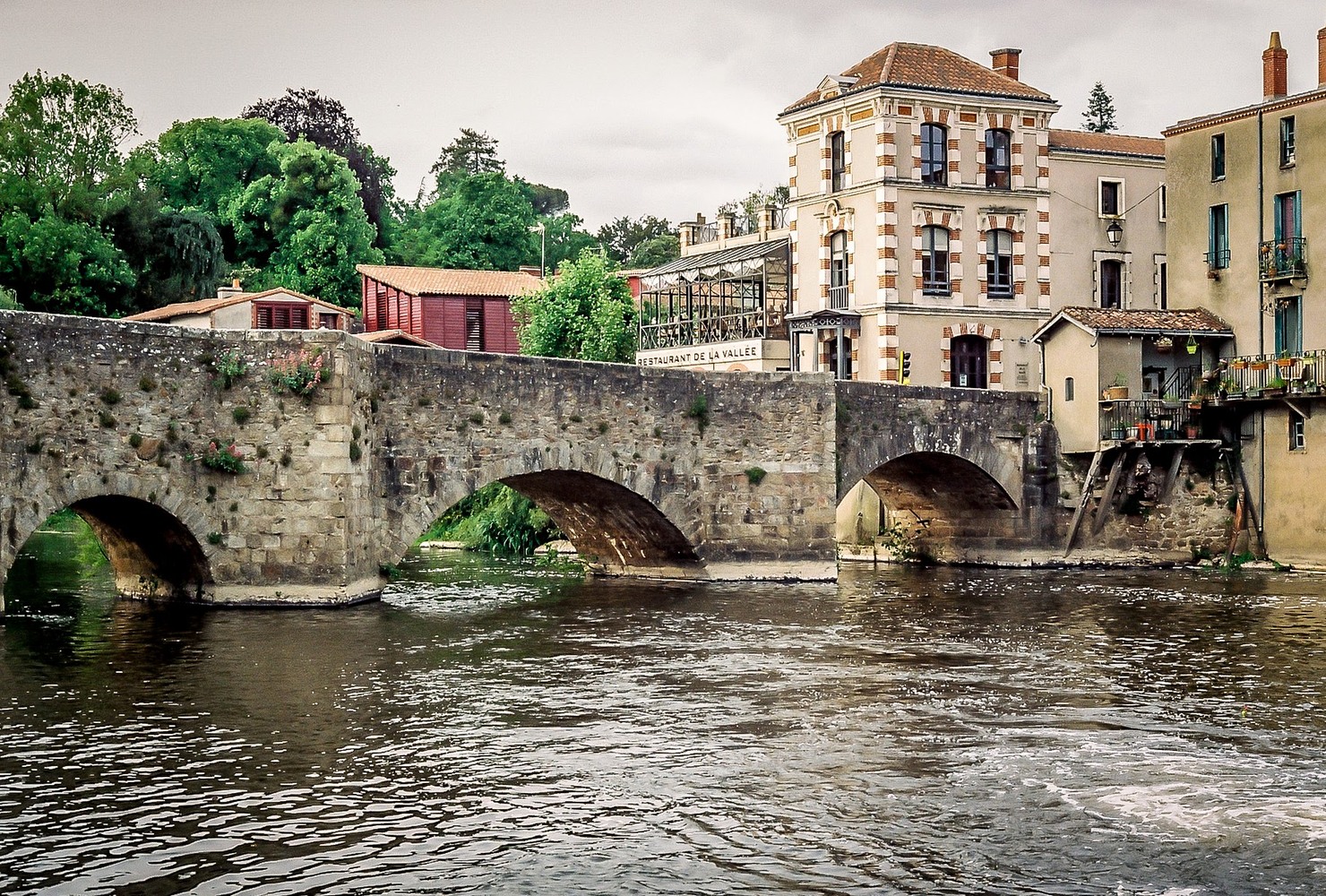
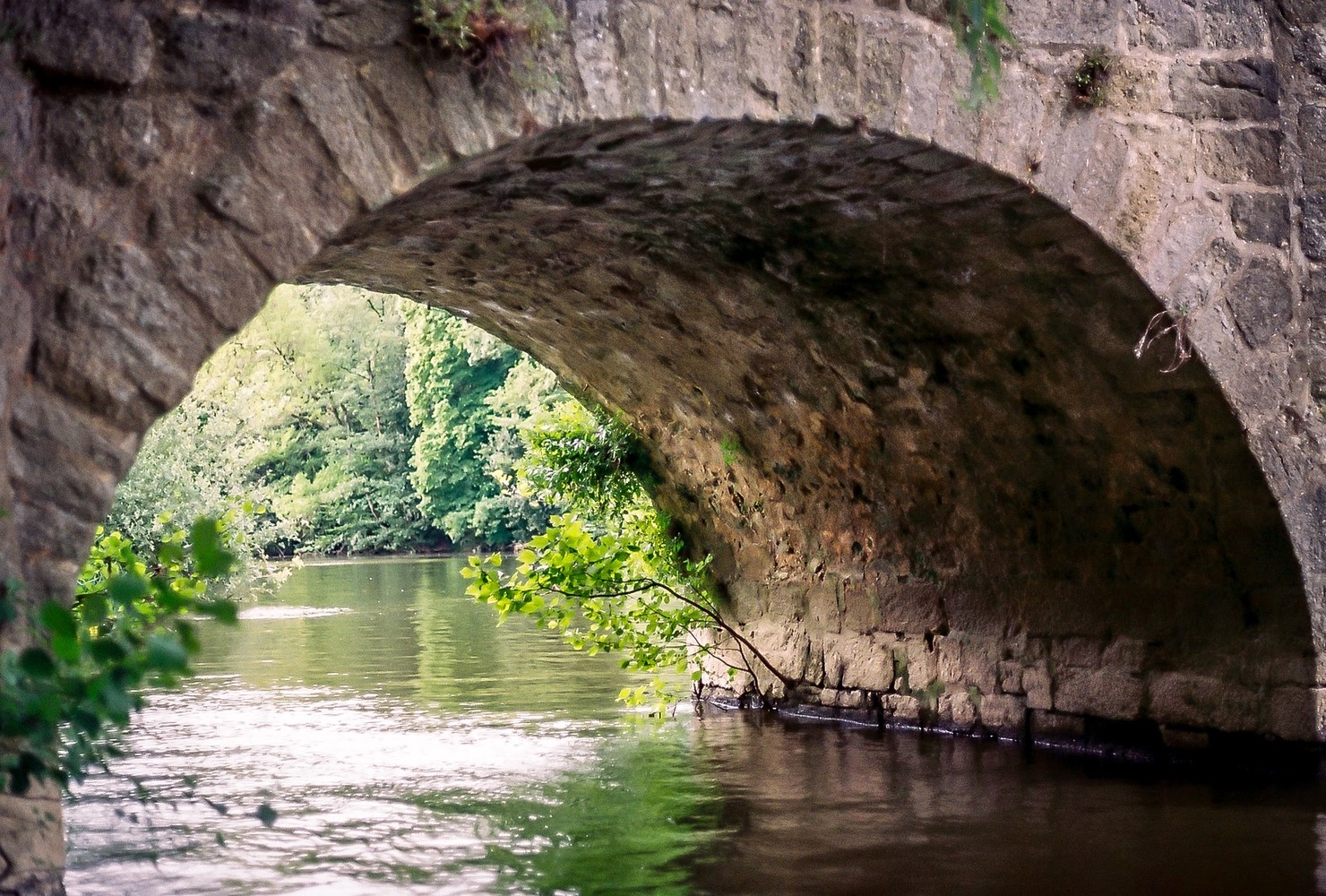
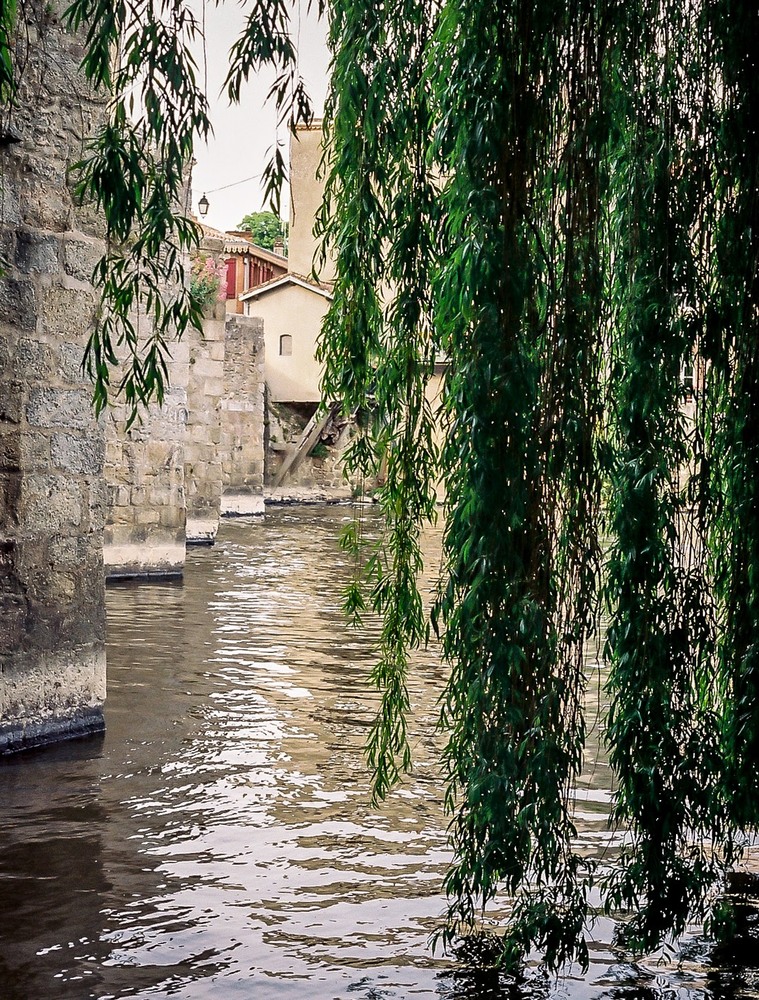
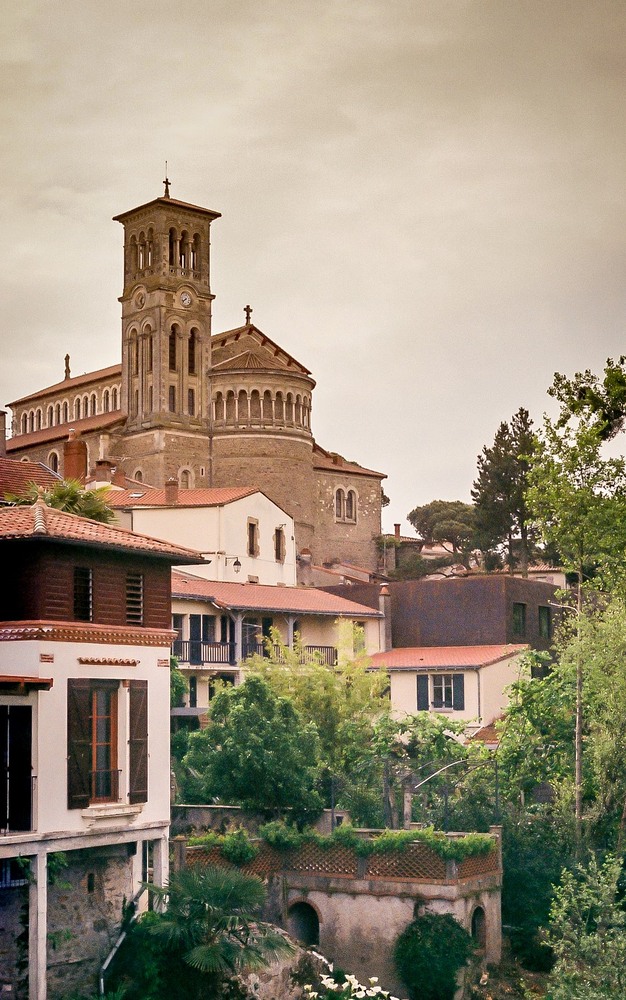
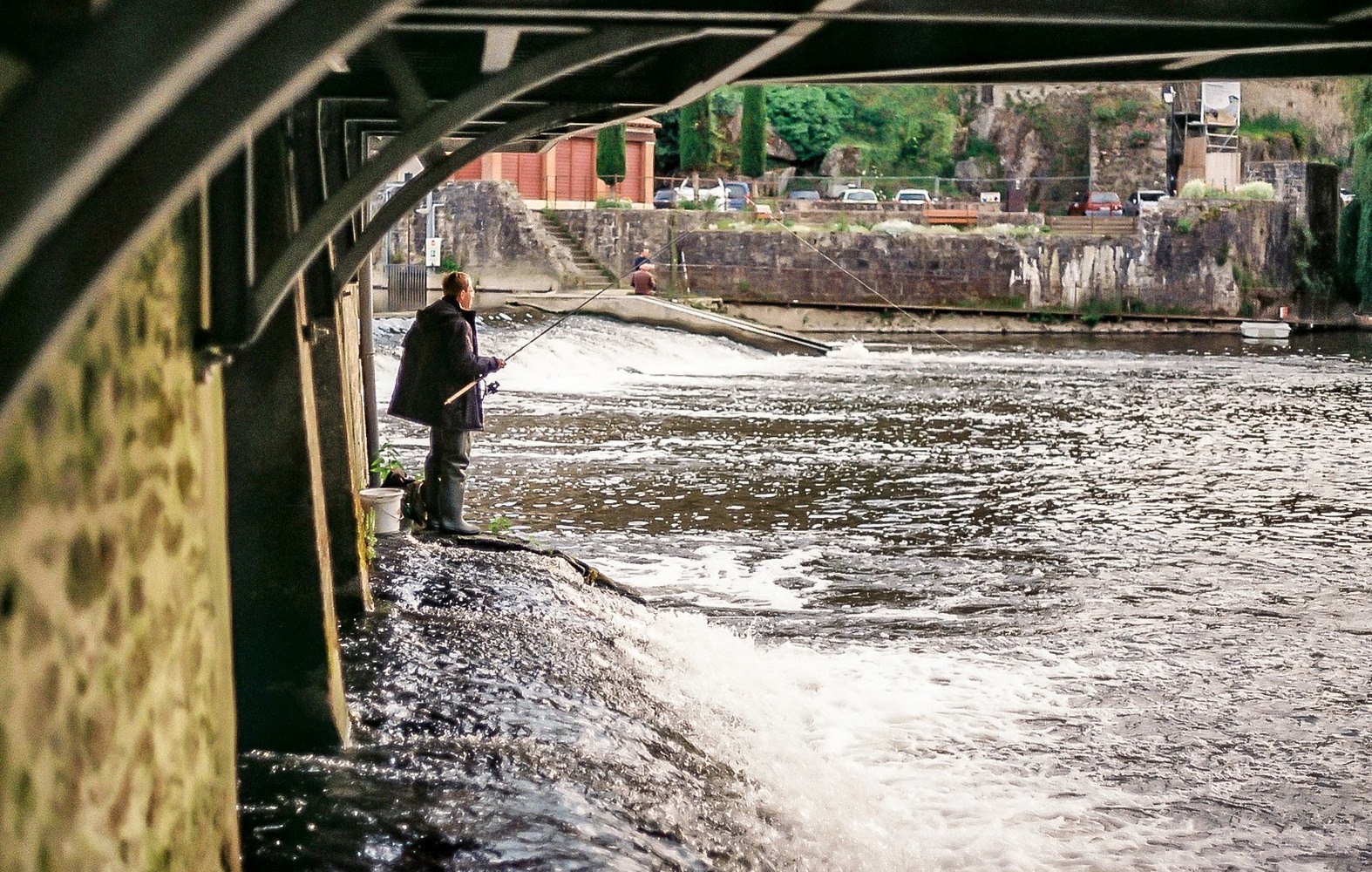
To some people of my generation they represent their first cameras, and were so popular.  Talking of popular, the photographs from this part of the archive are from the very popular and photogenic town, Clisson.  Also you will have noticed that the photos are in colour.  Which only goes to show that not all film photography is black and white photography.

Clisson, as you can see in the photos, is one of those beautiful French villages that oozes Gallic charm.  It also exudes a certain Italian charm, and is known for its Italian style architecture.  

Canon AE1

I have both a Canon AE1 and AEI Program. The AE1 is the big brother of the AE1 Program, and doesn’t have a program mode, but as you can see from the photos it still works a treat.

FeatureCanon AE-1Canon AE-1 ProgramDifferences
Release Year19761981AE-1 Program released 5 years after AE-1
Exposure ModesShutter Priority AEShutter Priority AE, Program AEProgram AE added to AE-1 Program
MeteringCenter-weighted AverageCenter-weighted AverageNo difference
Shutter Speeds2s – 1/1000s2s – 1/1000sNo difference
Viewfinder DisplayLEDsLEDsNo difference
Film Speed SettingManualManualNo difference
Self-timerYesYesNo difference
Depth of Field PreviewYesYesNo difference
Motor Drive CompatibilityYesYesNo difference
Other NotesFirst Canon SLR with microprocessor; revolutionary for its timeSimplified controls for easier use; appealed to wider audienceAE-1 Program aimed at beginners and enthusiasts
As you can see there’s not a huge differece between the two. The major difference being the Program option, and the other allowing for easier changing of the ASA film sensitivity setting.

On the day in question I must have parked just next to the river and concentrated on this picturesque  area.  You can see the castle, the bridge, and the river, all making for a peaceful spring moment.

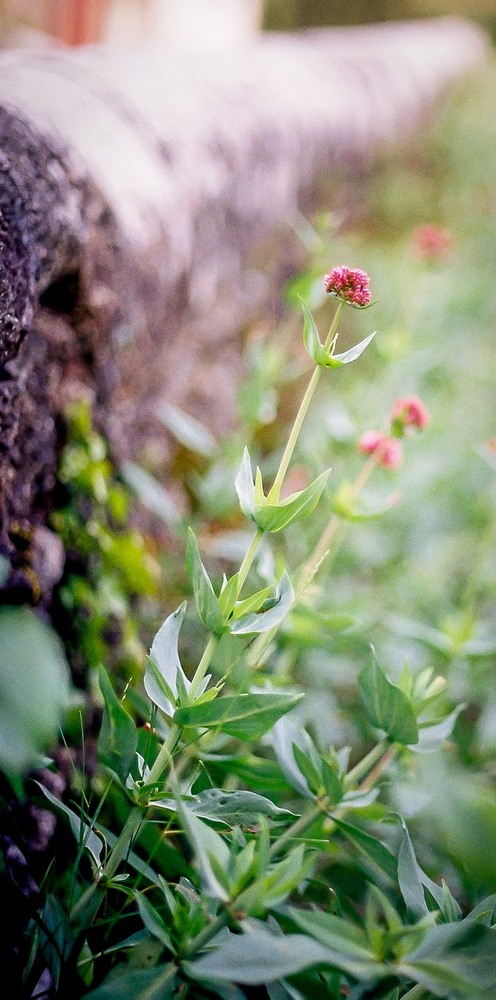
I think the film was Fuji Superia, and I just wanted to use colour.  Thetones are slightly muted and warm, and the flowers, trees and plants were just screaming out to be photographed.  I remember the excitement of loading the film into this “new” camera, and the novelty of simply using an iconic camera.

Here is what fuji tells us about the film:

FUJICOLOR SUPERIA X-TRA400

An all-round general purpose, high-performance, high speed color negative film delivering truly fine-grain. Superb for snapshots or action, in low light with flash, outdoors or indoors. Ideal for general use with compact zoom lens cameras.

  • Excellent skin tones
    For beautiful, clear people-shots.
  • Fine grain
    Great results even when enlarged.
  • High-speed
    Superb results, whatever the shooting conditions.
  • Sensitivity and Film Sizes
    ISO : 400
    Film Sizes : 135 : 36 exp.

 When using digital, it’s so difficult to get that particular film look, and using film and an older camera just changes your whole outlook.  The fact of not having your image straight away leaves you with that anticipation that we all used to feel when we sent off our films to the lab.

Give film a try.  There are still cheap film cameras out there, and your photography experience will be totally different.  I certainly appreciate it.

The Opening of the Film Archives – Saint Cado, Belz, Morbihan


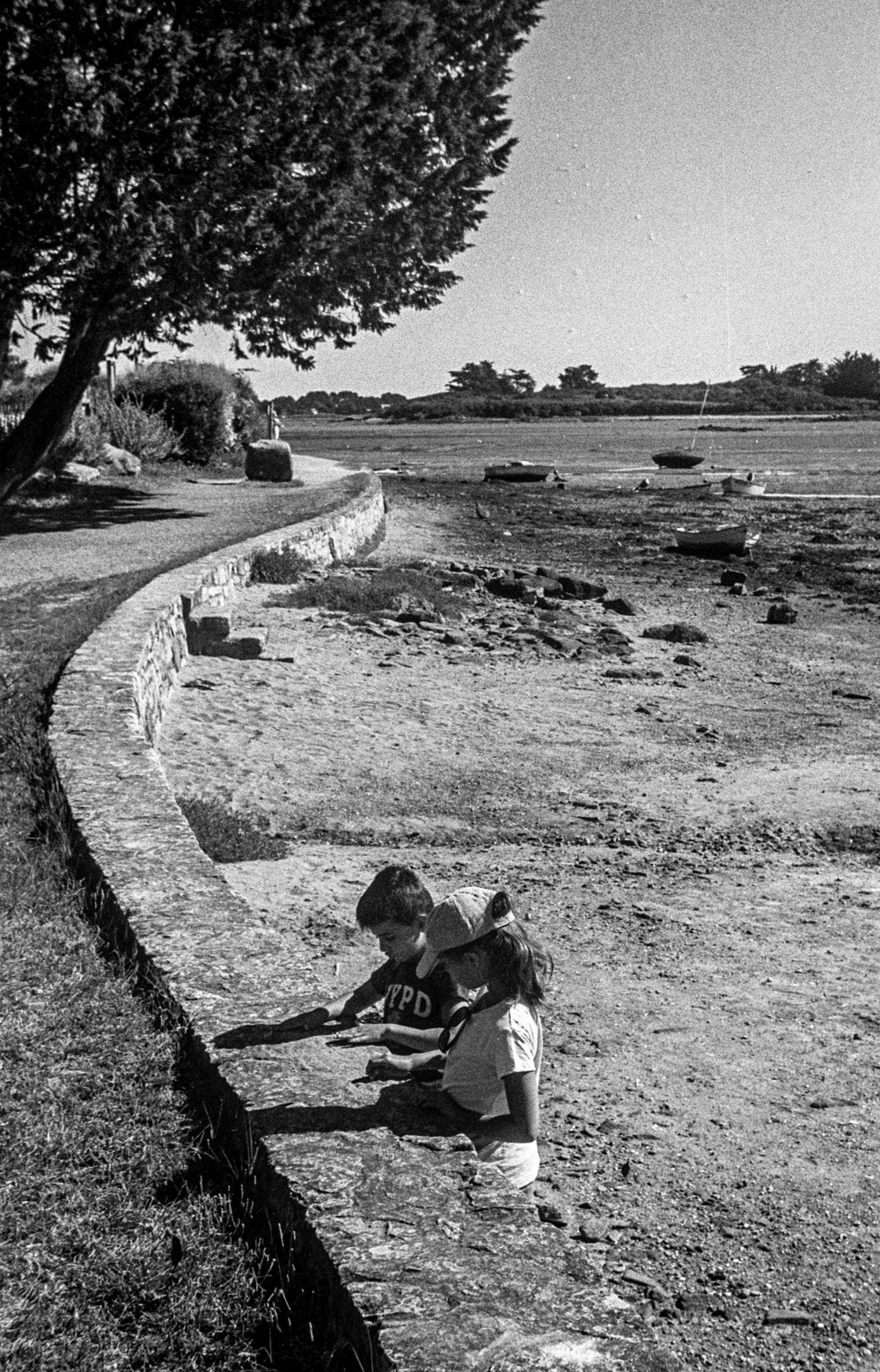
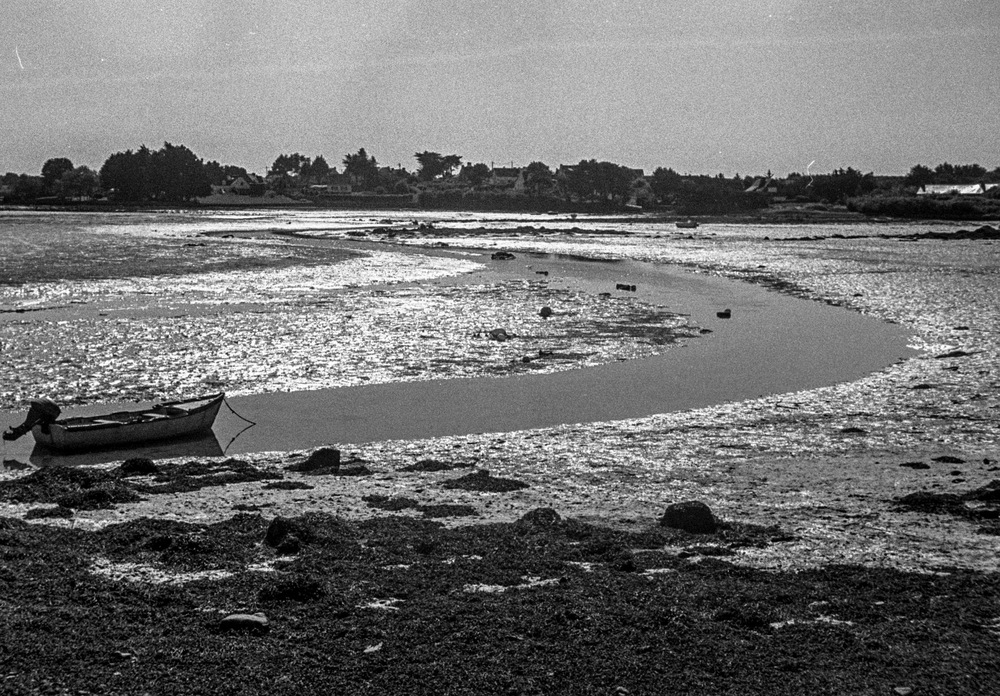
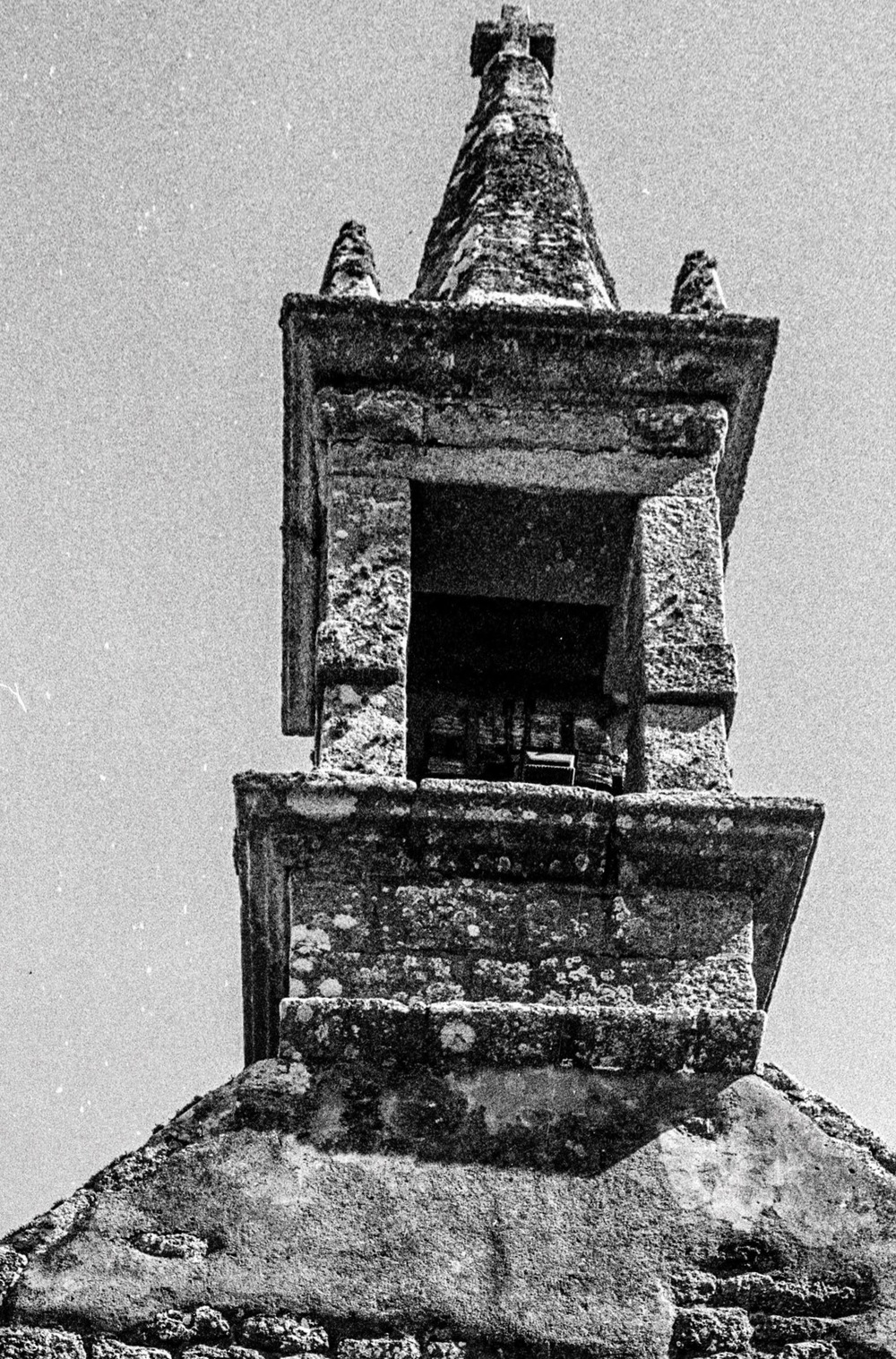
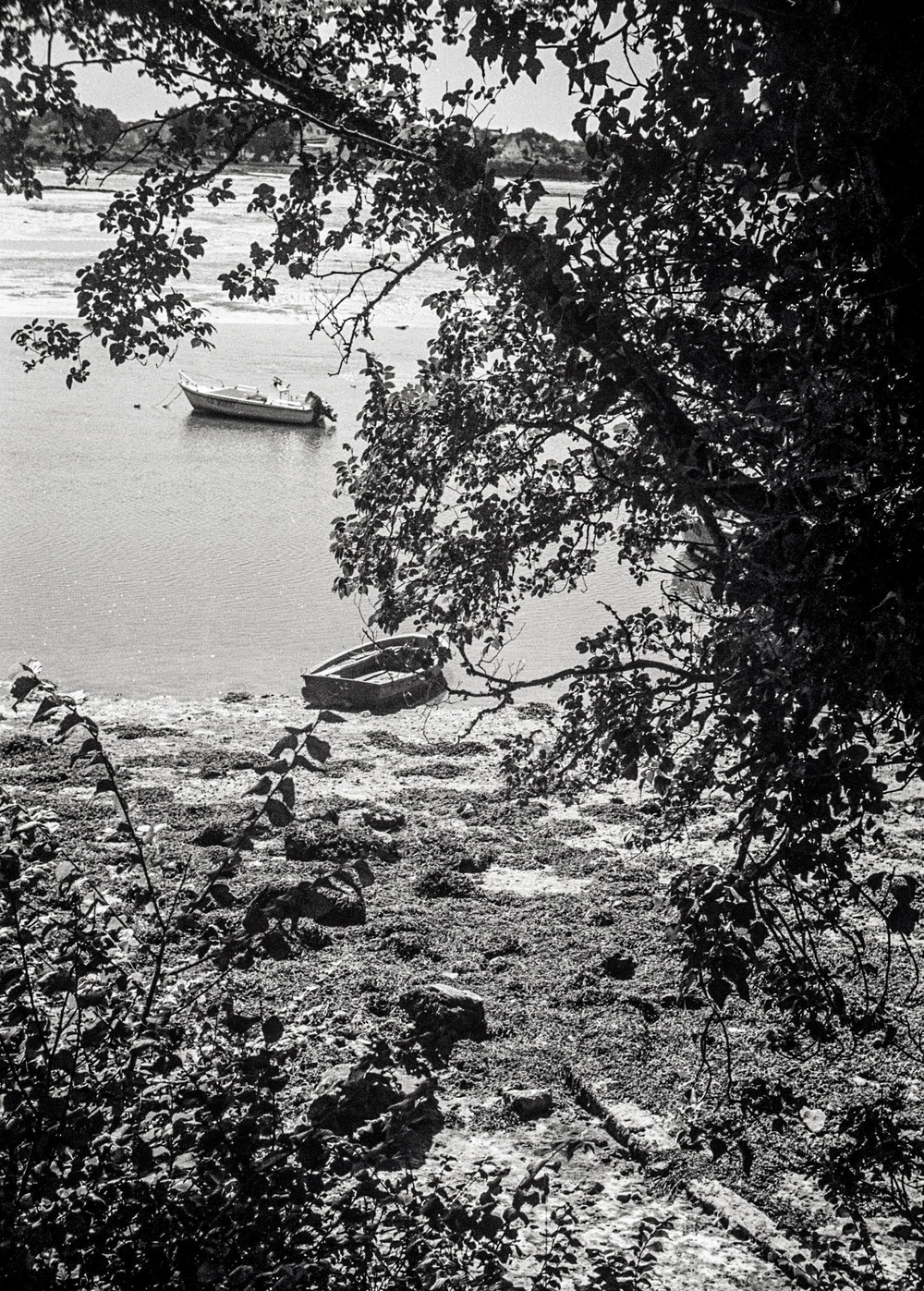
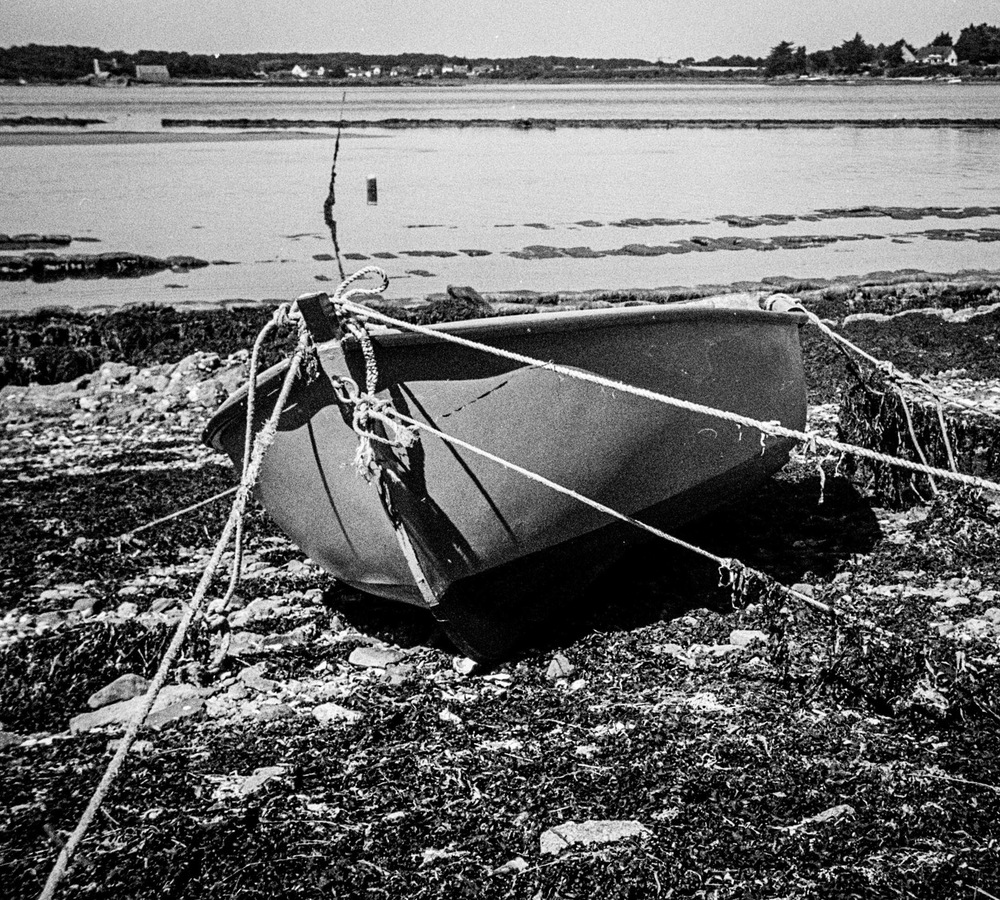
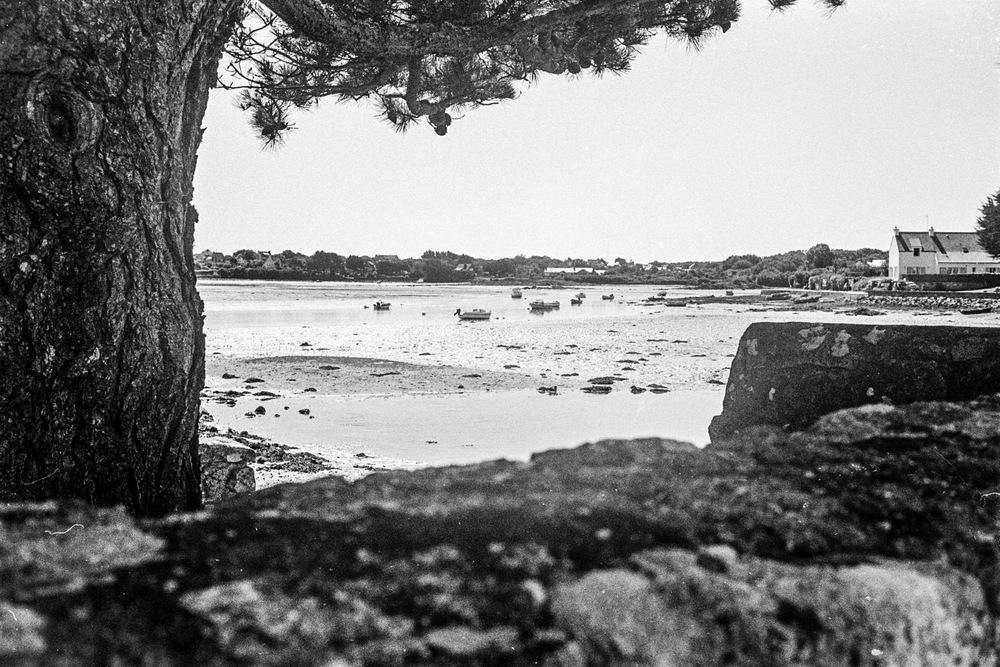
Welcome back to the film archives, and welcome back to Brittany, that gorgeous corner of France where my in-laws live. I think I might have let it be known that my French family love camping. Yes, they’re so in tents… I’ll just let that joke sink in for a couple of seconds. In 2016 I had begun “collecting” cameras. The photos from this Breton outing in Saint Cado were taken with the Kodak Retinette 1B, a little gem of a camera from the 1960s, and HP5 Plus film.

We’ll start with Saint Cado. It’s one of those picture-perfect postcard places. It’s not easy to take a bad photo of the place. It’s photogenic. It’s quaint. It has all the clichés of a small Brittany island in the Ria d’Etel, which is an inland sea connected to the Atlantic at the Barre d’Etel… I’m thinking lobster pots, oyster beds, black and white houses with slate roofs, a local Saint, a chapel to this local saint, who was actually from Wales of all places, and a miraculous fountain that fills up with every incoming tide. Yes, it’s one of those places… Did I mention that the bridge that links the island to the mainland is a Devil’s bridge? It is said that the devil demanded the soul of the first creature to cross it. The story relates that Saint-Cado, who was a shrewd fellow, put a cat on it! It is just gorgeous!
Let’s talk about the Kodak Retinette 1B. As I said in the introduction, it is a camera from the 1960s that uses zone focusing, and the 1B as opposed to the 1A has a selenium light meter that works a treat. Zone focusing is where you focus by zones. Mind-blowing, right? If I look at my lens, I will see a distance measurement that I will use as a guesstimate. I will move my aperture dial and let’s say I’m at F8, well everything from one F8 to the other F8 will be in focus. A lot of cameras from this period used this system, and it works. If you want to open right up to F2.8, then there are little rangefinders that you can put on the hot shoe mount and there you will be able to get an exact reading for the distance from your subject. Up to you…

Why use a camera that is over 60 years old?  First of all, why not?  It works.  It’s simple to use.  It doesn’t need a battery.  You load your film and Bob’s your Uncle!  Off you go to shoot your 36 exposures.  It also looks pretty damned sexy hanging around your neck too…  It actually looks so sexy that my son nicked mine, and I had to go and get another one.  At the time of purchase I must have paid no more than £15, and even now it will cost you less than £50.  

So there you have it – a charming little island, a vintage camera, and a roll of trusty HP5 Plus. This trip to Saint Cado was a reminder that sometimes, the best photos come from the simplest tools and the most unexpected places. And who knows, maybe those old film cameras aren’t just gathering dust in the attic – they might just be waiting to capture your next adventure. (But if you happen to see my son with a Kodak Retinette slung around his neck, please tell him to bring it back!)

The Opening of the Film Archives – Nantes November 2016


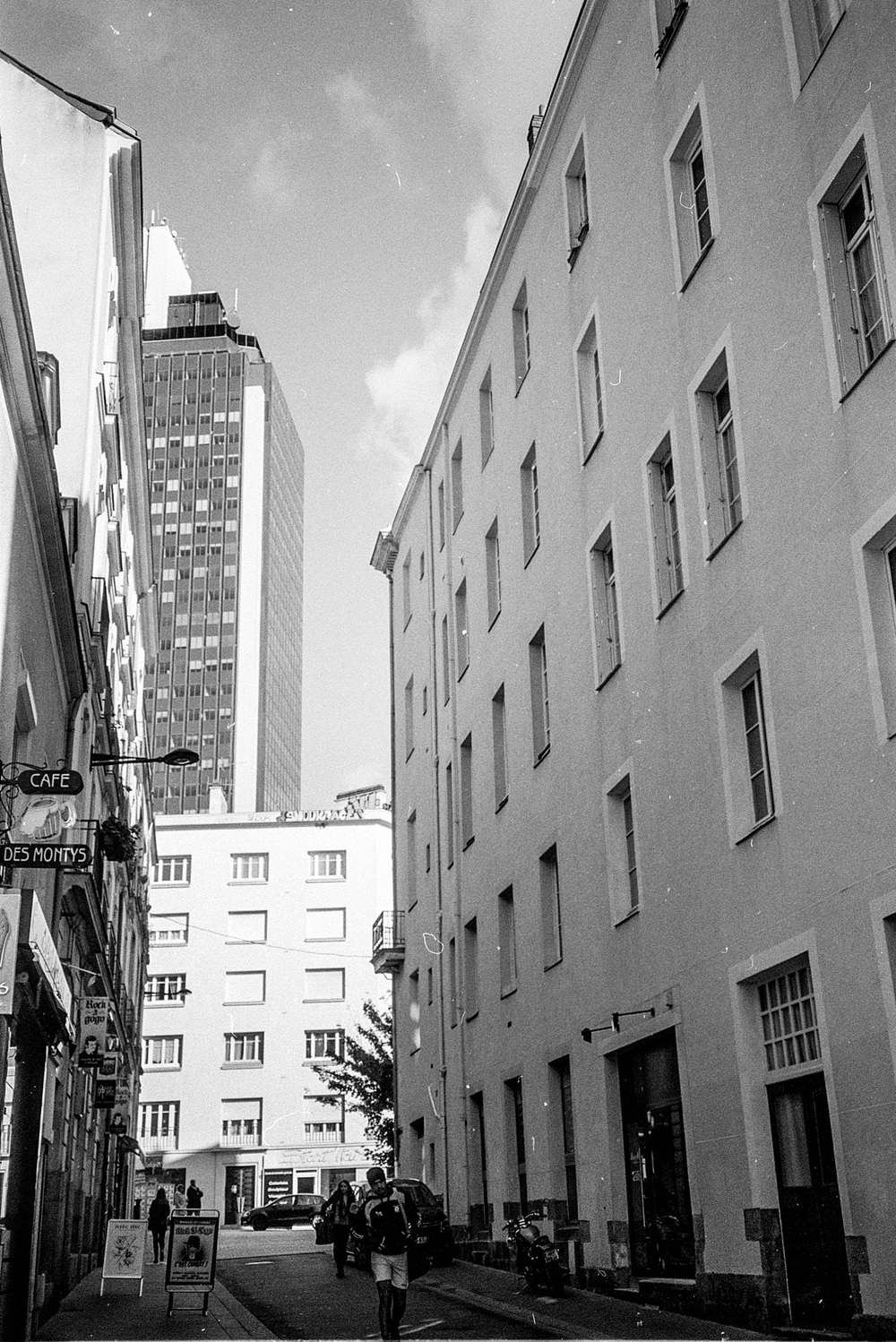
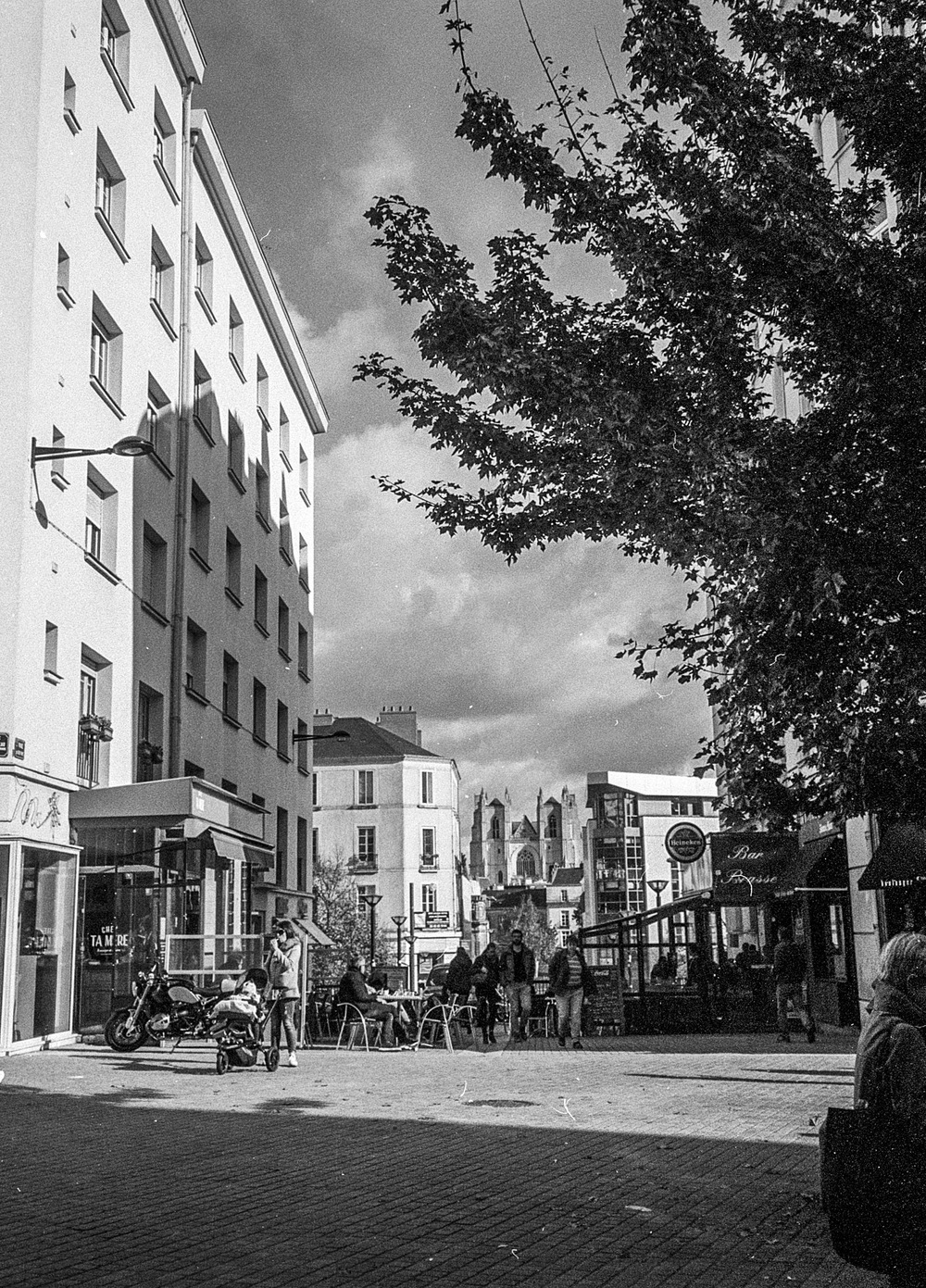
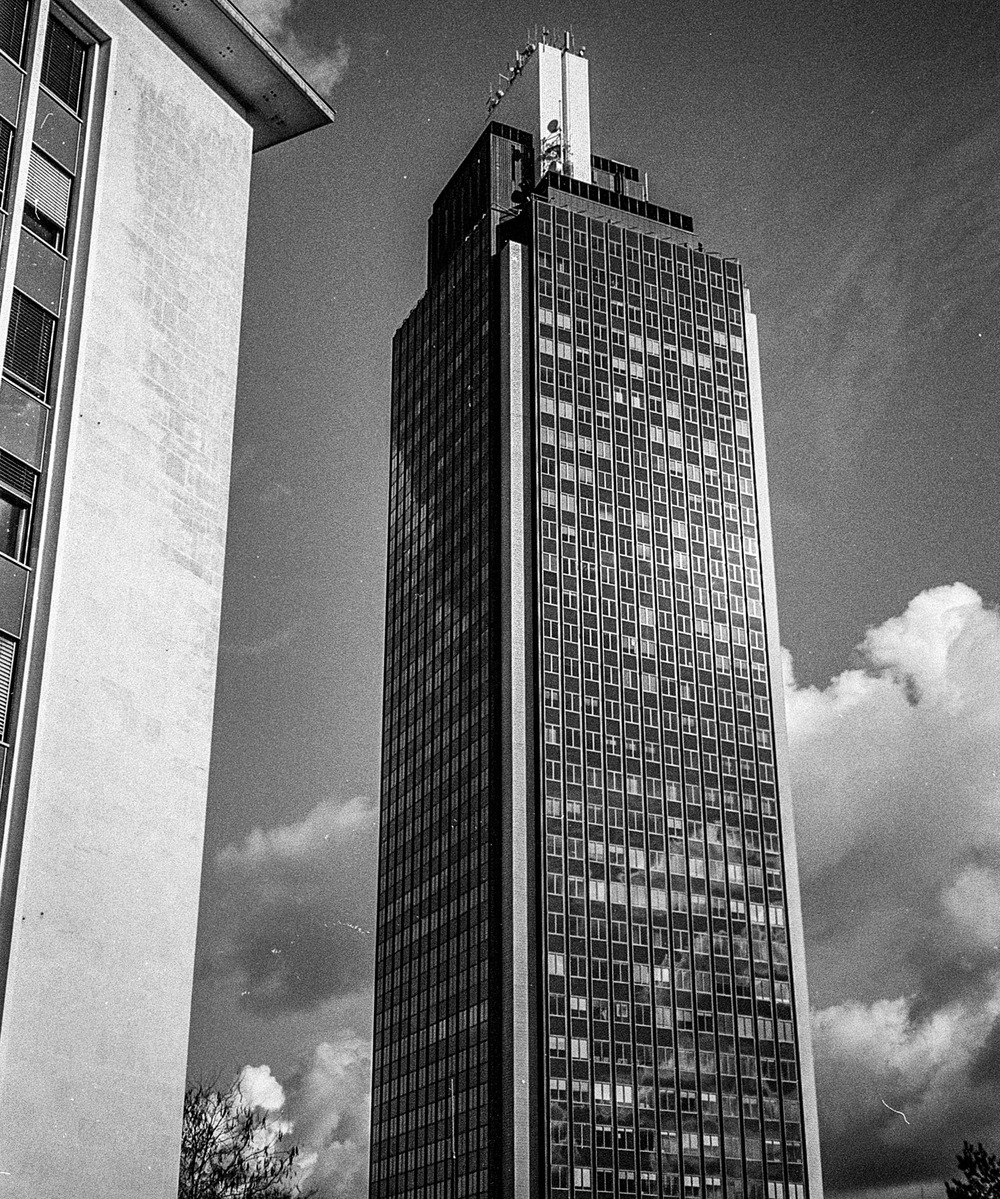
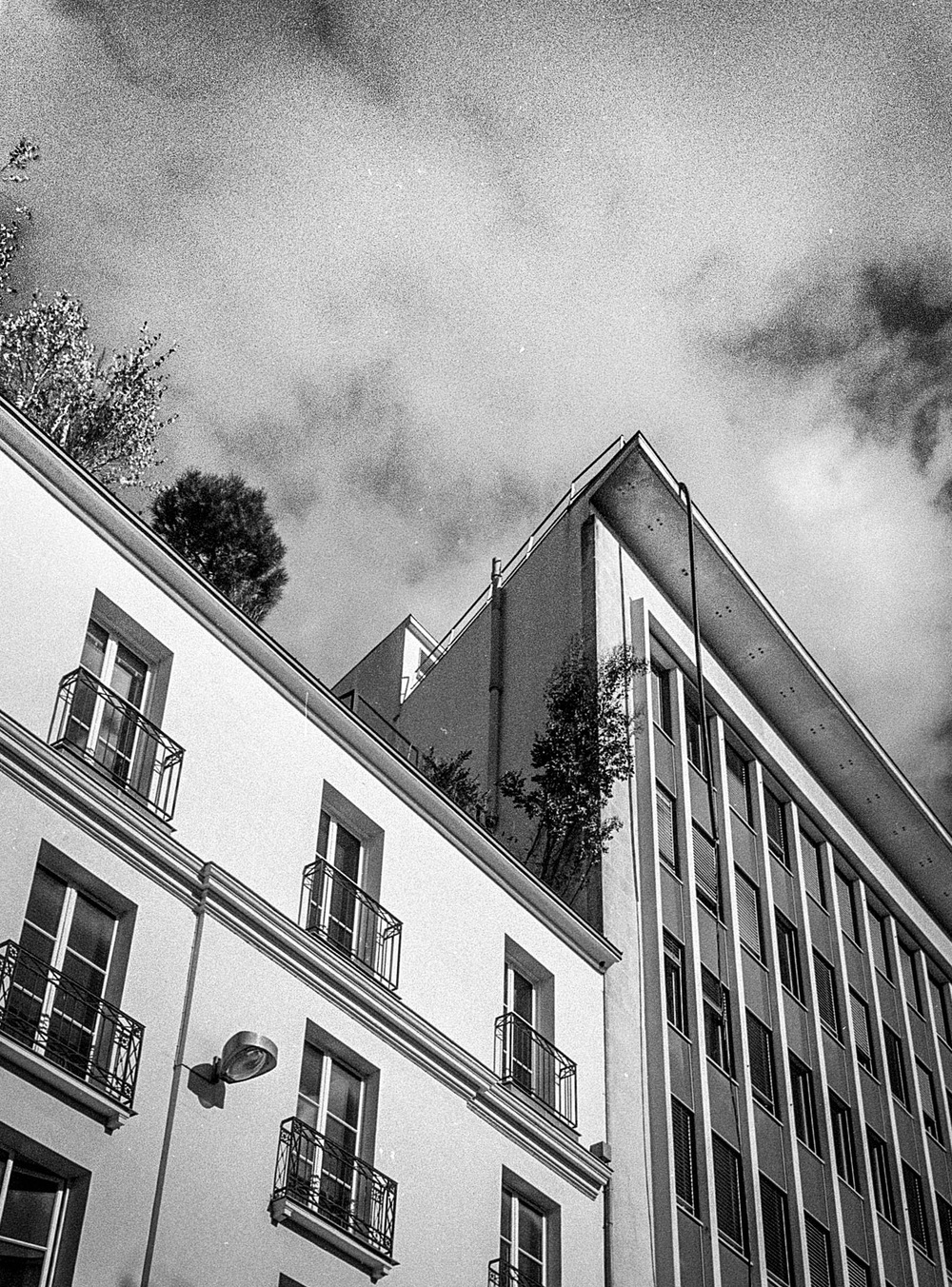
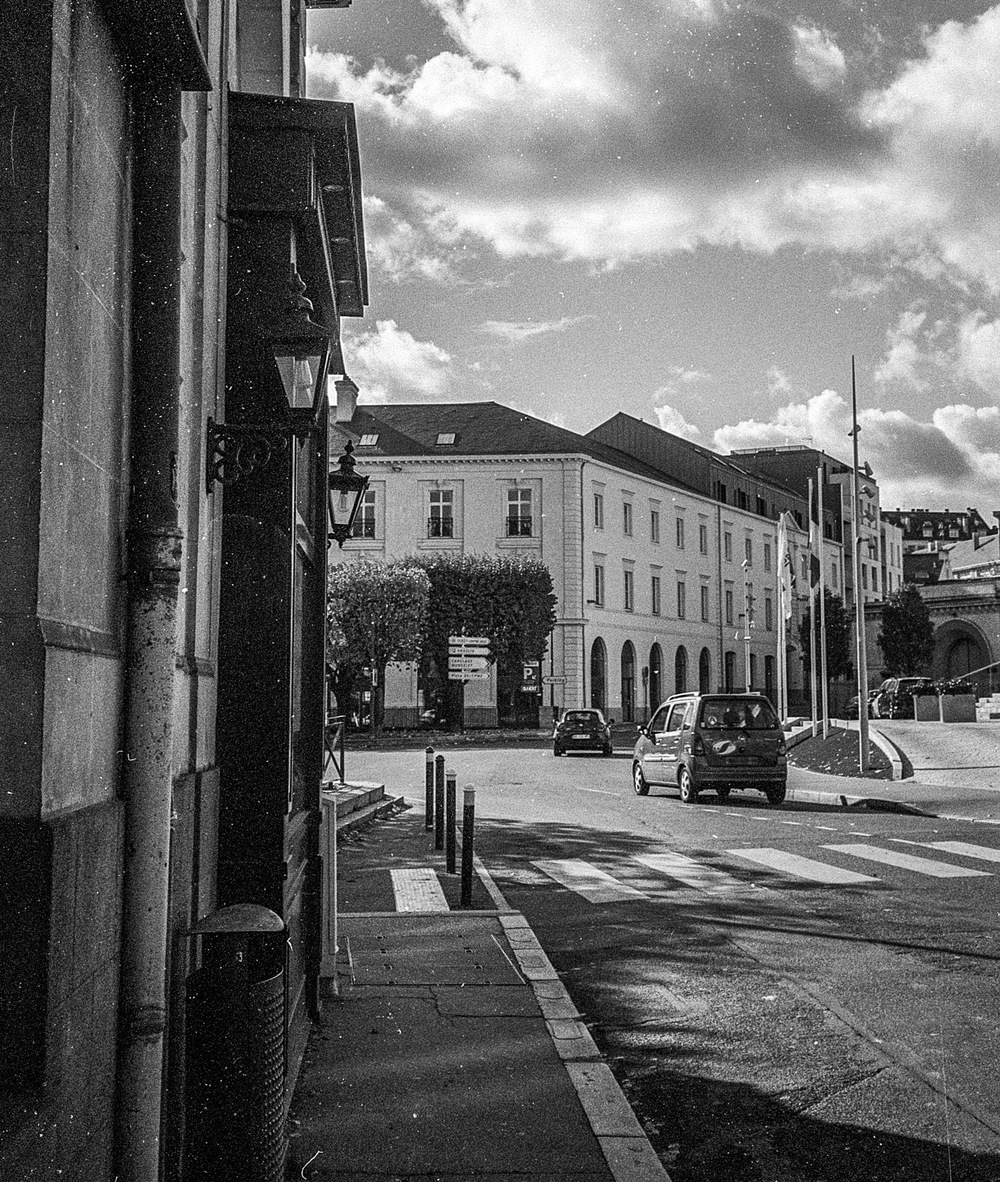
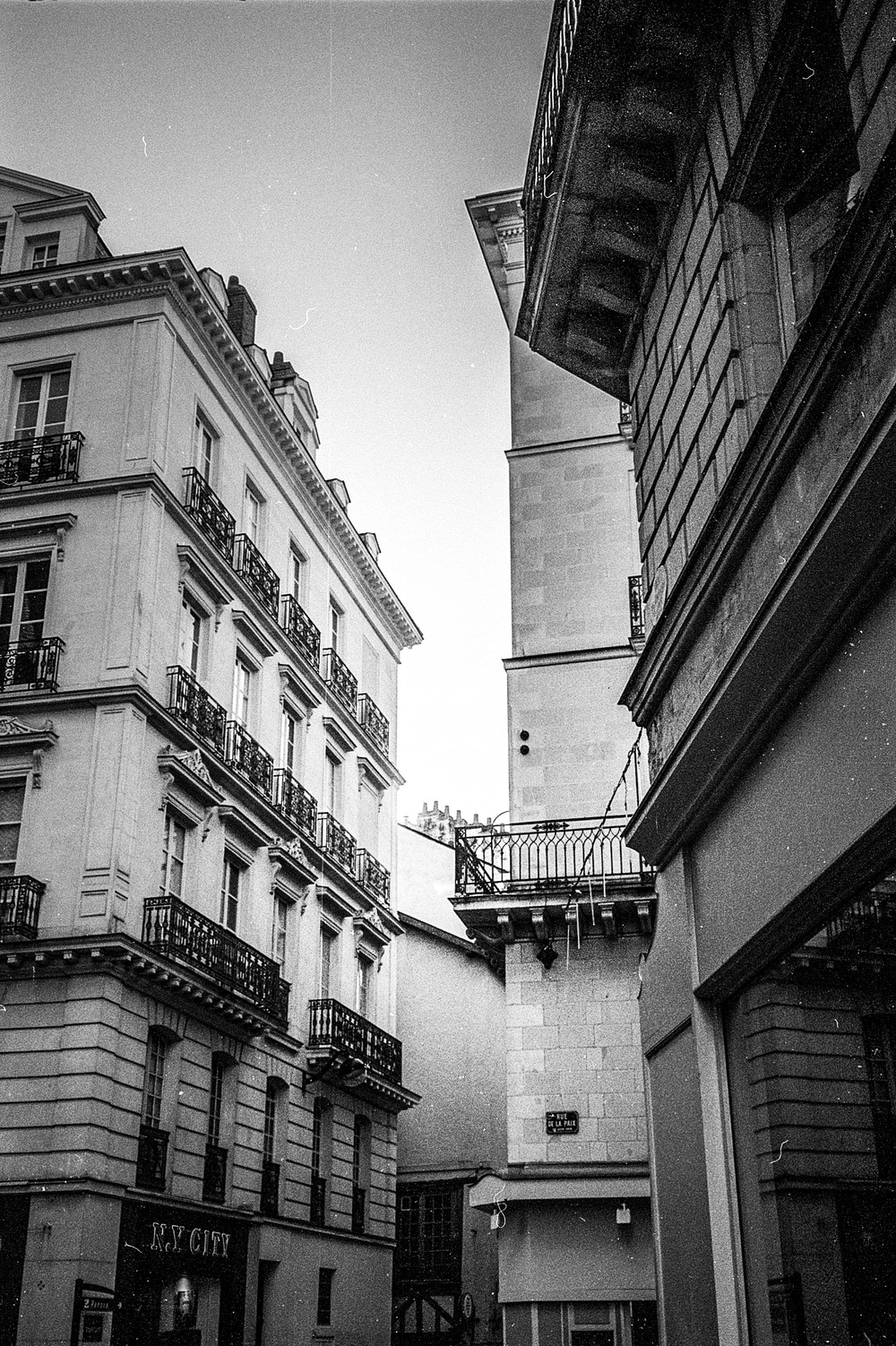
Following our last trip to Carnac, the film archive now has a look at Nantes in the autumn of 2016. These photos offer a glimpse into how I approached photographing a city back then, and if I’m being totally honest with you, still do. I treat the city much like a model on a photoshoot. The goal is to capture not just the physical landscape, but the essence and atmosphere of a place, allowing viewers to get a feel for the city simply by looking at the images. In this series of pictures, Nantes reveals herself and her architecture, resplendent in the autumnal sunshine.

Over time, I have come to know the city and appreciate her architecture. Buildings are not only a reflection of the architect but also of the people who live in them. They add character to the city, allowing her personality to shine through.  I enjoy looking at the lines, and the shapes of them.  They inspire me.  They tell the story of the people who, either work, or live in them.  They are not just mere edifices.  

You will notice as we go through the archives, I might not respect the timeline slavishly. My aim is to give you an aperçu of my world at the time through film. I know you will be able to take this affront in your stride and not hate me!

We’ll go from the bains douches municipales, through to the Sainte Croix church, to the Stalinian 1950’s architecture of the Social Security building, passing by the odd shop, Hausmanian architecture, and even a shot looking towards the Cathedral.

Exploring Nantes: A Photographer’s Perspective


In the hushed confines of my study, where the scent of bookst mingles with the comforting aroma of steeping tea, I find myself transported to distant realms of discovery. With my faithful canine companion at my feet and a mischievous feline observer perched high atop a pile of unironed laundry (I must get that sorted out), I embark on a journey not only through the winding lanes of Nantes but through the corridors of time itself.

Nantes, with its labyrinthine streets steeped in centuries of history, beckons with the allure of bygone eras and whispers tales of yore to those who listen with open hearts and discerning eyes. As a photographer of a somewhat vintage disposition, I am drawn not only to the grandeur of its architectural marvels but to the quiet corners and hidden alcoves where the soul of the city reveals itself in subtle nuances and fleeting moments.

My approach to photography, much like my approach to life, is one steeped in reverence for the past and a keen appreciation for the present. Armed with my camera and a discerning eye for detail, I set out to capture the essence of Nantes not merely as a series of picturesque scenes but as a living, breathing tapestry of human experience.

In my wanderings through the cobbled streets of the old town, I am enraptured by the timeless beauty of the Château des Ducs de Bretagne, its imposing walls bearing witness to centuries of tumultuous history. Yet it is in the quiet courtyards and shadowed alcoves of this ancient fortress that the true spirit of Nantes reveals itself, echoing with the whispers of generations long past.

  • Chateau de Ducs de Bretagne, or Nantes Castle

As I meander through the bustling markets and labyrinthine alleyways, I am captivated by the vibrant tapestry of colors and textures that adorn the cityscape, each tableau a testament to the creativity and resilience of its inhabitants. From the fragrant stalls of the Marché de Talensac to the bohemian charm of the Île de Nantes, every corner of the city offers a glimpse into the rich tapestry of Nantais life.

But it is perhaps in the quiet moments of reflection, amidst the tranquil banks of the Loire River or beneath the leafy boughs of the Jardin des Plantes, that the true magic of Nantes reveals itself. Here, far from the hustle and bustle of the city streets, I find solace in the simple beauty of nature and the timeless rhythm of the river, a reminder that amidst the chaos of modern life, there are still moments of peace and serenity to be found.

In my pursuit of the perfect photograph, I am guided not only by technical skill and artistic vision but by a profound sense of reverence for the world around me. Each click of the shutter is not merely an attempt to capture a fleeting moment in time but a homage to the beauty and wonder of the world we inhabit.

As the sun sets over the horizon and the last rays of light dance upon the waters of the Loire, I find myself filled with a sense of gratitude for the privilege of bearing witness to the timeless beauty of Nantes. In its winding streets and hidden corners, I have discovered not only the essence of a city but the essence of life itself—a tapestry of moments, both fleeting and eternal, woven together in the fabric of time.

As the golden hues of sunset paint the Loire River, my camera lens captures one last fleeting moment of this captivating city. Nantes has unveiled its charm, whispering stories through its cobblestones and revealing its soul in hidden corners. While my journey ends here, yours can begin. Pick up your camera, wander the winding streets, and discover the magic of Nantes waiting to be captured, frame by frame. You might just find yourself transported, too.