
Hello lovely people.
I’m a bloody fool. I made the stupidest of mistakes when shooting HP5 Plus 400 speed film at ISO 100.
I’d been intending to use 100 ASA film in my Nikon FE, so in preparation, I had set my camera’s ISO dial to 100. I loaded the HP5 and forgot to change this blasted setting. By the time I realised, I had already taken “some” photos. I didn’t want to wind the film on to change the setting because the sun was shining and I didn’t want to waste the light.
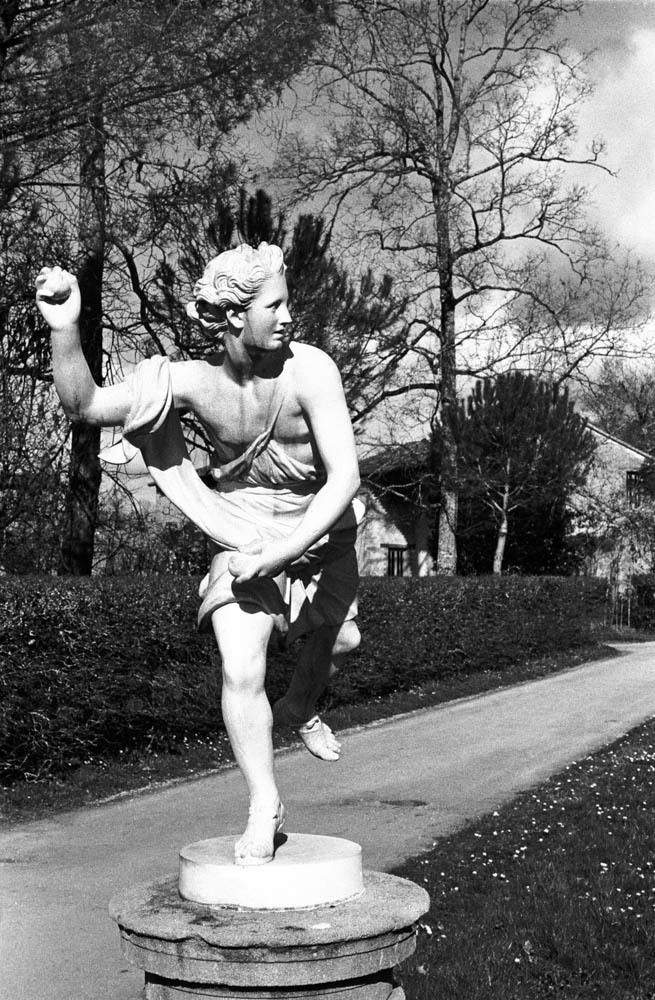
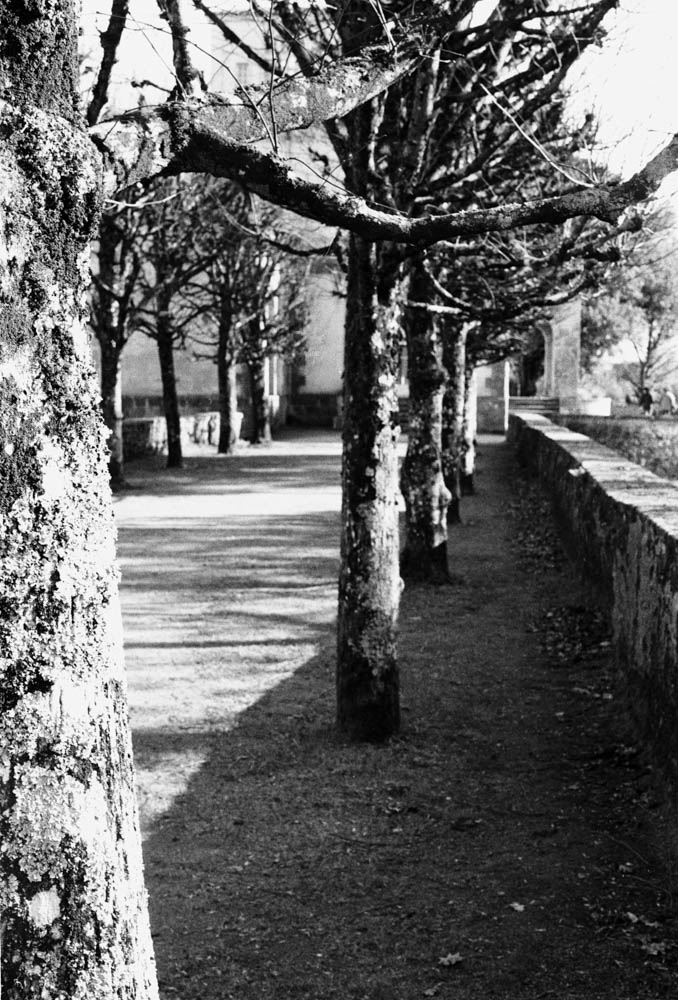
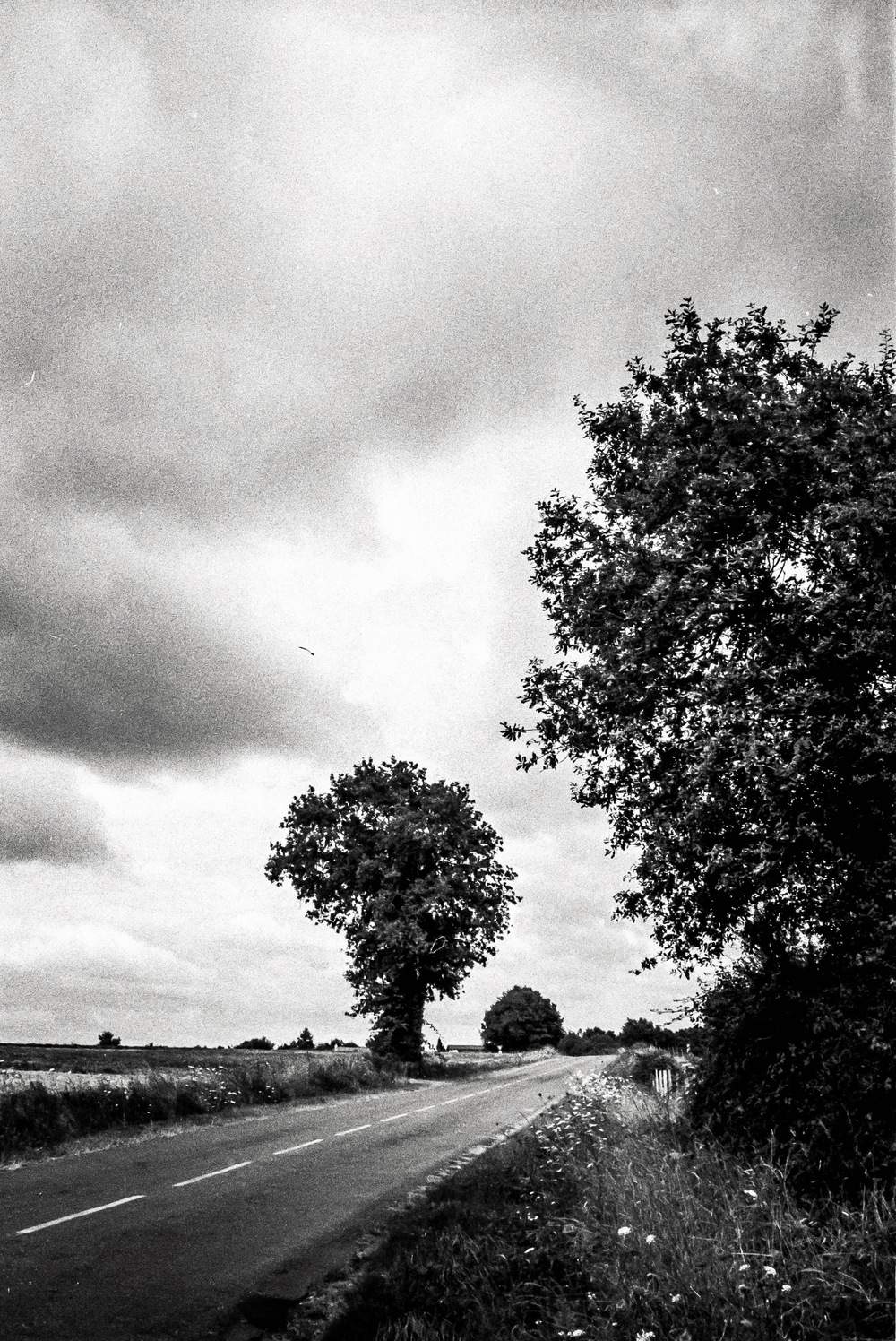
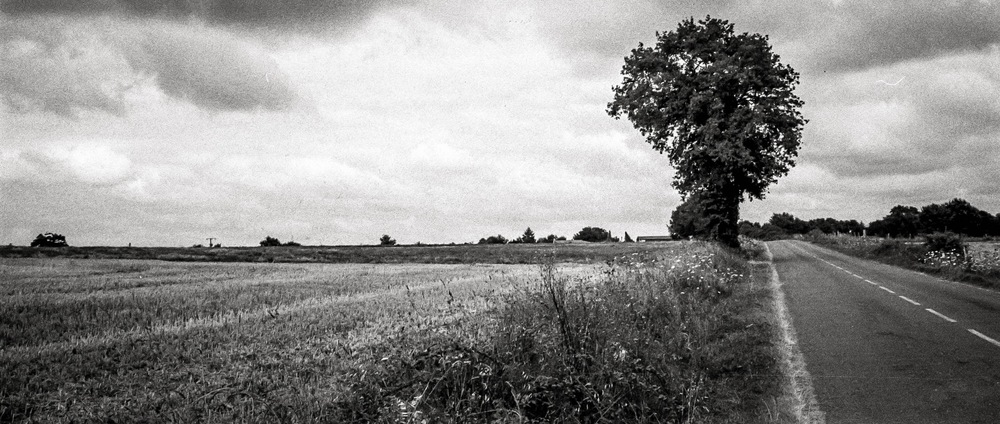
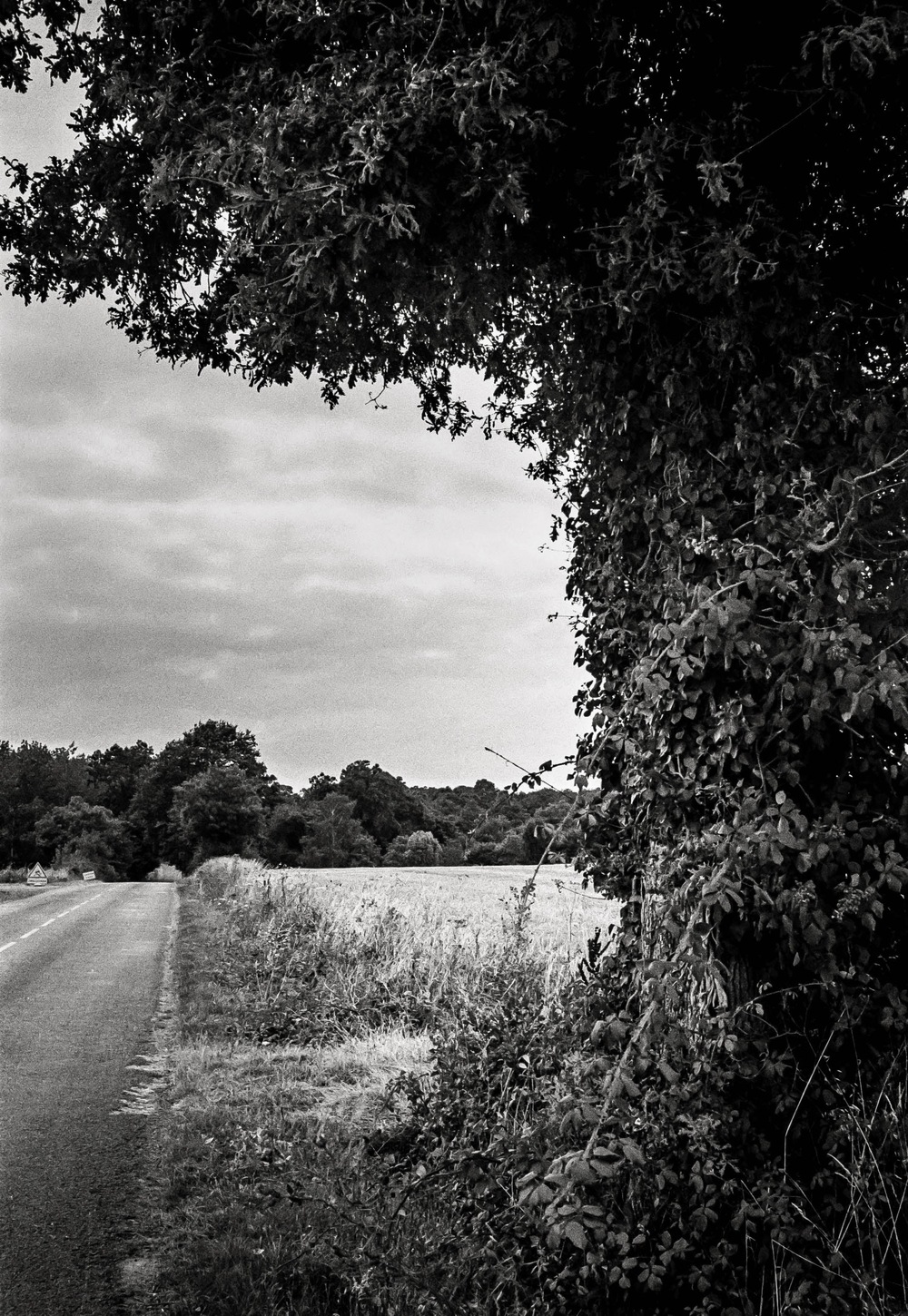
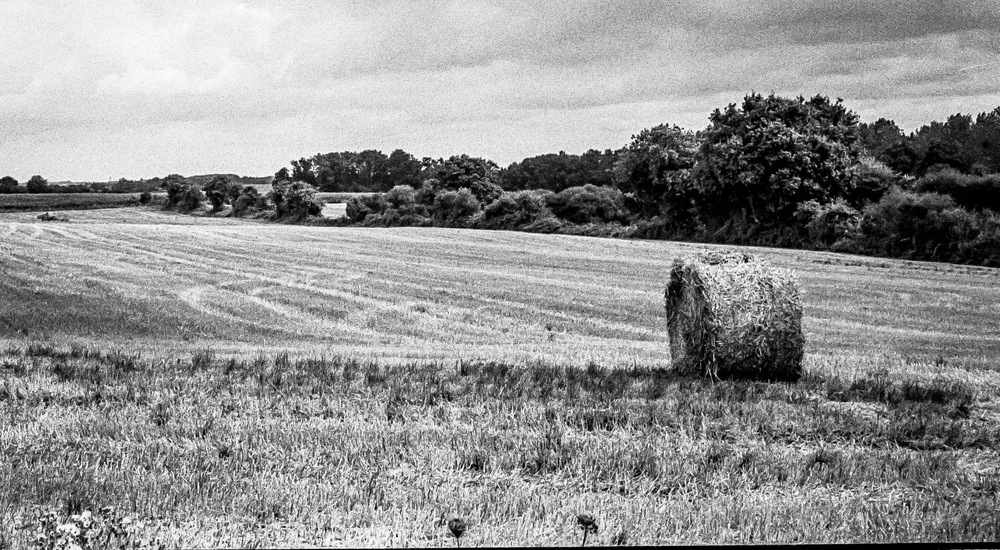
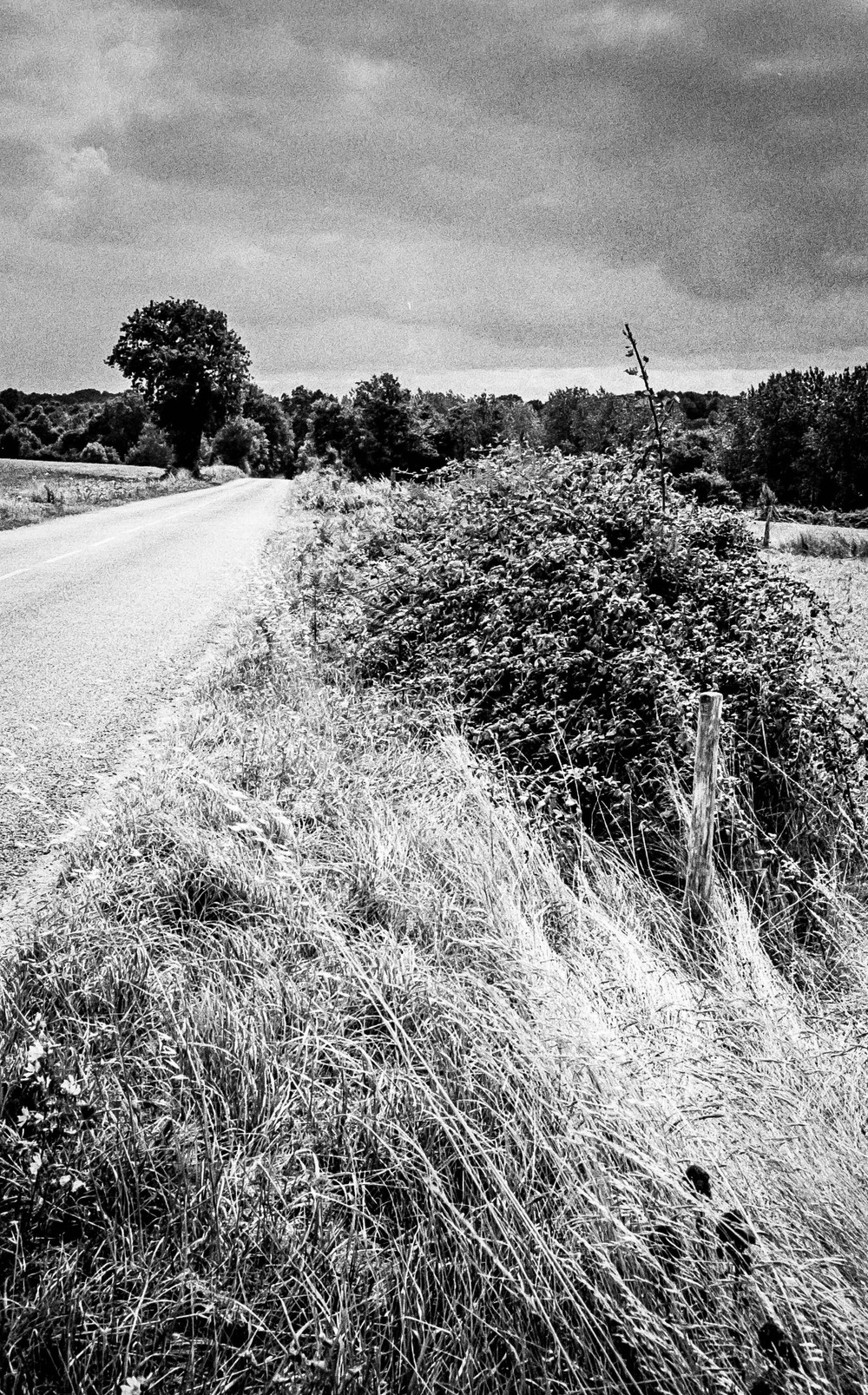
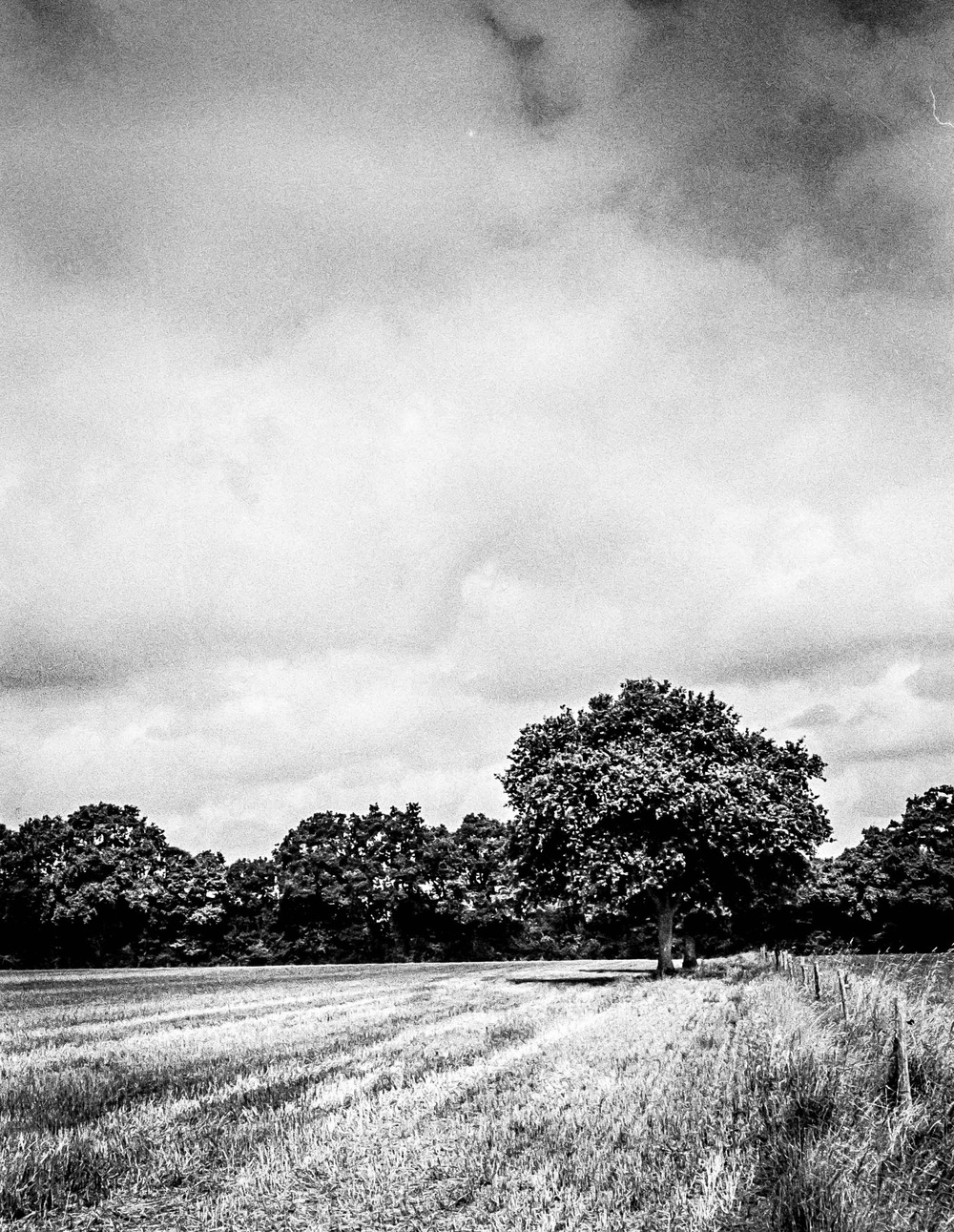
In for a penny, in for a pound. I thought, “What the heck?” They say you have all this “latitude” with film, so I went online to find out if I could salvage the roll. Here we go for a walk in the Parc Garenne Lemot in Clisson.
I developed the film in Ilfosil 3 (1:9) and used the development times for Kentmere 100, praying that I would have something usable…
| Parameter | Details |
|---|---|
| Film | Ilford HP5 Plus 400 |
| Exposure | Rated at ISO 100 (2 stops overexposed) |
| Developer | Ilfosol 3 at 1:9 |
| Development Time | 5 minutes 30 seconds (using Kentmere 100 time) |
| Result | Lower contrast, smooth tonal transitions, fine-looking grain, excellent shadow detail |
| Camera | Nikon FE |
| Location | Parc de la Garenne Lemot, Clisson |
The Theory: Pulling Two Stops
For those who aren’t deep in the film weeds, here is what I actually did. By setting my camera to 100 ISO while using 400 speed film, I was overexposing by two stops.
Now, common wisdom says that pulling HP5 to 200 ASA (one stop) is perfectly fine. But I thought I was pushing my luck pulling it two stops to 100 ASA. I thought I was taking the mickey with the film gods.
By giving it extra light and less development (pull processing), I was essentially asking the film to reduce contrast and grain significantly. I was testing just how much abuse it could take before the negatives turned into flat, grey mush.
I didn’t develop it for standard HP5 400 times. I treated the whole roll as if it were 100 ISO film from start to finish.
The Results
When I scanned the negatives, I was genuinely surprised. The negatives were dense, but not unmanageable. The scanner handled them well. Here is what the process actually looked like in practice.
1. Rich Shadow Detail
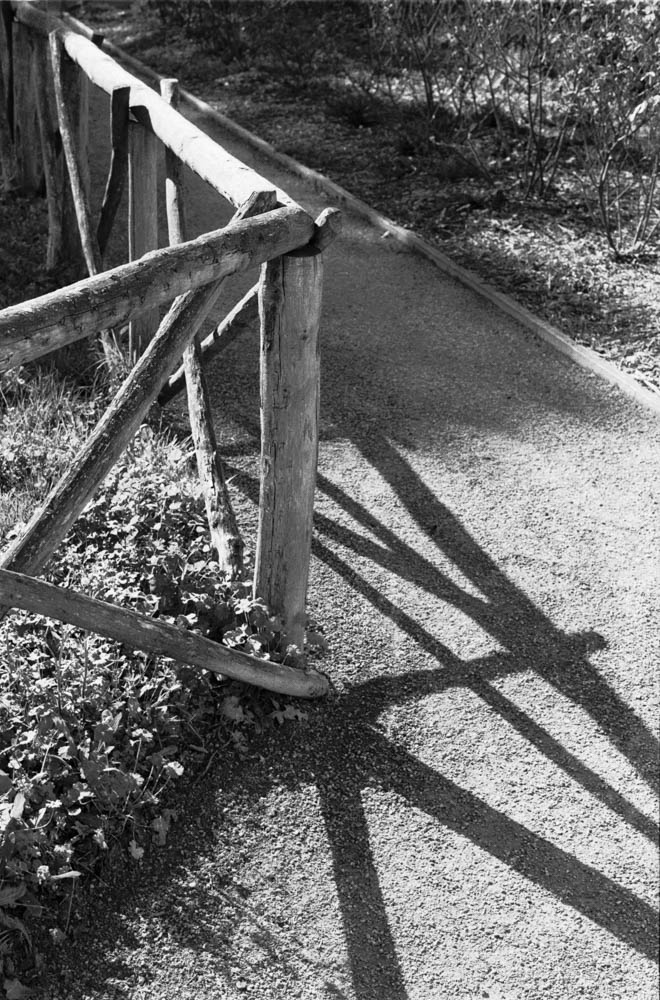
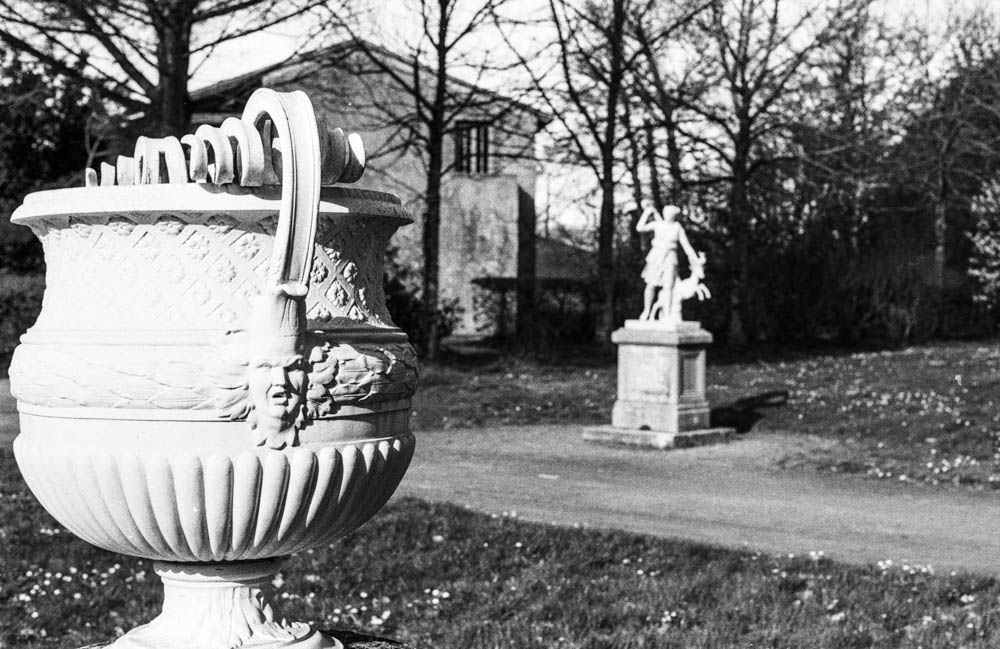
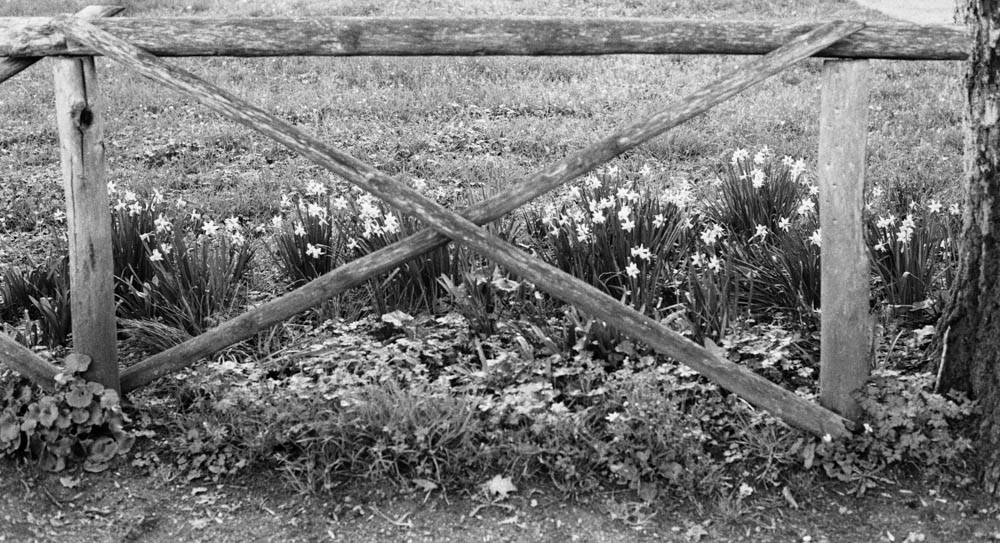
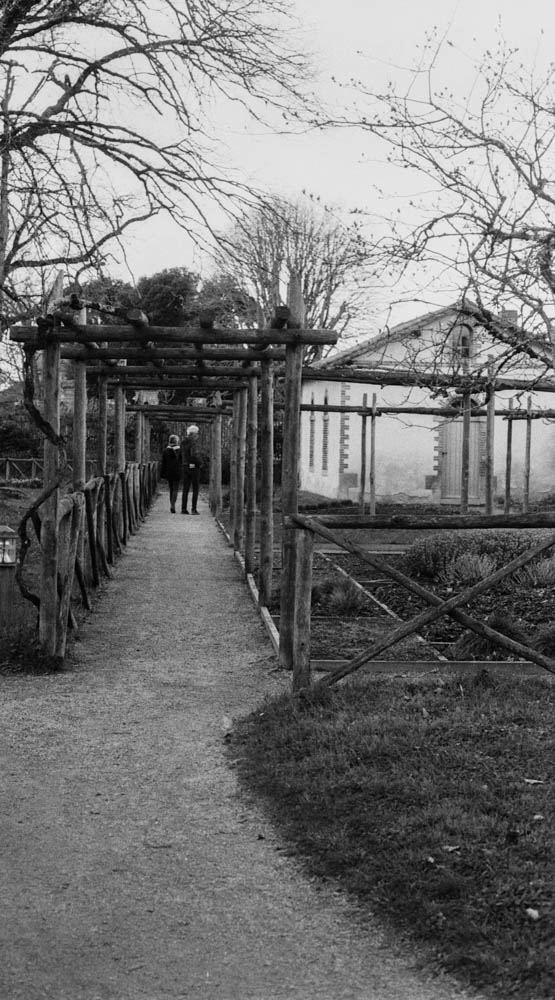
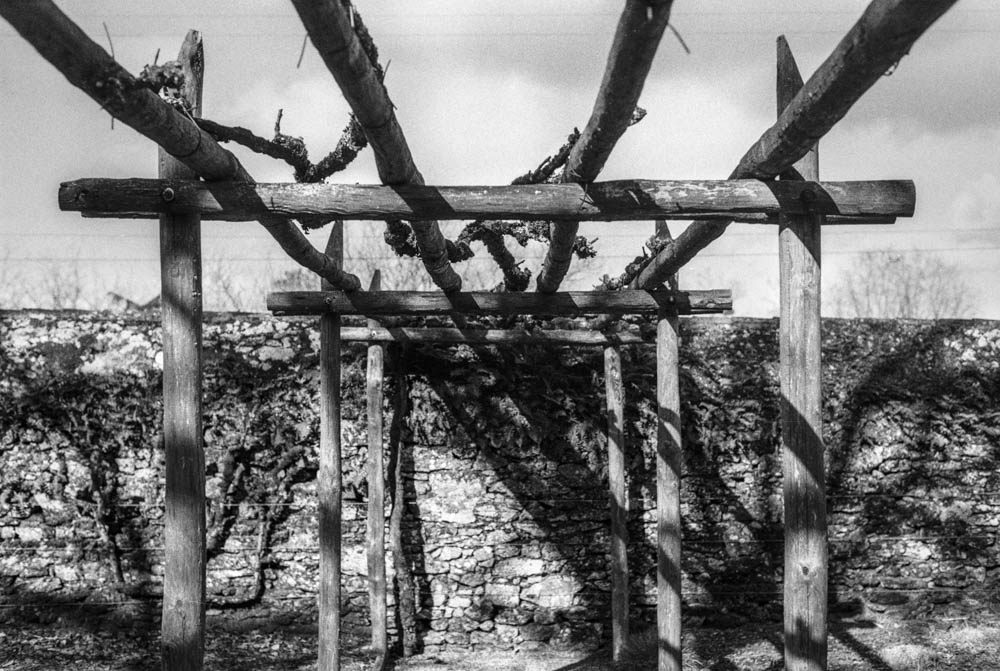
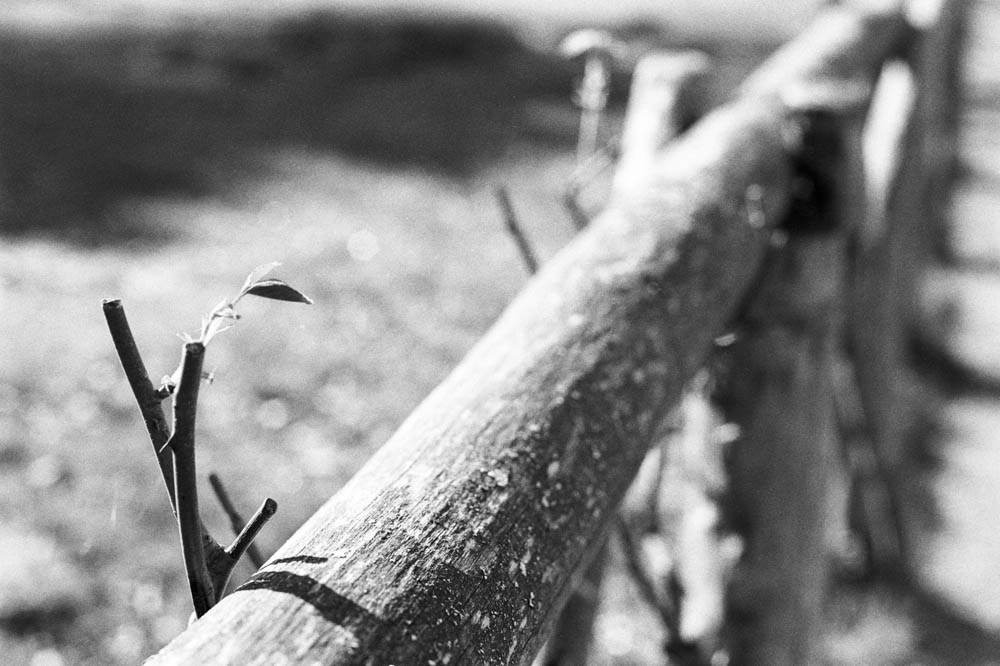
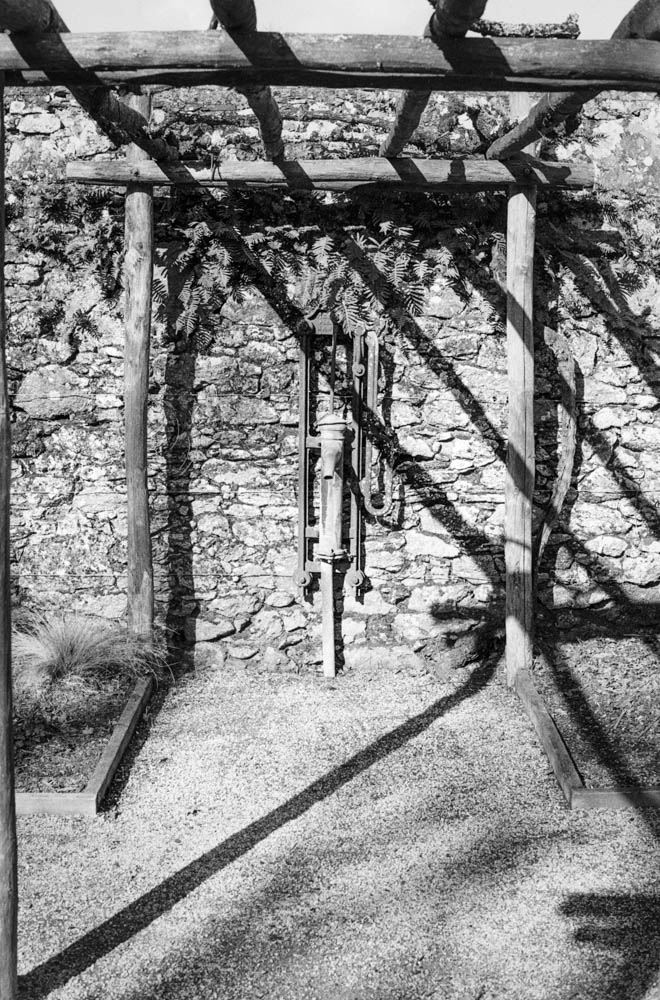
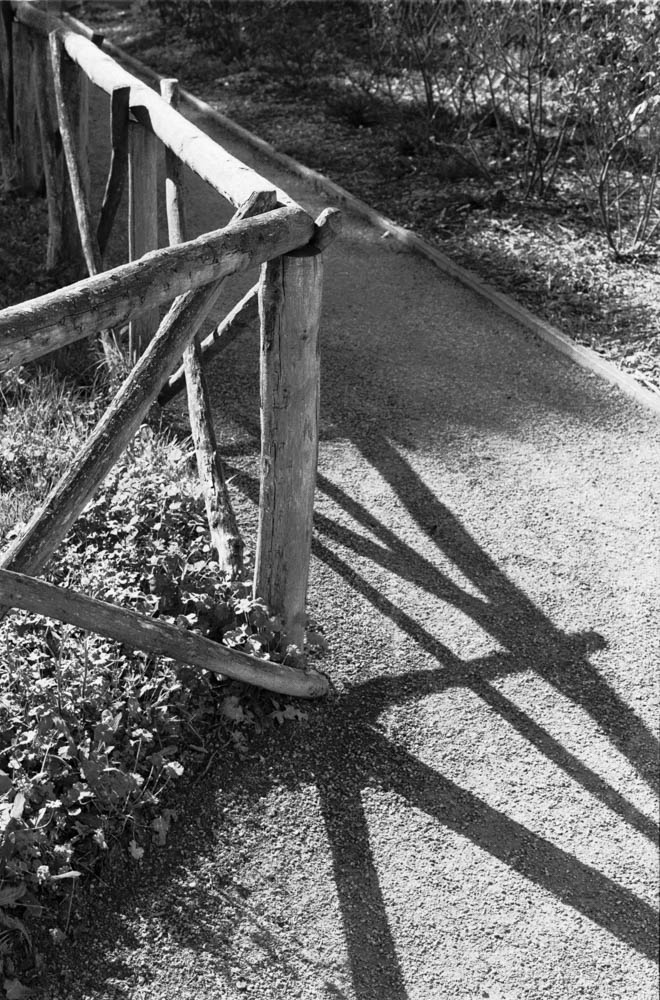
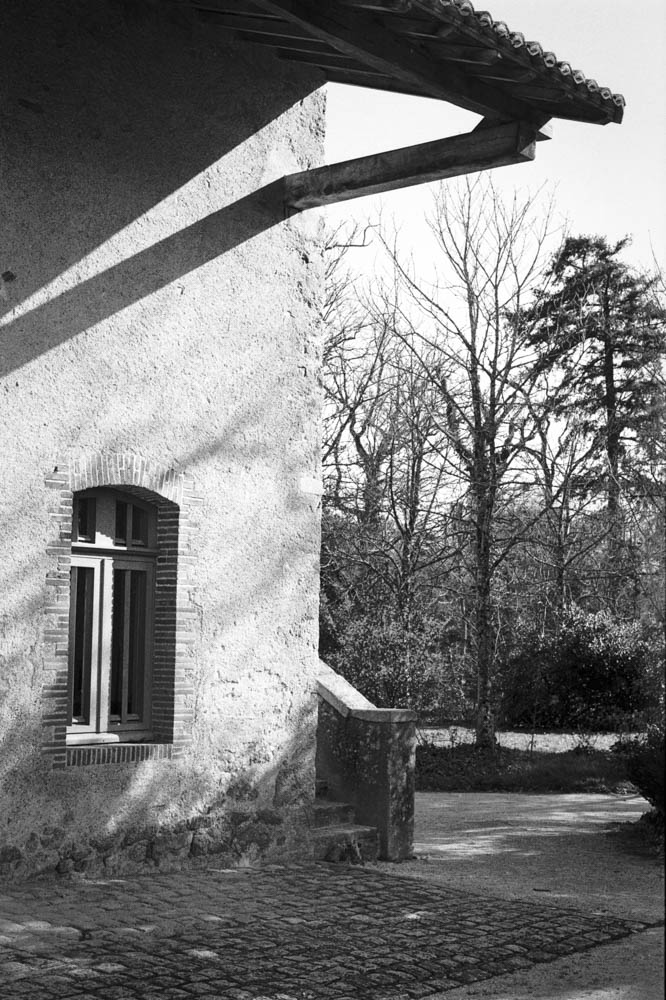
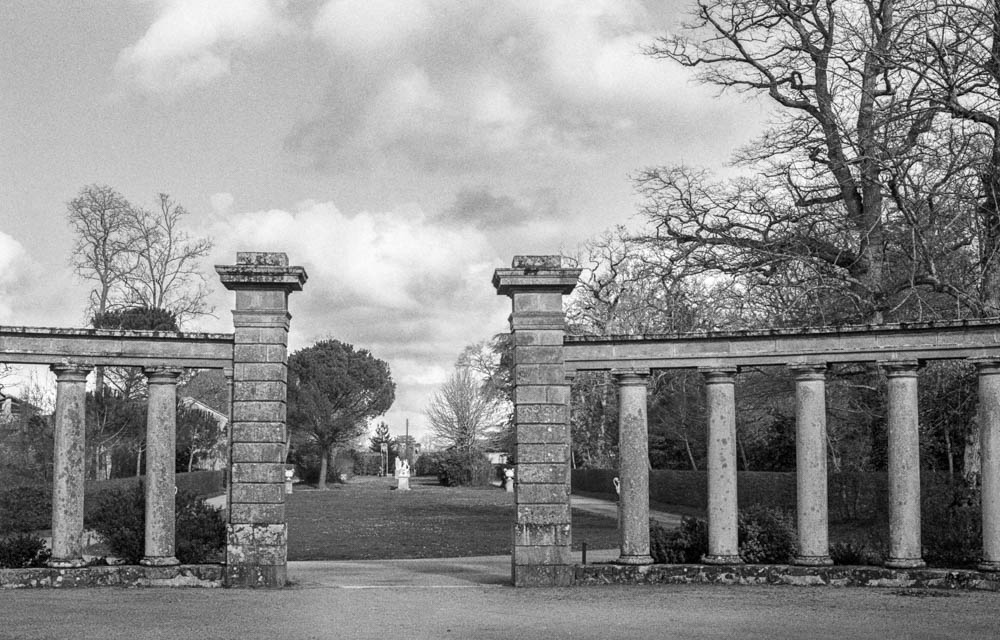
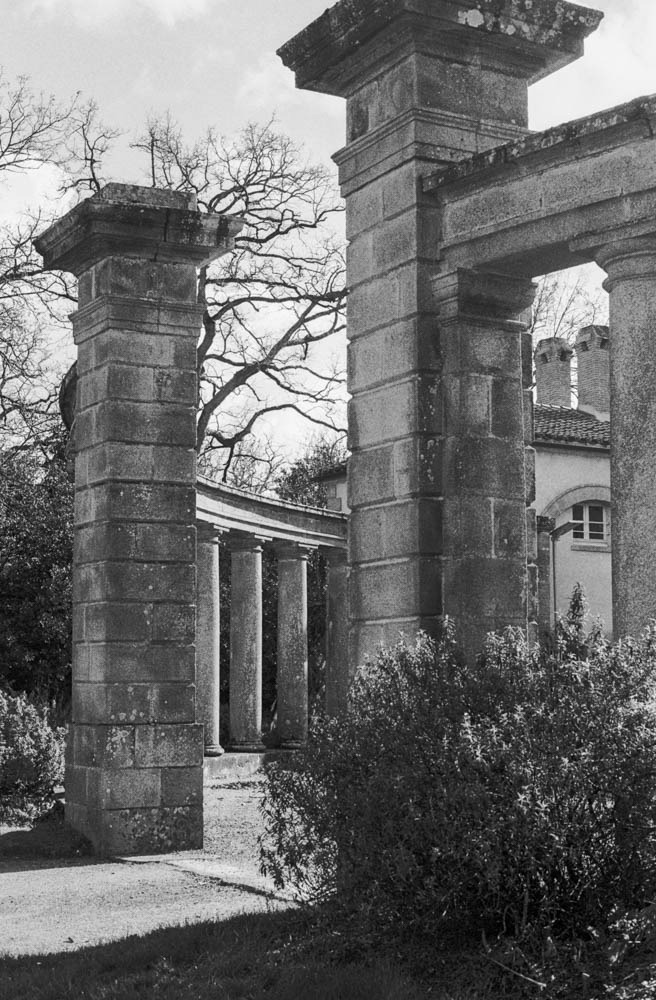
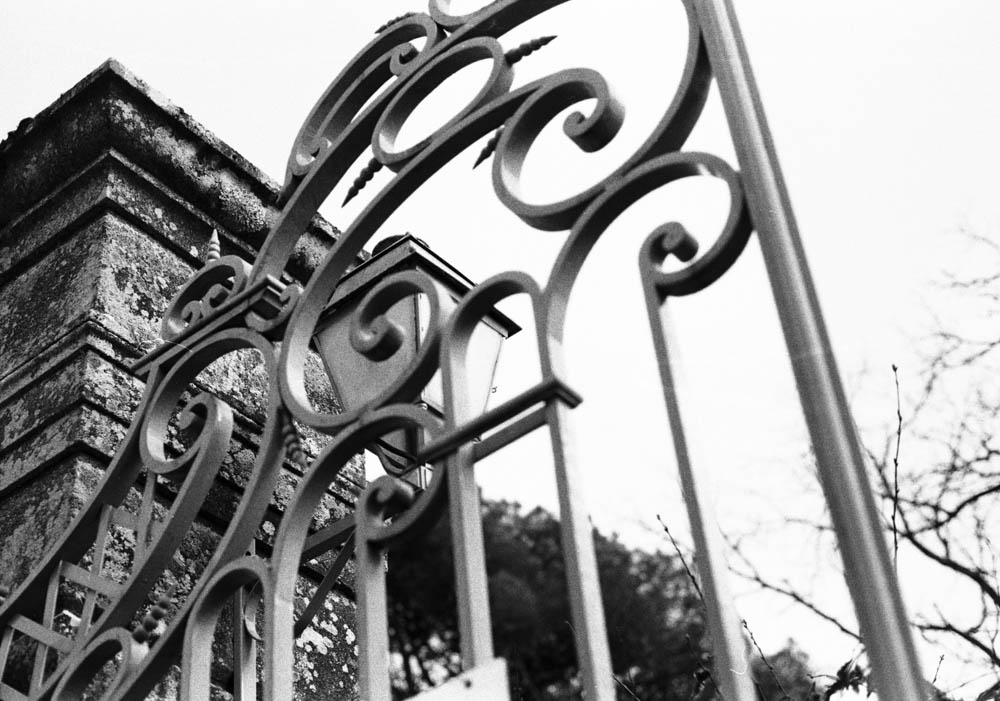
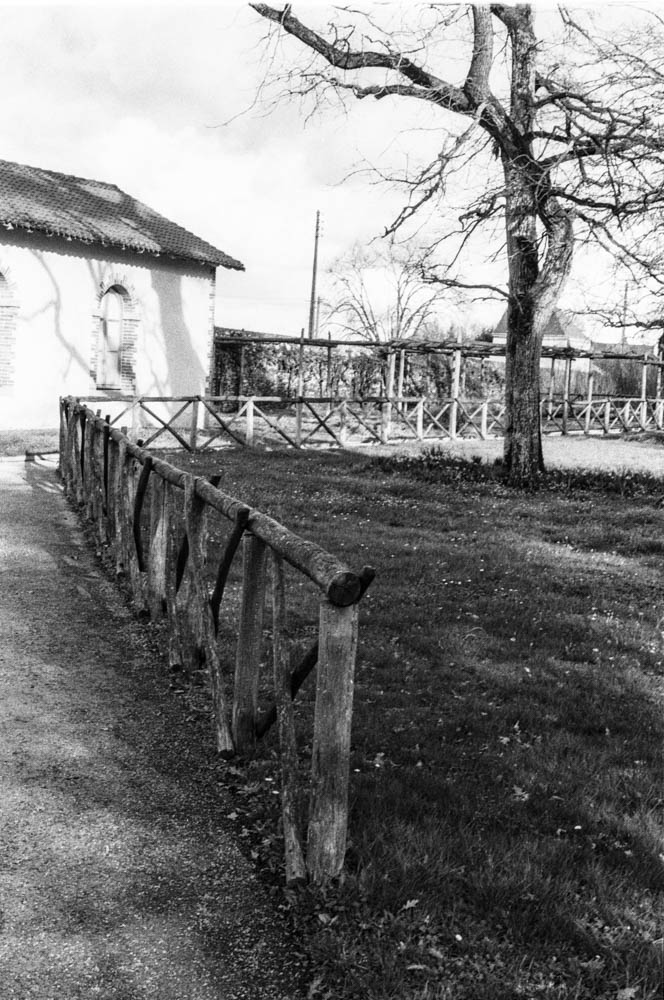
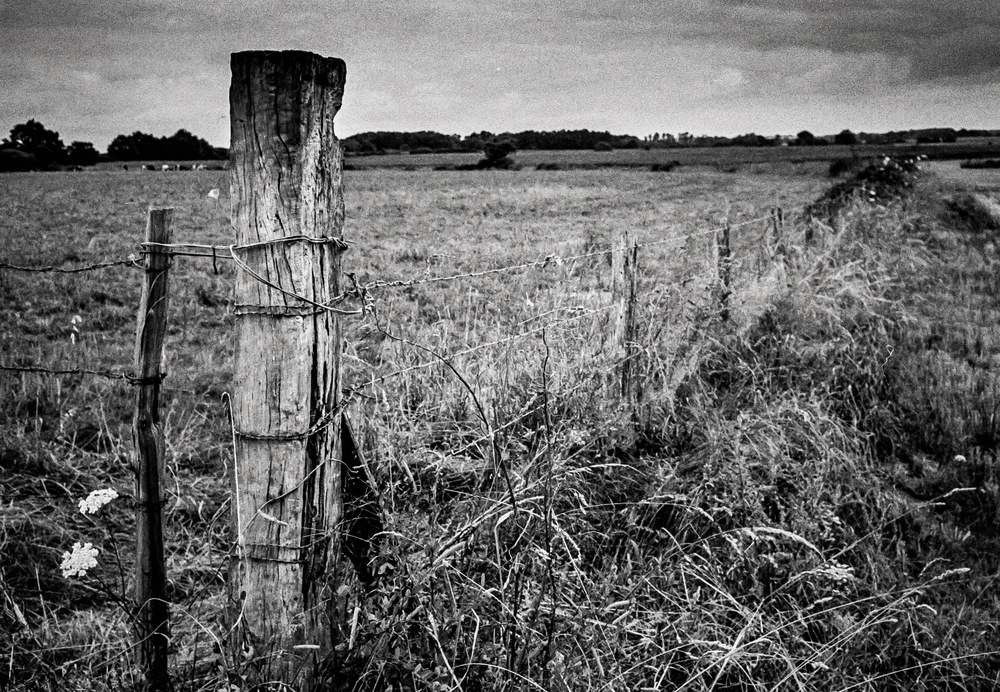
The first thing you notice is the lack of “muddy” shadows. Usually, HP5 can get a bit grainy in the dark areas. Here, the shadows under the pergola and the fence are deep, but they still hold detail.
2. Texture and Grain
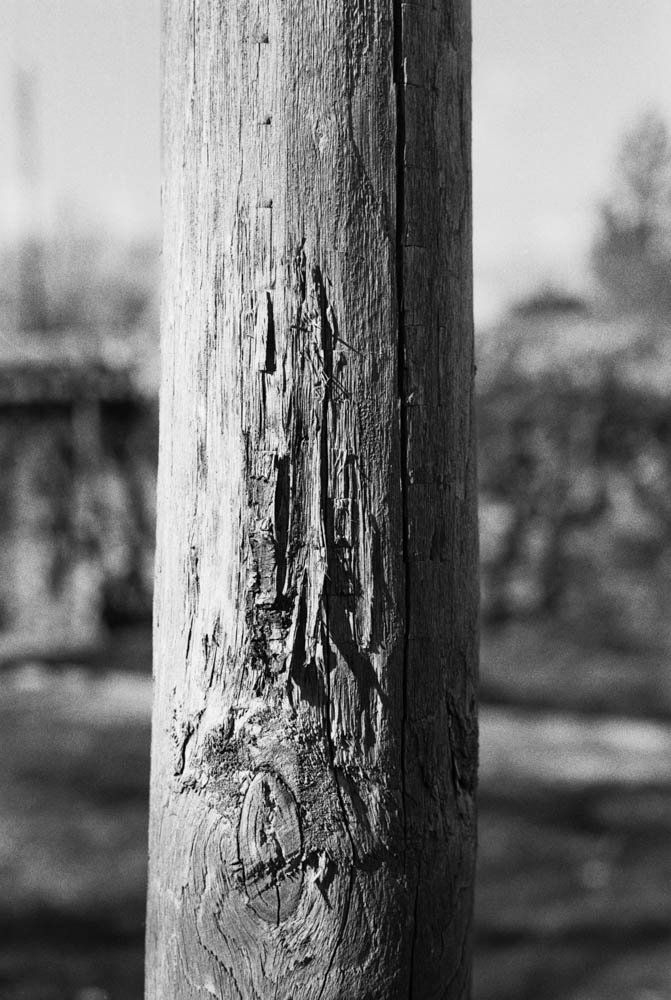
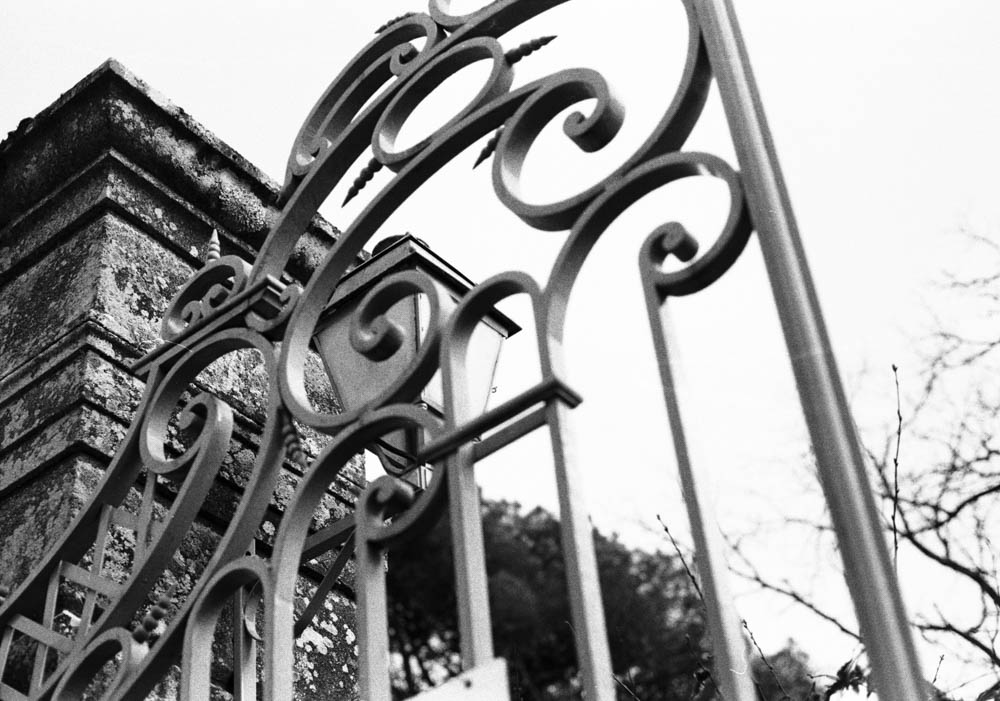
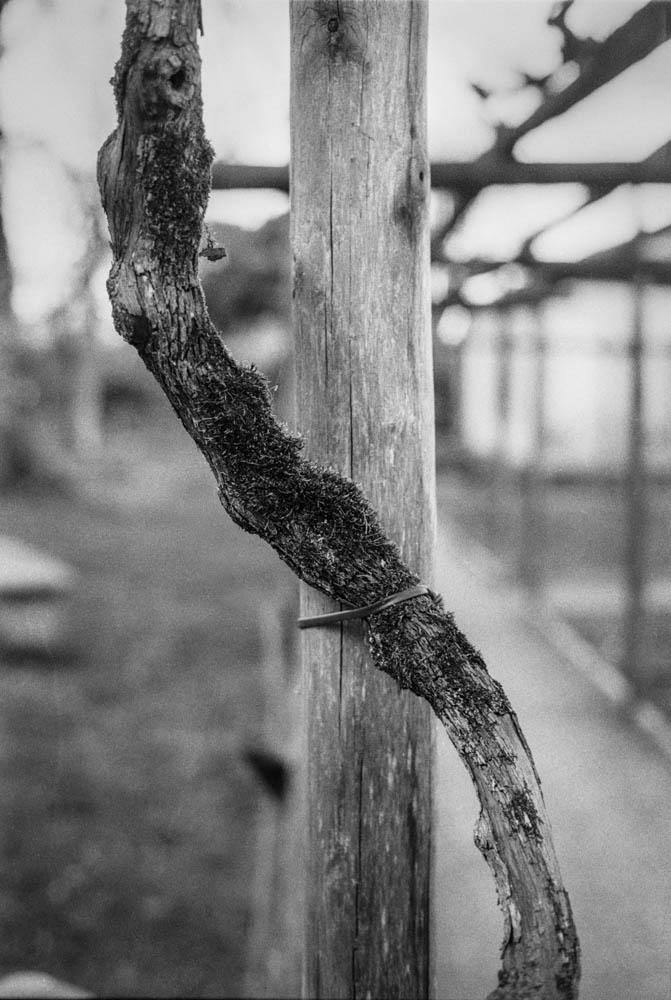
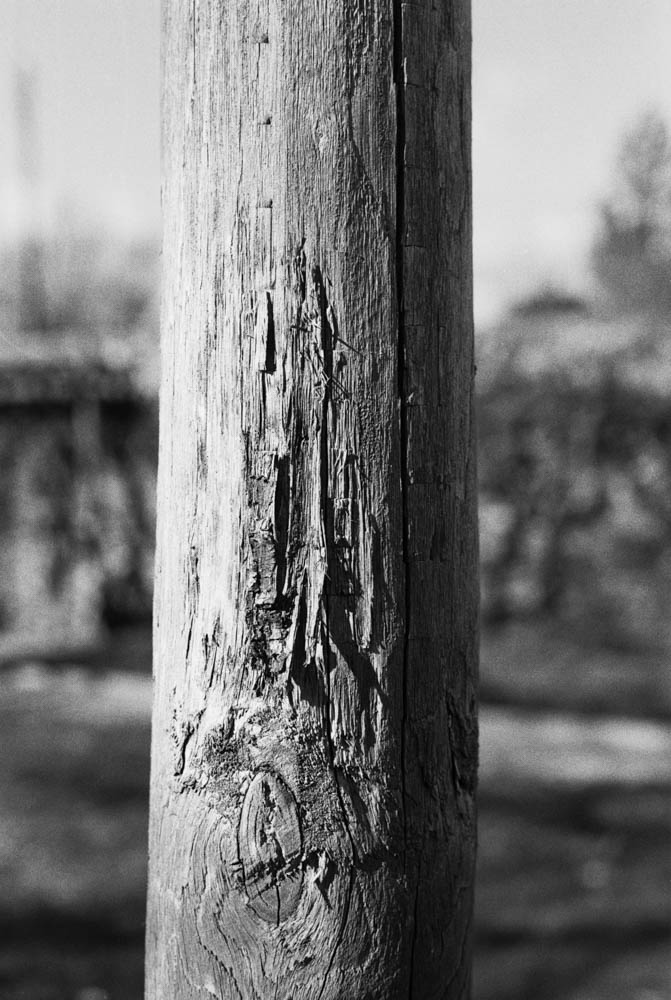
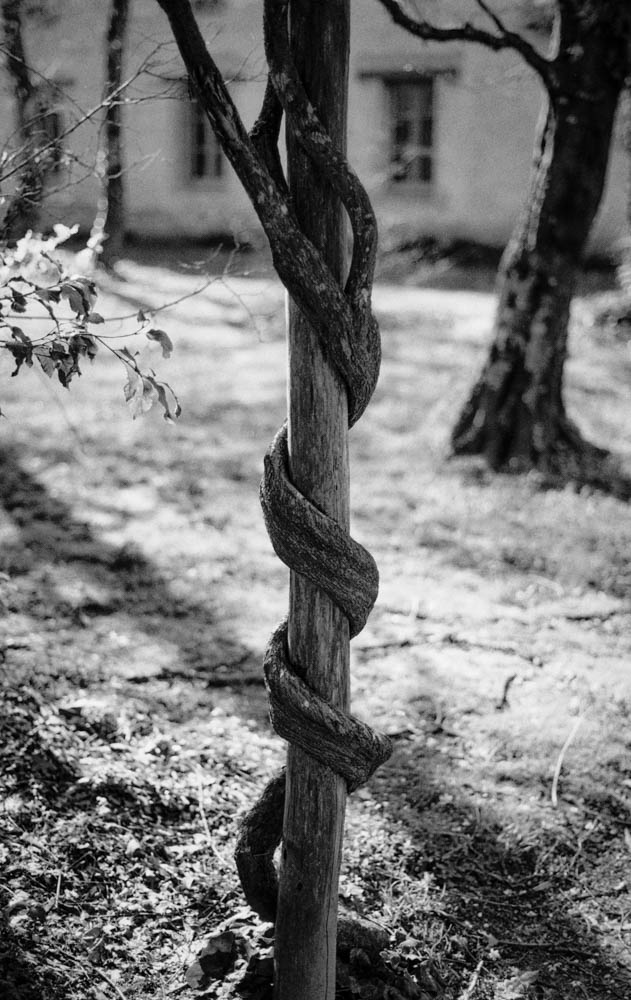
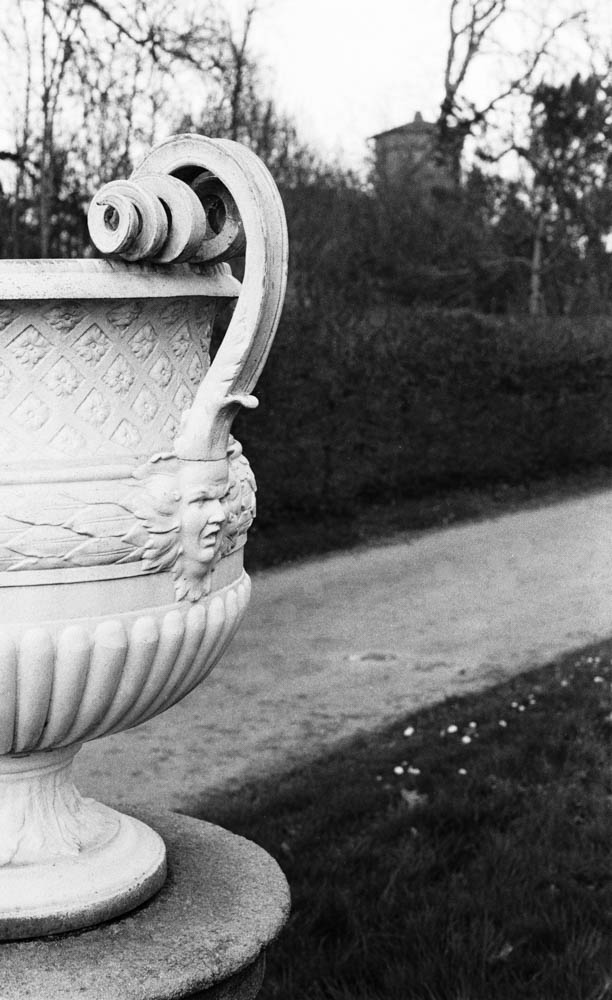
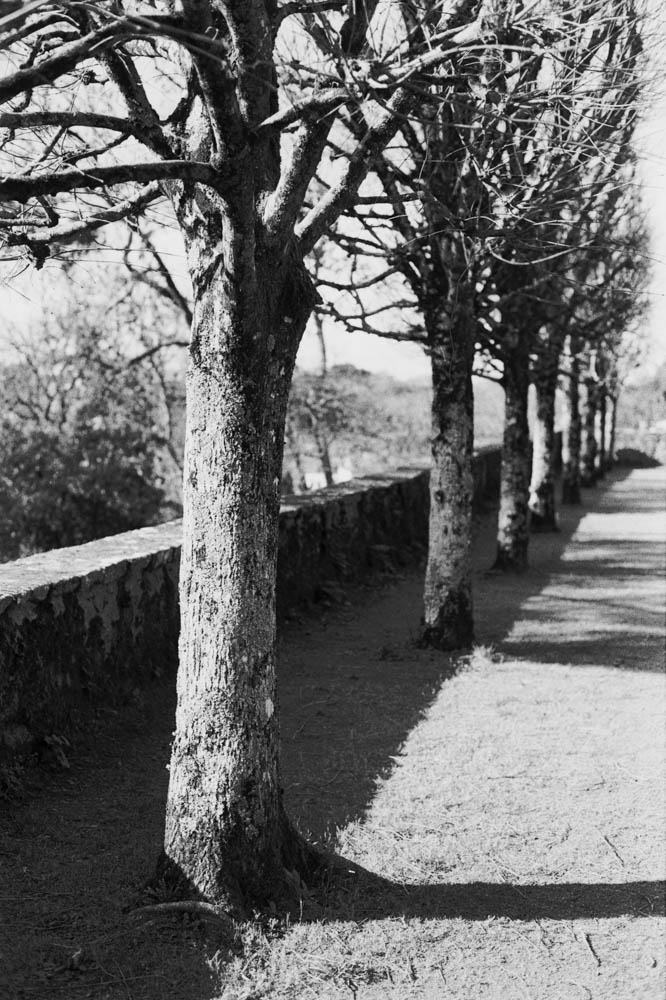
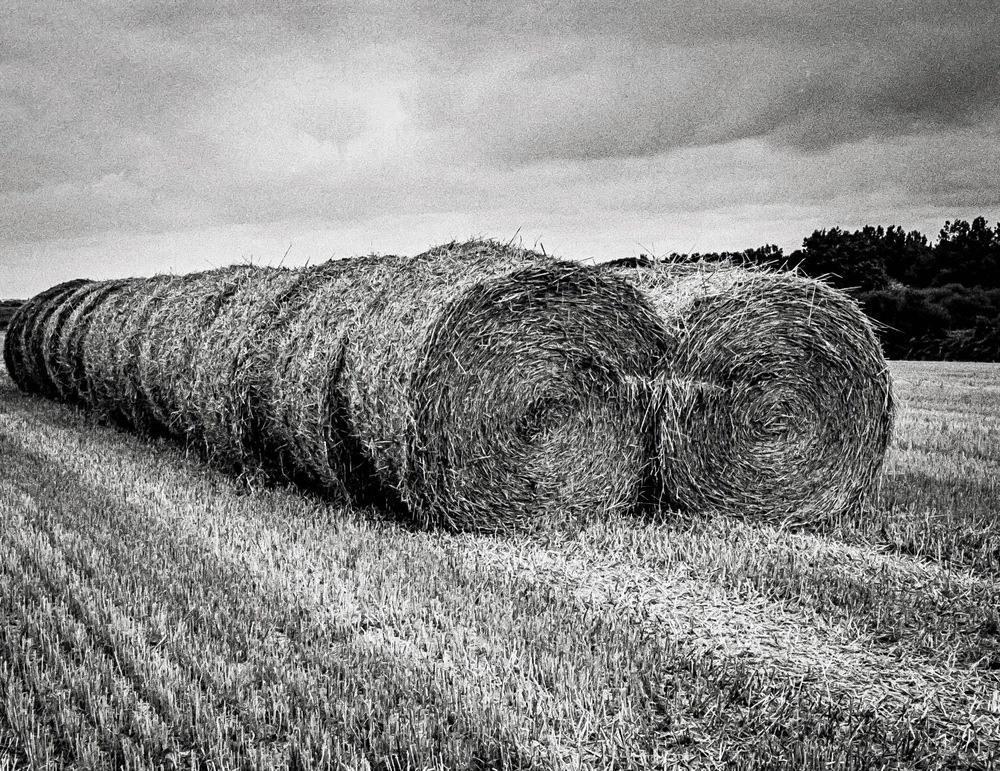
This is the real winner for me. Look at the texture on the wood in these shots. Because I gave the film extra light and reduced the development, the grain structure is much finer than usual. It looks almost like a slower film (like Delta 100) in the mid-tones.
3. Highlight Control
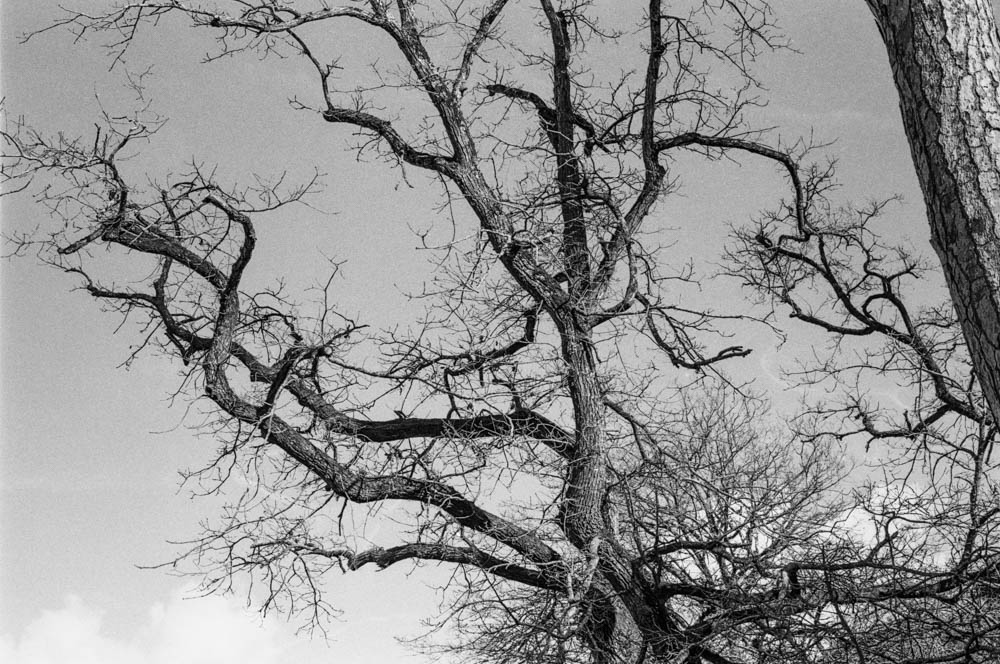
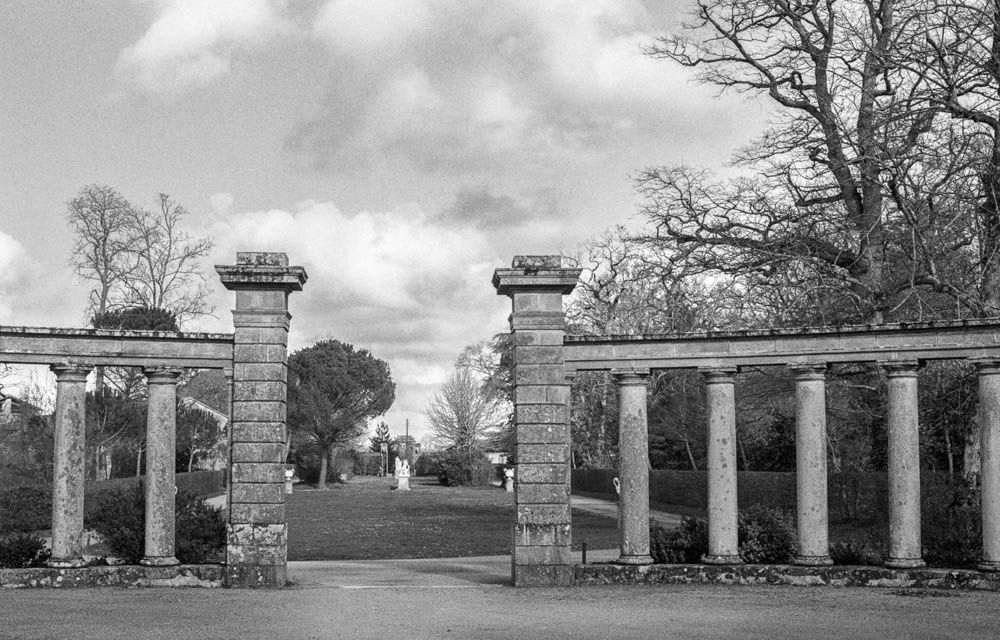
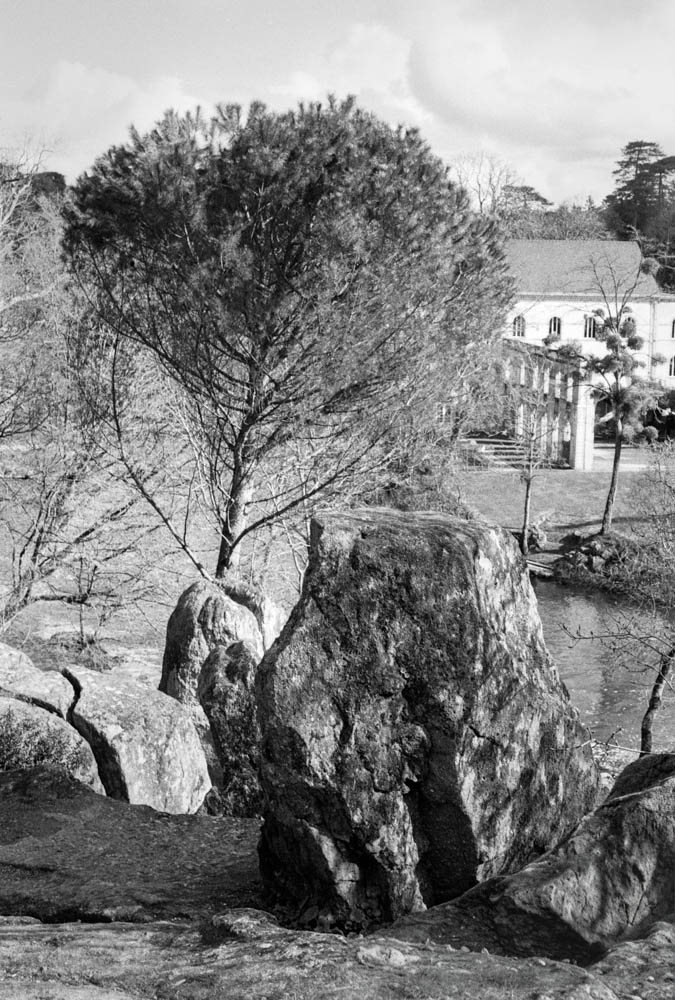
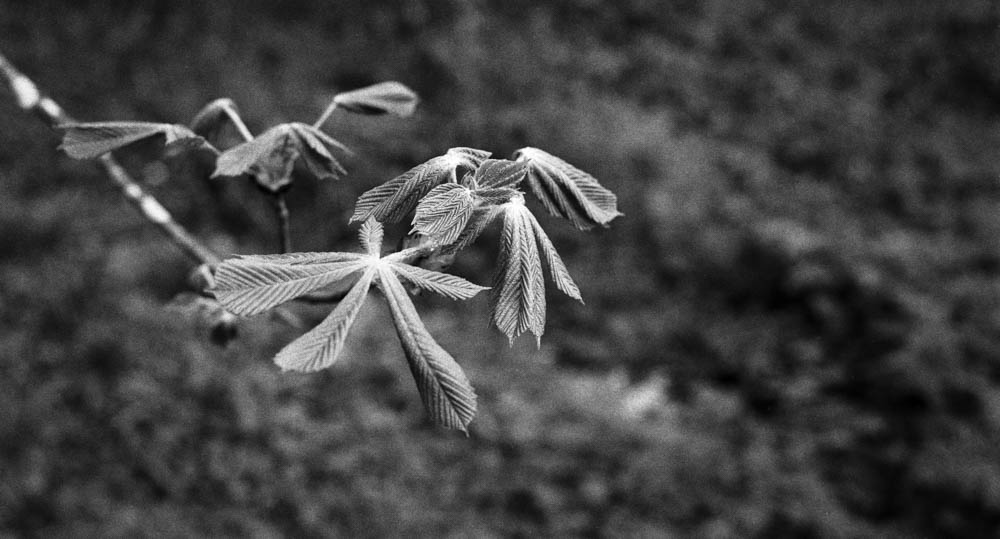
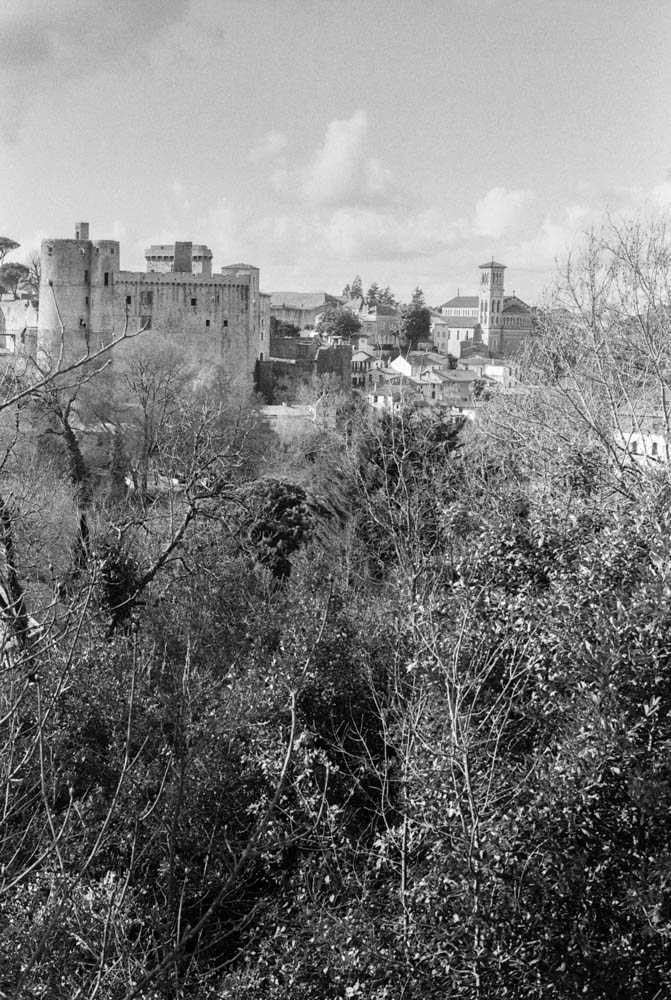
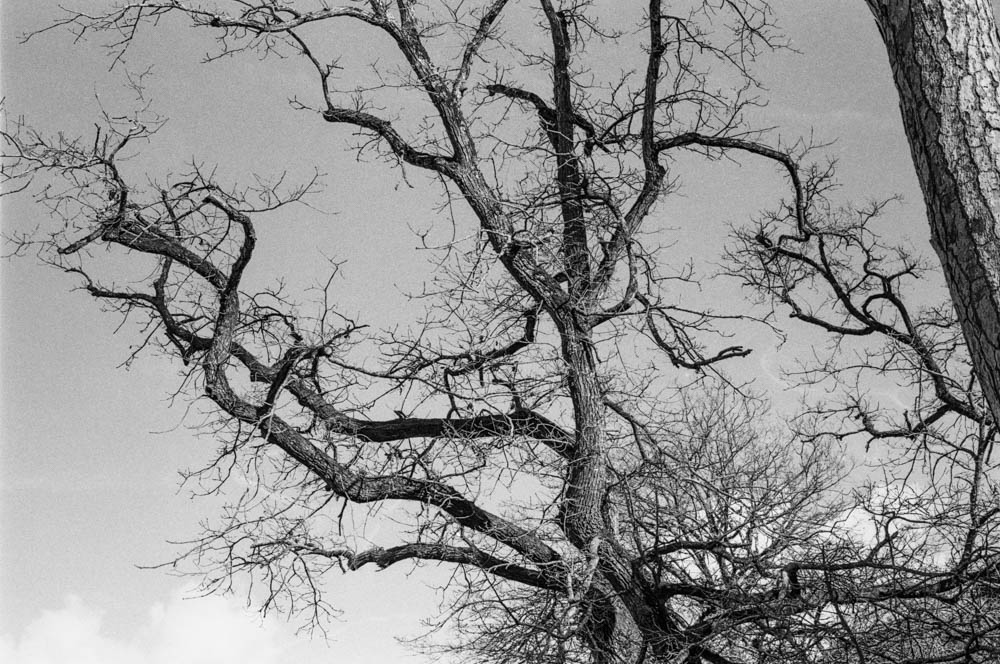
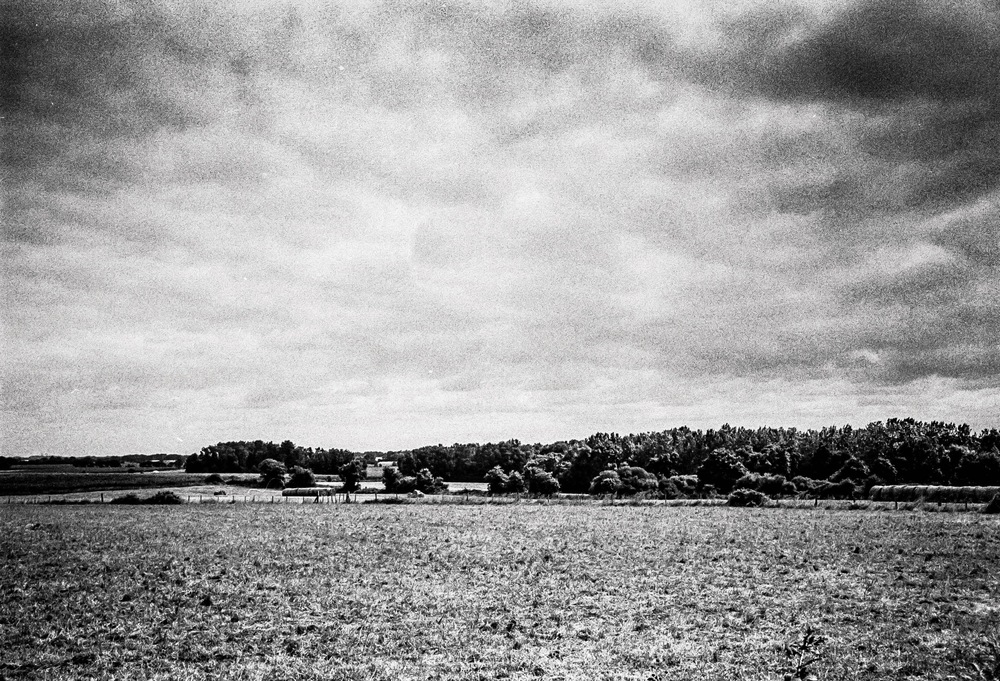
I was worried the bright spring sun would blow out the sky. Looking at these branches against the sky, you can see a beautiful grey gradient rather than a blown-out white. The reduced development time really helped keep those highlights in check, even with the two-stop overexposure.
4. Tonal Range
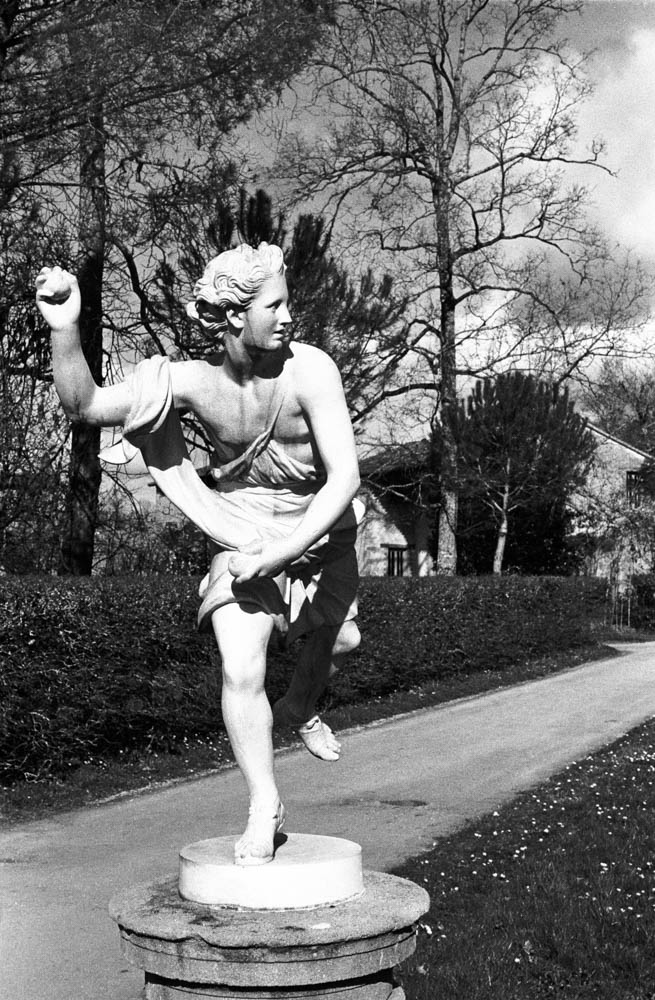
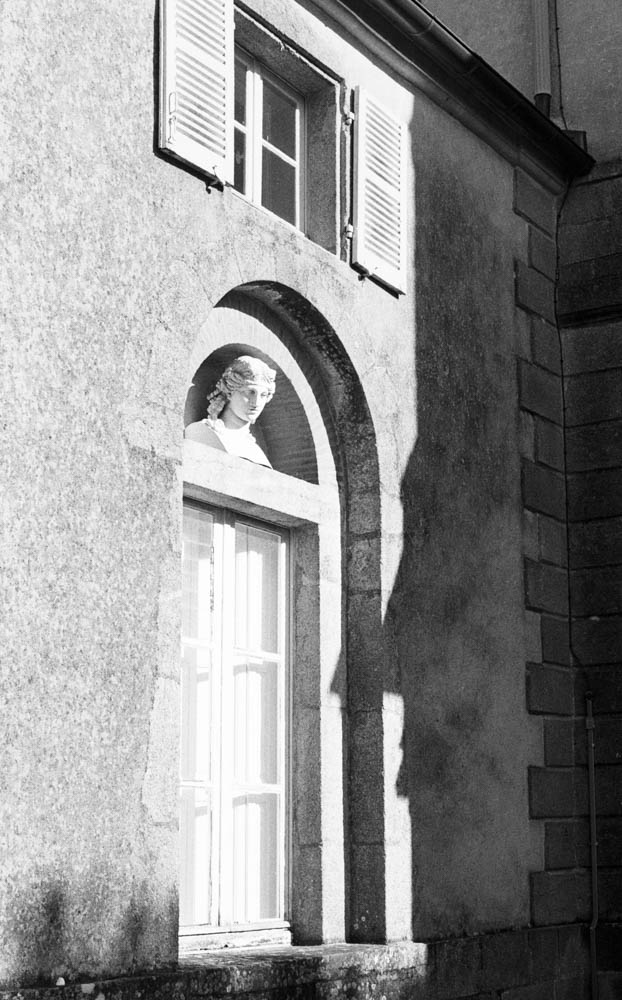
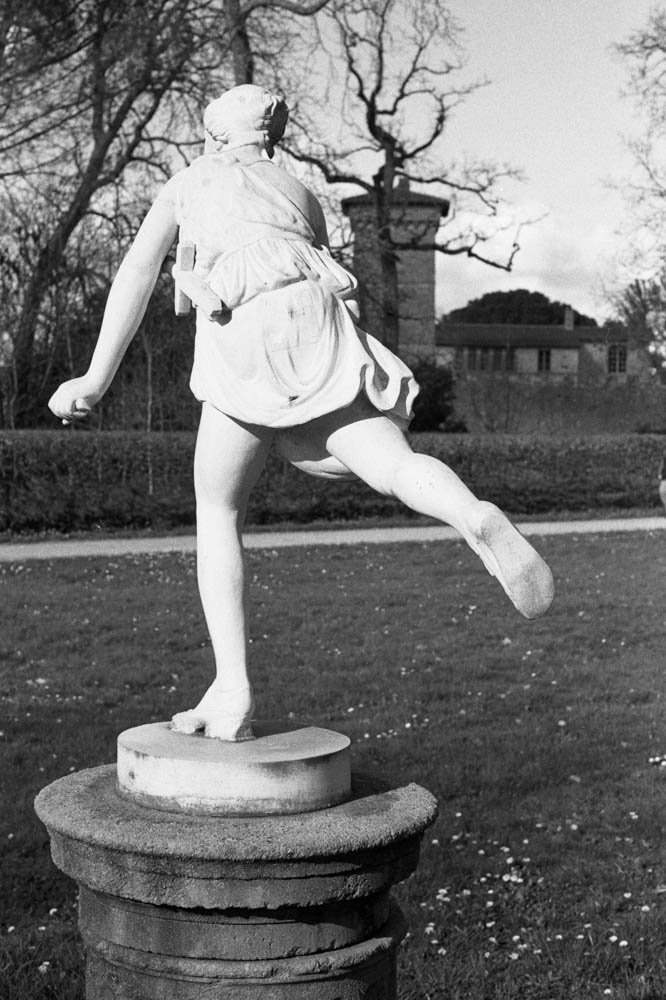
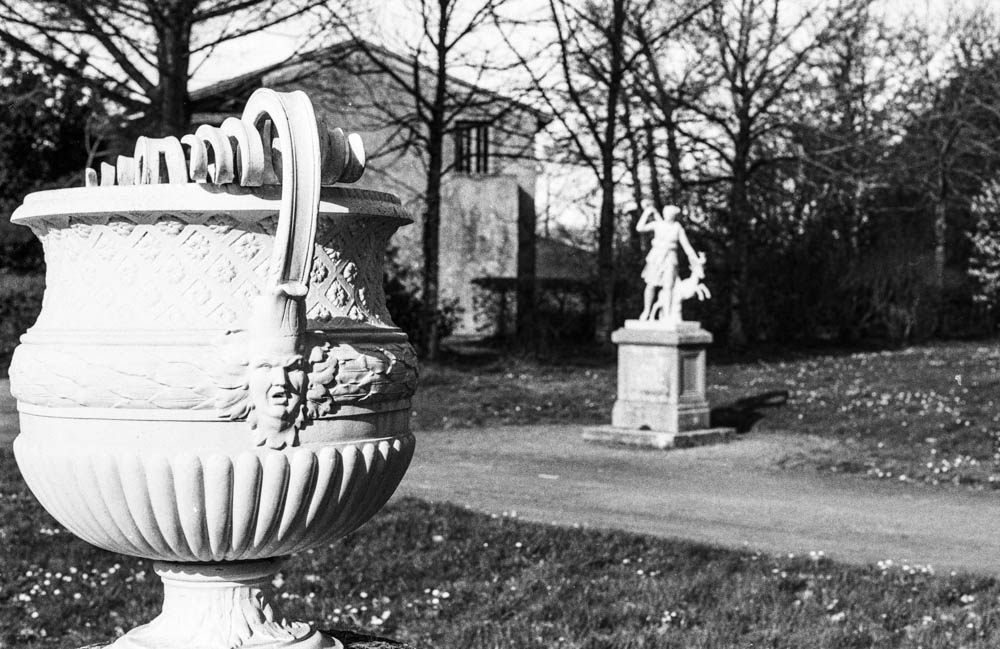
From the white marble of the statues to the dark foliage, the tonal separation is superb. The process gave me a creamy, classical look that I might not have achieved at box speed.
The Verdict
So, was this a disaster? Absolutely not.
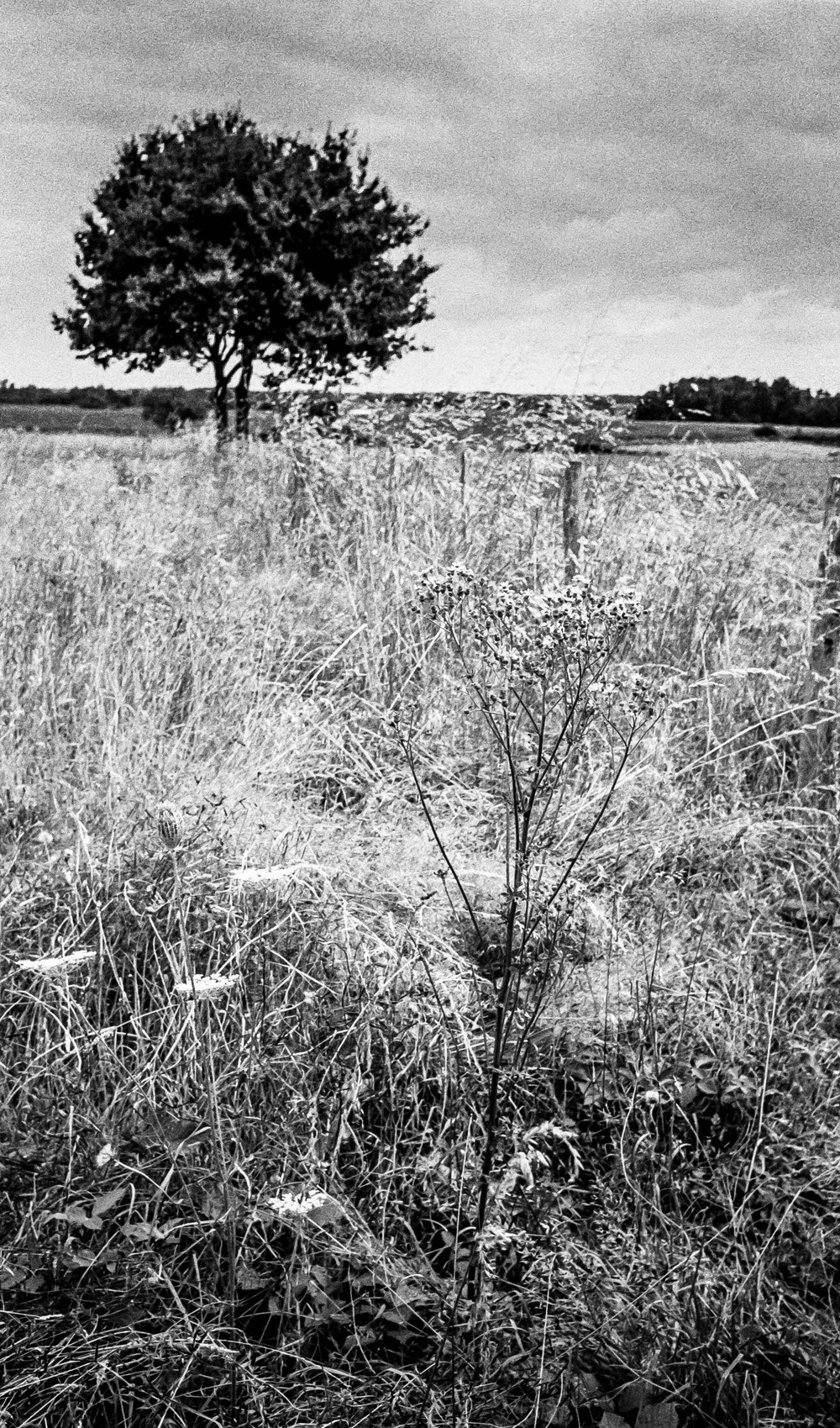
In fact, I was pleasantly surprised. Because I gave the film so much light and reduced the development, the shadow detail is incredibly rich and the highlights are held back. There is virtually no grain in the dark areas. The contrast is lower than standard HP5, which gives it a very smooth, almost medium-format look.
It turns out, what I thought was a stupid mistake is actually a technique some photographers use on purpose! Pull processing HP5 (rating it at 100 or 200 ISO and developing accordingly) is known to produce finer grain and lower contrast. I thought I was pushing my luck going two stops, but the film handled it like a champion.
Would I Do It Again?
Would I deliberately shoot HP5 400 at 100 ASA again? No, probably not. If I want 100 ASA film, I’ll just use 100 ASA film. It’s cheaper and more straightforward.
But it’s damned good to know that at a push (sorry, pull), it could work. If you’re ever in a situation where you’ve loaded the wrong film, or you’re caught out by changing light conditions, HP5 Plus can take the abuse.
Have you ever accidentally shot film at the wrong ISO? Did you save the roll or bin it? Let me know in the comments below.
Happy shooting
Ian from IJM Photography
Post Scriptum:









 IJM Photography