Classic Chrome Meets Portra 160: Evaluating the Pentax ME Super and Fujifilm X100F


Let’s talk about two of my favorite cameras—the Fujifilm X100F and the Pentax ME Super. While these cameras belong to entirely different eras of photography, they share a surprising similarity in size and portability. I’ve used both extensively, and today, I want to compare their unique qualities without turning it into a clichéd “film vs. digital” debate.

Photography enthusiasts often find themselves in one of two camps: those who champion the convenience and immediacy of digital, and the purists who swear by the timelessness of film. But if you’ve followed this blog for a while, you’ll know I don’t see things that way. Instead, I value what each format brings to the table, and more importantly, how both contribute to the experience of photography.

A Tale of Two Cameras

For me, photography is more than just the final image—it’s about the journey of capturing it. Any Lomography fan will agree: the process is as important as the outcome. When I shoot with the Fujifilm X100F, I appreciate the immediate feedback of seeing the image on the screen and knowing right away what I’ve captured. But with the Pentax ME Super, it’s a different experience. I have a rough idea of what the film will deliver, but the magic isn’t fully revealed until the film is developed. That anticipation is part of the charm.

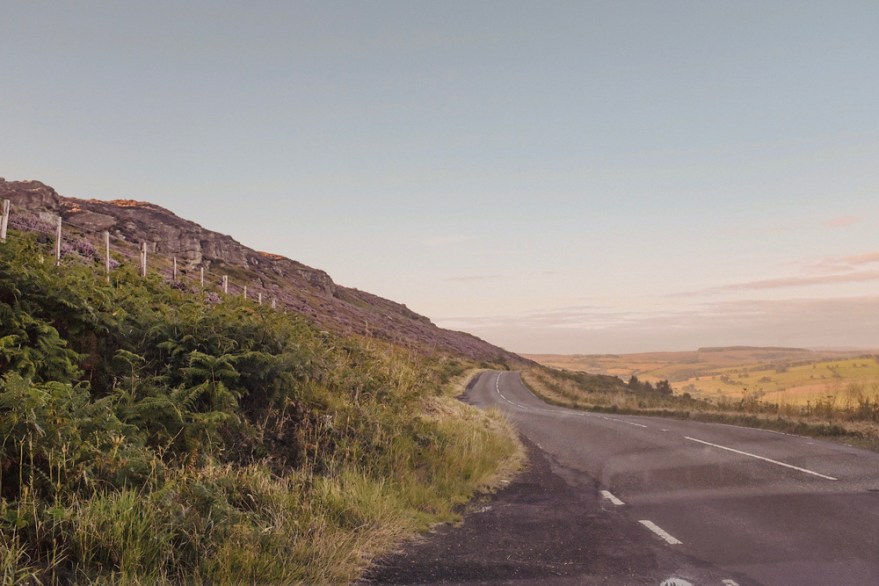
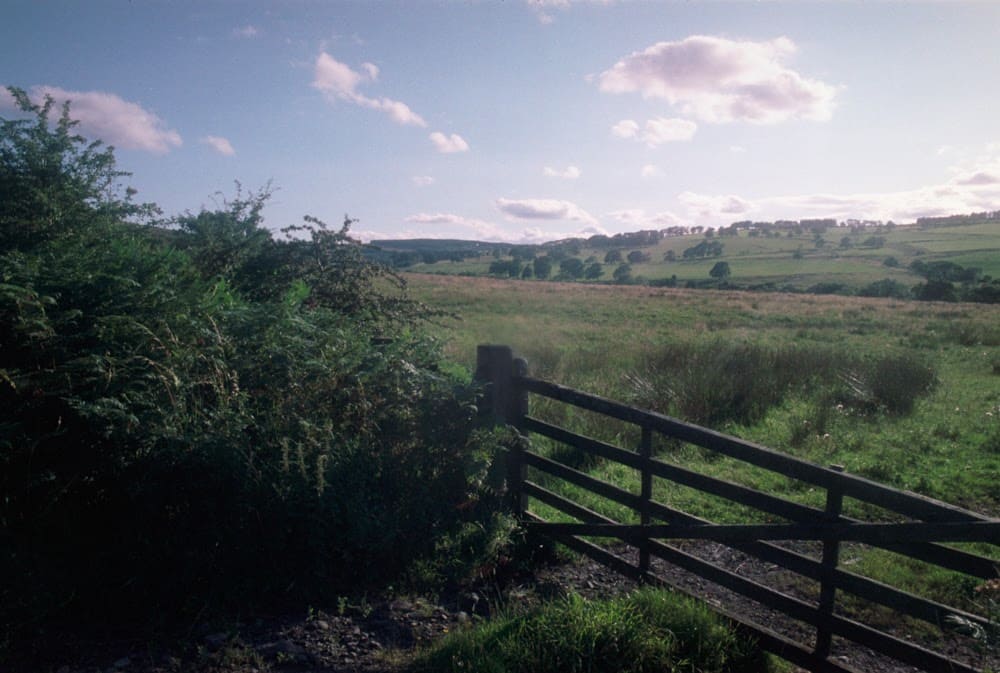
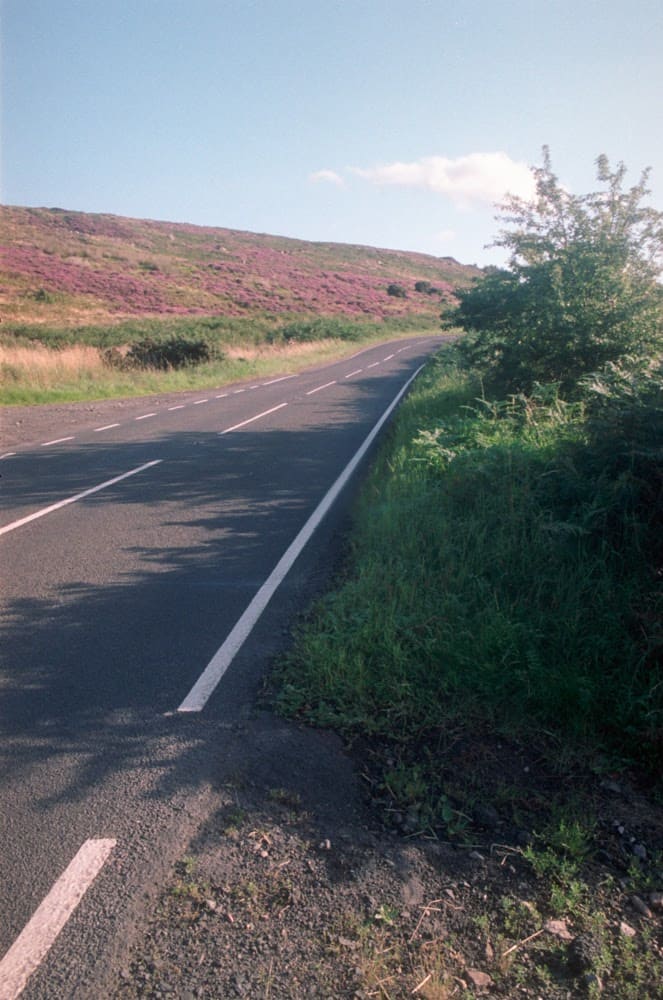
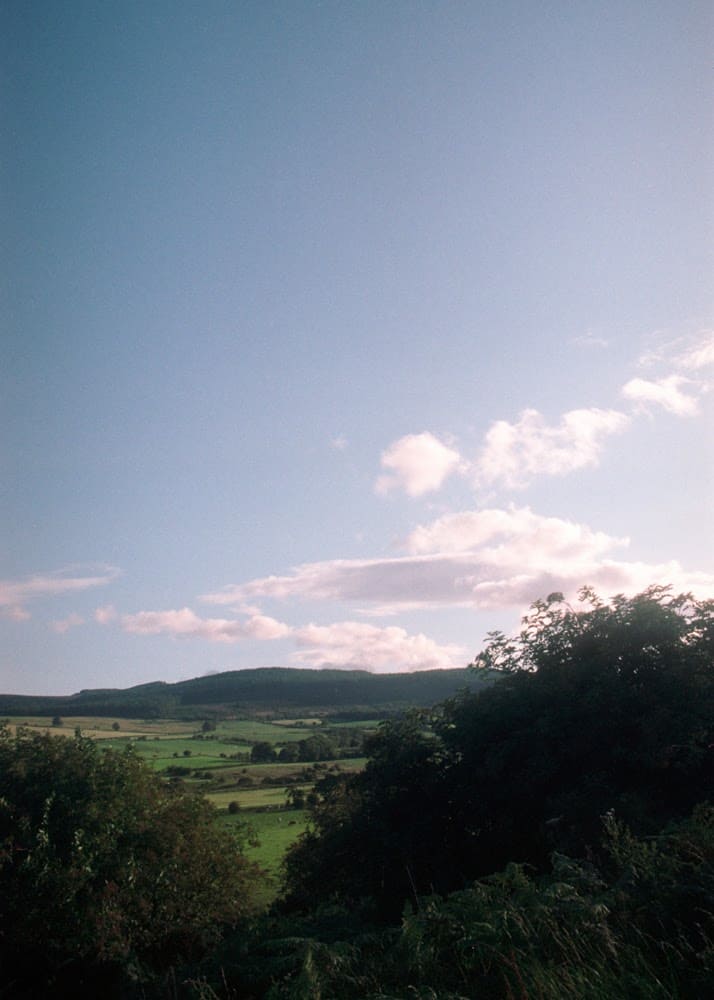
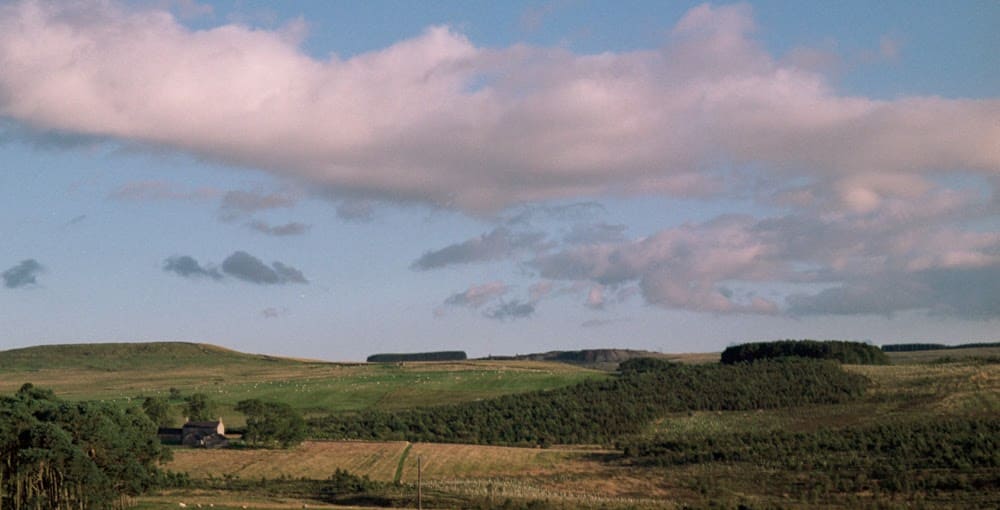
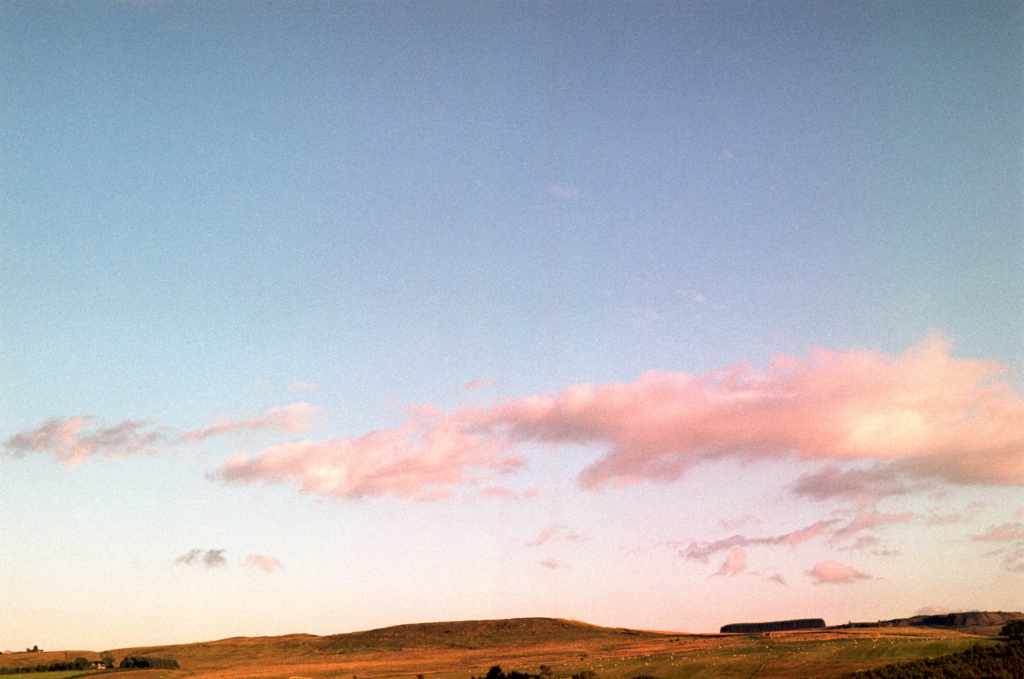
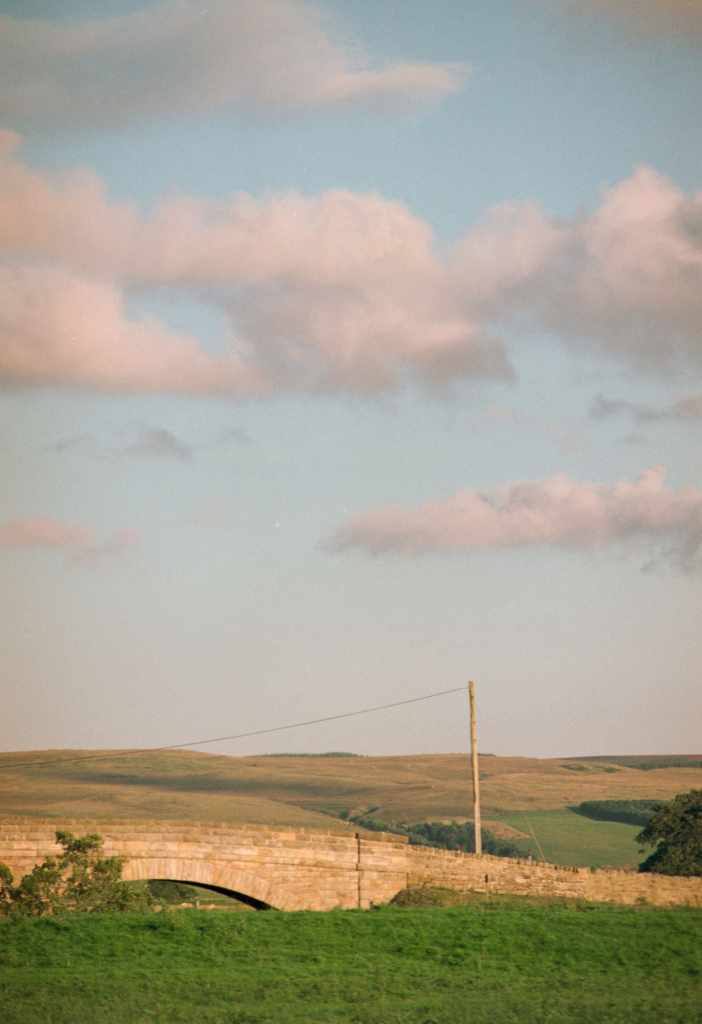
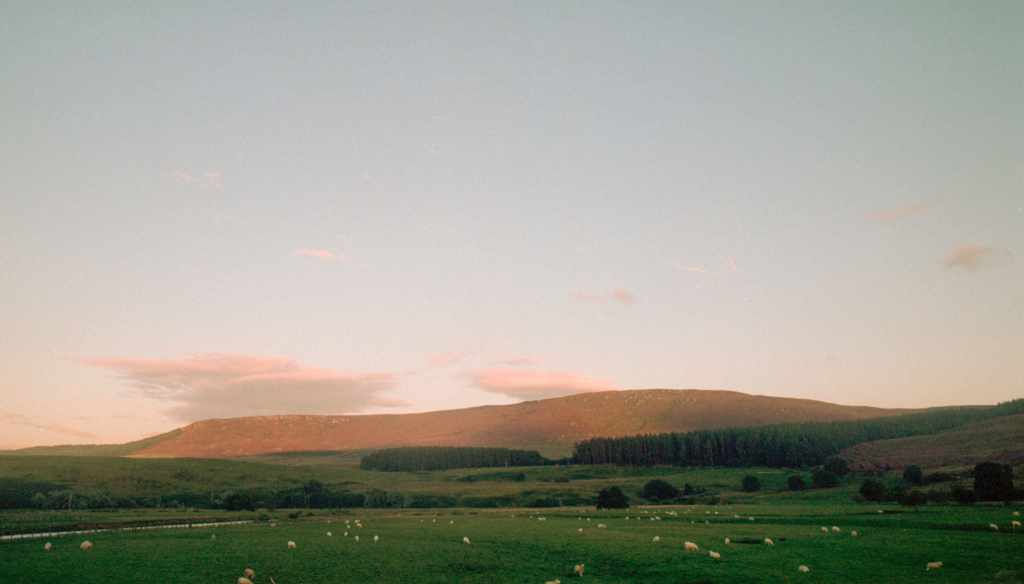
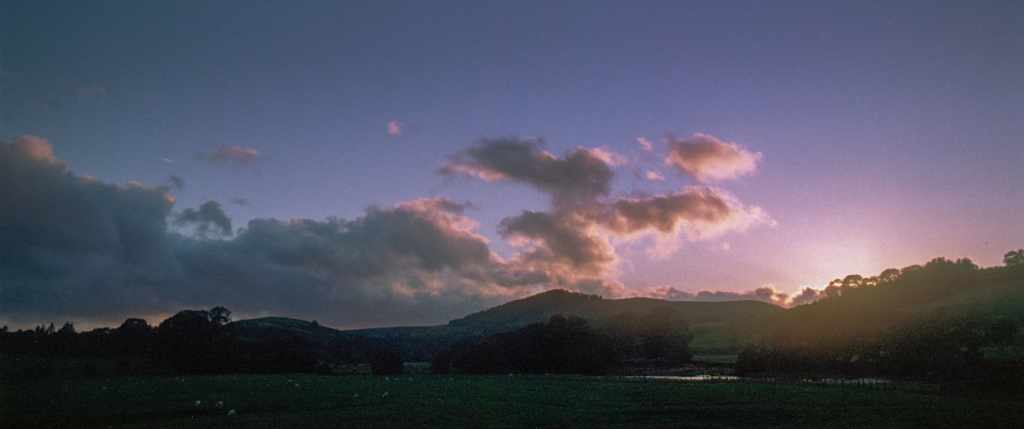
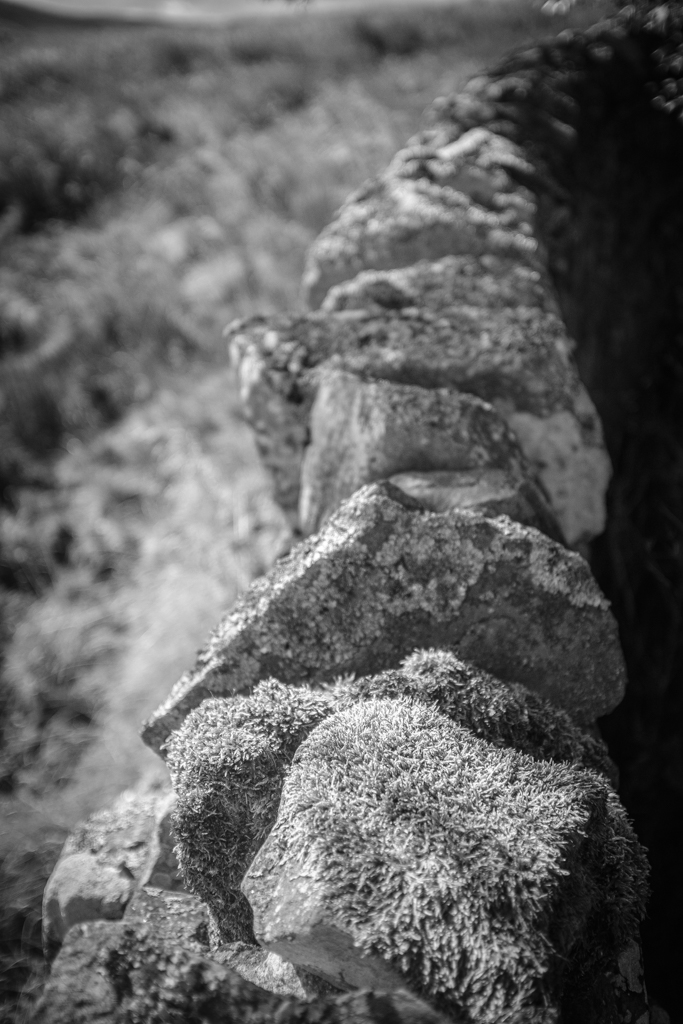
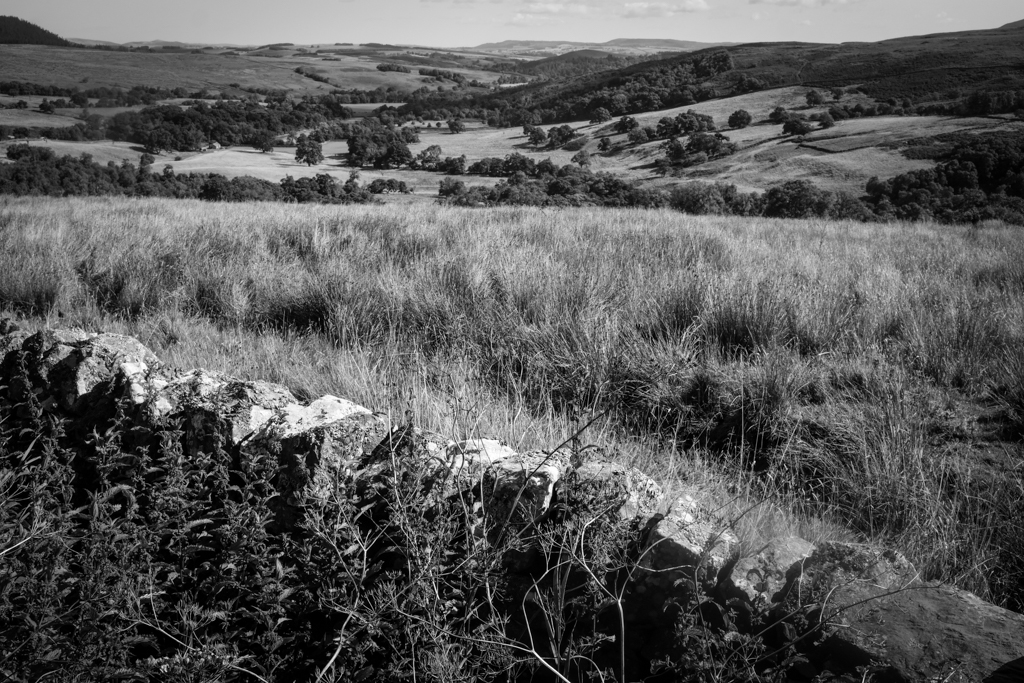
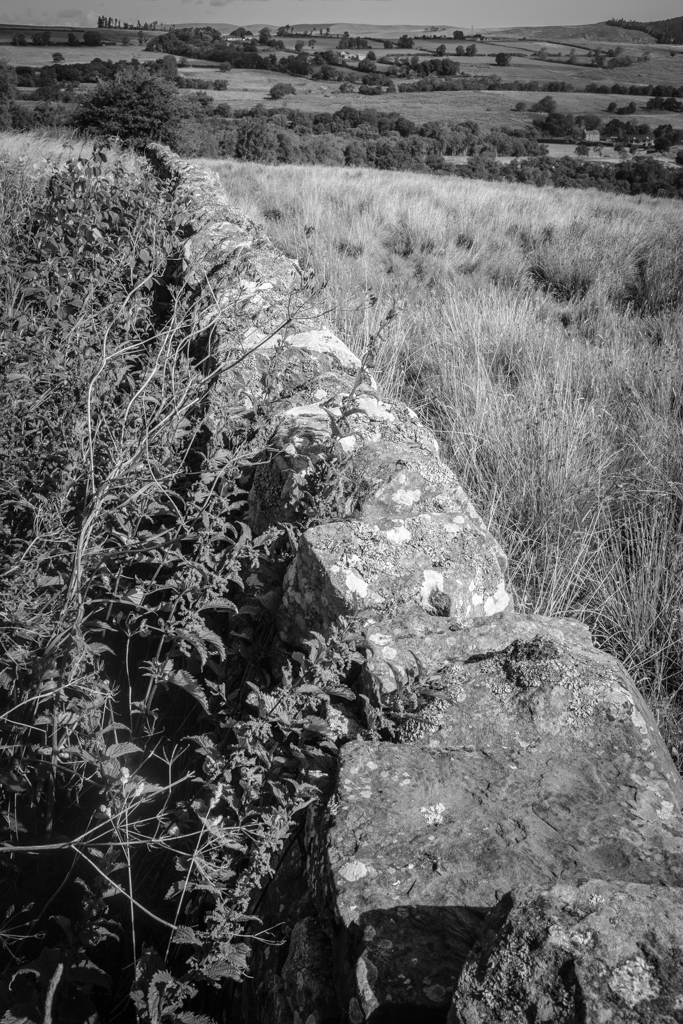
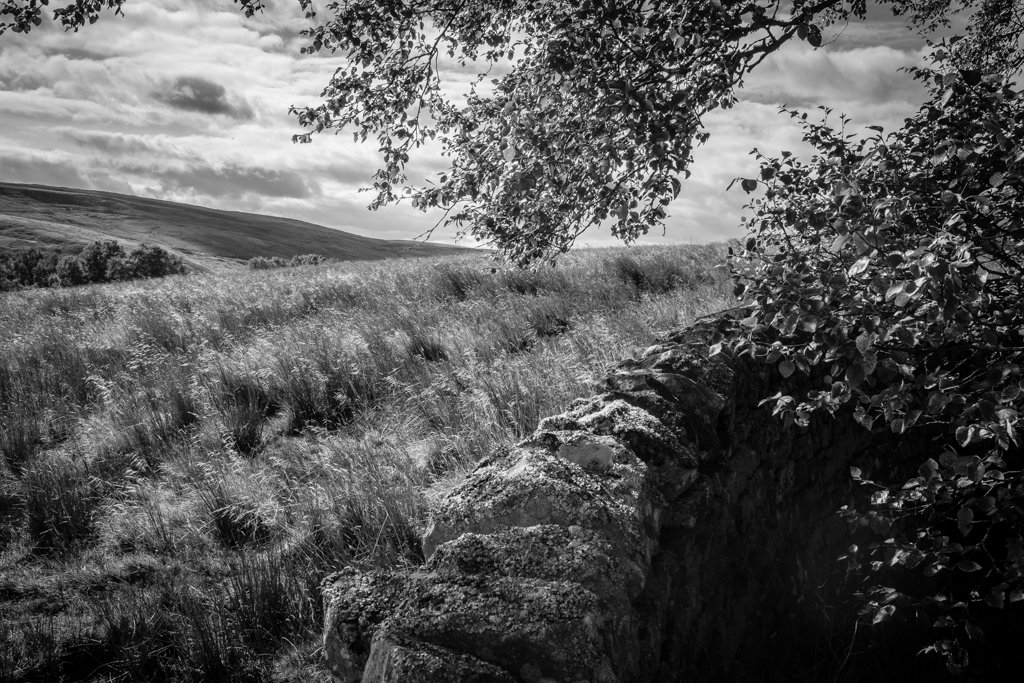
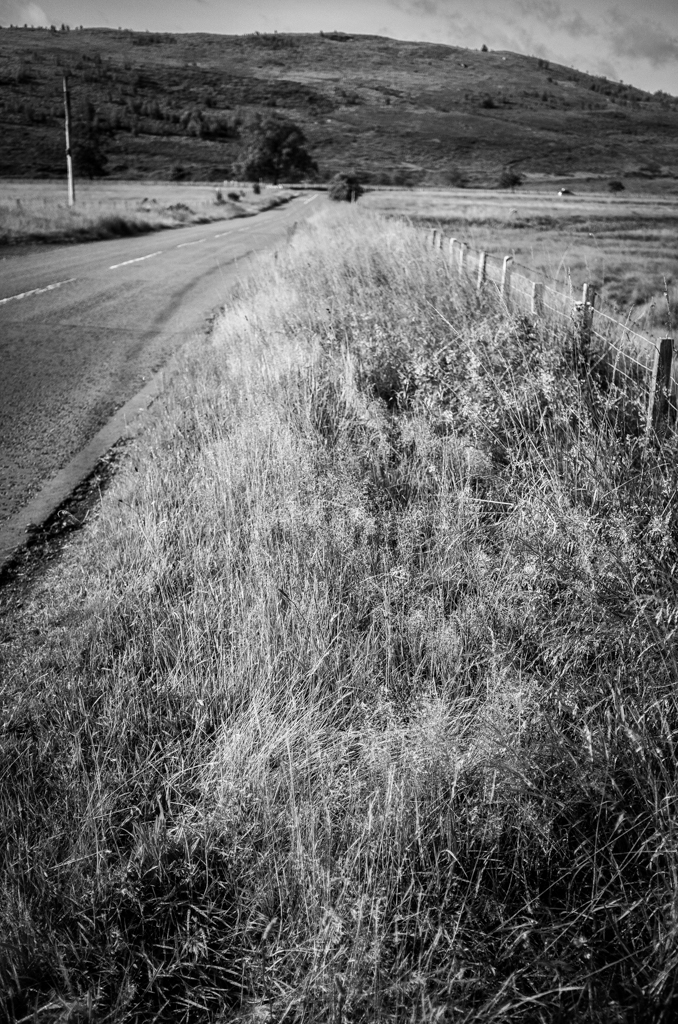
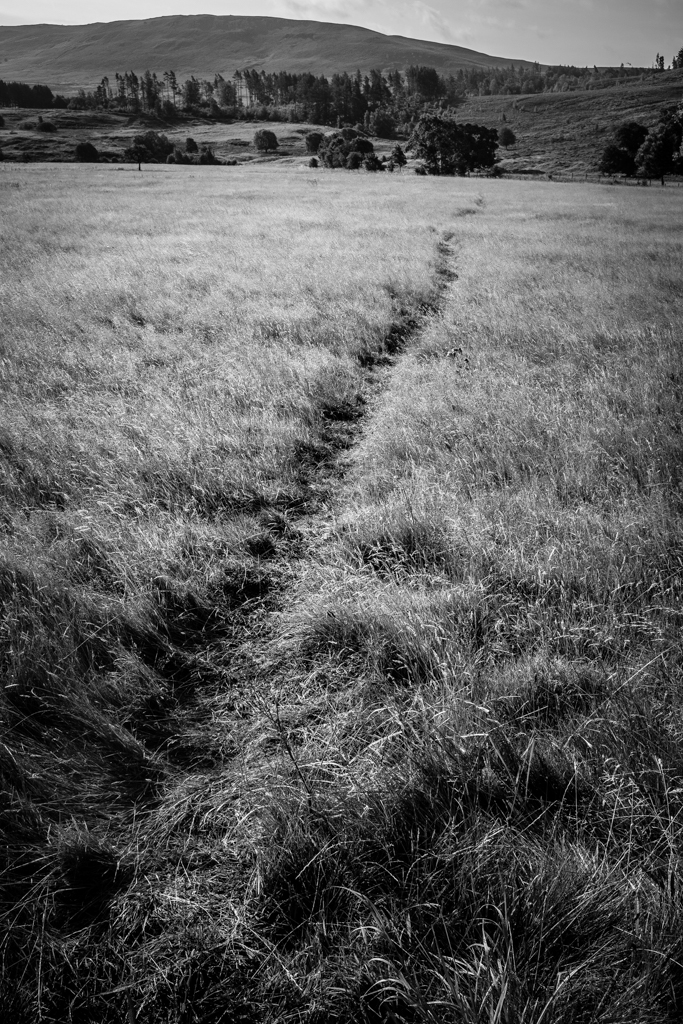
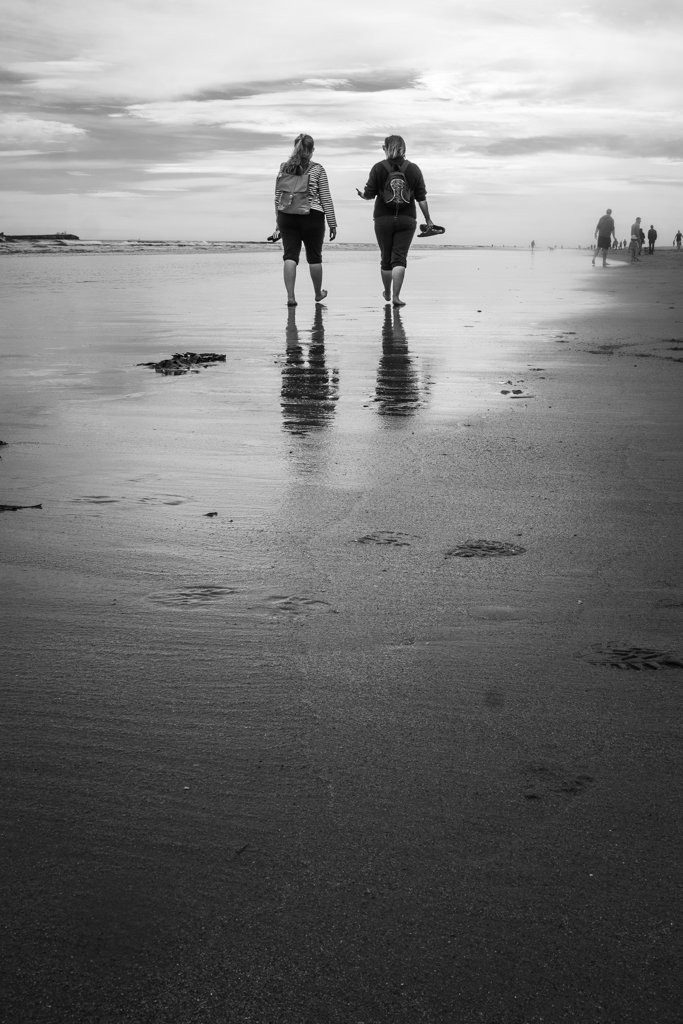
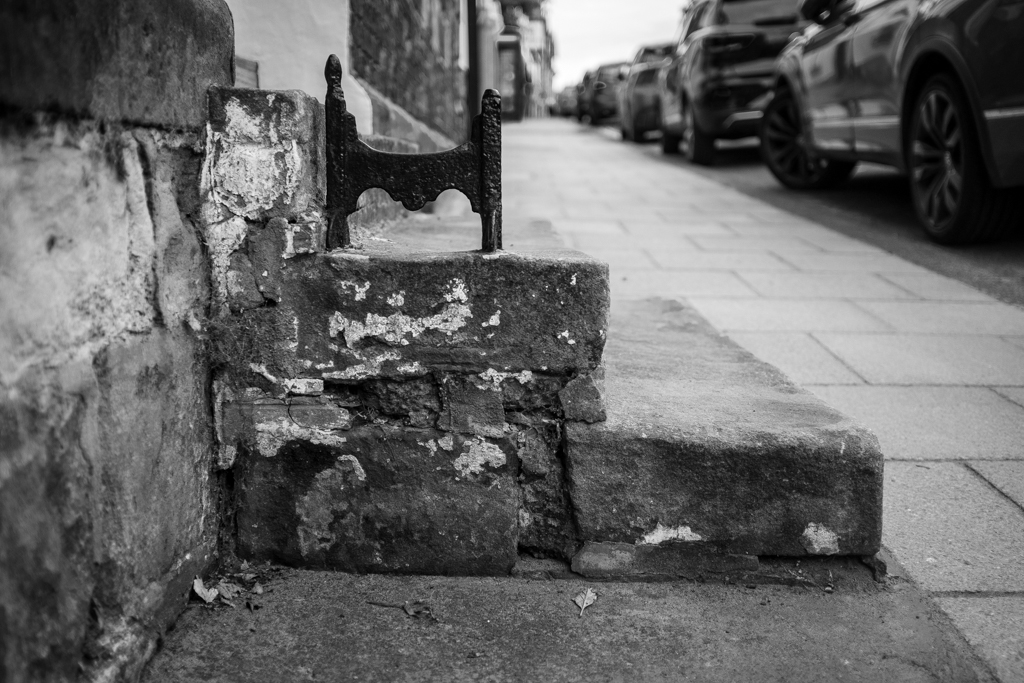
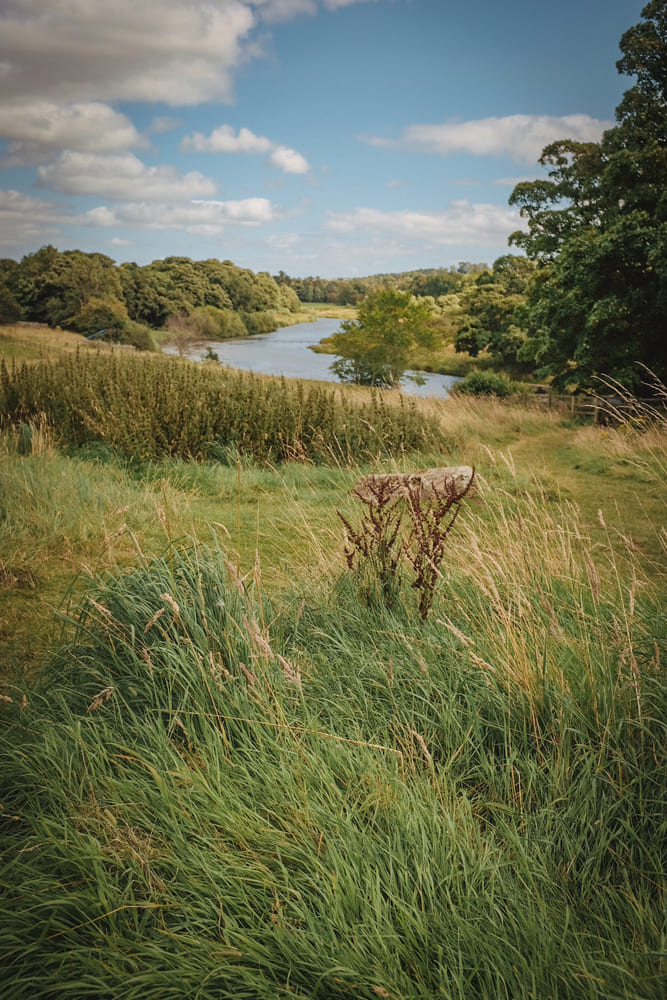
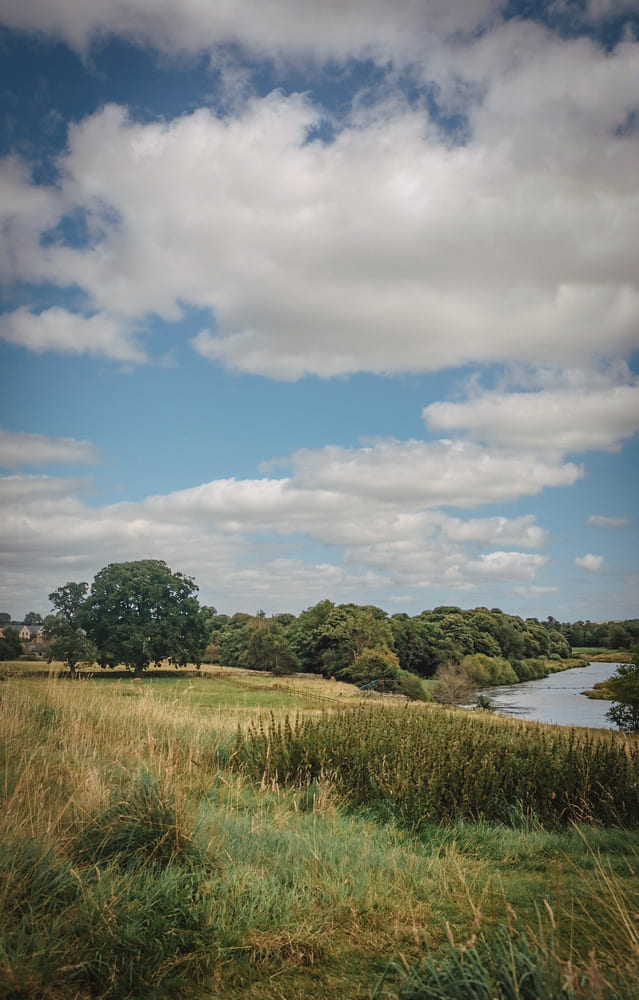
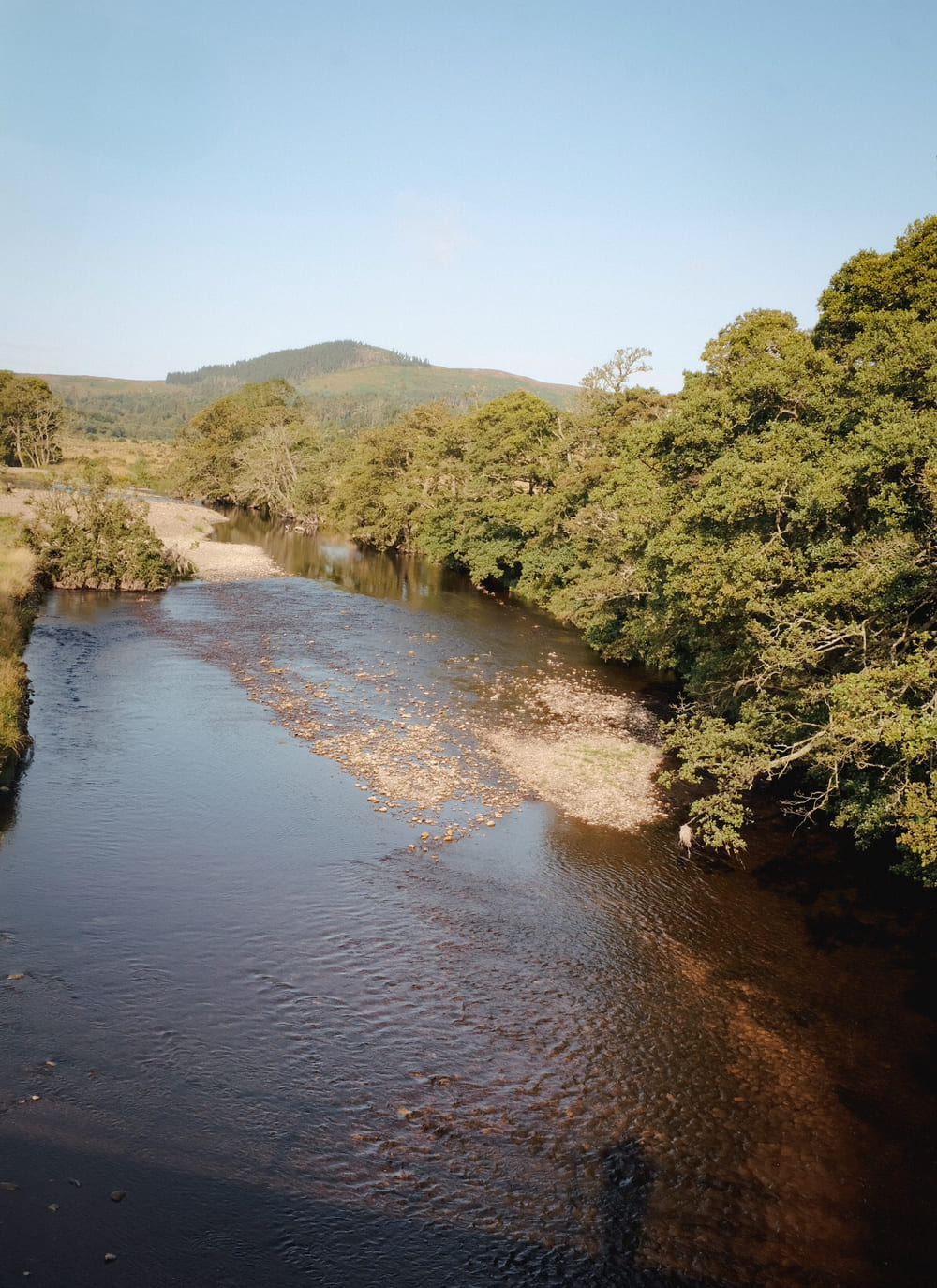
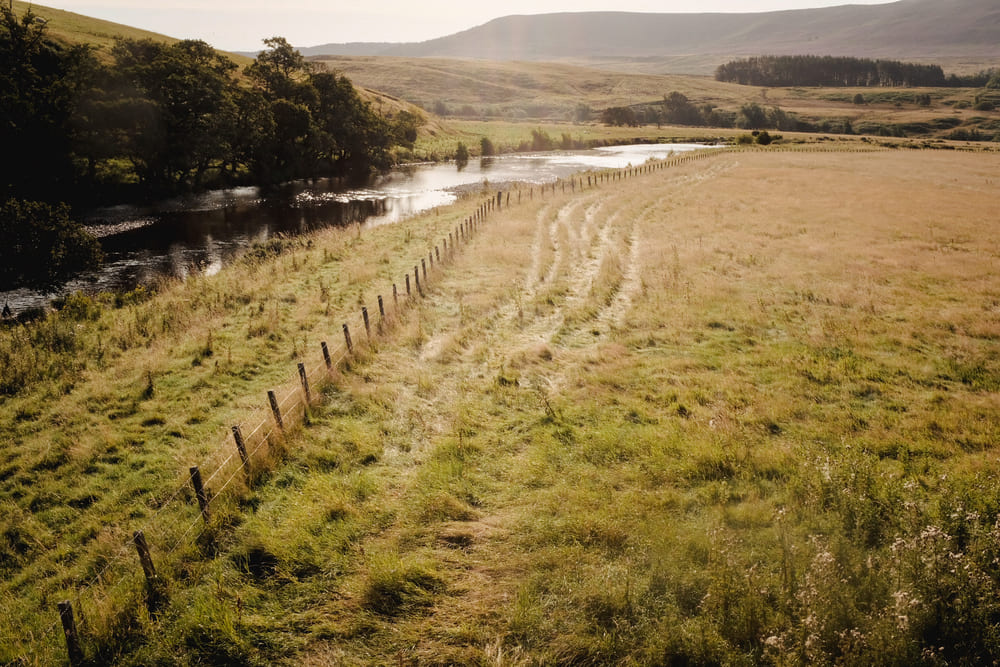
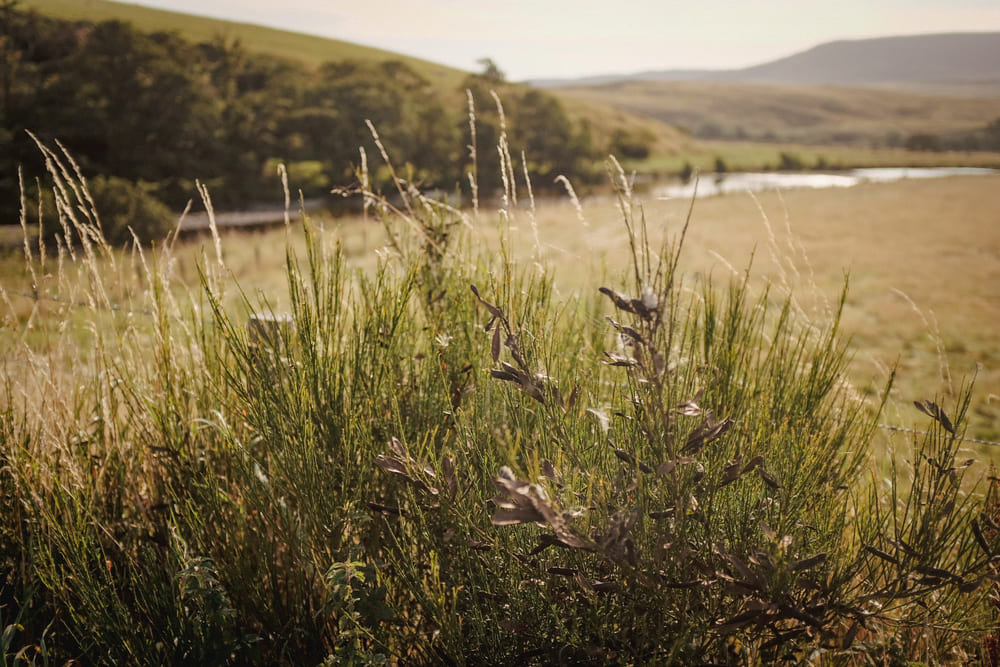
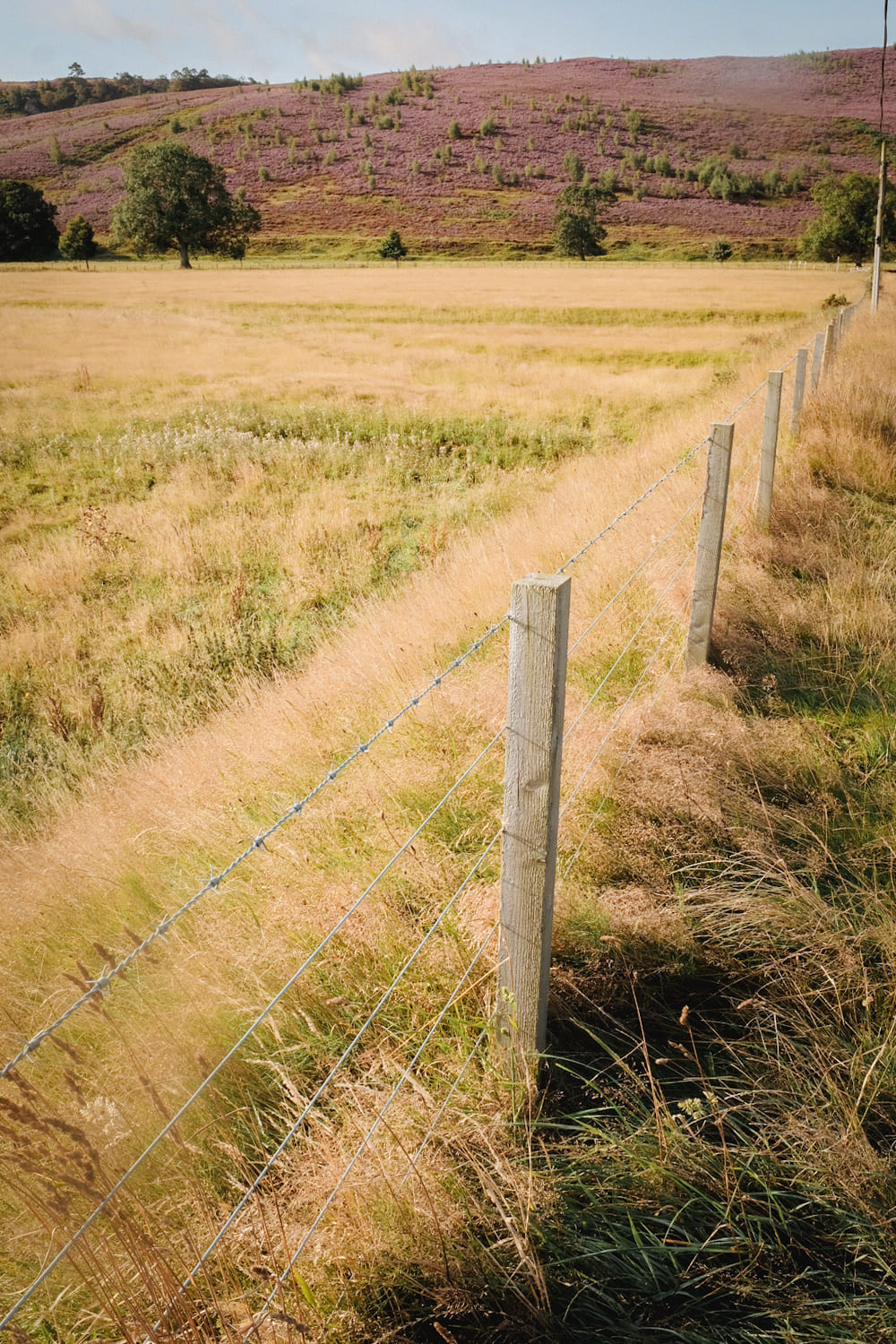
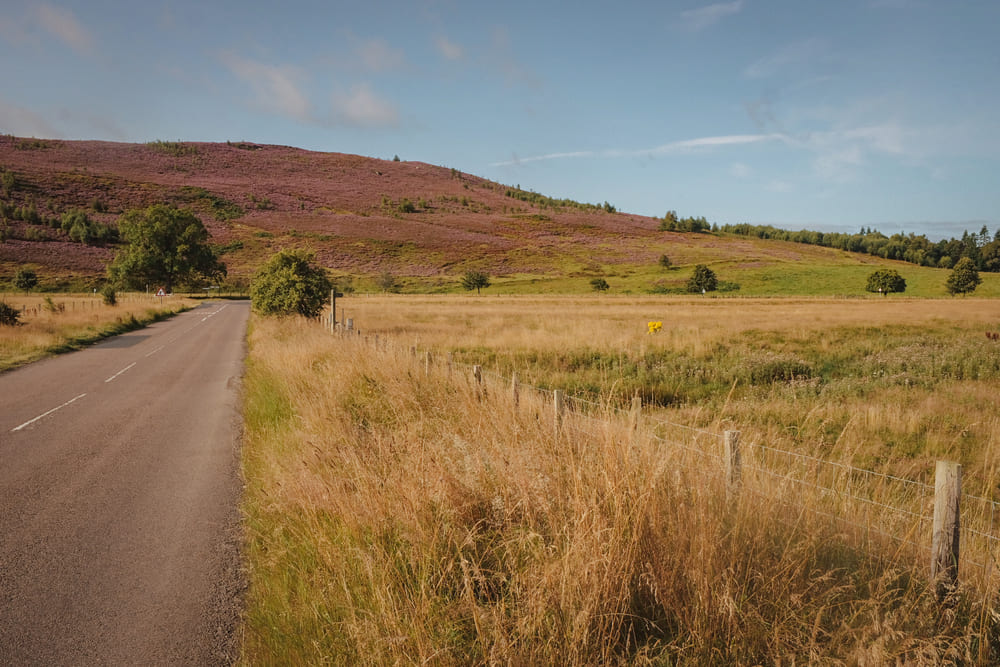
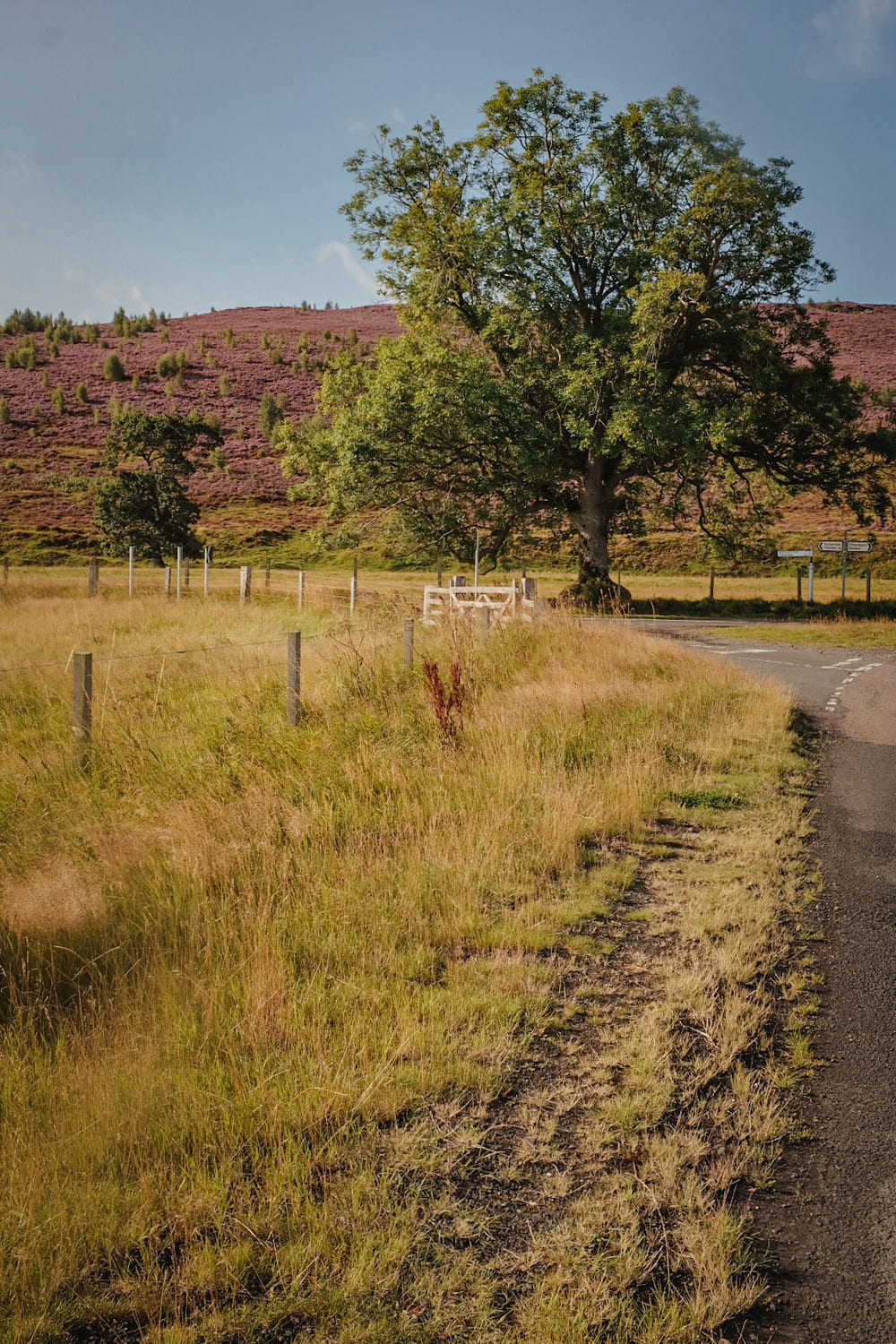
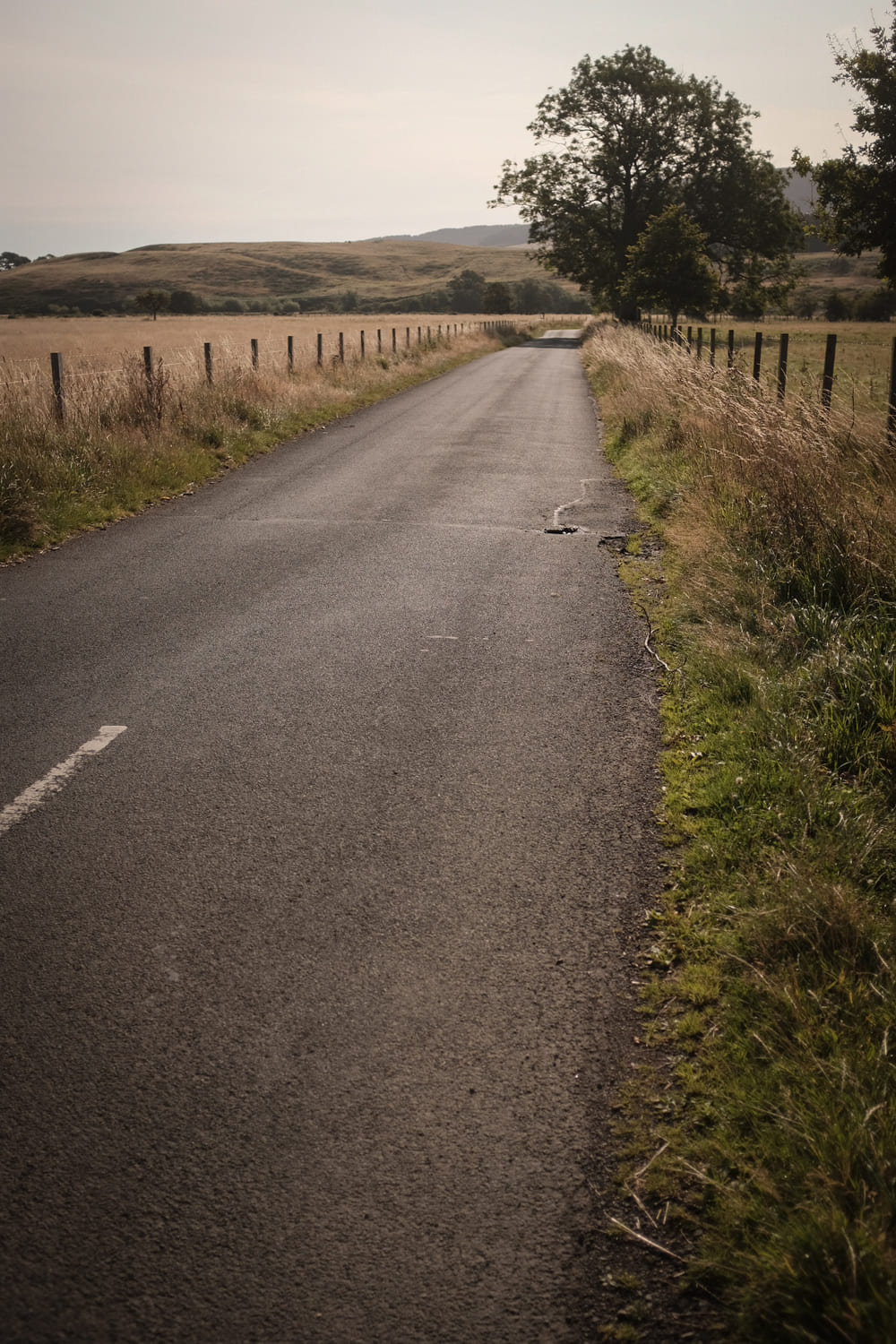
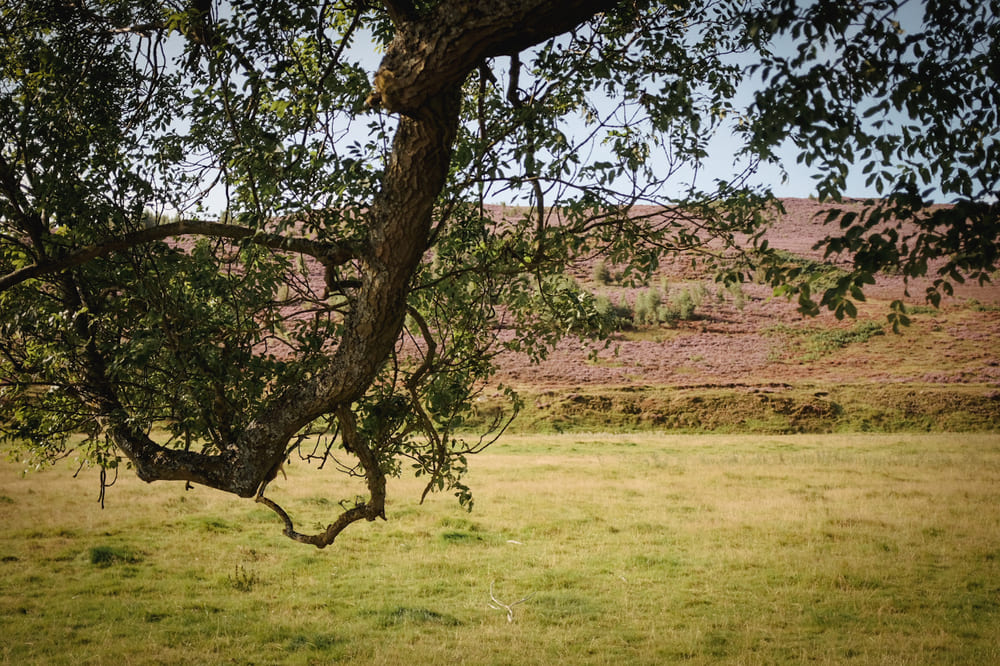
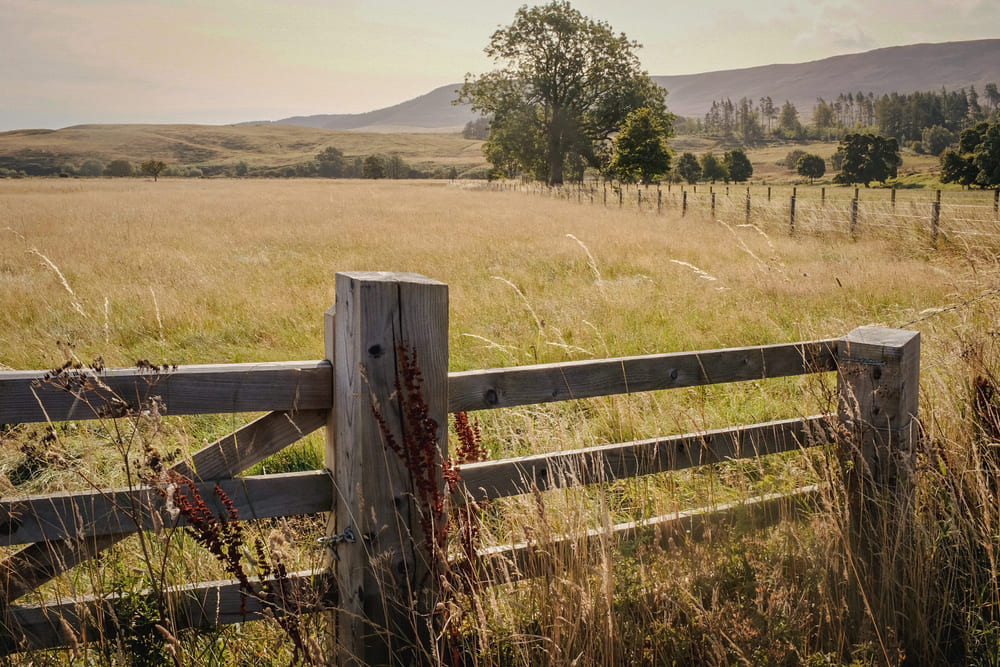
For this comparison, I’ve chosen photographs from Northumberland. Its moody, windswept landscapes—places like Alnmouth and the Northumbrian moors—present the perfect canvas for both film and digital. The X100F’s Classic Chrome simulation delivers a retro, muted look, while Kodak Portra 160 film, shot through the Pentax, brings warmth and richness to the tones.

The Fujifilm X100F

he X100F has often been called a bridge between the analogue and digital worlds, and I tend to agree. It’s packed with modern features like autofocus and an electronic viewfinder (EVF), but the controls are refreshingly tactile, with dedicated dials for aperture, shutter speed, and ISO. For anyone with a background in film photography, this setup feels familiar and intuitive.

What sets the X100F apart for me, though, is its Classic Chrome film simulation. It offers a subdued color palette that echoes old film stock, perfect when I want a slightly desaturated, vintage aesthetic. Unlike some over-the-top digital filters, Classic Chrome feels organic and subtle—bringing out details in the shadows without overwhelming the shot with contrast.

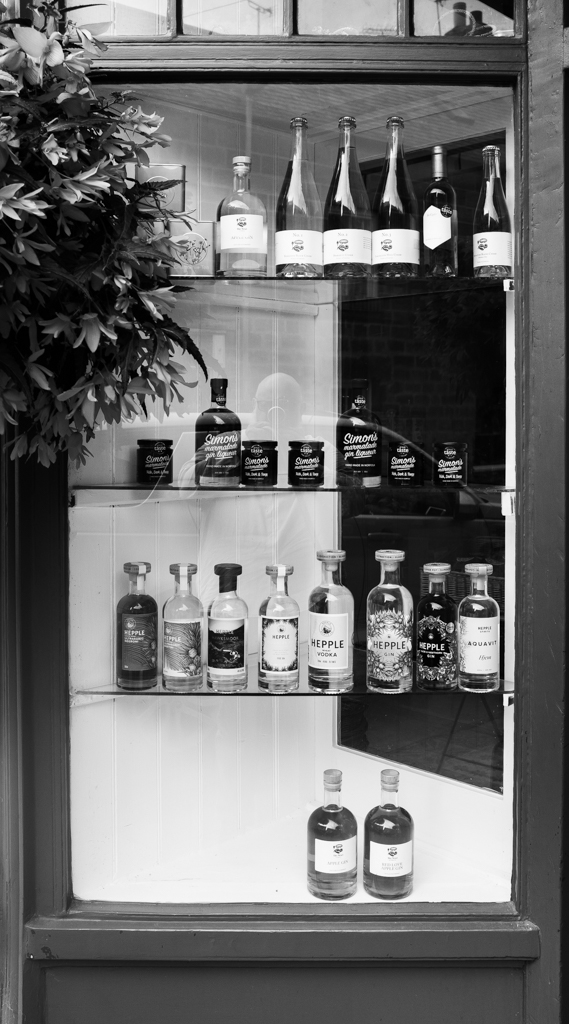
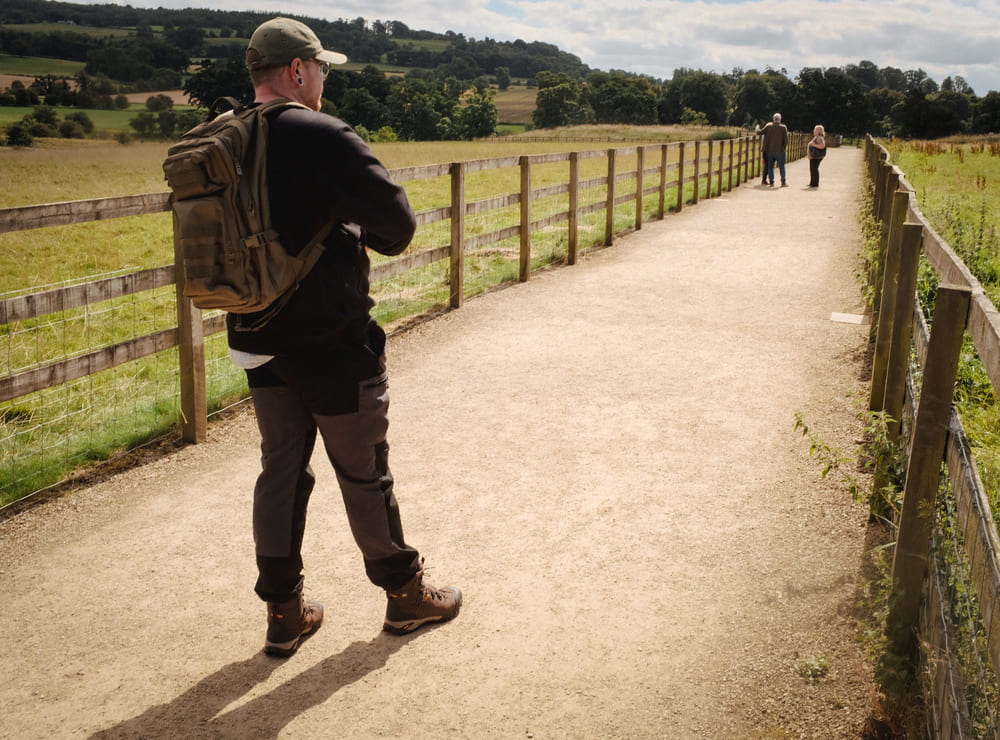
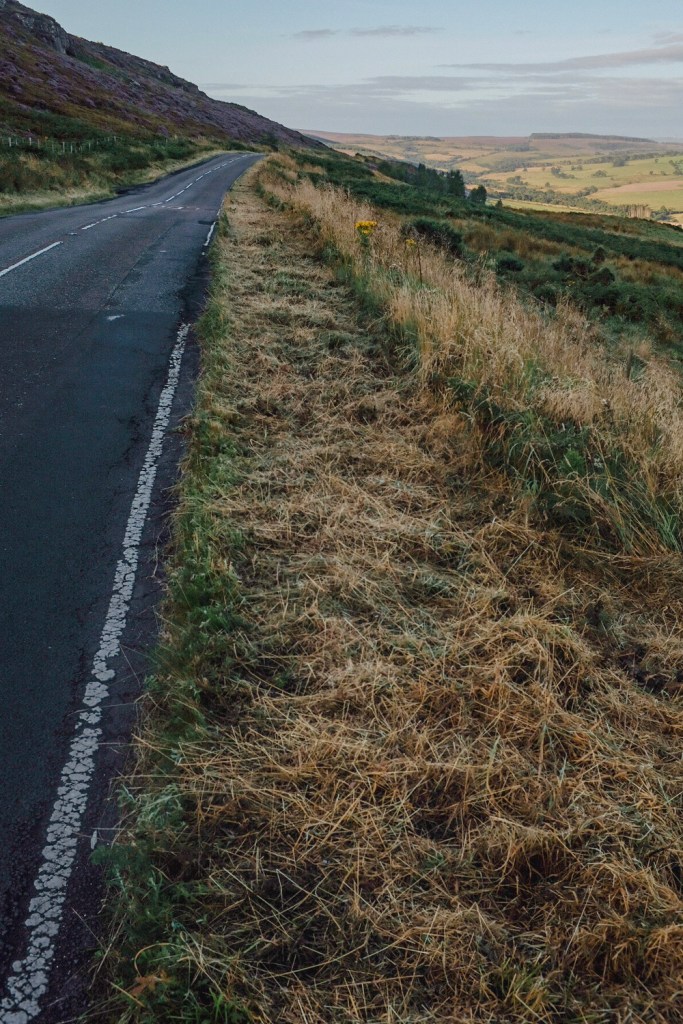
The X100F Photos
The Pentax ME Super

On the other hand, the Pentax ME Super is all about slowing down. There’s no EVF, no digital screen, and definitely no autofocus. Instead, you rely on a split-prism focusing system and aperture-priority mode. It forces you to be deliberate with each shot, a process that I find incredibly satisfying.

You’ll often hear film photographers talk about being more “in the moment” when shooting on film, and that’s exactly how I feel with the ME Super. The process of carefully composing each shot, setting exposure manually, and waiting for the film to be developed encourages patience and thoughtfulness.

For this outing, I paired the ME Super with Kodak Portra 160, a film that’s become known for its natural skin tones and soft, warm colors. Paired with the 50mm f/1.7 lens, this combination creates images with that unmistakable film character—shallow depth of field, soft highlights, and rich colors.

Lenses and Sensor Size

One of the most noticeable technical differences between these two cameras is their lenses and sensor sizes. The X100F features a 35mm equivalent f/2.0 fixed lens, while I usually use the 50mm f/1.7 on the Pentax. On the sensor front, the X100F has an APS-C crop sensor, giving it a narrower field of view compared to the full-frame 35mm film in the Pentax.

This technical difference goes beyond field of view. The Pentax ME Super has fixed ISO based on the film I choose, so I need to plan ahead for the lighting conditions I’ll be working in. In contrast, the X100F allows me to adjust ISO on the fly, providing flexibility in rapidly changing environments. This is something digital photographers have come to rely on, and it’s undeniably convenient when shooting in variable light.

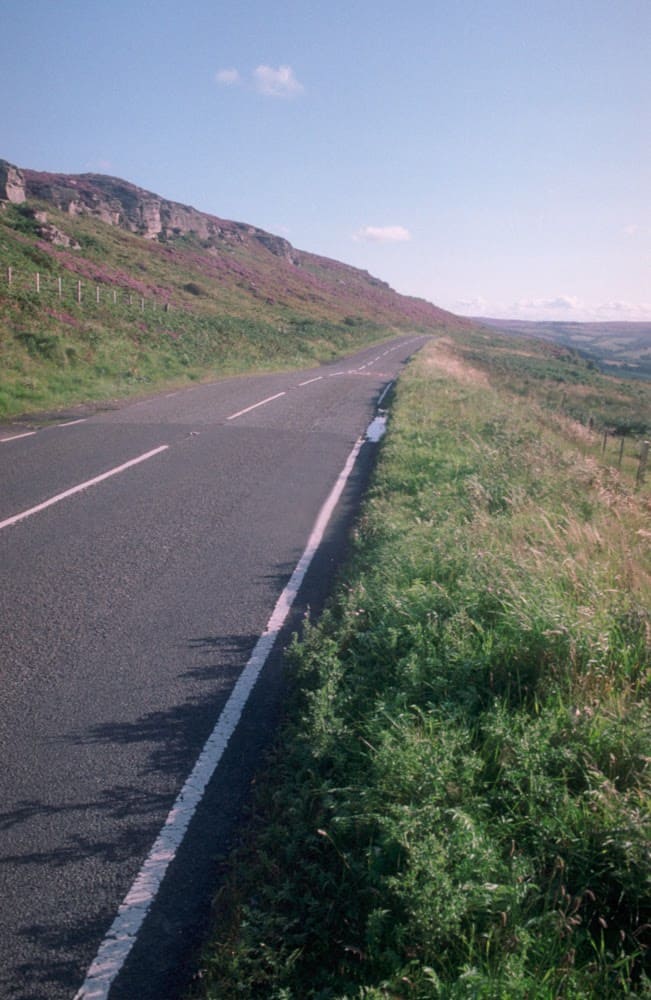
The Pentax ME Super photos
Comparing the Images

Now, the big question: which is better, the Pentax ME Super or the Fujifilm X100F? Honestly, neither. They’re different tools for different purposes. Whether you’re drawn to the organic feel of film or the convenience of digital, both formats offer something unique. And that’s the beauty of photography—there’s no one-size-fits-all approach.

The sideshow feature shots from both cameras. As you look at them, you might favour one look over the other. The film shots have a warmth and texture that digital sometimes struggles to replicate, while the digital photos are sharp, detailed, and offer instant gratification. But ultimately, this comes down to personal preference, not a matter of one being objectively better.

Final Thoughts

At the end of the day, a camera is just a tool for capturing a scene in a particular way. As long as the final image is pleasing to the eye, I’d say the job is done. So don’t limit yourself to just one format—if you haven’t tried shooting film, give it a go. If you’re a film photographer who’s hesitant to try digital, maybe the X100F will ease that transition with its analogue-like feel.

More than anything, I encourage you to enjoy the process, whether it’s with film, digital, or both. Get out there, take your time, and remember that photography isn’t just about the images you capture—it’s about the experience.


Post Scriptum:
For those of you new to my blog, welcome! I cover everything from camera reviews to photography tips and techniques. Whether you’re a seasoned photographer or just starting out, there’s something here for you. Feel free to leave your thoughts or questions in the comments below—I’d love to hear from you!

The UK Chronicles: A Black and White Footnote


My usual approach to black and white photography is to shoot directly in black and white, either using black and white film or the Acros film simulation with my X100F. When using the X100F on this UK trip, my EVF displayed the black and white shot using Acros with a red filter—my go-to simulation. This method puts me in a black-and-white “frame of mind” from the outset.

However, this time I decided to break from my usual practice and experiment. I did something I normally advise against—starting with the intention to create color images and only considering black and white later. I chose the Classic Chrome film simulation instead of Acros, focusing on capturing the vibrant colors of the Northumbrian countryside. It was all about breaking free from my black-and-white routine. Both color and black-and-white photography have their place, but for this trip, I wanted to prioritize one over the other. Still, wouldn’t it be intriguing to compare both approaches?

Back in France, as I prepared the images for my black-and-white Instagram feed, I began to wonder if some of the colorful shots might also work in black and white. Initially hesitant—given my emphasis on shooting with intention and purpose—I decided to embrace the experiment. I was breaking one of my own rules, yet the idea intrigued me.

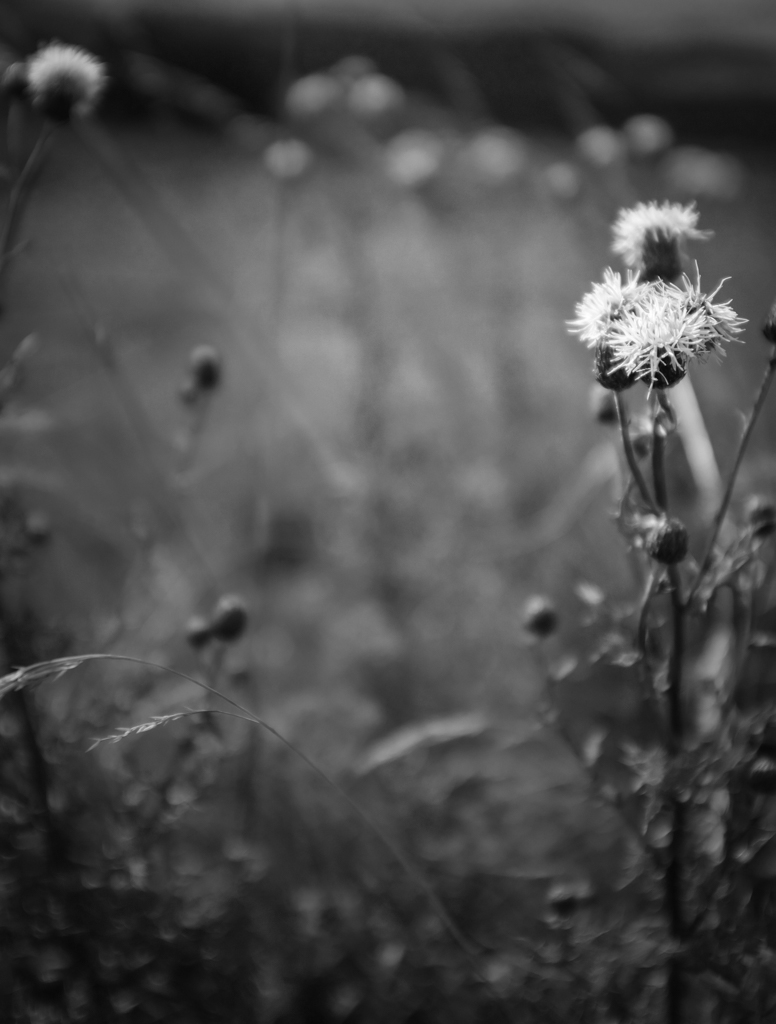
Reviewing the color shots, I considered which might translate well into black and white. I look for images with texture and varying tones rather than just color. My composition is usually solid since I’ve already edited my color images, including reframing and straightening as needed. With digital RAW files, converting to black and white and producing different versions is straightforward. As they say, the goal is to produce images that reflect how they made you feel, not just how you saw them. This is why I convert my images to black and white—they capture more of the emotional essence.

Opening Adobe Lightroom on my PC, I saw the familiar images on my screen. My editing approach may seem finicky, but it’s effective. While the simplest way to convert an image to black and white is to slide the “saturation” slider to the left, this often results in a flat, lifeless image. Instead, I use a more nuanced approach to control various color tones in the black-and-white image. This technique helps preserve depth and character, ensuring that each image maintains its visual impact even without color.

Here’s how I approach black-and-white conversion in Lightroom:

  • Black and White Profile: Sets the overall tone and mood of the image.
  • Clarity: Enhances texture and detail for a more dynamic appearance.
  • Contrast: Adjusts the range between light and dark areas, adding visual interest.
  • Color Sliders: Modifies the luminance of specific colors to bring out different tones in the black-and-white image.
  • Highlight Tool: Adds subtle vignetting and balances highlights for a polished finish.

So, why convert to black and white after shooting in color? For me, it offers a classic, timeless aesthetic, and challenges me to create a “better” image by focusing on composition and texture without the distraction of color. This approach pushes me to craft photographs that rely on fundamental elements, enhancing their overall impact.

Impact is at the heart of photography. While I cherish the colors of the Northumbrian countryside and am eager to learn how to use color more effectively, I also deeply value the strengths of black-and-white photography. It’s about transcending color to create images that resonate through composition and texture.

But there’s something more personal about these black-and-white conversions. Perhaps it’s because I broke my own rules this time around, allowing color to take center stage and letting the black-and-white images emerge later. These images weren’t planned with black and white in mind—yet, despite that, or perhaps because of it, they feel even more special to me. Sometimes, going against what you think you know leads to unexpected results. And, in this case, those results resonate even more deeply.

Isn’t impact what we strive for in our photography? Don’t get me wrong—I love the colors of the Northumbrian countryside and am on a quest to learn how to use color more effectively. But I do believe in the strength of the fundamentals offered by black-and-white photography. Sometimes, breaking your own routine brings surprising rewards.

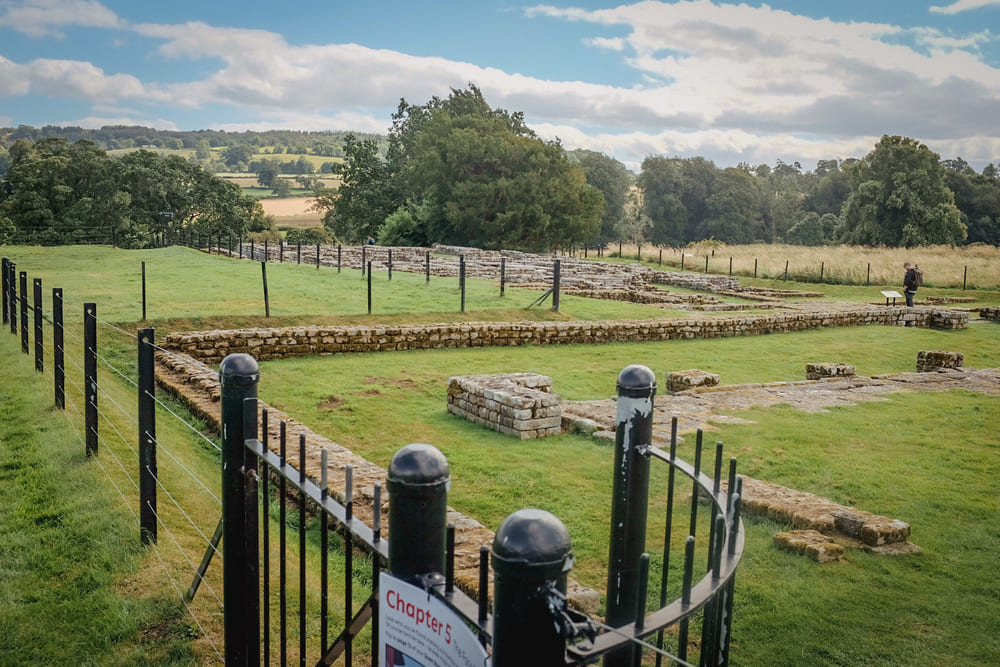
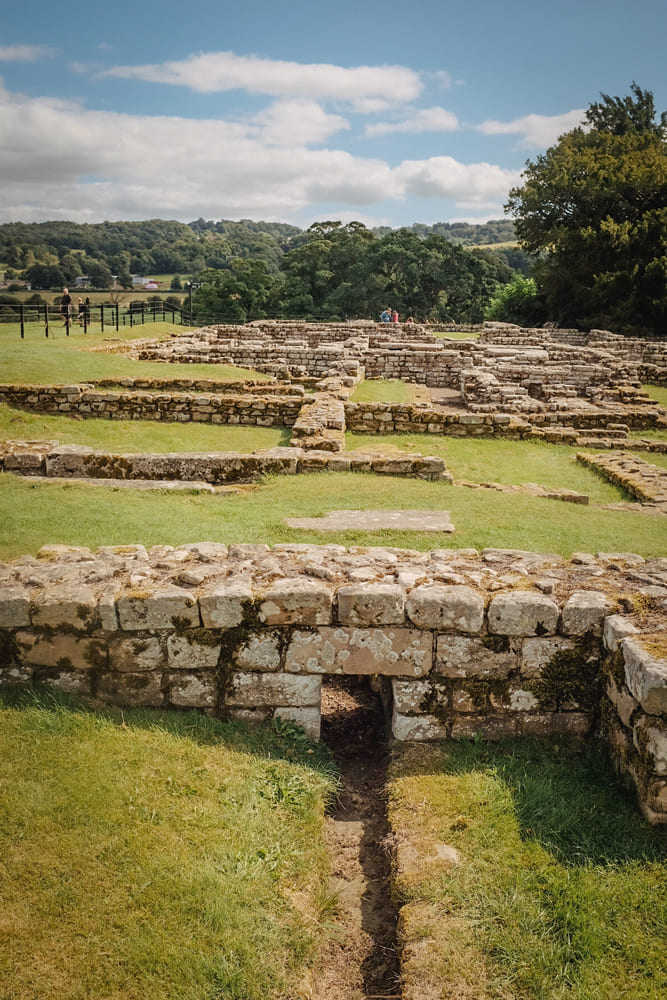
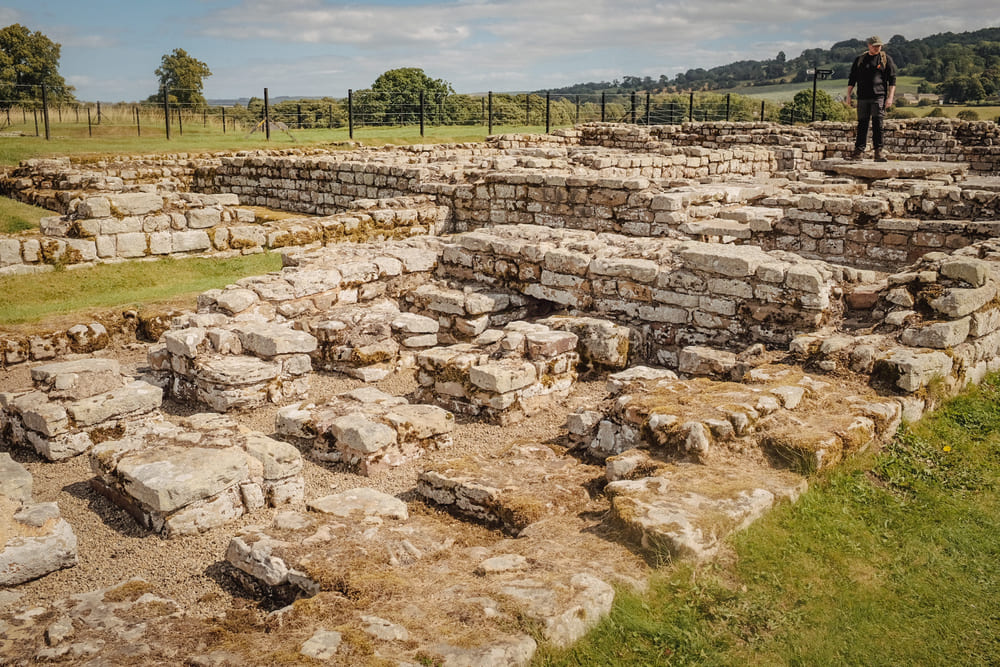
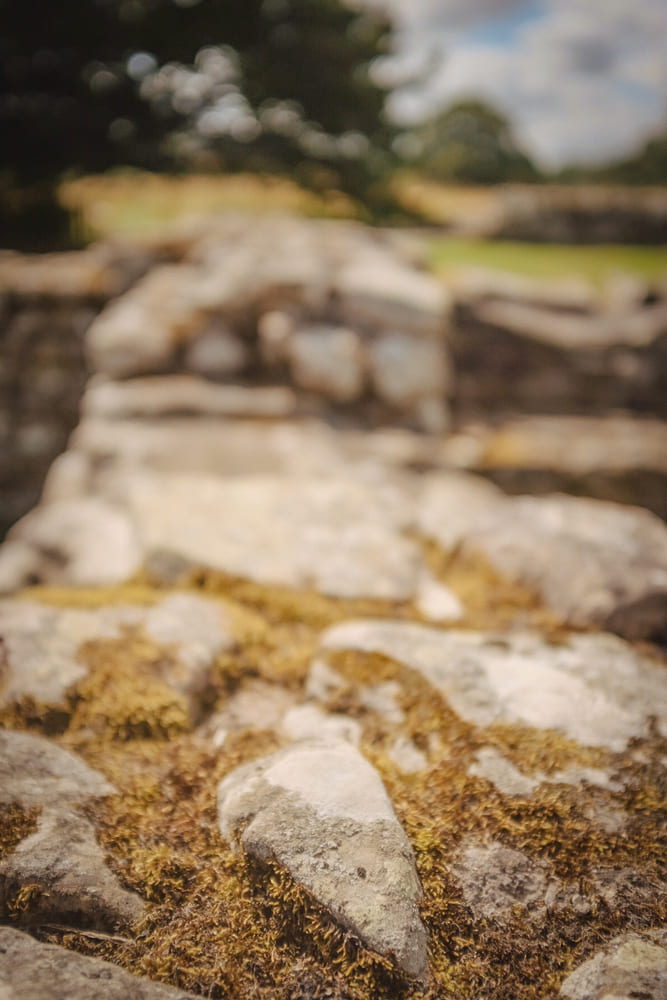
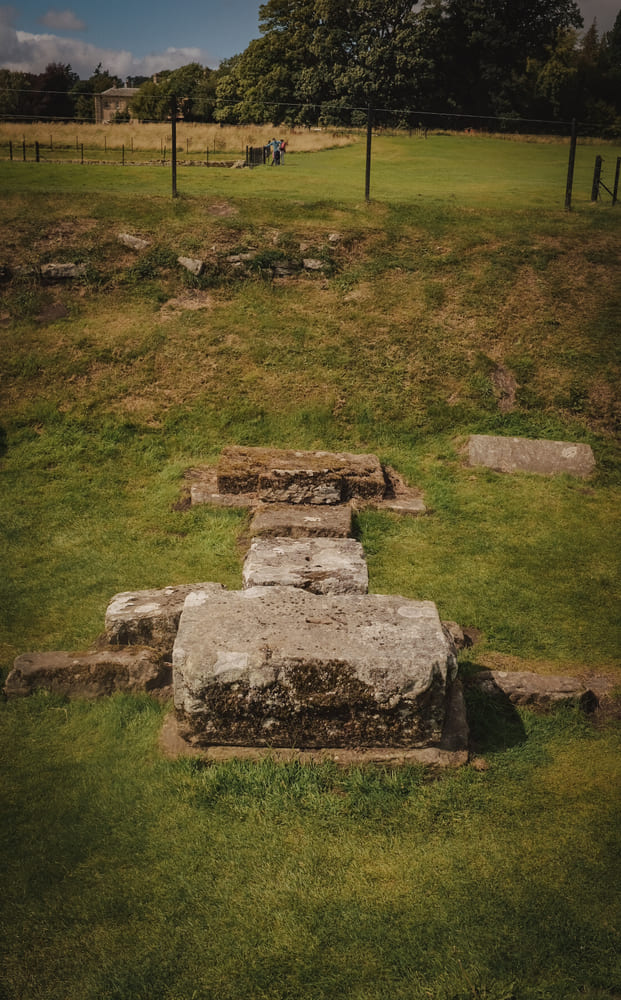
The UK Chronicles Part VII: Chesters Roman Fort


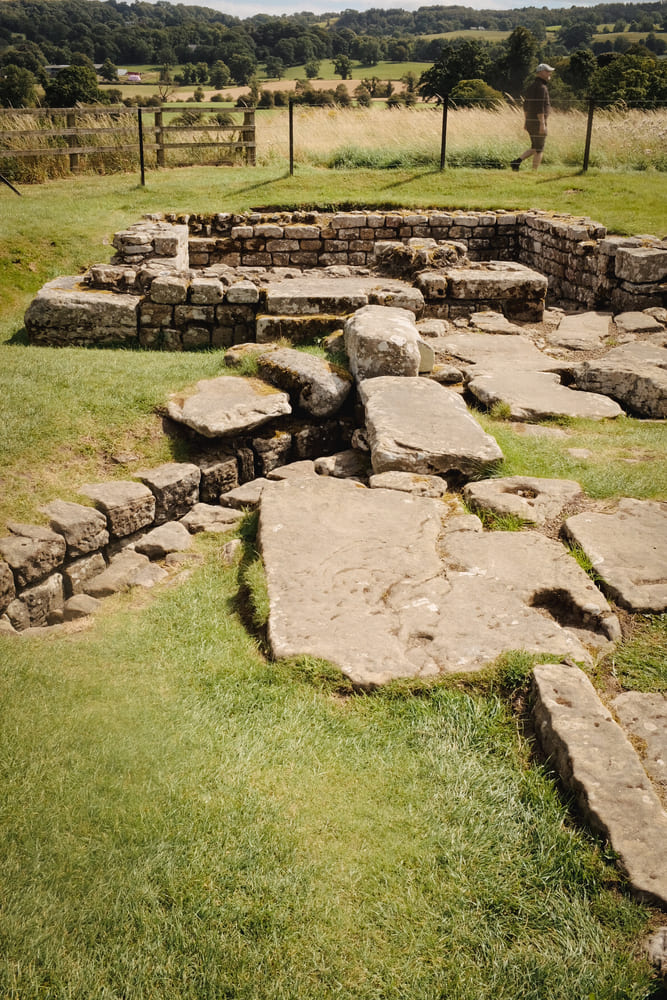
Welcome, Dear Reader, to the very edge of the Roman Empire, and by implication, civilisation. You might be wondering why there’s a carving of a phallus as the cover photo for this article. Well, don’t forget that soldiers will be soldiers, even when they’re part of a Spanish Cavalry regiment stationed here. Some things never change—except these soldiers were caught by archaeologists centuries later!
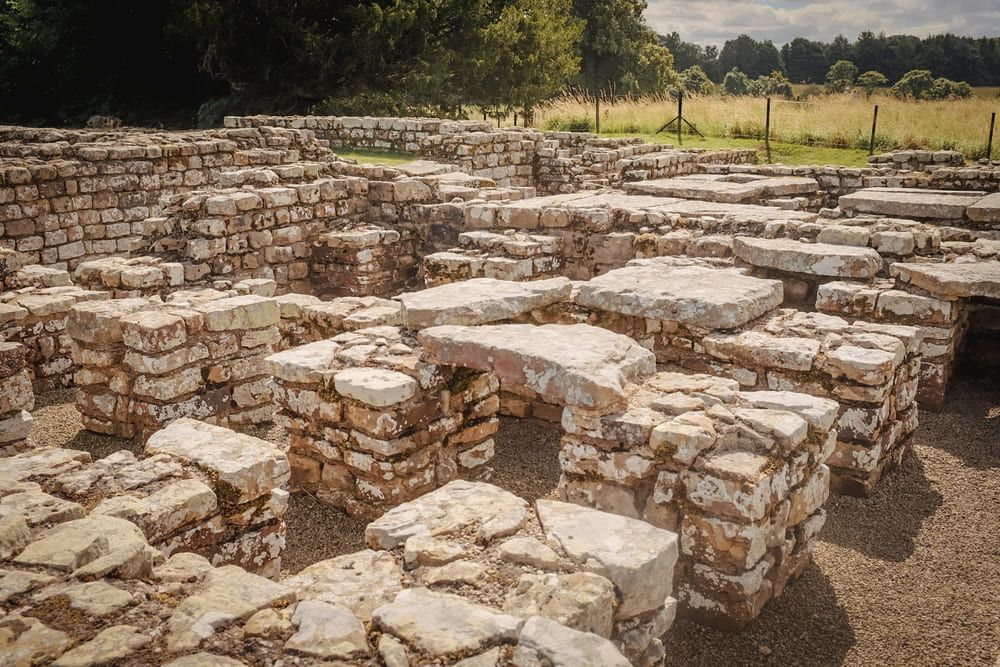
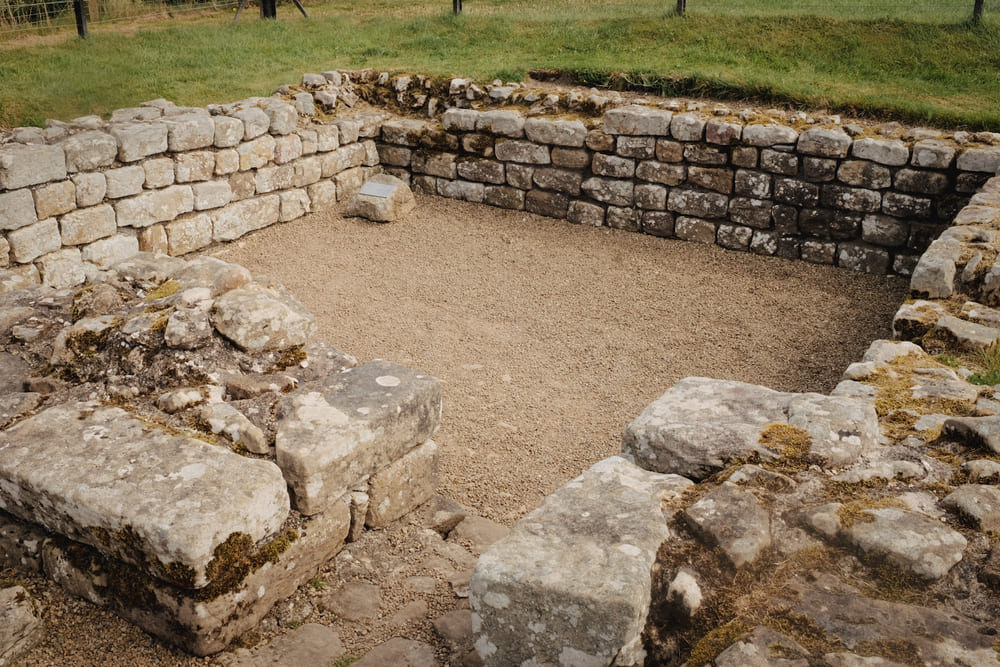
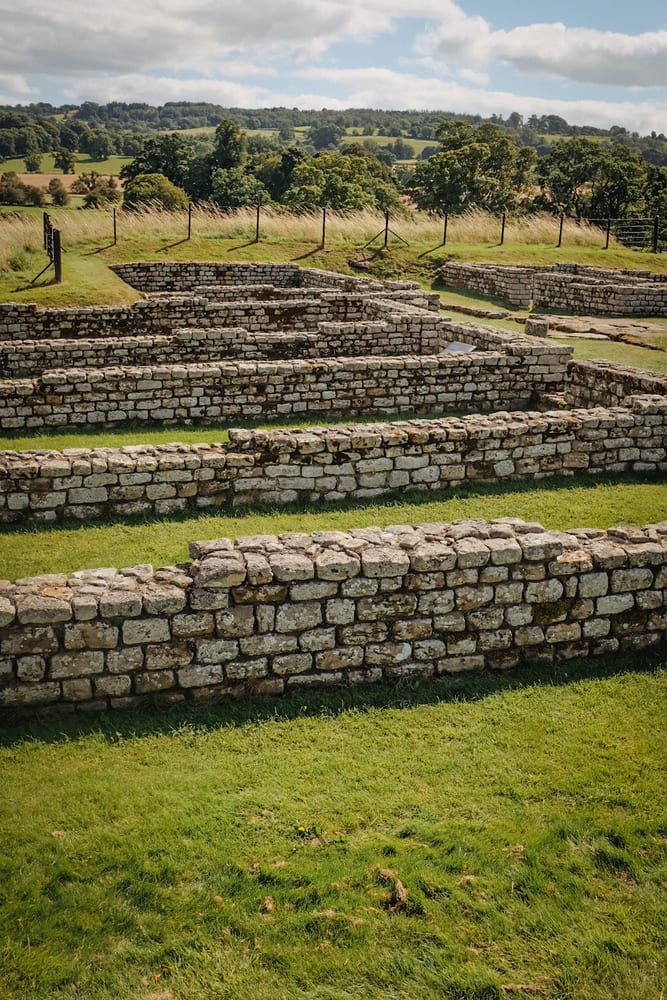
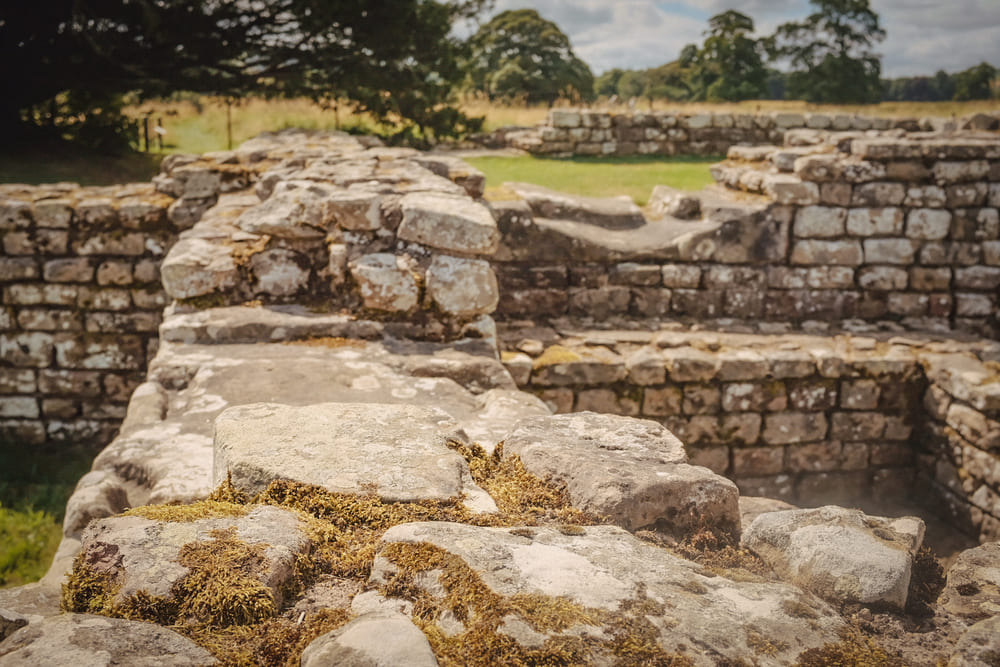
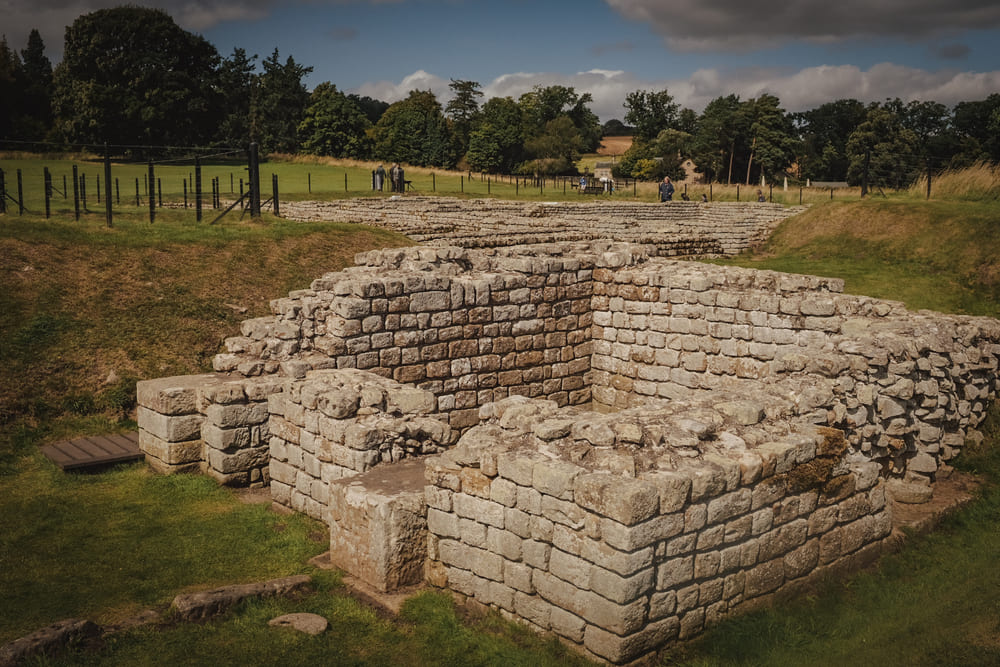
Chesters Roman Fort was constructed along Hadrian’s Wall to keep out the “uncivilised” Picts and Scots. This impressive wall stretches across the country from East to West, ending at Wallsend in Tyneside. It was a massive undertaking, and I’m still amazed by this feat of engineering.

Killian, my dear son and heir, whom you might recall from the previous article about his misadventures at Otterburn, was slightly less impressed. “Ce n’est pas le Mur d’Hadrian, mais le muret d’Hadiran,” he quipped—translating to, “Not Hadrian’s wall, but Hadrian’s little tiny miniature wall.” Some people are just impossible to please!
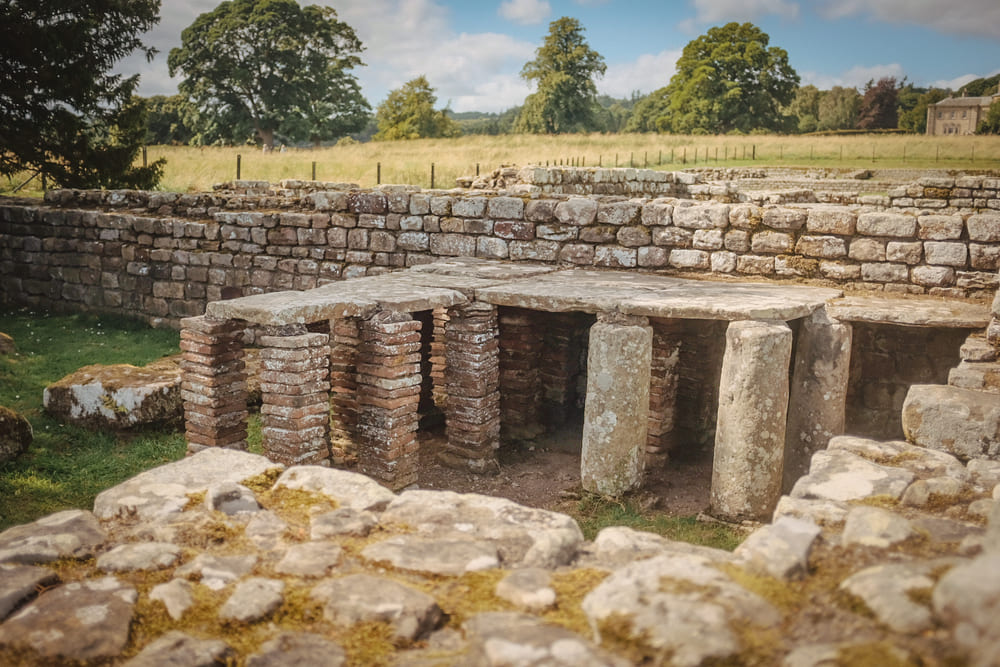
Despite his initial skepticism, Killian was genuinely impressed by the quality of the stonemasonry, even after nearly 2,000 years. With his background in plumbing, he quickly noticed the Roman plumbing and underfloor heating, which makes you realise how little we’ve actually invented since then.

When we visited the cavalry lines and saw where the horses were kept, he was astonished to learn that three men and three horses lived in the same building, with the horses at one end and the soldiers at the other.

Even though he was flippant at the start of the visit, he took a keen interest in everything and enjoyed explaining each building to me. Maybe he’s a closet intellectual after all…

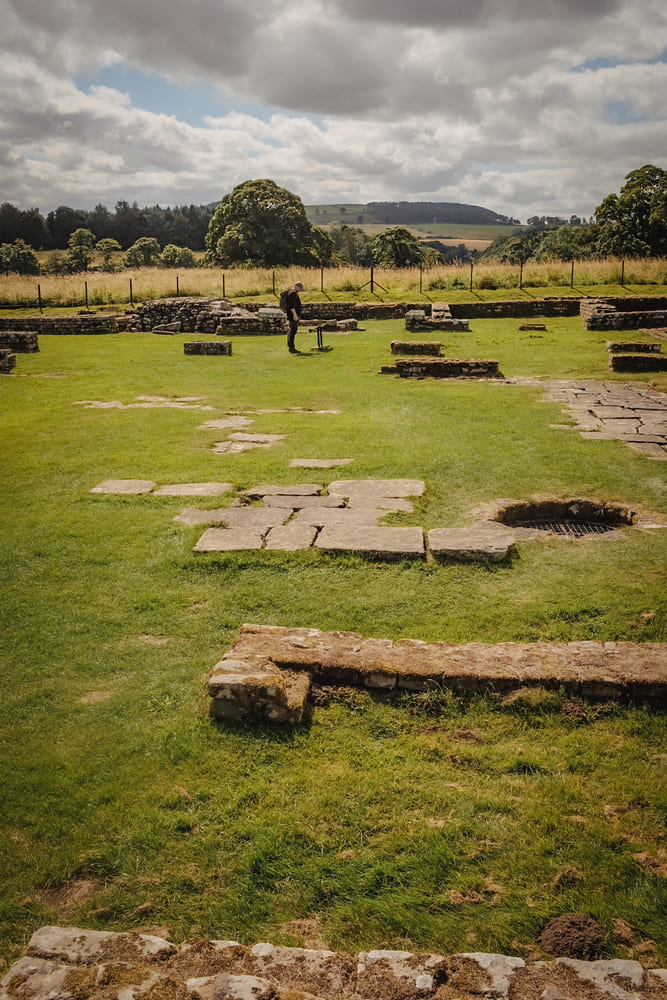
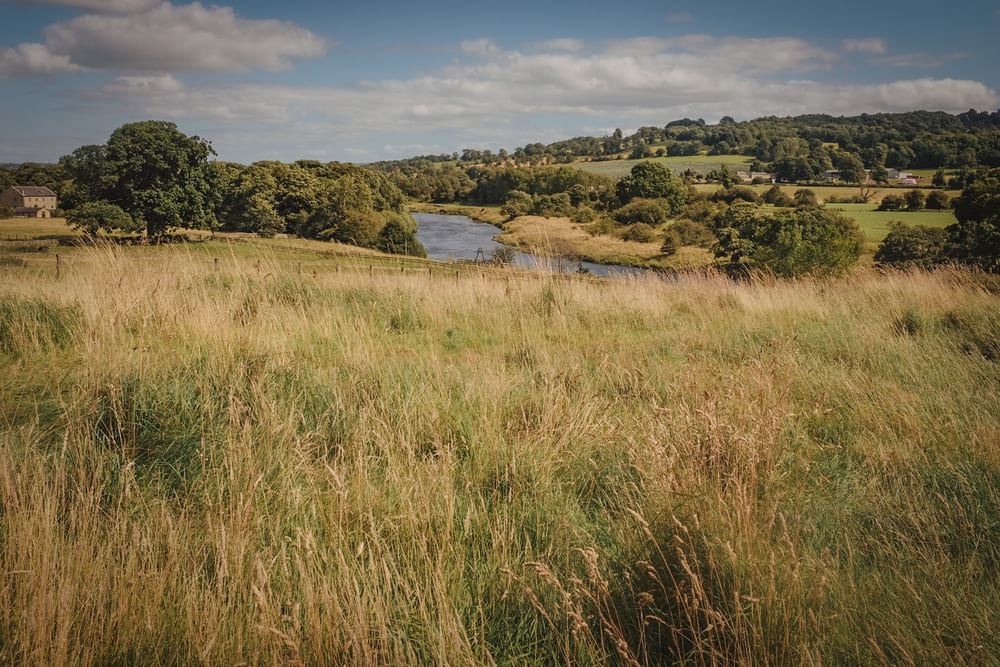
As we continued our tour, my knee was giving me trouble, and Killian showed his concern, asking if I really wanted to go down to the river to see where the bridge once stood. I insisted we go, so we made our way slowly towards the river and the soldiers’ baths. And by baths, I mean a fully-fledged hammam complete with sauna and dry heat—the very latest technology to provide the frontier soldiers with some home comforts. If those baths were still operational, they might have been perfect for soothing my arthritic knee!

We walked slowly towards the west gate and could only imagine the civilian buildings buried beneath the fields in front of us. This site wasn’t just a series of building outlines but a thriving Roman community on the very edge of civilisation.

Speaking of civilisation, I felt it might just be time for a cup of tea. As we strolled through the site towards the car, we spotted a tea shop. A cup of tea and a slice of cake were just what I needed—I was in heaven! Good old National Trust! No wonder they’re an institution. Our conversation shifted to the gift shop, where I was trying to convince Killian that, despite how cool owning a replica Roman helmet and armour might be, it could be a tad impractical and he might not have many occasions to wear such Roman regalia. Mind you he would be very dashing!

If you want to, you can even play a game of “Where’s Waldo” or “Where’s Wally,” for the British readers. Note I didn’t say “Where’s the Wally…” Keep an eye out for the photos of Killian…

The UK Chronicles, Part V: Rothbury to Hepple


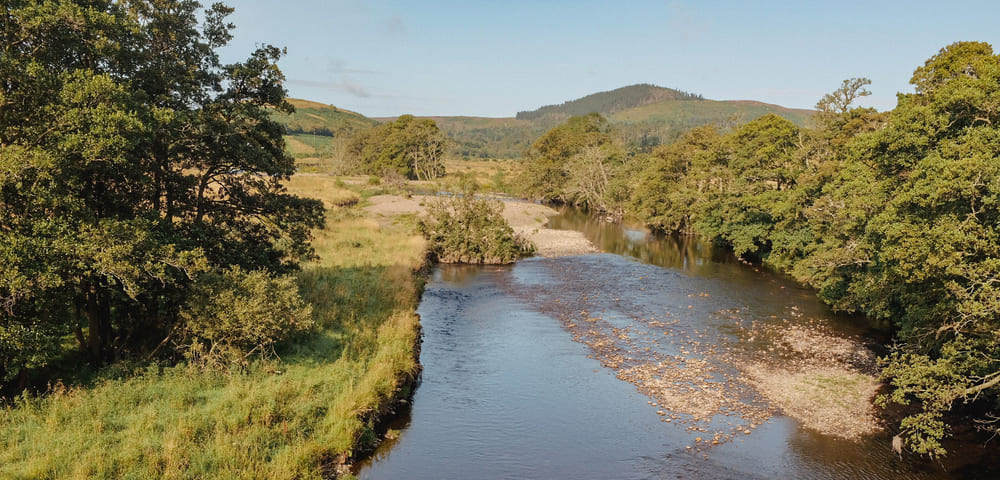
Do you have a place, be it real or imaginary, that just haunts your mind?  You think of it, and you are transported there instantly.  The smells of the grass, the sounds of the river, and the odd car driving past you wondering what the heck you are doing?  Hepple is my special place.  It is a place where I feel at peace and that all is right with the world.

I’m thinking back to an article I wrote a couple of years ago called Hepple for Photos, Not Gin. I was with my father and had my Canon 6D Mark II with the 16-35mm F4.0 lens and the 70-300mm zoom lens. This year, however, I had my X100F with just the 35mm f2.0 equivalent lens, and I was with Killian, who, surprisingly, was a little tired and decided to curl up on the back seat for a snooze. His loss…

This is the place, this stretch of road, that I have been looking forward to for 2 years. The weather was clement, and I can assure you that the place is still as beautiful as ever. I wasn’t going to have the choice of lenses this time; I would have to see the scene in 35mm and make do with it. No zooming, no switching lenses—just a little constraint. And you know what? I was fine with that!

The lack of zooming and my sleeping son allowed me to walk around the area a little more, exploring under the tree at the end of the road and at the bottom of the hill.  These were views that I had not seen before.  It only goes to show that we might think we know a place, even in our memories, but it still has so much more to offer us.

I parked just before the bridge, as I usually do. Everything was still in place: the stiles, the trees, the river—just as I had pictured it in my mind. It’s when looking at the countryside like this that I am convinced there is a creator behind all this creation. The beauty of it didn’t just happen by chance.

The noises were made by the flowing of the river and the breeze in the trees.  I had this feeling of calm.  I could take photos of that place every day and not get tired of it all.  I might even go so far as to say I could have died here and died a happy death.  I had found my peace.

Killian had found his peace too and was still asleep in the car.  A micro sieste, he said.  He might be 25, but he reminded me of the small boy who was once my son. 

I can’t be the only person on this earth to feel this?

The UK Chronicles Part III: Bamburgh


Memories of Bamburgh: A Personal Connection

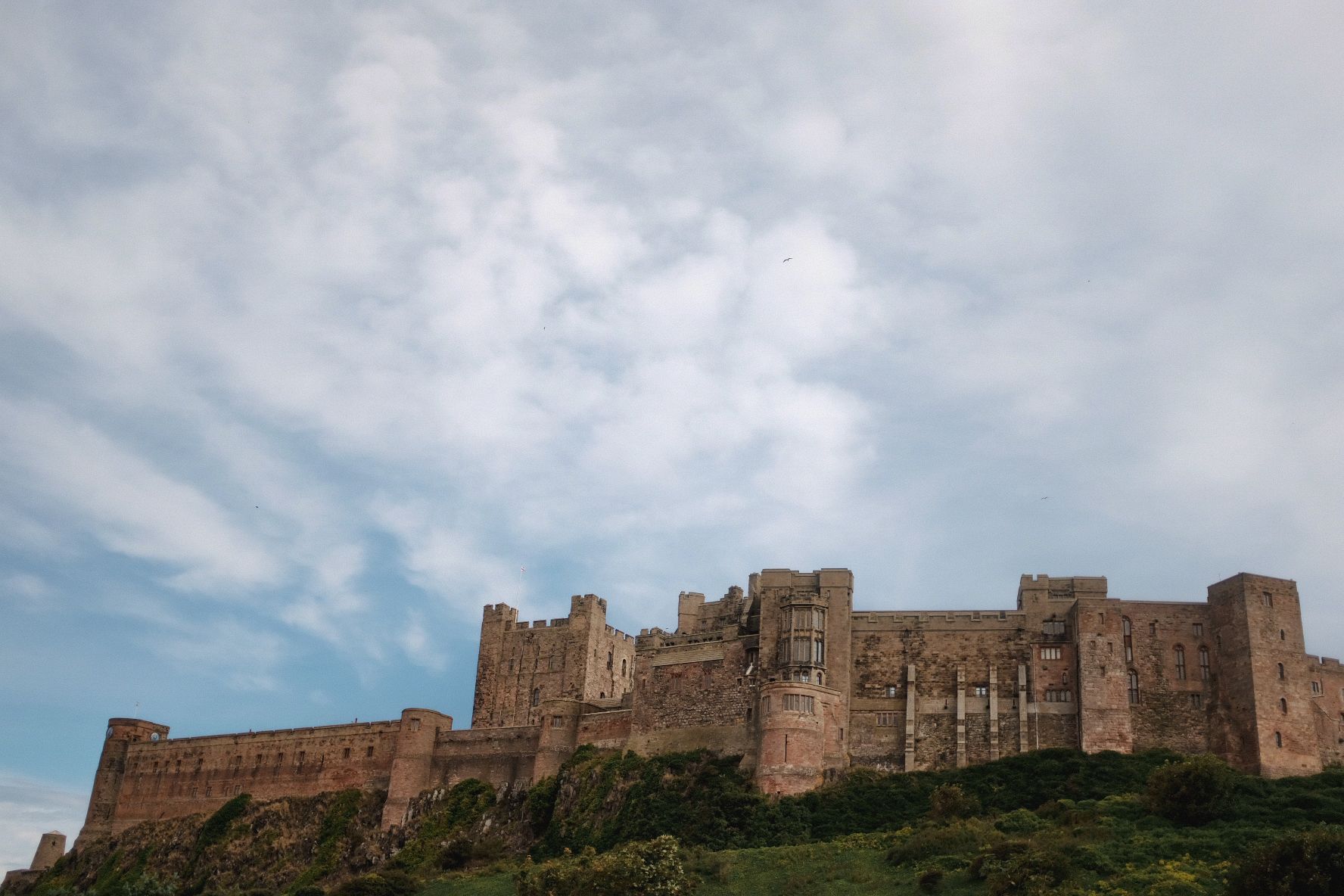
I’ve been going to Bamborourgh since I was a little boy. Fifty years later, it still affects me in a way that not many places do. Growing up, there was a painting of the castle in my mother’s bathroom, and ever since I learned photography, I’ve wanted to capture my own photo of the place. Patience, my dear boy, patience…

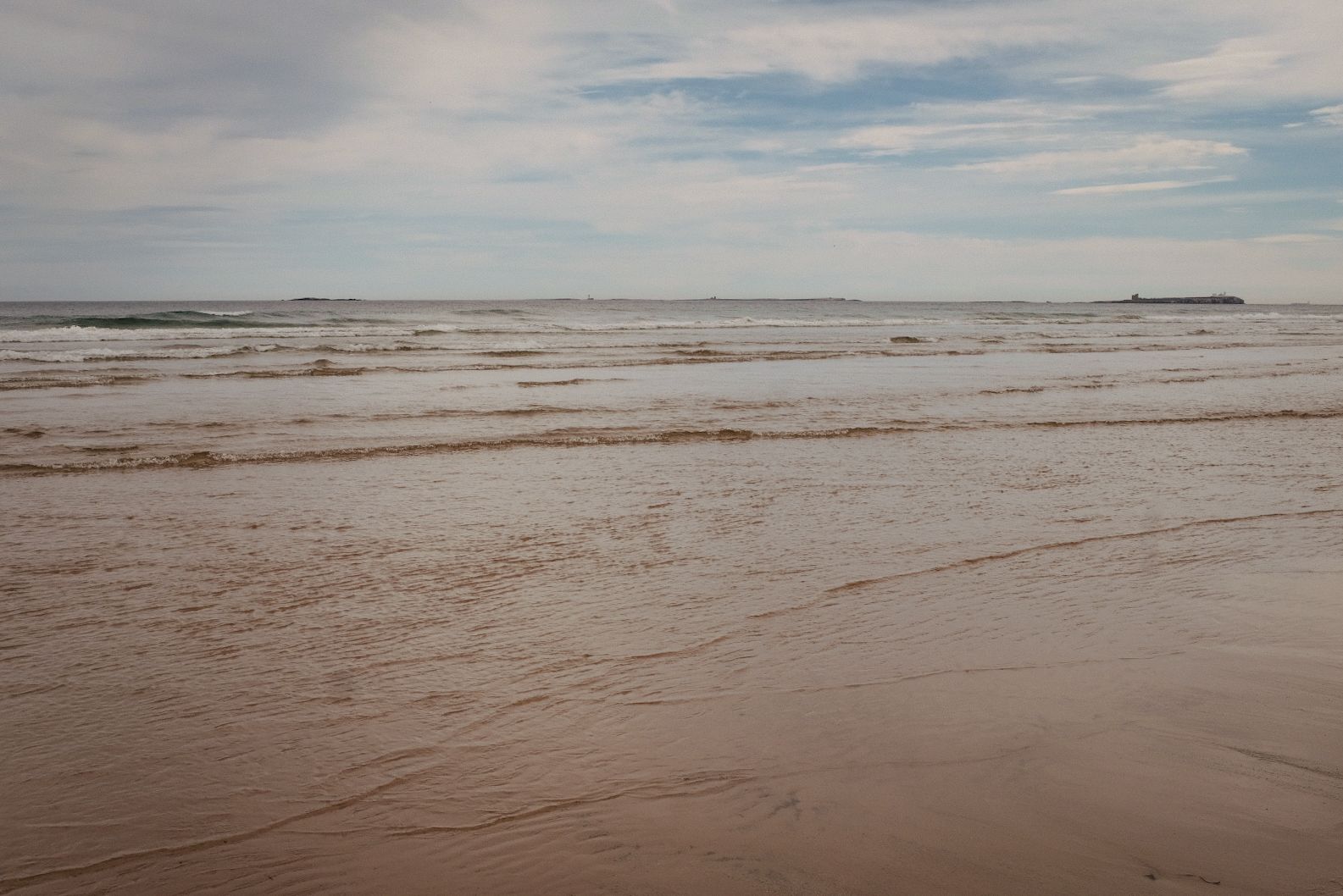
The last time I was there, I was with my wife and daughter. We explored the castle—a gurt big affair that overlooks the coast and the Farne Islands. This time, I was with my son. It’s all about passing on the experiences we’ve had to future generations. To be honest, this whole trip was about creating memories for the children and spending quality time with them. Ever wary of spending too much, we decided to visit just the village and the beach.

Exploring the Beach: A Walk through the Dunes

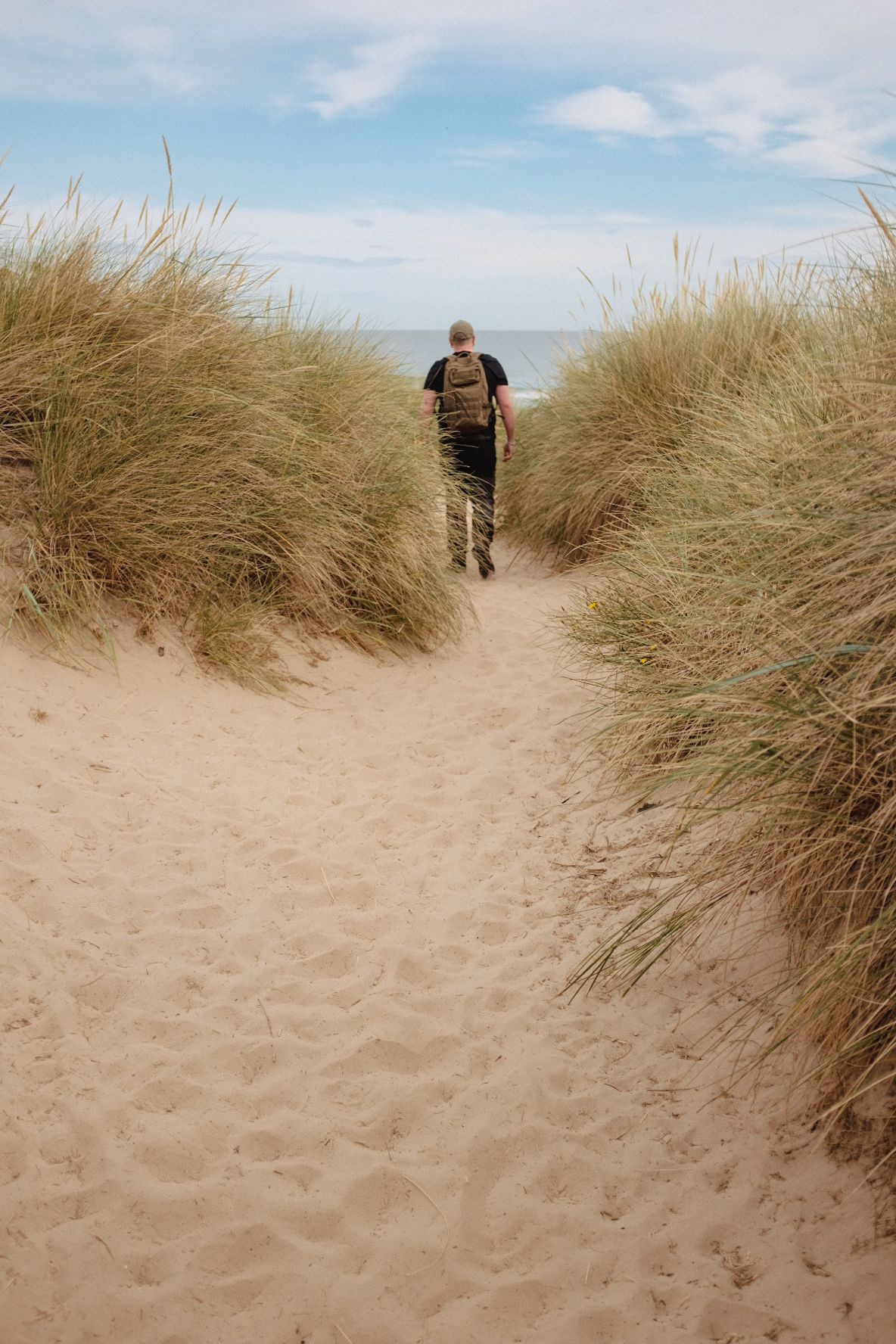
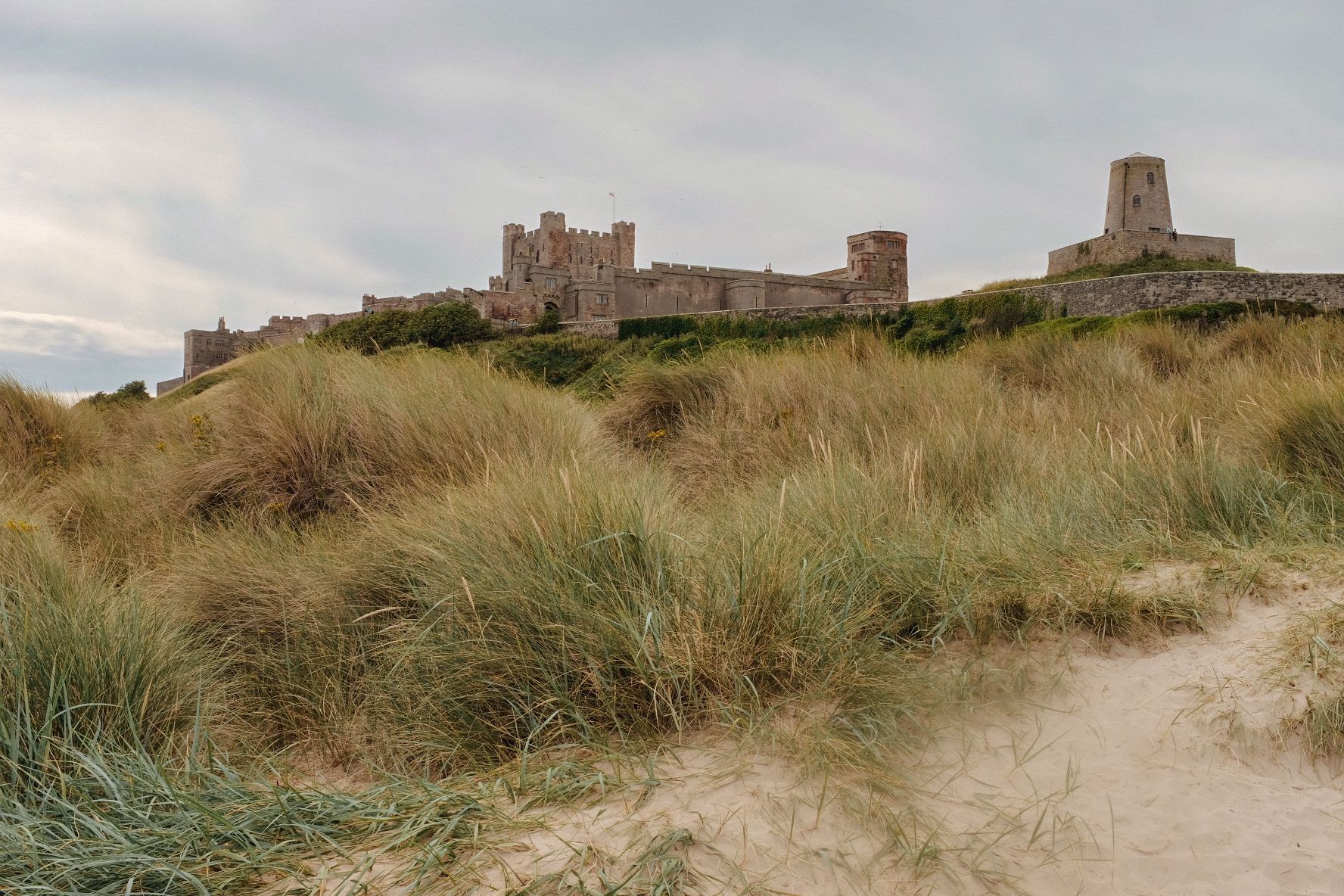
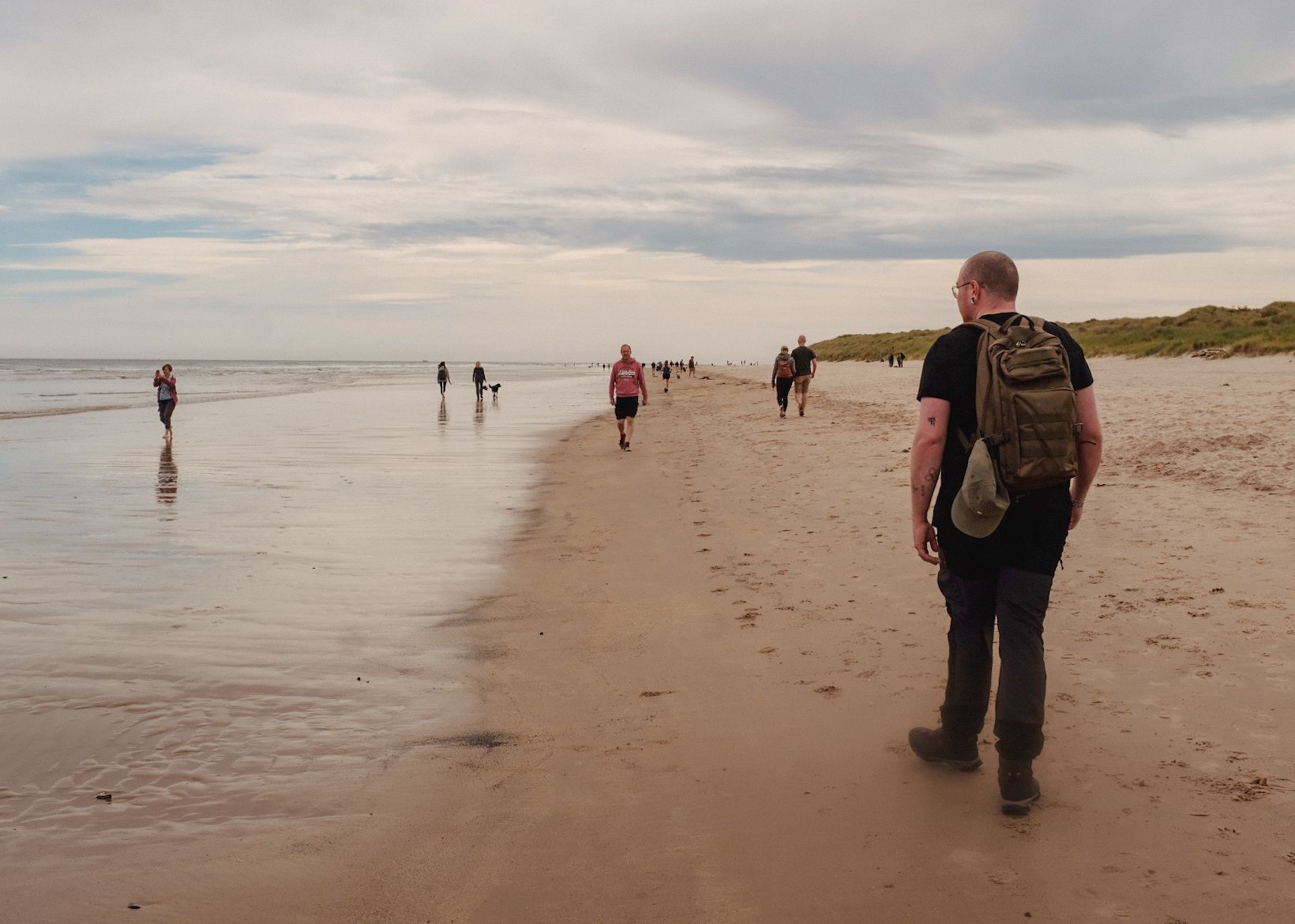
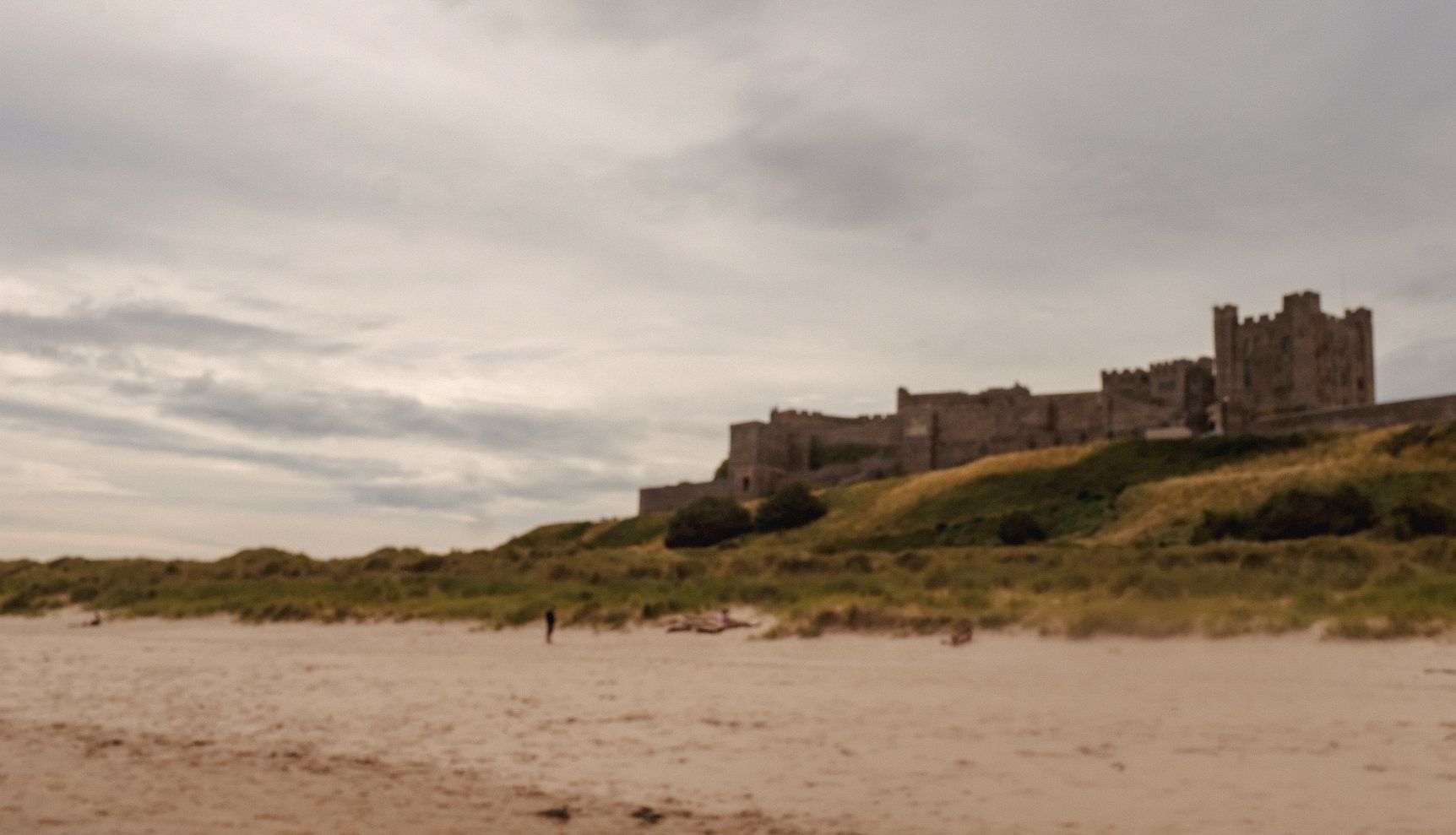
To get to the beach, you have to go through the dunes, following the paths, because wandering around the dunes willy-nilly is not the done thing—conservation of the local flora and fauna and all that. The castle towers above the beach, giving a sense of protection. By the time we got there, the beach was fairly full of people, dog walkers, and their dogs, all just enjoying the summer. A British, Northumbrian summer, but summer nonetheless.

I don’t know if you know, but I have a gammy knee and arthritis. I’ve also been taking collagen every day, and although it seems to be doing me good, it’s a bit early to see real effects. Killian was very kind, looking after me and making sure I was keeping up. He’s a good man, and it’s nice spending time with him. After walking on the beach for a while and letting me take my pictures, we found a log to sit on before heading back into the village.

A Stroll Back to the Village: Nostalgia and New Discoveries

As we headed back to the car, we came up the side of the castle and walked along the cricket ground. Dogs and their walkers were still out in force, with the owners throwing balls for the aforementioned dogs. All of a sudden, I missed Molly, our dog, and thought how much she would have loved coming with us, but she’s an old girl, and it wouldn’t have been feasible.

I thought about going up to the church to pay my respects to the local heroine, Grace Darling, who was the Lighthouse Keeper’s daughter in the 19th century. During an epic storm in 1838, a ship was wrecked on the Farne Islands, and Grace and her father went out in a rowing boat to pick up the survivors, as it was considered too rough a sea for the Seahouses lifeboat. They saved 9 out of the 62 passengers and had to shelter in the lighthouse for a further 3 days until the storm calmed down.

A Pub Lunch at The Lord Crewe: A Culinary Interlude

I didn’t manage to get that far. Killian, much like myself, has a weakness for pub lunches. And look, a pub! The Lord Crewe! One of those posh pubs that tries to hit above its station… We went straight to the bar and tried to order two pints of Guinness, while letting them know that we wanted to eat too. “Oh, in that case, just go up to the restaurant, and they’ll deal with you…” I was ready to leave the place and go somewhere else, but Killian was hungry, so we didn’t. However, we did enjoy being rude about the two barmen in French.

Killian decided on fish and chips, or “cod fillet with a beer batter”, and I went for the prawn cocktail. As you can see in the picture, even as Frenchmen, we couldn’t fault the presentation of the dishes. The taste was pretty good too! Eating a meal like that just takes you back to a place of joy and nostalgia. It takes you back to a place of calm and reflection. It takes you back to a place where everything is just the way it should be. It almost helped us forget the two barmen. Almost…

A rather delicious and impeccably presented prawn cocktail..

Continuing the Adventure: More Pints and Ice Cream

We paid and left, still joking at the barmen’s expense. We continued up the road and found the other pub. Ah well, another pint of Guinness. We never got to the church, but that was fine, as I already had the photos I wanted. The beach, the castle, and the dog walkers. We headed back towards the car and had that ice cream that we had noticed while walking up to pub number two. What a sound decision. It was very good ice cream and helped us forget the two rude barmen from the other place… Almost…

Capturing Bamburgh: A Photographer’s Reflections

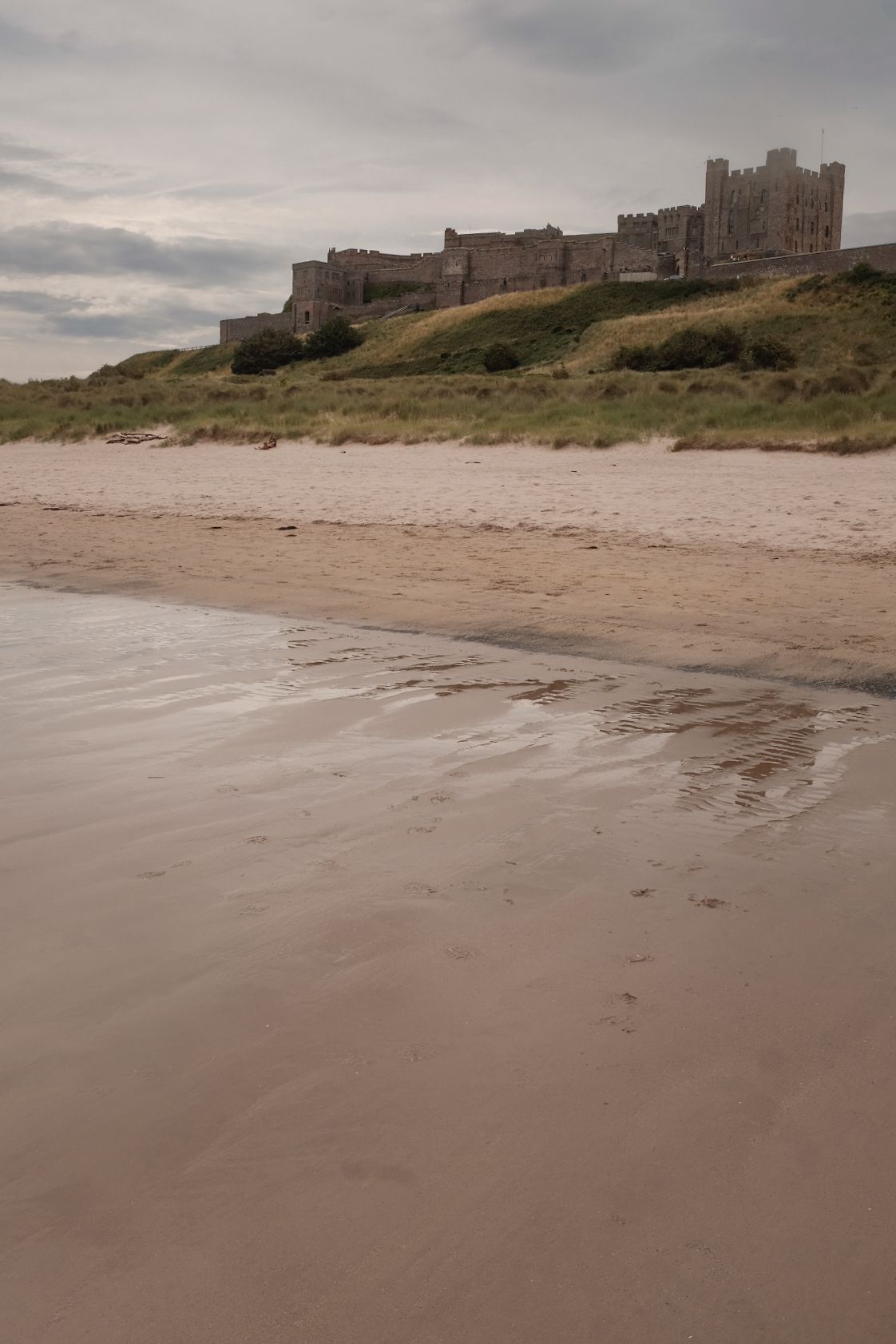
Anyway, back to the car, and back to Lesbury to go and see the girls. I had the photograph I wanted. I wanted the castle, on top of its hill overlooking the beach and the dunes. The other photos were just a bonus. Yes, I went to a place for just one photo, but it was a photo I had been eager to get for some time. The next time I might just have to go at sunset to get the good light…

Photography Insights: Challenges and Techniques

Let’s conclude by talking about the photography from the day. The main technical difficulty was my camera’s metering of the scenes. I had to really expose for my highlights to compensate for the bright sky and the reflection of this light on the sand. I was actually worried about not being able to retrieve the information in the shadows. Luckily, Lightroom was a champion with photo editing and showed itself to be a top-notch app. For me, Bamburgh is all about the castle. It’s about the castle and the sea. It’s about the castle, the sea, the sand, and the dunes. If you can capture all that, then you’re well on your way to getting some pretty good photos.

I want it, but do I really need it?


The camera gear industry is a powerful beast and it tries to convince us that this piece of kit, that is conveniently in stock, will help you become that photographer that you are destined to be.  Be that in magazines, be that in youtube influencer videos that “try out the camera” that the manufacturer has just lent us to show you what it’s like.  I’ve watched loads of these videos especially when thinking about the kit I wanted to buy.  Come on in and I’ll make sure you have the best camera possible, and the best possible lens.  What’s your budget?  OK, I’m sure we can work something out.  What kind of photography do you want to do?  Well, you’ll need this, and this, and this, etc.

That nice man in the shop will be more than happy to take your money and sell a high end camera that will be a thing of beauty.  But look at the title again.  “I want it, but do I really need it?”  You have fallen into their trap.  I’m not trying to put down these sales people, and their wealth of knowledge, but know that there are other options out there.

I’m going to dare say it.  You don’t need the latest and greatest equipment to take great photos.  Instead prioritise value, and mindful shooting, over gear acquisition.  Think about boys and toys.  I get exactly the same feeling as you when I enter a camera store.  I want it all.  Of course I do.  Who doesn’t?  But,what would my wife say?  What would my bank manager say?  What would reason tell me instead of letting my emotions get the better of me?  Can I really justify this acquisition?  Do I really need it, or is there a less onerous solution?  I know.  I’ve just pissed on your bonfire, but it’s time for a reality check here…

So what can I do about that?  You can realise that there is a huge market of second hand gear out there.  I have taken this route in the past and have no regrets.  Yes, I did it my way…

Where do you go to discover all these hidden gems?  There is of course E-Bay, that huge online auction site which I used to acquire the majority of my film cameras.  When I was a customer of the site the film cameras were fairly cheap, since those pesky hipsters hadn’t cottoned on to the fact that film photography is cool.  So yes, each purchase was a gamble, but I had less money to lose, and the return would be greater.  The old cameras were simpler, the lenses were great, and there are still lots of examples of reasonable cameras out there.  Would I use it for digital?  Probably not.  I’m not really a gambling man, and don’t have a huge wad of cash that I am willing to possibly waste.

But E-Bay is not the only option.  There are various online sites such as mpb.com that have a very good reputation, and have tested each piece of equipment that they sell.  They give you an honest appraisal of the piece of kit and are honest about the state of said piece of kit.  They guarantee each purchase, and have a generous returns policy.  I might consider using it if I were interested in buying some new kit.  But at the moment I’m not.  There are also second hand areas of our beloved camera shops that will have used gear.  

When buying second hand, you will generally be spending less money, or at worst, getting more kit for your hard earned cash.  Older models of camera might not be as super duper as the latest models that look so sexy in that shop window, but for what most us mere mortals need, they are more than adequate.   You really have to look at which features are most important to you.  Thanks to you, there will be one less camera going to landfill.

Talking of features, let’s talk about the 80/20 rule.  For 80% of your photographs, you will use about 20% of your gear, and features on your camera. I urge you to identify the essential features for your type of photography (e.g., autofocus, image stabilisation, dynamic range), and maybe avoid spending money on features or lenses that you won’t use frequently.  Shutter speed when doing sports photography, or high dynamic range for landscape photography.  Is an F1.2 lens really what you need, or will F2.0 pr F2.8 still get the effect you want?

I’m going to talk about the X100F (again!) and compare it to the latest version from Fujifilm, the X100V and the X100VI

FeatureFujifilm X100FFujifilm X100VFujifilm X100VI
Sensor24.3MP APS-C X-Trans CMOS III26.1MP APS-C X-Trans CMOS 440.2MP APS-C X-Trans CMOS 5 HR Sensor
Lens23mm f/2 (35mm equivalent)23mm f/2 (35mm equivalent) with improved optics23mm f/2 (35mm equivalent) with further improved optics
Autofocus91-point hybrid autofocus425-point hybrid autofocus with improved face/eye detection425-point hybrid autofocus with further improved face/eye detection and subject tracking
ViewfinderHybrid viewfinder (optical/electronic)Hybrid viewfinder (optical/electronic) with improved EVFHybrid viewfinder (optical/electronic) with a larger and higher resolution EVF
Screen3-inch fixed LCD3-inch tilting touchscreen3-inch tilting touchscreen
Image StabilisationN/AN/A6-Stop In-Body Image Stabilization
Video1080p up to 60fps4K up to 30fps6.2K (cropped) and 4K up to 30fps
Weather SealingNoYesYes
Price (approx.)€800-€1000 (used)€1300-€1500 (used)€1700-€1800 (new)

Key Takeaways:

  • Sensor: The X100VI offers a significant resolution upgrade with its 40.2MP sensor, providing greater detail and flexibility for cropping compared to the X100V and X100F.
  • Lens: All three models share the same focal length, but the X100V and X100VI feature improved lens designs for better sharpness and close-focus performance.
  • Autofocus: The X100V and X100VI offer a substantial upgrade in autofocus points and performance compared to the X100F, making them better suited for fast-moving subjects and low-light situations.
  • Viewfinder: The X100VI has the most advanced viewfinder with a larger, higher resolution electronic viewfinder (EVF) and improved refresh rate.
  • Screen: The X100V and X100VI have tilting touchscreens, which can be helpful for composing shots from awkward angles, while the X100F has a fixed screen.
  • Video: The X100VI boasts the most advanced video capabilities, offering 6.2K recording with a crop, while the X100V is limited to 4K, and the X100F to 1080p.
  • Weather Sealing: Both the X100V and X100VI offer weather sealing, making them more durable in adverse conditions compared to the X100F.
  • Price: The X100F remains the most affordable option, especially on the secondhand market. The X100V offers a good balance of features and price, while the X100VI is the most expensive but comes with the latest technology.

Ultimately, the choice depends on your budget, needs, and priorities. If you need the highest resolution and advanced video features, the X100VI is the way to go. If you prioritize value and portability, the X100F is still a great option. The X100V sits in the middle, offering a good balance of features and price.

If you are a professional, then I think the same logic will apply.  Even though a nice kit is an investment you need to consider the returns on your investment?  Is the purchase justified and will it bring more work for you?  Will it expand my offer enough?  If you are an amateur, then you can spend any amount of money you want, but if you could do more, with less, wouldn’t that be an appealing option? Have I not managed to convince you yet? Look at the film archives… And look at the pictures from the X100F