China – Shao Xing to Xian Ju


Welcome back to China. It is the morning of the 2nd of January. The whole tour seems to have flown by, and my memory is already hazy. I remember going around Shao Xing, and I remember the concert in Xian Ju, but beyond that? Not much.

I don’t usually black out, even after a drinky-poo, but it feels like I forgot to press Control+S. No saves to rely on. Bugger. Maybe it’s the thought of going home tomorrow? The dread of the parenthesis closing?

Strangely, I wasn’t even fed up with sharing a room with Corentin, and bus rides with everyone were still enjoyable. Definitely bizarre. It can’t be Blue Monday yet!

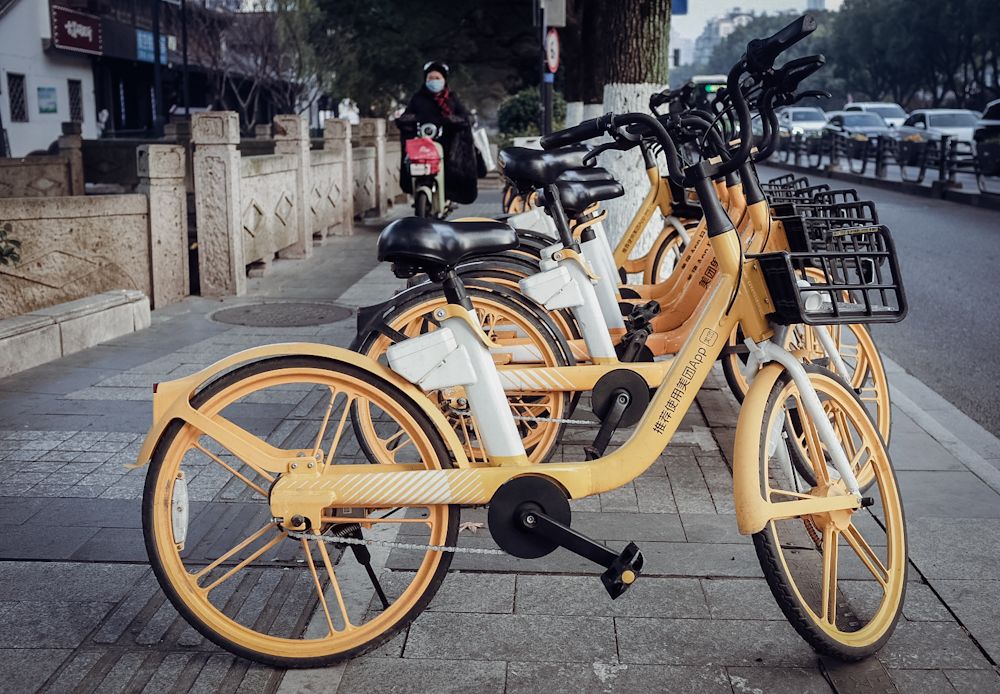
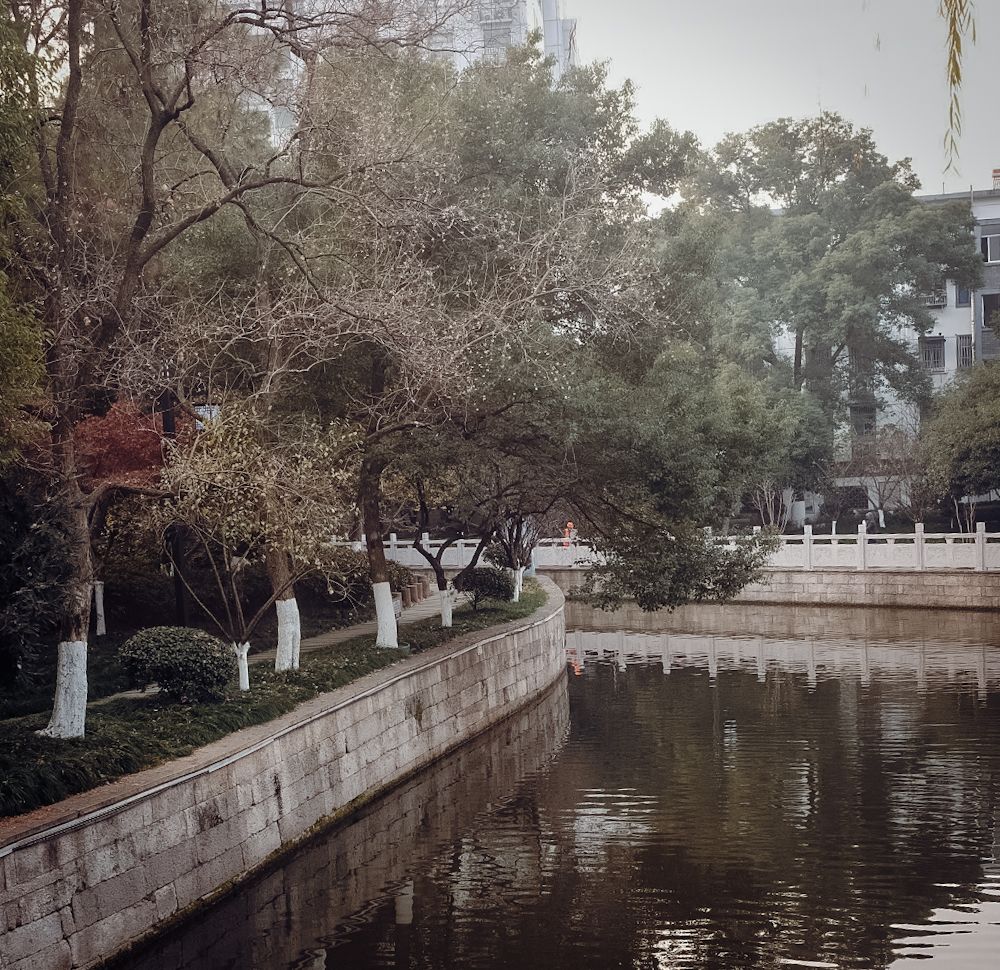
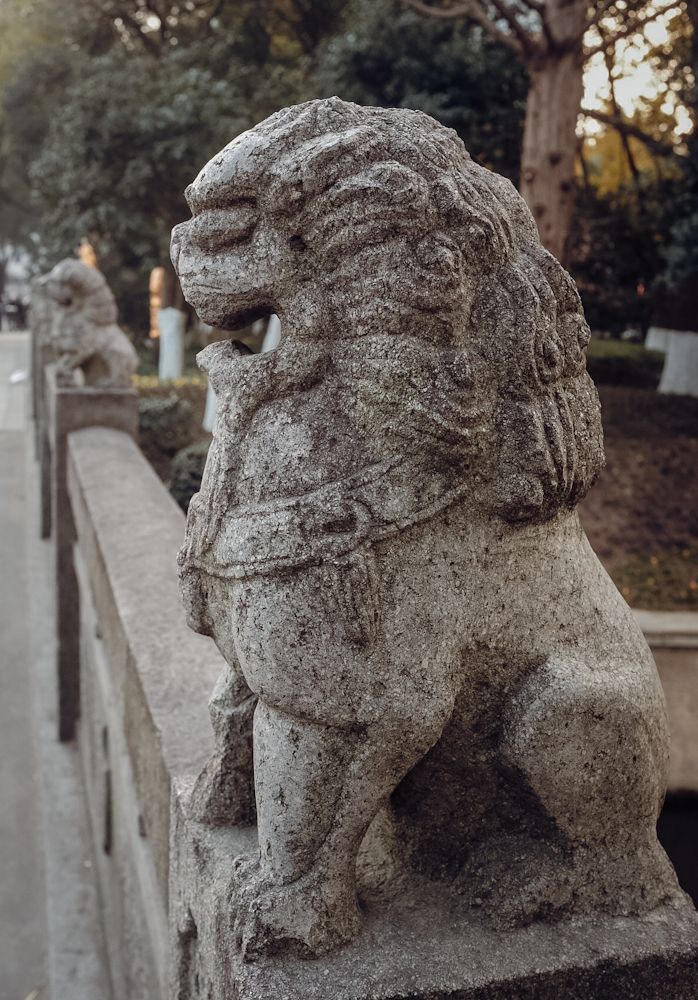
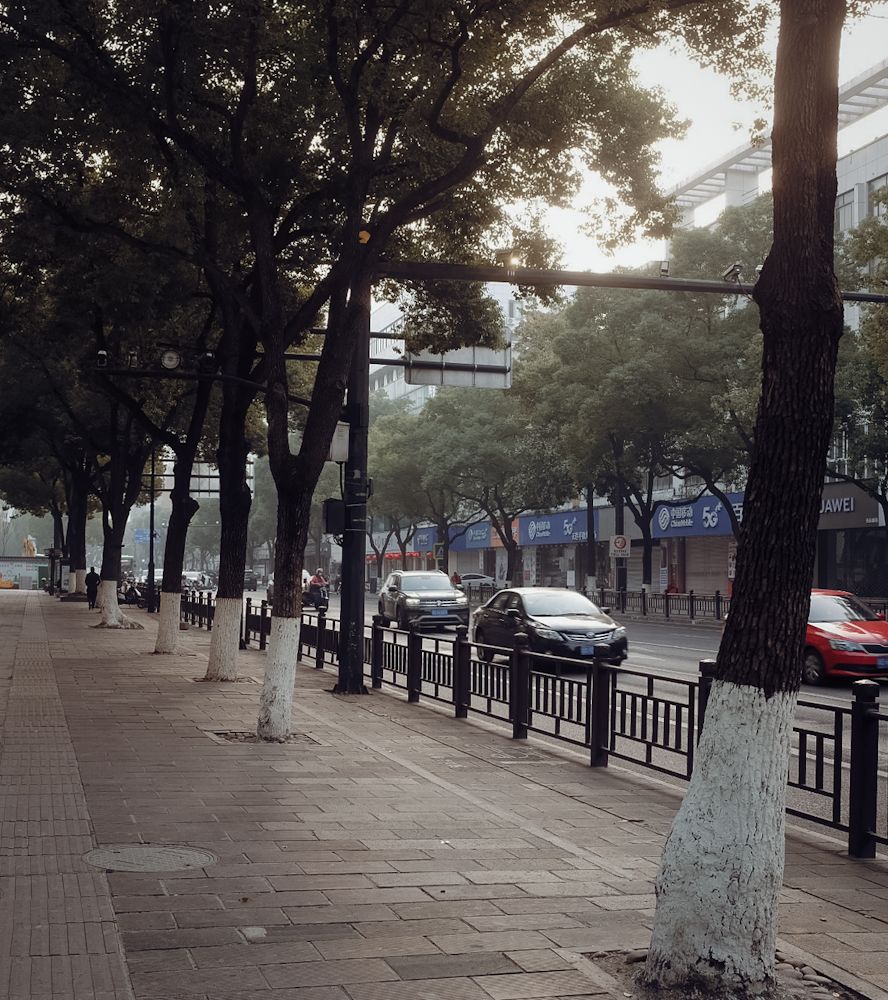
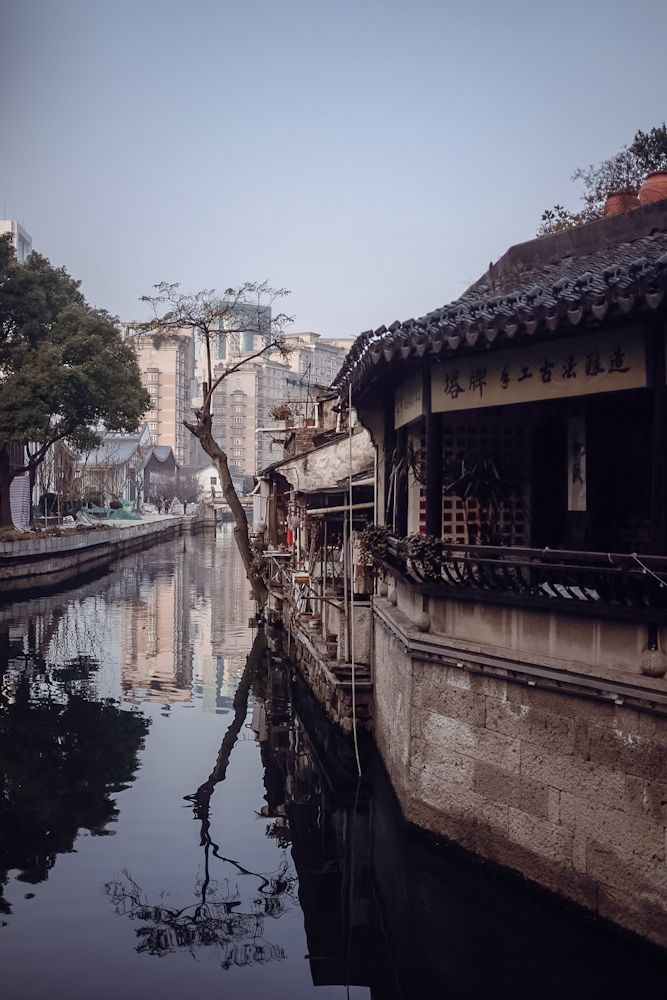
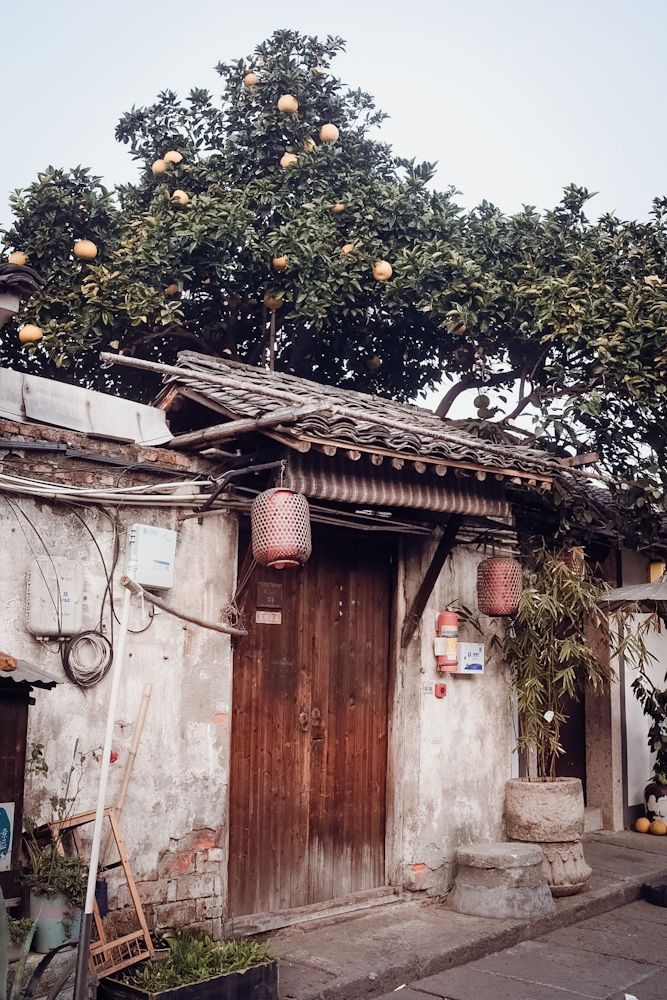
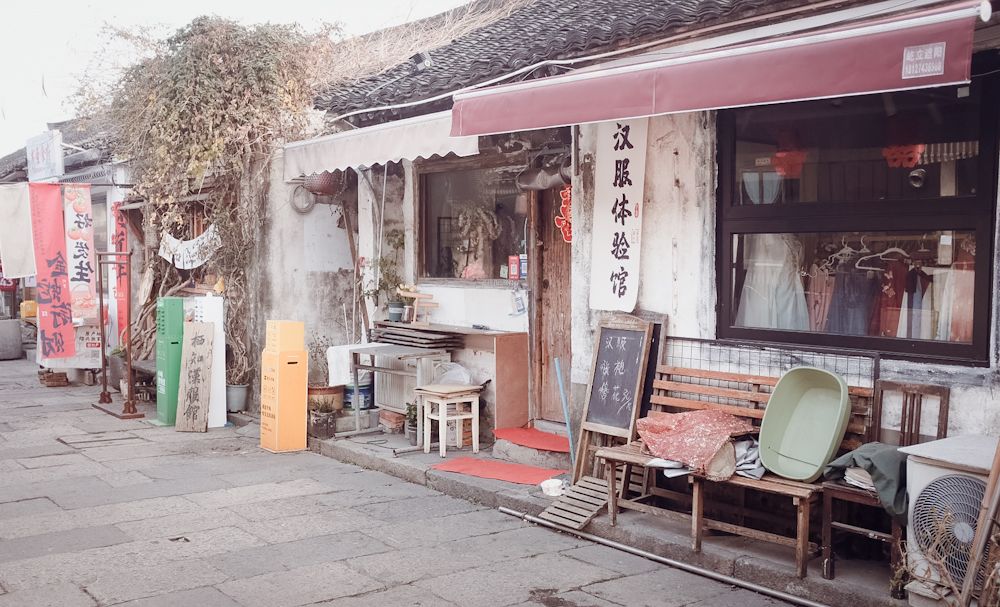
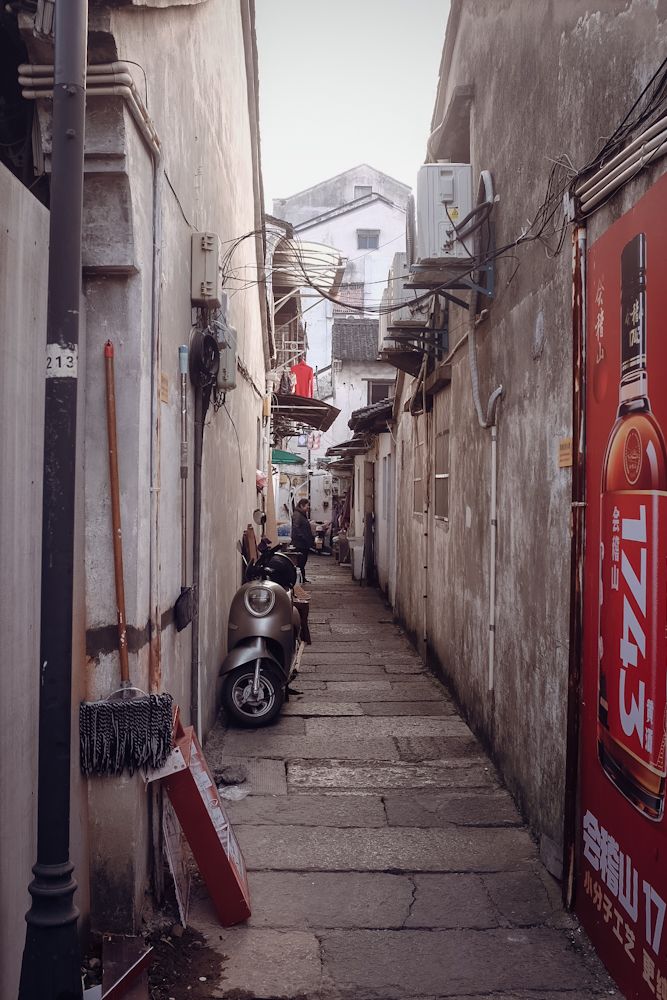
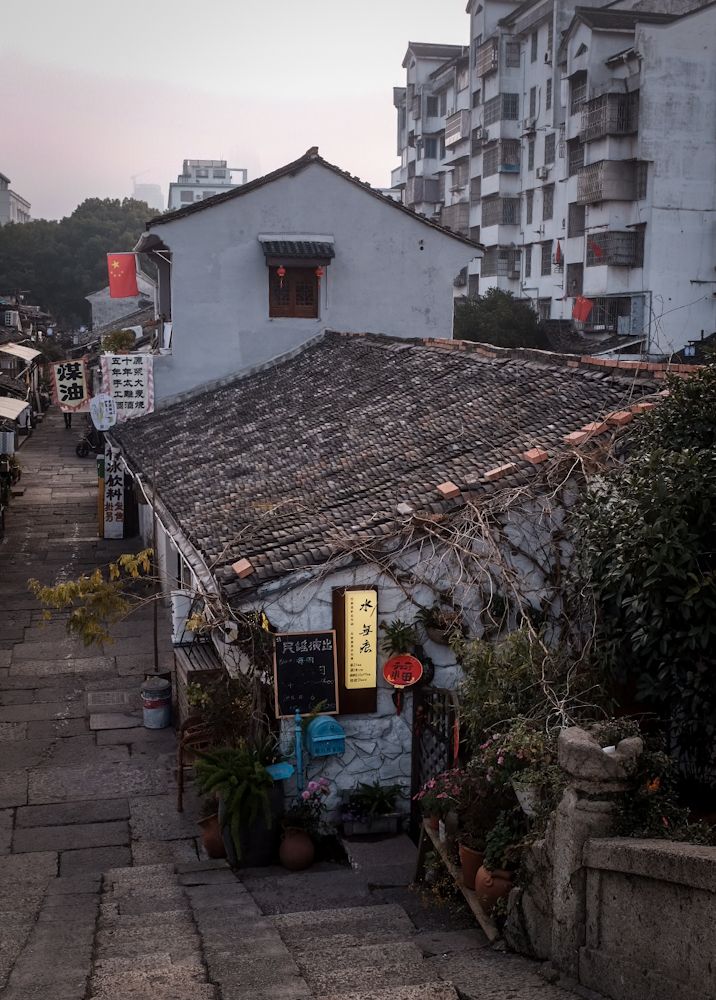
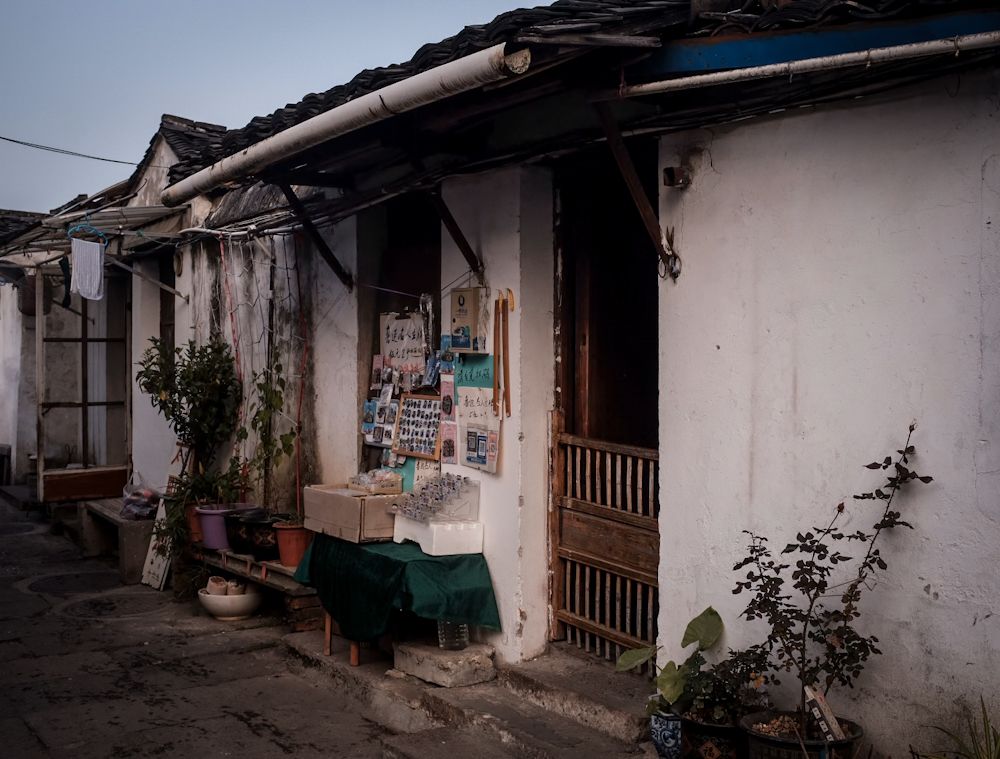
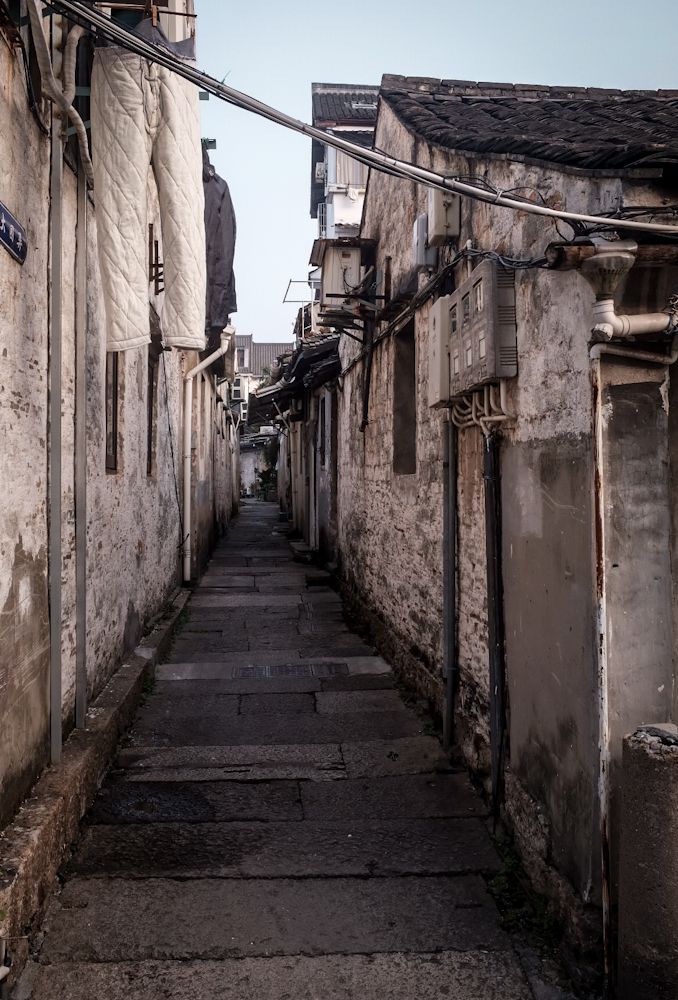
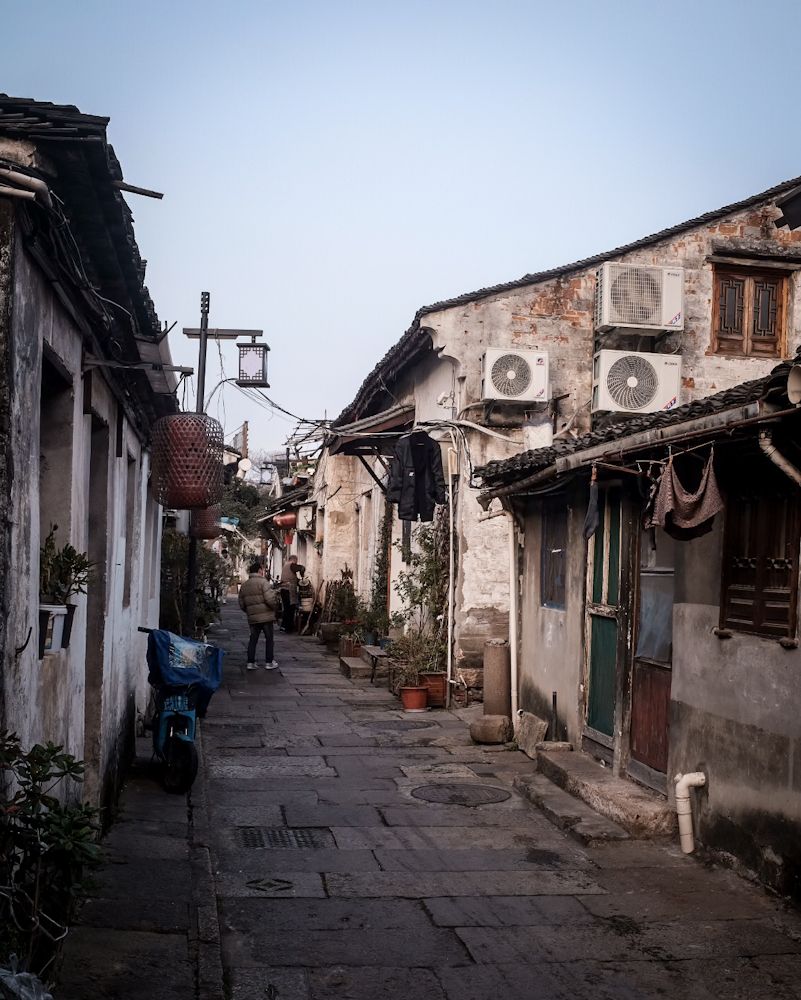
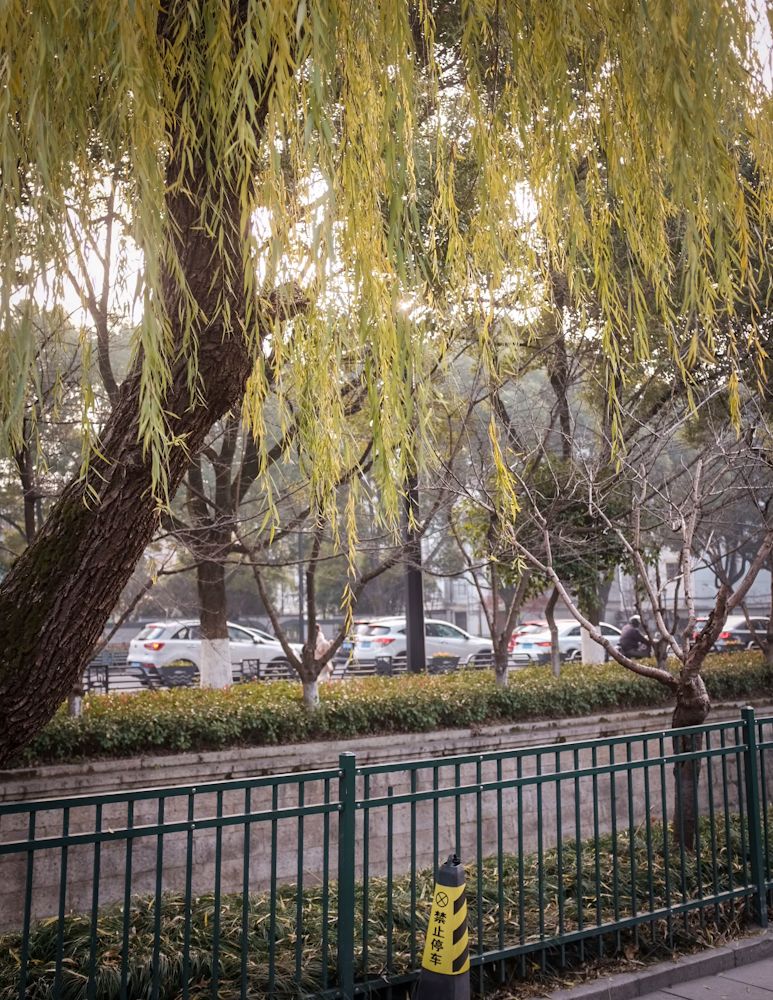
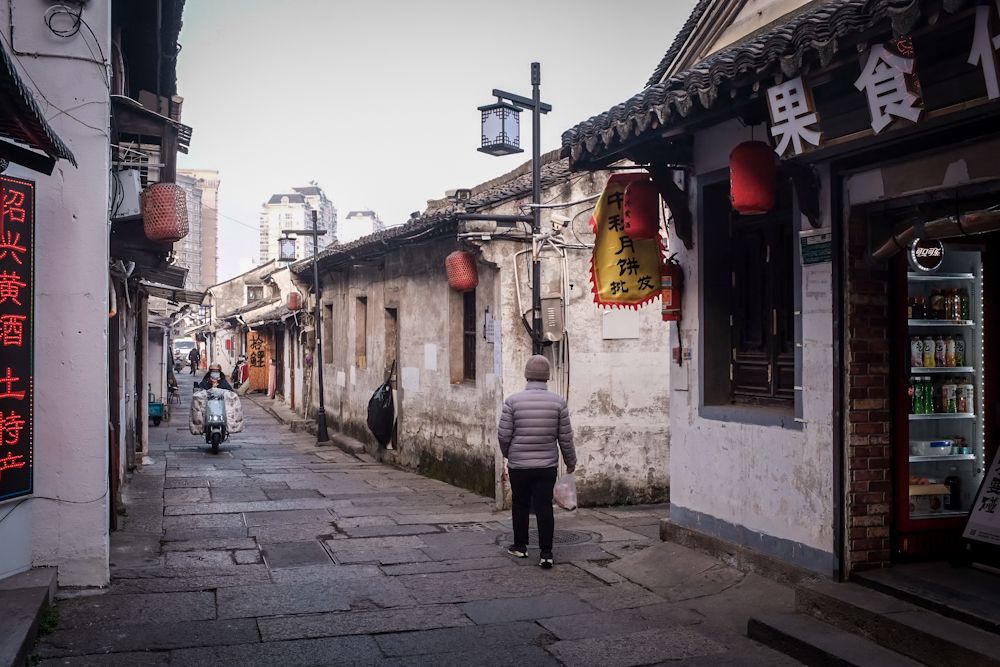
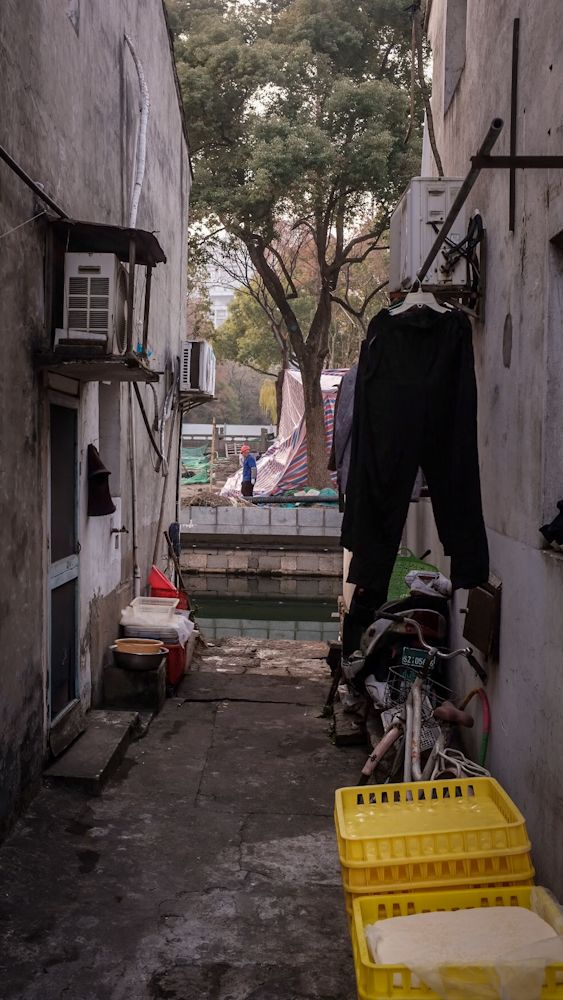
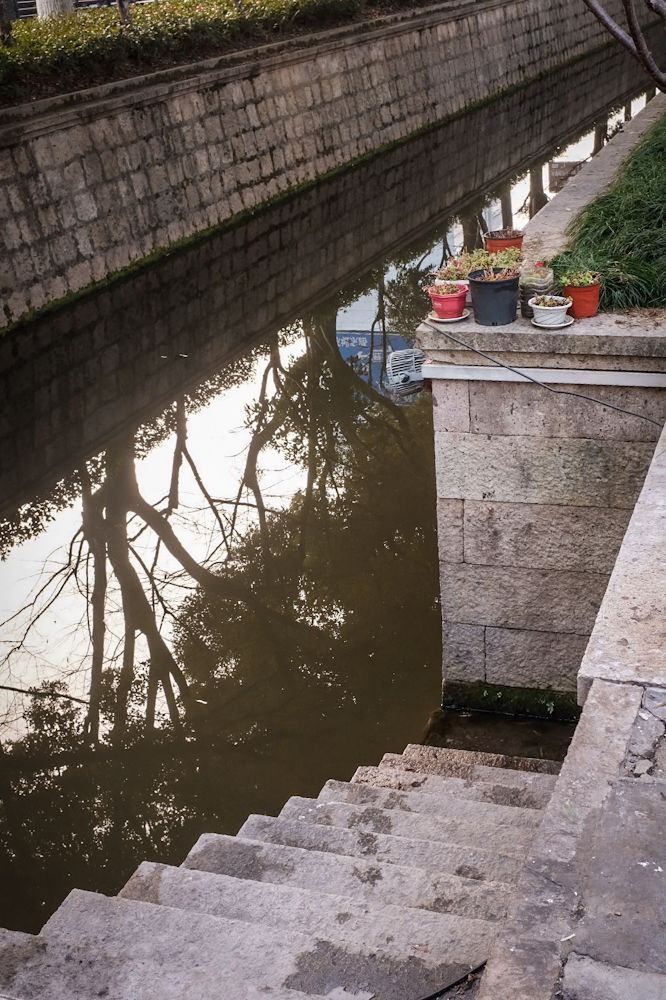
Anyway. The previous evening, while I was exploring the park, some of my colleagues had stumbled upon a scenic residential area—just the kind of place I’d love to capture in my last shots of China. This wasn’t the posh China of Shenzhen; this felt like a more “authentic” part of town.

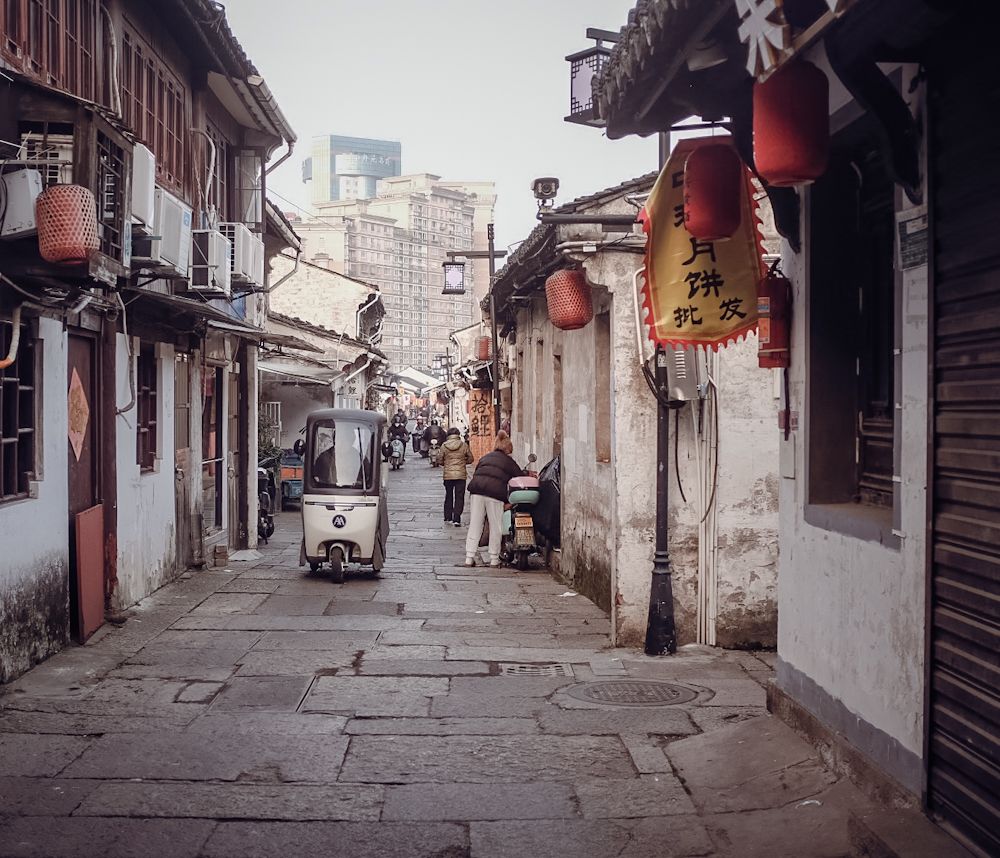
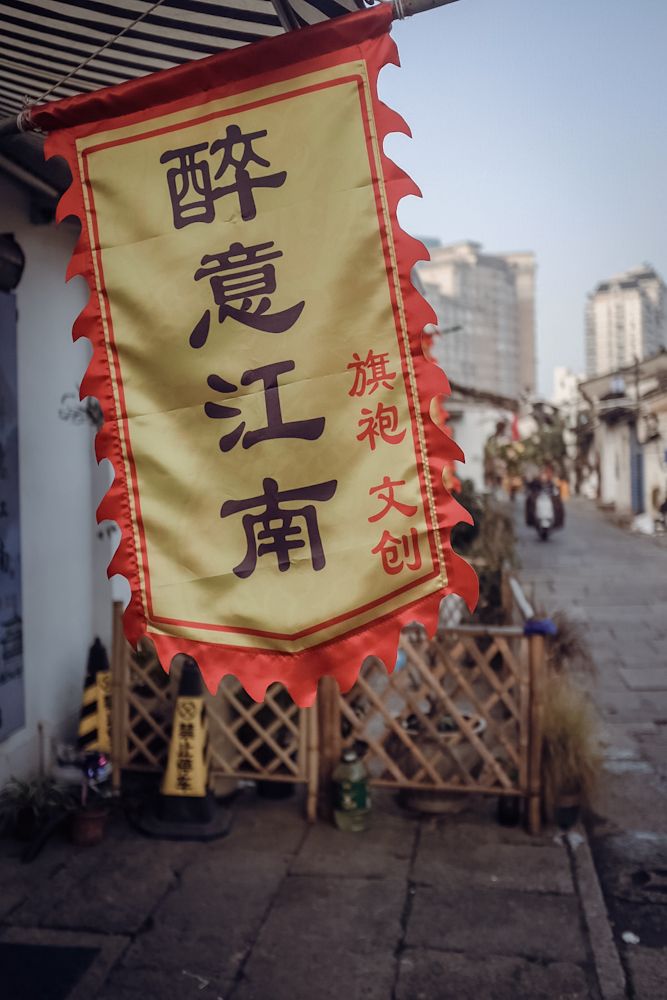
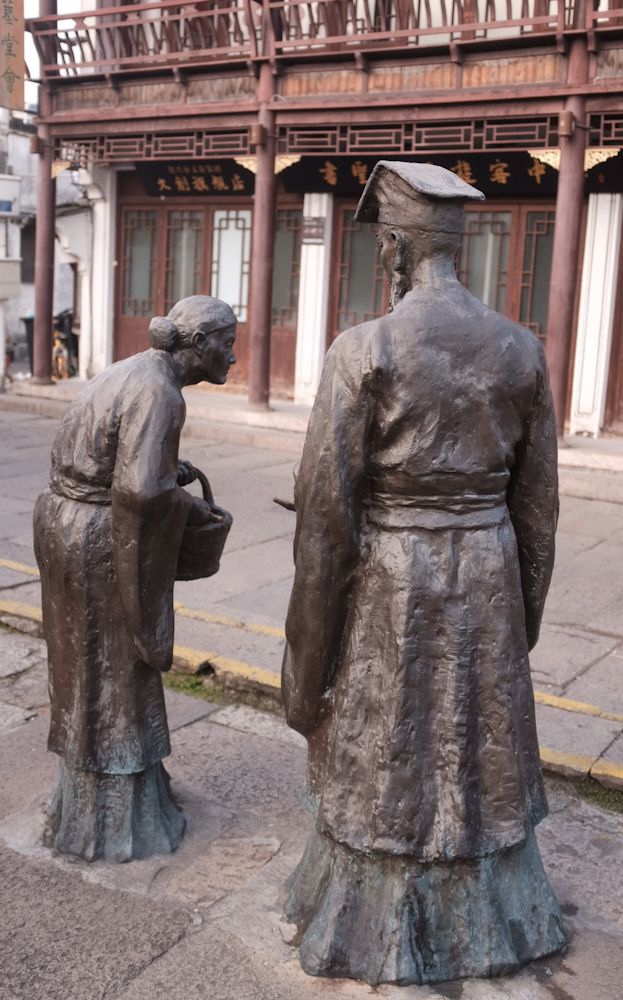
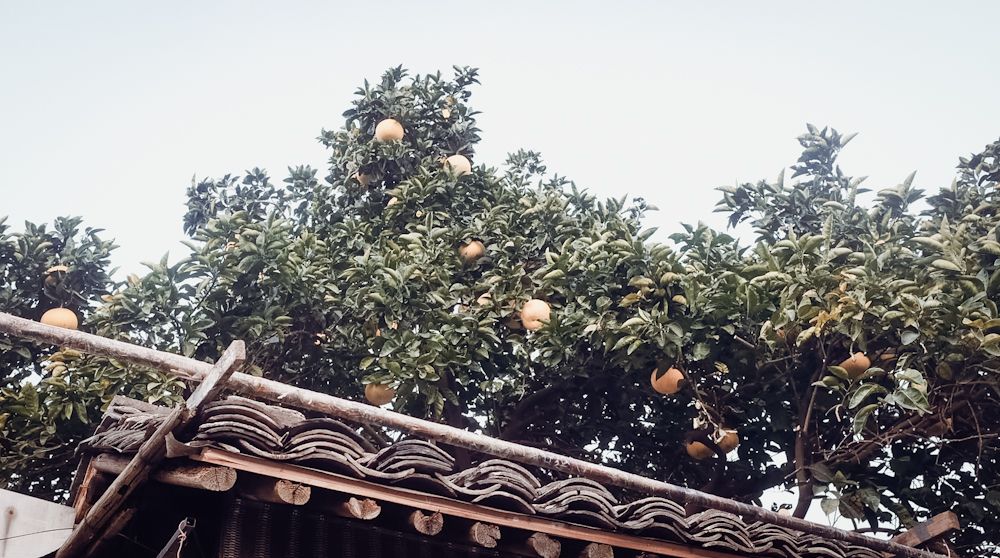
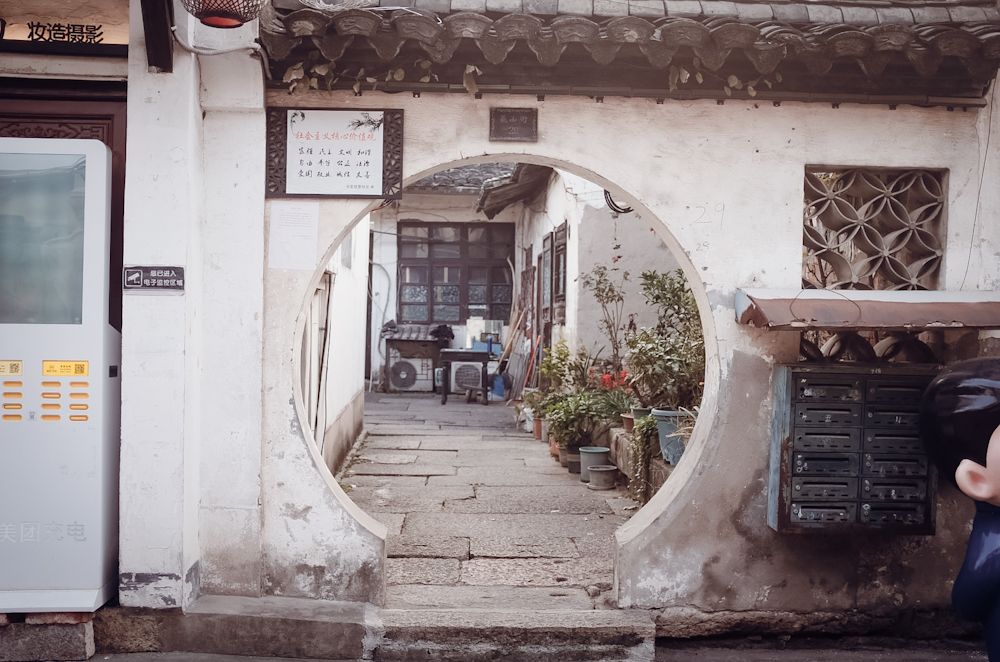
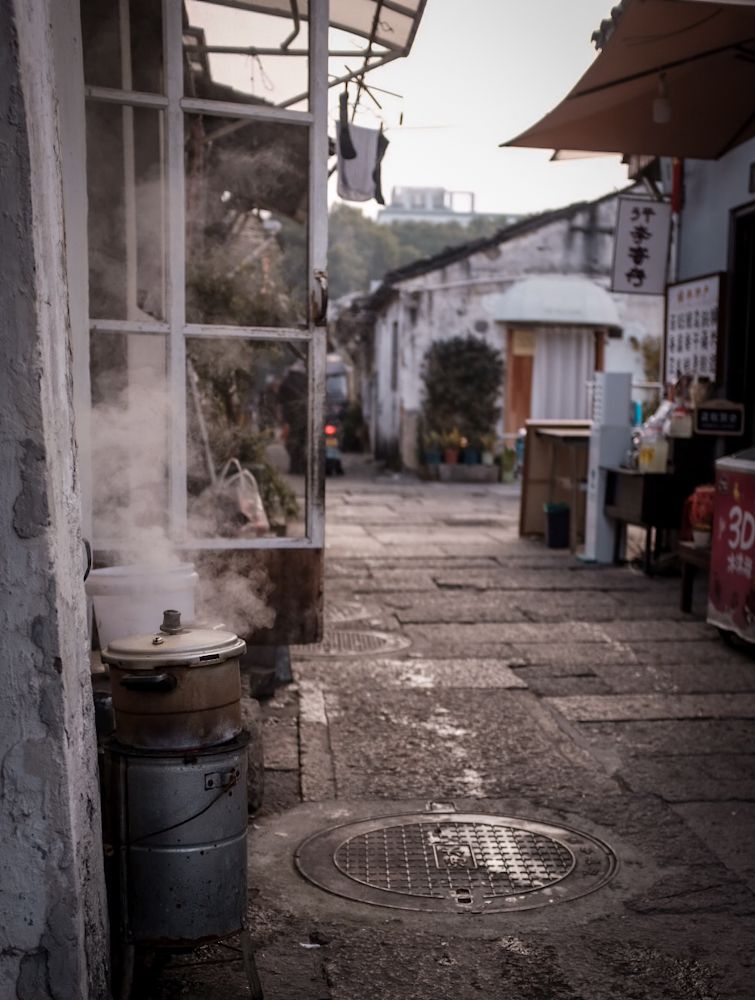
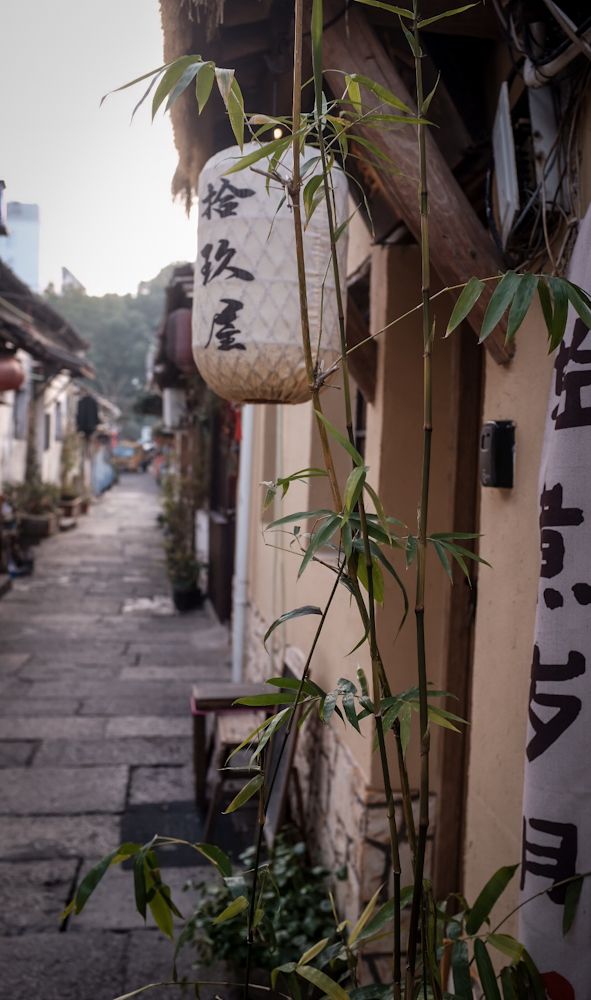
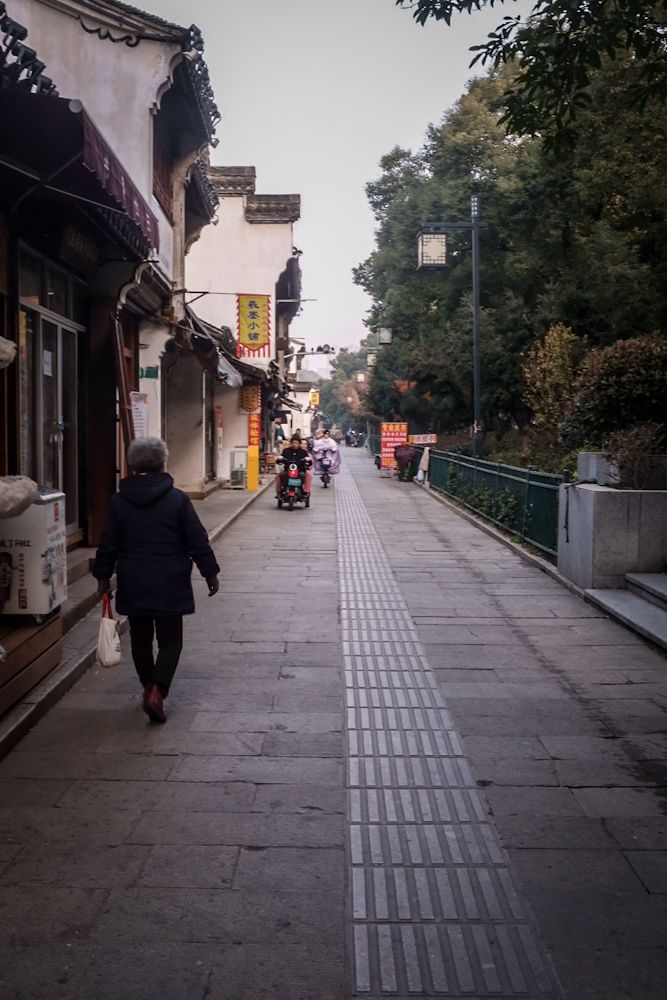
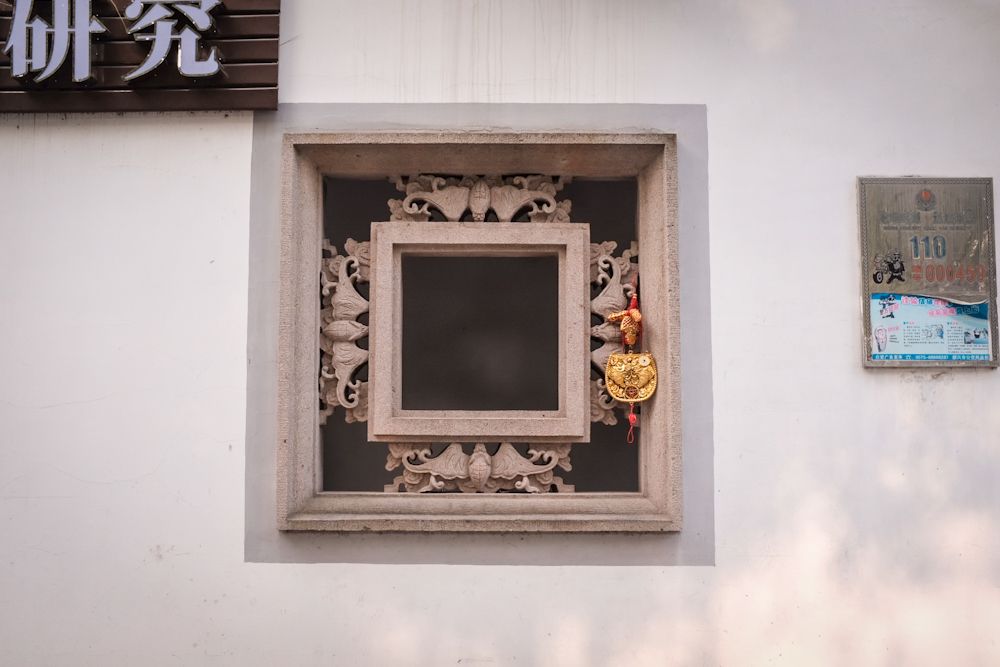
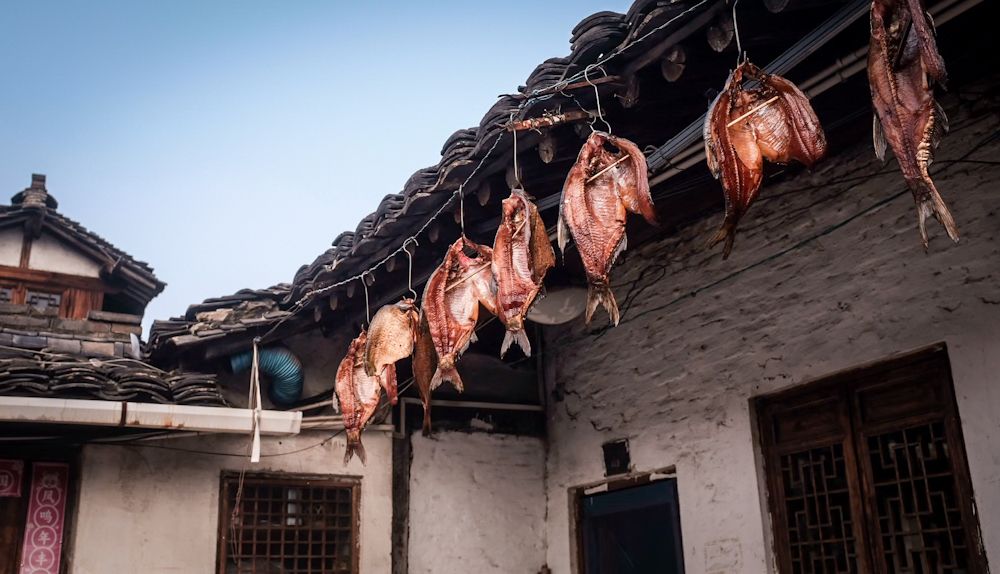
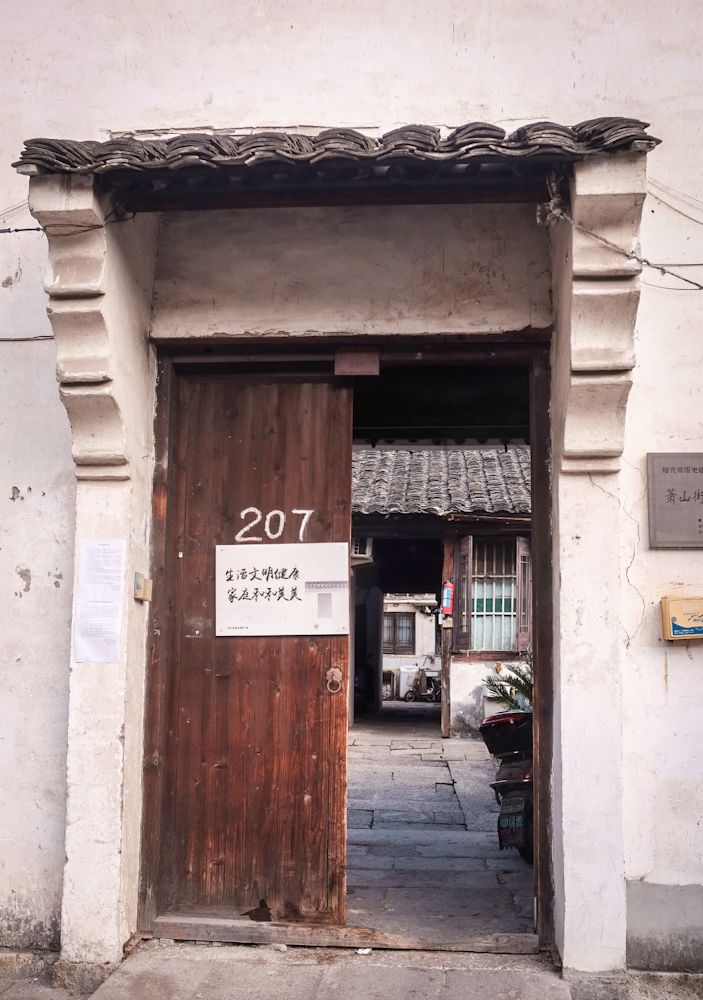
And it was stunning, as you’ll see later in the photos—filled with all the quintessential imagery of China: round entrances leading to inner courtyards, red lanterns preparing for the Chinese New Year, fish drying under the rafters, boats drifting along the canals, humpback bridges, mopeds zipping past, and an old lady eating her rice for breakfast. Even Confucius was there—his wisdom guiding us through the streets.

I had heard about this little quarter at dinner the night before. My colleagues had waxed lyrical about it, so off I went, camera in hand. Now, you know my sense of direction—getting lost, or at best, off track, is inevitable. I was told: “Turn left outside the hotel, walk about ten minutes, and you can’t miss it.” Which, of course, is exactly the kind of thing I do miss.
But not today. For once, my terrible sense of direction didn’t fail me—God must have been smiling on me that morning.

All of a sudden I was there, walking around with my camera at the ready remembering to take colour photographs because my wife had asked me to.  I meandered through the street watching the morning rituals, people clearing their throats and spitting on the ground, better out than in, people eating their rice for breakfast.  The place seemed to be waking up gently, and the mopeds taking their passengers to work and not driving too fast either.  
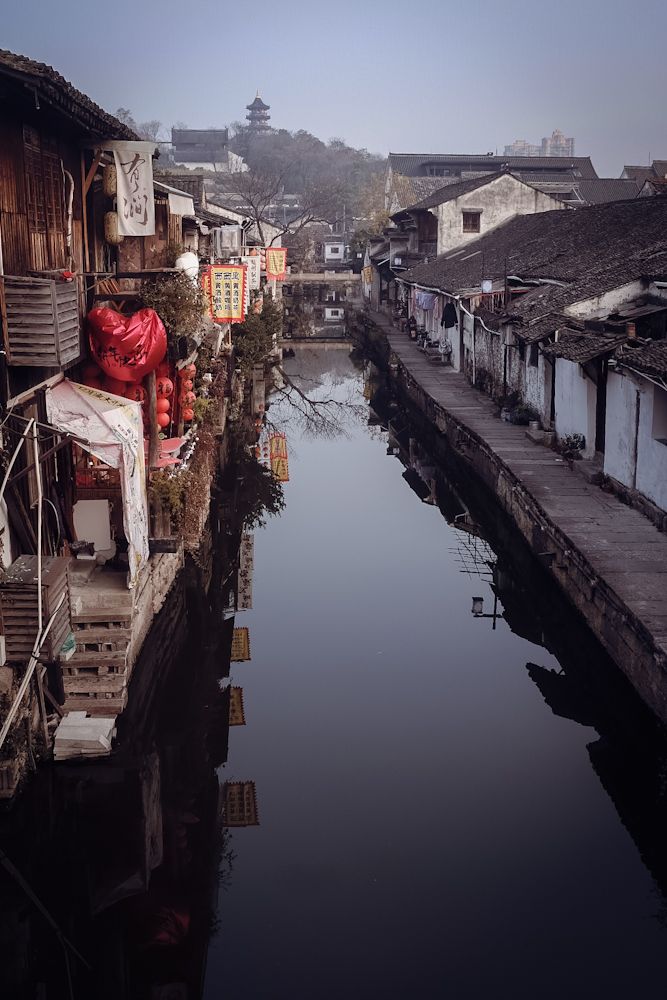
There was one moped that thought he could make it over the bridge in one go.  He tried a few times, but obviously it wasn’t going to happen, because it would have made a wonderful photograph.  The man got off the thing, and walked it across the bridge and seemed to appreciate my clapping him over.  Encouragement is as universal as something very universal.  

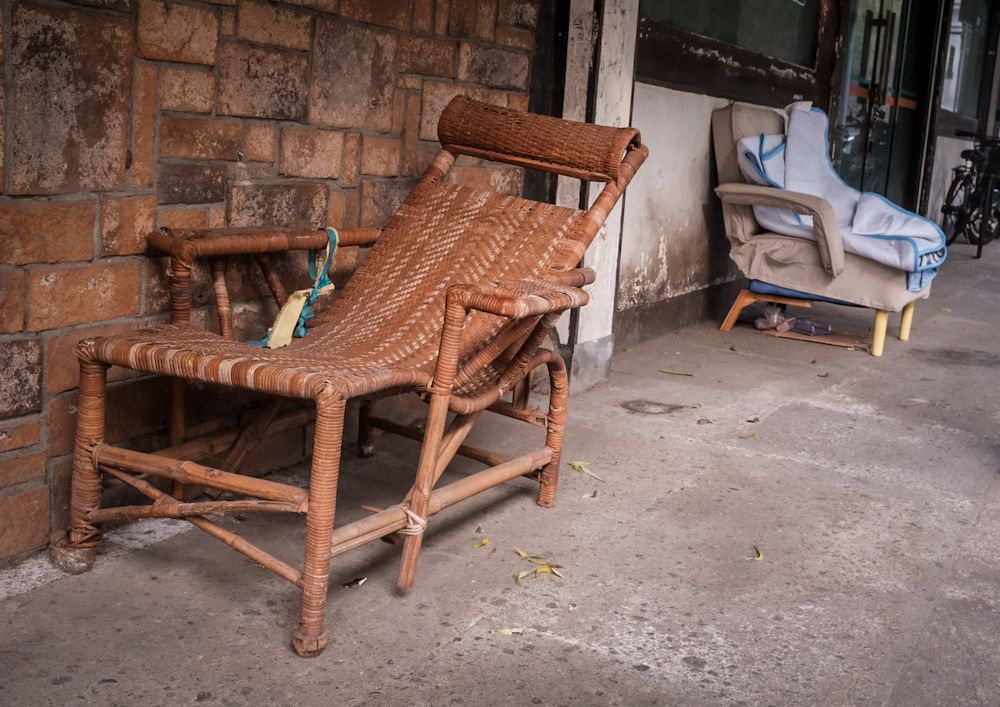
I kept wandering around with no fixed idea of what to do or see.  I could see a kettle boing for the tea, and felt a slight pang of jealousy.  I was of course, tealess.  I reached the outside of the quarter, and just headed back in at the sign.  I had seen a wicker chair which would have been perfect for my afternoon snoozes.

As I came back in, people seem to have awoken from their slumber, and the small shops started to open.  There were all kinds of things for sale.  Chinese New year decorations, clothes that were lovely but might have been a tad small for my more rotund frame.  There were shops selling brooms and pans.  It was definitely buy local…

As I left for the last time and having taken my phtoographs, I passed Sarah, a fellow photographer, who had obviously awoken slightly later then myself.  We of course said good morning and wished her luck with her camera.  

I mozied on down, back to the hotel to pick up my suitcase and horn, getting ready for the trip to Xian Ju.  And this is where my memory goes a little fuzzy, like my camera out of focus. I remember the concert, sure, but everything else? It’s like my mind just pressed pause. A temporary freeze-frame.

It’s strange, isn’t it? How the mind works in these moments. Maybe it’s the thought of the long journey home—the “parenthesis” closing, as it were. The feeling of something coming to an end, but not quite ready to leave. That lingering moment between chapters, when you’re not sure if you’re truly finished yet.

But then again, I’ll leave that for next time. Perhaps when I’m home, looking back on these images, I’ll see it clearer. For now, though, I can’t remember a thing—not for the life of me.

China – YongZhou to Foshan


Boxing Day 2024

Now, you might think of accusing Uncle Ian of feeling a little delicate this morning after the previous evening’s “fun,” but I’m going to disappoint you. My head did not feel as if it had gone through 10 rounds with a certain Mr Tyson, though I will admit to feeling a little tired. Slightly less bright-eyed and bushy-tailed than I’ve known myself to be. Will that satisfy you? Good, then we shall move on. Today’s destination was Foshan, much further south, and our first stop in Guangdong Province.

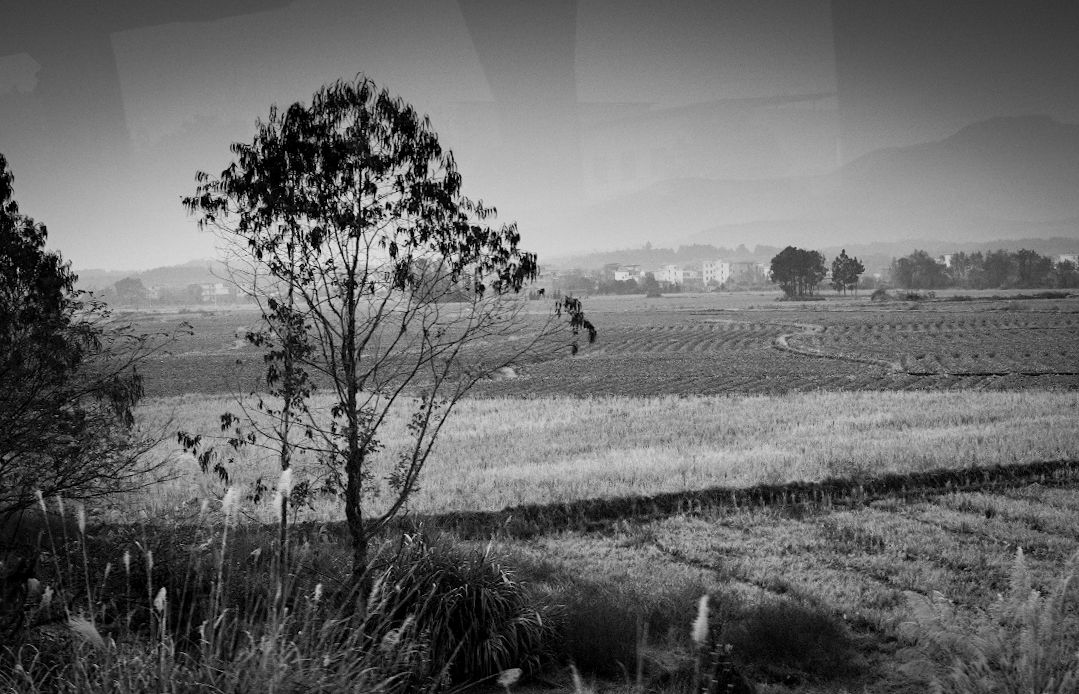
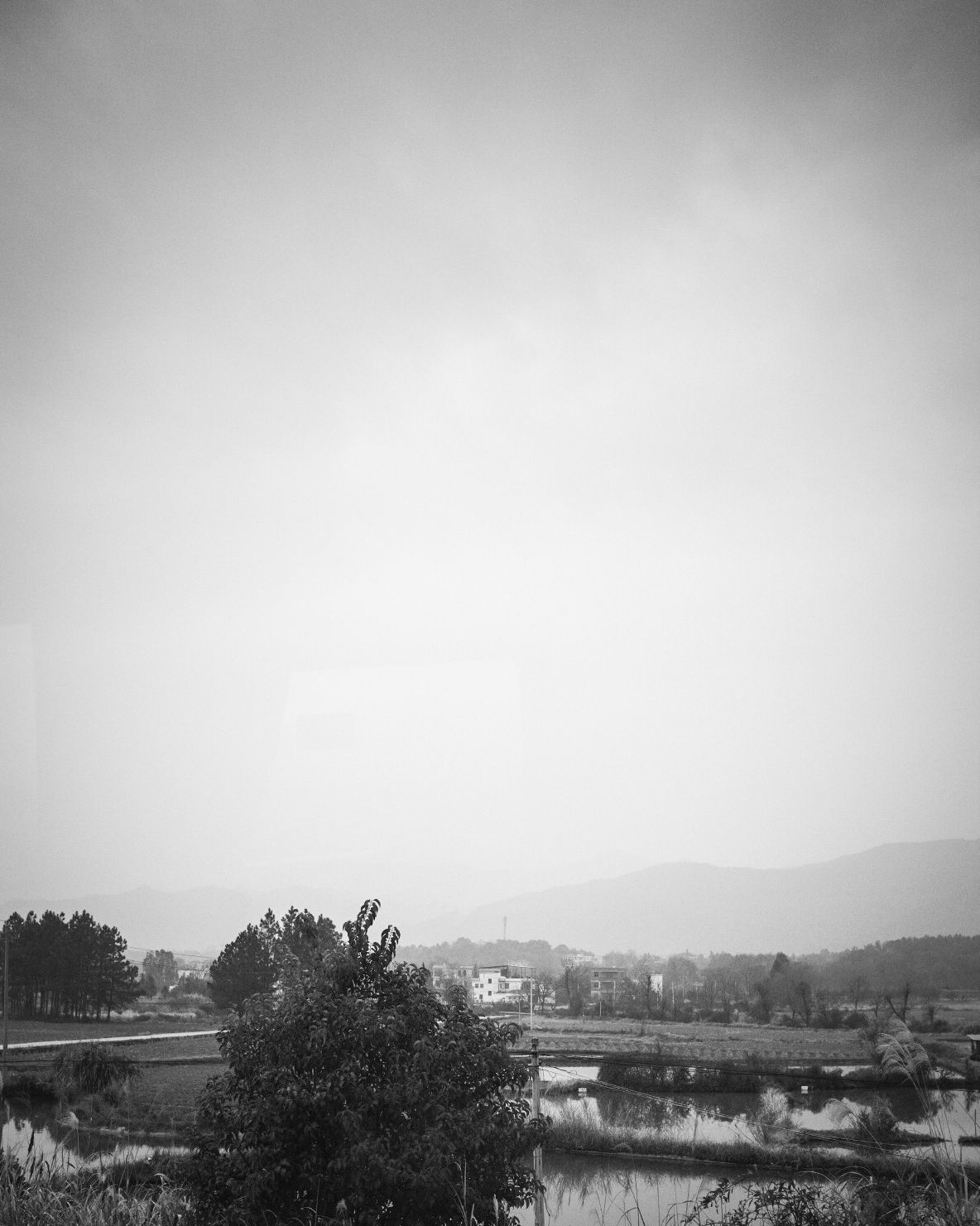
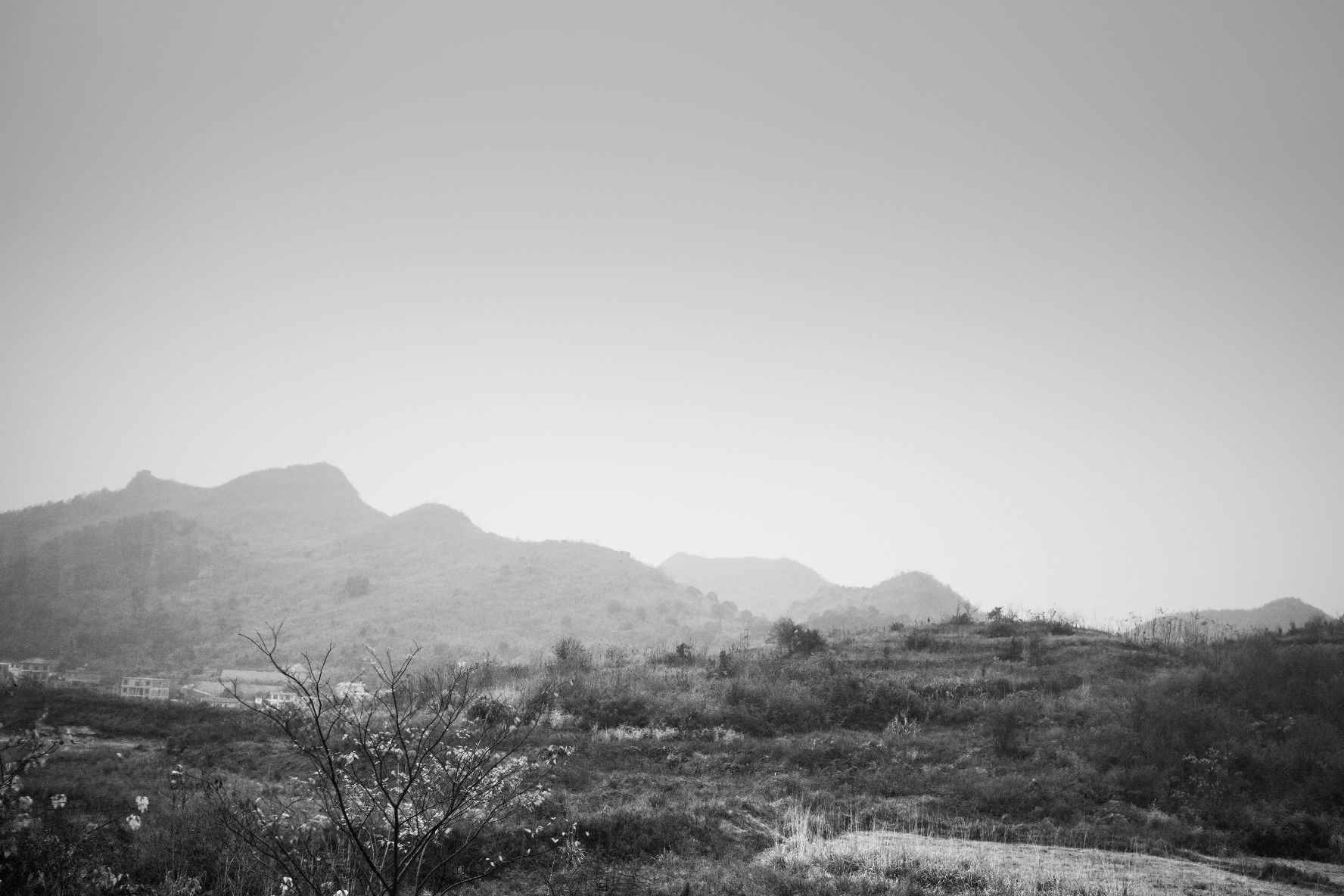
We were to have a mere 500km bus ride to Foshan. I decided to be anti-social and put my headphones on, just staring out of the window. A more relaxed way of passing the time and something that allowed me to simply take in the countryside. And what countryside it was. Now, the Vendée, where I live, isn’t exactly known for its mountainous terrain. Think more Jane Birkin than Marilyn Monroe—flat, laid-back, and subtle. At first, I didn’t realise what the trees were; some appeared bent over and broken. I just thought they were very young trees, before eventually cottoning on to the fact that I was looking at bamboo forests on the hillsides. They reached high up, gently moving with the wind. It was something I had never witnessed before.

We passed houses and farms along the way too. Again, a stark contrast to the cityscapes we had previously contemplated.

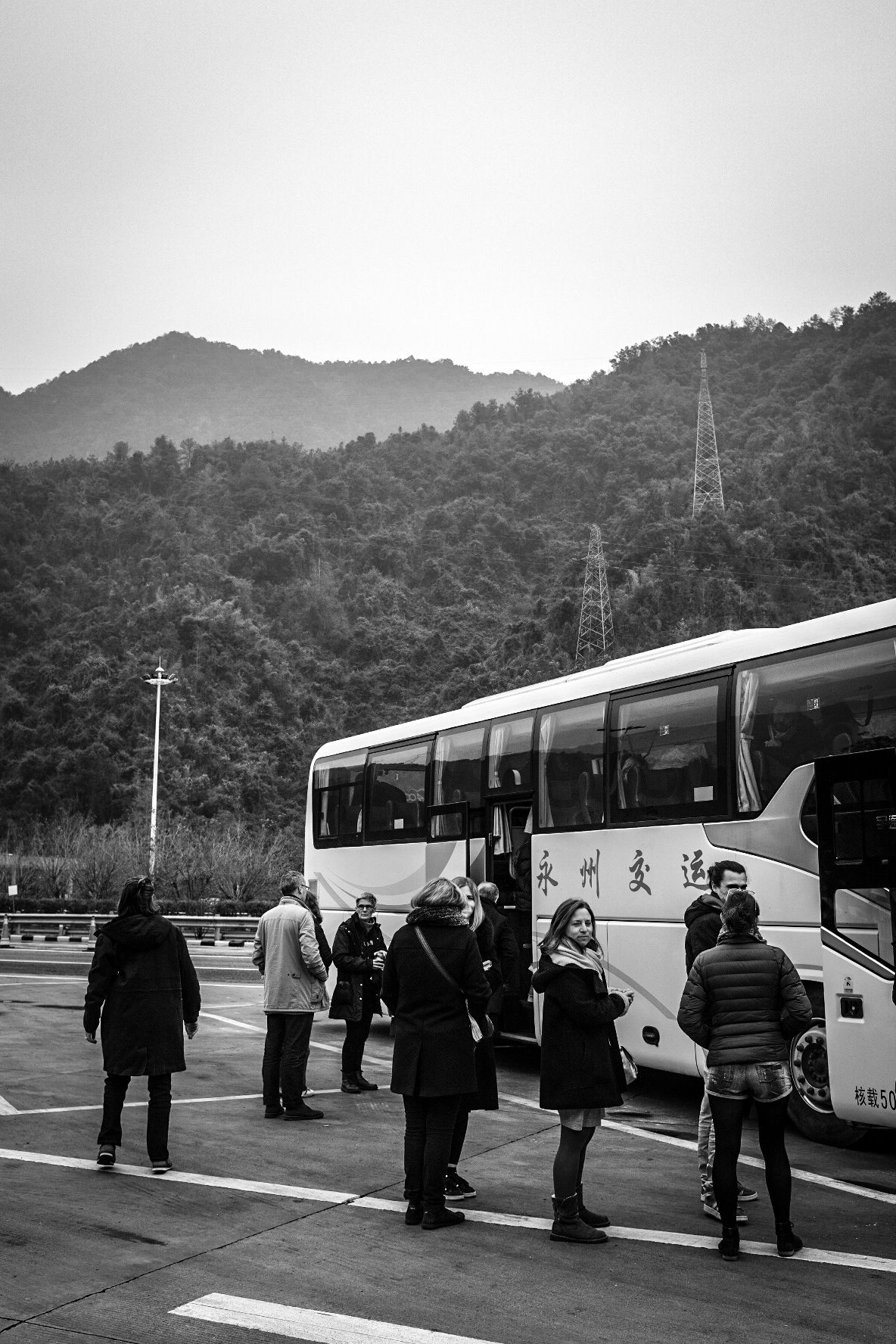
There was, of course, the inevitable “stop pipi,” and we all shuffled into the service station, which still wasn’t selling overpriced sandwiches. But the snacks available were certainly something to behold.

Now, you may be wondering if I partook in the tasting of these delicious-looking snacks. I did not. I was afraid they might be a little on the spicy side. Otherwise, absolutely no problem with eating poultry feet. Really, none whatsoever! I ended up getting something that vaguely resembled a chicken burger. Cheap, filling enough, and actually quite nice!

We arrived at the hotel. Before lunch—well, you know the drill: passports, room keys, and then we could finally eat. By now, I was really getting into Chinese food, and my chopstick funk was over. I was back in form! I managed to grab a couple of photos of the table we were eating at to show you, Dear Reader. The central turning platter took up most of the space and, by the end of the meal, was piled high with dishes that were certainly on the interesting side. In French, we say “tout est bon dans le cochon,” as a means of justifying eating the whole animal. In China, there is no mistaking what you’re eating. The whole beast goes into or onto the serving plate. Even the chicken’s head and feet. It was on this day that I ate tortoise for the first time. It was delicious! I think I had to get over any Western superiority complex I may have had and just eat what was in front of me. It would save trauma later on, and my belly would be full. Oh, sweet ignorant bliss!
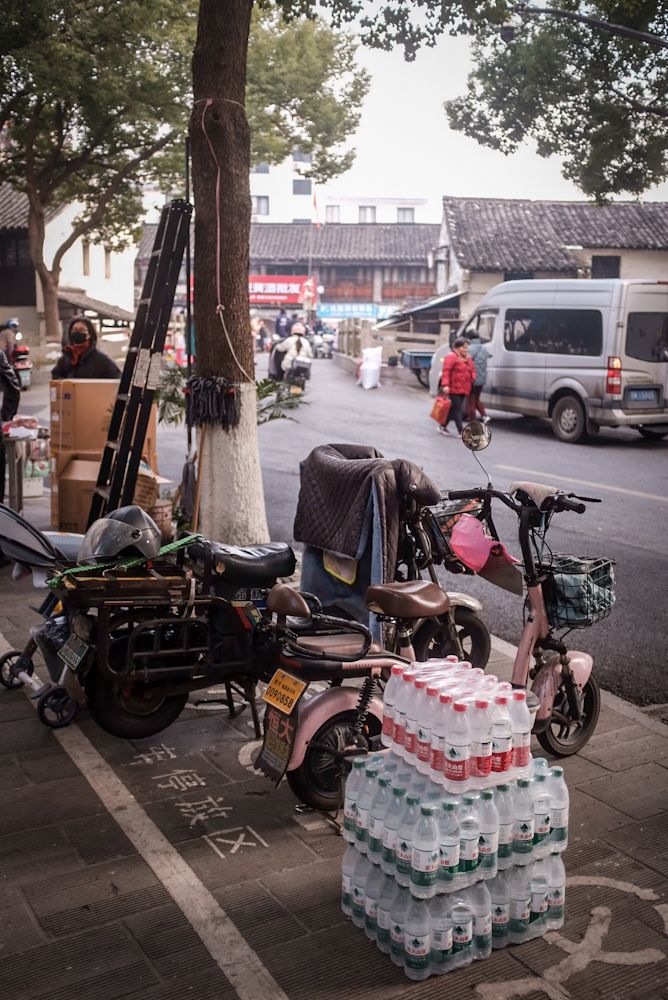
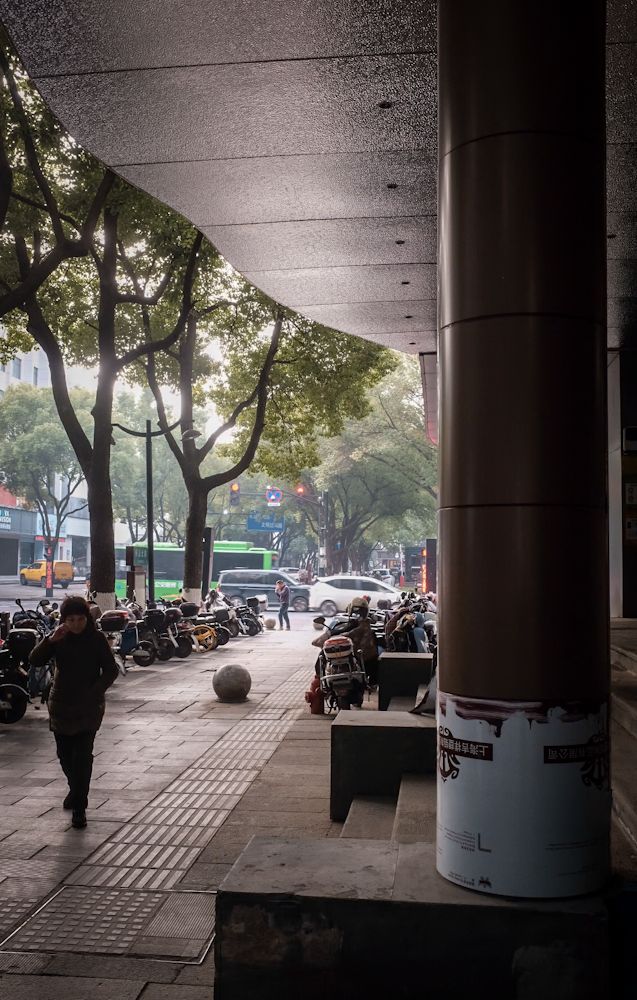
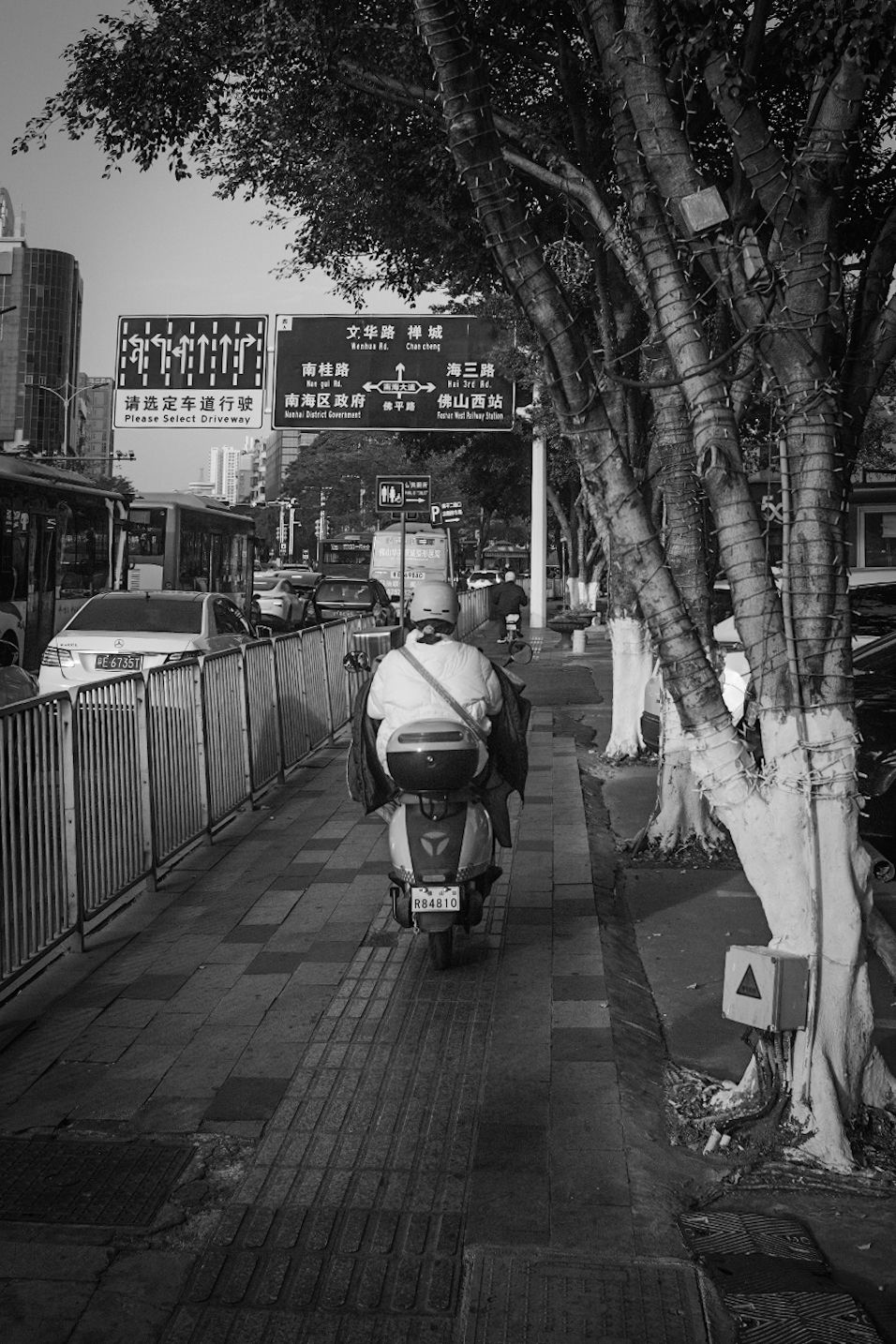
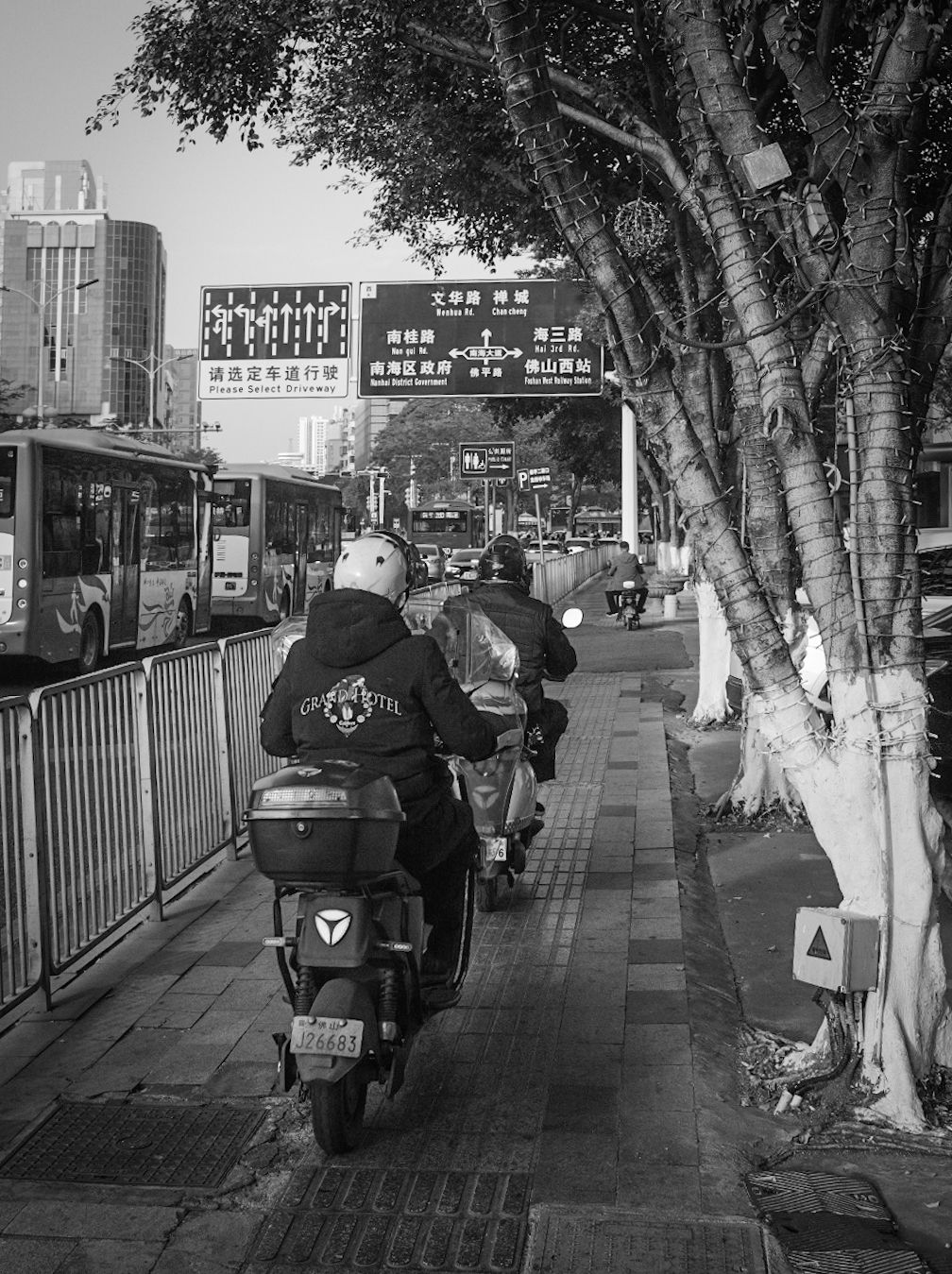
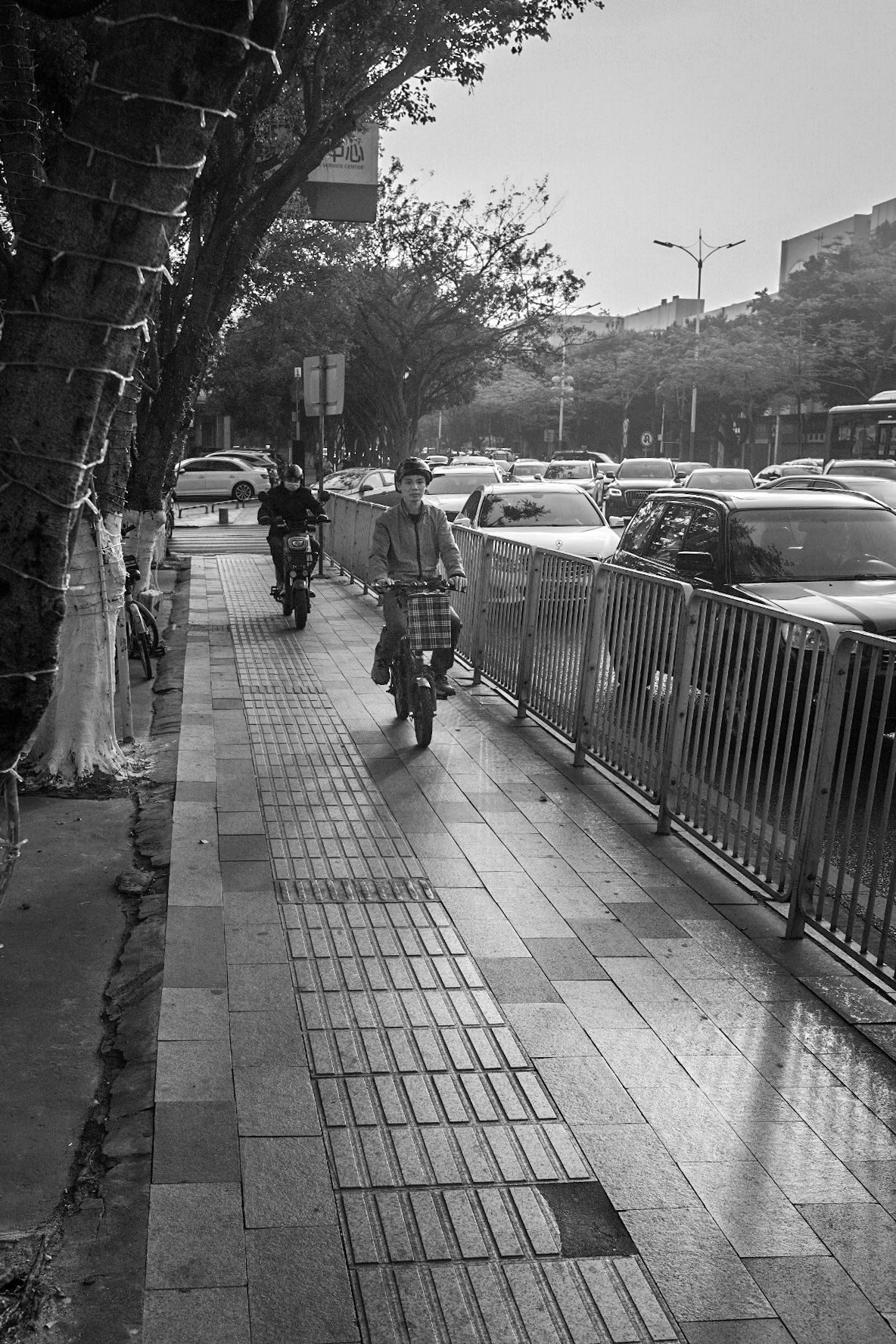
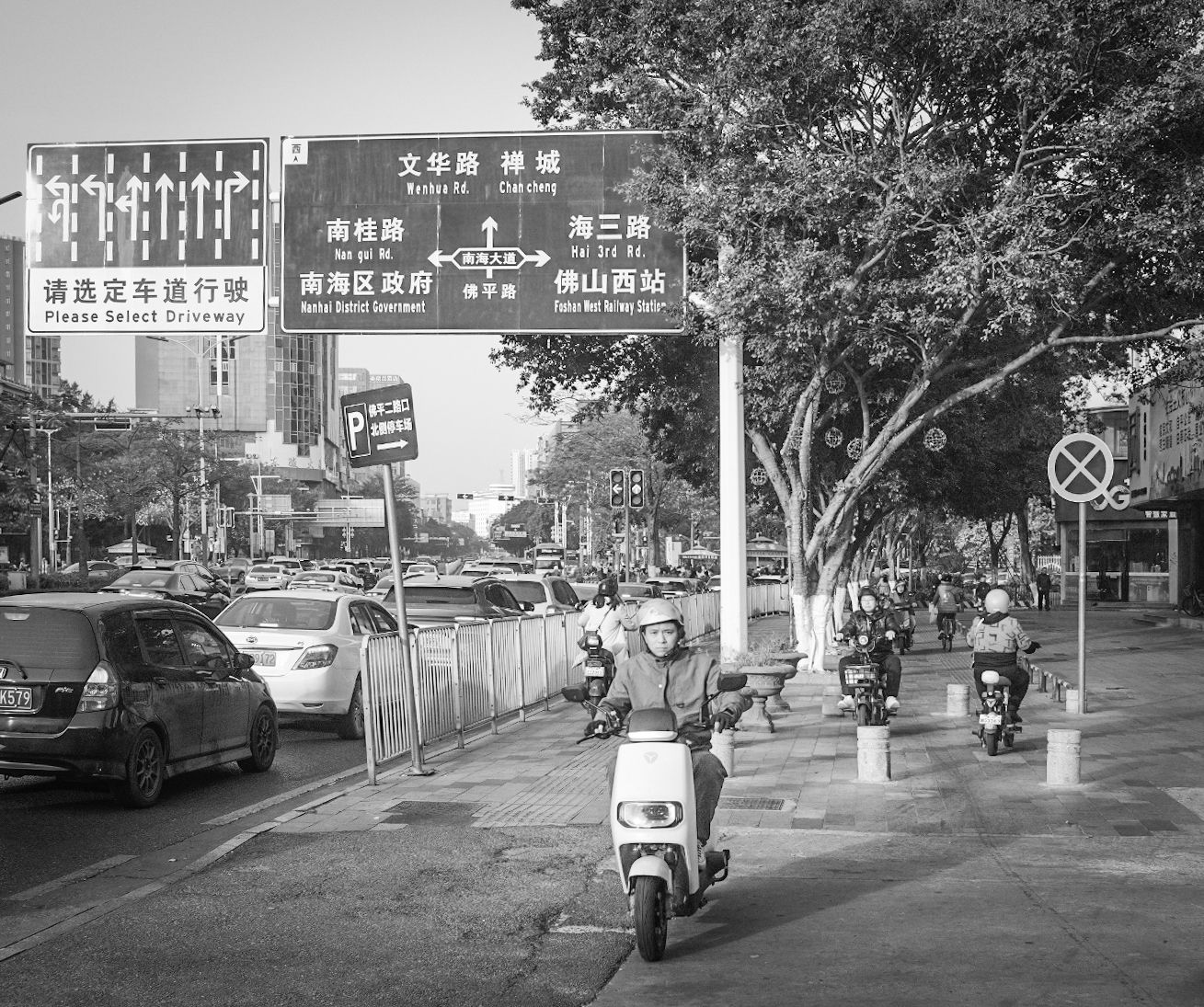
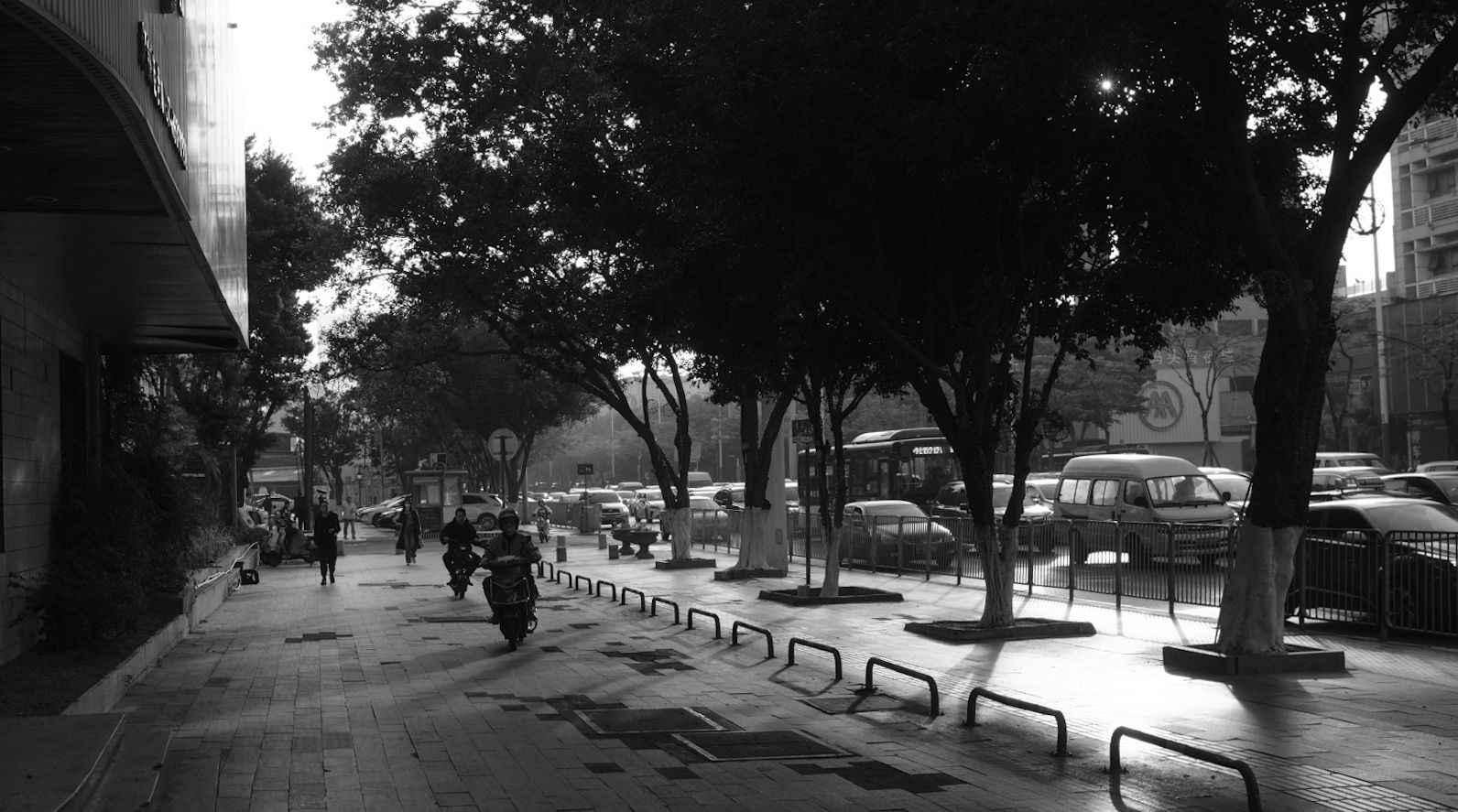
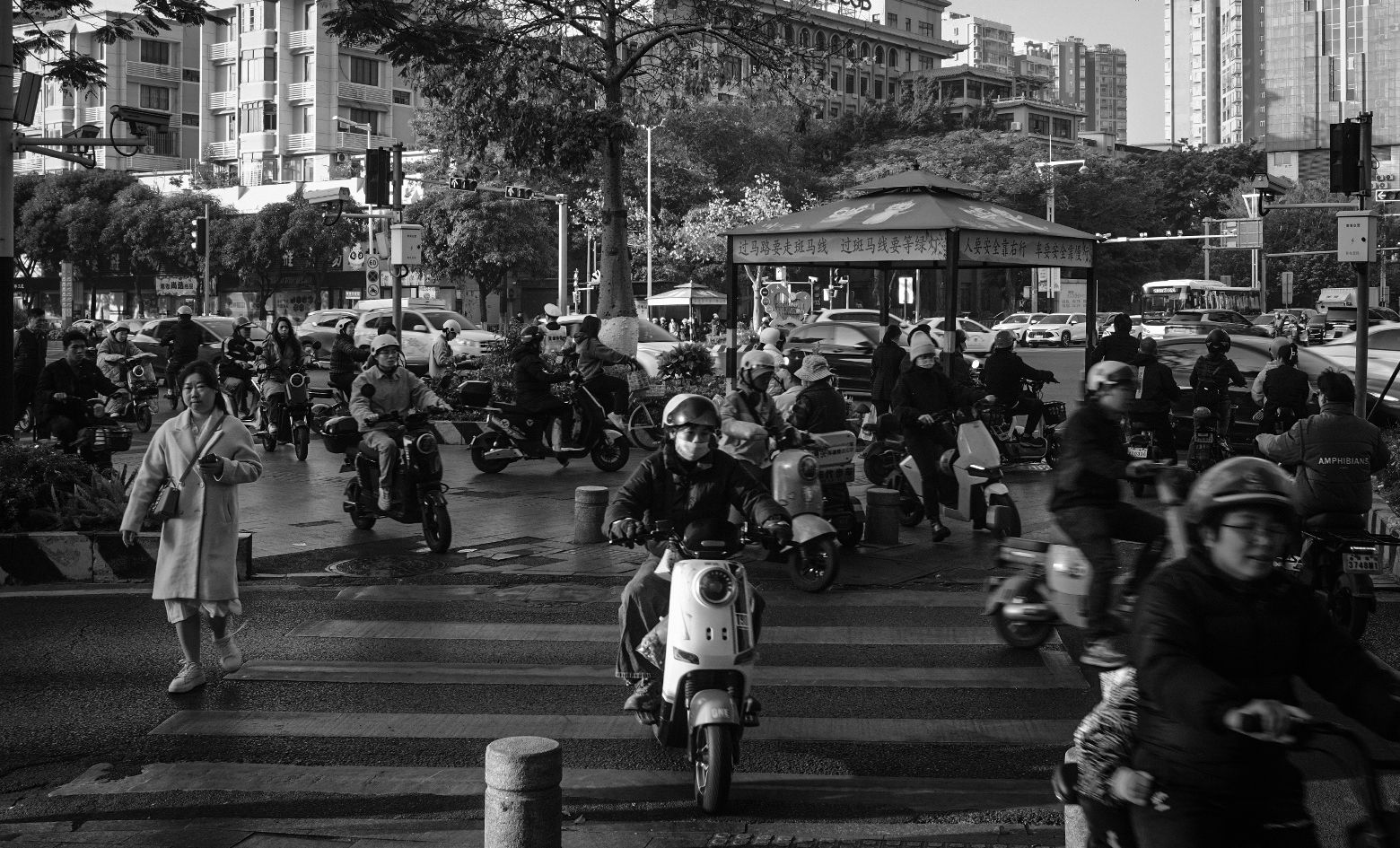
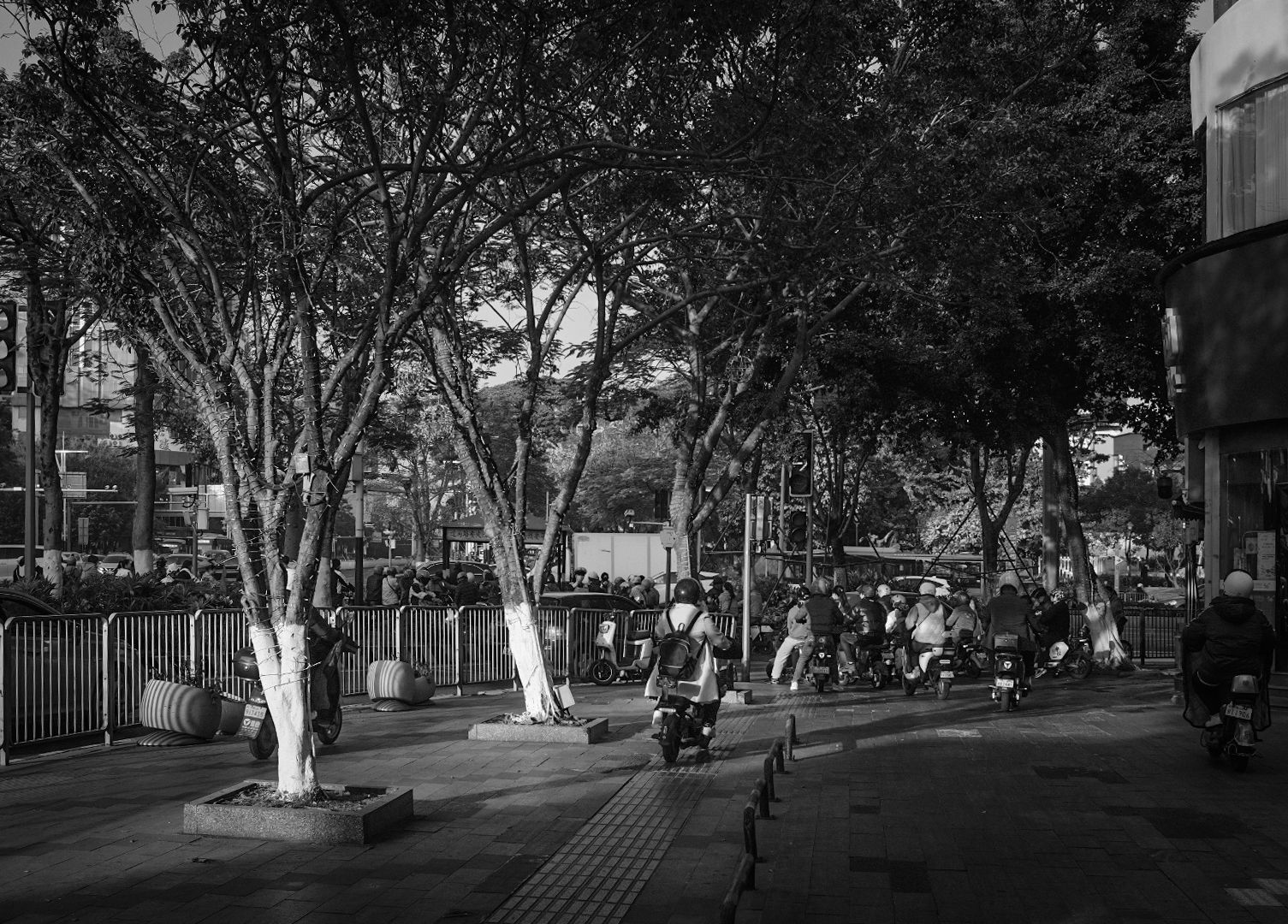
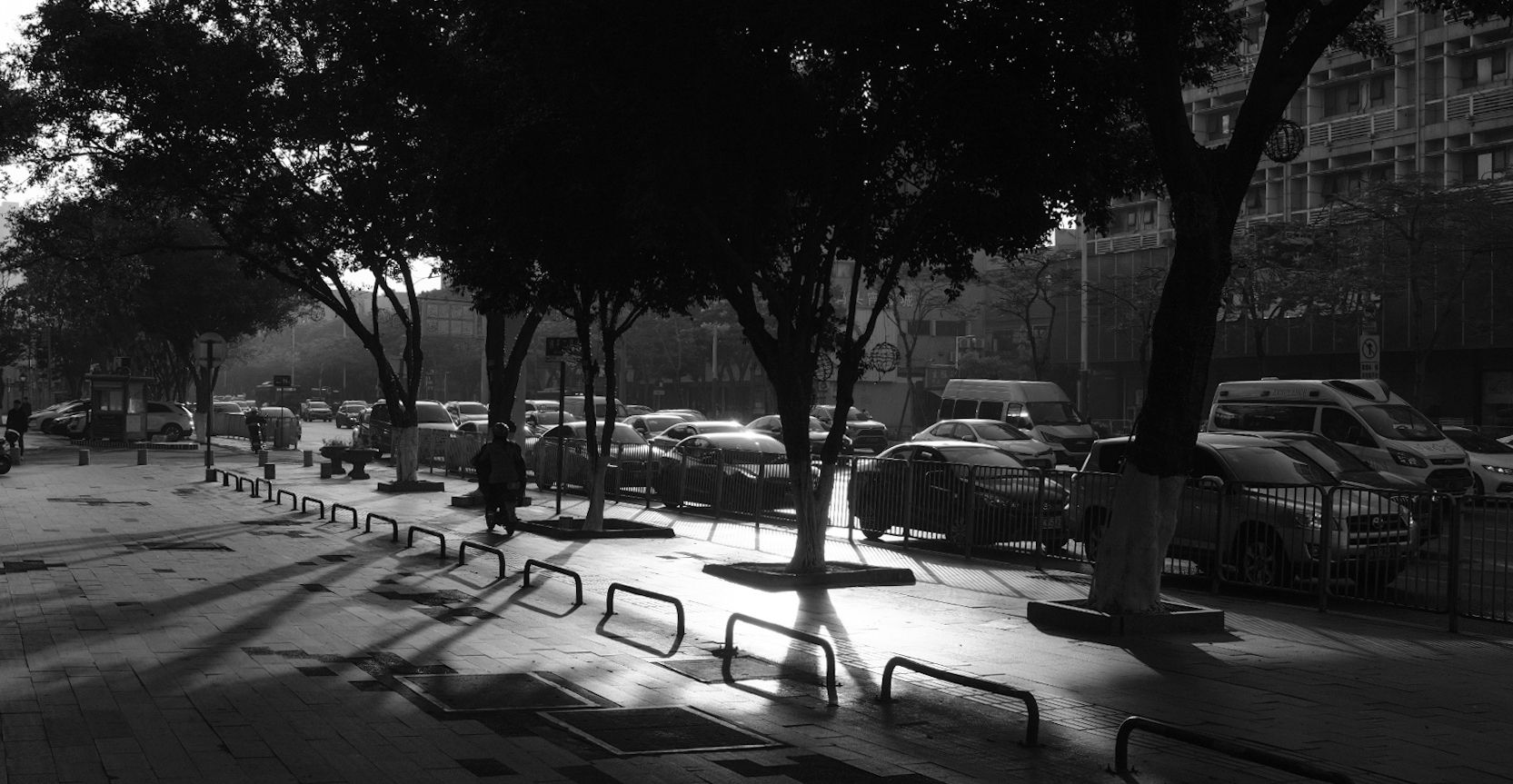
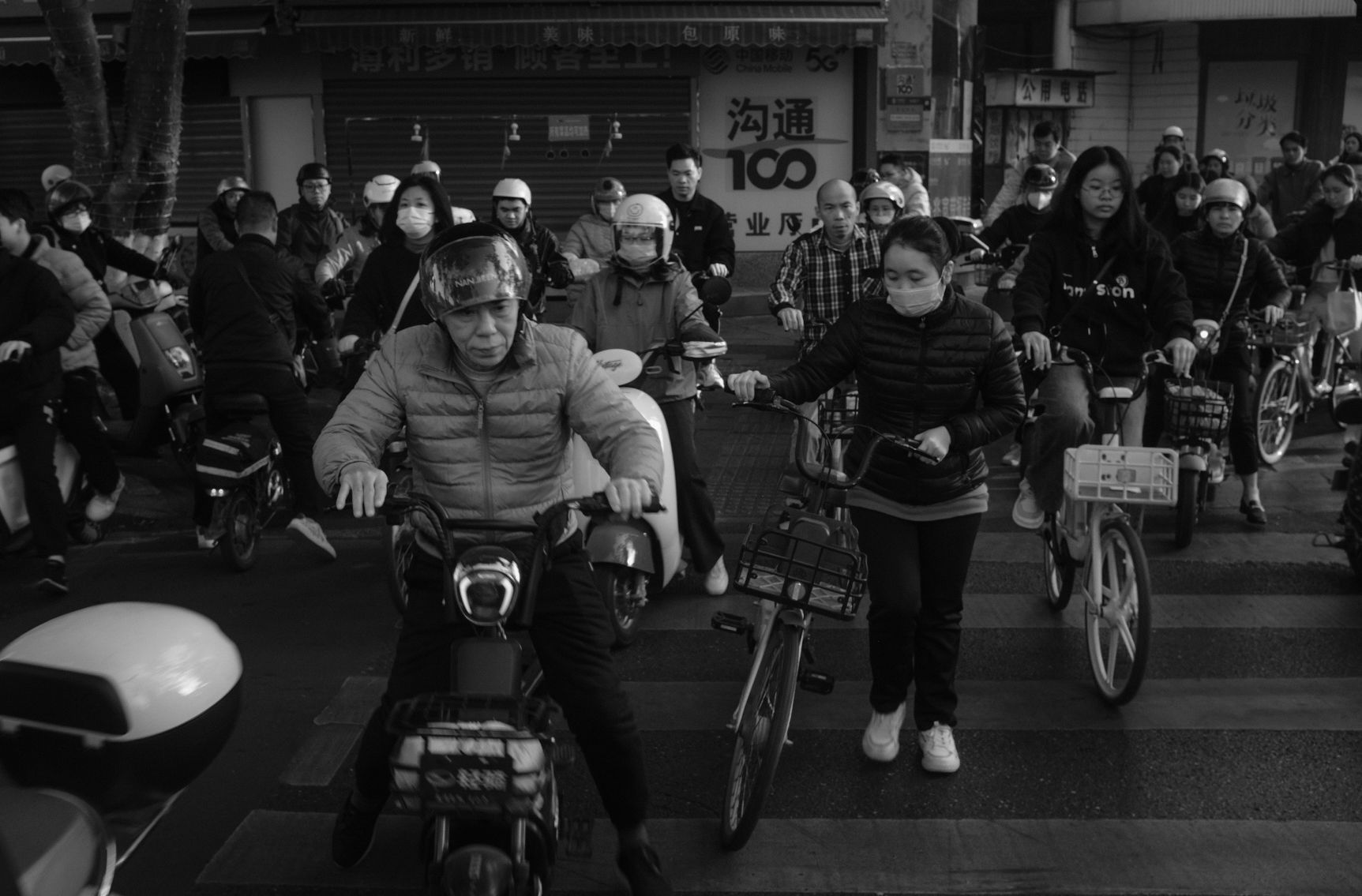
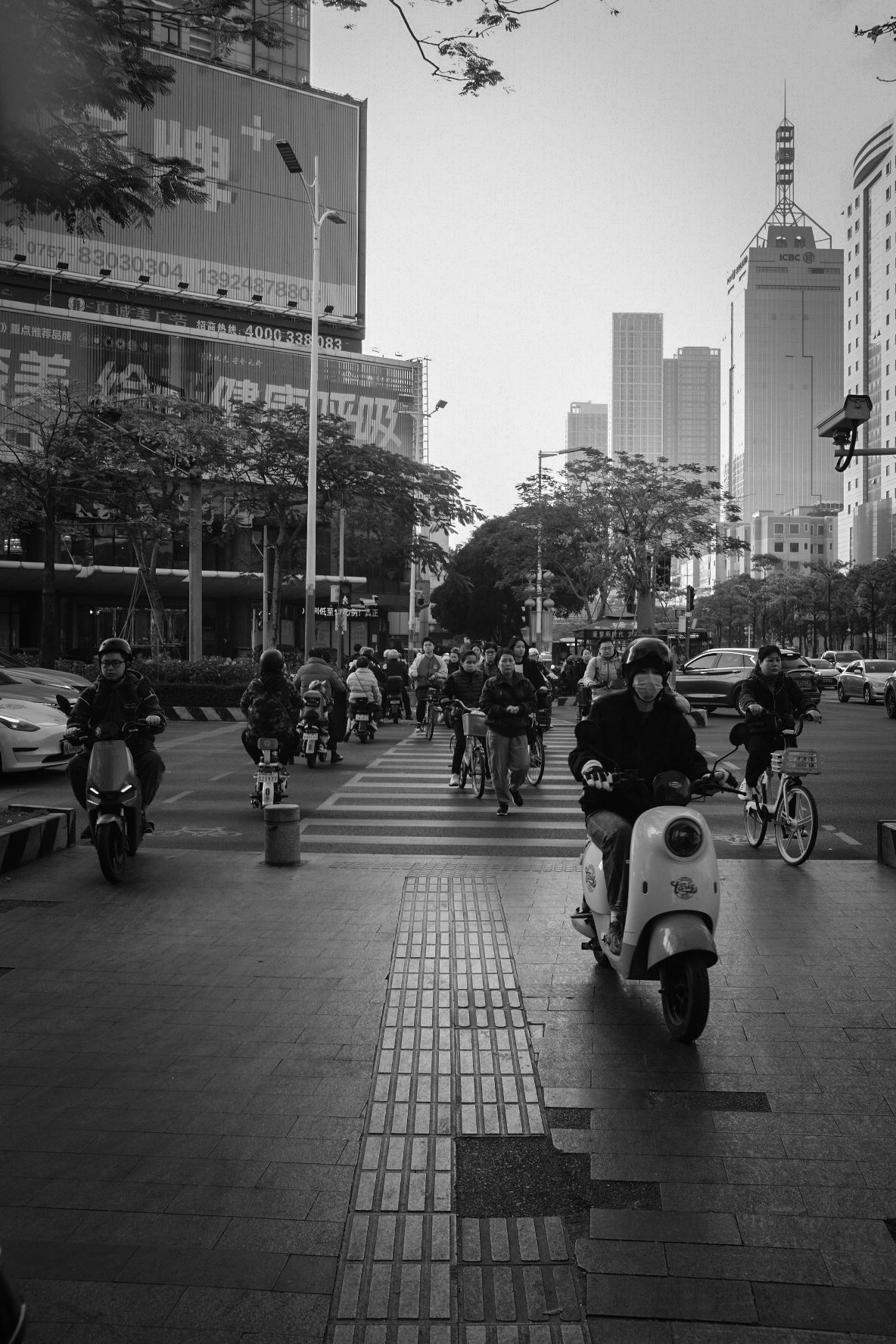
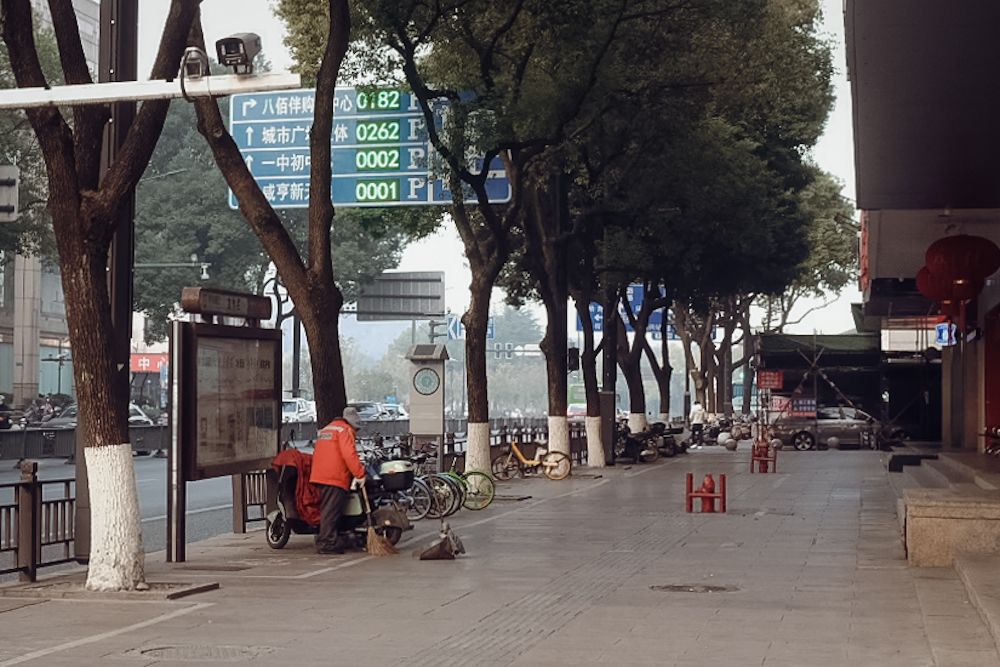
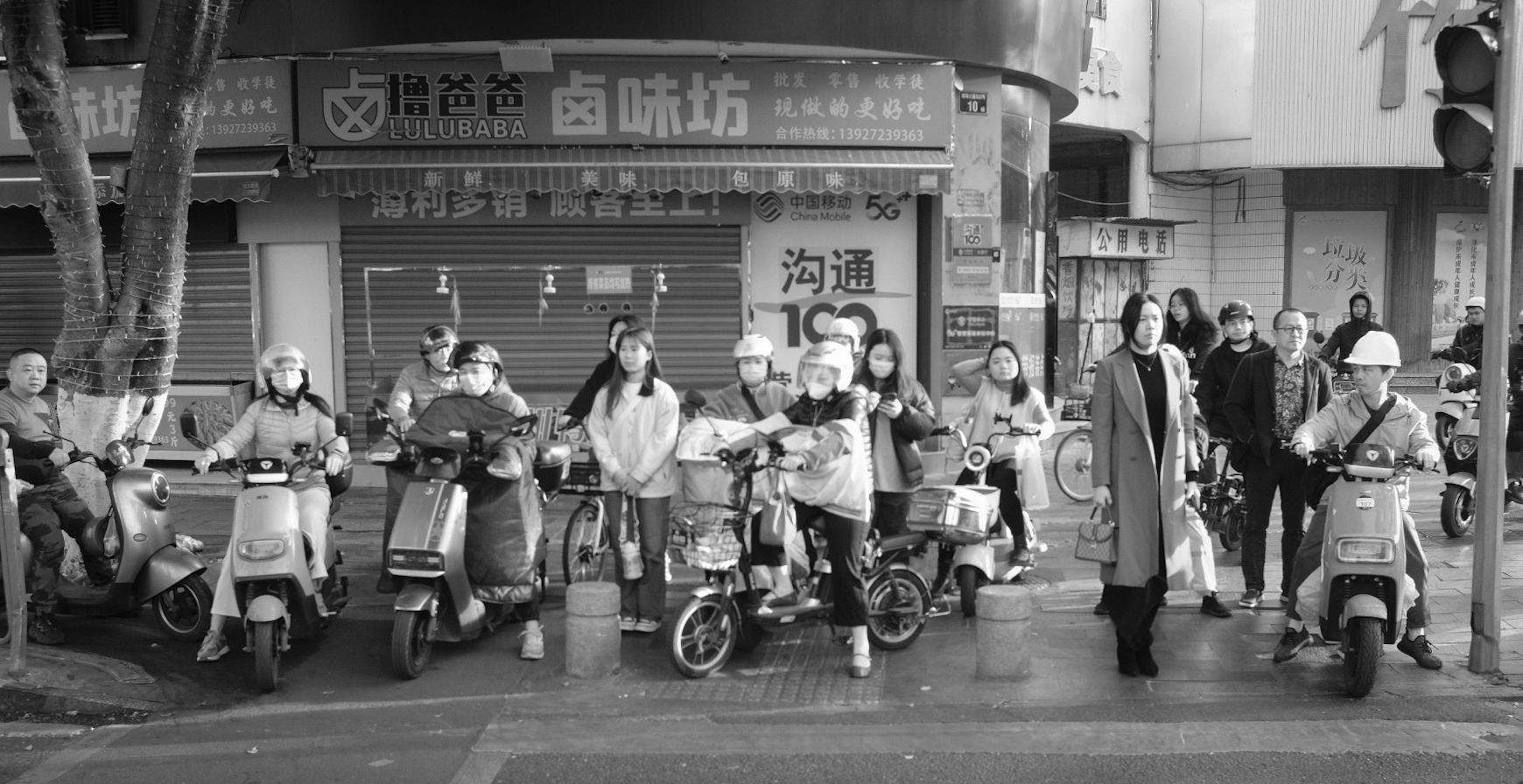
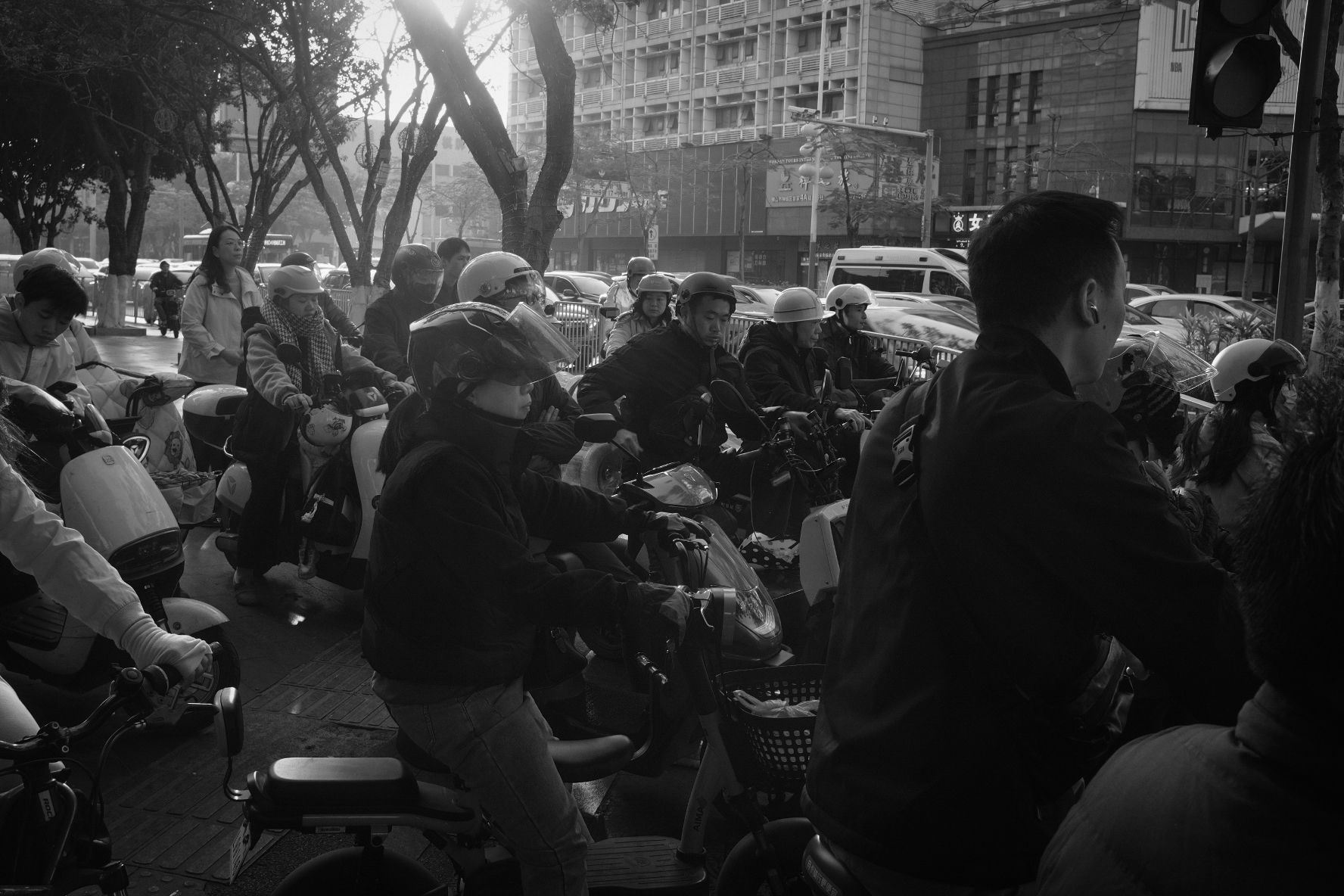
Inbetween lunch and getting ready to go to the theatre, I decided to relax by having a go at some street photography to get the “vibe” of the city.  The main “vibe” was the amount of electric scooters everywhere, and the fact that they drive on pavements.  The French might have called it “un joyeux bordel” but somehow, don’t ask me how, it all seemed to work flawlessly.  You had couples on scooters, mother and small children on scooters, gentlemen on scooters.  Everybody in that place was on an electric scooter, or so it seemed.  The only downfall of such a system especially with me being hard of hearing, was that I could only hear them when they honked their horns at me.  Usually I hate this, but they were all honking!  The sun was out.  I was out, and the whole process gave me a mental clense that was greatly appreciated!
If you know China at all you will know that they have a reputation for pollution.  Oooooh.  Pollution bad!  Pollution very nasty.  Not good.  However, it does give a wonderful diffused light for photography, and one of the way theys fight pollution is not only by a huge amount of electric scooters and electric cars, but also by spraying water vapour in the streets hoping to capture some of those not very nice particles.  You can see this in a couple of my street photos above  It is said that all their electricity comes from coal powered power stations, but I saw plenty of solar panels as well as wind turbines.  I think they’re really trying, and should be encouraged.

Back to the hotel, getting washed, and changed, and dressed to go to the theatre for the rehearsal and concert.  But that will be for another day…

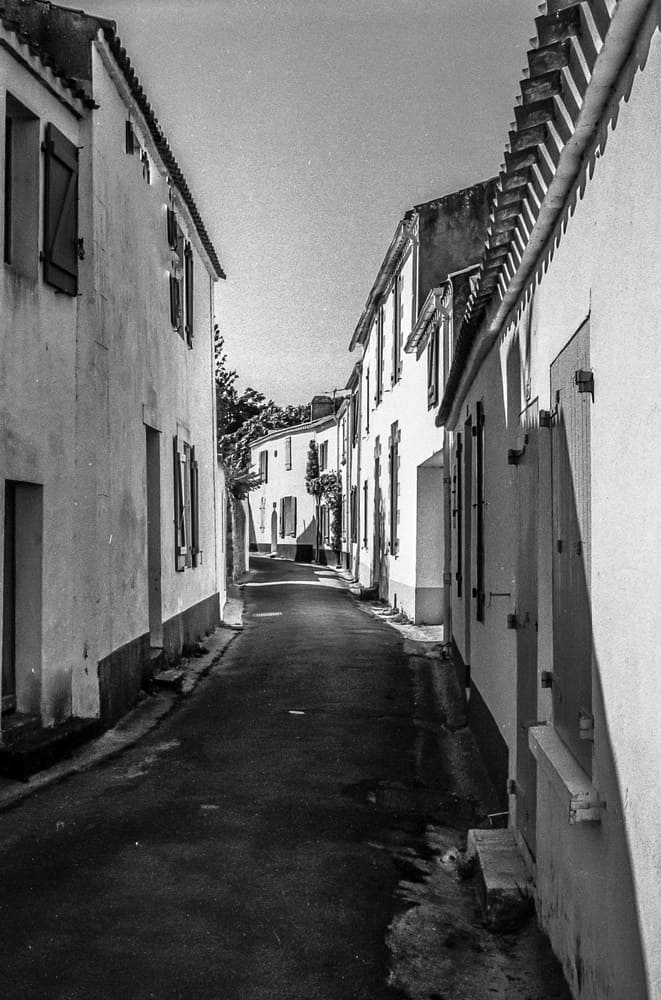
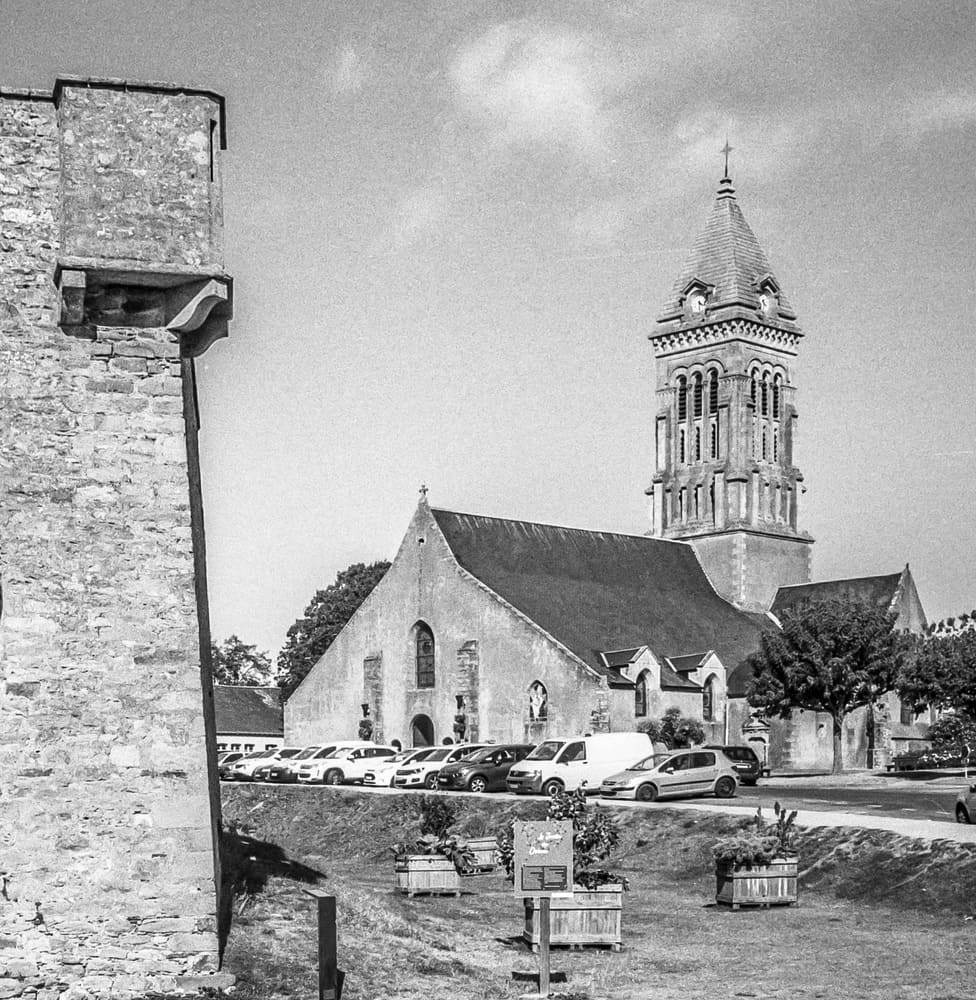
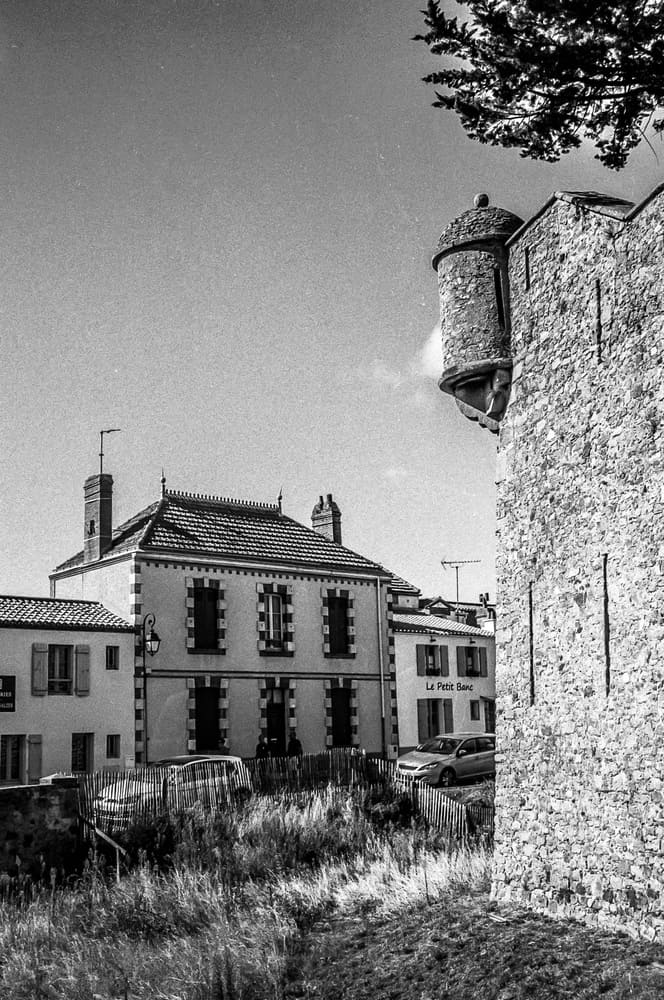
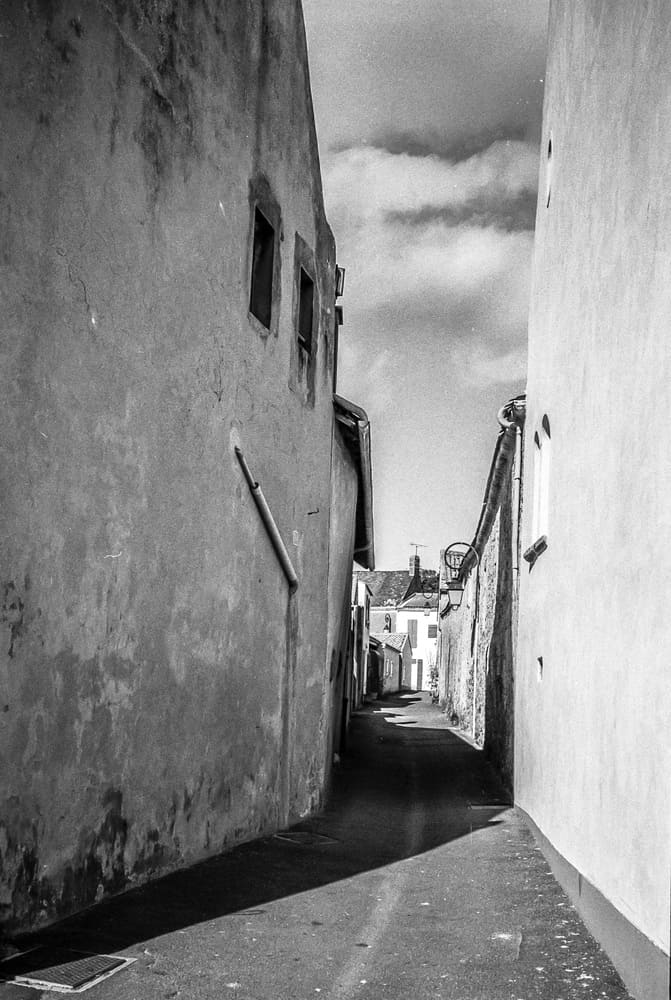
The Opening of the Film Archives – Noirmoutier September 2016


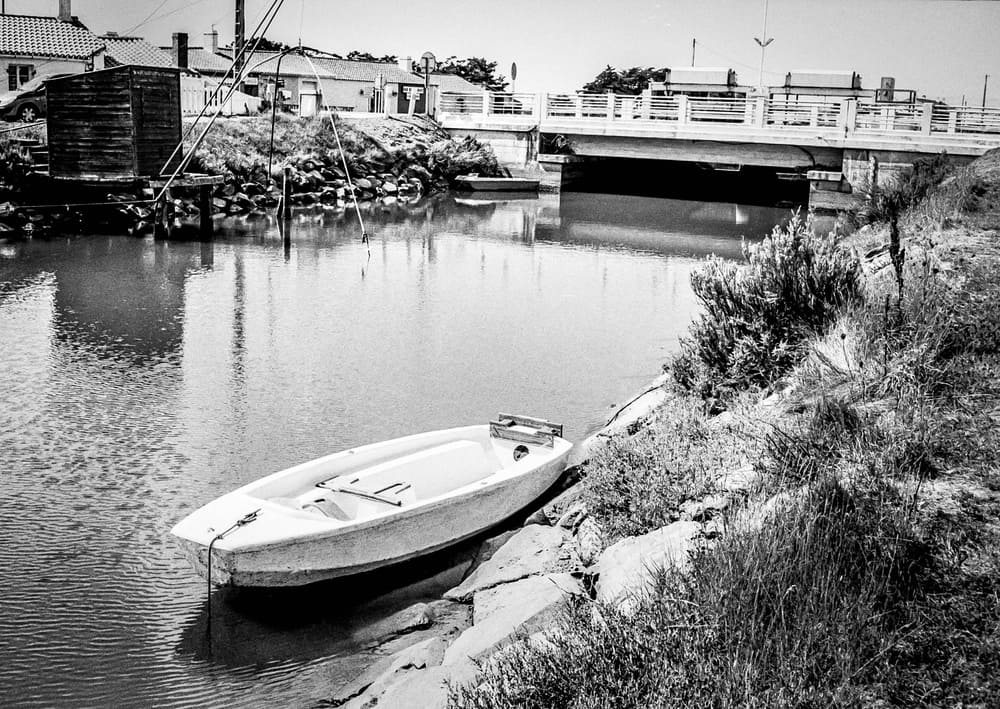
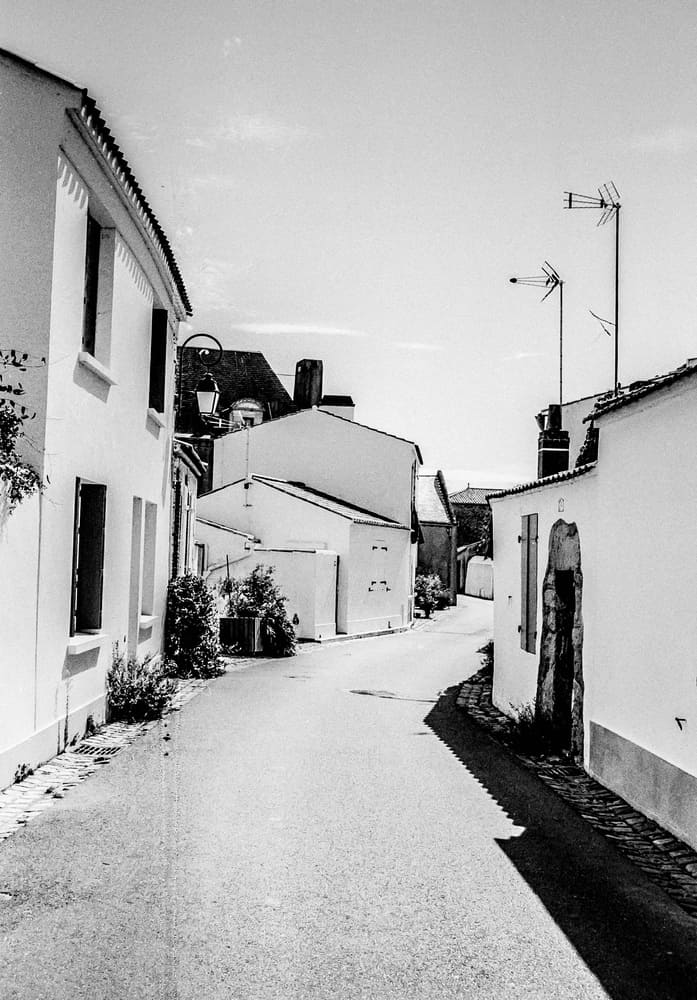
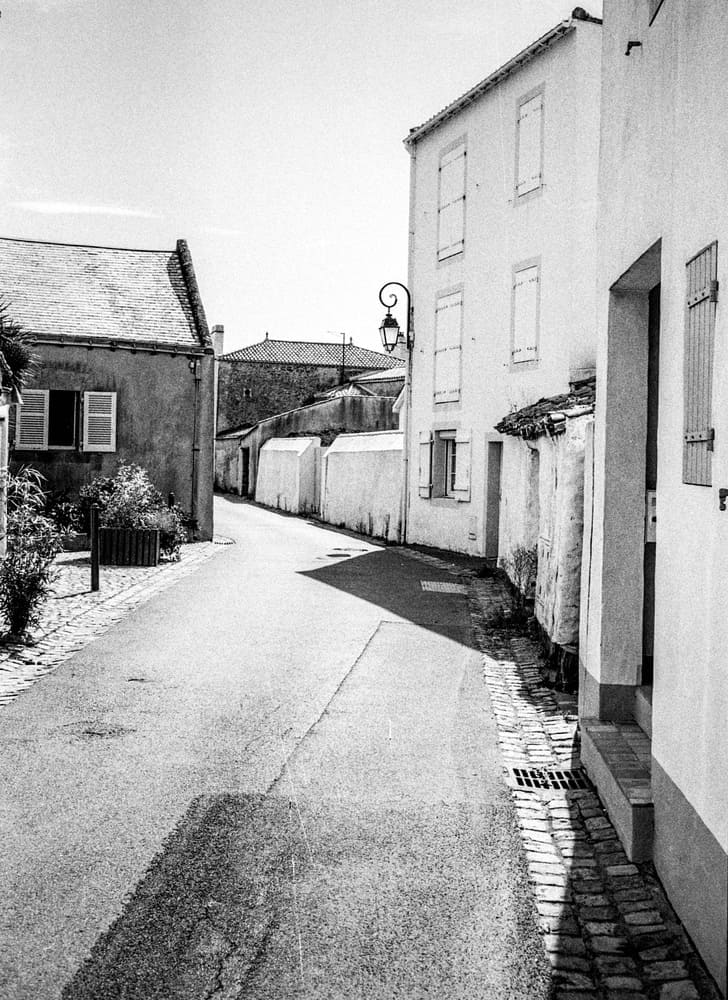
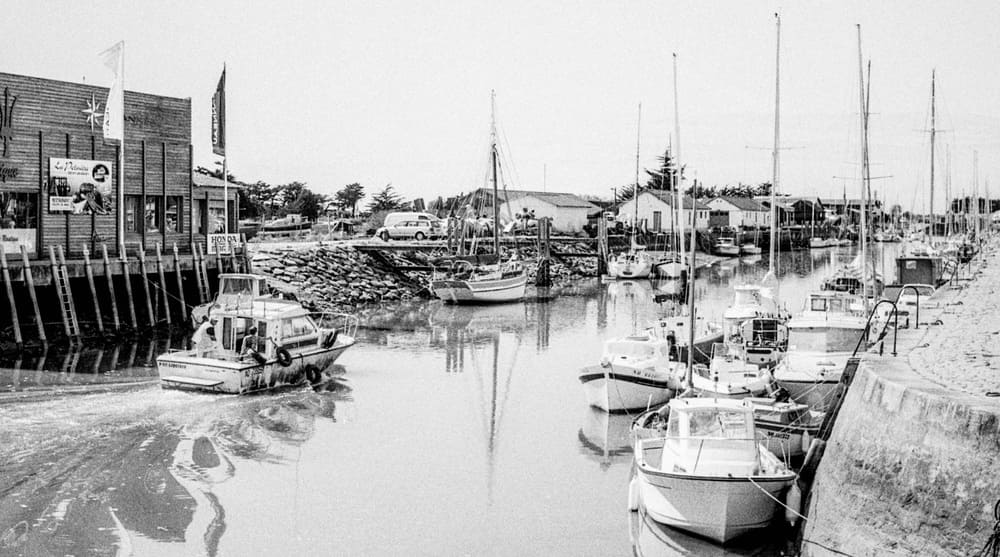
Welcome back, dear reader, to another delve into the Film Archive from before this wonderful blog that I know you enjoy reading so much. I appreciate being able to share these photos with you in the hope that they may not only please you but also offer insight into an older form of photography, one where concerns about overheating or battery life were minimal. I want to demonstrate how it is still possible to achieve great results with any camera and that the main quality in your photography comes from you, the photographer.

Earlier this year, I was there with my Canon 6D Mark II, but today, we’re revisiting my visit from September 2016. At that time, I didn’t have my Canon, but I did have the Olympus Trip 35 with HP5 Plus film from Ilford. I used that camera quite a lot that summer and continued to use it in September. I might just have to dig it out of my camera cupboard and use it again. Constraints and minimal kit often lead to more creative decisions—just think back to my UK trip, where I only had my X100F with me.

Let’s start with the camera. It’s a small but gorgeous camera designed for the mass market in the 1960s and was still being produced in the 1980s, which attests to its appeal among casual photographers. With relatively few controls, it’s pretty foolproof. I can adjust the film ASA setting, and the selenium cell housed with the lens takes care of the rest, whether it’s aperture or shutter speed. The famous red flag appears in the viewfinder when the camera senses insufficient light. All I need to do is set the focus zone.
I must have bought mine around 2015 or 2016, and it was quite affordable at the time—no more than 50€. It was an iconic camera then and still is today, but as the supply of these cameras dwindles, prices have increased. You can now expect to pay 100€ or more, with some models even reaching nearly 200€. It remains a great camera but might be a victim of its own success, along with sellers’ optimism and greed. Buyer beware—shop around, and you might still find more accessible prices.

As for film, prices have also risen, especially for Kodak film, but Ilford remains affordable, as do Kentmere, Fomapan, and Rollei.

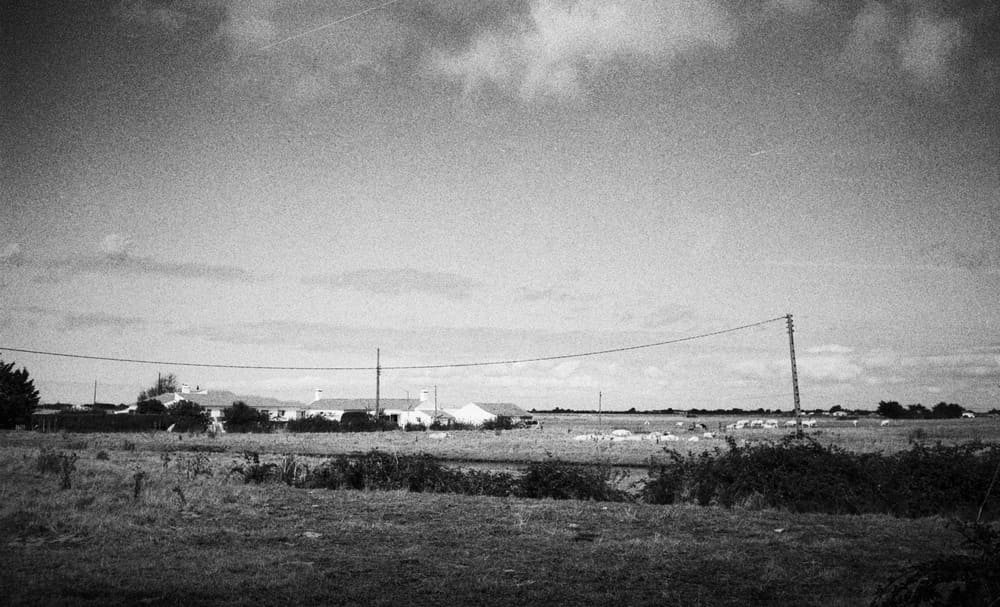
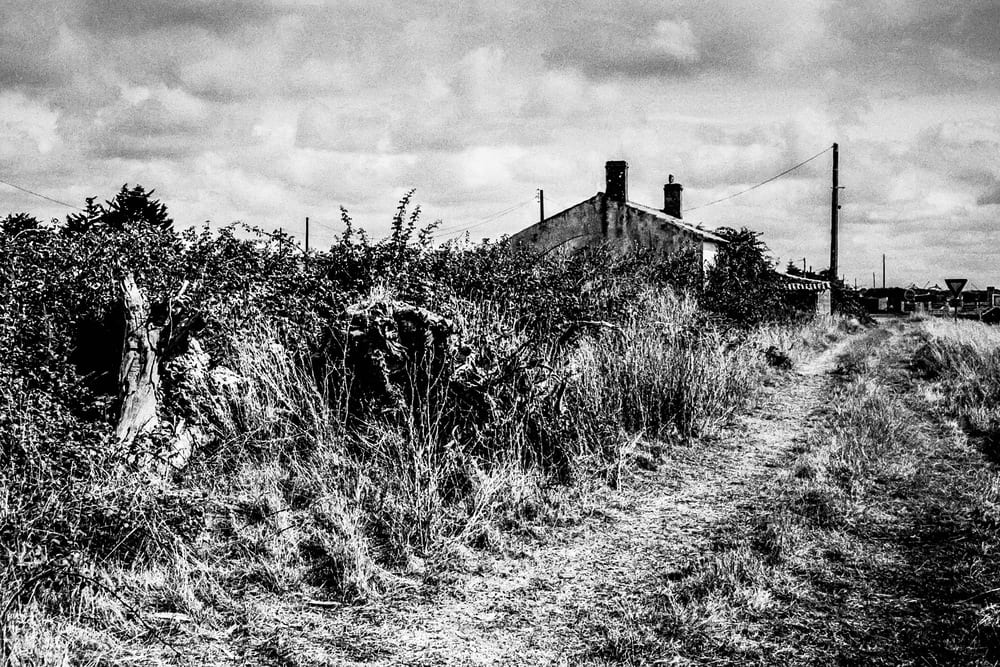
I’ve travelled the same road numerous times, and it always brings me a certain sense of peace. I tend to stop off at familiar spots along the way, and those of you with an eagle eye will recognise some of these locations from other photos in this blog.

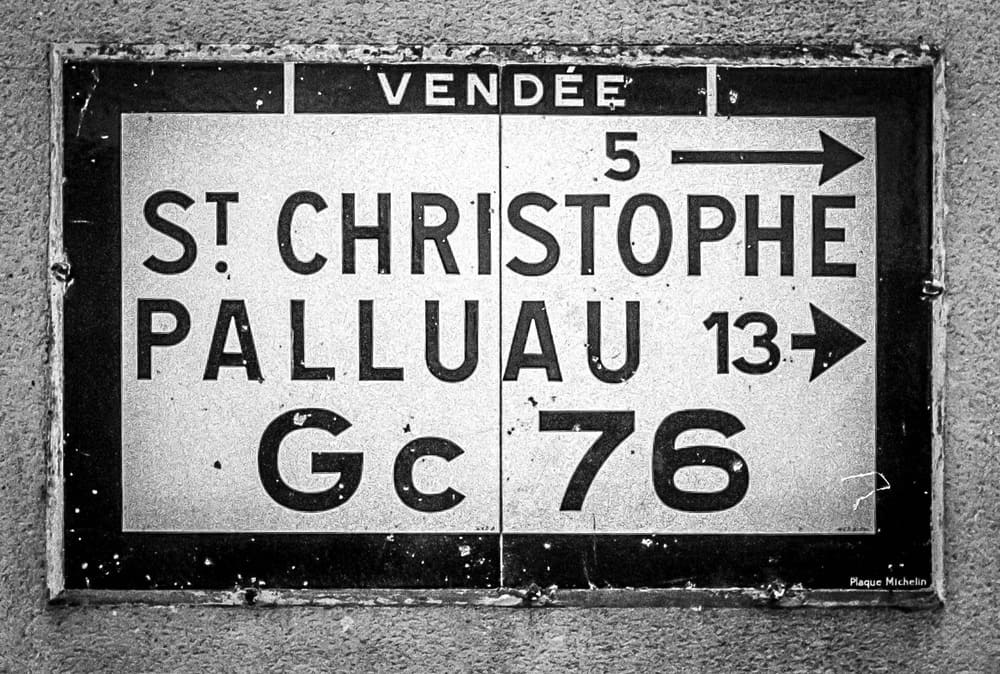
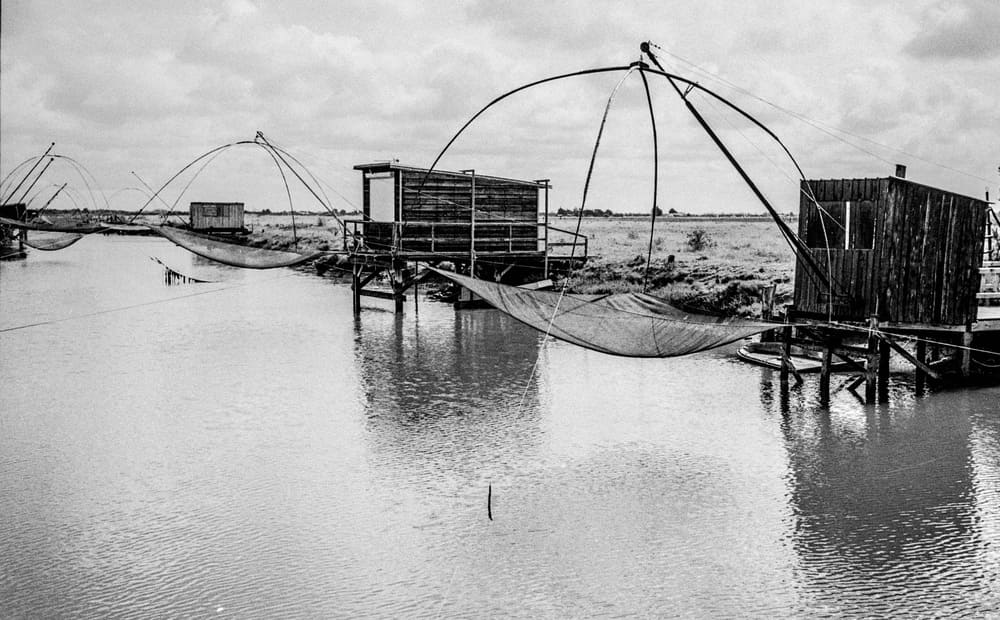
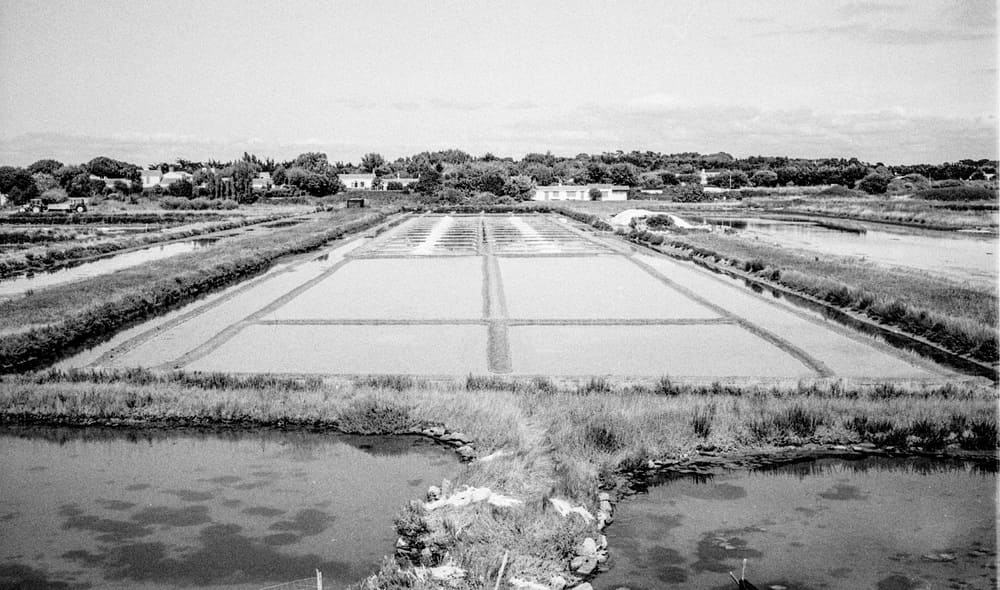
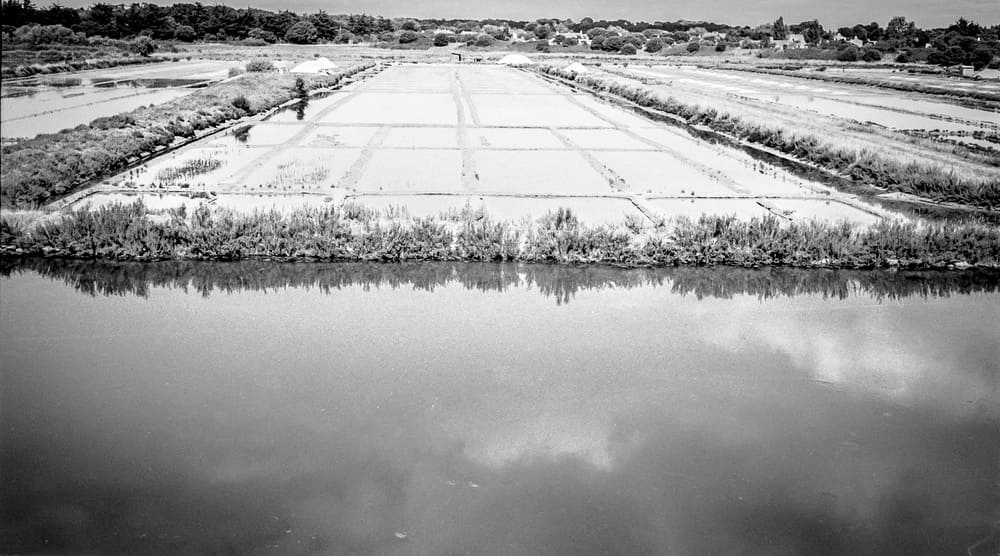
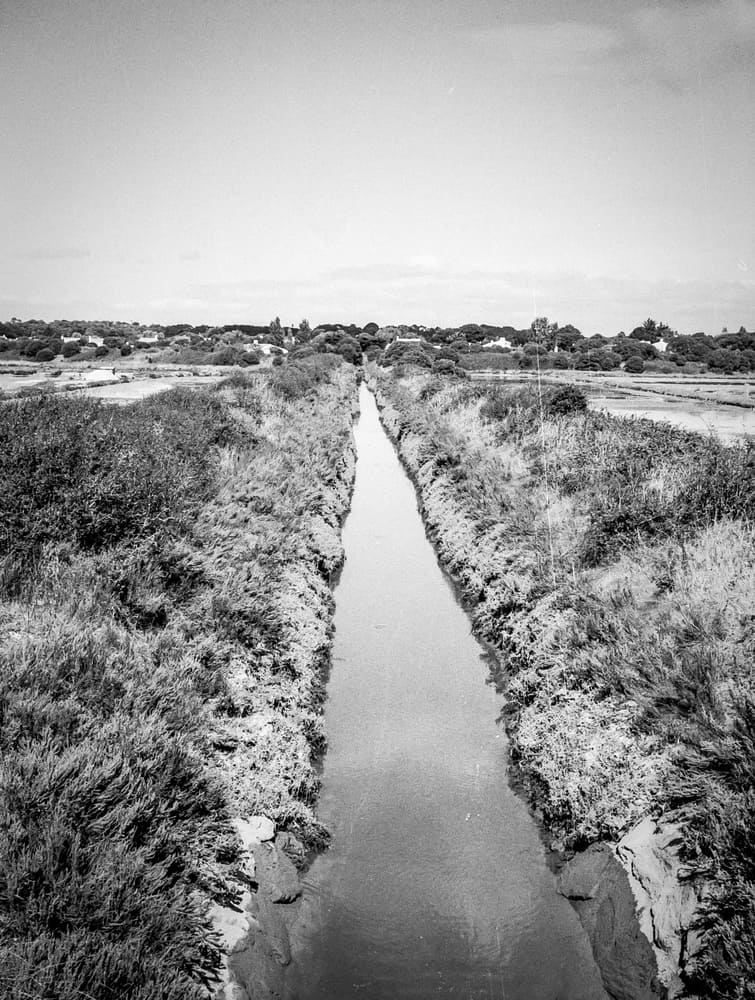
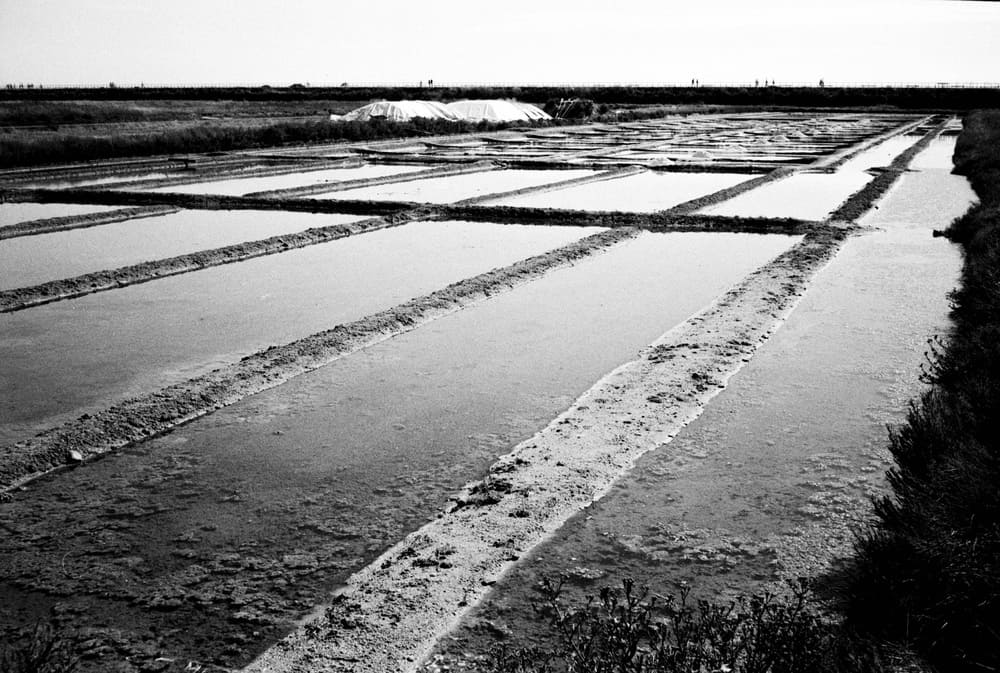
But why go to Noirmoutier? Firstly, why not? It’s just over an hour’s drive from my home and is a popular destination for many locals from the Vendée. The island now suffers from overtourism, which has certainly changed its character since 2016. Efforts have been made to manage the flow of tourists, with improvements such as parking, pedestrian zones, clearly marked hiking trails, and numerous bike lanes. It’s a beautiful part of the world, so typical of the Vendée Coast with its pinède and long beaches. However, not everything is about tourism. The island is also renowned for its salted butter made with salt from local salt marshes and the famous potatoes from Noirmoutier. Additionally, there’s a small fishing fleet, as well as the fleet from Le Port du Bec in the neighbouring Beauvoir-sur-Mer.

The Opening of the Film Archives, Lisbon, August 2016


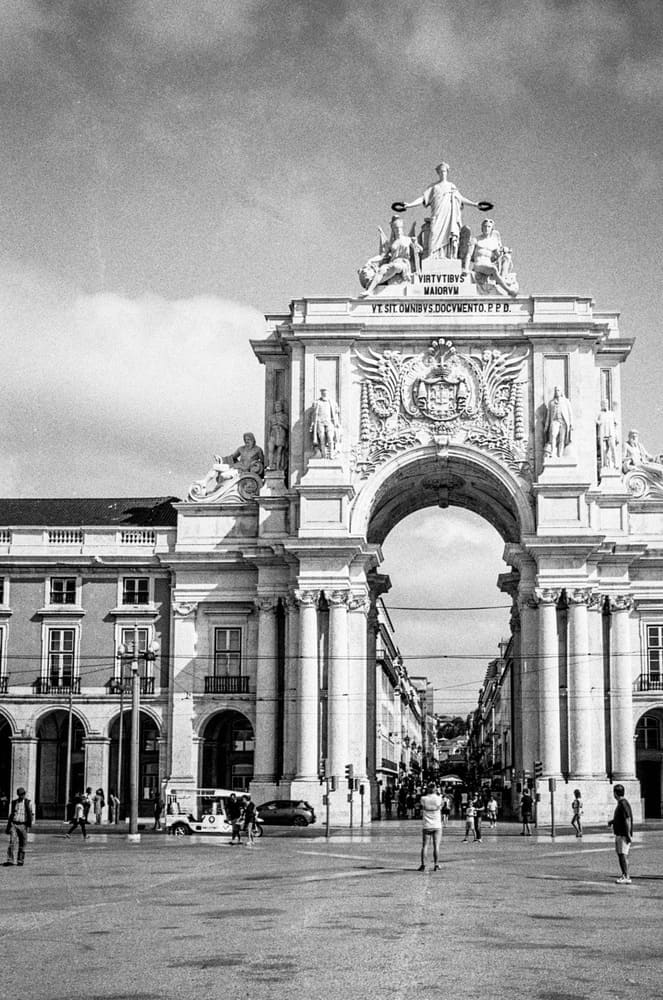
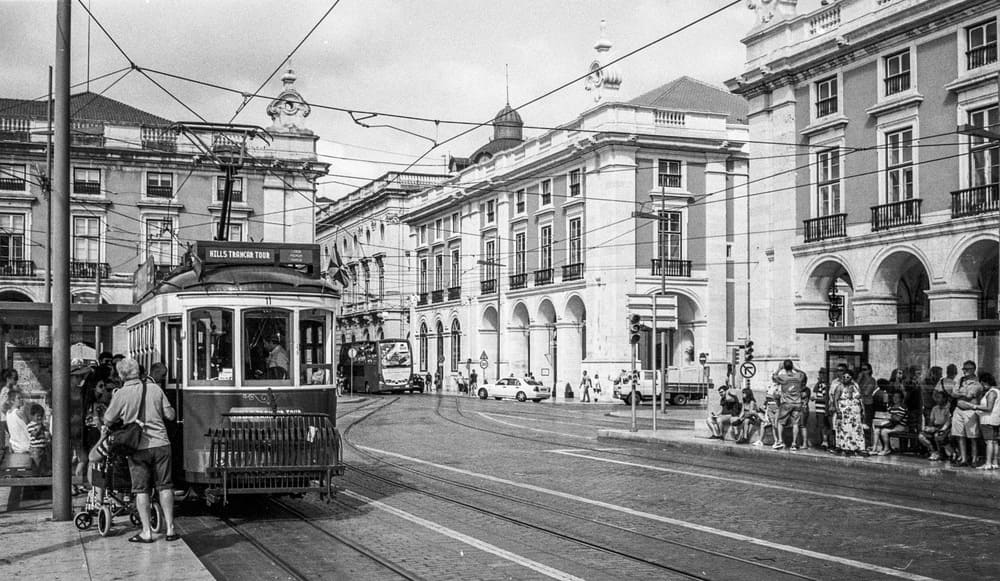
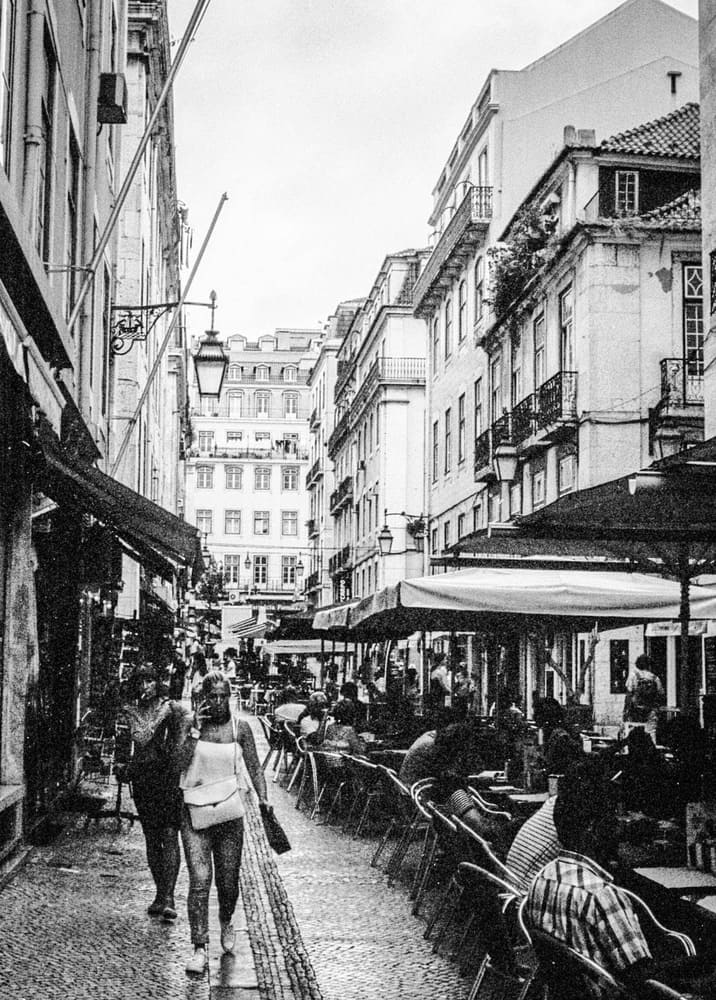
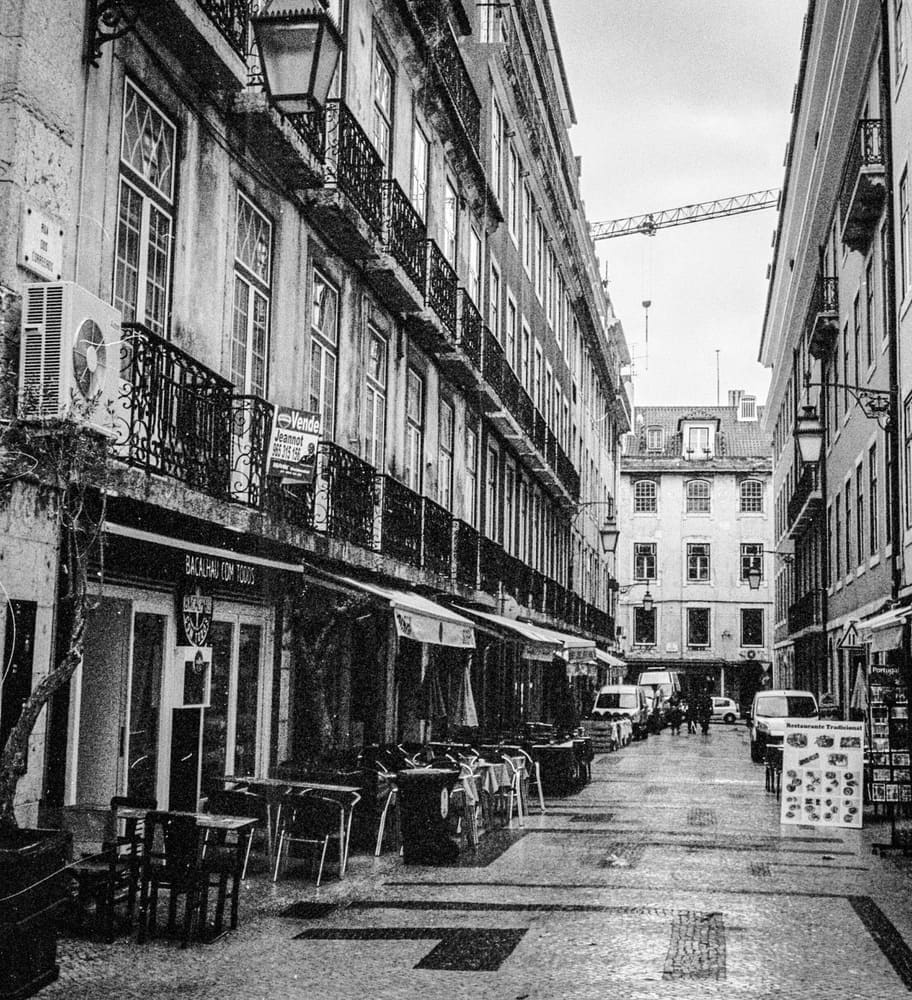
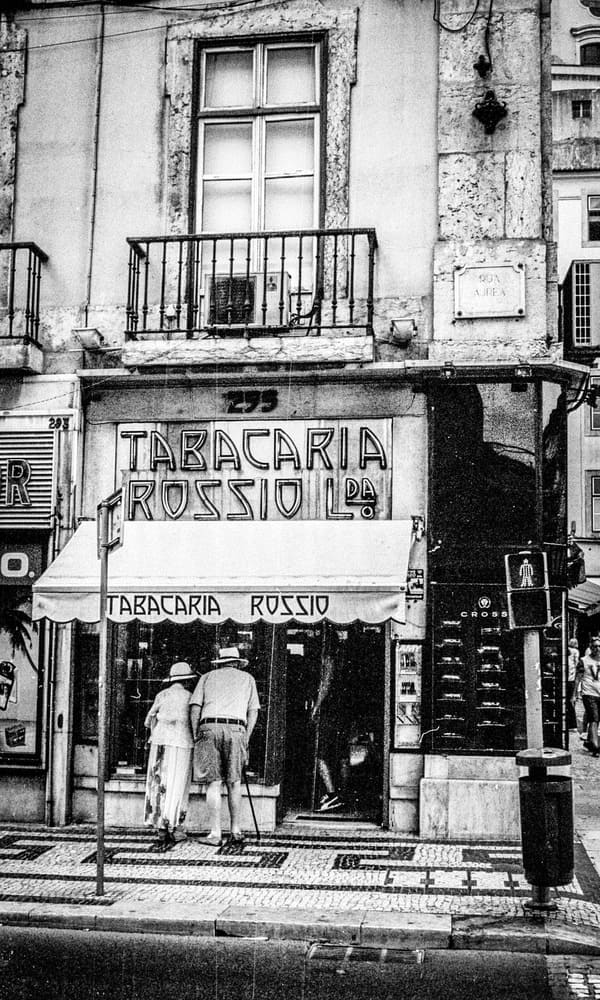
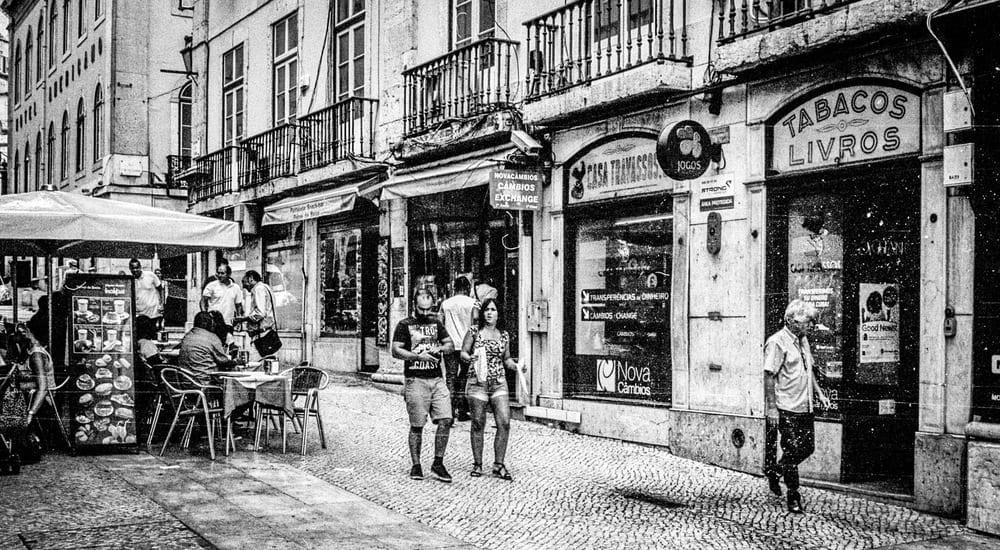
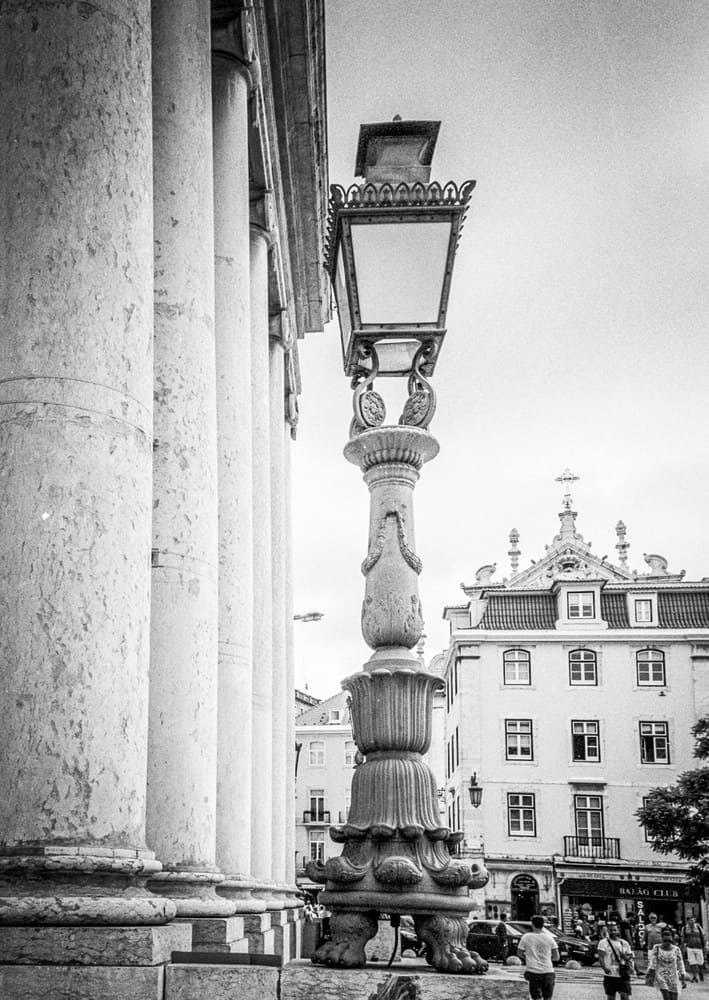
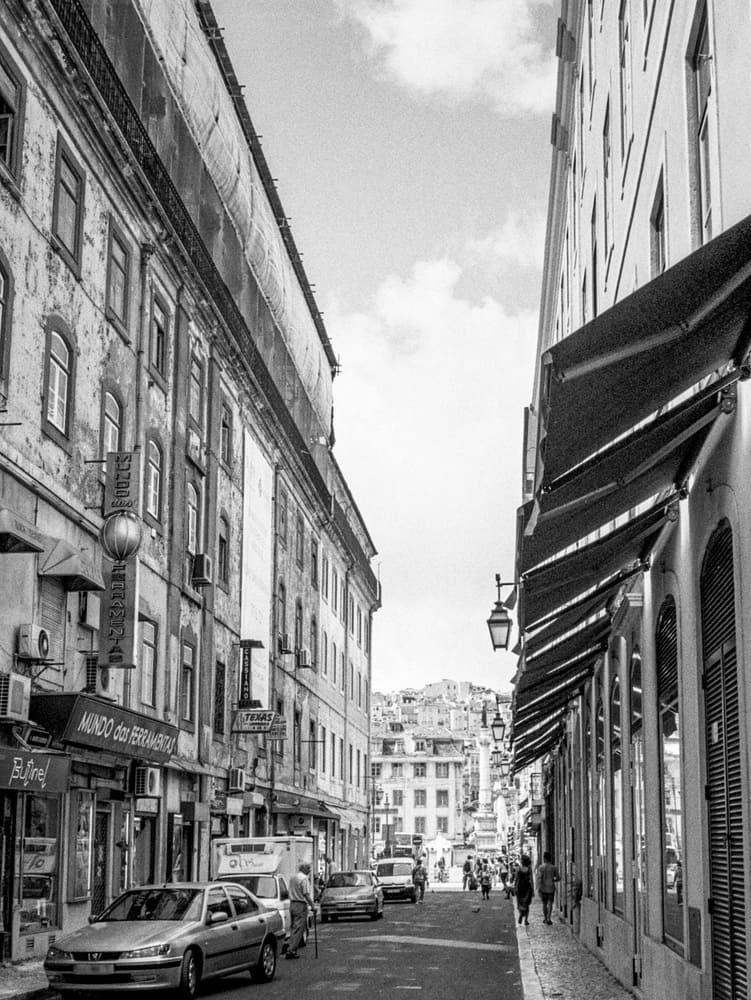
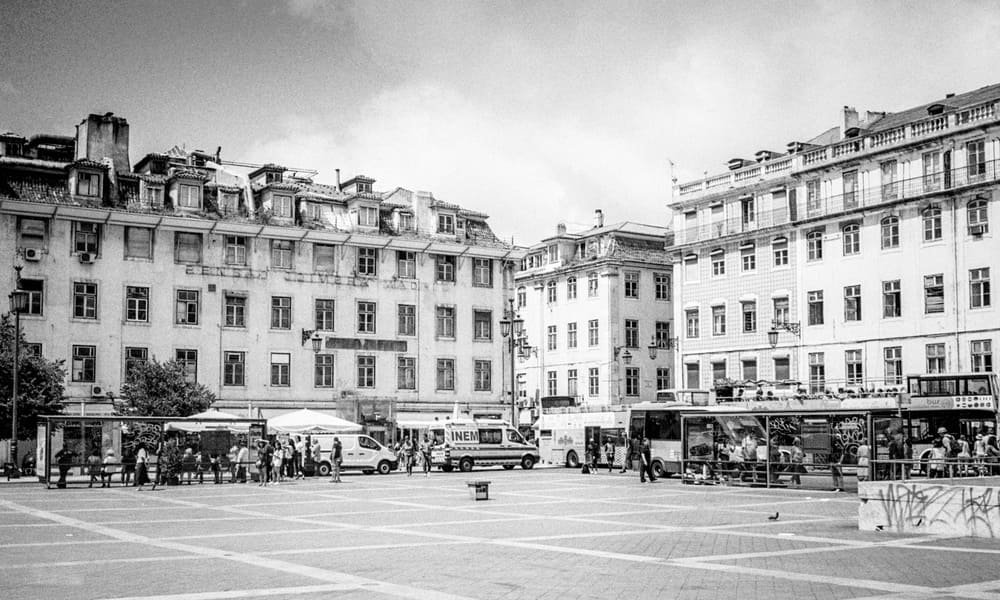
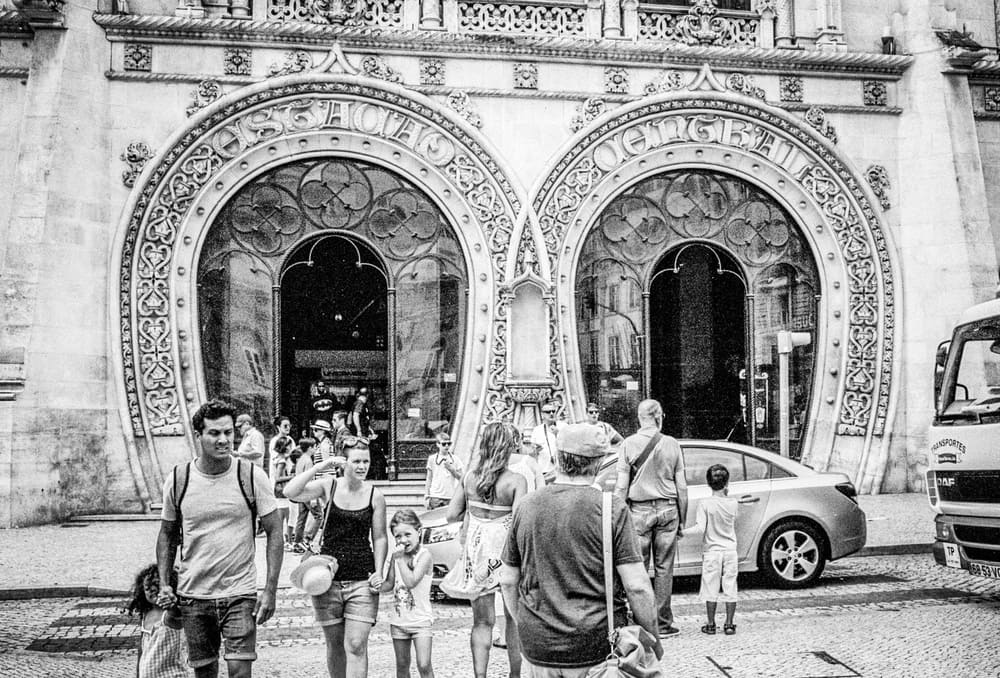
Welcome back to the Film Archives, where I showcase my analogue photography from the period BB (before the blog). In this edition, we’re diving into a street photography session in Lisbon, captured using the Olympus Trip 35 paired with Ilford HP5 Plus film. This camera and film combination was my go-to at the time, and with the fantastic lighting conditions in Lisbon, I was confident in its ability to deliver excellent results.

Setting the Scene

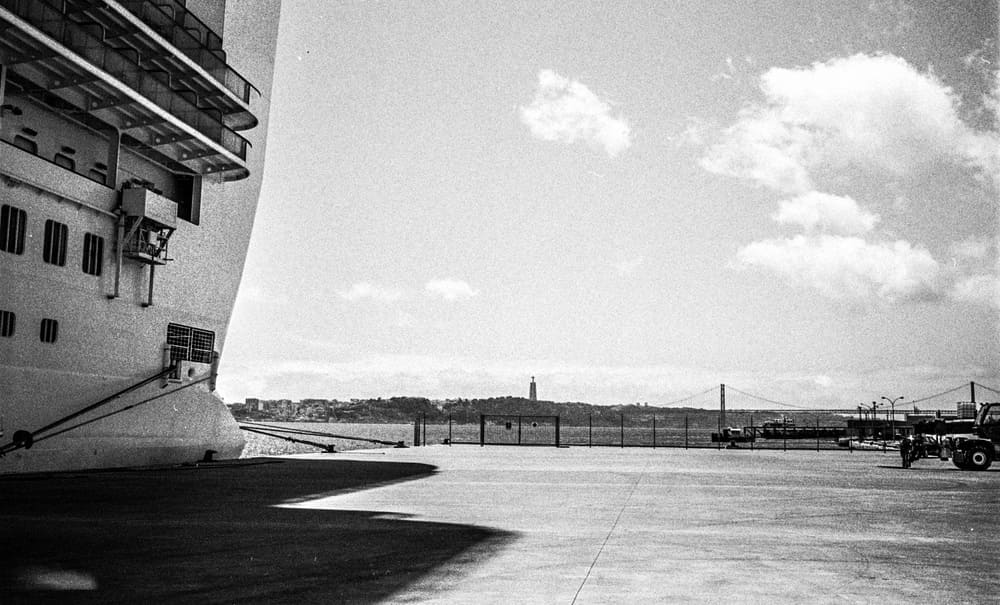
Our cruise around the Canary Islands had one final stop in Lisbon before heading back to Southampton. After disembarking, we faced the usual checks—showing ID and ensuring we had no contraband. The docks were conveniently close to the city center, and I followed the crowd to the left as we exited. My family, however, decided to explore in a different direction and turned right.

Capturing Lisbon’s Essence

Lisbon is renowned for its distinctive tiles, and I was immediately drawn to their intricate patterns. My first shot aimed to capture these tiles, which were a striking shade of blue. Of course, the beauty of these tiles is somewhat lost in black-and-white photos, but the pattern’s appeal was undeniable. Perhaps a color photograph would have better showcased their vibrancy, but the monochrome shots still convey the city’s essence.

Having visited Lisbon before, I was eager to find the massive statue of a man on a horse located in the square. Finding it again brought back memories of my previous visit. The weather was quite warm—typical of that summer—but I sought refuge under the cool arches, which made for excellent photographic compositions. The leading lines and repetitive patterns of the arches created compelling visual elements in my photos.

One aspect I had forgotten about was the trolley buses. Their bright yellow color adds a unique touch to the city’s character. Although these buses are less striking in black and white, their presence adds to the city’s charm and energy.

Technical Insights

The Olympus Trip 35 is a straightforward, fully mechanical camera with a fixed lens and automatic exposure. It’s perfect for street photography due to its simplicity and reliability. The HP5 Plus film is known for its versatility and fine grain, which works well in various lighting conditions. On this bright day in Lisbon, the film’s wide exposure latitude allowed me to capture the city’s details with great clarity and depth.

Experiencing Lisbon

As I walked through Lisbon, it felt as if I had stepped back in time. The city’s mosaic pavements and vintage shop signs created a nostalgic atmosphere reminiscent of the 1960s. While I’m sure some areas are more modern, my exploration was limited to the historic parts I could reach on foot. In these moments, I felt detached from the “real” world, fully immersed in observing and photographing the city. This sense of liberation of being a stranger in a new place is incredibly freeing.
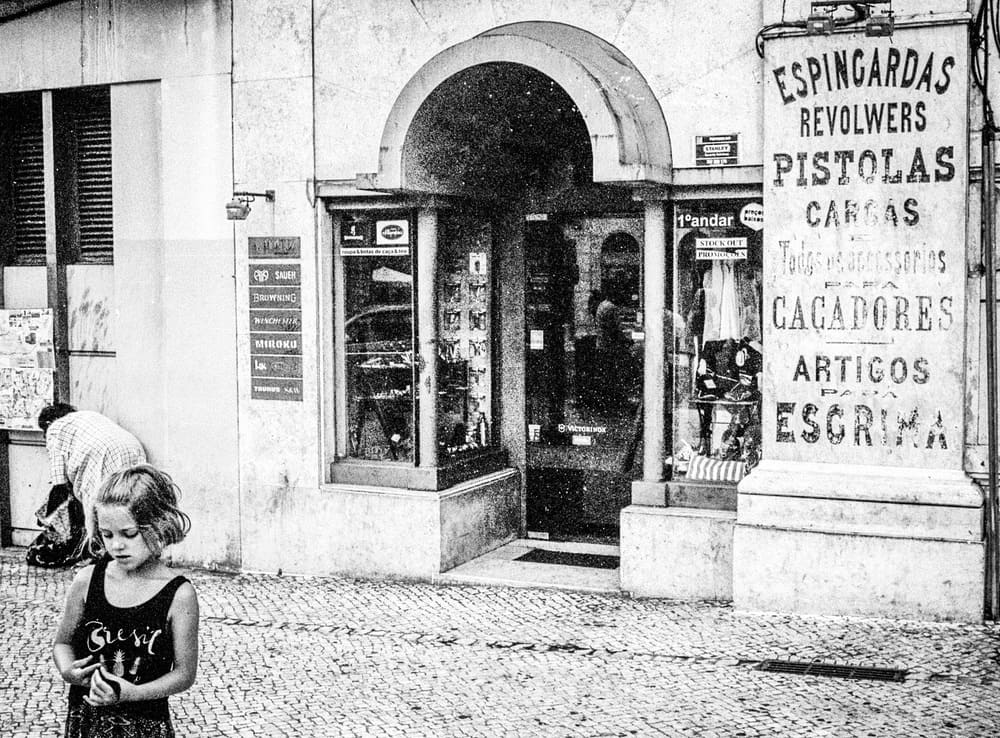
During my shoot, a German lady, who was a resident of Lisbon, approached me on Instagram and was surprised when I told her these photos were taken just 15 days ago. It’s fascinating how a fresh perspective can capture the timeless quality of a place.
Conclusion

In summary, Lisbon, at least in the areas I explored, possesses a timeless charm akin to that of a gentleman in a linen suit with a Panama hat. The city’s classical style and foreign allure were captivating. Although I don’t speak Portuguese, I chose to keep to myself, relying on the universal language of photography to connect with the city.

The Olympus Trip 35 was ideal for this day of exploration. Its simplicity, coupled with the bright light of Lisbon, allowed me to focus on capturing the city’s spirit without being bogged down by complex settings. The vintage camera, combined with the city’s classic charm, perhaps contributed to the nostalgic vibe of the photos, adding to the allure that intrigued even my German friend.