Saint Cado


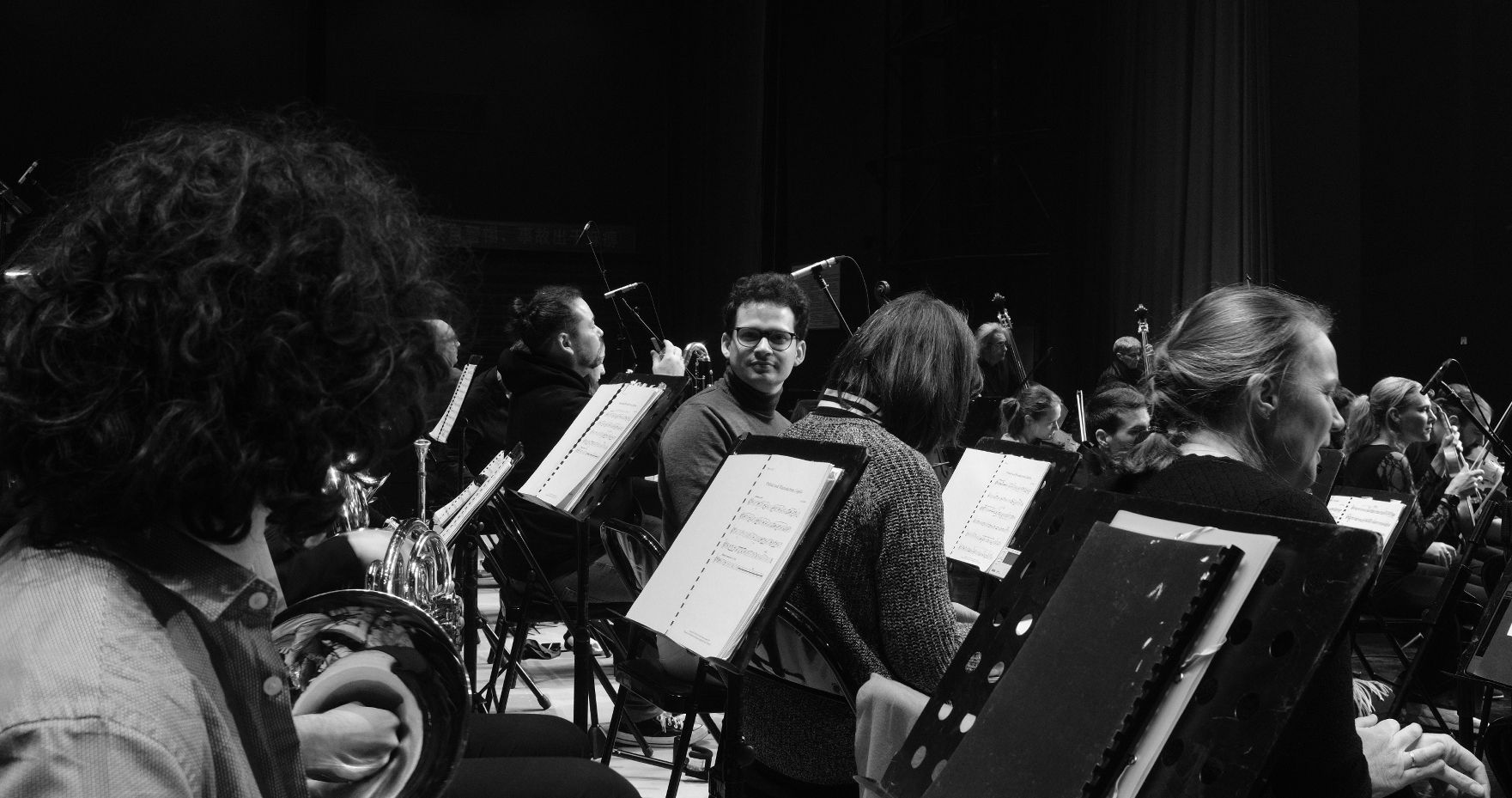
The concert was for the municipality of Lorient and was more I’ll scratch your back if you scratch mine. Sometimes as musicians we have to kowtow to certain political matters to keep the municipality sweet. They said it would be cramped, but it was, at worst, cosy, so no complaints there.

After the concert, I had organised my car so I could sleep in it. I parked up in front of my mother-in-law’s house to spend the night and get some photography in during the early hours of the morning — and because my mother-in-law can be intense, and I don’t like bothering people. It’s not that I don’t like staying overnight in people’s houses, but at one stage on exercise with the RCT (Royal Corps of Transport) back in the late 1980s, I learnt that I could sleep anywhere and that it was nothing to worry about. I didn’t have my sleeping bag from those days, which would let me sleep comfortably in minus temperatures, but I did have a couple of Scottish tartan blankets that would keep me nice and warm.

It wasn’t long before I got off to sleep. I actually slept quite well, considering, and bought myself breakfast at the local boulangerie. No snoring to contend with and no risk of being shouted at because the dog was awake and needed to go outside to poop. Yes, a very satisfying night.

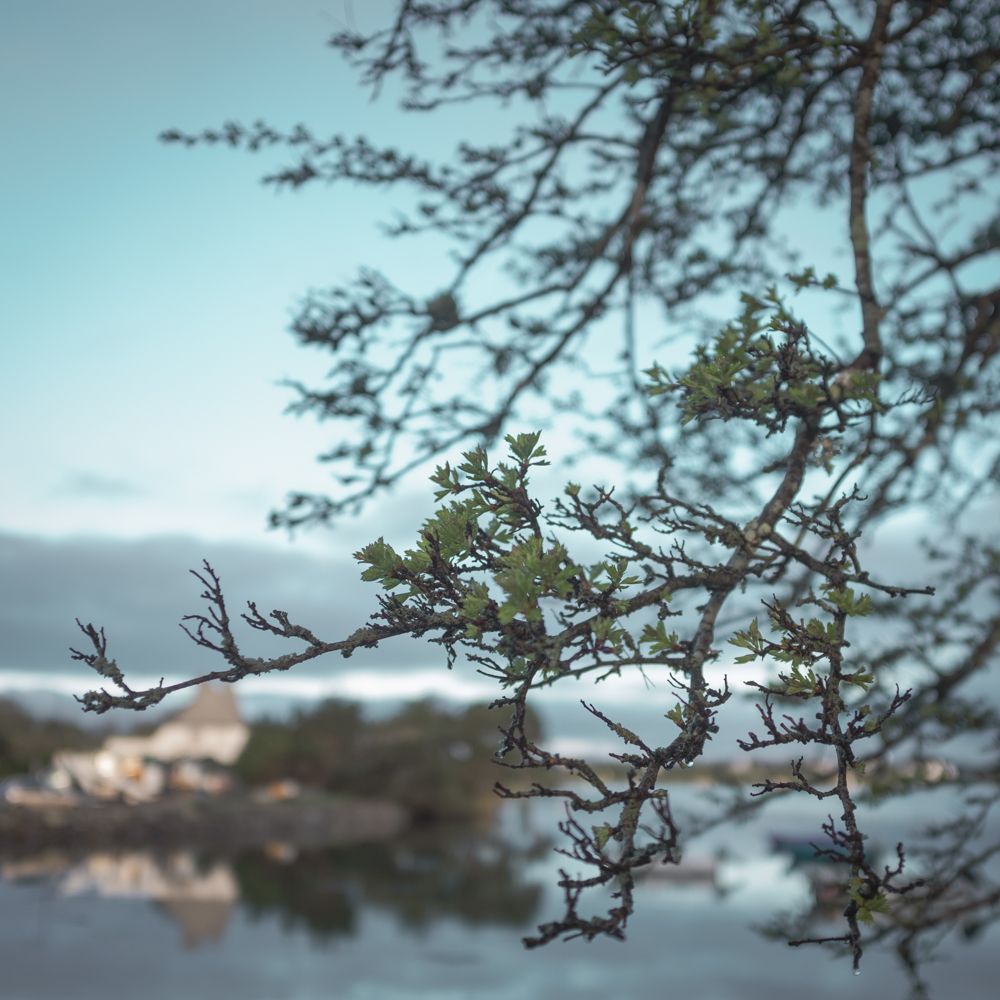
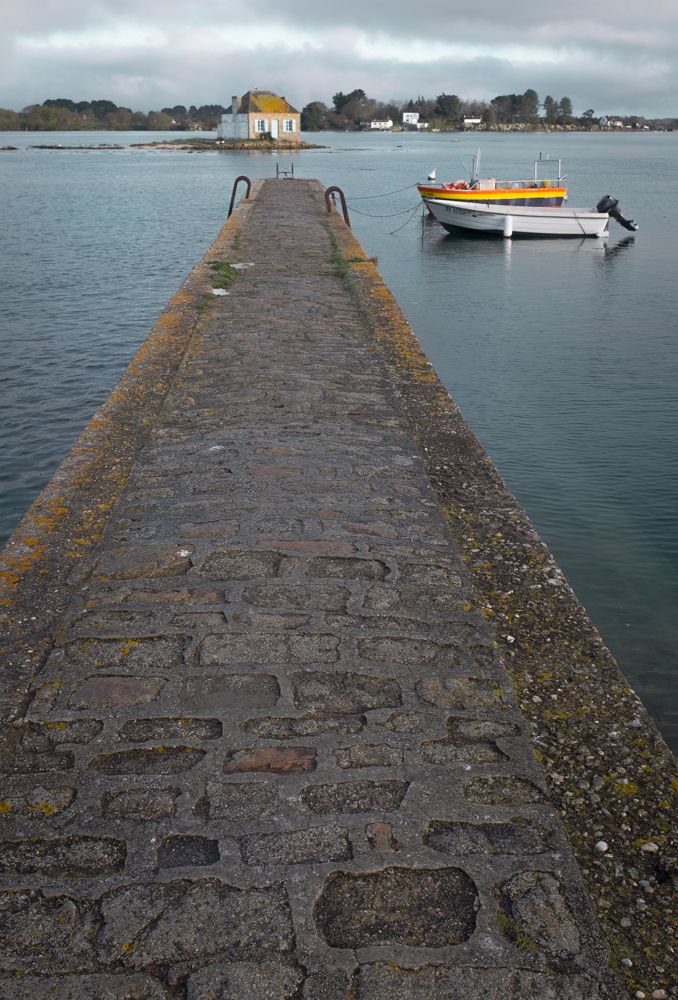
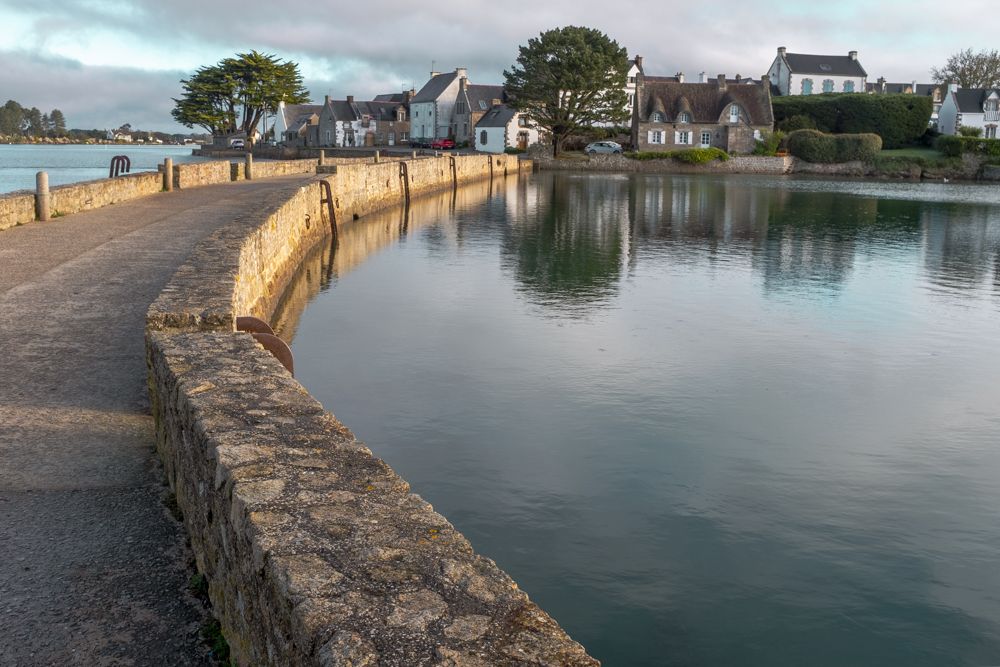
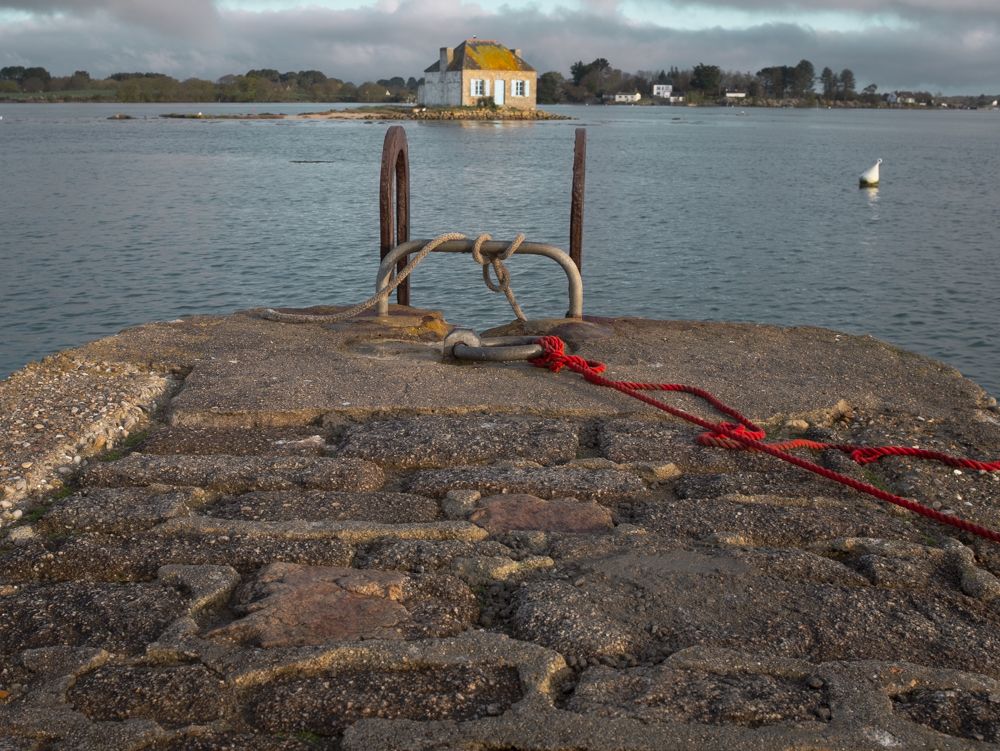
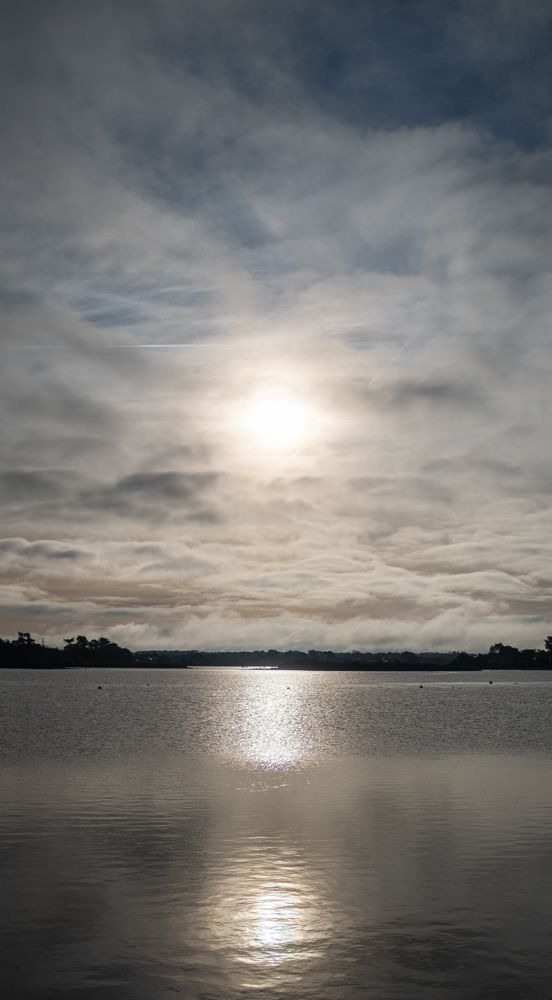
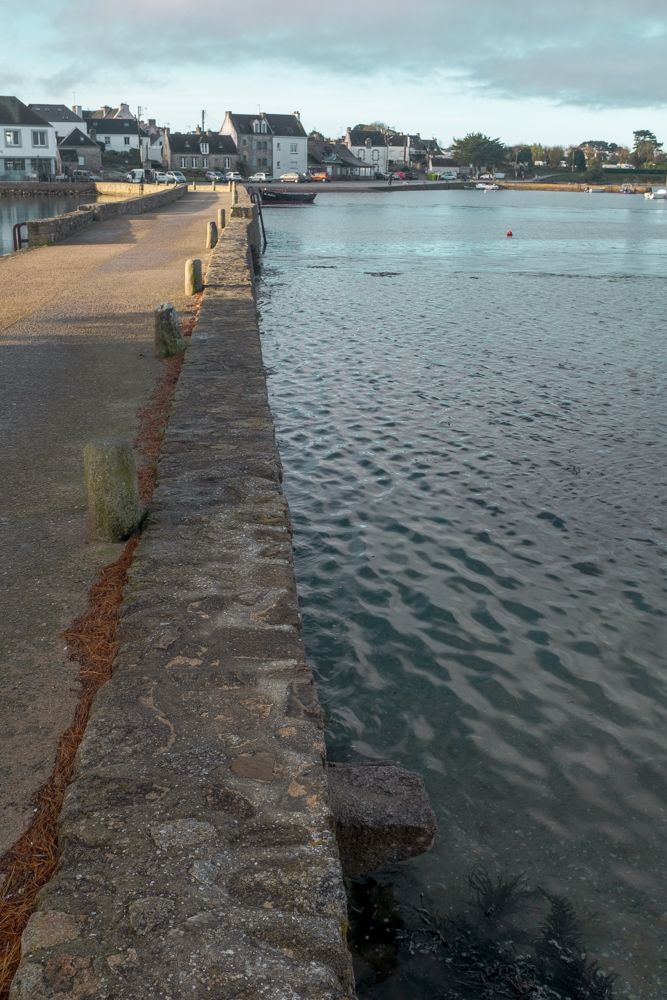
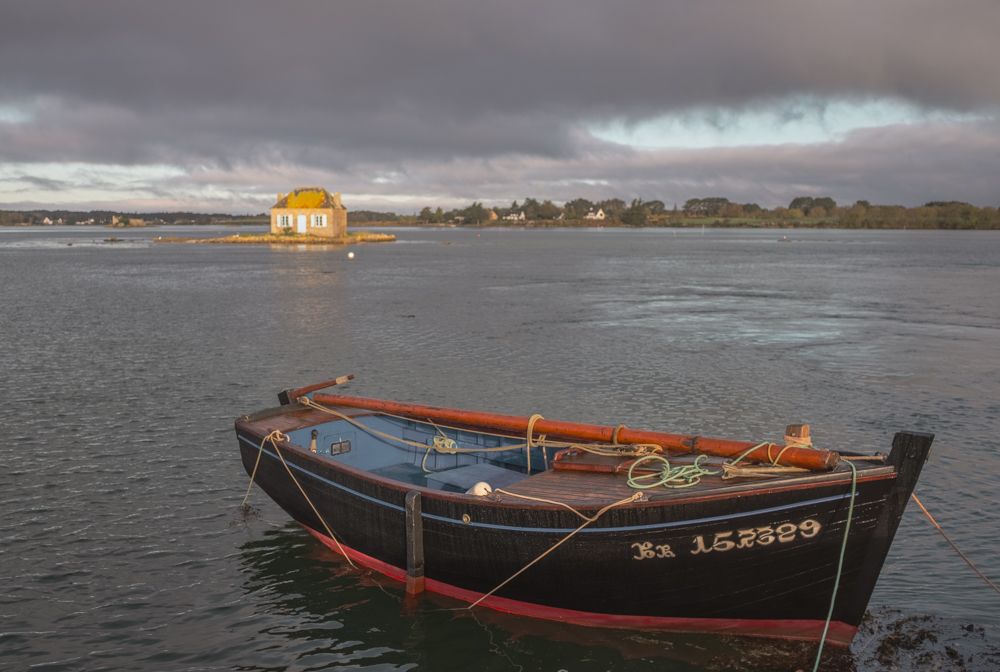
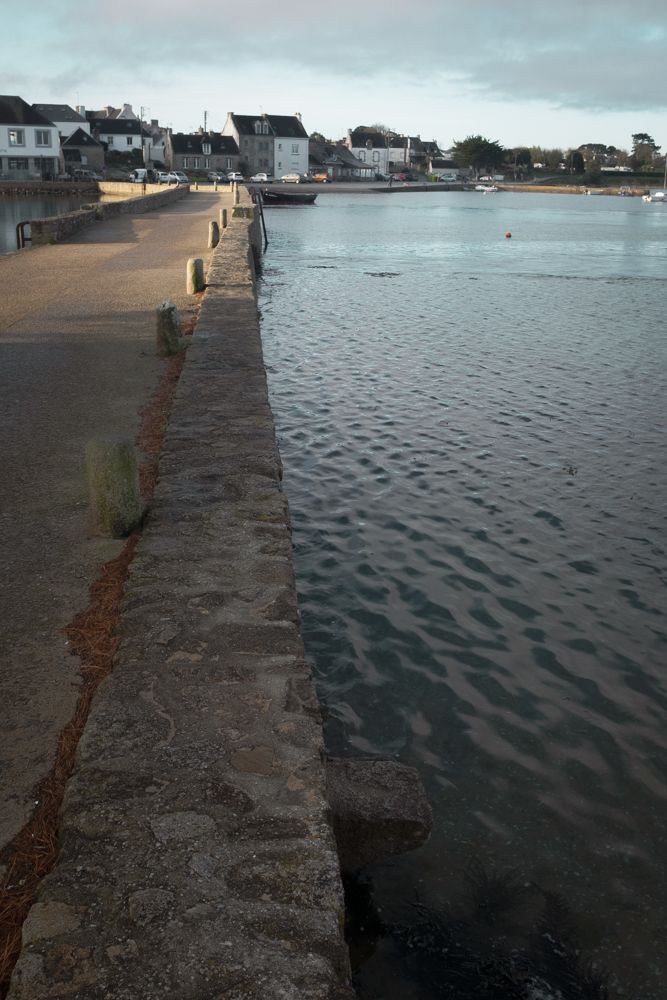
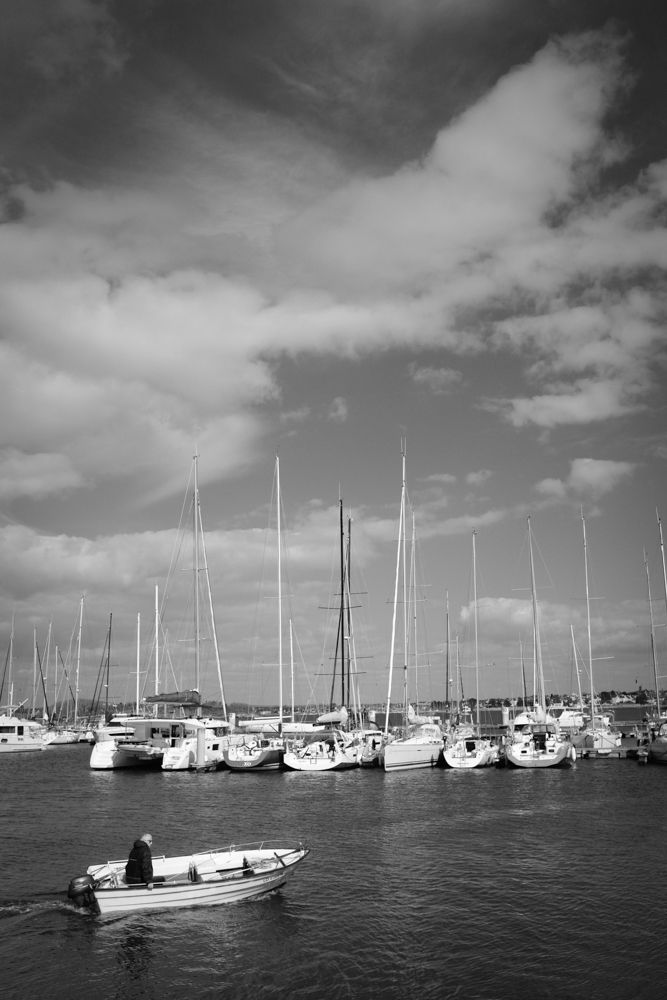
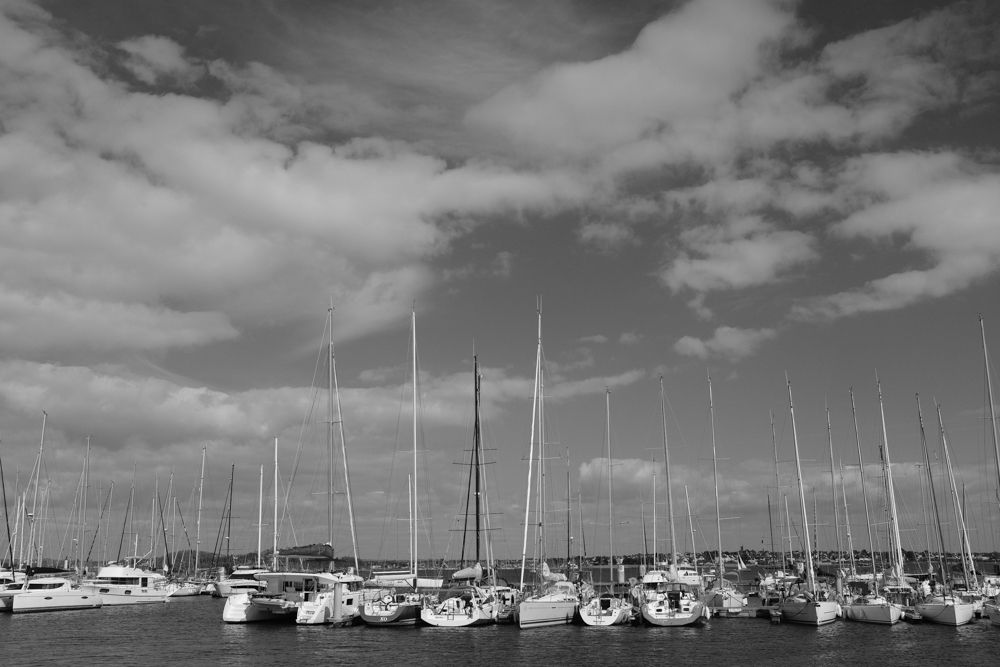
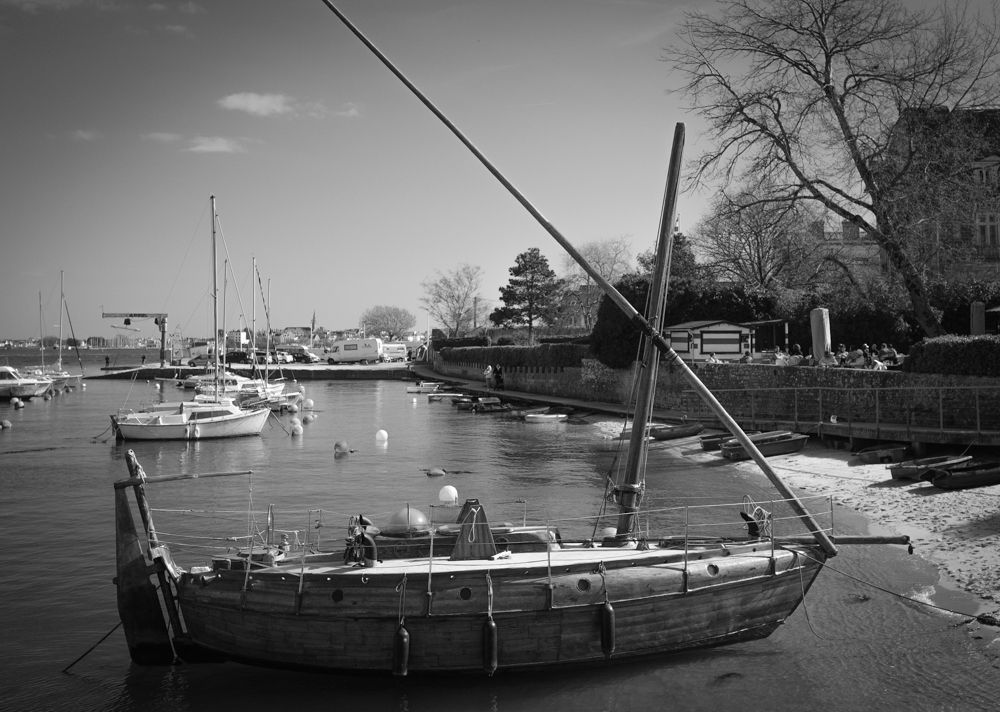
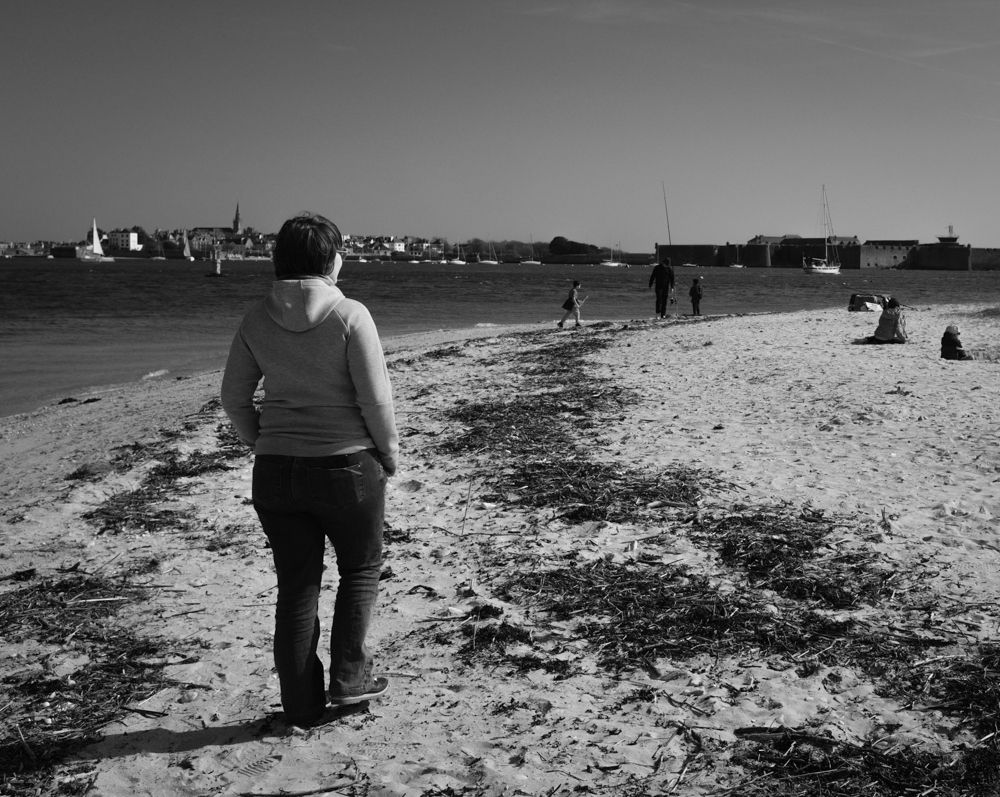
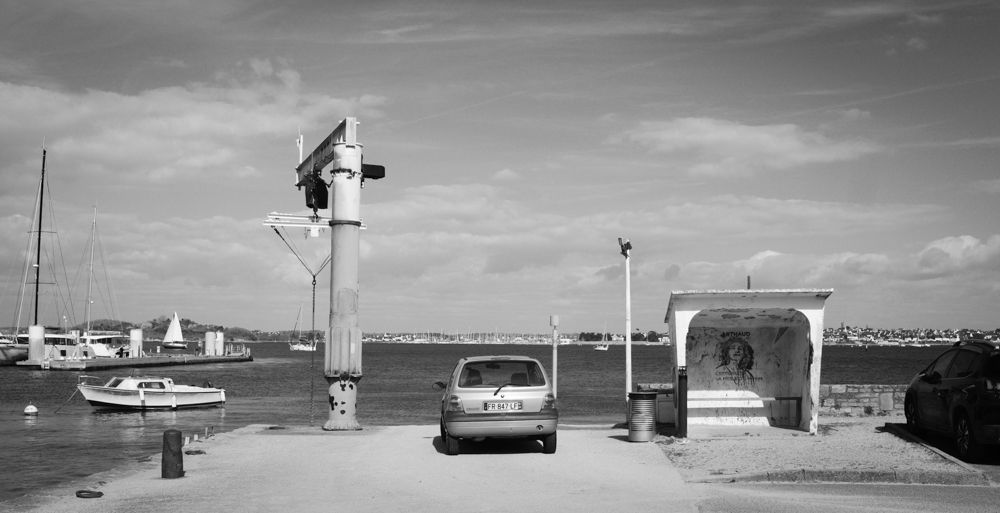
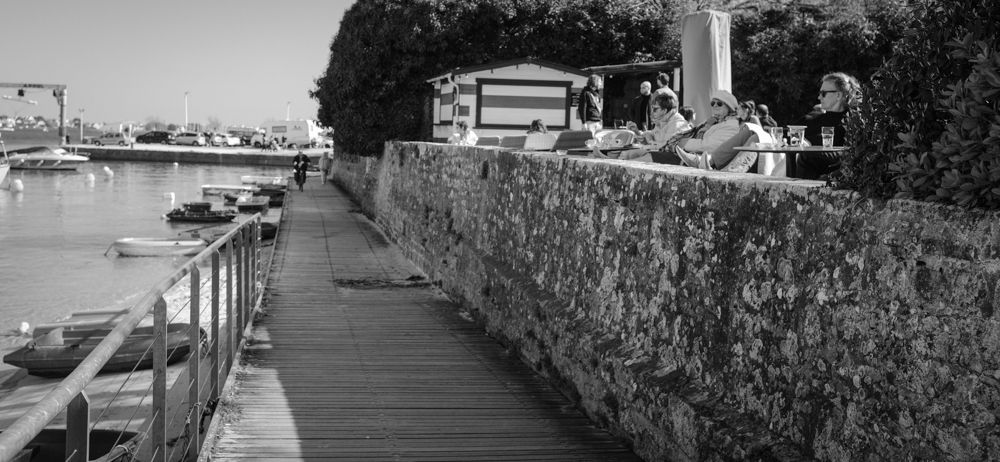
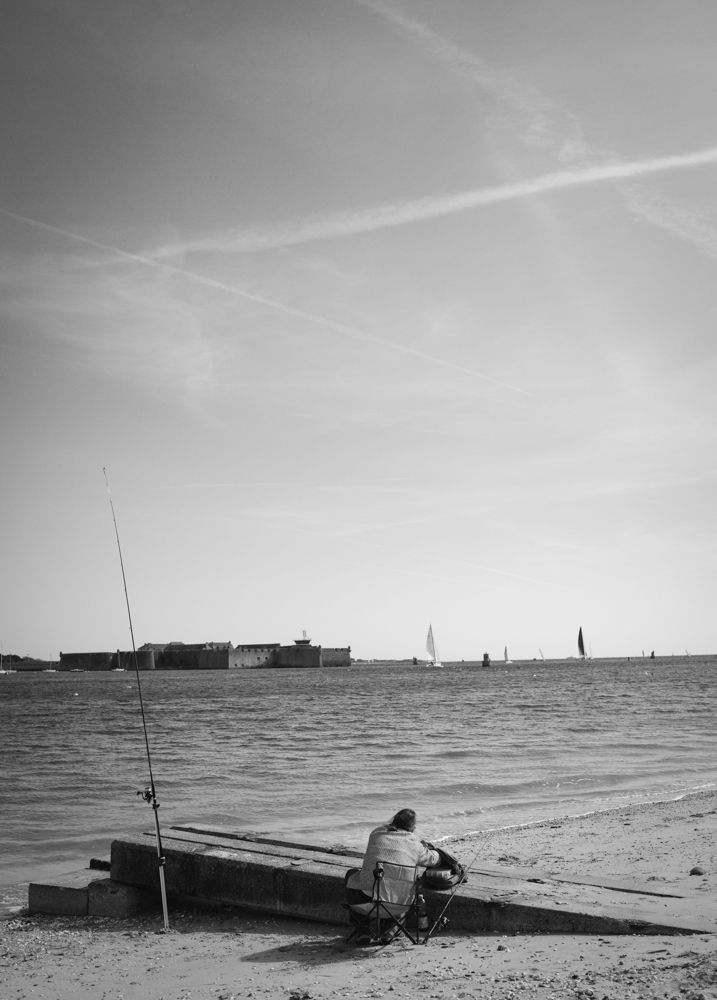
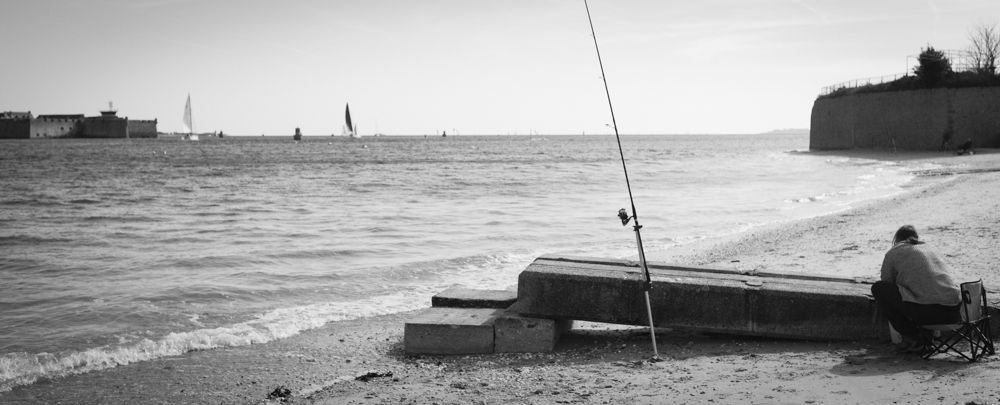
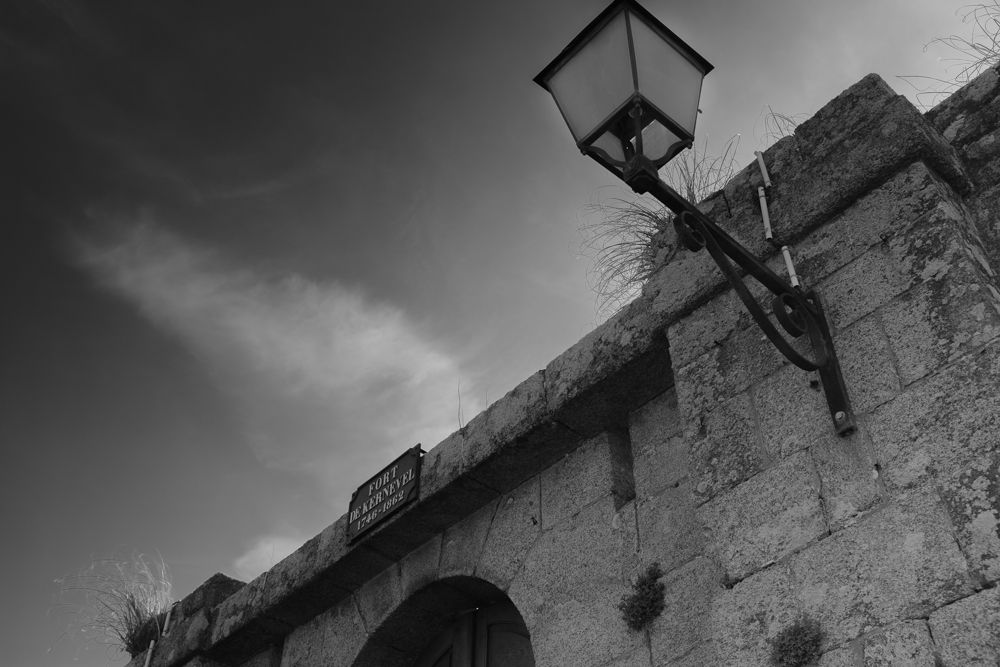
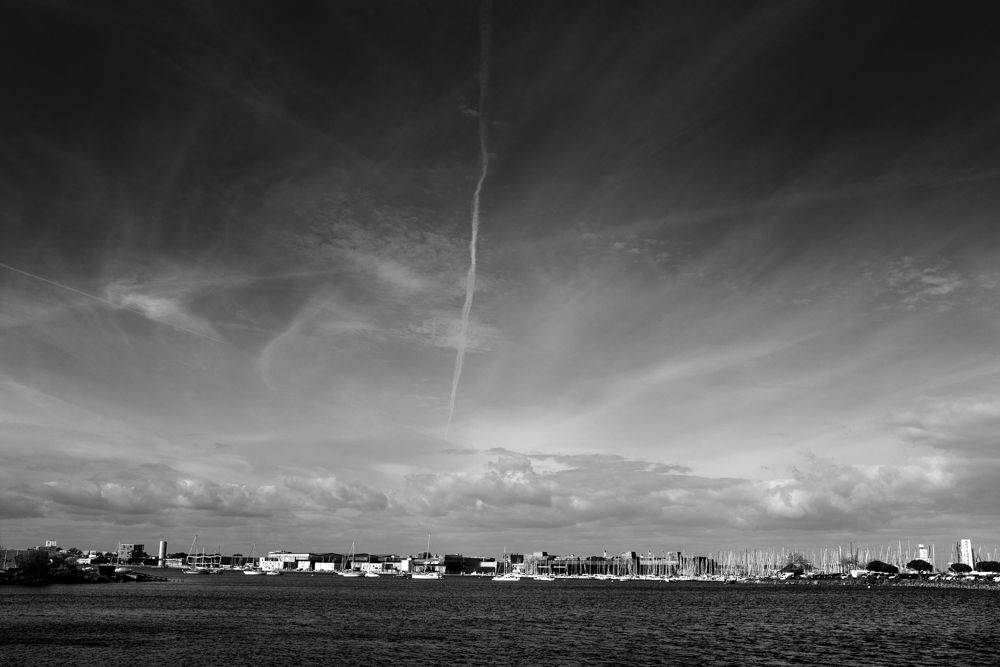
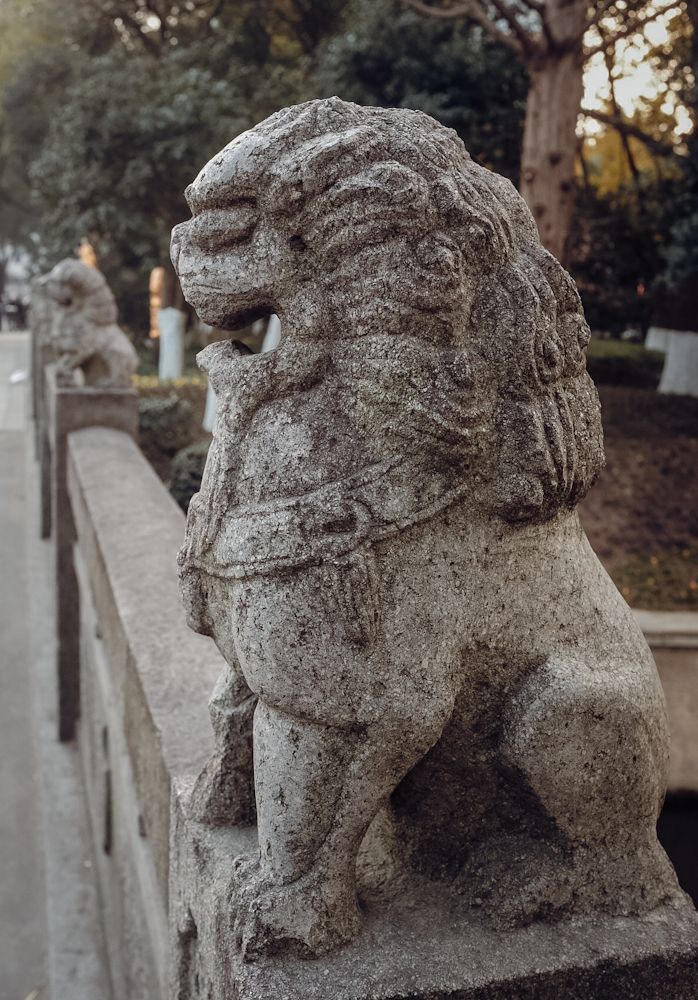
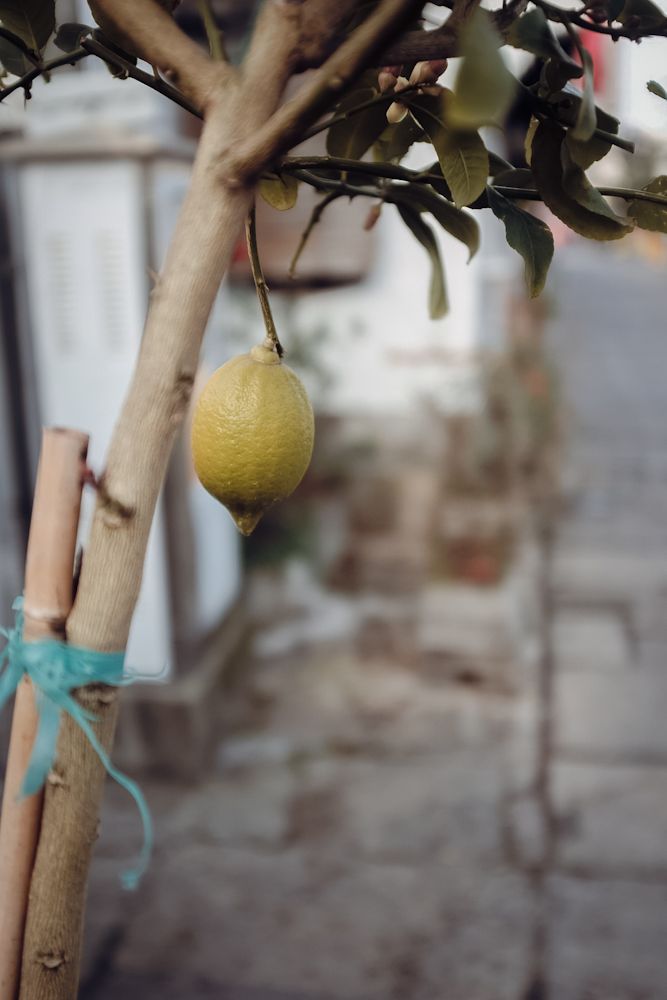
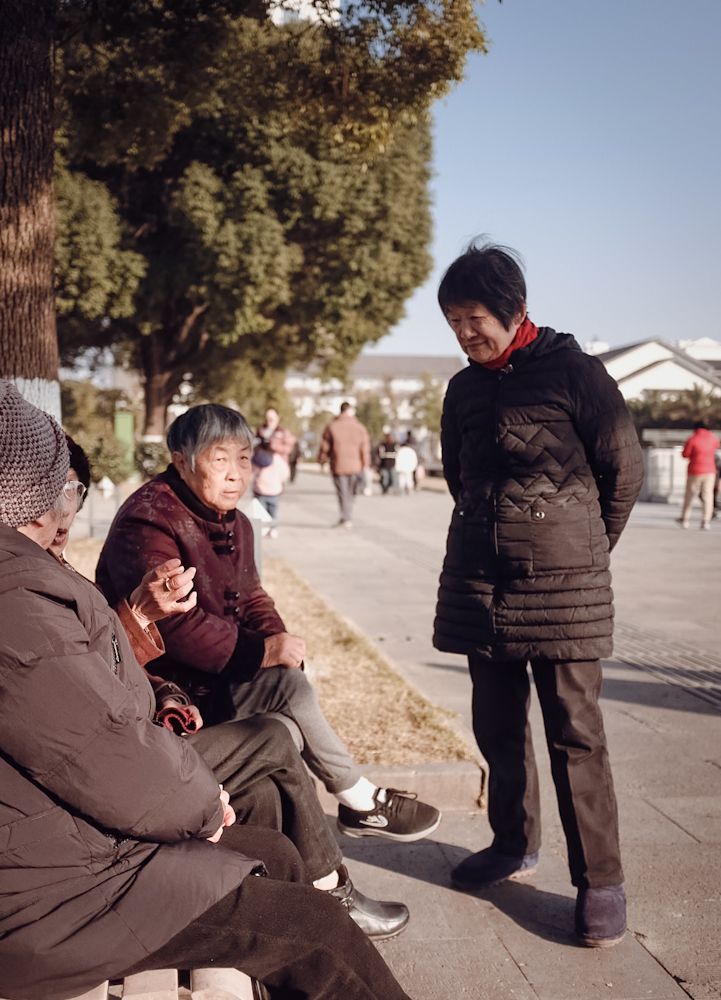
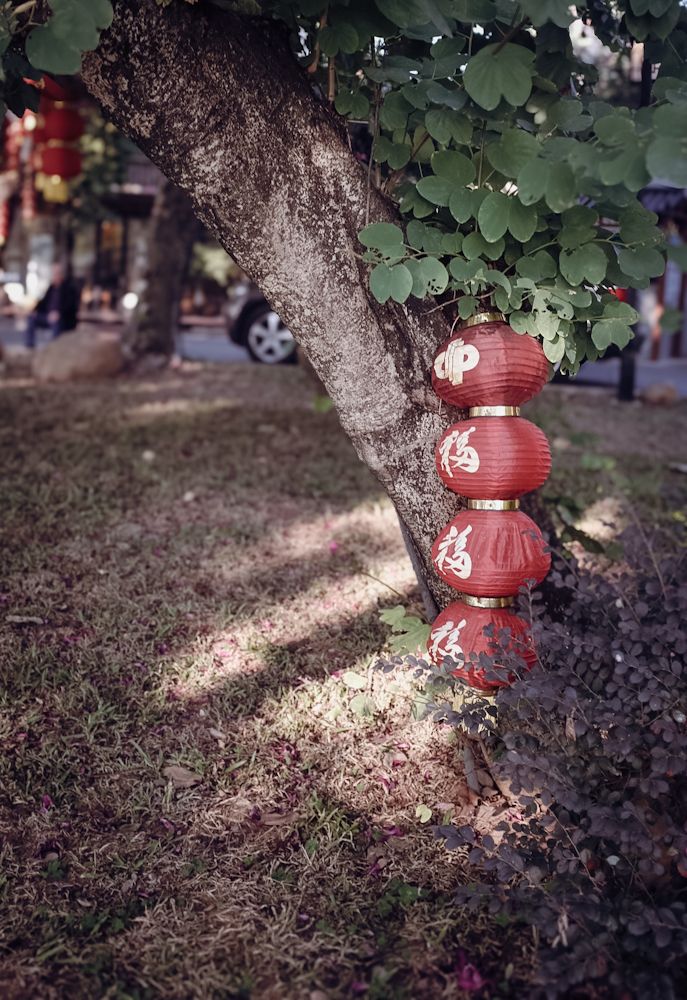
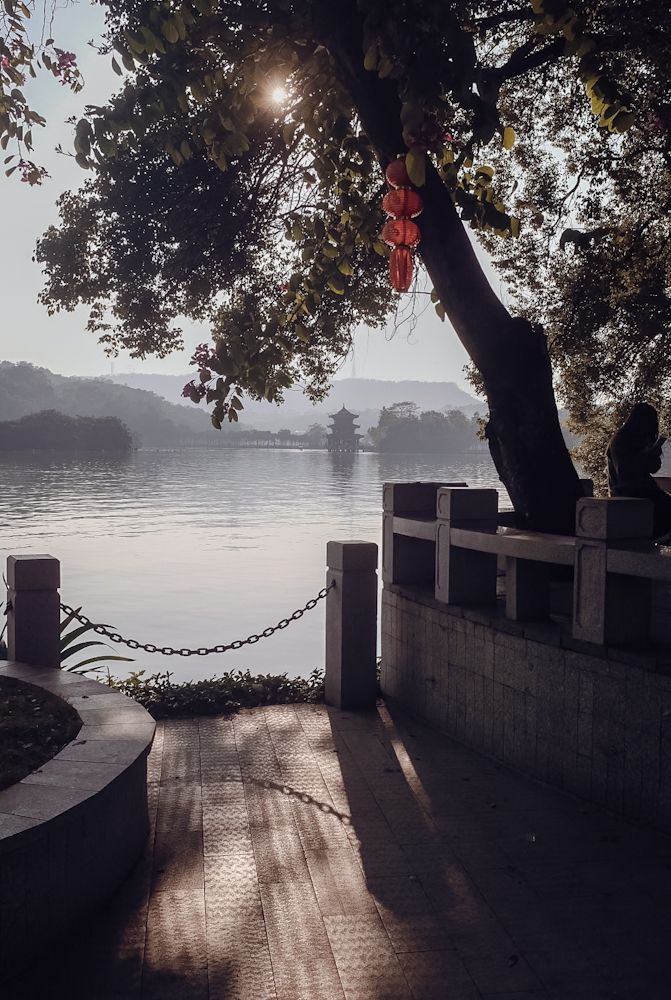
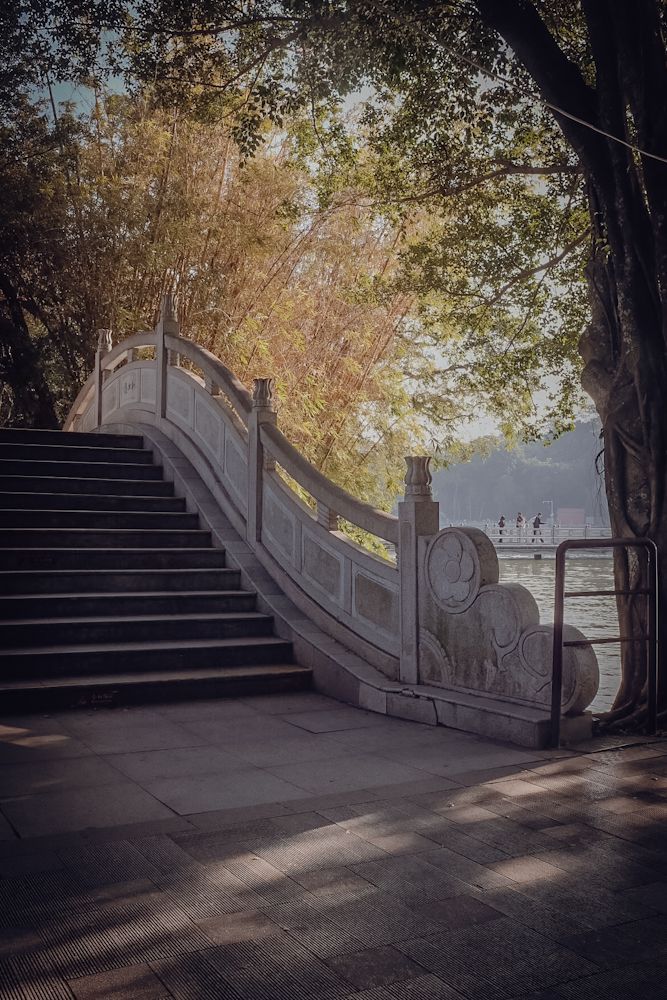
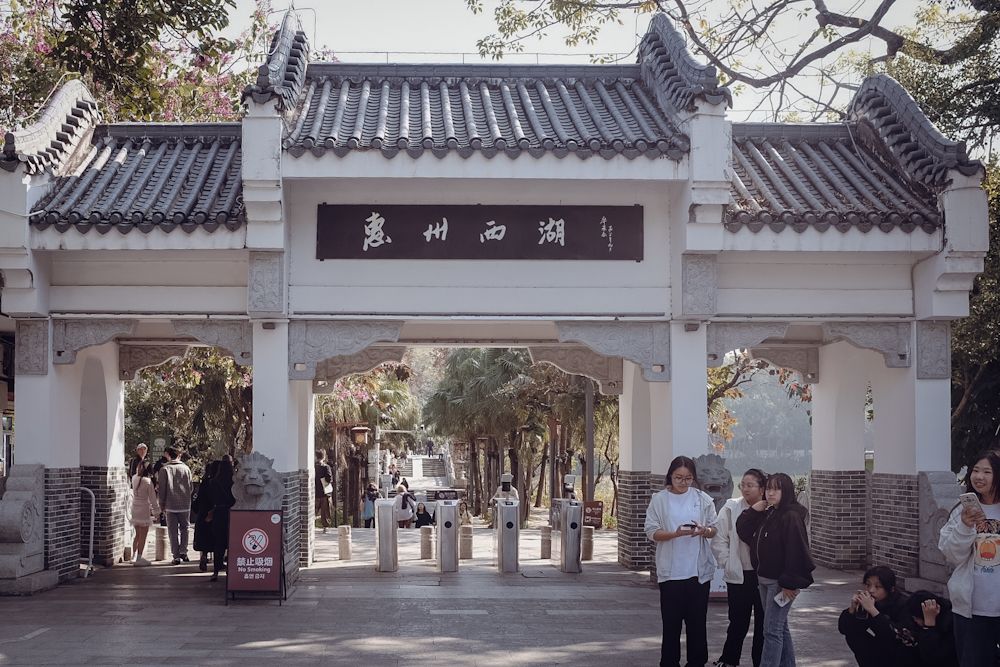
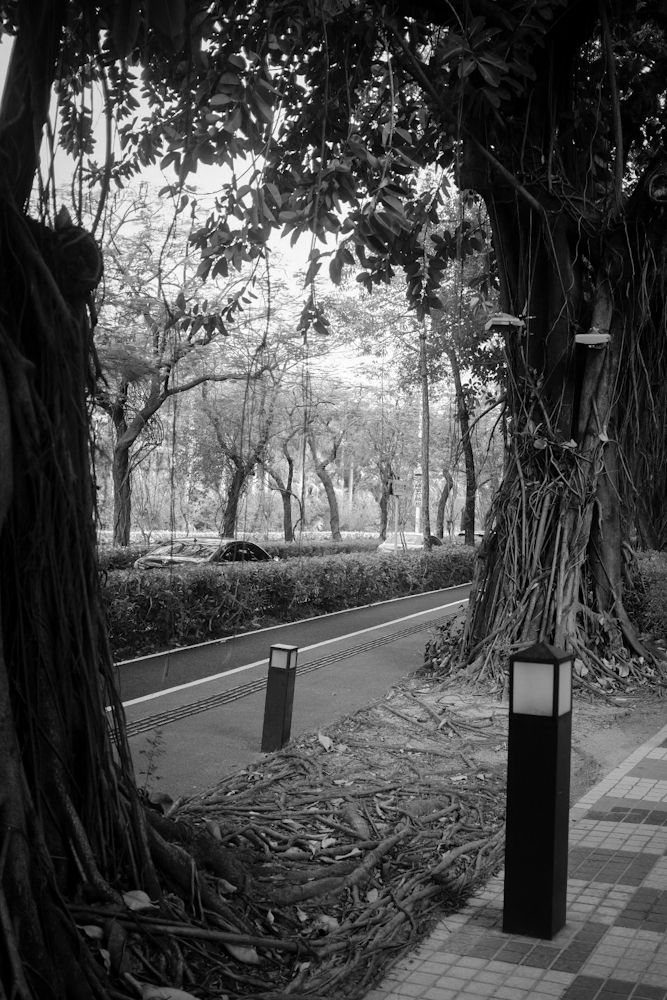
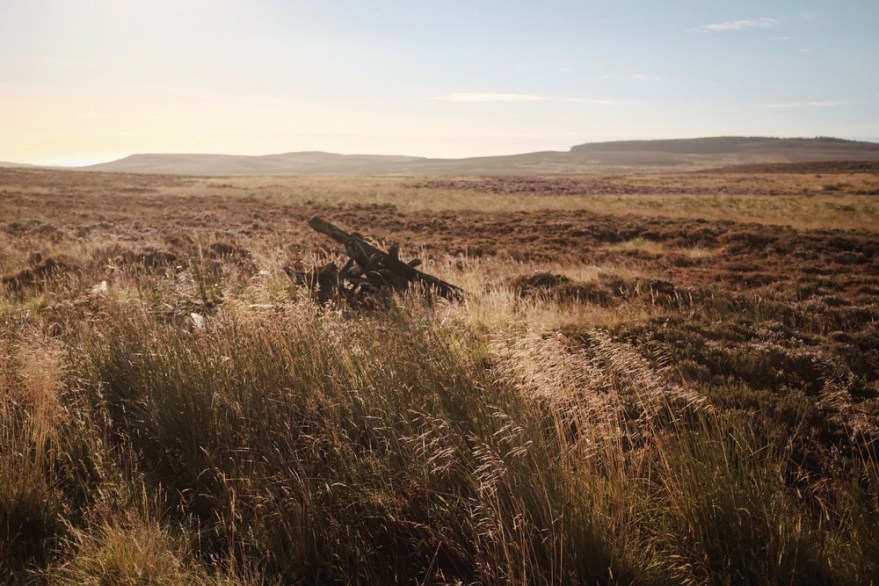
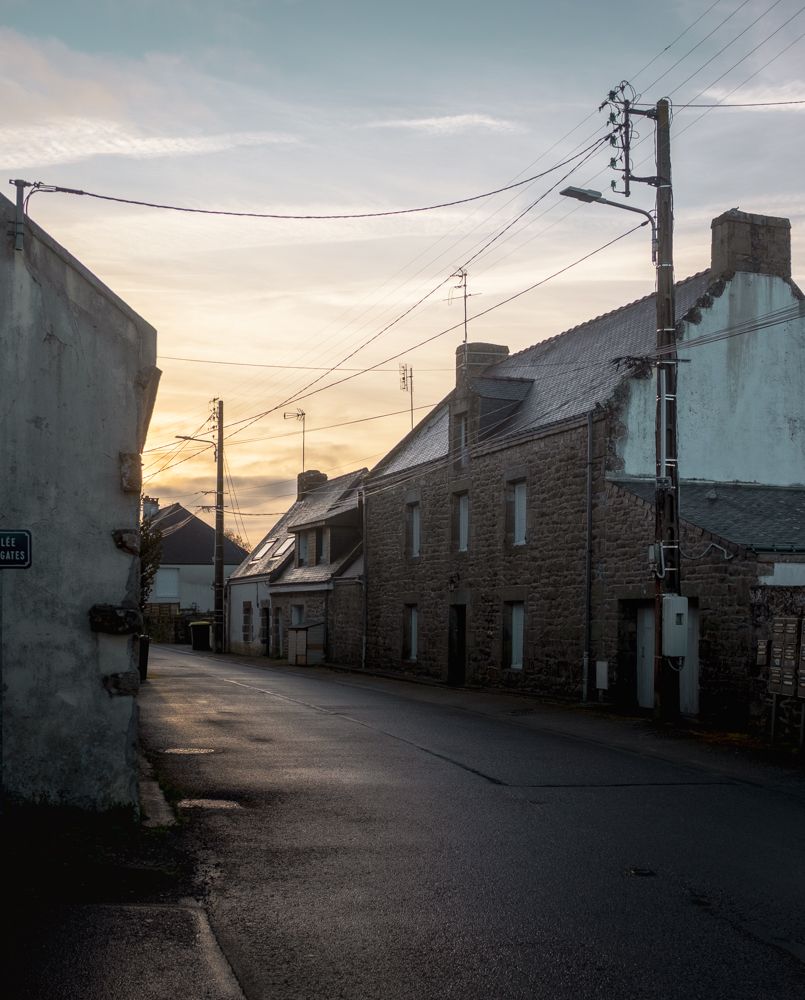
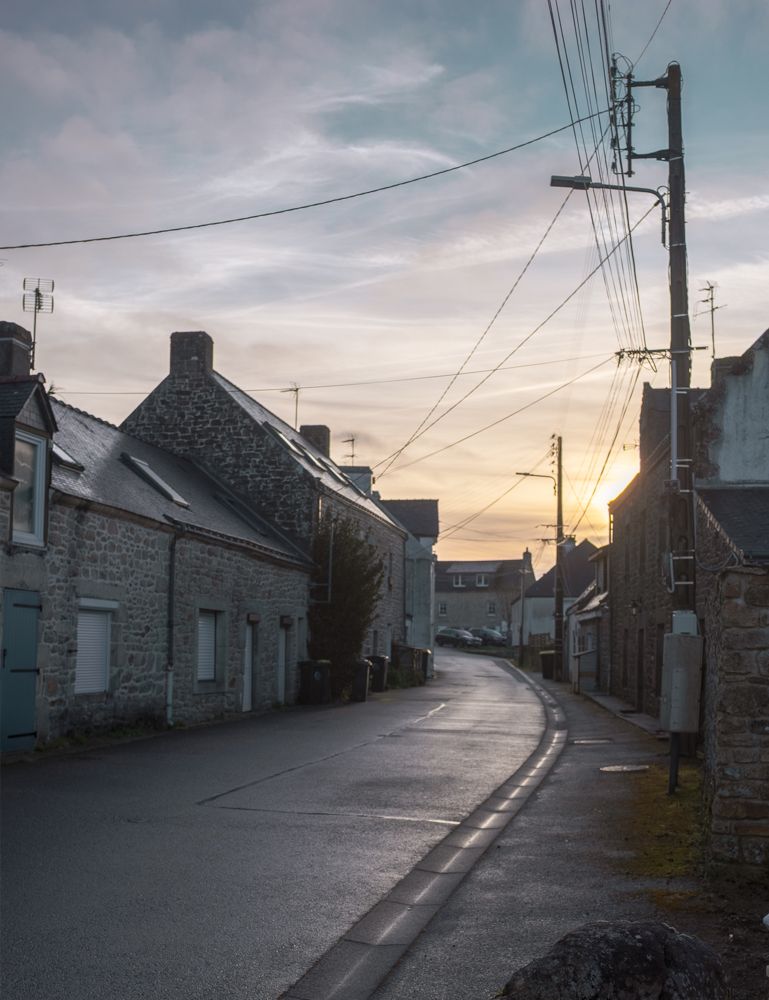
After my wonderful bakery breakfast, I headed to St Cado, which really is a cadeau — a gift — for the eyes. You’ll see what I mean when you see the pictures.

I relish solitude, not just because I’m an introvert, but because I like calm and quiet. And the idea of being up at the crack of dawn is wonderful, especially when I don’t have to get out of my bed and stop hugging my wife. I was on my own and loving every minute of it.

I arrived at St Cado and used the public conveniences, as it is not the done thing to poop in front of everyone. I’m not a dog, after all. St Cado was there waiting for me to get some photos in some beautiful light. I’ve started bracketing lately to get as much as I can out of each image. Bracketing, for those who think I am speaking in Chinese, consists of taking the same photo three times — once with normal metering for light, once underexposed, and once overexposed. Back in the day, you would set up your tripod and take each photo one at a time, but now I press the button and it does it automatically. On film you would lose film doing this, but on digital, with an empty SD card — why not?

As the morning light continued to change and the village slowly came to life, I packed up my gear feeling quietly content. These simple moments — waking early, capturing the beauty of a place like St Cado, and enjoying solitude — remind me why I keep a camera close. It’s not just about the photos, but about being present and finding peace in the everyday. Saint Cado truly was a gift to the senses, and I’m grateful for the chance to savour it in my own way.
Notes in Monochrome: Music, Photography, and a Quiet Beach Walk


Those who know me know I’m alright at photography, reasonably OK at music, and not especially brilliant at much else. Over Christmas, I was off adventuring in China, but now I’m back in France, trying not to overcommit—and failing, as usual.

It turns out I’ve joined a new orchestra. Lanester, just next door to Lorient, who needed a horn player, and some of the musicians I toured with last year gave me the heads-up. “Only one full-day rehearsal a month,” they said. “Just come try it out,” they said. So I did. And here we are.  Oops a daisy

It’s early days, but I’m settling in, and I think they’re warming up to me too. I’m doing my best to approach things with what I like to call legendary finesse—and not my more traditional approach of putting my foot in it. So far, so good.

Getting to Lanester is a bit of a trek, but I’m lucky to liftshare—what the French call co-voiturage—with Anne, a colleague from the SBL and a percussionist in the orchestra. It’s good to have company on the road, especially someone who doesn’t feel the need to critique my driving. Not that anyone at home does that. Of course not. Never. Virginie, me darling wife…

Anne has serious percussion chops, which puts a bit of pressure on my playlist game. I found a drum tutorial version of Wipe Out by The Surfaris recently and played it for her—she was delighted. It’s nice to have shared moments like that on the drive. Adds a little rhythm to the road.

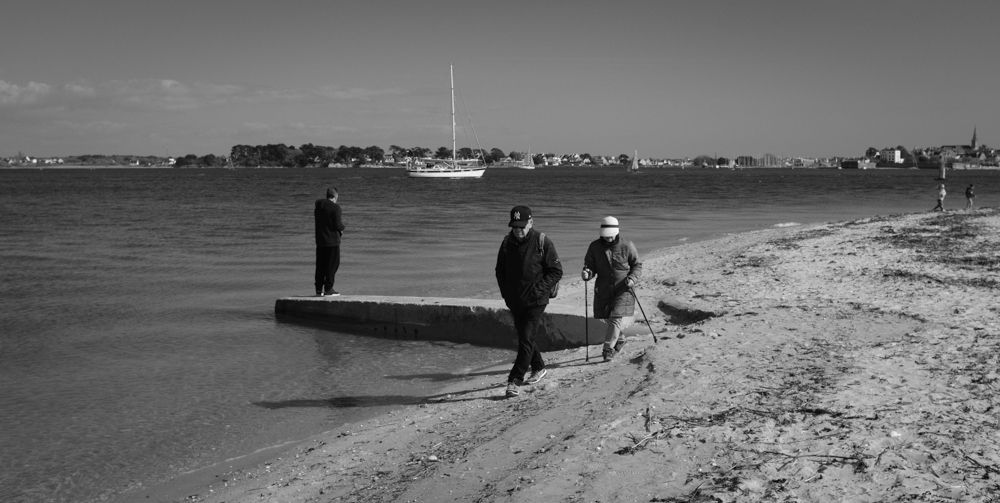
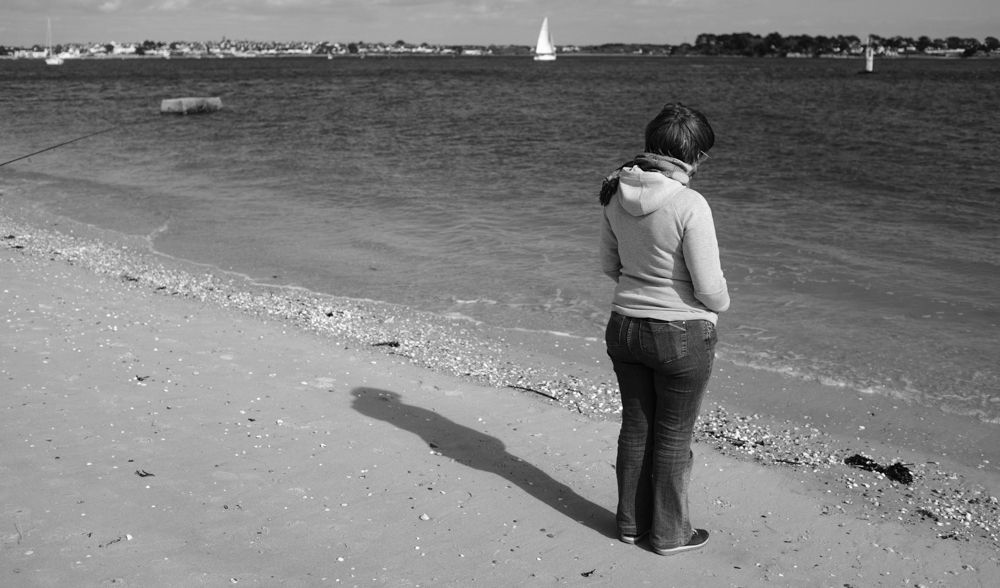
Anne also likes to arrive early to check over the percussion gear before concerts. On this particular day, we had some time to spare before the pre-concert rehearsal, so we headed down to the beach for a walk. Spring light, sea air, and the strange hush that comes with lowish tide—it felt like stepping sideways out of time.

Naturally, I had my camera with me. You didn’t think I’d go to the coast without it, did you?

There’s something about black and white photography that suits these moments. The beach in spring  isn’t always the bright, holiday postcard version most people imagine—it’s quieter, starker, but no less beautiful. Stripped of colour, the textures stand out: the grain of driftwood, the ripple of sand under wind, the blurred silhouettes of gulls in motion.

I love how black and white invites the eye to slow down, to notice more. Just like music, really—it’s not always the loudest note that makes the biggest impression.

Below, you’ll find a few of the images I made during that walk. Nothing posed, nothing polished. Just a quiet moment between rehearsal and performance, caught in passing light.

China: The Final Frame – Reflections on a Journey


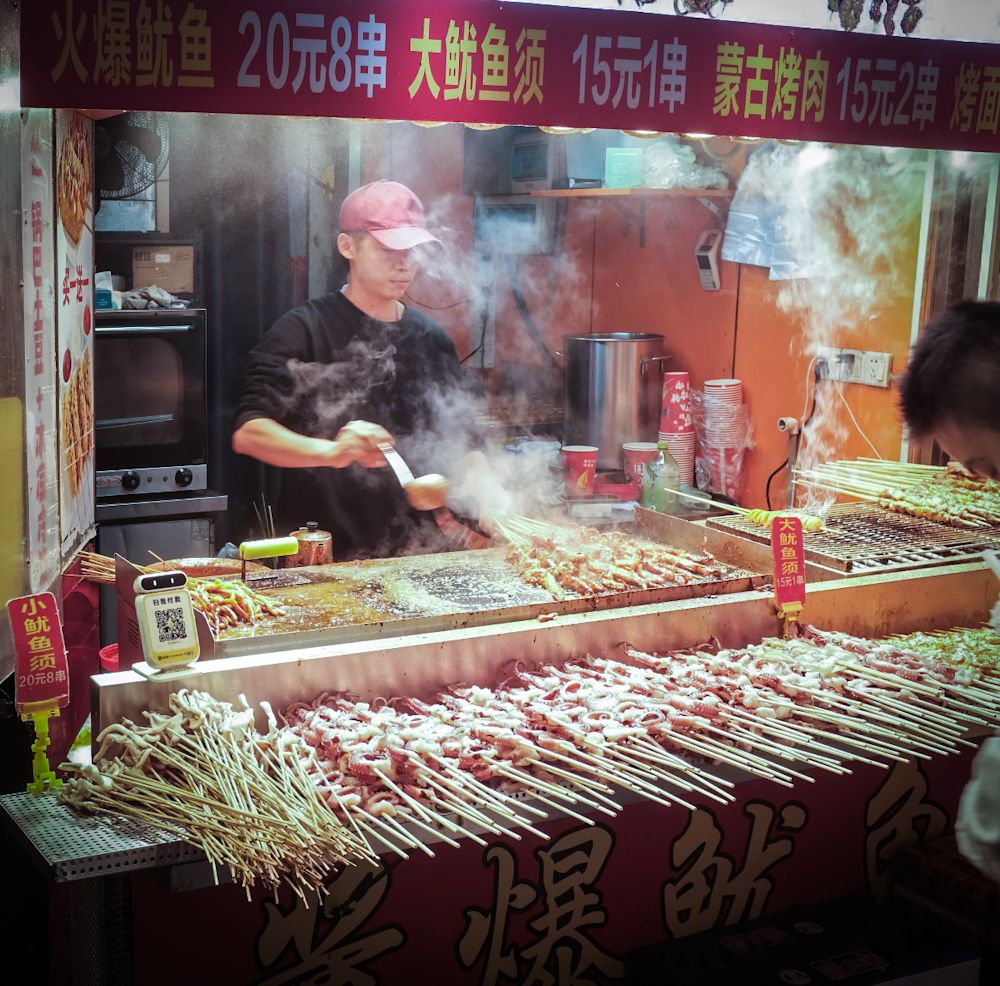
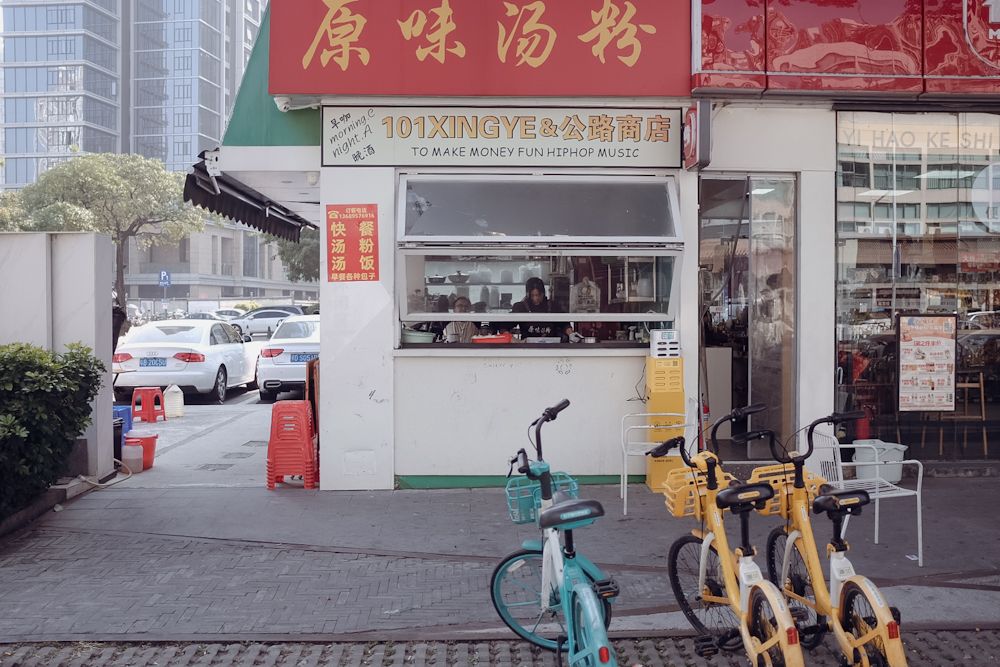
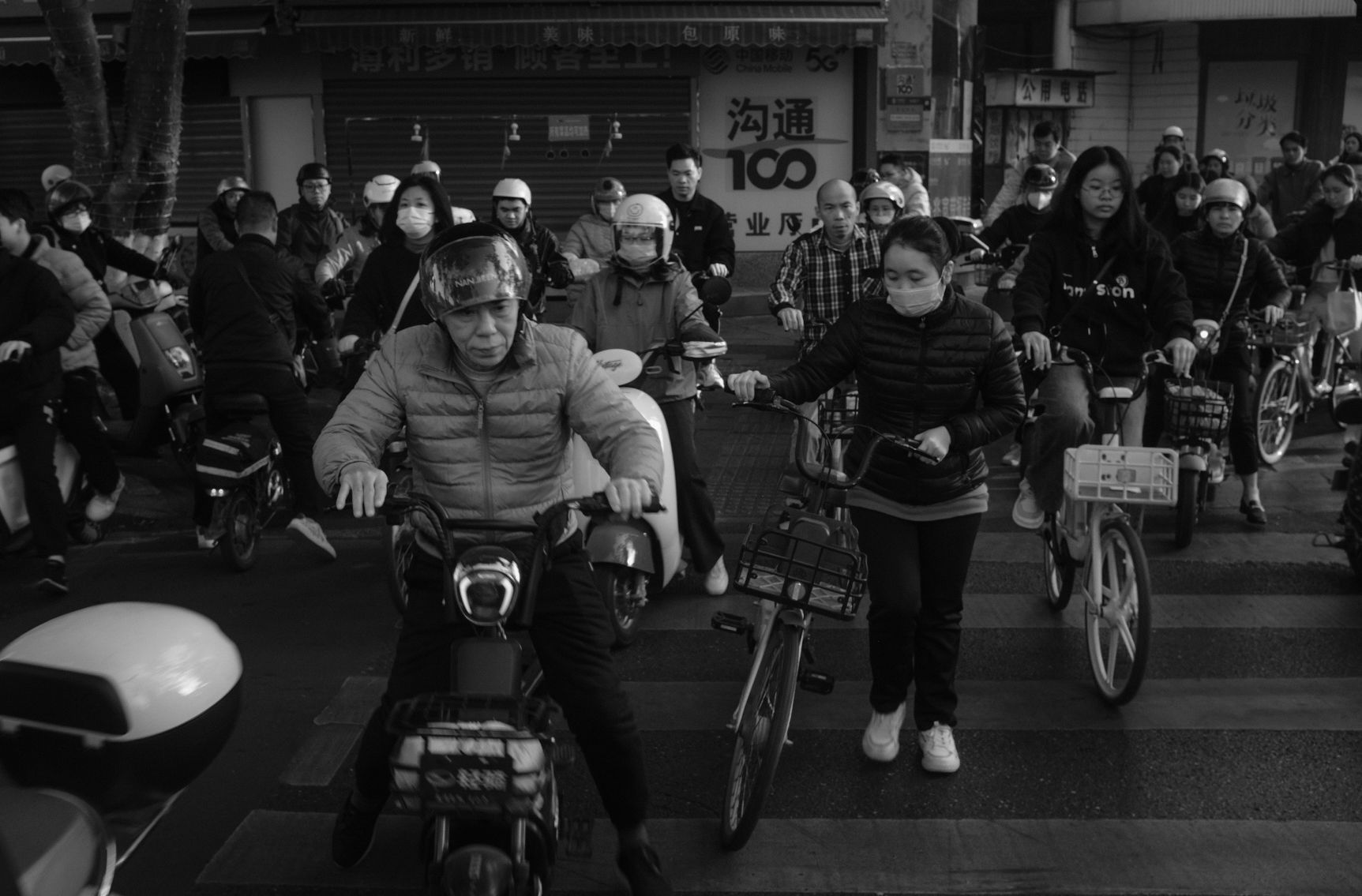
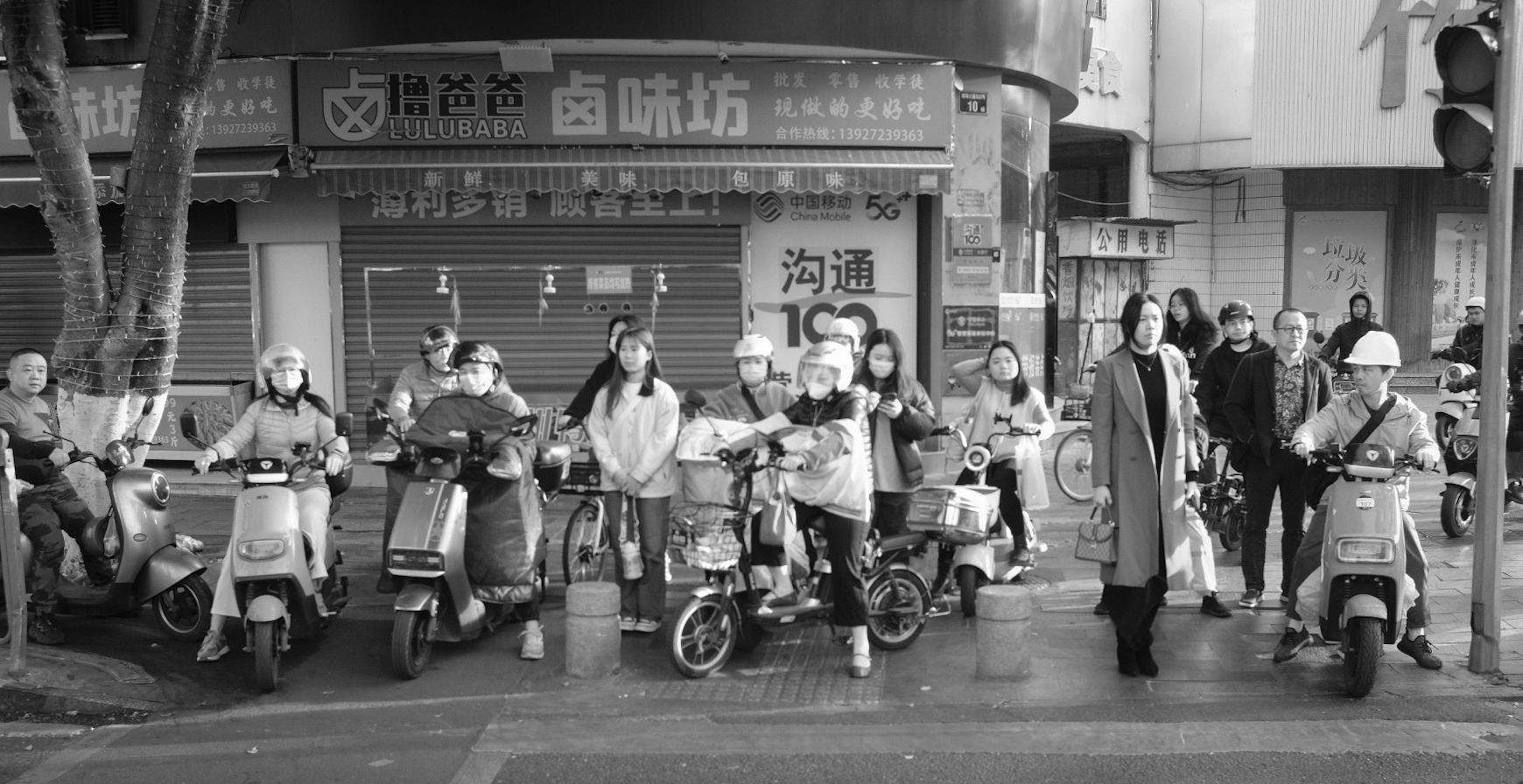
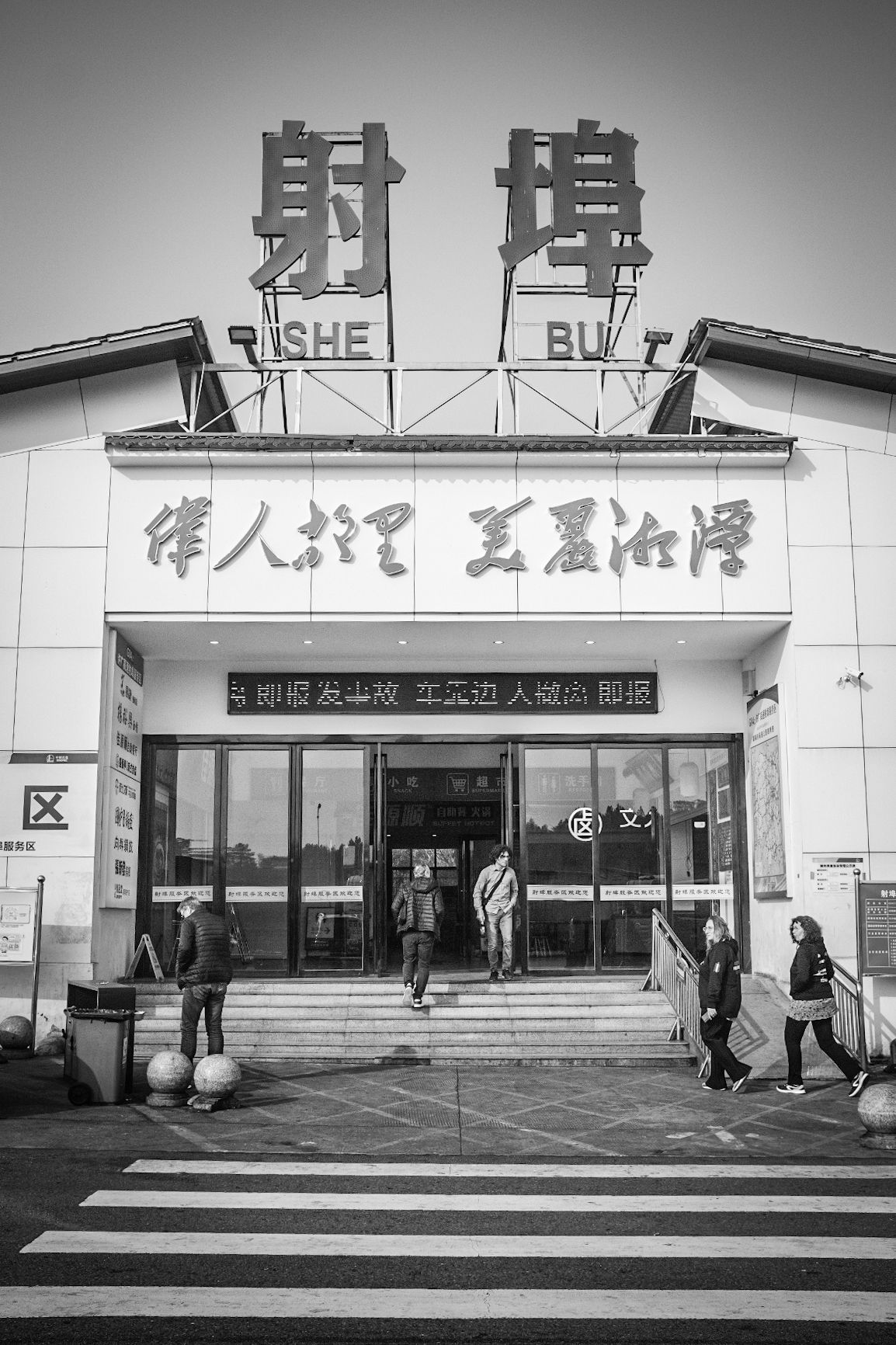
The tour is over. The bags are unpacked, and things are settling back into their usual rhythm at home. But even though I’m back, part of me is still in China—still thinking about the streets of Shao Xing, the energy of Shenzhen, or the moments shared with the orchestra. The journey may have ended, but it hasn’t really left me.

Reflecting on the Journey

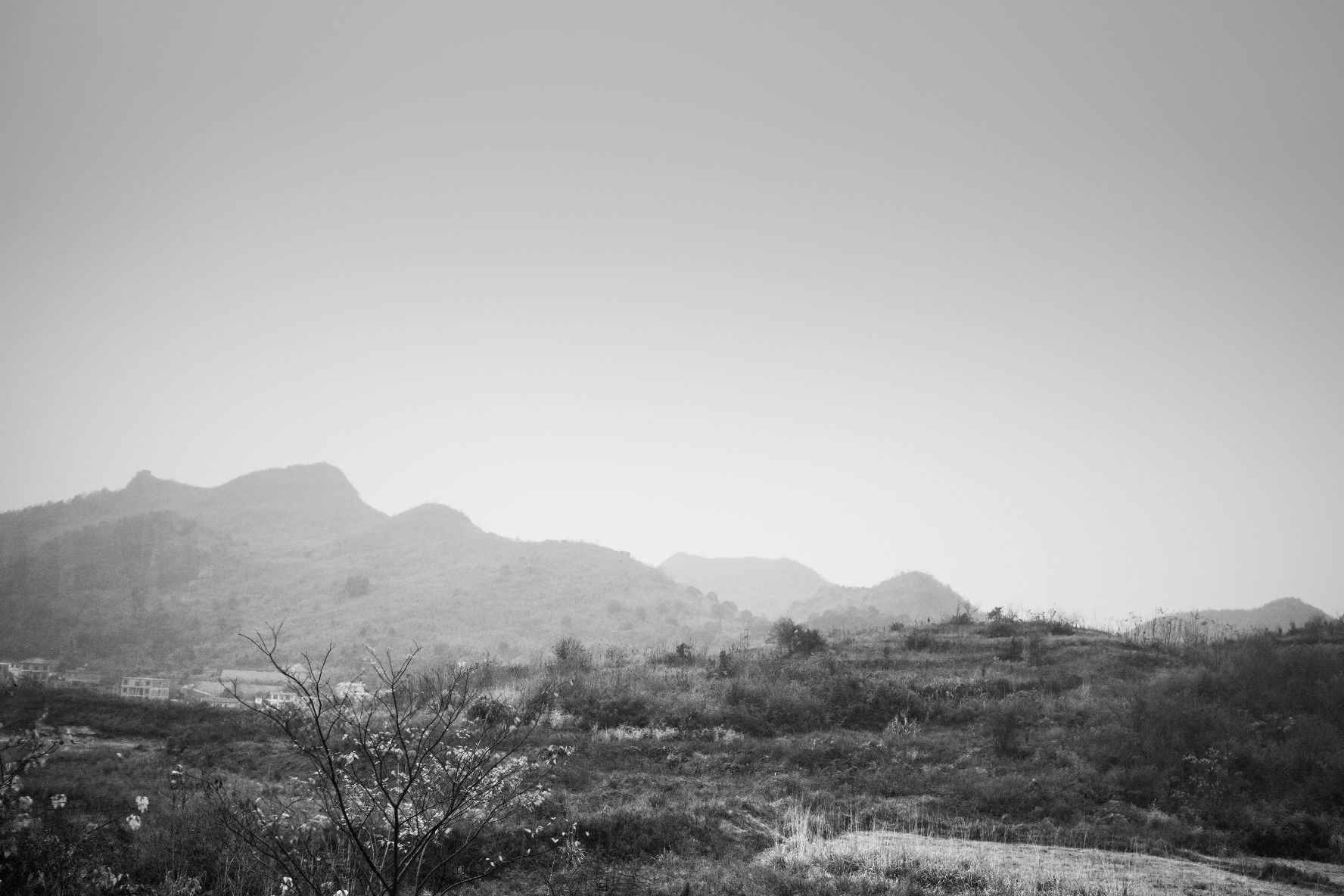
From the moment I landed in Changsha to the final farewell in Shanghai, this trip was a series of moments—some I expected, and some I didn’t. The hustle and bustle in Shenzhen, the streets of Shao Xing, the quiet hills of Xian Ju, and the meals shared with colleagues between concerts. It wasn’t just about the places. It was about the little things—a gesture of hospitality, that mutual respect between musicians, or just watching the world go by.

This trip wasn’t just about playing concerts, it was about learning and adjusting. It was about connecting with people, understanding their way of life, and how we relate to one another in those brief encounters.

The Photographer Without Film

For the first time in a long while, I didn’t travel with my usual film cameras. The Fujifilm X100F was the only camera I had with me, and while I had mixed feelings about it at first, it became a good fit. There was no hesitating over which shot was worth the price of a roll of film. It was just me, the camera, and the present moment.

Not every moment needed to be captured. I found myself slowing down and soaking things in—sometimes shooting quickly, sometimes just letting the moment pass. It wasn’t about having everything on film; it was about experiencing it fully, even without the lens in front of me.

Respect and Connection

One of the most memorable things about this trip wasn’t the landscapes or the buildings—it was the people. Everywhere I went, I felt a deep respect and sense of community. It wasn’t about being given titles like “Uncle” or anything else. It was just how people engaged, how they saw me as part of something.

The concerts themselves were a reminder of this—the public wasn’t there for rehearsals, but they were there for the concerts, offering energy and appreciation. Music, like photography, is about presence. It’s about sharing a moment with others, and that’s something I’ll never forget.

Coming Home

Returning home after a trip like this always feels a little strange. The familiar feels slightly unfamiliar at first—the quieter streets, the slower pace. But there’s comfort in returning, and yet, it’s hard not to feel that shift in perspective. Things seem different now.

The Final Frame

So, what remains from all of this? The photographs, of course. They’ll hold the moments, the details, the things I might forget over time. But beyond that, it’s not just about the photos. It’s the way travel shifts your perspective and makes you notice the small moments—the ones that don’t always get captured in a frame.

This series was meant to document a tour, but it ended up being more than that. It’s a reflection on the journey itself, on photography, on what it means to truly be somewhere, to connect with others. The tour might be over, but this story isn’t done yet. And whenever the next journey comes, I’ll be ready to pack my bags again.

I have been posting these articles in the WhatsApp group made for the people on the tour, and people’s feedback has been amazing. What came out the most was the feeling of revisiting the tour through the photographs and how that made people feel. And if you make somebody feel something with an image, then you’re off to a good start. The other comment was, “Oh, I didn’t see that!” And that is part of our role as photographers, to record what people don’t see… My reputation as a photographer seems to have surpassed my reputation as a beer drinker, which is good, because I hardly drink a drop anymore. My reputation as a writer seems to be well established too.

So not only am I seen as a hornplayer but also as a photographer, a writer, and a sensitive soul instead of the gruff bear that sits at the back of the orchestra and makes farting sounds with his instrument. Quite the step up really!

A photography Philosophy – Part III – The Emotions of Photography


The Connection between Emotion and Image

I’m going to tell you a story about an essay that was given to us by the music master at the beginning of my Music A level course.  There were four of us studying music, and the lessons took place in his study, much like a tutorial at university.  The title of the essay was something like describe the perfect piece of music.  

Back then I described the Glenn Miller song, Moonlight Serenade.  One of my fellow pupils described the Planets from Holst.  In the following tutorial after our essays had been marked, I was criticised since the Master thought my piece was repetitive, had no particular musical merit, and was corny.  I, on the other hand, argued that it was the way the piece made me feel.

With hindsight I should have just handed in a clean sheet of paper saying that there is no such thing as a perfect piece of music, as taste is purely subjective and that he should take his essay question and possibly reconsider his stance!  I didn’t of course.  But it certainly got me thinking, even to this day!  

Subjectivity in Art

As in any art the appreciation of the viewer is purely subjective and we have to be so careful about reading an interpretation into a given work.  There are effectively themes that are explored in literature that could be described as obvious.  But in Photography, I maintain that any connection to a particular photograph is an emotional one first, before going any deeper.  

The Essence of Emotional Connection

But what makes this emotional connection possible? And how do I go about achieving this in photography.  I’m going to harken back to my musical training.  My horn teacher in France would say, your concerto is your text.  Your job is to recite that text to the audience.    That is all you have to concentrate on.  You’ve worked through your concerto, the techniques necessary to play it, and once the sound leaves the bell of the instrument, it is no longer yours.  It belongs to the audience.  They are the ones listening and they are the ones that will form the emotional connection.

Creating Meaningful Portraits

So how do I make this connection with my audience when it comes to photography?  Well, in portraiture they say to focus on the eyes of your model.  Eyes being the entrance to the soul. If I can capture that and have my model looking directly at my camera and therefore my audience then I’m well on the way to creating a meaningful portrait.

Kate, my daughter
The Art of Street Photography

In my street photography, it can be about catching a detail that everybody sees but that nobody notices until they look at your image.  You can go to my photography tutorials and look at the composition articles to learn about how we direct the audience to a particular point in our photograph by using leading lines, the rule of thirds, and emphasising our subject with our lighting, or by isolating our subject.

The Role of Colour in Evoking Emotion

We also solicit emotion through the colors we choose. Warmer tones can infuse images with energy and happiness, while cooler tones can make them feel peaceful or introspective. For example, adding reds and oranges to a portrait can evoke warmth and approachability, while blues and greens can give a landscape a calm, reflective quality. Considering these colours “in camera” can make the entire process more intuitive, helping you set the mood before you even begin editing.

The Power of Black and White

Shooting in black and white, using only tones of light strips away the influence of colour and presents us with the “essence” of a scene, and it’s one of the reasons I love shooting in black and white, be that on film or digitally.  I aim for a timeless quality to my black and white images, and the emotion can be just as intense.  Without color, we focus on texture, shadow, and contrast—elements that can evoke nostalgia, solitude, or contemplation.

Mindfulness in the Photographic Process

What I think I’m getting at is that to evoke an emotion we need to be so mindful of our photographic process.  Sometimes taking that step backwards allows us to reflect before pressing the shutter button.

Conclusion

I don’t have all the answers of course, but in the end, capturing emotion in photography is as much about the heart as it is about the eyes behind the lens. Each photograph we create is a bridge between ourselves and our viewers—a connection forged in the moment but lasting beyond it. Just as a musician lets their notes drift into the silence, we photographers must let our images speak, leaving space for others to interpret, feel, and connect.

So, as you move forward in your own photography, remember to pause, to feel, and to let emotion guide your hand. Don’t be afraid to take a step back before pressing the shutter, and ask yourself: What do I want my viewer to feel?

I hope this reflection gives you a new perspective on how you approach your next shot. After all, photography, like any art, is a journey without fixed answers—one of constant discovery. Take time to explore, experiment, and, most importantly, to feel.