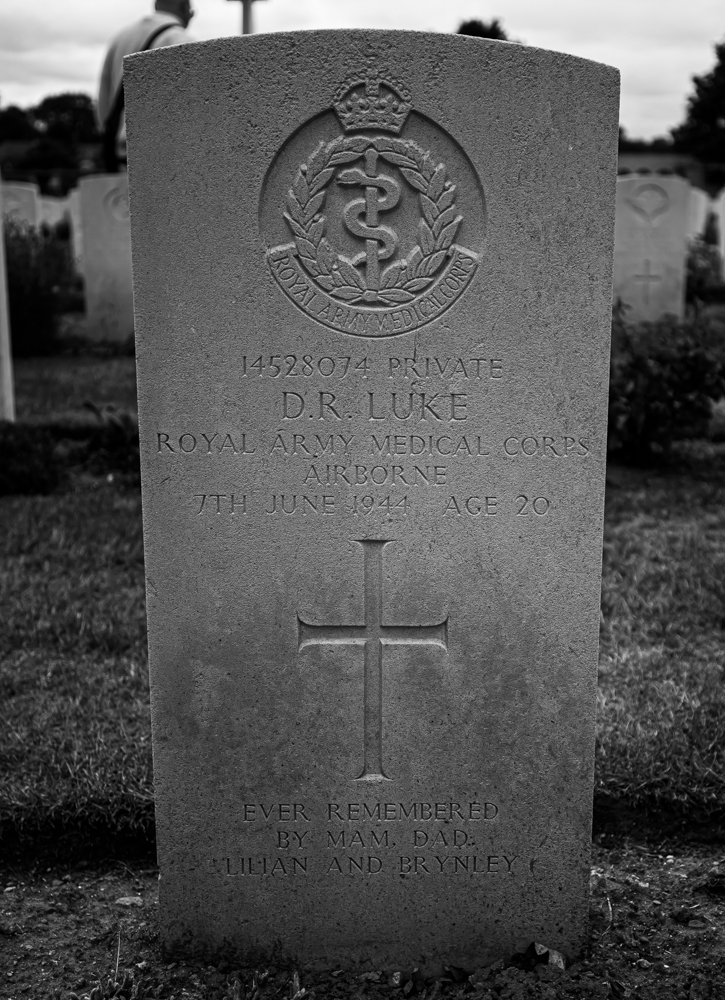
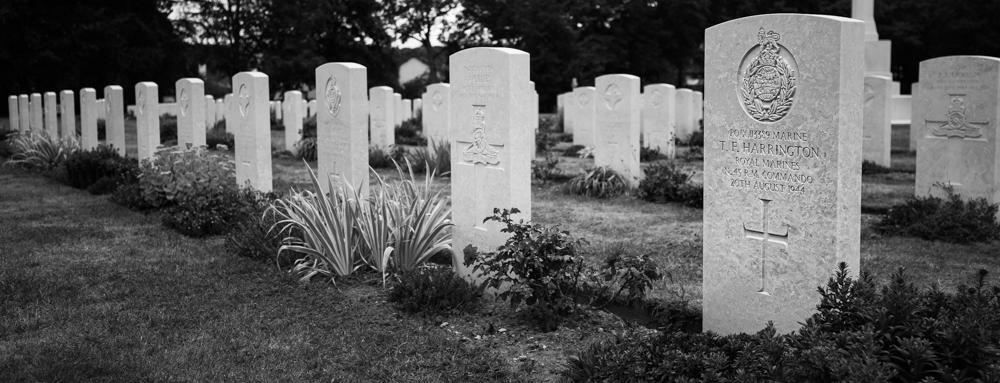
In my last article I talked about Normandy and the battle to take Pegasus Bridge, and in this article I want to talk about the soldiers that didn’t come back. Ranville is a town, not too far from Pegasus Bridge and the men that fell in that engagement are buried in the Parish Churchyard. Just next to the chuchyard is a Commonwealth War Cemetery.
The cemetery contains predominantly British soldiers killed during the early stages of the Battle of Normandy. A large proportion of those interred were members of the British 6th Airborne Division. These places are always very moving, even more so when one looks at the ages of some of those that died in June 1944. My son is 20 and the same age as so many of those soldiers.
Even when dead they are still on parade in ranks with perfect dressing. They died as soldiers and even in death they remain soldiers. When you look through the photos you will notice certain anomalies. One was a tank crew that was buried together, as a crew. One is a grave of a German Jew who escaped to join the British army, and was given a pseudonym so if he was captured his name wouldn’t betray him, One grave is of a parachutist and his dog who were buried together.
They shall grow not old, as we that are left grow old: Age shall not weary them, nor the years condemn. At the going down of the sun and in the morning We will remember them.
It was Friday. The boss had come round and asked where we were with our workload. I was fully up to date. He asked if I wanted to finish work that morning or work the Friday afternoon. Strangely enough I said, oh alright, I’ll finish at lunchtime then. And so started my four week Summer holidays.
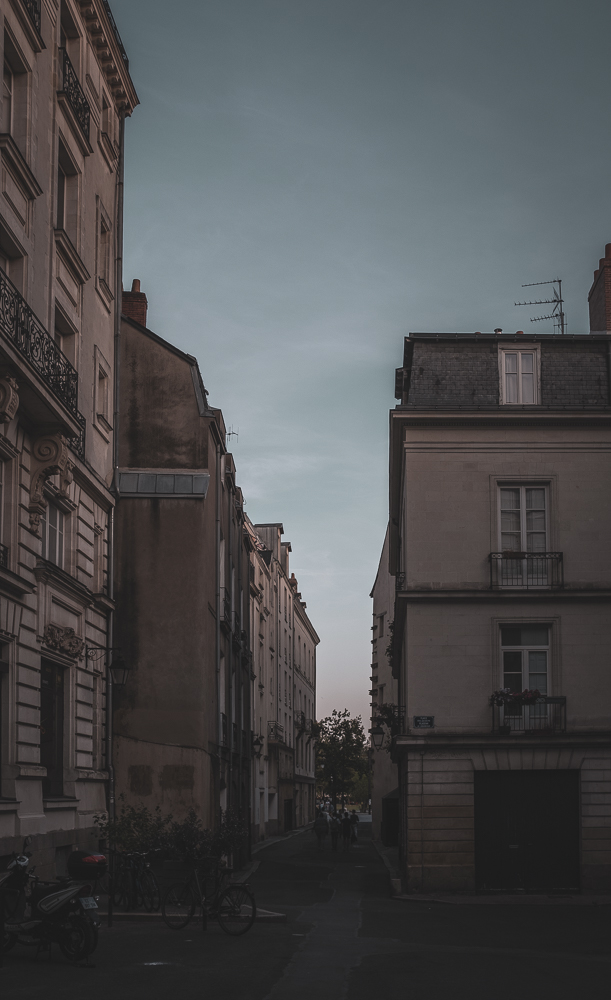
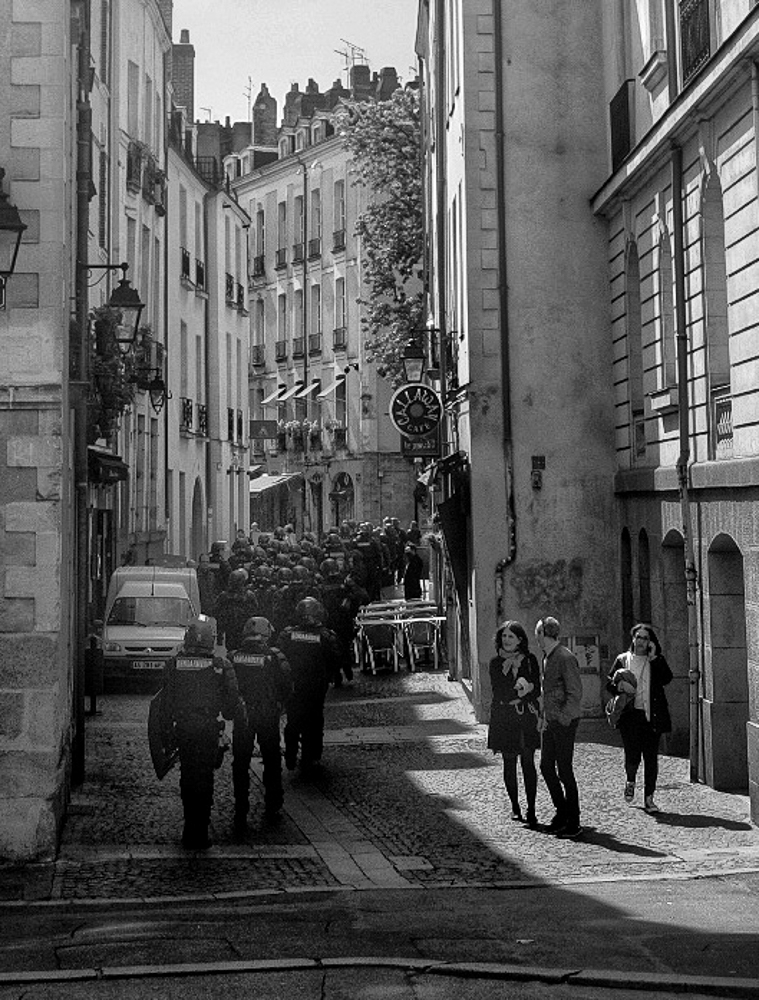
I’d done a reportage of Bouffay at night a while ago and wanted to have another bash at it. And as usual I found the pub… Ah well, I was a good boy and only had a single pint. Yes that can happen! Not often, but it has been known.
I needed food and ended up having a goats cheese and honey pizza. Don’t forget that this is France and that anything can happen as far as food is concerned. On the way back to the pub for number two, pint number two and not a “number two,” even if the loos have just been done up and look rather nice, I just wanted to get a photo of the Café du Cinéma, which is a cafe just next to a cinema but is a thing of beauty with it’s mosaic front and just looks sooo French. I still get emotional every time I pass by. Am I the only person who gets like that when they see a certain building?
Hello, my name is Ian, and I like looking at certain buildings and they just touch me.
Back to the pub just to say hi as the late shift came on, just to say hi. That second pint was just circumstantial.
I was taking the X100F out for a spin that night, and although everyone says it, I’m going to to say it too: It’ a great little camera for street photography.
Le Voyage à Nantes is an art festival that happens every year in Nantes. They give out maps with the green line that travels all the way through the city and if you don’t have a map, you can just follow the green line on the ground. Yes. I shit you not. They have painted a green line that you can follow all around the city. Did the creator have a cocaine problem but wanted to be eco-friendly? That’s not what really bothers me. What really bothers me is that the whole line is 12km long! If that’s not intense then I don’t know what is!!!
Not wanting to be selfish, and sharing is caring and all that, I decided to bring along Killian. He needs to get out more and get some vitamin D. I also needed a minder. He’s always good for that kind of thing.
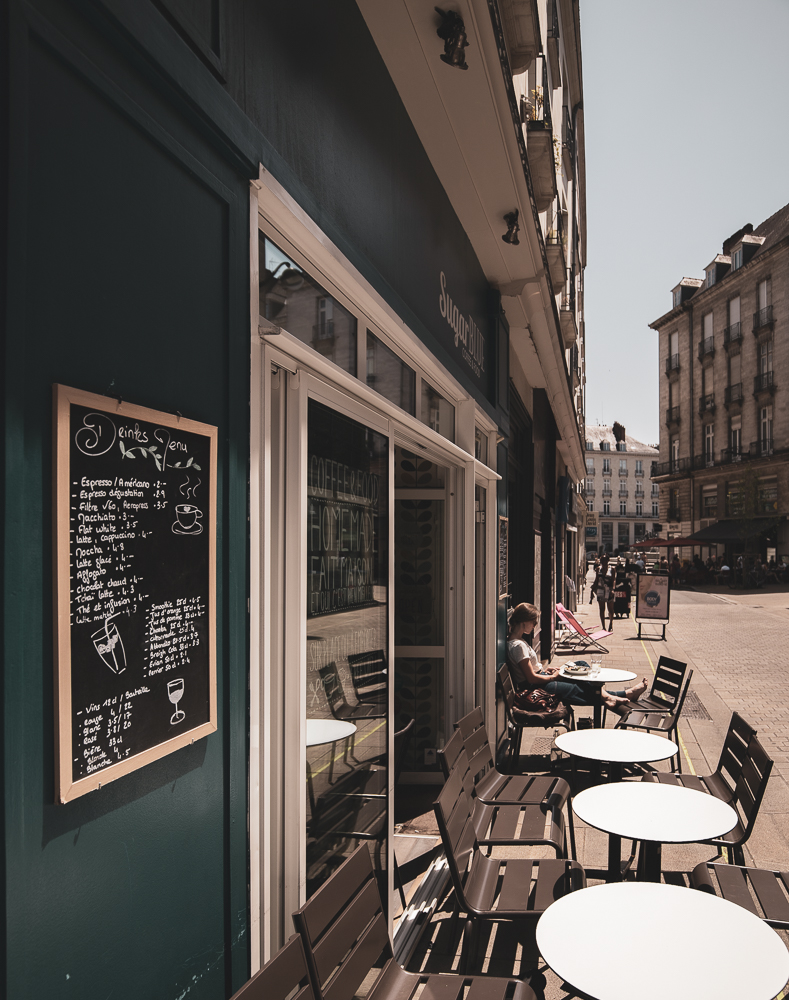
We started by the most important thing of the day. Food. Luckily it was lunchtime so I felt slightly less guilty about eating in public. Right, the first stop is usually the Sugar Blue Café. I really like the food. It’s actually healthy, but not only healthy, it looks good, but not only looks good, but tastes good, but not only tastes good, but they have cheesecake. Yes. Cheesecake. I’m so weak. But it goes so well with the cup of tea…
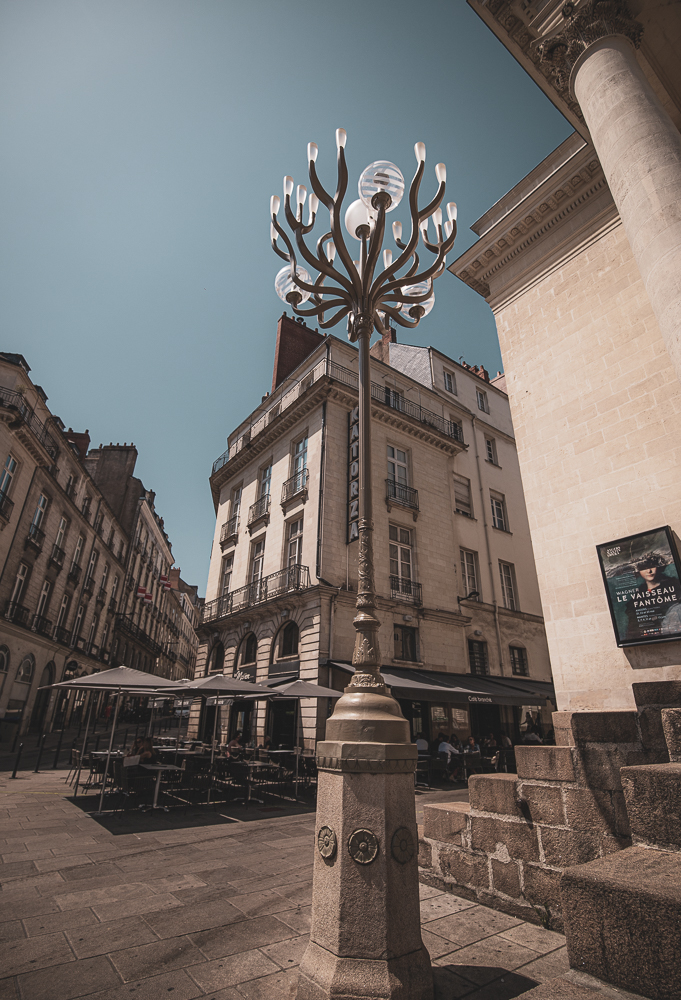
Of course we had to walk a bit just to feel even less guilty about the Cheesecake. Did somebody say Cheesecake? I ended up at Place Graslin. Needed coffee. Kiki had a beer. It was a bit warm after all. About 36°C… I told him about the day I was there with Kate and that it was just as warm and how she ended up getting soaked to the skin in the fountain, and how I was getting all panicky because I didn’t have a towel for her or a change of clothes.
We had to decide how to follow the line. We were sitting on the terrace of Le Molière and thought we’d be intelligent. Bad idea, but we managed to get the map up on our phones. The line passes right by the café, and you can either go left, or right. We tried, rock, paper, scissors, which is generally foolproof especially when it comes down to who is going to pay for the beers. But in the end we went for the more conventional, “oh f**k it!”
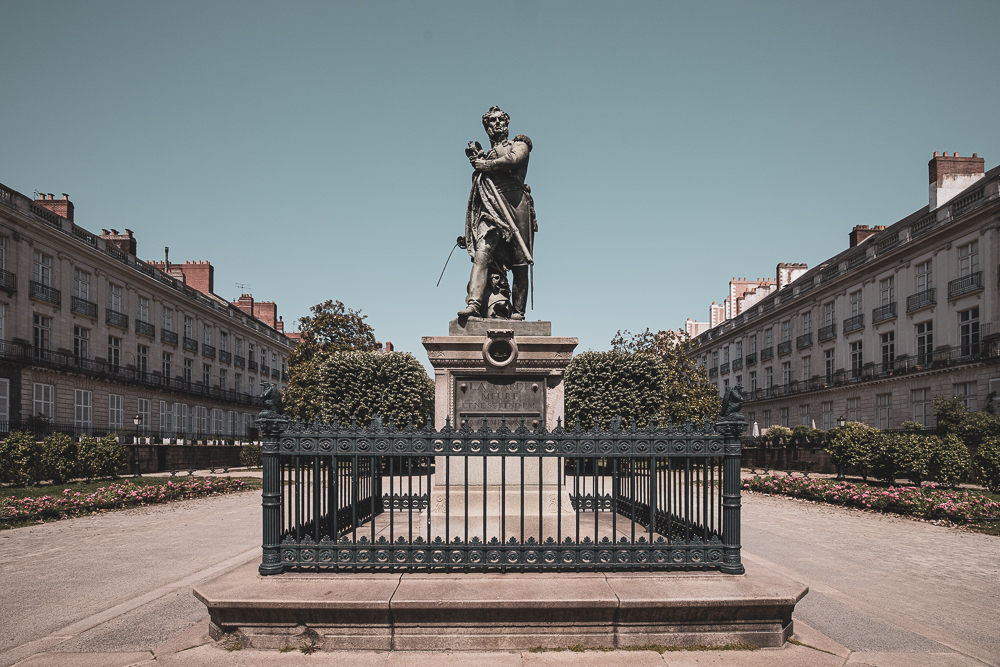
So having “f**ked it,” we eplored the Cours Cambronne, named after a famous Napoleonic General, who decided that he didn’t want to surrender to the British at Waterloo… Ah well! Silly billy!!
He became major of the Imperial Guard in 1814, and accompanied Napoléon into exile to the island of Elba, where he was a military commander. He then returned with Napoléon to France on 1 March 1815 for the Hundred Days, capturing the fortress of Sisteron (5 March), and was made a Count by Napoléon when they arrived at Paris. Cambronne was seriously wounded at the Battle of Waterloo and was taken prisoner by the British.
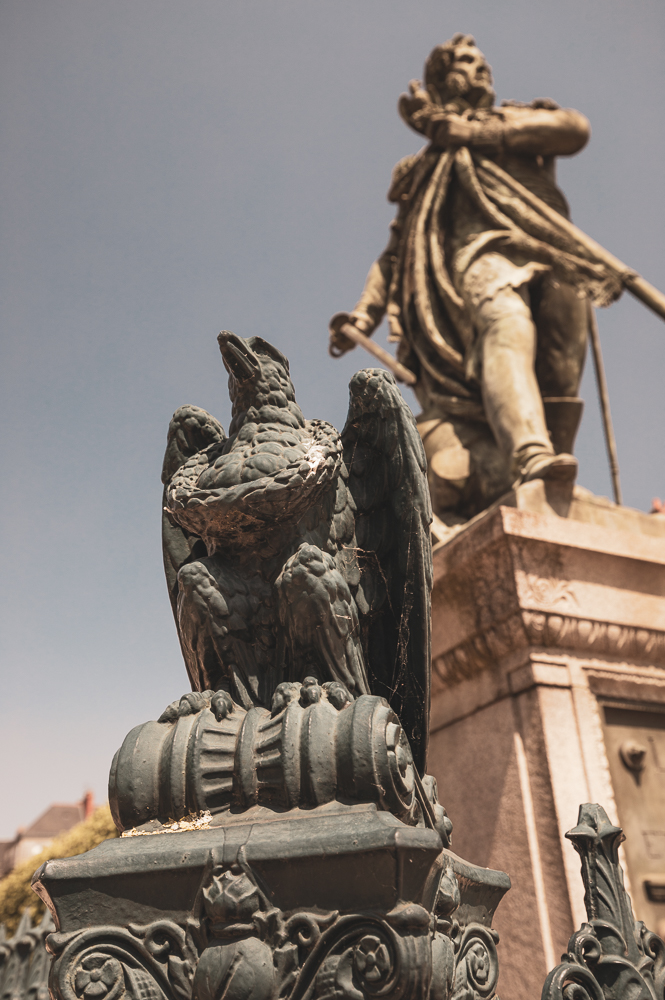
The exact circumstances of his surrender to the British are disputed. At the battle’s conclusion, Cambronne was commanding the last of the Old Guard when General Colville called on him to surrender. According to a journalist named Rougement, Cambronne replied: “La garde meurt et ne se rend pas !” (“The Guard dies and does not surrender!”). These words were often repeated and put on the base of a statue of Cambronne in Nantes after his death.
Other sources reported that Colville insisted and ultimately Cambronne replied with one word: “Merde!” (literally, “Shit!”, figuratively, “Go to hell!”) This version of the reply became famous in its own right, becoming known as le mot de Cambronne (“the word of Cambronne”) and repeated in Victor Hugo’s account of Waterloo in his novel Les Misérables and in Edmond Rostand’s play L’Aiglon. The name Cambronne was later used as a polite euphemism (“What a load of old Cambronne!”) and sometimes even as a verb, “cambronniser“.
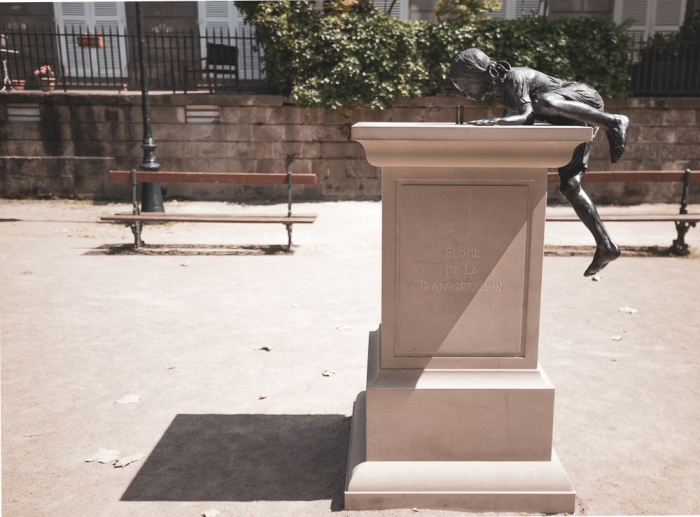
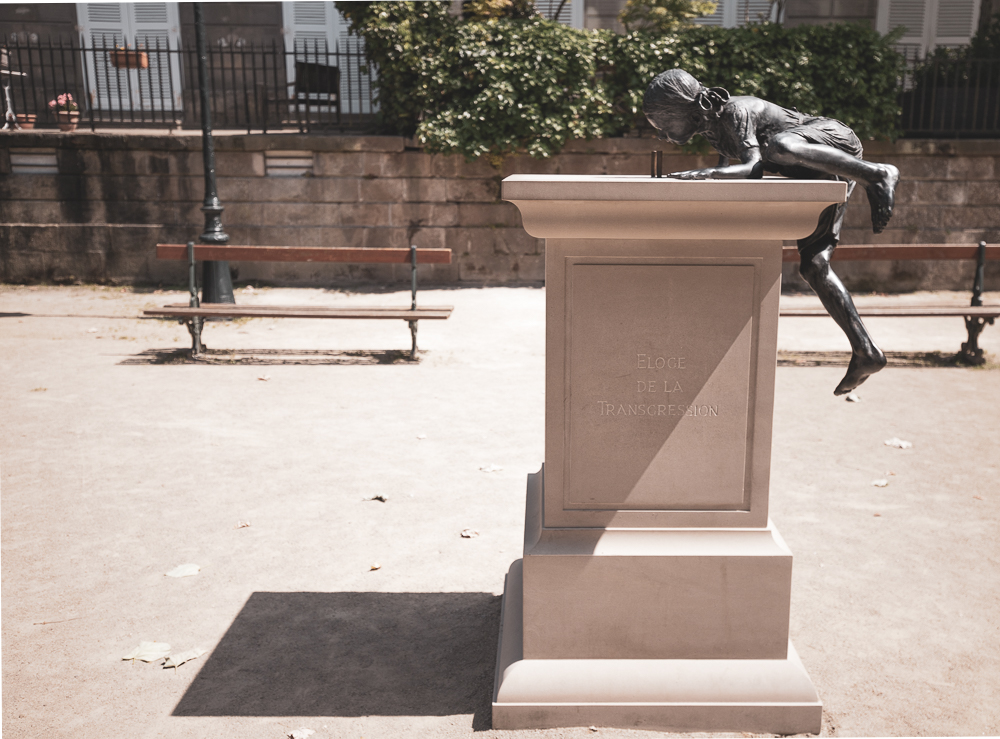
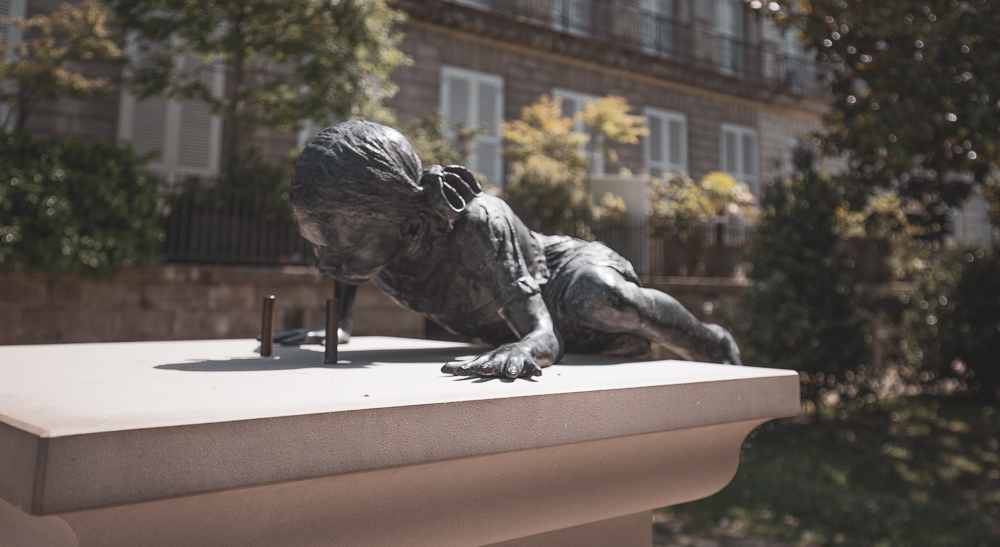
We said goodbye to the little girl and allowed here to get back on her pedestal. Or was she trying to get down?
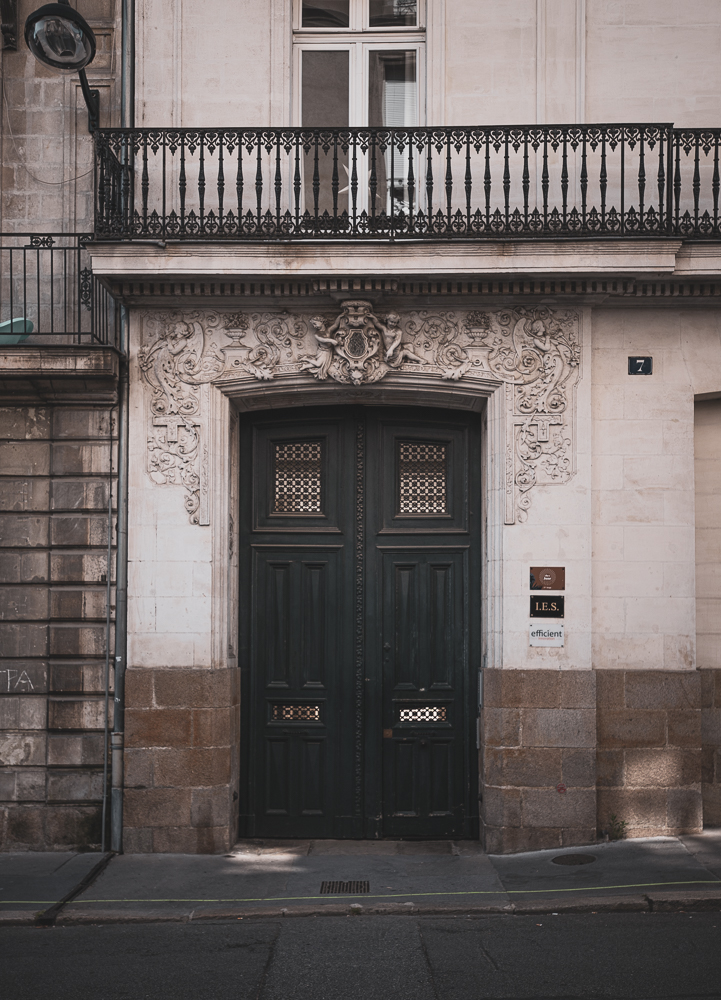
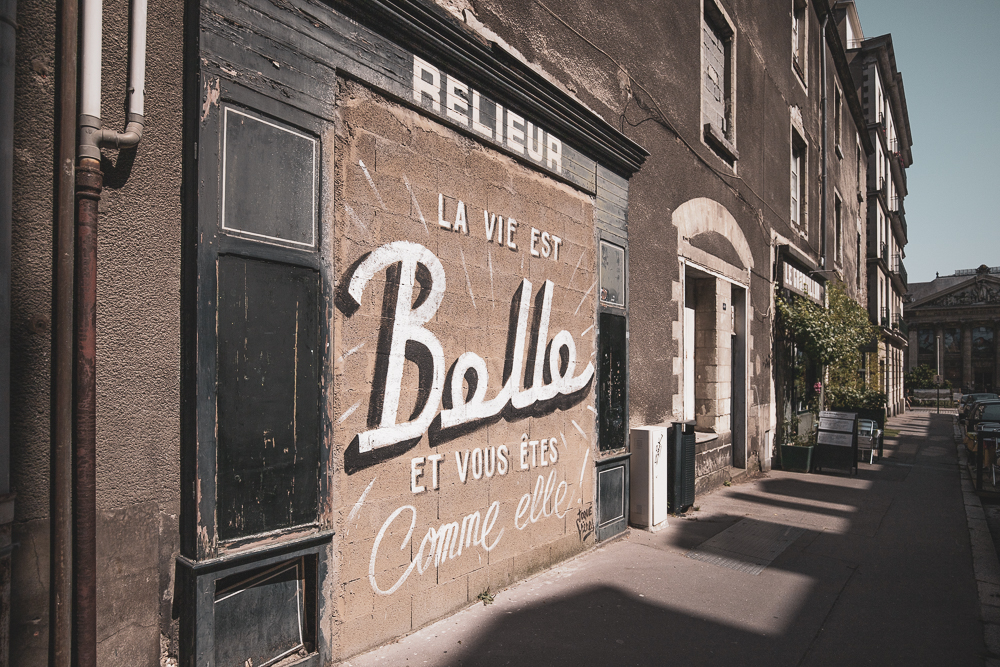
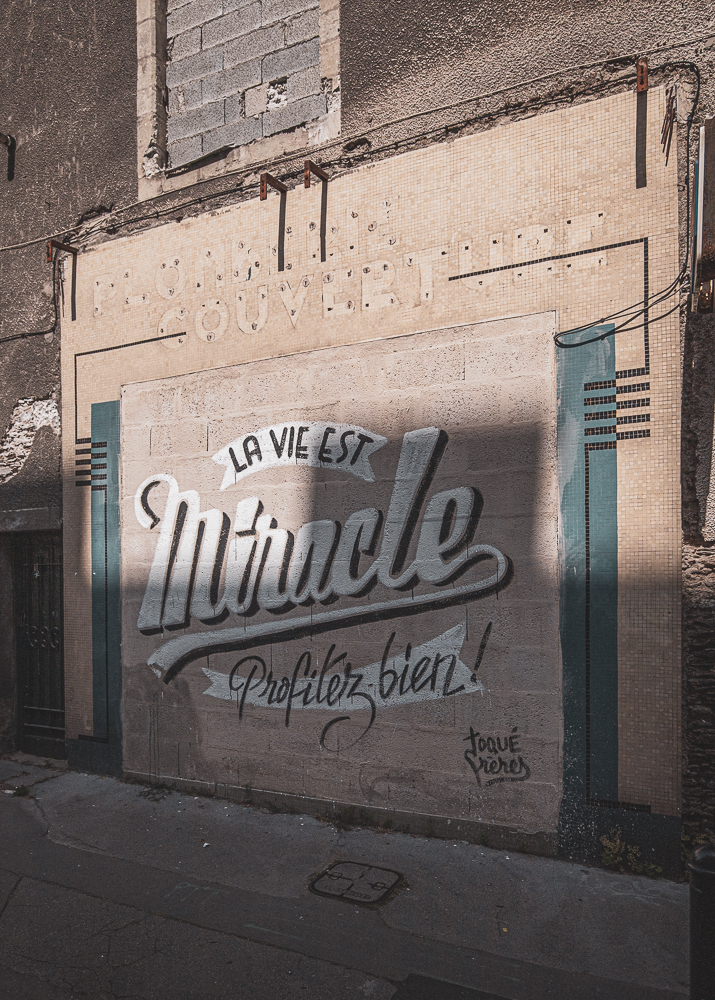
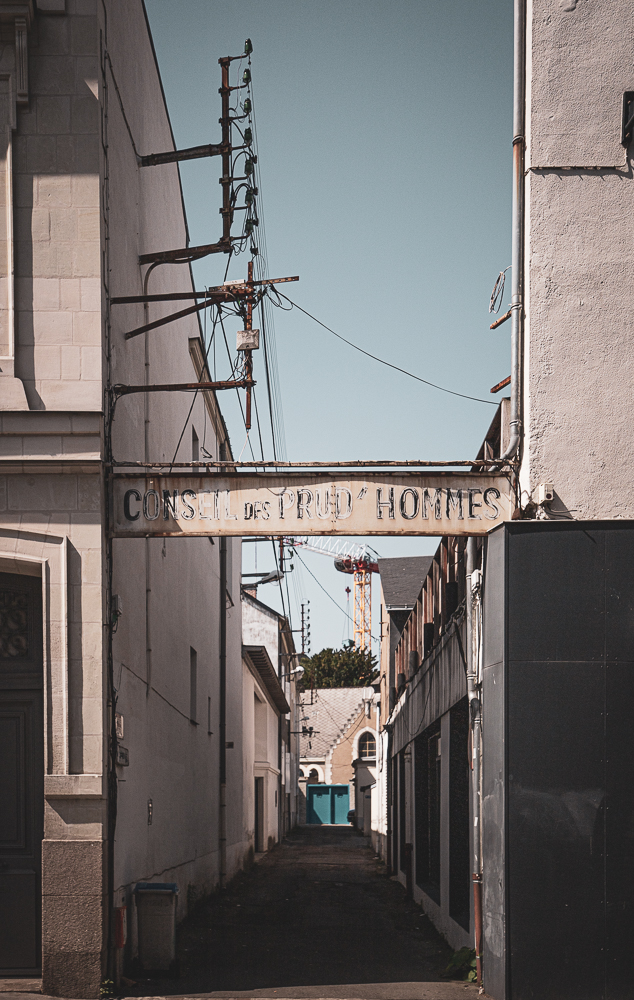
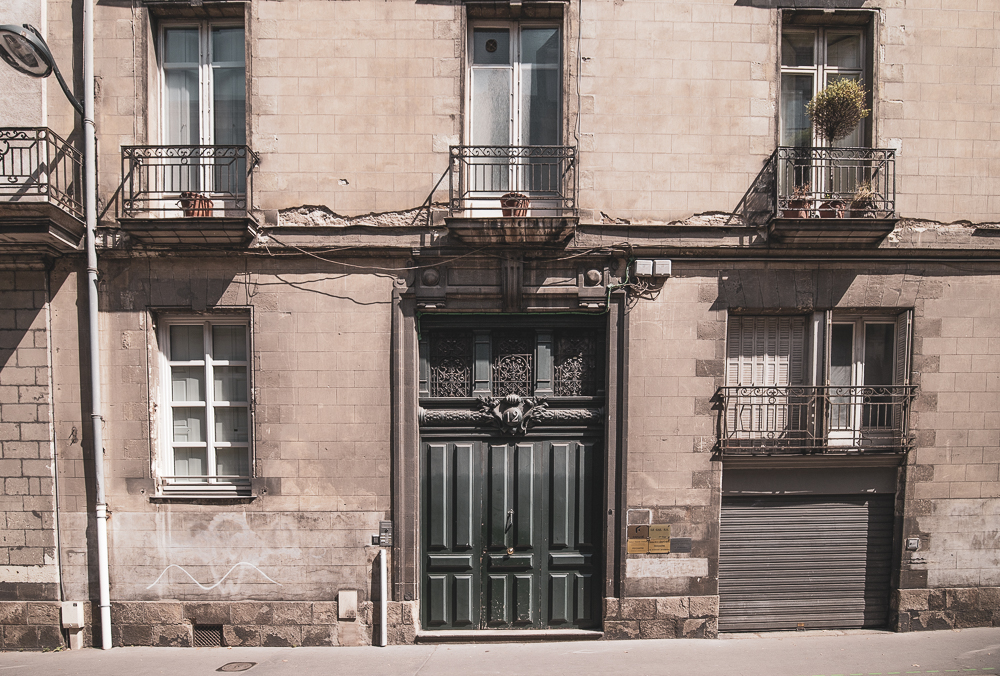
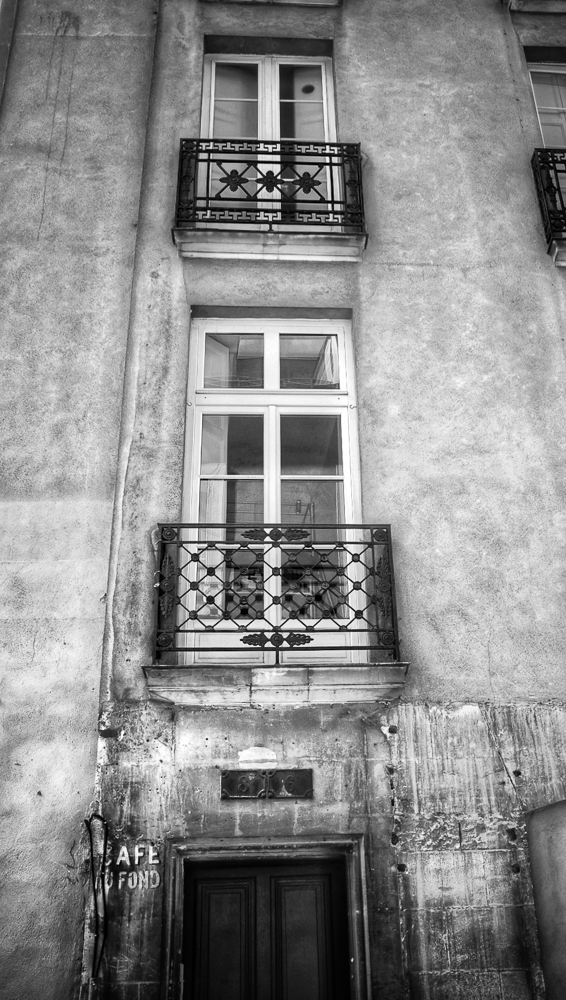
We found the line again, and then saw a dotted line… Interesting… An alternative? Well, what the heck. We followed it and discovered traces of Nantes more artisanal past, traces of joiners, cobblers, plumbers, bookbinders, and industrial tribunals. I love seeing these little bits of history still fighting to leave their mark on the town. A town or city has to be in tune with its past and it’s own story. People leave their mark on a place. The question is how will leave our mark, and what will that mark be?
For the photo geeks out there. The tools today were the Canon 6D Mark II and the 16-35mm lens.
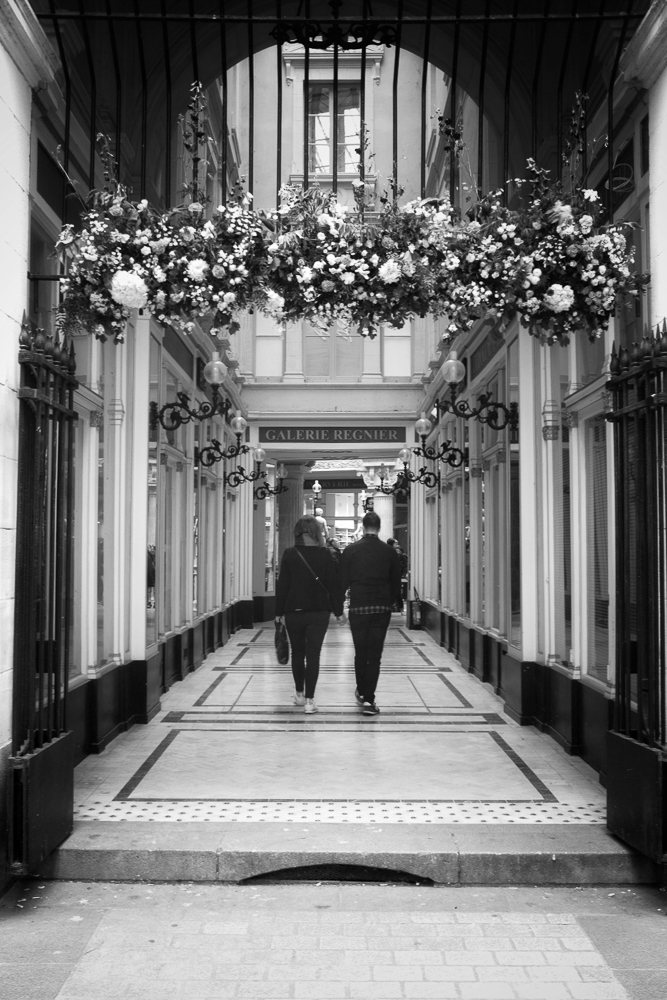
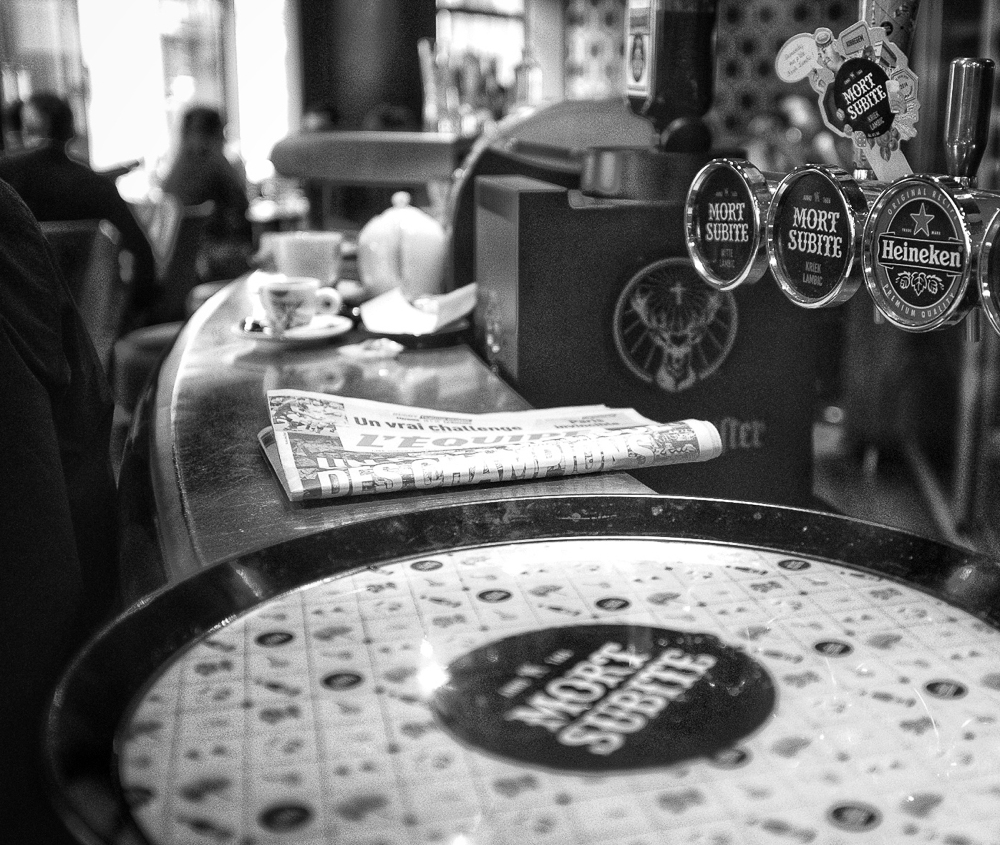
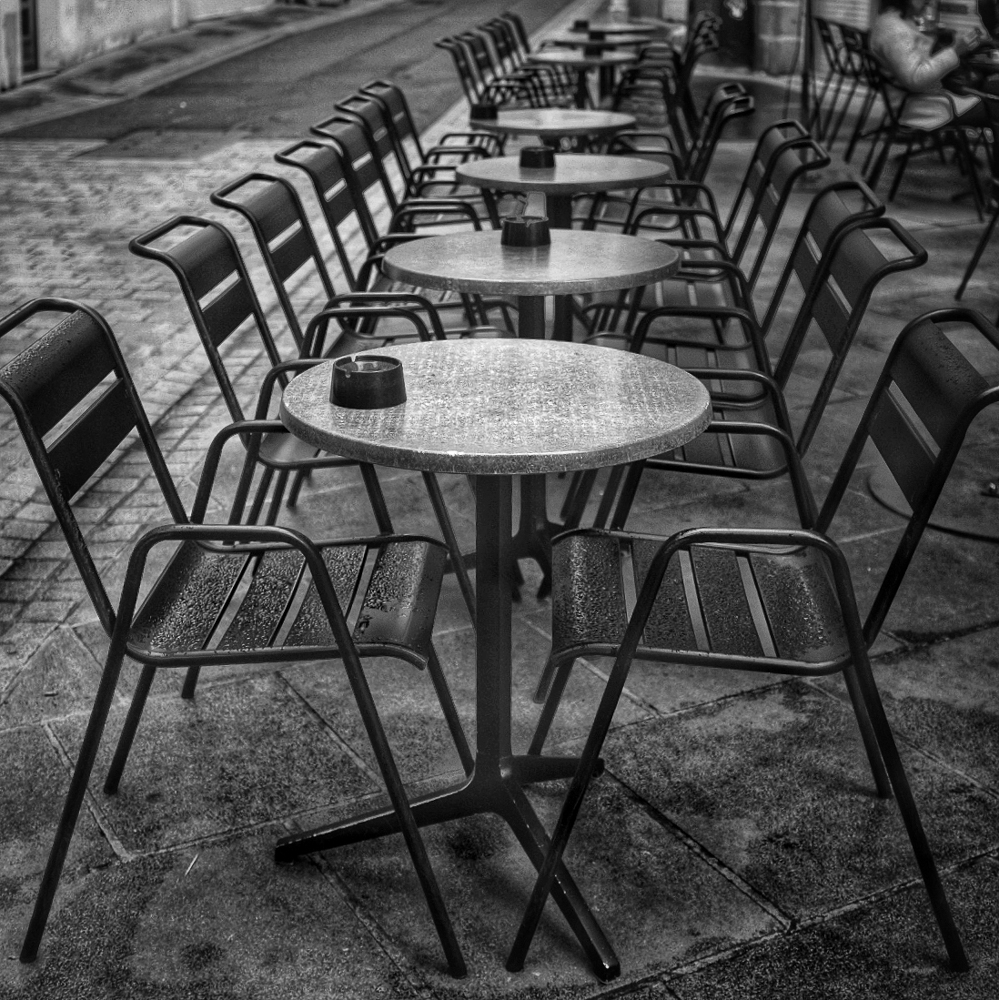
Now that you’ve had a bit of time to get used to me, I’m going to show you some of the usual photography I do, to keep my eye in. No fancy lenses. Just the Fujifilm X100F with it’s 35mm equivalent lens.
So basically I go into town with my small inconspicuous little camera that does the business, and, believe it or not, take some photos. I then find a café to sit in, take a few more photos just in case, and start editing.
That entails sending the photos from the camera onto my phone via Wi-Fi, and getting annoyed when I have to start again a few times… Then comes the editing on my phone with Snapseed, and there you are. Photos ready to publish on Instagram or Facebook etc.
Win I do this I have my own preset as a starting point and that allows me to finely tune the end result. I nearly always go black and white for this kind of photography. The idea being that o manage to get photos of the ordinary things and try and give the justice. You’ll be able to decide when you look through.
On this particular trip, those of you who know Nantes will be able to see exactly where I went…
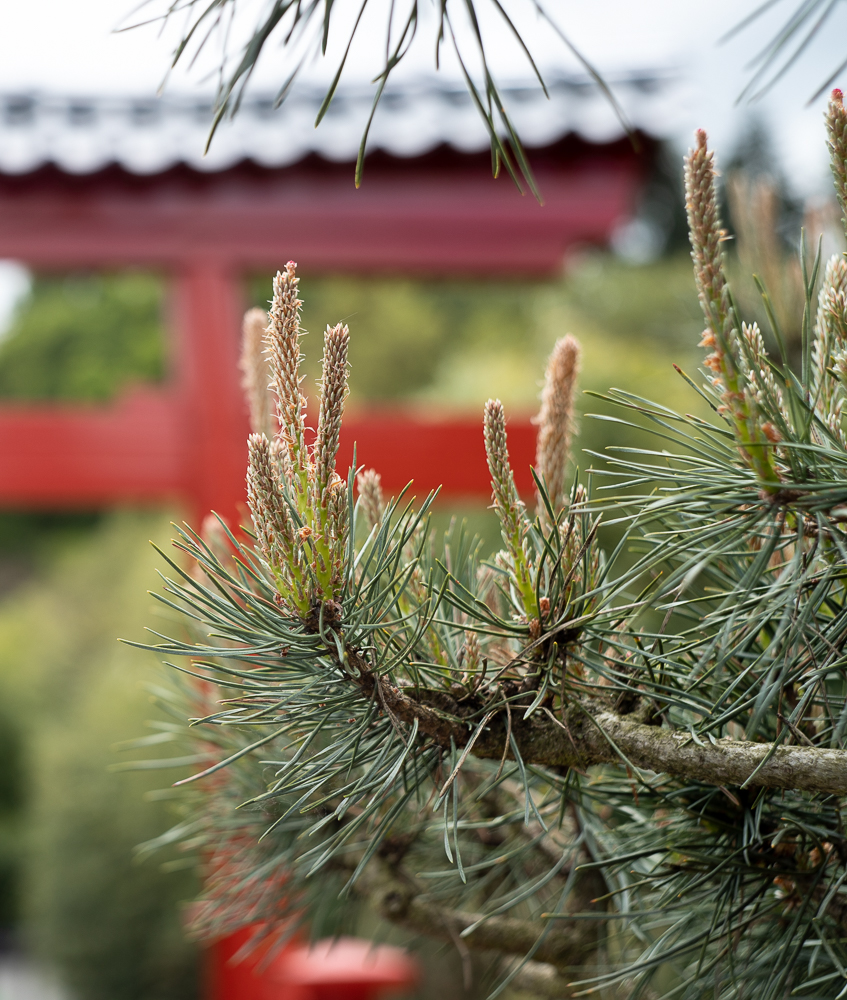
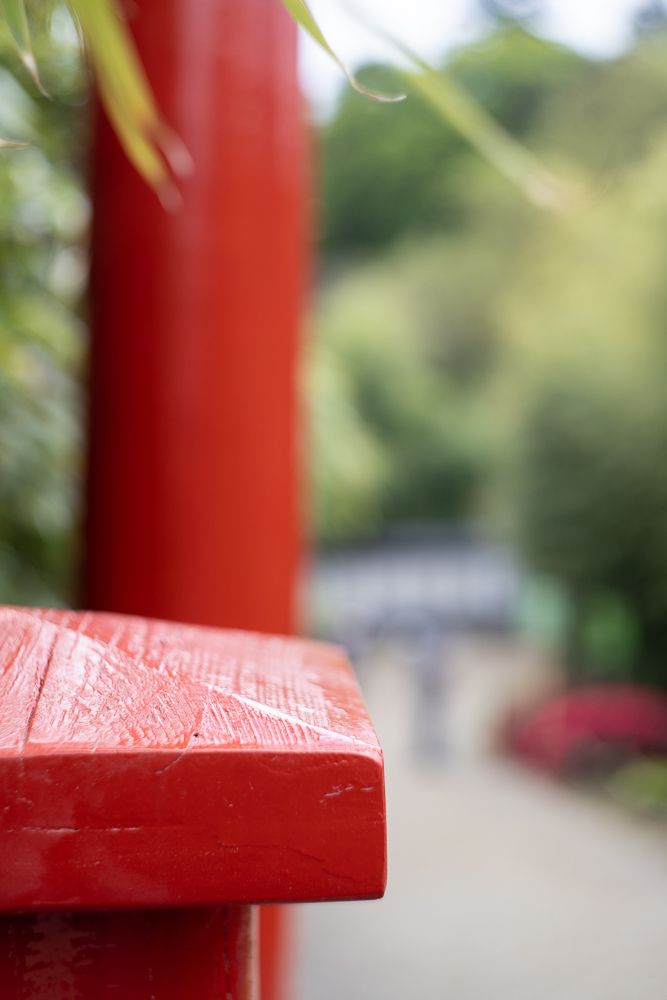
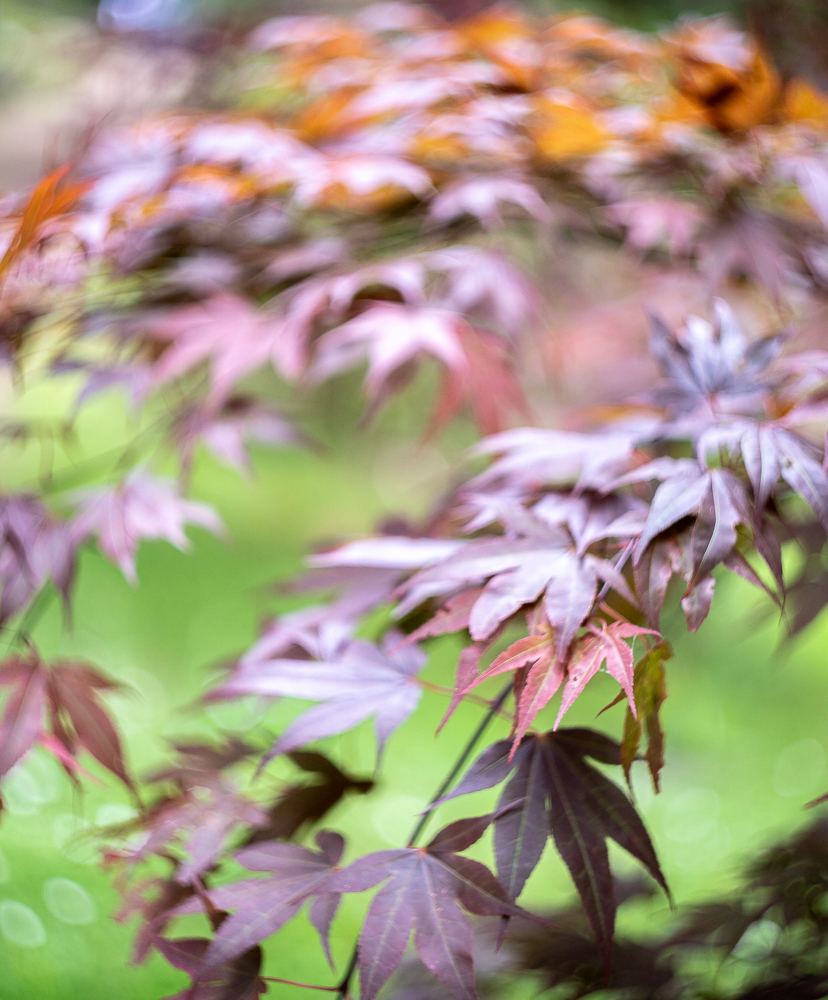
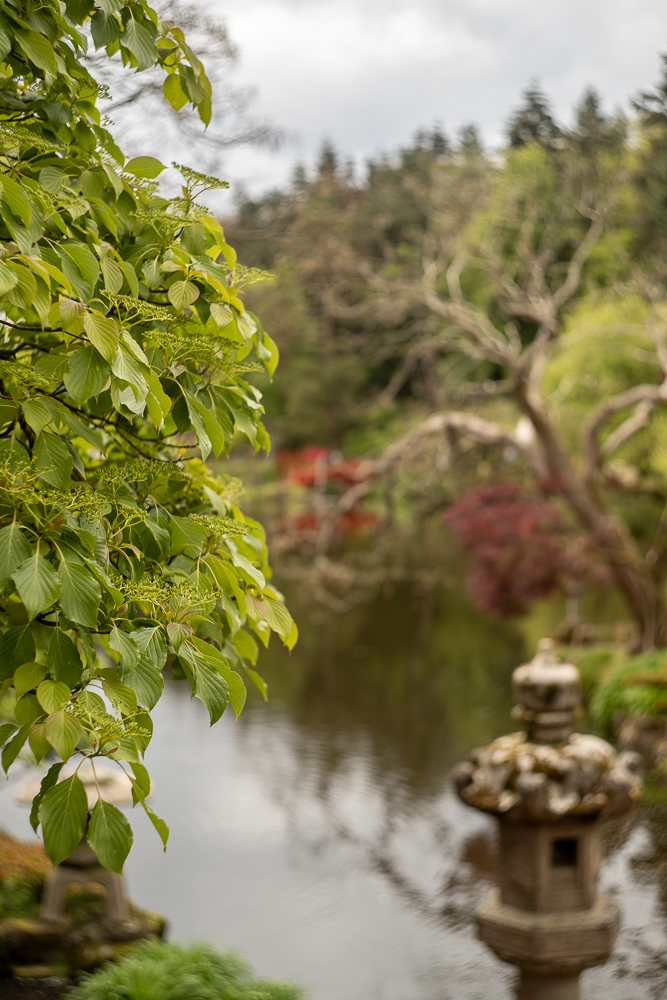
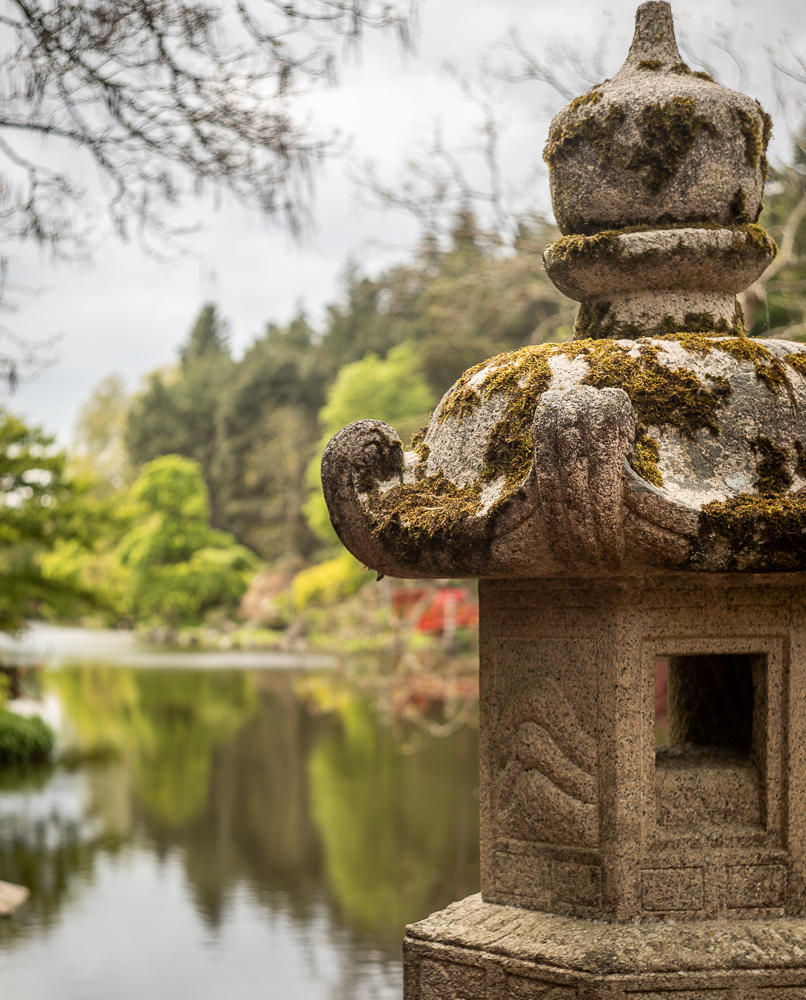
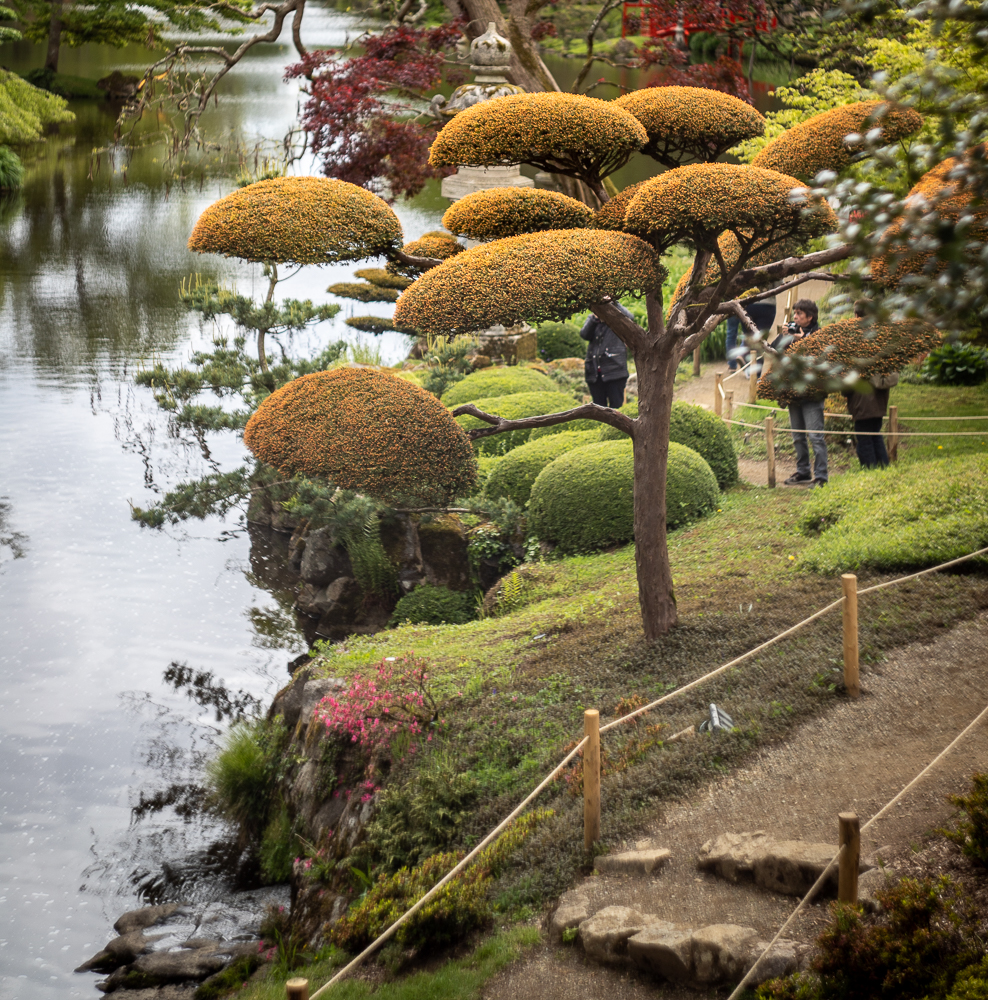
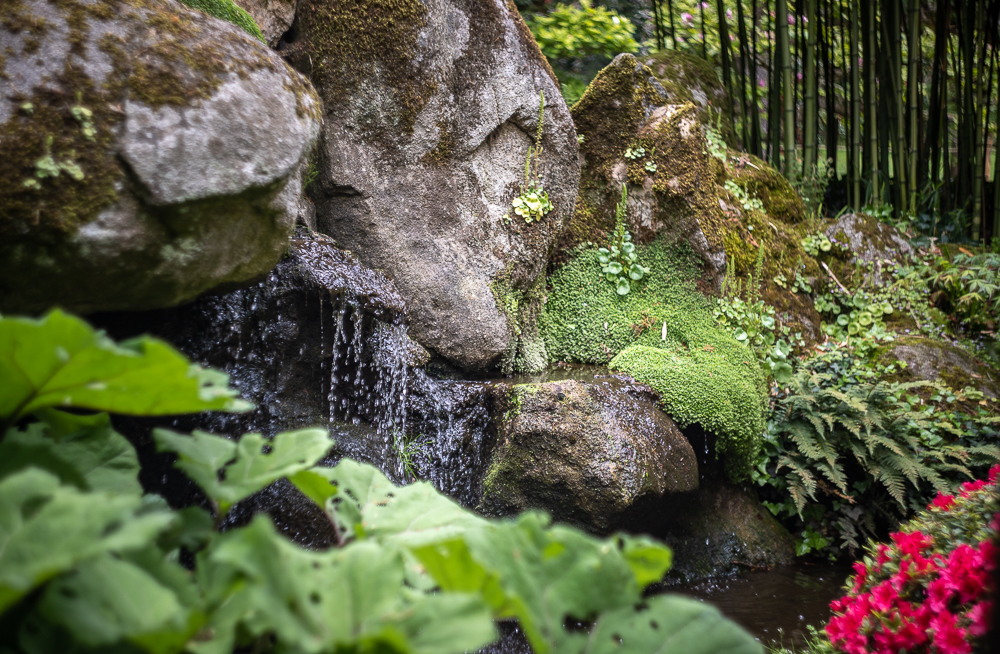
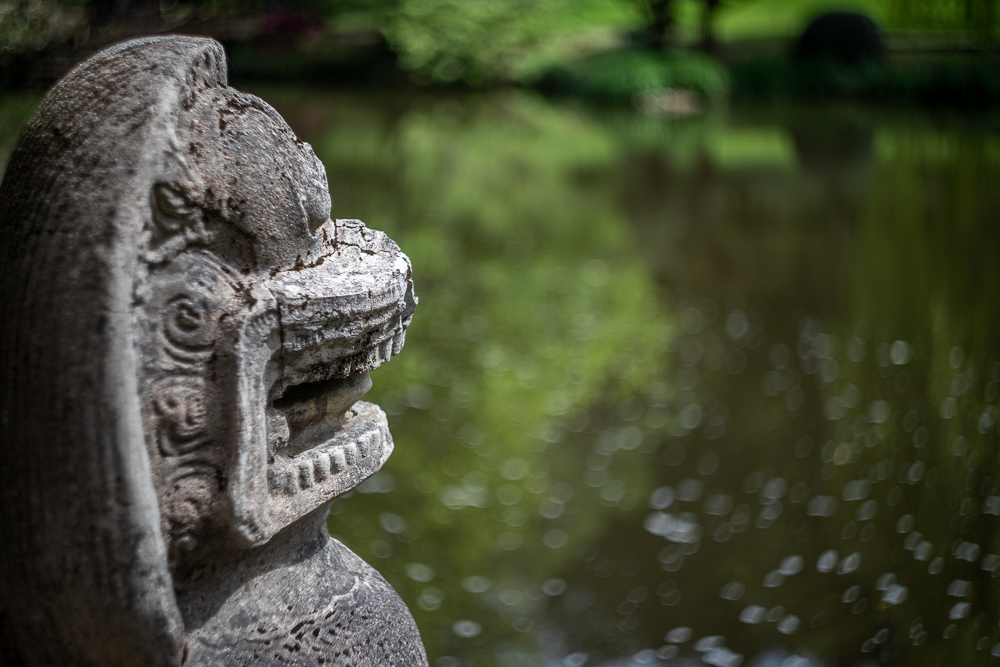
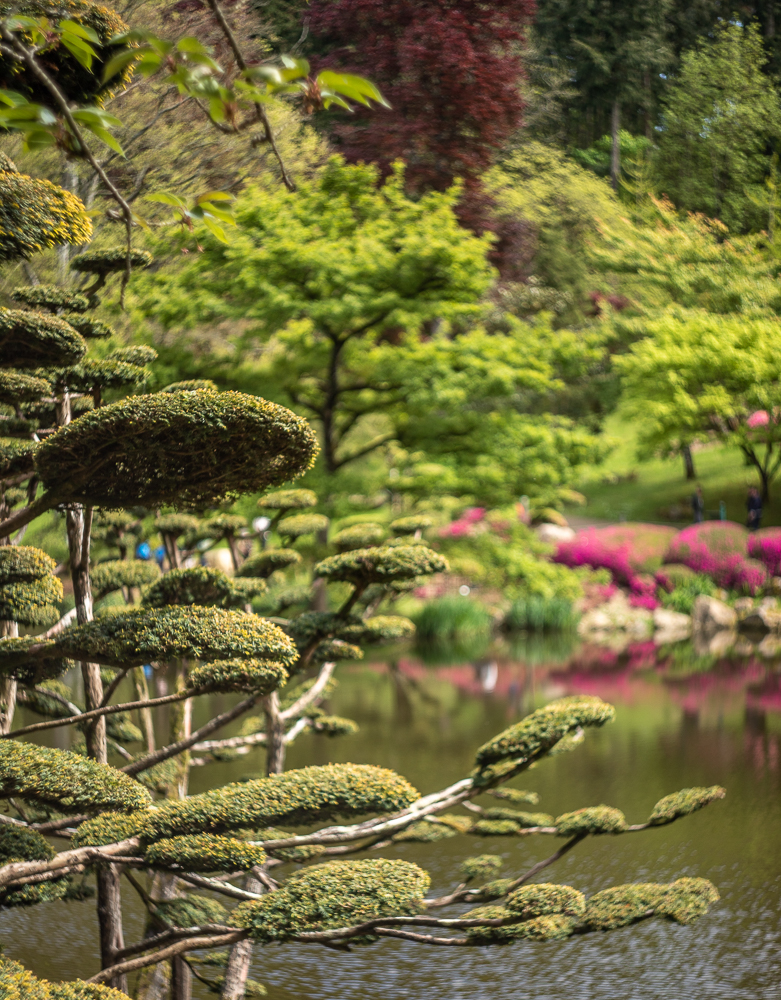
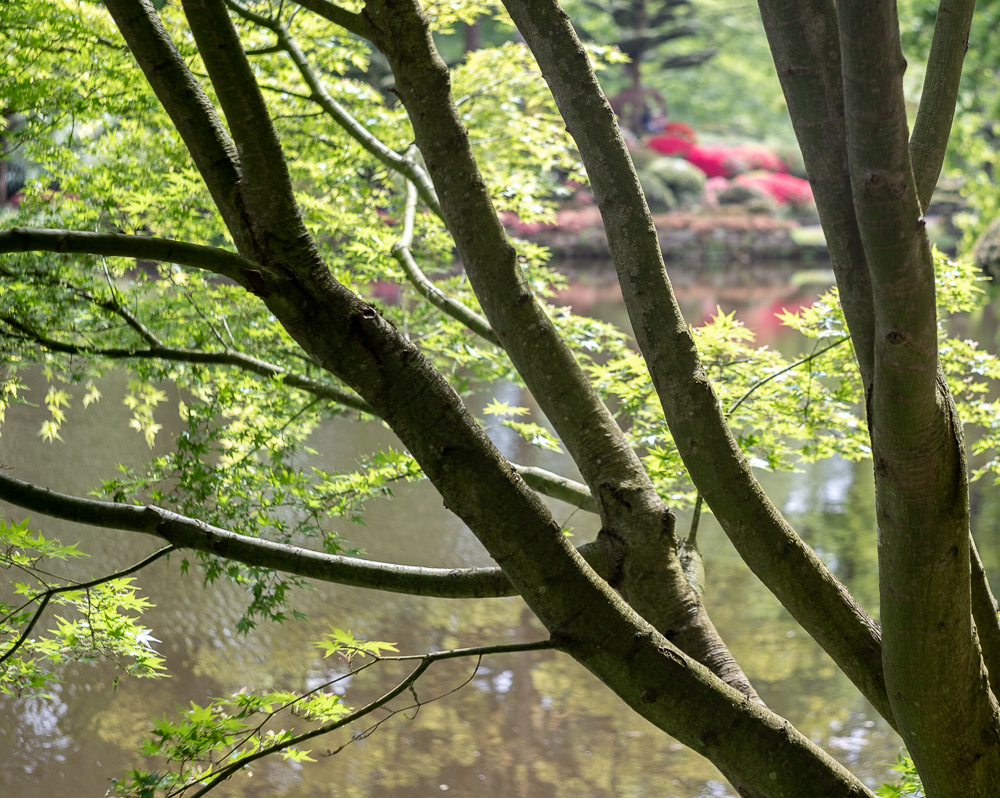
I’d heard of this place since I moved to Vendée in 2001, but had never got around to visiting it. The occasion was a friend’s birthday. My photography is my way of detaching myself from this world of commotion and taking a seat to just observe. The French talk about Zen, and “being zen” as an antidote to our modern lives, and finding that certain calm that we all long for.
Japanese gardens are traditional gardens whose designs are accompanied by Japanese aesthetic and philosophical ideas, avoid artificial ornamentation, and highlight the natural landscape.
Wikipedia
Even thought we were in a group, we allowed ourselves to go at our own pace. For those of you who have a photographer as a partner, apparently you have tremendous patience as all of a sudden we will stop dead and start taking a photo. Today I could just get on with it and wander around. Blissful it was, blissful! The only person that doesn’t mind me doing this is my son who waits patiently. If we go out, I will do 8000 paces, and he will do at least 12000 because of turning around and coming back to me. I do love that boy!
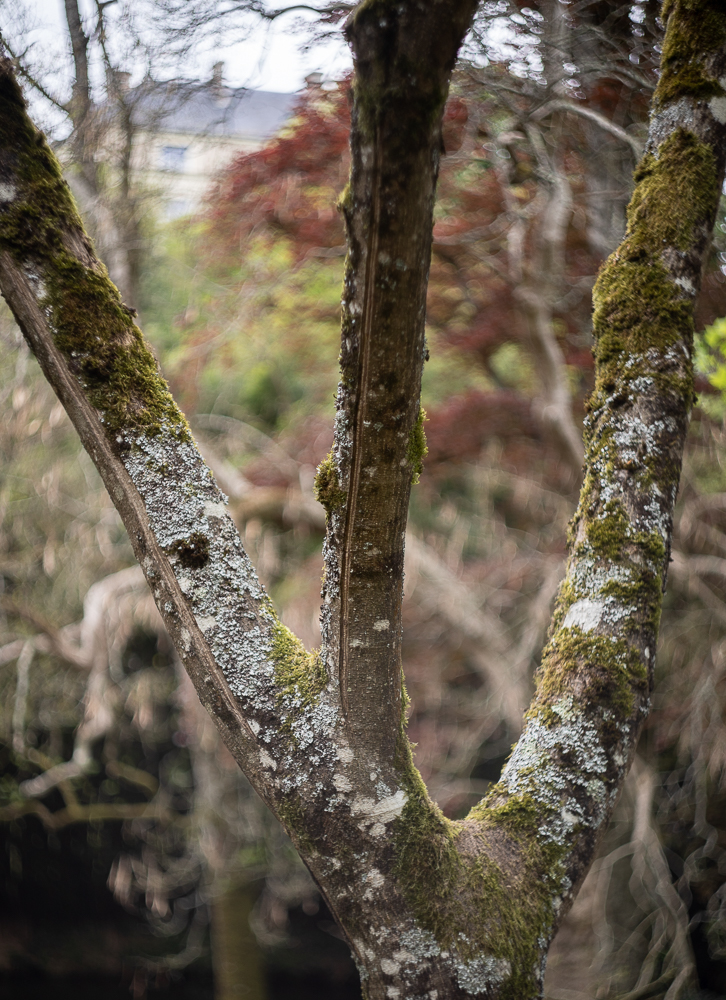
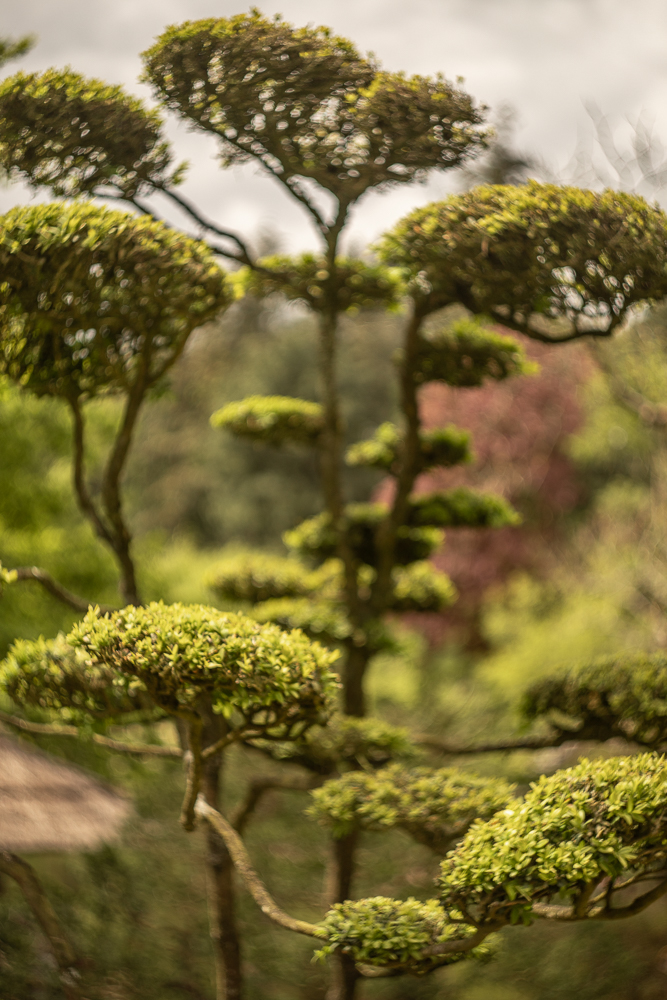
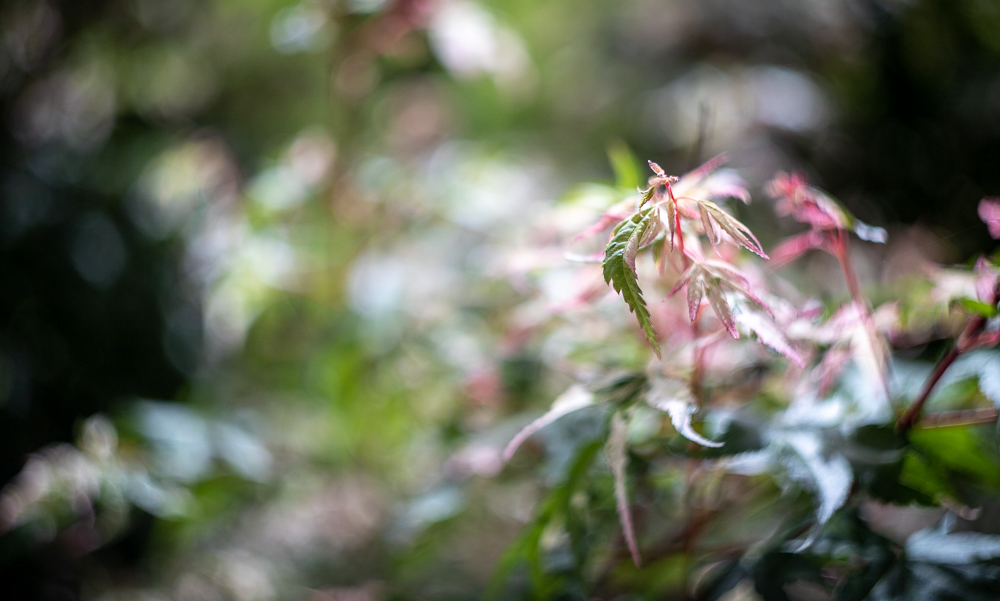
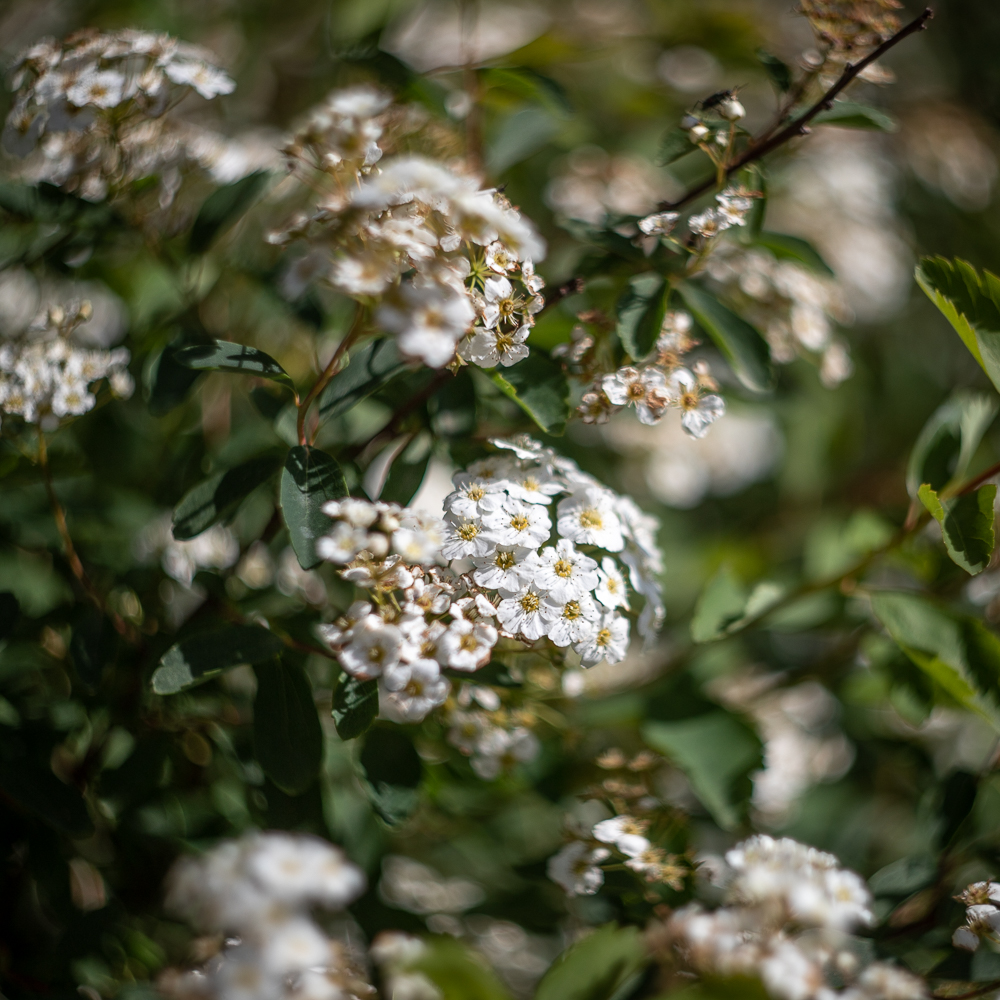
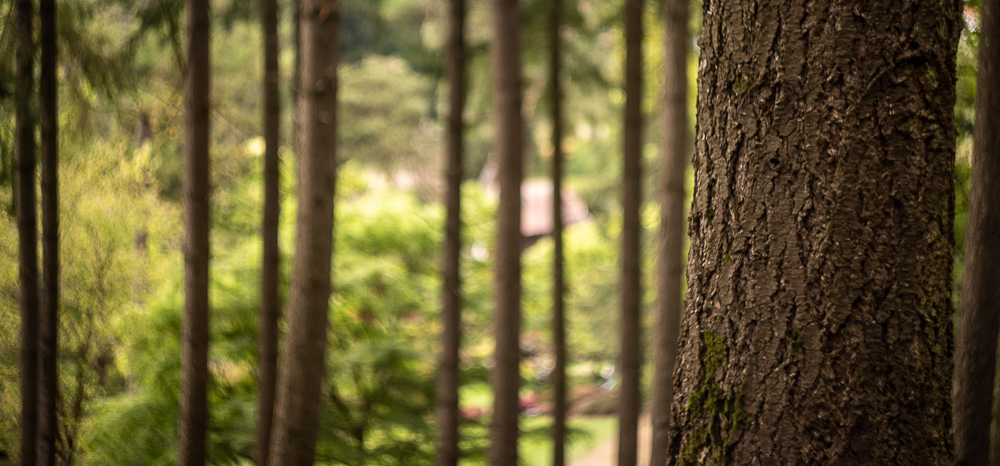
All these photos were taken on the Canon 6D Mark II, with the Helios M44-2 58 mm lens, except for one shot, which was taken with the Canon 16-35 mm lens. I do like the bokeh it gives you and on some of these photos you can actually see the swirly bokeh! Try and spot it…
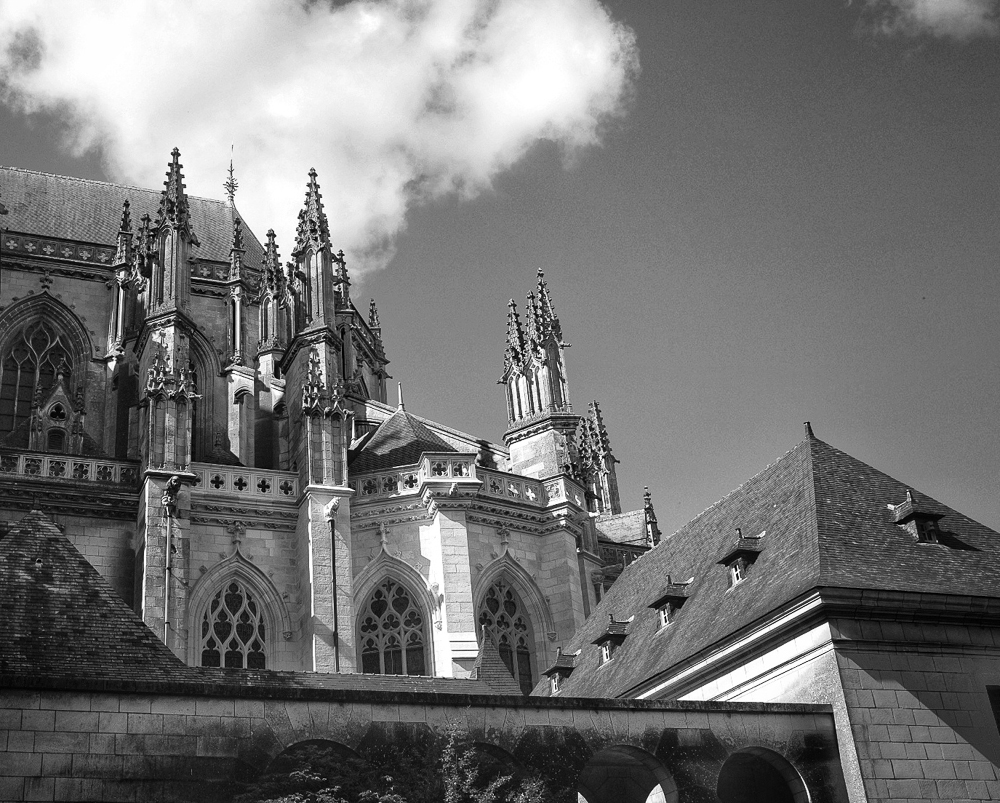
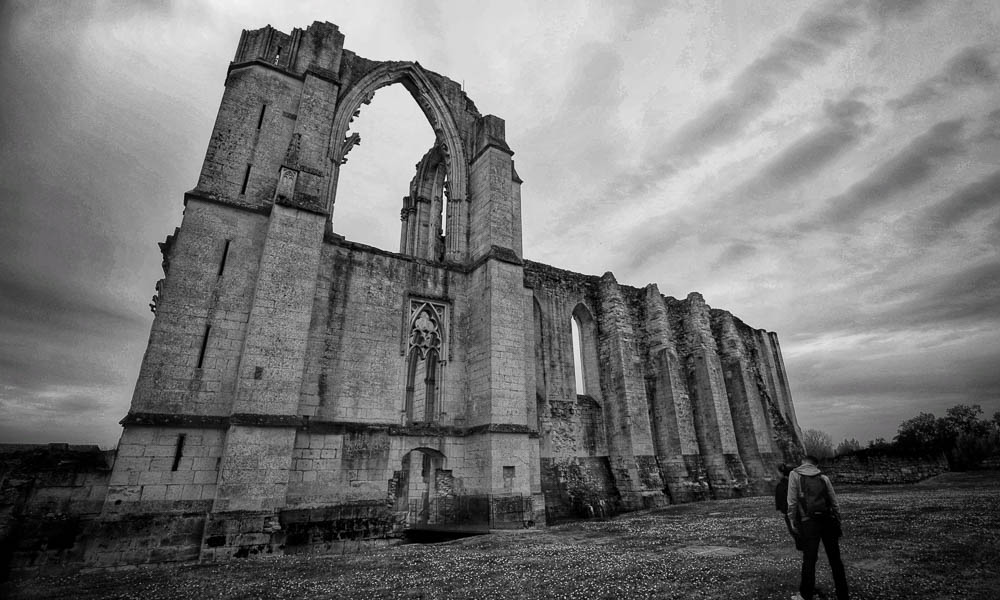
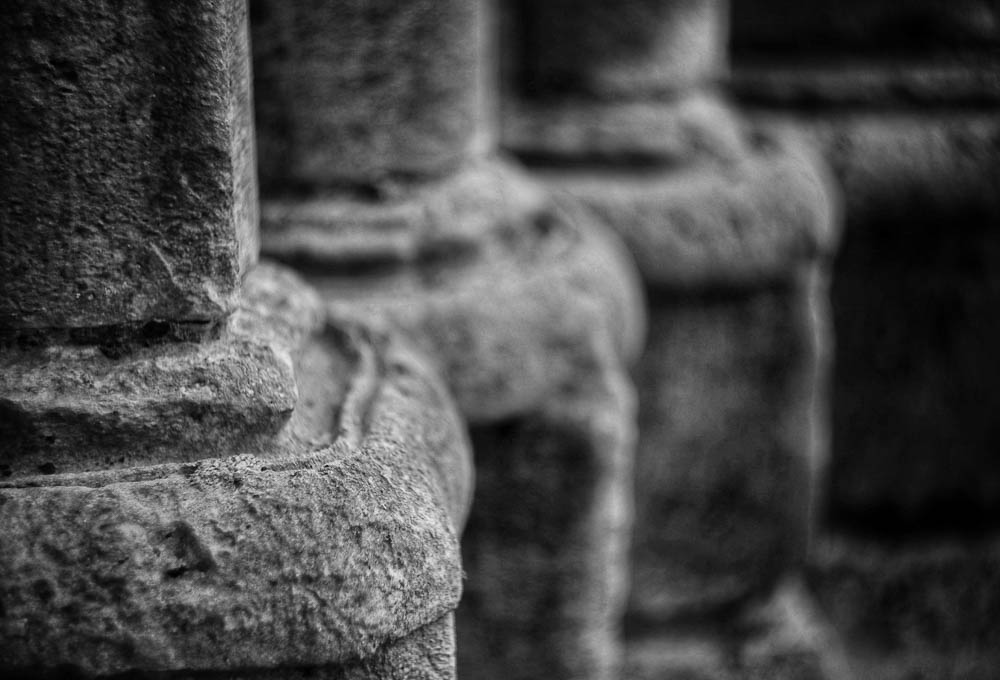
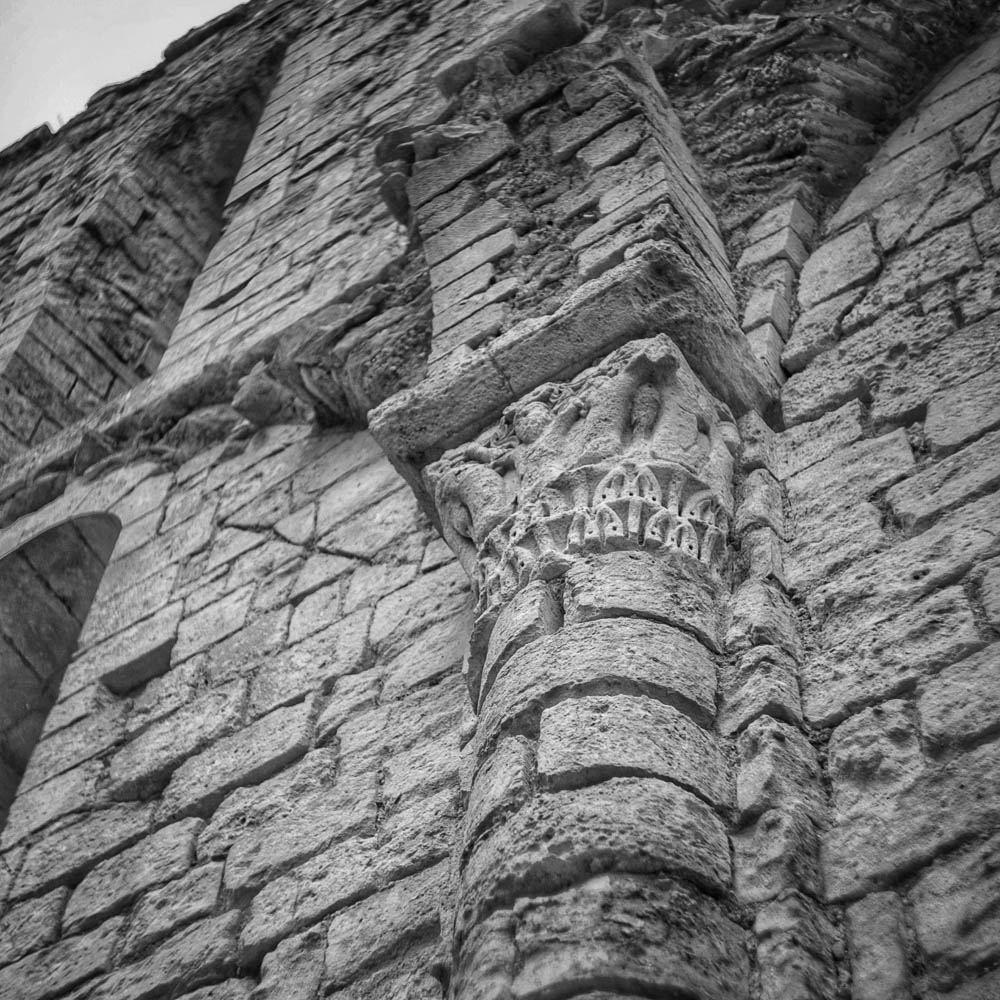
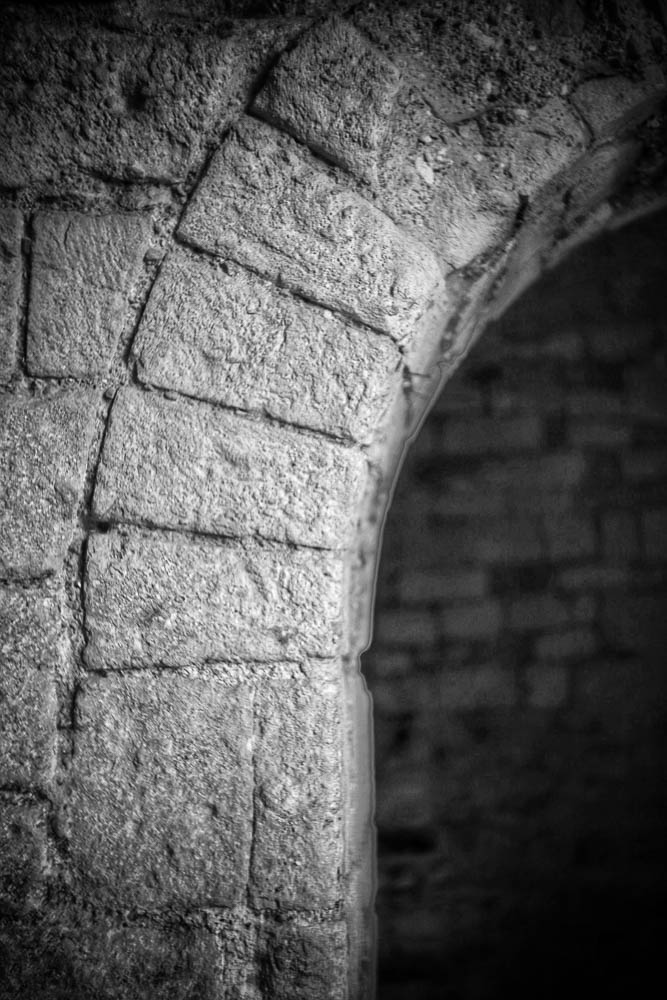
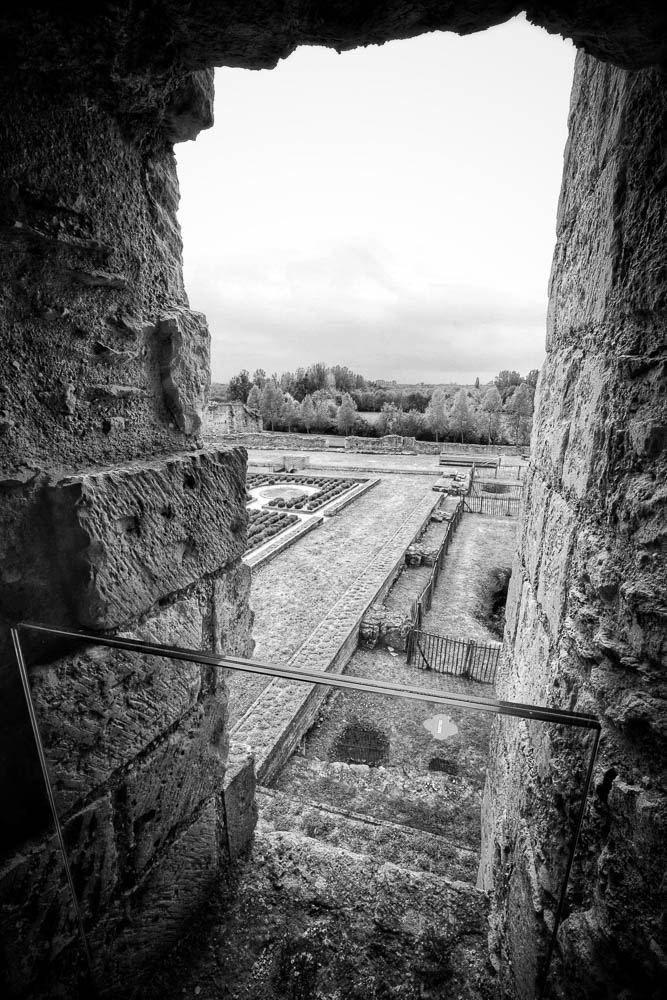
Originally from Yorkshire, we were brought up on the merits of Rievaulx and Fountains Abbeys. They were of course the most famous and beautiful of the abbeys destroyed by Henry VIII when the pope said no he couldn’t have a divorce to be able to marry Anne Boleyn. Bit of an over-reaction in my opinion especially when you think how it turned out in the end…
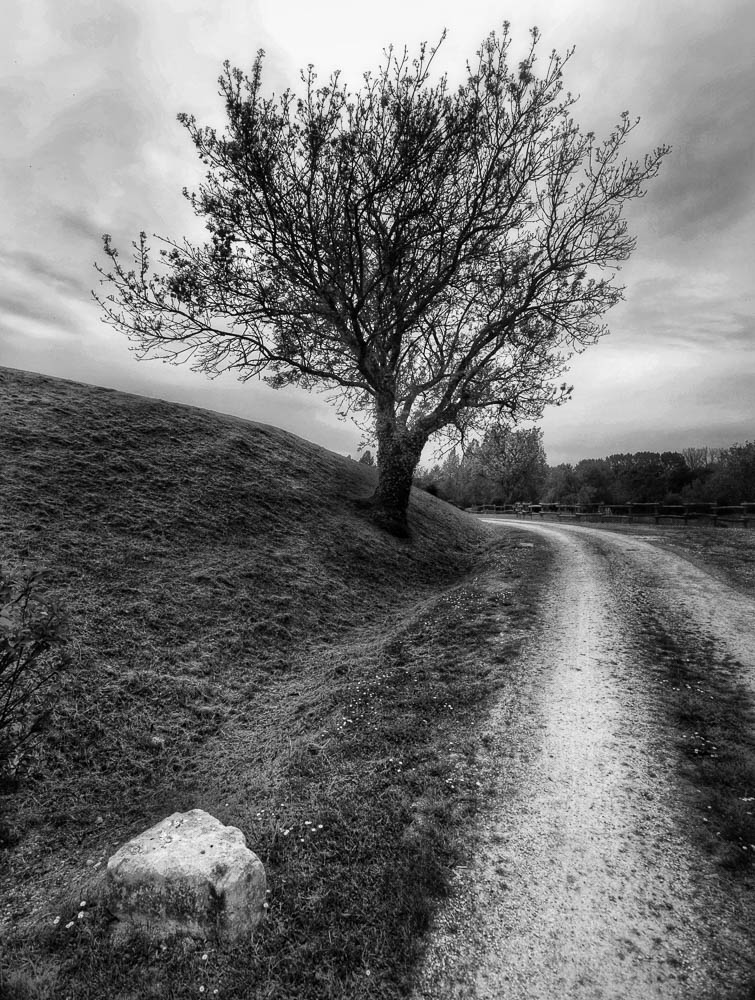
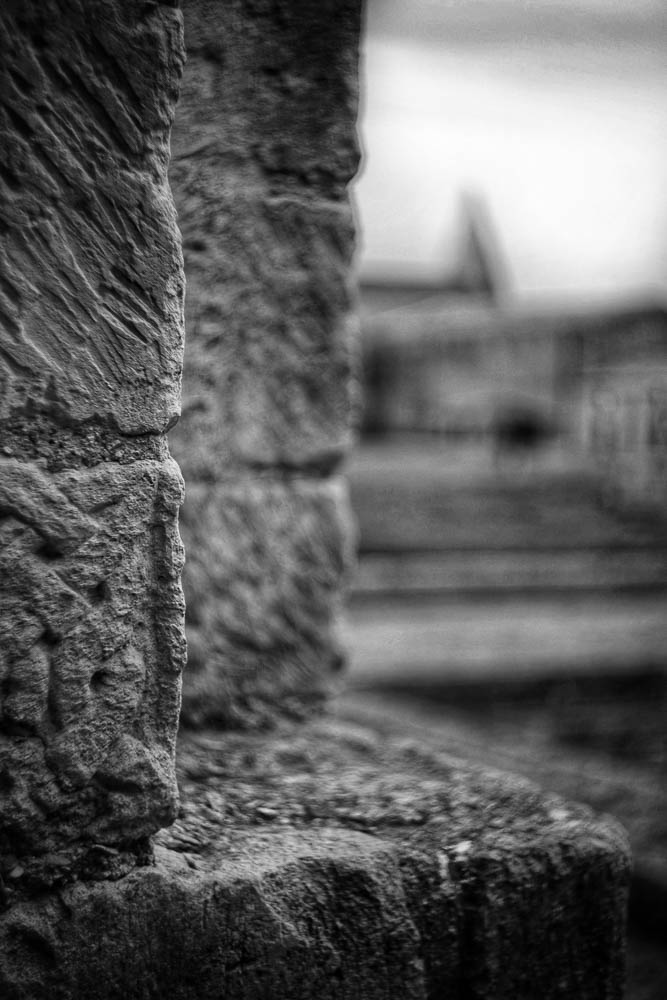
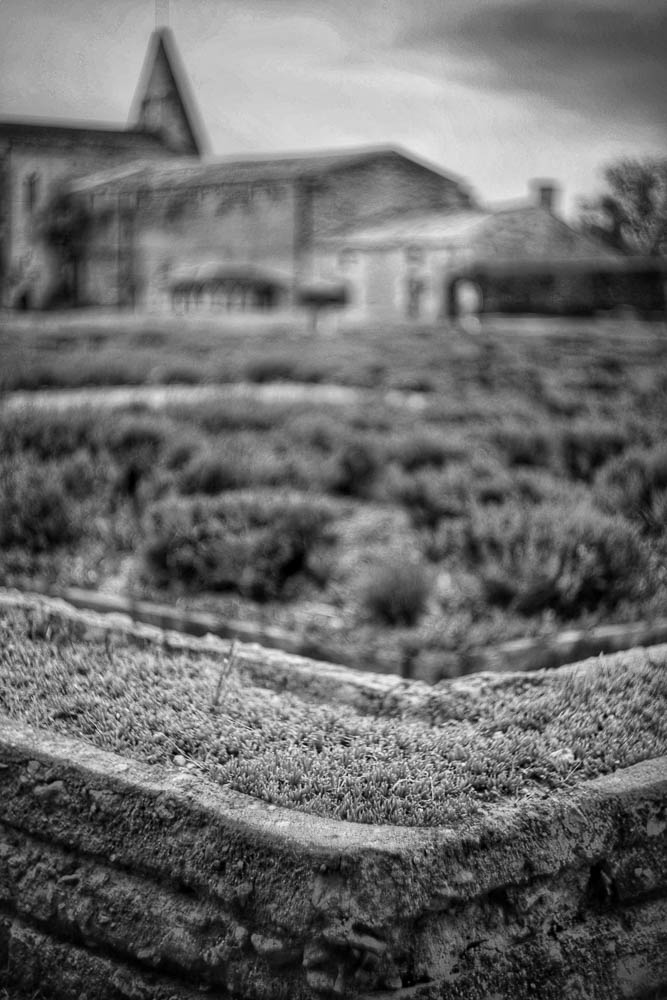
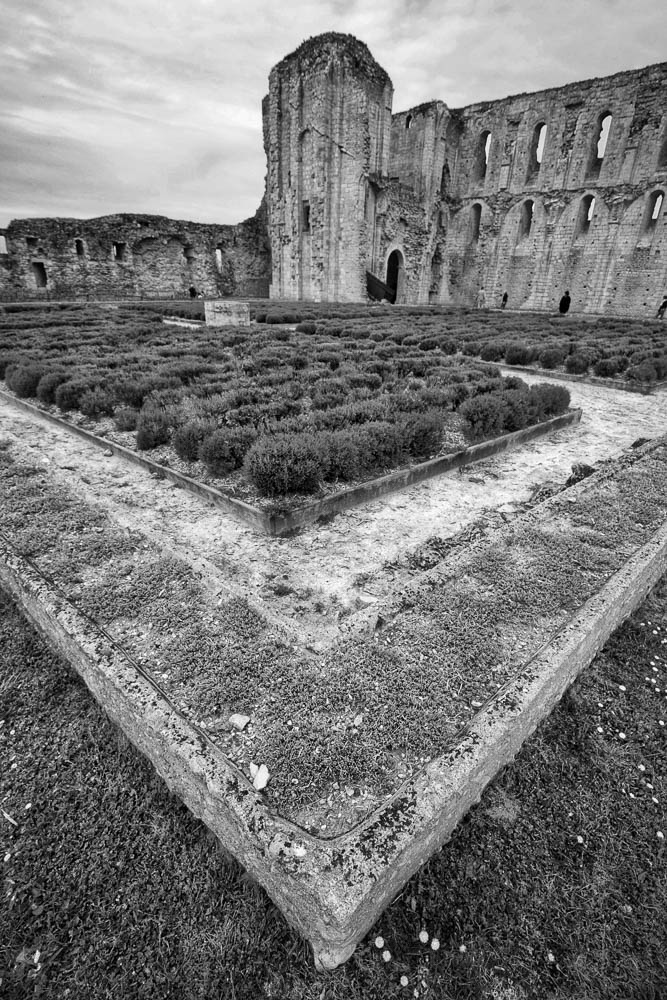
Anyway. This article isn’t about them. No. It’s about Maillezais Abbey in Vendée. It’s a little bit of a hike, but you basically just get on the motorway and don’t forget your exit the way I did, and ended up taking a very scenic route, which was very scenic. Luckily my daughter didn’t realise this. My wife would have been telling me how bloody useless I am. Ahhh, the joys of youth!
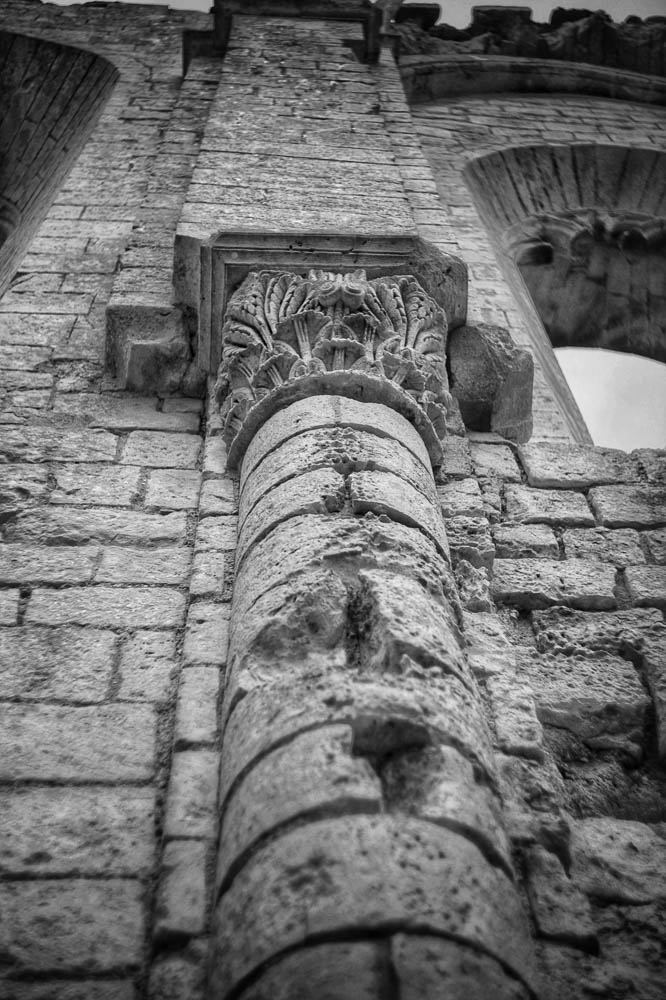
I’m going to start with the photos I took on the Easter Monday 2019, and then I’ll do an other article about my previous visit when I was with a film camera…
In this series I was using the Canon 6D Mark II with the Canon 16-35mm lens, and the Helios M44-2 58mm lens, which seems to be becoming my “go to” kit…























































 IJM Photography