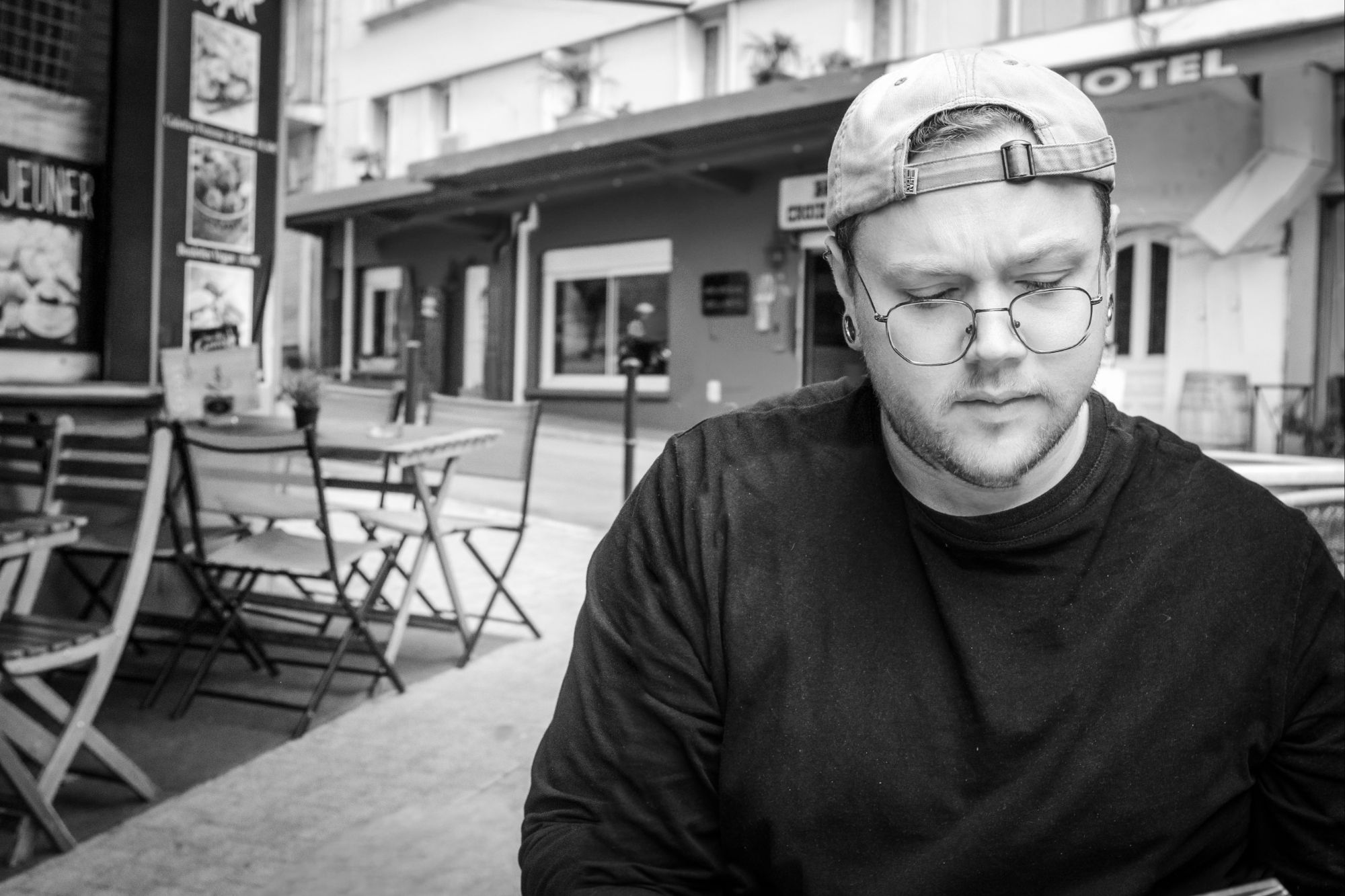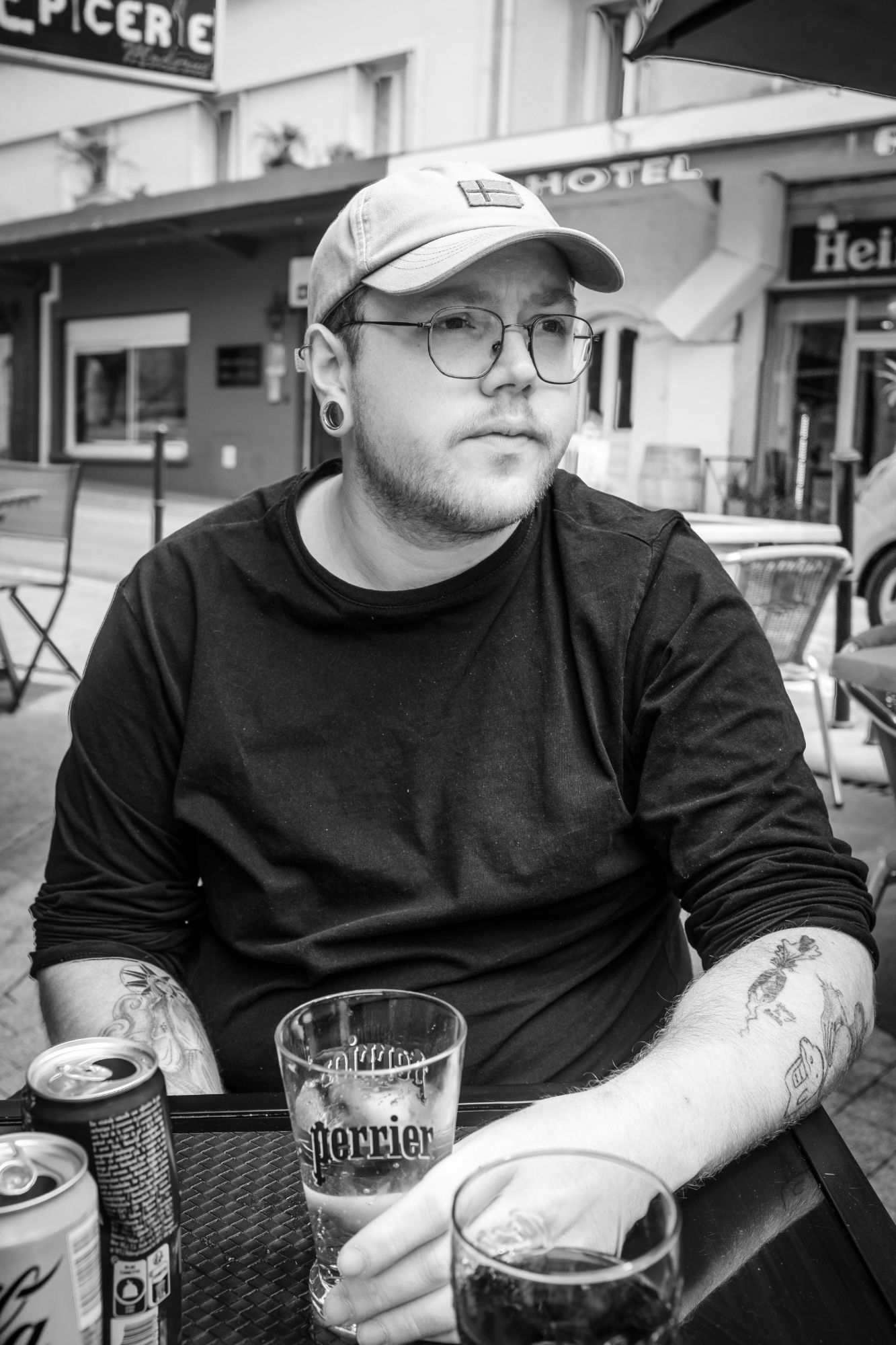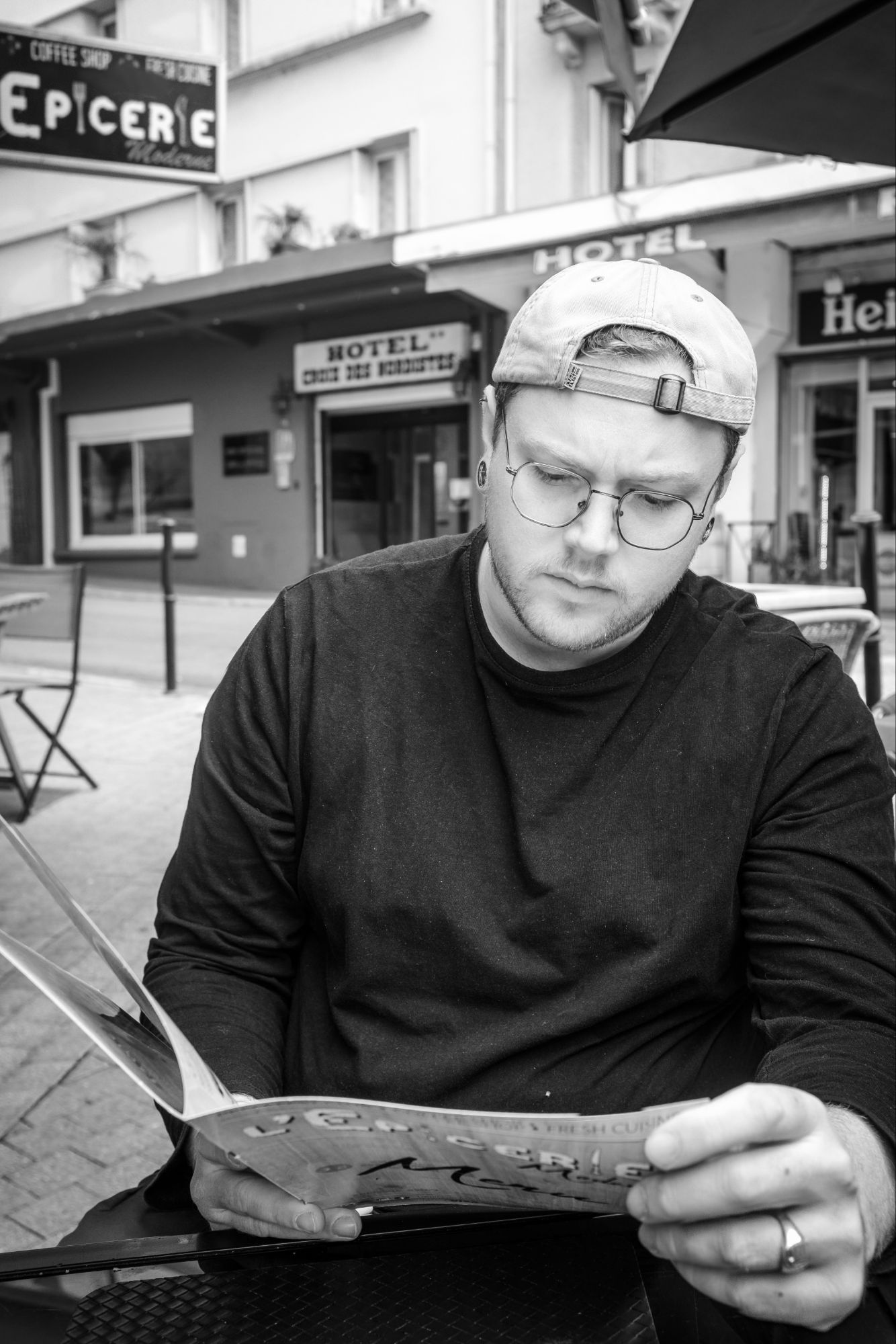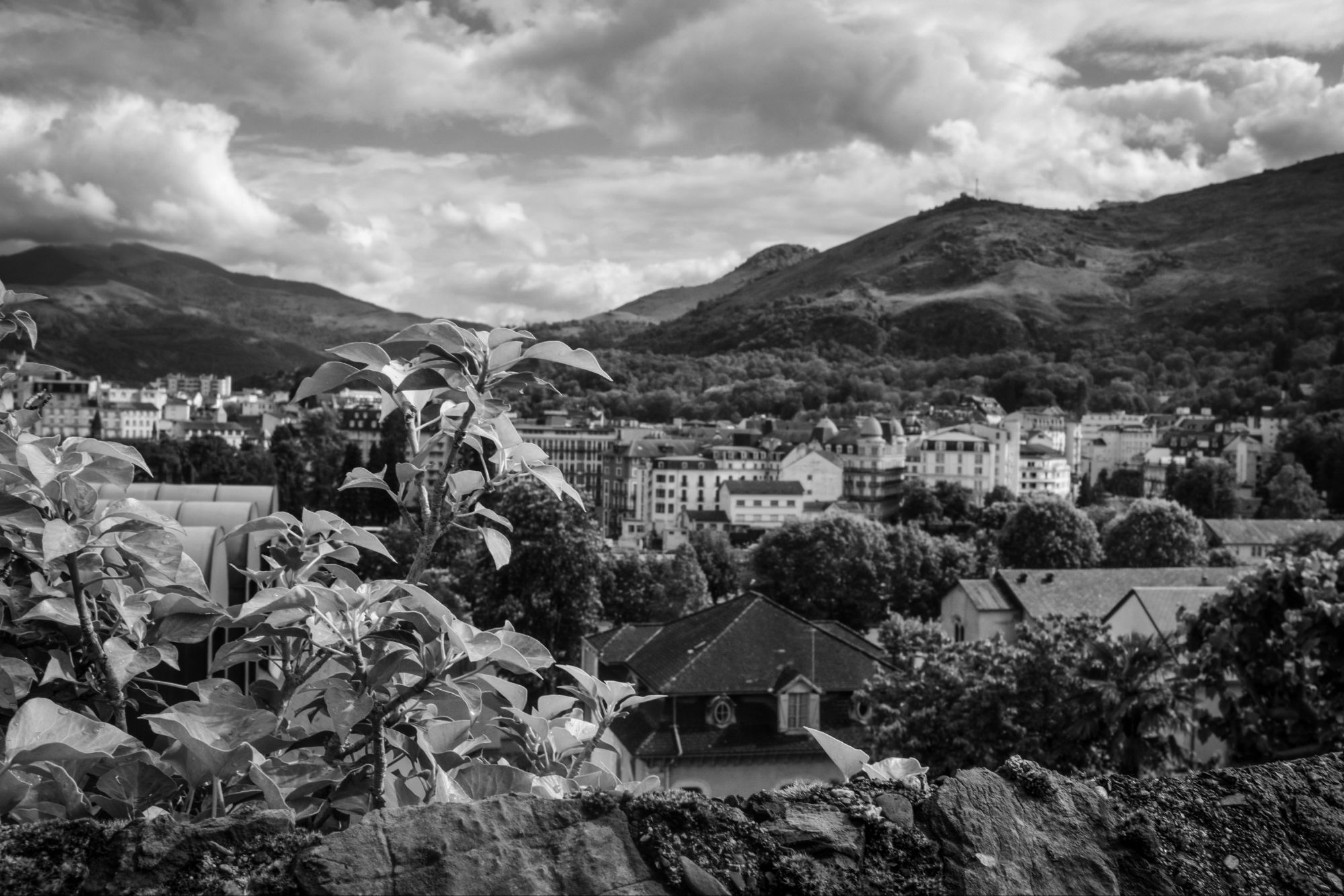
Those who know me know I’m alright at photography, reasonably OK at music, and not especially brilliant at much else. Over Christmas, I was off adventuring in China, but now I’m back in France, trying not to overcommit—and failing, as usual.
It turns out I’ve joined a new orchestra. Lanester, just next door to Lorient, who needed a horn player, and some of the musicians I toured with last year gave me the heads-up. “Only one full-day rehearsal a month,” they said. “Just come try it out,” they said. So I did. And here we are. Oops a daisy
It’s early days, but I’m settling in, and I think they’re warming up to me too. I’m doing my best to approach things with what I like to call legendary finesse—and not my more traditional approach of putting my foot in it. So far, so good.
Getting to Lanester is a bit of a trek, but I’m lucky to liftshare—what the French call co-voiturage—with Anne, a colleague from the SBL and a percussionist in the orchestra. It’s good to have company on the road, especially someone who doesn’t feel the need to critique my driving. Not that anyone at home does that. Of course not. Never. Virginie, me darling wife…
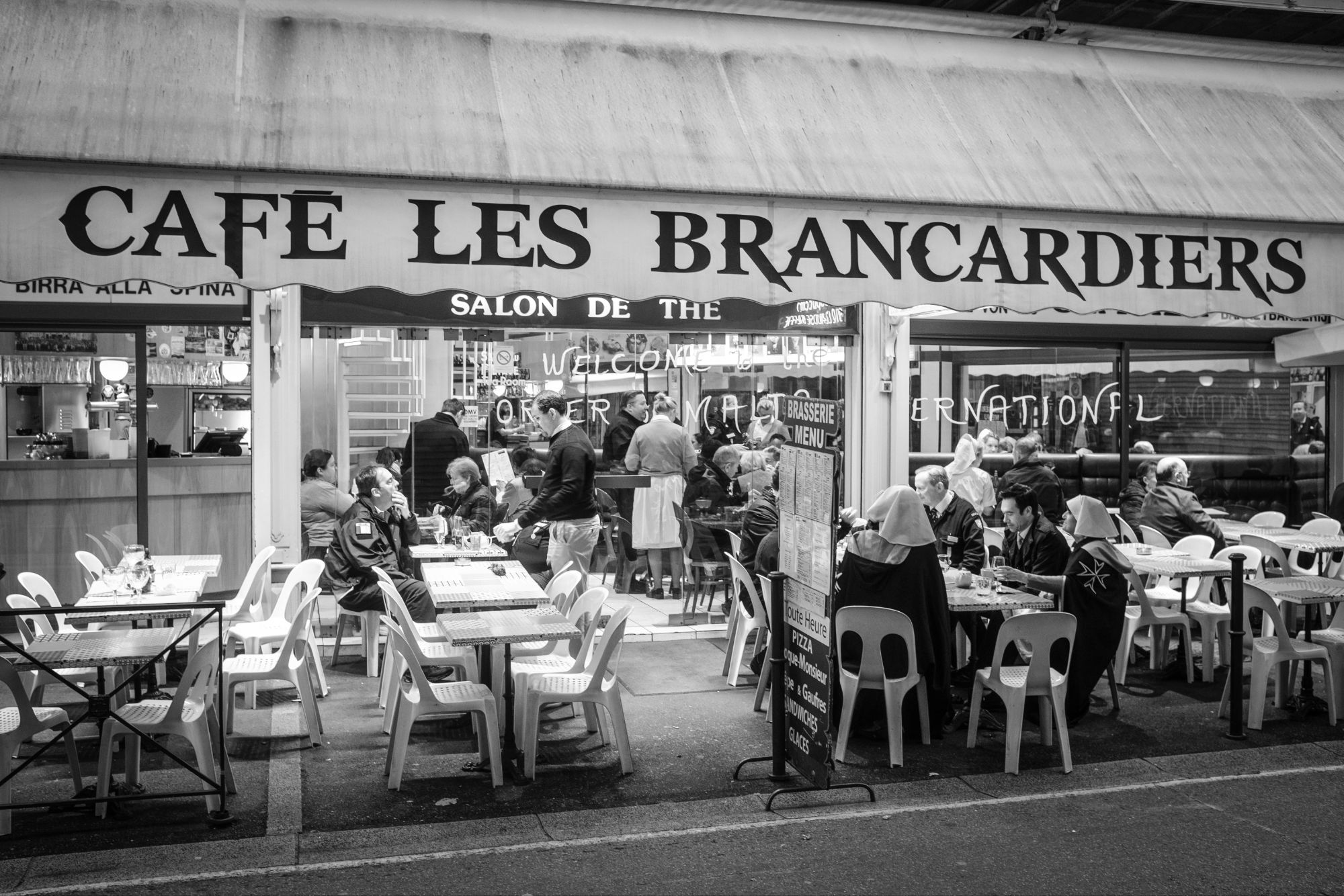
Anne has serious percussion chops, which puts a bit of pressure on my playlist game. I found a drum tutorial version of Wipe Out by The Surfaris recently and played it for her—she was delighted. It’s nice to have shared moments like that on the drive. Adds a little rhythm to the road.
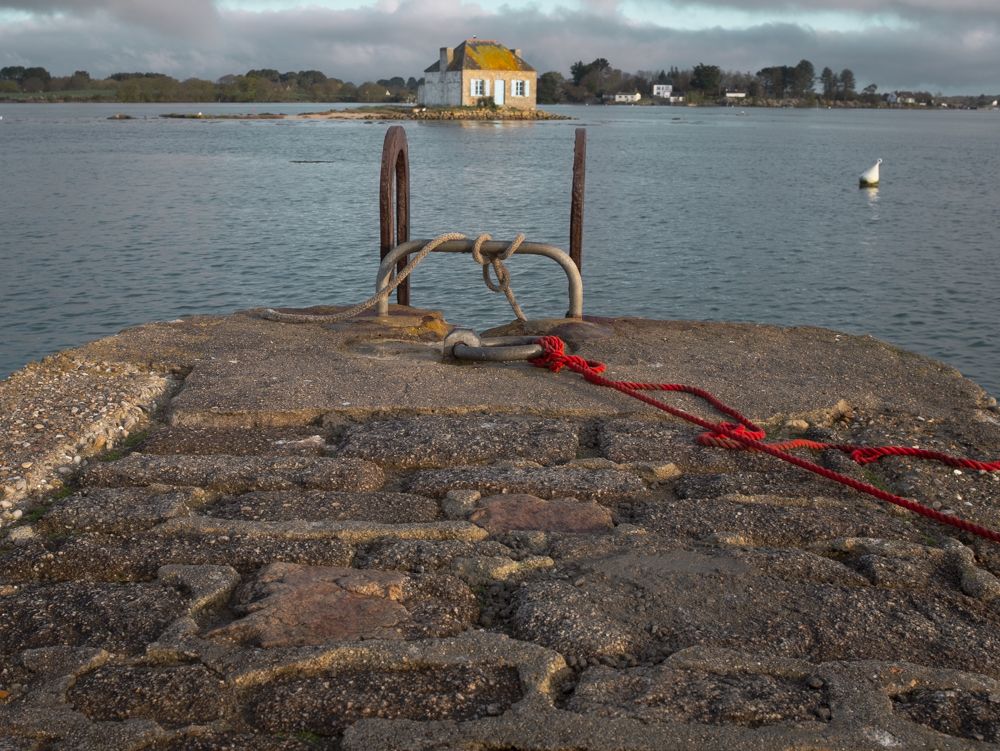
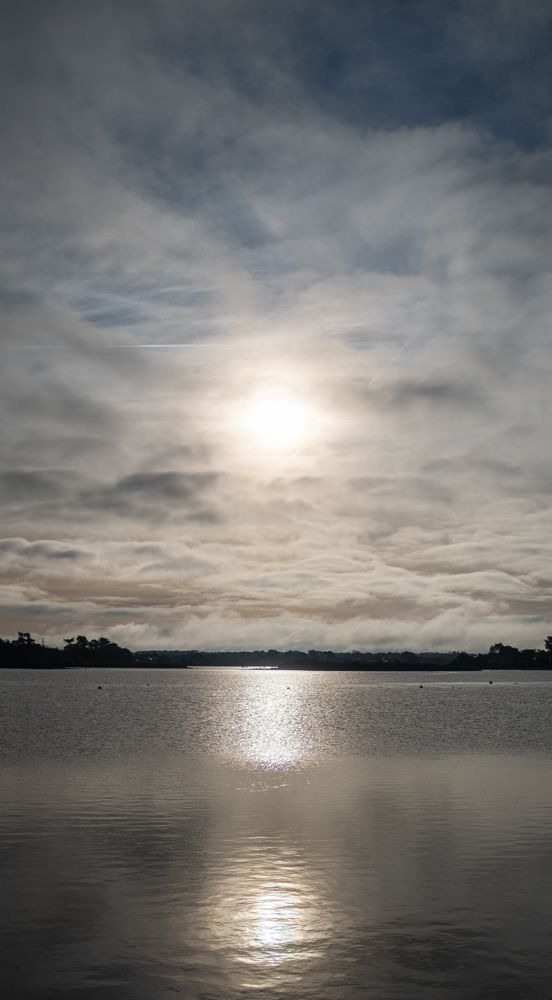
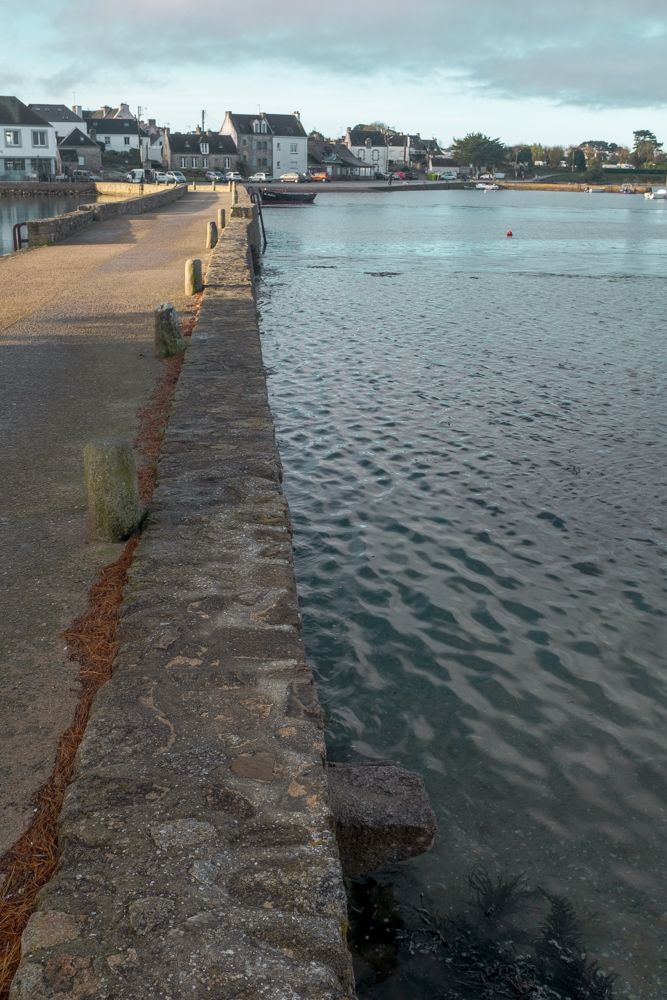
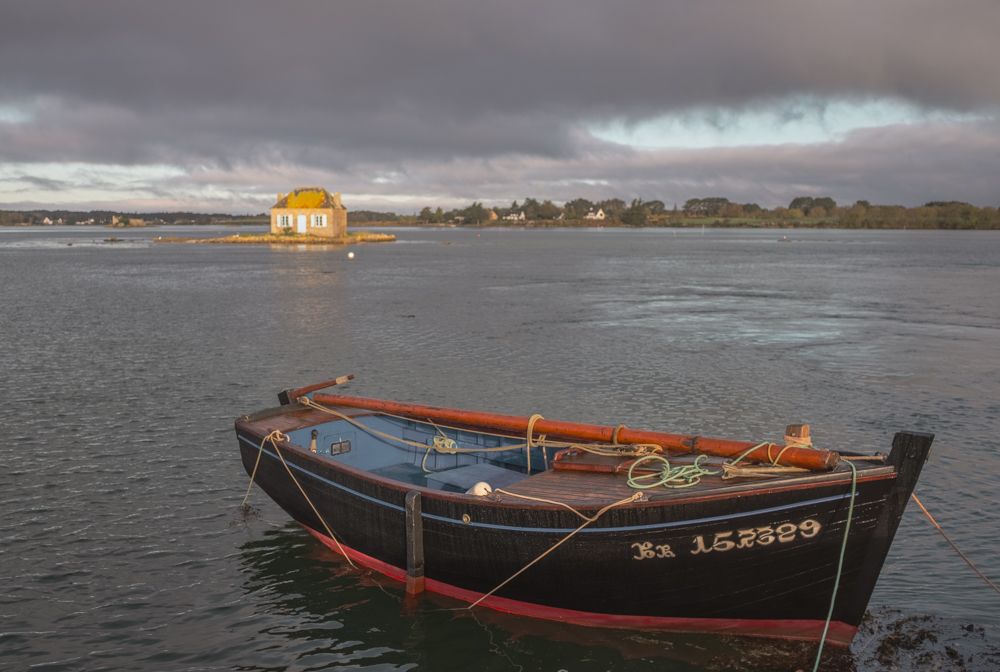
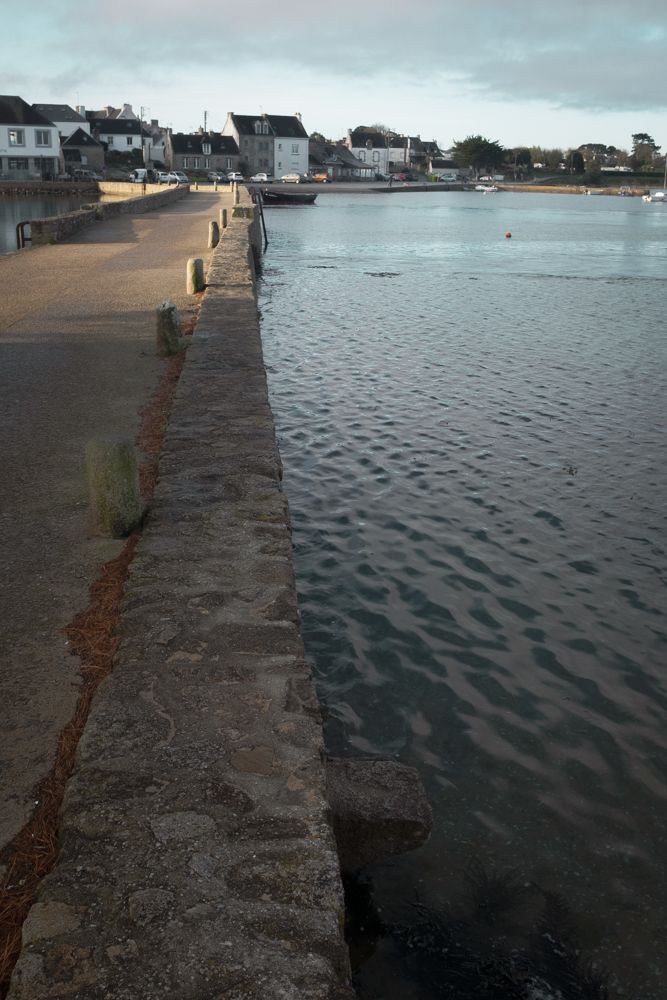
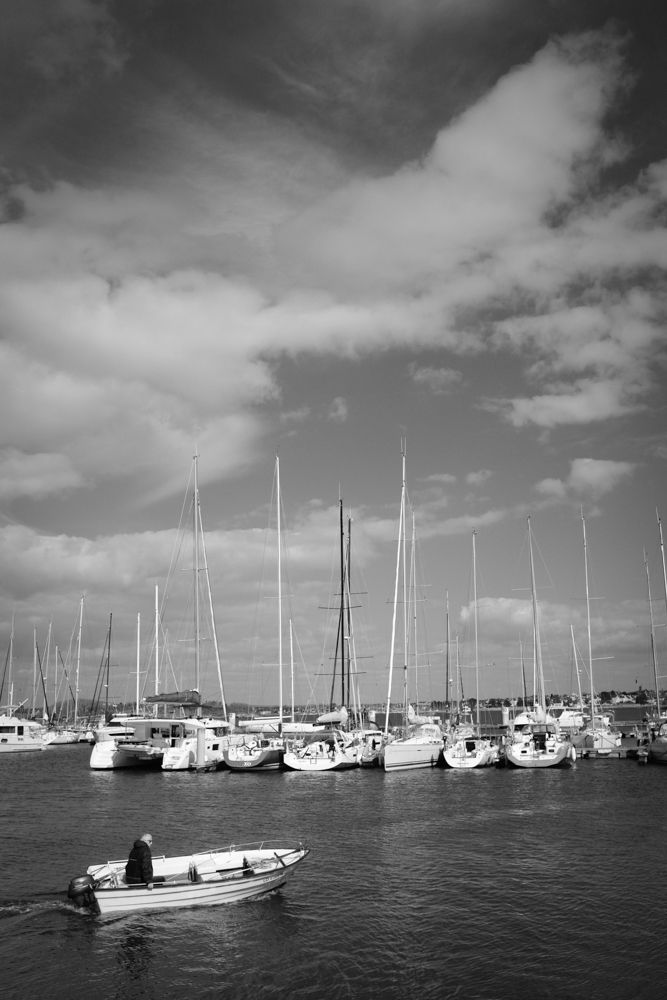
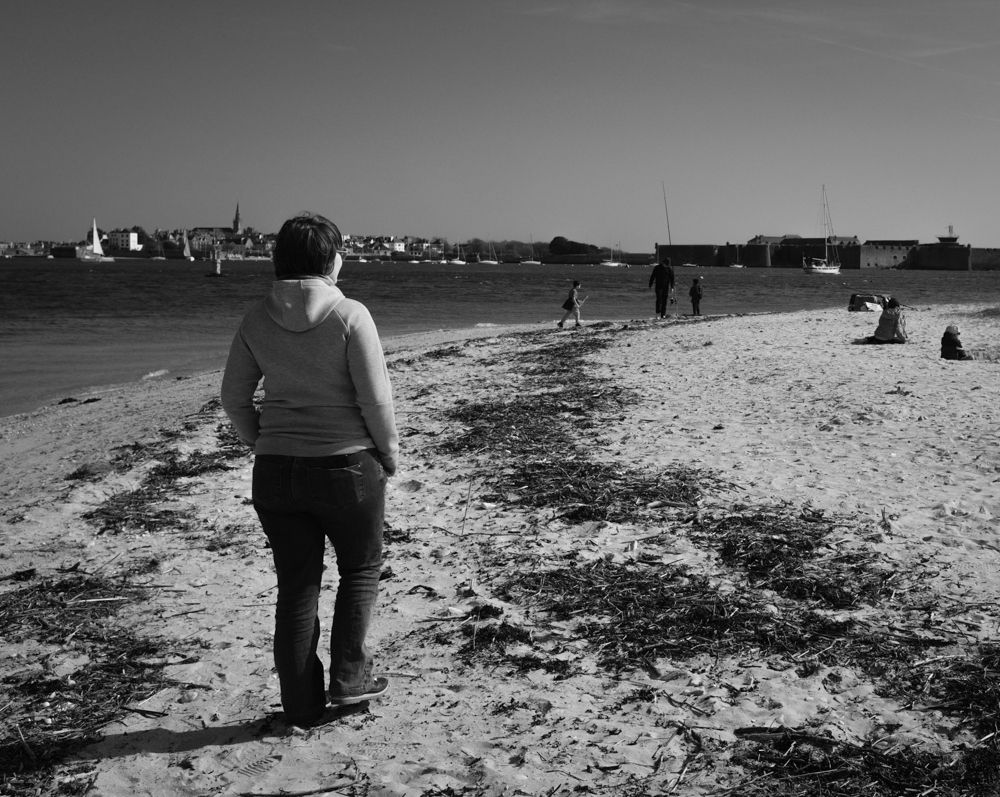
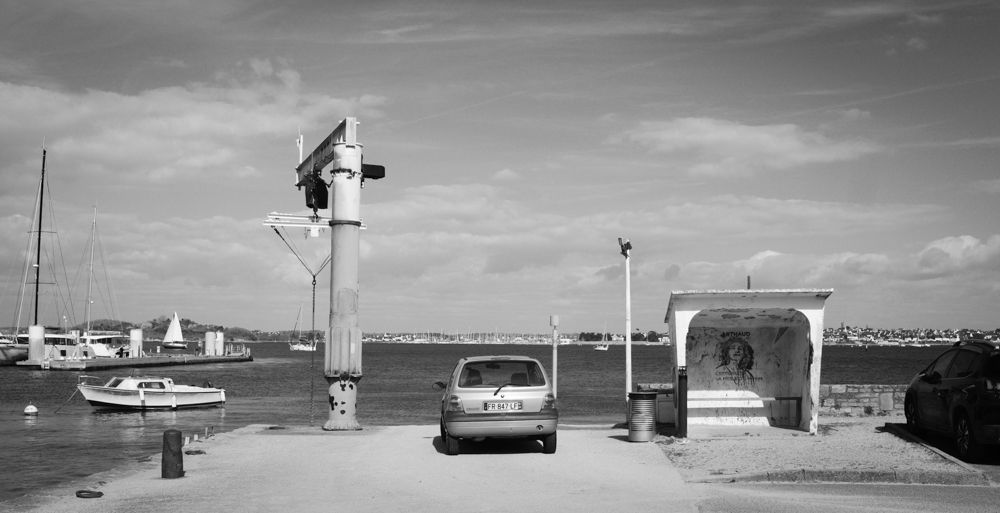
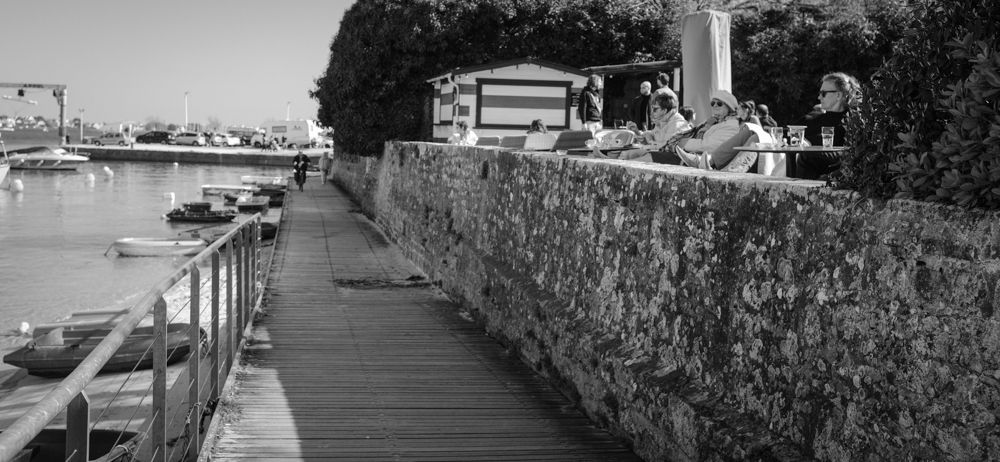
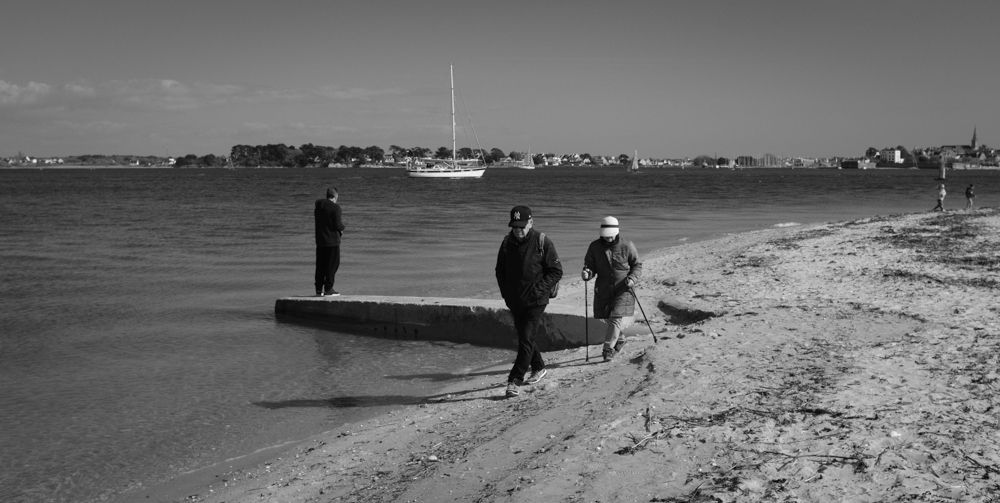
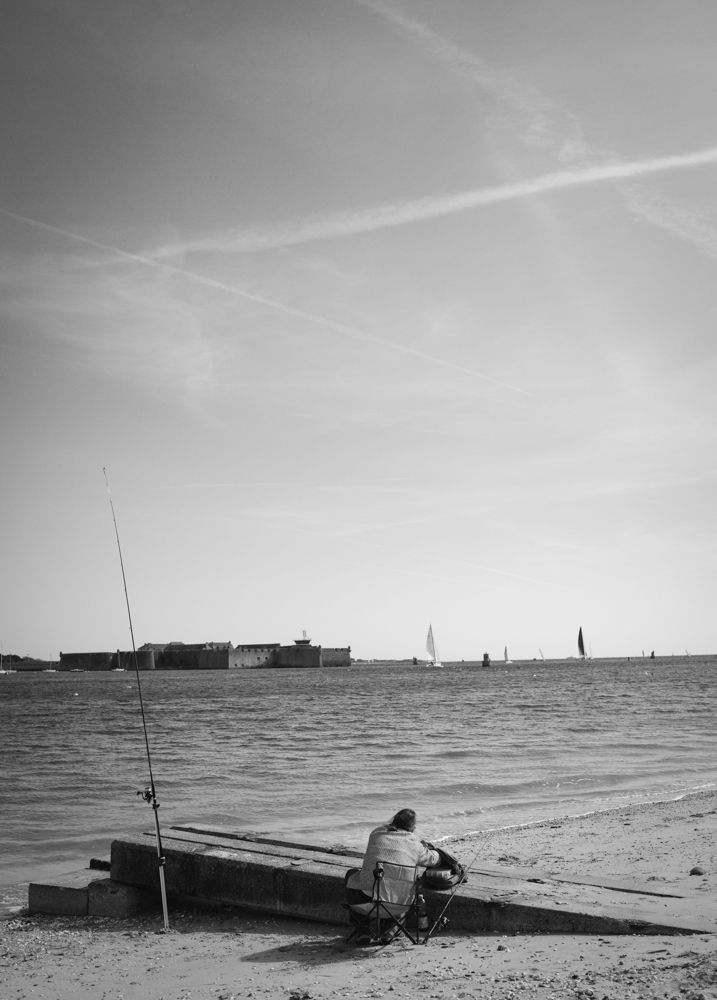
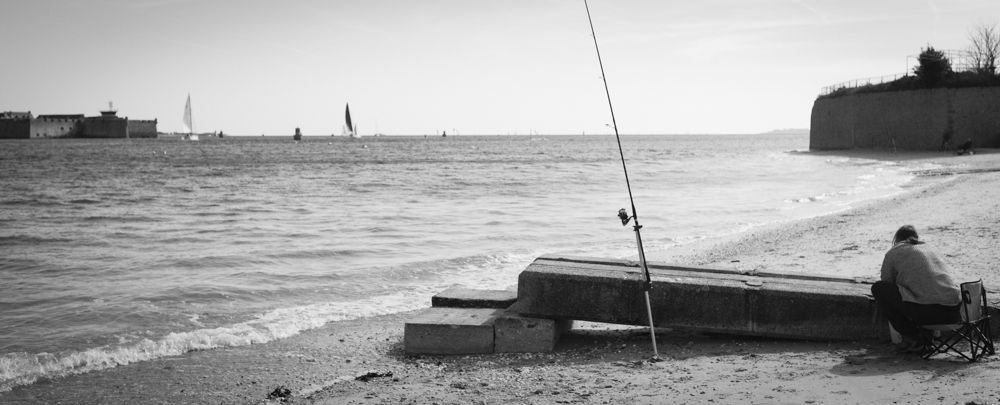
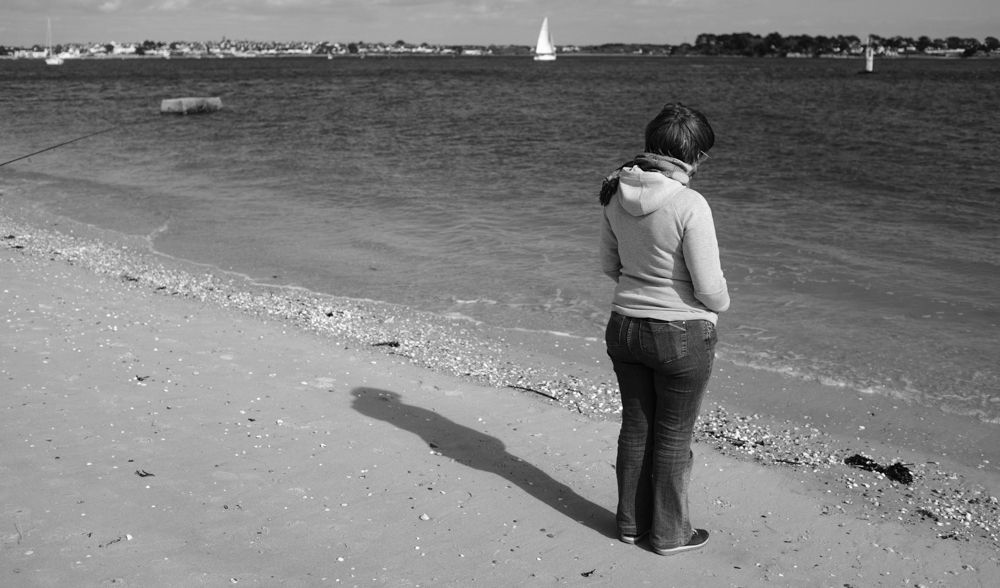
Anne also likes to arrive early to check over the percussion gear before concerts. On this particular day, we had some time to spare before the pre-concert rehearsal, so we headed down to the beach for a walk. Spring light, sea air, and the strange hush that comes with lowish tide—it felt like stepping sideways out of time.
Naturally, I had my camera with me. You didn’t think I’d go to the coast without it, did you?
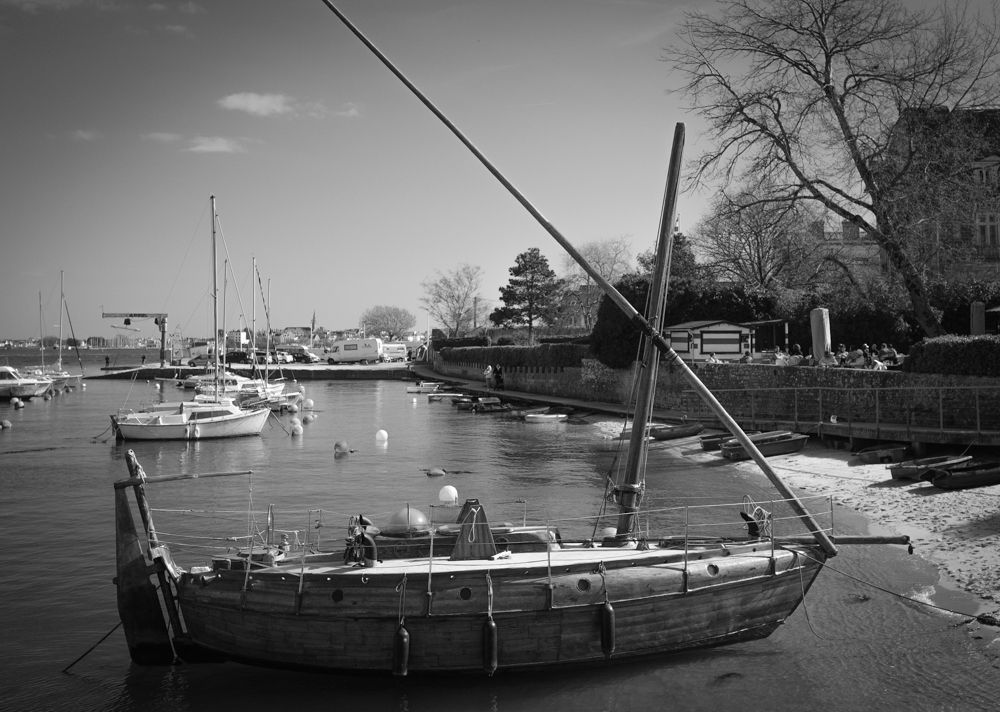
There’s something about black and white photography that suits these moments. The beach in spring isn’t always the bright, holiday postcard version most people imagine—it’s quieter, starker, but no less beautiful. Stripped of colour, the textures stand out: the grain of driftwood, the ripple of sand under wind, the blurred silhouettes of gulls in motion.
I love how black and white invites the eye to slow down, to notice more. Just like music, really—it’s not always the loudest note that makes the biggest impression.
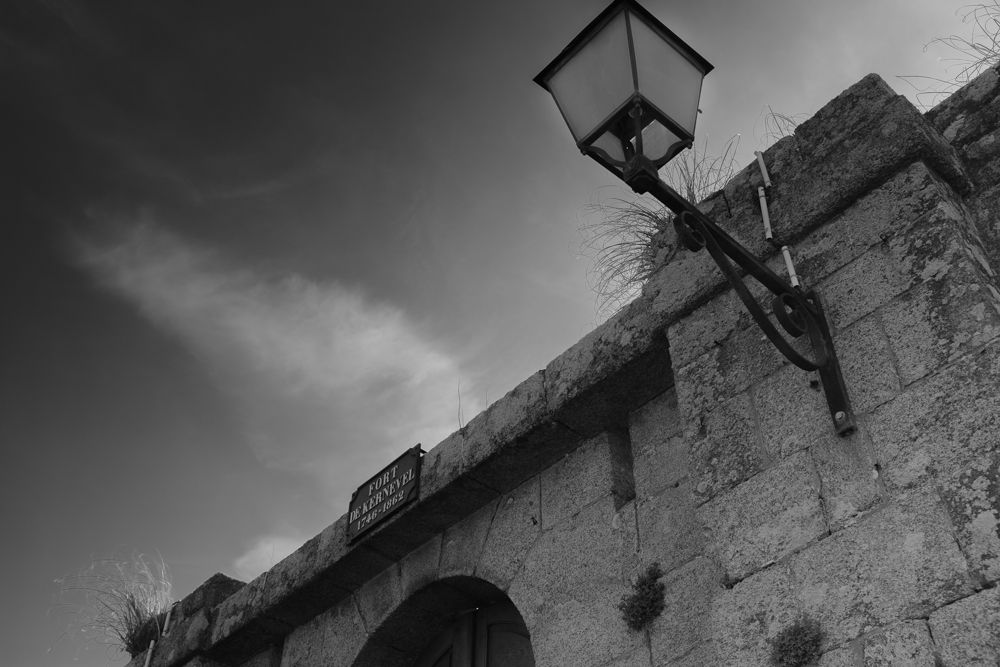
Below, you’ll find a few of the images I made during that walk. Nothing posed, nothing polished. Just a quiet moment between rehearsal and performance, caught in passing light.
Hello lovely people. I know it’s been a couple of weeks since I shared any photography—nothing for your perusal, your viewing pleasure, your delectation—but fear not: I’m still alive and almost kicking.
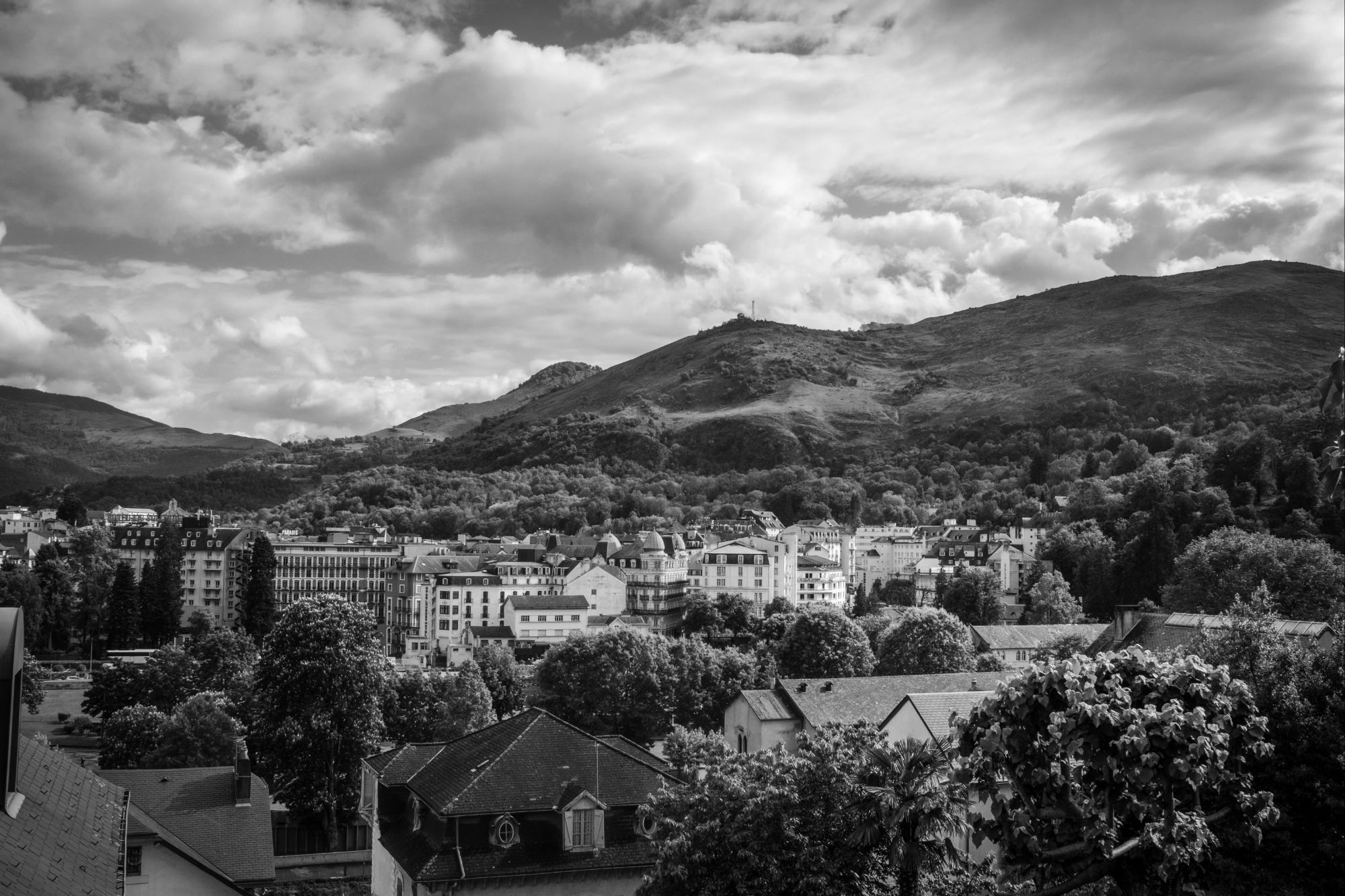
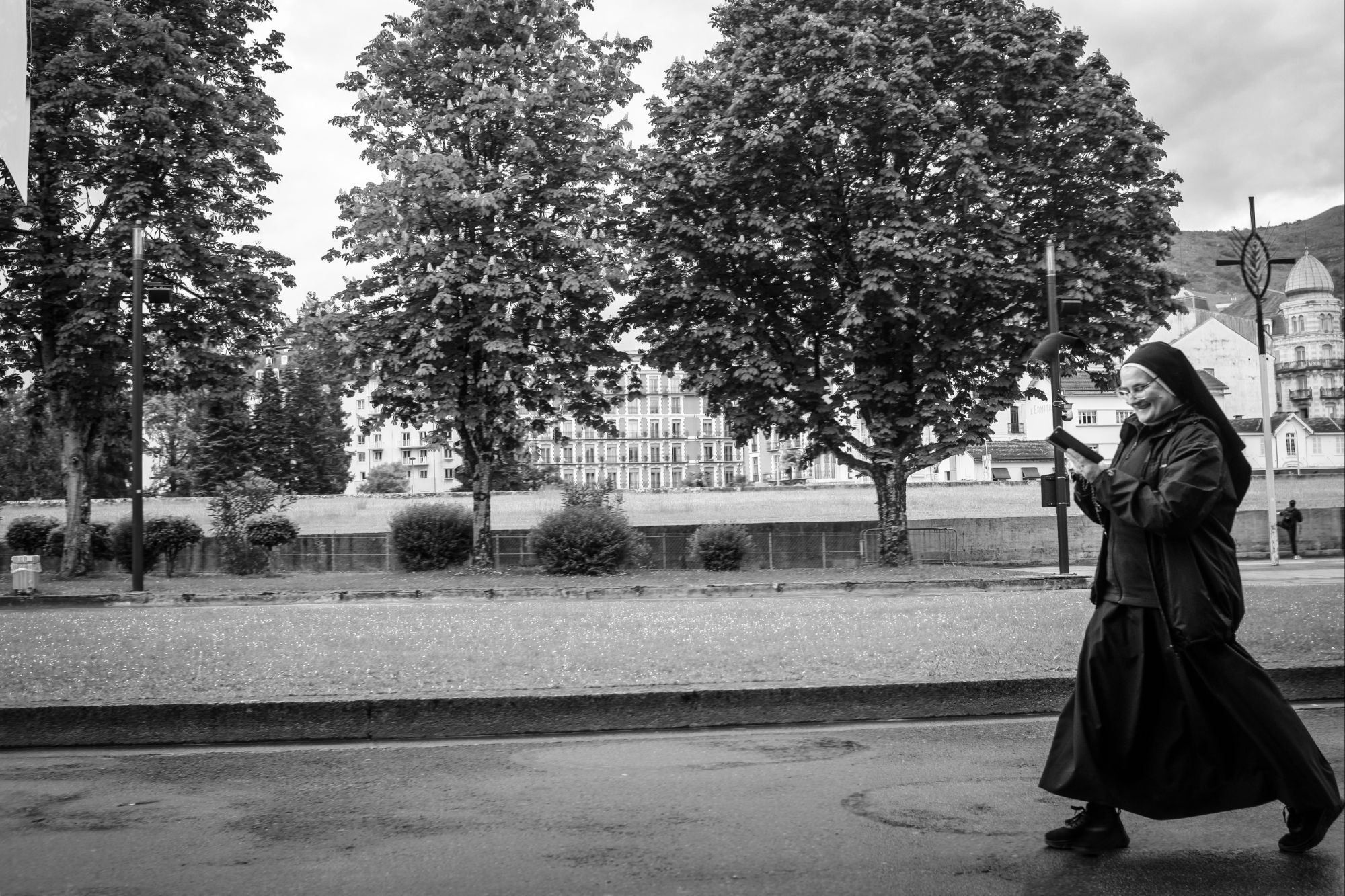
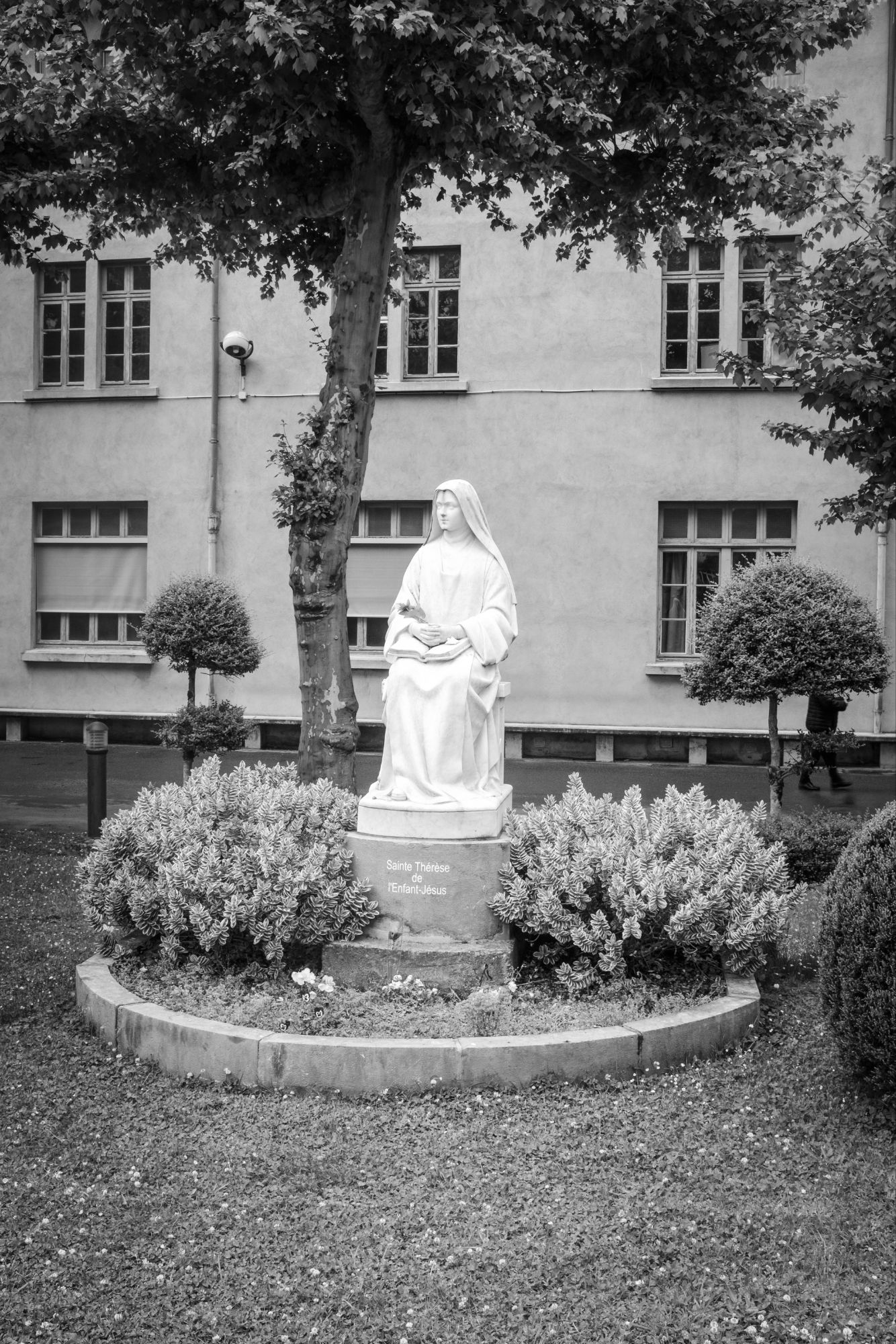
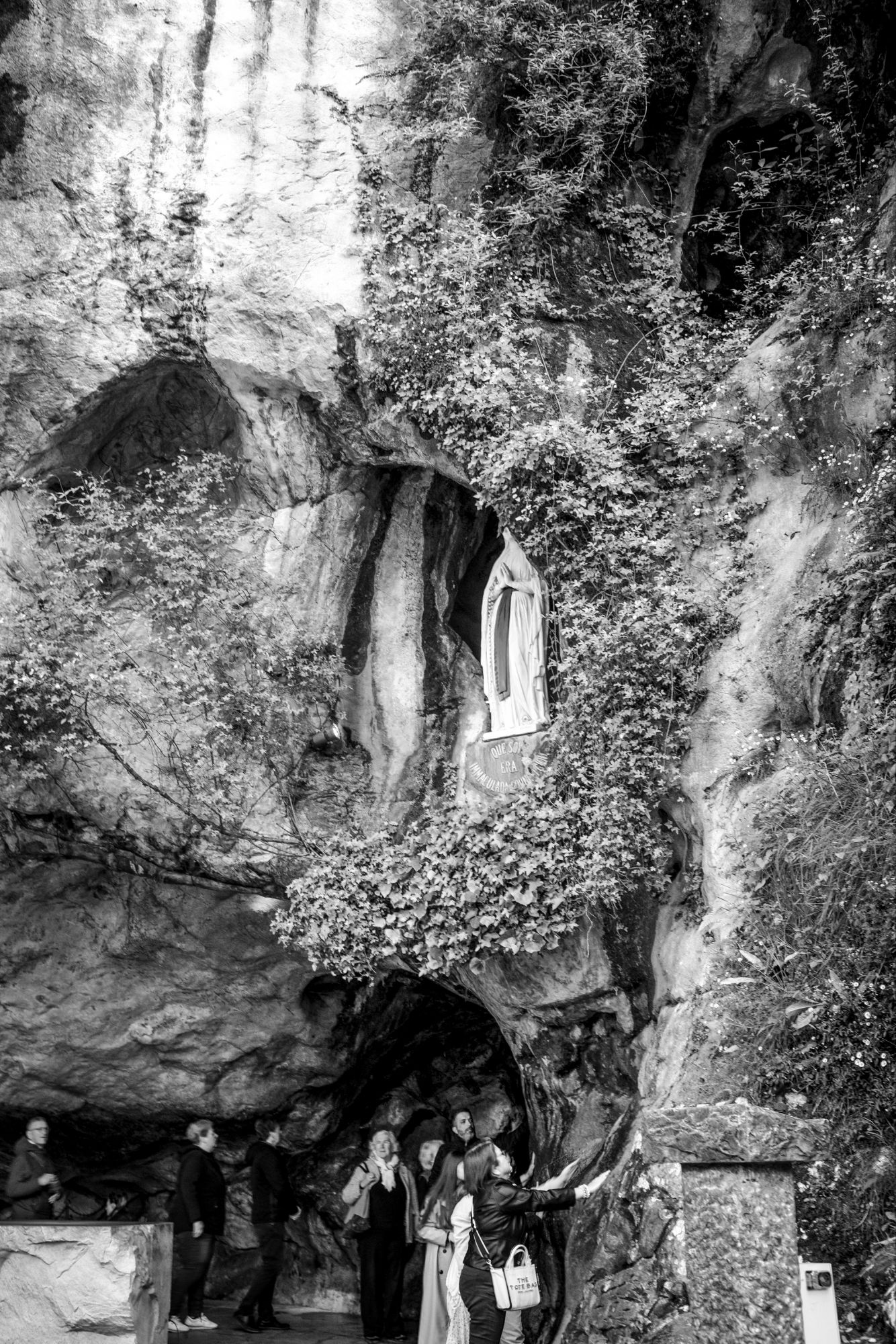
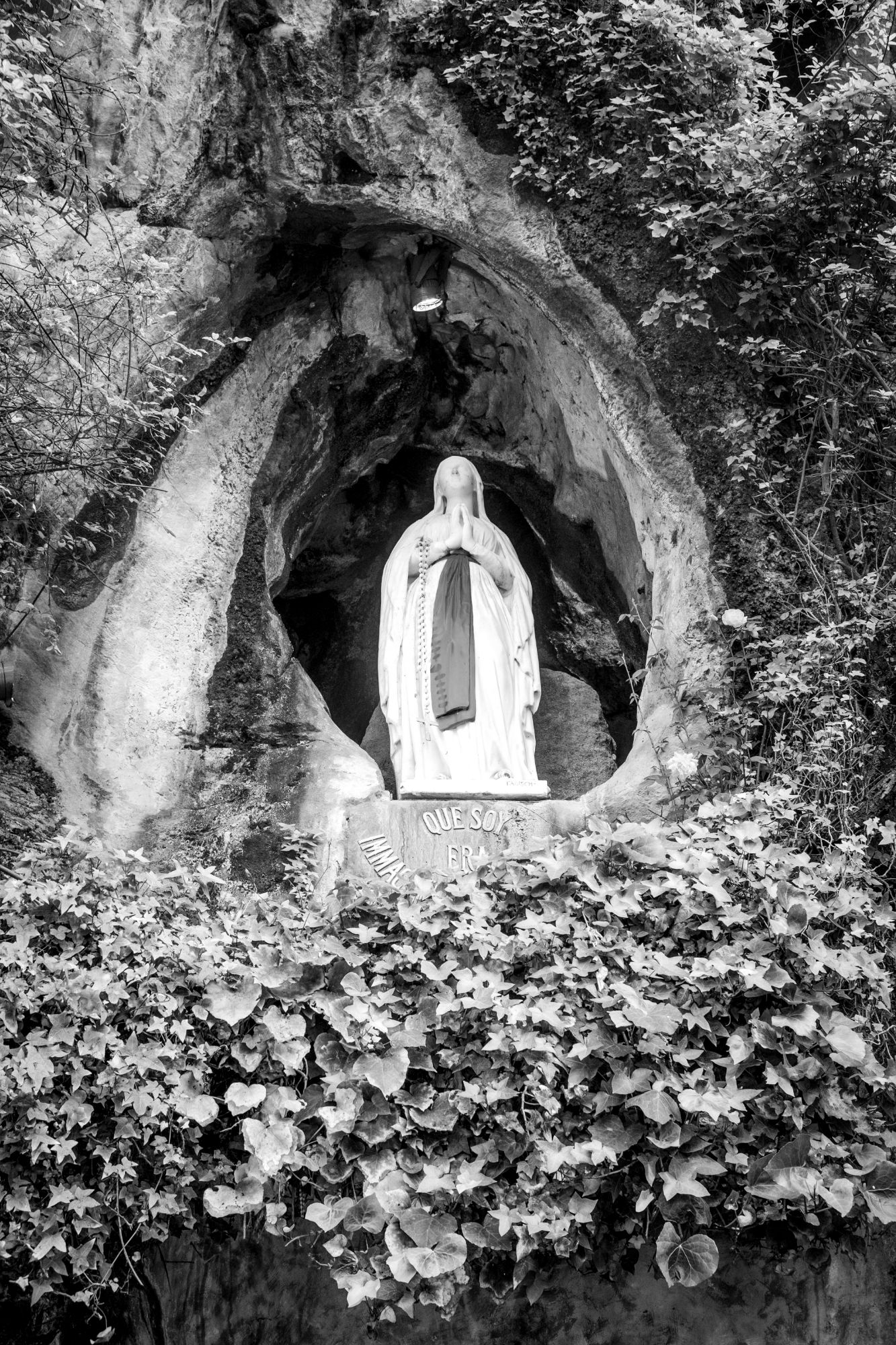
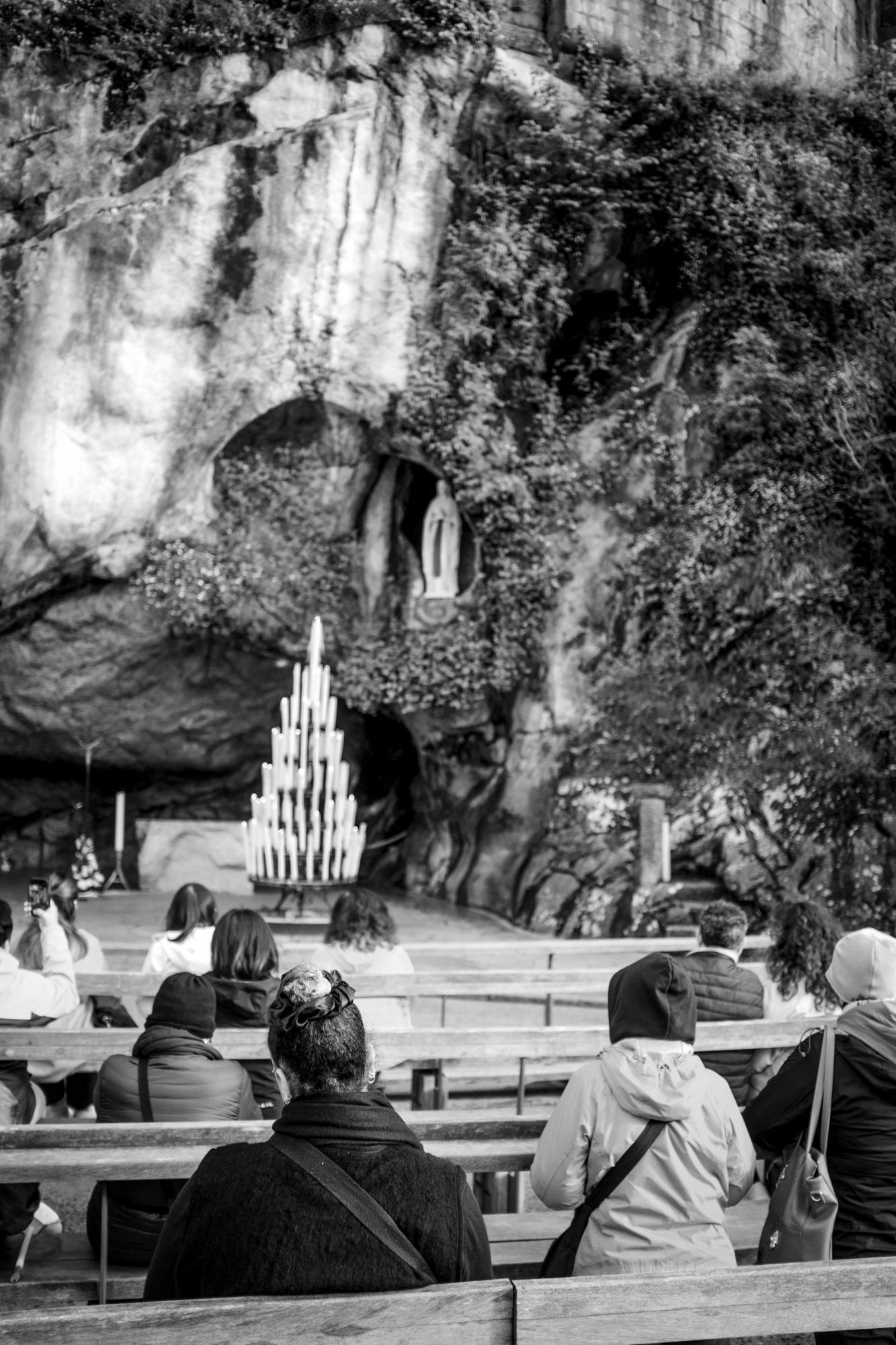
Life has been happening, as it tends to do. But I have been busy behind the lens, and I’ve got photos from left, right, and even centre. Lourdes. The mountains. The wild coast of Brittany. There was even a family photoshoot for my mother-in-law and two of her daughters. All with stories attached, of course. I just need the time to edit the images and write them up properly for you.
Recent Life & Travel Updates
So what’s new in my world?
Well, my son has moved into his own place with a mate—which is both a proud and surreal moment for a parent. As for me, I managed to burst two tyres on my car by accidentally driving up onto a particularly cruel bit of pavement. I was properly disgusted with myself.
Thankfully, the garage reassured me that I wasn’t a rubbish driver—that stretch of pavement had claimed more than a few victims. Apparently, I’m just one in a long line.
I’m now looking into getting a different car for my upcoming summer trip to the UK. That, and I’ve been eyeing drones—yes, partially because a mate has one, but also because the cinematic potential is just too good to ignore.
Dipping Into Video & Drone Photography
Lately, I’ve been making short training films for work, which has nudged me into exploring video for myself. It’s been a learning curve, but I’m enjoying it. Drone footage, in particular, would give my personal video projects that sweeping, cinematic feel everyone seems to be chasing right now.
It’s exciting to try new creative tools—it stretches the eye and challenges how I think about framing, movement, and story.
Favourite Photography Gear Right Now
If you’re curious about the gear I’ve been reaching for lately, here’s what’s been in my rotation:
Fuji X100F with the 23mm f/2.0 (35mm equivalent) – perfect for mindful black and white street work.
Canon 6D Mark II with the 16–35mm f/4.0 – excellent for dramatic landscapes and travel shots.
Fuji XT-2 with the 18–55mm f/2.8–4.0 – a solid choice for work-related video filming.
And yes—I’m still working in both black and white and colour. I love both approaches, but when I shoot black and white, I try to do so deliberately, not just as an afterthought in post. The choice of tone affects everything—the light I look for, the lens I pick, even the timing of the shutter.
What’s Next: Photo Editing, Writing & More
Music is winding down for the season after some fantastic concerts. Meanwhile, the world rolls on—there’s a new Pope I quite like, and it seems Donald and Elon are in a bit of a spat again (but let’s not get into that).
As for me, I’m getting back to editing, writing, and creating. Thank you for bearing with the silence—new photos, stories, and perhaps even videos will be coming soon.
Until then, keep well, stay curious, and maybe avoid the pavements.
There comes a point—usually when you’re knee-deep in editing training videos for other people—when you realise you just want to make something purely for yourself. Something small. Something simple. Something that feels like… well, home. And for me, home sometimes comes in the shape of a well-steeped cup of Barry’s Gold.
Tea Grommit is exactly that: a cinematic nod to the most sacred ritual in Irish and British culture—the making of a proper cup of tea. No fancy lattes. No herbal nonsense. Just black tea, milk, and the reverent silence that follows the first sip.
I filmed this short piece alone, using my trusty Fujifilm X-T2—proof that you don’t need the latest gear to make something meaningful. It’s edited with CapCut, but inspired by something altogether older: those black and white French films where very little happens, but everything feels like it matters. A slow pour of water. The whistle of a kettle. The way the steam curls around your hand. It’s dramatic. It’s poetic. And it’s about tea.
There’s a hint of Father Ted’s Mrs Doyle in there too, forever hovering with a tray and a smile, eyes twinkling: “Ah, go on. You’ll have a cup, go on, go on, go on…” Because behind all the humour, there’s truth. A good cup of tea is comfort. Stability. A moment of peace when the world gets noisy. It is, quite literally, a hug in a mug.
I didn’t set out to make a masterpiece. I just wanted to enjoy the process. No client brief, no corporate objectives—just light, shadow, steam, and a fine Irish brew. And I think that’s something worth celebrating: the joy of creating without pressure, and the delight of tea without ceremony.
In the end, Tea Grommit is part homage, part joke, and part sincere love letter to the small rituals that keep us sane. Maybe it’s also a reminder to pause, breathe, and put the kettle on.
So, if you’re feeling overwhelmed or uninspired, my advice is simple: step away from the deadlines, and film something just for yourself. Something warm. Something honest. Something with tea.
Because really—what else can hold a nation together, soothe heartbreak, spark conversation, and fuel late-night editing sessions better than tea?
Exactly.
Now go on. Put the kettle on. Go on, go on, go on now.
I can hear you already, Dear Reader: “Hang on—I thought this blog was about travel photography and orchestra tours in China?”
As John Cleese once said:
“And now for something completely different…”
Cue the Monty Python music—though this isn’t a cue for absurdity. No fish-slapping dances today. This is about something more dangerous. Love. And Shakespeare.
Because—let’s face it—love, actually, is all around us (thank you, Hugh Grant). We’ve sung it:
All you need is love. Love lifts us up where we belong. L is for the way you look at me…
We’ve worshipped it, doubted it, messed it up, and come crawling back to it. Love is a million things at once: cringeworthy, glorious, selfish, sacred. But the question still nags: Can love ever truly last? Or does it begin to fade the moment it’s held too tightly—like a flower picked for its beauty, already wilting in your hand?
Framing Love Through a Different Lens
Lately, I’ve been experimenting with video—combining image, voice, rhythm, and mood. So I made a simple film of me reading Sonnet 18. Just that. No music. No flair. Just words and breath.
“Shall I compare thee to a summer’s day?”
It’s one of Shakespeare’s most enduring sonnets—often quoted, rarely thought about beyond the first two lines. But I kept coming back to it. The idea that beauty, once seen, must fade. That time steals everything. And yet, art—poetry, photography—dares to say, maybe not.
A Thousand Words (and Then Some)
Somebody once said a picture is worth a thousand words. Even—dare I say it—words from the Bard himself. And I think photography, at its best, tries to do what Shakespeare was doing: hold something fragile in the light. Give it form, give it space to breathe. Defy time.
“So long as men can breathe or eyes can see, So long lives this, and this gives life to thee.”
Photography, like poetry, tries to preserve what’s already slipping through our fingers. The moment. The light. The love.
The Beauty of Fleeting Things
Now, I’m no literary scholar, but I’ve read enough sonnets to know that Sonnet 18 isn’t just flattery. It’s an argument against impermanence. Yes, the beloved is “more lovely and more temperate.” Yes, “summer’s lease hath all too short a date.” But what makes the poem sing is Shakespeare’s refusal to let beauty fade quietly.
He doesn’t just admire. He memorialises. And in doing so, he teaches us something profound: It’s not the flower that lasts—it’s the memory of the flower.
In the North of England where I’m from, summer is short and unpredictable. Think Whitley Bay in May, where shirtless Geordies drink lager for temperature control, and the ice cream vans do brisk trade under grey skies. We know the value of warmth because we only get so much of it.
Now, here in France, the summers are longer—but just as fleeting in their own way. The light is different. Softer. Still just as hard to hold on to.
Love Over Time
This brings me to the other lens I’m always looking through: my marriage. My wife and I met over three decades ago. We’re not the same people we were in our twenties—and thank God for that. Love has changed. Grown. Softened. Been tested. And held.
What I felt for her then wasn’t what I feel now—and yet it was the seed of it. Love doesn’t stay still. That’s its curse—and its beauty. The woman I love today isn’t the girl I fell for. She’s a mother, a partner, a woman of strength and kindness. My love for her has lines and weight now. It’s been through storms.
The Voyage and the Wind
There’s a line in the sonnet:
“By chance or nature’s changing course untrimm’d…”
Untrimmed sails. It’s a nautical image. Love as a voyage. And not always one with calm waters.
As a Catholic, I believe in the indissolubility of marriage. That it’s not just about romance, but about helping each other get to heaven. My in-laws divorced; my own parents didn’t. I’ve seen love crack. I’ve seen it heal.
Marriage isn’t a fairy tale—it’s work. But it’s also a grace. When it’s hard, I try to fix things rather than walk away. Not always perfectly, but with intention. And, frankly, with faith.
Love Through Generations
My son has just left home—for the second time—after his first real heartbreak. It was messy, as first loves often are. But he’s learning, like we all do. Hopefully he’ll come through it wiser, maybe even gentler.
My daughter’s still a child—full of confidence and conviction. She thinks she knows what love is. I just hope I can guide her without crushing her wonder.
Love, like light, bends. It shifts over time. And sometimes, we only recognise its shape in hindsight.
Art, Memory, and the Illusion of Permanence
A photograph feels eternal. But look again a few years later, and the people in it start to look like ghosts. Hair a bit darker, clothes out of style, expressions younger than we remember.
Art doesn’t stop time—it echoes it. We take photos because we want to remember. Because we want someone—someday—to know we were here.
That’s the power of Shakespeare’s sonnet. He didn’t name the beloved. We don’t know who it was written for. But we feel the love. That’s the part that endures.
Conclusion: Remember Me
I think, deep down, we all want more than to be loved. We want to be remembered.
That’s what a sonnet does. That’s what a photograph can do. They capture light—just for a moment—and give it a place to live.
Sure, the image will fade. The print will yellow. But the feeling? That can echo for generations. It might not be eternal in years—but it can be eternal in resonance.
The tour is over. The bags are unpacked, and things are settling back into their usual rhythm at home. But even though I’m back, part of me is still in China—still thinking about the streets of Shao Xing, the energy of Shenzhen, or the moments shared with the orchestra. The journey may have ended, but it hasn’t really left me.
Reflecting on the Journey
From the moment I landed in Changsha to the final farewell in Shanghai, this trip was a series of moments—some I expected, and some I didn’t. The hustle and bustle in Shenzhen, the streets of Shao Xing, the quiet hills of Xian Ju, and the meals shared with colleagues between concerts. It wasn’t just about the places. It was about the little things—a gesture of hospitality, that mutual respect between musicians, or just watching the world go by.
This trip wasn’t just about playing concerts, it was about learning and adjusting. It was about connecting with people, understanding their way of life, and how we relate to one another in those brief encounters.
The Photographer Without Film
For the first time in a long while, I didn’t travel with my usual film cameras. The Fujifilm X100F was the only camera I had with me, and while I had mixed feelings about it at first, it became a good fit. There was no hesitating over which shot was worth the price of a roll of film. It was just me, the camera, and the present moment.
Not every moment needed to be captured. I found myself slowing down and soaking things in—sometimes shooting quickly, sometimes just letting the moment pass. It wasn’t about having everything on film; it was about experiencing it fully, even without the lens in front of me.
Respect and Connection
One of the most memorable things about this trip wasn’t the landscapes or the buildings—it was the people. Everywhere I went, I felt a deep respect and sense of community. It wasn’t about being given titles like “Uncle” or anything else. It was just how people engaged, how they saw me as part of something.
The concerts themselves were a reminder of this—the public wasn’t there for rehearsals, but they were there for the concerts, offering energy and appreciation. Music, like photography, is about presence. It’s about sharing a moment with others, and that’s something I’ll never forget.
Coming Home
Returning home after a trip like this always feels a little strange. The familiar feels slightly unfamiliar at first—the quieter streets, the slower pace. But there’s comfort in returning, and yet, it’s hard not to feel that shift in perspective. Things seem different now.
The Final Frame
So, what remains from all of this? The photographs, of course. They’ll hold the moments, the details, the things I might forget over time. But beyond that, it’s not just about the photos. It’s the way travel shifts your perspective and makes you notice the small moments—the ones that don’t always get captured in a frame.
This series was meant to document a tour, but it ended up being more than that. It’s a reflection on the journey itself, on photography, on what it means to truly be somewhere, to connect with others. The tour might be over, but this story isn’t done yet. And whenever the next journey comes, I’ll be ready to pack my bags again.
I have been posting these articles in the WhatsApp group made for the people on the tour, and people’s feedback has been amazing. What came out the most was the feeling of revisiting the tour through the photographs and how that made people feel. And if you make somebody feel something with an image, then you’re off to a good start. The other comment was, “Oh, I didn’t see that!” And that is part of our role as photographers, to record what people don’t see… My reputation as a photographer seems to have surpassed my reputation as a beer drinker, which is good, because I hardly drink a drop anymore. My reputation as a writer seems to be well established too.
So not only am I seen as a hornplayer but also as a photographer, a writer, and a sensitive soul instead of the gruff bear that sits at the back of the orchestra and makes farting sounds with his instrument. Quite the step up really!
I think the first thing to do is to define what an Uncle actually is. In the West, an uncle is a member of the family, the brother of the child’s mother or father. You can be the cool Uncle, the one that lets the children get away with everything and spoils them. You can be the Uncle who buys them toys that make lots of noise or require a long time to set up, just to get back at your siblings. You can be the responsible Uncle, the one who supports the parents in their parenting role. Then, in English and Irish society, you might also be the Uncle who is a close family friend. And you can be a mixture of all four. Like asking your nephews and nieces to get you a beer from the fridge on a warm summer evening while enjoying a long French-style meal that seems to go on forever.
As you might know, Chinese society is somewhat different from Western, English, or even Irish society. In China, an uncle is someone who has reached a certain age and is expected to be shown deep respect—not just for their age, but also for the wisdom and position they hold in the family hierarchy. The sense of individuality in China is less important than the sense of a collective identity, one shaped not only by Chinese Communism but also by traditional values that predate the Revolution. This collective identity, emphasizing the role of the individual within the larger whole, is especially prominent in China but can be seen, to varying degrees, across much of Asia.
In Chinese culture, the importance of hierarchy and respect for age are fundamental. An uncle is not just a family member; they are a figure who is honored because of their age and wisdom, and their role is tied to the broader family structure. It’s about understanding that personal desires often take a backseat to the responsibilities and duties that come with being part of this collective identity. This is in contrast to the individualism often celebrated in the West, where the role of an uncle may focus more on personal relationships and the joy of spoiling nieces and nephews.
So now we know what an Uncle is in China. It would appear that I am of that particular age, and obvious wisdom, to be considered an Uncle. But how did this manifest itself? I have talked about the love of the Chinese for selfies to mark an occasion or a passing moment. During Operation Shenzhen Nights, I was made aware of people recording my posterior for posterity. Obviously the Father Christmas effect. But people didn’t dare to approach me. I would of course have given in to their demands, as I did after the first Shenzhen concert. Definitely the Father Christmas effect. The concert in Huizhou definitely confirmed this. There was the example of a fellow Uncle who wanted a selfie with him to show the two Uncles together. Even when thinking back to that particular moment, I feel a certain emotion. It was lovely to give a part of myself and solidify that moment together. Two men from the same generation looking marvellous together. And let’s not forget the courage shown by the youngsters whilst waiting for our buses to arrive who came up to me and asked for a selfie (to record the moment) with such respect, even bowing gently to me. I felt very humbled by the whole experience, and it felt like a real privilege to acquiesce.
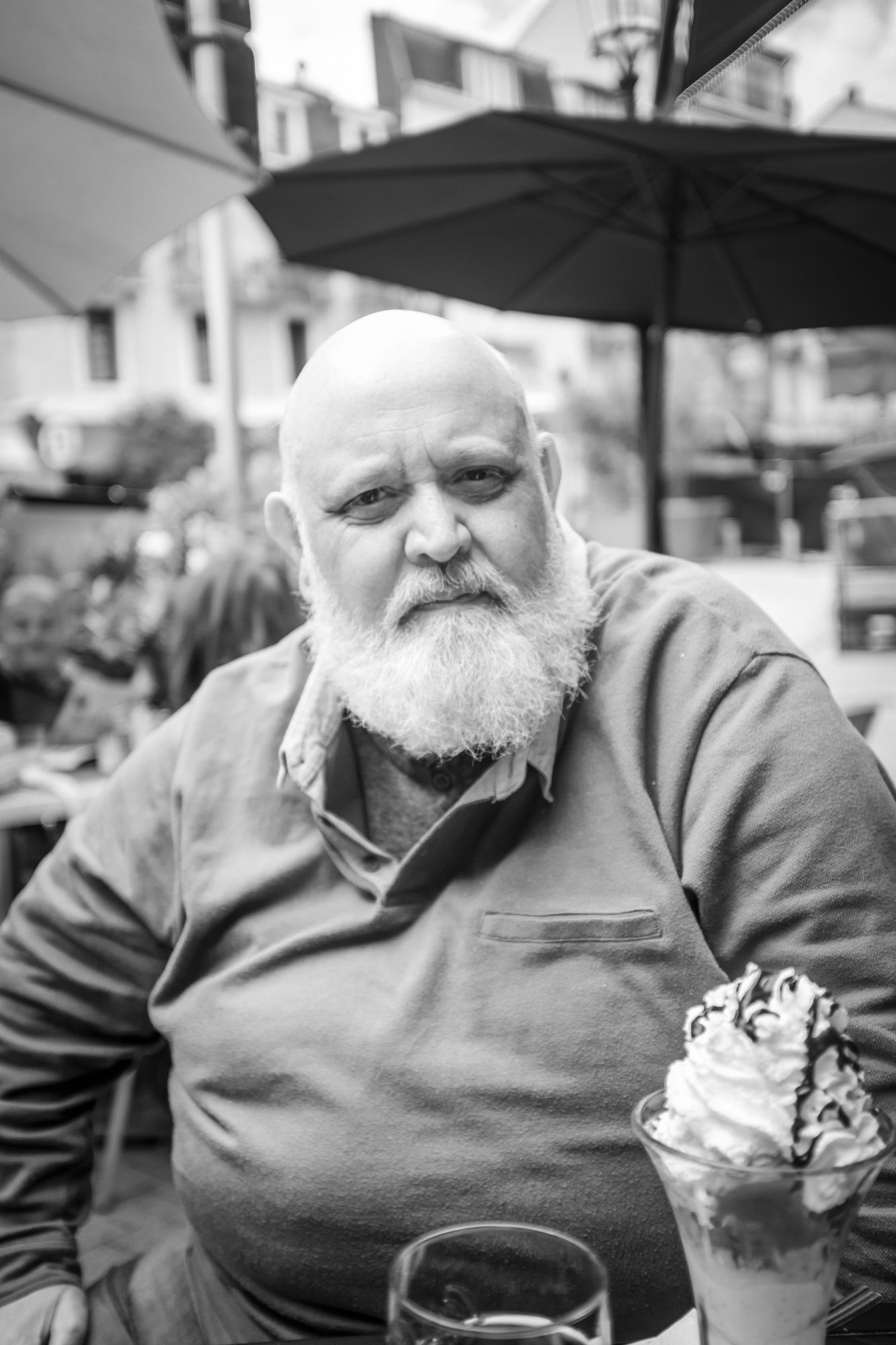
Becoming an uncle in China wasn’t something I saw coming, but it’s an experience that has stayed with me. The respect shown towards age and wisdom, the gentle bows, and the formality behind something as simple as a selfie request all highlighted just how different things are from back home. In England or France, my beard might earn me a knowing nod from a fellow facial hair enthusiast, but in China, it put me in a role of quiet authority—someone to be acknowledged with deference.
What struck me most was how natural it all felt, as if this respect was simply part of everyday life. It wasn’t about status, just an understanding of where people fit within the bigger picture. The warmth of those interactions made me reflect on how we see age and experience in the West, where individualism tends to take priority over hierarchy and tradition.
This unexpected unclehood turned out to be a reminder of the importance of connection, respect, and the roles we play in each other’s lives. In China, I became an uncle in the broadest sense of the word—a sign of age, wisdom, and community. I might not carry that same role in the West, but the experience has given me a new perspective on what it means to be acknowledged, respected, and, in some small way, part of something bigger than myself.