
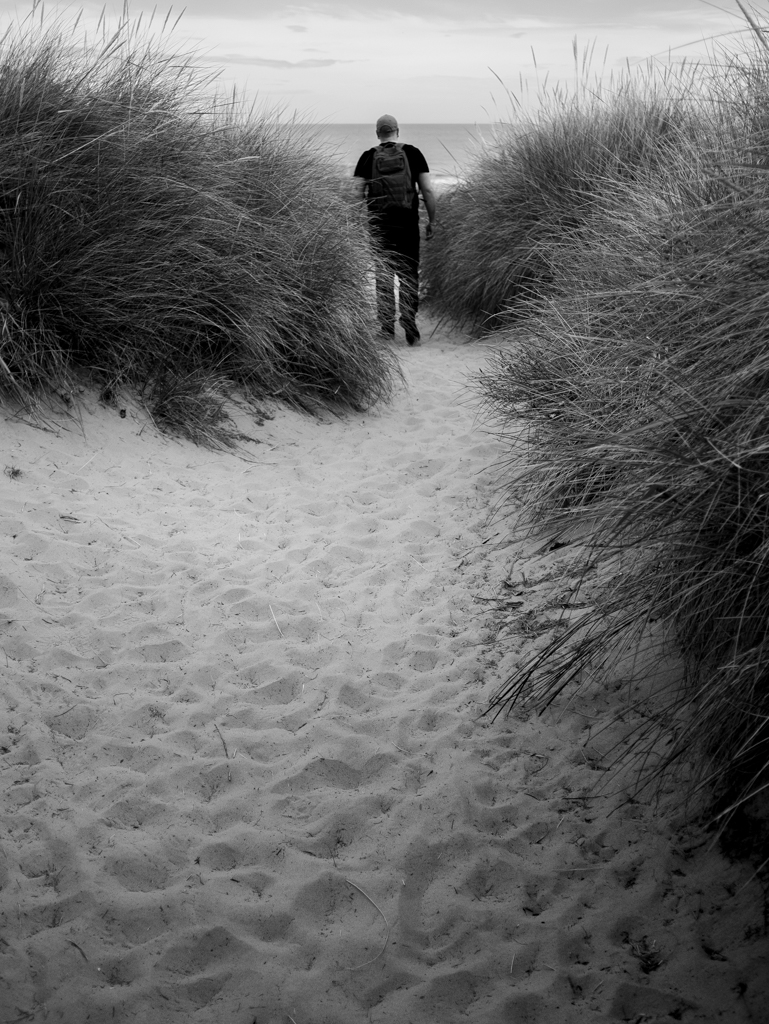
My usual approach to black and white photography is to shoot directly in black and white, either using black and white film or the Acros film simulation with my X100F. When using the X100F on this UK trip, my EVF displayed the black and white shot using Acros with a red filter—my go-to simulation. This method puts me in a black-and-white “frame of mind” from the outset.
However, this time I decided to break from my usual practice and experiment. I did something I normally advise against—starting with the intention to create color images and only considering black and white later. I chose the Classic Chrome film simulation instead of Acros, focusing on capturing the vibrant colors of the Northumbrian countryside. It was all about breaking free from my black-and-white routine. Both color and black-and-white photography have their place, but for this trip, I wanted to prioritize one over the other. Still, wouldn’t it be intriguing to compare both approaches?
Back in France, as I prepared the images for my black-and-white Instagram feed, I began to wonder if some of the colorful shots might also work in black and white. Initially hesitant—given my emphasis on shooting with intention and purpose—I decided to embrace the experiment. I was breaking one of my own rules, yet the idea intrigued me.
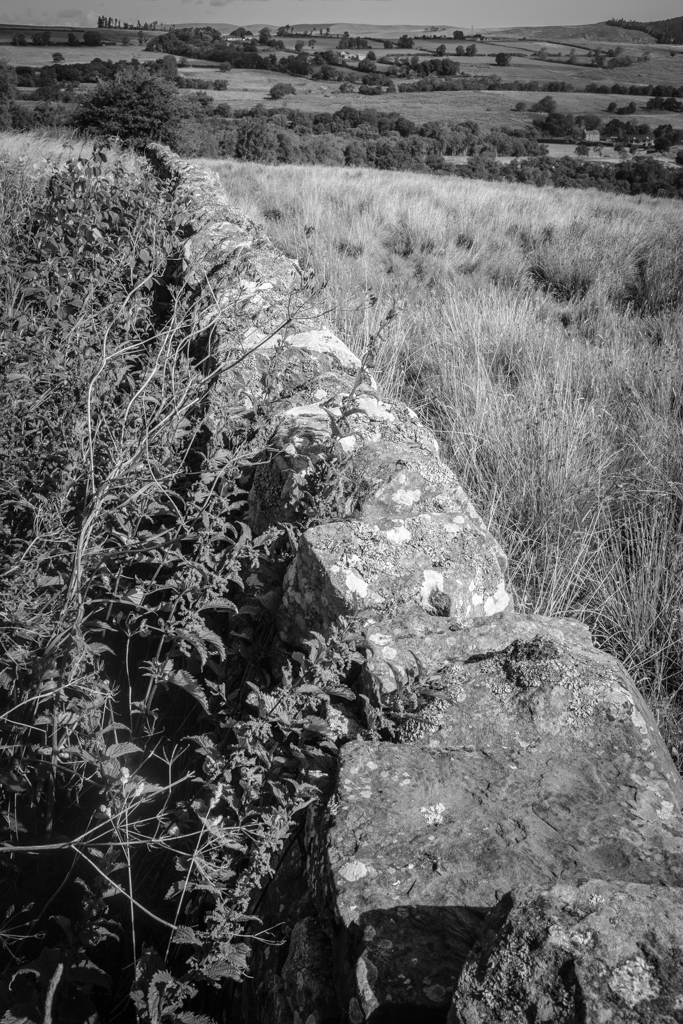
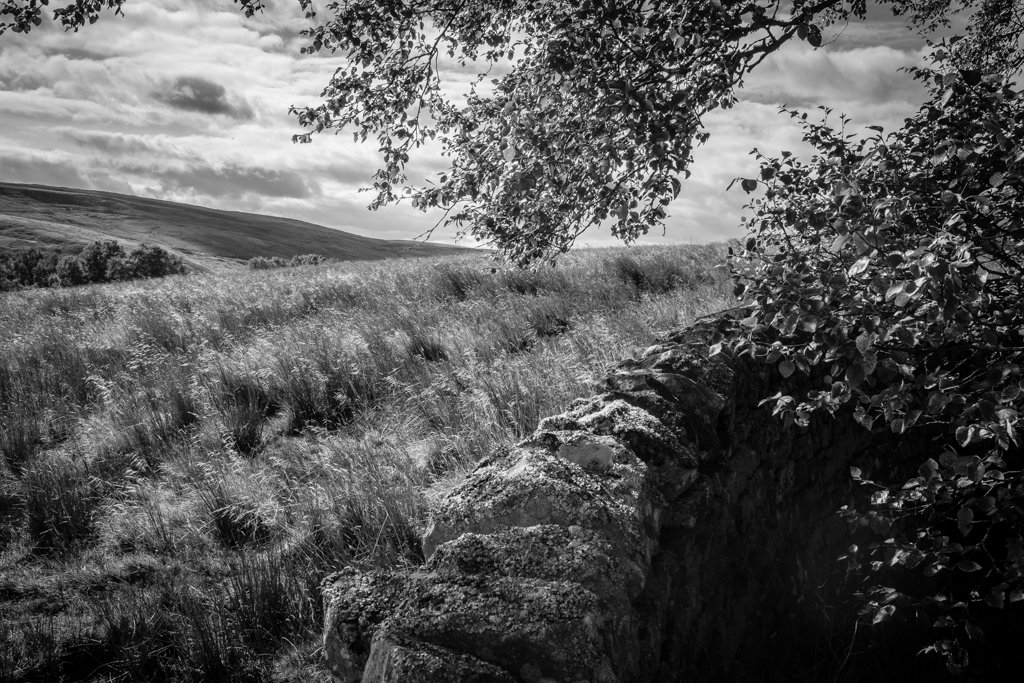
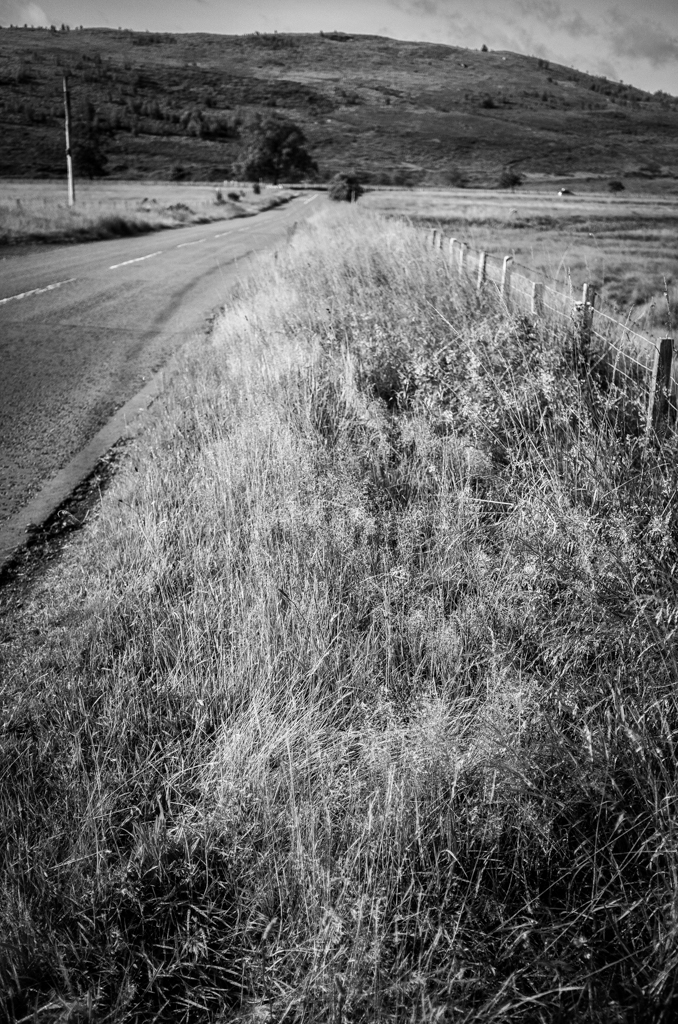
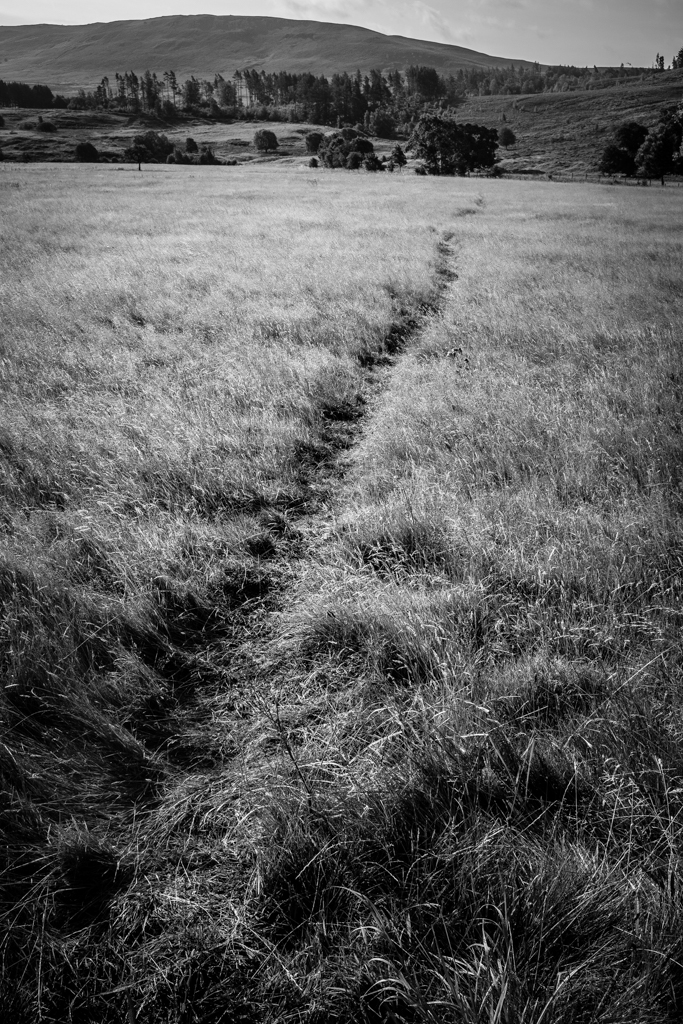
Reviewing the color shots, I considered which might translate well into black and white. I look for images with texture and varying tones rather than just color. My composition is usually solid since I’ve already edited my color images, including reframing and straightening as needed. With digital RAW files, converting to black and white and producing different versions is straightforward. As they say, the goal is to produce images that reflect how they made you feel, not just how you saw them. This is why I convert my images to black and white—they capture more of the emotional essence.
Opening Adobe Lightroom on my PC, I saw the familiar images on my screen. My editing approach may seem finicky, but it’s effective. While the simplest way to convert an image to black and white is to slide the “saturation” slider to the left, this often results in a flat, lifeless image. Instead, I use a more nuanced approach to control various color tones in the black-and-white image. This technique helps preserve depth and character, ensuring that each image maintains its visual impact even without color.
Here’s how I approach black-and-white conversion in Lightroom:
- Black and White Profile: Sets the overall tone and mood of the image.
- Clarity: Enhances texture and detail for a more dynamic appearance.
- Contrast: Adjusts the range between light and dark areas, adding visual interest.
- Color Sliders: Modifies the luminance of specific colors to bring out different tones in the black-and-white image.
- Highlight Tool: Adds subtle vignetting and balances highlights for a polished finish.
So, why convert to black and white after shooting in color? For me, it offers a classic, timeless aesthetic, and challenges me to create a “better” image by focusing on composition and texture without the distraction of color. This approach pushes me to craft photographs that rely on fundamental elements, enhancing their overall impact.
Impact is at the heart of photography. While I cherish the colors of the Northumbrian countryside and am eager to learn how to use color more effectively, I also deeply value the strengths of black-and-white photography. It’s about transcending color to create images that resonate through composition and texture.
But there’s something more personal about these black-and-white conversions. Perhaps it’s because I broke my own rules this time around, allowing color to take center stage and letting the black-and-white images emerge later. These images weren’t planned with black and white in mind—yet, despite that, or perhaps because of it, they feel even more special to me. Sometimes, going against what you think you know leads to unexpected results. And, in this case, those results resonate even more deeply.
Isn’t impact what we strive for in our photography? Don’t get me wrong—I love the colors of the Northumbrian countryside and am on a quest to learn how to use color more effectively. But I do believe in the strength of the fundamentals offered by black-and-white photography. Sometimes, breaking your own routine brings surprising rewards.


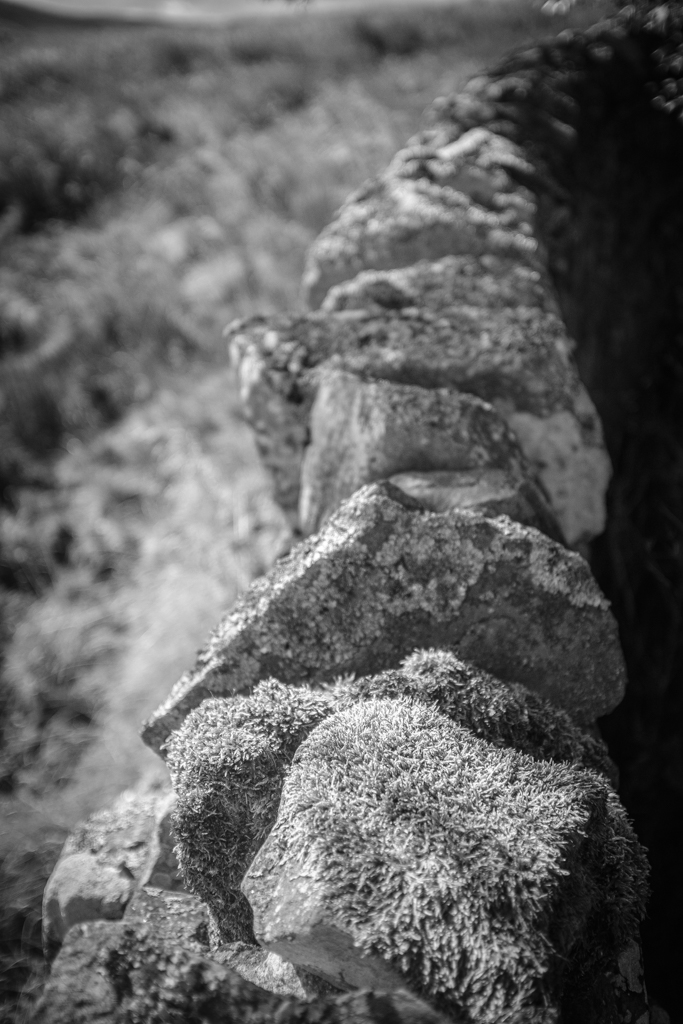
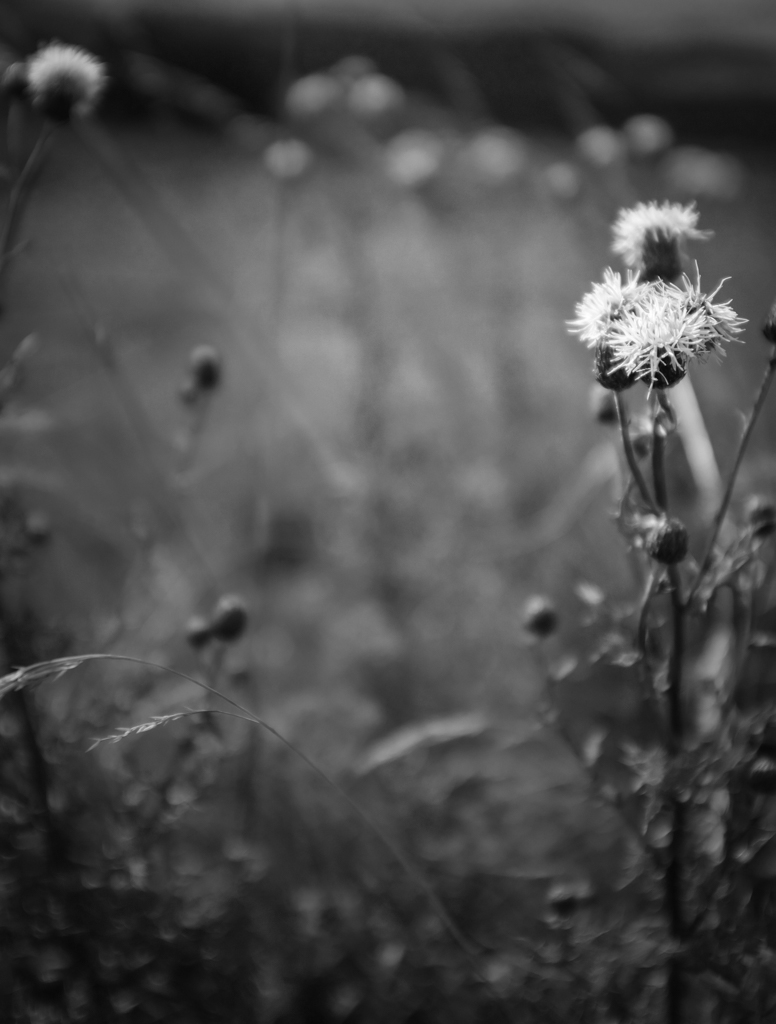
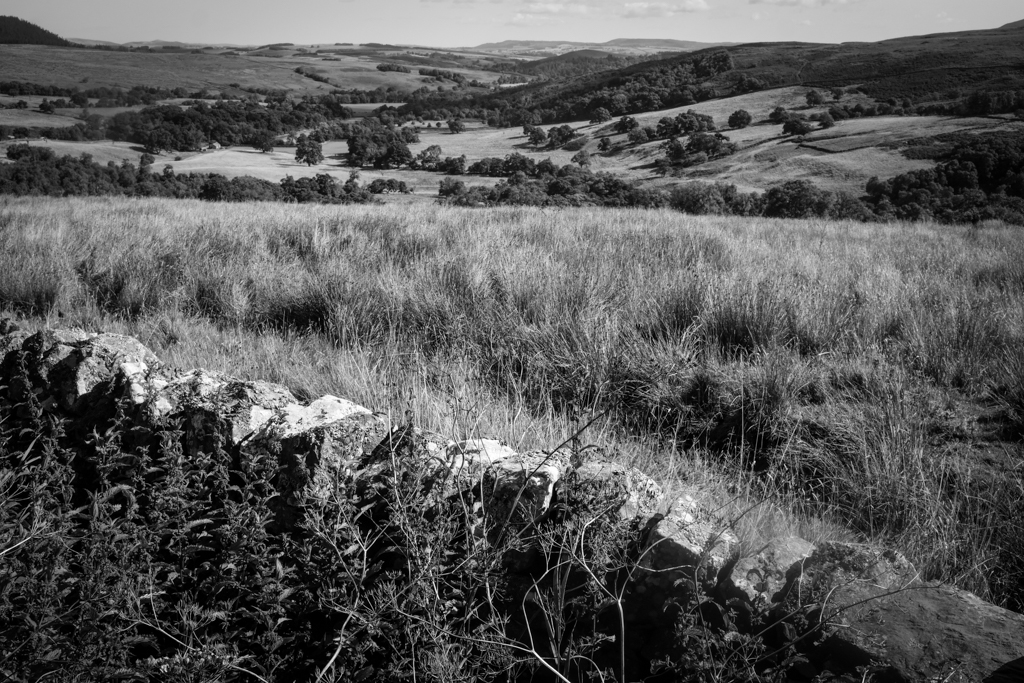





 IJM Photography
Awesome photos. I am not sure about X100f, but in my X-T30ii, I can use bracketing settings to select (3) film simulations instead of exposure values. so I select classic chrome and Acros. Unfortunately, we CAN’T select from the simulation we create.
LikeLiked by 1 person
. , and once I take a shot, I got three images for the same frame with three different simulations.
LikeLike
Hi Ali. I generally shoot in the Acros film simulation and in RAW. In Lightroom when editing my raw files I can choose to use an ither film simulation, hence no bracketing. Doesn’t the X-T30ii shoot Raw? This allows me more control over my ultimate image, and the raw film is a non degenerative file format, whereas the jpegs loose quality every time you open them.
LikeLiked by 1 person
Yes, RAW is available in all my Nikon and fuji, but I never use it, I am not editing my photos before posting, I only shot in Jpeg. I am using photoshop for some of my Kids photos just to add some filters.
LikeLike
Ok. I see. The fuji jpegs are pretty cool….
LikeLiked by 1 person
I’m always trying new methods of B&W post, I typically shoot RAW. I’m going to review your method again next time. I have not tried using the OM B&W mode, in the view finder it looks fairly dull compared to others. Silver Efex is the standard around here for gallery work, it’s my go to but I try whatever else for fun. I had hopes for DxO Filmpack, however I’m always disappointed, though color film is good. Thanks for the good info, Ted.
LikeLiked by 2 people
When I first got back into Black and White Photography, I wanted that “film look” and couldn’t be bothered to faf about in Lightroom or Photoshop, so I just used black and white film. Tri X, and then HP5 Plus. I erred towards HP5 Plus and that became my go to film, and for a whole period I used nothing else but HP5. I got to know it quite well and found what I could do and what I couldn’t. After my film funk, I got back into it, and started to test out pushing my HP5 to 800 and 1600ASA. I liked the results, and know where I stand with it. At the end of 2017 I acquired my X100F and went back to digital. The X100F being the closest thing to using my old film cameras. Then I read how the guy that was responsible for film production was put in charge of the film simulations, which was the thing that really got me hooked. For my style of photography, the black and white Acros simulation with a red filter wa exactly the feel i was going for. Then I got into Classic Chrome, and learnt how to tweak it to get a real vintage look, but was still under the spell of black and white photography. My images just seemed to have a certain timelessness to them. I would always shoot in Raw, for archiving everything however.
I discovered Snapseed which I used extensively, as their black and white conversion tools are brilliant, and later got back into Lightroom, where I had learnt how to do these black and white conversions a little better and retain more control over my iamges.
I’m just saying what worked for me. During the time when I used exclusively HP5, I learnt how to “see” in black and white, and that helped me immensely. Everything just seemed to slip into place and it became my thing. Only recently have I tried to rediscover colour and use it more intentionally. Hence the UK chronicle series being in colour. But black and white just calls out to me.
I hope this comment and this article give you more of an insight into how I do things and what works for me. If it has helped you rethink things, hten all the better? And if not, let’s hope it was at worst a good read…
LikeLiked by 1 person
Thanks for the info. Always good to hear how other people take B&W serious, and their methods. I spent a good many years with an old Spotmatic, Voitlander, and Yashica…with the smelly chemicals that go with it 😂. In places and times only a young fool would shoot in LOL. Left it behind for years. My best teacher now is seeing others results, like yours. Thanks. Ted
LikeLiked by 1 person
I’m still an impetuous fool, who gets out film, loads it, goes out, comes bac and develops it. Then I scan the negs.
LikeLiked by 1 person
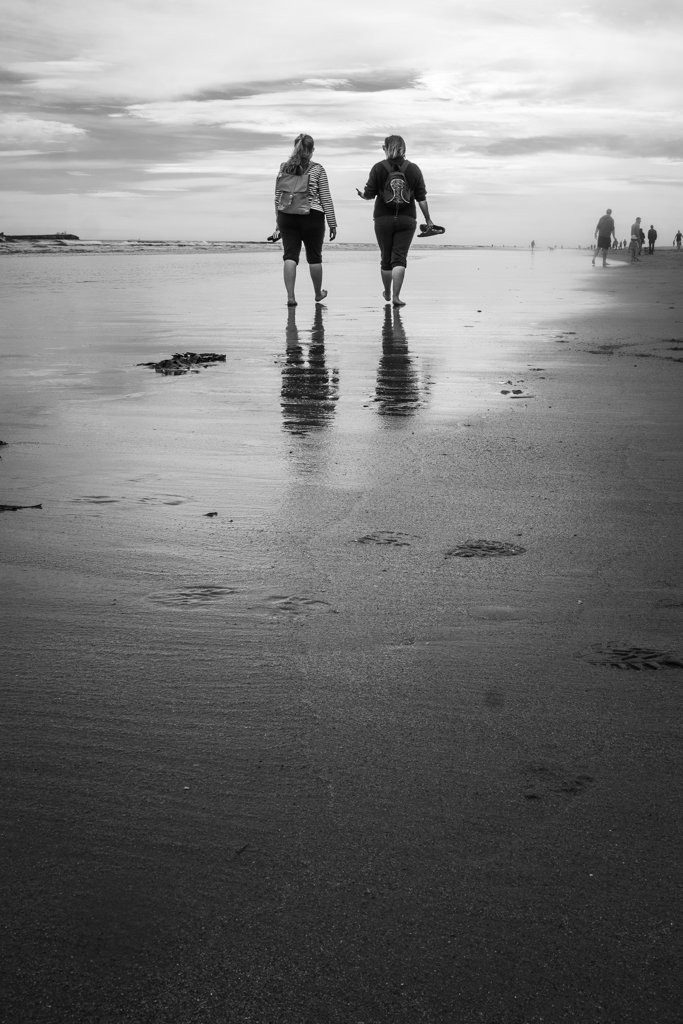
Stunning photos, particularly your first photo.
LikeLiked by 1 person
Thank you! It was that first photo that gave me the incentive to keep going.
LikeLiked by 1 person
I thought of this, beautiful greenland UK could it be in Black and White… Yes, yes, so beautiful. Actually B/W photography is more impressive and really hitting. I loved them all dear IJM, Thank you for all details and sharing, Love, nia
LikeLiked by 1 person
For me, black and white was always considered a purer form of photography, that took away the distractions of colour. But I have also started to explore Colour this summer. Trying to create various ambiances in my photographs. But I always seem to come back to black and white…
LikeLiked by 1 person