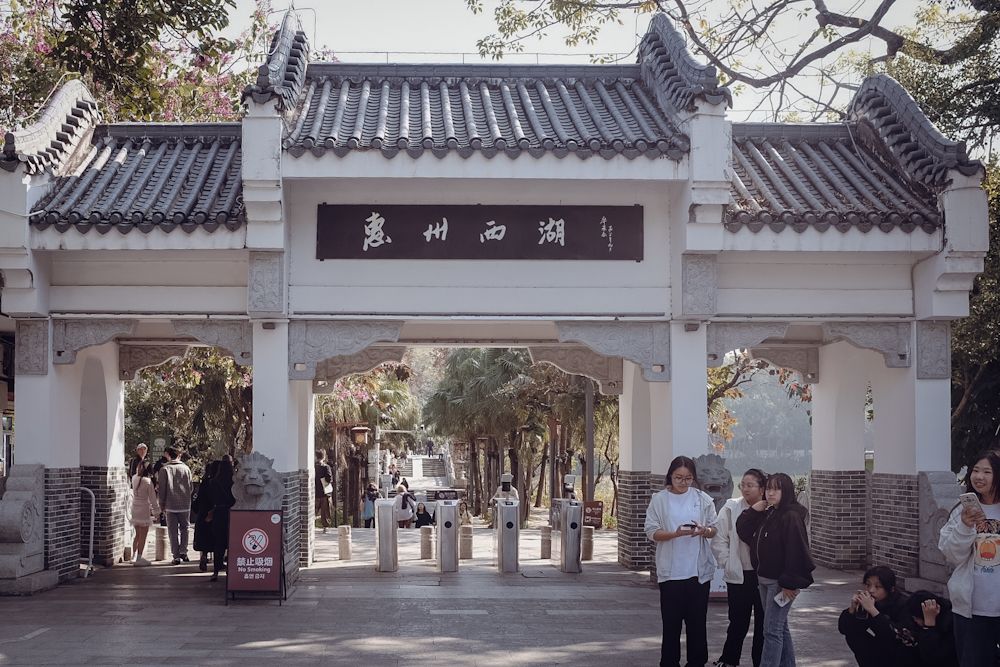
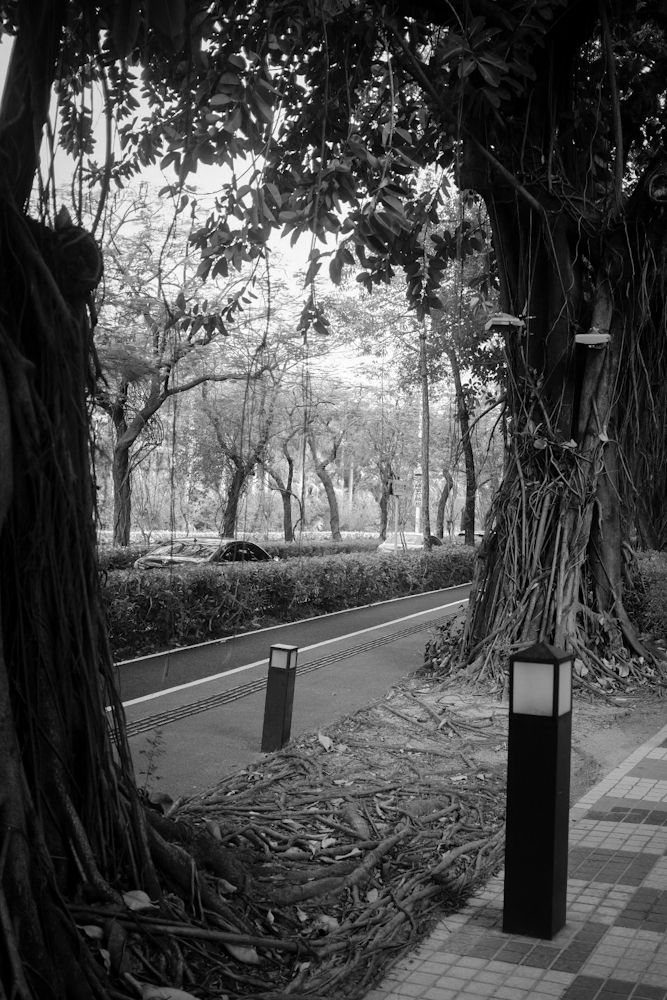
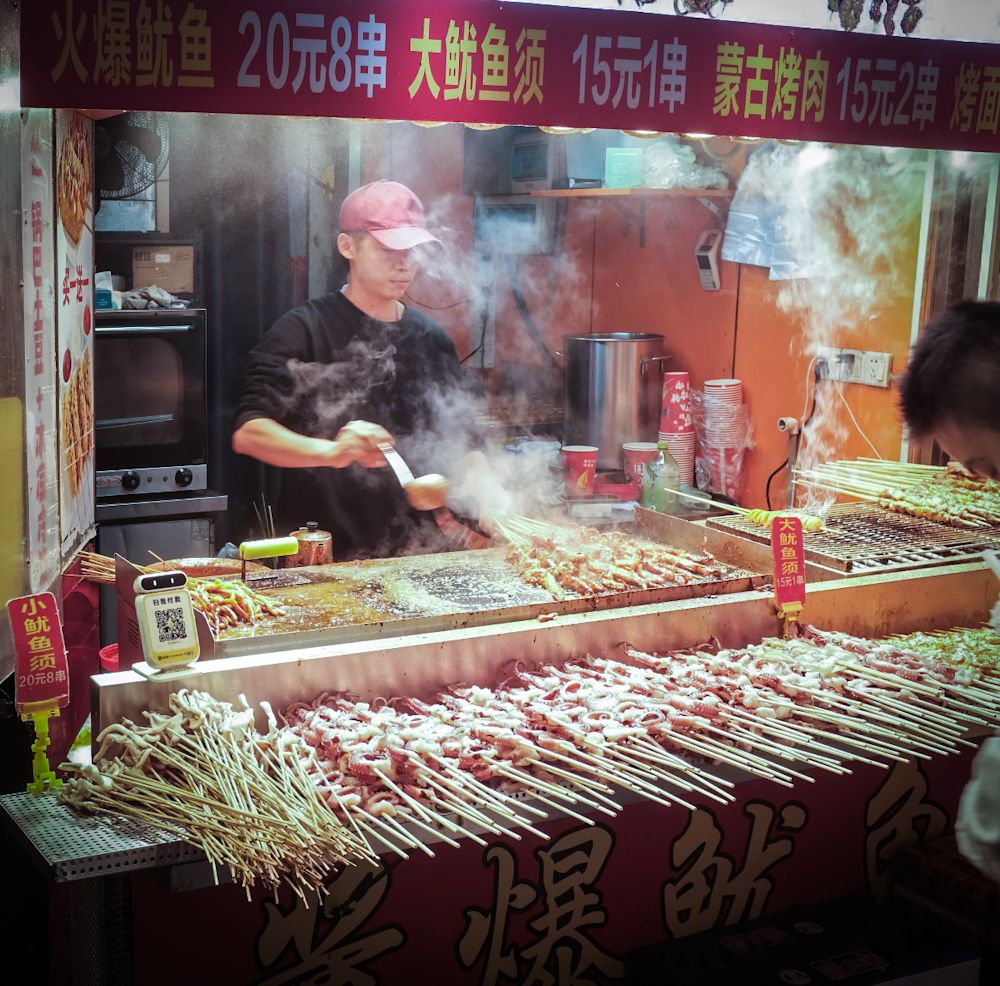
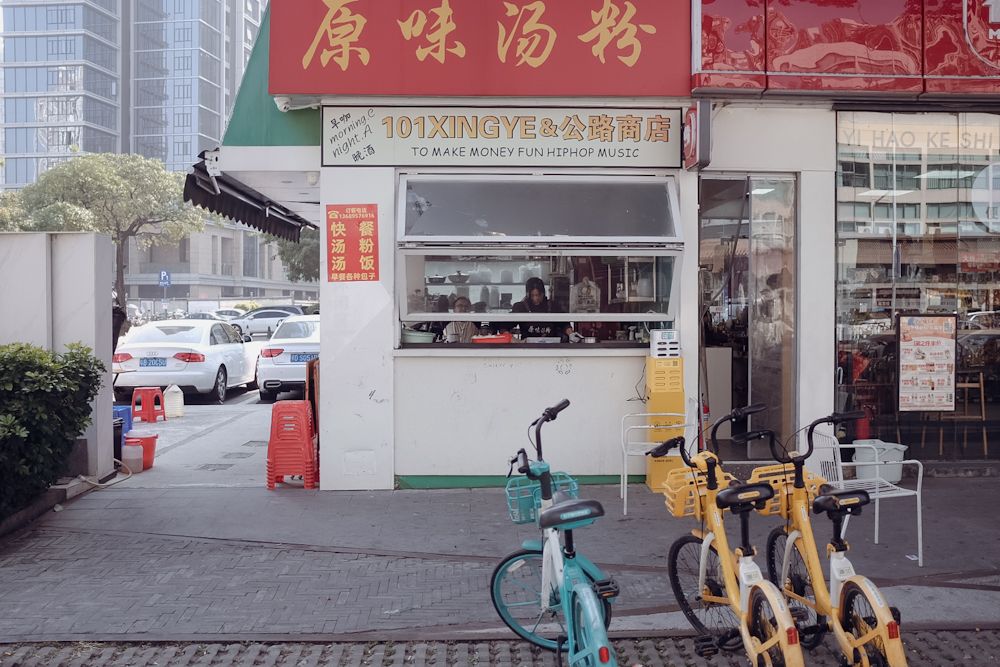
China: The Final Frame – Reflections on a Journey


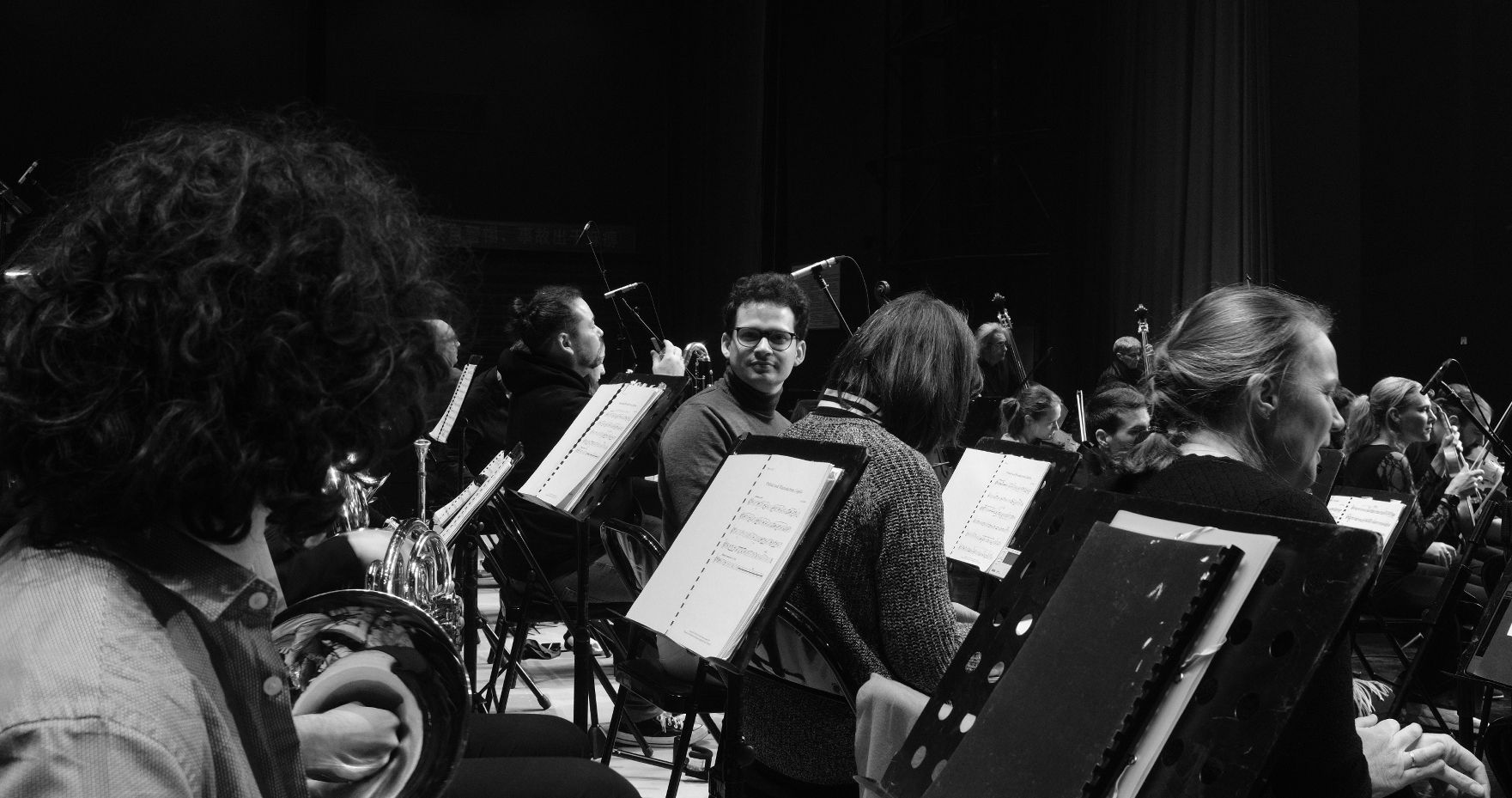
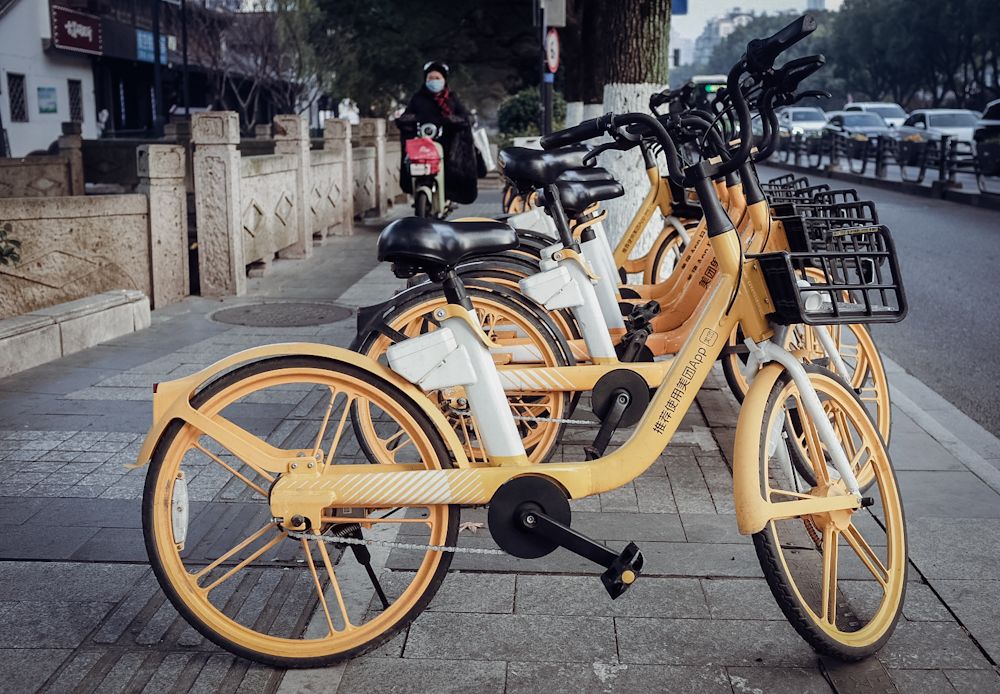
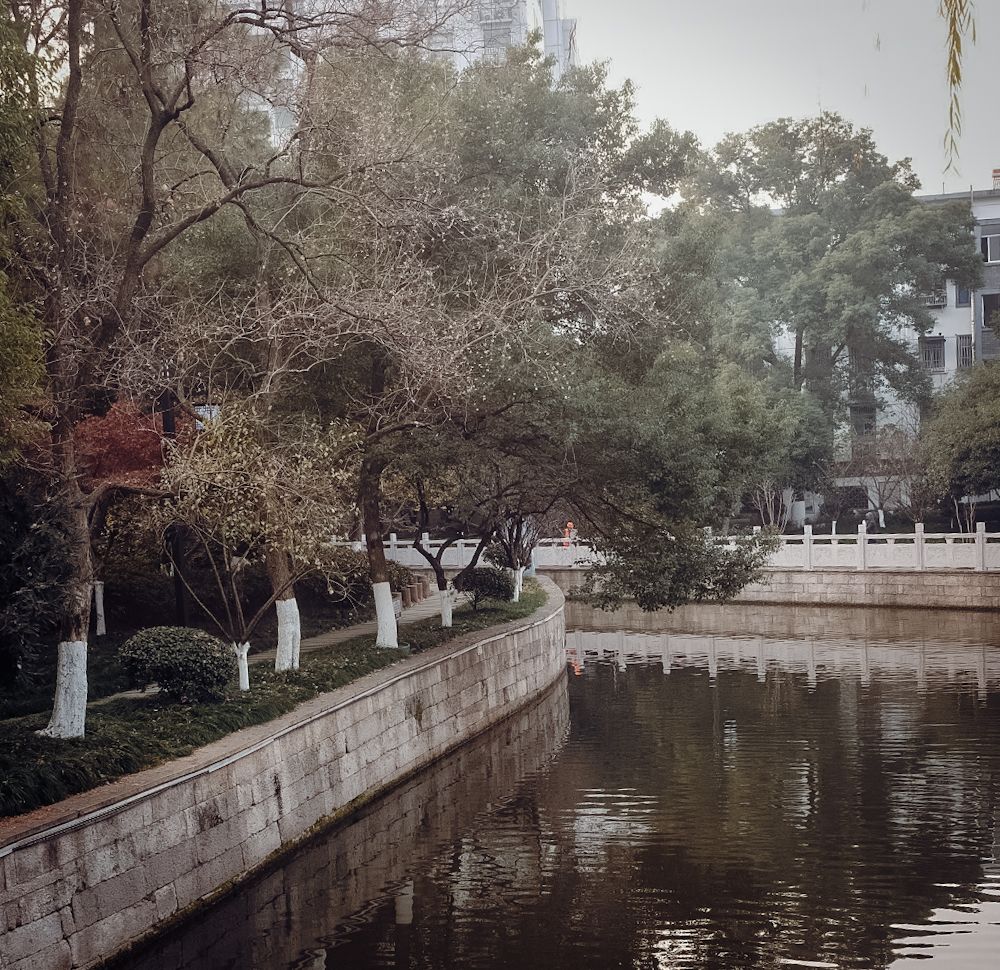
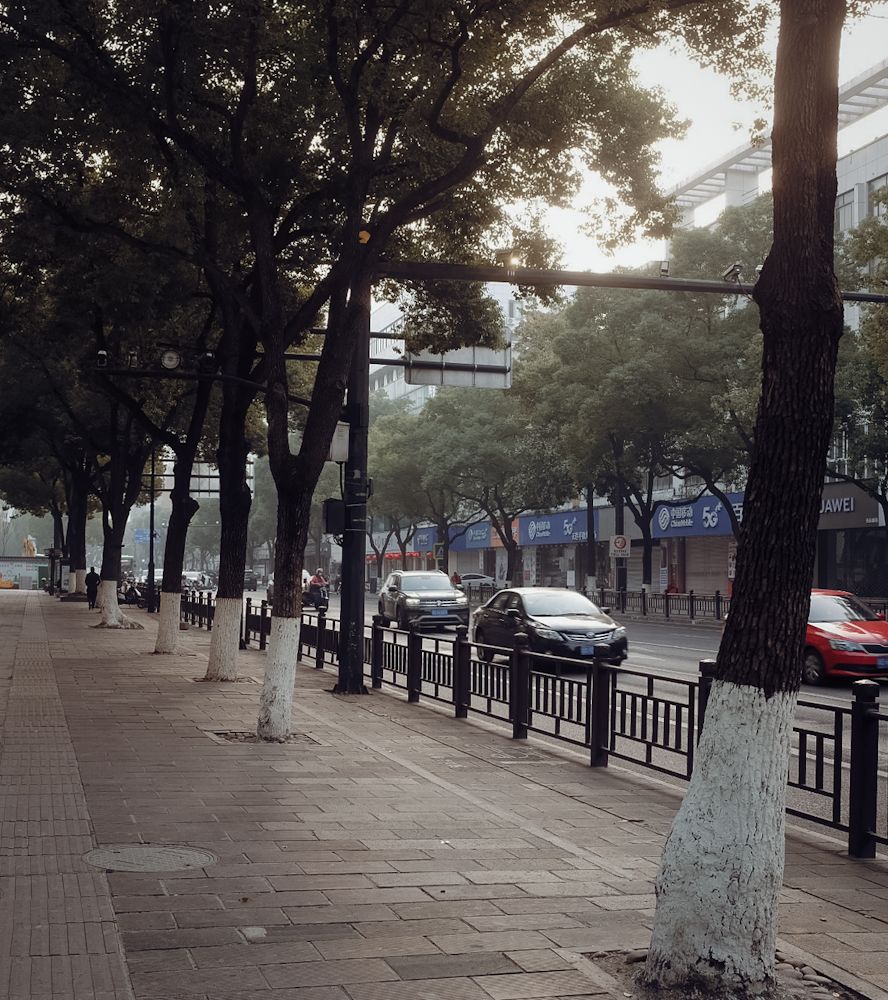
The tour is over. The bags are unpacked, and things are settling back into their usual rhythm at home. But even though I’m back, part of me is still in China—still thinking about the streets of Shao Xing, the energy of Shenzhen, or the moments shared with the orchestra. The journey may have ended, but it hasn’t really left me.

Reflecting on the Journey

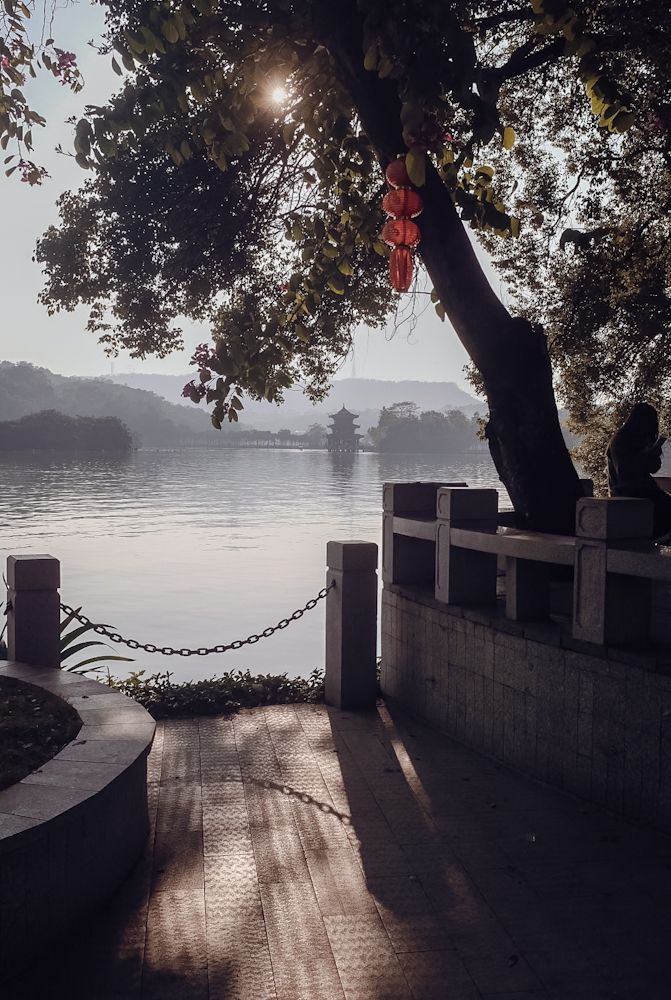
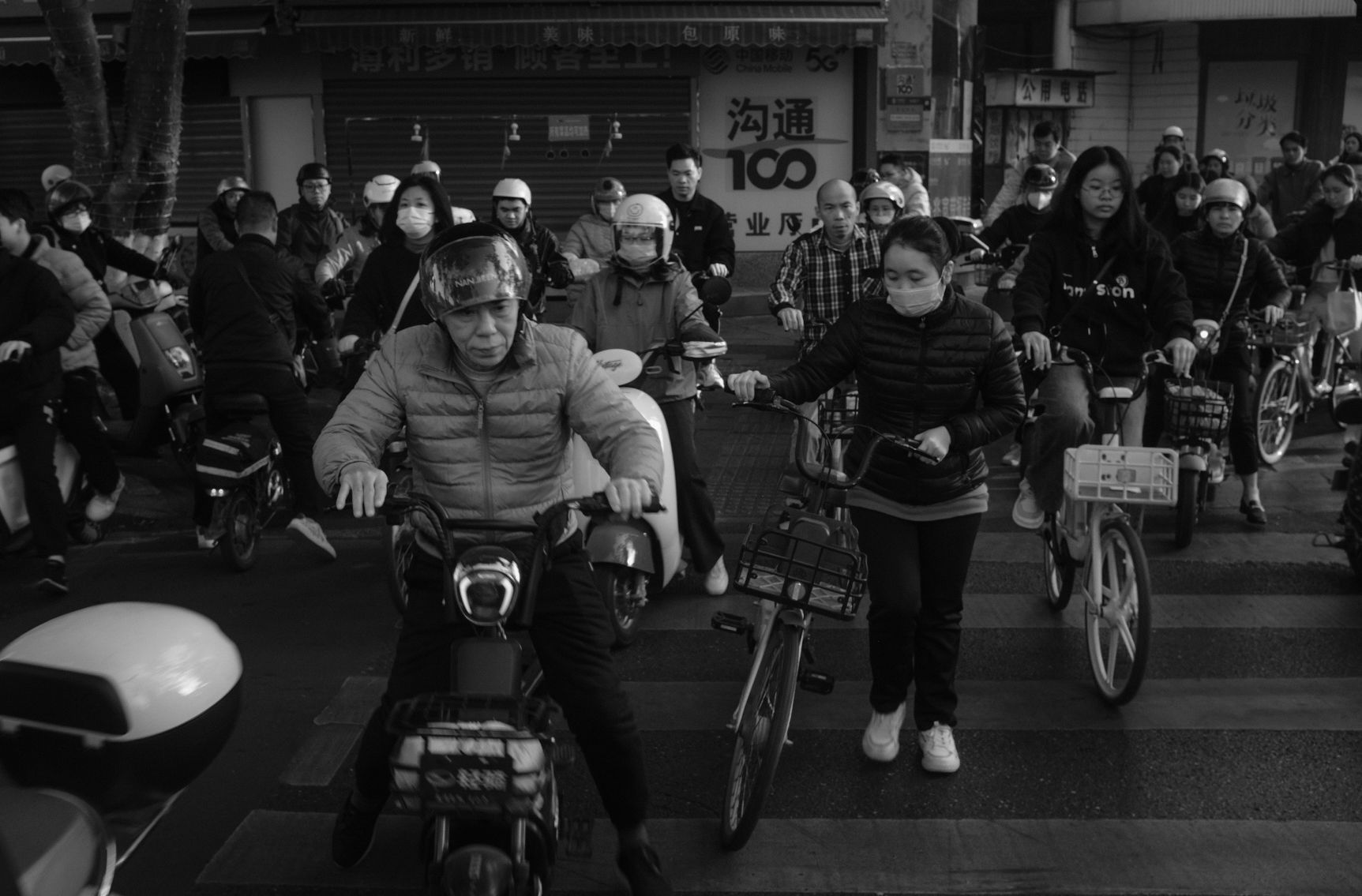
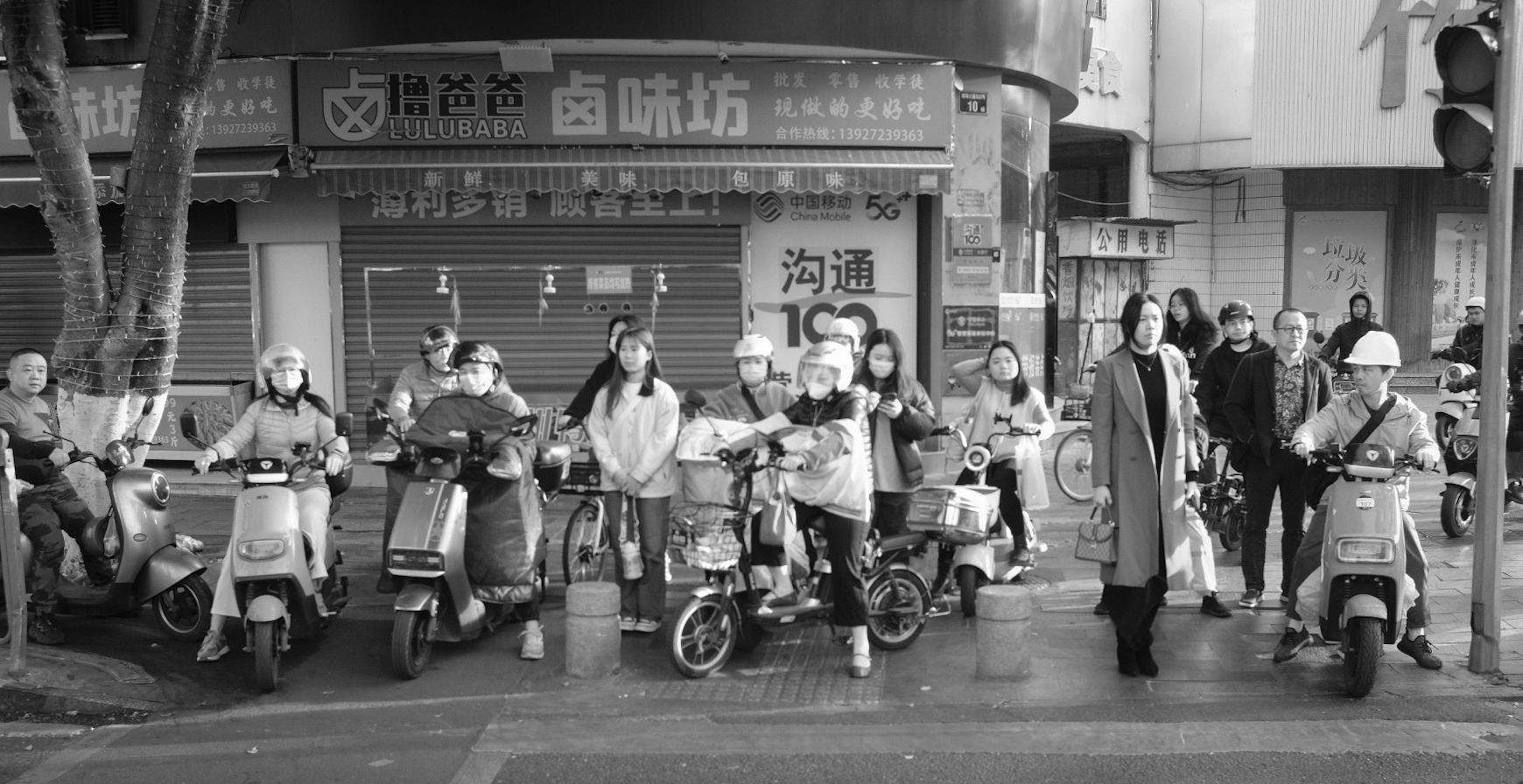
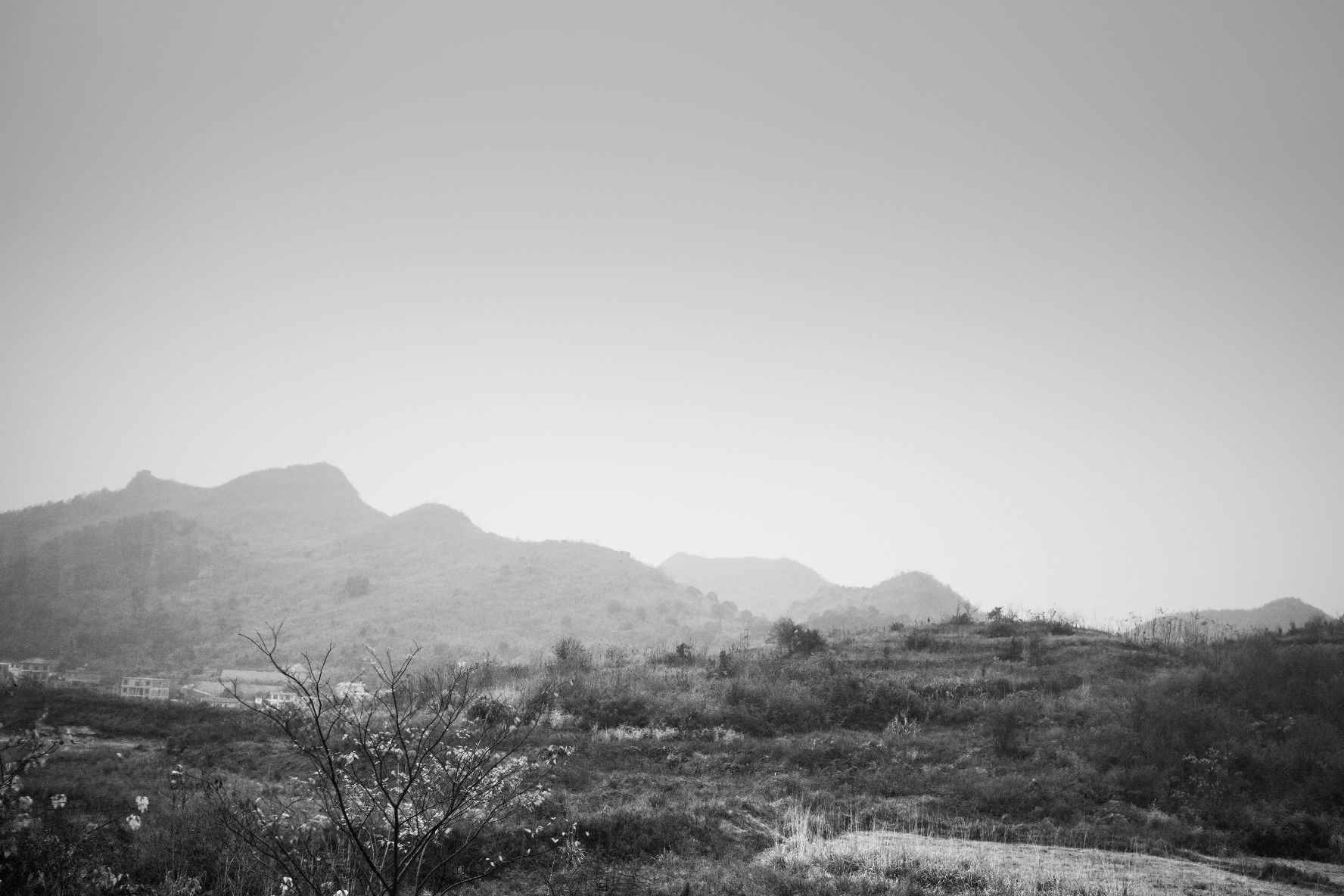
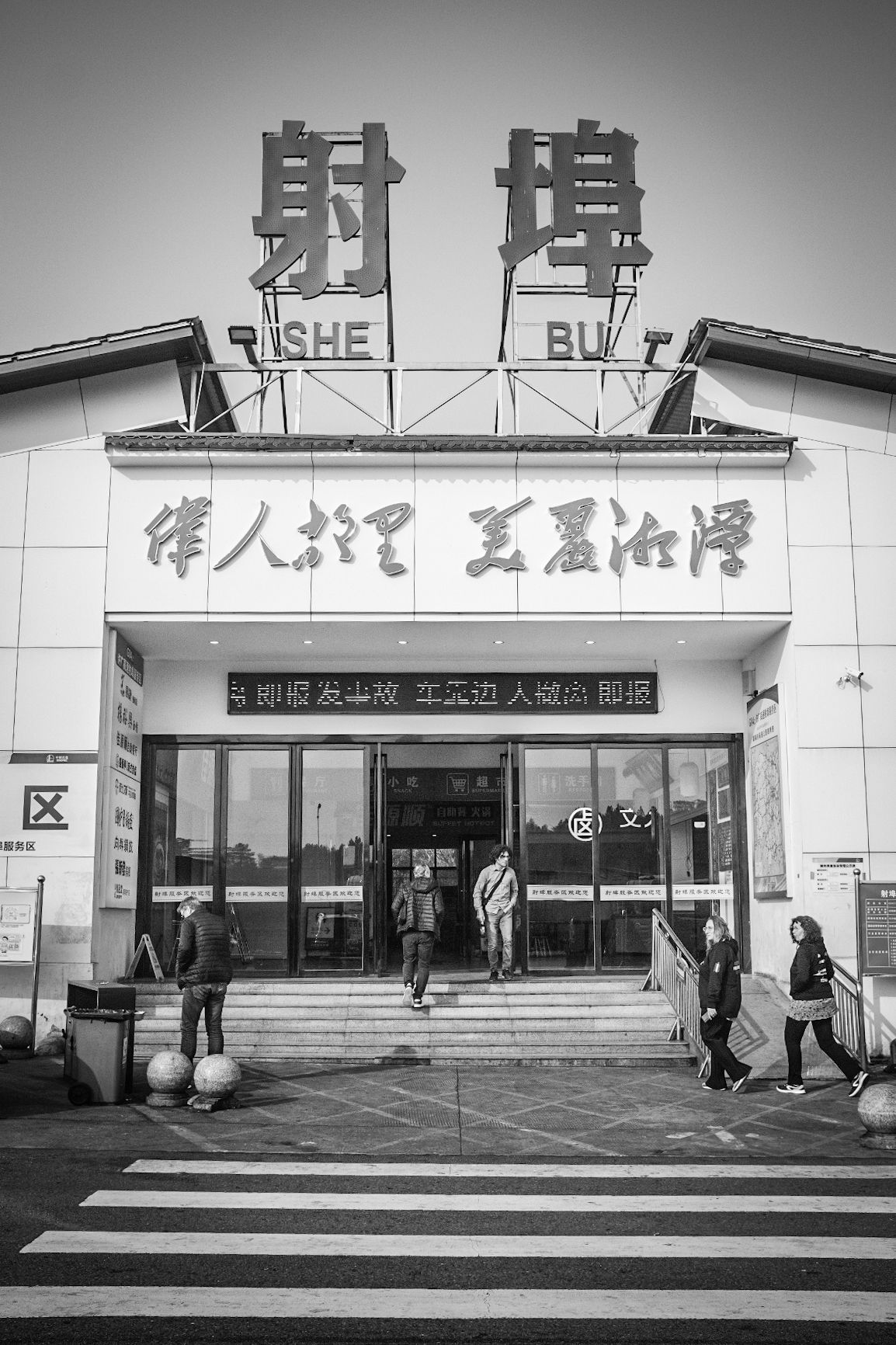
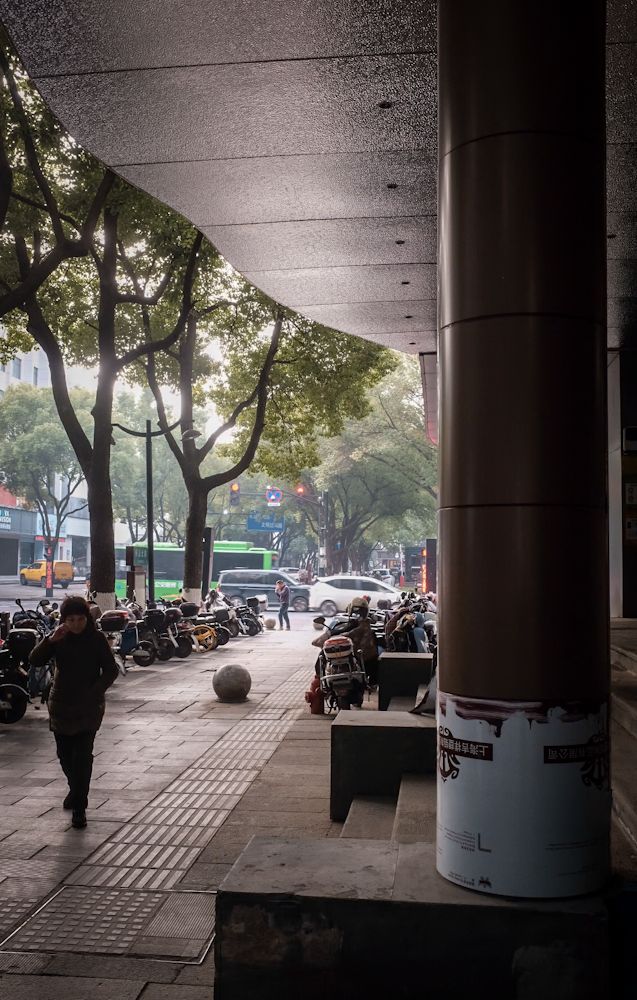
From the moment I landed in Changsha to the final farewell in Shanghai, this trip was a series of moments—some I expected, and some I didn’t. The hustle and bustle in Shenzhen, the streets of Shao Xing, the quiet hills of Xian Ju, and the meals shared with colleagues between concerts. It wasn’t just about the places. It was about the little things—a gesture of hospitality, that mutual respect between musicians, or just watching the world go by.

This trip wasn’t just about playing concerts, it was about learning and adjusting. It was about connecting with people, understanding their way of life, and how we relate to one another in those brief encounters.

The Photographer Without Film

For the first time in a long while, I didn’t travel with my usual film cameras. The Fujifilm X100F was the only camera I had with me, and while I had mixed feelings about it at first, it became a good fit. There was no hesitating over which shot was worth the price of a roll of film. It was just me, the camera, and the present moment.
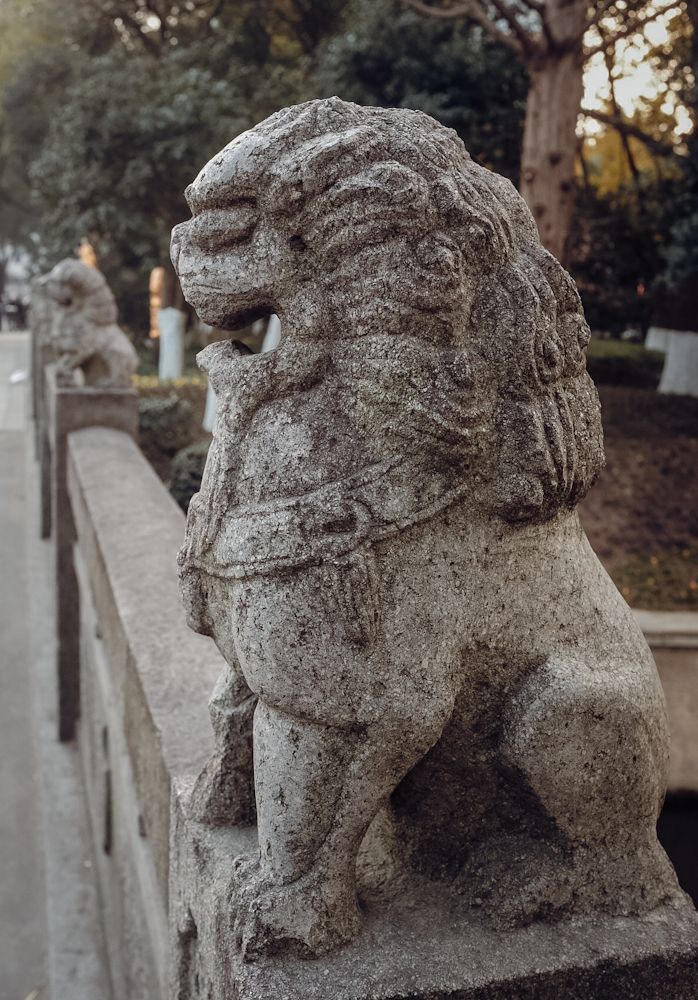
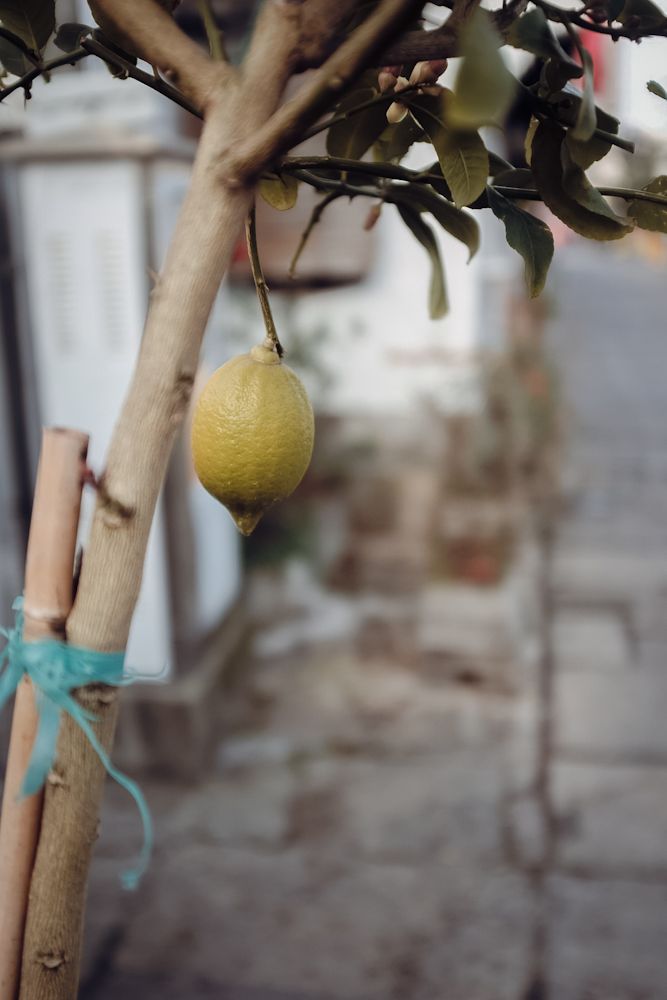
Not every moment needed to be captured. I found myself slowing down and soaking things in—sometimes shooting quickly, sometimes just letting the moment pass. It wasn’t about having everything on film; it was about experiencing it fully, even without the lens in front of me.

Respect and Connection

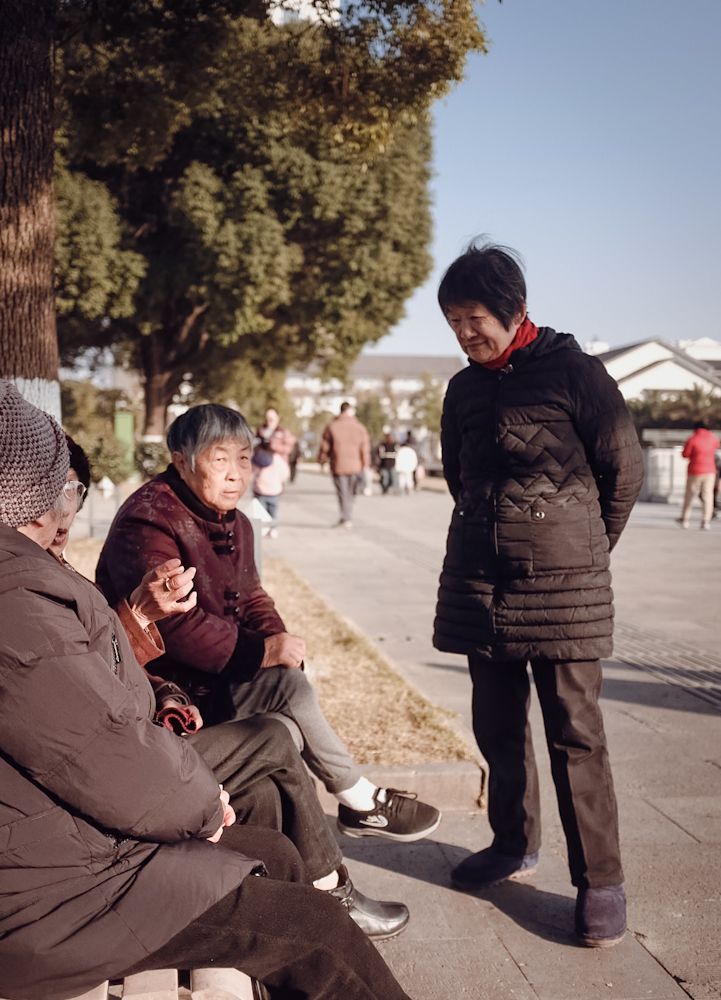
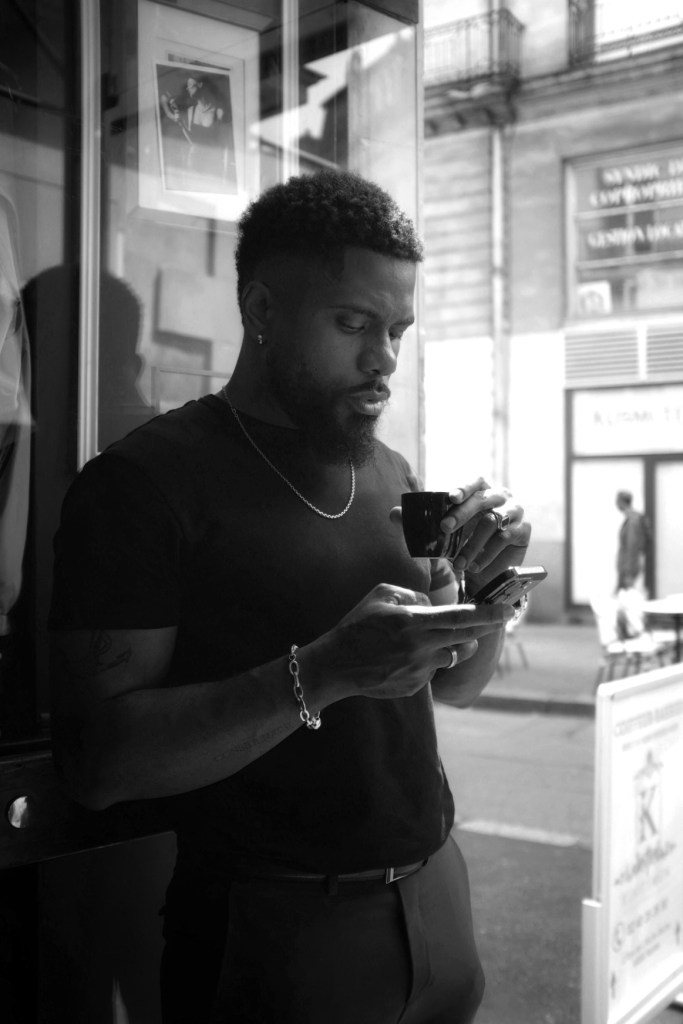
One of the most memorable things about this trip wasn’t the landscapes or the buildings—it was the people. Everywhere I went, I felt a deep respect and sense of community. It wasn’t about being given titles like “Uncle” or anything else. It was just how people engaged, how they saw me as part of something.

The concerts themselves were a reminder of this—the public wasn’t there for rehearsals, but they were there for the concerts, offering energy and appreciation. Music, like photography, is about presence. It’s about sharing a moment with others, and that’s something I’ll never forget.

Coming Home

Returning home after a trip like this always feels a little strange. The familiar feels slightly unfamiliar at first—the quieter streets, the slower pace. But there’s comfort in returning, and yet, it’s hard not to feel that shift in perspective. Things seem different now.

The Final Frame

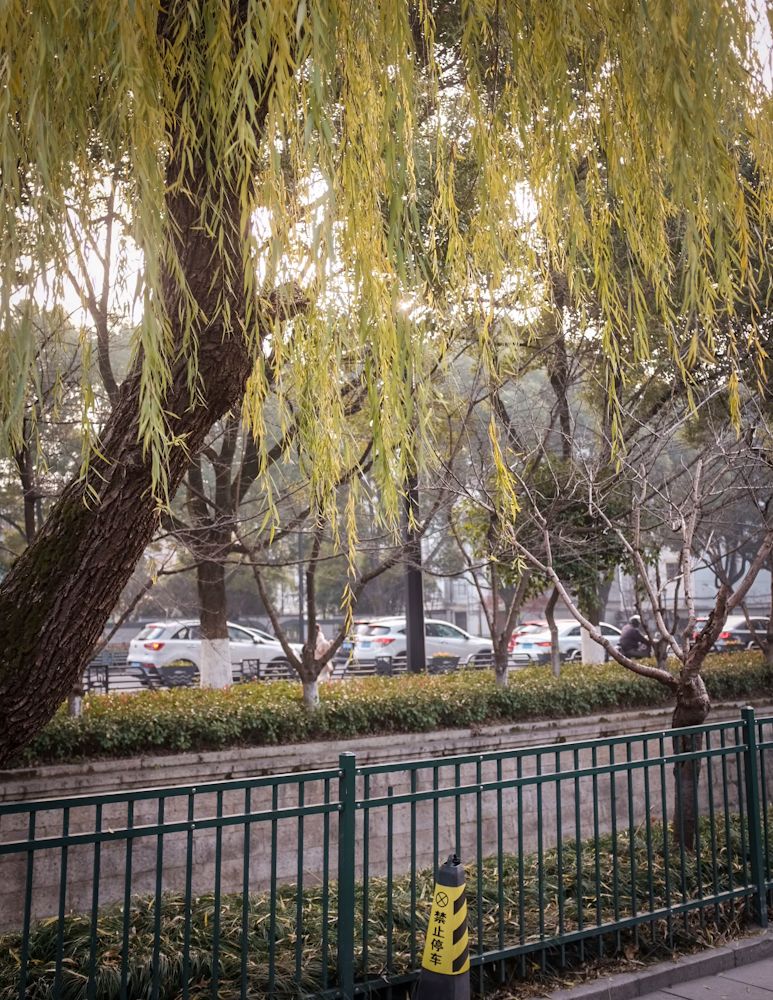
So, what remains from all of this? The photographs, of course. They’ll hold the moments, the details, the things I might forget over time. But beyond that, it’s not just about the photos. It’s the way travel shifts your perspective and makes you notice the small moments—the ones that don’t always get captured in a frame.

This series was meant to document a tour, but it ended up being more than that. It’s a reflection on the journey itself, on photography, on what it means to truly be somewhere, to connect with others. The tour might be over, but this story isn’t done yet. And whenever the next journey comes, I’ll be ready to pack my bags again.

I have been posting these articles in the WhatsApp group made for the people on the tour, and people’s feedback has been amazing. What came out the most was the feeling of revisiting the tour through the photographs and how that made people feel. And if you make somebody feel something with an image, then you’re off to a good start. The other comment was, “Oh, I didn’t see that!” And that is part of our role as photographers, to record what people don’t see… My reputation as a photographer seems to have surpassed my reputation as a beer drinker, which is good, because I hardly drink a drop anymore. My reputation as a writer seems to be well established too.

So not only am I seen as a hornplayer but also as a photographer, a writer, and a sensitive soul instead of the gruff bear that sits at the back of the orchestra and makes farting sounds with his instrument. Quite the step up really!
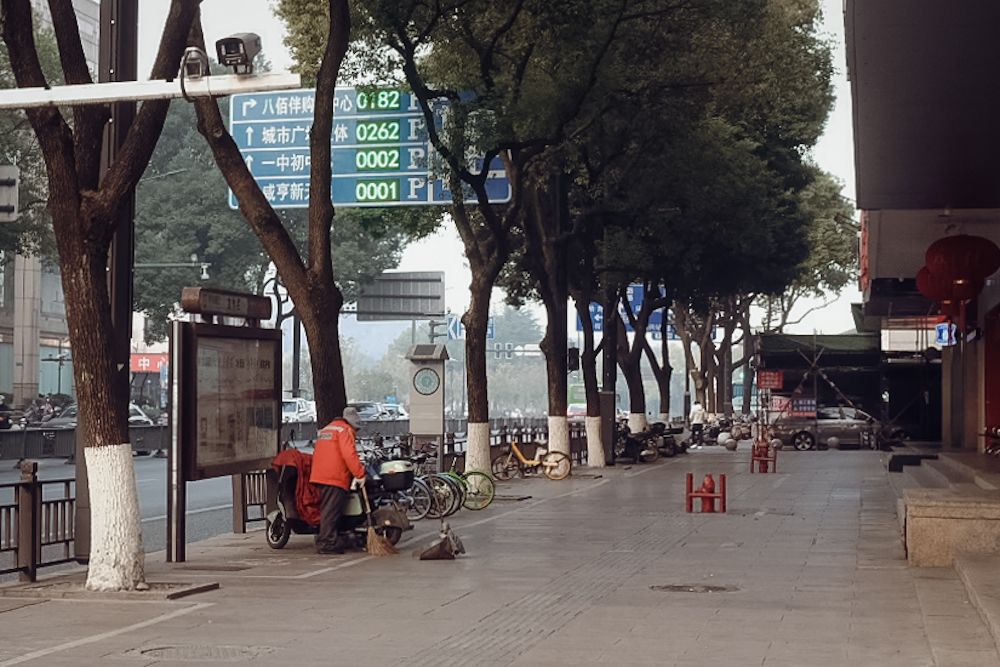
China – Shao Xing to Xian Ju


Welcome back to China. It is the morning of the 2nd of January. The whole tour seems to have flown by, and my memory is already hazy. I remember going around Shao Xing, and I remember the concert in Xian Ju, but beyond that? Not much.

I don’t usually black out, even after a drinky-poo, but it feels like I forgot to press Control+S. No saves to rely on. Bugger. Maybe it’s the thought of going home tomorrow? The dread of the parenthesis closing?

Strangely, I wasn’t even fed up with sharing a room with Corentin, and bus rides with everyone were still enjoyable. Definitely bizarre. It can’t be Blue Monday yet!
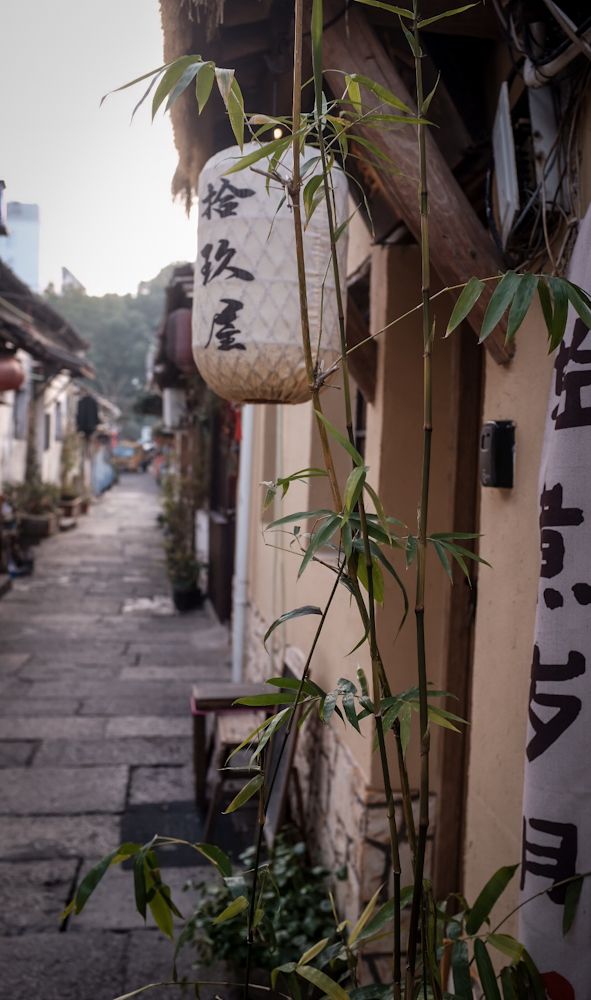
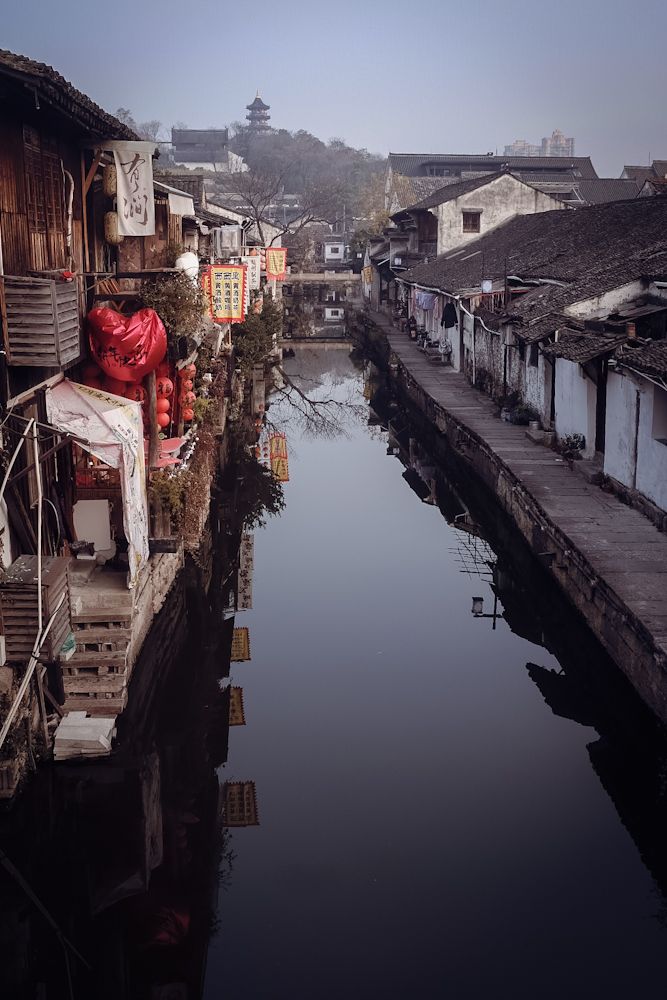
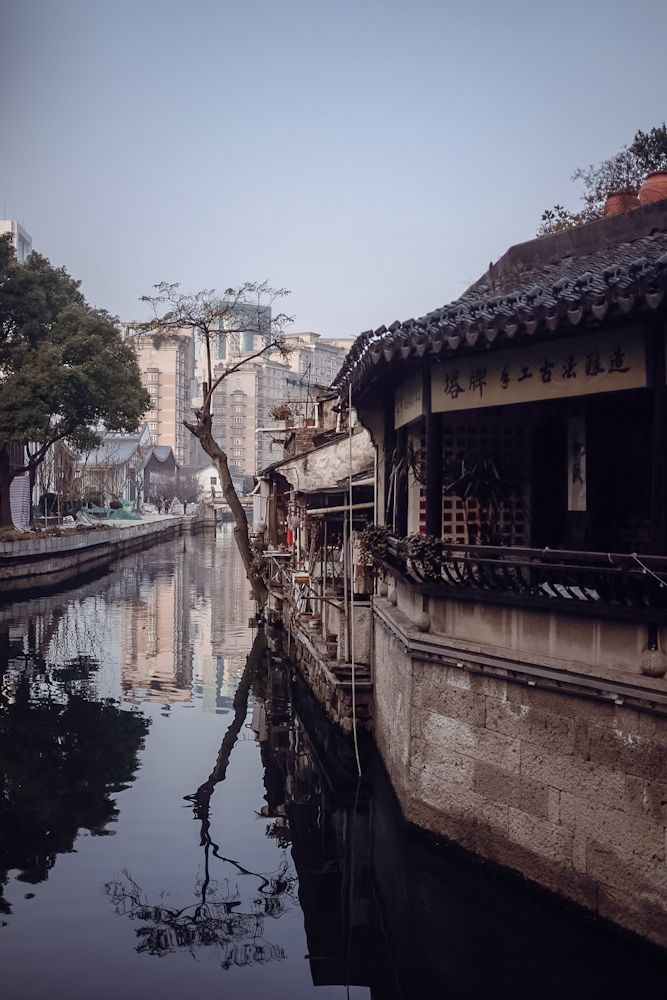
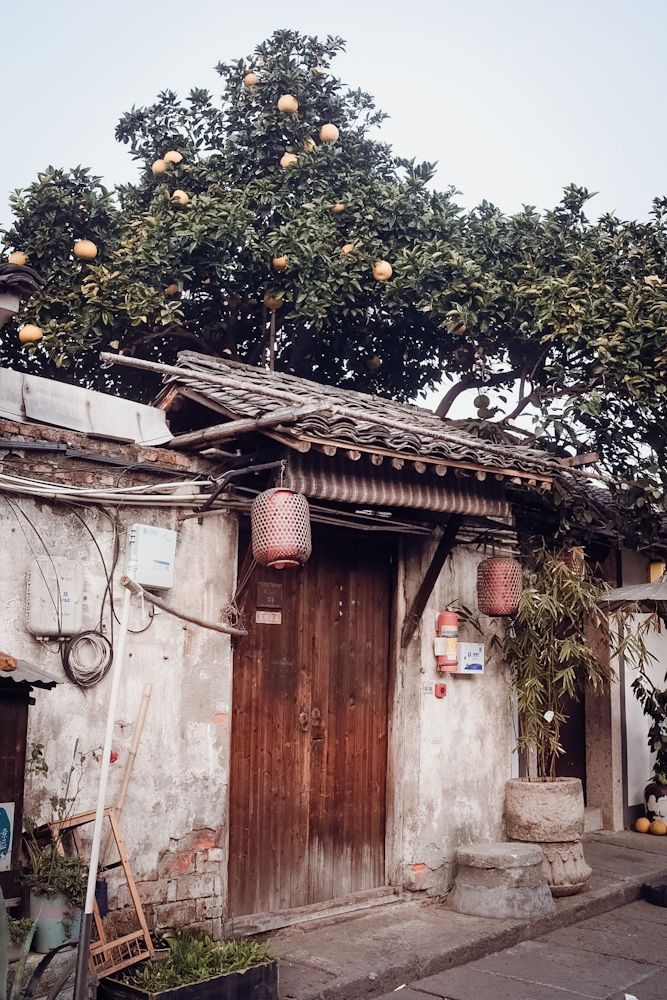
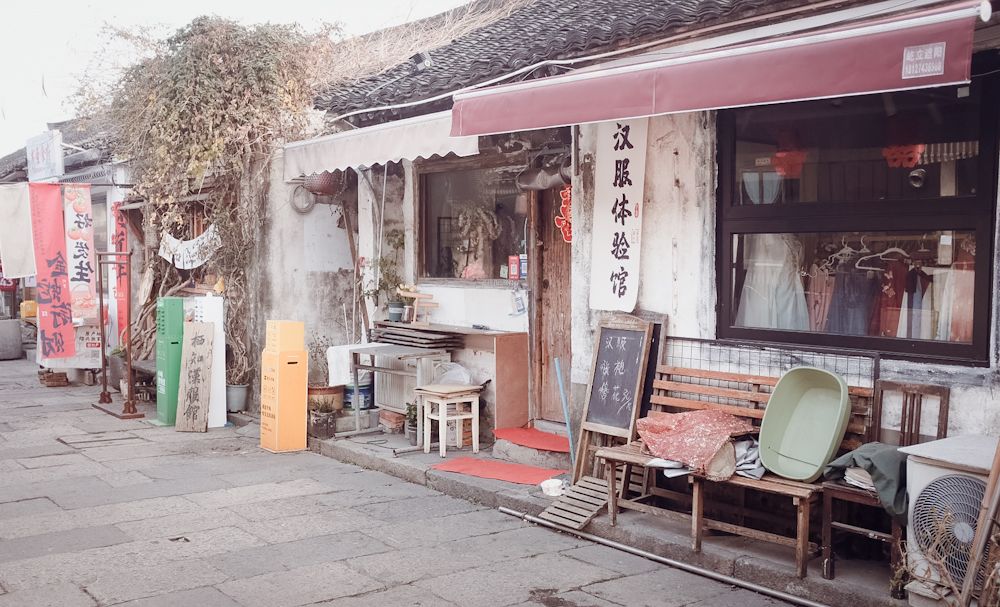
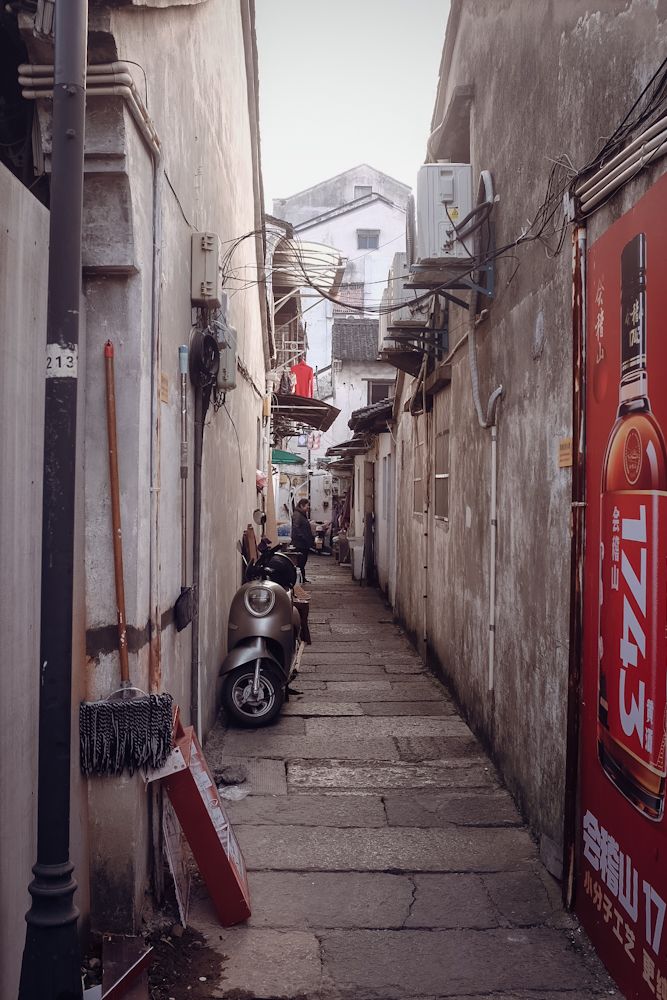
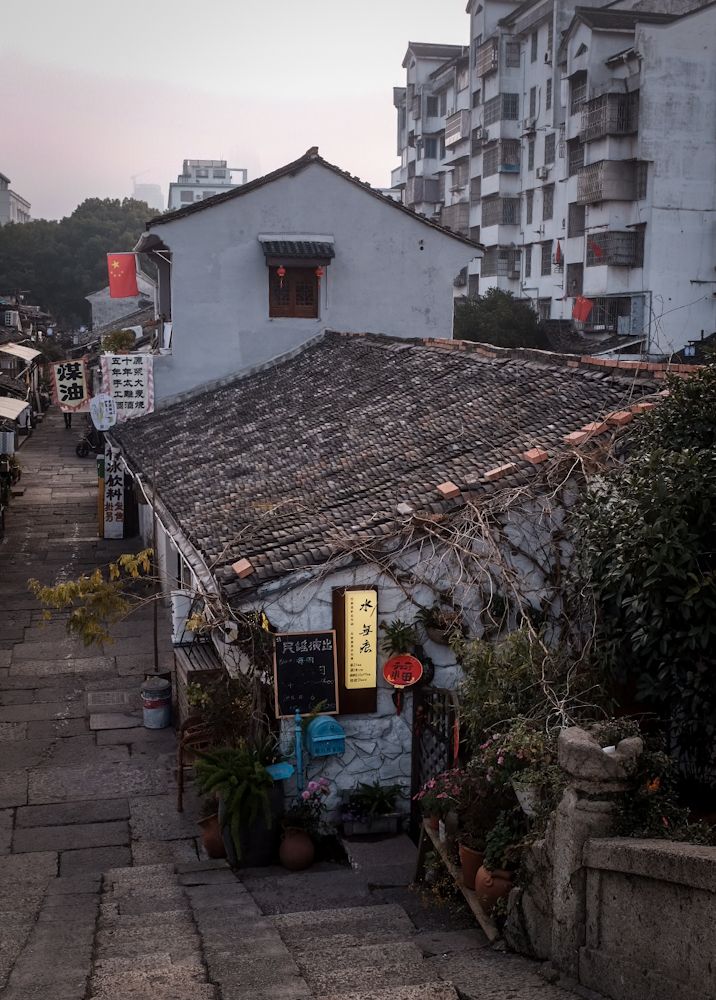
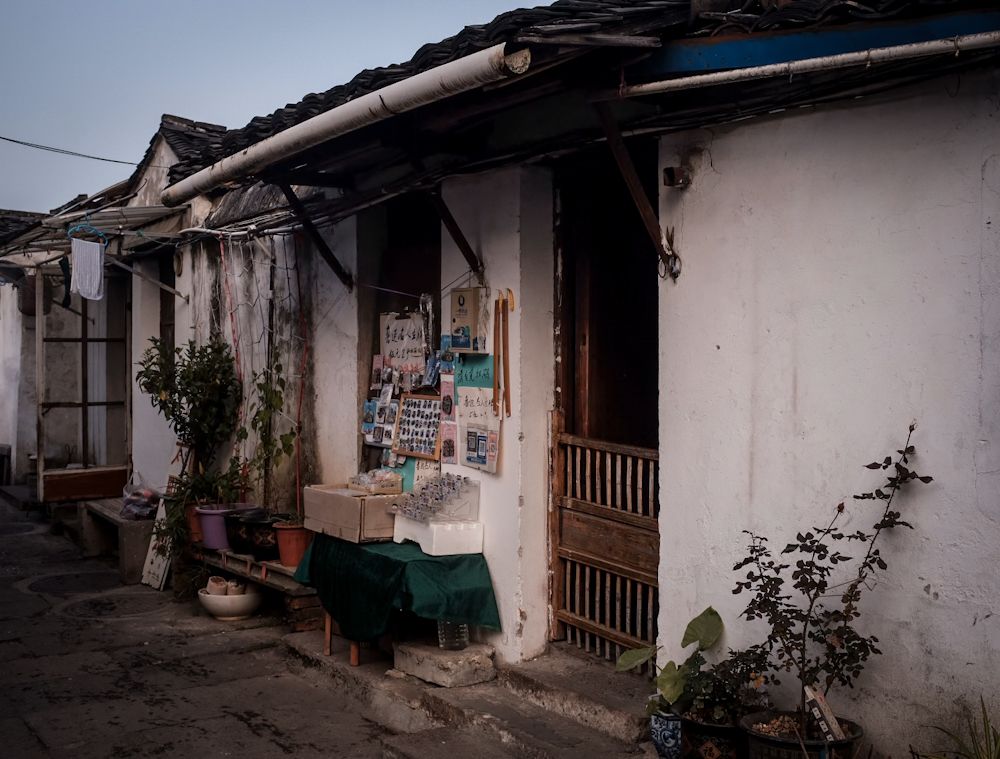
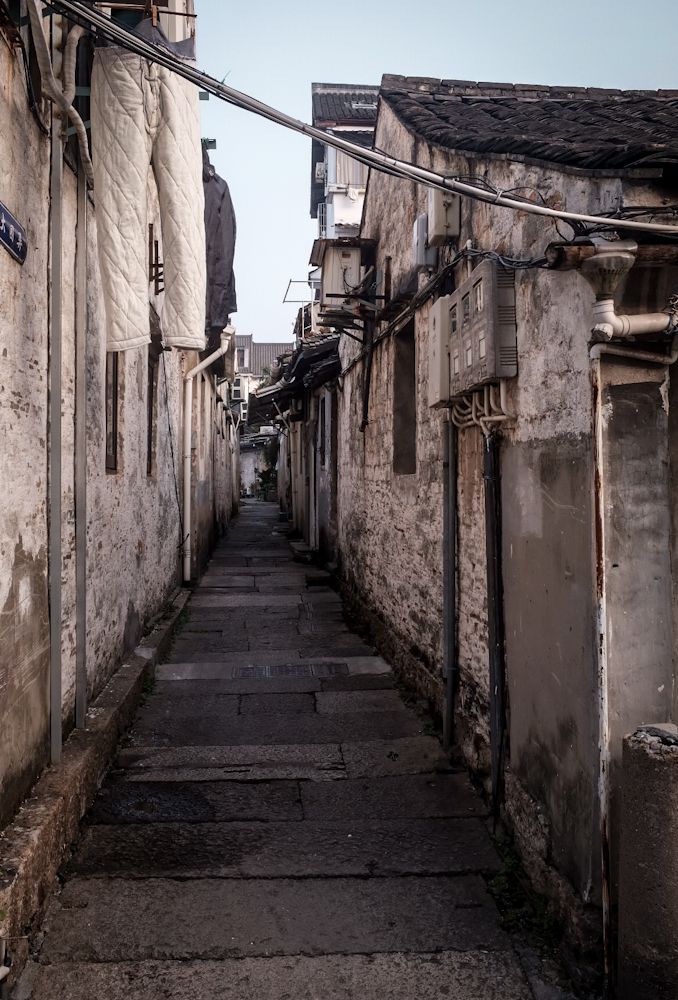
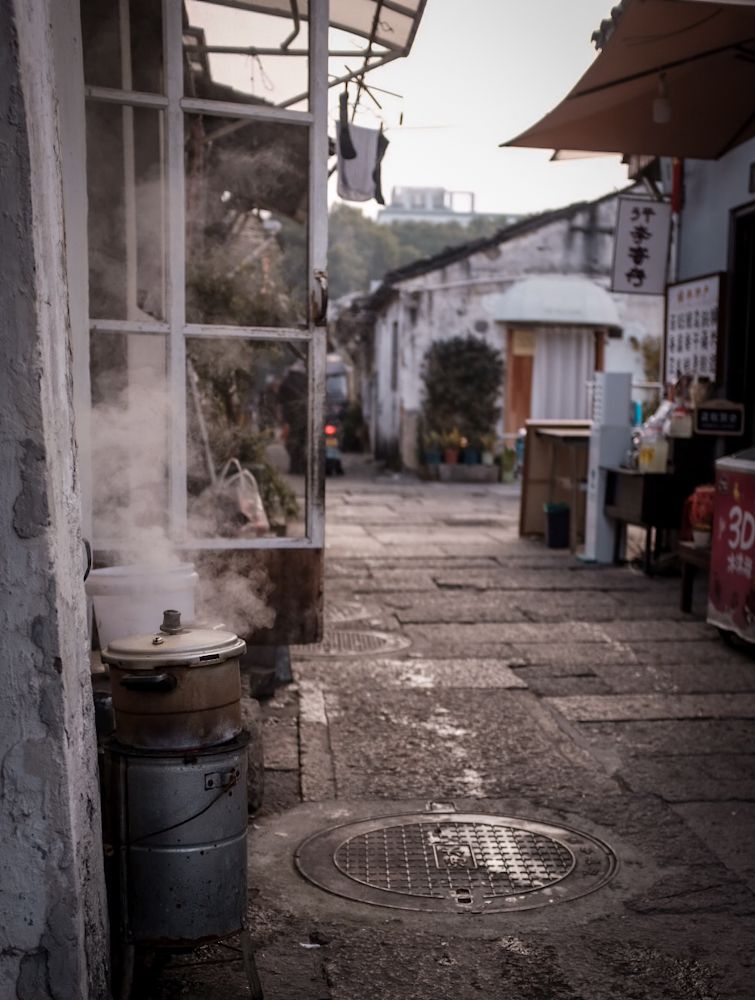
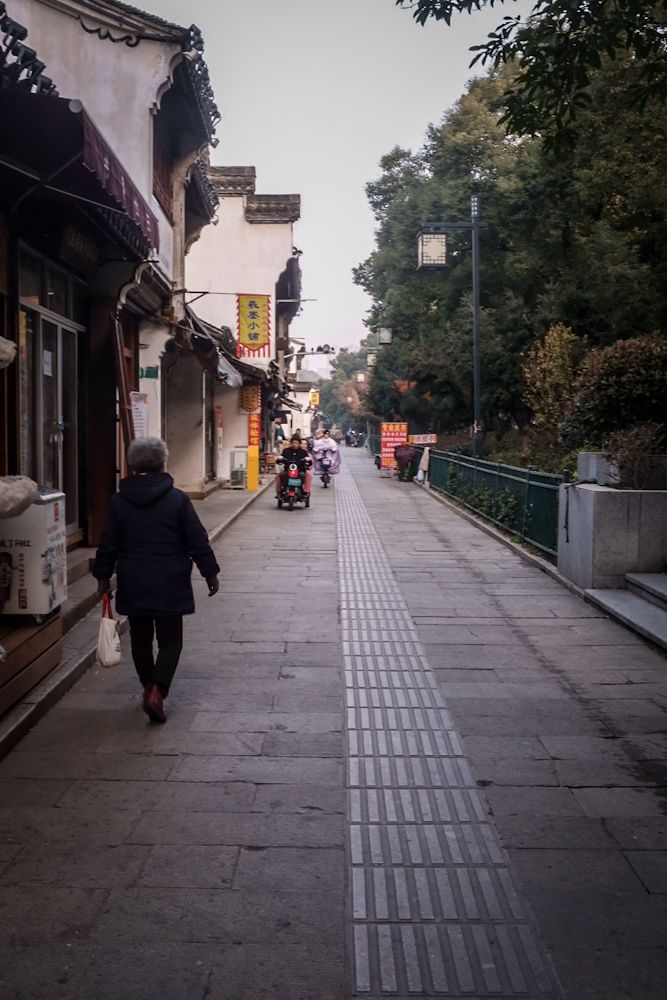
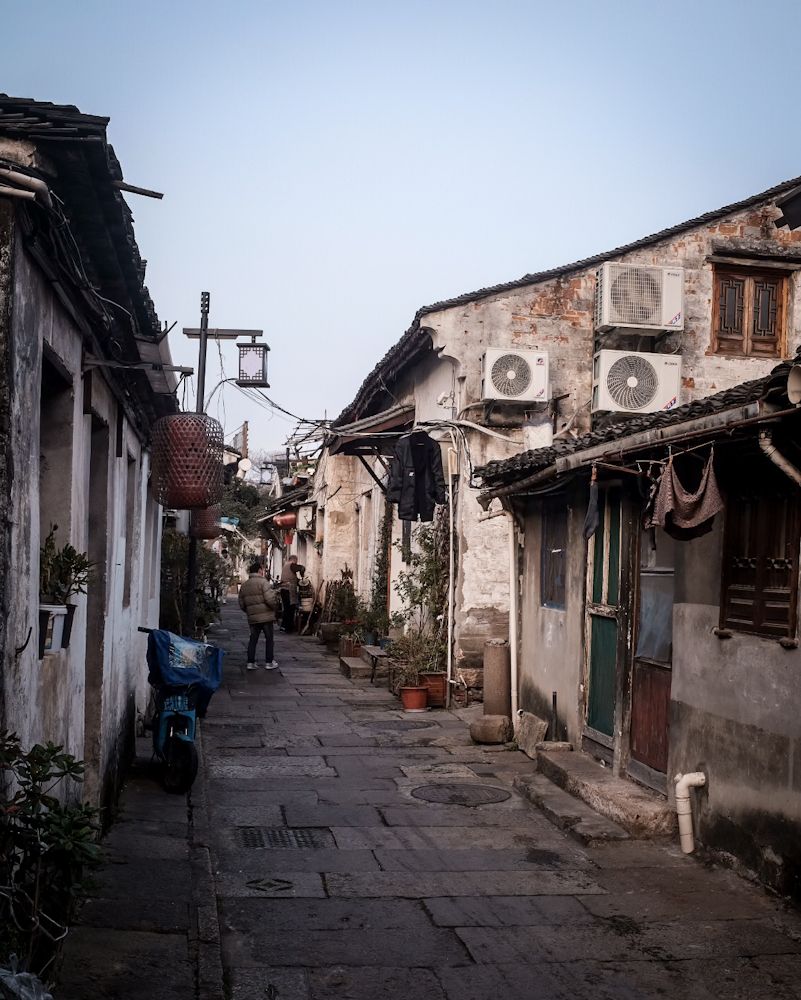
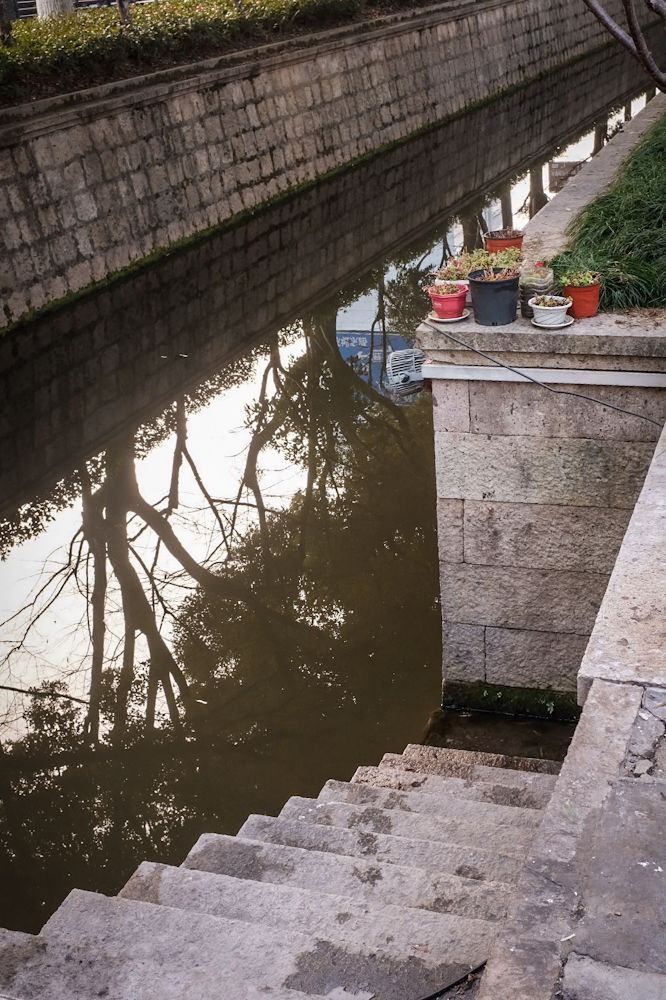
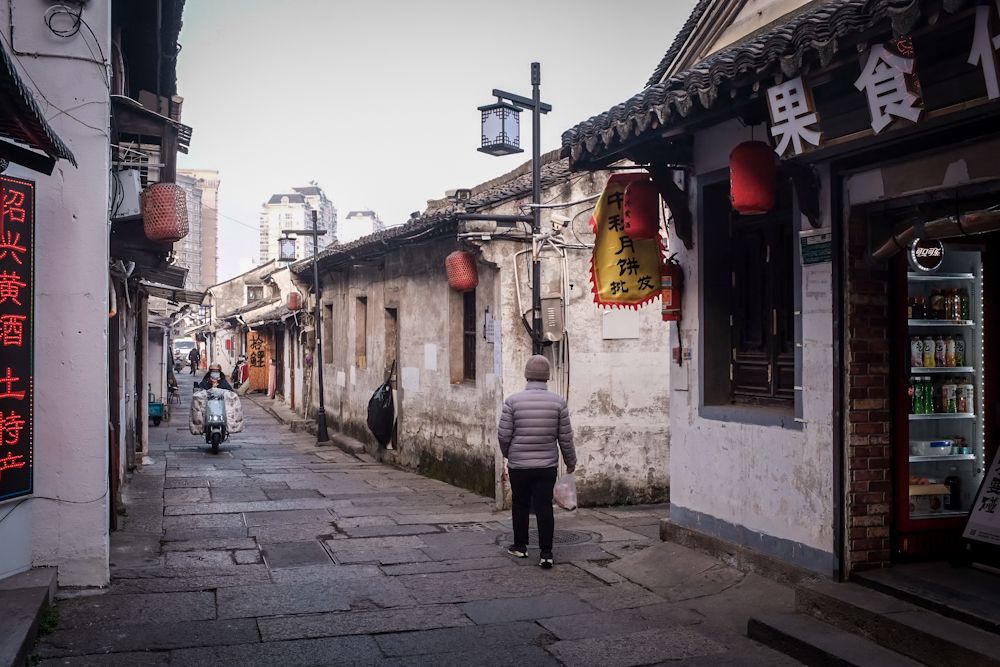
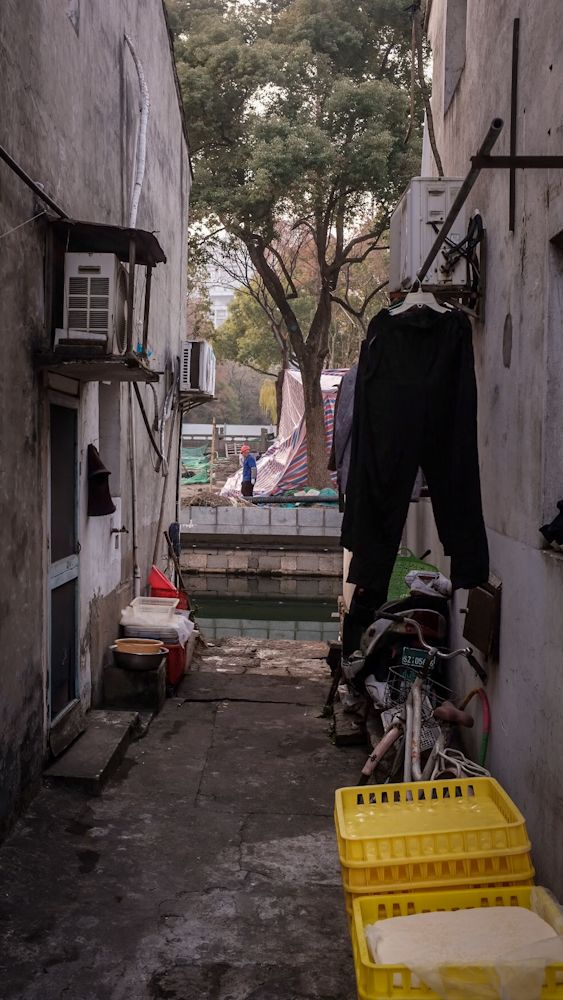
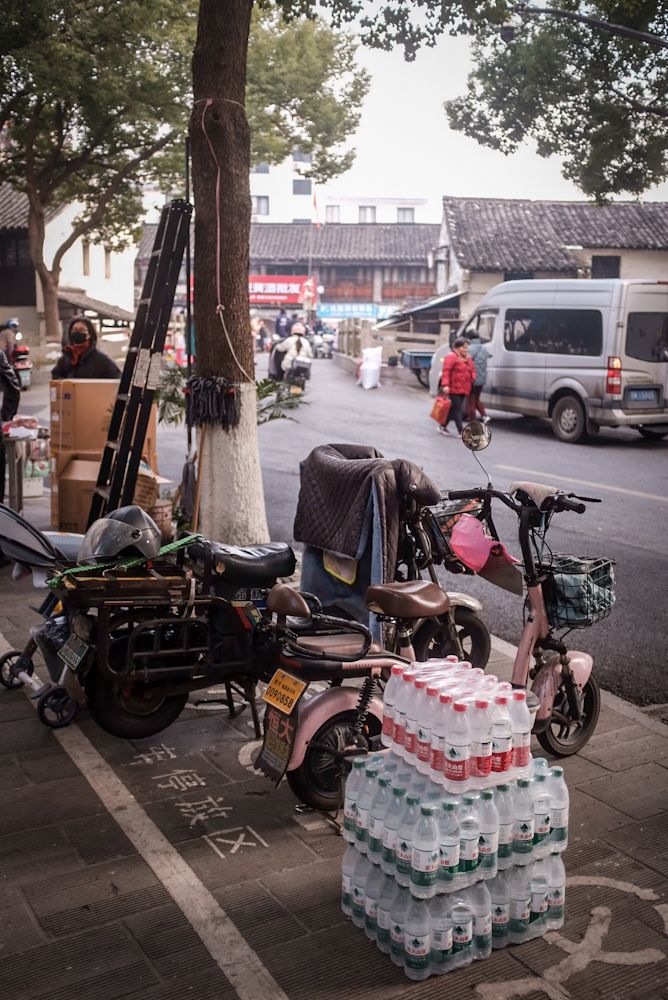
Anyway. The previous evening, while I was exploring the park, some of my colleagues had stumbled upon a scenic residential area—just the kind of place I’d love to capture in my last shots of China. This wasn’t the posh China of Shenzhen; this felt like a more “authentic” part of town.

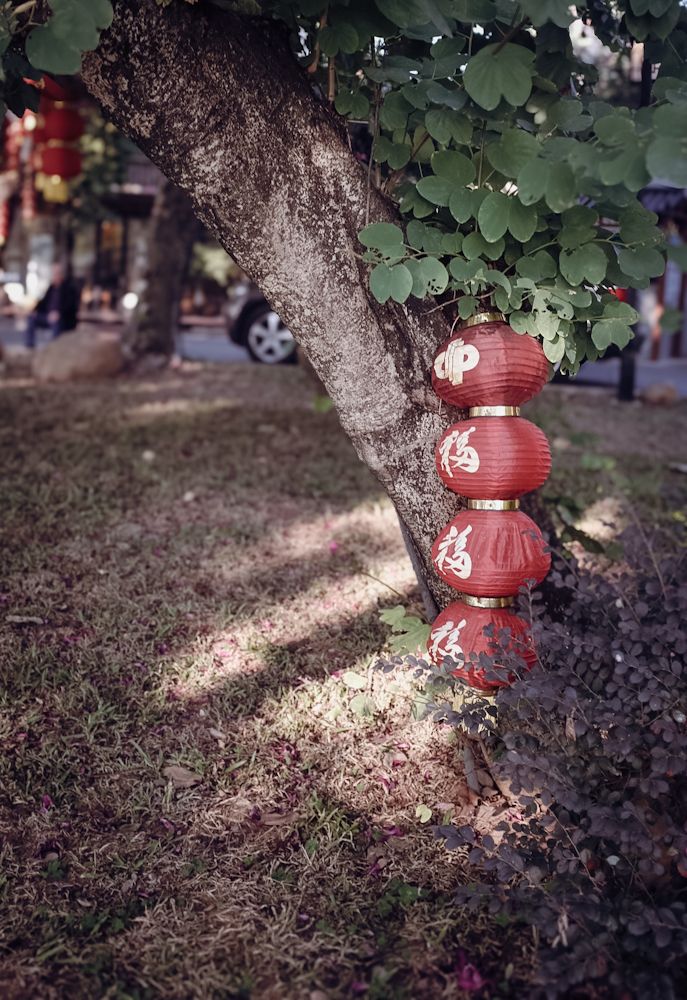
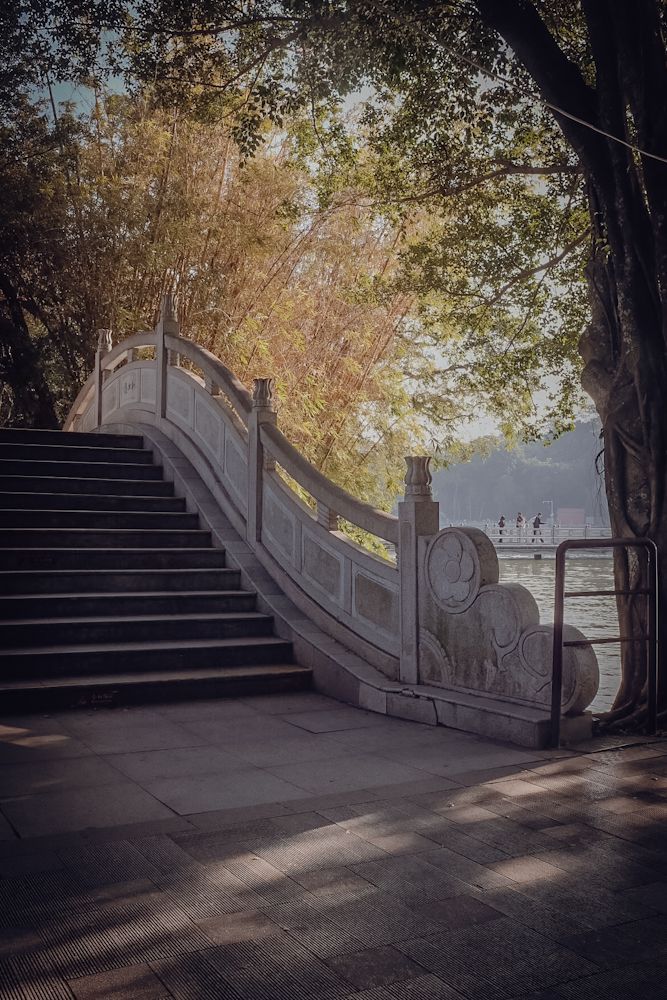
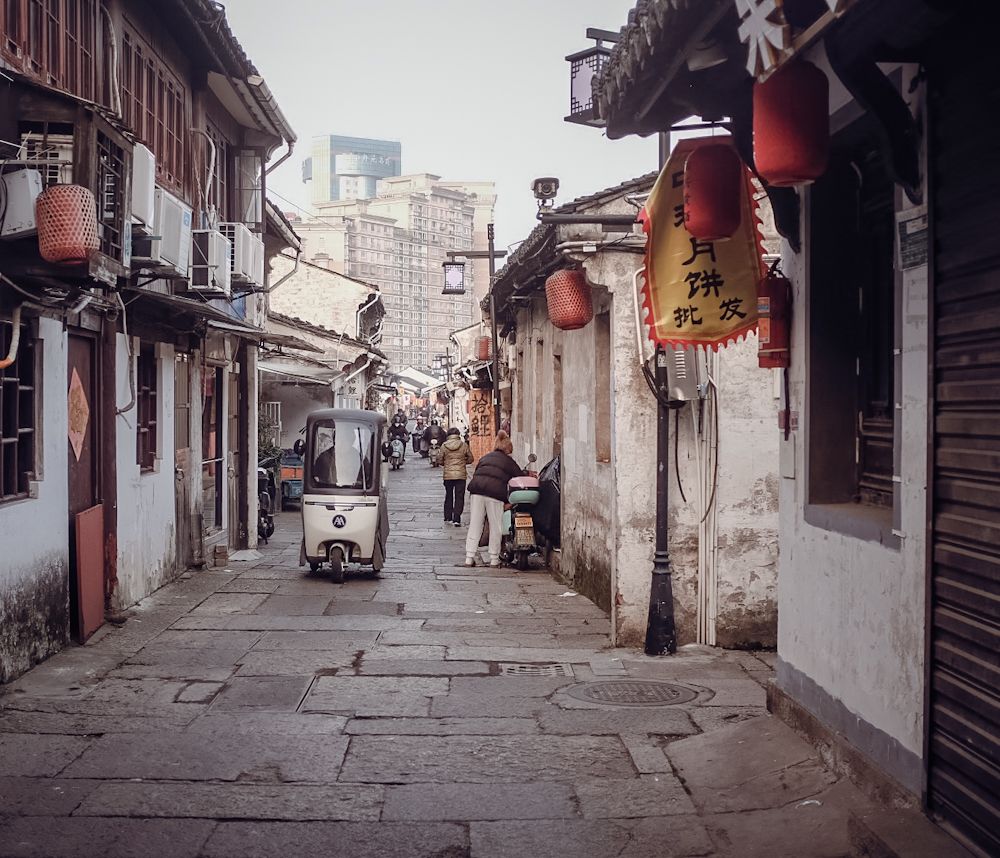
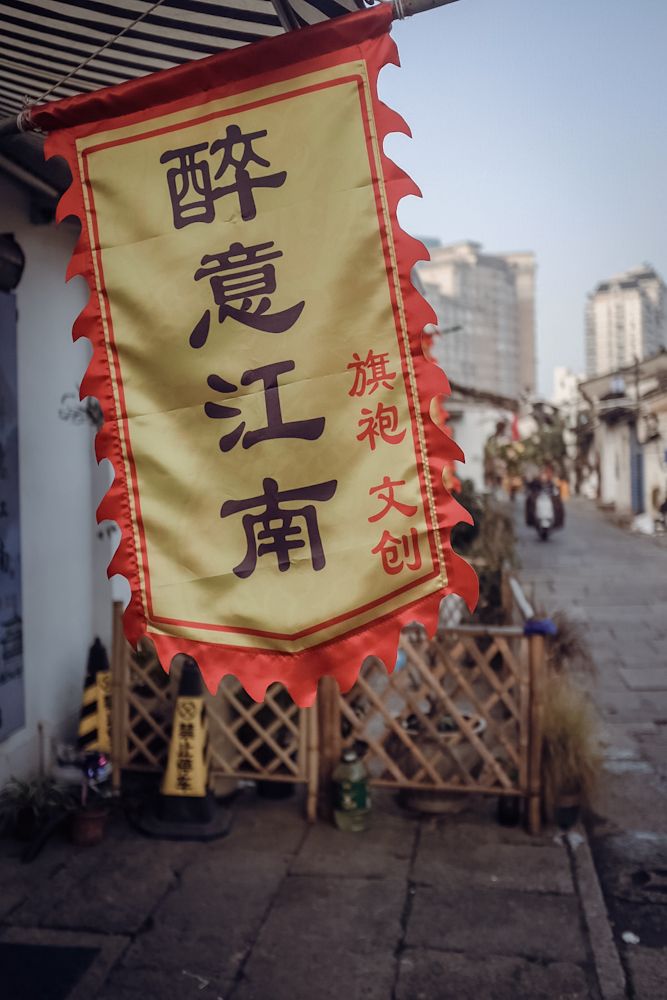
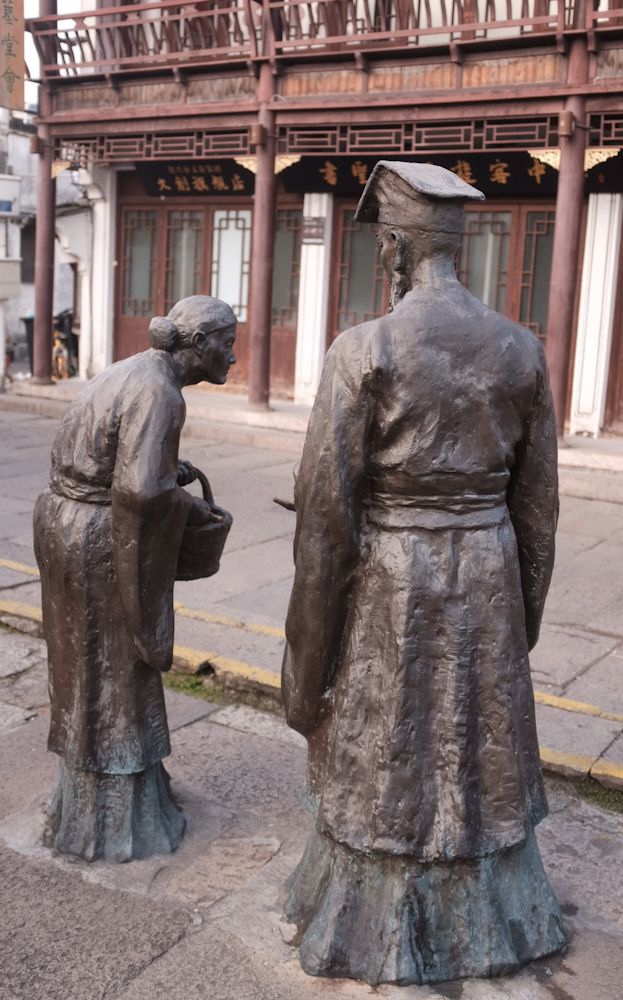
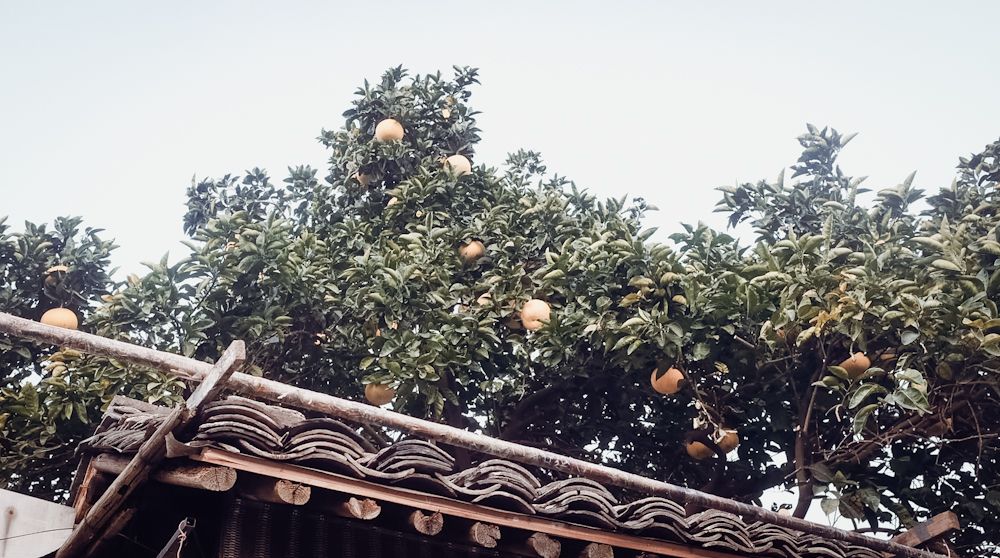
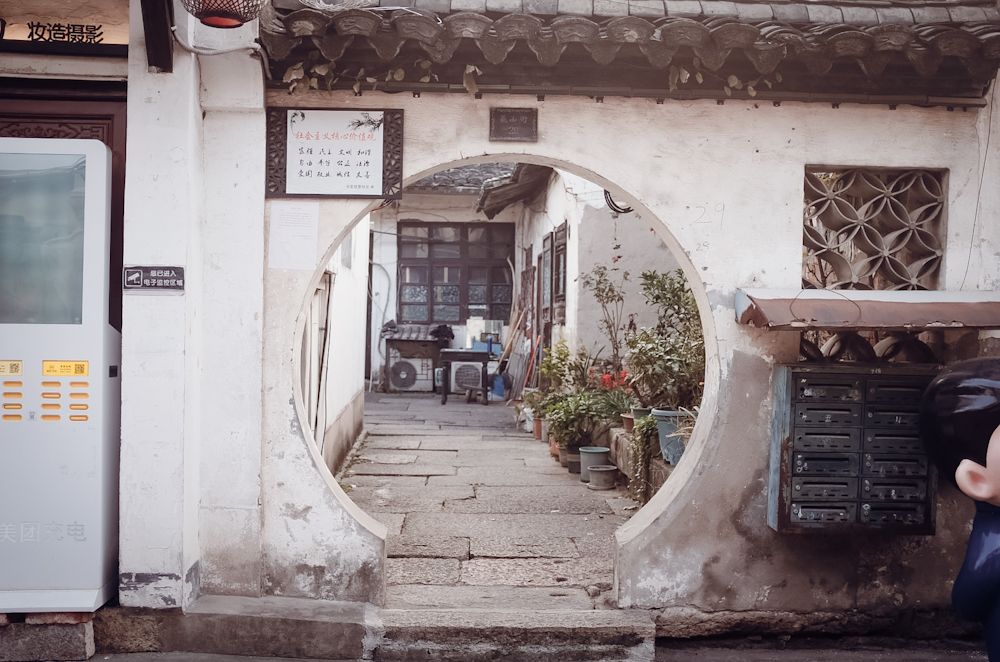
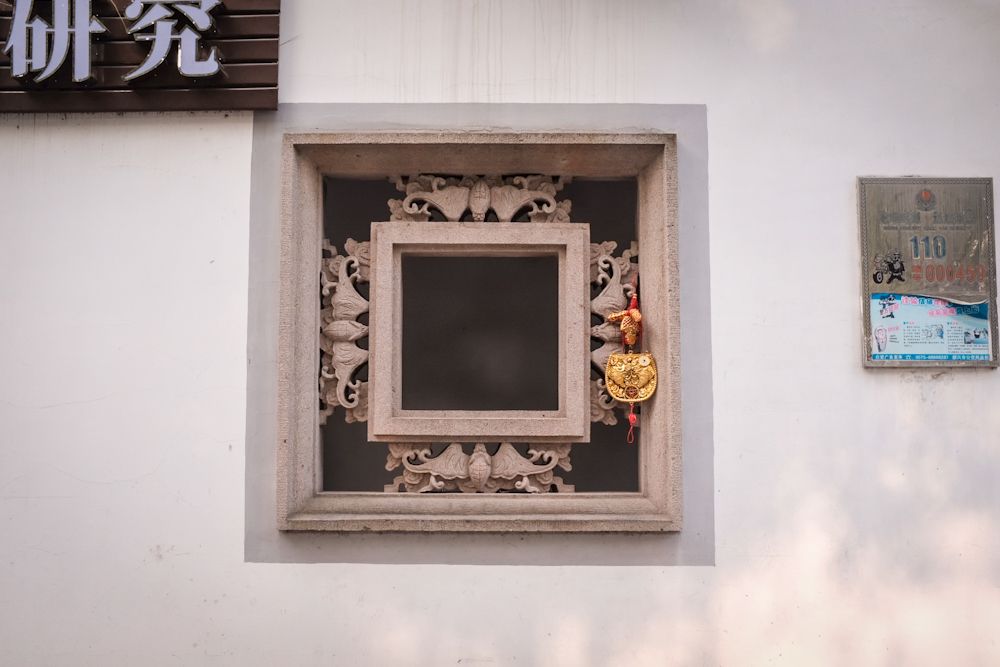
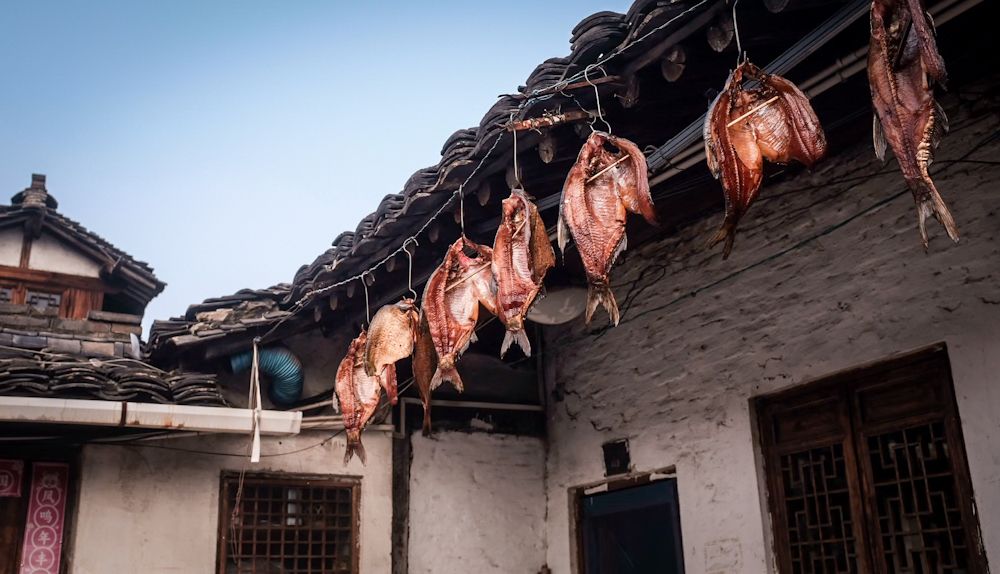
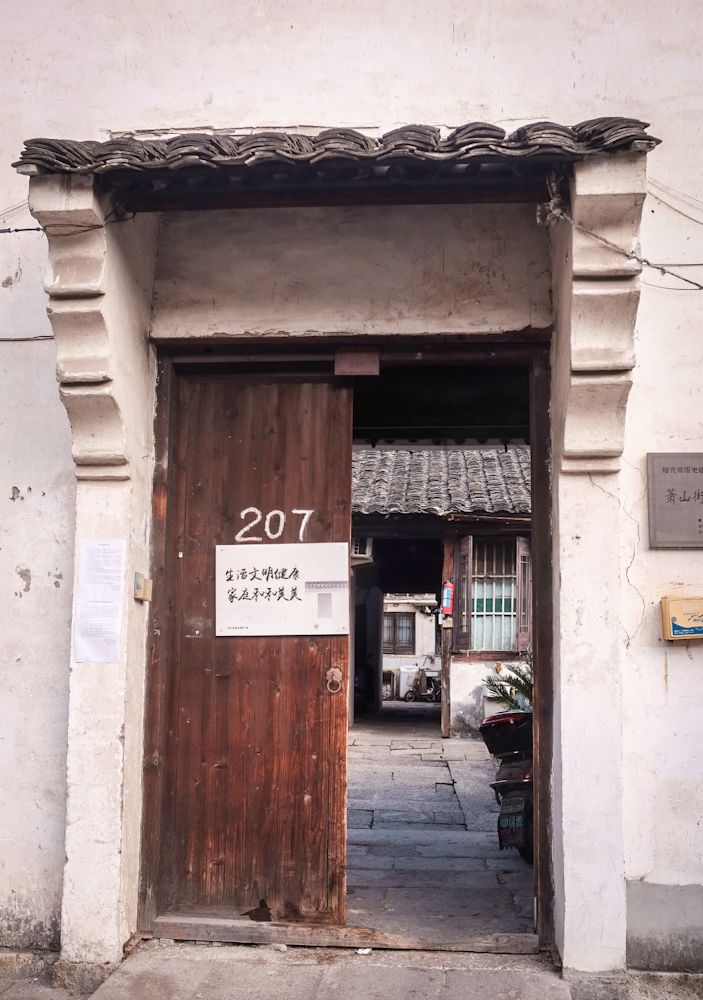
And it was stunning, as you’ll see later in the photos—filled with all the quintessential imagery of China: round entrances leading to inner courtyards, red lanterns preparing for the Chinese New Year, fish drying under the rafters, boats drifting along the canals, humpback bridges, mopeds zipping past, and an old lady eating her rice for breakfast. Even Confucius was there—his wisdom guiding us through the streets.

I had heard about this little quarter at dinner the night before. My colleagues had waxed lyrical about it, so off I went, camera in hand. Now, you know my sense of direction—getting lost, or at best, off track, is inevitable. I was told: “Turn left outside the hotel, walk about ten minutes, and you can’t miss it.” Which, of course, is exactly the kind of thing I do miss.

But not today. For once, my terrible sense of direction didn’t fail me—God must have been smiling on me that morning.

All of a sudden I was there, walking around with my camera at the ready remembering to take colour photographs because my wife had asked me to.  I meandered through the street watching the morning rituals, people clearing their throats and spitting on the ground, better out than in, people eating their rice for breakfast.  The place seemed to be waking up gently, and the mopeds taking their passengers to work and not driving too fast either.  

There was one moped that thought he could make it over the bridge in one go.  He tried a few times, but obviously it wasn’t going to happen, because it would have made a wonderful photograph.  The man got off the thing, and walked it across the bridge and seemed to appreciate my clapping him over.  Encouragement is as universal as something very universal.  

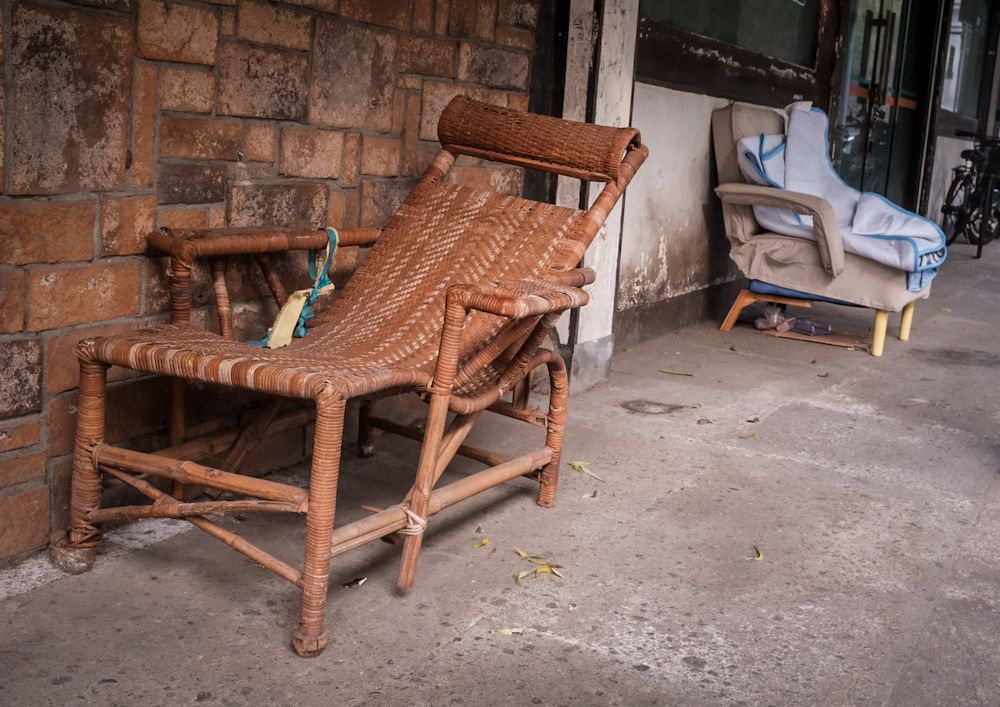
I kept wandering around with no fixed idea of what to do or see.  I could see a kettle boing for the tea, and felt a slight pang of jealousy.  I was of course, tealess.  I reached the outside of the quarter, and just headed back in at the sign.  I had seen a wicker chair which would have been perfect for my afternoon snoozes.

As I came back in, people seem to have awoken from their slumber, and the small shops started to open.  There were all kinds of things for sale.  Chinese New year decorations, clothes that were lovely but might have been a tad small for my more rotund frame.  There were shops selling brooms and pans.  It was definitely buy local…

As I left for the last time and having taken my phtoographs, I passed Sarah, a fellow photographer, who had obviously awoken slightly later then myself.  We of course said good morning and wished her luck with her camera.  

I mozied on down, back to the hotel to pick up my suitcase and horn, getting ready for the trip to Xian Ju.  And this is where my memory goes a little fuzzy, like my camera out of focus. I remember the concert, sure, but everything else? It’s like my mind just pressed pause. A temporary freeze-frame.

It’s strange, isn’t it? How the mind works in these moments. Maybe it’s the thought of the long journey home—the “parenthesis” closing, as it were. The feeling of something coming to an end, but not quite ready to leave. That lingering moment between chapters, when you’re not sure if you’re truly finished yet.

But then again, I’ll leave that for next time. Perhaps when I’m home, looking back on these images, I’ll see it clearer. For now, though, I can’t remember a thing—not for the life of me.

Photography Philosophy Part IV – The Art of Storytelling in Photography


When I first started out in photography, I would go and get my film developed by the photographer on Newland Avenue near where I lived, and the photographer would do what people called a contact sheet.  Basically, the film was cut into strips, placed into a special frame to keep the negatives as flat as possible, and exposed directly onto a sheet of photographic paper.  These “thumbnails” allowed us to see the photos of the outing in one place and we could decide which ones might be worthy of developing.  

We have this digital contact sheet in Lightroom where we import our photos and decide which ones are worthy of being developed. It’s the same idea, just with different tools.

But what does this have to do with storytelling? Think of the contact sheet as the beginning of the story-crafting process. Just like a narrative needs a beginning, middle, and end, so too does our selection of images. With a contact sheet, we gain a bird’s-eye view of an outing—seeing not only the individual shots but how they relate to each other. Choosing which moments to develop isn’t just about technical quality; it’s about deciding which parts of the experience best tell the story.

This principle guides me when choosing photos to share here on the blog. Whether it’s capturing moments with my friend JD, the barber, or snapping a shot of my lunch before I dive in, each image plays a role in the day’s story, hoping that I don’t forget to take the photo of my dessert before eating it.  Otherwise you just get a photo of the plate with some traces of cake or just some crumbs.

But lets’s get back to the idea of story telling with an arc that covers the outing.  When I set out for the day, I begin with a few warm-up shots to set the scene. If I have a plan, great—but often I don’t. Instead, I focus on capturing the ambiance of my surroundings, whether it’s a café, church, or pub. Each photo builds on the last, creating a narrative of my day’s journey.

For events, especially when I’m hired to photograph, I’ll start by discussing the plan with my client. I want to know what’s important to capture, any specific conditions at the venue—lighting, mobility restrictions, etc.—and what moments they consider essential. Having this list of must-capture moments, like the classic Kodak moments that we talked about in the last article, helps me stay focused and give me structure.

For the sake of arguments, I have a wedding to photograph, and I know that I will be taking shots of the bride before the ceremony.  I know that I have to be at the venue before the happy couple arrives.  I’d better get a shot of the rings before they appear on the couples’ fingers, etc.  I’ll want environmental portraits of the guests, etc.  This planning ahead allows me to be more serene during the day itself.

newlyweds and their wedding bands
Just married

Not every story requires a series of images; sometimes, a single photograph can capture an entire narrative. Think of it as a self-contained story, a moment that holds not only what’s visible but also what’s implied—emotion, context, and sometimes, a sense of mystery.

For example, take a photograph of a lone, empty café table in the soft morning light, a half-full cup of coffee, and an open notebook on the table. This image can suggest solitude, introspection, or perhaps the moment right after someone has left. The viewer might wonder: Who was sitting here? Why did they leave? What were they writing? This photograph tells a story, inviting the viewer to step in and imagine the rest.

A single image can evoke different responses based on the viewer’s own experiences and emotions. In many ways, it’s a conversation between the photographer and the viewer. We as photographers might set the scene, choose the light, and capture the moment, but it’s the viewer who fills in the blanks, completing the story in their mind.

This approach also applies when photographing people. A portrait of a person lost in thought, gazing out of a window, can evoke curiosity about what’s on their mind, where they might be going, or what they’re experiencing at that moment. In these cases, the single image captures more than just a face or place; it holds an emotional narrative that transcends words.

my daughter contemplating cake
Am I sure about this cake?

Storytelling in photography isn’t just about taking pictures; it’s about deciding which moments matter and capturing them in a way that communicates more than what’s on the surface. Whether we’re crafting a narrative through a series of images or capturing an entire story in a single frame, each photo we take says something about how we see the world and what we want to share with others.

Next time you’re out with your camera, think about the story you’re building, whether it’s a quiet day at a café or a bustling event. What do you want your viewers to see, to feel, to wonder about? In some ways, we’re all storytellers—stringing together moments, big or small, to create something meaningful.

So, go on—look through your images as if they were frames in a film, each one a piece of a larger story. You might find that your perspective shifts, and that’s when photography becomes more than just a hobby; it becomes a way of understanding and connecting with the world.