China – How a Journey Transforms a Man…


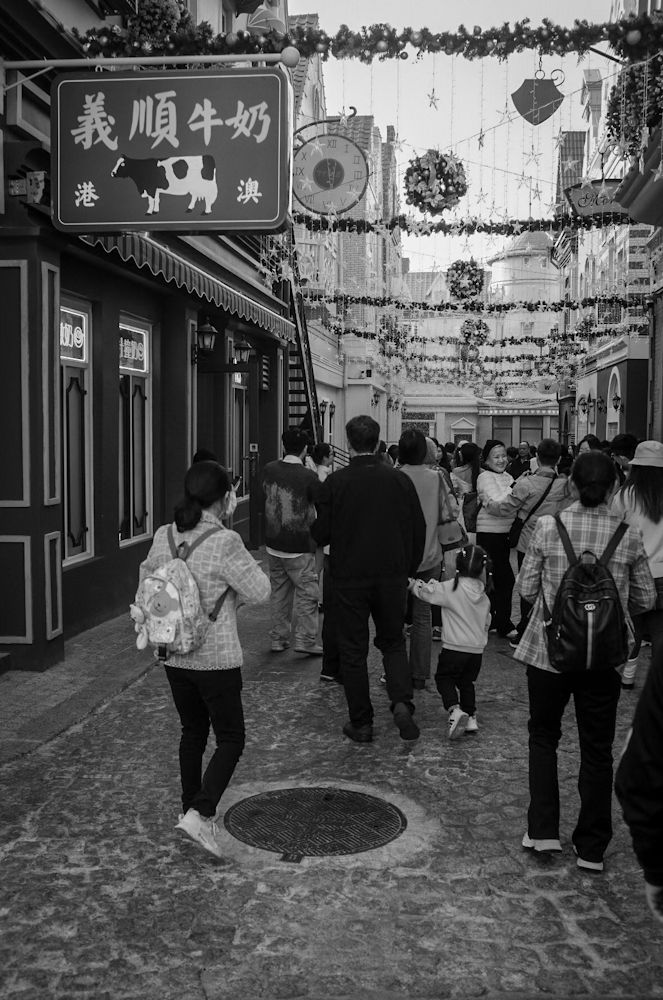
There’s a stock phrase about the journey being more important than the destination. Another one suggests that a journey can transform a man into something new—something he didn’t even suspect. As I look back at the man who left home, went to China on tour, and the one who came home, I can’t help but wonder if there’s truth in both. I’ve previously described China as a “foreign concept,” and now, having returned, it feels far less so. I’ve peeled back a layer of the country and gained a deeper understanding of its culture—musical, culinary, and otherwise.

This tour, too, has been a “parenthesis,” a break from real life, and a chance to be me—not just “Papa” or “husband.” No longer defined by my role in the family or at work, I could just exist as I am, whoever that is. Though I still feel some anxiety about how others perceive me, age has brought a certain self-awareness, self-knowledge, and—perhaps—a bit too much overthinking. For those two weeks, I was simply a guy on a bus, surrounded by French people, walking through new experiences, and discovering everything along the way.

China as a Totally Foreign Concept

Before I left, my idea of China was that of a far-off place, so completely different from anywhere I had lived before. Those ideas were formed in childhood, shaped by the media’s portrayal of this foreign land. I won’t deny it—I was terrified of the whole trip. Researching things online only added to my worries about not being able to read or speak the language. Growing up, I saw China as a Communist regime, almost oppressive like the Soviet Union, and as the enemy we had to defend against. I remember watching the handover of Hong Kong in 1997, feeling my stomach churn as I watched truckloads of PLA soldiers occupy our old colony.

I remember, too, older members of the band, where I wore green for a living, talking about Hong Kong as the dream posting—warm, sunny, and everything a soldier could need. But what was I really afraid of? The unknown. We all knew about China’s state security apparatus, without truly understanding it. The events of Covid only deepened that sense of fear and mystery.

I even worried about something as simple as eating with chopsticks, imagining I’d have to rely on forks or my fingers. Looking back, all of these fears now seem so silly. But they were real before I experienced the country for myself—and especially before I met its people.

The People Who Changed My View

Somehow, I managed to take each day as it came, simply bathing in the new experiences. And, strangely enough, China worked its magic on me. It didn’t just change my view of the place—it changed how I saw the people. They were charming, incredibly friendly, and in a way that made them seem so much more human.

I began to see myself in them, and I realized that, despite our differences, we are more alike than we might think. We all fall in love, become parents with grace, and share the same aspirations for our children—to be happy, to find love, and to repeat the cycle.

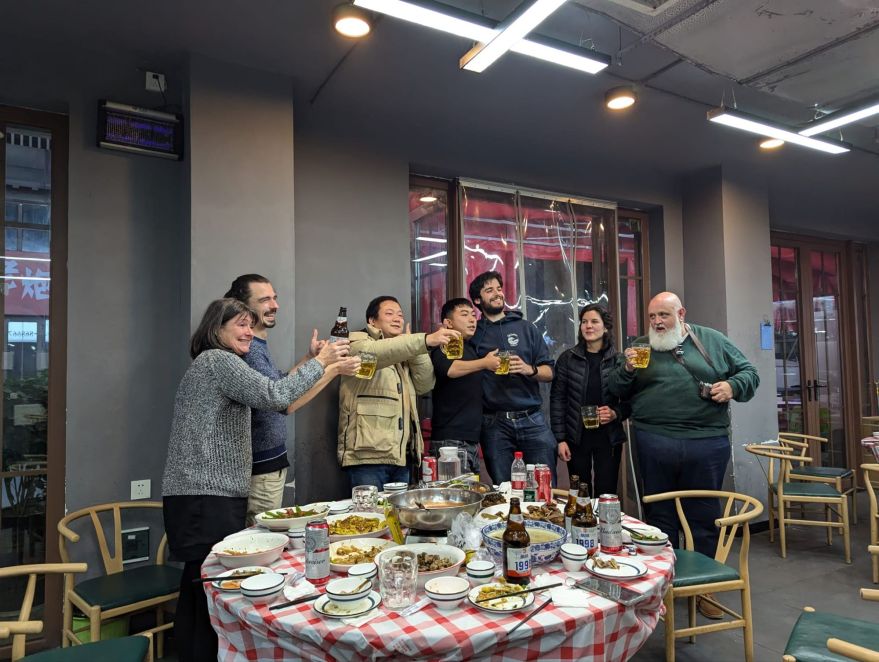
I think back to Christmas Day, when I made new friends. The simple “Merry Christmas” was enough to endear me to them. I also reflect on how beer, it seems, transcends barriers of language, creating a connection that only men seem to understand. I’m not trying to exclude women, of course—heaven forbid—but there’s something inherently masculine about it.
My Place in the Orchestra

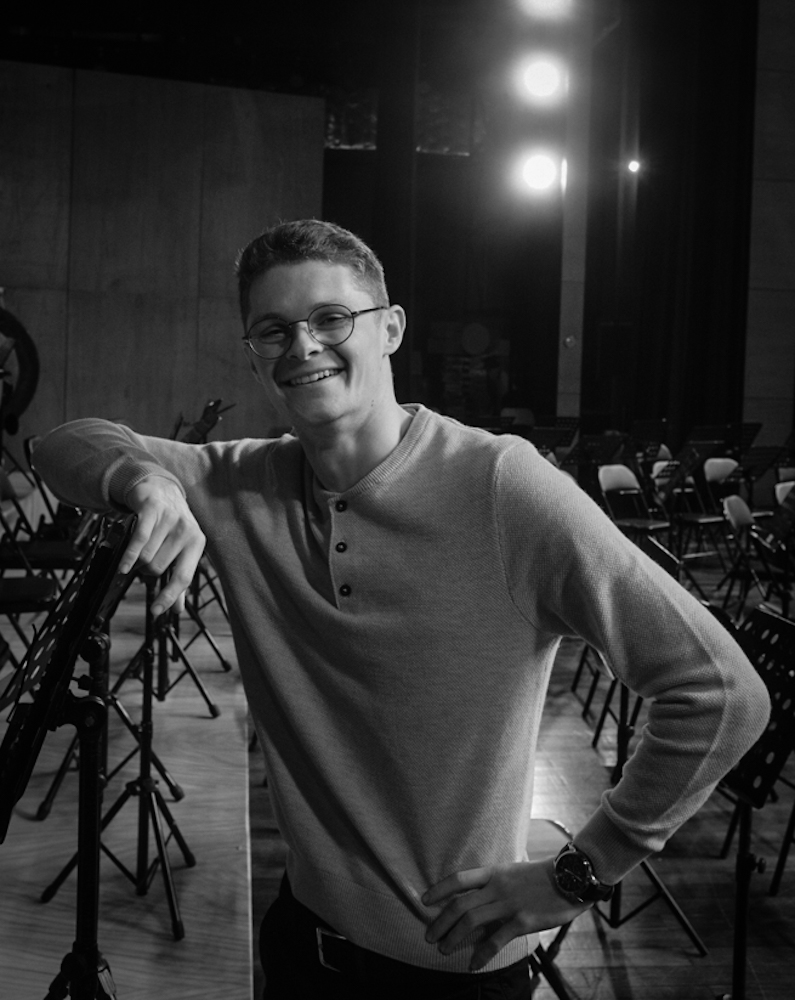
Another transformation came in terms of my place in the orchestra—or rather, my perception of it. As the 4th horn, a position typically reserved for the least experienced player, I have always resented the remark. But now, I know my role to be the solid foundation of the section, guiding it through the music. At 53, I no longer feel the need to prove anything. I’m here for the music, content to plod along at the bottom. It’s not humility—it’s comfort, and a willingness to let the young bucks enjoy the spotlight.

Being on tour, though, inevitably brings people closer together. Take poor Corentin, who shared a room with me for two weeks. It’s one thing to get along during rehearsals or after a concert, but living in such close quarters really gives you a new perspective on someone. I knew Corentin was a good lad, but during those two weeks, I saw him in a different light. We talked, laughed, and endured the trials of close proximity.

I remember one drive home from a concert when my birth mother FaceTimed me with the news of her cancer diagnosis. Corentin, despite his limited English, understood more than he let on. He listened as I processed the information, and in that moment, we connected in a way that most people don’t. Maybe that’s what brought us even closer.

Sharing a room with him was like being back in the army. We worked hard, played hard, and celebrated with the kind of noises only a group of men could share. If you can fart in front of someone, you’re already on the next level of friendship.

One moment that stood out for me was when I helped Clement, the other horn player. I had offered him some coaching to help him out of his funk.  During the concerts, he had some delicate parts, and although I could easily play his passages for him, I didn’t want to embarrass him. So, I didn’t change seats to play his part during the performance. Instead, I stayed where I was, and when it came to his turn, I played my part to the best of my ability. It was subtle but important—I didn’t want to take his place; I just wanted to give him the support he needed without making him feel like he couldn’t do it on his own.

Afterward, Clement spoke very kindly about me to the younger players in the group. He praised me in a way that felt both generous and sincere, and it left me feeling deeply grateful. His words were not just kind—they spoke to a level of respect and camaraderie I hadn’t anticipated. I hadn’t sought recognition; I just wanted to help. But his thoughtful comments—about my support without overshadowing him—meant more than I could have expected. It’s rare to find such generosity of spirit, and I appreciate him for that.
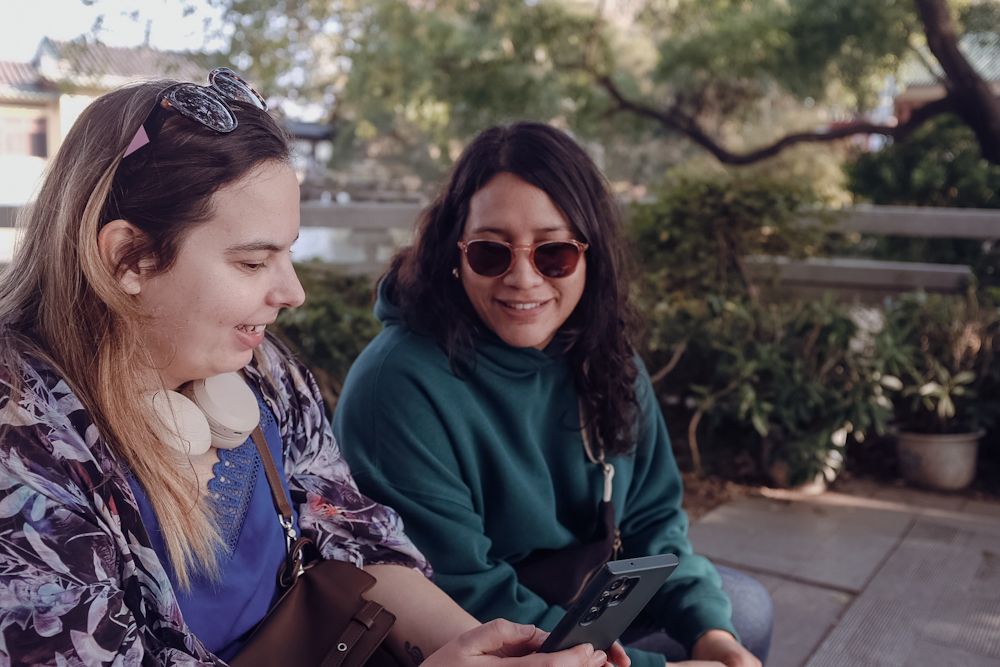
I nearly forgot to talk about my girls from my days in Cholet. It was Eléonore that suggested that I join the orchestra, and I’m so glad she did. I was about to leave my horn in its box and let it gather dust somewhere in my house where people wouldn’t trip over it. She has been a very good friend to me over the last 13 years, and I think she’s wonderful. Then of course I mustn’t forget Titaua and Mathilde. And they certainly didn’t forget to tall every one about my “kilt” days, where as fed up of being English, I would let people know that one can be from the UK without necessarily being English. My first adoptive father was Scottish, and his brother, Uncle Joe, was Professor Regis at Edinburgh University. People came up to them saying that Ian wasn’t like how they had imagined him, and was actually a decent chap and all-round good egg! Then Eléonore just reminded them that “they” didn’t know me the way she did…

During the tour, as you’ve seen, I took some photos—some of them very odd. But I wasn’t the only one sharing them in the infamous WhatsApp group. For the first time, people saw a different side of me—the artist, not just the beer-loving horn player. I even started sharing my blog posts in the group, and maybe I’ve earned a reputation as the writer. Who would’ve thought? A beer-drinking horn player who takes decent photos and has a way with words—still knows how to play, though.

Anything Else?

I think my approach to food has also shifted. I’ve always liked the idea of sitting around a big table with friends, and during the tour, I was reminded of that. The variety of dishes was astounding, and I saw some players more comfortable with what they knew, while others bravely ate silk worm chrysalids. Me? I just enjoyed whatever was put in front of me, from chicken and duck feet to tortoise.

I found myself stepping away from desserts, my sweet tooth growing calmer. Eating the Chinese way—deliberately, mindfully—was a revelation. Much like film photography, it slowed me down and made me more aware. I ate less, but I appreciated the variety. I even tried to emulate that at home—though, I didn’t put chillies in my dishes.

I’ve also become more accepting of my body. Despite still feeling like I have a long way to go, I’ve made peace with the body I’ve got. Corentin’s lack of judgment helped, and I’ve learned to be more at ease with the frame that carries me around.

How to Conclude?

What’s clear is that this journey, this “parenthesis,” hasn’t just been a break from the familiar—it’s been a period of quiet transformation. The familiar parts of myself have had space to evolve. And perhaps that’s the true beauty of any journey—not the destination, but the unfolding of a self you might not have fully known. In a way, I’ve returned not quite the same man who left. But then again, perhaps that’s the essence of travel: it allows us to become more fully who we truly are, even as we discover the world around us.

As the journey ended, I found myself thinking less about the places I’ve seen and more about the moments shared—those small, unexpected connections that shape an experience just as much as the landscapes we pass through. Travel isn’t only about what we take away from it; it’s also about what we bring to those we meet along the way.

Perhaps that’s what lingers most—the idea that stepping beyond our usual paths isn’t just an act of discovery but a quiet exchange. We put ourselves out there, not just as observers but as participants, leaving behind something of ourselves in the process. And in return, we find that the world, in all its vastness, feels just a little more connected.
China – Shenzhen Day 3


A Day Off in Shenzhen – Rest, Reflection, and Culture

https://ijmphotography.net/2025/11/14/致我在中国的读者们:一封感谢信a-letter-of-gratitude-to-my-readers-in-china亲爱/

After a late night chat (you know how it goes on tour – what happens, stays on tour), I decided to treat myself to the luxury of a lie-in. And it was just what I needed. This felt like our mini-break during the tour – a sort of weekend off. It was well deserved. Life on tour can be demanding, and the emotional investment involved can really take its toll. Corentin and I both got up at the same time, and he was off to join the others in the big city. As for me, I was having a day to myself with my little companion – the X100F. Just the two of us.

So, what was the plan for the day? Well, I was hoping to visit a spa for a massage to sort out my legs. I’m not exactly fond of pain, but thought it would do me good. I have arthritis in my right knee, and although the weight loss has relieved much of the pain, my left knee has been compensating, and my left calf was starting to feel like it was on the brink of tearing. Not ideal. I had found a few places on TripAdvisor, one of which had a rather dubious reputation – apparently, not only offering massages but also “happy endings.” Definitely not for me. I did find a more refined option with a solid reputation for wellness. Perfect. All I had to do now was find it.

As I left the hotel, I bumped into Jennifer Courcier, our soloist and guest star. She still has an amazing voice – if you caught last week’s concert post, you would have heard it. If not, well, go have a listen now. I’ll wait…

Starbucks and Cultural Contradictions

Good, wasn’t it? Doesn’t she sing beautifully? Jennifer mentioned she was heading to the beach but first needed a coffee fix. Starbucks was nearby, so off we went for a caffeine hit. Now, whenever I hear the word “Starbucks,” the phrase “basic bitch” comes to mind. I never know what to order, so, with a bit of help, I discovered that “ordinary” coffee is actually a double espresso. My anxiety was starting to rise as I tried to make the choice, but I finally settled on the “Yunnan” blend. The Chinese barista prepared it with such care that I almost felt like royalty. Things were already looking up.

We sat on the terrace and chatted. I’d been mentoring one of my younger horn players to help him out of a funk. He had recently switched mouthpieces to improve his upper range but went back to his old one. Classic horn player existential crisis. If you know, you know. Jennifer had witnessed one of my coaching sessions and seemed quite impressed by the process. Maybe I did know a thing or two about teaching after all.
The coffee was excellent, and so was the company. We chatted some more, staying off the topic of music. Who wants to talk shop when you can get to know the real person? It humanises them, and Jennifer shared the story of how she became a professional singer, her journey to this point. We eventually parted ways, and I popped back into Starbucks to buy a couple of mugs for the children. One less thing to argue about back home.

Solo Adventure – Exploring the City

I managed to find the metro on my own and bought my little green ticket. The attendant asked where I was going and showed me the map. I couldn’t make sense of it, so out came my phone to zoom in on the stop I needed. I suddenly felt very old, yet thoroughly modern.
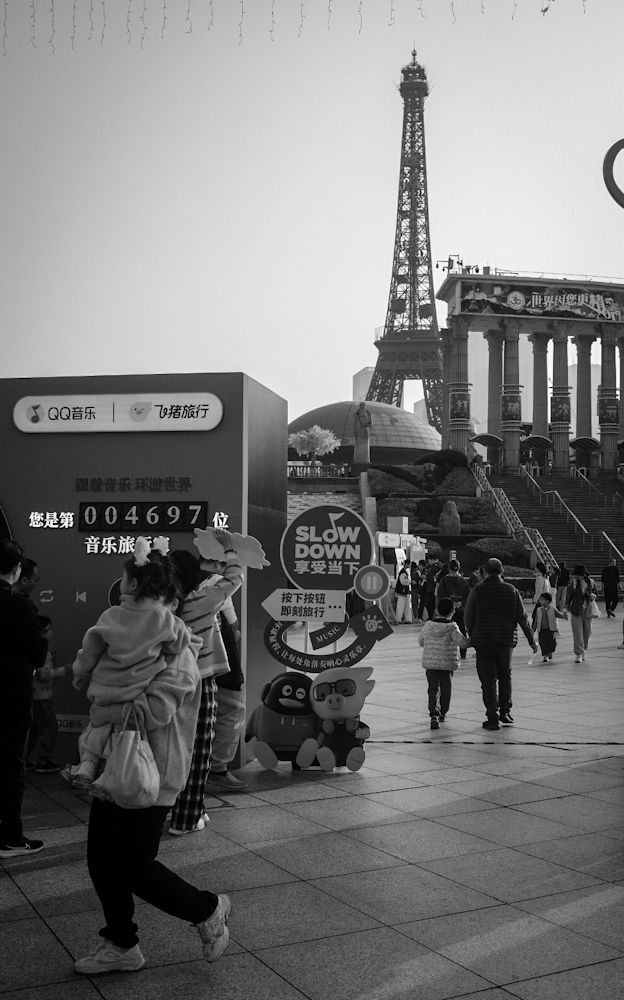
On the train, I just watched people, even managed to get a photo or two. My destination? Window to the World – a theme park where you can see replicas of monuments from around the world. I wasn’t going to pay for the full experience, as I’ve already seen many of the real monuments during my travels, but it seemed like good material for photography.

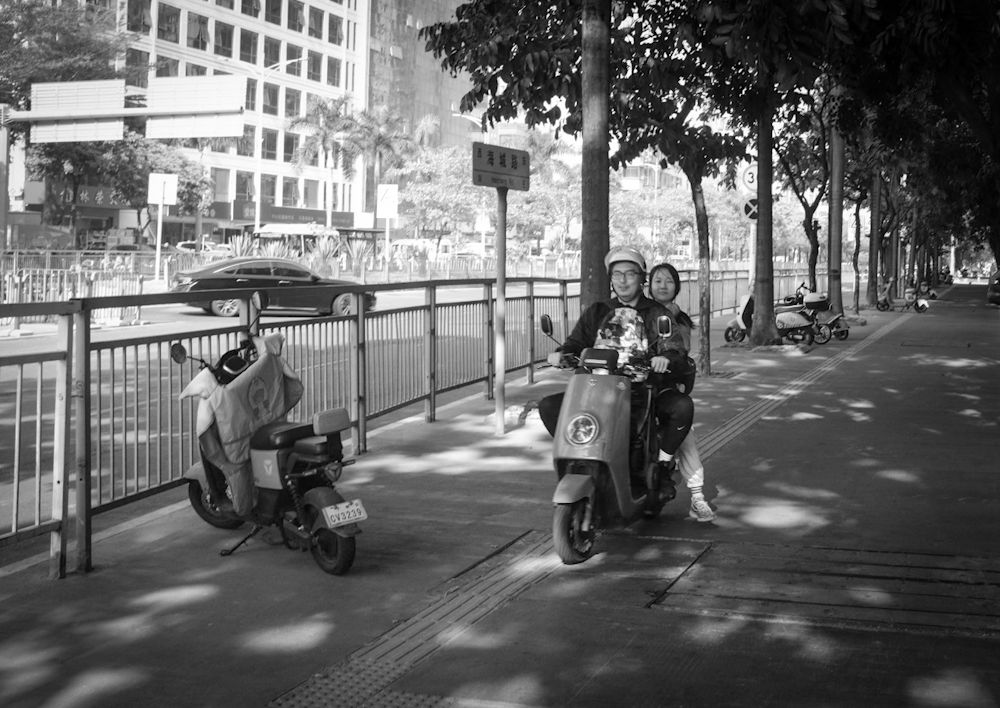
I’ve mentioned before the cultural differences between France and China, but this next observation took me by surprise. Let me introduce you to our characters: Chinese girlfriend and Chinese boyfriend. Chinese girlfriend is the picture of elegance, effortlessly fashionable, her makeup and hair flawless. Chinese boyfriend, by definition, is the photographer, capturing every moment to make his girlfriend look like a top model. She strikes a pose, usually demure and poised, while he stands there, holding the handbag, looking less than graceful. After a few snaps, she sends him back to retake the shot, and they repeat the process at every new location.

I could understand the desire to control one’s image, especially in a location that might seem exotic for a Chinese person, just as a pagoda in Europe feels exotic for us. In some ways, I must seem a bit exotic to them, too. Later, I learned that some people had been taking photos of me without approaching. It might have been a respect thing, as I was a bit older than them.

I wandered around, watching society unwind on a Sunday outing. It felt good to be alive. But then, it was time to head to my massage.

The Google Maps Mishap

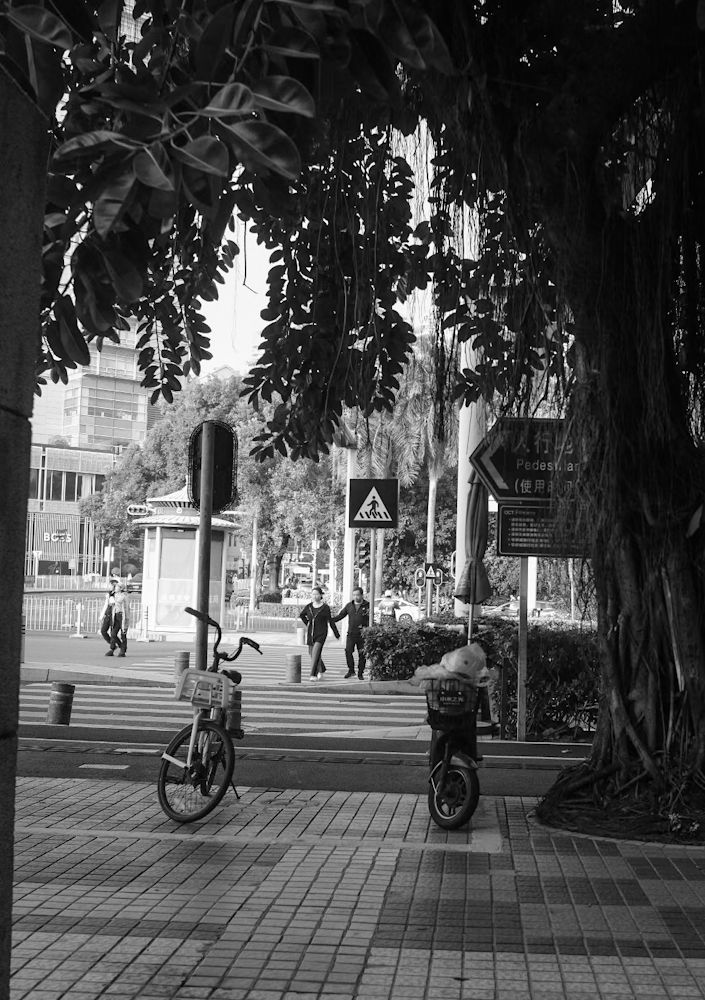
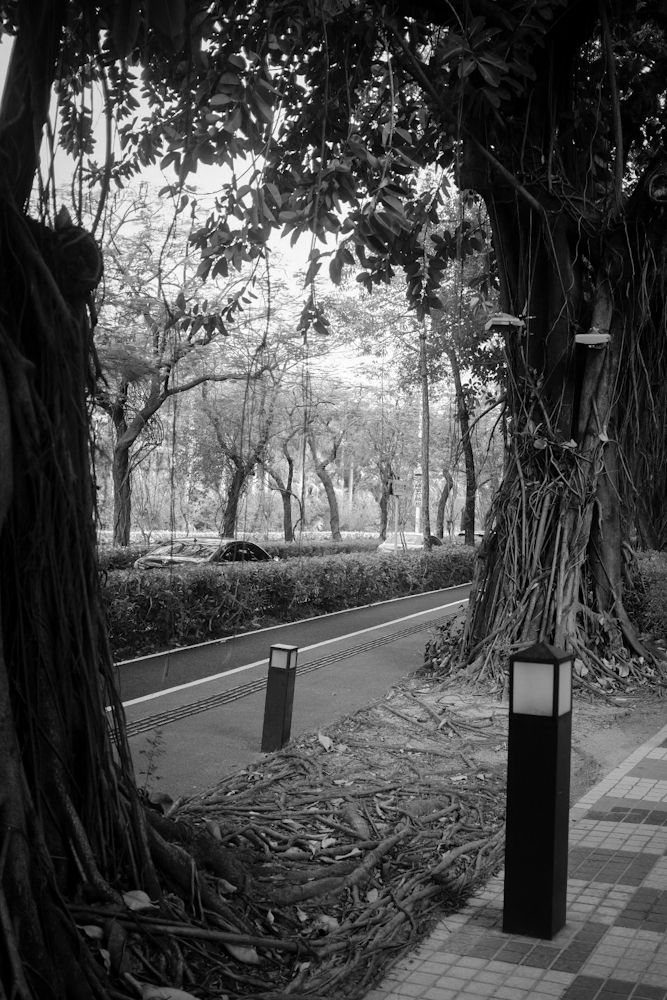
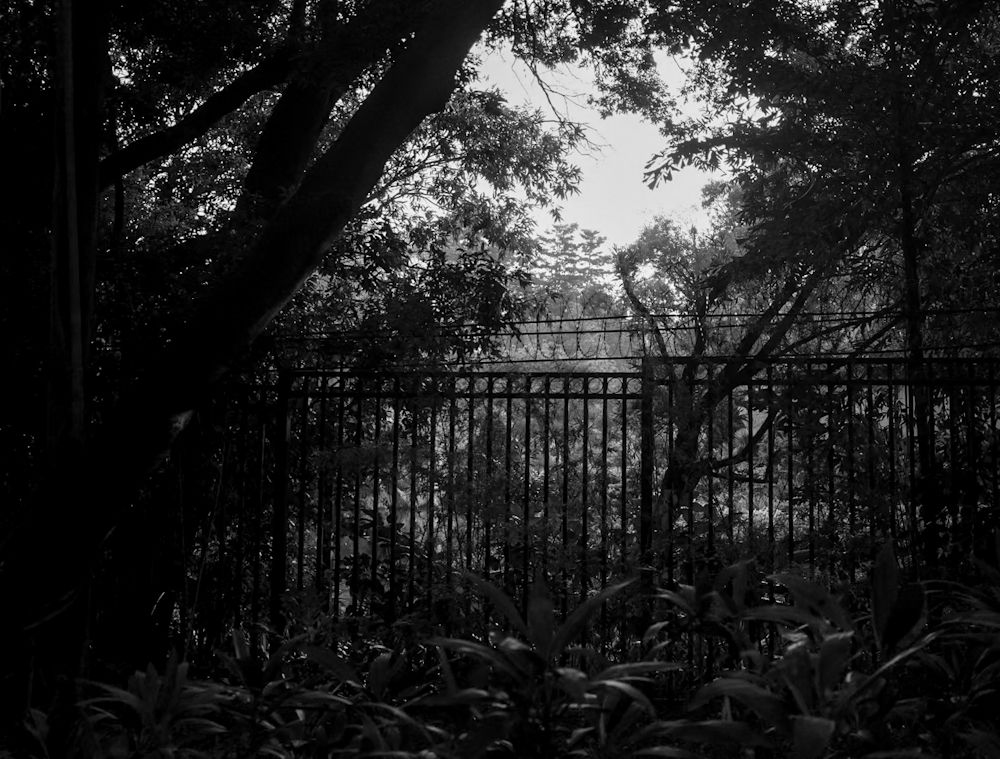
I knew the spa wasn’t far away, but that’s where I made the mistake of trusting Google Maps in China. Let’s just say it’s not the most reliable way to get around here. It led me in the wrong direction, and before I knew it, I was walking the streets, getting increasingly lost. But in moments like these, you often find unexpected shots because you’re paying attention to everything, frantically trying to orient yourself. I eventually found my way thanks to a kind gentleman at a hotel who pointed me in the right direction. I was back on track.

The Deep Tissue Experience

Arriving at the spa, I was greeted by dimmed lighting, tea, and a comfortable chair to relax in. I chose a deep tissue massage that would last an hour – pure self-care. I was told there was a short wait, so I took the opportunity to edit some of my photos from earlier in the day. I was offered more tea by the receptionist, who made sure I felt well taken care of.

When it was my turn, I was shown to the massage room and instructed to change into the disposable undies and bathrobe. Let’s just say, as a bigger guy, I was given their largest robe, and it was definitely on the small side. The little lady who came in to perform the massage had no hesitation in digging her elbows into my back with surprising force. She asked if the pressure was okay, and honestly, it felt like her elbows were massaging so deep that they had gone right through me. The pressure was definitely intense, and despite whincing a little, I said the pressure was fine, lying through my back teeth. She worked through my back, shoulders, and calves, and though at times it felt a “little” too much, I could feel the benefits immediately. They don’t call it deep tissue for nothing!

Recharging and Reflection

After the massage, I was feeling thoroughly relaxed, though not quite “recharged” yet. It would take a couple of days before I truly felt the benefits, but it was already worth it. I was pampered with more tea, biscuits, and nuts – twice! I couldn’t fault the service.

Next, I popped into a shopping mall near the hotel, hoping to find a silk tie for my outfit. Dark jeans, nice shirt, and sports jacket – I looked quite dashing, if I do say so myself. But the price of the ties wasn’t going to work for me, I’m fine with a little luxury now and again, but everything within reason…

A Humorous End to the Day

I took the tube back to the hotel, but of course, I foolishly tried to use Google Maps again to navigate. That was a mistake. I ended up lost. As my phone battery started running low, I sent a WhatsApp message to Corentin, who suggested I take a taxi and sent me the address in Chinese. I was perfectly safe, but definitely lost. Eventually, I hailed a cab, showed the driver the address, and thanked him for saving me. When I told him how awful Google Maps was in China, he just smiled. The fare wasn’t much, but the relief of getting back to the hotel was priceless.

As the great man himself once said, “All’s well that ends well.”

The UK Chronicles: A Black and White Footnote


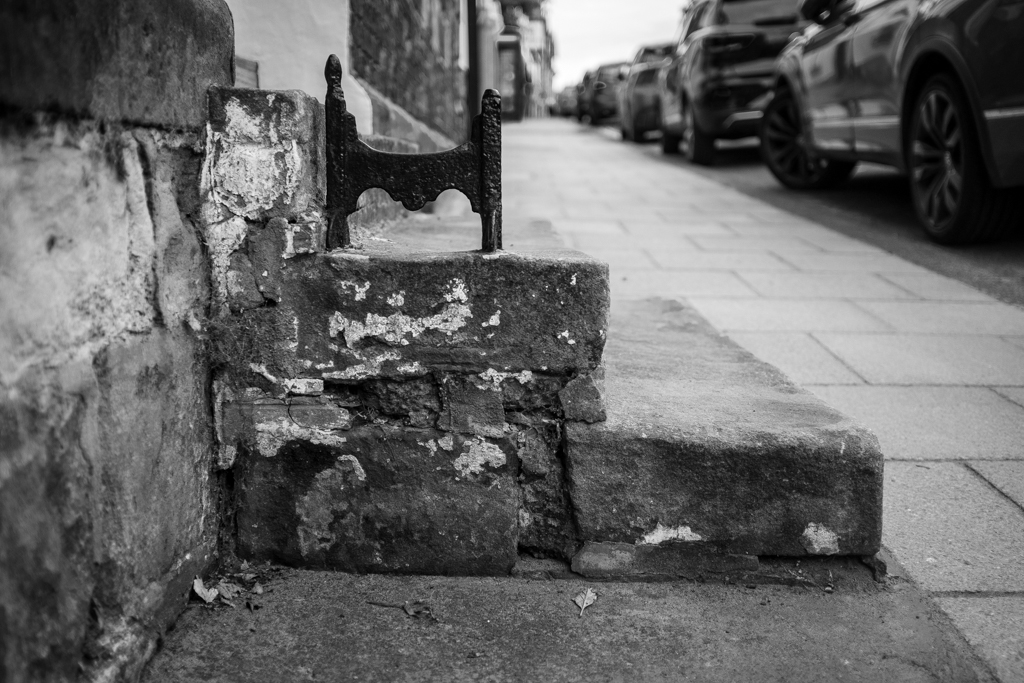
My usual approach to black and white photography is to shoot directly in black and white, either using black and white film or the Acros film simulation with my X100F. When using the X100F on this UK trip, my EVF displayed the black and white shot using Acros with a red filter—my go-to simulation. This method puts me in a black-and-white “frame of mind” from the outset.

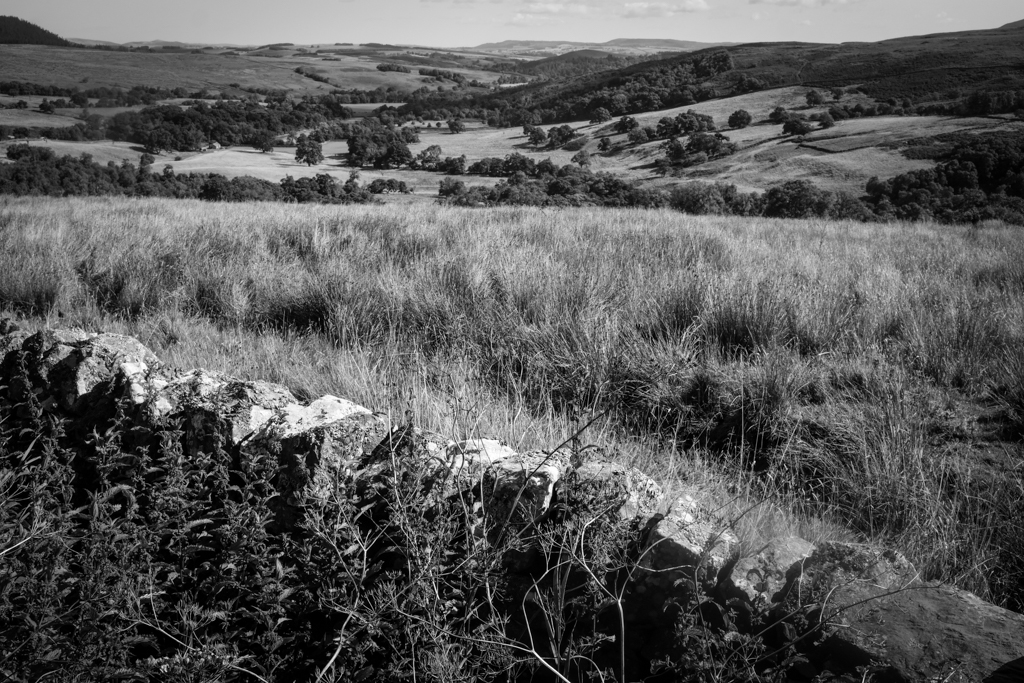
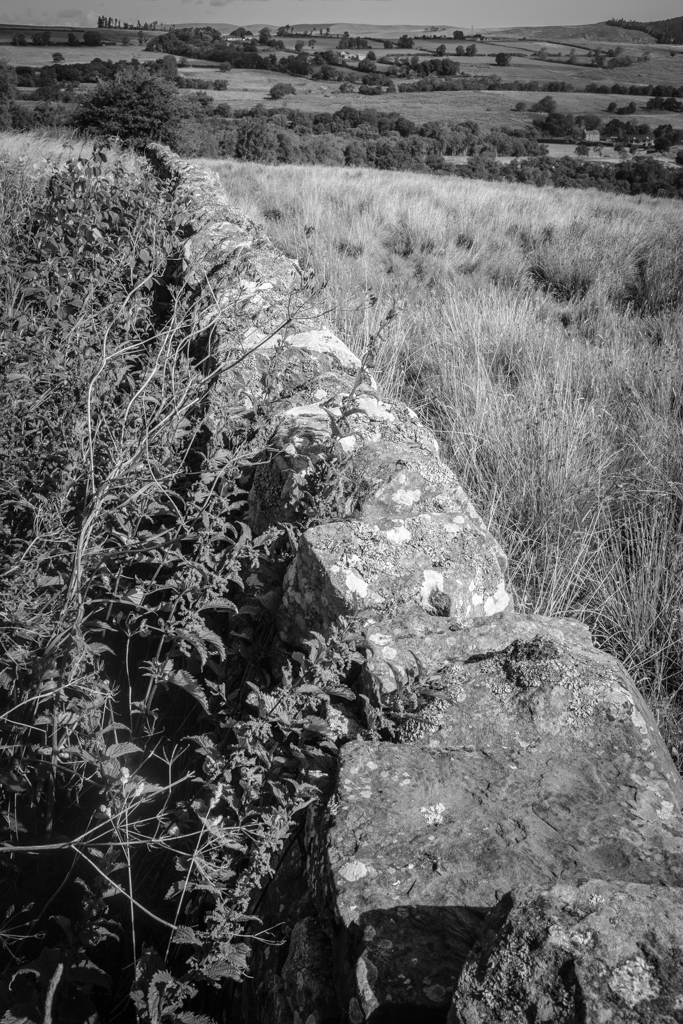
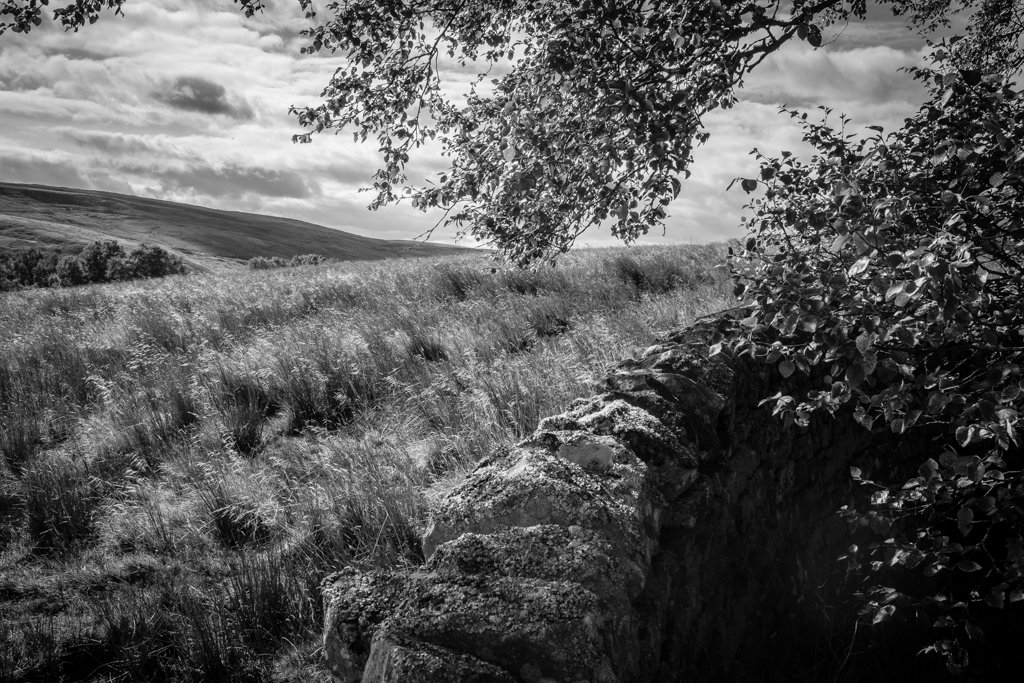
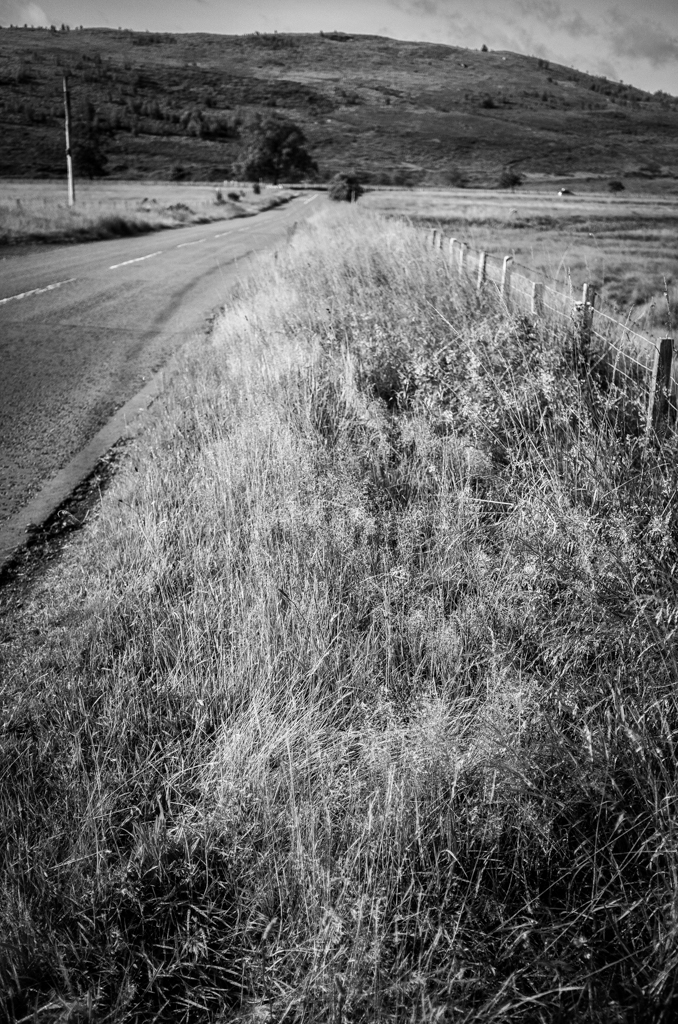
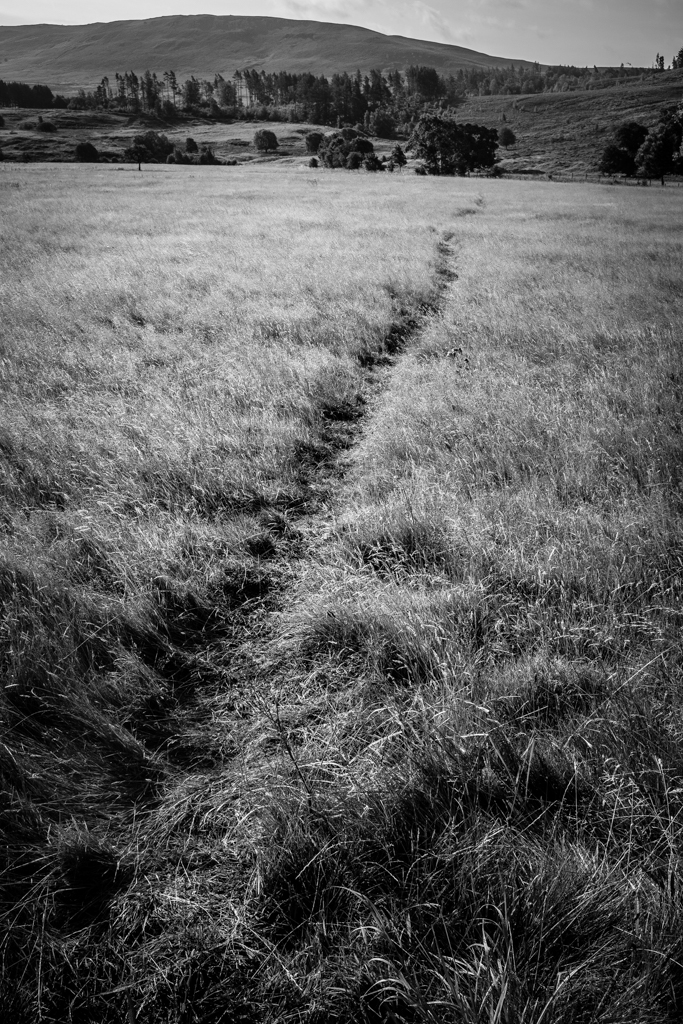
However, this time I decided to break from my usual practice and experiment. I did something I normally advise against—starting with the intention to create color images and only considering black and white later. I chose the Classic Chrome film simulation instead of Acros, focusing on capturing the vibrant colors of the Northumbrian countryside. It was all about breaking free from my black-and-white routine. Both color and black-and-white photography have their place, but for this trip, I wanted to prioritize one over the other. Still, wouldn’t it be intriguing to compare both approaches?

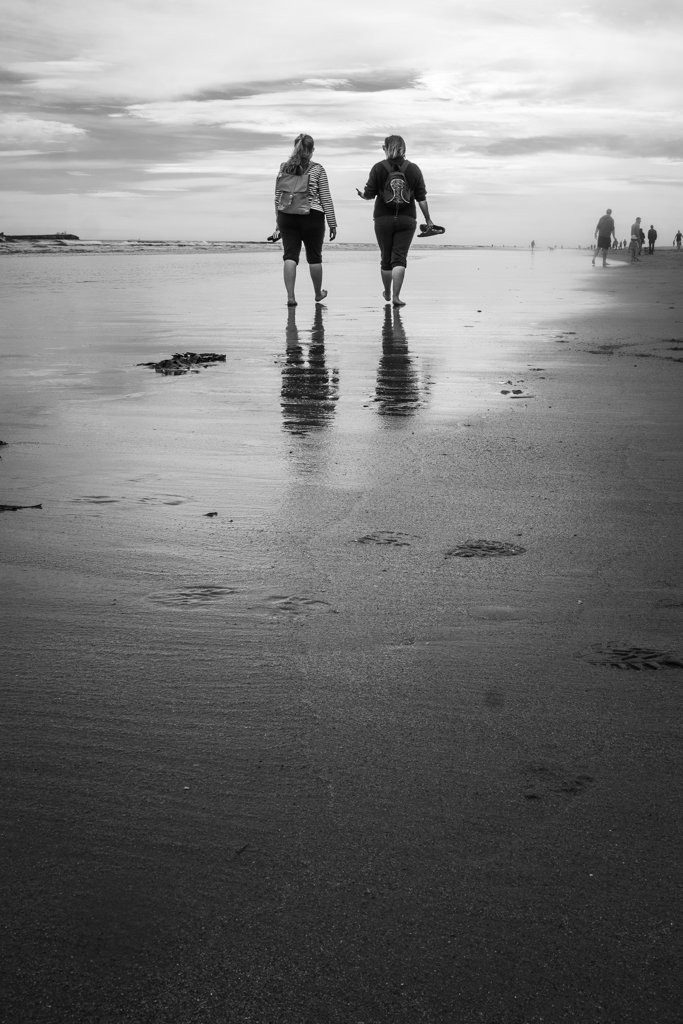
Back in France, as I prepared the images for my black-and-white Instagram feed, I began to wonder if some of the colorful shots might also work in black and white. Initially hesitant—given my emphasis on shooting with intention and purpose—I decided to embrace the experiment. I was breaking one of my own rules, yet the idea intrigued me.

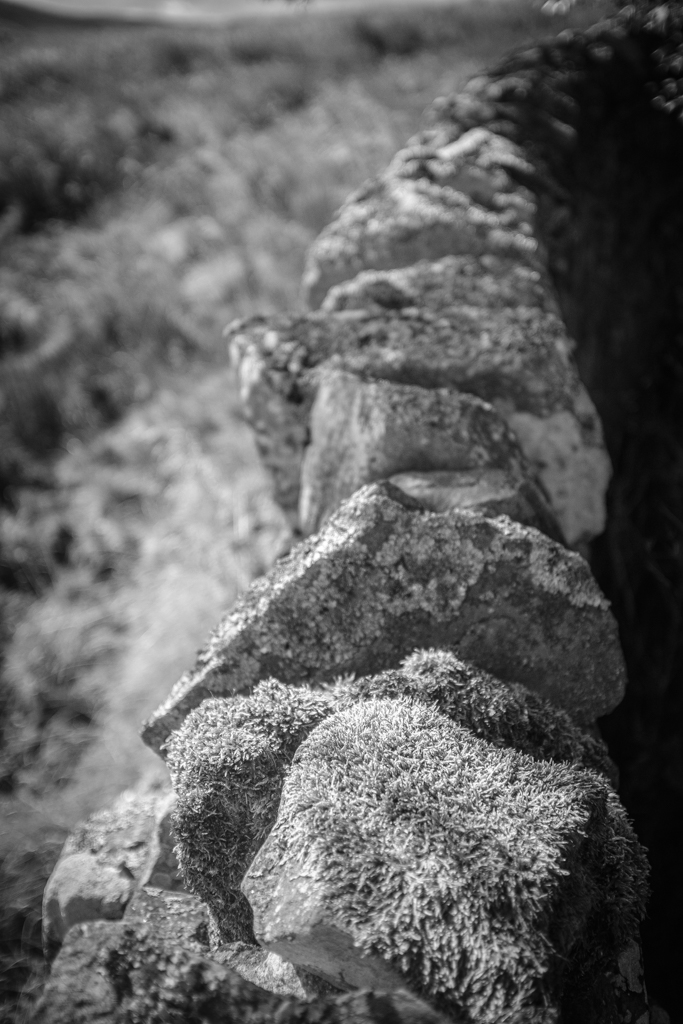
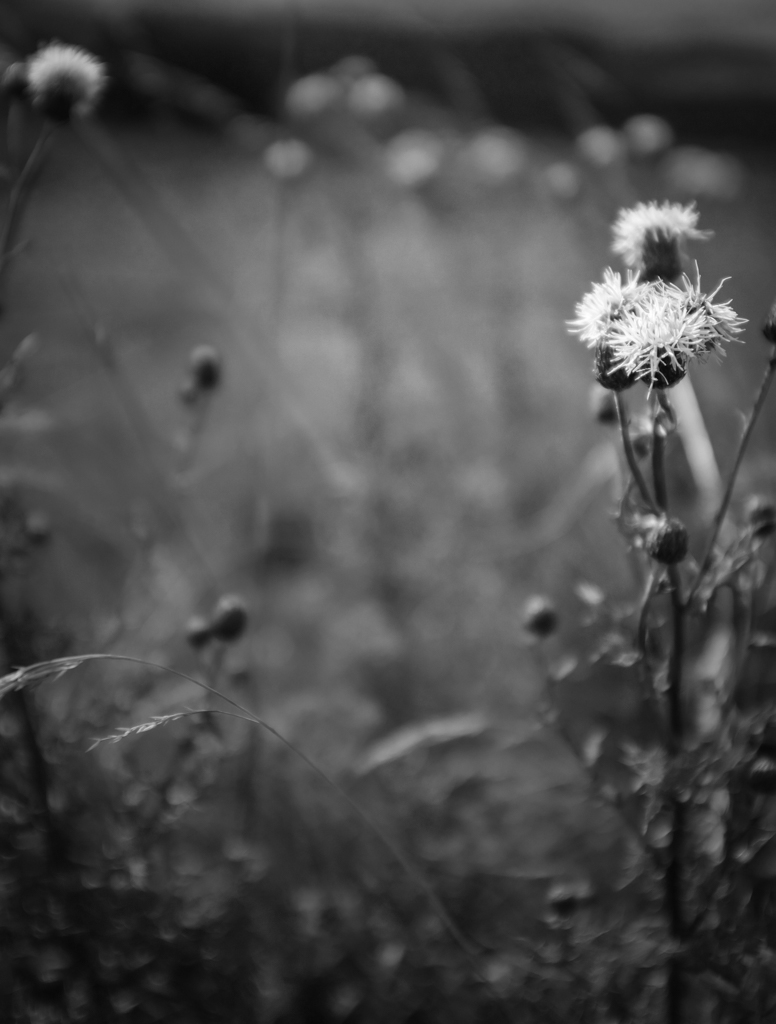
Reviewing the color shots, I considered which might translate well into black and white. I look for images with texture and varying tones rather than just color. My composition is usually solid since I’ve already edited my color images, including reframing and straightening as needed. With digital RAW files, converting to black and white and producing different versions is straightforward. As they say, the goal is to produce images that reflect how they made you feel, not just how you saw them. This is why I convert my images to black and white—they capture more of the emotional essence.

Opening Adobe Lightroom on my PC, I saw the familiar images on my screen. My editing approach may seem finicky, but it’s effective. While the simplest way to convert an image to black and white is to slide the “saturation” slider to the left, this often results in a flat, lifeless image. Instead, I use a more nuanced approach to control various color tones in the black-and-white image. This technique helps preserve depth and character, ensuring that each image maintains its visual impact even without color.

Here’s how I approach black-and-white conversion in Lightroom:

  • Black and White Profile: Sets the overall tone and mood of the image.
  • Clarity: Enhances texture and detail for a more dynamic appearance.
  • Contrast: Adjusts the range between light and dark areas, adding visual interest.
  • Color Sliders: Modifies the luminance of specific colors to bring out different tones in the black-and-white image.
  • Highlight Tool: Adds subtle vignetting and balances highlights for a polished finish.

So, why convert to black and white after shooting in color? For me, it offers a classic, timeless aesthetic, and challenges me to create a “better” image by focusing on composition and texture without the distraction of color. This approach pushes me to craft photographs that rely on fundamental elements, enhancing their overall impact.

Impact is at the heart of photography. While I cherish the colors of the Northumbrian countryside and am eager to learn how to use color more effectively, I also deeply value the strengths of black-and-white photography. It’s about transcending color to create images that resonate through composition and texture.

But there’s something more personal about these black-and-white conversions. Perhaps it’s because I broke my own rules this time around, allowing color to take center stage and letting the black-and-white images emerge later. These images weren’t planned with black and white in mind—yet, despite that, or perhaps because of it, they feel even more special to me. Sometimes, going against what you think you know leads to unexpected results. And, in this case, those results resonate even more deeply.

Isn’t impact what we strive for in our photography? Don’t get me wrong—I love the colors of the Northumbrian countryside and am on a quest to learn how to use color more effectively. But I do believe in the strength of the fundamentals offered by black-and-white photography. Sometimes, breaking your own routine brings surprising rewards.