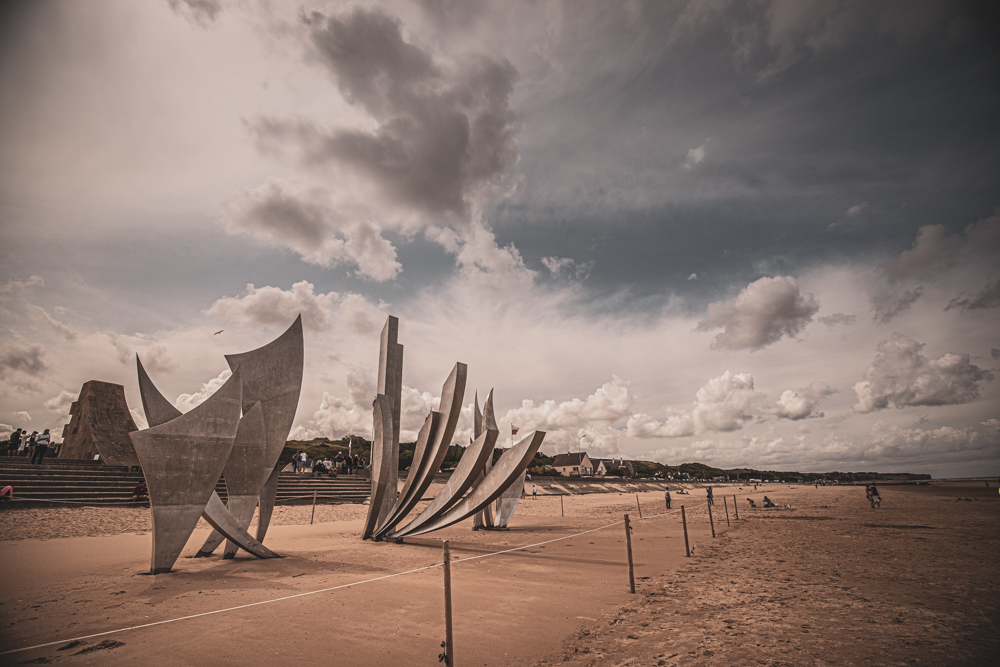
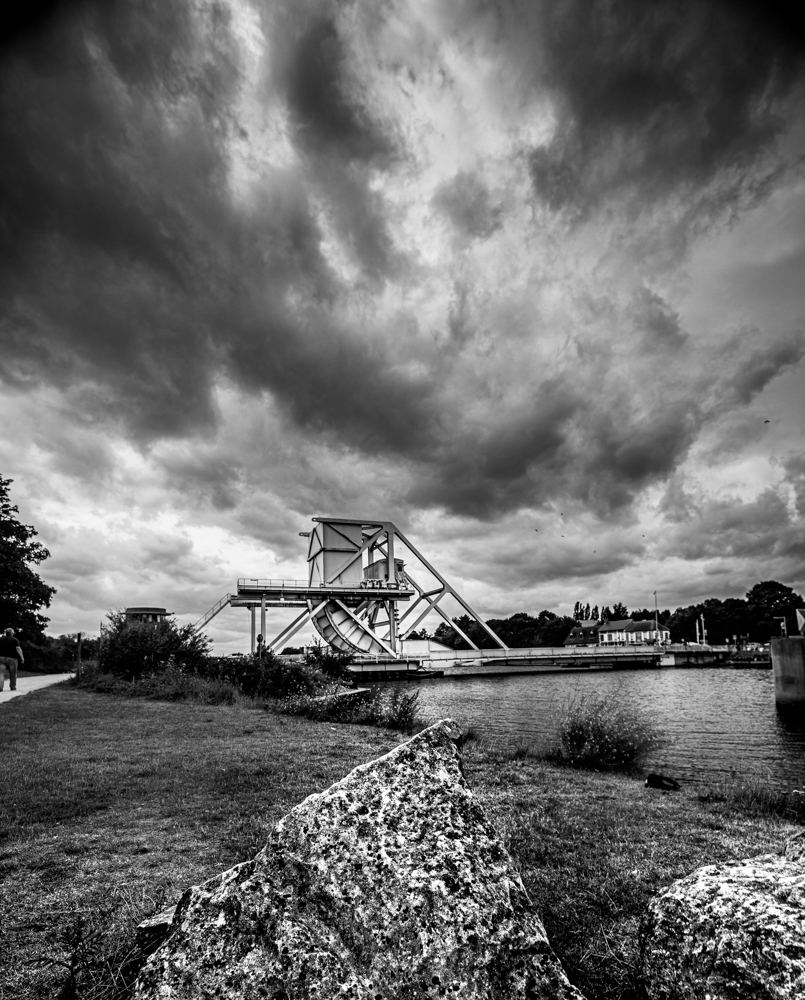
Pegasus Bridge


This is the first in a series of posts about Normandy, and now you know where I went on holiday this year! Having lived in France for so long Normandy conjures up images of apples, cider, Calva, and Normans amazed by the fact that you can actually eat apples and not just use them to make alcoholic drinks.

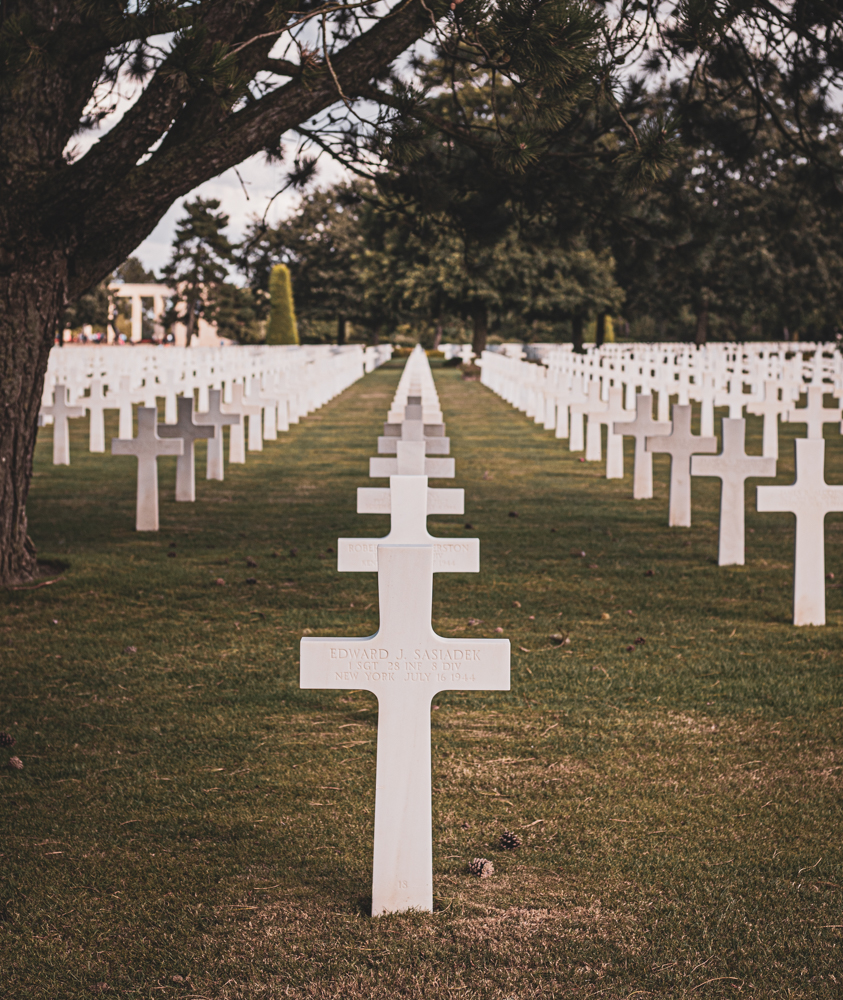
It conjures up images of rain for the French, and I jokingly remind them that the British go there for the “good weather!” It conjures up history by the bucket load, William the Bastard, who became William the Conqueror, and the Bayeux Tapestry which is 1000 year old propaganda, and sparked off a rivalry between the two countries, which lasted for centuries, and still does especially when we beat the French at rugby. It conjures up images of landings made by Allied troops on the 6th of June 1944, to free France and Europe from Nazi occupation and tyranny.

This article is about one of the places where one of those battles took place. Please take the time to click on the various links to Wikipedia to learn more about the operations and people involved. Thank you.

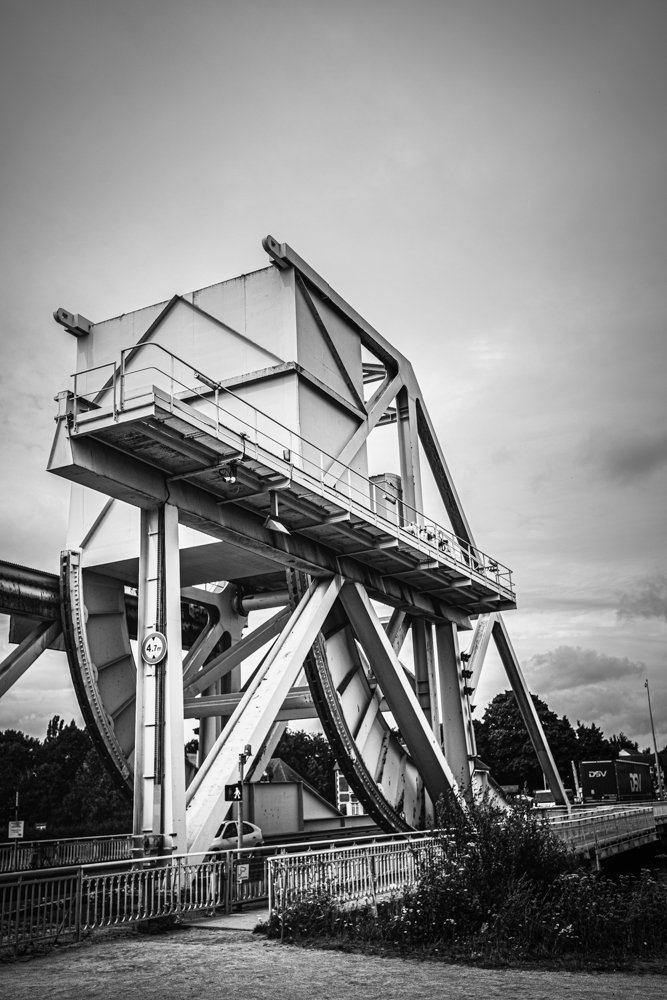
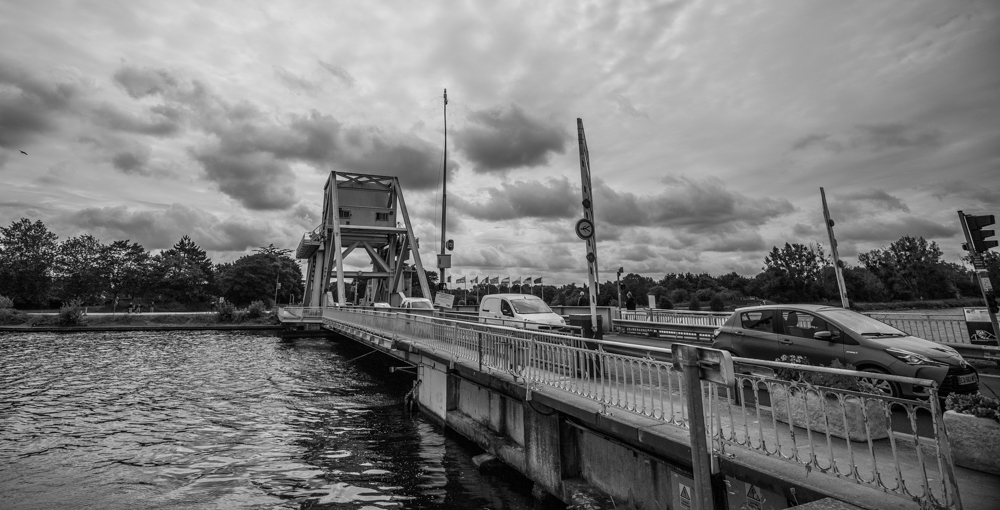
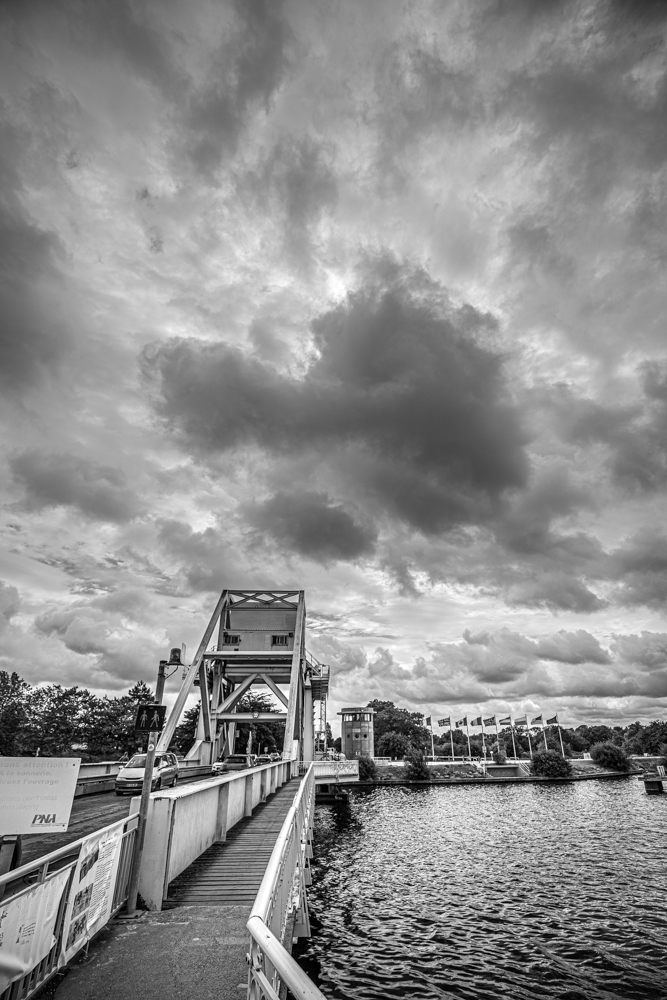
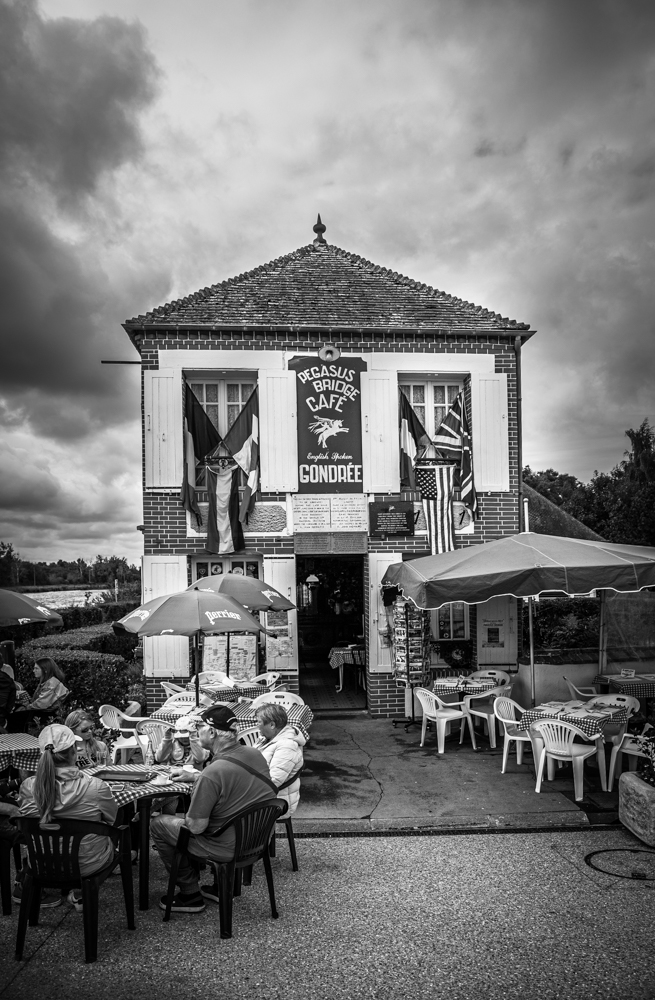
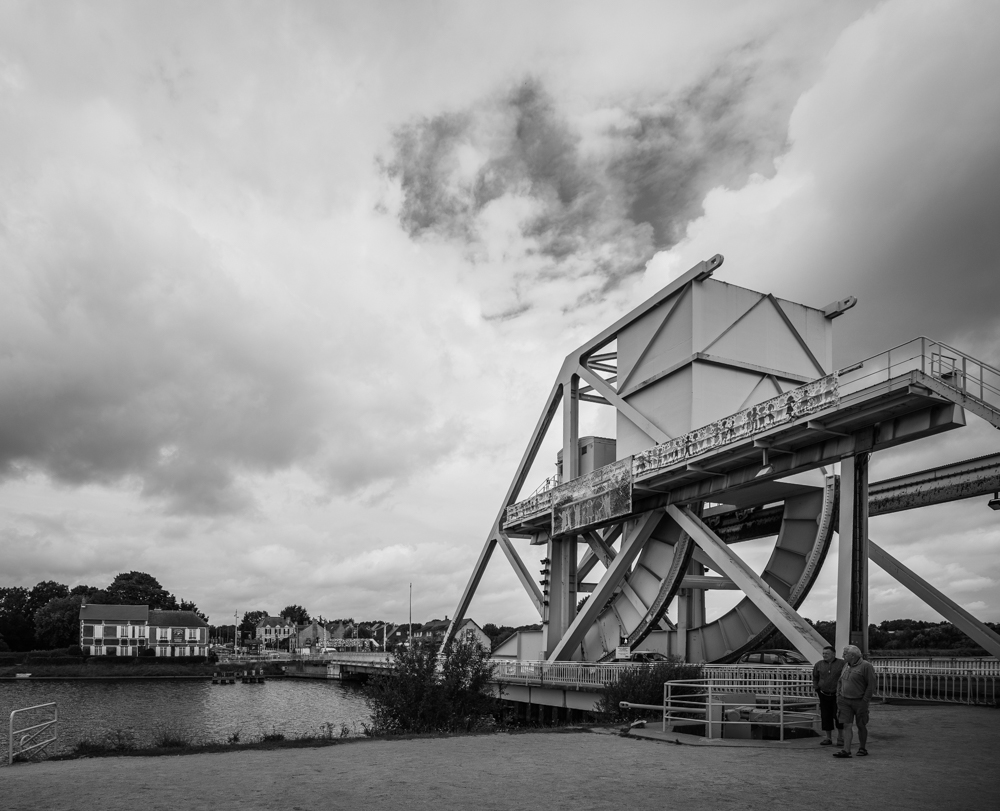
To some Pegasus Bridge might mean nothing but to others it means the end of Nazi occupation in Normandy, France. Madame Arlette Grondée is the same age as my mother and witnessed the Second World War first hand. On the night of the 5th of June, just before midnight, three gliders containing airborne troops landed just across the canal from where her parents ran a café. That café is still there and so is Madame Grondée. I know, because I asked her for a photo and she very kindly agreed. It’s not every day that one meets a legend, and part of history.

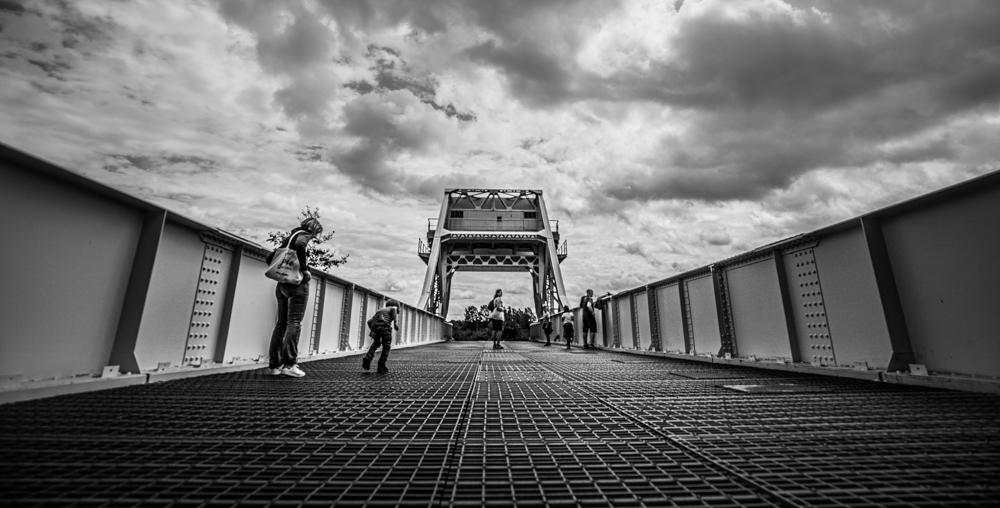
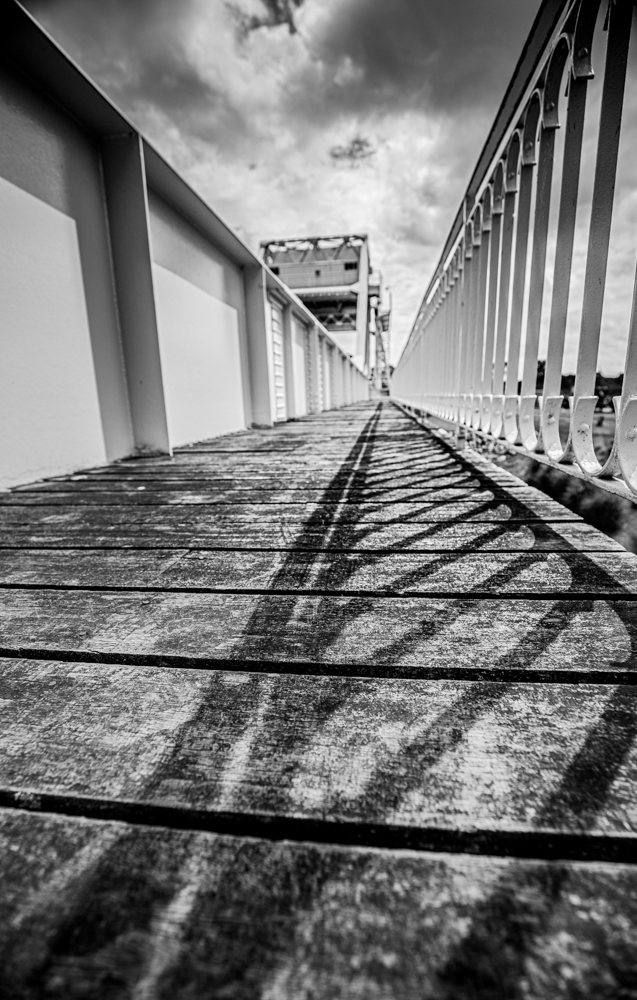
I visited this area as a boy and I lust have been the same age as my daughter is now when I was last there. But as an adult, the whole thing has an other dimension to it. The bust of Major Howard (Company Commander of “D” Company, Oxfordshire and Buckinghamshire Light Infantry, and part of the 6th Airborne Division) is on the exact site where the three gliders landed. It’s literally on top of the bridge!

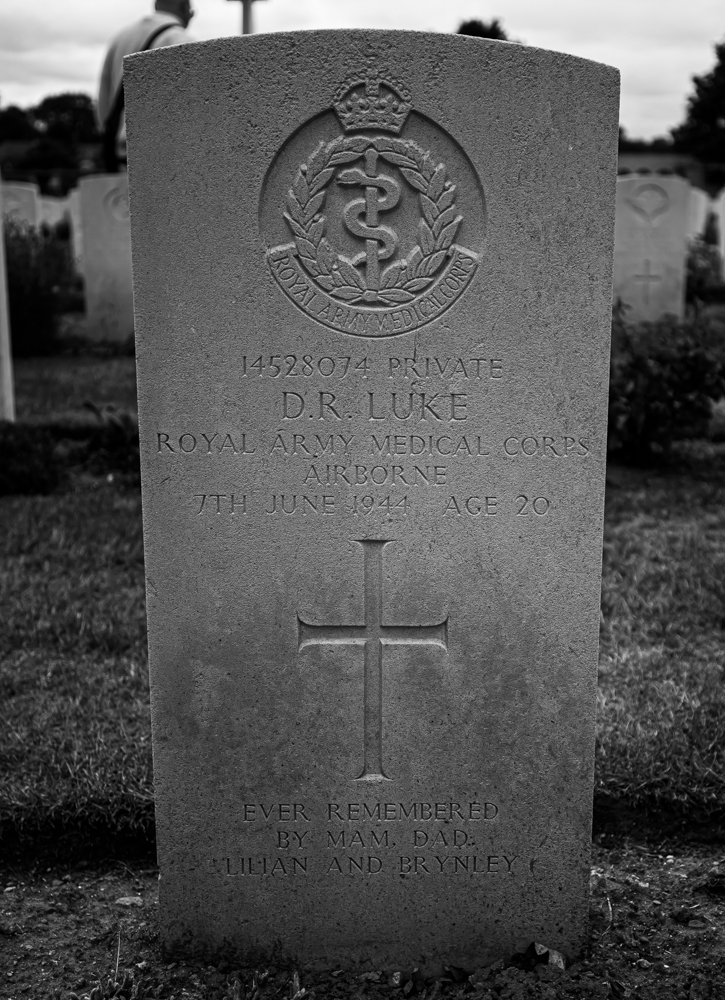
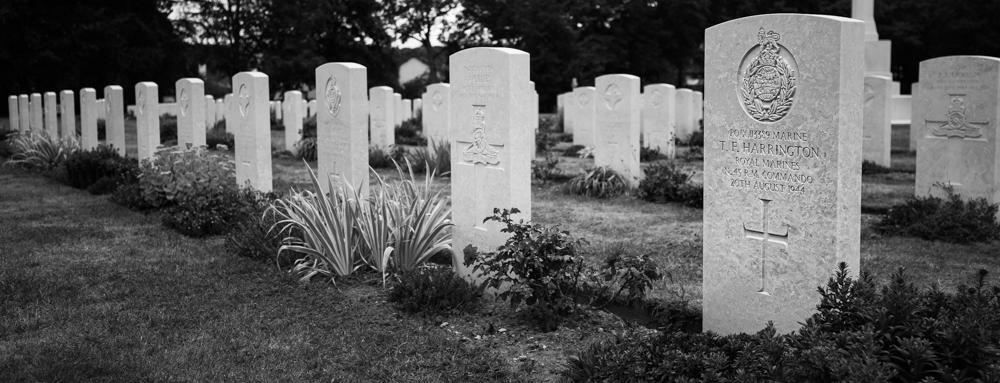
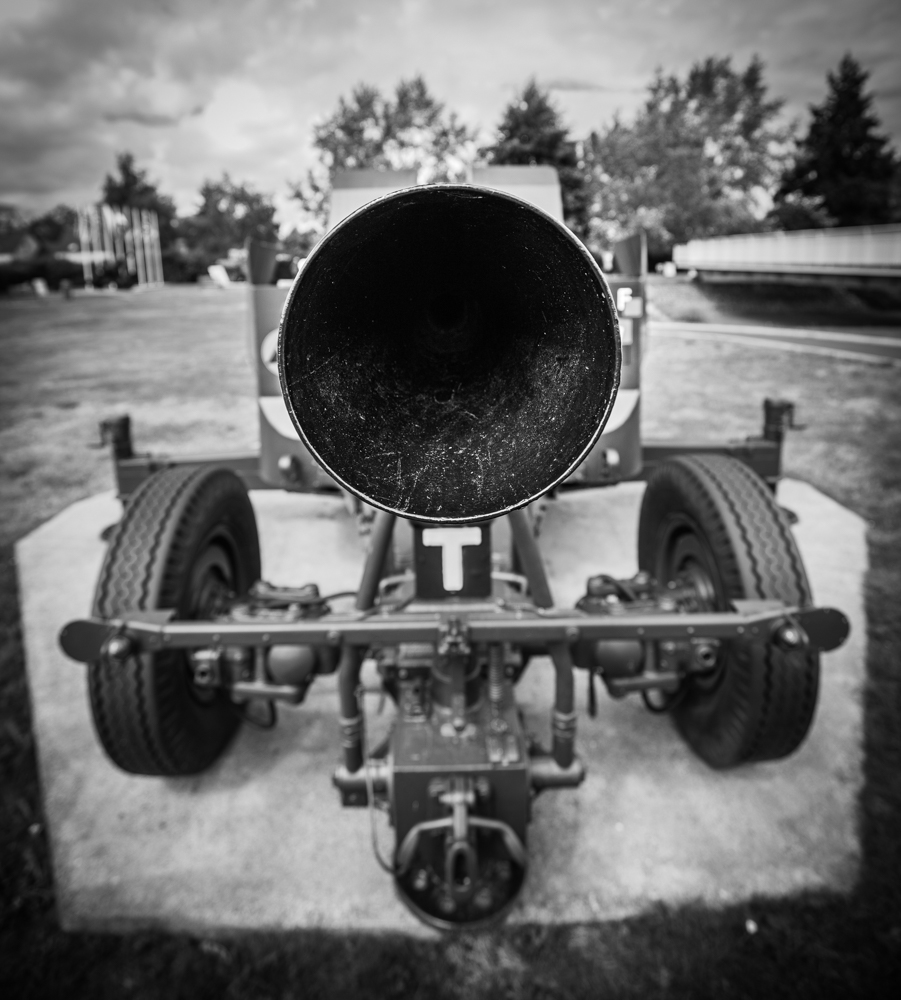
Operation Deadstick was a success and a vital victory in the D-Day Operations. The dead were buried in the Parish Cemetery in Rainville, and amongst them is HD Brotheridge, the first British causality of the actions in Normandy. To the left of his grave is a plaque put up by the Grondée family in recognition of his sacrifice.

The tools of the trade that day were the Canon 6D Mark II, and the Canon 16-35mm lens.

Certain images from this gallery can be purchased for a limited time here

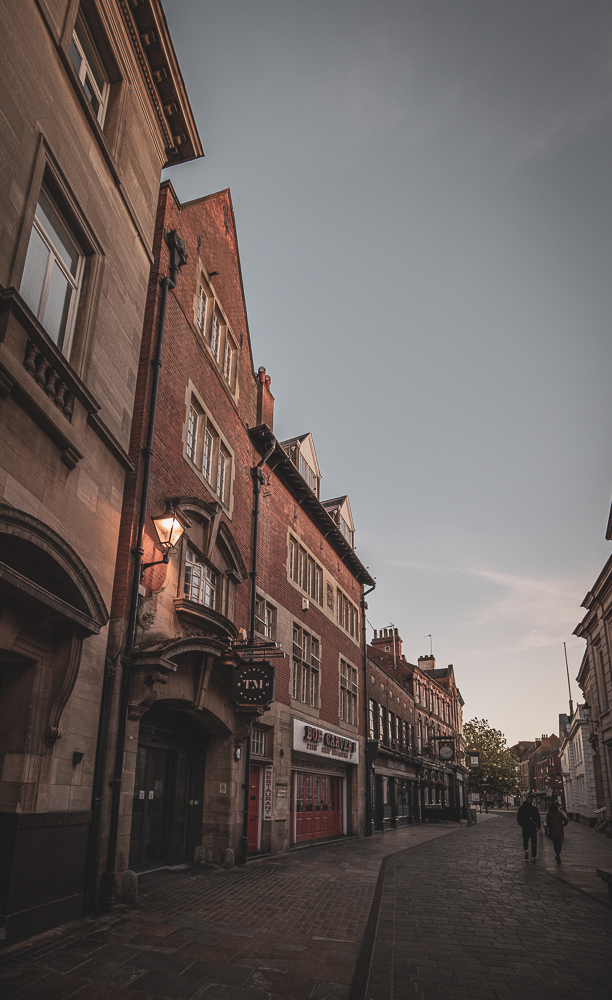
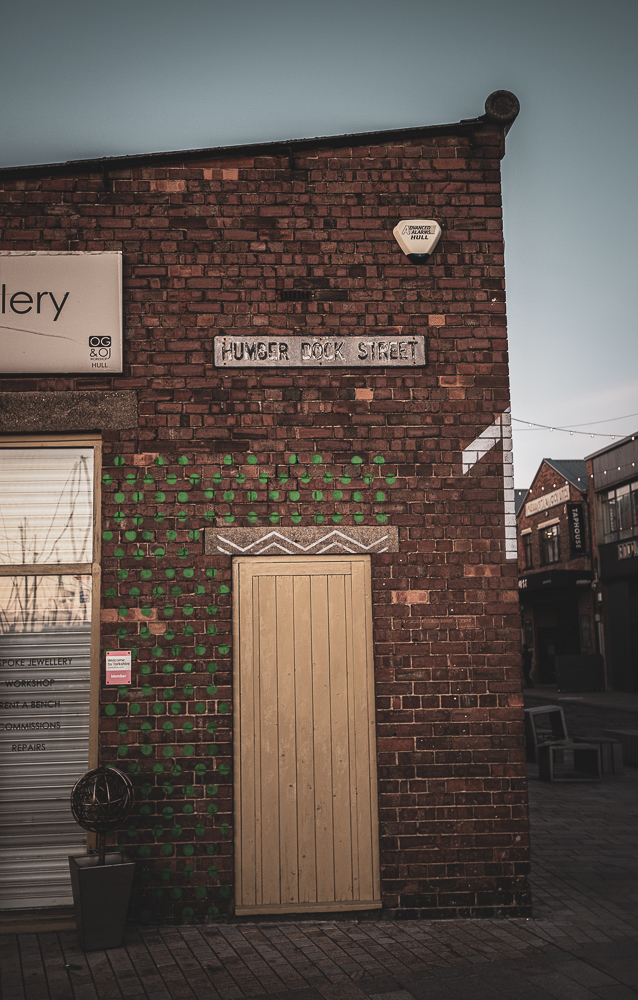
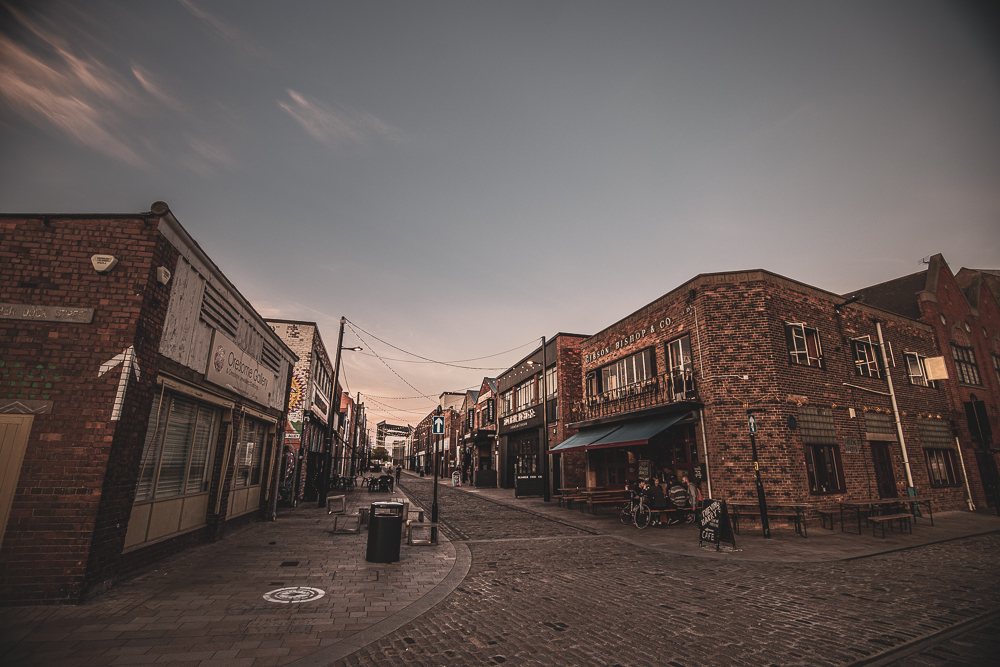
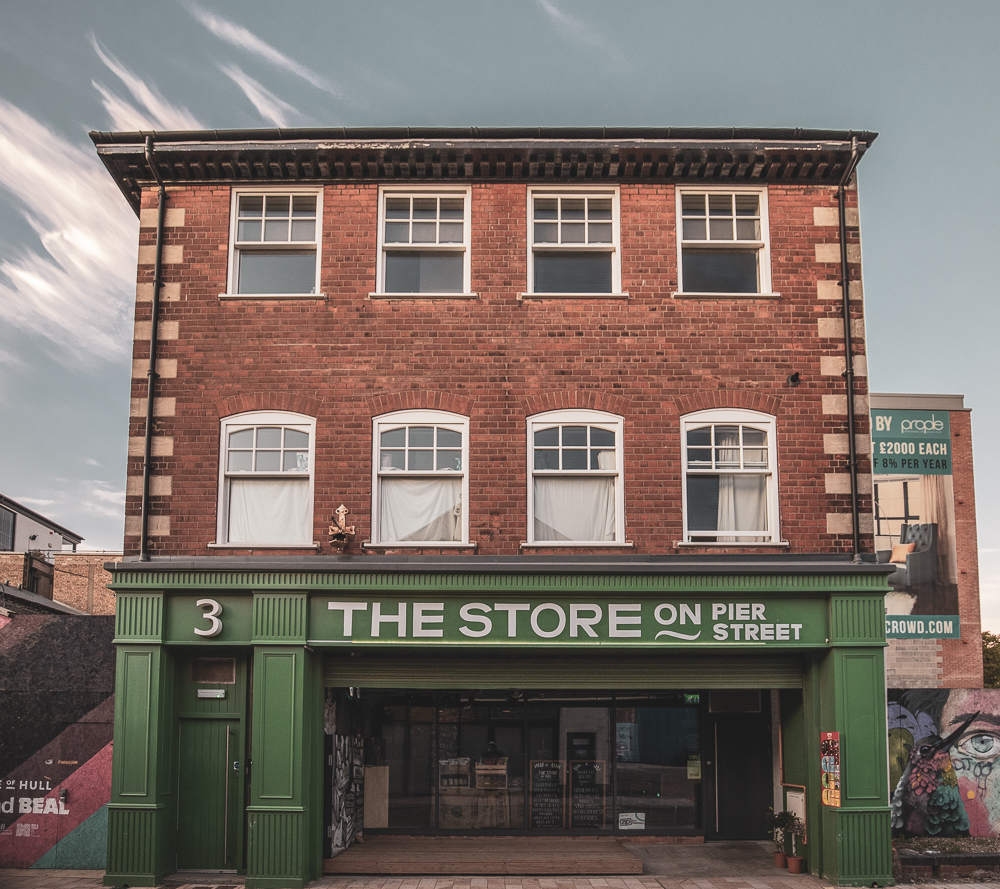
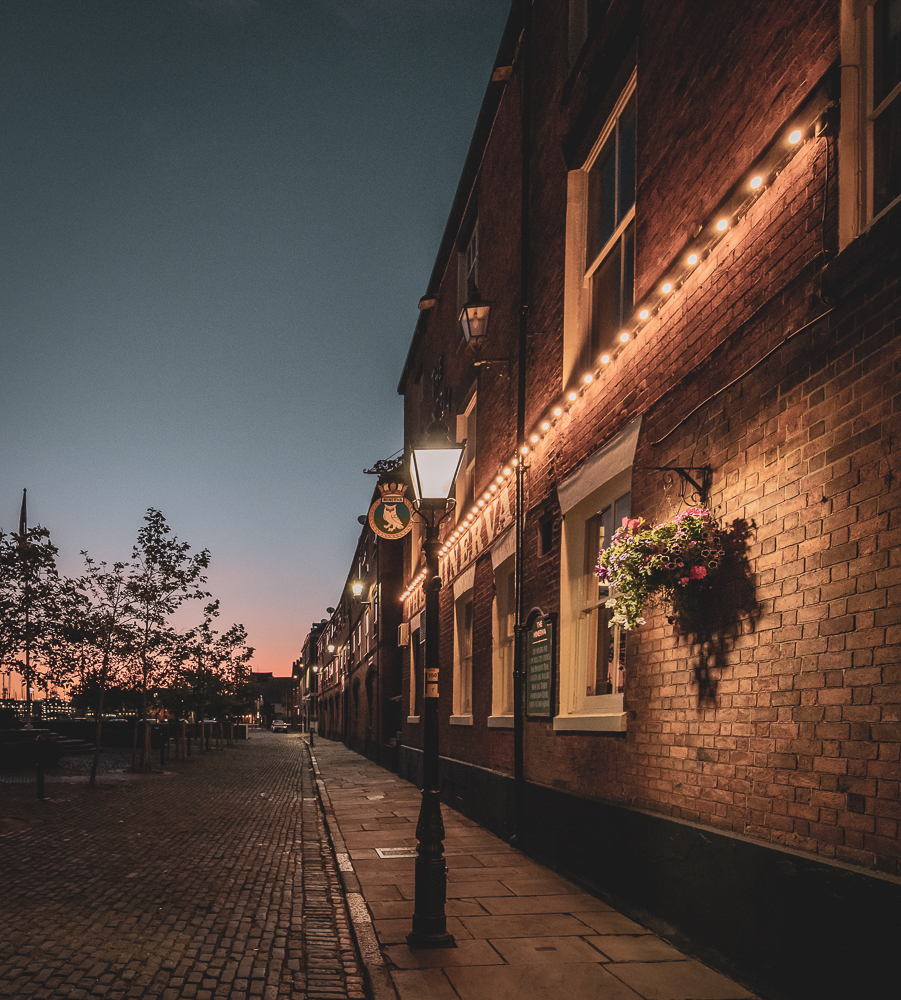
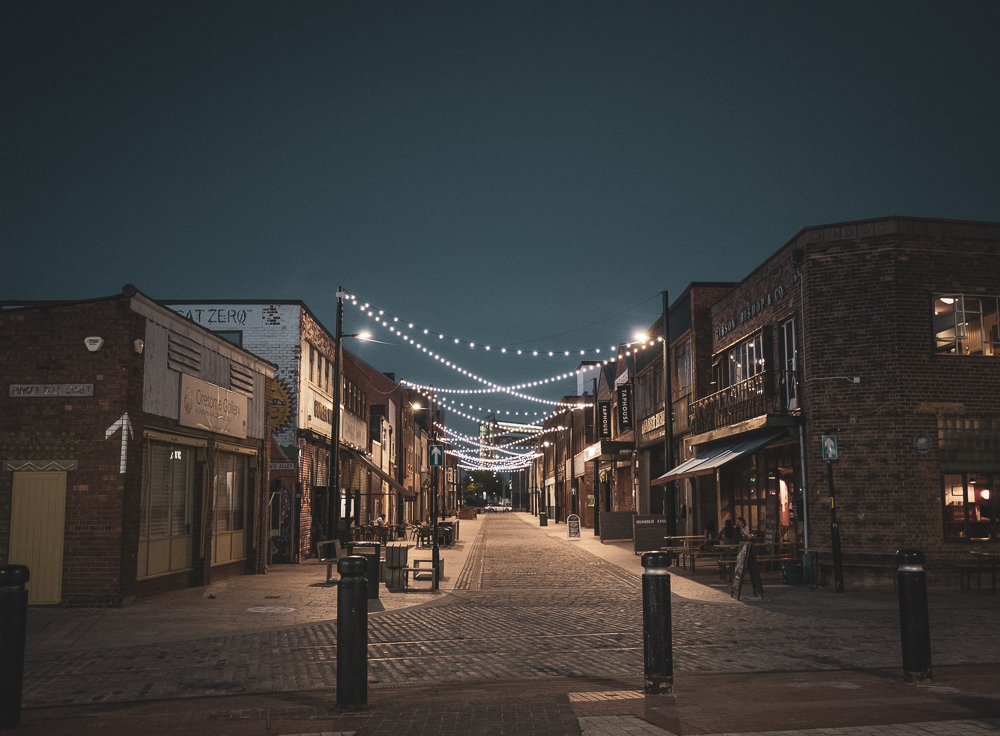
Humber Street


In 1987, my father bought me my first SLR. Notice the D is missing. So, I did say SLR and not DSLR. It was a Praktica MTL3 and it is now retired (polite way of saying Kaput) and sitting on a shelf in my son’s room. It took film. And the first roll of film that I shot with it was down Humber Street

In 1987, Humber Street was the fruit market of Hull, and I’m not making an unpolitically correct joke about sensitive men looking to do sensitive things with other sensitive men. No. That would be wrong and very un-enlightened of me. No, they did that in other places dotted around the city.

I used to shoot my film, get it developed at a place on Newland Ave, where I got the camera, and the guy would present me with a contact sheet and critique my photos. For those of you who were born after this analogical age, a contact sheet is where you lay out the negatives on a sheet of photographic paper, and expose the paper, and develop it, and get a whole load of thumbnail images that you can look at and decide which were worth printing. Yes, just like the thumbnails you get on the gallery on your phone, except it might have taken a little longer…

There was one image that pleased me immensely of a cat sitting quietly on a box of fruit wondering what the hell I was up to. That was then.

Skip forward a few years, just a few mind you, because I’m not an old git yet. No sonny Jim, I’m just a git! The area came into it’s own in 2017 when Hull was declared City Of Culture. People were proud of their city again and there were whisperers whispering, “Come to ‘Ull, it’s not shite anymore!”

The ‘gentrification’ of the area started with bars, and even Art Galleries! Then of course came the Humber Street Sesh, showing some amazing local musical talent. This year’s Street Sesh was last night, so you’ve missed it!

At the bottom is the Minerva. Minerva is of course the wise old owl in Greek mythology. It is also a pub which always has such a special place in people’s hearts. They do good food and good beer, and good gin, so the wife was more than happy.

The two nights before these photos, I had met up with and old friend from my school days who was kind enough not to mention all the silly shit that I used to get up to in my youth. The next night was a school reunion with people I hadn’t seen since 1985 and 1988 for the lads. Tales were told that I will not repeat here including stories about a pogo stick, and how I once said “merde” to my French teacher and left the room throwing my French books into the bin on the way out. They told my French wife, “Well he always was a bit European….”

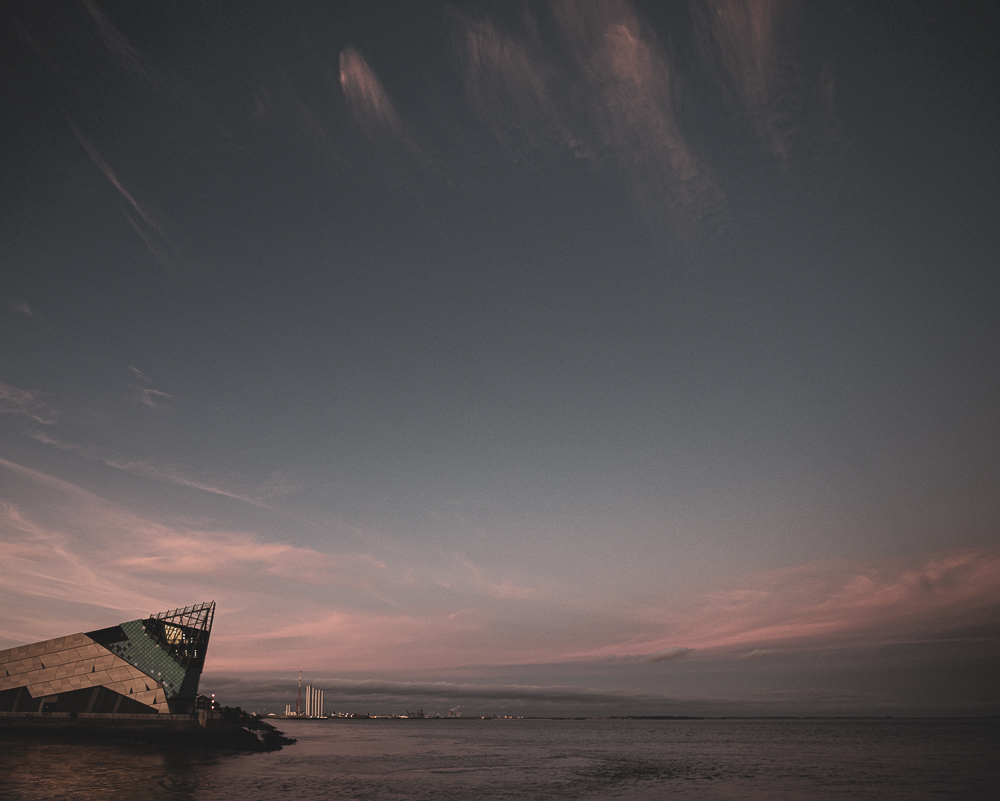
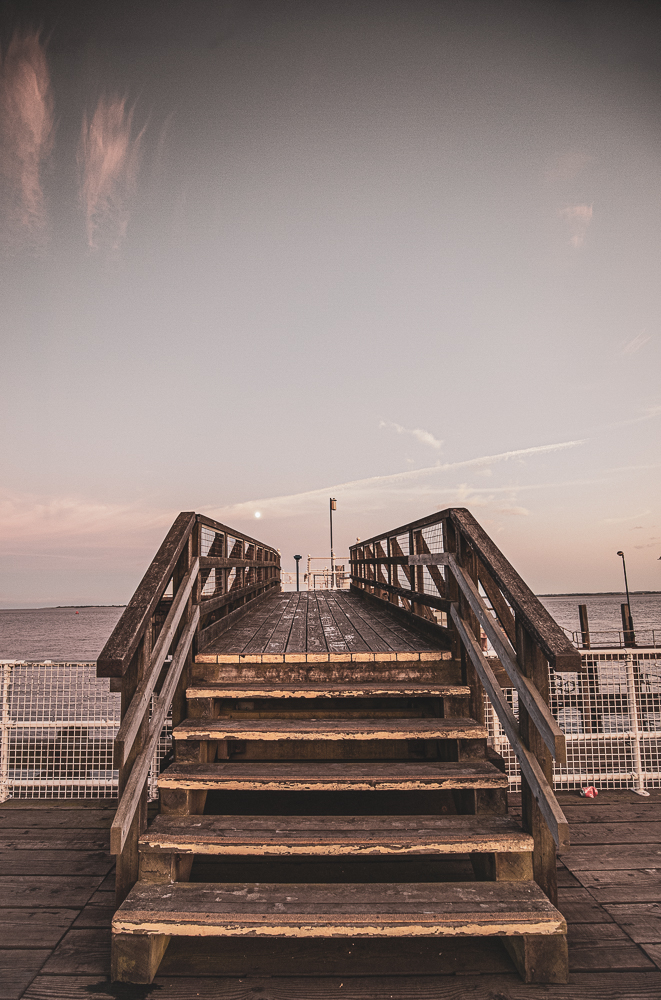
Well now, you’ve kept reading up to now so I suppose I should tell you about these photos. They were taken on the Sunday night when I needed some “me” time to deal with the overwhelming overload of nostalgia. I was out with the Canon 6D Mark II, and the 16-35mm lens. Hope you like them.

Did I go on for too long?

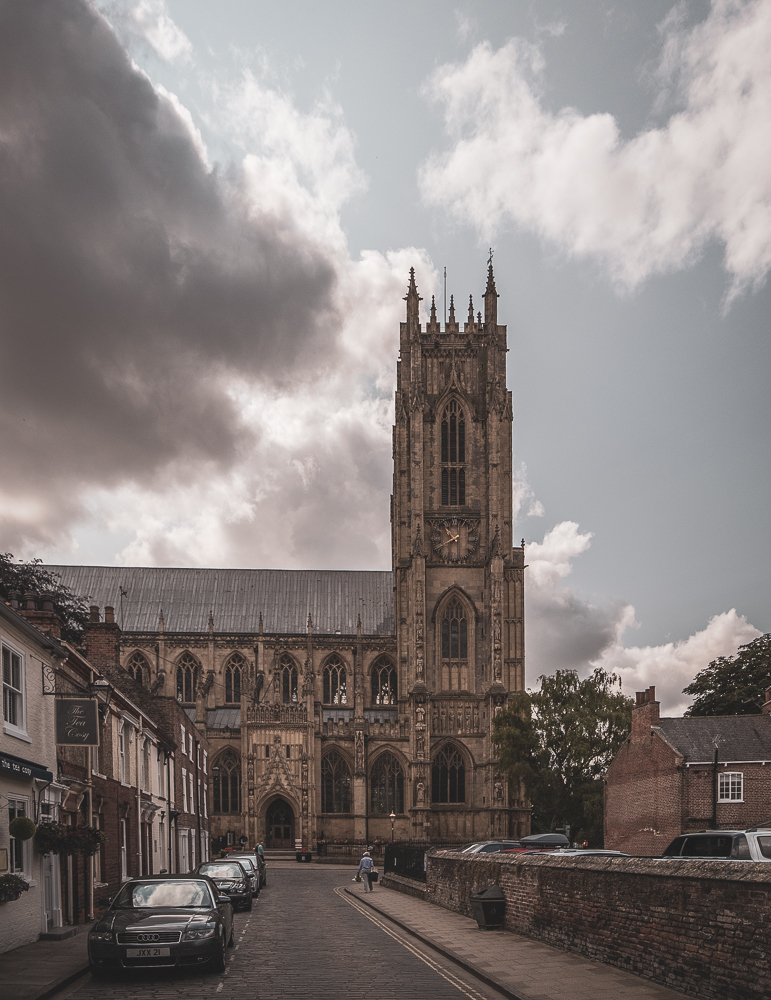
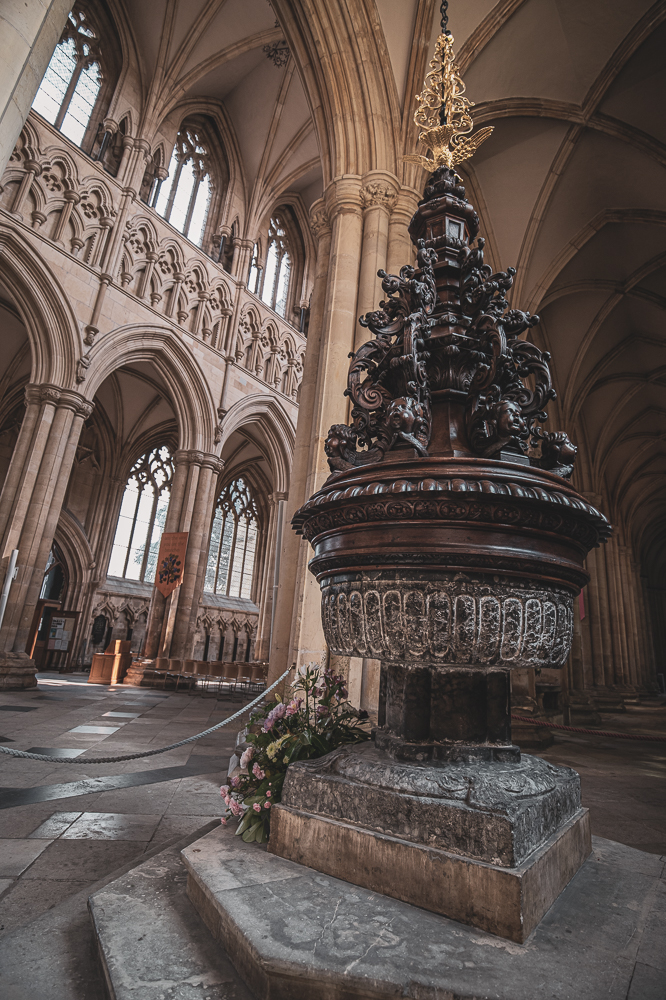
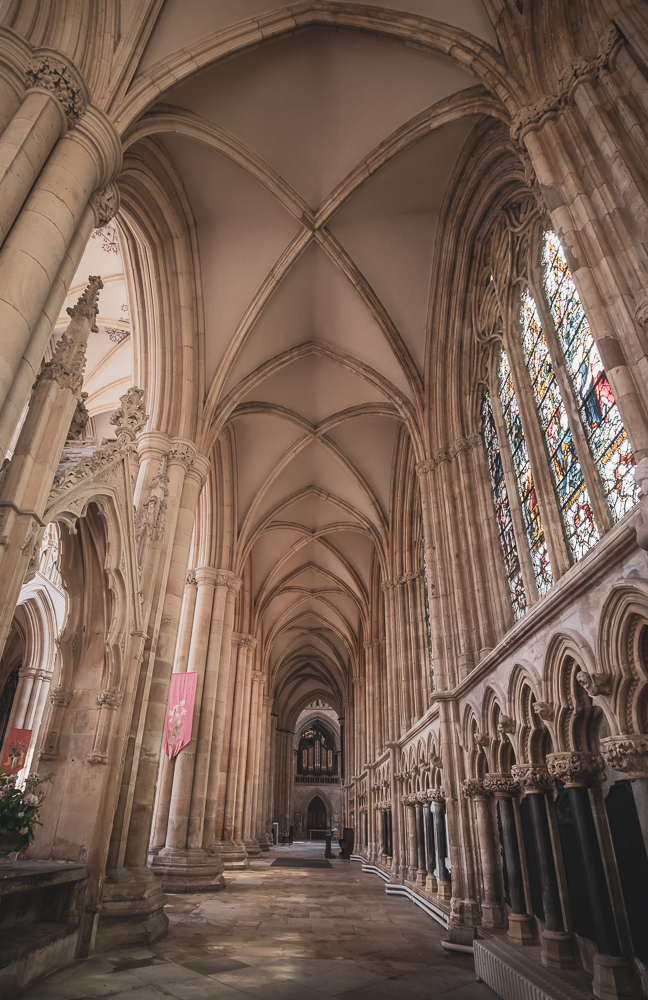
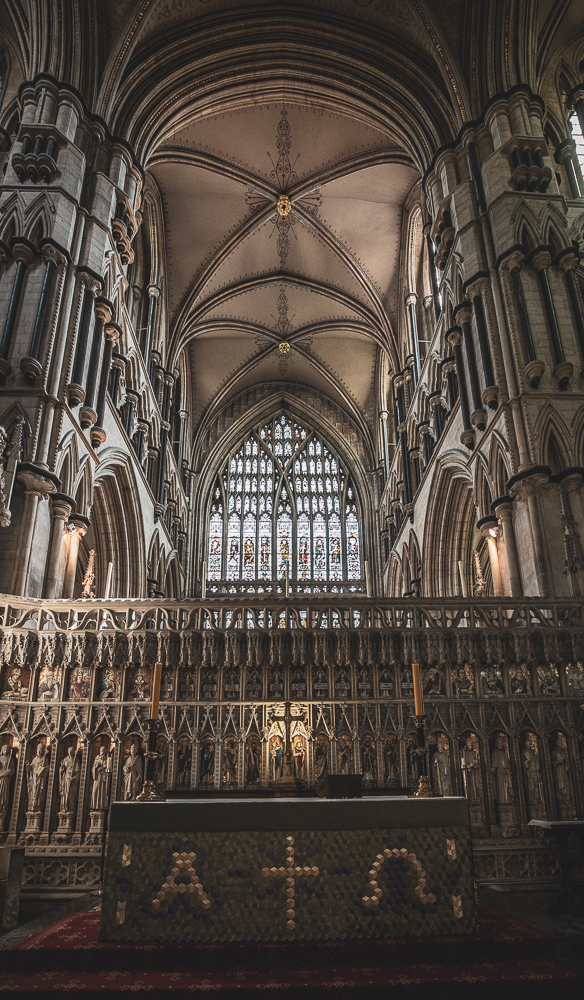
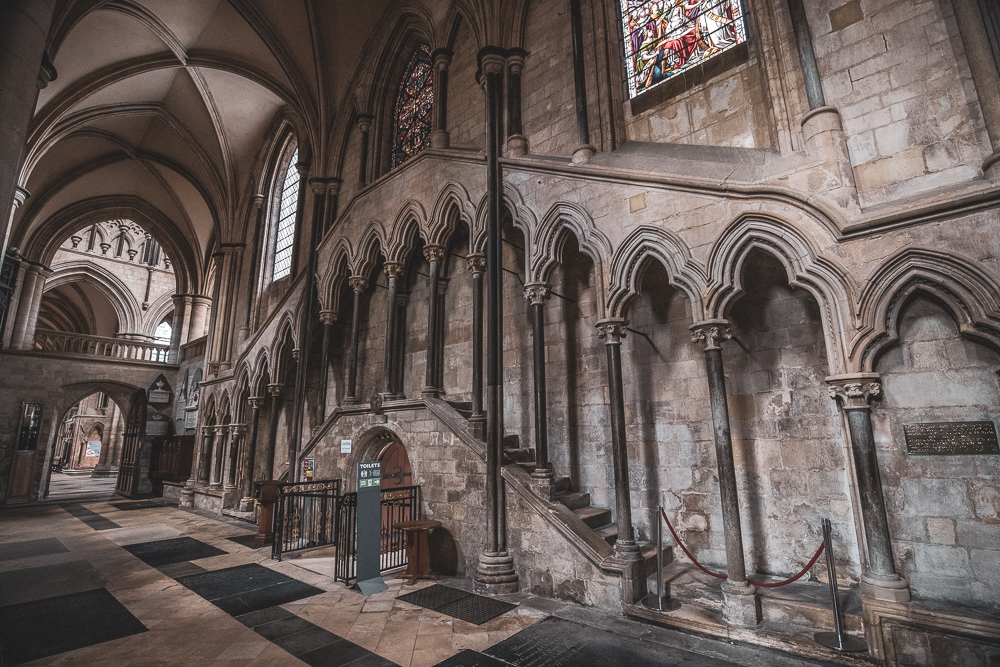
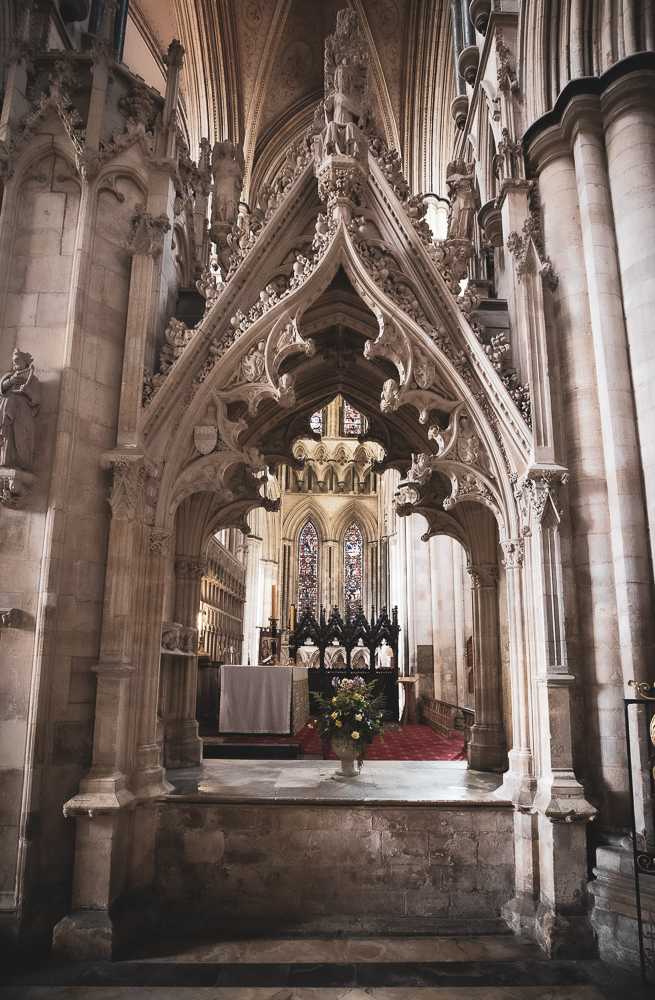
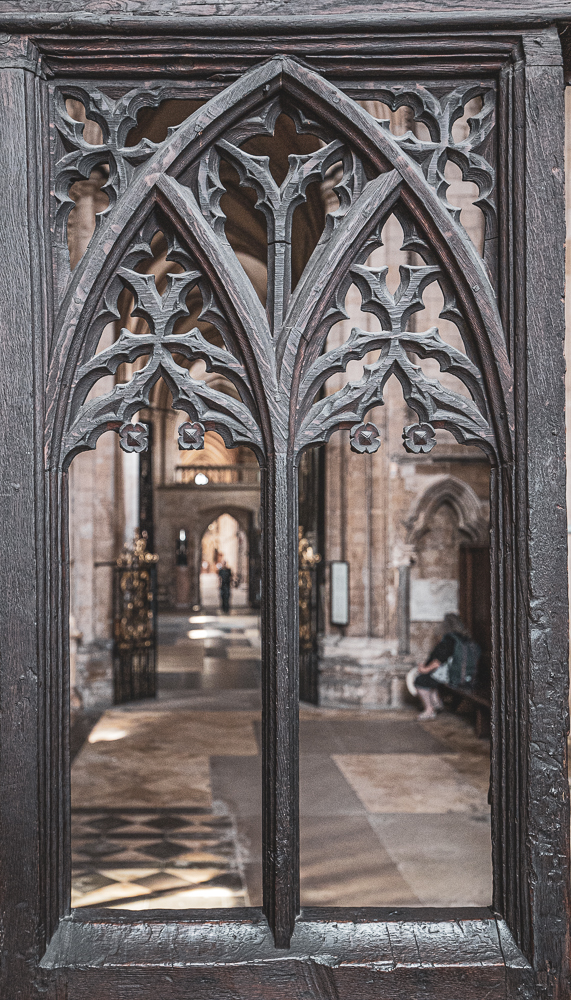
Beverley Minster, East Yorkshire


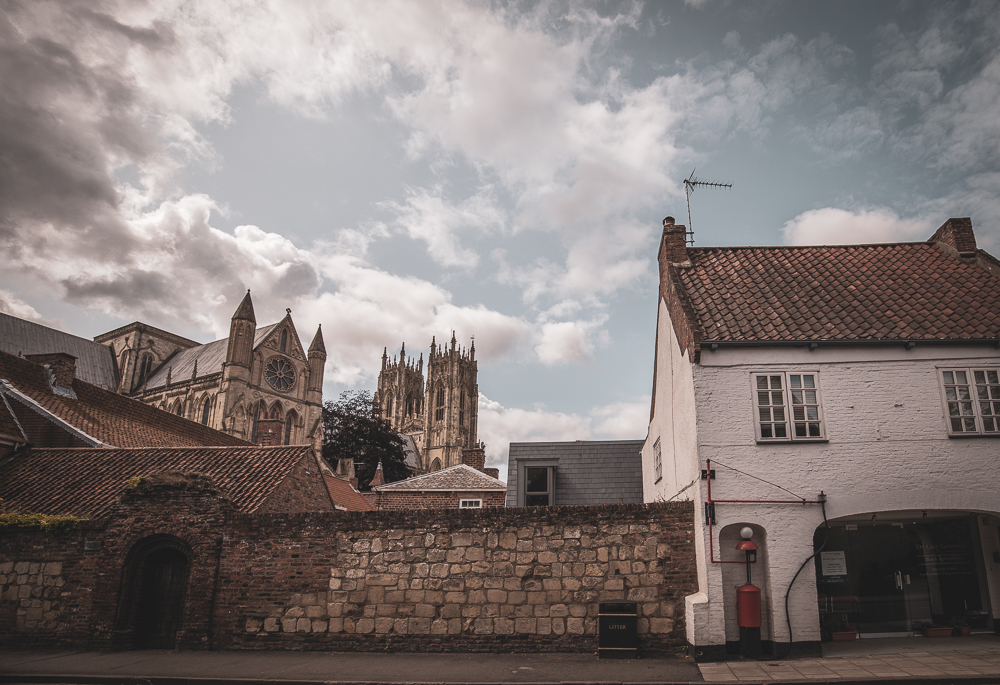
You might just have noticed that I didn’t publish anything last Wednesday. And even if you didn’t not notice, I still didn’t publish anything last Wednesday. I had just had some time off work and had just got back from an amazing visit to Hull to meet up with some old friends that I was at school with, and hadn’t seen since school. The next couple of articles will feature photos from that visit.

Soooooo… We travelled up from the Vendée, to catch the ferry at Zeebrugge, in Belgium. We usually set off quite early but this time it was a bit silly kind of early. No it wasn’t, it was the downright obscene kind of early! That kind of early that you only do when it’s summer and really hot during the day, and you want to drive at least a couple of hundred kilometres without passing out from the heat.

Needless to say, we were “on time.” Not the first in the queue, but not far off. Anyway, the sail over was really good. The food and drink were great and we actually got a good night’s sleep. So fresh eyed and bushy tailed as only fresh eyed and bushy tailed little bunnies can be, we arrived in Hull. Yes Hull is what I consider as home… You can take the boy out of Hull, but not the Hull out of the boy. I still get emotional when I listen to the Housemartins. Which is why, as soon as we got off the boat and had to wait for the hotel room, we went off to Beverley.

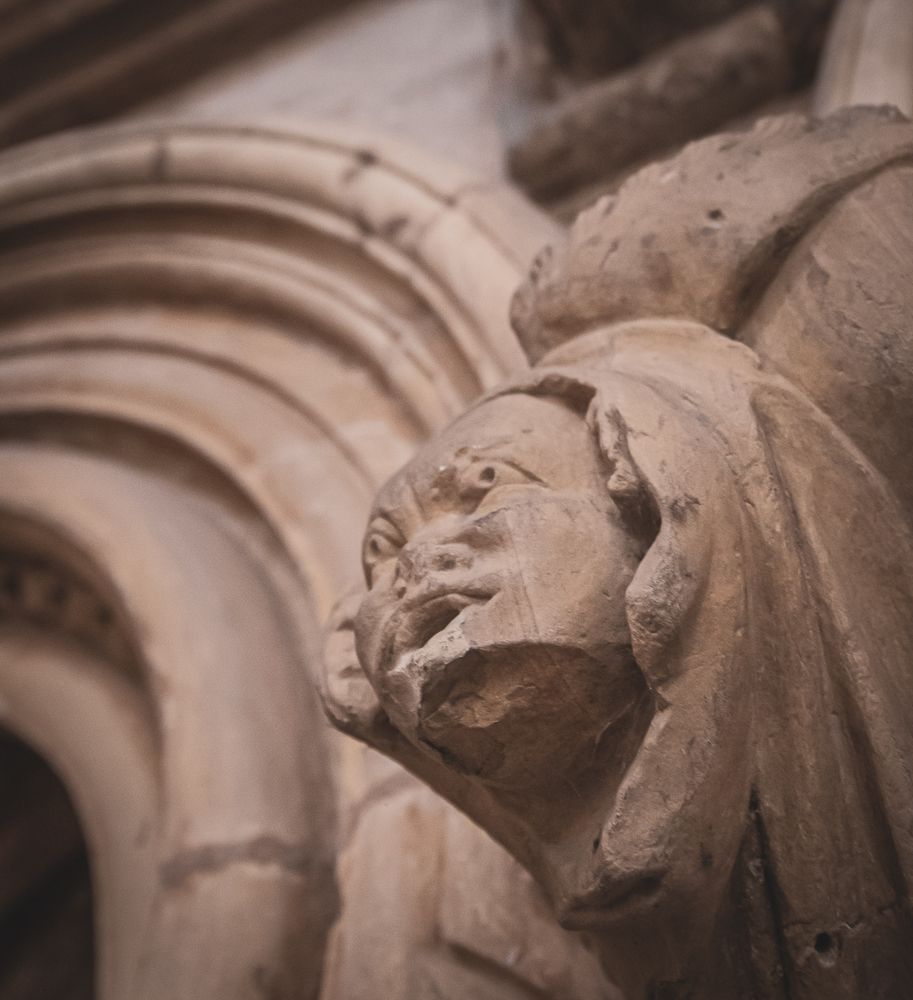
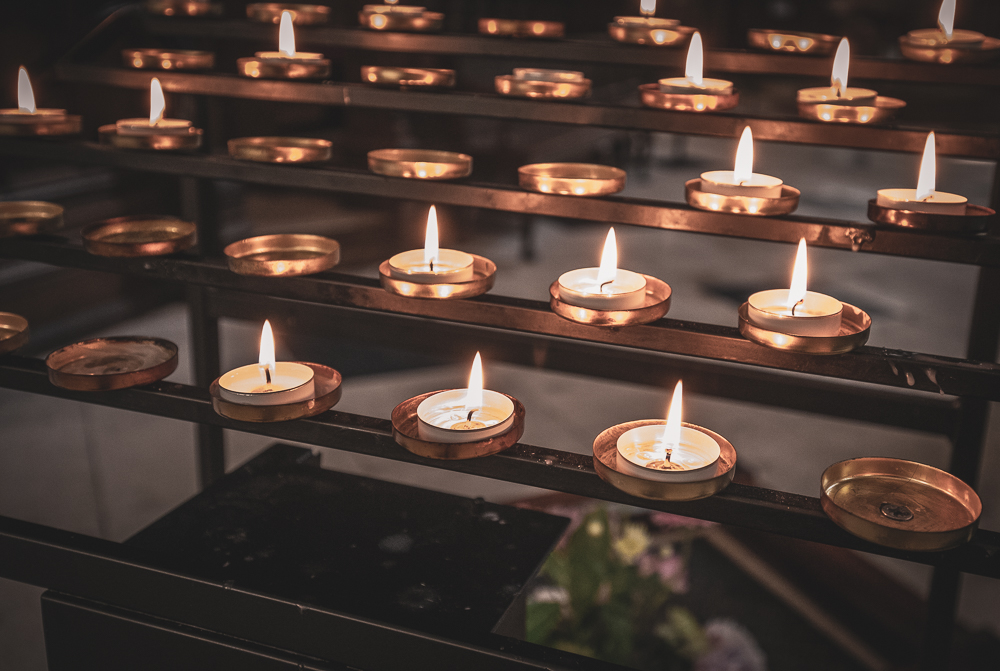
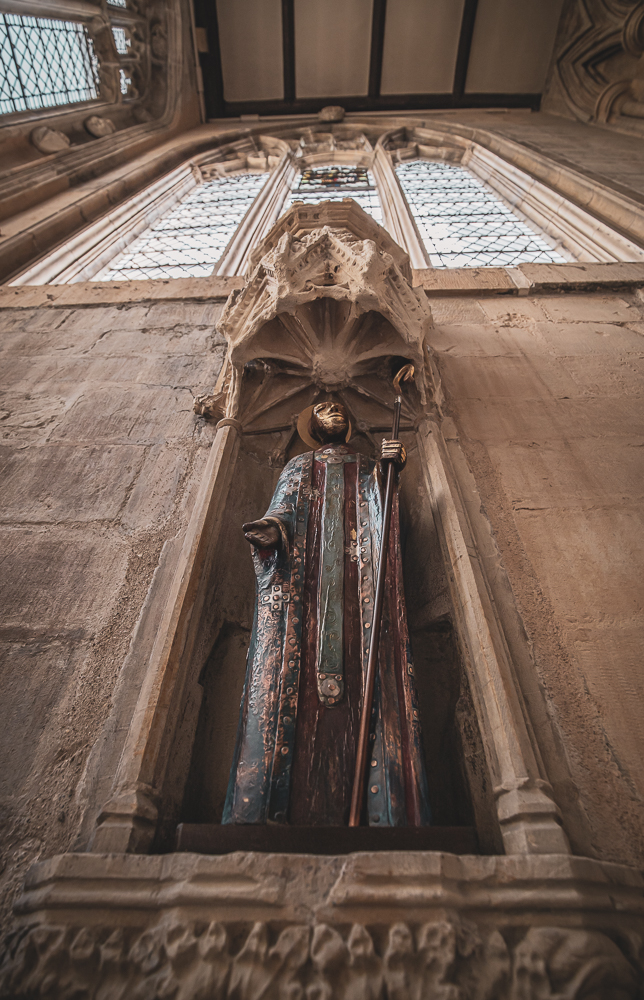
There were two places I wanted to visit. The Minster and St Mary’s Church. I’m not forcing religion down your throats, but as I said in the article about the St Nicolas Basilica in Nantes, these buildings were designed by men in which to connect with God, and everything in them leads man to God. Even if you’re not a believer, you can tell that this is no ordinary building. I’m always amazed by the architecture and how the builders managed to construct such edifices and what technology the must have used.

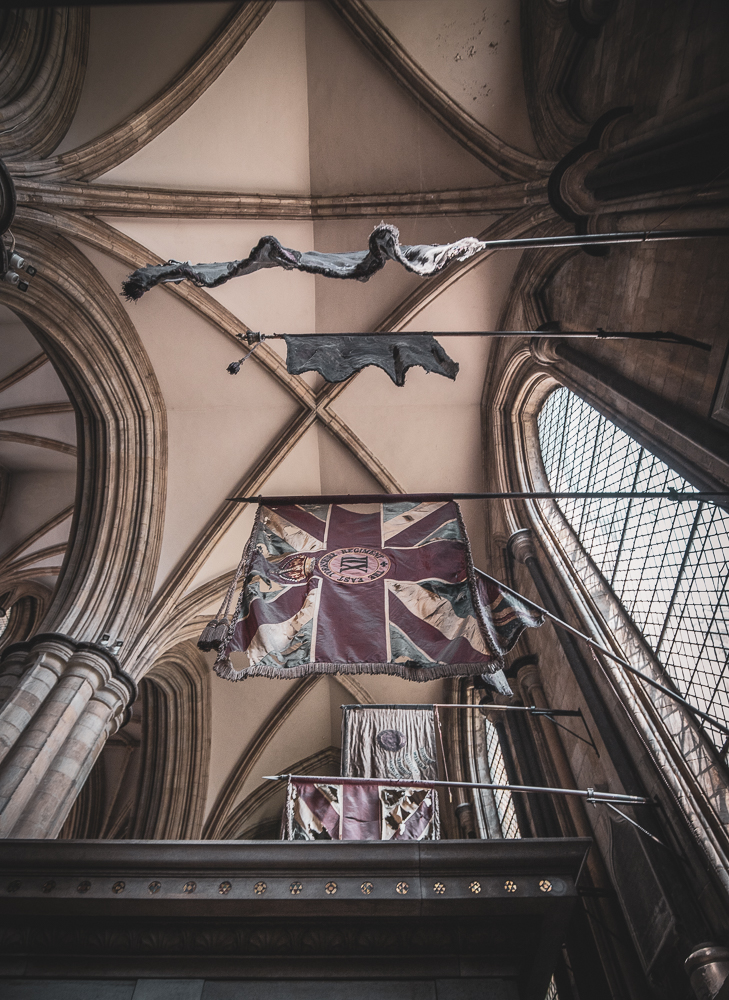
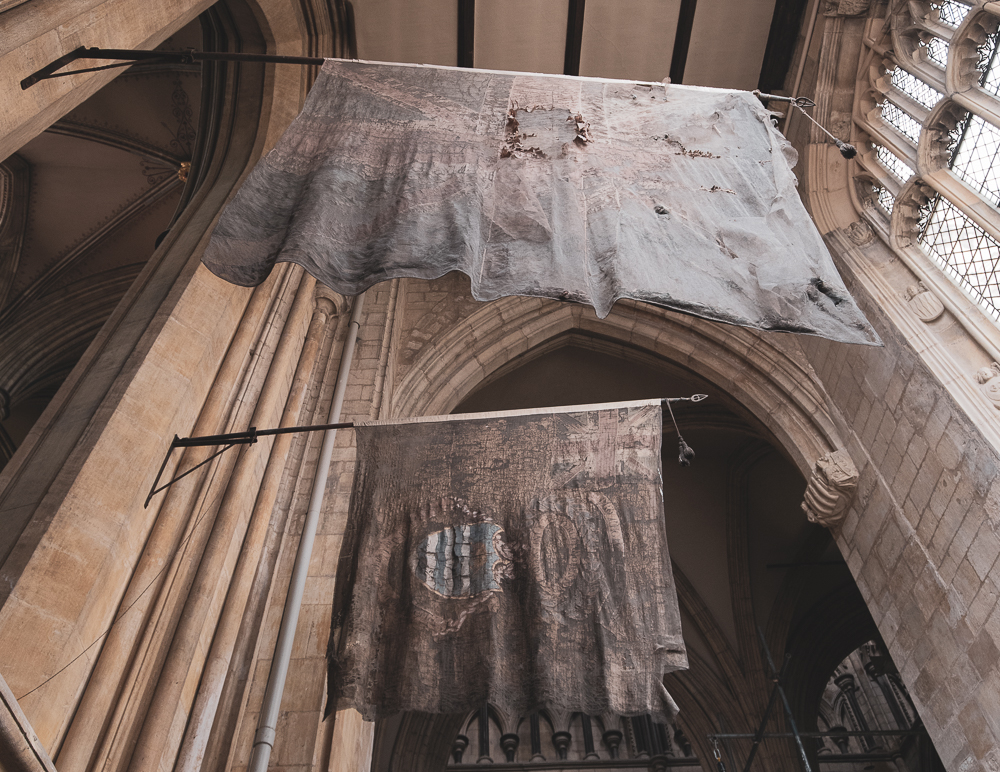
I love the intricacy in the stone work, or in the wood carvings, or the paint on the organ pipes, but what really moves me are the memorials to the dead of the World Wars, and the Colours (battle honours) of the regiments that no longer exist but had men that fought and died together as brothers. In some of these photos you can what remains of these “flags” and how it is so important not to forget those that went before us.

Parc Oriental de Maulévrier


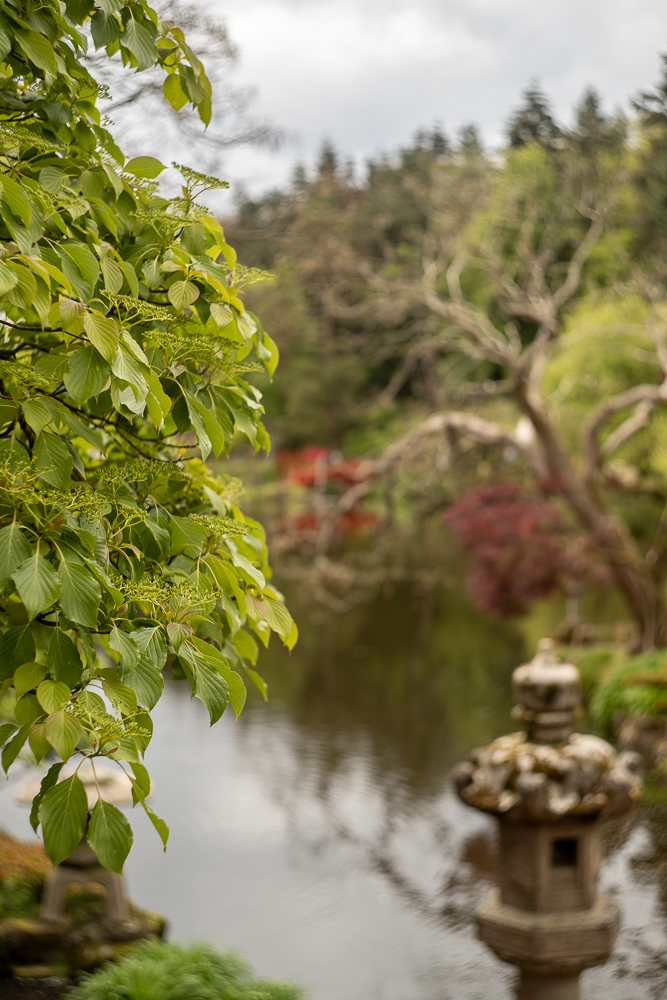
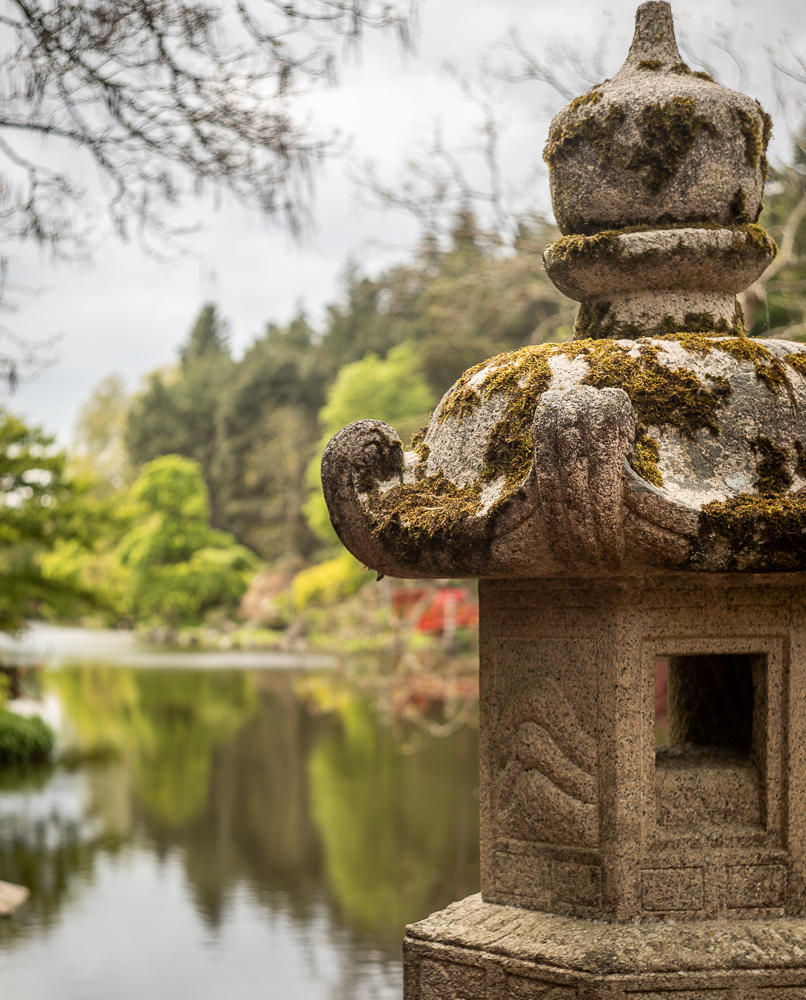
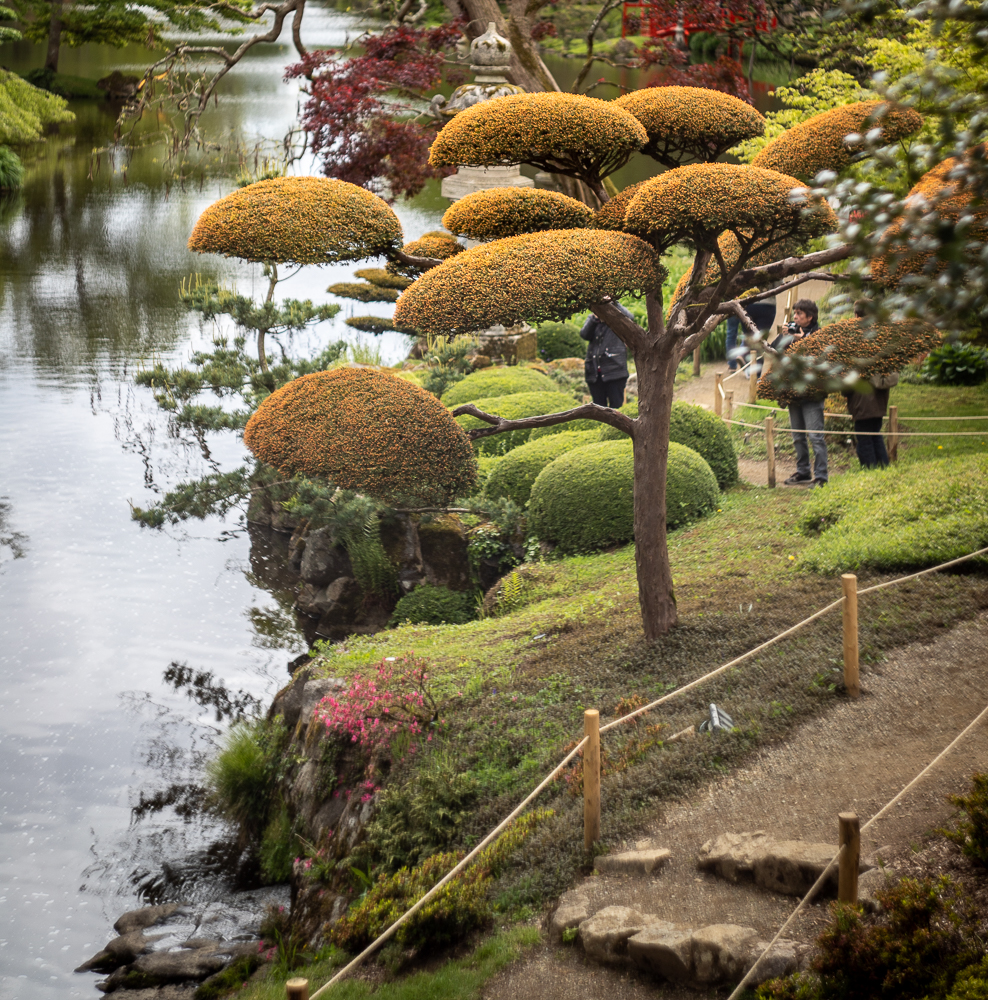
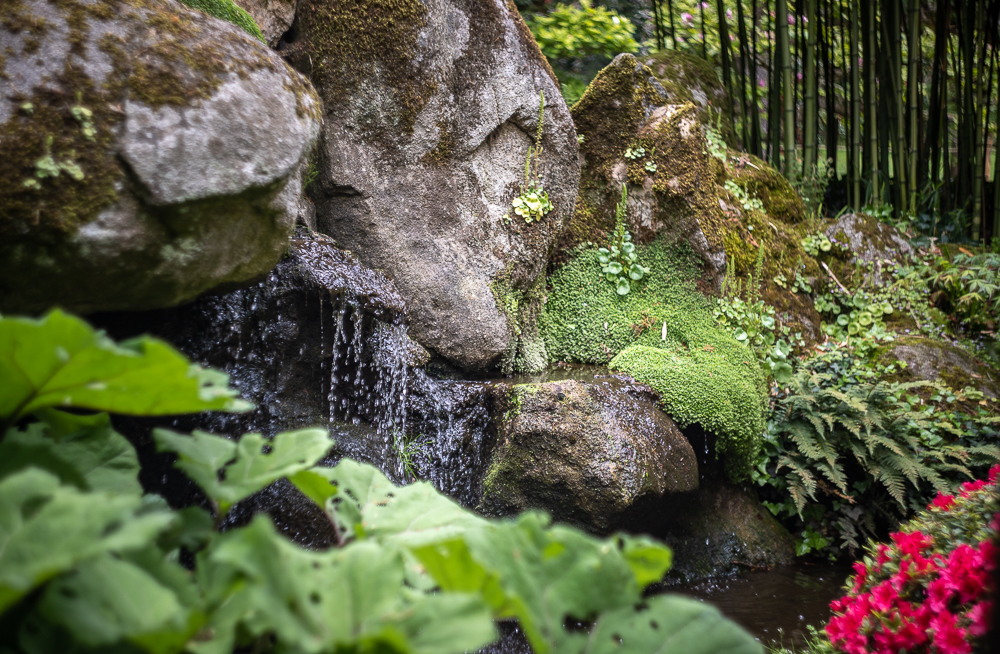
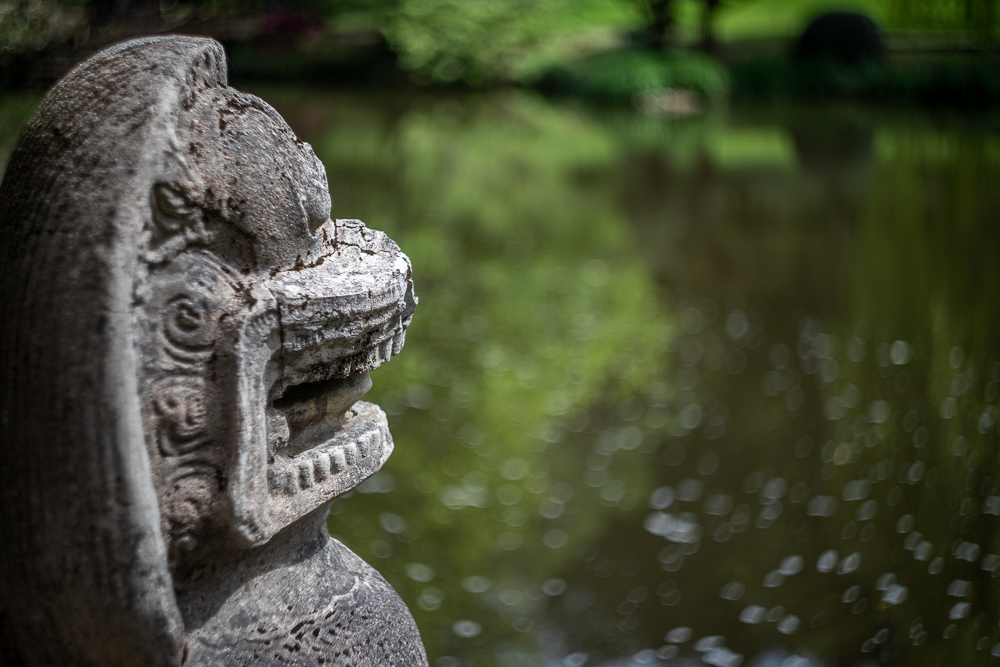
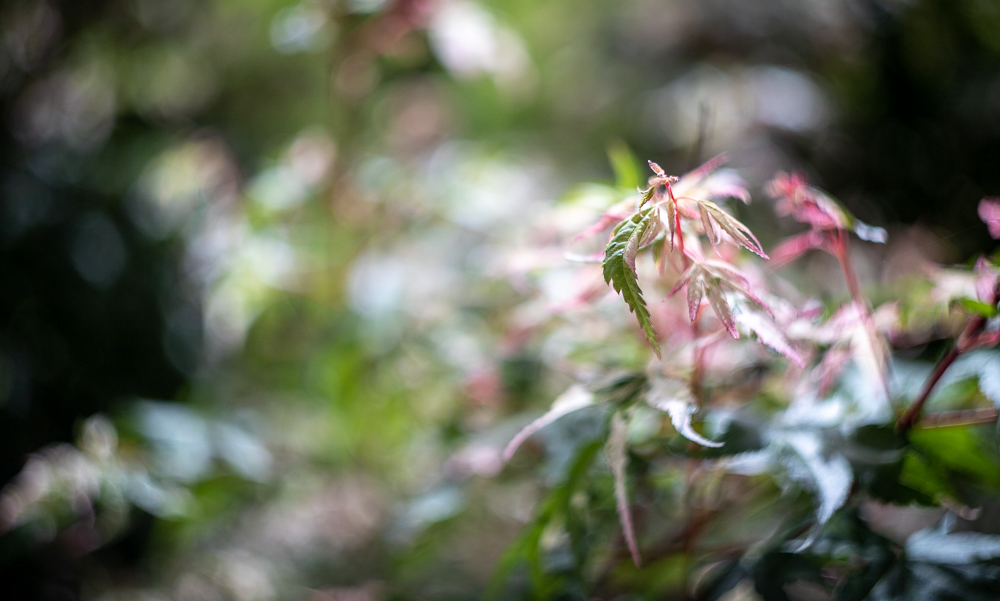
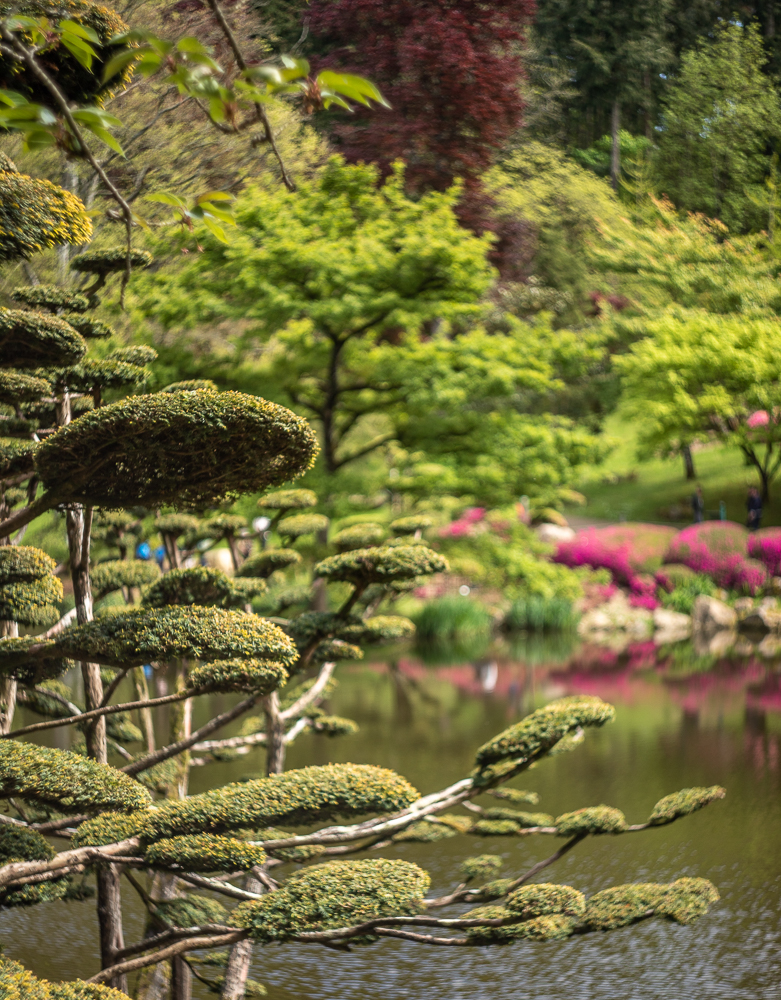
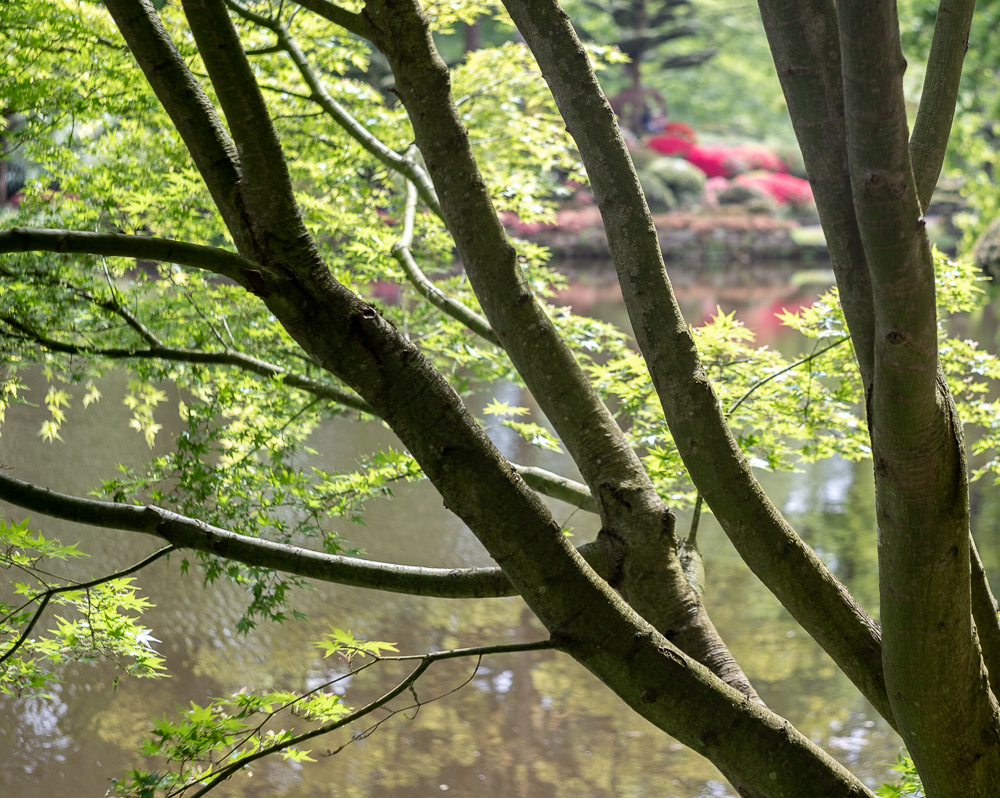
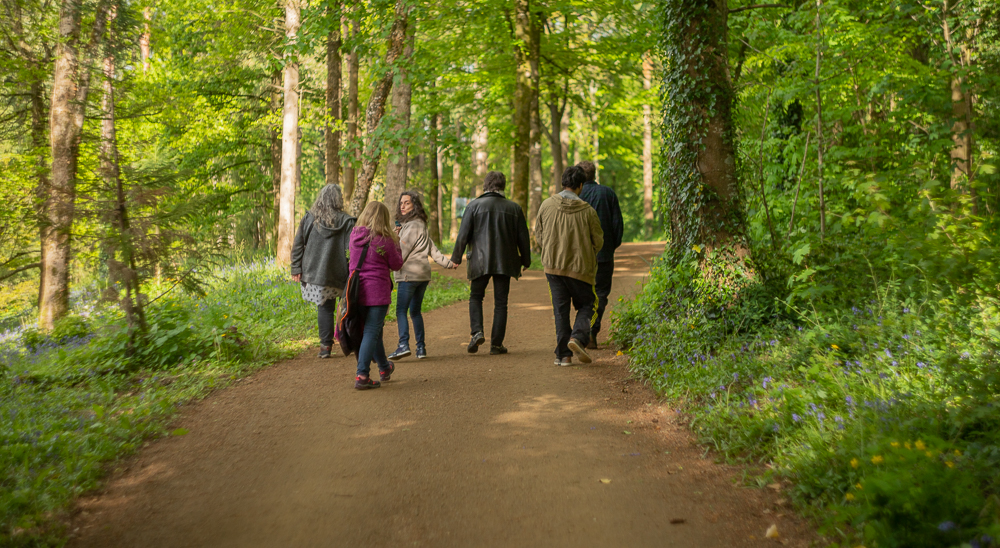
I’d heard of this place since I moved to Vendée in 2001, but had never got around to visiting it. The occasion was a friend’s birthday. My photography is my way of detaching myself from this world of commotion and taking a seat to just observe. The French talk about Zen, and “being zen” as an antidote to our modern lives, and finding that certain calm that we all long for.


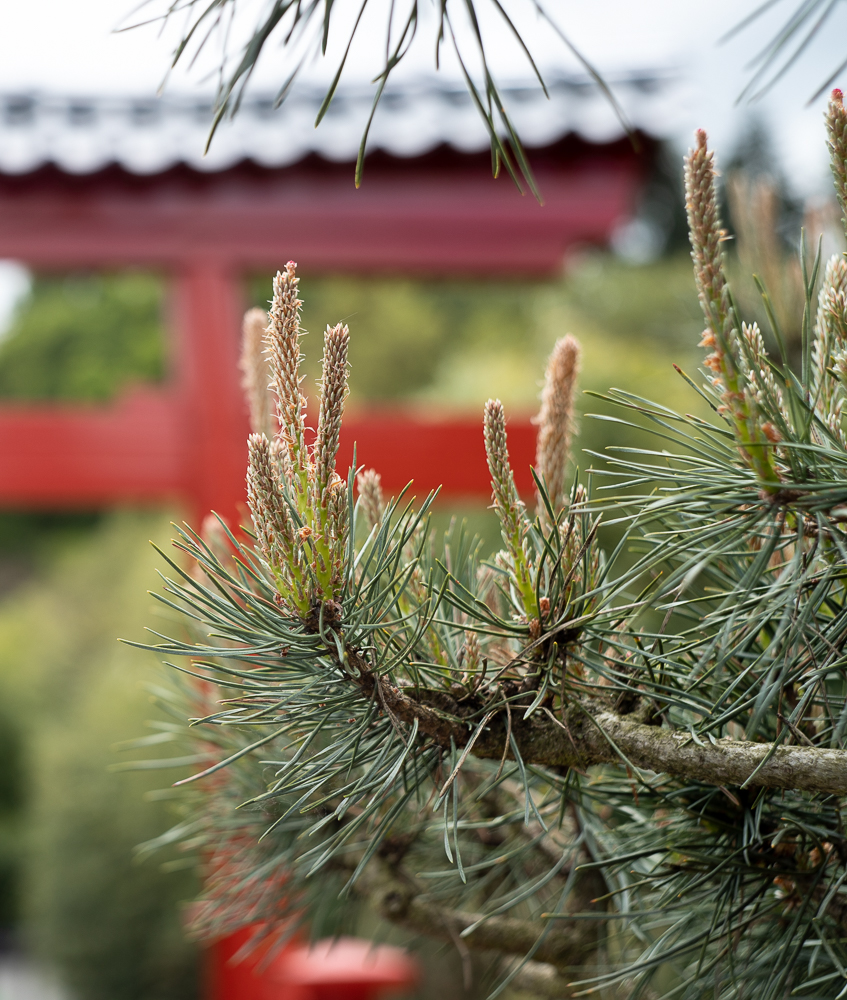
Japanese gardens are traditional gardens whose designs are accompanied by Japanese aesthetic and philosophical ideas, avoid artificial ornamentation, and highlight the natural landscape.

Wikipedia

Even thought we were in a group, we allowed ourselves to go at our own pace. For those of you who have a photographer as a partner, apparently you have tremendous patience as all of a sudden we will stop dead and start taking a photo. Today I could just get on with it and wander around. Blissful it was, blissful! The only person that doesn’t mind me doing this is my son who waits patiently. If we go out, I will do 8000 paces, and he will do at least 12000 because of turning around and coming back to me. I do love that boy!

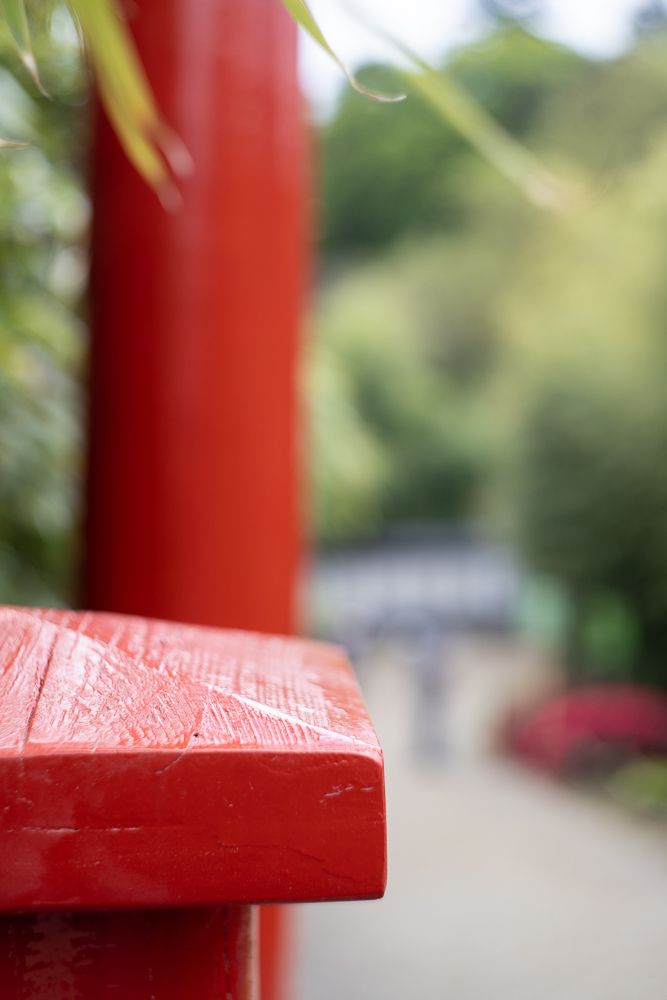
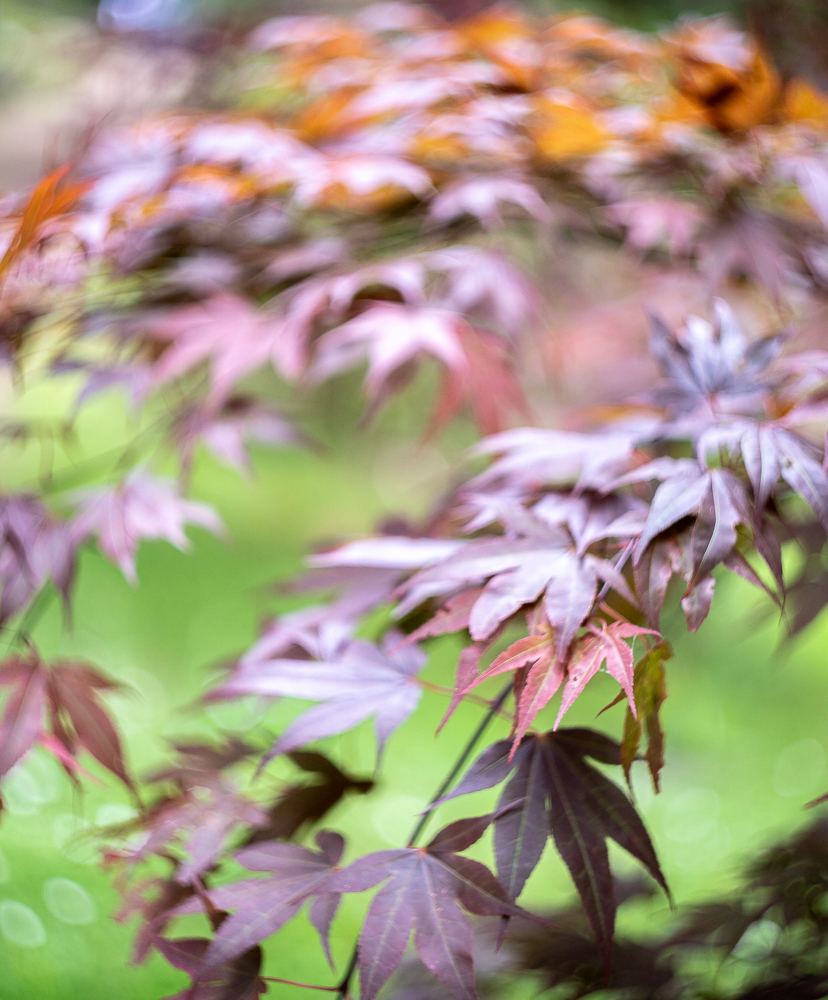
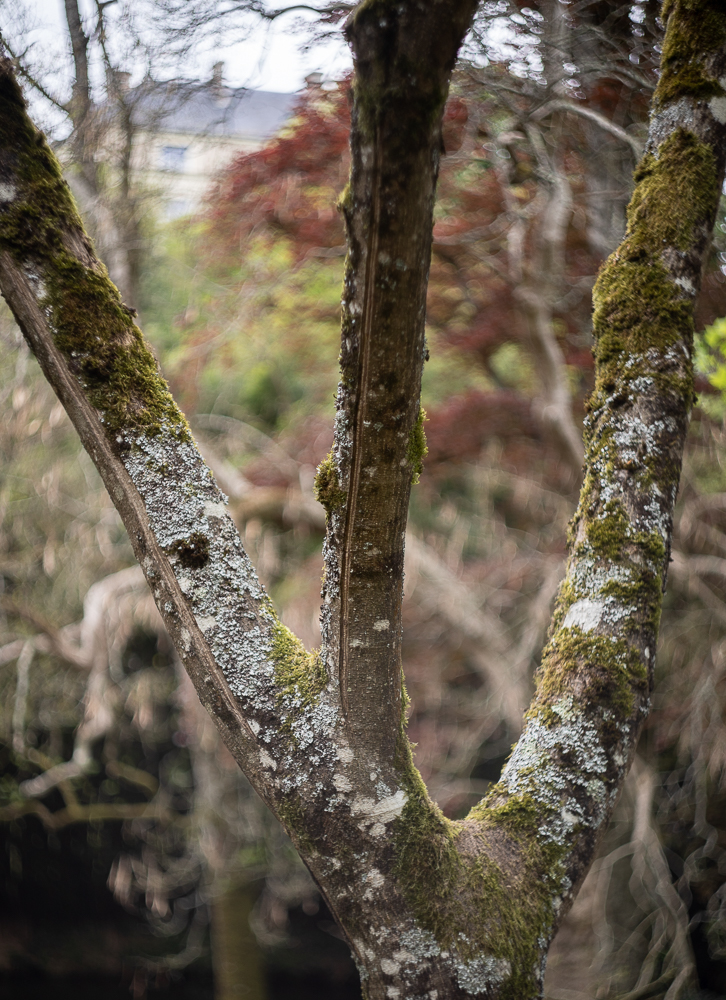
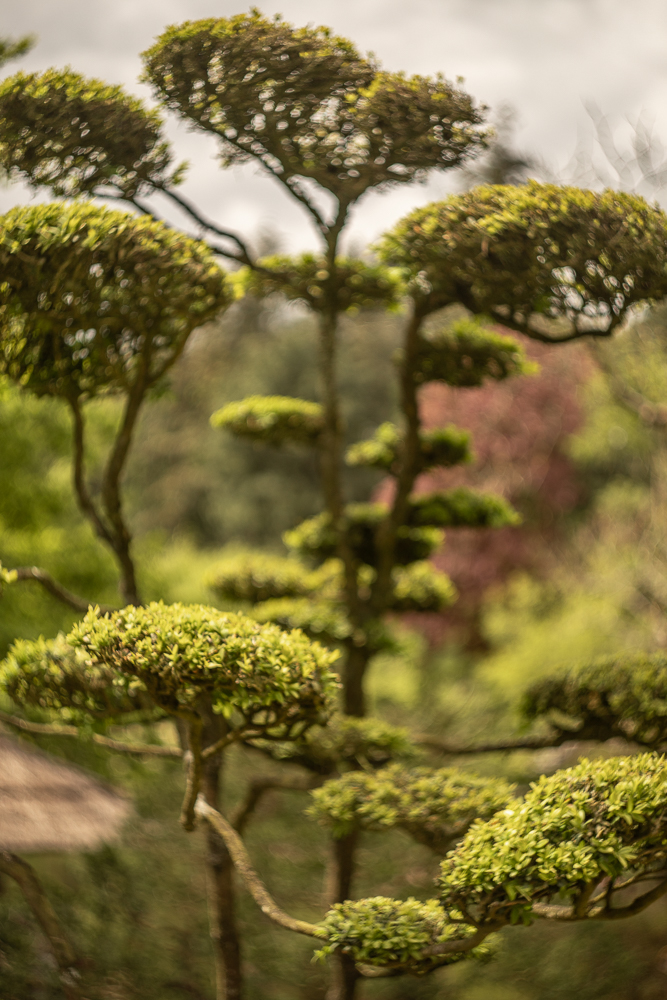
All these photos were taken on the Canon 6D Mark II, with the Helios M44-2 58 mm lens, except for one shot, which was taken with the Canon 16-35 mm lens. I do like the bokeh it gives you and on some of these photos you can actually see the swirly bokeh! Try and spot it…

Abbaye de Maillezais Vendée


Originally from Yorkshire, we were brought up on the merits of Rievaulx and Fountains Abbeys. They were of course the most famous and beautiful of the abbeys destroyed by Henry VIII when the pope said no he couldn’t have a divorce to be able to marry Anne Boleyn. Bit of an over-reaction in my opinion especially when you think how it turned out in the end…

Anyway. This article isn’t about them. No. It’s about Maillezais Abbey in Vendée. It’s a little bit of a hike, but you basically just get on the motorway and don’t forget your exit the way I did, and ended up taking a very scenic route, which was very scenic. Luckily my daughter didn’t realise this. My wife would have been telling me how bloody useless I am. Ahhh, the joys of youth!

I’m going to start with the photos I took on the Easter Monday 2019, and then I’ll do an other article about my previous visit when I was with a film camera…

In this series I was using the Canon 6D Mark II with the Canon 16-35mm lens, and the Helios M44-2 58mm lens, which seems to be becoming my “go to” kit…

Clisson in colour, and close up…


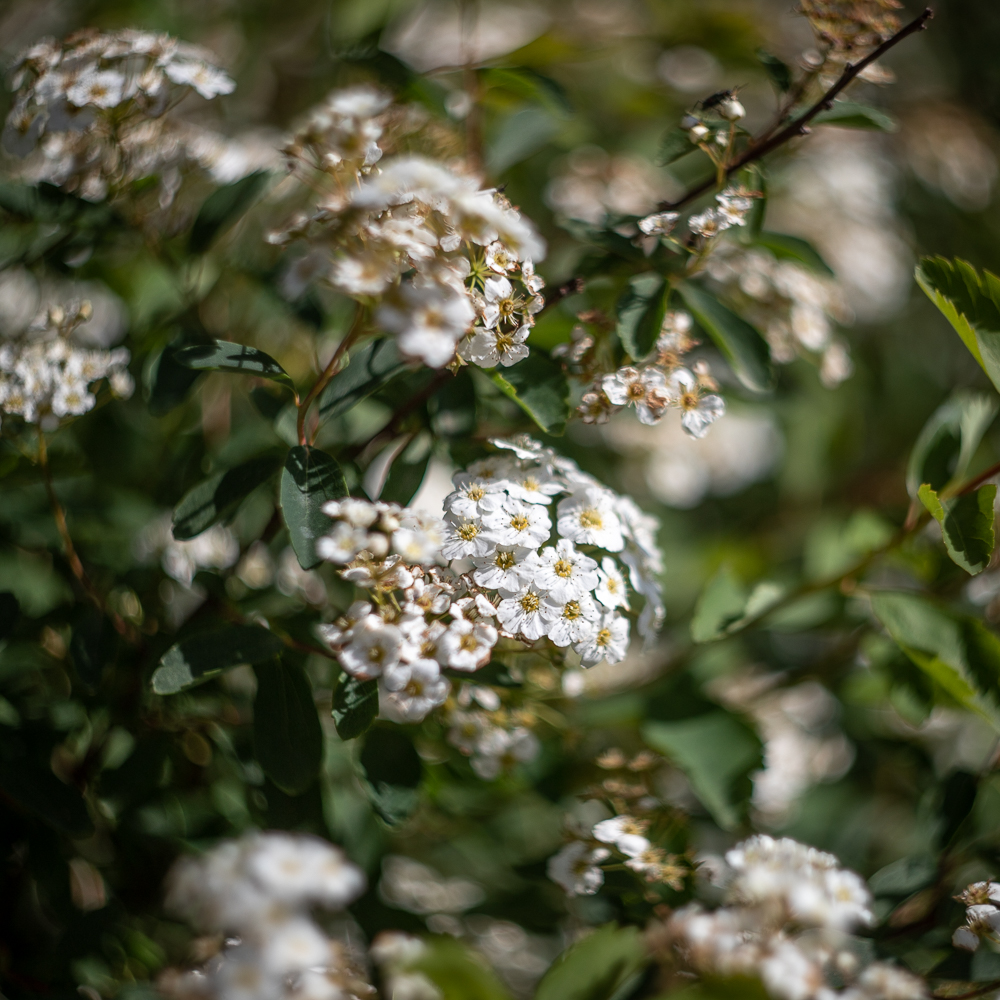
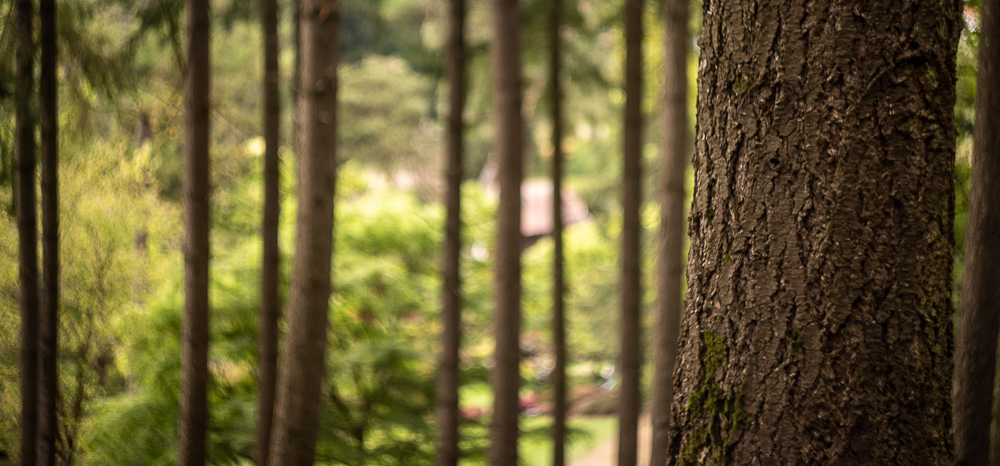
As you might know from reading the rest of this blog, I love using my Canon 6D Mark II with vintage glass. This Helios M44-2 is a bokeh beast for my inner bokeh whore… I love depth of field and this lens allows me to really express myself. Not only do I get the bokeh but due to a design falut in this lens, you get a “swiry bokeh.”

When I saw photos with this swirly bokeh for the first time I was blown away. I wanted that so boadly and when I first got this lens onto my camera I loved it. I’ve been getting acquainted with this lens and am beginning to get find what I can do with it.

Of course it has limits, the major one being that I can’t focus to infinity but i’m ok with that. I can get around it by using zone focusing. I can be around 6 to 10 metres away from my subject and have a small aperture. Above that the mirror with smack into the lens and my camera with start throwing a wobbler! And we don’t want that , do we!

So this bokeh, what is it then?

In photography, bokeh is the aesthetic quality of the blur produced in the out-of-focus parts of an image produced by a lens. Bokeh has been defined as “the way the lens renders out-of-focus points of light”.

Wikipedia