Becoming an Uncle – Respect and Community in China


I think the first thing to do is to define what an Uncle actually is. In the West, an uncle is a member of the family, the brother of the child’s mother or father. You can be the cool Uncle, the one that lets the children get away with everything and spoils them. You can be the Uncle who buys them toys that make lots of noise or require a long time to set up, just to get back at your siblings. You can be the responsible Uncle, the one who supports the parents in their parenting role. Then, in English and Irish society, you might also be the Uncle who is a close family friend. And you can be a mixture of all four. Like asking your nephews and nieces to get you a beer from the fridge on a warm summer evening while enjoying a long French-style meal that seems to go on forever.

As you might know, Chinese society is somewhat different from Western, English, or even Irish society. In China, an uncle is someone who has reached a certain age and is expected to be shown deep respect—not just for their age, but also for the wisdom and position they hold in the family hierarchy. The sense of individuality in China is less important than the sense of a collective identity, one shaped not only by Chinese Communism but also by traditional values that predate the Revolution. This collective identity, emphasizing the role of the individual within the larger whole, is especially prominent in China but can be seen, to varying degrees, across much of Asia.

In Chinese culture, the importance of hierarchy and respect for age are fundamental. An uncle is not just a family member; they are a figure who is honored because of their age and wisdom, and their role is tied to the broader family structure. It’s about understanding that personal desires often take a backseat to the responsibilities and duties that come with being part of this collective identity. This is in contrast to the individualism often celebrated in the West, where the role of an uncle may focus more on personal relationships and the joy of spoiling nieces and nephews.

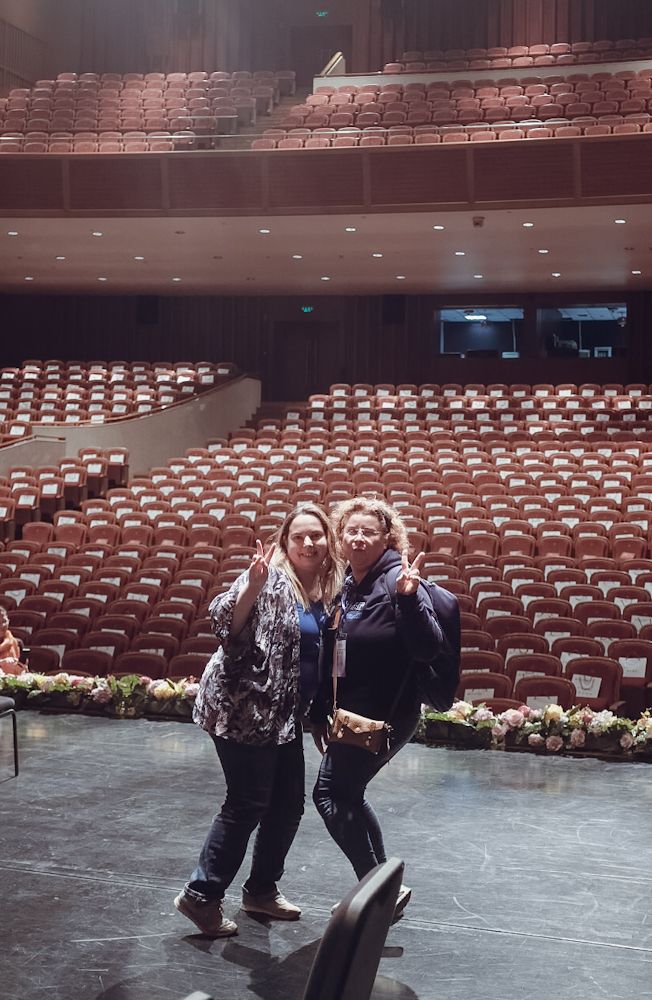
So now we know what an Uncle is in China.  It would appear that I am of that particular age, and obvious wisdom, to be considered an Uncle.  But how did this manifest itself?  I have talked about the love of the Chinese for selfies to mark an occasion or a passing moment.  During Operation Shenzhen Nights, I was made aware of people recording my posterior for posterity.  Obviously the Father Christmas effect. But people didn’t dare to approach me.  I would of course have given in to their demands, as I did after the first Shenzhen concert.  Definitely the Father Christmas effect.  The concert in Huizhou definitely confirmed this.  There was the example of a fellow Uncle who wanted a selfie with him to show the two Uncles together.  Even when thinking back to that particular moment, I feel a certain emotion. It was lovely to give a part of myself and solidify that moment together.  Two men from the same generation looking marvellous together. And let’s not forget the courage shown by the youngsters whilst waiting for our buses to arrive who came up to me and asked for a selfie (to record the moment) with such respect, even bowing gently to me.  I felt very humbled by the whole experience, and it felt like a real privilege to acquiesce. 

Becoming an uncle in China wasn’t something I saw coming, but it’s an experience that has stayed with me. The respect shown towards age and wisdom, the gentle bows, and the formality behind something as simple as a selfie request all highlighted just how different things are from back home. In England or France, my beard might earn me a knowing nod from a fellow facial hair enthusiast, but in China, it put me in a role of quiet authority—someone to be acknowledged with deference.

What struck me most was how natural it all felt, as if this respect was simply part of everyday life. It wasn’t about status, just an understanding of where people fit within the bigger picture. The warmth of those interactions made me reflect on how we see age and experience in the West, where individualism tends to take priority over hierarchy and tradition.

This unexpected unclehood turned out to be a reminder of the importance of connection, respect, and the roles we play in each other’s lives. In China, I became an uncle in the broadest sense of the word—a sign of age, wisdom, and community. I might not carry that same role in the West, but the experience has given me a new perspective on what it means to be acknowledged, respected, and, in some small way, part of something bigger than myself.
China – Shenzhen day 4 – Shenzhen to Huizhou to Shenzhen.


Today, we were giving a concert in Huizhou (clue in the title, as always) and needed to be ready for the buses at 10 a.m.—a thoroughly civilised hour for a gentleman like myself. The journey would take us about 90 kilometres, another day of life on tour spent bussing around. Victor, the oboe player, kindly put my suit in his suiter, leaving me to carry only my instrument and camera. What a pleasant young man. As people drifted down from their respective floors, we gathered in the hotel lobby, a mix of sleepy faces and quiet anticipation. 
Off we went. Was I with the young, trendy crowd today? Not at all. Always leave them wanting more. Instead, I decided to spend the day with my “girlies” from my Cholet days—Eléonore, Titaua, and Mathilde—along with Catherine, another first violin. It was a calmer group, slightly olde9r than the twenty-somethings at the back, which suited me just fine.

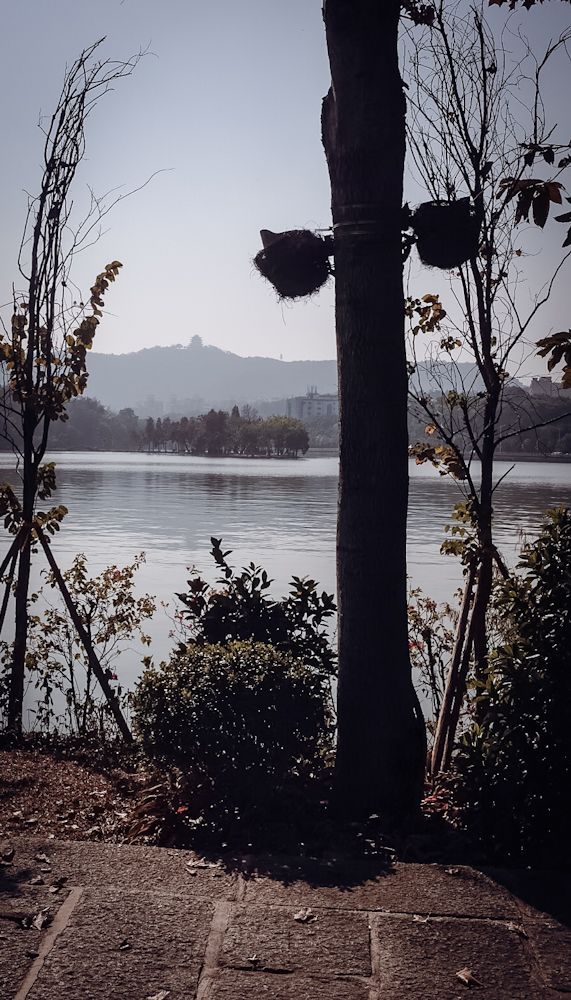
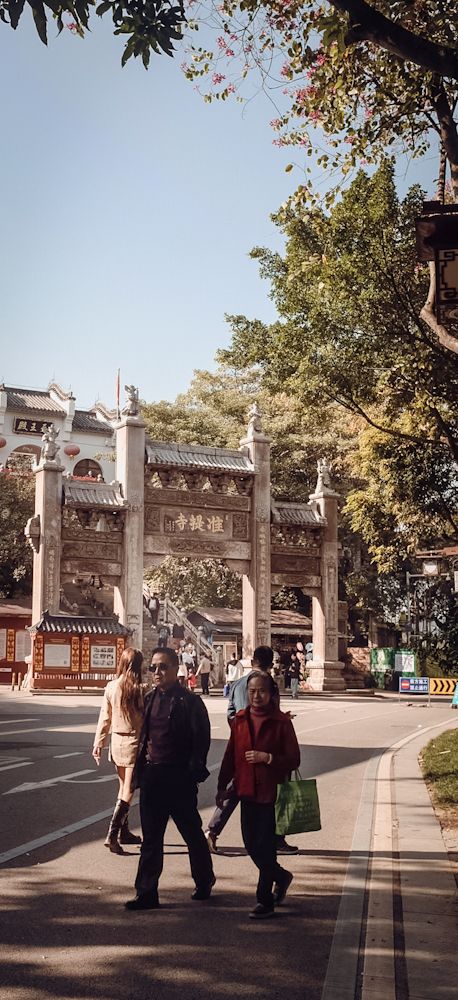
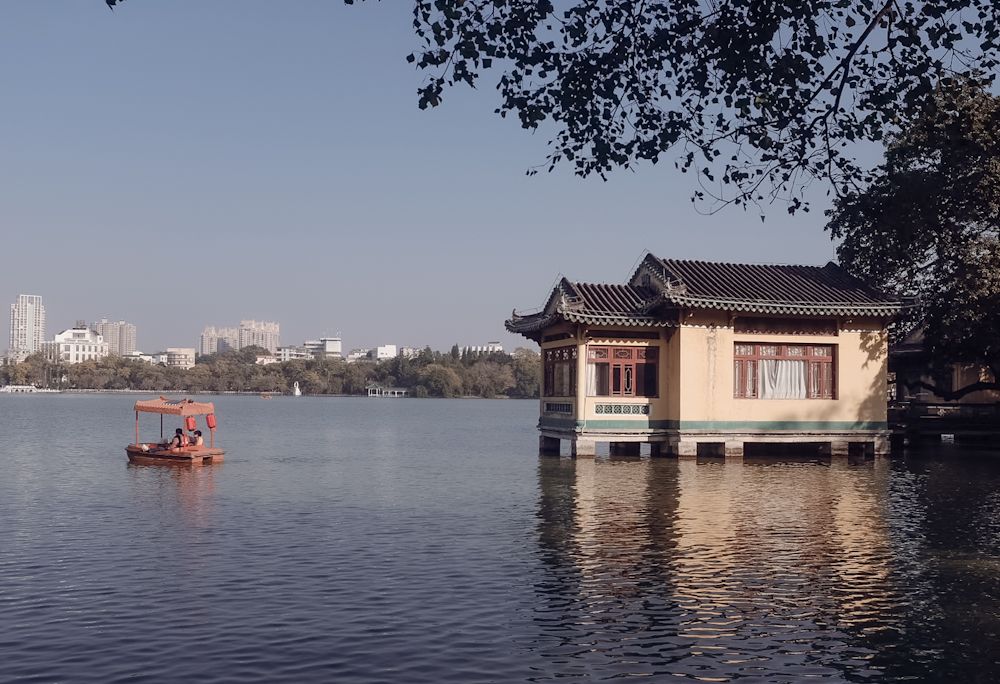
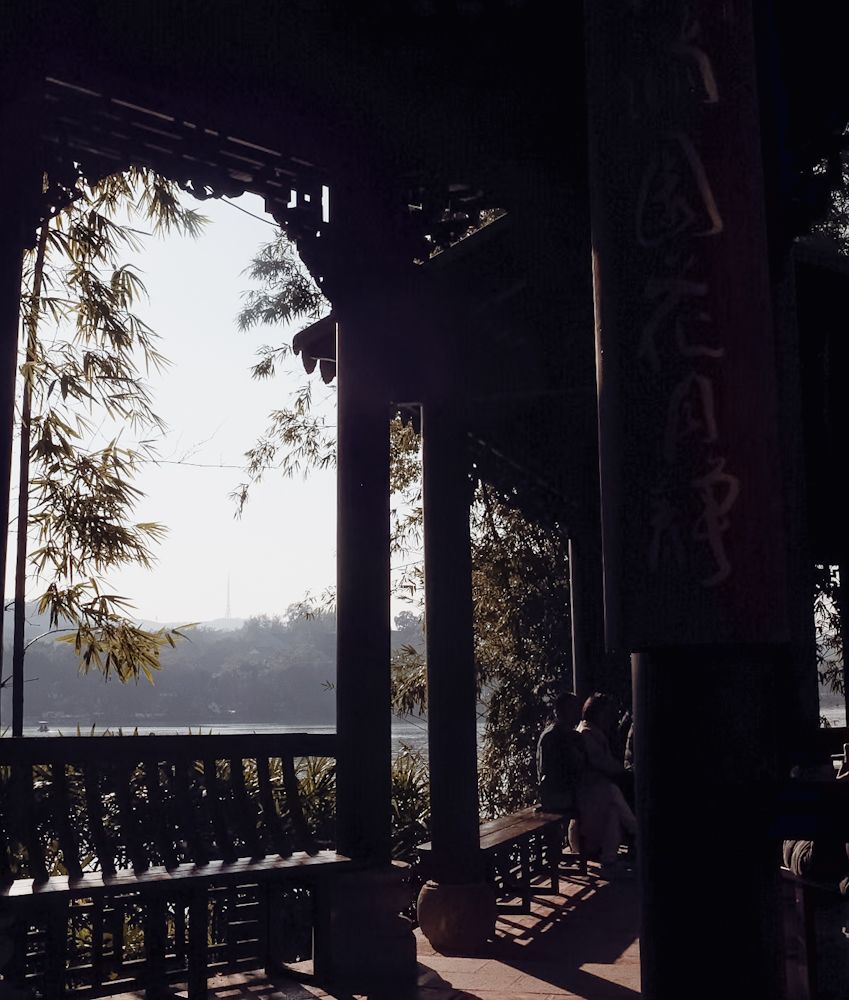
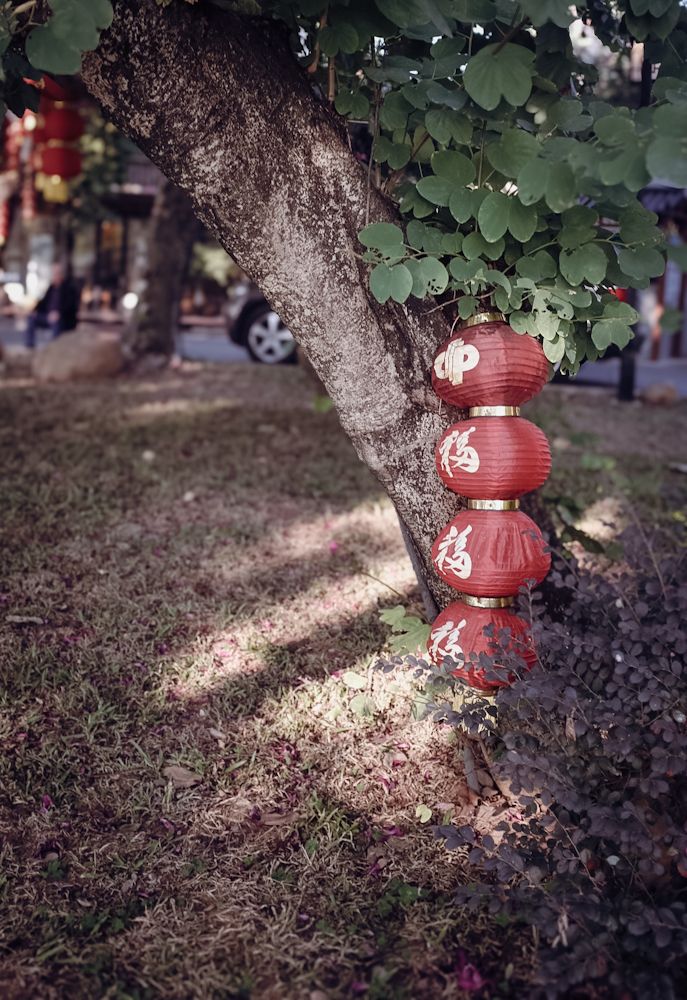
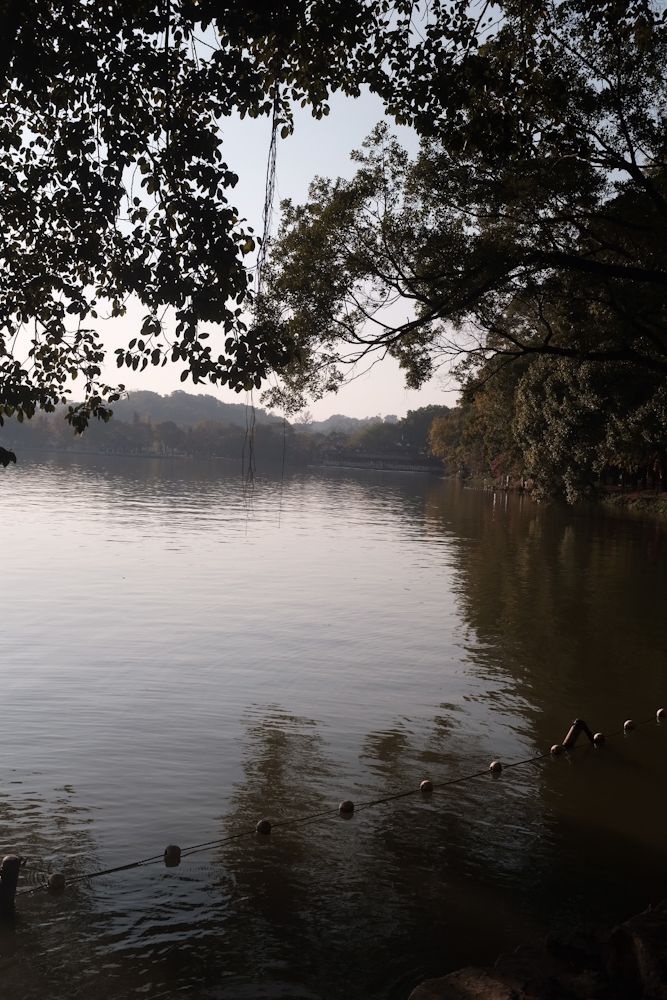
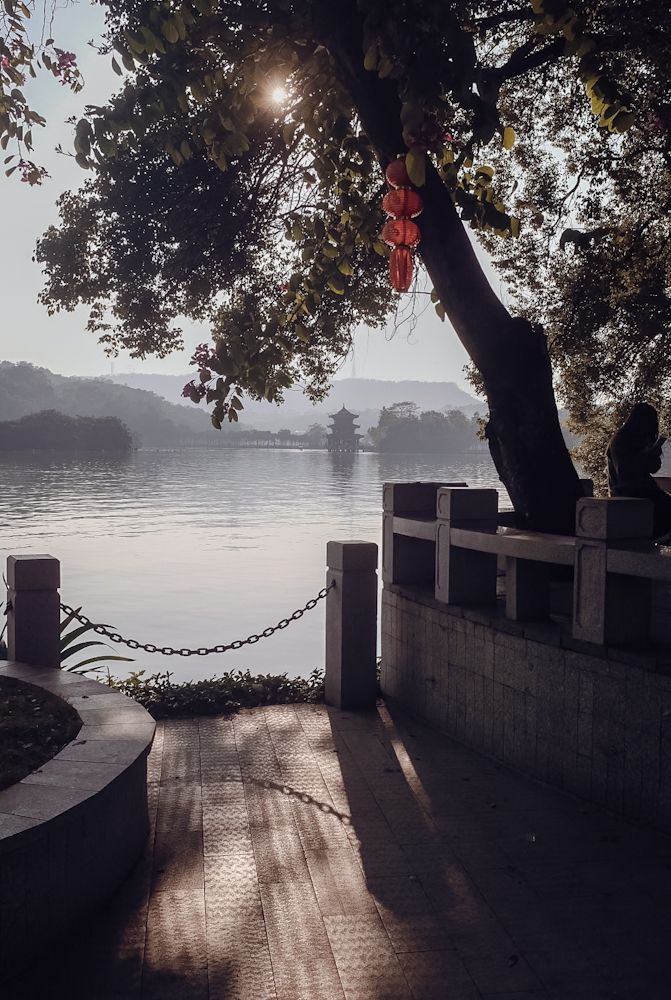
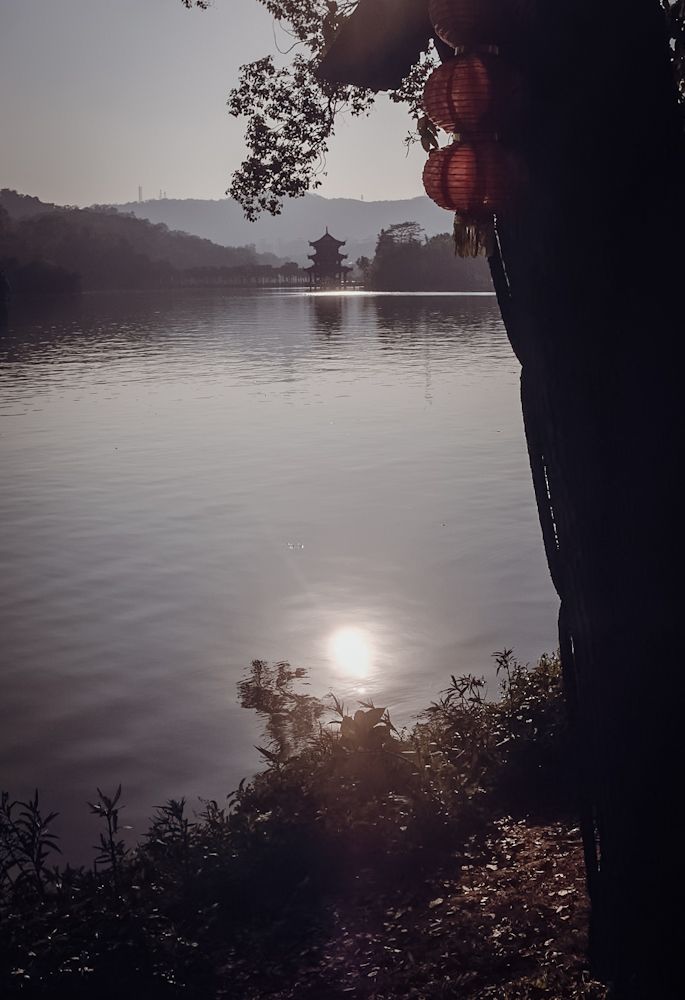
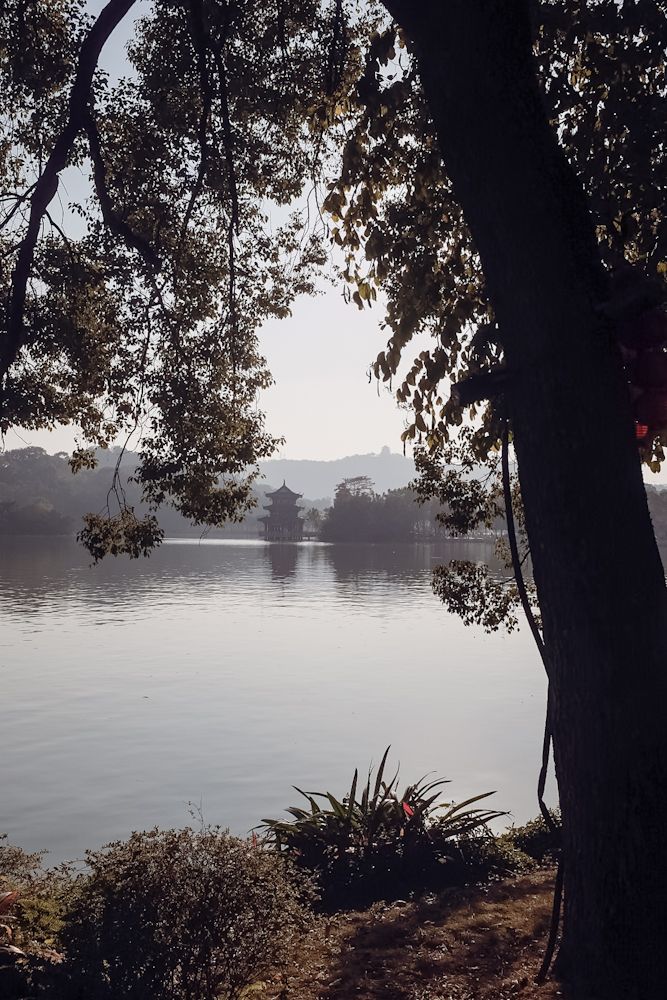
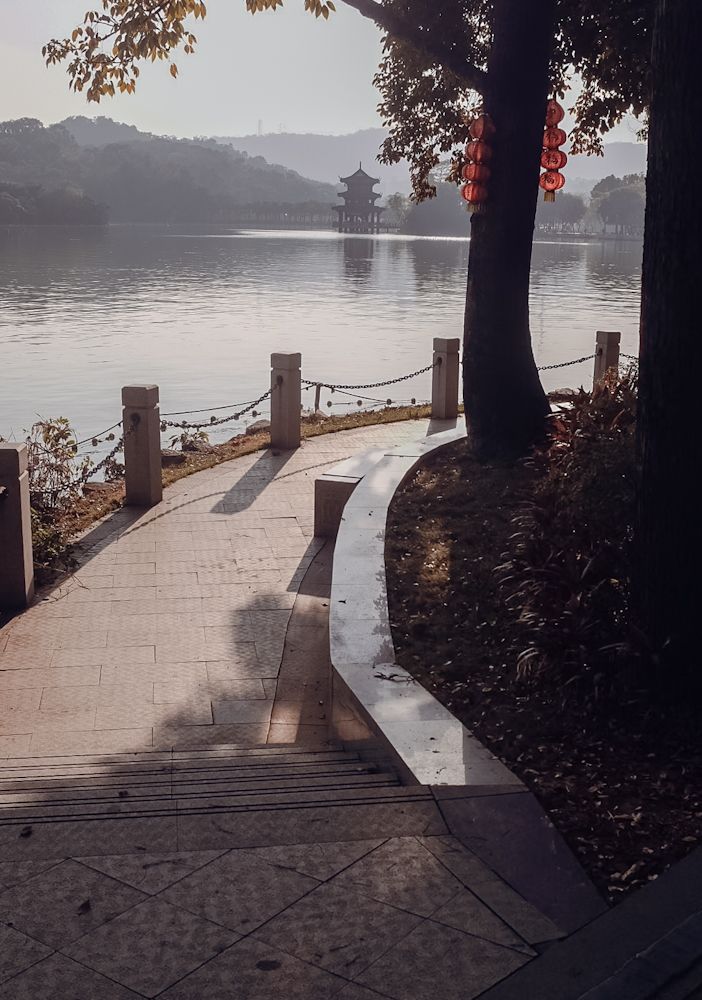
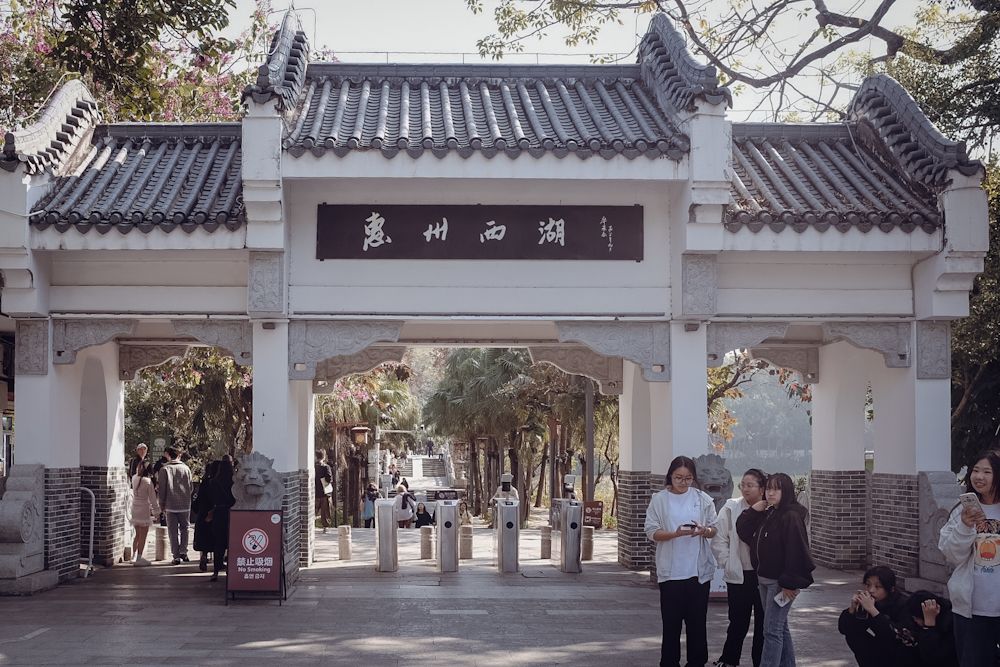
Once underway, we learned our first stop would be a lake before heading to the evening’s venue. A leisurely stroll around a lake? I wasn’t thrilled at the idea. Am I coming across as a misanthrope? Moi? Really? But when we arrived, I was pleasantly surprised. The lake, surrounded by hazy sunshine, was breathtaking—quintessentially Chinese with pagodas, temples, and bamboo groves. The entrance gate itself was a work of art: a grey, ornate roof atop white columns, with traditional calligraphy adorning the sign above. It was beautiful, and I felt unexpectedly happy to be there. 

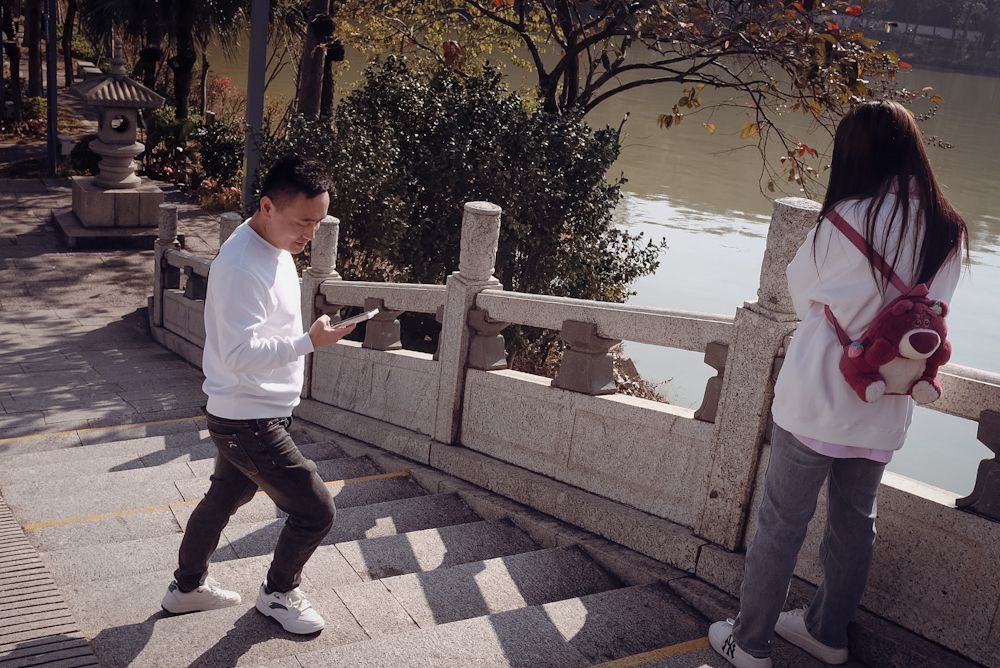
The walk would be leisurely, which was ideal for me. The trees and bamboo offered some welcome shade and acted as a diffuser for my photographs, and I knew this was definitely going to be a good day. I saw our friends’ Chinese boyfriend and Chinese girlfriend going through the same rigmarole as they had in Shenzhen’s Window on the World, which I still find amusing! 

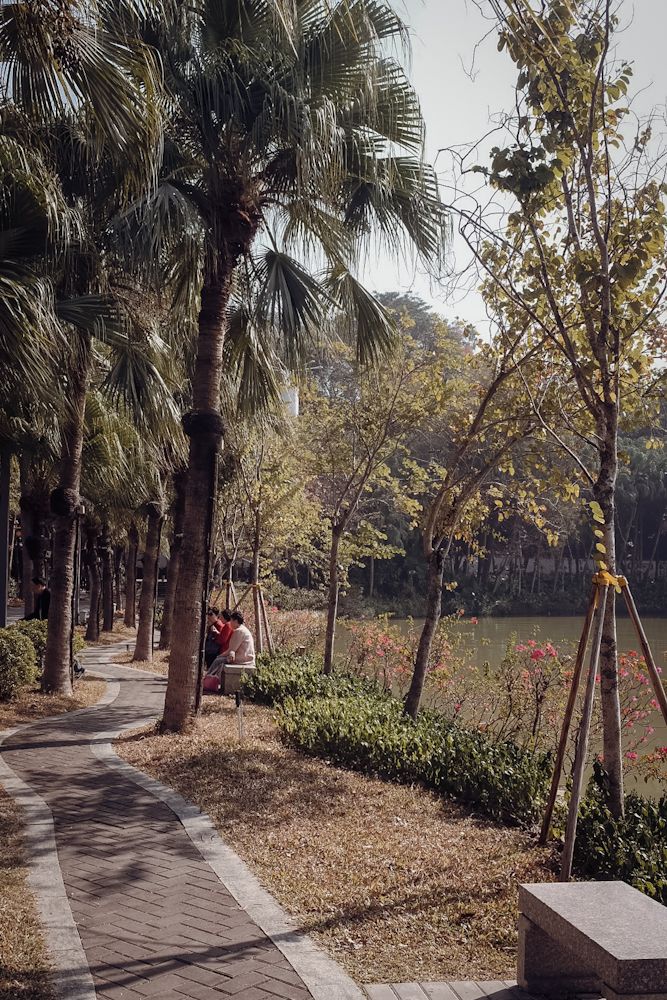
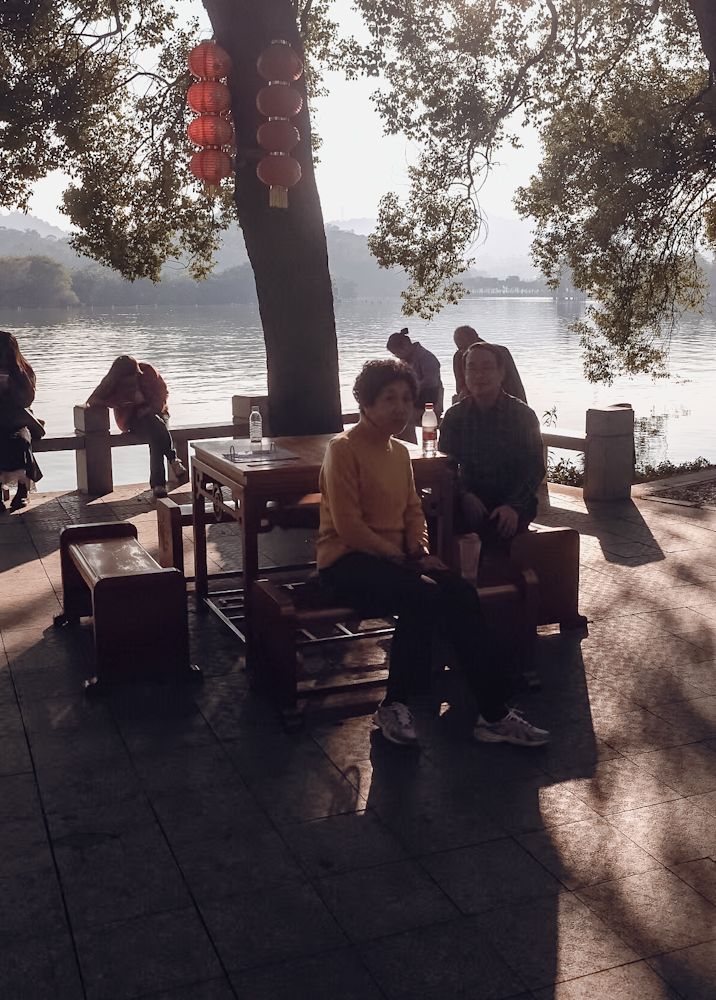
There were groups of Aunties and Uncles, as the Chinese call older people, sitting on benches looking out across the lake at various pagodas and temples. It was one of those places that breathes calm. I like calm. 

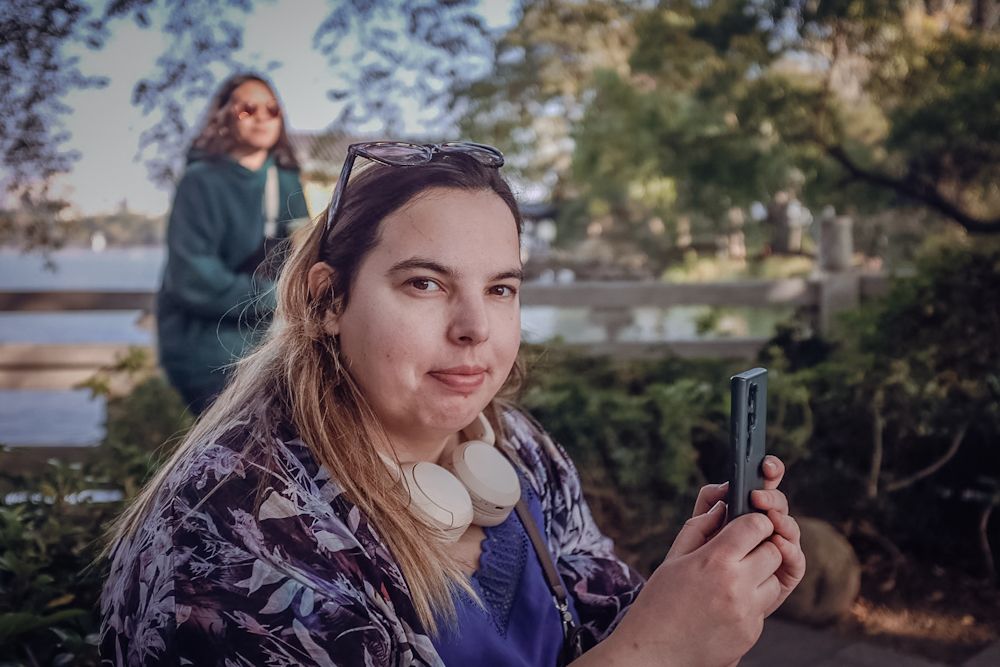
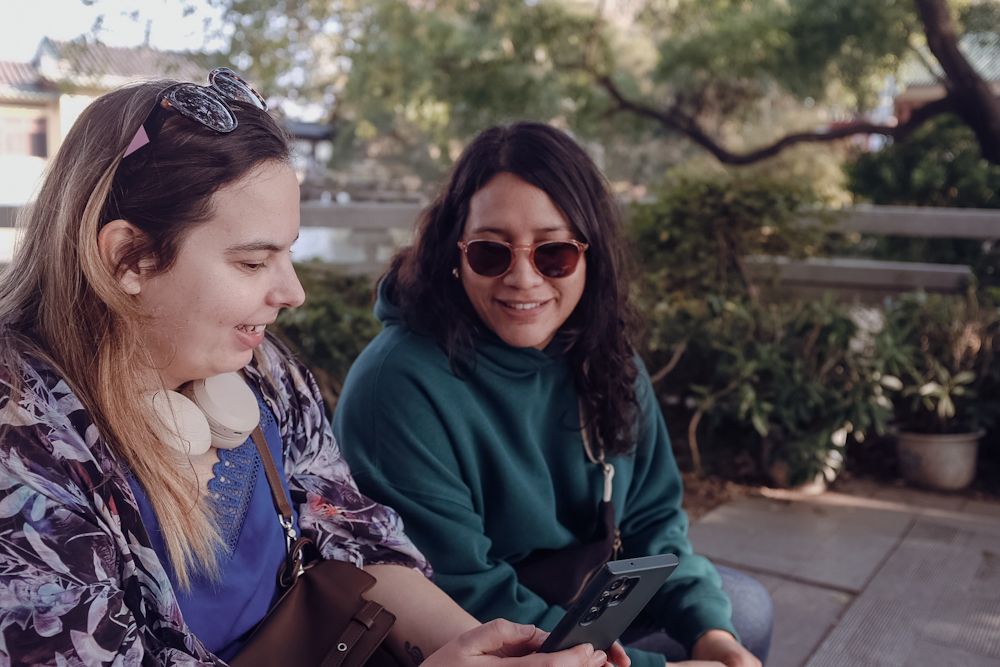
I sat down to join the girls for lunch, but I had already eaten, yet they insisted I partake of their picnic, which I did with pleasure. They really are good to Uncle Ian. They joked about hiring a pedalo and going around the lake. Mathilde’s foot was hurting her, so we decided to take the shorter walk back to our rendezvous point, letting Eléonore and Catherine explore the long way round. We even joked about hiring one of the electric golf cart-type buggies to get around. You may have noticed that I haven’t talked about selfies yet.

 Well, at the table behind was an Uncle and Auntie who wanted to take a selfie with us—first it was the two uncles together, then everyone! I was getting a taste for all this. The attention is definitely validating and made us feel amazing. Yes, made me feel very special, especially when you see their smiles. It’s not like being adulated by adoring fans, but more like appreciating and celebrating your presence in China. It is something that will stay with me for the rest of my life. 

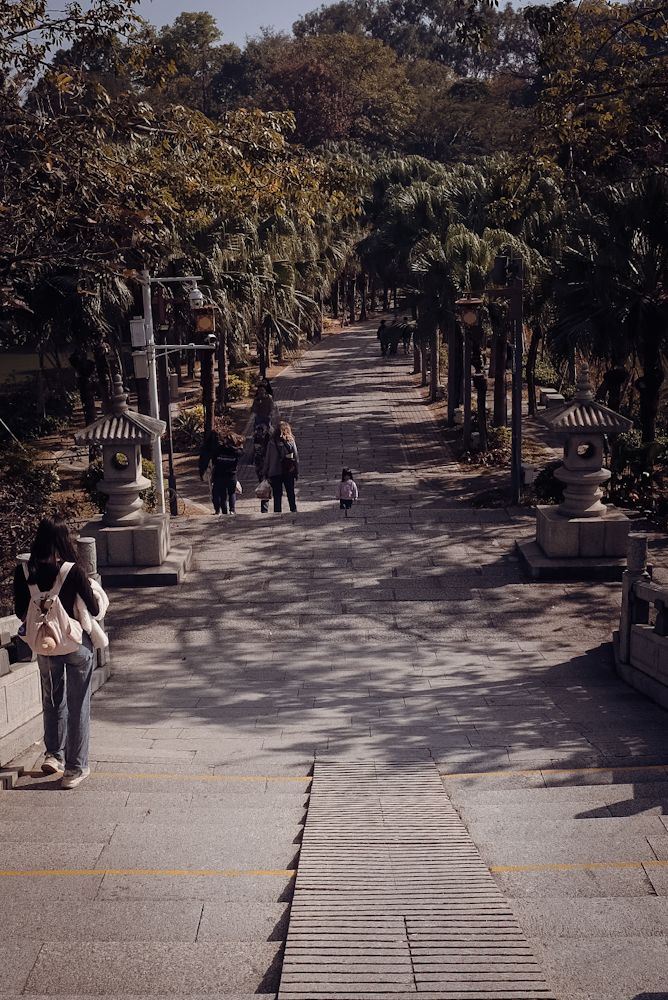
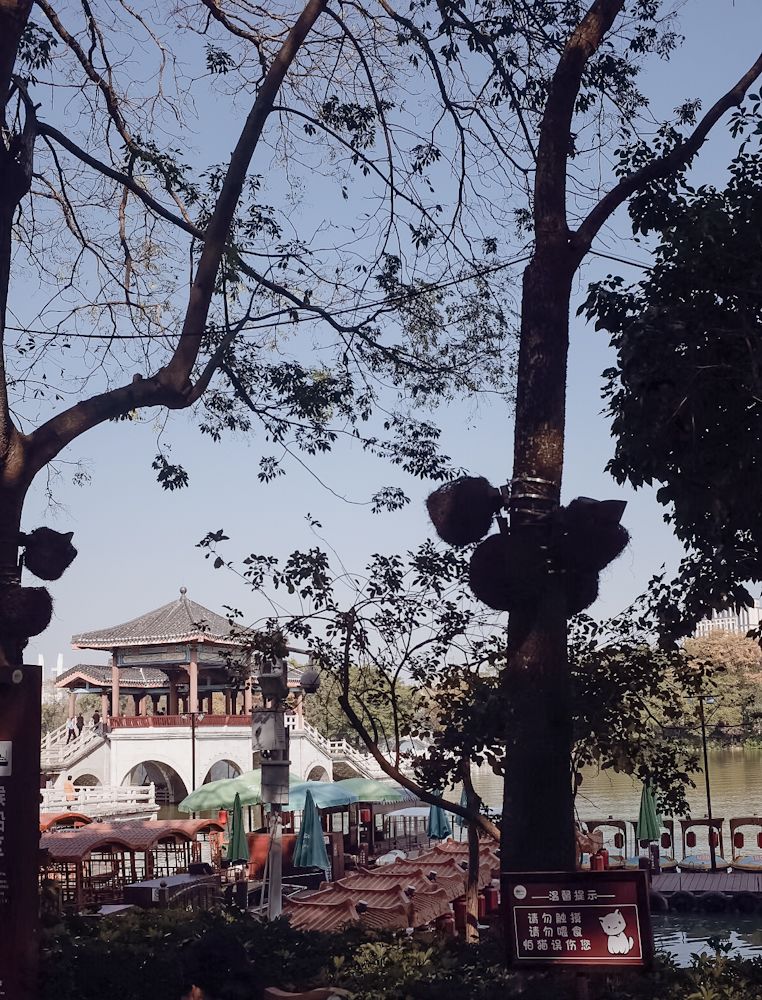
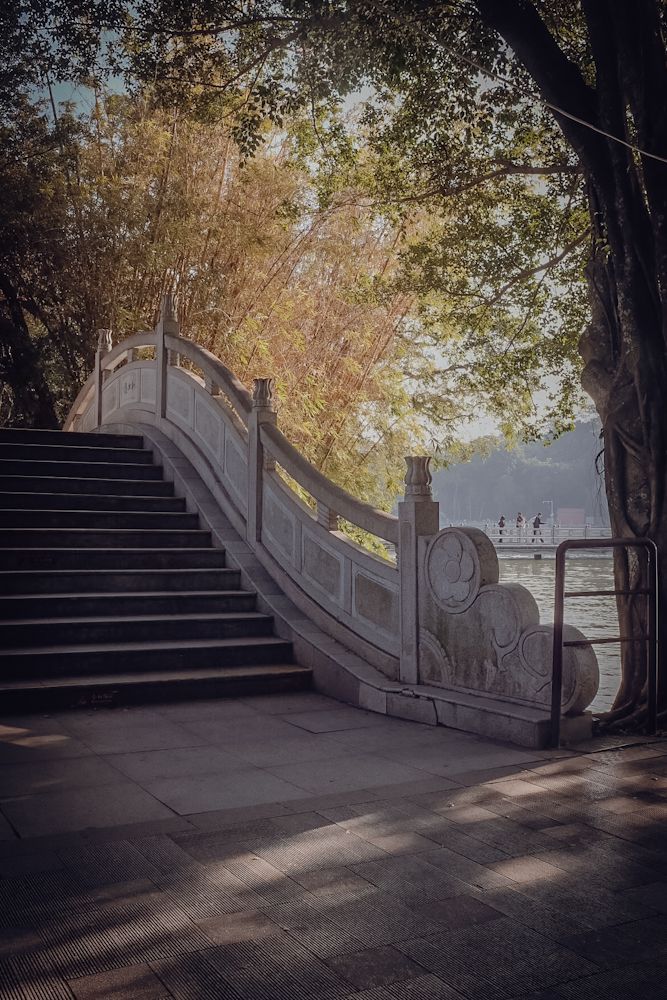
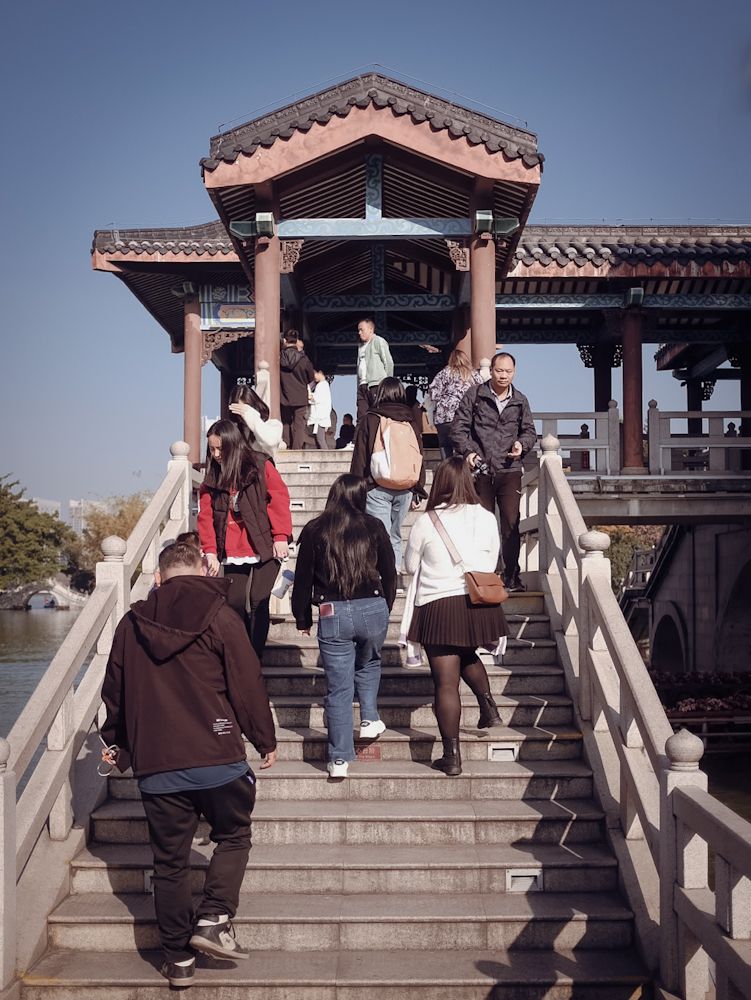
We crossed the lake using the walkway and going through the decorated walkway with its traditional Chinese style. Everything felt Chinese, but in a more classical way. The architecture, the building styles, the plants—even with the bamboo being a feature—as well as the white hump-backed bridges. I was having a special moment with Mathilde and Titaua as we gently made our way back to the bus, and even though it wasn’t the scenic route, you could be mistaken for believing it was. The views were amazing… 

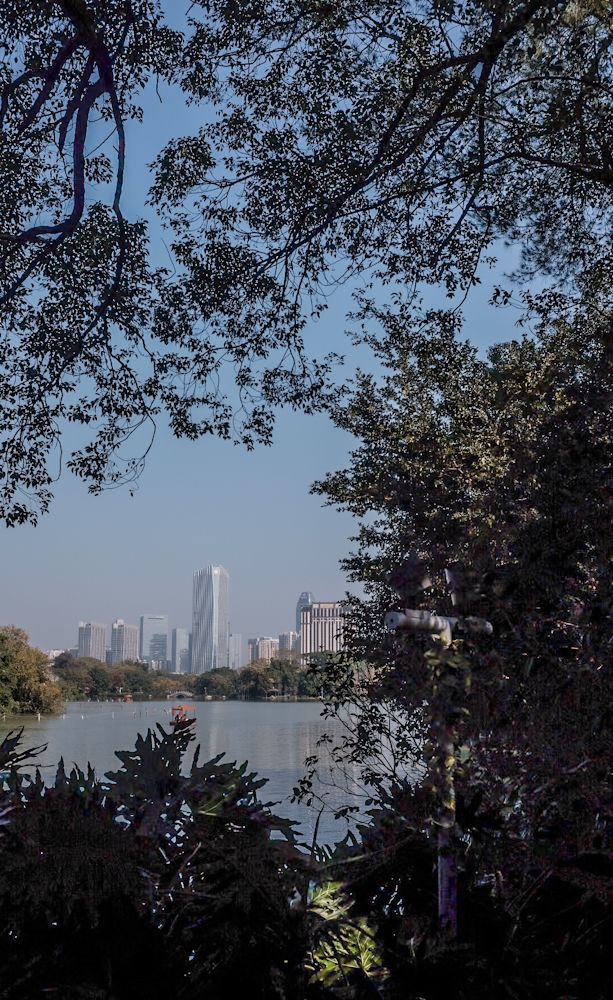
Taking in the light coming through the trees, and sparkling on the water. It was beautiful, and I was so happy to be there amongst longtime friends. Titaua moved on ahead, and I stayed to accompany Mathilde and her bad foot. 

She had put on a brave face the day before, chasing around Shenzhen with the girls. It had gotten so bad that Titaua had to accompany her back to the hotel in a taxi. She didn’t want to put anyone out, and I found myself seeing her in a new light. Maybe that’s what this tour was really about—seeing people in a new light and discovering facets of them you’d never noticed before. When you’re on tour, the masks we all wear tend to slip, and the inner person shines through. It’s human nature to put on a front—I’m certainly guilty of it, especially with my own ongoing struggles with mental health. But during the tour, I felt I could let that mask drop. It was liberating in a way I didn’t quite expect. 

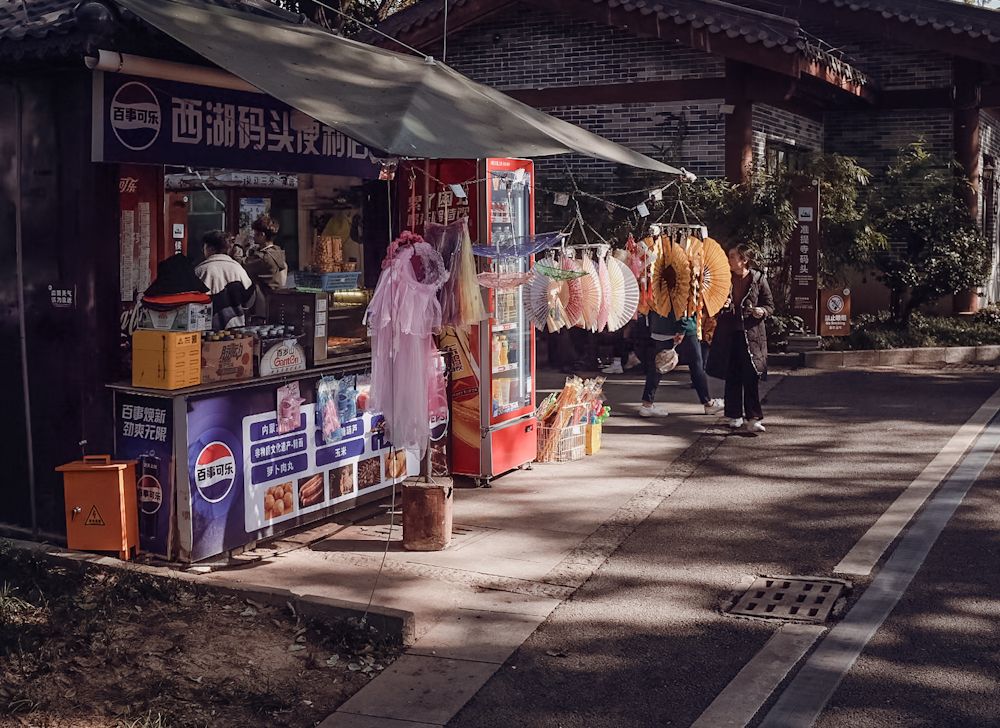
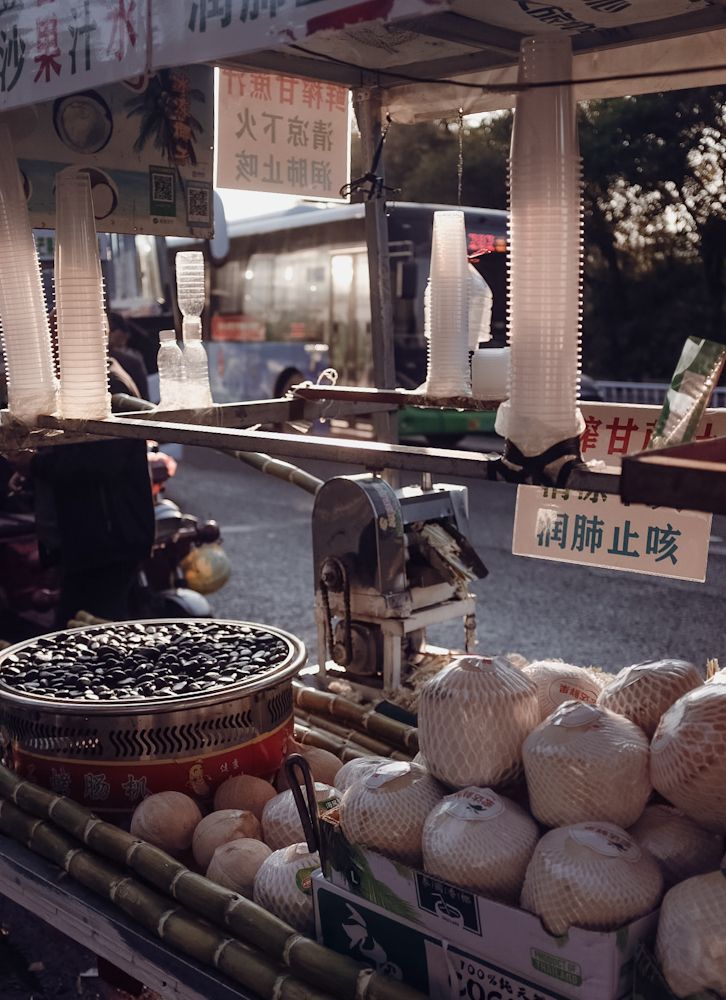
Back at the rendezvous, I was captivated by a coconut and sugarcane juice stall—a moped with a shop grafted onto its back. I didn’t partake but saw how the backlit scene looked very poetic and couldn’t resist taking a picture. I’m glad I did. 

The younger crowd soon returned, with Corentin (aka Sir Fanny Magnet) and Paul (“Duck Tongue” Trouillet) basking in their fan club’s adoration. 

Another selfie session ensued with the younger crowd having selfies with the young Chinese crowd. Corentin, aka Sir Fanny Magnet, and Paul “the Duck Tongue” Trouillet had obviously told their fan club of their imminent arrival. But unexpectedly, that same younger Chinese crowd came up to me asking very shyly if they could have photos with me. I don’t know if it was the Uncle Ian legendary charm or the Father Christmas effect; it certainly left me feeling even more wonderful!

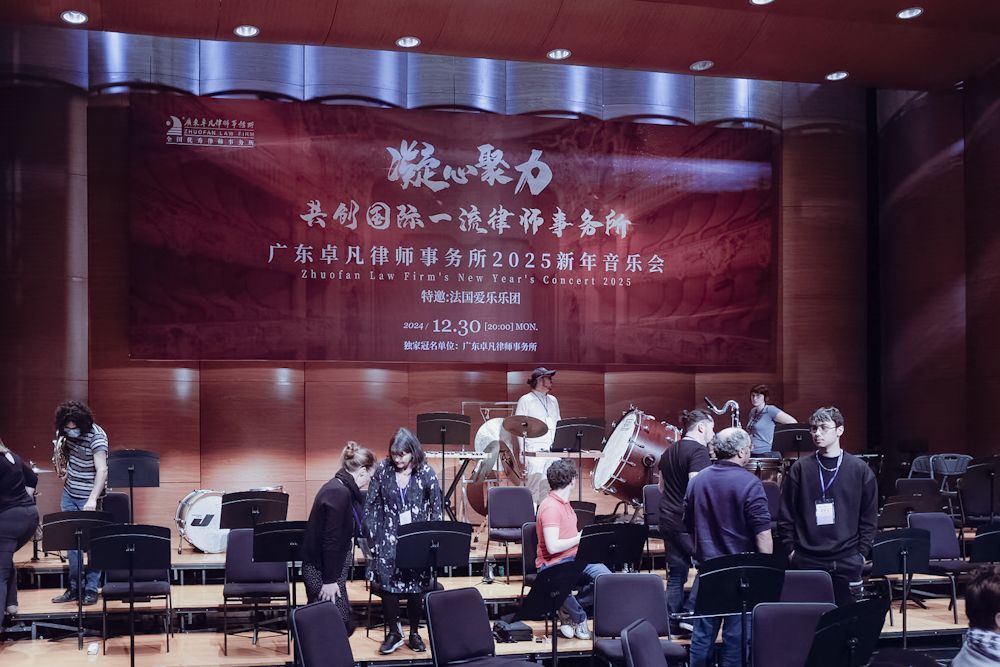
Yes, I think you might have guessed by now, but it was back onto the buses, and off to the venue. I had certainly been inspired for this concert by the kindness and bienveillance of the local population. I would have to make this a performance to remember. And indeed, it was!