Notes in Monochrome: Music, Photography, and a Quiet Beach Walk


Those who know me know I’m alright at photography, reasonably OK at music, and not especially brilliant at much else. Over Christmas, I was off adventuring in China, but now I’m back in France, trying not to overcommit—and failing, as usual.

It turns out I’ve joined a new orchestra. Lanester, just next door to Lorient, who needed a horn player, and some of the musicians I toured with last year gave me the heads-up. “Only one full-day rehearsal a month,” they said. “Just come try it out,” they said. So I did. And here we are.  Oops a daisy

It’s early days, but I’m settling in, and I think they’re warming up to me too. I’m doing my best to approach things with what I like to call legendary finesse—and not my more traditional approach of putting my foot in it. So far, so good.

Getting to Lanester is a bit of a trek, but I’m lucky to liftshare—what the French call co-voiturage—with Anne, a colleague from the SBL and a percussionist in the orchestra. It’s good to have company on the road, especially someone who doesn’t feel the need to critique my driving. Not that anyone at home does that. Of course not. Never. Virginie, me darling wife…

Anne has serious percussion chops, which puts a bit of pressure on my playlist game. I found a drum tutorial version of Wipe Out by The Surfaris recently and played it for her—she was delighted. It’s nice to have shared moments like that on the drive. Adds a little rhythm to the road.

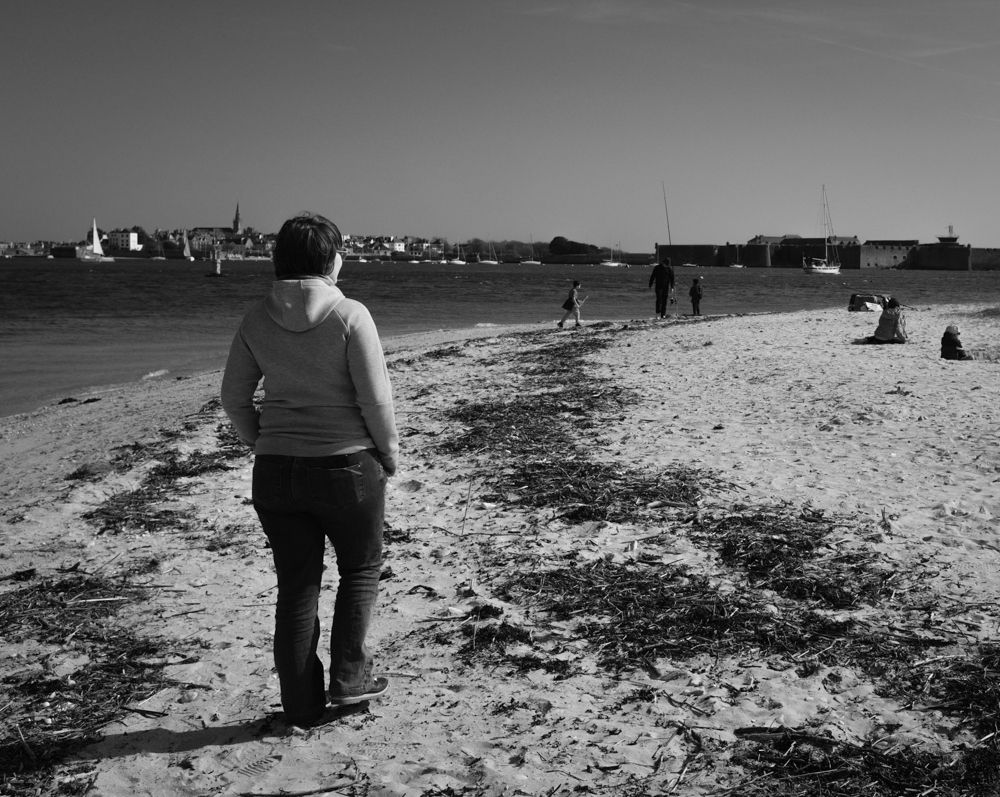
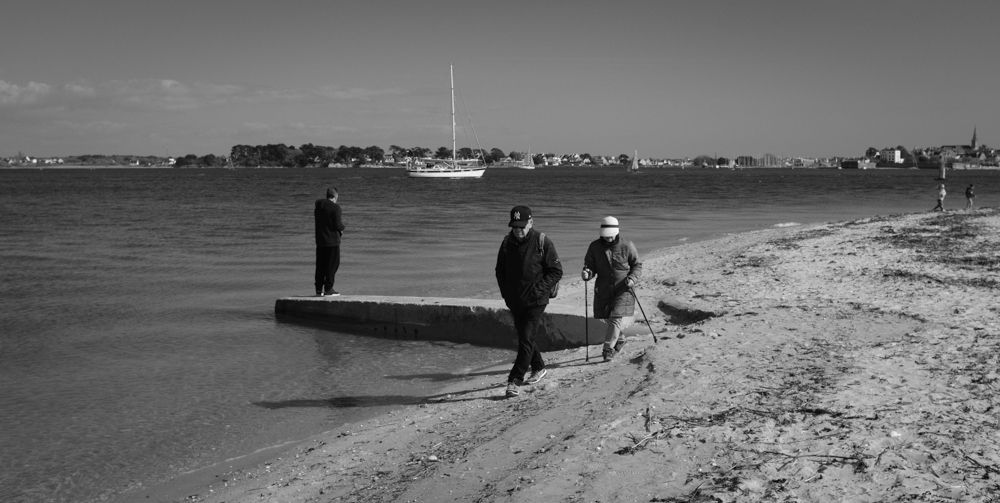
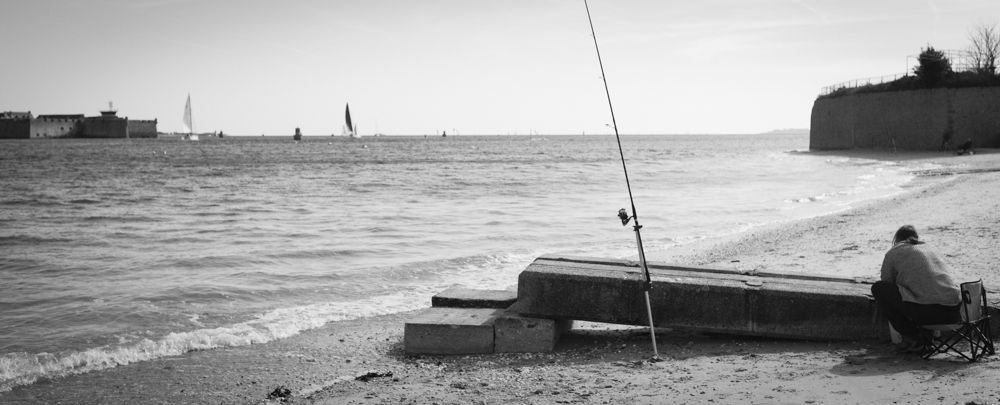
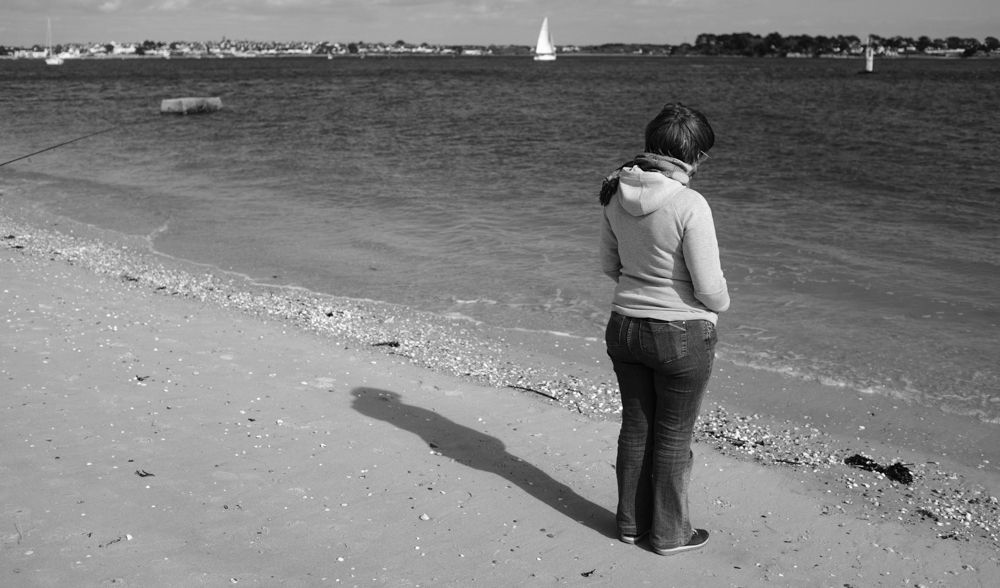
Anne also likes to arrive early to check over the percussion gear before concerts. On this particular day, we had some time to spare before the pre-concert rehearsal, so we headed down to the beach for a walk. Spring light, sea air, and the strange hush that comes with lowish tide—it felt like stepping sideways out of time.

Naturally, I had my camera with me. You didn’t think I’d go to the coast without it, did you?

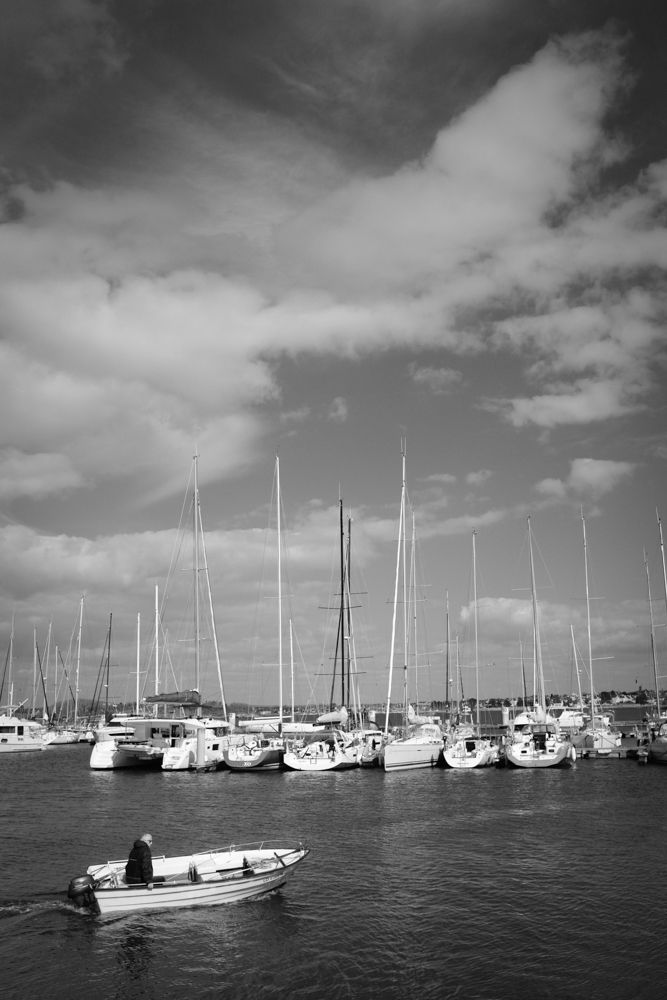
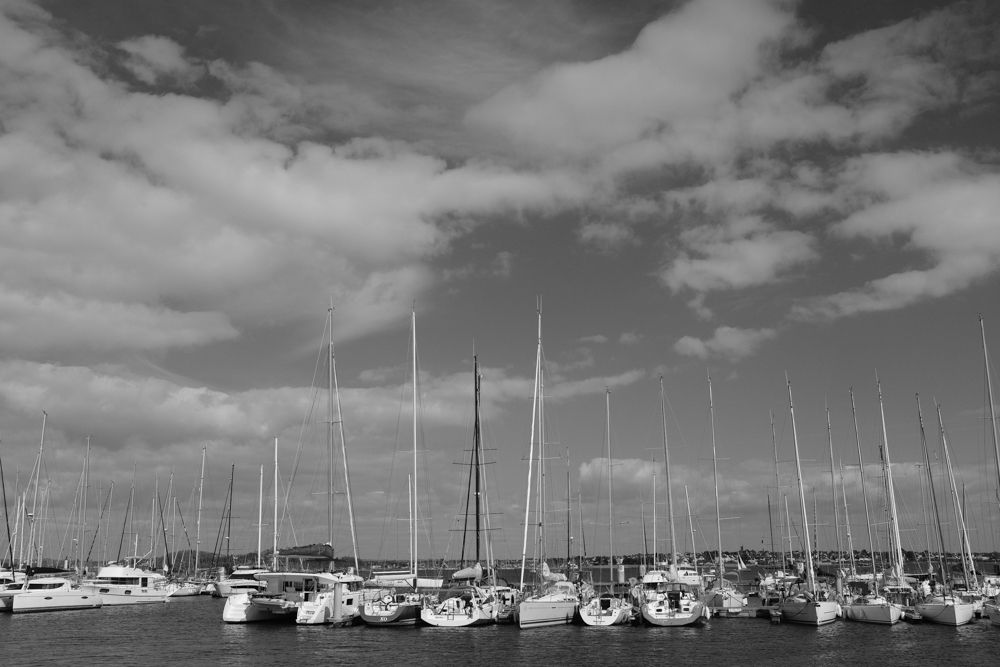
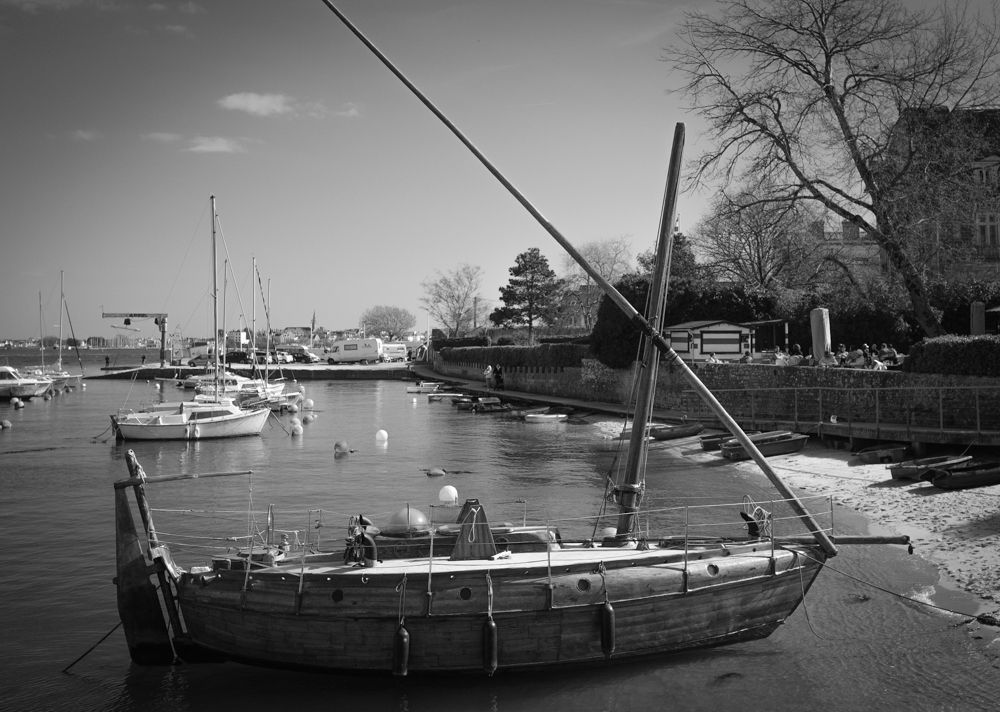
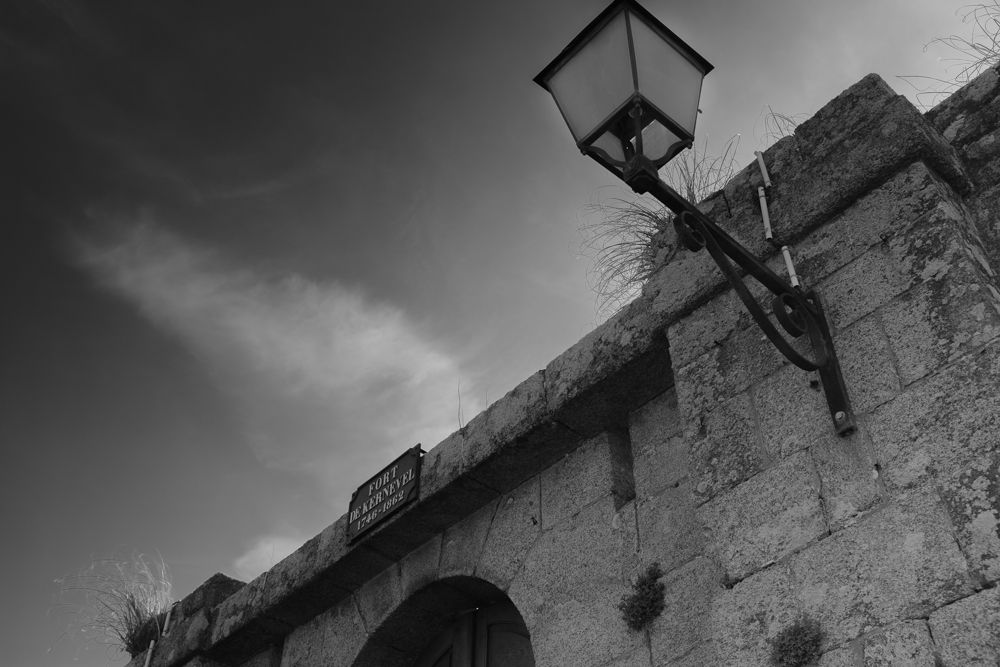
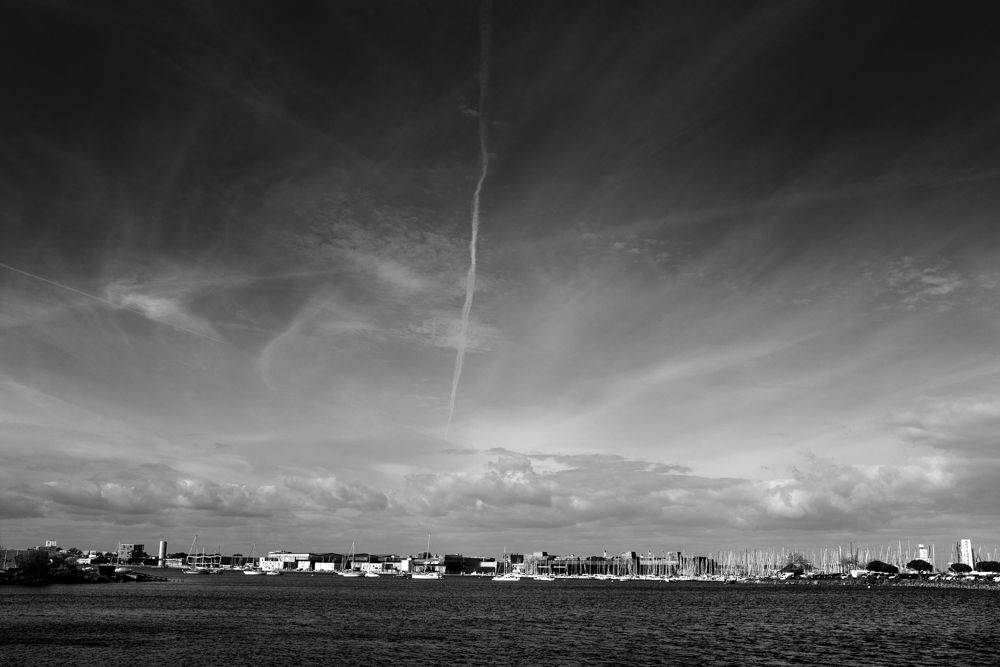
There’s something about black and white photography that suits these moments. The beach in spring  isn’t always the bright, holiday postcard version most people imagine—it’s quieter, starker, but no less beautiful. Stripped of colour, the textures stand out: the grain of driftwood, the ripple of sand under wind, the blurred silhouettes of gulls in motion.

I love how black and white invites the eye to slow down, to notice more. Just like music, really—it’s not always the loudest note that makes the biggest impression.

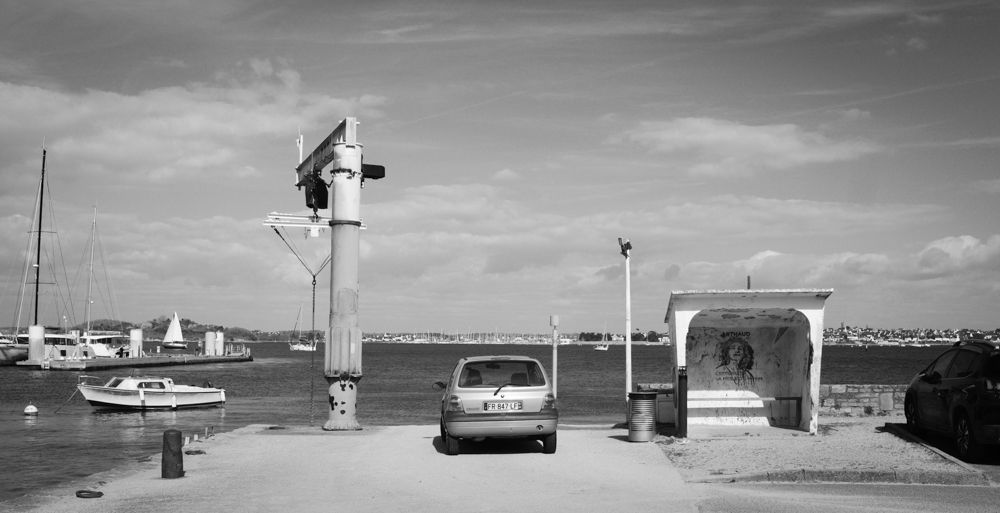
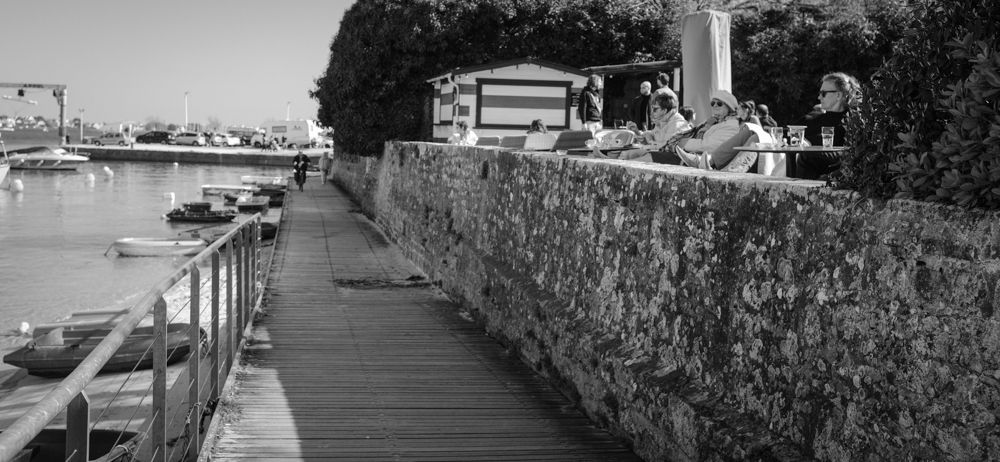
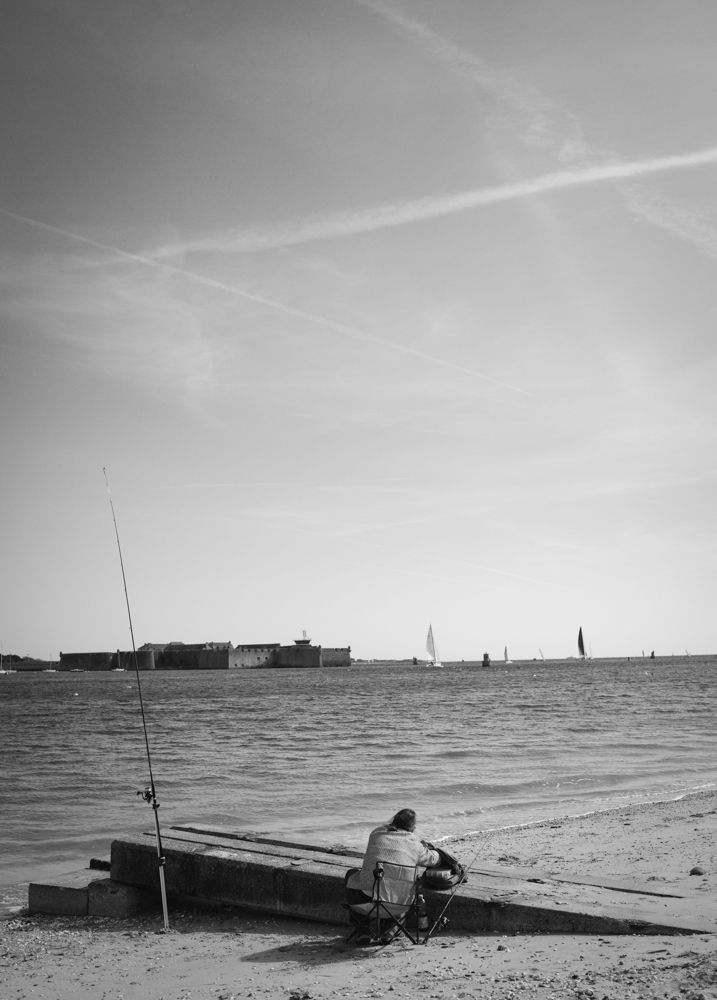
Below, you’ll find a few of the images I made during that walk. Nothing posed, nothing polished. Just a quiet moment between rehearsal and performance, caught in passing light.

The Opening of the Film Archives – Clisson May 2016


Introduction

Welcome back to the film archives.  Today I’m going to share some photos of the first reel from my “new” Canon AE1.  Well, not new, but certainly new to me.  The Canon AE1s were produced between 1976 and 1984.  It is one of those iconic cameras and at the time I must have paid about 50€.  When I say iconic, I really mean iconic.  It is a shutter speed priority camera using Canon’s FD lenses. I used it an awful lot that summer.  I liked it so much that I even bought a second one that I ended up giving to a photographer friend. 

Colour

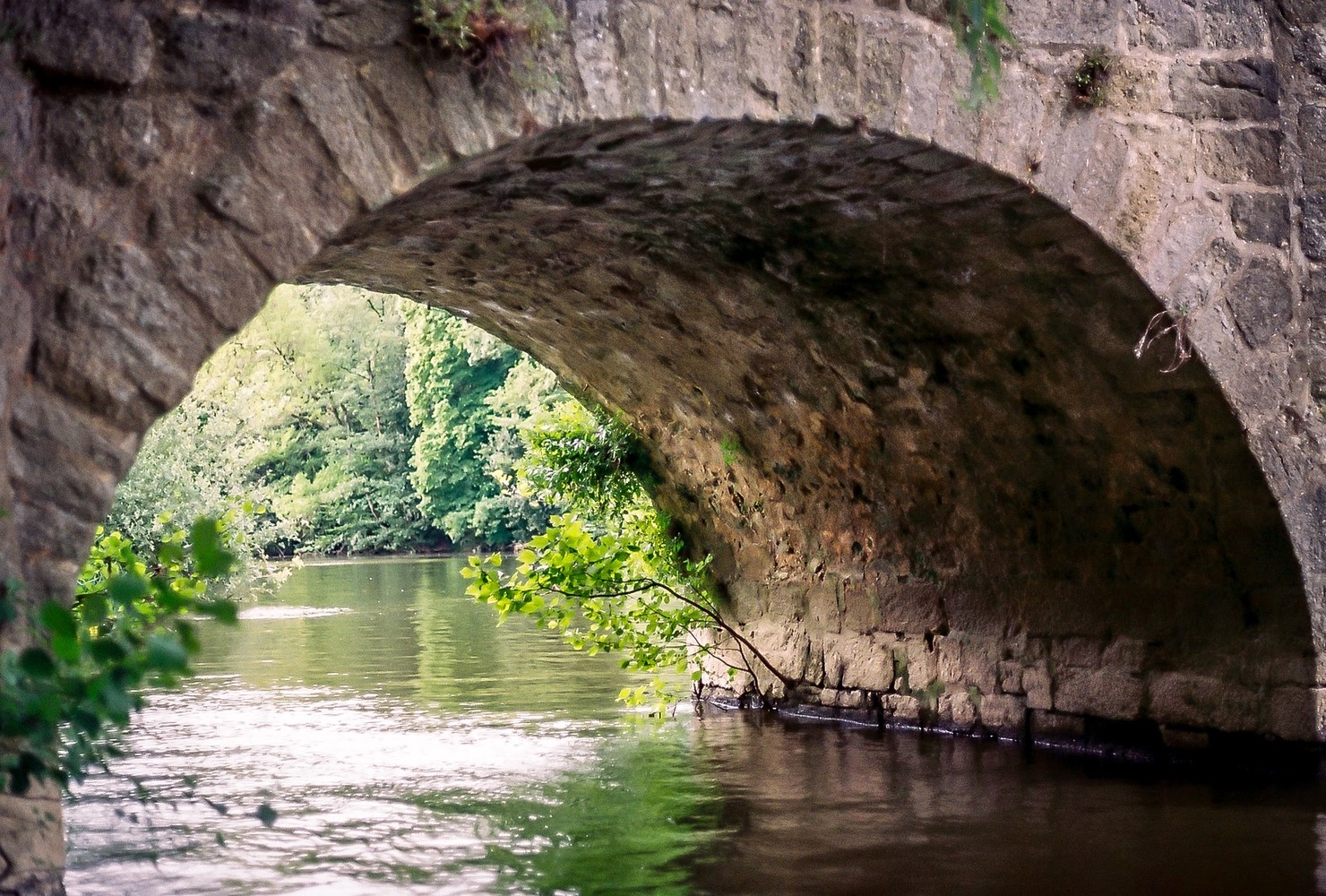
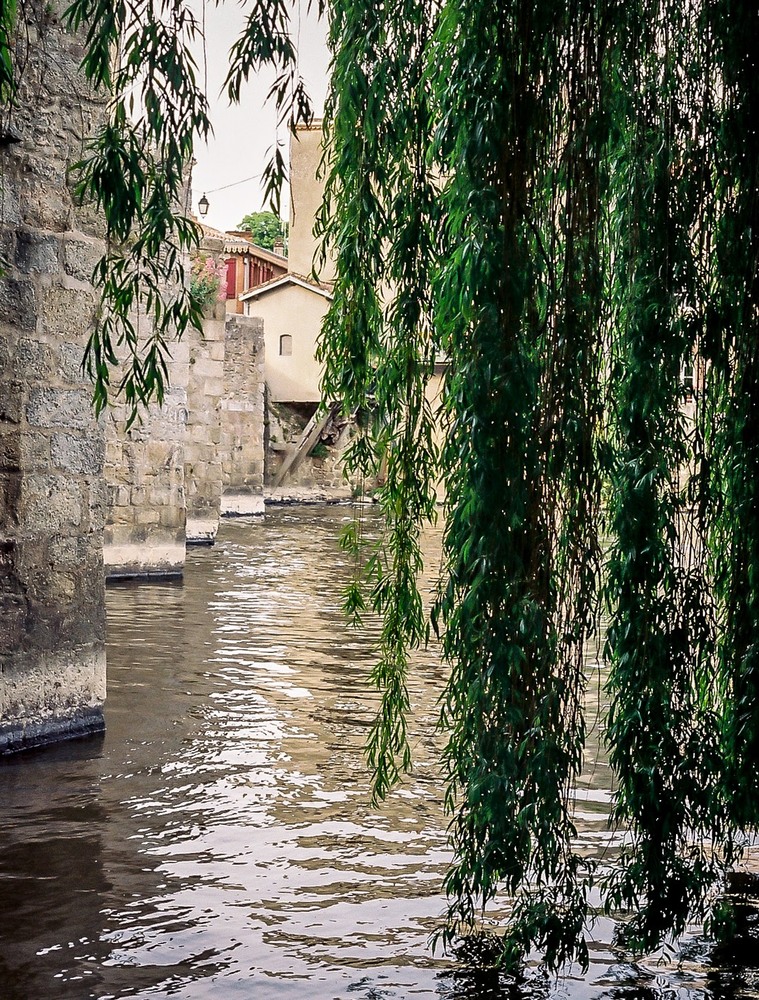
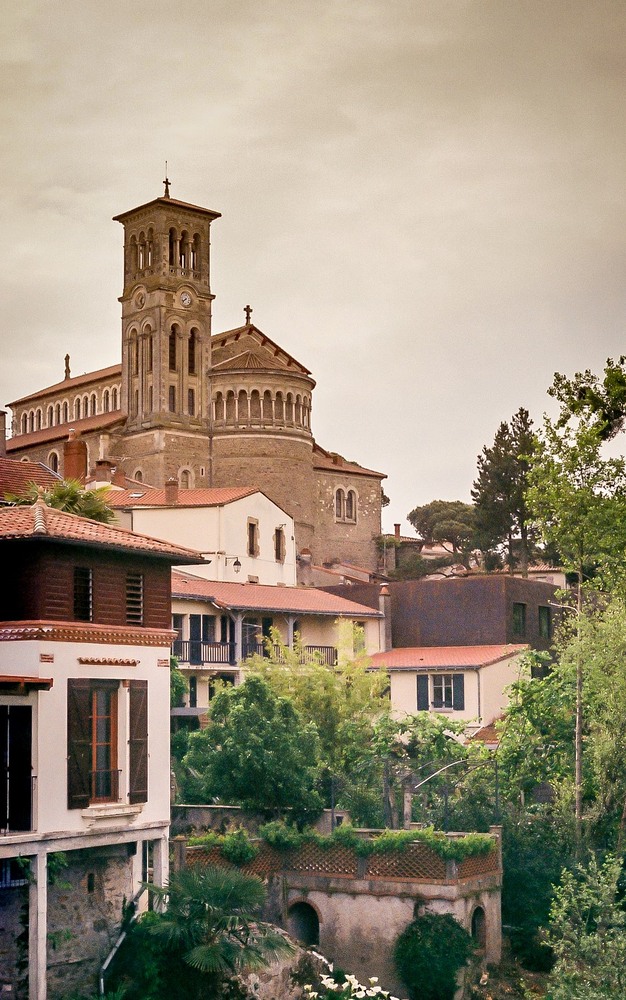
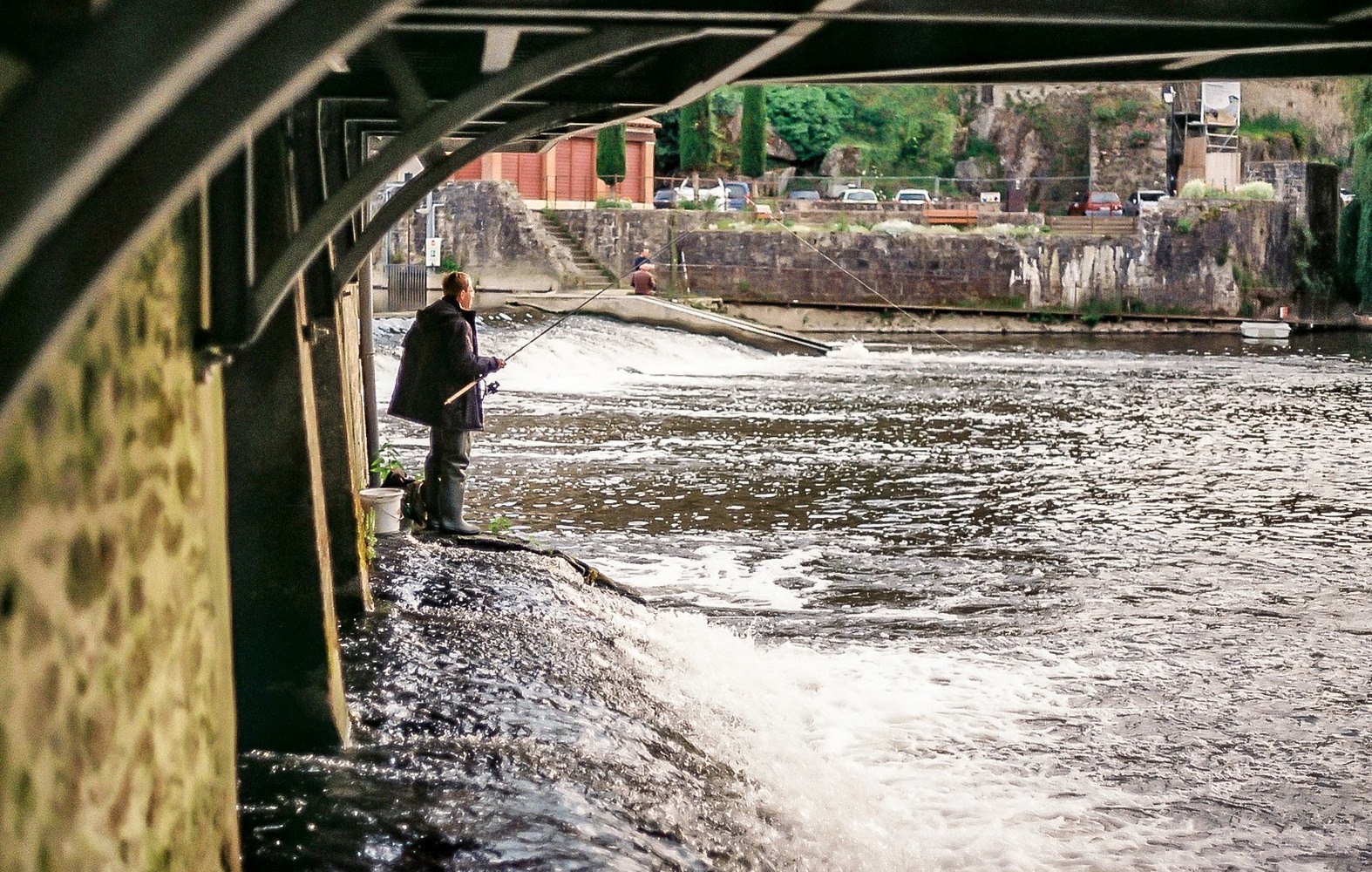
To some people of my generation they represent their first cameras, and were so popular.  Talking of popular, the photographs from this part of the archive are from the very popular and photogenic town, Clisson.  Also you will have noticed that the photos are in colour.  Which only goes to show that not all film photography is black and white photography.

Clisson, as you can see in the photos, is one of those beautiful French villages that oozes Gallic charm.  It also exudes a certain Italian charm, and is known for its Italian style architecture.  

Canon AE1

I have both a Canon AE1 and AEI Program. The AE1 is the big brother of the AE1 Program, and doesn’t have a program mode, but as you can see from the photos it still works a treat.

FeatureCanon AE-1Canon AE-1 ProgramDifferences
Release Year19761981AE-1 Program released 5 years after AE-1
Exposure ModesShutter Priority AEShutter Priority AE, Program AEProgram AE added to AE-1 Program
MeteringCenter-weighted AverageCenter-weighted AverageNo difference
Shutter Speeds2s – 1/1000s2s – 1/1000sNo difference
Viewfinder DisplayLEDsLEDsNo difference
Film Speed SettingManualManualNo difference
Self-timerYesYesNo difference
Depth of Field PreviewYesYesNo difference
Motor Drive CompatibilityYesYesNo difference
Other NotesFirst Canon SLR with microprocessor; revolutionary for its timeSimplified controls for easier use; appealed to wider audienceAE-1 Program aimed at beginners and enthusiasts
As you can see there’s not a huge differece between the two. The major difference being the Program option, and the other allowing for easier changing of the ASA film sensitivity setting.
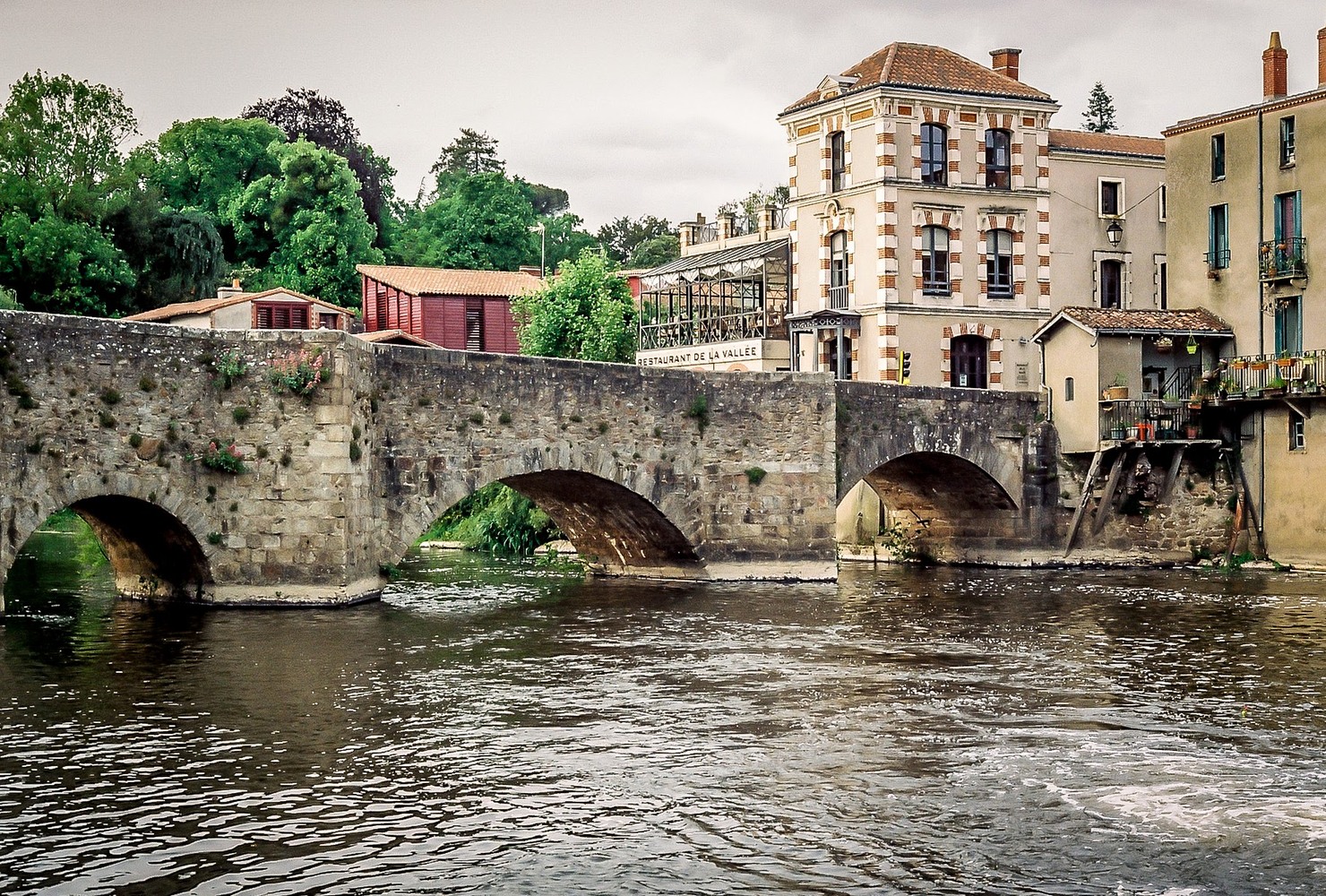
On the day in question I must have parked just next to the river and concentrated on this picturesque  area.  You can see the castle, the bridge, and the river, all making for a peaceful spring moment.

I think the film was Fuji Superia, and I just wanted to use colour.  Thetones are slightly muted and warm, and the flowers, trees and plants were just screaming out to be photographed.  I remember the excitement of loading the film into this “new” camera, and the novelty of simply using an iconic camera.

Here is what fuji tells us about the film:

FUJICOLOR SUPERIA X-TRA400

An all-round general purpose, high-performance, high speed color negative film delivering truly fine-grain. Superb for snapshots or action, in low light with flash, outdoors or indoors. Ideal for general use with compact zoom lens cameras.

  • Excellent skin tones
    For beautiful, clear people-shots.
  • Fine grain
    Great results even when enlarged.
  • High-speed
    Superb results, whatever the shooting conditions.
  • Sensitivity and Film Sizes
    ISO : 400
    Film Sizes : 135 : 36 exp.

 When using digital, it’s so difficult to get that particular film look, and using film and an older camera just changes your whole outlook.  The fact of not having your image straight away leaves you with that anticipation that we all used to feel when we sent off our films to the lab.

Give film a try.  There are still cheap film cameras out there, and your photography experience will be totally different.  I certainly appreciate it.