
There’s a stock phrase about the journey being more important than the destination. Another one suggests that a journey can transform a man into something new—something he didn’t even suspect. As I look back at the man who left home, went to China on tour, and the one who came home, I can’t help but wonder if there’s truth in both. I’ve previously described China as a “foreign concept,” and now, having returned, it feels far less so. I’ve peeled back a layer of the country and gained a deeper understanding of its culture—musical, culinary, and otherwise.
This tour, too, has been a “parenthesis,” a break from real life, and a chance to be me—not just “Papa” or “husband.” No longer defined by my role in the family or at work, I could just exist as I am, whoever that is. Though I still feel some anxiety about how others perceive me, age has brought a certain self-awareness, self-knowledge, and—perhaps—a bit too much overthinking. For those two weeks, I was simply a guy on a bus, surrounded by French people, walking through new experiences, and discovering everything along the way.
China as a Totally Foreign Concept
Before I left, my idea of China was that of a far-off place, so completely different from anywhere I had lived before. Those ideas were formed in childhood, shaped by the media’s portrayal of this foreign land. I won’t deny it—I was terrified of the whole trip. Researching things online only added to my worries about not being able to read or speak the language. Growing up, I saw China as a Communist regime, almost oppressive like the Soviet Union, and as the enemy we had to defend against. I remember watching the handover of Hong Kong in 1997, feeling my stomach churn as I watched truckloads of PLA soldiers occupy our old colony.
I remember, too, older members of the band, where I wore green for a living, talking about Hong Kong as the dream posting—warm, sunny, and everything a soldier could need. But what was I really afraid of? The unknown. We all knew about China’s state security apparatus, without truly understanding it. The events of Covid only deepened that sense of fear and mystery.
I even worried about something as simple as eating with chopsticks, imagining I’d have to rely on forks or my fingers. Looking back, all of these fears now seem so silly. But they were real before I experienced the country for myself—and especially before I met its people.

The People Who Changed My View
Somehow, I managed to take each day as it came, simply bathing in the new experiences. And, strangely enough, China worked its magic on me. It didn’t just change my view of the place—it changed how I saw the people. They were charming, incredibly friendly, and in a way that made them seem so much more human.
I began to see myself in them, and I realized that, despite our differences, we are more alike than we might think. We all fall in love, become parents with grace, and share the same aspirations for our children—to be happy, to find love, and to repeat the cycle.
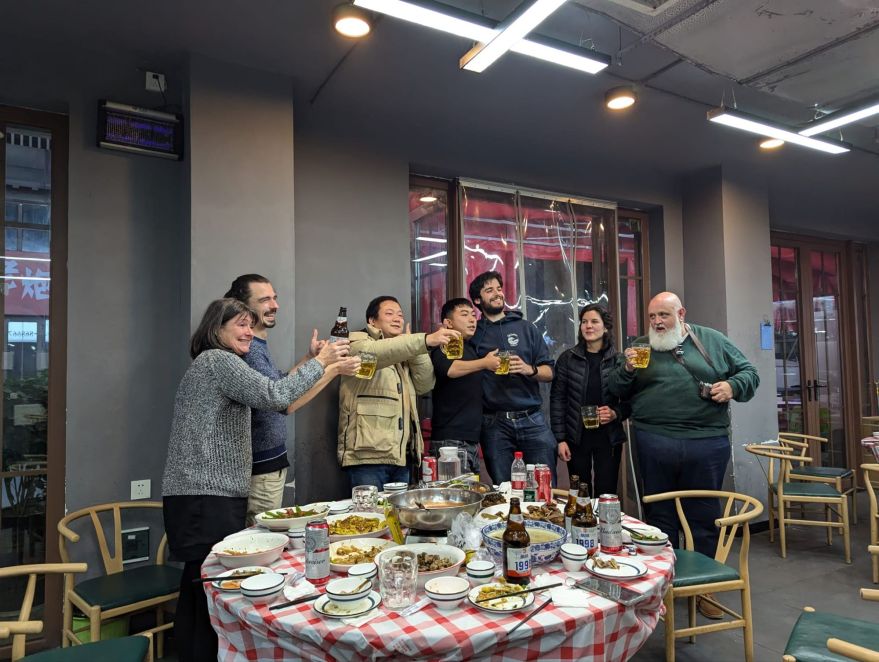
I think back to Christmas Day, when I made new friends. The simple “Merry Christmas” was enough to endear me to them. I also reflect on how beer, it seems, transcends barriers of language, creating a connection that only men seem to understand. I’m not trying to exclude women, of course—heaven forbid—but there’s something inherently masculine about it.
My Place in the Orchestra
Another transformation came in terms of my place in the orchestra—or rather, my perception of it. As the 4th horn, a position typically reserved for the least experienced player, I have always resented the remark. But now, I know my role to be the solid foundation of the section, guiding it through the music. At 53, I no longer feel the need to prove anything. I’m here for the music, content to plod along at the bottom. It’s not humility—it’s comfort, and a willingness to let the young bucks enjoy the spotlight.
Being on tour, though, inevitably brings people closer together. Take poor Corentin, who shared a room with me for two weeks. It’s one thing to get along during rehearsals or after a concert, but living in such close quarters really gives you a new perspective on someone. I knew Corentin was a good lad, but during those two weeks, I saw him in a different light. We talked, laughed, and endured the trials of close proximity.

I remember one drive home from a concert when my birth mother FaceTimed me with the news of her cancer diagnosis. Corentin, despite his limited English, understood more than he let on. He listened as I processed the information, and in that moment, we connected in a way that most people don’t. Maybe that’s what brought us even closer.
Sharing a room with him was like being back in the army. We worked hard, played hard, and celebrated with the kind of noises only a group of men could share. If you can fart in front of someone, you’re already on the next level of friendship.
One moment that stood out for me was when I helped Clement, the other horn player. I had offered him some coaching to help him out of his funk. During the concerts, he had some delicate parts, and although I could easily play his passages for him, I didn’t want to embarrass him. So, I didn’t change seats to play his part during the performance. Instead, I stayed where I was, and when it came to his turn, I played my part to the best of my ability. It was subtle but important—I didn’t want to take his place; I just wanted to give him the support he needed without making him feel like he couldn’t do it on his own.
Afterward, Clement spoke very kindly about me to the younger players in the group. He praised me in a way that felt both generous and sincere, and it left me feeling deeply grateful. His words were not just kind—they spoke to a level of respect and camaraderie I hadn’t anticipated. I hadn’t sought recognition; I just wanted to help. But his thoughtful comments—about my support without overshadowing him—meant more than I could have expected. It’s rare to find such generosity of spirit, and I appreciate him for that.
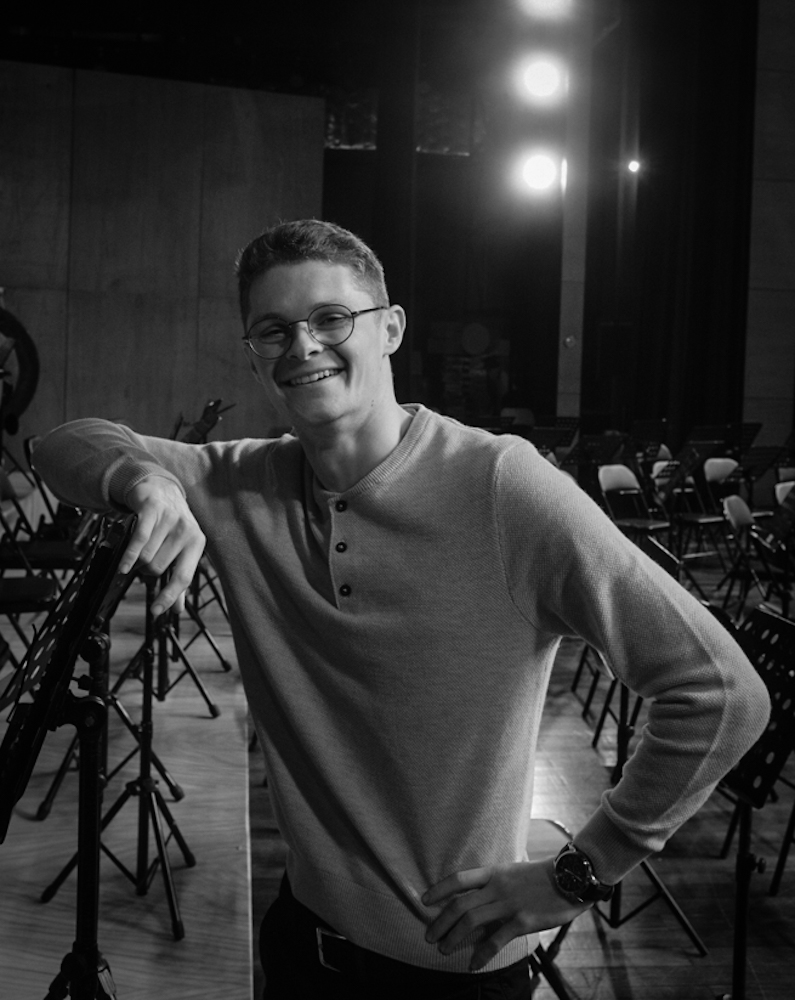
I nearly forgot to talk about my girls from my days in Cholet. It was Eléonore that suggested that I join the orchestra, and I’m so glad she did. I was about to leave my horn in its box and let it gather dust somewhere in my house where people wouldn’t trip over it. She has been a very good friend to me over the last 13 years, and I think she’s wonderful. Then of course I mustn’t forget Titaua and Mathilde. And they certainly didn’t forget to tall every one about my “kilt” days, where as fed up of being English, I would let people know that one can be from the UK without necessarily being English. My first adoptive father was Scottish, and his brother, Uncle Joe, was Professor Regis at Edinburgh University. People came up to them saying that Ian wasn’t like how they had imagined him, and was actually a decent chap and all-round good egg! Then Eléonore just reminded them that “they” didn’t know me the way she did…

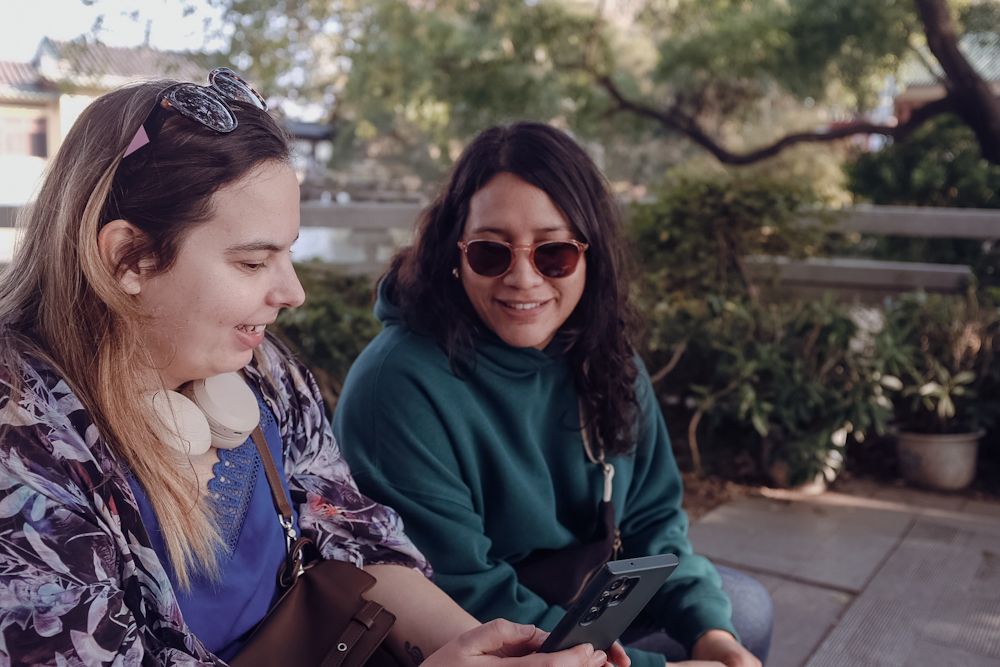

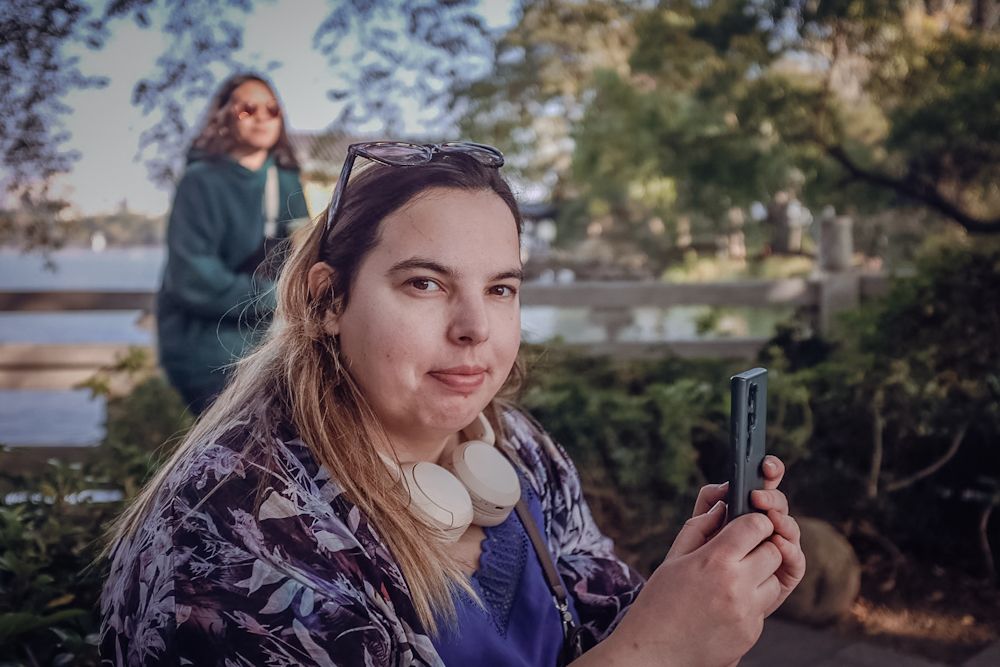


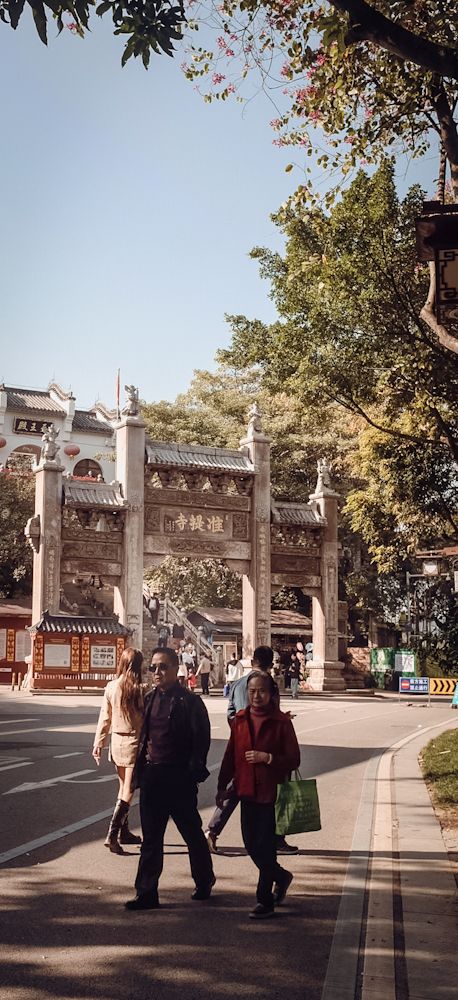
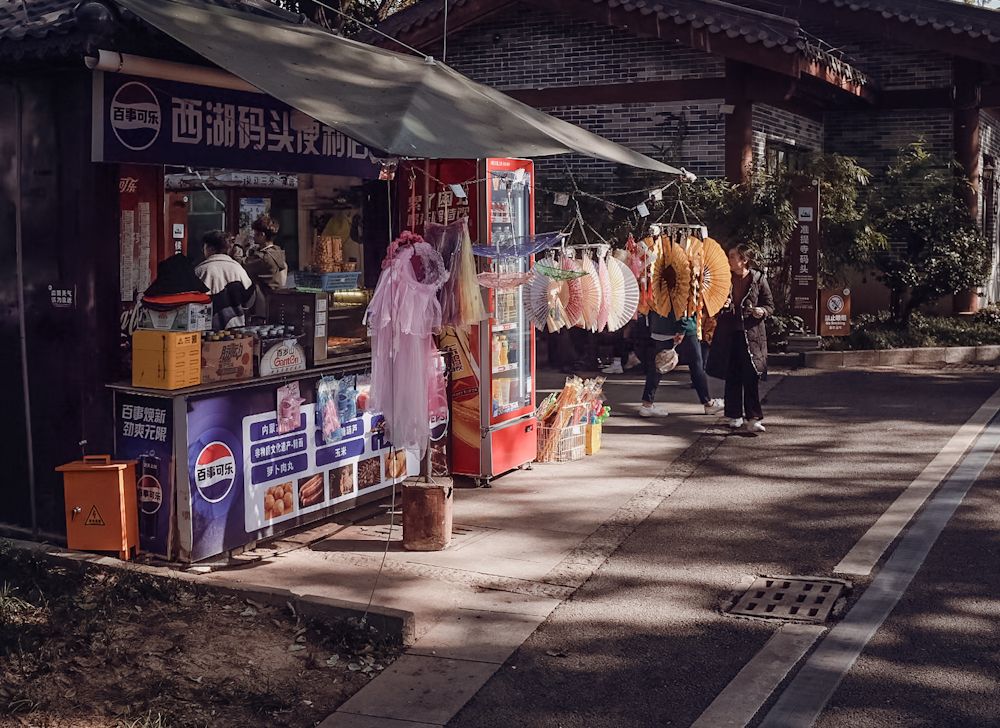
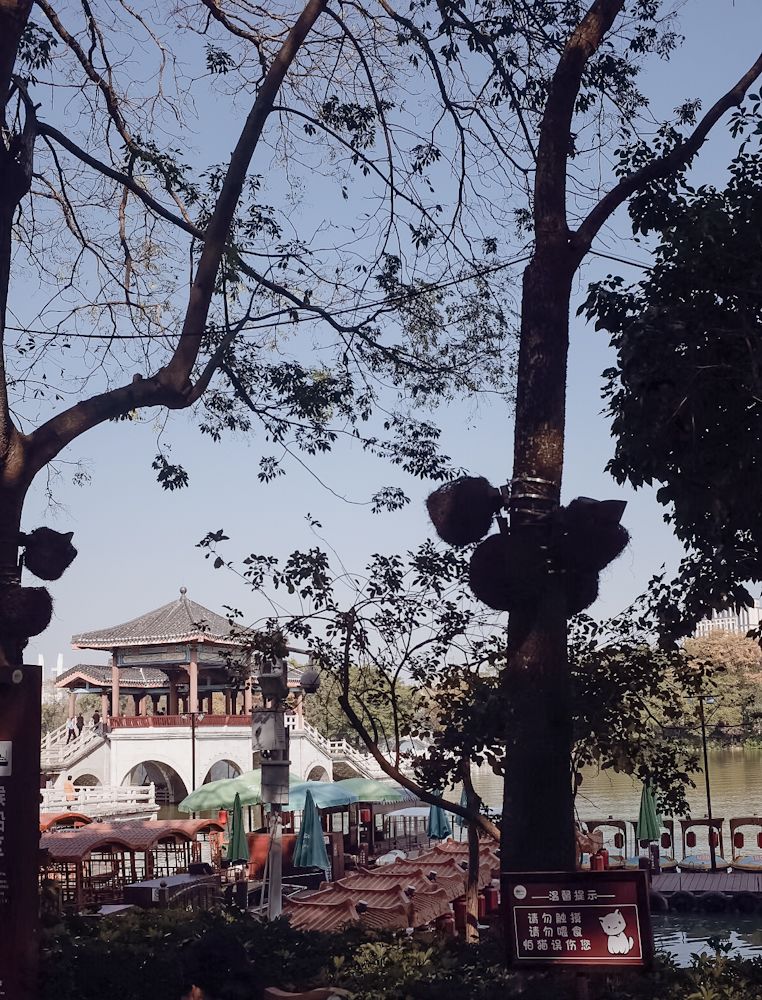
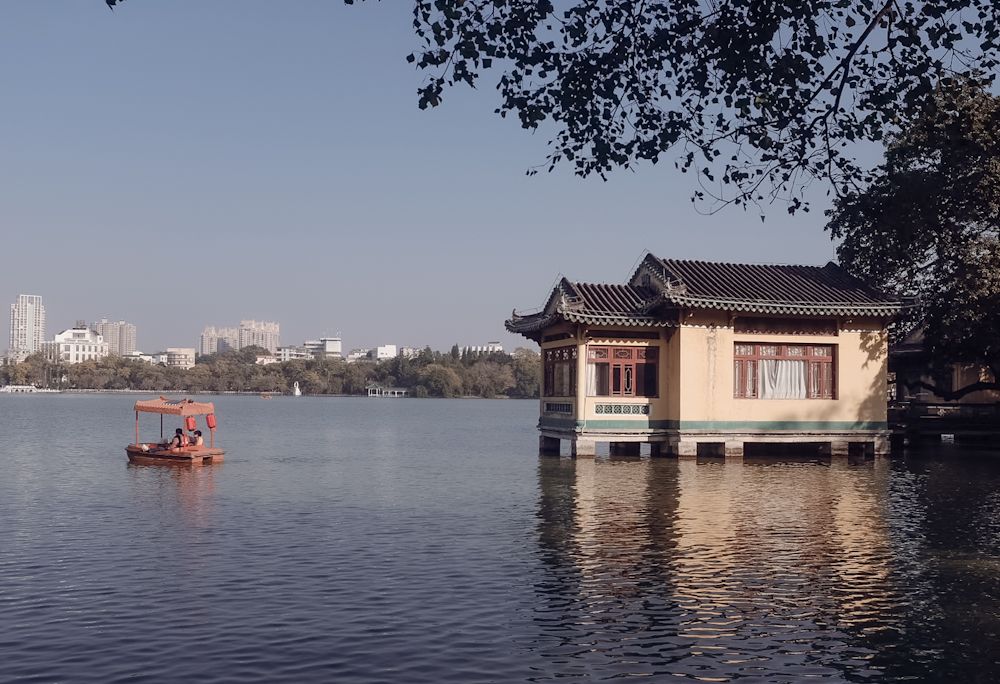
During the tour, as you’ve seen, I took some photos—some of them very odd. But I wasn’t the only one sharing them in the infamous WhatsApp group. For the first time, people saw a different side of me—the artist, not just the beer-loving horn player. I even started sharing my blog posts in the group, and maybe I’ve earned a reputation as the writer. Who would’ve thought? A beer-drinking horn player who takes decent photos and has a way with words—still knows how to play, though.
Anything Else?
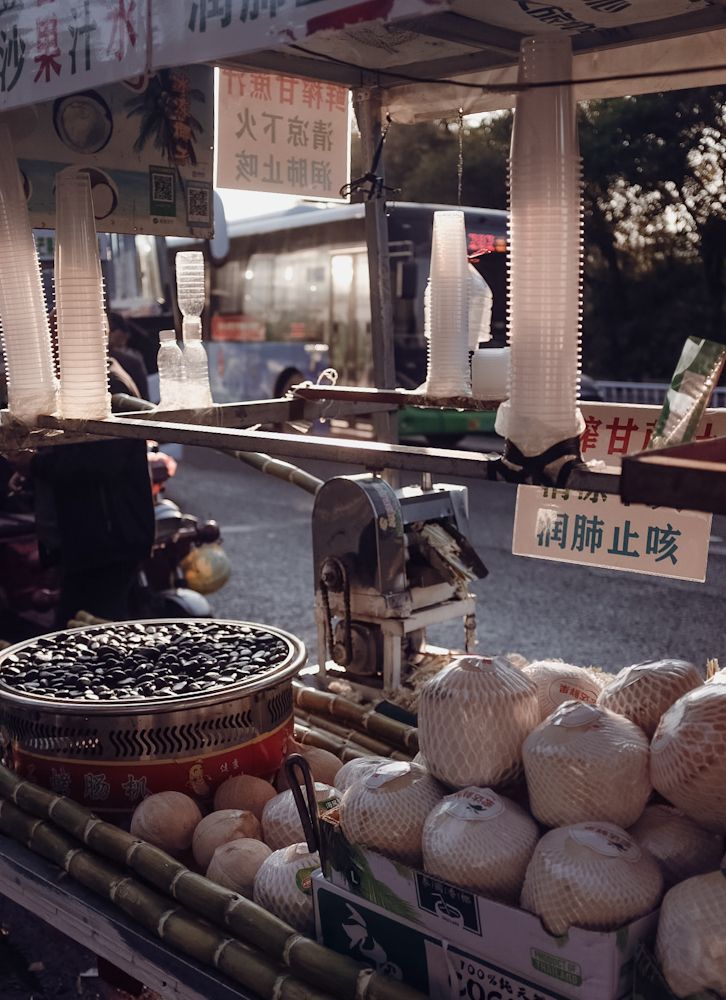
I think my approach to food has also shifted. I’ve always liked the idea of sitting around a big table with friends, and during the tour, I was reminded of that. The variety of dishes was astounding, and I saw some players more comfortable with what they knew, while others bravely ate silk worm chrysalids. Me? I just enjoyed whatever was put in front of me, from chicken and duck feet to tortoise.

I found myself stepping away from desserts, my sweet tooth growing calmer. Eating the Chinese way—deliberately, mindfully—was a revelation. Much like film photography, it slowed me down and made me more aware. I ate less, but I appreciated the variety. I even tried to emulate that at home—though, I didn’t put chillies in my dishes.
I’ve also become more accepting of my body. Despite still feeling like I have a long way to go, I’ve made peace with the body I’ve got. Corentin’s lack of judgment helped, and I’ve learned to be more at ease with the frame that carries me around.
How to Conclude?
What’s clear is that this journey, this “parenthesis,” hasn’t just been a break from the familiar—it’s been a period of quiet transformation. The familiar parts of myself have had space to evolve. And perhaps that’s the true beauty of any journey—not the destination, but the unfolding of a self you might not have fully known. In a way, I’ve returned not quite the same man who left. But then again, perhaps that’s the essence of travel: it allows us to become more fully who we truly are, even as we discover the world around us.
As the journey ended, I found myself thinking less about the places I’ve seen and more about the moments shared—those small, unexpected connections that shape an experience just as much as the landscapes we pass through. Travel isn’t only about what we take away from it; it’s also about what we bring to those we meet along the way.
Perhaps that’s what lingers most—the idea that stepping beyond our usual paths isn’t just an act of discovery but a quiet exchange. We put ourselves out there, not just as observers but as participants, leaving behind something of ourselves in the process. And in return, we find that the world, in all its vastness, feels just a little more connected.






















 IJM Photography