Through the Lens of Love: Reframing Shakespeare’s Sonnet 18


I can hear you already, Dear Reader:
“Hang on—I thought this blog was about travel photography and orchestra tours in China?”

As John Cleese once said:

“And now for something completely different…”

Cue the Monty Python music—though this isn’t a cue for absurdity. No fish-slapping dances today.
This is about something more dangerous.
Love.
And Shakespeare.

Because—let’s face it—love, actually, is all around us (thank you, Hugh Grant).
We’ve sung it:

All you need is love.
Love lifts us up where we belong.
L is for the way you look at me…

We’ve worshipped it, doubted it, messed it up, and come crawling back to it. Love is a million things at once: cringeworthy, glorious, selfish, sacred.
But the question still nags:
Can love ever truly last?
Or does it begin to fade the moment it’s held too tightly—like a flower picked for its beauty, already wilting in your hand?

Framing Love Through a Different Lens

Lately, I’ve been experimenting with video—combining image, voice, rhythm, and mood. So I made a simple film of me reading Sonnet 18. Just that. No music. No flair. Just words and breath.

“Shall I compare thee to a summer’s day?”

It’s one of Shakespeare’s most enduring sonnets—often quoted, rarely thought about beyond the first two lines. But I kept coming back to it. The idea that beauty, once seen, must fade. That time steals everything. And yet, art—poetry, photography—dares to say, maybe not.

A Thousand Words (and Then Some)

Somebody once said a picture is worth a thousand words. Even—dare I say it—words from the Bard himself.
And I think photography, at its best, tries to do what Shakespeare was doing: hold something fragile in the light. Give it form, give it space to breathe. Defy time.

“So long as men can breathe or eyes can see,
So long lives this, and this gives life to thee.”

Photography, like poetry, tries to preserve what’s already slipping through our fingers. The moment. The light. The love.

The Beauty of Fleeting Things

Now, I’m no literary scholar, but I’ve read enough sonnets to know that Sonnet 18 isn’t just flattery. It’s an argument against impermanence.
Yes, the beloved is “more lovely and more temperate.” Yes, “summer’s lease hath all too short a date.” But what makes the poem sing is Shakespeare’s refusal to let beauty fade quietly.

He doesn’t just admire. He memorialises.
And in doing so, he teaches us something profound:
It’s not the flower that lasts—it’s the memory of the flower.

In the North of England where I’m from, summer is short and unpredictable. Think Whitley Bay in May, where shirtless Geordies drink lager for temperature control, and the ice cream vans do brisk trade under grey skies.
We know the value of warmth because we only get so much of it.

Now, here in France, the summers are longer—but just as fleeting in their own way. The light is different. Softer. Still just as hard to hold on to.

Love Over Time

This brings me to the other lens I’m always looking through: my marriage. My wife and I met over three decades ago. We’re not the same people we were in our twenties—and thank God for that. Love has changed. Grown. Softened. Been tested. And held.

What I felt for her then wasn’t what I feel now—and yet it was the seed of it.
Love doesn’t stay still. That’s its curse—and its beauty.
The woman I love today isn’t the girl I fell for. She’s a mother, a partner, a woman of strength and kindness. My love for her has lines and weight now. It’s been through storms.

The Voyage and the Wind

There’s a line in the sonnet:

“By chance or nature’s changing course untrimm’d…”

Untrimmed sails. It’s a nautical image. Love as a voyage. And not always one with calm waters.

As a Catholic, I believe in the indissolubility of marriage. That it’s not just about romance, but about helping each other get to heaven. My in-laws divorced; my own parents didn’t. I’ve seen love crack. I’ve seen it heal.

Marriage isn’t a fairy tale—it’s work. But it’s also a grace. When it’s hard, I try to fix things rather than walk away. Not always perfectly, but with intention. And, frankly, with faith.

Love Through Generations

My son has just left home—for the second time—after his first real heartbreak. It was messy, as first loves often are. But he’s learning, like we all do. Hopefully he’ll come through it wiser, maybe even gentler.

My daughter’s still a child—full of confidence and conviction. She thinks she knows what love is. I just hope I can guide her without crushing her wonder.

Love, like light, bends. It shifts over time. And sometimes, we only recognise its shape in hindsight.

Art, Memory, and the Illusion of Permanence

A photograph feels eternal. But look again a few years later, and the people in it start to look like ghosts. Hair a bit darker, clothes out of style, expressions younger than we remember.

Art doesn’t stop time—it echoes it.
We take photos because we want to remember. Because we want someone—someday—to know we were here.

That’s the power of Shakespeare’s sonnet.
He didn’t name the beloved. We don’t know who it was written for. But we feel the love.
That’s the part that endures.

Conclusion: Remember Me

I think, deep down, we all want more than to be loved.
We want to be remembered.

That’s what a sonnet does. That’s what a photograph can do. They capture light—just for a moment—and give it a place to live.

Sure, the image will fade. The print will yellow. But the feeling? That can echo for generations.
It might not be eternal in years—but it can be eternal in resonance.

So long as men can breathe, or eyes can see…

China – Shao Xing to Xian Ju


Welcome back to China. It is the morning of the 2nd of January. The whole tour seems to have flown by, and my memory is already hazy. I remember going around Shao Xing, and I remember the concert in Xian Ju, but beyond that? Not much.

I don’t usually black out, even after a drinky-poo, but it feels like I forgot to press Control+S. No saves to rely on. Bugger. Maybe it’s the thought of going home tomorrow? The dread of the parenthesis closing?

Strangely, I wasn’t even fed up with sharing a room with Corentin, and bus rides with everyone were still enjoyable. Definitely bizarre. It can’t be Blue Monday yet!

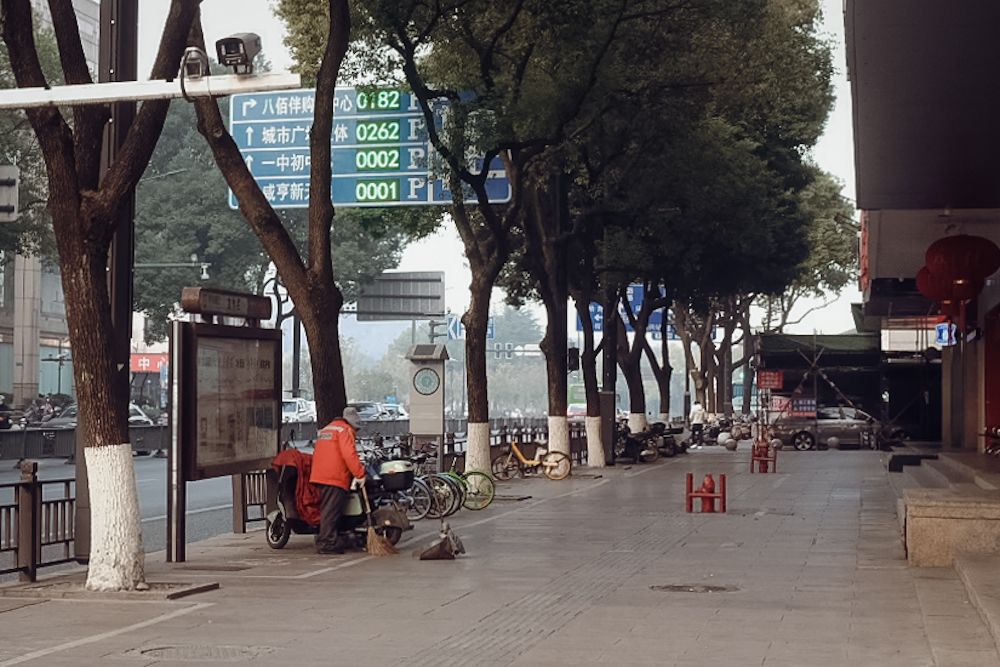
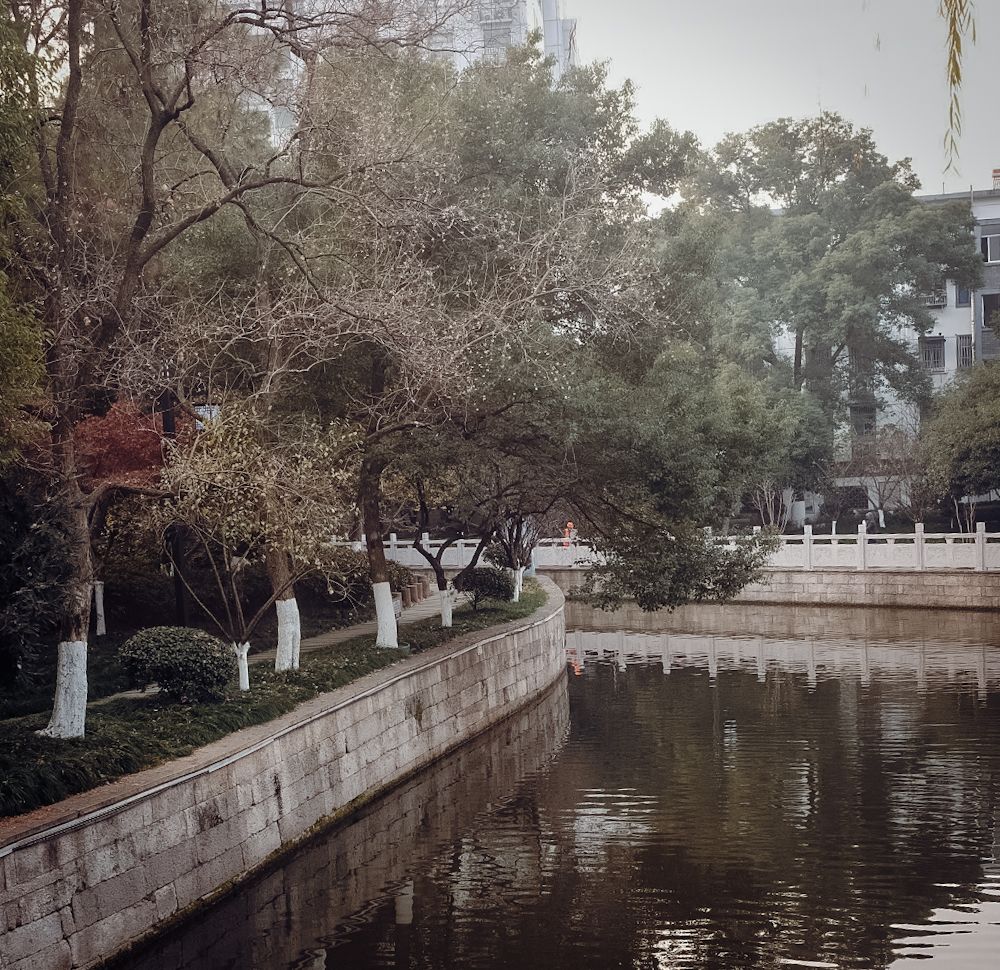
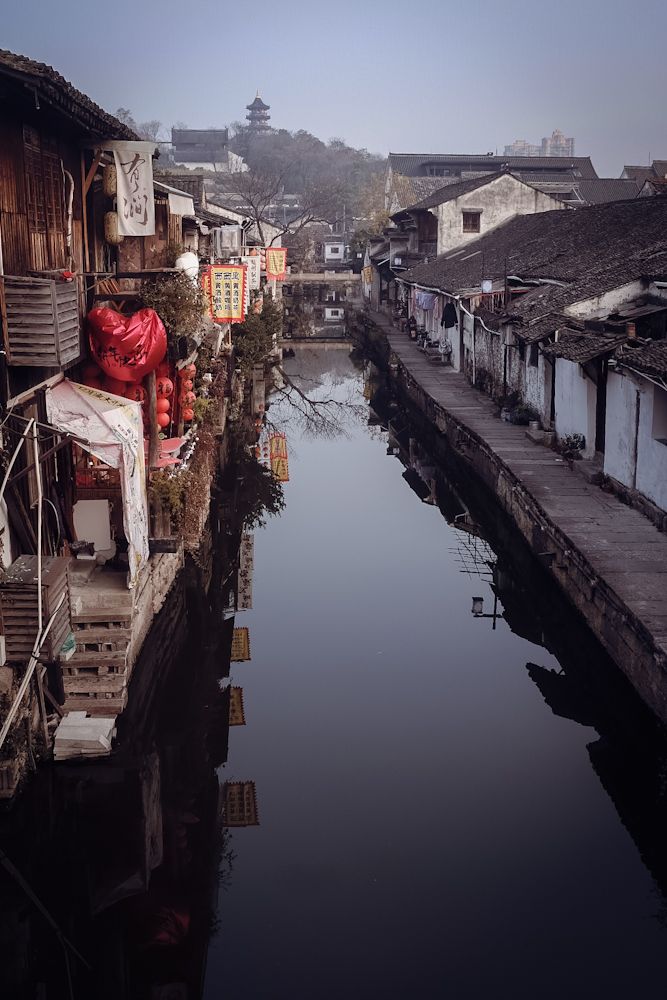
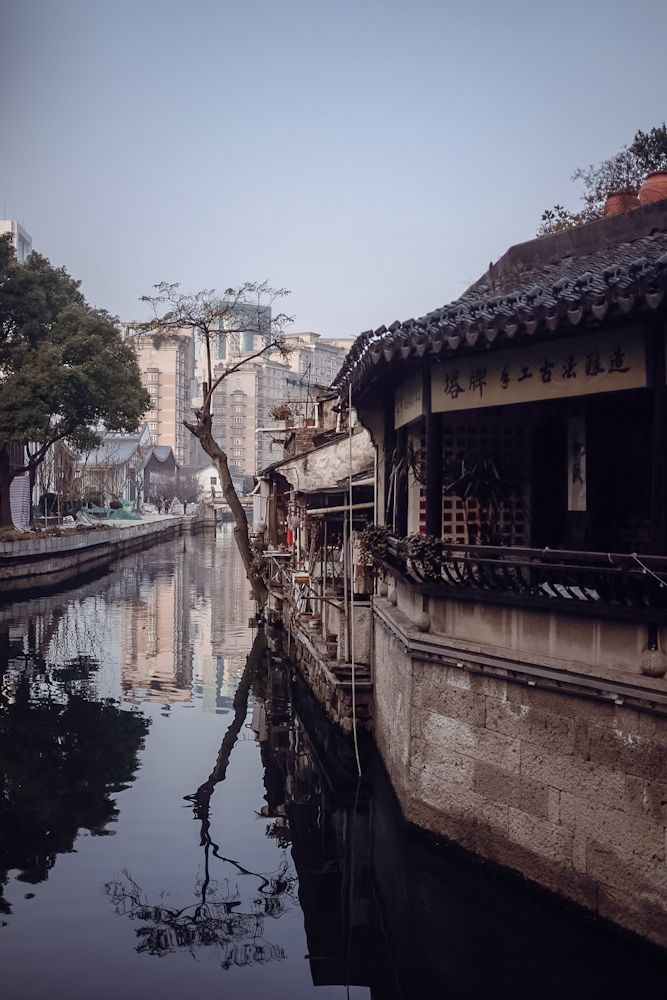
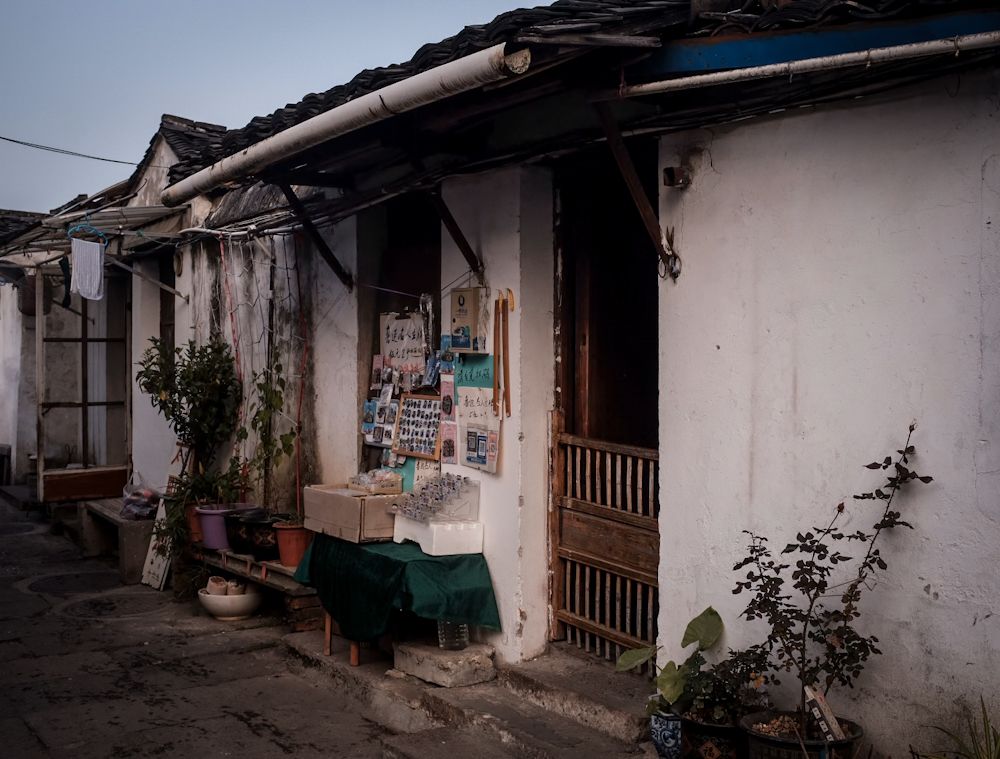
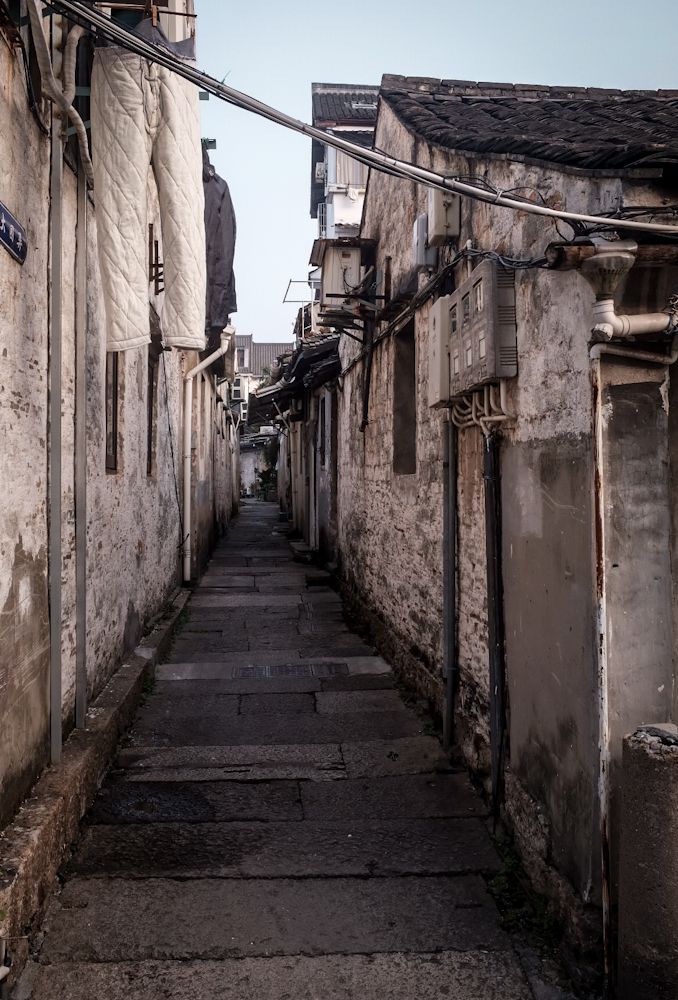
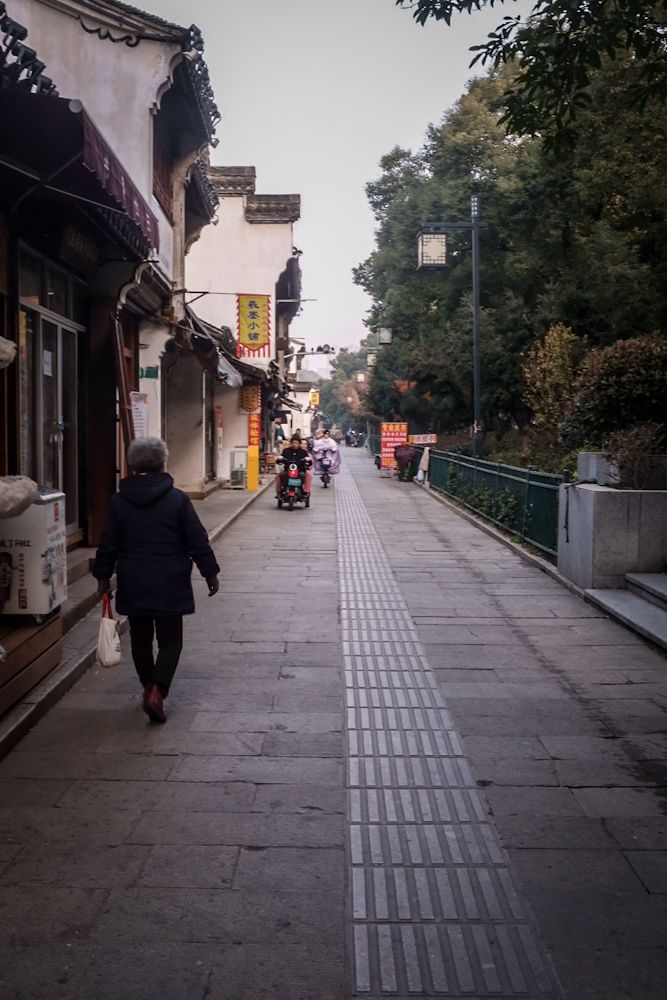
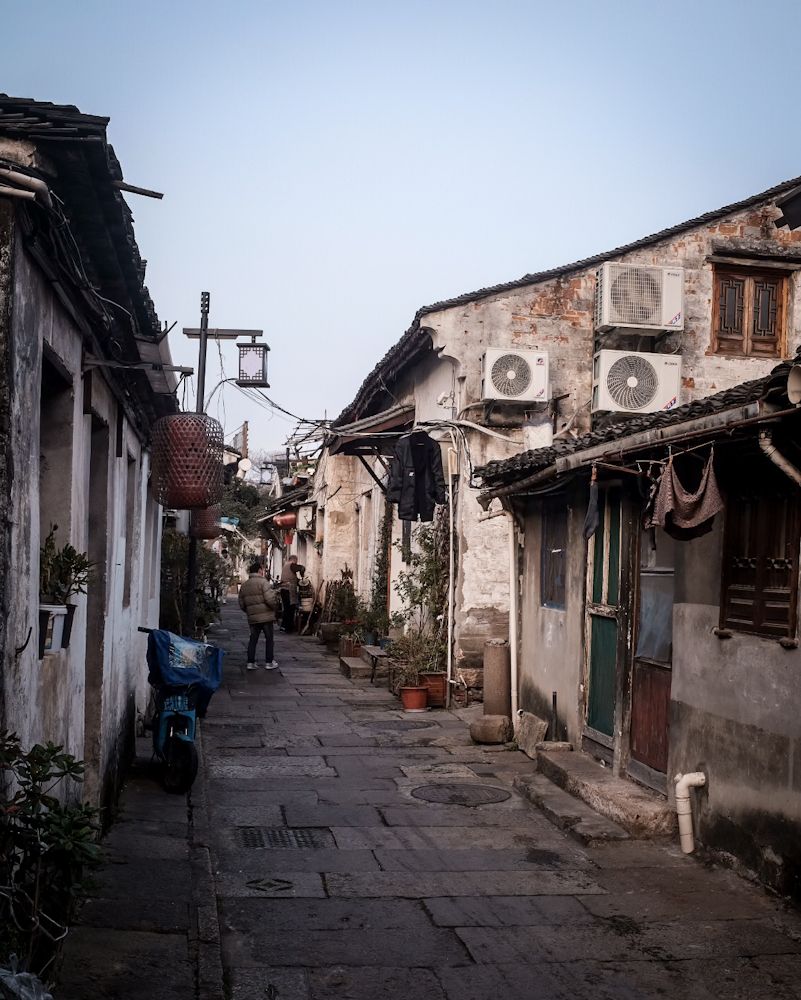
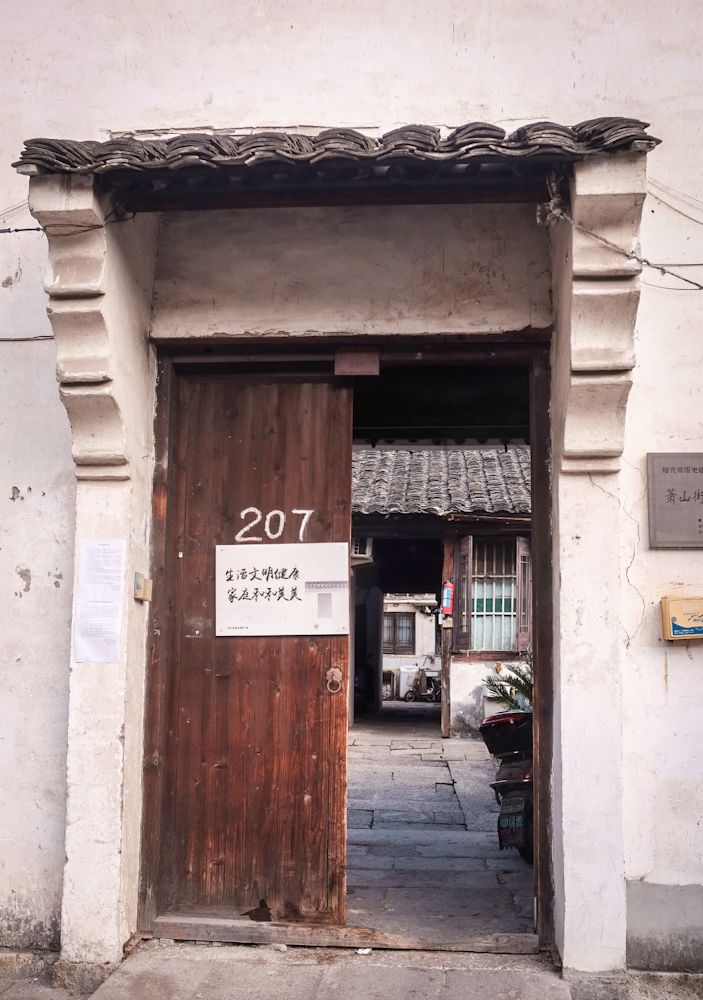
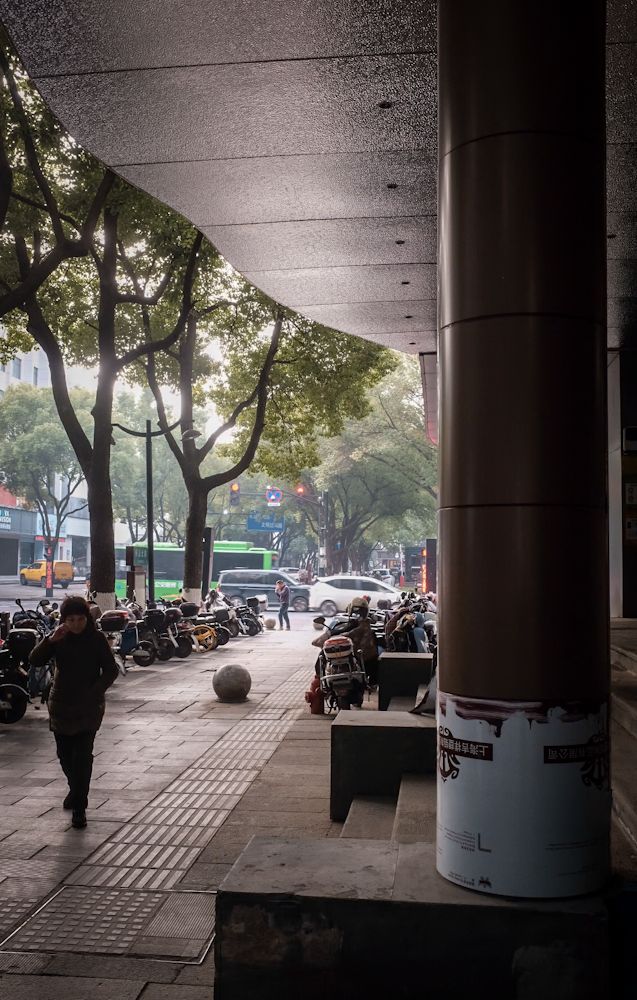
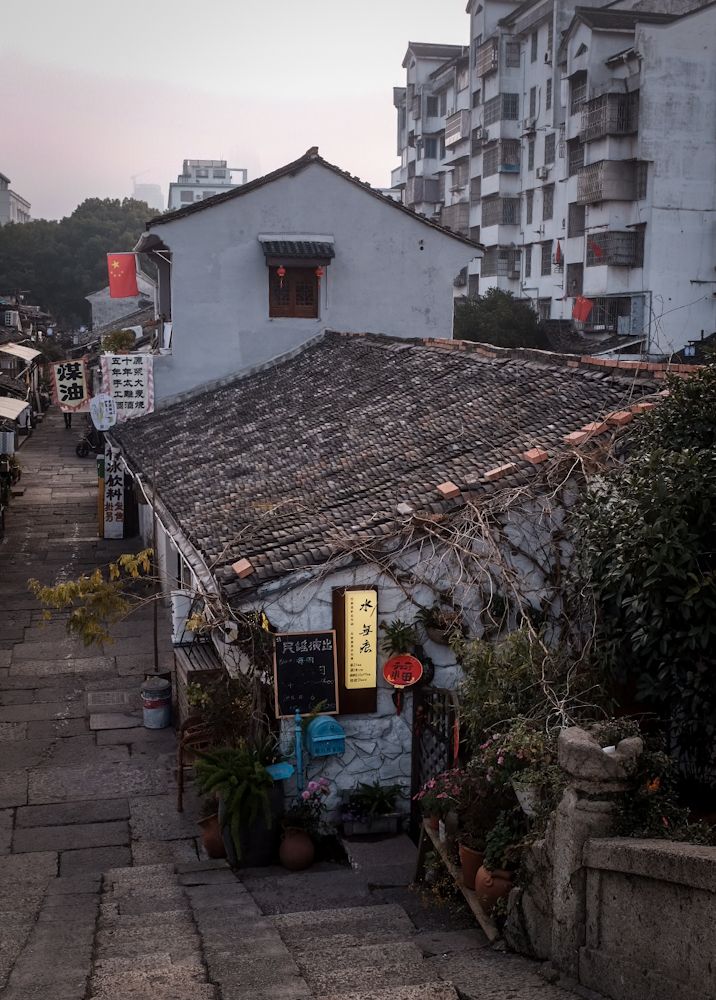
Anyway. The previous evening, while I was exploring the park, some of my colleagues had stumbled upon a scenic residential area—just the kind of place I’d love to capture in my last shots of China. This wasn’t the posh China of Shenzhen; this felt like a more “authentic” part of town.

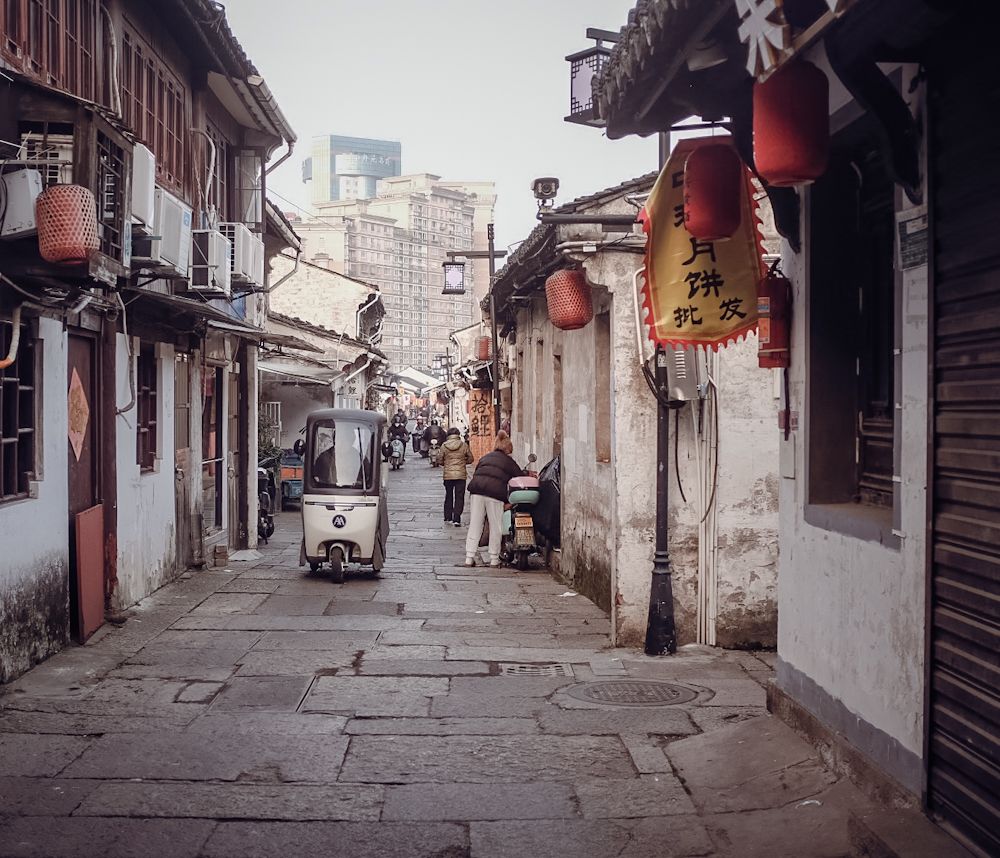
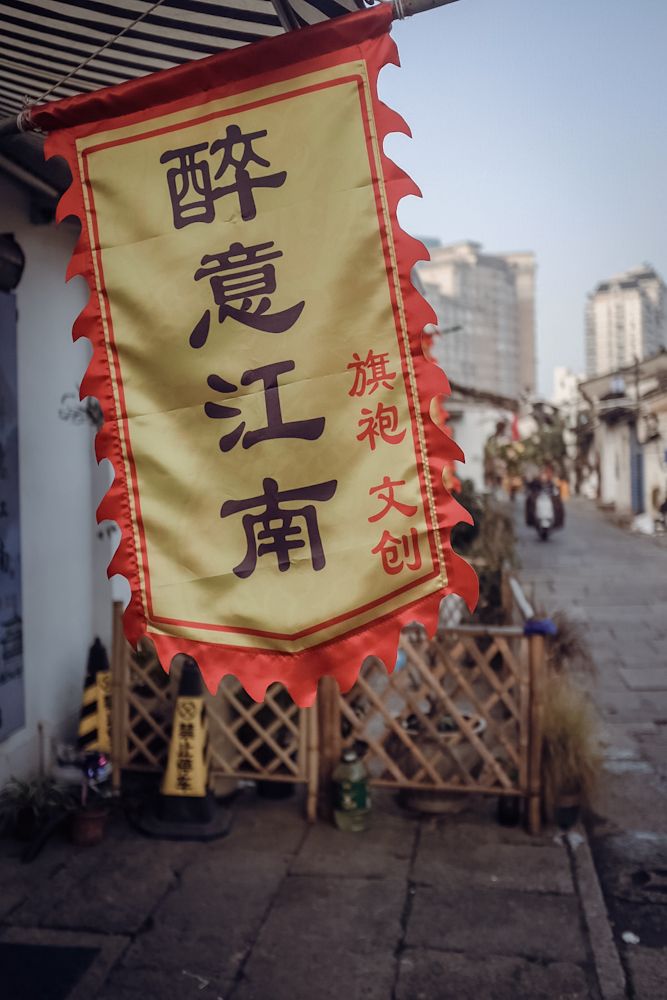
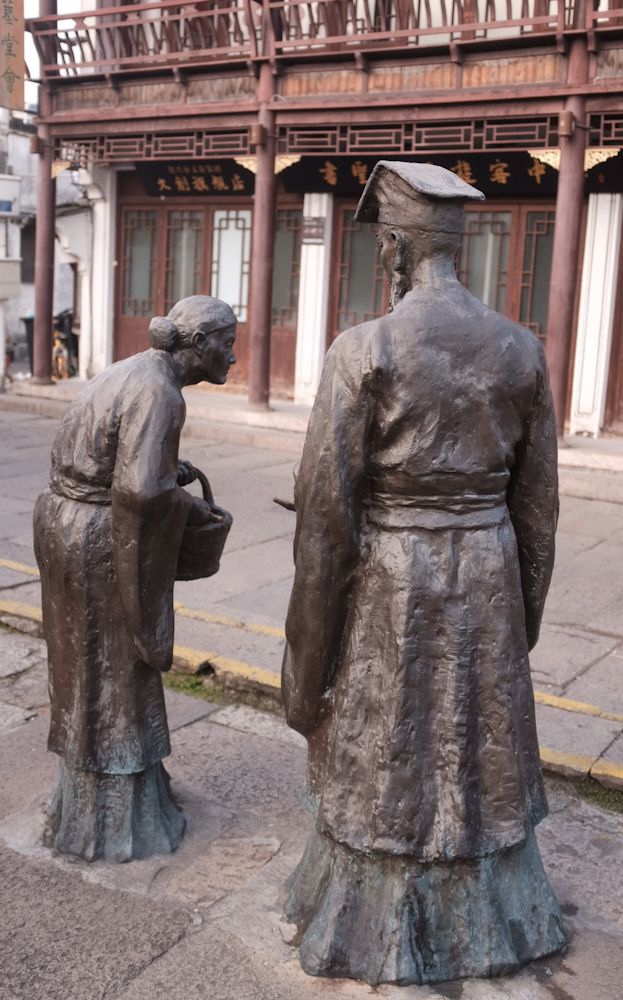
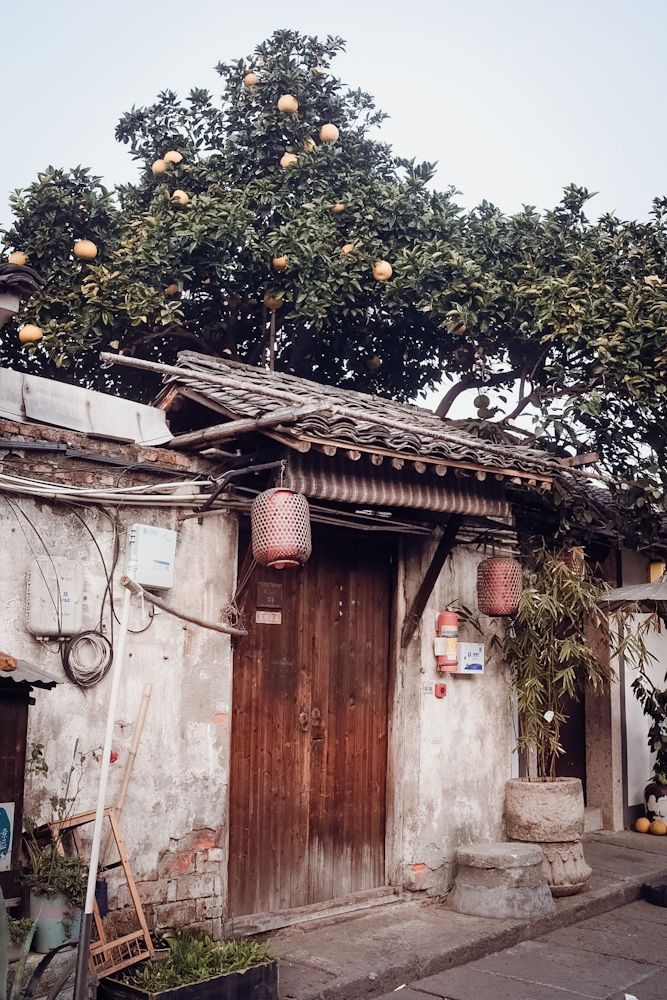
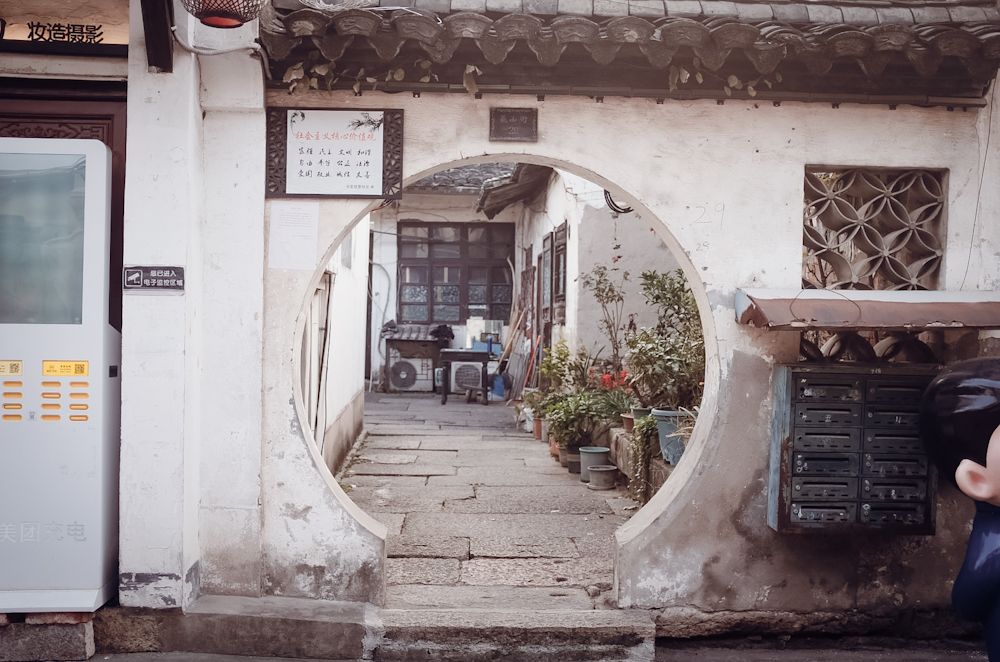
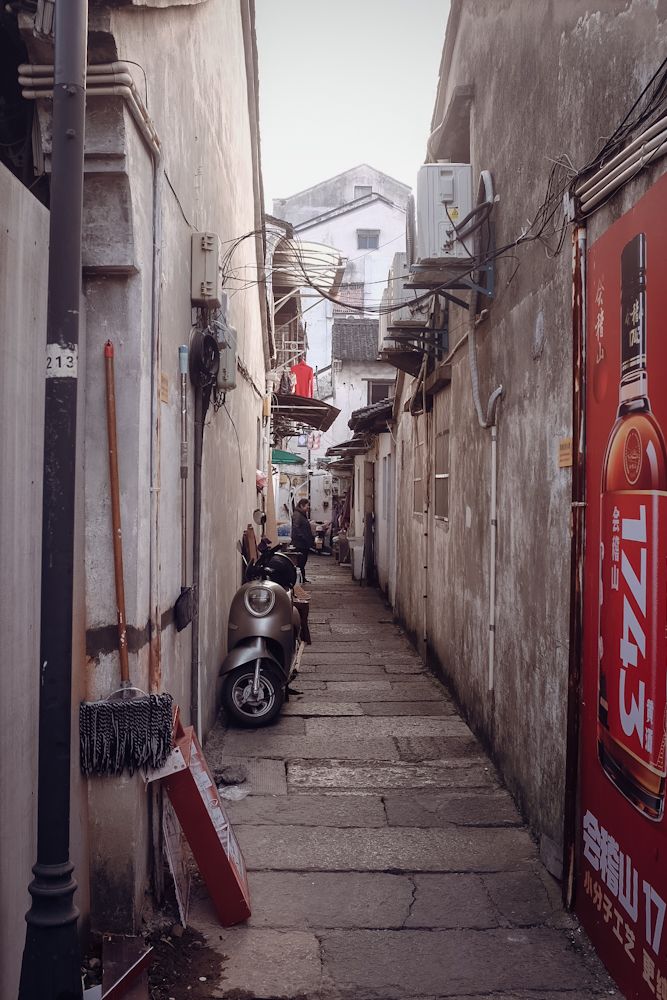
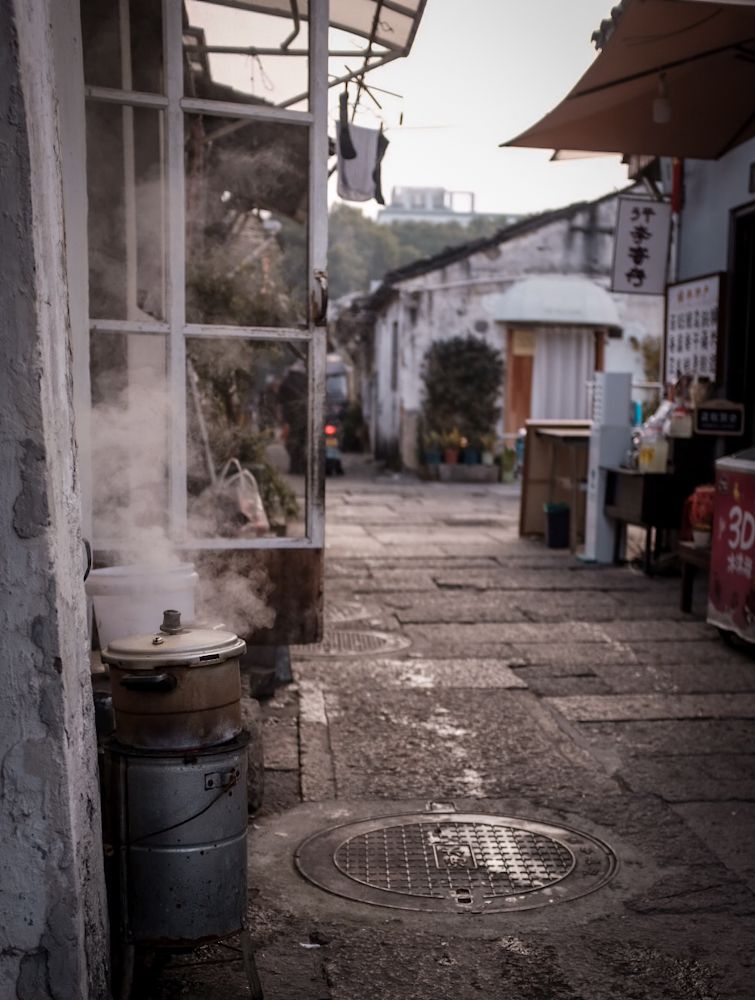
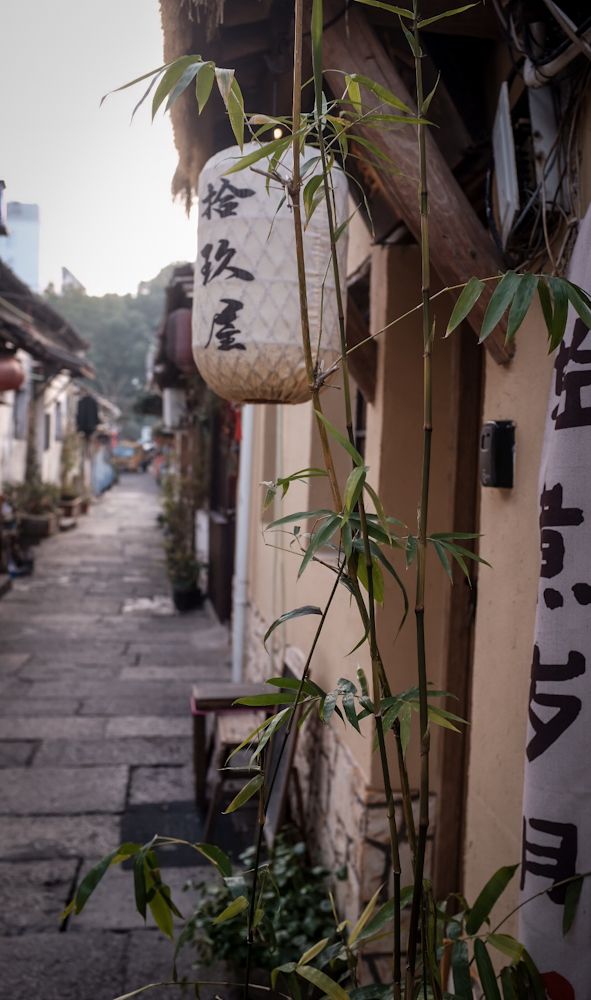
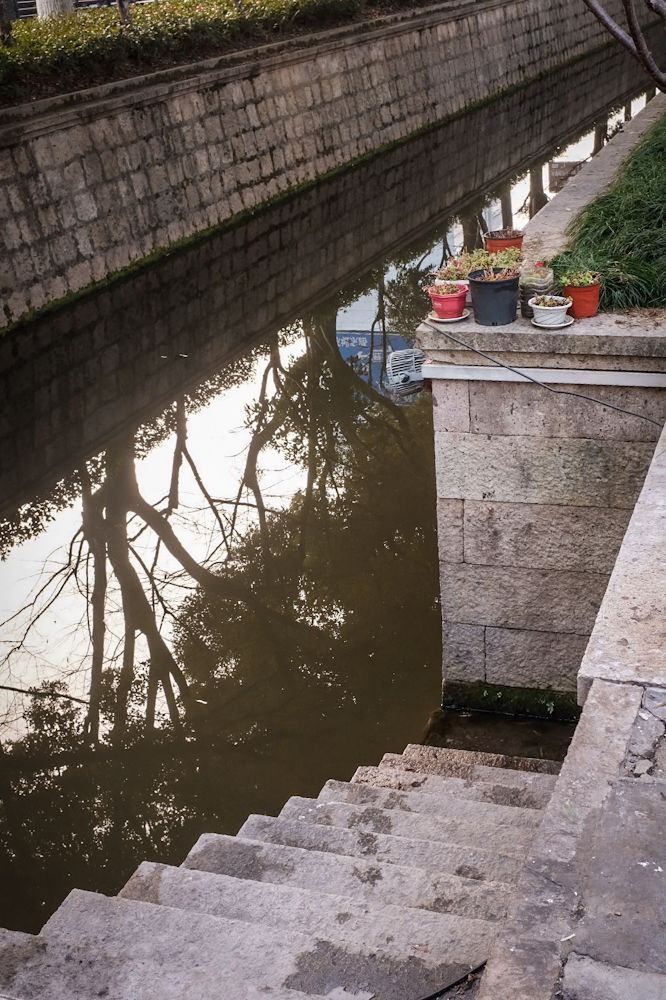
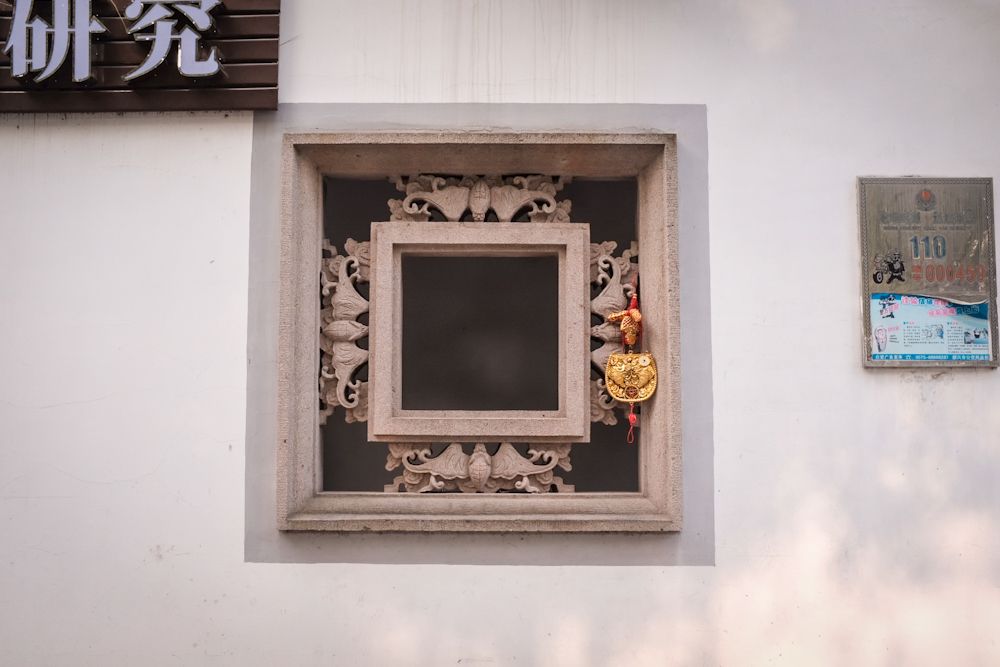
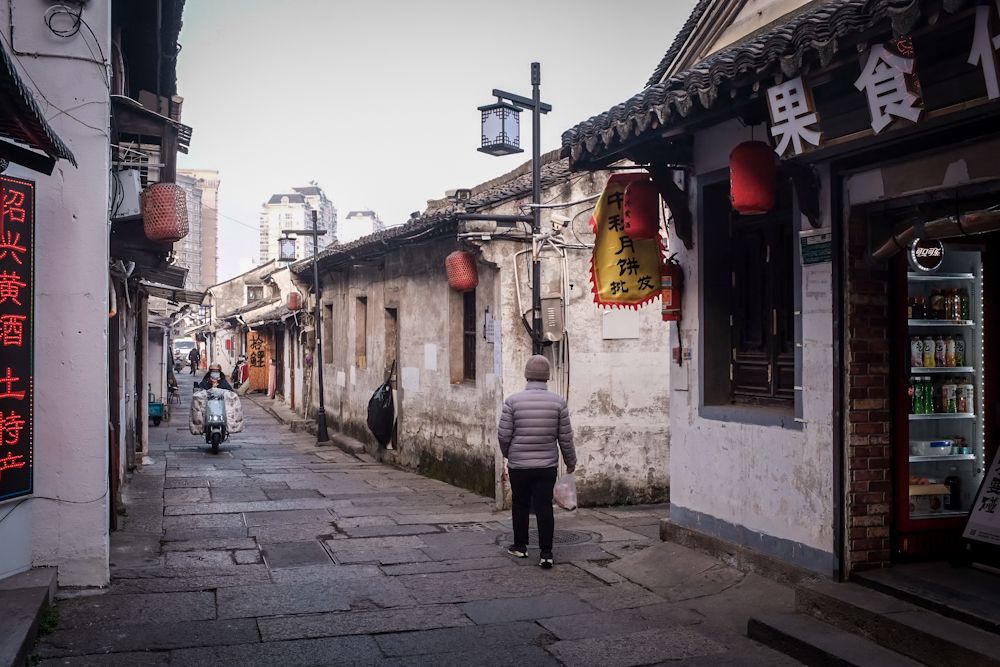
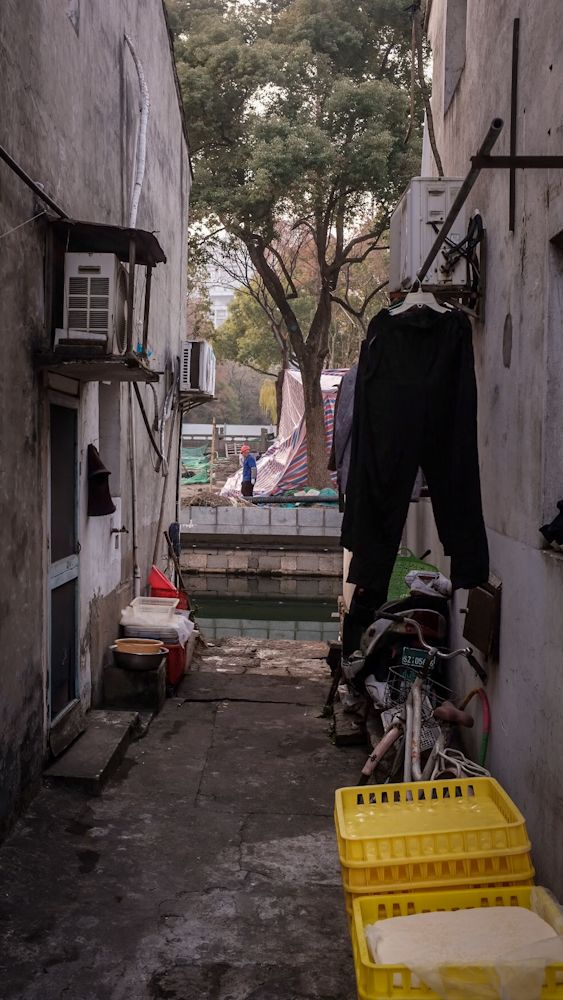
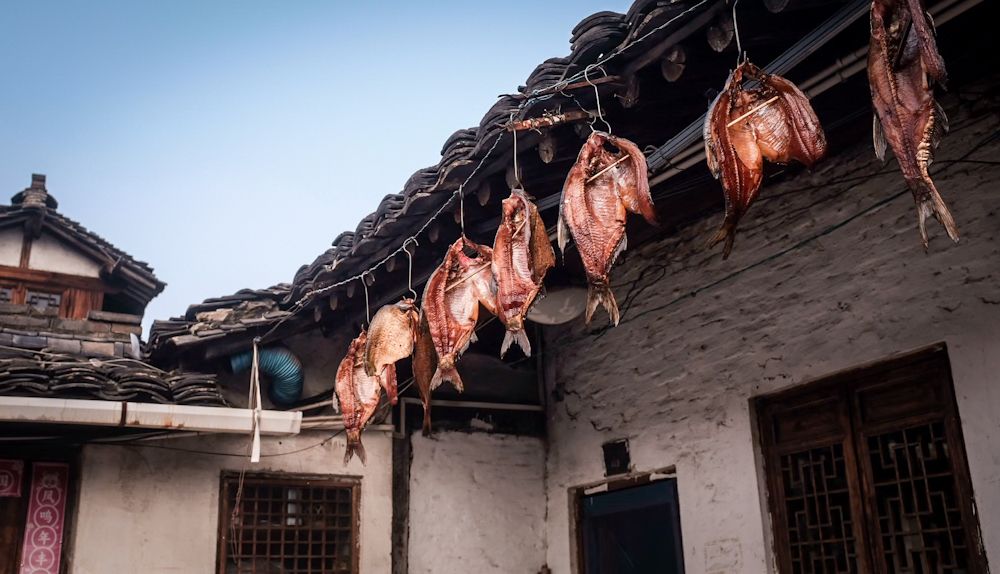
And it was stunning, as you’ll see later in the photos—filled with all the quintessential imagery of China: round entrances leading to inner courtyards, red lanterns preparing for the Chinese New Year, fish drying under the rafters, boats drifting along the canals, humpback bridges, mopeds zipping past, and an old lady eating her rice for breakfast. Even Confucius was there—his wisdom guiding us through the streets.

I had heard about this little quarter at dinner the night before. My colleagues had waxed lyrical about it, so off I went, camera in hand. Now, you know my sense of direction—getting lost, or at best, off track, is inevitable. I was told: “Turn left outside the hotel, walk about ten minutes, and you can’t miss it.” Which, of course, is exactly the kind of thing I do miss.

But not today. For once, my terrible sense of direction didn’t fail me—God must have been smiling on me that morning.

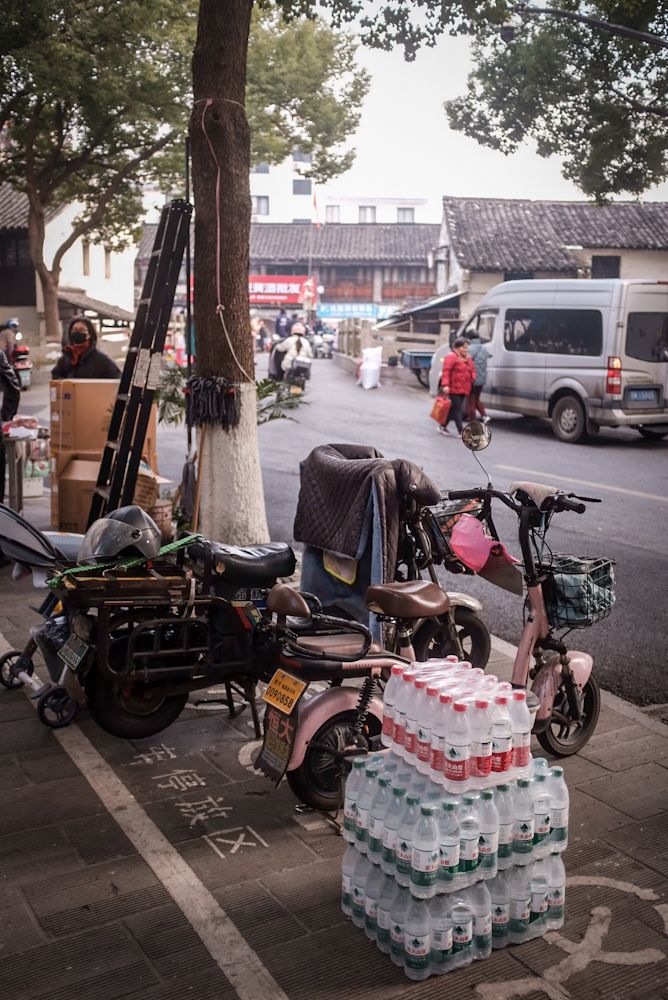
All of a sudden I was there, walking around with my camera at the ready remembering to take colour photographs because my wife had asked me to.  I meandered through the street watching the morning rituals, people clearing their throats and spitting on the ground, better out than in, people eating their rice for breakfast.  The place seemed to be waking up gently, and the mopeds taking their passengers to work and not driving too fast either.  

There was one moped that thought he could make it over the bridge in one go.  He tried a few times, but obviously it wasn’t going to happen, because it would have made a wonderful photograph.  The man got off the thing, and walked it across the bridge and seemed to appreciate my clapping him over.  Encouragement is as universal as something very universal.  

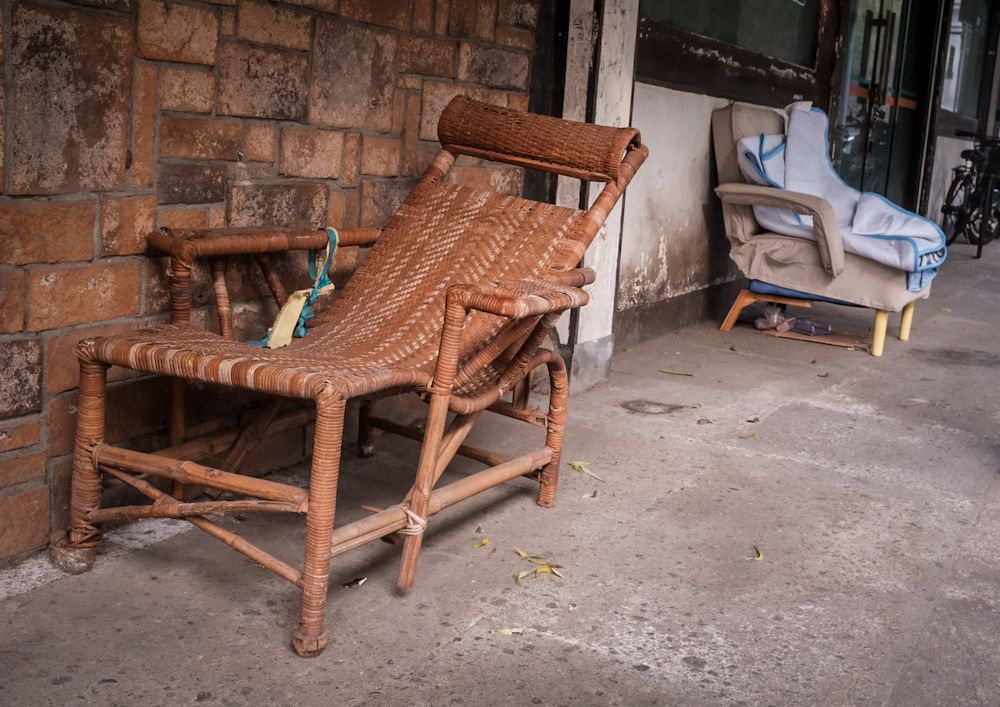
I kept wandering around with no fixed idea of what to do or see.  I could see a kettle boing for the tea, and felt a slight pang of jealousy.  I was of course, tealess.  I reached the outside of the quarter, and just headed back in at the sign.  I had seen a wicker chair which would have been perfect for my afternoon snoozes.

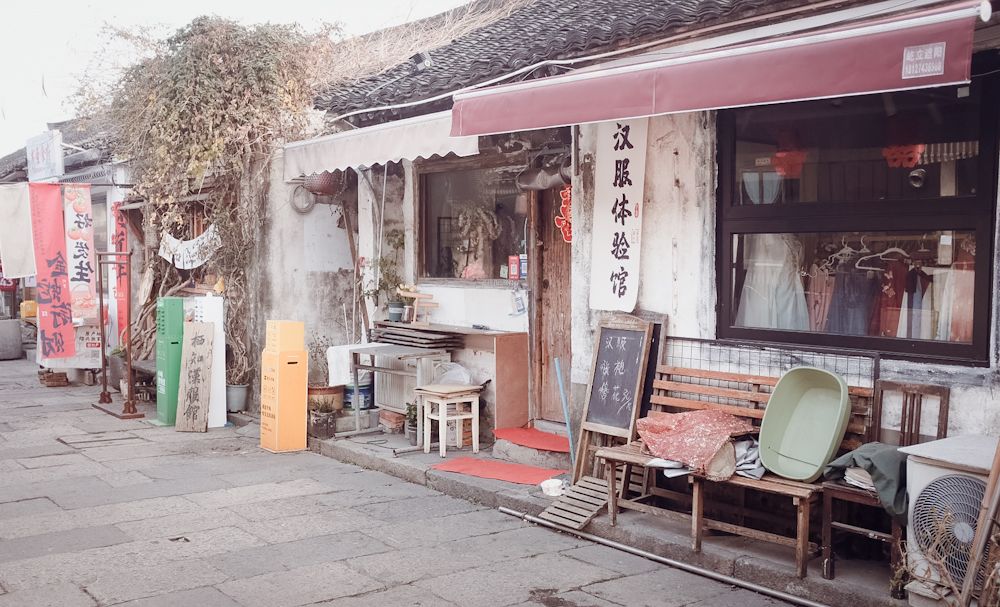
As I came back in, people seem to have awoken from their slumber, and the small shops started to open.  There were all kinds of things for sale.  Chinese New year decorations, clothes that were lovely but might have been a tad small for my more rotund frame.  There were shops selling brooms and pans.  It was definitely buy local…
As I left for the last time and having taken my phtoographs, I passed Sarah, a fellow photographer, who had obviously awoken slightly later then myself.  We of course said good morning and wished her luck with her camera.  

I mozied on down, back to the hotel to pick up my suitcase and horn, getting ready for the trip to Xian Ju.  And this is where my memory goes a little fuzzy, like my camera out of focus. I remember the concert, sure, but everything else? It’s like my mind just pressed pause. A temporary freeze-frame.

It’s strange, isn’t it? How the mind works in these moments. Maybe it’s the thought of the long journey home—the “parenthesis” closing, as it were. The feeling of something coming to an end, but not quite ready to leave. That lingering moment between chapters, when you’re not sure if you’re truly finished yet.

But then again, I’ll leave that for next time. Perhaps when I’m home, looking back on these images, I’ll see it clearer. For now, though, I can’t remember a thing—not for the life of me.