China: The Final Frame – Reflections on a Journey


The tour is over. The bags are unpacked, and things are settling back into their usual rhythm at home. But even though I’m back, part of me is still in China—still thinking about the streets of Shao Xing, the energy of Shenzhen, or the moments shared with the orchestra. The journey may have ended, but it hasn’t really left me.

Reflecting on the Journey

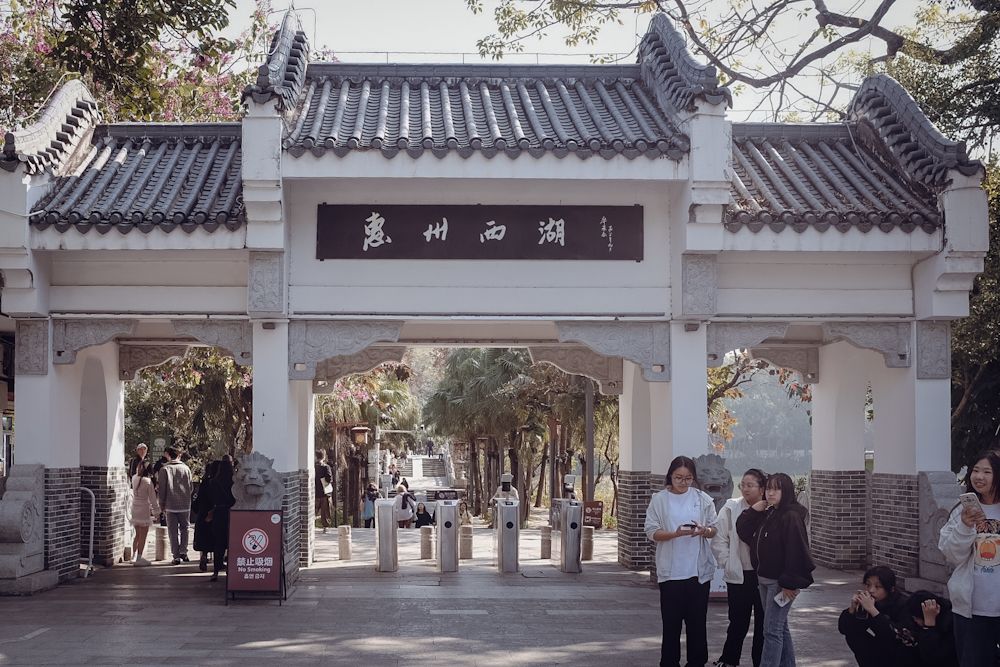
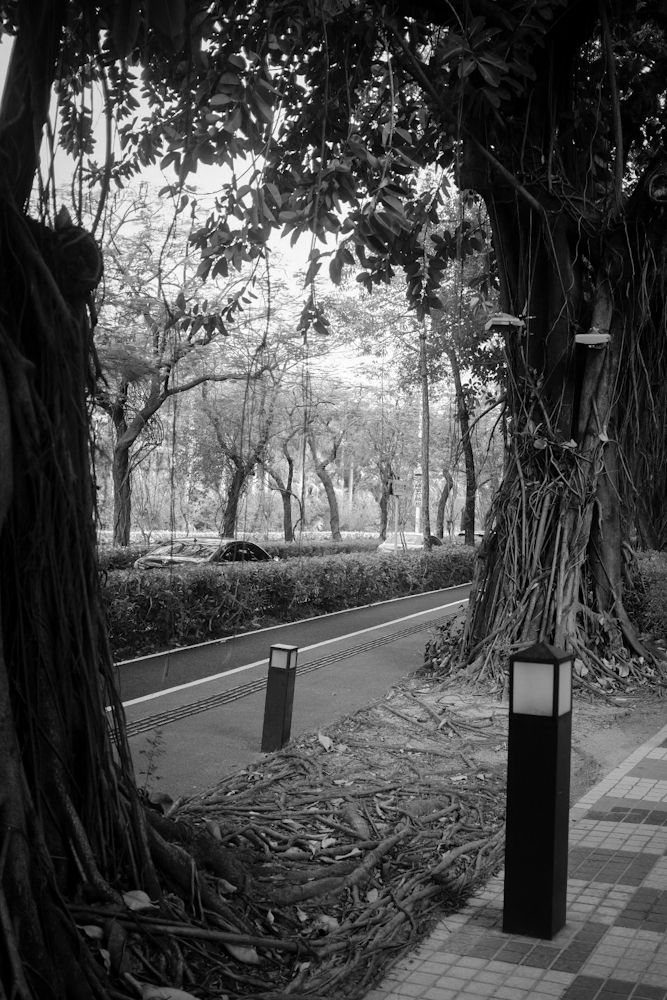
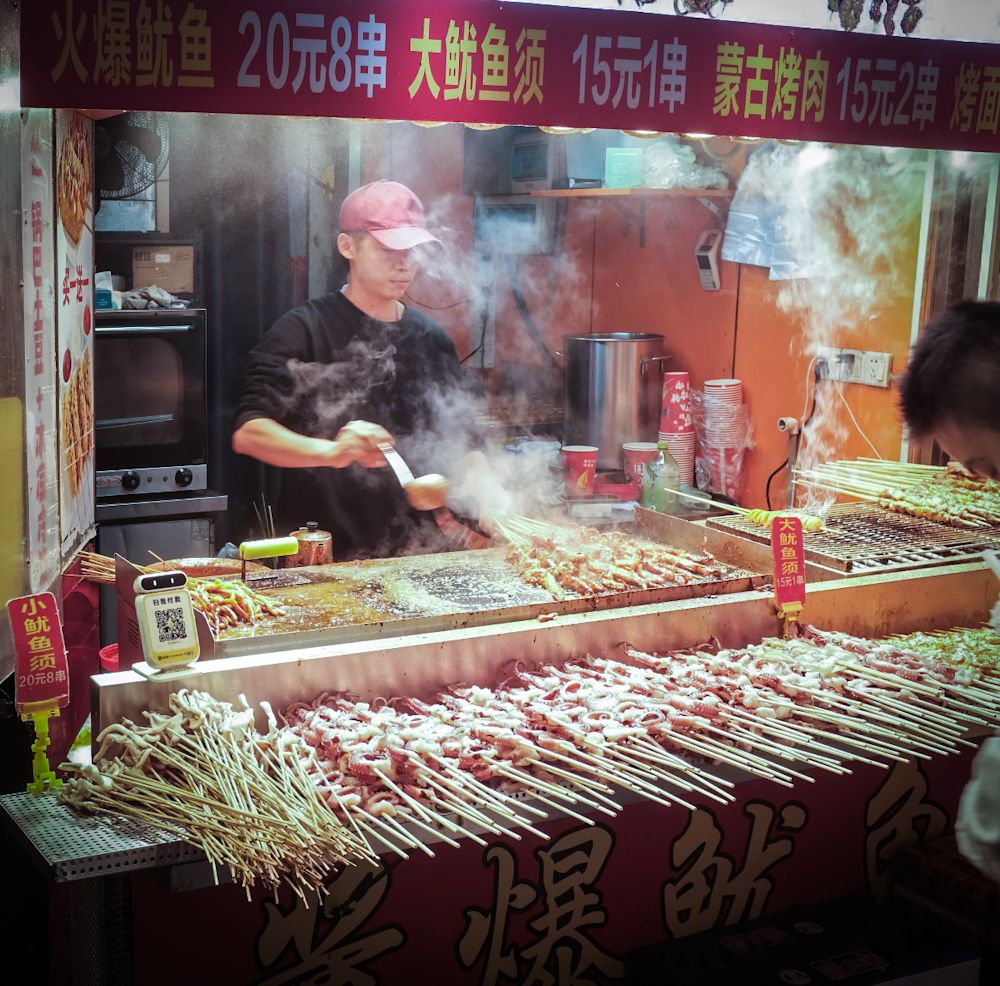
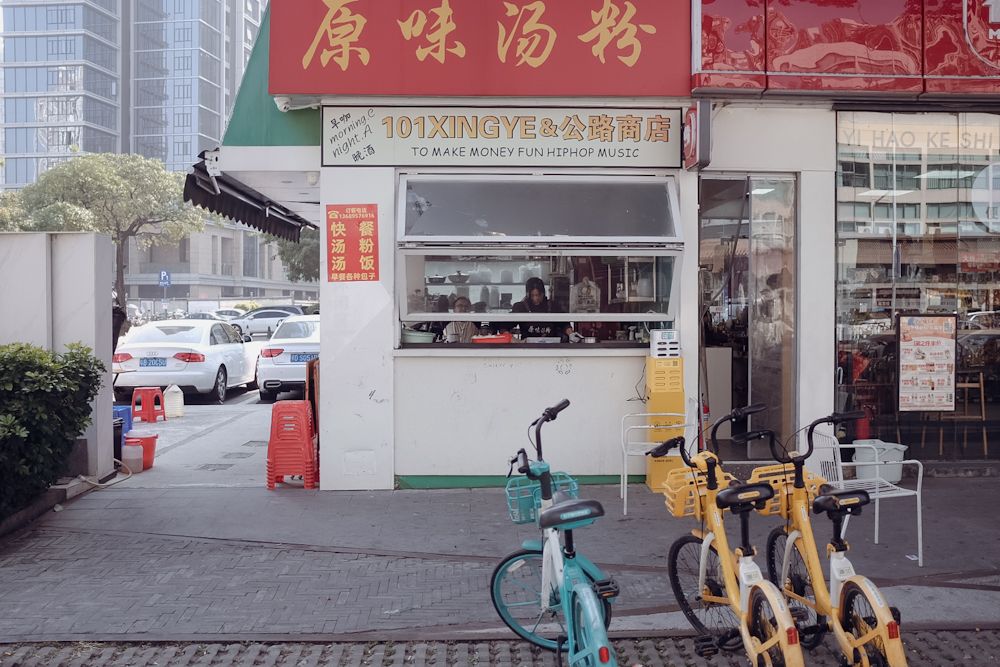
From the moment I landed in Changsha to the final farewell in Shanghai, this trip was a series of moments—some I expected, and some I didn’t. The hustle and bustle in Shenzhen, the streets of Shao Xing, the quiet hills of Xian Ju, and the meals shared with colleagues between concerts. It wasn’t just about the places. It was about the little things—a gesture of hospitality, that mutual respect between musicians, or just watching the world go by.

This trip wasn’t just about playing concerts, it was about learning and adjusting. It was about connecting with people, understanding their way of life, and how we relate to one another in those brief encounters.

The Photographer Without Film

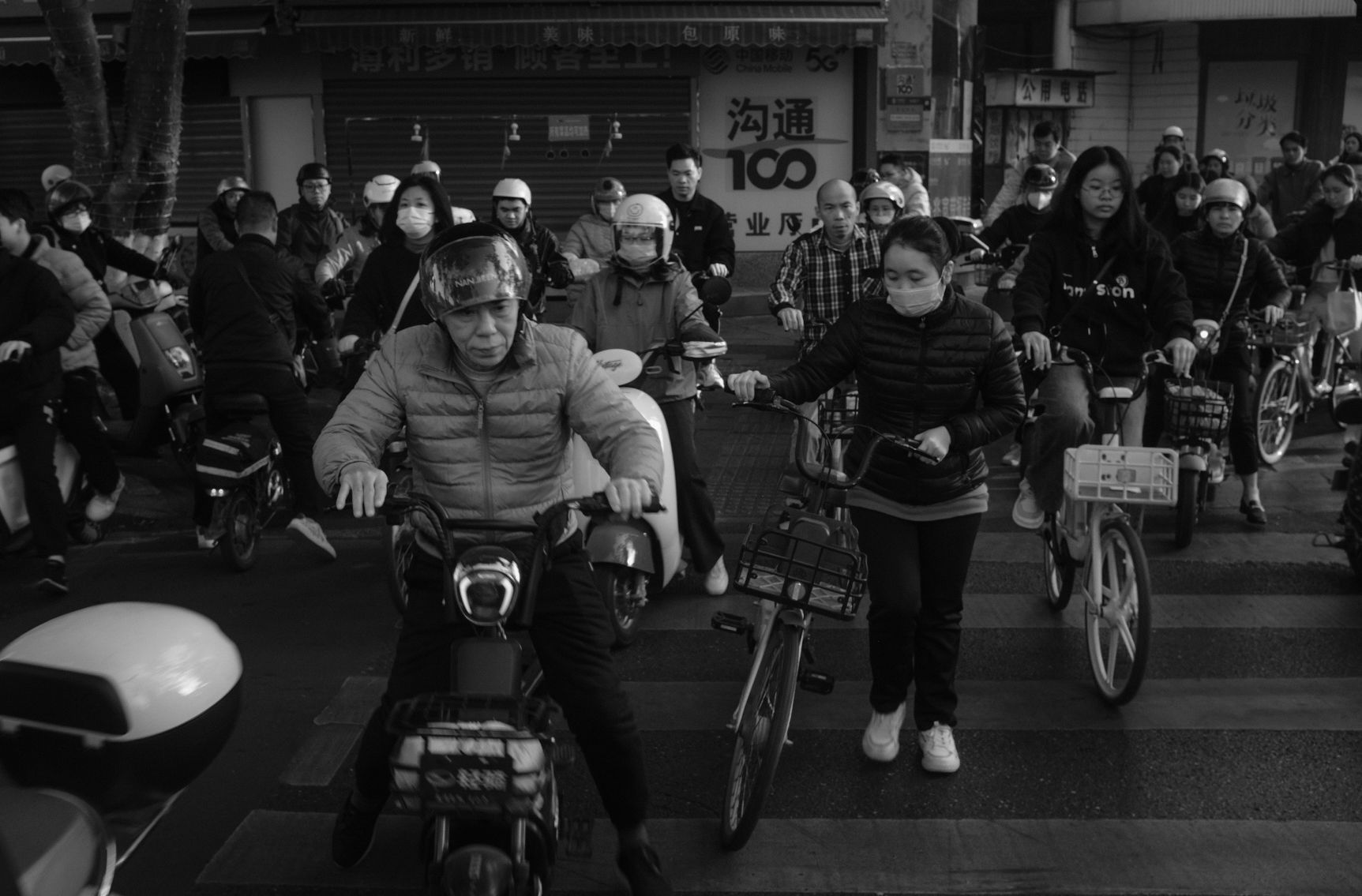
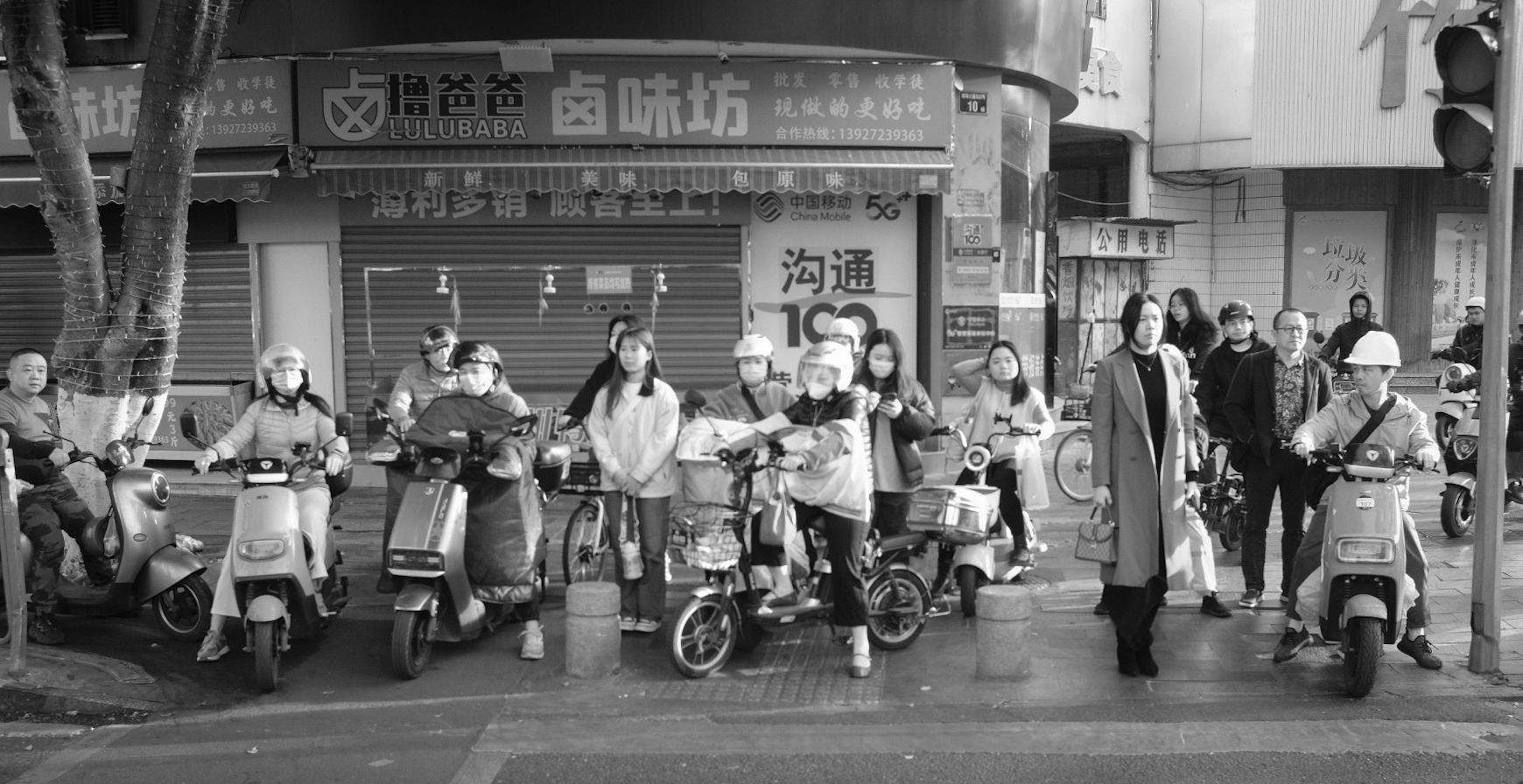
For the first time in a long while, I didn’t travel with my usual film cameras. The Fujifilm X100F was the only camera I had with me, and while I had mixed feelings about it at first, it became a good fit. There was no hesitating over which shot was worth the price of a roll of film. It was just me, the camera, and the present moment.
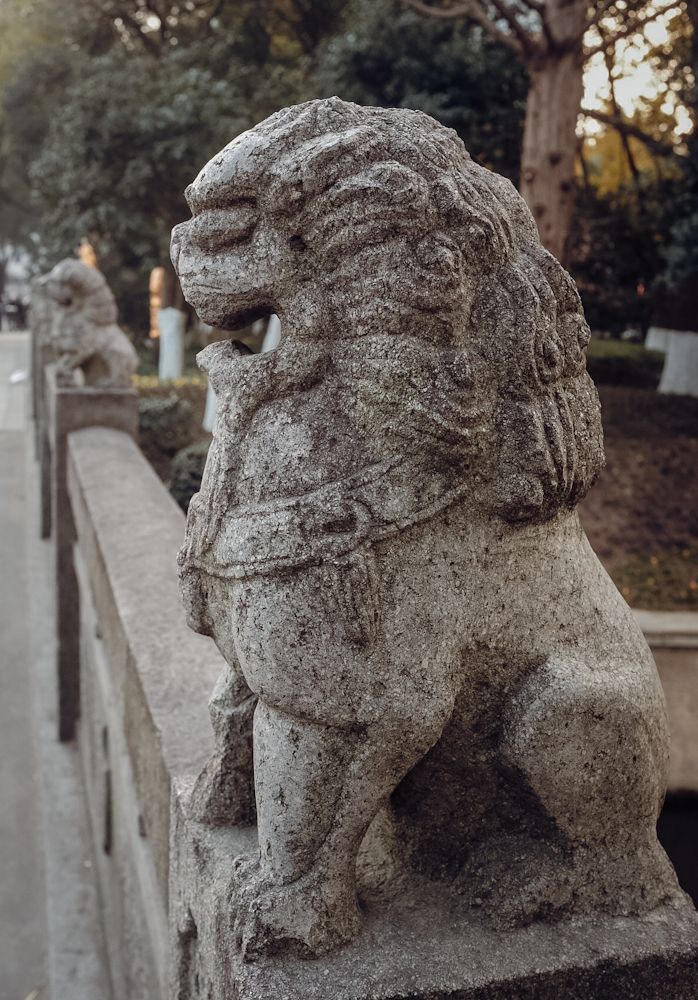
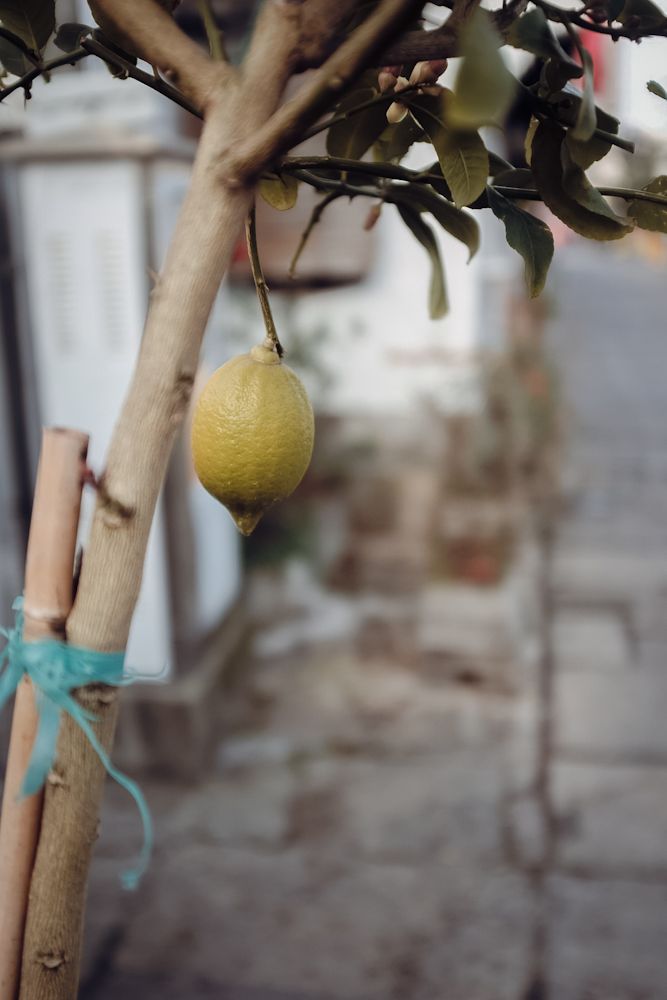
Not every moment needed to be captured. I found myself slowing down and soaking things in—sometimes shooting quickly, sometimes just letting the moment pass. It wasn’t about having everything on film; it was about experiencing it fully, even without the lens in front of me.

Respect and Connection

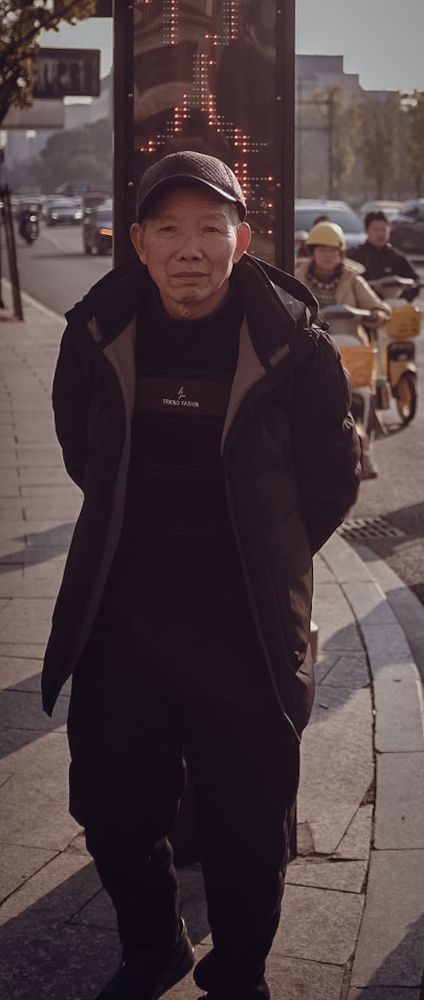
One of the most memorable things about this trip wasn’t the landscapes or the buildings—it was the people. Everywhere I went, I felt a deep respect and sense of community. It wasn’t about being given titles like “Uncle” or anything else. It was just how people engaged, how they saw me as part of something.

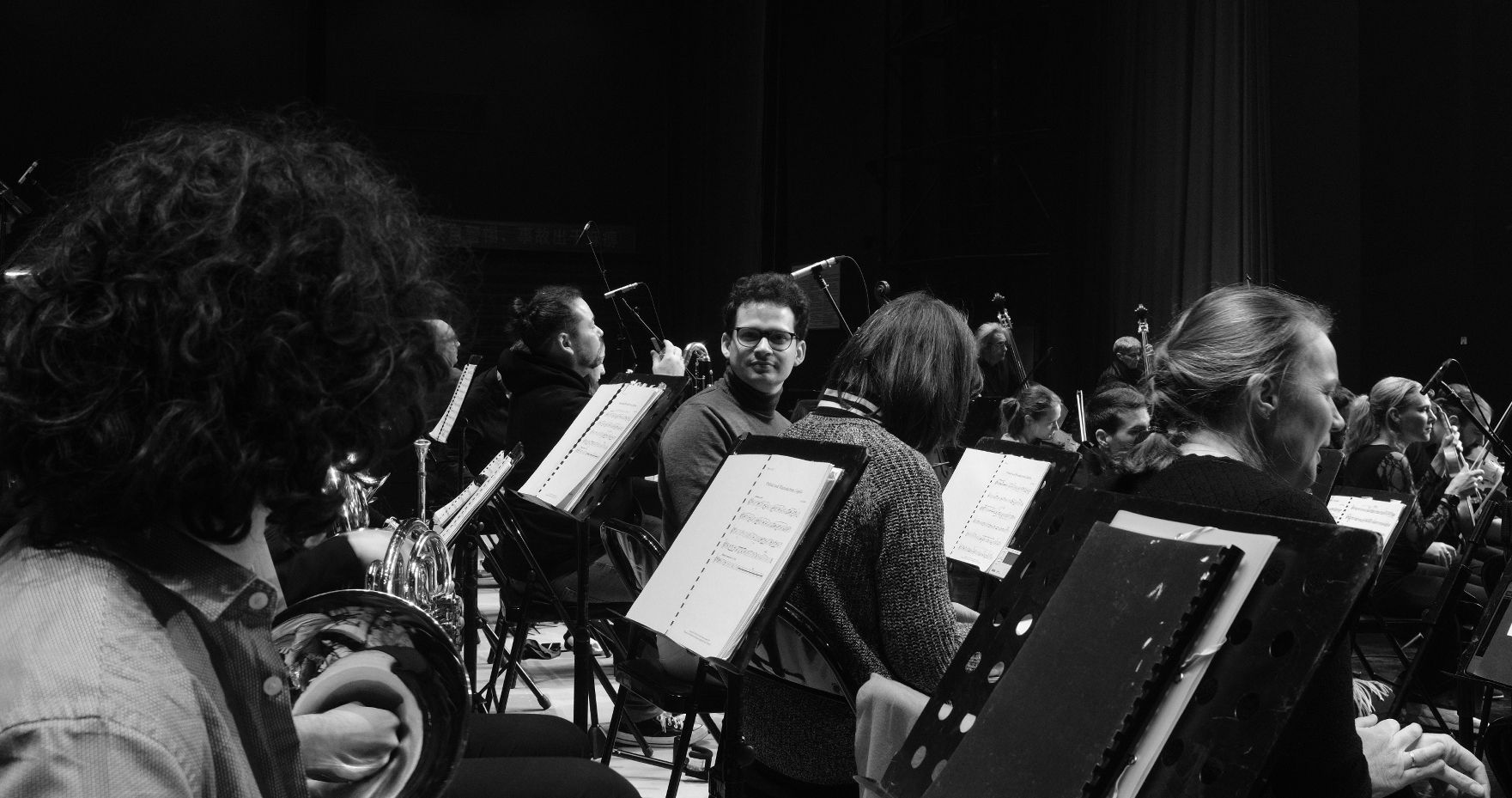
The concerts themselves were a reminder of this—the public wasn’t there for rehearsals, but they were there for the concerts, offering energy and appreciation. Music, like photography, is about presence. It’s about sharing a moment with others, and that’s something I’ll never forget.

Coming Home

Returning home after a trip like this always feels a little strange. The familiar feels slightly unfamiliar at first—the quieter streets, the slower pace. But there’s comfort in returning, and yet, it’s hard not to feel that shift in perspective. Things seem different now.

The Final Frame

So, what remains from all of this? The photographs, of course. They’ll hold the moments, the details, the things I might forget over time. But beyond that, it’s not just about the photos. It’s the way travel shifts your perspective and makes you notice the small moments—the ones that don’t always get captured in a frame.

This series was meant to document a tour, but it ended up being more than that. It’s a reflection on the journey itself, on photography, on what it means to truly be somewhere, to connect with others. The tour might be over, but this story isn’t done yet. And whenever the next journey comes, I’ll be ready to pack my bags again.

I have been posting these articles in the WhatsApp group made for the people on the tour, and people’s feedback has been amazing. What came out the most was the feeling of revisiting the tour through the photographs and how that made people feel. And if you make somebody feel something with an image, then you’re off to a good start. The other comment was, “Oh, I didn’t see that!” And that is part of our role as photographers, to record what people don’t see… My reputation as a photographer seems to have surpassed my reputation as a beer drinker, which is good, because I hardly drink a drop anymore. My reputation as a writer seems to be well established too.

So not only am I seen as a hornplayer but also as a photographer, a writer, and a sensitive soul instead of the gruff bear that sits at the back of the orchestra and makes farting sounds with his instrument. Quite the step up really!
Becoming an Uncle – Respect and Community in China


I think the first thing to do is to define what an Uncle actually is. In the West, an uncle is a member of the family, the brother of the child’s mother or father. You can be the cool Uncle, the one that lets the children get away with everything and spoils them. You can be the Uncle who buys them toys that make lots of noise or require a long time to set up, just to get back at your siblings. You can be the responsible Uncle, the one who supports the parents in their parenting role. Then, in English and Irish society, you might also be the Uncle who is a close family friend. And you can be a mixture of all four. Like asking your nephews and nieces to get you a beer from the fridge on a warm summer evening while enjoying a long French-style meal that seems to go on forever.

As you might know, Chinese society is somewhat different from Western, English, or even Irish society. In China, an uncle is someone who has reached a certain age and is expected to be shown deep respect—not just for their age, but also for the wisdom and position they hold in the family hierarchy. The sense of individuality in China is less important than the sense of a collective identity, one shaped not only by Chinese Communism but also by traditional values that predate the Revolution. This collective identity, emphasizing the role of the individual within the larger whole, is especially prominent in China but can be seen, to varying degrees, across much of Asia.

In Chinese culture, the importance of hierarchy and respect for age are fundamental. An uncle is not just a family member; they are a figure who is honored because of their age and wisdom, and their role is tied to the broader family structure. It’s about understanding that personal desires often take a backseat to the responsibilities and duties that come with being part of this collective identity. This is in contrast to the individualism often celebrated in the West, where the role of an uncle may focus more on personal relationships and the joy of spoiling nieces and nephews.

So now we know what an Uncle is in China.  It would appear that I am of that particular age, and obvious wisdom, to be considered an Uncle.  But how did this manifest itself?  I have talked about the love of the Chinese for selfies to mark an occasion or a passing moment.  During Operation Shenzhen Nights, I was made aware of people recording my posterior for posterity.  Obviously the Father Christmas effect. But people didn’t dare to approach me.  I would of course have given in to their demands, as I did after the first Shenzhen concert.  Definitely the Father Christmas effect.  The concert in Huizhou definitely confirmed this.  There was the example of a fellow Uncle who wanted a selfie with him to show the two Uncles together.  Even when thinking back to that particular moment, I feel a certain emotion. It was lovely to give a part of myself and solidify that moment together.  Two men from the same generation looking marvellous together. And let’s not forget the courage shown by the youngsters whilst waiting for our buses to arrive who came up to me and asked for a selfie (to record the moment) with such respect, even bowing gently to me.  I felt very humbled by the whole experience, and it felt like a real privilege to acquiesce. 

Becoming an uncle in China wasn’t something I saw coming, but it’s an experience that has stayed with me. The respect shown towards age and wisdom, the gentle bows, and the formality behind something as simple as a selfie request all highlighted just how different things are from back home. In England or France, my beard might earn me a knowing nod from a fellow facial hair enthusiast, but in China, it put me in a role of quiet authority—someone to be acknowledged with deference.

What struck me most was how natural it all felt, as if this respect was simply part of everyday life. It wasn’t about status, just an understanding of where people fit within the bigger picture. The warmth of those interactions made me reflect on how we see age and experience in the West, where individualism tends to take priority over hierarchy and tradition.

This unexpected unclehood turned out to be a reminder of the importance of connection, respect, and the roles we play in each other’s lives. In China, I became an uncle in the broadest sense of the word—a sign of age, wisdom, and community. I might not carry that same role in the West, but the experience has given me a new perspective on what it means to be acknowledged, respected, and, in some small way, part of something bigger than myself.

China – Shao Xing


New Year’s Day

Welcome back to China, Dear Reader. When I last left you, we were on the bus somewhere between Hangzhou and Shao Xing. I’m pleased to report that we made it safe and sound, and that Corentin and I now had two keys to our room. It was still sunny—a joy to be alive. Thank you, happy pills. Our room had all the mod cons, though there was a quirk: if one of us was on the loo, we’d slide the door across for privacy. Unfortunately, that meant the person taking a shower lost their privacy. Still, I couldn’t see anything from the loo, so my roomie’s modesty was safe.

Speaking of toilets, we encountered quite a range during our travels. In the service stations, they were the French “chiottes à la Turque,” which are nothing like the Mozart Rondo, but certainly more pungent. Then there were the “ordinary” toilets, followed by the ones whose lids lifted automatically as you passed, and finally the pièce de résistance: the Japanese-style toilet, which remained resolutely Chinese.

This marvel had a heated seat—luxury in itself. You had to lift the lid manually (slumming it in the Stone Age again), but once seated, nature took its course in unparalleled comfort. The real magic began when you pressed a button: a mechanism extended to spray water precisely where needed. There was even a function for ladies. And after the water came the air, drying everything off! I double-checked with toilet paper, of course, but it had done an impeccable job. Truly, a game-changer. As Forrest Gump said, “That’s all I have to say about that!”

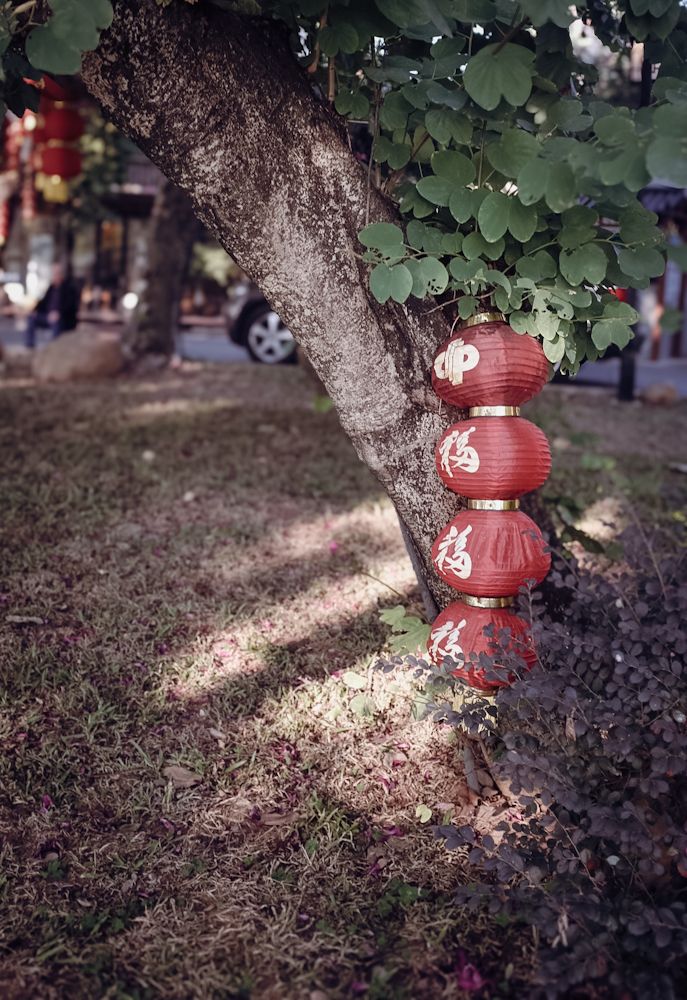
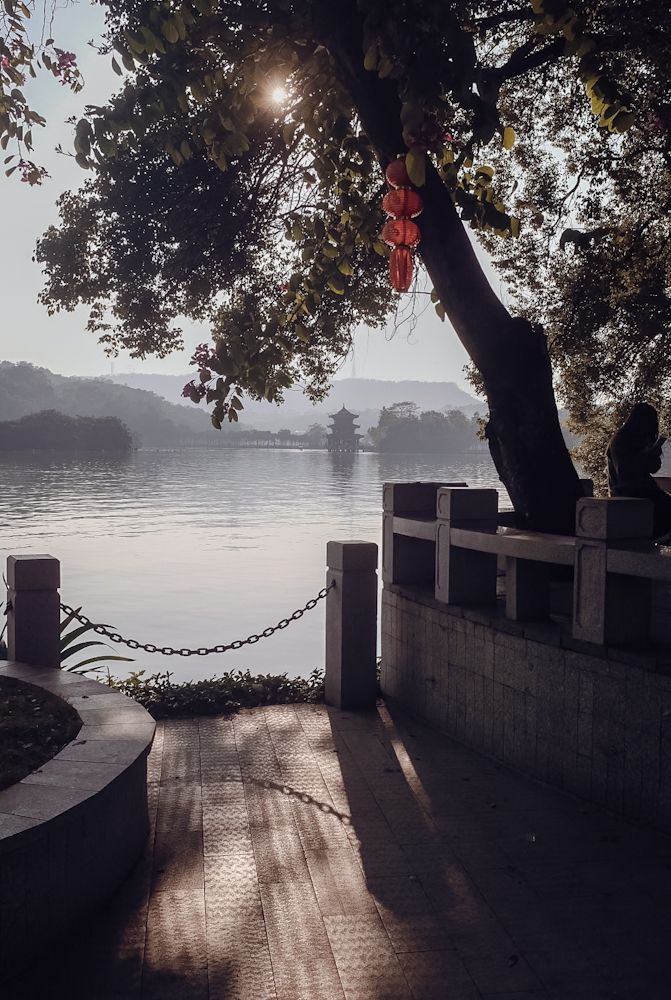
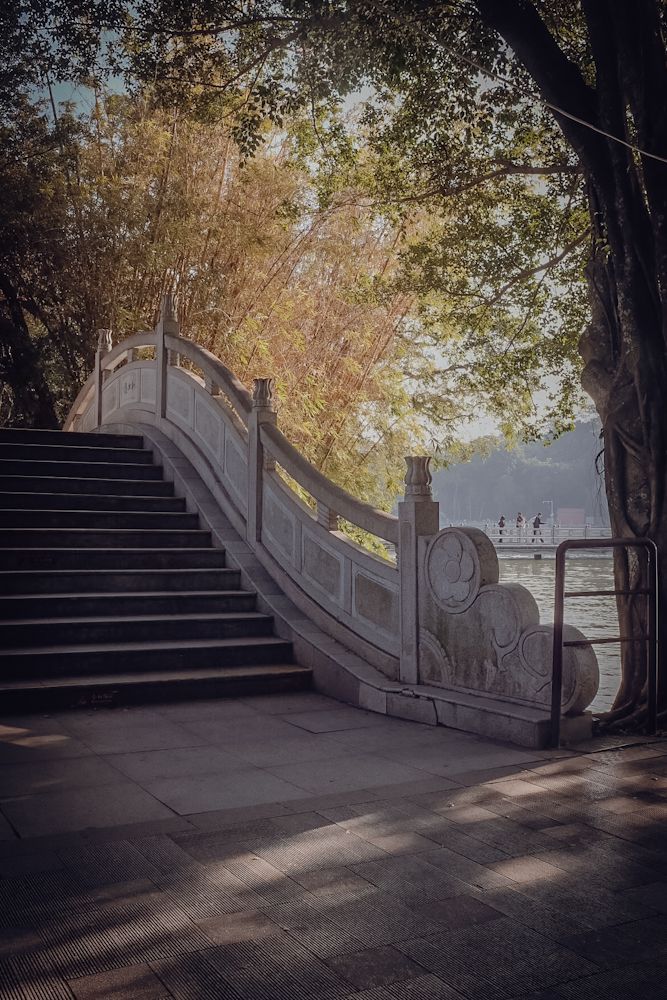
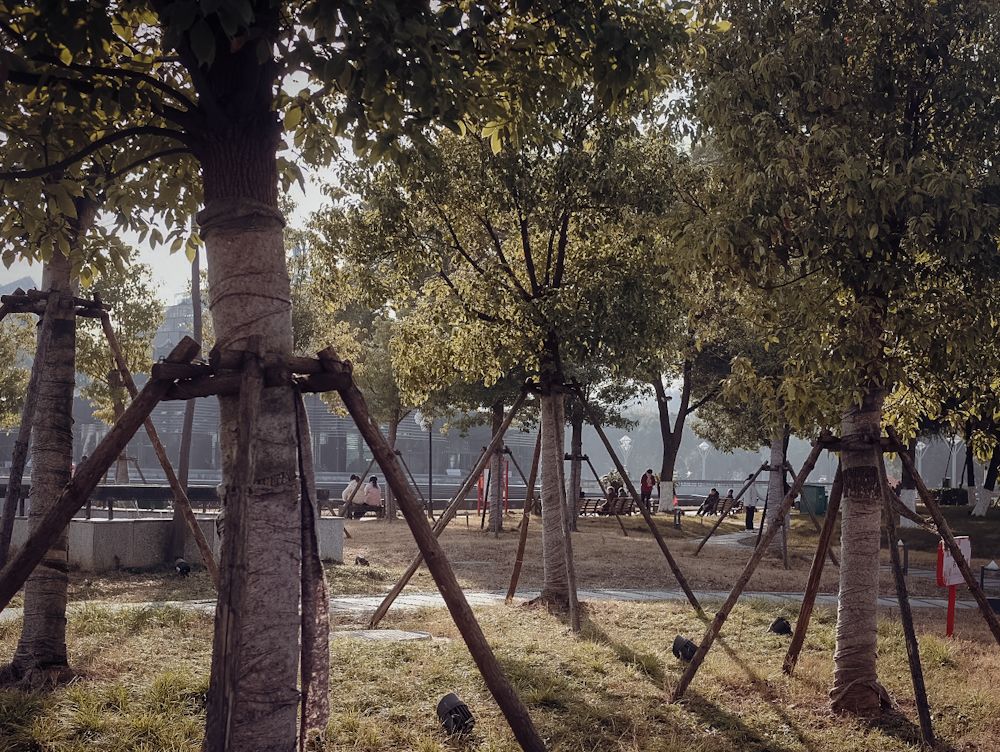
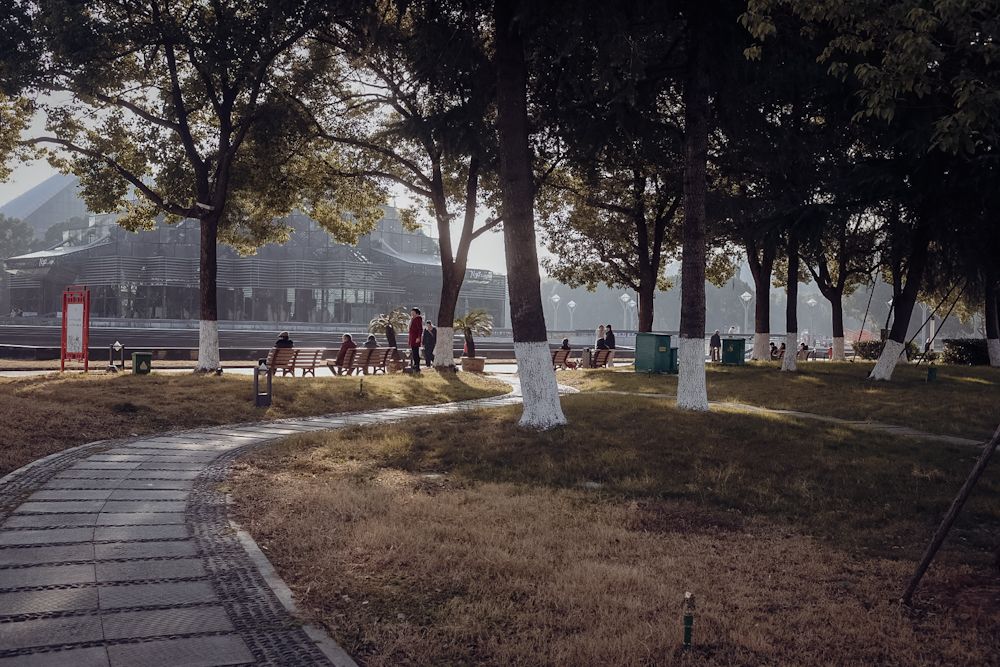
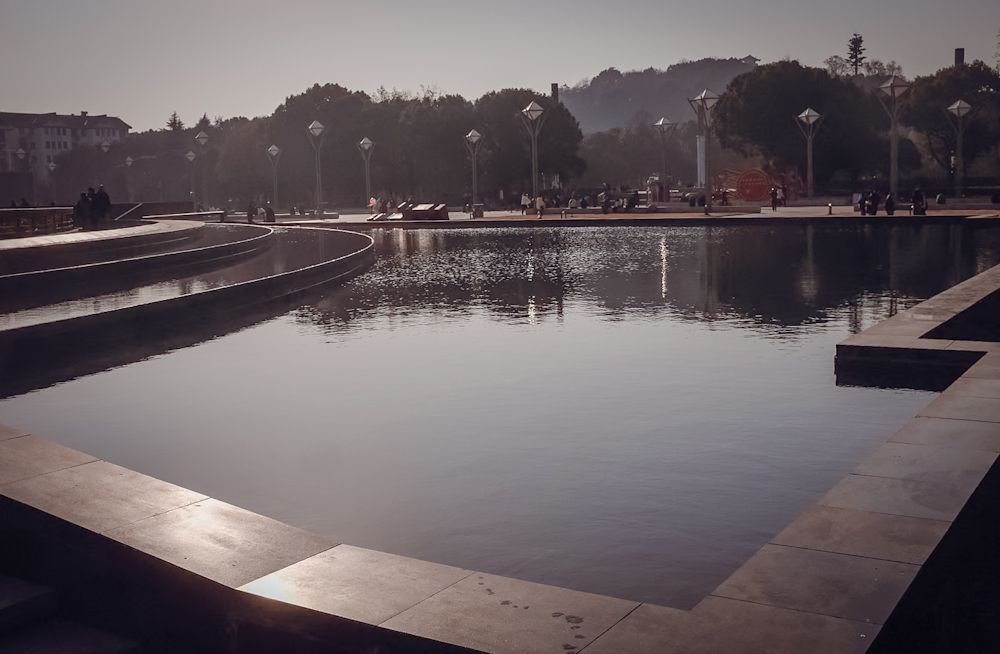
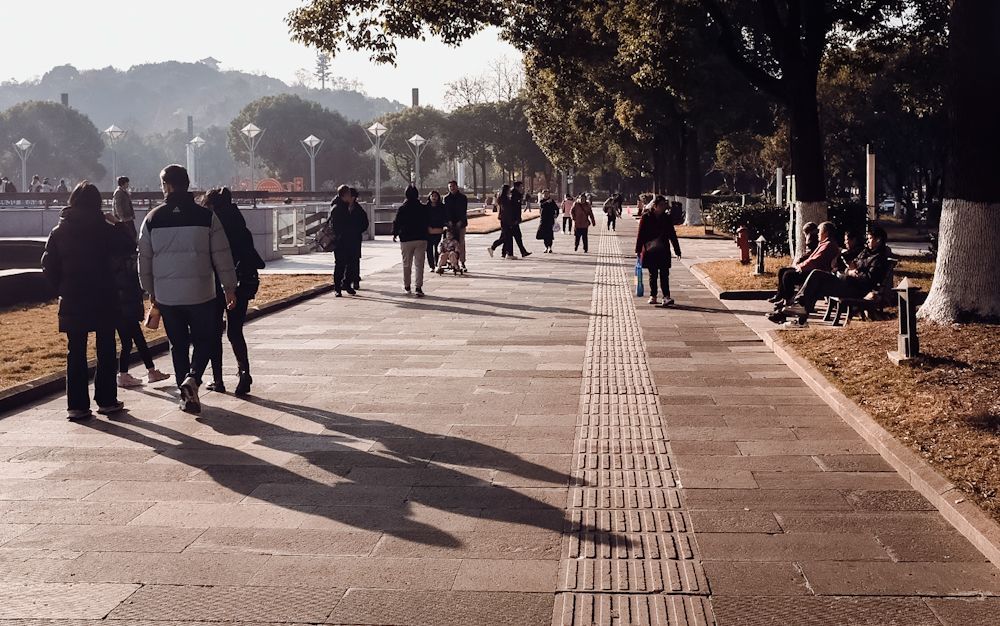
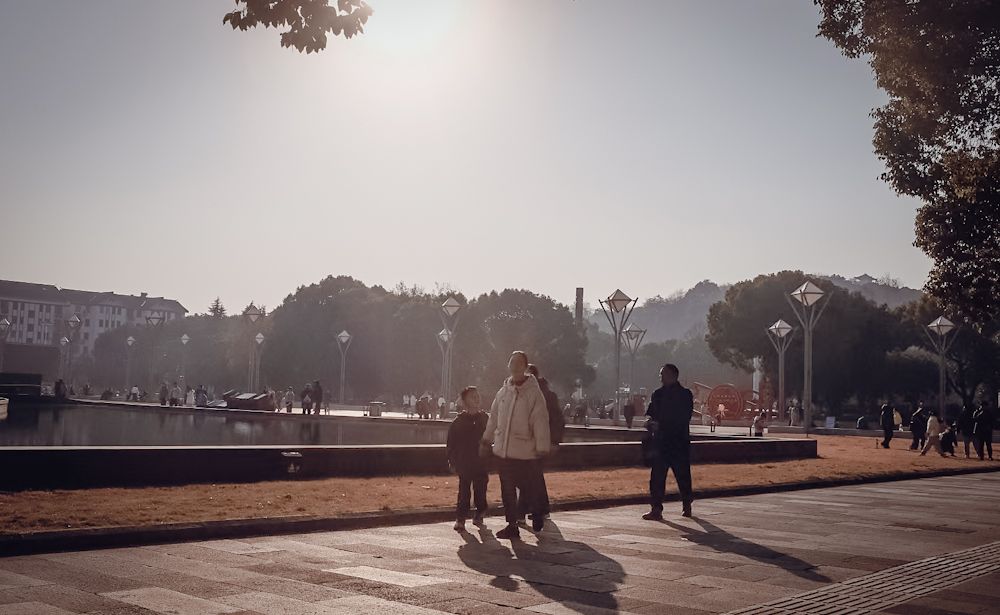
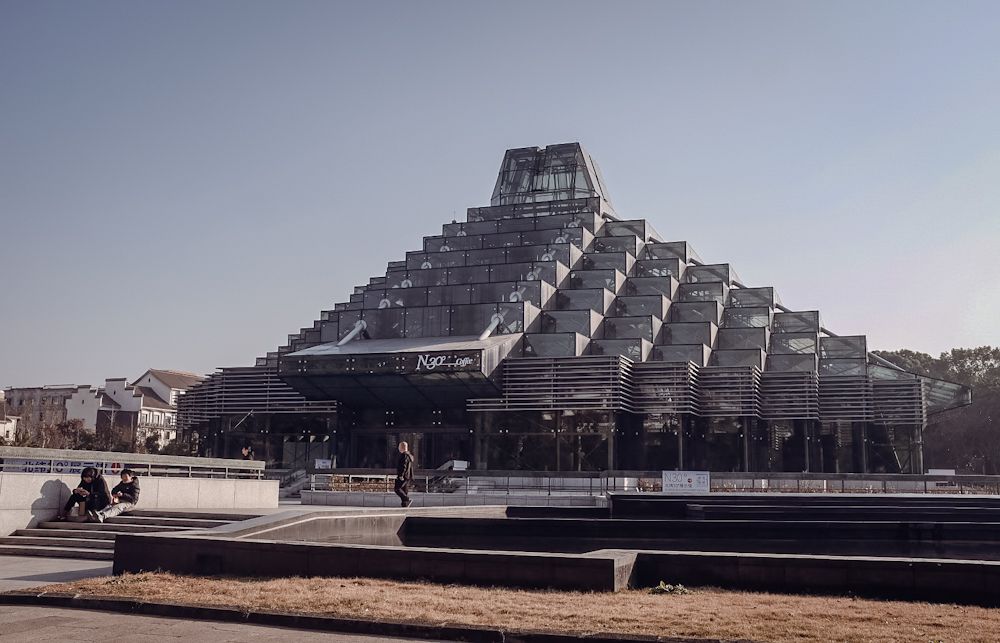
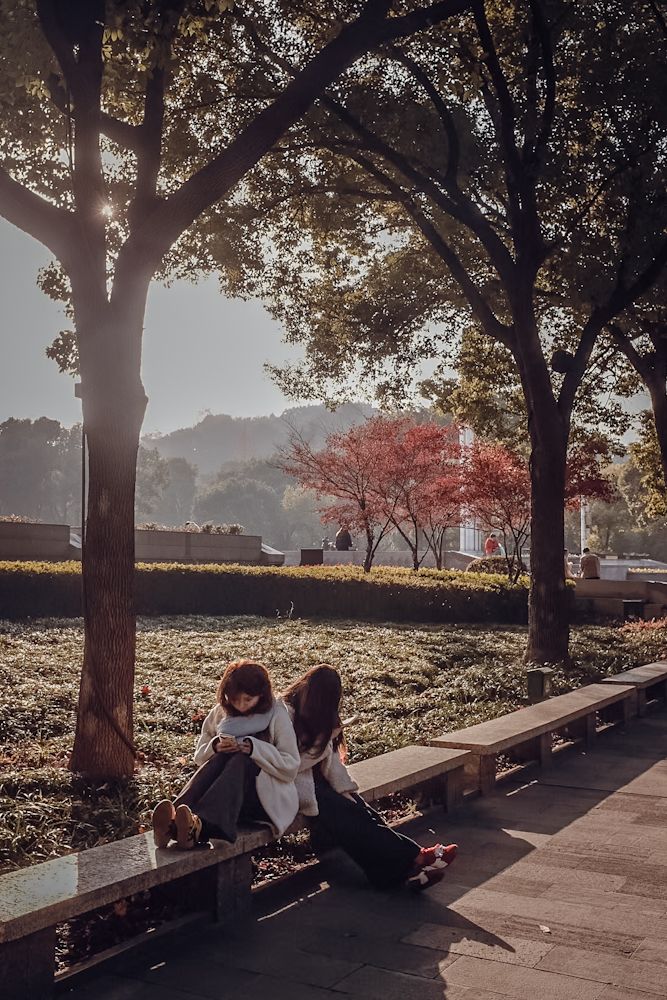
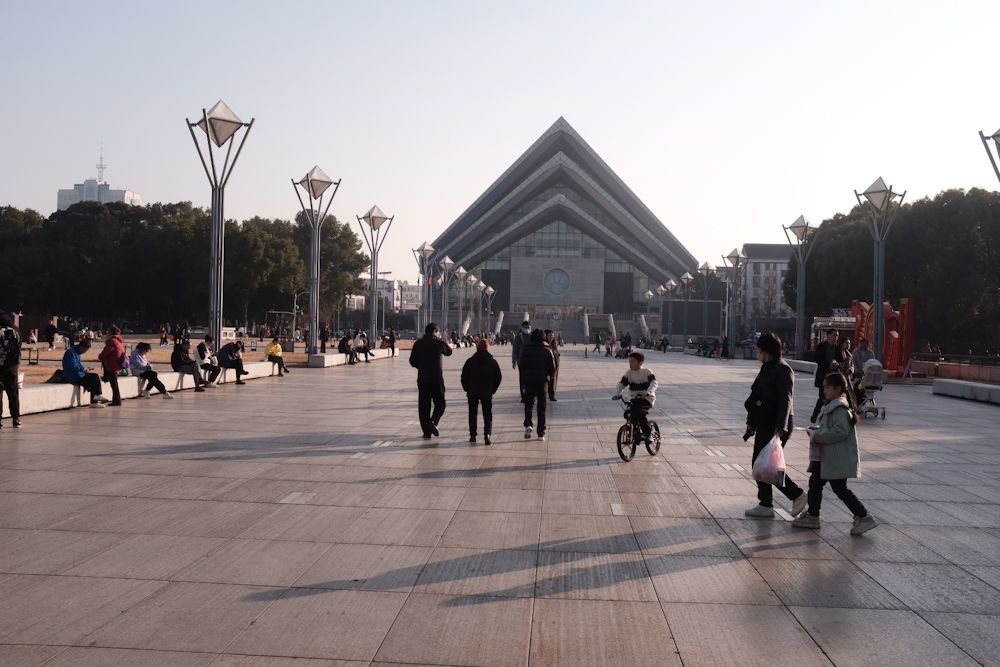
Now, let’s move quickly on from toilet humour (as universal as it may be) to the park next to our hotel. We were on the 22nd floor and had a marvellous view of the city centre. I could even see that night’s venue from our room and decided to explore the area, camera in hand. The winter sunlight was soft—bright but not blinding—perfect for photography. I wanted to capture the impression of Shao Xing, not just through candid portraits of people but through its landscapes and atmosphere. My aim was to convey the city’s essence, much like an impressionist painting, but with a camera instead of a brush.

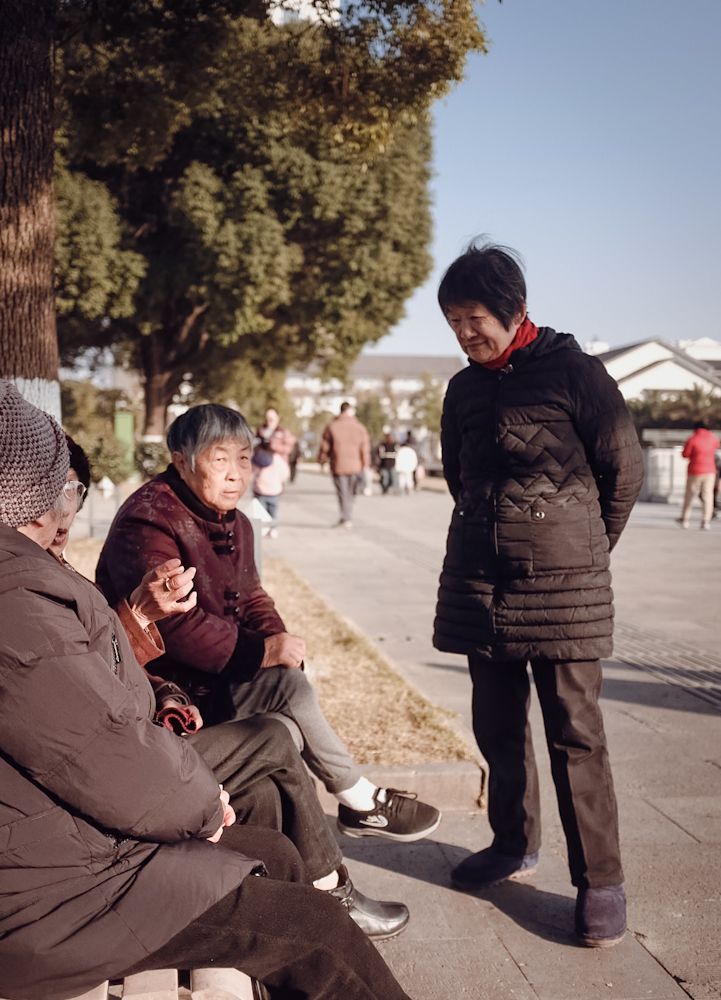
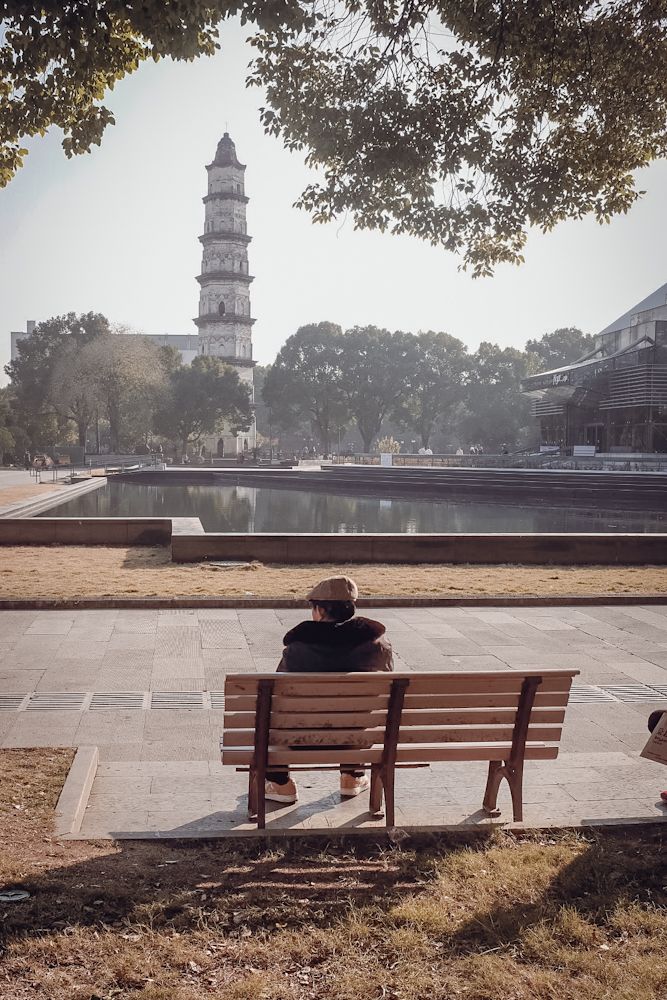
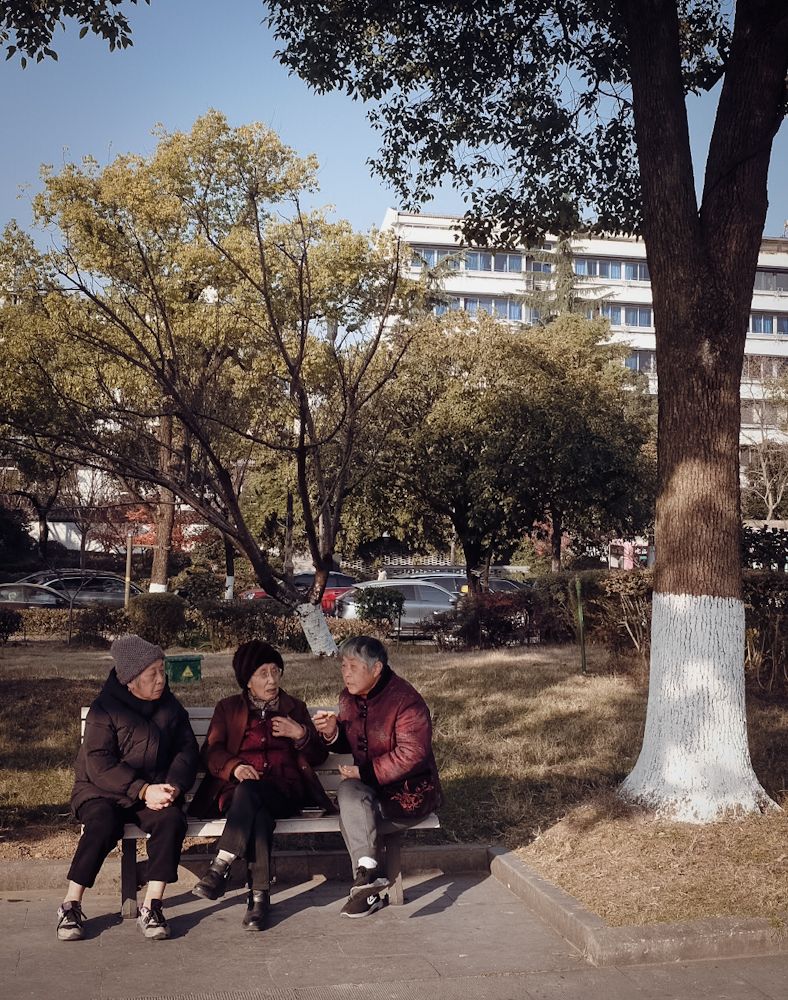
The park was alive with activity. Aunties and uncles sat on benches, chatting animatedly and observing the world go by. One Aunty beckoned me to join her, and I obliged. She greeted me with a thumbs-up—a universally positive gesture, except when hitchhiking in Greece, where it’s a faux pas. Using the translator in Alipay, I explained that I was a horn player with the visiting orchestra and would be performing that night in the concert hall across the park. This app is a godsend in China, though I briefly considered going back to study the language. My wife might not be thrilled with me disappearing for six months, though.

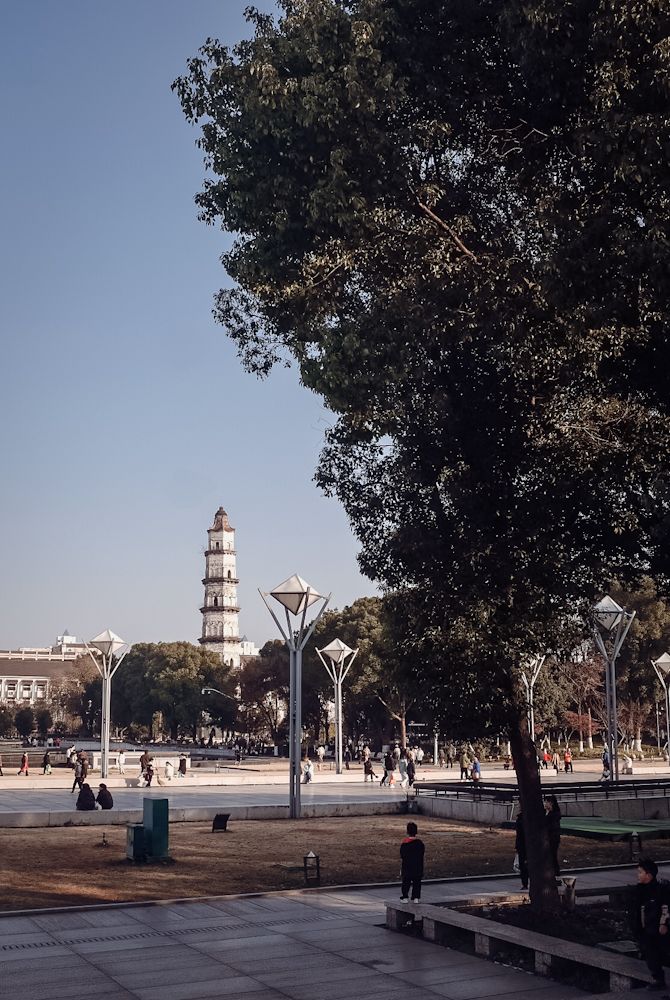
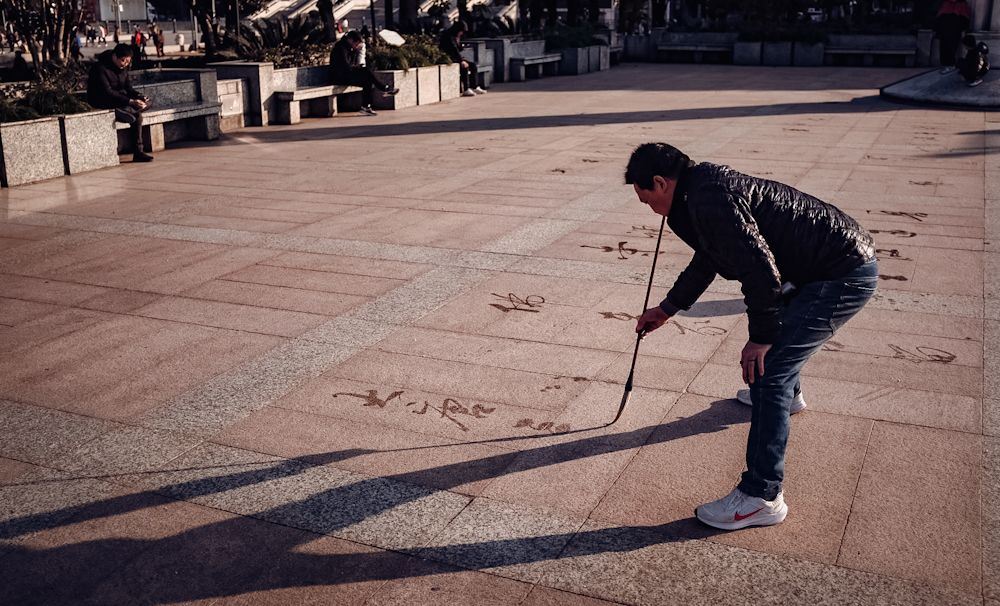
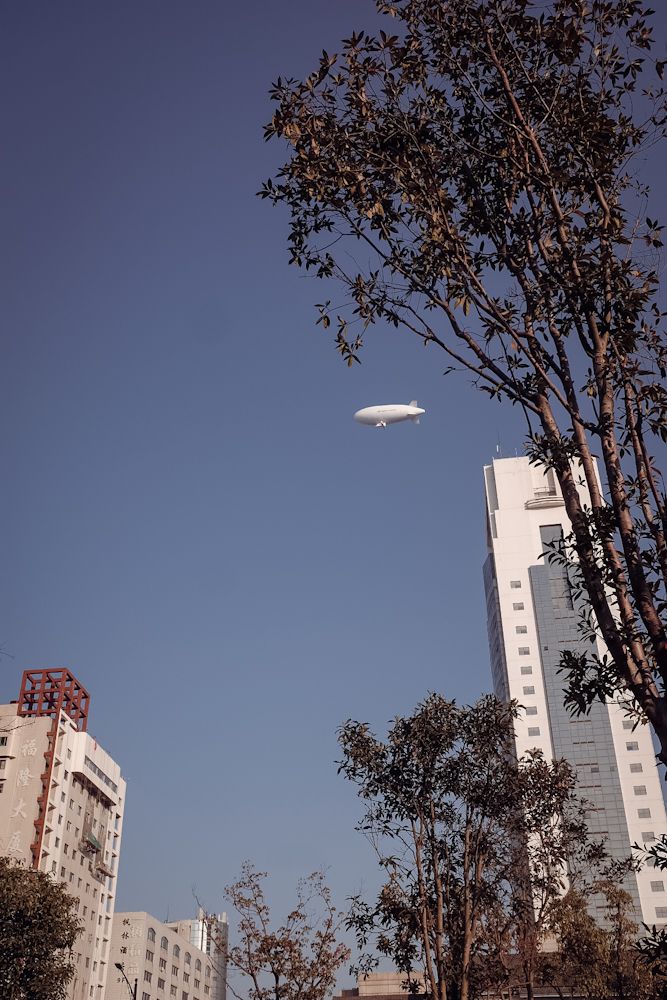
As we sat, the Aunty hummed a Chinese song. I was transported elsewhere, nearly dozing off in the sunlight—a habit I seemed to be developing. Thanking her for her company, I wandered further into the park. The sunlight filtered through the trees, highlighting the park’s serene beauty. I came across a single artist practicing calligraphy on the ground, using water instead of ink. His strokes were delicate and ephemeral—a fleeting masterpiece destined to evaporate. Children played with marbles nearby, using the sculpted floor as their playground. The juxtaposition of timeless tradition and youthful play captured the spirit of China for me. Above it all, a pagoda stood proudly, with an airship hovering in the background—a striking blend of the classic and the modern.

Reluctantly, I left the park to prepare for our penultimate concert. The thought of returning to the mundanity of home life began to weigh on me. This tour had been a gift, filled with unforgettable experiences and people. I wasn’t ready for it to end.

The concert hall was just across the park, and I strolled over leisurely—no need to rush; a gentleman never runs. The theatre director and his team greeted us warmly, their hospitality as magical as ever. Some brass players had prepared a fanfare to welcome the audience, and the atmosphere buzzed with excitement. Selfies were taken in abundance, and someone was even live-streaming for TikTok.

The concert itself went beautifully, with the usual audience participation adding to the magic. Afterward, the theatre manager addressed us, reminding us of the event’s purpose: celebrating Franco-Sino relations and their 60th anniversary. His French was excellent, and his enthusiasm infectious. They had prepared a spread for us—a delightful picnic with beer aplenty. As the night progressed, the manager led by example, dancing and motivating his team to let loose. Seeing their boss in this light seemed to surprise them.

I left the party early, taking a quiet stroll back to the hotel. The park, now illuminated, looked entirely different. The pagoda glowed softly and had changed character, and became the central element to the park.  Meanwhile, Corentin extended the festivities at a local bar, where the owner was treated to an impromptu rendition of Michel Sardou’s “Les Lacs du Connemara.” A night to remember, indeed.