
Introduction
Welcome back to the film archives. Today I’m going to share some photos of the first reel from my “new” Canon AE1. Well, not new, but certainly new to me. The Canon AE1s were produced between 1976 and 1984. It is one of those iconic cameras and at the time I must have paid about 50€. When I say iconic, I really mean iconic. It is a shutter speed priority camera using Canon’s FD lenses. I used it an awful lot that summer. I liked it so much that I even bought a second one that I ended up giving to a photographer friend.
Colour
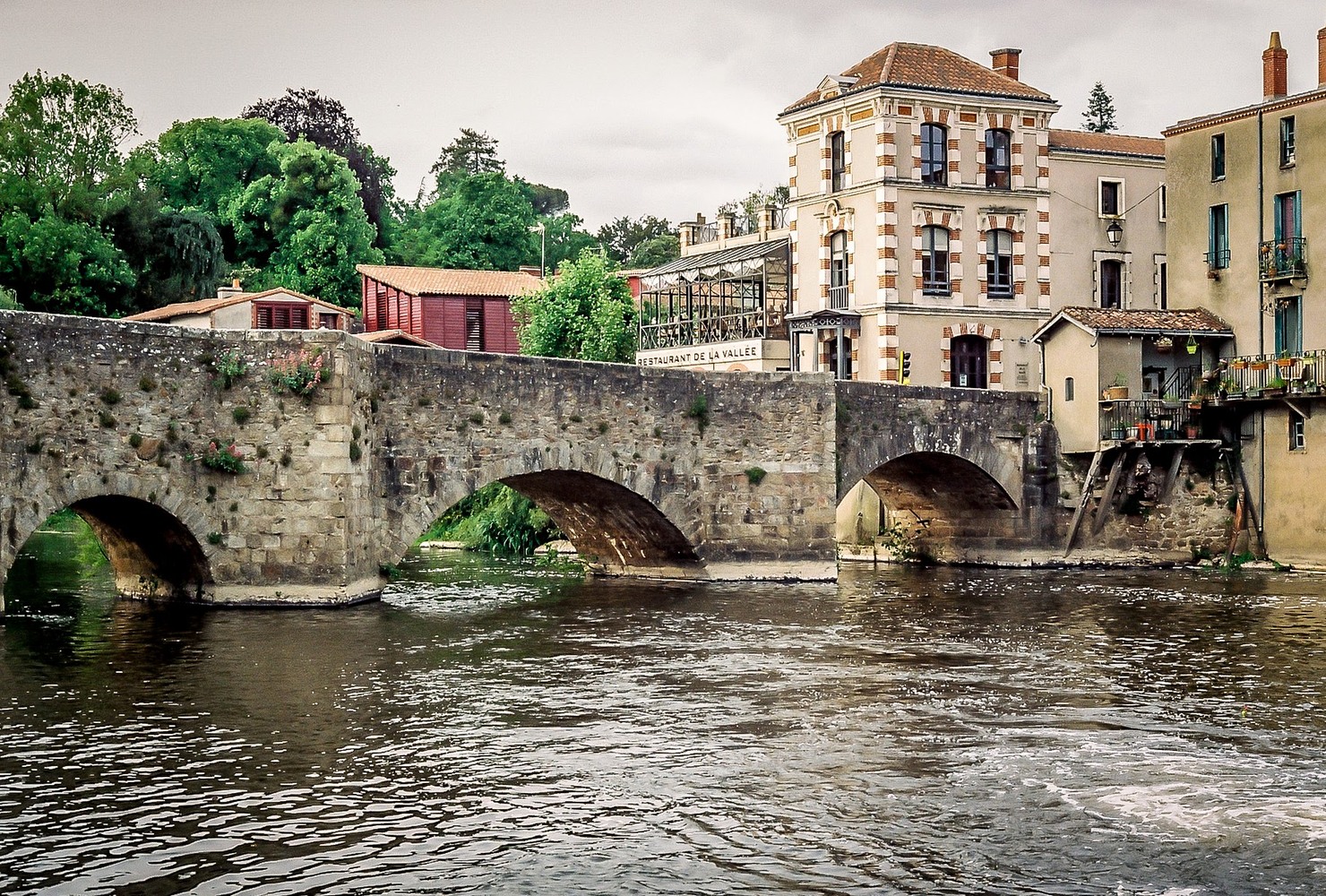
To some people of my generation they represent their first cameras, and were so popular. Talking of popular, the photographs from this part of the archive are from the very popular and photogenic town, Clisson. Also you will have noticed that the photos are in colour. Which only goes to show that not all film photography is black and white photography.
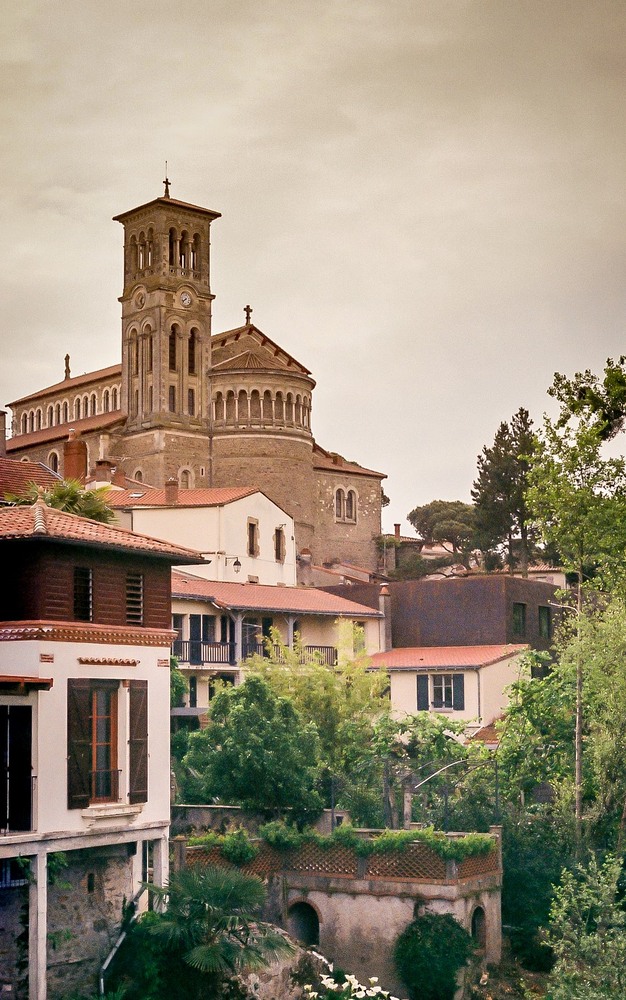
Clisson, as you can see in the photos, is one of those beautiful French villages that oozes Gallic charm. It also exudes a certain Italian charm, and is known for its Italian style architecture.
Canon AE1
I have both a Canon AE1 and AEI Program. The AE1 is the big brother of the AE1 Program, and doesn’t have a program mode, but as you can see from the photos it still works a treat.
| Feature | Canon AE-1 | Canon AE-1 Program | Differences |
| Release Year | 1976 | 1981 | AE-1 Program released 5 years after AE-1 |
| Exposure Modes | Shutter Priority AE | Shutter Priority AE, Program AE | Program AE added to AE-1 Program |
| Metering | Center-weighted Average | Center-weighted Average | No difference |
| Shutter Speeds | 2s – 1/1000s | 2s – 1/1000s | No difference |
| Viewfinder Display | LEDs | LEDs | No difference |
| Film Speed Setting | Manual | Manual | No difference |
| Self-timer | Yes | Yes | No difference |
| Depth of Field Preview | Yes | Yes | No difference |
| Motor Drive Compatibility | Yes | Yes | No difference |
| Other Notes | First Canon SLR with microprocessor; revolutionary for its time | Simplified controls for easier use; appealed to wider audience | AE-1 Program aimed at beginners and enthusiasts |
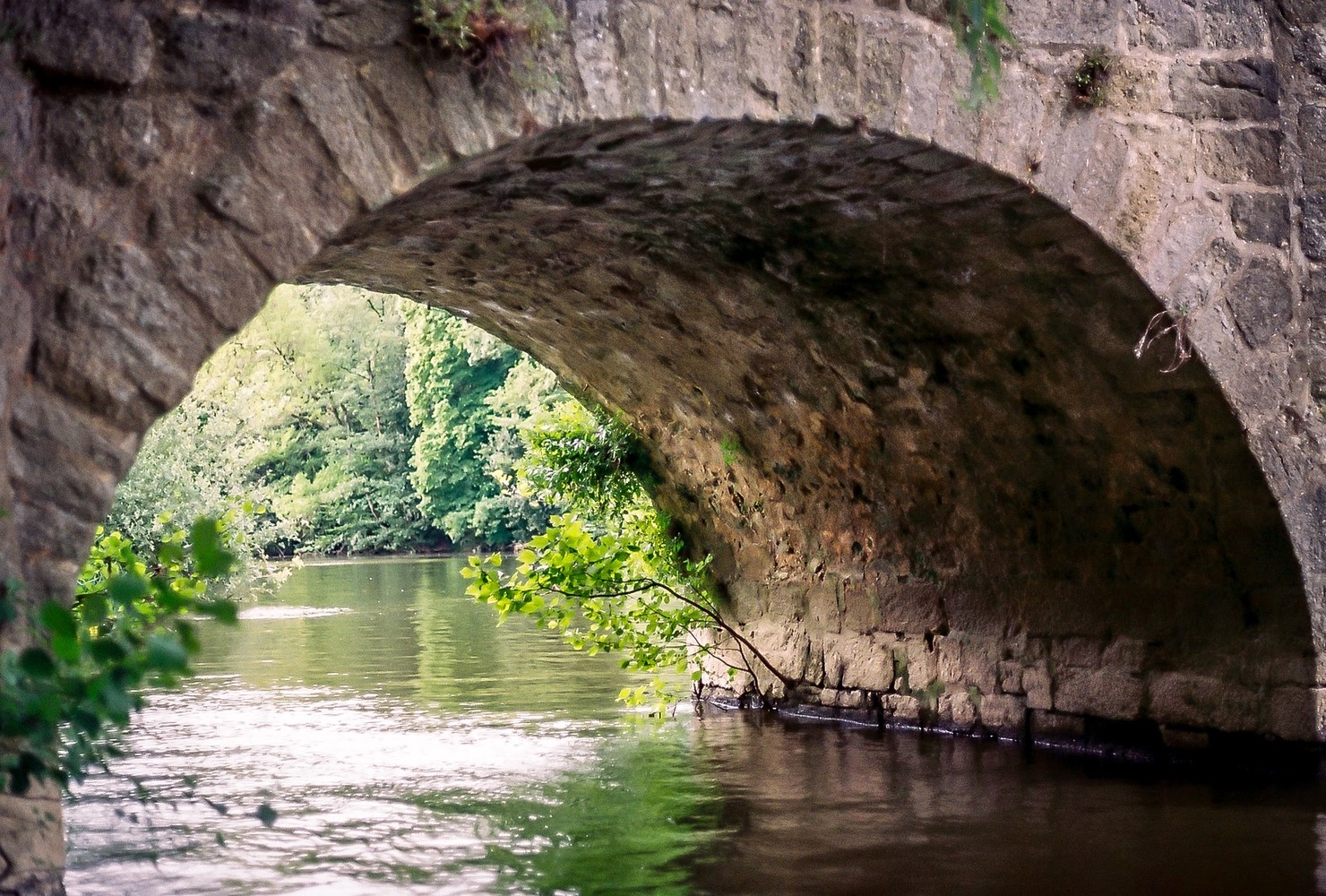
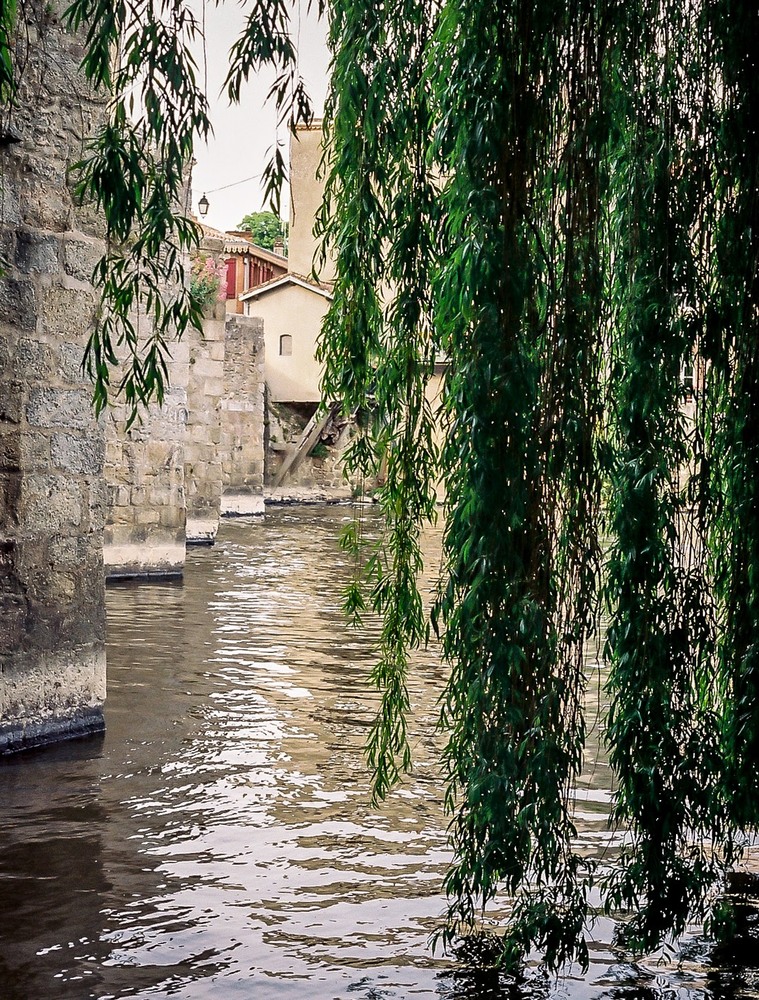
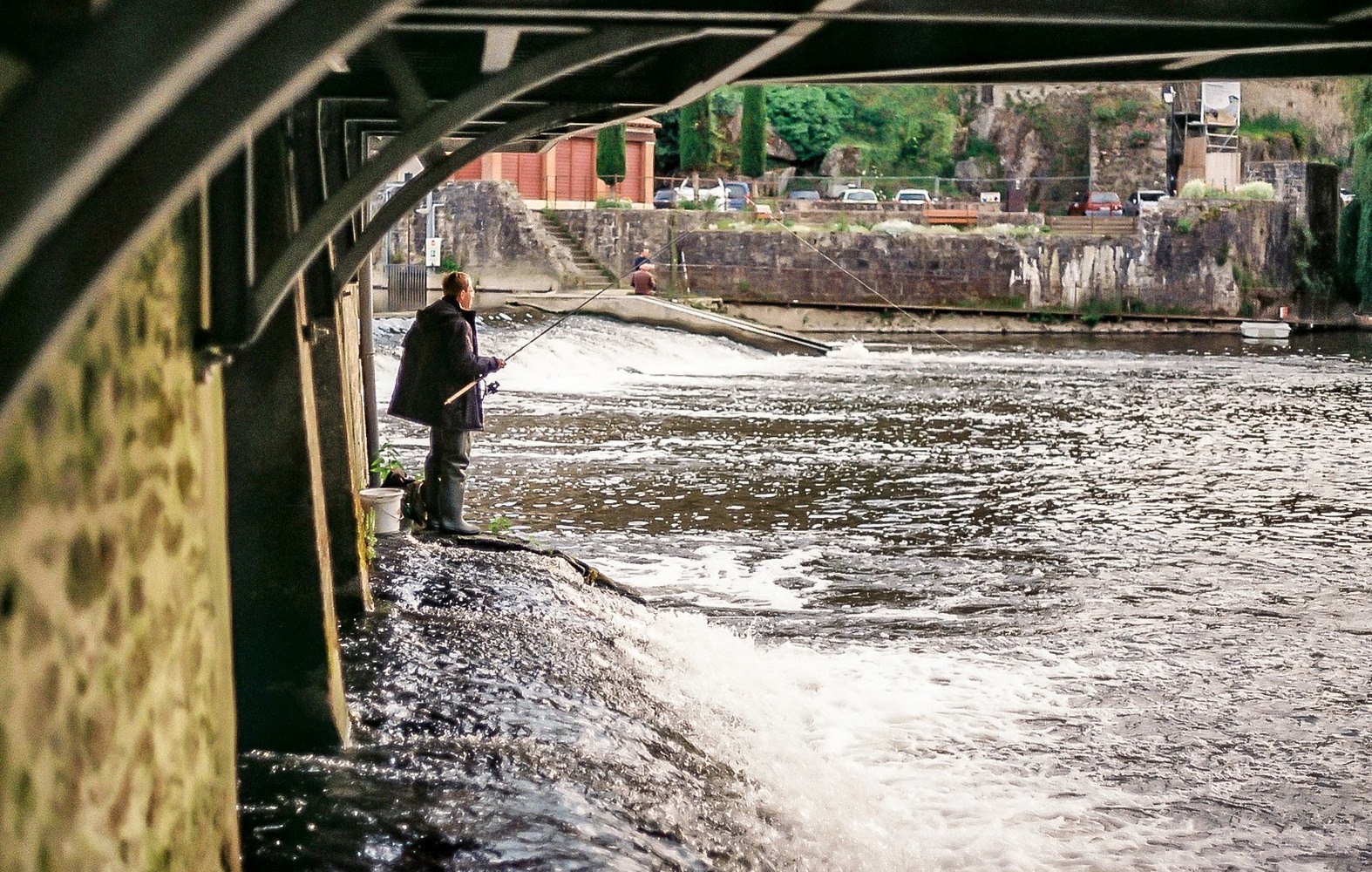
On the day in question I must have parked just next to the river and concentrated on this picturesque area. You can see the castle, the bridge, and the river, all making for a peaceful spring moment.
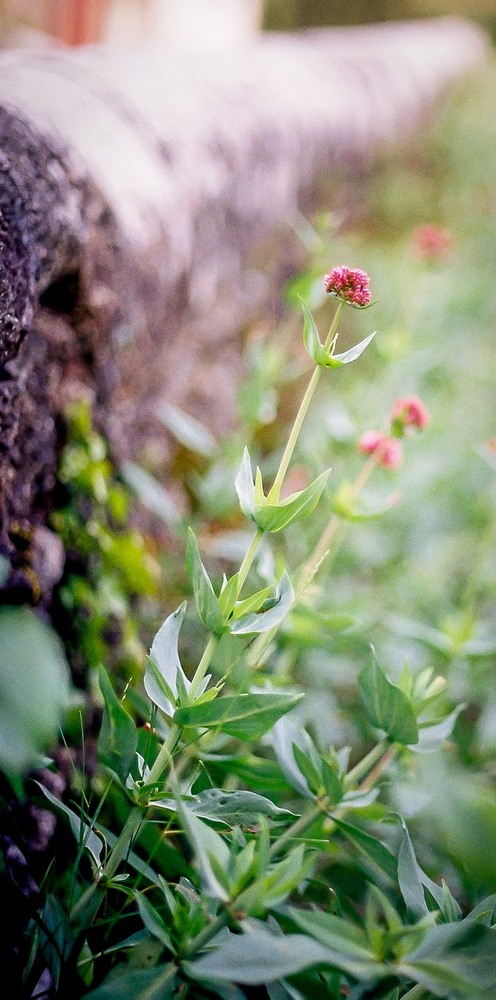
I think the film was Fuji Superia, and I just wanted to use colour. Thetones are slightly muted and warm, and the flowers, trees and plants were just screaming out to be photographed. I remember the excitement of loading the film into this “new” camera, and the novelty of simply using an iconic camera.
Here is what fuji tells us about the film:
FUJICOLOR SUPERIA X-TRA400
An all-round general purpose, high-performance, high speed color negative film delivering truly fine-grain. Superb for snapshots or action, in low light with flash, outdoors or indoors. Ideal for general use with compact zoom lens cameras.
- Excellent skin tones
For beautiful, clear people-shots. - Fine grain
Great results even when enlarged. - High-speed
Superb results, whatever the shooting conditions. - Sensitivity and Film Sizes
ISO : 400
Film Sizes : 135 : 36 exp.
When using digital, it’s so difficult to get that particular film look, and using film and an older camera just changes your whole outlook. The fact of not having your image straight away leaves you with that anticipation that we all used to feel when we sent off our films to the lab.
Give film a try. There are still cheap film cameras out there, and your photography experience will be totally different. I certainly appreciate it.







 IJM Photography