
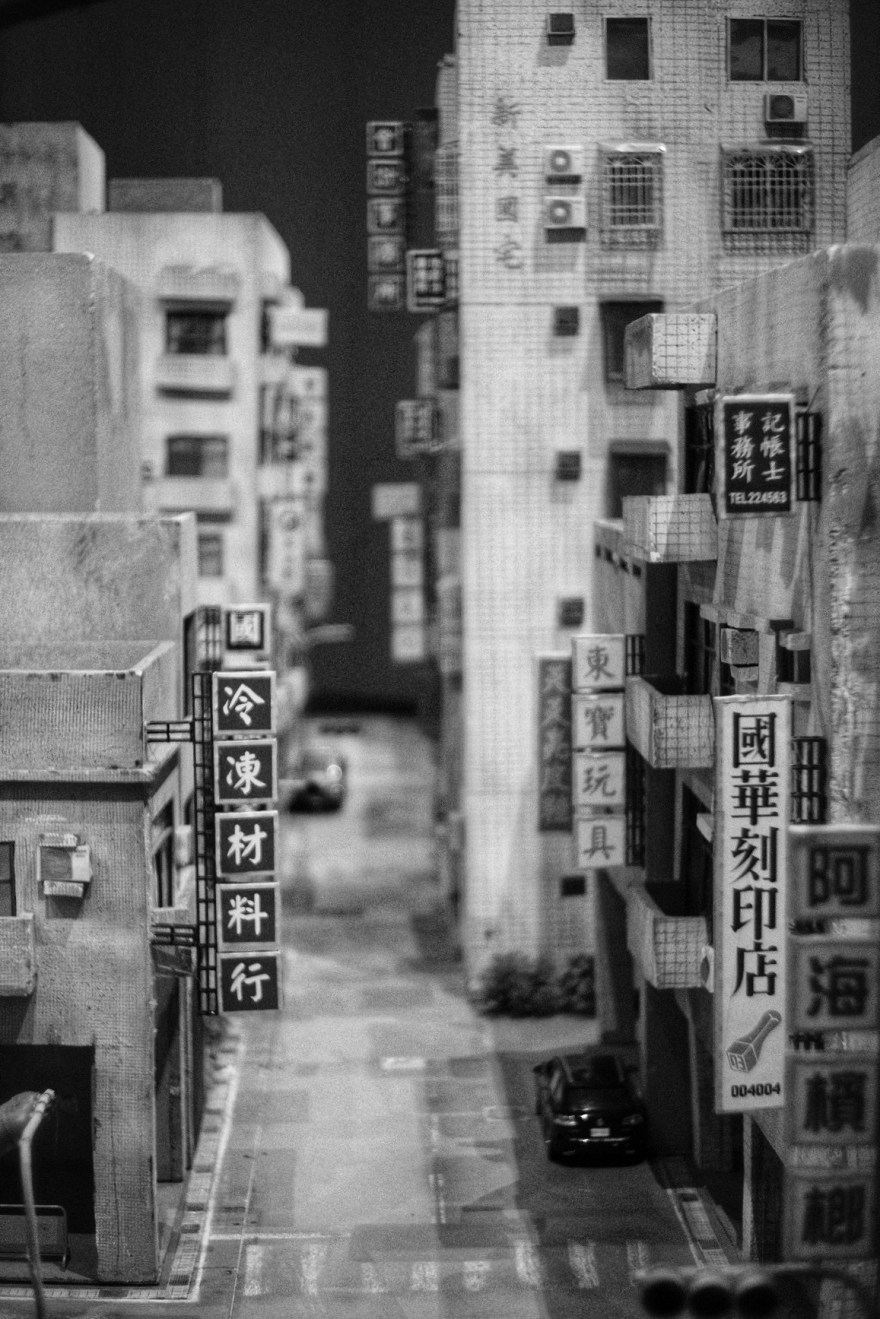
In my last article, we talked about using framing in photography, as a way of adding depth to our photographs. We talked about using negative space to emphasize the subject in our image, and we introduced the notion of colour theory so we could use colour deliberately, and not just as an afterthought. This week we will learn about pattern and repetition, scale and proportion, and depth and layering.
Again, as before, I urge you to look at past articles first and know how to implement each concept before jumping ahead. You can read this article and can always come back to it later. But the idea of mastering a rule or guide, and then moving on, in my opinion, is the best way to proceed. As we explore these notions we will find that our eyes become aware, and not in a Jean Claude Van Dame kind of way, of our surroundings and you will notice that you see things that you had previously ignored. Develop the way you look at a scene and enjoy seeing differently.
Pattern and Repetition in Photography
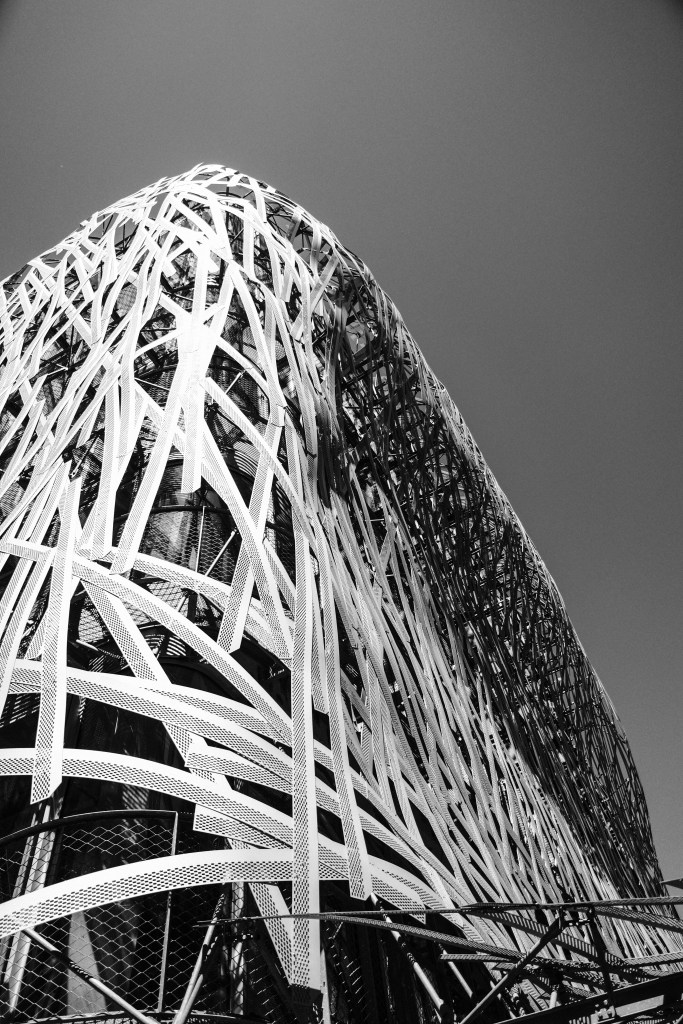
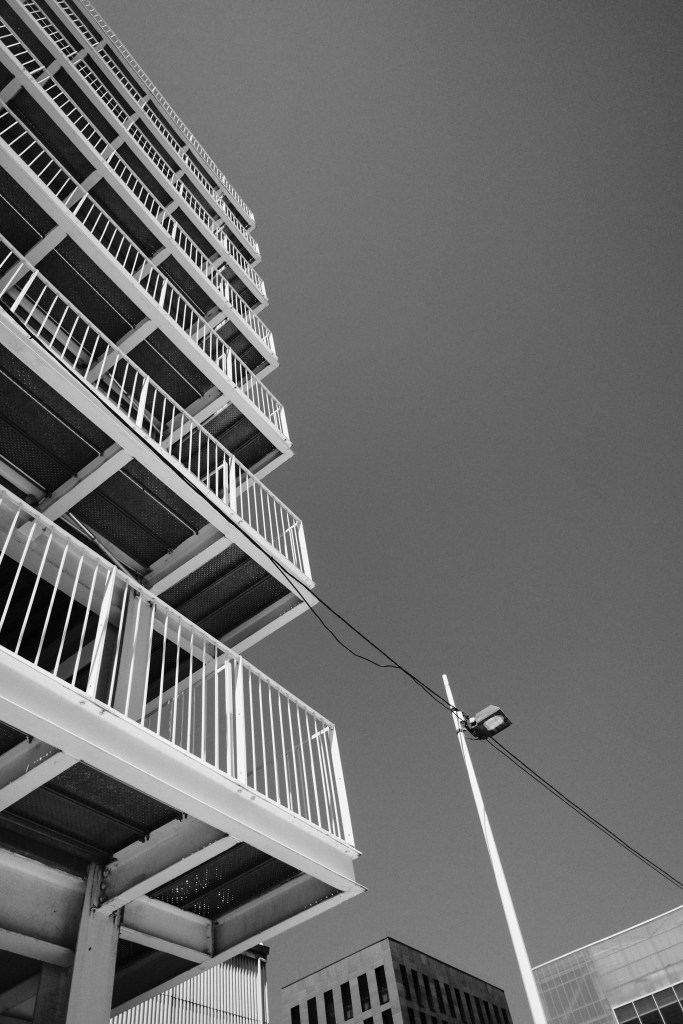
Patterns and repetition are essential elements that enhance your photos, creating visual interest and symmetry in your compositions. They can be found in both natural and man-made subjects, offering captivating visual rhythms and opportunities for exploration, and even notions of minimalism. Think of modern architecture.




Creating Visual Interest:
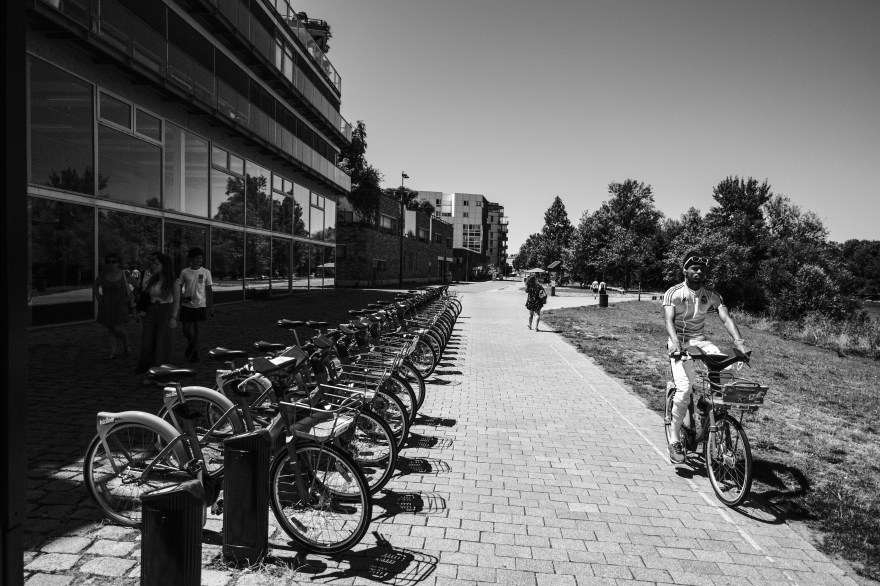
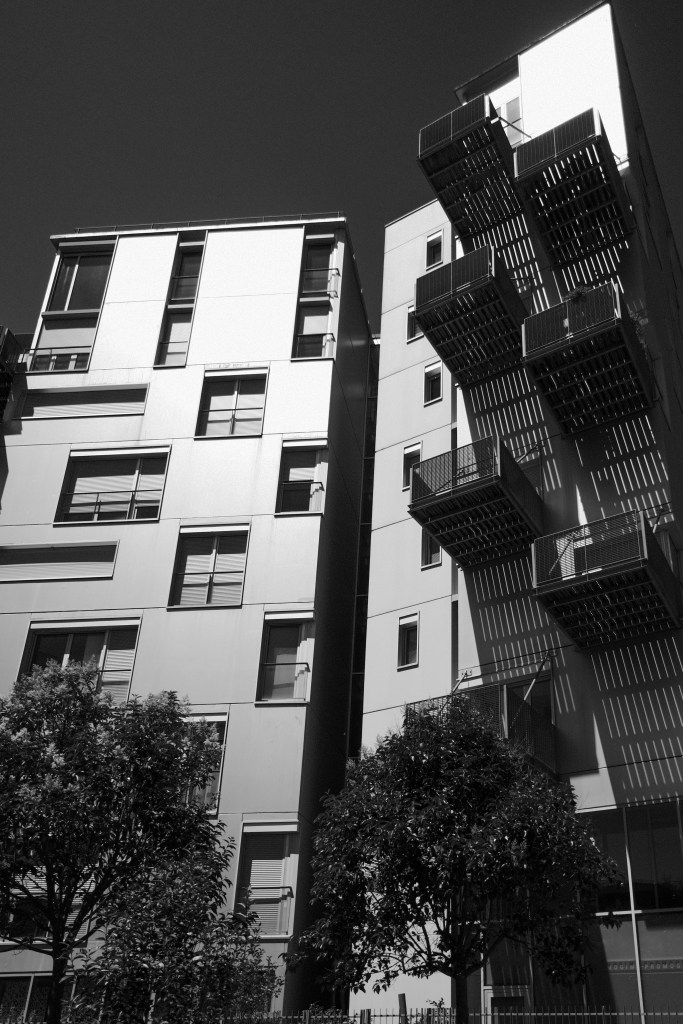
Patterns can be discovered in various forms, from natural occurrences like tree bark textures and waves on a beach to man-made elements such as architectural details or streetlights. These repeating elements draw viewers into your images, providing a sense of order and captivating visual interest, especially when you use them as leading lines. Once you start thinking about patterns, you will begin seeing them everywhere.




Achieving Symmetry and Balance:
Repetition plays a crucial role in achieving symmetry and balance within your photographs. This is particularly effective in architectural photography, where the balanced repetition of elements like windows, columns, or arches can result in visually pleasing and harmonious compositions.


Scale and Proportion
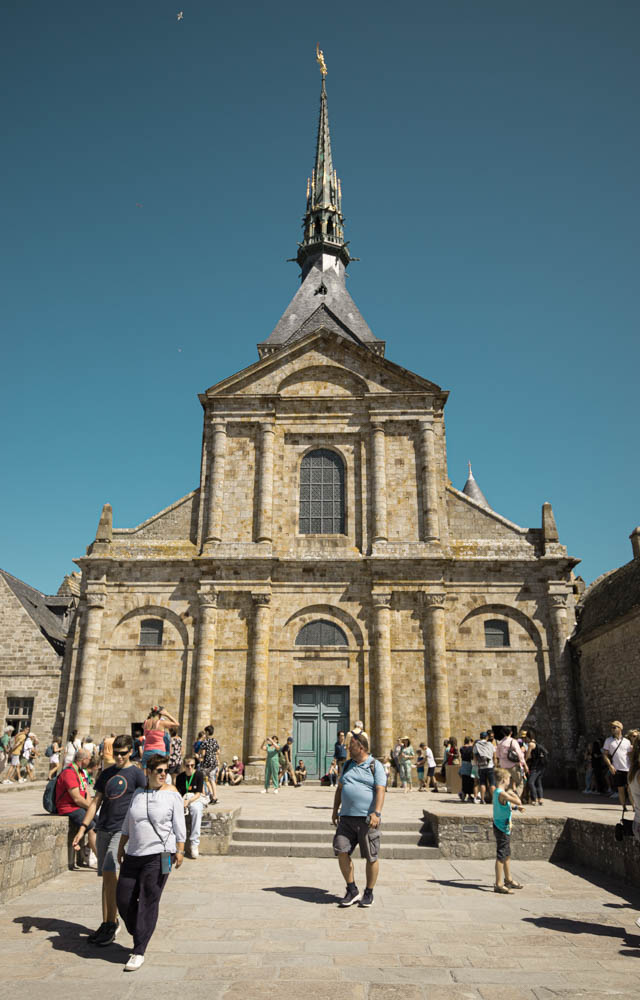
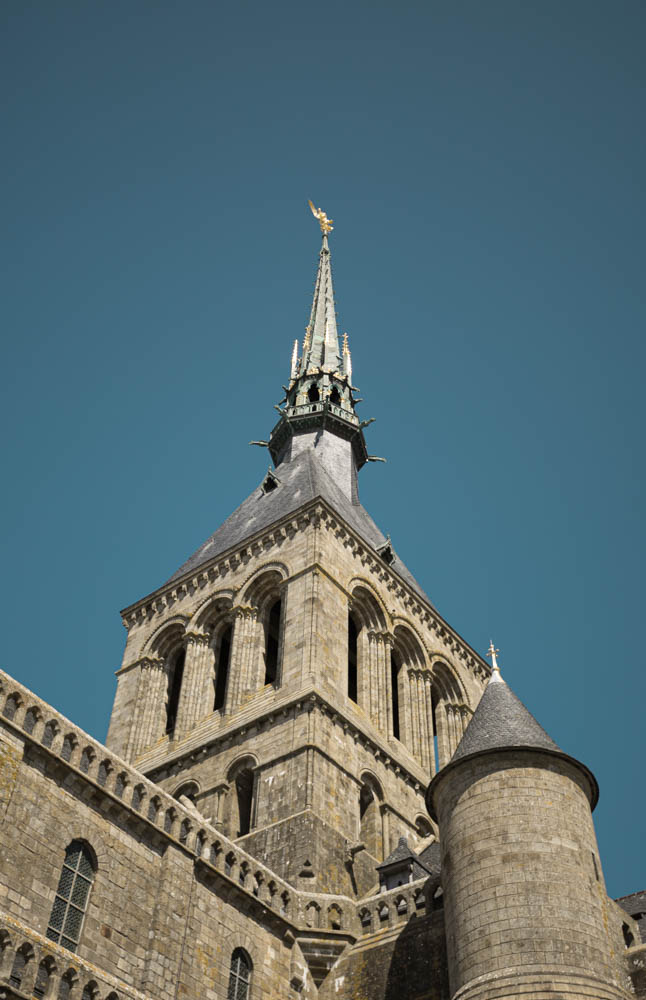
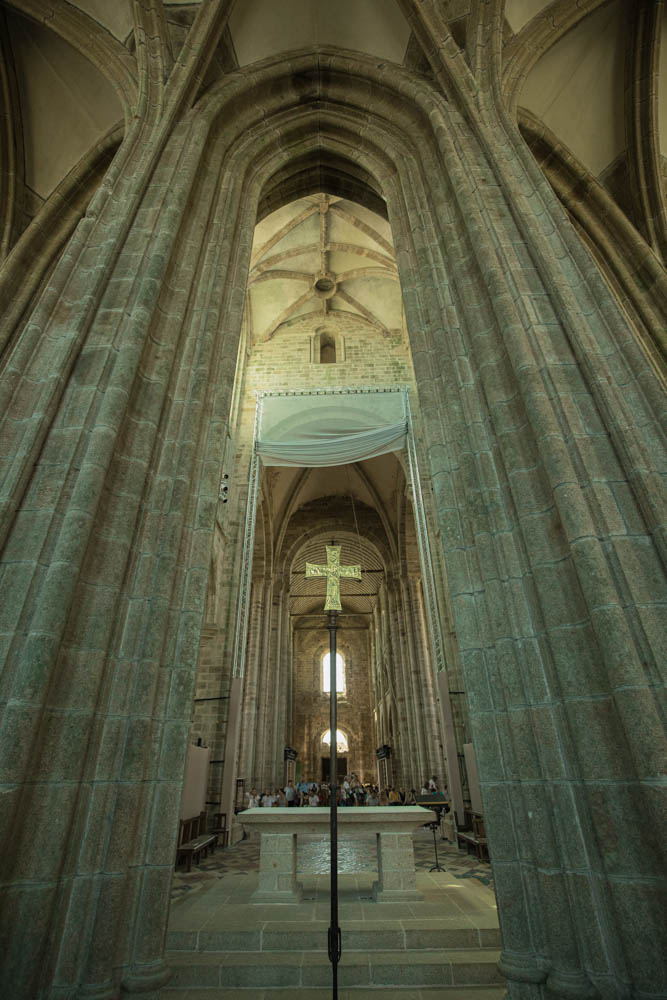
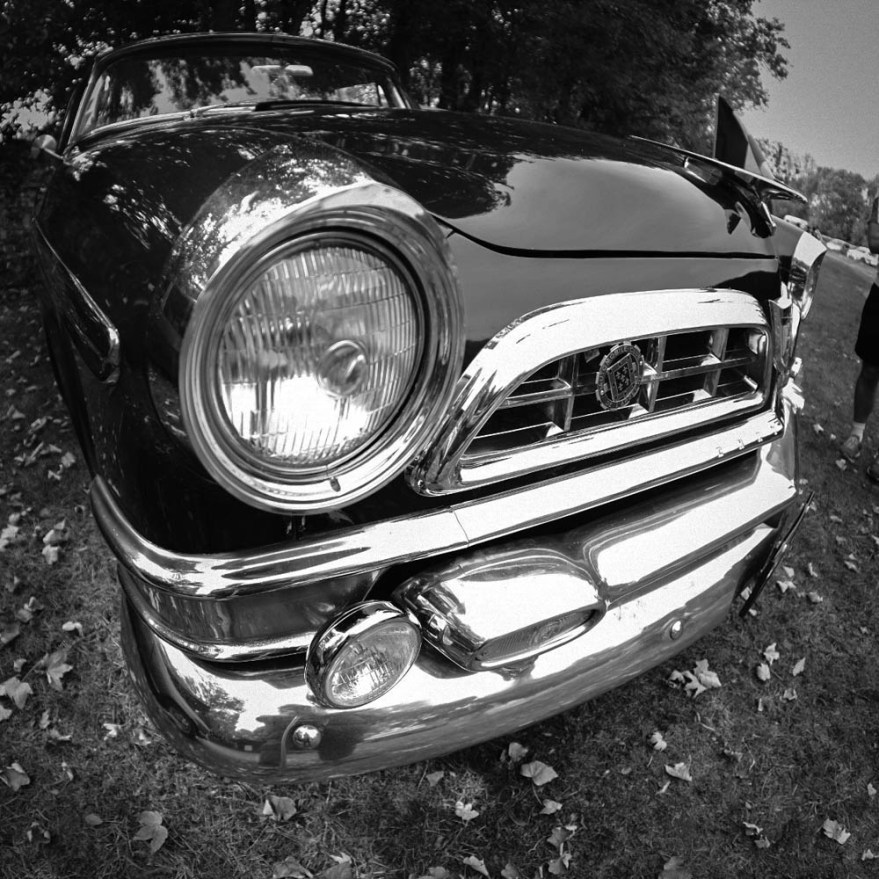
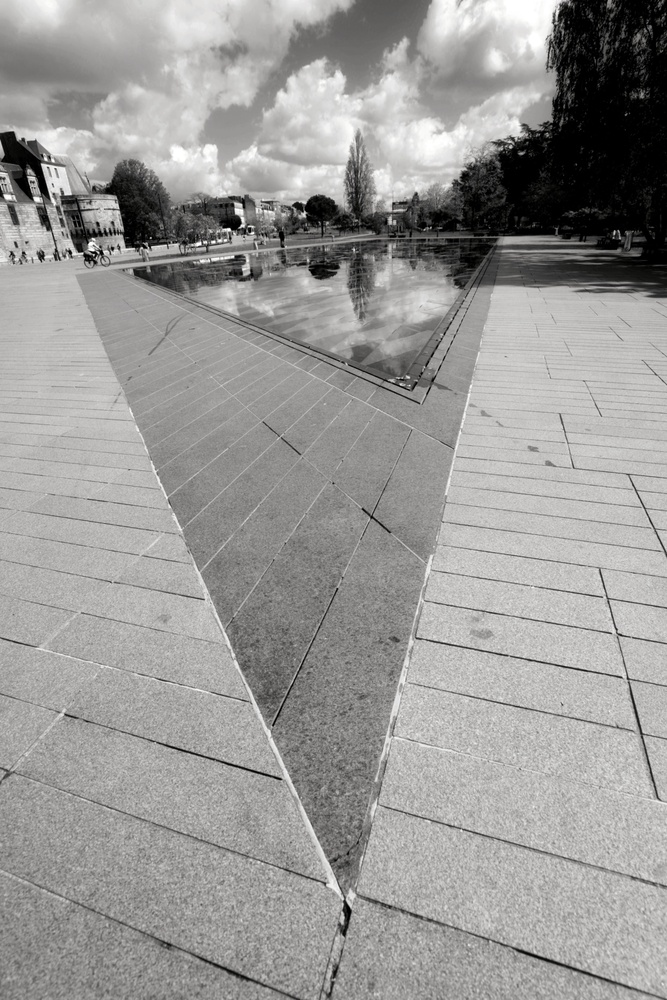
I have a weakness for my wide angled lenses, especially my 16-35mm F4 from Canon, and my TT Artisans Fish eye lens. Instead of using the 50mm or 35mm prime lens, which traditionally show what the eye sees, the wider you go, the more distortion you can get. Now this is interesting for when you just want to go more abstract, and make the eye wonder what it is seeing. Scale and Proportion are thrown out of the window.
Wide-angle lenses when used as a creative tool, allow for distortion in scenes beyond the typical human perspective. For instance, a landscape captured with a fish-eye lens may distort foreground elements to appear exaggerated, casting doubt on the true proportions. This departure from reality opens doors to the realm of abstraction, inviting viewers to question the nature of what they see.
However, it’s crucial to maintain balance when utilising wide-angle distortion. Thoughtful composition is essential to ensure that the deliberate distortion serves artistic purpose. By carefully placing subjects within the frame, experimenting with angles, and embracing foreground elements, you can master the art of playing with scale and proportion, enriching your visual storytelling and artistic expression.
During my first more formal photography lessons when I was 11, I saw a photograph of a horse taken with a wide-angle lens and its head appeared as big as its body. I was subjugated by this image and it has stuck in my head all these years.




Depth and Layering
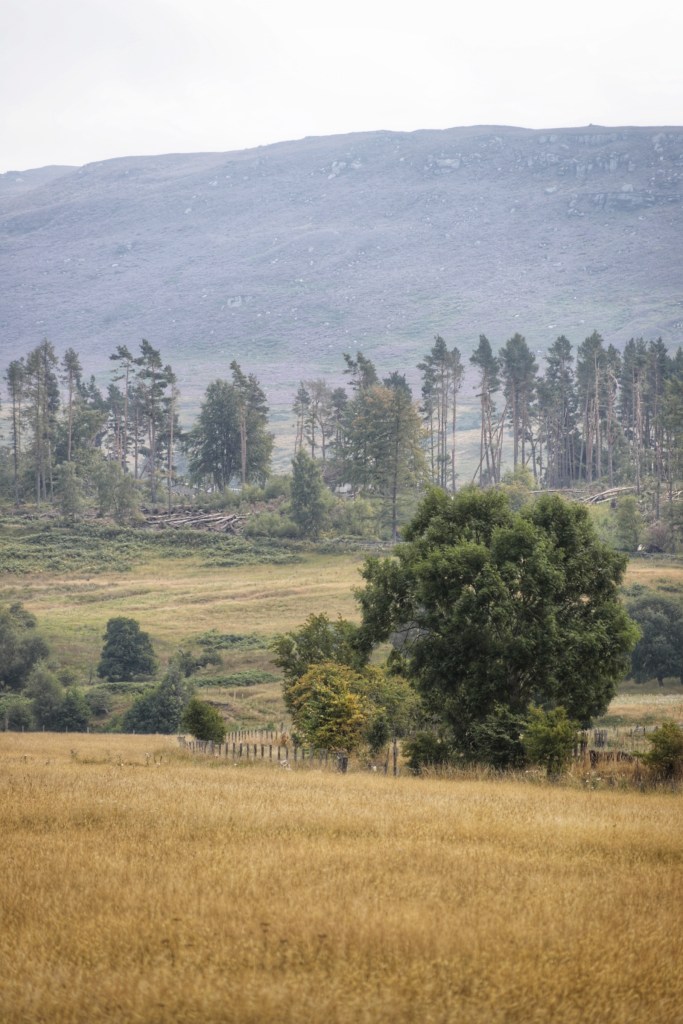
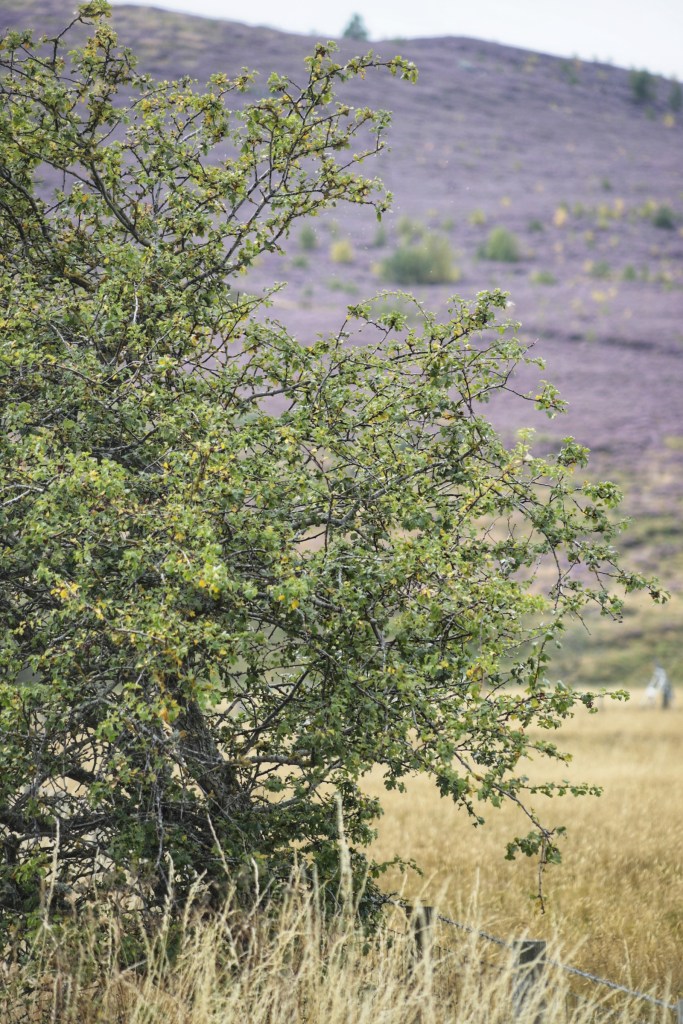
Photographs by definition are two dimensional. In order to give depth to our images and make them appear three dimensional, we have to take into consideration layering of elements: the fore ground, middle ground, and back ground.
Foreground elements are those closest to the camera, often serving as an entry point for the viewer. These elements can add context, frame the composition, or provide a sense of scale. Imagine seeing a human figure in a landscape we know immediately our place within the scene, and have a sense of scale and proportion. This foreground will often be the lightest part of the photograph.
The middle ground comprises the subject or objects of primary interest, placed between the foreground and background. It’s crucial to ensure that the middle ground elements are clear, well-defined, and serve as the focal point of the composition. This layer establishes the core narrative or visual theme of the photograph. This middle ground will be naturally lighter than foreground.
Lastly, the background, though more distant, shouldn’t be overlooked. It contributes to the overall atmosphere and context of the image. Consider the background’s role in enhancing the story or mood you want to convey. Elements in the background should complement, rather than distract from, the main subject. This background will be, au naturel, the lightest part of the image.
By skilfully layering these elements, photographers can create a sense of depth, inviting viewers to engage with the image on multiple levels. Experiment with different arrangements and compositions to discover how layering can enhance your visual storytelling and add depth to your photographs.


Conclusion
In this article we have explored pattern and repetition, scale and proportion, as well as creating depth using layers in our photography. We are well along the way to understanding the basics of composition, and if you have got this far, you will see how you views on your own photography might have changed. You might see ways of changing how you see as a photographer, and no longer as a neophyte. You have been made aware of the importance of thinking before clicking and hoping for the best.
I cannot stress enough the idea of mindfulness in your photography. Look, and think about the scene in front of you. With the knowledge that you have acquired, how has your viewpoint changed? Maybe you have slowed down when shooting. Maybe you are managing to get more impactful and more visually appealing photographs. These techniques are simple, and I know will already have had a positive impact on your photography. Use them during your next outing.
Keep practicing. Go out with your camera, and enjoy doing something new. And despite being more mindful, don’t get weighed down and over analyse your photography. I want you to enjoy it as much as I do! You can do this. If I can, then you can!
In my next article I will expose you to the rule of odds, and rules of space which we touched upon when looking at negative space. I know you’re the edge of your seats but try and be patient. I’ll see you next time.
 IJM Photography